
Maximizing Efficiency: Determining Warehouse Storage Needs
By Tom Seest
At RackingWorld, we help guide you through selecting warehouse storage systems and racking.
Be sure to read our other related stories at RackingWorld to learn more about warehouse storage systems.
How to Know If a Warehouse Storage and Shelving System Is Needed?
You know, in my years of working in the industry, I’ve seen plenty of businesses struggle with their warehouse storage and shelving systems. It’s a common problem that can lead to inefficiency, disorganization, and even safety hazards. But how do you know if it’s time to invest in a new system?
One surefire sign is when your current storage solution just can’t keep up with the demands of your business. Maybe you’re constantly running out of space, or you’re spending way too much time searching for items. Trust me, I’ve been there. I once worked at a warehouse where the shelving was falling apart, and it was a nightmare trying to find anything. We were losing valuable time and money because of it.
Another indicator is if you’re experiencing a lot of damaged inventory. If your current system isn’t able to properly support and protect your products, you could be losing out on profits. I remember a time when a friend of mine was running a small business, and his shelving system kept collapsing, causing thousands of dollars in damages. It was a wake-up call for him to invest in a more reliable solution.
Safety is also a huge concern when it comes to warehouse storage and shelving. If your current system is outdated, unstable, or not properly installed, you could be putting your employees at risk. I’ve seen news stories about warehouse accidents that could have been prevented with better storage solutions in place. It’s not worth the risk to cut corners when it comes to safety.
On a more practical note, if you find yourself constantly reconfiguring or expanding your current storage system, it might be time to consider a more flexible and scalable solution. With the pace of business these days, you need a system that can adapt to your changing needs without causing a headache.
So, how do you know if a warehouse storage and shelving system is needed? Just take a look around. If you’re facing space constraints, damaged inventory, safety concerns, or inefficiency, it’s probably time to make a change. Don’t wait until it becomes a bigger problem – invest in a better system now and save yourself the headache down the line. Trust me, you’ll thank yourself in the long run.

How to Know If a Warehouse Storage and Shelving System Is Needed? – Mind Map
How to Know If a Warehouse Storage and Shelving System Is Needed?
- Signs that your current storage solution can’t keep up with demands of your business.
- Constantly running out of space or spending too much time searching for items.
- Experiencing a lot of damaged inventory due to an inadequate system.
- Concerns regarding safety with an outdated or unstable storage system.
- Constantly reconfiguring or expanding your current storage system.
- If facing space constraints, damaged inventory, safety concerns, or inefficiency, it’s probably time to make a change.
- Invest in a better system now to avoid bigger problems in the future.

How to Know If a Warehouse Storage and Shelving System Is Needed? – Flow Chart
Table Of Contents
- How to Know If a Warehouse Storage and Shelving System Is Needed?
- Do You Struggle With Finding Items In Your Warehouse Efficiently?
- Are You Out Of Space to Store Your Warehouse Inventory Effectively?
- Do You Find Yourself Running Out Of Storage Space In Your Warehouse?
- Are Items Frequently Misplaced Or Difficult to Find In Your Warehouse?
- Do You Struggle to Keep Your Warehouse Organized and Efficient?
- Have You Had Damage to Products Due to Improper Warehouse Storage?
- Conclusion
- Other Resources
- Glossary Of Terms
- Other Questions
- Checklist
Do You Struggle With Finding Items In Your Warehouse Efficiently?
Are you constantly grappling with the never-ending maze that is your warehouse? Do you find yourself spending valuable time and resources searching for items, only to come up empty-handed or even more lost than before? If so, you’re not alone. The struggle to efficiently locate items in a warehouse is a common dilemma that many businesses face on a daily basis.
As someone who has spent their fair share of time navigating warehouses, I can attest to the frustration that comes with searching for a needle in a haystack. I once found myself in a situation where I spent hours looking for a specific tool that had seemingly vanished into thin air. It wasn’t until after tearing through countless aisles and racks that I finally stumbled upon it hiding in a corner where I least expected it. This experience taught me the importance of having a well-organized and efficient system in place for locating items in a warehouse.
With the rise of e-commerce and the subsequent growth of the logistics industry, the need for efficient warehouse management has become more crucial than ever. Companies are under increasing pressure to deliver goods quickly and accurately to meet the demands of their customers. This means that having a streamlined process for locating and retrieving items in a warehouse is essential for maintaining a competitive edge in today’s fast-paced market.
One recent example that highlights the importance of efficient warehouse management is the global supply chain disruptions caused by the COVID-19 pandemic. As businesses scrambled to adapt to the sudden surge in online shopping and changing consumer behavior, many warehouses were overwhelmed with inventory and struggled to keep up with the increased demand. The companies that were able to quickly and accurately locate items in their warehouses were the ones that emerged as leaders in the industry.
So, how can you improve the efficiency of finding items in your warehouse? One key strategy is to implement a barcode system that allows you to track the location of each item in real-time. By scanning barcodes, you can easily pinpoint the exact whereabouts of any item and reduce the time spent searching for it. Additionally, organizing your warehouse layout in a logical and intuitive manner can also help streamline the process of locating items.
Finding items in a warehouse doesn’t have to be a daunting task. With the right tools and strategies in place, you can increase efficiency, reduce errors, and ultimately improve the overall productivity of your business. Don’t let the maze of your warehouse overwhelm you – take control of your inventory and watch your operations run smoother than ever before.

Do You Struggle With Finding Items In Your Warehouse Efficiently?
Do You Struggle With Finding Items In Your Warehouse Efficiently?
- Struggling to efficiently locate items in a warehouse is a common dilemma for many businesses.
- Having a well-organized system is crucial for finding items in a warehouse.
- Efficient warehouse management is more important than ever due to the rise of the e-commerce and logistics industry.
- Global supply chain disruptions during the COVID-19 pandemic emphasized the importance of efficient warehouse management.
- Implementing a barcode system and organizing the warehouse layout can improve efficiency in finding items.
- Improving efficiency in finding items can increase productivity and reduce errors in warehouse operations.
- With the right tools and strategies, navigating the maze of your warehouse can be made easier and more efficient.

How To Know If A Warehouse Storage and Shelving System Is Needed? – Info Graphic
Are You Out Of Space to Store Your Warehouse Inventory Effectively?
Are you feeling overwhelmed by the amount of inventory piling up in your warehouse? Are you struggling to find efficient storage solutions for your products? If so, you’re not alone. Many businesses are facing similar challenges when it comes to managing their warehouse space effectively.
Let me tell you a little story about a friend of mine who owns a small manufacturing company. He started out with a modest warehouse space, thinking it would be more than enough to store his inventory. However, as his business grew, so did his need for storage space. Before he knew it, his warehouse was bursting at the seams, with products stacked high to the ceiling and aisles barely wide enough to walk through.
My friend tried optimizing his storage layout, rearranging shelves, and utilizing every inch of available space, but it wasn’t enough. He was constantly running out of space, which led to inefficiencies in his operations and frustrated employees. Not to mention the potential safety hazards of having overstocked shelves teetering precariously.
Sound familiar? If you’re in a similar situation, it may be time to reassess your warehouse storage strategy. With the rise of e-commerce and the growing demand for fast and efficient delivery, having a well-organized and spacious warehouse is more important than ever.
There are a few key steps you can take to maximize your warehouse space and improve inventory management. First, conduct a thorough inventory audit to identify slow-moving or obsolete items that can be removed from your shelves. This will free up valuable space for products that are in high demand.
Next, consider investing in storage solutions such as pallet racking, mezzanine platforms, or automated storage systems. These can help you make the most of your vertical space and create a more efficient picking and packing process.
Finally, don’t overlook the importance of proper organization and labeling. A well-organized warehouse not only looks professional but also makes it easier for your employees to locate and retrieve items quickly.
If you’re struggling to find space to store your warehouse inventory effectively, it’s time to take action. By assessing your current storage situation, investing in the right storage solutions, and maintaining a well-organized warehouse, you can improve efficiency, increase productivity, and ultimately, boost your bottom line. Don’t let a lack of space hold your business back – take charge and make the most of your warehouse space today.

Are You Out Of Space to Store Your Warehouse Inventory Effectively?
Are You Out Of Space to Store Your Warehouse Inventory Effectively?
- Feeling overwhelmed by inventory in your warehouse?
- Struggling to find efficient storage solutions?
- Small manufacturing company owner faced similar challenges.
- Optimizing storage layout and rearranging shelves not enough.
- Reassess warehouse storage strategy in e-commerce era.
- Maximize space with inventory audit, storage solutions, proper organization.
- Improve efficiency, productivity, and boost bottom line with well-organized warehouse.

How To Know If A Warehouse Storage and Shelving System Is Needed? – Visual Summary
Do You Find Yourself Running Out Of Storage Space In Your Warehouse?
Are you constantly finding yourself running out of storage space in your warehouse? Do you feel like you’re playing a never-ending game of Tetris, trying to squeeze one more box onto a shelf that’s already bursting at the seams? I’ve been there, my friend. I know the struggle all too well.
I used to work at a warehouse where we stored all sorts of products – from electronics to clothing to household goods. It seemed like no matter how many shelves or storage bins we added, we always ended up running out of space. It was a constant battle to find creative ways to fit everything in.
One day, we were hit with a huge shipment of new inventory and we just couldn’t find a spot for it all. Boxes were piled up in the aisles, blocking the pathways and making it nearly impossible to navigate the warehouse. It was a mess, to say the least.
That’s when I realized that we needed to come up with a better storage solution. We needed to think outside the box (pun intended) and find a way to make the most out of the space we had. So, we decided to invest in some vertical storage racks and reorganize the layout of the warehouse. It was a game-changer.
By utilizing vertical space and optimizing the layout of the warehouse, we were able to increase our storage capacity and eliminate the clutter that was impeding our productivity. It was like a breath of fresh air – suddenly, everything had its place and we could easily find what we needed without any hassle.
In today’s fast-paced world where e-commerce is booming and warehouses are busier than ever, having an efficient storage system is essential. With the rise of online shopping and the increasing demand for quick shipping, warehouses need to be able to store more products in less space. It’s a challenge, but one that can be overcome with the right tools and techniques.
So, if you’re finding yourself running out of storage space in your warehouse, don’t despair. There are solutions out there that can help you maximize your storage capacity and optimize your workflow. Whether it’s investing in vertical storage racks, reorganizing your warehouse layout, or implementing a new inventory management system, there are ways to make your warehouse more efficient and effective.
Don’t let the clutter and chaos overwhelm you. Take control of your warehouse storage situation and reclaim your space. Your business will thank you for it.

Do You Find Yourself Running Out Of Storage Space In Your Warehouse?
Do You Find Yourself Running Out Of Storage Space In Your Warehouse?
- Running out of storage space in your warehouse?
- Constantly playing Tetris to fit more boxes onto bursting shelves?
- Struggled with finding creative storage solutions at a busy warehouse.
- Invested in vertical storage racks and reorganized layout to maximize space.
- Increased storage capacity, eliminated clutter, and improved productivity.
- Efficient storage system essential in fast-paced e-commerce world.
- Implement solutions like vertical racks, layout reorganization, inventory management.
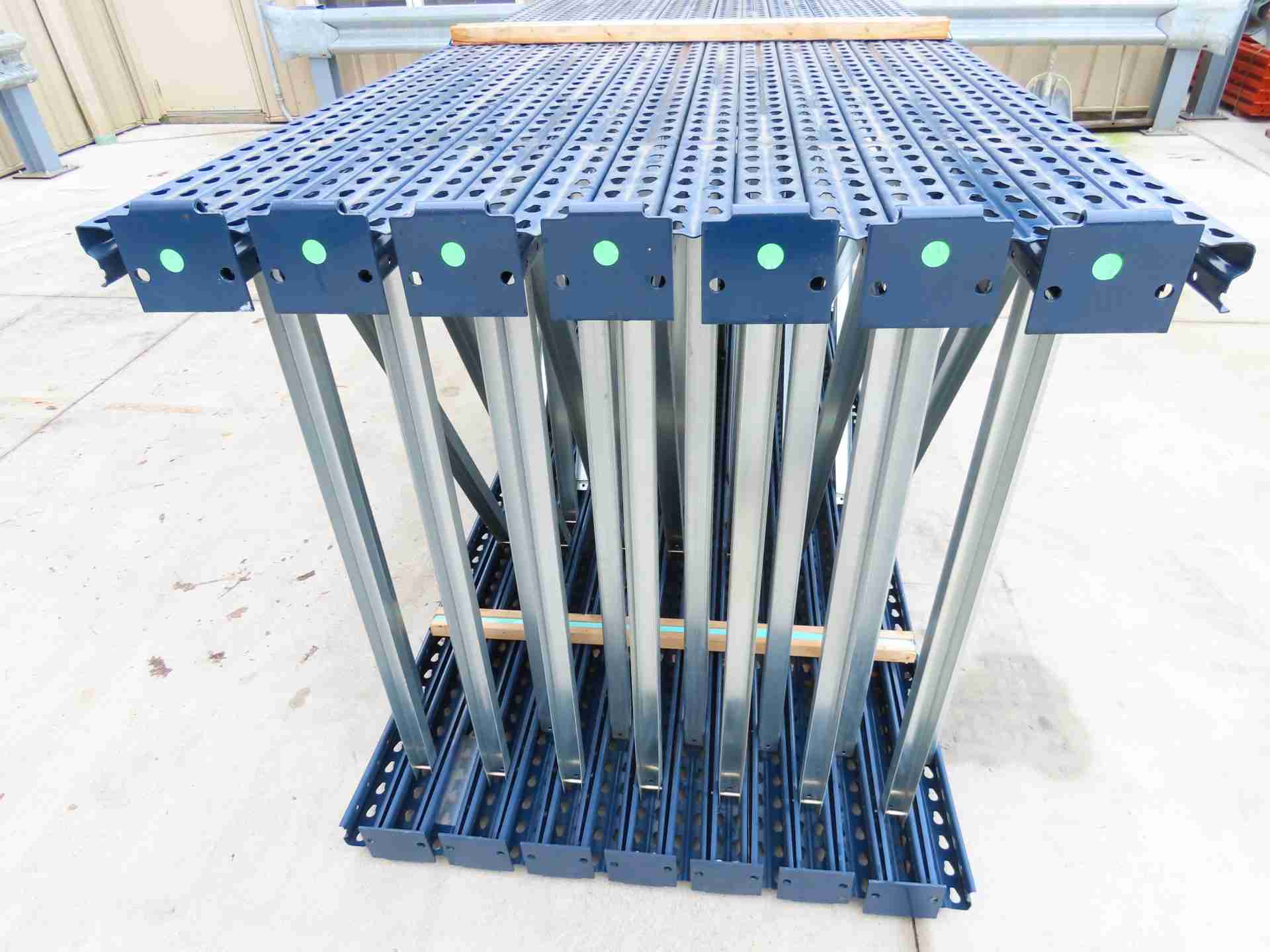
Do You Find Yourself Running Out Of Storage Space In Your Warehouse?
Are Items Frequently Misplaced Or Difficult to Find In Your Warehouse?
If you’re like most people, you probably find yourself constantly searching for lost items in your warehouse. It’s a frustrating and time-consuming experience that can lead to inefficiency and decreased productivity. But fear not, there are ways to combat this issue and make your warehouse operations run smoothly.
One of the first steps in solving this problem is to analyze your current storage system. Are your items categorized in a logical and easy-to-find manner? Is there a designated place for each item, or are things haphazardly thrown around? Taking the time to organize your warehouse can save you countless hours of searching for misplaced items.
I remember a time when I was working in a warehouse that had items scattered everywhere. It was a nightmare trying to find anything, and it was a major source of frustration for everyone on the team. But once we implemented a system of organization, things started to improve dramatically. We created designated areas for different types of items, labeled everything clearly, and enforced a strict policy of returning items to their proper place after use. The difference was like night and day – we were able to locate items quickly and efficiently, and our productivity soared.
Another common issue that leads to misplaced items is poor communication among team members. If everyone is not on the same page about where items are stored or what system is in place, it can easily lead to items being lost or difficult to find. Implementing regular meetings or communication methods to ensure that everyone is aware of the storage system in place can help alleviate this problem.
In recent times, with the rise of e-commerce and online shopping, warehouses are busier than ever. The demand for storage space has skyrocketed, and warehouses are often packed to the brim with inventory. This makes it even more crucial to have an efficient organization system in place to prevent items from getting lost in the shuffle.
So, if you find yourself constantly searching for misplaced items in your warehouse, take a step back and evaluate your storage system. Implementing a system of organization, improving communication among team members, and staying on top of inventory management can help alleviate this issue and make your warehouse operations run seamlessly. Remember, a well-organized warehouse is a productive warehouse.

Are Items Frequently Misplaced Or Difficult to Find In Your Warehouse?
Are Items Frequently Misplaced Or Difficult to Find In Your Warehouse?
- Constantly searching for lost items in your warehouse can lead to inefficiency and decreased productivity.
- Analyzing and organizing your current storage system can save you countless hours of searching for misplaced items.
- Implementing a system of organization, clear labeling, and strict policy enforcement can dramatically improve efficiency in locating items.
- Poor communication among team members can lead to misplaced items, so regular meetings to ensure everyone is aware of the storage system are crucial.
- The rise of e-commerce has increased demand for storage space, making efficient organization systems even more imperative.
- Improving communication among team members and staying on top of inventory management can help make warehouse operations run seamlessly.
- Remember, a well-organized warehouse is a productive warehouse.

Are Items Frequently Misplaced Or Difficult to Find In Your Warehouse?
Do You Struggle to Keep Your Warehouse Organized and Efficient?
Do you struggle to keep your warehouse organized and efficient? You’re not alone. I’ve seen my fair share of chaotic warehouses in my time, and it can be a real headache trying to keep everything in order. But fear not, there are ways to tackle this problem head-on and make your warehouse run like a well-oiled machine.
One of the biggest challenges when it comes to warehouse organization is clutter. It’s all too easy for items to pile up and create a mess that makes it difficult to find what you need when you need it. I remember one time I worked in a warehouse where the aisles were so cluttered with boxes and equipment that it was like navigating a maze just to get from one end to the other. It was a nightmare trying to locate specific items, and productivity suffered as a result.
To combat this issue, it’s important to regularly declutter and organize your warehouse space. Implementing a system for categorizing and storing items can make a world of difference. Consider using shelving units, bins, and labels to keep everything in its rightful place. This not only makes it easier to find what you’re looking for, but it also helps improve efficiency by reducing the time wasted searching for lost items.
Another common problem in warehouses is inventory management. Keeping track of stock levels, monitoring shipments, and ensuring accuracy can be a daunting task. In my experience, I’ve witnessed firsthand the consequences of poor inventory management – delayed orders, lost revenue, and frustrated customers. It’s crucial to have a reliable system in place to track inventory and streamline the ordering process. Utilizing inventory management software or barcode scanners can greatly improve accuracy and efficiency.
Lastly, a key component of warehouse organization is having a well-trained and motivated team. Your employees are the backbone of your operation, and their performance can make or break the success of your warehouse. Providing proper training, clear expectations, and regular feedback can help ensure that your team is working together smoothly and efficiently. Encouraging teamwork and communication can also foster a positive work environment that promotes productivity.
Maintaining a well-organized and efficient warehouse is no easy feat, but with the right strategies in place, it can be achieved. By addressing clutter, implementing inventory management systems, and empowering your team, you can transform your warehouse into a well-oiled machine. So roll up your sleeves, get to work, and watch your warehouse productivity soar. Your future self will thank you.

Do You Struggle to Keep Your Warehouse Organized and Efficient?
Do You Struggle to Keep Your Warehouse Organized and Efficient?
- Clutter is a major challenge in warehouse organization.
- Regular decluttering and organizing is key.
- Implementing a system for categorizing and storing items can make a big difference.
- Inventory management is crucial for efficient operations.
- Utilizing inventory management software or barcode scanners can improve accuracy.
- A well-trained and motivated team is essential for success.
- Empowering your team and fostering teamwork can increase productivity.

Do You Struggle to Keep Your Warehouse Organized and Efficient?
Have You Had Damage to Products Due to Improper Warehouse Storage?
Let me tell you, friends, if you’ve ever experienced the heartbreak of discovering your hard-earned products have been damaged in storage due to negligence or improper handling, then you know the frustration of dealing with the aftermath. It’s a situation that can leave you scratching your head and wondering how it all went so wrong.
I’ve heard countless horror stories from folks who have found themselves in this exact predicament. One gentleman I spoke with had a warehouse full of delicate glassware that was improperly stored and ended up shattered beyond repair. Another woman shared with me how her inventory of electronics was damaged due to improper stacking and lack of proper support. It’s a tough pill to swallow when you realize that all your time, money, and effort have gone down the drain because of someone else’s carelessness.
There are all sorts of factors that can contribute to product damage in warehouse storage. From poor organization and haphazard stacking to improper climate control and inadequate handling equipment, the list goes on. And with the rise of online shopping and the demand for speedy delivery, warehouses are under more pressure than ever to keep up with the pace. It’s easy for things to slip through the cracks when the focus is on getting products out the door quickly, rather than ensuring they are stored in a safe and secure manner.
But here’s the thing – it doesn’t have to be this way. By implementing proper storage practices, investing in quality equipment, and training warehouse staff on handling procedures, businesses can greatly reduce the risk of product damage. It’s about taking the time to do things right the first time, rather than rushing and risking costly mistakes.
In today’s fast-paced world, it’s more important than ever to prioritize proper warehouse storage and maintenance. With the increasing demand for efficient supply chain management and the growing emphasis on customer satisfaction, businesses can’t afford to overlook the importance of proper storage practices. It’s time to take a step back, assess your current procedures, and make the necessary changes to ensure that your products are being stored safely and securely.
So, if you’ve ever had the misfortune of discovering damaged products due to improper warehouse storage, take heart. With a little effort and attention to detail, you can prevent these unfortunate incidents from happening in the future. Your products deserve the best care possible, and it’s up to you to make sure they get it.

Have You Had Damage to Products Due to Improper Warehouse Storage?
Have You Had Damage to Products Due to Improper Warehouse Storage?
- Discovering damaged products in storage can be frustrating and heartbreaking.
- Factors contributing to product damage include poor organization, improper stacking, and inadequate handling equipment.
- Proper storage practices, quality equipment, and staff training can greatly reduce the risk of product damage.
- Efficient supply chain management and customer satisfaction require prioritizing proper warehouse storage.
- Businesses must assess current procedures and make necessary changes to ensure product safety.
- Preventing damaged products in the future requires attention to detail and effort in maintaining proper storage practices.
- Your products deserve the best care possible, so take the necessary steps to ensure they are stored safely and securely.

Have You Had Damage to Products Due to Improper Warehouse Storage?
Conclusion
Folks, if you find yourself grappling with the challenges of warehouse storage inefficiency, damaged inventory, safety hazards, or constant space constraints – it may be time to consider investing in a new storage and shelving system. The signs are clear – if your current system just can’t keep up with the demands of your business, it’s time for a change. I’ve seen firsthand the chaos that ensues when a warehouse is disorganized and inefficient. From struggling to locate items to dealing with damaged inventory, the consequences can be costly. Safety is also a top priority, and a reliable storage system is essential to protect both your products and your employees. Don’t wait for these issues to escalate before taking action.
In today’s fast-paced business environment, a well-organized and efficient warehouse is key to staying ahead of the competition. By implementing a barcode system, optimizing your storage layout, and investing in storage solutions like pallet racking, you can maximize your space and streamline your operations. Don’t let a lack of space hold your business back – assess your current storage situation, make the necessary changes, and watch your productivity soar. Remember, a well-organized warehouse is a productive warehouse. So take control of your storage needs now, and set yourself up for success in the long run. Trust me, you’ll thank yourself later.

Conclusion
Conclusion:
- If you find yourself grappling with challenges like warehouse storage inefficiency, damaged inventory, safety hazards, or constant space constraints
- it may be time to consider investing in a new storage and shelving system.
- The signs are clear: if your current system can’t keep up with the demands of your business, it’s time for a change.
- Disorganized and inefficient warehouses can lead to costly consequences like struggling to locate items and dealing with damaged inventory.
- Safety is a top priority, and a reliable storage system is essential to protect both products and employees.
- A well-organized and efficient warehouse is key to staying ahead of the competition in today’s fast-paced business environment.
- Implementing a barcode system, optimizing storage layout, and investing in solutions like pallet racking can maximize space and streamline operations.
- Don’t let a lack of space hold your business back: assess your storage situation, make necessary changes, and watch productivity soar.

Conclusion
Other Resources

Other Resources
Here is a list of other resources you can review online to learn more:
- “Warehouse Organization (5 Methods For Best Storage”
- “What Is Warehouse Logistics? How To Manage a Warehouse”
- “A Guide to Warehouse Shelving Systems”
- “Warehouses: industrial racking risks and prevention …”
- “The importance of organizing warehouse inventory”
- “What Are The Key Benefits Of Using Industrial Racks In …”
- “Industrial & Warehouse Shelving”
- “Can Pallet Racking Improve Efficiency for Your Business?”
- “Common Warehouse Mistakes and How to Prevent Them”
- “How to Implement Industrial Racking Systems in Your …”

Other Resources
Glossary Terms
How to Know If a Warehouse Storage and Shelving System Is Needed? – Glossary Of Terms
Here’s a glossary of 30 terms related to determining the need for a warehouse storage and shelving system:
1. Warehouse Layout: The overall design and organization of physical storage space in a warehouse, accounting for aisles, loading docks, and storage systems.
2. Inventory Management: The process of ordering, storing, and using a company’s inventory, including raw materials, components, and finished products.
3. SKU (Stock Keeping Unit): A unique identifier for each distinct product and service that can be purchased, used to track inventory.
4. Pick Rate: The speed at which items are retrieved from storage, often measured in units per hour.
5. Capacity Utilization: The extent to which a warehouse’s storage space is being utilized, calculated as a percentage.
6. FIFO (First-In, First-Out): An inventory management method where the oldest inventory items are used or sold first.
7. LIFO (Last-In, First-Out): An inventory method where the most recently acquired items are used or sold first.
8. Turnover Rate: The rate at which inventory is sold and replaced over a specific period.
9. Pallet Racking: A storage system designed to hold materials on pallets, varying in configurations to maximize space.
10. Shelving Units: Structures with multiple shelves used to store smaller items that are not suited for pallets.
11. Load-Bearing Capacity: The maximum weight a storage system can safely support.
12. Vertical Space Optimization: Maximizing the use of vertical space to improve storage efficiency and capacity.
13. Dead Stock: Inventory that has not been sold or used for an extended period, indicating potential space inefficiencies.
14. Kitting Area: A designated space in a warehouse where items are gathered and packaged together as a kit or set.
15. Cycle Counting: A periodic counting of inventory, as opposed to a full inventory count done once a year.
16. Real-Time Data: Up-to-the-minute information about inventory levels and storage space, often facilitated by warehouse management systems (WMS).
17. Modular Storage: Flexible storage configurations that can be easily adapted to changing inventory needs.
18. Accessibility: The ease with which items can be accessed for picking and replenishment.
19. Space Planning: The process of analyzing and designing the optimal use of warehouse space.
20. Aisle Width: The width of space between storage units, critical for safe forklift operations and efficient picking.
21. Mezzanine Floors: Intermediate floors in a warehouse used to create additional storage or workspace without expanding the building footprint.
22. Safety Standards: Regulations and guidelines ensuring the safe operation and load distribution of storage systems.
23. Cross-Docking: A logistics practice where products are directly transferred from inbound to outbound transport without intermediate storage.
24. Volume Per Pick: The amount of goods picked per retrieval operation, affecting storage needs and methods.
25. Storage Density: The amount of inventory stored in a given warehouse space, higher density indicates more efficient use of space.
26. Dynamic Storage: Storage systems that change configurations based on current inventory needs and movements.
27. Fixed Storage: Storage systems that remain constant in their design and layout.
28. Operational Flow: The movement and processing of goods within a warehouse, influencing the need for specific types of shelving and storage systems.
29. Scalability: The ability of the storage system to adapt to growing or decreasing inventory needs.
30. Material Handling Equipment: Machinery used to transport goods within a warehouse, such as forklifts, which impacts storage and shelving needs.
Understanding these terms can help you recognize when a warehouse storage and shelving system might be necessary for efficient operations.

Glossary Of Terms
Other Questions
How to Know If a Warehouse Storage and Shelving System Is Needed? – Other Questions
If you wish to explore and discover more, consider looking for answers to these questions:
- What are the key signs that indicate a business needs a new warehouse storage and shelving system?
- How can inefficient warehouse storage impact a business’s operations?
- What are the common problems associated with outdated or inadequate shelving systems?
- How does damaged inventory affect a business’s profitability?
- What safety concerns arise from using unstable or improperly installed shelving?
- Why is it important for warehouse storage systems to be flexible and scalable?
- How can businesses improve the efficiency of finding items in their warehouse?
- What role does a barcode system play in warehouse management?
- How can a warehouse be organized to improve the process of locating items quickly?
- What should be included in a thorough inventory audit?
- What are some effective storage solutions for maximizing warehouse space?
- Why is proper organization and labeling crucial in warehouse management?
- How can vertical storage racks help in increasing storage capacity?
- What impact does poor communication among teams have on item misplacement in a warehouse?
- How can implementing regular meetings improve warehouse efficiency?
- What are the benefits of maintaining a well-organized warehouse?
- What strategies can be used to declutter and organize a warehouse space?
- How does inventory management software improve warehouse operations?
- Why is employee training important for efficient warehouse management?
- What are the common causes of product damage in warehouse storage?
- What steps can businesses take to prevent damage to products in storage?
- How can proper climate control impact product safety in a warehouse?
- Why is investing in quality handling equipment important for warehouse safety?
- How can businesses ensure their warehouse staff are adequately trained in handling procedures?
- What are the benefits of prioritizing proper warehouse storage and maintenance?

Other Questions
Checklist
How to Know If a Warehouse Storage and Shelving System Is Needed? – A Checklist
1. Space Utilization
_____ Do you frequently run out of storage space?
_____ Are aisles or pathways often blocked by excess inventory?
_____ Do you struggle to find room for new shipments?
2. Efficiency in Finding Items
_____ Do you spend excessive time searching for items?
_____ Are items frequently misplaced or lost?
_____ Is there a logical, intuitive layout for locating items easily?
3. Inventory Damage
_____ Have you experienced product damage due to improper storage?
_____ Do piles of inventory seem unstable or poorly supported?
_____ Have you lost revenue or incurred costs due to damaged goods?
4. Safety Concerns
_____ Are there any safety hazards in your current storage setup?
_____ Do shelves and storage systems seem unstable or outdated?
_____ Have you had any warehouse accidents related to storage issues?
5. System Flexibility
_____ Do you find yourself constantly reconfiguring your storage layout?
_____ Are you able to adapt your storage solutions to the changing demands of your business?
_____ Is your current system scalable to accommodate growth?
6. Organization and Layout
_____ Is your warehouse cluttered and disorganized?
_____ Are items categorized and labeled correctly?
_____ Do you have designated areas for different types of products?
7. Inventory Management
_____ Do you struggle with keeping track of stock levels?
_____ Is your inventory management system outdated or inefficient?
_____ Are you able to quickly and accurately retrieve items?
8. Employee Efficiency
_____ Are your employees spending too much time navigating the warehouse?
_____ Do you often deal with frustrated or overwhelmed staff?
_____ Is teamwork and communication among staff regarding storage and retrieval efficient?
9. Customer Satisfaction
_____ Have you had complaints about delayed or incorrect shipments?
_____ Is inefficiency in your warehouse affecting your ability to meet customer demands?
_____ Have supply chain disruptions caused you to reassess your current system?
10. Future Readiness
_____ Are you prepared for e-commerce growth and increased inventory demands?
_____ Do you have plans to invest in new storage technologies or systems?
_____ Are you taking proactive steps to ensure long-term warehouse efficiency?
If you find that you answered “yes” to several of these questions, it might be time to consider investing in a more robust and efficient warehouse storage and shelving system. Proper organization, safety, and efficiency are crucial for operational success and customer satisfaction. Don’t wait until these issues become bigger problems; take action now to improve your warehouse operations.
Feel free to customize this checklist to better suit your needs or to emphasize particular points based on your specific context.

Checklist
At RackingWorld, we help guide you through selecting warehouse storage systems and racking.
Be sure to read our other related stories at RackingWorld to learn more about warehouse storage systems.
0 Comments