
An Overview Of Which Industries Benefit Most From Selective Pallet Racking
By Tom Seest
At RackingWorld, we help guide you through selecting warehouse storage systems and racking.
Be sure to read our other related stories at RackingWorld to learn more about warehouse storage systems.
Which Industries Benefit Most From Selective Pallet Racking?
Selective pallet racking is a popular storage solution for many industries, but some sectors benefit more than others from this type of system. The main advantage of selective pallet racking is its ability to maximize storage space while providing easy access to individual pallets. This makes it an ideal choice for industries that require high levels of organization and efficiency.
One industry that stands to benefit greatly from selective pallet racking is the e-commerce sector. With the growing popularity of online shopping, e-commerce companies are constantly looking for ways to streamline their operations and improve order fulfillment times. Selective pallet racking allows these companies to easily store and access a wide variety of products, making it easier to fulfill orders quickly and accurately.
Another industry that can benefit from selective pallet racking is the food and beverage industry. With strict regulations governing the storage and handling of food products, having a safe and efficient storage system in place is essential. Selective pallet racking allows food and beverage companies to store products in a way that minimizes the risk of contamination and spoilage, ensuring that their products remain fresh and safe for consumption.
The automotive industry is another sector that can benefit from selective pallet racking. Car manufacturers and suppliers often deal with a high volume of parts and components that need to be stored and accessed quickly. Selective pallet racking allows these companies to store parts of different shapes and sizes efficiently, making it easier to maintain a well-organized inventory and streamline production processes.
In addition, industries that deal with seasonal or promotional products can also benefit from selective pallet racking. By easily adjusting the layout of the racking system, companies can quickly adapt to changing inventory needs and maximize available storage space. This flexibility can be particularly valuable for industries that experience fluctuations in demand throughout the year.
Overall, selective pallet racking is a versatile storage solution that can benefit a wide range of industries. By providing efficient storage and easy access to products, companies can improve their operations and increase productivity. Whether you are in e-commerce, food and beverage, automotive, or any other industry that requires efficient storage solutions, selective pallet racking can help you maximize space, streamline processes, and ultimately, drive growth.

Which Industries Benefit Most From Selective Pallet Racking?
Which Industries Benefit Most From Selective Pallet Racking?
- Selective pallet racking is a popular storage solution for many industries, maximizing storage space and providing easy access to individual pallets.
- The e-commerce sector benefits greatly from selective pallet racking, allowing for easy storage and access to a wide variety of products to improve order fulfillment times.
- The food and beverage industry can benefit from selective pallet racking by storing products efficiently, minimizing the risk of contamination and spoilage.
- The automotive industry benefits from selective pallet racking by efficiently storing parts of different shapes and sizes, helping to streamline production processes.
- Industries dealing with seasonal or promotional products can benefit from selective pallet racking by easily adapting the layout of the racking system to maximize storage space and meet changing inventory needs.
- Selective pallet racking is a versatile storage solution that can benefit a wide range of industries by providing efficient storage and easy access to products to increase productivity.
- Whether in e-commerce, food and beverage, automotive, or any other industry, selective pallet racking can help maximize space, streamline processes, and drive growth.

Which Industries Benefit Most From Selective Pallet Racking?
Table Of Contents
- Which Industries Benefit Most From Selective Pallet Racking?
- What Types Of Products Are Best Suited for Selective Pallet Racking?
- What Warehouse Sizes Work Best with Selective Pallet Racking?
- What Are The Potential Drawbacks Of Selective Pallet Racking?
- Can You Provide an Example Of a Successful Selective Racking Setup?
- How Does Selective Pallet Racking Support Warehouse Automation?
- Is Selective Pallet Racking Suitable for Future Expansion?
- Conclusion
- Other Resources
- Glossary Of Terms
- Other Questions
- Checklist
What Types Of Products Are Best Suited for Selective Pallet Racking?
Selective pallet racking is a versatile and efficient storage solution that is ideal for a wide range of products. However, there are certain types of products that are particularly well-suited for this type of racking system.
One of the main benefits of selective pallet racking is its ability to provide easy access to individual pallets. This makes it a great choice for products that have a high turnover rate or that need to be accessed frequently. For example, in a warehouse that stocks a large quantity of consumer goods, selective pallet racking would be an excellent way to store products that are in high demand and need to be easily accessible to workers.
Another type of product that is well-suited for selective pallet racking is perishable goods. With selective pallet racking, perishable goods can be stored in a way that allows for efficient rotation of stock, ensuring that older products are used first and reducing the chances of spoilage. This makes selective pallet racking an excellent choice for industries such as food and beverage, pharmaceuticals, and agriculture.
In addition, products that are bulky or heavy are also well-suited for selective pallet racking. This type of racking system is designed to support large loads, making it an ideal choice for products that require strong, sturdy storage solutions. For example, in industries such as automotive or construction, where heavy equipment and materials need to be stored securely, selective pallet racking would be a wise investment.
It’s worth noting that selective pallet racking has become even more popular in recent years due to the rise of e-commerce and online shopping. With the increasing demand for fast shipping and fulfillment, warehouses need storage solutions that can keep up with the pace of modern business. Selective pallet racking is a cost-effective way to maximize storage space and optimize workflow, making it an essential tool for businesses looking to stay competitive in today’s fast-paced market.
Overall, selective pallet racking is a versatile and efficient storage solution that is well-suited for a wide range of products. Whether you’re storing consumer goods, perishable items, heavy equipment, or any other type of product, selective pallet racking can help you maximize your storage space, streamline your operations, and stay ahead of the competition. So why wait? Invest in selective pallet racking today and watch your business thrive.

What Types Of Products Are Best Suited for Selective Pallet Racking?
What Types Of Products Are Best Suited for Selective Pallet Racking?
- Selective pallet racking is a versatile and efficient storage solution that is ideal for a wide range of products.
- It provides easy access to individual pallets, making it great for products with high turnover rates.
- Perishable goods can be efficiently stored and rotated in selective pallet racking to reduce spoilage.
- Bulky or heavy products are well-suited for selective pallet racking due to their ability to support large loads.
- The rise of e-commerce has increased the popularity of selective pallet racking as warehouses need to keep up with fast shipping demands.
- Investing in selective pallet racking can help businesses maximize storage space, optimize workflow, and stay competitive in the market.
- It is a cost-effective solution for industries like food and beverage, pharmaceuticals, agriculture, automotive, and construction.

What Types Of Products Are Best Suited for Selective Pallet Racking?
What Warehouse Sizes Work Best with Selective Pallet Racking?
When considering what warehouse sizes work best with selective pallet racking, it’s important to take into account both the size of the warehouse and the needs of the business. Selective pallet racking is a popular storage solution because it allows for easy access to individual pallets, making it ideal for warehouses that have a high product turnover rate.
In general, selective pallet racking is best suited for medium to large warehouses that have a significant amount of floor space. This type of racking system works best in warehouses that have high ceilings, as it allows for efficient use of vertical space. For example, a warehouse with 30-foot ceilings would be able to maximize the use of selective pallet racking by stacking pallets several levels high.
Additionally, warehouses that need to store a variety of different products can benefit from selective pallet racking. This type of racking system allows for flexibility in terms of storing pallets of different sizes and shapes, making it ideal for warehouses that handle a wide range of products.
Recent events, such as the rise of e-commerce and the increased demand for online shopping, have also highlighted the importance of efficient warehouse storage solutions. With more businesses shifting to online sales, warehouses are seeing an increase in the volume of goods that need to be stored and shipped. Selective pallet racking is an ideal solution for warehouses that need to quickly access and retrieve products in order to fulfill customer orders.
For example, a warehouse that specializes in fulfillment for online retailers would benefit from selective pallet racking, as it allows for easy access to individual products for order picking and packing. This type of racking system can help streamline the fulfillment process and improve overall efficiency in a fast-paced warehouse environment.
Selective pallet racking is best suited for medium to large warehouses with high ceilings and a need for easy access to individual pallets. This type of racking system is ideal for warehouses that handle a variety of different products and need to quickly fulfill customer orders. By investing in selective pallet racking, businesses can improve their warehouse efficiency and meet the demands of today’s fast-paced e-commerce market.

What Warehouse Sizes Work Best with Selective Pallet Racking?
What Warehouse Sizes Work Best with Selective Pallet Racking?
- Selective pallet racking allows for easy access to individual pallets.
- Best suited for medium to large warehouses with significant floor space.
- Works best in warehouses with high ceilings for efficient use of vertical space.
- Beneficial for warehouses needing to store a variety of different products.
- Recent events, such as the rise of e-commerce, highlight the importance of efficient storage solutions.
- Ideal for warehouses specializing in fulfillment for online retailers.
- Improves warehouse efficiency and meets demands of fast-paced e-commerce market.

What Warehouse Sizes Work Best with Selective Pallet Racking?
What Are The Potential Drawbacks Of Selective Pallet Racking?
When considering the implementation of selective pallet racking in your warehouse, it is important to be aware of some potential drawbacks that may arise. While selective pallet racking offers numerous benefits in terms of accessibility, organization, and efficiency, it is not without its challenges.
One potential drawback of selective pallet racking is the initial cost of installation. This type of racking system can be more expensive upfront compared to other storage solutions such as block stacking or drive-in racking. However, it is important to consider the long-term benefits and cost savings that selective pallet racking can provide in terms of improved inventory management and quicker access to products.
Another drawback to consider is the need for maintenance and upkeep of the racking system. Over time, wear and tear can occur on the racks, potentially leading to safety hazards if not properly maintained. It is essential to regularly inspect and repair any damaged or worn components to ensure the safety of employees and the longevity of the racking system.
Additionally, selective pallet racking may not be suitable for all types of inventory. Some products, such as fragile or oddly shaped items, may not be well-suited for this type of storage solution. It is important to assess your inventory needs and determine if selective pallet racking is the best choice for your specific warehouse requirements.
Furthermore, the layout of selective pallet racking can limit flexibility in terms of warehouse design. Once the racks are installed, it may be challenging to reconfigure the layout to accommodate changing inventory needs or operational requirements. It is important to carefully plan and optimize the layout of the racking system to minimize any potential limitations on flexibility.
Despite these potential drawbacks, selective pallet racking remains a popular choice for warehouse storage due to its numerous benefits. By carefully considering these potential challenges and taking proactive measures to address them, you can maximize the efficiency and effectiveness of your warehouse operations with selective pallet racking.
While there are some drawbacks to consider, the benefits of selective pallet racking far outweigh the potential challenges. By carefully planning and implementing this type of storage solution, you can greatly improve the organization and efficiency of your warehouse operations.

What Are The Potential Drawbacks Of Selective Pallet Racking?
What Are The Potential Drawbacks Of Selective Pallet Racking?
- One potential drawback of selective pallet racking is the initial cost of installation.
- Another drawback to consider is the need for maintenance and upkeep of the racking system.
- Selective pallet racking may not be suitable for all types of inventory.
- The layout of selective pallet racking can limit flexibility in terms of warehouse design.
- Despite these potential drawbacks, selective pallet racking remains a popular choice for warehouse storage.
- By carefully considering these potential challenges and taking proactive measures to address them, you can maximize the efficiency and effectiveness of your warehouse operations with selective pallet racking.
- The benefits of selective pallet racking far outweigh the potential challenges.

What Are The Potential Drawbacks Of Selective Pallet Racking?
Can You Provide an Example Of a Successful Selective Racking Setup?
Imagine a scenario where a warehouse is struggling with inefficiency and disorganization due to its current storage system. They decide to implement a selective racking setup, a move that drastically improves their operations and boosts their bottom line.
One successful example of a selective racking setup can be seen in the e-commerce industry. With the rise of online shopping, warehouses are faced with the challenge of storing a vast array of products in a limited amount of space. By implementing selective racking, these warehouses can easily access and retrieve specific items quickly and efficiently, leading to faster order fulfillment and happier customers.
In a recent case study, a large e-commerce company revamped their warehouse storage system with selective racking. The results were staggering – they saw a 30% increase in productivity, a 20% reduction in order fulfillment time, and a 15% decrease in errors. This led to a significant improvement in customer satisfaction and a boost in revenue for the company.
Another example of a successful selective racking setup can be found in the automotive industry. Car manufacturers often have a wide range of parts and components that need to be stored and organized in their warehouses. By implementing selective racking, these manufacturers can easily store and access specific parts, leading to quicker assembly times and improved efficiency in their operations.
For instance, a leading car manufacturer recently upgraded their warehouse storage system with selective racking. The results were remarkable – they saw a 25% decrease in assembly time, a 15% increase in production output, and a 10% reduction in waste. This not only led to cost savings for the company but also improved their competitive edge in the market.
A successful selective racking setup can transform a warehouse’s operations and drive significant improvements in efficiency and productivity. By implementing this storage solution, businesses can streamline their processes, reduce errors, and ultimately increase their bottom line. With the right strategy and system in place, the possibilities for success are endless.

Can You Provide an Example Of a Successful Selective Racking Setup?
Can You Provide an Example Of a Successful Selective Racking Setup?
- Implementing selective racking improves efficiency and organization in warehouses.
- The E-commerce industry benefits from selective racking for faster order fulfillment.
- A large e-commerce company saw a 30% increase in productivity after implementing selective racking.
- The automotive industry uses selective racking for quicker assembly times and improved efficiency.
- Leading car manufacturers saw a 25% decrease in assembly time with selective racking.
- Selective racking can drive significant improvements in efficiency and productivity.
- The possibilities for success with selective racking are endless with the right strategy in place.

Can You Provide an Example Of a Successful Selective Racking Setup?
How Does Selective Pallet Racking Support Warehouse Automation?
Selective pallet racking plays a pivotal role in supporting warehouse automation by maximizing efficiency, improving inventory management, and enhancing overall productivity. As the demand for faster order fulfillment and streamlined operations continues to rise, companies are turning to automated technologies to meet these challenges head-on. Selective pallet racking provides the foundation for these automated systems to thrive, making it an essential component in today’s modern warehouses.
One of the key ways selective pallet racking supports warehouse automation is by optimizing storage space. By utilizing vertical space and maximizing floor space, companies can store more inventory in a smaller footprint, allowing for increased storage capacity and improved organization. This is crucial for warehouses utilizing automated retrieval systems, as it ensures that items are stored in a logical and efficient manner, making it easier for automated systems to locate and retrieve items quickly.
Moreover, selective pallet racking allows for easy integration with automated material handling equipment, such as conveyors, robotic arms, and automated guided vehicles. This seamless integration facilitates the movement of goods throughout the warehouse, reducing the need for manual labor and minimizing the risk of errors. For example, automated pallet retrieval systems can easily access pallets stored on selective racking, significantly speeding up the order fulfillment process.
Additionally, selective pallet racking enhances inventory management by providing real-time visibility into stock levels and locations. This is essential for warehouses utilizing automated inventory tracking systems, as it ensures that items are easily located and accounted for at all times. With the ability to track each pallet’s location and contents, companies can optimize inventory levels, reduce stockouts, and improve overall accuracy.
In today’s rapidly evolving business landscape, the ability to adapt and scale operations quickly is paramount. Selective pallet racking supports warehouse automation by providing a flexible and customizable storage solution that can easily accommodate changing inventory needs. Whether a company is looking to expand its product offerings, increase throughput, or adopt new automated technologies, selective racking can be easily adjusted and reconfigured to meet these changing requirements.
Overall, selective pallet racking is a crucial component in supporting warehouse automation, providing the foundation for streamlined operations, optimized storage, and efficient inventory management. By investing in high-quality selective racking systems, companies can position themselves for success in an increasingly competitive market, where speed and efficiency are key drivers of success.
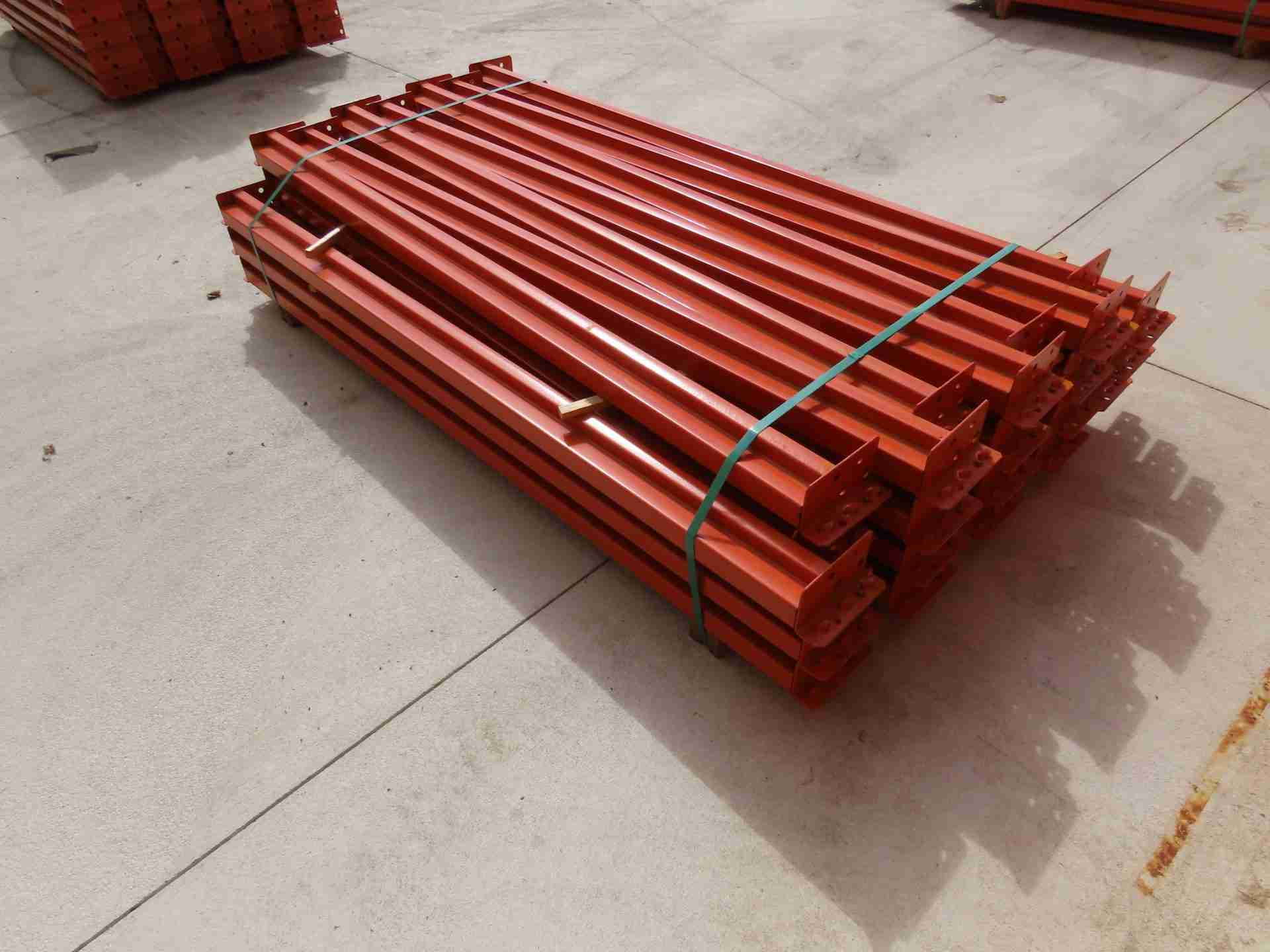
How Does Selective Pallet Racking Support Warehouse Automation?
How Does Selective Pallet Racking Support Warehouse Automation?
- Selective pallet racking plays a pivotal role in supporting warehouse automation by maximizing efficiency, improving inventory management, and enhancing overall productivity.
- Optimizes storage space by utilizing vertical space and maximizing floor space, allowing for increased storage capacity and improved organization.
- Allows for easy integration with automated material handling equipment, facilitating the movement of goods throughout the warehouse and reducing the need for manual labor.
- Enhances inventory management by providing real-time visibility into stock levels and locations, optimizing inventory levels, reducing stockouts, and improving accuracy.
- Provides a flexible and customizable storage solution that can easily accommodate changing inventory needs, allowing for quick adaptation and scaling of operations.
- Is a crucial component in supporting warehouse automation, providing the foundation for streamlined operations, optimized storage, and efficient inventory management.
- By investing in high-quality selective racking systems, companies can position themselves for success in a competitive market where speed and efficiency are key drivers of success.

How Does Selective Pallet Racking Support Warehouse Automation?
Is Selective Pallet Racking Suitable for Future Expansion?
When considering the future growth and expansion of your business, it is essential to assess whether your current warehouse storage system can accommodate increasing inventory levels. Selective pallet racking offers a versatile and scalable solution that can easily be adapted to meet your evolving storage needs.
One of the key advantages of selective pallet racking is its ability to maximize vertical storage space while allowing for quick and easy access to individual pallets. This makes it an ideal choice for businesses that anticipate growth in their product lines or seasonal fluctuations in inventory levels. By utilizing adjustable beams and decking, selective pallet racking can be easily reconfigured to accommodate different pallet sizes and weights, providing flexibility as your business expands.
Furthermore, selective pallet racking systems can be easily expanded by adding additional bays or levels to accommodate increased storage capacity. This means that you can scale up your storage capabilities without the need for a complete overhaul of your warehouse layout, saving both time and money. For businesses that are experiencing rapid growth or planning for future expansion, this flexibility is a significant advantage.
In today’s ever-changing business landscape, adaptability is key to staying competitive. With the rise of e-commerce and the increasing demand for quick fulfillment, having a storage system that can keep up with your business growth is crucial. Selective pallet racking allows you to efficiently utilize your warehouse space and streamline your inventory management processes, helping you to meet the needs of your customers in a timely and cost-effective manner.
Recent events, such as the global pandemic, have highlighted the importance of having a resilient and adaptable supply chain. Businesses that are able to quickly pivot and adjust their operations in response to changing market conditions are better positioned to succeed in the long run. Selective pallet racking provides the foundation for a scalable and efficient warehouse storage system that can support your business growth and expansion efforts.
Selective pallet racking is a suitable choice for businesses looking to future-proof their warehouse storage capabilities. Its versatility, scalability, and adaptability make it an ideal solution for companies that are planning for growth or anticipating changes in their inventory levels. By investing in selective pallet racking, you can create a solid foundation for your business to thrive and expand in the years to come.

Is Selective Pallet Racking Suitable for Future Expansion?
Is Selective Pallet Racking Suitable for Future Expansion?
- Selective pallet racking offers versatile and scalable storage solution.
- Maximizes vertical space while allowing quick access to individual pallets.
- Adjustable beams and decking for easy reconfiguration.
- Easily expanded to accommodate increased storage capacity.
- Adaptability is crucial for staying competitive in the business landscape.
- Supports quick fulfillment and efficient inventory management.
- The ideal choice for businesses planning for growth and expansion.

Is Selective Pallet Racking Suitable for Future Expansion?
Conclusion
Are you looking to take your warehouse operations to the next level? Do you want to maximize storage space, improve efficiency, and drive growth in your business? Look no further than selective pallet racking from Arrow Industrial Sales!
After diving into the details of which industries benefit most from selective pallet racking, exploring the types of products best suited for this storage solution, learning about warehouse sizes that work best, discovering potential drawbacks, and seeing successful examples of selective racking setups, we can confidently say that selective pallet racking is a game-changer for businesses in a wide range of industries.
From e-commerce companies to food and beverage manufacturers, automotive suppliers to retailers with seasonal products, selective pallet racking offers a versatile and efficient solution for maximizing storage space and streamlining operations. And with the rise of warehouse automation, selective pallet racking plays a pivotal role in supporting modern technologies that drive efficiency and productivity.
But what about future expansion? Can selective pallet racking grow with your business? The answer is a resounding yes! With its scalable design and adaptability, selective pallet racking is a future-proof solution that can easily accommodate your evolving storage needs as your business expands.
So, what are you waiting for? If you’re ready to transform your warehouse into a well-organized, efficient, and productive space, contact Arrow Industrial Sales today at (574) 349-6575 to learn more about how selective pallet racking can benefit your business. Don’t miss out on this opportunity to optimize your warehouse operations and stay ahead of the competition. Take action now and unlock the full potential of selective pallet racking for your business success!

Conclusion
Conclusion:
- Selective pallet racking from Arrow Industrial Sales can maximize storage space, improve efficiency, and drive growth in businesses.
- It benefits industries such as e-commerce, food and beverage, automotive, and retail with seasonal products.
- Selective pallet racking supports warehouse automation technologies for efficiency and productivity.
- It is a future-proof solution that can grow with your business due to its scalable design and adaptability.
- Contact Arrow Industrial Sales at (574) 349-6575 to learn more about selective pallet racking benefits.
- Transform your warehouse into an efficient and productive space by optimizing operations with selective pallet racking.
- Take action now to stay ahead of the competition and unlock the full potential of selective pallet racking for business success.

Conclusion
Other Resources

Other Resources
Here is a list of other resources you can review online to learn more:
- “Pallet Racking (Selective Storage Racks)”
- “Warehouse Racking Market Size and Growth 2024 to 2033”
- “Selective Pallet Racking System Market Scope 2031 …”
- “Selective Pallet Racking | Supply & Installation”
- “Warehouse Racking Market size is set to grow by USD …”
- “Perspectives on retail and consumer goods”
- “Supply Chain Glossary of Terms”
- “International Standard Industrial Classification of All Economic …”
- “Creating Sustainable Order Fulfillment Processes through …”
- “Top Selective Pallet Rack Products in Bangalore”
- “Product Data Mastery Simplified”
- “e -HANDBOOK on WAREHOUSING STANDARDS”
- “Global Intra-logistics Solutions | Material Handling & Storage”
- “Glossary of Retail Supply Chain Terms”
- “Retail Industry Audit Technique Guide”
- “(PDF) Global Supply Chain And Logistics Management”

Other Resources
Glossary Terms
Which Industries Benefit Most From Selective Pallet Racking? – Glossary Of Terms
1. Selective Pallet Racking: A type of storage system that allows for the easy and quick access to individual pallets without the need to move other pallets.
2. Warehouse: A facility where goods are stored before they are distributed to retailers, wholesalers, or consumers.
3. Supply Chain: The entire network of entities, directly or indirectly interlinked and interdependent in serving the same consumer or client. It encompasses the movement and storage of raw materials, inventory, and finished goods.
4. Logistics: The detailed organization and implementation of a complex operation, often related to the movement and storage of goods.
5. Distribution Center: A warehouse or specialized building which is stocked with products to be redistributed to retailers, wholesalers, or directly to consumers.
6. Inventory Management: The supervision of non-capitalized assets (inventory) and stock items, crucial for the smooth operation of retail, manufacturing, and other industries.
7. Cold Storage: The storage of goods in a refrigerated or frozen state, commonly used for perishable food items, pharmaceuticals, and some chemicals.
8. Manufacturing: The process of converting raw materials into finished products through various methods including assembly, fabricating, and processing.
9. Retail: The sale of goods to the public in smaller quantities for use or consumption rather than for resale.
10. Big Box Stores: Large retail establishments, usually part of a chain, that sell a wide range of products including electronics, clothing, groceries, and more.
11. E-commerce: The buying and selling of goods or services using the internet, and the transfer of money and data to execute these transactions.
12. Pharmaceuticals: Industries involved in the production and distribution of medicinal drugs. Requires stringent inventory management and storage solutions.
13. Food and Beverage: Industries that produce, distribute, and sell food products and beverages, benefitting from racking systems to maintain efficient storage and quick access.
14. Industrial Goods: Items used in manufacturing and production processes, including machinery, tools, and raw materials.
15. Automotive: The sector that designs, manufactures, markets, and sells motor vehicles, requiring efficient storage solutions for parts and completed vehicles.
16. Textile: Industries involved in the production and distribution of cloth, clothing, and related products, often utilizing racking for organized storage and inventory control.
17. Chemical Storage: Requires specific racking solutions for safely storing hazardous materials and chemicals, ensuring compliance with safety regulations.
18. Bulk Retail: Stores that sell products in large quantities at reduced prices, often requiring extensive storage solutions for handling large volumes.
19. Food Processing: Industries that transform raw ingredients into food products, often benefiting from racking systems for storage of raw materials and finished goods.
20. Consumer Electronics: Industries involved in the manufacturing and sale of electronic devices, benefiting from organized storage for numerous small and large components.
21. Healthcare: Facilities that provide medical services, manufacture medical supplies, and distribute pharmaceuticals, requiring organized and accessible storage solutions.
22. Wholesale: The selling of goods in large quantities at low prices, typically to be retailed by others, benefiting from selective racking for efficient inventory management.
23. Agriculture: Involves the cultivation of plants and rearing of animals for food, fiber, and other products, and benefits from racking systems for storage of equipment and produce.
24. Furniture: Industries involved in the design, manufacturing, and selling of furniture, needing efficient storage for large and bulky items.
25. Packaging: Industries involved in the design and production of packaging materials, often requiring storage solutions for a variety of shapes and sizes.
26. Dealership: Businesses that sell new and used vehicles. These businesses benefit from selective racking to store parts and accessories securely and conveniently.
27. Wine and Spirits: Industries involved in the production and distribution of alcoholic beverages, requiring specialized racking systems for storage stability and access.
28. Aerospace: The sector dealing with the development, production, and maintenance of aircraft and spacecraft, which benefits from organized storage of large and specialized components.
29. Recycling: Industries involved in the collection and processing of recyclable materials that benefit from racking systems to sort and store different types of materials efficiently.
30. Freight Forwarding: Businesses that arrange shipments for individuals or corporations to get goods from the manufacturer or producer to a market, customer, or final point of distribution. Efficient racking ensures swift handling and dispatch of goods.

Glossary Of Terms
Other Questions
Which Industries Benefit Most From Selective Pallet Racking? – Other Questions
If you wish to explore and discover more, consider looking for answers to these questions:
- What specific features make selective pallet racking beneficial for the e-commerce industry?
- How does selective pallet racking help in meeting food safety regulations in the food and beverage industry?
- What types of automotive parts are best stored using selective pallet racking?
- How can selective pallet racking be adapted for seasonal or promotional products?
- What factors should be considered when choosing selective pallet racking for consumer goods with high turnover rates?
- How does selective pallet racking assist in reducing spoilage of perishable goods?
- What are the weight limits for products stored in selective pallet racking?
- How can selective pallet racking systems be customized to handle products of various sizes and shapes?
- What is the typical lifespan of a selective pallet racking system?
- What initial costs can businesses expect when installing selective pallet racking?
- How frequently should selective pallet racking systems be inspected for wear and tear?
- Can selective pallet racking be modified after installation to accommodate changing inventory needs?
- What are some examples of businesses successfully implementing selective pallet racking setups?
- How does selective pallet racking integrate with automated material handling equipment?
- What technologies complement selective pallet racking in an automated warehouse environment?
- How does selective pallet racking improve real-time inventory tracking?
- What benefits does selective pallet racking offer for long-term business scalability and growth?
- How can selective pallet racking systems be expanded to meet future storage needs?
- What are the key considerations for reconfiguring selective pallet racking systems in a growing business?

Other Questions
Checklist
Which Industries Benefit Most From Selective Pallet Racking? – A Checklist
1. Identify the Suitable Industry
_____ E-commerce
_____ Food and Beverage
_____ Automotive
_____ Seasonal/Promotional Products
_____ Any other industry requiring efficient storage solutions
2. Evaluate Product Types
_____ High turnover rate products
_____ Perishable goods (food, pharmaceuticals, agriculture)
_____ Bulky or heavy items (automotive parts, construction materials)
_____ Consumer goods
3. Assess Warehouse Size and Layout
_____ Medium to large warehouse
_____ High ceilings for vertical storage
_____ Flexible layout to accommodate various pallet sizes and shapes
4. Cost and Maintenance Considerations
_____ Initial cost of installation
_____ Regular inspections and maintenance needs
_____ Long-term cost savings from improved inventory management
5. Implementing Selective Racking
_____ Plan optimized layout
_____ Ensure easy integration with automated systems (conveyors, robotic arms, AGVs)
_____ Utilize vertical space and maximize floor space
6. Potential Drawbacks to Address
_____ High upfront costs
_____ Maintenance and safety hazards
_____ Limitations for fragile or oddly shaped items
_____ Reduced flexibility in warehouse design
7. Real-World Success Stories
_____ E-commerce: 30% productivity increase, 20% reduction in fulfillment time, 15% decrease in errors
_____ Automotive: 25% decrease in assembly time, 15% increase in production output, 10% reduction in waste
8. Warehouse Automation Support
_____ Optimizing storage space for automated retrieval systems
_____ Real-time visibility for inventory management
_____ Flexible and customizable for scaling operations
9. Planning for Future Expansion
_____ System scalability for increased inventory levels
_____ Easy addition of bays or levels
_____ Adaptable to different pallet sizes and weights
10. Final Implementation Checks
_____ Confirm scalability for future growth
_____ Ensure the system aligns with business’ long-term goals
_____ Verifiable improvements in efficiency and productivity
Use this checklist to ensure the successful implementation and maximization of benefits from selective pallet racking in your warehouse operations.

Checklist
At RackingWorld, we help guide you through selecting warehouse storage systems and racking.
Be sure to read our other related stories at RackingWorld to learn more about warehouse storage systems.
0 Comments