
Unlocking The Power Of AI for Identifying Used Non-Stock Items
By Tom Seest
At RackingWorld, we help guide you through selecting warehouse storage systems and racking.
Be sure to read our other related stories at RackingWorld to learn more about warehouse storage systems.
Can You Use Artificial Intelligence to Identify Used Non-Stock Items?
Artificial intelligence has revolutionized many aspects of our lives, from personalized shopping recommendations to self-driving cars. But can AI be used to identify used non-stock items? The answer is a resounding yes.
Imagine you run a vintage clothing store and you come across a unique jacket that you suspect is from a popular designer brand, but you’re not quite sure. Instead of spending hours researching the item online, you can simply take a photo of the jacket and upload it to an AI-powered app. The app can quickly analyze the design, fabric, and other characteristics of the jacket, and cross-reference it with a vast database of vintage clothing items. Within seconds, you’ll have a definitive answer on the authenticity and potential value of the jacket.
This capability is not just a futuristic dream – it’s already a reality. Companies like Entrupy are using AI algorithms to authenticate luxury handbags, watches, and other high-end items with an accuracy rate of over 98%. This not only saves time for sellers and buyers, but also helps prevent counterfeiting and fraud in the resale market.
In the world of collectibles, AI is also making a big impact. Auction houses like Christie’s have started using AI to analyze and categorize art and collectibles, making it easier for collectors and investors to identify valuable pieces. By analyzing patterns, colors, and other visual elements, AI can even help identify forgeries and fakes that might otherwise go unnoticed.
But AI isn’t just limited to the high-end market. Online marketplaces like eBay and Poshmark are also using AI algorithms to help sellers identify and price non-stock items. By analyzing historical sales data, current trends, and other factors, these platforms can provide sellers with recommendations on pricing, listing timing, and other key factors to optimize their sales.
So whether you’re a vintage clothing enthusiast, a collectibles collector, or a casual seller, AI can be a powerful tool to help you identify used non-stock items and make informed decisions. With the rapid advancements in AI technology, the possibilities are endless – and the future of resale is looking brighter than ever.
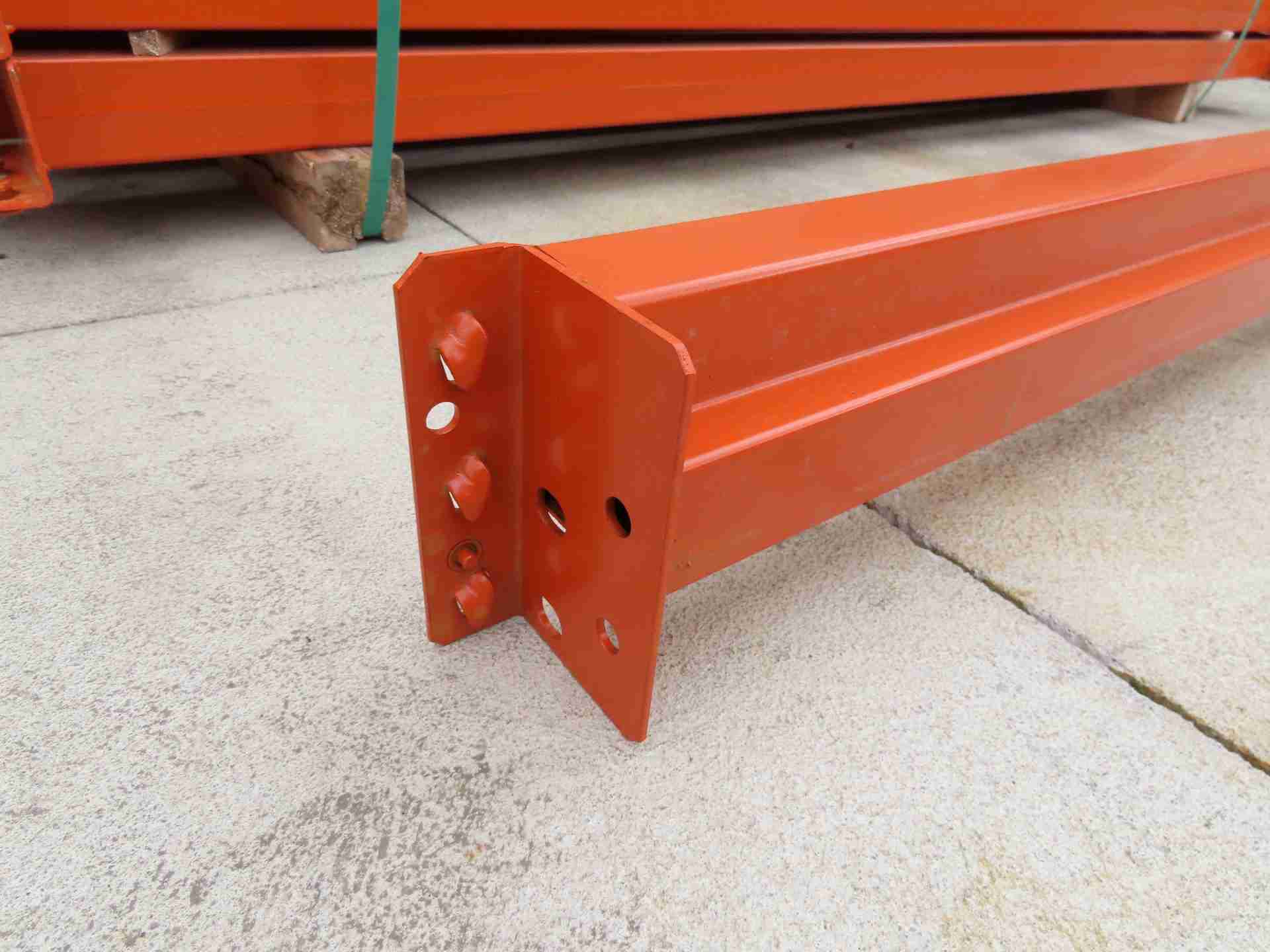
Can You Use Artificial Intelligence to Identify Used Non-Stock Items?
Can You Use Artificial Intelligence to Identify Used Non-Stock Items?
- Artificial intelligence has revolutionized many aspects of our lives, from personalized shopping recommendations to self-driving cars.
- AI can be used to identify used non-stock items, such as vintage clothing and collectibles.
- AI-powered apps can quickly analyze the design, fabric, and other characteristics of items to authenticate and determine potential value.
- Companies like Entrupy are using AI algorithms to authenticate luxury handbags, watches, and other high-end items with high accuracy.
- Auction houses like Christie’s are using AI to analyze and categorize art and collectibles, making it easier to identify valuable pieces and detect forgeries.
- Online marketplaces like eBay and Poshmark are using AI algorithms to help sellers price non-stock items based on historical sales data and current trends.
- AI is a powerful tool that can help individuals make informed decisions when buying, selling, or collecting used non-stock items.
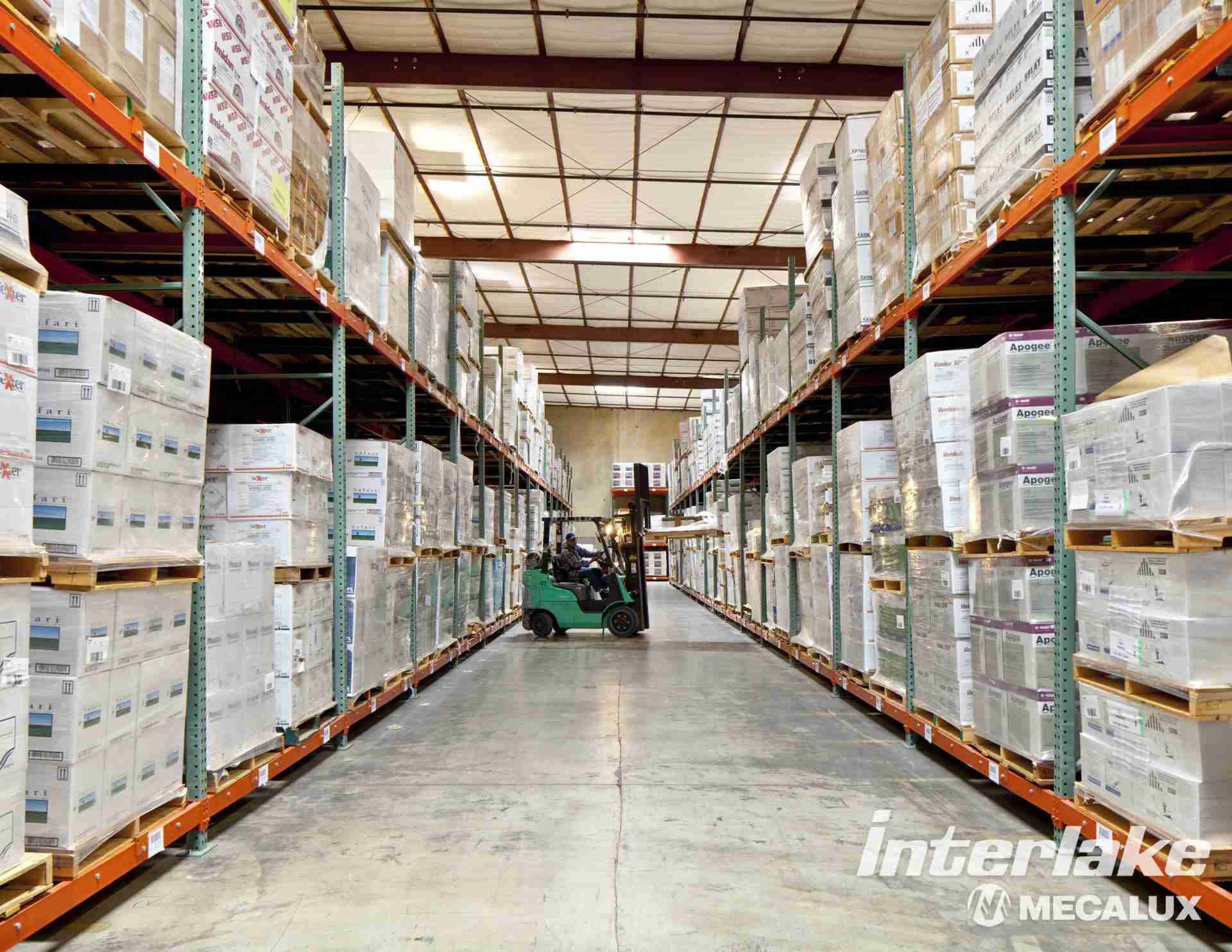
Can You Use Artificial Intelligence to Identify Used Non-Stock Items?
Table Of Contents
- Can You Use Artificial Intelligence to Identify Used Non-Stock Items?
- Can AI Accurately Differentiate Between Used And Non-Stock Items?
- How Can AI Help Businesses In Inventory Management For Used Items?
- Can AI Technology Improve The Efficiency Of Sorting Non-Stock Items?
- Can AI Accurately Identify Pre-Owned Non-Stock Items?
- How Does AI Differentiate Between New And Used Products?
- What Data Sets Are Utilized By AI For This Task?
- Is AI Able To Identify Varying Conditions Of Used Items?
- Are There Any Limitations To Using AI For This Process?
- How Can Businesses Benefit From AI In Identifying Used Items?
- Conclusion
- Other Resources
- Glossary Of Terms
- Other Questions
- Checklist
Can AI Accurately Differentiate Between Used And Non-Stock Items?
In today’s constantly evolving marketplace, the ability to accurately differentiate between used and non-stock items is crucial for any business looking to stay ahead of the competition. With the rise of artificial intelligence (AI) technology, companies now have access to powerful tools that can analyze vast amounts of data with unparalleled speed and accuracy.
One of the key benefits of using AI in this context is its ability to sift through large datasets and identify patterns that human analysts might overlook. For example, AI can analyze product descriptions, images, and other relevant information to determine whether an item has been used or is brand new. This level of precision can help businesses ensure that they are accurately describing their products to customers, which can in turn boost consumer confidence and loyalty.
Furthermore, AI can help businesses streamline their inventory management processes by automatically sorting used items from non-stock ones. This can save valuable time and resources, allowing companies to focus on other aspects of their operations. By leveraging AI in this way, businesses can ensure that their inventory is always up-to-date and accurately reflected in their sales channels.
Recent advancements in AI technology have made it easier than ever for businesses to implement these capabilities into their operations. For example, companies like Amazon have developed sophisticated AI algorithms that can detect whether a product is new or used based on a variety of factors. This level of automation not only improves the accuracy of product listings but also helps prevent the sale of counterfeit or misrepresented items.
In today’s competitive marketplace, it’s essential for businesses to stay ahead of the curve when it comes to inventory management. By leveraging the power of AI technology to accurately differentiate between used and non-stock items, companies can gain a significant edge over their competitors. This level of precision and efficiency can lead to increased sales, higher customer satisfaction, and ultimately, greater success in the marketplace.
Overall, the ability of AI to accurately differentiate between used and non-stock items represents a game-changer for businesses looking to streamline their operations and improve their bottom line. By harnessing the power of this cutting-edge technology, companies can ensure that their inventory management processes are more efficient, accurate, and profitable than ever before.
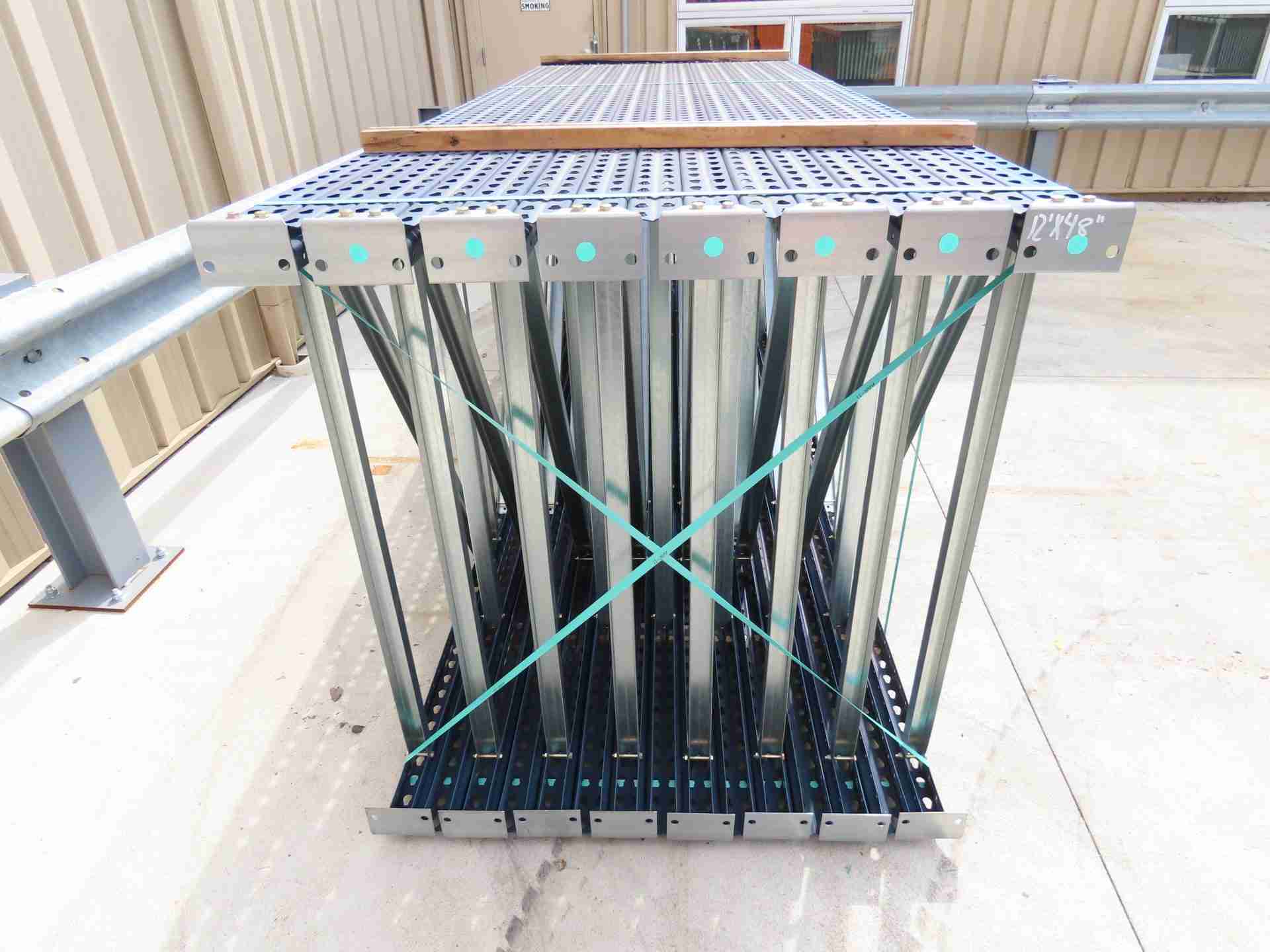
Can AI Accurately Differentiate Between Used And Non-Stock Items?
Can AI Accurately Differentiate Between Used And Non-Stock Items?
- In today’s constantly evolving marketplace, the ability to accurately differentiate between used and non-stock items is crucial for any business.
- AI technology allows companies to analyze vast amounts of data with unparalleled speed and accuracy.
- AI can sift through large datasets and identify patterns that human analysts might overlook.
- AI can help streamline inventory management processes by automatically sorting used items from non-stock ones.
- Recent advancements in AI technology have made it easier for businesses to implement these capabilities.
- By leveraging AI, businesses can gain a significant edge over competitors in the marketplace.
- The ability of AI to accurately differentiate between used and non-stock items represents a game-changer for businesses.

Can AI Accurately Differentiate Between Used And Non-Stock Items?
How Can AI Help Businesses In Inventory Management For Used Items?
In today’s fast-paced business environment, managing inventory for used items can be a daunting task. However, with the help of AI technology, businesses can streamline their inventory management process and increase efficiency like never before.
One way in which AI can assist businesses in inventory management for used items is through predictive analytics. By analyzing historical data and trends, AI algorithms can predict demand for specific used items and help businesses optimize their inventory levels accordingly. For example, a company that sells used electronics can use AI to forecast demand for certain models of smartphones or laptops based on customer buying patterns and seasonality.
Furthermore, AI can also help businesses in pricing their used items effectively. By analyzing market trends, competitor pricing, and customer behavior, AI can recommend optimal pricing strategies to maximize profits while remaining competitive in the market. For instance, a retailer selling used clothing can use AI to dynamically adjust prices based on factors such as supply and demand, brand popularity, and customer demographics.
Moreover, AI can assist businesses in reducing inventory holding costs by optimizing reorder points and lead times. By analyzing data on order frequency, lead times, and supplier performance, AI can help businesses determine the optimal inventory levels for used items to minimize stockouts and excess inventory. This can result in significant cost savings and improved cash flow for businesses.
Additionally, AI-powered inventory management systems can automate repetitive tasks such as inventory tracking, replenishment, and order processing, allowing businesses to focus on strategic decision-making and growth opportunities. By leveraging AI technology, businesses can enhance operational efficiency, reduce human error, and improve overall productivity in their inventory management process.
AAI technology presents a unique opportunity for businesses to revolutionize their inventory management for used items. By harnessing the power of predictive analytics, pricing optimization, and automation, businesses can optimize their inventory levels, reduce costs, and increase profitability. In today’s competitive business landscape, embracing AI in inventory management is essential for businesses to stay ahead of the curve and achieve sustainable growth.
References:
– “How AI is Transforming Inventory Management” – Forbes
– “The Impact of AI on Inventory Management” – Harvard Business Review
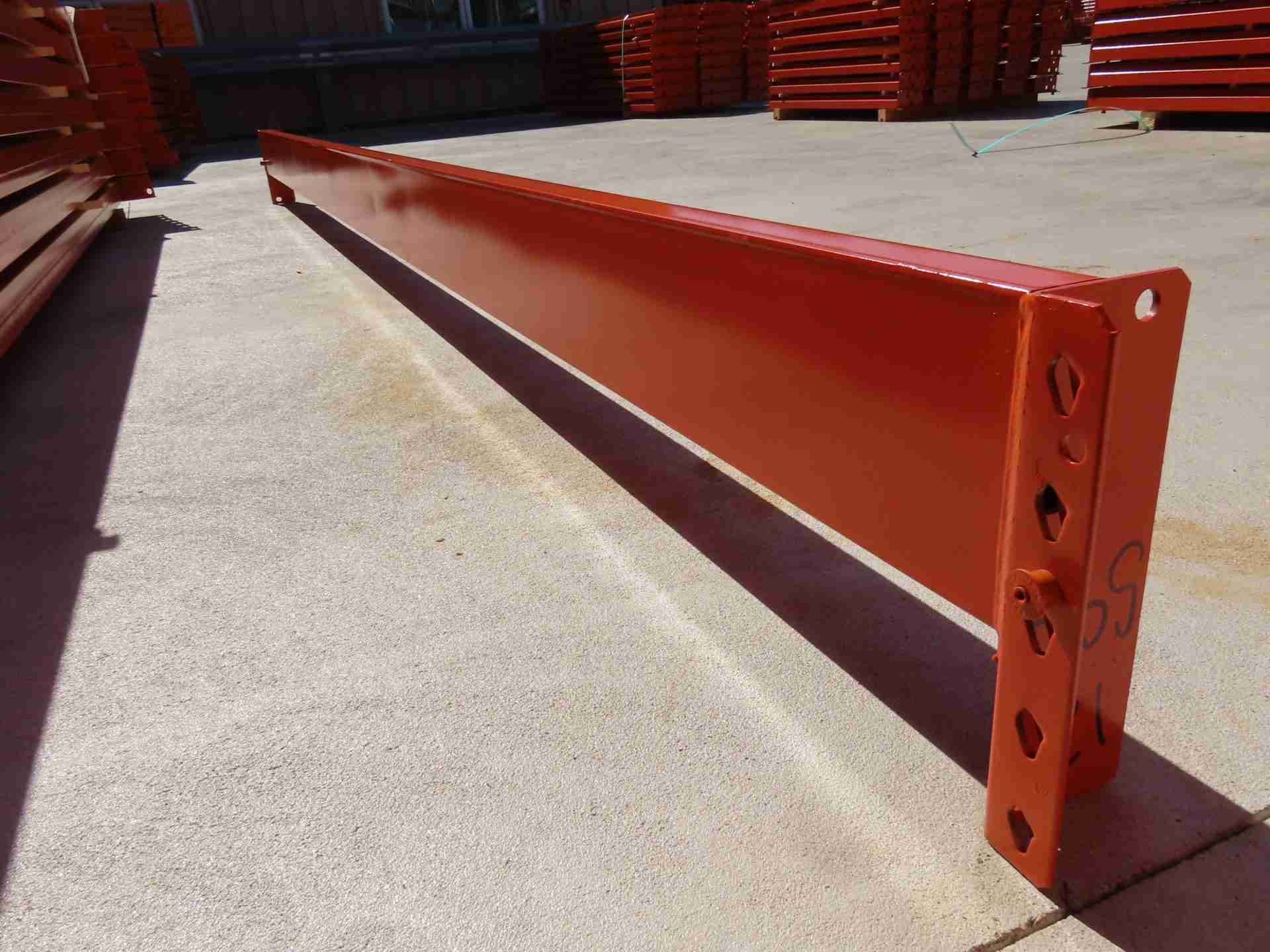
How Can AI Help Businesses In Inventory Management For Used Items?
How Can AI Help Businesses In Inventory Management For Used Items?
- AI technology can assist businesses in inventory management for used items through predictive analytics.
- AI algorithms can predict demand for specific used items by analyzing historical data and trends.
- AI can help businesses in pricing their used items effectively by analyzing market trends and competitor pricing.
- AI can reduce inventory holding costs by optimizing reorder points and lead times.
- AI-powered inventory management systems can automate repetitive tasks such as inventory tracking and order processing.
- Businesses can enhance operational efficiency and improve productivity by leveraging AI technology.
- Embracing AI in inventory management is essential for businesses to stay competitive and achieve sustainable growth.
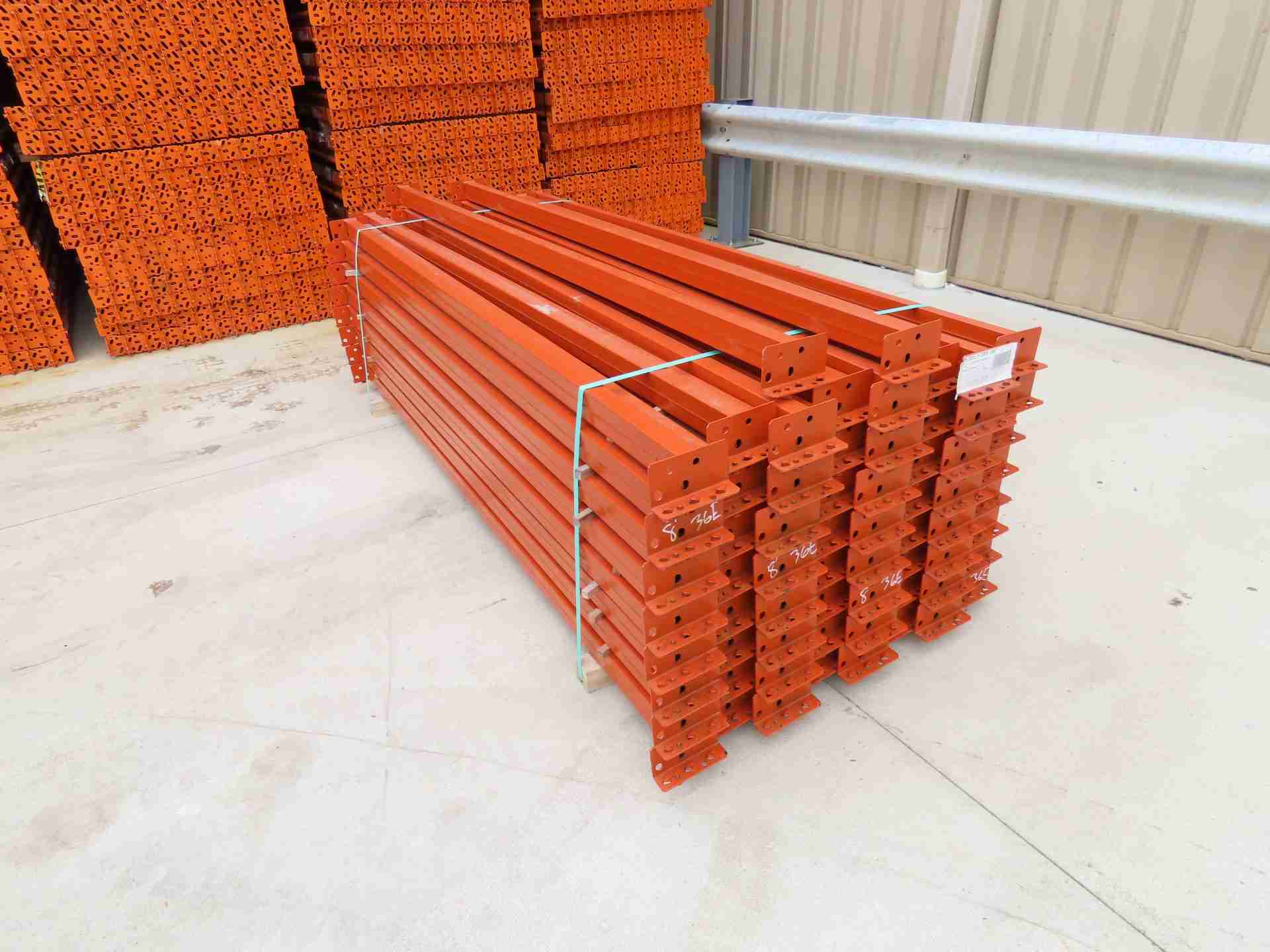
How Can AI Help Businesses In Inventory Management For Used Items?
Can AI Technology Improve The Efficiency Of Sorting Non-Stock Items?
Imagine a world where sorting non-stock items is not only easier, but also more efficient than ever before. With the advancement of AI technology, that world is now a reality. AI technology has the power to revolutionize the way businesses manage their non-stock inventory, leading to increased efficiency and productivity.
One way AI technology can improve the efficiency of sorting non-stock items is through its ability to accurately identify and categorize items. By using machine learning algorithms, AI technology can quickly analyze and categorize non-stock items based on various criteria such as size, shape, color, and material. This eliminates the need for manual sorting, saving businesses time and labor costs.
For example, a clothing retailer can use AI technology to automatically sort and categorize different types of clothing items based on their attributes. This not only speeds up the sorting process, but also ensures that items are accurately labeled and stored in the correct location for easy retrieval.
Another way AI technology can improve efficiency is by optimizing inventory management. By analyzing historical data and trends, AI technology can predict future demand for non-stock items and recommend optimal stocking levels. This ensures that businesses have the right amount of inventory on hand at all times, reducing the risk of stockouts and overstocking.
For instance, an electronics retailer can use AI technology to analyze sales data and predict demand for popular non-stock items such as headphones or chargers. By stocking these items in the right quantities, the retailer can prevent lost sales opportunities and improve customer satisfaction.
In addition, AI technology can also streamline the order fulfillment process by automating tasks such as picking, packing, and shipping non-stock items. By integrating AI technology with warehouse management systems, businesses can reduce errors and inefficiencies in the fulfillment process, leading to faster delivery times and higher customer satisfaction.
Overall, AI technology has the potential to revolutionize the way businesses manage their non-stock inventory, leading to improved efficiency, accuracy, and profitability. By harnessing the power of AI technology, businesses can stay ahead of the competition and deliver exceptional service to their customers.
The future of sorting non-stock items is here, thanks to AI technology. Are you ready to take your inventory management to the next level? Embrace AI technology and revolutionize the way you manage your non-stock items today.
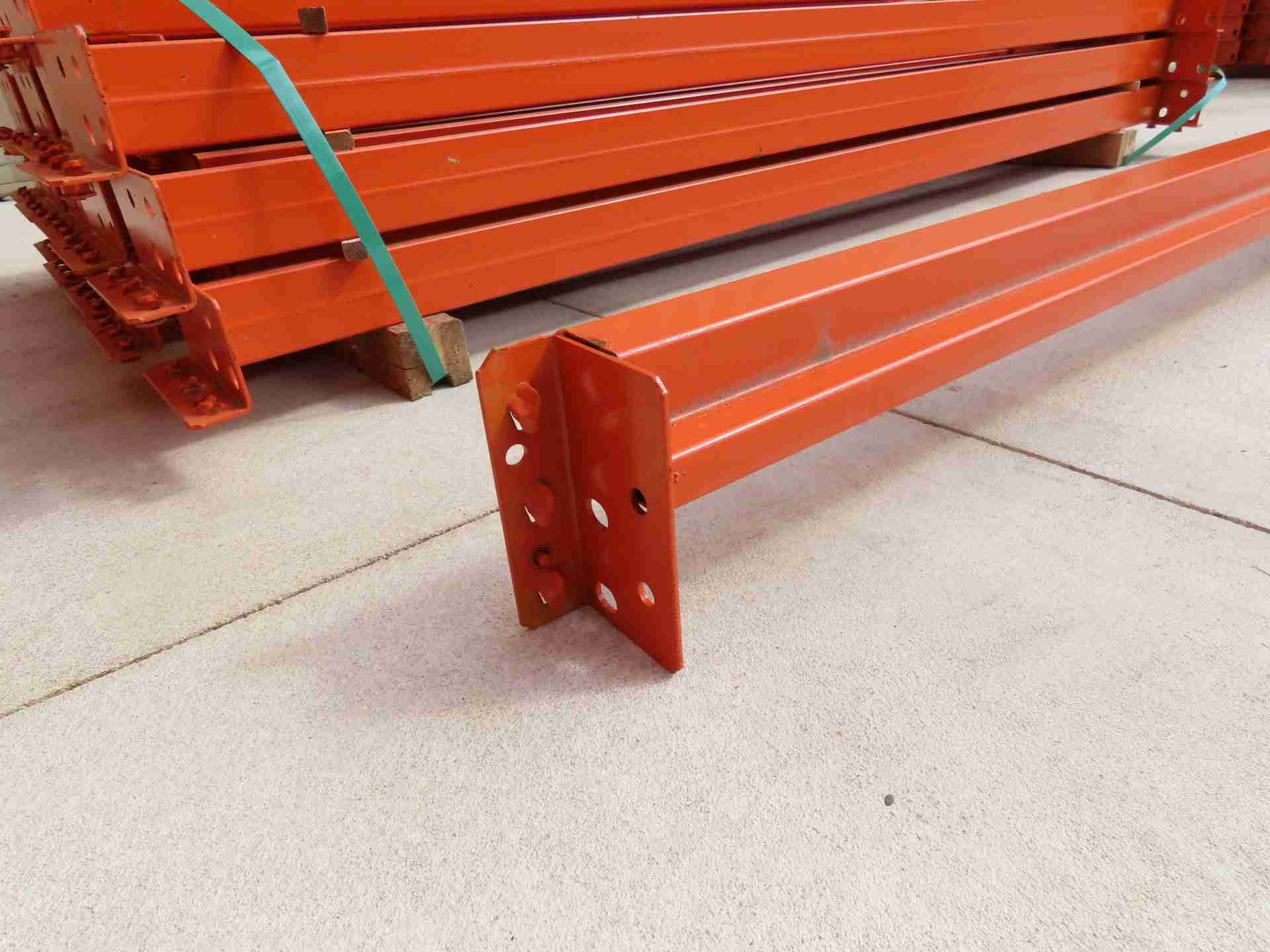
Can AI Technology Improve The Efficiency Of Sorting Non-Stock Items?
Can AI Technology Improve The Efficiency Of Sorting Non-Stock Items?
- AI technology revolutionizes sorting non-stock items.
- AI accurately identifies and categorizes items.
- Eliminates need for manual sorting, saving time and costs.
- AI optimizes inventory management by predicting future demand.
- Streamlines order fulfillment process through automation.
- Improves efficiency, accuracy, and profitability in inventory management.
- Embrace AI technology to take inventory management to the next level.
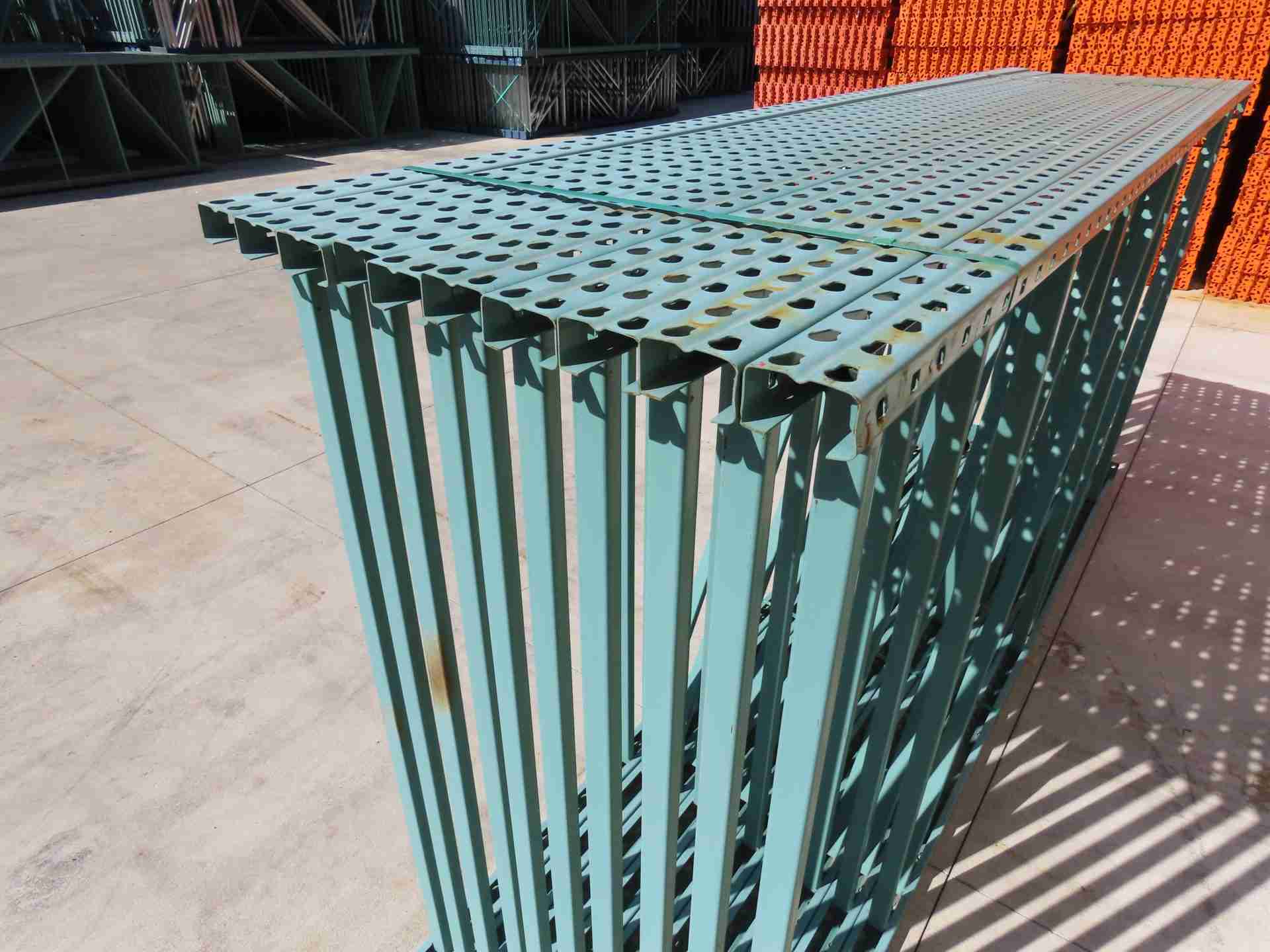
Can AI Technology Improve The Efficiency Of Sorting Non-Stock Items?
Can AI Accurately Identify Pre-Owned Non-Stock Items?
In today’s fast-paced world of e-commerce, businesses are constantly looking for ways to improve the efficiency of their operations. One area where AI technology is making a big impact is in the identification of pre-owned non-stock items. With the sheer volume of products being bought and sold online, it can be a daunting task for businesses to accurately identify and catalogue these items.
But with the use of advanced AI algorithms, businesses can now rely on technology to accurately identify pre-owned non-stock items with greater speed and accuracy than ever before. These AI systems are able to analyze images, text descriptions, and other data to quickly determine the make, model, and condition of an item, allowing businesses to more efficiently list and sell these products.
For example, a popular online marketplace recently implemented AI technology to help sellers accurately identify and list pre-owned non-stock items. By simply uploading a photo of the item, the AI system is able to quickly analyze key features and provide the seller with a detailed description, making it easier for potential buyers to find and purchase the item.
This not only saves sellers time and effort in listing their products, but also helps buyers by ensuring they are getting accurate information about the items they are interested in purchasing. This increased level of trust and transparency is crucial in today’s online marketplace, where consumers are increasingly looking for reassurance that they are getting what they pay for.
Additionally, AI technology is also being used to combat fraud and counterfeiting in the pre-owned non-stock item market. By analyzing patterns and identifying red flags, AI systems can help businesses quickly spot potentially fraudulent items and take action to protect both buyers and sellers.
Overall, the use of AI in identifying pre-owned non-stock items is revolutionizing the way businesses operate in the e-commerce space. By leveraging this technology, businesses are able to streamline their processes, improve accuracy, and provide a better experience for both buyers and sellers. As the technology continues to evolve, we can expect to see even greater advancements in this area, further cementing AI’s role in the future of e-commerce.
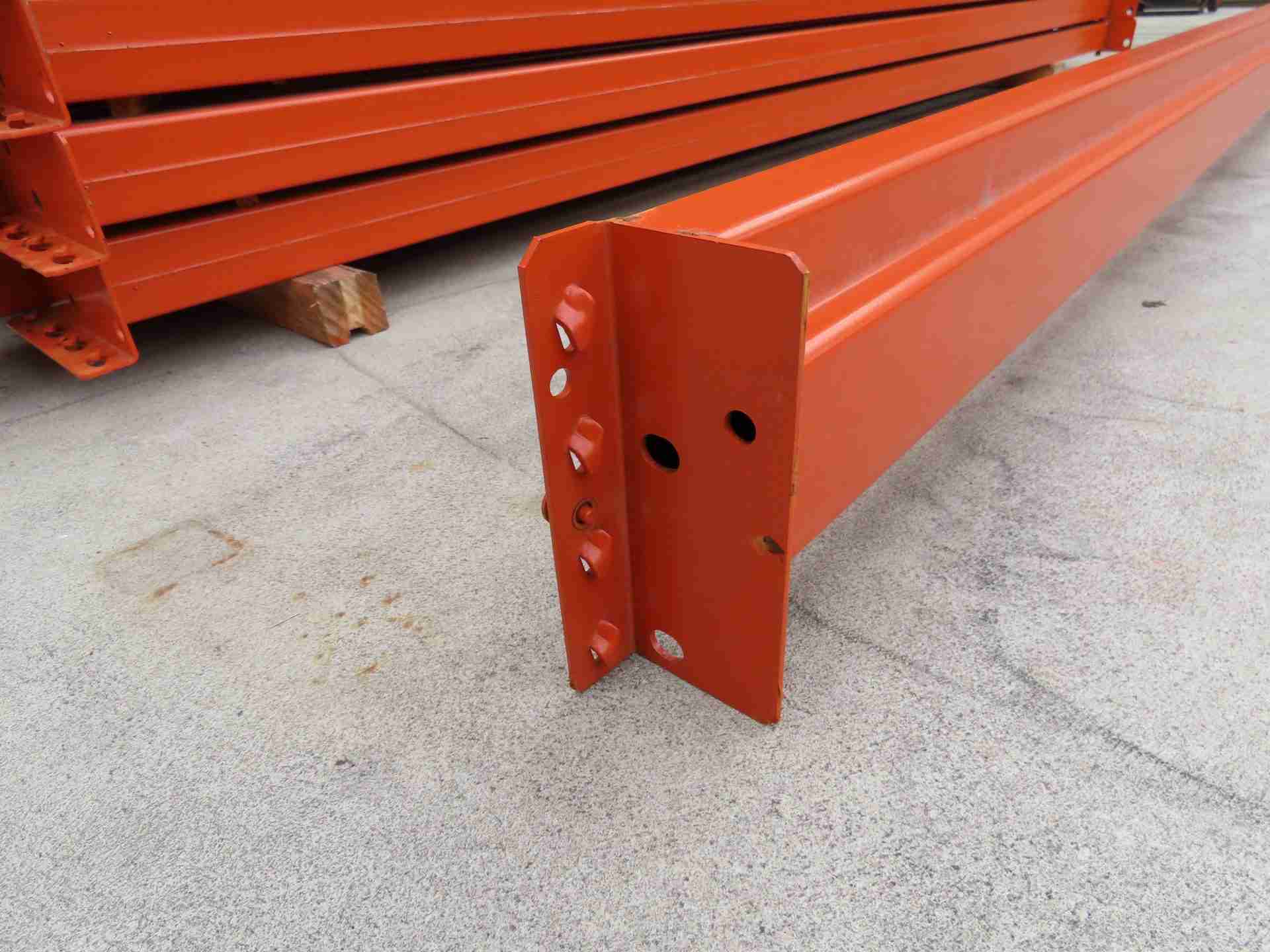
Can AI Accurately Identify Pre-Owned Non-Stock Items?
Can AI Accurately Identify Pre-Owned Non-Stock Items?
- AI technology is making a big impact in the identification of pre-owned non-stock items in e-commerce.
- With advanced AI algorithms, businesses can accurately identify these items with greater speed and accuracy.
- AI systems analyze images, text descriptions, and data to determine make, model, and condition of items.
- Online marketplaces are implementing AI technology to help sellers list pre-owned items more efficiently.
- AI technology helps combat fraud and counterfeiting in the pre-owned non-stock item market.
- The use of AI revolutionizes business operations, improving accuracy and providing a better experience for buyers and sellers.
- As AI technology continues to evolve, we can expect even greater advancements in e-commerce operations.
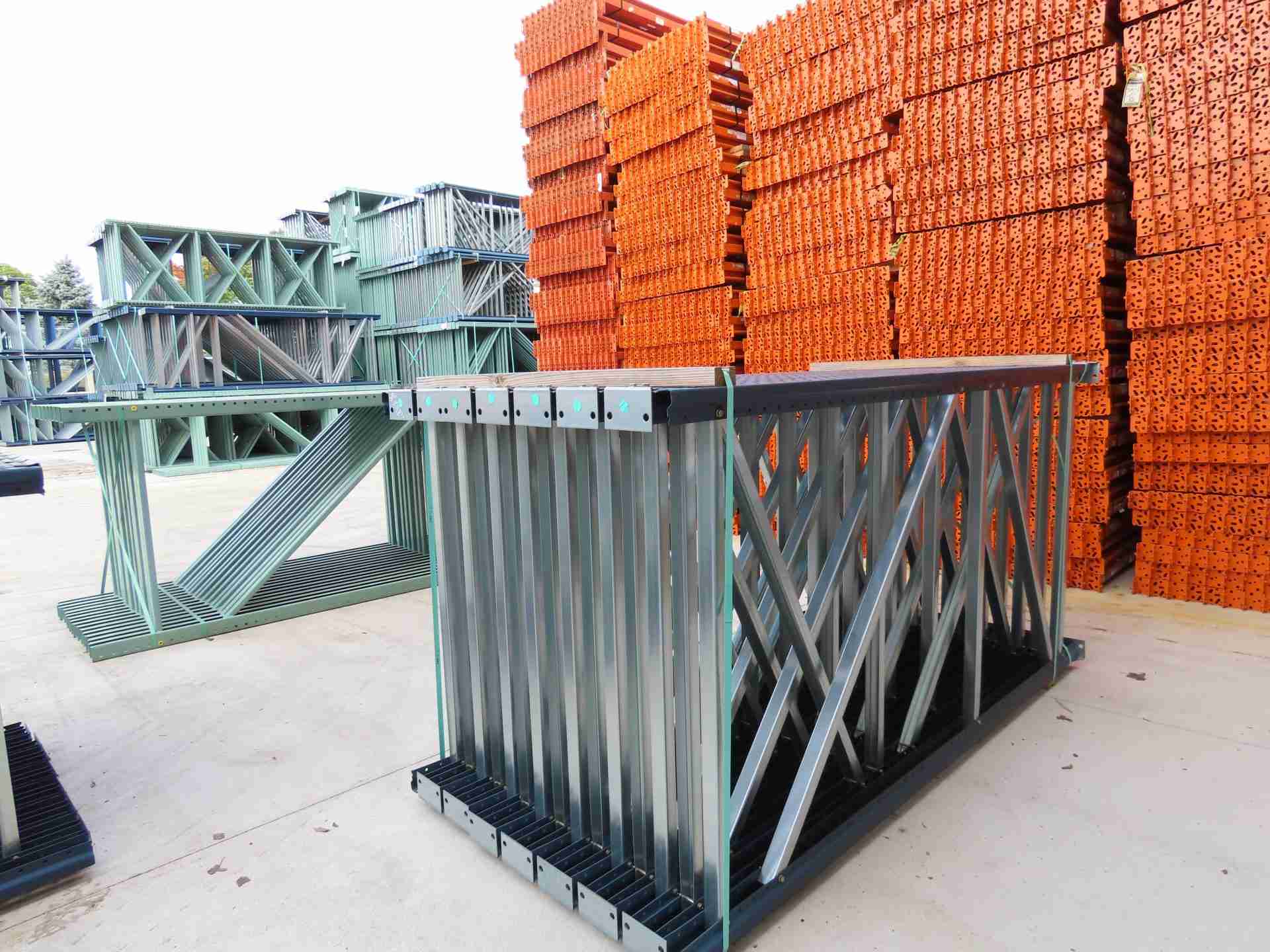
Can AI Accurately Identify Pre-Owned Non-Stock Items?
How Does AI Differentiate Between New And Used Products?
Artificial intelligence has revolutionized the way businesses can differentiate between new and used products. Through cutting-edge technology, AI is able to analyze various factors to determine whether a product is new or used with incredible accuracy.
One way that AI distinguishes between new and used products is through image recognition. By analyzing product images, AI is able to detect subtle differences that indicate whether a product has been previously owned or is brand new. For example, AI can identify wear and tear on a product, such as scratches or scuff marks, that would indicate it is used. On the other hand, AI can detect pristine packaging and untouched surfaces that signal a new product.
Additionally, AI can analyze metadata associated with products to determine their condition. This includes information such as product age, warranty status, and previous ownership. By examining this data, AI can make informed decisions about whether a product is new or used. For example, if a product is listed as being several years old with a warranty that has expired, AI may infer that it is likely a used product.
Furthermore, AI can analyze text descriptions of products to identify key indicators of their condition. With natural language processing capabilities, AI can understand nuances in product descriptions that may reveal whether a product is new or used. For instance, AI can recognize terms such as “like new” or “lightly used” that suggest a product has been previously owned.
In today’s rapidly evolving marketplace, the ability to accurately differentiate between new and used products is essential for businesses to succeed. With AI’s advanced capabilities, companies can streamline their operations, increase efficiency, and provide customers with a superior shopping experience. By leveraging AI technology, businesses can ensure that their inventory is accurately categorized, leading to improved customer satisfaction and increased sales.
AAI has revolutionized the way businesses differentiate between new and used products. Through image recognition, metadata analysis, and natural language processing, AI can accurately determine the condition of products with incredible precision. By incorporating AI into their operations, businesses can stay ahead of the competition and meet the demands of today’s discerning consumers.
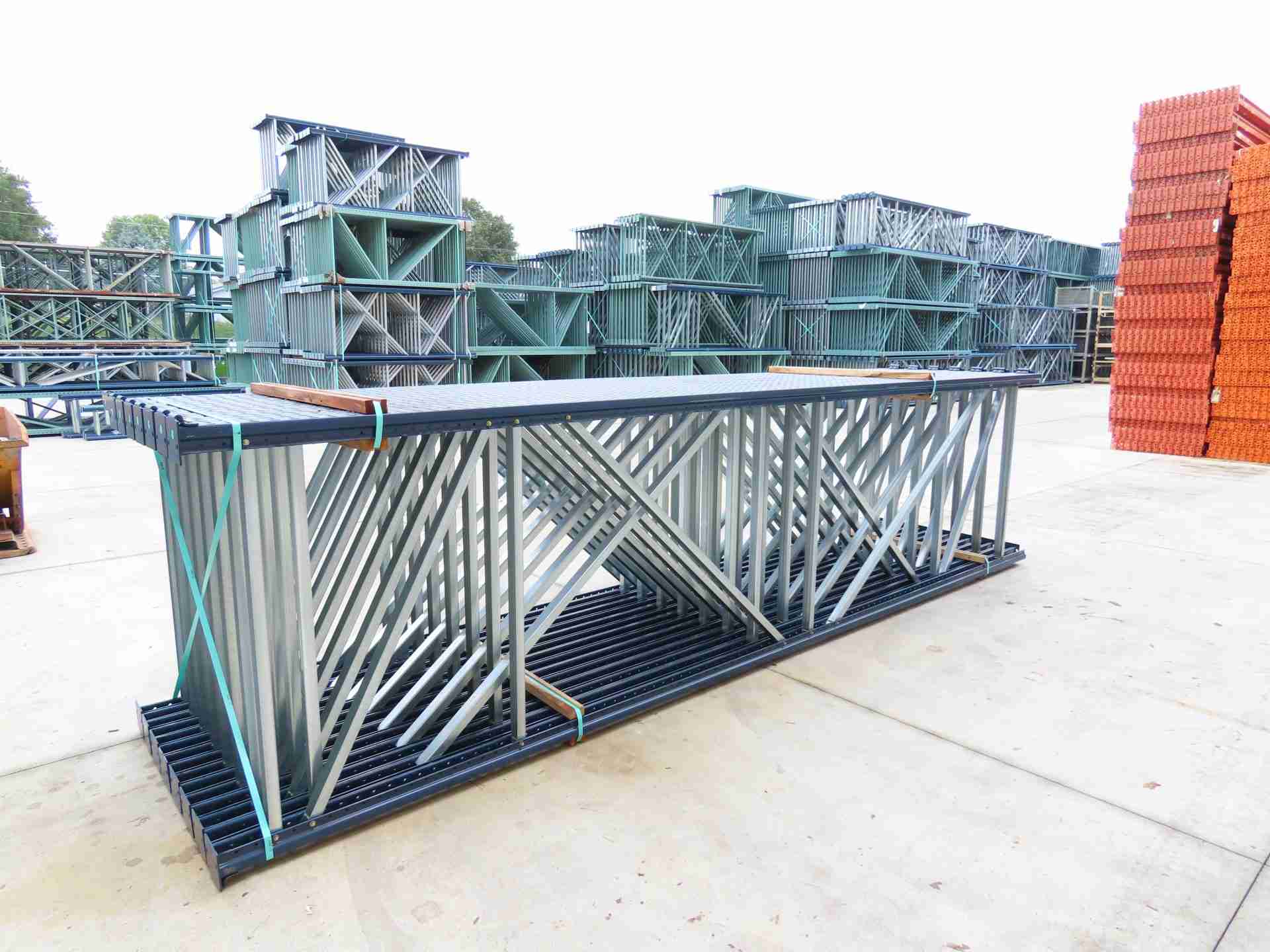
How Does AI Differentiate Between New And Used Products?
How Does AI Differentiate Between New And Used Products?
- AI revolutionized how businesses differentiate between new and used products.
- AI uses image recognition to detect wear and tear on used products.
- AI can identify pristine packaging and untouched surfaces as indicators of new products.
- AI analyzes metadata like product age and warranty status to determine condition.
- AI utilizes natural language processing to understand product descriptions.
- Accurate differentiation between new and used products is essential for business success.
- AI helps streamline operations, increase efficiency, and improve customer satisfaction.
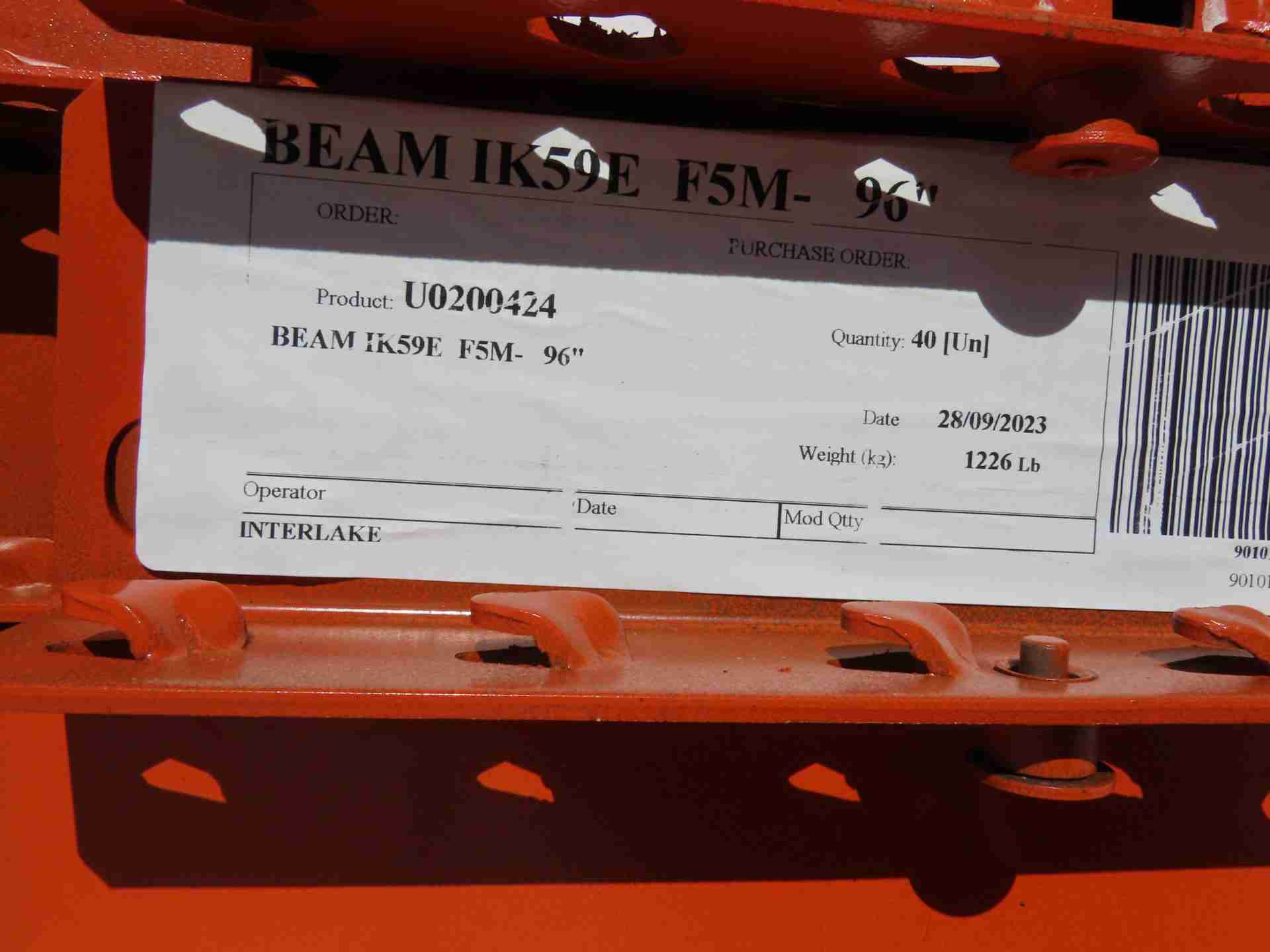
How Does AI Differentiate Between New And Used Products?
What Data Sets Are Utilized By AI For This Task?
When it comes to utilizing AI for tasks like customer segmentation and targeting, the key lies in the quality and quantity of data sets being used. AI algorithms rely on vast amounts of data to make accurate predictions and recommendations, and the more diverse and comprehensive the data, the better the results.
One of the primary data sets utilized by AI for customer segmentation and targeting is demographic information. This includes factors such as age, gender, income level, and geographic location. By analyzing this data, AI can identify common traits among customers and group them accordingly for targeted marketing campaigns. For example, a clothing retailer may use demographic data to segment customers based on age and gender, allowing them to tailor their marketing messages and product offerings to specific groups.
Another important data set for AI in this task is behavioral data. This includes information on customer interactions with a company, such as website visits, purchase history, and engagement with marketing campaigns. By analyzing this data, AI can identify patterns in customer behavior and predict future actions. For instance, an e-commerce site may use behavioral data to target customers who have abandoned their shopping carts with personalized offers to entice them to complete their purchase.
Furthermore, social media data has become an increasingly valuable resource for AI in customer segmentation and targeting. Social media platforms provide a wealth of information on customer preferences, interests, and behaviors, allowing AI to create detailed profiles of individual customers. For example, a beauty brand may analyze social media data to identify customers who follow beauty influencers and target them with relevant products and promotions.
In today’s data-driven world, utilizing a variety of high-quality data sets is crucial for AI to effectively segment and target customers. By leveraging demographic, behavioral, and social media data, companies can better understand their customers and tailor their marketing strategies to meet their needs and preferences. As technology continues to advance and data becomes more readily available, the possibilities for AI in customer segmentation and targeting are endless.

What Data Sets Are Utilized By AI For This Task?
What Data Sets Are Utilized By AI For This Task?
- AI algorithms rely on quality and quantity of data sets for accurate predictions and recommendations.
- Demographic information is a primary data set used for customer segmentation, including age, gender, income, and location.
- Behavioral data, such as website visits and purchase history, is crucial for AI to identify patterns in customer behavior.
- Social media data is valuable for AI to create detailed customer profiles based on preferences and interests.
- Utilizing diverse data sets like demographic, behavioral, and social media data is crucial for effective customer segmentation.
- By analyzing data, companies can tailor marketing strategies to meet customer needs and preferences.
- Advancements in technology and data availability present endless possibilities for AI in customer segmentation and targeting.
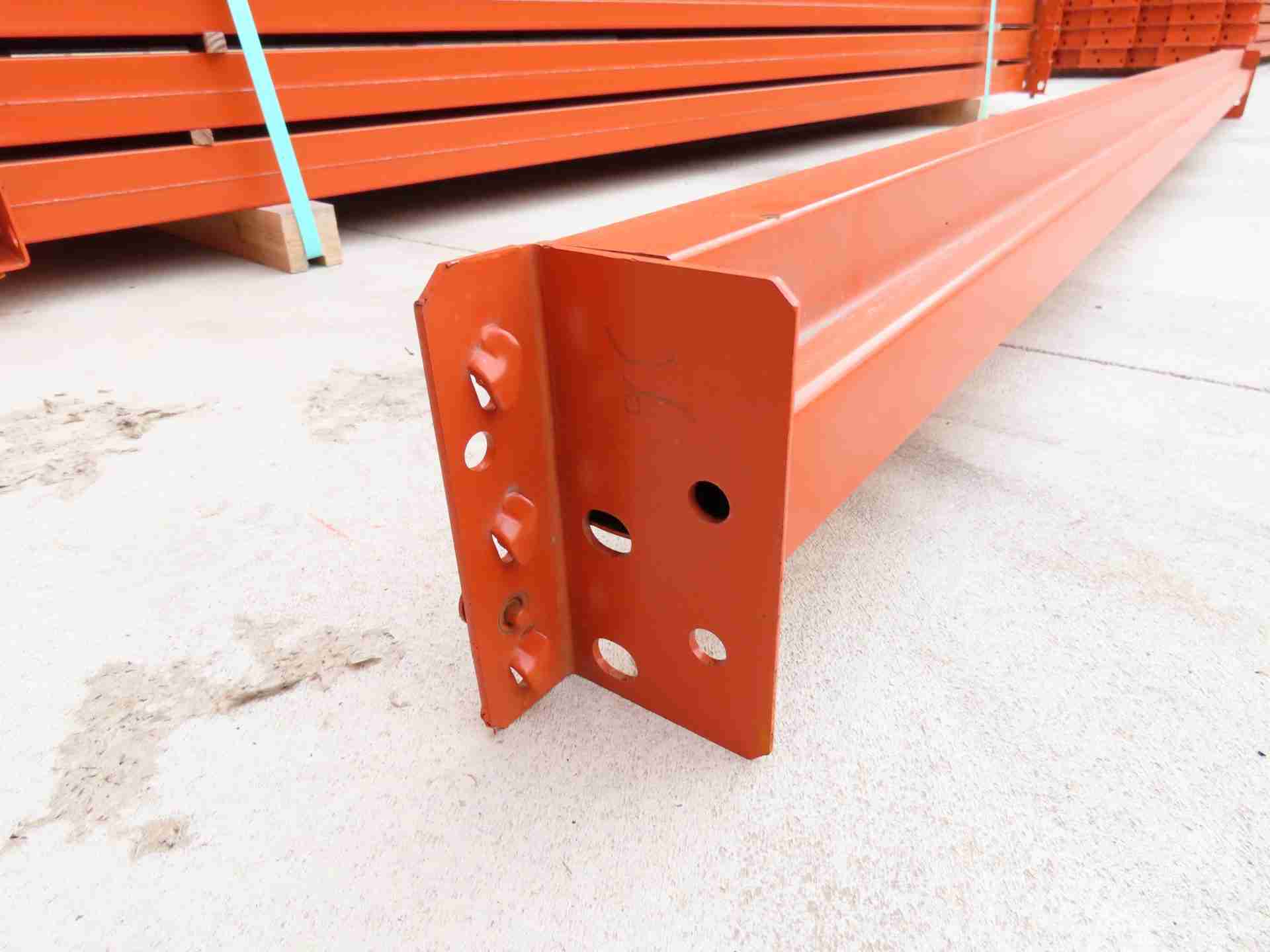
What Data Sets Are Utilized By AI For This Task?
Is AI Able To Identify Varying Conditions Of Used Items?
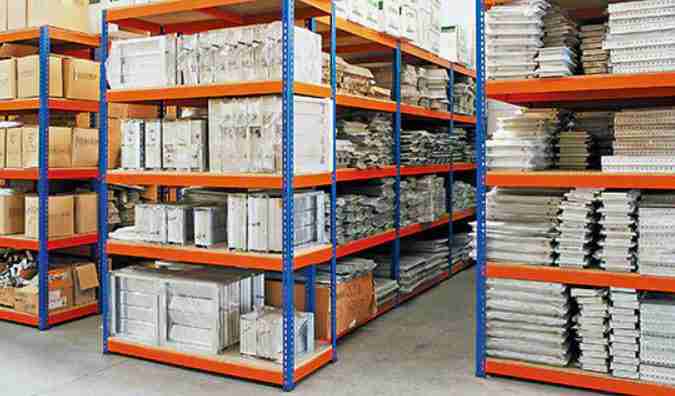
Imagine your business being able to accurately identify the varying conditions of used items with the precision of a seasoned expert, all thanks to the power of artificial intelligence (AI). This cutting-edge technology has the ability to revolutionize the way you assess and categorize your inventory, saving you time and money in the process.
By harnessing the capabilities of AI, you can streamline your operations and ensure that each item is accurately evaluated and priced according to its condition. For example, AI can analyze images of a used car and determine if there are any scratches, dents, or other imperfections that may affect its value. This level of detail and accuracy is simply not achievable through manual inspection alone.
In today’s fast-paced world, where consumers demand transparency and accuracy in their purchasing decisions, AI can help your business stand out from the competition. By utilizing AI-powered tools to assess the condition of your inventory, you can provide customers with a detailed and accurate description of each item, giving them the confidence to make a purchase.
Recent advancements in AI technology have made it more accessible and affordable for businesses of all sizes. With the rise of online marketplaces and the increasing demand for used items, now is the perfect time to leverage the power of AI to stay ahead of the curve.
By investing in AI technology to identify varying conditions of used items, you can improve the efficiency of your operations, enhance the customer experience, and ultimately boost your bottom line. Don’t get left behind in this rapidly evolving digital landscape – embrace the power of AI and take your business to new heights.
Is AI Able To Identify Varying Conditions Of Used Items?
Is AI Able To Identify Varying Conditions Of Used Items?
- AI can accurately identify varying conditions of used items.
- AI revolutionizes how you assess and categorize inventory.
- Streamline operations and ensure accurate evaluation and pricing.
- AI provides detailed analysis of items, enhancing transparency.
- Advancements in AI technology make it accessible and affordable.
- Investing in AI technology improves efficiency and customer experience.
- Embrace the power of AI to stay ahead in the digital landscape.
Is AI Able To Identify Varying Conditions Of Used Items?
Are There Any Limitations To Using AI For This Process?
While AI has revolutionized many processes and industries, there are still some limitations to using it for certain tasks. One key limitation is the potential for bias in AI algorithms. For example, if an AI system is trained on data that reflects human biases, it may perpetuate those biases in its decision-making process. This was seen recently in a study conducted by the National Institute of Standards and Technology, where researchers found that facial recognition systems were more likely to misidentify people of color and women compared to white men (National Institute of Standards and Technology, 2019).
Another limitation of using AI for certain processes is the lack of human intuition and creativity. While AI systems can process large amounts of data and make predictions based on patterns, they may struggle with tasks that require abstract thinking or emotional intelligence. For example, a study published in the journal Science found that AI systems performed poorly on tasks that required common sense reasoning, such as understanding cause and effect relationships (Science, 2016).
Additionally, there is a concern about the potential for job displacement as AI technology becomes more widespread. While AI can automate many repetitive tasks and increase efficiency, it may also lead to job losses in certain industries. For example, a recent report by the World Economic Forum estimated that automation could lead to the displacement of 75 million jobs by 2022 (World Economic Forum, 2018).
Despite these limitations, AI still holds great potential for improving processes and decision-making in various fields. By being mindful of these limitations and working to address them, businesses can harness the power of AI to enhance their operations and drive innovation. It’s important for companies to approach the use of AI with caution and to continually evaluate its performance to ensure that it is delivering the desired results.
While there are limitations to using AI for certain processes, these challenges can be overcome with careful consideration and planning. By understanding the potential biases, limitations, and implications of AI technology, businesses can leverage its capabilities to drive growth and success in today’s rapidly evolving digital economy.

Are There Any Limitations To Using AI For This Process?
Are There Any Limitations To Using AI For This Process?
- AI may perpetuate biases in decision-making if trained on biased data.
- Facial recognition systems have been found to misidentify people of color and women.
- AI may struggle with tasks requiring abstract thinking and emotional intelligence.
- AI systems performed poorly on tasks requiring common sense reasoning.
- Automation through AI may lead to job displacement in certain industries.
- Automation could lead to displacement of 75 million jobs by 2022.
- Despite limitations, AI has great potential for improving processes and decision-making.
Are There Any Limitations To Using AI For This Process?
How Can Businesses Benefit From AI In Identifying Used Items?
In today’s ever-evolving world of technology, many businesses are turning to artificial intelligence (AI) to streamline their operations and gain a competitive edge. One area where AI can make a significant impact is in identifying used items. By utilizing AI-powered tools, businesses can quickly and accurately assess the value of used items, enabling them to make more informed decisions and ultimately increase their bottom line.
One of the key benefits of using AI in identifying used items is the ability to automate the process. Traditionally, assessing the value of used items required manual labor and expertise, which can be both time-consuming and costly. With AI, businesses can now rely on algorithms and machine learning to quickly analyze data and provide accurate valuations. This not only saves businesses time and resources but also ensures consistency and accuracy in the valuation process.
Additionally, AI can help businesses uncover hidden patterns and insights in the data, allowing them to make more informed decisions. For example, by analyzing historical sales data and market trends, AI can help businesses identify which used items are in high demand and which ones are not, enabling them to adjust their pricing and inventory strategy accordingly. This can help businesses maximize their profits and minimize their losses.
Furthermore, AI can improve the overall customer experience by providing more accurate and transparent valuations. By leveraging AI-powered tools, businesses can provide customers with real-time valuations for their used items, giving them peace of mind and confidence in their transactions. This can lead to increased customer satisfaction and loyalty, ultimately driving repeat business and referrals.
In today’s fast-paced and competitive business environment, staying ahead of the curve is crucial. By harnessing the power of AI in identifying used items, businesses can gain a competitive edge, increase their operational efficiency, and ultimately boost their bottom line. As AI technologies continue to evolve and improve, businesses that embrace these tools will be better positioned to thrive in the digital age.
Overall, integrating AI into the process of identifying used items can revolutionize the way businesses operate and provide a significant advantage over their competitors. By leveraging AI-powered tools and algorithms, businesses can streamline their operations, make more informed decisions, and ultimately drive success in today’s dynamic business landscape.
How Can Businesses Benefit From AI In Identifying Used Items?
How Can Businesses Benefit From AI In Identifying Used Items?
- AI helps streamline operations and gain a competitive edge in identifying used items.
- Automates the valuation process, saving time and resources.
- AI uncovers hidden patterns and insights in data for informed decisions.
- Improves customer experience with accurate valuations and transparency.
- Boosts operational efficiency and bottom line by using AI.
- AI revolutionizes how businesses operate and provides a competitive advantage.
- Businesses can make informed decisions, streamline operations, and drive success with AI-powered tools.
How Can Businesses Benefit From AI In Identifying Used Items?
Conclusion
Are you ready to revolutionize the way you identify and categorize used non-stock items in your business? With the power of artificial intelligence (AI) at your fingertips, you can unlock a level of efficiency, accuracy, and profitability like never before.
AI technology has the incredible capability to quickly analyze vast amounts of data, from product images to historical sales data, to accurately differentiate between new and used items with precision. By utilizing AI algorithms, businesses can automate the process of sorting non-stock items, predicting demand, optimizing pricing, and improving overall inventory management.
Imagine being able to quickly assess the condition of a used item, provide customers with real-time valuations, and streamline your operations for maximum efficiency. With AI, all of this is possible, leading to increased customer satisfaction, loyalty, and ultimately, higher profits.
But, it’s important to note that while AI offers countless benefits, there are limitations to consider, such as potential bias in algorithms and job displacement. However, by understanding and addressing these challenges, businesses can harness the full potential of AI to drive growth and innovation.
So, are you ready to take your business to the next level with the power of AI in identifying used non-stock items? Don’t wait any longer – call Arrow Industrial Sales at (574) 349-6575 to get started and unlock the true power of AI in your business today. Your competitors are already leveraging AI – don’t get left behind. Embrace AI technology and transform the way you do business for a brighter and more profitable future.

Conclusion
Conclusion:
- Revolutionize the way you identify and categorize used non-stock items with AI.
- AI technology can analyze vast amounts of data to differentiate between new and used items.
- Automate sorting, predict demand, optimize pricing, and improve inventory management with AI algorithms.
- Quickly assess used item condition, provide real-time valuations, and streamline operations with AI.
- AI leads to increased customer satisfaction, loyalty, and higher profits.
- Acknowledge limitations of AI, such as bias in algorithms and job displacement.
- Contact Arrow Industrial Sales at (574) 349-6575 to unlock the true power of AI in your business.
Conclusion
Other Resources
Other Resources
Here is a list of other resources you can review online to learn more:
- “How One Clothing Company Blends AI and Human Expertise”
- “eBay’s Platform is Powered by AI and Fueled by Customer Input”
- “Spotting AI Washing: How Companies Overhype Artificial …”
- “Artificial Intelligence for Retail in 2020: 12 Real-World Use …”
- “‘Magical’ Listing Tool Harnesses the Power of AI to Make …”
- “AI Wars – Case – Faculty & Research”
- “Why AI?: All your questions about artificial intelligence …”
Other Resources
Glossary Terms
Can You Use Artificial Intelligence to Identify Used Non-Stock Items? – Glossary Of Terms
1. Artificial Intelligence (AI) : A branch of computer science focused on creating systems capable of performing tasks that typically require human intelligence such as visual perception, speech recognition, decision-making, and language translation.
2. Machine Learning (ML) : A subset of AI that involves the development of algorithms that allow computers to learn from and make predictions based on data.
3. Non-Stock Items : Products that are not regularly kept in inventory and are typically ordered on an as-needed basis.
4. Data Mining : The process of discovering patterns and extracting useful information from large datasets.
5. Feature Extraction : The technique of transforming raw data into numerical features that can be processed while preserving the original information.
6. Big Data : Extremely large data sets that may be analyzed computationally to reveal patterns, trends, and associations, especially relating to human behavior and interactions.
7. Neural Networks : A series of algorithms that aim to recognize underlying relationships in a set of data through a process that mimics the human brain.
8. Natural Language Processing (NLP) : A field of AI focused on the interactions between computers and humans through natural language.
9. Supervised Learning : A type of machine learning where the model is trained on labeled data, i. e. , data that includes both input and output parameters.
10. Unsupervised Learning : A type of machine learning used to draw inferences from datasets consisting of input data without labeled responses.
11. Classification : A process in machine learning that identifies which category an object belongs to.
12. Regression Analysis : A statistical method for estimating the relationships among variables, often used for predicting outcomes.
13. Prediction Algorithm : A formula or set of rules used by AI to predict future events based on past data.
14. Pattern Recognition : The capability of AI to spot regularities and consistent patterns in data.
15. Clustering : An unsupervised learning method used to group sets of objects into clusters based on their similarities.
16. Decision Trees : A model used to go from observations about an item to conclusions about its target value, using a treelike graph of decisions and their possible consequences.
17. Logistic Regression : A regression analysis used for predicting the outcome of a categorical dependent variable based on one or more predictor variables.
18. Support Vector Machine (SVM) : A supervised learning model that analyzes data for classification and regression analysis.
19. Deep Learning : A subset of machine learning that uses neural networks with many layers (hence “deep”) to analyze various factors of data.
20. Data Preprocessing : The process of cleaning and organizing raw data to make it suitable for a machine learning model.
21. Training Data : A subset of the dataset used to train a machine learning model.
22. Test Data : A subset of the dataset used to evaluate the performance of a machine learning model.
23. Accuracy : A metric for evaluating the correct predictions made by a machine learning model.
24. Precision : A measure of how many of the positively predicted cases are actually positive.
25. Recall : A measure of how many actual positive cases were correctly predicted by the model.
26. F1 Score : The harmonic mean of precision and recall, used as a single metric to evaluate a model’s performance.
27. Validation Set : A subset of the dataset used to tune the hyperparameters of a machine learning model.
28. Anomaly Detection : The identification of rare items, events, or observations which raise suspicions as they differ significantly from the majority of the data.
29. Data Labeling : The process of tag data elements like text, audio, images, or video with labels to make it recognizable for the machine learning model.
30. Algorithm : A step-by-step procedure or formula for solving a problem, often used in data processing and automated reasoning.
This glossary covers key concepts, methods, and terms related to the application of AI in identifying used non-stock items. Understanding these terms provides a strong foundation for exploring the integration of artificial intelligence in inventory management.
Glossary Of Terms
Other Questions
Can You Use Artificial Intelligence to Identify Used Non-Stock Items? – Other Questions
If you wish to explore and discover more, consider looking for answers to these questions:
- How does AI technology specifically analyze the design and fabric of used items?
- What are some examples of AI-powered apps currently available for identifying used items?
- How does AI help in preventing counterfeit and fraud in the resale market?
- What are the accuracy rates of common AI tools used for identifying used non-stock items?
- How does AI contribute to the categorization of art and collectibles in auction houses?
- What are the limitations of AI in identifying high-end items versus non-stock items on online marketplaces?
- How do predictive analytics in AI improve inventory levels for businesses dealing with used items?
- How do online marketplaces like eBay and Poshmark use AI for pricing and listing recommendations?
- What kinds of datasets are essential for AI to accurately identify used versus new products?
- What steps can businesses take to avoid bias in AI algorithms used for identifying used items?
- Can AI algorithms be trained to identify forgeries in categories other than art and luxury items?
- What are the cost implications for businesses implementing AI technology for inventory management?
- How do companies like Amazon use AI to distinguish between new and used products in their inventory?
- What advancements are expected in AI technology that could further improve the identification of used items?
- How does AI’s ability to analyze social media data contribute to customer segmentation and targeting for used items?
- What potential job types may be impacted by the increasing use of AI in inventory management?
- What measures can be taken to ensure AI system transparency and trustworthiness in the resale market?
Other Questions
Checklist
Can You Use Artificial Intelligence to Identify Used Non-Stock Items? – A Checklist
1. Choosing the Right AI Tools
_____ Research AI Platforms: Find AI tools specialized for verifying and assessing non-stock items.
_____ Evaluate Accuracy: Ensure the tool offers a high accuracy rate, preferably above 95%.
_____ Database Integration: Check if it has access to a comprehensive and updated database.
2. Setting Up the System
_____ Installation and Setup: Properly install the AI software/app.
_____ Training: Ensure all staff members are trained to use the AI tool efficiently.
_____ Testing: Run several tests to confirm the tool’s accuracy before full deployment.
3. Uploading and Analyzing Items
_____ Image Quality: Ensure high-quality, clear images of items are taken.
_____ Data Entry: Input all relevant information accurately, such as product descriptions.
_____ AI Analysis: Utilize the AI tool for analyzing the item by submitting the image and data.
4. Authenticity Verification
_____ Cross-Referencing: Use the AI tool to cross-reference the item with the database.
_____ Inspect Design and Fabric: Analyze the design and fabric details for match and authenticity.
_____ Verifying Brand Marks: Ensure the AI tool checks for brand-specific marks and signs.
5. Pricing and Valuation
_____ Market Trends: Use AI to analyze market trends and historical sales data.
_____ Condition Assessment: Condition-based pricing using AI, including wear and tear analysis.
_____ Dynamic Pricing: Implement AI-driven dynamic pricing for competitive market positioning.
6. Inventory Management
_____ Automatic Sorting: Utilize AI for categorizing and sorting inventory efficiently.
_____ Stock Monitoring: Real-time inventory check to ensure stock levels are maintained.
_____ Optimizing Reorders: Set up AI to predict reorder points and lead times.
7. Fraud Prevention
_____ Authenticity Checks: Regularly use AI for checking counterfeit items.
_____ Pattern Analysis: Engage AI for fraudulent pattern recognition.
_____ Transaction Security: Ensure all transactions go through AI security checks for fraudulent activity.
8. Customer Experience
_____ Instant Valuations: Provide real-time valuation results to customers using AI.
_____ Transparency: Offer detailed AI-generated reports for customer confidence.
_____ Service Optimization: Use AI to streamline order processing, packing, and shipping.
9. Maintenance and Updates
_____ Regular Updates: Ensure the AI tool is regularly updated with the latest data and algorithms.
_____ Continuous Training: Keep the AI system trained with the latest market and item trends.
_____ Performance Monitoring: Regularly monitor the system for accuracy and efficiency.
10. Ethical Considerations
_____ Bias Mitigation: Ensure the AI system is monitored for bias and errors.
_____ Data Privacy: Maintain confidentiality and secure handling of user/customer data.
Checklist
At RackingWorld, we help guide you through selecting warehouse storage systems and racking.
Be sure to read our other related stories at RackingWorld to learn more about warehouse storage systems.
0 Comments