
Exploring Cutting-Edge Pallet Racking Innovations
By Tom Seest
At RackingWorld, we help guide you through selecting warehouse storage systems and racking.
Be sure to read our other related stories at RackingWorld to learn more about warehouse storage systems.
Are There Emerging Technologies In Pallet Racking Systems?
These days, when it comes to the world of pallet racking systems, there’s no shortage of innovations and emerging technologies that are changing the game. From advancements in design and materials to new automation capabilities, the industry is constantly evolving to meet the needs of modern warehouses and distribution centers.
One of the most exciting trends in pallet racking systems is the shift towards more intelligent and adaptable designs. Traditional racking systems were often static and inflexible, requiring manual adjustments to accommodate different types of products or changing storage needs. But now, thanks to the integration of sensors, robotics, and data analytics, pallet racking systems are becoming smarter and more responsive than ever before.
For example, some companies are developing racking systems that can automatically adjust their configurations based on real-time data about inventory levels, order volume, and other factors. This not only helps maximize storage space and efficiency but also streamlines the process of picking and fulfillment. Imagine a warehouse where the racks themselves are constantly optimizing their layout to minimize travel time and improve productivity – that’s the kind of innovation that’s on the horizon.
Another emerging technology in pallet racking systems is the use of advanced materials and construction techniques. Traditionally, racking systems were made primarily of steel, which is strong and durable but can be heavy and expensive to install. But now, companies are experimenting with lightweight materials like carbon fiber and composite plastics, as well as innovative construction methods like 3D printing and modular assembly.
These new materials and techniques not only make racking systems more cost-effective and easier to install but also open up new possibilities for customization and scalability. Imagine being able to quickly and easily expand your storage capacity by simply adding on more modular racking units, or being able to choose from a wide range of colors and finishes to match your brand aesthetic. The future of pallet racking systems is looking brighter and more exciting than ever before.
While pallet racking systems may not be the most glamorous or high-profile technology out there, they play a crucial role in the smooth functioning of warehouses and distribution centers around the world. And with new advancements in design, materials, and automation, the future of pallet racking systems is looking brighter and more innovative than ever before. So keep an eye out for these emerging technologies, because they just might revolutionize the way we store and move goods in the years to come.

Are There Emerging Technologies In Pallet Racking Systems?
Are There Emerging Technologies In Pallet Racking Systems?
- Advancements in design and materials are changing the game in the world of pallet racking systems.
- Shift towards more intelligent and adaptable designs in pallet racking systems.
- Integration of sensors, robotics, and data analytics making the systems smarter and more responsive.
- Development of racking systems that can automatically adjust configurations based on real-time data.
- Use of advanced materials like carbon fiber and composite plastics in pallet racking systems.
- Innovative construction methods like 3D printing and modular assembly are being utilized.
- Future of pallet racking systems is looking brighter and more exciting with new possibilities for customization and scalability.

Are There Emerging Technologies In Pallet Racking Systems?
Table Of Contents
- Are There Emerging Technologies In Pallet Racking Systems?
- What Are The Latest Advancements In Pallet Racking Technology?
- How Do These New Technologies Improve Warehouse Efficiency?
- Are There Any Safety Benefits To Using These Emerging Technologies?
- How Do These Innovations Impact Inventory Management?
- Conclusion
- Other Resources
- Glossary Of Terms
- Other Questions
- Checklist
What Are The Latest Advancements In Pallet Racking Technology?
When it comes to the world of warehouse storage, pallet racking technology is constantly evolving. Warehouse managers and logistics experts are always on the lookout for the latest advancements that can help them maximize their storage space, improve efficiency, and increase safety.
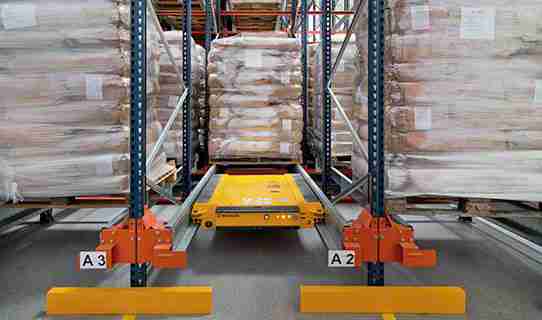
One of the most exciting recent advancements in pallet racking technology is the development of high-density storage systems. These systems are designed to maximize the use of vertical space in warehouses, allowing companies to store more inventory in a smaller footprint. By using specialized racking systems that can be stacked higher and closer together, companies can significantly increase their storage capacity without having to expand their warehouse space.
Another key development in pallet racking technology is the use of automation and robotics. Automated pallet racking systems are equipped with sensors, cameras, and other advanced technologies that enable them to automatically retrieve and store pallets without the need for human intervention. This not only speeds up the storage process, but also reduces the risk of accidents and injuries in the warehouse.
Furthermore, some pallet racking systems now include advanced safety features such as built-in collision detection systems and overload sensors. These features help to prevent accidents and damage to inventory by alerting warehouse staff when there is a potential issue with the racking system.
In addition, many companies are now turning to cloud-based warehouse management software to optimize their pallet racking systems. These software solutions allow warehouse managers to track inventory, monitor racking systems, and generate reports in real-time, helping them to make more informed decisions about their storage operations.
Finally, sustainability has become a major consideration in the development of pallet racking technology. Many companies are now designing racking systems that are made from recycled materials and can be easily disassembled and recycled at the end of their life cycle. This not only helps to reduce the environmental impact of warehouse operations, but also allows companies to meet their sustainability goals.
Overall, the latest advancements in pallet racking technology are helping warehouse managers to maximize their storage space, improve efficiency, and increase safety in their facilities. By staying informed about these advancements and investing in the right systems for their needs, companies can take their warehouse operations to the next level.

What Are The Latest Advancements In Pallet Racking Technology?
What Are The Latest Advancements In Pallet Racking Technology?
- High-density storage systems maximize vertical space in warehouses.
- Automated pallet racking systems use sensors and robotics for quick storage.
- Safety features such as collision detection and overload sensors are now included.
- Cloud-based warehouse management software is used for optimization.
- Sustainability is a focus with racking systems made from recycled materials.
- Advancements help maximize storage space, improve efficiency, and increase safety.
- Investing in the right systems can take warehouse operations to the next level.
What Are The Latest Advancements In Pallet Racking Technology?
How Do These New Technologies Improve Warehouse Efficiency?
In today’s rapidly evolving world of technology, advancements are constantly being made to help businesses operate more efficiently. One area that has seen significant improvements is in warehouse operations. With the introduction of new technologies, warehouses are now able to streamline their processes, increase productivity, and ultimately improve their bottom line.
One way that these new technologies are improving warehouse efficiency is through the use of automation. By implementing automated systems such as conveyor belts, robotics, and automated guided vehicles, warehouses are able to greatly reduce the amount of manual labor required to move and sort inventory. This not only increases the speed at which items can be processed, but also minimizes the risk of human error, leading to more accurate inventory management.
Another way that technology is improving warehouse efficiency is through the use of sophisticated inventory management systems. These systems utilize advanced algorithms and data analytics to optimize inventory levels, reduce stockouts, and improve order fulfillment rates. By having real-time visibility into their inventory, warehouses are better equipped to make informed decisions and keep their operations running smoothly.
Furthermore, the implementation of warehouse management systems (WMS) has revolutionized the way warehouses operate. These systems provide a centralized platform for managing all aspects of warehouse operations, including inventory tracking, order processing, and shipment tracking. By streamlining these processes and providing real-time data, WMS allow warehouses to operate more efficiently and effectively.
Additionally, the use of Internet of Things (IoT) technology is transforming how warehouses operate. By connecting equipment, sensors, and devices through a network, warehouses are able to gather valuable data on their operations in real-time. This data can be used to identify bottlenecks, optimize workflows, and improve overall efficiency.
The advancements in technology have greatly improved warehouse efficiency in recent years. From automation and inventory management systems to warehouse management systems and IoT technology, warehouses now have access to a wide range of tools to help streamline their operations. By embracing these new technologies, warehouses are able to operate more efficiently, reduce costs, and ultimately provide better service to their customers. The future of warehouse operations is undoubtedly bright, thanks to these exciting advancements in technology.

How Do These New Technologies Improve Warehouse Efficiency?
How Do These New Technologies Improve Warehouse Efficiency?
- New technologies in warehouse operations are constantly evolving to help businesses operate more efficiently.
- Automation, such as conveyor belts and robotics, reduces manual labor and speeds up inventory processing.
- Sophisticated inventory management systems use algorithms to optimize inventory levels and improve order fulfillment rates.
- Warehouse management systems (WMS) streamline operations by centralizing inventory tracking and order processing.
- Internet of Things (IoT) technology allows warehouses to gather real-time data, identify bottlenecks, and improve overall efficiency.
- Advancements in technology have greatly improved warehouse efficiency, providing warehouses with tools to streamline operations and reduce costs.
- By embracing new technologies, warehouses can operate more efficiently, reduce costs, and provide better service to customers.

How Do These New Technologies Improve Warehouse Efficiency?
Are There Any Safety Benefits To Using These Emerging Technologies?
As we continue to embrace the use of emerging technologies in various industries, one question that often arises is whether there are any safety benefits to these advancements. The answer is a resounding yes.
One of the key safety benefits of using emerging technologies is the ability to automate tasks that are inherently dangerous for humans. For example, in industries such as manufacturing, construction, and mining, automation can be utilized to handle tasks that pose a high risk of injury or even fatality. By using robots and other automated systems, workers can avoid dangerous situations and stay out of harm’s way.
Additionally, emerging technologies like drones and remote-controlled vehicles can be used to inspect hazardous environments without putting human lives at risk. Whether it’s assessing the structural integrity of a building, monitoring a toxic spill, or surveying a disaster zone, these technologies provide a safer alternative to sending humans into dangerous situations.
Furthermore, the use of virtual reality and augmented reality can enhance safety training programs by simulating hazardous scenarios in a controlled environment. This allows workers to practice safety procedures and emergency responses without facing real-world risks. By providing realistic training simulations, companies can better prepare their employees for potential dangers on the job.
Another safety benefit of emerging technologies is the ability to collect and analyze data in real-time, allowing for quick identification of safety hazards and proactive measures to address them. For example, wearable technology can monitor vital signs and movement patterns to alert workers of potential health risks or fatigue-related issues. Smart sensors can also be used to detect environmental hazards such as toxic fumes or gas leaks, providing early warnings to prevent accidents.
There are numerous safety benefits to using emerging technologies in various industries. From automating dangerous tasks to conducting remote inspections and enhancing safety training, these advancements have the potential to significantly improve workplace safety and reduce the risk of accidents and injuries. By embracing these technologies and integrating them into safety practices, companies can create a safer work environment for their employees and ultimately save lives.

Are There Any Safety Benefits To Using These Emerging Technologies?
Are There Any Safety Benefits To Using These Emerging Technologies?
- Automating tasks that are dangerous for humans.
- Using drones and remote-controlled vehicles for inspections.
- Enhancing safety training with virtual and augmented reality.
- Collecting and analyzing real-time data for identifying safety hazards.
- Monitoring vital signs and movement patterns with wearable technology.
- Detecting environmental hazards with smart sensors.
- Improving workplace safety and reducing the risk of accidents and injuries.

Are There Any Safety Benefits To Using These Emerging Technologies?
How Do These Innovations Impact Inventory Management?
Inventory management is a crucial aspect of any business, big or small. Without an effective strategy in place, companies risk running out of stock, losing sales opportunities, or holding onto excess inventory that can tie up cash flow. Thankfully, advancements in technology have revolutionized the way businesses can control and optimize their inventory levels.
One key innovation that has had a significant impact on inventory management is the development of inventory management software. These tools allow businesses to track their inventory in real-time, automate the reordering process, and generate detailed reports on inventory levels, turnover rates, and more. This level of visibility and control is invaluable for businesses looking to streamline their operations and make more informed decisions.
Additionally, the rise of barcoding and RFID technology has transformed the way businesses can track their inventory throughout the supply chain. By attaching unique codes to each product, companies can quickly and accurately monitor the movement of goods from the moment they arrive in the warehouse to when they are sold to a customer. This level of visibility not only reduces the risk of human error but also provides valuable data that can be used to improve forecasting and optimize inventory levels.
Furthermore, innovations in supply chain management have also had a profound impact on inventory management. With the rise of global sourcing and e-commerce, businesses now have access to a wider range of suppliers and customers than ever before. This increased complexity can make managing inventory levels a challenge, but advancements in supply chain technology have made it easier for businesses to track and manage inventory across multiple locations and channels.
These innovations have revolutionized the way businesses approach inventory management. By leveraging technology, businesses can gain greater visibility and control over their inventory levels, improve forecasting accuracy, and ultimately increase their bottom line. Whether you’re a small mom-and-pop shop or a large multinational corporation, investing in these innovations can help you stay ahead of the competition and thrive in today’s fast-paced business landscape.

How Do These Innovations Impact Inventory Management?
How Do These Innovations Impact Inventory Management?
- Inventory management is crucial for all businesses.
- Technology advancements have transformed inventory control.
- Inventory management software allows real-time tracking and automated reordering.
- Barcoding and RFID technology enhance inventory tracking throughout the supply chain.
- Supply chain management innovations have improved inventory management.
- Technology provides greater visibility and control over inventory levels.
- Investing in these innovations can lead to improved forecasting and increased profitability.

How Do These Innovations Impact Inventory Management?
Conclusion
In conclusion, the world of pallet racking systems is undergoing a transformation with the introduction of cutting-edge technologies. Thanks to advancements in design, materials, automation, and data analytics, pallet racking systems are becoming smarter and more adaptable than ever before. Imagine a warehouse where racks automatically adjust their configurations based on real-time data, optimizing layouts to minimize travel time and improve productivity. In addition, the use of advanced materials like carbon fiber and composite plastics, as well as innovative construction methods such as 3D printing, are making racking systems more cost-effective, customizable, and scalable. These emerging technologies not only maximize storage space and efficiency but also streamline the process of picking and fulfillment. Furthermore, the development of high-density storage systems, automation and robotics, and cloud-based warehouse management software are revolutionizing the way warehouses operate, improving efficiency, safety, and sustainability. By embracing these new technologies, warehouses can streamline processes, increase productivity, and ultimately improve their bottom line. The future of pallet racking systems is looking brighter and more innovative than ever before. As we continue to explore and implement these advancements, we can expect to see significant improvements in warehouse operations, safety, inventory management, and overall business performance. So keep an eye out for these emerging technologies, because they have the potential to revolutionize the way we store and move goods in the years to come.

Conclusion
Conclusion:
- Advancements in design, materials, automation, and data analytics are transforming pallet racking systems.
- Racks can automatically adjust configurations based on real-time data to optimize layouts.
- Advanced materials like carbon fiber and composite plastics, as well as 3D printing, make racking systems more cost-effective and customizable.
- New technologies maximize storage space, efficiency, and streamline picking and fulfillment processes.
- High-density storage systems, automation and robotics, and cloud-based warehouse management software are revolutionizing warehouse operations.
- Embracing these technologies can increase productivity, efficiency, safety, and sustainability in warehouses.
- The future of pallet racking systems is promising, with significant improvements expected in warehouse operations and overall business performance.

Conclusion
Other Resources

Other Resources
Here is a list of other resources you can review online to learn more:
- “Future Trends In Pallet Racking Technology”
- “Warehouse automation trends of 2024 – from robotics to AI …”
- “Pallet racking systems”
- “Heavy Duty Industrial Racking | Storage Shelves Manufaturers”
- “Industrial Pallet Racking Systems | Check Point Group”

Other Resources
Glossary Terms
Are There Emerging Technologies In Pallet Racking Systems? – Glossary Of Terms
1. Automated Storage and Retrieval System (AS/RS): A type of technology used in large warehouses and distribution centers that automatically places and retrieves loads from specific storage locations.
2. IoT (Internet of Things): A network of interconnected devices that collect and exchange data, used in pallet racking systems to monitor conditions and optimize inventory management in real time.
3. Robotics: The use of robots for tasks such as moving pallets and organizing storage, increasing efficiency and reducing the need for manual labor.
4. Vertical Lift Module (VLM): A storage system that uses trays in an enclosed system to maximize vertical space, controlled by automated technology for precise retrieval.
5. Pallet Shuttle System: Semi-automated storage solutions that move pallets within the racking system using a motorized shuttle, enhancing storage density and retrieval speed.
6. Warehouse Management System (WMS): Software that provides tools for managing the day-to-day operations in a warehouse, including inventory tracking, shipping, and receiving.
7. Smart Sensors: Devices that monitor various conditions such as weight, temperature, and humidity, providing data to optimize storage and handling processes.
8. Augmented Reality (AR): Technology that overlays digital information onto the real world, used in pallet racking systems for efficient inventory monitoring and management.
9. Radio-Frequency Identification (RFID): Wireless technology that uses electromagnetic fields to automatically identify and track tags attached to objects, improving inventory accuracy.
10. Load Beam: The horizontal beams that support the pallets in racking systems, with newer materials and designs increasing load capacity and safety.
11. Pallet Flow Rack: A gravity flow storage system that uses inclined tracks to allow pallets to glide from the back loading area to the front picking area under the force of gravity.
12. Safety Gate: Barriers that protect workers by preventing accidental falls when retrieving items from high shelves, becoming smarter with sensors to detect and prevent unsafe conditions.
13. Pick-to-Light Systems: A light-directed picking technology that guides warehouse workers to the correct items, increasing speed and accuracy in order fulfillment.
14. Voice Picking Technology: A system where workers receive verbal instructions over a headset for picking orders, improving productivity and accuracy in pallet racking systems.
15. Energy-Efficient Lighting: Advanced LED lighting systems that reduce energy consumption and enhance visibility in warehouse environments.
16. Automated Guided Vehicles (AGVs): Mobile robots used for material handling in warehouses, capable of navigating through the pallet racking system for efficient transport.
17. Dynamic Racking Systems: Pallet racking systems that adapt to changes in load types and volumes, improving warehouse flexibility and efficiency.
18. Modular Racking Systems: Flexible and customizable racking systems designed to be easily adjusted or expanded based on changing storage needs.
19. Collapsible Pallet Racks: Portable and foldable racking systems that can be easily assembled and dismantled for temporary storage needs, improving space utilization.
20. Forklift Telemetry Systems: Technologies integrated into forklifts that track usage, efficiency, and maintenance needs, enhancing overall warehouse management.
21. Automated Pallet Wrapping Machines: Devices that use automation to securely wrap pallets with stretch film, improving load stability and reducing labor costs.
22. Hybrid Racking Systems: Combining different types of racking systems to meet diverse storage requirements, optimizing space and operational efficiency.
23. Inventory Drones: Unmanned aerial vehicles (UAVs) used for inventory tracking, capturing data from pallets placed on high racks, and improving stock accuracy.
24. Cantilever Racking: Racking systems designed for storing long or bulky items, with technological improvements allowing for better load management and safety.
25. Pallet Scanner Solutions: Advanced scanning systems for tracking pallet movements within the racking system, offering precise data for inventory management.
26. Cold Storage Racking: Specialized racking systems equipped with technologies to handle the unique challenges of storing items in cold storage environments.
27. Earthquake-Resistant Racking: Racking systems built with advanced materials and designs to withstand seismic activity, ensuring safety and stability.
28. Load Balancing Algorithms: Computational methods used to evenly distribute loads across the racking system, enhancing structural integrity and efficiency.
29. Climate Control Systems: Technologies integrated into racking systems that regulate temperature and humidity, ideal for storing sensitive products.
30. Artificial Intelligence (AI): Advanced data analysis and machine learning algorithms used to automate decision-making processes in warehouse management, optimizing inventory and operations.
This glossary covers emerging technologies in pallet racking systems, focusing on innovations that improve efficiency, safety, and adaptability in modern warehousing environments.

Glossary Of Terms
Other Questions
Are There Emerging Technologies In Pallet Racking Systems? – Other Questions
If you wish to explore and discover more, consider looking for answers to these questions:
- What are some specific examples of new intelligent designs in pallet racking systems?
- How do sensors and data analytics benefit pallet racking systems?
- What types of advanced materials are being used in new pallet racking systems?
- Are there any cost implications for adopting new pallet racking technologies?
- How do automated pallet racking systems work?
- What are the sustainability aspects of modern pallet racking systems?
- What are the primary safety features in the latest pallet racking technologies?
- How does cloud-based warehouse management software optimize pallet racking systems?
- Can you provide examples of companies currently using these advanced pallet racking technologies?
- What are the potential challenges in adopting these new pallet racking technologies?
- How quickly can a warehouse implement these new technologies, and what is the expected return on investment?
- What kind of training is required for warehouse staff to use these new technologies effectively?
- Are there any case studies or testimonials from businesses that have adopted these emerging technologies?
- What are some potential drawbacks or limitations of using lightweight materials like carbon fiber in pallet racking systems?
- How do these technologies impact cold storage environments?
- What is the future outlook for further advancements in pallet racking systems?
- Can these new technologies be retrofitted to existing racking systems?
- How does the integration of IoT technology specifically benefit pallet racking systems?
- What kinds of maintenance do these advanced systems require compared to traditional systems?
- How do new pallet racking systems improve labor conditions and overall workforce productivity?

Other Questions
Checklist
Are There Emerging Technologies In Pallet Racking Systems? – A Checklist
1. Smart and Adaptable Designs
_____ Integration of sensors
_____ Robotics in racking systems
_____ Data analytics for real-time adjustments
_____ Dynamic layouts to optimize travel time and productivity
2. Advanced Materials and Construction Techniques
_____ Use of lightweight materials like carbon fiber and composite plastics
_____ 3D printing for custom racking components
_____ Modular assembly for easy scalability and customization
_____ Options for various colors and finishes to match brand aesthetics
3. High-Density Storage Systems
_____ Special designs to maximize vertical space
_____ High stacking capabilities for increased storage capacity
_____ Compact storage solutions without expanding footprint
4. Automation and Robotics
_____ Automated retrieval and storage systems
_____ Sensors and cameras for operation without human intervention
_____ Built-in collision detection systems
_____ Overload sensors for safety
5. Cloud-Based Warehouse Management Software
_____ Real-time inventory tracking
_____ Monitoring of racking systems
_____ Generation of detailed reports
_____ Improved decision-making capabilities
6. Sustainability Initiatives
_____ Racking systems made from recycled materials
_____ Designs for easy disassembly and recycling
_____ Meeting sustainability goals and reducing environmental impact
7. Enhanced Safety Features
_____ Robots handling dangerous tasks
_____ Remote-controlled vehicles and drones for hazardous inspections
_____ Virtual and augmented reality for safety training
_____ Smart sensors for detecting environmental hazards
_____ Wearable technologies for monitoring health and fatigue
8. Technologies for Improved Efficiency
_____ Automation including conveyor belts and AGVs
_____ Sophisticated inventory management systems
_____ Real-time visibility into inventory levels
_____ Warehouse Management Systems (WMS)
_____ Internet of Things (IoT) for equipment and sensor connectivity
9. Impact on Inventory Management
_____ Real-time tracking with inventory management software
_____ Automation of reordering processes
_____ Barcode and RFID technology for supply chain visibility
_____ Improved forecasting and inventory optimization
_____ Supply chain management technologies for multi-location coordination
Use this checklist to explore and implement cutting-edge innovations in your pallet racking systems to enhance storage efficiency, safety, and operational excellence.

Checklist
At RackingWorld, we help guide you through selecting warehouse storage systems and racking.
Be sure to read our other related stories at RackingWorld to learn more about warehouse storage systems.
0 Comments