
An Overview Of How Do You Choose The Right Label Material for Your Warehouse
By Tom Seest
At RackingWorld, we help guide you through selecting warehouse storage systems and racking.
Be sure to read our other related stories at RackingWorld to learn more about warehouse storage systems.
How Do You Choose The Right Label Material for Your Warehouse?
Choosing the right label material for your warehouse is imperative for efficient operations and smooth inventory management. There are several factors to consider when making this decision, including durability, adhesion, and compatibility with existing equipment.
First and foremost, it is essential to consider the environment in which the labels will be used. For example, if your warehouse deals with extreme temperatures, it is crucial to select labels that can withstand these conditions without fading or peeling. Additionally, if your warehouse handles chemicals or other harsh substances, you will need labels that are chemical-resistant to ensure they remain readable and intact.
Another important factor to consider is the adhesion of the labels. Labels that do not adhere properly to surfaces can cause confusion and errors in inventory management. Look for labels with strong adhesive properties that will stay in place even during high-traffic periods in the warehouse.
Furthermore, it is vital to ensure that the label material is compatible with your existing labeling equipment. Investing in labels that are not compatible with your printers or label applicators can lead to costly downtime and inefficiencies. Take the time to research and test different label materials to find the best fit for your equipment.
In addition to considering these factors, it is also beneficial to stay up-to-date on the latest advancements in label materials. For example, with the increasing focus on sustainability and eco-friendliness, you may want to explore options for labels made from recycled materials or those that are easily recyclable. Not only does this demonstrate your commitment to environmental responsibility, but it can also appeal to customers and partners who prioritize sustainability in their own operations.
Ultimately, selecting the right label material for your warehouse is a decision that should not be taken lightly. By considering factors such as durability, adhesion, compatibility, and sustainability, you can ensure that your labels meet the needs of your operations and contribute to a more efficient and organized warehouse environment.
Choosing the right label material for your warehouse is crucial for effective inventory management and smooth operations. By considering factors such as durability, adhesion, compatibility, and sustainability, you can select labels that will meet the needs of your warehouse and help you achieve your business goals.
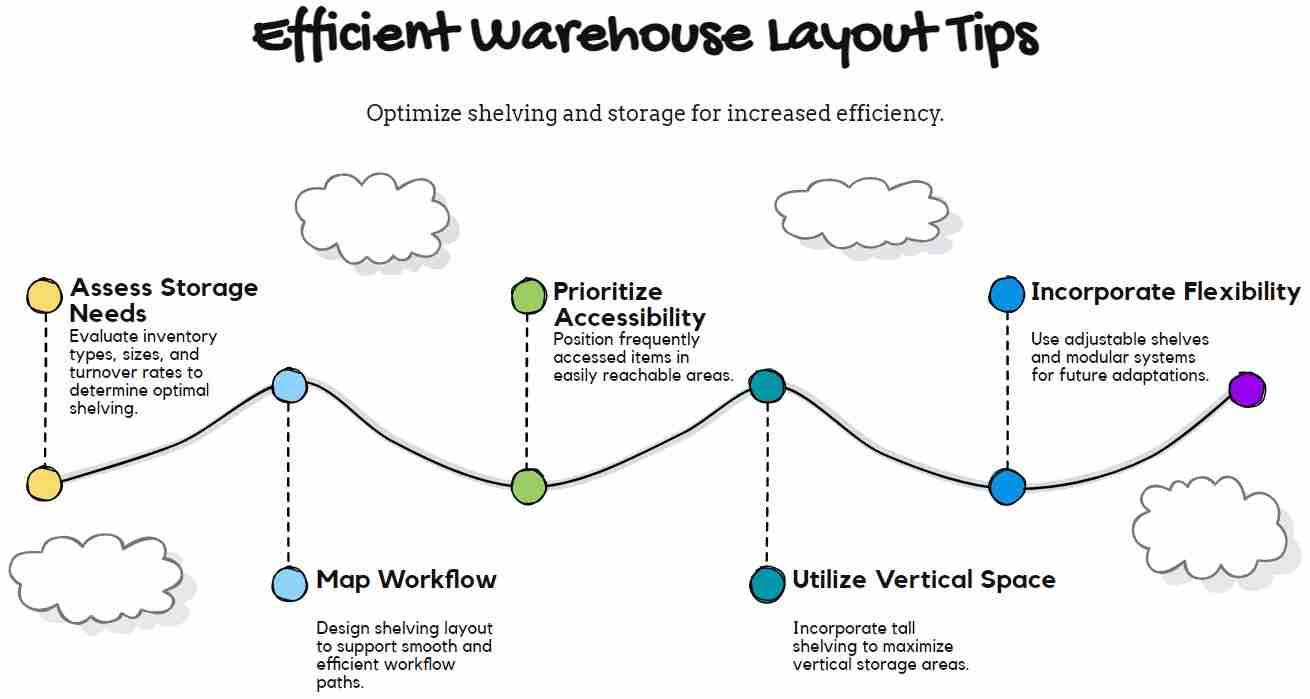
How Do You Choose The Right Label Material for Your Warehouse?
How Do You Choose The Right Label Material for Your Warehouse?
- Consider the environment in which the labels will be used, such as extreme temperatures or exposure to chemicals.
- Ensure the labels have strong adhesive properties to prevent confusion and errors.
- Verify that the label material is compatible with your existing labeling equipment.
- Stay up-to-date on advancements in label materials, including sustainable options.
- Choosing the right label material is crucial for efficient inventory management.
- Select labels that meet the needs of your warehouse and help achieve business goals.
How Do You Choose The Right Label Material for Your Warehouse?
Table Of Contents
- How Do You Choose The Right Label Material for Your Warehouse?
- What Factors to Consider When Choosing Warehouse Label Materials?
- Do Different Environments Impact Warehouse Label Material Selection?
- Are There Specific Label Materials for Harsh Warehouse Environments?
- What Options Are Available for Outdoor Label Materials?
- How to Ensure Label Durability In Extreme Warehouse Temperatures?
- What Warehouse Label Materials Are Best for Moisture Exposure?
- How to Choose Label Materials for Warehouse Chemical Resistance?
- How to Select Warehouse Label Materials for Long-Term Durability?
- Conclusion
- Other Resources
- Glossary Of Terms
- Other Questions
- Checklist
What Factors to Consider When Choosing Warehouse Label Materials?
When it comes to choosing warehouse label materials, there are several factors that must be taken into consideration in order to ensure optimal performance and efficiency. The right choice of label materials can make a significant impact on your overall warehouse operations, from inventory management to order fulfillment. Here are some key factors to consider when selecting warehouse label materials:
Durability and Longevity: One of the most important factors to consider when choosing warehouse label materials is their durability and longevity. Labels in a warehouse environment are subjected to various harsh conditions such as exposure to extreme temperatures, moisture, chemicals, and physical damage. Therefore, it is essential to choose materials that are able to withstand these conditions and remain legible and intact for an extended period of time. For example, polyester labels with a strong adhesive backing are a popular choice for warehouse applications due to their resistance to tears, moisture, and chemicals.
Compatibility with Printing Technology: Another crucial factor to consider is the compatibility of the label materials with your printing technology. Different types of label materials may require specific printing methods or technologies in order to achieve optimal print quality and durability. For instance, thermal transfer labels are commonly used in warehouses due to their compatibility with thermal transfer printers, which offer fast and high-quality printing for barcodes and text.
Adhesive Strength: The adhesive strength of warehouse label materials is another important consideration, as it determines how well the labels will adhere to various surfaces in your warehouse environment. Labels with weak adhesive backing can easily peel off or become detached, leading to issues such as misidentified inventory or lost shipments. Choosing labels with a strong adhesive backing that is able to adhere to a wide range of surfaces, including plastics, metals, and corrugated cardboard, is essential for ensuring proper label application and longevity.
Cost-Effectiveness: Last but not least, cost-effectiveness is a key factor to consider when selecting warehouse label materials. While it may be tempting to opt for the cheapest option available, it is important to balance cost with quality and performance. Investing in high-quality label materials that offer durability and reliability can ultimately save you money in the long run by reducing the need for frequent label replacements and minimizing errors in inventory management.
Choosing the right warehouse label materials is essential for optimizing your warehouse operations and ensuring efficient inventory management. By considering factors such as durability, compatibility with printing technology, adhesive strength, and cost-effectiveness, you can select label materials that meet your specific needs and deliver long-term value for your business.
What Factors to Consider When Choosing Warehouse Label Materials?
What Factors to Consider When Choosing Warehouse Label Materials?
- Durability and Longevity: Labels must withstand extreme temperatures, moisture, and physical damage.
- Compatibility with Printing Technology: Certain materials require specific printing methods for optimal quality.
- Adhesive Strength: Labels should have strong adhesive backing to prevent detachment.
- Cost-Effectiveness: Balance cost with quality to avoid frequent replacements.
- Optimizing Warehouse Operations: Choosing the right materials is essential for efficient inventory management.
- Consider Factors such as Durability, Printing Compatibility, Adhesive Strength, and Cost-Effectiveness.
- Select label materials that meet specific needs and provide long-term value for the business.
What Factors to Consider When Choosing Warehouse Label Materials?
Do Different Environments Impact Warehouse Label Material Selection?
When it comes to selecting the right warehouse label materials, one must consider the impact of different environments on the durability and effectiveness of these labels. The type of environment in which a warehouse operates can greatly influence the longevity and legibility of warehouse labels. Factors such as temperature, humidity, and exposure to chemicals or sunlight can all play a role in determining the best material for your warehouse labeling needs.
For example, in a cold storage facility where temperatures are consistently below freezing, choosing a label material that can withstand extreme cold is essential. Labels made from durable materials such as polyester or vinyl are ideal for these environments, as they are less likely to crack or become brittle in cold temperatures. In contrast, in a warehouse with high levels of humidity, using labels that are resistant to moisture and water damage, such as polypropylene or vinyl, is crucial to ensuring that labels remain legible and intact.
Additionally, exposure to chemicals or sunlight can also impact the longevity of warehouse labels. In warehouses where labels may come into contact with harsh chemicals or be exposed to direct sunlight, it is important to choose materials that are resistant to these factors. For example, labels made from chemical-resistant materials like polyester or vinyl are ideal for warehouses where chemical exposure is a concern. Similarly, labels that are UV-resistant, such as those made from materials like polypropylene, are a good choice for warehouses that are exposed to sunlight.
Furthermore, recent advancements in label technology have made it easier than ever to customize labels to suit specific environmental conditions. For example, some labels are now available with special coatings that make them resistant to water, oil, chemicals, and other harsh conditions. These types of labels are ideal for warehouses that require labels to withstand a wide range of environmental challenges.
It is clear that different environments can have a significant impact on the selection of warehouse label materials. By taking into account factors such as temperature, humidity, chemical exposure, and sunlight, warehouse managers can ensure that their labels are durable, legible, and long-lasting. With the wide range of label materials available today, there is no shortage of options to choose from to meet the unique needs of any warehouse environment.

Do Different Environments Impact Warehouse Label Material Selection?
Do Different Environments Impact Warehouse Label Material Selection?
- Warehouse label materials must be selected carefully to account for different environments.
- The type of environment in which a warehouse operates can affect label longevity and legibility.
- Temperature, humidity, and exposure to chemicals or sunlight play a role in material selection.
- Cold storage facilities require labels made from durable materials like polyester or vinyl.
- Warehouses with high humidity need labels resistant to moisture and water damage, such as polypropylene or vinyl.
- Chemical-resistant materials like polyester or vinyl are ideal for warehouses with chemical exposure.
- UV-resistant materials like polypropylene are suitable for warehouses exposed to sunlight.
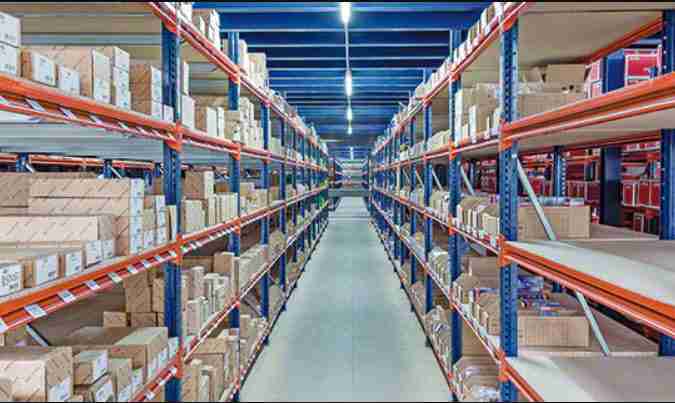
Do Different Environments Impact Warehouse Label Material Selection?
Are There Specific Label Materials for Harsh Warehouse Environments?
When it comes to labeling products in harsh warehouse environments, it’s important to choose materials that can withstand the tough conditions. Thankfully, there are specific label materials designed for just that purpose.
One popular option for labels in harsh warehouse environments is polyester. Polyester labels are known for their durability and resistance to moisture, chemicals, and extreme temperatures. These labels are perfect for use in warehouses where products may be exposed to a wide range of conditions.
Another popular material for labels in harsh environments is vinyl. Vinyl labels are highly durable and can withstand exposure to harsh chemicals, oils, and solvents. These labels are ideal for use in warehouses where products are handled roughly or stored in extreme conditions.
In addition to polyester and vinyl, there are also specific label materials that are designed to be resistant to UV rays. These labels are perfect for warehouses with outdoor storage areas or where products are exposed to direct sunlight. By using UV-resistant labels, you can ensure that your labels stay intact and legible even in the harshest of conditions.
One example of a company that offers labels specifically designed for harsh warehouse environments is Avery Dennison. Their durable polyester labels are known for their ability to withstand moisture, chemicals, and extreme temperatures. These labels are a popular choice among warehouse managers looking for a reliable labeling solution.
In today’s fast-paced warehouse environments, having labels that can withstand the rigors of daily operations is essential. By choosing the right label materials, you can ensure that your products are properly labeled and tracked, leading to more efficient operations and increased productivity.
There are specific label materials available for harsh warehouse environments that can help ensure that your products are properly labeled and tracked. By choosing materials such as polyester, vinyl, or UV-resistant labels, you can rest assured that your labels will withstand even the toughest conditions. Make sure to invest in high-quality labels to keep your warehouse operations running smoothly.
Are There Specific Label Materials for Harsh Warehouse Environments?
Are There Specific Label Materials for Harsh Warehouse Environments?
- Choose materials that can withstand harsh warehouse environments for labeling products.
- Polyester labels are durable and resistant to moisture, chemicals, and extreme temperatures.
- Vinyl labels are highly durable and can withstand exposure to harsh chemicals, oils, and solvents.
- Specific label materials designed to be resistant to UV rays are available for outdoor storage areas.
- Avery Dennison offers durable polyester labels for harsh warehouse environments.
- Having labels that can withstand daily operations is essential for efficient warehouse management.
- Invest in high-quality labels such as polyester, vinyl, or UV-resistant labels for efficient warehouse operations.
Are There Specific Label Materials for Harsh Warehouse Environments?
What Options Are Available for Outdoor Label Materials?
When it comes to choosing outdoor label materials, there are a variety of options available that cater to different needs and preferences. It’s important to select a material that can withstand the elements and maintain its durability and appearance in outdoor conditions.
One popular choice for outdoor label materials is vinyl. Vinyl labels are known for their durability and weather resistance, making them ideal for outdoor use. They can withstand exposure to UV rays, moisture, and extreme temperatures without fading or deteriorating. Vinyl labels are commonly used for outdoor signage, bumper stickers, and product labels.
Another option for outdoor label materials is polyester. Polyester labels are water-resistant and tear-resistant, making them a great choice for outdoor applications that may be exposed to harsh conditions. Polyester labels are often used for outdoor equipment, machinery, and chemical containers.
For those looking for a more eco-friendly option, there are also biodegradable label materials available. These labels are made from materials that will break down naturally over time, reducing their environmental impact. Biodegradable labels are a great choice for companies looking to minimize their carbon footprint and promote sustainability.
In addition to traditional label materials, there are also specialty materials available for unique outdoor applications. Reflective labels, for example, are designed to be highly visible in low-light conditions, making them ideal for safety signage and equipment labeling. Glow-in-the-dark labels are another specialty material that is great for nighttime visibility.
When choosing outdoor label materials, it’s important to consider the specific requirements of your application. Factors such as exposure to sunlight, moisture, temperature fluctuations, and chemical exposure will all impact the performance of the label. By selecting the right material for your needs, you can ensure that your outdoor labels will look great and remain legible for years to come.
There are a wide range of options available for outdoor label materials, each with its own unique benefits and applications. Whether you need a durable vinyl label, a tear-resistant polyester label, or a specialty material for unique requirements, there is a material that will meet your needs. By choosing the right label material for your outdoor application, you can ensure that your labels will stand up to the elements and remain visible and legible for years to come.
What Options Are Available for Outdoor Label Materials?
What Options Are Available for Outdoor Label Materials?
- Vinyl labels are durable and weather resistant, ideal for outdoor use.
- Polyester labels are water and tear resistant, great for harsh conditions.
- Biodegradable label materials are eco-friendly and break down over time.
- Specialty materials like reflective and glow-in-the-dark labels offer unique visibility.
- Consider specific requirements like sunlight, moisture, temperature, and chemical exposure.
- Choose the right material to ensure long-lasting, legible outdoor labels.
- There are a wide range of options available to meet different outdoor labeling needs.
What Options Are Available for Outdoor Label Materials?
How to Ensure Label Durability In Extreme Warehouse Temperatures?
As the temperatures in warehouses continue to rise due to factors such as climate change and increased demand for products, it is crucial for businesses to ensure the durability of their labels in these extreme conditions. Failing to do so can result in lost inventory, mismanage of products, and ultimately damage to the brand’s reputation.
One key strategy for ensuring label durability in extreme warehouse temperatures is to invest in high-quality, heat-resistant materials. For example, utilizing vinyl labels instead of paper labels can significantly increase the longevity of the labels in hot environments. Vinyl labels are known for their resistance to heat, moisture, and chemicals, making them ideal for warehouse settings where temperatures can reach extreme levels.
Another important factor to consider is the adhesive used on the labels. In high temperatures, traditional adhesives may fail to adhere to the surface of the products, leading to label peeling and detachment. By using specially formulated adhesives that are designed to withstand extreme temperatures, businesses can ensure that their labels stay in place and remain legible throughout the harsh conditions of a warehouse.
In addition to using high-quality materials and adhesives, businesses can also implement proper handling and storage practices to further increase the durability of their labels. For example, storing labels in a cool, dry place away from direct sunlight can help prevent them from becoming warped or discolored in hot warehouse environments. Additionally, training warehouse staff on proper handling techniques, such as avoiding excessive heat exposure and ensuring labels are securely affixed to products, can also contribute to label longevity.
Overall, investing in durable labels that are specifically designed to withstand extreme warehouse temperatures is essential for ensuring that products are accurately identified and managed throughout the supply chain. By taking proactive measures to protect labels from the damaging effects of heat, businesses can minimize the risk of costly errors and maintain the integrity of their brand.
In a time where warehouse temperatures are on the rise, it is more important than ever for businesses to prioritize label durability. By choosing quality materials, adhesives, and implementing proper handling practices, companies can safeguard their labels against the harsh conditions of a warehouse environment and ensure that their products are effectively managed and tracked.
How to Ensure Label Durability In Extreme Warehouse Temperatures?
How to Ensure Label Durability In Extreme Warehouse Temperatures?
- Invest in high-quality, heat-resistant materials like vinyl labels.
- Use specially formulated adhesives designed to withstand extreme temperatures.
- Implement proper handling and storage practices.
- Store labels in a cool, dry place away from direct sunlight.
- Train warehouse staff on proper handling techniques.
- Invest in durable labels designed for extreme warehouse temperatures.
- Protect labels from heat to minimize costly errors and maintain brand integrity.
How to Ensure Label Durability In Extreme Warehouse Temperatures?
What Warehouse Label Materials Are Best for Moisture Exposure?
When it comes to labeling materials for warehouses that are exposed to moisture, selecting the right type is absolutely crucial. Failure to choose a material that can withstand these conditions can result in smudged, illegible labels that ultimately lead to inventory errors and inefficiencies.
One of the best materials for moisture exposure in warehouse environments is polyester labels. These labels are not only durable and tear-resistant but also highly resistant to moisture, making them ideal for environments where humidity levels are a concern. Additionally, polyester labels are able to maintain their adhesive properties even when exposed to water, ensuring that your labels stay securely attached to your inventory items.
Another excellent option for moisture exposure is vinyl labels. Vinyl labels are known for their flexibility and strong adhesive properties, which make them perfect for use in environments where moisture is present. These labels are able to withstand wet conditions without deteriorating, ensuring that your inventory remains clearly labeled at all times.
In addition to polyester and vinyl labels, another material worth considering for moisture exposure is polypropylene labels. Polypropylene is a synthetic material that is both water-resistant and durable, making it a reliable choice for warehouse environments with high humidity levels. Like polyester and vinyl labels, polypropylene labels are able to maintain their adhesive properties even in wet conditions, ensuring that your labels stay in place and remain legible.
In today’s rapidly changing business landscape, it’s more important than ever to invest in high-quality warehouse labeling materials that can withstand moisture exposure. With the increasing prevalence of online shopping and demand for efficient inventory management, having clear and durable labels is essential to the smooth operation of any warehouse.
By choosing the right materials for moisture exposure, you can avoid costly errors and ensure that your inventory is accurately tracked at all times. Investing in high-quality labels may seem like a small detail, but it can have a significant impact on the efficiency and productivity of your warehouse operations.
When it comes to selecting warehouse label materials for moisture exposure, polyester, vinyl, and polypropylene labels are among the best options available. By investing in these durable and water-resistant materials, you can ensure that your inventory remains accurately labeled and easily identifiable, even in challenging environmental conditions.
What Warehouse Label Materials Are Best for Moisture Exposure?
What Warehouse Label Materials Are Best for Moisture Exposure?
- Polyester labels are durable, tear-resistant, and highly resistant to moisture.
- They can maintain adhesive properties even when exposed to water.
- Vinyl labels are flexible, have strong adhesive properties, and can withstand wet conditions.
- Polypropylene labels are water-resistant and durable, making them suitable for high humidity environments.
- Investing in high-quality warehouse labeling materials is essential for efficient inventory management.
- Choosing the right materials for moisture exposure helps prevent costly errors and ensures accurate tracking of inventory.
- Polyester, vinyl, and polypropylene labels are among the best options for moisture exposure in warehouse environments.
What Warehouse Label Materials Are Best for Moisture Exposure?
How to Choose Label Materials for Warehouse Chemical Resistance?
When it comes to labeling materials for warehouse chemical resistance, it’s crucial to choose the right materials that can withstand harsh chemicals and tough environmental conditions. Selecting the wrong label materials can result in labels that fade, peel, or deteriorate quickly, compromising the safety and efficiency of your operations.
One important factor to consider when choosing label materials for warehouse chemical resistance is the type of chemicals your labels will be exposed to. Different chemicals can have varying effects on label materials, with some causing discoloration, fading, or degradation. It’s essential to understand the properties of the chemicals in your warehouse and select label materials that are resistant to those specific substances.
For example, if your warehouse stores corrosive acids or solvents, you’ll need labels that are highly resistant to chemical exposure. Materials like vinyl or polyester labels with chemical-resistant coatings can provide durability and longevity in such harsh environments.
Additionally, consider the temperature and humidity conditions in your warehouse when selecting label materials. Extreme temperatures and high humidity levels can also impact the performance of label materials, leading to fading, peeling, or illegibility. Choose materials that are designed to withstand these conditions, such as thermal transfer labels or synthetic materials like polyethylene.
Another factor to keep in mind is the application method of your labels. Labels that are frequently handled, exposed to abrasion, or subject to moisture should be made from materials that can withstand these conditions. Materials like laminated labels or those with strong adhesive backing can provide added protection against wear and tear.
In today’s fast-paced and ever-changing warehouse environments, it’s essential to stay ahead of the curve when it comes to labeling materials. With the rise of automation and digital technologies, there are new opportunities to enhance the durability and functionality of label materials. For example, RFID labels embedded with tracking capabilities can provide real-time data on inventory levels, location, and conditions, improving efficiency and accuracy in warehouse operations.
By carefully considering the specific chemical exposure, environmental conditions, and application requirements in your warehouse, you can choose label materials that offer superior resistance and longevity. Investing in high-quality label materials can not only improve the safety and efficiency of your operations but also save you time and money in the long run.
Selecting the right label materials for warehouse chemical resistance is a critical decision that can have a significant impact on the performance and safety of your operations. By understanding your specific needs and investing in high-quality materials, you can ensure that your labels stand up to the toughest challenges in today’s warehouse environments.
How to Choose Label Materials for Warehouse Chemical Resistance?
How to Choose Label Materials for Warehouse Chemical Resistance?
- Choosing the right label materials for warehouse chemical resistance is crucial for withstanding harsh chemicals and tough environmental conditions.
- Consider the type of chemicals your labels will be exposed to and select materials resistant to those specific substances.
- For warehouses storing corrosive acids or solvents, use vinyl or polyester labels with chemical-resistant coatings.
- Take into account temperature and humidity conditions in your warehouse when selecting label materials, choose materials that can withstand extreme conditions.
- Labels that are frequently handled or exposed to moisture should be made from materials like laminated labels or ones with strong adhesive backing.
- Explore new technologies like RFID labels embedded with tracking capabilities to enhance the durability and functionality of label materials.
- Investing in high-quality label materials can improve safety, efficiency, and save time and money in the long run.
How to Choose Label Materials for Warehouse Chemical Resistance?
How to Select Warehouse Label Materials for Long-Term Durability?
When selecting warehouse label materials for long-term durability, it’s essential to consider the environmental conditions in which the labels will be placed. Harsh environments such as extreme temperatures, moisture, and chemical exposure can easily damage labels if they are not made from durable materials.
One of the most important factors to consider when choosing warehouse label materials is the adhesive used. Adhesive plays a crucial role in the longevity of the label, as it must be able to withstand various conditions without losing its stickiness. For example, labels with strong adhesive properties are ideal for environments with high levels of moisture or frequent handling, ensuring they remain in place and legible for an extended period.
Another consideration when selecting warehouse label materials is the type of surface the labels will be adhered to. Different materials are suited to different surfaces, with some labels better suited to smooth, flat surfaces while others are designed for rougher, uneven surfaces. It’s important to choose a material that will adhere securely to the surface without peeling or fading over time.
Additionally, the durability of the label material itself is a key consideration. Labels made from high-quality materials such as polyester or vinyl are more resistant to tearing, fading, and smudging than those made from paper. This ensures that the labels remain legible and intact for longer, reducing the need for frequent replacements.
In today’s fast-paced world, where efficiency and accuracy are paramount, investing in durable warehouse label materials is more important than ever. With the rise of e-commerce and the increasing demand for fast and accurate order fulfillment, having durable labels that can withstand the rigors of a busy warehouse environment is crucial.
By selecting warehouse label materials that are designed for long-term durability, businesses can minimize the risk of errors, reduce the need for costly replacements, and ensure that their operations run smoothly and efficiently. In an era where customer expectations are higher than ever, every little detail counts – including the labels used in the warehouse.
When choosing warehouse label materials for long-term durability, it’s essential to consider factors such as adhesive strength, surface compatibility, and material durability. By investing in high-quality labels designed for durability, businesses can improve efficiency, reduce costs, and ensure that their operations run smoothly, even in the toughest of conditions.
How to Select Warehouse Label Materials for Long-Term Durability?
How to Select Warehouse Label Materials for Long-Term Durability?
- Consider environmental conditions for long-term durability.
- Adhesive quality is crucial for label longevity.
- Choose materials based on surface type for secure adhesion.
- Material durability is key for resistance to tearing, fading, and smudging.
- Durable labels are essential for efficiency and accuracy in warehouses.
- Investing in durable labels minimizes errors and reduces replacement needs.
- Focus on adhesive strength, surface compatibility, and material durability when selecting warehouse label materials.
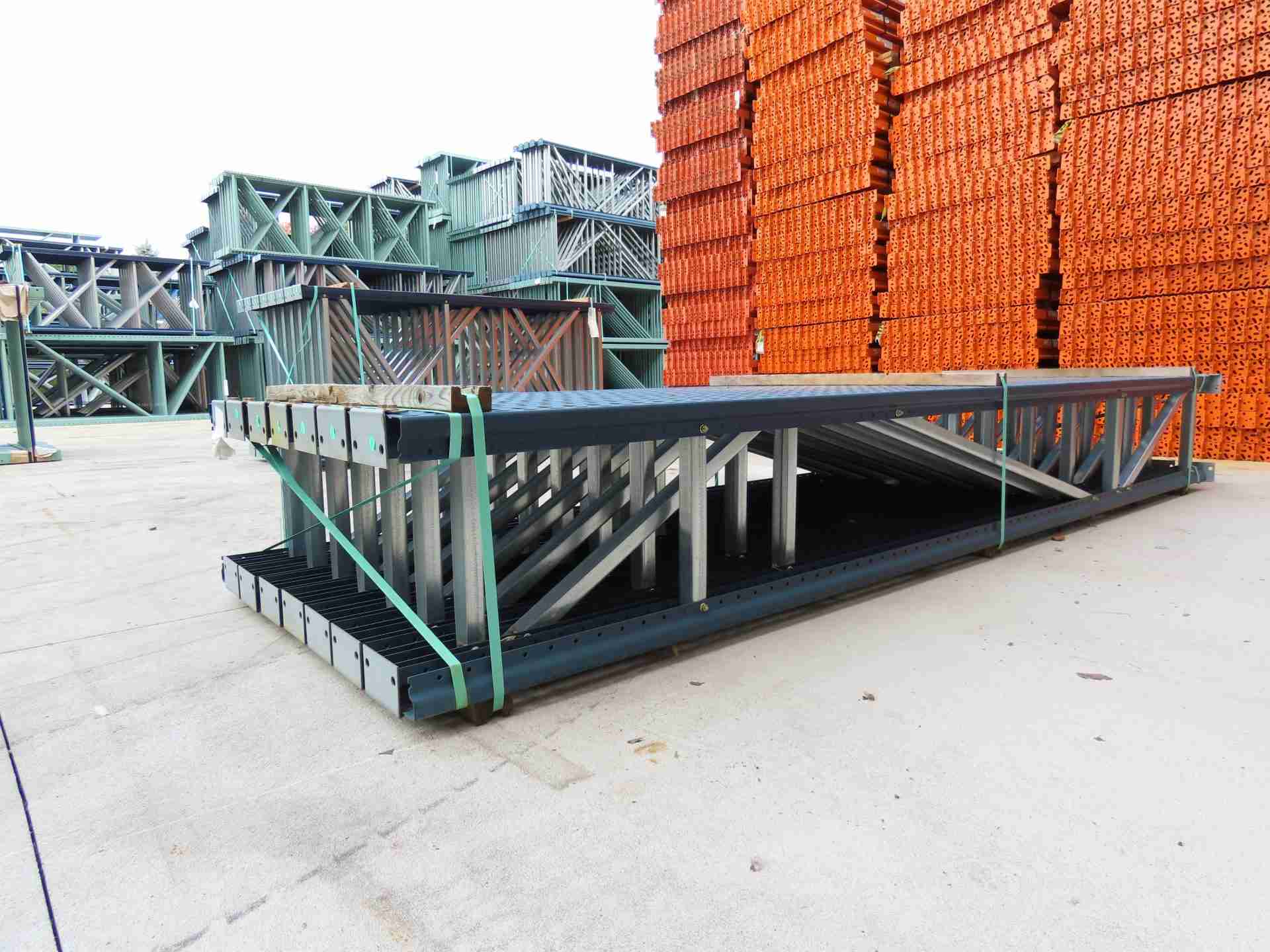
How to Select Warehouse Label Materials for Long-Term Durability?
Conclusion
In conclusion, choosing the right label material for your warehouse is essential for ensuring efficient operations, accurate inventory management, and a smooth workflow. Factors such as durability, adhesion, compatibility with existing equipment, and sustainability should all be carefully considered when making this important decision. By selecting label materials that can withstand extreme temperatures, moisture, chemicals, and other harsh conditions, you can ensure that your labels remain legible and intact for the long term.
To ensure label durability in extreme warehouse temperatures, investing in high-quality, heat-resistant materials like vinyl labels can make a significant difference. Proper handling and storage practices can also help increase the longevity of your labels in hot environments. Additionally, for warehouses exposed to moisture, selecting polyester, vinyl, or polypropylene labels can ensure that your labels remain legible and securely attached to inventory items.
For warehouses with chemical exposure, choosing label materials that are resistant to specific substances and environmental conditions is crucial. Materials such as vinyl or polyester labels with chemical-resistant coatings can provide the durability needed to withstand harsh chemical exposure. In addition, considering the temperature, humidity levels, and application method of your labels can further enhance their resistance and longevity.
By carefully considering these factors and investing in high-quality label materials designed for durability, you can optimize your warehouse operations, reduce errors, and improve efficiency. Arrow Industrial Sales is here to help you navigate the complexities of choosing the right label material for your warehouse. Contact us today at (574) 349-6575 to get expert advice and information tailored to your specific needs. Don’t wait – call now and take the first step towards ensuring the durability and effectiveness of your warehouse labels. Make the right choice today for a more efficient and organized warehouse tomorrow!
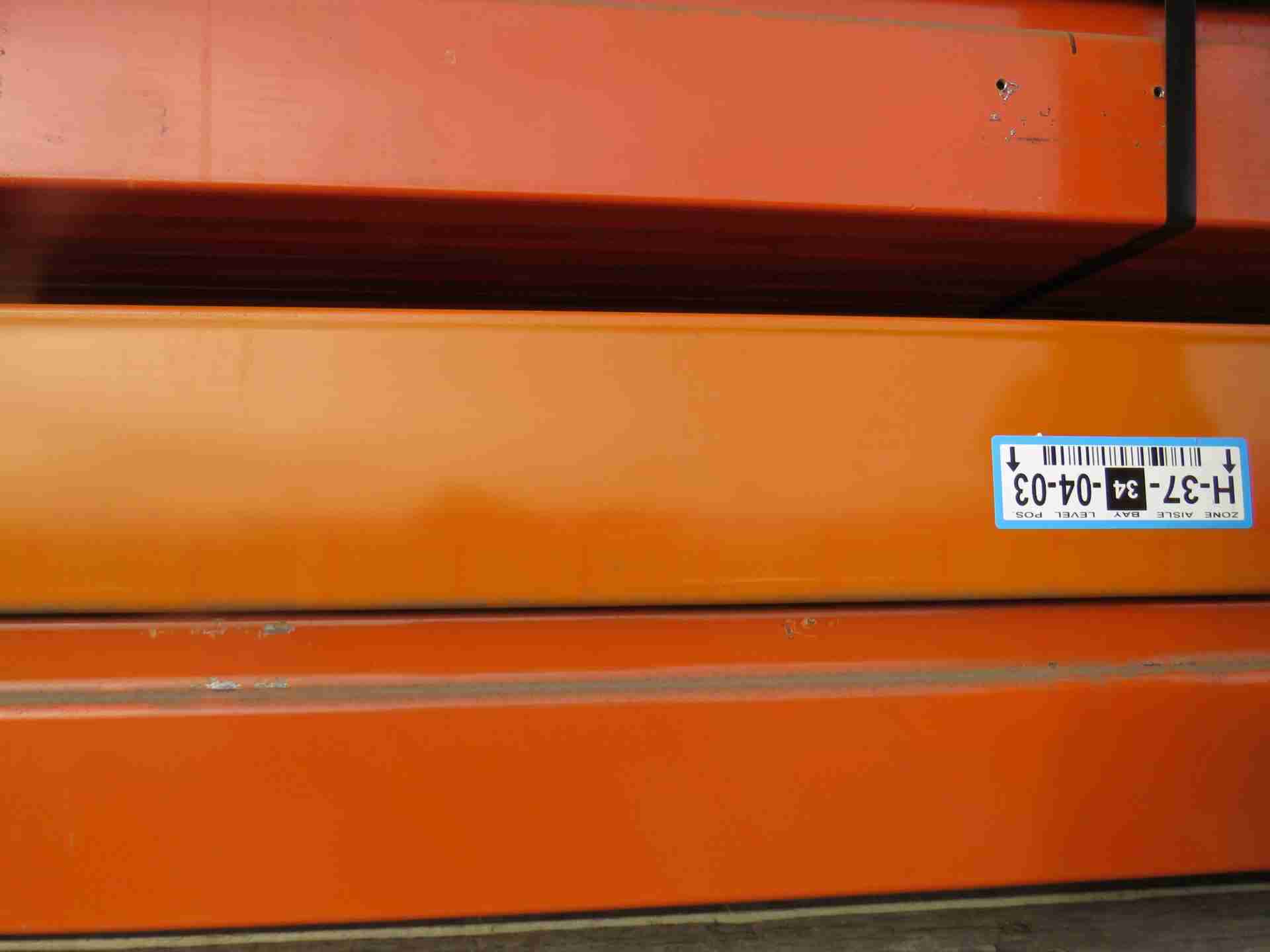
Conclusion
Conclusion:
- Choosing the right label material is crucial for efficient warehouse operations.
- Consider factors like durability, adhesion, compatibility, and sustainability.
- Select materials that can withstand extreme temperatures, moisture, and chemicals.
- Invest in heat-resistant materials like vinyl labels for extreme temperatures.
- Select polyester, vinyl, or polypropylene labels for moisture-exposed warehouses.
- Choose chemical-resistant materials like vinyl or polyester labels for chemical exposure.
- By choosing high-quality label materials, you can optimize warehouse operations and improve efficiency.
Contact Arrow Industrial Sales at (574) 349-6575 for expert advice on selecting the right label material for your warehouse.
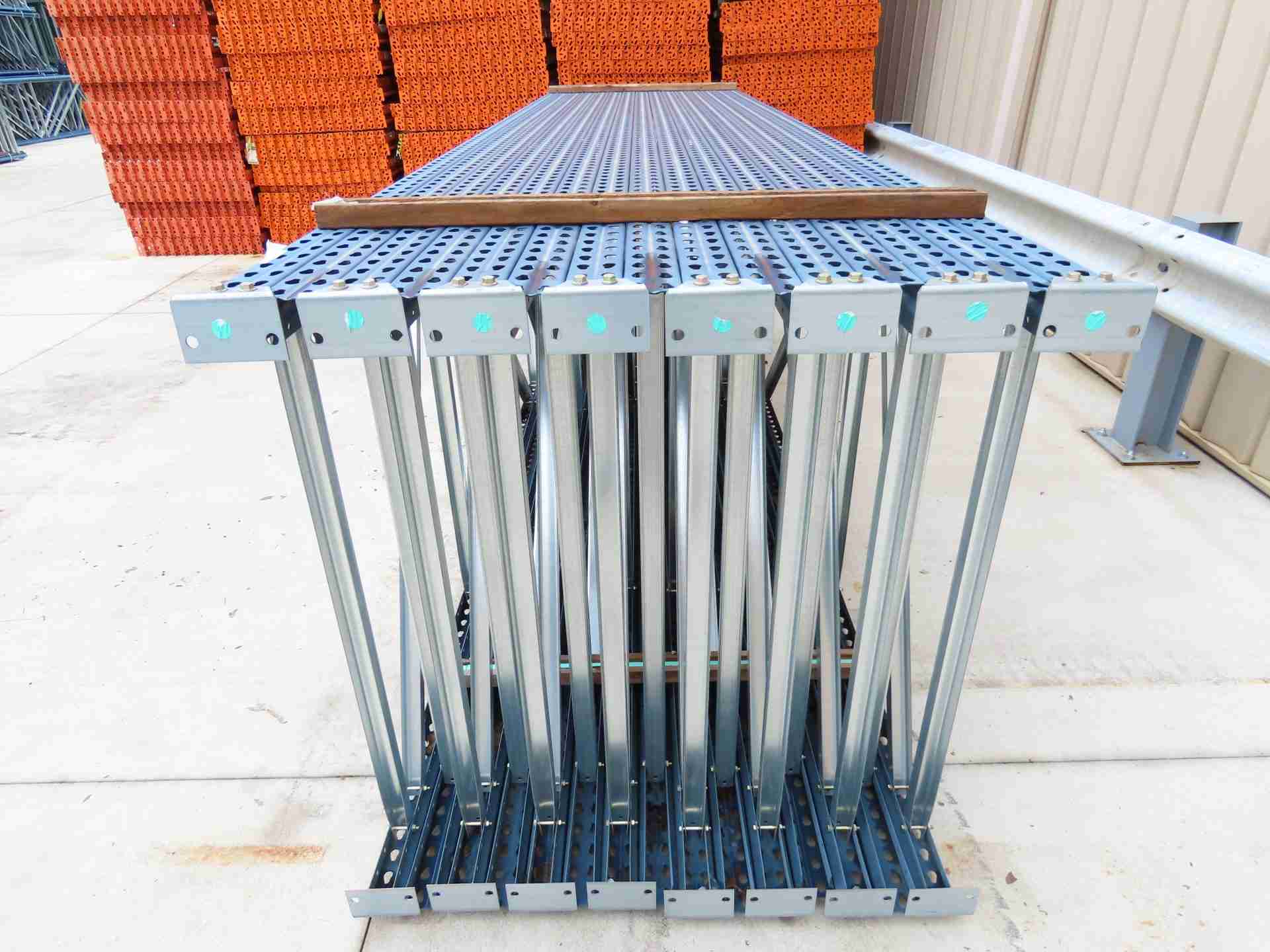
Conclusion
Other Resources
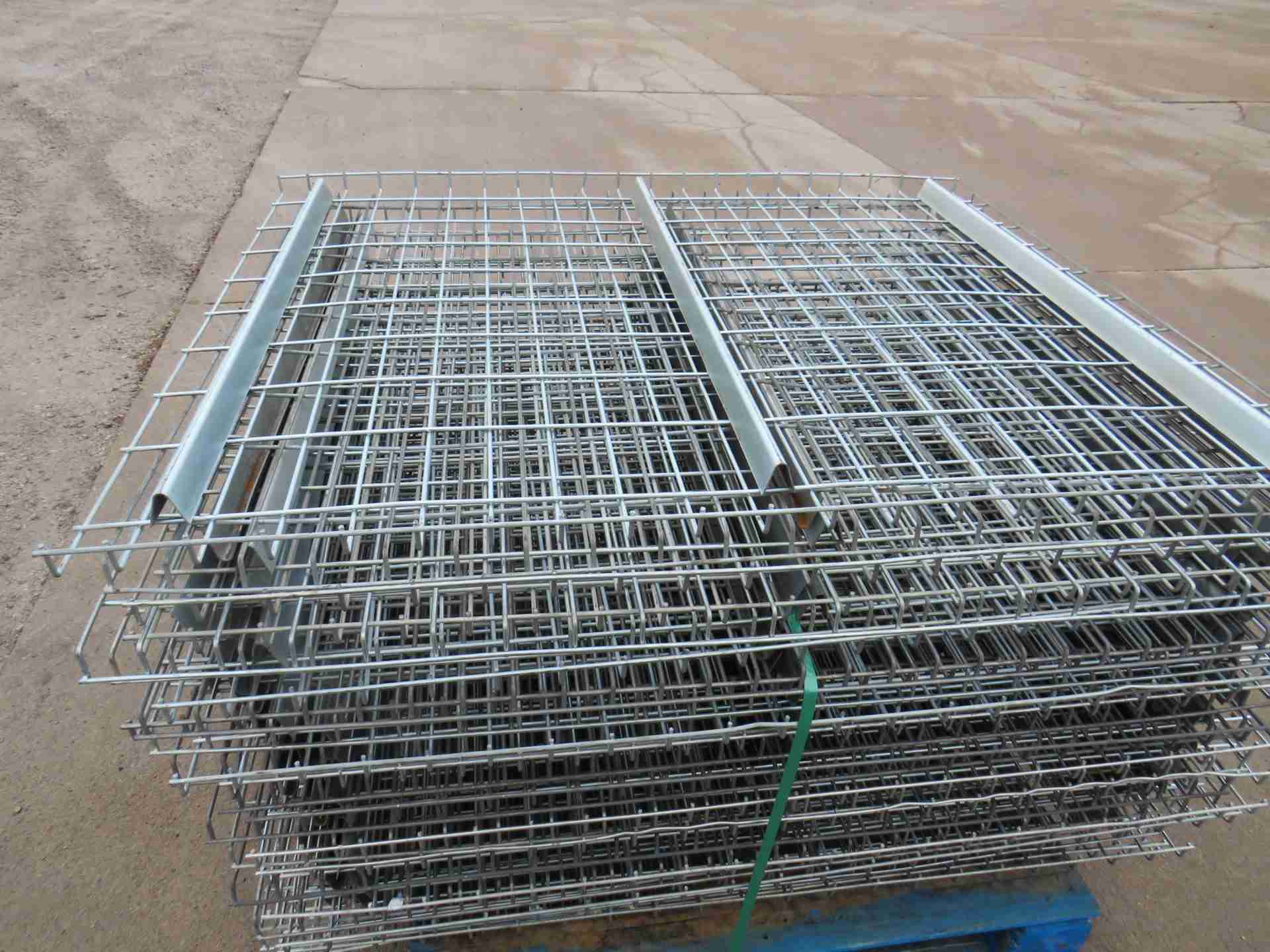
Other Resources
Here is a list of other resources you can review online to learn more:
- “Adhésif permanent polyester”
- “Brady™ Tamper-evident Metallized Thermal Transfer …”
- “Transfer PET white PT – Avery Dennison – Fasson”
Other Resources
Glossary Terms
How Do You Choose The Right Label Material for Your Warehouse? – Glossary Of Terms
1. Adhesive: The sticky substance on the back of a label that helps it attach to surfaces. Different types of adhesives include permanent, removable, repositionable, and high-tack.
2. Acrylic Adhesive: A water or solvent-based adhesive known for its durability and excellent temperature resistance.
3. Thermal Transfer Printing: A printing method that uses a ribbon to transfer ink onto the label, providing durable and long-lasting labels.
4. Direct Thermal Printing: A printing method that doesn’t use a ribbon, but rather heat-sensitive paper that turns black when heated. Suitable for short-term labeling.
5. Polypropylene: A durable, flexible plastic material used for labels that require water and chemical resistance.
6. Polyester: A robust, tear-resistant label material suitable for harsh environments including exposure to chemicals, weather, and abrasion.
7. Vinyl: A flexible label material that’s resistant to moisture and wear, suitable for outdoor and long-term use.
8. Paper Labels: Cost-effective labels appropriate for dry, indoor environments where longevity is not a major concern.
9. Die Cutting: The process of cutting labels into specific shapes using a die.
10. Liner: The backing material that the label comes on, which is removed before application.
11. Facestock: The top layer of a label that contains the printed information and is adhered to the surface.
12. Zerbin: A waste material produced from the die-cutting process, usually the edges or scrap parts left behind.
13. Label Durability: Indicator of how well a label will hold up under various conditions like weather, abrasion, chemicals, and time.
14. Topcoat: A protective coating on the label that enhances durability and printability.
15. Matte Finish: A non-reflective label surface that reduces glare, making it easier to read.
16. Gloss Finish: A shiny, reflective label surface that enhances color vibrancy.
17. UVI (Ultraviolet Inhibitor): Additives in the label to protect it against UV radiation, preventing fading over time.
18. Tamper-Evident Labels: Labels designed to show visible signs if they have been tampered with.
19. Barcode Labels: Labels that contain barcodes for easy scanning and inventory tracking.
20. Circular Labels: Labels in a round shape, often used for color-coding or special notations.
21. Die-Cut Labels: Labels shaped by cutting dies to match specific designs and sizes.
22. Blank Labels: Pre-cut but unprinted labels that can be customized with on-demand printing.
23. Pre-Printed Labels: Labels that come with designs or information already printed, often used for standard warnings, instructions, or branding.
24. Heat-Resistant Labels: Labels designed to withstand high temperatures without degrading or detaching.
25. Cold-Resistant Labels: Labels designed to maintain their adhesive properties and durability at low temperatures.
26. Moisture-Resistant Labels: Labels that maintain their integrity and adhesion in humid or wet environments.
27. Chemical-Resistant Labels: Labels that resist deterioration when exposed to chemicals or solvents.
28. Perforated Labels: Labels with pre-cut lines that allow for easy tearing and separation.
29. Label Rolls: Labels stored on a roll, fitting into dispensers or printers for ease of application.
30. Sheet Labels: Labels supplied in flat sheets as opposed to rolls, often compatible with desktop printers.
This glossary should help you better understand the terminology and factors involved in choosing the right label material for your warehouse needs.
Glossary Of Terms
Other Questions
How Do You Choose The Right Label Material for Your Warehouse? – Other Questions
If you wish to explore and discover more, consider looking for answers to these questions:
- What are the key factors to consider when choosing label materials for a warehouse?
- How does the warehouse environment impact label material selection?
- What specific label materials are best suited for warehouses with extreme temperatures?
- Which label materials are ideal for warehouses with high humidity or moisture exposure?
- Are there label materials that can withstand exposure to harsh chemicals?
- What are the best practices for ensuring label adhesion in a high-traffic warehouse?
- How can sustainability and eco-friendliness be factored into choosing label materials?
- What recent advancements in label materials should warehouse managers be aware of?
- What are the cost considerations when selecting warehouse label materials?
- How can businesses find label materials that are compatible with their existing printing technology?
- What are the recommendations for label materials in outdoor storage areas?
- How does one ensure long-term durability of labels in a warehouse environment?
- Are there specific adhesive properties to look for in warehouse labels?
- What are some examples of companies that offer durable label materials for harsh environments?
- How can businesses test different label materials to find the best fit for their warehouse?
- What specialty label materials are available for unique warehouse applications?
- What are the best ways to store and handle labels to ensure their longevity?

Other Questions
Checklist
How Do You Choose The Right Label Material for Your Warehouse? – A Checklist
Understanding Environmental Conditions
1. Temperature Tolerance:
_____ Check if the labels need to withstand extreme high or low temperatures.
_____ Look for materials like polyester that can endure extreme temperatures.
2. Chemical Resistance:
_____ Determine if labels will be exposed to chemicals.
_____ Choose chemical-resistant materials such as polyester or vinyl.
3. Moisture and Humidity:
_____ Evaluate the level of humidity and moisture in your warehouse.
_____ Select water-resistant materials like polyester, vinyl, or polypropylene.
4. Sunlight Exposure:
_____ Are the labels exposed to direct sunlight or UV rays?
_____ Opt for UV-resistant materials like reflective or specialty-coated labels.
Label Adhesion Requirements
5. Adhesive Strength:
_____ Assess the need for strong adhesive properties to prevent peeling and detachment.
_____ Verify that the label adhesive can withstand high-traffic and handling.
6. Surface Compatibility:
_____ Ensure the adhesive is suitable for various surfaces such as plastics, metals, and cardboard.
_____ Test on different surfaces to verify adhesion.
7. Adhesive Durability:
_____ Look for specially formulated adhesives for extreme temperatures or moisture-rich environments.
Printing & Compatibility
8. Printer Compatibility:
_____ Verify compatibility with your existing printing technology (e. g. , thermal transfer printers).
_____ Test print quality on different materials to ensure optimal performance.
9. Print Longevity:
_____ Ensure the print remains legible and durable regardless of environmental factors.
_____ Consider materials that are less likely to fade or smudge.
Sustainability Considerations
10. Eco-Friendliness:
_____ Research options for recyclable or biodegradable label materials.
_____ Check if there are sustainable alternatives that meet your labeling needs.
Cost-Effectiveness
11. Budget Considerations:
_____ Evaluate the balance between cost and quality.
_____ Invest in high-quality materials to reduce frequent replacements and management errors.
Specific Needs for Harsh Environments
12. Extreme Conditions:
_____ Look for labels that are specifically designed for harsh environments, such as those made from durable polyester or vinyl.
13. Custom Coatings:
_____ Consider labels with special coatings based on specific environmental challenges (oil, water, chemicals).
Long-Term Durability
14. Material Resilience:
_____ Opt for high-quality materials such as polyester or vinyl for long-term use.
_____ Select tear-resistant and smudge-proof labels to maintain legibility.
Special Functionality
15. Reflective or Glow-in-the-Dark:
_____ For safety and visibility, choose labels that are reflective or glow-in-the-dark.
_____ Ensure these labels meet the specific needs of your warehouse operations.
By using this checklist, you can make informed decisions about the most suitable label materials for your warehouse, leading to efficient operations, better inventory management, and long-term cost savings.
Checklist
At RackingWorld, we help guide you through selecting warehouse storage systems and racking.
Be sure to read our other related stories at RackingWorld to learn more about warehouse storage systems.
0 Comments