
Maximizing Efficiency With Industrial Racks
By Tom Seest
At RackingWorld, we help guide you through selecting warehouse storage systems and racking.
Be sure to read our other related stories at RackingWorld to learn more about warehouse storage systems.
How Do Industrial Racks Support Inventory Management?
When it comes to managing inventory in a busy industrial setting, having the right storage solutions can make all the difference. Industrial racks are a crucial component of effective inventory management, providing a sturdy and efficient way to store and organize products, materials, and supplies.
One of the key ways that industrial racks support inventory management is by maximizing storage space. With their tall, vertical design and multiple levels of shelving, industrial racks allow for the efficient use of vertical space in a warehouse or storage facility. This means that more inventory can be stored in a smaller footprint, helping to keep the space organized and making it easier to locate and access items when needed.
In addition to maximizing storage space, industrial racks help to improve inventory visibility. By keeping items organized and easily accessible, industrial racks allow for better visibility of inventory levels and stock quantities. This helps to prevent overstocking or running out of essential items, leading to more accurate inventory management and reducing the risk of stockouts.
Furthermore, industrial racks help to optimize workflow and increase productivity. By providing designated storage areas for specific items, industrial racks help to streamline the picking, packing, and shipping processes. This makes it easier for employees to locate and retrieve items quickly, leading to faster order fulfillment and improved customer satisfaction.
Another important way that industrial racks support inventory management is by enhancing safety in the workplace. By keeping inventory organized and off the floor, industrial racks help to prevent clutter and reduce the risk of accidents and injuries. With sturdy construction and weight-bearing capacity, industrial racks provide a safe and secure storage solution for heavy or bulky items, helping to maintain a safe working environment for employees.
Industrial racks play a vital role in supporting effective inventory management in industrial settings. By maximizing storage space, improving inventory visibility, optimizing workflow, and enhancing safety, industrial racks help businesses to better manage their inventory, increase productivity, and ultimately, achieve success in today’s fast-paced and competitive market.
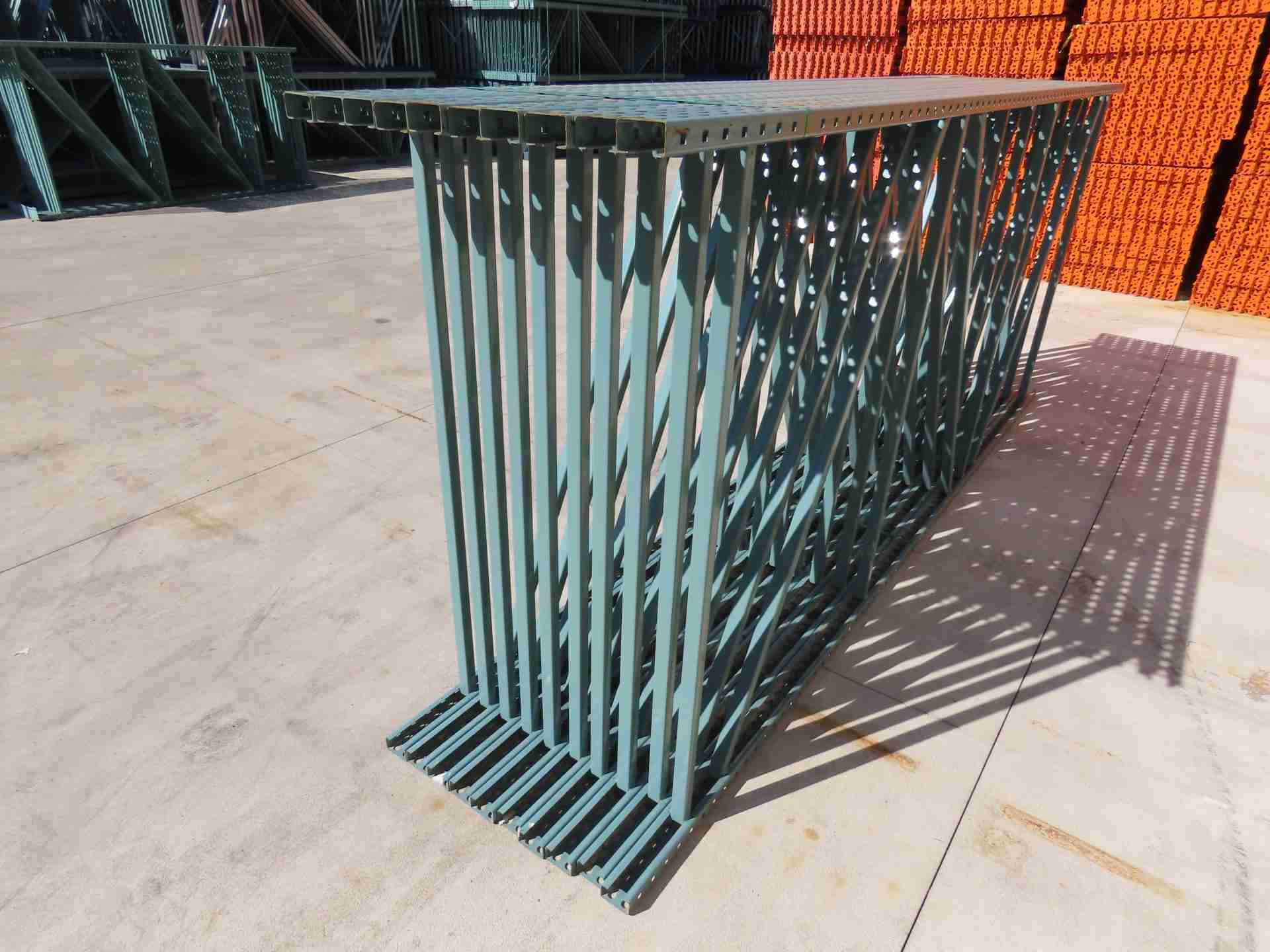
How Do Industrial Racks Support Inventory Management?
How Do Industrial Racks Support Inventory Management?
- Industrial racks maximize storage space.
- Industrial racks improve inventory visibility.
- Industrial racks optimize workflow and increase productivity.
- Industrial racks enhance safety in the workplace.
- Industrial racks support effective inventory management in industrial settings.
- Industrial racks help businesses better manage their inventory.
- Industrial racks help increase productivity and achieve success in the market.
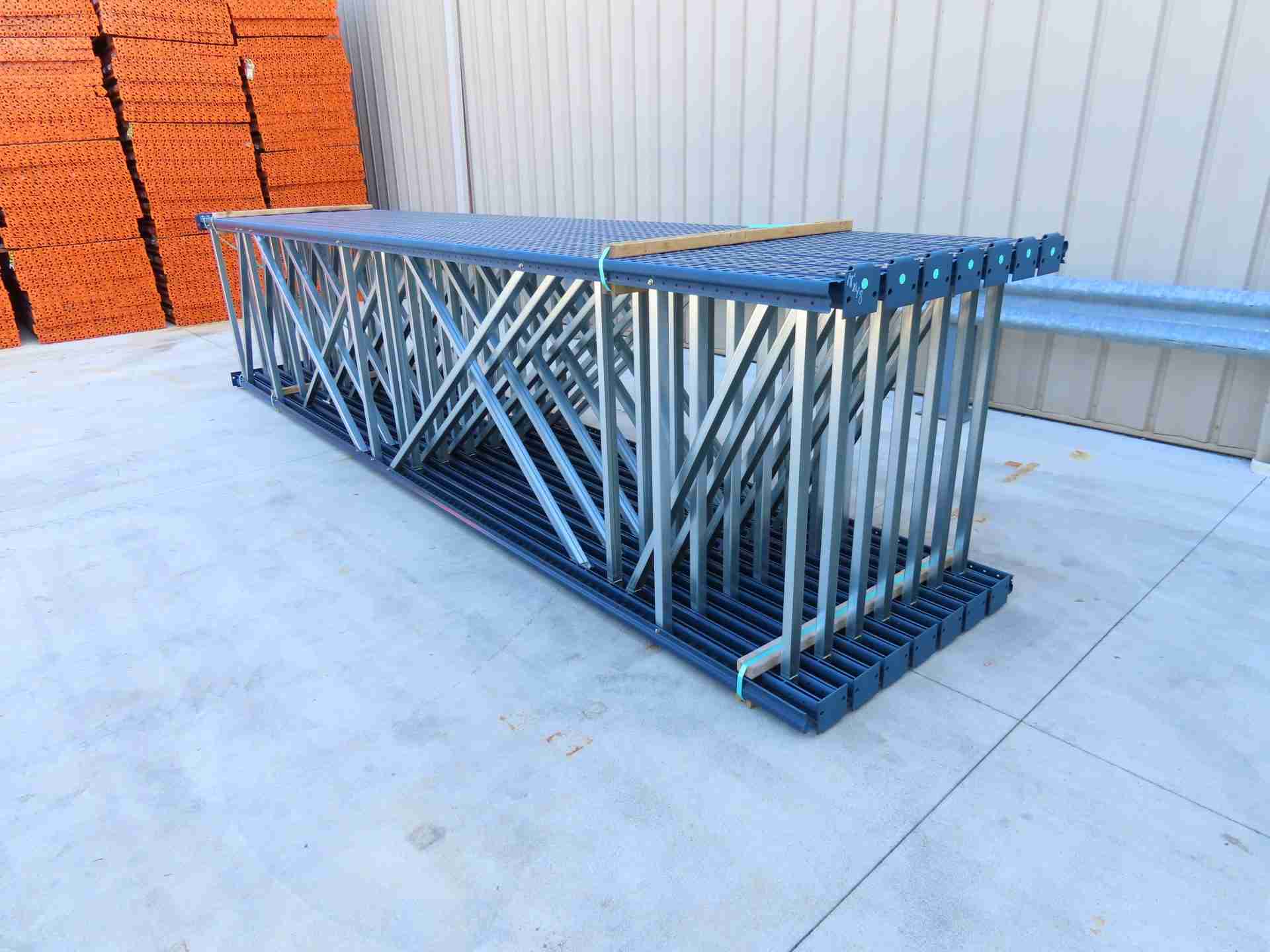
How Do Industrial Racks Support Inventory Management?
Table Of Contents
- How Do Industrial Racks Support Inventory Management?
- How Do Industrial Racks Help With Organization And Space Optimization?
- How Do Industrial Racks Contribute To Inventory Accuracy And Tracking?
- What Are The Key Factors To Consider When Choosing Industrial Racks?
- How Do Industrial Racks Aid In Reducing Damage And Loss Of Inventory?
- How Sturdy Are Industrial Racks For Holding Heavy Inventory Items?
- Are Industrial Racks Cost-Effective Solutions For Inventory Storage?
- What Safety Measures Should Be Followed When Using Industrial Racks?
- Conclusion
- Other Resources
- Glossary Of Terms
- Other Questions
- Checklist
How Do Industrial Racks Help With Organization And Space Optimization?
Industrial racks are essential tools for maximizing efficiency and organization in any warehouse or industrial setting. These sturdy structures provide a safe and convenient way to store and organize materials, equipment, and products, helping to optimize space and streamline operations.
One of the key ways in which industrial racks help with organization is by providing a designated space for everything. By categorizing and sorting items onto racks, workers can easily locate and access the items they need without wasting time searching through piles or stacks of materials. This not only saves time but also minimizes the risk of damage to goods that can occur when items are stored haphazardly.
Industrial racks also help to make the most of available space within a warehouse or industrial facility. By utilizing vertical space, racks allow you to store items off the ground and out of the way, freeing up valuable floor space for other activities. This can help to increase storage capacity and improve overall workflow, as workers have more room to maneuver and work efficiently.
In addition to improving organization and space utilization, industrial racks can also enhance safety in the workplace. By storing items on racks instead of on the floor or other surfaces, you can reduce clutter and potential trip hazards. Racks can also help to protect valuable goods from damage by keeping them off the ground and away from potential spills or other hazards.
Furthermore, industrial racks can be customized to suit the specific needs of your operation. With a wide range of sizes, configurations, and accessories available, you can tailor your rack system to fit the unique requirements of your facility. Whether you need heavy-duty racks for storing large, bulky items or specialized racks for storing sensitive materials, there is a solution available to help you optimize your space and improve organization.
Overall, industrial racks play a crucial role in helping to keep your warehouse or industrial facility running smoothly. By providing a structured and efficient way to store and organize materials, equipment, and products, racks can help to maximize space, improve safety, and enhance productivity. So, if you’re looking to optimize your operation and make the most of your available space, consider investing in industrial racks today.
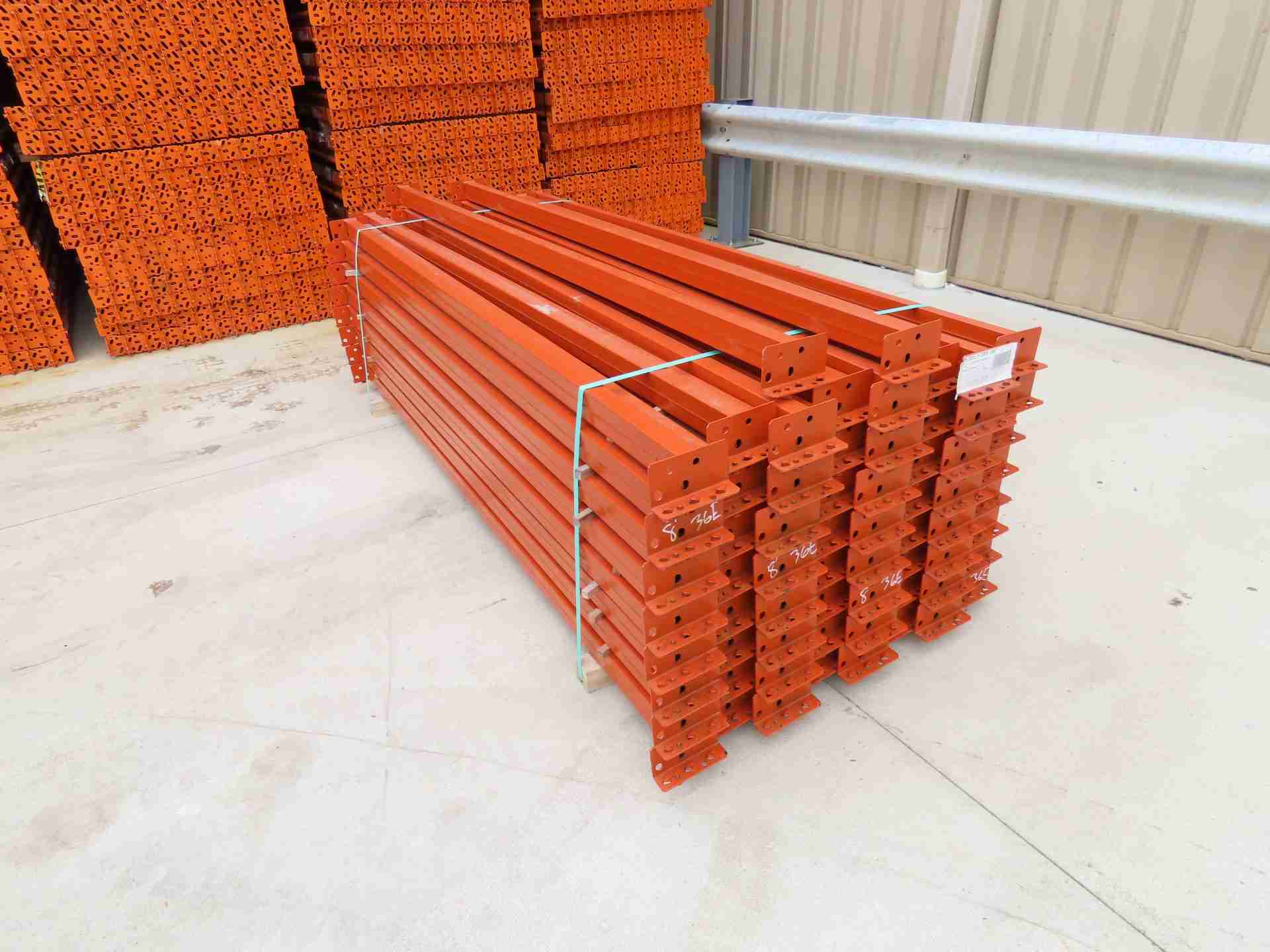
How Do Industrial Racks Help With Organization And Space Optimization?
How Do Industrial Racks Help With Organization And Space Optimization?
- Industrial racks provide a designated space for everything, making it easy to locate and access items.
- Racks help make the most of available space by utilizing vertical space and freeing up valuable floor space.
- Industrial racks can enhance safety by reducing clutter and protecting goods from damage.
- Racks can be customized to suit the specific needs of your operation.
- Overall, industrial racks help to keep warehouses running smoothly by maximizing space, improving safety, and enhancing productivity.
- Racks optimize space and streamline operations, helping to save time and minimize the risk of damage to goods.
- Investing in industrial racks can help you optimize your operation and make the most of your available space.
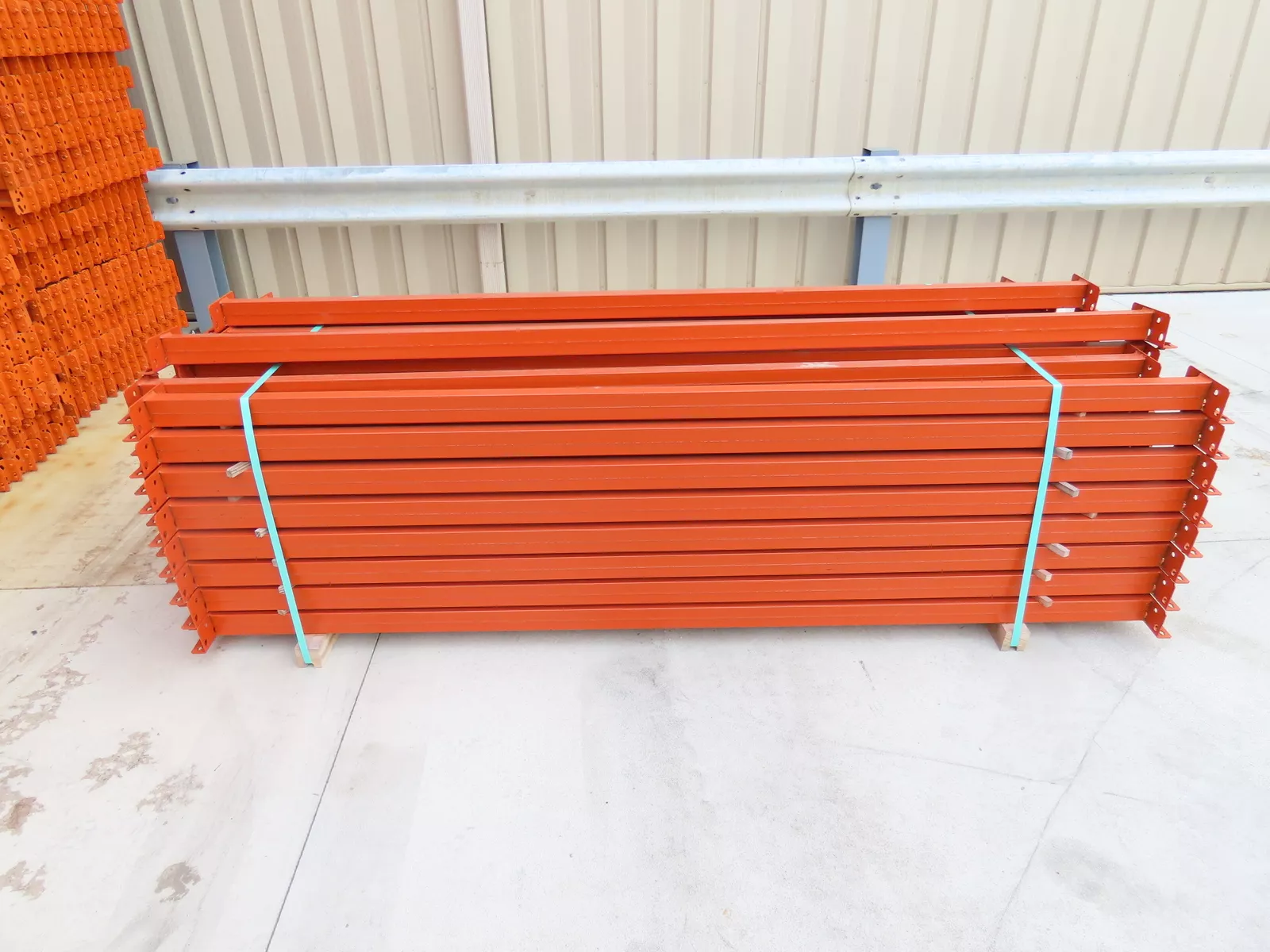
How Do Industrial Racks Help With Organization And Space Optimization?
How Do Industrial Racks Contribute To Inventory Accuracy And Tracking?
When it comes to keeping track of inventory in a fast-paced industrial setting, having the right storage solutions in place can make all the difference. Industrial racks are a key component in maintaining inventory accuracy and tracking, ensuring that items are easily accessible and properly organized.
One of the primary ways in which industrial racks contribute to inventory accuracy is by providing a designated space for each item. By having a specific spot for every product, it becomes much easier to keep track of what is in stock and what needs to be replenished. This prevents items from getting lost or misplaced, ultimately leading to more accurate inventory counts.
Additionally, industrial racks help streamline the picking and storing process. With clearly labeled shelves and aisles, workers can quickly locate the items they need and put them away in the appropriate location. This not only speeds up the overall process but also reduces the likelihood of errors or discrepancies in inventory counts.
Moreover, industrial racks are designed to maximize space efficiency, allowing for more inventory to be stored in a smaller footprint. This means that warehouses and distribution centers can make better use of their available space, ultimately leading to more efficient operations and better tracking of inventory levels.
Another important aspect of industrial racks is their ability to be customized to fit the specific needs of a business. Whether it’s adjustable shelves, different rack heights, or specialized dividers, industrial racks can be tailored to accommodate a wide range of products and storage requirements. This flexibility ensures that inventory can be stored in a way that makes sense for the particular business, ultimately leading to better accuracy and tracking.
Overall, industrial racks play a crucial role in maintaining inventory accuracy and tracking in a busy industrial setting. By providing designated storage space, streamlining processes, maximizing space efficiency, and offering customization options, industrial racks help ensure that inventory is properly organized, accessible, and accounted for. So, the next time you’re navigating the aisles of a warehouse or distribution center, take a moment to appreciate the humble industrial rack and its important role in keeping things running smoothly.

How Do Industrial Racks Contribute To Inventory Accuracy And Tracking?
How Do Industrial Racks Contribute To Inventory Accuracy And Tracking?
- Industrial racks provide designated space for each item, making it easier to keep track of inventory.
- They streamline the picking and storing process with labeled shelves and aisles.
- Industrial racks maximize space efficiency, allowing for more inventory to be stored in a smaller footprint.
- They can be customized to fit the specific needs of a business, ensuring better accuracy and tracking.
- Overall, industrial racks play a crucial role in maintaining inventory accuracy and tracking in a busy industrial setting.
- They help ensure that inventory is properly organized, accessible, and accounted for.
- Their importance in efficient operations cannot be understated.
How Do Industrial Racks Contribute To Inventory Accuracy And Tracking?
What Are The Key Factors To Consider When Choosing Industrial Racks?
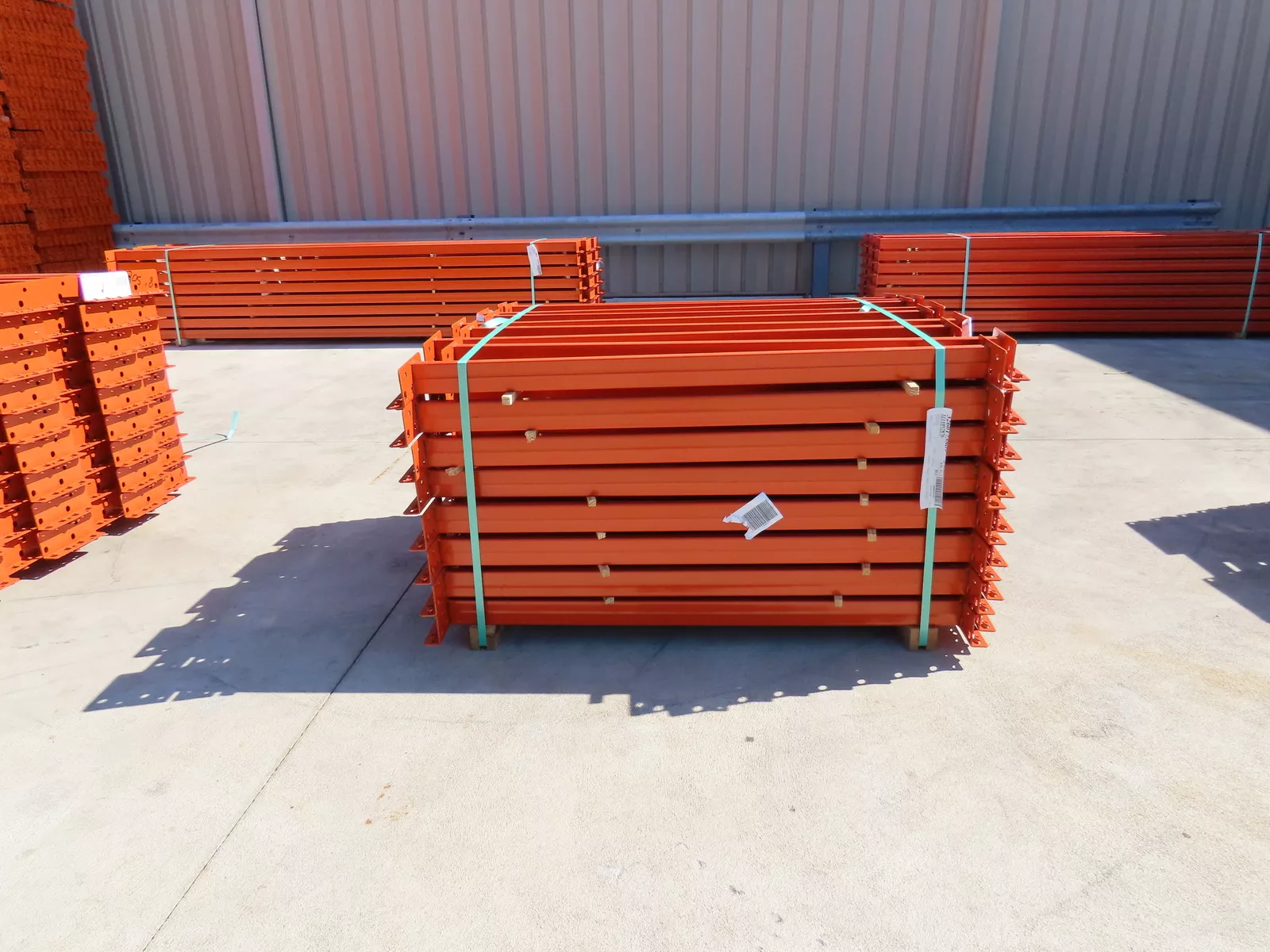
When it comes to choosing industrial racks, there are a few key factors that should not be overlooked. These heavy-duty storage solutions are crucial for keeping your warehouse organized and efficient, so making the right choice is essential. Here are some important things to consider before investing in industrial racks.
First and foremost, it’s important to consider the weight capacity of the racks. Industrial racks come in all shapes and sizes, so determining how much weight they can support is crucial. You don’t want to overload your racks and risk accidents or damage to your inventory. Make sure to calculate the maximum weight your racks will need to hold and choose racks that can handle that load.
Another factor to consider is the size and dimensions of the industrial racks. You want to make sure that the racks you choose are the right size to fit your warehouse space and accommodate your inventory. Measure the height, width, and depth of the area where the racks will be placed to ensure a perfect fit. It’s also important to consider the type of inventory you will be storing on the racks and choose racks with appropriate shelving or storage options.
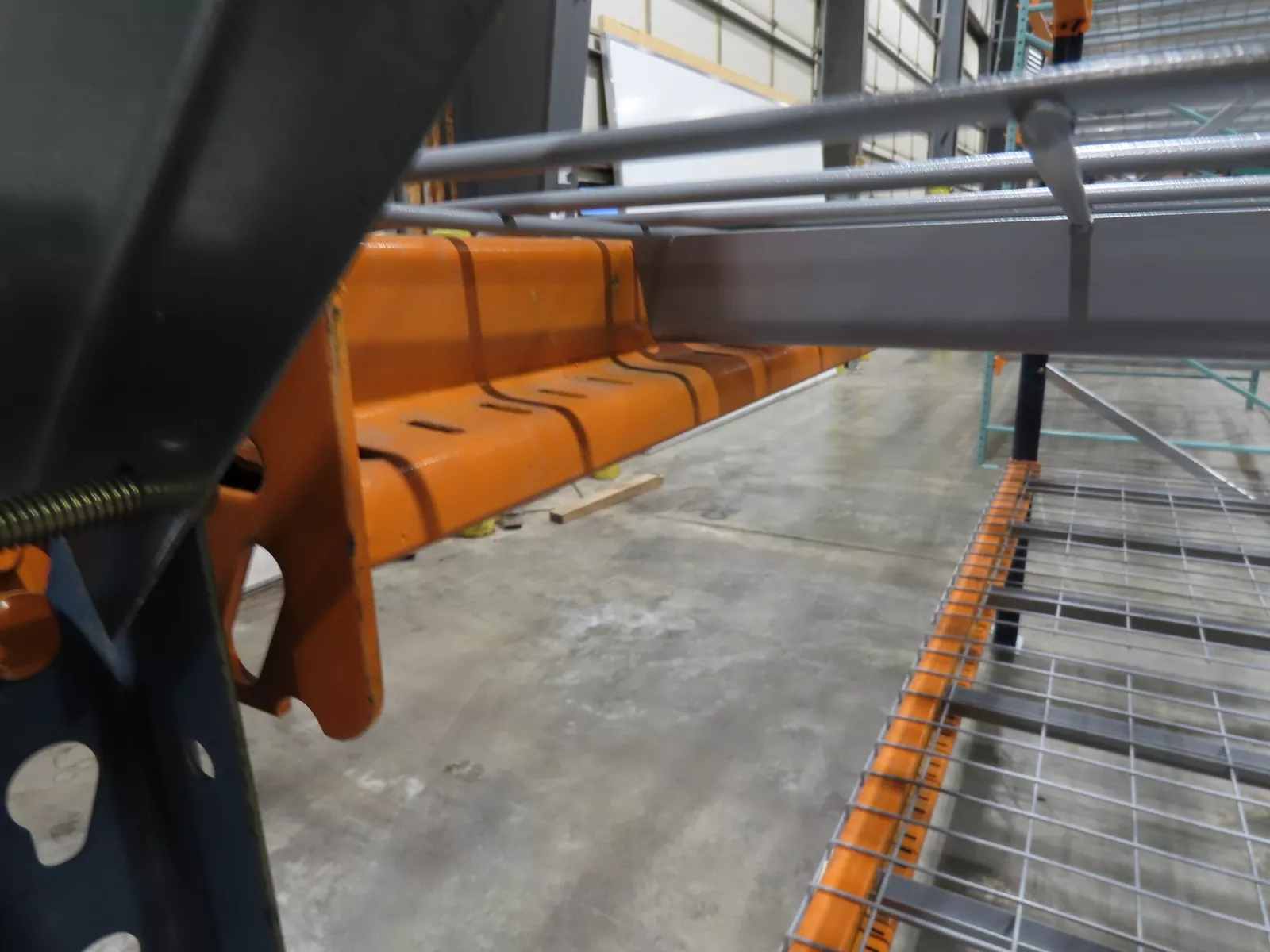
Durability is another key factor to keep in mind when choosing industrial racks. You want racks that are built to last and can withstand the wear and tear of daily use. Look for racks made from high-quality materials like steel or aluminum, and consider factors like corrosion resistance and weight capacity. Investing in durable racks now can save you money in the long run by avoiding frequent repairs or replacements.
Consider the accessibility of your inventory when choosing industrial racks. You want to be able to easily access your inventory when needed without wasting time searching for items. Consider factors like the spacing between shelves, the depth of the racks, and the accessibility of each shelf. Choose racks that make it easy to organize and retrieve your inventory efficiently.
Lastly, consider the overall layout and design of your warehouse when choosing industrial racks. You want racks that will fit seamlessly into your existing space and complement your workflow. Make sure to plan out the placement of the racks to maximize storage capacity and efficiency. By considering these key factors, you can choose industrial racks that will meet your storage needs and help streamline your warehouse operations.
What Are The Key Factors To Consider When Choosing Industrial Racks?
What Are The Key Factors To Consider When Choosing Industrial Racks?
- Consider the weight capacity of the racks.
- Ensure the racks are the right size and dimensions for your warehouse space.
- Choose racks made from durable materials like steel or aluminum.
- Consider the accessibility of your inventory when choosing racks.
- Plan the layout and design of your warehouse to maximize storage capacity.
- Calculate the maximum weight your racks will need to hold.
- Choose racks with appropriate shelving or storage options for your inventory.
What Are The Key Factors To Consider When Choosing Industrial Racks?
How Do Industrial Racks Aid In Reducing Damage And Loss Of Inventory?
Industrial racks are an essential part of any warehouse or storage facility when it comes to reducing damage and loss of inventory. These massive structures provide a sturdy and reliable way to store goods and products in an organized manner, making it easier for workers to access items without causing damage.
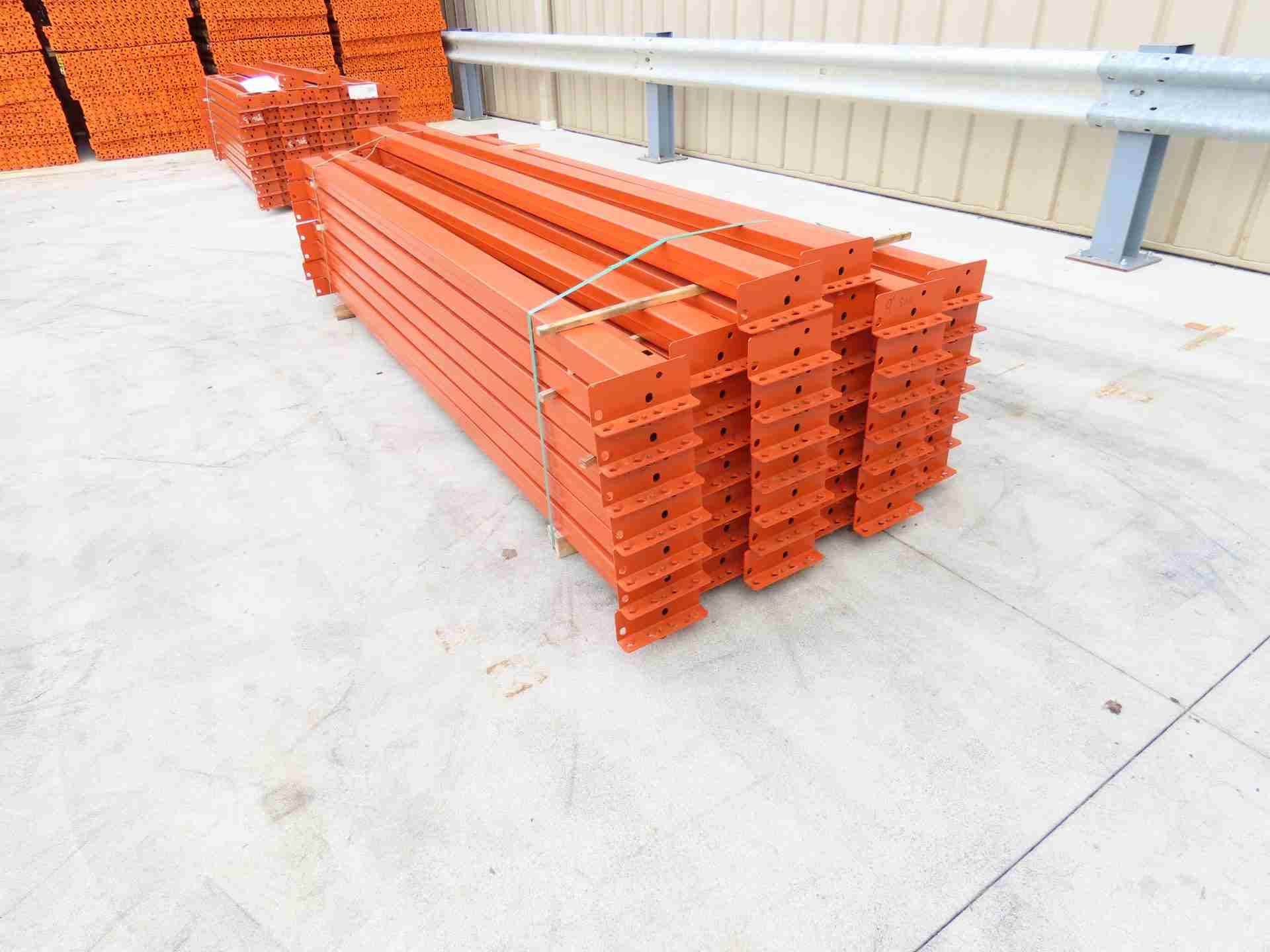
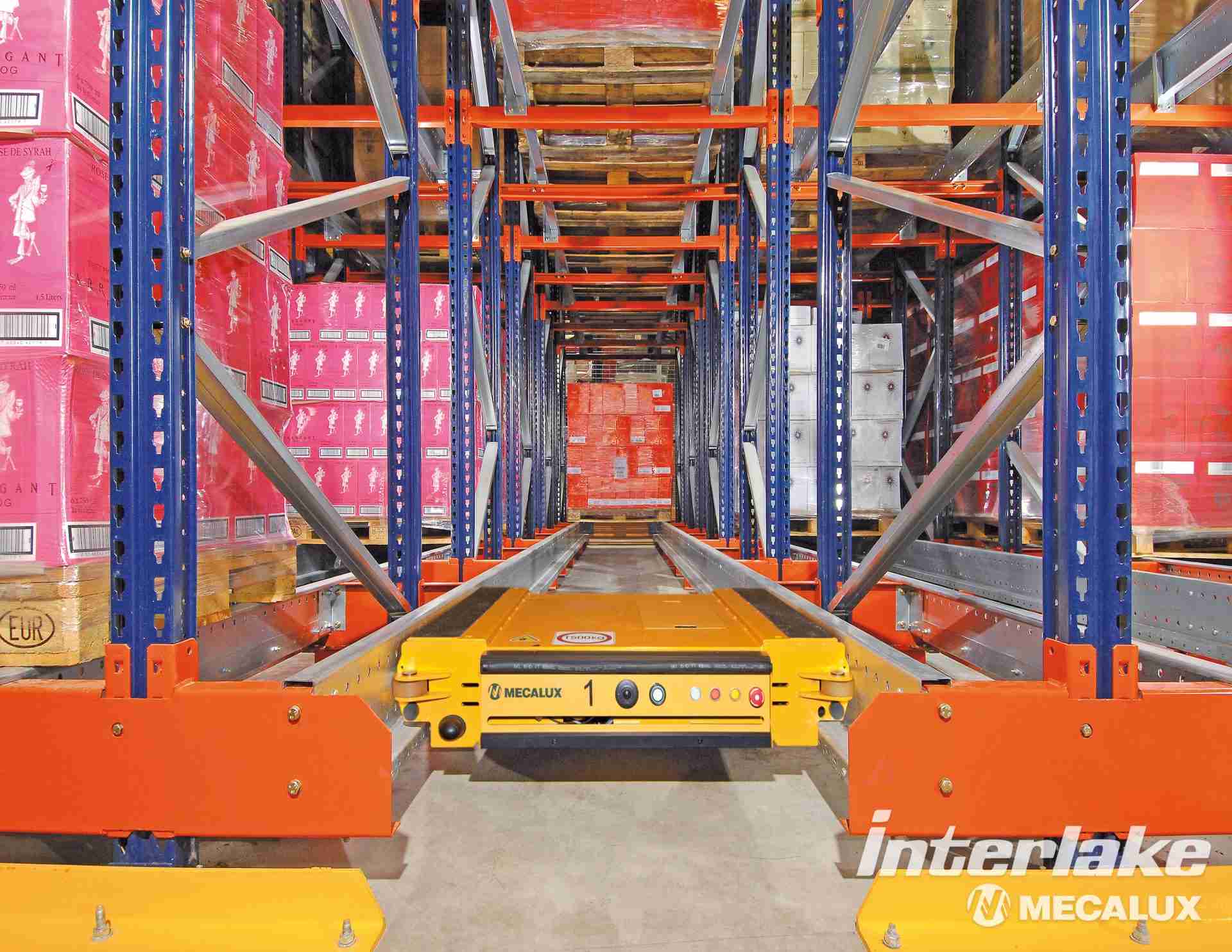
One of the key ways in which industrial racks help to reduce damage and loss of inventory is by providing a designated storage space for each item. By utilizing different types of racks such as pallet racks, cantilever racks, and push-back racks, warehouse managers can effectively categorize and organize inventory based on size, weight, and fragility. This means that fragile items can be stored in a way that minimizes the risk of breakage, while heavy items can be stored on racks that can support their weight without collapsing.
Furthermore, industrial racks help to prevent damage and loss of inventory by keeping products off the ground. When items are stored directly on the floor, they are at risk of being damaged by moisture, pests, or accidents such as forklift collisions. By elevating items onto racks, warehouse managers can protect inventory from these potential hazards and ensure that products remain in good condition until they are ready to be shipped out.
In addition, industrial racks aid in reducing damage and loss of inventory by maximizing space efficiency. By stacking items vertically on racks, warehouses can make the most of their available space and avoid clutter that can lead to misplaced or damaged inventory. This not only improves the organization of the warehouse but also helps to prevent accidents caused by overcrowded aisles or storage areas.
Moreover, industrial racks help to improve inventory management by providing a clear view of available stock. With items stored on racks that are labeled and organized, workers can quickly locate products and update inventory records accordingly. This reduces the risk of items getting lost or misplaced, ultimately minimizing the chances of inventory being damaged or stolen.
Overall, industrial racks play a crucial role in ensuring the safety and security of inventory in a warehouse or storage facility. By providing a structured and efficient way to store products, these racks help to reduce damage and loss of inventory, ultimately leading to cost savings and improved efficiency in operations. So the next time you see those towering structures in a warehouse, remember that they are not just there for looks – they are an essential tool in protecting and preserving valuable inventory.
How Do Industrial Racks Aid In Reducing Damage And Loss Of Inventory?
How Do Industrial Racks Aid In Reducing Damage And Loss Of Inventory?
- Industrial racks reduce damage and loss of inventory by providing designated storage space for each item.
- Racks like pallet, cantilever, and push-back racks help categorize and organize inventory based on size, weight, and fragility.
- Racks keep products off the ground, protecting them from moisture, pests, and accidents.
- Racks maximize space efficiency by stacking items vertically and reducing clutter.
- Racks improve inventory management by providing a clear view of available stock.
- Industrial racks ensure the safety and security of inventory, leading to cost savings and improved efficiency.
- Industrial racks are an essential tool in protecting and preserving valuable inventory in warehouses.
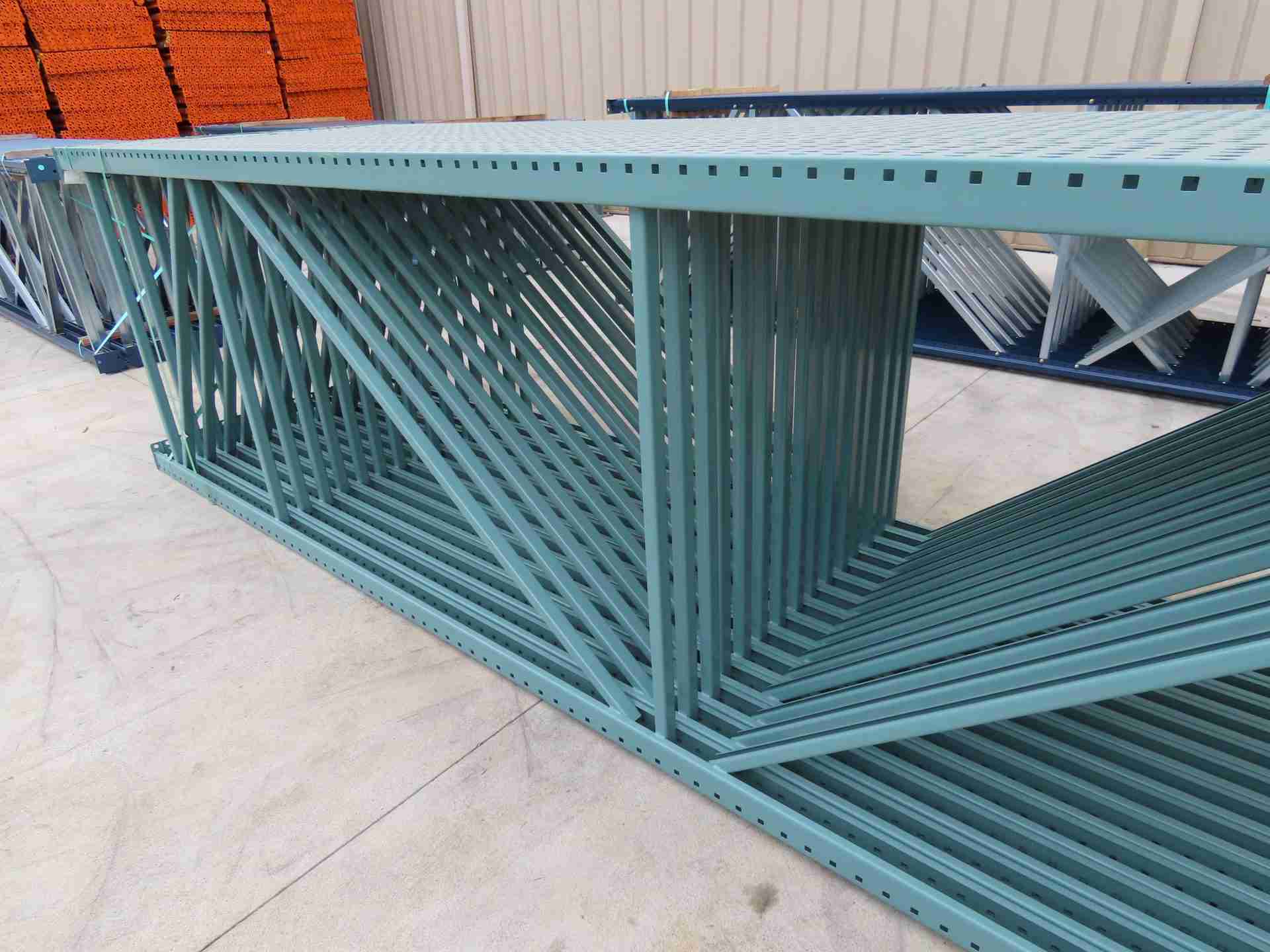
How Do Industrial Racks Aid In Reducing Damage And Loss Of Inventory?
How Sturdy Are Industrial Racks For Holding Heavy Inventory Items?
When it comes to storing heavy inventory items in a warehouse or industrial setting, the strength and durability of the racks are of utmost importance. These racks need to be able to withstand the weight of the items without buckling under pressure.
Industrial racks are specifically designed to hold heavy inventory items, whether it’s pallets of materials, heavy machinery parts, or large boxes of products. They are typically made from strong, high-quality materials such as steel or aluminum, which are known for their durability and ability to support heavy loads.
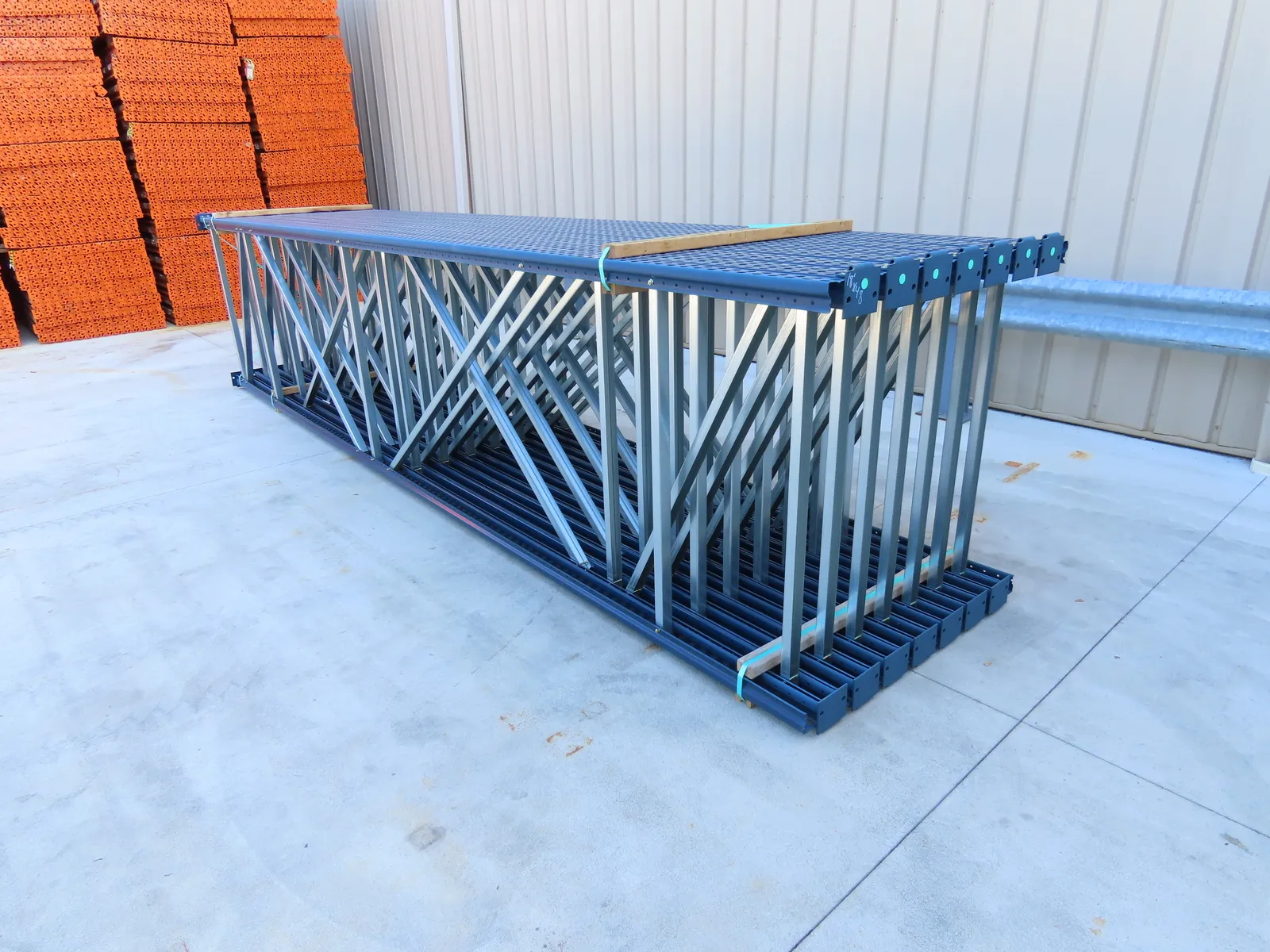
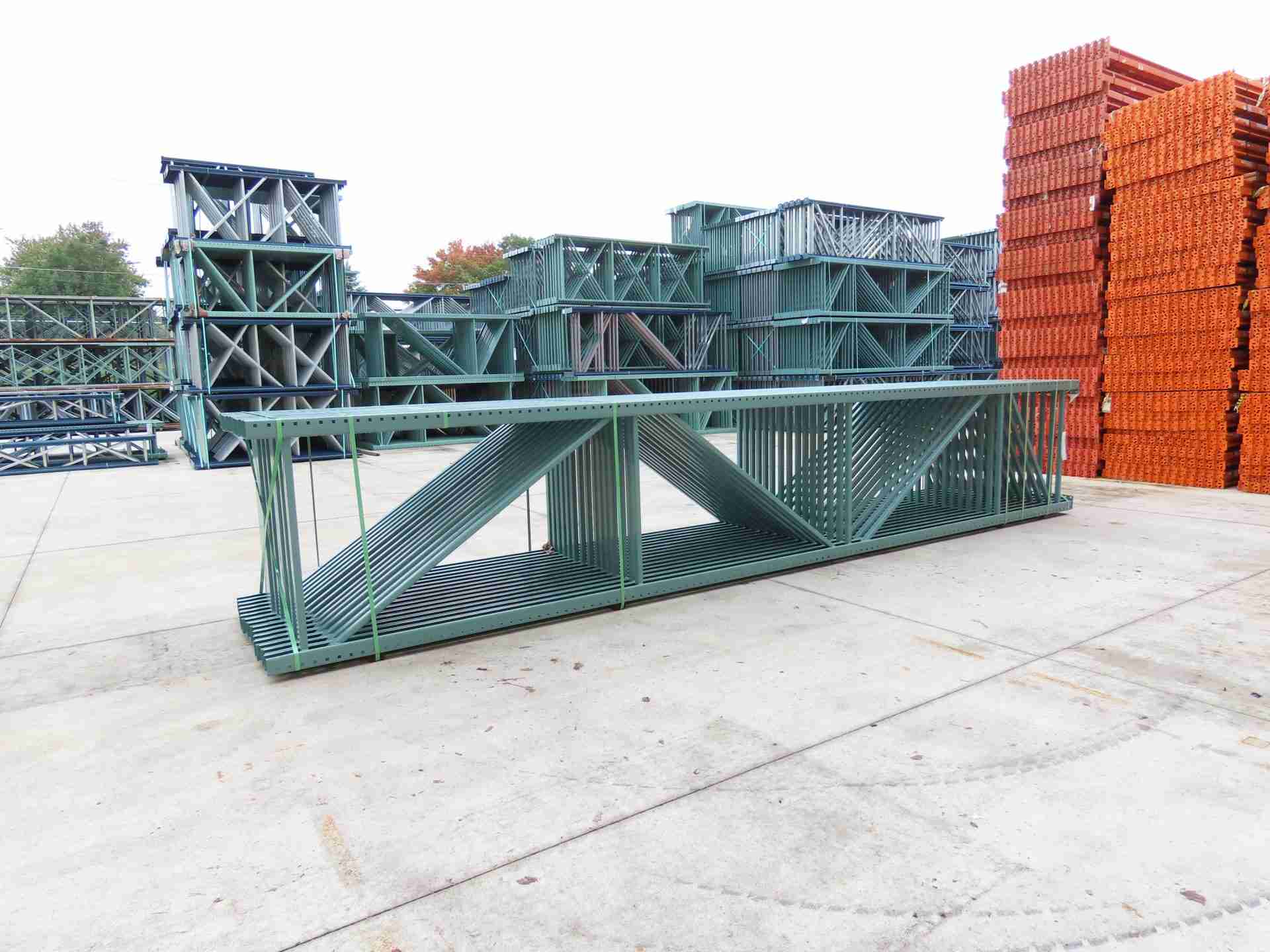
The design of industrial racks also plays a crucial role in their sturdiness. Many racks are equipped with cross braces and support beams to provide additional reinforcement and help evenly distribute the weight of the items being stored. This ensures that the racks remain stable and secure, even when loaded with heavy inventory items.
In addition to the materials and design, the installation of industrial racks is another key factor in determining their sturdiness. It is essential that the racks are properly installed according to manufacturer guidelines and industry standards to ensure maximum stability and safety. This includes anchoring the racks securely to the floor and walls to prevent tipping or collapse.
Regular maintenance and inspections are also important to ensure the continued sturdiness of industrial racks. Inspecting the racks for any signs of damage, corrosion, or wear and tear can help prevent potential safety hazards and extend the lifespan of the racks. It’s also important to periodically check the weight capacity of the racks and make sure they are not being overloaded beyond their limits.
Overall, industrial racks are designed and built to be sturdy and reliable for holding heavy inventory items. By investing in high-quality racks, following proper installation and maintenance procedures, and regularly inspecting the racks for any issues, businesses can ensure the safety of their employees and the security of their inventory items. Remember, when it comes to storing heavy items, it’s better to err on the side of caution and choose racks that are built to last.
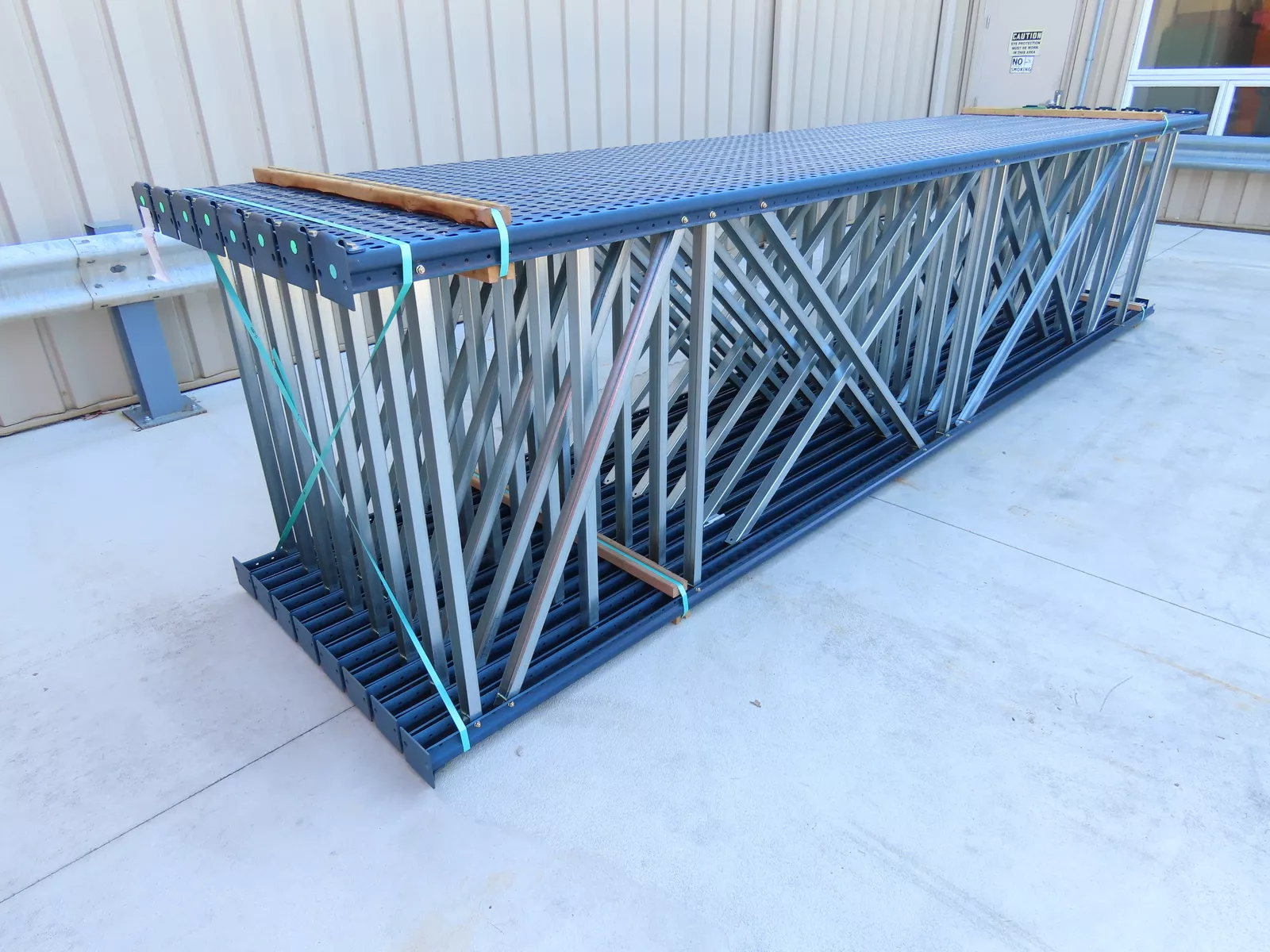
How Sturdy Are Industrial Racks For Holding Heavy Inventory Items?
How Sturdy Are Industrial Racks For Holding Heavy Inventory Items?
- The strength and durability of racks are crucial for storing heavy inventory items in warehouses or industrial settings.
- Industrial racks are designed to hold pallets, machinery parts, or large boxes with materials like steel or aluminum for support.
- Cross braces and support beams are common in industrial racks to evenly distribute weight and provide reinforcement.
- Proper installation according to manufacturer guidelines is essential for stability and safety.
- Regular maintenance and inspections are key to prevent safety hazards and extend rack lifespan.
- Investing in high-quality racks and following proper procedures ensures safety for employees and inventory.
- Choosing racks that are built to last is important for storing heavy items securely in industrial settings.
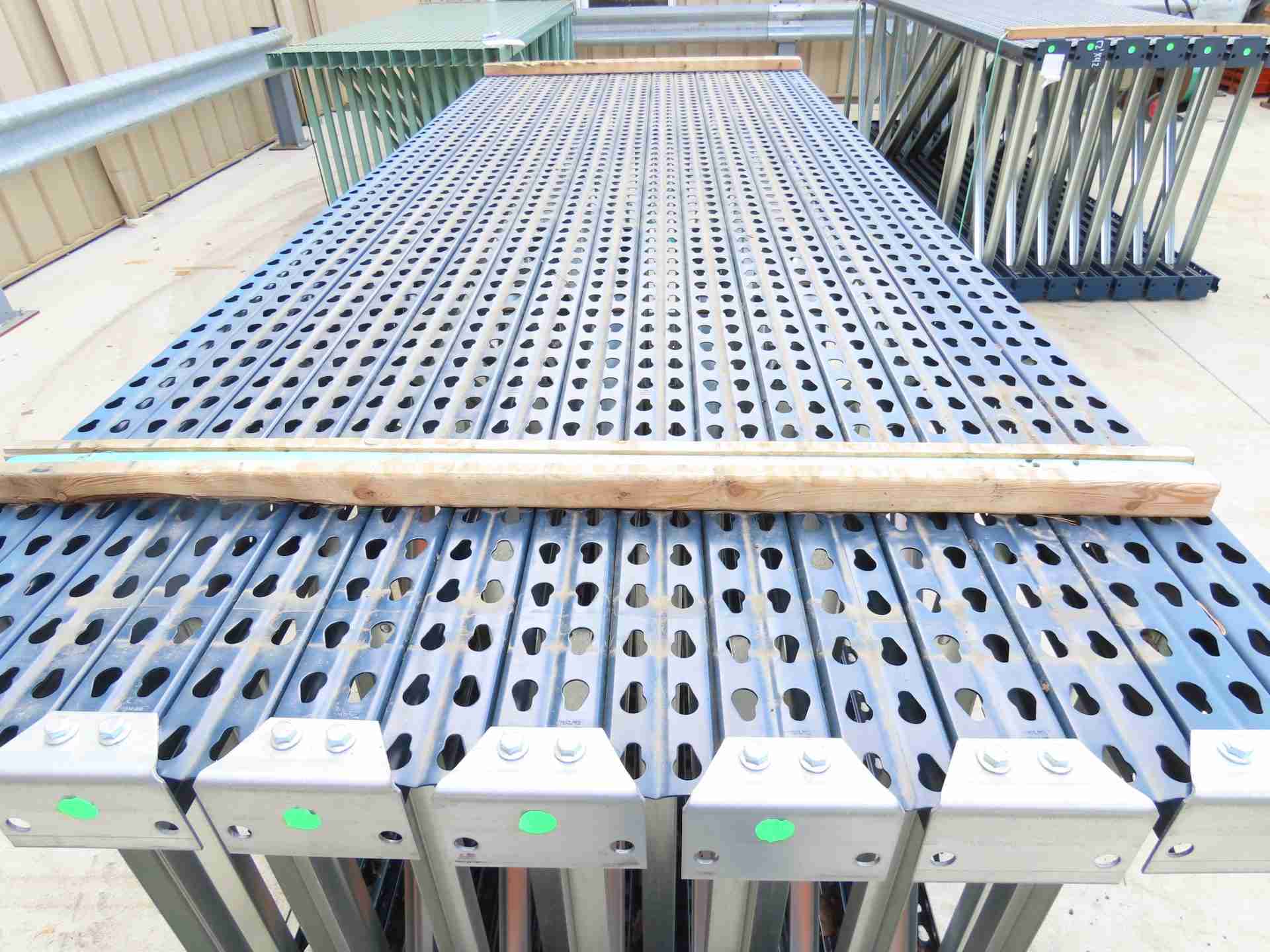
How Sturdy Are Industrial Racks For Holding Heavy Inventory Items?
Are Industrial Racks Cost-Effective Solutions For Inventory Storage?
Industrial racks are a popular storage solution for businesses looking to maximize their warehouse space and keep their inventory organized. But are they really cost-effective?
The answer, like most things in life, is not black and white. Industrial racks can be a great investment for businesses that need to store a large amount of inventory in a small space. By utilizing vertical storage space, industrial racks allow businesses to make the most of their square footage and streamline their operations.
One of the biggest advantages of industrial racks is their durability. Made from sturdy materials like steel or aluminum, industrial racks are built to withstand heavy loads and frequent use. This means that businesses won’t have to replace their racks as often, saving them money in the long run.
In addition to their durability, industrial racks are also highly customizable. Businesses can choose from a variety of sizes, configurations, and accessories to create a storage solution that meets their specific needs. This flexibility allows businesses to optimize their storage space and improve their overall efficiency.
Another cost-saving benefit of industrial racks is their ability to improve inventory management. By keeping inventory organized and easily accessible, businesses can reduce the risk of lost or damaged items. This can lead to lower inventory costs and improved customer satisfaction.
Of course, like any investment, industrial racks do come with upfront costs. Businesses will need to purchase the racks themselves, as well as any additional accessories or installation services. However, when compared to the long-term benefits and savings that industrial racks can provide, these initial costs are often outweighed.
Overall, industrial racks can be a cost-effective solution for businesses looking to improve their inventory storage. By investing in durable, customizable racks, businesses can optimize their warehouse space, improve their inventory management, and save money in the long run. So, if you’re in the market for a storage solution that will help your business grow and succeed, industrial racks may be the perfect fit for you.
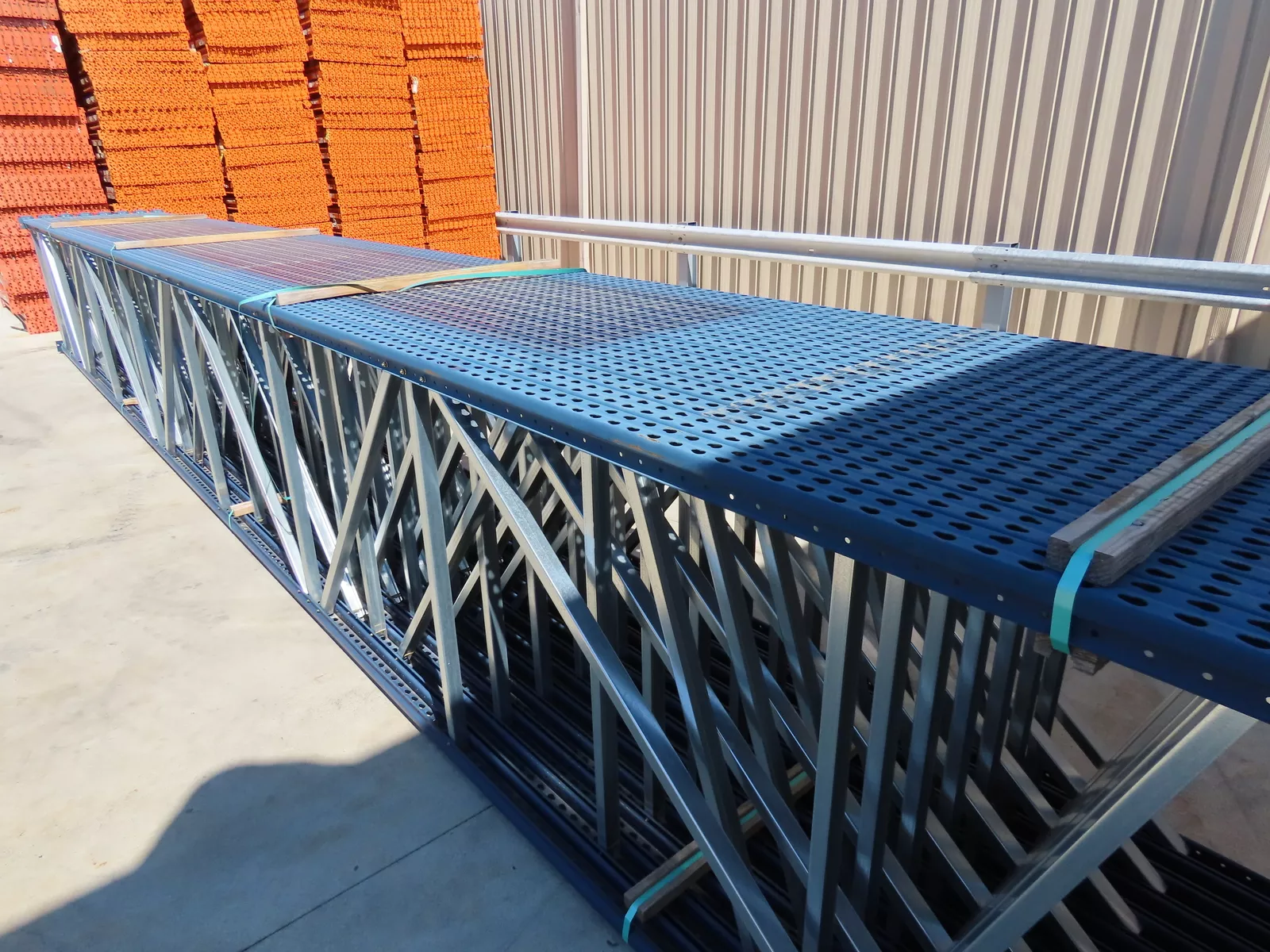
Are Industrial Racks Cost-Effective Solutions For Inventory Storage?
Are Industrial Racks Cost-Effective Solutions For Inventory Storage?
- Industrial racks are a popular storage solution for businesses to maximize warehouse space and keep inventory organized.
- They are a great investment for storing a large amount of inventory in a small space by utilizing vertical storage space.
- Industrial racks are durable, made from sturdy materials like steel or aluminum, built to withstand heavy loads and frequent use.
- Highly customizable with a variety of sizes, configurations, and accessories to meet specific needs.
- Improve inventory management by keeping inventory organized and easily accessible, reducing the risk of lost or damaged items.
- Initial upfront costs for purchasing racks and accessories are often outweighed by long-term benefits and savings.
- Overall, industrial racks can be a cost-effective solution for businesses looking to optimize warehouse space, improve inventory management, and save money in the long run.

Are Industrial Racks Cost-Effective Solutions For Inventory Storage?
What Safety Measures Should Be Followed When Using Industrial Racks?
When it comes to working with industrial racks, safety should always be the number one priority. These massive structures are designed to hold heavy loads, and if not used correctly, they can pose a serious risk to workers. Here are some key safety measures that should be followed when using industrial racks.
First and foremost, it is essential to always follow the manufacturer’s guidelines when it comes to the capacity and load limits of the racks. Overloading a rack can lead to structural failure and potential collapse, putting everyone in the area at risk. Make sure to never exceed the maximum load capacity of the racks, and be sure to distribute the weight evenly to prevent any unbalanced loads.
Regular inspections of the racks are also crucial to ensure that they are in good working condition. Check for any signs of damage, such as bent or broken beams, and make sure that all bolts and connections are secure. If any issues are found, they should be addressed immediately to prevent any accidents from occurring.
Proper training is another key safety measure when it comes to using industrial racks. Workers should be properly trained on how to safely load and unload the racks, as well as how to operate any machinery, such as forklifts, that may be used in conjunction with the racks. It is important that all workers understand the risks associated with working around industrial racks and are aware of the proper safety protocols to follow.
When storing items on the racks, it is important to stack them securely to prevent any shifting or falling. Use proper pallets and containers to hold the items in place, and make sure that they are stacked in a stable manner. Additionally, always make sure to use proper safety equipment, such as hard hats and steel-toed boots, when working around industrial racks to protect against any potential hazards.
When it comes to using industrial racks, safety should always be the top priority. By following the manufacturer’s guidelines, regularly inspecting the racks, providing proper training to workers, and stacking items securely, the risk of accidents can be greatly reduced. Remember, it’s always better to take the extra time to ensure safety than to risk the consequences of a preventable accident. Stay safe out there!
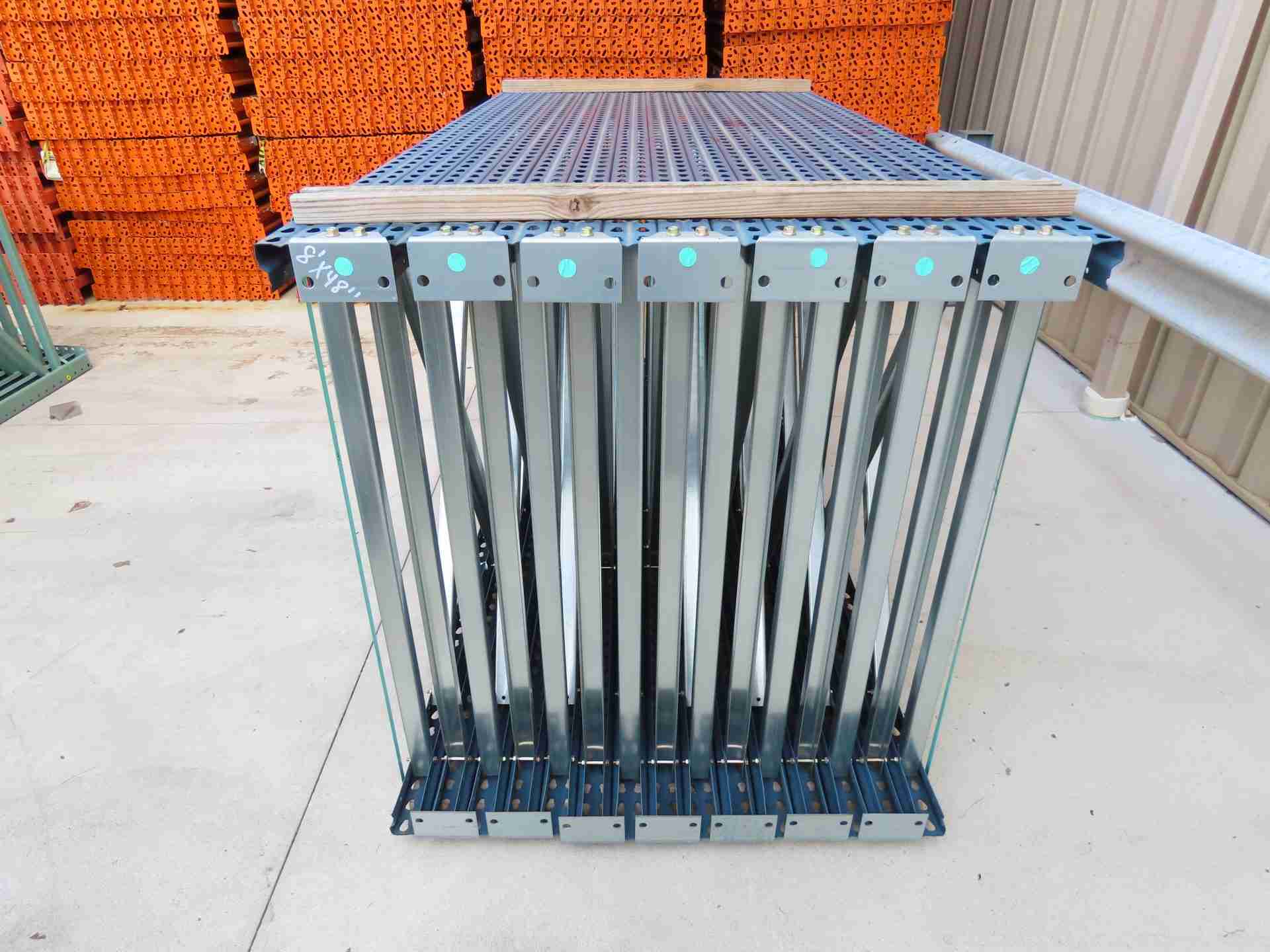
What Safety Measures Should Be Followed When Using Industrial Racks?
What Safety Measures Should Be Followed When Using Industrial Racks?
- Always follow the manufacturer’s guidelines for capacity and load limits.
- Regularly inspect racks for damage and secure connections.
- Properly train workers on safe loading and unloading procedures.
- Stack items securely to prevent shifting or falling.
- Use proper safety equipment when working around industrial racks.
- Make safety the top priority to reduce the risk of accidents.
- Take the extra time to ensure safety and prevent avoidable accidents.

What Safety Measures Should Be Followed When Using Industrial Racks?
Conclusion
In conclusion, industrial racks are a vital component of efficient inventory management in any industrial setting. These sturdy structures maximize storage space, improve inventory visibility, optimize workflow, and enhance safety for employees. By providing designated storage areas, industrial racks aid in better organization and space optimization, ultimately leading to improved productivity and customer satisfaction. Additionally, industrial racks contribute to inventory accuracy and tracking by streamlining processes and providing customization options to fit the specific needs of a business. Furthermore, industrial racks help reduce damage and loss of inventory by providing a secure and organized storage solution for valuable goods. When it comes to holding heavy inventory items, industrial racks are built to be sturdy and durable, ensuring the safety and security of items stored. Despite the upfront costs, industrial racks prove to be cost-effective solutions in the long run, with benefits such as optimizing storage space, improving inventory management, and reducing overall costs. However, it is crucial to follow strict safety measures when using industrial racks to prevent accidents and ensure the well-being of employees. By following manufacturers guidelines, conducting regular inspections, providing proper training, and using safety equipment, the risks associated with working around industrial racks can be minimized. Ultimately, industrial racks play a crucial role in maximizing efficiency, organization, and safety in industrial settings, making them essential tools for success in todays fast-paced and competitive market.
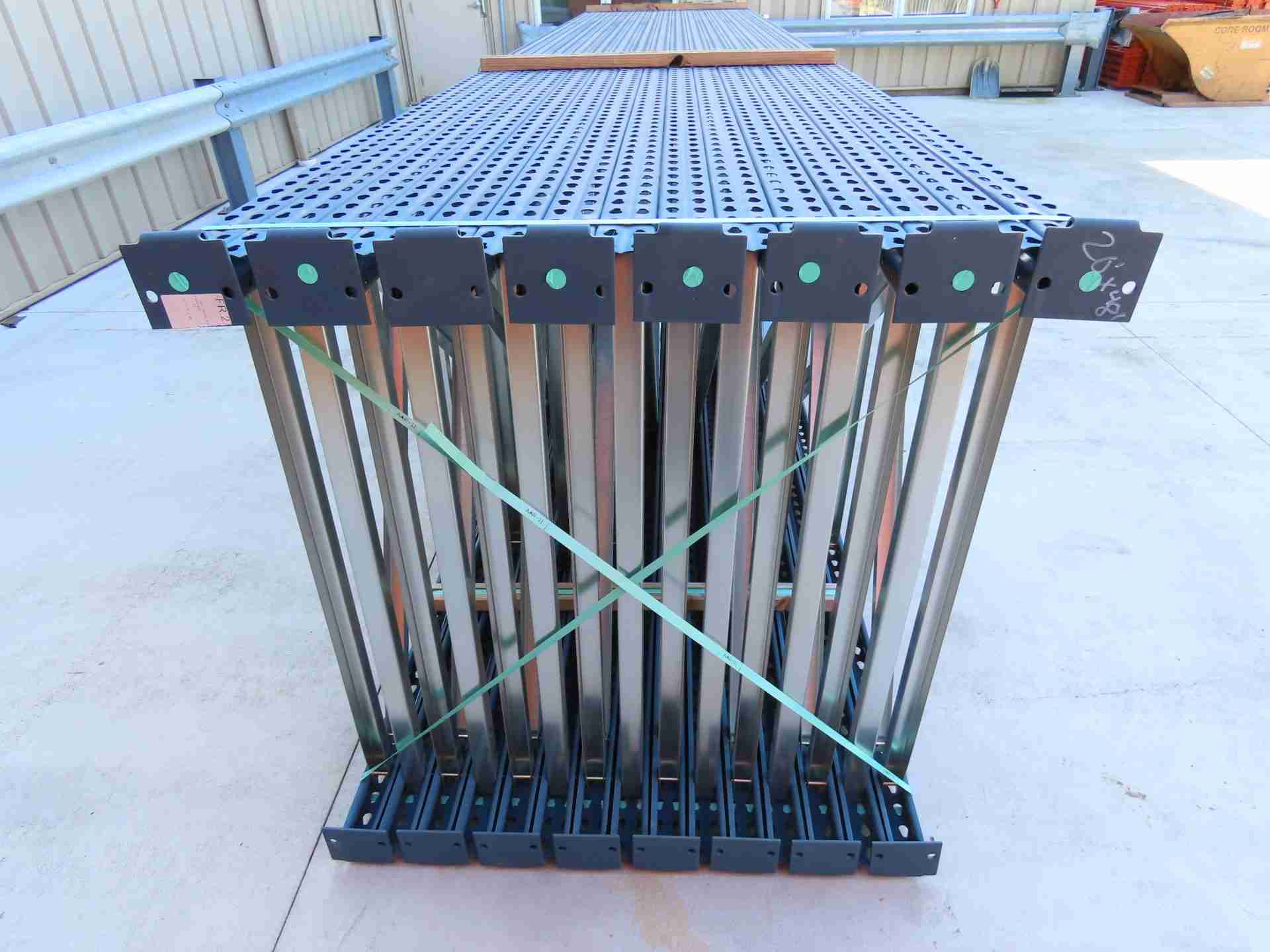
Conclusion
Conclusion:
- Industrial racks are vital for efficient inventory management in any industrial setting.
- They maximize storage space, improve inventory visibility, optimize workflow, and enhance safety for employees.
- Industrial racks aid in better organization and space optimization, leading to improved productivity and customer satisfaction.
- They contribute to inventory accuracy and tracking by streamlining processes and providing customization options.
- Industrial racks help reduce damage and loss of inventory by providing secure storage for valuable goods.
- They are sturdy and durable for holding heavy inventory items, ensuring safety and security.
- Despite upfront costs, industrial racks are cost-effective in the long run, optimizing storage space and reducing overall costs.

Conclusion
Other Resources
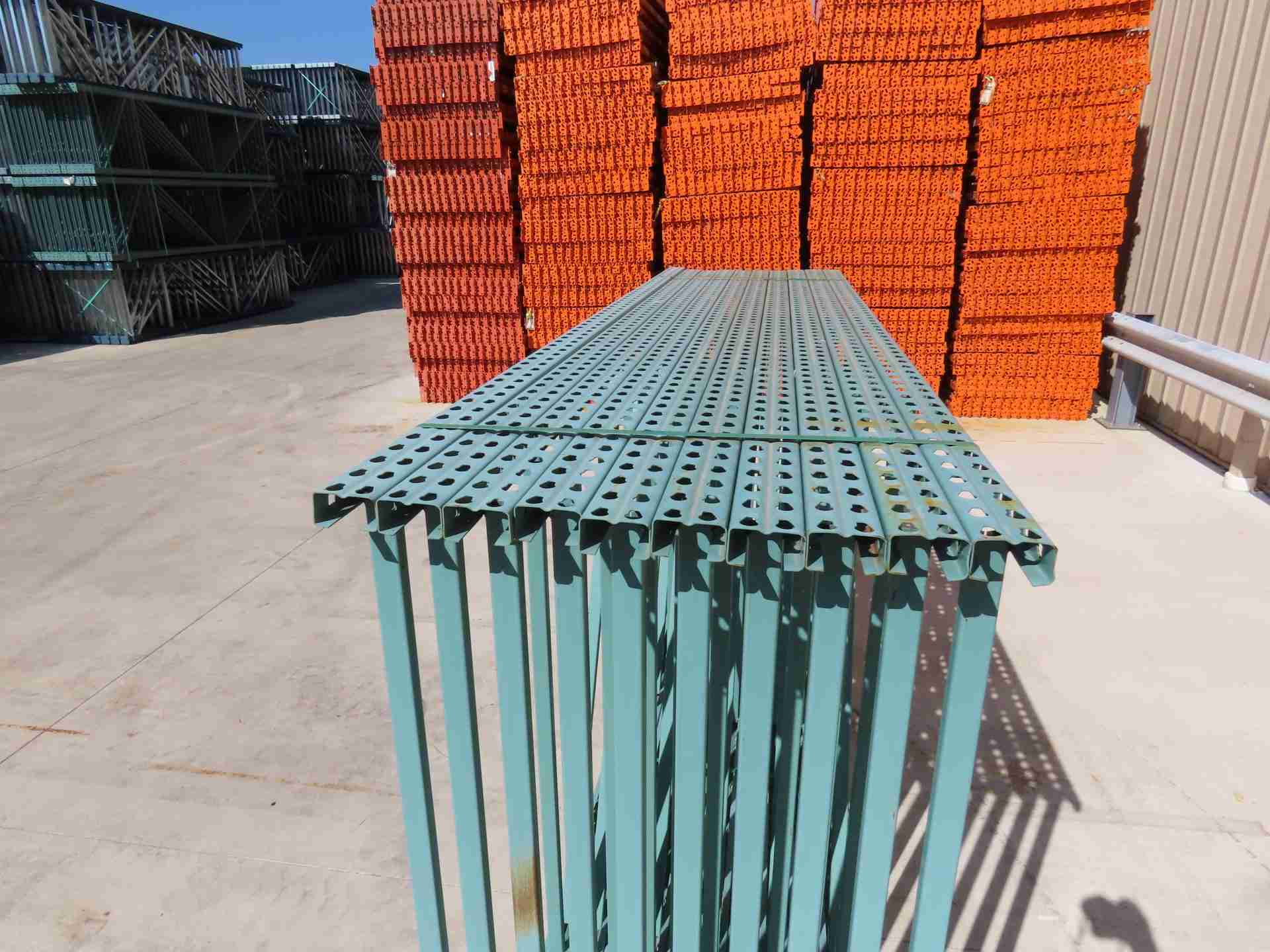
Other Resources
Here is a list of other resources you can review online to learn more:
- “Warehouse Management – A Comprehensive Guide”
- “Warehouse Operations Optimization: Essential Strategies”
- “Mastering the Art of Warehouse Logistics”
- “The Basics of Warehouse Management: Optimizing …”
- “Used Shelving for Sale | Industrial & Warehouse Style”
- “Smart Warehousing Technologies: A Comprehensive Guide”
- “Warehouse Inventory Organization Ideas – Katana MRP”
- “Maximizing Warehouse Efficiency: Key Inventory Control …”
- “Maximize Warehouse Efficiency with Smart Racking …”
- “Warehouse Inventory Management Guide”
- “Warehouse Management: A Comprehensive Guide”
- “3 Steps to Better Organize Your Warehouse in 2024”
- “The Complete Guide to Inventory and Warehouse …”
- “Warehouse Storage Racking Solutions”
- “17 Common Warehouse Management Terms and Definitions”
- “Mastering the Art of Warehouse Setup: Your Ultimate …”
- “15 Tips To Boost Warehouse Efficiency in 2024”
- “Modula USA: Vertical Storage Systems & Solutions”
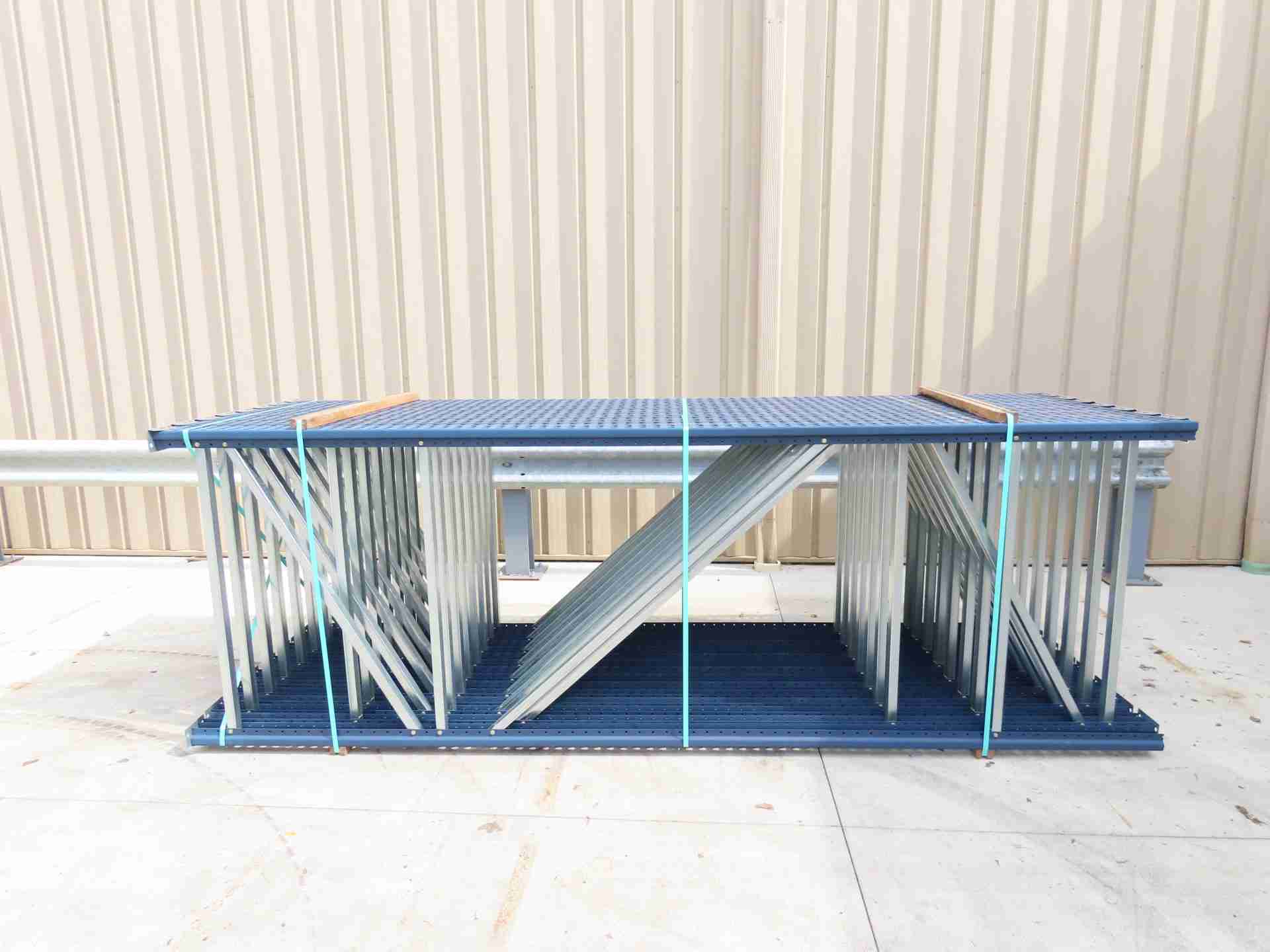
Other Resources
Glossary Terms
How Do Industrial Racks Support Inventory Management? – Glossary Of Terms
1. Industrial Racks: Sturdy structures designed to store and organize goods, maximizing storage efficiency within warehouses.
2. Pallet Racks: Stacking systems using pallets to hold goods, typically allowing for easy access with forklifts.
3. Cantilever Racks: Storage solutions with protruding arms, ideal for long or bulky items like lumber or pipes.
4. Dynamic Racking: Systems featuring moving elements, such as roller tracks, which facilitate access to stored items through gravitational force.
5. Static Racking: Fixed storage systems without moving parts, providing stable and secure storage for a variety of goods.
6. Storage Density: A measure of how efficiently a storage area is used, calculated by the volume of goods stored per unit area.
7. Selective Racking: Racks designed to allow easy access to all items stocked, often used in warehouses with high product variability.
8. Capacity Utilization: The percentage of a warehouse’s storage capability being used at any given time, crucial for inventory management.
9. Load-Bearing Capacity: The maximum weight a racking system can safely support, ensuring safe storage practices.
10. FIFO (First-In, First-Out): An inventory management principle that ensures older stock is used before newer stock, promoting freshness and reducing waste.
11. LIFO (Last-In, First-Out): An inventory methodology where the most recently added items are used first, suited for goods that do not spoil.
12. Pick Face: The front of the racking system where items are picked, fundamental to optimizing order fulfillment processes.
13. Aisle Width: The space between racking systems, designed based on the types of forklifts in use and the need for maneuverability.
14. Mezzanine Systems: Intermediate floors within a warehouse, typically supported on industrial racking, to increase vertical storage capacity.
15. Inventory Turnover: A metric indicating how often inventory is sold and replaced over a period, crucial for assessing the efficiency of inventory management.
16. Bulk Storage: Areas within a warehouse allocated for storing large quantities of homogeneous products, often aided by heavy-duty racking.
17. Order Picking: The process of selecting items from racks to fulfill customer orders, enhanced by efficiently designed racking systems.
18. Cross-Docking: A logistics procedure where incoming goods are directly transferred to outbound transportation with minimal storage time.
19. Shelving Units: Smaller, often modular racking systems used for storing smaller items, aiding in precise inventory management.
20. Decking Panels: Horizontal layers in racking systems, providing solid surfaces to support items stored on the racks.
21. Load Distribution: The spread of weight across the racking system, important for maintaining structural integrity.
22. Modular Design: Racking systems built with interchangeable components, allowing for flexible inventory management solutions.
23. Warehouse Management System (WMS): Software tools that enhance inventory management by tracking and optimizing storage locations.
24. Safety Standards: Regulations and guidelines ensuring racking systems are safely designed and maintained, preventing accidents and product damage.
25. Slotting Optimization: The strategic placement of items within racking systems to enhance picking efficiency and minimize retrieval time.
26. SKU (Stock Keeping Unit): A unique identifier for each item in inventory, crucial for accurate tracking and management.
27. Vertical Storage: Utilizing the height of a warehouse by stacking items, which maximizes space and often involves sophisticated racking systems.
28. Forklift Accessibility: The design aspect of racking systems that allows forklifts easy access to stored items, critical for efficient inventory movement.
29. Weight Distribution: Evenly spread loads across racks to avoid overloading any single point, ensuring safety and longevity of the system.
30. Lean Warehousing: A practice aimed at reducing waste and increasing efficiency in warehouse operations, often involving optimized racking systems.
Glossary Of Terms
Other Questions
How Do Industrial Racks Support Inventory Management? – Other Questions
If you wish to explore and discover more, consider looking for answers to these questions:
- What are the different types of industrial racks available?
- Can industrial racks be customized for specific storage needs?
- How does the choice of material (e.g., steel vs. aluminum) impact the performance of industrial racks?
- What are the common mistakes to avoid when installing industrial racks?
- Are there any industry standards or certifications for industrial racks?
- How often should industrial racks be inspected and maintained?
- What are the key benefits of using vertical storage solutions in a warehouse?
- How do industrial racks compare to other storage solutions like shelving units or mezzanines?
- What factors should be considered when designing the layout of industrial racks in a warehouse?
- How can industrial racks be made more earthquake-resistant?
- What role does technology play in managing inventory on industrial racks?
- How do industrial racks contribute to sustainable warehouse operations?
- What are the costs involved in setting up industrial racks?
- How can industrial racks be adapted to accommodate future business growth?
- Are there rental or lease options available for industrial racks?
- What training programs are available for workers handling industrial racks?
- How do industrial racks integrate with automated storage and retrieval systems (AS/RS)?
- What are some examples of industries that heavily rely on industrial racks?
- How do industrial racks assist in compliance with health and safety regulations?
- What are the environmental considerations when choosing industrial racks?
Other Questions
Checklist
How Do Industrial Racks Support Inventory Management? – A Checklist
1. Maximizing Storage Space
_____ Choose industrial racks with tall, vertical designs to utilize vertical space efficiently.
_____ Opt for racks with multiple levels of shelving.
_____ Ensure racks fit into the designated warehouse space without wasting floor area.
2. Improving Inventory Visibility
_____ Organize items clearly on shelves and racks.
_____ Employ transparent labels or color-coded systems for easy identification.
_____ Regularly audit racks for accurate inventory levels and stock quantities.
3. Optimizing Workflow and Increasing Productivity
_____ Designate specific storage areas for different items.
_____ Ensure easy access to frequently used items.
_____ Develop a systematic picking, packing, and shipping process around rack placement.
4. Enhancing Safety in the Workplace
_____ Store heavier items on lower shelves to reduce the risk of toppling.
_____ Regularly inspect racks for structural integrity.
_____ Educate employees on proper loading techniques.
_____ Use safety equipment like hard hats and steel-toed boots.
5. Organization and Space Optimization
_____ Provide designated spaces on racks for categorizing items.
_____ Utilize adjustable shelving options for different item sizes.
_____ Keep aisle spaces clear for easy movement and improved workflow.
6. Inventory Accuracy and Tracking
_____ Label shelves with clear, legible identifiers.
_____ Implement a digital tracking system integrated with rack labels.
_____ Regularly update and verify inventory records.
7. Choosing the Right Industrial Racks
_____ Determine the weight capacity needed for your items and select suitable racks.
_____ Measure your available space to ensure proper rack dimensions.
_____ Choose racks made of high-quality, durable materials.
_____ Ensure racks have accessible design features for easy item retrieval.
8. Reducing Damage and Loss of Inventory
_____ Elevate items off the ground to prevent moisture and pest damage.
_____ Organize items to prevent overcrowding and reduce breakage risks.
_____ Clearly mark and maintain sections for fragile or high-value items.
9. Sturdiness for Heavy Inventory Items
_____ Invest in racks made from high-strength materials like steel or aluminum.
_____ Use cross-bracing and support beams for added stability.
_____ Secure racks properly to floors and walls.
_____ Follow installation and maintenance guidelines meticulously.
10. Cost-Effectiveness
_____ Calculate upfront costs versus long-term savings.
_____ Choose racks that improve space utilization and efficiency.
_____ Opt for racks with customization options to fit specific needs.
11. Safety Measures
_____ Regularly inspect racks for signs of damage or wear.
_____ Follow manufacturer guidelines on weight limits and load distribution.
_____ Train staff on the proper use of racks and safety protocols.
_____ Equip the workspace with necessary safety gear and signage.
Additional Tips
_____ Periodically review and reassess your rack system to ensure it meets evolving needs.
_____ Engage with rack suppliers to explore new technologies and materials.
_____ Involve employees in regular safety and efficiency feedback sessions.
By following this checklist, you can ensure that your industrial racks effectively support inventory management, improve organization, enhance safety, and contribute to the overall productivity and efficiency of your warehouse or industrial setting.
Checklist
At RackingWorld, we help guide you through selecting warehouse storage systems and racking.
Be sure to read our other related stories at RackingWorld to learn more about warehouse storage systems.
0 Comments