
Unlocking Warehouse Efficiency with QR Code Technology
By Tom Seest
At RackingWorld, we help guide you through selecting warehouse storage systems and racking.
Be sure to read our other related stories at RackingWorld to learn more about warehouse storage systems.
How Can QR Codes Enhance Warehouse Information Accessibility?
In today’s fast-paced world of warehouse management, staying ahead of the curve is essential for success. One innovative solution that can greatly enhance warehouse information accessibility is the use of QR codes. These small, square codes have the power to revolutionize the way warehouses operate, providing quick and easy access to important data with just a simple scan.
One of the key ways in which QR codes can enhance warehouse information accessibility is through inventory management. By placing QR codes on each individual product or item in the warehouse, employees can quickly scan the code to access important information such as stock levels, location, and expiration dates. This not only streamlines the process of tracking inventory but also helps to reduce human error and save valuable time.
Furthermore, QR codes can also improve order fulfillment processes by providing instant access to order details and shipping information. For example, when a new order comes in, warehouse workers can simply scan the QR code on the order form to access all the necessary details, ensuring that the order is processed quickly and accurately. This can help to improve order accuracy and customer satisfaction, leading to increased sales and repeat business.
Additionally, QR codes can be used to enhance safety and security in the warehouse. By placing QR codes on equipment or machinery, employees can quickly access safety guidelines and operating instructions, helping to prevent accidents and reduce downtime. QR codes can also be used to restrict access to sensitive areas of the warehouse, ensuring that only authorized personnel are able to enter.
Moreover, QR codes can also improve communication and collaboration among warehouse staff. For example, by placing QR codes on task lists or work orders, employees can quickly access important information and updates, helping to keep everyone on the same page and increase productivity. QR codes can also be used to facilitate training and development by providing access to instructional videos or manuals, allowing employees to quickly learn new skills and procedures.
The use of QR codes in warehouse management can greatly enhance information accessibility and improve overall efficiency. By implementing this innovative technology, warehouses can streamline their operations, reduce errors, and increase productivity. With the potential to revolutionize the way warehouses operate, QR codes are a valuable tool for staying ahead of the competition and achieving success in the fast-paced world of warehouse management.
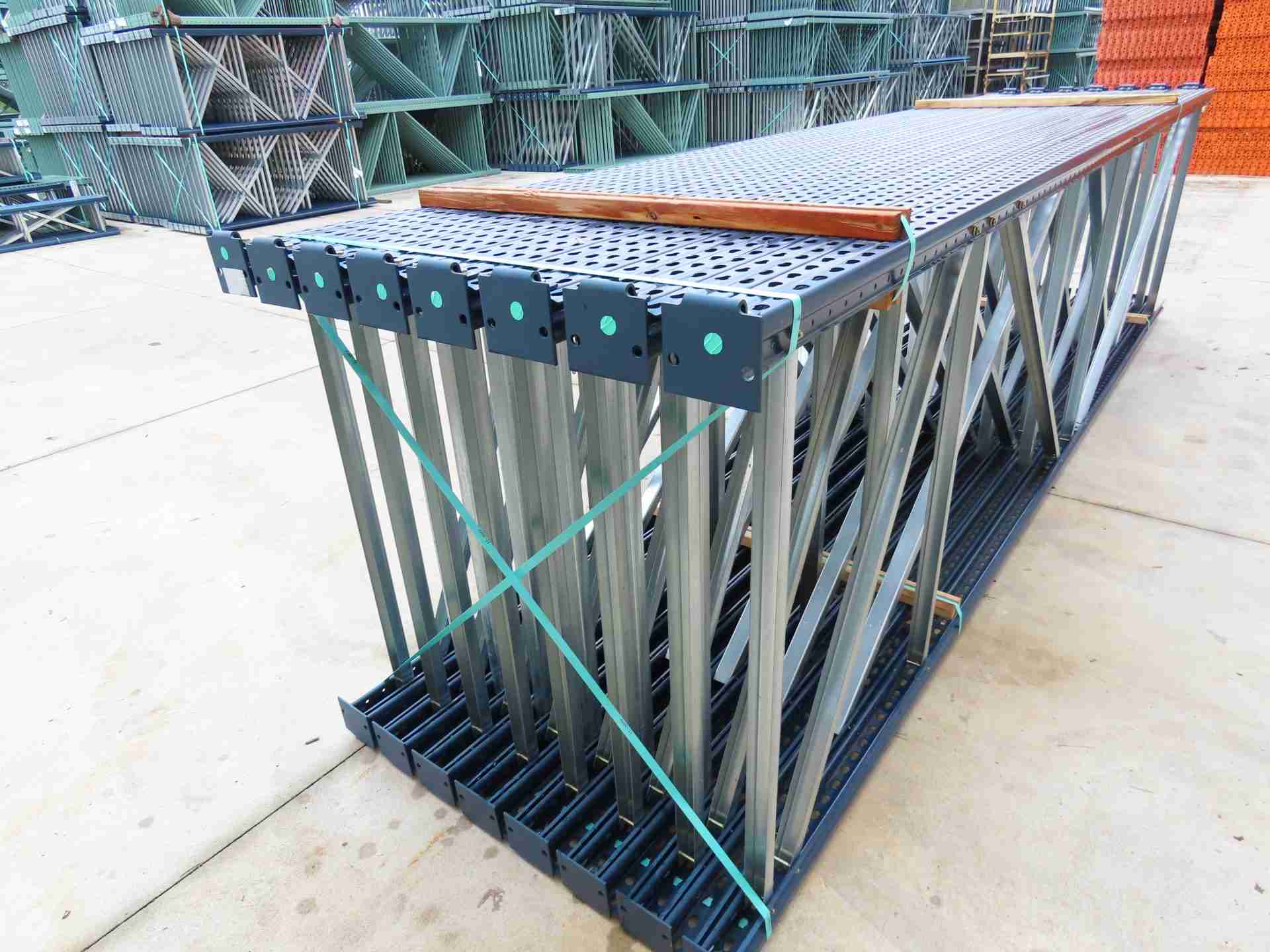
How Can QR Codes Enhance Warehouse Information Accessibility?
How Can QR Codes Enhance Warehouse Information Accessibility?
- QR codes can enhance warehouse information accessibility through inventory management.
- QR codes streamline tracking inventory and reduce human error.
- QR codes improve order fulfillment processes by providing instant access to order details.
- QR codes can enhance safety and security in the warehouse.
- QR codes improve communication and collaboration among warehouse staff.
- Implementing QR codes in warehouse management can streamline operations and increase productivity.
- QR codes are a valuable tool for staying ahead of the competition in warehouse management.

How Can QR Codes Enhance Warehouse Information Accessibility?
Table Of Contents
- How Can QR Codes Enhance Warehouse Information Accessibility?
- How Do QR Codes Streamline Inventory Tracking?
- What Are The Benefits Of Using QR Codes In Warehouses?
- How Can QR Codes Improve Order Accuracy?
- In What Ways Can QR Codes Simplify Warehouse Audits?
- How Do QR Codes Increase Efficiency In Picking And Packing?
- What Security Measures Can Be Implemented With QR Codes In Warehouses?
- Conclusion
- Other Resources
- Glossary Of Terms
- Other Questions
- Checklist
How Do QR Codes Streamline Inventory Tracking?
In today’s fast-paced world, businesses are constantly looking for ways to streamline their operations and improve efficiency. One area where this is particularly crucial is inventory tracking. Keeping tabs on stock levels and movements can be a time-consuming and labor-intensive process, but with the advent of QR codes, companies can now revolutionize their inventory management practices.
QR codes, or Quick Response codes, are two-dimensional barcodes that can be scanned using a smartphone or tablet. These codes can store a wealth of information, from product details to location data, in a compact and easily accessible format. By incorporating QR codes into their inventory tracking systems, businesses can drastically reduce the time and effort required to manage their stock.
One of the key ways in which QR codes streamline inventory tracking is by enabling real-time updates. When a product is scanned at any point in the supply chain, the system is immediately updated with the relevant information. This means that managers can keep track of stock levels, monitor movements, and identify any potential issues or discrepancies without delay. This real-time visibility can help businesses make more informed decisions and respond quickly to changing market demands.
Furthermore, QR codes can also enhance the accuracy of inventory tracking. Human error is a common problem in manual data entry tasks, leading to inaccuracies and inefficiencies in the tracking process. By using QR codes, businesses can eliminate the risk of human error and ensure that their inventory records are always up to date and accurate. This not only saves time and money but also improves the overall reliability of the system.
In addition to improving efficiency and accuracy, QR codes can also help businesses optimize their inventory management processes. For example, they can be used to track the movement of products throughout the supply chain, enabling companies to identify bottlenecks and inefficiencies. By analyzing this data, businesses can make strategic decisions to streamline their operations and improve overall performance.
Overall, QR codes offer a powerful tool for businesses looking to streamline their inventory tracking processes. By enabling real-time updates, improving accuracy, and optimizing operations, QR codes can help companies take their inventory management to the next level. As technology continues to advance, businesses that embrace QR codes will have a competitive edge in today’s fast-paced market.
How Do QR Codes Streamline Inventory Tracking?
How Do QR Codes Streamline Inventory Tracking?
- QR codes are two-dimensional barcodes that can store a wealth of information and be scanned using a smartphone or tablet.
- By incorporating QR codes into inventory tracking systems, businesses can reduce time and effort needed to manage stock.
- QR codes enable real-time updates in the supply chain, providing immediate information on stock levels and movements.
- Using QR codes eliminates the risk of human error in manual data entry tasks, improving accuracy and reliability.
- QR codes can help optimize inventory management by tracking product movement, identifying bottlenecks, and inefficiencies.
- Overall, QR codes offer a powerful tool for businesses to streamline inventory tracking processes, improve accuracy, and optimize operations.
- Businesses that embrace QR codes will have a competitive edge in the fast-paced market as technology continues to advance.

How Do QR Codes Streamline Inventory Tracking?
What Are The Benefits Of Using QR Codes In Warehouses?
QR codes have revolutionized the way warehouses operate, providing numerous benefits that can streamline processes and increase efficiency. By incorporating QR codes into warehouse operations, businesses can take advantage of a range of advantages that can help them stay ahead of the competition.
One of the key benefits of using QR codes in warehouses is the ability to easily track inventory and assets. With QR codes, each item in the warehouse can be assigned a unique code that can be scanned using a smartphone or tablet. This allows warehouse managers to quickly and accurately track the movement of goods throughout the facility, reducing the risk of lost or misplaced items. Additionally, QR codes can be used to easily update inventory records in real-time, giving managers instant access to accurate inventory levels.
Another advantage of using QR codes in warehouses is the ability to streamline order picking and fulfillment processes. By attaching QR codes to shelves, bins, and products, warehouse staff can quickly locate items and verify orders, reducing the time and labor required to fulfill customer orders. This can lead to faster order processing times and improved customer satisfaction.
Furthermore, QR codes can be used to improve communication and collaboration among warehouse staff. For example, QR codes can be placed on equipment and machinery to provide instant access to maintenance manuals and training videos. This can help reduce downtime and improve productivity by ensuring that staff have the information they need to perform their jobs efficiently.
In addition to improving operational efficiency, QR codes can also enhance the overall customer experience. For example, QR codes can be included on product packaging to provide customers with instant access to product information, user manuals, and warranty details. This can help build customer trust and loyalty by providing a seamless and convenient shopping experience.
Overall, the benefits of using QR codes in warehouses are clear. From improving inventory tracking and order fulfillment to enhancing communication and customer satisfaction, QR codes can help businesses stay competitive in today’s fast-paced, technology-driven market. By incorporating QR codes into warehouse operations, businesses can reap the rewards of increased efficiency, reduced costs, and improved customer satisfaction.

What Are The Benefits Of Using QR Codes In Warehouses?
What Are The Benefits Of Using QR Codes In Warehouses?
- QR codes revolutionize warehouse operations by streamlining processes and increasing efficiency.
- QR codes allow for easy tracking of inventory and assets with unique scanable codes.
- Using QR codes in warehouses can streamline order picking and fulfillment processes.
- QR codes facilitate communication and collaboration among warehouse staff.
- QR codes on product packaging enhance the customer experience by providing instant access to product info.
- Overall, QR codes in warehouses improve inventory tracking, order fulfillment, communication, and customer satisfaction.
- Businesses can benefit from increased efficiency, reduced costs, and improved customer satisfaction by using QR codes in warehouse operations.

What Are The Benefits Of Using QR Codes In Warehouses?
How Can QR Codes Improve Order Accuracy?
In today’s fast-paced retail environment, order accuracy is crucial for customer satisfaction and retention. This is why more and more businesses are turning to QR codes as a solution to improve accuracy in their fulfillment process. QR codes, or quick response codes, are two-dimensional barcodes that can store information and be easily scanned by a smartphone or other electronic device. By incorporating QR codes into your order processing system, you can streamline operations, reduce human error, and ultimately enhance the overall customer experience.
One way QR codes can improve order accuracy is by simplifying the order entry process. Instead of manually inputting orders into a system, employees can simply scan a QR code on a customer’s order form or packaging slip. This not only saves time, but also reduces the likelihood of data entry errors. For example, imagine a busy bartender taking drink orders at a crowded bar. By scanning a QR code on each customer’s order, the bartender can quickly and accurately input the information into the system, ensuring that each drink is prepared correctly.
Additionally, QR codes can be used to track inventory in real-time, helping to prevent out-of-stock situations and backorders. By scanning QR codes on incoming shipments and outgoing orders, businesses can monitor stock levels and automatically reorder products when supplies run low. This proactive approach not only improves order accuracy by ensuring that items are always in stock, but also enhances the overall efficiency of the supply chain.
Furthermore, QR codes can be used to facilitate communication between different departments within a company. For example, a QR code on a product label could include detailed information about the item’s specifications, pricing, and availability. By scanning the code, employees from sales, marketing, and customer service can quickly access this information, ensuring that everyone is on the same page and making informed decisions.
QQR codes offer a powerful tool for improving order accuracy in today’s competitive marketplace. By streamlining order entry, tracking inventory, and facilitating communication, businesses can enhance efficiency, reduce errors, and ultimately deliver a superior customer experience. As more companies adopt QR code technology, those that fail to do so risk falling behind the curve. Now is the time to embrace this innovative solution and revolutionize your fulfillment process.
How Can QR Codes Improve Order Accuracy?
How Can QR Codes Improve Order Accuracy?
- QR codes are being used by businesses to improve order accuracy in the retail environment.
- QR codes are two-dimensional barcodes that store information and can be easily scanned by electronic devices.
- By using QR codes in order processing, operations can be streamlined and human errors reduced.
- QR codes simplify the order entry process and save time, reducing data entry errors.
- QR codes help track inventory in real-time, preventing out-of-stock situations.
- QR codes facilitate communication between different departments within a company.
- Adopting QR code technology can enhance efficiency, reduce errors, and deliver a superior customer experience.

How Can QR Codes Improve Order Accuracy?
In What Ways Can QR Codes Simplify Warehouse Audits?
In What Ways Can QR Codes Simplify Warehouse Audits?
As technology continues to advance at a rapid pace, businesses are constantly seeking innovative solutions to streamline their operations and maximize efficiency. One such solution that has gained popularity in recent years is the use of QR codes in warehouse audits. QR codes, or Quick Response codes, are two-dimensional barcodes that can store a wealth of information and be easily scanned using a smartphone or tablet.
One of the key ways in which QR codes can simplify warehouse audits is by providing instant access to detailed product information. By affixing QR codes to inventory items, warehouse staff can quickly scan the codes to access real-time data on each product, including its SKU number, description, quantity, and location within the warehouse. This eliminates the need for manual data entry and reduces the risk of human error, resulting in faster and more accurate audits.
Furthermore, QR codes can also help automate the inventory reconciliation process. By using QR codes to track the movement of inventory items in and out of the warehouse, businesses can easily identify discrepancies between the physical inventory counts and the data stored in their systems. This real-time visibility into inventory levels enables businesses to quickly identify and rectify any issues, reducing the likelihood of stockouts or overstock situations.
In addition to simplifying inventory management, QR codes can also enhance security and compliance in warehouse audits. By incorporating unique QR codes on high-value or sensitive items, businesses can track the movement of these items throughout the supply chain and verify their authenticity. This level of traceability not only deters theft and counterfeiting but also helps businesses comply with regulatory requirements and quality control standards.
Overall, the implementation of QR codes in warehouse audits offers numerous benefits, including improved efficiency, accuracy, and security. With the global logistics industry facing unprecedented challenges due to the COVID-19 pandemic, embracing technology solutions like QR codes is more critical than ever. By leveraging the power of QR codes, businesses can streamline their warehouse operations, reduce costs, and ensure compliance with industry regulations.
QQR codes represent a powerful tool for simplifying warehouse audits and revolutionizing inventory management practices. By harnessing the potential of this technology, businesses can stay ahead of the competition and maintain a competitive edge in today’s fast-paced business environment.

In What Ways Can QR Codes Simplify Warehouse Audits?
In What Ways Can QR Codes Simplify Warehouse Audits?
- QR codes provide instant access to detailed product information.
- QR codes help automate inventory reconciliation process.
- QR codes enhance security and compliance in warehouse audits.
- Implementation of QR codes improves efficiency, accuracy, and security.
- QR codes help businesses comply with regulatory requirements and quality control standards.
- QR codes streamline warehouse operations, reduce costs, and ensure compliance.
- QR codes revolutionize inventory management practices and help businesses stay ahead of competition.

In What Ways Can QR Codes Simplify Warehouse Audits?
How Do QR Codes Increase Efficiency In Picking And Packing?
QR codes have revolutionized the way businesses handle picking and packing processes. By utilizing QR codes in inventory management, companies can increase efficiency and accuracy to streamline their operations and improve customer satisfaction.
One key way QR codes enhance efficiency in picking and packing is by providing detailed and real-time information about products. When each item in a warehouse is labeled with a unique QR code, employees can easily scan them with a mobile device to access vital data such as product description, quantity, location, and shipping information. This eliminates the need for manual data entry and minimizes the risk of errors that can result from human input.
For example, imagine a busy warehouse where employees are rushing to fulfill orders for a high-demand product. With QR codes, they can quickly scan the code on each item and instantly know whether they have enough stock to fulfill the order or if they need to restock. This real-time visibility allows them to make informed decisions on the spot, preventing delays in the picking and packing process.
Furthermore, QR codes can also optimize the layout of the warehouse to improve efficiency in order fulfillment. By strategically placing QR codes on shelves, bins, and storage units, employees can easily scan them to locate specific items and navigate the warehouse more efficiently. This reduces the time spent searching for products and minimizes the risk of picking errors, ultimately speeding up the packing process.
In addition to improving internal operations, QR codes can also enhance the overall customer experience. When customers receive their orders, they can scan the QR code on the packaging to access tracking information and delivery updates in real time. This transparency builds trust and loyalty, as customers can stay informed about the status of their orders and anticipate their arrival with confidence.
Overall, incorporating QR codes into picking and packing processes can significantly increase efficiency and accuracy in warehouse operations. By leveraging the power of QR technology, businesses can streamline their processes, reduce costs, and ultimately deliver a superior experience to customers.
In today’s fast-paced world, where consumer expectations are higher than ever, businesses must embrace innovative technologies like QR codes to stay competitive and meet the demands of the market. By harnessing the benefits of QR technology in picking and packing, companies can transform their operations and achieve greater success in the modern business landscape.

How Do QR Codes Increase Efficiency In Picking And Packing?
How Do QR Codes Increase Efficiency In Picking And Packing?
- QR codes revolutionize business handling of picking and packing processes.
- Enhance efficiency by providing real-time product information.
- Real-time visibility helps prevent delays in fulfilling orders.
- Optimize warehouse layout for better order fulfillment.
- Enhance customer experience through tracking information with QR codes.
- Improves internal operations, reduces costs, and delivers superior customer experience.
- Embracing QR technology is essential for businesses to stay competitive and meet market demands.
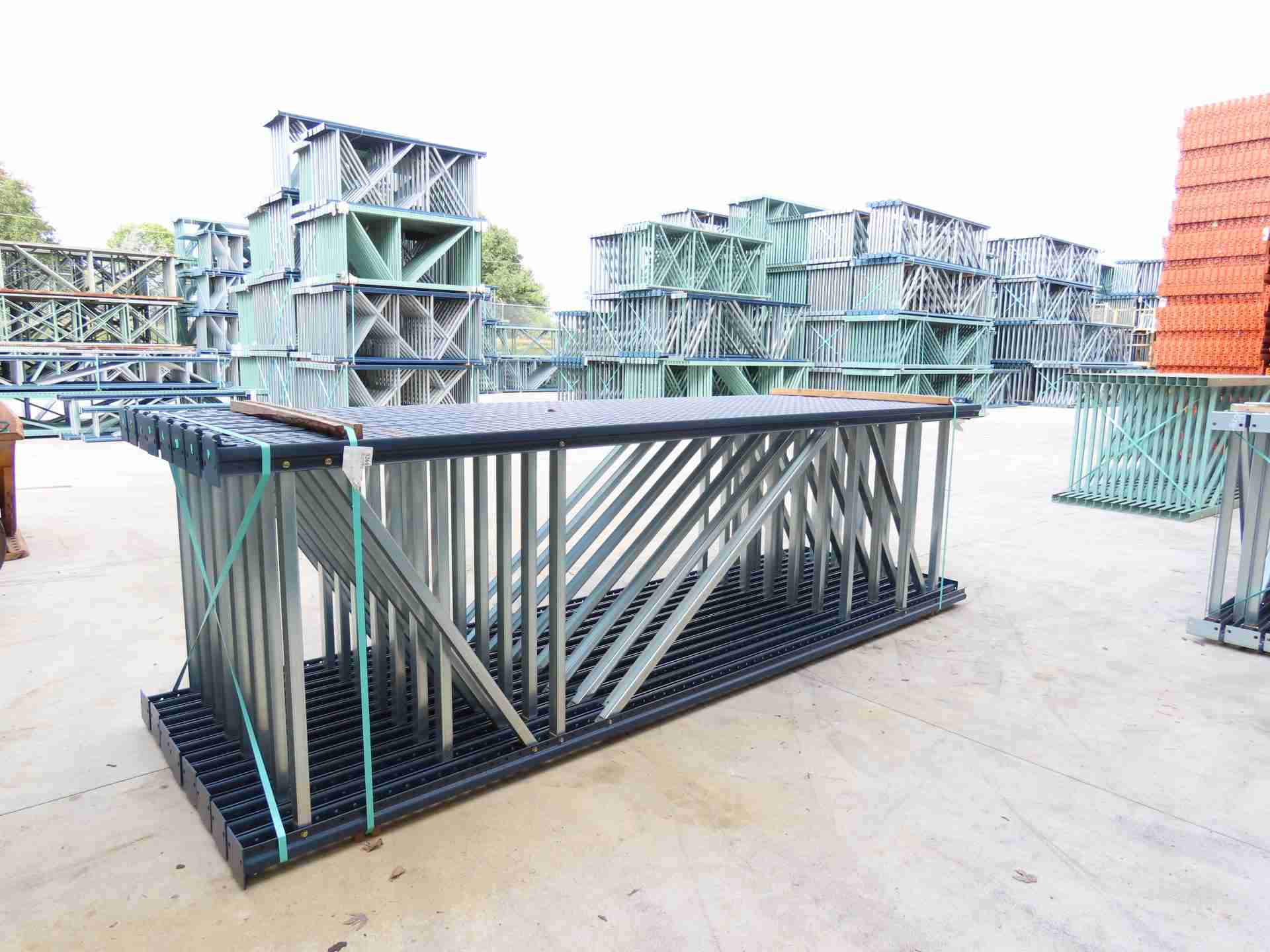
How Do QR Codes Increase Efficiency In Picking And Packing?
What Security Measures Can Be Implemented With QR Codes In Warehouses?
When it comes to securing your warehouse and protecting your valuable inventory, utilizing QR codes can be a game-changer. These clever little codes can be used in a variety of ways to enhance security measures and ensure that only authorized personnel have access to certain areas or items within your facility.
One way QR codes can be implemented for security purposes is through access control. By placing QR codes on employee badges or keycards, you can easily control who has access to different areas of your warehouse. For example, you can set up QR code readers at entry points to restricted areas, ensuring that only employees with the proper authorization can enter. This helps to prevent theft, unauthorized access, and other security breaches within your warehouse.
Another way QR codes can be used for security in warehouses is through inventory tracking. By assigning QR codes to individual items or pallets, you can easily track their movement throughout your warehouse. This allows you to quickly identify any discrepancies or missing items, helping to prevent losses due to theft or human error. Additionally, you can use QR codes to link to detailed information about each item, such as its location, quantity, and expiration date, making inventory management more efficient and accurate.
Moreover, QR codes can also be used for equipment maintenance and safety inspections in warehouses. By placing QR codes on machinery or equipment, maintenance technicians can easily access information about the equipment’s maintenance history, inspection schedules, and safety protocols. This helps to ensure that equipment is properly maintained and in good working order, reducing the risk of accidents and downtime in your warehouse.
In light of recent security breaches and thefts in warehouses, it is more important than ever to implement robust security measures to protect your inventory and assets. By incorporating QR codes into your security protocols, you can enhance access control, improve inventory tracking, and streamline equipment maintenance in your warehouse. With QR codes, you can have peace of mind knowing that your warehouse is secure and your inventory is safe.
Don’t wait until it’s too late – start implementing QR codes for security in your warehouse today and protect your valuable assets from theft and unauthorized access.
What Security Measures Can Be Implemented With QR Codes In Warehouses?
What Security Measures Can Be Implemented With QR Codes In Warehouses?
- Utilizing QR codes can enhance security measures in warehouses.
- QR codes can be used for access control by placing them on employee badges or keycards.
- QR codes can be assigned to individual items or pallets for inventory tracking.
- QR codes on machinery or equipment can streamline equipment maintenance and safety inspections.
- Implementing QR codes can help prevent theft, unauthorized access, and security breaches.
- QR codes provide detailed information about items, making inventory management more efficient.
- Start implementing QR codes for security in your warehouse today to protect your assets.

What Security Measures Can Be Implemented With QR Codes In Warehouses?
Conclusion
In conclusion, the use of QR codes in warehouse management is a game-changer for businesses looking to enhance efficiency, accuracy, and security in their operations. With the ability to streamline inventory tracking, improve order accuracy, simplify warehouse audits, increase efficiency in picking and packing, and implement robust security measures, QR codes are revolutionizing the way warehouses operate in today’s fast-paced world. By leveraging the power of QR technology, businesses can stay ahead of the competition, reduce costs, and improve customer satisfaction.
To learn more about how QR codes can enhance information accessibility in your warehouse, contact Arrow Industrial Sales at (574) 349-6575. Our team of experts is ready to provide you with the information and support you need to revolutionize your warehouse operations. Don’t wait – take the first step towards unlocking warehouse efficiency with QR code technology today. Call Arrow Industrial Sales at (574) 349-6575 and start reaping the benefits of QR codes in your warehouse. The time to optimize your operations and achieve success is now.

Conclusion
Conclusion:
- QR codes in warehouse management enhance efficiency, accuracy, and security.
- Streamline inventory tracking and improve order accuracy.
- Simplify warehouse audits and increase efficiency in picking and packing.
- Implement robust security measures.
- QR technology helps businesses stay ahead of the competition and improve customer satisfaction.
- Contact Arrow Industrial Sales at (574) 349-6575 to learn more about QR codes in warehouse operations.
- Start reaping the benefits of QR codes in your warehouse to optimize operations and achieve success.

Conclusion
Other Resources

Other Resources
Here is a list of other resources you can review online to learn more:
- “The Power of QR Code Inventory Management”
- “QR codes vs. barcodes in inventory tracking | PPT”
- “QR Code Inventory Management | QR Code Inventory …”
- “Warehouse Management: A Comprehensive Guide”
- “How To Use QR Codes for Inventory Management”
- “Integrating Barcodes and QR Codes with Cloud ERP”
- “Inventory Management”
- “QR Code for Inventory Management”
- “Implementing Barcode Systems In Inventory Control”
- “How To Use QR Codes for Inventory Management”
- “Impact of QR Codes on Streamlining Inventory Processes”
- “QR Codes: Enhancing Efficiency in Manufactured Payments”

Other Resources
Glossary Terms
How Can QR Codes Enhance Warehouse Information Accessibility? – Glossary Of Terms
1. QR Code: A type of matrix barcode that stores information and can be scanned using a smartphone or QR scanner, linking to data or websites.
2. Barcode: A visual representation of data in a machine-readable form, traditionally made up of parallel lines and spaces.
3. Inventory Management: The process of overseeing and controlling the ordering, storage, and use of products that a company will sell or use.
4. Real-Time Tracking: The ability to monitor the current location, status, and other key information about items as they move through the supply chain.
5. Warehouse Automation: The use of technology and systems to perform tasks in a warehouse without human intervention.
6. Logistics: The detailed coordination and implementation of complex operations involving the movement of goods, information, and resources.
7. Supply Chain: The entire network of entities, directly or indirectly interlinked and interdependent in serving the same consumer or customer.
8. Data Capture: The process of collecting information to be used and analyzed by a system.
9. Stock Keeping Unit (SKU): A unique identifier for each distinct product or service that can be purchased.
10. Asset Tracking: Monitoring the location, usage, and condition of physical assets using barcode or QR code technology.
11. Pick and Pack: The process of picking the correct quantity of items from warehouse inventory and packing them for shipment.
12. Warehouse Management System (WMS): Software designed to optimize warehouse operations, from inventory tracking to order fulfillment.
13. Inventory Turnover: A measure of how often inventory is sold and replaced over a specific period.
14. Order Fulfillment: The complete process from when a sales order is received until the products reach the customer.
15. Batch Processing: The handling of large numbers of transactions at once, often used in the context of inventory management.
16. Cross-Docking: A logistics practice where products are directly transferred from inbound to outbound transportation, minimizing storage time.
17. Cycle Counting: An inventory auditing procedure where a small subset of inventory is counted on a specific day.
18. QR Code Generator: Software or tools used to create QR codes that contain data or link to online information.
19. Mobile Scanning: Using mobile devices like smartphones or tablets to read QR codes and access relevant information.
20. Pallet Tracking: Monitoring the movement and status of pallets using QR codes to enhance traceability.
21. Shipment Verification: The process of confirming that orders are accurately fulfilled before distribution.
22. Automated Data Entry: The insertion of information into a system using electronic methods, reducing manual data entry errors.
23. Warehouse Layout Optimization: The strategic arrangement of warehouse equipment and inventory to maximize efficiency.
24. Supply Chain Visibility: The ability to view and track products as they move through the supply chain, often enhanced by QR codes.
25. Geolocation Tracking: Determining the physical location of items using technology such as GPS and QR codes.
26. Out-of-Stock: A situation where inventory levels are depleted and items are not available for sale or use.
27. Order Accuracy: The degree to which orders are correctly filled and match customer specifications.
28. Multi-Location Inventory: Managing and tracking inventory across different warehouses or distribution centers.
29. Demand Forecasting: The analytical process of predicting future customer demand to optimize inventory levels.
30. Load Planning: The strategy of organizing and arranging goods for transportation to maximize space and efficiency.

Glossary Of Terms
Other Questions
How Can QR Codes Enhance Warehouse Information Accessibility? – Other Questions
If you wish to explore and discover more, consider looking for answers to these questions:
- What are the specific advantages of using QR codes over traditional barcodes in warehouse management?
- How can QR codes be integrated with existing warehouse management systems (WMS)?
- What equipment and technology are necessary to implement QR codes in a warehouse?
- Are there any limitations or potential drawbacks to using QR codes in warehouse settings?
- Can QR codes be used for environmental monitoring in warehouses, such as temperature and humidity tracking?
- How can QR codes assist in warehouse staff training and development?
- What are the best practices for creating and maintaining QR codes within a warehouse environment?
- How do QR codes contribute to reducing labor costs in warehouse operations?
- Can QR codes be customized for specific industries or types of warehouses?
- What role do QR codes play in warehouse automation and robotics integration?
- How can QR codes be used to improve sustainability and reduce waste in warehouses?
- Are there standards or regulations for using QR codes in warehouse management?
- What is the cost implication of implementing QR codes in a mid to large-sized warehouse?
- How can QR codes enhance vendor and supplier collaboration in a warehouse?
- What case studies or examples exist of successful QR code implementation in warehouses?
Other Questions
Checklist
How Can QR Codes Enhance Warehouse Information Accessibility? – A Checklist
## Inventory Management
_____ Place QR codes on each individual product or item.
_____ Ensure QR codes provide quick access to stock levels.
_____ Include item location information in QR codes.
_____ Add expiration dates to QR codes where applicable.
## Order Fulfillment
_____ Attach QR codes to order forms.
_____ Ensure QR codes provide instant access to order details and shipping information.
_____ Update system to track order status via QR codes.
## Safety and Security
_____ Place QR codes on equipment and machinery.
_____ Ensure QR codes link to safety guidelines and operating instructions.
_____ Use QR codes to manage access to restricted areas.
_____ Regularly update/maintain security protocols linked to QR codes.
## Communication and Collaboration
_____ Place QR codes on task lists or work orders.
_____ Ensure QR codes provide access to important updates.
_____ Use QR codes to distribute instructional videos or manuals.
## Inventory Tracking
_____ Enable real-time updates through QR code scanning.
_____ Implement QR codes to reduce manual data entry errors.
_____ Use QR codes to track product movement within the supply chain.
_____ Analyze QR code data to identify bottlenecks and inefficiencies.
## Order Accuracy
_____ Use QR codes to simplify order entry processes.
_____ Track inventory with QR codes to prevent out-of-stock situations.
_____ Facilitate inter-department communication using QR codes for detailed product info.
## Warehouse Audits
_____ Affix QR codes to inventory items for instant access to product data.
_____ Automate inventory reconciliation using QR codes.
_____ Incorporate QR codes for tracking high-value or sensitive items.
## Efficiency in Picking and Packing
_____ Label each item with a unique QR code.
_____ Use QR codes to provide real-time product information.
_____ Optimize warehouse layout with strategically placed QR codes.
_____ Enhance customer experience with QR codes on packaging for tracking information.
## Equipment Maintenance
_____ Place QR codes on machinery for easy access to maintenance history.
_____ Include inspection schedules and safety protocols in QR codes.
## Security Measures
_____ Utilize QR codes for access control on employee badges.
_____ Employ QR code readers at restricted areas.
_____ Assign QR codes to individual items/pallets for tracking movement.
_____ Integrate detailed item information in QR codes for inventory management.
By implementing these strategies, your warehouse can harness the power of QR codes to improve efficiency, accuracy, safety, and overall operational success.

Checklist
At RackingWorld, we help guide you through selecting warehouse storage systems and racking.
Be sure to read our other related stories at RackingWorld to learn more about warehouse storage systems.
0 Comments