
Maximizing Efficiency and Productivity with Warehouse Zoning
By Tom Seest
At RackingWorld, we help guide you through selecting warehouse storage systems and racking.
Be sure to read our other related stories at RackingWorld to learn more about warehouse storage systems.
How Do You Create an Effective Warehouse Zoning Strategy?
Creating an effective warehouse zoning strategy is crucial for optimizing your operations and maximizing efficiency. By strategically organizing your warehouse layout, you can streamline processes, reduce clutter, and improve overall productivity. Here are some key steps to help you develop a successful zoning strategy for your warehouse:
1. Analyze your Inventory: Start by carefully examining your inventory and identifying different categories of products based on their size, weight, demand, and storage requirements. This will help you determine the best zoning layout for your warehouse. For example, you may want to designate separate zones for fast-moving items that need easy access and slower-moving items that can be placed in a less accessible area.
2. Consider Traffic Flow: When designing your zoning strategy, it’s important to consider the flow of traffic in your warehouse. Make sure that aisles are wide enough to accommodate forklifts and other equipment, and that there are clear pathways for workers to move efficiently between different zones. By optimizing traffic flow, you can prevent bottlenecks and delays in your operations.
3. Implement Lean Principles: Lean principles, such as 5S, can help you create a more organized and efficient warehouse layout. By implementing strategies like color coding, labeling, and visual cues, you can easily identify different zones and streamline the picking and packing process. For example, you can use colored tape to mark different areas for receiving, storage, and shipping, making it easier for employees to navigate the warehouse.
4. Embrace Technology: In today’s digital age, technology plays a crucial role in optimizing warehouse operations. Consider investing in warehouse management software that can help you track inventory, monitor order fulfillment, and optimize picking routes. By leveraging technology, you can create a more intelligent and data-driven zoning strategy that adapts to the changing needs of your business.
5. Stay Flexible: Finally, it’s important to remain flexible and adaptable when creating your warehouse zoning strategy. As your business grows and evolves, you may need to adjust your layout to accommodate new products, changing customer demands, or seasonal fluctuations. By staying agile and responsive to market trends, you can ensure that your zoning strategy remains effective and efficient in the long run.
Developing an effective warehouse zoning strategy is essential for maximizing productivity and optimizing operations. By analyzing your inventory, considering traffic flow, implementing lean principles, embracing technology, and staying flexible, you can create a strategic layout that enhances efficiency and drives success in your warehouse operations.

How Do You Create an Effective Warehouse Zoning Strategy?
How Do You Create an Effective Warehouse Zoning Strategy?
- Analyze your Inventory: Identify different categories of products based on size, weight, demand, and storage requirements.
- Consider Traffic Flow: Ensure aisles are wide enough for equipment and clear pathways for workers.
- Implement Lean Principles: Use strategies like color coding and visual cues to streamline processes.
- Embrace Technology: Invest in warehouse management software to optimize operations.
- Stay Flexible: Adjust layout as needed to accommodate business growth and changes.
- Developing a successful zoning strategy is crucial for optimizing operations and maximizing efficiency.
- By staying agile and responsive to market trends, you can ensure that your zoning strategy remains effective and efficient in the long run.

How Do You Create an Effective Warehouse Zoning Strategy?
Table Of Contents
- How Do You Create an Effective Warehouse Zoning Strategy?
- How Can Warehouse Layout Optimization Enhance Efficiency?
- Does Technology Play a Role In Developing a Warehouse Zoning Strategy?
- Why Is Employee Training Crucial for Successful Warehouse Zoning?
- How Can Data Analysis Improve Warehouse Zoning Decisions?
- What Are The Benefits Of a Dynamic Warehouse Zoning Approach?
- How Can Flexibility In Warehouse Zoning Lead to Improved Adaptability?
- Is Collaboration Between Departments Essential In Warehouse Zoning?
- Conclusion
- Other Resources
- Glossary Of Terms
- Other Questions
- Checklist
How Can Warehouse Layout Optimization Enhance Efficiency?
In today’s rapidly evolving business landscape, optimizing warehouse layout is a critical component of maximizing efficiency and reducing operational costs. By strategically organizing your warehouse space, businesses can streamline their processes, increase productivity, and ultimately improve their bottom line.
One way warehouse layout optimization can enhance efficiency is by reducing unnecessary movement and travel time for employees. By arranging high-demand items closer to packing and shipping areas, workers can fulfill orders more quickly and efficiently. This not only increases productivity but also reduces the risk of errors and delays in fulfilling customer orders.
Furthermore, optimizing warehouse layout can help businesses adapt to changing market demands and trends. For example, with the rise of e-commerce and online shopping, many businesses are experiencing a surge in small, individual orders as opposed to bulk shipments to retailers. By reorganizing warehouse space to accommodate these smaller orders, businesses can better meet customer needs and stay ahead of the competition.
Additionally, warehouse layout optimization can improve safety and reduce the risk of workplace accidents. By implementing clear aisle markings, designated storage areas, and proper equipment placement, businesses can create a safer work environment for their employees. This not only protects workers from injury but also minimizes downtime and costly insurance claims.
In the wake of the COVID-19 pandemic, warehouse layout optimization has become even more critical. With social distancing guidelines in place, businesses must reconfigure their warehouse space to ensure the health and safety of their employees. This may include creating designated work zones, implementing one-way traffic flow, and increasing sanitation stations throughout the facility.
Overall, warehouse layout optimization is a key strategy for businesses looking to enhance efficiency, streamline operations, and stay competitive in today’s fast-paced market. By investing time and resources into optimizing warehouse space, businesses can position themselves for long-term success and growth. So take the time to assess your current warehouse layout, identify areas for improvement, and implement changes that will drive efficiency and productivity throughout your organization.

How Can Warehouse Layout Optimization Enhance Efficiency?
How Can Warehouse Layout Optimization Enhance Efficiency?
- Optimizing warehouse layout is critical for maximizing efficiency and reducing operational costs.
- Reducing unnecessary movement and travel time for employees can enhance efficiency.
- Adapting warehouse layout to changing market demands, such as the rise of e-commerce, is important.
- Improving safety and reducing workplace accidents is another benefit of warehouse layout optimization.
- Warehouse layout optimization has become even more critical due to COVID-19, with a focus on employee health and safety.
- Investing in warehouse layout optimization can help businesses stay competitive and position themselves for long-term success and growth.
- Assessing current warehouse layout, identifying areas for improvement, and implementing changes is key to driving efficiency and productivity.

How Can Warehouse Layout Optimization Enhance Efficiency?
Does Technology Play a Role In Developing a Warehouse Zoning Strategy?
In today’s rapidly evolving world of warehouse management, the role of technology in developing a zoning strategy cannot be overstated. With the rise of e-commerce giants like Amazon setting the bar high for speedy and efficient order fulfillment, warehouses are under increasing pressure to optimize every square inch of their space. This is where technology comes in as a game-changer.
One key way technology plays a crucial role in warehouse zoning is through the use of automation and robotics. These innovative solutions can help streamline operations by ensuring that items are stored and picked in the most efficient manner possible. For example, automated guided vehicles (AGVs) can be programmed to navigate the warehouse floor and transport goods from one zone to another, reducing the need for manual labor and minimizing the risk of errors.
Furthermore, technology can provide real-time data and analytics that can be used to optimize warehouse zoning strategies. For instance, advanced warehouse management systems (WMS) can track inventory levels, order volumes, and picking patterns to help determine the most appropriate zoning configurations. By analyzing this data, warehouse managers can make informed decisions about where to place high-demand items for quick access, or how to reconfigure zoning to reduce travel time and maximize throughput.
Additionally, the use of technologies like virtual reality (VR) and augmented reality (AR) can further enhance warehouse zoning strategies. These tools can help warehouse managers visualize different zoning layouts and simulate how they might impact operations before making any physical changes. By testing out various scenarios in a virtual environment, managers can fine-tune their zoning strategy to optimize efficiency and minimize disruptions.
Technology is undeniably a key factor in developing a successful warehouse zoning strategy in today’s competitive landscape. By leveraging automation, data analytics, and visualization tools, warehouse managers can improve efficiency, accuracy, and overall performance. As the demand for faster order fulfillment continues to grow, those who embrace technology in their zoning strategies will be well-positioned to stay ahead of the curve and meet the expectations of their customers.

Does Technology Play a Role In Developing a Warehouse Zoning Strategy?
Does Technology Play a Role In Developing a Warehouse Zoning Strategy?
- Technology is crucial in developing warehouse zoning strategies in the rapidly evolving world of warehouse management.
- Automation and robotics play a key role in streamlining operations and optimizing efficiency in warehouse zoning.
- Real-time data and analytics provided by technology can help optimize warehouse zoning configurations.
- Virtual reality (VR) and augmented reality (AR) technologies can enhance warehouse zoning strategies by visualizing different layouts before physical changes are made.
- By leveraging automation, data analytics, and visualization tools, warehouse managers can improve efficiency and accuracy in their zoning strategies.
- Those who embrace technology in their zoning strategies will be well-positioned to meet the expectations of customers in the competitive landscape of order fulfillment.
.

Does Technology Play a Role In Developing a Warehouse Zoning Strategy?
Why Is Employee Training Crucial for Successful Warehouse Zoning?
Employee training is absolutely crucial for successful warehouse zoning. Without proper training, employees may not understand how to effectively organize and manage inventory, leading to inefficiencies, wasted time, and ultimately, lost revenue.
One of the main reasons why employee training is so important for warehouse zoning is that it ensures that all employees are on the same page when it comes to best practices and procedures. For example, having a well-trained team can help prevent common zoning mistakes such as mislabeling or misplacing inventory, which can lead to costly errors and delays in finding and fulfilling orders.
In addition, proper training can help employees understand the importance of maintaining a clean and organized workspace. With the rise of ecommerce and the increasing demand for fast shipping times, having a well-zoned warehouse can make all the difference in meeting customer expectations. In fact, a recent study found that 86% of online shoppers are willing to pay more for same-day or faster delivery, highlighting the importance of efficient warehouse zoning in today’s competitive market.
Furthermore, employee training can also help reduce workplace accidents and injuries, which can be costly in terms of both human suffering and financial impact. By teaching employees how to safely handle and store inventory, as well as how to use equipment such as forklifts and pallet jacks correctly, warehouse managers can help prevent accidents and create a safer work environment for all.
Overall, investing in employee training for warehouse zoning can lead to a more efficient, productive, and profitable operation. By ensuring that all employees are well-equipped with the knowledge and skills they need to effectively manage inventory, maintain a clean and organized workspace, and prevent accidents, companies can position themselves for success in today’s fast-paced, competitive market.
Employee training is not only important for warehouse zoning, but it is essential for the overall success of any warehouse operation. By making training a priority and investing in the development of your team, you can set your warehouse up for success and ensure that you are able to meet the demands of today’s customers. So don’t overlook the importance of employee training when it comes to successful warehouse zoning – your bottom line will thank you for it.

Why Is Employee Training Crucial for Successful Warehouse Zoning?
Why Is Employee Training Crucial for Successful Warehouse Zoning?
- Employee training is crucial for successful warehouse zoning.
- Ensures all employees understand best practices and procedures.
- Helps prevent zoning mistakes and costly errors.
- Importance of maintaining a clean and organized workspace.
- Reduces workplace accidents and injuries.
- Leads to a more efficient, productive, and profitable operation.
- Essential for the overall success of any warehouse operation.
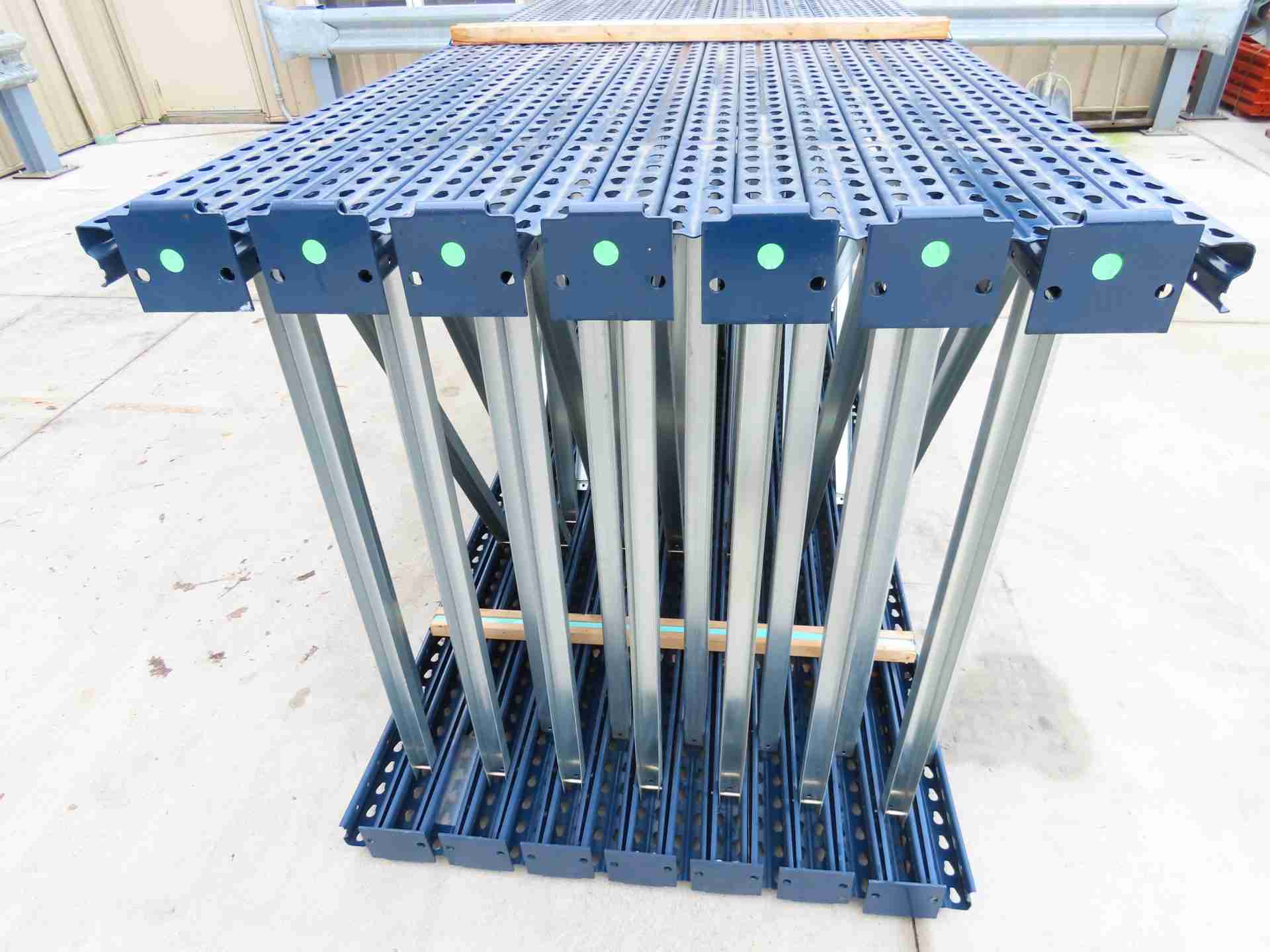
Why Is Employee Training Crucial for Successful Warehouse Zoning?
How Can Data Analysis Improve Warehouse Zoning Decisions?
In today’s fast-paced world of e-commerce and supply chain management, making smart decisions about how to optimize warehouse zoning is crucial for success. By utilizing data analysis, businesses can gain valuable insights into customer behavior, inventory trends, and operational efficiency to guide their warehouse zoning decisions.
One way data analysis can improve warehouse zoning decisions is by identifying patterns in customer orders and preferences. For example, by analyzing order histories and shipping destinations, businesses can determine which products are frequently purchased together and should be stored in close proximity to one another. This can help reduce picking and packing times, streamline fulfillment processes, and ultimately improve customer satisfaction.
In addition, data analysis can help businesses forecast future demand and adjust their warehouse zoning accordingly. By analyzing historical sales data, seasonal trends, and market fluctuations, businesses can determine which products are likely to be in high demand at certain times of the year. This can inform decisions about where to store certain products within the warehouse to maximize efficiency and minimize storage costs.
Furthermore, data analysis can also play a crucial role in optimizing inventory management and reducing waste. By closely analyzing inventory turnover rates, businesses can identify which products are selling quickly and which are sitting on shelves collecting dust. This information can help businesses make informed decisions about how to allocate storage space within the warehouse, reducing the risk of overstocking or understocking certain items.
Overall, data analysis can provide businesses with the insights they need to make strategic decisions about warehouse zoning that can improve operational efficiency, reduce costs, and ultimately drive bottom-line results. By leveraging the power of data to inform warehouse zoning decisions, businesses can stay ahead of the competition and adapt to changing market conditions with agility and precision.
In today’s rapidly evolving business landscape, harnessing the power of data analysis is essential for making informed decisions about warehouse zoning. By using data to identify patterns, forecast demand, and optimize inventory management, businesses can unlock new opportunities for growth and success. Don’t let valuable data go to waste – leverage it to drive smarter warehouse zoning decisions and stay ahead of the competition.

How Can Data Analysis Improve Warehouse Zoning Decisions?
How Can Data Analysis Improve Warehouse Zoning Decisions?
- Utilizing data analysis to gain insights into customer behavior, inventory trends, and operational efficiency.
- Identifying patterns in customer orders and preferences through data analysis.
- Forecasting future demand and adjusting warehouse zoning accordingly.
- Optimizing inventory management and reducing waste with data analysis.
- Making strategic decisions about warehouse zoning to improve operational efficiency and reduce costs.
- Harnessing the power of data analysis for informed warehouse zoning decisions in a rapidly evolving business landscape.
- Unlocking new opportunities for growth and success by leveraging data to drive smarter warehouse zoning decisions.

How Can Data Analysis Improve Warehouse Zoning Decisions?
What Are The Benefits Of a Dynamic Warehouse Zoning Approach?
In today’s fast-paced and ever-changing business landscape, it is crucial for companies to adapt and innovate in order to stay ahead of the competition. One area where businesses can gain a competitive edge is in their warehouse operations. By implementing a dynamic warehouse zoning approach, companies can optimize their space utilization, increase efficiency, and enhance overall productivity.
One of the key benefits of a dynamic warehouse zoning approach is the ability to maximize storage capacity. By strategically zoning different areas of the warehouse for specific tasks or products, companies can make better use of their space and reduce waste. For example, a company may dedicate a certain area of the warehouse for fast-moving products that require frequent access, while another area may be designated for slow-moving items that can be stored for longer periods of time. By organizing the warehouse in this way, companies can reduce picking and packing times, improve inventory management, and ultimately save time and money.
Another advantage of a dynamic warehouse zoning approach is the ability to increase workflow efficiency. By creating designated zones for different tasks, such as receiving, picking, packing, and shipping, companies can streamline their operations and minimize the risk of bottlenecks or delays. For example, by grouping similar products or orders together in specific zones, companies can reduce the time it takes for employees to locate and retrieve items, leading to faster order fulfillment and improved customer satisfaction.
Additionally, a dynamic warehouse zoning approach can help companies adapt to changing market conditions and customer demands. In today’s fast-paced and competitive environment, businesses need to be able to respond quickly to shifting trends and preferences. By implementing a flexible zoning strategy that can easily be adjusted or modified as needed, companies can better position themselves to meet changing customer needs and expectations. For example, if a company sees an increase in demand for a certain product, they can quickly reconfigure their warehouse layout to accommodate the additional inventory and ensure timely fulfillment.
A dynamic warehouse zoning approach offers a number of benefits for companies looking to optimize their operations and gain a competitive edge in today’s market. By maximizing storage capacity, increasing workflow efficiency, and adapting to changing market conditions, companies can improve productivity, reduce costs, and enhance overall performance. By implementing a strategic and flexible zoning strategy, companies can transform their warehouse operations into a well-oiled machine that drives success and profitability.

What Are The Benefits Of a Dynamic Warehouse Zoning Approach?
What Are The Benefits Of a Dynamic Warehouse Zoning Approach?
- Implementing a dynamic warehouse zoning approach can optimize space utilization and increase efficiency.
- A key benefit is the ability to maximize storage capacity by zoning different areas for specific tasks or products.
- Designating areas for fast-moving products and slow-moving items can reduce picking and packing times.
- Creating designated zones for tasks like receiving, picking, packing, and shipping can increase workflow efficiency.
- A dynamic zoning approach helps companies adapt to changing market conditions and customer demands.
- Flexibility in zoning strategies allows for quick adjustments to meet changing customer needs and expectations.
- Overall, a dynamic warehouse zoning approach can improve productivity, reduce costs, and enhance performance.

What Are The Benefits Of a Dynamic Warehouse Zoning Approach?
How Can Flexibility In Warehouse Zoning Lead to Improved Adaptability?
In today’s rapidly changing business landscape, adaptability is crucial for companies looking to stay competitive and thrive in their industries. One often-overlooked aspect of adaptability is flexibility in warehouse zoning. By carefully considering and implementing flexible zoning strategies in their warehouses, companies can greatly enhance their ability to adapt to changing market conditions, shifts in consumer demand, and unforeseen disruptions.
One key benefit of flexible warehouse zoning is the ability to quickly respond to changes in demand. For example, a company that traditionally stored all of its products in fixed, static locations may find itself struggling to keep up with sudden increases in demand for certain items. By implementing a flexible zoning system that allows for easy reorganization of warehouse space, the company can quickly reallocate storage space to accommodate the spike in demand and prevent stockouts.
Moreover, flexible warehouse zoning can also help companies streamline their operations and improve efficiency. By strategically organizing their warehouse space based on current needs and demand patterns, companies can reduce the time and effort required to retrieve and pack items for shipment. This not only improves overall productivity but also helps to minimize errors and delays in order fulfillment.
In addition, flexibility in warehouse zoning can also play a key role in risk management and contingency planning. In the event of unforeseen disruptions such as natural disasters, supply chain interruptions, or even a global pandemic, companies with flexible warehouse zoning can quickly adapt their operations to mitigate the impact on their business. For example, a company facing a sudden supply chain disruption can easily reorganize its warehouse space to accommodate alternative sourcing or temporary storage solutions.
In today’s dynamic business environment, companies that fail to adapt quickly to changing market conditions risk being left behind. By prioritizing flexibility in warehouse zoning, companies can position themselves for success by improving their ability to respond to shifts in demand, streamline operations, and manage risks effectively. Those that embrace this approach will not only survive but thrive in the face of uncertainty and disruption.
Flexibility in warehouse zoning is a critical component of adaptability in today’s fast-paced business world. By investing in flexible zoning strategies, companies can enhance their ability to respond to changing market conditions, improve operational efficiency, and effectively manage risks. This proactive approach will position companies for long-term success and growth in an ever-evolving marketplace.

How Can Flexibility In Warehouse Zoning Lead to Improved Adaptability?
How Can Flexibility In Warehouse Zoning Lead to Improved Adaptability?
- Adaptability is crucial for companies to stay competitive and thrive in their industries.
- Flexible warehouse zoning allows companies to quickly respond to changes in demand.
- Flexible zoning helps streamline operations and improve efficiency.
- Warehouse zoning plays a key role in risk management and contingency planning.
- Companies that fail to adapt risk being left behind in today’s business environment.
- Prioritizing flexibility in warehouse zoning can position companies for success.
- Investing in flexible zoning strategies enhances companies’ ability to respond to market conditions, improve efficiency, and manage risks effectively.

How Can Flexibility In Warehouse Zoning Lead to Improved Adaptability?
Is Collaboration Between Departments Essential In Warehouse Zoning?
In any warehouse operation, the importance of collaboration between departments cannot be overstated. In the context of warehouse zoning, where efficiency and organization are paramount, the seamless coordination between various teams is essential for success.
Consider a scenario where the receiving department fails to communicate effectively with the inventory management team. As a result, items are not properly categorized and stored in the designated zones, leading to confusion and inefficiencies in the picking and packing process. This breakdown in communication can result in delays, errors, and ultimately, decreased customer satisfaction.
On the other hand, when departments work together harmoniously, the benefits are clear. Take for example a situation where the picking department communicates effectively with the inventory management team. By sharing information about inventory levels and SKU locations, the picking team can optimize their routes and minimize travel time, ultimately increasing productivity and reducing labor costs.
Moreover, collaboration between departments can lead to innovative solutions and improvements in warehouse zoning. For instance, the shipping department may identify an opportunity to reorganize the layout of the warehouse to facilitate faster order fulfillment. By working closely with the operations team, they can implement changes that streamline the process and enhance overall efficiency.
In today’s rapidly evolving business landscape, where e-commerce continues to dominate the retail sector, the need for collaboration between departments is more critical than ever. With the rise of same-day delivery services and the growing demand for personalized customer experiences, warehouses must operate with maximum efficiency and agility.
Recent events, such as the global pandemic, have further emphasized the importance of effective collaboration in warehouse zoning. With disruptions in supply chains and fluctuations in consumer demand, warehouse operations have had to adapt quickly to meet changing requirements. In these challenging times, collaboration between departments is key to ensuring seamless operations and maintaining high levels of customer satisfaction.
Collaboration between departments is not just a nice-to-have in warehouse zoning – it is an absolute necessity for success. By fostering a culture of communication, teamwork, and shared goals, warehouses can optimize their operations, minimize costs, and deliver exceptional service to their customers. In today’s competitive market, businesses that prioritize collaboration will undoubtedly gain a competitive edge and thrive in the long run.

Is Collaboration Between Departments Essential In Warehouse Zoning?
Is Collaboration Between Departments Essential In Warehouse Zoning?
- In any warehouse operation, the importance of collaboration between departments cannot be overstated.
- Efficiency and organization are paramount in warehouse zoning, highlighting the need for seamless coordination between various teams.
- Effective communication between departments is crucial to prevent confusion and inefficiencies in the picking and packing process.
- When departments work together harmoniously, benefits include optimized routes, reduced travel time, increased productivity, and lower labor costs.
- Collaboration can lead to innovative solutions and improvements in warehouse zoning, enhancing overall efficiency.
- With the rise of e-commerce and the need for maximum efficiency and agility, collaboration between departments is more critical than ever.
- Effective collaboration is key to ensuring seamless operations, adapting to changing requirements, and maintaining high levels of customer satisfaction, especially in challenging times like during a global pandemic.

Is Collaboration Between Departments Essential In Warehouse Zoning?
Conclusion
In the fast-paced world of warehouse management, creating an effective zoning strategy is crucial for maximizing efficiency and productivity. By carefully analyzing inventory, considering traffic flow, implementing lean principles, embracing technology, and remaining flexible, businesses can create a strategic layout that enhances operations and drives success. The benefits of optimizing warehouse layout are clear – from reducing unnecessary movement and travel time for employees to adapting to changing market demands. However, one key element that cannot be overlooked is the importance of employee training.
Proper training is essential for successful warehouse zoning, as it ensures that employees understand best practices, procedures, and the importance of maintaining a clean and organized workspace. With the rise of e-commerce and the increasing demand for fast shipping, having a well-zoned warehouse can make all the difference in meeting customer expectations and staying competitive. In fact, 86% of online shoppers are willing to pay more for same-day or faster delivery, highlighting the importance of efficient warehouse zoning.
Employee training not only improves efficiency and productivity but also reduces workplace accidents and injuries, creating a safer work environment for all. By investing in the development of your team and ensuring that they are equipped with the knowledge and skills needed for effective warehouse zoning, companies can set themselves up for success in today’s fast-paced and competitive market.
In conclusion, employee training is a critical component of successful warehouse zoning. By prioritizing training and investing in the development of your team, you can optimize warehouse operations, enhance productivity, and ultimately drive bottom-line results. Don’t overlook the importance of training when it comes to creating an effective zoning strategy – your business’s success depends on it. Embrace training, empower your team, and watch your warehouse operations thrive. Take action now and call Arrow Industrial Sales at (574) 349-6575 to get the information you need to optimize your warehouse zoning strategy. Don’t wait, the time to invest in training and enhance your operations is now!

Conclusion
Conclusion:
- Creating an effective zoning strategy is crucial for maximizing efficiency and productivity in warehouse management.
- Analyzing inventory, considering traffic flow, implementing lean principles, embracing technology, and remaining flexible are key components of a strategic layout.
- The benefits of optimizing warehouse layout include reducing unnecessary movement and travel time for employees and adapting to changing market demands.
- Proper employee training is essential for successful warehouse zoning, ensuring an understanding of best practices, procedures, and workspace organization.
- Efficient warehouse zoning is crucial in meeting customer expectations and staying competitive in the e-commerce era.
- Employee training not only improves efficiency and productivity but also reduces workplace accidents and injuries.
- Prioritizing training and investing in team development can optimize warehouse operations and drive bottom-line results.
- Take action now and call Arrow Industrial Sales at (574) 349-6575 to get the information you need to optimize your warehouse zoning strategy. Don’t wait, the time to invest in training and enhance your operations is now!

Conclusion
Other Resources

Other Resources
Here is a list of other resources you can review online to learn more:
- “Lean Warehousing: The 5S Method”
- “5S Color-Coding and Visual Standards – SafeWork Insider”
- “Lean Warehousing: Streamline With The Practical 5S Method”
- “How can lean principles be used to improve warehouse …”
- “Lean warehousing: Eliminating Waste and Boosting …”
- “8 Wastes in Kaizen & 5S Practices |How Floor Tape Can Fix It”
- “50 Lean Visuals Pocket Book by Brady | PDF”
- “An Exploratory Analysis of Pallet Handling in a Production …”
- “Lean Warehousing”
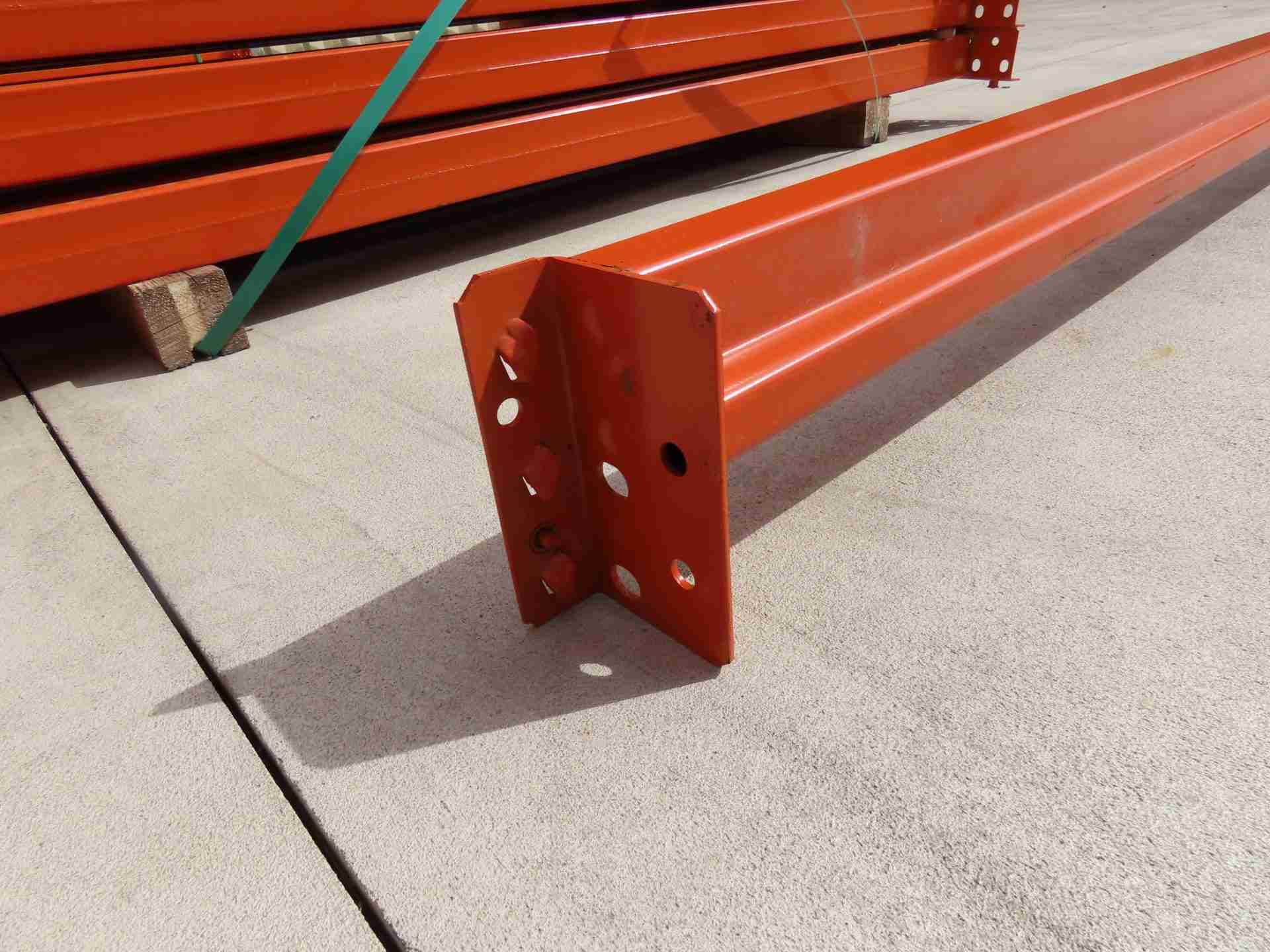
Other Resources
Glossary Terms
How Do You Create an Effective Warehouse Zoning Strategy? – Glossary Of Terms
1. Warehouse Zoning: The process of dividing a warehouse space into distinct areas for different purposes to improve efficiency and workflow.
2. Optimization: The process of making something as functional and effective as possible, particularly in terms of warehouse layout and processes.
3. Inventory Turnover: A measure of how often inventory is sold and replaced over a period. High turnover indicates efficiency.
4. Picking Zone: Designated areas where ordered items are collected before being shipped out.
5. Storage Zone: Areas where goods are held after receiving and before picking or shipping.
6. Receiving Zone: The section of the warehouse where incoming shipments are unloaded, checked, and processed.
7. Shipping Zone: The area designated for packing and dispatching outgoing orders.
8. Cross-Docking: A logistics practice where incoming shipments are directly loaded onto outbound vehicles, minimizing storage time.
9. FIFO (First In, First Out): A method of inventory management where the oldest stock is used or sold first.
10. LIFO (Last In, First Out): An inventory method where the most recently received items are used or sold first.
11. Bulk Storage: Storage of large quantities of the same item, often in pallets or large containers.
12. Forward-Picking Area: Section where high-demand items are stored for quick access and frequent picking.
13. Safety Stock: Extra inventory held to guard against shortages or supply chain disruptions.
14. Lean Inventory: A strategy that aims to minimize inventory levels to reduce holding costs while meeting demand.
15. SKU (Stock Keeping Unit): A unique identifier for each product or item in the inventory.
16. Material Handling Solutions Analysis: A technique to prioritize inventory into three categories (A, B, and C) based on their importance and usage rates.
17. Cycle Counting: A periodic process of counting inventory to ensure accuracy without shutting down operations.
18. Workload Balancing: Distributing work evenly across the warehouse to optimize productivity and avoid bottlenecks.
19. Automation: The use of technology and machinery to perform tasks with minimal human intervention.
20. Picking Accuracy: A measure of how accurately items are picked according to customer orders.
21. Slotting: The placement of inventory in locations to minimize picking time and maximize space utilization.
22. WMS (Warehouse Management System): Software used to manage, control, and optimize warehouse operations and inventory.
23. Dock Scheduling: The process of planning the arrival and departure times of trucks at the warehouse docks.
24. Ergonomics: Designing the warehouse layout and processes to minimize physical strain and injury risks for workers.
25. Replenishment: The process of moving inventory from reserve storage areas to forward-picking areas.
26. Kitting: The process of combining multiple items into a single package or kit to streamline order fulfillment.
27. Kanban: A visual inventory control system that signals when replenishment is needed.
28. Throughput: The rate at which goods move through the warehouse from receiving to shipping.
29. Utilization Rate: A measure of how effectively the warehouse space is being used.
30. Warehouse Layout: The physical arrangement and design of the warehouse, impacting efficiency and workflow.
Understanding these terms can help you develop and implement an effective warehouse zoning strategy that maximizes efficiency, minimizes costs, and meets customer demands.

Glossary Of Terms
Other Questions
How Do You Create an Effective Warehouse Zoning Strategy? – Other Questions
If you wish to explore and discover more, consider looking for answers to these questions:
- What are the different categories of products to consider when analyzing inventory for warehouse zoning?
- How can optimizing traffic flow in a warehouse reduce bottlenecks and delays?
- What are Lean principles and how do they apply to warehouse zoning?
- What types of technology should companies consider investing in for warehouse management?
- What are some signs that a warehouse zoning layout needs to be adjusted?
- How does warehouse layout optimization impact order fulfillment speed and accuracy?
- Can you provide examples of how technology automation and robotics improve warehouse operations?
- What are the benefits of using warehouse management systems (WMS) in a zoning strategy?
- How do virtual reality (VR) and augmented reality (AR) tools assist in warehouse zoning?
- What key skills should employees be trained in for efficient warehouse zoning?
- How can ongoing employee training contribute to sustaining an effective warehouse zoning strategy?
- What specific data should businesses analyze to improve warehouse zoning decisions?
- How can data analytics help predict future product demand and optimize warehouse zoning?
- What are the main benefits of a dynamic warehouse zoning approach?
- How does flexibility in warehouse zoning contribute to a company’s adaptability to market changes?
- What are some real-world examples where flexible warehouse zoning improved business operations?
- How can cross-departmental collaboration improve zoning efficiency and accuracy in a warehouse?
- What strategies can businesses use to foster better communication between warehouse departments?
- How has the COVID-19 pandemic impacted warehouse zoning strategies?
- Why is it crucial for warehouses to adapt to same-day delivery and personalized customer experiences?

Other Questions
Checklist
How Do You Create an Effective Warehouse Zoning Strategy? – A Checklist
Inventory Analysis
1. Categorize Inventory
_____ Identify product categories by size, weight, demand, and storage requirements.
_____ Designate separate zones for fast-moving and slow-moving items.
2. Evaluate Storage Needs
_____ Assess the specific storage requirements for each product category.
_____ Allocate space based on product handling characteristics.
Traffic Flow Optimization
1. Design Wide Aisles
_____ Ensure aisles are wide enough to accommodate forklifts and other equipment.
2. Clear Pathways
_____ Create clear pathways for workers to move efficiently between zones.
_____ Implement one-way traffic flow systems where necessary.
3. Prevent Bottlenecks
_____ Identify and mitigate potential bottlenecks in high-traffic areas.
Implement Lean Principles
1. Color Coding
_____ Use colored tape or markers to designate different zones (e. g. , receiving, storage, shipping).
2. Labeling
_____ Label zones clearly to aid quick identification and reduce errors.
3. Visual Cues
_____ Use signs and visual guides to help navigate the warehouse.
Embrace Technology
1. Warehouse Management Software (WMS)
_____ Invest in software that tracks inventory and monitors order fulfillment.
_____ Optimize picking routes using software analytics.
2. Automation and Robotics
_____ Consider using Automated Guided Vehicles (AGVs) and other robotic systems.
3. Real-Time Data Analytics
_____ Use data analytics to make informed zoning decisions.
_____ Track inventory levels, order volumes, and picking patterns.
4. Visualization Tools
_____ Use Virtual Reality (VR) and Augmented Reality (AR) to simulate and test warehousing scenarios.
Flexibility and Adaptability
1. Regular Assessments
_____ Periodically review and adjust the zoning layout to accommodate changes in inventory or market demands.
2. Scalable Zones
_____ Design zones to be easily reconfigurable for seasonal or unexpected changes in demand.
3. Responsive Strategies
_____ Be prepared to quickly adapt zoning strategies in response to new product lines or customer needs.
Employee Training
1. Standard Operating Procedures (SOPs)
_____ Develop and train employees on best practices for warehouse zoning.
2. Safety Training
_____ Train employees on safe handling practices and equipment usage.
3. Continuous Improvement
_____ Regular refresher courses and training updates to keep employees up to date with new practices.
Interdepartmental Collaboration
1. Regular Communication
_____ Foster seamless communication between departments (receiving, inventory management, picking, shipping).
2. Collaborative Planning
_____ Include cross-departmental input when planning zoning strategies.
3. Feedback Loop
_____ Establish a system for continuous feedback and improvements from different teams.
Data-Driven Decisions
1. Customer Behavior Analysis
_____ Use data to understand order patterns and purchasing behavior.
2. Demand Forecasting
_____ Leverage historical sales data and market trends to forecast future demand.
3. Inventory Turnover
_____ Analyze turnover rates to optimize zoning for quick-selling vs. slow-moving items.
Dynamic Zoning
1. Zone Differentiation
_____ Differentiate zones for tasks like receiving, picking, packing, and shipping.
2. Adjustable Layouts
_____ Maintain flexibility in your layouts to adapt to changing business needs.
3. Workflow Optimization
_____ Streamline workflows by aligning zoning strategies with operational demands.
Risk Management
1. Contingency Plans
_____ Develop and implement risk mitigation strategies for supply chain disruptions.
2. Safety Measures
_____ Ensure clear aisle markings, designated storage areas, and proper equipment placement.
3. Health Guidelines
_____ Implement guidelines like social distancing and increased sanitation as necessary.
By adhering to this checklist, you can create an efficient, productive, and adaptable warehouse zoning strategy that drives operational success.

Checklist
At RackingWorld, we help guide you through selecting warehouse storage systems and racking.
Be sure to read our other related stories at RackingWorld to learn more about warehouse storage systems.
0 Comments