
Maximizing Efficiency and Safety with Proper Pallet Storage
By Tom Seest
At RackingWorld, we help guide you through selecting warehouse storage systems and racking.
Be sure to read our other related stories at RackingWorld to learn more about warehouse storage systems.
How Should Pallets Be Properly Stored on Racks?
When it comes to storing pallets on racks, there are a few key things to keep in mind in order to ensure safety and efficiency in your warehouse.
First and foremost, it’s essential to stack pallets on racks in a way that ensures stability and prevents any potential collapses. This means making sure that pallets are stacked evenly and securely, with the heaviest items on the bottom and lighter items on top. Additionally, it’s important to leave enough space between pallets to allow for easy access and to prevent any shifting or sliding.
Another important factor to consider when storing pallets on racks is the weight capacity of the racks themselves. Each rack should have a clearly marked weight capacity, and it’s crucial to never exceed this limit. Overloading racks can lead to structural damage and potential collapses, putting both your products and your employees at risk.
In order to properly store pallets on racks, it’s also important to regularly inspect the racks for any signs of damage or wear. Any damaged racks should be repaired or replaced immediately to prevent any accidents or injuries.
Furthermore, it’s a good idea to train employees on the proper procedures for stacking pallets on racks. This includes teaching them how to safely and efficiently stack pallets, as well as how to recognize potential hazards and how to address them.
Lastly, it’s important to keep the area around the racks clear and free of clutter. This not only helps to prevent accidents, but also makes it easier to access the pallets and ensures a more organized and efficient warehouse.
Properly storing pallets on racks is essential for maintaining a safe and efficient warehouse. By ensuring proper stacking techniques, adhering to weight capacity limits, regularly inspecting racks for damage, training employees on proper procedures, and keeping the area around racks clear, you can help prevent accidents and injuries while maximizing productivity. Remember, a little extra care and attention to detail can go a long way in maintaining a well-run warehouse operation.

How Should Pallets Be Properly Stored on Racks?
How Should Pallets Be Properly Stored on Racks?
- Stack pallets evenly and securely to prevent collapses.
- Place heaviest items on the bottom and lighter items on top.
- Leave space between pallets for easy access and to prevent shifting.
- Avoid exceeding weight capacity limits of racks to prevent structural damage.
- Regularly inspect racks for damage and repair or replace as needed.
- Train employees on proper stacking procedures and hazard recognition.
- Keep area around racks clear to prevent accidents and ensure efficiency.

How Should Pallets Be Properly Stored on Racks?
Table Of Contents
- How Should Pallets Be Properly Stored on Racks?
- What Are The Best Practices For Stacking Pallets On Racks?
- What Types Of Pallet Rack Systems Work Best For Storing Pallets?
- How Can Pallets Be Secured On Racks To Prevent Accidents?
- Are There Certain Weight Restrictions For Pallets On Racks?
- What Are The Advantages Of Using Pallet Racks For Storage?
- How Can Pallets Be Organized On Racks To Maximize Space Efficiency?
- Conclusion
- Other Resources
- Glossary Of Terms
- Other Questions
- Checklist
What Are The Best Practices For Stacking Pallets On Racks?
Stacking pallets on racks may seem like a simple task, but there are specific best practices that can make a big difference in terms of safety, efficiency, and overall organization in a warehouse setting.
First and foremost, it’s important to consider the weight capacity of the racks and ensure that you are not exceeding it by overloading the pallets. This can lead to serious accidents and damage to both the racks and the products being stored. Always consult the manufacturer’s guidelines and never stack pallets higher than recommended.
Another crucial aspect of stacking pallets on racks is to maintain a consistent stacking pattern. This means ensuring that the pallets are aligned properly and are not pushed too far back or to the sides, which can cause instability and increase the risk of collapse. By keeping the pallets neatly stacked and evenly distributed, you can maximize the use of space and minimize the chances of accidents.
Furthermore, it’s a good practice to use pallet spacers or dividers to create separation between layers of pallets. This can help prevent compression damage to the products being stored and make it easier to access individual pallets without disrupting the entire stack. Additionally, utilizing pallet labels or markers can help identify the contents of each pallet and ensure proper rotation and inventory management.
When stacking pallets on racks, it’s also important to consider the airflow and ventilation in the warehouse. By leaving enough space between pallets and ensuring that they are not blocking any air vents, you can prevent the build-up of heat and moisture, which can lead to damage to both the products and the racks themselves.
Lastly, regular maintenance and inspection of the racks is key to ensuring their longevity and safety. Check for any signs of damage, corrosion, or wear and tear, and address any issues immediately to prevent accidents or collapses. Additionally, consider implementing a regular training program for employees who are responsible for stacking pallets on racks to ensure that they are following best practices and safety guidelines.
By following these best practices for stacking pallets on racks, you can create a safer, more efficient, and well-organized warehouse environment. Remember to always prioritize safety, proper alignment, airflow, and maintenance to maximize the potential of your storage space and minimize the risks associated with improper pallet stacking.

What Are The Best Practices For Stacking Pallets On Racks?
What Are The Best Practices For Stacking Pallets On Racks?
- Consider weight capacity of racks.
- Maintain consistent stacking pattern.
- Use pallet spacers or dividers.
- Utilize pallet labels or markers.
- Consider airflow and ventilation.
- Regular maintenance and inspection of racks.
- Implement a regular training program.

What Are The Best Practices For Stacking Pallets On Racks?
What Types Of Pallet Rack Systems Work Best For Storing Pallets?
When it comes to storing pallets in a warehouse, there are a variety of pallet rack systems to choose from. The type of rack system that works best for storing pallets depends on several factors, including the size and weight of the pallets, the space available in the warehouse, and how often the pallets need to be accessed.
One of the most common types of pallet rack systems is the selective rack system. This system consists of upright frames and horizontal beams that create shelves for the pallets to rest on. Selective rack systems are versatile and can be easily adjusted to fit different pallet sizes. They also allow for quick and easy access to individual pallets, making them ideal for warehouses with a high turnover rate.
Another popular option is the drive-in rack system. This system allows forklifts to drive directly into the rack to access pallets, making it a great choice for warehouses that need to maximize storage space. Drive-in rack systems are best suited for storing large quantities of the same product, as they require pallets to be stored back-to-back and side-to-side.
For warehouses with limited floor space, a push back rack system may be the best option. This system operates on a last-in, first-out basis, allowing pallets to be loaded from the front and pushed back as new pallets are added. Push back rack systems are efficient and can increase storage density by up to 75%, making them a good choice for warehouses that need to make the most of their available space.
If your warehouse deals with a high volume of inventory and needs to access pallets quickly and efficiently, a pallet flow rack system may be the best solution. This system uses gravity to move pallets along rollers or wheels, allowing for easy access to all pallets in the rack. Pallet flow rack systems are great for warehouses with strict inventory rotation requirements or those that deal with perishable goods.
The best type of pallet rack system for storing pallets will depend on the specific needs and constraints of your warehouse. By considering factors such as pallet size, weight, accessibility, and storage space, you can choose the most suitable rack system to optimize your warehouse operations.
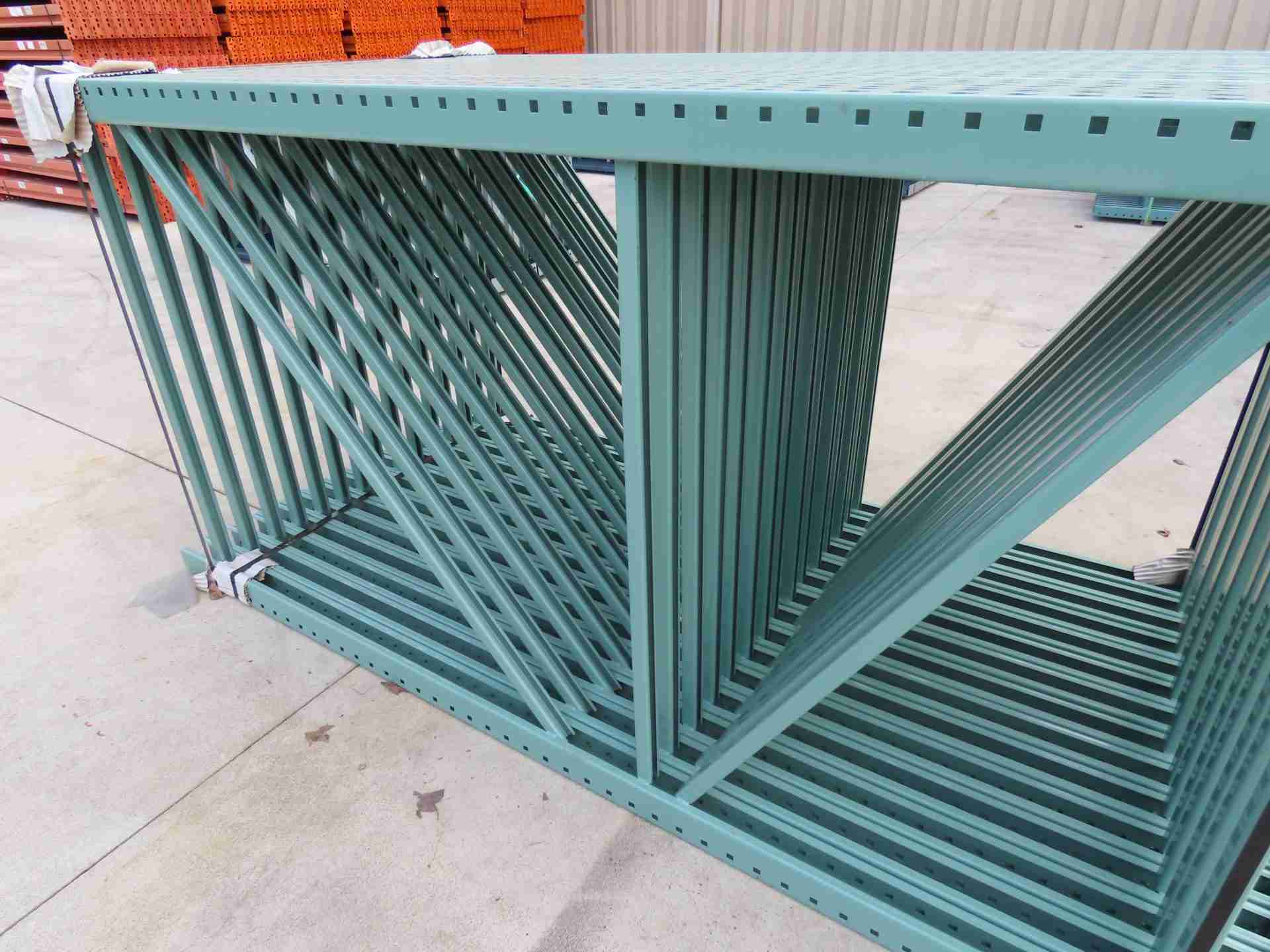
What Types Of Pallet Rack Systems Work Best For Storing Pallets?
What Types Of Pallet Rack Systems Work Best For Storing Pallets?
- Selective rack system: versatile, easily adjusted, ideal for high turnover rate warehouses.
- Drive-in rack system: allows forklifts to drive directly in, maximizes storage space.
- Push back rack system: last-in, first-out basis, efficient, increases storage density.
- Pallet flow rack system: gravity-based, easy access, great for high volume inventory.
- Choosing the best pallet rack system depends on factors like pallet size, weight, accessibility, and storage space.

What Types Of Pallet Rack Systems Work Best For Storing Pallets?
How Can Pallets Be Secured On Racks To Prevent Accidents?
You know, when it comes to warehouses and distribution centers, safety should always be the number one priority. One of the key safety measures is securing pallets on racks to prevent accidents. Let’s dig a little deeper into how this can be done.
First and foremost, it’s crucial to make sure that the pallets are stacked correctly. This means ensuring that they are stacked evenly and not overhanging the edges of the racks. Any overhang can pose a serious risk of falling items and potential accidents.
Next, consider using pallet racking accessories such as wire decking or pallet supports. These additions provide extra support and stability for the pallets, reducing the risk of them slipping or falling off the racks. It’s a small investment that can make a big difference in terms of safety.
Another important aspect of securing pallets on racks is using proper load restraints. This can include using straps, ropes, or other securing devices to prevent pallets from shifting during storage or retrieval. By securing the load properly, you can help prevent accidents caused by falling or shifting pallets.
Regular inspections are also key to ensuring the safety of pallets on racks. Make sure to regularly check for any signs of damage or wear on the racks, as well as inspecting the pallets themselves for any defects or issues. By catching potential problems early, you can prevent accidents before they happen.
Proper training is essential when it comes to securing pallets on racks. Make sure that all staff members are properly trained on how to stack pallets correctly, as well as how to use any load restraints or other safety devices. This can help prevent accidents caused by human error or lack of knowledge.
Lastly, consider investing in pallet rack safety products such as rack guards or upright protectors. These items can help prevent damage to the racks themselves, reducing the risk of accidents caused by structural failure. It’s a small investment that can have a big impact on safety in the workplace.
Securing pallets on racks is a crucial step in ensuring the safety of workers in a warehouse or distribution center. By following these guidelines and investing in the right safety measures, you can help prevent accidents and create a safer work environment for everyone involved. Remember, safety first!

How Can Pallets Be Secured On Racks To Prevent Accidents?
How Can Pallets Be Secured On Racks To Prevent Accidents?
- Ensure pallets are stacked correctly to prevent overhang.
- Use pallet racking accessories for extra support and stability.
- Utilize proper load restraints such as straps or ropes.
- Regularly inspect racks and pallets for damage or wear.
- Provide proper training for all staff on safety measures.
- Consider investing in pallet rack safety products like guards or protectors.
- Securing pallets on racks is essential for a safe work environment.

How Can Pallets Be Secured On Racks To Prevent Accidents?
Are There Certain Weight Restrictions For Pallets On Racks?
When it comes to storing pallets on racks, weight restrictions are a crucial consideration. The last thing you want is for your racks to buckle under the weight of your pallets, causing a domino effect of destruction in your warehouse.
Now, are there certain weight restrictions for pallets on racks? You bet there are. Most pallet rack manufacturers provide weight capacity ratings for their products, so it’s essential to adhere to these guidelines to ensure the safety and integrity of your storage system.
These weight restrictions are based on a variety of factors, including the type of rack, the material it’s made from, and the configuration of the racks. Typically, the weight limits for pallets on racks range from 2,000 to 4,000 pounds per pallet position. However, it’s essential to consult with the manufacturer or a professional engineer to determine the exact weight capacity of your specific rack system.
In addition to the weight limits for pallets, it’s also crucial to consider the overall weight distribution on your racks. Placing heavy pallets on one side of the rack while leaving the other side empty can lead to an imbalance that puts unnecessary strain on the structure. Distributing weight evenly across your racks is key to maintaining their integrity and preventing potentially catastrophic accidents.
Another factor to consider when determining weight restrictions for pallets on racks is the pallet itself. Different types of pallets have varying weight capacities, so it’s essential to know the specifications of the pallets you’re using. Additionally, consider the height and dimensions of your pallets, as these factors can impact their stability on the racks.
Ultimately, ensuring that you adhere to weight restrictions for pallets on racks is a matter of safety and efficiency in your warehouse. Ignoring these guidelines can result in damaged inventory, costly repairs, and even injuries to your employees.
So, before loading up your racks with pallets, take the time to review the weight restrictions provided by the manufacturer and consult with professionals if needed. By doing so, you can ensure that your storage system is safe, secure, and operating at its full capacity.

Are There Certain Weight Restrictions For Pallets On Racks?
Are There Certain Weight Restrictions For Pallets On Racks?
- Weight restrictions are crucial when storing pallets on racks to prevent damage and accidents.
- Most pallet rack manufacturers provide weight capacity ratings for their products.
- Weight limits for pallets on racks typically range from 2,000 to 4,000 pounds per pallet position.
- Consult with the manufacturer or a professional engineer to determine the exact weight capacity of your specific rack system.
- Ensure even weight distribution on racks to prevent imbalance and strain on the structure.
- Consider the weight capacity, height, and dimensions of the pallets being used when determining weight restrictions.
- Adhering to weight restrictions is essential for safety, efficiency, and preventing damage in the warehouse.

Are There Certain Weight Restrictions For Pallets On Racks?
What Are The Advantages Of Using Pallet Racks For Storage?
When it comes to storing goods in a warehouse, there are a plethora of options to choose from. However, one particular method stands out above the rest: pallet racks. These sturdy structures offer numerous advantages that make them a popular choice for businesses of all sizes.
First and foremost, pallet racks maximize space utilization. By stacking goods vertically, rather than horizontally, businesses can make the most of their available storage space. This means that more product can be stored in the same amount of square footage, resulting in increased efficiency and cost savings.
Additionally, pallet racks offer easy access to goods. With a well-organized system in place, employees can quickly locate and retrieve specific items as needed. This not only saves time but also reduces the likelihood of damaging goods during handling.
Furthermore, pallet racks are highly versatile. They can be customized to fit the needs of any business, whether it be storing small items or bulky merchandise. In addition, pallet racks can be easily reconfigured as business needs evolve, making them a long-term storage solution.
Another advantage of using pallet racks is improved safety. By keeping goods off the floor and securely stored on racks, businesses can reduce the risk of accidents and injury in the workplace. This not only protects employees but also minimizes the potential for costly damage to inventory.
Pallet racks also enhance organization and inventory management. With goods neatly arranged on racks, businesses can easily keep track of inventory levels and monitor stock movements. This allows for better forecasting and planning, ultimately leading to improved customer service and satisfaction.
In terms of cost-effectiveness, pallet racks are a wise investment. While the initial outlay may be higher than other storage options, the long-term savings in terms of increased efficiency and reduced labor costs make pallet racks a smart choice for businesses looking to maximize their storage capabilities.
The advantages of using pallet racks for storage are clear. From maximizing space utilization and improving safety to enhancing organization and inventory management, pallet racks offer numerous benefits that make them an essential tool for businesses seeking to streamline their operations and increase profitability. So, if you’re looking for a reliable and efficient storage solution, look no further than pallet racks.

What Are The Advantages Of Using Pallet Racks For Storage?
What Are The Advantages Of Using Pallet Racks For Storage?
- Pallet racks maximize space utilization by stacking goods vertically.
- They offer easy access to goods, saving time and reducing damage.
- Pallet racks are highly versatile and can be customized to fit any business needs.
- Using pallet racks improves safety by keeping goods off the floor.
- They enhance organization and inventory management, leading to improved customer service.
- Pallet racks are a cost-effective investment in the long run.
- Overall, pallet racks offer numerous benefits for businesses looking to streamline operations and increase profitability.

What Are The Advantages Of Using Pallet Racks For Storage?
How Can Pallets Be Organized On Racks To Maximize Space Efficiency?
When it comes to maximizing space efficiency in a warehouse or storage facility, the way pallets are organized on racks is a crucial factor to consider. Properly organizing pallets can not only help maximize space, but also improve workflow and efficiency.
One effective way to optimize space when organizing pallets on racks is to use a system known as “double deep racking.” This system involves placing two rows of pallets deep on each side of the aisle, allowing for more pallets to be stored in the same amount of space. This can be especially useful for facilities with a large number of pallets to store, as it allows for greater storage capacity without requiring additional space.
Another approach to maximizing space efficiency is to use a system of adjustable racking. This type of racking allows for the height of the racks to be adjusted based on the size of the pallets being stored. By adjusting the height of the racks to accommodate different pallet sizes, you can make better use of the vertical space in your facility and store more pallets in a smaller footprint.
In addition to the layout of the racks themselves, the way pallets are organized on the racks can also impact space efficiency. One effective method for organizing pallets is to group them by size and weight. This can help prevent overloading racks and ensure that the weight is distributed evenly across the racks. By organizing pallets in this way, you can maximize space efficiency and reduce the risk of accidents or damage to the racks.
It’s also important to consider the accessibility of pallets when organizing them on racks. Placing frequently accessed pallets near the front of the racks and less frequently accessed pallets towards the back can help improve workflow and make it easier to retrieve pallets when needed. By organizing pallets in a way that allows for easy access, you can save time and improve overall efficiency in your facility.
Maximizing space efficiency in a warehouse or storage facility requires careful consideration of how pallets are organized on racks. By using systems like double deep racking, adjustable racking, and grouping pallets by size and weight, you can make the most of your space and improve overall efficiency in your facility.

How Can Pallets Be Organized On Racks To Maximize Space Efficiency?
How Can Pallets Be Organized On Racks To Maximize Space Efficiency?
- Double deep racking system allows for more pallets to be stored in the same space.
- Adjustable racking system enables height adjustment based on pallet size.
- Organizing pallets by size and weight prevents overloading racks and ensures even weight distribution.
- Grouping frequently accessed pallets at the front of the racks improves workflow.
- Placing less frequently accessed pallets towards the back of the racks saves time.
- Systems like double deep racking, adjustable racking, and grouping by size and weight help maximize space efficiency.

How Can Pallets Be Organized On Racks To Maximize Space Efficiency?
Conclusion
In conclusion, ensuring proper pallet storage on racks is crucial for maintaining safety and efficiency in a warehouse setting. By following best practices such as stacking pallets evenly, adhering to weight capacity limits, regularly inspecting racks for damage, training employees on proper procedures, and keeping the area around racks clear, you can prevent accidents and injuries while maximizing productivity. Choosing the right pallet rack system for your needs, such as selective racks, drive-in racks, push back racks, or pallet flow racks, can further enhance your storage capabilities. Securing pallets on racks with proper stacking techniques, using accessories for support, implementing load restraints, conducting regular inspections, and investing in safety products can help prevent accidents and maintain a safe work environment. Adhering to weight restrictions for pallets on racks is essential to avoid structural damage and maintain the integrity of the storage system. The advantages of using pallet racks for storage, such as maximizing space utilization, improving safety, enhancing organization and inventory management, and increasing cost-effectiveness, make them a valuable asset for businesses of all sizes. By organizing pallets on racks strategically, such as using double deep racking, adjustable racking, grouping pallets by size and weight, and considering accessibility, you can maximize space efficiency and improve workflow in your facility. Remember, proper pallet storage on racks is not just about stacking boxes – its about creating a safe, efficient, and organized environment that allows your business to thrive. So, take the time to implement these best practices and strategies in your warehouse operations, and watch your productivity soar.

Conclusion
Conclusion:
- Ensuring proper pallet storage on racks is crucial for safety and efficiency in a warehouse setting.
- Best practices include stacking pallets evenly, adhering to weight capacity limits, and regularly inspecting racks for damage.
- Training employees on proper procedures and keeping the area around racks clear can prevent accidents and injuries.
- Choosing the right pallet rack system, such as selective racks or pallet flow racks, can enhance storage capabilities.
- Securing pallets on racks with proper stacking techniques, using accessories for support, and implementing load restraints can prevent accidents.
- Adhering to weight restrictions is essential to avoid structural damage and maintain the integrity of the storage system.
- Using pallet racks offers advantages such as maximizing space utilization, improving safety, and enhancing organization and inventory management.

Conclusion
Other Resources

Other Resources
Here is a list of other resources you can review online to learn more:

Other Resources
Glossary Terms
How Should Pallets Be Properly Stored on Racks? – Glossary Of Terms
1. Alignment: Ensuring pallets are placed straight and level on the rack beams to prevent tipping.
2. Aisle Space: The distance between rack rows that allows for forklift movement and safety.
3. Back Guards: Mesh or solid panels attached to the rear of racks to prevent pallets from falling.
4. Beam Deflection: The bending of horizontal beams under weight, which should be within allowable limits.
5. Beam Capacity: The maximum load that a beam can safely support according to manufacturer specifications.
6. Bracing: Structural components that provide additional stability to the rack framework.
7. Clearance: Space above, below, and around the pallets to allow for safe lifting and placement.
8. Decking: Materials such as wire mesh or plywood placed across beams to support the pallet load.
9. Deflection Criteria: Guideline values for how much beams and uprights can bend under load.
10. Edge Protection: Guards placed on the edges of racks to prevent damage and accidents.
11. Floor Anchoring: Bolts used to secure rack uprights to the floor for stability.
12. Forklift Access: Design and spacing of racks to ensure safe forklift entry and movement.
13. Load Distribution: Evenly spreading the weight of the pallet load across beams and decks to prevent overload.
14. Load Height: The maximum vertical dimension of the stored pallets, which must not exceed rack limits.
15. Load Limit: The maximum allowed weight for each pallet placed on the rack.
16. Overhang: The portion of the pallet that can extend beyond the support beams, which should be minimized.
17. Pallet Condition: Ensuring that pallets are free of damage such as cracks or broken boards, which could compromise safety.
18. Rack Configuration: The arrangement and layout of racks to optimize space and load handling.
19. Rack Inspection: Regular checks for damage, alignment, and structural integrity of racks.
20. Rack Labels: Clear signage indicating load capacities and usage guidelines for each rack.
21. Row Spacers: Bars or connectors used to maintain consistent spacing between rows of racks.
22. Safety Pins: Devices used to lock beams and braces in place, preventing accidental dislodgement.
23. Seismic Bracing: Supports designed to stabilize racks in areas prone to earthquakes.
24. Shelf Leveling: Adjusting beams and decks to ensure they are horizontal and properly support stored loads.
25. Stability: The overall steadiness of a loaded rack, preventing sway or collapse.
26. Support Columns: Vertical uprights that form the structural backbone of the rack system.
27. Weight Capacity: The total weight that a rack system can safely hold, including the weight of the pallets themselves.
28. Wire Mesh Decking: A grid of metal wires used to support pallet loads and improve air circulation.
29. Load Center: The central point of gravity for the pallet load, ensuring it is properly balanced on the rack.
30. Zoning: Assigning specific areas for different types of pallets or loads to ensure organized storage and easy retrieval.
These terms and descriptions provide a fundamental understanding of the elements involved in properly storing pallets on racks, ensuring both efficiency and safety.

Glossary Of Terms
Other Questions
How Should Pallets Be Properly Stored on Racks? – Other Questions
If you wish to explore and discover more, consider looking for answers to these questions:
- What are the specific steps to ensure stability when stacking pallets on racks?
- How can you determine the weight capacity of your pallet racks?
- What are the signs of damage or wear to look for during rack inspections?
- What safety training should be provided to employees handling pallet storage?
- How often should racks and pallets be inspected for safety?
- What types of pallet spacers or dividers are recommended for use with racks?
- How can pallet labels or markers aid in inventory management?
- What are the common types of pallet rack systems, and what are their specific uses?
- What materials are pallet racks typically made from, and how do they affect weight capacity?
- What load restraints are best for securing pallets on racks?
- How does airflow and ventilation impact pallet storage on racks?
- How can you prevent overloading and imbalance issues with pallet racks?
- What are the specific advantages of selective rack systems?
- What are the differences between drive-in rack systems and push back rack systems?
- What are some best practices for maintaining pallet rack systems over time?
- How do pallet flow rack systems operate, and what are their benefits?
- How can rack guards and upright protectors improve safety in a warehouse?
- What types of training programs can help employees understand pallet stacking procedures?
- What are the cost implications of different pallet rack systems, and how do they compare?
- How can double deep racking impact space efficiency in a warehouse?

Other Questions
Checklist
How Should Pallets Be Properly Stored on Racks? – A Checklist
Basic Principles:
1. Check Stability:
_____ Ensure pallets are stacked evenly.
_____ Position the heaviest items on the bottom and the lighter items on top.
2. Gap Between Pallets:
_____ Leave enough space between pallets for easy access and to prevent shifting or sliding.
Weight Management:
3. Understand Weight Capacity:
_____ Confirm the weight capacity of each rack.
_____ Never exceed the rack’s weight limit to avoid structural damage.
4. Balanced Weight Distribution:
_____ Distribute weight evenly across the racks to avoid imbalance.
Inspection and Maintenance:
5. Regular Inspections:
_____ Check racks regularly for signs of damage or wear.
_____ Repair or replace damaged racks immediately.
Employee Training:
6. Proper Training:
_____ Train employees on correct stacking procedures.
_____ Educate them on hazard recognition and how to address potential risks.
Environmental Safety:
7. Clear Area Around Racks:
_____ Keep the area around racks clutter-free to prevent accidents.
_____ Ensure easy access to pallets for a more organized and efficient warehouse.
8. Ventilation:
_____ Ensure good airflow by leaving space between pallets and keeping vents unobstructed.
Best Practices for Stacking Pallets on Racks:
9. Consistent Stacking Pattern:
_____ Align pallets properly without pushing them too far back or to the sides.
10. Use Accessories:
_____ Consider pallet spacers or dividers to prevent compression damage and ease pallet access.
_____ Utilize pallet labels or markers for better inventory management.
Types of Pallet Rack Systems:
11. Selective Rack System:
_____ Versatile for easy adjustment and quick access.
12. Drive-in Rack System:
_____ Suitable for large quantities of the same product.
13. Push Back Rack System:
_____ Ideal for limited floor space with a last-in, first-out basis.
14. Pallet Flow Rack System:
_____ Uses gravity to allow easy access in high turnover warehouses.
Securing Pallets on Racks:
15. Correct Stacking:
_____ Avoid overhang and ensure even pallet placement.
16. Use Wire Decking or Supports:
_____ Additional support and stability to prevent slipping or falling.
17. Load Restraints:
_____ Use straps, ropes, or other securing devices.
Regular Maintenance:
18. Regular Checks:
_____ Inspect racks and pallets for defects regularly.
_____ Train staff on correct stacking and load restraint usage.
19. Safety Products:
_____ Invest in rack guards or upright protectors to prevent structural damage.
Weight Restrictions:
20. Adhere to Manufacturer Guidelines:
_____ Confirm weight limits and ensure not to exceed them (typically 2,000-4,000 pounds per pallet position).
21. Know Your Pallet Specifications:
_____ Understand the weight capacity and dimensions of your pallets to ensure stability.
Organizational Tips:
22. Group by Size and Weight:
_____ Group similar-sized pallets together.
_____ Organize by weight for even distribution.
23. Accessibility:
_____ Place frequently accessed pallets at the front and less frequently accessed toward the back.
By following these guidelines, your warehouse can achieve optimal safety and efficiency in pallet storage. Remember that a well-organized storage system not only helps in efficient space utilization but also significantly reduces the risk of accidents and injuries.

Checklist
At RackingWorld, we help guide you through selecting warehouse storage systems and racking.
Be sure to read our other related stories at RackingWorld to learn more about warehouse storage systems.
0 Comments