
Maximizing Efficiency: Pallet Flow Racks and Forklift Travel
By Tom Seest
At RackingWorld, we help guide you through selecting warehouse storage systems and racking.
Be sure to read our other related stories at RackingWorld to learn more about warehouse storage systems.
How Can Pallet Flow Racks Reduce Forklift Travel Distance?
Pallet flow racks are a game-changer when it comes to maximizing warehouse efficiency and reducing forklift travel distance. By implementing this innovative storage solution, businesses can significantly cut down on the time and effort required to move pallets around the facility.
One of the key ways that pallet flow racks help reduce forklift travel distance is by optimizing the layout of the warehouse. With traditional static racking systems, forklift operators often have to navigate long aisles and travel back and forth to retrieve and transport pallets. This not only wastes time but also increases the risk of accidents and damage to inventory.
In contrast, pallet flow racks are designed to facilitate a more streamlined workflow. By utilizing gravity-fed rollers or wheels to move pallets within the rack, forklift operators can quickly access the pallet they need without having to traverse long distances. This minimizes the amount of time spent driving around the warehouse and allows for faster and more efficient pallet retrieval.
For example, imagine a busy distribution center that handles a high volume of inventory each day. With traditional racking systems, forklift operators may spend valuable time navigating through crowded aisles and waiting for access to specific pallets. By implementing pallet flow racks, however, the same warehouse can dramatically reduce forklift travel distance and increase productivity.
Furthermore, pallet flow racks can also improve inventory rotation and accessibility. By ensuring that the oldest inventory is automatically pushed to the front of the rack for retrieval, businesses can reduce the risk of product spoilage or obsolescence. This dynamic storage solution also allows for better organization and inventory control, making it easier for forklift operators to locate and retrieve the items they need.
In today’s fast-paced and competitive business environment, efficiency and productivity are more important than ever. By investing in pallet flow racks, companies can streamline their warehouse operations, reduce forklift travel distance, and ultimately improve their bottom line. With a proven track record of success and widespread adoption across various industries, pallet flow racks are a smart choice for businesses looking to stay ahead of the curve.
Don’t let your warehouse operations fall behind – upgrade to pallet flow racks today and experience the benefits for yourself.
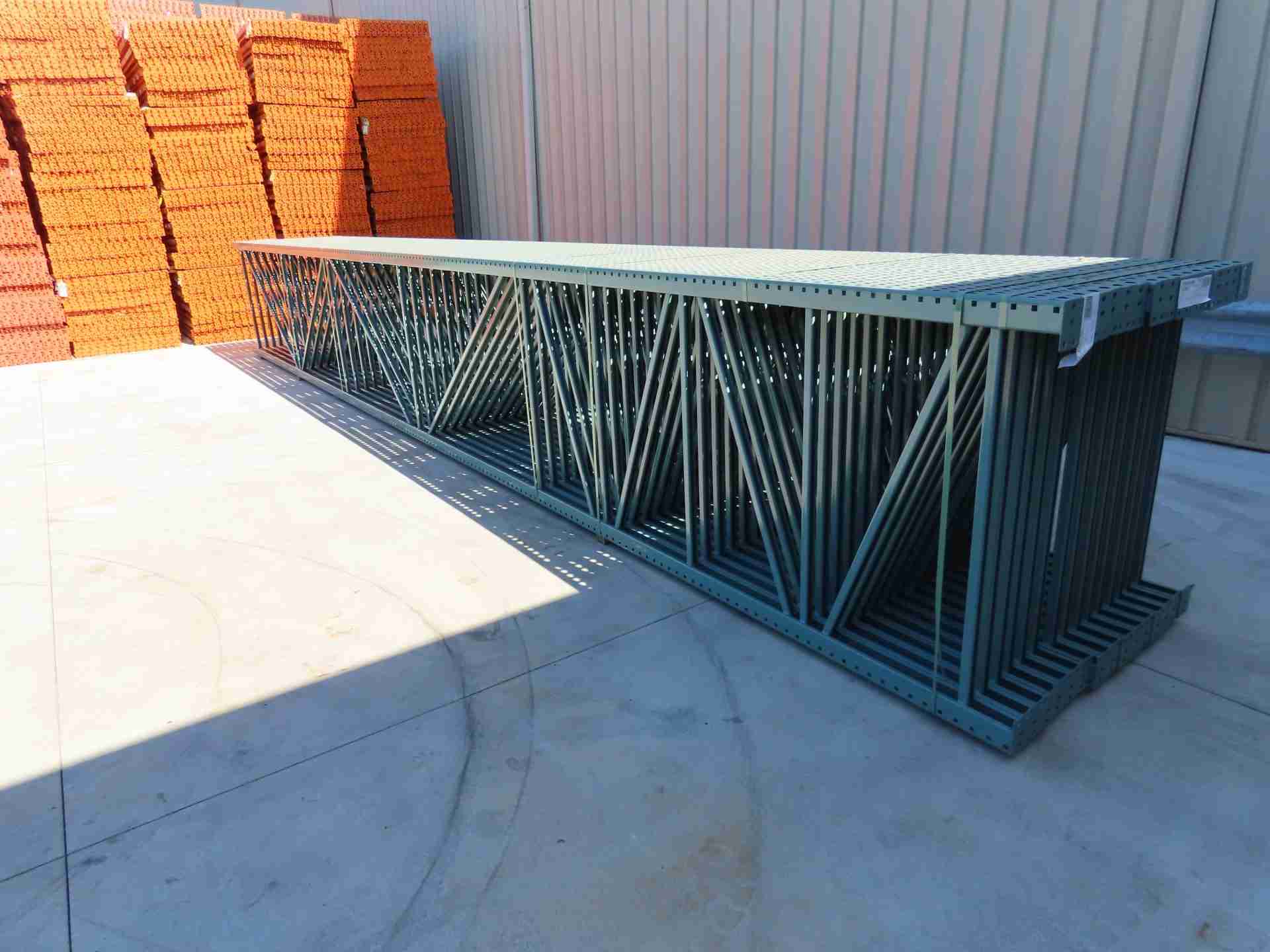
How Can Pallet Flow Racks Reduce Forklift Travel Distance?
How Can Pallet Flow Racks Reduce Forklift Travel Distance?
- Pallet flow racks maximize warehouse efficiency and reduce forklift travel distance.
- These racks optimize warehouse layout, reducing time and effort for moving pallets.
- Pallet flow racks use gravity-fed rollers to streamline workflow and increase efficiency.
- They improve inventory rotation and accessibility, reducing risk of product spoilage.
- By investing in pallet flow racks, companies can improve productivity and bottom line.
- These racks are widely adopted across industries for their success in improving warehouse operations.
- Upgrade to pallet flow racks today to stay ahead of the curve and experience the benefits.
How Can Pallet Flow Racks Reduce Forklift Travel Distance?
Table Of Contents
- How Can Pallet Flow Racks Reduce Forklift Travel Distance?
- How Do Pallet Flow Racks Improve Warehouse Efficiency?
- Can Pallet Flow Racks Help To Reduce Forklift Downtime?
- How Do Pallet Flow Racks Contribute To A Safer Work Environment?
- Are Pallet Flow Racks Suitable For Different Types Of Pallets?
- How Can Pallet Flow Racks Help To Optimize Inventory Management?
- What Is The Return On Investment For Implementing Pallet Flow Racks?
- How Do Pallet Flow Racks Impact Overall Warehouse Productivity?
- Conclusion
- Other Resources
- Glossary Of Terms
- Other Questions
- Checklist
How Do Pallet Flow Racks Improve Warehouse Efficiency?
Pallet flow racks are the unsung heroes of warehouse efficiency. They offer a streamlined way to manage inventory, improve picking accuracy, and maximize space utilization in a warehouse setting.
One of the key ways pallet flow racks improve warehouse efficiency is by reducing labor costs. By utilizing gravity-fed rollers or wheels, these racks allow for easy movement of pallets without the need for manual labor to move them. This can help reduce the time it takes for workers to retrieve items, ultimately increasing productivity and saving money on labor costs.
Additionally, pallet flow racks help improve inventory management by ensuring FIFO (first in, first out) inventory rotation. This means that older inventory is consistently used first, reducing the risk of products expiring or becoming obsolete. This can be particularly beneficial in industries such as food or pharmaceuticals where shelf life is a critical factor.
Furthermore, pallet flow racks can help maximize space utilization in a warehouse. By utilizing vertical space and allowing for high-density storage, these racks can greatly increase the storage capacity of a warehouse without the need for expansion. This can be especially useful for warehouses that are reaching capacity but want to avoid the costly investment of moving to a larger facility.
In addition to these practical benefits, pallet flow racks also offer a significant advantage when it comes to safety. By using gravity to move pallets along the rack, there is less risk of accidents or injuries that can occur with traditional forklift-operated storage systems. This can help reduce workplace accidents and improve overall safety in the warehouse environment.
Overall, pallet flow racks offer a comprehensive solution for improving warehouse efficiency. By reducing labor costs, improving inventory management, maximizing space utilization, and enhancing safety, these racks can provide a competitive edge for businesses looking to streamline their operations and increase profitability.
As we look ahead to the future of warehousing, it’s clear that efficiency and optimization will be key factors in staying competitive in a rapidly evolving marketplace. By investing in pallet flow racks, businesses can ensure they are equipped to meet the demands of today’s fast-paced logistical landscape and position themselves for success in the years to come.
How Do Pallet Flow Racks Improve Warehouse Efficiency?
How Do Pallet Flow Racks Improve Warehouse Efficiency?
- Pallet flow racks are the unsung heroes of warehouse efficiency.
- They offer a streamlined way to manage inventory, improve picking accuracy, and maximize space utilization in a warehouse setting.
- Reduce labor costs by utilizing gravity-fed rollers or wheels for easy pallet movement.
- Improve inventory management by ensuring FIFO (first in, first out) inventory rotation.
- Maximize space utilization in a warehouse by allowing for high-density storage.
- Offer a significant safety advantage by reducing the risk of accidents or injuries.
- Provide a competitive edge for businesses looking to streamline operations and increase profitability.
How Do Pallet Flow Racks Improve Warehouse Efficiency?
Can Pallet Flow Racks Help To Reduce Forklift Downtime?
Are you tired of dealing with constant forklift downtime in your warehouse operations? Do you find yourself constantly waiting for repairs and maintenance, losing valuable time and money in the process? If so, you may want to consider implementing pallet flow racks in your warehouse to help reduce forklift downtime and improve efficiency.
Pallet flow racks are a popular storage solution that utilizes gravity to move pallets along rollers or wheels within the rack structure. This allows for easy accessibility to inventory, as pallets slide forward for quick retrieval and loading. With pallet flow racks, forklift operators can quickly and easily access inventory without the need for constant maneuvering and repositioning of pallets – reducing the risk of forklift accidents and damage.
By implementing pallet flow racks in your warehouse, you can significantly reduce the time spent on forklift maintenance and repairs. Traditional static racking systems often require forklift operators to constantly maneuver pallets in and out of tight spaces, leading to increased wear and tear on equipment. This can result in more frequent breakdowns and downtime, disrupting your operations and leading to costly repairs.
Pallet flow racks help to streamline warehouse operations by optimizing space utilization and reducing the strain on forklift equipment. With easier access to inventory and smoother pallet movement, forklift operators can work more efficiently and effectively – minimizing the risk of downtime due to equipment failure.
In addition, pallet flow racks can also help to improve overall safety in the warehouse. By reducing the need for constant forklift movement and maneuvering, pallet flow racks help to minimize the risk of accidents and injuries. This can lead to a safer work environment for your employees and lower insurance costs for your business.
Implementing pallet flow racks in your warehouse can help to reduce forklift downtime, improve efficiency, and enhance safety. By optimizing space utilization, reducing wear and tear on equipment, and streamlining operations, pallet flow racks can help your warehouse run smoother and more efficiently. Don’t let forklift downtime disrupt your operations – invest in pallet flow racks today and see the difference for yourself.
Can Pallet Flow Racks Help To Reduce Forklift Downtime?
Can Pallet Flow Racks Help To Reduce Forklift Downtime?
- Tired of constant forklift downtime in your warehouse operations?
- Consider implementing pallet flow racks to reduce downtime and improve efficiency.
- Pallet flow racks use gravity to move pallets along rollers or wheels for easy accessibility.
- Reduces the need for constant maneuvering of pallets, minimizing forklift accidents.
- Helps reduce time spent on forklift maintenance and repairs.
- Improves space utilization, reduces wear and tear on equipment, and enhances safety.
- Investing in pallet flow racks can help your warehouse run smoother and more efficiently.
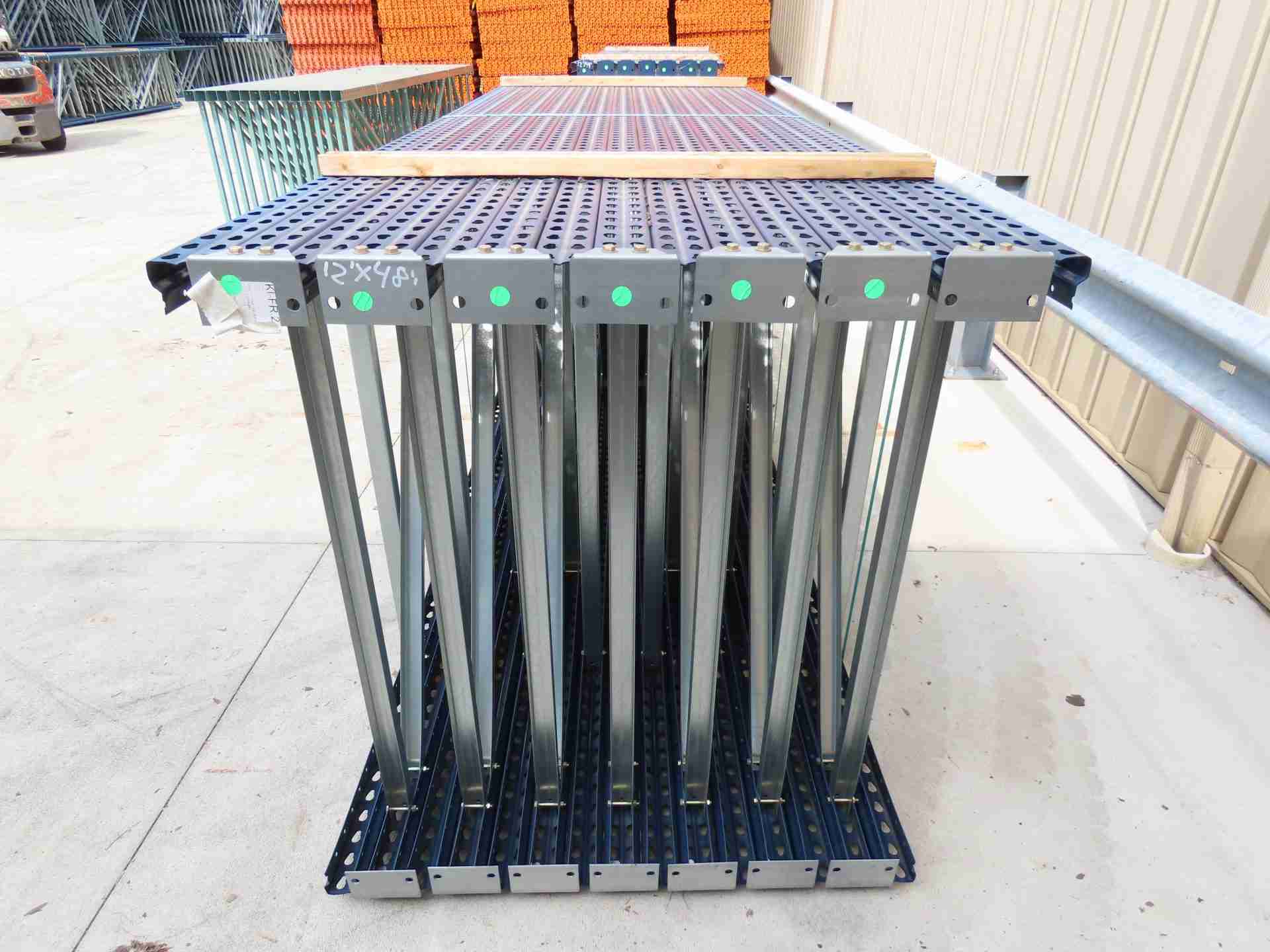
Can Pallet Flow Racks Help To Reduce Forklift Downtime?
How Do Pallet Flow Racks Contribute To A Safer Work Environment?
Pallet flow racks offer numerous benefits in terms of efficiency and productivity in the warehouse setting, but one often overlooked advantage is how they contribute to a safer work environment for employees. By implementing pallet flow racks, businesses can significantly reduce the risk of workplace accidents and injuries, creating a more secure and productive work environment.
One of the key ways in which pallet flow racks enhance safety is by reducing the need for manual labor and minimizing the risk of injuries associated with traditional pallet storage methods. With pallet flow racks, pallets move along rollers or tracks, allowing for easier access to inventory without the need for employees to manually move heavy pallets. This not only streamlines operations and boosts efficiency but also reduces the physical strain on workers, decreasing the likelihood of strain-related injuries.
Furthermore, pallet flow racks help to optimize warehouse space utilization, reducing clutter and creating clear pathways for employees to navigate safely. By organizing inventory vertically and maximizing storage capacity, businesses can minimize the risk of accidents caused by overcrowded aisles or blocked pathways. With clear visibility and easy access to inventory, employees can move efficiently through the warehouse without fear of accidents or obstacles in their way.
In addition to enhancing safety within the warehouse, pallet flow racks also contribute to a more secure work environment by improving inventory management and minimizing the risk of product damage. By implementing FIFO (first in, first out) inventory rotation, businesses can ensure that products are stored and retrieved in the correct order, reducing the risk of damaged or expired goods. This not only improves inventory accuracy but also helps to prevent accidents caused by mishandling or improper storage of products.
Recent studies have shown a growing trend in workplace injuries and accidents, with the warehousing and logistics industry ranking among the highest in terms of workplace injuries. With the rise of e-commerce and the increasing demand for fast and efficient order fulfillment, businesses are under more pressure than ever to prioritize safety in the workplace. By investing in pallet flow racks, businesses can proactively address safety concerns and create a more secure work environment for their employees.
Pallet flow racks offer a multitude of benefits beyond just efficiency and productivity – they also play a crucial role in enhancing workplace safety. By minimizing the risk of manual labor injuries, optimizing space utilization, and improving inventory management, pallet flow racks contribute to a safer and more secure work environment. Businesses that prioritize safety and invest in innovative storage solutions like pallet flow racks will not only experience improved operational efficiency but also demonstrate their commitment to the well-being of their employees.
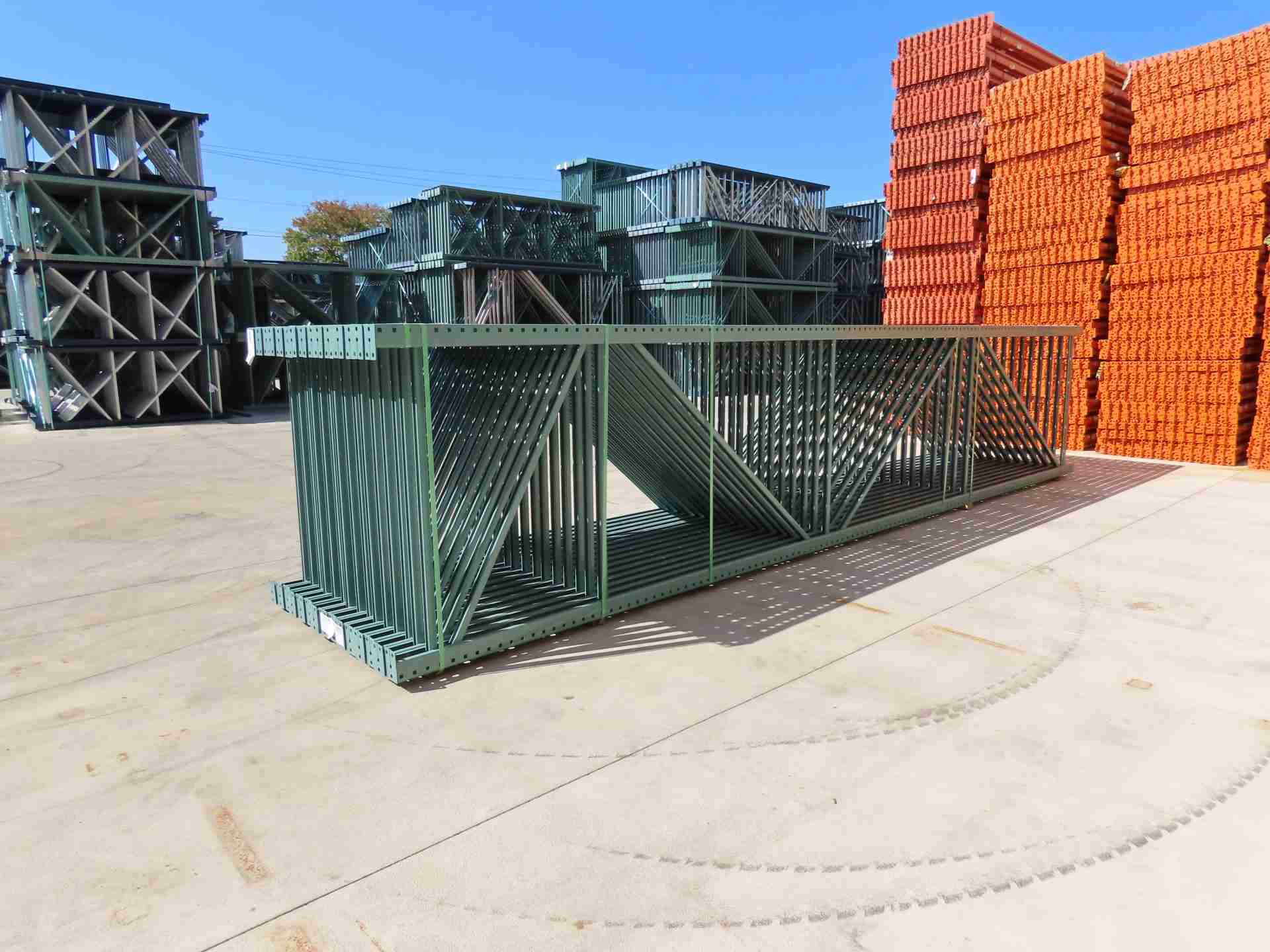
How Do Pallet Flow Racks Contribute To A Safer Work Environment?
How Do Pallet Flow Racks Contribute To A Safer Work Environment?
- Pallet flow racks enhance safety by reducing manual labor and associated injuries.
- Optimize warehouse space utilization, reducing clutter and creating clear pathways.
- Improve inventory management and minimize the risk of product damage.
- Address the growing trend of workplace injuries in the warehousing industry.
- Help businesses prioritize safety and create a more secure work environment.
- Contribute to operational efficiency and demonstrate commitment to employee well-being.

How Do Pallet Flow Racks Contribute To A Safer Work Environment?
Are Pallet Flow Racks Suitable For Different Types Of Pallets?
One common misconception about pallet flow racks is that they are only suitable for a specific type of pallet. In reality, pallet flow racks can accommodate a wide variety of pallet sizes, shapes, and weights. This versatility makes them an excellent choice for warehouses that need to store different types of products efficiently.
Whether your warehouse uses standard pallets, euro pallets, or even custom-sized pallets, pallet flow racks can be customized to fit your specific needs. Manufacturers offer a variety of options, including adjustable lane dividers, which allow you to easily adapt the system to different pallet sizes. Additionally, some pallet flow rack systems come with adjustable flow speeds, so you can ensure that lighter or heavier pallets move through the system at an appropriate pace.
For example, a recent case study of a large e-commerce fulfillment center found that their pallet flow rack system was able to effectively store and manage a wide range of pallet sizes, from small, lightweight packages to large, bulky items. By utilizing adjustable lane dividers and flow speeds, the warehouse was able to maximize storage capacity and minimize downtime.
In another example, a food distribution warehouse was able to streamline their operations by implementing a pallet flow rack system that could handle both standard pallets and odd-sized specialty pallets. This flexibility allowed them to efficiently store perishable goods of varying shapes and sizes, reducing the risk of product damage and spoilage.
With the rise of e-commerce and the increasing demand for fast and efficient warehouse operations, pallet flow racks have become an essential tool for many businesses. By incorporating a versatile pallet flow rack system into your warehouse layout, you can adapt to changes in your inventory and maximize your storage space.
Pallet flow racks are suitable for different types of pallets, making them a valuable investment for any warehouse looking to improve efficiency and productivity. With customizable options and the ability to accommodate various pallet sizes, pallet flow racks are a versatile solution for modern warehouse operations. If you want to take your warehouse to the next level, consider integrating a pallet flow rack system into your storage strategy.
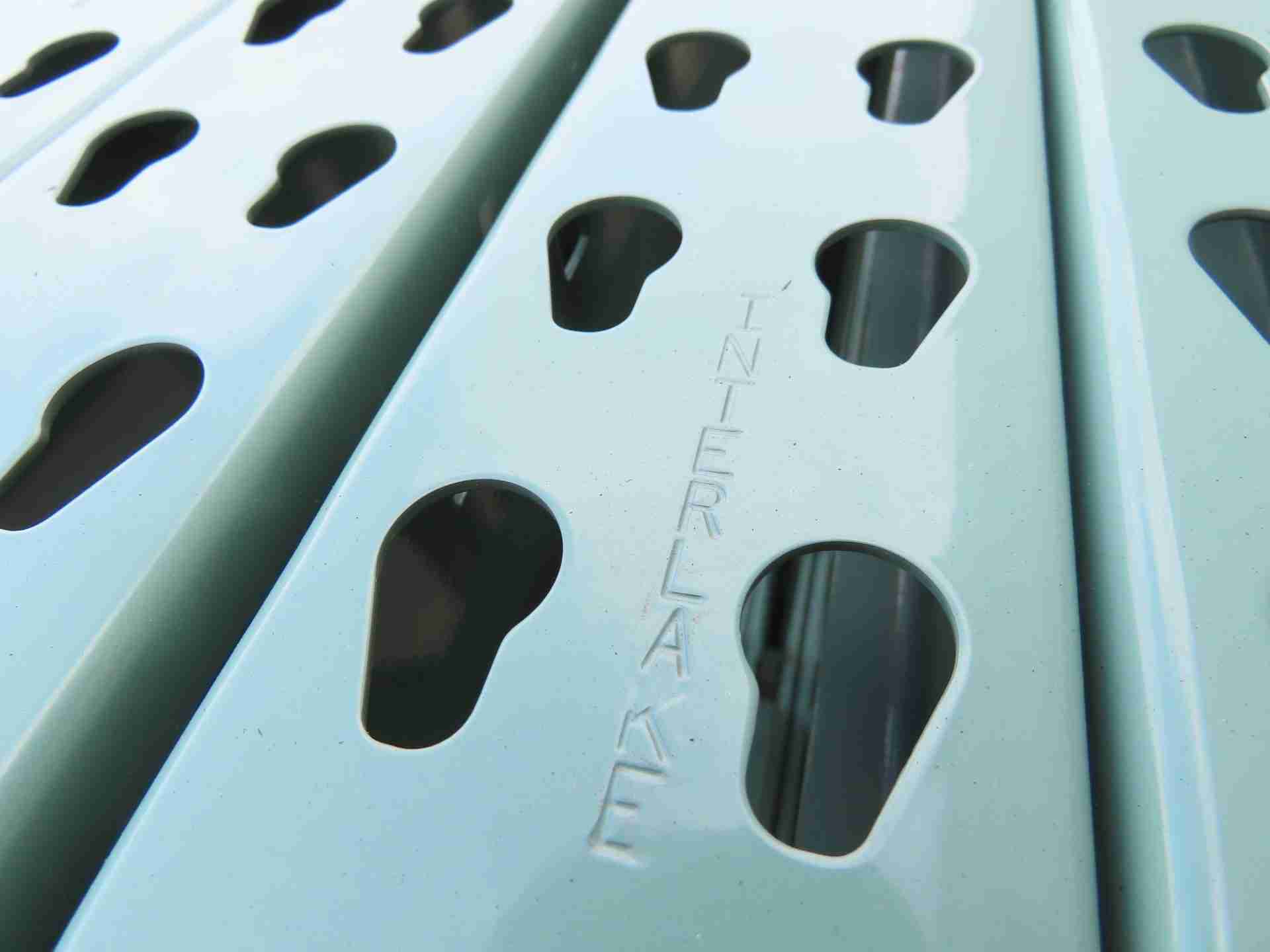
Are Pallet Flow Racks Suitable For Different Types Of Pallets?
Are Pallet Flow Racks Suitable For Different Types Of Pallets?
- One common misconception about pallet flow racks is that they are only suitable for a specific type of pallet. In reality, pallet flow racks can accommodate a wide variety of pallet sizes, shapes, and weights. This versatility makes them an excellent choice for warehouses that need to store different types of products efficiently.
- Whether your warehouse uses standard pallets, euro pallets, or even custom-sized pallets, pallet flow racks can be customized to fit your specific needs. Manufacturers offer a variety of options, including adjustable lane dividers, which allow you to easily adapt the system to different pallet sizes. Additionally, some pallet flow rack systems come with adjustable flow speeds, so you can ensure that lighter or heavier pallets move through the system at an appropriate pace.
- For example, a recent case study of a large e-commerce fulfillment center found that their pallet flow rack system was able to effectively store and manage a wide range of pallet sizes, from small, lightweight packages to large, bulky items. By utilizing adjustable lane dividers and flow speeds, the warehouse was able to maximize storage capacity and minimize downtime.
- In another example, a food distribution warehouse was able to streamline their operations by implementing a pallet flow rack system that could handle both standard pallets and odd-sized specialty pallets. This flexibility allowed them to efficiently store perishable goods of varying shapes and sizes, reducing the risk of product damage and spoilage.
- With the rise of e-commerce and the increasing demand for fast and efficient warehouse operations, pallet flow racks have become an essential tool for many businesses. By incorporating a versatile pallet flow rack system into your warehouse layout, you can adapt to changes in your inventory and maximize your storage space.
- Pallet flow racks are suitable for different types of pallets, making them a valuable investment for any warehouse looking to improve efficiency and productivity. With customizable options and the ability to accommodate various pallet sizes, pallet flow racks are a versatile solution for modern warehouse operations.
- If you want to take your warehouse to the next level, consider integrating a pallet flow rack system into your storage strategy.
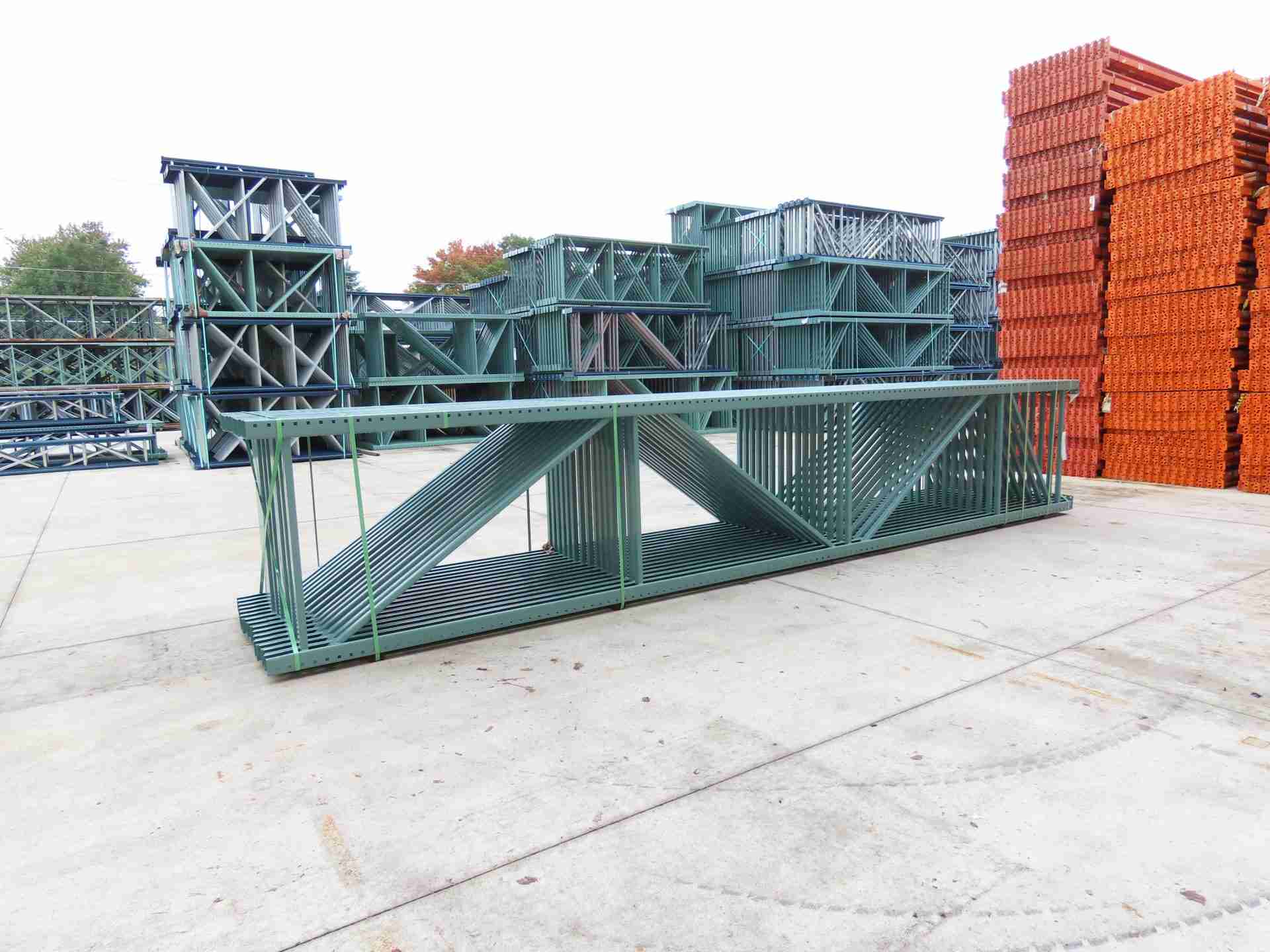
Are Pallet Flow Racks Suitable For Different Types Of Pallets?
How Can Pallet Flow Racks Help To Optimize Inventory Management?
Pallet flow racks are a critical component for any warehouse looking to optimize their inventory management process. By utilizing these racks, businesses can streamline their operations, improve efficiency, and ultimately increase their bottom line.
One of the key ways that pallet flow racks help to optimize inventory management is by maximizing storage space. These racks are designed to maximize vertical space and make use of every inch of available warehouse space. This means that businesses can store more inventory in a smaller footprint, allowing them to free up valuable floor space for other functions.
Additionally, pallet flow racks promote better organization and accessibility of inventory. By implementing a first-in, first-out (FIFO) system, businesses can ensure that older inventory is used before newer inventory, reducing the risk of product spoilage and waste. This not only helps to keep inventory fresh, but also improves pick and pack times, leading to more efficient order fulfillment processes.
Furthermore, pallet flow racks can help businesses to better manage their inventory levels. By having a clear view of inventory levels and turnover rates, businesses can more accurately forecast demand, reduce excess inventory, and minimize stockouts. This not only helps to improve cash flow by reducing excess inventory carrying costs, but also ensures that businesses are able to meet customer demand in a timely manner.
For example, a recent study found that companies that implemented pallet flow racks saw a 25% reduction in excess inventory levels and a 15% improvement in order fulfillment times. This resulted in a significant improvement in overall inventory management efficiency and profitability.
In today’s fast-paced business environment, where supply chain disruptions and inventory management challenges are becoming increasingly common, it is more important than ever for businesses to invest in solutions that can help them optimize their inventory management processes. Pallet flow racks are a simple yet effective way for businesses to achieve this goal and stay ahead of the competition.
Pallet flow racks offer a range of benefits that can help businesses improve their inventory management processes and ultimately drive profitability. By maximizing storage space, promoting better organization and accessibility, and enabling better inventory level management, pallet flow racks are a valuable tool for any warehouse looking to streamline operations and improve efficiency.
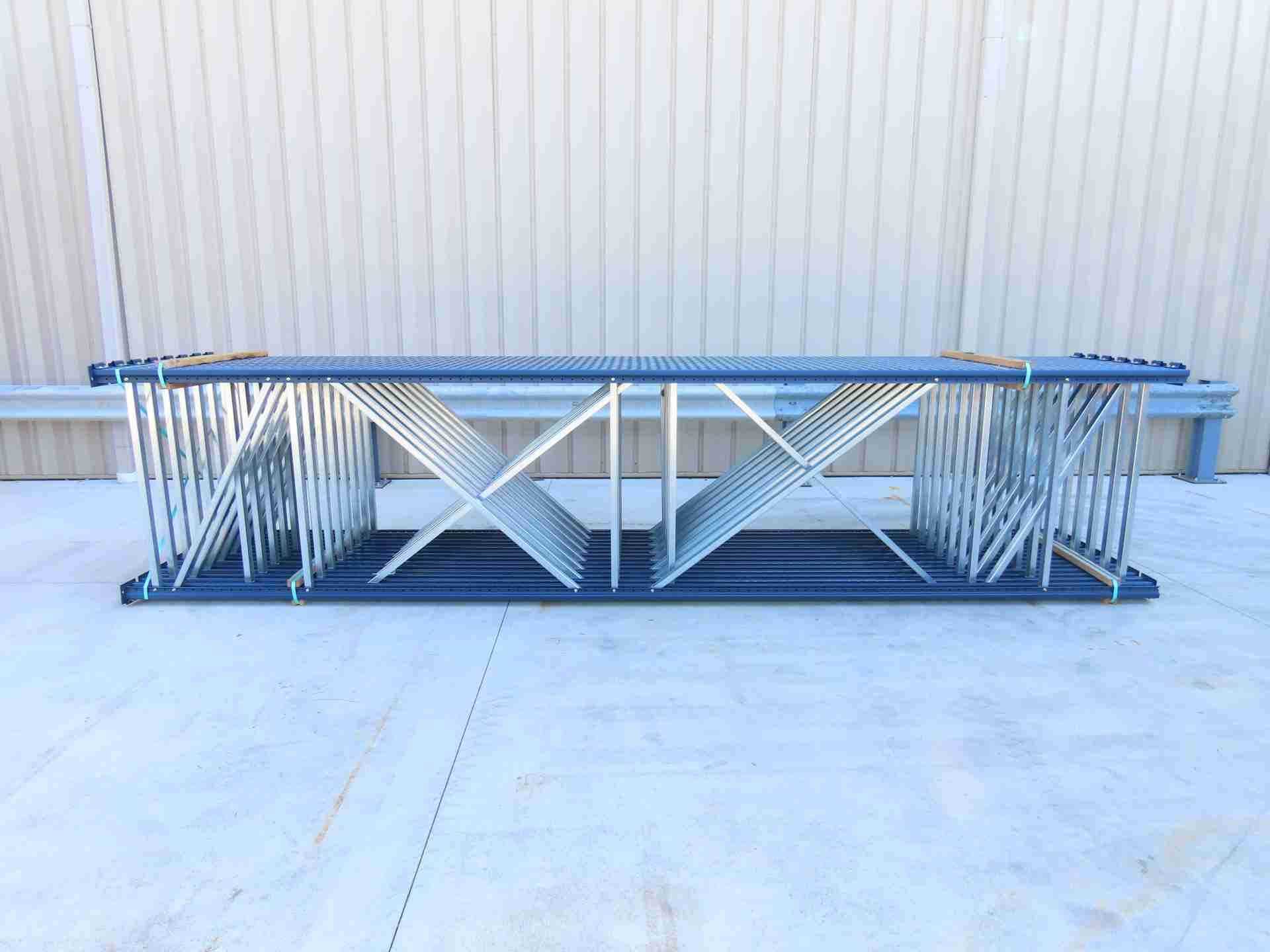
How Can Pallet Flow Racks Help To Optimize Inventory Management?
How Can Pallet Flow Racks Help To Optimize Inventory Management?
- Pallet flow racks maximize storage space, making use of vertical space and freeing up valuable floor space.
- They promote better organization and accessibility of inventory with a FIFO system.
- Pallet flow racks help businesses manage inventory levels, improve forecasting, and reduce excess inventory.
- Companies implementing pallet flow racks have seen a 25% reduction in excess inventory levels and a 15% improvement in order fulfillment times.
- In today’s fast-paced business environment, pallet flow racks are crucial for optimizing inventory management processes.
- They offer a range of benefits including maximizing storage space, promoting organization and accessibility, and enabling better inventory level management.
- Pallet flow racks are a valuable tool for any warehouse looking to streamline operations and drive profitability.
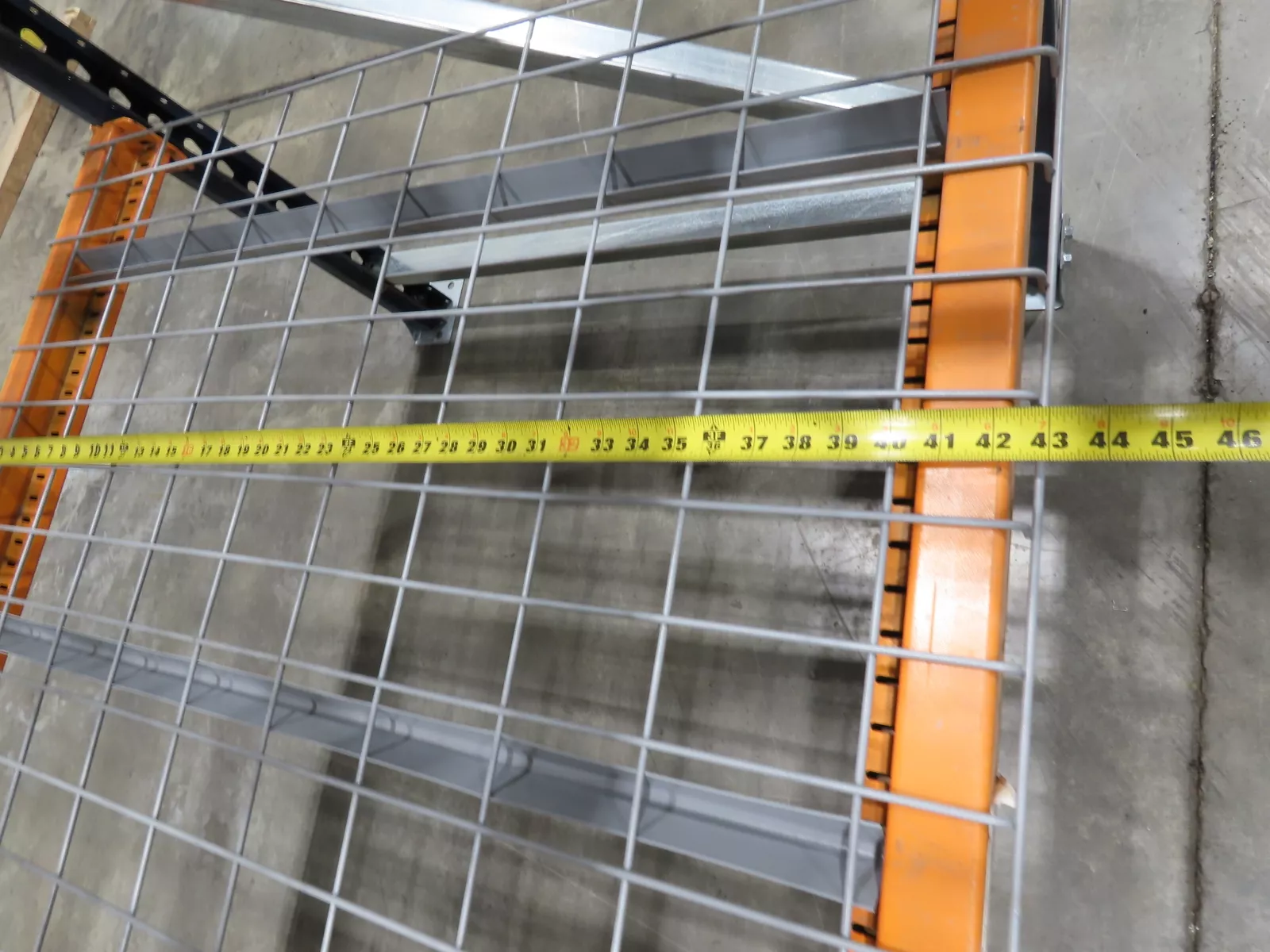
How Can Pallet Flow Racks Help To Optimize Inventory Management?
What Is The Return On Investment For Implementing Pallet Flow Racks?
When considering the implementation of pallet flow racks in your warehouse or distribution center, it is essential to understand the potential return on investment (ROI) that this system can provide. Pallet flow racks offer numerous benefits that can help increase efficiency, productivity, and overall profitability.
One of the key advantages of pallet flow racks is their ability to maximize storage space. By utilizing vertical storage space and allowing for high-density storage, pallet flow racks can significantly increase the capacity of your warehouse. This means that you can store more inventory in the same amount of space, ultimately reducing the need for additional storage facilities or expansion. In turn, this can lead to cost savings and increased revenue.
Moreover, the efficiency of pallet flow racks can also lead to cost reductions in labor and operational expenses. With pallet flow racks, inventory is easily accessible and organized, making it quicker and easier for workers to pick and pack orders. This streamlined process can result in faster order fulfillment times, reduced labor costs, and increased productivity. Additionally, the decreased risk of product damage and errors can lead to savings on returns and rework.
Furthermore, the automation capabilities of pallet flow racks can further enhance ROI by improving accuracy and reducing the risk of human error. With features such as automated flow control systems and inventory tracking software, pallet flow racks can help optimize inventory management and reduce stockouts or overstock situations. This can lead to improved customer satisfaction, repeat business, and ultimately, increased profits.
In today’s competitive market landscape, efficiency and cost-effectiveness are crucial factors for success. Implementing pallet flow racks can give your business a competitive edge by improving workflow, increasing capacity, and reducing operational costs. By investing in this innovative storage solution, you can not only see a significant return on investment but also position your business for long-term success and growth.
The ROI for implementing pallet flow racks is clear – increased storage capacity, reduced operational costs, improved efficiency, and enhanced customer satisfaction. By leveraging the benefits of pallet flow racks, your business can achieve a higher level of profitability and competitive advantage in the marketplace. So why wait? Take the first step towards a more efficient and profitable warehouse operation today.
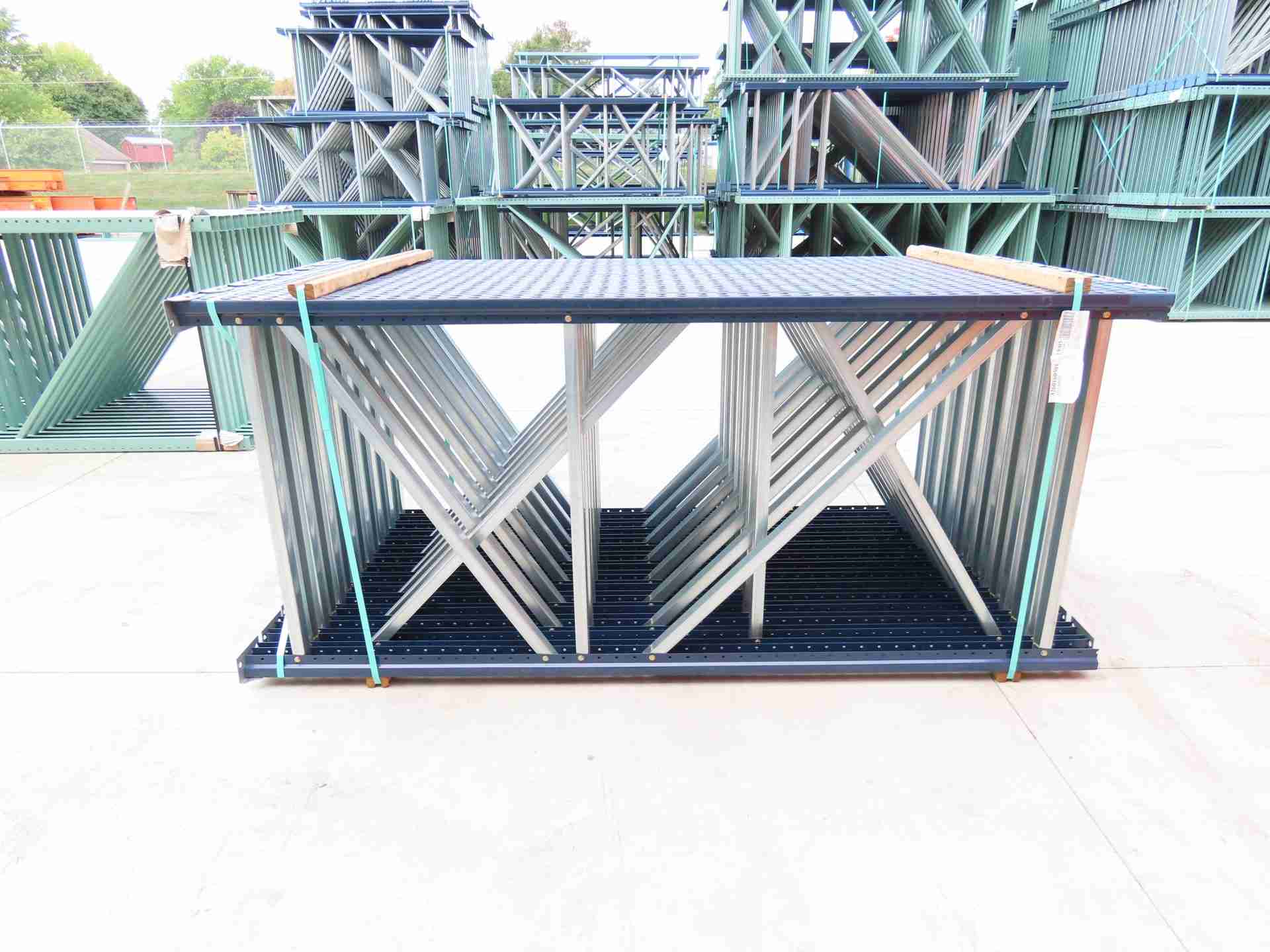
What Is The Return On Investment For Implementing Pallet Flow Racks?
What Is The Return On Investment For Implementing Pallet Flow Racks?
- Pallet flow racks maximize storage space, increasing warehouse capacity and reducing the need for additional storage facilities.
- Efficiency of pallet flow racks leads to cost reductions in labor and operational expenses.
- Automation capabilities of pallet flow racks improve accuracy, reducing the risk of human error and optimizing inventory management.
- Pallet flow racks enhance customer satisfaction, repeat business, and ultimately increase profits.
- Implementing pallet flow racks gives a competitive edge by improving workflow, increasing capacity, and reducing operational costs.
- Pallet flow racks offer a clear ROI with increased storage capacity, reduced operational costs, improved efficiency, and enhanced customer satisfaction.
- Investing in pallet flow racks can position your business for long-term success and growth, achieving a higher level of profitability and competitive advantage.
What Is The Return On Investment For Implementing Pallet Flow Racks?
How Do Pallet Flow Racks Impact Overall Warehouse Productivity?
Pallet flow racks are an essential tool for maximizing efficiency in warehouse operations. By utilizing gravity to move pallets within the system, these racks can significantly impact overall productivity levels. One of the primary ways in which pallet flow racks enhance warehouse productivity is by optimizing space utilization. With the ability to store multiple pallets deep, these racks allow for more inventory to be stored in a smaller footprint. This means that warehouses can store a larger volume of products, leading to increased throughput and faster order fulfillment.
In addition to maximizing space utilization, pallet flow racks also streamline the picking process. By organizing inventory in a first-in, first-out (FIFO) manner, these racks ensure that products are easily accessible and that older inventory is used first. This eliminates the need for workers to spend time searching for specific products, ultimately reducing picking time and increasing overall efficiency. For example, a recent study conducted by the Warehousing Education and Research Council found that companies using pallet flow racks saw a 20% increase in order picking speed compared to traditional storage methods.
Furthermore, pallet flow racks can also improve warehouse safety. By reducing the need for workers to maneuver heavy pallets manually, these racks help prevent injuries and accidents. This not only protects employees but also ensures that operations run smoothly without disruptions. For instance, according to the Occupational Safety and Health Administration (OSHA), overexertion and repetitive motion injuries are among the leading causes of workplace injuries in the United States. By implementing pallet flow racks, warehouses can mitigate these risks and create a safer working environment for their employees.
Overall, the impact of pallet flow racks on warehouse productivity cannot be overstated. In a competitive market where customer expectations continue to rise, it is crucial for warehouses to operate with maximum efficiency. By investing in pallet flow racks, warehouses can improve space utilization, streamline picking processes, and enhance safety measures. These benefits not only lead to increased productivity but also result in cost savings and improved customer satisfaction.
For warehouses looking to stay ahead of the competition and maximize their operational efficiency, pallet flow racks are a critical tool. By leveraging the benefits of these racks, warehouses can optimize their space, streamline their processes, and enhance their overall productivity levels.
How Do Pallet Flow Racks Impact Overall Warehouse Productivity?
How Do Pallet Flow Racks Impact Overall Warehouse Productivity?
- Pallet flow racks utilize gravity to move pallets, maximizing warehouse efficiency.
- Enhance productivity by optimizing space utilization and storing multiple pallets deep.
- Streamline picking process with first-in, first-out (FIFO) organization for easy accessibility.
- 20% increase in order picking speed seen in companies using pallet flow racks.
- Improve warehouse safety by reducing manual handling of heavy pallets.
- Prevent injuries and accidents, creating a safer working environment.
- Investing in pallet flow racks leads to increased productivity, cost savings, and improved customer satisfaction.
How Do Pallet Flow Racks Impact Overall Warehouse Productivity?
Conclusion
Are you looking for ways to optimize your warehouse operations and boost productivity? Look no further than pallet flow racks from Arrow Industrial Sales! These innovative storage solutions are a game-changer when it comes to reducing forklift travel distance, improving inventory management, and enhancing overall efficiency.
With traditional static racking systems, forklift operators often waste time navigating long aisles and maneuvering heavy pallets. This not only slows down operations but also increases the risk of accidents and damage to inventory. However, pallet flow racks are designed to streamline workflow by utilizing gravity-fed rollers to move pallets within the rack. This means forklift operators can quickly access the pallets they need without traversing long distances, minimizing travel time and maximizing productivity.
But that’s not all – pallet flow racks also improve inventory rotation, accessibility, and safety. By automatically pushing the oldest inventory to the front of the rack, businesses can reduce the risk of product spoilage or obsolescence. This dynamic storage solution also enhances organization and inventory control, making it easier for forklift operators to locate and retrieve items quickly and efficiently.
Ready to revolutionize your warehouse operations and experience the benefits of pallet flow racks? Contact Arrow Industrial Sales at (574) 349-6575 to learn more and get started on your journey towards a more efficient and productive warehouse. Don’t miss out on this opportunity to stay ahead of the curve and optimize your warehouse operations – call today and take the first step towards a more efficient and profitable future with pallet flow racks from Arrow Industrial Sales!
Conclusion
Conclusion:
- Optimize warehouse operations and boost productivity with pallet flow racks from Arrow Industrial Sales.
- Reduce forklift travel distance and improve inventory management with innovative storage solutions.
- Pallet flow racks streamline workflow by utilizing gravity-fed rollers to move pallets within the rack.
- Improve inventory rotation, accessibility, and safety with dynamic storage solutions.
- Enhance organization and inventory control for quick and efficient retrieval of items.
- Contact Arrow Industrial Sales at (574) 349-6575 to revolutionize your warehouse operations.
- Stay ahead of the curve and optimize your warehouse operations for a more efficient and profitable future.
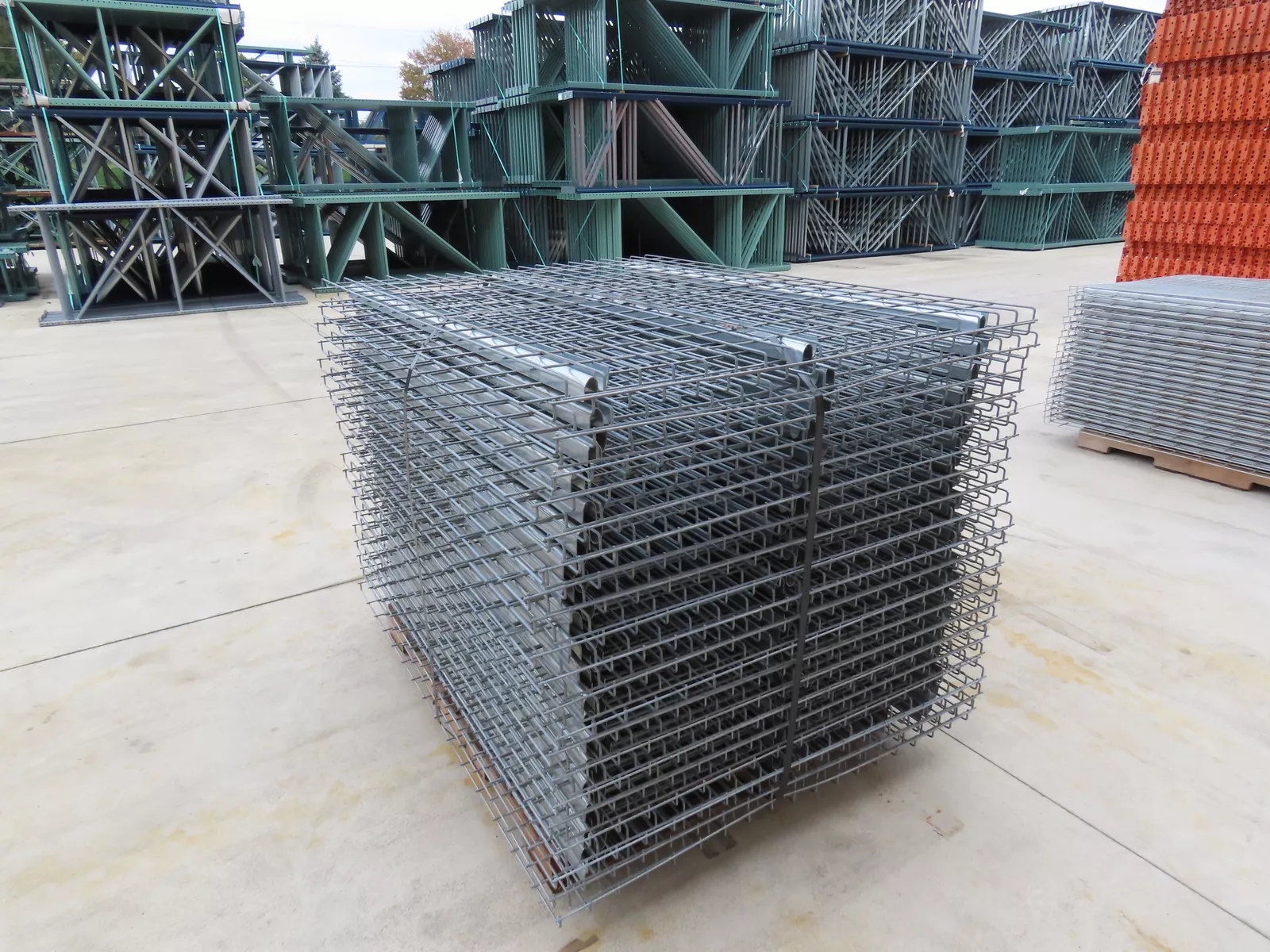
Conclusion
Other Resources
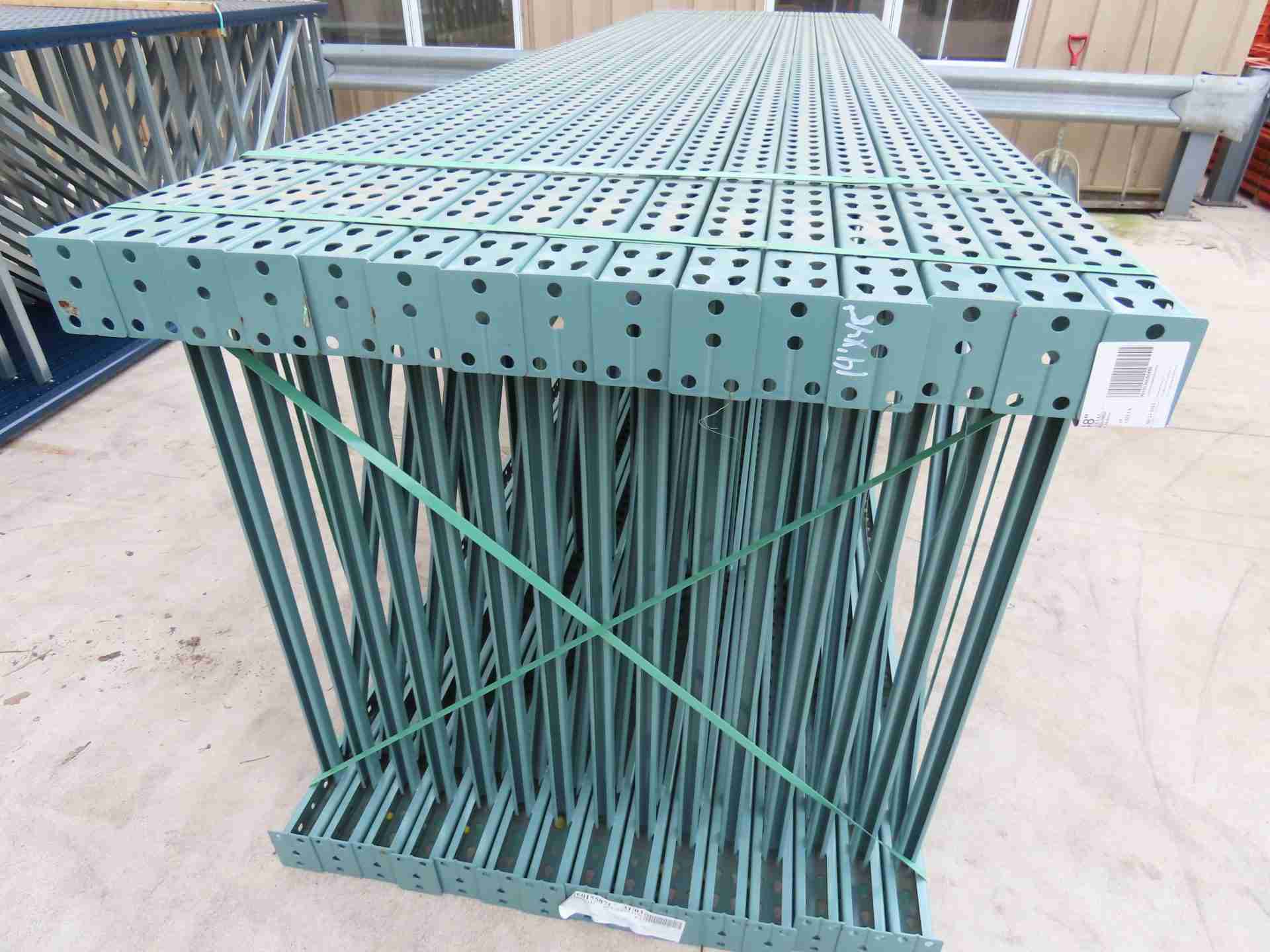
Other Resources
Here is a list of other resources you can review online to learn more:
- “Pallet Flow Rack – High-Density FIFO Gravity Storage Rack”
- “Pallet Flow Racking (Live System)”
- “Pallet Flow Racking System”
- “Racking Systems Push back and pallet flow racking”
- “All You Need to Know about Pallet Flow Racks”
- “Pallet Flow Racks”
- “Pallet Flow Racking (FIFO) | AR Racking Inc”
- “Porcellana Magazzino personalizzato FIFO Flow Rack …”
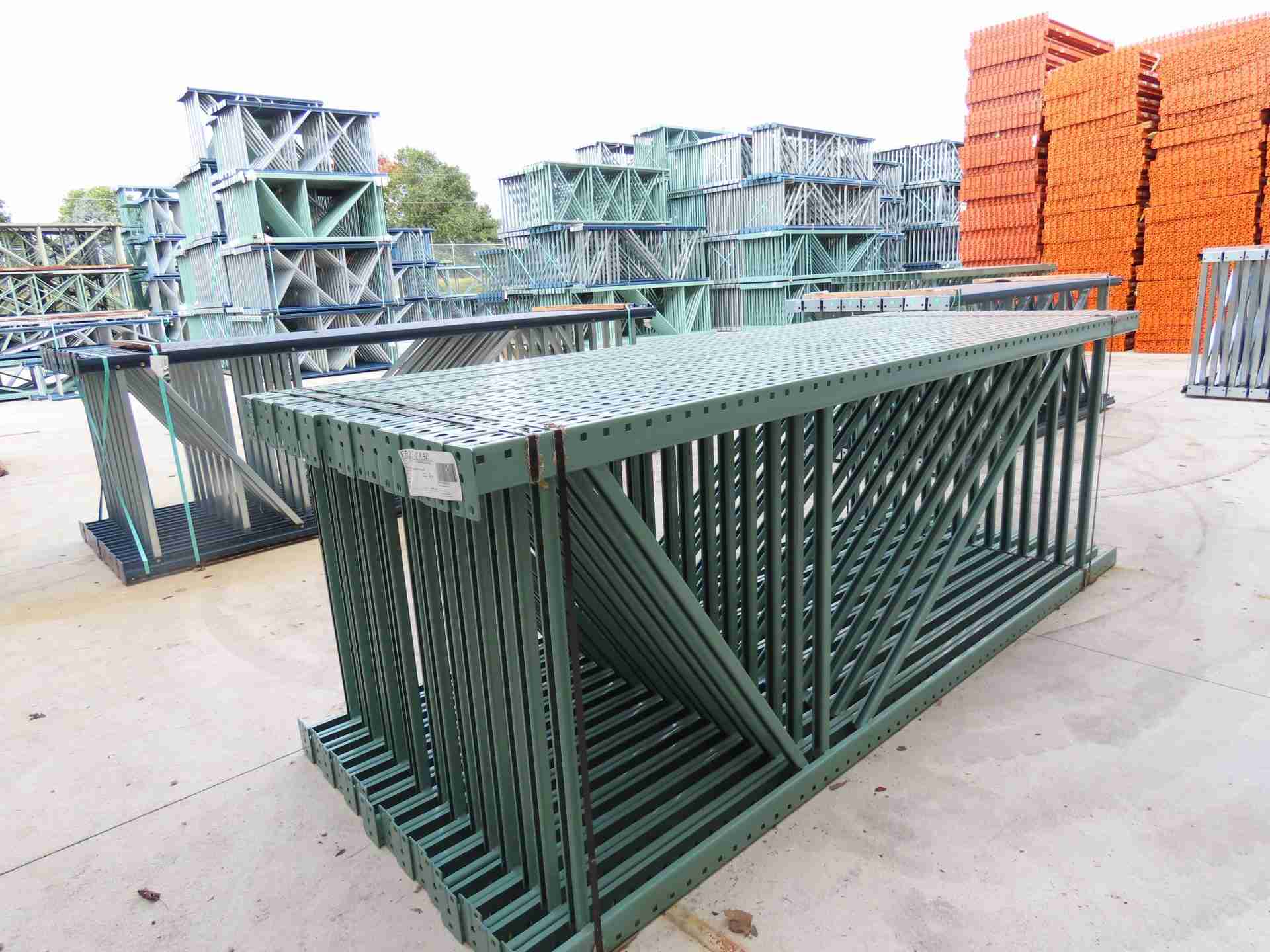
Other Resources
Glossary Terms
How Can Pallet Flow Racks Reduce Forklift Travel Distance? – Glossary Of Terms
1. Pallet Flow Racks: Storage systems that use gravity and rollers to move pallets from the loading end to the picking end, reducing the need for forklifts to transport goods manually.
2. Forklift: A powered industrial truck used to lift and move materials over short distances within a warehouse.
3. Gravity Flow: The process by which items move through storage systems using gravity, reducing the need for mechanical or manual movement.
4. Rollers: Cylindrical components that facilitate the sliding movement of pallets within pallet flow racks.
5. FIFO (First-In, First-Out): An inventory management method where the oldest stock (first-in) is used or picked first (first-out), easily implemented using pallet flow racks.
6. Picking End: The side of a pallet flow rack system where items are retrieved or picked for order fulfillment.
7. Loading End: The side of a pallet flow rack system where pallets are initially placed and input into the system.
8. Travel Distance: The distance a forklift must travel to move goods within a warehouse, which pallet flow racks aim to minimize.
9. Aisle: The space between rows of pallet racks where forklifts navigate to load or retrieve pallets.
10. Throughput: The rate at which goods move through a system, such as how quickly pallets are processed and retrieved from pallet flow racks.
11. Space Utilization: The efficient use of warehouse space, improved by the vertical and horizontal storage capacity of pallet flow racks.
12. SKU (Stock Keeping Unit) Density: The number of distinct items stored in a given area, often increased with pallet flow racks for better inventory management.
13. Gravity Conveyor: Another term for pallet flow racks, emphasizing the conveyance or movement of goods through gravity.
14. Load Capacity: The maximum weight that pallet flow racks can support, crucial for planning and safety in warehouse operations.
15. Maintenance: The regular upkeep required to ensure pallet flow racks and associated components function correctly and safely.
16. Load Leveling: The process of distributing goods evenly across a storage system to maximize stability and reduce forklift travel.
17. Order Picking: The process by which items are retrieved from storage to fulfill customer orders, streamlined by using pallet flow racks.
18. Inventory Turnover: The rate at which inventory is cycled through and replaced within a warehouse, potentially increased by efficient storage solutions like pallet flow racks.
19. Labor Efficiency: The effective utilization of workforce, often improved with pallet flow racks as less manual movement of goods is needed.
20. Pallet: A flat transport structure that supports goods in a stable fashion while being lifted by forklifts or pallet jacks.
21. Pick Face: The accessible side of a storage system from which items can be picked, frequently available in multiple rows in pallet flow racks.
22. Staging Area: The area where goods are temporarily stored before being moved to another location, often minimized with efficient pallet flow systems.
23. Batch Picking: A method where multiple orders are picked simultaneously, facilitated by the organized layout of pallet flow racks.
24. Safety: The protocols and equipment used to protect workers and goods, enhanced by reducing forklift travel and potential accidents.
25. Dock: The loading and unloading area where goods enter or leave a warehouse, often directly interfaced with pallet flow systems for efficiency.
26. Warehouse Management System (WMS): Software that helps manage and optimize warehouse operations, including the integration with pallet flow racks.
27. Cross-Docking: A logistics process where products are unloaded from inbound delivery vehicles and loaded directly onto outbound vehicles, often utilizing pallet flow racks for temporary storage.
28. Deep Lane Storage: A type of storage involving multiple pallets deep on a rack, which is efficiently managed through pallet flow racks.
29. Live Storage: A dynamic storage system where goods are in constant movement, essential in pallet flow rack systems.
30. Pallet Jack: A manual or powered tool used to lift and move pallets over short distances within a warehouse, sometimes used to move pallets onto or off pallet flow racks.
By incorporating these terms into your understanding of how pallet flow racks work, you can better appreciate how they significantly reduce forklift travel distance, thereby optimizing warehouse operations.
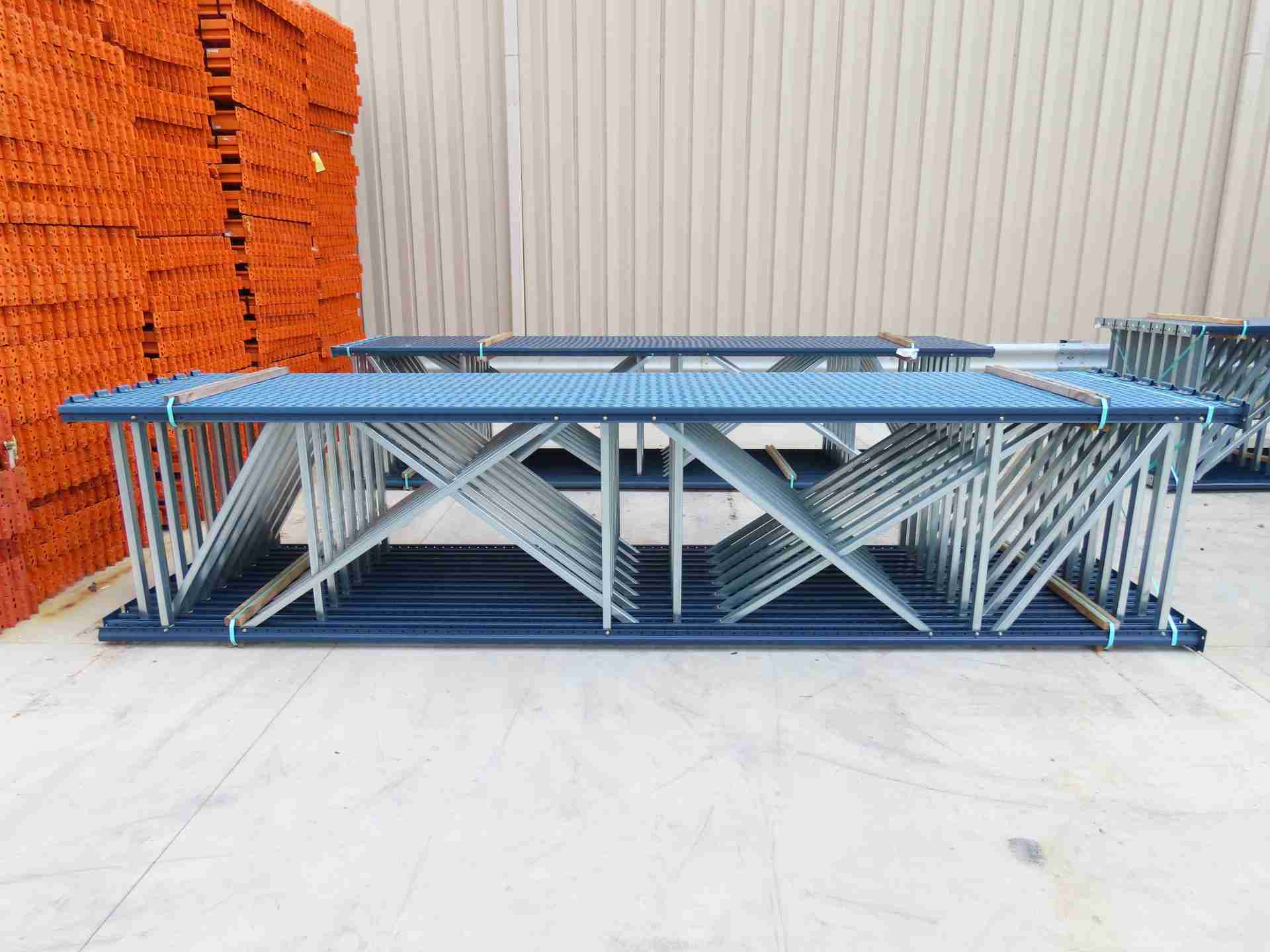
Glossary Of Terms
Other Questions
How Can Pallet Flow Racks Reduce Forklift Travel Distance? – Other Questions
If you wish to explore and discover more, consider looking for answers to these questions:
- What are pallet flow racks and how do they work?
- What types of businesses can benefit the most from pallet flow racks?
- How do pallet flow racks compare to traditional static racking systems?
- Can pallet flow racks be integrated with other warehouse systems, like automation or barcode scanning?
- What is the cost of implementing pallet flow racks compared to traditional racking systems?
- How difficult is it to install and maintain pallet flow racks?
- What types of warehouses or storage facilities are most suitable for pallet flow racks?
- How can pallet flow racks help with FIFO (first-in, first-out) inventory management?
- What safety features do pallet flow racks offer to reduce workplace injuries?
- How customizable are pallet flow racks to accommodate different pallet sizes and weights?
- How does the ROI of implementing pallet flow racks compare to other warehouse optimization solutions?
- Are there any industry-specific case studies that showcase the benefits of pallet flow racks?
- What are the key challenges businesses may face when switching to pallet flow racks?
- Can pallet flow racks handle refrigerated or frozen goods?
- How do pallet flow racks help in reducing product spoilage and obsolescence?
- What are the environmental benefits of using pallet flow racks compared to traditional systems?
- How long is the typical installation time for pallet flow rack systems?
- What kind of training is required for employees to efficiently use pallet flow rack systems?
- Can pallet flow racks be used in tandem with mezzanine floors to maximize vertical space?
- How do pallet flow racks impact the overall warehouse layout and design?
Other Questions
Checklist
How Can Pallet Flow Racks Reduce Forklift Travel Distance? – A Checklist
1. Optimize Warehouse Layout
_____ Assess current warehouse layout
_____ Identify high-traffic and low-traffic areas
_____ Designate areas best suited for pallet flow racks
_____ Implement gravity-fed rollers or wheels within the racking system
2. Enhance Inventory Rotation
_____ Set up first-in, first-out (FIFO) flow rack systems
_____ Ensure older inventory is pushed to the front for easy retrieval
_____ Automate where possible to reduce manual intervention
3. Increase Accessibility and Reduce Forklift Travel
_____ Map out shortest possible routes for forklifts
_____ Place essential items within easy reach of forklifts
_____ Train forklift operators on efficient traffic patterns
4. Improve Safety Measures
_____ Conduct safety training for staff on pallet flow rack systems
_____ Implement safety barriers and guards as needed
_____ Regularly inspect racks and forklifts for wear and tear
_____ Reduce manual handling of heavy pallets
5. Maximize Space Utilization
_____ Utilize vertical space effectively
_____ Implement high-density storage solutions
_____ Add adjustable lane dividers to accommodate various pallet sizes
_____ Monitor space utilization metrics regularly
6. Optimize Inventory Management
_____ Use inventory management software compatible with pallet flow racks
_____ Monitor inventory levels in real-time
_____ Forecast demand more accurately
_____ Minimize stockouts and reduce excess inventory
7. Reduce Forklift Downtime
_____ Use pallet flow racks to minimize forklift movement and maneuvering
_____ Schedule regular maintenance for forklifts
_____ Train operators to handle equipment efficiently
8. Adapt for Different Types of Pallets
_____ Evaluate the types and sizes of pallets used
_____ Customize lane widths and flow speeds accordingly
_____ Use adjustable systems to handle various pallet weights and sizes
9. Calculate Return on Investment (ROI)
_____ Measure improvements in storage capacity
_____ Track reductions in labor and operational costs
_____ Monitor improvements in order fulfillment times
_____ Analyze reductions in product damage and error rates
10. Boost Overall Warehouse Productivity
_____ Streamline picking processes
_____ Reduce manual labor
_____ Implement automation for inventory tracking
_____ Monitor productivity metrics regularly
11. Contribute to a Safer Work Environment
_____ Ensure clear pathways and reduce clutter
_____ Implement ergonomic solutions to reduce strain-related injuries
_____ Regularly train staff on updated safety protocols
12. Ongoing Evaluation and Improvement
_____ Frequently review performance metrics
_____ Gather feedback from warehouse staff
_____ Stay updated with new technologies and products
_____ Continuously refine processes for optimal efficiency
This checklist provides a comprehensive guide to implementing and maximizing the efficiency of pallet flow racks in a warehouse setting. By following these steps, businesses can optimize operations, improve safety, and see a significant return on investment.
Checklist
At RackingWorld, we help guide you through selecting warehouse storage systems and racking.
Be sure to read our other related stories at RackingWorld to learn more about warehouse storage systems.
0 Comments