
Maximizing Visibility In High-Ceiling Warehouses
By Tom Seest
At RackingWorld, we help guide you through selecting warehouse storage systems and racking.
Be sure to read our other related stories at RackingWorld to learn more about warehouse storage systems.
How Do You Maintain Proper Lighting In High-Ceiling Warehouses?
Maintaining proper lighting in high-ceiling warehouses is essential for creating a safe and efficient work environment. Without adequate lighting, workers may struggle to see clearly, increasing the risk of accidents and lowering productivity. In order to ensure that your warehouse has the proper lighting, follow these key tips:
1. Utilize LED lighting: LED lights are known for their energy efficiency and longevity, making them an ideal choice for high-ceiling warehouses. LED lights produce bright, white light that illuminates a large area, making it easier for workers to see and work effectively. Additionally, LED lights can help reduce energy costs, saving your company money in the long run.
2. Install lighting controls: Lighting controls, such as motion sensors and timers, can help regulate the amount of light in your warehouse. Motion sensors can detect when workers are present in a certain area and adjust the lighting accordingly, while timers can be programmed to turn lights on and off at specific times. By installing lighting controls, you can ensure that your warehouse is only using the necessary amount of lighting, further reducing energy costs.
3. Consider high-bay lighting fixtures: High-bay lighting fixtures are designed to illuminate large, open spaces, making them ideal for high-ceiling warehouses. These fixtures are typically suspended from the ceiling at a height that provides optimal lighting for the entire warehouse. By using high-bay lighting fixtures, you can ensure that every corner of your warehouse is well-lit, creating a safer and more efficient work environment.
4. Regularly maintain and clean lighting fixtures: Over time, dust and debris can accumulate on lighting fixtures, reducing their brightness and effectiveness. Make sure to regularly clean and maintain your lighting fixtures to ensure that they are providing the optimal amount of light. Additionally, check for any burnt-out bulbs or flickering lights and replace them promptly to avoid any interruptions in lighting.
By following these key tips, you can maintain proper lighting in your high-ceiling warehouse, ensuring a safe and productive work environment for your employees. Remember, proper lighting is not only important for safety and efficiency, but also for employee morale and satisfaction. Investing in quality lighting solutions for your warehouse can have a significant impact on your bottom line and overall success.
Proper lighting in high-ceiling warehouses is essential for creating a safe and efficient work environment. By utilizing LED lighting, installing lighting controls, considering high-bay lighting fixtures, and regularly maintaining and cleaning lighting fixtures, you can ensure that your warehouse is well-lit and optimized for productivity. Don’t overlook the importance of proper lighting in your warehouse – it can make all the difference in the success of your business.
How Do You Maintain Proper Lighting In High-Ceiling Warehouses?
How Do You Maintain Proper Lighting In High-Ceiling Warehouses?
- Utilize LED lighting: LED lights are energy efficient and produce bright, white light, ideal for high-ceiling warehouses.
- Install lighting controls: Motion sensors and timers help regulate the amount of light and reduce energy costs.
- Consider high-bay lighting fixtures: Designed for large spaces, these fixtures ensure optimal lighting coverage.
- Regularly maintain and clean lighting fixtures to ensure brightness and effectiveness.
- Proper lighting is crucial for safety, efficiency, and employee morale in warehouses.
- Investing in quality lighting solutions can have a significant impact on overall success.
- Don’t overlook the importance of proper lighting in your warehouse
- it can make all the difference in your business.
How Do You Maintain Proper Lighting In High-Ceiling Warehouses?
Table Of Contents
- How Do You Maintain Proper Lighting In High-Ceiling Warehouses?
- What Are The Best Lighting Options For High-Ceiling Warehouses?
- How Can Lighting Fixtures Be Installed In Hard-To-Reach Areas?
- Are There Energy-Efficient Lighting Solutions For Large Spaces?
- What Are The Benefits Of Motion Sensor Lighting In Warehouses?
- What Are The Best Lighting Options For High-Ceiling Warehouses?
- How to Ensure Consistent Illumination Throughout The Warehouse?
- Are There Energy-Efficient Solutions Available for Warehouse Lighting?
- What Role Does Natural Light Play In Warehouse Illumination?
- How Can You Effectively Manage Maintenance for Warehouse Lights?
- What Lighting to Consider for Maximizing Warehouse Productivity?
- How Do Lighting Choices Impact Worker Performance In Warehouses?
- How Does Lighting Impact The Overall Atmosphere Of Warehouse Spaces?
- Are There Regulations Or Guidelines to Follow for Warehouse Lighting?
- Conclusion
- Other Resources
- Glossary Of Terms
- Other Questions
- Checklist
What Are The Best Lighting Options For High-Ceiling Warehouses?
When it comes to lighting options for high-ceiling warehouses, there are a few key factors to consider in order to maximize efficiency and visibility. The right lighting can have a significant impact on productivity, safety, and overall operational costs.
One of the best lighting options for high-ceiling warehouses is LED lighting. LED lights are not only energy efficient, but they also provide bright, clear light that can easily reach high ceilings. This is especially important in warehouses where visibility is crucial for picking and packing operations. Additionally, LED lights have a longer lifespan than traditional lighting options, reducing maintenance costs and downtime.
Another important factor to consider when choosing lighting for high-ceiling warehouses is the color temperature of the lights. A color temperature of around 4000-5000 Kelvin is ideal for warehouse settings, as it provides a bright, natural light that can help reduce eye strain and improve visibility. This is particularly important in environments where workers are constantly moving and need to quickly identify and locate items.
Moreover, with the rise of automation and robotics in warehouse operations, it is essential to choose lighting options that are compatible with these technologies. LED lights, for example, can be easily integrated with sensors and smart controls to create a more efficient and responsive lighting system. This not only improves visibility for workers but also helps optimize energy usage and reduce operational costs.
In addition to LED lighting, another popular option for high-ceiling warehouses is high bay lighting fixtures. These fixtures are specifically designed for large spaces with high ceilings, providing focused, powerful light that can illuminate even the darkest corners of a warehouse. High bay fixtures come in a variety of styles and configurations, allowing warehouse managers to customize their lighting layout to meet their specific needs.
Overall, when it comes to lighting options for high-ceiling warehouses, LED lighting and high bay fixtures are among the best choices available. By investing in efficient, high-quality lighting solutions, warehouse operators can improve visibility, reduce maintenance costs, and create a safer and more productive work environment for their employees.
Choosing the right lighting options for high-ceiling warehouses is crucial for maximizing productivity and safety. LED lighting and high bay fixtures are excellent choices for illuminating large spaces and improving visibility. By investing in modern lighting solutions, warehouse operators can create a more efficient and effective work environment for their employees.
What Are The Best Lighting Options For High-Ceiling Warehouses?
What Are The Best Lighting Options For High-Ceiling Warehouses?
- LED lighting is one of the best options for high-ceiling warehouses, as it is energy efficient and provides bright, clear light.
- LED lights have a longer lifespan than traditional options, reducing maintenance costs and downtime.
- A color temperature of 4000-5000 Kelvin is ideal for warehouse settings to reduce eye strain and improve visibility.
- LED lights can be integrated with sensors and smart controls for a more efficient lighting system.
- High bay lighting fixtures are designed for high ceilings, providing powerful illumination for large spaces.
- LED lighting and high bay fixtures are among the best choices for high-ceiling warehouses, improving visibility and reducing maintenance costs.
- Investing in efficient lighting solutions can create a safer and more productive work environment for warehouse employees.
What Are The Best Lighting Options For High-Ceiling Warehouses?
How Can Lighting Fixtures Be Installed In Hard-To-Reach Areas?
In today’s world of design and functionality, lighting fixtures play a crucial role in enhancing the ambiance and aesthetics of any space. However, one common challenge that many homeowners and businesses face is how to install lighting fixtures in hard-to-reach areas. Whether it’s a high ceiling, a narrow hallway, or an outdoor setting, finding the right solution for installing lighting fixtures in these tricky spots is essential.
One innovative solution that has gained popularity in recent years is the use of adjustable height lighting fixtures. These fixtures come with adjustable arms or poles that allow them to be easily extended or retracted to reach different heights. This flexibility makes them ideal for installation in hard-to-reach areas such as vaulted ceilings or stairwells. By adjusting the height of the fixture, you can easily customize the lighting to suit the specific needs of your space.
Another option for installing lighting fixtures in hard-to-reach areas is using wireless technology. With the rise of smart home devices and wireless lighting systems, it’s now easier than ever to control and install lighting fixtures in even the most inaccessible locations. By using wireless technology, you can easily install fixtures in areas without the need for complex wiring or extensive installation processes. This not only saves time and money but also provides greater flexibility in adjusting the lighting to suit your preferences.
Furthermore, advancements in lighting design have led to the development of compact and portable fixtures that can be easily moved and installed in hard-to-reach areas. For example, track lighting systems offer a versatile solution for illuminating narrow spaces or areas with limited access. These systems can be easily adjusted and moved to provide the perfect lighting coverage for any space, making them ideal for installation in hard-to-reach areas.
When it comes to installing lighting fixtures in hard-to-reach areas, there are a variety of innovative solutions available to meet the unique challenges of your space. From adjustable height fixtures to wireless technology and portable designs, finding the right lighting solution for your space is easier than ever. By exploring these options and staying up to date with the latest trends in lighting design, you can easily transform even the most challenging spaces into beautifully illuminated areas.
Don’t let hard-to-reach areas limit your lighting design possibilities. With the right solutions and a creative approach, you can easily install lighting fixtures in any space, no matter how tricky it may seem.

How Can Lighting Fixtures Be Installed In Hard-To-Reach Areas?
How Can Lighting Fixtures Be Installed In Hard-To-Reach Areas?
- Adjustable height lighting fixtures offer flexibility for tricky spots like high ceilings or stairwells.
- Wireless technology allows for easy installation in hard-to-reach areas without complex wiring.
- Compact and portable fixtures, like track lighting systems, provide versatile solutions for narrow spaces.
- There are various innovative solutions available for installing lighting fixtures in challenging areas.
- Exploring options like adjustable height fixtures and wireless technology can transform difficult spaces.
- Stay updated on lighting design trends to find the best solutions for your unique space.
- With the right approach, you can install lighting fixtures in any space, regardless of accessibility challenges.
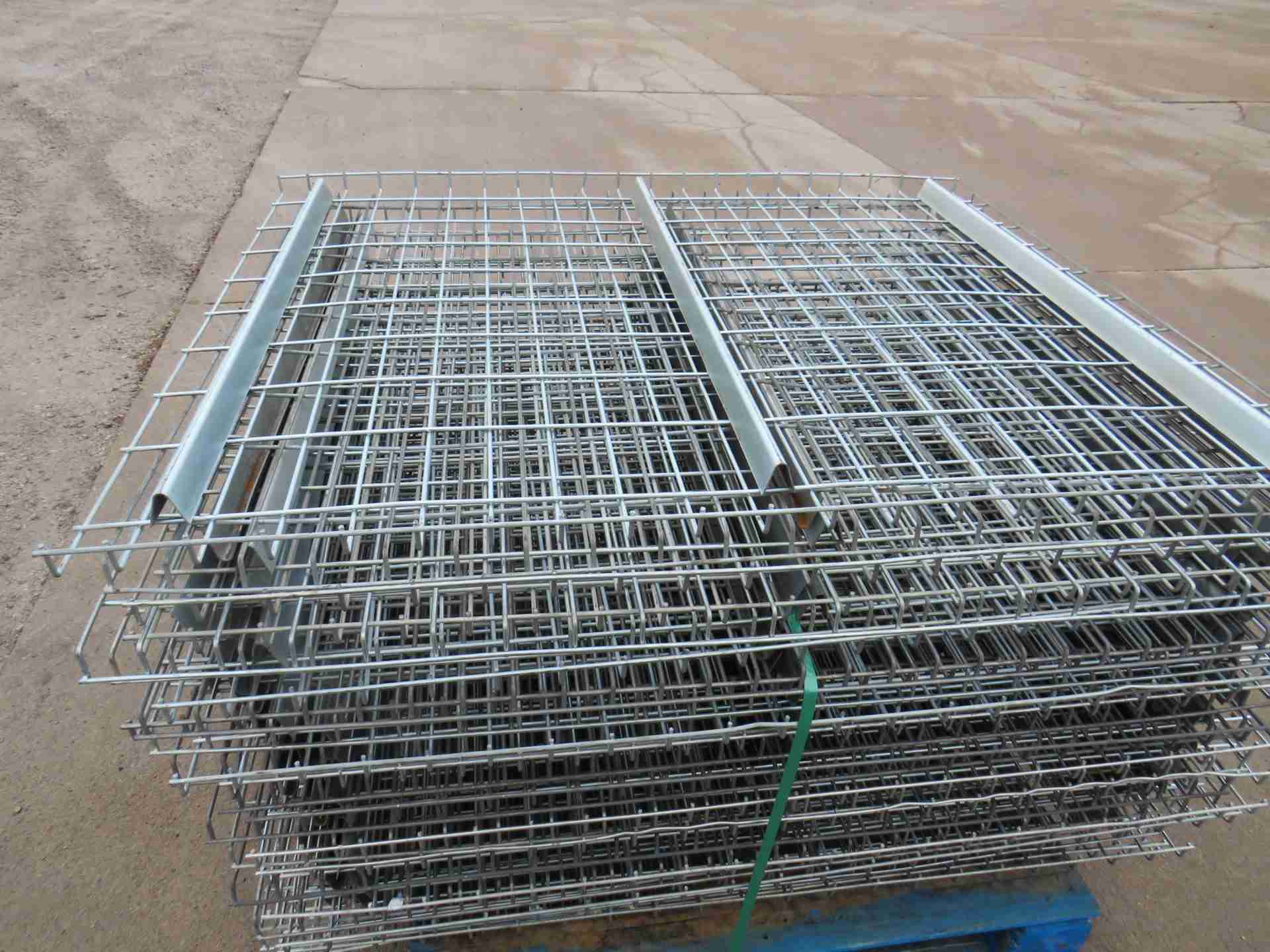
How Can Lighting Fixtures Be Installed In Hard-To-Reach Areas?
Are There Energy-Efficient Lighting Solutions For Large Spaces?
As businesses strive to reduce their carbon footprint and cut down on energy costs, the demand for energy-efficient lighting solutions for large spaces has been on the rise. Traditional lighting fixtures such as incandescent bulbs and fluorescent tubes are being replaced by more sustainable and cost-effective options that provide better illumination while consuming less electricity.
One of the most popular energy-efficient lighting solutions for large spaces is LED technology. LED lights use up to 80% less energy than traditional incandescent bulbs and have a lifespan that is 25 times longer. This makes them not only environmentally friendly but also a smart investment for businesses looking to reduce their energy expenses in the long run.
For example, a recent study conducted by the Department of Energy found that installing LED lighting in a commercial building can reduce energy consumption by up to 50%. This translates to significant cost savings for businesses operating in large spaces such as warehouses, manufacturing facilities, and office complexes.
In addition to LED technology, another energy-efficient lighting solution gaining popularity is motion sensor lighting. These fixtures are equipped with sensors that detect movement within a certain range, allowing them to automatically turn on or off based on occupancy. This not only helps to reduce energy waste by ensuring that lights are only used when needed but also increases convenience for employees and visitors navigating through large spaces.
Furthermore, advancements in smart lighting technology have enabled businesses to control and monitor their lighting systems remotely. This allows for flexible scheduling, dimming options, and real-time energy usage data, empowering businesses to make informed decisions on how to optimize their lighting efficiency.
With the global shift towards sustainability and energy conservation, many businesses are also seeking to obtain green certifications such as LEED (Leadership in Energy and Environmental Design) for their large spaces. By implementing energy-efficient lighting solutions, businesses can significantly contribute to their eligibility for such certifications, showcasing their commitment to environmental responsibility and attracting eco-conscious customers and partners.
The answer to whether there are energy-efficient lighting solutions for large spaces is a resounding yes. LED technology, motion sensor lighting, and smart lighting systems offer businesses the opportunity to reduce their energy consumption, lower their overhead costs, and create a more sustainable work environment. Embracing these solutions not only benefits the bottom line but also demonstrates a commitment to a greener future for generations to come.
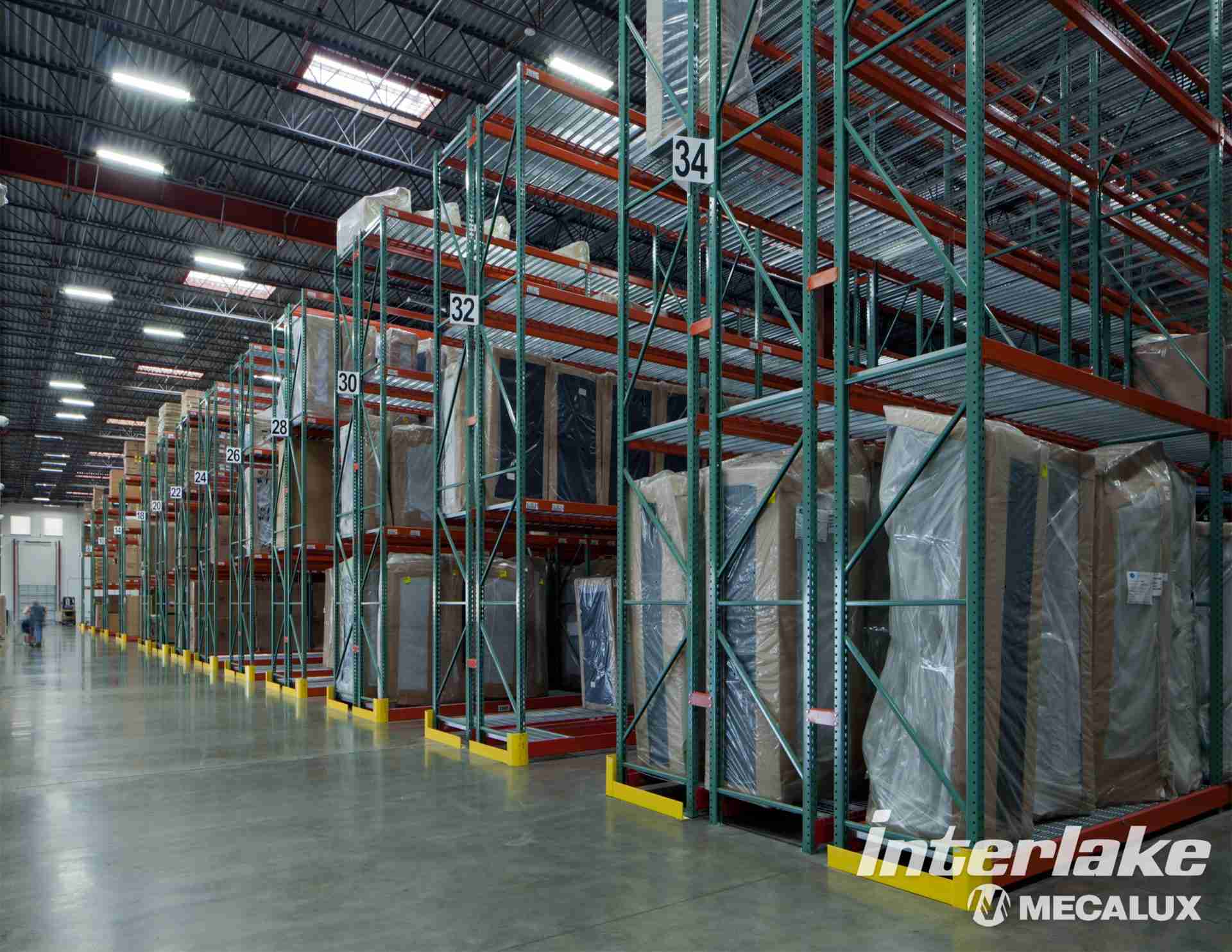
Are There Energy-Efficient Lighting Solutions For Large Spaces?
Are There Energy-Efficient Lighting Solutions For Large Spaces?
- LED lights use up to 80% less energy than traditional incandescent bulbs and have a lifespan that is 25 times longer.
- Installing LED lighting in a commercial building can reduce energy consumption by up to 50%.
- Motion sensor lighting fixtures automatically turn on or off based on occupancy, reducing energy waste.
- Advancements in smart lighting technology allow for remote control and monitoring of lighting systems.
- Businesses can obtain green certifications such as LEED by implementing energy-efficient lighting solutions.
- Energy-efficient lighting solutions help reduce energy consumption, lower overhead costs, and create a more sustainable work environment.
- Embracing these solutions demonstrates a commitment to a greener future for generations to come.
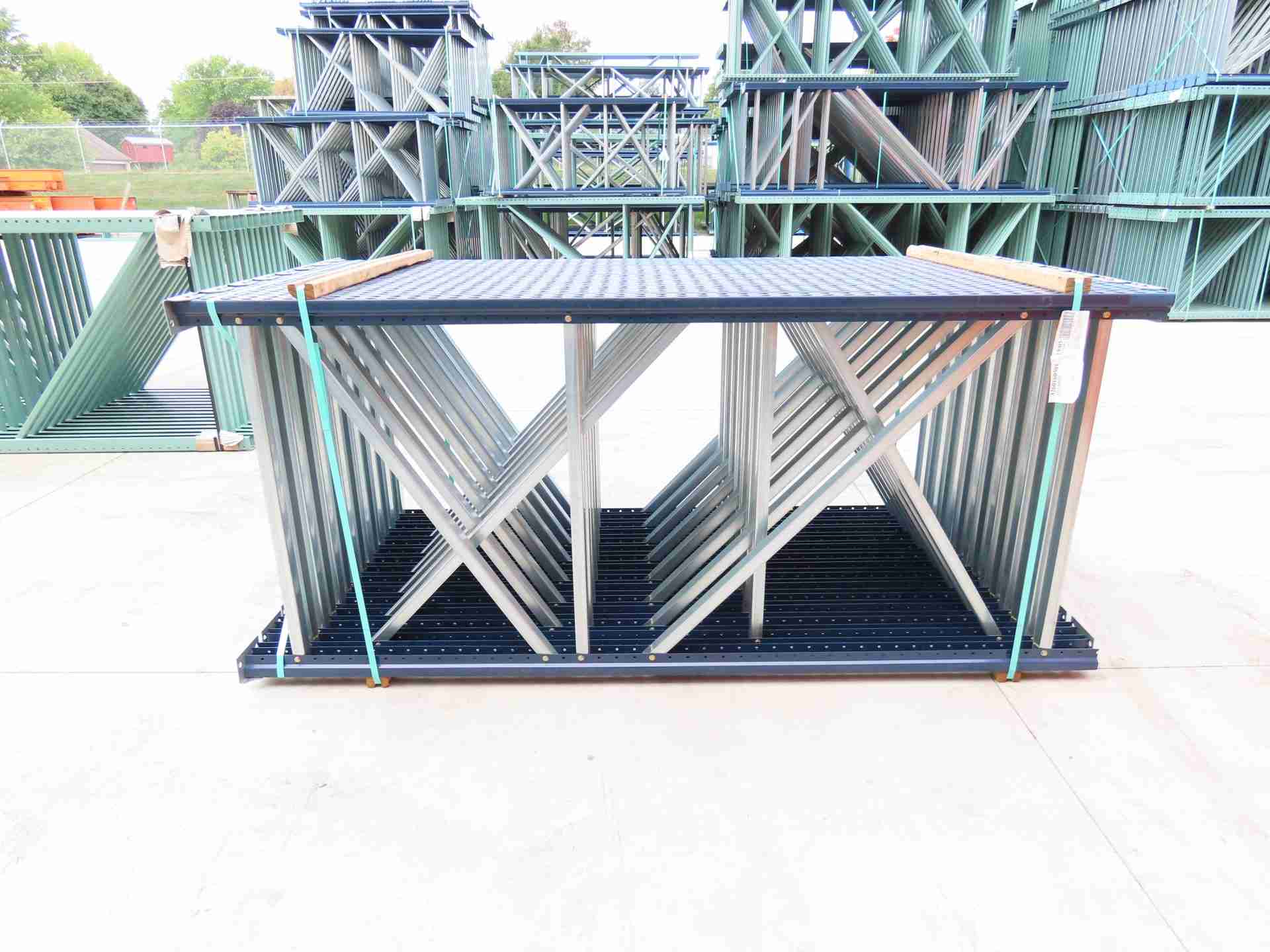
Are There Energy-Efficient Lighting Solutions For Large Spaces?
What Are The Benefits Of Motion Sensor Lighting In Warehouses?
Motion sensor lighting in warehouses offers numerous benefits that can greatly improve efficiency, safety, and cost savings. By incorporating this innovative technology into your warehouse lighting system, you can experience several advantages that can make a significant impact on your business operations.
One of the key benefits of motion sensor lighting in warehouses is increased energy efficiency. Traditional warehouse lighting systems often remain on for extended periods of time, even when areas are not in use. This can result in unnecessary energy consumption and higher utility costs. However, with motion sensor lighting, the lights only turn on when motion is detected in the vicinity. This ensures that lights are only being used when needed, leading to substantial energy savings.
In addition to energy efficiency, motion sensor lighting can also enhance safety in warehouses. By automatically illuminating when motion is detected, employees can navigate through the warehouse more easily, reducing the risk of accidents and injuries. This is particularly important in warehouses with large storage racks or narrow aisles where visibility may be limited. Having well-lit spaces can help employees work more efficiently and safely, ultimately improving overall productivity.
Furthermore, motion sensor lighting can aid in security measures within the warehouse. In the event of unauthorized entry or suspicious activity, the lights can automatically turn on, alerting employees or security personnel to investigate further. This added layer of security can help deter potential intruders and protect valuable inventory and equipment.
Moreover, the installation of motion sensor lighting in warehouses can also contribute to a more eco-friendly workplace. By reducing energy consumption and promoting sustainability, businesses can demonstrate their commitment to environmental responsibility, which is increasingly important in today’s society.
Overall, the benefits of motion sensor lighting in warehouses are clear. From energy efficiency and safety improvements to security enhancements and environmental sustainability, incorporating this technology can have a positive impact on your business operations. With the advancements in smart technology and automation, motion sensor lighting is a cost-effective solution that can provide lasting benefits for warehouses of all sizes.

What Are The Benefits Of Motion Sensor Lighting In Warehouses?
What Are The Benefits Of Motion Sensor Lighting In Warehouses?
- Increased energy efficiency: Lights only turn on when motion is detected, leading to substantial energy savings.
- Enhanced safety: Employees can navigate through the warehouse more easily, reducing the risk of accidents and injuries.
- Improved security: Lights automatically turn on in the event of unauthorized entry, deterring potential intruders.
- Eco-friendly workplace: Reducing energy consumption and promoting sustainability demonstrates environmental responsibility.
- Cost savings: Motion sensor lighting can lead to lower utility costs and contribute to overall operational efficiency.
- Productivity enhancement: Well-lit spaces can help employees work more efficiently and safely, ultimately improving productivity.
- Smart technology solution: Motion sensor lighting is a cost-effective solution that provides lasting benefits for warehouses of all sizes.
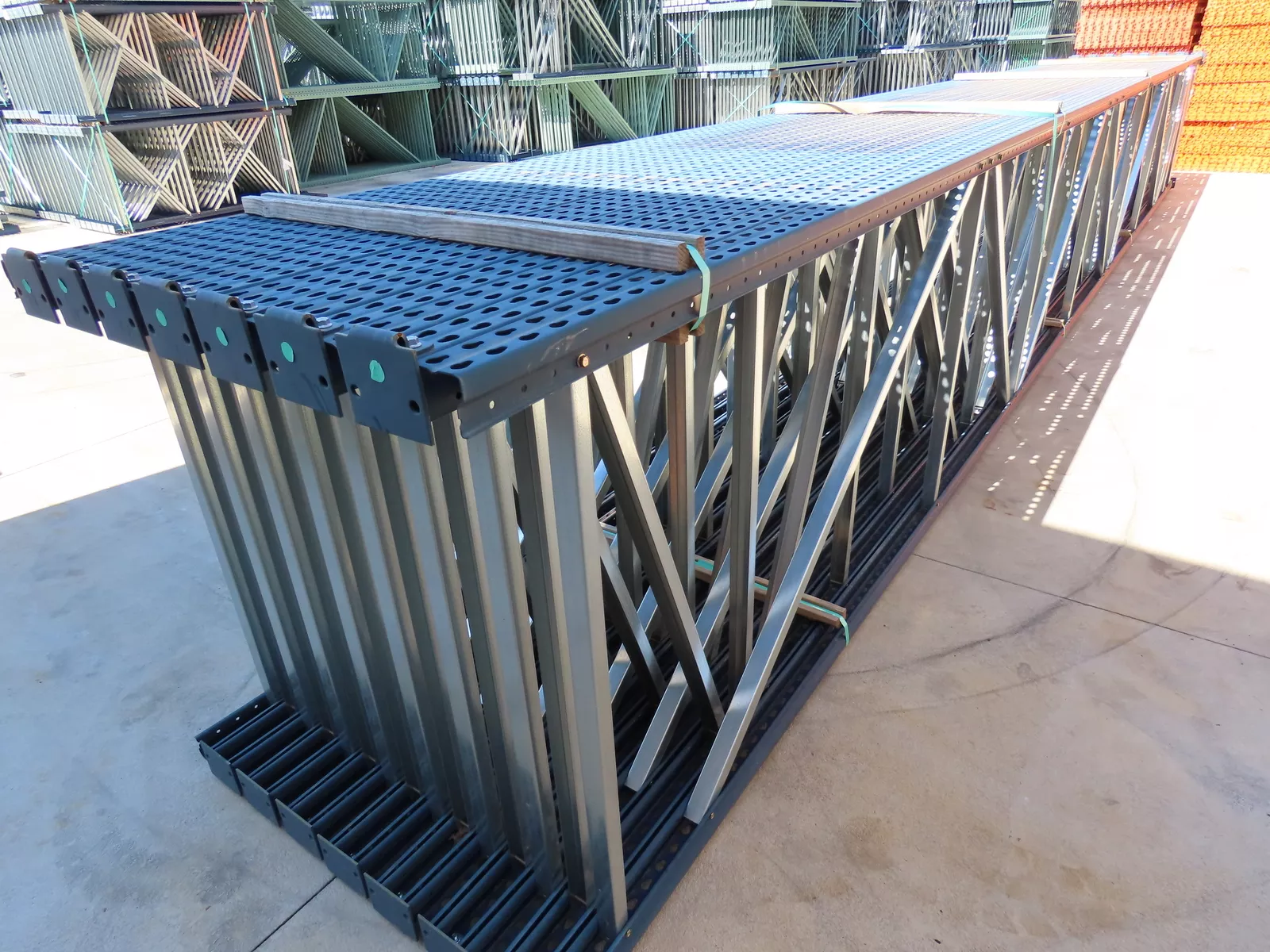
What Are The Benefits Of Motion Sensor Lighting In Warehouses?
What Are The Best Lighting Options For High-Ceiling Warehouses?
When it comes to lighting options for high-ceiling warehouses, it’s crucial to consider both functionality and efficiency. With the vast expanse of space in warehouse facilities, the right lighting can enhance productivity, safety, and overall performance.
One of the top lighting options for high-ceiling warehouses is LED lighting. LED lights are not only energy-efficient but also provide bright, high-quality illumination that can reach even the highest rafters of a warehouse. This makes them ideal for improving visibility and reducing the risk of accidents in a large and busy workspace.
Additionally, LED lighting has a longer lifespan compared to traditional lighting options, reducing maintenance costs and downtime for bulb replacements. This is especially important in high-ceiling warehouses where changing light bulbs can be a time-consuming and potentially hazardous task.
Another great option for high-ceiling warehouses is high bay lighting fixtures. These fixtures are specifically designed to provide powerful, focused illumination in spaces with tall ceilings. High bay lights are typically suspended from the ceiling, allowing them to cast light evenly across the entire warehouse floor without creating harsh shadows or glare.
Furthermore, advancements in lighting technology have led to the development of smart lighting solutions for warehouses. These systems utilize sensors and controls to adjust lighting levels based on occupancy and natural light levels, resulting in even greater energy savings and optimized lighting conditions.
In light of recent events such as the global push for sustainability and energy efficiency, opting for environmentally friendly lighting options is not just a smart business decision, but also a responsible choice. LED lighting, high bay fixtures, and smart lighting systems not only reduce energy consumption but also help businesses comply with regulations and demonstrate a commitment to environmental stewardship.
Choosing the best lighting options for high-ceiling warehouses is essential for creating a safe, productive, and efficient work environment. LED lighting, high bay fixtures, and smart lighting systems offer the perfect combination of functionality, efficiency, and sustainability, making them the top choices for modern warehouse facilities.
Don’t let poor lighting hold your warehouse back. Invest in the right lighting solutions today and watch your productivity soar to new heights.

What Are The Best Lighting Options For High-Ceiling Warehouses?
What Are The Best Lighting Options For High-Ceiling Warehouses?
- LED lighting provides energy-efficient and high-quality illumination for high-ceiling warehouses.
- LED lights have a longer lifespan, reducing maintenance costs.
- High bay lighting fixtures offer powerful, focused illumination for tall spaces.
- Smart lighting solutions adjust levels based on occupancy and natural light for energy savings.
- Environmentally friendly lighting options help businesses comply with regulations and show commitment to sustainability.
- Choosing the best lighting options is essential for creating a safe and productive work environment.
- Investing in the right lighting solutions can improve productivity in warehouse facilities.
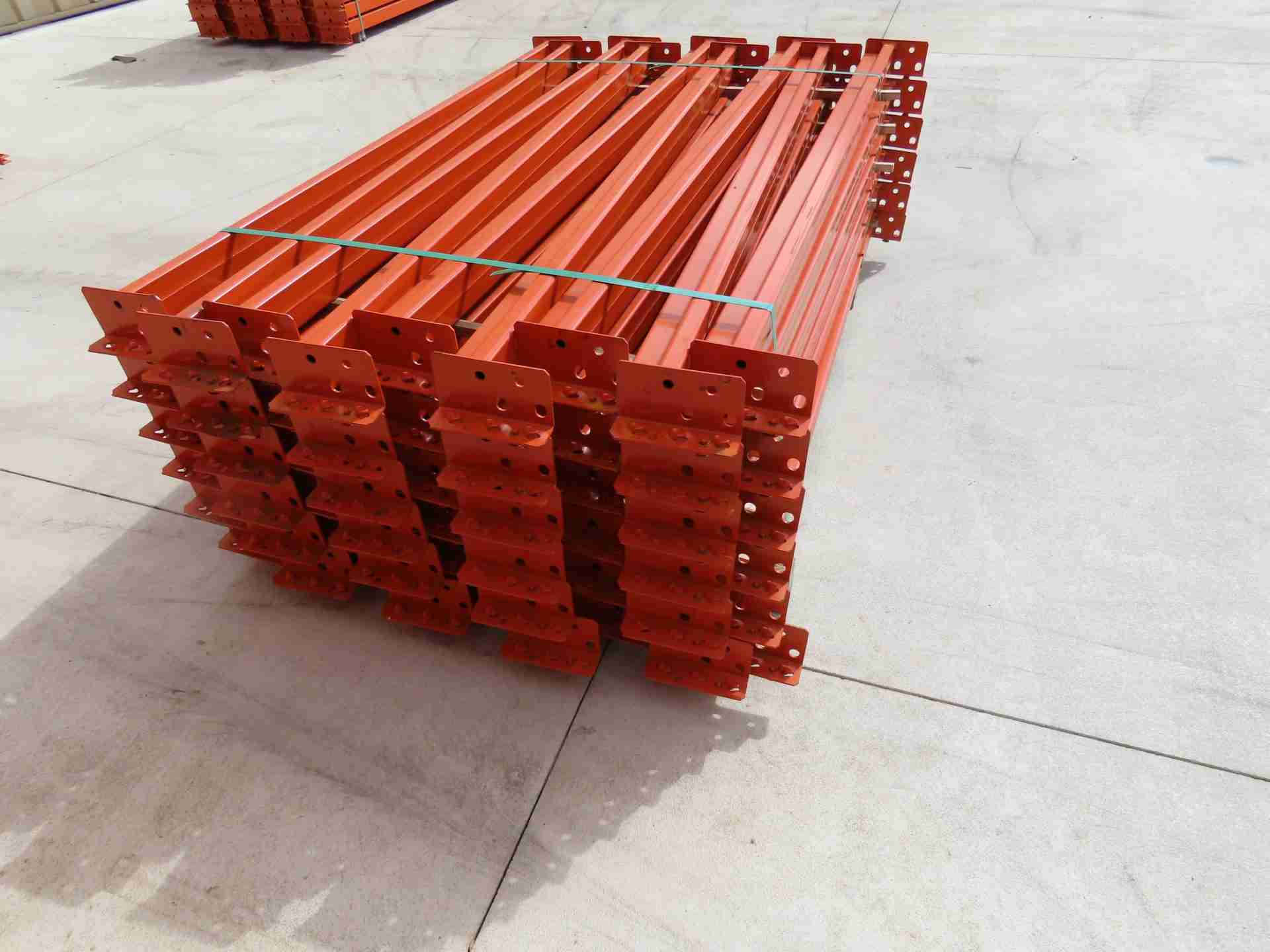
What Are The Best Lighting Options For High-Ceiling Warehouses?
How to Ensure Consistent Illumination Throughout The Warehouse?
When it comes to optimizing the lighting in your warehouse, consistency is key. In order to ensure a well-lit and productive work environment, it is essential to have a lighting system that provides consistent illumination throughout the entire space.
One of the most effective ways to achieve this consistency is by using LED lighting. LED lights are known for their long lifespan and energy efficiency, making them a cost-effective option for warehouse lighting. In addition, LED lights provide a more uniform light distribution compared to traditional fluorescent lights, which can help eliminate dark spots and shadows in the warehouse.
Another important factor to consider when aiming for consistent illumination is the layout of your lighting fixtures. By strategically placing light fixtures throughout the warehouse, you can ensure that every corner of the space is well-lit. This can help improve visibility and safety for employees, as well as enhance productivity by reducing the chances of errors or accidents due to poor lighting conditions.
Furthermore, utilizing smart lighting controls can also help maintain consistent illumination in the warehouse. By using sensors and timers, you can adjust the lighting levels based on the time of day or occupancy of the space. This can help save energy and optimize the use of lighting throughout the warehouse, ensuring that the workspace remains well-lit and efficient at all times.
In addition to these technical solutions, it is important to regularly maintain and clean your lighting fixtures to ensure optimal performance. Dust and dirt can accumulate on light bulbs and fixtures, reducing their brightness and efficiency. By regularly cleaning and replacing lights as needed, you can help maintain consistent illumination in the warehouse and prevent any disruptions to work operations.
Overall, achieving consistent illumination throughout the warehouse is essential for creating a safe and productive work environment. By investing in LED lighting, strategically placing fixtures, utilizing smart lighting controls, and maintaining your lighting system, you can ensure that your warehouse remains well-lit and efficient for years to come. So, don’t let inconsistent lighting hinder your operations – take the necessary steps to ensure that your warehouse is brightly and consistently illuminated at all times.
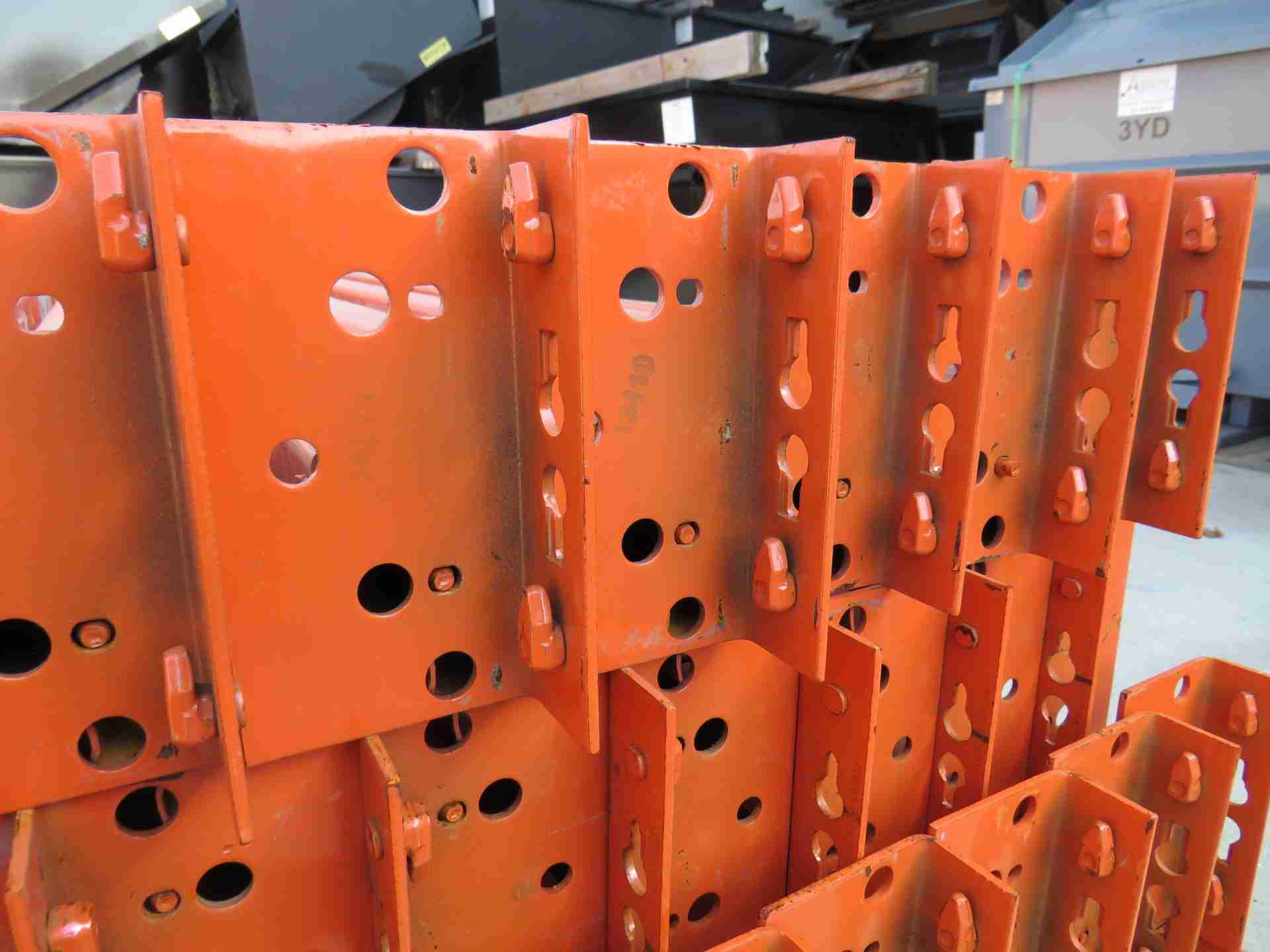
How to Ensure Consistent Illumination Throughout The Warehouse?
How to Ensure Consistent Illumination Throughout The Warehouse?
- Consistency is key when optimizing lighting in a warehouse.
- LED lighting is effective due to long lifespan and energy efficiency.
- LED lights provide uniform light distribution, eliminating dark spots.
- Strategically place light fixtures to ensure every corner is well-lit.
- Smart lighting controls adjust lighting levels for energy savings.
- Regularly maintain and clean lighting fixtures for optimal performance.
- By investing in LED lighting and maintaining the system, ensure a safe and productive work environment.
How to Ensure Consistent Illumination Throughout The Warehouse?
Are There Energy-Efficient Solutions Available for Warehouse Lighting?
In today’s competitive business landscape, efficiency is key when it comes to warehouse operations. One area where businesses can significantly reduce costs and improve their bottom line is through energy-efficient lighting solutions.
Traditional warehouse lighting systems, such as high-intensity discharge (HID) lamps and fluorescent fixtures, are not only costly to operate but also consume a significant amount of electricity. With the rising cost of energy and the increasing focus on sustainability, many businesses are turning to more energy-efficient lighting options to save money and reduce their carbon footprint.
One popular energy-efficient lighting solution for warehouses is LED lighting. LED lights are known for their longevity, energy efficiency, and superior light quality. In fact, LED lights can consume up to 75% less energy than traditional lighting systems, resulting in significant savings on electricity bills. Additionally, LED lights have a lifespan of up to 50,000 hours, compared to 2,000 hours for incandescent bulbs and 10,000 hours for fluorescent tubes, reducing maintenance costs and downtime.
Another advantage of LED lighting is its ability to provide better light quality, which can improve visibility and safety in warehouses. With bright and consistent lighting, workers can easily navigate through the warehouse, read labels, and spot potential hazards, reducing the risk of accidents and errors.
Furthermore, LED lights are also compatible with advanced lighting controls, such as motion sensors and dimmers, allowing businesses to further optimize their lighting usage and reduce energy waste. By automatically adjusting the brightness of the lights based on occupancy and natural light levels, businesses can maximize energy savings without compromising on illumination.
As businesses across the globe strive to reduce their carbon footprint and comply with energy regulations, the demand for energy-efficient lighting solutions in warehouses continues to grow. In fact, according to a recent study by the U.S. Department of Energy, switching to LED lighting in warehouses can result in energy savings of up to 50% or more.
Energy-efficient lighting solutions, such as LED lights, offer businesses a cost-effective and sustainable way to improve their warehouse operations. By investing in modern lighting technology, businesses can reduce energy costs, enhance safety, and contribute to a greener environment. Make the switch to LED lighting today and start reaping the benefits of a brighter and more efficient warehouse.
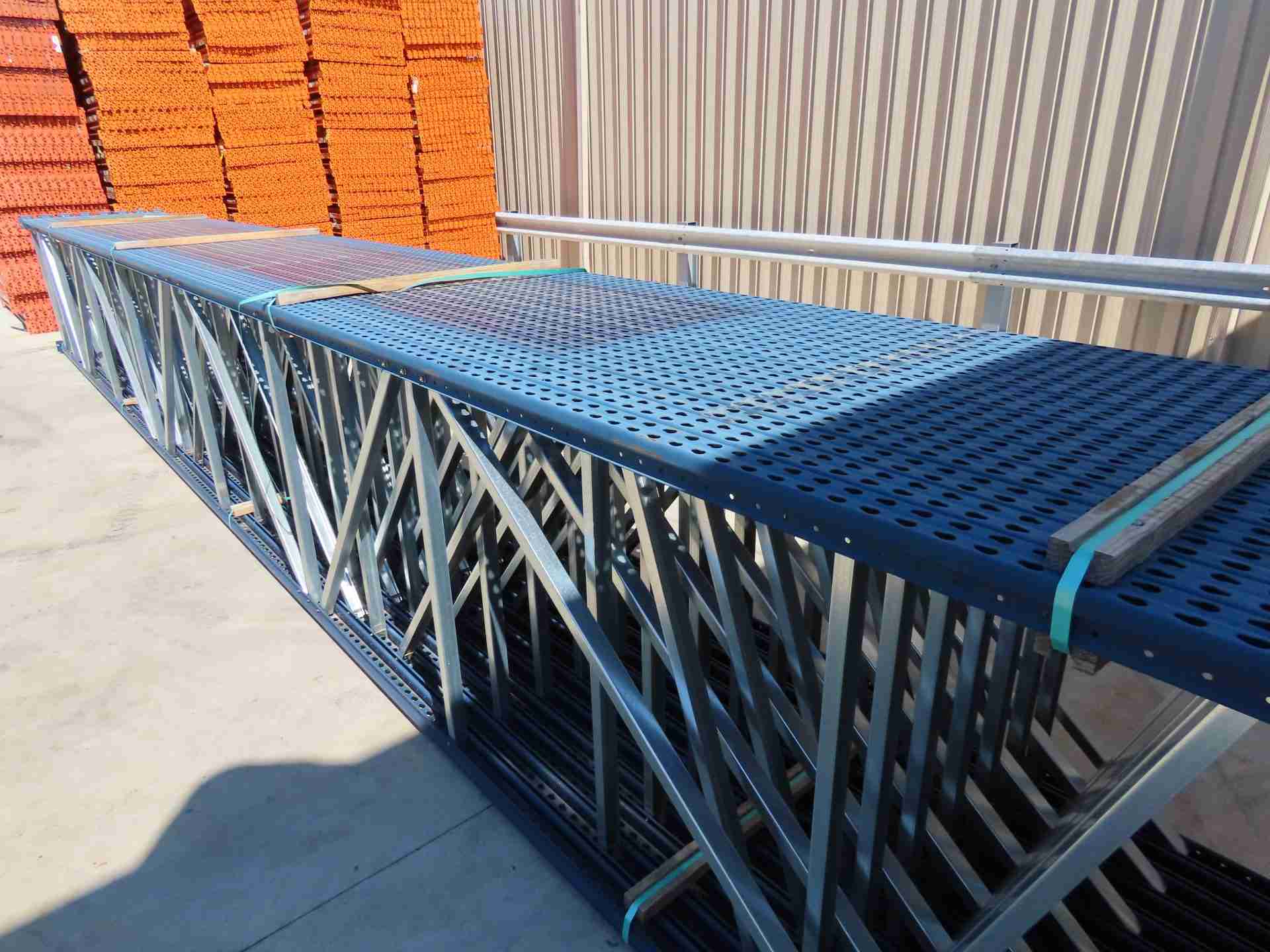
Are There Energy-Efficient Solutions Available for Warehouse Lighting?
Are There Energy-Efficient Solutions Available for Warehouse Lighting?
- Efficiency is key in warehouse operations.
- Energy-efficient lighting solutions can reduce costs and improve the bottom line.
- LED lighting consumes up to 75% less energy than traditional systems.
- LED lights have a lifespan of up to 50,000 hours, reducing maintenance costs.
- Better light quality of LED lights improves visibility and safety.
- LED lights are compatible with advanced controls to optimize energy usage.
- Switching to LED lighting in warehouses can result in energy savings of up to 50%.

Are There Energy-Efficient Solutions Available for Warehouse Lighting?
What Role Does Natural Light Play In Warehouse Illumination?
Natural light plays a critical role in warehouse illumination, providing numerous benefits for both the environment and the bottom line. By harnessing the power of natural light, warehouse managers can create a more sustainable and cost-effective lighting system that enhances productivity and employee well-being.
One key benefit of natural light in warehouse illumination is its ability to reduce energy costs. With rising energy prices and a growing focus on sustainability, many companies are looking for ways to cut their energy consumption and reduce their carbon footprint. By utilizing natural light, warehouses can significantly reduce their reliance on artificial lighting sources, resulting in lower electricity bills and a more environmentally friendly operation.
In addition to cost savings, natural light can also improve employee morale and productivity. Studies have shown that exposure to natural light can have a positive impact on mood and mental health, leading to happier and more motivated employees. By incorporating skylights, windows, and other sources of natural light into the warehouse design, managers can create a more pleasant and inviting work environment that enhances employee well-being and performance.
Furthermore, natural light can also enhance safety and security in the warehouse. By providing adequate lighting during daylight hours, managers can improve visibility and reduce the risk of accidents and injuries. Additionally, natural light can help deter criminal activity by illuminating dark corners and making it easier to monitor the premises.
One notable example of the benefits of natural light in warehouse illumination can be seen in Amazon’s fulfillment centers. The e-commerce giant has implemented a “daylight harvesting” system in many of its warehouses, which harnesses natural light to supplement artificial lighting and reduce energy costs. This innovative approach has not only helped Amazon save money on electricity but has also created a more pleasant and productive work environment for its employees.
Natural light plays a crucial role in warehouse illumination, offering a wide range of benefits for both businesses and employees. By leveraging the power of natural light, warehouse managers can reduce energy costs, improve employee morale, enhance safety and security, and create a more sustainable operation. Embracing natural light is not only a smart business decision but also a step towards a brighter and more efficient future.
What Role Does Natural Light Play In Warehouse Illumination?
What Role Does Natural Light Play In Warehouse Illumination?
- Natural light reduces energy costs and promotes sustainability.
- Natural light boosts employee morale and productivity.
- Natural light enhances safety and security in warehouses.
- Amazon utilizes natural light in fulfillment centers to save on energy costs.
- Natural light is crucial for businesses and employees in warehouse illumination.
- Natural light creates a more pleasant and productive work environment.
- Embracing natural light is a step towards a brighter and more efficient future.
What Role Does Natural Light Play In Warehouse Illumination?
How Can You Effectively Manage Maintenance for Warehouse Lights?
Managing maintenance for warehouse lights is crucial for ensuring a safe and productive work environment. Proper maintenance not only extends the lifespan of your lights but also helps reduce the risk of accidents and downtime. So, how can you effectively manage maintenance for warehouse lights?
First and foremost, implementing a regular inspection schedule is key. By regularly inspecting your warehouse lights, you can identify any issues before they become major problems. This can include checking for loose or damaged wires, ensuring that bulbs are properly secured, and cleaning fixtures to prevent dust buildup. By staying on top of maintenance tasks, you can prevent costly repairs and keep your warehouse well-lit at all times.
In addition to regular inspections, it’s important to address any maintenance issues promptly. If a light fixture is flickering or not working properly, don’t wait to fix it. Not only does this pose a safety hazard, but it can also lead to decreased productivity as employees struggle to work in poorly lit conditions. By addressing maintenance issues promptly, you can keep your warehouse running smoothly and avoid any unnecessary disruptions.
Furthermore, investing in high-quality lighting products can help reduce the need for frequent maintenance. Opting for energy-efficient LED lights, for example, can save you money on energy costs and require less maintenance than traditional fluorescent lights. While LED lights may have a higher upfront cost, the long-term savings and durability make them a worthwhile investment for any warehouse.
Another important aspect of managing maintenance for warehouse lights is staying informed about industry trends and advancements. With technology constantly evolving, there are new lighting solutions that can help improve efficiency and safety in your warehouse. For example, smart lighting systems that can be controlled remotely or automatically adjust based on occupancy can help reduce energy costs and improve overall lighting performance. By staying up to date on these advancements, you can ensure that your warehouse lights are always working at their best.
Effective maintenance of warehouse lights is essential for creating a safe and productive work environment. By implementing a regular inspection schedule, addressing maintenance issues promptly, investing in high-quality lighting products, and staying informed about industry advancements, you can effectively manage maintenance for warehouse lights and keep your warehouse running smoothly. Take the necessary steps to maintain your warehouse lights, and you’ll see the benefits in improved efficiency and safety for years to come.
How Can You Effectively Manage Maintenance for Warehouse Lights?
How Can You Effectively Manage Maintenance for Warehouse Lights?
- Implement a regular inspection schedule to identify issues before they become major problems.
- Address maintenance issues promptly to prevent safety hazards and decreased productivity.
- Invest in high-quality lighting products like LED lights for cost savings and durability.
- Stay informed about industry trends and advancements to improve lighting efficiency.
- Use smart lighting systems to reduce energy costs and improve overall performance.
- Ensure that your warehouse lights are always working at their best to create a safe and productive work environment.
- By managing maintenance effectively, you can keep your warehouse running smoothly for years to come.
How Can You Effectively Manage Maintenance for Warehouse Lights?
What Lighting to Consider for Maximizing Warehouse Productivity?
When it comes to maximizing warehouse productivity, one of the most important factors to consider is lighting. Proper lighting not only improves visibility and safety for workers, but it also plays a significant role in enhancing efficiency and overall performance within the warehouse.
One key aspect to consider when selecting lighting for your warehouse is the type of fixtures to use. LED lighting, for example, is a popular choice for many warehouses due to its energy efficiency and long lifespan. By investing in LED fixtures, you can reduce energy costs and maintenance expenses, ultimately boosting your bottom line.
Additionally, the placement of lighting within the warehouse is crucial for optimizing productivity. Strategic placement of overhead lights, task lighting, and aisle lighting can help reduce shadows, improve visibility, and create a more comfortable working environment for employees. This, in turn, can lead to increased focus and efficiency in day-to-day operations.
Another important consideration when it comes to warehouse lighting is the color temperature of the bulbs. The color temperature of lighting can have a significant impact on worker productivity and overall mood. For instance, cooler light temperatures (5000K-6500K) are often preferred for tasks that require attention to detail and focus, while warmer light temperatures (2700K-3500K) are better suited for tasks that require a more relaxed atmosphere.
It’s also worth considering the use of sensors and smart lighting technologies to further maximize productivity in the warehouse. Motion sensors can help conserve energy by automatically turning lights on and off based on occupancy, while smart lighting systems can be programmed to adjust light levels based on the time of day or specific tasks being performed.
Investing in the right lighting for your warehouse can have a direct impact on productivity and efficiency. By choosing energy-efficient LED fixtures, strategically placing lighting throughout the space, selecting the appropriate color temperatures, and utilizing advanced technologies, you can create a well-lit environment that promotes a productive and successful workforce.
References:
– “The Impact of Lighting on Employee Productivity” – Harvard Business Review
– “The Benefits of LED Lighting in Commercial Spaces” – Forbes
– “Smart Lighting Solutions for Warehouses” – Facility Executive

What Lighting to Consider for Maximizing Warehouse Productivity?
What Lighting to Consider for Maximizing Warehouse Productivity?
- Proper lighting is crucial for maximizing warehouse productivity.
- LED lighting is a popular choice for energy efficiency and cost savings.
- Strategic placement of lighting can reduce shadows and create a comfortable working environment.
- Consider the color temperature of bulbs for worker productivity and mood.
- Use sensors and smart lighting technologies to further optimize productivity.
- Investing in the right lighting can directly impact efficiency and success.
- References:
- “The Impact of Lighting on Employee Productivity”
- Harvard Business Review.
- “The Benefits of LED Lighting in Commercial Spaces”
- Forbes.
- “Smart Lighting Solutions for Warehouses”
- Facility Executive.
.

What Lighting to Consider for Maximizing Warehouse Productivity?
How Do Lighting Choices Impact Worker Performance In Warehouses?
Lighting may seem like a minor detail in the grand scheme of warehouse operations, but the truth is that it plays a crucial role in the performance and productivity of workers. The right lighting can make a significant difference in employee morale, focus, and overall efficiency.
One of the key ways that lighting choices impact worker performance in warehouses is through visibility. Poor lighting can lead to eye strain, headaches, and decreased ability to focus on tasks. On the other hand, well-lit facilities create a more comfortable and productive work environment, allowing employees to perform their duties more effectively.
For example, recent studies have shown that natural light is not only more energy-efficient but also has a positive impact on worker well-being and performance. Workers in naturally lit environments reported feeling more alert, engaged, and overall happier while on the job. Additionally, access to natural light has been linked to improved mood, reduced stress levels, and increased productivity.
In contrast, harsh fluorescent lighting has been shown to have negative effects on worker performance. Not only can it cause eye strain and fatigue, but it can also lead to decreased motivation and focus. In fact, some studies have found that workers in poorly lit environments are more likely to make mistakes and experience higher levels of stress.
Another crucial aspect to consider when choosing lighting for warehouses is color temperature. Cool white lighting, for example, can create a more stimulating and energizing atmosphere, which may be ideal for tasks that require high levels of concentration and attention to detail. On the other hand, warm white lighting can create a more comfortable and relaxed ambiance, which may be better suited for tasks that require creativity and collaboration.
The impact of lighting choices on worker performance in warehouses cannot be overstated. By investing in high-quality lighting solutions that promote visibility, comfort, and efficiency, businesses can create a more productive and positive work environment for their employees. As the saying goes, “You are the sum total of everything you’ve ever seen, heard, eaten, smelled, been told, forgot – it’s all there. Everything influences each of us, and because of that, I try to make sure that my experiences are positive.” So, why not start with the simple act of improving your warehouse lighting today?
How Do Lighting Choices Impact Worker Performance In Warehouses?
How Do Lighting Choices Impact Worker Performance In Warehouses?
- Lighting plays a crucial role in the performance and productivity of warehouse workers.
- Well-lit facilities create a more comfortable and productive work environment.
- Natural light has a positive impact on worker well-being and performance.
- Harsh fluorescent lighting can have negative effects on worker performance.
- Color temperature of lighting can impact worker concentration and creativity.
- Investing in high-quality lighting solutions can create a more positive work environment.
- Improving warehouse lighting can lead to increased productivity and employee satisfaction.
How Do Lighting Choices Impact Worker Performance In Warehouses?
How Does Lighting Impact The Overall Atmosphere Of Warehouse Spaces?
When it comes to warehouse spaces, the impact of lighting on the overall atmosphere cannot be overstated. Lighting plays a critical role in setting the tone, enhancing productivity, and ensuring safety within these environments.
One key aspect of lighting in warehouse spaces is visibility. Proper lighting levels are essential for employees to navigate the space safely and efficiently. Insufficient lighting can lead to accidents and errors, while excessive lighting can cause eye strain and fatigue. By investing in high-quality LED lighting solutions, warehouse owners can improve visibility and create a more productive work environment.
Furthermore, the color temperature of lighting can also have a significant impact on the atmosphere of a warehouse space. Cool white lighting with a higher color temperature can create a bright, energizing environment that is suitable for areas where tasks requiring attention to detail are performed. On the other hand, warm white lighting with a lower color temperature can create a more relaxed and inviting atmosphere, which may be more appropriate for break rooms or office spaces within the warehouse.
In addition to functionality, lighting can also play a powerful role in enhancing the aesthetic appeal of a warehouse space. By strategically using lighting to highlight architectural features or display products, warehouse owners can create a visually appealing environment that leaves a lasting impression on visitors and employees alike.
For example, a recent trend in warehouse design is the use of dynamic lighting solutions that can change color and intensity based on the time of day or specific activities taking place within the space. This not only adds a modern and innovative touch to the warehouse but also allows for greater flexibility in creating different atmospheres for various events or functions.
Overall, the impact of lighting on the overall atmosphere of warehouse spaces cannot be overlooked. By investing in high-quality lighting solutions that prioritize visibility, functionality, and aesthetic appeal, warehouse owners can create a safer, more productive, and visually appealing environment that benefits both employees and visitors. With the right lighting design, warehouse spaces can become more than just places for storage and logistics – they can become dynamic and engaging environments that drive success and innovation.
How Does Lighting Impact The Overall Atmosphere Of Warehouse Spaces?
How Does Lighting Impact The Overall Atmosphere Of Warehouse Spaces?
- Lighting is crucial for setting the tone, enhancing productivity, and ensuring safety in warehouse spaces..
- Proper lighting levels are essential for employee visibility, while excessive or insufficient lighting can lead to accidents and errors..
- High-quality LED lighting solutions can improve visibility and create a more productive work environment in warehouses..
- The color temperature of lighting can impact the atmosphere, with cool white lighting being energizing and warm white lighting being relaxing..
- Lighting can enhance the aesthetic appeal of warehouse spaces by highlighting architectural features or products..
- Dynamic lighting solutions that change color and intensity can add a modern touch and create different atmospheres in warehouses..
- Investing in high-quality lighting solutions can create safer, more productive, and visually appealing warehouse environments that drive success and innovation..
How Does Lighting Impact The Overall Atmosphere Of Warehouse Spaces?
Are There Regulations Or Guidelines to Follow for Warehouse Lighting?
When it comes to warehouse lighting, there are indeed regulations and guidelines that should be followed to ensure the safety and efficiency of the work environment. These regulations are put in place by various organizations, including the Occupational Safety and Health Administration (OSHA) and the Illuminating Engineering Society (IES), to protect workers and optimize productivity.
One important regulation to consider when it comes to warehouse lighting is the minimum recommended lighting levels. OSHA recommends a minimum of 10 foot-candles for general warehousing tasks, and up to 30 foot-candles for more detailed tasks such as reading labels or assembly work. By following these guidelines, you can ensure that your employees have adequate lighting to perform their tasks effectively and safely.
Another important consideration when it comes to warehouse lighting is the type of fixtures used. LED lighting has become increasingly popular in warehouse environments due to its energy efficiency and longevity. LED fixtures not only provide bright and uniform lighting, but they also require less maintenance and have a longer lifespan compared to traditional fluorescent lighting. By investing in LED fixtures, you can reduce energy costs and improve the overall lighting quality in your warehouse.
In addition to considering the lighting levels and fixtures, it is also important to pay attention to the placement of lighting fixtures in the warehouse. Proper placement of fixtures can help minimize glare and shadows, creating a more comfortable and safe work environment for employees. By strategically placing fixtures in key areas such as aisles, workstations, and loading docks, you can ensure that every area of the warehouse is well-lit and optimized for productivity.
It is worth noting that compliance with regulations and guidelines for warehouse lighting is not just a matter of safety and efficiency – it can also have a significant impact on your bottom line. In fact, studies have shown that well-lit warehouses can lead to increased productivity, reduced errors, and improved employee morale. By investing in proper lighting for your warehouse, you can create a more productive and profitable work environment for your employees.
Following regulations and guidelines for warehouse lighting is essential for creating a safe and efficient work environment. By ensuring that your warehouse is well-lit, using energy-efficient LED fixtures, and strategically placing lighting fixtures, you can improve productivity and employee satisfaction while also reducing costs. Don’t overlook the importance of proper lighting in your warehouse – it can make a significant difference in the success of your business.
Are There Regulations Or Guidelines to Follow for Warehouse Lighting?
Are There Regulations Or Guidelines to Follow for Warehouse Lighting?
- Regulations and guidelines from organizations like OSHA and IES ensure safety and efficiency in warehouse lighting.
- OSHA recommends minimum lighting levels of 10-30 foot-candles for different tasks in warehouses.
- LED lighting is popular in warehouses for its energy efficiency and longevity.
- Proper fixture placement minimizes glare and shadows, creating a comfortable work environment.
- Well-lit warehouses can lead to increased productivity, reduced errors, and improved morale.
- Investing in proper lighting can create a more profitable work environment.
- Compliance with lighting regulations is essential for safety, efficiency, and cost reduction.

Are There Regulations Or Guidelines to Follow for Warehouse Lighting?
Conclusion
Attention warehouse owners and managers! Proper lighting in your high-ceiling warehouse is not just a matter of aesthetics – it’s a crucial component of creating a safe, efficient, and productive work environment. In order to maximize visibility, reduce accidents, and enhance employee morale, it’s essential to invest in the right lighting solutions. LED lighting, high bay fixtures, and smart lighting controls are just a few options that can help you maintain proper lighting in your warehouse.
By utilizing LED lighting, you can benefit from energy efficiency, longevity, and bright white light that illuminates a large area. LED lights are known for their ability to reduce energy costs, saving you money in the long run. Additionally, installing lighting controls such as motion sensors and timers can help regulate the amount of light in your warehouse, further reducing energy costs and ensuring optimal lighting conditions.
When it comes to high-ceiling warehouses, high bay lighting fixtures are specifically designed to illuminate large, open spaces. By utilizing these fixtures, you can ensure that every corner of your warehouse is well-lit, creating a safer and more efficient work environment. Regular maintenance and cleaning of lighting fixtures is also crucial to ensure optimal performance and brightness.
In addition to selecting the right lighting options, it’s important to consider the impact of natural light, color temperature, and innovative lighting technologies on your warehouse environment. Natural light can improve employee morale and productivity, while color temperature can impact the mood and atmosphere of your workspace. By staying informed about industry trends and advancements, you can ensure that your warehouse lighting system is optimized for maximum efficiency and performance.
Remember, proper lighting in high-ceiling warehouses is not just a luxury – it’s a necessity. Investing in quality lighting solutions can have a significant impact on your bottom line and the overall success of your business. So, why wait? Take action now and call Arrow Industrial Sales at (574) 349-6575 to get the information you need to enhance the lighting in your warehouse today. Don’t let poor lighting hold your warehouse back – make the change to proper lighting and watch your productivity soar to new heights!
Conclusion
Conclusion:
- Proper lighting in high-ceiling warehouses is crucial for safety and efficiency.
- Investing in LED lighting, high bay fixtures, and smart controls can enhance visibility.
- LED lighting offers energy efficiency, longevity, and cost savings.
- High bay fixtures are designed for large warehouse spaces, ensuring proper illumination.
- Maintenance and cleaning of lighting fixtures is essential for optimal performance.
- Consider natural light, color temperature, and innovative technologies for better workspace environment.
- Contact Arrow Industrial Sales at (574) 349-6575 for information on enhancing warehouse lighting today.
Conclusion
Other Resources
Other Resources
Here is a list of other resources you can review online to learn more:
- “LED Lighting Solutions for Warehouses”
- “Benefits of LED warehouse lighting”
- “Top 5 Benefits of LED Warehouse Lighting”
- “LED High Bay Motion Sensor Lights”
- “Lighting Modernization: Sustainability and savings thanks to …”
- “Benefits of LED Lighting in Warehouses”
- “A Guide to Warehouse Lighting”
- “PRAISE FOR WAREHOUSE MANAGEMENT THIRD EDITION”
Other Resources
Glossary Terms
1. Lux: A measure of illuminance or light intensity, representing the number of lumens per square meter. Essential for quantifying the amount of light needed in a warehouse.
2. Lumens: The total amount of visible light emitted by a source. Determines the brightness of the lighting fixtures used in high-ceiling warehouses.
3. Foot-Candle: A unit of illuminance equivalent to one lumen per square foot. Helps in specifying lighting requirements for warehouse areas.
4. High-Bay Lighting: Fixtures designed specifically for high-ceiling applications, commonly used in warehouses to provide adequate illumination.
5. LED (Light Emitting Diode): Energy-efficient and long-lasting lighting technology ideal for high-ceiling warehouses due to its durability and low maintenance.
6. Metal Halide: A type of high-intensity discharge (HID) lamp that provides bright, intense light suitable for large spaces with high ceilings.
7. T5 Fluorescent: A type of fluorescent lamp known for efficiency and good color rendering, often used in high-ceiling lighting applications.
8. Reflectors: Devices used to direct light downward in high-ceiling fixtures, ensuring that light reaches the floor and work areas effectively.
9. Diffusers: Components that scatter light to reduce glare and create uniform lighting, essential for comfortable and efficient warehouse environments.
10. Illuminance Uniformity: The consistency of light distribution across a given area. Vital for reducing shadows and ensuring a safe working environment.
11. Color Rendering Index (CRI): A measure of a light source’s ability to reveal the colors of objects accurately compared to natural light. High CRI is important for visual tasks in warehouses.
12. Dimming Controls: Systems that adjust the brightness of lights in response to varying needs, helping to save energy in high-ceiling warehouses.
13. Motion Sensors: Devices that turn on or dim lights based on movement detection, increasing energy efficiency in lesser-used areas of the warehouse.
14. Daylight Harvesting: Techniques and systems that use natural daylight to supplement artificial lighting, reducing energy costs in areas with high ceilings and windows.
15. Zoning: Dividing a warehouse into different lighting areas or zones, each controlled separately, allowing for tailored lighting solutions and energy savings.
16. Emergency Lighting: Backup lighting that activates during power outages, essential for safety and evacuation in high-ceiling warehouses.
17. Uniformity Ratio: The difference between the maximum and minimum illuminance values in a space, indicating how evenly light is spread.
18. Mounting Height: The distance from the floor to the light source. Critical for determining the type of fixture and light distribution needed.
19. Beam Angle: The angle at which light is emitted from a fixture. Wide beam angles cover larger areas while narrow beams are focused and intense.
20. High-Intensity Discharge (HID): A category of lighting that includes metal halide and high-pressure sodium lamps, known for high brightness and efficacy.
21. Luminous Efficacy: The ratio of lumens produced per watt of energy consumed. Higher efficacy means more efficient lighting.
22. Installation and Maintenance Costs: Considerations for both the initial setup and ongoing upkeep of lighting systems in high-ceiling warehouses.
23. Light Trespass: Spillover of light outside the intended area, which can cause inefficiency and light pollution.
24. Occupancy Sensors: Devices that detect presence and control lighting, enhancing energy efficiency by reducing unnecessary usage.
25. Thermal Management: Techniques to dissipate heat generated by lighting fixtures, crucial for maintaining performance and longevity, particularly with LEDs.
26. Photometric Analysis: The study of light distribution characteristics, used to design and evaluate lighting plans for optimal coverage and uniformity.
27. Retrofit: Upgrading existing lighting fixtures to more energy-efficient technology such as LED without completely replacing the system.
28. Voltage Drops: Reduction in voltage in electrical wiring, which can affect lighting performance. Important to consider in large, high-ceiling spaces.
29. Lighting Layout: The strategic placement and arrangement of lights to achieve desired illuminance levels and uniformity in a warehouse.
30. PIR (Passive Infrared) Sensors: Sensors that detect infrared radiation from body heat to control lighting, often used in occupancy sensing systems in warehouses.

Glossary Of Terms
Other Questions
How Do You Maintain Proper Lighting In High-Ceiling Warehouses? – Other Questions
If you wish to explore and discover more, consider looking for answers to these questions:
- What are the specific advantages of using LED lighting in warehouses compared to other types of lights?
- How do lighting controls like motion sensors and timers work in a warehouse setting?
- What are high-bay lighting fixtures, and how do they differ from other types of fixtures?
- What is the best way to clean and maintain lighting fixtures in a high-ceiling warehouse?
- How do different color temperatures affect employee performance and safety in a warehouse?
- Can smart lighting systems be integrated into existing warehouse lighting setups?
- How does proper lighting impact employee morale and productivity in a warehouse?
- What are the potential energy cost savings when switching from traditional lighting to LED lighting in warehouses?
- How can natural light be effectively utilized in a warehouse without compromising security or operational efficiency?
- What roles do motion sensor lighting and smart controls play in enhancing warehouse security?
- How important is it to have a maintenance schedule for warehouse lighting fixtures?
- What are the main regulatory requirements for warehouse lighting, and how can warehouses ensure compliance?
- What are some case studies or examples of successful lighting upgrades in large warehouses?
- How can lighting choices impact the overall atmosphere and layout planning in a warehouse?
- What measures can be taken to ensure consistent illumination across all warehouse areas?
- Are there any new advancements in warehouse lighting technology that businesses should be aware of?
- What role does lighting play in the implementation of automation and robotics in warehouses?
- How can lighting choices enhance the safety measures in a warehouse environment?
- What is the role of dynamic lighting (changes in color and intensity) in a modern warehouse?
- What are the long-term benefits of investing in modern lighting solutions for warehouses?
Other Questions
Checklist
How Do You Maintain Proper Lighting In High-Ceiling Warehouses? – A Checklist
Utilize LED Lighting:
_____ Invest in LED lighting for energy efficiency and longevity.
_____ Choose LED lights that produce bright, white light for optimal visibility.
_____ Analyze potential energy cost savings with LED solutions.
Install Lighting Controls:
_____ Equip the warehouse with motion sensors to detect worker presence.
_____ Use timers to schedule lighting based on operational hours.
_____ Optimize the use of lighting controls to reduce unnecessary energy consumption.
Choose High-Bay Lighting Fixtures:
_____ Select high-bay lighting fixtures for large, open spaces.
_____ Suspend high-bay fixtures at the optimal height for comprehensive illumination.
_____ Evaluate different styles and configurations to meet specific warehouse needs.
Regular Maintenance and Cleaning:
_____ Schedule regular cleaning of lighting fixtures to remove dust and debris.
_____ Inspect lights for burnt-out bulbs or issues like flickering.
_____ Replace faulty lights promptly to maintain consistent illumination.
Considering Lighting Layout and Design:
_____ Strategically place fixtures to eliminate dark spots and shadows.
_____ Mix overhead lights with task lighting in specific areas for enhanced visibility.
_____ Ensure proper spacing and positioning of fixtures for balanced light distribution.
Use Smart Lighting Technologies:
_____ Integrate smart lighting systems for automated brightness adjustments.
_____ Utilize sensors for occupancy and daylight detection to optimize energy usage.
_____ Employ remote controls for flexible and real-time lighting management.
Regular Inspections:
_____ Implement a routine inspection schedule for lighting infrastructure.
_____ Check for wiring and fixture issues during each inspection.
_____ Record and address maintenance findings systematically.
Energy-Efficient Options:
_____ Evaluate the cost-benefit ratio of LED vs. traditional lighting systems.
_____ Consider motion-sensor lighting to prevent energy waste.
_____ Explore smart lighting systems for increased energy efficiency and control.
Incorporate Natural Light:
_____ Utilize skylights or windows to supplement with natural light.
_____ Balance natural and artificial lighting for optimal work conditions.
_____ Consider blinds or shades to control glare during peak sunlight hours.
Compliance with Regulations and Guidelines:
_____ Follow OSHA and IES guidelines for minimum recommended lighting levels.
_____ Ensure compliance with local health and safety regulations.
_____ Keep abreast of any changes in lighting regulations and adjust accordingly.
Budget for Lighting Maintenance and Upgrades:
_____ Allocate budget for regular maintenance tasks and equipment upgrades.
_____ Plan for periodic replacement of older fixtures and bulbs.
_____ Review energy savings and reinvest in high-quality lighting solutions.
Employee Safety and Productivity:
_____ Ensure adequate lighting to prevent accidents and improve safety.
_____ Maintain proper lighting levels to enhance employee morale and performance.
_____ Educate employees on the importance of good lighting and encourage reporting of issues.
Investing in the right lighting solutions and maintaining them effectively can have a significant positive impact on your warehouse operations. Use this checklist to guide your efforts and ensure a well-lit, safe, and productive warehouse environment.
Checklist
At RackingWorld, we help guide you through selecting warehouse storage systems and racking.
Be sure to read our other related stories at RackingWorld to learn more about warehouse storage systems.
0 Comments