
Maximizing Efficiency and Longevity with Rack System Maintenance
By Tom Seest
At RackingWorld, we help guide you through selecting warehouse storage systems and racking.
Be sure to read our other related stories at RackingWorld to learn more about warehouse storage systems.
What Are The Best Practices for Rack System Maintenance?
When it comes to maintaining your rack system, there are several best practices that can ensure the longevity and functionality of your equipment. By implementing these strategies, you can avoid costly downtime and prevent potential safety hazards in your warehouse or storage facility.
One key best practice for rack system maintenance is conducting regular inspections. This includes visually inspecting the racks for any signs of damage, such as bent or twisted beams, missing bolts, or rust. By catching these issues early on, you can prevent more serious problems from occurring, such as rack collapses that can result in damaged inventory or injury to employees.
Another important maintenance practice is keeping the racks clean and free of debris. Accumulated dust, dirt, and debris can not only affect the appearance of your racks, but it can also cause corrosion and weaken the structural integrity of the system. Regularly cleaning the racks with a mild detergent and water can help prevent these issues and ensure the longevity of your equipment.
In addition to inspections and cleaning, it is also essential to properly label and organize your inventory on the racks. This not only helps employees locate items more efficiently, but it also helps distribute weight evenly across the system, reducing the risk of overloading and potential collapse. By implementing a clear labeling system and organizing inventory based on weight and size, you can maximize the efficiency and safety of your rack system.
Furthermore, staying up-to-date on industry regulations and safety standards is crucial for maintaining your rack system. As new guidelines and regulations are introduced, it is important to ensure that your system is in compliance to avoid any potential fines or penalties. By staying informed and making necessary updates to your system, you can create a safer work environment for your employees and prevent any regulatory issues.
Overall, implementing these best practices for rack system maintenance can help you avoid costly repairs, downtime, and safety hazards in your warehouse or storage facility. By conducting regular inspections, keeping racks clean, organizing inventory, and staying informed on industry regulations, you can ensure the longevity and functionality of your rack system for years to come.
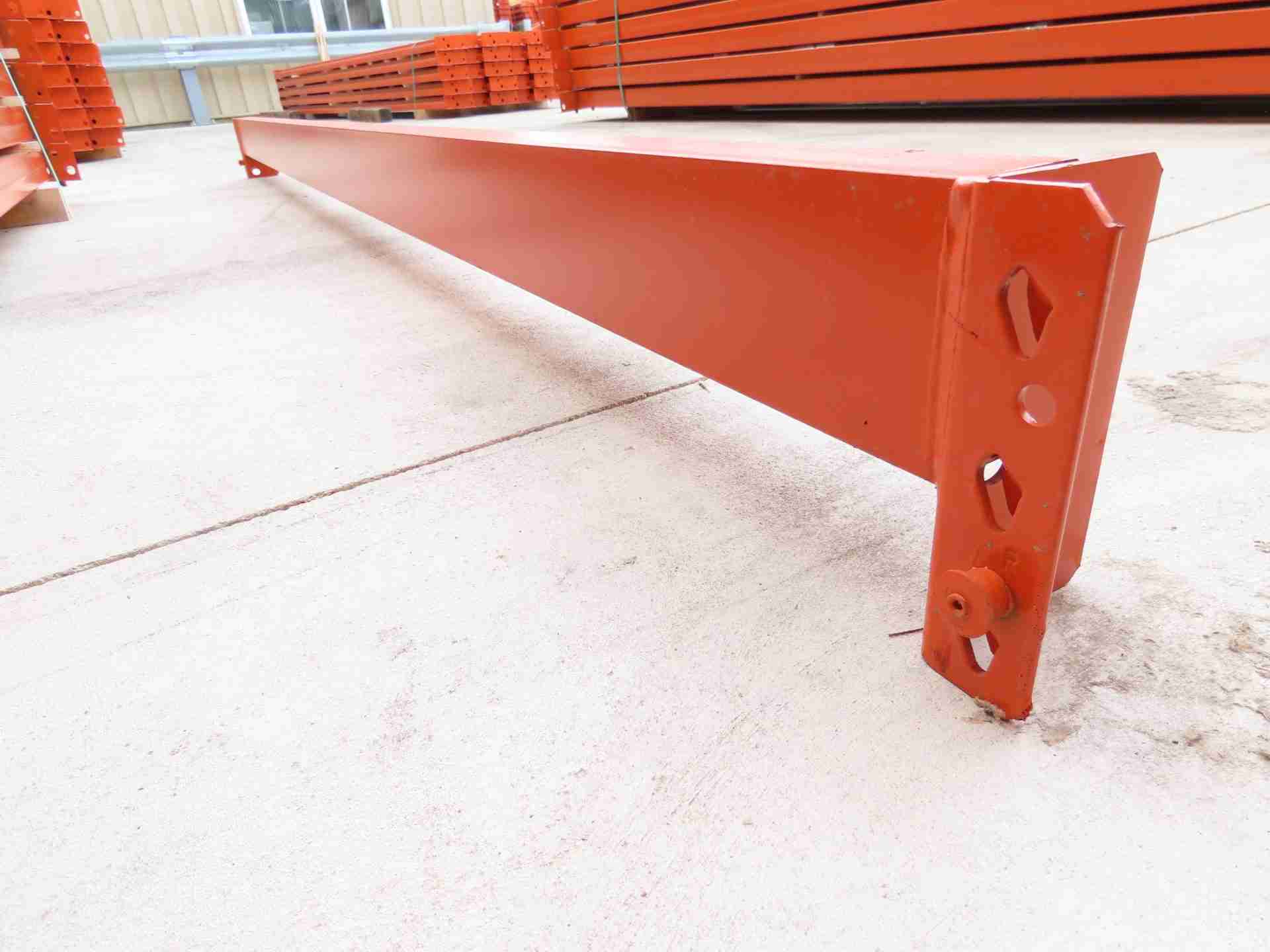
What Are The Best Practices for Rack System Maintenance?
What Are The Best Practices for Rack System Maintenance?
- Regular inspections are crucial for identifying any damage or issues early on.
- Keeping racks clean and free of debris helps prevent corrosion and structural weakening.
- Proper labeling and organization of inventory helps distribute weight evenly and prevent overloading.
- Staying informed on industry regulations is essential to avoid fines and penalties.
- Implementing these best practices can help avoid costly repairs and downtime.
- Regular inspections, cleaning, organizing inventory, and staying informed are key for maintaining rack systems.

What Are The Best Practices for Rack System Maintenance?
Table Of Contents
- What Are The Best Practices for Rack System Maintenance?
- How Often Should Rack Systems Be Inspected?
- What Are Common Signs Of Rack System Damage?
- How Can I Prevent Overloading Rack Systems?
- What Are The Consequences Of Neglecting Rack System Maintenance?
- What Tools Are Needed For Proper Rack System Maintenance?
- How Often Should Rack Systems Be Inspected?
- What Are Common Signs Of Wear and Tear for Rack Systems?
- Can Regular Rack Systems Maintenance Prevent Costly Repairs?
- What Tools Are Needed for Proper Rack System Maintenance?
- What Are The Benefits Of a Rack Systems Maintenance Schedule?
- How Can Rust and Corrosion Be Prevented In Rack Systems?
- What Role Does Employee Training Play In Maintaining Rack Systems?
- Conclusion
- Other Resources
- Glossary Of Terms
- Other Questions
- Checklist
How Often Should Rack Systems Be Inspected?
As a savvy business owner or warehouse manager, you understand the importance of maintaining a safe and efficient work environment. One critical aspect of ensuring workplace safety is regularly inspecting your rack systems. But how often should you be conducting these inspections?
The answer to this question is not a one-size-fits-all solution. However, industry experts recommend performing inspections at least once a year, if not more frequently depending on the usage and condition of your rack systems. In fact, recent events have highlighted the importance of proactive rack system inspections. For example, the collapse of a warehouse in Baltimore due to an overloaded rack system serves as a stark reminder of the potential dangers of neglecting routine inspections.
By conducting regular inspections, you can identify potential issues before they escalate into major safety hazards. Inspections should include checking for signs of damage, such as bent beams or missing connectors, as well as making sure that the racks are properly anchored to the floor. Additionally, it is crucial to inspect the load levels on the racks to ensure that they are within the recommended weight limits.
But don’t just stop at annual inspections. Consider implementing a more comprehensive maintenance program that includes regular check-ups at shorter intervals. Some businesses opt for quarterly or even monthly inspections to stay ahead of any potential problems. Remember, the cost of a rack system failure far outweighs the expense of regular inspections and maintenance.
In addition to ensuring the safety of your employees and inventory, regular inspections can also improve the efficiency of your operations. By identifying and fixing issues early on, you can prevent costly downtime and keep your warehouse running smoothly.
So, how can you make sure that your rack systems are being inspected as frequently as recommended? One option is to delegate the task to a dedicated team member who is trained in rack system safety. Alternatively, you could consider outsourcing the inspections to a professional rack system inspection service to ensure that they are being done correctly and in a timely manner.
Ultimately, the key to keeping your rack systems in top condition is being proactive about inspections and maintenance. By staying on top of these tasks, you can not only prevent accidents and injuries but also improve the overall efficiency of your warehouse operations. Don’t wait for a disaster to strike before taking action – make rack system inspections a priority in your business today.
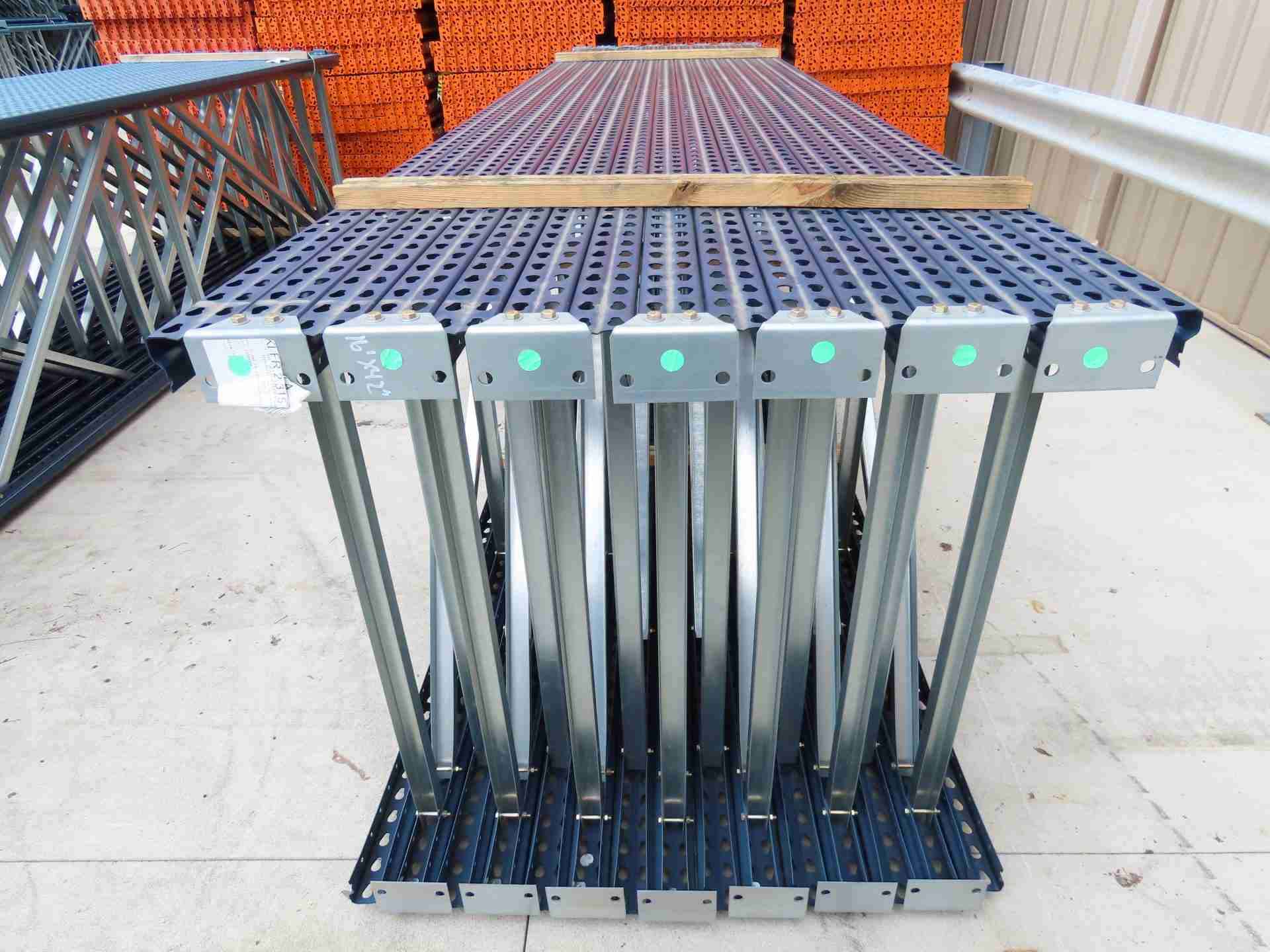
How Often Should Rack Systems Be Inspected?
How Often Should Rack Systems Be Inspected?
- Industry experts recommend performing inspections at least once a year, if not more frequently.
- Recent events have highlighted the importance of proactive rack system inspections.
- Regular inspections can help identify potential issues before they become safety hazards.
- Consider implementing a more comprehensive maintenance program with shorter inspection intervals.
- Regular inspections can improve the efficiency of warehouse operations.
- Delegate inspections to a trained team member or outsource to a professional service.
- Being proactive about inspections and maintenance is key to preventing accidents and improving efficiency.
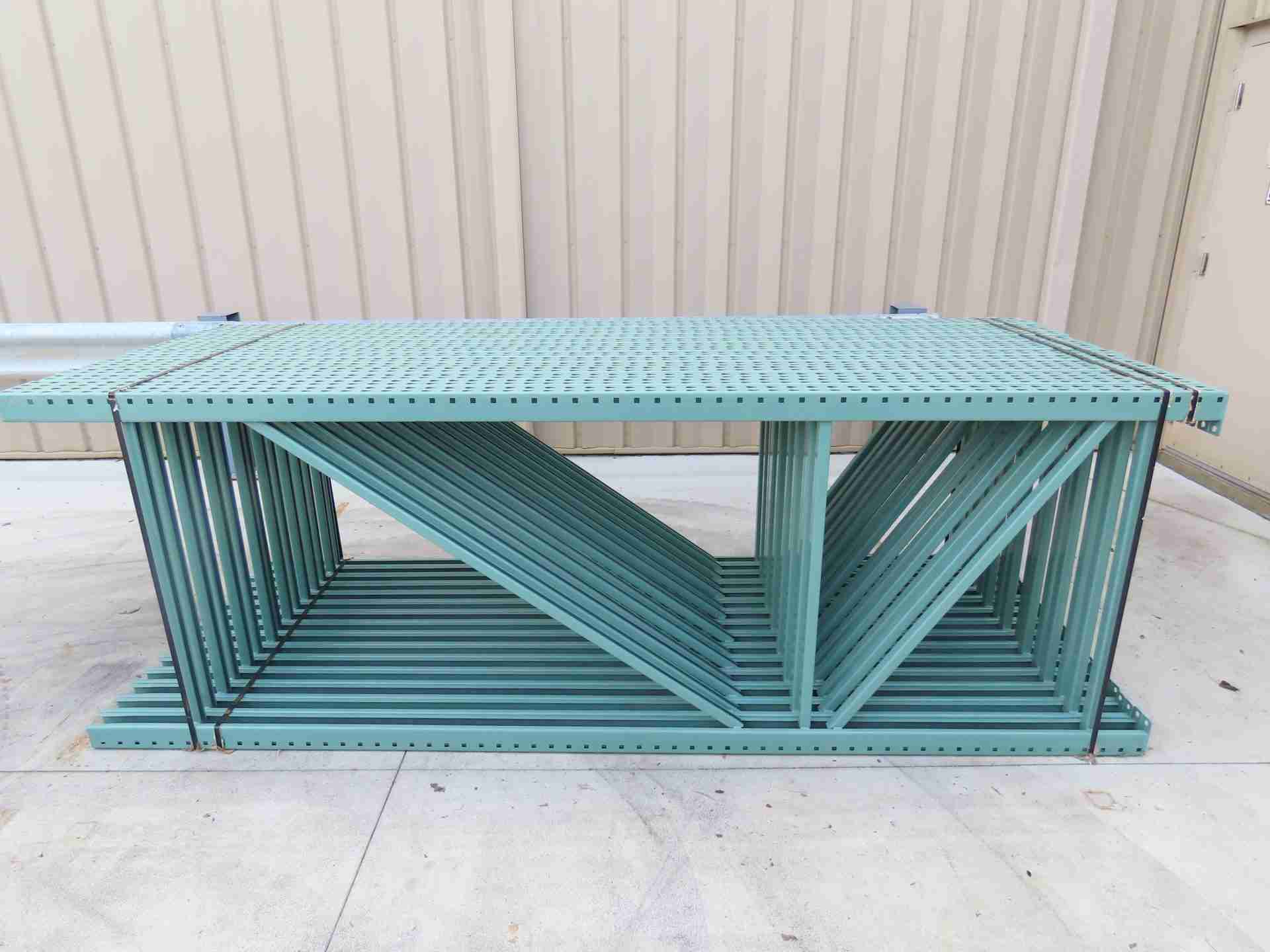
How Often Should Rack Systems Be Inspected?
What Are Common Signs Of Rack System Damage?
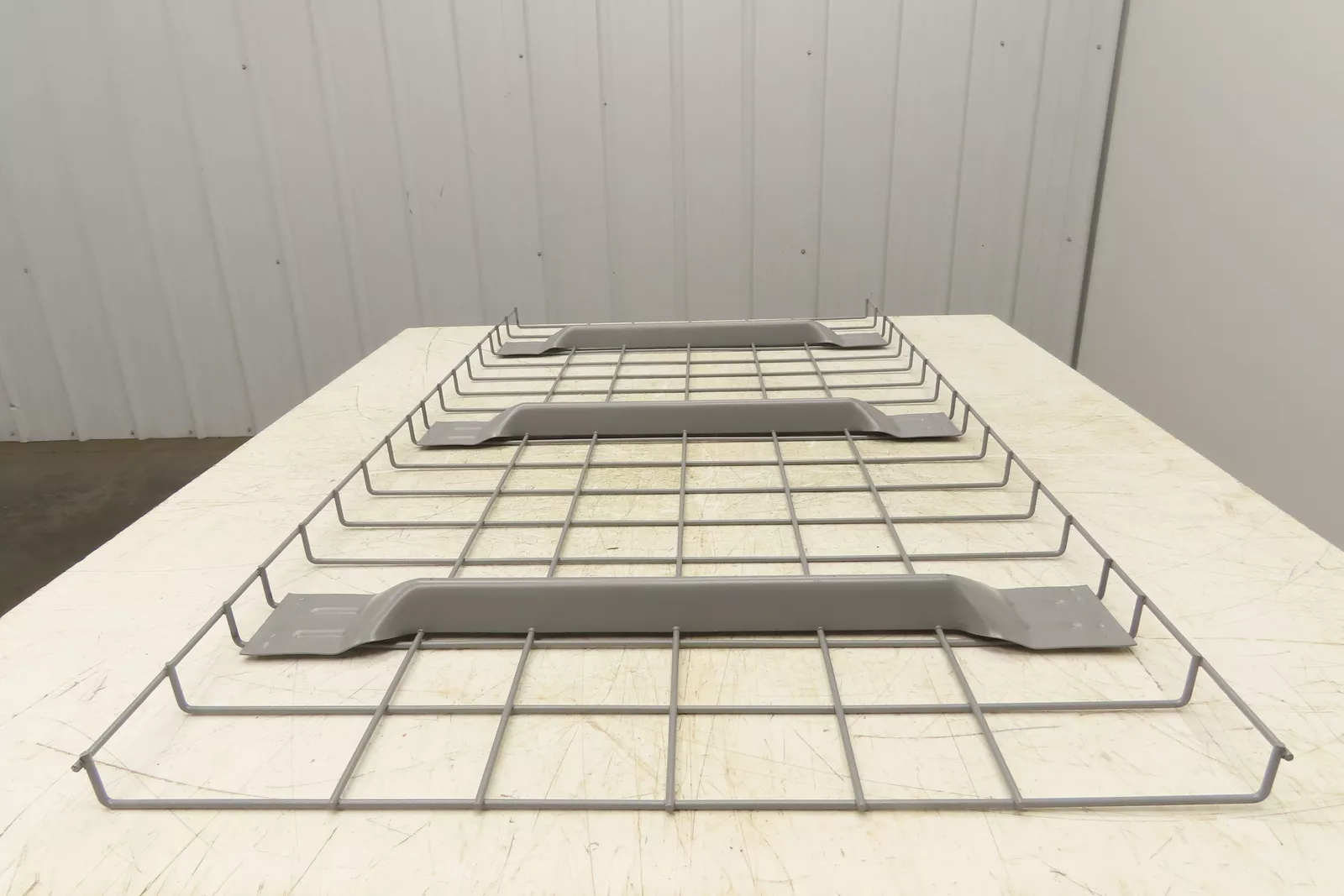
When it comes to keeping your warehouse operating smoothly and efficiently, it’s essential to be proactive in identifying and addressing potential damage to your rack systems. Failure to do so can result in costly repairs, downtime, and even safety hazards for your employees. To help you stay ahead of the game, here are some common signs of rack system damage that you should be on the lookout for:
1. Bent or twisted beams – If you notice any beams that appear to be bent or twisted, this could be a sign of a more significant issue with your rack system. This type of damage can compromise the structural integrity of the rack, making it susceptible to collapse under heavy loads. Be sure to inspect your beams regularly and replace any damaged ones immediately.
2. Missing or loose connection points – Connection points are crucial for the stability and strength of your rack system. If you notice any missing or loose connection points, it’s essential to address this issue promptly to prevent further damage. This could be caused by forklift collisions, overloading, or general wear and tear. Regularly inspecting and tightening connection points can help prevent potential rack failure.
3. Rust or corrosion – Rust and corrosion not only compromise the aesthetics of your rack system but also weaken its structural integrity. If you notice any signs of rust or corrosion, take action to address the issue before it worsens. This could involve sanding down the affected areas and applying a protective coating to prevent further damage.
4. Overloaded shelves – Overloading shelves can put excessive strain on your rack system, leading to potential damage and collapse. Be sure to adhere to weight limits and distribute weight evenly across the shelves to avoid overloading. If you notice any shelves bowing or bending under the weight, it’s important to redistribute the load or reinforce the shelves to prevent damage.
Being vigilant in monitoring your rack system for signs of damage can help prevent costly repairs and downtime in your warehouse operations. By addressing any issues promptly and proactively, you can ensure the safety of your employees and the longevity of your rack system. Don’t wait for a catastrophic failure to occur before taking action – stay ahead of the game and protect your investment in your warehouse infrastructure.
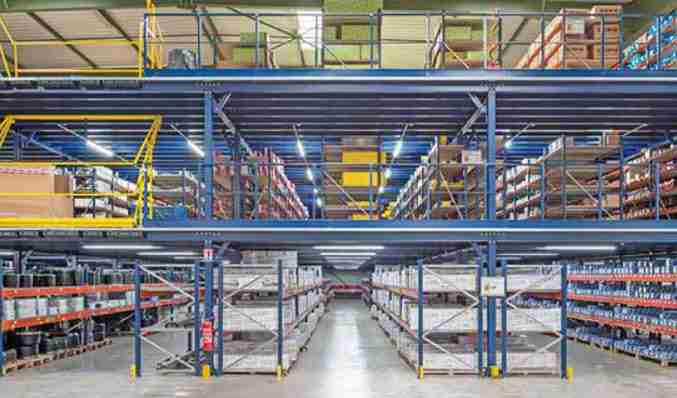
What Are Common Signs Of Rack System Damage?
What Are Common Signs Of Rack System Damage?
- Bent or twisted beams
- Inspect regularly and replace damaged beams immediately.
- Missing or loose connection points
- Address promptly to prevent further damage.
- Rust or corrosion
- Take action to prevent weakening of structural integrity.
- Overloaded shelves
- Adhere to weight limits and redistribute weight to prevent damage.
- Monitor for signs of damage regularly to prevent costly repairs and downtime.
- Address any issues promptly and proactively to ensure safety and longevity of rack system.
- Protect your investment in your warehouse infrastructure by staying ahead of the game.
What Are Common Signs Of Rack System Damage?
How Can I Prevent Overloading Rack Systems?
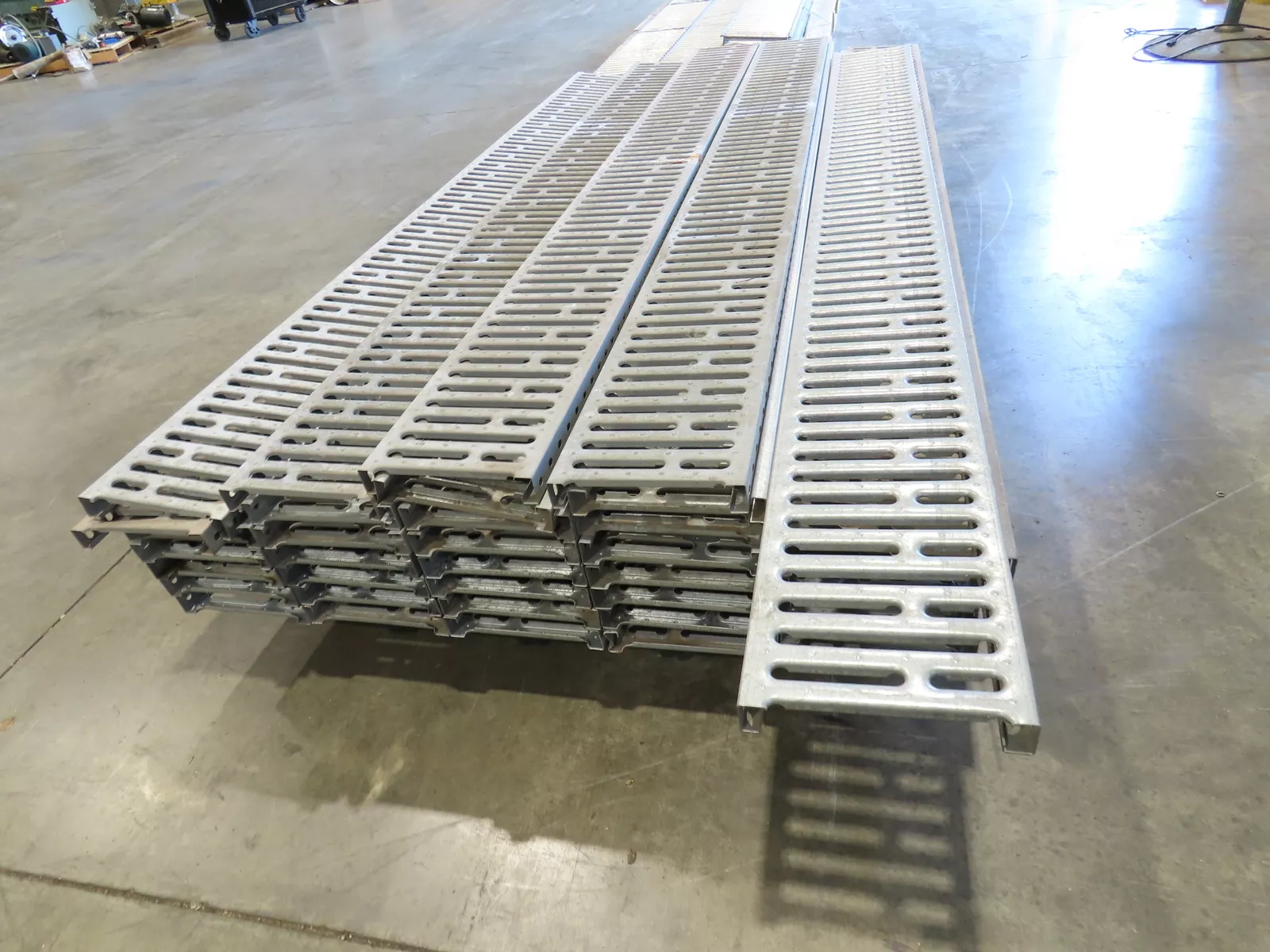
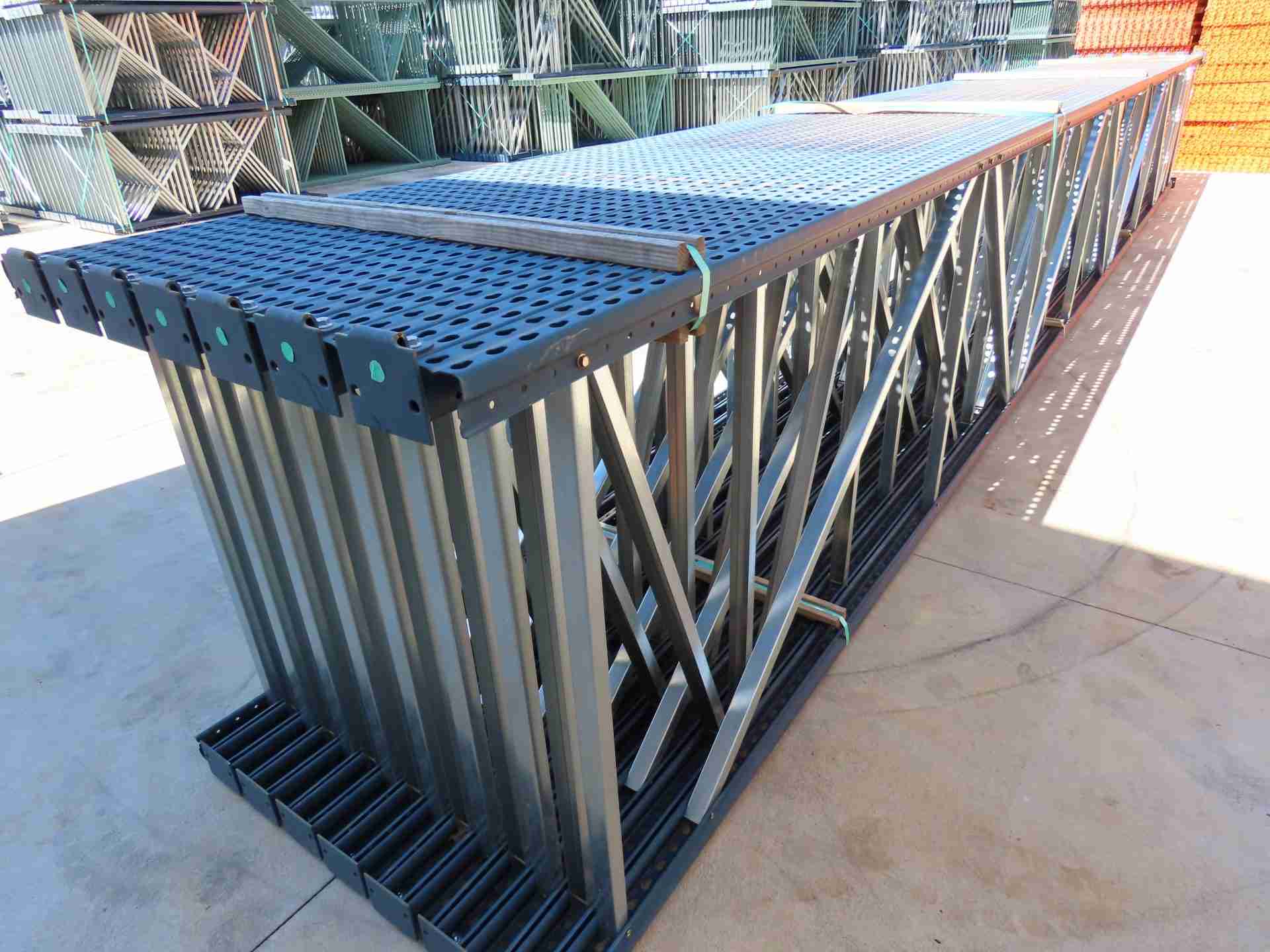
When it comes to preventing overloading in rack systems, it is crucial to follow proper guidelines and protocols to ensure the safety and longevity of the system. Overloading can lead to catastrophic failures, causing damage to the products stored in the racks and putting employees at risk. So, what can you do to prevent overloading in your rack systems?
First and foremost, it is essential to understand the weight capacity of your rack system. Each rack is designed to hold a specific amount of weight, and exceeding this limit can result in structural failure. Always refer to the manufacturer’s guidelines and never exceed the recommended weight capacity. By staying within the designated limits, you can prevent overloading and maintain the integrity of the rack system.
Another way to prevent overloading is to invest in quality rack systems that are built to withstand heavy loads. Choosing racks made from high-quality materials and constructed with precision engineering will ensure that your system can handle the weight of your stored goods. Additionally, regular inspections and maintenance checks can help identify any potential issues before they escalate into a major problem.
Furthermore, implementing proper training for employees who handle the rack systems is essential in preventing overloading. Make sure your staff is educated on the weight limits of the racks and the importance of distributing weight evenly across the shelves. By training your team to use the racks correctly, you can reduce the risk of overloading and maintain a safe working environment.
In light of recent events where overloaded rack systems have led to disastrous consequences, such as collapsed shelving units and inventory loss, it is more critical than ever to prioritize safety in your warehouse. By taking proactive measures to prevent overloading in your rack systems, you can avoid costly repairs, downtime, and potential injuries.
Preventing overloading in rack systems is a crucial aspect of warehouse management that should not be overlooked. By understanding the weight capacity of your racks, investing in quality systems, providing proper training to employees, and conducting regular maintenance checks, you can ensure the safety and efficiency of your warehouse operations. Don’t let overloading become a costly mistake – take the necessary steps to protect your rack systems and your business.
How Can I Prevent Overloading Rack Systems?
How Can I Prevent Overloading Rack Systems?
- Understand the weight capacity of your rack system.
- Refer to manufacturer’s guidelines and never exceed recommended weight capacity.
- Invest in quality rack systems made from high-quality materials.
- Regular inspections and maintenance checks.
- Implement proper training for employees handling rack systems.
- Prioritize safety in warehouse operations.
- Take proactive measures to prevent overloading.
How Can I Prevent Overloading Rack Systems?
What Are The Consequences Of Neglecting Rack System Maintenance?
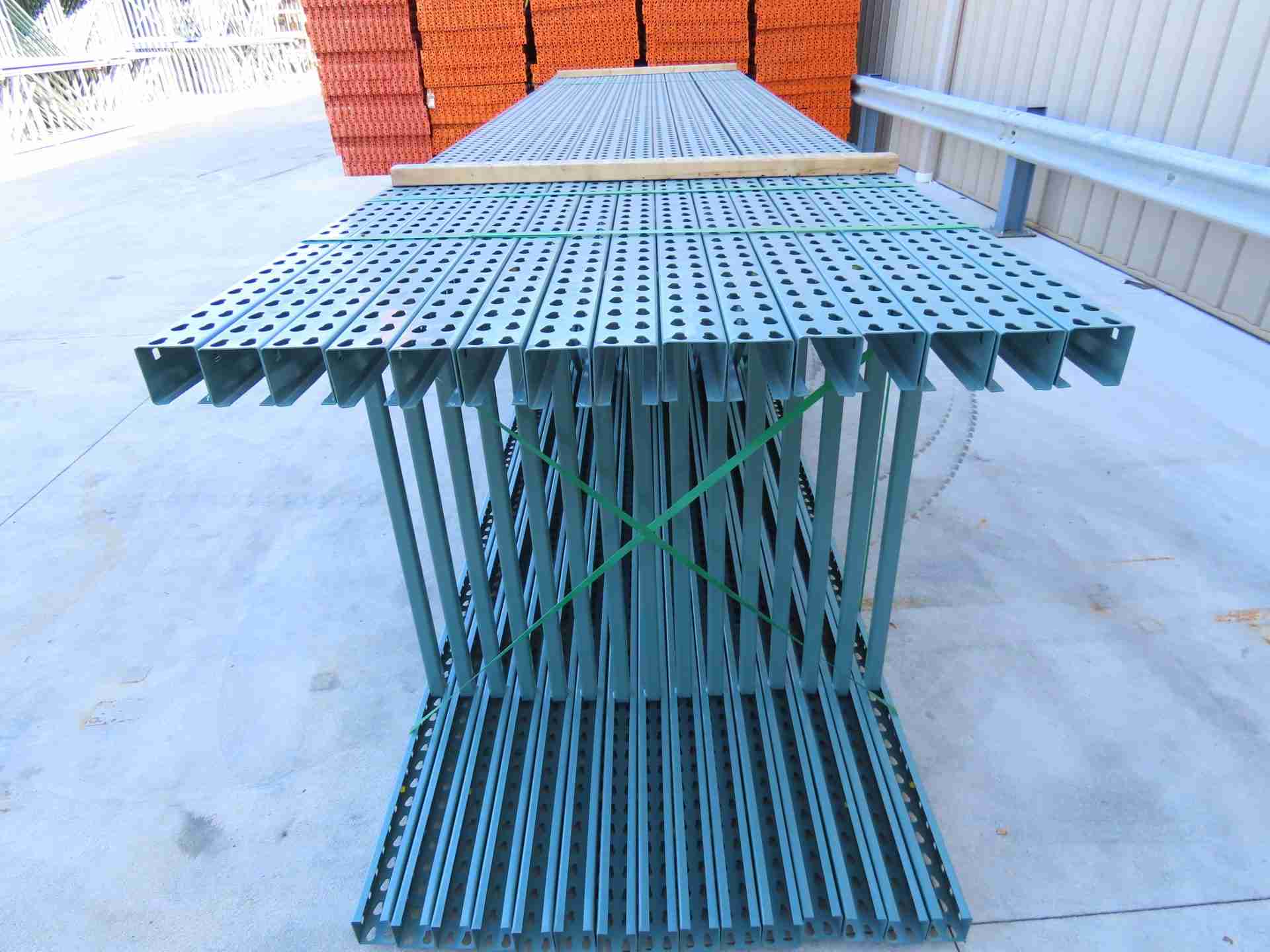
Neglecting rack system maintenance can have serious consequences for businesses of all sizes. As with any piece of equipment, regular maintenance is necessary to ensure the safety and efficiency of your rack system. Ignoring routine maintenance tasks can lead to a number of issues that can ultimately impact your bottom line.
One of the most immediate consequences of neglecting rack system maintenance is the risk of accidents and injuries in the workplace. Faulty or damaged racks can collapse under the weight of heavy loads, potentially causing serious harm to employees or damage to inventory. This not only puts your employees at risk, but can also result in costly lawsuits, fines, and damages to your reputation.
In a recent incident, a major retail chain faced a lawsuit after a rack system collapsed in one of their warehouses, injuring several employees. The company was found negligent in maintaining their rack systems, leading to a hefty settlement and a tarnished reputation in the industry. This serves as a stark reminder of the importance of investing in regular maintenance to prevent such disasters from occurring.
Neglecting rack system maintenance can also lead to inefficiencies in your warehouse operations. When racks are not properly maintained, they may become misaligned or unstable, making it difficult to store and retrieve inventory efficiently. This can result in wasted time and resources, as employees struggle to navigate through a disorganized and hazardous workspace.
Furthermore, neglecting rack system maintenance can have a negative impact on your overall productivity and profitability. When racks are not properly maintained, they may not be able to support the weight of your inventory, leading to damaged goods and lost sales. This can result in lost revenue and increased costs for replacements, repairs, and downtime.
Neglecting rack system maintenance can have serious consequences for your business, including the risk of accidents, inefficiencies, and decreased profitability. Investing in regular maintenance is essential to ensure the safety and efficiency of your rack system, and avoid costly consequences in the long run. Don’t wait until it’s too late – prioritize maintenance today to protect your employees, your inventory, and your bottom line.
What Are The Consequences Of Neglecting Rack System Maintenance?
What Are The Consequences Of Neglecting Rack System Maintenance?
- Neglecting rack system maintenance can have serious consequences for businesses of all sizes.
- Regular maintenance is necessary to ensure the safety and efficiency of your rack system.
- Ignoring routine maintenance tasks can lead to issues impacting your bottom line.
- Risk of accidents and injuries in the workplace due to faulty racks.
- Inefficiencies in warehouse operations when racks are not properly maintained.
- Negative impact on productivity and profitability with damaged goods and lost sales.
- Investing in regular maintenance is essential to avoid costly consequences.
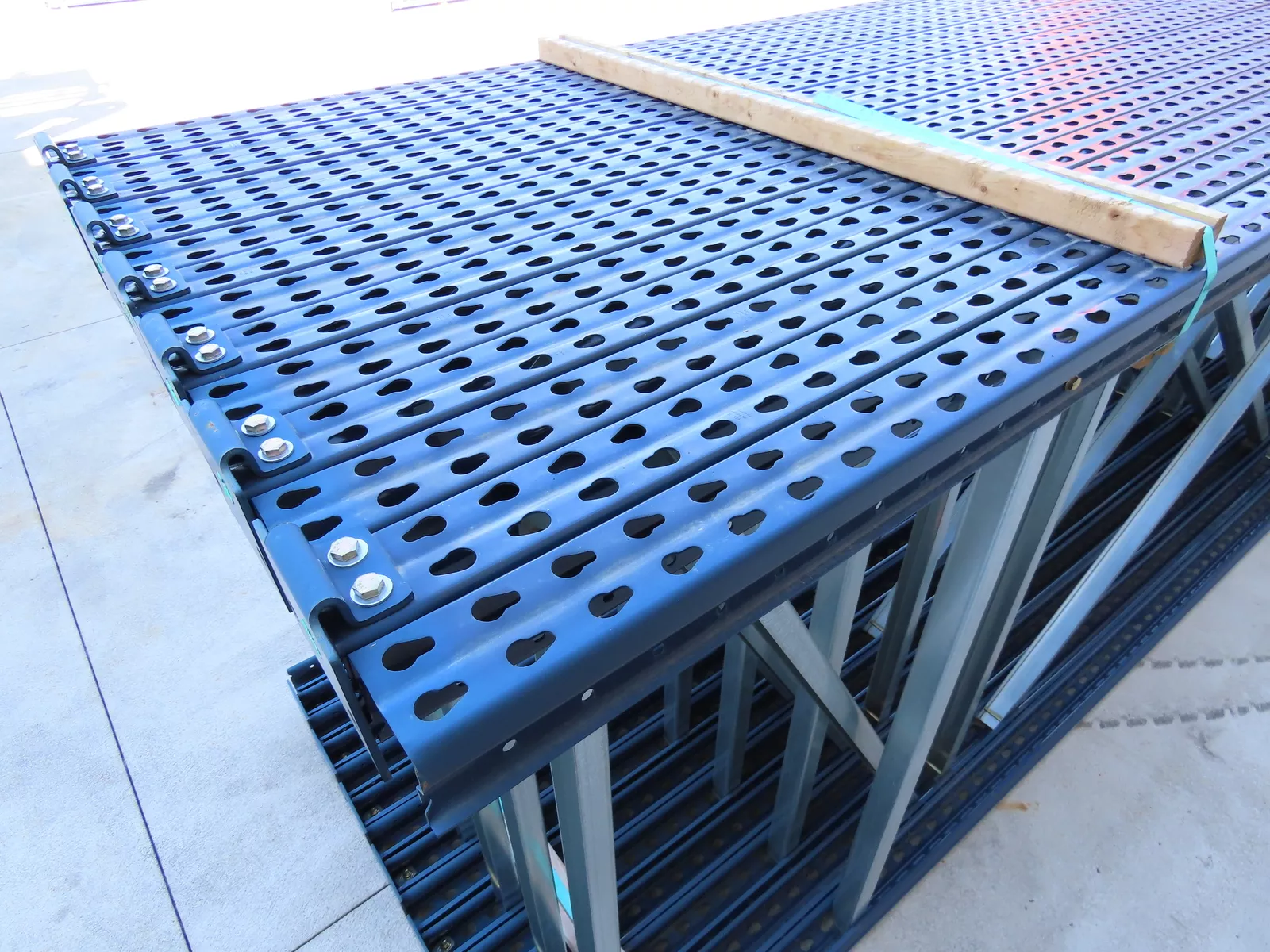
What Are The Consequences Of Neglecting Rack System Maintenance?
What Tools Are Needed For Proper Rack System Maintenance?
When it comes to maintaining your rack system, having the right tools on hand is essential. Proper maintenance ensures that your rack system operates efficiently and safely, reducing the risk of accidents and downtime. In order to keep your rack system in top condition, you’ll need to have a variety of tools at your disposal.
One essential tool for rack system maintenance is a level. This simple tool is crucial for ensuring that your rack system is installed and aligned correctly. A level can help you identify any uneven surfaces or misalignments that could compromise the stability of your rack system. By regularly checking the level of your rack system, you can catch any issues early on and prevent them from becoming major problems down the line.
Another important tool for rack system maintenance is a torque wrench. Properly tightening the bolts and hardware on your rack system is essential for ensuring its stability and safety. A torque wrench allows you to tighten the bolts to the manufacturer’s specifications, preventing over-tightening or under-tightening that could weaken the structure of your rack system.
In addition to these basic tools, it’s also helpful to have a set of allen keys or wrenches on hand for making adjustments and repairs to your rack system. These tools allow you to easily tighten or loosen bolts, adjust shelves, and make other necessary adjustments to keep your rack system in optimal condition.
It’s important to regularly inspect your rack system for any signs of wear or damage. By catching potential issues early on, you can prevent costly repairs or replacements in the future. Having the right tools on hand for maintenance can make this process easier and more efficient.
Maintaining your rack system is essential for ensuring its longevity and safety. By having the right tools on hand, you can easily perform routine maintenance tasks and catch any issues before they become major problems. Investing in quality tools for rack system maintenance is a smart decision that can save you time and money in the long run. Don’t wait until it’s too late – make sure you have the tools you need to keep your rack system in top condition.
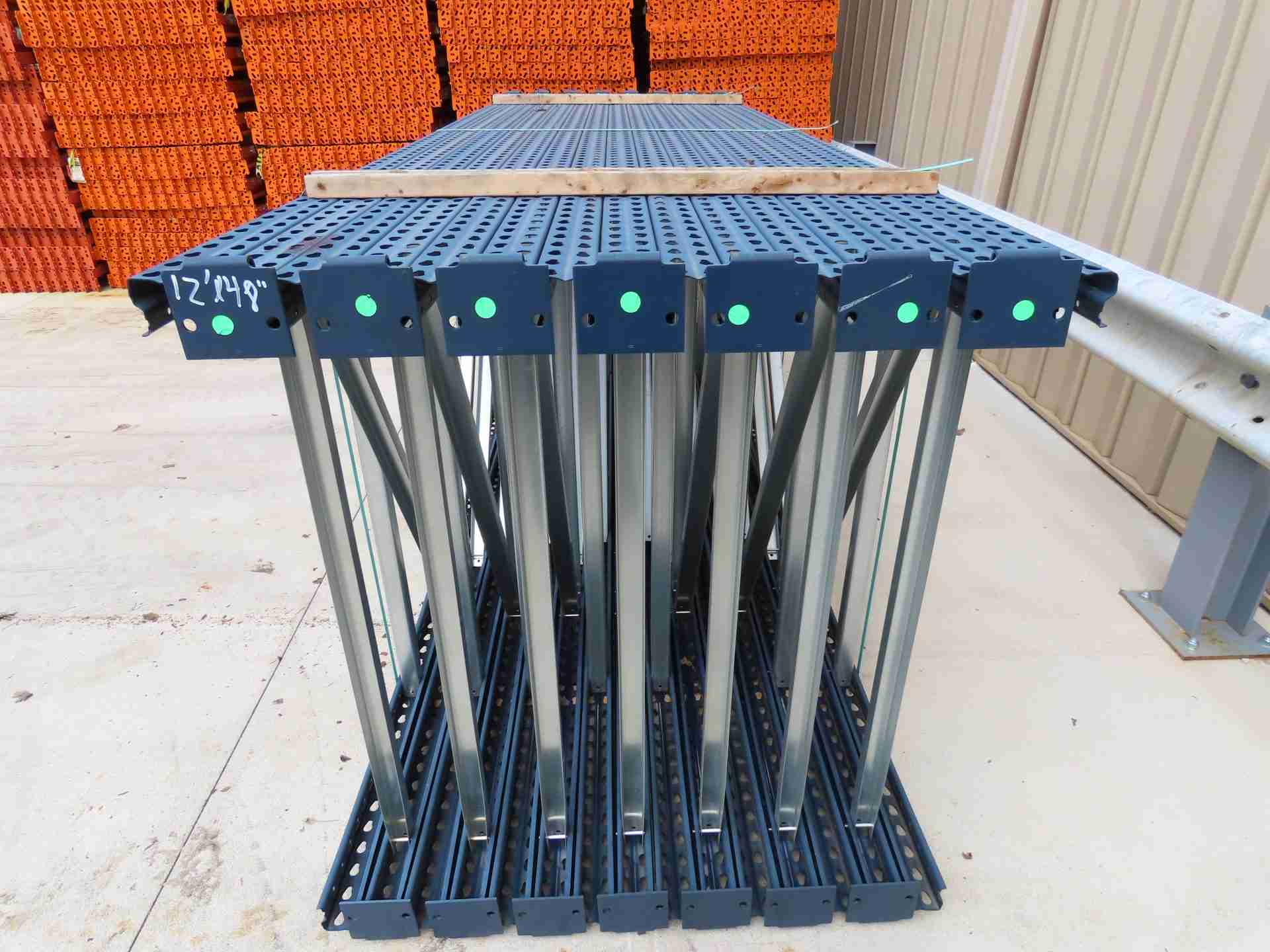
What Tools Are Needed For Proper Rack System Maintenance?
What Tools Are Needed For Proper Rack System Maintenance?
- Proper maintenance ensures rack system operates efficiently and safely.
- Having the right tools on hand is essential for maintenance.
- Level is essential for installation and alignment.
- Torque wrench is important for tightening bolts to manufacturer’s specifications.
- Allan keys or wrenches are helpful for adjustments and repairs.
- Regularly inspect rack system for wear or damage.
- Investing in quality tools can save time and money in the long run.
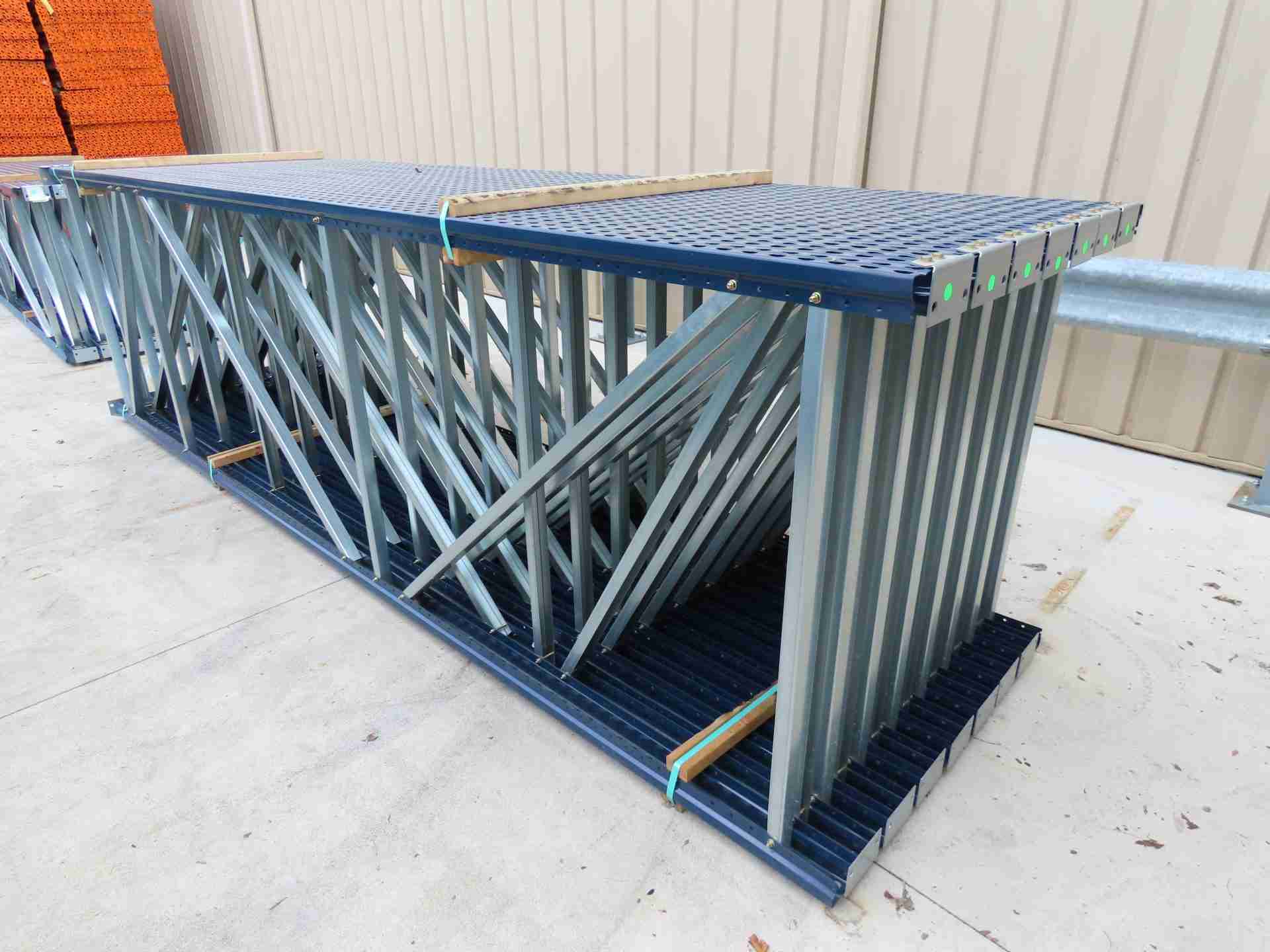
What Tools Are Needed For Proper Rack System Maintenance?
How Often Should Rack Systems Be Inspected?
When it comes to maximizing the efficiency and safety of your warehouse operations, regular inspections of your rack systems are absolutely essential. But how often should you be inspecting them to ensure everything is up to code and functioning properly?
The answer to this question may vary depending on your specific industry, the type of products being stored, and the regulations in place. However, a good rule of thumb is to conduct inspections at least once a year. This will help catch any potential issues early on, before they turn into costly and possibly dangerous problems.
But in some cases, it may be necessary to inspect your rack systems more frequently. For example, if your warehouse experiences a significant increase in inventory or if there have been any recent changes to the layout or configuration of the racks, more frequent inspections may be necessary to ensure everything is still in compliance with safety standards.
In light of recent events, such as the collapse of the Surfside condo building in Miami, Florida, it has become even more crucial to prioritize the safety of your infrastructure. Regular inspections not only ensure the safety of your employees and inventory, but also protect your business from potential liability and legal repercussions.
By investing in regular inspections of your rack systems, you are proactively preventing potential disasters and ensuring the longevity of your operations. It’s a small price to pay for the peace of mind that comes with knowing your warehouse is operating at its full potential.
The frequency of inspections for your rack systems should be determined by a variety of factors, including industry standards, regulations, and recent changes to your warehouse. While an annual inspection is a good starting point, don’t hesitate to increase the frequency if necessary. The safety and efficiency of your operations should always be a top priority, and regular inspections are an essential part of achieving that goal.
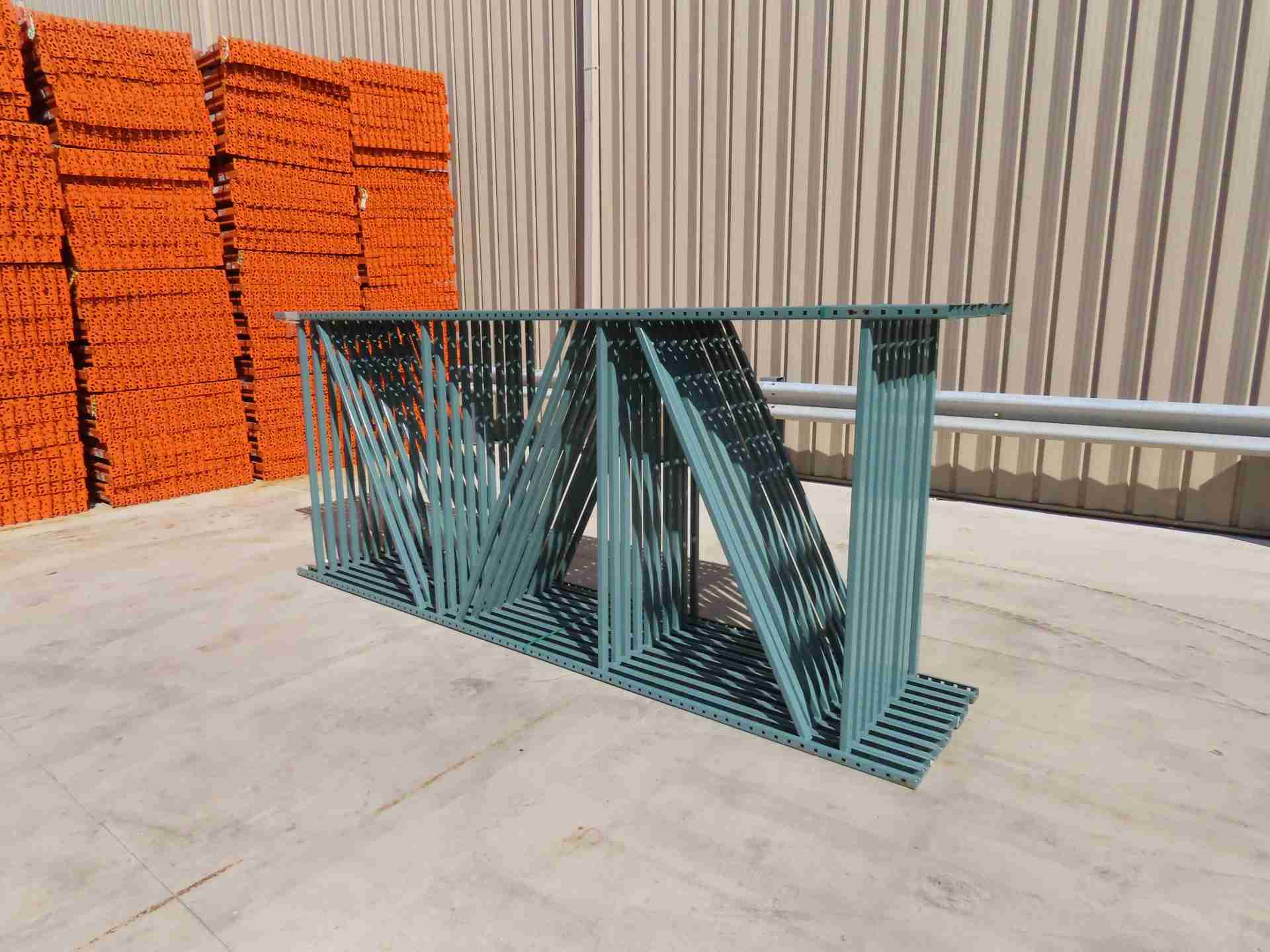
How Often Should Rack Systems Be Inspected?
How Often Should Rack Systems Be Inspected?
- Regular inspections of rack systems are essential for maximizing efficiency and safety in warehouse operations.
- Conduct inspections at least once a year to catch potential issues early and prevent costly problems.
- Consider more frequent inspections in case of significant inventory increases or layout changes.
- Prioritize safety following recent events like the Surfside condo collapse in Florida.
- Investing in regular inspections helps prevent disasters and ensures operational longevity.
- Determine inspection frequency based on industry standards, regulations, and recent warehouse changes.
- Ensure safety and efficiency by making regular inspections a top priority in warehouse operations.
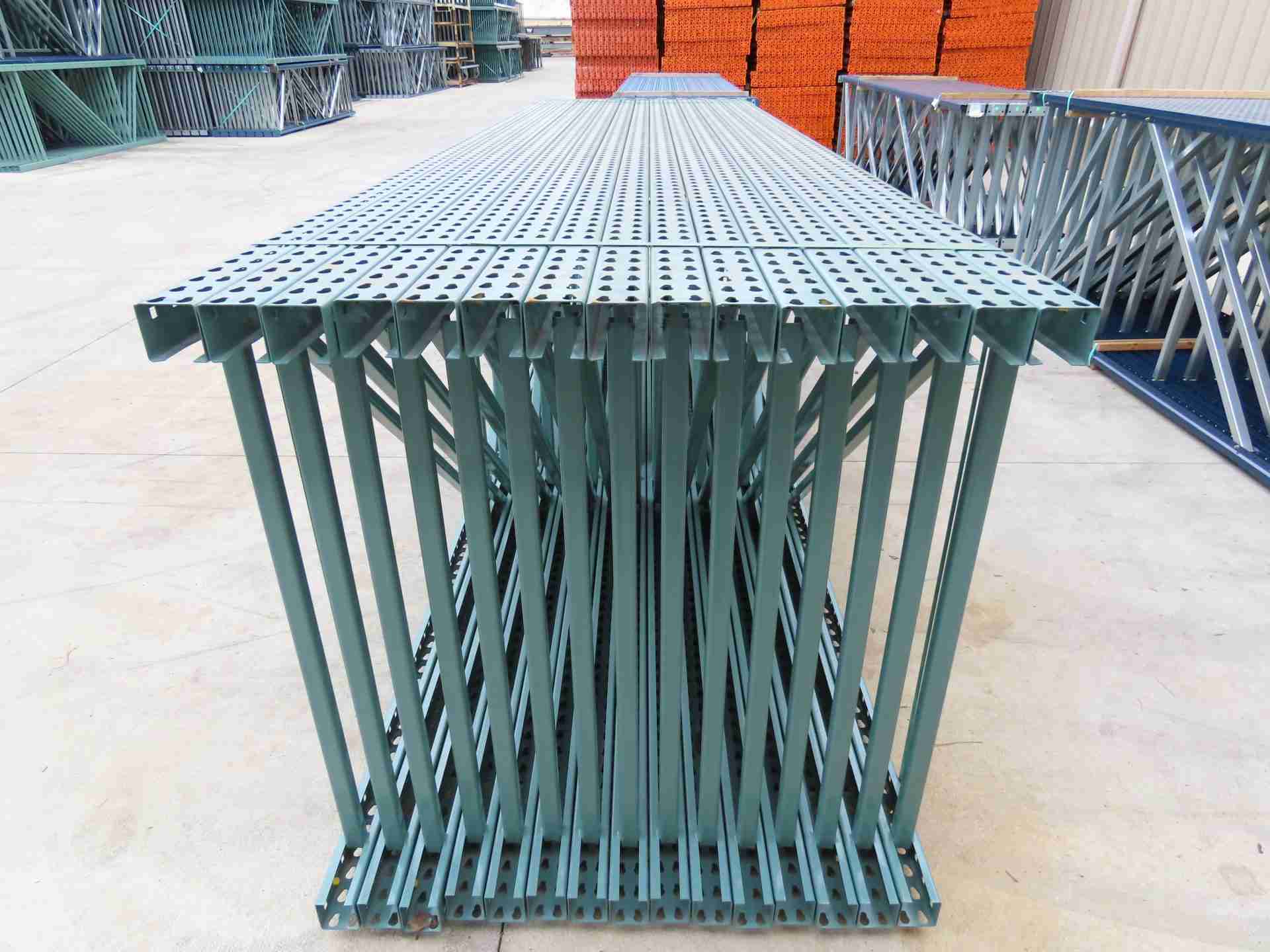
How Often Should Rack Systems Be Inspected?
What Are Common Signs Of Wear and Tear for Rack Systems?
When it comes to rack systems, ensuring they are properly maintained is crucial for the overall functionality and longevity of the system. However, over time, wear and tear on rack systems are inevitable. Recognizing common signs of wear and tear can help to address issues before they become detrimental to the system.
One common sign of wear and tear on rack systems is bent or twisted beams. This can occur due to improper loading of the shelves, causing them to become misaligned. In extreme cases, bent or twisted beams can compromise the structural integrity of the entire system, posing a safety hazard in the workplace. Regularly inspecting the beams for any signs of damage and addressing them promptly can help prevent further issues.
Another sign of wear and tear to watch out for is corrosion on the rack system. This can occur due to exposure to moisture or harsh chemicals in the environment. Corrosion weakens the metal components of the rack system, making them more susceptible to failure. Regularly cleaning and inspecting the racks for any signs of corrosion can help to prevent further deterioration.
Additionally, loose or missing hardware on the rack system is another common indicator of wear and tear. Over time, bolts and nuts can become loose due to the constant movement and vibration of the racks. If left unaddressed, this can lead to instability in the system and potentially result in a collapse. Checking the hardware regularly and tightening or replacing any loose or missing pieces can help to maintain the integrity of the rack system.
It is important to note that keeping up with regular maintenance and inspections of rack systems is crucial in preventing accidents and ensuring the longevity of the system. As recent events have shown the importance of workplace safety and proper equipment maintenance, investing in the upkeep of rack systems is a wise decision. By staying vigilant and addressing any signs of wear and tear promptly, businesses can avoid costly repairs and downtime due to rack system failures.
Understanding common signs of wear and tear on rack systems is essential for maintaining a safe and efficient warehouse environment. By being proactive in addressing issues and keeping up with regular maintenance, businesses can extend the life of their rack systems and ensure the safety of their employees. Stay vigilant, stay safe, and keep those rack systems in top condition.
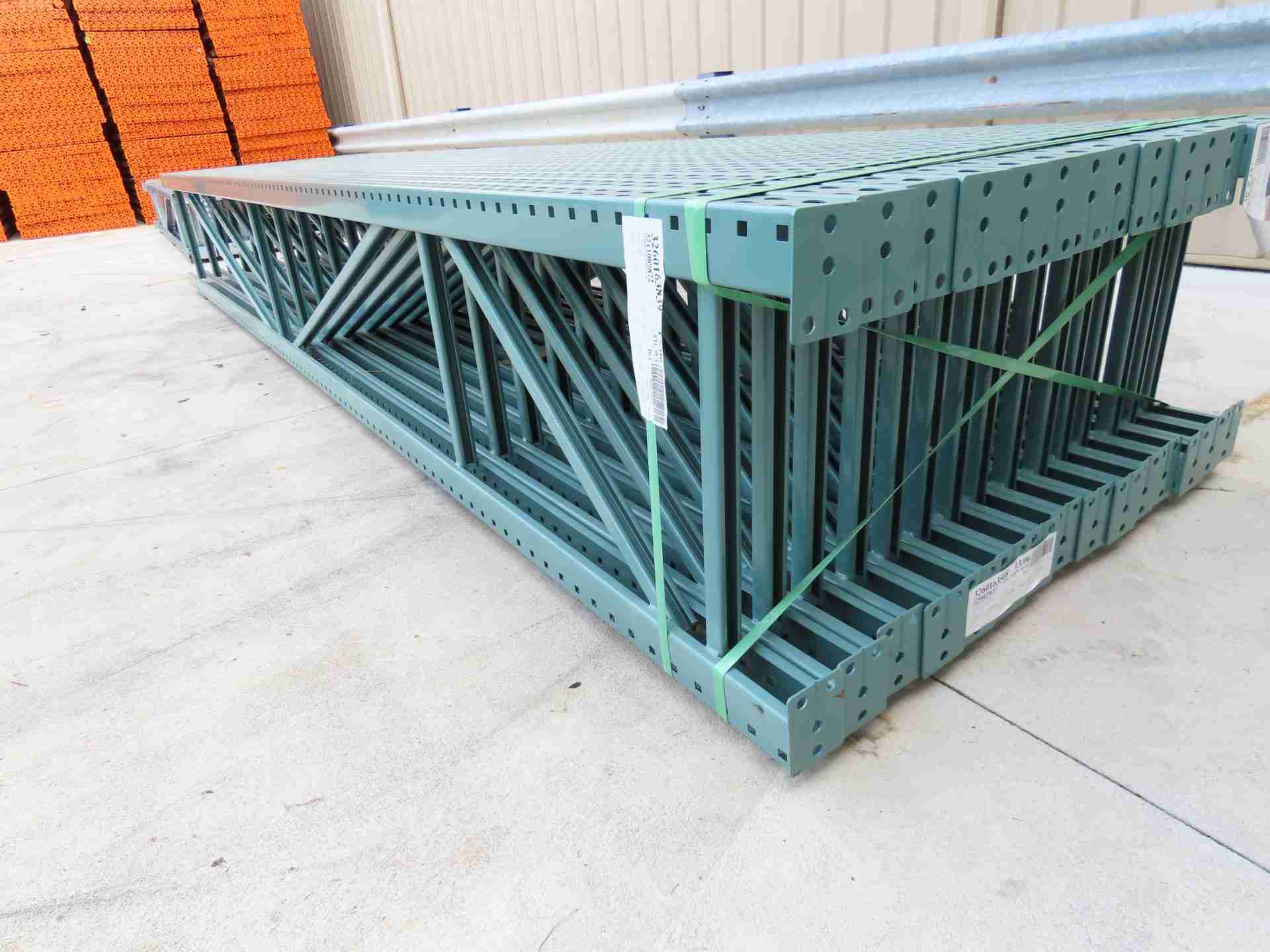
What Are Common Signs Of Wear and Tear for Rack Systems?
What Are Common Signs Of Wear and Tear for Rack Systems?
- Proper maintenance of rack systems is crucial for functionality and longevity.
- Bent or twisted beams are common signs of wear and tear.
- Corrosion can weaken metal components of rack systems.
- Loose or missing hardware can lead to instability and collapse.
- Regular maintenance and inspections are vital for preventing accidents.
- Investing in upkeep of rack systems is a wise decision for workplace safety.
- Understanding common signs of wear and tear is essential for a safe warehouse environment.

What Are Common Signs Of Wear and Tear for Rack Systems?
Can Regular Rack Systems Maintenance Prevent Costly Repairs?
Regular maintenance of rack systems can be the key to preventing costly repairs down the line. Just like with any piece of equipment, neglecting to properly care for your rack systems can result in significant expenses and downtime in the future. By implementing a consistent maintenance schedule, you can ensure that your rack systems are operating at their full potential and avoid any unexpected issues that could derail your operations.
One of the main benefits of regular maintenance is the ability to catch potential problems before they escalate into more serious issues. For example, noticing a loose bolt or a worn-out beam during a routine inspection can allow you to address these issues early on, preventing them from causing larger issues such as a collapse or failure of the racking system. By taking a proactive approach to maintenance, you can save yourself the headache of dealing with costly repairs and replacements in the future.
In addition to preventing costly repairs, regular maintenance can also help extend the lifespan of your rack systems. By keeping up with routine inspections and maintenance tasks, you can ensure that your racking systems are operating efficiently and effectively for years to come. This can ultimately save you money in the long run by reducing the need for frequent replacements and upgrades.
Moreover, with the current focus on workplace safety and regulations, it is more important than ever to prioritize maintenance of rack systems. By ensuring that your racking systems are in compliance with safety standards and regulations, you can protect your employees and avoid potential fines or penalties for non-compliance. This can help you maintain a safe and productive work environment while also avoiding any legal issues that could arise from neglecting maintenance.
Overall, regular maintenance of rack systems is a smart investment that can help you avoid costly repairs, extend the lifespan of your equipment, and stay in compliance with safety regulations. By making maintenance a priority, you can protect your assets, your employees, and your bottom line. Don’t wait until it’s too late – start implementing a maintenance schedule for your rack systems today and reap the benefits of a well-maintained and efficient operation.
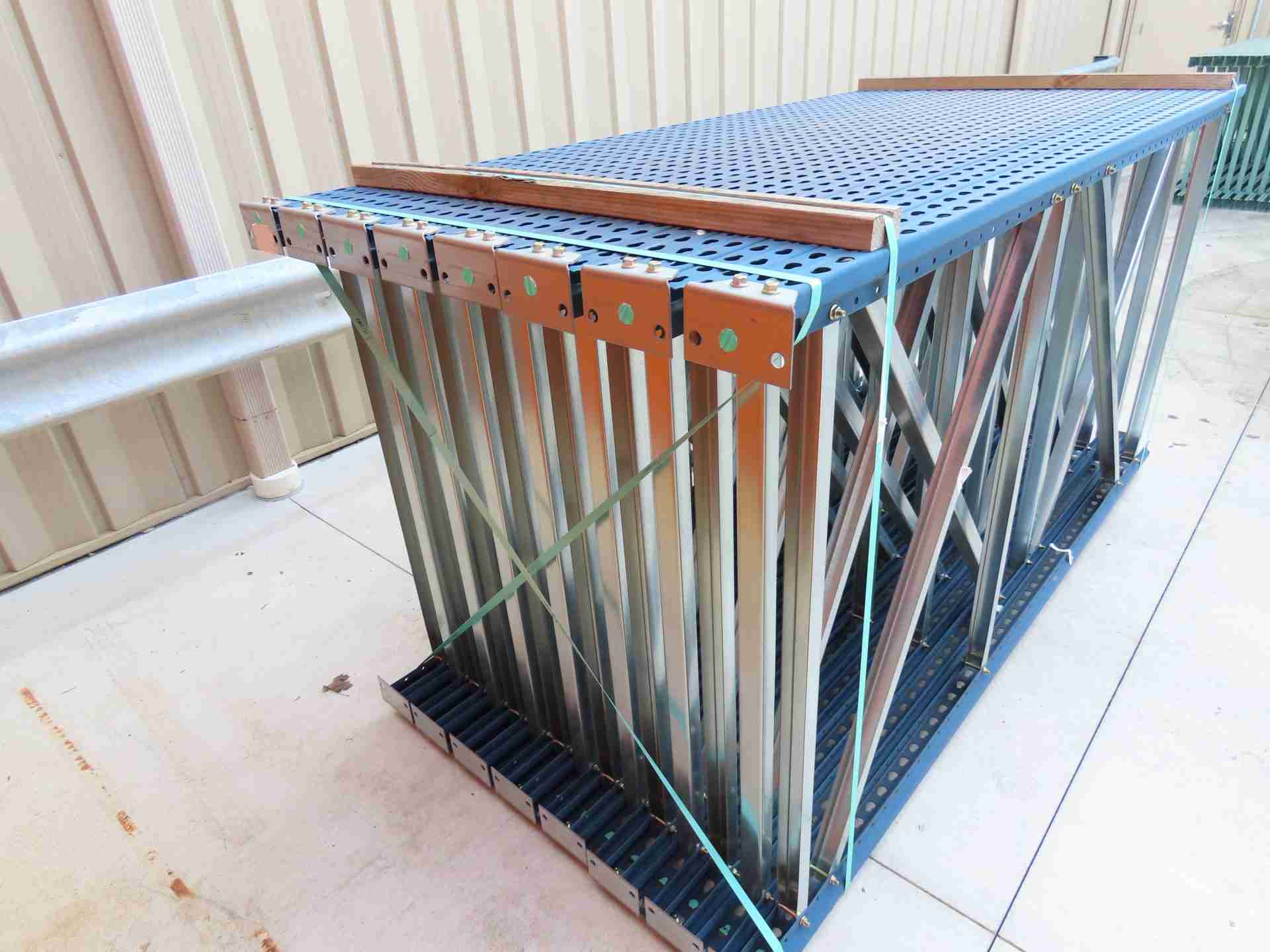
Can Regular Rack Systems Maintenance Prevent Costly Repairs?
Can Regular Rack Systems Maintenance Prevent Costly Repairs?
- Regular maintenance of rack systems can be the key to preventing costly repairs down the line.
- Neglecting to care for rack systems can result in significant expenses and downtime in the future.
- Implementing a consistent maintenance schedule ensures rack systems operate at full potential.
- Catching potential problems early can prevent serious issues like collapse or failure.
- Regular maintenance helps extend the lifespan of rack systems and saves money in the long run.
- Maintaining compliance with safety standards protects employees and avoids fines.
- Overall, regular maintenance is a smart investment that protects assets and bottom line.
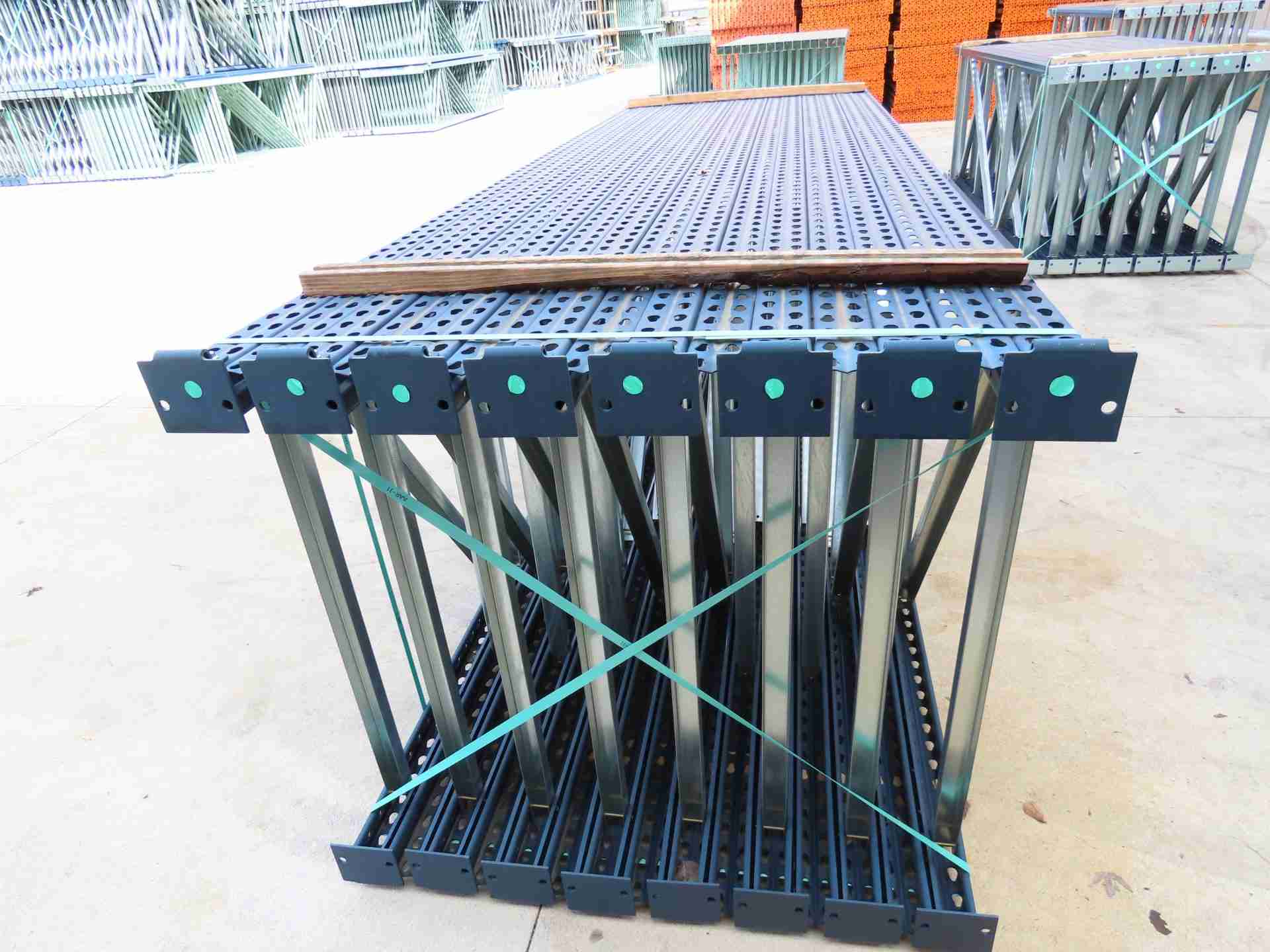
Can Regular Rack Systems Maintenance Prevent Costly Repairs?
What Tools Are Needed for Proper Rack System Maintenance?
To keep your rack system in optimal condition, it is crucial to have the right tools at your disposal. By investing in the proper maintenance tools, you can ensure that your rack system remains efficient and reliable for years to come.
One essential tool for rack system maintenance is a sturdy set of wrenches. These will allow you to tighten any loose bolts or nuts that may have come undone over time. Regularly checking and tightening these connections will prevent accidents and ensure the stability of your rack system.
In addition to wrenches, a level is another critical tool for maintaining your rack system. Ensuring that your racks are level is essential for their proper functionality. A level will allow you to easily identify any areas that may be off-balance and correct them before they become a more significant issue.
Furthermore, a tape measure is a handy tool to have on hand for rack system maintenance. By measuring the distance between shelves or the alignment of components, you can make adjustments as needed to keep your rack system in top condition. This will help prevent any potential accidents or damage that could occur from misaligned shelves.
A lubricant is another essential tool for rack system maintenance. Applying lubricant to moving parts of your rack system, such as casters or hinges, will help reduce friction and wear over time. This simple step can extend the life of your rack system and ensure that it continues to operate smoothly.
Lastly, a flashlight is a useful tool for inspecting hard-to-reach areas of your rack system. By shining a light on these areas, you can easily identify any potential issues, such as rust or corrosion, that may need attention. This proactive approach to maintenance can help prevent more significant problems down the line.
Having the right tools for rack system maintenance is essential for keeping your storage system in top condition. By investing in wrenches, a level, a tape measure, lubricant, and a flashlight, you can ensure that your rack system remains safe, efficient, and reliable. With proper maintenance, you can extend the life of your rack system and avoid costly repairs or replacements in the future. Don’t wait until it’s too late – invest in the tools you need today to keep your rack system in optimal condition.
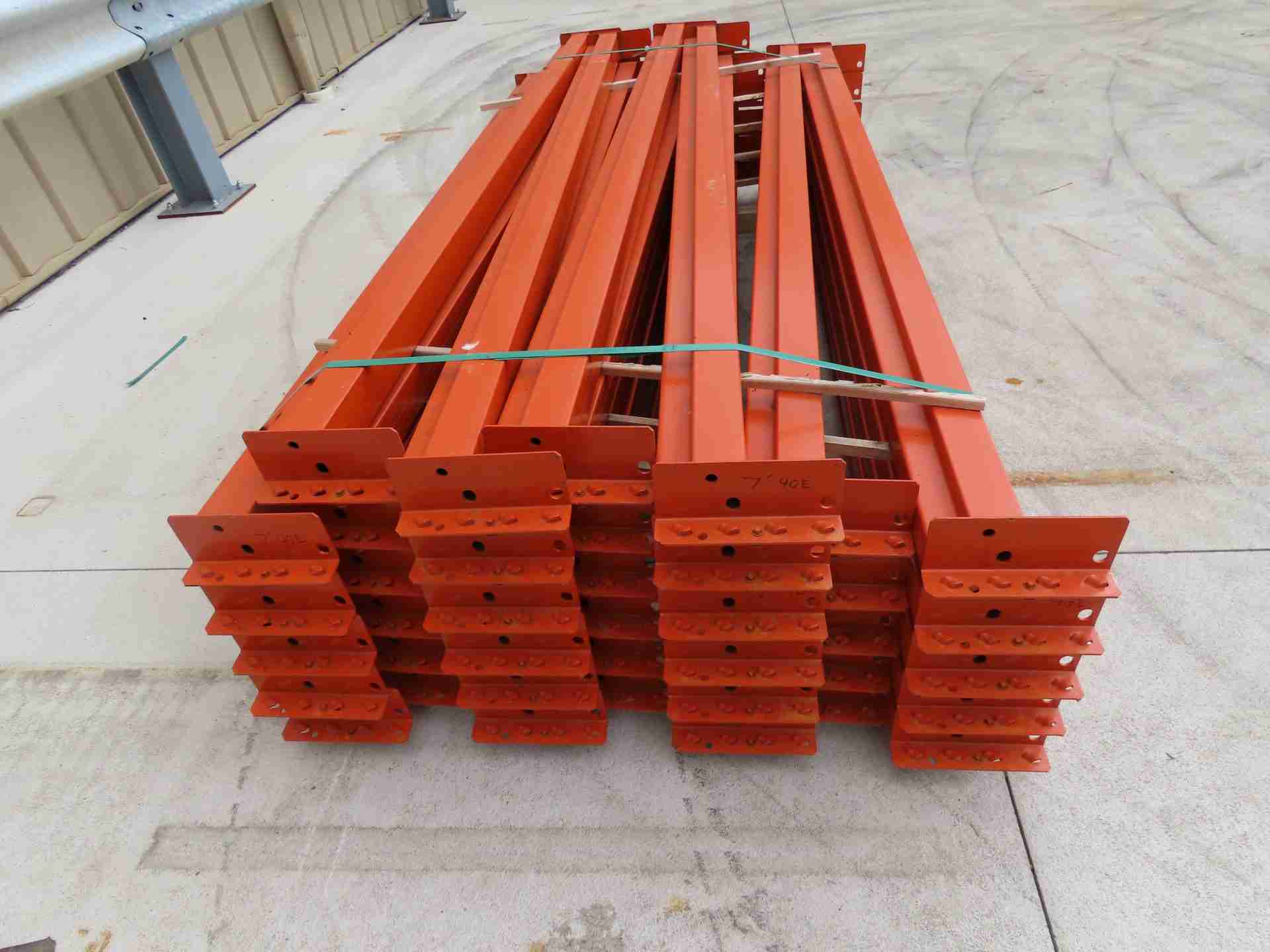
What Tools Are Needed for Proper Rack System Maintenance?
What Tools Are Needed for Proper Rack System Maintenance?
- Invest in a sturdy set of wrenches for tightening loose bolts and nuts on your rack system.
- Use a level to ensure your racks are properly balanced for optimal functionality.
- Keep a tape measure on hand to make precise adjustments and prevent accidents from misaligned shelves.
- Apply lubricant to moving parts of your rack system to reduce friction and extend its lifespan.
- Use a flashlight to inspect hard-to-reach areas for potential issues like rust or corrosion.
- Investing in the right maintenance tools like wrenches, a level, a tape measure, lubricant, and a flashlight can help keep your rack system safe, efficient, and reliable.
- Proper maintenance with the right tools can extend the life of your rack system and prevent costly repairs or replacements in the future.
What Tools Are Needed for Proper Rack System Maintenance?
What Are The Benefits Of a Rack Systems Maintenance Schedule?
Having a regularly scheduled maintenance program for your rack systems can provide numerous benefits for your business. One of the most important benefits is ensuring the safety of your employees and the protection of your products. By proactively maintaining and inspecting your rack systems, you can identify and address any potential dangers before they result in accidents or damage to inventory.
Additionally, a maintenance schedule can help extend the lifespan of your rack systems, saving you money in the long run. Regular inspections and repairs can prevent small issues from turning into major problems that require costly replacements. By investing in maintenance now, you can avoid larger expenses down the road.
Another benefit of a maintenance schedule is improving efficiency within your warehouse. When your rack systems are properly maintained, it ensures that they are functioning at their best, which can help streamline operations and reduce downtime. This can lead to increased productivity and ultimately, higher profits for your business.
In today’s fast-paced and competitive marketplace, having a well-maintained warehouse is essential for staying ahead of the competition. Customers expect quick and accurate order fulfillment, and any delays due to equipment malfunctions can result in lost business. By implementing a maintenance schedule for your rack systems, you can minimize the risk of disruptions and ensure that your warehouse operations run smoothly.
Recent events such as the COVID-19 pandemic have highlighted the importance of having a robust maintenance program in place. With supply chains being disrupted and businesses facing unprecedented challenges, it is more important than ever to ensure that your warehouse operations are running efficiently. By proactively maintaining your rack systems, you can help mitigate risks and ensure that your business is prepared for whatever may come your way.
Overall, implementing a maintenance schedule for your rack systems can provide numerous benefits for your business. From ensuring the safety of your employees to improving efficiency and reducing costs, investing in regular maintenance is a smart decision for any warehouse operation. By prioritizing maintenance now, you can protect your investments and set your business up for long-term success.
What Are The Benefits Of a Rack Systems Maintenance Schedule?
What Are The Benefits Of a Rack Systems Maintenance Schedule?
- Ensure safety of employees and protection of products.
- Extend lifespan of rack systems and save money.
- Improve efficiency within warehouse operations.
- Stay ahead of competition by minimizing disruptions.
- Highlight importance of maintenance program in challenging times.
- Provide numerous benefits for business.
- Protect investments and set business up for long-term success.
What Are The Benefits Of a Rack Systems Maintenance Schedule?
How Can Rust and Corrosion Be Prevented In Rack Systems?
Rust and corrosion can wreak havoc on rack systems, leading to unwanted downtime, costly repairs, and compromised safety. Fortunately, there are several proactive measures that can be taken to prevent these issues and ensure the longevity and functionality of your rack systems.
One effective way to prevent rust and corrosion in rack systems is to use high-quality materials that are resistant to these elements. For example, choosing racks made from stainless steel or galvanized metal can significantly reduce the likelihood of rust forming. These materials are known for their durability and ability to withstand harsh environments, making them ideal for use in industrial settings where corrosion is a constant threat.
In addition to selecting the right materials, regular maintenance and inspections are crucial for preventing rust and corrosion in rack systems. This includes regularly cleaning the racks to remove any dirt, debris, or moisture that could contribute to corrosion. Inspections should also be conducted to identify any signs of rust or corrosion early on so that corrective action can be taken promptly.
Another effective way to prevent rust and corrosion in rack systems is to implement a corrosion protection program. This may involve using rust inhibitors, coatings, or sealants to create a protective barrier against moisture and other corrosive elements. Investing in such a program can help to extend the lifespan of your rack systems and reduce the need for costly repairs and replacements.
Furthermore, staying up to date on the latest technologies and innovations in corrosion prevention can also help to protect your rack systems. For example, advancements in nano-coatings and corrosion-resistant materials have made it easier than ever to shield rack systems from the damaging effects of rust and corrosion.
By taking a proactive approach to preventing rust and corrosion in rack systems, you can save time, money, and hassle in the long run. Investing in high-quality materials, implementing a maintenance program, and staying informed on the latest advancements in corrosion prevention are all smart strategies for ensuring the reliability and performance of your rack systems.
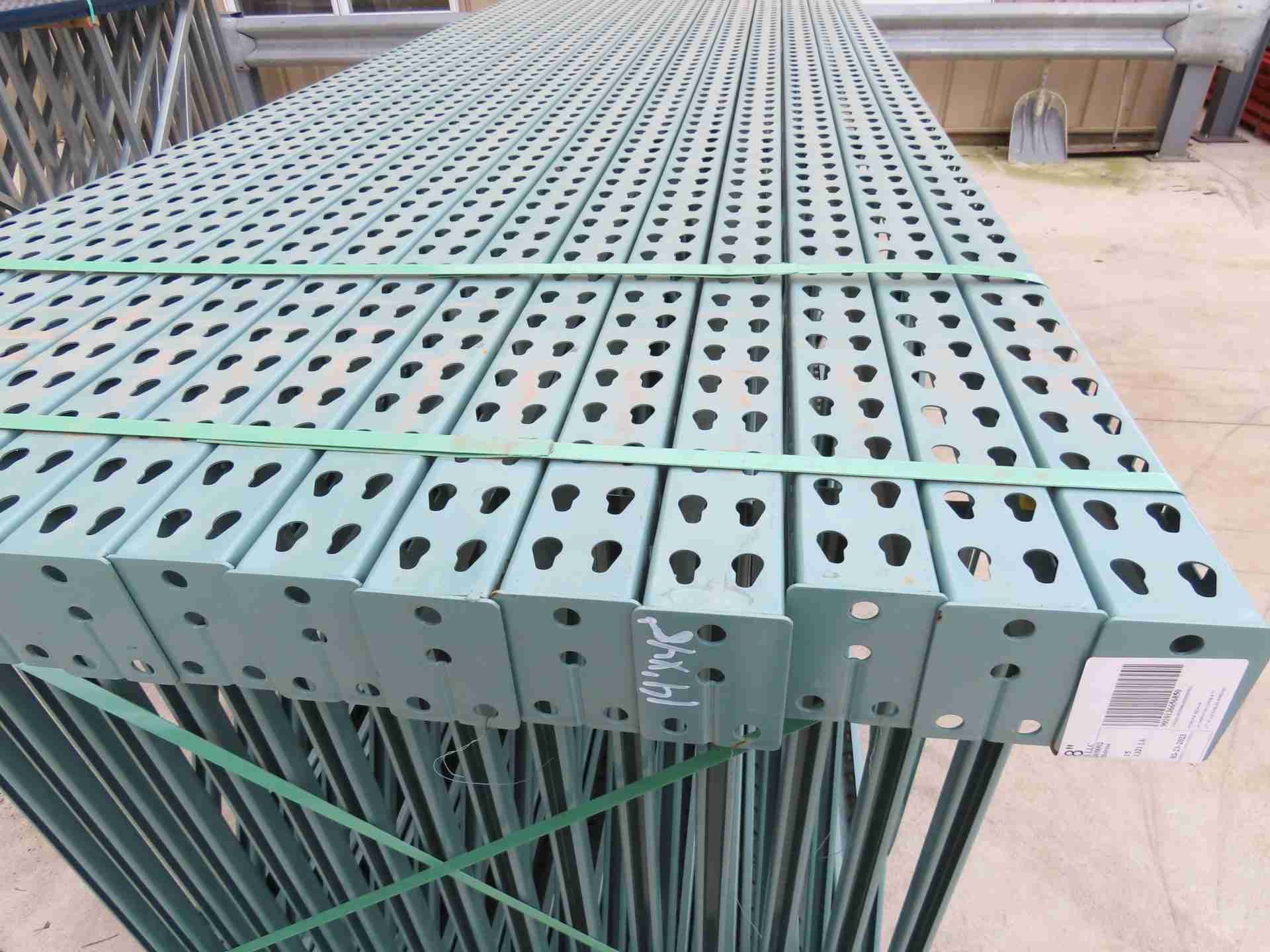
How Can Rust and Corrosion Be Prevented In Rack Systems?
How Can Rust and Corrosion Be Prevented In Rack Systems?
- Rust and corrosion can wreak havoc on rack systems, leading to unwanted downtime, costly repairs, and compromised safety.
- Using high-quality materials such as stainless steel or galvanized metal can prevent rust and corrosion in rack systems.
- Regular maintenance and inspections are crucial for preventing rust and corrosion in rack systems.
- Implementing a corrosion protection program with inhibitors, coatings, or sealants can extend the lifespan of rack systems.
- Staying up to date on the latest technologies and innovations in corrosion prevention can help protect rack systems.
- Taking a proactive approach to preventing rust and corrosion can save time, money, and hassle in the long run.
- Investing in high-quality materials, implementing a maintenance program, and staying informed on corrosion prevention advancements are smart strategies for ensuring the reliability and performance of rack systems.
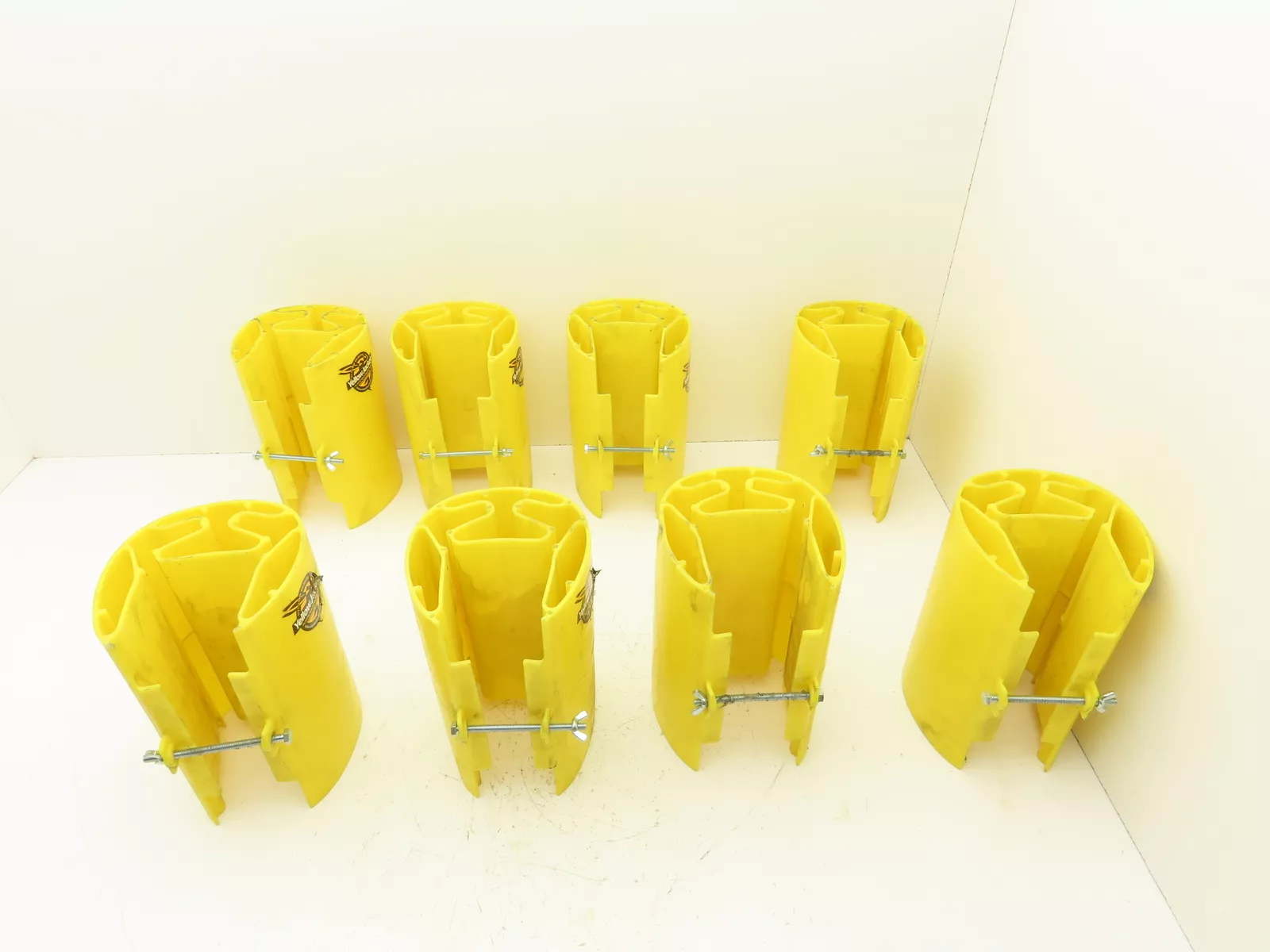
How Can Rust and Corrosion Be Prevented In Rack Systems?
What Role Does Employee Training Play In Maintaining Rack Systems?
Employee training plays a crucial role in maintaining rack systems within a warehouse or distribution center. Without proper training, employees may not be equipped to handle the intricacies of operating and maintaining these systems, leading to costly mistakes and potential safety hazards.
One key aspect of employee training in rack systems is teaching workers how to properly load and unload inventory. By understanding weight restrictions, load capacities, and proper stacking techniques, employees can prevent overloading shelves and causing structural damage to the racks. In fact, according to a recent survey by the Occupational Safety and Health Administration (OSHA), improper loading practices are a leading cause of workplace accidents and injuries in warehouses.
Additionally, training employees on how to identify and address potential safety hazards within rack systems is essential for maintaining a safe working environment. By teaching workers how to recognize signs of structural damage, rust, or other issues that could compromise the integrity of the racks, companies can prevent accidents and ensure the longevity of their equipment. In light of recent workplace accidents related to faulty rack systems, such as the collapse at an Amazon fulfillment center in Baltimore in 2018, it is more important than ever to prioritize employee training in this area.
Moreover, employee training can also help optimize the efficiency and productivity of rack systems within a warehouse. By educating workers on best practices for inventory management, organization, and pick-and-pack processes, companies can streamline their operations and maximize storage space. This not only improves overall efficiency but also reduces the risk of inventory damage and loss.
Employee training plays a critical role in maintaining rack systems within a warehouse or distribution center. By investing in comprehensive training programs that cover loading practices, safety protocols, and operational efficiency, companies can ensure the proper functioning and longevity of their rack systems. In today’s fast-paced and ever-evolving industry landscape, prioritizing employee training is not just a best practice – it is a necessity for success.
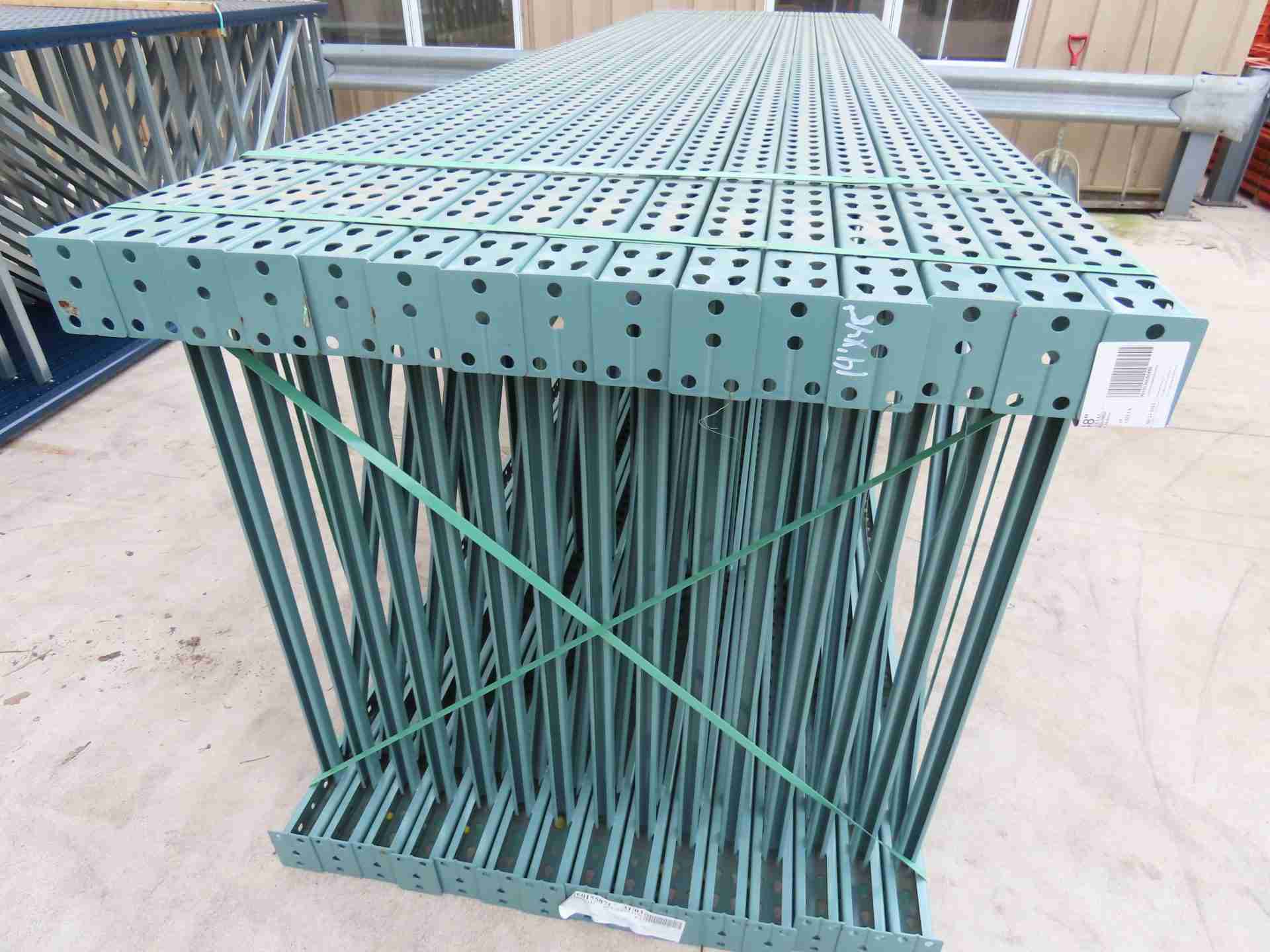
What Role Does Employee Training Play In Maintaining Rack Systems?
What Role Does Employee Training Play In Maintaining Rack Systems?
- Employee training is crucial for maintaining rack systems in warehouses or distribution centers.
- Proper training helps prevent costly mistakes and potential safety hazards.
- Teaching workers proper loading and unloading techniques can prevent overloading shelves and structural damage.
- Improper loading practices are a leading cause of workplace accidents in warehouses.
- Training on identifying and addressing safety hazards within rack systems is essential for a safe working environment.
- Employee training helps optimize efficiency and productivity of rack systems by educating workers on best practices.
- Investing in comprehensive training programs is necessary to ensure proper functioning and longevity of rack systems.
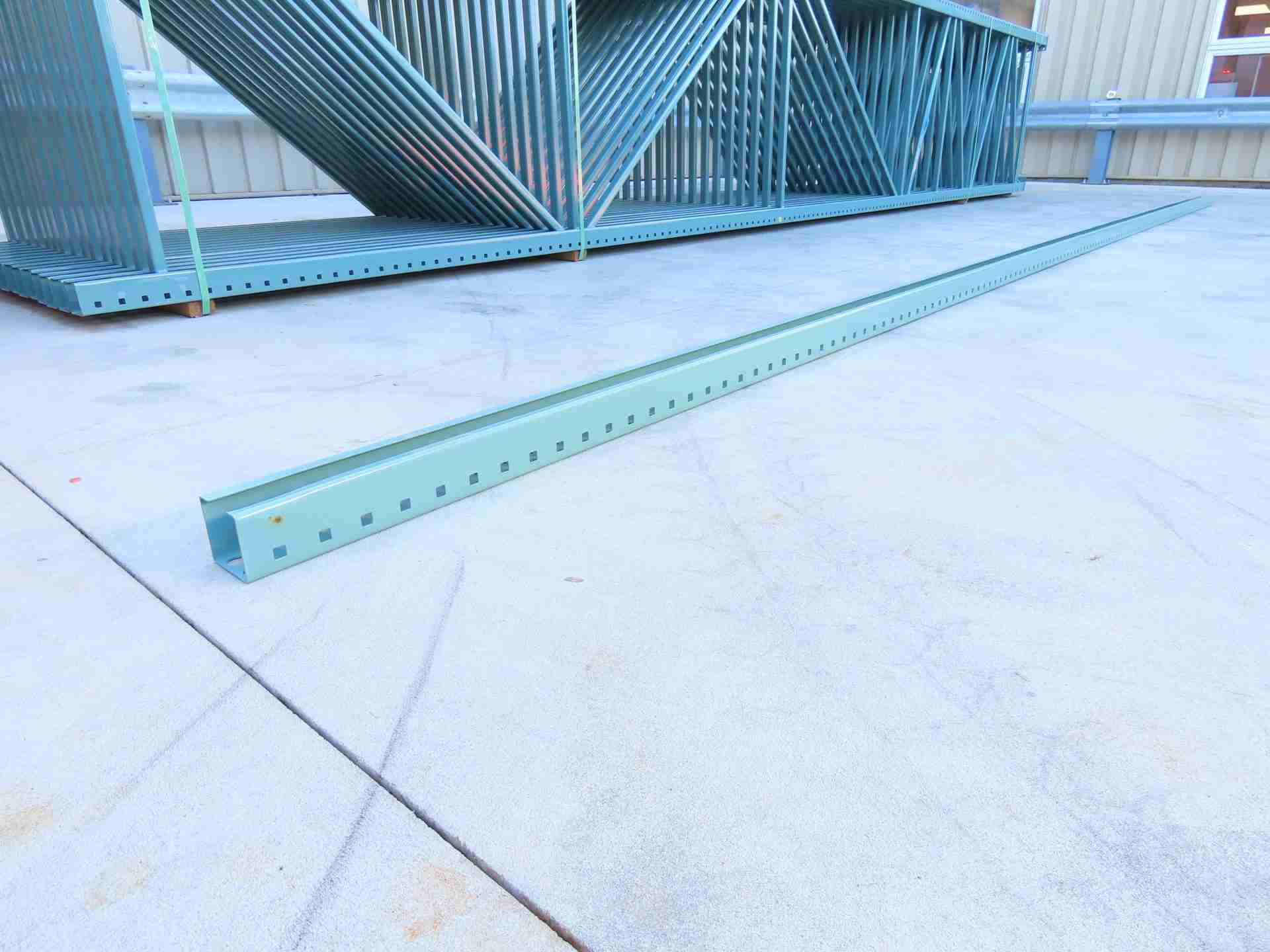
What Role Does Employee Training Play In Maintaining Rack Systems?
Conclusion
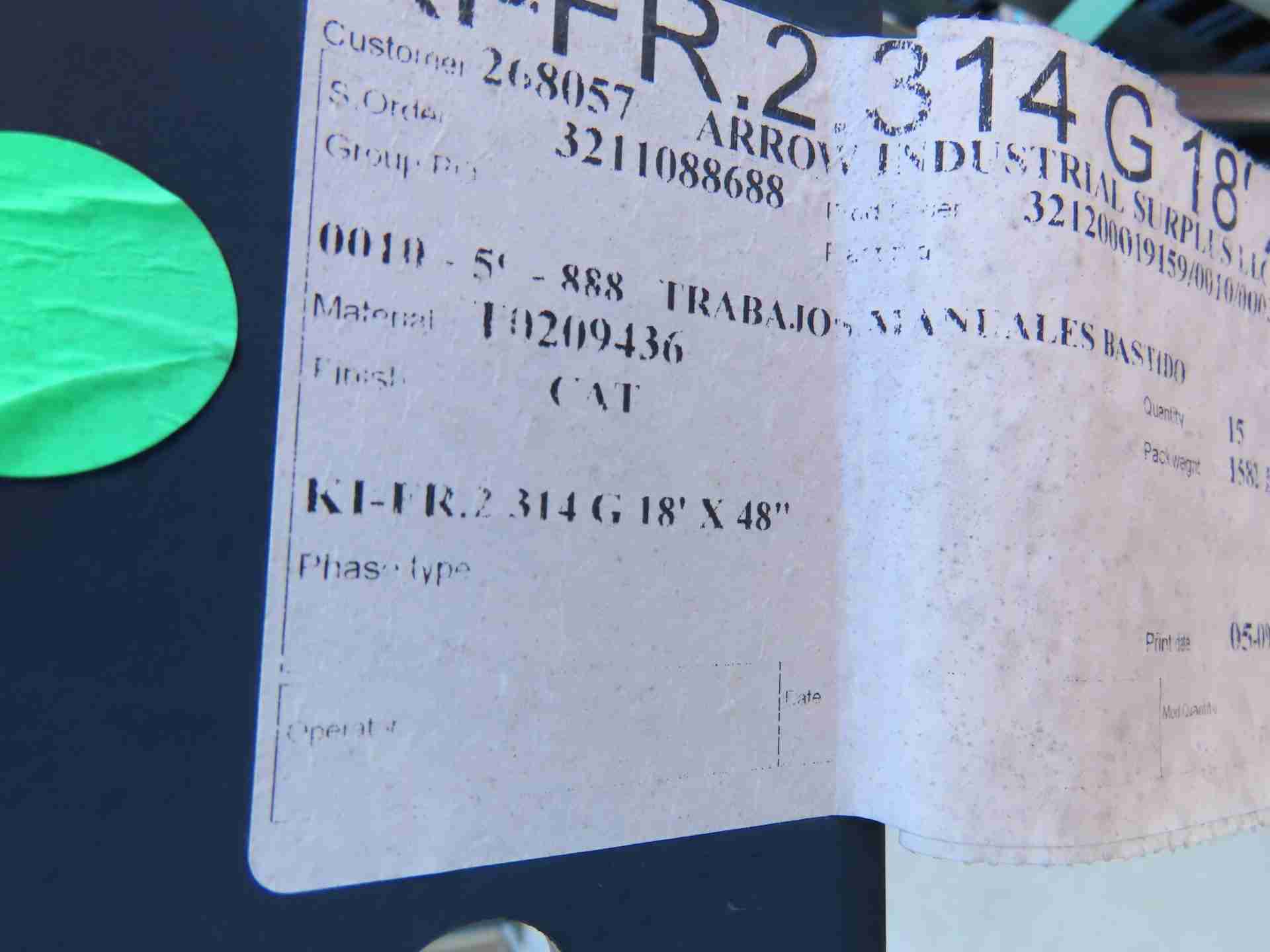
In conclusion, maintaining your rack systems is essential for maximizing efficiency and longevity in your warehouse or storage facility. By implementing best practices such as regular inspections, keeping racks clean and organized, staying up-to-date on industry regulations, and preventing overloading, you can avoid costly repairs, downtime, and safety hazards. Neglecting rack system maintenance can lead to accidents, inefficiencies, and decreased profitability, making it crucial to invest in regular inspections and maintenance checks. By using the right tools for maintenance, implementing a maintenance schedule, and preventing rust and corrosion, you can protect your investments and set your business up for long-term success. Employee training also plays a critical role in maintaining rack systems by ensuring proper loading practices, identifying potential safety hazards, and optimizing efficiency in warehouse operations. By prioritizing maintenance, investing in employee training, and being proactive about addressing potential issues, you can protect your employees, inventory, and bottom line. Dont wait until its too late – start implementing a maintenance schedule, investing in employee training, and taking the necessary steps to keep your rack systems in top condition today. Call Arrow Industrial Sales at (574) 349-6575 for related information and get started on maintaining your rack systems to avoid costly repairs and ensure the safety and efficiency of your operations. Make rack system maintenance a priority in your business today!
Conclusion
Conclusion:
- Maintaining rack systems is essential for maximizing efficiency and longevity.
- Implement best practices such as regular inspections and keeping racks clean.
- Avoid costly repairs, downtime, and safety hazards by following industry regulations.
- Invest in regular inspections, use the right tools, and prevent rust and corrosion.
- Employee training is critical for proper loading practices and safety.
- Protect your employees, inventory, and bottom line by prioritizing maintenance.
- Start implementing a maintenance schedule today with Arrow Industrial Sales.
Conclusion
Other Resources
Other Resources
Here is a list of other resources you can review online to learn more:
- “Pallet racking beams: characteristics & functions”
- “5 Signs Your Pallet Racking System Needs An Inspection”
- “Public Health Engineering – In Precarious Situations”
- “Handbook of Occupational Groups and Families”
- “PROJECT MANUAL An Addition to the SYLVAN VALLEY …”
- “WADDINGTON ELEMENTARY SCHOOL”
- “1 of 6 FY-21 NAVSEA STANDARD ITEM NUMERICAL INDEX …”
- “Longshed Interior Renovations Empire State Development”
- “Addendum-No.-1-Painting-Group-1. …”
- “Division 6 Structures – SS 2024 – WSDOT – WA.gov”
- “When Industrial Racking Rust is Too Much: Addressing the …”
Other Resources
Glossary Terms
What Are The Best Practices for Rack System Maintenance? – Glossary Of Terms
1. Cable Management: The organization and securing of cables to improve aesthetics, airflow, and safety within a rack system.
2. Rack Enclosure: A physical framework, often made of metal, that houses networking equipment, servers, and other IT hardware.
3. Airflow Management: Strategies and physical devices used to direct and optimize cooling air through and around equipment in a rack to maintain optimal temperatures.
4. Asset Tagging: The process of labeling and cataloging each piece of equipment in a rack for easy identification, tracking, and inventory management.
5. Temperature Monitoring: The practice of continuously measuring the temperature within the rack to prevent overheating and ensure hardware reliability.
6. Power Distribution Unit (PDU): A device fitted with multiple outlets for distributing electrical power to servers and networking equipment within the rack.
7. U-Space: The unit of measure for rack-mounted equipment, equivalent to 1.75 inches in height; used to define space allocation in a rack.
8. Patch Panel: A mounted hardware assembly containing ports used for connecting and managing incoming and outgoing LAN cables within a network rack.
9. Documentation: Comprehensive logs and records of all equipment, configurations, maintenance actions, and changes applied to the rack system.
10. Redundancy: The incorporation of additional or backup components such as secondary power supplies to enhance system reliability and uptime.
11. Rack Density: The amount of equipment, measured in U-Space, installed within a given rack, influencing factors like cooling and power requirements.
12. Grounding: The process of establishing a reference point for electrical current within the rack setup to prevent electrical shocks or equipment damage.
13. Hot/Cold Aisles: A data center design strategy that arranges racks in such a way that cold air intake and hot air exhaust pathways are separated to optimize cooling efficiency.
14. Fire Suppression System: Equipment and protocols designed to detect and extinguish fires within the rack environment without harming the electronic components.
15. Load Balancing: Distributing workloads across multiple devices to ensure no single device overburdens, leading to prolonged lifespan and efficiency.
16. Firmware Updates: Regularly applying new software released by manufacturers to fix bugs, close security vulnerabilities, and improve hardware performance.
17. Rack Stability: Ensuring that racks are securely anchored and installed to prevent tipping or movement during normal operations or seismic events.
18. Access Control: Protocols and physical mechanisms like locks to restrict who can access the rack system and make changes.
19. Remote Monitoring: The use of software and hardware tools to supervise rack conditions and system performance from a different location.
20. Cleaning Procedures: Regular removal of dust and debris both inside and outside the racks to maintain airflow and reduce overheating risks.
21. Structured Cabling: A standardized system of cabling solutions and practices that provides a comprehensive and consistent telecommunications infrastructure.
22. Load Capacity: The maximum weight a rack can safely support, considering both static (unmoving) and dynamic (moving during installation) equipment.
23. Cooling Units: Devices such as fans and air conditioners specifically designed to maintain appropriate temperature levels within a rack system.
24. Environmental Sensors: Devices that monitor conditions like temperature, humidity, and airflow to alert when conditions are out of safe parameters.
25. Maintenance Schedule: A predefined timetable for performing regular checks and upkeep on rack systems to prevent failures and downtime.
26. Cable Troughs: Structures used to run cables in an organized manner, typically above or below the racks, to prevent tangling and obstruction.
27. Isolation Panels: Barriers or partitions within the rack to separate different types of equipment or prevent the mixing of hot and cold air streams.
28. Decommissioning: The orderly process of safely retiring and removing outdated or non-functional equipment from the rack.
29. Auditing: The systematic examination of the rack system to ensure compliance with standards and verify the accuracy of documentation.
30. Energy Efficiency: Implementing practices that reduce power consumption while maintaining optimal performance, often including the utilization of energy-efficient hardware.
By understanding and implementing these best practice terms and concepts, you’ll be better equipped to maintain an efficient, organized, and reliable rack system.
Glossary Of Terms
Other Questions
What Are The Best Practices for Rack System Maintenance? – Other Questions
If you wish to explore and discover more, consider looking for answers to these questions:
- How can I identify the appropriate inspection frequency for my specific rack system?
- What are the industry regulations and safety standards for rack systems?
- What are the key elements of a comprehensive rack system maintenance program?
- How can I effectively label and organize my inventory on the racks?
- What types of damage should I look for during inspections?
- What cleaning methods are recommended for different types of rack systems?
- What are the best materials to use for preventing rust and corrosion in rack systems?
- How can I train my employees to properly use and maintain rack systems?
- What are the common causes of rack system collapses and how can they be prevented?
- How can I stay updated on the latest industry regulations and guidelines for rack systems?
- What are the recommended weight limits for different types of racks?
- How can I create an effective labeling system for inventory management?
- What steps should I take if I identify damage during an inspection?
- How can I ensure my rack systems remain compliant with safety standards?
- What are the potential consequences of not maintaining rack systems?
Other Questions
Checklist
What Are The Best Practices for Rack System Maintenance? – A Checklist
1. Regular Inspections
_____ Visual Inspections: Check for signs of damage such as bent or twisted beams, missing bolts, and rust.
_____ Regularity: Conduct inspections at least annually, or more frequently based on usage and condition.
_____ Additional Checks: Quarterly or monthly inspections can be beneficial for heavily used or older systems.
2. Cleaning and Maintenance
_____ Cleaning: Keep racks clean with a mild detergent and water to prevent dust, dirt, and debris buildup.
_____ Rust Prevention: Address any signs of rust or corrosion promptly by sanding and applying a protective coating.
3. Labeling and Organization
_____ Inventory Labeling: Implement a clear labeling system for easy identification and access to items.
_____ Weight Distribution: Organize inventory based on weight and size to ensure even distribution and avoid overloading.
4. Compliance with Regulations
_____ Stay Informed: Keep up-to-date with industry regulations and safety standards.
_____ Regular Updates: Make necessary updates to your system to comply with new guidelines.
5. Load Management
_____ Weight Capacity: Understand and never exceed the weight capacity of your rack system.
_____ Employee Training: Train employees to manage weight appropriately and distribute it evenly.
6. Signs of Wear and Tear
_____ Bent or Twisted Beams: Immediate replacement or repair.
_____ Loose or Missing Connection Points: Check and tighten connections regularly.
_____ Corrosion: Regularly inspect and treat rust or corrosion.
7. Prevent Overloading
_____ Understand Weight Limits: Adhere to the manufacturer’s guidelines for weight limits.
_____ Quality Racks: Invest in high-quality racks suitable for heavy loads.
_____ Regular Inspections: Check regularly to ensure compliance with weight limits.
8. Tools for Maintenance
_____ Wrenches: For tightening bolts and nuts.
_____ Level: To ensure the rack is installed and aligned correctly.
_____ Tape Measure: For precise adjustments.
_____ Lubricant: For moving parts to reduce friction and wear.
_____ Flashlight: For inspecting hard-to-reach areas.
9. Preventative Measures for Rust and Corrosion
_____ Material Selection: Use stainless steel or galvanized metal to reduce rust risk.
_____ Regular Cleaning: Remove dirt and moisture regularly.
_____ Protective Coatings: Apply rust inhibitors, coatings, or sealants.
10. Employee Training
_____ Loading and Unloading: Proper techniques to avoid overloading.
_____ Safety Hazards: Identifying signs of damage or issues.
_____ Operational Efficiency: Best practices for organization and inventory management.
11. Implement a Maintenance Schedule
_____ Maintenance Regularity: Monthly, quarterly, and annual schedules for different tasks.
_____ Documentation: Keep records of all inspections and maintenance activities.
_____ Proactive Approach: Address issues promptly to avoid costly repairs and ensure system longevity.
Benefits of Regular Maintenance
_____ Safety: Reduces the risk of accidents and injuries.
_____ Efficiency: Enhances operational productivity.
_____ Cost-Effectiveness: Prevents costly repairs and extends system lifespan.
_____ Compliance: Adheres to safety regulations and standards.
By following the checklist above, you can ensure your rack system remains efficient, safe, and operational for years to come.

Checklist
At RackingWorld, we help guide you through selecting warehouse storage systems and racking.
Be sure to read our other related stories at RackingWorld to learn more about warehouse storage systems.
0 Comments