
Unlocking The Mystery Of Pallet Racking Sizes
By Tom Seest
At RackingWorld, we help guide you through selecting warehouse storage systems and racking.
Be sure to read our other related stories at RackingWorld to learn more about warehouse storage systems.
What Size Is Pallet Racking
When it comes to selecting pallet racking, size matters—immensely. A miscalculation can lead to wasted space, inefficient workflow, and ultimately, a dent in your bottom line. The right pallet rack size ensures optimal storage capacity while maximizing access to stock, a crucial element given today’s supply chain challenges and the ever-increasing demands for efficiency.
First, let’s break down the essentials. Pallet racking comes in various sizes, typically outlined by two key dimensions: height and width. Standard configurations include heights ranging from 8 to 30 feet, accommodating businesses of all sizes—whether you’re a small warehouse storing seasonal goods or a massive distribution center actively aligning with global e-commerce demands. Widths on pallet racks generally range from 36 to 48 inches, allowing flexibility in pallet depth and product type.
Yet, before you rush to the nearest supplier, consider your unique inventory requirements. For example, if you’re storing larger pallets of bulk materials, you might need wider racks. In contrast, if your inventory is varied and multi-dimensional, adjustable racks may provide the best versatility, allowing you to customize according to everyday needs. A great example of this is the massive shift in inventory storage as more companies manage omnichannel fulfillment. Brands adapting to a direct-to-consumer model have found that adjustable racking systems enhance their speed of service by enabling quick reconfiguration based on shifting product lines.
Moreover, think about what’s trending. In today’s market, where businesses strive for sustainability, modular racking systems are gaining traction. These systems not only help maximize vertical space but also allow companies to easily adjust to changing market dynamics without overcommitting to fixed rack sizes.
Additionally, consider current events like the ongoing supply chain disruption—which has forced many companies to rethink their storage strategies. Organizations seeking swift adaptability have turned to adjustable pallet racking solutions as they facilitate changes in stock levels and product rotations without major reinvestment or operational downtime.
Understanding the size of your pallet racking is not merely a technical necessity, but a strategic decision that reflects your business’s responsiveness to market demands. Invest time in assessing your current and future needs, consider future growth, and explore all available configurations. By doing so, you’ll not only optimize your storage solution but set your business up for sustained success in a changing economic landscape. Make your pallet racking choice not just a storage solution, but a calculated step towards your competitive edge.

What Size Is Pallet Racking
What Size Is Pallet Racking
- Choosing the right size for pallet racking is crucial to avoid wasted space and inefficiencies.
- Pallet racking comes in various sizes, with standard heights typically ranging from 8 to 30 feet and widths from 36 to 48 inches.
- Consider unique inventory needs; larger pallets may require wider racks, while adjustable racks offer versatility for varied inventories.
- Adjustable racking systems enhance speed of service and adaptability for businesses managing omnichannel fulfillment and direct-to-consumer models.
- Modular racking systems are trending due to their sustainability benefits and flexibility in adjusting to changing market dynamics.
- Ongoing supply chain disruptions prompt companies to rethink storage strategies, favoring adjustable pallet racking solutions.
- Choosing pallet racking is a strategic decision that can positively impact responsiveness to market demands and future growth.

What Size Is Pallet Racking
Table Of Contents
- What Size Is Pallet Racking
- What Are The Standard Sizes Of Pallet Racking?
- How Do I Choose Pallet Rack Size?
- What Factors Affect Pallet Racking Size?
- Can Pallet Racking Be Customized?
- What Is The Maximum Height For Pallet Racking?
- How Much Weight Can Pallet Racking Hold?
- What Size Pallet Fits In Pallet Racking?
- Are There Different Types Of Pallet Racking?
- How To Measure For Pallet Racking Installation?
- What Is The Cost Of Different Pallet Rack Sizes?
- What Are Common Pallet Racking Widths?
- How Does Pallet Rack Size Impact Warehouse Efficiency?
- Are There Regulations For Pallet Racking Size?
- What Are The Dimensions Of A Standard Pallet?
- Can Pallet Racking Sizes Vary By Manufacturer?
- Conclusion
- Other Resources
- Glossary Of Terms
- Other Questions
- Checklist
What Are The Standard Sizes Of Pallet Racking?
In today’s fast-paced logistics environment, efficiency is paramount. One of the cornerstones of an efficient warehouse or distribution center is the pallet racking system. But before you dive headfirst into selecting the perfect racking system for your business, you need to understand the standard sizes available. This knowledge will empower you to optimize your space, streamline your operations, and ultimately enhance your bottom line.
Standard Heights and Depths
Pallet racking typically comes in a variety of heights, often ranging from 8 to 12 feet tall, with some systems reaching 40 feet or more for specialized applications. Standard depths are generally 36 inches, 42 inches, or 48 inches. Knowing the height and depth you need is crucial, as it directly impacts your warehouse’s storage capacity and retrieval efficiency. Height matters for maximizing vertical space, while depth influences how many pallets can be stored side by side.
Widths and Bay Sizes
When it comes to widths, the most common standard sizes are 96 inches and 108 inches. These widths are designed for fork truck access and provide adequate space for maneuvering, which is particularly vital as supply chain disruptions continue to affect inventory management, a trend exemplified by the challenges faced in 2023. If your facility is designed to accommodate larger products, consider wider bays—up to 120 inches—that provide increased flexibility.
Load Capacity Considerations
Beyond just size, another important aspect of selecting pallet racking is load capacity. Most standard pallet racks are engineered to support weights ranging from 1,500 to 3,000 pounds per shelf. It’s essential to assess your product types, as heavier items will require specialized racks designed to bear increased load.
Customization for Maximum Efficiency
While standard sizes serve a wide array of industries, remember the power of customization. Many racking systems can be tailored to suit your specific operational demands, accommodating unique product sizes or warehouse layouts, thus maximizing your space utilization. For instance, seasonal fluctuations in stock might make adjustable shelving a wise investment, allowing your storage space to adapt as needs change.
Adapting to Current Trends
With the rise of e-commerce and the demand for rapid order fulfillment, optimizing your pallet racking system to support increased SKU diversity is critical. As companies reevaluate their inventory strategies post-pandemic—heightened by ongoing global supply chain concerns—your choice of pallet racking can set you apart from competitors.
In summary, understanding standard sizes of pallet racking is foundational to optimizing your warehousing operation, providing not just immediate benefits but setting your business up for future success. Make the right choice today, and watch your efficiency skyrocket.

What Are The Standard Sizes Of Pallet Racking?
What Are The Standard Sizes Of Pallet Racking?
- Pallet racking is essential for efficient warehouse and distribution center operations.
- Standard heights for pallet racking typically range from 8 to 12 feet, with some up to 40 feet for specialized needs.
- Common depths are 36 inches, 42 inches, or 48 inches, affecting storage capacity and retrieval efficiency.
- Standard widths are usually 96 inches and 108 inches; wider bays (up to 120 inches) offer flexibility for larger products.
- Load capacities for standard racks range from 1,500 to 3,000 pounds per shelf; heavier items require specialized racks.
- Customization of racking systems can maximize space utilization and adapt to specific operational demands.
- Understanding standard sizes is vital for optimizing warehouse operations, enhancing efficiency, and improving inventory management.

What Are The Standard Sizes Of Pallet Racking?
How Do I Choose Pallet Rack Size?
Choosing the right pallet rack size is not just a decision—it’s a pivotal moment that can maximize your warehouse efficiency and significantly impact your bottom line. In today’s fast-paced market, characterized by shrinking delivery windows and ever-increasing consumer demand, optimizing your storage solution has never been more critical.
Understand Your Space: The Foundation of Your Decision
Start by measuring your warehouse dimensions meticulously. Knowing the height, width, and length available for racking is essential. For instance, many logistics companies took advantage of the rise in online shopping during the pandemic, expanding their warehouse spaces to capitalize on increased inventory needs. If you’re working with limited vertical space, opting for lower-profile racks may be smarter while maximizing your horizontal storage efficiency.
Assess Your Inventory Needs
Next, evaluate your inventory types—this directs you toward the appropriate rack dimensions. Are you storing standard pallets, or is your inventory a mix of oversized or unusually shaped products? For example, a company specializing in automotive parts may require specialized racks to accommodate various sizes while maintaining accessibility. Be aware that an increase in e-commerce demands flexibility; consider moveable racks or adjustable shelving that allows you to reconfigure as your inventory fluctuates.
Bear Weight in Mind
Don’t overlook the weight capacities of your selected pallet racks. Racks must be capable of supporting the maximum weight of your heaviest products without destabilizing. A recent surge in construction materials, for example, necessitates robust racking systems that can handle the weight—leading businesses to seek pallet rack sizing tailored specifically for substantial loads. Consult with manufacturers to ensure compliance with local safety regulations and safety factor thresholds.
Plan for Future Growth
Consider scalability. With market predictions showing continued growth in sectors like e-commerce and healthcare, your storage solutions should accommodate future expansions. Modular racking systems are an excellent choice for businesses ready to evolve. By investing in versatile racks today, you ensure that your warehouse is adaptable, allowing for seamless integration of new products and fulfillment strategies tomorrow.
Get Expert Guidance
Finally, don’t hesitate to bring in professionals who understand the market dynamics and current trends. Collaborating with material handling experts can save you from costly mistakes, ensuring you select the right size pallet racks tailored to your unique operational needs.
Choosing the right pallet rack size requires a blend of current market insights, careful analysis of your inventory, and an eye towards future growth. Empower your business to thrive by making informed storage decisions today.
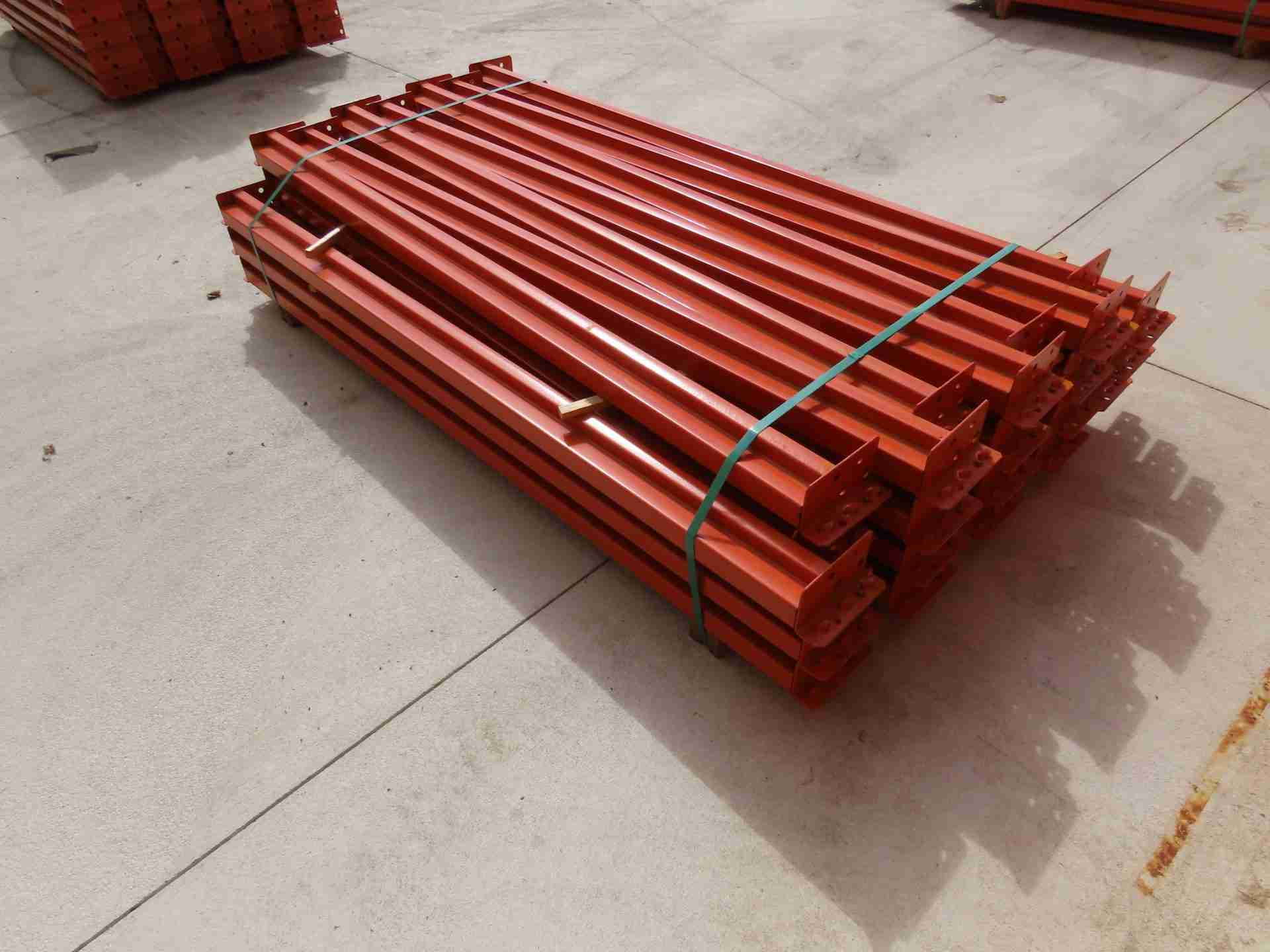
How Do I Choose Pallet Rack Size?
How Do I Choose Pallet Rack Size?
- Choosing the right pallet rack size is crucial for maximizing warehouse efficiency and impacting the bottom line.
- Measure warehouse dimensions accurately to determine optimal racking height, width, and length.
- Evaluate inventory types to select appropriate rack dimensions, considering standard and oversize pallets.
- Ensure pallet racks can support the maximum weight of products for safety and stability.
- Plan for future growth by selecting scalable and modular racking systems that adapt to changing demands.
- Seek expert guidance from material handling professionals to avoid costly mistakes and ensure proper sizing.
- Make informed storage decisions to empower business growth and adapt to market changes.

How Do I Choose Pallet Rack Size?
What Factors Affect Pallet Racking Size?
When it comes to optimizing your warehouse space, the size of your pallet racking isn’t just a number; it’s the heartbeat of your operation. Choosing the right pallet rack size can mean the difference between streamlined efficiency and operational chaos. Several factors directly influence this crucial decision, and understanding them can make or break your bottom line.
1. Product Dimensions and Weight
The most obvious consideration is the size and weight of the products you plan to store. Are you handling oversized machinery parts, or is your stock primarily made up of lightweight consumer goods? For example, companies like Amazon and Walmart adjust their pallet racking systems to accommodate both small items in high volumes and bulkier items that require more space. Implementing size-appropriate pallet racks reduces damage rates and enhances safety.
2. Warehouse Configuration and Space Constraints
Your facility’s layout plays a pivotal role in rack sizing. If you have a narrow aisle configuration, you might opt for narrower racks to maximize storage without sacrificing accessibility. Conversely, a spacious warehouse allows for wider racks that can support a larger number of pallets. For instance, retailers facing urban space shortages are increasingly moving toward vertical solutions—high-rise pallet racks that utilize vertical real estate effectively while minimizing the floor footprint.
3. Inventory Turnover Rate
The turnover rate of your inventory also dictates rack size. Fast-moving consumer goods require a system that can accommodate swift access and high density. Retailers like Target have implemented pallet racking systems designed for rapid inventory turnover, ensuring they can quickly replenish shelves while minimizing backroom clutter. If your products have a longer shelf-life, wider or bulkier racks may be more appropriate to accommodate less frequent stocking and retrieval.
4. Forklift and Handling Equipment Compatibility
Take a close look at your handling equipment. The capacity and reach of your forklifts or pallet jacks can affect the height and depths of your racking options. Some companies have been leveraging automated guided vehicles (AGVs) that require specific rack dimensions for optimal results. It’s essential to align your equipment capabilities with your pallet racking system to avoid costly collisions and mishaps.
5. Future Growth and Flexibility
Lastly, consider your growth projections. In today’s rapidly changing market, flexibility is crucial. By choosing a modular pallet racking system, you can easily adjust your setup as business demands evolve. Companies that foresaw supply chain trends—like the shift to e-commerce—are now reaping the benefits of adaptable racking solutions that can evolve with their needs.
The decision regarding pallet racking size is multifaceted and critical to your operational success. By carefully evaluating product dimensions, warehouse layouts, turnover rates, equipment compatibility, and future growth, you position your business for enhanced efficiency and profitability. Don’t just rack ’em up—strategically plan for success!

What Factors Affect Pallet Racking Size?
What Factors Affect Pallet Racking Size?
- Choosing the right pallet rack size is essential for operational efficiency and can impact the bottom line.
- Product dimensions and weight should be considered, as different products require different rack sizes to minimize damage and enhance safety.
- Warehouse layout influences rack sizing; narrow aisles may necessitate narrower racks, while larger spaces can accommodate wider options.
- Inventory turnover rate affects rack selection; fast-moving items need high-density systems for quick access.
- Forklift and handling equipment must be compatible with pallet racking dimensions to avoid collisions and improve efficiency.
- Future growth and flexibility are important; modular pallet racking systems allow easy adjustments as business needs evolve.
- Evaluating all these factors positions businesses for enhanced efficiency and profitability, making strategic planning essential.

What Factors Affect Pallet Racking Size?
Can Pallet Racking Be Customized?
When it comes to maximizing your warehouse space, cookie-cutter solutions just won’t cut it. Every business has its own unique needs and challenges, and that’s where the power of customized pallet racking comes into play. Imagine this: your warehouse is a bustling hub of activity, filled with products waiting to be shipped or stored efficiently. With the right customized pallet racking, you can transform that hub into a well-oiled machine.
Customization in pallet racking isn’t just about aesthetics—though that can certainly play a role. It’s about transforming an ordinary space into a highly functional asset that enhances productivity, reduces downtime, and ultimately boosts your bottom line. For instance, consider a company that specializes in perishable goods. They need temperature-controlled storage solutions that standard racks simply can’t offer. Customized racking, equipped with temperature monitoring systems and flexible shelf heights, allows them to optimize their storage methods for freshness and accessibility.
And let’s not forget about the ever-increasing demand for e-commerce. Current trends indicate that companies are pivoting quickly to meet these needs, and part of that strategy involves reevaluating their warehouse layouts. Imagine a distribution center that requires agile shelving solutions, allowing for quick pick-and-pack operations. By customizing pallet racking systems with adjustable shelves and digital inventory management software, they can adapt to fluctuating stock levels effortlessly, ensuring they’re always one step ahead of the competition.
Moreover, the rise of sustainability and eco-conscious practices cannot be overlooked. Businesses today are under increasing pressure to minimize their environmental impact. Customized pallet racking made from recycled materials or engineered for energy efficiency can be a game-changer. It not only displays your commitment to sustainability but also helps reduce operational costs in the long run.
Let’s also talk scalability. As your business grows, your warehouse should evolve in tandem. Customized pallet racking can be designed to grow with you, incorporating modular systems that allow for easy adjustments as your inventory requirements change. This way, you won’t just save on initial costs; you will enjoy a system that adapts without the need for complete overhauls.
So, when considering pallet racking solutions, remember that one size does not fit all. Customized options pave the way for innovative, efficient, and scalable warehousing, ensuring that your operation not only meets current demands but is also prepared for future challenges. In a marketplace that’s always changing, can you afford not to customize?

Can Pallet Racking Be Customized?
Can Pallet Racking Be Customized?
- Maximizing warehouse space requires tailored solutions to meet unique business needs and challenges.
- Customized pallet racking enhances productivity, reduces downtime, and improves profit margins.
- Industries with specific requirements, such as perishables, benefit from specialized temperature-controlled storage solutions.
- E-commerce demand necessitates agile shelving systems for quick pick-and-pack operations.
- Sustainable practices are increasingly important, with customized racking options using recycled materials enhancing eco-friendliness.
- Scalable custom pallet racking systems adapt to fluctuating inventory requirements, allowing for growth without major overhauls.
- Investing in customized pallet racking is crucial for innovative, efficient, and future-ready warehousing solutions.

Can Pallet Racking Be Customized?
What Is The Maximum Height For Pallet Racking?
When it comes to optimizing warehouse space, understanding the maximum height for pallet racking is crucial. The benefits of maximizing vertical storage are clear: increased capacity, better inventory management, and enhanced operational efficiency. However, simply stacking pallets sky-high isn’t the answer; it requires strategic planning and a solid grasp of regulations, safety standards, and practical limitations.
To start, the maximum height for pallet racking often depends on several factors, including the building’s ceiling height, local fire codes, and the type of equipment you use. Most warehouse facilities boast ceilings that range from 18 to 30 feet. These structures can often support racking systems with heights of up to 40 feet or more, but you must consider the reach of your material handling equipment. For example, if you’re using standard forklifts, they typically have limitations around 30 feet, and using equipment that doesn’t match your racking will lead to inefficiency and increased risk of accidents.
Moreover, adhering to safety regulations is non-negotiable. The Occupational Safety and Health Administration (OSHA) and the National Fire Protection Association (NFPA) establish guidelines that directly impact the maximum height of your pallet racking. Ignoring these can lead to fines and, worse, hazardous situations that could put your workforce at risk. A safe approach often involves working with a professional to tailor your racking solutions to the specific metrics of your business.
Let’s explore some real-world applications. Recently, many large retailers have turned to automated storage solutions to efficiently utilize height without compromising safety. Companies like Amazon and Walmart have implemented advanced warehouse management systems (WMS) enabling them to navigate vertical space more effectively. Their success stories serve as proof that maximizing height can result in substantial profit increases when done right.
If you’re considering a warehouse redesign or future-proofing your operations, consultation with both racking specialists and local regulatory bodies can save you time and money in the long run. Embrace the modern approach with innovative racking solutions that can safely reach the limits of where you can go—without risking your bottom line or the well-being of your employees.
Ultimately, determining the maximum height for pallet racking isn’t merely a number; it’s about creating a safe, efficient, and sustainable facility. In a rapidly changing market, aligning your space optimization strategies with current regulations and industry trends can set your business apart from the competition. Act now—because in the world of warehousing, height matters more than you think!

What Is The Maximum Height For Pallet Racking?
What Is The Maximum Height For Pallet Racking?
- Maximizing vertical storage in warehouses increases capacity, inventory management, and operational efficiency.
- The maximum height for pallet racking depends on ceiling height, local fire codes, and equipment used.
- Standard warehouse ceilings range from 18 to 30 feet, often supporting racking systems up to 40 feet or more.
- Material handling equipment limits, such as standard forklifts (typically around 30 feet), must be considered.
- Adherence to safety regulations from OSHA and NFPA is essential to prevent fines and hazards.
- Large retailers like Amazon and Walmart successfully use automated storage solutions and advanced warehouse management systems.
- Consulting with racking specialists and regulatory bodies can optimize warehouse redesigns and ensure safety and efficiency.

What Is The Maximum Height For Pallet Racking?
How Much Weight Can Pallet Racking Hold?
When it comes to optimizing warehouse space and managing inventory, understanding the weight capacity of pallet racking systems is crucial. This is not just a matter of practicality; it’s about maximizing profitability, ensuring safety, and effectively streamlining operations. Every business must evaluate their needs based on the weight loads they expect their racking systems to support.
First and foremost, consider the type of pallet racking you’ll be using. Common options include selective racking, drive-in racking, and cantilever racking, with each variety designed to accommodate different weight limits. For instance, selective pallet racking typically supports loads ranging from 1,500 to 3,500 pounds per shelf, while heavy-duty cantilever racking can handle weights exceeding 6,000 pounds—perfect for irregularly shaped or long items.
According to the latest industry reports, the ongoing shifts in supply chain dynamics, especially post-pandemic, have necessitated a reevaluation of storage practices across various sectors. Companies are now focused on efficiency and safety more than ever. For instance, automotive parts suppliers are increasingly using heavy-duty racking systems to house bulky components as they adapt to heightened demand for electric vehicle parts—a trend that requires both quick turnaround times and maximum space utilization.
Moreover, weight capacity can be affected by numerous factors including the design of the racking system, material strength, and even the method of loading. A poorly loaded rack can create instability, risking both inventory and workplace safety. For example, a rack designed for a uniform weight distribution may struggle to maintain stability if heavy items are awkwardly placed on one end. Therefore, precise weight calculations and adherence to manufacturer guidelines are paramount.
Current industry standards, influenced by organizations such as the Rack Manufacturers Institute (RMI), emphasize the importance of load testing and regular inspections to ensure safety and longevity of racking systems. It’s not just about compliance; businesses that make safety a priority often benefit from lower insurance costs and reduced liability.
The weight capacity of your pallet racking system is not just a technical specification—it’s a core element of your operational strategy. By understanding and respecting these limits, you not only safeguard your assets but position your business for sustainable growth in an ever-evolving marketplace. Investing in the right racking solution can lead to smarter inventory management, decreased operational disruptions, and ultimately, enhanced profitability. Don’t let outdated systems hold you back—evaluate your options and move forward confidently!

How Much Weight Can Pallet Racking Hold?
How Much Weight Can Pallet Racking Hold?
- Understanding the weight capacity of pallet racking systems is essential for optimizing warehouse space and managing inventory.
- Different types of pallet racking, such as selective, drive-in, and cantilever racking, have varying weight limits.
- Post-pandemic supply chain shifts have led companies, particularly automotive parts suppliers, to reevaluate storage practices for efficiency and safety.
- Weight capacity is influenced by factors like racking design, material strength, and loading methods, with improper loading risking stability.
- Adhering to manufacturer guidelines and performing regular inspections is crucial for safety, compliance, and reduced liability.
- The weight capacity of racking systems is a key element of operational strategy that influences profitability and asset protection.
- Investing in the right racking solution enhances inventory management and reduces operational disruptions, allowing for sustainable growth.

How Much Weight Can Pallet Racking Hold?
What Size Pallet Fits In Pallet Racking?
When it comes to optimizing storage space in your warehouse, understanding pallet dimensions and their compatibility with pallet racking systems is crucial. With the growing demand for efficient logistics and inventory management, knowing what size pallet fits in pallet racking can make or break your operational efficiency.
Typically, standard pallet sizes include the 48″ x 40″ Chep pallet, widely used in North America, and the Euro pallet at 47.2″ x 31.5″. But before you dive headfirst into purchasing inventory, let’s consider this: not every pallet will seamlessly coexist with your racking system.
In a recent survey by Supply Chain Dive, it was reported that nearly 60% of warehouses are currently transitioning towards optimizing their storage configurations due to increased demand for e-commerce. If you’re among that statistic, now is the perfect time to evaluate your pallet size against your racking system.
Let’s take a closer look at the specifics. For standard selective pallet racking, which is the most common racking method, the depth of your racking should accommodate at least a 44-inch depth to fit the 48″ x 40″ standard pallet comfortably. This allows for some airflow and ease of handling when retrieving or storing pallets.
Consider the case of a food distribution center that opted for smaller 36″ x 36″ pallets to maximize space. While this decision allowed them to increase their inventory turns, they quickly discovered that their existing racking system required significant modifications to accommodate the smaller sizes. This led to downtime and unexpected costs. Had they initially considered how their chosen pallet size fit into their existing framework, they could have avoided these pitfalls.
In the realm of e-commerce, the advent of smaller, specialized products has disrupted traditional storage methods. Retail giants like Amazon are increasingly adopting the use of custom-sized pallets to meet the needs of faster delivery times and a higher volume of SKUs. For those following suit, it’s essential to select a racking solution that can adapt to varying pallet sizes, especially as consumer demand evolves.
In summary, the size of the pallet you choose to use directly impacts your operational efficiency. By aligning your pallet dimensions with your racking configuration, you not only streamline the storage process but also enhance productivity, thereby positively affecting your bottom line. Don’t just pick a pallet; choose one that fits perfectly into the larger picture of your warehouse strategy. Being proactive now can set you up for future success in an ever-changing marketplace.

What Size Pallet Fits In Pallet Racking?
What Size Pallet Fits In Pallet Racking?
- Understanding pallet dimensions is crucial for optimizing warehouse storage space.
- Standard pallet sizes include the 48″ x 40″ Chep pallet and the Euro pallet at 47.2″ x 31.5″.
- Nearly 60% of warehouses are optimizing their storage configurations due to rising e-commerce demands.
- Standard selective pallet racking should accommodate a depth of at least 44 inches for the 48″ x 40″ pallet.
- Using smaller pallets may require racking modifications, leading to downtime and added costs.
- E-commerce trends promote custom-sized pallets to support faster delivery and diverse SKUs.
- Aligning pallet dimensions with racking configurations enhances operational efficiency and productivity.

What Size Pallet Fits In Pallet Racking?
Are There Different Types Of Pallet Racking?
When it comes to optimizing your warehouse’s storage capacity and efficiency, understanding the variety of pallet racking systems is paramount. Think of pallet racking as the backbone of your operation — the right choice can dramatically increase productivity and reduce overhead costs. In today’s fast-paced market, with a surge in e-commerce and shifting supply chains, a well-structured pallet racking system is more than just beneficial; it’s essential.
Selective Pallet Racking
The most common type is selective pallet racking, which offers unparalleled accessibility and flexibility. Imagine a busy warehouse where quick retrieval is the name of the game. Selective racking allows for immediate access to any pallet, which speeds up picking times and increases turnover. Businesses experiencing an uptick in demand — like those in the food or health sectors — can greatly benefit from this system.
Drive-In and Drive-Through Racking
For those looking to maximize vertical space, consider drive-in and drive-through racking systems. These systems allow forklifts to drive directly into the rack structure, thereby accommodating a greater volume of pallets in a smaller footprint. They are particularly well-suited for businesses with high-density storage needs, like wholesale distributors or manufacturers dealing with bulk goods. As the demand for just-in-time inventory rose during the pandemic, these systems became increasingly popular.
Push Back Racking
Next, we have push back racking, a method that combines the best of selective and drive-in systems. With push back, pallets are stored on wheeled carts that slide back on rails, allowing you to maximize storage space while still retaining easy access to goods. This is a game-changer for businesses managing diverse SKUs but lacking enough space for full selective systems.
Mobile Racking
As we navigate an increasingly dynamic marketplace, mobile racking systems are gaining traction. This innovative approach allows entire rows of racking to move on tracks, creating adjustable aisles as needed. For those in industries facing rapid changes — such as technology and consumer goods — mobile racking offers the flexibility to adapt quickly.
Conclusion
Choosing the right pallet racking system is crucial to staying competitive in today’s market. With the explosion of online shopping and evolving logistics demands, it’s an opportune time to reassess your storage strategies. Whether you lean toward selective, drive-in, push back, or mobile racking, remember that the goal is not merely storage but maximizing efficiency and streamlining operations. Invest wisely, and watch your warehouse transform into a powerhouse of productivity.

Are There Different Types Of Pallet Racking?
Are There Different Types Of Pallet Racking?
- Understanding various pallet racking systems is essential for optimizing warehouse storage capacity and efficiency.
- Selective pallet racking is the most common type, offering accessibility and flexibility for quick retrieval of pallets.
- Drive-in and drive-through racking maximize vertical space, allowing forklifts to drive into the rack, ideal for high-density storage needs.
- Push back racking combines features of selective and drive-in systems, using wheeled carts for efficient storage and easy access to diverse SKUs.
- Mobile racking systems allow rows of racking to move on tracks, providing adjustable aisles and flexibility for dynamic industries.
- Choosing the right pallet racking system is crucial to remain competitive in the market influenced by online shopping and logistics demands.
- Investing in the correct racking solution can transform a warehouse into a more productive and efficient operation.

Are There Different Types Of Pallet Racking?
How To Measure For Pallet Racking Installation?
When it comes to optimizing your warehouse space, understanding how to measure for pallet racking installation is not just a technical necessity—it’s a game changer. In a world where operational efficiency can make or break your business, mastering this skill can lead to significant cost savings and productivity gains.
Start with the Space
The first step involves assessing the entire warehouse layout. Whether you have a small storage area or a sprawling distribution center—think beyond just floor space. Measure the height, depth, and width of the area you’re working with, factoring in any obstructions such as lighting fixtures or HVAC systems. This is critical because, as recent supply chain disruptions continue to affect various industries, maximizing vertical space can be a lifeline for many businesses looking to optimize their operations.
Consider Your Inventory
What items will you store? The dimensions and weight of the materials play a crucial role in determining the type of racking system you need. For instance, if you are storing heavy machinery, a robust selective racking solution might be required, while lighter goods could be safely stored on a more economical system like cantilever racking. Recent market trends show an influx of e-commerce, with businesses pivoting to accommodate larger, bulkier items due to increased online shopping. Understanding your inventory ensures that your racking system is tailored to meet current demands.
Account for Access and Safety
Think about how you will access your inventory. Will you be using forklifts, pallet jacks, or manual order-picking? The aisle width will vary based on the equipment you use—don’t skimp on this aspect. Improper access space can lead to safety hazards and inefficiencies, which, as we’ve seen in many recent warehouse mishaps, can be costly both in terms of safety and finance.
Future-Proof Your Setup
Lastly, always take future scalability into account. As industries rebound and evolve from recent challenges—everything from pandemic disruptions to supply chain bottlenecks—planning for growth is essential. Can you easily add more racks? Will your layout accommodate seasonal inventory changes? These considerations can not only save you from costly renovations down the line but can also position your business to take advantage of emergent market opportunities.
By following these essential steps, you will not only master the art of measuring for pallet racking installation; you will also create a warehouse that thrives amid changing tides. Remember, a well-organized space is the foundation for a successful operation. Act now, and you’ll be laying the groundwork for your business’s future prosperity!

How To Measure For Pallet Racking Installation?
How To Measure For Pallet Racking Installation?
- Understanding how to measure for pallet racking is crucial for warehouse optimization and can lead to cost savings and productivity gains.
- Start by assessing the entire warehouse layout, including height, depth, and width, while accounting for obstructions like lighting and HVAC systems.
- Consider the dimensions and weight of the inventory to determine the appropriate type of racking system needed for your storage requirements.
- Factor in the access methods (forklifts, pallet jacks, etc.) as aisle width varies based on equipment and improper access can lead to safety hazards.
- Plan for future scalability to accommodate growth and seasonal inventory changes, avoiding costly renovations later.
- Mastering measurement techniques for pallet racking installation leads to a well-organized warehouse conducive to operational success.
- A well-planned warehouse layout positions your business to thrive in a changing market environment.

How To Measure For Pallet Racking Installation?
What Is The Cost Of Different Pallet Rack Sizes?
When it comes to maximizing warehouse efficiency, choosing the right pallet rack system is not just a logistical decision; it’s a financial one. The cost of pallet racks can vary significantly based on size, design, and features, and understanding these dynamics can be the key to making an investment that pays off.
Size Matters
Pallet rack sizes typically range from standard heights of 8 to 20 feet, with widths varying between 36 inches to 48 inches. The smaller the size, the lower the initial investment. For example, a standard 8-foot high by 36-inch wide pallet rack section might cost around $150 to $200. In contrast, a heavy-duty 20-foot high rack can set you back anywhere from $600 to $1,200 or more, depending on load capacity and additional features like adjustable beams.
Configuration Costs
It’s essential to consider not just the vertical space but also the horizontal configuration. Drive-in racks and push-back racks, designed for storing multiple loads deep, have a higher upfront cost—often starting around $500 to $800 per bay. Given their design efficiency, they’re a worthwhile investment for businesses with high-density storage needs. For instance, in today’s fast-paced e-commerce environment, companies like Amazon are adopting more sophisticated storage systems to handle increased demand and reduce retrieval times, highlighting how smart shelving can drive operational efficiency and cut costs in the long run.
Industry Shifts and Trends
Current economic conditions and supply chain factors can impact rack prices. The recent surge in demand due to the post-pandemic recovery has led to increased prices and longer lead times for certain sizes and configurations. Investing in pallet racks now could save you from higher costs later. As more businesses pivot to just-in-time inventory strategies, optimizing your storage may also yield substantial savings by minimizing overhead costs.
Don’t Overlook Quality
Remember, while it’s tempting to chase the lowest price, investing in higher-quality, adjustable racks can prove to be more cost-effective over time. Companies that prioritize durability and modular designs often find themselves saving on maintenance and replacement expenses. Costs associated with cheap racks—like injuries from collapses or the losses incurred from downtime—can quickly overshadow any initial savings.
So, before making a decision, analyze your inventory needs, project future growth, and choose a pallet rack size that not only fits your present requirements but also paves the way for your future scalability. It’s about more than just storage—it’s about sustained profitability.

What Is The Cost Of Different Pallet Rack Sizes?
What Is The Cost Of Different Pallet Rack Sizes?
- Choosing the right pallet rack system is crucial for both logistical efficiency and financial investment.
- Pallet rack sizes range from 8 to 20 feet in height and 36 to 48 inches in width, affecting initial costs significantly.
- A standard 8-foot by 36-inch pallet rack costs around $150 to $200, while a 20-foot high rack can range from $600 to $1,200 or more.
- Drive-in and push-back racks have higher upfront costs but offer design efficiencies for high-density storage needs.
- Current economic conditions and supply chain factors affect pallet rack prices and lead times, making timely investment important.
- Investing in higher-quality, adjustable racks can lead to long-term cost savings by reducing maintenance and replacement expenses.
- Analyzing inventory needs and future growth is essential for selecting the right pallet rack size for long-term scalability and profitability.

What Is The Cost Of Different Pallet Rack Sizes?
What Are Common Pallet Racking Widths?
In the world of warehousing and logistics, understanding the nuances of pallet racking widths is crucial for maximizing your space, operational efficiency, and overall profitability. It’s not just about stacking goods; it’s about stacking the odds in your favor. The right width can enhance accessibility, streamline picking processes, and reduce costly accidents.
Understanding the Basics
Pallet racking systems typically come in several standard widths, mainly influenced by the type of pallets used and the layout of your storage facility. Common widths include 36 inches, 48 inches, and 60 inches. Each width has its unique advantages, fitting different types of operations and products.
For instance, a 36-inch wide rack is ideal for narrower aisles, which are perfect for facilities that utilize reach trucks or narrow aisle forklifts, maximizing cube storage while allowing for safe maneuvering. Conversely, a 48-inch width is the industry favorite, balancing accessibility and space efficiency, making it an excellent choice for warehouses with diverse inventory. If your operation handles bulk items or large product SKUs, a 60-inch width could cater better to those needs, offering broader shelf space for heavier pallets.
Current Market Trends
As businesses adapt to supply chain challenges, including those stemming from recent global events and economic shifts, the demand for flexible and efficient warehouse solutions has surged. The COVID-19 pandemic highlighted the need for adaptability in logistics operations. Companies now recognize that investing in the right pallet racking width can yield significant benefits in managing inventory fluctuations, ensuring safety, and ultimately satisfying customer demands.
Customization for Specific Needs
Moreover, customization is becoming a key player in the industry. While standard widths serve as a great foundation, more businesses are turning to tailor-made solutions. For example, companies heavily investing in e-commerce fulfillment may require adjustable racking systems that can change widths according to fluctuating inventory sizes. With the rise of online shopping, the ability to quickly adapt to new products and packaging styles can be the difference between thriving and merely surviving.
Conclusion
Choosing the right pallet racking width isn’t merely about fitting products into a space; it’s about optimizing an entire operation. With current market conditions pushing for efficiency and flexibility, reevaluating your pallet racking configuration might just be your best-kept secret to maintaining a competitive edge. In a landscape that’s constantly evolving, don’t just store your products—store them smartly. Invest in the right pallet racking system today and watch your efficiency soar while costs plummet, turning overhead into opportunity.

What Are Common Pallet Racking Widths?
What Are Common Pallet Racking Widths?
- Understanding pallet racking widths is essential for optimizing warehouse space and operational efficiency.
- Standard pallet rack widths include 36, 48, and 60 inches, each suited for different types of operations and products.
- A 36-inch width is ideal for narrow aisles and operations using reach trucks, maximizing cube storage safely.
- The 48-inch width is the industry standard, balancing space efficiency and accessibility for diverse inventories.
- A 60-inch width better caters to operations handling bulk items, providing broader shelf space for heavier pallets.
- Customization in pallet racking systems is growing in importance, especially for e-commerce and changing inventory sizes.
- Choosing the right width can enhance operational efficiency and provide a competitive edge in ever-evolving market conditions.

What Are Common Pallet Racking Widths?
How Does Pallet Rack Size Impact Warehouse Efficiency?
In the fast-paced world of logistics, warehouse efficiency can make or break your bottom line. A pivotal element often overlooked is pallet rack size. Businesses that understand how precise rack sizing influences operational flow can dramatically enhance their productivity and cost-effectiveness.
Imagine your warehouse as a chessboard. Each piece has a designated spot, just like your goods on a pallet rack. If your racks are too short, you’re left playing a defensive game, using valuable floor space for storage instead of leveraging vertical height. Conversely, towering racks may seem attractive, but when safety becomes an issue, you risk more than just lost inventory. Recent reports show that OSHA inspections of warehouses have steadily increased, with inadequate racking systems often cited as a major violation.
A practical example can be pulled from the booming e-commerce sector. Companies like Amazon have mastered the art of rack efficiency. Their utilization of high-density pallet racking maximizes vertical space, allowing them to store up to 50% more product in the same footprint compared to traditional systems. This translates to faster order fulfillment—a crucial factor in today’s prime delivery landscape where customers expect lightning-fast service.
Let’s look at another industry focus: cold storage. With perishable goods, precision is vital. Companies like HelloFresh have invested in specific pallet rack sizes that optimize airflow around their products. By adjusting their racking to specific heights and depths tailored to the dimensions of their packaging, they not only save on energy costs but also minimize product spoilage—an essential consideration when every wasted carrot equates to lost revenue.
But choosing the right pallet rack size goes beyond optimizing storage—it streamlines workflows. An appropriately sized rack ensures that employees can easily access products without excessive reaching or bending. Studies reveal that ergonomic setups can improve employee productivity by 20%, which in a high-volume warehouse can translate to thousands of dollars saved annually in labor costs.
The size of your pallet racks is more than a mere detail; it’s a central focus point for driving efficiency in your warehouse. By exploring optimum storage dimensions, you can optimize space, reduce labor costs, and contribute to an overall culture of safety. Don’t let your warehouse be an afterthought—transform it into a powerhouse of productivity, and watch your business thrive in a competitive landscape. When efficiency meets effective rack sizing, your warehouse transcends its role from a storage facility to a linchpin of your operational strategy.

How Does Pallet Rack Size Impact Warehouse Efficiency?
How Does Pallet Rack Size Impact Warehouse Efficiency?
- Warehouse efficiency significantly impacts operational costs and productivity in logistics.
- Choosing the right pallet rack size can enhance operational flow and cost-effectiveness.
- Improper rack sizing can lead to safety issues, with increased OSHA inspections citing inadequate racking systems.
- High-density pallet racking, as used by companies like Amazon, can increase storage capacity by up to 50% in the same footprint.
- In cold storage, customized pallet rack sizes optimize airflow and minimize spoilage of perishable goods.
- Appropriately sized racks improve employee ergonomics, potentially increasing productivity by 20% and saving on labor costs.
- Effective rack sizing transforms warehouses into key components of operational strategy, enhancing efficiency and safety.

How Does Pallet Rack Size Impact Warehouse Efficiency?
Are There Regulations For Pallet Racking Size?
In the bustling landscape of modern warehousing and distribution, businesses must prioritize efficiency, safety, and compliance. One pivotal aspect that directly affects these factors is the regulation of pallet racking sizes. As merchants of movement and storage, it’s crucial to understand the guidelines that govern these systems to avoid costly missteps.
The standards for pallet racking are not mere suggestions; they are legislated frameworks set forth by various regulatory bodies, including the Occupational Safety and Health Administration (OSHA) and the American National Standards Institute (ANSI). These organizations define the dimensions and weight capacities that pallet racks must adhere to, ensuring that they not only optimize space but also protect your workforce from potential accidents.
For instance, the ANSI MH16.1 standard specifies minimum and maximum height and width dimensions for racking systems. If you stack pallets higher than the specified regulations, you risk a collapse, leading to devastating financial setbacks. Imagine a situation where improperly sized racks cause a pallet to fall, injuring an employee and halting productivity. The resultant medical bills, loss of morale, and potential legal costs can be staggering.
In the current supply chain climate, where e-commerce has exploded and warehouses are being repurposed for multi-functional roles, the need for appropriately sized pallet racking has never been more critical. One need only look at recent trends; with a surge in online shopping, distributors like Amazon are redefining how they stack inventory. Their racking systems not only maximize space but comply with stringent safety regulations. Notably, the introduction of automated storage solutions further complicates this landscape, necessitating even more rigorous compliance with pallet racking regulations.
So, how can you ensure your organization is adhering to the latest pallet racking regulations? Start by conducting a thorough assessment of your current systems. Consult professionals who specialize in warehouse design and current regulatory compliance. Engage in ongoing training for your staff to recognize the importance of using the right pallet sizes and arrangements.
In this environment of rising demand and rapid change, ignorance is not bliss—it’s a recipe for disaster. Stay informed, stay compliant, and above all, keep safety at the forefront of your business strategies. The right pallet racking size isn’t just a number—it’s the cornerstone of your operational efficiency and workforce safety. As the adage goes, ‘an ounce of prevention is worth a pound of cure’; invest in proper systems today to avoid pitfalls tomorrow.

Are There Regulations For Pallet Racking Size?
Are There Regulations For Pallet Racking Size?
- Modern warehousing prioritizes efficiency, safety, and regulatory compliance.
- Pallet racking size regulations are mandated by bodies like OSHA and ANSI.
- Standards define dimensions and weight capacities critical for safety and space optimization.
- Exceeding height regulations risks pallet collapse, leading to injury, financial loss, and legal issues.
- The rise of e-commerce increases the need for compliant and appropriately sized racking systems.
- Organizations should assess current racking systems and consult compliance experts.
- Continuous staff training is essential for maintaining safety and maximizing operational efficiency.

Are There Regulations For Pallet Racking Size?
What Are The Dimensions Of A Standard Pallet?
In the world of logistics and supply chain management, understanding the dimensions of a standard pallet can be the key to maximizing efficiency and profitability. While pallets might seem like a mundane topic, their size and configuration can make or break your shipping operations. Knowing these dimensions allows businesses to optimize storage, packing, and transportation processes, ultimately saving time and expenses.
The most commonly used standard pallet size is the 48” x 40” wooden pallet, often referred to as the GMA (Grocery Manufacturers Association) pallet. This size is prevalent in North America, making it a go-to choice for retailers and distributors. With this uniformity comes added convenience; it not only streamlines shipping but also ensures compatibility with warehouse racking systems across the nation. Imagine streamlining your entire inventory management simply by adhering to these widely accepted dimensions. That’s efficiency in action!
But let’s not stop there. Pallet dimensions vary by region and use. In Europe, for example, the EUR-pallet, which measures 1200mm x 800mm (approximately 47.2” x 31.5”), is favored. These dimensions are critical for businesses operating globally, as it affects shipping costs and logistics strategies. Companies looking to expand into international markets should keep these differences in mind, as improper pallet configurations can quickly become a logistical nightmare, adding hidden expenses to your bottom line.
As we navigate the evolving landscape of global trade and e-commerce—especially in light of disruptions from the pandemic—having a clear grasp on pallet dimensions is more crucial than ever. With the rise of online shopping, businesses are facing challenges like never before, requiring flexibility and innovation. Companies nimble enough to adjust their pallet sizes and optimize their shipping strategies stand to gain a competitive edge. For instance, adopting smaller pallets can meet increased demand for compact and efficient shipping, ultimately enhancing your delivery performance.
Moreover, sustainability is a hot topic in current business practices. By understanding the dimensions of standard pallets, you can also contribute to more eco-friendly practices. Choosing the right pallet design can minimize waste, reduce material usage, and even allow for more efficient loading, leading to fewer trips and a smaller carbon footprint.
Knowing the dimensions of standard pallets transcends basic knowledge; it’s a foundational strategy that empowers you to streamline operations, cut costs, and stay ahead in a time when agility is everything. Equip yourself with this essential insight—your business will thank you for it!

What Are The Dimensions Of A Standard Pallet?
What Are The Dimensions Of A Standard Pallet?
- Understanding pallet dimensions is crucial for maximizing efficiency and profitability in logistics and supply chain management.
- The most common standard pallet size in North America is the 48” x 40” GMA (Grocery Manufacturers Association) pallet, enhancing shipping and warehouse compatibility.
- Pallet dimensions vary by region, with the EUR-pallet in Europe measuring 1200mm x 800mm (approximately 47.2” x 31.5”), impacting global shipping costs.
- As global trade and e-commerce evolve, knowing pallet dimensions is essential for flexible logistics and competitive advantage.
- Adopting smaller pallets can improve shipping efficiency to meet growing demand in the online marketplace.
- Understanding pallet sizes can lead to more sustainable practices by minimizing waste and reducing material usage, thus lowering carbon footprints.
- Knowledge of pallet dimensions is a strategic asset for streamlining operations and cutting costs, helping businesses maintain agility in a changing market.

What Are The Dimensions Of A Standard Pallet?
Can Pallet Racking Sizes Vary By Manufacturer?
When it comes to optimizing warehouse storage solutions, pallet racking systems play a pivotal role in ensuring operational efficiency. But here’s the catch: not all pallet racking systems are created equal. Yes, the sizes of these systems can—and often do—vary by manufacturer, and this can have significant implications for your business.
Let’s break it down. Different manufacturers offer different configurations, materials, and dimensions. For example, while one manufacturer may provide a standard 96-inch height for their selective pallet racks, another might offer a taller variant reaching 120 inches. These differences aren’t merely cosmetic; they can dictate how many pallets you can maintain in your operating space, which directly impacts your bottom line.
One of the most high-profile shifts in the pallet racking market is the increased demand for adjustable configurations spurred by the rise of e-commerce logistics. Companies like Interlake Mecalux and Steel King have adapted their product lines to cater to these evolving needs, introducing adjustable systems that allow greater flexibility in storage heights and widths. This flexibility is crucial for businesses striving to meet the unique challenges of handling varying product sizes without incurring excess inventory costs.
Moreover, regional preferences can also influence sizing; for instance, pallet widths in Europe are often narrower compared to those in North America. European manufacturers, such as Stow Group, might offer racks designed specifically for the crowded and high-density environments that are prevalent across the pond. Understanding these distinctions is essential for businesses that operate in global markets or those contemplating international expansion.
Current trends in sustainability have prompted manufacturers to innovate not just in size but in materials as well. Steel racking systems, known for their durability, are now being blended with lighter materials to reduce the overall carbon footprint of logistics operations. For instance, manufacturers might offer eco-friendly racking solutions that not only save space but also emphasize green practices. Businesses looking to make sustainable choices should delve deeply into the specific offerings from various manufacturers.
When it comes to pallet racking, size does matter—and it varies significantly by manufacturer. Whether you’re scaling an existing operation or starting fresh, understanding these variances can empower you to make informed decisions. Choose wisely, and you’ll set the foundation for a logistics engine that drives efficiency and profitability. Don’t leave your warehousing success to chance; analyze options, and consider customizable solutions that cater perfectly to your needs.

Can Pallet Racking Sizes Vary By Manufacturer?
Can Pallet Racking Sizes Vary By Manufacturer?
- Pallet racking systems are essential for optimizing warehouse storage and operational efficiency.
- Not all pallet racking systems are the same; variations exist in configurations, materials, and dimensions across manufacturers.
- Height differences can impact pallet storage capacity, directly affecting business profitability.
- Increased e-commerce logistics demand has led to a rise in adjustable pallet racking systems that offer flexibility.
- Regional preferences can influence rack sizing, with narrower pallet widths being common in Europe compared to North America.
- Sustainability trends have prompted manufacturers to innovate with materials, creating eco-friendly racking solutions.
- Understanding the variances in pallet racking is crucial for making informed decisions and optimizing logistics operations.

Can Pallet Racking Sizes Vary By Manufacturer?
Conclusion
In the complex landscape of modern warehousing and distribution, the size and configuration of your pallet racking system hold the key to unlocking substantial efficiencies and profitability. As we’ve explored, choosing the right pallet rack size isn’t just about fitting products into a given space; it’s a pivotal strategic decision that can profoundly influence your operational flow and bottom line.
Understanding that pallet racks come in an array of dimensions—from standard heights ranging from 8 to 40 feet, to widths between 36 and 48 inches—allows businesses to optimize their storage capabilities. A poor understanding of these dimensions can lead to wasted space, inefficient workflows, and ultimately hindered profitability. It is essential to take into account factors such as the nature of your inventory, the turnover rates, and the overall layout of your warehouse. Every choice—from opting for selective racking for ease of access to drive-in systems for bulk storage—must be evaluated through the lens of both current needs and future growth potential.
Sustainability is increasingly integral to the conversation; thus, incorporating modular and adjustable systems allows you to adapt seamlessly to market demands without overcommitting to a rigid structure. In doing so, you not only maximize physical space but also respond to fluctuating inventory levels and evolving product lines. Companies that embrace this flexibility are not just keeping pace with market trends; they’re setting themselves up for sustainable success in a rapidly evolving environment.
Furthermore, equipment compatibility and compliance with safety standards—such as those set by OSHA and ANSI—are non-negotiables in establishing a robust racking framework. Investing in the right systems can minimize operational risks and lawsuits related to safety violations, resulting in long-term savings that far surpass initial costs.
To ensure your warehouse operates at peak efficiency, it’s prudent to engage with experts like Arrow Industrial Sales, a trusted partner in navigating your pallet racking needs. Call us at (574) 349-6575 to discuss tailored solutions that can enhance your storage issues today. Don’t wait—act now to leverage the racking advantages that position your business ahead of the competition, harnessing strategic pallet rack sizing as an essential component of your operational success and growth trajectory. Your business’s future deserves nothing less than the optimal racking solution!

Conclusion
Conclusion:
- Pallet racking system size and configuration are crucial for efficiency and profitability in modern warehousing.
- Choosing the right pallet rack involves understanding dimensions (heights of 8 to 40 feet and widths of 36 to 48 inches) for optimal storage.
- Poor dimension understanding can result in wasted space, inefficient workflows, and reduced profitability.
- Strategic decisions must consider inventory nature, turnover rates, and warehouse layout for both current needs and future growth.
- Incorporating modular and adjustable systems supports sustainability and adapts to market demands without rigid commitments.
- Equipment compatibility and compliance with safety standards (OSHA, ANSI) are essential for minimizing operational risks.
- Consulting with experts like Arrow Industrial Sales can help businesses find tailored racking solutions to enhance efficiency.

Conclusion
Other Resources

Other Resources
Here is a list of other resources you can review online to learn more:
- “How to Implement Industrial Racking Systems in Your …”
- “Top ten companies in Warehouse Racking Market”
- “Supply chain sustainability to minimize environmental impact”
- “Short Supply Chain | Università Cattolica del Sacro Cuore”
- “Ministero della transizione ecologica”

Other Resources
Glossary Terms
What Size Is Pallet Racking – Glossary Of Terms
1. Pallet: A flat transport structure that supports goods in a stable manner while being lifted by a forklift or pallet jack.
2. Racking: A shelving system designed to store goods, typically consisting of upright frames and horizontal beams.
3. Standard Racking Height: The typical height range for pallet racking systems, often between 8 to 12 feet, though custom heights are available.
4. Beam: The horizontal component of a pallet racking system that supports the pallets.
5. Upright Frame: The vertical component that provides support and stability to the racking system.
6. Load Capacity: The maximum weight a pallet racking system can safely hold, often specified per beam level or frame.
7. Pallet Size: The dimensions of a standard pallet, commonly 48” x 40” in North America, affecting racking configuration.
8. Bay: A section of racking that can accommodate a specific number of pallets across the width and depth.
9. Adjustable Racking: A type of racking with adjustable beams and shelves, allowing for customization according to pallet sizes.
10. Selective Racking: The most common style of racking, allowing easy access to any pallet without moving others.
11. Drive-In Racking: A compact racking system where forklifts drive into the racking structure to store and retrieve pallets.
12. Push Back Racking: A pallet racking system that allows pallets to be stored on wheeled carts that move back when new pallets are loaded.
13. Cantilever Racking: Racking designed for storing long and bulky items, featuring arms that extend from the structure.
14. Vertical Clearance: The height available above the pallets in racking that allows for safe equipment operation and accessibility.
15. Depth of Racking: The measurement from the front to the back of the racking system, affecting how many pallets can be stored.
16. Width of Racking: The measurement across the front of the racking system that determines the number of pallet positions.
17. Rack Support: A critical component that provides added stability and support to pallet racking installations.
18. Column Spacing: The distance between upright frames, which affects accessibility and the efficiency of space usage.
19. Floor Load: The total weight that the floor can safely support, which influences racking installation and configuration.
20. Pallet Overhang: The extent to which a pallet extends beyond the dimensions of the racking, impacting weight distribution and safety.
21. End Column: The upright frame at the end of a row of racks, offering additional support and stability to the structure.
22. Cross Beam: A beam that spans between two upright frames, often used to provide additional support and stability.
23. Heavy-Duty Racking: Racking systems designed to accommodate heavier loads, typically with reinforced frames and beams.
24. Rack Inspection: Regular checks performed to ensure the integrity and safety of the racking system, including assessments of load capacity.
25. Pallet Position: The designated spot on a racking system where a pallet is placed for storage.
26. Double Deep Racking: A configuration allowing for two pallets deep storage, requiring specialized equipment for access.
27. Row Space: The distance between rows of racking, impacting the maneuverability of forklifts and other equipment.
28. Pallet Height: The vertical measurement of a pallet that can affect racking configuration and stability.
29. End-of-Aisle Racking: Racking placed at the end of aisles to maximize storage space and facilitate easy access to inventory.
30. Adaptive Racking: Racking systems designed to be modified or reconfigured based on changing inventory needs and sizes.

Glossary Of Terms
Other Questions
What Size Is Pallet Racking – Other Questions
If you wish to explore and discover more, consider looking for answers to these questions:
- What are the different configurations available for pallet racking?
- How do I determine the best pallet racking system for my specific industry?
- What safety regulations apply to pallet racking systems?
- How can I assess the durability of different pallet racking materials?
- What technologies can enhance the efficiency of pallet racking systems?
- How often should I inspect and maintain my pallet racking system?
- What are the costs associated with customizing pallet racking systems?
- How can I optimize my existing pallet racking system?
- What type of pallet racking works best for perishable goods?
- How can I address issues with pallet racking safety and stability?
- What are the best practices for loading and unloading pallet racking?
- How do seasonal changes affect pallet racking needs?
- What are the most common mistakes to avoid when selecting pallet racking?
- How does frequency of inventory turnover influence pallet rack choice?
- What training is necessary for staff using pallet racking systems?
- Can pallet racking adapt to different types of products over time?

Other Questions
Checklist
What Size Is Pallet Racking – A Checklist
Essential Checklist for Choosing the Right Pallet Racking Size
Before You Buy Pallet Racking:
1. Assess Your Warehouse Space
_____ Measure the height, width, and length of your available space.
_____ Identify any obstructions (e. g. , lighting, HVAC systems).
_____ Consider ceiling height and its impact on maximum racking height.
2. Understand Your Inventory Needs
_____ Determine the dimensions and weight of the products you’ll be storing.
_____ Identify if you need specific racking options for oversized or uniquely shaped items.
3. Evaluate Turnover Rate
_____ Analyze the turnover rate of your inventory.
_____ Decide if you need high-density storage or quick access for fast-moving goods.
Choosing the Right Racking Specifications:
4. Standard Pallet Sizes
_____ Familiarize yourself with common pallet sizes (e. g. , 48” x 40” GMA pallet, 1200mm x 800mm Euro pallet).
_____ Ensure your racking system can accommodate these pallets comfortably.
5. Determine Racking Height and Width
_____ Select standard heights (typically 8 to 20 feet) and widths (36 to 60 inches).
_____ Consider adjustable racking systems for versatility and future needs.
6. Assess Weight Capacity
_____ Ensure the racking options can support the weights you’ll be storing.
_____ Confirm ideals for load distribution and compliance with safety regulations.
Consider Future Growth:
7. Plan for Scalability
_____ Explore modular racking solutions that can adjust as your business grows.
_____ Factor in potential shifts in inventory dynamics due to market changes.
Safety and Compliance:
8. Understand Regulations
_____ Familiarize yourself with local safety regulations (OSHA, ANSI) regarding pallet racking sizes.
_____ Ensure all selected racking systems meet or exceed the necessary compliance standards.
9. Get Professional Guidance
_____ Consult with warehouse design experts to tailor racking options to your unique operational needs.
_____ Invest in training for staff regarding safe handling and arrangement.
Post-Purchase Considerations:
10. Maintenance and Inspection
_____ Set a schedule for regular inspections of your racking system to ensure safety and compliance.
_____ Confirm adherence to industry standards through periodic assessments.
By following this checklist, you can make informed decisions about your pallet racking systems, ultimately optimizing your warehouse efficiency, safety, and profitability.

Checklist
At RackingWorld, we help guide you through selecting warehouse storage systems and racking.
Be sure to read our other related stories at RackingWorld to learn more about warehouse storage systems.
0 Comments