
Maximizing Safety And Savings With Cantilever Racking
By Tom Seest
At RackingWorld, we help guide you through selecting warehouse storage systems and racking.
Be sure to read our other related stories at RackingWorld to learn more about warehouse storage systems.
How Does Cantilever Racking Affect Insurance Premiums?
When it comes to maximizing storage efficiency in warehouses or retail spaces, cantilever racking is a game changer. However, it’s not just the operational benefits you should be focused on; understanding how this system impacts your insurance premiums can make or break your bottom line.
Let’s set the stage: Imagine a busy warehouse filled to the brim with various materials, each item demanding careful storage. When you opt for cantilever racking, those long, awkward items—like lumber or pipes—can be stored with ease, creating an organized, accessible, and safe environment. However, savvy business owners know that with great storage solutions come great responsibilities, particularly when it comes to insurance.
Insurers assess risks associated with every aspect of your business operations, and storage configurations play a crucial role in those evaluations. Cantilever racking holds certain advantages that can lead to lower premiums. For instance, this type of racking often allows for improved safety and reduced likelihood of workplace accidents when designed and maintained properly. Fewer accidents mean fewer claims—which is music to an insurance company’s ears. If you can show that your workspace is optimized for safety with structured racking, your insurance provider may reward you with premium reductions.
For example, consider the most recent statistics from the Bureau of Labor Statistics, indicating significant workplace accidents occurring in disorganized storage areas. Companies actively investing in cantilever systems could leverage this data to demonstrate a measurable commitment to safety, potentially influencing their insurer’s attitude. Moreover, during negotiations, if you can emphasize a reduction in claims history directly linked to a solid storage strategy, you could find yourself holding the negotiating power that leads to greater savings.
However, the benefits don’t stop there. A well-designed cantilever racking system can also optimize your inventory management, which can mitigate loss from damage due to improper handling or stacking methods. Insurance premiums are often tied to the value of goods on hand; by reducing loss through smart storage solutions, you’re actively decreasing what insurers see as risk.
In summary, investing in cantilever racking is not just about improving your operational efficiency; it’s also a strategic move that can positively influence your insurance landscape. By minimizing risks, optimizing safety, and streamlining inventory management, you not only enhance your storage capabilities but might also unlock significant savings on your insurance premiums. Now that’s a dual-purpose win that any business can appreciate!

How Does Cantilever Racking Affect Insurance Premiums?
How Does Cantilever Racking Affect Insurance Premiums?
- Cantilever racking enhances storage efficiency in warehouses and retail spaces.
- This system impacts insurance premiums, potentially lowering costs for businesses.
- Allows for organized, accessible storage of long, awkward items such as lumber and pipes.
- Properly designed cantilever racking improves safety and reduces workplace accidents.
- Fewer accidents result in fewer insurance claims, which can lead to premium reductions.
- Investing in cantilever systems can demonstrate commitment to safety and influence insurers positively.
- Optimized inventory management can mitigate losses, further reducing risk and insurance costs.

How Does Cantilever Racking Affect Insurance Premiums?
Table Of Contents
- How Does Cantilever Racking Affect Insurance Premiums?
- What Is Cantilever Racking And How Does It Work?
- What Are The Benefits Of Using Cantilever Racking?
- How Does Cantilever Racking Improve Storage Efficiency?
- What Types Of Products Are Best Suited For Cantilever Racking?
- How Does The Installation Of Cantilever Racking Impact Safety?
- Can Cantilever Racking Reduce The Risk Of Inventory Damage?
- What Factors Determine The Cost Of Cantilever Racking?
- How Can Cantilever Racking Influence Insurance Assessments?
- Are There Specific Insurance Considerations For Cantilever Racking?
- What Are Common Claims Related To Cantilever Racking Systems?
- How Do Insurance Companies Evaluate Cantilever Racking Systems?
- Can Cantilever Racking Affect Liability Insurance Coverage?
- What Risks Should Be Mitigated To Lower Insurance Premiums?
- How Often Should Cantilever Racking Systems Be Inspected For Safety?
- Does Proper Maintenance Of Cantilever Racking Lower Premiums?
- Conclusion
- Other Resources
- Glossary Of Terms
- Other Questions
- Checklist
What Is Cantilever Racking And How Does It Work?
In an ever-evolving marketplace where efficiency reigns supreme, the functionality of your storage systems can play a pivotal role in your business’s success. Enter cantilever racking—a robust solution specially designed to optimize your storage capabilities while enhancing accessibility and organization. If you’re in sectors like lumber, plumbing supplies, or large retail goods, cantilever racking is your secret weapon.
At its core, cantilever racking features upright columns with horizontal arms that extend outwards, creating a sturdy framework that allows for the storage of items that are typically too long or bulky for standard shelving. Imagine a construction supply store: sheets of plywood, long lengths of pipe, or even furniture awaiting distribution. These products can be awkward to manage. With cantilever racking, each piece can be effortlessly stored and accessed without the need for cumbersome handling or risk of damage to products, thus maximizing both your space and your operational efficiency.
Consider the ongoing global supply chain disruptions—businesses are compelled to rethink how they manage inventory. As material shortages and delivery delays persist, prioritizing efficient load management is critical. Implementing cantilever racking allows your business to streamline storage processes, making it easier to keep track of stock and manage inventory more effectively. Currently, manufacturers, who face ever-growing complexities in production and distribution channels, have started adopting cantilever solutions to ensure that their materials are organized and quickly accessible.
Furthermore, cantilever racking is highly configurable, allowing you to customize heights and arm lengths to accommodate various products. Whether you’re dealing with long lumber planks or oversized appliances, this flexibility ensures that every inch of your warehouse works hard for you. Additionally, the open design of cantilever racks means that inventory is easier to count and audit—an advantage in today’s climate of increased regulatory scrutiny.
Cost-effectiveness is another hallmark of cantilever racking. The initial investment might be higher than traditional shelving systems, but the long-term benefits—such as reduced labor costs and improved space utilization—can lead to astounding returns. As companies are increasingly pressured to cut costs without sacrificing service quality, smart investments in versatile systems like cantilever racking can set them apart from the competition.
In summary, as industries adapt to new challenges and consumer demands, cantilever racking can provide the solution you need to keep your operations running smoothly. Embrace this storage innovation today and watch how it revolutionizes your workspace!

What Is Cantilever Racking And How Does It Work?
What Is Cantilever Racking And How Does It Work?
- Cantilever racking is a robust storage solution optimizing space and accessibility.
- Designed for bulky or long items, it features upright columns with extending horizontal arms.
- Ideal for sectors like lumber, plumbing, and large retail, facilitating easier storage and access.
- Helps businesses streamline storage processes amid global supply chain disruptions.
- Highly configurable to accommodate various product sizes, enhancing workspace efficiency.
- Offers cost-effectiveness with reduced labor costs and improved space utilization over time.
- Provides significant operational advantages by adapting to industry challenges and consumer demands.

What Is Cantilever Racking And How Does It Work?
What Are The Benefits Of Using Cantilever Racking?
In today’s fast-paced marketplace, where efficiency and organization define the success of any warehouse or distribution center, cantilever racking emerges as a game-changing solution for businesses looking to optimize their storage capabilities. This innovative racking system, characterized by its absence of front vertical beams, allows for greater flexibility in managing inventory while maximizing available space. Here are some of the compelling benefits of incorporating cantilever racking into your operations.
Maximized Storage Space
One of the foremost advantages of cantilever racking is its ability to enhance storage space significantly. Unlike traditional shelving units, cantilever racks provide unrestricted access to the entire length of the rack. This feature is particularly beneficial for storing long and bulky items, such as pipes, lumber, and steel beams. For example, a lumber yard that previously struggled to accommodate large planks can double their storage capacity with cantilever racks, transforming their inventory management and reducing the need for costly renovations.
Improved Organization and Accessibility
With cantilever racking, you gain the ability to organize your inventory with unprecedented efficiency. This system makes it easy to categorize items based on size, weight, or frequency of use, enabling employees to locate and retrieve products quickly. In the busy world of e-commerce, where speed is king, a well-organized storage solution can cut down order fulfillment time and enhance customer satisfaction. During peak shipping seasons, such as the holidays, businesses that adopt cantilever racking can keep pace with demand and maintain their competitive edge.
Cost-Effectiveness
Investing in cantilever racking can yield significant cost savings over time. The design allows for the vertical stacking of inventory, reducing the footprint needed for storage. Fewer square feet equates to lower overhead costs, especially in prime real estate markets where space demands a premium. Moreover, the durability of cantilever racks minimizes the need for frequent replacements or repairs, translating into long-term financial benefits. A logistics company that switched to cantilever racking reported a 30% reduction in storage-related expenses after just one year of implementation.
Adaptability to Various Industries
Cantilever racking systems are not a one-size-fits-all solution; they adapt seamlessly to various industries. Whether you’re in the construction sector, furniture manufacturing, or even retail, cantilever racks can meet your specific storage needs. The recent surge in demand for building materials has shown that warehouses equipped with cantilever racks can handle inventory fluctuations with ease, ensuring businesses remain agile and responsive to market changes.
In summary, the benefits of using cantilever racking are clear: maximize your storage capability, improve organization, realize cost savings, and enjoy adaptability across industries. Embracing this storage solution not only streamlines operations but also positions your business for sustained growth in an ever-evolving marketplace. Now is the time to elevate your warehousing strategy—make the smart choice with cantilever racking!

What Are The Benefits Of Using Cantilever Racking?
What Are The Benefits Of Using Cantilever Racking?
- Cantilever racking enhances storage capabilities by eliminating front vertical beams for greater inventory management flexibility.
- It significantly maximizes storage space, allowing unrestricted access along the entire length of the rack, ideal for long and bulky items.
- Improves organization and accessibility, enabling efficient categorization based on size, weight, or usage frequency.
- Reduces order fulfillment time and enhances customer satisfaction, especially important in e-commerce during peak seasons.
- Offers long-term cost savings by reducing the storage footprint, resulting in lower overhead costs and minimized need for repairs.
- Adapts to various industries, including construction, furniture manufacturing, and retail, meeting specific storage demands.
- Positions businesses for sustained growth in a competitive marketplace by streamlining operations and improving efficiency.

What Are The Benefits Of Using Cantilever Racking?
How Does Cantilever Racking Improve Storage Efficiency?
In today’s fast-paced business environment, every inch of space is a potential profit center. Cantilever racking systems offer a unique solution, transforming otherwise wasted space into a veritable goldmine for storage efficiency. But how does this innovation work, and what tangible benefits can it bring to your operation?
First and foremost, cantilever racking maximizes vertical storage. Unlike traditional shelving that restricts items to a flat layout, cantilever systems allow you to store long, bulky items like pipes, lumber, and sheet metal vertically. For instance, imagine a construction company that traditionally struggled with disorganized stocks of materials. By switching to cantilever racks, they efficiently utilize vertical space, accommodating longer items and significantly reducing the floor space required for storage.
Not only does this increase vertical storage potential, but it also enhances accessibility. With open front design, cantilever racks allow for easy loading and unloading of goods, reducing time spent searching and retrieving items. If your business is like many in today’s economy, where competition is fierce, every second saved translates to increased productivity. A study by the Warehousing Education and Research Council highlights that companies utilizing best-in-class racking systems enjoy up to a 25% decrease in order picking times — a crucial factor for industries that rely on speedy fulfillment.
Moreover, cantilever racks are customizable, offering flexibility to adapt to changing inventory needs. Consider the recent surge in e-commerce and the subsequent need for businesses to pivot quickly in their inventory management strategies. With cantilever systems, you can adjust the height and spacing of the arms to accommodate various product sizes without the investment of additional infrastructure. This adaptability enables businesses to respond swiftly to market demands, a quality that has proven vital during economic fluctuations.
Let’s not overlook the durability factor. Modern cantilever racking is constructed to withstand heavy loads, making it an ideal choice for businesses in high-demand industries. During the recent supply chain disruptions, companies invested in sturdy, reliable storage solutions experienced less downtime and damage to inventory. By deploying a robust cantilever system, your business not only safeguards against typical wear and tear but also promotes a safer work environment.
Finally, consider the financial impact. By consolidating storage needs and improving efficiency, you save on overhead costs related to real estate and labor. As demand continues to shift and grow, optimizing your warehouse with cantilever racking can empower you to capitalize on new opportunities and maintain your competitive edge in the marketplace.
In summary, cantilever racking is not merely a storage solution; it’s a strategic investment in efficiency, adaptability, and productivity, poised to propel your business ahead of the competition. Act now and reimagine your storage system, unlocking undeniable advantages in today’s dynamic economy.

How Does Cantilever Racking Improve Storage Efficiency?
How Does Cantilever Racking Improve Storage Efficiency?
- Cantilever racking systems maximize vertical storage, allowing for the storage of long, bulky items such as pipes, lumber, and sheet metal.
- These racks enhance accessibility with an open front design, making loading and unloading goods easier and reducing search times.
- Implementing cantilever racking can lead to up to a 25% decrease in order picking times, increasing productivity in competitive markets.
- Cantilever racks are customizable, allowing businesses to adjust the height and spacing of arms to meet changing inventory needs.
- Modern cantilever racking is durable and can withstand heavy loads, ideal for businesses in high-demand industries.
- By optimizing storage with cantilever racking, businesses can save on overhead costs related to real estate and labor.
- Cantilever racking serves as a strategic investment that promotes efficiency, adaptability, and productivity, giving businesses a competitive edge.

How Does Cantilever Racking Improve Storage Efficiency?
What Types Of Products Are Best Suited For Cantilever Racking?
When it comes to optimizing warehouse space and maximizing efficiency, cantilever racking stands as a perfect solution for businesses looking to streamline their storage needs. This innovative shelving system offers unparalleled flexibility and is particularly effective for specific types of products. Understanding what kinds of items are best suited for cantilever racking can dramatically enhance your operational workflow.
First and foremost, long, bulky items are ideal for cantilever racks. Construction materials, such as lumber, PVC pipes, and metal tubing, can clutter your space and create obstacles if stored improperly. With cantilever racking, you can easily access these materials while keeping them organized and off the floor. Imagine a thriving construction company that utilizes cantilever racking to store various lengths of wood. By consolidating inventory in a clean, accessible manner, they can avoid delays on job sites, ultimately increasing productivity and profitability.
Next in line are irregularly shaped objects. Equipment parts, machinery, and large automotive components often cannot be stacked like traditional items. Cantilever racking’s open design allows for the safe storage of these non-uniform shapes, preventing them from damaging each other. For example, an auto parts retailer can store oversized engine blocks and car doors on cantilever racks, freeing up valuable floor space for other essentials.
Bulk items also benefit immensely from this versatile racking system. Products that are heavy or require a unique handling approach, such as rolls of carpet, tires, or barrels of chemicals, can be stored in a cantilever fashion. The ease of access allows workers to quickly retrieve products, reducing wait times and improving order fulfillment. As major retailers adjust to supply chain disruptions stemming from current global events, having a nimble storage solution like cantilever racking becomes crucial for maintaining an edge.
Finally, seasonal inventory deserves mention. Businesses that experience fluctuations in product demand, such as garden centers with seasonal plants or holiday décor retailers, often struggle with limited storage. Cantilever racking can provide the necessary adaptability by allowing them to adjust their setup as needed. For example, a seasonal events company could shift their display configurations to seamlessly host a range of rental items, from tents to tables, without sacrificing floor space.
Identifying the right products for cantilever racking can yield significant returns on investment. By accommodating long, bulky items, irregular shapes, heavy bulk products, and seasonal inventory, businesses can transform their storage strategy, ultimately leading to a more efficient operation. Embrace this storage solution today and watch your enterprise thrive!

What Types Of Products Are Best Suited For Cantilever Racking?
What Types Of Products Are Best Suited For Cantilever Racking?
- Cantilever racking optimizes warehouse space and improves efficiency for streamlined storage.
- Ideal for long, bulky items like lumber, PVC pipes, and metal tubing, enhancing organization and accessibility.
- Perfect for irregularly shaped objects such as equipment parts and large automotive components, preventing damage.
- Benefits bulk items like carpets, tires, and chemical barrels, allowing for easy access and quick retrieval.
- Supports seasonal inventory management for businesses experiencing fluctuating product demand.
- Identifying the right products for cantilever racking can lead to significant returns on investment.
- Embracing cantilever racking can transform storage strategy and boost operational efficiency.

What Types Of Products Are Best Suited For Cantilever Racking?
How Does The Installation Of Cantilever Racking Impact Safety?
When it comes to warehouse efficiency, few systems rival the benefits of cantilever racking. But beyond mere organization and space maximization, the installation of cantilever racking profoundly impacts safety—an aspect every business owner should prioritize, especially in today’s fast-paced logistics environment.
Maximizing Space While Prioritizing Safety
Cantilever racking allows for the storage of bulky, irregularly shaped items that traditional racking systems struggle to accommodate. This innovative design not only maximizes vertical space but also ensures that materials are stored using a system that minimizes the risk of accidents. For instance, think about the dangers associated with bending and reaching for heavy items stored improperly; cantilever racks enable seamless access to materials without the need for awkward maneuvers, reducing the potential for workplace injuries.
In light of recent statistics from OSHA, which report that falls and overexertion continue to be the leading causes of workplace injuries, the move toward safer design elements, such as cantilever racking, cannot be overstated. Companies leveraging such systems can dramatically lower incident rates, leading to a healthier workforce and reduced liability.
Enhanced Visibility and Navigation
Another often-overlooked safety benefit of cantilever racking is its open design. Without hanging supports to obstruct views, workers can easily see the stored items and their surroundings. This visibility decreases the chances of accidents, particularly in busy warehouse environments. Forklift operators and warehouse staff can move confidently, knowing they can see what’s ahead. And let’s face it, with supply chain disruptions continuing to make headlines, very few companies can afford delays caused by injuries or mishaps.
Streamlined Operations
In addition to improving visibility and reducing injuries, cantilever racking contributes to a streamlined workflow. With easy access to materials, employees spend less time searching and maneuvering between obstacles. This efficiency translates into faster order fulfillment, which is paramount in today’s e-commerce-driven market. Companies like Amazon have long understood the value of operational efficiency and the corresponding safety protocols that must be followed. Investing in cantilever racking might not only enhance safety but lead to faster delivery times, ultimately making your business more competitive.
Conclusion
When considering the installation of cantilever racking, think beyond just space optimization. Prioritizing safety through effective storage solutions not only helps safeguard your employees but also enhances overall operational efficiency. In a world where success hinges on safety and speed, make the smart choice for your business today.

How Does The Installation Of Cantilever Racking Impact Safety?
How Does The Installation Of Cantilever Racking Impact Safety?
- Cantilever racking greatly enhances warehouse efficiency by maximizing space and improving safety.
- This system accommodates bulky, irregularly shaped items that traditional racking struggles to hold.
- Cantilever racks reduce workplace injury risks by promoting easier access to materials, eliminating awkward movements.
- Statistics from OSHA highlight falls and overexertion as leading causes of workplace injuries, emphasizing the safety importance of cantilever racking.
- The open design of cantilever racking enhances visibility, allowing workers to see stored items and surroundings, thus reducing accident chances.
- Streamlined workflow and ease of access to materials lead to faster order fulfillment, vital in today’s e-commerce landscape.
- Investing in cantilever racking prioritizes safety and operational efficiency, benefiting your business in a competitive market.

How Does The Installation Of Cantilever Racking Impact Safety?
Can Cantilever Racking Reduce The Risk Of Inventory Damage?
In today’s fast-paced retail and warehousing environment, the risk of inventory damage is a concern that can directly impact your bottom line. One innovative solution gaining traction in various industries is cantilever racking. But you may wonder: could this system be the answer to safeguarding your valuable stock? The answer is a resounding yes.
Cantilever racking, with its design featuring horizontal beams extending from a vertical structure, allows for the strategic storage of long, bulky, or irregularly shaped items. Think lumberyards storing lengthy boards, or furniture companies showcasing oversized couches. By allowing for open access, these systems drastically reduce the risk of mishaps commonly seen in traditional racking setups. Goods can be loaded and unloaded with ease, minimizing the need for dangerous maneuvering and, consequently, the potential for drops or collisions.
Take a recent situation faced by a prominent distributor of construction materials. Following a series of mishaps with their conventional racks—five incidents of damaged inventory in one month alone—they switched to a cantilever racking solution. Within just three months, they reported a staggering 75% drop in inventory damage. That’s not just an operational improvement; it represents thousands saved in replacement costs and time lost in filing claims.
The benefits extend beyond mere practicality. In a world ever more concerned with sustainability and economic efficiency, optimizing your warehouse layout can have massive implications. Cantilever racking offers more storage space than traditional systems, meaning less need for additional square footage. With commercial real estate on the rise, this approach not only helps in protecting your products but also creates a leaner, more cost-effective operations model.
Moreover, with ongoing supply chain disruptions, maintaining the integrity of your inventory has become more crucial than ever. Items that may need to be stored for extended periods—think seasonal goods or components waiting for assembly—benefit immensely from the exposure that cantilever racking offers. Proper ventilation and reduced stacking can lead to lower susceptibility to mold or warping, protecting your investments while adding a layer of organization that can enhance operational efficiency.
If you’re grappling with inventory damage issues, cantilever racking isn’t just an option; it’s a smart strategic choice. As our industry adapts to current challenges, embracing efficient and protective storage solutions is more than prudent—it’s essential for ensuring your inventory remains intact and your business thrives. Don’t wait for losses to mount; consider making the switch today.

Can Cantilever Racking Reduce The Risk Of Inventory Damage?
Can Cantilever Racking Reduce The Risk Of Inventory Damage?
- Inventory damage poses risks that can negatively affect profitability in retail and warehousing.
- Cantilever racking is an innovative storage solution that enhances the safety of valuable stock.
- This racking system features horizontal beams, allowing for the storage of long, bulky, or irregularly shaped items.
- A prominent distributor of construction materials saw a 75% reduction in inventory damage after switching to cantilever racking.
- Cantilever racking optimizes warehouse layout, providing more storage space and reducing the need for additional square footage.
- This system offers improved ventilation and reduced stacking, thereby lowering the risk of mold and warping in stored items.
- Adopting cantilever racking is a strategic choice to protect inventory and enhance operational efficiency, especially amidst supply chain disruptions.

Can Cantilever Racking Reduce The Risk Of Inventory Damage?
What Factors Determine The Cost Of Cantilever Racking?
When diving into the world of cantilever racking, understanding the elements that influence its cost is essential for making an informed investment. With the recent surge in e-commerce and supply chain demands, optimizing your warehouse storage with cantilever racks can significantly enhance efficiency and productivity. However, the price tag can vary widely based on several key factors.
Material Quality: First and foremost is the quality of materials used in the racking system. Heavy-duty steel constructions can withstand greater loads but typically come at a higher price point. For instance, an industrial-grade cantilever rack made from high-grade steel may cost over $1,500, while lighter models for lighter loads might be closer to $800. Evaluating the specific needs of your operation—whether it’s bulk lumber, piping, or other elongated goods—will guide your material selection and budget.
Design and Customization: The complexity of your design also plays a significant role. Standard configurations are more affordable, with prices starting around $200 per arm, but custom racks tailored to your unique space and product requirements quickly escalate in cost. For example, businesses specializing in unusual or oversized items may find themselves investing in customized racks that can reach several thousand dollars. Custom solutions may include features like adjustable arms, bracing systems, or integrated safety mechanisms.
Capacity and Load Requirements: The load capacity of your cantilever rack directly impacts the overall price. Systems designed for high-capacity storage, such as those needed for large timber or heavy machinery, can be significantly more expensive than those meant for lighter inventory. Post height, arm length, and weight distribution all matter. A rack capable of holding 2,500 lbs per arm will naturally cost more than one rated for 1,000 lbs, reflecting the engineering and safety standards behind it.
Location and Installation: Geographic location also plays a crucial role in cost, impacting both shipping fees and installation labor. In urban areas with high demand for racking systems, prices may rise as suppliers battle for your business. Furthermore, hiring professionals for installation can add hundreds to your total expenditure—though this investment pays off in ensuring safety and compliance with industry regulations.
Regulatory Compliance: Lastly, don’t forget about adherence to safety and local regulations, which can also influence cost. Systems that require additional safety features or certification processes will inflate initial costs but provide peace of mind and potential insurance savings down the line.
By understanding these factors—material quality, design needs, load requirements, installation logistics, and compliance obligations—you can make a smart investment in cantilever racking that supports your business’s growth today and tomorrow.

What Factors Determine The Cost Of Cantilever Racking?
What Factors Determine The Cost Of Cantilever Racking?
- Understanding cost factors of cantilever racking is crucial for informed investment.
- The rise of e-commerce increases the demand for optimized warehouse storage solutions.
- Material quality affects price; heavy-duty steel racks are more expensive than lighter models.
- Design complexity influences cost; standard racks are cheaper than customized solutions.
- Load capacity requirements directly impact pricing; higher capacity racks are more costly.
- Geographic location affects the costs of shipping and installation services.
- Regulatory compliance can increase costs for systems requiring additional safety features.

What Factors Determine The Cost Of Cantilever Racking?
How Can Cantilever Racking Influence Insurance Assessments?
When it comes to safeguarding your business assets, understanding the intersection of your storage systems and insurance assessments is crucial. Enter cantilever racking—the unsung hero of warehouse efficiency that can significantly sway your insurance premiums and risk evaluations.
Imagine a warehouse brimming with inventory—a distant dream when inefficient storage solutions lead to accidents and inventory mishaps. But with cantilever racking, those days are history. This innovative storage system, designed specifically for handling heavy and awkwardly shaped loads, minimizes the risk of damage that can arise from traditional pallet rack systems. Fewer accidents mean lower claims, and that’s where insurers take notice.
Consider a recent case involving a manufacturing facility. They made the transition from traditional shelving to cantilever racks, which allowed them to store longer items like steel pipes and lumber efficiently. Not only did the transition maximize their floor space, but it also allowed for safer, easier access to inventory, reducing the likelihood of worker injuries. The result? When it came time for their insurance renewal, they were pleasantly surprised to see a decrease in their premiums due to an improved safety profile and decreased risk rating.
But the benefits of cantilever racking extend beyond physical safety; they touch the very core of your insurance strategy. A well-organized warehouse allows for accurate inventory management, a crucial factor during audits. Insurers appreciate businesses that can demonstrate solid inventory control, as it reflects lower risk of loss. For instance, if an unexpected event, like a natural disaster, leads to loss or damage, having a structured storage solution can mean the difference between a mitigated loss and a catastrophic claim.
Furthermore, relevant current events amplify the importance of these considerations. In a climate increasingly marked by natural disasters—hurricanes, floods, and wildfires—businesses must consider the resilience of their storage solutions. Policies today are more favorable towards those who demonstrate proactive risk management strategies, including fire safety and loss prevention measures like cantilever racking.
Incorporating cantilever racking into your operational strategy isn’t just about maximizing efficiency and clearing floor space; it’s about creating a safer, smarter, and more insurable business model. The connection is clear: enhanced safety leads to lower insurance costs, making it an investment with potential returns far exceeding the initial expenditure. So, as you reevaluate your inventory strategies, remember that the right storage system can serve as your best defense against skyrocketing insurance premiums.

How Can Cantilever Racking Influence Insurance Assessments?
How Can Cantilever Racking Influence Insurance Assessments?
- Understanding the link between storage systems and insurance assessments is vital for business asset protection.
- Cantilever racking enhances warehouse efficiency and may lower insurance premiums and risk evaluations.
- This storage system is effective for heavy and irregularly shaped loads, reducing damage risks compared to traditional racking systems.
- A manufacturing facility’s switch to cantilever racks improved safety, maximized floor space, and led to lower insurance premiums.
- Structured storage solutions support accurate inventory management, essential during inspections and audits.
- Increased natural disasters highlight the need for resilient storage solutions and proactive risk management strategies.
- Implementing cantilever racking can improve safety, efficiency, and insurance costs, making it a valuable investment for businesses.

How Can Cantilever Racking Influence Insurance Assessments?
Are There Specific Insurance Considerations For Cantilever Racking?
When it comes to managing warehouses and storage facilities, cantilever racking stands out as a critical component in optimizing space and organizing inventory. However, the unique structure and functionality of cantilever racking bring specific insurance considerations that every business owner needs to address.
First, let’s talk about liability risks. Cantilever racks are designed to hold heavy and often bulky items, which increases the potential for accidents. If a load falls or if an employee suffers an injury while using the racks, your business could be facing significant liability claims. For instance, in 2023, a major retailer was hit with a multi-million dollar lawsuit after an employee was seriously injured when an improperly stored load toppled over. Businesses must ensure they are equipped with comprehensive general liability insurance, specifically tailored to cover the risks associated with heavy-duty storage solutions like cantilever racking.
Next, consider property insurance. The construction and materials of cantilever racks mean they can be quite a financial investment. Damage from forklift accidents, fire hazards, or even natural disasters can lead to substantial losses. This is why it’s essential to review your property insurance policy to ensure it covers not just the racks themselves but also the contents they hold. If you’re storing high-value items like electronics or machinery, additional coverage may be necessary to minimize risk.
Moreover, compliance with safety regulations must not be overlooked. OSHA guidelines dictate strict standards for workplace safety, including warehouse setups. Failing to adhere to these regulations can lead to fines or increased insurance premiums. It’s prudent to work with your insurance provider to ensure your cantilever racking meets all safety regulations and to seek any endorsements that can protect you against specific risks associated with these systems.
Lastly, consider additional types of insurance coverage such as equipment breakdown insurance or product liability insurance, especially if your business employs cantilever racks for additional services, like distribution or project-specific requirements. Think of a construction company that uses cantilever racks on-site. If a loading mishap causes equipment failure, the costs can escalate quickly. Having the right coverage in place can save you from a colossal financial burden.
In summary, while cantilever racking is an invaluable asset for maximizing storage capabilities, it’s imperative to evaluate the associated risks and insurance needs. By taking proactive steps now, you not only safeguard your assets but also secure the future success of your business. Make the smart choice today—review your insurance policies to ensure they align perfectly with the unique needs of your cantilever racking setup.
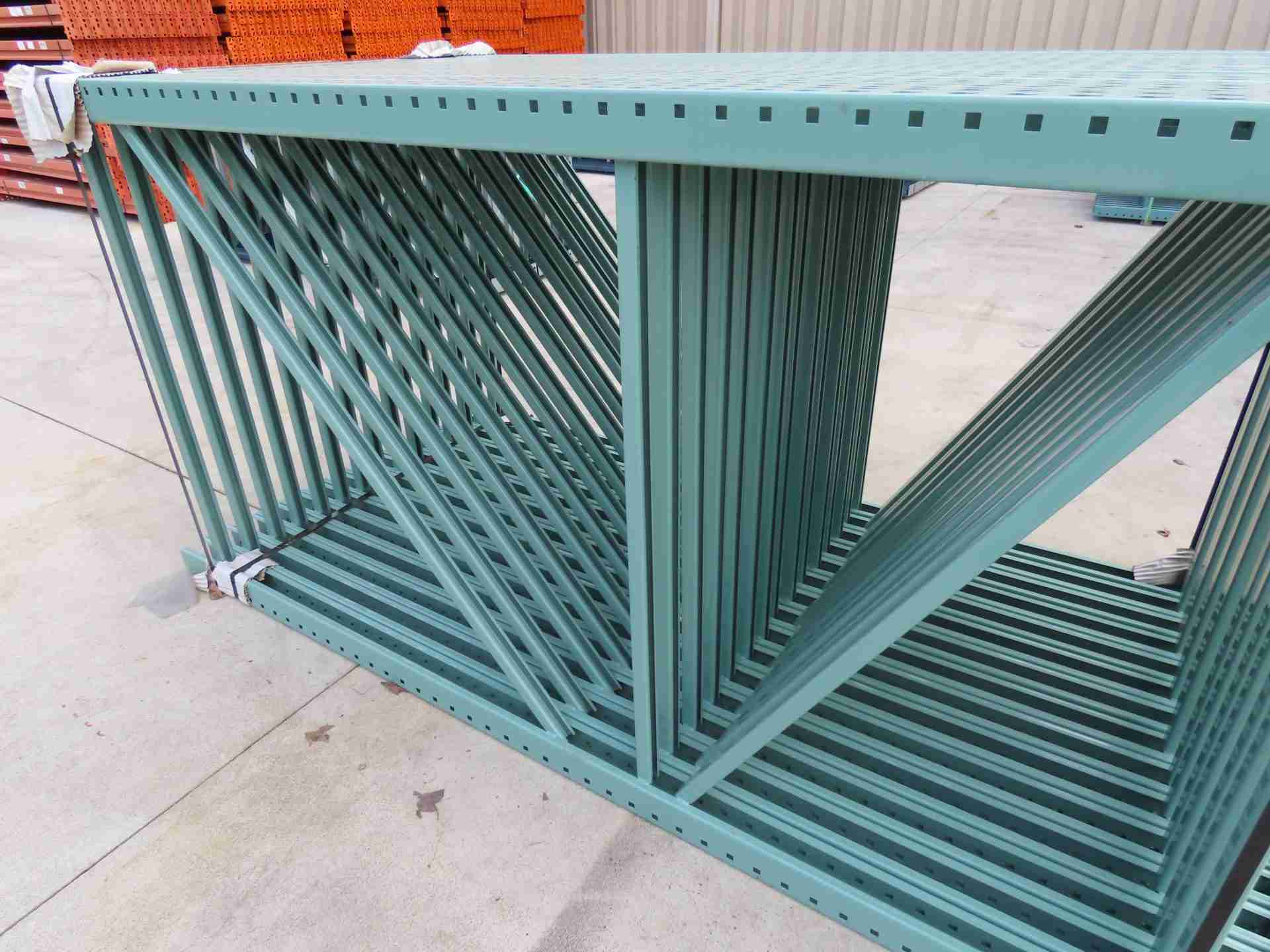
Are There Specific Insurance Considerations For Cantilever Racking?
Are There Specific Insurance Considerations For Cantilever Racking?
- Cantilever racking is crucial for optimizing space in warehouses and storage facilities.
- Liability risks are significant due to the heavy items stored, leading to potential accidents and lawsuits.
- Property insurance should cover both the cantilever racks and the high-value items they hold.
- Compliance with OSHA safety standards is essential to avoid fines and increased insurance premiums.
- Consider additional coverage options such as equipment breakdown and product liability insurance for comprehensive protection.
- Proactive evaluation of risks and insurance needs is crucial for safeguarding assets.
- Regularly reviewing insurance policies ensures alignment with the unique requirements of cantilever racking.

Are There Specific Insurance Considerations For Cantilever Racking?
What Are Common Claims Related To Cantilever Racking Systems?
In the bustling world of warehousing and inventory management, cantilever racking systems have carved out their niche as indispensable tools for optimizing space and enhancing operational efficiency. However, with great utility comes scrutiny. Understanding the common claims associated with these systems can empower businesses to make informed decisions that maximize both safety and productivity.
1. Space Optimization Claims
One of the primary claims manufacturers make about cantilever racking systems is their superior space efficiency. Designed to hold long and bulky items—such as lumber, pipes, and furniture—these systems utilize vertical space creatively, ensuring you can store more within a smaller footprint. This claim resonates particularly in today’s economy, where real estate costs are skyrocketing. For instance, in urban areas seeing a surge in e-commerce, companies are hungrily looking for ways to optimize limited warehouse space. A recent report highlighted that a major retail chain increased its storage capacity by 30% simply by switching to cantilever racks.
2. Safety and Durability Claims
Another prevalent claim is related to safety and durability. Cantilever racks are often marketed as robust and reliable, able to withstand the rigors of heavy lifting and frequent use. Yet, it’s crucial to note that these claims hinge on proper installation and maintenance. In recent months, several high-profile incidents have underscored the importance of safety protocols in warehouses. A widely publicized collapse in a logistics center prompted companies to reevaluate their racking systems. Ensuring compliance with safety standards and conducting routine inspections can mitigate risks associated with these claims and safeguard your workforce.
3. Customization and Versatility Claims
Versatility is another hallmark of cantilever racking systems—manufacturers tout their ability to accommodate various loads and configurations. For instance, some businesses require adjustable arms to manage diverse inventories, from heavy machinery to seasonal goods. The adaptability of these racks claims to cater to the evolving needs of the market, particularly as industries pivot in response to changing consumer demands. In light of recent supply chain fluctuations, companies seeking flexibility are turning to customized cantilever solutions to ensure they can pivot with the seasons.
4. Return on Investment Claims
Lastly, many suppliers trumpet the return on investment (ROI) claims. By increasing storage capacity and improving accessibility, cantilever racking can lead to greater efficiency and reduced labor costs. Businesses today, grappling with inflation and shifting consumer trends, are keenly aware of their bottom line. A well-considered investment in cantilever racking can yield significant financial returns, making a strong case for this versatile storage solution.
While cantilever racking systems come with a host of claims related to efficiency, safety, and adaptability, it’s essential for businesses to conduct thorough due diligence. Understanding these common claims will empower you to leverage these systems effectively and responsibly, ensuring your warehousing operations thrive amid today’s challenges.

What Are Common Claims Related To Cantilever Racking Systems?
What Are Common Claims Related To Cantilever Racking Systems?
- Space Optimization Claims: Cantilever racking systems maximize space efficiency by utilizing vertical storage for long and bulky items, resulting in up to 30% increased storage capacity for some businesses.
- Safety and Durability Claims: Marketed as robust, these systems require proper installation and maintenance; recent warehouse incidents highlight the importance of compliance with safety standards.
- Customization and Versatility Claims: Cantilever racks are adaptable to various loads and configurations, helping businesses manage diverse inventories more effectively.
- Return on Investment Claims: Increased storage capacity and efficiency can lead to reduced labor costs, making cantilever racking a financially beneficial investment.
- Industry Demand: The need for optimized warehouse space is heightened in urban areas and driven by e-commerce trends.
- Impact of Supply Chain Fluctuations: Businesses are increasingly seeking flexible cantilever solutions to adapt to market changes and seasonal inventory needs.
- Importance of Due Diligence: Companies must conduct thorough evaluations of cantilever racking systems to leverage their benefits effectively and responsibly.

What Are Common Claims Related To Cantilever Racking Systems?
How Do Insurance Companies Evaluate Cantilever Racking Systems?
When it comes to safeguarding your investment, understanding how insurance companies evaluate cantilever racking systems is key. These robust structures, designed to hold heavy and bulky items, are essential for businesses in manufacturing, warehousing, and retail. However, their inherent risks necessitate a thorough assessment by insurers.
First and foremost, insurers look at the design and construction standards of your cantilever racking. Is it engineered to handle the demanded load capacity without compromising safety? A system manufactured according to industry standards, such as those set by the American National Standards Institute (ANSI) and the Occupational Safety and Health Administration (OSHA), will get higher marks during evaluation. For example, if your racking system uses high-grade steel and has undergone rigorous testing, you can expect your insurer to favorably assess your risk profile.
Maintenance and inspection protocols play a critical role, too. Companies that conduct regular inspections and maintenance on their racking systems not only create safer environments but also show insurers they are committed to reducing risks. Consider a logistics firm that conducts monthly safety audits on their racking systems—this proactive strategy could lead to lower premiums and better coverage options. On the flip side, neglecting this responsibility may elevate risk, which insurers won’t overlook when it’s time to evaluate your policy.
Then there’s load management to consider. Insurance companies will analyze how items are stored and retrieved from your racking systems. Are you following best practices for load distribution? Are you exceeding the weight limits? This aspect became especially relevant during recent logistic disruptions due to global supply chain challenges in 2023, where businesses were pushed to their limits, leading some to overload their racking systems. Insurers are aware of these trends and can use them to drive home the importance of maintaining operational standards in your evaluation process.
Finally, insurers may also assess incident history. If there have been past accidents or near misses involving your racking systems, expect questions. They want to understand how you handle such incidents and what measures you’ve implemented since then to mitigate future risks.
In summary, effective communication with your insurance provider on these elements is vital. Ensure that your cantilever racking systems reflect not only quality construction and maintenance but also operational integrity. By recognizing these evaluation criteria, you’ll not only enhance your safety and productivity but also give your business a competitive edge in securing optimal insurance coverage.

How Do Insurance Companies Evaluate Cantilever Racking Systems?
How Do Insurance Companies Evaluate Cantilever Racking Systems?
- Understanding how insurance companies evaluate cantilever racking systems is key to safeguarding investments.
- Insurers assess design and construction standards, emphasizing compliance with ANSI and OSHA guidelines.
- High-grade materials and rigorous testing are favorable factors in risk assessments.
- Regular maintenance and inspection protocols demonstrate commitment to safety, potentially leading to lower premiums.
- Load management practices, including adherence to weight limits, are crucial in evaluation processes.
- Incident history, including past accidents, can influence insurer assessments and policy evaluations.
- Effective communication with insurers about safety and operational integrity enhances safety, productivity, and insurance coverage.

How Do Insurance Companies Evaluate Cantilever Racking Systems?
Can Cantilever Racking Affect Liability Insurance Coverage?
When it comes to warehouse operations, safety is paramount. One crucial aspect that many business owners overlook is the role of cantilever racking in their liability insurance coverage. These racking systems offer tremendous benefits for storing long or bulky items, but they also come with specific considerations that could impact your insurance premiums and liability exposure.
First, let’s talk about compliance. Insurance providers scrutinize your operational safety protocols when determining your coverage. Cantilever racking systems must be installed and maintained according to industry standards. If your racking system is improperly installed or becomes overloaded, and it causes an accident, your company could face significant liability. In such cases, an insurance provider may either deny the claim or substantially increase your premiums.
Consider a real-world scenario: A distribution center in the Midwest suffered severe damages when a poorly secured cantilever racking system collapsed, resulting in injuries to an employee and extensive product loss. The company’s liability insurance covered the injuries, but they also faced a steep rise in premiums the following year. Not to mention, the legal fees drained their financial resources, affecting their overall profitability.
This example underscores the importance of proper installation and regular maintenance of cantilever racking systems. Not only can this mitigate risks on the warehouse floor, but it can also ensure that your insurance remains intact and that you don’t end up fronting hefty costs out-of-pocket after a claim.
Another critical factor involves employee training. Insurance companies often look at how well you train your staff on safe loading and unloading procedures. A robust training program can reduce the likelihood of accidents and show insurers that you are proactive about safety. Recently, a logistics firm based in California revamped its training program focusing on cantilever racking safety. When it came time to renew policies, they received a 20% discount on their premiums, proving that commitment to safety pays off.
Investing in regular audits of your racking systems, employee training, and compliance recommendations not only protects your bottom line; it builds a safe operational culture that can earn you favorable terms with insurers. Remember, a small step toward better safety practices can lead to significant savings in your liability insurance coverage—an essential factor in today’s competitive market.
In summary, cantilever racking can indeed affect liability insurance coverage—make sure you’re on the right side of that equation!

Can Cantilever Racking Affect Liability Insurance Coverage?
Can Cantilever Racking Affect Liability Insurance Coverage?
- Safety is a primary concern in warehouse operations, especially regarding cantilever racking and liability insurance.
- Cantilever racking systems are beneficial for storing long or bulky items but require proper installation and maintenance to avoid liability risks.
- Improperly installed or overloaded racking can lead to significant accidents, potentially resulting in claim denials or increased insurance premiums.
- A real-world incident highlights the consequences of a collapsed cantilever racking system, leading to injuries and increased insurance costs for a distribution center.
- Employee training on safe loading and unloading procedures is crucial; effective training can result in reduced accidents and lower insurance premiums.
- Regular audits, staff training, and compliance can safeguard financial interests and favorably influence insurer terms.
- Investing in safety measures can lead to significant savings in liability insurance coverage, essential in a competitive market.

Can Cantilever Racking Affect Liability Insurance Coverage?
What Risks Should Be Mitigated To Lower Insurance Premiums?
Insurance premiums can be a painful pill to swallow, but focusing on risk mitigation can yield significant savings. Simply put, the lower the risk you present, the lower your premiums. Understanding and addressing potential risks is not only smart—it’s essential in today’s fast-paced world.
Take, for instance, the rise of cyberattacks, recently highlighted by the surge in high-profile hacks affecting businesses globally. Companies like one of the world’s largest meat producers faced hefty financial losses due to a ransomware attack earlier this year, pushing insurance premiums considerably higher for those in the food processing sector. To combat this, companies should invest in robust cybersecurity measures. By implementing firewalls, regular audits, and employee training on phishing scams, a business can show insurers that they are minimizing cyber risks. The payoff? Lower premiums and peace of mind.
Similarly, consider the ramifications of natural disasters. According to the National Oceanic and Atmospheric Administration, the frequency of severe weather events has increased, making areas once considered safe more vulnerable. Homeowners in flood-prone zones—or wildfire hotspots—will find that their premiums reflect this risk. To mitigate these, homeowners can invest in flood barriers, fire-resistant materials, and comprehensive home monitoring systems. By demonstrating proactive safety measures, insurers may offer significant discounts, rewarding these homeowners for taking preventive action.
For businesses reliant on transportation, the rising costs of commercial vehicle insurance can be exorbitant. With the increasing numbers of traffic incidents and claims, demonstrating safety on the road is crucial. Fleet operators can install GPS tracking systems, driver behavior monitoring, and regular maintenance schedules to showcase their commitment to safety. This proactive approach to risk management not only ensures better behavior behind the wheel but can also lead to a substantial reduction in insurance costs.
Finally, let’s not ignore the importance of employee safety in any organization. In light of the COVID-19 pandemic, companies are rethinking workplace safety protocols. Investing in ventilation systems, health monitoring, and employee wellness programs helps mitigate health risks and reduce liability. Insurance companies are paying attention; those showing a commitment to employee safety may find their premiums significantly lower.
Smart risk mitigation is a powerful tool to secure lower insurance premiums. By actively addressing technological, environmental, operational, and health risks, you not only protect your assets but also position yourself favorably in the eyes of insurers. Take control today—reduce your risks and watch those premiums plummet!

What Risks Should Be Mitigated To Lower Insurance Premiums?
What Risks Should Be Mitigated To Lower Insurance Premiums?
- Insurance premiums can be reduced through effective risk mitigation strategies.
- The lower the risk presented, the lower the premiums; understanding and addressing potential risks is essential.
- Cyberattacks are on the rise, exemplified by significant hacks affecting major industries.
- Investing in cybersecurity (e.g., firewalls, employee training) can lower premiums and enhance security.
- Natural disasters pose increased risks; homeowners can invest in flood barriers and fire-resistant materials to mitigate this risk.
- Transportation-based businesses can lower vehicle insurance costs by implementing safety measures like GPS tracking and regular maintenance.
- Employee safety and wellness investments can significantly impact insurance premiums by reducing health-related risks.

What Risks Should Be Mitigated To Lower Insurance Premiums?
How Often Should Cantilever Racking Systems Be Inspected For Safety?
In the world of warehousing and logistics, safety isn’t just a priority—it’s a necessity. Your cantilever racking system, which holds everything from lumber to heavy machinery, deserves your undivided attention. But how often should you be conducting safety inspections? The answer isn’t one-size-fits-all, and understanding why is crucial for the integrity of your operations.
At a minimum, you should plan to inspect your cantilever racks quarterly. However, factors such as load density, the type of materials stored, and environmental conditions can necessitate more frequent checks. For instance, if your warehouse frequently handles heavy or high-traffic items, your racking might endure stress that calling for inspections every month. Contrast this with a facility that uses lighter goods—there, every six months might suffice. Regular inspections help you identify potential hazards, such as distortions or corrosion, before they escalate into costly problems.
Recent incidents highlight the importance of proactive inspections. In 2023, an industrial accident linked to overlooked cantilever racking systems left several employees injured and a company grappling with legal repercussions. The damages extended beyond immediate medical expenses; they incurred penalties and lost productivity, ultimately eroding trust among clients and stakeholders. It’s a harsh reminder that the price of neglect can be devastating—not just in financial terms but also in your reputation.
So, consider creating an inspection schedule that adheres to industry standards as a best practice while tailoring it to your unique warehouse needs. Think of it not just as a checklist but as an essential element of your operational strategy. You could appoint a dedicated safety officer or invest in training your current staff to ensure that inspections are thorough and documented. Moreover, keep up with technology—using software that tracks inspections and identifies potential issues can streamline this crucial process.
In addition to scheduled inspections, conducting spontaneous spot-checks for any evident deterioration or unusual wear is advisable. Remember, each inspection should ideally include detailed documentation, including photographs and descriptions of any issues noted. This can safeguard against liability and foster a culture of safety within your organization.
Ultimately, regular and thorough inspections of your cantilever racks not only safeguard your employees and assets but also cement your commitment to excellence. By investing in safety inspections, you’re not just protecting your warehouse; you’re setting a standard that can propel your reputation and bottom line forward. Don’t wait for an accident to drive home the importance of safety—act now and reap the rewards.

How Often Should Cantilever Racking Systems Be Inspected For Safety?
How Often Should Cantilever Racking Systems Be Inspected For Safety?
- Safety is essential in warehousing and logistics, particularly for cantilever racking systems.
- Minimum inspection frequency for cantilever racks should be quarterly, though it may vary based on load density and material type.
- Heavy or high-traffic environments may require monthly inspections, while lighter goods may only need checks every six months.
- Regular inspections help identify hazards like distortions or corrosion before they become significant issues.
- 2023 industrial accidents linked to neglected inspections highlight the potential financial and reputational damage.
- Establish a tailored inspection schedule, consider appointing a safety officer, and utilize technology for tracking inspections.
- Conduct spontaneous spot-checks and document findings to foster a safety culture and protect against liability.

How Often Should Cantilever Racking Systems Be Inspected For Safety?
Does Proper Maintenance Of Cantilever Racking Lower Premiums?
In the fast-paced world of logistics and warehousing, the importance of effective asset management cannot be overstated. One crucial aspect of that management is proper maintenance of cantilever racking systems. But have you ever stopped to consider how this maintenance might influence your insurance premiums? If you haven’t, it’s time to shift your focus.
Imagine this scenario: You run a busy warehouse, and you’ve just had the latest inspection of your cantilever racking system. Everything checked out perfectly. Your racking system is not only structurally sound but also meticulously maintained. As a result, when you reach out to your insurance company for a renewal quote, there’s a noticeable difference in the premium. Why? A well-maintained racking system doesn’t just keep your products safe; it minimizes liability risks and demonstrates to insurers that you are a proactive operator.
Insurers are keenly aware of the costs associated with accidents and damages. Just recently, large warehouse fires and collapses have turned customers’ attention to safety and maintenance. For instance, in early 2023, a series of warehouse incidents led to thousands in damages and catastrophic losses for companies that had neglected their racking systems. If those companies had invested in proper maintenance, they might have avoided higher premiums or even catastrophic claims.
By regularly maintaining your cantilever racking, you’re signaling to your insurance provider that you’re committed to safety and risk reduction. This proactive approach often translates to lower premium rates. Insurers see you as a lower risk, and as any seasoned business owner knows, lower risk equates to lower costs—because when you invest in safety, you protect not just your employees and inventory but your bottom line too.
Moreover, proper documentation of maintenance schedules can reinforce your position. What if you could present your insurer with a well-documented maintenance history? This tangible evidence could further solidify your commitment to safety, leading to even more favorable policy terms. Think of it as a competitive advantage—a way to differentiate your business in an industry where margins are often razor-thin.
The answer to whether proper maintenance of cantilever racking can lower premiums is a resounding yes. It’s not just about being compliant; it’s about being smart. Invest in maintenance today. It’ll not only safeguard your assets but also ensure your insurance costs remain manageable. After all, a well-maintained racking system isn’t just good for business; it’s good for your wallet.

Does Proper Maintenance Of Cantilever Racking Lower Premiums?
Does Proper Maintenance Of Cantilever Racking Lower Premiums?
- Proper maintenance of cantilever racking systems is vital for effective asset management in logistics and warehousing.
- Maintaining a structurally sound racking system can lead to lower insurance premiums by minimizing liability risks.
- Insurers recognize the costs associated with accidents, making safety and maintenance a priority for reduced premiums.
- Recent warehouse incidents highlight the financial risks of neglecting racking system maintenance.
- Regular maintenance signals commitment to safety, positioning the business as a lower risk to insurers.
- Documenting maintenance schedules strengthens the case for lower insurance costs and favorable policy terms.
- Investing in proper maintenance not only protects assets but also keeps insurance costs manageable, benefiting the bottom line.

Does Proper Maintenance Of Cantilever Racking Lower Premiums?
Conclusion
As we conclude our exploration into the intricacies of cantilever racking systems, it is imperative to recognize their multifaceted benefits that extend far beyond mere storage solutions. Cantilever racking is not just a tool for maximizing vertical space and organizing inventory; it plays a pivotal role in influencing your insurance landscape, significantly impacting premiums, safety, and operational efficiencies.
Investing in a well-designed cantilever racking system equips businesses with the ability to store long, bulky, and irregularly shaped items safely, decreasing the likelihood of workplace accidents and potential inventory damage. A meticulously organized environment reduces risk factors, which, in turn, can earn you favorable evaluations from insurers. Insurers prioritize systems that demonstrate a commitment to safety. By showcasing a history of fewer claims linked to accidents—thanks to your optimized cantilever racking—you might just find yourself wielding considerable negotiating power during insurance discussions.
Moreover, beyond just risk mitigation, cantilever racking allows for better inventory management and efficient space utilization. In an era where operational efficiencies can dictate competitive advantage, the innovative design of cantilever racking ensures that materials are not only accessible but also preserved from damage that encapsulates the overall value of your goods. For example, a construction supply company reported a 75% drop in inventory damage after implementing a new cantilever system—an experience that certainly reflects both immediate operational savings and long-term financial prudence.
Consider the urgency of this moment. As businesses navigate an ever-evolving marketplace, marked by supply chain challenges and a heightened focus on safety and efficiency, there couldn’t be a better time to evaluate your storage strategy. By investing in cantilever racking, you position your organization not merely for compliance or improved workflow but for a holistic enhancement of your safety profile, with tangible benefits reflected in reduced insurance premiums and operational performance.
It’s time to take action! If you’re ready to transition into a more efficient and risk-averse storage solution, connect with Arrow Industrial Sales at (574) 349-6575. Let our experts assist you in unlocking the full potential of cantilever racking, turning your storage challenges into strategic advantages. Don’t wait—maximize your efficiency and savings today; your bottom line (and your employees) will thank you!

Conclusion
Conclusion:
- Cantilever racking systems offer benefits beyond storage, influencing insurance costs and operational efficiency.
- Designed for safe storage of long and irregular items, they reduce workplace accidents and inventory damage.
- A well-organized storage environment can lead to favorable insurance evaluations and negotiations.
- Efficient inventory management with cantilever racking enhances accessibility and minimizes damage to goods.
- Case study: A construction supply company saw a 75% reduction in inventory damage after installing a cantilever system.
- Evaluating storage strategies is crucial as businesses face supply chain challenges and a need for improved safety.
- Contact Arrow Industrial Sales for expert assistance in optimizing cantilever racking solutions.

Conclusion
Other Resources

Other Resources
Here is a list of other resources you can review online to learn more:
- “Cantilever Racking for Warehouse Management”
- “Cantilever Racking & Lumber Racking for Warehouse”
- “Common risks your tire business could face…”
- “Cantilever Racks”
- “Property Insurance Risks for Distribution Warehouses”
- “Innovations in Cantilever Racking: Enhancing Safety and …”
- “Types of Industrial Racking for Warehouse: Classification & …”
- “Understanding Warehouse & Storage Insurance Coverage”
- “22 – SIRA – NSW Government”
- “STANDARD SPECIFICATIONS – Caltrans”
- “OHS Guidelines Part 4: General Conditions”
- “Guidebook to Starting Warehousing Business in Malaysia.pdf”
- “Architect as Registrar: when art meets architecture – Webthesis”
- “Safety and health in ports”
- “INSURANCE REQUIREMENTS OF THE INDIAN …”
- “Cantilever Racks: The Secret Piece to Handling …”
- “QP-REG-S-001 Rev. 3 Date: 25.06.09 Page: 2 of 141”

Other Resources
Glossary Terms
How Does Cantilever Racking Affect Insurance Premiums? – Glossary Of Terms
1. Cantilever Racking: A type of storage system featuring horizontal beams supported by vertical posts, ideal for storing long or bulky items like lumber and pipes.
2. Insurance Premium: The amount paid periodically to an insurance company for coverage, which can vary based on risk factors including the type of storage systems used.
3. Liability Coverage: Insurance protection that provides compensation for damages or injuries caused by the policyholder’s operations, including those related to storage systems.
4. Risk Assessment: The process of identifying and evaluating potential hazards associated with a storage system, which can influence insurance costs.
5. Warehouse Safety: Protocols and regulations to ensure safe storage practices, which can affect overall risk and insurance premiums.
6. Claim History: A record of past insurance claims made by a business, which can impact future premiums based on perceived risk.
7. Fire Protection: Measures taken to prevent and respond to fire hazards, which are crucial for securing favorable insurance rates.
8. Structural Integrity: The ability of the cantilever racking system to support loads without failure, impacting safety assessments and insurance costs.
9. Maintenance Requirements: Regular upkeep necessary to ensure the racking system’s safety and functionality, which is considered in premium calculations.
10. Storage Density: The amount of goods stored per square foot, which can affect risk profiles and insurance pricing.
11. Regulatory Compliance: Adherence to industry safety standards and regulations that can influence insurance eligibility and costs.
12. Asset Protection: Strategies to safeguard physical inventory from damage, theft, or loss which directly relate to insurance considerations.
13. Underwriting: The process of evaluating risk and determining insurance coverage and premiums.
14. Business Interruption Insurance: Coverage that compensates for lost income during periods of disruption, which may be influenced by storage-related incidents.
15. Inventory Management: The supervision of supply acquiring and storage, affecting risk assessments related to racking systems.
16. Pallet Racking: A form of racking used for pallets, which can also contribute to the overall risk assessment of a warehouse.
17. Forklift Operations: Use of forklifts for material handling can heighten the risk of accidents, thereby influencing insurance premiums.
18. Environmental Hazards: Risks posed by the storage environment itself (e. g. , flammable materials) that insurers must consider.
19. Safety Training: Programs designed to educate employees about proper storage and handling practices, which can reduce risks and lower premiums.
20. Loss Control: Strategies employed to minimize or eliminate risks that could lead to insurance claims, directly affecting premiums.
21. Insurance Broker: A professional who assists businesses in finding suitable insurance policies and negotiating premiums.
22. Storage Capacity: The maximum amount of product that can be stored, influencing risk assessments based on overcrowding.
23. Specialized Coverage: Additional insurance policies tailored to specific risks associated with cantilever racking and warehouse operations.
24. Incident Reporting: The process of documenting accidents or issues related to warehouse operations, affecting liability and premiums.
25. Policy Exclusions: Specific conditions or circumstances under which the insurance policy will not provide coverage, often detailed concerning storage methods.
26. Cost-Benefit Analysis: An evaluation of the financial benefits of implementing safety measures against their costs, helping to determine insurance implications.
27. Contractual Liability: Legal obligations related to damages arising from contracts, which may include risks associated with improper storage.
28. Third-Party Liability: Insurance that covers claims made by anyone other than the policyholder if they are harmed due to the business’s operations.
29. Risk Mitigation: Actions taken to reduce exposure to risks associated with warehouse operations and cantilever racking, potentially lowering premiums.
30. Coverage Limits: The maximum amount that an insurance policy will pay per claim or per policy period, depending on the risk profile of the storage system.

Glossary Of Terms
Other Questions
How Does Cantilever Racking Affect Insurance Premiums? – Other Questions
If you wish to explore and discover more, consider looking for answers to these questions:
- What are the initial costs associated with installing cantilever racking?
- How does cantilever racking compare to other storage systems in terms of safety?
- What types of businesses benefit the most from cantilever racking?
- Are there specific maintenance requirements for cantilever racking systems?
- How can I ensure my cantilever racking system meets safety regulations?
- What kind of training should employees receive for safe cantilever racking use?
- How do local building codes affect cantilever racking installation?
- What role does insurance play in the decision to implement cantilever racking?
- Can cantilever racking be adapted for different warehouse layouts?
- What are the common mistakes businesses make when installing cantilever racking?
- How does cantilever racking impact workflow efficiency and productivity?
- What safety equipment should be used in conjunction with cantilever racking?
- How can technology assist in maintaining cantilever racking systems?
- What are the environmental considerations when using cantilever racking?
- How often should training on cantilever racking safety be conducted?

Other Questions
Checklist
How Does Cantilever Racking Affect Insurance Premiums? – A Checklist
1. Regular Inspections
_____ Schedule inspections every quarter for standard usage.
_____ Increase inspection frequency to monthly if handling heavy or high-traffic items.
_____ Document each inspection, including:
_____ Photographs of racking conditions
_____ Descriptions of any issues noted
2. Proper Installation
_____ Ensure that cantilever racks are installed according to industry standards (ANSI, OSHA).
_____ Verify the load capacity calculations match stored items.
3. Compliance with Safety Standards
_____ Regularly review compliance with OSHA regulations.
_____ Maintain up-to-date knowledge of local safety regulations regarding storage systems.
4. Training Programs
_____ Implement a robust employee training program on:
_____ Safe loading and unloading procedures
_____ Emergency protocols regarding racking failures
_____ Conduct refresher training sessions at least annually.
5. Load Management
_____ Ensure that load distribution on racks adheres to specified weight limits.
_____ Regularly check that inventory is stored in a way that promotes safety and efficiency.
6. Maintenance Schedule
_____ Establish a routine maintenance schedule that includes:
_____ Cleaning racks from debris and dust.
_____ Checking for signs of wear and tear (e. g. , rust, bends).
_____ Keep detailed records of maintenance activities.
7. Safety Equipment Usage
_____ Ensure employees are equipped with necessary safety gear when using the racking system.
_____ Provide tools to facilitate safe loading and unloading (e. g. , forklifts, pallet jacks).
8. Emergency Preparedness
_____ Have an emergency response plan specific to incidents related to racking accidents.
_____ Conduct drills on emergency procedures yearly.
9. Engaging with Insurance Providers
_____ Regularly communicate with your insurance provider about your safety practices and improvements.
_____ Document and present your safety and maintenance history to negotiate lower premiums.
10. Documentation and Reporting
_____ Keep a logbook of all inspections, maintenance, training, and incidents.
_____ Regularly review the logbook to identify trends or recurring issues that require attention.
Conclusion
By following this checklist, you can enhance the safety of your cantilever racking systems, reduce the risk of accidents, and potentially lower your insurance premiums. Remember, a proactive approach to safety not only protects your employees and inventory but also positions your enterprise as a responsible and reliable entity.

Checklist
At RackingWorld, we help guide you through selecting warehouse storage systems and racking.
Be sure to read our other related stories at RackingWorld to learn more about warehouse storage systems.
0 Comments