
Maximizing Storage Space: The Power Of Cantilever Racking
By Tom Seest
At RackingWorld, we help guide you through selecting warehouse storage systems and racking.
Be sure to read our other related stories at RackingWorld to learn more about warehouse storage systems.
Can Cantilever Racking Boost Your Warehouse’s Storage Capacity?
In today’s fast-paced, e-commerce-driven marketplace, maximizing every square foot of warehouse space is no longer optional – it’s essential for survival. Enter cantilever racking, an innovative storage solution that can revolutionize your warehouse operations. If you’ve been grappling with limited storage options, slow picking processes, or the costly overhead of a larger facility, cantilever racking might just be the game-changer your business needs.
Cantilever racking is designed specifically for long, bulky, or awkwardly shaped items, such as timber, pipes, or furniture. With its open design, this system allows for easy access and quick retrieval. Imagine being able to store and retrieve large pallets of merchandise faster than you thought possible! In fact, global retailers like IKEA have implemented cantilever racking in their warehouses to streamline operations and maximize space utilization. When IKEA was revamping their warehouse layout, the choice to install cantilever racking resulted in a 30% increase in storage space and a significant bump in order fulfillment speed.
But it’s not just about space; let’s talk about cost savings. As supply chain issues intensify, driven by current events such as inflation and ongoing disruptions, your warehouse operations need to be as efficient as possible. Moving to a cantilever racking system can reduce your need for additional real estate investments, which often come with long-term leases and associated costs. If you’re currently renting extra square footage to accommodate bulky inventory, shifting to a cantilever solution could slash expenses, freeing up valuable resources for investment elsewhere.
Moreover, cantilever racking systems are customizable, making it easy to adapt to shifts in your product line or inventory demands. A manufacturer of garden supplies, confronted with increased demand for oversized outdoor furniture, made the strategic decision to switch to cantilever racking. Not only did this enhance their storage capacity, but it also facilitated a quicker response to changing consumer trends, ultimately securing a competitive advantage in a crowded market.
In summary, cantilever racking can drastically boost your warehouse storage capacity and operational efficiency, allowing you to adapt and thrive in this ever-evolving business landscape. With space at a premium and supply chain efficiency critical to success, it’s time to embrace solutions that not only save room but also save money. Don’t just think about optimizing your storage – think about future-proofing your entire operation.

Can Cantilever Racking Boost Your Warehouse’s Storage Capacity?
Can Cantilever Racking Boost Your Warehouse’s Storage Capacity?
- Maximizing warehouse space is crucial for survival in today’s e-commerce market.
- Cantilever racking is an innovative solution for storing long, bulky, or awkwardly shaped items.
- This racking system allows for easy access and quick retrieval of merchandise.
- Global retailers like IKEA have experienced a 30% increase in storage space and faster order fulfillment with cantilever racking.
- Implementing cantilever racking can reduce costs by decreasing the need for additional real estate investments.
- Cantilever racking systems are customizable to adapt to changes in product lines or inventory demands.
- This solution can significantly enhance storage capacity and operational efficiency, helping businesses thrive and future-proof their operations.

Can Cantilever Racking Boost Your Warehouse’s Storage Capacity?
Table Of Contents
- Can Cantilever Racking Boost Your Warehouse’s Storage Capacity?
- Can Cantilever Racking Maximize Vertical Space In Warehouses?
- What Are The Key Benefits Of Using Cantilever Racking?
- How Does Cantilever Racking Improve Accessibility For Heavy Items?
- What Types Of Materials Are Suitable For Cantilever Racking Systems?
- Can Cantilever Racking Be Customized For Specific Warehouse Needs?
- How Do Cantilever Racks Compare To Other Types Of Racking Systems?
- What Is The Process For Installing Cantilever Racking In A Warehouse?
- Are There Safety Considerations When Using Cantilever Racking?
- How Can Cantilever Racking Help Reduce Warehouse Operational Costs?
- What Maintenance Is Required For Cantilever Racking Systems?
- Conclusion
- Other Resources
- Glossary Of Terms
- Other Questions
- Checklist
Can Cantilever Racking Maximize Vertical Space In Warehouses?
Can Cantilever Racking Maximize Vertical Space in Warehouses?
In today’s fast-paced business environment, maximizing vertical space is not just a luxury; it’s a necessity. As warehousing and distribution demands increase, companies are often left grappling with the age-old dilemma of limited floor space clashing with the need for expansion. Enter cantilever racking, the unsung hero of modern warehousing that can transform vertical limits into opportunities.
Imagine this: a bustling warehouse filled with stacks of bulky items—wood beams, pipes, or furniture—all sprawled out on the floor, consuming precious space and hindering operational efficiency. This is where cantilever racking shines. Unlike traditional shelving systems, which require hefty ground space, cantilever racks are designed to utilize vertical height effectively. With their unique arm structure allowing for the seamless stacking of long, cumbersome items, these racks elevate your storage game, providing a clutter-free work environment and easy access to inventory.
Take, for example, a furniture distribution center in the Midwest that utilized cantilever racking to revamp their warehouse. By implementing a vertical storage strategy, they increased their storage capacity by 60% while decreasing retrieval times by nearly half. This not only reduced labor costs but also enabled them to enhance their delivery efficiency—a critical factor as e-commerce continues to surge in popularity.
Recent disruptions in the global supply chain have brought warehouse space issues into sharp focus. Companies like Amazon are adapting by re-evaluating their operations, and cantilever racking is a critical part of that equation. As businesses face the challenge of storing more products with less space amidst rising inflation and heightened customer demand, innovative storage solutions are crucial. Some companies have reported that by transitioning to cantilever racking systems, they have not only saved on rent for additional storage facilities but also improved employee productivity by streamlining their inventory management processes.
Furthermore, cantilever racking systems are highly customizable, allowing businesses to configure them according to specific needs. This adaptability ensures that whether you’re storing 2x4s or heavy machinery, there’s a solution that fits your requirements perfectly. Companies can easily adjust the arms on cantilever racks to accommodate various product sizes, reducing the frustration of wasted space often seen with conventional shelving.
The advantages of cantilever racking are clear—maximizing vertical space, improving inventory accessibility, and enhancing overall operational efficiency—making it a vital asset for warehouses aiming to stay ahead in a competitive market. As businesses look to the future, investing in cantilever racking could very well be the smart move that turns spatial constraints into profitable advantages.

Can Cantilever Racking Maximize Vertical Space In Warehouses?
Can Cantilever Racking Maximize Vertical Space In Warehouses?
- Maximizing vertical space in warehouses has become essential due to increasing warehousing and distribution demands.
- Cantilever racking effectively utilizes vertical height, allowing for the storage of bulky items without occupying excessive ground space.
- A furniture distribution center increased storage capacity by 60% and decreased retrieval times by nearly half through the use of cantilever racking.
- Many companies, including Amazon, are transitioning to cantilever racking to address warehouse space challenges amid global supply chain disruptions.
- Businesses benefit from reduced rent by optimizing storage space with cantilever racks and improving employee productivity through better inventory management.
- Cantilever racking systems are customizable, accommodating various product sizes and reducing wasted space compared to conventional shelving.
- The adoption of cantilever racking enhances inventory accessibility, operational efficiency, and presents competitive advantages for warehouses.

Can Cantilever Racking Maximize Vertical Space In Warehouses?
What Are The Key Benefits Of Using Cantilever Racking?
In an era where efficient space management is paramount, cantilever racking emerges as an invaluable solution for businesses looking to optimize their storage capabilities. Here’s why you should consider integrating it into your operations.
Maximized Storage Space
Cantilever racking is designed to store long and bulky items, which traditional racking systems struggle to accommodate. Whether you’re in the lumber, metals, or furniture industries, the unique structure of cantilever racking allows you to maximize vertical space without restricting accessibility. For instance, if you’re a home improvement retailer, the ability to neatly stack and display long pieces of wood or piping not only keeps your warehouse organized but also enhances customer accessibility, leading to more sales.
Enhanced Safety
Safety is a top priority for any business. Unlike conventional shelving, cantilever racks minimize the risk of items tipping or falling, providing a secure environment for storing heavy or unwieldy goods. This is especially crucial in sectors like warehousing or manufacturing where employee safety is paramount. A glance at recent statistics illustrates that businesses which prioritize safety enjoy lower insurance premiums and a significant drop in workplace accidents. By investing in structured storage solutions like cantilever racking, you’re not just enhancing safety; you’re also creating a responsible and compliant business image.
Versatility
One of the standout features of cantilever racking systems is their versatility. They can be easily adjusted to accommodate a range of inventory sizes, giving your warehouse the flexibility to adapt to changing demands. Recently, in light of supply chain challenges brought about by global events, companies have had to pivot quickly and store diverse types of inventory. With cantilever racking, you can modify shelves to store anything from construction materials to textiles, ensuring you stay agile and responsive in a dynamic market.
Cost-Effective Solution
Investing in cantilever racking may initially seem like an added expense. However, consider the long-term savings: reduced accidents, improved efficiency, and optimized space utilization can collectively contribute to significant cost savings over time. Many companies have reported a marked increase in operational efficiency after adopting cantilever systems, allowing them to redirect resources towards core business initiatives rather than waste them through ineffective storage.
Increased Productivity
Efficiency breeds productivity, and with cantilever racking, accessing inventory becomes faster and easier. The ergonomic design means fewer obstacles and a streamlined picking process. Imagine a furniture retailer where staff can quickly find and access items. This efficiency not only enhances employee morale but also translates into quicker customer service, leading to greater customer satisfaction.
Integrating cantilever racking into your storage strategy is not just about organization—it’s a smart business decision that can greatly enhance your operational effectiveness. Trust in this system to revolutionize your warehouse and elevate your business to new heights.
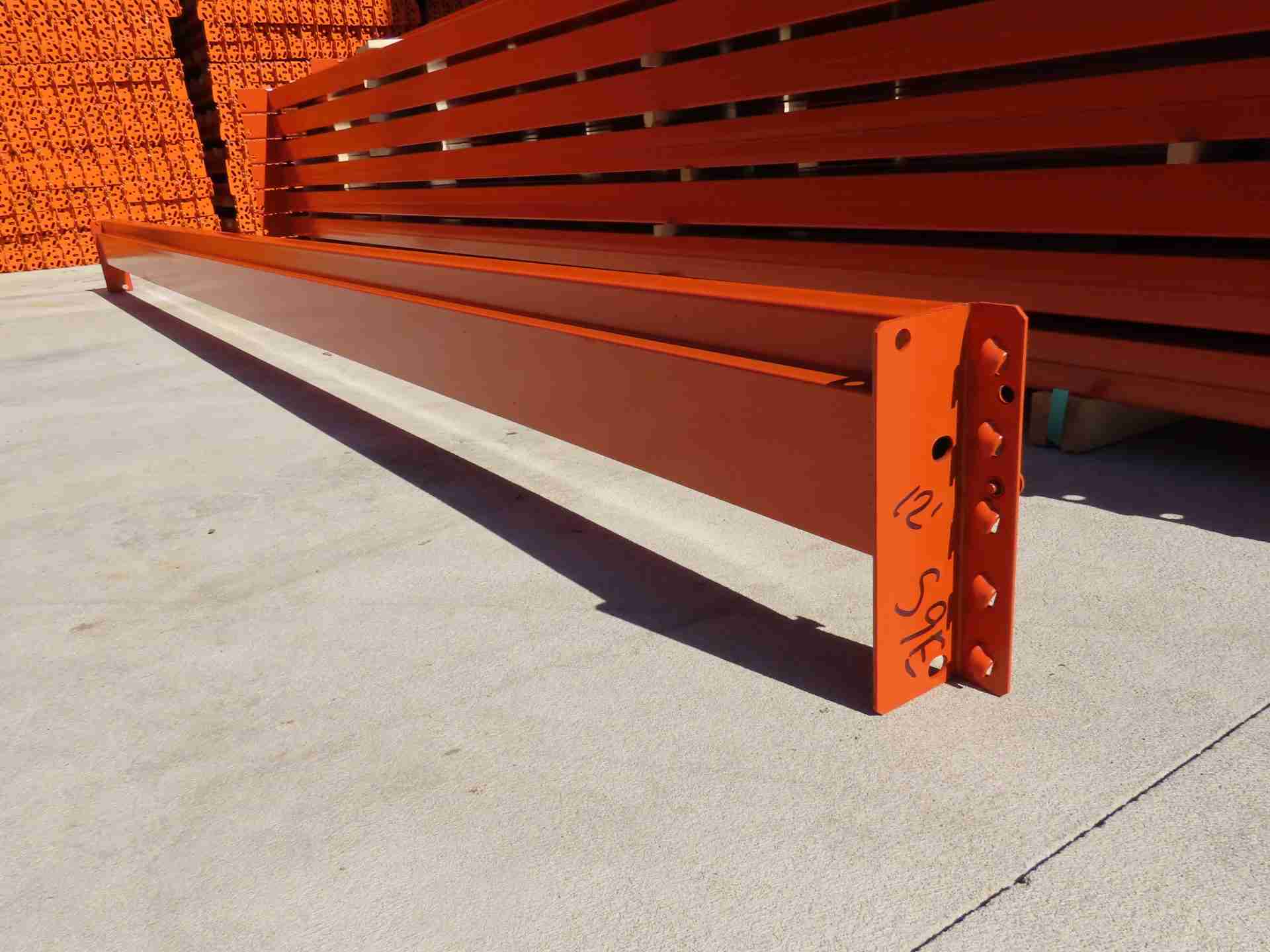
What Are The Key Benefits Of Using Cantilever Racking?
What Are The Key Benefits Of Using Cantilever Racking?
- Maximized Storage Space: Cantilever racking accommodates long and bulky items, optimizing vertical space for industries like lumber, metals, and furniture.
- Enhanced Safety: Reduces the risk of items tipping or falling, crucial for maintaining employee safety in warehousing and manufacturing sectors.
- Versatility: Easily adjustable to store various inventory sizes, allowing businesses to adapt to changing demands and supply chain challenges.
- Cost-Effective Solution: Long-term savings through reduced accidents and improved efficiency make cantilever racking a financially sound investment.
- Increased Productivity: Enhances inventory access and streamlines the picking process, boosting employee morale and customer satisfaction.
- Operational Effectiveness: Integrating cantilever racking enhances overall storage strategy and business organization.
- Revolutionary Impact: Proven to elevate warehouse operations and elevate business potential significantly.

What Are The Key Benefits Of Using Cantilever Racking?
How Does Cantilever Racking Improve Accessibility For Heavy Items?
In a fast-paced world where efficiency and productivity can make or break a business, maximizing accessibility to heavy items is more vital than ever. Enter cantilever racking – a game-changing solution that can transform your loading and storage operations while keeping everything at your fingertips.
Imagine a warehouse bustling with activity: forklifts zipping around, employees hustling to fulfill orders, and limited time at stake. Amidst this organized chaos, having access to heavy items without cumbersome obstructions can prove invaluable. Cantilever racking enhances accessibility by offering an open, adjustable storage system that allows you to store long or bulky items, such as steel pipes, lumber, or large appliances, with ease.
Unlike traditional shelving that typically involves upfront bars and obstructive dividers, cantilever racks feature arms that extend out from a vertical column. This innovative design permits the loading and retrieval of heavy items from the sides and the front, eliminating the hassle of navigating around barriers. Your staff will no longer waste precious minutes maneuvering bulky goods awkwardly, leading to enhanced productivity.
Let’s look at a practical example. Consider a construction supply company that frequently processes oversized materials like drywall and structural beams. By implementing cantilever racking, they have not only optimized their storage space, but they’ve also improved the safety and efficiency of their operations. Employees can now retrieve materials on demand, reducing the time taken to access heavy inventory and increasing the response time for client orders. In times like these, where supply chains are still recovering from disruptions due to global events, such as the pandemic’s lingering effects or fluctuating trade policies, companies that leverage efficient systems will come out on top.
The benefits don’t stop at accessibility. Cantilever racking systems promote better organization within the workspace; clearly defined zones for different items reduce clutter and confusion. For instance, the automotive aftermarket has seen a rising trend of using cantilever racks to store spare parts in warehouses. With items clearly visible, inventory audits become faster and more streamlined, ensuring stocks are accurately maintained.
Investing in cantilever racking isn’t merely about creating more space; it’s about elevating your operational efficiency. As businesses adapt to the ever-changing marketplace, integrating solutions that improve accessibility for heavy items can be the difference between stagnation and growth. In an era where every second counts, welcome the future of warehousing with open arms—your workforce and bottom line will thank you.

How Does Cantilever Racking Improve Accessibility For Heavy Items?
How Does Cantilever Racking Improve Accessibility For Heavy Items?
- Maximizing accessibility to heavy items is essential for business efficiency and productivity.
- Cantilever racking provides an adjustable storage system for long or bulky items like steel pipes and lumber.
- This system offers easier loading and retrieval from the sides and front, eliminating cumbersome obstructions.
- Cantilever racking improves safety and operational efficiency by reducing the time needed to access heavy inventory.
- Enhanced organization reduces clutter and confusion, leading to better inventory management.
- Investing in cantilever racking can elevate operational efficiency and support business growth.
- Integrating efficient storage solutions can significantly impact a company’s adaptability and competitiveness in a changing marketplace.

How Does Cantilever Racking Improve Accessibility For Heavy Items?
What Types Of Materials Are Suitable For Cantilever Racking Systems?
When it comes to optimizing your warehouse or distribution center, choosing the right racking system is key—and that’s where cantilever racking shines. This versatile storage solution is the champion of efficient space management, particularly for long, bulky, or irregularly shaped items. If you’re on the fence about whether your inventory is a good fit for cantilever racking, let’s break down some of the most suitable materials.
1. Lumber and Plywood
In the construction and woodworking industries, the need for efficient storage of long planks and sheets is paramount. Cantilever racking is ideal for lumberyards, providing a sturdy way to store materials vertical. With adjustable arms, these systems can accommodate boards of varying lengths without the risk of damage—this flexibility allows businesses not only to maximize space but also to keep inventory organized and easily accessible.
2. Steel and Metal Products
Whether you’re dealing with steel pipes, rods, or sheets, cantilever racks are the ultimate choice for metal fabricators and distributors. Their robust construction ensures that heavy materials are safely stored without bending or warping. Recent industry trends show a rise in domestic manufacturing and construction projects, making it crucial for companies to invest in efficient material handling solutions. By using cantilever racking, businesses can streamline their operations and keep their warehouses clutter-free.
3. Furniture and Large Components
The furniture industry has embraced cantilever racking for storing large components like tabletops, cabinets, and frames. These systems make it easy to retrieve items without having to navigate through aisles of shelving. With the e-commerce boom continuing in 2023, the efficient handling of furniture inventory can lead to faster order fulfillment—a competitive edge in today’s market.
4. Coils and Rolls
Manufacturers of textiles or metal products often deal with large rolls or coils that need proper support to prevent bending or deformation. Cantilever racks, with their unique arm design, support the weight of these items while allowing for easy access for loading and unloading. This has become particularly important as supply chains adapt to demand fluctuations post-pandemic.
Conclusion
Investing in cantilever racking systems doesn’t just address your storage needs; it can elevate your operational efficiency. From lumber to metal and everything in between, these racks provide the flexibility, strength, and easy accessibility your warehouse demands. In a rapidly evolving business environment, aligning your storage solutions with industry trends will ensure you stay ahead of the competition. Make the move to cantilever racking today and watch your productivity soar!

What Types Of Materials Are Suitable For Cantilever Racking Systems?
What Types Of Materials Are Suitable For Cantilever Racking Systems?
- Cantilever racking is essential for optimizing warehouse or distribution center space management.
- It’s ideal for long, bulky, or irregularly shaped items, making it versatile for various industries.
- Lumberyards benefit from cantilever racking, which organizes materials vertically and accommodates varying lengths.
- Metal fabricators prefer cantilever racks for safe storage of heavy steel pipes, rods, and sheets without damage.
- The furniture industry uses cantilever racking for easy access to large components, enhancing order fulfillment.
- Manufacturers of textiles and metal products utilize these racks to support large rolls and coils, preventing deformation.
- Investing in cantilever racking improves operational efficiency and keeps warehouses organized and clutter-free.

What Types Of Materials Are Suitable For Cantilever Racking Systems?
Can Cantilever Racking Be Customized For Specific Warehouse Needs?
Absolutely, cantilever racking is one of the most versatile storage solutions available today, and it can be tailored to meet the unique demands of any warehouse operation. Imagine a system that offers not just strength and stability, but also the flexibility to adapt as your business evolves. That’s the power of customized cantilever racking.
When considering customization, think about the different types of inventory your warehouse handles. For instance, if your operation deals with long, bulky items—like lumber or pipes—adjustable arm lengths can be designed to accommodate varying dimensions. This adaptability means you can efficiently organize your space, maximizing vertical storage without sacrificing accessibility. Recent trends in e-commerce have amplified the need for such flexibility. As warehouses pivot to accommodate more diverse inventory, customized solutions are in high demand.
Another aspect to consider is weight capacity. Depending on what products you’re storing, you might need heavier-duty materials. Manufacturers can provide cantilever racks that include enhanced materials or additional bracing to ensure safety and compliance with industry standards, an essential factor in the current era of heightened regulatory scrutiny. This is especially pertinent, given the recent uptick in warehouse safety regulations stemming from ongoing supply chain disruptions.
Customization can also extend to the layout. Picture a busy automotive parts warehouse: instead of a traditional straight-line arrangement, a tailored solution might incorporate staggered rows that allow for better workflow and picking efficiency. Adding in features like integrated labeling systems or specific finishes for branding can transform your storage solution into a well-oiled machine—enhanced functionality while projecting a professional image.
This is not merely about aesthetics; it’s about fostering an environment where your employees feel empowered to work more efficiently. In the wake of the ongoing labor shortages reported across many industries, workplaces that emphasize usability often see improved productivity levels. A well-organized, customized cantilever racking system streamlines processes and reduces the time employees spend searching for products.
Warehouse space is a premium, and alas, many businesses are still operating with outdated systems that no longer serve their needs. By investing in a customized cantilever racking solution, you’re not just organizing your inventory—you’re building the backbone of a streamlined, responsive operation capable of adapting to today’s fast-paced market dynamics. It’s a strategic move that fuels growth and positions your business for success. Don’t wait; take action now and see how tailored cantilever solutions can elevate your warehouse operations!

Can Cantilever Racking Be Customized For Specific Warehouse Needs?
Can Cantilever Racking Be Customized For Specific Warehouse Needs?
- Cantilever racking is a versatile storage solution tailored to meet specific warehouse needs.
- Customization includes adjustable arm lengths for handling long and bulky items, maximizing vertical storage.
- The demand for customized racking solutions is rising due to diverse inventory needs in e-commerce.
- Weight capacity and safety compliance are critical, with manufacturers offering enhanced materials and bracing.
- Custom layouts can improve workflow and efficiency, incorporating features like labeling systems for better organization.
- A well-organized racking system boosts employee productivity, especially important during labor shortages.
- Investing in customized cantilever racking enhances operational responsiveness and positions businesses for success.

Can Cantilever Racking Be Customized For Specific Warehouse Needs?
How Do Cantilever Racks Compare To Other Types Of Racking Systems?
How Do Cantilever Racks Compare to Other Types of Racking Systems?
When it comes to optimizing warehouse space and enhancing operational efficiency, the type of racking system you choose can have a monumental impact—think of it as the backbone of your inventory management. Cantilever racks, known for their distinctive design featuring arms protruding from a vertical framework, are in a class of their own, especially when compared to traditional systems like pallet racks or shelving units.
First, let’s talk about versatility. Cantilever racks are designed to handle long, bulky items—like lumber, pipes, or furniture—that other racks simply can’t manage. For instance, if you operate in industries such as construction or manufacturing, cantilever racks allow you to store materials that are otherwise cumbersome and unwieldy. Unlike selective pallet racks, which may limit you to stacking more compact items, cantilever racks can be easily adjusted to accommodate varying lengths and weights, providing an adaptable solution for your evolving inventory.
Consider the growing trend of e-commerce and the increased demand for space efficiency. Companies are constantly seeking ways to maximize their storage capabilities without sacrificing accessibility. Cantilever racks excel in this arena. Their open design allows easy access from both sides, making loading and unloading products a breeze. This contrasts sharply with traditional shelving, which often requires cumbersome maneuvering and can slow down order fulfillment—a crucial factor in today’s fast-paced market. Imagine a furniture retailer implementing cantilever racks to display sofas and tables; the ease of access not only enhances customer experience but also improves operational productivity.
In recent times, businesses have found innovative ways to repurpose warehouse spaces to adapt to shifting consumer demands. For example, during the pandemic, many businesses pivoted to online sales, necessitating a more versatile storage solution. Leveraging cantilever racks allowed them to reconfigure their spaces quickly to suit a variety of product types while still maintaining an organized stock.
Furthermore, safety is a vital consideration in warehouse operations. Cantilever racks are constructed with robust, durable materials designed to withstand heavy loads, making them a safer choice for large, bulky items. This contrasts with other systems, where overloading could lead to structural weaknesses or accidents.
When evaluating the efficacy of cantilever racks against traditional racking systems, it’s clear they offer unmatched versatility, accessibility, and safety. As the landscape of warehousing continues to evolve, investing in cantilever racks can position your business for success in an increasingly competitive marketplace. Embrace the future of storage—because when it comes to your inventory, efficiency is key.

How Do Cantilever Racks Compare To Other Types Of Racking Systems?
How Do Cantilever Racks Compare To Other Types Of Racking Systems?
- Cantilever racks are designed for storing long, bulky items like lumber and pipes, offering versatility compared to traditional racks.
- They allow easy adjustments for varying lengths and weights, making them adaptable to evolving inventory needs.
- The open design of cantilever racks provides easy access from both sides, enhancing loading and unloading efficiency.
- This design contrasts with traditional shelving, which often complicates product access and slows down order fulfillment.
- Cantilever racks have gained popularity as businesses repurpose warehouse spaces, especially during shifts to online sales.
- They are constructed from robust materials that support heavy loads, ensuring safety for large items compared to other racking systems.
- Overall, cantilever racks offer unmatched versatility, accessibility, and safety, positioning businesses for success in a competitive market.

How Do Cantilever Racks Compare To Other Types Of Racking Systems?
What Is The Process For Installing Cantilever Racking In A Warehouse?
When it comes to maximizing space and efficiency in your warehouse, cantilever racking systems are a game-changer. The installation process may seem daunting at first, but with the right approach, you can ensure a smooth transition to an organized and highly functional storage solution. Here’s how you can get started.
Step 1: Assess Your Needs and Space
Before diving into installation, understand your specific needs. Is your warehouse storing long materials like lumber or pipes? Cantilever racking is uniquely designed for such items. Measure your available space—height, width, and depth—to determine how many levels of cantilever racks you can fit. Consider the load capacity as well; with logistics companies emphasizing safety and compliance more than ever, knowing your warehouse’s limitations is vital.
Step 2: Choose Quality Materials
Invest in durable cantilever rack materials. Whether you opt for steel or aluminum, ensure the racks are robust enough to handle your specific inventory. Look for suppliers with up-to-date certifications and industry standards, particularly as regulations evolve to prioritize safety. For example, the increasing focus on OSHA (Occupational Safety and Health Administration) regulations in recent months makes choosing quality materials even more critical.
Step 3: Plan the Layout
Once you understand your needs and materials, plan the layout. Effective cantilever racking systems allow for easy access and visibility. Use CAD (Computer-Aided Design) software for precise measurements and visualizations, or simply sketch it out. This is where experience pays off; a well-organized layout can drastically increase the efficiency of your warehouse operations—think of Amazon’s fulfillment centers, which strategically utilize every inch of space.
Step 4: Assemble the Racks
With a solid plan in hand, it’s time to initiate assembly. Start with the base and work your way up. Ensure that each component is level; a sturdily built rack prevents tipping and injuries. For larger systems, consider enlisting a professional installation team, as improper assembly can lead to costly downtime. Safety first—believe us, a small investment in skilled labor today can prevent catastrophic failures tomorrow.
Step 5: Optimize Your Storage
Now that your cantilever racks are in place, it’s time to optimize your storage. Use ergonomic principles to organize your items, keeping frequently used materials at eye level. This not only speeds up picking but also increases employee satisfaction and productivity—a critical aspect as many companies adjust to remote and hybrid work environments.
In summary, installing cantilever racking in your warehouse is a structured, strategic process that promises to enhance efficiency and safety. By following these steps, you’re not just organizing space; you’re making an investment in your business’s future. As we’ve seen recently with supply chain disruptions, effective storage solutions can be the difference between chaos and seamless operations.

What Is The Process For Installing Cantilever Racking In A Warehouse?
What Is The Process For Installing Cantilever Racking In A Warehouse?
- Cantilever racking systems enhance warehouse space and efficiency.
- Assess specific storage needs and measure available space before installation.
- Choose durable materials and ensure compliance with safety regulations.
- Plan the layout using CAD software for optimal access and visibility.
- Assemble racks starting from the base, ensuring level components to prevent accidents.
- Optimize storage by organizing items ergonomically for increased productivity.
- Implementing these systems is a strategic investment for future business operations.

What Is The Process For Installing Cantilever Racking In A Warehouse?
Are There Safety Considerations When Using Cantilever Racking?
When it comes to optimizing storage spaces, cantilever racking systems shine as cherished tools for businesses focused on both efficiency and accessibility. However, just like any powerful system, they come with their own safety considerations that must not be overlooked. Ignoring these factors can lead to costly accidents, property damage, and even injuries—something every business owner is keen to avoid.
To start, let’s talk about load capacity. Each cantilever rack has a specific load limit that shouldn’t be exceeded. Overloading your racks not only risks structural failure but can also lead to tipping and general chaos that disrupts your operations. For instance, a warehouse in Ohio had to suspend operations following a catastrophic collapse, leading to investigations and hefty fines, all stemming from poor load management. Ensure your staff is well-educated on recognizing load limits, possibly through regular training sessions and detailed signage.
Next, consider the positioning and installation of your racking system. Proper anchoring is critical. If bolts and anchors are not fixed correctly, the entire structure could be at risk. This was illustrated in a recent incident in California, where a poorly installed cantilever system contributed to a serious workplace accident, prompting regional safety inspections across multiple facilities. Invest time in ensuring that your racking is installed by professionals who understand industry standards.
Moreover, proper aisle width and clearance might seem trivial, but they are vital for safe operation. When reach trucks and forklifts navigate too closely to your racks, the risk of collisions rises sharply. Real-world tragic events have highlighted the dangers posed by cramped work environments. Take proactive steps to routinely review and adjust your layout to ensure efficiency without sacrificing safety.
Regular inspections play a key role as well. Establish a routine that includes checking for signs of wear and tear—components like arms, bases, and uprights can suffer from stress over time. A commitment to maintenance can significantly extend the life of your racking system while safeguarding your team.
Lastly, emergency procedures should be clear and accessible. Every employee must know not only how to report an issue but also how to respond in case of an accident. Conducting regular drills and refreshers can save invaluable time in the event of an incident.
In summary, while cantilever racking provides unparalleled space optimization, it demands a rigorous approach to safety. By addressing load limits, installation quality, aisle spacing, regular inspections, and emergency protocols, you can maximize both efficiency and safety in your operations. Remember, the goal is not just to store effectively but to do so securely.

Are There Safety Considerations When Using Cantilever Racking?
Are There Safety Considerations When Using Cantilever Racking?
- Cantilever racking systems enhance efficiency and accessibility for businesses.
- Ignoring safety considerations can lead to costly accidents and injuries.
- Each cantilever rack has a specific load capacity that should not be exceeded.
- Proper positioning and installation are critical; incorrect anchoring risks structural failure.
- Aisle width and clearance are essential to prevent collisions with forklifts.
- Regular inspections for wear and tear can extend the life of the racking system.
- Clear emergency procedures and training are vital for employee safety during incidents.

Are There Safety Considerations When Using Cantilever Racking?
How Can Cantilever Racking Help Reduce Warehouse Operational Costs?
In today’s fast-paced and ever-evolving marketplace, warehouses are under pressure to cut costs whilst maximizing efficiency and productivity. One of the most effective ways to achieve both goals is through the implementation of cantilever racking systems. If you’re looking to drive your warehouse operations to the next level, understanding the benefits of this innovative storage solution could be the game-changer you need.
Firstly, let’s talk about space optimization. Traditional racking systems can leave a warehouse feeling cramped, diminishing overall storage capacity. Cantilever racking is specifically designed to maximize vertical space. By allowing longer and heavier items to be stored upright, you can reduce the footprint of your inventory. For example, a lumber yard that switches to cantilever racking can typically double its storage capacity, fundamentally transforming its operational efficiency. In an age where real estate prices are climbing, optimizing space means you’re saving money and allowing for better workflow.
Moreover, cantilever racking systems reduce the time it takes to store and retrieve items, which directly impacts labor costs. With open access from all sides and no cross beams to navigate, employees can work faster and with greater safety. Imagine the time saved when your team can quickly put away long pipes or beams without wrestling with barriers. In sectors like construction or manufacturing where large items are commonplace, this type of efficiency can lead to significant reductions in labor time—and time, as we know, is money.
Another cost-saving feature of cantilever racking is its adaptability. In a landscape where demand can shift overnight—think of the recent swings triggered by supply chain disruptions during the pandemic—having a customizable racking solution means you can adjust your operations without incurring hefty expenses. The ability to modify shelf heights and configurations quickly allows you to remain agile and responsive, preserving your competitive edge.
Furthermore, cantilever racking systems have lower maintenance costs compared to alternative storage methods. The robust design reduces wear and tear on components, extending their lifespan. This translates into fewer repairs and replacements, thus leading to substantial savings over time.
Lastly, with the continuing trend toward sustainability, utilizing cantilever racking systems can enhance your green credentials. By maximizing storage efficiency and reducing waste, you position your warehouse as an environmentally responsible player in the industry.
In summary, whether you’re looking to increase storage capacity, streamline labor costs, or position your warehouse for future challenges, investing in cantilever racking is a powerful strategy. The operational savings—not to mention the flexibility and efficiency gained—make it a decision that could revitalize your entire operational model. The future is here, and it’s time to rack up the savings.

How Can Cantilever Racking Help Reduce Warehouse Operational Costs?
How Can Cantilever Racking Help Reduce Warehouse Operational Costs?
- Warehouses face pressure to cut costs while maximizing efficiency and productivity.
- Cantilever racking systems optimize space by allowing longer and heavier items to be stored upright, potentially doubling storage capacity.
- They improve efficiency by reducing storage and retrieval times, thus lowering labor costs.
- Cantilever racking is adaptable, allowing quick modifications to respond to changing demands and supply chain disruptions.
- Lower maintenance costs are a key feature, resulting from robust design that extends component lifespan.
- Using cantilever racking can enhance sustainability by maximizing storage efficiency and reducing waste.
- Investing in cantilever racking offers operational savings, flexibility, and efficiency improvements for warehouses.

How Can Cantilever Racking Help Reduce Warehouse Operational Costs?
What Maintenance Is Required For Cantilever Racking Systems?
When considering the effectiveness and longevity of your warehouse’s cantilever racking system, understanding maintenance protocols is paramount. A cantilever racking system, designed for storing long or bulky items, offers remarkable efficiency and space utilization. However, like any investment, it demands regular maintenance to ensure optimal performance and safety.
First, routine inspections should be a foundational practice. Schedule these inspections at least quarterly, but ideally monthly. Examine uprights, arms, and bases for signs of wear, damage, or rust. A bent arm or unstable upright can lead to catastrophic failures; thus, adopting a proactive inspection strategy could save your operation from costly downtimes or, worse, injuries. According to a recent incident in a Florida warehouse, insufficient inspections led to a racking collapse, causing extensive damage and putting employees in danger. Don’t wait for a wake-up call—stay ahead by prioritizing this aspect of maintenance.
Next, ensure that your racking system is properly loaded. Overloading shelves beyond their intended capacity not only risks structural integrity but can create hazardous workplace conditions. Implement a strict adherence to loading guidelines. Consider applying colored labels for various weight capacities, thereby making it visually clear what each section can handle. This simple yet effective measure can drastically reduce loading errors, fostering a safer work environment.
Additionally, consider your environment. Ensure that your storage area is clear of dust and debris, which can cause environmental damage over time. In the aftermath of recent hurricanes and flooding across certain regions, many warehouses were caught off-guard by moisture damage, which could have been mitigated with adequate preventative measures. Regular cleaning schedules should be established, addressing everything from the racking to the surrounding areas.
Also, keep a record of maintenance activities. This documentation can be invaluable when it comes to warranty claims or compliance audits. For example, during recent regulatory checks in California warehouses, companies that could provide comprehensive maintenance logs were favored over those without. A simple chore like keeping a log can illustrate your commitment to safety and operational excellence.
Lastly, invest in professional maintenance services for your cantilever racking systems every few years. Professional evaluations can identify issues that might not be readily apparent. Affected systems in other commercial sectors have demonstrated that periodic professional maintenance can extend the life of racking systems significantly, yielding long-term cost savings.
The key takeaway? The seemingly minor aspects of maintenance can make monumental differences in safety, efficiency, and economic viability. By embracing these maintenance strategies, you not only protect your assets but also enhance your bottom line. After all, a well-maintained cantilever racking system isn’t just about storage; it’s about creating a robust framework for your business’s success.

What Maintenance Is Required For Cantilever Racking Systems?
What Maintenance Is Required For Cantilever Racking Systems?
- Understanding maintenance protocols is essential for the effectiveness and longevity of cantilever racking systems.
- Routine inspections should occur at least quarterly, ideally monthly, to identify wear, damage, or rust.
- Proper loading practices must be enforced to prevent structural damage and hazardous conditions; using colored labels for weight capacities can help.
- Maintain a clean storage environment to prevent moisture and debris-related damage.
- Keep thorough records of maintenance activities for warranty claims and compliance audits.
- Invest in professional maintenance services periodically to identify hidden issues and prolong the life of racking systems.
- Minor maintenance practices can significantly enhance safety, efficiency, and economic viability, contributing to overall business success.

What Maintenance Is Required For Cantilever Racking Systems?
Conclusion
Conclusion
At Arrow Industrial Sales, we recognize that the challenges of today’s warehouse management extend far beyond just fitting items into available space. In an ever-evolving economic landscape, where every square foot counts, businesses must leverage innovative solutions to stay ahead. Enter cantilever racking—a transformative approach designed to maximize storage capacity while enhancing operational efficiency, which could very well be the game-changer your warehouse needs.
This system excels in accommodating long and bulky items, from lumber to furniture, allowing businesses to reclaim floor space and optimize vertical storage. Imagine the potential: streamlined operations that reduce labor costs and retrieval times. Just ask the companies like IKEA, which achieved a staggering 30% increase in storage capacity while vastly improving order fulfillment speed after integrating cantilever racking.
In addition to spatial advantages, cantilever racking stands out due to its adaptability. These systems can be customized to fit your specific needs, whether you’re managing construction materials or retail inventory. With the recent upheavals in the supply chain, including inflation and stemmed growth, the need for such versatile solutions has never been more critical. A manufacturer of garden supplies did just that, swapping to cantilever racking and seeing extraordinary results in speed and responsiveness amid rising consumer demands.
However, the benefits extend beyond just storage and cost savings. With safety being a top priority, cantilever racks provide a secure environment for heavy items, minimizing accidents that can lead to hefty insurance premiums. Moreover, a well-maintained and efficiently organized warehouse not only enhances employee morale, but it also positions your business as a responsible, compliant entity—a trait that is priceless in today’s market.
Now is the time to act. With the pressures of modern-day warehousing intensifying, optimizing your storage solutions is no longer merely an option; it’s a necessity. Don’t wait for the challenges of tomorrow to overwhelm your operations—contact Arrow Industrial Sales today at (574) 349-6575 and discover how cantilever racking can revolutionize your warehouse space and operational effectiveness. The future of storage is here; together, let’s elevate your business to new heights.

Conclusion
Conclusion:
- Arrow Industrial Sales emphasizes that modern warehouse management requires innovative solutions beyond merely maximizing space.
- Cantilever racking is highlighted as a transformative system that maximizes storage capacity and operational efficiency.
- This racking system is ideal for long and bulky items, helping businesses reclaim floor space and optimize vertical storage.
- Companies like IKEA have experienced a 30% increase in storage capacity and improved order fulfillment speed by utilizing cantilever racking.
- Cantilever racking systems are customizable to meet diverse business needs, particularly crucial amidst supply chain challenges.
- In addition to enhancing storage, cantilever racks ensure safety for heavy items, reducing the risk of accidents and related costs.
- The call to action encourages businesses to contact Arrow Industrial Sales for solutions to revolutionize warehouse space and effectiveness.

Conclusion
Other Resources

Other Resources
Here is a list of other resources you can review online to learn more:
- “Solved IKEA Supply Chain Process The world’s largest home”
- “Storage & Organization”
- “IKEA U.S. Annual Summary”
- “IKEA: Porter’s Five Forces Industry and Competition Analysis”
- “Outdoors”
- “Behind the Scenes of IKEA’s Supply Chain Strategy”
- “IKEA Sustainability Report FY23”
- “Inside IKEA’s Supply Chain & Inventory Management”
- “The State of Housing Design 2023”
- “STAKEHOLDER OUTREACH APPENDIX A”
- “Global value chains in a changing world – DukeSpace”
- “supply chain management”
- “Established Businesses for Sale”
- “STORE AND MALL MANAGEMENT – MIS”
- “All UK DIY News”
- “Blog | Global Supply Chain | Enhancing the business of logistics”
- “Residential Open Building”
Bing Copilot Prompt: Please provide me with a list of online articles with their URLS in a bulleted list that I can read regarding Can Cantilever Racking Boost Your Warehouse’s Storage Capacity?

Other Resources
Glossary Terms
Can Cantilever Racking Boost Your Warehouse’s Storage Capacity? – Glossary Of Terms
1. Cantilever Racking: A type of warehouse storage system with horizontal arms suspended from vertical uprights, allowing for storage of long, bulky items.
2. Vertical Upright: The vertical frame of the cantilever racking system that supports the arms and provides stability to the structure.
3. Load Limit: The maximum weight that a cantilever racking system can safely hold, governed by design and material strength.
4. Arm: The horizontal beams extending from the uprights in a cantilever rack, designed to hold items.
5. Base: The lower part of the cantilever racking system, providing stability and support, often featuring bolt-down options.
6. Tiered System: A multi-level cantilever racking configuration that optimizes vertical space in warehouses.
7. Storage Density: The amount of product stored within a given volume or area of the warehouse, an important factor in capacity.
8. Bulk Storage: The practice of storing large quantities of similar items in a warehouse setting, often utilizing cantilever racks effectively.
9. SKU (Stock Keeping Unit): A unique identifier for a specific product in inventory, crucial for managing warehouse space efficiently.
10. Material Handling: The movement, protection, storage, and control of materials throughout the manufacturing and warehousing process.
11. Accessibility: Refers to how easily products can be retrieved or stored in a racking system, influencing operational efficiency.
12. Inventory Turnover: A measure of how frequently inventory is sold and replaced over time, impacting warehouse capacity planning.
13. Forklift: A powered industrial truck used to lift and move materials over short distances in warehouses.
14. Safety Factor: A term used in engineering to describe the load-carrying capacity of a system beyond the expected loads, ensuring safety.
15. Weight Distribution: The way weight is spread across the cantilever racks, critical for maintaining balance and stability.
16. Customization: The ability to alter cantilever racking dimensions and configuration to meet specific storage needs.
17. Selectivity: A measure of how many different items can be stored in a given racking system, affecting efficiency.
18. Loading Bay: The area where goods are loaded and unloaded, often adjacent to racking systems for efficiency.
19. Warehouse Optimization: The practice of improving storage methods, layout, and processes to maximize storage capacity and efficiency.
20. Ergonomics: The science of designing workplaces to create safer and more efficient environments for workers handling materials.
21. Pallet Rack: A more common type of racking designed specifically for pallets, often contrasting with cantilever racks.
22. Durability: The ability of the racking system to withstand wear and tear, crucial for long-term warehouse operations.
23. Design Load: The intended load for which the racking system is designed, critical for safety and compliance.
24. Warehouse Management System (WMS): Software that supports warehouse functionality and management in tracking inventory levels and order fulfillment.
25. Double-Sided Racking: A cantilever racking system that can be accessed from both sides, maximizing efficiency.
26. Environmental Factors: Conditions such as temperature and humidity that can affect the materials stored and the integrity of the racking system.
27. Regulatory Compliance: Adherence to safety and operational guidelines set by industry standards or governmental bodies.
28. Space Utilization: The effective use of available storage area within a warehouse, essential for maximizing capacity.
29. Lean Inventory: A philosophy focusing on minimizing waste by streamlining processes, often aided by efficient racking solutions.
30. ROI (Return on Investment): A financial metric used to evaluate the profitability of the investment in cantilever racking, compared to the increased storage efficiency.
These terms provide a foundational understanding of cantilever racking and its potential to enhance warehouse storage capacity.

Glossary Of Terms
Other Questions
Can Cantilever Racking Boost Your Warehouse’s Storage Capacity? – Other Questions
If you wish to explore and discover more, consider looking for answers to these questions:
- What is cantilever racking, and how does it work?
- How does cantilever racking compare to traditional shelving systems?
- What types of businesses can benefit most from cantilever racking?
- Are there specific weight limits for cantilever racks?
- What are the installation costs associated with cantilever racking?
- How can cantilever racking be integrated with existing warehouse systems?
- What are some common mistakes to avoid during the implementation of cantilever racking?
- How do you determine the right size of cantilever racks for your needs?
- What is the average lifespan of cantilever racking systems?
- Are there any certifications or standards for cantilever racking systems?
- What training is necessary for employees using cantilever racking systems?
- Can cantilever racking systems be relocated or reconfigured?
- What are the environmental benefits of using cantilever racking?
- Are there financing options available for purchasing cantilever racking systems?
- What ongoing costs should businesses expect after investing in cantilever racking?

Other Questions
Checklist
Can Cantilever Racking Boost Your Warehouse’s Storage Capacity? – A Checklist
1. Assess Your Warehouse Needs
_____ Measure available floor space (height, width, depth)
_____ Identify types of inventory (long, bulky, awkwardly shaped items)
_____ Determine weight capacity requirements
2. Choose Quality Cantilever Racking Materials
_____ Select durable materials (steel or aluminum)
_____ Verify supplier certifications and compliance with industry standards
3. Plan Your Layout Efficiently
_____ Create a layout plan using CAD or sketches
_____ Ensure easy access and visibility for all items
_____ Consider including ergonomic principles for ease of access
4. Optimize the Installation Process
_____ Assemble racks starting from the base and work upwards
_____ Ensure each component is level and stable
_____ Hire professional installers if necessary for larger systems
5. Maintain Safety Standards
_____ Educate staff on load limits and proper handling
_____ Apply clear signage for load capacities
_____ Ensure proper anchoring of racks during installation
_____ Establish clear emergency procedures and conduct regular drills
6. Implement Regular Maintenance Practices
_____ Schedule routine inspections (monthly or quarterly)
_____ Check for signs of wear, damage, or rust
_____ Review loading practices to prevent overloading
_____ Establish a cleaning schedule for racks and surrounding areas
_____ Maintain a log of all maintenance activities
7. Invest in Customization
_____ Adjust arm lengths to accommodate various inventory sizes
_____ Adapt configurations as inventory demands change
_____ Integrate labeling systems for improved organization
8. Monitor and Adapt to Changes
_____ Analyze operational efficiency regularly
_____ Be prepared to pivot your storage strategy based on market trends
_____ Assess employee productivity with the new system in place
9. Evaluate Operational Costs Post-Implementation
_____ Track reductions in labor costs and time savings
_____ Calculate improvements in order fulfillment speeds
_____ Review long-term savings on real estate and maintenance costs
10. Embrace Continuous Improvement
_____ Stay informed on safety regulations and warehouse best practices
_____ Incorporate feedback from employees on system effectiveness
_____ Explore advancements in racking technology and features
By following this checklist, you can ensure a successful transition to cantilever racking, maximize your warehouse storage capacity, and enhance your overall operational efficiency.

Checklist
At RackingWorld, we help guide you through selecting warehouse storage systems and racking.
Be sure to read our other related stories at RackingWorld to learn more about warehouse storage systems.
0 Comments