
Maximizing Space And Efficiency With Pallet Racking Design
By Tom Seest
At RackingWorld, we help guide you through selecting warehouse storage systems and racking.
Be sure to read our other related stories at RackingWorld to learn more about warehouse storage systems.
How to Design Pallet Racking?
Designing an effective pallet racking system is not just about stacking goods; it’s about laying the groundwork for streamlined operations and enhanced productivity. In today’s fast-paced logistics environment, where supply chain disruptions and e-commerce demands are the norm, a strategic approach to pallet racking can position your warehouse for success.
1. Understand Your Inventory
The first step in designing an efficient pallet racking system is to analyze your inventory. What types of goods are you storing? Are they heavy, bulky, or perishable? For instance, if your warehouse needs to accommodate large quantities of seasonal merchandise, consider using adjustable pallet racking to easily reconfigure the layout as demand changes. This flexibility allows you to optimize space and minimize handling time, ultimately lowering operational costs.
2. Optimize Layout for Flow
Next, consider the flow of goods through your operation. Implementing a first-in, first-out (FIFO) system can help sustain product freshness, especially for perishable items. A recent case study involving a grocery distribution center highlighted how proper layout design increased picking efficiency by 30% simply through the strategic placement of fast-moving items near loading bays. Remember, enhancing accessibility not only boosts productivity but also improves employee safety—a vital consideration in today’s workplace health climate.
3. Choose the Right Racking Type
Selecting the right type of pallet racking is crucial. Options like selective racking, drive-in racking, and cantilever racking serve different purposes. For example, if you’re dealing with a vast assortment of products with varying turnover rates, selective racking allows easy access to individual items but may require more floor space. Conversely, if your inventory consists mainly of high-density items, drive-in racking can maximize vertical space while minimizing footprints.
4. Incorporate Technology
Incorporating technology into your racking design can yield significant advantages. Consider modern solutions such as automated storage and retrieval systems (AS/RS) that optimize space and enhance accuracy. Recent trends indicate that warehouses investing in automation experience up to a 40% increase in operational efficiency. By leveraging technology, you are not merely keeping pace—you are setting the standard for your industry.
5. Plan for Future Growth
Finally, always design with the future in mind. The retail landscape is evolving, and e-commerce is expanding at an unprecedented rate. Flexible racking systems that can accommodate changing inventory levels and types will position your business for growth. Look at how major retailers are transforming their warehouses to handle rapid fulfillment as a blueprint for your success.
Efficient pallet racking design is about creating a dynamic system that adapts to your needs. When you treat your warehouse not just as a storage place, but as a strategic asset, the benefits will resonate throughout your entire operation.

How to Design Pallet Racking?
How to Design Pallet Racking?
- Understand Your Inventory: Analyze the types of goods stored (heavy, perishable) to determine suitable racking systems that allow flexibility and optimize space.
- Optimize Layout for Flow: Implement FIFO systems for product freshness, enhancing picking efficiency and employee safety by strategically placing items.
- Choose the Right Racking Type: Select appropriate racking options (e.g., selective, drive-in, cantilever) based on product turnover and space requirements.
- Incorporate Technology: Utilize modern solutions, such as automated storage and retrieval systems (AS/RS), to increase operational efficiency by up to 40%.
- Plan for Future Growth: Design flexible racking systems that can adapt to changing inventory levels and types, preparing for the evolving retail landscape.
- Create a Dynamic System: Treat the warehouse as a strategic asset, allowing for adaptability to meet operational needs effectively.
- Focus on Productivity: Streamlined pallet racking not only enhances operations but also significantly lowers operational costs.

How to Design Pallet Racking?
Table Of Contents
- How to Design Pallet Racking?
- How To Determine The Right Size For Pallet Racking?
- What Weight Capacities Should I Consider?
- How To Choose The Best Material For Pallet Racks?
- What Are The Various Types Of Pallet Racking Systems?
- How To Optimize Space With Pallet Racking Design?
- What Safety Regulations Apply To Pallet Racking Installations?
- How To Plan For Future Expansion In Pallet Racking?
- What Tools And Software Can Assist In Designing Pallet Racks?
- How To Ensure Proper Forklift Access To Pallet Racking?
- What Are The Best Practices For Pallet Rack Labeling?
- How To Evaluate The Layout Of A Warehouse For Pallet Racking?
- What Common Mistakes Should I Avoid In Pallet Rack Design?
- How To Integrate Pallet Racking With Existing Warehouse Systems?
- What Are The Costs Associated With Pallet Racking Design?
- How To Assess The Required Aisle Width For Pallet Racks?
- What Should I Consider For Inventory Turnover In Pallet Racking?
- How To Maintain And Inspect Pallet Racking Systems Effectively?
- What Role Does Pallet Racking Play In Supply Chain Efficiency?
- Conclusion
- Other Resources
- Glossary Of Terms
- Other Questions
- Checklist
How To Determine The Right Size For Pallet Racking?
When it comes to maximizing warehouse space, understanding the nuances of pallet racking sizes is paramount. The right pallet racking solution can be the difference between a smooth operation and a logistical nightmare. In today’s fast-paced e-commerce environment, where efficiency is king and warehouse space is at a premium, choosing the correct size for your pallet racking isn’t just smart business—it’s essential.
First, start with a thorough inventory analysis. Assess the types of products you store, their dimensions, and their weight. For example, if you’re a wholesale distributor of health products, you might have various items ranging from lightweight vitamins to heavy bulk supplies. Knowing the size and weight will dictate the type and height of racking you need.
Next, consider your material handling equipment. If you’re using a high-reach forklift, you need racking that matches its vertical reach—this often means investing in adjustable pallet racking systems, which can provide the flexibility to adapt your storage space as inventory levels and product quantities fluctuate. With ongoing supply chain disruptions affecting warehouse operations—like those seen during recent times with global shipping challenges—you want to ensure your racking can accommodate anything from an influx of stock to a sudden downturn.
Moreover, think about the layout of your warehouse. Utilizing a space-efficient design can drive productivity. A drive-in racking system may be ideal if you deal with a high volume of similar products. Conversely, if your inventory is diverse, selective pallet racking may allow for quicker access and improved order fulfillment speed.
Compliance with safety regulations and operational guidelines should also top your priority list. Ensuring your racking is not only the right size but also up to local safety standards can save you significant headaches down the line, particularly in industries subject to strict regulations.
Don’t overlook the importance of scalability. With the rapid expansion of online retail and evolving consumer demands, today’s warehouse must be prepared for tomorrow’s challenges. Choose a racking system that can grow with your business. Systems that allow for easy modifications or the addition of extra levels of storage can make scaling your operations seamless.
In this era of unparalleled change and competition, ensuring your pallet racking is the optimal size will not only enhance operational efficiency but also position your business for future growth. Take the time now to evaluate your needs, and invest in a racking solution that meets not just today’s requirements but tomorrow’s ambitions. Remember, in logistics, space is more than just a commodity; it’s an opportunity.

How To Determine The Right Size For Pallet Racking?
How To Determine The Right Size For Pallet Racking?
- Understanding pallet racking sizes is crucial for maximizing warehouse space.
- Conduct a thorough inventory analysis to assess product dimensions and weights.
- Consider material handling equipment compatibility, especially if using high-reach forklifts.
- Optimize warehouse layout to enhance productivity with appropriate racking systems.
- Ensure compliance with safety regulations and operational guidelines.
- Choose scalable racking systems that can adapt to your business’s growth.
- Evaluate your current and future needs to invest in a racking solution that supports growth.

How To Determine The Right Size For Pallet Racking?
What Weight Capacities Should I Consider?
When it comes to selecting equipment, vehicles, or gear, understanding weight capacities is crucial to ensuring safety and efficiency. In today’s fast-paced market, making informed choices can save you time, money, and hassle.
First, consider the context of your needs. If you’re in the construction industry, for instance, you’re likely familiar with the rigorous demands of heavy machinery. Let’s say you’re investing in a flatbed truck. Features like payload capacity must be front and center in your decision-making. A standard pickup might boast a payload capacity of 1,500 pounds, while a larger flatbed can carry upwards of 4,000 pounds. The choice between the two has direct implications on operational efficiency—load more, make more, right? But overshooting your vehicle’s limit can lead to costly accidents and repairs. Just last month, a construction company faced significant fines after an overweight load caused a serious accident on a busy interstate.
Now, let’s shift gears to personal use, like choosing a bike. Ever heard of e-bikes? These technological marvels can have a weight capacity of around 300 pounds. If you weigh 230 pounds and plan to carry additional gear, you’d exceed safe limits. Suddenly, this seemingly ideal purchase turns into a regrettable decision. Remember the viral stories of delivery riders receiving hefty fines due to equipment failures? These cases serve as vital reminders of the importance of choosing properly rated equipment.
Consider also the role of seasonal factors. With the ongoing developments in home delivery services, understanding the weight capacities of delivery vehicles is vital for businesses. The logistics sector has been buzzing with debates about electric vs. conventional delivery trucks. Do your research—some electric vans claim a capacity of 1,800 pounds, while their gas counterparts might handle more weight. However, the current chip shortage affecting global supply chains means you might need to act swiftly to secure the capacity that fits your demands.
Finally, think about the future. If you plan to expand operations or need room for growth, consider equipment with higher weight capacities. This approach mirrors the strategic planning seen in companies adapting to shifting consumer behaviors as illustrated by the recent boom in online shopping. They’re not just meeting today’s demands, but also preparing for tomorrow’s challenges.
The bottom line is this: Ignoring weight capacities can be an expensive oversight. Equip yourself with the right knowledge, and you’ll find that weighing your options carefully can lead to long-term success. In the world of business, that’s pure gold.

What Weight Capacities Should I Consider?
What Weight Capacities Should I Consider?
- Understanding weight capacities is essential for safety and efficiency in selecting equipment and vehicles.
- In the construction industry, payload capacity is critical when choosing vehicles like flatbed trucks.
- Exceeding a vehicle’s weight limit can lead to costly accidents and fines, as seen with a recent incident involving a construction company.
- For personal use, ensuring that weight capacities of equipment such as e-bikes meet user needs is vital to avoid overloading.
- Seasonal factors and market conditions impact the weight capacities of delivery vehicles, especially in the logistics sector.
- Planning for future growth with higher weight capacities can help businesses adapt to changing consumer behaviors.
- Ignoring weight capacities may lead to expensive mistakes; informed decisions contribute to long-term success.

What Weight Capacities Should I Consider?
How To Choose The Best Material For Pallet Racks?
When it comes to selecting the ideal material for pallet racks, businesses must consider a variety of factors to ensure longevity, functionality, and cost-effectiveness. The material you choose can significantly impact not just the operational efficiency of your warehouse, but also your bottom line. In today’s rapidly changing market, where supply chain resilience is paramount, making the right choice has never been more critical.
1. Understand the Environment
The first step in choosing pallet rack materials is assessing the environment where they will be installed. For example, if you operate in a cold storage facility, steel is typically the best choice. Its durability withstands extreme temperatures and moisture. In contrast, if your warehouse experiences frequent human traffic or mobile machinery, you may want to consider welded wire racks that offer enhanced safety and strength.
2. Evaluate Load Requirements
Next, evaluate the typical load requirements of your operation. Steel racks, particularly those made from structural or roll-formed steel, can easily support heavy loads. For example, during the recent surge in e-commerce due to the pandemic, many companies scaled up their operations to handle increased demands. Businesses that chose high-quality steel racks reported fewer breakages and enhanced inventory management, thus ensuring smoother operations during peak seasons.
3. Look at Flexibility and Expandability
The ability to adapt to changing needs is another crucial factor. In a climate of uncertainty, with supply chain dynamics constantly shifting, businesses may need to reconfigure their warehouse space. Select pallet rack systems that allow for reconfiguration with ease. For instance, boltless shelving systems tout the benefit of quick assembly and disassembly, making them a popular choice for businesses with fluctuating inventory levels.
4. Safety Standards and Compliance
Safety is non-negotiable. Choosing materials that comply with the latest safety standards will protect your employees and reduce liability. Currently, OSHA guidelines are emphasizing the importance of secure and stable storage solutions in warehousing. Investing in pallet racks that meet or exceed these standards isn’t just smart — it’s responsible.
5. Cost-Effectiveness vs. Longevity
Finally, consider the long-term value. While cheap, inferior materials may save you money upfront, they often lead to increased maintenance and replacement costs down the line. Investing in high-quality materials like steel may have a higher initial price tag, but the durability and lower upkeep can yield significant savings over time.
Choosing the right pallet rack material is about framing your decision within the context of your operational needs and market situation. With the right approach, your investment will serve both your business and your customers in the long run, driving efficiency and profitability.

How To Choose The Best Material For Pallet Racks?
How To Choose The Best Material For Pallet Racks?
- Understand the Environment: Assess the installation environment; steel is ideal for cold storage, while welded wire racks suit high-traffic areas.
- Evaluate Load Requirements: Select materials based on load capacity; high-quality steel can handle increased demands and reduce breakages.
- Look at Flexibility and Expandability: Choose pallet rack systems that allow for easy reconfiguration to adapt to changing needs.
- Safety Standards and Compliance: Ensure materials meet OSHA safety standards to protect employees and reduce liability.
- Cost-Effectiveness vs. Longevity: Consider the long-term value of materials; investing in quality can lead to savings on maintenance and replacements.
- Market Considerations: Frame decisions based on operational needs and market conditions for better investment outcomes.
- Investment Impact: Selecting the right materials impacts business efficiency and profitability in the long run.

How To Choose The Best Material For Pallet Racks?
What Are The Various Types Of Pallet Racking Systems?
In the ever-evolving landscape of warehousing and logistics, understanding the types of pallet racking systems available can be the difference between inefficiency and optimal operation. Your storage solution isn’t just a cost—it’s a competitive advantage that can significantly enhance productivity and profitability.
1. Selective Pallet Racking
This is the most common type of pallet racking system, and for good reason. Selective racking allows for immediate access to all pallets, making it ideal for operations needing a diverse inventory. Imagine a grocery distribution center where rapid retrieval of various products is essential, especially given the rise of e-commerce and the direct-to-consumer trend. Companies like Amazon are investing heavily in such systems to streamline their operations, ensuring they can fulfill customer orders with lightning speed.
2. Drive-In Racking
For those businesses dealing with high-density storage needs, drive-in racking offers a smart solution. This system allows forklifts to drive directly into the racking structure, maximizing space by eliminating aisle width. Perfect for manufacturers or bulk storage facilities, drive-in racking enables deeper product flow and is often used for large quantities of the same item. With recent supply chain challenges highlighted in the news, this efficient storage method has gained traction among organizations looking to optimize warehouse footprints.
3. Push-Back Racking
Offering some of the best of both worlds, push-back racking combines the benefits of traditional selective racking with a high-density design. This system allows pallets to be stored in multiple levels while maintaining easy access. Ideal for businesses with a high turnover of products yet limited storage space, push-back racking provides a seamless flow of goods. Companies that have adapted to volatile market conditions are increasingly opting for this versatile approach to storage.
4. Pallet Flow Racking
For a modern, automated touch, pallet flow racking utilizes a gravity-fed system to allow pallets to flow from the loading side to the picking side smoothly. This system is particularly beneficial for FIFO (First In, First Out) inventory management. With the emphasis on freshness in food distribution and perishables gaining traction, this system is being embraced by companies focused on reducing waste and tracking product freshness in real-time.
5. Cantilever Racking
Best suited for long or irregular-shaped items, cantilever racking eliminates floor space clutter. Perfect for lumberyards or furniture warehouses, this system showcases products visually, facilitating easier selection and management.
Choosing the right pallet racking system isn’t just about space—it’s an investment in the future. Armed with these insights, business owners can make informed decisions that drive efficiency and foster growth in today’s dynamic marketplace. With the right system in place, you’re not just storing products; you’re setting the stage for your next big breakthrough.

What Are The Various Types Of Pallet Racking Systems?
What Are The Various Types Of Pallet Racking Systems?
- Understanding pallet racking systems is essential for operational efficiency in warehousing and logistics.
- Selective Pallet Racking provides immediate access to all pallets, ideal for diverse inventory needs, particularly in e-commerce.
- Drive-In Racking maximizes space by allowing forklifts to drive into racks, suitable for high-density storage and bulk item management.
- Push-Back Racking combines selective racking with high-density design, facilitating easy access while optimizing storage space.
- Pallet Flow Racking enables a gravity-fed system for smooth pallet flow, beneficial for FIFO inventory management and reducing waste.
- Cantilever Racking is designed for long or irregularly shaped items, improving product visibility and management.
- Choosing the right pallet racking system is a long-term investment that enhances efficiency and supports business growth.

What Are The Various Types Of Pallet Racking Systems?
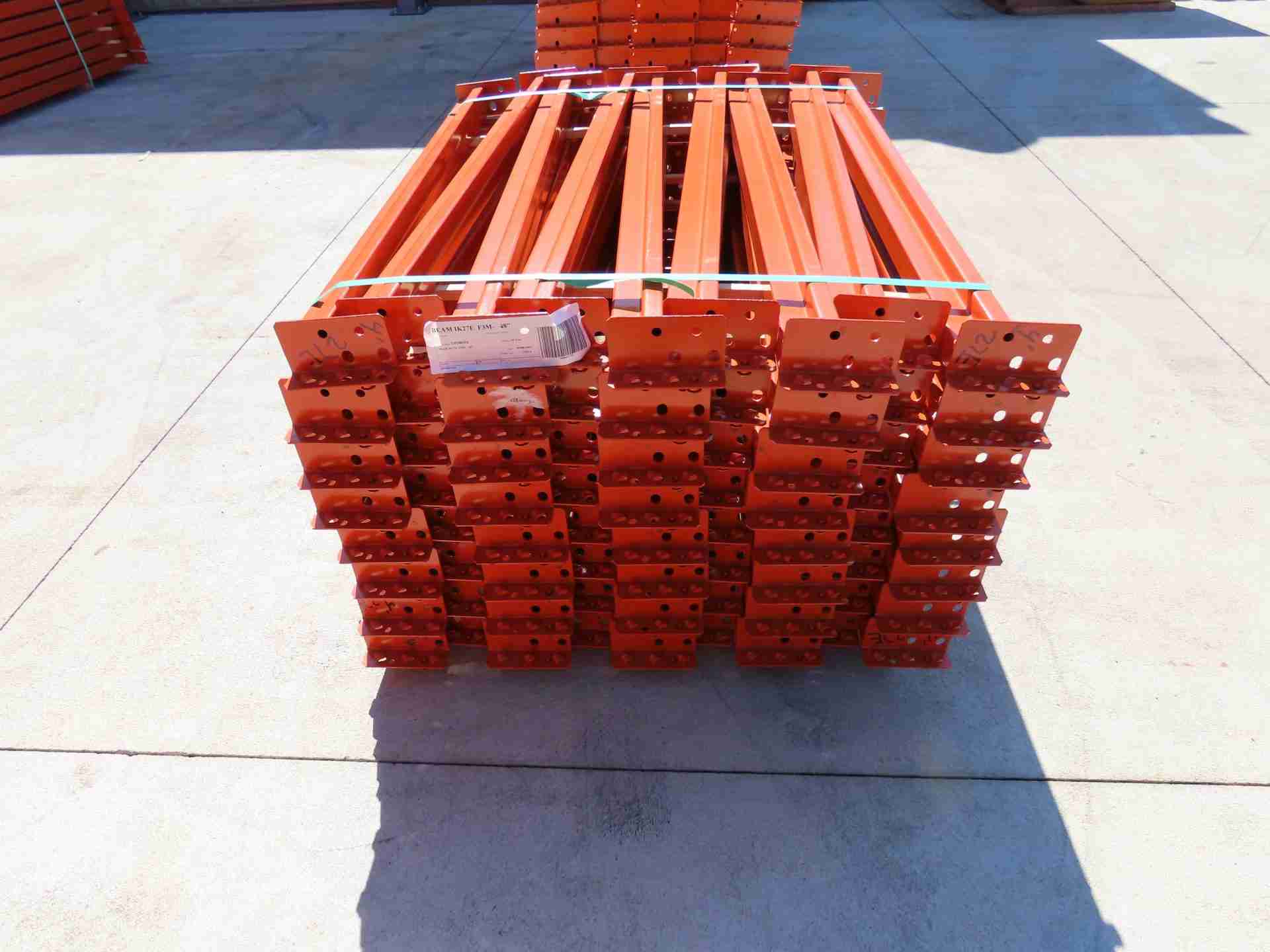
How To Optimize Space With Pallet Racking Design?
When it comes to maximizing your warehouse space, the right pallet racking design can turn a simple storage area into a powerhouse of efficiency. Think about it—every square inch counts in your operations. In today’s fast-paced world, with supply chain disruptions and shifting consumer behaviors, leveraging smart storage solutions isn’t just a choice; it’s a necessity.
Start by assessing your current layout. Are your pallets stacked haphazardly, taking up more floor space than necessary? A well-designed pallet racking system can improve accessibility while reducing the time employees spend digging through layers of stock. For example, consider a company like Amazon that uses vertical space effectively in their fulfillment centers. Their innovative systems not only allow them to house more inventory but also facilitate rapid order processing—a key to winning the market.
One of the critical principles in pallet racking design is choosing the right type of racking system for your needs. For high-density storage, selective racking offers flexibility while drive-in racking maximizes space by allowing multiple pallets to be stored in depth. Imagine a retail operation adapting to omnichannel satisfaction demands. By integrating narrow aisle or mobile racking systems, businesses can gain significantly more space while ensuring optimal picking efficiency.
It’s also paramount to implement a well-thought-out inventory management system. As we witness the surge in e-commerce due to recent global events, having an intelligent way to track your stock becomes vital. Pairing your racking design with technologies like RFID or barcoding systems allows for better inventory accuracy and reduced stock discrepancies. This not only saves money but enhances customer satisfaction—a win-win!
And let’s not overlook safety. A well-planned racking system not only boosts capacity but minimizes the risk of accidents. By ensuring proper spacing between aisles and implementing safety features, you can maintain compliance with OSHA regulations and foster a culture of safety within your organization.
Optimizing space with pallet racking design isn’t just about maximizing square footage; it’s about creating an environment where operations thrive. By embracing modern designs, integrating intelligent inventory systems, and prioritizing safety measures, businesses can elevate their storage solutions to new heights. Remember, in a world where efficiency and speed can make or break a business, investing in strategic pallet racking design is your key to dominating the market.
How To Optimize Space With Pallet Racking Design?
How To Optimize Space With Pallet Racking Design?
- Maximizing warehouse space with effective pallet racking design enhances efficiency.
- Assess current layout to eliminate haphazard stacking and improve accessibility.
- Choose the right racking system: selective racking for flexibility, drive-in racking for depth.
- Integrate narrow aisle or mobile racking to adapt to omnichannel demands and boost picking efficiency.
- Implement intelligent inventory management systems with RFID or barcoding for accuracy and reduced discrepancies.
- Ensure safety through proper aisle spacing and compliance with OSHA regulations, fostering a safety culture.
- Investing in strategic pallet racking design is crucial for optimizing operations and dominating the market.

How To Optimize Space With Pallet Racking Design?
What Safety Regulations Apply To Pallet Racking Installations?
When it comes to pallet racking installations, understanding and adhering to safety regulations is not merely a checkbox exercise; it’s a critical investment in your business’s future. The implications of failing to comply with safety standards can be severe—both in terms of financial penalties and the more insidious costs of injury and damage.
One of the key regulations that govern pallet racking systems in environments such as warehouses and distribution centers is the Occupational Safety and Health Administration (OSHA) standards. OSHA mandates that rack installations must be designed and installed to handle the specific loads they will bear. Moreover, they stipulate regular inspections and maintenance to ensure ongoing safety. In fact, the importance of these inspections cannot be overstated: in 2022, a warehouse in Texas faced a hefty fine of $150,000 due to a failure to maintain its racking systems, resulting in a catastrophic collapse.
Local fire codes are another critical aspect that companies must consider. Many municipalities have specific requirements related to fire safety, including maintaining minimum aisle widths and ensuring accessibility to fire equipment. For example, in Los Angeles, local regulations recently updated the requirements for pallet racking configurations to enhance both fire safety and operational efficiency. Failure to meet these regulations can not only lead to fines but could also pose risks to life and property.
In addition to federal and local regulations, industry standards like those from the Rack Manufacturers Institute (RMI) provide guidelines for the design, testing, and maintenance of pallet rack systems. These best practices can help ensure compliance and enhance workplace safety. Implementing RMI’s recommendations could significantly reduce the likelihood of accidents, helping protect employees and preserving your bottom line.
Moreover, with increasing technological advancements, more organizations are adopting automated systems that intertwine with pallet racks. Regulations such as those set by the American National Standards Institute (ANSI) for robotic-assisted facilities introduce another layer of compliance and safety measures. However, not all businesses are up-to-speed; a recent report indicated that more than 40% of facilities lacked updated safety protocols, directly correlating with increased accidents in automated environments.
In summary, navigating the complex landscape of safety regulations around pallet racking installations isn’t just about compliance—it’s about creating a safer, more efficient workplace that ultimately drives your bottom line. Stay ahead of the curve by routinely reviewing your systems against current regulations, seeking expert consultations, and training employees. Your warehouse’s safety—and your future—depends on it.

What Safety Regulations Apply To Pallet Racking Installations?
What Safety Regulations Apply To Pallet Racking Installations?
- Understanding and adhering to safety regulations in pallet racking installations is crucial for business success.
- Non-compliance can lead to severe financial penalties, injuries, and damages.
- OSHA standards require that pallet racks be designed for specific loads and mandates regular inspections and maintenance.
- Local fire codes dictate requirements such as minimum aisle widths and accessibility to fire equipment to enhance safety.
- Industry standards from the Rack Manufacturers Institute (RMI) provide valuable guidelines for design, testing, and maintenance of pallet racks.
- Technological advancements introduce regulations such as ANSI guidelines for robotic-assisted facilities, necessitating updated safety protocols.
- Regularly reviewing systems against regulations and training employees is essential for ensuring safety and operational efficiency.

What Safety Regulations Apply To Pallet Racking Installations?
How To Plan For Future Expansion In Pallet Racking?
When it comes to optimizing your warehouse space, foresight is your best ally. Planning for future expansion in pallet racking can turn your storage challenges into opportunities for growth. Here’s how to strategize that future, ensuring your operations can scale effectively while maximizing efficiency.
1. Assess Your Current Needs and Project Future Demand
Start by evaluating your current inventory levels and turnover rates. Understanding your present requirements allows you to forecast future demand accurately. For example, companies like Amazon and Walmart are constantly analyzing purchasing trends to anticipate inventory needs. If you expect a rise in seasonal demand or an expansion in product lines, factor that into your racking plans.
2. Choose Adjustable Racking Systems
Flexibility is key when choosing pallet racking systems. Opt for adjustable systems like selective racks that allow for easy reconfiguration as your product mix evolves. For instance, a major beverage distributor recently transitioned to a combination of adjustable and drive-in racking, significantly increasing storage capacity and improving order-picking efficiency. This kind of adaptability can be a game changer, letting you respond promptly to market shifts.
3. Incorporate Smart Technology
Integrating smart technology isn’t just a trend; it’s a future-proof strategy. Inventory management systems equipped with AI and machine learning can analyze patterns and predict when you’ll need more storage. The latest in pallet racking includes features like automated mobile racking systems, which can optimize space further, responding dynamically to your inventory levels. Companies leveraging these technologies are already seeing a 20-30% increase in efficiency.
4. Design with Scalability in Mind
When planning your warehouse layout, think big. Design your layout to allow for vertical expansion or the addition of new aisles. A global logistics company recently restructured its warehouse to accommodate drone deliveries, freeing up crucial ground space for more pallet racking. By envisioning multiple scenarios, you’re saving time and money down the line.
5. Continuous Training and Employee Engagement
Lastly, your team must be on board. Regular training ensures your staff understands the latest racking technologies and best practices. Engaged employees are more likely to offer valuable insights into physical expansion needs. Consider holding brainstorming sessions, much like how Tesla’s team collaborates on innovations; this keeps everyone aligned with company growth objectives.
The ability to anticipate and prepare for future expansion in pallet racking is not just about physical storage; it’s about cultivating a mindset of growth and adaptability. Embracing these principles will empower your business to thrive, regardless of the shifts in demand or product lines.

How To Plan For Future Expansion In Pallet Racking?
How To Plan For Future Expansion In Pallet Racking?
- Assess Current Needs and Future Demand: Evaluate inventory and turnover rates to accurately forecast future demand, considering seasonal changes and product line expansions.
- Choose Adjustable Racking Systems: Opt for flexible options like adjustable selective racks to easily reconfigure as product mixes evolve, enhancing storage capacity and order-picking efficiency.
- Incorporate Smart Technology: Utilize advanced inventory management systems with AI and machine learning to predict storage needs and optimize space, increasing efficiency by 20-30%.
- Design for Scalability: Plan your warehouse layout for potential vertical expansion or the addition of new aisles, ensuring flexibility for future growth scenarios.
- Continuous Training and Employee Engagement: Provide regular training to staff on latest technologies and practices, encouraging collaboration for insights on expansion needs.
- Mindset of Growth and Adaptability: Cultivate a culture focused on growth and adaptability to thrive amid shifting demand or product lines.
- Leverage Opportunities for Growth: Turn storage challenges into opportunities for business growth through strategic planning and versatile racking solutions.

How To Plan For Future Expansion In Pallet Racking?
What Tools And Software Can Assist In Designing Pallet Racks?
In today’s fast-paced logistics landscape, designing efficient pallet racks is no longer just about stacking goods; it’s about maximizing profitability and space-utilization with cutting-edge technology. The good news is there’s a plethora of tools and software available to take your rack design from concept to reality with astonishing efficiency.
1. CAD Software
One of the most powerful tools at your disposal is Computer-Aided Design (CAD) software. Programs like AutoCAD and SketchUp allow you to create intricate designs that consider dimensions, load capacities, and warehouse layouts. AutoCAD, for example, is widely used in the industry for its flexibility in drafting precise measurements and layout designs. With 3D modeling capabilities, stakeholders can visualize the pallet rack structure, assess its functionality, and make adjustments in real-time.
2. Specialized Pallet Rack Design Software
For businesses looking for tailored solutions, specialized software such as RackDesign and EasyRack comes into play. RackDesign offers simplicity and efficiency, enabling users to input dimensional data and instantly generate optimized rack layouts. EasyRack takes it a step further by allowing you to manipulate rack designs based on your inventory type and application, ensuring that you maximize available space while minimizing operational costs.
3. Warehouse Management Systems (WMS)
Don’t overlook the power of a comprehensive Warehouse Management System such as Fishbowl or Manhattan Associates. These systems help manage inventory but also analyze space utilization and suggest optimal pallet rack configurations. As recent supply chain disruptions have shown, real-time analytics can lead to smarter decisions that keep your warehouse running lean and agile.
4. Simulation Software
Consider simulation tools like AnyLogic or FlexSim if you’re aiming for a more dynamic approach. These platforms provide detailed simulations of how goods will flow through your storage system, allowing you to identify bottlenecks before they occur. Recently, companies have used such tools to adjust their systems in response to the ongoing transition towards e-commerce, ensuring rapid fulfillment without compromising storage capability.
5. Online Design Calculators and Templates
For those just starting out, there are also numerous online calculators and templates that can guide you through the basic design process. Websites like Rack Buddy offer free tools to help estimate dimensions and configuration that best suit your needs.
In an era where efficiency can determine success, leveraging the right design tools and software is crucial. The combination of innovative technology and strategic thinking can drive your pallet rack design to new heights, just as the industry continues to evolve. Embrace these resources to stay ahead in a competitive market, and watch how a smarter design translates into greater profitability.

What Tools And Software Can Assist In Designing Pallet Racks?
What Tools And Software Can Assist In Designing Pallet Racks?
- Designing efficient pallet racks now focuses on maximizing profitability and space-utilization with advanced technology.
- Computer-Aided Design (CAD) software, such as AutoCAD and SketchUp, allows for detailed design creation and visualization.
- Specialized pallet rack design software like RackDesign and EasyRack offers tailored solutions for optimized layouts based on dimensional data and inventory types.
- Warehouse Management Systems (WMS) like Fishbowl and Manhattan Associates help manage inventory and analyze space utilization for optimal rack configurations.
- Simulation software such as AnyLogic and FlexSim provides dynamic simulations to identify potential bottlenecks and optimize flow.
- Online design calculators and templates, like those offered by Rack Buddy, help beginners estimate dimensions and configurations.
- Leveraging the right design tools and software is essential for success in an evolving logistics landscape.

What Tools And Software Can Assist In Designing Pallet Racks?
How To Ensure Proper Forklift Access To Pallet Racking?
When it comes to optimizing your warehouse operations, ensuring proper forklift access to pallet racking is non-negotiable. It’s not just about efficiency; it’s about safety, productivity, and bottom-line performance. In today’s fast-paced logistics environment—especially post-pandemic where e-commerce has surged—any hiccup in accessing your pallet racking can cost you time and money. Let’s explore how to guarantee unobstructed forklift access and keep your operation running smoothly.
1. Design Your Warehouse Layout Wisely
Begin with the blueprint of your warehouse. The design should allow for wide aisles that accommodate forklift movement without obstruction. For instance, consider implementing a “flow-through” system where inbound and outbound products can be managed simultaneously. The recent rise in online shopping emphasizes the need for rapid turnover, making efficient layout critical. If your space allows for it, we recommend a minimum aisle width of 12 feet to accommodate standard forklifts, with additional space for maneuvering when necessary.
2. Regular Maintenance Checks
Your forklifts are the arteries of your warehouse. Regular maintenance is essential not just for the longevity of the equipment but also for safe operations. Neglected forklifts can lead to breakdowns, causing delays that can ripple through your entire supply chain. In light of the global logistics challenges seen in 2023, staying ahead with preventive maintenance could mean the difference between a smooth operation and costly downtime. Set up a maintenance schedule that includes inspections for hydraulic systems, forks, and control units, ensuring ready access at all times.
3. Employee Training and Signage
Even the best layouts and machinery can’t replace the importance of human factors. Invest in comprehensive training for your operators. A well-trained forklift driver is not only faster but significantly reduces the risk of accidents, improving overall safety. Additionally, clear signage within the warehouse guiding operators on the most efficient routes can prevent bottlenecks and mishaps. As we’ve seen from recent headlines about supply chain disruptions, ensuring that your team is knowledgeable will help avoid chaos in challenging times.
4. Technology Integration
Utilizing advanced warehouse management systems (WMS) can transform the way you handle fork access. Real-time tracking and analytics can help you identify issues in your layout and access paths, enabling proactive adjustments. In 2023, many businesses are leveraging AI to optimize warehouse traffic flow—imagine entering your facility and having your smartphone alert you to the best path for your load immediately.
In summary, proper forklift access to pallet racking isn’t just a logistical detail; it’s the backbone of an efficient and safe operation. By maintaining clever design, robust training, and cutting-edge technology, you set your warehouse—and your business—up for unprecedented success.

How To Ensure Proper Forklift Access To Pallet Racking?
How To Ensure Proper Forklift Access To Pallet Racking?
- Warehouse Layout Design: Create a blueprint that features wide aisles (minimum 12 feet) for unobstructed forklift movement, including a flow-through system for efficient product management.
- Regular Maintenance Checks: Schedule routine inspections for forklifts to prevent breakdowns and ensure safe operations, addressing hydraulic systems, forks, and control units.
- Employee Training and Signage: Provide thorough training for forklift operators to enhance skill and safety, supplemented with clear signage for efficient routing in the warehouse.
- Technology Integration: Implement advanced warehouse management systems (WMS) and AI tools for real-time tracking and analytics to optimize forklift access and path planning.
- Importance of Efficiency: A well-structured access plan minimizes delays and enhances safety, contributing to better productivity and cost savings in logistics operations.
- Adaptation Post-Pandemic: In the wake of increased e-commerce, updated strategies for forklift access are crucial for keeping pace with logistics demands.
- Summary of Strategies: Leveraging smart design, effective training, and innovative technology forms the foundation for an efficient and safe warehouse operation.

How To Ensure Proper Forklift Access To Pallet Racking?
What Are The Best Practices For Pallet Rack Labeling?
In today’s fast-paced logistics environment, effective pallet rack labeling has become non-negotiable. With the surge in e-commerce and the demand for rapid order fulfillment, having a foolproof labeling system is akin to having a roadmap in unfamiliar territory. When done right, it fosters efficiency, accuracy, and safety—key tenets for any successful warehouse operation.
1. Clarity and Consistency:
Your labels must be clear and easy to read. Use contrasting colors for text and background that are easily distinguishable, even from a distance. A well-designed label not only aids in quick identification but also minimizes mistakes. For example, if you operate a warehouse specializing in electronics, a bright color scheme with simple fonts can help workers quickly distinguish between different types of products, like smartphones and computer parts. Make sure every label format is consistent throughout the facility to prevent confusion—think of it as the uniform of your warehouse.
2. Use of Technology:
Consider leveraging digital solutions for your labeling system. Barcode and QR code labeling have taken off, especially as businesses pivot increasingly toward automation and real-time inventory management. For instance, the recent advancements in mobile scanning technology can significantly cut down on picking errors. By simply scanning a code, employees can instantly confirm they’re retrieving the right products. Remember, integrating technology can set you apart from competitors who might stick to outdated labeling methods.
3. Location Signage:
Your labels shouldn’t just focus on the items themselves but also reflect their assigned locations. Using alphanumeric codes to indicate aisles, levels, and storage locations will help create a mental map for staff. For example, a label could read “Aisle 3, Level B, Shelf 2” next to a box of inventory. This helps in maintaining spatial organization and ensures that even new hires can navigate the warehouse smoothly.
4. Regular Maintenance:
A well-oiled labeling system demands regular updates. Changes in inventory, product discontinuations, or reorganization of the warehouse should be reflected in your labeling. Conduct periodic audits to look for fading labels or disorganization. This not only ensures that your system remains effective but also communicates to your employees that you value order and efficiency.
5. Employee Training and Engagement:
Lastly, never underestimate the importance of training your staff on the labeling system. Invest time in workshops that reinforce the importance of accurate labeling and retrieval processes. Employees who understand the ‘why’ behind your labeling practices are more likely to embrace them with diligence.
In today’s evolving industry landscape, following these best practices for pallet rack labeling will strategically enhance your operational efficiency and empower your workforce, positioning your business for long-term success.

What Are The Best Practices For Pallet Rack Labeling?
What Are The Best Practices For Pallet Rack Labeling?
- Importance of Effective Labeling: Pallet rack labeling is essential in the fast-paced logistics environment, especially with the rise of e-commerce and rapid order fulfillment.
- Clarity and Consistency: Labels should be clear, easy to read, and consistent throughout the facility to minimize mistakes and confusion.
- Use of Technology: Implementing barcode and QR code systems can enhance accuracy and efficiency in inventory management and reduce picking errors.
- Location Signage: Labels should indicate assigned locations using alphanumeric codes, helping staff navigate the warehouse effectively.
- Regular Maintenance: Updating labels regularly to reflect inventory changes ensures the labeling system remains effective and organized.
- Employee Training and Engagement: Investing in staff training on labeling systems fosters understanding and adherence to best practices.
- Strategic Benefits: Following these best practices enhances operational efficiency and empowers the workforce for long-term success.

What Are The Best Practices For Pallet Rack Labeling?
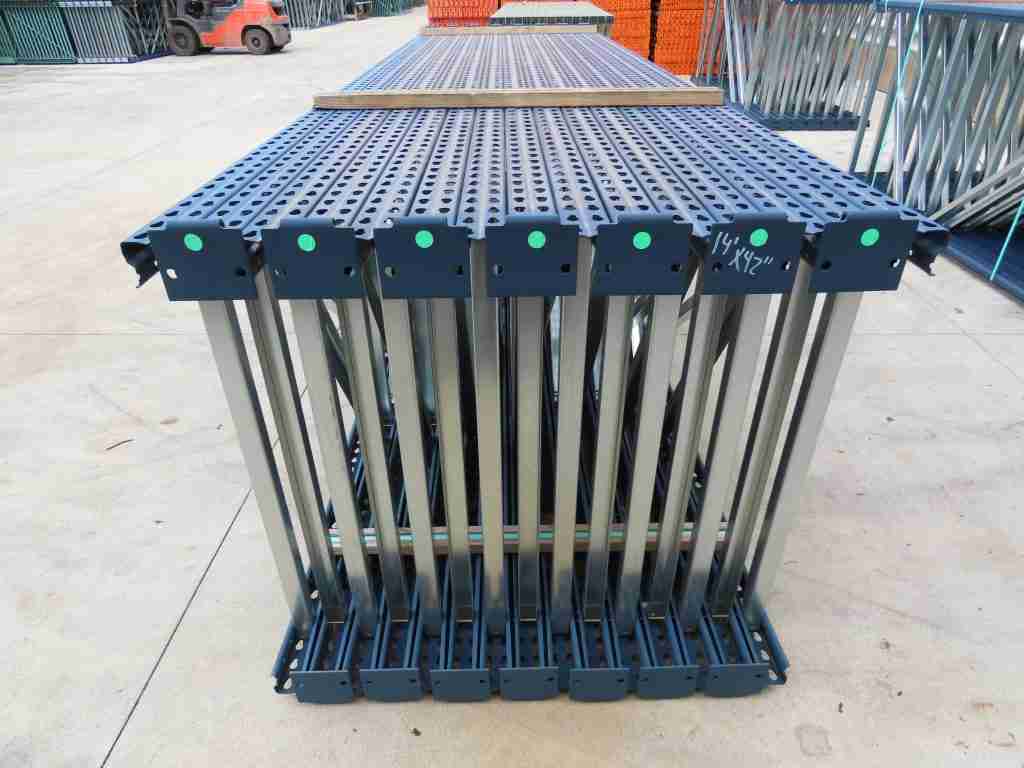
How To Evaluate The Layout Of A Warehouse For Pallet Racking?
When it comes to optimizing your warehouse for pallet racking, the layout is your battlefield. A well-designed layout not only increases storage capacity but also streamlines operations, ultimately leading to greater profit margins. Let’s break down how to evaluate and enhance your warehouse layout strategically.
1. Understand Your Inventory Dynamics
Before changing anything, conduct a comprehensive inventory analysis. What products are your top sellers? Which items have a slower turnover? By identifying these patterns, you’ll be better prepared to position your pallet racks optimally. For instance, high-turnover items should be easily accessible, placed on racks closest to packing areas, while slow-moving items can be positioned further away. It’s all about reducing the time spent retrieving goods.
2. Assess Traffic Flow
Evaluate how items move through your warehouse. A common mistake is to overlook traffic patterns, which can lead to bottlenecks and inefficiencies. Use flow charts to map out the journey of goods from receiving and storage to packing and shipping. Remember, wide aisles may be necessary for heavy machinery, but think about traffic density. An effective layout might feature narrower aisles with double-deep racks, balancing space with operability. Consider the ongoing shift to e-commerce fulfillment centers, where efficiency is key to winning the competition—don’t let poor layout choices hinder your performance.
3. Embrace Vertical Space
With real estate prices skyrocketing, maximizing vertical space can be a game changer. High-bay racking allows you to utilize the full height of your warehouse. Assess your warehouse’s ceiling height and design a pallet racking system that leverages this verticality. An example can be drawn from warehouse giants such as Amazon who frequently invest in vertical stacking innovations, amplifying efficiency and lowering operational costs.
4. Flexible Configuration
Given the ever-changing market dynamics, designing a flexible layout is crucial. Consider using adjustable pallet racking systems, which can be rapidly reconfigured based on changes in inventory or seasonal demands. This adaptability ensures you’re not locked into a layout that could quickly become outdated in today’s fast-paced business environment.
5. Safety First
Lastly, never ignore safety. Ensure there’s enough clearance for forklifts and other heavy machinery to navigate without risk. An inspection of safety regulations can save you from costly accidents down the road—both in terms of human impact and financial repercussions.
In essence, evaluating your warehouse for pallet racking is not merely a task; it’s an opportunity to transform your logistics operation into a streamlined, efficient powerhouse. As you prepare for the future, take these steps to ensure your warehouse isn’t just keeping up, but leading the pack.
How To Evaluate The Layout Of A Warehouse For Pallet Racking?
How To Evaluate The Layout Of A Warehouse For Pallet Racking?
- Understand Your Inventory Dynamics: Conduct thorough inventory analysis to position pallet racks optimally based on item turnover.
- Assess Traffic Flow: Map out item movement through the warehouse to identify and eliminate bottlenecks, balancing aisle space with operational efficiency.
- Embrace Vertical Space: Maximize warehouse height with high-bay racking systems to improve storage capacity and reduce operational costs.
- Flexible Configuration: Use adjustable pallet racking systems to quickly adapt to changing inventory needs and market dynamics.
- Safety First: Ensure sufficient clearance for machinery and adhere to safety regulations to prevent accidents and associated costs.
- Streamlined Operations: A well-designed layout boosts storage capacity and enhances operational efficiency, ultimately leading to increased profit margins.
- Proactive Planning: Evaluate and enhance your warehouse layout to maintain competitiveness in a fast-paced business environment.
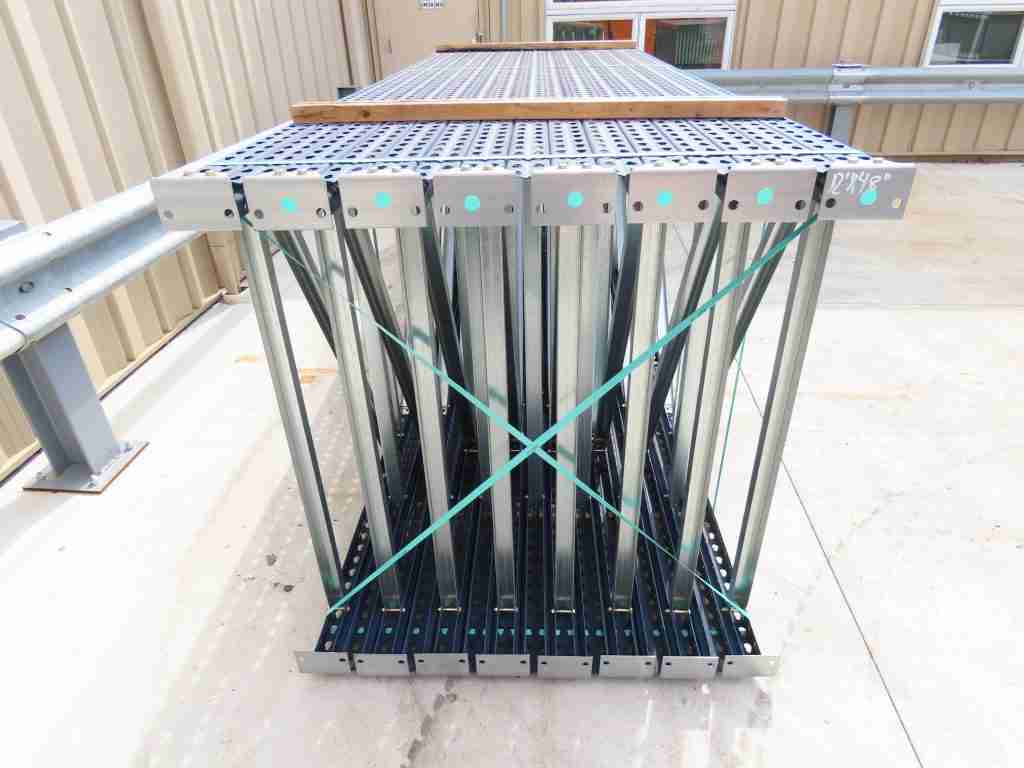
What Common Mistakes Should I Avoid In Pallet Rack Design?
When it comes to pallet rack design, avoiding common pitfalls can mean the difference between operational efficiency and costly setbacks. Learning from mistakes—whether your own or others’—is essential in crafting a storage solution that not only meets today’s demands but also adapts to future growth.
1. Ignoring Load Capacity:
One of the cardinal sins in pallet rack design is underestimating the load capacity. Often, businesses are tempted to utilize racks that can’t handle the weight of the products being stored. This mistake doesn’t just risk damage to the inventory; it can jeopardize employee safety and lead to expensive compliance fines. For instance, in 2021, a major retail warehouse faced a significant lawsuit after a pallet collapse caused injury to multiple workers. Always ensure your rack system is designed based on the heaviest loads you plan to handle.
2. Failing to Account for Accessibility:
It’s not enough to simply create a grid of racks. Poorly designed systems often neglect the accessibility of the most frequently stored items. Consider this: if a best-selling item is sandwiched between less popular stock, workers waste time retrieving it. In 2023, major supply chain disruptions highlighted the importance of efficiency; those companies with well-organized inventory saw much less downtime. Invest in Material Handling Solutions analysis to categorize your inventory for optimal placement.
3. Overlooking Space Utilization:
Many businesses fall into the trap of thinking more racks equate to more space. However, cluttered aisles and cramped arrangements can significantly inhibit workflow. The trend toward vertical solutions is a perfect example—often, companies settle for traditional horizontal designs. By incorporating high-density storage and utilizing vertical space, you can maximize your square footage without sacrificing efficiency.
4. Skipping Regular Maintenance Checks:
Your racks are a long-term investment, and like any investment, they require regular upkeep. Ignoring maintenance can lead to structural issues or safety problems down the line. In light of recent events—such as rising insurance costs due to safety violations—investing in routine inspections is a smart strategy to ensure compliance and longevity for your systems.
5. Neglecting Future Growth:
Not designing for scalability is a mistake many businesses will regret. Whether it’s expanding product lines or accommodating seasonal fluctuations, a rigid pallet rack system can quickly become obsolete. Engage in forecasting and build adaptability into your design. This forward-thinking approach ensures your system evolves alongside your business needs, avoiding costly reconfigurations.
By steering clear of these common traps, you ensure your pallet rack system is not just functional today, but also a strategic asset that supports your long-term success. Your commitment to thoughtful design will not only boost efficiency but also enhance overall productivity in an ever-competitive market. It’s time to design smarter, not just bigger.
What Common Mistakes Should I Avoid In Pallet Rack Design?
What Common Mistakes Should I Avoid In Pallet Rack Design?
- Avoiding common pitfalls in pallet rack design is crucial for operational efficiency.
- Underestimating load capacity can endanger inventory, employee safety, and lead to costly fines.
- Accessibility issues arise when frequently stored items are not optimally placed, wasting time.
- Cluttered aisles and cramped designs hinder workflow; utilize vertical space effectively.
- Regular maintenance checks are essential to avoid structural issues and safety violations.
- Incorporating scalability into design is vital to accommodate future growth and changes.
- Thoughtful pallet rack design enhances efficiency and productivity in a competitive market.
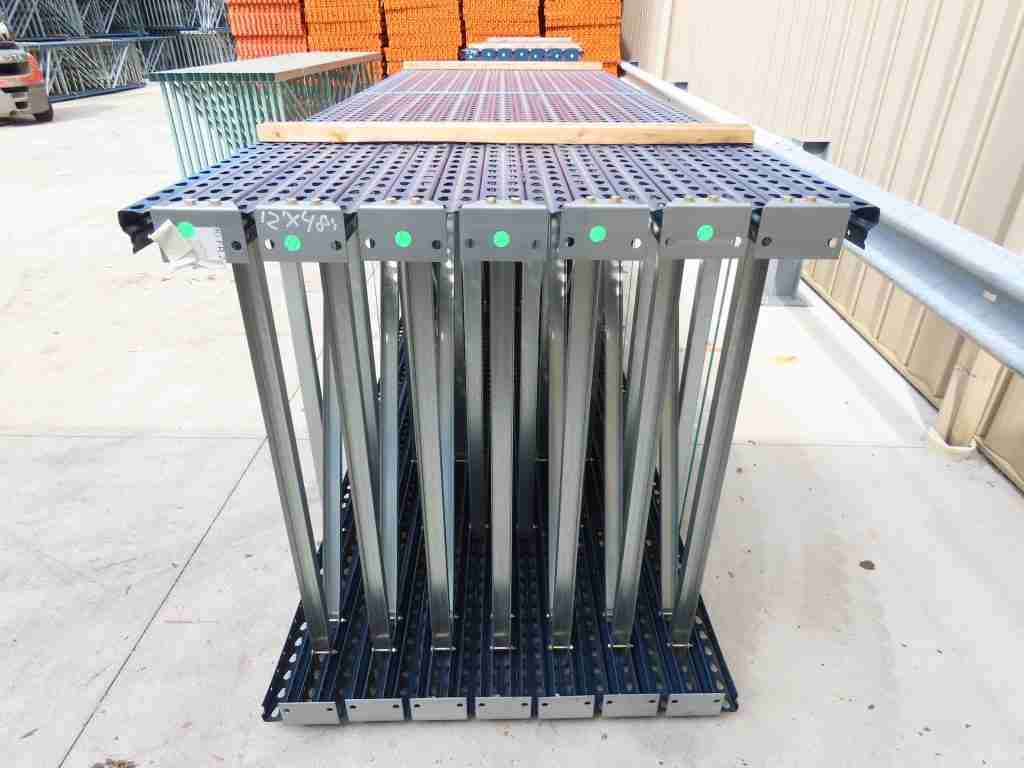
How To Integrate Pallet Racking With Existing Warehouse Systems?
In today’s fast-paced supply chain landscape, the integration of pallet racking into existing warehouse systems is not just an operational improvement; it’s a strategic imperative that can redefine your warehouse efficiency. The time to act is now, as companies worldwide are scrambling to adapt to the demands of e-commerce and rapid supply chain changes.
Start by conducting a thorough audit of your current warehousing setup. This includes not only your existing racking systems but also your inventory management software, picking methods, and warehouse layout. For instance, a recent study by Warehousing and Logistics International highlighted how companies that performed detailed assessments before integrating new systems saw up to a 20% enhancement in operational efficiency. Mapping out your warehouse’s workflow can illuminate bottlenecks and wasted spaces, paving the way for smarter pallet racking solutions.
Next, consider how your new pallet racking will coexist with state-of-the-art warehouse management systems (WMS). Choosing racking systems that can seamlessly integrate with WMS not only streamlines operations but also provides real-time inventory visibility—a crucial asset in today’s market. For example, if you’re using software like Fishbowl or SAP, look for pallet racking providers that support direct API integrations. This allows for automated inventory updates, which reduces human error and speeds up the entire picking and packing process.
Moreover, invest in worker training. No matter how advanced your pallet racking system is, if your team doesn’t know how to leverage it effectively, you’ve lost a competitive edge. A warehouse that was recently revamped in California improved order accuracy by 15% solely through invested training sessions that taught employees the nuances of the new pallet system. It’s not just about installing new racks; it’s about ensuring your team understands their potential.
Lastly, stay attuned to industry trends. With the recent emphasis on sustainability, consider how your pallet racking can support eco-friendly practices. Using recycled materials for your racking solutions not only enhances your brand image but also aligns with the growing consumer demand for responsible practices. For instance, companies like IKEA are already leading the charge in sustainable logistics, demonstrating how eco-conscious choices can result in significant cost savings and customer loyalty.
Integrating pallet racking with existing warehouse systems is more than just logistics optimization; it’s about preparing your business for the future. By auditing current methods, leveraging technology, training your team, and staying ahead of market trends, you can turn your warehouse into a well-oiled machine that drives profits and satisfaction in equal measure.
How To Integrate Pallet Racking With Existing Warehouse Systems?
How To Integrate Pallet Racking With Existing Warehouse Systems?
- Integrating pallet racking is essential for enhancing warehouse efficiency amidst evolving supply chain demands.
- Conduct a thorough audit of current warehousing setups, including racking systems and inventory management, to identify areas for improvement.
- Integrating pallet racking with advanced warehouse management systems (WMS) is crucial for streamlining operations and achieving real-time inventory visibility.
- Invest in worker training to ensure the team effectively utilizes new pallet racking systems, which can lead to improved order accuracy.
- Stay informed about industry trends, including sustainability, and consider eco-friendly racking solutions to enhance brand image and align with consumer demand.
- Companies that perform detailed assessments before system integration can see up to a 20% improvement in operational efficiency, according to a study.
- Preparation through auditing, technology integration, team training, and trend awareness positions your warehouse for future success.
What Are The Costs Associated With Pallet Racking Design?
When it comes to fortifying your warehouse’s operational efficiency, pallet racking design should be at the forefront of your planning strategy. However, many business owners underestimate the costs associated with it, leading to pitfalls that could easily be avoided. Just as you wouldn’t build a house without a budget, a strong understanding of the costs involved in pallet racking design is crucial to maximizing both investment and output.
First, let’s break down the key components of pallet racking costs: material expenses, installation fees, and ongoing maintenance. The material costs can vary based on your racking type – selective, drive-in, or cantilever. For instance, market fluctuations in steel prices can significantly influence your budget. As of late 2023, the steel market has shown volatility due to supply chain disruptions, making it essential to lock in prices as soon as possible. A conservative estimate might put selective racking costs between $1,500 to $3,000 per bay, but that can climb higher when you include specialty materials or custom solutions.
Installation costs also merit consideration. Depending on the complexity of your systems and the required safety inspections (which have become increasingly stringent following several high-profile warehouse accidents this past year), installation fees can range from $500 to $1,500 per rack. Furthermore, hiring a reputable contractor ensures compliance with local regulations, which can save you from costly liabilities down the line.
Ongoing maintenance costs shouldn’t be overlooked. With increased awareness around warehouse safety and efficiency, many businesses are now opting for regular inspections, which can cost anywhere from $200 to $1,000 annually. These evaluations not only ensure compliance with safety regulations but also serve as a proactive measure to prevent costly accidents and downtime.
Not only must you study these expenses, but savvy business leaders are also considering the indirect costs associated with inefficient racking. Think of increased labor costs due to misplaced goods or delays in order fulfillment stemming from suboptimal design. According to recent industry reports, poor racking solutions can hinder productivity by as much as 30%.
To wrap it up, understanding the comprehensive costs associated with pallet racking design isn’t just a good practice—it’s a necessity. A strategic investment today lays the groundwork for operational resilience tomorrow. Choosing the right racking design isn’t merely about the initial expenditure; it’s about calculating the return on investment in terms of productivity, safety, and profit. In a world where every dollar counts, ensuring your pallet racking is a streamlined, efficient partner in your warehousing strategy can make a pivotal difference in your bottom line.
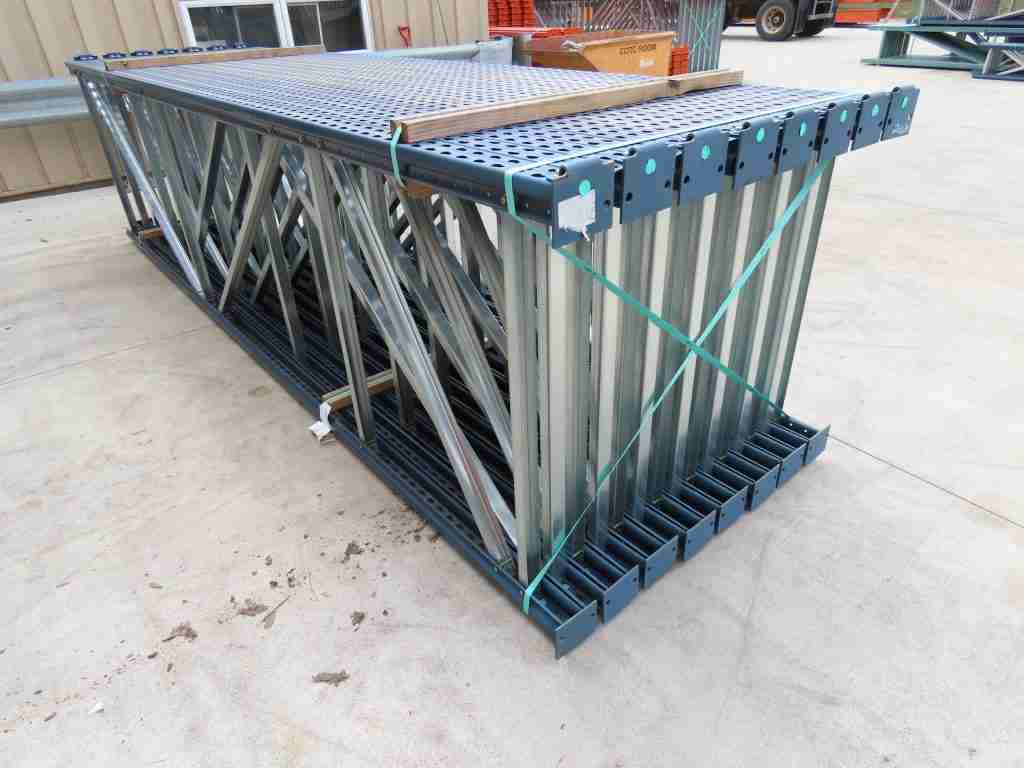
What Are The Costs Associated With Pallet Racking Design?
What Are The Costs Associated With Pallet Racking Design?
- Pallet racking design is essential for maximizing warehouse operational efficiency and should be prioritized in planning.
- Understanding costs involved in pallet racking—including material, installation, and maintenance—is crucial for maximizing investment and output.
- Material costs can vary significantly based on racking type (selective, drive-in, or cantilever) and are influenced by fluctuating steel prices.
- Installation costs range from $500 to $1,500 per rack and may increase due to safety inspections, which have become stricter.
- Ongoing maintenance costs typically fall between $200 to $1,000 annually for regular safety inspections to prevent accidents and ensure compliance.
- Inefficient racking leads to indirect costs, including increased labor and delayed order fulfillment, potentially reducing productivity by up to 30%.
- A strategic investment in proper pallet racking design enhances operational resilience, productivity, safety, and profitability.
How To Assess The Required Aisle Width For Pallet Racks?
When it comes to optimizing warehouse efficiency, one key element you can’t afford to overlook is aisle width for pallet racks. While it may seem like a minor detail, the right aisle space can make or break your operation’s productivity. Understanding how to assess required aisle width effectively ensures your warehouse is a well-oiled machine.
First, consider the nature of your products. Are you handling small packages or large pallets? For larger pallets, wider aisles are necessary to accommodate the maneuverability of forklifts or other material handling equipment. For example, if your operation deals with GMA pallets (48×40 inches), a common approach is to allocate at least 12-15 feet for aisles. This allows forklifts to easily navigate and prevents costly collisions. Conversely, smaller items might benefit from narrower aisles, closer to 8 feet, which can maximize storage space.
Next, think about your operational workflow. Is your warehouse running on a high-volume picking strategy, or is inventory being stored for longer periods? In a high-volume environment, wider aisles allow for increased efficiency, meaning more pick paths and reduced travel time. As e-commerce continually surges, businesses need to be agile. For instance, Amazon has been reshaping its warehouse models to adapt to the spikes in consumer demand, emphasizing wider aisles to manage the rapid flow of goods and streamline delivery.
Don’t forget to factor in the equipment used. Depending on the forklifts or pallet jacks in operation, aisle requirements may vary. If you’re using reach trucks, wider aisles are indispensable, often requiring at least 10 feet of space. These trucks have extended reach capabilities, which allow them to stack pallets more efficiently, but they also need that extra wiggle room.
Current industry trends are also worth noting. The shift towards automation in warehousing means that many companies are moving to narrow-aisle configurations with specialized equipment designed for these layouts. If your business is considering robotic automation, initial investments in wider aisles might seem counterintuitive, but they will pay off as you scale.
Finally, always account for compliance and safety regulations. Workplace safety must be a priority, and OSHA guidelines often shape detailed aisle requirements, especially for vehicular travel. Regular audits of aisle configurations can prevent costly fines and protect your team’s welfare.
In summary, assessing the right aisle width for your pallet racks is a strategic decision influenced by your products, workflow, equipment, and safety standards. Paying attention to these factors will not only enhance productivity but also boost your bottom line.
How To Assess The Required Aisle Width For Pallet Racks?
How To Assess The Required Aisle Width For Pallet Racks?
- Aisle width is crucial for optimizing warehouse efficiency and productivity.
- The nature of products determines aisle width, with larger pallets requiring 12-15 feet, while smaller items may need 8 feet.
- Operational workflow impacts aisle width; wider aisles are better for high-volume picking to reduce travel time.
- Equipment type, like forklifts and pallet jacks, affects aisle space needs, especially for reach trucks which require at least 10 feet.
- Current trends lean towards narrow-aisle configurations due to automation, which may initially require wider aisles for scaling.
- Compliance and safety regulations, such as OSHA guidelines, are essential in determining specific aisle requirements.
- Overall, careful assessment of aisle width enhances productivity and supports business profitability.
What Should I Consider For Inventory Turnover In Pallet Racking?
When it comes to optimizing your inventory turnover in pallet racking systems, there are several critical factors to consider that can significantly elevate your business’s efficiency and profitability. Understanding these elements not only saves you money but also positions you for growth in a rapidly changing market.
1. Efficiency of Warehouse Layout:
Your pallet racking system must be thoughtfully designed to facilitate the quick movement of goods. An organized layout minimizes travel time for picking and restocking. For instance, during the pandemic, many businesses faced disruptions in supply chains that necessitated rapid inventory turnover. Companies like Home Depot adapted their warehouse systems to allow for faster fulfillment, reducing lead times considerably. Analyze your space – are your best-selling items easily accessible, or are they buried behind less popular stock?
2. Stock Management Practices:
Effective stock management is essential. Implement techniques such as FIFO (First In, First Out) to ensure older inventory is sold before it becomes obsolete or perishable. Consider the technology available today, like automated inventory management systems that provide real-time data on stock levels and turnover rates. For example, Amazon has pioneered the use of sophisticated algorithms that predict stock needs based on trending items, significantly boosting their turnover rates.
3. Product Rotation and Demand Forecasting:
Regularly review and adjust your inventory based on demand forecasts. For instance, seasonal trends can dramatically impact what items fly off the shelves. Being proactive, like this year’s surge in gardening supplies due to the ongoing interest in home improvement, can help you avoid stockouts and excess inventory. Companies that leverage data analytics to anticipate market trends reaped rewards during these fluctuations.
4. Quality Over Quantity:
Take a hard look at your products. Stocking numerous SKUs might seem beneficial, but it can actually hinder your turnover if not all items sell. Streamlining your product range and focusing on high-demand items can facilitate quicker sales and reduce holding costs. A great example is IKEA, which carefully curates its product line to maximize turnover while maintaining strong customer interest.
5. Regular Analysis and Adaptation:
Lastly, regularly analyze your inventory turnover ratios and adapt your strategies based on the insights you gather. Utilize benchmarks within your industry to measure your performance. Are you keeping pace or falling behind? In today’s fast-evolving marketplace, being reactive can be more costly than proactive.
By focusing on these key considerations, your pallet racking system can not only support but enhance your bottom line in an unpredictable economic landscape. The ultimate goal is to ensure a frictionless flow of goods that meets market demands swiftly and effectively.
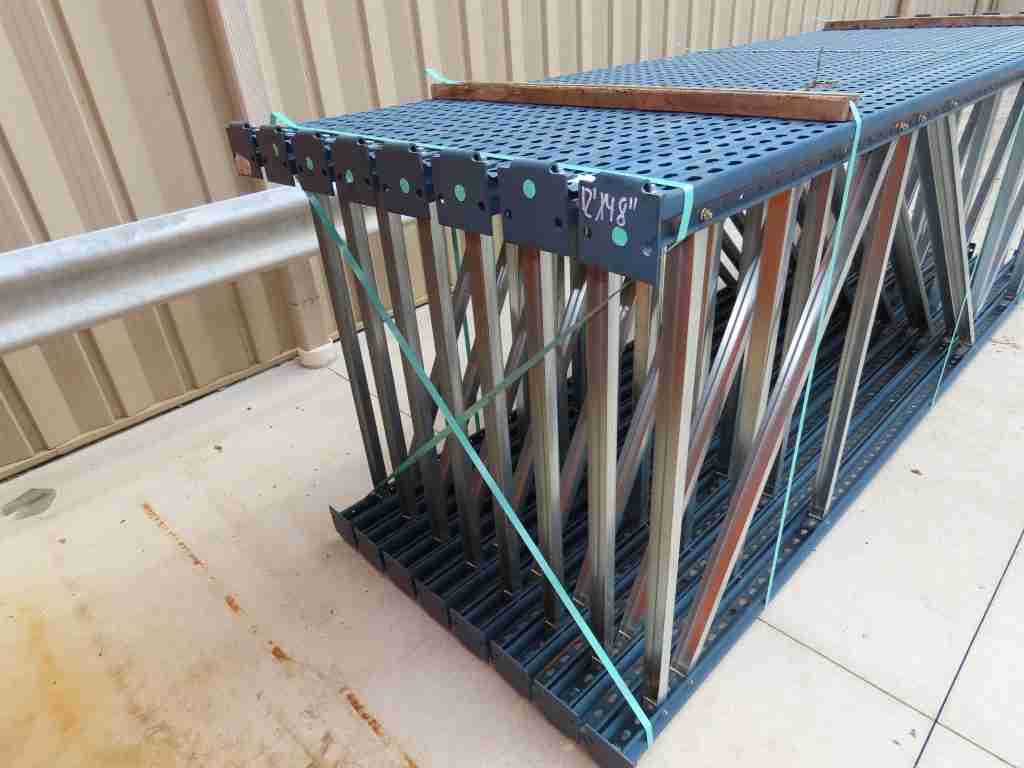
What Should I Consider For Inventory Turnover In Pallet Racking?
What Should I Consider For Inventory Turnover In Pallet Racking?
- Efficiency of Warehouse Layout: A well-designed pallet racking system minimizes travel time for picking and restocking, enhancing operational efficiency. Companies like Home Depot adapted their layouts during the pandemic for faster fulfillment.
- Stock Management Practices: Implementing techniques like FIFO helps manage inventory effectively, preventing obsolescence. Advanced inventory management systems can provide real-time insights, as seen with Amazon’s predictive algorithms.
- Product Rotation and Demand Forecasting: Regular reviews of inventory based on demand forecasts help in avoiding stockouts and excess stock, particularly for seasonal items.
- Quality Over Quantity: Streamlining the product range to focus on high-demand items can enhance turnover, similar to IKEA’s approach of curating its product line.
- Regular Analysis and Adaptation: Consistently analyzing inventory turnover ratios and adapting strategies based on industry benchmarks is crucial for maintaining competitive performance.
- Proactive Management: Being proactive rather than reactive in inventory management is vital in a rapidly changing market to avoid costly mistakes.
- Goal of Efficiency: The ultimate aim is to ensure a smooth flow of goods that meets market demands swiftly, thus enhancing profitability.
How To Maintain And Inspect Pallet Racking Systems Effectively?
In the bustling world of warehousing, the efficiency of your pallet racking system can make or break your operations. A well-maintained racking system not only boosts productivity but also ensures the safety of your employees and inventory. Here, we’ll dive into effective strategies for maintaining and inspecting your pallet racking systems to keep your business thriving.
1. Establish a Regular Inspection Schedule
Just like a car needs regular tune-ups, your pallet racking systems require routine checks to identify potential issues before they escalate. Consider implementing a monthly inspection regimen. An excellent example is the recent push for safety standards among logistics firms, following a surge in workplace accidents. By adopting a proactive inspection approach, you can reduce risks significantly. Document your findings meticulously; if an incident occurs, having a history of inspections can be invaluable.
2. Train Employees Thoroughly
Investing in employee training is non-negotiable. Equip your staff with the knowledge to identify signs of wear, such as bent frames or damaged beams. For instance, during a recent industry conference, experts emphasized the importance of staff involvement in safety practices, wherein teams conducted hands-on inspections. Create a culture of safety and ownership—when employees feel responsible, the entire operation benefits.
3. Maintain a Clean Environment
A clutter-free warehouse isn’t just visually appealing—it’s safe. Regular cleaning minimizes the chance of accidents such as slips or falls, which can be exacerbated by debris around your racking systems. Recently, several retailers have reported a decline in workplace injuries by simply maintaining cleanliness and organization. Encourage your team to adopt best practices in housekeeping, contributing to a safer working environment.
4. Utilize Technology for Tracking
In today’s tech-driven landscape, harnessing modern solutions can elevate your inspection processes. Utilizing apps or software designed for rack inspections can streamline your efforts. These platforms allow you to document inspections, schedule maintenance, and even analyze the data for trends. Some companies have already adopted RFID technology to monitor the condition of their racks in real time, signaling when repairs are needed.
5. Conduct Stress Tests Periodically
Just as athletes need to push their limits to gauge performance, your pallet racking systems should undergo stress tests to ensure they’re up to the task. Consider simulating loading scenarios to accurately assess whether your racks can handle diverse loads without compromising integrity. This proactive strategy can prevent costly failures and downtime.
In summary, maintaining and inspecting your pallet racking system is not just a checklist—it’s a strategic advantage. By establishing a routine, training your staff, embracing technology, fostering a clean environment, and conducting stress tests, you’ll not only safeguard your operations but also accelerate your path to operational excellence. Safety and efficiency go hand in hand, setting your business up for long-term success. Make the commitment to inspect and maintain today; your future self will thank you!
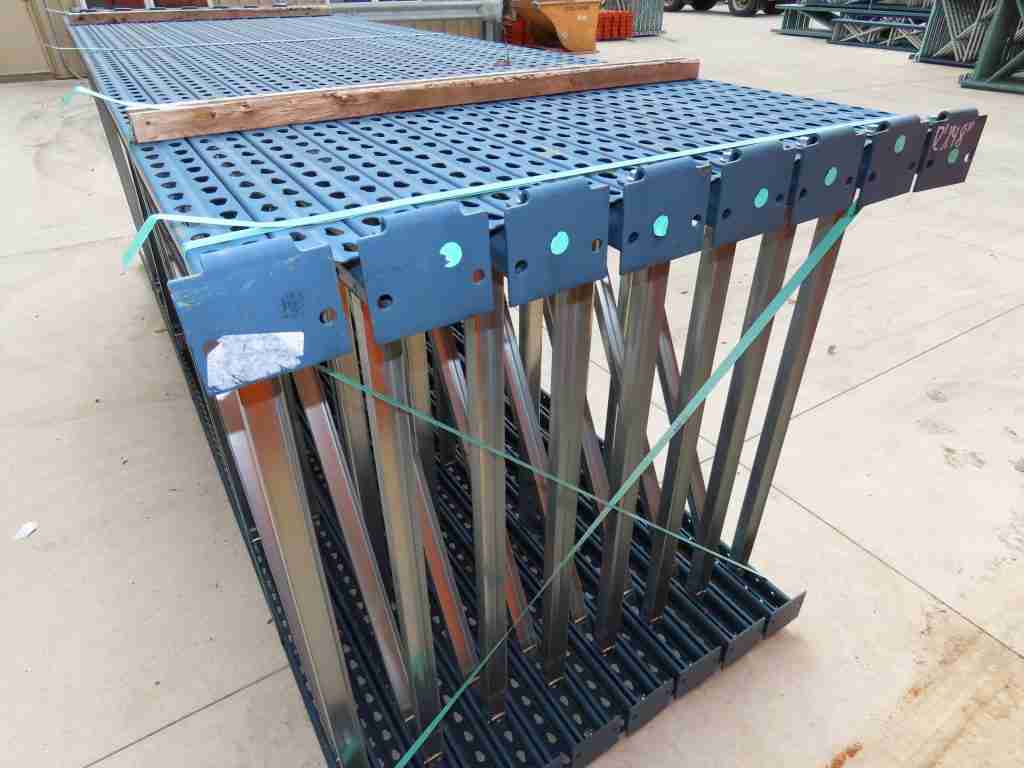
How To Maintain And Inspect Pallet Racking Systems Effectively?
How To Maintain And Inspect Pallet Racking Systems Effectively?
- Establish a Regular Inspection Schedule: Implement monthly inspections to identify issues early, documenting findings for safety compliance.
- Train Employees Thoroughly: Equip staff to recognize signs of wear and foster a culture of safety and responsibility.
- Maintain a Clean Environment: Keep a clutter-free warehouse to reduce accidents and promote safety through good housekeeping practices.
- Utilize Technology for Tracking: Use apps or RFID technology to document inspections and track the condition of racks in real time.
- Conduct Stress Tests Periodically: Simulate loading scenarios to assess the integrity of racking systems and prevent failures.
- Strategic Advantage: Regular maintenance and inspections enhance operational efficiency and safety, supporting long-term success.
- Commit to Action: Prioritize consistent inspection and maintenance for improved future operations and employee safety.
What Role Does Pallet Racking Play In Supply Chain Efficiency?
In the dynamic world of supply chain logistics, efficiency is the name of the game. Just as a well-oiled machine necessitates every part to function seamlessly, a supply chain thrives on the strategic interplay of its components—among which pallet racking is pivotal. Simplistically designed to optimize vertical space, pallet racking serves as the backbone for organized storage and fast product retrieval, significantly enhancing warehouse productivity.
Think about it: when a consumer orders a popular new gadget, the goal is to deliver it faster than the competition. The efficiency of that delivery hinges on how well the warehouse is organized. A robust pallet racking system not only maximizes storage capacity but also reduces the time spent locating and picking products. For instance, consider a beverage distributing company racing to replenish stock during a sudden spike in demand, spurred by a trending TikTok challenge. An optimized pallet racking system allows workers to find and retrieve items swiftly, enabling the company to capitalize on that fleeting opportunity.
Moreover, the rise of e-commerce has mandated a shift in how warehouses operate. With customers expecting lightning-fast shipping options, companies are investing in high-density pallet racking systems, such as drive-in and push-back racks, which significantly reduce the time needed to access goods. This transition not only caters to the immediate needs of consumers but also positions businesses favorably in an increasingly competitive landscape.
Current events, such as supply chain disruptions caused by global crises or natural disasters, further emphasize the importance of efficient storage solutions. Companies that can adapt their warehouse setups to maintain optimal operations—thanks to well-designed pallet racking—are the ones that emerge successfully from chaotic times. The recent supply chain bottlenecks triggered by the pandemic spotlighted organizations that had anticipated challenges with their inventory management systems. They quickly rearranged their layouts, minimizing downtime and ensuring that consumers’ demands were met.
Additionally, an effective pallet racking strategy contributes to safety and compliance. In industries where adherence to regulatory standards is paramount, proper storage reduces the risk of accidents and injuries. Knowing that racks are designed to accommodate heavy loads lowers the chances of equipment failure, which can help businesses avoid costly fines and potential lawsuits.
Ultimately, pallet racking isn’t simply about storing inventory; it’s about crafting a fluid supply chain that responds agilely to market demands. By investing in robust storage solutions and embracing innovation within their facilities, companies position themselves for growth and resilience in a volatile marketplace. In today’s fast-paced economy, efficient supply chains begin at the racking.
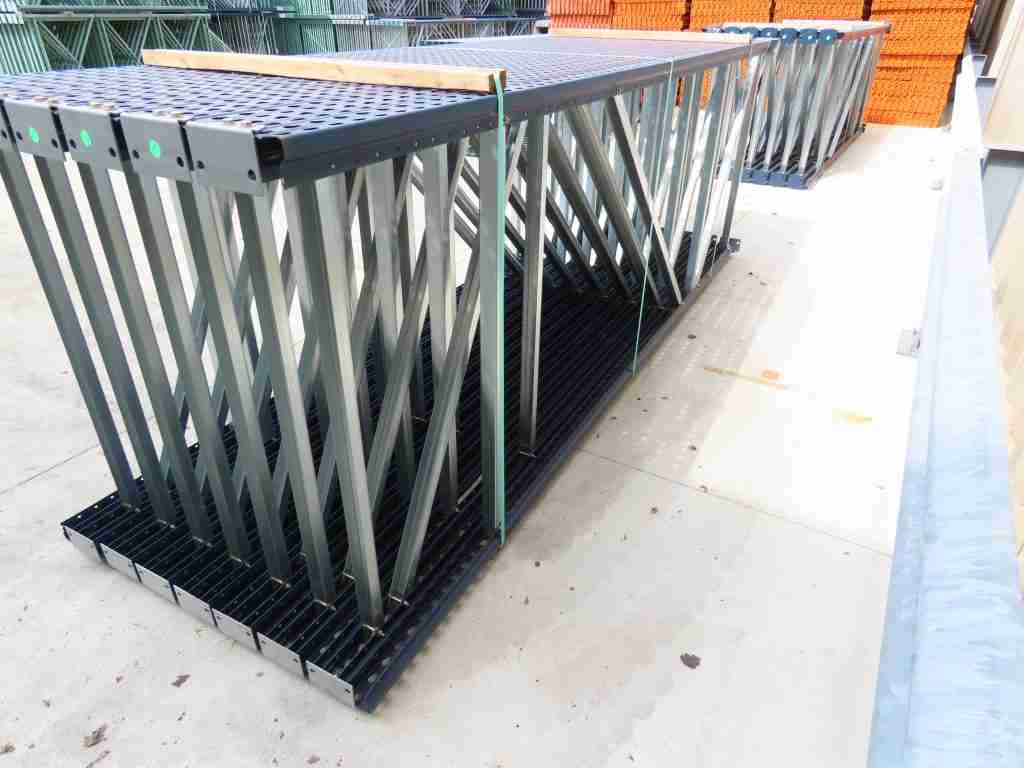
What Role Does Pallet Racking Play In Supply Chain Efficiency?
What Role Does Pallet Racking Play In Supply Chain Efficiency?
- Efficiency is crucial in supply chain logistics, with every component playing a vital role.
- Pallet racking optimizes vertical space, enhancing organized storage and quick product retrieval.
- A well-structured pallet racking system boosts warehouse productivity and reduces product location time.
- The rise of e-commerce demands high-density pallet racking systems for faster access to goods.
- Efficient storage solutions help companies navigate supply chain disruptions caused by global events.
- An effective pallet racking strategy improves safety, compliance, and reduces accident risks.
- Investing in robust storage solutions allows businesses to adapt and thrive in a competitive marketplace.
ConclusionAs we wrap up our exploration of efficient pallet racking design, it’s crystal clear that your warehouse is much more than just a space to store inventory—it’s a vital mechanism that drives your entire operation. Properly designed pallet racking systems do not merely enhance storage capacity; they fundamentally change the gameplay for efficiency, safety, and productivity.
Understanding your inventory needs, optimizing layout for flow, and selecting the right racking systems are critical first steps in this process. It’s essential to analyze not just your current dynamics but also plan for the future as e-commerce continues to thrive and consumer demands evolve. By strategically integrating technology and embracing flexibility in your design, you are not only ensuring that your warehouse can adapt to unexpected changes, but you’re also positioning yourself as a leader in the ever-competitive landscape.
Moreover, safety cannot be an afterthought. The implications of poor pallet racking design can be dire, leading to costly injuries, compliance issues, and operational bottlenecks. Regular inspections, training, and adherence to safety regulations create a robust framework that protects your employees and your assets.
At Arrow Industrial Sales, we specialize in helping you realize this potential. With our expertise, we can guide you through each critical step in designing a pallet racking system that meets your unique needs. Our broad selection of racking types—from selective to drive-in to automated solutions—ensures you find the perfect fit for your operations.
The time to act is now—don’t let inefficient systems hold you back when your competitors are moving forward. Get in touch with us today at (574) 349-6575. Our team is ready to assist you in transforming your warehouse into a hub of efficiency and productivity. With the right information and actionable insights, you can revolutionize your pallet racking design and, ultimately, the success of your operations. The future demands it; let’s ensure you’re prepared to seize it.
Conclusion:
- Efficient pallet racking design is crucial for enhancing warehouse efficiency, safety, and productivity.
- Understanding inventory needs and optimizing layout for workflow are essential first steps.
- Planning for future changes driven by e-commerce and consumer demands is vital.
- Integrating technology and embracing flexibility in design prepares warehouses for unexpected changes.
- Safety must be prioritized to avoid costly injuries and compliance issues; regular inspections and training are key.
- Arrow Industrial Sales offers expertise in designing tailored pallet racking systems for various needs.
- Contact Arrow Industrial Sales at (574) 349-6575 to transform your warehouse into a more efficient and productive space.
Conclusion
Other Resources
Here is a list of other resources you can review online to learn more:
- RACK 101© – How To Design Your Pallet Rack System: This guide provides general guidelines for designing a pallet racking system, including engineering parameters, system configurations, unit, method, area considerations, and more.
- How to Design your Warehouse Racking Layout for Optimization: This guide provides tips for optimizing your warehouse racking layout, including assessing your inventory and space, and determining the best location for each item.
- Pallet Racking System Design Factors | arkerwarehouse.com: This article covers the information experts seek out when designing a pallet racking system.
- How to Design Pallet Racks to Meet the Needs of Your Space: This guide shares how to configure and measure your pallet racks to make sure they meet the needs of your space.
- Warehouse Pallet Racking System Design Guide with Steps: This guide provides steps to follow when designing a pallet racking system for your warehouse.
Please note that the content and availability of these articles are controlled by their respective websites.
Other Resources
Other Resources
Glossary Terms
How to Design Pallet Racking? – Glossary Of Terms
1. Aisle Width: The distance between two rows of racking, allowing enough space for forklifts and personnel to maneuver safely.
2. Beam: A horizontal component of a racking system that supports the pallets. Beams can vary in size and load capacity.
3. Column: The vertical component of a racking system that supports the beams and holds the entire structure together.
4. Pallet: A flat transport structure used to support goods and materials for storage and transport.
5. Load Capacity: The maximum weight that a racking system can safely hold, calculated based on materials and design.
6. Vertical Space Utilization: Maximizing the use of the available vertical height in a warehouse to increase storage without expanding the footprint.
7. Safety Factor: A design consideration that accounts for unforeseen loads or stresses, ensuring the racking system is secure and reliable.
8. Forklift Compatibility: Ensuring that the design of the pallet racking allows for appropriate access and operation of forklifts.
9. Depth: The measurement from the front to the back of the racking, impacting how many pallets can be stored in a row.
10. Flue Space: The gap left between racking systems and stored items to allow for access, air circulation, and fire safety.
11. Decking: The surface material used to create a solid support for products on the racking system, such as wire mesh or wood.
12. Accessories: Additional components that can enhance pallet racking, like safety bars, dividers, or pallet supports.
13. Weight Distribution: The placement of load on the racking to ensure balance and stability, preventing tipping or collapse.
14. End-of-Aisle Protection: Safety features at the ends of aisles to prevent damage from forklift traffic.
15. Rack Repair: Maintenance processes to fix damaged racking components to ensure safety and functionality.
16. Layout Plan: A detailed blueprint or design that outlines the arrangement of the racking system within a warehouse.
17. Storage Density: A measure of how much product can be stored in a defined space, often maximized through efficient racking design.
18. Selectivity: The ease with which products can be accessed within the racking. High selectivity usually requires wide aisles.
19. Serialization: Assigning unique identification to pallets for tracking and inventory control.
20. Modular Design: A flexible racking system that can be customized and scaled according to changing storage needs.
21. Overhead Clearance: The vertical space above the racking system, necessary for safe forklift operation and to avoid damage.
22. BIM (Building Information Modeling): A digital representation that assists in planning and designing the racking system.
23. Quality Standards: Regulations and guidelines that ensure racking systems are designed and manufactured safely.
24. Risk Assessment: Evaluating potential hazards associated with racking design and usage to ensure safety.
25. Fire Safety Compliance: Adhering to regulations regarding fire safety, including required flue spaces and sprinkler access.
26. Customization: Tailoring the pallet racking system to meet specific needs based on inventory types and warehouse characteristics.
27. Adjustability: The ability to modify the height and configuration of shelves and subsequent design adjustments.
28. Lean Inventory: A strategy for minimizing waste within storage by using efficient racking layouts and techniques.
29. Order Picking: The process of selecting items from racking to fulfill customer orders. Racking design can optimize this workflow.
30. Installation Guidelines: Recommended practices for assembling and setting up racking systems safely and effectively.
Glossary Of Terms
Other Questions
How to Design Pallet Racking? – Other Questions
If you wish to explore and discover more, consider looking for answers to these questions:
- What are the benefits of adjustable pallet racking?
- How can I assess the efficiency of my current pallet racking system?
- What factors influence the choice of pallet racking material?
- How can I ensure the types of pallets I use suit my racking system?
- What is the expected lifespan of different pallet racking systems?
- Are there any grants or financial aid options available for upgrading pallet racking systems?
- What technology can be integrated with pallet racking for inventory management?
- How do seasonal changes affect my pallet racking needs?
- What are the costs associated with retrofitting existing racks for new inventory types?
- How can we ensure compliance with international safety standards in pallet racking?
- What training programs are available for staff on pallet racking safety and efficiency?
- How do I properly label my pallet racks for maximum efficiency?
- What metrics can be used to measure the success of a pallet racking system?
- How do supply chain disruptions impact pallet racking design and usage?
- What are the key considerations for maintaining an organized warehouse around pallet racks?
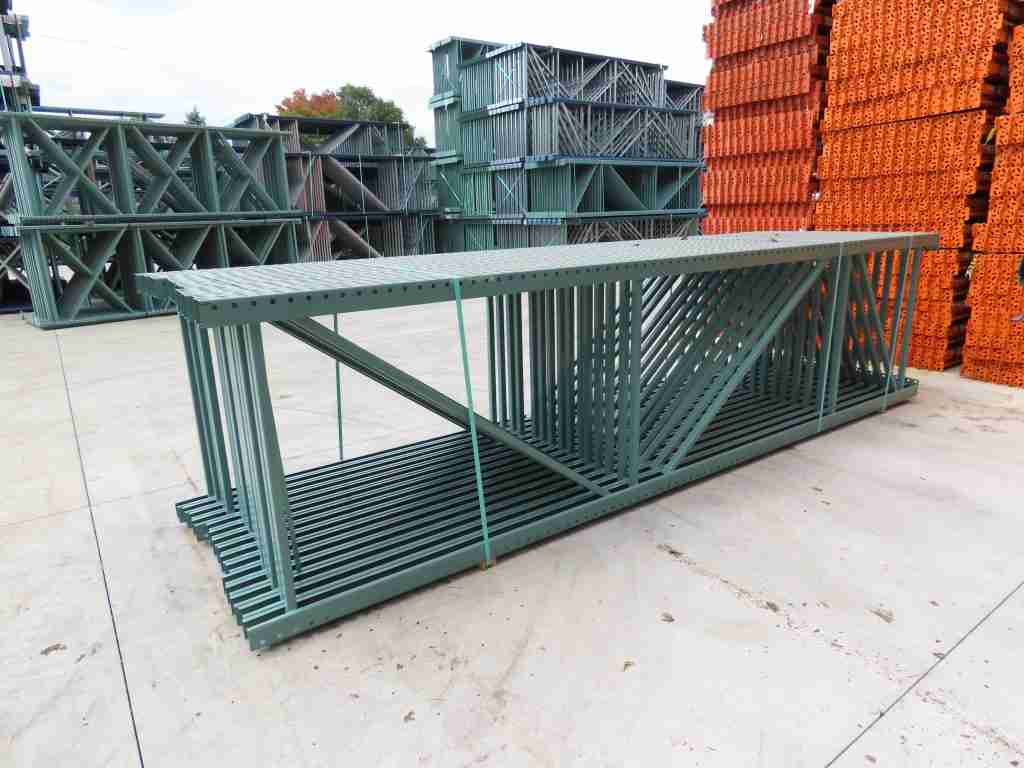
Other Questions
Checklist
How to Design Pallet Racking? – A Checklist
Understanding Inventory and Space
_____ Analyze the types of goods being stored (e. g. , heavy, perishable, seasonal).
_____ Assess the dimensions and weights of inventory items.
_____ Choose adjustable racking systems for flexible configurations.
Space Optimization and Layout
_____ Evaluate the flow of goods through the warehouse.
_____ Implement a First-In, First-Out (FIFO) system for perishable items.
_____ Place fast-moving items near loading bays for easier access.
Racking Type Selection
_____ Choose between selective, drive-in, push-back, pallet flow, or cantilever racking based on inventory needs.
_____ Consider high-density storage options for maximizing vertical space.
Technology Integration
_____ Incorporate automated storage and retrieval systems (AS/RS).
_____ Utilize inventory management software for real-time tracking and management.
Future Growth Planning
_____ Design racking systems that allow for scalability and future modifications.
_____ Regularly assess market trends and adjust racking solutions accordingly.
Safety and Compliance
_____ Ensure racking systems comply with OSHA standards and local safety regulations.
_____ Conduct regular inspections and maintenance of racking systems.
_____ Implement safety training for employees regarding proper handling practices.
Evaluation and Adjustment
_____ Periodically review inventory turnover rates and adjust racking layouts accordingly.
_____ Analyze traffic flow patterns to minimize bottlenecks and maximize efficiency.
_____ Keep signage and labeling current and clear for easy navigation.
Cost Considerations
_____ Budget for material, installation, and maintenance costs.
_____ Calculate potential indirect costs of inefficient racking solutions.
Ongoing Training and Engagement
_____ Provide regular training sessions for employees on using and maintaining the racking systems.
_____ Encourage employee involvement in safety practices and system improvements.
By following this checklist, you can optimize your pallet racking design for maximum efficiency and future growth in your warehouse operation.
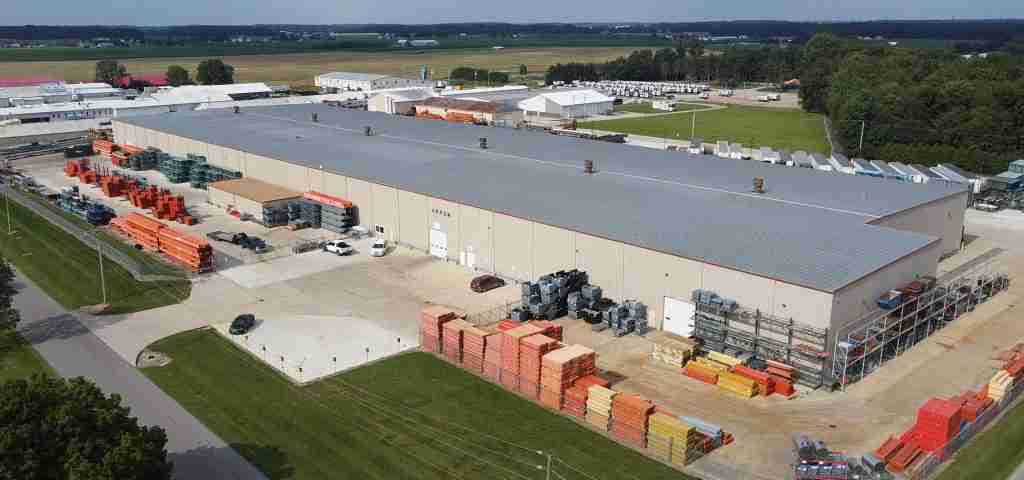
Checklist
At RackingWorld, we help guide you through selecting warehouse storage systems and racking.
Be sure to read our other related stories at RackingWorld to learn more about warehouse storage systems.
0 Comments