
An Overview Of Warehouse Racking Safety Standards
By Tom Seest
At RackingWorld, we help guide you through selecting warehouse storage systems and racking.
Be sure to read our other related stories at RackingWorld to learn more about warehouse storage systems.
Are There Warehouse Racking Safety Standards?
When it comes to warehouse racking safety, it is crucial to adhere to industry standards to ensure the well-being of workers and the longevity of your inventory storage system. Fortunately, there are various safety standards in place to guide warehouse managers in creating a secure and efficient warehouse environment.
One of the most widely recognized safety standards in the industry is the Rack Manufacturer’s Institute (RMI) Specifications. These specifications provide guidelines for the design, installation, and use of industrial steel storage racks. By following RMI’s guidelines, warehouse managers can ensure that their racking systems are structurally sound and meet industry safety requirements.
In addition to RMI Specifications, there are also regulations set forth by the Occupational Safety and Health Administration (OSHA) that warehouses must comply with. OSHA regulations cover a wide range of safety requirements, including proper racking installation, load capacity limits, and aisle clearances. By adhering to OSHA standards, warehouse managers can reduce the risk of accidents and injuries in the workplace.
Furthermore, the International Building Code (IBC) also offers guidelines for warehouse racking safety. The IBC provides regulations for the design and construction of buildings, including the installation of storage racks. By following IBC standards, warehouse managers can ensure that their racking systems are built to withstand various environmental factors and seismic activity.
To further ensure warehouse racking safety, it is essential for managers to conduct routine inspections and maintenance of their storage systems. Regular inspections can help identify potential issues before they escalate into safety hazards, such as damaged beams or overloaded shelves. By addressing these issues promptly, managers can prevent accidents and prolong the lifespan of their racking systems.
In the wake of recent warehouse accidents, such as the collapse of an Amazon fulfillment center in 2018, warehouse safety has become a growing concern for businesses and regulatory authorities alike. As a result, it is more important than ever for warehouse managers to prioritize safety and compliance with industry standards.
There are several warehouse racking safety standards that businesses must adhere to in order to maintain a safe and efficient work environment. By following guidelines set forth by organizations such as RMI, OSHA, and IBC, warehouse managers can ensure the structural integrity of their racking systems and reduce the risk of accidents. Additionally, conducting regular inspections and maintenance can help prevent safety hazards and ensure the longevity of warehouse racking systems.
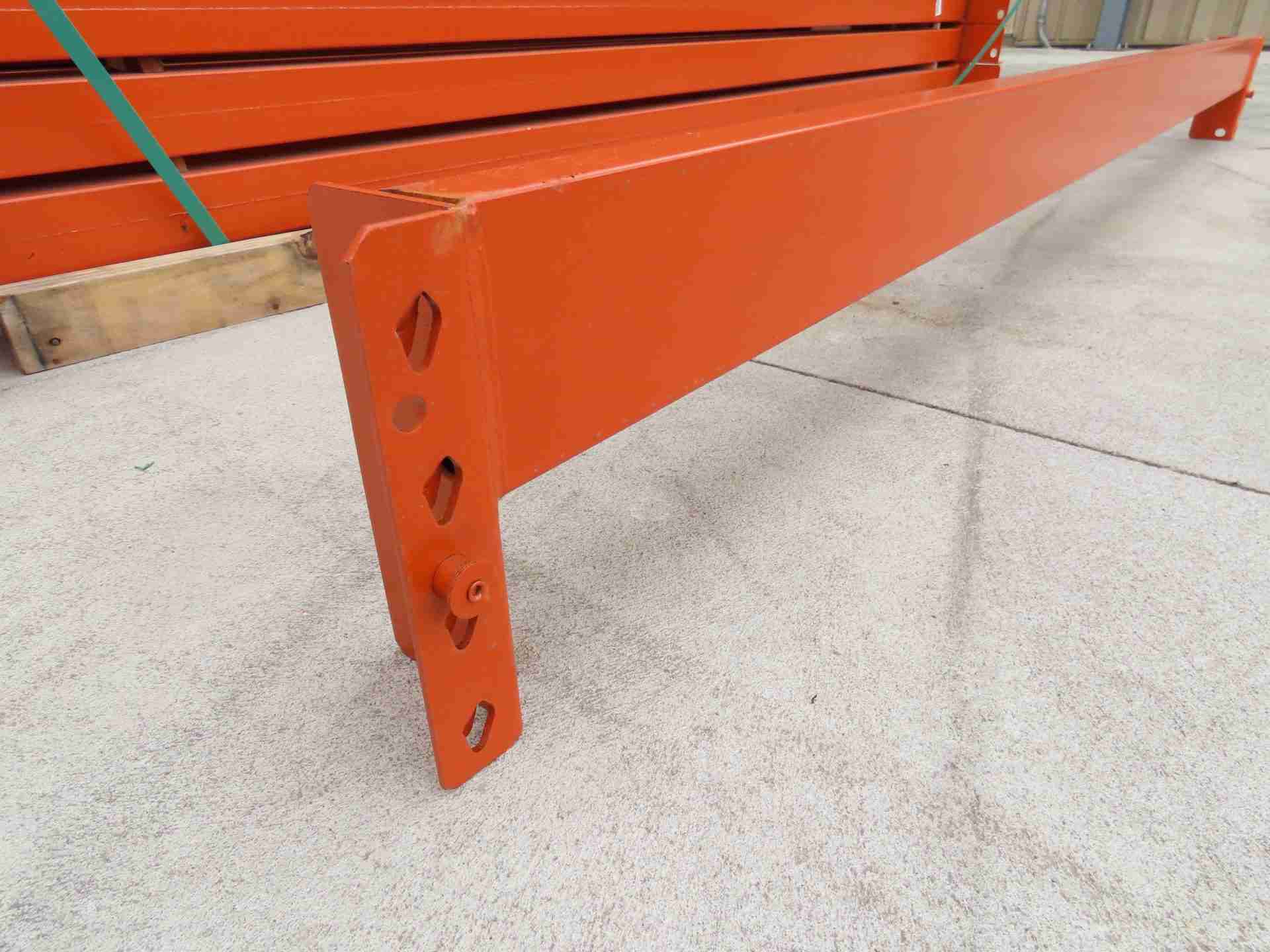
Are There Warehouse Racking Safety Standards?
Are There Warehouse Racking Safety Standards?
- Adhering to industry standards is crucial for warehouse racking safety.
- Rack Manufacturer’s Institute (RMI) Specifications provide guidelines for design and installation.
- Occupational Safety and Health Administration (OSHA) regulations cover safety requirements.
- International Building Code (IBC) offers guidelines for warehouse racking safety.
- Routine inspections and maintenance are essential for ensuring safety.
- Recent warehouse accidents highlight the importance of safety in warehouses.
- Following safety standards from RMI, OSHA, and IBC can help prevent accidents.
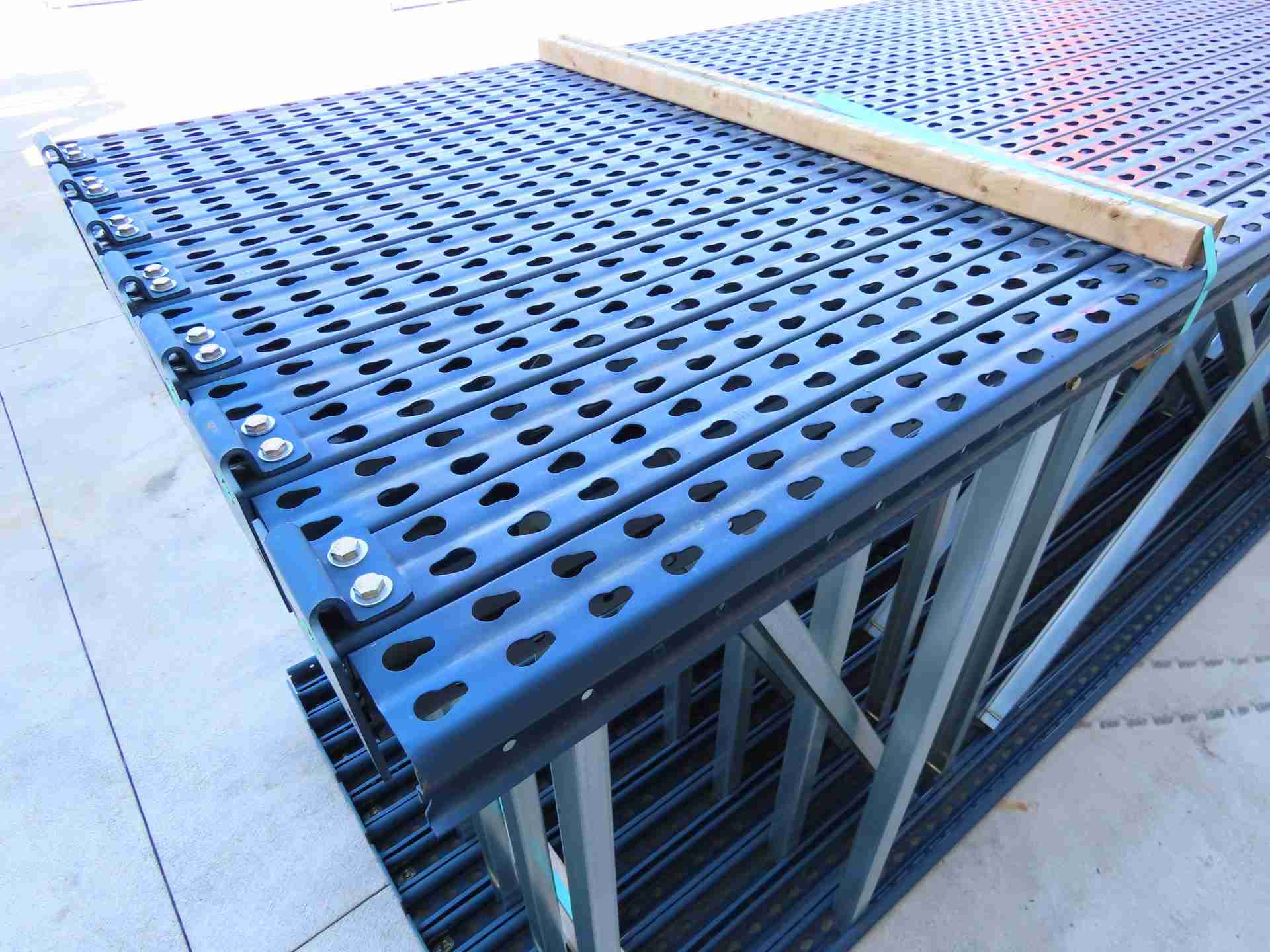
Are There Warehouse Racking Safety Standards?
Table Of Contents
Conclusion
In conclusion, warehouse racking safety is a critical component of maintaining a safe and efficient work environment. By adhering to industry standards set forth by organizations such as RMI, OSHA, and IBC, warehouse managers can ensure the structural integrity of their racking systems and reduce the risk of accidents. Regular inspections and maintenance are also key to preventing safety hazards and prolonging the lifespan of storage systems. In light of recent warehouse accidents, it is more crucial than ever for businesses to prioritize safety and compliance with industry standards.
Arrow Industrial Sales understands the importance of warehouse racking safety and is here to help you navigate the complex world of storage system regulations. Our team of experts is ready to provide you with the information and resources you need to ensure the safety and efficiency of your warehouse. Call us today at (574) 349-6575 to learn more about how we can help you achieve warehouse racking safety compliance. Don’t wait until it’s too late – prioritize warehouse safety now and protect your workers and inventory for years to come. Time is of the essence, so give us a call today and let us help you create a safer warehouse environment.
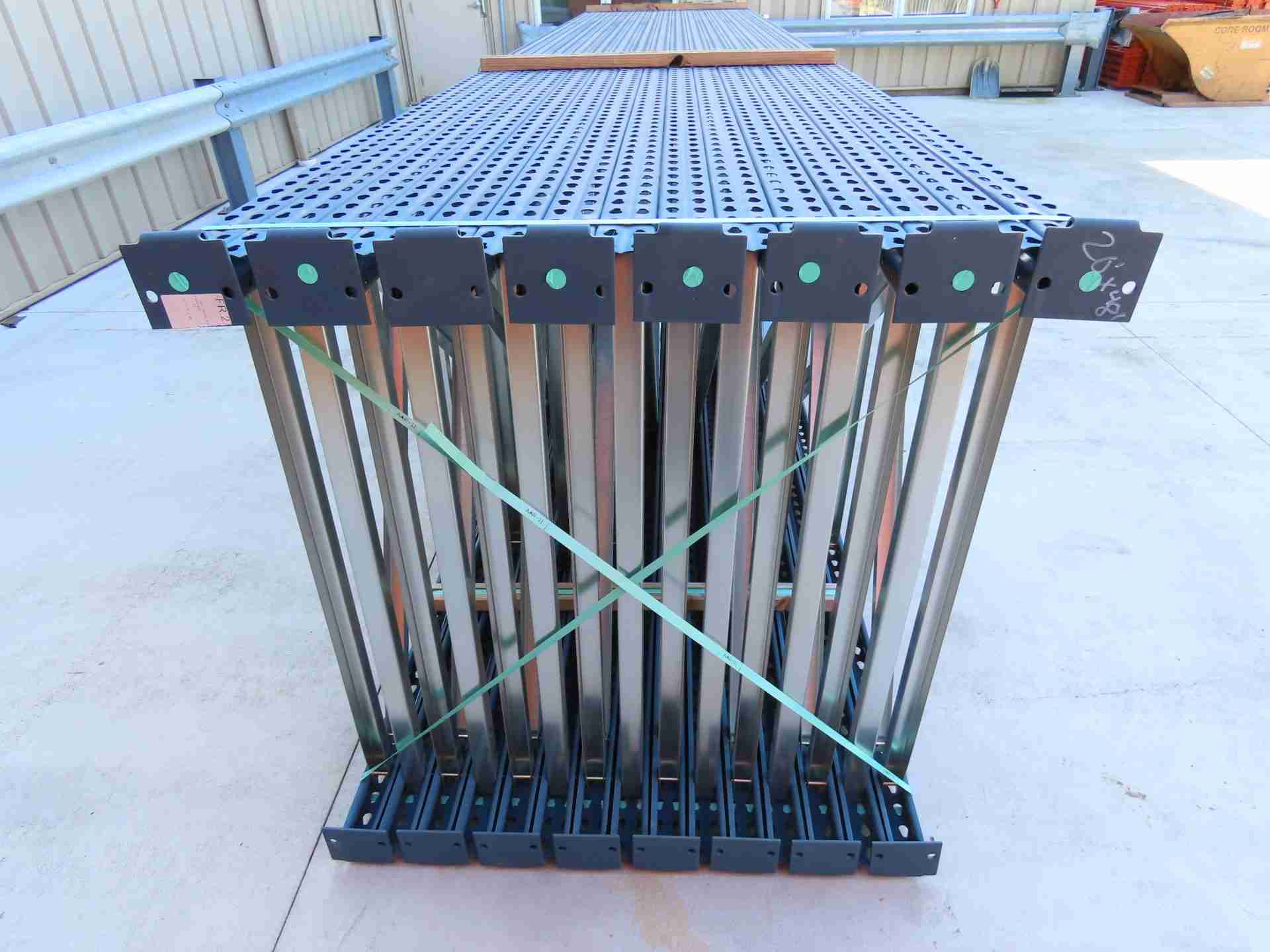
Conclusion
Conclusion:
- Warehouse racking safety is crucial for maintaining a safe work environment.
- Adhering to industry standards from organizations like RMI, OSHA, and IBC is important.
- Regular inspections and maintenance help prevent safety hazards and prolong storage system lifespan.
- Businesses should prioritize safety and compliance with industry standards.
- Arrow Industrial Sales can help navigate storage system regulations.
- Their team provides information and resources for warehouse safety and efficiency.
- Call (574) 349-6575 to learn more about achieving warehouse racking safety compliance.
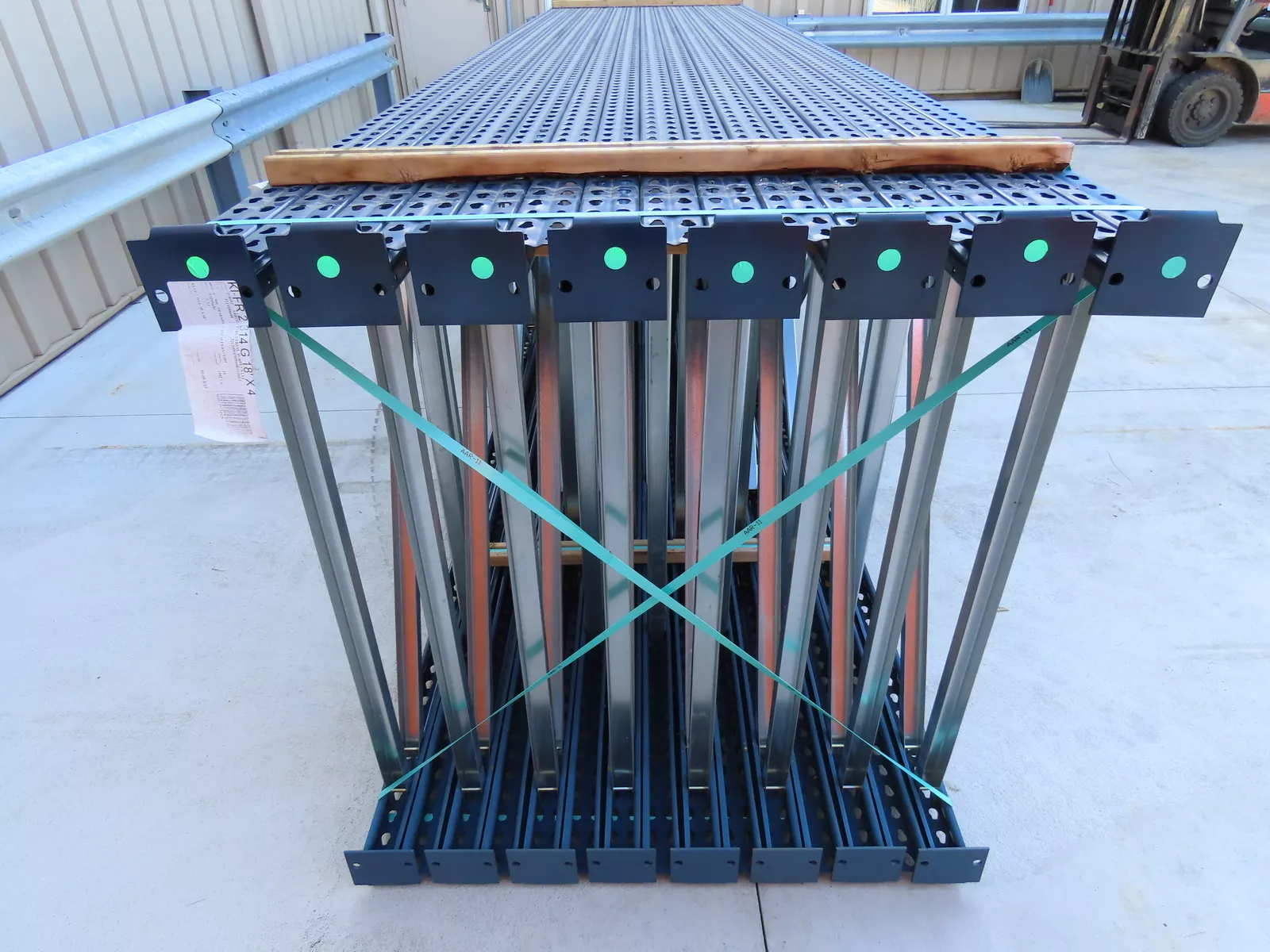
Conclusion
Other Resources
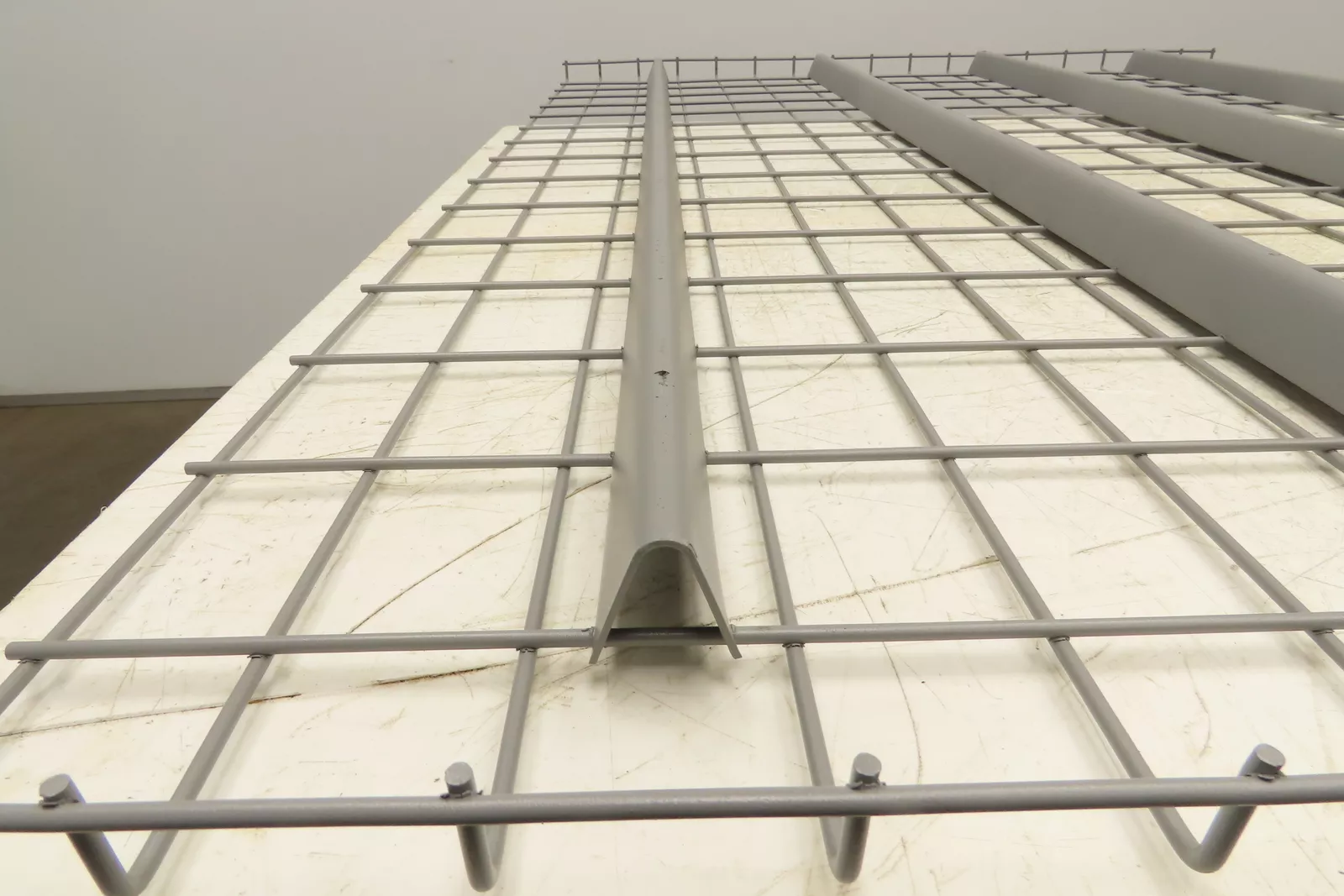
Other Resources
Here is a list of other resources you can review online to learn more:
- “US Department of Labor finds Amazon exposed workers to …”
- “Amazon releases workplace safety update”
- “Federal safety inspections at three Amazon warehouse …”
- “Rack Manufacturers Institute”
- “Amazon’s worker safety hazards come under fire from …”
- “Amazon cited by OSHA for failing to keep warehouse …”
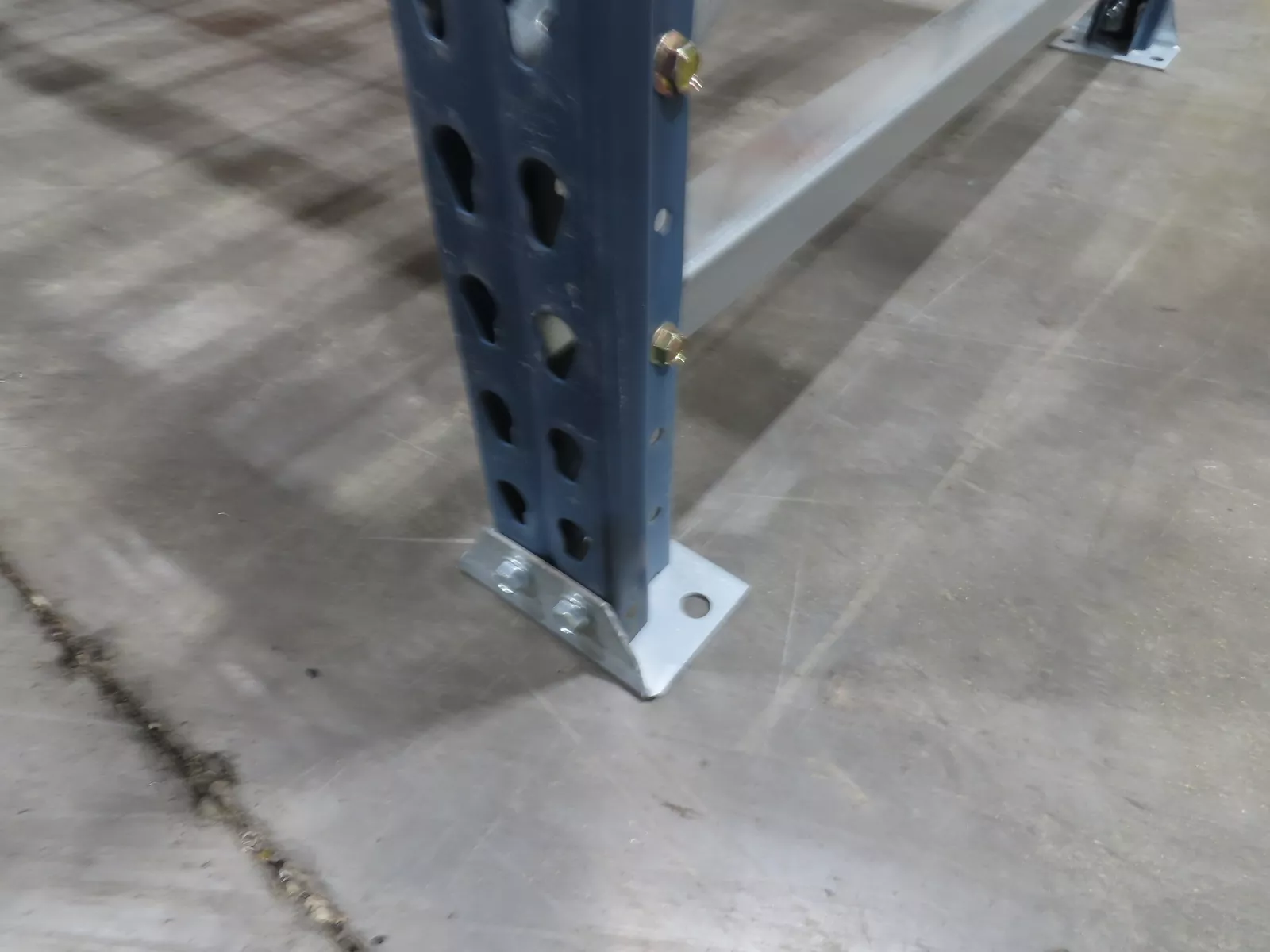
Other Resources
Glossary Terms
Are There Warehouse Racking Safety Standards? – Glossary Of Terms
1. ANSI (American National Standards Institute): A private non-profit organization that oversees the creation of norms and guidelines that impact businesses in nearly every sector, including warehouse racking.
2. Aisle Width: The distance between rows of racking systems, crucial for safe forklift operation and efficient movement.
3. Back Bracing: Structural support at the rear of a racking system to enhance stability and load-bearing capacity.
4. Beam Load Capacity: The maximum weight capacity that a shelf beam can safely support, based on design specifications.
5. Clear Aisle: An unobstructed space allowing for safe and efficient movement within a warehouse environment.
6. Deflection: The degree to which a structural element (e. g. , a beam) bends under a load, within safe limits set by safety standards.
7. Fall Protection: Safety measures and equipment used to prevent falls from heights, a key concern in multi-level racking systems.
8. Fire Code Compliance: Adherence to local fire safety regulations, which may dictate spacing and materials used in racking systems.
9. Guard Rails: Protective barriers installed around racking systems to prevent accidental collision by warehouse vehicles or personnel.
10. Load Distribution: The proper placement and spacing of items on shelves to ensure even weight distribution and prevent collapse.
11. Load Signs: Clear signage that indicates the maximum weight capacity of a racking system to ensure it is not exceeded.
12. Occupational Safety and Health Administration (OSHA): A federal agency responsible for ensuring workplace safety, including guidelines for warehouse racking.
13. Pallet Rack Safety Regulations: Set guidelines and standards that govern the use and maintenance of pallet racking systems.
14. Personal Protective Equipment (PPE): Safety gear worn by workers to minimize exposure to workplace hazards.
15. Plumb Tolerance: The acceptable deviation from vertical alignment in racking systems, critical for maintaining structural integrity.
16. Rack Configuration: The specific design and setup of a racking system, designed to meet safety and productivity needs.
17. Rack Inspection: Regular examination of racking systems to detect and rectify any safety issues or damages.
18. Rack Labeling: Use of labels to identify weight limits, load information, and other critical safety details on racking systems.
19. RMI (Rack Manufacturers Institute): An organization that establishes standards for the safe design, manufacture, and use of industrial steel storage racks.
20. Seismic Considerations: Factors taken into account to ensure racking systems can withstand seismic activity or shocks.
21. Space Utilization: Efficient use of available space, balancing storage density with safety and accessibility.
22. Safety Clips: Small but vital components that secure beams in place and prevent them from being accidentally dislodged.
23. Splice Connections: Points where sections of racking are joined together, critical areas for structural integrity and safety.
24. Stability Analysis: Assessment of the racking system’s strength and stability under various loading conditions.
25. Storage Density: The measure of how much product can be stored per unit volume within a racking system, balancing maximization with safety.
26. Stray Fork Protection: Measures to shield racking systems from accidental impact by forklift tines.
27. Strut Load Capacity: The maximum load that vertical struts in the racking system can safely support.
28. System Layout: The overall plan for racking system arrangement, prioritizing efficiency, and compliance with safety standards.
29. Weight Distribution: The correct method of placing weight on racks to maintain structural stability and prevent overload.
30. Workplace Ergonomics: Design principles aimed at creating a safe and efficient environment for workers, including the height and spacing of racks.
These terms and descriptions cover a broad range of aspects related to warehouse racking safety standards, helping to ensure both the efficiency and safety of storage systems in industrial settings.

Glossary Of Terms
Other Questions
Are There Warehouse Racking Safety Standards? – Other Questions
If you wish to explore and discover more, consider looking for answers to these questions:
- What are the Rack Manufacturers Institute (RMI) Specifications and what do they cover?
- How do OSHA regulations impact warehouse racking safety?
- What specific guidelines does the International Building Code (IBC) provide for warehouse racking?
- What are the consequences of not following warehouse racking safety standards?
- How can routine inspections and maintenance improve warehouse racking safety?
- What are some common issues that inspections might uncover in warehouse racking systems?
- Can you provide examples of warehouse accidents caused by poor racking safety?
- What steps can warehouse managers take to comply with RMI, OSHA, and IBC standards?
- Are there any additional regional or international standards for warehouse racking safety?
- How does warehouse racking safety impact overall warehouse efficiency and productivity?
- What training should be provided to warehouse staff to ensure racking safety?
- How does the design of a warehouse influence the safety of its racking systems?
- Can advanced technologies be used to enhance warehouse racking safety?
- What role do manufacturers play in ensuring the safety of warehouse racking systems?
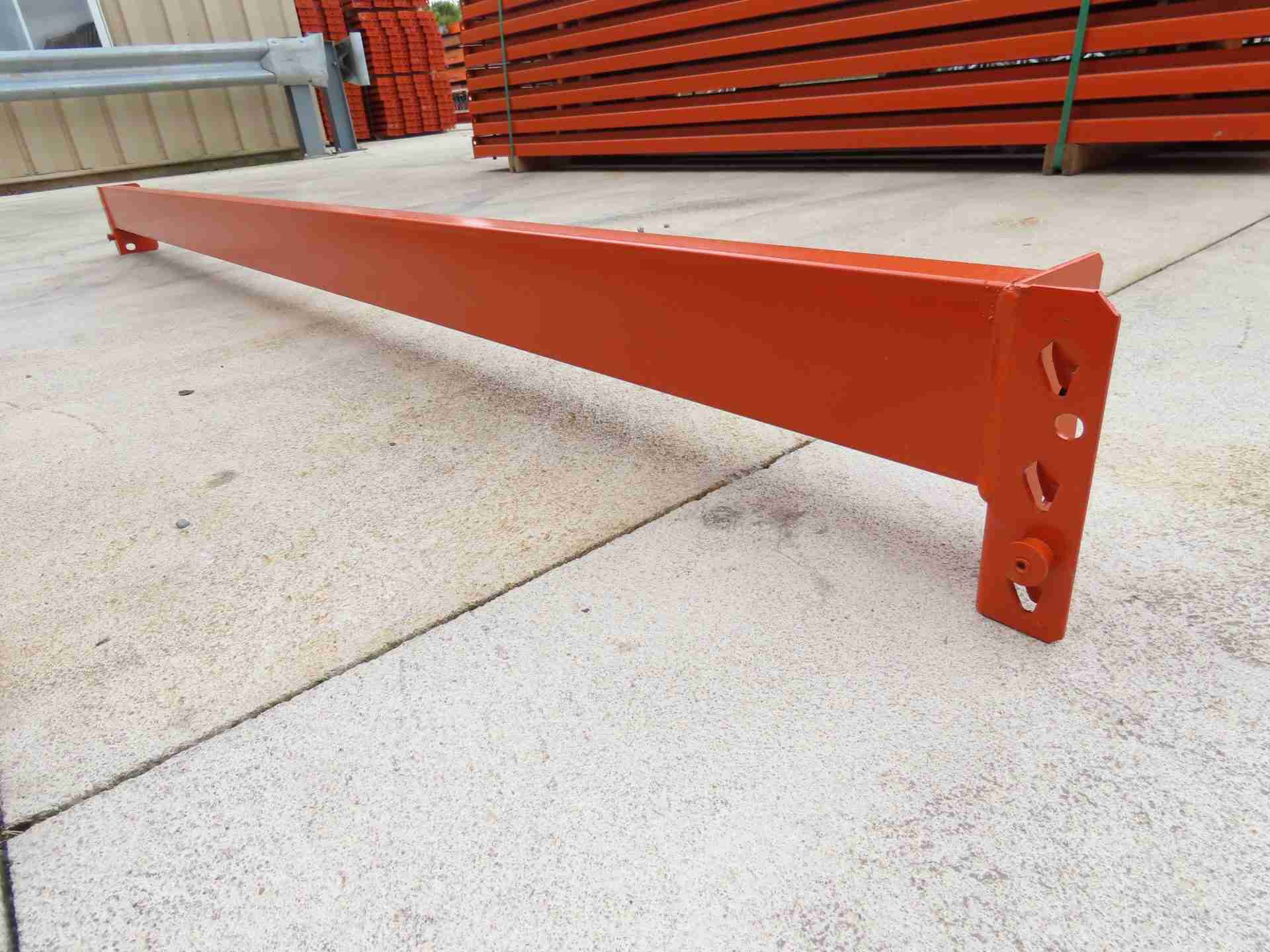
Other Questions
Checklist
Are There Warehouse Racking Safety Standards? – A Checklist
Design and Installation
_____ Ensure racking systems comply with Rack Manufacturers Institute (RMI) Specifications.
_____ Verify that racking systems meet Occupational Safety and Health Administration (OSHA) regulatory requirements.
_____ Follow International Building Code (IBC) guidelines for the design and construction of storage racks.
Load Capacity
_____ Determine and adhere to the load capacity limits for each racking system.
_____ Display load capacity labels clearly on all racking units.
Aisle Clearances
_____ Maintain proper aisle clearances as per OSHA requirements to allow for safe movement and operations.
_____ Regularly inspect aisles to ensure they are free of obstructions and potential hazards.
Inspections and Maintenance
_____ Conduct routine inspections of racking systems to identify any signs of wear, damage, or potential safety hazards.
_____ Implement a regular maintenance schedule to address any issues found during inspections.
Employee Training
_____ Train workers on the correct usage of racking systems and safety protocols.
_____ Conduct periodic safety training sessions to keep all employees updated on safety standards and practices.
Compliance and Documentation
_____ Keep documentation of all inspections, maintenance records, and compliance certificates.
_____ Stay updated with any changes in safety regulations or standards by organizations such as RMI, OSHA, and IBC.
By following this checklist, warehouse managers can ensure a safe and efficient working environment, minimize the risk of accidents, and prolong the lifespan of their warehouse racking systems.
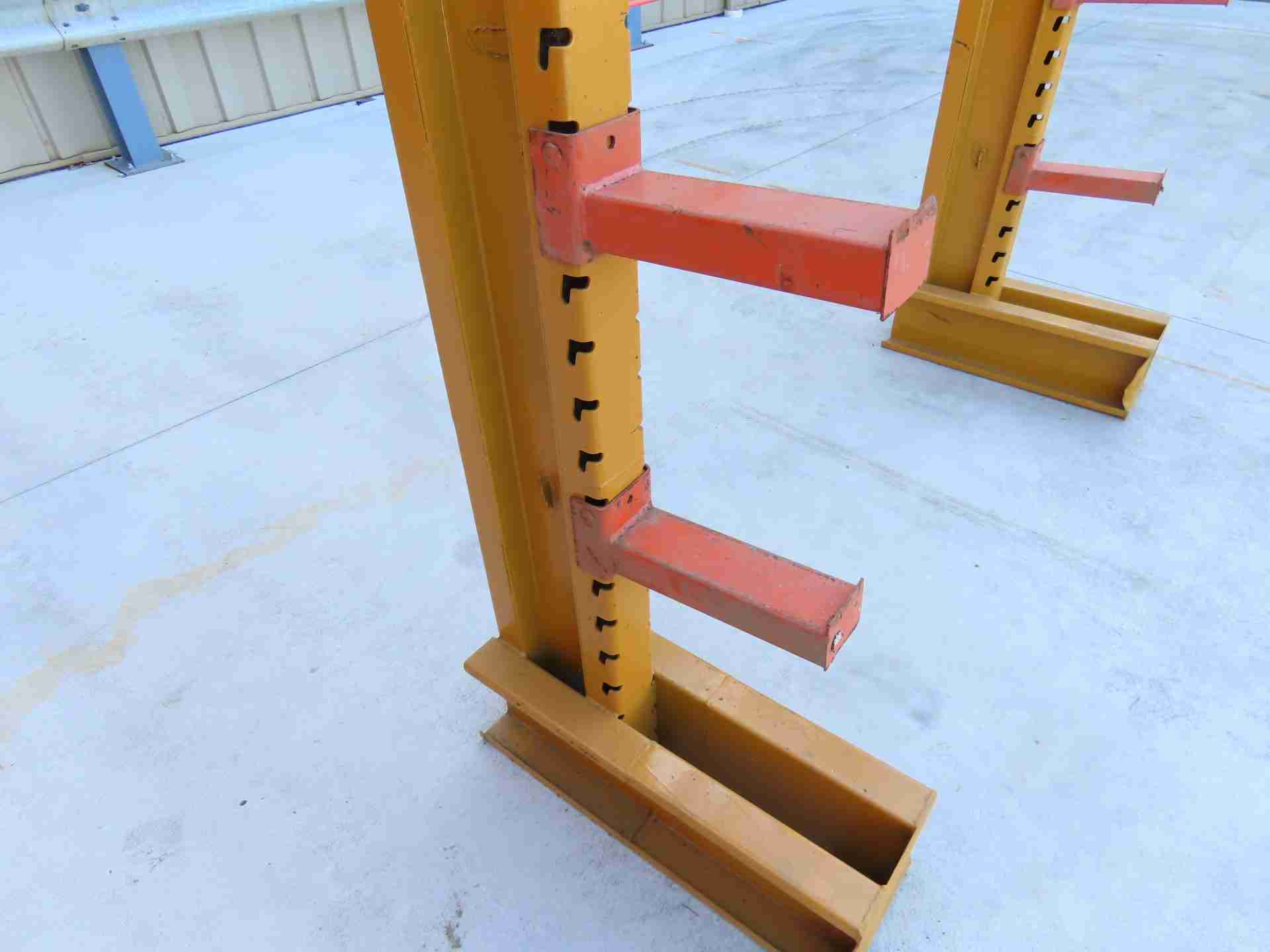
Checklist
At RackingWorld, we help guide you through selecting warehouse storage systems and racking.
Be sure to read our other related stories at RackingWorld to learn more about warehouse storage systems.
0 Comments