
Maximizing Visibility: The Impact Of Cantilever Racks On Warehouse Lighting
By Tom Seest
At RackingWorld, we help guide you through selecting warehouse storage systems and racking.
Be sure to read our other related stories at RackingWorld to learn more about warehouse storage systems.
How Do Cantilever Racks Impact Warehouse Lighting Design?
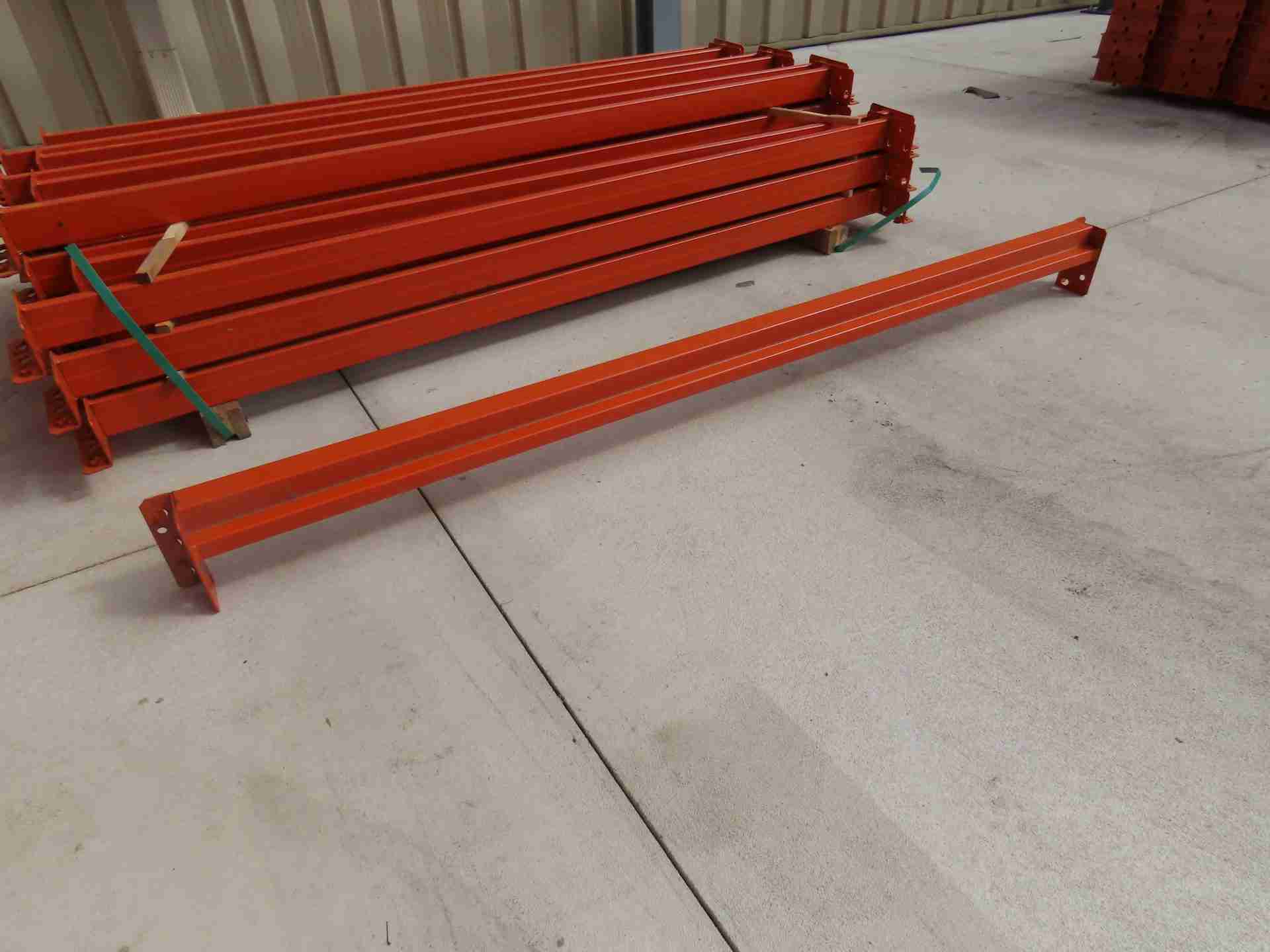
When it comes to optimizing your warehouse’s layout, every element plays a critical role—and cantilever racks are no exception. These ingenious storage solutions, designed for heavy, long, or bulky items, offer both functionality and versatility. However, their design can significantly influence your warehouse lighting strategy, impacting productivity, safety, and ultimately, your bottom line.
Imagine walking into a warehouse adorned with towering cantilever racks, artfully arranged to maximize space and efficiency. But what happens when those racks cast shadows or obstruct light? You may end up with dark, uninviting corners where employees struggle to locate inventory, increasing the likelihood of accidents and inefficiencies. To combat this, savvy warehouse operators are reassessing their lighting designs to ensure they complement the unique profiles of cantilever racks.
For example, consider a construction materials supplier that adopted a strategic approach: installing high-bay LED lights directly above the cantilever racks. This placement not only illuminated the areas where heavy items are accessed but also enhanced energy efficiency. Current advancements in LED technology mean less energy loss and lower utility bills, enabling companies to reinvest that savings back into their operations.
The right warehouse lighting also plays a vital role in enhancing the picking process. When items are clearly illuminated, employees can quickly identify what they need without guesswork. This speed leads to faster order fulfillment and heightened customer satisfaction—an essential factor in today’s competitive market. Moreover, the Federal Warehouse Financing Act has incentivized more organizations to upgrade their facilities with modern lighting solutions, allowing them to stay ahead of the curve.
Additionally, consider the safety implications of your lighting configuration in relation to cantilever racks. Poor visibility can lead to accidents, which not only jeopardize worker safety but also increase liability risks. By opting for motion sensor lights along key pathways and heavy-load areas, warehouses minimize energy consumption while ensuring optimal visibility where it matters most.
Furthermore, the growing emphasis on sustainability in the industry cannot be overlooked. With businesses increasingly adopting eco-friendly practices, integrating smart lighting systems that adjust based on warehouse activity levels maximizes efficiency. This aligns with global trends toward more responsible operations, which resonate strongly with today’s environmentally conscious consumers.
In essence, integrating cantilever racks into your warehouse lighting design isn’t just an operational consideration—it’s a strategic opportunity. By embracing smart lighting solutions, optimizing placement, and prioritizing safety, businesses can enhance their efficiency, reduce costs, and foster a more productive warehouse environment. In this competitive landscape, it’s not just about storing goods; it’s about creating an environment where those goods are easily accessible and efficiently managed.

How Do Cantilever Racks Impact Warehouse Lighting Design?
How Do Cantilever Racks Impact Warehouse Lighting Design?
- Cantilever racks are essential for optimizing warehouse layouts, especially for heavy and bulky items.
- Improper rack placement can obstruct lighting, creating dark areas that affect inventory accessibility and employee safety.
- Strategically installed high-bay LED lights can improve visibility and energy efficiency in warehouse operations.
- Good warehouse lighting enhances the picking process, resulting in faster order fulfillment and increased customer satisfaction.
- Adopting safety-oriented lighting configurations, such as motion sensor lights, minimizes accidents and reduces liability risks.
- Integrating eco-friendly smart lighting systems aligns with sustainability trends and optimizes energy consumption.
- Effective lighting design is a strategic opportunity for businesses to enhance efficiency, reduce costs, and create a productive environment.

How Do Cantilever Racks Impact Warehouse Lighting Design?
Table Of Contents
- How Do Cantilever Racks Impact Warehouse Lighting Design?
- How Do Cantilever Racks Affect Warehouse Lighting Layout?
- What Are The Key Lighting Considerations For Cantilever Racks?
- How Do Rack Heights Influence Light Placement In Warehouses?
- What Type Of Lighting Works Best With Cantilever Racks?
- How Can Light Distribution Be Optimized Around Cantilever Racks?
- Are There Specific Lighting Fixtures Recommended For Cantilever Racks?
- How Do Cantilever Racks Create Shadows In Warehouse Spaces?
- What Are The Energy Efficiency Implications Of Lighting Near Racks?
- How Can Lighting Enhance Visibility In Cantilever Rack Aisles?
- What Role Does Natural Light Play In Cantilever Rack Design?
- How Do Cantilever Rack Materials Impact Lighting Choices?
- What Are The Maintenance Considerations For Lighting In Rack Areas?
- How Can Led Lights Improve Visibility Around Cantilever Racks?
- What Safety Measures Should Be In Place For Lighting Design?
- How Does Warehouse Layout Influence Lighting Around Racks?
- Conclusion
- Other Resources
- Glossary Of Terms
- Other Questions
- Checklist
How Do Cantilever Racks Affect Warehouse Lighting Layout?
When it comes to optimizing your warehouse operations, few elements are as crucial as the interplay between storage solutions and lighting design. Cantilever racks, those sturdy, adjustable shelving units designed for storing long or bulky items, are increasingly preferred in modern warehouses. However, their unique structures significantly influence the lighting layout, ultimately affecting productivity and safety.
First, let’s consider visibility. Cantilever racks often accommodate materials like timber, steel, or plumbing supplies, which can reach impressive heights. Each row’s vertical clearance demands a carefully crafted lighting strategy. Overhead lights must be strategically placed not just for illumination but also to minimize shadows that could obscure visibility when workers are retrieving items from upper shelves. For instance, a survey of warehouses utilizing high-density cantilever racks showed that moving to LED fixtures with high lumen outputs significantly improved clarity within the aisles, leading to a 30% reduction in retrieval times.
Next, we need to address accessibility. Warehouse lighting isn’t just about how much light you can pump into a space; it’s about creating a safe and efficient environment. With cantilever racks extending outwards, aisle widths often become more constrained. Placing lights in direct alignment with walkways reduces the chance of accidents caused by workers unable to see obstructions, such as misplaced equipment or potential hazards because of insufficient lighting. For example, a logistics company redesigning their lighting layout after a safety incident found that repositioning lights with narrower beams more effectively illuminated traffic pathways, leading to zero accidents over the next six months.
Additionally, energy efficiency must not be overlooked. With recent shifts toward sustainability, warehouses equipped with cantilever racks are turning to motion-sensor lighting. Imagine a worker entering a section full of cantilever shelving — lights activate only when needed, eliminating waste. A notable case is the implementation of smart lighting fixtures in several distribution centers during 2023, which reduced lighting costs by over 40% and increased efficiency by tailoring light output based on rack usage patterns.
The relationship between cantilever racks and warehouse lighting layout is dynamic and essential for design and operational efficiency. By recognizing the ways in which these storage solutions influence lighting, businesses can not only improve safety and visibility but also enhance overall productivity and reduce energy costs. Invest time in evaluating your warehouse layout today, and you’ll see a direct correlation between well-placed lighting and your bottom line.

How Do Cantilever Racks Affect Warehouse Lighting Layout?
How Do Cantilever Racks Affect Warehouse Lighting Layout?
- The interplay between storage solutions and lighting design is crucial for optimizing warehouse operations.
- Cantilever racks are favored in modern warehouses for storing long or bulky items, but their structure influences lighting layout.
- Visibility is essential; overhead lights must minimize shadows to aid workers in retrieving items from high shelves.
- Using LED fixtures with high lumen outputs has been shown to reduce retrieval times by 30% in warehouses with cantilever racks.
- Accessibility is critical; strategically placed lights can reduce accidents in narrow aisles with cantilever racks.
- Implementing motion-sensor lighting can lead to over 40% reduction in lighting costs while increasing energy efficiency.
- Understanding the relationship between cantilever racks and lighting can improve safety, productivity, and reduce energy costs.

How Do Cantilever Racks Affect Warehouse Lighting Layout?
What Are The Key Lighting Considerations For Cantilever Racks?
When it comes to optimizing space in warehouses or retail environments, cantilever racks take center stage. But to truly maximize efficiency and safety, lighting becomes a crucial component that’s often overlooked. Without the right lighting, even the most sophisticated cantilever rack systems can become hazardous and less productive. So, what should you consider when illuminating these storage solutions?
Visibility is Paramount
First and foremost, you want to ensure that the products stored on cantilever racks are easily visible. Poor lighting can make it difficult for staff to locate inventory, leading to wasted time and potential errors. A study from the Warehouse Efficiency Institute found that well-illuminated spaces increase picking speed by up to 20%. For example, utilizing high-intensity LED fixtures can enhance visibility while consuming less energy than traditional lighting sources. Think about integrating motion sensors to ensure lights adjust based on activity, which reduces energy costs while maximizing visibility.
Safety First
Safety can never be understated in a warehouse setting. The Occupational Safety and Health Administration (OSHA) highlights the importance of good lighting in preventing accidents and injuries. When designing your lighting system, you must consider the placement of lights in relation to the cantilever racks. Insufficient light can lead to misjudgment when handling heavy materials, which could result in injuries or damage to the goods. For instance, using downlights or aisle lights to illuminate areas directly around cantilever racks helps reduce the risk of accidents.
Flexibility and Adaptation
As inventory fluctuates, so too may the need for light adaptability. With the recent surge in e-commerce, warehouses are now handling varying product types and sizes. This calls for adjustable lighting systems that can be repositioned or dimmed to suit a wide array of products. Consider flexible LED lighting solutions that can be reconfigured as rack layouts change. This not only enhances functionality but also demonstrates smart resource management, an appealing quality to prospective clients.
Compliance and Standards
Lastly, understanding and adhering to industry standards for lighting is crucial. The Illuminating Engineering Society (IES) provides guidelines to ensure safety and efficiency. Regular audits of your lighting system can reveal areas for improvement and highlight compliance with regulations, providing peace of mind to warehouse managers and stakeholders alike.
Lighting is not just an afterthought; it’s a vital part of the architecture of your cantilever rack system. When you prioritize visibility, safety, adaptability, and compliance, you position not just your products but your entire operation for success. Invest in your lighting, and your racks will pay you back in efficiency and safety.

What Are The Key Lighting Considerations For Cantilever Racks?
What Are The Key Lighting Considerations For Cantilever Racks?
- Cantilever racks are essential for optimizing space in warehouses and retail environments.
- Proper lighting enhances visibility, reducing time spent locating inventory and increasing picking speed by up to 20%.
- High-intensity LED fixtures and motion sensors can improve visibility while minimizing energy costs.
- Safety in warehouses is crucial; good lighting helps prevent accidents and injuries.
- Downlights or aisle lights should be strategically placed around cantilever racks to reduce risks.
- Adjustable lighting systems are important as inventory types and sizes change due to e-commerce demands.
- Compliance with industry lighting standards, such as those from the Illuminating Engineering Society (IES), is vital for safety and efficiency.

What Are The Key Lighting Considerations For Cantilever Racks?
How Do Rack Heights Influence Light Placement In Warehouses?
In the fast-paced world of warehousing, efficiency isn’t just a goal—it’s a necessity. One critical element that often gets overlooked in the grand scheme of warehouse design is the interplay between rack heights and light placement. Properly aligning these elements can make or break your operational effectiveness and, by extension, your bottom line.
Imagine a warehouse with towering racks filled to the brim. If your lighting is improperly placed, you leave dark corners lurking in the shadows where productivity shrinks. Picture a worker searching for a part in dim light—time wasted could lead to delays in fulfillment and dissatisfied customers. Conversely, well-placed lighting on appropriately designed racks not only illuminates your inventory but also enhances safety and minimizes human error.
Let’s break it down: High racks require more strategic lighting solutions. Instead of relying solely on overhead fixtures, consider utilizing vertical light sources to penetrate the high shelves and bathe the aisles in light. Recent advancements in LED technology provide an excellent solution, offering both energy efficiency and the intensity needed to light up those towering stacks without creating excessive heat. For instance, prominent retailers have adopted high-bay LED lights in their warehouse operations, resulting in increased visibility and a decrease in energy expenses by up to 50%. This move exemplifies how integrating modern lighting technology can directly contribute to a healthier profit margin.
Another example stems from an increase in e-commerce demands during recent global events, such as the pandemic. As warehouses scrambled to adapt to soaring order volumes, companies recognized that optimizing light placements correlated directly with reduced pick times and increased order accuracy. Retail giants like Amazon have invested heavily in intelligent lighting systems that adapt based on the height of the racks and the nature of the stored goods. This ensures maximum visibility where it matters most, enhancing worker efficiency without unnecessary waste.
Moreover, as sustainability becomes a focal point in today’s marketplace, aligning light placement with rack heights becomes a key consideration in reducing your carbon footprint. A well-lit warehouse not only promotes safety and productivity but slenderizes energy costs, showcasing your commitment to responsible practices—a powerful marketing narrative in itself.
In summary, the intelligent placement of light in relation to rack heights will not only streamline warehouse operations but also position your brand favorably in an increasingly competitive landscape. Harness the power of light, and watch as your productivity soars and your profits rise.

How Do Rack Heights Influence Light Placement In Warehouses?
How Do Rack Heights Influence Light Placement In Warehouses?
- Efficiency is critical in warehouse design, especially regarding rack heights and light placement.
- Improper lighting can create dark corners, leading to reduced productivity and longer search times for workers.
- Strategic lighting solutions are required for high racks, including the use of vertical light sources.
- Advancements in LED technology provide energy efficiency and high intensity without excessive heat.
- Retailers using high-bay LED lights have seen visibility improvements and energy cost reductions of up to 50%.
- E-commerce demands have led companies to optimize light placements to reduce pick times and enhance accuracy.
- Aligning light placement with rack heights supports sustainability efforts by reducing energy costs and carbon footprints.

How Do Rack Heights Influence Light Placement In Warehouses?
What Type Of Lighting Works Best With Cantilever Racks?
When it comes to maximizing efficiency in your warehouse or retail space, the right lighting can make all the difference—especially when paired with cantilever racks. These robust storage systems are designed to hold long or bulky items, such as lumber, pipes, or furniture. However, without adequate illumination, the full potential of your cantilever racks can remain hidden in the shadows, leading to decreased productivity and potential safety hazards. So, what type of lighting works best?
LED Lighting: The Gold Standard
In today’s fast-paced commercial environments, LED lighting takes the crown. Offering brightness that can easily penetrate the depths of your cantilever racks, LED lights provide higher lumen output per watt than traditional fluorescent or incandescent bulbs. Not only do they illuminate aisles and shelves effectively, but they also consume less energy—an essential consideration given the rising costs attributed to energy consumption.
For instance, in a recent case study highlighted by the Warehouse Lighting Association, a large home improvement retailer switched from fluorescent lighting to LED fixtures in their warehouse. The result? A 50% reduction in energy consumption and improved visibility across their cantilever rack system. This transition not only enhanced employee efficiency by reducing strain on the eyes but also contributed to a more sustainable operation in line with current eco-friendly trends.
Daylight-Mimicking Fixtures
Imagine walking into a space flooded with natural light, making everything visually accessible, and promoting overall well-being. Daylight-mimicking LED fixtures resemble natural sunlight, which has been proven to improve mood and focus. In a study published by the International Journal of Environmental Research and Public Health, employees in well-lit environments reported increased productivity levels.
Incorporating daylight-mimicking lighting into your cantilever rack setup creates a welcoming atmosphere while enhancing visibility. These fixtures work wonders in retail spaces where customer engagement is key. Customers can see the products better, enhancing the shopping experience, which is a critical factor in today’s competitive marketplace where businesses fight for consumer attention.
Motion-Sensor Lighting
Finally, consider motion-sensor lighting elements, particularly in warehouses where sections of the cantilever racks may not be in constant use. This technology activates lighting only as needed, increasing safety and reducing electricity costs. In the current climate emphasizing efficiency, this proactive approach not only showcases smart technology but also positions your business as forward-thinking.
Investing in the right lighting for your cantilever racks isn’t just an aesthetic choice; it’s a strategic move that can lead to significant operational efficiency and safety enhancements. As businesses continue to adapt to changing economic conditions, lighting solutions that create both functionality and a welcoming environment will remain an essential component of operational success. Don’t let your racks fade into obscurity—illuminate their potential!

What Type Of Lighting Works Best With Cantilever Racks?
What Type Of Lighting Works Best With Cantilever Racks?
- The right lighting is crucial for maximizing efficiency in warehouses and retail spaces with cantilever racks.
- LED lighting is recommended for its high lumen output, energy efficiency, and ability to enhance visibility.
- A case study showed a 50% reduction in energy consumption after switching from fluorescent to LED lighting.
- Daylight-mimicking LED fixtures can improve mood, focus, and customer experience in retail environments.
- Research indicates increased productivity in well-lit environments, supporting the use of daylight-mimicking lighting.
- Motion-sensor lighting is effective in warehouses for areas of cantilever racks that aren’t in constant use, enhancing safety and saving energy.
- Investing in appropriate lighting is a strategic move that boosts operational efficiency and creates a welcoming atmosphere.

What Type Of Lighting Works Best With Cantilever Racks?
How Can Light Distribution Be Optimized Around Cantilever Racks?
In today’s fast-paced warehouse environments, maximizing space and efficiency is vital—especially when it comes to utilizing cantilever racks. However, one often-overlooked aspect that can drastically enhance usability, safety, and product visibility is optimal light distribution. Let’s explore how strategic lighting can revolutionize your storage solutions.
First, consider the nature of your products. For instance, if you are storing long items such as lumber or piping, proper lighting can make all the difference. LED lights, renowned for their energy efficiency and directional capabilities, can be strategically installed above shelf levels to illuminate the items clearly, reducing the chances of accidents while improving productivity. This investment pays off by minimizing labor costs—workers can locate items faster, meaning more time spent on getting the job done rather than searching in dim corners.
Creating a lighting layout that highlights critical pathways and workstations is essential. This can be achieved through a combination of overhead lights and task lighting positioned around the base of your cantilever racks. By ensuring well-lit aisles, movement becomes safer and more efficient. For example, in a recent industry showcase, a major retail distributor demonstrated how reconfiguring their lighting layout resulted in a staggering 25% increase in picking speed.
Moreover, think about the psychological effects of lighting. Well-lit spaces foster a more positive working environment, leading to improved morale and greater employee retention. Companies like Amazon have long recognized this, optimizing their warehouse lighting to boost productivity while keeping workers engaged and motivated. In a time where employee satisfaction directly translates into performance, investing in quality light distribution stands to benefit your bottom line.
Let’s not forget the rapid innovation in smart lighting technology. With options like motion-sensor lights or adaptive lighting systems that adjust based on the time of day, businesses can create dynamic lighting environments that reduce wasted energy and costs. These systems can even be programmed to focus more light on high-traffic areas during peak hours.
As we see global supply chain disruptions in current events, optimizing your operations through effective lighting becomes even more critical. Every edge counts in a competitive marketplace, and investing in smart lighting for your cantilever racks can be that edge. So, it’s time to turn on the light—literally—and embrace the untapped potential that optimal light distribution can bring to your storage solutions today!

How Can Light Distribution Be Optimized Around Cantilever Racks?
How Can Light Distribution Be Optimized Around Cantilever Racks?
- Maximizing space and efficiency in warehouses, especially with cantilever racks, is crucial.
- Proper light distribution enhances usability, safety, and product visibility in storage areas.
- LED lights improve lighting quality for long items, reducing accidents and increasing productivity.
- Strategic lighting layouts for pathways and workstations can enhance movement safety and efficiency.
- Well-lit environments boost employee morale and retention, as seen with companies like Amazon.
- Smart lighting technologies, such as motion sensors, can optimize energy use and costs.
- In a competitive market, effective lighting can provide a critical operational edge amid global supply chain disruptions.

How Can Light Distribution Be Optimized Around Cantilever Racks?
Are There Specific Lighting Fixtures Recommended For Cantilever Racks?
In today’s competitive warehouse and storage environments, the right lighting can mean the difference between profits and losses. Cantilever racks are a savvy investment, revolutionizing how you store longer, bulkier items like lumber, pipes, or furniture. However, to maximize their efficiency, you must illuminate your workspace effectively. So, what specific lighting fixtures should you consider for your cantilever racks?
1. LED High Bay Lights
When it comes to illuminating expansive areas like warehouses with cantilever racks, LED high bay lights are the gold standard. With their exceptional lumen output, these fixtures illuminate high ceilings without straining your electricity bill. For example, switching to LED lighting can reduce energy consumption by up to 50%—an essential consideration as energy costs continue to climb amid global economic fluctuations. Installing high bay lights ensures you not only see every item clearly but also reduce potential workplace accidents, enhancing your overall operational efficiency.
2. Adjustable Industrial LED Lighting
Flexibility is key in any warehouse setup. Adjustable industrial LED lighting can be fine-tuned to cast light directly on cantilever racks, adapting to changing inventory layouts. These fixtures can be mounted alongside your racking systems to spotlight specific areas while reducing shadowy corners. Imagine the seamless operation when you can easily direct light where it’s needed most, facilitating faster order picking and better inventory checks.
3. Motion Sensor Lights
In warehouses where space isn’t always utilized to its fullest potential, integrating motion sensor lights into your cantilever rack systems can prove beneficial. By activating only when someone is present, these fixtures help save energy while ensuring critical areas remain well-lit. With labor shortages impacting industries across the board, employing motion sensor lights allows you to optimize your workforce’s efficiency without exhausting your budget.
4. Task Lighting Solutions
Sometimes, your overall warehouse lighting isn’t enough for detailed work. This is where task lighting comes into play. Install specific task lights above workbenches or packing stations near cantilever racks. This ensures that when workers pull items for orders, they can see every detail clearly, minimizing errors and boosting confidence in your operations.
In summary, investing in the right lighting fixtures is not just a matter of visibility; it’s a strategy for enhancing productivity, safety, and ultimately, profitability. By thoughtfully choosing LED high bay lights, adjustable industrial lighting, motion sensors, and task lights, you’ll create an efficient and safe environment that supports your cantilever racks and encourages your team to perform at their best. Your warehouse deserves it, and so does your bottom line.

Are There Specific Lighting Fixtures Recommended For Cantilever Racks?
Are There Specific Lighting Fixtures Recommended For Cantilever Racks?
- Effective lighting is crucial in warehouse environments to enhance profits and efficiency.
- LED high bay lights are ideal for illuminating cantilever racks, providing high lumen output and reducing energy consumption by up to 50%.
- Adjustable industrial LED lighting allows flexibility to direct light precisely where needed, improving visibility and reducing shadows.
- Motion sensor lights conserve energy by activating only when needed, enhancing efficiency while addressing labor shortages.
- Task lighting solutions provide focused illumination for detailed workstations, minimizing errors during order fulfillment.
- Choosing the right lighting fixtures boosts productivity, safety, and profitability in warehouse operations.
- Effective lighting supports efficient use of cantilever racks, contributing positively to your warehouse’s bottom line.

Are There Specific Lighting Fixtures Recommended For Cantilever Racks?
How Do Cantilever Racks Create Shadows In Warehouse Spaces?
In today’s fast-paced logistics environment, optimizing storage solutions while enhancing workflow is paramount. Enter the cantilever rack – a revolutionary shelving system that not only maximizes vertical storage but also plays a critical role in creating shadows within your warehouse space. But how do these shadows impact efficiencies and operations?
Picture this: A warehouse filled with towering rows of cantilever racks, each designed to store long and unwieldy items such as lumber, pipes, or furniture. By their very design, cantilever racks create open spaces, allowing for easy access and visibility. However, this openness comes with a trade-off; the shadows cast by these racks can influence how environments are perceived and utilized.
Consider this – in a bustling warehouse, proper lighting is essential for safe and efficient operations. As cantilever racks rise, the shadows they create can obscure certain areas. For example, if a delivery truck arrives and personnel are tasked with unloading goods in a shadowed section, the risk of accidents or misplaced items can increase. The interplay of light and shadow, especially in high-traffic zones, can lead to confusion and even delays.
But it’s not all doom and gloom. Shadows can also be strategically leveraged. For instance, consider implementing brighter lighting in areas typically overshadowed by racks. A well-placed spotlight can guide the workforce, highlighting crucial zones and ensuring smooth operations. In a recent case study within a major distribution center, illuminating shadowed areas led to a 15% increase in productivity during peak hours. This illustrates how shadows, often perceived negatively, can be turned into opportunities for improvement.
Moreover, businesses should stay attuned to current trends in warehouse design and automation. With the rise of smart warehousing, incorporating sensors that track movements and enhance lighting based on occupancy can mitigate the challenges posed by shadows. Recent events indicate a shift towards more adaptive storage solutions, making it crucial for warehouses to reassess their current setups.
While cantilever racks are a marvel for maximizing space, understanding how they create shadows is vital for operational efficiency. By recognizing the dual nature of these shadows — both as challenges and potential enhancements — businesses can cultivate an environment that fosters safety, productivity, and innovation. When strategically managed, these shadows can morph from mere obstacles into pivotal elements that define a thriving warehouse ecosystem.

How Do Cantilever Racks Create Shadows In Warehouse Spaces?
How Do Cantilever Racks Create Shadows In Warehouse Spaces?
- Optimizing storage and workflow is essential in today’s logistics environment.
- Cantilever racks maximize vertical storage and create shadows in warehouse spaces.
- Shadows can obscure areas, posing risks for safe operations and leading to delays.
- Strategically placed lighting can mitigate shadow impacts, increasing visibility and reducing accidents.
- A case study showed a 15% productivity increase by illuminating shadowed areas during peak hours.
- Current trends in warehouse design, including automation, advocate for adaptive storage solutions.
- Understanding the dual nature of shadows can enhance safety, productivity, and innovation in warehouses.

How Do Cantilever Racks Create Shadows In Warehouse Spaces?
What Are The Energy Efficiency Implications Of Lighting Near Racks?
When it comes to designing efficient warehouse spaces, one of the most overlooked factors is lighting near racks. It might seem trivial, yet the implications of poor lighting can lead to significant energy inefficiencies that affect both operational costs and employee productivity. As businesses increasingly strive to reduce their carbon footprints and maximize profits, it’s vital to pay attention to how lighting is utilized in these spaces.
Imagine this: your warehouse operates with traditional fluorescent lighting, which, while cost-effective at first, incurs high energy costs over time. With racks towering over those critical goods, shadows can obscure visibility. Employees may find themselves switching on additional task lights to see what they’re doing, inadvertently inflating energy consumption. In fact, a study from the U.S. Department of Energy (DOE) found that warehouses equipped with energy-efficient lighting saw energy savings of up to 75%.
In contrast, consider the rise in popularity of LED lighting solutions—a trend fueled by recent developments in sustainable technology. LEDs, with their longer lifespan and significant energy savings, can enhance visibility in rack environments without the added layers of complexity. For example, a national retailer recently switched from conventional fixtures to LED lighting in their distribution center. This strategic shift resulted in a staggering annual energy cost reduction of $250,000. Such initiatives not only streamline operations but also contribute positively to the bottom line.
Moreover, when integrated with intelligent lighting systems that adapt based on occupancy or ambient light levels, businesses can save even more. Think about smart motion sensors that ensure lights only illuminate areas actively being used. Such systems automatically switch off lights in unoccupied zones, enabling warehouses to dramatically decrease energy waste.
Let’s not forget about the impact of well-lit areas on employee morale and safety. Clear visibility reduces the risk of accidents near racks, leading to fewer workplace injuries and enhancing overall productivity. A recent survey by the Occupational Safety and Health Administration (OSHA) highlighted that proper lighting in warehouses can decrease accident rates by as much as 30%.
Understanding the energy efficiency implications of lighting near racks isn’t just a practical concern; it’s a strategic advantage. As industries pivot towards sustainability, optimizing warehouse lighting can significantly affect energy consumption, operational efficiency, and workplace safety. Investing wisely in lighting has never been more critical—both for your budget and the environment.

What Are The Energy Efficiency Implications Of Lighting Near Racks?
What Are The Energy Efficiency Implications Of Lighting Near Racks?
- Poor lighting near warehouse racks can lead to significant energy inefficiencies and increased operational costs.
- Traditional fluorescent lighting, while initially cost-effective, can obscure visibility and lead to higher energy consumption.
- A study by the U.S. Department of Energy found that energy-efficient lighting can save warehouses up to 75% in energy costs.
- LED lighting is becoming popular due to its longer lifespan and significant energy savings, enhancing visibility in rack environments.
- A national retailer’s switch to LED lighting resulted in an annual energy cost reduction of $250,000.
- Intelligent lighting systems with occupancy sensors can further reduce energy waste by turning off lights in unoccupied areas.
- Proper lighting can improve employee morale, safety, and productivity, potentially decreasing accident rates by up to 30%..

What Are The Energy Efficiency Implications Of Lighting Near Racks?
How Can Lighting Enhance Visibility In Cantilever Rack Aisles?
In the fast-paced world of warehousing and distribution, visibility is king. Imagine the daily grind of employees moving through countless aisles crammed with cantilever racks, only to waste precious time squinting into dark corners and navigating poorly lit areas. This scenario is not just a hassle; it directly impacts productivity and safety. So, how can you turn that darkness into a beacon of efficiency? The answer lies squarely in the power of strategic lighting.
Effective lighting is more than just a practical consideration; it’s an investment that can transform your operational landscape. Consider the current trend toward LED technology. Not only do LEDs provide brighter and more uniform light than traditional bulbs, but they also consume significantly less energy—resulting in lower utility bills. According to the Department of Energy’s recent reports, switching to LED lighting can yield savings of up to 75% on energy costs. Imagine reallocating those savings into your workforce or more modern equipment.
In cantilever rack systems, which are often used for storing large items or long loads, proper lighting helps identify inventory quickly, minimizing the time spent searching for products. Picture a warehouse supervisor equipped with a handheld scanner. With brightly lit aisles, they can swiftly scan and track items, ensuring that optimal stock levels are maintained. This not only increases efficiency but also enhances accuracy in order fulfillment, giving your operation a competitive edge.
Furthermore, during times of heightened demand—like the current supply chain disruptions affecting retail and logistics—ensuring that workers can easily navigate your facility is crucial. Just last year, many companies reported a spike in order complexities. A well-lit aisle reduces mishaps and speeds up the response time to fulfill those orders, ensuring customer satisfaction and loyalty.
Don’t underestimate the impact of your lighting design on safety. Poorly lit rack aisles can lead to accidents or injuries; bright, strategic lighting significantly reduces these risks. Incorporating motion sensors can also enhance safety, automatically illuminating areas only when necessary, thus saving costs while promoting safety.
Embracing the right lighting solutions for your cantilever rack aisles not only enhances visibility but also elevates overall operational performance. As we navigate the complexities of today’s market, investing in effective lighting is no longer optional—it’s a necessity for success. With the right blend of brightness and innovation, you can turn your facility into a well-oiled machine, ready to meet any challenge head-on.

How Can Lighting Enhance Visibility In Cantilever Rack Aisles?
How Can Lighting Enhance Visibility In Cantilever Rack Aisles?
- Visibility is crucial in warehousing and distribution, affecting both productivity and safety.
- Strategic lighting, particularly LED technology, represents a transformative investment.
- LEDs provide brighter, more uniform light and consume up to 75% less energy than traditional bulbs, leading to significant cost savings.
- Effective lighting enhances inventory identification, increasing efficiency and accuracy in order fulfillment.
- Well-lit aisles are vital during high-demand periods, reducing mishaps and improving response times to orders.
- Proper lighting design is essential for safety, as it minimizes the risks of accidents and injuries.
- Investing in effective lighting is necessary for operational success in today’s challenging market.

How Can Lighting Enhance Visibility In Cantilever Rack Aisles?
What Role Does Natural Light Play In Cantilever Rack Design?
In the ever-evolving world of warehousing and distribution, the importance of maximizing every square foot cannot be overstated. Among the various strategies to enhance warehouse efficacy, the innovative design of cantilever racks has emerged as a game changer—especially when paired with the strategic use of natural light.
Why is natural light so pivotal in the design of your cantilever rack system? First and foremost, it creates a more pleasant and efficient working environment. Imagine a warehouse flooded with sunlight, where employees are more energized, motivated, and productive. Studies have revealed that natural light can significantly boost workplace morale, leading to lower attrition rates and enhanced output. In a world still grappling with labor shortages, fostering an uplifting space can give businesses a much-needed competitive edge.
Let’s consider the structure of cantilever racks, designed to store long, bulky items like lumber, pipes, and furniture. By incorporating large windows or skylights into the design, you can ensure that these racks are not just functional, but also form part of a well-lit environment. For instance, major retailers such as IKEA are embracing green architecture principles, utilizing natural light to not only illuminate their expansive showrooms but also inspire a shopping experience that encourages longer visits and larger purchases.
Moreover, the integration of natural light into the design helps reduce reliance on artificial lighting—a move that benefits the bottom line, particularly during peak hours. In today’s eco-conscious climate, brands that reduce their energy consumption send a strong message about their commitment to sustainability, keeping them in line with consumer preferences and even potentially qualifying for green certifications.
Plus, there’s no denying the aesthetic appeal. A well-lit storage environment, characterized by cantilever racks standing confidently in their strategically designed habitats, speaks volumes about a company’s operational prowess. It invites potential clients and partners to take notice, fostering a perception of professionalism and efficiency.
As the world embraces remote work and evolving business models, industries are transitioning towards innovative warehouses that cater to the modern workforce. Nestled within this trend is the power of natural light. Whether it’s through new construction or retrofitting existing spaces, investing in cantilever racks designed with ample natural light can not only reshape your operational dynamics but also position your brand as a forward-thinking leader in the market.
Harnessing the illuminating force of natural light in cantilever rack design is not just about optimizing space—it’s about enhancing workplace morale, reducing energy costs, and cultivating a brand image that resonates in today’s competitive landscape. Forget about the cost; think about the value. Every ray of sunlight is an investment in your company’s future.

What Role Does Natural Light Play In Cantilever Rack Design?
What Role Does Natural Light Play In Cantilever Rack Design?
- Maximizing warehouse space is crucial in the warehousing and distribution industry.
- Cantilever racks are innovative solutions for storing long, bulky items and can be enhanced with natural light.
- Natural light improves workplace morale, leading to increased employee motivation and productivity.
- Companies like IKEA utilize natural light in designs, enhancing customer experience and encouraging longer visits.
- Integrating natural light reduces reliance on artificial lighting, lowering energy costs and supporting sustainability goals.
- A well-lit workspace enhances a company’s professional image, attracting potential clients and partners.
- Investing in cantilever racks with natural lighting positions businesses as forward-thinking leaders in the evolving market.

What Role Does Natural Light Play In Cantilever Rack Design?
How Do Cantilever Rack Materials Impact Lighting Choices?
When it comes to warehouse storage solutions, cantilever racks are a popular choice, offering flexibility and efficiency. However, the materials used in these racks can significantly influence your lighting decisions, impacting both operational efficiency and safety. Understanding this relationship can lead to a more productive workspace and even improve your bottom line.
First, let’s delve into the materials commonly used for cantilever racks. Steel remains the most prevalent choice, primarily due to its strength and durability. However, variations in coatings—powder-coated versus galvanized steel—can affect the way light interacts with the surface. For example, powder-coated racks tend to have a more reflective surface compared to galvanized options. This means that when you plan your lighting—be it LED, fluorescent, or halogen—you must consider how these surfaces will either amplify or dissipate light.
Consider an organization upgrading to LED lighting to enhance energy efficiency while reducing their carbon footprint. If they’re utilizing powder-coated racks, their choice of bright, direct LED overhead fixtures may yield significant light spill and help eliminate dark corners, enhancing visibility and safety. In contrast, a facility with galvanized steel racks might find that they require additional lighting fixtures to achieve similar levels of illumination because the less-reflective surface absorbs more light. The difference in material properties can thus necessitate a recalibration of your lighting design to avoid over- or under-lit spaces.
Recent events, such as supply chain constraints caused by geopolitical tensions, have also led many businesses to evaluate their material choices for cantilever racks. Facilities looking to reduce their reliance on imported steel might opt for alternative materials like composite or wood-based options. While these may offer eco-friendly benefits, lighting solutions must adapt accordingly, as these surfaces could absorb more light, prompting a need for enhanced illumination strategies to maintain safety and efficiency.
Moreover, the choice of materials can influence maintenance schedules. For instance, if you opt for cantilever racks made from corrosion-resistant materials for outdoor use, the lighting design must consider factors such as weatherproofing and luminaire types. A well-planned lighting system is more than just illuminating; it ensures all safety protocols are covered, especially in areas where moisture can lead to hazards.
The materials of your cantilever racks do more than hold inventory—they influence your lighting choices directly. By understanding how these materials interact with light, you can create a safer, more efficient operational environment that not only meets safety standards but propels productivity. Don’t let oversight in this area cost you money; illuminate your possibilities today!

How Do Cantilever Rack Materials Impact Lighting Choices?
How Do Cantilever Rack Materials Impact Lighting Choices?
- Cantilever racks are favored for warehouse storage due to their flexibility and efficiency.
- The materials used in cantilever racks affect lighting decisions and impact operational efficiency and safety.
- Steel is the most common material for cantilever racks, with variations in coatings (powder-coated vs. galvanized) influencing light interaction.
- Powder-coated racks are more reflective, facilitating brighter lighting solutions, while galvanized racks may require additional fixtures due to lower reflectivity.
- Recent supply chain issues have prompted businesses to consider alternative materials like composites or wood, necessitating adjustments in lighting strategies.
- Material choices impact maintenance schedules and lighting design requirements, especially in outdoor conditions where weatherproofing is essential.
- Understanding how rack materials interact with light can help create a safer and more productive workspace, ultimately benefiting the bottom line.

How Do Cantilever Rack Materials Impact Lighting Choices?
What Are The Maintenance Considerations For Lighting In Rack Areas?
When it comes to facility management, especially in environments like data centers or warehouses, lighting often takes a backseat—yet it is a crucial element that can make or break operational efficiency. Just as a business invests in shiny new technology, illuminating the rack areas properly is an investment that pays substantial dividends in the long run.
First and foremost, the clarity and consistency of lighting should be a priority. Flickering or inconsistent lighting can lead to accidents and inefficiencies during critical operational moments. For example, poorly lit areas can result in misplaced equipment or delays in urgent tasks that demand quick responses. Regular inspections—ideally quarterly—should be scheduled to ensure that all lights are functioning correctly. This not only minimizes disruptions but also helps spot underlying electrical issues before they escalate into costly repairs.
Next, consider leveraging advanced lighting technologies. LED lights are not merely eco-friendly; they also diminish energy costs significantly. Utilizing smart lighting systems can provide additional benefits such as motion sensors that turn lights on or off based on occupancy. This is particularly beneficial in areas with fluctuating staff presence where high energy consumption is an unnecessary expense. By adjusting your lighting strategy to incorporate these solutions, businesses can reduce operational costs and improve sustainability, a strategy that aligns with the growing movement towards greener practices.
Maintenance schedules should also factor in the unique characteristics of rack areas. High-bay lighting, often utilized in these settings, requires specific attention given its height and power needs. Regular cleaning and replacement of bulbs, which can be more challenging due to their elevation, must be part of the maintenance plan. Moreover, as we navigate through ongoing supply chain disruptions, like those witnessed during COVID-19, ensuring a solid stock of replacement bulbs and parts becomes paramount to prevent downtime.
Consider establishing a preventative maintenance checklist tailored to your specific environment. This could include visual inspections, cleaning schedules, replacement protocols, and review sessions, all working towards an efficient lighting strategy. Remember, a well-lit rack area enhances visibility, boosts employee morale, and promotes safety— elements directly linked to productivity.
Lastly, with energy management becoming a focal point in the corporate world, consider the tools available for monitoring your lighting consumption. Analytics can provide insights into the performance of your lighting systems, helping you identify trends and opportunities for further optimization.
Effective maintenance of lighting in rack areas is not merely about illumination; it’s an integral part of an operational strategy that embraces safety, efficiency, and cost-effectiveness. Make your lighting choices wisely, and watch your facility thrive.

What Are The Maintenance Considerations For Lighting In Rack Areas?
What Are The Maintenance Considerations For Lighting In Rack Areas?
- Proper lighting is crucial for operational efficiency in data centers and warehouses.
- Consistency and clarity in lighting can prevent accidents and enhance productivity.
- Regular inspections (ideally quarterly) help identify lighting issues and minimize disruptions.
- Utilizing advanced technologies like LED and smart lighting systems can reduce energy costs.
- Maintenance should consider the unique needs of high-bay lighting and include regular cleaning and bulb replacement.
- A tailored preventative maintenance checklist can enhance visibility and safety while boosting employee morale.
- Monitoring tools and analytics can optimize lighting performance and management in corporate settings.

What Are The Maintenance Considerations For Lighting In Rack Areas?
How Can Led Lights Improve Visibility Around Cantilever Racks?
In the bustling world of warehousing and logistics, visibility is key. Picture a scenario in your warehouse: a dark corner where cantilever racks stand laden with goods – a recipe for inefficiency and, worse, accidents. You’d be surprised how much just the right lighting can revolutionize your operations and safety. Let’s shed some light—literally—on the ways LED lights can enhance visibility around cantilever racks and transform your warehouse dynamics.
First off, consider this: LED lights deliver bright, directional illumination, which is crucial for spotting stock and preventing accidents. Unlike traditional fluorescent bulbs, which may flicker or dim over time, LED lights can last for years. This means fewer replacements and less downtime, allowing staff to maintain focus on the task at hand. For instance, logistics giant Amazon famously implemented cutting-edge LED technology in their fulfillment centers. By enhancing their lighting systems, they improved operational efficiency by a staggering 20%. Imagine what that kind of enhancement could do for your logistics process.
Another compelling benefit of LED lights is their ability to enhance safety. In a warehouse, shadowy areas can become hotspots for hazards. Sharp edges, heavy equipment, and workers in motion can create an environment fraught with risk. By installing strategically placed LED lights around cantilever racks, you can ensure that every inch of the area is well-lit. Accidents can cut productivity and lead to costly insurance claims. Modern businesses are prioritizing safety more than ever, especially following recent OSHA rulings that emphasize workplace safety standards.
Additionally, LEDs consume less energy and generate less heat compared to traditional lighting solutions. This means not only lower utility bills but also a safer working environment, as less heat translates to a cooler, more comfortable climate. This energy-efficient approach aligns with broader sustainability goals many companies are pursuing today. In an era where eco-conscious decisions can bolster your brand reputation, leveraging the energy efficiency of LEDs can make your company a champion in sustainability.
Lastly, LED lights come in various colors and brightness levels, allowing customization to meet your specific needs. You can highlight certain products or pathways, creating a visually engaging space that informs rather than confuses. Enhancing visibility through clever lighting arrangements can elevate your storage operations into a showcase of efficiency that rivals the best in the industry.
In a landscape where speed and safety are imperative, upgrading your cantilever rack areas with LED lighting isn’t just an option—it’s a necessity. Illuminate your path to increased productivity and safety today!

How Can Led Lights Improve Visibility Around Cantilever Racks?
How Can Led Lights Improve Visibility Around Cantilever Racks?
- LED lights provide bright, directional illumination crucial for spotting stock and preventing accidents in warehouses.
- Unlike fluorescent bulbs, LEDs last for years, resulting in fewer replacements and reduced downtime for staff.
- Companies like Amazon have improved operational efficiency by 20% by implementing LED lighting technology.
- Strategically placed LED lights enhance safety by eliminating shadowy areas that can hide hazards in the workplace.
- LEDs consume less energy and produce less heat, leading to lower utility bills and a cooler, safer environment.
- Energy efficiency and eco-friendliness of LEDs align with modern sustainability goals, improving brand reputation.
- Customizable brightness and colors of LED lights can highlight products and pathways, enhancing visibility and efficiency in storage operations.

How Can Led Lights Improve Visibility Around Cantilever Racks?
What Safety Measures Should Be In Place For Lighting Design?
In the world of lighting design, safety should never be an afterthought; it’s foundational. Whether you’re illuminating a corporate office, a retail space, or a public venue, the right safety measures not only protect lives but also enhance the overall experience. Let’s explore essential safety protocols that every lighting designer must implement.
First, consider electrical safety. All lighting fixtures should comply with local and national electrical codes. Adopting LED technology can significantly reduce overheating and lower the risk of electrical fires. For instance, during recent wildfires in California, reports suggested that electrical malfunctions were among leading causes. By switching to safer, energy-efficient lighting, businesses can lessen risks and save on utility bills. Investing in certified equipment can be a game-changer; make it non-negotiable.
Next, we must address the placement of fixtures. Improperly positioned lights can cause glare and shadow, leading to accidents, especially in high-traffic areas. For example, in sports venues, inadequate lighting conditions contributed to several recent injuries during night games. Strategic placement and choosing the right intensity can ensure that all spaces are well-lit without creating hazards. A thorough assessment of pedestrian traffic flows and potential black spots is essential during the design phase to prevent accidents.
Then, consider the importance of maintenance. Regular inspections of luminaires, power sources, and emergency lighting systems are vital. The National Fire Protection Association recommends annual assessments; neglecting them can lead to catastrophic failures. For instance, during a winter storm in Chicago, many businesses lost power due to outdated systems, highlighting the need for ongoing vigilance. A proactive maintenance plan not only ensures safety but can also save you money in the long run.
Finally, educate your team. Training staff on emergency procedures and the significance of proper lighting is key. In the wake of recent building codes following natural disasters, organizations that prioritized educating their team about safety protocols fared better in compliance checks. Consider hosting regular workshops that not only discuss the technical aspects but also illustrate real-life scenarios.
In closing, rigorous safety measures in lighting design create a secure environment and transform risk management into a business advantage. Don’t wait for things to go wrong—implement strategies that put safety at the forefront of your lighting design. By doing so, you demonstrate a commitment to protection, professionalism, and reliability, assuring clients they’re in good hands.

What Safety Measures Should Be In Place For Lighting Design?
What Safety Measures Should Be In Place For Lighting Design?
- Safety is a foundational aspect of lighting design, crucial for protecting lives and enhancing experiences.
- All lighting fixtures must comply with local and national electrical codes; adopting LED technology can reduce risks of overheating and electrical fires.
- Proper placement of lighting fixtures is essential to avoid glare and shadows, particularly in high-traffic areas.
- Regular maintenance and inspections of lighting systems are vital to prevent catastrophic failures and ensure safety.
- Educating staff on emergency procedures and the importance of proper lighting is key to compliance and safety.
- Implementing rigorous safety measures can transform risk management into a business advantage.
- Proactive strategies demonstrate a commitment to protection, professionalism, and reliability for clients.

What Safety Measures Should Be In Place For Lighting Design?
How Does Warehouse Layout Influence Lighting Around Racks?
In the bustling world of logistics and warehousing, every detail counts—especially when it comes to maximizing efficiency and ensuring safety. One of the often-overlooked aspects of warehouse design is the relationship between layout and lighting, particularly around racks. A carefully considered lighting scheme not only illuminates products but also enhances operational efficiency, empowers workers, and ultimately boosts your bottom line.
Consider this: if your warehouse is laid out inefficiently, with racks poorly positioned, it can create dark corners where shadows dwell, hiding potential hazards and reducing the visibility of inventory. For instance, in a recent survey of warehouse managers, over 40% reported increased accidents due to inadequate lighting around storage areas. Think about your own facility—wouldn’t a strategically illuminated path through your racks reduce injuries and enhance productivity?
The integration of lighting with your warehouse layout should prioritize areas with the highest traffic. For example, if your high-turnover items are stored in racks that are difficult to access or poorly lit, you’re inviting inefficiency. Instead, positioning these racks in well-lit sections, perhaps enhanced with motion sensor LEDs, allows staff to navigate quickly, ensuring that they can retrieve items without unnecessary delays. The result? Faster order fulfillment and happier customers.
Moreover, layout influences not just the amount of light but also the type. Natural lighting can dramatically improve morale and productivity. If your warehouse has windows, consider using a layout that maximizes daylight exposure. This can reduce energy costs and create a more pleasant work environment. Take a cue from companies like Amazon, which are increasingly investing in natural light sources to improve employee satisfaction and performance.
As supply chain dynamics continue to evolve—especially with the recent surge in e-commerce and demand for faster delivery times—the need for optimal warehouse layouts and efficient lighting becomes even more paramount. Implementing smart, adaptive lighting such as LED systems that adjust based on ambient light levels can ensure that your operation remains agile and responsive.
In an era where every competitive edge counts, lighting around racks in well-structured layouts can be the game changer your warehouse needs. Harness this often-neglected element, and watch how your productivity soars, accidents plummet, and your profits shine brighter than ever.

How Does Warehouse Layout Influence Lighting Around Racks?
How Does Warehouse Layout Influence Lighting Around Racks?
- Efficient warehouse design is crucial for maximizing productivity and safety.
- The relationship between layout and lighting around racks is often overlooked.
- Poorly positioned racks can create dark areas, leading to accidents and reduced visibility.
- Strategic lighting in high-traffic areas improves operational efficiency and reduces injuries.
- Natural light enhances morale and productivity; leveraging windows can lower energy costs.
- Adaptive lighting systems, such as LEDs that adjust to ambient light, keep operations agile.
- Optimizing lighting and layout can significantly boost productivity and profits in warehouses.

How Does Warehouse Layout Influence Lighting Around Racks?
Conclusion
At RackingWorld.com and Arrow Industrial Sales, we understand that every element of your warehouse plays a decisive role in operational efficiency. Cantilever racks, designed primarily for heavy and bulky items, are remarkable storage solutions; however, their influence on warehouse lighting cannot be overlooked. Poor lighting can lead to shadows that foster inefficiencies, hinder productivity, and even compromise safety. This underscores the necessity for warehouse operators to reassess and tailor their lighting strategies.
The good news? With modern advancements—particularly in LED technology—it’s easier than ever to enhance visibility, reduce energy costs, and create a safe working environment. By strategically placing LED lights above cantilever racks, companies can minimize the shadows that often plague high-storage areas, enabling employees to navigate swiftly and safely. Moreover, the financial implications are staggering: implementing energy-efficient lighting can significantly lower utility expenses while paying dividends in terms of productivity gains and improved morale.
As many businesses face the persistent challenges brought on by today’s economic landscape, investing in intelligent lighting solutions becomes not just beneficial, but imperative. Facilities that adopt smart lighting—equipped with motion sensors and adaptive brightness—can achieve dynamic environments that respond to operational needs while optimizing energy usage. With compliance regulations tightening and consumer demands shifting toward sustainability, now is the moment to make these essential upgrades.
Don’t let your warehouse suffer under the shadows of overlook! We invite you to act now—reach out to Arrow Industrial Sales at (574) 349-6575. Our team can guide you to the best strategies and lighting innovations tailored to your cantilever rack systems, ensuring you not only stay compliant but thrive in a competitive market.
Seize this opportunity to enhance safety, improve visibility, and realize substantial energy savings. The time to act is now. Illuminate your warehouse’s potential today!

Conclusion
Conclusion:
- All elements of a warehouse, including storage solutions like cantilever racks, greatly impact operational efficiency.
- Poor lighting creates shadows that can lead to inefficiencies, productivity loss, and safety issues.
- Modern LED technology offers an effective way to enhance visibility and reduce energy costs.
- Strategically placing LED lights above cantilever racks minimizes shadows and improves navigation for employees.
- Investing in intelligent lighting solutions, like motion sensors and adaptive brightness, is becoming essential for businesses.
- Facilities that upgrade their lighting can benefit from lower utility expenses, better productivity, and improved employee morale.
- Contact Arrow Industrial Sales to explore tailored lighting strategies that enhance safety and optimize energy use.

Conclusion
Other Resources

Other Resources
Here is a list of other resources you can review online to learn more:
- “Cantilever Racking for Warehouse Management”
- “Cantilever racks – Heinz Racking Systems”
- “LED Warehouse Lighting”
- “PROJECT GUIDE”
- “Grid Mount LED Lights”
- “Best of Industry Award 2022: SSI CMMS honored”
- “Light duty cantilever racks”
- “TC NO. CAL. Development Warehousing and Distribution …”
- “Bastrop County REQUEST FOR PROPOSAL”
- “2023 Design Standards Manual – Approval Page”
- “st-requirements-manual.pdf”
- “LED Lights for Warehouses | LEDLightingSupply.com”
- “Physical Security and Resiliency Design Manual”
Other Resources
Glossary Terms
How Do Cantilever Racks Impact Warehouse Lighting Design? – Glossary Of Terms
1. Cantilever Rack: A type of storage system that uses arms supported by vertical columns to hold long, bulky items such as lumber or pipes.
2. Lighting Design: The process of planning and creating the lighting layout in a space to optimize visibility, aesthetics, and functionality.
3. Horizontal Clearance: The space between the bottom of the lighting fixtures and any obstructions, including cantilever racks, to ensure adequate light distribution.
4. Vertical Clearance: The height above the floor to the lighting fixtures, which must account for tall storage solutions like cantilever racks.
5. Footcandles: A measurement of light intensity on a surface, critical for determining how well-lit an area is in relation to its stored items.
6. Lumen: A unit measuring the total quantity of visible light emitted by a source, essential for calculating the brightness required in a warehouse.
7. LED Lighting: Light-emitting diode technology that is energy-efficient and has a long lifespan, commonly used in modern warehouse lighting.
8. Light Distribution: The way light is spread throughout a space, influenced by fixture placement, ceiling height, and the presence of storage systems.
9. Reflectivity: The capability of surfaces (walls, floors) to reflect light, playing a significant role in how efficiently a space is lit.
10. Maintenance Level: The frequency and effort required to upkeep lighting systems, which can be affected by the presence of storage racks.
11. Shadowing: Areas where light is obstructed by objects, such as cantilever racks, potentially creating dark spots in a warehouse.
12. Energy Efficiency: A measure of how much light is produced per watt of electricity, guiding decisions on lighting fixtures to minimize energy consumption.
13. Occupancy Sensor: A device that detects the presence or absence of people in a space and adjusts lighting accordingly, improving energy efficiency.
14. Task Lighting: Additional lighting specifically aimed at areas where manual work is performed, crucial in spaces with large storage systems.
15. Circadian Lighting: A design approach that mimics natural sunlight patterns to promote health and productivity in warehouse environments.
16. Zonal Lighting: A lighting strategy that divides the area into different zones with varying light levels based on the activity or storage needs.
17. Lighting Layout: A plan that details the placement of light fixtures within a space to ensure adequate illumination while considering any obstructions.
18. Rack Height: The vertical dimension of cantilever racks, which impacts lighting fixture placement and light reach throughout the warehouse.
19. Glare: Excessive brightness that causes discomfort or impedes visibility, often addressed in lighting design to enhance safety.
20. Color Temperature: A specification of the color appearance of light, measured in Kelvin, influencing the ambiance and visibility of warehouse spaces.
21. Daylighting: Utilizing natural light sources to illuminate a warehouse, reducing reliance on artificial lighting when designed around storage solutions.
22. Lighting Specification: Detailed information about the types and quantities of fixtures to be used, impacting overall lighting effectiveness in a space.
23. Installation Height: The recommended height at which lights are mounted to optimize their effectiveness while considering the layout of cantilever racks.
24. Lighting Controls: Systems that manage the operation of lights, including dimmers, timers, and sensors to enhance energy efficiency in warehouses.
25. Emergency Lighting: Backup lighting systems that activate in the event of power failure, ensuring safety in areas with limited visibility due to storage.
26. Lighting Fixture: The equipment that houses a light source, influencing light output and distribution in relation to cantilever rack arrangements.
27. Lux: A measurement unit representing one lumen per square meter, important for assessing illumination levels in warehouse settings.
28. Lighting Retrofit: The process of upgrading existing lighting fixtures to improved models, often to increase energy efficiency or enhance visibility.
29. Warehouse Ergonomics: Principles of designing a warehouse layout that considers the comfort and efficiency of workers, closely linked to adequate lighting.
30. Visual Acuity: The sharpness or clarity of vision, which can be affected by lighting quality and distribution, important for safety and efficiency in storage areas.

Glossary Of Terms
Other Questions
How Do Cantilever Racks Impact Warehouse Lighting Design? – Other Questions
If you wish to explore and discover more, consider looking for answers to these questions:
- What are the benefits of using cantilever racks in storage solutions?
- How do different lighting types affect the efficiency of warehouse operations?
- What are the best practices for maintaining lighting systems in warehouses?
- How often should lighting be inspected and replaced in warehouse environments?
- What regulations apply to warehouse lighting design for safety compliance?
- Can smart lighting systems integrate with inventory management software?
- How does seasonal change affect warehouse lighting and visibility?
- What role does employee training play in warehouse safety regarding lighting?
- Are there cost-saving benefits to upgrading to smart lighting systems?
- How can warehouse layout be optimized to maximize both safety and efficiency?
- What impact do colors in lighting design have on worker performance?
- How can companies measure the effectiveness of their warehouse lighting solutions?
- What are the common misconceptions about warehouse lighting design?
- How do cantilever rack configurations influence light distribution?
- What case studies highlight successful warehouse lighting redesigns?
- What technologies are emerging in warehouse lighting solutions?

Other Questions
Checklist
How Do Cantilever Racks Impact Warehouse Lighting Design? – A Checklist
Visibility
_____ Ensure all areas around cantilever racks are well-lit.
_____ Choose high-intensity LED fixtures for superior lumen output.
_____ Install motion sensors to adjust lighting based on activity.
Safety
_____ Position lights to eliminate shadows and enhance visibility around high-traffic areas.
_____ Conduct regular maintenance checks on lighting fixtures.
_____ Utilize downlights or aisle lights to illuminate spaces near racks.
Layout Strategy
_____ Align lighting fixtures directly above cantilever racks.
_____ Create pathways with strategically placed lighting to improve navigation.
_____ Adjust light placement as inventory types and sizes change.
Energy Efficiency
_____ Implement motion-sensor lights to save energy in less-trafficked areas.
_____ Switch to LED lights for reducing utility costs and energy consumption.
_____ Explore smart lighting systems that adapt based on occupancy levels.
Compliance
_____ Regularly review lighting setups against industry standards from the Illuminating Engineering Society (IES).
_____ Document any changes and improvements made in lighting for compliance records.
Maintenance and Adaptability
_____ Schedule quarterly inspections of lighting systems.
_____ Keep an inventory of replacement bulbs and parts.
_____ Consider adjustable lighting solutions to allow flexibility as rack configurations change.
Natural Light Utilization
_____ Incorporate windows or skylights to bring in natural light where possible.
_____ Position cantilever racks to benefit from natural sunlight, reducing reliance on artificial lighting.
Product and Material Considerations
_____ Evaluate how the material of cantilever racks (e. g. , powder-coated vs. galvanized steel) impacts light reflection.
_____ Choose lighting that accommodates the specific materials stored on cantilever racks.
Employee Training
_____ Educate staff about proper lighting protocols and safety measures.
_____ Provide training on the significance of visibility and safety in rack areas.
Continuous Improvement
_____ Collect feedback from employees on lighting effectiveness and visibility.
_____ Assess operational efficiency metrics related to visibility and safety regularly.
By following this checklist, warehouse managers can optimize lighting around cantilever racks to enhance productivity, efficiency, and safety within their facilities.

Checklist
At RackingWorld, we help guide you through selecting warehouse storage systems and racking.
Be sure to read our other related stories at RackingWorld to learn more about warehouse storage systems.
0 Comments