
Maximizing Space And Efficiency: Working Under Pallet Racking
By Tom Seest
At RackingWorld, we help guide you through selecting warehouse storage systems and racking.
Be sure to read our other related stories at RackingWorld to learn more about warehouse storage systems.
Can You Work Under Pallet Racking?
In the bustling world of logistics and warehousing, efficient use of space is non-negotiable. Pallet racking systems are designed to maximize vertical storage capacity, but a question often arises: Can you work safely under pallet racking? The answer is nuanced, and understanding it can save you from potential headaches—and losses.
In a warehouse, working under pallet racking might seem commonplace. However, the potential hazards cannot be overlooked. Safety regulations and best practices must guide any decision to operate or conduct tasks beneath these towering structures. Imagine a scenario where a worker, eager to increase productivity during a seasonal peak, unintentionally positions themselves under an unstable load—a recipe for disaster!
Let’s take a passing glance at recent events in the logistics sector. In 2023, several incidents across the country highlighted the importance of safety measures in warehouses. For instance, an incident in Ohio raised eyebrows among industry leaders when an improperly secured pallet fell, injuring a worker standing below. Such events underscore that while time is money, safety cannot be sacrificed in the name of efficiency.
To mitigate risks, many companies are investing in advanced safety training aimed at educating employees about best practices around pallet racks. These trainings often emphasize the significance of understanding load capacities, securing pallets correctly, and using personal protective equipment. Imagine your warehouse team equipped with the knowledge to prevent accidents and maintain a smooth workflow under your racking system!
Moreover, consider the role that technology plays in enhancing safety standards within warehouses. Systems equipped with weight sensors alert workers when a load is improperly balanced, creating an integrated safety net that allows operations to proceed without fear. This innovation can revolutionize the way employees view their workspace: instead of a risky labyrinth, it becomes a structured and safe environment for productivity.
The bottom line? While working under pallet racking can be an efficient way to utilize your warehouse, it must be approached with an unwavering commitment to safety. By ensuring that your team is educated and that the right tools are in place, you’ll not only boost productivity but also create a culture of care that attracts and retains talent in your operation. Remember, a single accident can have ripple effects, both in terms of human cost and financial losses. Prioritize safety, invest in training, and watch your workplace thrive while keeping safety at the forefront.

Can You Work Under Pallet Racking?
Can You Work Under Pallet Racking?
- Efficient space use in logistics and warehousing is crucial.
- Safety regulations are essential when working under pallet racking systems.
- Recent incidents, such as an Ohio injury from an improperly secured pallet, highlight the risks involved.
- Companies are investing in advanced safety training for employees regarding pallet rack best practices.
- Training emphasizes understanding load capacities and using personal protective equipment.
- Technology, such as weight sensors, enhances warehouse safety and can transform workspace perceptions.
- Prioritizing safety can boost productivity and employee retention, preventing accidents and financial losses.
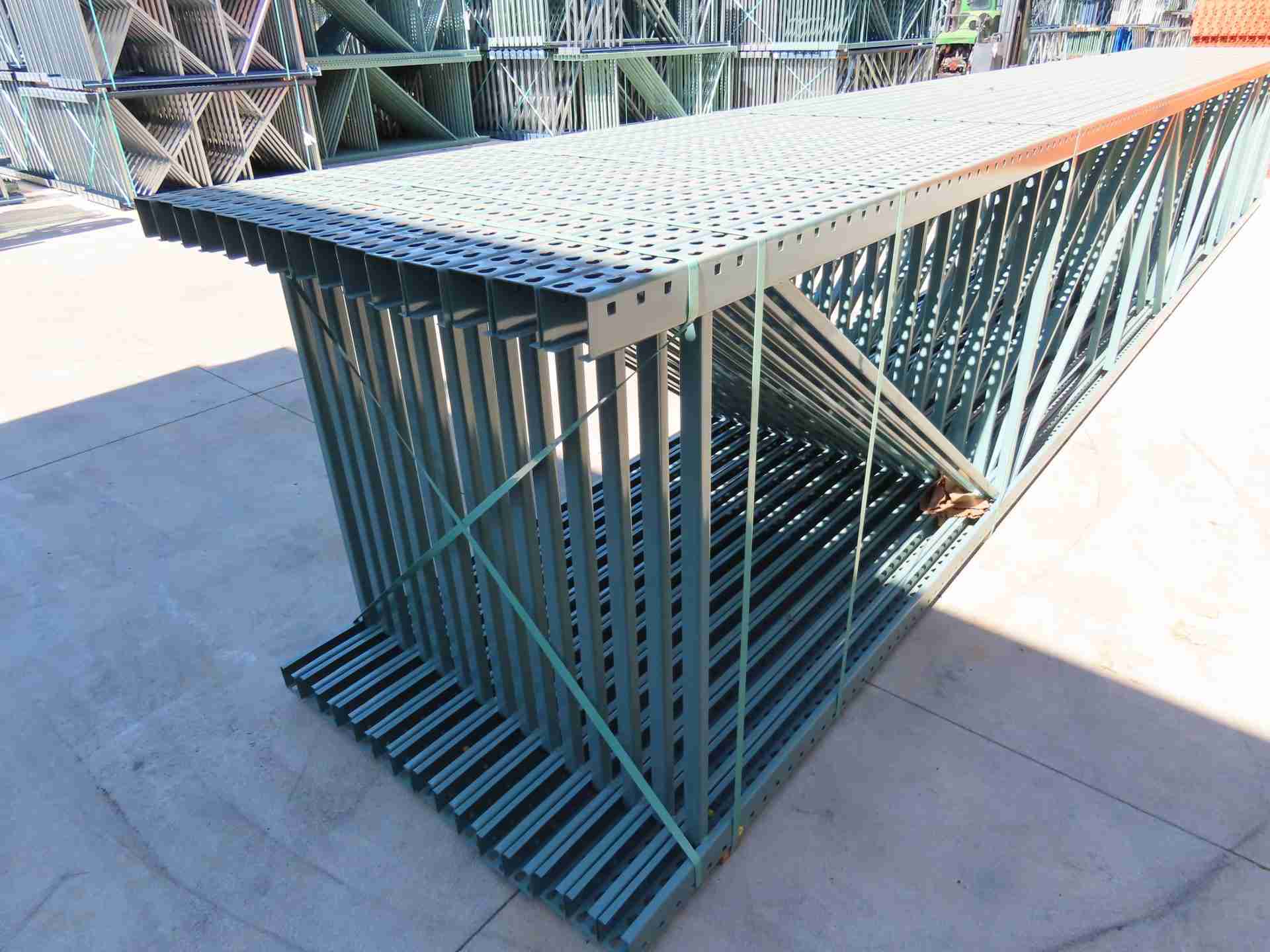
Can You Work Under Pallet Racking?
Table Of Contents
- Can You Work Under Pallet Racking?
- What Are The Risks Of Working Under Racking?
- How Do I Protect Myself When Working Under Racking?
- Are There Specific Regulations For Working Under Racking?
- How Should Pallet Racks Be Maintained For Safety?
- What Personal Protective Equipment Is Needed Under Racking?
- Can I Store Items Above My Workspace Under Pallet Racks?
- Who Is Responsible For Safety Under Pallet Racking?
- What Training Is Required For Working Near Pallet Racking?
- How Do I Identify Hazards Under Pallet Racks?
- What Should I Do If I See A Problem With The Racking?
- Is It Safe To Have Multiple People Working Under Racking?
- Conclusion
- Other Resources
- Glossary Of Terms
- Other Questions
- Checklist
What Are The Risks Of Working Under Racking?
When it comes to warehouse operations, maximizing square footage often translates to stacking and storing goods in towering racking systems. But while these structures can enhance storage efficiency, they come with a host of risks that demand immediate attention. Understanding these risks is not just crucial for compliance but also pivotal for protecting your most valuable assets — your team.
Consider the scenario: a busy warehouse, the hum of activity, and employees navigating tight aisles beneath towering racks. A single miscalculation or lapse in judgment can lead to catastrophic outcomes. Studies indicate that nearly 25% of workplace injuries in warehousing facilities stem from incidents related to racking systems. This statistic highlights that while efficiency is vital, safety cannot be an afterthought.
One of the most pressing risks of working under racking is the potential for heavy items to fall. Imagine a moment’s distraction — a colleague reaches for a box, unknowingly dislodging a heavier item perched precariously above. The impact can cause severe injuries or even fatalities. In recent news, a major logistics company faced scrutiny after a worker was injured when racking failed, bringing the urgency of proper safety measures into sharp focus. Employing safety nets can serve as an interim solution, but they are not foolproof.
Then there are the structural integrity concerns. Racking systems aren’t merely metal frameworks; they require meticulous maintenance and inspection. Inadequate support can lead to failures, jeopardizing both the warehouse’s functionality and employee safety. An alarming statistic from the National Institute for Occupational Safety and Health (NIOSH) indicates that one in six racking systems may not meet the required safety standards. It’s a risk businesses can’t afford to overlook.
Additionally, human behavior plays a critical role. Poor training, inadequate safety protocols, and lack of awareness can significantly elevate danger levels. For instance, a rushed atmosphere often leads workers to overlook safety checks. Implementing comprehensive training programs that foster a safety-first mindset can mitigate these risks substantially.
The repercussions of overlooking these dangers extend beyond immediate injuries. Legal liabilities, increased insurance premiums, and loss of reputation can cripple your operations. Investing in safety audits and up-to-date training can reap benefits that far outweigh initial expenditures.
While working under racking systems may seem routine, it’s essential to recognize and address the encompassing risks. A proactive approach not only safeguards your workforce but enhances overall operational productivity. Ensure that employee well-being remains at the forefront of your warehouse’s operational strategy — your business depends on it.
What Are The Risks Of Working Under Racking?
What Are The Risks Of Working Under Racking?
- Maximizing warehouse space often involves using towering racking systems, which improves storage efficiency but introduces risks.
- Approximately 25% of workplace injuries in warehouses are linked to racking incidents, emphasizing the importance of safety.
- Heavy items falling from racking systems pose significant risks, leading to severe injuries or fatalities.
- Structurally, racking systems require regular maintenance and inspections; one in six systems may not meet safety standards.
- Poor training and unsafe practices increase the risk of accidents; a safety-first mindset is crucial for employee well-being.
- Neglecting safety can result in legal liabilities, higher insurance premiums, and reputational damage to the business.
- A proactive approach to safety enhances productivity and protects both employees and operational integrity.
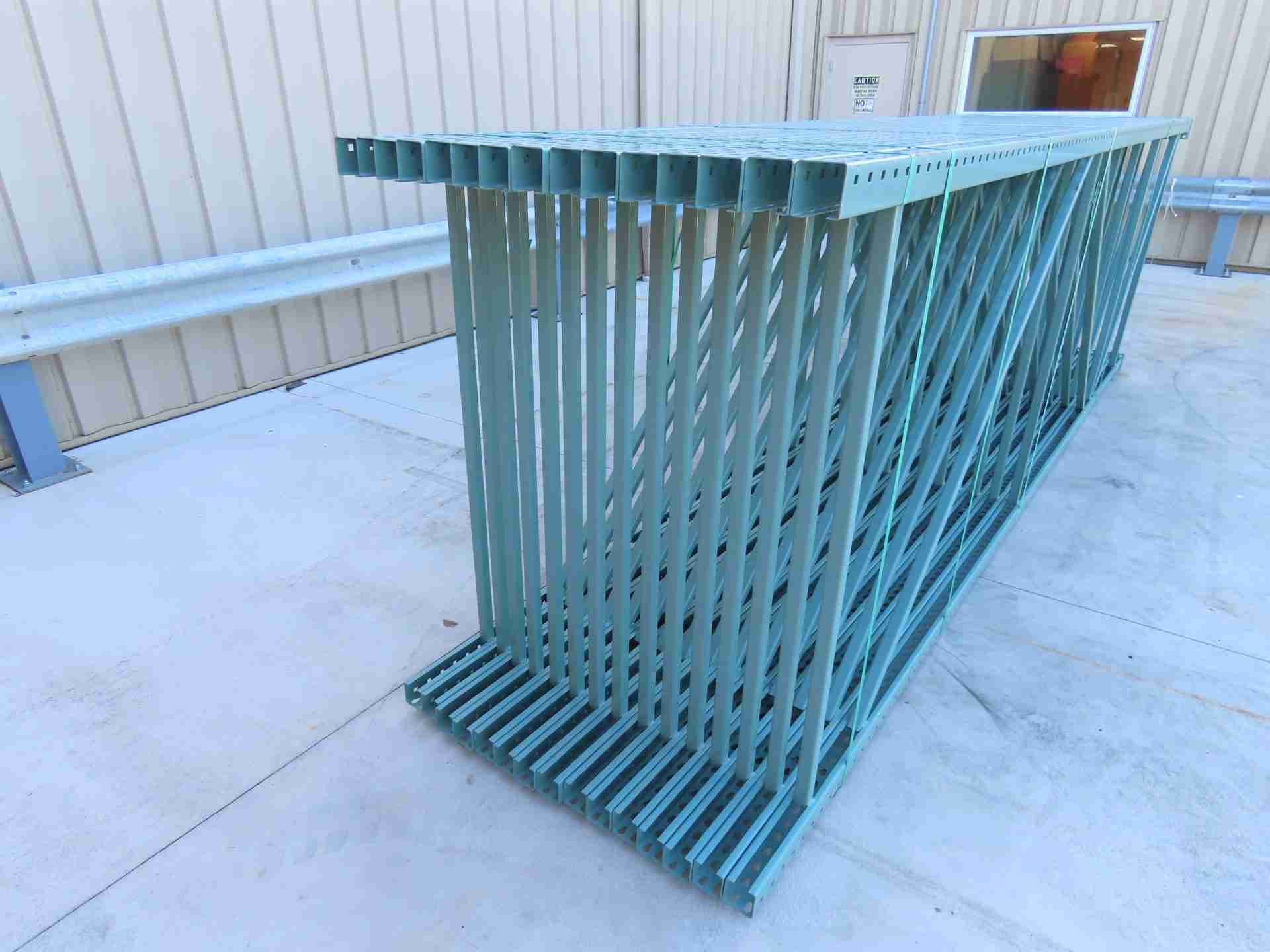
What Are The Risks Of Working Under Racking?
How Do I Protect Myself When Working Under Racking?
Working in warehouses and distribution centers can often put employees in precarious situations, especially when it comes to working under racking systems. These towering frameworks are crucial for storage efficiency but can pose significant hazards if not approached with caution. To safeguard yourself effectively, it’s essential to adopt a proactive attitude and implement strategies tailored to your environment.
First and foremost, always prioritize personal protective equipment (PPE). This is not merely a suggestion but a non-negotiable requirement. Hard hats can be the difference between life and death, especially in facilities where items are frequently stored and retrieved above your head. Look at recent statistics from the Occupational Safety and Health Administration (OSHA), which indicate that falling objects are a leading cause of injury in warehouses. A hard hat mitigates that risk significantly.
Next, ensure that your workspace is organized. Clutter not only creates an inefficient environment but also heightens the risk of accidents. For example, consider the incident at a major shipping company earlier this year, where an improperly stacked load dislodged and fell, injuring two employees. By keeping the area beneath racking systems clear of loose items, you reduce the likelihood of unexpected hazards tumbling down when you’re least prepared.
Communication cannot be underestimated. Collaborate with your team to establish clear protocols for working under racking. Consider implementing a ‘safety buddy’ system, where one worker is designated to supervise the area while others are underneath. This simple tactic enhances vigilance and can alert personnel to potential dangers.
Regular training sessions on racking safety can also help cultivate a culture of awareness. By reinforcing best practices and incorporating real-life scenarios, team members become adept at identifying risks—and that knowledge can save lives. Your company might even consider gamifying safety training; for instance, offer rewards for individuals or teams who demonstrate the best safety practices over a month.
Lastly, it’s vital to keep an eye on the racking itself. Routine inspections for structural integrity are essential. Ensure that any damaged racks are reported and repaired immediately. Take the case of a federal warehouse that ignored early signs of wear and tear, leading to catastrophic collapses. Your diligence today can prevent disaster tomorrow.
When working under racking, ignorance is not bliss—it’s a liability. With the right equipment, communication, organization, training, and vigilant monitoring, you can create a safer work environment conducive to productivity and peace of mind. Don’t wait for accidents to uncover the value of safety; make it your priority today.
How Do I Protect Myself When Working Under Racking?
How Do I Protect Myself When Working Under Racking?
- Working in warehouses poses significant hazards, especially under racking systems.
- Prioritize personal protective equipment (PPE), particularly hard hats, to mitigate risks from falling objects.
- Maintain an organized workspace to reduce accidents and avoid incidents like improperly stacked loads dislodging.
- Establish clear communication protocols, including a ‘safety buddy’ system for increased vigilance.
- Conduct regular training sessions focusing on racking safety and gamify safety training to reinforce best practices.
- Perform routine inspections of racking systems to ensure structural integrity and report any damage immediately.
- Adopt a proactive safety culture to foster a safer work environment and prioritize prevention over reaction.

How Do I Protect Myself When Working Under Racking?
Are There Specific Regulations For Working Under Racking?
In today’s fast-paced warehouse environment, the safety of employees is paramount, especially when dealing with racking systems. These towering structures are essential for maximizing storage space, but they also pose significant risks if not managed correctly. Understanding the specific regulations surrounding work conducted under racking is crucial for every business owner and warehouse manager who values their workforce’s well-being and compliance with the law.
In the United States, the Occupational Safety and Health Administration (OSHA) lays down the law regarding safe practices in workplaces, including those with racking systems. One critical regulation is the requirement for regular inspections and maintenance of racking systems. Employers must ensure that their racking is structurally sound to prevent collapses, which can lead to severe injuries or even fatalities. A recent incident involving a warehouse collapse in Texas serves as a sobering reminder of the consequences of neglecting these responsibilities. Therefore, implementing a stringent inspection program not only adheres to OSHA regulations but also protects your employees and your business reputation.
Moreover, there’s a significant focus on proper training for employees working under racking systems. Employers are legally required to provide adequate training to ensure that workers can identify hazards, utilize safety equipment, and understand proper lifting techniques. In Massachusetts, for instance, a local warehouse recently faced penalties for failing to train its staff adequately, leading to a critical injury incident. This highlighted the importance of robust training programs, not merely as a compliance box to check, but as an integral component of workplace safety culture.
Additionally, it’s vital to employ safety measures such as rack protection barriers and clear signage. These aids help in delineating safe zones and reinforcing the importance of vigilance when navigating areas under racking systems. As technology advances, incorporating safety technology like motion sensors for forklifts and automated alerts can provide an extra layer of security.
Ultimately, adhering to specific regulations for working under racking systems is not just about compliance; it’s about fostering a safe, productive work environment. By taking proactive steps to understand and implement these regulations, you not only protect your workforce but also enhance your business’s credibility and trustworthiness in an economy increasingly focused on corporate responsibility. In a world where safety should never take a back seat, ensuring compliance with racking regulations can set you apart from the competition, allowing you to grow your business and reputation in an ever-demanding marketplace. Are you ready to prioritize safety while boosting your operational efficiency?

Are There Specific Regulations For Working Under Racking?
Are There Specific Regulations For Working Under Racking?
- The safety of employees is crucial in warehouse environments, especially with racking systems.
- OSHA mandates regular inspections and maintenance of racking systems to prevent accidents.
- Neglecting racking management can lead to severe injuries or fatalities, as highlighted by a recent warehouse collapse in Texas.
- Proper employee training is legally required to identify hazards and use safety equipment effectively.
- Local incidents, such as in Massachusetts, illustrate the consequences of inadequate staff training.
- Implementing safety measures like barriers and signage enhances vigilance in areas under racking systems.
- Adhering to regulations fosters a safe work environment and improves business credibility and reputation.
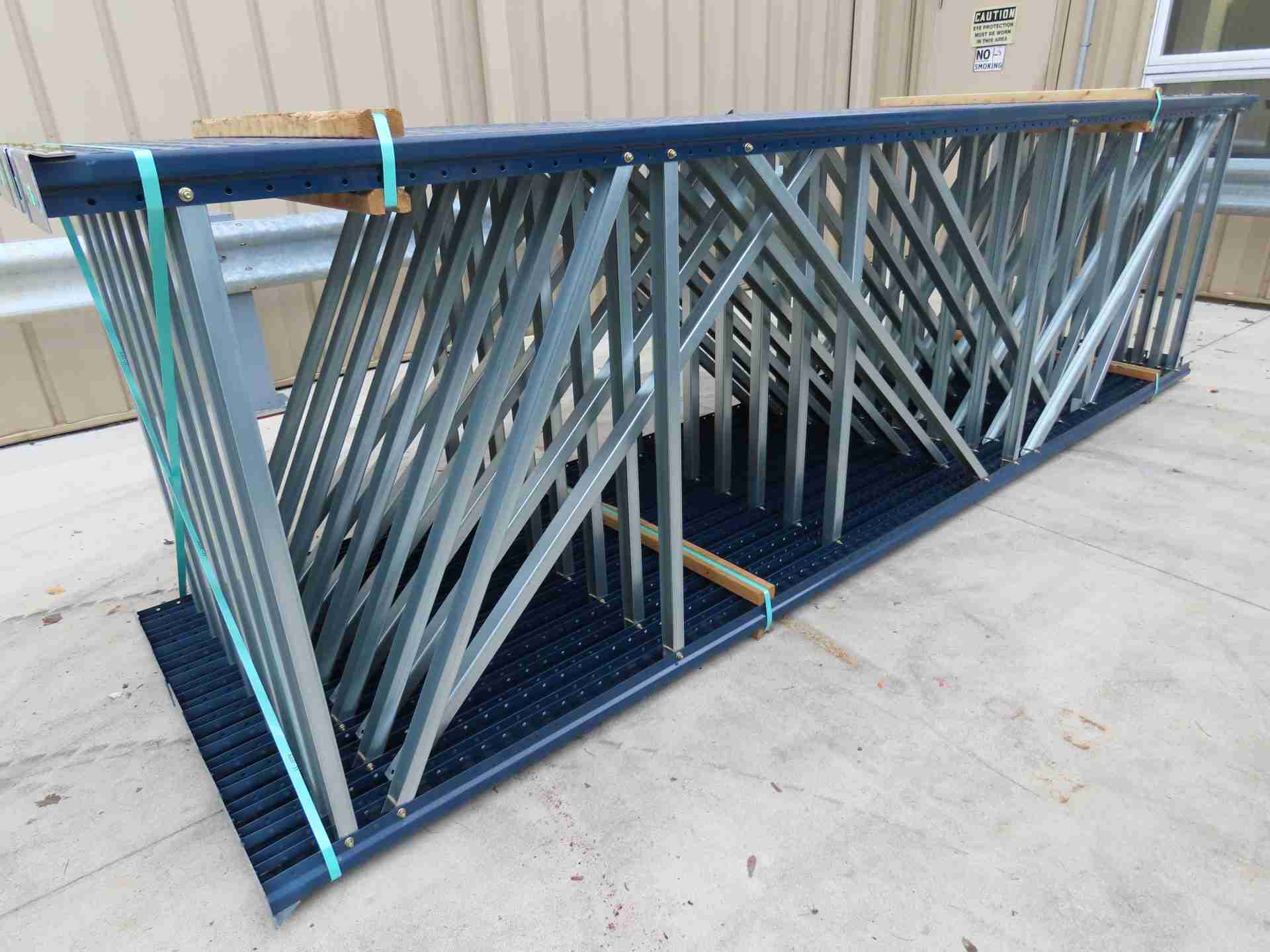
Are There Specific Regulations For Working Under Racking?
How Should Pallet Racks Be Maintained For Safety?
When it comes to maintaining pallet racks for safety, the stakes are higher than just following regulations; it’s about protecting lives, investments, and the very integrity of your business. Safety in the workplace isn’t merely a compliance issue—it’s a commitment to excellence that resonates throughout your organization. If you neglect the maintenance of pallet racks, you leave yourself wide open to accidents, costly downtime, and, ultimately, loss of trust from your clients and employees.
First and foremost, routine inspections are non-negotiable. Just like a car requires regular oil changes and tune-ups, your pallet racks need consistent check-ups. Aim for bi-weekly inspections and make it a part of the warehouse culture. Train your staff to identify common signs of wear and tear, such as bent frames, loose bolts, or any visible damage to the racking system. For instance, don’t wait for a catastrophic failure reminiscent of the tragic incidents seen in warehouses making headlines recently. A focused and proactive approach can prevent injuries and even save lives.
Next, ensure that all safety regulations and guidelines—such as those set forth by the Occupational Safety and Health Administration (OSHA)—are rigorously adhered to. This means not only familiarizing yourself with the standards but also creating an environment of accountability. For example, designate a ‘safety officer’ within your team responsible for ensuring compliance and reporting issues. This person can be the go-to resource for safety training, including the proper loading techniques and weight limits for each rack.
Moreover, consider the unseen factors—staff training being paramount. Regularly conduct training sessions that underscore the significance of safe pallet racking practices. Include practical demonstrations on loading techniques, utilizing the right equipment, and recognizing potential hazards. One fine day, this will pay off—an empowered workforce feels more responsible for their surroundings and can swiftly act if an issue arises.
Finally, invest in quality materials. The saying “you get what you pay for” holds especially true in facility management. When purchasing or upgrading pallet racking systems, choose high-quality materials designed to withstand the rigors of your specific operations. Cheap may seem appealing, but when composite materials or structural limitations come into play, those initial cost savings can lead to devastating losses down the line.
The safety of your pallet racks is crucial to your bottom line and your reputation. By committing to regular inspections, training, and investing in quality materials, you position your business not just for compliance, but for excellence in every sense of the word. Your employees and clients are worth it!
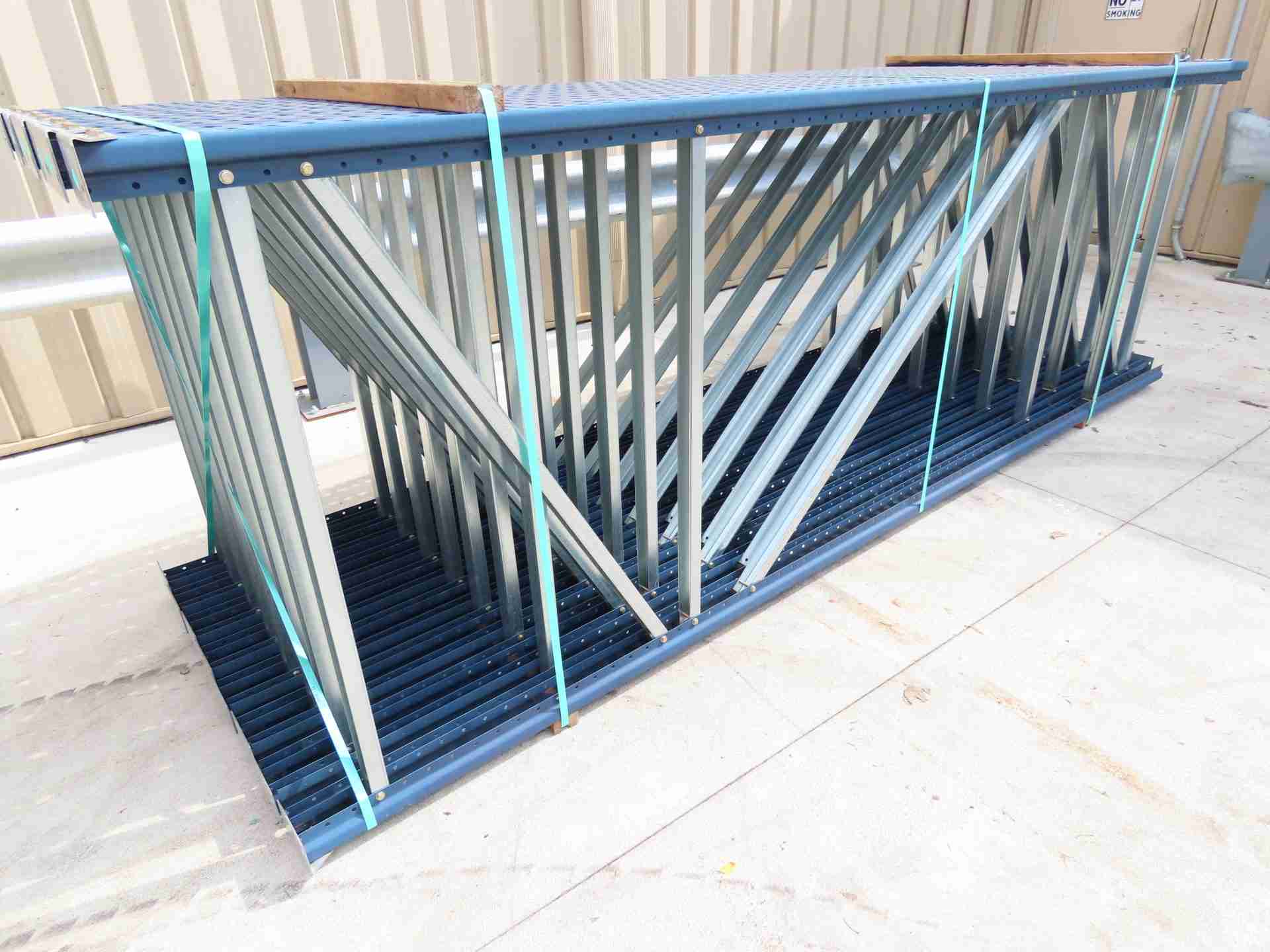
How Should Pallet Racks Be Maintained For Safety?
How Should Pallet Racks Be Maintained For Safety?
- Maintaining pallet racks is vital for safety, protecting lives, investments, and business integrity.
- Routine inspections are essential; aim for bi-weekly check-ups to identify wear and tear.
- Adhere to safety regulations set by OSHA and establish accountability within the team.
- Designate a ‘safety officer’ to oversee compliance and training on safe loading techniques.
- Conduct regular training sessions to emphasize safe pallet racking practices and hazard recognition.
- Invest in high-quality materials for pallet racks to avoid costly failures from cheap alternatives.
- Commitment to safety through inspections, training, and quality investments enhances business reputation and profitability.

How Should Pallet Racks Be Maintained For Safety?
What Personal Protective Equipment Is Needed Under Racking?
In today’s fast-paced warehouse environment, safety should be your top priority, especially when it comes to working beneath racking systems. The risks associated with this area are often underestimated, yet the consequences of neglecting proper safety measures can be catastrophic. To ensure the protection of your workforce, a solid understanding of essential Personal Protective Equipment (PPE) is indispensable.
Head Protection: First and foremost, hard hats are a non-negotiable requirement for anyone operating or working under racking systems. Falling objects are a significant hazard in warehouses, and a quality hard hat can absorb the impact and prevent serious injuries. With the rise of high-density racking systems and automated technology, the risk of items unpredictably dislodging is higher than ever. Invest in high-visibility company-branded hard hats to both ensure safety and reinforce your brand’s commitment to a safe working environment.
Foot Protection: The floor beneath racking can be a minefield of equipment and materials. Steel-toed boots are essential to protect feet from falling objects and help prevent slips and falls. Look for boots with non-slip soles, especially if your warehouse handles liquids or has uneven flooring. In a recent incident in a major warehouse where improper footwear led to a fractured foot, it became painfully clear that the right footwear is as crucial as any other form of PPE.
Eye Protection: Working under racking can expose workers to debris and particulates that can easily becoming airborne. Safety goggles or safety glasses fitted with side shields should be a requirement. Given the current focus on minimizing injuries and the increased use of automated systems generating dust and particles, ensuring your team wears proper eye protection can prevent long-term vision damage.
High-Visibility Clothing: When employees work in areas with heavy machinery, high-visibility vests are essential. These vests don’t just keep workers visible; they signify to others that they are actively engaged in tasks under racking, heightening awareness and reducing the risk of accidents.
Hearing Protection: With the increasing prevalence of forklifts and other machinery, warehouse noise levels can escalate quickly. Protecting employees’ hearing with earplugs or earmuffs is a critical step in maintaining overall workplace health.
In recent months, the Occupational Safety and Health Administration (OSHA) has ramped up enforcement around PPE compliance in warehouses, highlighting the necessity for companies to not only provide but also ensure proper usage of PPE. The message is clear: Safety is an investment in your workforce that pays dividends in productivity, morale, and ultimately, your bottom line. By prioritizing PPE under racking systems, you’re not just safeguarding workers—you’re protecting your most valuable asset: your business’s future.
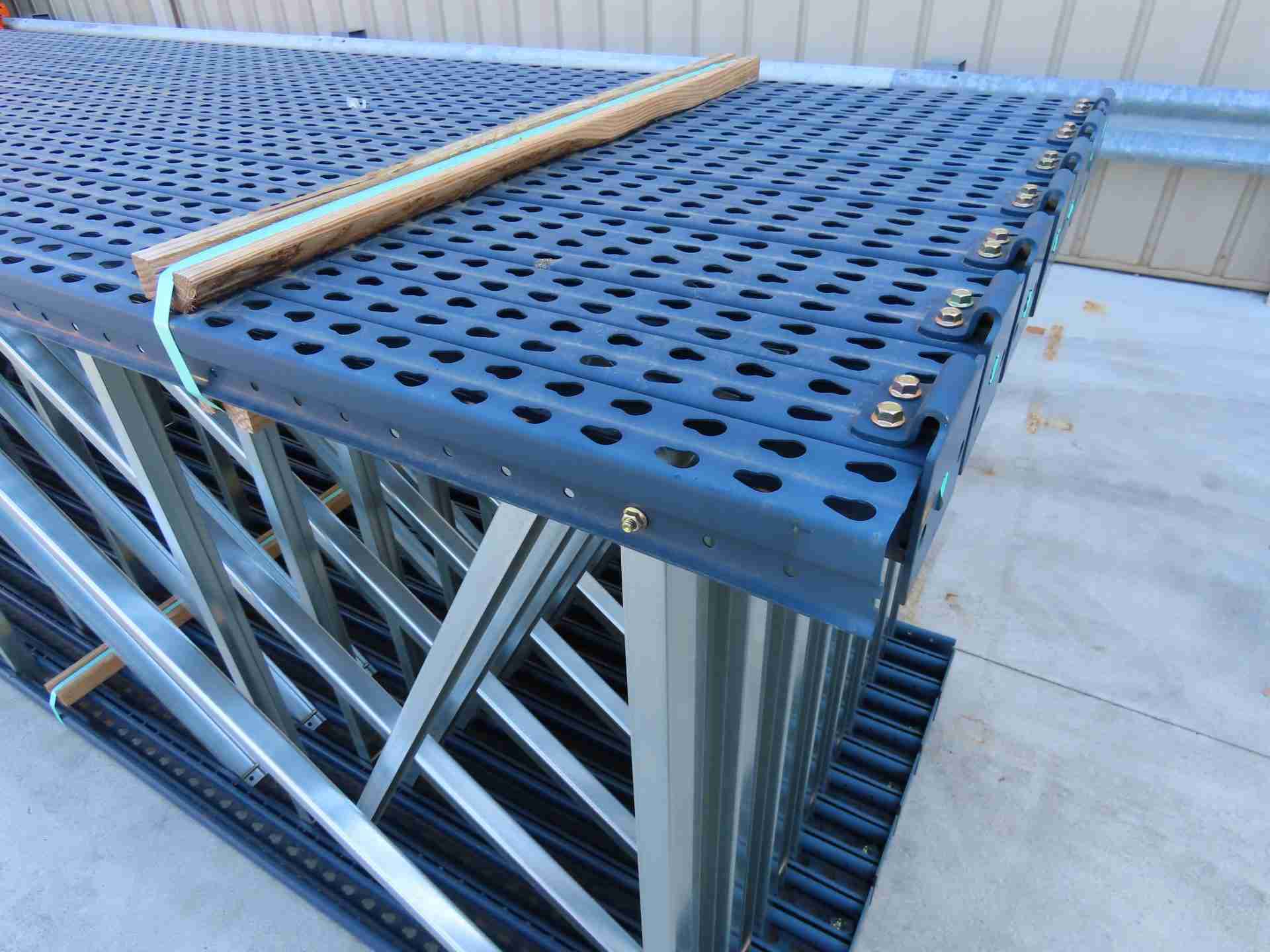
What Personal Protective Equipment Is Needed Under Racking?
What Personal Protective Equipment Is Needed Under Racking?
- Safety is the top priority in fast-paced warehouse environments, especially beneath racking systems.
- Hard hats are essential to protect against falling objects; consider high-visibility, branded options.
- Steel-toed boots are crucial for foot protection against falling objects and slips, particularly in hazardous conditions.
- Safety goggles or glasses with side shields are necessary to protect eyes from airborne debris and particulates.
- High-visibility clothing, such as vests, is important for enhancing worker visibility around heavy machinery.
- Hearing protection, including earplugs or earmuffs, is necessary to mitigate noise hazards from machinery.
- OSHA emphasizes the importance of PPE compliance, underscoring safety as an investment in workforce productivity and health.
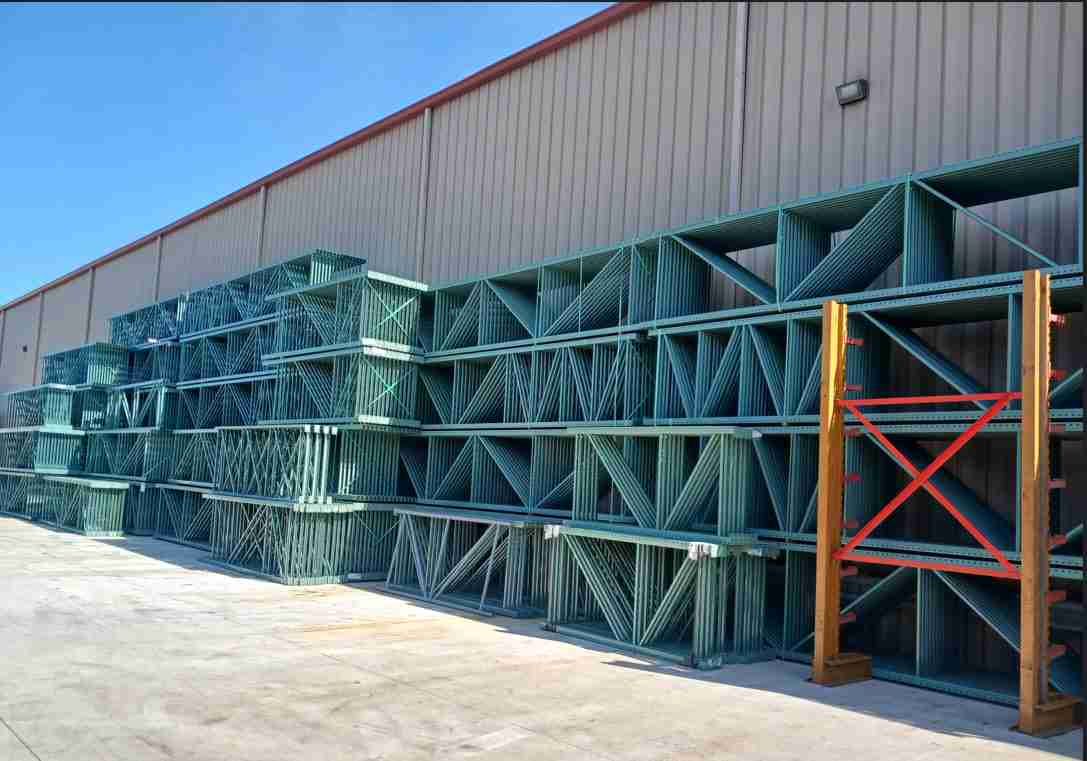
What Personal Protective Equipment Is Needed Under Racking?
Can I Store Items Above My Workspace Under Pallet Racks?
When it comes to optimizing your workspace, pallet racks can revolutionize how you utilize vertical space. But a common question looms: can you store items above your workspace under these racks? The answer is yes, but with some critical considerations that can drastically impact the efficiency and safety of your operations.
First, let’s clarify the key factors that play into this decision. Your warehouse layout needs to adhere to safety regulations while ensuring operational efficiency. By strategically using pallet racks, you can maximize storage capacity while minimizing clutter at floor level. This is not just smart—it’s essential. For instance, retail giants like Amazon have perfected the art of vertical storage, leveraging pallet racks to hold substantial inventory while streamlining order fulfillment processes. This setup allows them to operate like a well-oiled machine, keeping productivity sky-high.
However, it’s essential to consider the potential risks of storing items above your workspace. One immediate concern involves the weight of the items. Overloading pallet racks can lead to structural failures—an incident many businesses have faced when rushing to optimize their space without considering safety standards. Always adhere to the manufacturer’s specifications regarding weight limits, as what’s at stake is not just inventory but the safety of your employees.
Next, think about access. Items stored at high elevations should be easily retrievable but must not impede workflow. Implementing a systematic approach, such as using a vertical lift or high-reach forklift, can create a seamless operation. After all, a strong economy tends to favor businesses that operate efficiently. Recent statistics reveal that companies opting for advanced storage solutions, like automated pallet systems, have seen productivity boosts of over 30%.
Now, let’s talk about visibility and organization. Consider using labels or digital inventory management systems to keep track of what’s stored above your workspace. This can save time and reduce the risk of errors when searching for items, especially during peak seasons when orders are in overdrive—a lesson many in the retail industry learned during the supply chain disruptions of recent years.
While you can store items above your workspace under pallet racks, proper planning, adherence to safety protocols, and innovative inventory strategies are crucial. Make the most of vertical space wisely. Transform your workspace into a refined fortress of productivity that stands resilient, even as market demands continue to evolve.
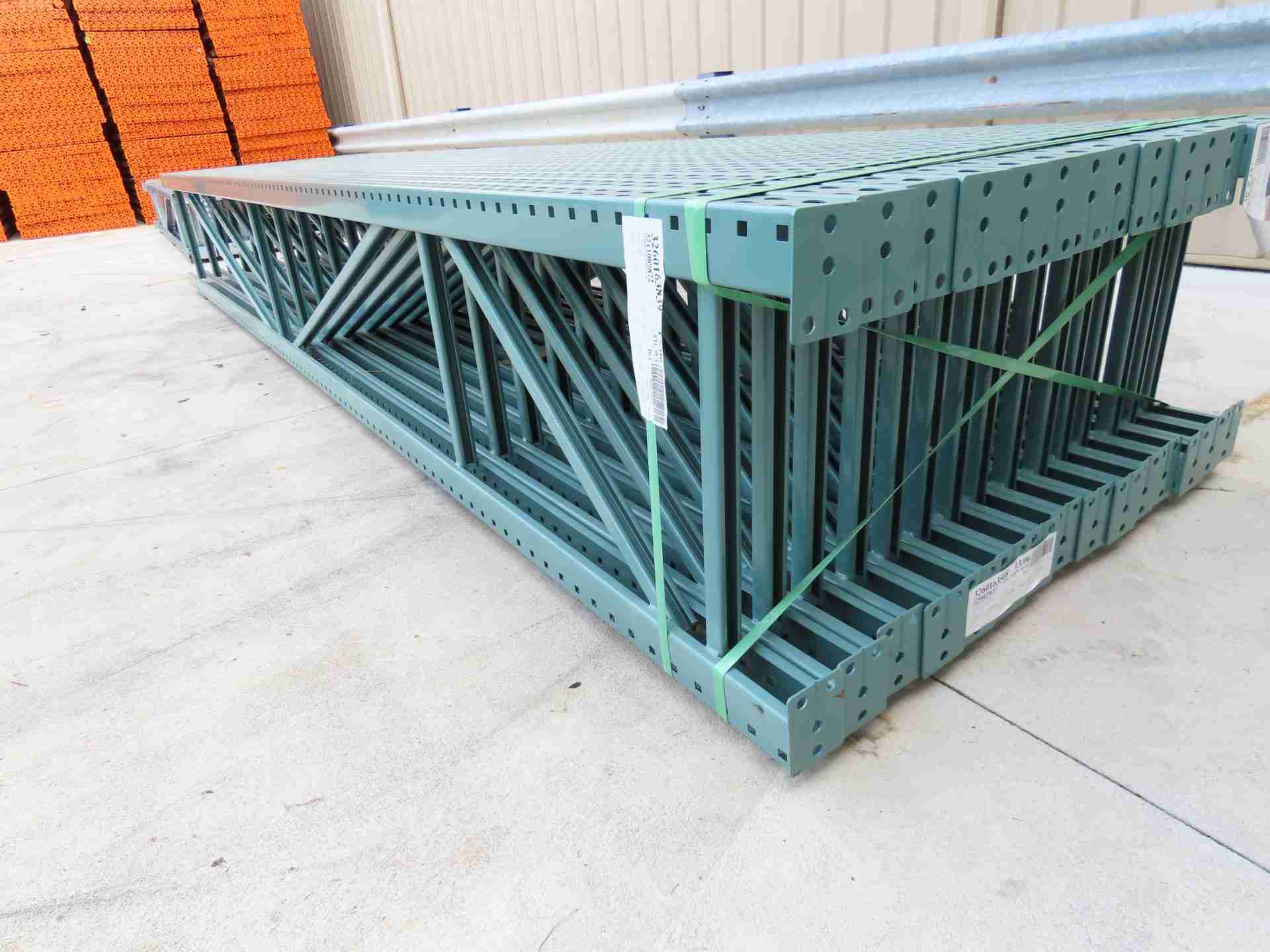
Can I Store Items Above My Workspace Under Pallet Racks?
Can I Store Items Above My Workspace Under Pallet Racks?
- Pallet racks can optimize vertical space in the workspace.
- Items can be stored above the workspace, but safety and efficiency must be prioritized.
- Warehouse layouts should comply with safety regulations while maximizing storage capacity.
- Overloading pallet racks poses risks of structural failure; follow manufacturer’s weight limits.
- Access to items at high elevations should be manageable without disrupting workflow.
- Implementing inventory management systems can enhance organization and visibility.
- Proper planning and innovative strategies are necessary to effectively utilize vertical storage.
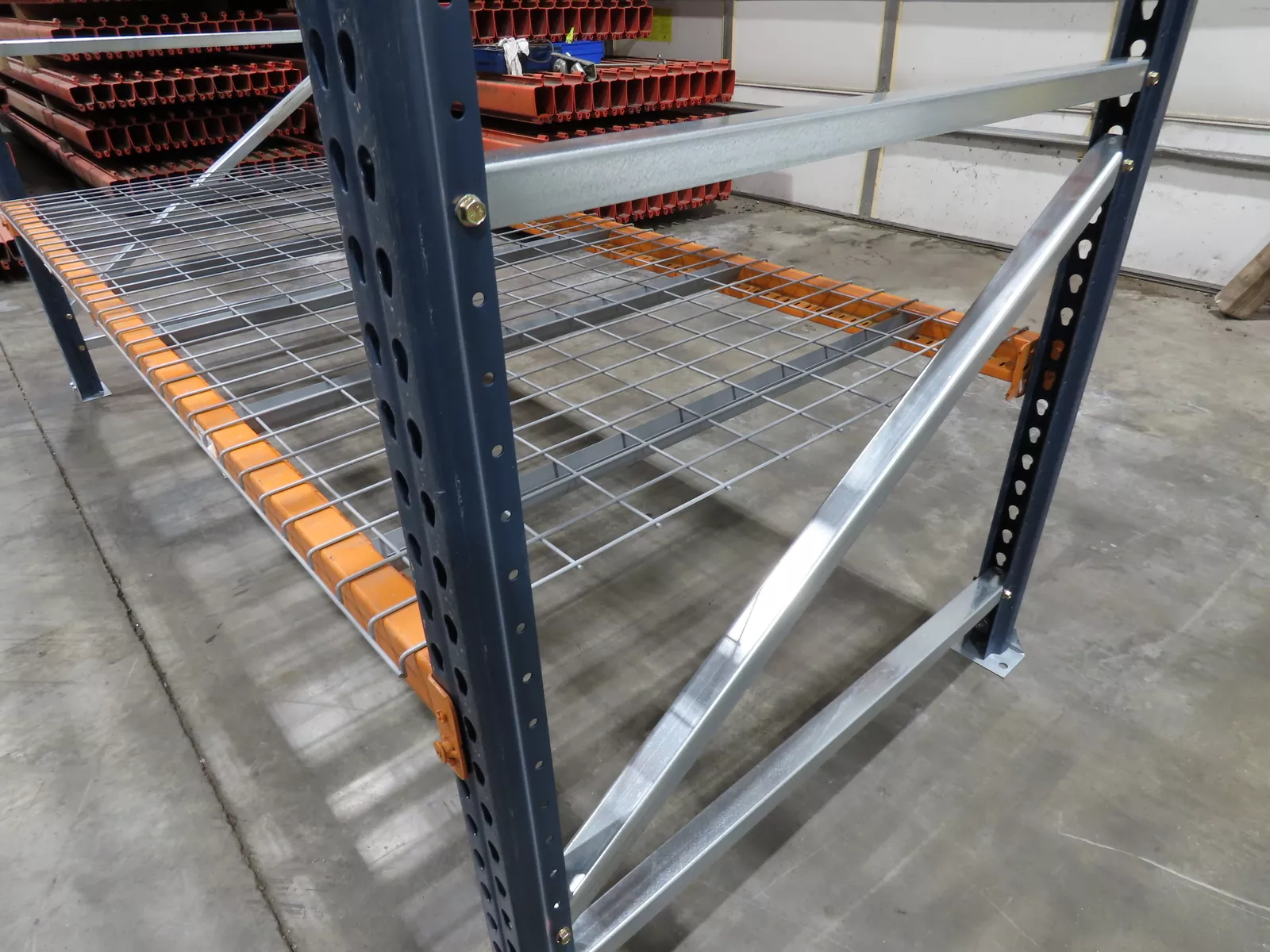
Can I Store Items Above My Workspace Under Pallet Racks?
Who Is Responsible For Safety Under Pallet Racking?
When it comes to ensuring safety in warehouses and distribution centers, the question of responsibility under pallet racking systems can be somewhat labyrinthine. With millions of pallets stacked high around the world, identifying who is accountable for safety isn’t just good business practice—it’s crucial for preventing accidents that can lead to injuries, financial losses, and operational downtime.
The first line of defense is the warehouse owner or the facility manager. They need to establish safety protocols and make sure that all employees are trained on the proper handling of pallets and racking systems. A recent case study from a major retailer revealed that consistent training sessions and clear safety guidelines led to a dramatic decline in accidents associated with pallet racking. The result? Improved employee morale and a more efficient operation.
However, the responsibility doesn’t stop there. Equipment manufacturers also play a vital role. Manufacturers must ensure that their racking systems meet safety standards and are built to withstand the rigors of daily use. When a major racking company faced scrutiny in 2022 after one of their systems collapsed during routine operations, it served as a stark reminder of the potential pitfalls in neglecting quality assurance. Investigations revealed weak points in their design process, prompting a company-wide overhaul of their product testing protocols.
But let’s not overlook the employees! Those on the ground need to be vigilant and proactive. Regular safety inspections, compliance with weight limits, and correct loading techniques all rest on the shoulders of the workforce. For instance, a facility in Ohio recently avoided a potentially catastrophic incident due to an employee noticing improper stacking methods and alerting management. Their quick thinking not only prevented injuries but also underscored the importance of fostering a culture of safety awareness.
Moreover, insurance providers are also stakeholders in this equation. They expect warehouse operators to maintain rigorous safety standards, and failing to do so can result in steep premium increases or denied claims. Recent changes in OSHA regulations have heightened the conversation around safety accountability, with organizations now required to be more transparent about their practices.
In summary, safety under pallet racking is a shared responsibility. From owners and managers to manufacturers and employees, each party plays a vital role in ensuring that safety is not just a checkbox on a form, but an ingrained part of the warehouse culture. Ensuring accountability at every level not only protects lives but also enhances productivity and profitability. Let’s face it: when it comes to racking, safety is everyone’s business—embrace it, or risk it all!
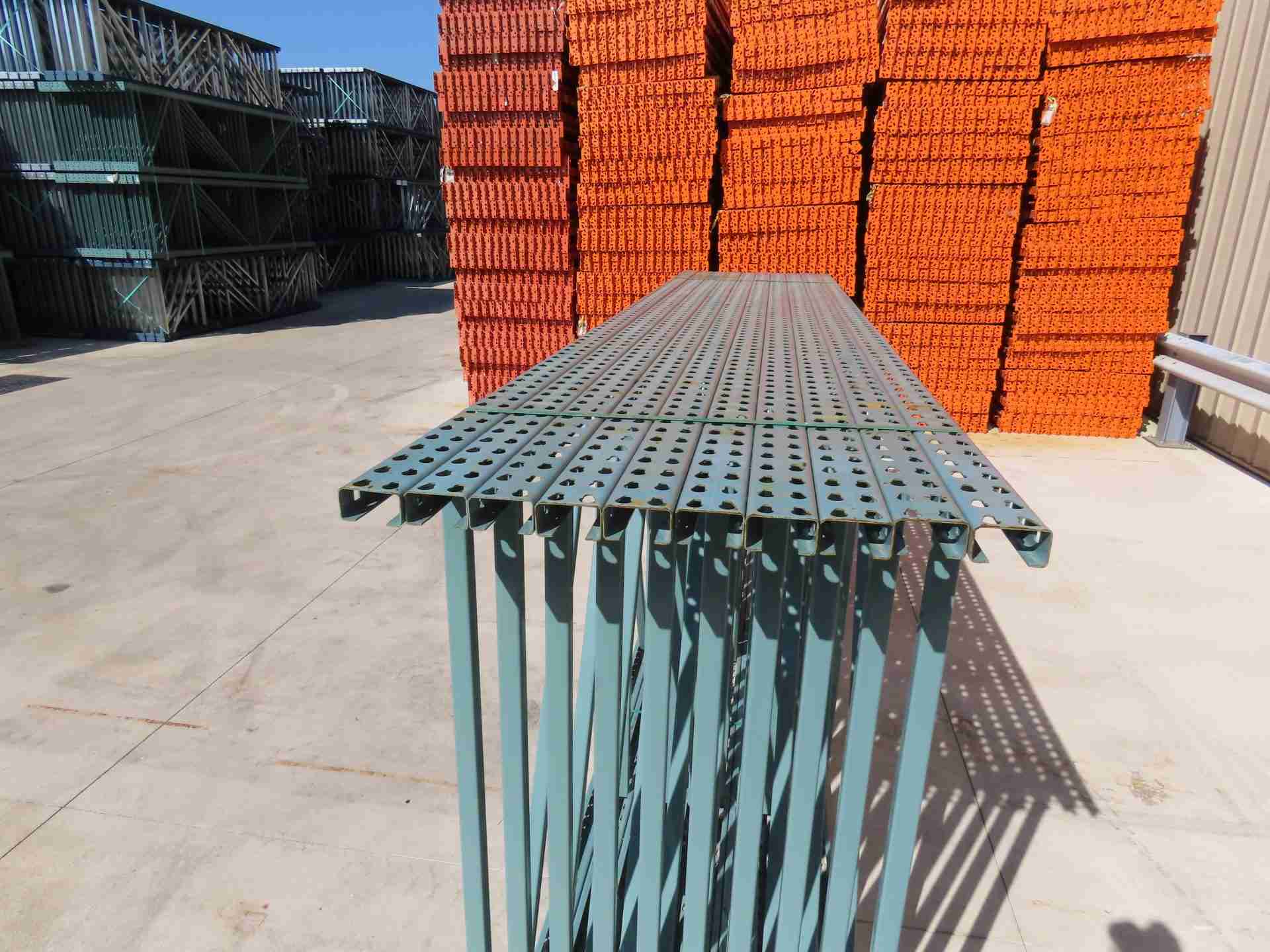
Who Is Responsible For Safety Under Pallet Racking?
Who Is Responsible For Safety Under Pallet Racking?
- Warehouse owners and facility managers are the first line of defense for safety protocols.
- Consistent employee training on pallet handling significantly reduces accidents and improves morale.
- Equipment manufacturers must ensure that racking systems meet safety standards to prevent failures.
- Lessons from a 2022 racking system collapse emphasized the need for strict quality assurance processes.
- Employees play a critical role by conducting regular safety inspections and adhering to weight limits.
- Insurance providers require rigorous safety standards, with recent OSHA regulations increasing accountability.
- Safety in pallet racking is a shared responsibility among all stakeholders, fostering a culture of safety awareness.
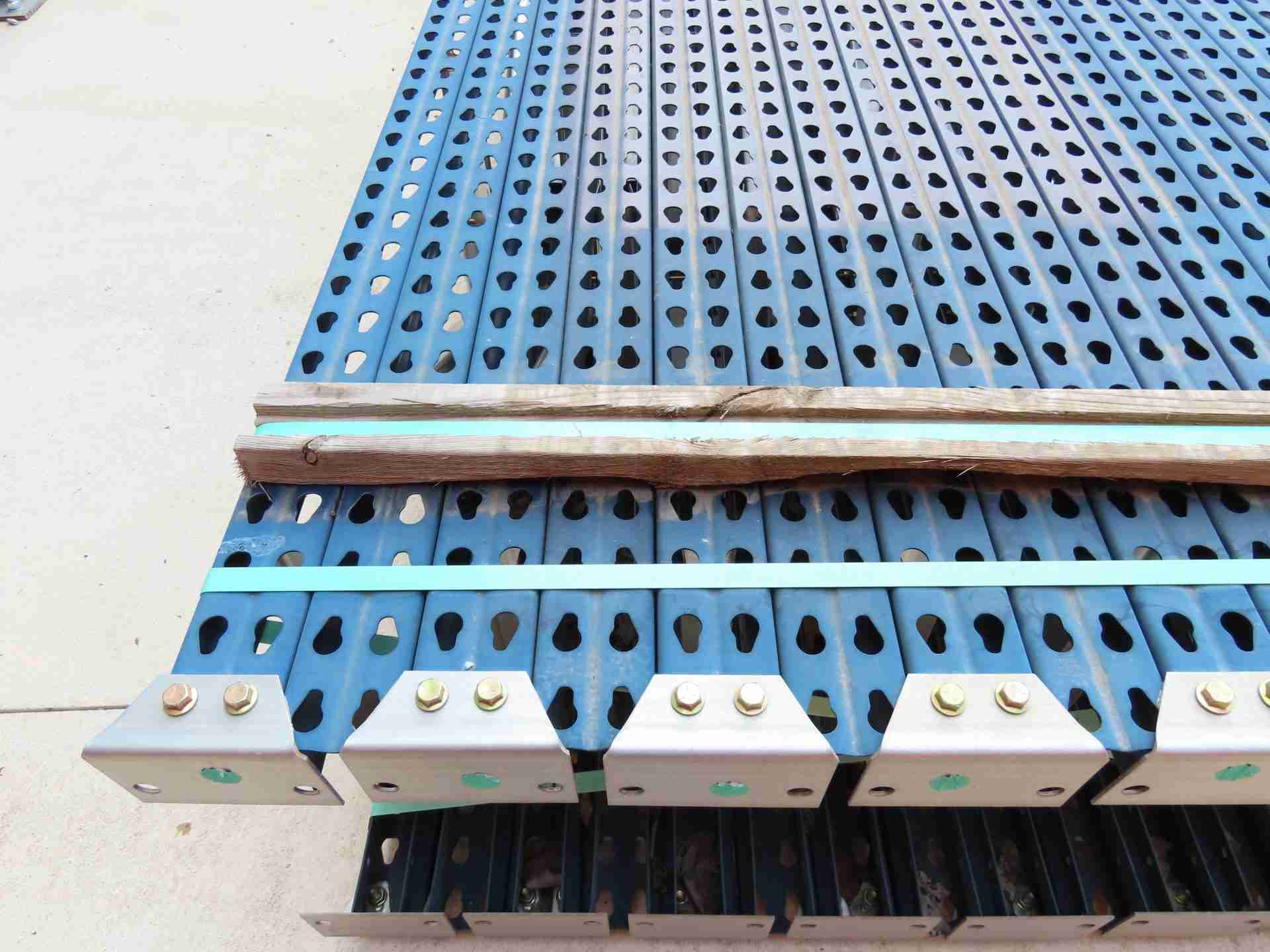
Who Is Responsible For Safety Under Pallet Racking?
What Training Is Required For Working Near Pallet Racking?
When it comes to maximizing efficiency in warehouses and storage facilities, pallet racking is an indispensable component. However, the benefits of this space-saving solution can quickly become liabilities without proper training for employees working in proximity to these towering structures. As every savvy business owner knows, investing in training not only enhances safety but also boosts morale and productivity. Here’s what you need to consider for effective training programs centered around pallet racking.
Understanding the Fundamentals
First and foremost, workers must grasp the basics of pallet racking systems. This includes knowing the different types of racking structures, such as selective, drive-in, and push-back racking, and how each system is optimized for various inventory types. Workers should also familiarize themselves with the specific load capacities and configurations within their facility. For example, in light of recent supply chain challenges, companies now often need to adapt quickly to different products, so understanding the versatility of your pallet racking system can enhance efficiency.
Safety Protocols Are Paramount
Safety training is non-negotiable. Workers need to understand the risks associated with working near or around pallet racks, including potential hazards like falling merchandise or malfunctioning equipment. Regular training sessions should cover the importance of using personal protective equipment (PPE) properly and inspecting the racking system for damage. Consider this: recently, OSHA emphasized the importance of safety in warehouse environments, citing significant spikes in workplace injuries during busy shipping periods. A robust training program can mitigate these concerns dramatically.
Proper Forklift Operation Training
If your workflow involves forklifts—an undeniable asset for any warehouse—it’s essential that employees receive comprehensive training on their operation. Not only does this protect your staff, but it also safeguards your inventory. A well-trained forklift operator is crucial to ensuring that the racking structure remains intact amid rigorous activity. Think of the recent industry trends wherein companies are adopting automated systems; while automation can cut down on certain risks, human oversight remains vital, and that’s where solid training plays a key role.
Regular Drills and Continued Education
Training shouldn’t be a one-time event. Regular drills can simulate emergencies, allowing employees to practice their responses and reinforce their learning. Furthermore, continued education ensures that your team stays updated with the latest regulations, safety protocols, and industry innovations. Just as you wouldn’t launch a marketing campaign without ongoing market research, don’t overlook the importance of sustained training efforts.
When investing in pallet racking systems, remember that the success of such systems lies heavily not only in their quality but also in the skill and preparedness of your workforce. Comprehensive training programs will empower your employees, ensuring they not only excel in their tasks but also promote a safer, more productive workplace.
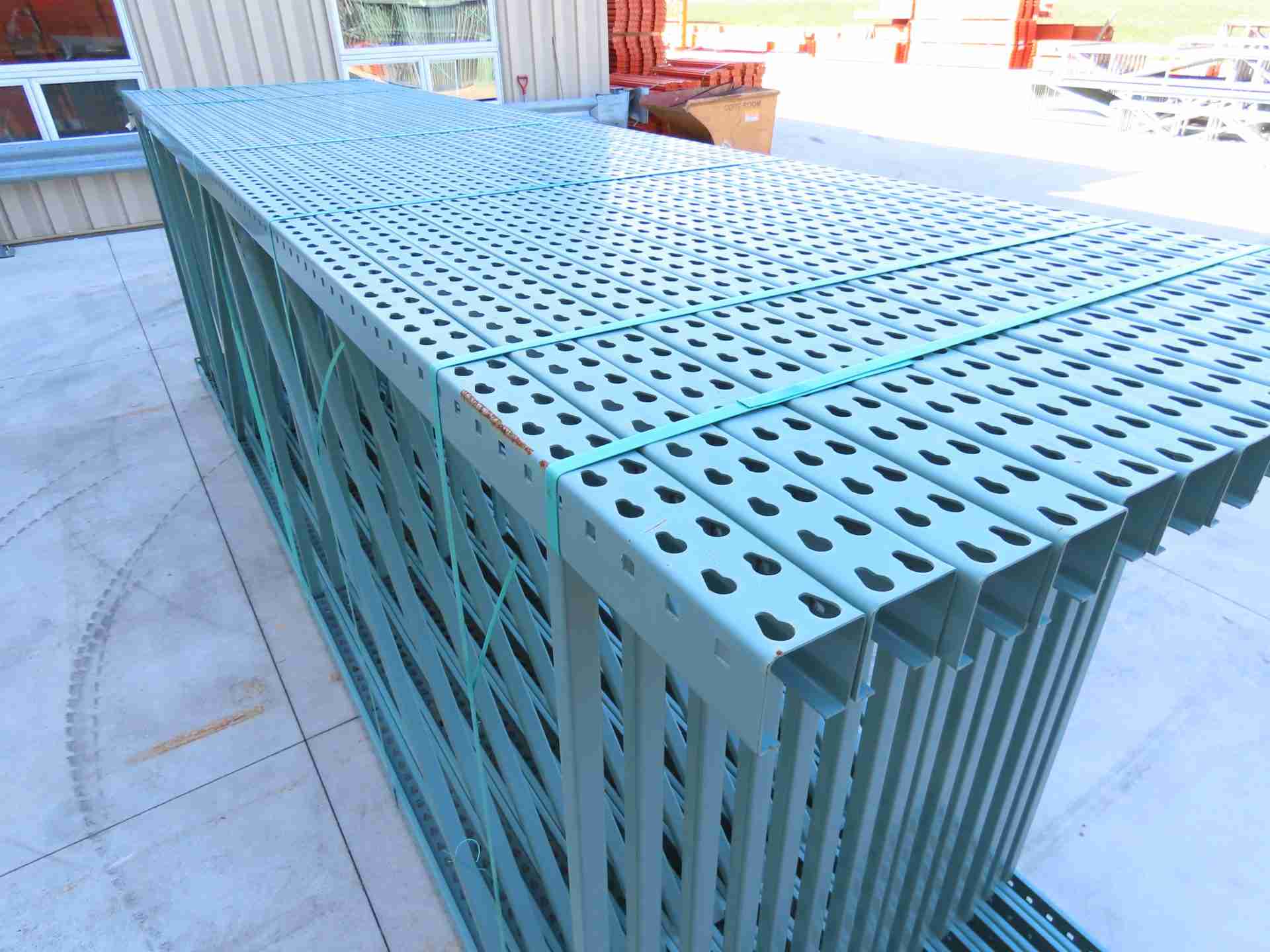
What Training Is Required For Working Near Pallet Racking?
What Training Is Required For Working Near Pallet Racking?
- Pallet racking is essential for maximizing efficiency in warehouses and storage facilities.
- Proper training for employees is vital to prevent potential liabilities associated with pallet racking.
- Workers should understand the basics of various pallet racking systems and their load capacities.
- Safety training is crucial to mitigate risks of working near pallet racks, including falling merchandise.
- Comprehensive forklift operation training is necessary to protect staff and inventory.
- Regular drills and continued education help reinforce learning and keep staff updated on safety protocols.
- Investing in training ensures a skilled workforce that enhances safety, morale, and productivity.
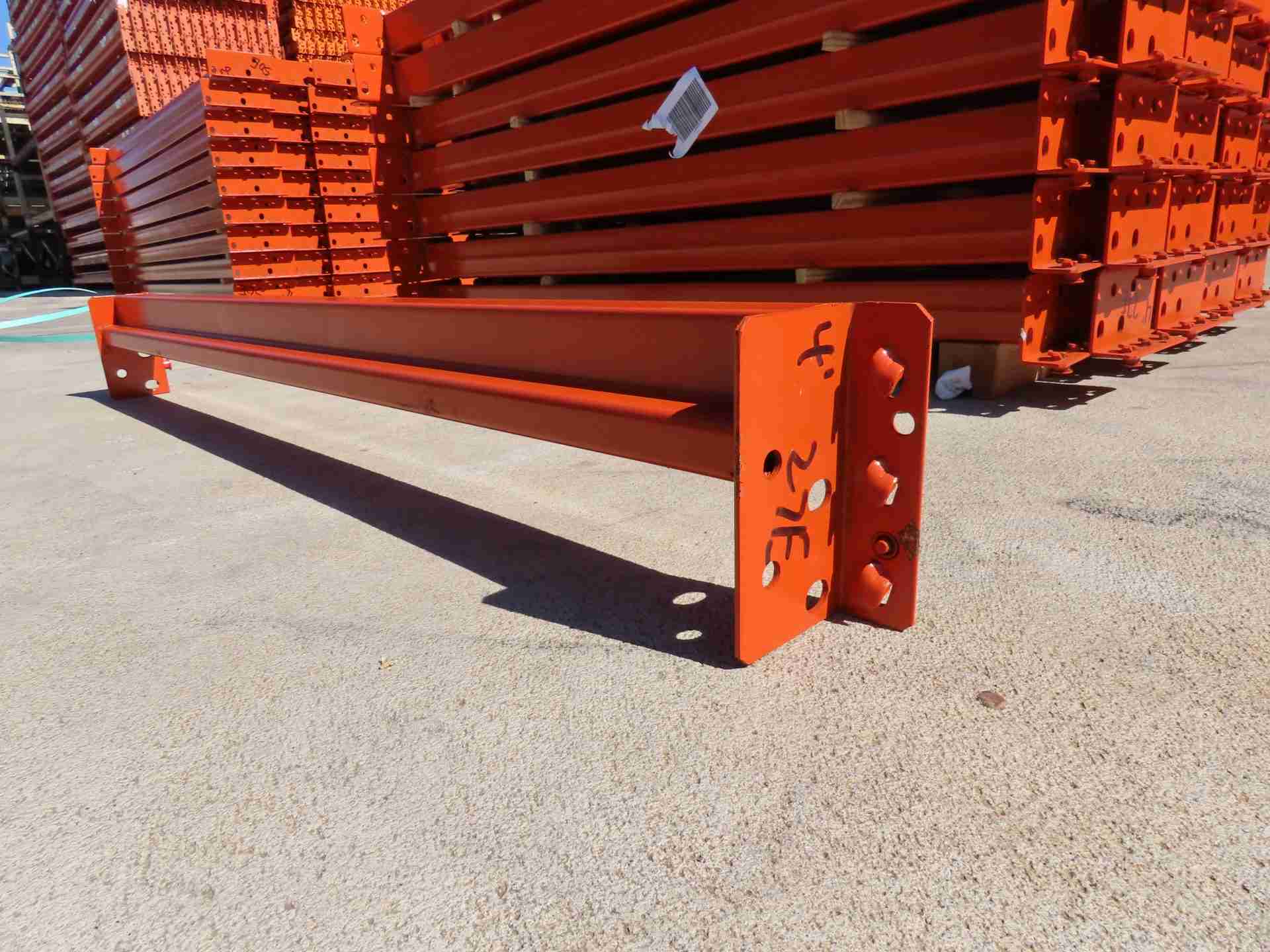
What Training Is Required For Working Near Pallet Racking?
How Do I Identify Hazards Under Pallet Racks?
When it comes to warehouse safety, one area that often goes unnoticed is the space beneath pallet racks. This seemingly innocuous zone can harbor hidden dangers that pose significant risks to personnel and inventory. Identifying hazards in this space requires diligence, awareness, and sometimes a shift in perspective.
Visual Inspection: The First Line of Defense
Begin with a thorough visual inspection of the area under your pallet racks. Look for loose debris, spills, or any materials that could obstruct movement or create slip hazards. Recent incidents in various warehouses have highlighted how something as simple as an overturned box or a misplaced tool can lead to serious injuries. For instance, in a notable case this past year, a worker slipped due to a fallen product, resulting in a costly liability for the employer. Make it a habit to regularly check these spaces—an ounce of prevention is worth a pound of cure.
Consider Structural Stability
Next, assess the structural integrity of the pallet racks themselves. Are they leaning or exhibiting signs of damage? In events of high traffic, such as during peak holiday seasons, pallet racks may become unsteady due to overloading or improper placement of goods. Inspect the anchors and consider the impact of heavy loads directly above the pedestrian traffic zones. Remember, each unsecure pallet represents a potential hazard that can fall unexpectedly, causing injury.
Evaluate Equipment Interaction
Pay attention to the dynamics between your equipment and pallet racks. Forklifts and pallet jacks can create hazardous situations if operators aren’t trained or vigilant. A study earlier this year revealed that an alarming percentage of warehouse injuries are linked to equipment collisions with pallet racks. To mitigate this, clearly mark pathways and implement barriers to maintain a safe distance between equipment and storage areas.
Empower Employees to Report Issues
Maintaining safety under pallet racks isn’t solely the responsibility of management. Foster a culture where your team feels empowered to report hazards. Implement regular safety briefings where employees can share their observations and concerns. By being proactive, you initiate a collaborative approach to hazard identification, reinforcing the notion that safety is everyone’s business.
Identifying hazards under pallet racks is an ongoing commitment that can save both lives and dollars. With proper diligence, training, and communication, your warehouse can maintain a culture of safety—because when it comes to protecting your team and your bottom line, there’s no room for complacency. Safety isn’t just a policy; it’s an essential business strategy that pays dividends.
How Do I Identify Hazards Under Pallet Racks?
How Do I Identify Hazards Under Pallet Racks?
- Warehouse safety often overlooks the area beneath pallet racks, which can harbor hidden dangers.
- Conduct thorough visual inspections to identify loose debris, spills, or materials that may create slip hazards.
- Assess the structural stability of pallet racks to ensure they are not leaning or damaged due to overloading.
- Evaluate the interaction between equipment (like forklifts) and pallet racks, as collisions can lead to injuries.
- Empower employees to report hazards and integrate regular safety briefings for proactive hazard identification.
- Maintaining safety under pallet racks is an ongoing commitment that can save lives and reduce costs.
- Adopt a culture of safety as an essential business strategy to protect both employees and the bottom line.
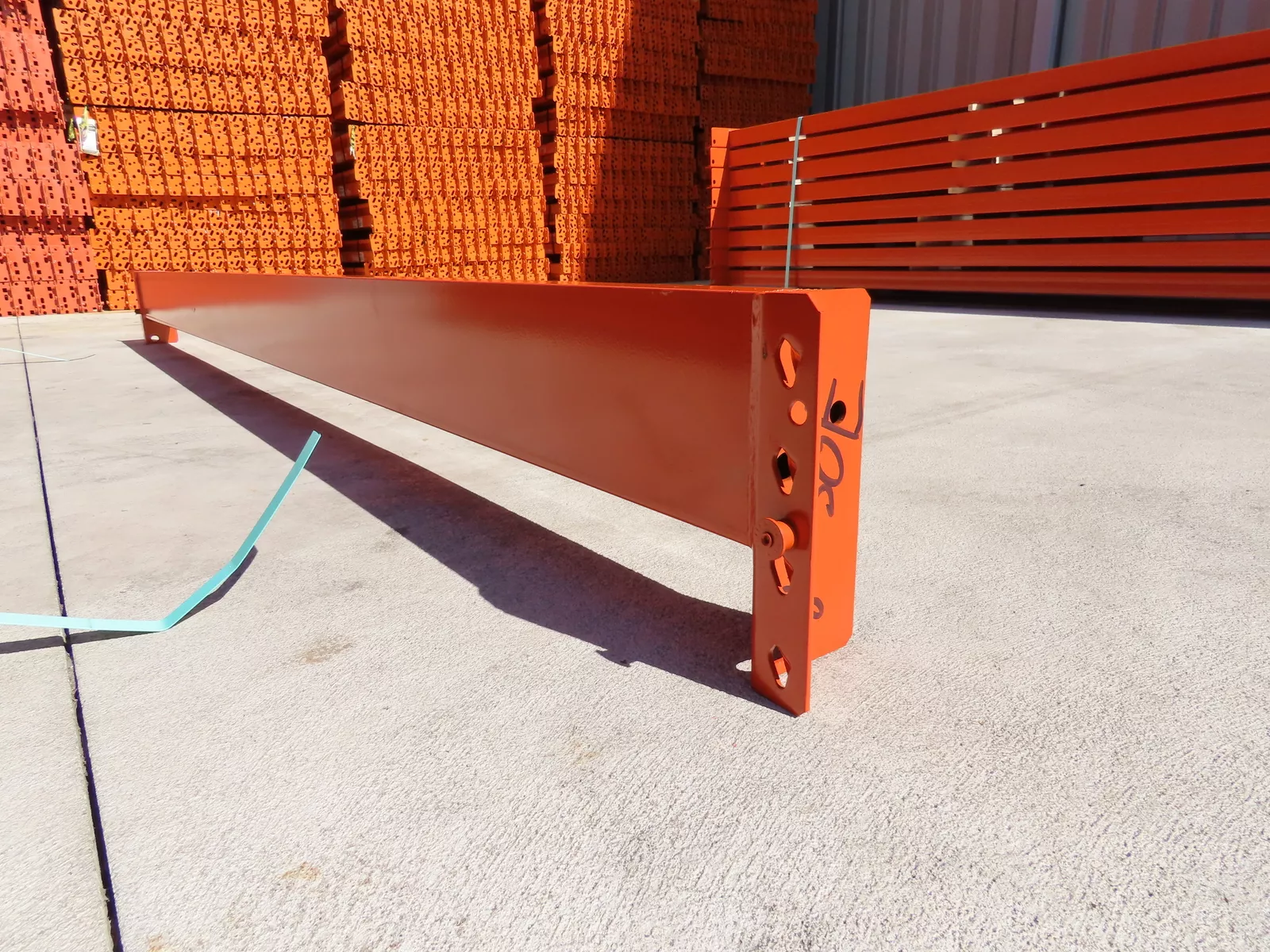
How Do I Identify Hazards Under Pallet Racks?
What Should I Do If I See A Problem With The Racking?
Exposed to potential hazards and costly downtime, every warehouse manager knows the stakes are high when it comes to racking systems. When you detect an issue—whether it’s a bent beam, rust, or misalignment—there’s no time to waste. Immediate action isn’t just advisable; it’s essential.
First, assess the severity of the problem. For instance, if you spot a minor dent in a rack beam, it might not demand immediate evacuation or a full locker-down. However, don’t let complacency become your downfall. A small flaw could escalate, turning into a significant safety risk or result in costly product damage. Take a cue from recent headlines where companies faced legal repercussions after failing to address racking issues promptly.
Next, document the problem. Carry a notepad or use your smartphone to capture photos and notes. This documentation will serve a dual purpose. First, it provides an accurate record for your safety team to review. Second, if you need to contact your supplier or racking manufacturer, having detailed information can smooth the path toward resolving the issue. Customer support likes nothing more than a well-organized inquiry!
Once documented, alert your supervisor or safety officer immediately. Creating a culture of safety starts at the top, and when employees are proactive about potential hazards, it sends a powerful message about prioritizing the well-being of every worker. For example, a leading logistics firm recently implemented a “see something, say something” protocol, resulting in a remarkable 30% reduction in workplace accidents linked to rack failures.
Don’t forget to engage your racking supplier. Whether it’s a manufacturer or a local installer, your vendor should be your trusted ally in these situations. Update them on your findings; they may offer maintenance suggestions or even a free inspection to assess the overall integrity of your racking systems. Monitor your current rack systems keenly; investing in preventative maintenance can be far more cost-effective than dealing with major repair costs or lawsuits down the line.
Finally, reflect on this experience. Use it as a launching pad to improve your training manuals and safety protocols. Foster an environment where employees feel empowered to be vigilant, thus creating a ripple effect across your operation. Remember, a proactive approach to racking problems not only safeguards your workforce but also protects your bottom line. Stay vigilant, and always prioritize safety above all else!
What Should I Do If I See A Problem With The Racking?
What Should I Do If I See A Problem With The Racking?
- Warehouse managers face high stakes regarding racking systems due to potential hazards and costly downtime.
- Assess the severity of any detected issues promptly—minor flaws can escalate into significant risks.
- Document problems thoroughly with notes and photos for accurate records and smoother resolutions.
- Alert your supervisor or safety officer immediately to foster a culture of safety within the workplace.
- Engage your racking supplier for maintenance suggestions and potential inspections.
- Investing in preventative maintenance is more cost-effective than addressing major repairs or legal issues.
- Reflect on experiences to improve training manuals and safety protocols, emphasizing proactive safety measures.
What Should I Do If I See A Problem With The Racking?
Is It Safe To Have Multiple People Working Under Racking?
Is It Safe to Have Multiple People Working Under Racking?
In today’s fast-paced warehouse environments—where efficiency is king—many businesses face the pressing question: Is it safe to have multiple people working under racking? While the goal is to maximize productivity, an unsafe work environment can lead to dire consequences. Let’s delve into why safety must come first and how to implement effective strategies to safeguard your workforce.
Imagine a bustling distribution center with workers scurrying about, replenishing stock under towering racks. It might seem efficient, but the risks are alarmingly high. According to industry statistics, warehouse injuries have been on the rise, with over 100,000 warehouse-related injuries reported in recent years. This should serve as a wake-up call for business owners: safety does not happen by accident.
One critical element of safety is proper training. Employees must be trained to understand the hazards associated with working under racked shelves that can support heavy loads. For example, during a recent incident reported at a large fulfillment center, an employee was injured when a poorly secured pallet toppled from a shelf above. This incident not only led to injuries, but also posed a costly legal challenge for the employer.
To mitigate these risks, businesses should implement strict protocols. Consider employing a buddy system; by pairing workers beneath racking, they can look out for one another. A simple “watch your back” can make all the difference. Additionally, ensure that all employees wear proper safety gear such as hard hats and steel-toed boots. These seemingly minor precautions can help reduce injury severity if an accident does occur.
Equipment inspection is another non-negotiable aspect of maintaining safety. In light of recent events in the warehouse sector, such as increased scrutiny from Occupational Safety and Health Administration (OSHA), it’s essential that companies regularly inspect racking systems for integrity and compliance. Make this part of your routine—if your racking is sound, it’s far less likely to become a hazard.
To conclude, while the demand for productivity in warehouses continues to rise, it is imperative not to neglect safety. It’s a delicate balance; however, through training, awareness, and adherence to safety protocols, businesses can ensure that their teams operate safely underneath racking systems. Strong safety policies don’t just protect your employees—they protect your bottom line, maintain morale, and safeguard your business’s reputation in a competitive market. Prioritize safety today, so your workforce remains productive and injury-free tomorrow!
Is It Safe To Have Multiple People Working Under Racking?
- Safety in warehouses is crucial despite the push for efficiency.
- Over 100,000 warehouse-related injuries reported in recent years highlight the risks involved.
- Proper training is essential for employees to recognize hazards of working under heavy racking.
- A buddy system can enhance safety by allowing workers to look out for each other.
- Wearing appropriate safety gear (hard hats, steel-toed boots) can reduce injury severity.
- Regular inspections of racking systems are necessary to maintain safety compliance and integrity.
- Investing in safety policies protects employees, enhances morale, and supports business reputation.
Is It Safe To Have Multiple People Working Under Racking?
Conclusion
In today’s demanding warehouse environment, the dual focus on efficiency and safety remains paramount. As you strive to maximize storage through advanced pallet racking systems, the question lingers—how do you navigate the delicate balance between productivity and risk? The reality is clear: while working under pallet racking can enhance operational flow, it brings inherent hazards that cannot be ignored. Arrow Industrial Sales is here to guide you through this complex terrain with actionable strategies and state-of-the-art solutions designed to protect your employees and your bottom line.
Understanding the risks associated with working in these areas is your first step toward creating a safe workplace. Falling objects, structural integrity, equipment mishaps, and human error are just a few potential dangers that require vigilance. The solution lies in fostering a robust safety culture, embedded within your operational protocols. Regular training, use of personal protective equipment (PPE), and adherence to OSHA regulations are not optional; they are essential components of an effective safety strategy. Educating your workforce about the safe handling of loads and maintaining awareness of surroundings ensures that everyone remains proactive in minimizing risks.
Investing in high-quality safety solutions—such as overhead safety netting and motion-sensor lighting—enhances visibility and protection beneath your racking systems. Think of these tools as the backbone of a comprehensive safety plan that not only protects employees but cultivates an environment of trust and efficiency. As technology continues to evolve, keep abreast of innovations that streamline safety measures and improve workflow. Implementing these tools with Arrow Industrial Sales will place your organization ahead of the curve in safety compliance.
Additionally, conducting routine safety audits of your racking systems provides insights that safeguard against future operational setbacks. Every audit is a chance to reinforce your commitment to safety; it’s an opportunity to assess and address potential issues before they escalate. A proactive approach signifies to your employees that their well-being is a priority—an investment that ultimately pays off in reduced injuries and increased morale.
At Arrow Industrial Sales, we urge you to take action today. Don’t wait for incidents to spark change; prioritize safety as an integral component of your warehouse operations. Call us at (574) 349-6575 to explore tailored solutions that empower your team and protect your investments. Transform your warehouse from a potential hazard zone to a benchmark of safety and productivity. Remember, in the world of warehousing, success is built on foundations of safety—let’s build it together.
Conclusion:
- The dual focus on efficiency and safety is crucial in today’s warehouse environment.
- Arrow Industrial Sales offers actionable strategies to navigate productivity and risk under pallet racking systems.
- Recognizing risks like falling objects and human error is essential for workplace safety.
- A robust safety culture involving training and adherence to OSHA regulations is vital.
- Investing in safety solutions such as overhead safety netting and motion-sensor lighting enhances protection.
- Routine safety audits of racking systems help identify and mitigate potential risks.
- Prioritizing safety in warehouse operations can lead to reduced injuries and improved employee morale.
Conclusion
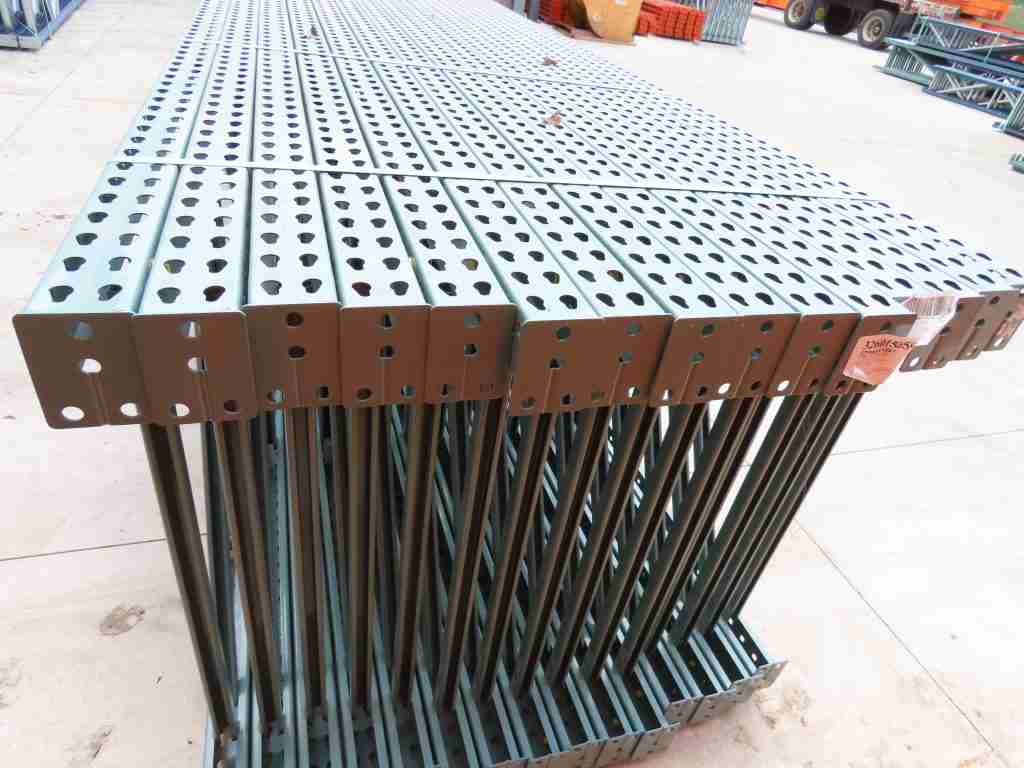
Other Resources
Here is a list of other resources you can review online to learn more:
- “pallet racking”
- “Answering the Top 5 Questions on Pallet Racks”
- “What Does OSHA Have to Say About Pallet Rack Safety?”
- “What Does OSHA Say About Pallet Rack Safety?”
- “SAFETY”
- “OSHA Technical Manual (OTM) – Section II: Chapter 1”
- “A Deep Dive into Structural Pallet Racks and Future …”
- “Occupational Health and Safety Regulations ( SOR /86-304)”
- “Pallet Racking Safety Guidelines: What They Are and How …”
- “Safety-Manual-Technical-Addendum-2023.pdf – ABM”
- “2023 AWAIR Safety Program”
- “3220 warehouse | PDF”
- “Laboratory Safety Manual – EHS – University of Washington”
- “Facilities Management Design Guidelines”
- “Corporate Safety Policy and Procedure”
Other Resources
Glossary Terms
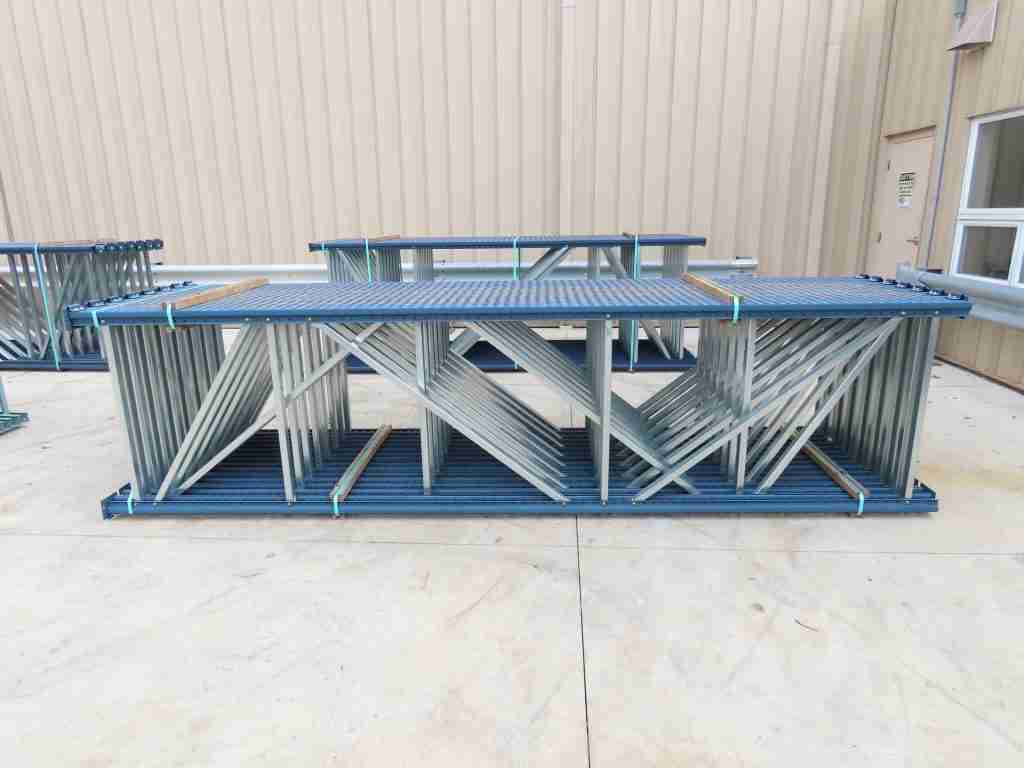
Can You Work Under Pallet Racking? – Glossary Of Terms
1. Pallet Racking: A storage system designed to hold palletized goods for efficient storage and retrieval.
2. Forklift: A powered industrial truck used to lift and move materials over short distances, commonly used in warehouses.
3. Warehouse Safety: Practices and guidelines followed to prevent accidents and injuries in a warehouse environment.
4. Load Capacity: The maximum weight that a pallet rack can safely hold, determined by its design and materials.
5. Aisle Width: The space between racks that allows for the movement of forklifts and personnel.
6. Clearance Height: The vertical space available beneath the top level of racking, crucial for the safe operation of equipment.
7. Material Handling: The movement, protection, and storage of goods throughout the manufacturing, warehousing, and distribution process.
8. Pallet: A flat structure used to support goods in a stable fashion while being lifted or moved by a forklift or pallet jack.
9. Safety Guidelines: Established procedures to ensure a hazard-free working environment, particularly when working near pallet racking.
10. Inspection: Regular checks performed on pallet racking systems to identify wear, damage, or non-compliance with safety standards.
11. Weight Distribution: The even spread of load across the storage racks, essential for stability and safety.
12. Overloading: Exceeding the recommended load capacity of a pallet rack, which poses safety risks.
13. Personal Protective Equipment (PPE): Gear worn to minimize exposure to hazards that can cause injuries; includes helmets, gloves, and safety shoes.
14. Fall Hazard: A potential danger associated with items falling from racks, highlighting the need for proper storage practices.
15. End-of-Aisle Racking: Racking systems specifically designed for the end of storage aisles, often used to create displays or hold additional inventory.
16. Rack Bracing: Structural reinforcements that provide stability to pallet racks and prevent tipping.
17. Traffic Flow: The planned movement of personnel and equipment through the warehouse to optimize safety and efficiency.
18. Step Ladder: A portable ladder used to reach items stored at higher levels of pallet racking.
19. Storage Density: The amount of products that can be stored in a given space, influenced by the design of the racking system.
20. Access Aisle: The space needed for safe access to palletized goods, critical for operational efficiency and safety.
21. Safety Signage: Signs placed throughout a warehouse to communicate hazards and promote safe practices.
22. Training: Instruction provided to employees on safe practices and operation of equipment in relation to pallet racking.
23. Emergency Procedures: Established protocols to follow in the event of accidents or environmental hazards.
24. Racking Manufacturer: Companies that design and produce pallet racking systems, ensuring compliance with safety regulations.
25. Aisle Marking: Visual indicators placed on warehouse floors to guide movement and enhance safety.
26. Load Beam: Horizontal components of pallet racks that support the pallets and their loads.
27. Shelf Life: The length of time products can be stored safely, impacting inventory management under pallet racking.
28. Retrieval System: Equipment or method used to access goods stored in pallet racking, including automated systems.
29. Regulatory Compliance: Adherence to local and national safety laws and standards related to warehouse operations.
30. Warehouse Layout: The strategic arrangement of racking, equipment, and pathways within a warehouse for optimized operation and safety.
Glossary Of Terms
Other Questions
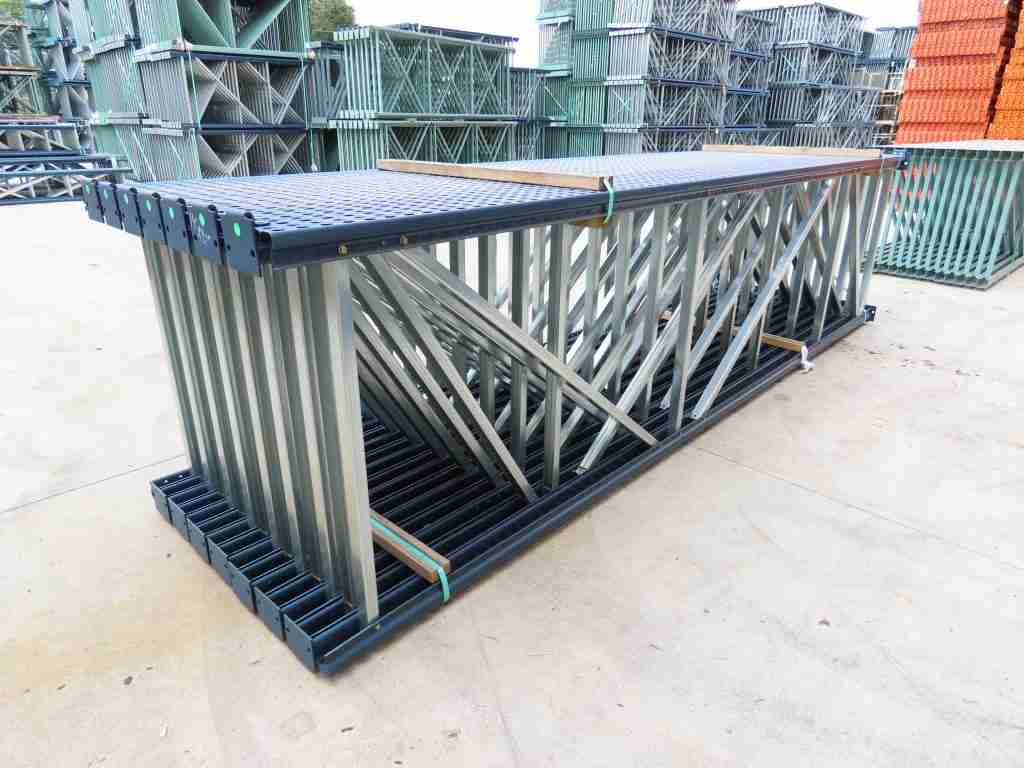
Can You Work Under Pallet Racking? – Other Questions
If you wish to explore and discover more, consider looking for answers to these questions:
- What safety measures should be in place when working under pallet racking?
- How often should employees be trained about pallet racking safety?
- What types of personal protective equipment (PPE) are most effective under pallet racking?
- Can working under pallet racking lead to legal repercussions for businesses?
- What are the best practices for stacking items on pallet racks to minimize hazards?
- How can technology improve safety when working under pallet racking?
- What are the consequences of ignoring load limits when using pallet racks?
- What emergency protocols should be established for accidents under racking?
- How can I ensure clear communication among workers when operating under pallet racks?
- Are there specific types of training required for forklift operators working near pallet racking?
- What documentation should be maintained regarding safety inspections of pallet racking systems?
- How can ongoing safety audits be structured for maximum effectiveness?
- What role does maintenance play in preventing accidents with pallet racking systems?
- How can a culture of safety be fostered in a workplace with pallet racking systems?
- What common misconceptions exist about working under pallet racking?
Other Questions
Checklist
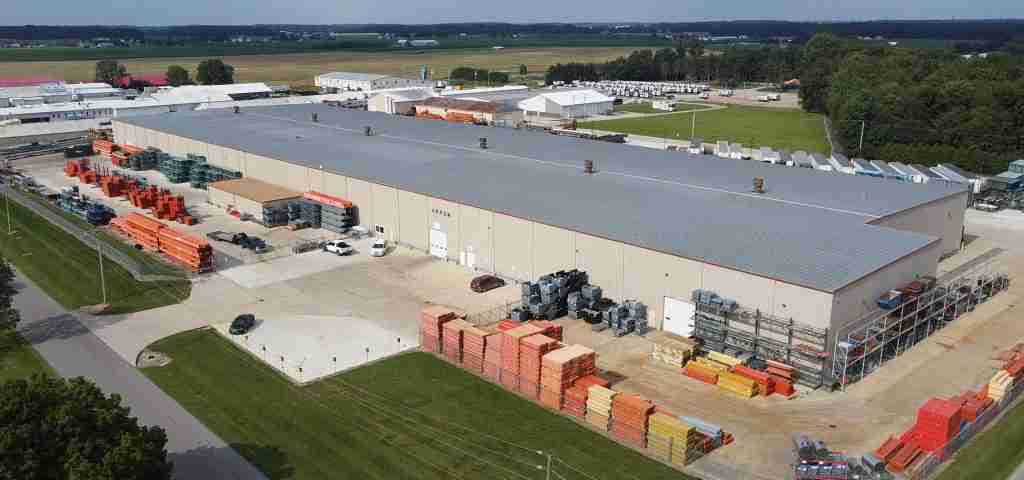
Can You Work Under Pallet Racking? – A Checklist
1. Pre-Work Safety Measures:
_____ Ensure all employees are trained on safety protocols related to working under pallet racks.
_____ Conduct a safety briefing before shifts to reiterate safety practices.
_____ Designate a “safety buddy” system where workers look out for each other.
2. Personal Protective Equipment (PPE):
_____ Always wear hard hats to protect against falling objects.
_____ Use steel-toed boots to safeguard feet from heavy items.
_____ Provide and wear safety goggles to protect eyes from debris.
_____ Ensure high-visibility vests are worn in areas with machinery.
_____ Use hearing protection if noise levels are above recommended limits.
3. Organization of Workspace:
_____ Keep the area under racking clear of clutter and loose items.
_____ Utilize spill trays or mats to prevent hazardous spills from spreading.
_____ Implement a color-coding system for easy navigation of product locations.
4. Equipment and Structural Safety Checks:
_____ Routinely inspect pallet racks for structural integrity—look for bent beams or rust.
_____ Ensure that load limits on racking systems are not exceeded.
_____ Use appropriate lifting equipment (e. g. , forklifts) to minimize manual handling.
5. Hazard Identification:
_____ Conduct visual inspections for any signs of hazards, such as loose pallets or spills.
_____ Monitor for areas where equipment may collide with racks.
_____ Create a reporting system for employees to inform management of any concerns or incidents.
6. Training and Continuous Improvement:
_____ Schedule regular safety drills for emergencies related to racking systems.
_____ Provide ongoing refreshers on load handling, proper use of equipment, and emergency procedures.
_____ Share lessons learned from previous incidents to foster a culture of safety awareness.
7. Emergency Response:
_____ Have a clear emergency response plan in place, with designated roles for team members.
_____ Equip the facility with easy-to-access clean-up kits for spills, including absorbent materials and safety gear.
_____ Ensure all incidents are documented and analyzed for improving future practices.
8. Regular Audits and Maintenance:
_____ Conduct safety audits on racking systems every six months or more frequently depending on traffic and usage.
_____ Check that all safety measures and training programs are up to date and compliant with regulations.
9. Visibility and Lighting:
_____ Ensure sufficient lighting is installed to eliminate dark corners and improve visibility under racking systems.
_____ Use mirrors or surveillance screens to monitor blind spots.
By following this checklist, you can significantly improve safety when working under pallet racking systems and create a culture of care and responsibility in your workplace. Prioritizing these measures will not only protect employees but also enhance overall operational efficiency.
Checklist
At RackingWorld, we help guide you through selecting warehouse storage systems and racking.
Be sure to read our other related stories at RackingWorld to learn more about warehouse storage systems.
0 Comments