
Maximizing Storage Space With Versatile Cantilever Racks
By Tom Seest
At RackingWorld, we help guide you through selecting warehouse storage systems and racking.
Be sure to read our other related stories at RackingWorld to learn more about warehouse storage systems.
Can Cantilever Racks Handle Both Light and Heavy-Duty Storage?
When it comes to achieving optimal storage efficiency in warehouses and distribution centers, cantilever racks emerge as the unsung hero of versatility. Businesses today grapple with the constant demands for space and organization, and the question on every operations manager’s mind is: Can cantilever racks handle both light and heavy-duty storage?
The answer is a resounding yes! Cantilever racks are ingeniously designed to accommodate varying weight capacities, making them the go-to solution for diverse storage needs. Their unique structure includes upright columns that support horizontal arms, allowing for easy loading and unloading of items in various sizes and weights. Whether you’re storing heavy lumber for a construction project or lightweight textiles for a fashion line, cantilever racks adapt seamlessly to the specific storage requirements.
For instance, consider a home improvement retailer that has recently expanded its inventory to include everything from heavy-duty construction materials to lightweight home décor items. By implementing cantilever racks, the retailer can optimize space while maintaining easy access to all products. With adjustable arms, the same rack can effectively store hefty beams alongside stacks of light shelving units, fostering a streamlined operation that saves time and reduces overhead costs.
Moreover, industry trends indicate that the integration of automation into warehouses is on the rise. Automated technology processes like robotics and automated guided vehicles (AGVs) can work hand-in-hand with cantilever racks. Imagine a scenario where an AGV retrieves a steel beam from a cantilever rack while another robot fetches a lighter item from the same structure. This versatility not only enhances operational efficiency but also positions businesses to meet modern demands effectively.
Current events further underscore the importance of versatile storage solutions. The recent disruptions in supply chains have prompted companies to rethink their logistics strategies. The agility of cantilever racks allows businesses to pivot quickly, accommodating both bulk storage of heavy goods and the diverse needs of lighter inventory. A case in point: a major distributor in the energy sector recently reported significant improvements in warehouse organization and efficiency after adopting cantilever racks, ultimately leading to reduced lead times.
Cantilever racks are not merely a storage solution; they are a transformational tool for businesses seeking to streamline their operations. With their capacity to handle both light and heavy-duty items, these racks empower companies to embrace flexibility, adapt to market demands, and ultimately thrive in an increasingly competitive environment. Don’t settle for ordinary; elevate your storage strategy with cantilever racks today!
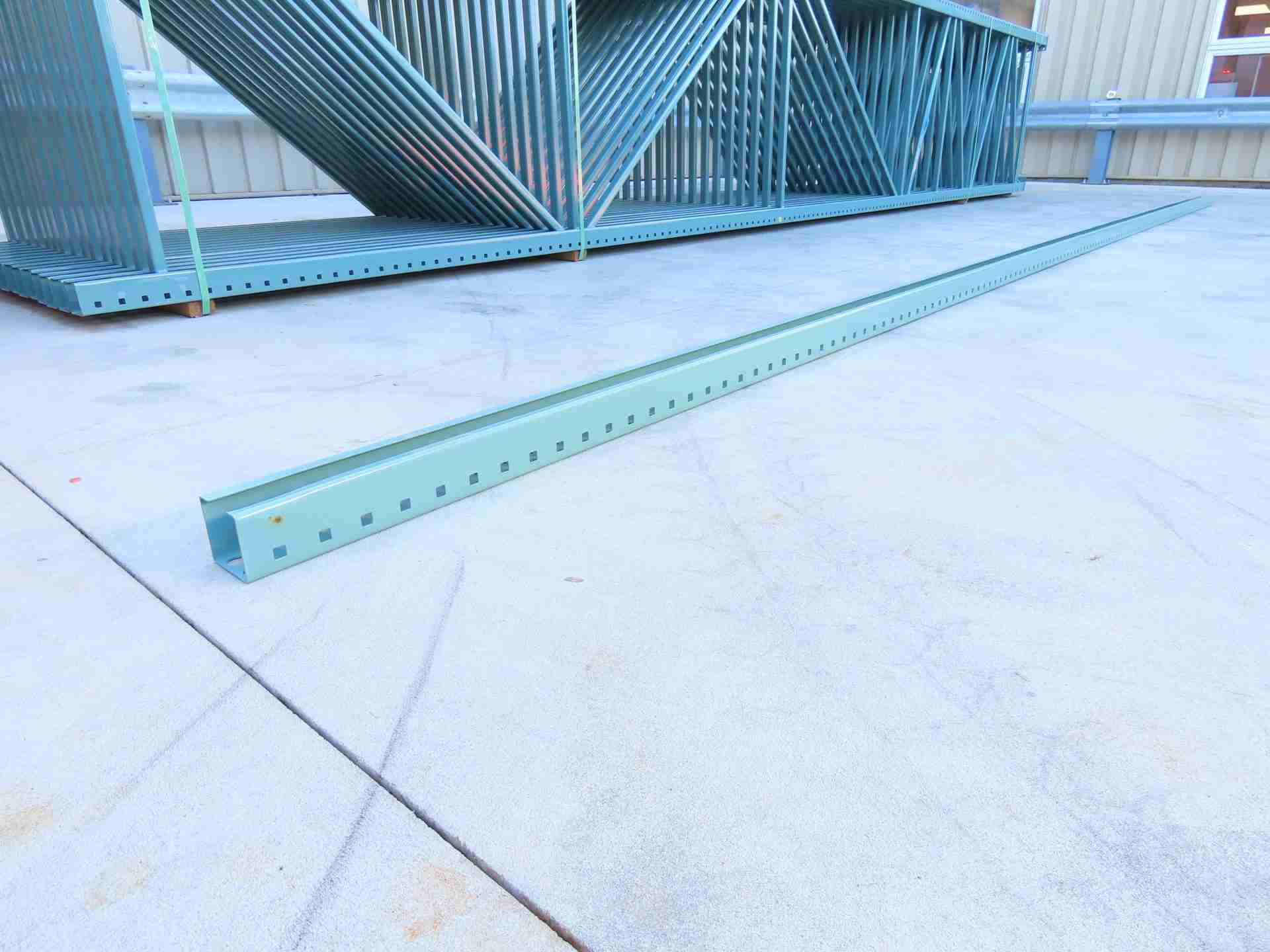
Can Cantilever Racks Handle Both Light and Heavy-Duty Storage?
Can Cantilever Racks Handle Both Light and Heavy-Duty Storage?
- Cantilever racks are versatile storage solutions ideal for warehouses and distribution centers.
- They can accommodate both light and heavy-duty storage needs, making them suitable for various items.
- The design includes upright columns and horizontal arms, simplifying loading and unloading processes.
- Adjustable arms allow for efficient storage of diverse inventory, from heavy materials to lightweight products.
- Automation trends enhance the functionality of cantilever racks, enabling robots and AGVs to operate them effectively.
- The flexibility of cantilever racks aids businesses in quickly adapting to changing logistics demands.
- They serve as a transformational tool for improving warehouse organization and operational efficiency.
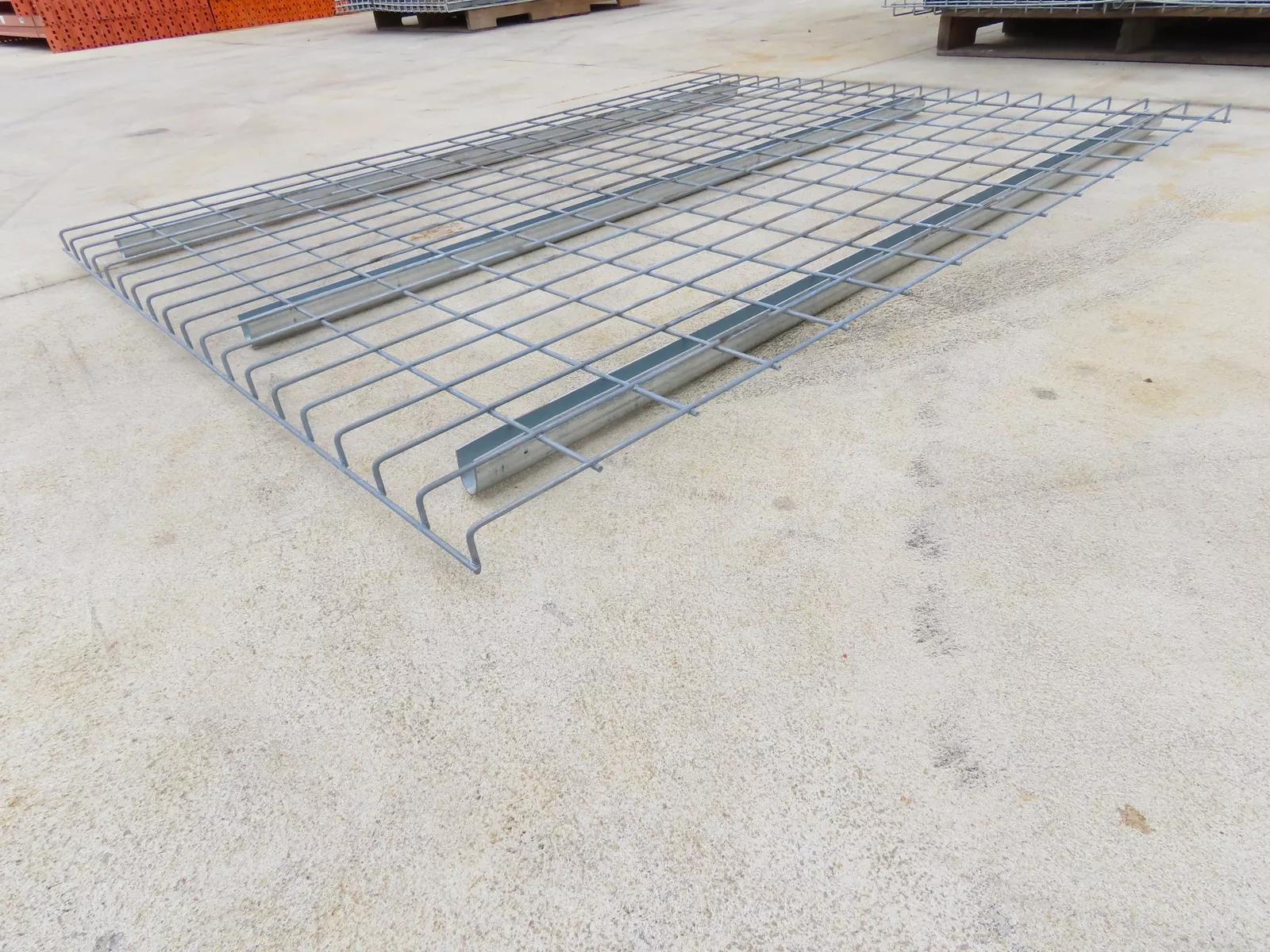
Can Cantilever Racks Handle Both Light and Heavy-Duty Storage?
Table Of Contents
- Can Cantilever Racks Handle Both Light and Heavy-Duty Storage?
- What Are Cantilever Racks And How Do They Work?
- What Weight Capacities Do Cantilever Racks Have?
- Can A Cantilever Rack Be Used For Both Light And Heavy Items?
- What Types Of Materials Are Best Suited For Cantilever Racks?
- How Do I Choose The Right Cantilever Rack For My Needs?
- What Safety Considerations Should I Keep In Mind?
- How Do I Properly Install A Cantilever Rack?
- Can I Customize My Cantilever Rack For Specific Inventory?
- What Maintenance Is Required For Cantilever Racks?
- What Are The Advantages Of Using Cantilever Racks?
- How Do Cantilever Racks Compare To Other Storage Systems?
- What Are The Most Common Applications For Cantilever Racks?
- How Can Cantilever Racks Improve Warehouse Efficiency?
- Are There Any Regulations For Using Cantilever Racks?
- How Do I Determine The Best Layout For Cantilever Racks?
- Conclusion
- Other Resources
- Glossary Of Terms
- Other Questions
- Checklist
What Are Cantilever Racks And How Do They Work?
In the bustling world of warehouses and storage solutions, efficiency reigns supreme. Cantilever racks are emerging as the unsung heroes of industrial storage, heralded for their ability to optimize space and streamline operations. But what exactly are they, and how do they work to elevate your inventory management game?
Cantilever racks are specialized shelving systems designed to store long, bulky, or oddly shaped items that traditional shelving struggles to accommodate. Ideal for businesses dealing with lumber, piping, steel, or even furniture, these racks consist of vertical columns, horizontal beams, and arms that extend outward, allowing for seamless access to products. They’re not just another piece of warehouse furniture – they are a strategic asset that can significantly enhance your storage efficiency.
Imagine a lumberyard with rows of timber sprawled across the floors. Traditional shelving systems would create obstacles, but a cantilever rack transforms the landscape, delivering both accessibility and organization. With arms that can adjust to various sizes, these racks are incredibly versatile. As your inventory grows or shifts in type, simply reposition the arms to suit your needs.
From a financial perspective, investing in cantilever racks offers a remarkable return. Studies have shown that businesses implementing this storage solution see an immediate uptick in productivity and a decrease in retrieval times. When a warehouse can locate and deliver products rapidly, customer satisfaction skyrockets, leading to increased sales and loyalty. For instance, during the ongoing supply chain disruptions caused by current global events, companies with efficient storage solutions like cantilever racks have been able to respond quicker to changes in demand, forging stronger bonds with customers who expect reliability.
Moreover, the modular design of cantilever racks allows for easy expansion. If your business scales, your storage can too. This scalability is particularly pertinent in today’s fast-paced economy, where agility dictates success. Companies can start with a modest system and expand effortlessly as their needs change.
Ultimately, cantilever racks are more than just practical storage solutions; they symbolize a commitment to innovation and efficiency. By utilizing them, you’re not only optimizing space but also creating a more productive environment for your workforce. In the competitive landscape of modern commerce, adopting such smart solutions isn’t merely a choice; it’s a necessity. Don’t let outdated storage practices hold you back – embrace the power of cantilever racks and watch your business soar.
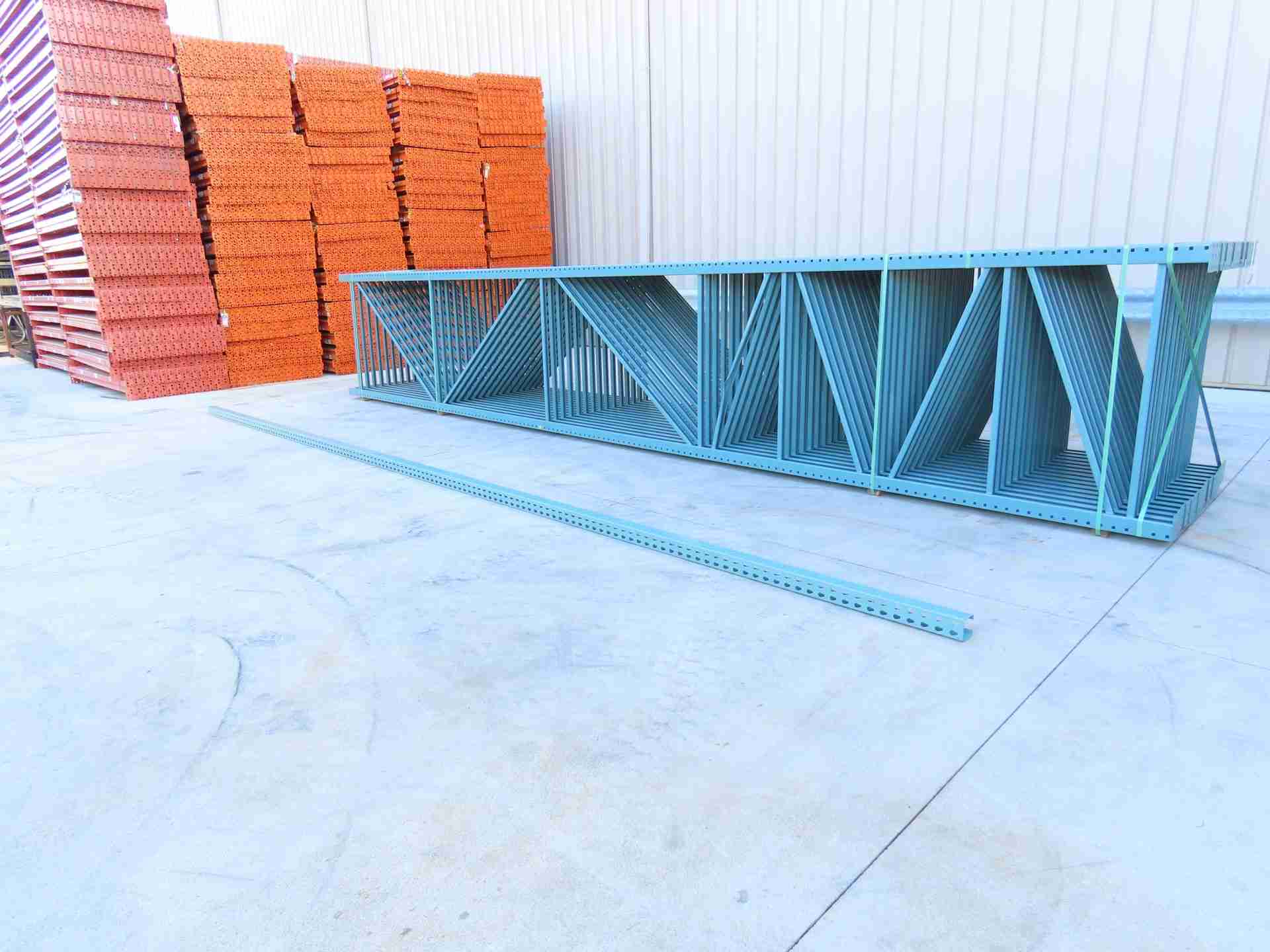
What Are Cantilever Racks And How Do They Work?
What Are Cantilever Racks And How Do They Work?
- Cantilever racks optimize space and streamline operations in warehouses and storage solutions.
- Designed for long, bulky, or oddly shaped items, suitable for lumber, piping, steel, and furniture.
- Features vertical columns, horizontal beams, and adjustable arms for enhanced accessibility and organization.
- Investing in cantilever racks leads to increased productivity and reduced retrieval times.
- Efficient storage solutions, like cantilever racks, enhance customer satisfaction and strengthen sales relationships.
- Modular design allows for easy expansion, adapting to changing business needs and growth.
- Cantilever racks represent a commitment to innovation and efficiency in modern storage practices.
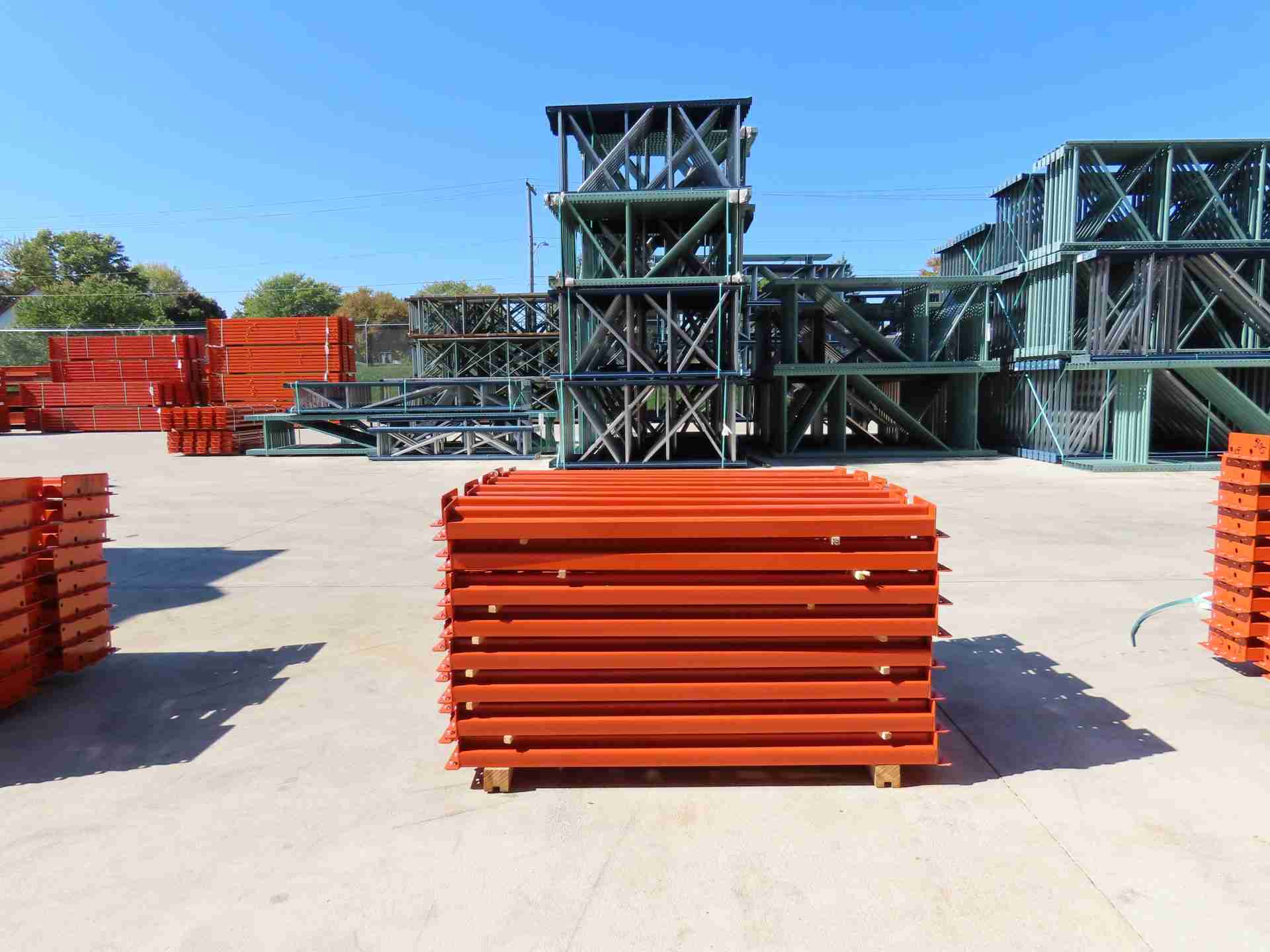
What Are Cantilever Racks And How Do They Work?
What Weight Capacities Do Cantilever Racks Have?
##
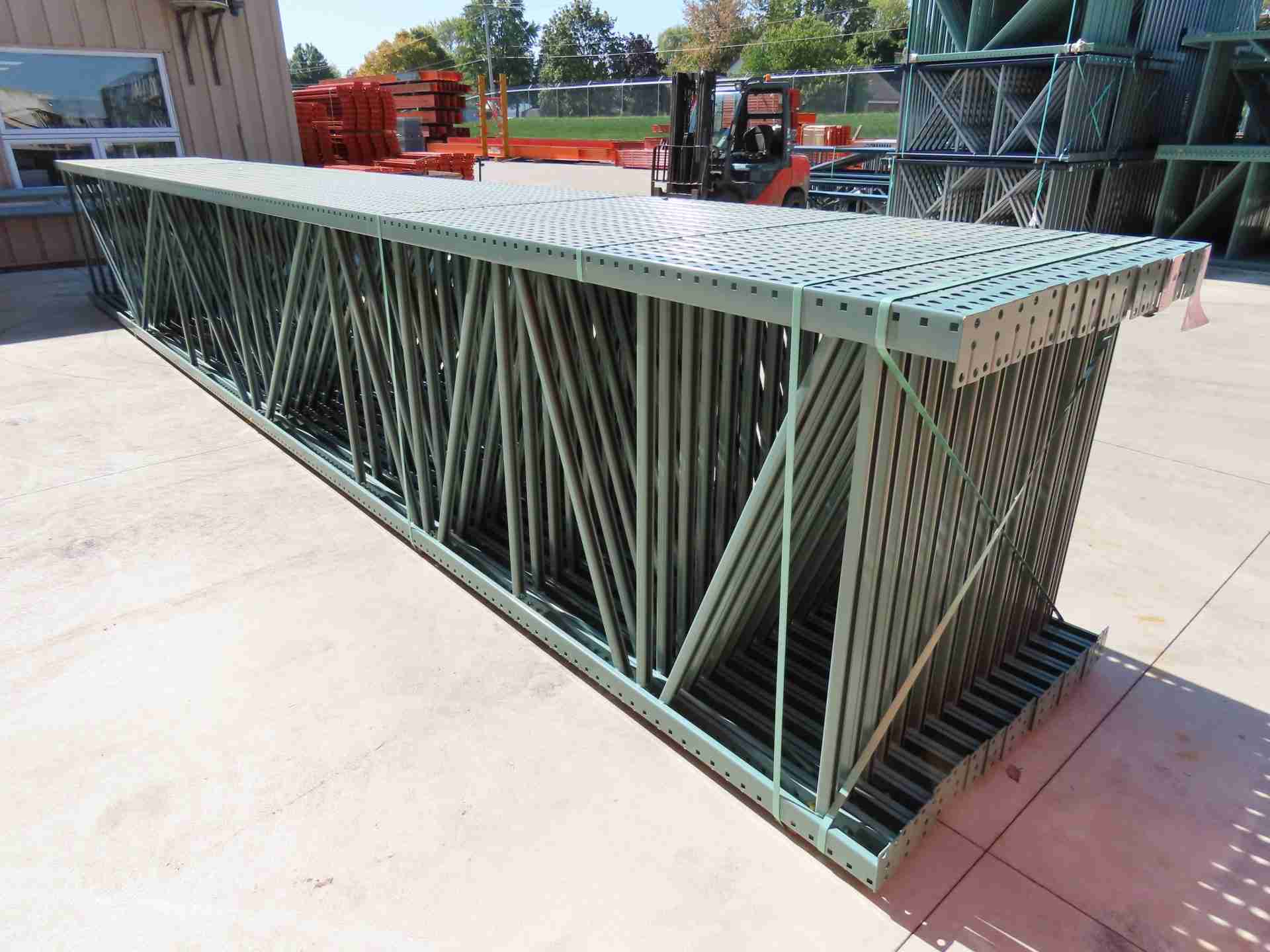
When looking to maximize your warehouse space, investing in cantilever racks is a savvy move. But one question lingers: what weight capacities do these racks have? Understanding their strength and adaptability can shape your decisions, ensuring that you don’t just optimize storage but do so safely and effectively.
Cantilever racks are designed to handle various loads, making them ideal for storing long or oddly shaped items like lumber, pipes, and manufactured goods. Generally, the weight capacities of cantilever racks can range from 1,000 to over 10,000 pounds per arm, depending on the configuration, material, and manufacturer. This versatility means they can be tailored to meet specific demands, whether you’re a small business storing medium-weight materials or a large operation needing heavy-duty support.
Consider a lumber yard that expects an uptick in business due to the ongoing housing market boom. Using cantilever racks, they can easily adjust the number of arms and spacing according to the dimensions of the wood they store, accommodating both light and hefty planks. Imagine the safety concerns of stacking heavy materials vertically without the proper support. With a cantilever system, they can maximize ground space while ensuring their inventory isn’t at risk of collapse.
Moreover, certain events, such as the recent surge in DIY projects due to shifting lifestyle trends, have led businesses to rethink their storage solutions. DIY retailers can efficiently store everything from heavy tools to large sheets of material by investing in cantilever racks. With the ability to hold multiple dozen pounds per arm, these racks allow them to manage fluctuating stock levels, ensuring product availability without compromising safety.
It’s essential to note that cantilever racks come with varying weight capacities based on their design specifics, such as single-sided or double-sided configurations. This feature allows users to tailor their setup according to their operational needs. For instance, a double-sided rack may accommodate more materials while still providing easy access from both sides, making it ideal for high-traffic storage areas.
In summary, when it comes to weight capacities, cantilever racks offer an impressive and flexible solution. With capacity ranges that cater to both light-duty and heavy-duty needs, businesses can find the perfect fit for their storage challenges. By leveraging these strengths, you’ll not only enhance operational efficiency but also ensure a safer working environment. Invest in the right cantilever rack system today and watch your storage solutions reach new heights!
What Weight Capacities Do Cantilever Racks Have?
What Weight Capacities Do Cantilever Racks Have?
- Cantilever racks are a smart investment for maximizing warehouse space.
- They can hold loads ranging from 1,000 to over 10,000 pounds per arm, depending on design.
- Ideal for storing long or oddly shaped items like lumber, pipes, and manufactured goods.
- Adjustable arms and spacing accommodate varying dimensions of materials, enhancing safety and efficiency.
- Businesses, such as lumber yards, can manage heavy inventory without collapse risks.
- Cantilever racks are tailored to operational needs with single-sided and double-sided configurations.
- Investing in cantilever racks improves operational efficiency and ensures a safer working environment.
What Weight Capacities Do Cantilever Racks Have?
Can A Cantilever Rack Be Used For Both Light And Heavy Items?
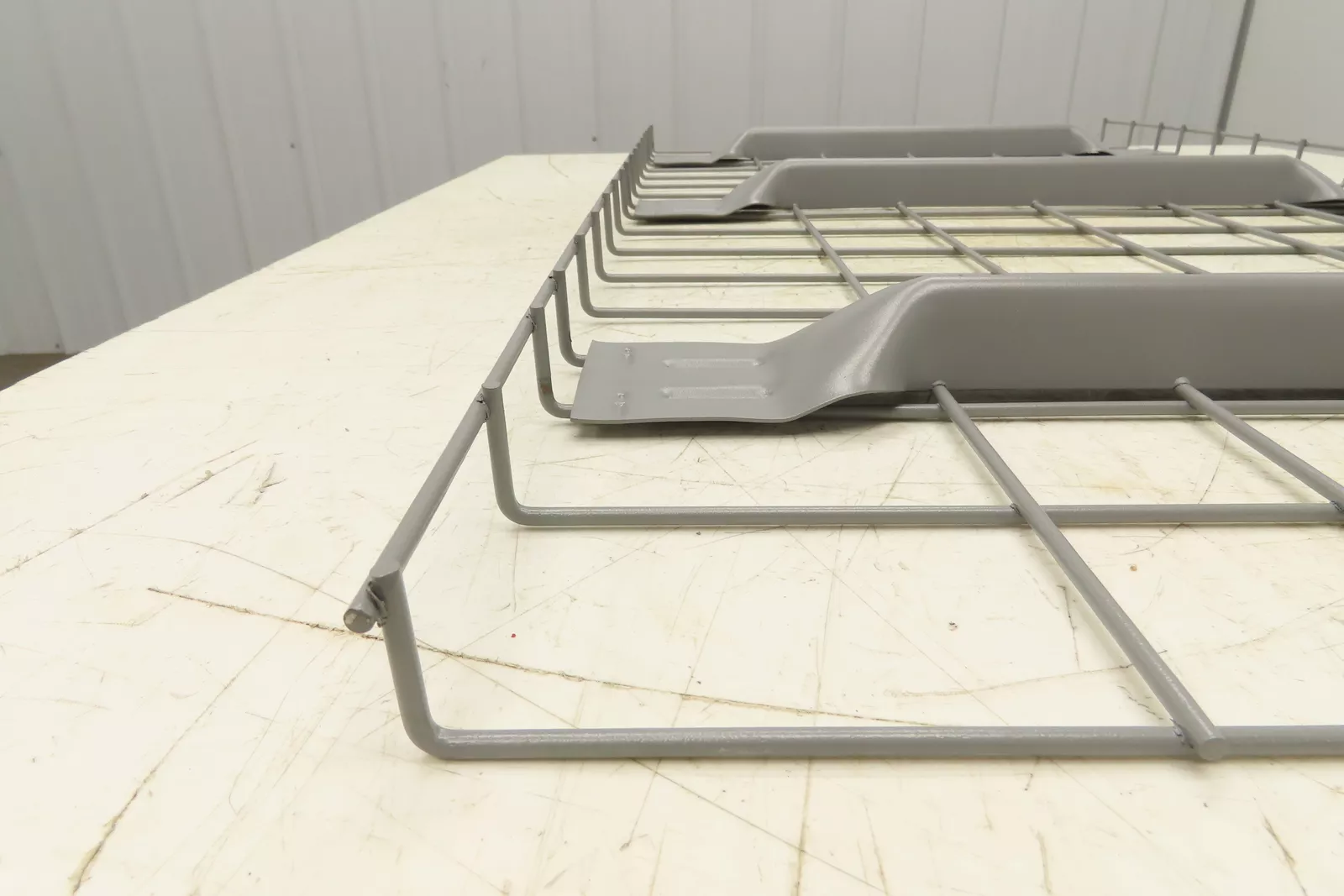
When it comes to optimizing storage solutions in warehouses or retail spaces, the versatility of cantilever racks cannot be overstated. These ingenious systems are typically associated with heavy-duty applications, such as lumber yards, metal fabrication shops, or warehouses that deal with bulky items. But here’s the secret ingredient: they are equally capable of handling lighter inventory needs. Let’s explore how this dual capability can significantly enhance your operational efficiency and bottom line.
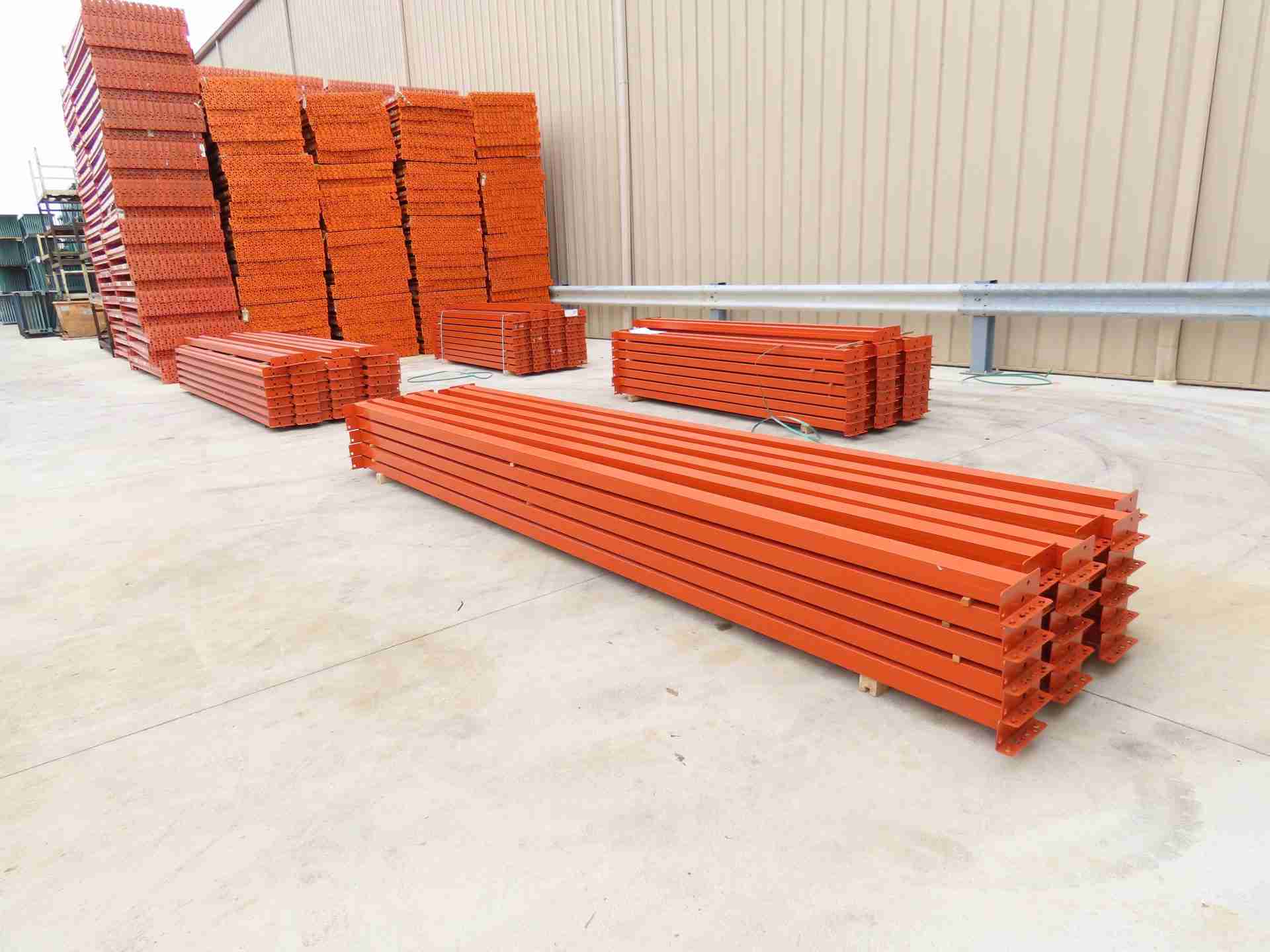
Imagine a thriving business like a home improvement store that needs to store everything from heavy timber to delicate molding. A cantilever rack system can be effectively designed to accommodate both ends of the spectrum. With adjustable arms, you can seamlessly configure the space to hold hefty items like steel beams on heavier duty arms, while lighter items like piping or seasonal decorations can be easily organized on the upper tiers and smaller arms. This adaptability saves space and time, allowing employees to quickly retrieve any item, regardless of its weight.
Consider the recent surge in DIY home renovation projects, influenced by the pandemic-era surge in online tutorials and community-driven initiatives. This phenomenon has seen a spike in demand for both lightweight decorative items and heavy construction materials. Retailers equipped with cantilever racks can efficiently cater to this influx, ensuring they have the right inventory visibility and accessibility. This adaptability positions your business as a go-to destination, capable of meeting diverse customer needs without the headaches of disorganization.
Moreover, let’s not ignore the tech angle. In today’s quickly evolving commercial landscape, integrating smart inventory systems with your cantilever racks can further optimize storage. Imagine a scenario where your inventory management software alerts you to low stock levels across both heavy and light items, allowing for automated reordering and maximizing your storage potential.
In essence, cantilever racks are not just about supporting weight but supporting your business agility. Whether you’re in the construction, retail, or manufacturing sector, these racks provide the kind of scalability that today’s fast-paced market demands. Why limit your storage solution to one type of item when you can harness the power of cantilever racks to accommodate both light and heavy products seamlessly?
Embrace the flexibility of cantilever racks today. When you do, you’re not just storing equipment; you’re storing the future success of your business—and that’s a weight worth carrying.
Can A Cantilever Rack Be Used For Both Light And Heavy Items?
Can A Cantilever Rack Be Used For Both Light And Heavy Items?
- Cantilever racks are versatile storage solutions ideal for warehouses and retail spaces.
- They handle both heavy-duty items (e.g., lumber, steel beams) and lighter inventory (e.g., decorative items).
- Adjustable arms allow for seamless configuration to accommodate various item weights.
- Recent trends in DIY projects have increased demand for diverse inventory, which cantilever racks can efficiently store.
- Smart inventory systems can integrate with cantilever racks for optimized stock management and automated reordering.
- Cantilever racks support business agility and scalability across various sectors like construction, retail, and manufacturing.
- Utilizing cantilever racks can enhance operational efficiency and contribute to future business success.
Can A Cantilever Rack Be Used For Both Light And Heavy Items?
What Types Of Materials Are Best Suited For Cantilever Racks?
In the thriving world of warehousing and storage, choosing the right materials for your cantilever racks can elevate your operations to new heights—quite literally! These racks are indispensable when it comes to organizing bulky or awkwardly shaped items like lumber, steel bars, and furniture. But not all materials are made equal. Here’s an insider’s look into the best-suited materials for integrating into your cantilever rack system.
Steel—The Titan of Strength
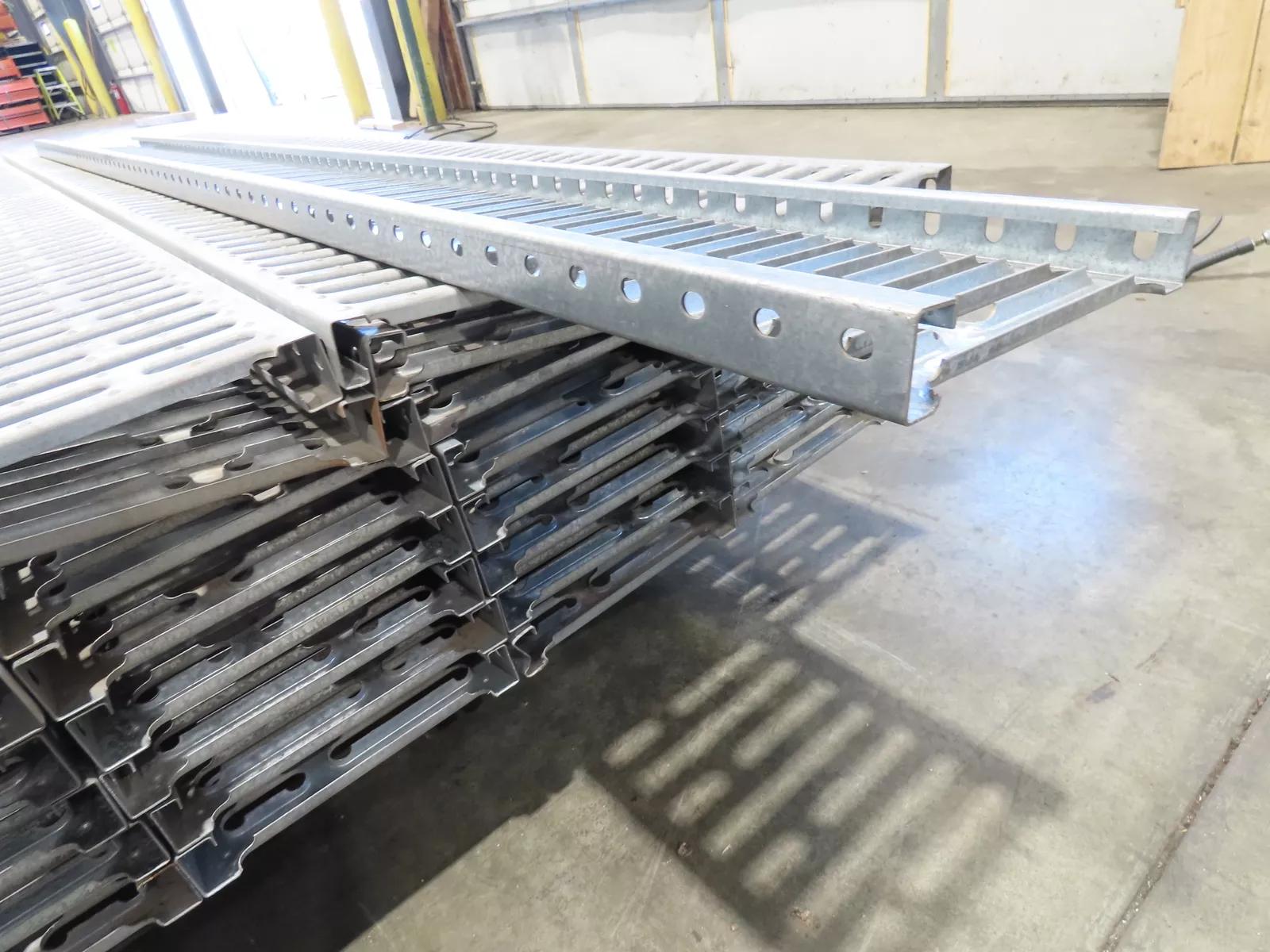
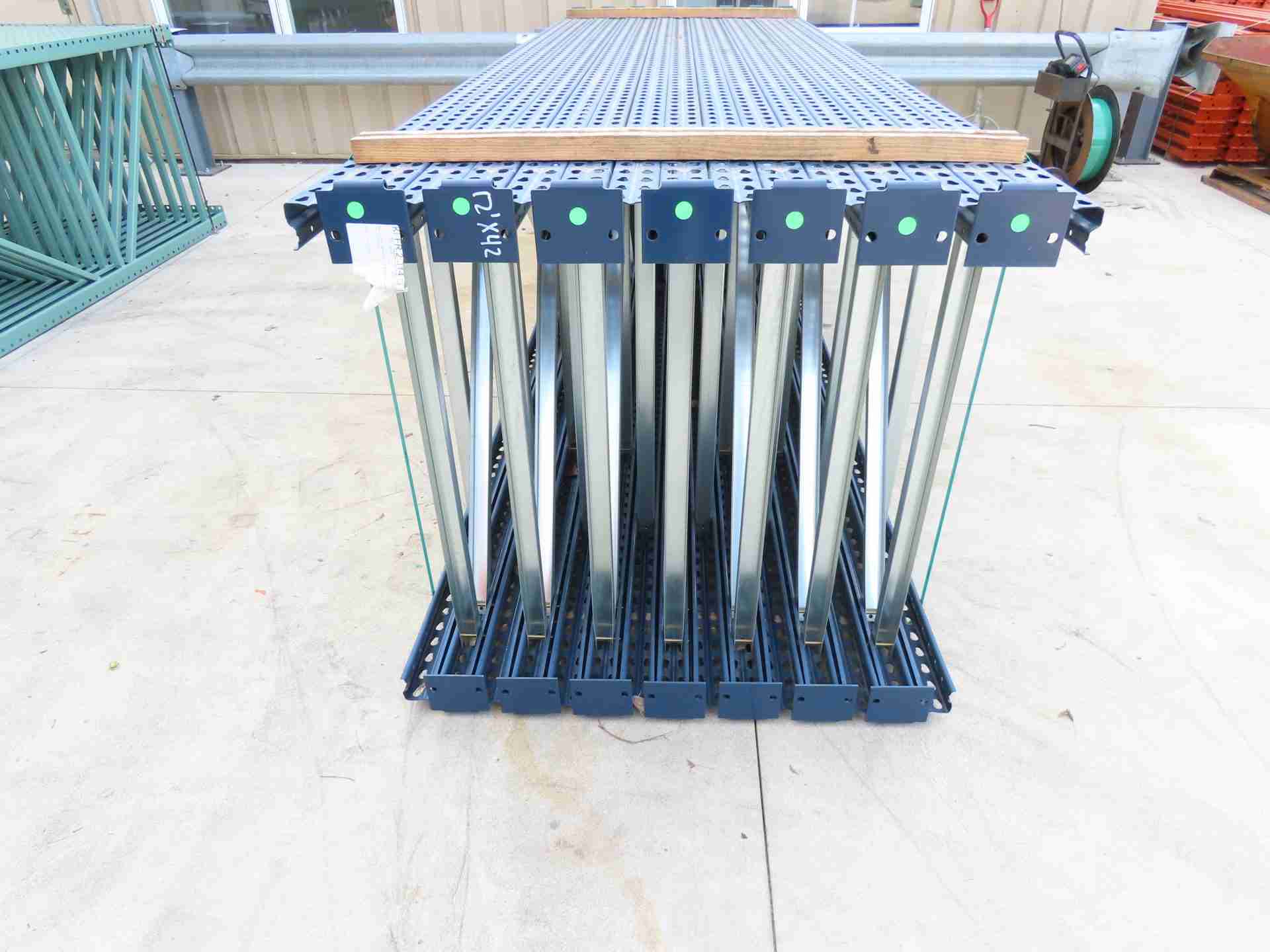
When it comes to cantilever racks, steel reigns supreme. Its unparalleled strength and durability make it a go-to choice for heavy-duty storage needs. Given that many businesses are currently re-evaluating their supply chain and storage solutions due to the economic changes sparked by recent global events, selecting robust steel racks can be a game-changer. For instance, the automotive industry, which has seen a surge in demand for just-in-time inventory systems, relies heavily on steel cantilever racks to store components efficiently and safely. Look for high-quality, powder-coated steel which enhances corrosion resistance and prolongs longevity, ensuring your storage solution stands the test of time.
Wood—A Classic for Lightweight Needs
If your inventory includes lighter, bulkier items—think furniture or textiles—wooden cantilever racks are not only aesthetically pleasing but also functional. They offer the rustic flair that’s increasingly popular amidst the sustainable trend—a reflection of consumer demand for eco-friendly design. With major retailers moving towards environmentally friendly practices, wooden racks made from reclaimed or sustainably sourced timber can resonate with modern consumer values while providing a sturdy platform for your goods. Plus, they can be customized easily, adding to their charm.
Composite Materials—The Best of Both Worlds
Composite materials can offer the flexibility and strength that many businesses seek today. These materials often combine lightweight designs with the durability of metals, making them suitable for various storage environments. Consider a scenario where a tech company dealing with both hardware and lightweight packaging requires versatility; composite cantilever racks can efficiently handle both, aiding in organization and accessible workspaces. As companies pivot toward mixed inventory strategies, composite racks are becoming increasingly popular, bridging the gap between function and efficiency.
Wrap Up
The decision you make today about your cantilever rack materials can have a significant impact on your business operations. Whether you’re leaning towards the strength of steel, the warmth of wood, or the flexibility of composites, make sure your choice aligns with current trends and future-proofing your valuable inventory. After all, the right material isn’t just about storage; it’s an investment in your operational excellence. Choose wisely and watch your business soar.
What Types Of Materials Are Best Suited For Cantilever Racks?
What Types Of Materials Are Best Suited For Cantilever Racks?
- Cantilever racks are essential for organizing bulky or awkwardly shaped items like lumber, steel bars, and furniture.
- Steel is the top choice for heavy-duty storage due to its unmatched strength and durability.
- High-quality, powder-coated steel enhances corrosion resistance, making it a long-lasting option for storage solutions.
- Wooden cantilever racks are ideal for lighter, bulkier items and offer an aesthetically pleasing, eco-friendly option.
- Wooden racks made from reclaimed or sustainably sourced timber align with modern consumer values.
- Composite materials provide a balance of lightweight design and durability, suitable for diverse storage needs.
- Choosing the right material for cantilever racks can significantly impact business operations and future-proof inventory.
What Types Of Materials Are Best Suited For Cantilever Racks?
How Do I Choose The Right Cantilever Rack For My Needs?
How Do I Choose the Right Cantilever Rack for My Needs?
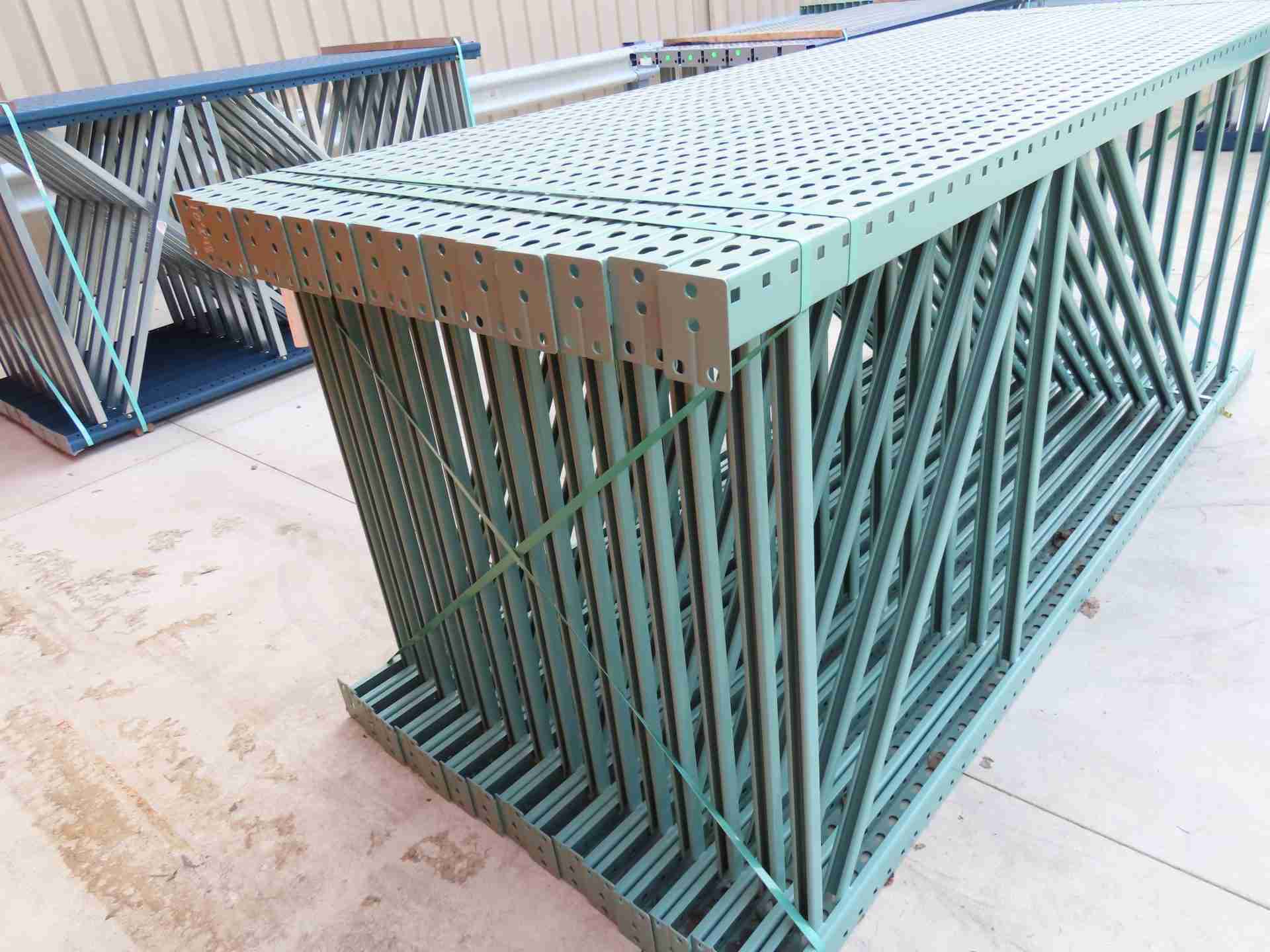
Selecting the right cantilever rack can feel overwhelming with a multitude of options available. But fear not. By breaking down your requirements into manageable chunks and understanding the key factors that influence your decision, you can make a savvy choice that will serve your business well for years to come.
1. Define Your Storage Needs:
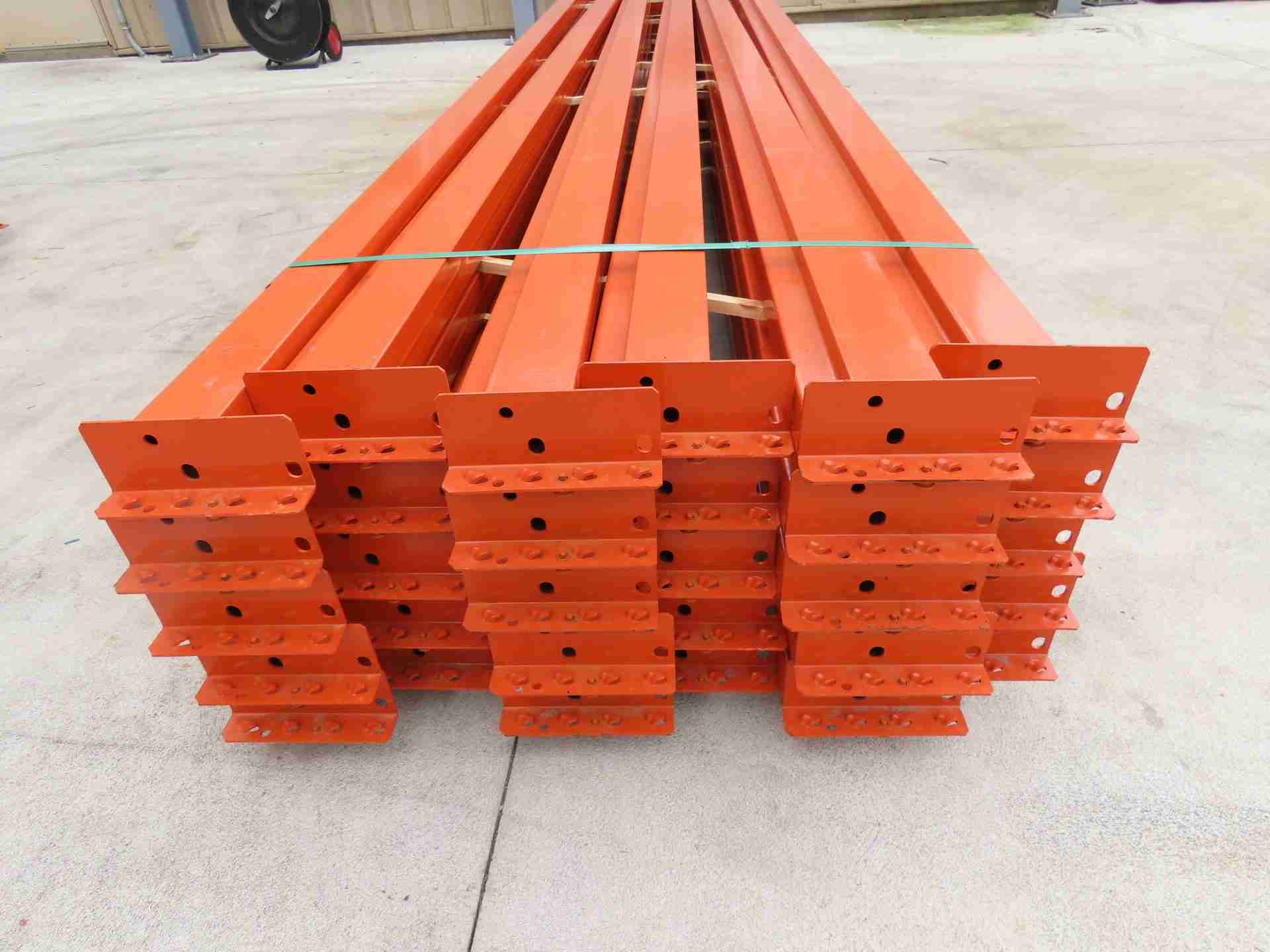
Begin by assessing what you plan to store. Are you handling long, bulky items such as lumber, pipes, or furniture? Or perhaps you need to accommodate lighter yet longer materials? The type and dimensions of your inventory will dictate the structure’s specifications, from arm length to weight capacity. For instance, if you’re a construction supplier facing increased demand post-pandemic, you might prioritize a heavy-duty cantilever rack that can accommodate larger quantities of lumber without compromising safety.
2. Consider the Weight Capacity:
Each cantilever rack has a specific load-bearing capacity. It’s crucial to choose a rack that matches or exceeds the demands of your inventory. For example, a standard rack might handle 2,000 pounds per arm, but if you’re storing heavy-duty steel beams, you may require a high-capacity unit capable of supporting 3,000 pounds or more. By investing in a rack that aligns with your storage needs now, you can avoid future costs associated with upgrades or replacements.
3. Evaluate Material Durability:
The material of your cantilever rack plays a significant role in its longevity and performance. Steel is a popular choice due to its strength and resilience, but consider whether you need galvanized racks for outdoor storage or specialized coatings to protect against humidity. With many industries still grappling with supply chain disruptions, securing a durable solution now can safeguard against future hurdles.
4. Think About Customization:
Sometimes, a one-size-fits-all approach simply won’t cut it. Look for racks that offer adjustable arms or modular components. This allows seamless restructuring as your business evolves. For example, if your business shifts from storing 2x4s to larger materials, a customizable cantilever rack can be easily adapted to meet your new demands.
5. Factor in Space and Layout:
Finally, don’t overlook space constraints. Measure your storage area to ensure you can install the rack without overcrowding. A well-organized layout not only maximizes storage capacity but also efficiency and safety.
By thoroughly evaluating your unique situation against these criteria, you can confidently select a cantilever rack that not only meets your current demands but positions your business for sustainable growth, especially in today’s ever-evolving market landscape.
How Do I Choose The Right Cantilever Rack For My Needs?
How Do I Choose The Right Cantilever Rack For My Needs?
- Define Your Storage Needs: Assess the type and dimensions of items to store, such as lumber or lighter materials, to determine rack specifications.
- Consider the Weight Capacity: Choose a rack that matches or exceeds your inventory’s load-bearing requirements to avoid future upgrades.
- Evaluate Material Durability: Opt for durable materials like steel and consider specialized coatings for outdoor or humid environments.
- Think About Customization: Select racks with adjustable arms or modular components for adaptability as your business needs change.
- Factor in Space and Layout: Measure your storage area to ensure proper installation and avoid overcrowding.
- Maximize Efficiency: A well-organized layout increases storage capacity and promotes safety in the workspace.
- Plan for Growth: Choose a cantilever rack that meets current needs while allowing for future expansion in a dynamic market.
How Do I Choose The Right Cantilever Rack For My Needs?
What Safety Considerations Should I Keep In Mind?
When diving into any marketing strategy or venture, safety isn’t simply a ‘nice-to-have’; it’s an absolute necessity. Ignoring safety considerations can lead not only to reputational damage but also financial loss or even legal ramifications. In today’s fast-paced and often unpredictable business environment, your ability to mitigate risks and prioritize safety can make or break your organization.
Understanding Data Security Risks:
In an era where data breaches are making headlines almost daily—think of the recent high-profile leaks that compromised millions of personal records—your first safety consideration should be the protection of your data. Implement robust cybersecurity measures like encryption and firewalls. Regularly update software and train your employees on phishing tactics. By instilling a culture of data consciousness, you reduce your vulnerability and build trust with your customers. Remember, it’s not just about avoiding losses; it’s about creating a strong brand trust that converts strangers into loyal customers.
Digital Marketing Safety:
If you engage in digital marketing, take caution with your online messaging. With the rise of cancel culture, the last thing you want is for a misinterpreted social media post to snowball into a PR crisis. A great example is when a leading fashion brand faced backlash for an inappropriate ad campaign last year. Their oversight not only cost them financially—due to a rapid decline in sales—but also tarnished brand image. Ensure your messaging is sensitive, respectful, and aligned with your target audience’s values. Utilize careful scrutiny in your creative development process to catch potential red flags before they go live.
Customer Interaction:
Think about safety during customer interactions, whether online or offline. In today’s world, many customers now prefer contactless experiences due to health concerns stemming from global pandemics. Businesses that have adapted—such as restaurants that shifted to curbside pickups—aren’t just keeping patrons safe; they’re boosting their bottom line in the process. Implement clear protocols for sanitization and healthy transactions. An emphasis on safety can become a unique selling proposition that sets you apart from the competition.
Legal Compliance:
Finally, never neglect the legalities. As governments update regulations in response to emerging risks—from GDPR for data protection to health mandates during crises—being proactive can save you headaches down the line. Invest in compliance education for your team to ensure everyone understands the rules of engagement.
In summary, prioritizing safety isn’t merely a protective measure; it’s a strategic business move. Make it a central tenet of your marketing efforts and watch not only your safety metrics improve but your overall brand reputation flourish.
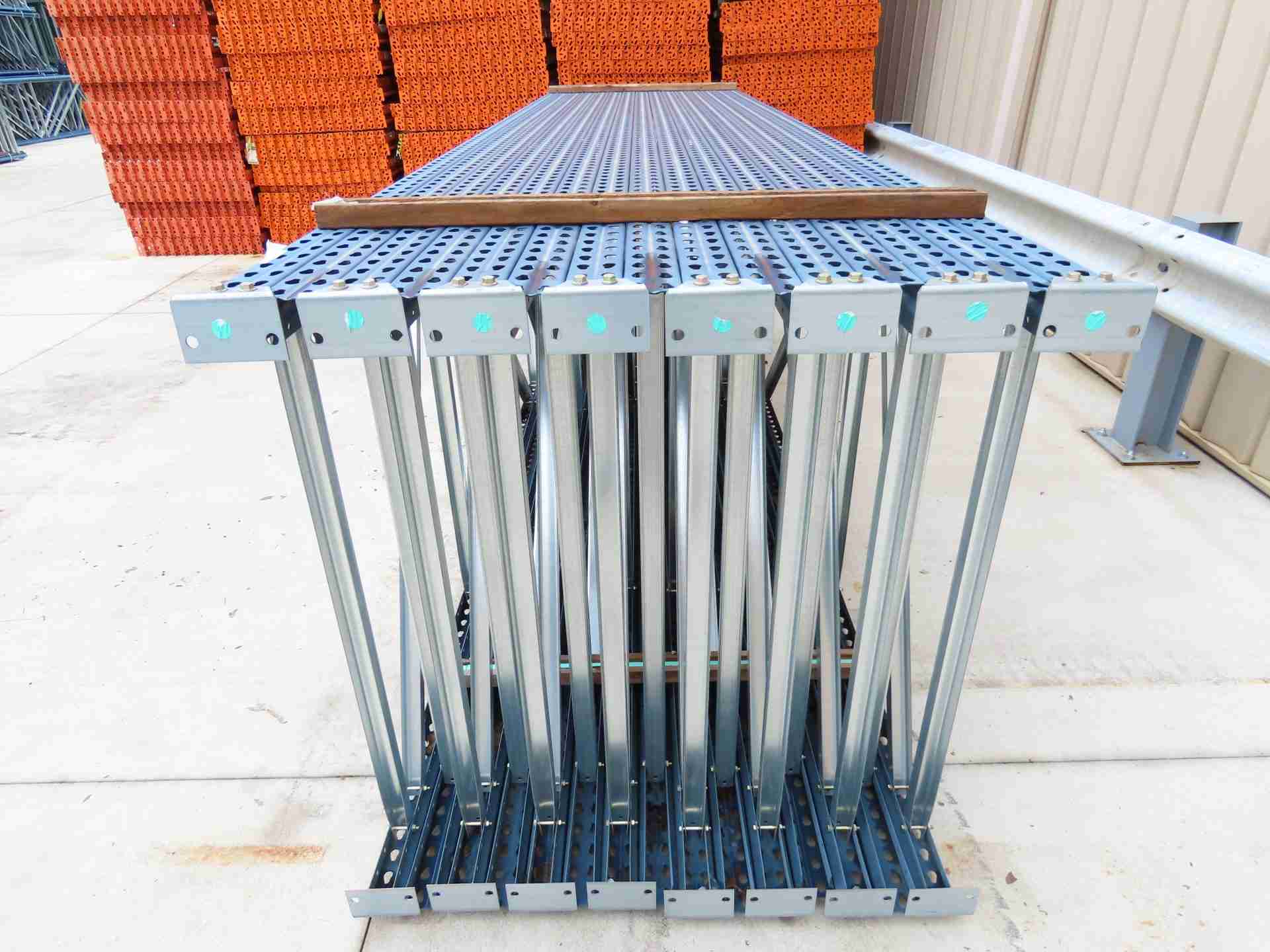
What Safety Considerations Should I Keep In Mind?
What Safety Considerations Should I Keep In Mind?
- Safety is essential in marketing strategies to prevent reputational damage and financial loss.
- Protect data by implementing robust cybersecurity measures such as encryption and employee training on phishing tactics.
- Be cautious with online messaging in digital marketing to avoid public relations crises stemming from misinterpretations.
- Consider customer safety during interactions, prioritizing contactless experiences to enhance business outcomes.
- Maintain clear protocols for sanitization and healthy transactions, which can serve as a unique selling proposition.
- Stay informed about legal compliance, updating practices to align with regulations like GDPR and health mandates.
- Prioritizing safety is a strategic business move that can improve safety metrics and enhance brand reputation.
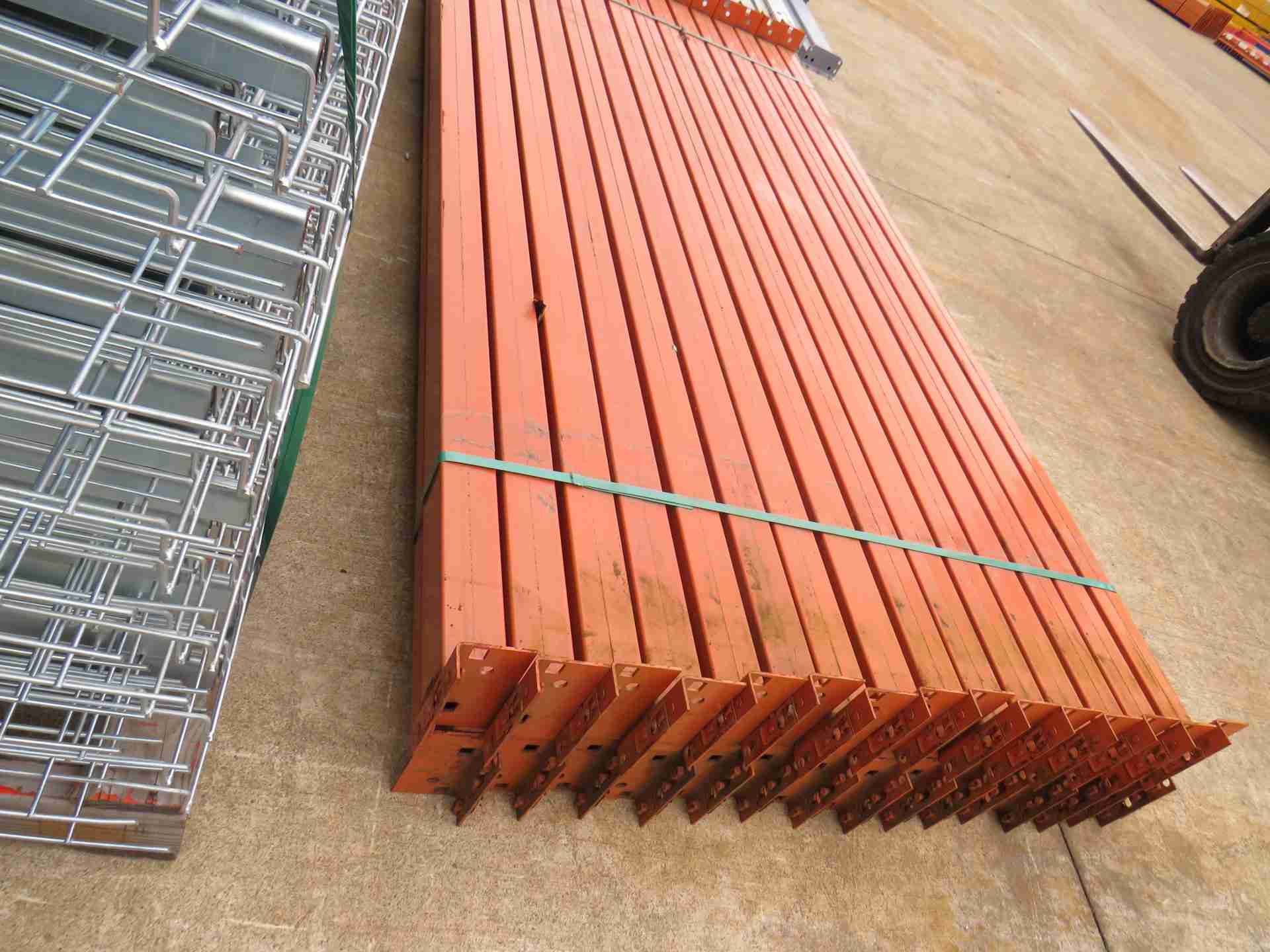
What Safety Considerations Should I Keep In Mind?
How Do I Properly Install A Cantilever Rack?
Installing a cantilever rack isn’t just about stacking items high—it’s a strategic investment in maximizing your space. Think of it as setting the stage for success. When implemented correctly, a well-installed cantilever rack becomes your silent sales team, driving efficiency and productivity to new heights.
Step 1: Planning is Paramount
Before you even think about getting your hands dirty, take a moment to plan. A successful installation starts with understanding your unique storage needs. Are you storing heavy pipes, lumber, or oversized items? Each type of inventory requires a different approach. The recent surge in home renovation projects post-pandemic has many businesses ramping up their material handling. Taking the time to assess your inventory type and volume can help you decide the number of upright columns and arms you’ll need.
Step 2: Choose the Right Location
Selecting the perfect spot for your cantilever rack is crucial. Follow the mantra: “Location, location, location.” Your racks should be strategically placed in a space that optimizes workflow and accessibility. Ensure that the area allows for forklifts or pallet jacks to move freely. With supply chain disruptions highlighted during recent global events, the ability to access inventory swiftly can become a competitive edge.
Step 3: Assemble with Precision
Once you have your planning and location sorted, it’s time for assembly. Start by laying out your components. Proper assembly ensures sturdiness and safety—don’t skip steps! If you’re using bolts, make sure to tighten them to the manufacturer’s specifications. Imagine your cantilever rack as the backbone of your storage solution; a wobbly backbone is no backbone at all!
Step 4: Load Strategically
Loading your cantilever rack shouldn’t be an afterthought. Use a systematic approach reminiscent of savvy marketers deploying campaigns. Be mindful of weight limits and balance your loads evenly. Place heavier items on lower arms and lighter items on top. This not only promotes safety but also ensures that your structure remains stable and secure—essential during busy seasons when products are on the move.
Step 5: Regularly Inspect and Maintain
Finally, commit to ongoing inspection and maintenance. Like refining your marketing strategy based on data analysis, consistent oversight of your cantilever rack can help you spot potential issues before they escalate. Look for signs of wear, loose fittings, or bend arms, making adjustments as needed.
Adhering to these steps ensures that your cantilever rack installation not only meets industry standards but also aligns with your business goals. As you optimize your storage solution, remember: a solid foundation leads to exponential growth!
How Do I Properly Install A Cantilever Rack?
How Do I Properly Install A Cantilever Rack?
- Strategic Investment: Installing a cantilever rack maximizes space and enhances efficiency.
- Step 1: Planning: Assess unique storage needs based on inventory type and volume before installation.
- Step 2: Location: Select a strategic location that optimizes workflow and allows for easy access by forklifts or pallet jacks.
- Step 3: Assemble with Precision: Ensure proper assembly for sturdiness and safety by tightly securing bolts according to manufacturer’s specifications.
- Step 4: Load Strategically: Use a systematic approach to loading, placing heavier items on lower arms for stability and safety.
- Step 5: Regular Inspection: Commit to ongoing maintenance and inspections to catch potential issues early.
- Conclusion: Following these steps ensures a cantilever rack installation meets industry standards and supports business growth.
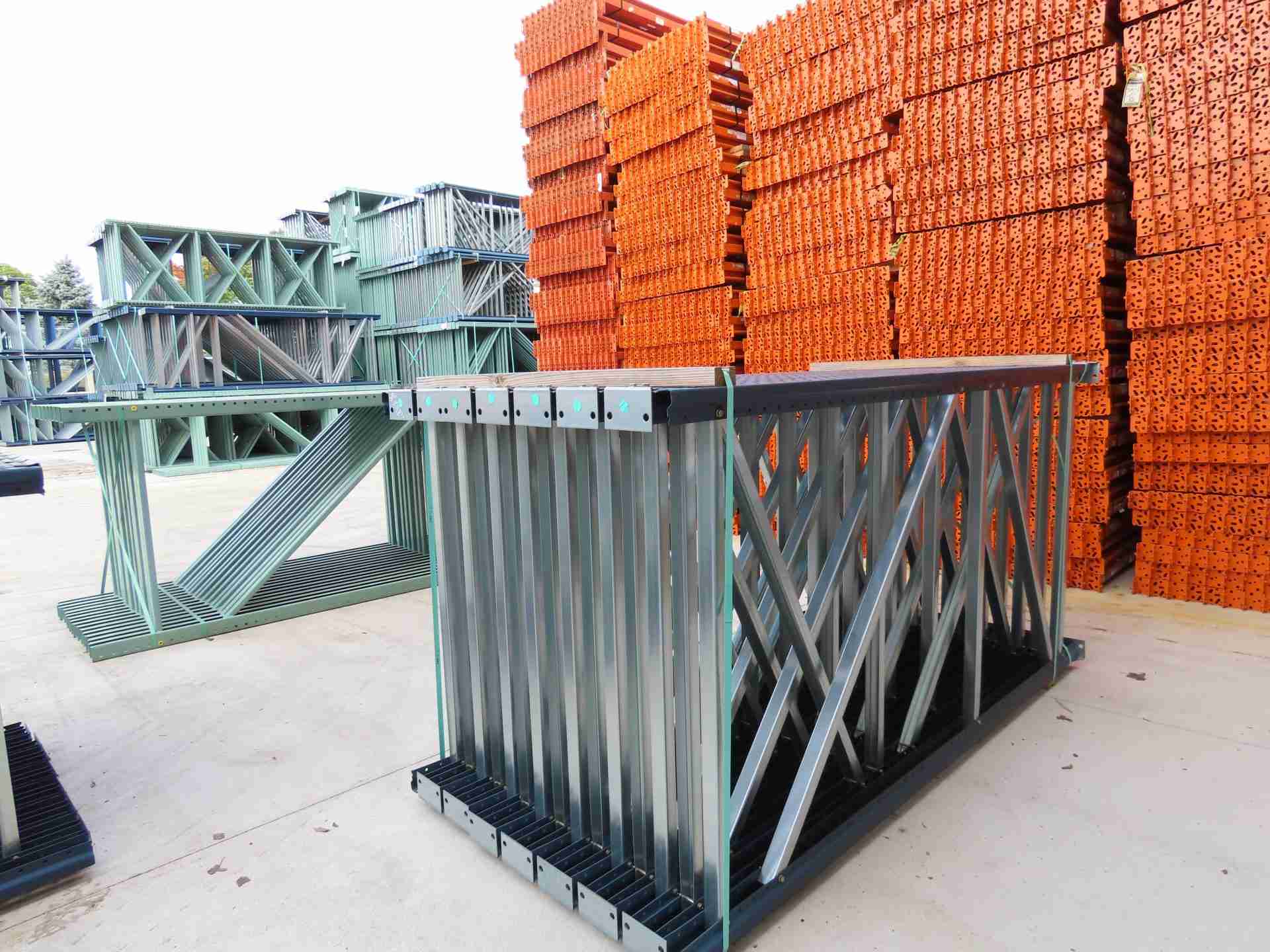
How Do I Properly Install A Cantilever Rack?
Can I Customize My Cantilever Rack For Specific Inventory?
Absolutely! Customizing your cantilever racks can transform your storage solutions, tailoring them precisely to suit your specific inventory needs. Imagine walking into your warehouse and seeing a perfectly organized landscape, where every item has a designated space that enhances both efficiency and accessibility. Customized cantilever racks allow you to achieve just that.
Consider a manufacturer that specializes in metal goods and piping. Stocking such diverse inventory can be challenging, but with a customized cantilever rack system, they could easily adjust the height and width of their shelves to accommodate both long metal pipes and short, bulky items. Tailoring these dimensions means they can utilize vertical space effectively and avoid the clutter that often leads to lost inventory or inefficient retrieval processes.
Customization doesn’t stop at dimensions. You can also integrate specialized features into your cantilever racks. For instance, adding safety braces for heavy-duty attachments can be crucial for businesses handling large objects like timber, steel beams, or furniture. A packaging company could incorporate adjustable arms to handle varying package sizes, drastically improving their picking speed and accuracy.
As current market trends indicate, businesses are increasingly focused on streamlined operations and cost-efficiency. According to a recent industry report, companies that optimize their storage solutions witness up to a 30% increase in productivity. Custom cantilever racks can facilitate this by reducing the time spent locating and retrieving goods. In uncertain economic times, the thoughtful investment in customizable storage solutions can yield significant returns.
Moreover, with the rise in e-commerce, companies are struggling to effectively manage inventory across multiple channels. A modular cantilever rack design allows for quick adjustments to accommodate changing inventory needs. With the ability to reconfigure your storage space as your product line evolves, you can adapt without hefty renovations.
Think about the potential for increased profit margins when inefficiencies are reduced. For instance, a retailer experiencing rapid product line expansion can create a dynamic storage solution that evolves with its needs—saving time, space, and ultimately, money.
Customizing your cantilever racks isn’t just a luxury; it’s a necessity for modern businesses striving for maximum efficiency in an ever-changing inventory landscape. With a tailored cantilever rack system, your operation can thrive, minimizing chaos and maximizing productivity. Embrace the potential of customization today!
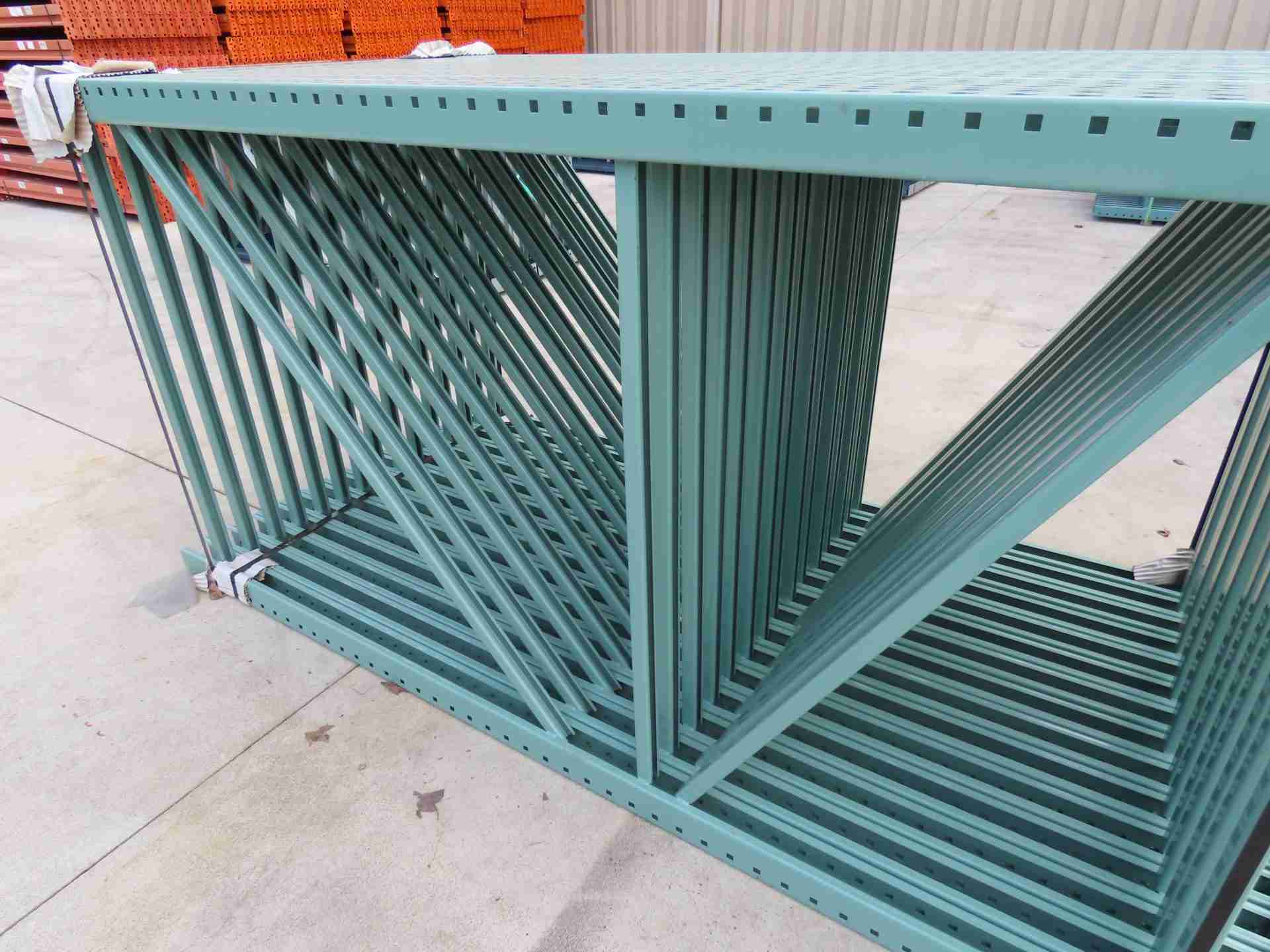
Can I Customize My Cantilever Rack For Specific Inventory?
Can I Customize My Cantilever Rack For Specific Inventory?
- Customizing cantilever racks enhances efficiency and accessibility in storage solutions.
- Manufacturers can adjust rack dimensions to accommodate diverse inventory like long metal pipes and bulky items.
- Special features such as safety braces and adjustable arms can be integrated for specific operational needs.
- Optimized storage solutions can increase productivity by up to 30%, according to industry reports.
- Modular designs allow for quick adjustments to inventory management, reducing the need for costly renovations.
- Custom racks can help businesses adapt to rapid product line expansions and reduce operational inefficiencies.
- Investing in customized cantilever racks is essential for modern businesses aimed at maximizing efficiency and productivity.
Can I Customize My Cantilever Rack For Specific Inventory?
What Maintenance Is Required For Cantilever Racks?
When it comes to maximizing efficiency in your warehouse or storage facility, cantilever racks stand out as one of the most versatile solutions. But like any investment, they necessitate a commitment to maintenance to ensure they perform effectively and safely over time. Let’s dive into the essential maintenance practices you should implement to keep your cantilever racks operating at peak performance.
Regular Inspections: At the heart of cantilever rack maintenance is the power of regular inspections. Ideally, you should conduct a thorough inspection at least once a month. Look for signs of wear and tear, such as bent arms or loose bolts. For instance, imagine the chaos if a crucial piece of heavy machinery is on a cantilever rack that hasn’t been checked in months; a simple inspection could prevent costly accidents or damage.
Cleaning: Dust and debris can accumulate on your cantilever racks, especially in busy environments. Regular cleaning not only enhances the aesthetic appeal of your storage area but also allows for better visibility during inspections. You wouldn’t believe how much a cleaner environment can boost morale and efficiency amongst your team. At the very least, allocate time to wipe down the racks every quarter and more frequently if your operation is particularly dusty.
Load Capacity Checks: Each cantilever rack comes with a specified load capacity. What many forget is that this capacity can change based on usage patterns over time. Routinely ensure that the loads you place on your racks comply with these specifications. Accidentally overloading can cause structural failures. For example, a recent scandal involving a warehouse collapse due to overloading should serve as a critical reminder for operators everywhere.
Structural Integrity: Keep an eye on the structural integrity of the racks. This includes checking for rust and corrosion, especially in facilities that experience high humidity levels. Applying protective coatings can extend the life of your racks significantly, acting as a barrier against the elements. As we see more companies leaning towards sustainability, operations must also consider eco-friendly solutions that won’t compromise safety.
Staff Training and Awareness: Finally, while maintenance is essential, educating your team about the importance of rack safety cannot be overlooked. Conduct regular training sessions to ensure everyone understands best practices for loading and unloading materials safely. This proactive approach not only minimizes accidents but can also foster a culture of safety in your organization.
Commit to a structured and proactive maintenance plan for your cantilever racks, and you will ensure longevity and safety in your business operations. Keeping your facility running smoothly is not just about heavy lifting; it’s about strategic foresight and diligence. Make the effort today, and watch your efficiency soar!
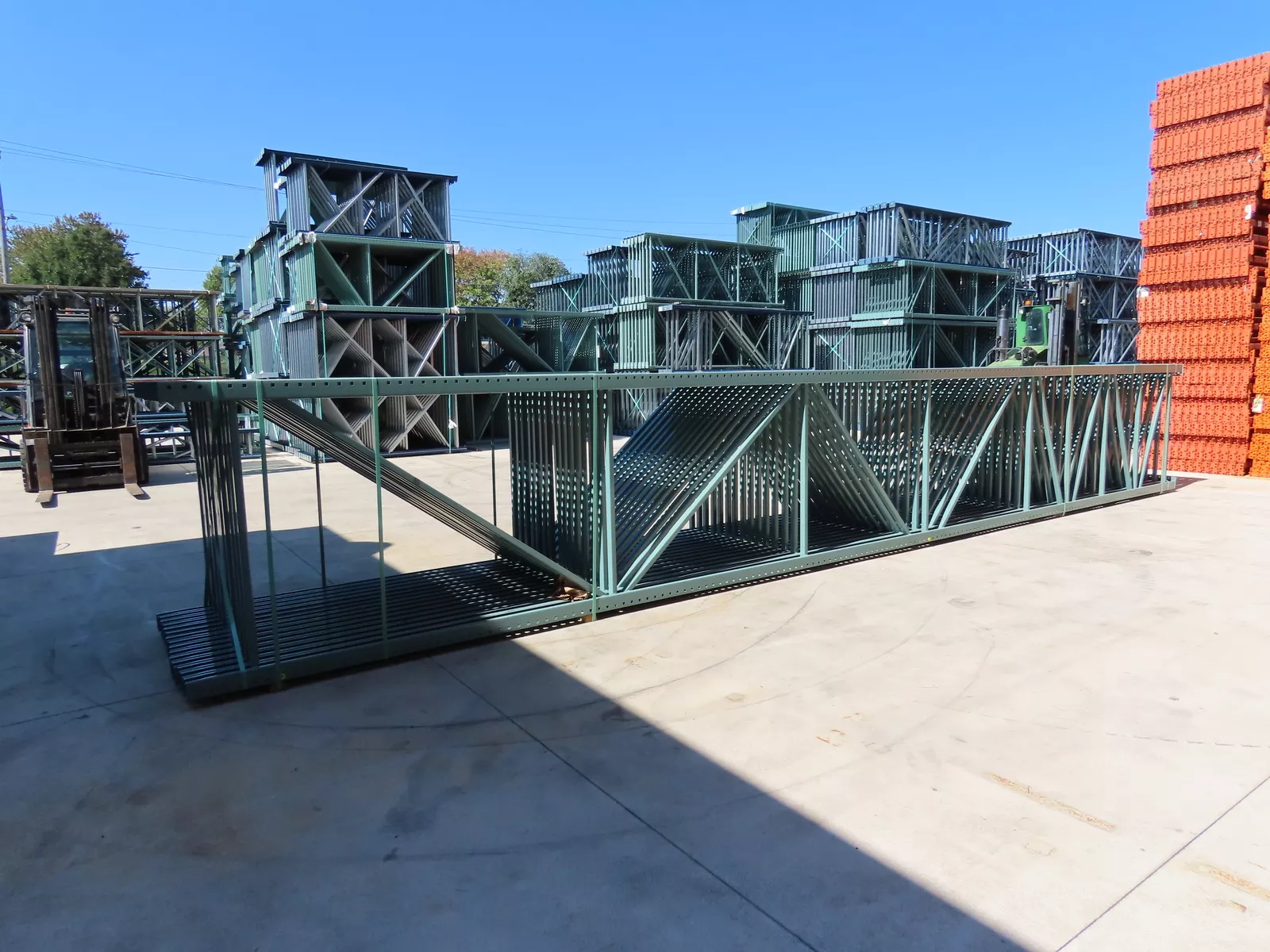
What Maintenance Is Required For Cantilever Racks?
What Maintenance Is Required For Cantilever Racks?
- Cantilever Racks: Versatile solutions crucial for maximizing warehouse efficiency.
- Regular Inspections: Conduct thorough checks monthly to identify wear and tear, preventing accidents.
- Cleaning: Regular cleaning improves visibility and morale; aim for quarterly cleaning at a minimum.
- Load Capacity Checks: Ensure loads comply with specified limits to prevent structural failures from overloading.
- Structural Integrity: Monitor for rust and corrosion; use protective coatings to prolong rack life.
- Staff Training: Educate employees on rack safety through regular training to minimize accidents.
- Proactive Maintenance: Implement a structured plan to ensure longevity and efficiency in operations.
What Maintenance Is Required For Cantilever Racks?
What Are The Advantages Of Using Cantilever Racks?
In today’s fast-paced market, businesses must maximize efficiency, streamline operations, and optimize space—especially in warehouses and distribution centers. Enter cantilever racks, the unsung heroes of material storage. If you’ve ever struggled with storing long, bulky items, then you understand the chaos a poorly organized space can create. Let’s delve into why investing in cantilever racks might just be your next game-changing move.
Space Optimization
Cantilever racks are designed to store items of varying lengths and sizes, making them the go-to choice for industries that handle lumber, pipes, or furniture. Their open design allows for easy access to goods while maximizing vertical space. Imagine a lumber yard that has transformed its disheveled storage into a streamlined paradise of vertical organization. Companies like Home Depot and Lowe’s have recognized this advantage, utilizing cantilever racks to manage inventory efficiently and improve customer access to products.
Increased Safety
Safety is paramount in any warehouse. A disorganized space can lead to accidents and injuries, costing businesses time and money. Cantilever racks elevate your items off the ground, reducing the risk of hazards associated with traditional shelving systems. For example, a well-known warehouse in Texas reported a 20% decrease in accidents after upgrading to cantilever racks, empowering their workforce with not only a more organized environment but also increased peace of mind.
Versatility Across Industries
From construction materials to automotive parts, cantilever racks are versatile and adaptable. They can accommodate a variety of weights and sizes, making them suitable for various sectors—from manufacturing to retail. A great example of this versatility can be seen in the way construction companies store everything from steel beams to plumbing supplies. Integrating cantilever racks allows these businesses to keep items easily accessible without compromising their safety or structural integrity.
Cost-Efficiency
Investing in cantilever racks translates to long-term savings. By utilizing vertical space, businesses can reduce the overall footprint needed for storage, potentially saving on real estate costs. Additionally, the durability of cantilever racks means less frequent replacements. Think about it: fewer cooling costs and added space means more opportunities for profit-generating activities. Companies who have adopted this storage solution often find themselves able to redeploy resources and focus on growth strategies instead of constant inventory headaches.
The advantages of using cantilever racks extend far beyond mere storage solutions. They provide a functional, safe, and versatile approach to inventory management, resonating especially with modern businesses looking to thrive in competitive landscapes. Don’t let your storage be an afterthought—elevate your operations to new heights with cantilever racks today!

What Are The Advantages Of Using Cantilever Racks?
What Are The Advantages Of Using Cantilever Racks?
- Cantilever racks maximize efficiency and streamline operations in warehouses and distribution centers.
- Designed for storing items of varying lengths, they optimize vertical space and ensure easy access to products.
- They enhance safety by reducing hazards associated with disorganized spaces, leading to fewer workplace accidents.
- Cantilever racks are versatile, accommodating different weights and sizes across various industries such as construction and retail.
- Investing in cantilever racks can lead to long-term cost savings by reducing the storage footprint and increasing durability.
- Their use helps businesses shift focus from inventory management to growth strategies.
- Cantilever racks offer a comprehensive solution for modern businesses aiming to improve inventory management in competitive markets.
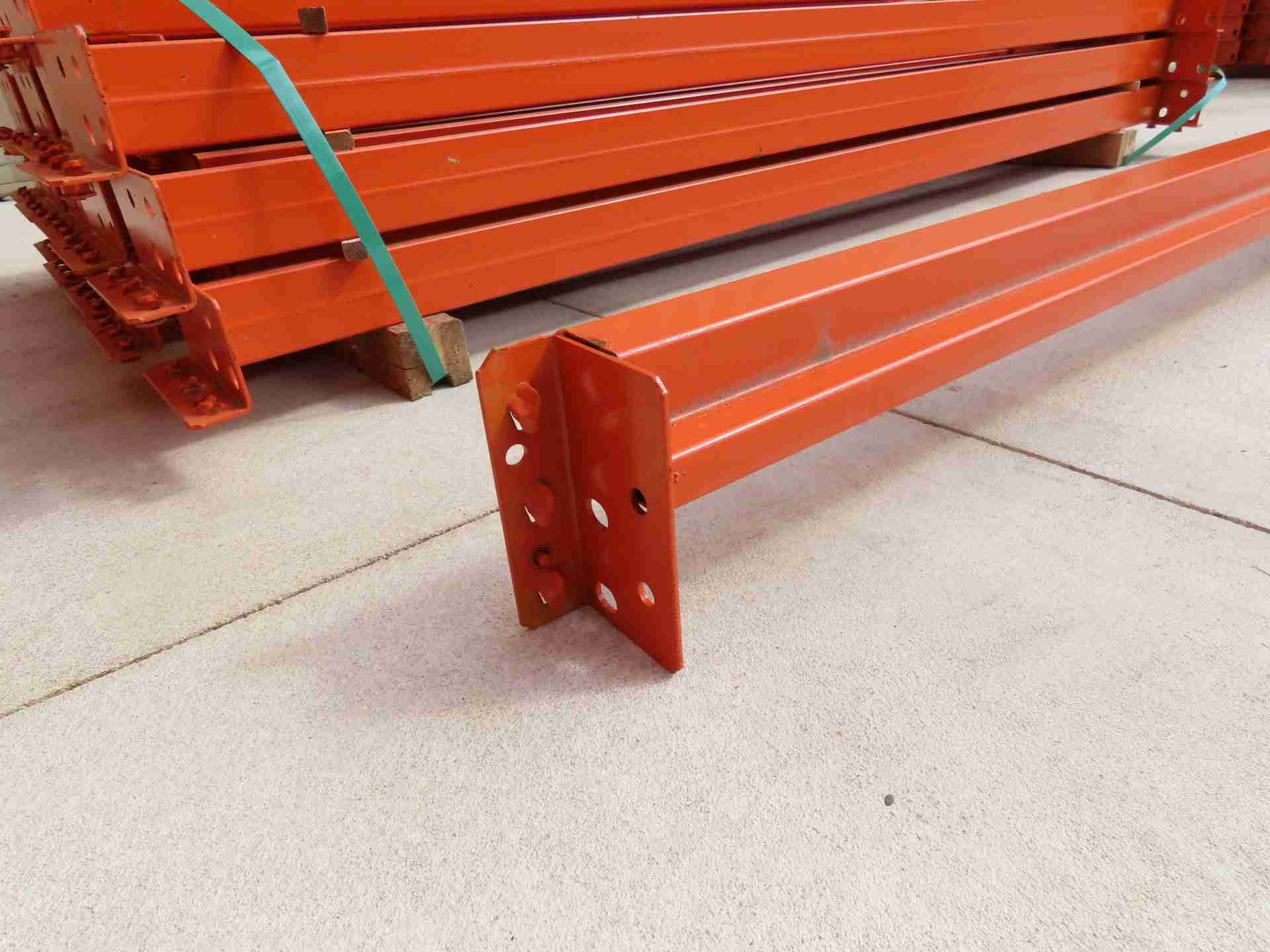
What Are The Advantages Of Using Cantilever Racks?
How Do Cantilever Racks Compare To Other Storage Systems?
How Do Cantilever Racks Compare to Other Storage Systems?
In today’s fast-paced market, where efficiency and space optimization are king, businesses must choose their storage systems wisely. Enter cantilever racks—especially designed to handle long, heavy items like lumber, pipes, and furniture. But how do they measure up against traditional storage solutions? Let’s break it down.
Versatility Over Limitations
Unlike conventional shelving, which can often box you into rigid configurations, cantilever racks offer unrivaled versatility. Think about a typical warehouse: you might have stacks of pallets, boxes, or assorted goods—each requiring unique arrangements. Cantilever racks can be adjusted and expanded easily, adapting to your inventory’s changing demands. For instance, during a strategic push to ramp up materials for a construction boom, instead of scrambling for additional shelving, you can simply add more arms to your cantilever structures.
Space Efficiency vs. Footprint
Consider a retail environment or a manufacturing floor where space is at a premium. Cantilever racks present a distinctive edge here. Their upright design allows for the vertical storage of goods, enabling businesses to maximize their vertical space without encroaching on precious floor areas. Following the recent trend in urban development, where real estate comes at a premium, implementing cantilever systems could turn what might have been a cramped workspace into a highly efficient storage marvel.
Load Capacity and Durability
One of the most significant advantages of cantilever racks is their load-bearing capacity. This is especially crucial for industries dealing with heavy, bulky items—think of suppliers for the booming renewable energy sector, which are increasingly dealing with oversized equipment and materials. Standard shelving often struggles under such weight, whereas cantilever racks are specifically designed to withstand considerable loads—ensuring safety and efficiency.
Cost-Effectiveness in the Long Run
While some might initially see cantilever racks as more expensive than traditional shelving formats, the reality paints a different picture. Investing in a versatile, durable system reduces the risk of damage to inventory, minimizes workplace accidents, and allows for seamless integration of operational changes. This translates to fewer replacements and repairs over time, adding to long-term savings—a crucial consideration for businesses navigating economic inflation and supply chain issues.
Conclusion
Cantilever racks are more than just a trend; they are a game changer in the storage landscape. With their versatility, efficient use of space, impressive load capacities, and long-term cost benefits, they stand out dramatically against traditional storage solutions. For businesses looking to boost operational efficiency in today’s dynamic environment, the choice is clear. Invest in smart, scalable storage with cantilever racks and watch your productivity soar.
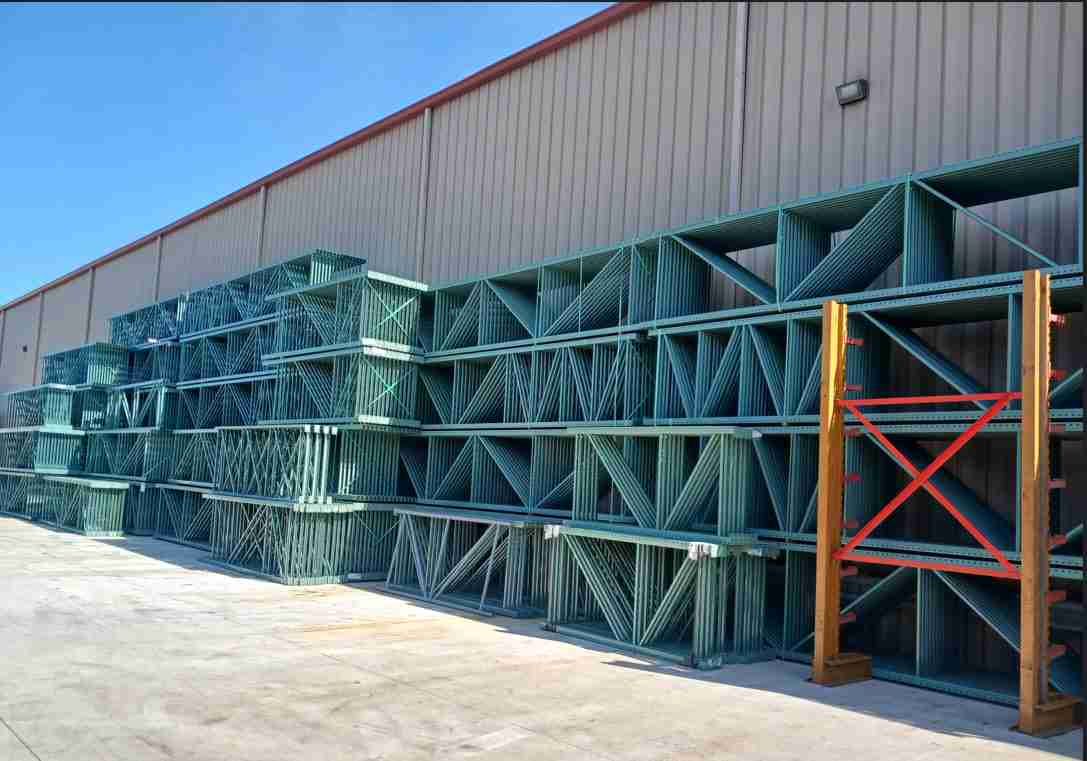
How Do Cantilever Racks Compare To Other Storage Systems?
How Do Cantilever Racks Compare To Other Storage Systems?
- Cantilever racks are designed for long, heavy items like lumber and pipes, comparing favorably to traditional storage.
- They offer exceptional versatility, allowing for easy adjustments and expansions to meet changing inventory demands.
- Cantilever racks maximize vertical storage, making them ideal for space-constrained environments.
- They have a high load-bearing capacity, suitable for heavy and bulky items in various industries.
- While they may seem costly initially, cantilever racks provide long-term savings by reducing damage risks and minimizing workplace accidents.
- They represent a significant advancement in storage solutions, promoting operational efficiency for businesses.
- Investing in cantilever racks is a strategic move for boosting productivity in today’s competitive market.
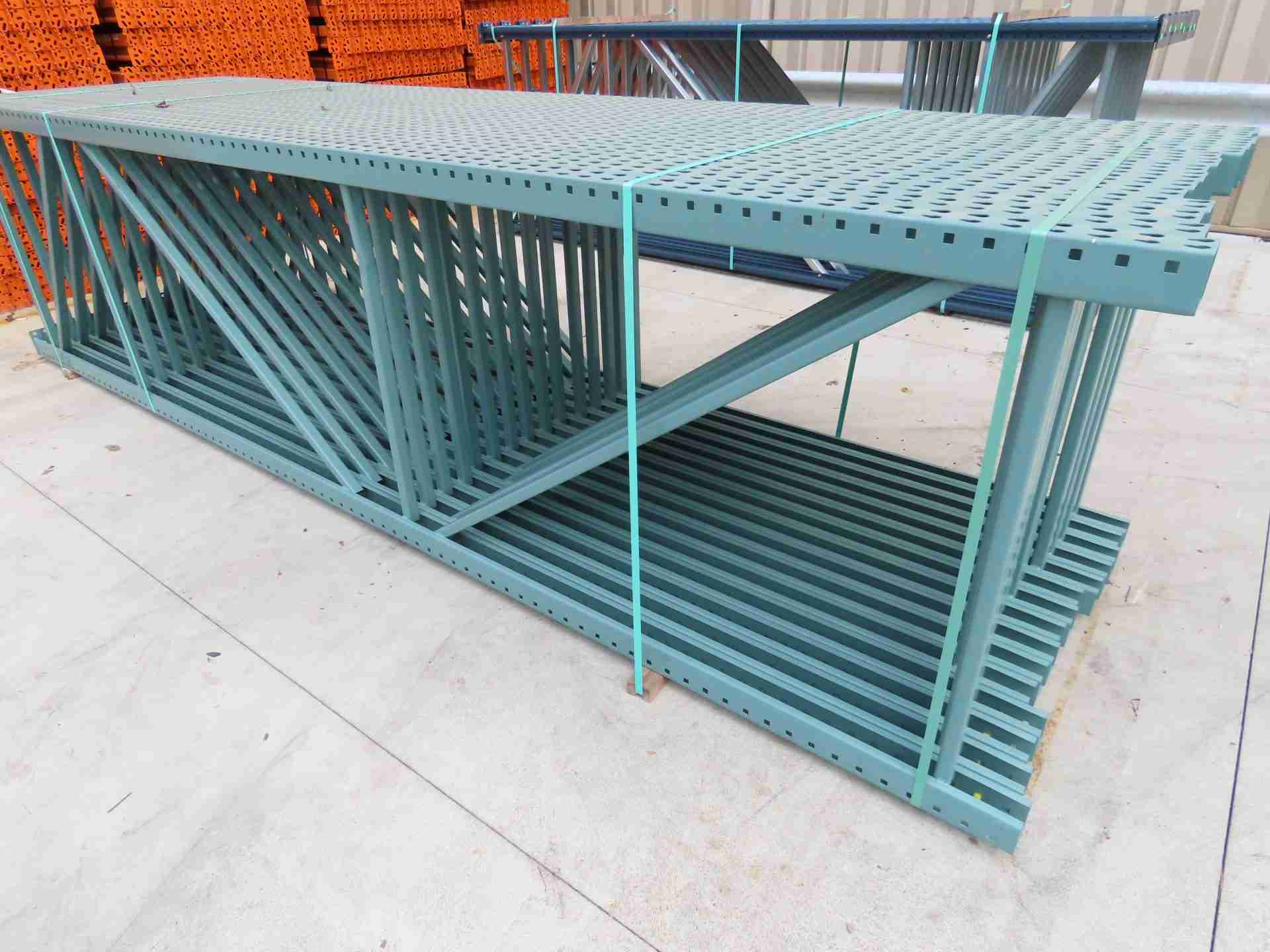
How Do Cantilever Racks Compare To Other Storage Systems?
What Are The Most Common Applications For Cantilever Racks?
In today’s fast-paced business environment, maximizing space and efficiency is non-negotiable. Enter the cantilever rack—a robust solution designed to handle a variety of storage challenges effectively. These versatile racks are ideal for an array of industries, showcasing their prowess in managing long and bulky items that traditional shelving simply can’t accommodate.
One of the most prominent applications of cantilever racks is in the lumber and building materials sector. Imagine a lumberyard stacked high with 2x4s, plywood sheets, and beams. Cantilever racks offer the perfect solution, allowing easy access to materials without the clutter often found in conventional racks. They facilitate safe horizontal storage of oversized materials, making it simpler for employees to retrieve items quickly and efficiently. As housing demand continues to rise in many regions—especially in response to current economic recovery trends—lumberyards must adapt by utilizing space-saving solutions like cantilever racks to keep up with the influx of materials needed for new construction projects.
Another notable application is in the manufacturing industry, where large components and machinery parts require careful organization. Manufacturers are increasingly turning to cantilever racks for storing steel coils, pipes, and other elongated products. The adjustable arms allow businesses to customize the racks to suit the specific lengths and weights of their inventory. This flexibility translates to optimized workflows, enabling quicker assembly lines and ultimately, enhanced productivity.
Retailers are also capitalizing on the benefits of cantilever racks. Gyms, home improvement centers, and even furniture stores utilize these racks to display long products—even kayaks and surfboards! During peak seasons, when demand surges for items like garden furniture or outdoor equipment, cantilever racks provide a visually appealing and functional way to attract customers while maintaining organized stock.
Lastly, the shipping and warehousing sectors find cantilever racks invaluable for storing various freight and goods. With the ongoing disruptions in supply chains due to geopolitical tensions and the aftermath of the COVID pandemic, businesses are reevaluating storage solutions that provide better accessibility and organization. Cantilever racks ensure that products are easily accessible, allowing for swifter order fulfillment and minimizing delays.
In summary, whether you’re in construction, manufacturing, retail, or warehousing, cantilever racks can optimize your space and streamline operations. As industries adapt to new market demands and logistical challenges, the integration of cantilever racks will undoubtedly remain a key pillar of effective storage solutions in the modern business landscape.
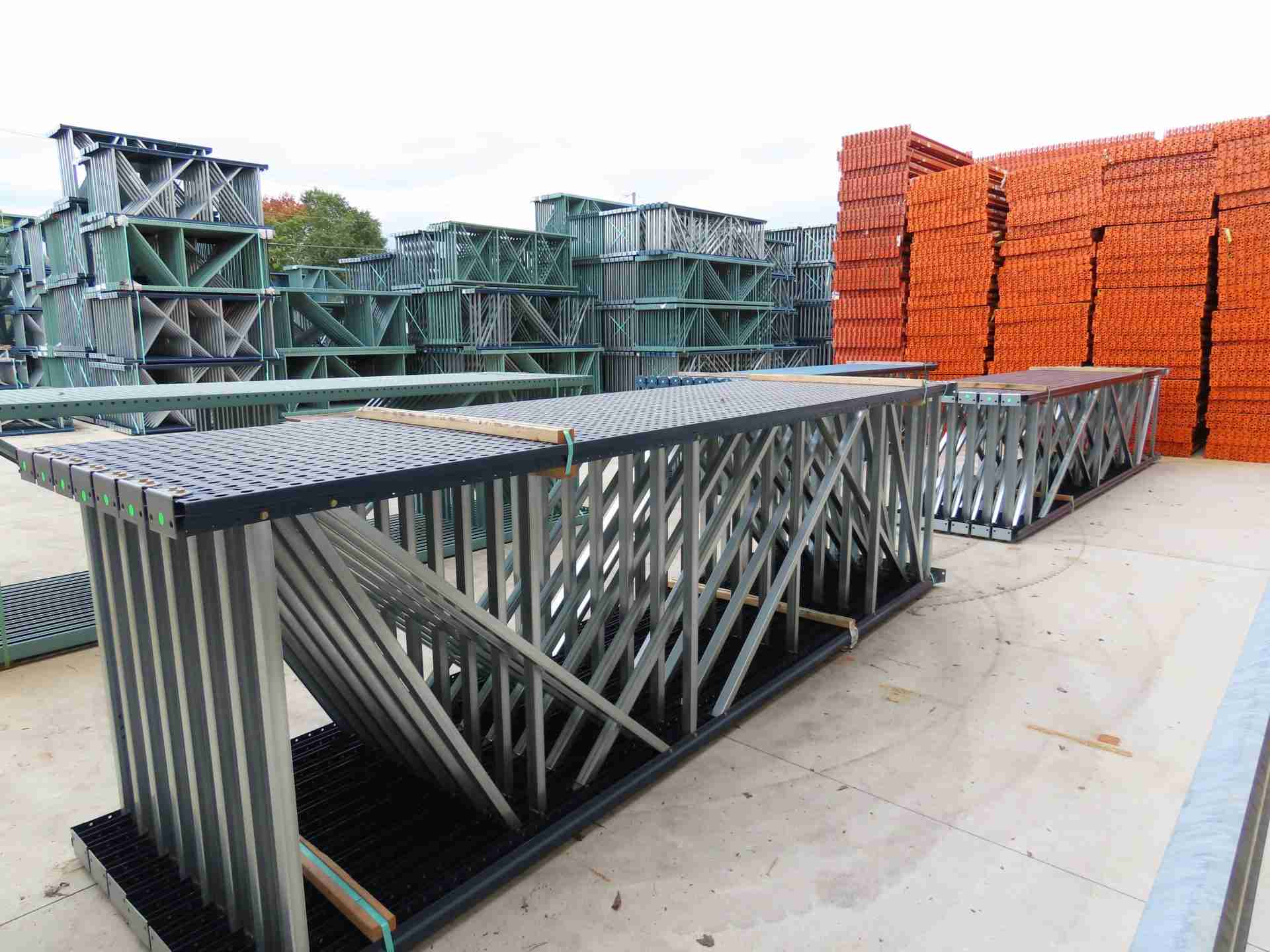
What Are The Most Common Applications For Cantilever Racks?
What Are The Most Common Applications For Cantilever Racks?
- Cantilever racks provide a robust solution for maximizing space and efficiency in various industries.
- Ideal for lumberyards, they enable safe horizontal storage of long and bulky items like 2x4s and plywood.
- The manufacturing industry uses cantilever racks for organizing large components like steel coils and pipes, enhancing productivity.
- Retailers, including gyms and furniture stores, utilize cantilever racks to display long products effectively and attract customers.
- Cantilever racks are invaluable in the shipping and warehousing sectors for organizing freight and optimizing order fulfillment.
- They offer adjustable arms, allowing customization for specific inventory lengths and weights.
- As industries face new logistical challenges, cantilever racks remain essential for effective storage solutions.
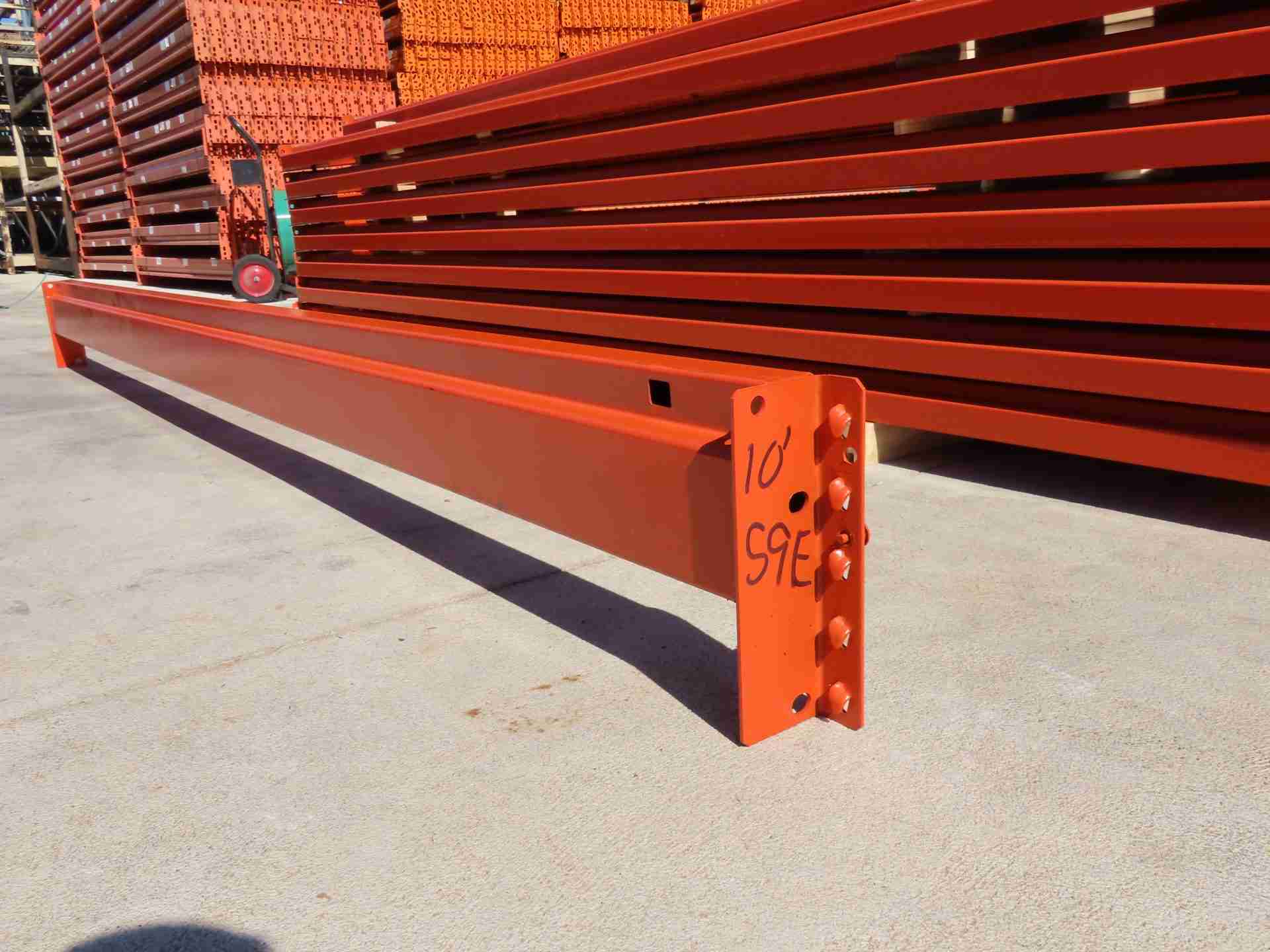
What Are The Most Common Applications For Cantilever Racks?
How Can Cantilever Racks Improve Warehouse Efficiency?
In the world of warehousing, where space is as precious as gold, the implementation of cantilever racks can transform your operations from muddled chaos to a symphony of efficiency. For businesses grappling with space constraints and inventory management woes, these robust and versatile storage solutions are a game-changer.
Cantilever racks are specifically designed to store long, bulky, or irregularly shaped items that traditional shelving struggles to accommodate. Think about the logistics of lumber yards, furniture warehouses, or industrial suppliers that deal in pipes, steel beams, or long lengths of carpet. By utilizing these racks, companies can maximize vertical storage and ensure easy access, ultimately streamlining their inventory processes. They eliminate the cumbersome process of maneuvering around boxy shelving and provide a clear pathway for employees to retrieve goods swiftly.
Consider the recent surge in e-commerce demand, a trend accelerated by the pandemic. Retailers and distributors are now under immense pressure to optimize their supply chains. Introducing cantilever racks allows these businesses to store a larger variety of products in a smaller footprint. The ability to effortlessly access oversized items not only speeds up order fulfillment but also reduces labor costs, as workers spend less time searching for products. In times where every minute matters, efficiency translates directly to the bottom line.
Moreover, cantilever racks are highly customizable. Businesses can adjust the height and the number of arms based on the specific sizes of their inventory, accommodating growth without the need for a complete overhaul of the storage system. This flexibility means that as your business evolves, your storage solutions can evolve, too, adapting to new products and changes in demand.
One shining example comes from the home improvement sector. A nationwide chain recently adopted cantilever racks in their warehouse, allowing them to store varying lengths of lumber efficiently. They reported a 30% increase in storage capacity and a 25% reduction in time spent picking orders after implementing this strategy. Imagine the competitive advantage this kind of increase can provide!
In summary, incorporating cantilever racks into your warehouse design is more than a mere aesthetic improvement. It’s a strategic move poised to enhance operational efficiency, optimize space utilization, and improve order turnaround times. As the marketplace continues to evolve and challenges multiply, making this investment could be the catalyst your business needs to thrive in today’s fast-paced environment. Don’t just keep pace—leap ahead. Embrace the future of storage solutions with cantilever racks and watch your warehouse efficiency soar.
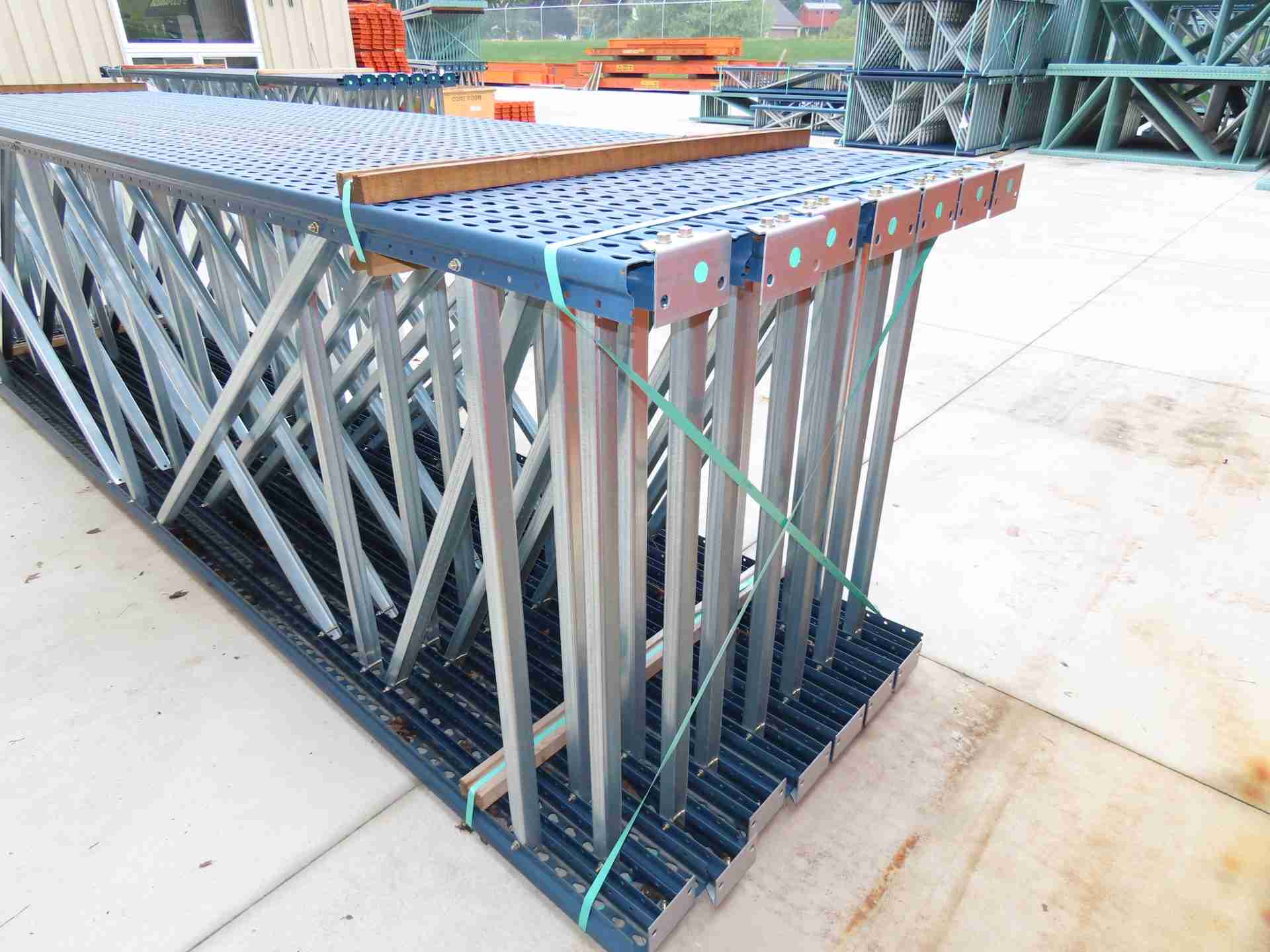
How Can Cantilever Racks Improve Warehouse Efficiency?
How Can Cantilever Racks Improve Warehouse Efficiency?
- Cantilever racks enhance warehousing efficiency by optimizing space for long and bulky items.
- Designed for industries like lumber yards and furniture warehouses, these racks simplify inventory management.
- They maximize vertical storage and provide easy access, streamlining workflows for quicker retrieval.
- The rise of e-commerce has increased the need for optimized supply chains, making cantilever racks more essential.
- These racks are customizable, allowing businesses to adapt to inventory changes without overhauling the system.
- A home improvement chain reported a 30% increase in storage capacity and a 25% decrease in picking time after implementation.
- Incorporating cantilever racks can significantly boost operational efficiency and competitive advantage in a fast-paced market.

How Can Cantilever Racks Improve Warehouse Efficiency?
Are There Any Regulations For Using Cantilever Racks?
When it comes to maximizing your storage space, nothing beats the versatility and efficiency of cantilever racks. However, diving headfirst into the world of these robust storage solutions without understanding the regulatory landscape can be a perilous endeavor. Just like any significant investment in your business, compliance with industry regulations is crucial—not just for the safety of your employees, but also for the integrity of your operations.
One of the first places to look is the Occupational Safety and Health Administration (OSHA). OSHA provides guidelines to ensure that storage systems, including cantilever racks, meet specific safety standards. For instance, OSHA mandates that racks must be designed, constructed, and installed to support the intended loads safely. If you are using cantilever racks to hold heavy materials like lumber or steel, understanding the load capacity is non-negotiable. Let’s consider a warehouse that recently faced fines due to improper rack installations leading to a workplace accident. Had they adhered to OSHA’s guidelines, they could have avoided costly downtime and damage to their reputation.
In addition to OSHA regulations, check your local building codes or fire safety regulations. These laws can vary significantly by location and often dictate the type of materials you can use and how you must install your cantilever racks. Ignoring these regulations can lead to costly penalties and project delays. For instance, in a recent case in California, a distribution center was forced to pause operations after officials discovered their cantilever racks were non-compliant with local fire codes. It’s a stark reminder that cutting corners can actually cut into your bottom line.
Furthermore, consider the standards set by organizations like the Rack Manufacturers Institute (RMI) or the American National Standards Institute (ANSI). These bodies provide guidelines not only for the installation and maintenance of cantilever racks but also for inspections. Regular audits can help catch potential safety risks before they escalate into accidents, ensuring that your investment in cantilever racks continues to yield returns.
To sum it up, navigating the regulatory landscape surrounding cantilever racks doesn’t have to be daunting. By aligning your storage solutions with OSHA guidelines, local building codes, and industry standards, you not only enhance safety but also position your business for success. After all, a strategic approach to compliance can keep your operations running smoothly—and your profits soaring.
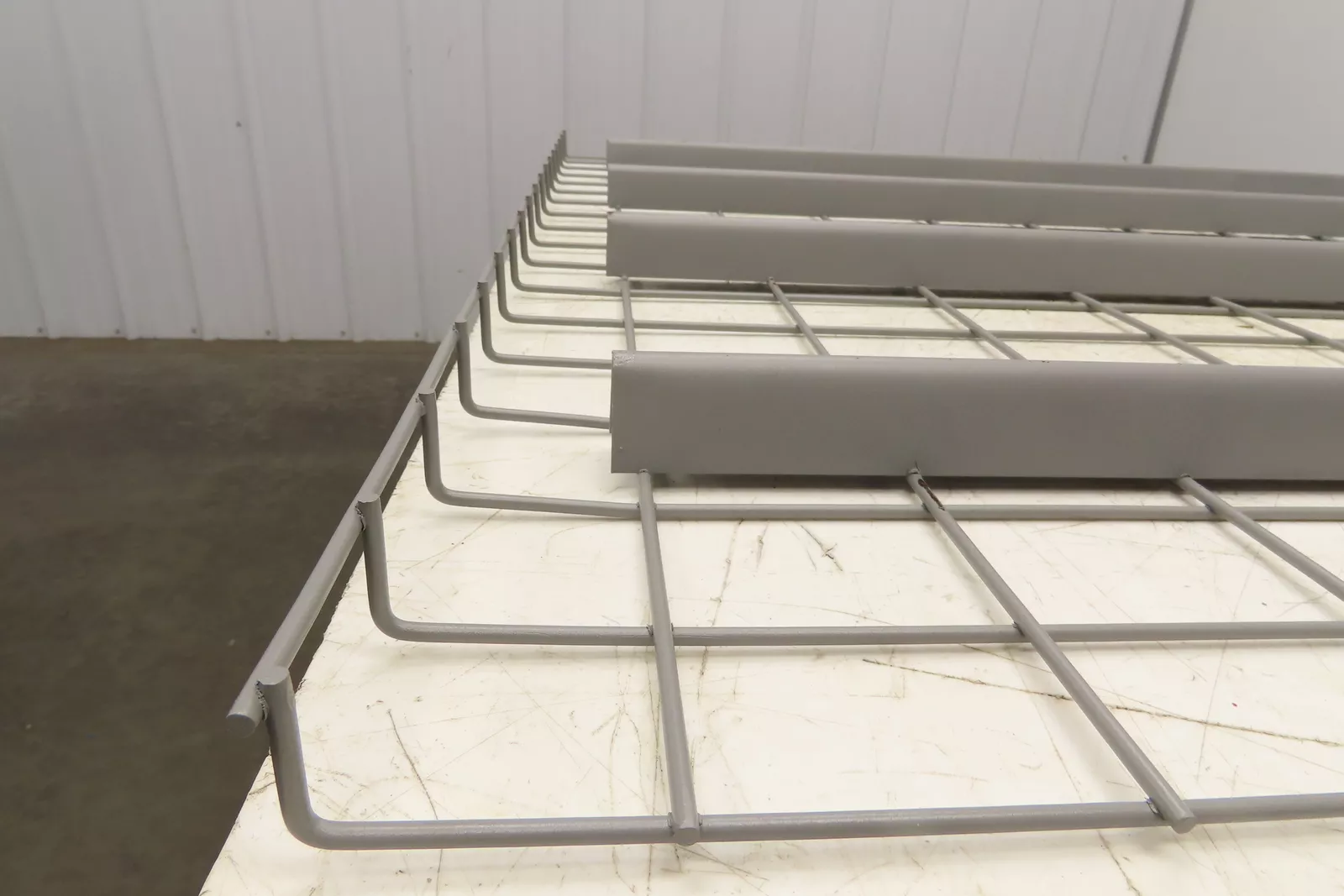
Are There Any Regulations For Using Cantilever Racks?
Are There Any Regulations For Using Cantilever Racks?
- Cantilever racks offer versatility and efficiency for maximizing storage space.
- Understanding regulatory guidelines is essential for safe and compliant use of cantilever racks.
- OSHA provides specific safety standards for the design, construction, and installation of storage systems.
- Knowing the load capacity is crucial, especially when storing heavy materials like lumber or steel.
- Local building codes and fire safety regulations must be adhered to, as they can vary by location.
- Organizations like RMI and ANSI provide guidelines for the installation, maintenance, and inspection of cantilever racks.
- Aligning storage solutions with regulations improves safety and supports successful business operations.
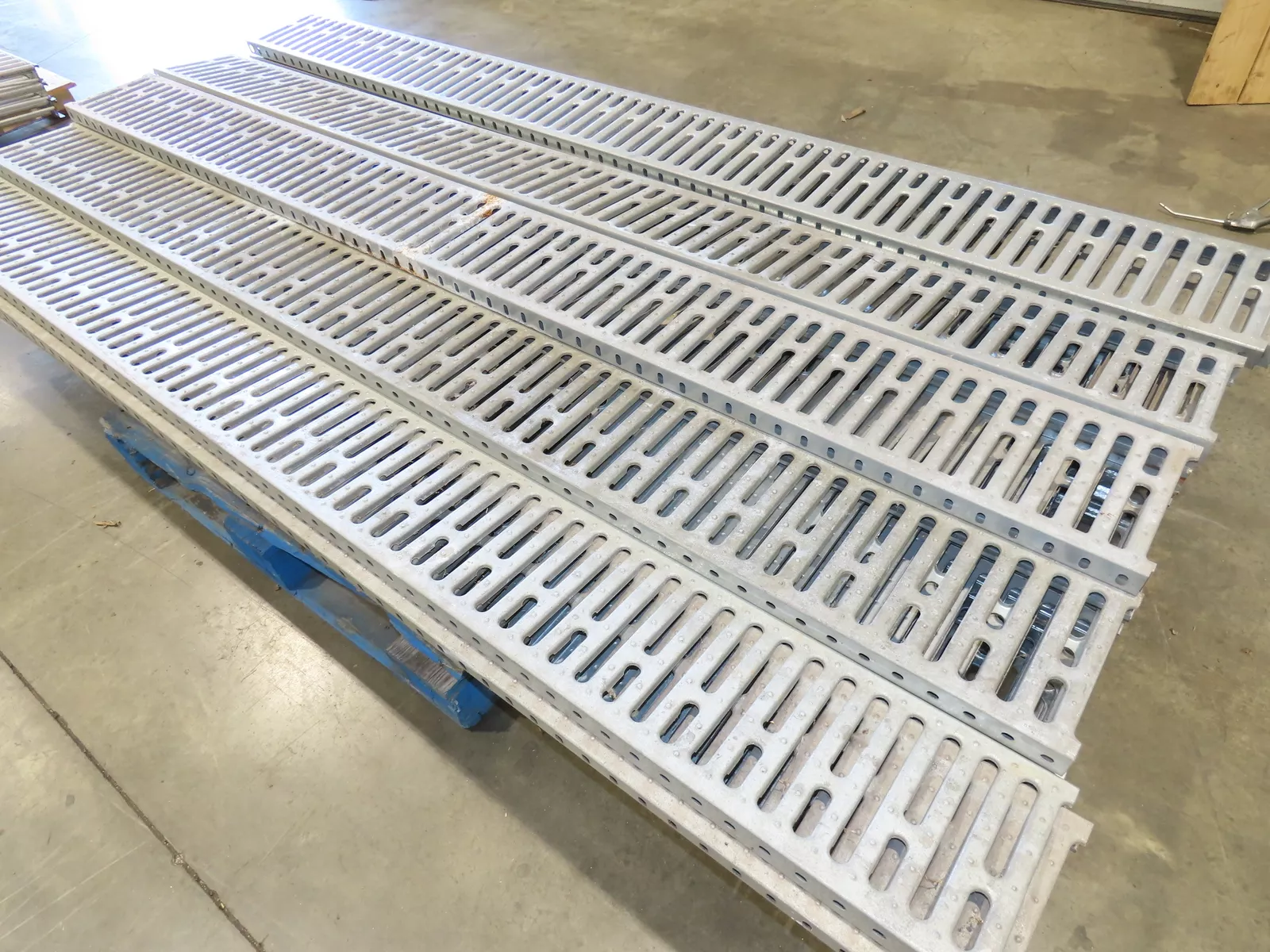
Are There Any Regulations For Using Cantilever Racks?
How Do I Determine The Best Layout For Cantilever Racks?
How Do I Determine the Best Layout for Cantilever Racks?
When it comes to maximizing storage efficiency and organization, few solutions can compete with cantilever racks. These structural powerhouses bring flexibility and versatility, but determining the best layout for your space requires a strategic approach. With careful planning, you can unlock the full potential of your warehouse or storage facility.
Start by analyzing your inventory. Understand the sizes, weights, and types of items you’ll be storing. For instance, if you specialize in long, bulky materials like lumber or pipes, a cantilever rack system allows you to store these items upright for easier access. On the other hand, if your inventory includes lighter products like textiles or packaging materials, you might consider a multi-tiered design that utilizes vertical space efficiently.
Consider the flow of your operations. A well-planned layout accommodates not just the storage needs but the daily workflows of your staff. Picture this: if your warehouse processes a high volume of outgoing shipments, positioning your cantilever racks in a U-shape can facilitate a smooth pick-and-pack process, reducing the time taken from order to delivery. In today’s fast-paced retail environment, where consumer expectations are higher than ever, such efficiency can make or break your operation.
Next, take into account accessibility. Ensure that your racks are placed in a way that allows for safe and easy access. Wider aisles can enhance maneuverability for forklifts and other machinery, reducing the risk of accidents. Moreover, consider how modern technologies like automated inventory systems can further optimize your layout, ensuring that items are easily tracked and retrieved.
Finally, always keep scalability in mind. As market demands fluctuate—such as the recent surge in e-commerce driven by the pandemic—your storage solutions should be able to grow along with your business. Cantilever racks are ideal for expansion; they are easy to reconfigure and can accommodate an increase in stock levels without the need for a complete overhaul of your layout.
Ultimately, the best layout for cantilever racks hinges on a thorough understanding of your unique operational needs. Assess your inventory, streamline your processes, prioritize accessibility, and plan for future growth. By doing so, you can create a system that not only meets today’s challenges but also positions you for increased profitability in tomorrow’s marketplace. Embrace the strength of cantilever racks, and you’ll transform your storage system into a well-oiled machine.
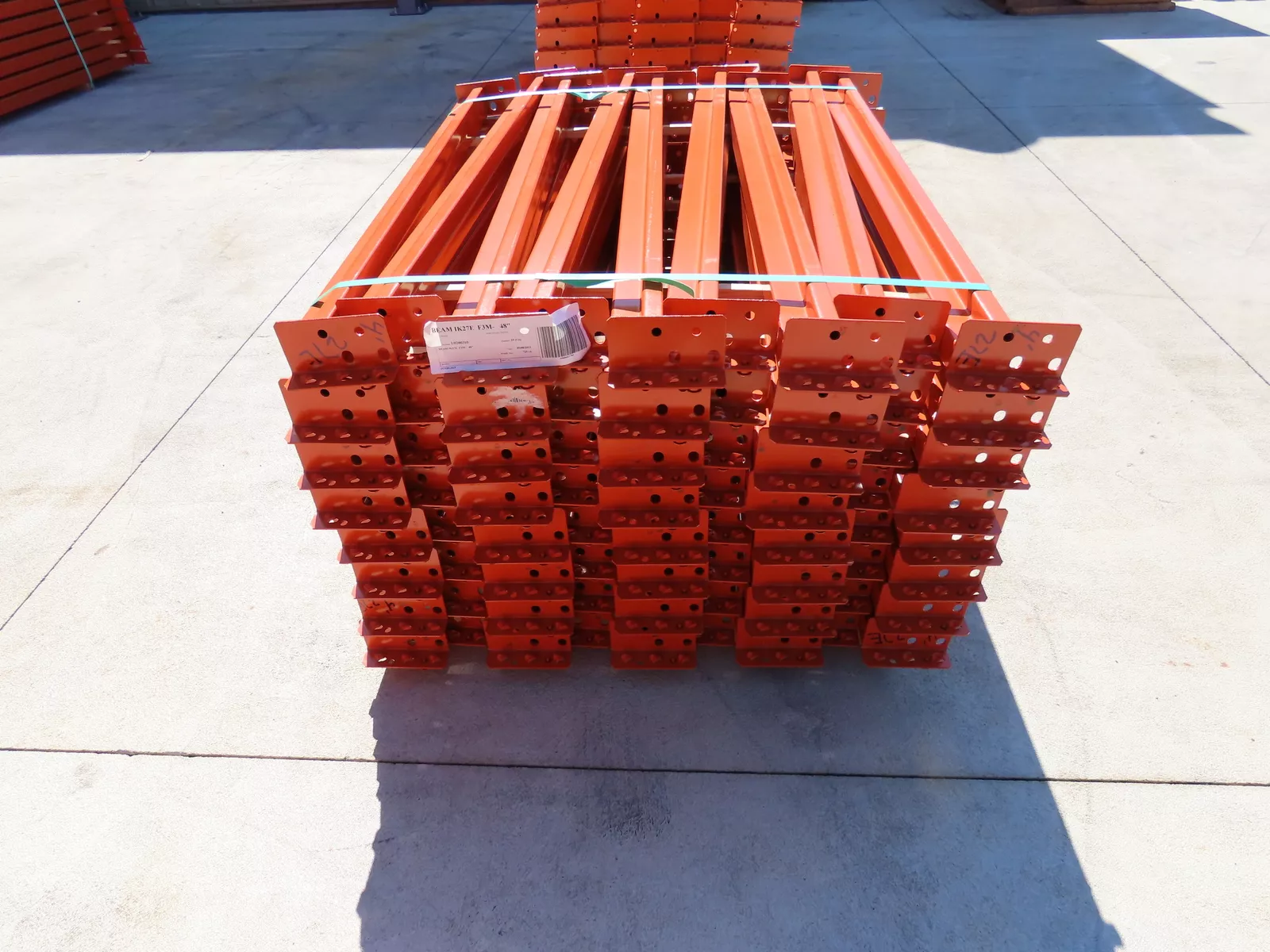
How Do I Determine The Best Layout For Cantilever Racks?
How Do I Determine The Best Layout For Cantilever Racks?
- Cantilever racks maximize storage efficiency and organization in various environments.
- Analyze inventory to understand the sizes, weights, and types of items to be stored.
- A well-planned layout considers the flow of operations to enhance workflows and reduce processing time.
- Ensure accessibility with wider aisles for safe maneuverability of forklifts and machinery.
- Utilize modern technologies like automated inventory systems to optimize your storage layout.
- Keep scalability in mind to accommodate fluctuations in market demands and inventory levels.
- Create a tailored layout that meets current operational needs and positions your business for future growth.
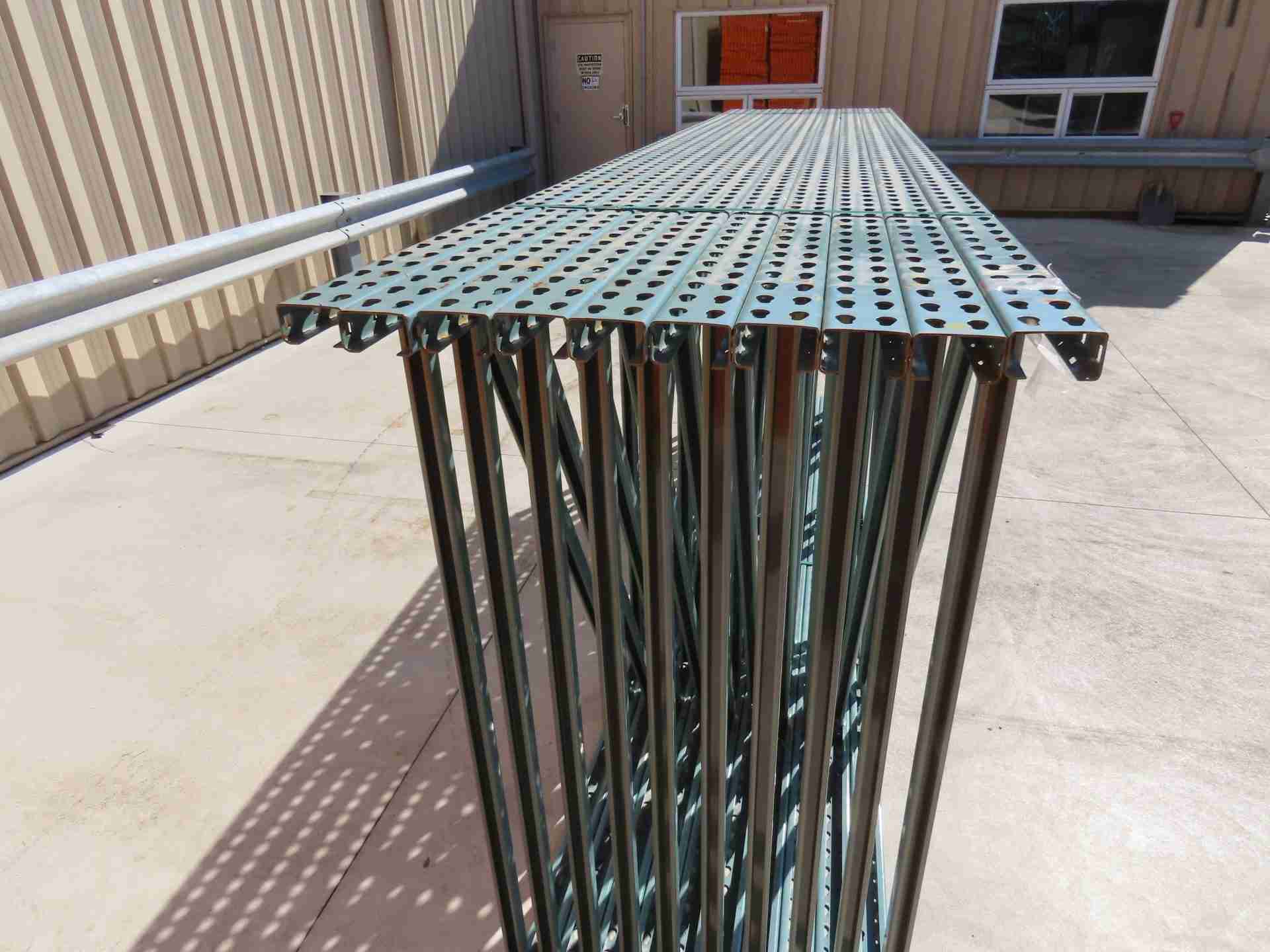
How Do I Determine The Best Layout For Cantilever Racks?
Conclusion
In conclusion, if you’re striving for optimal efficiency in storage solutions, cantilever racks represent the apex of versatility and adaptability, capable of addressing a myriad of storage challenges in contemporary warehouses and distribution centers. Their design accommodates both light and heavy-duty inventory seamlessly, making them the ultimate choice for businesses eager to maximize their storage potential. Whether you’re in construction, retail, or manufacturing, integrating cantilever racks allows you to organize bulky and irregularly shaped items, all while ensuring easy access to product whenever needed.
The undeniable flexibility of cantilever racks empowers your operations to scale with ease. As demand shifts—whether due to seasonal trends or market fluctuations—you can adjust the configuration of your racks to align with your changing inventory needs, thus preventing costly disruptions. Moreover, the safety advantages they bring cannot be overstated; lifting products off the ground minimizes hazards commonly associated with traditional shelving systems.
Moreover, current industry trends post-pandemic underscore the urgent need for businesses to reassess and enhance their storage solutions. With supply chain disruptions prompting a reevaluation of capacity and organization, businesses employing cantilever racks are better positioned to adapt to the rapidly shifting landscape of inventory management. For example, a major distributor recently reported increased efficiency and reduced lead times after switching to cantilever racks, which speaks volumes about the potential for improvement in modern operations.
At Arrow Industrial Sales, we specialize in bespoke storage solutions that cater to your unique inventory challenges. Our cantilever racks are designed with both your current needs and future expansion in mind. Don’t wait to upgrade your storage strategy—call us today at (574) 349-6575 to discuss how our products can enhance your efficiency and create a more organized workspace. The time to act is now; don’t let outdated storage practices hold you back from achieving operational excellence. Embrace the future of storage with cantilever racks, and watch your business thrive!
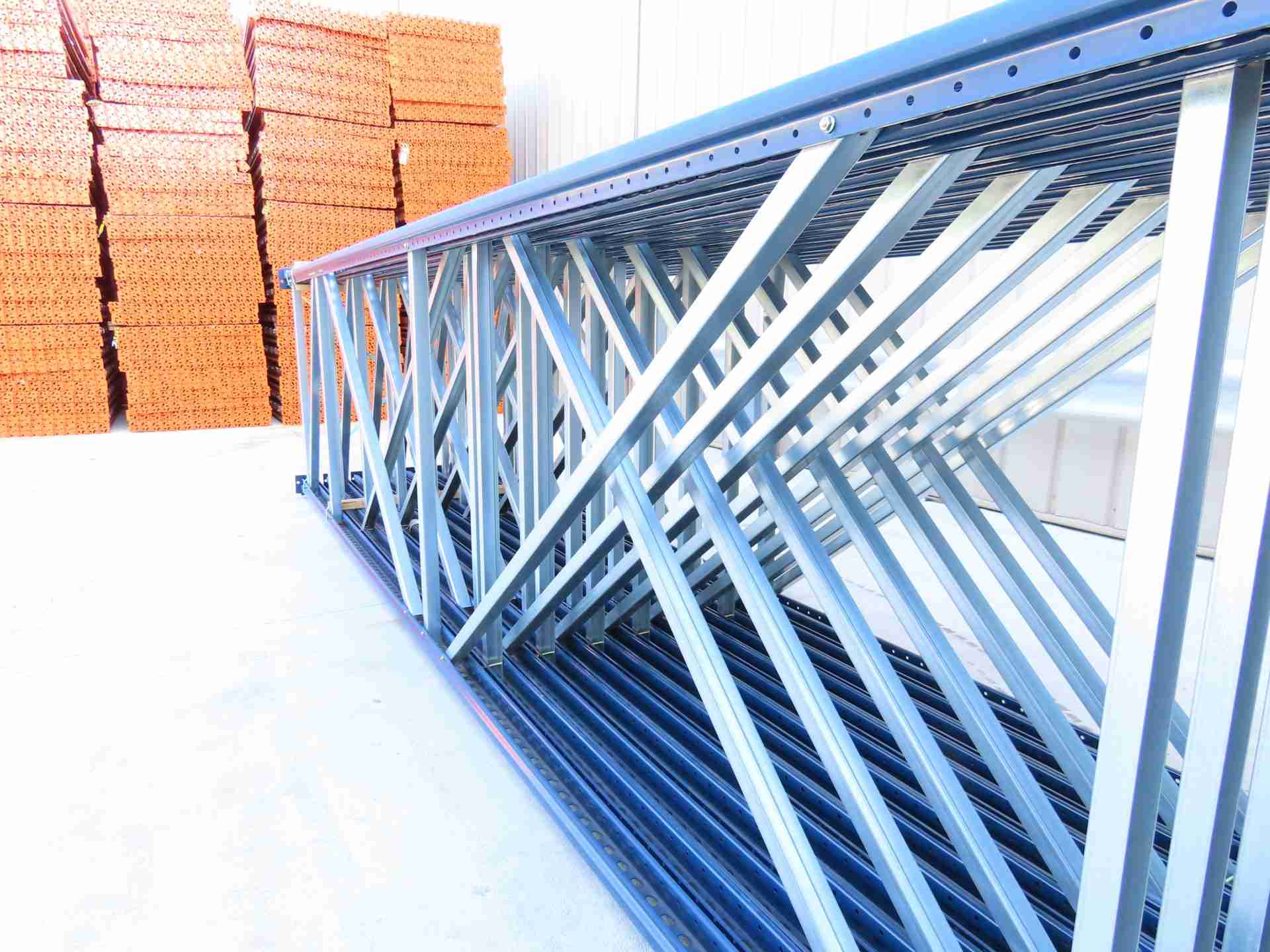
Conclusion
Conclusion:
- Cantilever racks are the pinnacle of versatility and adaptability for storage solutions.
- They accommodate both light and heavy-duty inventory, maximizing storage potential.
- Ideal for sectors like construction, retail, and manufacturing, they organize bulky and irregular items.
- Cantilever racks allow for easy access to products and seamless adjustments based on inventory needs.
- They enhance safety by lifting products off the ground, reducing hazards associated with traditional shelving.
- Post-pandemic trends highlight the importance of reassessing storage solutions for better adaptability.
- Arrow Industrial Sales offers customized cantilever racks designed for current and future inventory needs.
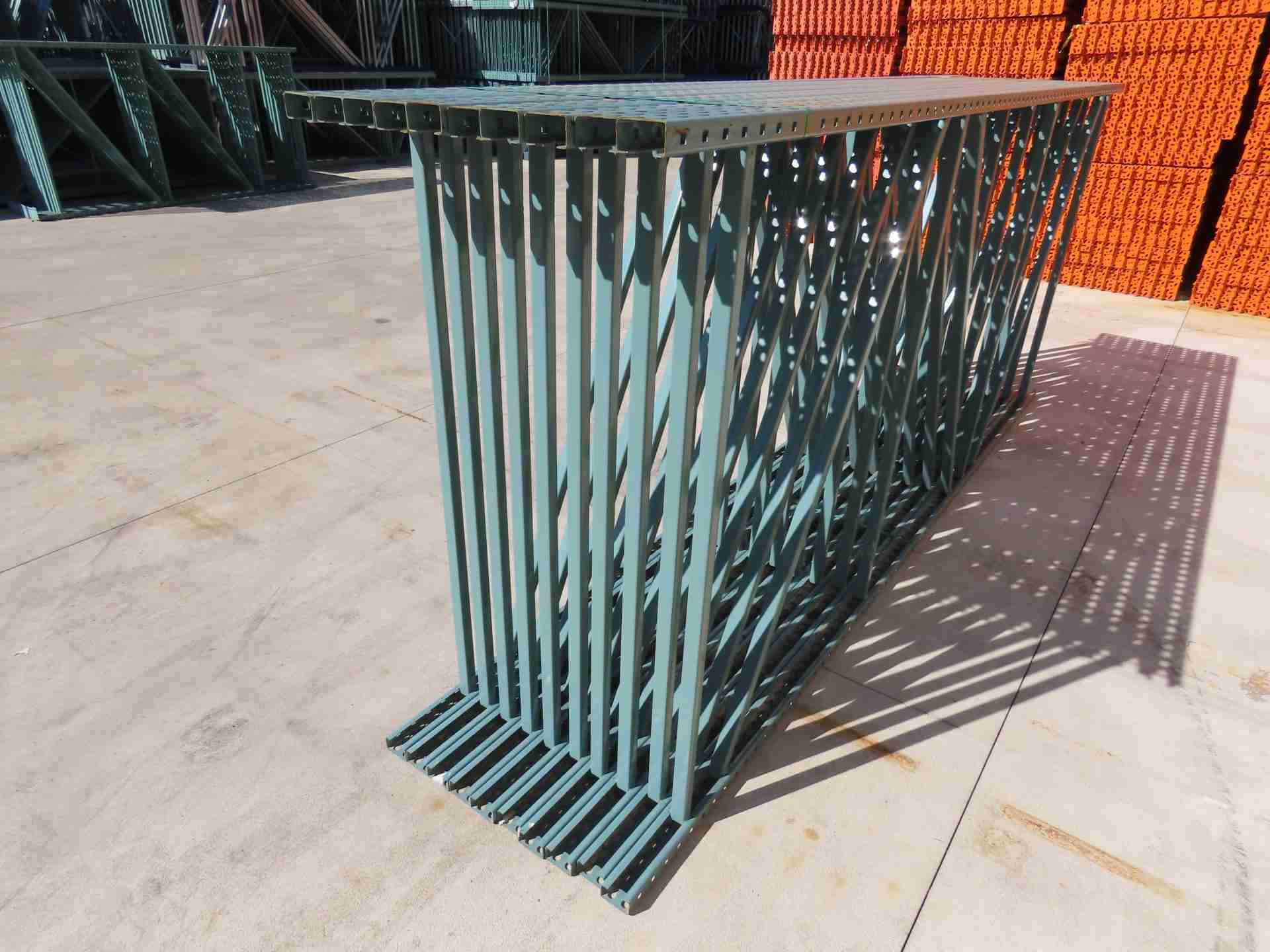
Conclusion
Other Resources

Other Resources
Here is a list of other resources you can review online to learn more:
- “Cantilever racking for heavy loads | Storage technology”
- “Cantilever racks Tobler Storage”
- “Automatic Guided Vehicles: Machine Vision in Warehousing”
- “Pallet Rack Systems – Which Warehouse …”
- “PROJECT GUIDE”
- “warehouse solutions Archives | Toyota MHS”
- “Key Differences Between AGVs and AMRs Explained”
- “Sterile Processing Service and Logistics Service Design Guide”
- “Logistics and Shipping Terms Glossary – DocShipper”
- “Cantilever Racking Systems”
- “Material Handling Equipment Manufacturers – in Sonepat”
- “The Home Depot builds an omni-channel supply chain 18”
- “Products & Services Review Issue 804 by BAIT Media Library”
- “LOGISTICS AND WAREHOUSING MANAGEMENT”
- “Material Handling System Wholesalers Bradma in Bangalore”
- “2024 Cantilever Rack”
Bing Copilot Prompt: Please provide me with a list of online articles with their URLS in a bulleted list that I can read regarding Can Cantilever Racks Handle Both Light and Heavy-Duty Storage?
Other Resources
Glossary Terms
Can Cantilever Racks Handle Both Light and Heavy-Duty Storage? – Glossary Of Terms
1. Cantilever Rack: A type of shelving system featuring arms that extend horizontally from a vertical frame, capable of supporting long or bulky items.
2. Light-duty Rack: A storage system designed to carry lower weights, typically used for smaller, less dense items like lightweight pipes or lumber.
3. Heavy-duty Rack: A robust shelving solution engineered to support heavier loads, ideal for storing large or dense items such as bulky machinery or pallets.
4. Load Capacity: The maximum weight that a particular storage system can safely hold, often specified by the manufacturer.
5. Arm Length: The distance between the upright support and the end of the arm on a cantilever rack, which determines how much space is available for storage.
6. Base Support: The foundation of a cantilever rack that stabilizes the structure and distributes the weight of the items stored.
7. Upright Frame: The vertical components of a cantilever rack that provide support and stability to the entire system.
8. Adjustable Arms: Components that can be repositioned along the upright frames to accommodate varying sizes and weights of stored items.
9. Material Handling: The process of moving, protecting, and storing materials and products throughout the manufacturing and warehousing processes.
10. Palletized Storage: A method of storing goods on pallets to optimize space and ease of access, commonly used in heavy-duty applications.
11. Safety Factor: A design consideration that ensures a structure can hold more weight than it is typically subjected to, adding a margin of safety.
12. Forklift-Access: The ability of a storage system to be accessed by forklifts, which is crucial for heavy-duty storage solutions.
13. Selective Racking: A system that allows easy access to all stored items, commonly used in combination with cantilever racks for versatile storage.
14. End Panels: Vertical supports that connect both sides of a cantilever rack, providing additional stability.
15. Overload Protection: Safety measures designed to prevent storage systems from being overloaded beyond their capacity.
16. Beam: A horizontal component of a racking system that supports stored items; in cantilever racks, this is represented by the arms.
17. Weight Distribution: The way weight is spread across a storage system, impacting stability and safety.
18. Clear Span Design: A structural configuration that eliminates vertical supports, allowing for more accessible storage without obstruction.
19. Vertical Storage: The practice of stacking items on top of one another or utilizing vertical space efficiently to maximize storage areas.
20. Customizable Configuration: The ability to modify a storage system’s design based on specific needs, such as load size and frequency of access.
21. Industrial Applications: Uses of storage systems in factories, warehouses, or industrial settings, often requiring heavy-duty or specialized solutions.
22. Inventory Management: The process of overseeing stored items to maintain optimal levels, track usage, and ensure efficient storage.
23. Hazardous Material Storage: The practice of storing dangerous goods safely, which may require specialized racks with compliance to safety regulations.
24. Storage Density: The amount of storage space utilized in a given area, crucial in determining efficiency.
25. Modular Design: A system made up of interchangeable parts that can be assembled in various configurations to fit different storage needs.
26. Installation: The method of setting up storage systems, which must be conducted according to safety guidelines to ensure stability and usability.
27. Maintenance: Routine checks and repairs needed to keep a storage system safe, functional, and compliant with safety standards.
28. Accessibility: The ease with which items can be stored and retrieved from a storage system, important for both efficiency and safety.
29. Durability: The ability of a storage system to withstand regular wear and tear, which is especially crucial in heavy-duty applications.
30. Cost-effectiveness: An assessment of whether the benefits of a storage solution justify its costs, particularly when considering return on investment in a storage system.
Glossary Of Terms
Other Questions
Can Cantilever Racks Handle Both Light and Heavy-Duty Storage? – Other Questions
If you wish to explore and discover more, consider looking for answers to these questions:
- What are the key features of cantilever racks?
- How do I assess the weight capacity needed for my cantilever racks?
- What types of businesses commonly use cantilever racks?
- What are the installation requirements for cantilever racks?
- How do cantilever racks contribute to improved safety in storage?
- What different designs or styles of cantilever racks are available?
- How can businesses measure the ROI of investing in cantilever racks?
- What should I consider when integrating automation with cantilever racks?
- How often should I inspect cantilever racks for maintenance purposes?
- What are the costs associated with purchasing and installing cantilever racks?
- Can cantilever racks be used outdoors or in varying climates?
- What customization options are typically available for cantilever racks?
Other Questions
Checklist
Can Cantilever Racks Handle Both Light and Heavy-Duty Storage? – A Checklist
Pre-Implementation Planning
1. Define Your Storage Needs
_____ Assess the types and dimensions of the items you plan to store.
_____ Identify whether you need to accommodate heavy, bulky items or lighter, longer products.
2. Determine Weight Capacity
_____ Evaluate the load-bearing capacity needed for your inventory.
_____ Choose a rack that meets or exceeds these specifications.
3. Assess Material Durability
_____ Select appropriate materials (e. g. , steel, wood, or composite) based on your storage environment and inventory types.
4. Consider Customization Needs
_____ Look for modular designs that allow adjustable arms and customizable configurations.
5. Evaluate Space and Layout
_____ Measure your available storage area to ensure optimal rack placement without overcrowding.
Installation Considerations
6. Choose the Right Location
_____ Position racks strategically to optimize workflow and accessibility for forklifts and pallet jacks.
7. Assemble According to Manufacturer’s Guidelines
_____ Follow all assembly instructions carefully to ensure safety and stability.
8. Load Items Strategically
_____ Place heavier items on lower arms and lighter items on upper shelves.
Post-Installation Maintenance
9. Conduct Regular Inspections
_____ Schedule monthly inspections to check for wear and tear, ensuring bolts and joints are secure.
10. Perform Cleaning and Maintenance
_____ Regularly clean racks to remove dust and debris, improving visibility and safety.
11. Check Load Capacities Periodically
_____ Ensure that you are not exceeding the weight limits set for your racks.
12. Implement Staff Training
_____ Educate employees on best practices for loading and unloading to prevent accidents.
Regulatory Compliance
13. Understand Relevant Regulations
_____ Familiarize yourself with OSHA guidelines and local building codes pertaining to storage systems.
14. Adhere to Safety Standards
_____ Comply with guidelines from organizations such as the Rack Manufacturers Institute (RMI) and American National Standards Institute (ANSI).
Optimization Strategies
15. Utilize Technology
_____ Consider integrating automated inventory systems for improved tracking and retrieval.
16. Plan for Scalability
_____ Ensure your storage systems can adapt as your inventory changes, allowing easy reconfiguration.
By following this checklist, you can maximize the efficiency of your cantilever racks, ensuring a well-organized, safe, and scalable storage solution that meets your operational needs and enhances productivity.
Checklist
At RackingWorld, we help guide you through selecting warehouse storage systems and racking.
Be sure to read our other related stories at RackingWorld to learn more about warehouse storage systems.
0 Comments