
Maximizing Efficiency With Cantilever Racking Maintenance
By Tom Seest
At RackingWorld, we help guide you through selecting warehouse storage systems and racking.
Be sure to read our other related stories at RackingWorld to learn more about warehouse storage systems.
What Maintenance Does Cantilever Racking Require?
When it comes to maximizing warehouse efficiency, cantilever racking is a game-changer. However, to keep your system running smoothly and safely, proper maintenance is non-negotiable. In an era where effective space utilization can make or break a business, a strategy for upkeep can be your secret weapon.
1. Regular Inspections: The Backbone of Safety
Conducting regular inspections should be your first line of defense. Evaluate the integrity of the rails and braces for signs of wear or damage. Look for cracks, rust, or any deformities that could compromise the system. Remember that according to OSHA regulations, failing to keep your workspace safe not only endangers your employees but can result in hefty fines. Consider a thorough inspection every six months, increasing the frequency if your racking system is frequently loaded and unloaded.
2. Cleaning: Keeping It Fresh
Cantilever racks can collect dust and debris, especially in busy warehouses. Make it a routine to clean your racking systems to prevent any potential hazards and maintain efficiency. A clean system can prevent product contamination, which is increasingly important amidst rising hygiene standards in industries like food and pharmaceuticals. Use a simple brush and vacuum to eliminate dust, ensuring visibility for your products and equipment.
3. Load Verification: Stay Aligned with Specifications
Every cantilever rack comes with a weight limit for a reason. Overloading is not just a bad practice; it’s a fast track to structural failure. Regularly verify that your load doesn’t exceed the manufacturer’s specifications. If you’re noticing an increase in your inventory turnover, it might be worth revisiting and adjusting your racking plan. Proactive monitoring can significantly extend the life of your racking system and prevent costly accidents.
4. Address Damage Immediately: Don’t Wait for a Disaster
Don’t let minor issues escalate into major problems. If you notice any sign of damage, address it immediately. Replace bent arms, repair structural issues, and ensure that all components are functioning as they should be. For example, reports from the recent rise in e-commerce demand show that businesses utilizing cantilever racking have seen a spike in product damages due to rapid fulfillment processes. Taking the time to repair these systems can avoid costly losses and preserve your inventory.
5. Training Your Team: Empowering Safety Culture
Lastly, ensure that your team is well-trained in safe rack operations and maintenance protocols. Educate them on what to look for and how to identify potential issues. A culture of safety is vital. Remember, proactive maintenance starts with awareness and education.
In these unprecedented times, vigilance in maintaining your cantilever racking system is a strategic imperative. It safeguards your assets and signals to clients that you’re serious about quality and safety. Don’t wait for the inevitable; maintain, protect, and thrive!

What Maintenance Does Cantilever Racking Require?
What Maintenance Does Cantilever Racking Require?
- Cantilever racking: A crucial tool for maximizing warehouse efficiency, requiring proper maintenance for safety and smooth operation.
- Regular Inspections: Conduct inspections every six months to check for wear, damage, and compliance with OSHA regulations.
- Cleaning: Maintain cleanliness to prevent hazards and enhance visibility; use brushes and vacuums to remove dust and debris.
- Load Verification: Regularly check that loads do not exceed manufacturer specifications to prevent structural failure.
- Address Damage Immediately: Tackle any signs of damage quickly to avoid larger problems and protect inventory.
- Training Your Team: Educate staff on safe rack operations and maintenance to foster a culture of safety and awareness.
- Strategic Maintenance: Ongoing vigilance is essential for safeguarding assets and demonstrating commitment to quality and safety.

What Maintenance Does Cantilever Racking Require?
Table Of Contents
- What Maintenance Does Cantilever Racking Require?
- What Are The Common Maintenance Tasks For Cantilever Racking?
- How Often Should Cantilever Racking Be Inspected?
- What Are The Signs Of Wear In Cantilever Racking?
- How Can I Ensure Safety In My Cantilever Racking System?
- What Tools Are Needed For Cantilever Racking Maintenance?
- Are There Specific Cleaning Methods For Cantilever Racking?
- How Do I Identify Damaged Components In Cantilever Racking?
- What Records Should I Keep For Cantilever Racking Maintenance?
- How Can I Prolong The Life Of My Cantilever Racking?
- What Are The Costs Associated With Cantilever Racking Maintenance?
- Conclusion
- Other Resources
- Glossary Of Terms
- Other Questions
- Checklist
What Are The Common Maintenance Tasks For Cantilever Racking?
What Are the Common Maintenance Tasks for Cantilever Racking?
Maximizing the efficiency of your warehouse or distribution center isn’t just about implementing the right racking systems; it’s about keeping those systems in pristine condition. Cantilever racking, known for its ability to handle bulky and awkward loads, requires regular maintenance to ensure safety, durability, and peak performance. Here’s a rundown of common maintenance tasks you should prioritize.
1. Regular Inspections: The cornerstone of effective maintenance is consistent, thorough inspections. Make it a habit to check your cantilever racking systems weekly. Look for visible signs of wear and tear, such as bent arms, rust, or damaged base plates. Even minor issues can escalate into major safety hazards if not addressed promptly. The recent supply chain disruptions have shown us how crucial it is to maintain a streamlined operation—no one wants to dodge forklift accidents while managing inventory shortages!
2. Load Checks: Ensure that the weight distribution on your racking adheres to manufacturer specifications. Overloading not only compromises the integrity of the racking system but also creates an unsafe environment. Implement procedures that verify the weight of items being placed on the racks, particularly in those high-traffic areas where quick decisions are made. Consider utilizing smart technology or load sensors that emit alerts when weight limits are exceeded—because in today’s fast-paced world, prevention is always better than damage control.
3. Cleaning and Debris Management: A clean racking system is a safe racking system. Dust, debris, and spills can lead to corrosion and structural damage. Schedule routine clean-ups, especially in areas where materials are frequently moved or accessed. It’s worth noting that cleaning can even prevent pests—an ever-pressing issue in the logistics sector, especially with the rising cost of pest control services!
4. Maintenance of Protective Components: Protecting your investment should top your priority list. Inspect all safety measures, including upright guards and netting. These components shield your cantilever racking from accidental damage due to forklifts or other heavy machinery. Install or replace these protective features immediately if you notice any degradation—especially if your facility is located in a high-traffic area, such as a warehouse that has seen increased activity post-pandemic.
5. Engage Professional Services: If your in-house team lacks the expertise or resources for extensive repairs, consider hiring professionals who specialize in racking system maintenance. They often have the latest insights into safety protocols and compliance, ensuring your systems are not just functional, but optimal.
Effective cantilever racking maintenance isn’t just about keeping your facility looking good; it’s about sustaining a safe, efficient operation. By committing to regular inspections, proper load management, and professional upgrades, you’ll not only extend the lifespan of your racking system but also ensure that your business runs like a well-oiled machine, even amidst the ebb and flow of current market dynamics.

What Are The Common Maintenance Tasks For Cantilever Racking?
What Are The Common Maintenance Tasks For Cantilever Racking?
- Regular Inspections: Conduct weekly checks for wear and tear, such as bent arms, rust, or damaged base plates, to prevent safety hazards.
- Load Checks: Verify weight distribution adheres to manufacturer specifications to avoid overloading and maintain a safe environment.
- Cleaning and Debris Management: Schedule routine clean-ups to prevent corrosion and structural damage, as well as pest issues.
- Maintenance of Protective Components: Inspect and replace safety measures like upright guards and netting to protect against machinery damage.
- Engage Professional Services: Hire specialists for extensive repairs to ensure compliance with safety protocols and optimal functionality.
- Importance of Maintenance: Regular maintenance is essential for safety, durability, and efficient operation in a warehouse environment.
- Long-Term Benefits: Committing to these tasks extends the lifespan of cantilever racking systems and supports smooth business operations.

What Are The Common Maintenance Tasks For Cantilever Racking?
How Often Should Cantilever Racking Be Inspected?
In the fast-paced world of warehousing and distribution, the safety and efficiency of your operations hinge on the integrity of your equipment—especially when it comes to cantilever racking systems. The ultimate question looms: How often should you inspect these essential structures? The answer isn’t merely a matter of compliance; it’s about safeguarding your investment and ensuring seamless operations.
First and foremost, it’s crucial to recognize that cantilever racks handle a significant load, often supporting heavy and unwieldy items. Their structural integrity must be closely monitored to prevent accidents, which can lead to costly downtime and even more costly liability issues. That’s why regular inspections should be a non-negotiable part of your operational routine.
Industry experts recommend conducting formal inspections a minimum of twice a year. However, in high-traffic or high-stakes environments—such as construction materials warehouses or bulk storage facilities—quarterly inspections are advisable. An example is the recent rise in demand for home improvement supplies, attributed to the ongoing boom in the real estate market. As more loads go in and out, the strain on racking systems increases, making regular assessments essential.
But don’t stop at the bare minimum. A proactive approach can save you significant headaches down the road. Train your staff to perform daily visual inspections. Encourage your team to look for signs of wear, such as structural deformation or rust, as part of their routine. This culture of vigilance pays dividends, as small, unnoticed issues can escalate into major failures.
The need for vigilance has never been more apparent. With supply chain disruptions highlighted in recent years, such as those caused by the COVID-19 pandemic or geopolitical tensions, businesses have been forced to adapt and become more resilient. This means maximizing every facet of operational efficiency—including ensuring that your cantilever racking is up to standard.
Additionally, keep abreast of regulatory changes. New OSHA guidelines or industry best practices can mandate increased inspection frequency or introduce new criteria to assess the integrity of your racking systems. Staying compliant not only protects your workforce but also fortifies your brand reputation in an increasingly aware and safety-conscious marketplace.
Make regular inspections of your cantilever racking a cornerstone of your safety protocols. When you prioritize vigilance, you not only uphold the integrity of your operations but also reinforce the trust your customers and employees place in you. Remember the old adage: An ounce of prevention is worth a pound of cure. Don’t wait for a crisis to change your approach—take proactive steps today.

How Often Should Cantilever Racking Be Inspected?
How Often Should Cantilever Racking Be Inspected?
- The safety and efficiency of warehouse operations depend on the integrity of cantilever racking systems.
- Cantilever racks must be regularly inspected to prevent accidents and costly downtimes.
- Experts recommend formal inspections at least twice a year, with quarterly checks for high-traffic environments.
- Encouraging daily visual inspections by staff can help identify early signs of wear, such as rust or deformation.
- Supply chain disruptions have underscored the need for increased vigilance and operational efficiency.
- Stay updated on regulatory changes to ensure compliance and protect workforce safety.
- Prioritize regular inspections to maintain operational integrity and build trust with customers and employees.

How Often Should Cantilever Racking Be Inspected?
What Are The Signs Of Wear In Cantilever Racking?
Investing in cantilever racking systems is a savvy strategy for any business that deals with long, bulky items like lumber, pipes, or other materials. However, just like any solid investment, these systems require regular maintenance and vigilance to ensure they remain safe and effective. Failing to monitor wear and tear can lead to costly accidents, reduced productivity, and hefty repair bills. Recognizing the signs of wear in your cantilever racking is essential for safeguarding both your inventory and your workforce.
1. Structural Distortion
One of the most obvious signs of wear is structural distortion. Examine your racking system for any noticeable bending or twisting of the uprights. If any component appears misaligned or out of plumb, it’s a sure indicator that your racking is under undue stress. This situation is particularly concerning if your warehouse has undergone recent changes in inventory load or storage practices. A 2023 warehouse incident in Ohio highlighted this danger when a collapsed cantilever rack injured workers, underscoring the importance of maintaining structural integrity.
2. Rust and Corrosion
Metal fatigue often begins with rust and corrosion, especially if exposed to moisture or unfavorable environmental conditions. Check all components of your cantilever racks for signs of rust or pitting. In industries where water or chemicals are prevalent, using corrosion-resistant coatings can offer an extra layer of protection. A simple inspection can save thousands in replacement costs and potential compensation claims from injured employees.
3. Excessive Wear and Tear on Arms
The arms of a cantilever rack are critical for support and stability. Over time, these arms may show signs of extreme wear such as bends or cracks. Inspect the arms for signs of stress, especially at the attachment points. If you see visible issues, it may be time to replace them before they fail completely—potentially putting your goods and employees at risk.
4. Loose or Missing Bolts and Fasteners
Regular inspections should include checking all bolts and fasteners on your cantilever racking. If you find any that are loose, missing, or otherwise compromised, it’s critical to address these issues immediately. The ramifications of neglecting this aspect can be severe; a recent incident reported in the logistics sector highlighted how a small oversight turned into a major workplace safety issue, costing companies both in fines and reputation.
Routine checks of your cantilever racking system are non-negotiable. The signs of wear can be subtle but have monumental consequences if left unattended. Elevate your operational safety and efficiency by staying proactive—after all, a well-maintained warehouse is a thriving warehouse. Keep your thumbs up and your racking robust!

What Are The Signs Of Wear In Cantilever Racking?
What Are The Signs Of Wear In Cantilever Racking?
- Investing in cantilever racking systems is essential for businesses handling long, bulky items.
- Regular maintenance and monitoring of wear and tear are crucial for safety and efficiency.
- Signs of wear include structural distortion, such as bending or twisting of uprights.
- Rust and corrosion are indicators of metal fatigue; inspections are vital to prevent costly repairs.
- Excessive wear on rack arms, such as bends or cracks, may require replacement to avoid risk.
- Check for loose or missing bolts and fasteners during routine inspections to maintain safety.
- Proactive maintenance leads to enhanced operational safety and efficiency in the warehouse.

What Are The Signs Of Wear In Cantilever Racking?
How Can I Ensure Safety In My Cantilever Racking System?
When it comes to maximizing storage capacity while ensuring the safety of your workplace, a cantilever racking system is a game changer. However, this innovative solution comes with its own set of responsibilities. Neglecting proper safety measures can lead to not just injuries, but costly downtime, legal issues, and the tarnishing of your brand’s reputation. Fortunately, ensuring safety in your cantilever racking system is not just achievable; it’s imperative if you want to run a successful operation.
First, let’s discuss proper installation. Many companies opt to cut corners by DIY-ing installations or choosing low-cost services. But consider the implications: a poorly installed system can lead to cascading failures that could jeopardize your entire operation. In fact, workplace incidents related to inadequate racking setups have been on the rise; research indicates that the number of such accidents surged by 20% in the last year alone. Partner with certified professionals who understand the intricacies of cantilever systems and comply with all local regulations. Investing in expert installation pays off in peace of mind and long-term security.
Next, regular inspections can’t be emphasized enough. Just like a car requires routine check-ups, your cantilever racking also demands attention. Establish a regular inspection routine to identify wear and tear, improper load distribution, or other possible hazards that could compromise safety. For instance, if you notice any bending of arms or signs of rust, it’s time to intervene before those minor issues escalate into major accidents. Incorporating technology such as load monitoring sensors can also provide real-time feedback and alerts, keeping you one step ahead.
Training your staff is another pivotal aspect that often gets overlooked. The best equipment in the world is useless if your team is unaware of proper handling techniques. Consider developing a comprehensive training program focusing on load limits, stacking methods, and the dangers of overloading the racking system. Hosting quarterly training sessions can equip your employees with knowledge and reinforce the importance of safety.
Lastly, always stay updated on industry best practices and regulatory changes. Recent developments in safety legislation mean that staying compliant can be a moving target. Subscribe to trade journals and join industry associations that focus on warehouse safety and racking standards to ensure you’re not left behind.
Ensuring safety in your cantilever racking system isn’t just about regulations; it’s about cultivating a culture of safety that protects your assets and your people. With meticulous attention to installation, regular inspections, thorough training, and staying informed, you keep the integrity of your operations intact. Don’t wait for an incident to happen; be proactive and secure your business’s future today.

How Can I Ensure Safety In My Cantilever Racking System?
How Can I Ensure Safety In My Cantilever Racking System?
- A cantilever racking system maximizes storage capacity but requires strict safety measures.
- Neglecting safety can lead to injuries, downtime, legal issues, and damage to your brand’s reputation.
- Proper installation is vital; avoid DIY or low-cost options to prevent cascading failures and workplace incidents.
- Regular inspections are essential to identify hazards such as wear, tear, and improper load distribution.
- Incorporate technology like load monitoring sensors for real-time alerts on system conditions.
- Develop a comprehensive training program for staff on proper racking techniques and safety protocols.
- Stay updated on industry best practices and regulatory changes to ensure compliance and a culture of safety.

How Can I Ensure Safety In My Cantilever Racking System?
What Tools Are Needed For Cantilever Racking Maintenance?
When it comes to maintaining cantilever racking systems, the right tools can make all the difference in ensuring safety, efficiency, and longevity. Just as a craftsman knows that a well-maintained tool is an invaluable asset, warehouse managers and operations teams should be equipped with the right gear to keep their cantilever racks in top shape. Let’s explore the essential tools that every facility should have on hand for a robust maintenance routine.
1. Inspection Tools
First, a high-quality inspection toolset is non-negotiable. Regular inspections are crucial, and having a straightforward checklist can guide your maintenance crew. Consider using laser measuring devices for precision, ensuring that load capacities are not exceeded. In light of recent supply chain disruptions—like those seen during the 2021 global shipping crisis—keeping your storage solutions safe and effective is more critical than ever. A simple inspection could prevent significant losses from accidents caused by neglected racking systems.
2. Cleaning Supplies
Dust, grime, and debris can accumulate in warehouse environments, affecting not only your cantilever racks but also the products stored within them. Equip your team with heavy-duty cleaning supplies, including pressure washers, industrial cleaners, and microfiber cloths. Remember, a clean environment isn’t just about looks; it’s about maintaining compliance with safety regulations. Recent updates in OSHA guidelines underscore the importance of upkeep in preventing workplace accidents.
3. Repair and Replacement Supplies
In the event of wear and tear, having a stock of replacement parts readily available is essential. This includes bolts, braces, and beam connectors. Quick access to these items minimizes downtime, which can be costly. Smart business operators know that the quicker you can resolve issues, the more streamlined your operations will be. For instance, during the pandemic, companies that focused on maintaining their racking systems saw a faster recovery as supply chains adjusted to new norms.
4. Safety Equipment
Never underestimate the importance of safety gear during maintenance activities. Hard hats, gloves, and safety goggles should be standard equipment in your maintenance toolkit. With workplace injuries costing organizations millions each year, investing in the safety and well-being of your staff pays off in the long run.
5. Mobile Technology
Finally, modern maintenance isn’t complete without leveraging mobile technology. Utilize apps for inventory tracking and scheduling regular maintenance checks. Many companies now employ QR codes to quickly access maintenance logs, ensuring that nothing falls through the cracks.
Incorporating these essential tools into your cantilever racking maintenance strategy will not only enhance efficiency but also solidify a safety culture within your organization. Don’t wait for an accident to highlight the need for maintenance—be proactive, and let your racking systems work for you!

What Tools Are Needed For Cantilever Racking Maintenance?
What Tools Are Needed For Cantilever Racking Maintenance?
- Essential Maintenance Tools: The right tools are crucial for maintaining cantilever racking systems, enhancing safety, efficiency, and longevity.
- Inspection Tools: High-quality inspection toolsets and checklists are vital for regular inspections; laser measuring devices help prevent overloads.
- Cleaning Supplies: Heavy-duty cleaning supplies like pressure washers and industrial cleaners are necessary to maintain a safe and compliant warehouse environment.
- Repair and Replacement Supplies: A stock of replacement parts such as bolts and connectors minimizes downtime and keeps operations efficient.
- Safety Equipment: Hard hats, gloves, and safety goggles should be standard in maintenance to protect staff and reduce workplace injuries.
- Mobile Technology: Leverage apps for inventory tracking and QR codes for easy access to maintenance logs to enhance workflow and accountability.
- Proactive Maintenance: Incorporating these tools promotes efficiency and fosters a safety culture; proactive measures are essential to prevent accidents.

What Tools Are Needed For Cantilever Racking Maintenance?
Are There Specific Cleaning Methods For Cantilever Racking?
When it comes to maintaining efficiency and safety in your warehouse, cleaning your cantilever racking should be a top priority. This isn’t just about aesthetics; regular cleaning and maintenance can significantly extend the life of your racking system, reduce safety hazards, and keep your operations running smoothly. So, what specific cleaning methods can you apply to ensure your cantilever racking remains in top shape?
First, an essential step is to conduct a thorough inspection. Before diving into the cleaning process, take the time to assess the condition of your cantilever racks. Look for signs of corrosion, dust buildup, or any structural issues, particularly in high-traffic areas or where materials are frequently loaded and unloaded. This proactive approach can save you time and money by alleviating minor issues before they escalate.
Next, the cleaning method itself requires a systematic approach. Start with a dry cleaning technique. Use a stiff-bristle broom or a vacuum to remove dust and debris from both the racks and the surrounding area. This step is crucial not only for cleanliness but also for preventing dust from settling onto the stored goods, which can lead to contamination, particularly for industries handling food or pharmaceuticals.
Once the heavy loose debris is cleared, it’s time for a more thorough wet cleaning method. Utilize a biodegradable detergent and water solution to scrub down the surfaces of your cantilever racks. For tough spots or grease stains, consider using a degreaser. Ensure you are using non-corrosive cleaning agents, as harsh chemicals can cause damage to the metal surface over time.
Moreover, consider implementing a regular cleaning schedule that aligns with your operational calendar. For instance, if your industry experiences seasonal peaks, like retail during the holiday season, ensure a deep clean occurs before those periods. By scheduling these cleanings, you demonstrate a commitment to safety and efficiency.
Lastly, don’t overlook the importance of staff training. Workers handling the racking systems should be educated on proper handling techniques and the significance of regular cleaning. This not only reinforces a culture of safety but also promotes accountability among your team.
Maintaining your cantilever racking systems through specialized cleaning methods is not just a chore; it’s an investment in the efficiency and safety of your operations. Consider the long-term benefits of a tidy warehouse: fewer accidents, lower replacement costs, and a happier workforce all contribute to a more productive bottom line. Act today, and elevate your warehousing standards!

Are There Specific Cleaning Methods For Cantilever Racking?
Are There Specific Cleaning Methods For Cantilever Racking?
- Regular cleaning of cantilever racking is crucial for efficiency and safety, extending its life and reducing hazards.
- Conduct thorough inspections to identify signs of corrosion, dust buildup, and structural issues.
- Start cleaning with a dry method, using a stiff-bristle broom or vacuum to remove dust and debris.
- Follow up with a wet cleaning method using biodegradable detergent and non-corrosive agents.
- Implement a regular cleaning schedule aligned with your operational calendar, especially before peak seasons.
- Train staff on proper handling techniques and the importance of maintaining clean racking systems.
- A tidy warehouse leads to fewer accidents, lower costs, and enhanced productivity, making cleaning an investment.
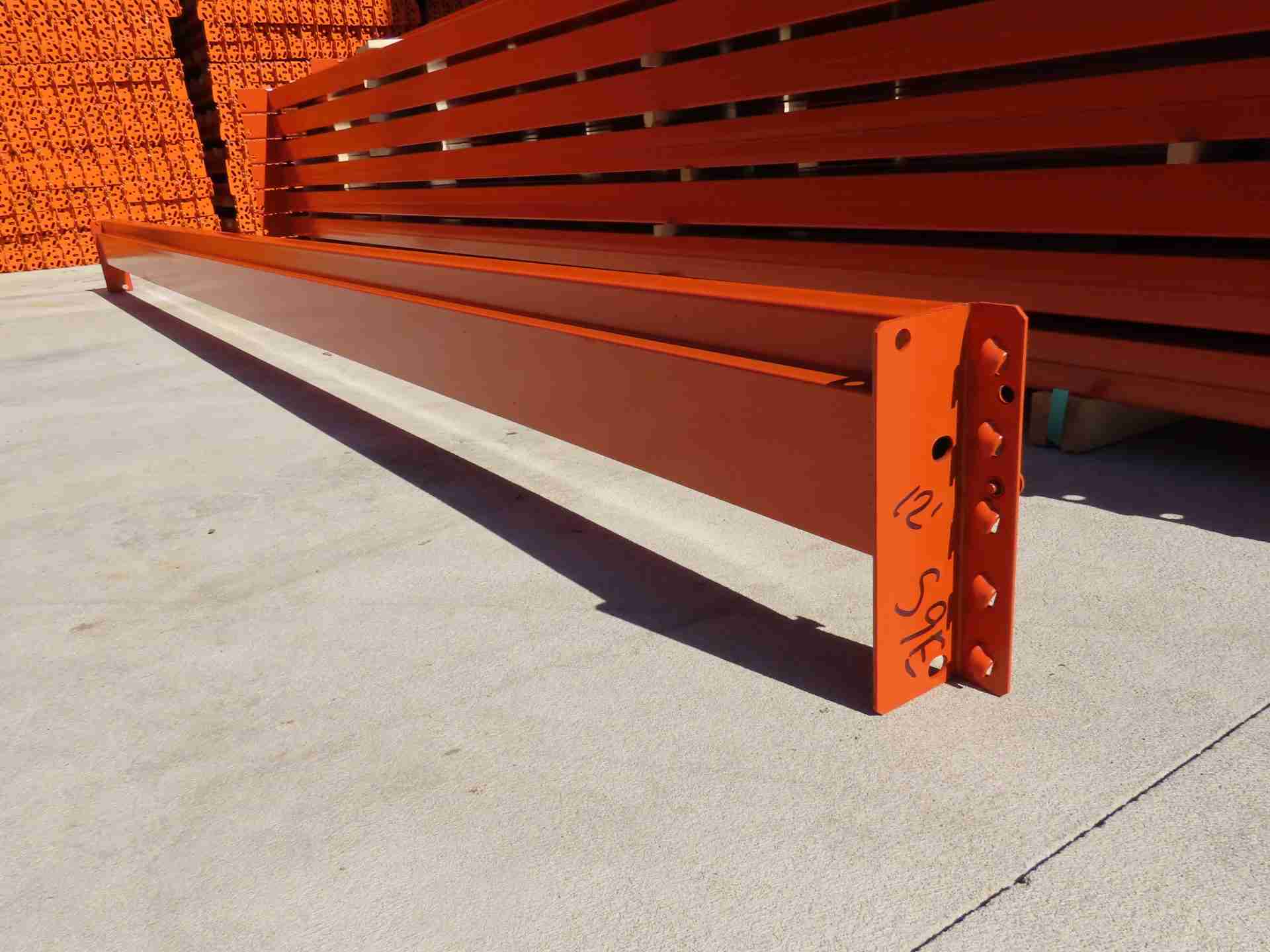
Are There Specific Cleaning Methods For Cantilever Racking?
How Do I Identify Damaged Components In Cantilever Racking?
Identifying damaged components in cantilever racking isn’t just a matter of routine checking; it’s a vital practice that can safeguard your operations and protect your investment. The stakes are higher than ever. With supply chain disruptions still making headlines in 2023, ensuring that your storage systems are in tip-top shape not only prevents accidents but also ensures maximum operational efficiency.
Start by conducting regular visual inspections. Inspect the main pillars and arms for visible signs of damage, like dents or bends. Remember the incident at a major warehouse last year where a seemingly minor bend in a racking arm led to a catastrophic collapse? The ensuing chaos halted operations for weeks and resulted in substantial financial loss. A thorough visual inspection could have prevented that.
Next, assess the stability and alignment of your racking system. You can use a simple plumb line or a level to ensure vertical alignment. If your racks lean or have a noticeable tilt, it indicates that something’s off. Imagine trying to stack heavy goods on unstable racking – that’s a recipe for disaster.
Pay attention to your load specifications as well. Each cantilever rack has a designated load capacity, and exceeding this limit can lead to structural failure. Are you keeping track of your inventory numbers? A recent study indicated that over 60% of warehouse accidents resulted from improper load handling. Consistently monitor your loads to prevent overloading.
Don’t forget the small components either. Inspect the brackets and connectors. Loose or corroded bolts can severely compromise the safety and integrity of your racking system. It may be easy to overlook these small parts, but they’re the unsung heroes holding everything together.
Engage your team in this process. Train employees to recognize signs of damage. A practice as simple as conducting a monthly safety meeting can empower your workers to spot issues early and reporting them can save your business from costly downtime.
Keep records of inspections and any repairs made. This documentation not only helps in identifying recurring issues but also serves as crucial evidence should you face any liability claims.
The cost of maintaining a high-performing cantilever racking system is negligible compared to the potential repercussions of neglecting it. As you navigate this uncertain economic landscape, let safety be your guiding principle. Engaging in preventive measures today will ensure your operations run smoothly tomorrow.

How Do I Identify Damaged Components In Cantilever Racking?
How Do I Identify Damaged Components In Cantilever Racking?
- Identifying damaged components in cantilever racking is crucial for safeguarding operations and protecting investments.
- Regular visual inspections of main pillars and arms are essential to spot damage like dents or bends.
- Assess the stability and alignment of the racking system using tools like a plumb line or level to avoid instability.
- Monitor load specifications closely, as exceeding designated capacities can lead to structural failures.
- Inspect small components such as brackets and connectors, as loose or corroded parts can compromise safety.
- Engage and train employees to recognize signs of damage and encourage reporting for early intervention.
- Maintain records of inspections and repairs to identify recurring issues and provide documentation for liability claims.

How Do I Identify Damaged Components In Cantilever Racking?
What Records Should I Keep For Cantilever Racking Maintenance?
In the world of warehousing and logistics, the single most crucial aspect of ensuring your cantilever racking systems function effectively is attention to maintenance. But simply performing regular checks isn’t enough; meticulous record-keeping is essential. Effective record management not only helps you stay compliant but significantly influences operational efficiency and safety.
1. Inspection Logs: Each inspection should be meticulously documented. Keep records of routine inspections—including dates, findings, and any corrective actions taken. For example, if an inspection reveals a bent arm or damaged base, noting the specifics of the assessment will help track reoccurring issues. As regulations and compliance standards evolve, documenting these inspections can shield your business from potential legal liabilities and fines, especially in the wake of heightened attention on workplace safety in light of recent industry incidents.
2. Maintenance and Repair Records: Beyond routine inspections, you must maintain files that detail maintenance and repairs. This includes dates, types of maintenance performed, parts replaced, and who completed the work. For instance, if a particular part fails frequently, these records can highlight a pattern and prompt a review of the racking system for potential upgrades or replacements. Not only does this create accountability, but it also aids in budgeting for future upgrades.
3. Usage Reports: Tracking how often and in what capacity your cantilever rack is being used can provide insights into wear and tear. Documenting the loads you navigate daily can help predict when maintenance becomes necessary, thereby preventing breakdowns that could disrupt your operations. Consider using a digital management system that integrates these statistics automatically; this saves time and reduces human error.
4. Compliance Documentation: In today’s climate, regulatory compliance is more important than ever. Ensure you have files indicating adherence to relevant safety standards and best practices. For example, if an OSHA inspection occurs and you can present comprehensive maintenance records for your cantilever racking, it not only demonstrates your commitment to safety but can significantly ease the inspection process.
5. Training Records: Ensure you’re recording who is trained in racking system maintenance and safety procedures. As highlighted in recent case studies on industrial incidents, operator error can be as damaging as structural failure. Having a comprehensive training log ensures that your team is educated, reducing risks associated with improper handling.
In summary, maintaining a solid record-keeping system for your cantilever racking maintenance can provide a competitive edge in logistics. Keeping detailed and organized records not only prepares you for compliance checks but also enhances safety, efficiency, and operational longevity. Prioritize documentation today and watch your warehouse operations flourish!

What Records Should I Keep For Cantilever Racking Maintenance?
What Records Should I Keep For Cantilever Racking Maintenance?
- Attention to maintenance is crucial for effective cantilever racking systems.
- Meticulous record-keeping is essential for compliance and operational efficiency.
- Document each inspection with logs detailing dates, findings, and corrective actions.
- Maintain records of maintenance and repairs to track patterns and plan for upgrades.
- Usage reports help predict maintenance needs based on daily load capacities.
- Compliance documentation is vital for demonstrating adherence to safety standards.
- Training records ensure personnel are educated on safety procedures to minimize risks.

What Records Should I Keep For Cantilever Racking Maintenance?
How Can I Prolong The Life Of My Cantilever Racking?
When it comes to warehouse storage solutions, cantilever racking stands alone in its versatility and robustness. But just like any other investment, maximizing the life of your racking system requires intentional strategy. By adopting proactive maintenance practices and mindful usage, you can extend the lifespan of your cantilever racking, ensuring you get the most bang for your buck.
1. Regular Inspections: Catch Issues Early!
To avoid a costly disaster, establish a routine maintenance schedule—think of it as a health check-up for your racking. Inspect structural components for any signs of wear, such as cracks or rust. For example, using a checklist tailored to cantilever racking can help you easily track inspections. Regular checks not only help identify potential issues before they escalate but also ensure compliance with safety regulations—a crucial aspect, especially in industries where safety standards are under constant review due to increased OSHA scrutiny post-pandemic.
2. Train Employees: Knowledge is Power
Your workers are the frontline defenders of your racking system. Equip them with proper training on how to load, unload, and navigate around the shelving. Emphasize the importance of adhering to weight limits, and encourage them to report any signs of damage immediately. A study published by the Warehousing Education and Research Council showed that operational training can reduce racking system failures by up to 30%. Empower your staff; it pays off!
3. Implement Weight Distribution Strategies
It’s tempting to load up your cantilever racking with as many items as possible. However, uneven weight distribution can lead to structural strain. Develop a systematic approach to organization by utilizing larger items on the lower levels and lighter, less bulky items above. Additionally, securing heavy items with strapping or banding can mitigate movement, providing more stability and support.
4. Invest in Protective Features
Protect your racking from forklifts and pallet jacks by investing in protective options like guardrails and corner protectors. For instance, recent market trends show a rise in companies opting for impact-resistant barriers, which significantly reduce damage from everyday operations. Remember, protecting your investment is cheaper than repairing it!
5. Stay Ahead of Trends
Keep an eye on innovations within the racking industry. With the shift towards automation and smart warehouse technology, integrating such solutions can help monitor loads and predict maintenance needs before issues arise. Investing in this technology can provide a significant return on investment, reducing risks while enhancing operational efficiency.
Prolonging the life of your cantilever racking requires diligence, education, and strategic planning. Keep it inspected, maintain proper training, and you’ll not only secure your investment but also ensure that your warehouse runs like a well-oiled machine. A little effort today will save you substantial costs tomorrow!

How Can I Prolong The Life Of My Cantilever Racking?
How Can I Prolong The Life Of My Cantilever Racking?
- Versatility of Cantilever Racking: Recognized for its robust storage solutions, it requires a strategic approach for maximum lifespan.
- Regular Inspections: Establish routine maintenance to catch wear and ensure safety compliance, especially with increased OSHA scrutiny.
- Employee Training: Equip staff with knowledge about proper usage and damage reporting to reduce system failures by up to 30%.
- Weight Distribution Strategies: Implement systematic loading practices to avoid structural strain by placing heavier items lower and securing them effectively.
- Protective Features: Invest in guardrails and impact-resistant barriers to prevent damage from equipment like forklifts and pallet jacks.
- Stay Ahead of Trends: Monitor industry innovations, including smart technology, to predict maintenance needs and enhance efficiency.
- Diligence and Planning: Consistent inspections and training ensure longevity of racking systems, saving costs in the long run.

How Can I Prolong The Life Of My Cantilever Racking?
What Are The Costs Associated With Cantilever Racking Maintenance?
When it comes to maximizing the efficiency of your warehouse, few elements are as critical as your storage solutions. Cantilever racking, with its ability to manage long and heavy items, is a fantastic investment for many businesses. However, like any asset, it requires diligent maintenance, which inevitably incurs costs that savvy business owners must account for.
1. Regular Inspections: A Non-Negotiable Expense
The first cost you should consider relates to regular inspections. Just like changing the oil in your car, the structural integrity of your cantilever racks must be routinely evaluated to ensure they are safe and efficient. Inspections usually range from $100 to $500 depending on the facility’s size and the complexity of the racking system. But neglecting this critical step can lead to catastrophic failures. Consider the recent reports of warehouse accidents; many stem from outdated or poorly maintained racking systems. The potential liability and loss of assets can far outweigh the modest inspection fees.
2. Repairs and Replacements: Planning for the Unexpected
Maintaining the physical integrity of your racking system is vital. A single dent or bend can lead to increased stress on the structure, resulting in premature failures. Routine wear and tear means that repairs are an ongoing cost. Depending on the severity, repairs can cost anywhere from $50 to $2,000. For example, if one of your racks sustains damage from a fork truck in transit, repairs not only involve fixing the rack itself but potentially also damage elsewhere in your warehouse.
3. Loss of Productivity: Downtime is Costly
Another hidden cost tied to cantilever racking maintenance is the potential loss of productivity. When racks are deemed unsafe, you may need to shut down sections of your warehouse for repairs or inspections. This affects not only the ability to store goods but can also lead to missed shipping deadlines, unsatisfied customers, and lost revenue that is hard to quantify. In an economy that increasingly values rapid delivery—like the logistics surge we’ve observed post-pandemic—every minute of downtime can cost your business more than just immediate sales; it can damage your reputation.
4. Employee Training: Essential for Longevity
Lastly, the costs associated with training your employees on proper handling and maintenance of cantilever racks cannot be overlooked. Implementing a training program ensures that your staff understands safe operations and maintenance protocols, thus prolonging the lifespan of your investment. These training sessions can range in cost from $200 to $1,500, depending on whether you bring in a consultant or utilize in-house resources.
Investing in the maintenance of your cantilever racking system is not an expense, but a critical component of sound business practice. By anticipating these costs and addressing them proactively, you not only safeguard your investment but also position your business for long-term success in an increasingly competitive landscape.

What Are The Costs Associated With Cantilever Racking Maintenance?
What Are The Costs Associated With Cantilever Racking Maintenance?
- Importance of Storage Solutions: Efficient warehousing relies heavily on effective storage solutions like cantilever racking.
- Regular Inspections: Essential for safety; costs range from $100 to $500, preventing catastrophic failures.
- Repairs and Replacements: Ongoing cost due to wear and tear; repairs can range from $50 to $2,000 depending on damage.
- Loss of Productivity: Downtime for repairs can lead to missed deadlines and lost revenue, affecting business reputation.
- Employee Training: Investing in training ensures safe operation and maintenance, costing between $200 and $1,500.
- Proactive Cost Management: Anticipating maintenance costs safeguards investments and supports long-term business success.
- Competitive Advantage: Proper maintenance of cantilever racking positions businesses favorably in a competitive environment.

What Are The Costs Associated With Cantilever Racking Maintenance?
Conclusion
Conclusion: Elevate Your Warehouse Operations with Strategic Cantilever Racking Maintenance
In the realm of warehousing, where every square foot counts, investing in cantilever racking can be transformative. However, this transformational move comes with the responsibility of ensuring their optimal performance through diligent maintenance. As we’ve explored, the path to maximizing efficiency and safety is paved with consistency, awareness, and proactive action—elements that can’t be overlooked.
The first step toward a thriving warehouse operation is implementing a routine inspection schedule. Regular checks of your cantilever racking system not only fortify safety but also mitigate the risk of operational disruptions that can arise from neglected structural integrity. Remember: A stitch in time saves nine. Early detection of issues can prevent costly repairs or accidents down the line.
Moreover, embracing a culture of cleanliness serves as both a preventive measure and a business best practice. A clean racking system not only enhances visibility and functionality but also adheres to evolving sanitary standards, especially critical in sectors like food and pharmaceuticals. By utilizing simple cleaning methods and equipment, you’re taking decisive steps to protect your investment.
Arming your team with training can’t be understated. Empowering your workforce with the knowledge to safely operate and maintain cantilever racks creates a solid foundation for minimizing risks. Training fosters a workplace culture centered around safety and diligence, bolstering efficiency and productivity while simultaneously preserving your assets.
Don’t let minor damages spiral into major issues—address repairs and replacements with urgency. Swift action in fixing issues prevents downtime and safeguards against liability concerns, ensuring your operations flow seamlessly, even amid increased market demands.
At Arrow Industrial Sales, we understand the pressing need for efficient maintenance strategies tailored to your specific operational demands. Don’t let the intricacies of cantilever rack maintenance overwhelm your operations. Take action now! Call Arrow Industrial Sales at (574) 349-6575 to access expert advice and solutions designed to keep your cantilever racking systems running smoothly.
Remember, urgency in maintenance is not just beneficial—it’s critical for sustained success. In the fast-paced world of warehousing, act today to ensure your racking systems are secure. Your safety, productivity, and peace of mind depend on it. Don’t wait for minor issues to become major problems; let’s elevate your operations together, starting right now!

Conclusion
Conclusion:
- Investing in cantilever racking enhances warehouse efficiency but requires diligent maintenance.
- Implement a routine inspection schedule to ensure safety and structural integrity.
- A clean racking system improves visibility and adherence to sanitary standards, especially in critical sectors.
- Provide training for your team to safely operate and maintain cantilever racks, fostering a safety-first culture.
- Address repairs and replacements promptly to prevent downtime and liabilities.
- Consult with experts for efficient maintenance strategies tailored to your operational needs.
- Urgency in maintenance is critical for success; act now to secure your racking systems.

Conclusion
Other Resources

Other Resources
Here is a list of other resources you can review online to learn more:
Bing Copilot Prompt: Please provide me with a list of online articles with their URLS in a bulleted list that I can read regarding What Maintenance Does Cantilever Racking Require?

Other Resources
Glossary Terms
What Maintenance Does Cantilever Racking Require? – Glossary Of Terms
1. Cantilever RackingA storage system designed for storing long, bulky, or odd-shaped items, featuring arms that extend from a vertical frame to support the load.
2. Vertical Frame: The upright component of cantilever racking that provides structural support and stability for the system.
3. ArmsThe horizontal projections that extend from the vertical frame to support stored items; can be adjustable in height.
4. Base: The foundation component that stabilizes the vertical frame and provides a load-bearing surface.
5. Bracing: Diagonal supports that connect vertical frames to enhance stability and prevent lateral movement.
6. Load Capacity: The maximum weight that a cantilever racking system can safely support, determined by design and material specifications.
7. Inspection: A systematic examination of the racking system to identify wear, damage, or structural issues that require maintenance.
8. Safety Standards: Regulations and guidelines established to ensure the safe operation and maintenance of racking systems.
9. Rust Prevention: Methods and treatments applied to prevent corrosion on metal components, including paint, galvanization, or protective coatings.
10. Cleaning: The process of removing dirt, dust, and debris from the racking system to maintain visibility and avoid safety hazards.
11. Adjustments: Modifying the height or angle of racking arms to accommodate different types or sizes of stored items.
12. Load Distribution: The method of spreading the weight evenly across the racking system to prevent overloading specific areas.
13. Repair: The process of fixing damaged components of the racking system, such as replacing bent arms or reinforcing frames.
14. Regular Maintenance: Scheduled checks and servicing of the racking system to ensure optimal performance and safety over time.
15. Inventory Management: The practice of organizing and tracking stored items to maximize efficiency and maintain proper stock levels.
16. Pallet Stops: Devices added to the end of arms to prevent items from sliding off and enhance safety during use.
17. Weight Labels: Tags or stickers affixed to the racking system that indicate the maximum load for each section or arm.
18. Wear and Tear: Refers to the deterioration of components over time due to regular use, which may necessitate maintenance or replacement.
19. Structural Integrity: The ability of the racking system to maintain its shape and strength under load without collapsing or failing.
20. Calibration: The process of ensuring the racking system is aligned and configured correctly for safe operation.
21. Load Tests: Evaluations conducted to determine load capacity and safety limits by applying weight to the racking system.
22. Documentation: Records maintained for inspections, repairs, and maintenance activities to track compliance and system history.
23. Utilization Rate: The percentage of storage capacity that is actively being used, indicating efficiency and optimization of space.
24. Preventive Maintenance: Scheduled activities designed to prevent breakdowns or malfunctions before they occur.
25. Safety Training: Instruction provided to employees on the proper use and maintenance of cantilever racking systems to minimize accidents.
26. Load Barriers: Physical barriers or guards installed to prevent items from falling off the racking system when in use.
27. Environmental Protection: Measures taken to shield the racking system from environmental factors that can cause deterioration, such as moisture.
28. Inspection Checklist: A list of items and criteria used during inspections to ensure thorough evaluations of the racking system.
29. Emergency Procedures: Established protocols for responding to accidents or failures involving the racking system to ensure safety.
30. Supplier Support: Assistance and resources provided by the racking system manufacturer or vendor for maintenance, repairs, and upgrades.
These terms can help in understanding the maintenance requirements and best practices for cantilever racking systems.

Glossary Of Terms
Other Questions
What Maintenance Does Cantilever Racking Require? – Other Questions
If you wish to explore and discover more, consider looking for answers to these questions:
- What are the benefits of cantilever racking systems?
- Can I perform maintenance on cantilever racking myself?
- What are the common mistakes during cantilever racking maintenance?
- How do environmental factors affect cantilever racking maintenance?
- Are there specific materials that are best for cantilever racking?
- What are the legal requirements for maintaining cantilever racking?
- How can technology assist in cantilever racking maintenance?
- What are the consequences of neglecting cantilever racking maintenance?
- How does cantilever racking maintenance vary by industry?
- Are there industry standards for cantilever racking systems?

Other Questions
Checklist
What Maintenance Does Cantilever Racking Require? – A Checklist
1. Regular Inspections:
_____ Conduct inspections every six months (more frequently if heavily used).
_____ Check for structural integrity, rust, cracks, or damage to rails and braces.
_____ Use a checklist to document findings.
2. Cleaning Routine:
_____ Schedule routine clean-ups to remove dust and debris.
_____ Use brushes and vacuums to maintain visibility and prevent contamination.
_____ Apply biodegradable cleaning solutions for deeper cleaning where needed.
3. Load Verification:
_____ Ensure that load limits are adhered to according to manufacturer specifications.
_____ Implement a procedure for verifying the weight of items before placement.
_____ Adjust racking plan if inventory turnover increases.
4. Damage Response:
_____ Immediately address any signs of damage or wear.
_____ Replace bent arms or conduct repairs on structural issues as soon as identified.
_____ Keep records of all repairs for future reference.
5. Employee Training:
_____ Train employees on the safe operation and maintenance protocols for cantilever racks.
_____ Conduct regular safety meetings and refresh training based on new practices or technologies.
_____ Encourage prompt reporting of any noticeable issues or concerns.
6. Maintain Protective Components:
_____ Regularly check upright guards, netting, and other protective features for wear.
_____ Replace any damaged protective components promptly.
7. Engage Professional Services:
_____ Consider hiring professionals for extensive racking maintenance and repairs.
_____ Ensure that they adhere to current safety protocols and compliance standards.
8. Documentation:
_____ Keep detailed inspection logs, maintenance records, and compliance documentation.
_____ Document employee training sessions and attendance.
_____ Maintain usage reports that track load handling and racking usage.
9. Compliance with Regulations:
_____ Stay updated on OSHA regulations related to cantilever racking.
_____ Periodically review your maintenance practices to ensure compliance.
10. Utilize Technology:
_____ Consider using mobile apps or technology for inventory tracking and to schedule maintenance checks.
_____ Implement load sensors if applicable to monitor weight limits in real time.
11. Regular Review of Maintenance Practices:
_____ Review and adjust maintenance schedules based on operational changes.
_____ Stay informed about industry best practices and new technologies that can improve racking safety and efficiency.
This comprehensive checklist can serve as a useful resource for warehouse managers and maintenance teams to ensure that their cantilever racking systems operate safely and efficiently, thereby prolonging their lifespan and protecting their investments.

Checklist
At RackingWorld, we help guide you through selecting warehouse storage systems and racking.
Be sure to read our other related stories at RackingWorld to learn more about warehouse storage systems.
0 Comments