
Ensure Cantilever Rack Safety: Conducting An Effective Audit
By Tom Seest
At RackingWorld, we help guide you through selecting warehouse storage systems and racking.
Be sure to read our other related stories at RackingWorld to learn more about warehouse storage systems.
How Do You Conduct a Safety Audit on Cantilever Racks?
In the fast-paced world of warehousing and logistics, where every second counts and safety is paramount, conducting a thorough safety audit on cantilever racks can be your best strategy to protect both your assets and your workforce. Navigating the complexities of safety compliance may seem daunting, but breaking it down into manageable steps will empower you to create a safer workplace.
Step 1: Visual Inspection
Begin with a meticulous visual inspection of the cantilever racks. Check for visible defects such as rust, bends, or cracks in the structural components. Look closely at the base, uprights, and arms. If you spot any deterioration, it might be time to reconsider your investment in these racks—instead of waiting until a problem presents itself, think of a proactive approach as a means to codify a culture of safety. Just remember, identifying issues early can reduce costly downtime. For instance, the recent warehouse fire in Texas that arose from faulty shelving systems serves as a stark reminder of the high stakes involved.
Step 2: Load Capacity Assessment
Next, verify the load capacity of your cantilever racks. Each rack is designed for a specific weight limit, and overloading poses significant risks. Use proper labeling to indicate the maximum load and ensure employees are aware of these guidelines. An incident report from a warehouse in August highlighted how exceeding load limits not only resulted in property damage but also serious injuries. Your safety audit can prevent tragedies like these.
Step 3: Employee Training Review
Conduct an assessment of current employee training programs specifically related to rack safety. Proper training on how to load and unload materials correctly is key. Have your workers undergone recent safety training? Are they aware of the risks involved with improper use? Consider instituting a robust refresher course, especially if there have been recent changes in personnel. This investment in your workforce translates directly into reduced risks and increased productivity.
Step 4: Compliance with Regulations
Finally, ensure your cantilever racks comply with local and national safety regulations. Stay informed about updates from regulatory bodies such as OSHA. For example, recent amendments emphasize the importance of regular checks on equipment integrity. Keeping abreast of these regulations is not just a legal obligation; it is an opportunity for you to position your business as a leader in safety within your industry.
By systematically implementing these steps, you will not only enhance safety compliance but also foster a culture of accountability and reliability. Remember, prioritizing safety is not merely an operational necessity—it’s your brand’s commitment to excellence.

How Do You Conduct a Safety Audit on Cantilever Racks?
How Do You Conduct a Safety Audit on Cantilever Racks?
- Conduct thorough safety audits on cantilever racks to protect assets and workforce.
- Perform a meticulous visual inspection for defects like rust, bends, or cracks.
- Verify load capacities to prevent risks associated with overloading racks.
- Ensure employees are trained on proper loading and unloading procedures.
- Review and update employee training programs regularly to reduce risks.
- Comply with local and national safety regulations, staying informed on updates.
- Fostering a culture of safety enhances accountability and positions your brand for excellence.

How Do You Conduct a Safety Audit on Cantilever Racks?
Table Of Contents
- How Do You Conduct a Safety Audit on Cantilever Racks?
- What Is The Purpose Of A Safety Audit For Cantilever Racks?
- How Often Should Cantilever Racks Be Audited For Safety?
- What Are The Key Elements To Check During A Cantilever Rack Audit?
- Who Should Conduct The Safety Audit On Cantilever Racks?
- What Common Hazards Should I Look For In Cantilever Racks?
- How Do I Assess The Load Capacity Of Cantilever Racks?
- What Documentation Is Needed For A Cantilever Rack Safety Audit?
- How Can I Ensure Compliance With Safety Regulations For Racks?
- What Are The Most Frequent Safety Violations In Cantilever Racks?
- How Can I Improve Safety Measures Based On Audit Findings?
- What Tools And Equipment Are Essential For Conducting An Audit?
- How Can Employee Training Enhance Safety For Cantilever Racks?
- What Should I Do If I Find Safety Issues During An Audit?
- How Do I Prioritize Safety Repairs After An Audit?
- What Role Does Maintenance Play In Safety Auditing Of Racks?
- Conclusion
- Other Resources
- Glossary Of Terms
- Other Questions
- Checklist
What Is The Purpose Of A Safety Audit For Cantilever Racks?
In today’s fast-paced industrial environment, your cantilever rack system is not just a storage solution – it’s a critical component of your operational safety and efficiency. A safety audit for cantilever racks goes beyond compliance; it serves as a proactive investment in your business’s longevity and productivity.
Why is this important? According to the Occupational Safety and Health Administration (OSHA), warehouse injuries cost businesses billions in direct and indirect expenses annually. A safety audit helps protect your most valuable assets—your workers and your bottom line. It ensures that your cantilever racks, designed for holding long and heavy items, are in excellent condition and properly configured to handle loads efficiently.
Consider this: In early 2023, a prominent warehouse in New Jersey faced serious penalties when a sudden collapse of poorly maintained racking systems resulted in significant injuries and costly operational downtime. Had they performed regular safety audits, many of those issues might have been identified and remedied before disaster struck.
A safety audit evaluates various aspects of your cantilever racks, including structural integrity, load capacity, and compliance with OSHA regulations. Inspectors check for signs of wear, such as bent arms or bases, rust, and improper assembly that could compromise safety. With this information, you can not only prevent accidents but also potentially lower your insurance premiums – a tangible financial benefit.
But a safety audit is not just about preventing catastrophes. It’s about building a culture of safety in your organization. Every audit uncovers training opportunities for employees. The findings provide a perfect platform for workshops that keep your team informed about best practices in handling and storing materials. Engaging employees in this way fosters a sense of ownership over their work environment, boosting morale and productivity.
Furthermore, audits allow you to optimize your storage methods. With current supply chain disruptions, companies are re-evaluating their inventory strategies. A thorough safety audit can highlight inefficiencies, leading to streamlined operations that save time and money. By implementing the recommendations from the audit, you can better adapt to market fluctuations and keep your operations running smoothly.
A safety audit for cantilever racks is not merely a task to tick off a compliance checklist—it’s a strategic initiative that safeguards your business against risks, reinforces a culture of safety, and improves your overall operational efficiency. Given the current landscape of heightened scrutiny on workplace safety standards, can you afford to overlook this crucial step?

What Is The Purpose Of A Safety Audit For Cantilever Racks?
What Is The Purpose Of A Safety Audit For Cantilever Racks?
- Cantilever rack systems are essential for operational safety and efficiency in industrial settings.
- Conducting a safety audit is a proactive investment aimed at business longevity and productivity.
- OSHA reports that warehouse injuries result in significant direct and indirect costs for businesses.
- A safety audit assesses structural integrity, load capacity, and compliance with OSHA regulations.
- Regular audits can prevent accidents, identify maintenance issues, and lower insurance premiums.
- Audits promote a culture of safety, offering training opportunities and fostering employee engagement.
- Safety audits help optimize storage methods and improve operational efficiency in response to market fluctuations.

What Is The Purpose Of A Safety Audit For Cantilever Racks?
How Often Should Cantilever Racks Be Audited For Safety?
When it comes to warehouse safety, cantilever racks often take center stage. These structures are ideal for storing long, bulky items, but if not regularly audited, they can become safety hazards that could lead to costly accidents, injuries, or even fatalities. Understanding the frequency of safety audits for these critical storage systems is not just good practice—it’s a necessity that can keep your bottom line in check.
Why Audit Frequency Matters
The answer to how often you should conduct audits lies in understanding the operational environment and the wear and tear your cantilever racks experience. For most businesses, a biannual audit—every six months—provides a balanced approach to maintaining safety without overcommitting resources. However, if your warehouse experiences high traffic or stores particularly heavy or unstable loads, consider increasing the frequency to quarterly audits.
For instance, take a construction supply company that has recently faced inspections by OSHA due to an uptick in reported incidents in warehouse settings. The company realized that increasing their audits from twice a year to quarterly significantly mitigated risks. They implemented a robust checklist that addressed structural integrity, load capacities, and employee training on proper handling techniques, ultimately reinforcing their safety culture.
Examples of Effective Audit Practices
Auditing doesn’t have to be a daunting process. Let’s say you operate a furniture distribution center. Your cantilever racks hold long planks of wood and finished furniture. A simple checklist encompassing key areas such as beam alignment, connection bolts, and any visible signs of wear could be conducted weekly by your in-house team. Incorporating this into daily routines will not only ensure safety but also empower your employees to take ownership of their work environment.
Moreover, coupling these routine checks with an annual comprehensive audit performed by an external professional can provide an unbiased view of your safety practices. This dual approach has been adopted by companies like Indianapolis Pallet Racking Lumber, which reported a 30% reduction in safety incidents after they adjusted their audit schedule based on their specific operational needs.
The Bottom Line
In today’s fast-paced commercial environment, ensuring the safety of cantilever racks can no longer be an afterthought. Embrace regular audits not as a chore, but as an essential investment in your workforce’s safety and productivity. With the right systems in place, you can reduce risks, enhance operational efficiency, and propel your business toward unyielding success. Make safety a core component of your business strategy, because when it comes to your workforce and reputation, there is no margin for error.

How Often Should Cantilever Racks Be Audited For Safety?
How Often Should Cantilever Racks Be Audited For Safety?
- Cantilever racks are essential for storing long and bulky items in warehouses but need regular audits for safety.
- Biannual audits (every six months) are generally recommended, but quarterly audits may be necessary for high-traffic warehouses or heavier loads.
- Increased audit frequency can significantly reduce risks, as seen in a construction supply company that moved to quarterly audits after OSHA inspections.
- Audit checklists should address structural integrity, load capacities, and employee training on proper handling techniques.
- Routine weekly checks by in-house teams can empower employees and maintain safety standards, especially for businesses like furniture distribution centers.
- An annual comprehensive audit by external professionals offers an unbiased assessment of safety practices.
- Regular audits are a vital investment in workforce safety and operational efficiency, crucial for business success and reputation management.

How Often Should Cantilever Racks Be Audited For Safety?
What Are The Key Elements To Check During A Cantilever Rack Audit?
When it comes to maximizing your warehouse’s efficiency and safety, a cantilever rack audit isn’t just a good idea—it’s essential. This thorough examination safeguards against costly losses and ensures compliance with safety standards. Here’s what you need to focus on during your audit.
# 1. Structural Integrity
First and foremost, assess the structural integrity of the cantilever racks. Look for signs of wear and tear, such as rust, deformation, or cracked supports. Remember the recent recalls in the automotive industry due to structural failures? Similar risks lurk in your warehouse if you overlook these crucial checks. A simple visual inspection should include checking for uneven wear or extreme tilting, which could indicate improper loads.
# 2. Load Capacity Compliance
Every cantilever rack has a specified load capacity. Ensure that the racks you’re auditing are not only marked clearly but are also compliant with these weights. Are you actually loading within the ratings? A shocking number of businesses tend to overload racks, leading to dramatic failures and injuries. Use a weighing scale before placing heavy inventory—this isn’t just about keeping costs down; it’s about the safety of your team.
# 3. Clear Aisles and Accessibility
A cluttered space can quickly lead to accidents. During your audit, make sure the aisles are clear from obstructions and that items stored on the cantilever racks are easily accessible. In light of recent surge in workplace accidents due to clutter from the pandemic boom in e-commerce, maintaining clear pathways isn’t merely best practice—it’s crucial.
# 4. Proper Safety Equipment
Evaluate the presence and functionality of safety equipment like guard rails and safety straps. These components are pivotal to preventing accidents and keeping your employees safe. For example, if an audit reveals missing or broken safety equipment, that’s a red flag that needs immediate action.
# 5. Employee Training
Lastly, employee training is critical. Are warehouse staff trained on proper loading techniques and safety precautions? Regular training sessions can mitigate risks and ensure everyone knows how to operate around racking systems. As companies shift towards a more automated environment, ongoing training must keep pace to ensure all staff can adapt appropriately.
In closing, a thorough cantilever rack audit might not be the most glamorous task in your operation, but it’s one that can save you from hefty fines, insurance claims, and a damaged reputation. Take the time to conduct these checks diligently, and you’ll transform a potentially hazardous environment into a powerhouse of productivity and safety.

What Are The Key Elements To Check During A Cantilever Rack Audit?
What Are The Key Elements To Check During A Cantilever Rack Audit?
- Essential Audit: Conducting a cantilever rack audit is vital for maximizing warehouse efficiency and safety.
- Structural Integrity: Assess racks for wear, rust, and deformation; check for signs of improper loading.
- Load Capacity Compliance: Ensure racks are within specified load capacities to prevent failures and injuries.
- Clear Aisles and Accessibility: Maintain clear pathways to avoid accidents caused by clutter.
- Proper Safety Equipment: Evaluate the presence and functionality of safety equipment like guard rails and straps.
- Employee Training: Ensure staff are trained on loading techniques and safety precautions to reduce risks.
- Positive Impact: A thorough audit can prevent fines and enhance safety, transforming the work environment.

What Are The Key Elements To Check During A Cantilever Rack Audit?
Who Should Conduct The Safety Audit On Cantilever Racks?
When it comes to ensuring the safety and efficiency of your storage operations, having a professional conduct routine safety audits on your cantilever racks is non-negotiable. But who exactly should take the reins in this crucial responsibility? Understanding the right expertise necessary for these audits can save your business from costly and potentially catastrophic mishaps.
First and foremost, the ideal candidate is someone with thorough knowledge of both OSHA regulations and industry-specific guidelines. Safety auditors with certifications in warehouse safety or material handling – for instance, those who are Certified Safety Professionals (CSP) or hold other relevant credentials – are equipped to evaluate the physical integrity of your cantilever racks, analyze load capacity, and ensure compliance with safety standards. These professionals possess the keen eye and expertise to identify potential hazards that could lead to costly accidents. Just consider how a poorly designed audit led to severe ramifications at a major distribution center last year, underscoring that proper oversight can mean the difference between safe operations and devastating litigation.
Next, do not overlook the invaluable perspective of your internal safety officers or warehouse managers. These individuals know the day-to-day operations and the unique limitations of your equipment. Their insights are crucial when evaluating the practical aspects of rack usage. Collaborating with external auditors who can bring a fresh set of eyes often leads to a comprehensive audit. This dual approach combines in-depth theoretical knowledge with practical experience and operational insights.
Furthermore, consider leveraging technology in your audits. With the rise of drones and advanced analytics, safety audits can be more thorough than ever. Utilizing technology not only enhances safety checks but brings in real-time data analysis that can predict potential failures. A recent development in this space has seen companies integrating AI-driven tools for real-time monitoring of load capacities and structural integrity, thus proactively addressing issues before they escalate.
Finally, it’s worth mentioning the importance of regular reviews and continuous education. As new technologies and systems emerge, training for those conducting safety audits must evolve. Make sure your auditors are not just certified but also actively engaged in continued professional development—the industry is changing too quickly to rely on outdated knowledge.
In summary, ensuring that your cantilever racks are thoroughly and regularly audited requires a blend of external expertise and internal knowledge. The stakes are too high to trust this responsibility to anyone but the most qualified and proactive professionals. Your warehouse’s safety is directly tied to the effectiveness of your auditing process, so choose wisely!

Who Should Conduct The Safety Audit On Cantilever Racks?
Who Should Conduct The Safety Audit On Cantilever Racks?
- Conducting routine safety audits on cantilever racks is essential for safe and efficient storage operations.
- Ideal auditors possess knowledge of OSHA regulations and industry-specific guidelines, often holding relevant certifications.
- Certified Safety Professionals (CSP) or similar credentials ensure experts can evaluate rack integrity, load capacity, and safety compliance.
- Internal safety officers and warehouse managers provide valuable insights into daily operations and equipment limitations.
- Collaboration with external auditors enhances audits by combining theoretical knowledge with practical experience.
- Leveraging technology, such as drones and AI-driven tools, can improve audit thoroughness and facilitate real-time data analysis.
- Continuous education and regular reviews are crucial as industry technologies and systems evolve, ensuring auditors remain current.

Who Should Conduct The Safety Audit On Cantilever Racks?
What Common Hazards Should I Look For In Cantilever Racks?
When it comes to maximizing efficiency and safety in your warehouse, cantilever racks are essential. However, investing in these structures requires vigilance—especially regarding potential hazards that could disrupt operations or jeopardize employee safety. By understanding the common risks associated with cantilever racks, you can protect your investment and your workforce.
Structural Integrity and Weight Limits
One of the primary concerns when utilizing cantilever racks is ensuring that the structural integrity is maintained. Overloading racks beyond their designated weight limits is a common mistake. For instance, if you’re storing heavy materials such as steel pipes or lumber, ensure that you’re not exceeding the manufacturer’s specifications. Current events highlight the importance of this: numerous companies have faced costly fines and lawsuits due to warehouse accidents tied to improper loading practices. Regular audits of the rack’s condition can you help identify potential weaknesses before they turn into significant issues.
Improper Installation and Maintenance
Improper installation is another hazardous area. Did you know that a significant percentage of warehouse accidents stem from equipment that was not installed correctly? The racking should be anchored properly to the floor, and the arms should be set at appropriate angles. Regular inspections for loose bolts or signs of wear can make a world of difference. According to the Occupational Safety and Health Administration (OSHA), nearly 20% of all workplace injuries occur in warehouse settings, many due to poor maintenance of storage solutions.
Environmental Factors and Accessibility
Environmental factors are often overlooked but can pose severe risks. If your warehouse is prone to changes in temperature or humidity, ensure that your cantilever racks are suitable for the climate. Materials like wood can warp, compromising safety. Moreover, ensure that fire lanes and emergency exits are not obstructed by the racks. With recent discussions around fire safety in commercial buildings, staying compliant with safety regulations is imperative.
Employee Education and Training
Lastly, one of the most critical elements in mitigating hazards is employee education. Workers should be trained on how to use cantilever racks correctly, including the importance of securing items properly to prevent them from toppling over. Frequent safety meetings can reinforce these values and reduce the chances of accidents.
By proactively addressing these common hazards in cantilever racks, you not only safeguard your assets but foster a culture of safety that can lead to improved productivity and employee morale. Remember, it’s not just about meeting regulations; it’s about creating an environment where work can be carried out confidently and efficiently. Investing in these precautions will pay off dividends in the long run—both in safety and performance.

What Common Hazards Should I Look For In Cantilever Racks?
What Common Hazards Should I Look For In Cantilever Racks?
- Cantilever racks are essential for maximizing efficiency and safety in warehouses.
- Maintaining structural integrity and adhering to weight limits is crucial to avoid accidents and liabilities.
- Regular audits and inspections help identify potential weaknesses before they escalate into serious issues.
- Proper installation and maintenance of racks are vital, as improper installation is a common cause of warehouse accidents.
- Environmental factors, such as temperature and humidity, can impact the safety and stability of stored materials.
- Employee education and training on proper use and safety measures are critical in mitigating hazards.
- Proactively addressing these hazards fosters a culture of safety, enhancing productivity and employee morale.

What Common Hazards Should I Look For In Cantilever Racks?
How Do I Assess The Load Capacity Of Cantilever Racks?
When optimizing your warehouse or storage facility, understanding the load capacity of your cantilever racks is non-negotiable. It’s not just about maximizing space; it’s about ensuring safety, efficiency, and compliance with industry standards. Here’s how you can effectively assess load capacity to protect your investment and workforce.
1. Know Your Racks: Ideals and Specifications
Start by familiarizing yourself with the specifications of your cantilever racks. Every cantilever rack comes with a manufacturer’s datasheet stating maximum load limits for each arm and level. For instance, if you have a rack designed to hold 2,000 pounds per arm, that’s your baseline. Manufacturers often provide guidelines based on the type of material you’re handling—be it lumber, steel sheets, or PVC pipes. Look for rack configurations that suit your specific needs. Always keep this datasheet handy for reference, especially during safety audits.
2. Understand Load Distribution
Next, it’s vital to grasp how to distribute loads evenly across your racks. Picture a scenario where you place heavy items mostly on one side of the rack; this could lead to tipping or structural failure. To illustrate, let’s say you’re storing steel beams. One beam might weigh 1,800 pounds. Instead of piling it on one side, distribute it across multiple arms or levels to maintain balance. Doing so not only complies with load capacity guidelines but also enhances safety for your workers.
3. Account for Environmental Factors
Don’t forget about the impact of environmental conditions. If your facility is located in an area prone to earthquakes, for instance, local regulations often demand stricter load assessments. During a recent seismic event, warehouses that did not adhere to proper load distribution protocols faced significant losses—a calamity that could have been mitigated by adhering to load capacity standards.
4. Consult Experts
When in doubt, consult with rack system professionals or an engineer specializing in warehouse design. They can help you evaluate your needs and ensure compliance with safety regulations. For example, companies like UNARCO or AisleSaver provide robust consultation services to analyze your specific storage needs and recommend tailored solutions.
5. Regular Inspections and Maintenance
Finally, implement a routine inspection and maintenance schedule to ensure your racks remain in optimal condition. Regular checks will identify wear and tear, and you can nip potential hazards in the bud.
By understanding how to assess and manage the load capacities of your cantilever racks, you’re not only ensuring the longevity of your investment but also fostering a safe workplace environment. Remember, it’s not just about storing items; it’s about doing it wisely and safely.

How Do I Assess The Load Capacity Of Cantilever Racks?
How Do I Assess The Load Capacity Of Cantilever Racks?
- Understanding load capacity of cantilever racks is crucial for safety, efficiency, and compliance.
- Familiarize yourself with rack specifications and manufacturer’s datasheets indicating maximum load limits.
- Distribute loads evenly across racks to prevent tipping and structural failure.
- Consider environmental factors, such as earthquakes, that may require stricter load assessments.
- Consult with rack professionals or engineers to ensure compliance and optimal storage solutions.
- Implement regular inspections and maintenance schedules for cantilever racks.
- Proper load management fosters a safe workplace and protects your investment.

How Do I Assess The Load Capacity Of Cantilever Racks?
What Documentation Is Needed For A Cantilever Rack Safety Audit?
When it comes to ensuring the safety and efficiency of your warehousing operations, a cantilever rack safety audit is non-negotiable. Yet, many warehouse managers overlook one critical factor: the right documentation. A well-prepared set of documents not only braces your audit process but also fortifies your compliance with safety regulations, ultimately protecting your assets and workforce. So, what exactly do you need?
1. Rack Design Specifications:
Start with the original design specifications of the cantilever racks. This document should detail the manufacturer’s guidelines, load capacities, and construction materials. For instance, if your cantilever rack system is rated for 2,000 pounds but your current inventory heavily exceeds it, you’re setting yourself up for potential disaster. This documentation also aids in verifying whether installations comply with current OSHA (Occupational Safety and Health Administration) standards.
2. Inspection Records:
Next, gather all previous inspection records. These documents serve as vital historical indicators of the rack’s condition. A detailed log of past audits and findings will help identify persistent issues or highlight long-term maintenance needs. Consider a recent event where a major warehouse in Illinois faced fines due to outdated inspection records and unaddressed safety hazards. Don’t let that be you!
3. Maintenance Logs:
Your maintenance logs are indispensable. They chronicle all repairs and upkeep efforts done on your cantilever racks over time, which is critical during an audit. If your maintenance logs show regular upkeep versus neglect, you’ll not only demonstrate due diligence but also a strong commitment to employee safety.
4. Operator Training Records:
Ensure you have documented evidence of operator training sessions. Training staff in proper loading techniques, weight limits, and safety protocols is non-negotiable. If an accident occurs, mismanaged training records can lead to liability issues. A case in point is the recent enforcement action taken against a California warehouse where poorly trained employees contributed to a tragic incident.
5. Incident Reports:
Lastly, maintain a file of all incident reports related to cantilever rack failures or near-misses. These reports are critical for identifying trends and vulnerabilities in your practices, enabling you to implement tailored risk management strategies.
Having this documentation at your fingertips will not only streamline your audit process but also position your operation as a leader in safety compliance. Remember, preparing today prevents disasters tomorrow. Don’t be caught unprepared—ensure your documentation is robust and ready for scrutiny!

What Documentation Is Needed For A Cantilever Rack Safety Audit?
What Documentation Is Needed For A Cantilever Rack Safety Audit?
- Conducting a cantilever rack safety audit is essential for warehouse safety and efficiency.
- Proper documentation is critical for the audit process and compliance with safety regulations.
- Key documents needed include:.
- Rack Design Specifications: Include manufacturer guidelines and load capacities.
- Inspection Records: Maintain historical records for identifying issues and maintenance needs.
- Maintenance Logs: Document repairs to demonstrate due diligence and commitment to safety.
- Operator Training Records: Keep evidence of training sessions to minimize liability risks.
- Incident Reports: File reports on failures or near-misses to identify trends and improve safety practices.
- Robust documentation will enhance audit efficiency and reinforce safety compliance.
- Preparing documentation today helps prevent future disasters.

What Documentation Is Needed For A Cantilever Rack Safety Audit?
How Can I Ensure Compliance With Safety Regulations For Racks?
When it comes to rack safety, your responsibility doesn’t end with merely purchasing them. Ensuring compliance with safety regulations is pivotal not just for adhering to the law but also for protecting your workforce and the integrity of your operations. Here’s how you can navigate this crucial landscape.
1. Stay Informed About Regulatory Standards
Firstly, familiarize yourself with the specific regulations governing rack safety in your industry. The Occupational Safety and Health Administration (OSHA) has set forth stringent guidelines that outline the design, installation, and maintenance of storage racks. For instance, OSHA standard 1910.176 dictates the safe use of material handling equipment. Staying updated with these regulations, including any recent amendments, is essential. Subscription to industry bulletins and attending relevant safety seminars can ensure you don’t miss crucial updates.
2. Conduct Regular Inspections and Maintenance
Don’t let your compliance efforts rest on paper; they must be practiced daily. Establish a routine inspection schedule for your racks. For example, following the tragic warehouse collapse in 2021 that was attributed to undermined rack safety protocols, many organizations realized the importance of consistent inspections. Use checklists that cover all vital safety points—ensure that load capacities are visibly marked and free of obstructions, and check for any signs of wear and tear. Taking corrective action immediately can save lives and legal troubles down the road.
3. Invest in Employee Training
Your employees are your first line of defense against rack-related accidents. Incorporate comprehensive training programs that educate them on proper loading techniques and safety measures. For instance, a recent study revealed that organizations with robust safety training saw a 40% reduction in workplace accidents. Host workshops or partner with safety organizations to deliver impactful training and empower your team to recognize hazards before they escalate.
4. Document Everything
In today’s litigious landscape, documentation is your best ally. Keep meticulous records of inspections, maintenance, and training sessions. This not only helps in demonstrating compliance during audits but also acts as a valuable resource for continual improvement. In case of an incident, these documents can mitigate liability and showcase your commitment to safety.
5. Consult with Experts
Finally, consider hiring safety consultants who specialize in rack compliance. Their expertise can provide personalized insights and a fresh perspective on your current practices. As regulatory landscapes evolve, having top-notch advisors at your disposal will ensure you remain on the cutting edge of compliance.
By implementing these strategies, you can create a robust safety culture around your racks, safeguarding your assets and, most importantly, your workforce. Remember, compliance isn’t just about avoiding penalties; it’s about fostering a safe, productive environment that leads to sustained success.
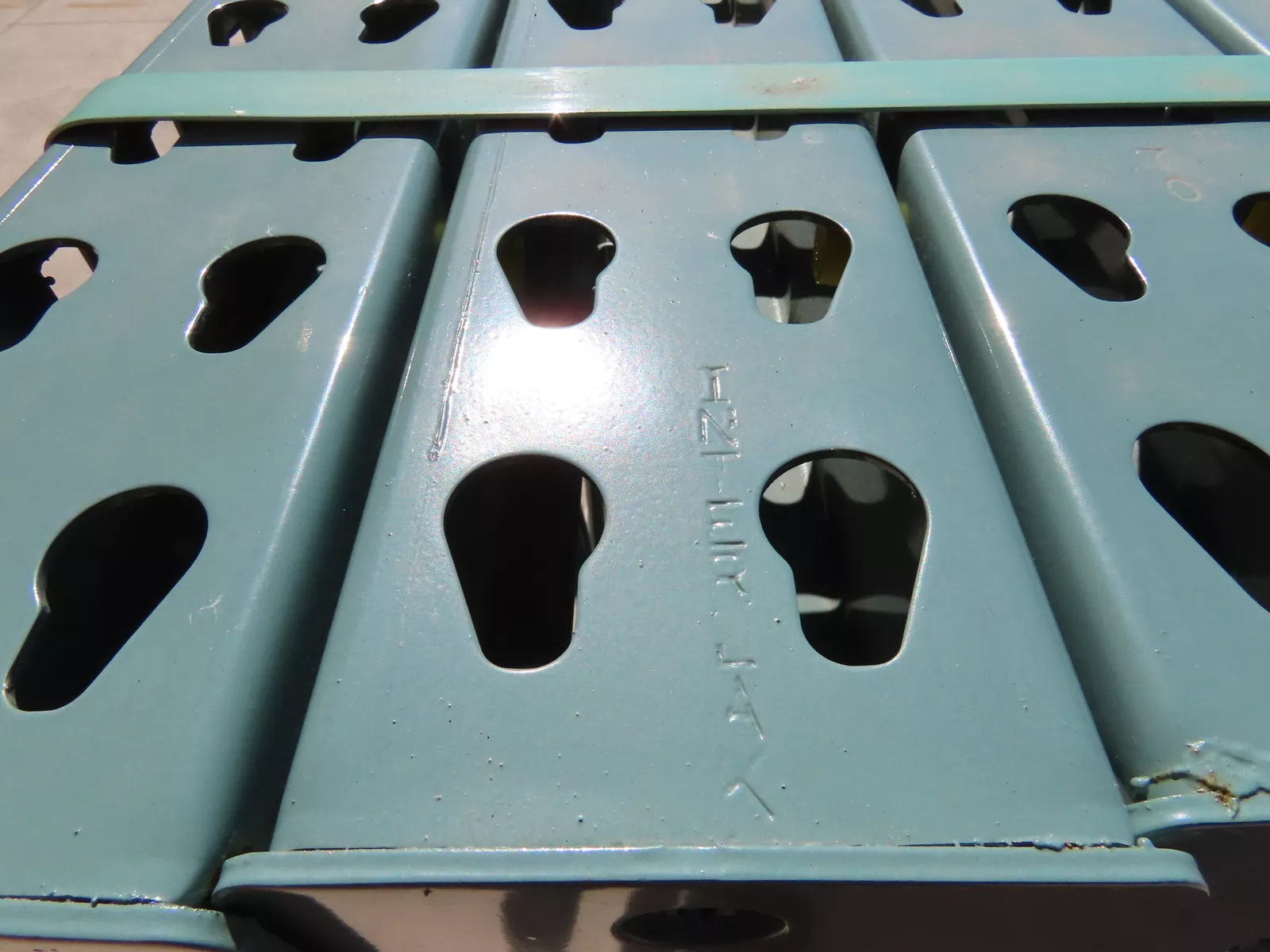
How Can I Ensure Compliance With Safety Regulations For Racks?
How Can I Ensure Compliance With Safety Regulations For Racks?
- Understand and comply with industry-specific rack safety regulations set by the Occupational Safety and Health Administration (OSHA).
- Conduct regular inspections and maintenance on racks to prevent accidents and ensure compliance.
- Invest in employee training programs to educate staff on safe loading techniques and hazard recognition.
- Document all inspections, maintenance, and training sessions to demonstrate compliance and improve safety practices.
- Consider hiring safety consultants for expert advice on improving rack compliance and safety measures.
- Stay informed about updates to safety regulations through industry bulletins and safety seminars.
- Create a strong safety culture that prioritizes workforce protection and operational integrity.

How Can I Ensure Compliance With Safety Regulations For Racks?
What Are The Most Frequent Safety Violations In Cantilever Racks?
In the bustling world of warehousing and logistics, safety isn’t merely a guideline—it’s a lifeline. Cantilever racks, designed to maximize space for storing long or bulky items, are invaluable. However, without adherence to safety protocols, they can become a recipe for disaster. Here’s a look at some of the most frequent safety violations related to cantilever racks and how to sidestep them effectively.
1. Overloading the Racks
One of the primary violations in cantilever rack safety is overloading. Often, warehouse staff misjudge the weight capacity of these racks, leading to unintended collapses. For instance, a recent incident in a Tennessee distribution center saw multiple injuries when improperly weighted materials caused a cantilever rack to fail spectacularly during peak operations. To avoid this risk, always ensure that weight capacities are clearly labeled and adhered to. Additionally, routine training sessions can help workers understand load limits better.
2. Lack of Inspection and Maintenance
Neglecting regular inspections is another significant violation that can lead to catastrophic failures. Just like vehicles require tune-ups, cantilever racks need routine checks to ensure all components are secure. In 2022, an Ohio warehousing facility faced legal ramifications after a bulk order fell and injured two workers because rusted bolts had gone unnoticed. Establishing a maintenance schedule will not only safeguard employees but will also preserve your investment.
3. Improper Storage Practices
Improper stacking of materials is an oversight that occurs all too frequently. Many warehouses fail to secure items correctly, which can lead to falls or collapses. For example, a California distribution center experienced a near-miss when unbalanced items teetered perilously on a cantilever rack. Utilize proper tie-downs and consider training staff on the best stacking practices. Implementing a visual system using color-coded tags could reinforce proper storage techniques.
4. Inadequate Safety Training
Lastly, the lack of comprehensive safety training is a violation that impacts all levels of operations. A reported study from industry experts underscores that nearly 40% of warehouse accidents occur due to employee inexperience. Continuous education can pave the way for a culture of safety; investing in regular workshops is not just a smart move—it’s a necessity.
The most frequent safety violations in cantilever racks stem from overload, neglect, improper practices, and insufficient training. A proactive approach not only protects your workforce but also enhances operational efficiency. Let’s prioritize safety to make your warehouse the safe haven it ought to be.

What Are The Most Frequent Safety Violations In Cantilever Racks?
What Are The Most Frequent Safety Violations In Cantilever Racks?
- Safety is essential in warehousing and logistics, particularly concerning cantilever racks.
- Overloading racks can lead to catastrophic collapses; weight capacities should be clearly labeled and communicated.
- Regular inspections and maintenance of cantilever racks are crucial to prevent failures and safeguard employees.
- Improper storage practices, such as unbalanced stacking, can cause falls or collapses; proper tie-downs should be used.
- Inadequate safety training contributes to many warehouse accidents; continuous education is essential for creating a safety culture.
- Proactively addressing these common violations enhances both workforce safety and operational efficiency.
- Prioritizing safety transforms the warehouse into a safe haven for all employees.
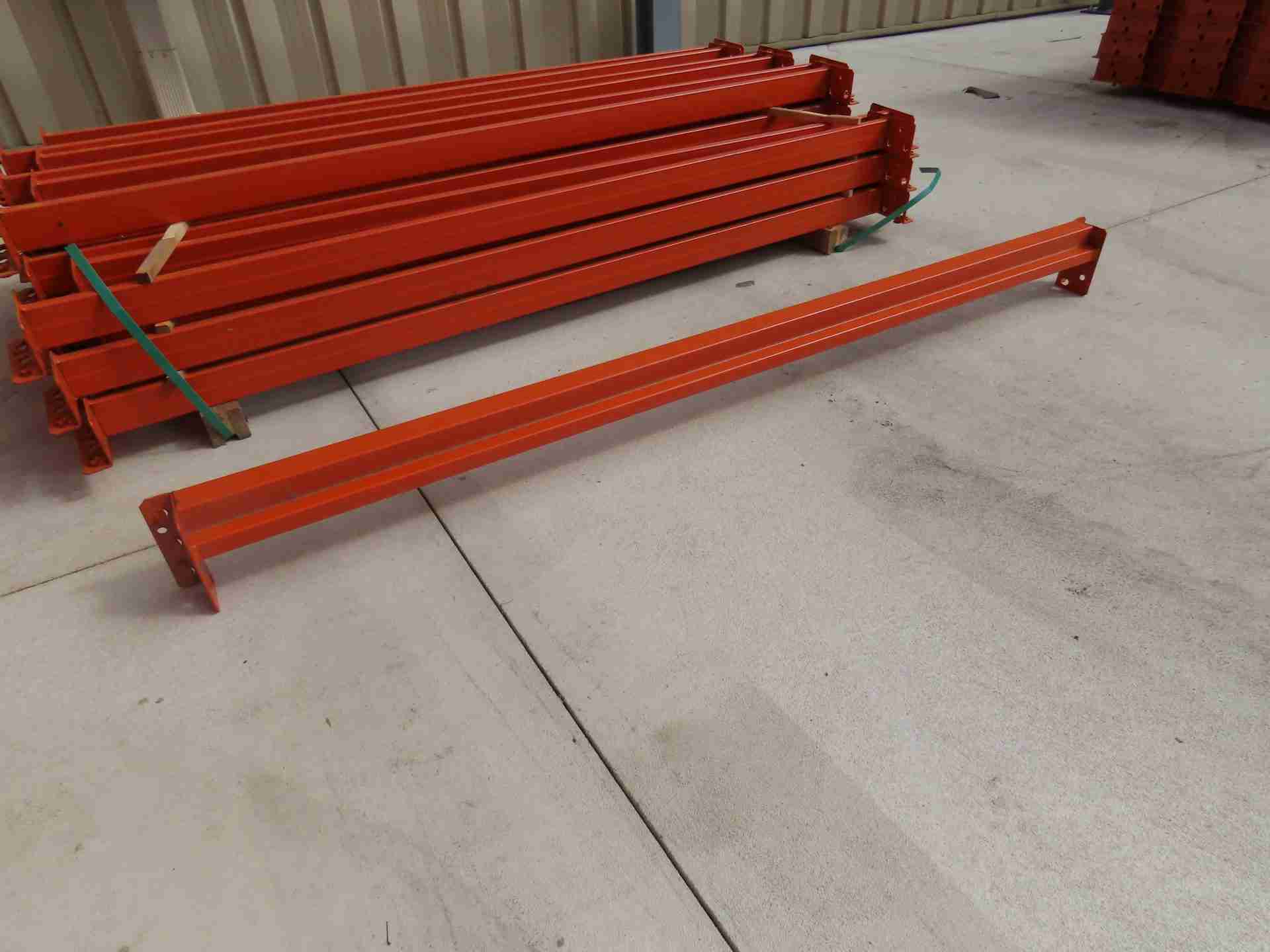
What Are The Most Frequent Safety Violations In Cantilever Racks?
How Can I Improve Safety Measures Based On Audit Findings?
Improving safety measures based on audit findings is not merely a compliance necessity; it’s a strategic move that can catapult your organization into a new realm of operational efficiency and employee morale. In today’s fast-paced business environment, where safety incidents can lead to costly downtimes and reputational damage, auditing and subsequent adjustments are critical.
First off, it’s essential to dissect your audit findings with a laser-focused approach. Identify the high-risk areas and prioritize them. For instance, a recent audit at a manufacturing plant revealed inadequate safety gear usage among workers. Rather than just recommending the purchase of more equipment, it suggests implementing a culture of safety. This could involve conducting mandatory training sessions and regularly scheduled safety drills, ensuring that every employee is not only aware of the risks but also feels personally invested in their own safety and that of their colleagues.
Next, harness the power of technology. Incorporating IoT devices can vastly improve monitoring and compliance. For example, automatic alerts for equipment malfunctions can save lives, as they provide real-time data to the workforce, guiding them on immediate actions. A tech-savvy organization can follow the footsteps of several industrial giants recently adopting wearables that track environmental conditions. This not only prevents accidents but also signals to employees that their safety is the utmost priority.
You should also embrace a feedback culture. After implementing changes, create forums where employees can voice their experiences and suggestions. This not only instills a sense of ownership but also surfaces insights from those who are on the front lines. A logistics company recently revamped its safety protocol by integrating feedback from drivers. They discovered that minor adjustments in route planning could minimize exposure to hazardous road conditions. By listening, the company not only enhanced safety but also optimized operations.
Finally, promote a “safety-first” narrative within your organization. Highlight the positive “before and after” stories of improved safety practices and their impact on productivity and morale. Regularly showcase how these improvements save costs or mitigate risk. A robust safety culture not only reduces incidents but can become a unique selling proposition in your competitive landscape.
Improving safety measures based on audit findings is about more than just ticking boxes; it’s a continuous evolution that can lead to outstanding results. By prioritizing, leveraging technology, embracing feedback, and communicating effectively, you can transform safety from a burden into a cornerstone of your organizational success.

How Can I Improve Safety Measures Based On Audit Findings?
How Can I Improve Safety Measures Based On Audit Findings?
- Improving safety measures is essential for operational efficiency and employee morale.
- Analyze audit findings to identify and prioritize high-risk areas.
- Implement a culture of safety through mandatory training and scheduled drills.
- Utilize technology, such as IoT devices, for better monitoring and real-time data.
- Create forums for employee feedback to enhance safety protocols and operational efficiency.
- Promote a “safety-first” narrative by showcasing positive impacts on productivity and morale.
- Continuous evolution of safety measures is key to organizational success.

How Can I Improve Safety Measures Based On Audit Findings?
What Tools And Equipment Are Essential For Conducting An Audit?
In the fast-paced world of business, where precision and clarity are king, the right tools and equipment can make or break an audit. An audit isn’t just about digging through financial statements; it’s a strategic process that can unveil hidden efficiencies or expose serious liabilities. Let’s dive into the essential tools and equipment that every audit professional should have in their arsenal—because when it comes to getting it right, there’s no room for half-measures.
1. Audit Management Software: At the forefront of any modern audit is robust audit management software. Tools like TeamMate or AuditBoard streamline the entire process, from planning to execution. They allow auditors to document findings in real time while utilizing cloud-based technology for easy accessibility. With regulatory changes happening as frequently as they are—like the new ASC 842 lease accounting standards—having software that keeps up ensures you’re not left behind.
2. Data Analytics Tools: In the age of big data, the ability to analyze vast troves of information is invaluable. Software like IDEA or ACL helps auditors identify patterns and anomalies that simply can’t be spotted with the naked eye. For instance, in a recent survey, companies employing data analytics witnessed up to a 30% reduction in audit time. With real-time data aggregation, you can dig deeper into operational metrics that traditionally flew under the radar.
3. Document Management Systems (DMS): Efficient document management is essential for any audit firm. A solid DMS like M-Files or DocuWare can help keep all necessary documentation organized and easily accessible. This is particularly crucial when dealing with complex audits involving multiple stakeholders, where the risk of miscommunication or document loss is significantly heightened.
4. Physical Tools: Don’t underestimate the power of basic office equipment. High-quality scanners and printers ensure that all hard copies of vital financial reports are digitized and easily accessible. A good set of noise-cancelling headphones can also be a lifesaver during those focus-heavy late-night audit sessions—because distractions are the enemy of clarity.
5. Security Tools: In today’s digital landscape, cybersecurity cannot be ignored. Tools like McAfee or Norton ensure that sensitive financial information is protected against breaches. With high-profile cyberattacks making headlines regularly, safeguarding data integrity is more critical than ever.
Conclusion: The right tools and equipment are not just luxuries; they are essential components for successful audits. Harnessing technology and robust systems allows auditors to focus on analysis and strategy rather than administrative headaches. As the landscape evolves, it’s imperative to stay ahead of the curve—because your client’s trust and your reputation rely upon it. Don’t just audit for today; audit for the future.

What Tools And Equipment Are Essential For Conducting An Audit?
What Tools And Equipment Are Essential For Conducting An Audit?
- Audit Management Software: Essential for streamlining the audit process, tools like TeamMate or AuditBoard allow for real-time documentation and cloud-based accessibility, crucial for adapting to regulatory changes.
- Data Analytics Tools: Software such as IDEA or ACL helps auditors analyze large data sets to identify patterns and anomalies, leading to significant reductions in audit time.
- Document Management Systems (DMS): Solutions like M-Files or DocuWare keep documentation organized and accessible, reducing risks of miscommunication in complex audits.
- Physical Tools: High-quality scanners, printers, and noise-cancelling headphones help maintain efficiency and focus during audits, especially in high-pressure situations.
- Security Tools: Cybersecurity tools like McAfee or Norton are vital for protecting sensitive financial information against breaches and ensuring data integrity.
- Importance of Technology: Utilizing the right tools allows auditors to prioritize analysis and strategic planning over administrative tasks.
- Forward-thinking Auditing: Staying updated with tools and equipment is essential for maintaining client trust and professional reputation in an evolving landscape.

What Tools And Equipment Are Essential For Conducting An Audit?
How Can Employee Training Enhance Safety For Cantilever Racks?
In the fast-paced world of warehousing and logistics, safety should never be an afterthought—especially when it comes to utilizing cantilever racks. These innovative storage systems are essential for maximizing space and efficiency, particularly for long and cumbersome items. However, their effectiveness hinges significantly on the implementation of robust employee training programs designed to enhance safety.
The human element is often the weakest link in any safety protocol. A single lapse in judgment or lack of understanding can lead to accidents, injuries, or even fatalities. According to the National Safety Council, workplace injuries cost employers over $161 billion annually. This staggering figure highlights the urgent need for properly trained employees who understand how to work safely around cantilever racks.
Imagine a warehouse where employees receive a comprehensive training program that covers everything from weight limits to proper loading techniques. For example, training videos can illustrate how to distribute heavy items evenly across arms to prevent tipping or collapsing. Considering recent supply chain disruptions and increased demand for warehouse space, companies cannot afford to let preventable accidents occur. Training sessions that incorporate hands-on simulations can make a tremendous impact. Employees can practice loading and unloading, ensuring they understand how to move items safely and effectively.
Moreover, effective training goes hand-in-hand with fostering a culture of safety. When employees are educated about the inherent risks associated with cantilever racks, they are more likely to speak up about potential hazards. For example, a warehouse in Indiana recently mitigated several near-miss incidents through a safety program that encouraged employees to report unsafe conditions without fear of reprimand. Implementing regular safety meetings can empower workers to share their experiences and learn from one another, reinforcing best practices and building camaraderie around safety.
A well-trained workforce is not only a safer workforce but also a more efficient one. For instance, employees who understand the operational guidelines of cantilever racks can reduce time spent on locating and retrieving items. This enhancement in productivity can lead to increased output, ultimately boosting the bottom line. Research shows that organizations that prioritize safety see significant returns on their investment—sometimes upwards of 600%.
Investing in employee training focused on cantilever rack safety is not just a regulatory necessity; it’s a strategic business decision that pays dividends in both safety and efficiency. Empower your workforce today and create a safer, more productive environment for all.

How Can Employee Training Enhance Safety For Cantilever Racks?
How Can Employee Training Enhance Safety For Cantilever Racks?
- Effective employee training is crucial for safety in warehouses using cantilever racks.
- Workplace injuries cost employers over $161 billion annually, highlighting the need for proper training.
- Comprehensive training programs should include weight limits and proper loading techniques.
- Hands-on simulations during training help employees practice safe loading and unloading.
- A safety-oriented culture encourages employees to report hazards without fear of reprimand.
- Trained employees enhance efficiency by understanding operational guidelines, reducing retrieval times.
- Investing in safety training yields significant returns, sometimes over 600% in increased productivity.

How Can Employee Training Enhance Safety For Cantilever Racks?
What Should I Do If I Find Safety Issues During An Audit?
Discovering safety issues during an audit can feel like stepping into a minefield: one misstep and the repercussions can reverberate through your organization. But fear not! Instead of panicking, let’s transform these potential crises into opportunities for growth and improvement.
First and foremost, document everything. When safety issues emerge, precise documentation is your best ally. Imagine your audit revealing that safety equipment is not compliant with the latest regulations. Who wants to wake up to the sound of sirens — or worse, legal implications? By meticulously recording what you’ve found, you’re constructing an indisputable narrative that can guide future corrective actions. This not only builds credibility but creates a roadmap for transparency.
Now, let’s work on a strategic corrective plan. Picture this: during a recent audit, safety gear was found outdated at a manufacturing plant, similar to the recent headlines about workplace safety violations in significant corporations. Instead of burying these findings in a report, take proactive measures to revamp your safety protocols. Whether it’s enacting new training programs or updating equipment, addressing these issues swiftly not only demonstrates leadership but positions your organization as a safety innovator in your industry.
Next, don’t go it alone. Enlist a team approach. Create an internal safety committee or think tank. For example, when a global retailer faced a safety audit fallout, assembling a cross-functional team allowed them to tackle issues from multiple angles, leading to comprehensive, effective solutions. By encouraging input from diverse roles, you broaden your perspectives, uncovering insights that may have otherwise been overlooked.
Communication is key. Once you’ve championed changes, share your progress. Start an internal newsletter, highlight updates on company-wide meetings, or leverage social media platforms. Past incidents highlight how lack of communication can fan the flames of dissatisfaction. When an oil and gas company experienced a blowout, their delayed response made matters worse. Don’t follow that path! Instead, embrace proactive transparency to reinforce your values.
Finally, treat this as a continuous improvement journey. Like the ongoing safety compliance audits making headlines today, regularly revisit your safety protocols and audits. They should not be a one-time event but an ingrained company culture mantra. This approach not only helps avoid future traps but positions you as an industry leader committed to safety excellence.
In essence, seeing safety issues during an audit isn’t an endpoint; it’s a launchpad for evolution. Seize the chance to innovate, strengthen your communications, involve your team, and instigate change. You’ll not only safeguard your workforce but also elevate your organization. Now that’s a real win-win!

What Should I Do If I Find Safety Issues During An Audit?
What Should I Do If I Find Safety Issues During An Audit?
- Discovering safety issues during audits offers opportunities for organizational growth.
- Document all findings meticulously to create an indisputable narrative for corrective actions.
- Develop a strategic corrective plan to address safety issues proactively.
- Enlist a team approach by creating an internal safety committee for diverse input and solutions.
- Communicate progress and updates via newsletters and meetings to reinforce transparency.
- Treat safety audits as a continuous improvement journey to foster a strong safety culture.
- Transforming safety audits into strategic initiatives can strengthen the organization and safeguard the workforce.

What Should I Do If I Find Safety Issues During An Audit?
How Do I Prioritize Safety Repairs After An Audit?
In the realm of facility management, safety is non-negotiable. When your recent audit reveals a laundry list of necessary repairs, the question looms: How do you prioritize these issues without jeopardizing safety or your budget? It’s simple, yet crucial—think strategically.
First, implement a risk assessment framework. Not all repairs are created equal. For instance, a frayed electrical wire poses an immediate risk of fire and thus should top your list, while potholes in the parking lot, while inconvenient, might follow. To illustrate, in 2022, the tragic collapse of a parking garage in Miami, attributed to neglected structural issues, underscored the lethal consequences of ignoring high-risk repair needs. Don’t let your facility become a cautionary tale; prioritize repairs that could lead to catastrophic events.
Next, engage with your team. Field personnel often have firsthand insight into safety concerns that may otherwise escape notice. Create an open line of communication for employees to report hazards. For example, a manufacturing plant might discover that improper machine guarding has led to near-misses in the past year. By prioritizing this as a high-risk issue, you not only protect your workforce but also demonstrate an organizational commitment to safety—a key factor in employee satisfaction and retention.
Another critical aspect of prioritization is cost-benefit analysis. Assess the financial implications of each repair. Take the case of an HVAC system that’s on the fritz versus a cracked window: While the broken window may seem a minor issue, the malfunctioning HVAC could lead to health issues, reduced productivity, and ultimately, considerable financial loss. Calculating not only the immediate repair costs but also the potential costs of inaction—whether that be legal fees, medical expenses, or lost productivity—is essential.
Stay updated with current events and legislation. Regulatory bodies frequently revise safety standards, and compliance is not optional. For example, after recent reports of inadequate safety measures during the pandemic, new guidelines came into effect that facilities must adhere to. Ignoring these updates can escalate liabilities.
Finally, keep detailed documentation. Not only will this serve as proof of your proactive approach to repairs, but it will also streamline future audits. Demonstrating that you’ve addressed high-priority repairs effectively can position your organization as a leader in safety compliance—turning potential liabilities into trust-building opportunities.
Prioritizing safety repairs post-audit doesn’t just mitigate risk; it enhances your organization’s reputation. Take these steps to refine your strategy, ensuring a safer, more resilient workplace for everyone.

How Do I Prioritize Safety Repairs After An Audit?
How Do I Prioritize Safety Repairs After An Audit?
- Safety is a crucial priority in facility management, especially after an audit highlights needed repairs.
- Implement a risk assessment framework to identify and prioritize repairs based on immediate danger.
- Engage team members for insight into safety concerns, promoting an open communication channel for reporting hazards.
- Conduct a cost-benefit analysis to weigh the financial implications of repairs, taking into account potential costs of inaction.
- Stay updated on current regulations and safety standards to ensure compliance and avoid liabilities.
- Maintain detailed documentation of repairs, demonstrating proactive safety measures and assisting future audits.
- Prioritizing safety enhancements not only mitigates risk but also builds your organization’s reputation as a leader in safety compliance.

How Do I Prioritize Safety Repairs After An Audit?
What Role Does Maintenance Play In Safety Auditing Of Racks?
When it comes to ensuring the safety of your warehouse and storage areas, maintenance isn’t just a supporting act—it’s the star of the show. A robust maintenance plan directly influences the effectiveness of safety audits for racks, transforming them from mere checklists into a vital component of your operational culture. This is especially pertinent in light of recent warehouse collapses, which serve as harsh reminders of what neglect can lead to.
Imagine walking into a warehouse where the racks look visually flawless. Everything seems in order, yet unseen beneath surface-level appearances are critical maintenance shortcomings. Regular inspections and maintenance can catch these lurking issues. For instance, structural weaknesses due to years of wear and tear may not be visible to the untrained eye. By integrating maintenance checks into your safety audit, you’re not just checking boxes; you’re proactively preventing potential disasters.
Consider the case of large retail giants that faced heavy backlash after the collapse of their storage systems. These incidents often stemmed from a lack of consistent maintenance schedules, sparking investigations into their operational procedures. What did they overlook? Regular checks on their racks for signs of damage or fatigue. Without a dedicated maintenance regime, even the most rigorous safety audits may fail.
Effective maintenance plays multiple roles in safety auditing. First and foremost, it ensures compliance with industry regulations. As we know, the regulatory landscape is continually evolving. For instance, the recent updates to OSHA guidelines have shifted the spotlight onto the structural integrity of warehousing systems. A comprehensive maintenance plan enables businesses to stay ahead of these requirements, thereby reducing the risk of legal repercussions.
Moreover, an often-overlooked benefit of routine maintenance is its impact on employee morale. When workers see that their safety is prioritized and actively protected, they tend to be more engaged and productive. Imagine a setup where maintenance logs are listed alongside safety audit findings—this transparency promotes a culture of accountability and care, directly correlating with reduced workplace accidents.
Effective maintenance should be seen not just as an operational necessity, but as a core ingredient in your safety auditing process. With rack safety at the forefront of logistical success, neglecting maintenance is a gamble no business can afford to make. Prioritize maintenance, and watch as your safety audits transform from simple formalities into your warehouse’s first line of defense against accidents and inefficiencies.

What Role Does Maintenance Play In Safety Auditing Of Racks?
What Role Does Maintenance Play In Safety Auditing Of Racks?
- Maintenance is essential for warehouse safety, influencing the effectiveness of safety audits.
- Recent warehouse collapses highlight the consequences of neglecting maintenance.
- Regular inspections can uncover hidden issues not visible at first glance.
- Lack of maintenance can lead to significant operational failures, as seen in large retail collapses.
- Effective maintenance ensures compliance with evolving industry regulations, including OSHA guidelines.
- Routine maintenance boosts employee morale by demonstrating a commitment to safety.
- Prioritizing maintenance transforms safety audits into vital components of operational culture.

What Role Does Maintenance Play In Safety Auditing Of Racks?
Conclusion
In the high-stakes arena of warehousing, ensuring the safety of cantilever racks is not just a regulatory obligation—it’s a commitment to the well-being of your workforce and the longevity of your operations. As highlighted throughout this article, the importance of conducting thorough safety audits cannot be overstated. These audits serve as a proactive strategy to identify potential risks before they escalate into costly accidents or liabilities. Simple steps, from visual inspections to load capacity assessments, lay the groundwork for creating a culture of safety that permeates your organization.
However, audits are only as effective as the training and procedures that follow. Subpar training can undermine even the most stringent safety protocols. Investing in comprehensive employee training programs empowers your workforce with the knowledge and skills to responsibly navigate their environment. Workers well-versed in rack safety and load management are less likely to commit errors that lead to injuries or operational disruptions. This not only protects your assets but ultimately fosters a more engaged and productive team.
Equally important is to recognize that safety auditing and ongoing maintenance should be continuous processes—never a one-and-done task. By setting a regular schedule for audits and maintenance, you cultivate a sustained focus on safety. Every inspection should encourage an open dialogue among employees, creating a feedback loop that continuously enhances procedures and protocols.
In an environment where inaction can lead to tragic consequences, don’t wait for a safety issue to manifest before taking action. The lessons from recent industry incidents are a stark reminder of the potential risks involved. By prioritizing preventive measures today, you are investing in your company’s future and reputation.
Time is of the essence. With increased regulatory scrutiny and the evolving landscape of warehouse safety, now is the moment to act. Hesitate, and you risk falling behind competitors who value safety as a cornerstone of their operational strategy. We invite you to take the next step in fortifying your workplace against potential hazards.
Call Arrow Industrial Sales today at (574) 349-6575 for expert guidance and assistance with your cantilever rack safety audit. Don’t leave safety to chance—secure your operational effectiveness and protect your most valuable assets. Your workforce deserves nothing less than a safe working environment, and every moment counts. Act now!

Conclusion
Conclusion:
- Ensuring cantilever rack safety is crucial for workforce well-being and operational longevity.
- Conducting thorough safety audits helps identify potential risks before they lead to accidents.
- Simple steps, like visual inspections and load assessments, foster a culture of safety.
- Comprehensive employee training programs empower workers with essential safety knowledge and skills.
- Safety auditing and maintenance should be ongoing processes, not one-time tasks.
- Proactive measures today safeguard the future and reputation of your company.
- Contact Arrow Industrial Sales for expert guidance on cantilever rack safety audits.

Conclusion
Other Resources
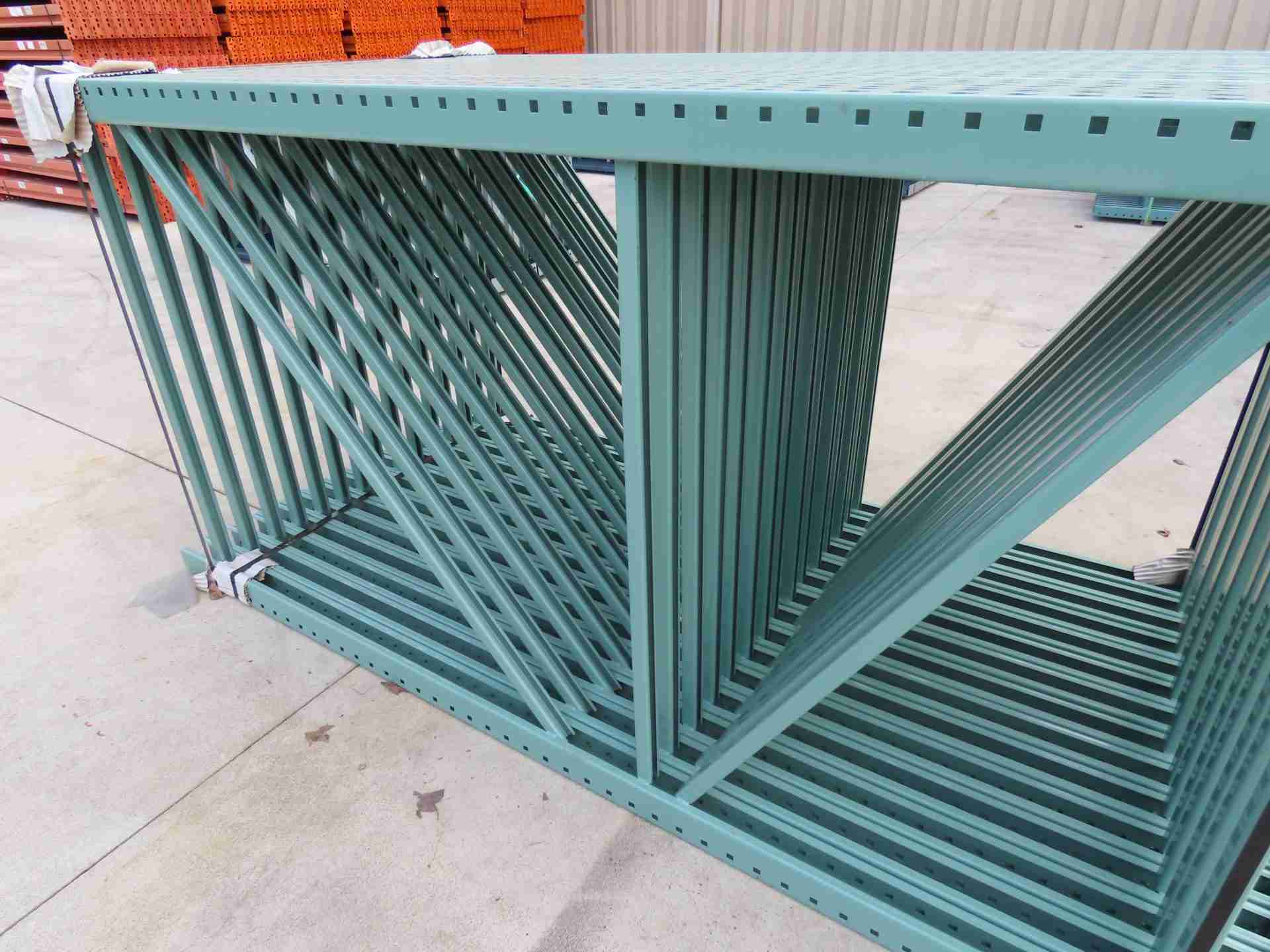
Other Resources
Here is a list of other resources you can review online to learn more:
-
- “Heavy Duty Cantilever Racks | Platforms and Ladders”
- “Warehouse Racking Safety Guidelines: Satisfying OSHA”
- “Understanding OSHA Requirements for Warehouse Racking”
- “Cantilever Racks”
- “pallet racking”
- “Cantilever Racking Texas | Warehouse Equipment & Storage”
- “Home | Occupational Safety and Health Administration”
- “What Does OSHA Say About Pallet Rack Safety?”
- “CONTRACT BONDS”
- “Developer for Joint Government Center Campus (JGCC)”

Other Resources
Glossary Terms
How Do You Conduct a Safety Audit on Cantilever Racks? – Glossary Of Terms
1. Audit: A systematic examination of a process or system to ensure compliance with safety regulations and industry standards.
2. Cantilever Rack: A storage system designed for storing long or irregularly shaped items, featuring supports that extend outward.
3. Compliance: Adherence to safety regulations, standards, and best practices established by governing bodies.
4. Deflection: The degree to which a structural element (like a rack arm) bends or moves under load.
5. Load Capacity: The maximum weight a cantilever rack can safely hold as specified by the manufacturer.
6. Inspection: A close examination of the rack structure, components, and surroundings to identify any safety hazards.
7. Assessment: The evaluation of potential risks and hazards associated with the use and maintenance of cantilever racks.
8. Safety Standards: Established criteria that dictate the design, maintenance, and operation of storage systems to ensure safety.
9. Visual Inspection: A non-destructive examination method that involves looking for visible signs of wear, damage, or failure in the rack system.
10. Structural Integrity: The ability of the cantilever rack to support loads without experiencing failure, deformation, or collapse.
11. Weight Distribution: The manner in which loads are spread across a rack to prevent overloading a single point or arm.
12. Stability: The capacity of a cantilever rack to maintain its position and resist tipping or shifting under load.
13. Anchor Points: Fixed points used to secure the cantilever rack to the ground or a wall to enhance stability.
14. Safety Barriers: Physical barriers placed around racks to protect them from impacts from forklifts and other equipment.
15. Forklift Safety: Procedures and protocols that ensure the safe operation of forklifts when moving materials in and around cantilever racks.
16. Spacing Guidelines: Recommendations for the proper distance between racks or between levels to maximize safety and accessibility.
17. Load Height: The maximum vertical distance at which materials can be stored on a cantilever rack without compromising stability.
18. Maintenance Procedures: Regularly scheduled activities aimed at ensuring the safety and functionality of cantilever racks.
19. Load Test: A test conducted to verify a rack’s load capacity by applying weight to ensure it can safely hold specified loads.
20. Documentation: Records that provide evidence of compliance with safety standards and maintenance checks.
21. Training: Educating employees on safe handling, inspections, and proper usage of cantilever racks.
22. Hazard Identification: The process of recognizing potential risks associated with cantilever rack usage.
23. Risk Analysis: An assessment of the likelihood and consequences of identified hazards, used to inform safety measures.
24. Pallets: Flat transport structures used to support goods and facilitate the storage and movement of items on racks.
25. Tilt Angle: The angle at which a cantilever rack arm is positioned, which can affect load stability and safety.
26. Deformation: The change in shape of rack components due to excessive load or stress, which can indicate failure.
27. Weight Limits: Established maximum weights specified by manufacturers for each level of a cantilever rack.
28. Emergency Procedures: Protocols established for responding to accidents or failures involving cantilever racks.
29. Regulations: Governmental and industry guidelines that dictate safety practices for storage systems.
30. Checklist: A written list used during inspections to ensure that all necessary safety measures and evaluations are conducted.

Glossary Of Terms
Other Questions
How Do You Conduct a Safety Audit on Cantilever Racks? – Other Questions
If you wish to explore and discover more, consider looking for answers to these questions:
- What are the signs that cantilever racks need immediate repair?
- How can I train employees to identify safety issues in cantilever racks?
- What types of tools are best for conducting visual inspections of cantilever racks?
- What is the cost of neglecting safety audits for cantilever racks?
- How can technology aid in conducting safety audits on racks?
- What are the legal implications of not conducting safety audits?
- Can I perform an audit myself or should it be conducted by a third party?
- What documentation should I maintain for safety audits?
- How can I effectively communicate safety changes to my team after an audit?
- What industry benchmarks exist for safety audit practices?
- How do I handle pushback from employees regarding safety protocols?
- What specific OSHA regulations relate to cantilever racks?
- Is there any insurance coverage available for accidents related to failed rack safety?
- How do I integrate safety audit findings into future operational planning?
- What are the most common misconceptions about cantilever rack safety?

Other Questions
Checklist
How Do You Conduct a Safety Audit on Cantilever Racks? – A Checklist
Visual Inspection
_____ Check for visible defects (rust, bends, cracks) in structural components.
_____ Inspect the base, uprights, and arms thoroughly.
_____ Document any signs of deterioration.
Load Capacity Assessment
_____ Verify maximum load capacity for each cantilever rack.
_____ Ensure proper labeling of load limits on the racks.
_____ Assess whether current loading practices comply with stated capacities.
Employee Training Review
_____ Evaluate current employee training programs related to rack safety.
_____ Confirm recent safety training sessions have been conducted.
_____ Identify the need for refresher courses for employees.
Regulatory Compliance Check
_____ Review compliance with local and national safety regulations.
_____ Stay updated on relevant OSHA regulations and recent amendments.
_____ Maintain documentation of compliance efforts.
Key Elements Inspection
_____ Assess structural integrity for signs of wear and tear.
_____ Confirm that load capacities are adhered to during loading/unloading.
_____ Ensure aisles are clear from obstructions and that items are easily accessible.
_____ Verify presence and functionality of safety equipment (guard rails, safety straps).
Documentation Review
_____ Ensure availability of rack design specifications and manufacturers’ datasheets.
_____ Gather previous inspection and maintenance records.
_____ Confirm documentation of operator training and incident reports.
Maintenance Schedule
_____ Establish routine maintenance checks and inspections.
_____ Conduct repairs promptly based on audit findings.
_____ Document all maintenance activities and inspections for future reference.
Safety Culture Promotion
_____ Foster a culture of safety by encouraging employee feedback on safety practices.
_____ Share audit findings and safety improvements with all staff.
_____ Implement regular safety meetings and training updates.
Follow-Up Actions
_____ Develop a corrective action plan for any identified safety issues.
_____ Assign responsibilities for addressing safety repairs and compliance gaps.
_____ Schedule a follow-up audit to assess improvements and ongoing compliance.
Continuous Improvement
_____ Regularly review and update safety protocols based on audit outcomes.
_____ Stay informed about new safety technologies and industry best practices.
_____ Engage employees in ongoing safety training and development.
Use this checklist as part of your comprehensive safety audit strategy for cantilever racks to enhance workplace safety and compliance effectively.

Checklist
At RackingWorld, we help guide you through selecting warehouse storage systems and racking.
Be sure to read our other related stories at RackingWorld to learn more about warehouse storage systems.
0 Comments