
Mastering Cantilever Racking: Top Adopting Industries
By Tom Seest
At RackingWorld, we help guide you through selecting warehouse storage systems and racking.
Be sure to read our other related stories at RackingWorld to learn more about warehouse storage systems.
What Industries Are Adopting Cantilever Racking Fastest?
As economic landscapes evolve and supply chain demands intensify, certain industries are swiftly embracing cantilever racking to enhance their operational efficiency. This innovative storage solution provides flexibility in layout, maximizes vertical space, and accommodates an array of products, making it a favorite in sectors where space is at a premium.
One of the fastest-growing adopters of cantilever racking is the construction and building materials industry. With the recent surge in infrastructure spending spurred by government initiatives—from large-scale public works to housing development—companies are facing unprecedented volume increases. Cantilever racking enables these businesses to store long items like lumber, pipes, and drywall vertically, allowing for quicker access and better organization. Moreover, as potential project delays loom due to supply chain issues, this efficient storage method helps keep materials secure and readily available—a crucial advantage in maintaining competitive timelines.
Another key player in the rapid adoption of cantilever racking is the retail sector, particularly in home improvement and outdoor living spaces. The rise in DIY projects driven by recent global events, including the pandemic, has seen homeowners investing heavily in maintenance and renovation. Retailers are tasked with stocking a multitude of products—lumber, outdoor furniture, and gardening supplies—requiring a flexible storage solution that cantilever racking provides. Stores can showcase their inventory effectively, increasing visibility and boosting sales. Recent trends show that home improvement retailers have experienced a sales spike, highlighting the necessity for efficient inventory management.
Additionally, the manufacturing industry is witnessing a notable shift towards cantilever racking adoption. As businesses scale to meet global demand and navigate supply chain challenges, the ability to effectively store raw materials and finished goods becomes paramount. Industries such as furniture production and HVAC manufacturing have embraced this adaptable racking system. It allows manufacturers to house large components while streamlining workflows, ultimately improving productivity.
Finally, distribution centers and warehousing operations are integrating cantilever racking to remain agile amidst fluctuating e-commerce demands. With the rise of online shopping, there’s an ever-increasing need for efficient systems that can handle diverse product ranges, including bulky and irregularly shaped items. Cantilever racking not only improves accessibility but also maximizes space, accommodating inventory surges that come with seasonal or promotional spikes.
As the demand for flexibility and efficiency continues to rise across these sectors, cantilever racking stands out as a transformative solution driving change and growth. These industries exemplify the confluence of market opportunity and innovative logistics management—an alignment poised to propel them into a more organized and profitable future.

What Industries Are Adopting Cantilever Racking Fastest?
What Industries Are Adopting Cantilever Racking Fastest?
- Cantilever racking is rapidly embraced by industries to enhance operational efficiency amid evolving economic landscapes and supply chain demands.
- The construction and building materials industry is a primary adopter, utilizing cantilever racking for efficient vertical storage of long items like lumber and pipes.
- Government spending initiatives increase infrastructure demand, making efficient material storage crucial for meeting project timelines.
- The retail sector, particularly home improvement, benefits from cantilever racking due to the rise in DIY projects and the need for flexible inventory solutions.
- Cantilever racking enhances product visibility in retail environments, supporting spikes in sales and effective inventory management.
- The manufacturing industry adopts cantilever racking to store raw materials and improve productivity while managing global demand and supply challenges.
- Distribution centers integrate cantilever racking to address fluctuating e-commerce demands, enhancing accessibility and maximizing storage space.

What Industries Are Adopting Cantilever Racking Fastest?
Table Of Contents
- What Industries Are Adopting Cantilever Racking Fastest?
- What Is Cantilever Racking And Its Primary Benefits?
- Which Industries Benefit Most From Cantilever Racking?
- How Does Cantilever Racking Improve Storage Efficiency?
- What Types Of Products Are Best Suited For Cantilever Racking?
- What Are The Cost Implications Of Installing Cantilever Racking?
- How Does Cantilever Racking Compare To Traditional Shelving?
- What Safety Considerations Should Be Taken With Cantilever Racking?
- What Are The Trends Driving Cantilever Racking Adoption?
- How Does Cantilever Racking Support Retail Operations?
- What Role Does Cantilever Racking Play In Supply Chain Management?
- How Can Cantilever Racking Be Customized For Specific Industries?
- What Innovations Are Emerging In Cantilever Racking Technology?
- How Can Businesses Ensure Compliance With Racking Regulations?
- What Impact Does Cantilever Racking Have On Warehouse Efficiency?
- How Does The Scalability Of Cantilever Racking Benefit Industries?
- Conclusion
- Other Resources
- Glossary Of Terms
- Other Questions
- Checklist
What Is Cantilever Racking And Its Primary Benefits?
Cantilever racking is a robust, customizable storage system designed specifically for accommodating long and bulky items that traditional shelving simply cannot handle. Think of it as the backbone of efficient warehouse management for manufacturers, distributors, and retailers dealing with materials such as lumber, pipes, steel, and even furniture. Unlike standard shelving, which is limited by traditional vertical and horizontal layouts, cantilever racking features arms that extend outward from a vertical structure, allowing you to store items horizontally. This design maximizes space while providing safe, easy access to your products.
One of the standout benefits of cantilever racking is its versatility. The adjustable arms can be positioned at varying heights, accommodating different sizes of materials. For instance, if you’re a construction supplier, you might have lengthy pieces of timber, but your inventory may also include shorter metal pipes. With cantilever racking, you can modify the arms to suit your inventory needs, making it an invaluable asset in industries where product variability is the norm.
In today’s fast-paced economic landscape, where supply chain efficiency can make or break businesses, employing a cantilever racking system can drastically reduce retrieval times. Picture this: an HVAC supplier has just received a shipment of oversized ductwork. With cantilever racking, the team can quickly access and organize those materials without having to navigate through the often convoluted maze of conventional shelving. As a result, they not only save time but also enhance their overall productivity and service levels—key considerations in our modern, customer-focused economy.
Moreover, investing in cantilever racking can lead to substantial cost savings. It optimizes warehouse space, potentially allowing you to store more inventory in less square footage. This can defer the need for an expensive warehouse expansion or relocation—a significant consideration given the current inflationary pressures on commercial real estate.
In light of recent supply chain disruptions witnessed during the pandemic, companies are now more aware than ever of the importance of organized storage solutions that enhance efficiency. Cantilever racking systems respond to this urgent need by providing simplified inventory management that adapts to evolving industry demands.
To sum up, investing in cantilever racking is more than just a storage solution; it’s a strategic business maneuver that promotes adaptability, increases efficiency, and ultimately positions your business for success in an increasingly competitive market.

What Is Cantilever Racking And Its Primary Benefits?
What Is Cantilever Racking And Its Primary Benefits?
- Cantilever racking is a customizable storage system designed for long and bulky items, ideal for manufacturers, distributors, and retailers.
- Arms extend outward from a vertical structure, allowing horizontal storage that maximizes space and provides easy access to products.
- The adjustable arms can be positioned at various heights to accommodate different product sizes, enhancing versatility.
- Cantilever racking reduces retrieval times, improving productivity and service levels in fast-paced supply chains.
- Investment in cantilever racking optimizes warehouse space, potentially delaying the need for costly expansions or relocations.
- Provides organized storage solutions that enhance efficiency and adaptability in response to recent supply chain disruptions.
- Overall, cantilever racking is a strategic investment that promotes business success in a competitive market.

What Is Cantilever Racking And Its Primary Benefits?
Which Industries Benefit Most From Cantilever Racking?
When it comes to optimizing storage solutions, cantilever racking is a game-changer across various industries. This versatile shelving option is designed to accommodate heavy, oddly shaped, or long items, making it a staple for businesses that require efficient space management. Let’s explore the industries that reap the most significant rewards from this innovative storage system.
1. Lumber and Building Materials
The lumber industry has long embraced cantilever racking. As timber and building materials tend to be large, bulky, and often irregular in shape, these racks streamline the storage process while maximizing vertical space. Current market trends indicate a robust demand for home renovation and construction, fueling the need for more efficient material storage solutions. Businesses such as lumber yards and hardware stores that utilize cantilever racking can accommodate larger inventories while improving organization and accessibility, giving them a competitive edge.
2. Metal Fabrication and Manufacturing
In the metalworking sector, cantilever racking shines by providing tailored storage for various sizes of steel beams, pipes, and plates. The recent surge in infrastructure projects across the globe has led to increased demand for fabricated metal products. Businesses equipped with cantilever systems can easily manage the fluctuating inventory of raw materials, all while ensuring safety and efficiency in their operations. Think of manufacturers who can absorb increased production demands simply by optimizing their storage methods.
3. Retail and Wholesale Distributors
Retailers, from furniture stores to home décor outlets, benefit immensely from cantilever racking. These racks allow for stylish displays of items like sofas, tables, and artwork, ensuring easy customer access and effective merchandising. Additionally, wholesale distributors that manage a range of products—from large appliances to bulky machinery—find cantilever systems invaluable for maintaining an organized and easily navigable warehouse. Amid rising e-commerce demands, efficient storage solutions can turn into a major differentiator in customer satisfaction.
4. Automotive Industry
The automotive parts and accessory industry thrives on cantilever racking’s ability to handle various sizes and weights of parts. Whether for storing tires, exhaust systems, or large assembly components, these racks enhance operational efficiency. As electric vehicles surge in popularity, automotive suppliers are prioritizing space efficiency to adapt to rapid changes in inventory caused by shifting consumer preferences.
Conclusion
Across these diverse sectors, cantilever racking stands out as an essential element in modern warehousing and logistics. Its remarkable ability to maximize storage space and streamline access translates directly into enhanced productivity and profitability. As industries evolve, investing in effective storage solutions like cantilever racking now could be the key to unlocking future growth.

Which Industries Benefit Most From Cantilever Racking?
Which Industries Benefit Most From Cantilever Racking?
- Cantilever racking optimizes storage solutions across various industries.
- This shelving option accommodates heavy, oddly shaped, or long items, ideal for efficient space management.
- Lumber industry benefits from cantilever racking by streamlining storage for large, bulky materials, enhancing organization and accessibility.
- In metal fabrication and manufacturing, cantilever racking supports various sizes of steel beams, improving inventory management and operational safety.
- Retailers and wholesale distributors gain from cantilever racking by enhancing product displays and maintaining organized warehouses, crucial for customer satisfaction.
- The automotive industry utilizes cantilever racking for storing parts and accessories, improving space efficiency amid changing inventory demands.
- Cantilever racking is a vital element in modern warehousing, enhancing productivity and potentially unlocking future growth.
Which Industries Benefit Most From Cantilever Racking?
How Does Cantilever Racking Improve Storage Efficiency?
When it comes to maximizing storage space, businesses can’t afford to overlook the benefits of cantilever racking. This versatile solution is rapidly becoming a go-to for companies looking to streamline their operations while improving the overall efficiency of their warehouses and storage facilities. Whether you’re handling lumber, pipes, or other bulky items, cantilever racking offers unmatched adaptability that can significantly enhance your storage capabilities.
First and foremost, cantilever racking is designed for items of varying lengths and weights, freeing businesses from the constraints of traditional shelving. Unlike regular pallet racks, which can limit you to more standardized forms of storage, cantilever racks allow for an endless arrangement of inventory. Imagine a lumberyard where the endless sea of timber is organized perfectly without wasted space—this is the beauty of cantilever racking. Take, for example, the case of a national home improvement store that recently implemented this system and reported a 30% increase in storage capacity, allowing them to carry more inventory while reducing the capital tied up in excess stock.
Moreover, the open design of cantilever racks facilitates easy access to materials. Picture a busy metal fabrication shop where workers are constantly reaching for bundles of steel. With cantilever racking in place, materials become immediately accessible from either side, reducing time spent searching for items and accelerating the workflow. In today’s fast-paced market, this efficient use of time translates directly to increased productivity and cost savings.
Current events echo the demand for effective storage solutions. With the rise of e-commerce and “just-in-time” inventory practices, businesses are challenged like never before to balance flexibility with efficiency. Consider companies struggling to accommodate fluctuating customer demand while minimizing storage costs. Cantilever racking can be a game-changer, as it allows reconfiguration of storage space with minimal downtime. Amazon, for instance, continually adapts its warehousing strategies to meet demand fluctuations, and the insights from such shifting paradigms prove that innovative storage solutions like cantilever racking play a vital role in operational excellence.
Cantilever racking is not just a storage option; it’s a strategic investment that can revolutionize how businesses operate. By effectively utilizing vertical space and improving accessibility, organizations can ensure they’re not only keeping pace with the competition but leading the charge. If you’re serious about enhancing your storage efficiency and driving profitability, it’s time to consider integrating cantilever racking into your logistical framework. Imagine the possibilities when storage is no longer a bottleneck, but a springboard to success.

How Does Cantilever Racking Improve Storage Efficiency?
How Does Cantilever Racking Improve Storage Efficiency?
- Cantilever racking is a versatile storage solution for businesses needing to maximize space.
- Designed for items of varying lengths and weights, it offers greater adaptability than traditional shelving.
- A national home improvement store reported a 30% increase in storage capacity after implementing cantilever racking.
- The open design allows for easy access to materials, reducing search times and accelerating workflows.
- Cantilever racking helps businesses balance flexibility and efficiency in response to fluctuating customer demand.
- Innovative storage solutions like cantilever racking are crucial for operational excellence in today’s market.
- Integrating cantilever racking can enhance storage efficiency and drive profitability for organizations.

How Does Cantilever Racking Improve Storage Efficiency?
What Types Of Products Are Best Suited For Cantilever Racking?
If you want to maximize your warehouse space, look no further than cantilever racking — the structural marvel that’s redefining storage solutions. But not all products are created equal when it comes to utilizing this innovative system. Let’s drill down into which products are best suited for cantilever racking, making your inventory management not just efficient but downright seamless.
First and foremost, long and bulky items reign supreme in the world of cantilever racking. Think lumber, pipe, and steel beams; these products are often difficult to store using traditional shelving systems. With cantilever racks, you’ll find that your oversized items can be stored vertically, freeing up floor space and minimizing the clutter that can plague warehouses. Consider the wood supply industry, which has experienced heightened demand as home improvement projects surged during the pandemic. A warehouse that optimizes cantilever racking for its timber division is better positioned to manage inventory flows while maximizing accessibility.
In addition to conventional building materials, you can also store specialized items like furniture or metal fabrication parts. Cantilever racking allows for easy loading and unloading, meaning that employees can focus more on productivity than complicated inventory maneuvers. Recently, as e-commerce continues to boom, furniture companies have sought innovative ways to streamline warehousing processes; hindsight suggests that those who embraced cantilever racking have saved time and reduced operational costs.
Another excellent candidate for cantilever racking comprises seasonal products. Pool supplies, patio furniture, or outdoor sporting equipment all have varying demand throughout the year. Storing these items on cantilever racks not only organizes seasonal inventory but makes it incredibly easy for warehouse staff to access these products during peak seasons — a crucial element for any warehouse looking to outshine competitors during busy shopping months.
It’s also important to highlight that cantilever racking is remarkably versatile and can adapt to various weight capacities. Regardless of whether you deal in lightweight textiles or heavy machinery tools, cantilever racks can be tailored to suit your needs perfectly. This adaptability leads to another significant business advantage: scalability. As market demands shift, so too can your storage solutions.
In today’s fast-paced economy, where even small shifts can have massive repercussions, the nimbleness that cantilever racking offers cannot be overstated. By selecting the right products to store, you’ll not only enhance your operational efficiency but also set your business up for sustained growth, regardless of market volatility. So, when it comes to optimizing your storage solutions, don’t miss the significant benefits of cantilever racking.

What Types Of Products Are Best Suited For Cantilever Racking?
What Types Of Products Are Best Suited For Cantilever Racking?
- Cantilever racking is an innovative storage solution ideal for optimizing warehouse space.
- Best suited for long and bulky items like lumber, pipe, and steel beams.
- Enables vertical storage of oversized items, freeing up floor space and reducing clutter.
- Also effective for specialized items such as furniture and metal fabrication parts.
- Great for organizing seasonal products like pool supplies and patio furniture for easy access during peak demand.
- Cantilever racking is versatile, accommodating various weight capacities, making it scalable for changing market demands.
- Enhances operational efficiency and supports sustained business growth amidst market volatility.

What Types Of Products Are Best Suited For Cantilever Racking?
What Are The Cost Implications Of Installing Cantilever Racking?
When it comes to optimizing warehouse space, few systems can compete with the efficiency-driven design of cantilever racking. However, before you rush to install this clever solution, it’s vital to consider the various cost implications that accompany such a transformation. After all, the goal is not just to clear floor space but to achieve a return on investment (ROI) that justifies the initial expenditure.
Initial Investment: A Double-Edged Sword
First and foremost, the price tag for cantilever racking systems can be significant. Depending on the material quality, load capacity, and length of the system, businesses can expect to invest anywhere from $1,500 to over $20,000. For example, a mid-sized warehouse looking to store bulky items like furniture or piping could require multiple units, pushing overall costs higher.
Installation Charges: The Hidden Costs
Installation is another area where costs can skyrocket. While some companies might account for only the price of the racking itself, they often underestimate the logistical expenses involved. Hiring professional installers can range from $500 to $2,500, depending on the complexity of the racking system and the experience of the installation crew. Moreover, downtime during installation can also result in lost revenue, especially in industries that require consistent workflow.
Maintenance and Adjustments: Keep an Eye on the Future
Once your cantilever racking is installed, ongoing maintenance is essential to prolong its lifespan and maintain efficiency. Routine inspections and potential repairs can add an average of 10% to 15% of your initial investment annually. This is crucial, particularly in a time when supply chain disruptions can impact availability. The ability to quickly assess and adapt your storage solutions may be more vital now than ever.
Opportunity Costs: More Than Meets the Eye
Lastly, consider opportunity costs—the potential revenue losses while transitioning to a new system. If your warehouse is undergoing significant changes, your operations may become temporarily stalled, and there’s always the potential for reduced productivity. In the current context, as businesses navigate supply chain uncertainties exacerbated by global events, these delays can translate to substantial lost revenue.
Conclusion: Plan Strategically for Future Gains
When contemplating cantilever racking installation, weigh these cost implications carefully. Ensure you have a thorough budgeting plan that accounts for initial purchase, installation, ongoing maintenance, and potential opportunity costs. While the investment may seem steep upfront, the organized space and operational efficiency that cantilever racking brings can yield significant returns—if planned and executed with due diligence. Your warehouse deserves it, and you’ll thank yourself later when the profits start rolling in.

What Are The Cost Implications Of Installing Cantilever Racking?
What Are The Cost Implications Of Installing Cantilever Racking?
- Cantilever racking is an efficient solution for optimizing warehouse space.
- Initial investment for cantilever racking systems ranges from $1,500 to over $20,000.
- Installation costs can add an additional $500 to $2,500, depending on system complexity.
- Ongoing maintenance can cost an average of 10% to 15% of the initial investment annually.
- Opportunity costs must be considered during the transition, potentially leading to revenue losses.
- A strategic budgeting plan is essential to account for all associated costs.
- Proper planning can lead to significant returns and enhanced operational efficiency.

What Are The Cost Implications Of Installing Cantilever Racking?
How Does Cantilever Racking Compare To Traditional Shelving?
When it comes to optimizing storage solutions in warehouses or retail environments, the debate between cantilever racking and traditional shelving isn’t just academic—it’s a critical decision that can significantly impact efficiency, accessibility, and ultimately, profit margins. In today’s fast-paced economy, companies must adapt to increasing demands for space and speed, making this comparison more pertinent than ever.
Cantilever racking is a specialized storage solution designed for long, unwieldy items like lumber, pipes, and odd-shaped products. Unlike traditional shelving, which requires uniformity in the items being stored, cantilever systems offer flexibility. You can easily accommodate varying lengths and weights, making it suitable for industries like construction and manufacturing. For example, a lumber yard utilizing cantilever racks can optimize its layout to store different sizes of wood efficiently, thereby reducing retrieval time and maximizing floor space—a crucial factor in today’s logistics-driven environments.
In contrast, traditional shelving systems work best for smaller, uniformly-shaped items. While they are excellent for conventional warehouse setups, they often become a bottleneck when handling larger products. A recent report from the National Retail Federation highlighted that many retailers struggled with supply chain disruptions during the pandemic, often due to inadequate storage solutions. Retailers with adaptive systems—like cantilever racking—navigated these challenges with greater agility, positioning themselves favorably in a competitive market.
Moreover, safety is a vital aspect of warehouse operations. Cantilever racking is engineered for stability, allowing for higher weight capacities and safer stacking without worrying about collapsing shelves. This enhances workplace safety, reducing the risk of accidents that can lead to costly downtime—a lesson learned by many during the COVID-19 crisis, when safety protocols became paramount.
Another critical point of comparison is cost-effectiveness. While the initial investment in cantilever racking may be higher than traditional shelves, the return on investment is often significantly better. By maximizing vertical space and providing easier access, businesses can foster greater productivity. Events worldwide, such as the ongoing supply chain crisis, have compelled many companies to rethink their storage methods; those who invested in more flexible solutions like cantilever racking have been reaping the rewards.
Ultimately, while both cantilever racking and traditional shelving have their places, the choice should align with your specific storage needs and business goals. Embracing innovative storage solutions like cantilever racks can be the differentiator that keeps your business ahead, especially in an ever-evolving market landscape. In a world where efficiency equals profitability, your storage solution is more than just a practical choice—it’s a strategic advantage.

How Does Cantilever Racking Compare To Traditional Shelving?
How Does Cantilever Racking Compare To Traditional Shelving?
- Optimizing storage solutions in warehouses and retail environments is crucial for efficiency, accessibility, and profit margins.
- Cantilever racking is designed for long, unwieldy items and offers flexibility compared to traditional shelving.
- Cantilever systems are suitable for industries like construction, allowing efficient storage of varying lengths and weights.
- Traditional shelving works best for smaller, uniform items but can become a bottleneck for larger products.
- Safety is enhanced with cantilever racking, which is engineered for stability and higher weight capacities, reducing accident risks.
- Cantilever racking may have a higher initial investment but often results in better return on investment through increased productivity.
- The choice between cantilever racking and traditional shelving should align with specific storage needs and business goals for a competitive edge.

How Does Cantilever Racking Compare To Traditional Shelving?
What Safety Considerations Should Be Taken With Cantilever Racking?
Investing in cantilever racking can transform your warehouse space, allowing for efficient organization and storage of long, bulky items. However, the benefits come with a caveat: safety considerations must be at the forefront of your planning and implementation. If overlooked, the very system designed to enhance efficiency could lead to disastrous consequences, both in terms of physical safety and financial liability.
First and foremost, proper installation is paramount. Recent studies have shown that the majority of warehouse accidents involving racking systems stem from improper assembly. Always ensure that your cantilever racks are installed according to the manufacturer’s specifications. This means securing the bases properly, ensuring vertical alignment, and utilizing the correct anchors and bolts. Investing in professional installation may seem like an additional expense, but it’s a small price to pay compared to the potential costs of injuries and damages.
Next, consider the weight limits and load distribution. Cantilever racks are designed for specific weight capacities, and exceeding these limits can lead to catastrophic failures. Regular audits and assessments of weight loads should be a part of your operational protocol. As seen in recent incidents involving warehouse collapses, neglecting weight distribution is not merely a theoretical risk; it’s a reality that many businesses have faced. Keeping meticulous records of what’s stored and where can mitigate these risks significantly.
Training your staff is another critical component. Your team must understand the safe handling of materials and the importance of proper loading techniques. For instance, placing heavier items on lower arms not only ensures stability but also promotes ease of access. In a recent case, a warehouse reported several accidents due to untrained staff improperly stacking items high on cantilever racks, leading to injuries and a significant loss in productivity. Regular safety drills and training sessions can cultivate a culture of safety, minimizing the chances of accidents.
Also, regular inspections are crucial in ensuring ongoing safety. Racks should be checked frequently for signs of wear and tear, as rust or structural integrity can compromise the entire system. Implementing a routine inspection schedule will help you proactively address issues before they escalate into larger problems.
In the world of warehousing and logistics, the cost of safety violations can be astronomical—not just financially, but also in terms of reputation. Remember, in the game of business, safety isn’t just a regulation; it’s a competitive advantage. By prioritizing safety considerations with your cantilever racking system, you’re not just protecting your workforce; you’re safeguarding your investment and ensuring long-term success. Take these precautions seriously, and watch your operational efficiency soar, sustainably and safely.

What Safety Considerations Should Be Taken With Cantilever Racking?
What Safety Considerations Should Be Taken With Cantilever Racking?
- Investing in cantilever racking enhances warehouse organization and storage, especially for long, bulky items.
- Safety considerations must be prioritized to avoid potential accidents and financial liability.
- Proper installation is crucial; follow manufacturer specifications to prevent accidents related to assembly errors.
- Be mindful of weight limits and load distribution to prevent catastrophic failures; regular audits are recommended.
- Train staff on safe material handling and proper loading techniques to minimize accidents and loss of productivity.
- Conduct regular inspections of racks to detect wear and tear, ensuring ongoing safety and structural integrity.
- Prioritizing safety not only protects your workforce but also serves as a competitive advantage for your business.

What Safety Considerations Should Be Taken With Cantilever Racking?
What Are The Trends Driving Cantilever Racking Adoption?
In today’s fast-paced and ever-evolving marketplace, businesses are grappling with the challenge of maximizing storage efficiency while minimizing operational costs. Enter cantilever racking—a game-changing solution that has surged in popularity across myriad industries. But what exactly is driving this surge? Let’s explore some of the key trends fueling the adoption of cantilever racking systems.
E-commerce Growth
The e-commerce sector has been on a tear, especially in the wake of global events like the pandemic. Businesses are now faced with unprecedented demands for swift and efficient order fulfillment. Cantilever racking systems excel in this environment, offering the flexibility to store a wide range of products—especially long, bulky items like lumber, furniture, or plumbing supplies. Companies such as Home Depot have transformed their warehouses with these systems to streamline their inventory management and improve pick efficiency, showcasing how tailored storage solutions can meet the industry’s evolving needs.
Customizable Storage Solutions
Bespoke storage requirements are becoming the norm, and cantilever racking’s customizable nature is making it a preferred choice. Businesses can adjust the height and design of the racks to accommodate varying product dimensions, which is particularly crucial for industries like manufacturing and construction. For instance, a manufacturing plant coping with fluctuating inventory demands can easily reconfigure its cantilever racking to suit changing production requirements, minimizing wasted space and optimizing retrieval times.
Enhanced Safety Regulations
In recent years, safety regulations have tightened across various sectors. Companies are increasingly prioritizing the safety of their workforce and the integrity of stored materials. Cantilever racks, designed to lower the risk of product damage and employee injury, come equipped with advanced safety features such as load limits and anti-tip mechanisms. This trend is exemplified by a recent report from OSHA highlighting the importance of safe warehouse practices, which further solidifies the need for storage solutions that prioritize worker safety.
Sustainability Practices
With the world leaning more toward sustainable practices, businesses are looking for storage options that contribute to their green initiatives. Cantilever racking systems are often made from recyclable materials and can significantly reduce the energy required for storage operations. This aspect appeals particularly to companies facing increasing pressure to demonstrate social responsibility to consumers and stakeholders alike.
Conclusion
As businesses tackle the complexities of modern operations, cantilever racking stands out as a strategic ally, enabling companies to navigate market challenges with agility and efficiency. By understanding these trends, leaders can better realize the benefits of investing in cantilever racking for enhanced productivity and safety, ensuring they remain competitive in an ever-changing landscape.
What Are The Trends Driving Cantilever Racking Adoption?
What Are The Trends Driving Cantilever Racking Adoption?
- Businesses are focusing on maximizing storage efficiency while minimizing operational costs.
- Cantilever racking has gained popularity across industries due to its flexibility for storing bulky items.
- The rise of e-commerce has increased demands for efficient order fulfillment, driving the adoption of cantilever racking.
- Cantilever racks offer customizable storage solutions, allowing businesses to adjust designs based on product dimensions.
- Tighter safety regulations have made cantilever racking appealing for its advanced safety features, like load limits and anti-tip mechanisms.
- Businesses are increasingly seeking sustainable storage options, with cantilever racking made from recyclable materials.
- Cantilever racking helps companies navigate market challenges by enhancing productivity and safety, ensuring competitiveness.
What Are The Trends Driving Cantilever Racking Adoption?
How Does Cantilever Racking Support Retail Operations?
In the competitive world of retail, efficiency and organization are the keys to maximizing profitability. The layout of your storage area can make or break your ability to serve customers effectively and create a streamlined operation. Enter cantilever racking, a visually striking and highly efficient solution to the modern retail dilemma.
Cantilever racking allows retailers to think outside the box, or, more aptly, outside the shelving unit. Unlike traditional shelving that confines products to rigid storage outlines, cantilever racking offers the flexibility to store a diverse range of items—from long, bulky materials like lumber and pipes to smaller goods that require easy access. By leveraging this space-saving design, retailers can optimize warehouse space and reduce clutter, making it easier for staff to locate items and providing a more efficient shopping experience for consumers.
Take, for instance, a home improvement store that adopts cantilever racking for their lumber and building materials section. With adjustable arms extending from vertical towers, they create a visually appealing display, effectively showcasing products without the visual chaos of traditional shelving. This not only enhances the store’s aesthetic appeal but also allows for better inventory management. As customers browse the neatly arranged products, they appreciate the ease of access and the improved shopping experience—all leading to increased sales.
Moreover, as supply chains continue to grapple with disruptions, retailers are turning to innovative solutions to navigate inventory challenges. Cantilever racking systems enable retailers to quickly adapt to changing product ranges, accommodating new inventory without the need for expensive warehouse renovations. In fact, a report from a recent retail symposium highlighted how businesses investing in flexible racking systems have seen a 20% reduction in restocking time—a significant advantage in a bustling marketplace.
Another notable example comes from the automotive aftermarket sector, where businesses that utilize cantilever racking to store tires, exhaust systems, and other automotive parts have seen both a reduction in loss from damage and a significant boost in customer satisfaction. With a clean, organized layout, these retailers can provide faster service, responding promptly to customer needs in an industry where time often equates to money.
In an ever-evolving retail landscape, cantilever racking emerges as a crucial player in enhancing efficiency and experience. By embracing this modern storage solution, retailers not only streamline operations but also position themselves for sustained growth and customer loyalty in a fiercely competitive market.

How Does Cantilever Racking Support Retail Operations?
How Does Cantilever Racking Support Retail Operations?
- Efficiency and organization are essential for maximizing profitability in retail.
- Cantilever racking provides flexibility for storing a variety of items, unlike traditional shelving.
- It allows for better space optimization and reduces clutter in warehouses and stores.
- Utilizing cantilever racking enhances store aesthetics and improves inventory management.
- Retailers can quickly adapt to inventory changes without costly renovations due to its flexible design.
- Businesses using cantilever racking in the automotive sector have improved customer satisfaction and reduced damage losses.
- Embracing cantilever racking positions retailers for sustained growth and competitive advantage in the market.

How Does Cantilever Racking Support Retail Operations?
What Role Does Cantilever Racking Play In Supply Chain Management?
In the fast-paced arena of supply chain management, where efficiency is king and space is gold, cantilever racking emerges as a game-changing solution that expertly addresses both. This innovative storage system is specifically designed to accommodate bulky, long, or irregularly shaped items, providing a strategic edge for businesses looking to optimize their warehousing capabilities.
Imagine a lumber yard overloaded with stacks of timber. Traditional shelving is a logistical nightmare, with every piece becoming a game of Tetris. Enter cantilever racking—these systems allow for vertical storage of long items like timber, piping, or even furniture, enabling better organization while maximizing floor space. By utilizing vertical height, businesses can triple or even quadruple their effective storage space without expanding their footprint. This is crucial in today’s economy, where warehouse space has become increasingly scarce and expensive.
Real-world applications emphasize the value of cantilever racking in various industries. For instance, manufacturers of HVAC equipment often face the challenge of storing large parts like ductwork and air conditioning units. By implementing cantilever racking, these companies can streamline their operations, reducing the picking time for orders and ultimately speeding up delivery times. The result? Enhanced customer satisfaction and increased revenue.
Moreover, in the ecommerce sector, where agility and swift turnaround are non-negotiable, companies such as Amazon and Walmart are investing in modern storage solutions to keep pace with growing demand. Cantilever racking systems allow them to house everything from oversized packages to bulky electronics with ease, ensuring that they maintain high inventory turnover rates—a critical metric for their success in today’s competitive marketplace.
Current events further underscore the significance of efficient storage solutions amidst global supply chain disruptions. As businesses grapple with delays and increased freight costs, the ability to streamline operations through intelligent warehouse layout becomes paramount. Implementing cantilever racking not only improves storage density but enhances inventory visibility, making it easier to track stock levels and respond swiftly to market changes.
In summary, cantilever racking plays a pivotal role in modern supply chain management. It not only optimizes storage and boosts operational efficiency but also empowers businesses to adapt in a rapidly changing landscape. For companies poised for growth, investing in cantilever racking is not just a wise decision—it’s a necessary move to maintain relevance in today’s competitive market. By embracing these systems, businesses can navigate the complexities of supply chain challenges, unlocking their full potential while ensuring they remain ahead of the curve.

What Role Does Cantilever Racking Play In Supply Chain Management?
What Role Does Cantilever Racking Play In Supply Chain Management?
- Cantilever racking is a game-changing storage solution for supply chain management, addressing efficiency and space constraints.
- Designed for bulky, long, or irregularly shaped items, it helps optimize warehousing capabilities.
- Utilizing vertical height allows businesses to significantly increase storage space without expanding their footprint.
- Applicable across various industries, such as HVAC equipment manufacturers, enhancing operational efficiency and delivery times.
- E-commerce giants like Amazon and Walmart use cantilever racking to manage oversized products and maintain high inventory turnover rates.
- Efficient storage solutions like cantilever racking are crucial amid global supply chain disruptions and increased freight costs.
- Investing in cantilever racking is essential for businesses to adapt and thrive in a competitive market, enhancing storage and operational efficiency.
What Role Does Cantilever Racking Play In Supply Chain Management?
How Can Cantilever Racking Be Customized For Specific Industries?
In today’s competitive landscape, businesses must not only operate efficiently but also adapt to the unique needs of their respective industries. One way to meet these dual demands is through customized cantilever racking—a versatile storage solution that can transform the way companies manage their inventory.
Construction and Building Material Suppliers: For firms in the construction sector, cantilever racking is an invaluable asset. These racks can be tailored with extra-long arms and robust materials to accommodate the bulkier items such as lumber, piping, and siding. For instance, Timberland Supply recently benefited from customized cantilever racks that allowed for higher weight capacities and more extended reach. This has not only improved their space utilization but has drastically reduced loading and unloading times—making them a leader in fast service delivery amid a booming housing market.
Manufacturing Sector: Manufacturers dealing with heavy machinery or oversized components will find that cantilever racks provide optimal storage solutions. Customizations like reinforced bases and various arm lengths ensure each part is stored smartly and securely. A notable example is Modular Manufacturing Systems which revamped their storage capabilities through tailored cantilever racks that reduced their operational downtime by 20%, aligning perfectly with just-in-time manufacturing principles as prevailing trends favor efficiency and lean inventory strategies.
Retail and Distribution: The retail space also stands to gain from bespoke cantilever racking solutions. Retailers of industrial goods, furniture, or automotive parts can integrate racking that features adjustable arms, allowing them to accommodate fluctuating inventory sizes. This flexibility proved beneficial for Ace Hardware, which integrated dynamic cantilever racks to enhance customer experience by ensuring that popular products are always readily accessible, thus improving checkout speeds and customer satisfaction during peak shopping times.
Logistics and Warehousing: In the logistics sector, customizing cantilever racks with mobile bases or integrated barcode systems enhances inventory control. By having racks that can be reconfigured or shifted based on operational needs, companies ensure they’re agile and responsive, a critical asset as e-commerce continues to surge. Recent statistics indicate that up to 25% of logistics companies are investing in advanced storage solutions, illustrating the industry’s clear focus on adaptability.
Customized cantilever racking is not merely a storage solution; it is an investment into the future of your business. By tailoring this equipment to meet the specific needs of your industry, you will optimize your space, enhance efficiency, and, ultimately, drive more revenue. The time to adapt is now—be sure your operations are equipped to leverage these foundational changes.
How Can Cantilever Racking Be Customized For Specific Industries?
- Customized cantilever racking helps businesses adapt to their industry’s unique needs.
- Construction firms benefit from tailored racks with long arms for bulky items like lumber and piping.
- Manufacturers achieve optimal storage for heavy machinery through reinforced and adjustable cantilever racks.
- Retailers gain flexibility with adjustable arms, allowing them to accommodate changing inventory sizes.
- Logistics companies enhance inventory control with mobile bases and integrated barcode systems in their racking.
- Custom cantilever racking solutions improve space utilization, efficiency, and service delivery across various sectors.
- Investing in customized racking is essential for future-proofing business operations in a competitive landscape.
How Can Cantilever Racking Be Customized For Specific Industries?
What Innovations Are Emerging In Cantilever Racking Technology?
In today’s fast-paced warehouse and storage environments, efficiency isn’t just a goal—it’s a necessity. Enter the latest innovations in cantilever racking technology. These systems, designed to support long and bulky items like lumber and furniture, are evolving at breakneck speed to meet the demands of modern logistics. It’s time to explore how these advancements can revolutionize your business operation.
One of the most exciting developments is the integration of smart technology into cantilever racking systems. Imagine racks that can communicate through IoT (Internet of Things) devices; they provide real-time inventory tracking and optimization data. For instance, companies like the globally recognized leader in storage solutions, SSI Schaefer, are leveraging AI algorithms to offer dynamic space utilization strategies. These innovations ensure that every inch of your racking system is used efficiently, minimizing wasted space and improving productivity.
Additionally, advancements in materials and construction techniques are enhancing the structural integrity and lifespan of these systems. Manufacturers are now using high-strength steel alloys that are lighter yet more durable than traditional materials, allowing for maximum load capacity without compromising safety. For instance, Apex Warehouse Systems recently debuted their new line of cantilever racks that utilize enhanced corrosion-resistant treatments, ensuring longevity even in high-humidity environments.
But it doesn’t stop there. Customization options are now more accessible than ever. Businesses can now tailor their cantilever racking systems to fit unique product dimensions and specific operational requirements. By integrating modular designs, companies can adjust the height and width of their racks effortlessly, catering to shifts in inventory without the need for substantial additional investments. Leading players, such as Rack Builders, have set the standard by providing customizable rack solutions that adjust up to 45% more efficiently than rigid alternatives.
Let’s not overlook sustainability. With growing concerns over environmental footprint, companies are innovating with eco-friendly materials and manufacturing practices. Recent trends show a shift toward using recycled materials in racking systems, reducing overall waste and minimizing resource consumption. This aligns not just with corporate responsibility but also appeals to a customer base increasingly concerned about sustainability.
In summary, the future of cantilever racking technology is bright and brimming with potential. With smart technology, enhanced materials, customization, and sustainable practices at the forefront, businesses today have more opportunities than ever to optimize their storage solutions. As logistics continue to evolve, embracing these innovations will not only keep your operation competitive but can propel it toward new heights of efficiency and effectiveness. Don’t hesitate to invest in the future—it’s already here.
What Innovations Are Emerging In Cantilever Racking Technology?
- Efficiency is essential in modern warehouse and storage environments, driving innovations in cantilever racking technology.
- Smart technology integration allows racks to communicate via IoT, providing real-time inventory tracking and optimization.
- Companies like SSI Schaefer utilize AI for dynamic space utilization, maximizing every inch of racking systems.
- Advancements in materials, such as high-strength steel alloys, improve structural integrity and lifespan of racking systems.
- Customization options enable businesses to tailor racking systems to fit specific product dimensions and operational needs.
- Eco-friendly practices and the use of recycled materials in racking systems support sustainability and reduce waste.
- Adopting these advancements will enhance competitiveness and propel operations towards greater efficiency and effectiveness.
What Innovations Are Emerging In Cantilever Racking Technology?
How Can Businesses Ensure Compliance With Racking Regulations?
In today’s fast-paced business environment, ensuring compliance with racking regulations is not just a legal necessity—it’s a competitive advantage. Companies that prioritize compliance not only avoid hefty fines but also enhance their operational efficiency and protect their bottom line. Here’s a strategic approach businesses can take to seamlessly integrate racking regulations into their daily operations.
1. Conduct Regular Audits and Inspections
A proactive inspection schedule is paramount. Businesses should perform routine audits of their storage systems to ensure they adhere to OSHA and ANSI standards, which set the groundwork for safe and efficient racking systems. For instance, if you own a warehouse that stocks perishable goods, it’s crucial to regularly check for any signs of structural weakness that could lead to dangerous product spills or damage. It’s not just about compliance; it’s about safeguarding your assets and your people.
2. Educate Your Staff
One of the most powerful tools in your compliance arsenal is knowledge. Employees must be well-versed in the specifications and functionalities of your racking systems. Consider implementing training programs that include hands-on demonstrations about the correct use of racking systems, ensuring everyone understands the potential hazards. For example, if your warehouse staff is fully aware of load limits and proper stacking techniques, the likelihood of accidents diminishes significantly.
3. Invest in Quality Racking Systems
Not all racking systems are created equal, and opting for subpar options can put your whole operation at risk. Investing in high-quality racking systems that meet or exceed industry standards pays off in the long run. Use this opportunity to highlight to customers your commitment to safety and compliance, making it a part of your brand message. As seen in recent headlines, companies that cut corners in quality often face public backlash and financial repercussions.
4. Stay Updated with Regulatory Changes
Racking regulations are subject to change. Staying informed about the latest OSHA and ICC guidelines is vital. Subscribing to industry newsletters, participating in webinars, or joining professional associations can keep you ahead of the curve. For example, in 2023, new regulations were introduced that tightened weight limits for various racking systems. Failing to adopt these changes can lead to compliance lapses that impact safety and efficiency.
In the ever-evolving landscape of business, compliance is not just a checkbox—it’s a foundational element of lasting success. By conducting regular audits, educating employees, investing in quality systems, and staying updated on regulations, businesses can create a robust framework that ensures safety, complies with regulations, and enhances operational performance. Remember, proactive measures today guard against costly complications tomorrow. Embrace compliance as an opportunity to differentiate your business and reinforce your commitment to safety and excellence.
How Can Businesses Ensure Compliance With Racking Regulations?
- Compliance with racking regulations is a competitive advantage and essential for legal safety.
- Regular audits and inspections are crucial to adhere to OSHA and ANSI standards.
- Educating staff on racking system specifications can significantly reduce accident risks.
- Investing in high-quality racking systems enhances safety and aligns with brand values.
- Staying informed about regulatory changes is important to maintain compliance and safety.
- A proactive compliance approach helps prevent costly complications in the future.
- Embracing compliance can differentiate businesses and reinforce their commitment to safety and excellence.
How Can Businesses Ensure Compliance With Racking Regulations?
What Impact Does Cantilever Racking Have On Warehouse Efficiency?
In the world of warehousing, efficiency is the name of the game. With consumer demand skyrocketing and supply chains stretched thinner than ever, businesses need solutions that maximize space and streamline operations. Enter cantilever racking—a bold innovation that’s reshaping the warehouse landscape.
Cantilever racking stands out due to its unique structure, designed to handle long, bulky items that traditional shelving cannot accommodate. Picture a lumberyard where wooden planks of various sizes are regularly in and out. Standard shelving crumbles under the pressure of such inventory demands, while cantilever racks elegantly display heavy loads and maximize vertical space. This translates into fewer trips, less time wasted, and lower labor costs. Businesses like Home Depot and Lowe’s have long leveraged this system to enhance their lumber departments, demonstrating that smart storage equals smoother operations.
Imagine a warehouse handling furniture, sporting equipment, or even large industrial parts. With cantilever racking, products are accessible from all sides—allowing for quick picking and packing. This open design minimizes the need for extensive aisles, making it possible to increase storage density without the risk of congestion. A recent study by the Warehouse Optimization Institute revealed that warehouses utilizing cantilever racks could realize a 30% increase in pick rates. That’s a game-changer when you’re competing in today’s fast-paced e-commerce environment!
Let’s not forget scalability. As businesses grow, so do their inventory needs. The flexibility of cantilever racks means that expanding your warehouse is as easy as adding another arm or two. It adapts to the ever-changing needs of the market, allowing companies to pivot quickly in response to current supply chain challenges. For instance, during the recent semiconductor shortage, many electronics retailers had to rethink their inventory strategies. Utilizing cantilever racking not only freed up valuable floor space but also improved turnaround times, ultimately keeping customers satisfied.
In today’s supply chain climate—where efficiency isn’t just an option but a necessity—cantilever racking emerges as a powerful tool. It offers not just an effective storage solution but a strategic advantage over competitors. Don’t let your warehouse be an impediment to success. Invest in cantilever racking and watch as your operational efficiency transforms and your bottom line soars. When efficiency drives every corner of your operation, there’s simply no room for wasted potential.
What Impact Does Cantilever Racking Have On Warehouse Efficiency?
- Efficiency is crucial in warehousing as consumer demand rises and supply chains become strained.
- Cantilever racking is a unique storage solution designed for long, bulky items beyond the capability of traditional shelving.
- This system maximizes vertical space, reduces wasted time, and lowers labor costs by facilitating easier access to heavy loads.
- Major retailers like Home Depot and Lowe’s have successfully utilized cantilever racks to optimize their lumber departments.
- Cantilever racking allows product accessibility from all sides, enhancing picking and packing efficiency, leading to a 30% increase in pick rates.
- Its scalability enables businesses to easily adapt to growing inventory needs by simply adding more arms to the racks.
- Cantilever racking provides a strategic advantage in today’s competitive supply chain environment by improving operational efficiency and customer satisfaction.
What Impact Does Cantilever Racking Have On Warehouse Efficiency?
How Does The Scalability Of Cantilever Racking Benefit Industries?
In today’s fast-paced business environment, companies must be prepared to adapt and grow. Enter cantilever racking—a revolutionary storage solution that is changing the game for various industries, from lumber yards to automotive warehouses. The scalability of cantilever racking provides businesses with the flexibility they need to optimize their operations and respond to market demands, ensuring they stay ahead of the competition.
Imagine a lumber yard bursting at the seams with inventory. As demand for construction materials spikes due to the recent housing boom, a company must find a way to store more product without sacrificing valuable space. Cantilever racking excels in this regard, allowing for the easy addition of extra rows or arms to accommodate increasing inventory levels. This solution can seamlessly transition from a few units of storage to a fully loaded warehouse without requiring extensive modifications to the existing structure.
Consider the automotive industry, where parts and supplies are constantly on the move. As electric vehicle production ramps up—a trend observed in many major manufacturers like Ford and Tesla—the need for efficient storage becomes paramount. Cantilever racking can be customized to handle long, bulky automotive parts, creating a flowing system that allows for easy access and rotation of stock. By scaling their storage capabilities, warehouses can support just-in-time inventory practices, reducing overhead costs and maximizing warehouse space.
Scalability also means that businesses can experiment with their operations without risking heavy investments. For instance, a company may introduce a new product line. Rather than overhaul their entire storage system, they can simply extend their existing cantilever racking setup to accommodate additional products, allowing them to keep pace with market trends while minimizing risk.
Moreover, in a world increasingly focused on sustainability, the ability to maximize storage capacity efficiently aids in reducing the overall carbon footprint of an operation. By minimizing wasted space, companies can streamline their logistics and transportation processes, reducing fuel consumption and emissions.
Investing in scalable cantilever racking isn’t just about storage; it’s about future-proofing your business. As market dynamics shift—whether due to new technologies, changes in consumer preferences, or economic fluctuations—flexible storage solutions enable companies to pivot swiftly and efficiently. Organizations that harness the power of scalability will undoubtedly rise above the rest, driven by enhanced efficiency, reduced operating costs, and a competitive edge that is crucial in today’s market.
How Does The Scalability Of Cantilever Racking Benefit Industries?
- Cantilever racking offers a scalable storage solution for diverse industries, including lumber yards and automotive warehouses.
- This storage system allows businesses to adapt quickly to market demands without requiring extensive modifications.
- Lumber yards can easily expand storage capacity with cantilever racking during spikes in construction material demand.
- The automotive industry benefits from cantilever racking by efficiently storing long, bulky parts, supporting just-in-time inventory practices.
- Scalability enables companies to experiment with new product lines without heavy investments in new storage systems.
- Efficient storage solutions contribute to sustainability by minimizing wasted space, thus reducing carbon footprints.
- Investing in cantilever racking helps future-proof businesses, allowing for swift adaptations to market changes and enhancing overall efficiency.
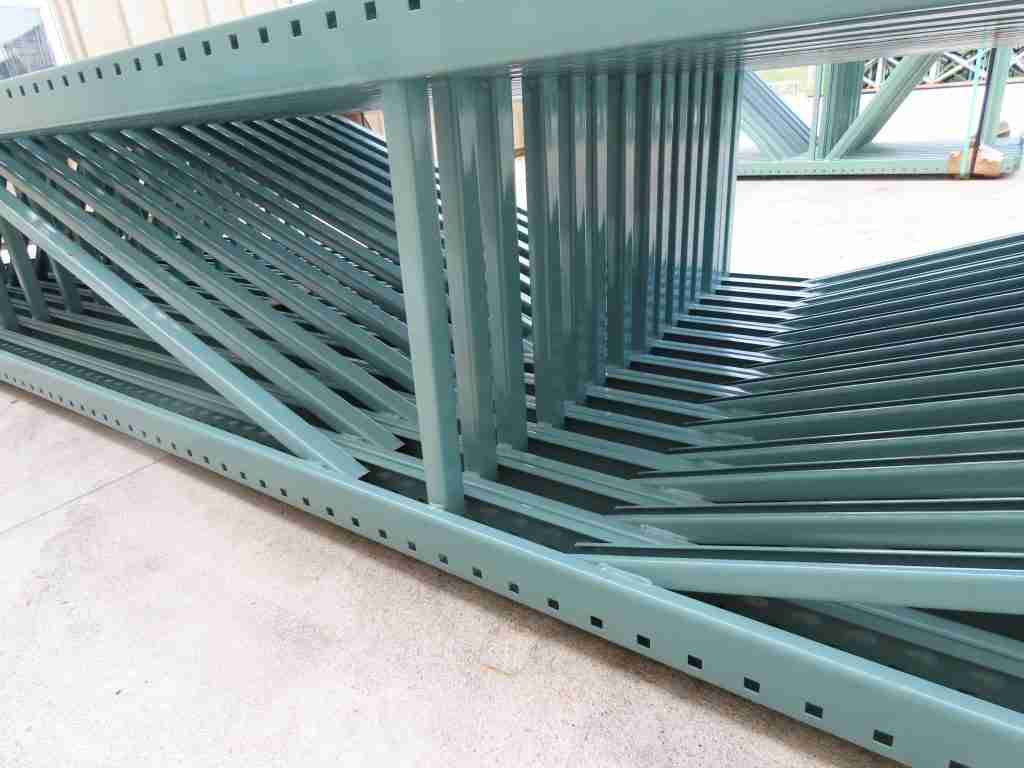
How Does The Scalability Of Cantilever Racking Benefit Industries?
Conclusion
At Arrow Industrial Sales, we understand that the success of your operations hinges on the efficiency and adaptability of your storage solutions. Cantilever racking has emerged as a revolutionary choice across various sectors, offering unparalleled benefits that not only enhance storage efficiency but also drive profitability. As industries evolve in response to market demands, the swift adoption of cantilever racking by sectors such as construction, retail, manufacturing, and warehousing speaks volumes about its transformative potential.
This innovative storage solution is expertly designed for accommodating long and bulky items, making it the go-to choice for businesses facing challenges related to space constraints. With the ability to maximize vertical storage and provide safe, easy access to a diverse range of products, cantilever racking is redefining traditional warehousing and logistics strategies. Whether you are a budding construction supplier or a thriving furniture retailer, implementing cantilever racking systems can yield immediate benefits—reducing retrieval times, enhancing organization, and ultimately giving you a competitive edge.
However, simply investing in cantilever racking isn’t enough; you must consider the implementation. Optimal results stem from a well-thought-out strategy that includes customized solutions tailored to your industry requirements. With the rising complexities of supply chain management, ensuring your storage systems are both flexible and scalable is critical. By allowing for easy reconfiguration, cantilever racking systems can adapt to fluctuating inventory needs without the burden of substantial renovations, making it a savvy investment for businesses poised for growth.
Now is the time to act. As your competitors strive to optimize their operations, don’t let your storage solutions lag behind. The urgency for efficient logistics has never been greater, and the cost of inaction could put your business on the back foot. Invest in cantilever racking today and discover how it can streamline your operational workflow, maximize your space, and protect your profitability.
For more information on how Arrow Industrial Sales can help you integrate cantilever racking into your operation, don’t hesitate to reach out. Call us now at (574) 349-6575 and take the first step toward revolutionizing your storage efficiency. The future of your business may depend on it—act now and harness the power of cantilever racking!
Conclusion:
- Cantilever racking enhances storage efficiency and drives profitability across various sectors.
- It is particularly effective for accommodating long and bulky items, addressing space constraints.
- Maximizes vertical storage while providing safe and easy access to diverse products.
- Implementing cantilever racking can reduce retrieval times and improve organization.
- A well-thought-out implementation strategy is crucial for optimal results.
- Cantilever racking systems offer flexibility and scalability for fluctuating inventory needs.
- Contact Arrow Industrial Sales at (574) 349-6575 to learn more about integrating cantilever racking into your operations.
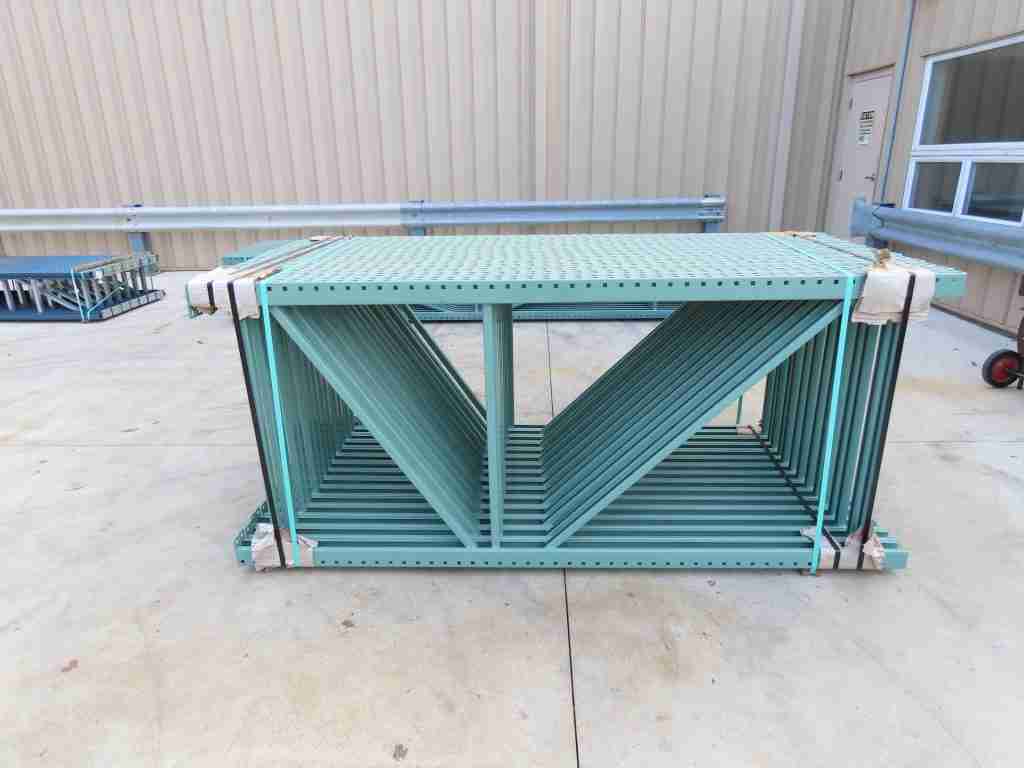
Conclusion
Other Resources
Here is a list of other resources you can review online to learn more:
- “Building Materials & Supplies | Racking Systems – OHRA”
- “Building Material and Garden Equipment and Supplies …”
- “Construction Materials & Building Supplies”
- “Bjarke Ingels Group: BIG”
- “Former Taxation Building: Feasibility Study”
- “Painting and Decorating JSA – JSEAsy – New Zealand”
- “TABLE 1. Incidence rates of nonfatal occupational injuries …”
- “Eco—i Manual – Building materials Supplement”
- “7. Focus sector: Modular houses and wooden products”
- “2024 Multifamily Design & Construction Standards – CHFA”
- “Timber Construction & Carpenters | Optimal Racking System”
- “FY 2023 – 2027 Facilities Master Plan”
- “Design Requirements Manual – Office of Research Facilities”
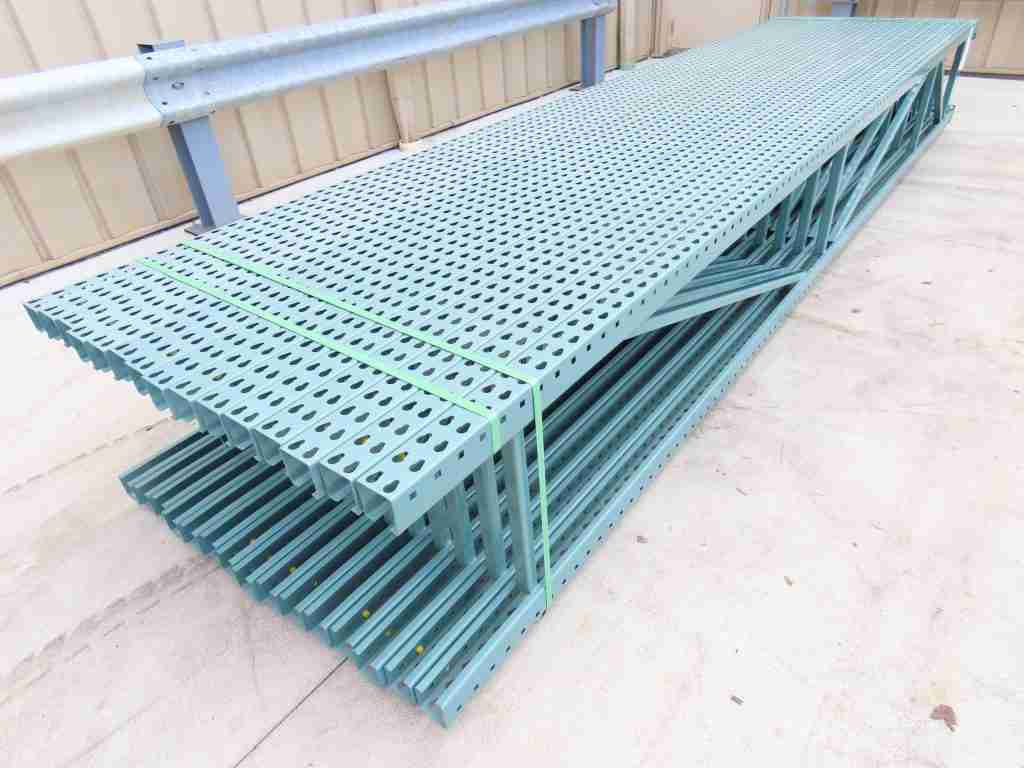
Other Resources
Glossary Terms
What Industries Are Adopting Cantilever Racking Fastest? – Glossary Of Terms
1. Cantilever Racking: A storage system designed for the efficient storage of long items, such as lumber, pipe, and tubing, featuring vertically mounted arms extending from a central column.
2. Storage Solutions: Various methods and systems employed to maximize space for inventory management and organization in warehouses and distribution centers.
3. Warehouse Optimization: Strategies implemented to improve the efficiency of storage space within a warehouse, including layout, shelving, and racking systems.
4. Inventory Management: The monitoring and controlling of inventory levels, orders, and stock movements to ensure the efficient operation of a business.
5. Supply Chain: The entire system of production, processing, and distribution of goods from raw materials to the end customer.
6. Logistics: The detailed planning and execution of the movement and storage of goods within a supply chain.
7. Industrial Manufacturing: A sector focused on the production of goods using machinery, tools, and labor for large-scale production.
8. Retail: The sale of goods directly to consumers, including sectors such as hardware, home improvement, and furniture.
9. Construction Industry: The sector involved in constructing buildings and infrastructure projects, often requiring extensive storage for materials.
10. Building Materials: Supplies used in the construction process, ranging from timber and drywall to concrete and steel.
11. Pipe Storage: A niche within logistics focusing on the storage of pipes, often requiring specific racking solutions like cantilever racks.
12. Metal Fabrication: The process of building metal structures through cutting, bending, and assembling, often necessitating specialized storage.
13. Material Handling: The movement, protection, storage, and control of materials throughout the manufacturing, warehousing, distribution, and consumption stages.
14. Retail Warehousing: Facilities where inventory for retail businesses is stored before being distributed to retail locations.
15. Automotive Industry: A major sector that involves the production of vehicles and components, often reliant on effective racking systems for parts storage.
16. Furniture Manufacturing: The business of creating furniture, which often requires ample space for storing long timber, metal components, and finished products.
17. Cold Storage: Facilities designed to store perishable goods at regulated temperatures, benefiting from customized racking solutions.
18. E-commerce: Online retail and sales, which demand efficient warehousing solutions to manage extensive inventories promptly.
19. Capacity Planning: The process of determining the production capacity needed by an organization to meet changing demands.
20. Dynamic Storage:: A storage concept that incorporates flexibility and movement to enhance space utilization and ease of access.
21. Pallet Racking: A systematic storage solution that uses pallets and shelving to store items in a warehouse.
22. Forklift: A powered industrial truck used to lift and move materials over short distances, often within warehouses.
23. Space Utilization: The efficiency with which physical space is used; higher utilization usually translates to lower costs and improved accessibility.
24. Long Load Storage: Storage solutions specifically designed to accommodate long and bulky items, typically achieved through cantilever racks.
25. Safety Standards: Regulations and guidelines established to ensure the safe design and operation of storage and handling systems, including racking.
26. Changeover Efficiency: The ability to adapt quickly to different storage needs or inventory changes, crucial in industries with fluctuating demands.
27. Automated Storage: Systems that use technology to manage inventory storage and retrieval, often significantly improving efficiency.
28. Vertical Space: Utilizing the height of a warehouse for storage, particularly relevant in cantilever racking where vertical columns allow for greater storage flexibility.
29. Sector Growth: The expansion and development of a specific industry or market, often influenced by technological advancements and consumer demand.
30. Sustainability: Practices aimed at reducing environmental impact, which may drive some industries to adopt more efficient storage solutions.
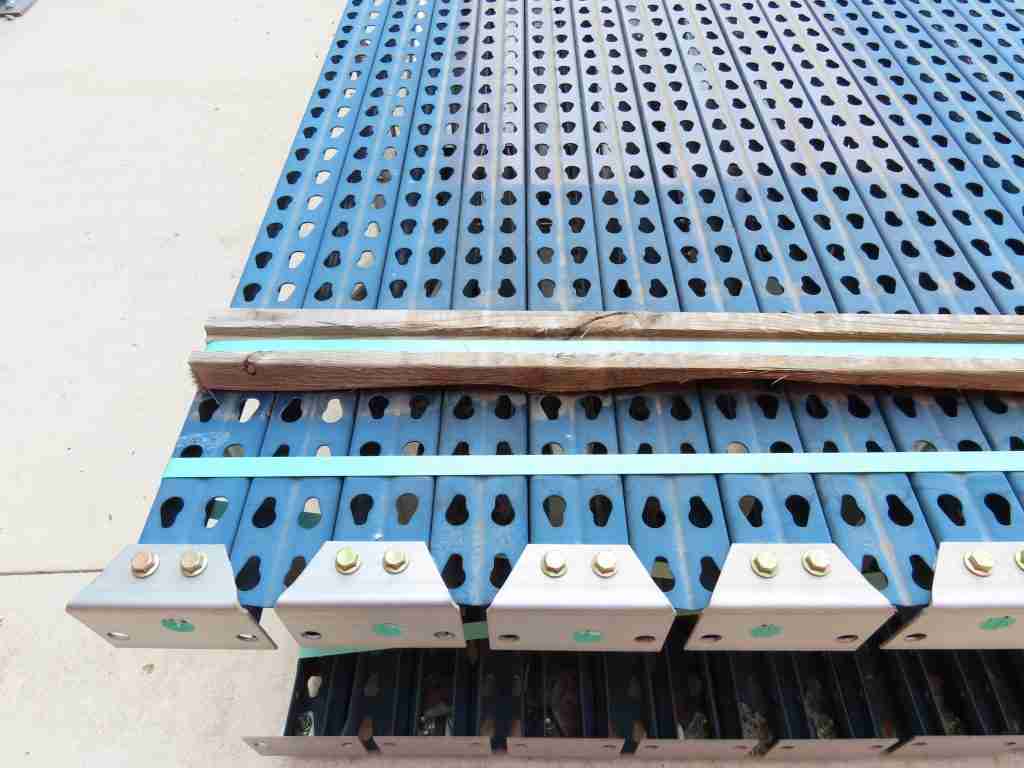
Glossary Of Terms
Other Questions
What Industries Are Adopting Cantilever Racking Fastest? – Other Questions
If you wish to explore and discover more, consider looking for answers to these questions:
- What industries are currently seeing the highest demand for cantilever racking?
- What are the specific advantages of cantilever racking over traditional shelving?
- How do businesses determine the right configuration for cantilever racking?
- What safety certifications should companies look for when purchasing cantilever racking?
- Are there any specific maintenance requirements for cantilever racking systems?
- What is the average lifespan of a cantilever racking system?
- How can businesses measure the ROI of implementing cantilever racking solutions?
- What challenges do businesses face when transitioning to cantilever racking?
- How does cantilever racking support supply chain resilience during disruptions?
- What role does technology play in the future of cantilever racking systems?
Other Questions
Checklist
What Industries Are Adopting Cantilever Racking Fastest? – A Checklist
1. Assess Your Needs
_____ Identify the types and sizes of products you will store.
_____ Evaluate the current storage challenges in your warehouse.
2. Research Cantilever Racking Options
_____ Explore different designs and configurations that suit your industry.
_____ Consider load capacities and materials used in the racking system.
3. Calculate Space Requirements
_____ Measure your available warehouse space.
_____ Determine the height and width of cantilever racks necessary for optimal storage.
4. Analyze Cost Implications
_____ Prepare a budget that includes:
_____ Initial investment costs.
_____ Installation fees.
_____ Ongoing maintenance expenses.
_____ Potential opportunity costs during transition.
5. Plan for Installation
_____ Decide whether to hire professionals or undertake DIY installation.
_____ Schedule a timeframe for installation that minimizes disruption to operations.
6. Train Your Staff
_____ Develop training programs on proper loading techniques and safety measures.
_____ Conduct safety drills to ensure everyone understands the protocols.
7. Implement Regular Inspections
_____ Set a routine schedule for auditing and inspecting the racking system.
_____ Keep records of inspections and maintenance for compliance.
8. Ensure Compliance with Regulations
_____ Familiarize yourself with local and national safety standards (OSHA, ANSI).
_____ Obtain necessary certifications or approvals for your racking system.
9. Customize Your Racking System
_____ Assess if custom designs are necessary for specific products or industry needs.
_____ Engage with manufacturers who offer customizable racking solutions.
10. Evaluate Performance Post-Installation
_____ Monitor operational efficiency and productivity after implementing the new racking system.
_____ Gather feedback from staff on usability and accessibility.
11. Stay Updated on Innovations
_____ Keep informed about the latest advancements in cantilever racking technology.
_____ Consider technologies such as IoT for inventory tracking and optimization.
12. Adapt As Necessary
_____ Be prepared to reconfigure your racking system in response to changing inventory levels.
_____ Regularly review and adjust storage practices according to market demands.
Checklist
At RackingWorld, we help guide you through selecting warehouse storage systems and racking.
Be sure to read our other related stories at RackingWorld to learn more about warehouse storage systems.
0 Comments