
Uncovering The Advantages And Drawbacks Of Adjustable Cantilever Arms
By Tom Seest
At RackingWorld, we help guide you through selecting warehouse storage systems and racking.
Be sure to read our other related stories at RackingWorld to learn more about warehouse storage systems.
What Are The Pros and Cons Of Adjustable Cantilever Arms?
Adjustable cantilever arms are an increasingly popular solution across various industries, from manufacturing to retail display. While they offer significant advantages, it’s essential to weigh these against their potential drawbacks. Let’s dive deep into the pros and cons of these versatile tools.
Pros:
1. Versatility in Application: One of the standout features of adjustable cantilever arms is their inherent flexibility. Whether you’re looking to create a custom workspace in a factory or optimize product display in a retail setting, these arms can easily adapt to different heights and loads. For instance, during the recent surge in online shopping, retailers have deployed adjustable cantilever arms to showcase products dynamically, attracting customers and increasing foot traffic.
2. Space Optimization: In today’s fast-paced business environment, maximizing space is crucial. Adjustable cantilever arms effectively help in free-standing displays, allowing items to be mounted without bulky furniture. This not only saves space but also provides a cleaner, more organized look. Companies like IKEA have embraced this concept, enhancing product visibility while maintaining a minimalist aesthetic.
3. Enhanced Ergonomics: Employee comfort and productivity go hand in hand. Adjustable cantilever arms can be customized to suit individual user preferences, facilitating better posture and reducing strain. In manufacturing settings, workers benefit from adjustments that let them align tools and materials at just the right height, leading to less fatigue and more efficient workflow.
Cons:
1. Initial Cost: One of the most significant drawbacks is the initial investment. While adjustable cantilever arms can save money in the long run, the upfront costs can deter budget-conscious businesses, especially small operations just starting out. It’s essential to consider whether the benefits will outweigh these costs over time.
2. Installation Complexity: Not all employees are savvy with installation. Misalignment may occur, leading to safety hazards or inefficient use. For organizations that lack in-house expertise, professional installation may become an unavoidable added expense.
3. Potential Over-Adjustment: The flexibility that makes adjustable cantilever arms so appealing can also lead to issues. Workers may continually adjust these arms, creating inconsistencies in workflows and potential disorganization. Striking a balance is crucial, and proper training can mitigate this risk.
In summary, adjustable cantilever arms offer a mixture of substantial advantages and notable drawbacks. Their flexibility, space-saving capabilities, and ergonomic benefits make them an attractive option for numerous industries. However, businesses must carefully assess the upfront costs, installation demands, and management of adjustment to ensure they harness the full potential of these tools.

What Are The Pros and Cons Of Adjustable Cantilever Arms?
What Are The Pros and Cons Of Adjustable Cantilever Arms?
- Versatility in Application: Adjustable cantilever arms can adapt to various heights and loads, making them suitable for diverse environments, like factories and retail displays.
- Space Optimization: They facilitate free-standing displays, eliminating bulky furniture and providing a cleaner, minimalist aesthetic.
- Enhanced Ergonomics: Customizable to individual preferences, they improve worker posture and reduce strain, leading to increased productivity.
- Initial Cost: Upfront investment can be prohibitive for small businesses, although long-term savings are possible.
- Installation Complexity: Incorrect installation can lead to safety issues, and organizations may incur additional costs if professional help is needed.
- Potential Over-Adjustment: Excessive adjustments can disrupt workflows and create disorganization; proper training is essential to manage this risk.
- Overall Summary: While adjustable cantilever arms offer significant advantages like flexibility and space saving, businesses must evaluate costs and installation requirements carefully.
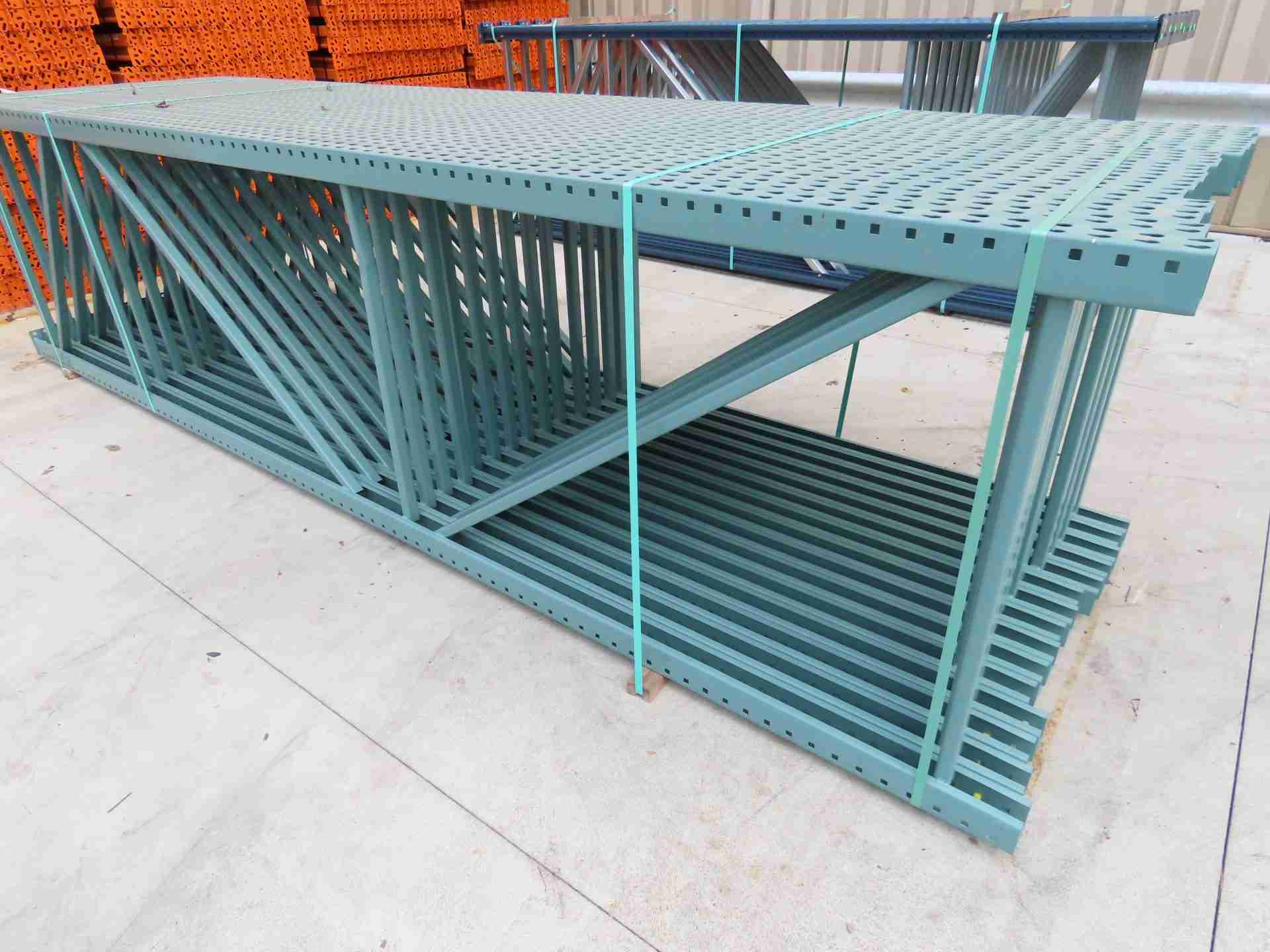
What Are The Pros and Cons Of Adjustable Cantilever Arms?
Table Of Contents
- What Are The Pros and Cons Of Adjustable Cantilever Arms?
- What Are Adjustable Cantilever Arms And How Do They Work?
- What Are The Advantages Of Using Adjustable Cantilever Arms?
- What Limitations Should I Consider With Adjustable Cantilever Arms?
- How Do Adjustable Cantilever Arms Compare To Fixed Options?
- What Materials Are Commonly Used In Adjustable Cantilever Arms?
- Are Adjustable Cantilever Arms Suitable For All Types Of Loads?
- How Do I Choose The Right Adjustable Cantilever Arm For My Needs?
- What Maintenance Do Adjustable Cantilever Arms Require Over Time?
- How Do Adjustable Cantilever Arms Affect Space Utilization?
- What Are The Costs Associated With Adjustable Cantilever Arms?
- Are There Installation Challenges With Adjustable Cantilever Arms?
- How Durable Are Adjustable Cantilever Arms In Various Environments?
- What Industries Commonly Use Adjustable Cantilever Arms?
- How Do Adjustable Cantilever Arms Impact Workflow Efficiency?
- Conclusion
- Other Resources
- Glossary Of Terms
- Other Questions
- Checklist
What Are Adjustable Cantilever Arms And How Do They Work?
In the realm of industrial equipment and custom workspaces, adjustable cantilever arms have emerged as a shining beacon of versatility and efficiency. These innovative support systems are designed to enhance workspace organization, allowing for a customizable approach to storage and equipment handling. So, what exactly are these adjustable cantilever arms, and how do they work?
At their core, adjustable cantilever arms are elongated support structures that extend outward from a vertical mounting point. They are typically made from robust materials, such as steel or aluminum, ensuring they can handle substantial loads. The beauty of their design lies in adjustability; these arms can be easily repositioned along a vertical framework, accommodating various storage needs or operational requirements. Imagine having a tool storage system that easily adapts to your changing inventory—this is not just convenience, but a significant productivity enhancer.
For example, consider a manufacturing facility that regularly shifts its production focus. By utilizing adjustable cantilever arms, the workspace can be transformed in minutes. Equipment and tools don’t have to be permanently affixed, which means valuable floor space can be optimized for different projects without the need for costly renovations. In today’s fast-paced business environment, the ability to quickly pivot and reorganize is a game changer—something most industries are feeling the pressure to adopt as supply chains and production lines adapt post-pandemic.
But that’s not all! Adjustable cantilever arms are also transforming retail displays. Imagine a retail store with dynamic, adjustable shelving that caters to seasonal products or changing customer demands. This ability not only maximizes product visibility but also enhances the shopping experience by keeping the store layout fresh and engaging.
Furthermore, industries are increasingly looking at sustainability. With adjustable cantilever arms, companies can utilize the same set of structural supports for multiple purposes, greatly reducing material waste and the carbon footprint associated with manufacturing new fixtures.
Adjustable cantilever arms represent more than just an organizational tool—they are a pathway to greater efficiency and adaptability in the modern workplace. Whether in manufacturing, retail, or warehousing, these arms facilitate rapid adjustments tailored to your business’s unique needs. In a world where flexibility is synonymous with survival, embracing adjustable cantilever arms could be the innovative solution that propels your operation forward. As we look ahead, consider how this simple yet effective solution can revolutionize your workspace and streamline your operations.
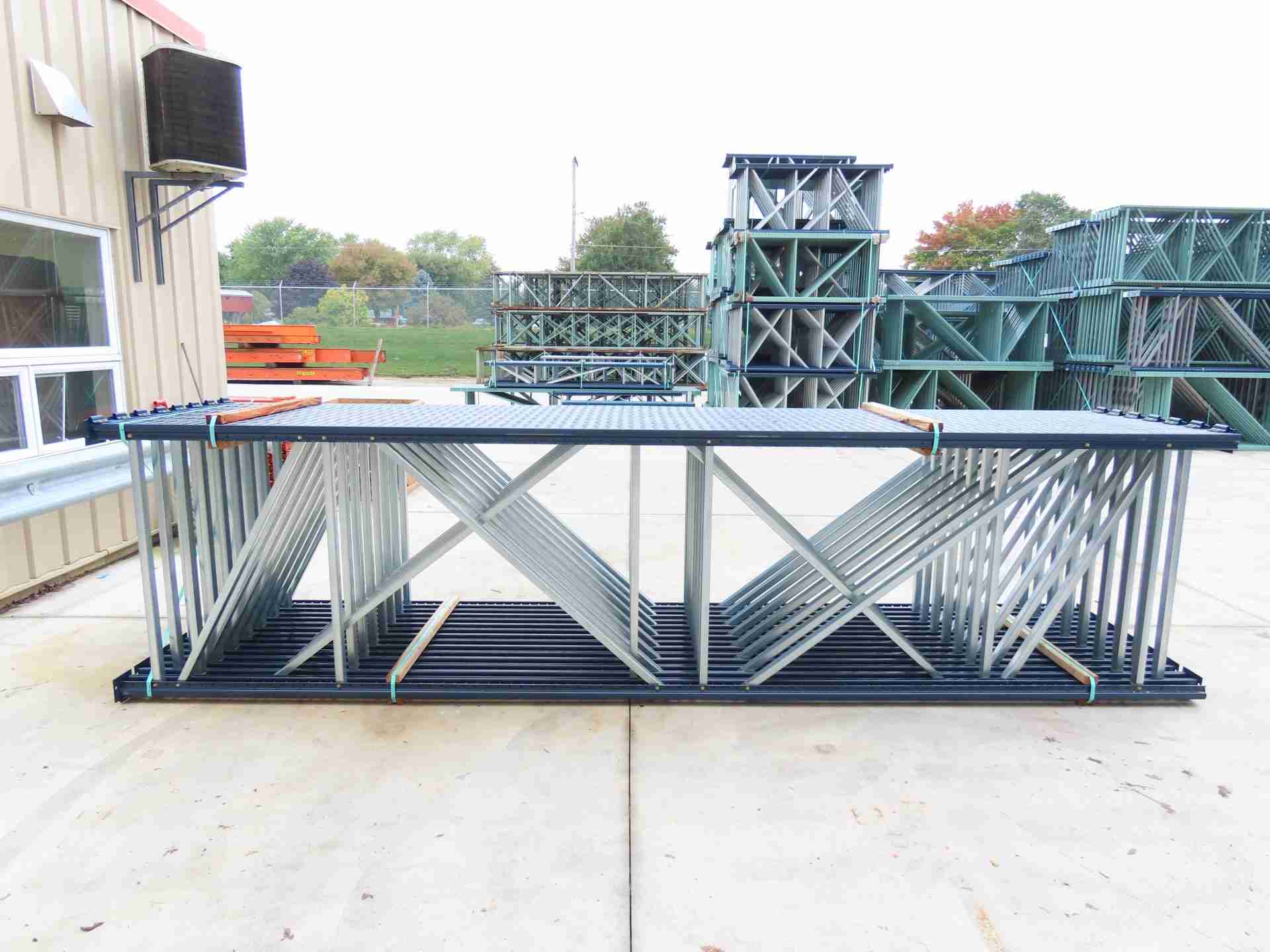
What Are Adjustable Cantilever Arms And How Do They Work?
What Are Adjustable Cantilever Arms And How Do They Work?
- Adjustable cantilever arms enhance workspace organization and offer a customizable approach to storage and equipment handling.
- These arms are elongated support structures, typically made from robust materials like steel or aluminum, able to handle substantial loads.
- They can be easily repositioned along a vertical framework, accommodating varying storage needs and operational requirements.
- In manufacturing, they allow for quick workspace transformation, optimizing floor space without costly renovations.
- In retail, they enable dynamic shelving that adapts to seasonal products and changing customer demands, improving product visibility.
- They contribute to sustainability by using the same structural supports for multiple purposes, reducing material waste and carbon footprint.
- Adjustable cantilever arms promote efficiency and adaptability across industries, making them essential for modern operations.
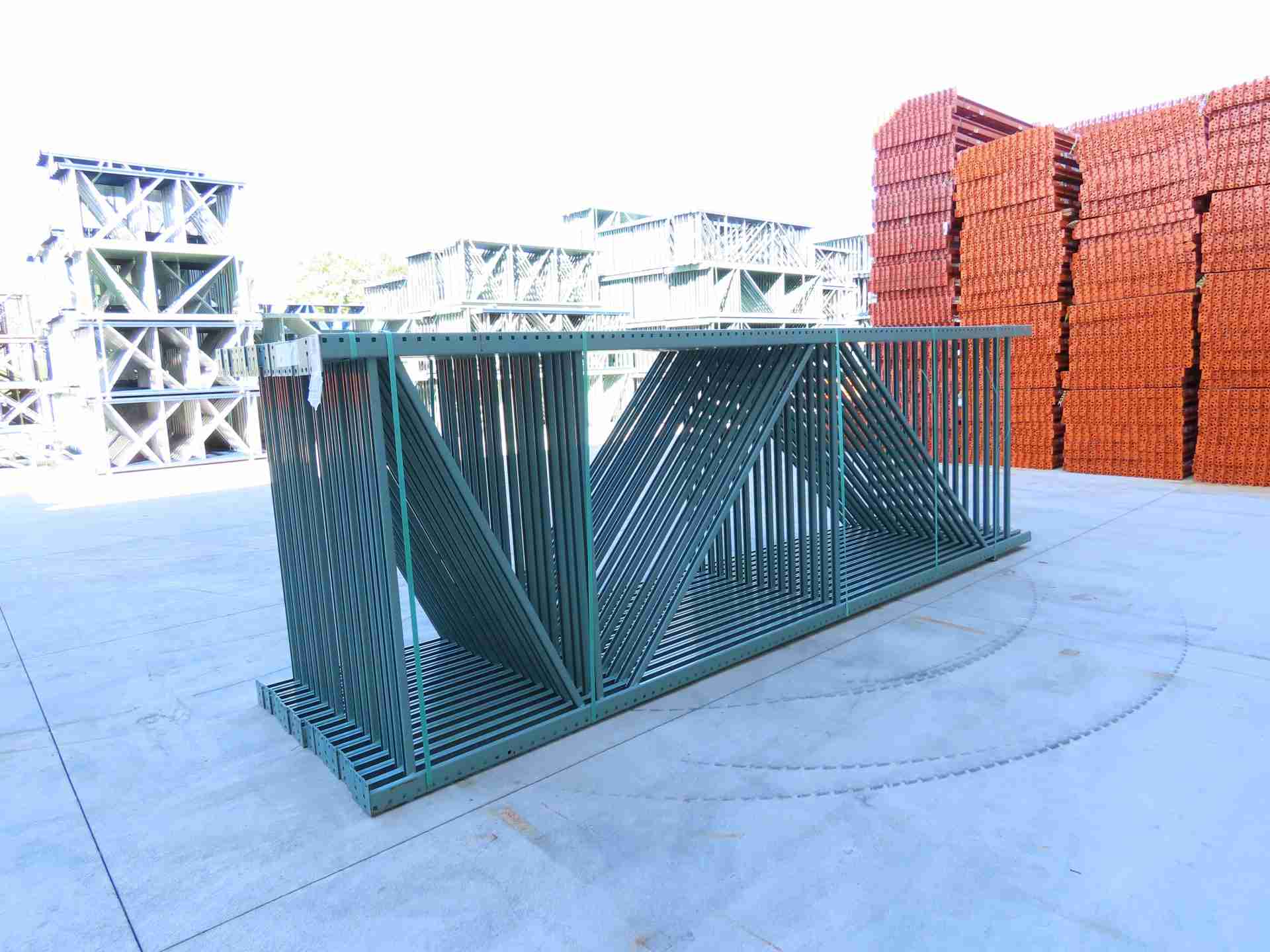
What Are Adjustable Cantilever Arms And How Do They Work?
What Are The Advantages Of Using Adjustable Cantilever Arms?
In the fast-evolving world of industrial and commercial operations, versatility isn’t just a luxury—it’s a necessity. Enter adjustable cantilever arms, the unsung heroes that provide remarkable flexibility and functionality in various applications, from manufacturing to warehousing. Imagine harnessing the power of innovation to maximize your space and efficiency—this is exactly what adjustable cantilever arms can deliver.
One of the most significant advantages of adjustable cantilever arms is their adaptability. Businesses today face unprecedented challenges, from supply chain disruptions to evolving customer demands. With adjustable cantilever arms, you can customize your storage and organizational solutions on-the-fly. For instance, a warehouse manager dealing with an influx of new products can easily adjust the arms of a cantilever shelving system to accommodate longer or bulkier items. This adaptability saves time and money, ensuring that your operations run smoothly, no matter the circumstances.
Furthermore, adjustable cantilever arms promote safe and efficient loading and unloading of materials. By extending and retracting as necessary, these arms can achieve optimal positioning for workers, reducing the risk of accidents and injuries. In industries where safety is paramount—like construction and logistics—this feature can’t be overstated. For example, during the recent surge in e-commerce due to global shifts in shopping behavior, companies have had to adapt quickly to increased order volumes while maintaining safety. Adjustable cantilever arms have been crucial in helping them streamline their processes, allowing employees to operate with both speed and safety.
Let’s talk about cost-effectiveness. A one-size-fits-all approach often leads to inefficiencies and wasted resources. Adjustable cantilever arms eliminate this dilemma. They are an investment that yields long-term savings by providing the flexibility needed to adapt to changing inventory, without needing an entire redesign of your storage systems. For instance, businesses like auto parts retailers have successfully integrated adjustable cantilever arms to handle varying sizes of products without the need for multiple different storage solutions.
Lastly, the aesthetic of a workspace shouldn’t be undervalued. An organized, well-arranged environment fosters productivity and morale. With adjustable cantilever arms, not only can you create an efficient layout, but you can also present a cleaner and more professional appearance that reflects positively on your business.
In a landscape dictated by change, adjustable cantilever arms aren’t just a simple addition—they’re a strategic advantage. By providing adaptability, safety, cost-effectiveness, and enhanced aesthetics, they empower businesses to not just survive but thrive in an unpredictable market. Choose adjustable cantilever arms and reimagine the potential of your operations today!
What Are The Advantages Of Using Adjustable Cantilever Arms?
What Are The Advantages Of Using Adjustable Cantilever Arms?
- Adjustable cantilever arms provide remarkable flexibility and functionality across various industrial applications.
- The adaptability of these arms allows businesses to customize storage solutions in response to supply chain changes and customer demands.
- They enhance safety and efficiency during material loading and unloading, crucial in industries like construction and logistics.
- Adjustable cantilever arms help streamline operations, especially during peaks in order volumes, such as those seen in e-commerce.
- They offer cost-effectiveness by eliminating the need for a one-size-fits-all approach, resulting in long-term savings.
- Integrating these arms allows businesses to manage varying product sizes without needing multiple storage solutions.
- An organized workspace with adjustable cantilever arms enhances aesthetics, fostering productivity and a positive business image.
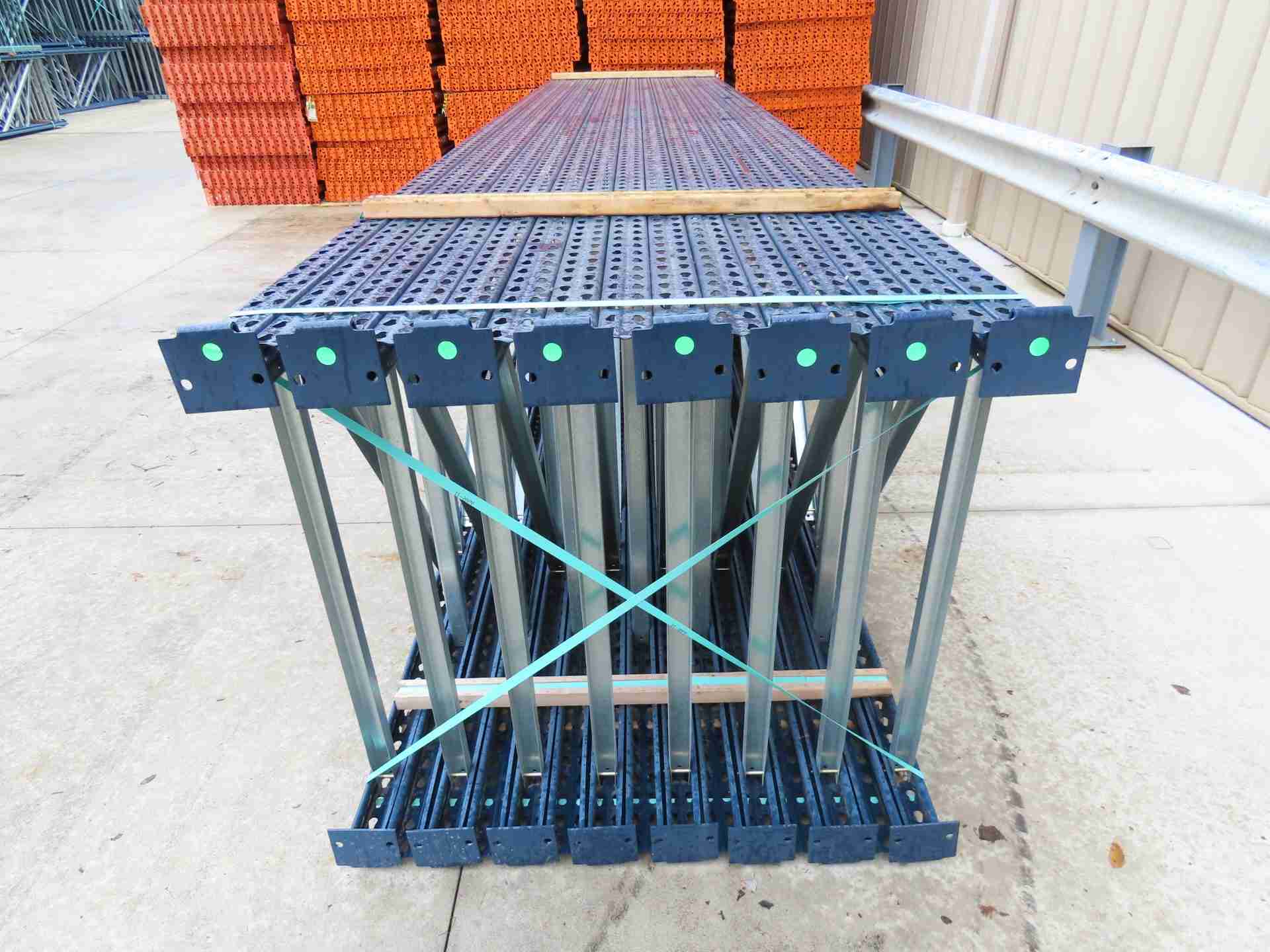
What Are The Advantages Of Using Adjustable Cantilever Arms?
What Limitations Should I Consider With Adjustable Cantilever Arms?
While adjustable cantilever arms offer a remarkable solution for flexibility and efficiency in various applications, it’s imperative to acknowledge their limitations before diving head first into a purchase. Understanding these constraints can mean the difference between a wise investment and an adversarial experience that hinders productivity.
Structural Integrity and Load Capacity
First and foremost, consider the structural integrity and load capacity of the cantilever arms you select. Many adjustable options boast impressive specifications, yet not all designs are created equal. For instance, a recent investigation by a leading manufacturing journal revealed that cheaper adjustable cantilever arms often compromise materials for cost. A failure here could not only disrupt workflow but also result in costly damages to both materials and machinery—unwanted headlines no business wants to face. Always read the manufacturer’s specifications and, if possible, request a load testing report to ensure reliable performance in your specific environment.
Installation and Ergonomic Concerns
Next, evaluate the complexity of installation. While many adjustable cantilever arms are marketed as ‘easy to set up’, don’t overlook the challenges that may arise, especially in tight spaces or when integrating with existing machinery. This is particularly crucial in sectors such as healthcare, where effective space management is vital. A recent case in a busy hospital showed that improper installation of adjustable cantilever arms led to workflow bottlenecks and even safety hazards. Ensure you have all the necessary tools and skills—or consider hiring a professional—to avoid these costly missteps.
Maintenance and Wear Over Time
Durability should also be a focal point of your consideration. Adjustable cantilever arms experience wear just like any other mechanical component. Regular inspections and maintenance can prolong their lifespan, yet many businesses often underestimate this need. A proactive approach is vital; otherwise, companies may find themselves faced with sudden repair costs and downtime. Keeping abreast of the latest products that offer longevity will keep your operations running smoothly without interruption.
Adaptability Limitations
Lastly, be wary of adaptability limitations. While the beauty of adjustable cantilever arms lies in their versatility, certain designs may not accommodate every application or size requirement. For example, in a recent trade show, manufacturers were spotlighted for their innovative swivel adjustments, but not every model catered to heavier equipment—a critical factor for warehouses handling substantial loads.
In sum, while adjustable cantilever arms present distinct advantages, neglecting their limitations can invite headaches down the road. Be informed, evaluate carefully, and implement strategically to unlock their full potential.
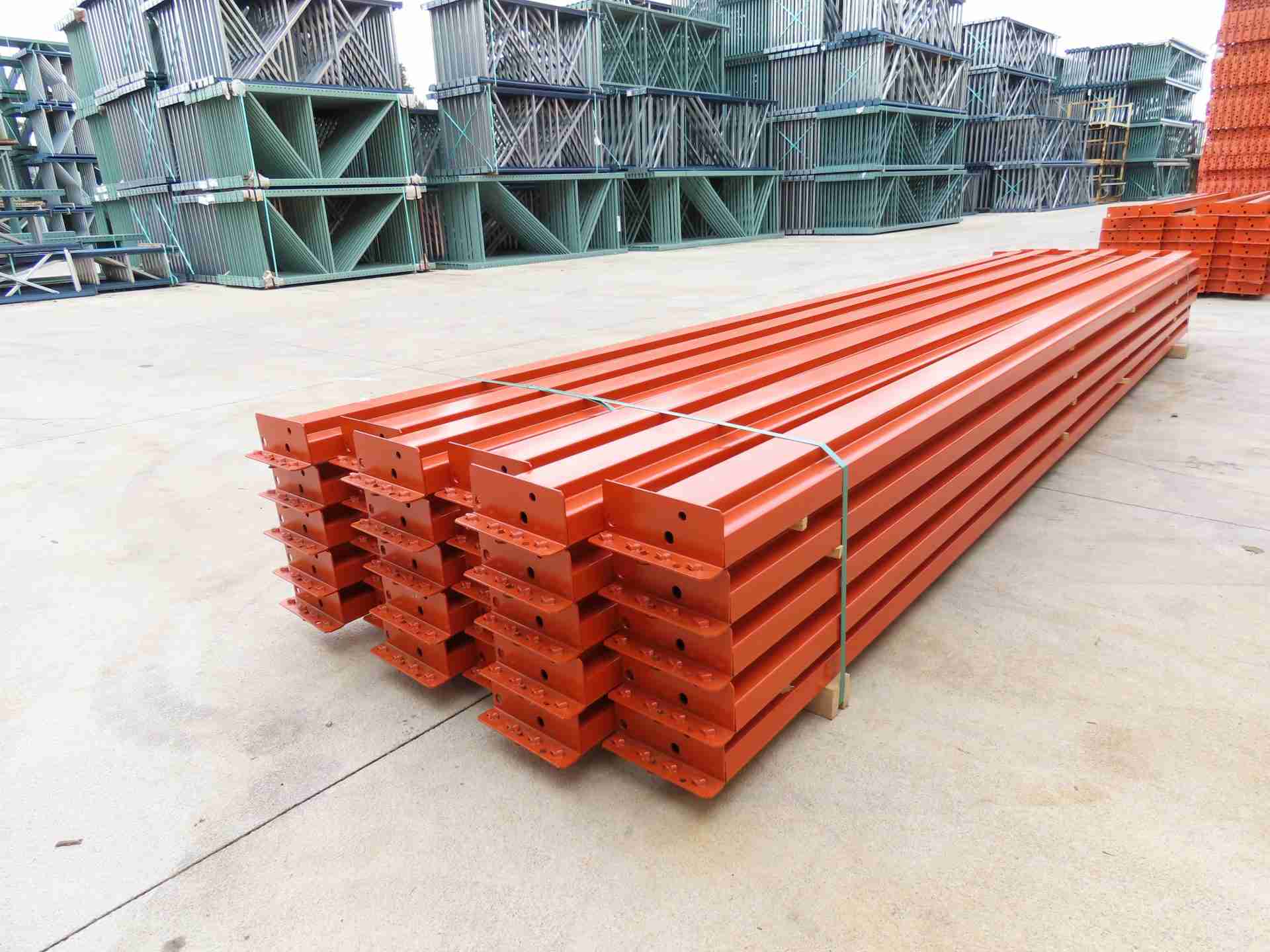
What Limitations Should I Consider With Adjustable Cantilever Arms?
What Limitations Should I Consider With Adjustable Cantilever Arms?
- Adjustable cantilever arms provide flexibility and efficiency in various applications, but their limitations must be understood before purchase.
- Assess the structural integrity and load capacity, as lower-cost options may compromise materials, leading to workflow disruptions and potential damage.
- Review manufacturer specifications and request load testing reports to ensure reliability in your specific environment.
- Evaluate installation complexity, especially in tight spaces or when integrating with existing machinery, to avoid operational bottlenecks.
- Consider hiring a professional for installation to prevent safety hazards and costly mistakes.
- Regular maintenance is essential to prolong the lifespan of adjustable cantilever arms and avoid unexpected repair costs and downtime.
- Be cautious of adaptability limitations, as not all designs may suit heavier equipment or every specific application.
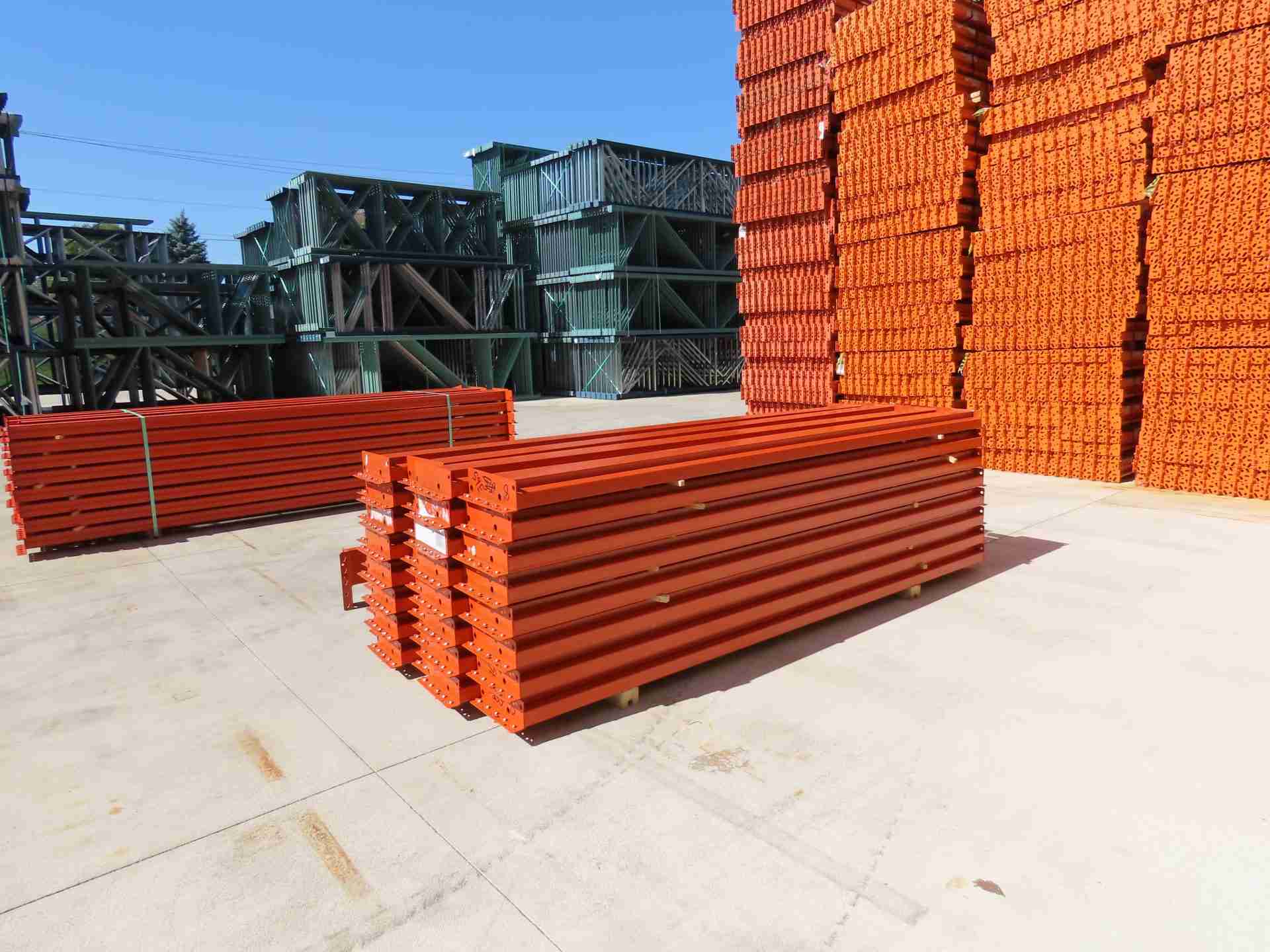
What Limitations Should I Consider With Adjustable Cantilever Arms?
How Do Adjustable Cantilever Arms Compare To Fixed Options?
How Do Adjustable Cantilever Arms Compare to Fixed Options?
When it comes to maximizing efficiency in manufacturing and warehousing, the tools you choose can make all the difference. Adjustable cantilever arms have emerged as a versatile solution for various applications, providing invaluable flexibility compared to their fixed counterparts. But what does that really mean for you and your business?
Imagine a scenario in a bustling distribution center. You have a range of products of varying sizes and weights that need to be organized and accessed quickly. Fixed cantilever arms, while sturdy and reliable, offer little room for adaptation. If a new product line is introduced, you face the hassle of reconfiguring your workspace. This could lead to downtime, decreased productivity, and, ultimately, a loss of revenue. On the other hand, adjustable cantilever arms allow you to easily modify your setup to accommodate changes—without the need for specialized tools or extensive labor.
Adjustability is not just about convenience; it’s about smart resource management. Take the recent trends in e-commerce and just-in-time delivery that have taken off during pandemic recovery. Businesses are looking to decrease waste and optimize space as competition heats up. With adjustable cantilever arms, your storage system can evolve with your inventory. Need to store bulkier items one week and smaller, lighter items the next? Simply reconfigure the arms, saving you time, space, and the headaches that come with a rigid system.
Now, let’s talk about cost-effectiveness. While some may be tempted to invest in the cheaper fixed options, consider the long-term implications. The initial investment in adjustable cantilever arms may be higher, but their ability to adapt to changing needs means that you won’t have to spend further on new systems or configurations as your operation evolves. In the current climate of economic uncertainty, it’s crucial to make choices that protect your bottom line—not just today, but for the future.
In summary, the advantages of adjustable cantilever arms are clear. They offer flexibility, efficiency, and a potential cost savings that make them a smart investment in an ever-changing market. As the landscape of commerce continues to shift, now is the time to embrace tools that adapt to your workflow—because the ability to pivot can very well be the difference between thriving and merely surviving. Arm your business with the flexibility it needs to succeed, and watch as you outpace the competition!
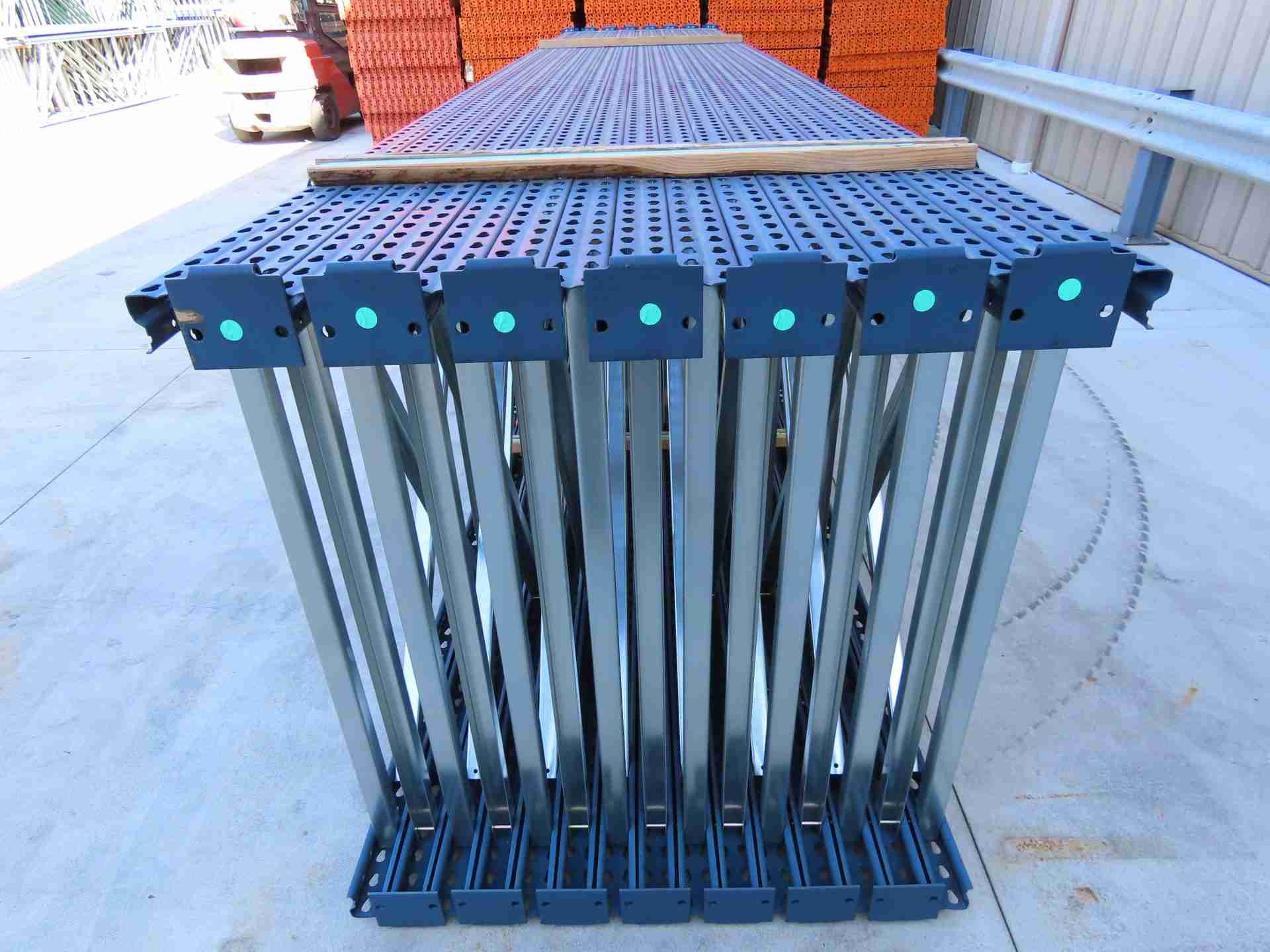
How Do Adjustable Cantilever Arms Compare To Fixed Options?
How Do Adjustable Cantilever Arms Compare To Fixed Options?
- Adjustable cantilever arms are versatile tools that enhance efficiency in manufacturing and warehousing.
- Fixed cantilever arms lack adaptability, requiring workspace reconfiguration when new products are introduced.
- Downtime from reconfiguration can lead to decreased productivity and revenue loss.
- Adjustable arms allow easy setup modifications without specialized tools or extensive labor.
- They support smart resource management, adapting to storage needs as inventory changes.
- Although initially more expensive, adjustable arms can save costs in the long run by eliminating the need for new systems.
- Investing in flexible tools is crucial in an evolving market to stay competitive and successful.
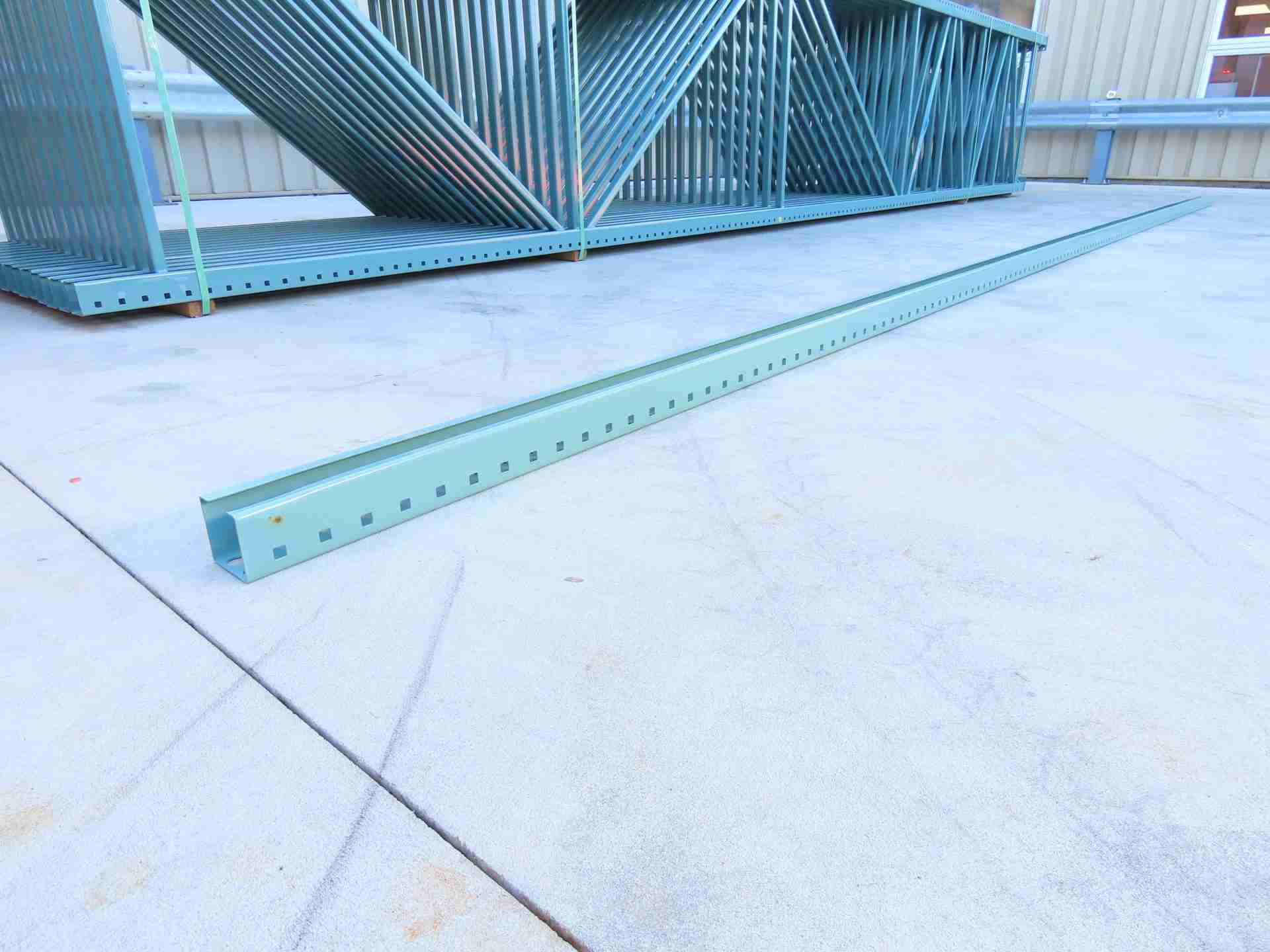
How Do Adjustable Cantilever Arms Compare To Fixed Options?
What Materials Are Commonly Used In Adjustable Cantilever Arms?
What Materials Are Commonly Used in Adjustable Cantilever Arms?
When it comes to achieving versatility and strength in design, the choice of material for adjustable cantilever arms plays a pivotal role. To ensure your cantilever system efficiently meets your demands—be it in manufacturing, construction, or even everyday home usage—knowing the right materials is essential. Here, we explore the most commonly utilized materials in these adjustable wonders and how they apply to the current market landscape.
Steel – The Backbone of Strength
Steel, particularly high-strength low-alloy (HSLA) steel, reigns supreme in the world of adjustable cantilever arms. Its exceptional tensile strength allows for heavy loads without compromising stability. Industries such as construction have recently increased their steel usage amid ongoing infrastructural demands propelled by the recovery from the pandemic. For instance, commercial builders are leveraging these steel-arm systems for scaffolding and support structures, ensuring safety with every lift.
Aluminum – The Lightweight Champion
When mobility and lightweight design are paramount, aluminum is the material of choice. Its corrosion resistance and high strength-to-weight ratio make it ideal for applications ranging from automotive to aerospace. With major electric vehicle manufacturers ramping up production, aluminum adjustable cantilever arms are now found in innovative assembly lines, facilitating seamless and efficient workflows that maximize output without sacrificing quality.
Composite Materials – The Future of Versatility
As industries evolve, so do the materials they use. Composite materials—such as carbon fiber and fiberglass—have emerged as favorites for high-performance requirements, particularly in environments where weight reduction is crucial without sacrificing strength. For instance, the recreational sports sector has started integrating composite cantilever arms into equipment for activities like motocross, providing a combination of agility and durability under extreme conditions. With growing environmental awareness, these materials also allow manufacturers to produce lighter, more eco-friendly options.
Plastic and Polymeric Materials – Economical and Effective
For lighter-duty applications, plastics and polymers present a budget-friendly alternative. High-density polyethylene (HDPE) or nylon components can be used where the load isn’t too heavy, such as in light furniture or media equipment supports. As millennials and Gen Z continue to shape consumer behavior, there is increasing demand for affordable ergonomic solutions, and adjustable cantilever arms made from these materials cater to that need beautifully.
Choosing the right material for adjustable cantilever arms directly impacts functionality and performance. Whether it’s the unwavering strength of steel, the feather-weight finesse of aluminum, the tailored properties of composites, or the economical flexibility of plastics, understanding these options empowers businesses to innovate and refine their operations in this rapidly changing marketplace.
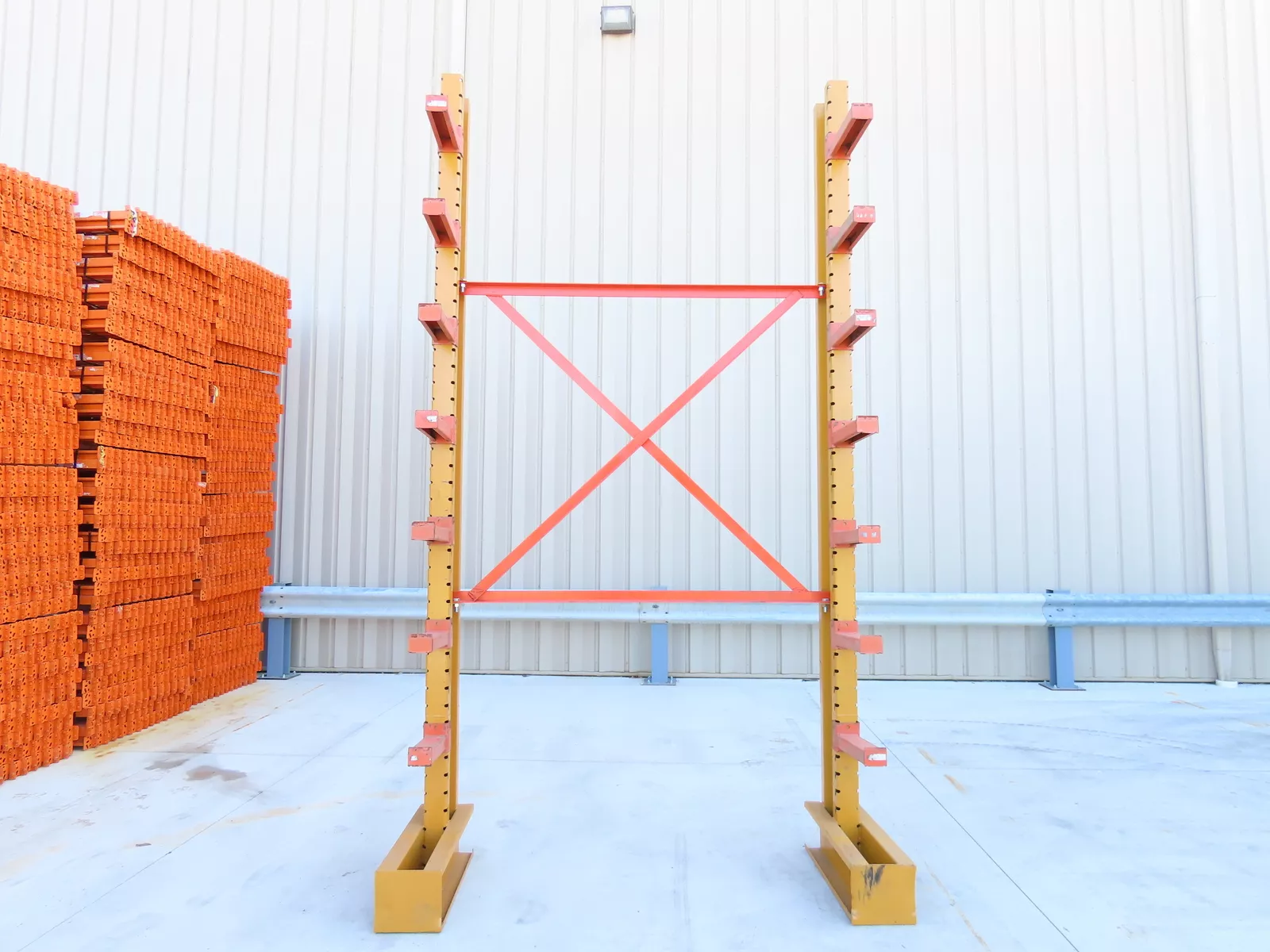
What Materials Are Commonly Used In Adjustable Cantilever Arms?
What Materials Are Commonly Used In Adjustable Cantilever Arms?
- Steel: High-strength low-alloy (HSLA) steel is the primary material due to its exceptional tensile strength, ideal for heavy loads and stability.
- Increasing Steel Usage: The construction industry is using more steel for scaffolding and support structures in response to post-pandemic infrastructural demands.
- Aluminum: Lightweight and corrosion-resistant, aluminum is favored for applications requiring mobility, such as automotive and aerospace.
- Integration in Electric Vehicles: Major EV manufacturers use aluminum adjustable cantilever arms in assembly lines to enhance workflow efficiency.
- Composite Materials: Carbon fiber and fiberglass offer high-performance options for weight-sensitive applications, particularly in recreational sports.
- Plastic and Polymeric Materials: Economical alternatives for lighter-duty applications, used in furniture and media equipment supports, catering to younger consumers’ demand for ergonomics.
- Material Selection Impact: The choice of material affects functionality and performance, enabling businesses to innovate in a changing marketplace.
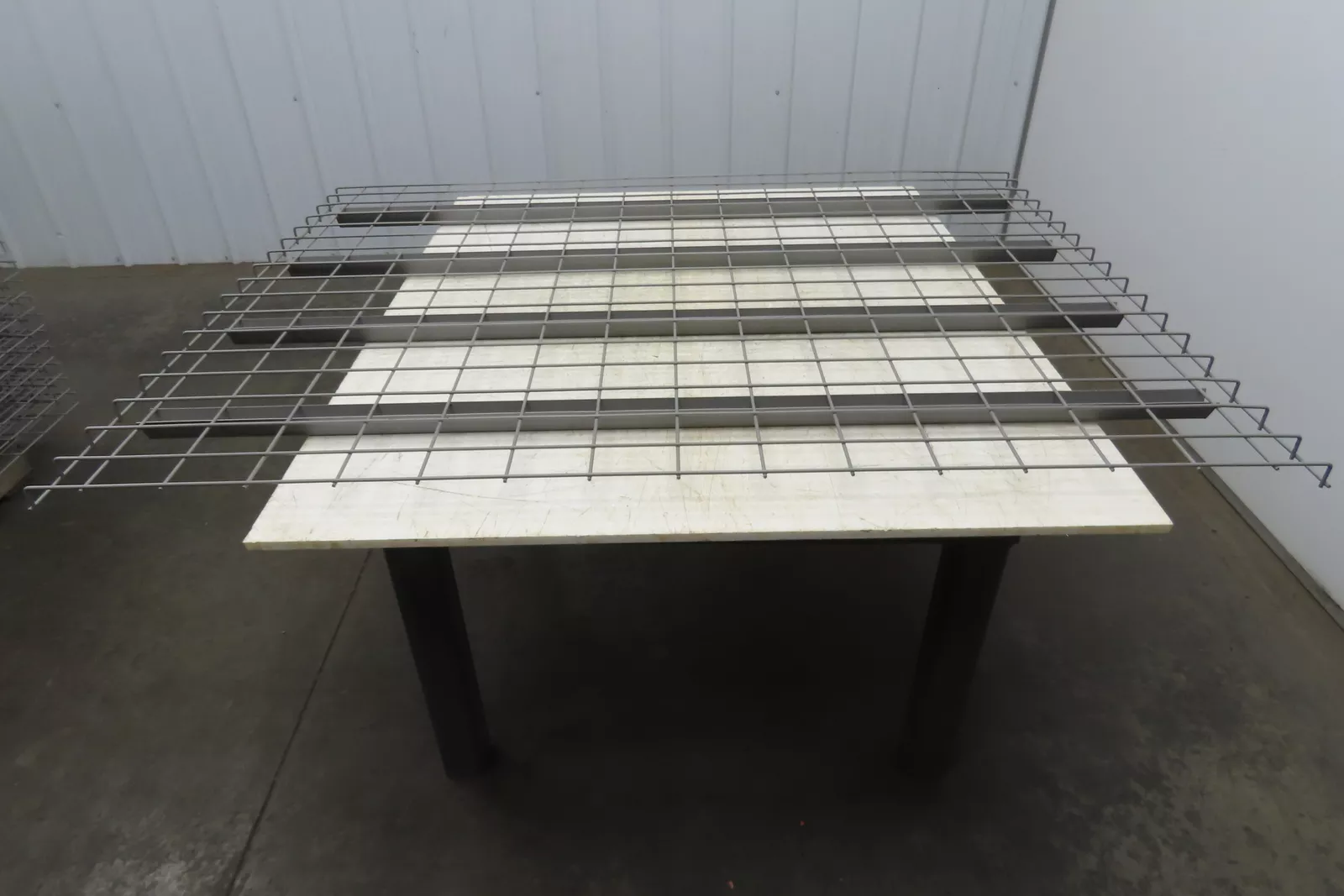
What Materials Are Commonly Used In Adjustable Cantilever Arms?
Are Adjustable Cantilever Arms Suitable For All Types Of Loads?
##
Adjustable cantilever arms have revolutionized the way businesses manage their storage and handling requirements, providing remarkable flexibility and efficiency. However, the question of whether these arms are suitable for all types of loads warrants a closer examination. In a world where customization is key, understanding the limitations and advantages of adjustable cantilever arms can empower companies to make informed choices.
First and foremost, adjustable cantilever arms excel in handling a range of materials, from lengthy steel beams to bulky furniture items. They can be easily modified to accommodate varying load dimensions, making them an invaluable asset in industries like manufacturing and logistics. Consider a manufacturer of prefabricated homes; their operations often require shifting heavy frame materials without compromising structural integrity. Using adjustable cantilever arms, the team can seamlessly adapt to different dimensions and loading requirements, enhancing operational efficiency while reducing downtime.
However, it’s crucial to recognize that not all loads are created equal. While these arms are well-suited for uniform, balanced loads, they can struggle under dynamic or uneven weights. For instance, an auto parts distributor might need to store large engine components alongside lighter accessories. In this case, utilizing cantilever arms without careful load distribution could lead to tipping or structural failure.
Moreover, the recent shift towards e-commerce has amplified the need for effective storage solutions. Warehouses are increasingly handling diverse inventories, from oversized items to delicate components. Adjustable cantilever arms can provide effective solutions, but organizations must ensure proper configuration for each specific type of load. This isn’t simply about fitting materials on arms but optimizing the entire storage layout. The implications of a poorly configured arm could mean product damage or even workplace injuries—issues that no business can afford.
In light of current supply chain challenges, businesses are under more pressure than ever to optimize their operations. Sustainable practices and maximizing space utilization have become paramount. By strategically employing adjustable cantilever arms, companies can not only enhance their storage capabilities but also demonstrate their commitment to adaptability in a changing marketplace.
To summarize, while adjustable cantilever arms are incredibly versatile and beneficial for many types of loads, they are not a one-size-fits-all solution. Businesses must carefully consider their specific needs, load types, and structural integrity requirements to ensure the safest and most effective use of this innovative storage solution. When used wisely, adjustable cantilever arms can be a game-changer—but a tailored approach is essential for achieving the best results.
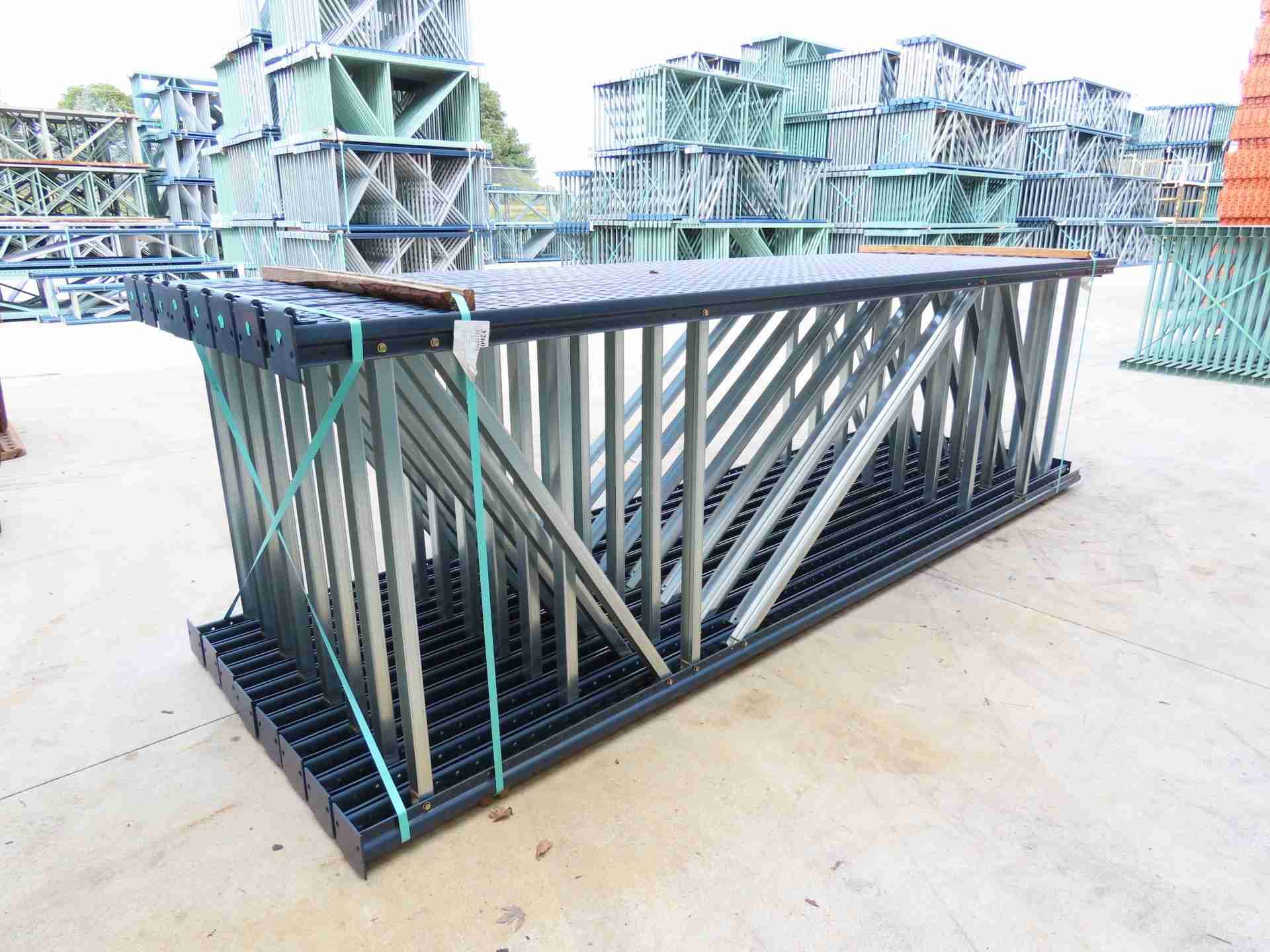
Are Adjustable Cantilever Arms Suitable For All Types Of Loads?
Are Adjustable Cantilever Arms Suitable For All Types Of Loads?
- Adjustable cantilever arms provide flexibility and efficiency in storage and handling.
- They are suitable for various materials, such as steel beams and bulky furniture.
- These arms can be modified for different load dimensions, benefiting industries like manufacturing and logistics.
- While effective for uniform loads, they may struggle with dynamic or uneven weights.
- Proper configuration is crucial to avoid issues like tipping or product damage, especially in e-commerce settings.
- Utilizing adjustable cantilever arms can enhance storage capabilities and demonstrate adaptability in a changing marketplace.
- A tailored approach is necessary to maximize the benefits and ensure safety with this storage solution.
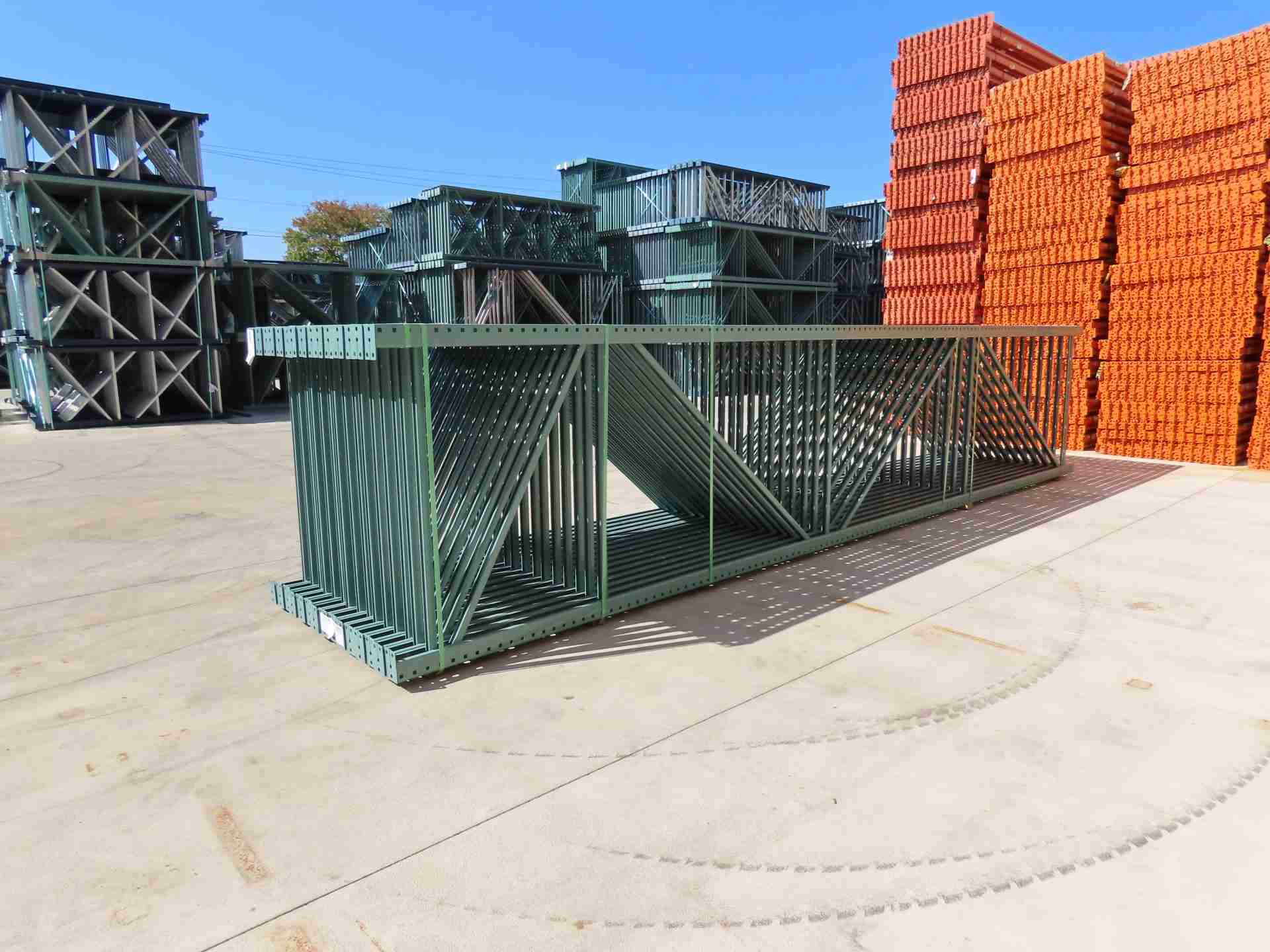
Are Adjustable Cantilever Arms Suitable For All Types Of Loads?
How Do I Choose The Right Adjustable Cantilever Arm For My Needs?
Choosing the right adjustable cantilever arm is more than just picking a product off the shelf; it’s about finding the perfect fit that enhances your efficiency and effectiveness. In a marketplace flooded with options, understanding your specific needs is paramount. Here’s a step-by-step guide to help you make an informed decision.
1. Identify Your Application:
Before diving into features and specifications, clarify how you intend to use the arm. Are you mounting a monitor for ergonomic benefits in a home office? Or perhaps you’re setting up an assembly line in a manufacturing plant? Each scenario requires a different approach. For instance, if you’re a graphic designer working from home during these increasingly common hybrid work scenarios, you need an adjustable arm that allows flexibility in viewing angles and minimizes neck strain.
2. Assess Weight Capacity:
Different cantilever arms are designed to support different weights. An office monitor might weigh significantly less than specialized equipment in a workshop. Evaluating your load requirements upfront can prevent future headaches; a monitor arm that can’t support your screen may leave you scrambling last-minute. Always check the manufacturer’s specifications, and if you’re unsure, opt for an arm with a higher capacity than you think you might need. It’s an insurance policy against potential mishaps.
3. Consider Range of Motion:
Next, examine the range of motion. Some applications may require extensive vertical and horizontal adjustments, while others may not. Picture a bustling conference room setting; if you have multiple users needing to interact with the screen, look for an arm that offers a wide movement range to accommodate various seating arrangements.
4. Material and Build Quality:
Durability is non-negotiable. A sturdy metal cantilever arm may be more suitable for heavy-duty settings—like factories or workshops—while a sleek design with a refined finish may fit better in a modern office. Recent shifts towards remote work have highlighted the importance of aesthetics and functionality; don’t underestimate the power of a well-designed workspace.
5. Budget Wisely:
Finally, define your budget. A high-quality adjustable cantilever arm might seem pricey, but think of it as an investment. In today’s climate, where remote work is more common than ever, maximizing comfort and functionality in your workspace can lead to greater productivity and job satisfaction.
Selecting the right adjustable cantilever arm requires careful consideration of your specific needs. Get it right, and you’ll be enhancing your workspace in ways that translate into real results.
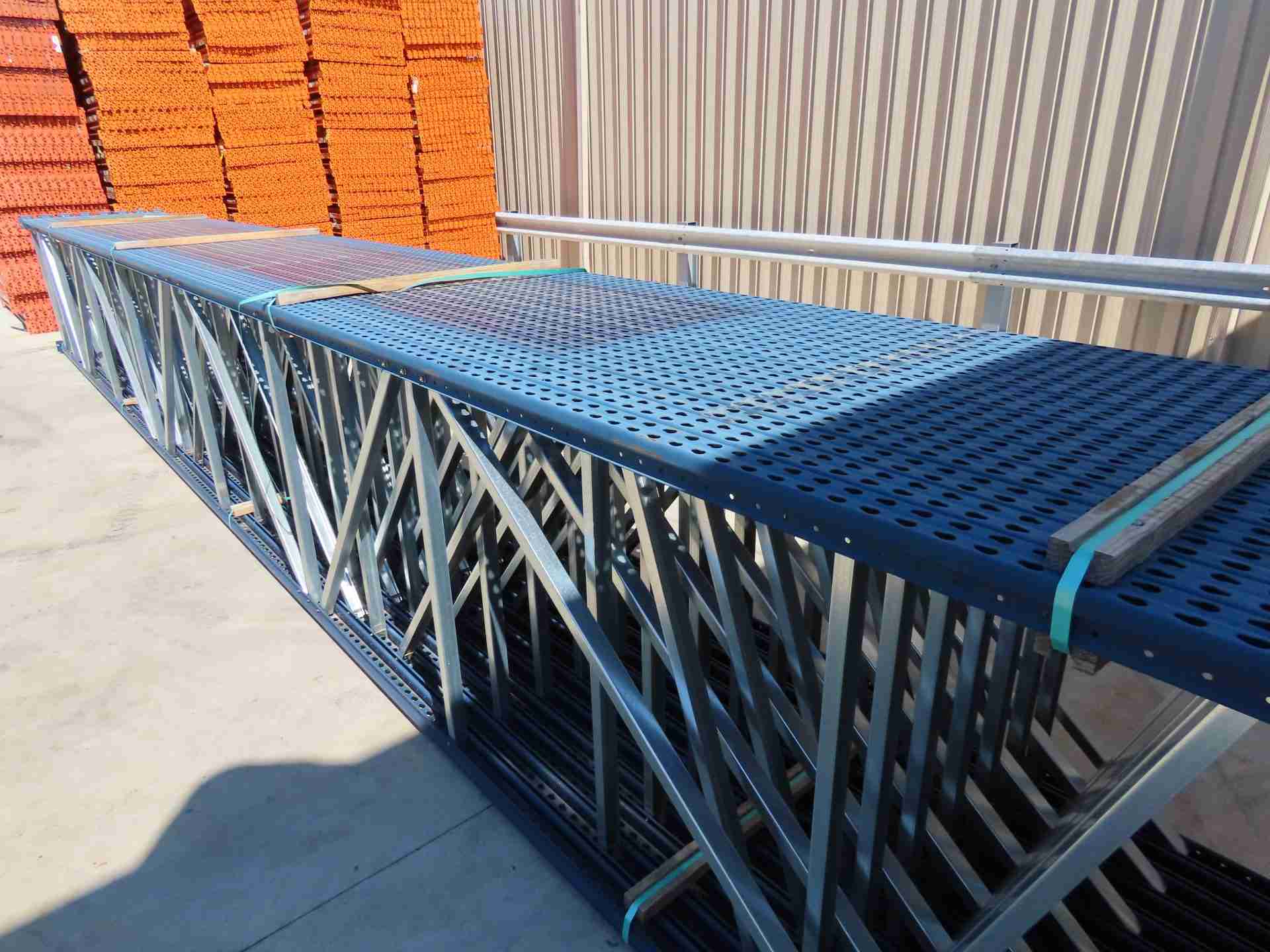
How Do I Choose The Right Adjustable Cantilever Arm For My Needs?
How Do I Choose The Right Adjustable Cantilever Arm For My Needs?
- Identify Your Application: Understand how you will use the arm, whether for home office ergonomic setup or industrial assembly line work.
- Assess Weight Capacity: Check the weight supported by different cantilever arms to ensure compatibility with your equipment.
- Consider Range of Motion: Choose an arm that provides the necessary adjustments for your specific usage scenario.
- Material and Build Quality: Opt for durable materials suitable for your environment, balancing aesthetics and functionality.
- Budget Wisely: Treat the cantilever arm as an investment in comfort and productivity, factoring in the price against its benefits.
- Informed Decision Making: Take time to evaluate all factors to ensure the arm enhances your workspace effectively.
- Achieve Real Results: The right choice leads to increased efficiency and job satisfaction in your workspace.
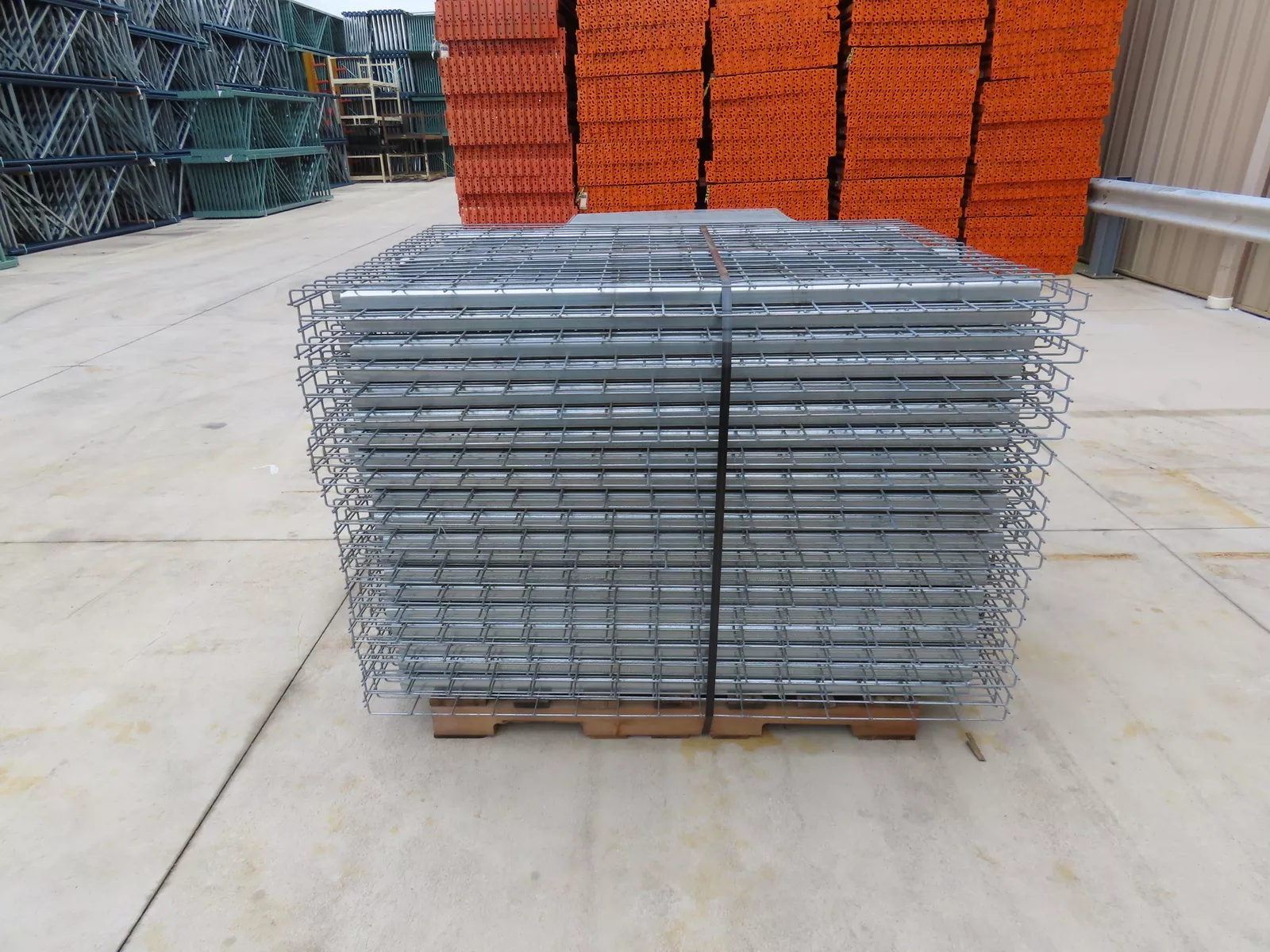
How Do I Choose The Right Adjustable Cantilever Arm For My Needs?
What Maintenance Do Adjustable Cantilever Arms Require Over Time?
When investing in adjustable cantilever arms, understanding their maintenance needs is crucial for maximizing your return on investment. These versatile tools are prized for their flexibility in supporting materials in various applications, from warehouses to fabrication shops. However, without proper maintenance, even the most sophisticated cantilever arms can face operational inefficiencies and increased wear and tear.
Regular Inspection is Key
Like any piece of equipment, adjustable cantilever arms require routine inspections. A monthly check should focus on the structural components, including the arms themselves, brackets, and couplings. Look for signs of corrosion, cracking, or bending, especially if your cantilever arms are exposed to harsh elements—think about the recent storms that have swept across the Midwest, leading many businesses to reassess their outdoor storage solutions. A simple visual inspection can save you from costly repairs later on.
Lubrication Matters
An often-overlooked aspect of maintenance is lubrication. The pivot points and joints of adjustable cantilever arms need to be lubricated at regular intervals to ensure smooth operation. Grease or oil should be applied at least once every six months, or more frequently in high-usage environments. This not only enhances performance but also extends the overall lifespan of the equipment. As evidenced by recent supply chain disruptions, a well-maintained facility can better withstand these challenges by avoiding unforeseen downtimes and ensuring all operational components function seamlessly.
Load Evaluation
Another critical maintenance task is monitoring the loads being placed on the adjustable cantilever arms. Each arm has a specified weight capacity, and exceeding this limit can lead to disastrous results, including failure or damage. As production demands fluctuate, keep an eye on your loading practices. For example, with the increasing emphasis on sustainability, many companies are reevaluating their inventory to optimize space and weight distribution. By periodic load evaluations, you ensure you’re not just compliant with safety standards but also maximizing efficiency.
Invest in Professional Inspections
While DIY checks are advantageous, it’s wise to invest in professional inspections annually. These experts can identify underlying issues that may go unnoticed in casual inspections. Many firms now offer tailored maintenance plans that include hands-on service, which can be particularly beneficial in industries witnessing rapid technological changes.
Proactive maintenance of adjustable cantilever arms is a blend of routine checks, proper lubrication, load management, and professional oversight. By investing in these practices, you ensure your adjustable cantilever arms perform optimally, thereby safeguarding your investment against future issues and maintaining operational flow in your business. Stay ahead of the curve; your facility will thank you!
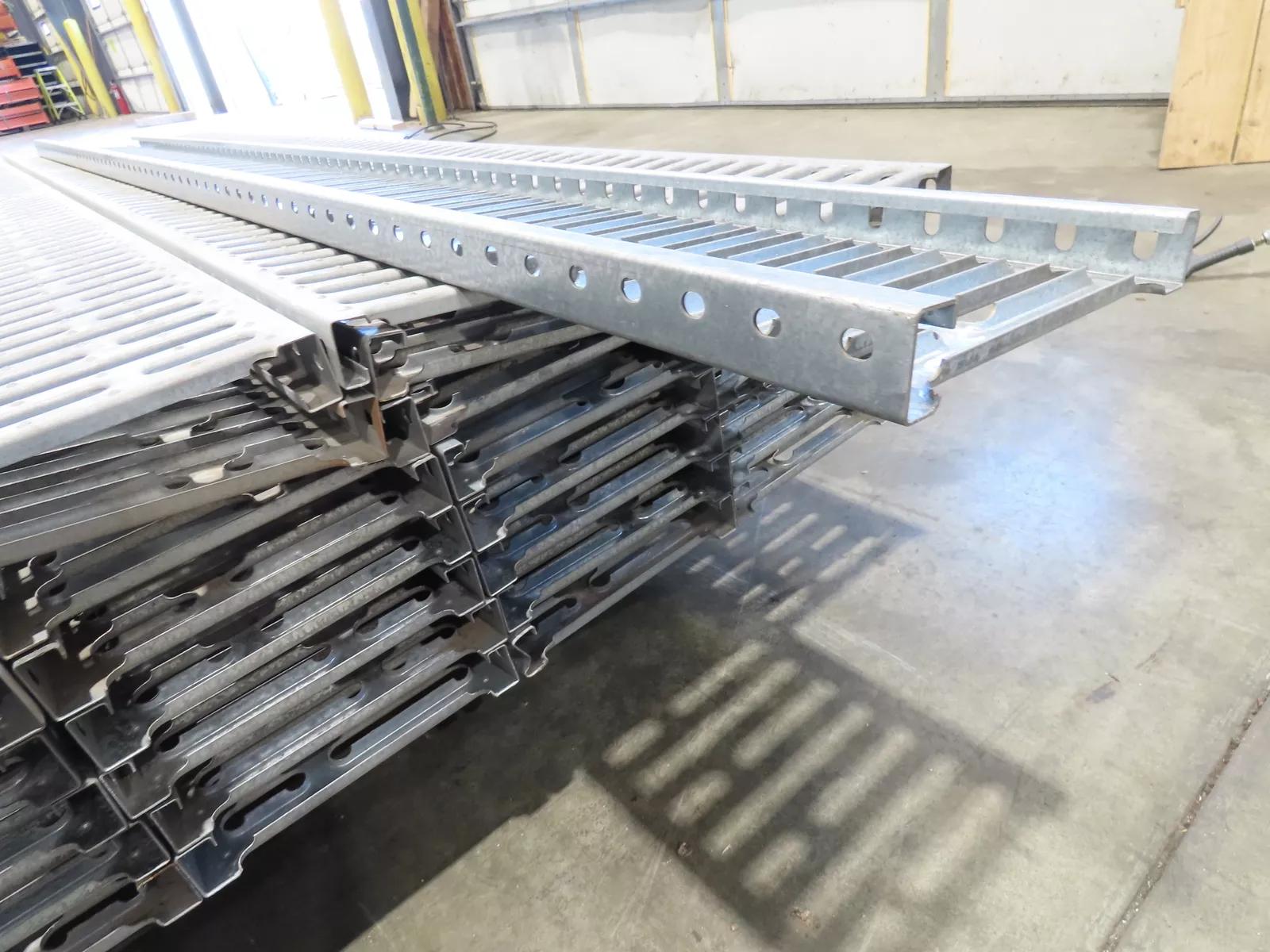
What Maintenance Do Adjustable Cantilever Arms Require Over Time?
What Maintenance Do Adjustable Cantilever Arms Require Over Time?
- Understanding maintenance needs is crucial for optimizing ROI on adjustable cantilever arms.
- Regular inspections are essential; focus on structural components like arms, brackets, and couplings.
- Look for signs of corrosion, cracking, or bending, especially after harsh weather events.
- Lubricate pivot points and joints every six months or more frequently in high-use environments.
- Monitor load capacities to avoid exceeding limits and causing damage or failure.
- Invest in annual professional inspections to identify underlying issues missed in DIY checks.
- Proactive maintenance includes routine checks, lubrication, load management, and professional oversight to ensure optimal performance.
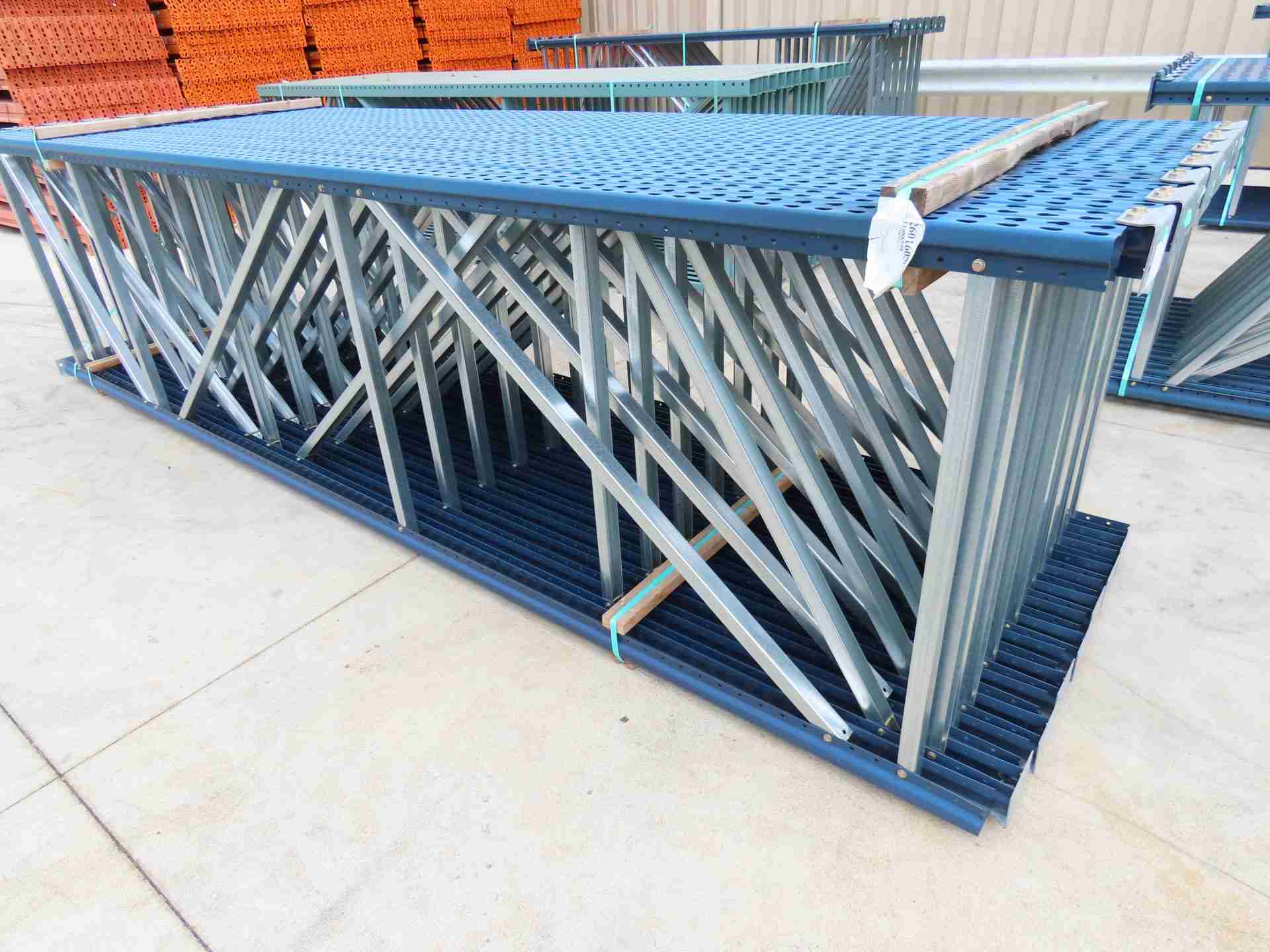
What Maintenance Do Adjustable Cantilever Arms Require Over Time?
How Do Adjustable Cantilever Arms Affect Space Utilization?
In today’s fast-paced business climate, efficiency and space optimization are crucial for success. Enter adjustable cantilever arms—a game-changing solution that can dramatically alter how you utilize your existing space. These innovative tools provide not only flexibility but also the ability to adapt to changing needs without requiring extensive renovations. Let’s dive into how they can supercharge your space utilization and elevate your operational productivity.
First and foremost, consider the inherent versatility of adjustable cantilever arms. These structures allow for the handling of varying loads across different heights and angles, freeing up floor space that would otherwise be occupied by fixed shelving or bulky equipment. Imagine a warehouse where your teams can easily reposition tools and materials based on immediate project needs. In a post-pandemic world where agile responses to market shifts are necessary—think of industries impacted by fluctuating supply chains—this adaptability can make or break a business.
For example, a construction company recently faced delays in material supply, which led to an overwhelming amount of inventory cluttering their workspace. By incorporating adjustable cantilever arms to their storage solution, they could hang different materials off the ground. This not only optimized the layout of the site but also improved the workflow, allowing crews to access what they needed easily and quickly. With less time wasted searching for materials, productivity soared, and the company could take on more projects.
Moreover, in retail environments, where every square foot counts, adjustable cantilever arms allow for dynamic displays that can be rearranged based on seasonal trends or sales strategies. As consumer preferences fluctuate—highlighted by the recent shift towards sustainable products—retailers can quickly pivot their layouts to promote relevant merchandise without committing to a complete redesign.
In office settings, adjustable cantilever arms can be similarly transformative. When employees are empowered to reconfigure their workstations, they experience a refreshing boost in creativity and innovation. If remote work continues to evolve, companies that effectively utilize existing office space will find themselves at a significant advantage, maximizing productivity while minimizing costs.
In summary, adjustable cantilever arms are more than just a storage solution; they represent a strategic investment in your company’s future. By facilitating the efficient use of space, they enable businesses to respond dynamically to changing demands, ultimately enhancing productivity and profitability. So, as you navigate your operational challenges, consider how incorporating these flexible systems might position your business for success in an ever-evolving landscape.
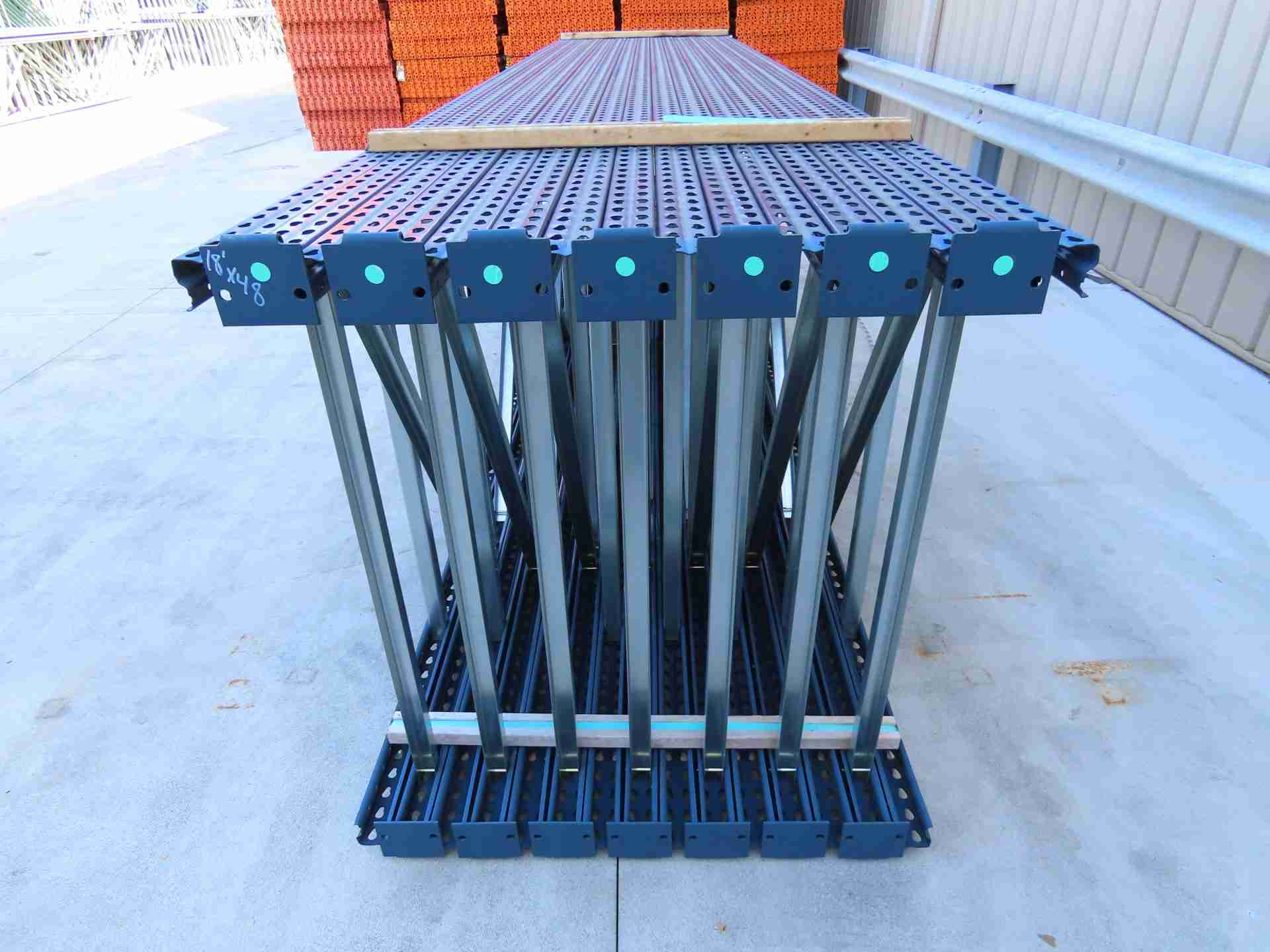
How Do Adjustable Cantilever Arms Affect Space Utilization?
How Do Adjustable Cantilever Arms Affect Space Utilization?
- Efficiency and space optimization are crucial for success in today’s fast-paced business climate.
- Adjustable cantilever arms enhance space utilization by allowing flexible handling of varying loads across different heights and angles.
- These tools free up floor space that would otherwise be taken by fixed shelving or bulky equipment.
- Industries facing supply chain fluctuations benefit from the adaptability of adjustable cantilever arms.
- In retail, they allow dynamic displays that can be easily rearranged based on trends and sales strategies.
- In office settings, adjustable cantilever arms empower employees to reconfigure workstations, boosting creativity and productivity.
- Incorporating these systems positions businesses for success by enabling dynamic responses to changing demands.
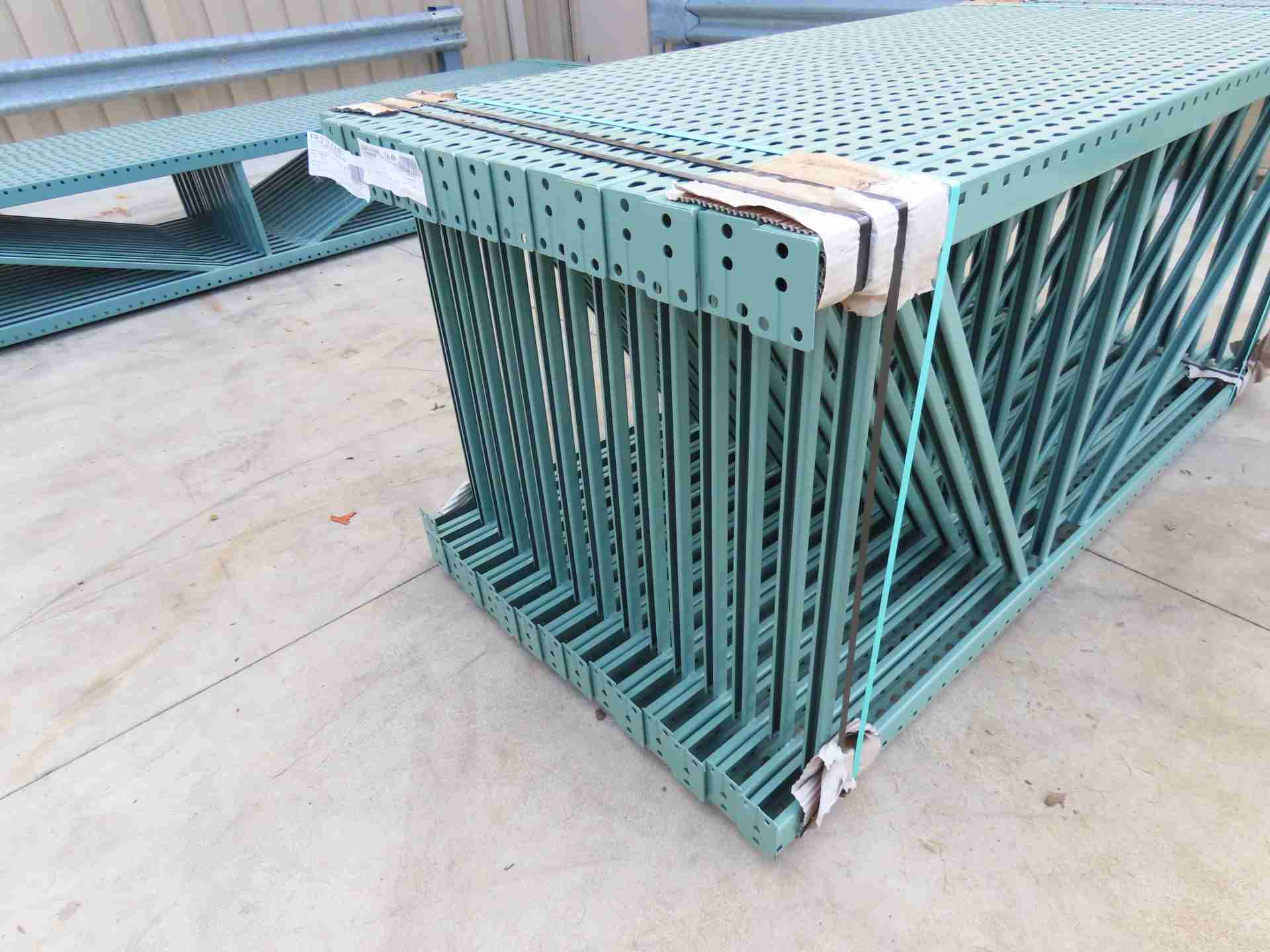
How Do Adjustable Cantilever Arms Affect Space Utilization?
What Are The Costs Associated With Adjustable Cantilever Arms?
When it comes to maximizing workspace efficiency, adjustable cantilever arms are a game changer. However, before you dive in, it’s essential to evaluate the various costs associated with their implementation—both direct and indirect. Knowing what’s at stake ensures you can make a well-informed decision that aligns with your operational budget and productivity goals.
Initial Purchase Price
The first and most obvious cost is the purchase price of the cantilever arms themselves. Prices can vary significantly based on the arm size, material, and manufacturer. For instance, a basic aluminum adjustable cantilever arm might set you back around $350, while a heavy-duty steel version designed for industrial applications can exceed $1,500. Consider your specific needs: lightweight arms are ideal for smaller, less demanding applications, whereas heavier duty is essential for tougher tasks. Always think about ROI—investing a bit more in quality arms today can save money on replacements down the line.
Installation and Setup Costs
Don’t overlook the expenses associated with installation and setup. While some models are designed for direct, simple installation by your team, others may require professional installation to ensure safety and proper function. Hiring skilled labor can cost anywhere from $75 to $200 per hour, depending on your region and the complexity of the installation. Remember, cutting corners here could lead to future costs in accidents or damages.
Maintenance and Reliability
It’s wise to factor in ongoing maintenance costs, too. Adjustable cantilever arms may need routine inspections and maintenance to ensure they operate smoothly and safely. Regular lubrication, inspection for wear and tear, and adjustment can run you another $100 to $300 annually, depending on usage. In industries where safety is paramount, such as manufacturing or logistics, neglecting maintenance could lead to serious accidents and the costs associated with them.
Opportunity Costs
Lastly, consider the hidden opportunity costs. Inefficient equipment can stifle productivity. If your employees are wasting time struggling with inadequate or poorly functioning cantilever arms, that’s money out of your pocket. A fluid, efficient workspace can save hours—the kind of time that translates into dollars.
In today’s fast-paced environment, where companies are increasingly scrutinizing every line item, understanding the costs associated with adjustable cantilever arms has never been more crucial. By weighing these financial elements, you not only make smarter purchasing decisions but also layout a strategic roadmap toward operational excellence. Whether you’re in manufacturing, warehousing, or retail, the right cantilever arms can free up resources, increase efficiency, and ultimately contribute to your bottom line.

What Are The Costs Associated With Adjustable Cantilever Arms?
What Are The Costs Associated With Adjustable Cantilever Arms?
- Adjustable cantilever arms enhance workspace efficiency but require careful cost evaluation.
- Initial purchase prices range from around $350 for basic aluminum models to over $1,500 for heavy-duty steel versions.
- Installation costs can vary, with DIY options available, but professional installation may range from $75 to $200 per hour.
- Ongoing maintenance costs for cantilever arms can add an annual expense of $100 to $300, depending on usage.
- Neglecting maintenance can lead to safety hazards and potential future costs from accidents.
- Inefficient equipment can create hidden opportunity costs that negatively impact productivity and profits.
- Understanding these costs enables smarter purchasing decisions and promotes operational excellence across sectors.
What Are The Costs Associated With Adjustable Cantilever Arms?
Are There Installation Challenges With Adjustable Cantilever Arms?
When considering adjustable cantilever arms for your material handling needs, it’s essential to grasp not only the benefits but also the installation challenges that may lie ahead. While the flexibility and adaptability of these systems are unmatched, the road to seamless integration often requires careful planning and execution.
First and foremost, let’s talk about the space. Adjustable cantilever arms require specific spatial configurations to function effectively. For instance, think about a warehouse setting where height clearance can be a deal-breaker. If you’re running a facility with low ceilings, you’ve got to ensure that your chosen cantilever arms have the right reach without compromising safety or functionality. In a recent case, a major retail distribution center found its installation hampered when the dimensions of their chosen arms contradicted the existing infrastructure. The result? Delays and unexpected modification costs that could have been avoided with thorough pre-installation assessments.
Next on the list is the installation process itself. Proper assembly requires not just technical know-how but also a solid team prepared for the task. Calling in professional installers with experience in cantilever arm systems is often wise. However, mishaps can occur, especially when dealing with adjustable configurations that must withstand substantial loads. In 2023, a manufacturing plant faced significant downtime when a poorly installed cantilever system failed under pressure. This costly mistake highlighted the paramount importance of skilled labor in ensuring long-term functionality and safety.
Furthermore, consider the adaptability of these systems in a rapidly evolving working environment. With supply chains fluctuating due to current events like the ongoing impacts of climate change and economic shifts, businesses need equipment that can grow and change with them. The challenge here is ensuring that the adjustable features are compatible with your ongoing operational adjustments. For example, a company that recently revamped its warehouse to accommodate a new product line discovered too late that their cantilever arms were not designed for the renewed layout, significantly complicating operations.
While adjustable cantilever arms present unparalleled advantages in flexibility and efficiency, savvy businesses must recognize and address the installation challenges that often accompany these systems. By conducting meticulous evaluations of spatial requirements, securing skilled installation teams, and preparing for future adaptability, you position your operation not just for success but for seamless integration. Don’t let installation hurdles become stumbling blocks; embrace the opportunity to optimize your space with thoughtful planning.
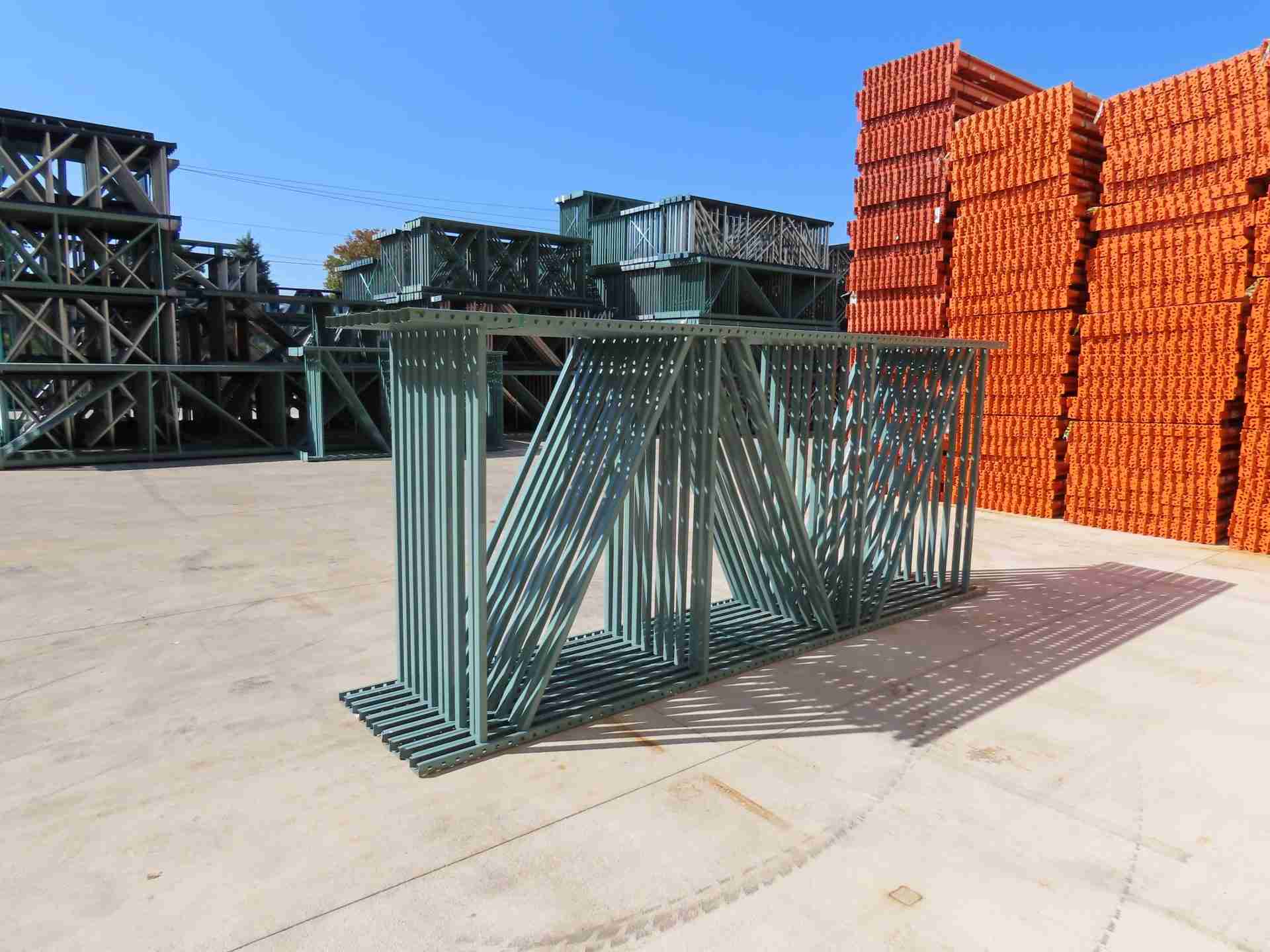
Are There Installation Challenges With Adjustable Cantilever Arms?
Are There Installation Challenges With Adjustable Cantilever Arms?
- Adjustable cantilever arms offer flexibility and adaptability for material handling needs.
- Space considerations are crucial; height clearance must be assessed to avoid installation issues.
- Improper installation can lead to delays and unexpected costs, as seen in a retail distribution center case.
- Hiring experienced professional installers is recommended to ensure safety and functionality.
- In 2023, a manufacturing plant faced downtime due to a failed cantilever system from poor installation.
- Businesses must ensure that adjustable features of the arms are compatible with evolving operational needs.
- Thorough pre-installation assessments and skilled labor are essential for successful integration of cantilever arms.
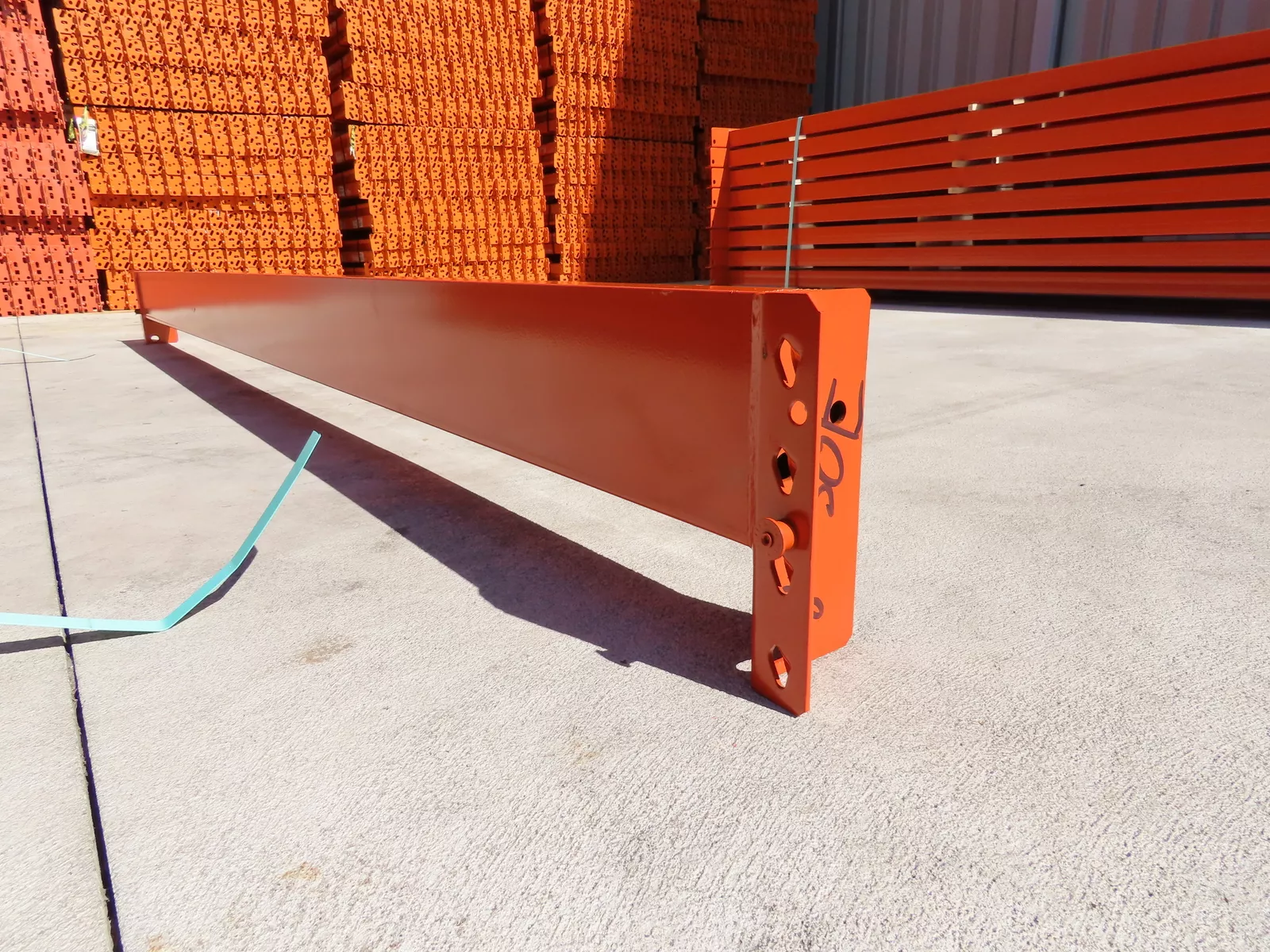
Are There Installation Challenges With Adjustable Cantilever Arms?
How Durable Are Adjustable Cantilever Arms In Various Environments?
When it comes to heavy-duty applications across various industries, durability is non-negotiable. Adjustable cantilever arms are designed to withstand extreme conditions, yet potential buyers often wonder how these versatile tools hold up in real-world scenarios. The answer to this question lies in understanding both the materials used and the environments where these cantilever arms are deployed.
Take, for example, the construction industry. In a sector where equipment barriers can be intense, adjustable cantilever arms must be able to support heavy loads—think steel sheets and concrete blocks—while remaining flexible enough to adapt to different configurations. Manufacturers have risen to the challenge, utilizing high-grade steel and advanced manufacturing techniques to enhance strength and resilience. Recent innovations have introduced weather-resistant coatings that protect against corrosion, a game-changer for outdoor applications.
Consider the food processing sector, where cleanliness is paramount. Adjustable cantilever arms in these environments often need to withstand not only the weight of processing machinery but also the rigorous cleaning regimens that follow. Stainless steel arms, engineered to resist harsh chemicals and high-pressure cleaning, are the go-to choice here. They withstand scalding steam and abrasive detergents, making them a staple in butcher shops and culinary production facilities alike.
Recent moves towards eco-friendly practices further highlight the adaptability of cantilever arms. Companies looking to adopt more sustainable measures for product storage are turning to lightweight composite materials that withstand environmental shifts while being easier to recycle once their service life is over. This trend is becoming even more prevalent as industries adapt to consumer preferences for sustainability.
Then there are applications in logistics and warehousing, where adjustable cantilever arms must balance durability with ease of use. In a recent case study, a major shipping company upgraded its material handling system to include these adjustable arms, improving both space utilization and workflow efficiency. The result? Reduced downtime and increased productivity—a testament to how the right tools can transform operational dynamics in a fast-paced environment.
Ultimately, the durability of adjustable cantilever arms can vary significantly based on their materials and intended use. However, by choosing reputable manufacturers that prioritize high-quality materials and innovative designs, businesses can ensure that their systems remain robust across various environments. Investing in durable cantilever arms not only signifies an investment in today’s operations but also in the future growth and sustainability of your business. Understanding performance in real-world situations provides you a valuable edge—don’t settle for less when you can adapt and thrive.
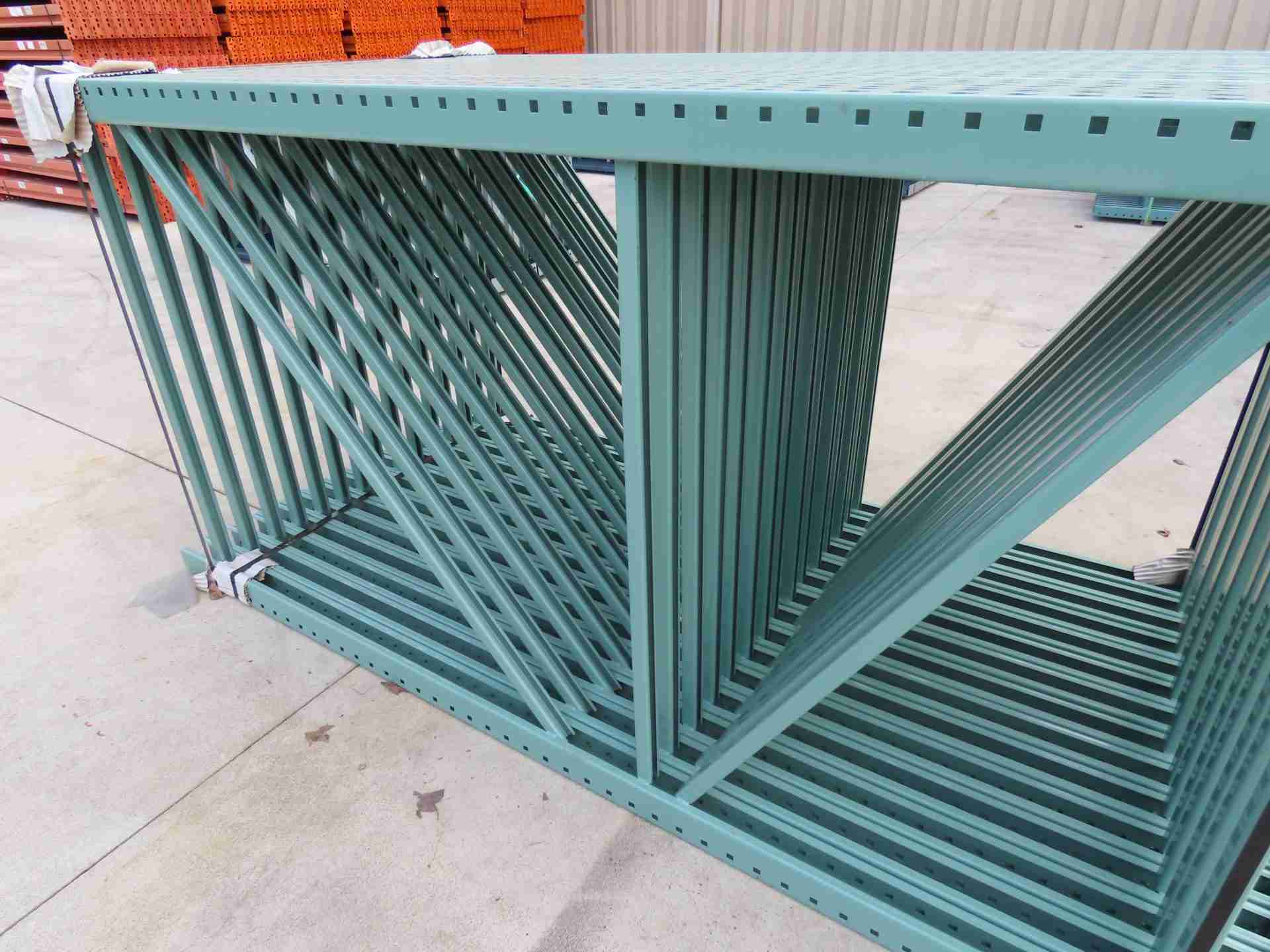
How Durable Are Adjustable Cantilever Arms In Various Environments?
How Durable Are Adjustable Cantilever Arms In Various Environments?
- Durability is essential for adjustable cantilever arms used in heavy-duty applications across various industries.
- In the construction industry, these arms must support heavy loads while remaining flexible for different configurations.
- Manufacturers use high-grade steel and advanced techniques, including weather-resistant coatings, to enhance strength and resilience.
- For food processing, stainless steel cantilever arms are ideal for withstanding harsh chemicals and rigorous cleaning regimens.
- There is a growing trend towards eco-friendly practices, with companies opting for lightweight composite materials for sustainability.
- In logistics and warehousing, adjustable cantilever arms improve space utilization and workflow efficiency, reducing downtime.
- Choosing high-quality, durable cantilever arms from reputable manufacturers is crucial for future growth and operational efficiency.
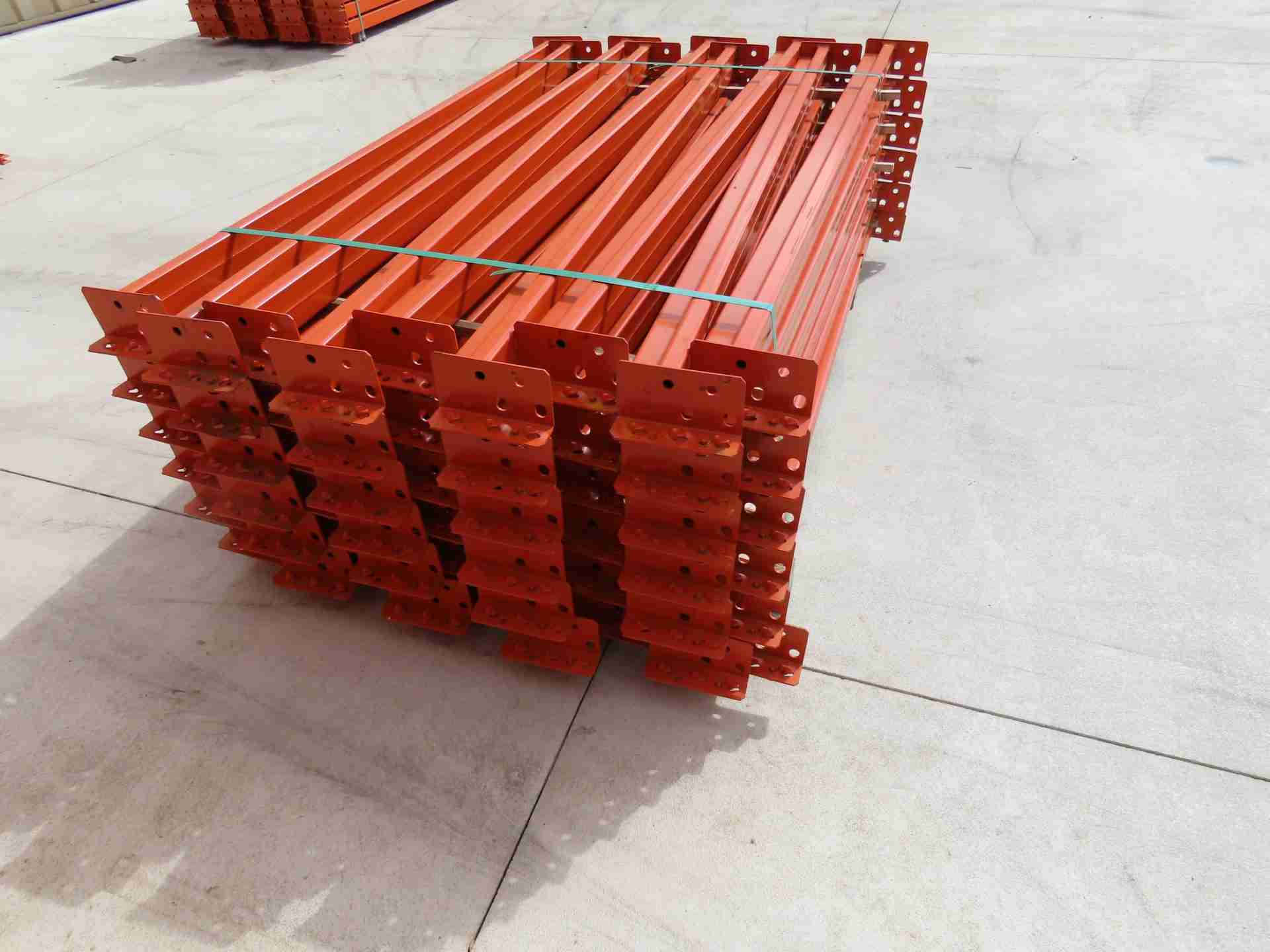
How Durable Are Adjustable Cantilever Arms In Various Environments?
What Industries Commonly Use Adjustable Cantilever Arms?
Adjustable cantilever arms are the unsung heroes of countless industries, and their versatility makes them indispensable in operations around the globe. These robust structures provide remarkable support and flexibility, enabling businesses to maximize efficiency and streamline workflows. Let’s dive into some key sectors where adjustable cantilever arms are making a significant impact today.
Manufacturing and Warehousing
In the bustling world of manufacturing, the need for adaptable workspaces is paramount. Adjustable cantilever arms facilitate easy customization of work stations, allowing manufacturers to efficiently manage the myriad tools and materials used during production. For instance, in facilities producing personal protective equipment (PPE), which has seen a surge due to ongoing global health concerns, these arms can hold critical safety supplies at convenient heights, thus enhancing worker productivity and safety. Moreover, in warehousing operations, these arms can be utilized to create adjustable shelving systems that optimize vertical space, ensuring that even the largest inventory is easily accessible.
Construction
The construction industry thrives on innovation and adaptability, making adjustable cantilever arms essential for scaffolding solutions. Whether it’s supporting heavy loads during the assembly of high-rise buildings or providing a stable platform for workers, these arms deliver unparalleled reliability. Recent trends in sustainable construction further advocate their use, as adjustable cantilever arms support green building practices by allowing for flexible designs that accommodate varying project requirements.
Automotive and Aerospace
In the high-stakes sectors of automotive and aerospace, precision and safety are non-negotiable. Adjustable cantilever arms can enhance assembly lines by allowing for the easy adjustment of tools and components necessary for assembling intricate parts. With the rise of electric vehicles and advancements in aerospace technology, manufacturers are increasingly turning to these adjustable solutions to meet evolving production demands while maintaining rigorous safety standards.
Healthcare and Laboratories
Healthcare facilities and laboratories also benefit significantly from adjustable cantilever arms, particularly when it comes to organizing medical equipment or laboratory instruments. In today’s environment, where efficiency and cleanliness are critical, these arms can be adjusted to fit various tools, enabling healthcare professionals to access essential items quickly without cluttering valuable workspace. The rise in telehealth services has also prompted hospitals to reevaluate their layouts, making adjustable cantilever arms a game-changer in creating flexible, modern treatment environments.
As we move further into an era defined by adaptability and efficiency, industries are increasingly relying on adjustable cantilever arms to enhance their operations. By embracing this innovative solution, companies can save time, conserve space, and ultimately drive their productivity to new heights.
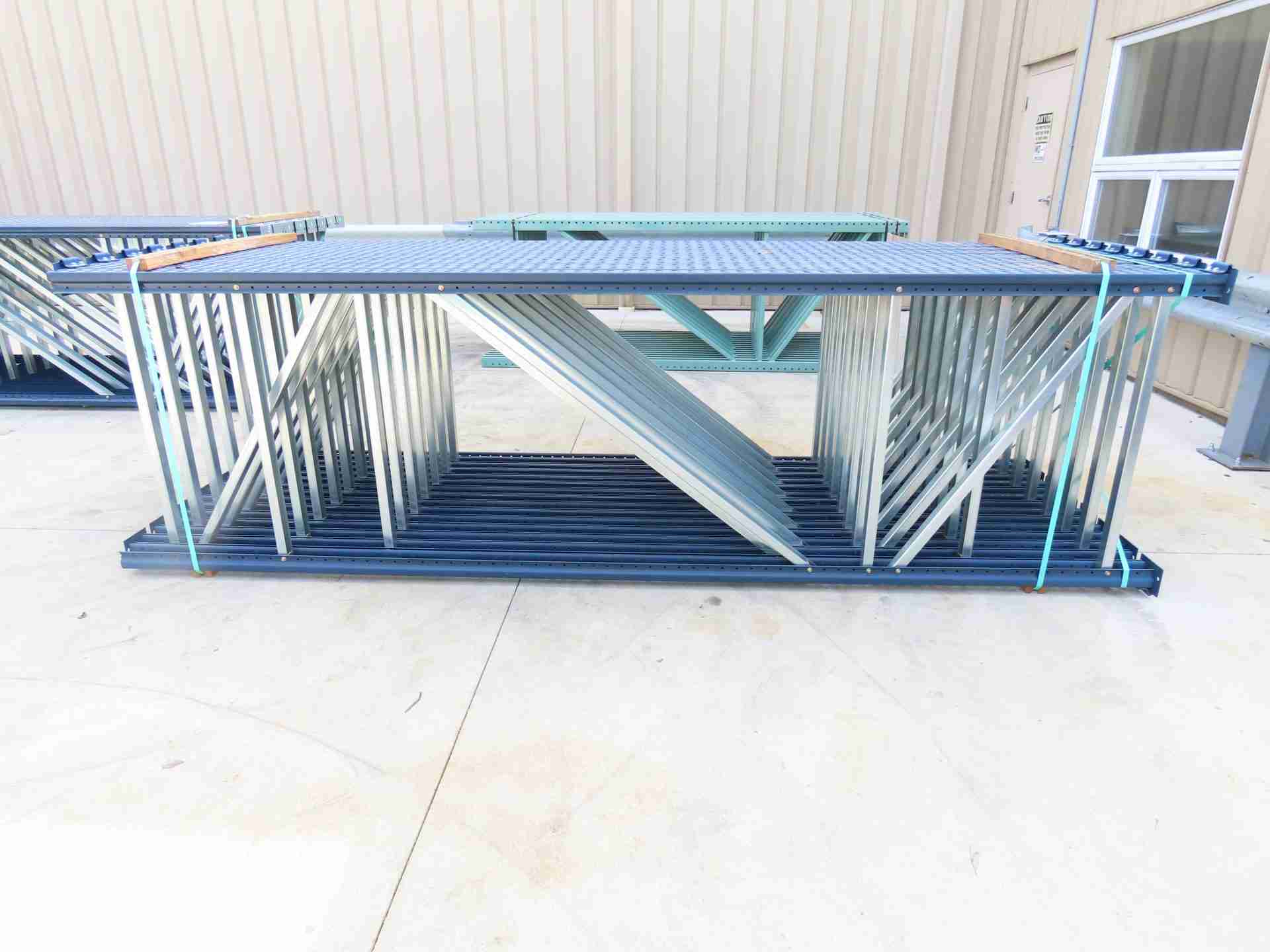
What Industries Commonly Use Adjustable Cantilever Arms?
What Industries Commonly Use Adjustable Cantilever Arms?
- Adjustable cantilever arms are crucial across various industries due to their versatility and support.
- In manufacturing, they enable customizable workstations and enhance productivity and safety by holding critical supplies.
- In warehousing, these arms create adjustable shelving systems that optimize vertical space for easy inventory access.
- The construction industry uses them for scaffolding, supporting heavy loads, and promoting sustainable building practices.
- In the automotive and aerospace sectors, they improve assembly lines by allowing easy tool and component adjustments.
- Healthcare facilities use adjustable cantilever arms to organize equipment, enhancing efficiency and cleanliness in workspaces.
- As adaptability becomes key, industries increasingly depend on adjustable cantilever arms to boost productivity and efficiency.
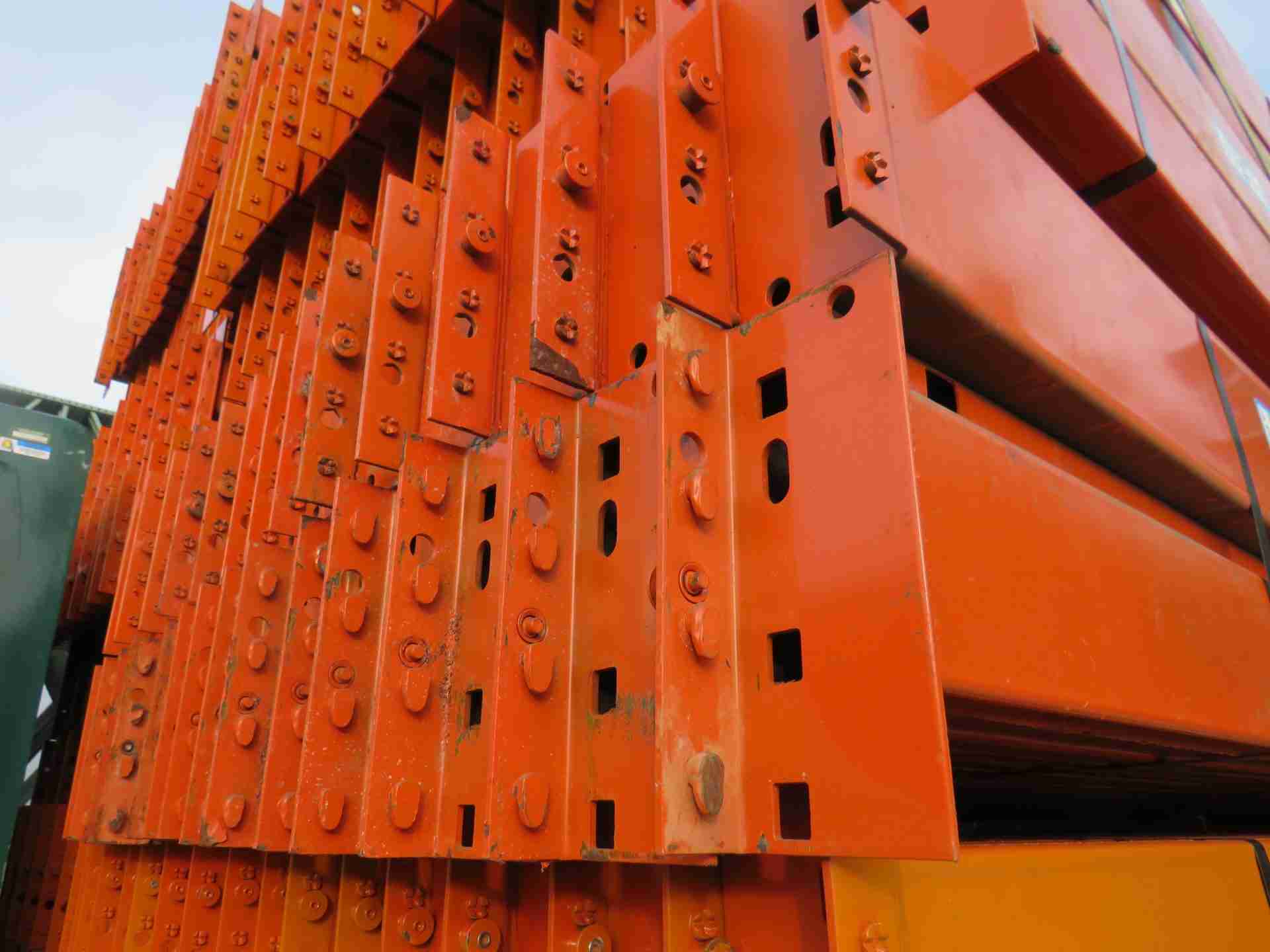
What Industries Commonly Use Adjustable Cantilever Arms?
How Do Adjustable Cantilever Arms Impact Workflow Efficiency?
In today’s fast-paced work environment, optimizing workflow efficiency is not just a goal; it’s a necessity for survival. Enter adjustable cantilever arms — the unsung heroes of modern workspace design. These innovative tools can significantly enhance productivity by allowing for greater flexibility and organization in the workplace.
Imagine a manufacturing facility where workers are frequently reaching for tools or materials that are not within arm’s reach. Not only does this prolong tasks, but it also hampers focus and increases the risk of injury. With adjustable cantilever arms, items such as tools or heavy items can be located precisely where they are needed. By bringing items closer to the user and reducing the need for excessive movement, these arms streamline operations. Consider a popular automotive assembly line that implemented cantilever arms for tool storage. The result was a remarkable reduction in assembly times — leading to an increase in output that propelled the company to meet rising demand.
Furthermore, in creative environments such as design studios or fabrication labs, the flexibility of cantilever arms enhances collaborative efforts. For instance, when individual designers can adjust their workspaces in response to changing project needs and group dynamics, the overall functionality of the space improves. Today, as hybrid work and remote collaboration become the norm, adjustable cantilever arms can help bridge the gap by allowing for easier transition between solo work and teamwork.
Events like the global shift to remote work have also emphasized the need for multifunctional spaces. Adjustable cantilever arms, when used in home offices, encourage seamless transitions between different tasks — whether it’s working on a laptop, reading documents, or making video calls. A recent survey indicated that over 70% of remote workers believe their productivity is significantly tied to their workspace ergonomics. Adjustability fosters not just efficiency, but also health and well-being, further pushing organizations towards sustainable productivity.
Additionally, businesses are increasingly considering sustainability in their product choices. Many adjustable cantilever arms are designed to be modular and adaptable, reducing waste and the need for replacement products. By investing in such durable solutions, companies can minimize their ecological footprint while enhancing their workflow efficiency.
In a world where every second counts, adjustable cantilever arms deliver more than just convenience; they redefine how we think about productivity. With the right tools in place, it’s not just about working harder — it’s about working smarter. Embrace the change and watch your operations transform into a well-oiled machine, where efficiency is not merely a goal, but a foundational principle of your business model.
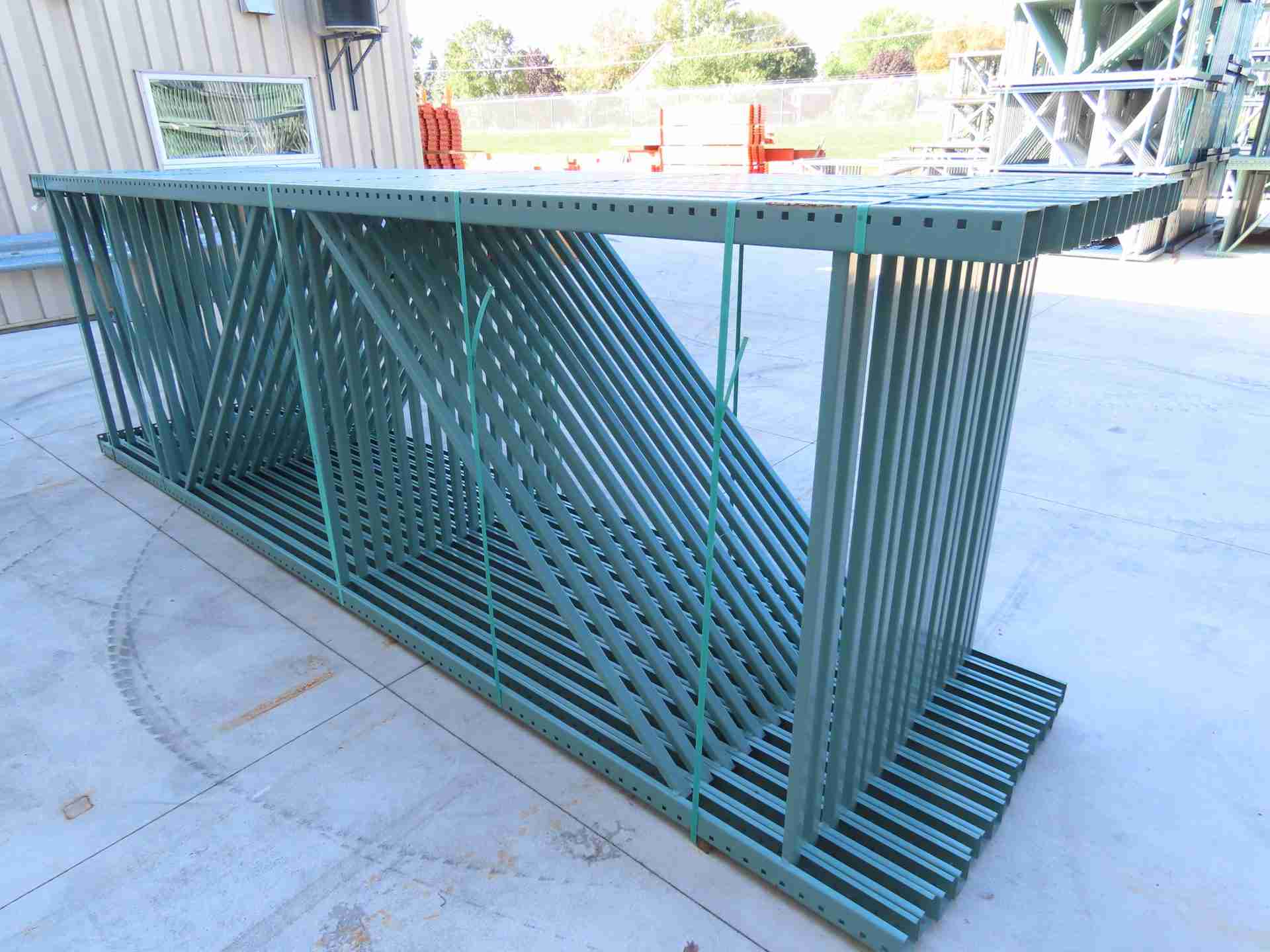
How Do Adjustable Cantilever Arms Impact Workflow Efficiency?
How Do Adjustable Cantilever Arms Impact Workflow Efficiency?
- Optimizing workflow efficiency is crucial in today’s fast-paced work environment.
- Adjustable cantilever arms enhance productivity by improving flexibility and organization.
- They help reduce task duration and minimize injury risk by placing tools and materials within easy reach.
- Usage in automotive assembly lines has shown remarkable reductions in assembly times and increased output.
- In creative workplaces, cantilever arms enable adaptability to changing project needs, enhancing collaboration.
- Adjustable arms support hybrid work by fostering transitions between individual and team tasks, promoting productivity.
- They are often modular and sustainable, minimizing ecological footprint while boosting efficiency.
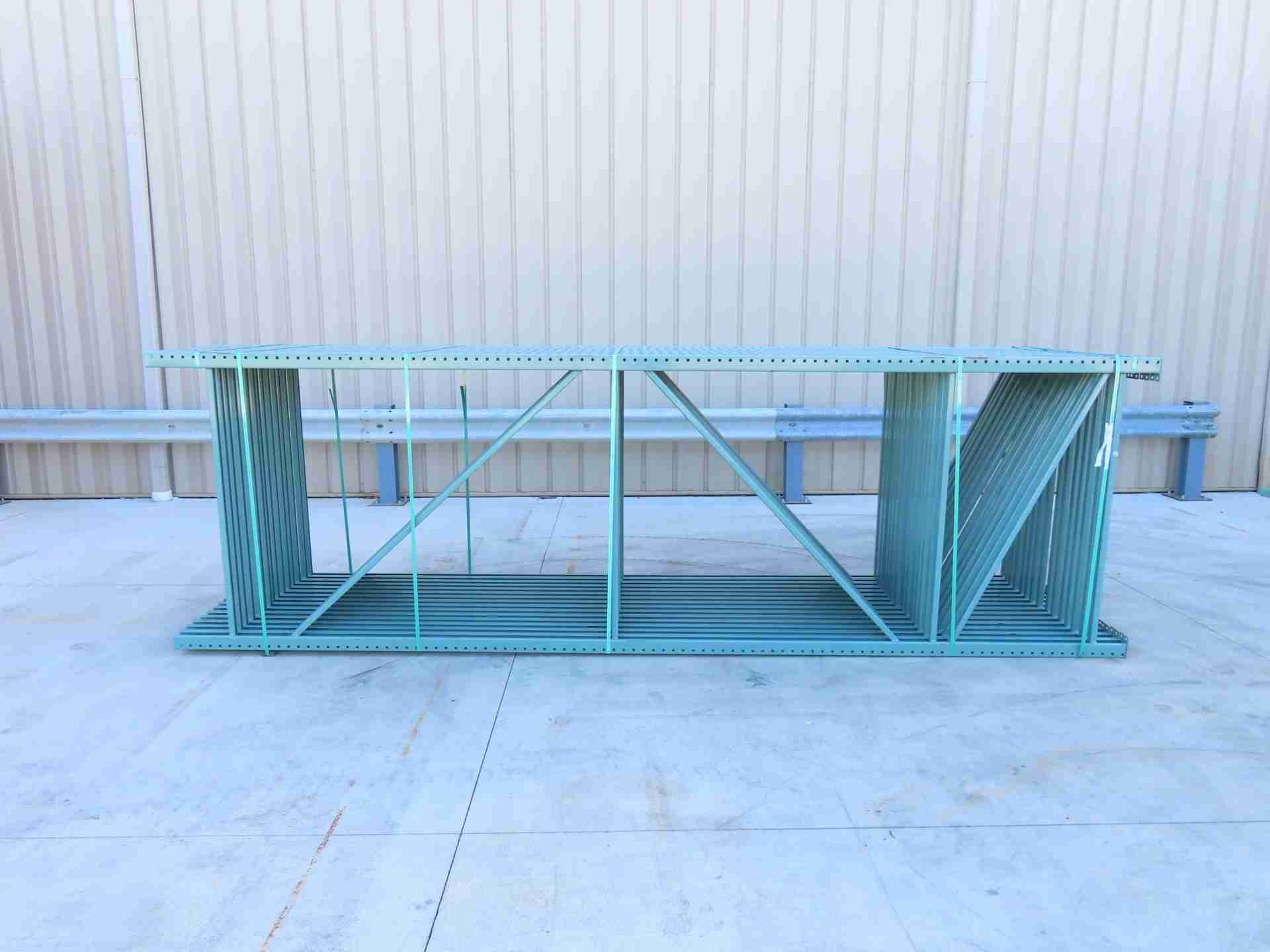
How Do Adjustable Cantilever Arms Impact Workflow Efficiency?
Conclusion
Conclusion: Unlocking the Potential of Adjustable Cantilever Arms
In a rapidly evolving industrial landscape, the ability to maximize workspace efficiency and adaptability is no longer a luxury; it’s a necessity. Adjustable cantilever arms are at the forefront of this transformation, providing versatile solutions that cater to a broad array of applications—from manufacturing and warehousing to retail and healthcare. As highlighted throughout this article, these innovative tools boast numerous advantages, such as exceptional flexibility, improved space utilization, and enhanced ergonomics. With the rise of e-commerce and changing consumer demands, the ability to reconfigure workspaces seamlessly is became essential for businesses striving to remain competitive.
However, alongside the compelling benefits, understanding the potential drawbacks is equally crucial. The initial investment, installation complexities, and maintenance requirements pose challenges that businesses must navigate carefully. The key is to assess whether the remarkable long-term advantages of adjustable cantilever arms can offset these hurdles, thus ensuring a positive return on investment.
Moreover, environmental considerations are increasingly driving the choice for adjustable cantilever arms. Organizations focused on sustainability can appreciate the reduced material waste and the longevity these adaptable solutions offer. As industries grow more committed to green practices, the use of sustainable materials in cantilever arm production is making waves in responsible manufacturing.
Remember, choosing adjustable cantilever arms is not merely about acquiring equipment; it’s about strategically investing in your future operational efficiency. As you weigh your options, consider the factors discussed: application suitability, weight capacity, range of motion, and overall build quality. Empowering your business with the right tools will not only optimize workflows but can also enhance employee morale and drive productivity.
In today’s competitive climate, there’s no better time to act. Don’t let inefficiencies hold your business back from thriving. Call Arrow Industrial Sales at (574) 349-6575 today to explore how adjustable cantilever arms can revolutionize your operations. Seize this opportunity to elevate your workspace and respond effectively to the challenges of the modern marketplace. Your path to enhanced efficiency and adaptability starts now—make the smart decision and transform your business with adjustable cantilever arms!
Conclusion
Conclusion:
- Adjustable cantilever arms enhance workspace efficiency and adaptability in various industries.
- They offer versatility for applications in manufacturing, warehousing, retail, and healthcare.
- The benefits include exceptional flexibility, improved space utilization, and enhanced ergonomics.
- Businesses must navigate initial investment, installation complexities, and maintenance challenges.
- Environmental sustainability is a growing consideration, with reduced material waste and longevity of products.
- Choosing the right adjustable cantilever arms involves assessing application suitability, weight capacity, range of motion, and build quality.
- Contact Arrow Industrial Sales to explore how adjustable cantilever arms can improve your operations.
Conclusion
Other Resources
Other Resources
Here is a list of other resources you can review online to learn more:
- “IKEA for Business Retail equipment”
- “Retail furniture – IKEA BUSINESS”
- “Hej! Welcome to IKEA Global”
- “IKEA for Business Office equipment”
- “Shelf – Get Best Price from Manufacturers & Suppliers in India”
- “IKEA for Business Office equipment – IKEA Switzerland”
- “https://2023.promatshow.com/directory/download?ref…”
- “Wenger Music Stands | PDF”
- “EXTERNAL WORKS 27 by ESI”
Bing Copilot Prompt: Please provide me with a list of online articles with their URLS in a bulleted list that I can read regarding What Are The Pros and Cons Of Adjustable Cantilever Arms?
Other Resources
Glossary Terms
What Are The Pros and Cons Of Adjustable Cantilever Arms? – Glossary Of Terms
1. Adjustable Cantilever Arm: A structural component designed to support loads while extending outwards from a fixed point, allowing for variable angles and positions.
2. Load Capacity: The maximum weight that the cantilever arm can safely support without deformation or failure.
3. Flexibility: The ability of the cantilever arm to be adjusted or repositioned for different tasks or loads.
4. Stability: The resistance of the cantilever arm to wobbling or collapsing under load, ensuring safety and reliable support.
5. Space-saving: The characteristic of adjustable cantilever arms that allows for efficient use of vertical or horizontal space.
6. Installation: The process of attaching the adjustable cantilever arm to a wall or support structure, which may vary in complexity depending on the design.
7. Material Strength: Refers to the ability of the materials used in the cantilever arm to withstand forces without breaking or deforming.
8. Versatility: The capability of adjustable cantilever arms to be used in various applications, from shelving to industrial equipment.
9. Adjustability: The feature that allows the cantilever arms to be configured at different angles or heights according to specific needs.
10. Torque: The rotational force applied to the cantilever arm, which can affect its stability under certain loads.
11. Durability: The ability of the cantilever arm to endure wear and tear, as well as environmental stressors over time.
12. Ergonomics: The study of how the adjustable cantilever arm can be designed to conform comfortably to user requirements and reduce strain.
13. Installation Time: The duration required to correctly set up and mount the cantilever arm, which can impact productivity.
14. Cost-effectiveness: A measure of how the benefits and durability of adjustable cantilever arms justify their initial expense and ongoing maintenance.
15. Maintenance: The regular care that may be required to ensure the cantilever arm functions safely and efficiently.
16. Weight Distribution: The manner in which load is spread across the cantilever arm, affecting stability and safety.
17. Aesthetics: The visual design and appeal of adjustable cantilever arms, which may impact their suitability for certain environments.
18. Customization: The ability to modify the cantilever arms for specific applications, including size, color, and load capacity.
19. Safety Standards: Regulations and guidelines ensuring that adjustable cantilever arms meet safety requirements for load-bearing structures.
20. Pivot Point: The fixed point from which the cantilever arm extends, crucial for determining range and load distribution.
21. Installation Surface: The type of wall or base where the cantilever arm is mounted, which can affect its stability and load capacity.
22. Prototyping: The process of developing a preliminary model of the cantilever arm to test its functionality before mass production.
23. Manufacturing Process: The steps taken to produce adjustable cantilever arms, which can influence their quality and performance.
24. User Flexibility: The degree to which end-users can modify the position or angle of the cantilever arms without assistance.
25. Environmental Impact: The effects that the production and disposal of cantilever arms may have on ecosystems and sustainability.
26. Weight Limit: Specific restrictions on how much weight each arm can support, crucial for user safety.
27. Joint Mechanism: The component that allows the arm to pivot or adjust, which can wear out over time and require maintenance.
28. Retrofit Solutions: Options for upgrading or modifying existing cantilever arms to improve functionality or safety.
29. User Experience: The overall satisfaction of individuals interacting with the cantilever arms, influenced by ease of use and functionality.
30. Regulatory Compliance: Adherence to local laws and standards governing the design and installation of adjustable cantilever arms to ensure safety and reliability.
These terms provide a comprehensive understanding of adjustable cantilever arms, their benefits, and their limitations.
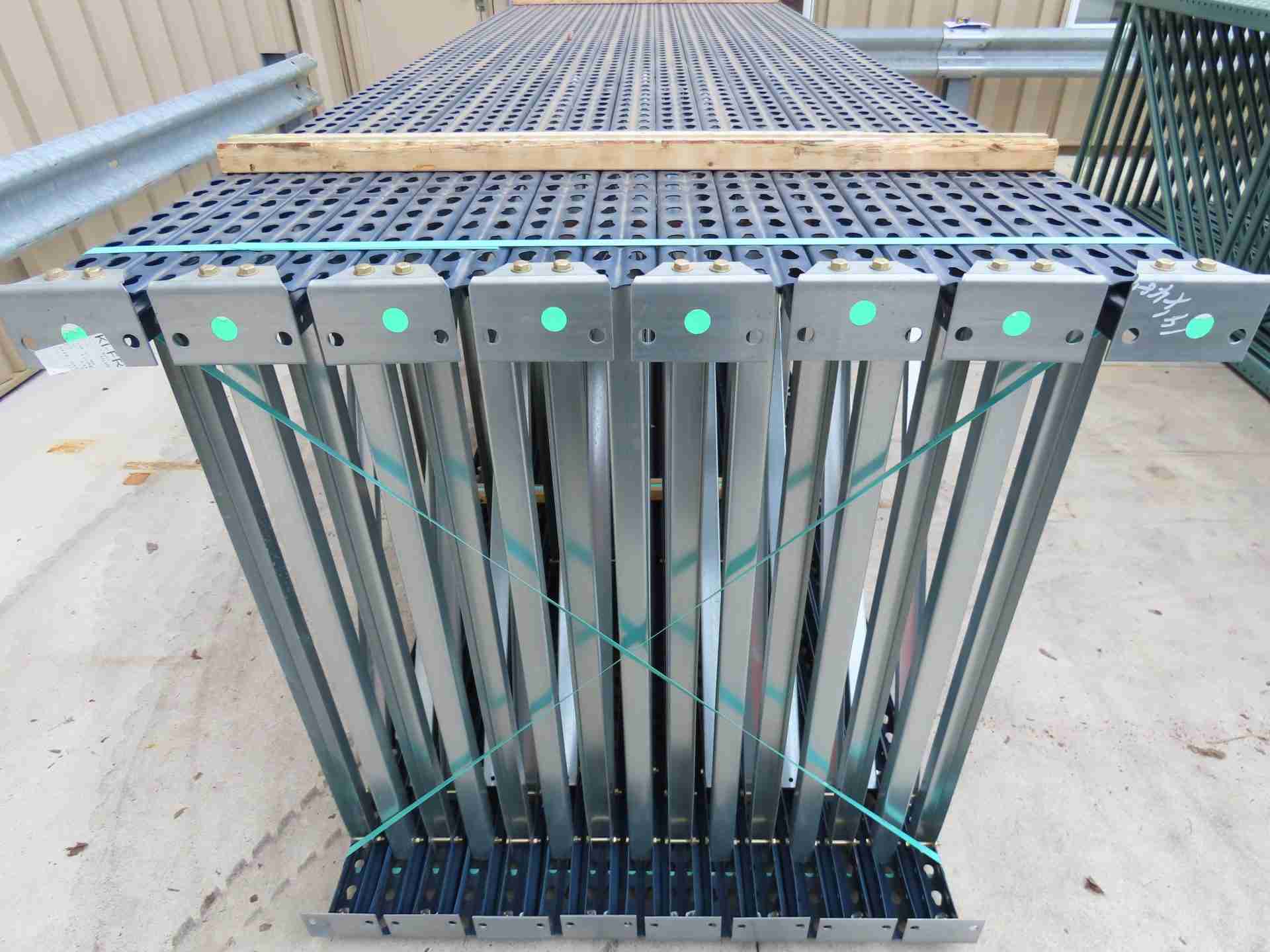
Glossary Of Terms
Other Questions
What Are The Pros and Cons Of Adjustable Cantilever Arms? – Other Questions
If you wish to explore and discover more, consider looking for answers to these questions:
- What is the typical lifespan of adjustable cantilever arms?
- How do adjustable cantilever arms affect safety in the workplace?
- Can adjustable cantilever arms be customized for specific industries?
- What is the best way to install adjustable cantilever arms?
- How do I ensure the correct load distribution on cantilever arms?
- What are the most common mistakes when using adjustable cantilever arms?
- How do adjustable cantilever arms compare in price to other storage solutions?
- What features should I look for in adjustable cantilever arms?
- Are there specific brands known for high-quality adjustable cantilever arms?
- Can I use adjustable cantilever arms outdoors?
- What are alternative solutions to adjustable cantilever arms?
- Do adjustable cantilever arms require special training for use?
- How do businesses measure the ROI of adjustable cantilever arms?
- Are there regulations governing the use of cantilever arms in certain industries?

Other Questions
Checklist
What Are The Pros and Cons Of Adjustable Cantilever Arms? – A Checklist
1. Identify Requirements
_____ Application: Define how you plan to use the cantilever arms (e. g. , manufacturing, retail display, office setup).
_____ Load Capacity: Evaluate the weight and type of materials or items that will be supported.
2. Evaluate Space and Installation
_____ Space Assessment: Measure dimensions of the area for installation, noting ceiling height and existing infrastructure.
_____ Installation Complexity: Determine if professional installation is necessary or if your in-house team can handle it.
3. Choose the Right Features
_____ Adjustability: Ensure the arms adequately adjust for height and angle based on your workflow needs.
_____ Durability: Select materials suited for your environment (e. g. , steel for strength, aluminum for lightweight needs).
4. Plan for Budgeting
_____ Initial Costs: Assess the purchase price range based on size and material options.
_____ Installation Fees: Account for labor costs if hiring professionals.
_____ Maintenance Expenses: Outline potential costs for routine maintenance and any necessary repairs.
5. Address Safety and Ergonomics
_____ Safety Protocols: Establish guidelines for load limits and ensure weight distribution to maintain safety.
_____ Ergonomic Benefits: Consider how adjustments will enhance employee comfort and productivity.
6. Maintenance Schedule
_____ Regular Inspections: Plan monthly checks for structural integrity and wear.
_____ Lubrication Routine: Schedule lubrication every six months or more frequently based on usage.
7. Training for Staff
_____ Proper Equipment Use: Provide training on how to adjust and utilize the cantilever arms effectively.
_____ Safety Awareness: Ensure all employees understand safety procedures related to adjustable arms.
8. Feedback and Adjustments
_____ Gather Feedback: Regularly solicit input from users about functionality and any issues arising from use.
_____ Make Adjustments: Be prepared to make operational changes based on user feedback and evolving needs.
9. Consider Long-term Adaptability
_____ Future Needs: Think about how the chosen cantilever arms can adapt to changing inventory or workspace requirements.
_____ Evaluate Performance: Continuously assess the efficiency of the cantilever arms in meeting workplace demands.
10. Document Everything
_____ Record Specifications: Keep detailed records of loads, adjustments made, maintenance performed, and any incidents.
_____ Review & Update Regularly: Set intervals to review the effectiveness of the adjustable cantilever arms and update procedures as necessary.
This checklist can serve as a comprehensive guide to help you navigate the process of selecting, implementing, and maintaining adjustable cantilever arms in your workspace.
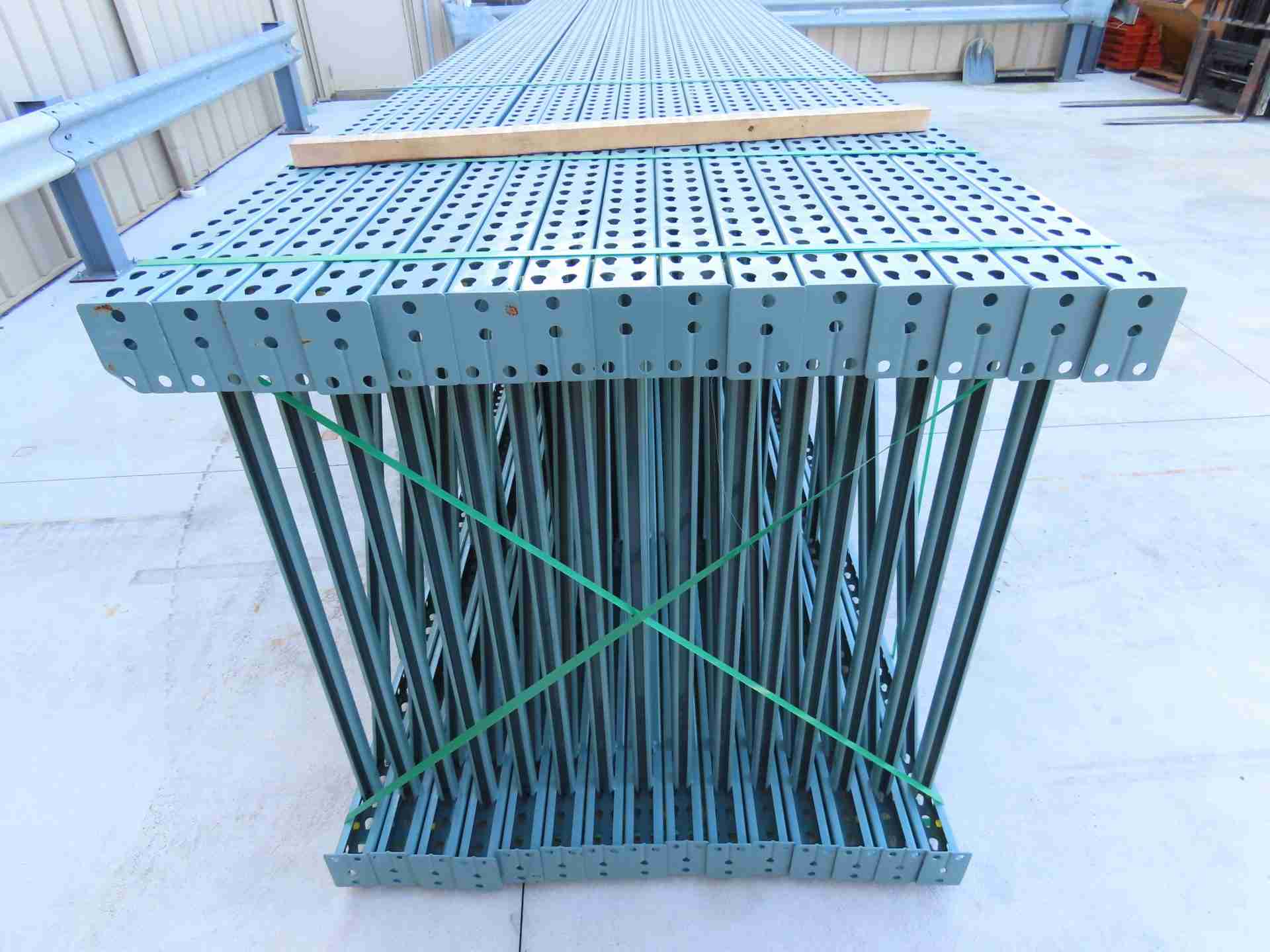
Checklist
At RackingWorld, we help guide you through selecting warehouse storage systems and racking.
Be sure to read our other related stories at RackingWorld to learn more about warehouse storage systems.
0 Comments