
Unlocking The Potential Of Cantilever Racking
By Tom Seest
At RackingWorld, we help guide you through selecting warehouse storage systems and racking.
Be sure to read our other related stories at RackingWorld to learn more about warehouse storage systems.
What’s The Future Of Cantilever Racking Technology?
As the landscape of warehouse management transforms at breakneck speed, the future of cantilever racking technology stands poised for breakthrough advancements that promise to redefine storage efficiency and productivity. With logistics giants racing to streamline operations, the emergence of innovative solutions is more essential than ever.
Imagine a warehouse equipped with smart cantilever racks—structures that not only hold heavy loads but also communicate with inventory management systems. These “smart racks” leverage IoT (Internet of Things) connectivity, enabling real-time monitoring of stock levels and conditions. Companies like Amazon are already leveraging this kind of technology to enhance their fulfillment capabilities. As these smart systems integrate with AI algorithms, decisions about reordering or relocating stock will be automated, saving time and reducing human error.
Moreover, advancements in materials science are leading to the development of lighter yet stronger materials for cantilever racks. These evolutionarily-designed racks can support heavier loads while occupying less space. For instance, the introduction of composite materials opens up a new realm of possibilities for industries dealing with dense loads, such as lumberyards or manufacturing plants.
In addition, sustainability is taking center stage. As businesses shift toward greener practices, expectations are rising for storage solutions to follow suit. Future cantilever racking systems will likely incorporate recycled and recyclable materials, and environmentally friendly coatings to minimize harmful emissions. For instance, several leading racking manufacturers are already experimenting with eco-friendly powder coatings that resist corrosion without harmful solvents—an initiative aligned with the growing focus on environmental responsibility.
To add a layer of versatility, new cantilever racking designs will likely include modular components that adjust to the evolving needs of an operation. Picture a racking system that can transform quickly—from storing long items, such as steel rods, to adapting for shorter products, with minimal physical intervention. This adaptability not only maximizes space but also allows businesses to pivot swiftly in a volatile market.
Lastly, consider the incorporation of augmented reality (AR) in training personnel to efficiently navigate highly complex cantilever racking systems. Companies that invest in AR technology can reduce training time and minimize operational hiccups, thus amplifying their ROI on storage solutions.
The future of cantilever racking technology is not just about storage; it’s about integrating innovation, sustainability, and adaptability into the core of warehouse management. This evolution will revolutionize how industries handle their inventory, making it an exciting time to invest in these systems for a competitive edge.
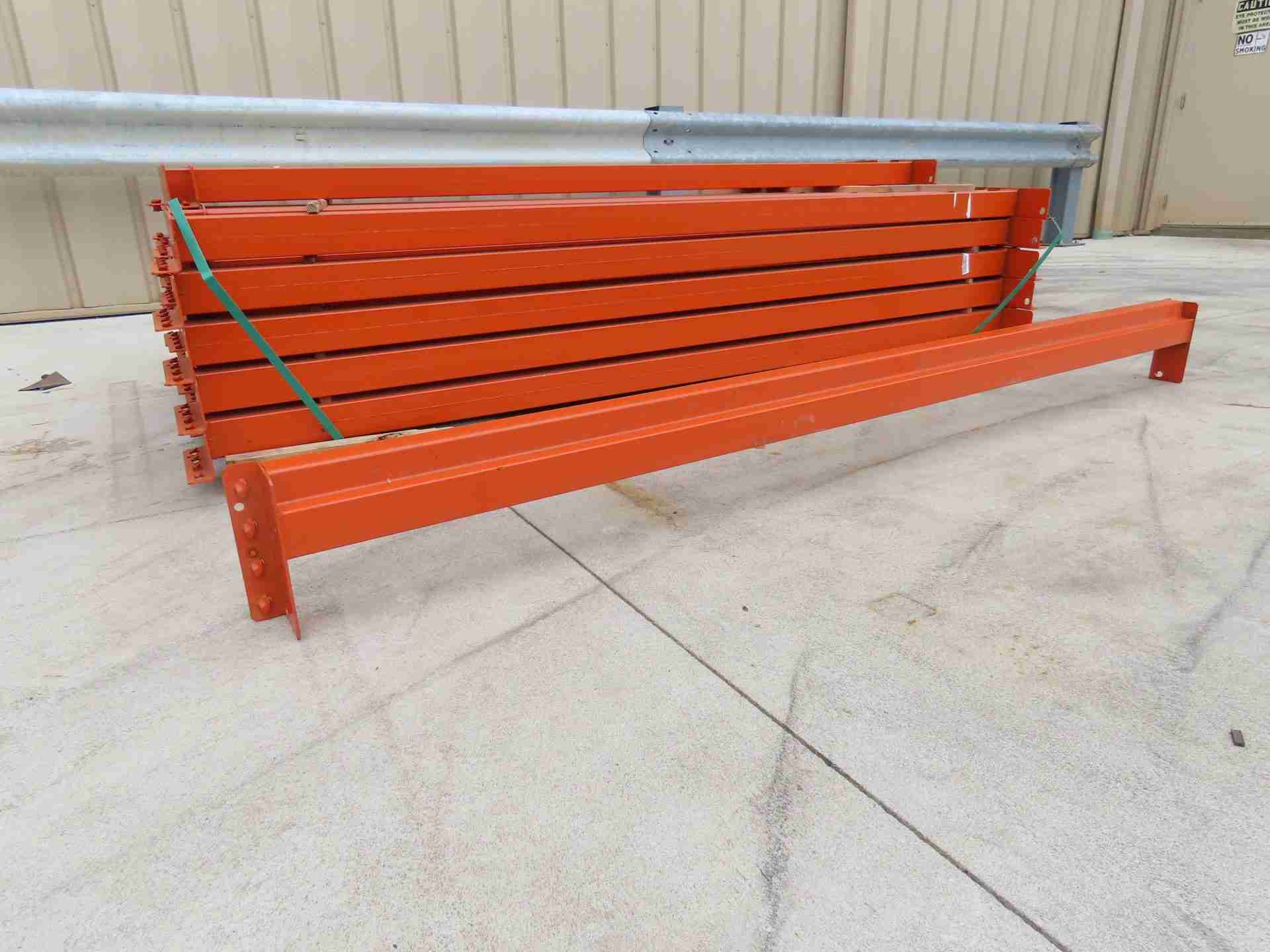
What’s The Future Of Cantilever Racking Technology?
What’s The Future Of Cantilever Racking Technology?
- The future of cantilever racking technology promises advancements in storage efficiency and productivity.
- Smart cantilever racks equipped with IoT connectivity enable real-time stock monitoring and integrate with AI for automated decision-making.
- Advancements in materials science lead to the development of lighter, stronger racks capable of supporting heavier loads while saving space.
- Sustainability is a priority, with future systems likely incorporating recycled materials and eco-friendly coatings to reduce emissions.
- Modular cantilever racking designs will allow for quick adjustments to meet changing operational needs and maximize space utilization.
- Augmented reality (AR) technology can improve personnel training for complex racking systems, reducing training time and enhancing operational efficiency.
- This evolution in cantilever racking technology integrates innovation, sustainability, and adaptability for a competitive edge in inventory management.
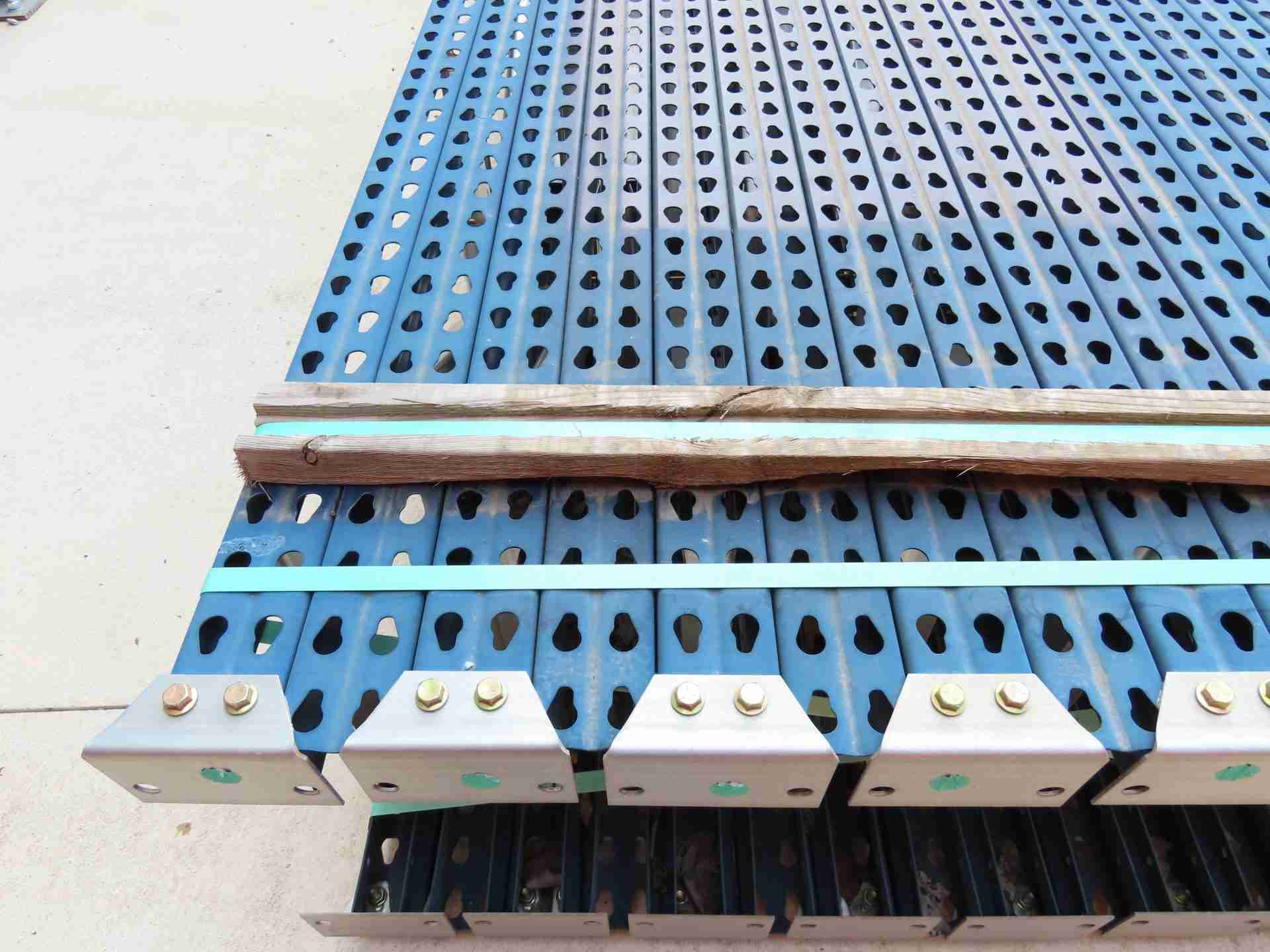
What’s The Future Of Cantilever Racking Technology?
Table Of Contents
- What’s The Future Of Cantilever Racking Technology?
- What Innovations Are Shaping Cantilever Racking Technology?
- How Can Cantilever Racking Improve Warehouse Efficiency?
- What Industries Benefit Most From Cantilever Racking?
- What Materials Are Used In Modern Cantilever Racking Systems?
- How Does Cantilever Racking Enhance Space Utilization?
- What Are The Safety Standards For Cantilever Racking Systems?
- What Role Does Automation Play In Cantilever Racking Solutions?
- How Can Cantilever Racking Systems Accommodate Heavy Loads?
- What Factors Influence The Lifespan Of Cantilever Racking?
- How Can Businesses Customize Cantilever Racking For Specific Needs?
- What Are The Environmental Impacts Of Cantilever Racking Systems?
- How Do Manufacturers Ensure The Quality Of Cantilever Racking?
- What Trends Should We Expect In Cantilever Racking Design?
- How Is Technology Advancing The Design Of Cantilever Racking?
- What Maintenance Is Required For Cantilever Racking Systems?
- Conclusion
- Other Resources
- Glossary Of Terms
- Other Questions
- Checklist
What Innovations Are Shaping Cantilever Racking Technology?
The world of storage solutions is rapidly evolving, and at the forefront of transformation is cantilever racking technology. These systems, designed for the efficient storage of long or bulky items, have witnessed significant innovations that are revolutionizing warehouse operations. Let’s explore some of the most impactful advancements shaping the future of cantilever racking.
Smart Technology Integration
In recent years, the integration of smart technology into cantilever racking systems has emerged as a game-changer. Companies are now embedding sensors and IoT devices within their racking solutions to monitor inventory levels in real time. Imagine having a racking system that not only holds your products but also keeps track of stock levels automatically. For instance, RFID technology allows for seamless inventory management, reducing human error and ensuring better stock accuracy. This not only streamlines operations but also helps companies make informed decisions about restocking and inventory turnover.
Modular Designs for Flexibility
As businesses need to quickly adapt to changing demands, modular cantilever racking designs are gaining traction. These systems can be easily customized and reconfigured to meet varying storage needs. For example, a lumber yard might shift its focus from selling construction materials to outdoor furniture, necessitating a different storage approach. Modular racking offers the flexibility to modify the layout without incurring high costs. In 2023, leading manufacturers are releasing modular designs that feature adjustable arms and interchangeable components, allowing for rapid adaptation in dynamic environments.
Enhanced Safety Features
Safety is a paramount concern in any warehouse setting. Recent innovations in cantilever racking focus on enhancing safety protocols to protect workers and products alike. New systems are incorporating features like anti-collapse mechanisms and load indicators that alert operators when weight limits are exceeded. This proactive approach to safety not only minimizes the risk of accidents but also leads to reduced liability for businesses. Additionally, advancements in materials and design help create more durable structures capable of withstanding heavier loads without compromising stability.
Sustainability Initiatives
In response to growing environmental concerns, manufacturers are introducing sustainable materials and production methods in cantilever racking operations. For instance, using recycled metals and environmentally friendly coatings not only meets regulatory standards but also appeals to consumers who prioritize eco-friendly practices. In 2023, companies showcasing sustainable cantilever racking solutions are seeing increased demand from businesses seeking to enhance their green credentials while efficiently utilizing space.
The innovations shaping cantilever racking technology are not just improvements—they are redefining how businesses approach storage and inventory management. With smart technology, flexibility, safety enhancements, and sustainability initiatives at the forefront, companies can expect to see substantial returns both in efficiency and cost-effectiveness. Embrace these changes today, and position your operations for success in an ever-evolving market.
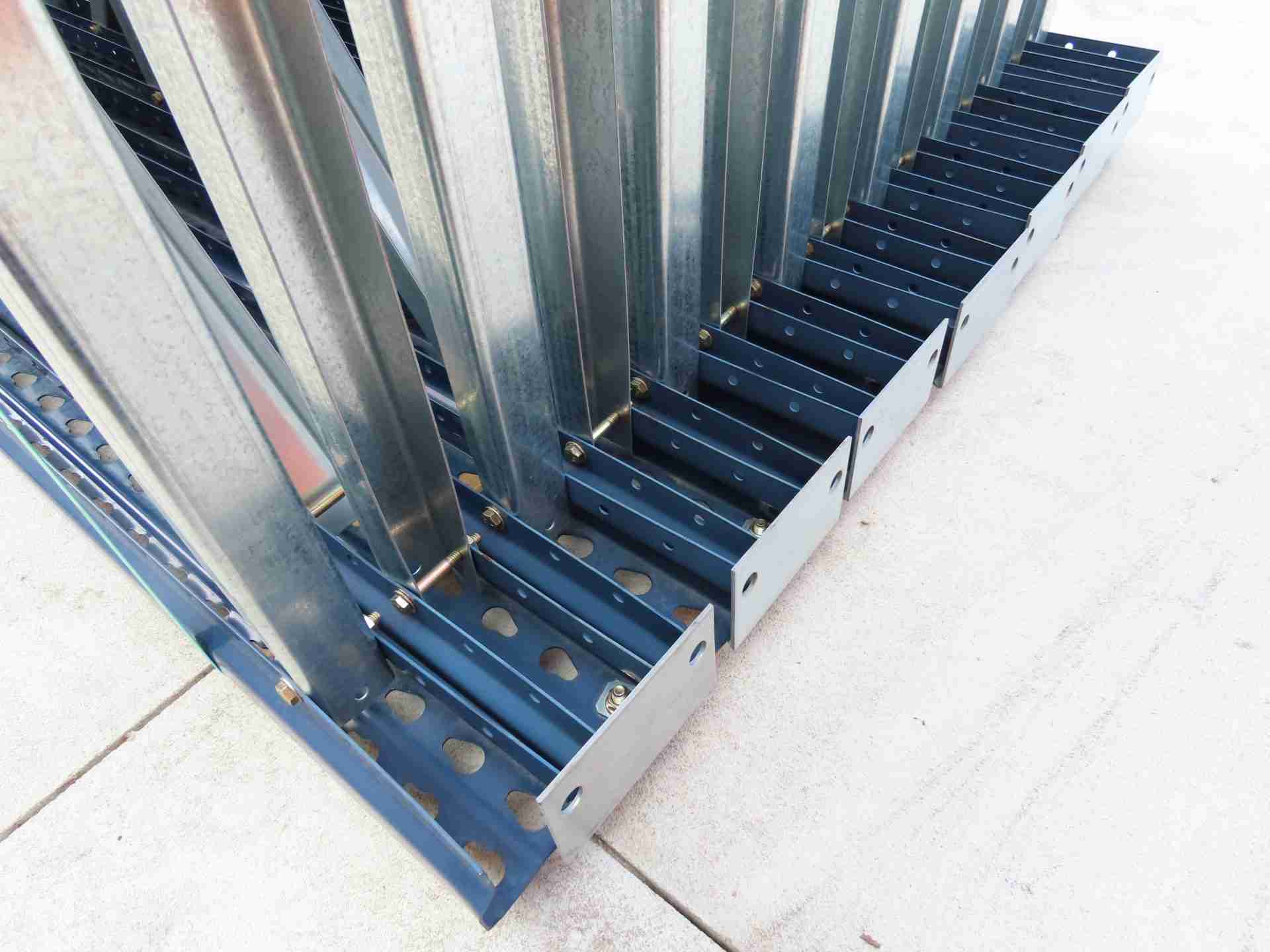
What Innovations Are Shaping Cantilever Racking Technology?
What Innovations Are Shaping Cantilever Racking Technology?
- Cantilever racking technology is transforming storage solutions for long or bulky items.
- Smart technology integration includes sensors and IoT devices for real-time inventory monitoring.
- Modular designs offer flexibility, allowing quick customization and reconfiguration of racking systems.
- Enhanced safety features, such as anti-collapse mechanisms and load indicators, prioritize worker and product safety.
- Sustainability initiatives involve using recycled materials and eco-friendly production methods.
- Innovations in cantilever racking redefine storage and inventory management approaches.
- Companies can improve efficiency and cost-effectiveness by embracing these advancements.
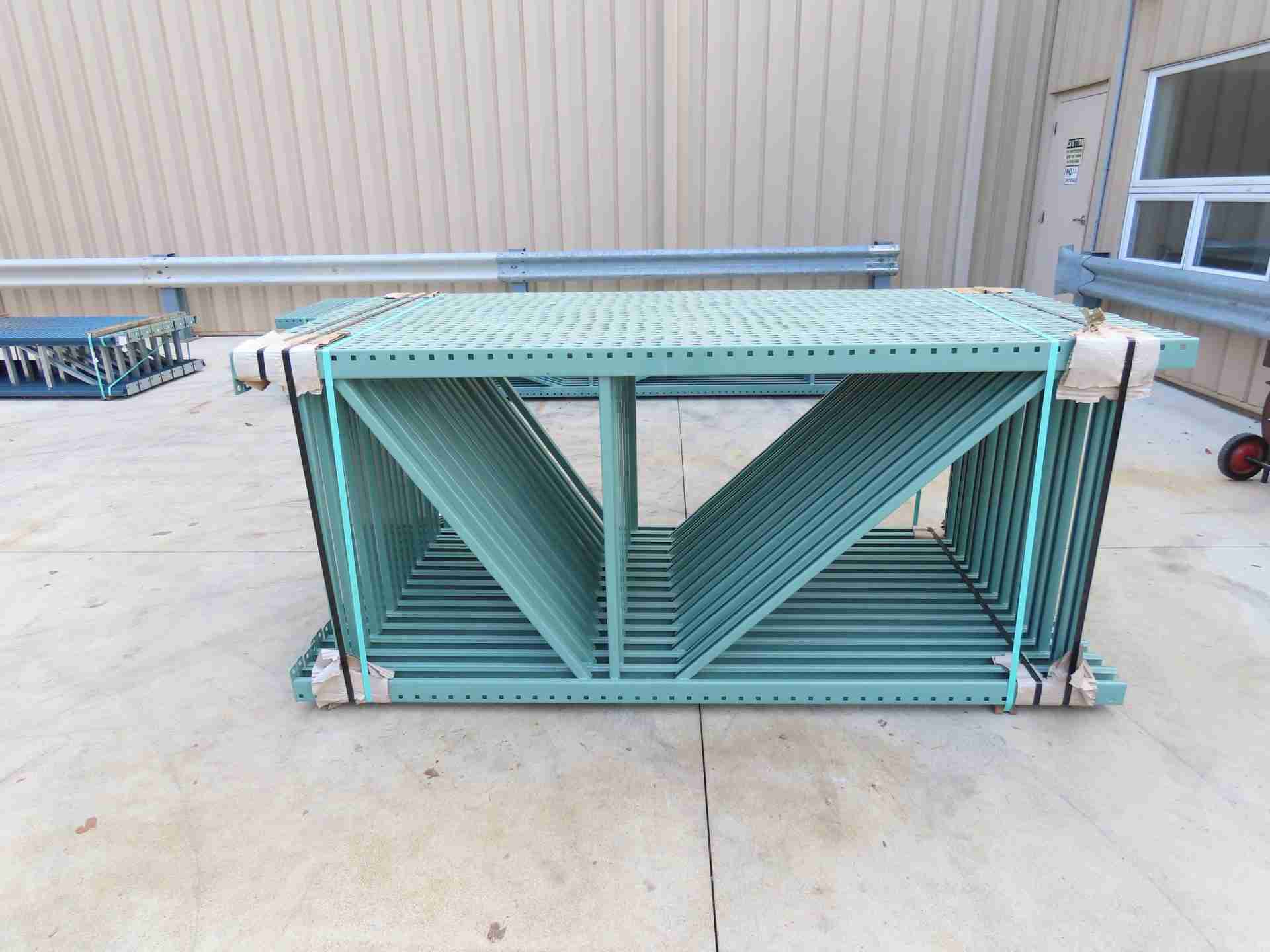
What Innovations Are Shaping Cantilever Racking Technology?
How Can Cantilever Racking Improve Warehouse Efficiency?
In today’s fast-paced supply chain environment, warehouse efficiency is not just a goal; it’s a necessity for survival. Enter cantilever racking—your secret weapon for maximizing space and minimizing clutter. Think of it as a charging bull in your inventory management arena, ready to propel your operations forward.
Cantilever racking systems are specifically designed to accommodate oversized, bulky items that traditional shelving systems struggle to handle. Imagine a furniture or lumber warehouse, steeped in a sea of wood planks, ladders, and heavy equipment. By utilizing cantilever racks, businesses can streamline their storage methods. The design allows for easier access and organization, freeing up floor space and enabling better workflow. This can lead to reduced search times and less labor required for retrieving goods, allowing your team to focus on higher-value tasks.
Take the recent supply chain disruptions caused by the pandemic—the need for adaptability has never been more apparent. Companies that were quick to implement flexible storage solutions, such as cantilever racking, managed to navigate these choppy waters with greater ease. For instance, a local hardware store that shifted to a cantilever racking system reported a nearly 30% increase in their inventory capacity. This change not only improved their stock organization but also enhanced their ability to respond to fluctuating demand.
But it’s not just about space; it’s about improving safety as well. Cantilever racking allows for better visibility, which significantly reduces the risk of accidents. When workers can see exactly what they’re handling, it diminishes the likelihood of mishaps, ultimately promoting a culture of safety in the workplace.
Moreover, with e-commerce continuing to assert its dominance in the market, businesses are finding that efficiency isn’t just good for the bottom line; it’s essential for their reputation. Companies that can swiftly fulfill orders are the ones that customers trust and return to. Cantilever racking systems facilitate quicker picking processes, thus improving order turnaround time—an absolute must in a world where overnight delivery is not just a perk, but an expectation.
The bottom line is this: if you want to elevate your warehouse operations from chaotic to efficient, embracing cantilever racking systems is a crucial step. With the right approach, you can create a structured, safer, and more productive environment that not only meets customer demands but exceeds their expectations. Don’t let your warehouse drag you down; let cantilever racking lift you higher and propel your business toward a more efficient future.
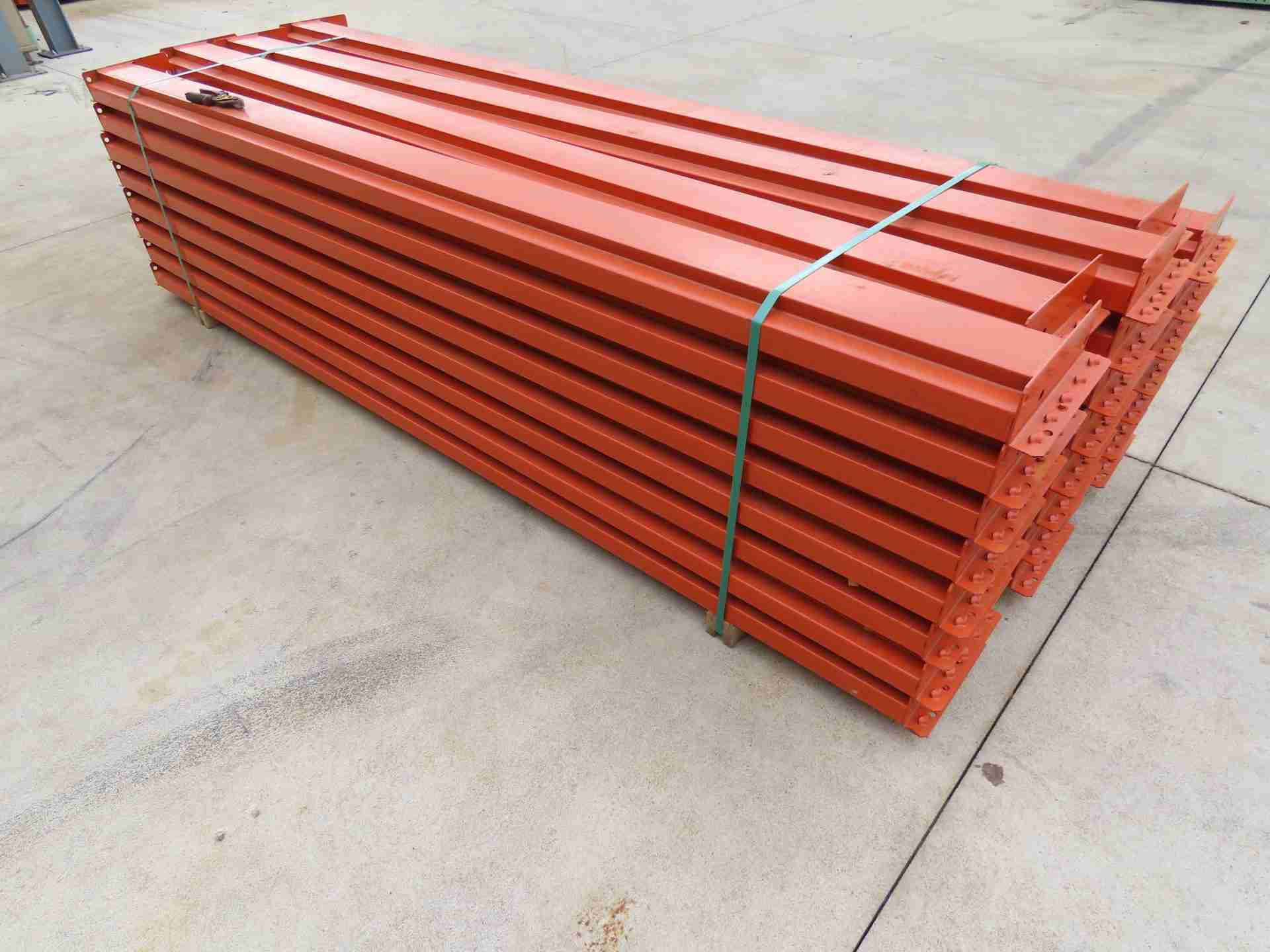
How Can Cantilever Racking Improve Warehouse Efficiency?
How Can Cantilever Racking Improve Warehouse Efficiency?
- Warehouse efficiency is essential for survival in today’s fast-paced supply chain environment.
- Cantilever racking maximizes space and minimizes clutter, especially for oversized items.
- This system allows for easier access and organization, improving workflow and reducing labor costs.
- Businesses that adopted cantilever racking during supply chain disruptions saw significant increases in inventory capacity.
- Cantilever racking enhances worker safety by improving visibility, thereby reducing the risk of accidents.
- With e-commerce growth, efficient order fulfillment through cantilever racking is critical for customer trust and satisfaction.
- Implementing cantilever racking can transform chaotic warehouse operations into a structured, safe, and productive environment.
How Can Cantilever Racking Improve Warehouse Efficiency?
What Industries Benefit Most From Cantilever Racking?
In today’s fast-paced world, businesses need dynamic solutions that can adapt to their growing inventory demands without compromising efficiency. Cantilever racking stands as a pillar of innovation in storage systems, favored by a variety of industries that require robust, space-saving solutions. Let’s delve into which sectors reap the most rewards from this versatile shelving system.
Lumber and Construction Materials
When you think about cantilever racking, the lumber industry immediately springs to mind. With its ability to handle long, heavy items like timber and sheet goods, cantilever racks maximize vertical space while providing easy access. As current housing demands surge, driven by low-interest rates and increased home building projects, lumber suppliers are opting for this solution to streamline operations. Companies like Weyerhaeuser are streamlining their logistics using cantilever racks to manage bulk inventory efficiently.
Manufacturing
Manufacturing is evolving. As production schedules tighten and inventory levels fluctuate, so too does the need for flexible storage solutions. Cantilever racking systems allow manufacturers to store everything from steel and plastic components to finished goods and oversized items in a way that simplifies the workflow. Industry giants are leveraging this technology to optimize production lines and reduce clutter, enabling smoother processes and faster turnaround times.
Retail and Distribution
The retail landscape is shifting dramatically, particularly in the wake of the e-commerce boom. Retailers and distributors are required to manage eye-catching displays while maximizing warehouse space. Cantilever racking enables retailers to showcase long items such as carpets, pipes, and even seasonal merchandise without sacrificing valuable floor space. For instance, major home improvement stores are increasingly adopting cantilever systems to highlight their diverse product offerings, working in tandem with current trends towards more organized, visually appealing environments.
Automotive Parts and Supplies
The automotive industry flourishes on reliability and efficiency—and cantilever racking delivers just that. Auto parts suppliers often deal with a range of components, some quite long and bulky. By using cantilever racks, they can ensure that every part is both visible and accessible, which helps reduce order picking times and lowers the risk of work-related injuries. As electric vehicle adoption rises, suppliers are adapting their warehouses accordingly by implementing cantilever systems, facilitating improved handling of specialized parts.
If you’re exploring ways to elevate your business operations, consider how cantilever racking can cater to your industry-specific needs. With increasing pressures from evolving market dynamics, adopting innovative storage solutions isn’t just smart; it’s essential for thriving in today’s competitive landscape.
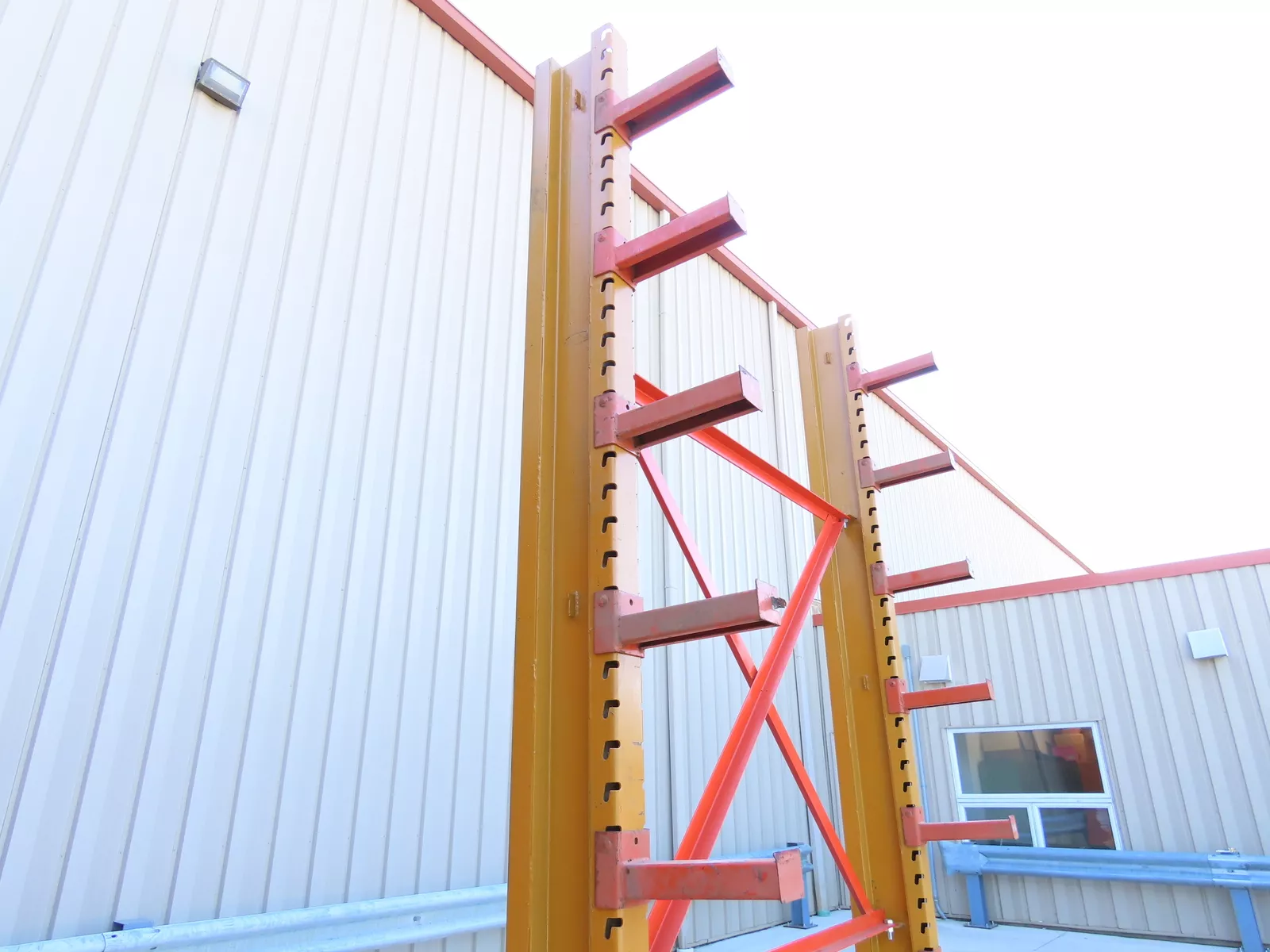
What Industries Benefit Most From Cantilever Racking?
What Industries Benefit Most From Cantilever Racking?
- Businesses require dynamic solutions to adapt to growing inventory demands without sacrificing efficiency.
- Cantilever racking is an innovative storage system widely adopted across various industries.
- Lumber and construction industries benefit by efficiently handling long, heavy items while maximizing vertical space.
- Manufacturing sectors leverage cantilever racks to store diverse materials, enhancing workflow and production efficiency.
- Retailers utilize cantilever systems to manage warehouse space and showcase long items while creating organized environments.
- The automotive industry relies on cantilever racking for easy access to parts, reducing order picking times and improving safety.
- Adopting cantilever racking can elevate business operations and is essential for thriving in today’s competitive landscape.

What Industries Benefit Most From Cantilever Racking?
What Materials Are Used In Modern Cantilever Racking Systems?
In the fast-paced world of warehousing and distribution, the right racking system can transform your storage efficiency. Among the top choices is the cantilever racking system, known for its ability to maximize vertical space and handle a variety of materials. But what exactly goes into these robust systems? The materials selected for modern cantilever racks aren’t just chosen at random; they are meticulously engineered to meet industry demands and ensure longevity.
1. Steel: The Backbone of Strength
At the core of any cantilever racking system is its structural framework, which is predominantly made from high-grade steel. This material offers exceptional tensile strength, durability, and resistance to wear and tear. Steel’s inherent properties make it the ideal choice for heavy-duty applications, accommodating heavy loads and helping prevent rack failure. For example, warehouses storing large furniture or steel pipes benefit from cantilever racks made from structural steel, which can handle the weight while remaining stable and secure.
Current supply chain challenges have led to rising prices and a focus on quality in construction materials. Companies are now more inclined to invest in robust steel cantilever racks that promise reliability, especially in high-demand sectors like eCommerce and manufacturing. A good example is Amazon, which has implemented advanced warehousing techniques using cantilever racks to streamline their operations effectively.
2. Powder Coating: Enhancing Durability and Aesthetics
Beyond structural components, cantilever racks often receive a powder-coated finish to enhance their resilience against rust, corrosion, and damage. This finish not only keeps the racks looking pristine, enhancing your warehouse’s professional appearance, but it also extends their lifespan, particularly in environments prone to humidity or spills. Many companies are now prioritizing colorful, powder-coated finishes that can also help in identifying sections of storage – a marketing boon that makes your warehouse visually appealing!
3. Accessories: The Right Add-ons for Optimal Performance
Modern cantilever racks often come with a variety of accessories made from durable materials such as rubber among others, to optimize performance. For instance, adjustable arms, safety braces, and end stops can all contribute to a more efficient storage system, allowing customizable configurations based on the types of materials stored.
As you consider your options for cantilever racking, it’s essential to remember that the right materials not only affect the initial investment but can significantly impact long-term operational efficiency. Investing in high-quality, modern materials may carry a higher up-front cost, but the savings realized from reduced maintenance, enhanced safety, and improved workflow make it a savvy choice for any business looking to thrive in today’s competitive landscape.
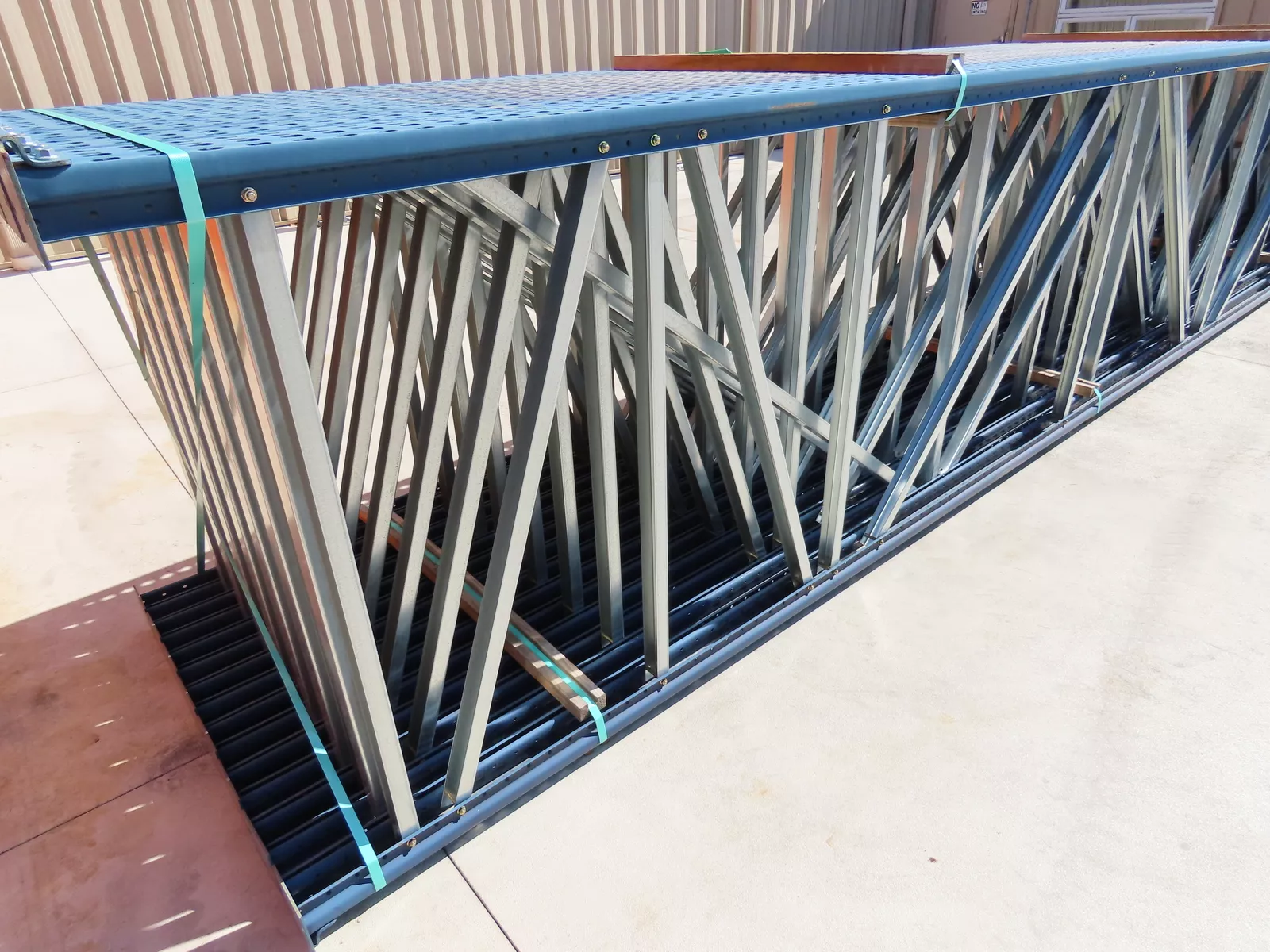
What Materials Are Used In Modern Cantilever Racking Systems?
What Materials Are Used In Modern Cantilever Racking Systems?
- Cantilever racking systems enhance storage efficiency by maximizing vertical space and handling various materials.
- High-grade steel forms the structural framework, ensuring strength, durability, and resistance to heavy loads.
- Steel cantilever racks are particularly beneficial for industries like eCommerce and manufacturing, exemplified by companies like Amazon.
- Powder coating on cantilever racks prevents rust and corrosion while improving aesthetics and lifespan.
- Colorful powder-coated finishes enhance visual appeal and can aid in organizing storage sections effectively.
- Accessories such as adjustable arms and safety braces optimize the performance of cantilever racks.
- Investing in high-quality materials leads to long-term savings through reduced maintenance and improved operational efficiency.
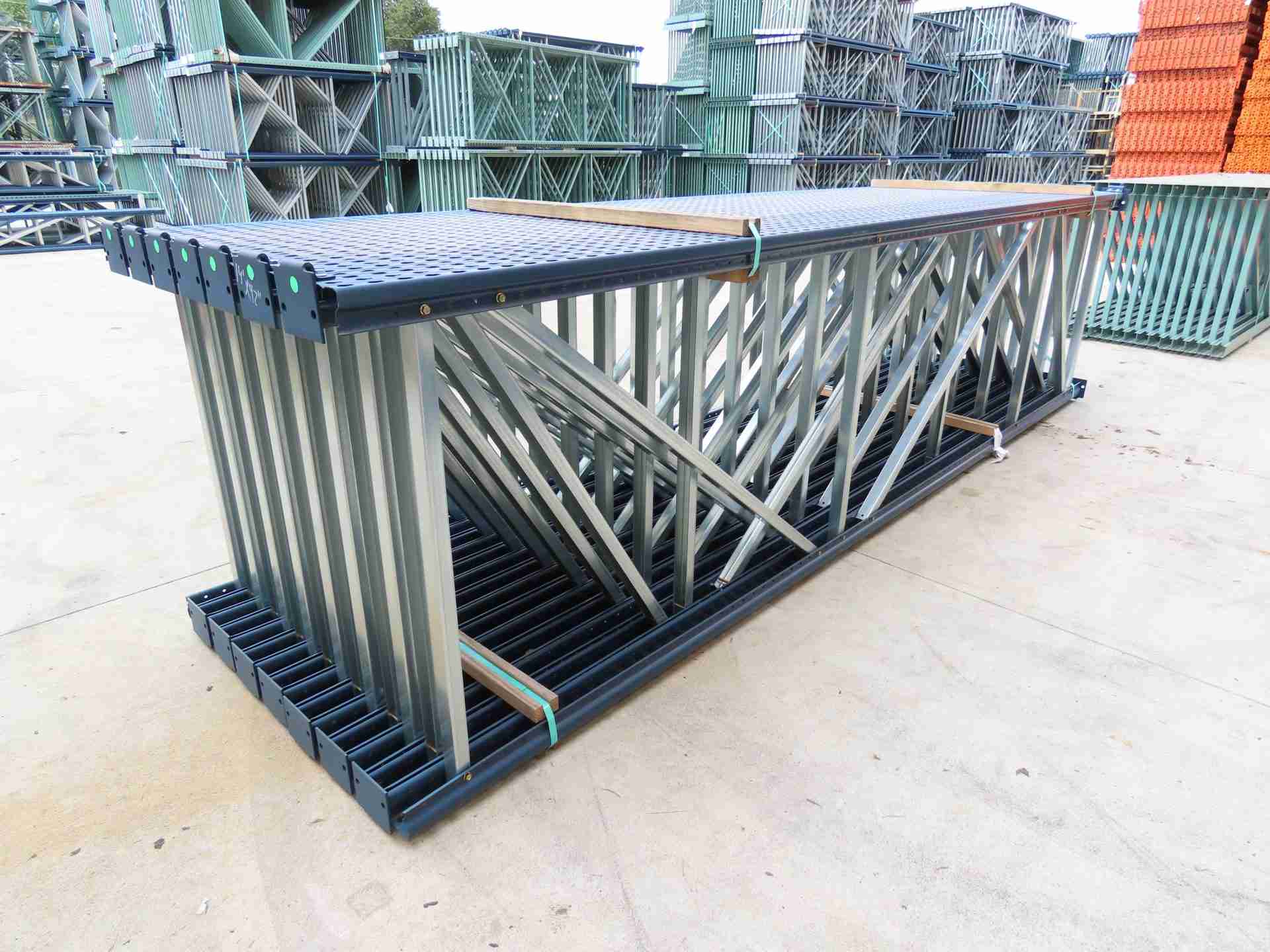
What Materials Are Used In Modern Cantilever Racking Systems?
How Does Cantilever Racking Enhance Space Utilization?
In an age where maximizing every inch of warehouse space is paramount, cantilever racking emerges as the quintessential solution for businesses striving to improve efficiency and optimize inventory management. This innovative storage system, designed with protruding arms extending horizontally, allows for the seamless storage of long, bulky, or irregularly shaped items—think pipes, lumber, or furniture. It is a transformative answer to the age-old logistics dilemma: How can you do more with less?
Consider a lumber yard facing the challenge of accommodating varying lengths of timber. Traditional racking systems often fall short, leading to disorganized stacks and inefficient space usage. By integrating cantilever racking, a lumber yard can easily store planks of all sizes without the limitations imposed by fixed shelving. This adjustment not only enhances accessibility but also increases capacity—opening the door to a more streamlined, profitable operation.
Moreover, the continued rise of e-commerce has intensified the competition, pushing businesses to rethink their warehousing strategies. As online retailers strive to deliver on quick turnaround times, an organized and space-efficient warehouse becomes crucial. The scalability of cantilever racking allows companies to adapt swiftly, adjusting their storage solutions in tandem with market demand. For instance, during peak seasons like holiday shopping, businesses can easily add more cantilever racks to cope with increased inventory levels, effectively turning a once-congested space into a well-oiled storage machine.
Now, let’s turn our attention to some real-world examples. Companies like Home Depot and Lowe’s have embraced cantilever racking not just for lumber, but for their extensive inventory of lawn and garden supplies. This allows them to keep their aisles clean, accessible, and aligned with consumer expectations. By utilizing vertical space, these retailers can showcase more products effectively, improving visibility and encouraging impulse buys.
In recent months, as supply chain disruptions continue to reshape markets globally, having an adaptable storage solution is more relevant than ever. Amid rising costs and inventory shortages, cantilever racking offers businesses both agility and resilience. By rethinking how inventory is stored, companies can better respond to unpredictable market changes, streamline operations, and ultimately boost their bottom line.
As space becomes a scarce commodity in warehouses everywhere, the smart move is to invest in cantilever racking systems. They not only elevate efficiency but also empower your business to excel in an increasingly competitive landscape. Don’t settle for less—transform your space today!
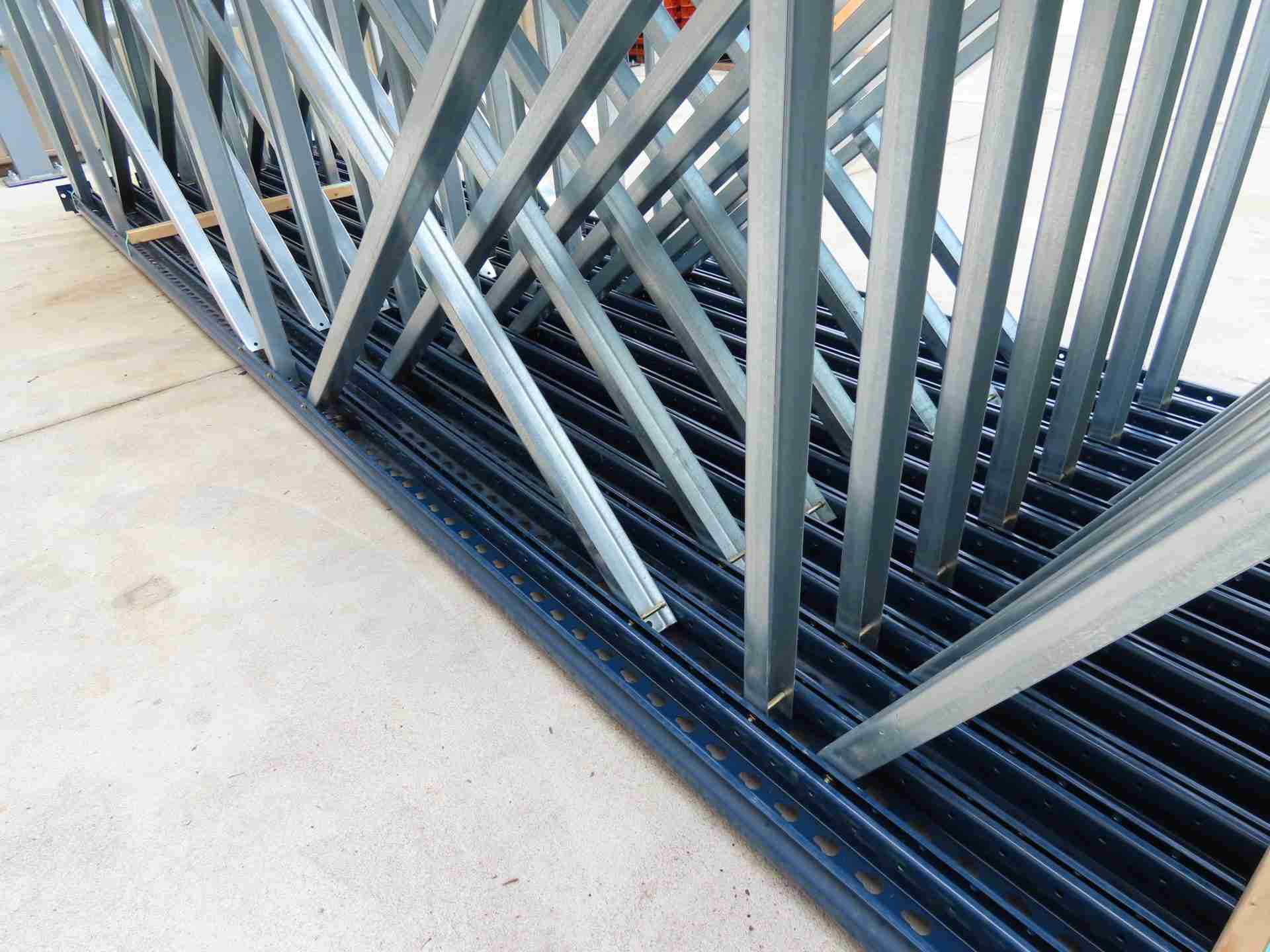
How Does Cantilever Racking Enhance Space Utilization?
How Does Cantilever Racking Enhance Space Utilization?
- Cantilever racking is essential for maximizing warehouse space and improving efficiency in inventory management.
- This system features horizontal protruding arms, ideal for storing long or irregularly shaped items such as pipes and lumber.
- In lumber yards, cantilever racking allows flexible storage of various timber lengths, enhancing accessibility and increasing capacity.
- The rise of e-commerce demands organized and efficient warehousing, where cantilever racking offers scalable solutions for fluctuating inventory needs.
- Retailers like Home Depot and Lowe’s utilize cantilever racking to maintain clean, accessible aisles and showcase more products effectively.
- Cantilever racking provides agility and resilience amid supply chain disruptions, helping businesses adapt to market changes.
- Investing in cantilever racking systems boosts operational efficiency and positions companies for success in a competitive market.
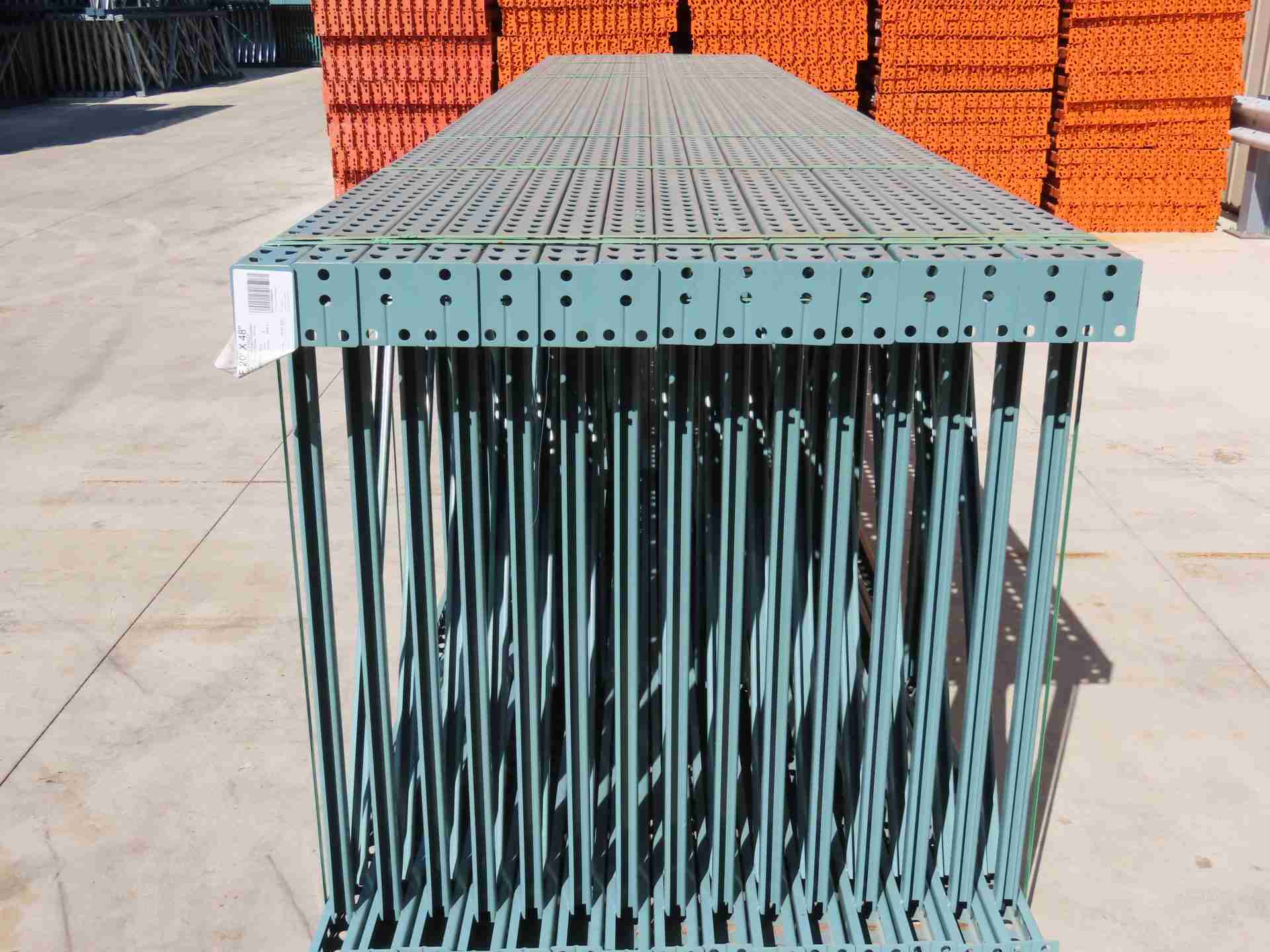
How Does Cantilever Racking Enhance Space Utilization?
What Are The Safety Standards For Cantilever Racking Systems?
When it comes to managing warehouse space efficiently, cantilever racking systems stand out as a practical solution for storing long, bulky items. However, alongside their innovative design, safety should always be at the forefront. Implementation of rigorous safety standards is not merely an option; it is a necessity.
One of the most recognized bodies setting these safety standards is the American National Standards Institute (ANSI). Their guidelines, specifically ANSI MH16.1, outline critical specifications for cantilever racks, including load capacity, durability, and assembly requirements. For example, manufacturers must conduct load tests to ensure that their racks can withstand heavy weights without compromising stability. Failure to adhere to these standards can lead to catastrophic failures—an issue underscored by recent warehouse accidents that made headlines, illustrating the dire consequences of shortcuts in safety practices.
In addition to ANSI, the Occupational Safety and Health Administration (OSHA) has established requirements that businesses must follow to ensure a safe working environment. OSHA mandates regular inspections and maintenance of racking systems, emphasizing the importance of addressing any signs of wear or damage. Companies that ignore these standards not only risk the safety of their employees but also open themselves to potential legal and financial repercussions.
Beyond regulatory standards, it’s crucial to consider best practices in the workplace. Training staff on how to load and unload cantilever racks properly can drastically reduce accidents. For instance, improper loading techniques are a leading cause of rack failure. By ensuring that employees are well-educated about weight distribution and the limits of the racking system, companies can create a safer, more productive environment.
Furthermore, innovative technologies have emerged, such as warehouse management systems (WMS) that integrate safety protocols. These systems not only track inventory but also monitor the conditions of racking systems, alerting management to potential hazards before they escalate.
Investing in high-quality cantilever racking is wise for every business needing efficient storage, but don’t overlook the significance of superior safety standards. By adhering to these guidelines and continually educating your workforce, you’re not just protecting your bottom line; you’re fostering a culture of safety and responsibility. Think about it: no one goes into business to face lawsuits or injuries. So why take the risk? Ensure your cantilever racking systems meet all safety standards, and set your business up for sustainable success. Remember, safety isn’t just a compliance issue—it’s a competitive advantage.
What Are The Safety Standards For Cantilever Racking Systems?
What Are The Safety Standards For Cantilever Racking Systems?
- Cantilever racking systems are effective for storing long and bulky items while prioritizing safety.
- The American National Standards Institute (ANSI) sets vital safety standards, particularly ANSI MH16.1, for cantilever racks.
- Manufacturers must conduct load tests to ensure racks can support heavy weights without compromising stability.
- The Occupational Safety and Health Administration (OSHA) requires regular inspections and maintenance of racking systems.
- Proper staff training on loading techniques is essential to reduce accidents and ensure safety in warehouses.
- Innovative technologies like warehouse management systems (WMS) enhance safety by monitoring racking conditions.
- Investing in high-quality cantilever racking while adhering to safety standards promotes a culture of safety and avoids legal issues.
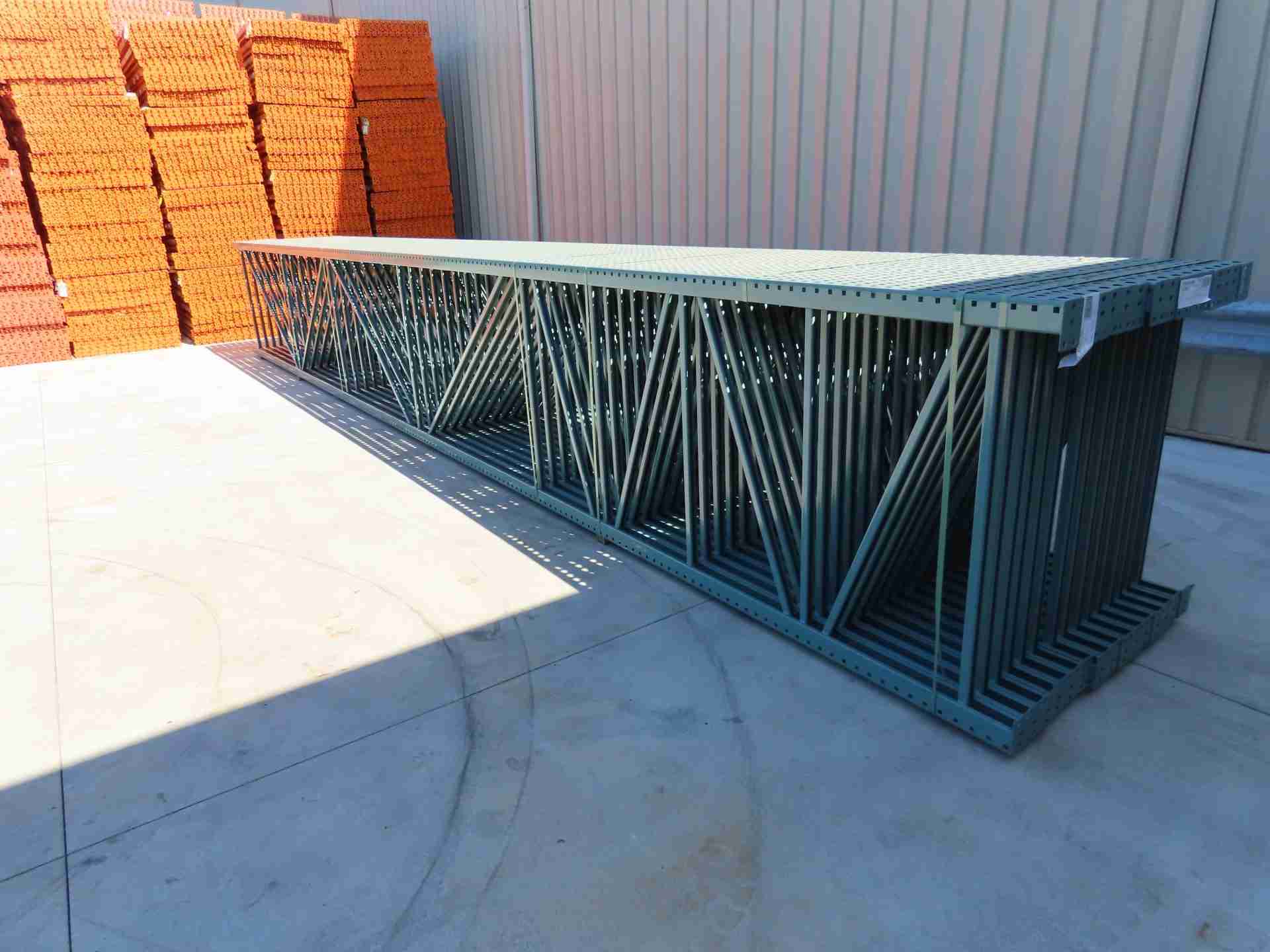
What Are The Safety Standards For Cantilever Racking Systems?
What Role Does Automation Play In Cantilever Racking Solutions?
As businesses pivot towards efficiency and adaptability, automation in industrial storage solutions, particularly in cantilever racking systems, is becoming more significant than ever. In a world where speed and precision dictate success, integrating automation into your warehousing operations is no longer optional—it’s essential.
Imagine a large distribution center filled with bulky items, from lumber to heavy machinery. The manual handling of these goods can lead to inefficiencies, increased labor costs, and potential safety hazards. Enter automation: with automated cantilever racking solutions, businesses can significantly reduce the time it takes to store and retrieve items. For example, automated guided vehicles (AGVs) can seamlessly navigate through aisles, automatically accessing and relocating items without human intervention. This not only speeds up operations but also minimizes the risk of accidents on the warehouse floor.
Current trends highlight a surge in e-commerce demands that necessitate more sophisticated storage solutions. In sectors like retail and logistics, companies like Amazon are investing heavily in automated warehouses to keep pace with consumer expectations. Their use of advanced robotics in cantilever racking allows for rapid inventory turnover, enabling them to fulfill orders in record time. This growing trend is a clear signal: companies that fail to embrace these modern solutions risk falling behind.
Moreover, automation enhances inventory management. With integrated warehouse management systems (WMS), businesses can track their stock levels in real-time. Imagine having up-to-the-minute data on every item in your cantilever racking system, allowing for better demand forecasting and stock replenishment decisions. A leading beverage distributor recently implemented an automated system that reduced their excess inventory by 30%, freeing up valuable capital and space for new products.
But automation isn’t solely about speed and efficiency; it also boosts accuracy. Manual errors in shipping and inventory management can cost a business dearly. In a cantilever racking system utilizing automated solutions, barcode scanning and RFID technology ensure that each item is accounted for—reducing discrepancies and improving overall operational reliability.
In summary, automation in cantilever racking solutions is an investment for businesses that aspire to lead in their industries. It enhances speed, accuracy, and efficiency, providing a competitive edge in a rapidly evolving market landscape. As the industry moves forward, those leveraging the power of automation will not just survive; they’ll thrive. Don’t wait for the future; embrace it today, and watch your operational capabilities soar.
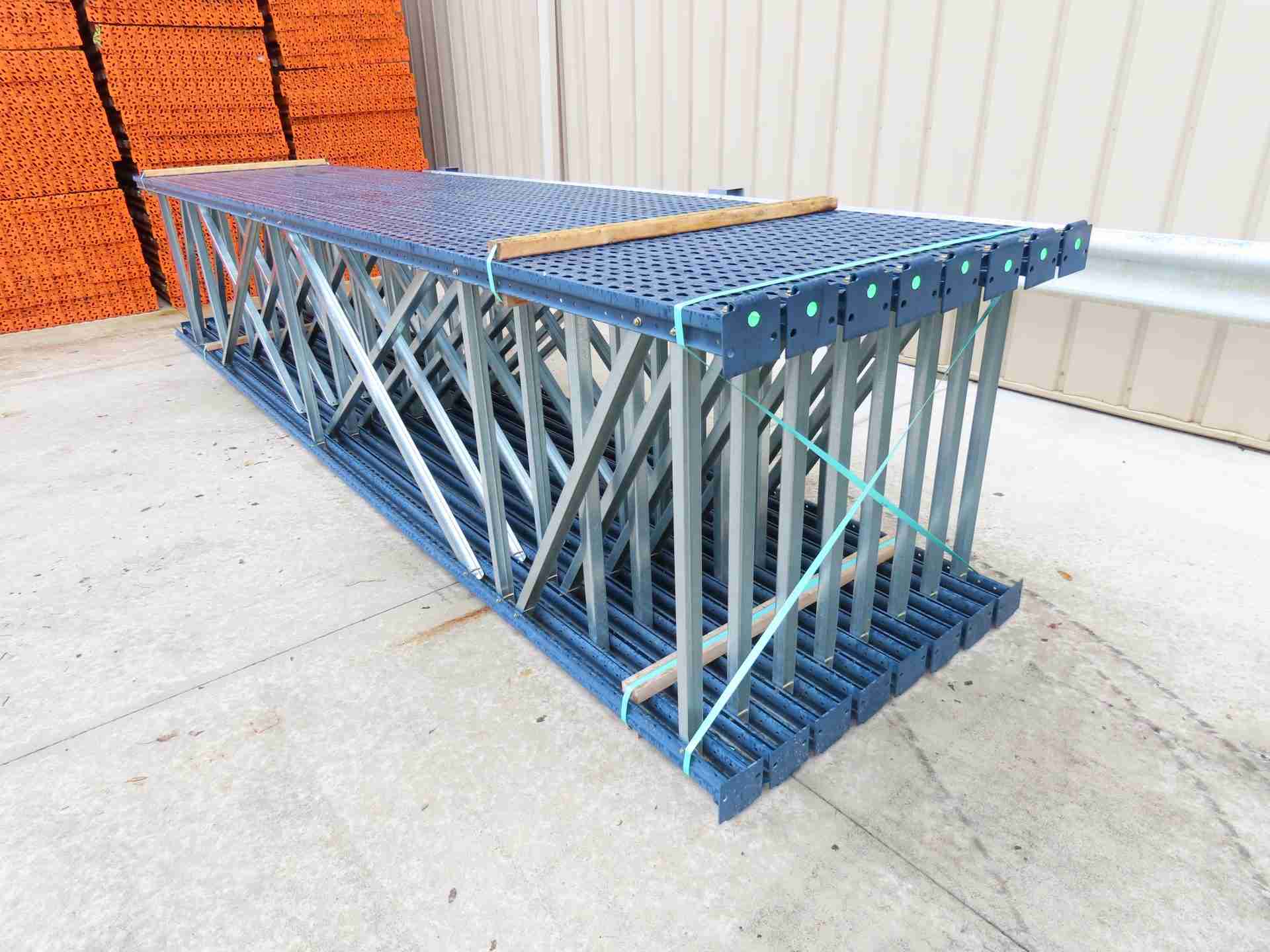
What Role Does Automation Play In Cantilever Racking Solutions?
What Role Does Automation Play In Cantilever Racking Solutions?
- Automation in industrial storage solutions, especially cantilever racking systems, is essential for business efficiency and adaptability.
- Manual handling of bulky items leads to inefficiencies, increased labor costs, and safety hazards, making automation crucial.
- Automated guided vehicles (AGVs) improve storage and retrieval speeds while minimizing accidents on the warehouse floor.
- A surge in e-commerce demands requires sophisticated storage solutions, driving companies like Amazon to invest in automated warehouses.
- Automation enhances inventory management through real-time tracking, improving demand forecasting and stock replenishment.
- Automated solutions reduce manual errors in shipping and inventory management, ensuring better accuracy with barcode scanning and RFID technology.
- Investing in automation provides a competitive edge, enabling businesses to thrive in a rapidly evolving market landscape.
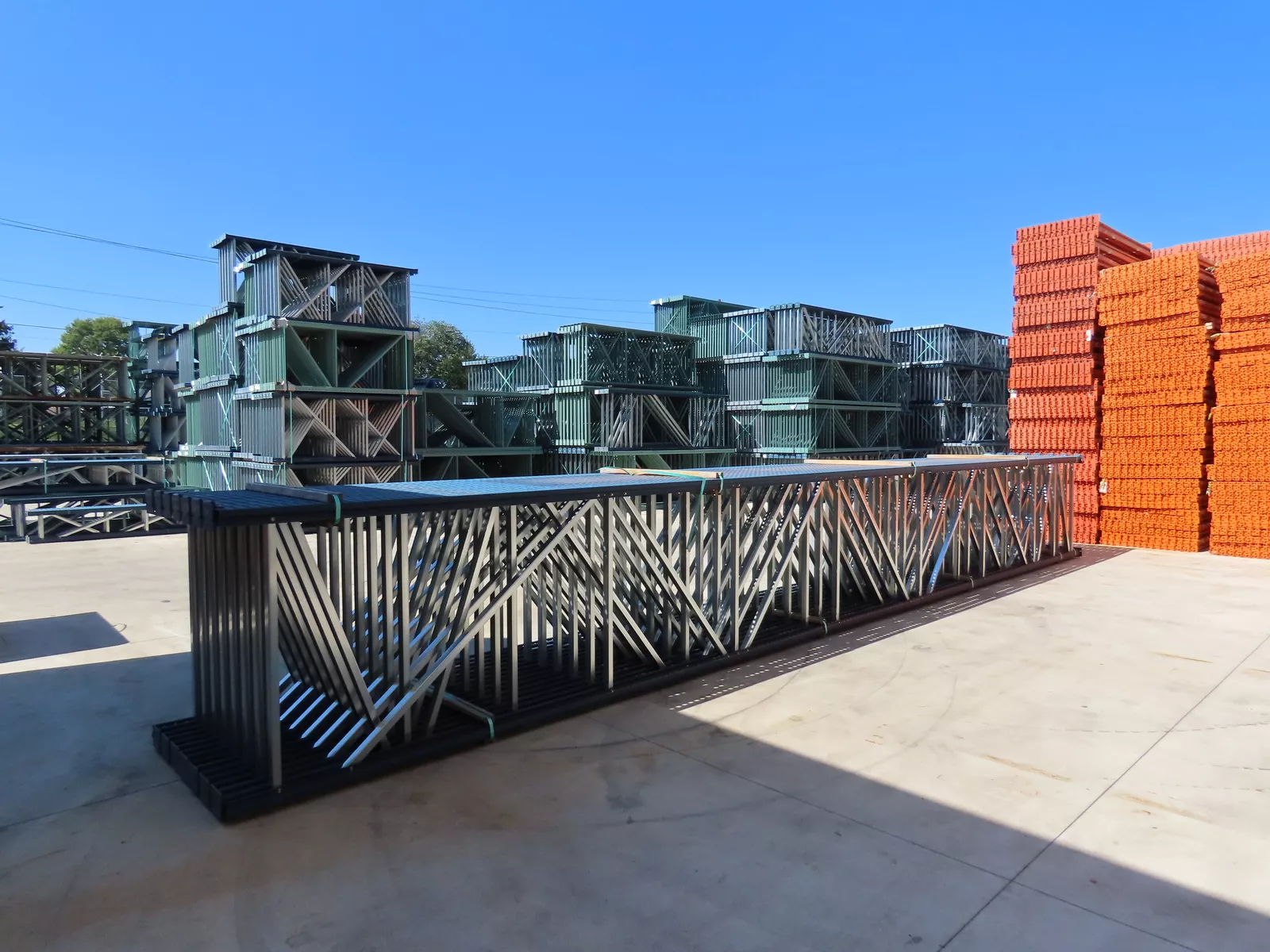
What Role Does Automation Play In Cantilever Racking Solutions?
How Can Cantilever Racking Systems Accommodate Heavy Loads?
In today’s fast-paced and demanding marketplace, the ability to efficiently handle heavy loads is a critical driver of success for warehouses and distribution centers. Enter cantilever racking systems, the unsung hero of material handling that not only meets but exceeds the expectations of modern logistics operations.
Cantilever racking systems are purpose-built for the storage of long and heavy items like lumber, steel tubing, and heavy machinery. Their unique design—comprised of upright columns and horizontal arms—creates a structurally robust framework that supports significant weights while optimizing accessibility. This ensures that goods not only remain safe but also readily available for your workforce.
Imagine a construction materials supplier dealing with the surge in demand for building materials due to the recent housing market boom. With cantilever racking, they can maximize vertical space, stacking heavy timber or pipes efficiently. Traditional pallet racks would struggle under the weight of these cumbersome materials, leading to safety issues and time-consuming retrieval processes. By utilizing cantilever racking, this supplier can accommodate diverse inventory while increasing productivity, boosting their bottom line in a booming economy.
Moreover, the versatility of cantilever racking makes it an attractive option during rapidly changing supply chain scenarios—a sentiment echoed in recent reports about ongoing challenges in global logistics. Companies are increasingly forced to adapt to fluctuations in inventory requirements quickly. The adjustable nature of cantilever racking allows businesses to customize their storage solutions easily. By simply altering the height or configuration of the arms, warehouse managers can shift from storing lighter items to accommodating heavier loads without a complete overhaul of their systems.
Safety also deserves a spotlight here. The construction of cantilever racking incorporates enhanced stability features that protect both products and personnel. Reinforced columns and arms distribute weight evenly, minimizing the risk of collapse. Recent trends towards stricter safety regulations in warehouses accentuate the need for reliable storage systems. Companies that prioritize a safe working environment can benefit significantly from investing in cantilever racking, effectively reducing the potential for costly accidents.
As market demands ebb and flow, forward-thinking businesses must adopt innovative storage solutions. Cantilever racking systems provide the strength, adaptability, and safety required to meet heavy load requirements while optimizing operational efficiency. Investing in these systems isn’t just a logistical choice; it’s a strategic move towards future-proofing your business against the uncertainties of the market. Don’t just store your heavy inventory—revolutionize your storage approach with cantilever racking today!

How Can Cantilever Racking Systems Accommodate Heavy Loads?
How Can Cantilever Racking Systems Accommodate Heavy Loads?
- Cantilever racking systems are essential for efficient handling of heavy loads in warehouses and distribution centers.
- Designed for long and heavy items, they offer a robust framework that ensures both safety and accessibility.
- They allow businesses, like construction material suppliers, to maximize vertical space and increase productivity, especially during high-demand periods.
- The versatility of cantilever racking enables quick adjustments to accommodate changing inventory requirements without complete system overhauls.
- Enhanced stability features minimize collapse risks, making them compliant with tightening safety regulations in warehouses.
- Investing in cantilever racking not only addresses logistical needs but also serves as a strategic move for future market uncertainties.
- Overall, cantilever racking systems revolutionize heavy inventory storage by enhancing operational efficiency and safety.

How Can Cantilever Racking Systems Accommodate Heavy Loads?
What Factors Influence The Lifespan Of Cantilever Racking?
When it comes to maximizing storage space and improving warehouse efficiency, cantilever racking is an unbeatable choice. However, to ensure your system performs at its best and lasts for years, several key factors come into play that can significantly influence its lifespan.
1. Material Quality
The foundation of a durable cantilever racking system lies in the quality of the materials used in construction. High-grade steel with corrosion-resistant coatings can withstand the rigors of heavy loads and exposure to environmental elements. For instance, consider the rising trend in sustainable practices—many businesses are now opting for galvanized steel, not only for its longevity but also for its eco-friendly properties. This investment pays off down the line as you reduce maintenance and replacement frequency.
2. Load Capacity and Distribution
Every cantilever racking system has a specified load capacity that should not be exceeded. Ignoring these limits can lead to structural damage and safety hazards. It’s crucial to understand your storage requirements and distribute the weight evenly across the racks. Take a cue from recent events, such as the supply chain disruptions highlighted during the pandemic. Companies suddenly faced with fluctuating inventory levels must adapt their storage strategies while respecting load capacities to avoid costly accidents or damage to stock.
3. Environmental Conditions
Temperature, humidity, and exposure to chemicals can drastically affect the lifespan of cantilever racks. For example, facilities located in coastal areas may require specialized coatings to combat rust due to high moisture levels in the air. Likewise, warehouses storing perishable goods, especially in regions prone to temperature fluctuations, should invest in climate-controlled environments to protect not just the products but also the integrity of the racking systems themselves.
4. Maintenance Practices
Regular inspections and maintenance cannot be overstated. Just like a car, a cantilever rack needs routine check-ups to ensure its longevity. This includes checking for signs of wear and tear, addressing minor damages before they escalate, and ensuring that connections and bolts are secure. The implementation of a formal maintenance schedule can lead to a significant extension of the system’s lifespan, ultimately contributing to better ROI.
5. User Training
Last but not least, proper training for staff on the correct handling of products and equipment is essential. An untrained workforce can lead to mishandlings that jeopardize not just the racking system but also the safety of personnel. Incorporating education programs about best practices in racking systems can enhance safety and efficiency while positively impacting the longevity of your investment.
In summary, understanding these factors will not only help you choose the right cantilever racking system but also ensure that it serves you efficiently for years to come. By paying attention to material quality, load management, environmental factors, maintenance needs, and adequate training, you can optimize your storage solution and protect your investment like never before.
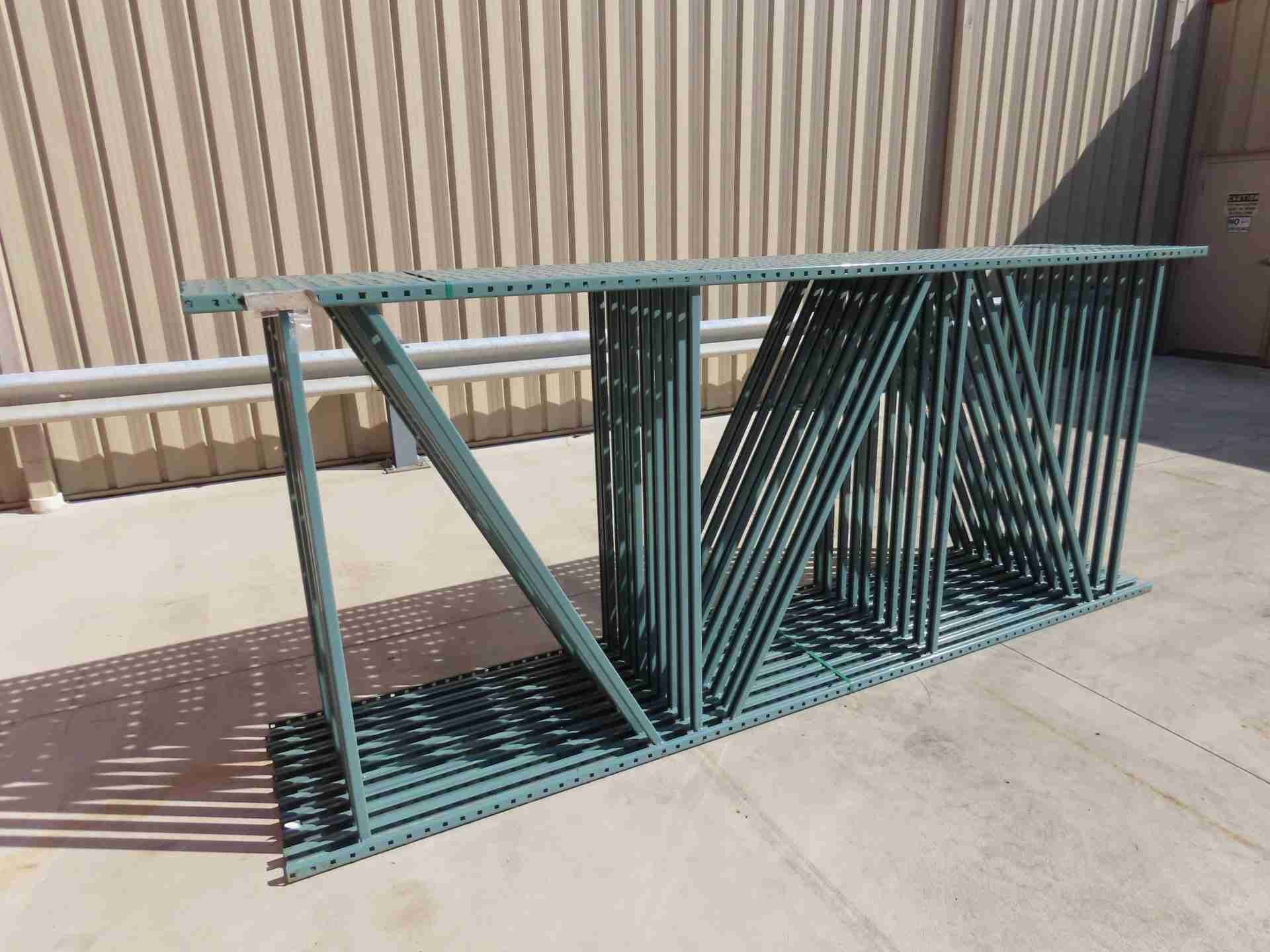
What Factors Influence The Lifespan Of Cantilever Racking?
What Factors Influence The Lifespan Of Cantilever Racking?
- Material Quality: High-grade, corrosion-resistant steel is crucial for durability; galvanized steel is a popular choice for sustainability and longevity.
- Load Capacity and Distribution: Adhere to specified load limits to prevent structural damage and safety hazards; distribute weight evenly, especially during fluctuating inventory levels.
- Environmental Conditions: Consider temperature, humidity, and chemical exposure; specialized coatings may be needed for coastal areas, and climate control is important for perishable goods.
- Maintenance Practices: Regular inspections and a formal maintenance schedule are vital for extending the lifespan and improving ROI of cantilever racks.
- User Training: Proper training for staff is essential to prevent mishandling and ensure safety; educational programs can enhance efficiency and longevity of the racking system.
- Effective Storage Solutions: Understanding these key factors is critical in selecting the right cantilever racking system for optimal performance.
- Investment Protection: Attention to material quality, load management, environmental factors, maintenance, and training is key to protecting your investment.
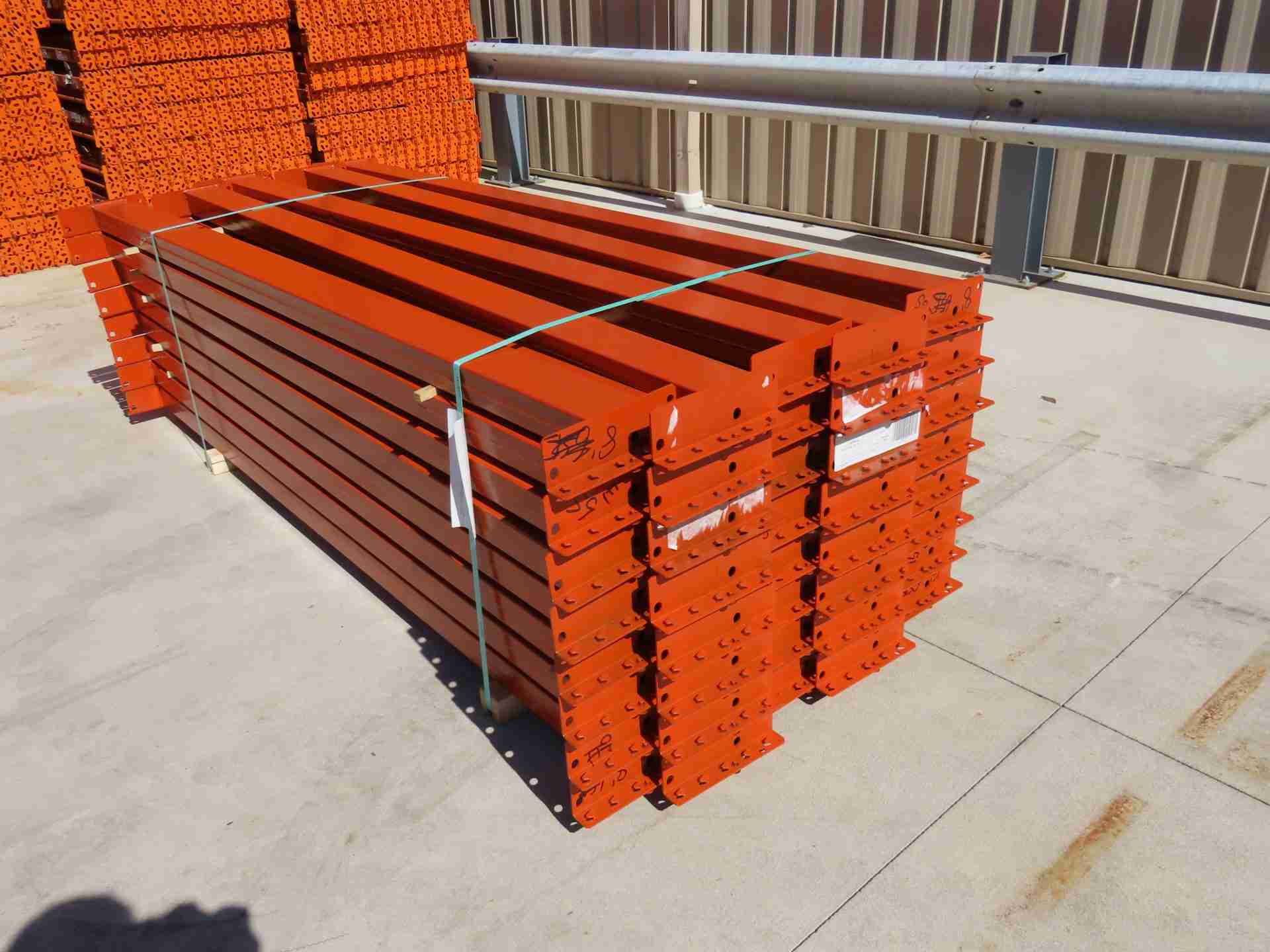
What Factors Influence The Lifespan Of Cantilever Racking?
How Can Businesses Customize Cantilever Racking For Specific Needs?
In the fast-paced world of modern business, efficiency isn’t just a luxury; it’s a necessity. One area where companies can gain a competitive edge is in their storage solutions. Cantilever racking, with its versatile design, stands as a prime candidate for businesses looking to tailor their storage systems to specific operational requirements.
First, consider the unique dimensions of your products. Cantilever racks are designed for long or bulky items, making them ideal for industries such as furniture manufacturing, lumber yards, and logistics. A furniture retailer, for example, might customize their cantilever racking by incorporating adjustable arms to accommodate varying styles and sizes of sofas, tables, and beds. This not only maximizes space but also streamlines the picking process, enhancing overall efficiency.
Next, let’s talk about weight capacity. Different businesses have different load requirements. A construction supply company might need cantilever racks with heavy-duty arms specially engineered to support substantial loads, such as beams or steel plates. By customizing the size and weight capacity of the arms and bases, businesses can ensure that their racking systems not only hold but also protect their valuable inventory.
Safety features are another critical aspect of customization. In the wake of increased regulatory scrutiny regarding workplace safety—accelerated by recent events such as the global emphasis on safer working environments in light of the pandemic—businesses must prioritize safe storage practices. Adding safety boards, backstops, or even integrated safety netting to cantilever racks can help reduce the risk of accidents, protecting both the employees and inventory.
Another innovative customization option is the integration of technology. Many businesses are now merging their physical storage with smart solutions. Imagine a warehouse where cantilever racking is equipped with RFID tags or barcode scanning technologies that automate inventory tracking. This not only enhances accuracy but also provides real-time data analytics, enabling companies to make informed decisions about stock management and purchasing.
Finally, adaptability is key. As markets evolve—like the recent shifts towards e-commerce fueled by the sustained demand for online shopping—having a storage solution that can rapidly respond to changing inventory needs is crucial. Modular cantilever racking systems can easily be reconfigured, allowing businesses to scale up or down based on their immediate operational needs.
Customizing cantilever racking systems is not just about fitting products into a space; it’s about creating a tailored solution that enhances overall efficiency, safety, and adaptability. By investing in these storage solutions today, businesses can ensure their growth and resilience for tomorrow. Dive into the future of your business and watch the benefits materialize.
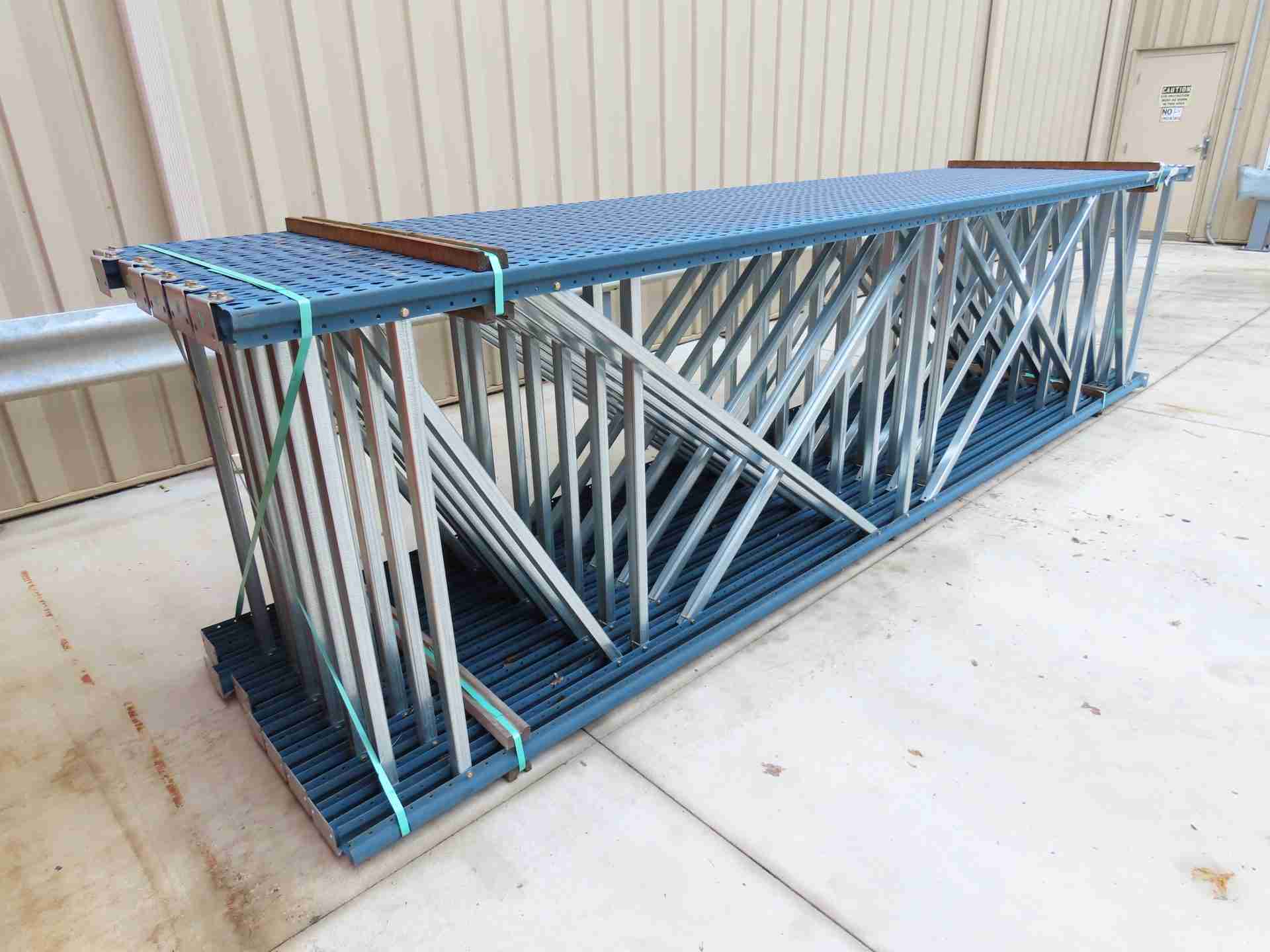
How Can Businesses Customize Cantilever Racking For Specific Needs?
How Can Businesses Customize Cantilever Racking For Specific Needs?
- Efficiency in storage solutions is essential for gaining a competitive edge in modern business.
- Cantilever racking is designed for long or bulky items, making it suitable for various industries like furniture manufacturing and logistics.
- Customization options, such as adjustable arms, enhance space utilization and streamline the picking process.
- Businesses can tailor weight capacity in cantilever racks to meet specific load requirements, ensuring safe and secure storage of heavy items.
- Enhanced safety features, like safety boards and backstops, are crucial in response to increased workplace safety regulations.
- Technology integration, such as RFID tags and barcode scanning, automates inventory tracking and improves data accuracy.
- Modular cantilever racking systems provide adaptability to rapidly changing inventory needs, supporting business growth and resilience.
How Can Businesses Customize Cantilever Racking For Specific Needs?
What Are The Environmental Impacts Of Cantilever Racking Systems?
When it comes to optimizing warehouse space, Cantilever Racking Systems stand out for their impressive design and functionality. But while businesses experience improved storage efficiency and enhanced workflow, it’s equally important to consider the environmental implications of using these racks.
Resource Efficiency and Waste Reduction
First and foremost, Cantilever Racking Systems promote resource efficiency. These racking systems are designed to store long and bulky items, which means they can significantly reduce the amount of unused vertical space in a warehouse. By maximizing storage space without the need for additional building expansions, businesses minimize their environmental footprint. The less energy-intensive storage solution means fewer materials are required, leading to less waste and lower emissions associated with construction and maintenance.
Consider the example of a lumberyard that has implemented Cantilever Racking. By elevating their storage capabilities, they eliminate the need for storing lumber outside, which not only reduces material exposure to weather elements but also minimizes spoilage. This effective utilization promotes sustainability by ensuring that resources aren’t wasted.
Reduced Transportation Emissions
Moreover, Cantilever racking optimally arranges products, enabling faster loading and unloading of goods. Imagine how much time and energy a delivery truck saves by having access to well-organized inventory. By increasing operational efficiency, businesses reduce transportation emissions. A case in point is the ongoing supply chain discussions sparked by recent events like the COVID-19 pandemic. Companies are under pressure to improve their inventory management to meet demand without overstocking, and effective racking systems can play a pivotal role in reducing the number of trips needed to maintain stock levels.
Energy Consumption
On another front, businesses should look closely at the materials used in Cantilever Racking Systems. Steel, the primary material for these racks, is recyclable. Sustainable sourcing practices can lower the environmental toll of production. Additionally, opting for racking systems with a longer lifespan reduces the frequency of new purchases, thereby cutting down on manufacturing impacts.
Final Thoughts
As you contemplate the purchase of Cantilever Racking Systems, remember that your choice can resonate beyond just your immediate operational needs. Investing in environmentally-friendly systems not only elevates your business practices, but it also enhances your brand’s reputation as a steward of sustainability. With an increasingly eco-conscious consumer base, aligning your operations to reflect these values can set you apart from competitors. Embrace the efficiency of Cantilever Racking as a way to drive forward-thinking practices that support both your bottom line and the planet.
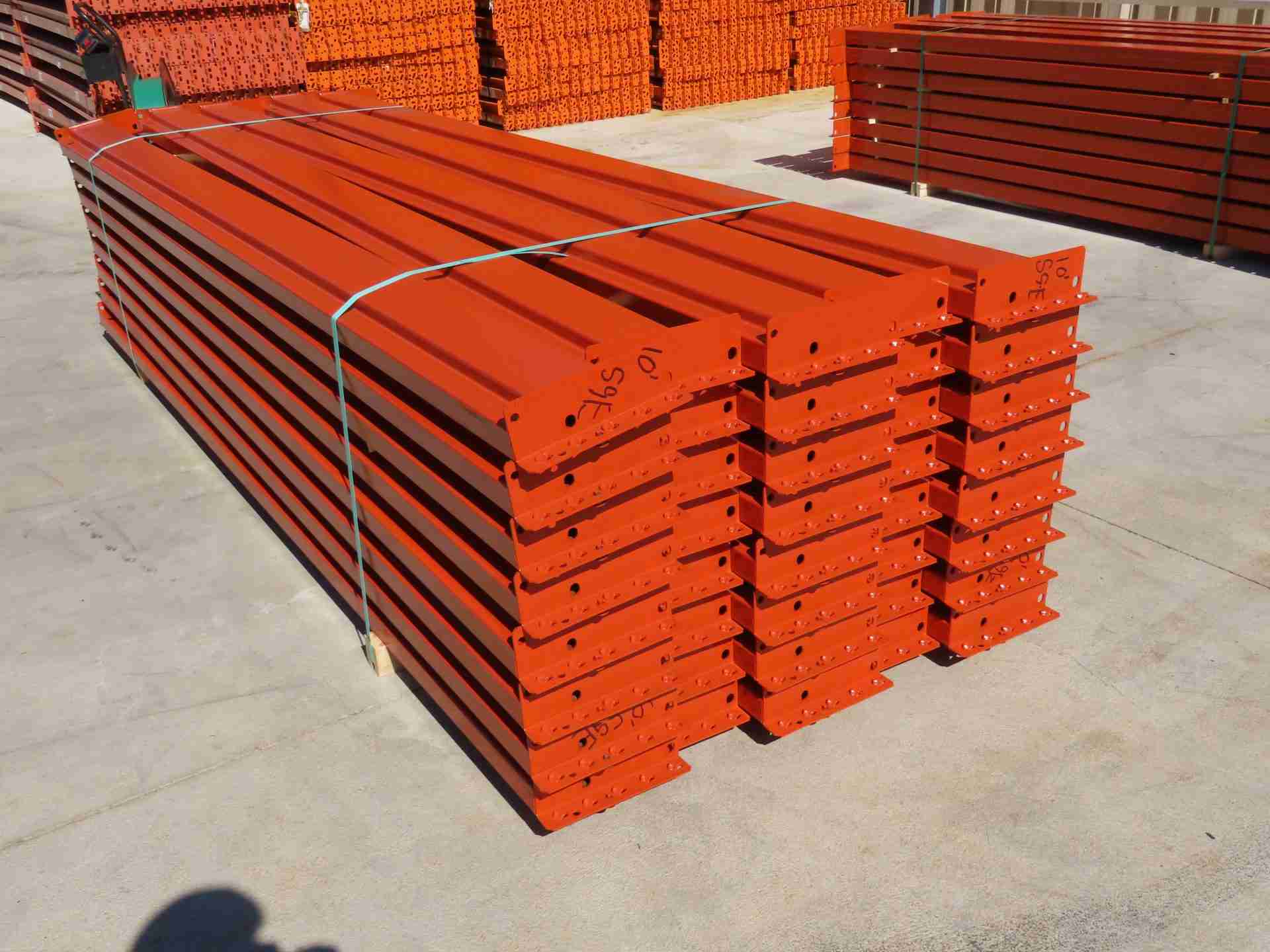
What Are The Environmental Impacts Of Cantilever Racking Systems?
What Are The Environmental Impacts Of Cantilever Racking Systems?
- Cantilever Racking Systems are designed to optimize warehouse space by efficiently storing long and bulky items.
- They enhance resource efficiency, reducing the need for building expansions and minimizing environmental footprints.
- These systems help prevent spoilage by protecting materials, such as lumber, from weather elements.
- Effective organization of inventory leads to reduced transportation emissions by improving operational efficiency.
- The primary material for these racks, steel, is recyclable, which supports sustainable sourcing practices.
- Longer-lasting racking systems decrease the frequency of purchases, reducing overall manufacturing impacts.
- Investing in Cantilever Racking Systems boosts a company’s sustainability image, appealing to eco-conscious consumers.
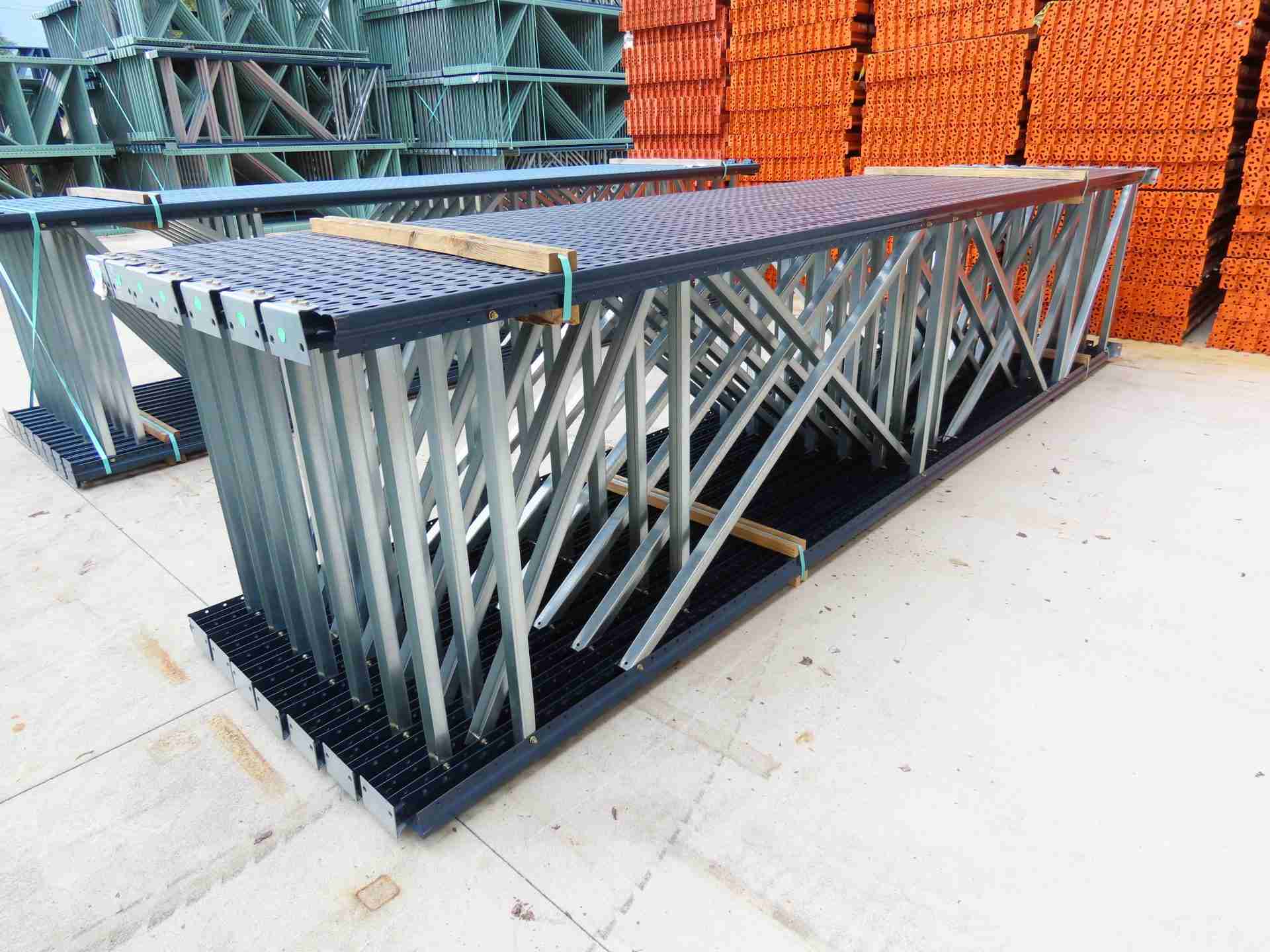
What Are The Environmental Impacts Of Cantilever Racking Systems?
How Do Manufacturers Ensure The Quality Of Cantilever Racking?
When it comes to maximizing storage space while ensuring safety and durability, cantilever racking stands out in the realm of warehousing solutions. But how do manufacturers guarantee that their cantilever racking systems meet the highest quality standards? The answer lies in a meticulous approach that encompasses design, material selection, testing, and adherence to regulatory standards.
First and foremost, top-tier manufacturers invest significant resources in research and development. They meticulously evaluate the demands of their target industries—be it lumber yards, furniture storage, or heavy equipment warehouses. For instance, a manufacturer focused on the construction industry might design cantilever racking systems with enhanced load capacities and robust materials to handle the weight of steel beams and heavy machinery. This tailored approach strengthens product relevance and reliability.
Material selection is another vital factor in ensuring quality. Premium manufacturers utilize high-grade steel that offers not just strength, but longevity. For example, using hot-rolled steel, which provides superior tensile strength and durability, can make the difference between a racking system that lasts for decades versus one that fails under pressure. Paint finishes and coatings also matter—brands often employ powder coating to ensure rust resistance and longevity. A manufacturer that recently introduced an eco-friendly powder coating process not only attains new clientele but also capitalizes on the growing emphasis on sustainability.
But quality assurance doesn’t stop at design and materials; it extends into rigorous testing protocols. A reputable manufacturer will conduct load tests and stress tests on their racking systems, often exceeding industry standards while documenting the results to provide transparency to customers. Recent advancements in force-sensing technologies have enabled manufacturers to employ dynamic testing methods, simulating real-world conditions their products will face once installed.
Further, adherence to regulatory standards is non-negotiable in the industry. With organizations like the Rack Manufacturers Institute (RMI) enforcing strict safety standards, the best manufacturers remain compliant with international safety regulations. This not only safeguards the end user but also builds trust and credibility in the marketplace.
As we navigate an increasingly complex supply chain environment heightened by global events—including the recent disruptions caused by the pandemic—manufacturers that focus on quality assurance will stand out. In a recent survey, 72% of warehouse managers cited safety as their top priority, making it imperative for manufacturers to not just meet, but exceed, safety regulations in their cantilever racking systems.
The quality of cantilever racking is a multi-faceted endeavor where innovative design, material excellence, rigorous testing, and compliance converge. Manufacturers committed to these principles not only deliver robust storage solutions but also enhance operational safety and efficiency in diverse applications.
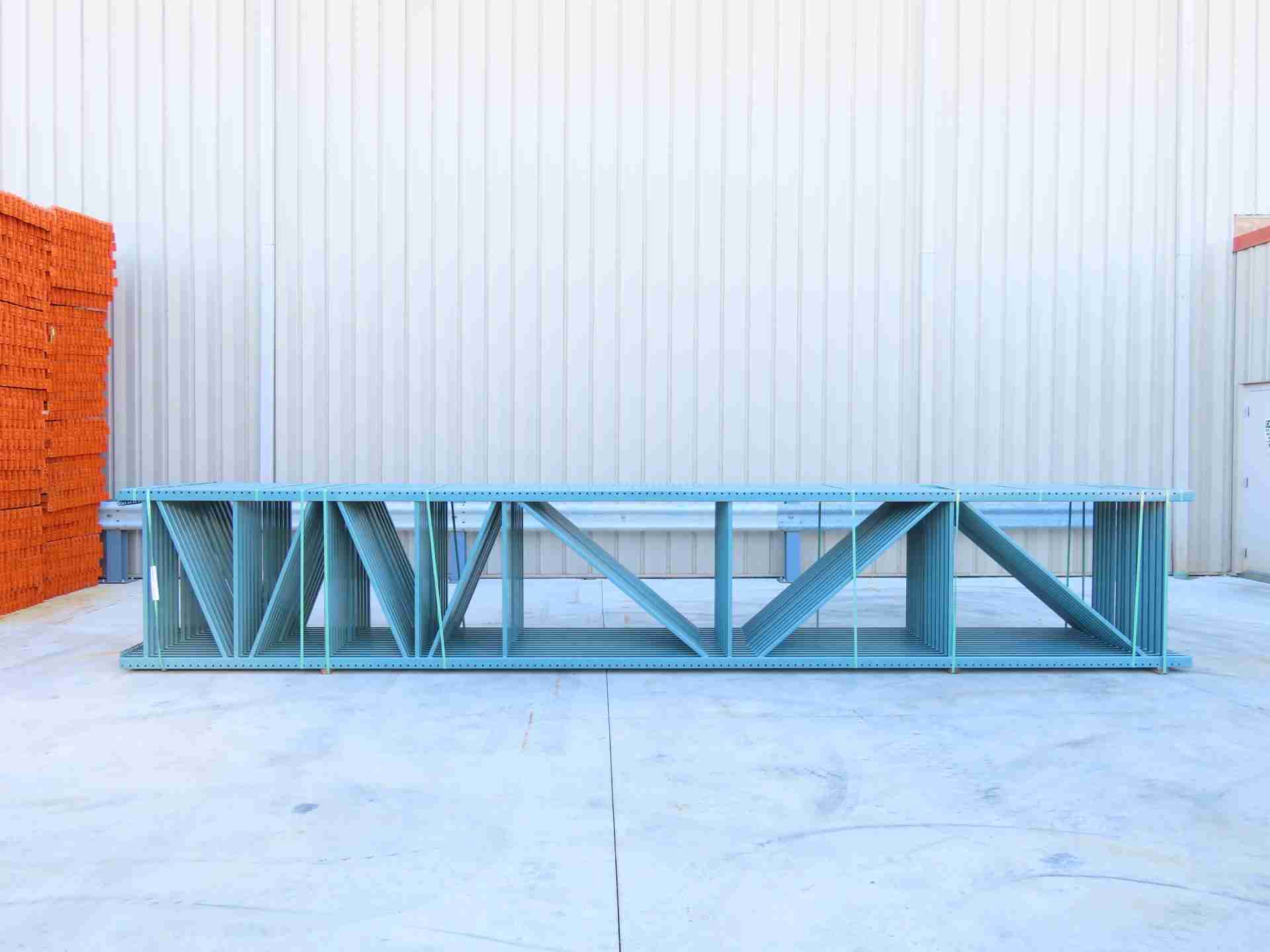
How Do Manufacturers Ensure The Quality Of Cantilever Racking?
How Do Manufacturers Ensure The Quality Of Cantilever Racking?
- Cantilever racking is a key solution for maximizing storage space while ensuring safety and durability in warehouses.
- Top manufacturers invest in research and development to tailor racking systems to specific industry demands.
- High-grade materials, such as hot-rolled steel and eco-friendly powder coatings, are essential for enhancing strength and longevity.
- Quality assurance includes rigorous testing protocols, with advanced technologies simulating real-world conditions.
- Manufacturers must adhere to strict regulatory standards to ensure safety and build trust in the marketplace.
- Quality assurance has become increasingly important, especially as safety becomes a top priority for warehouse managers.
- Commitment to design, material excellence, testing, and compliance enhances operational safety and efficiency in racking systems.
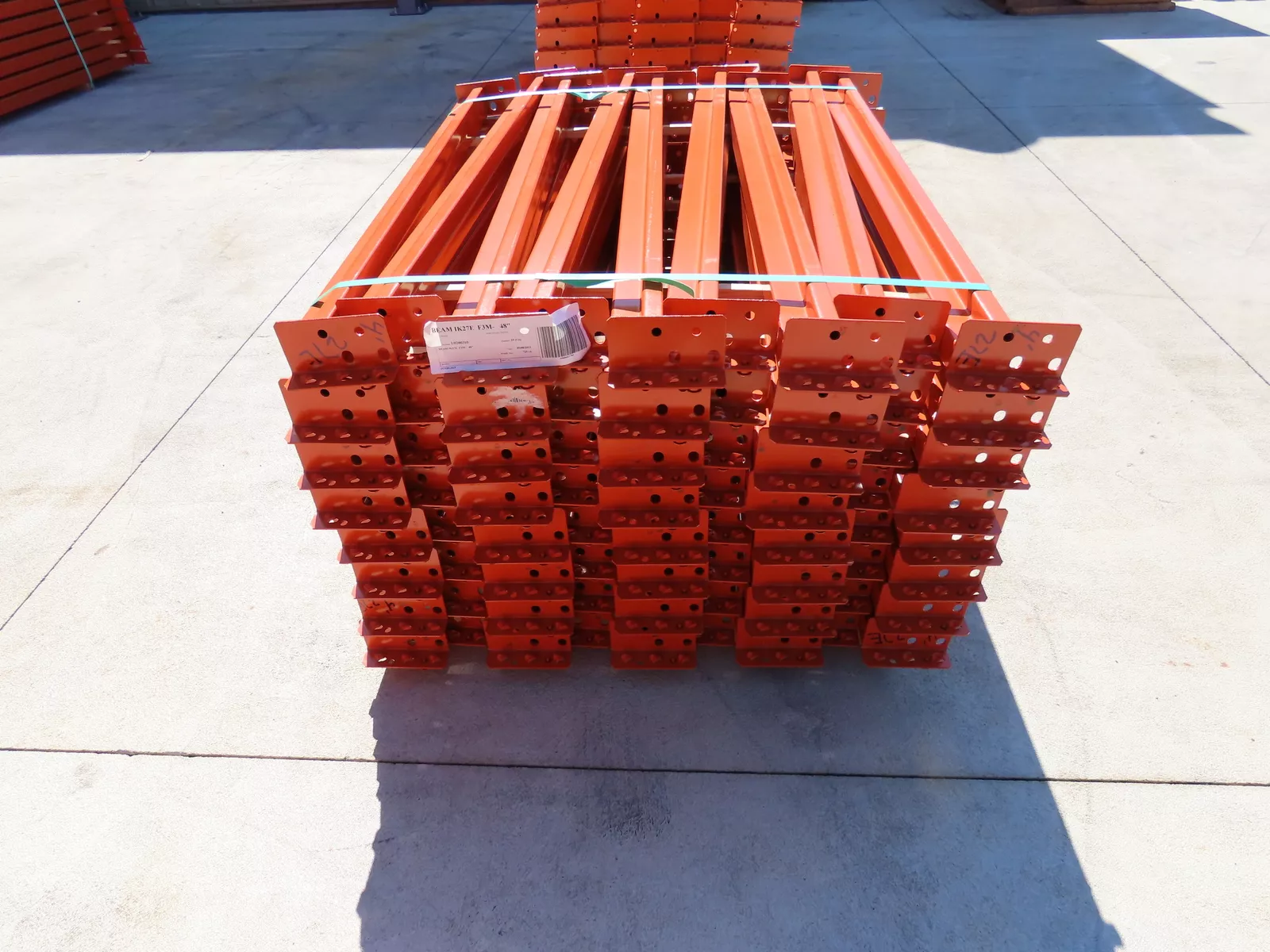
How Do Manufacturers Ensure The Quality Of Cantilever Racking?
What Trends Should We Expect In Cantilever Racking Design?
As we dive into the ever-evolving world of warehousing and logistics, one must recognize that the effective use of space is a cornerstone of operational efficiency. Cantilever racking has emerged as a crucial solution for businesses looking to optimize their storage capabilities. In light of current global supply chain challenges and a steady increase in e-commerce, we can expect several exciting trends in cantilever racking design that are set to transform the landscape.
Enhanced Durability and Materials
One trend leading the charge in cantilever racking design is the use of advanced materials for enhanced durability. Manufacturers are increasingly employing high-strength steel that not only withstands heavy loads but also resists corrosion. As the recent supply chain disruptions have taught us, investing in reliability pays dividends in the long run. Companies are now opting for racks that promise both longevity and sustained performance, minimizing the costs associated with replacements.
Modular Designs for Flexibility
Flexibility is key in today’s fast-paced business environment. With the rise of just-in-time inventory practices and the need for diverse storage solutions, modular cantilever racks are gaining traction. These systems allow for easy adjustment based on changing inventory styles, from lumber to piping to bulky goods. A leading home improvement retailer recently adopted a modular system for their distribution centers, showcasing how businesses can pivot quickly to respond to market demands without undergoing costly renovations.
Smart Technology Integration
Technology is infiltrating every sector, and warehousing is no exception. We can expect to see cantilever racking systems incorporating smart technology that tracks inventory levels, optimizes load distribution, and even predicts maintenance needs through real-time monitoring. For instance, a major logistics company recently integrated IoT sensors into their racking systems, leading to a significant reduction in operational downtime. The marriage of technology and tangible assets like racking systems will grant businesses unprecedented levels of efficiency.
Sustainability Initiatives
Finally, sustainability continues to shape industry practices, and cantilever racking is no different. The push for eco-friendly materials and energy-efficient designs is rising. Companies are now exploring the use of recycled metals and sustainable coatings to build their racking systems. This not only fulfills corporate social responsibility commitments but also appeals to environmentally conscious consumers.
The future of cantilever racking design is shaped by durability, flexibility, smart integration, and sustainability. As businesses continue to adapt to evolving market conditions, these trends will serve as guiding lights, ensuring they maintain a competitive edge in their industries. Now is the time to invest in racking solutions that align with these trends, setting your organization up for long-term success.
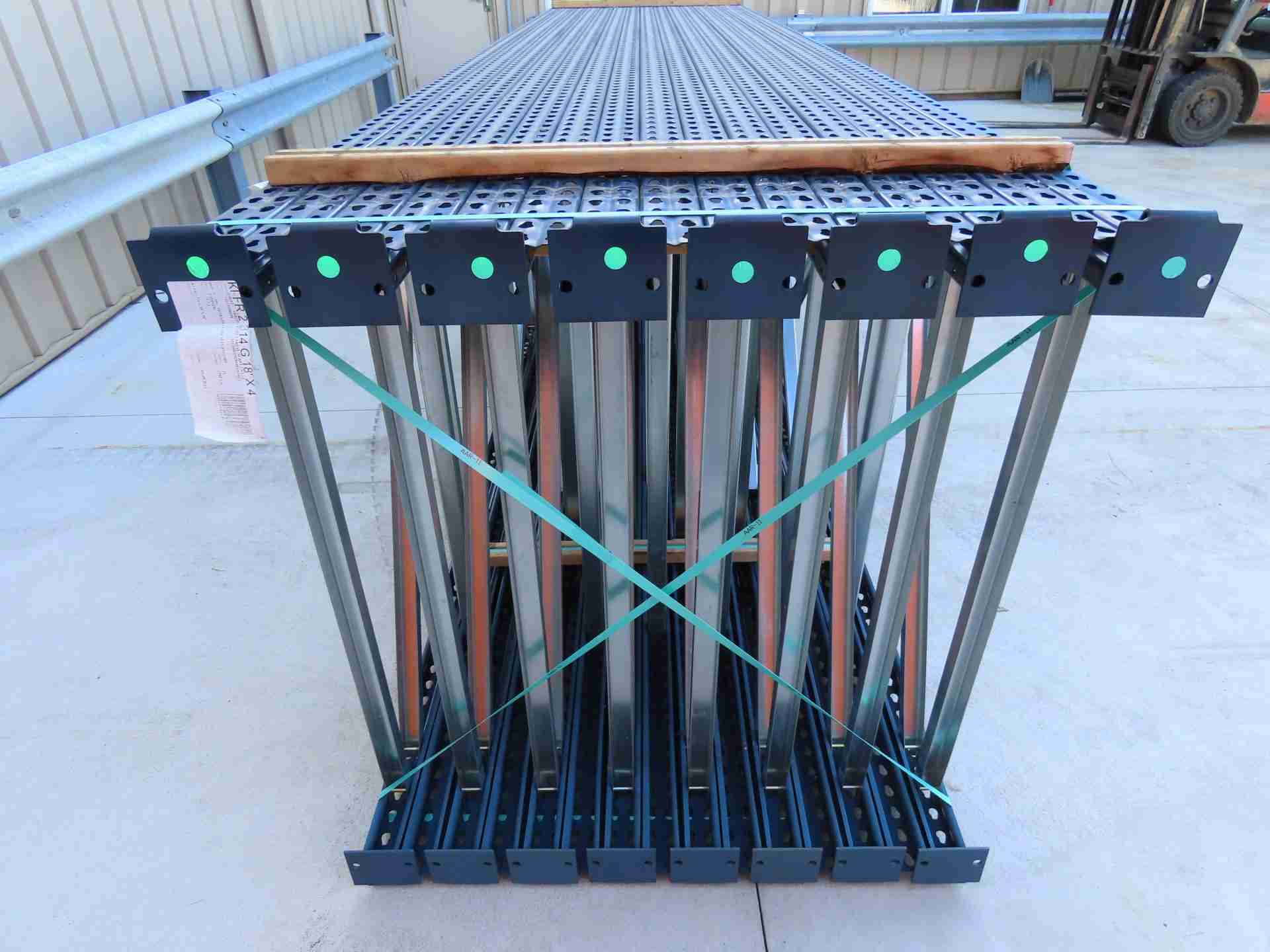
What Trends Should We Expect In Cantilever Racking Design?
What Trends Should We Expect In Cantilever Racking Design?
- Effective space utilization is critical for operational efficiency in warehousing and logistics.
- Cantilever racking is becoming a vital solution for optimizing storage amidst supply chain challenges and increasing e-commerce.
- Manufacturers are using advanced materials, like high-strength steel, to enhance durability and reduce replacement costs.
- Modular cantilever racks are gaining popularity for their flexibility, allowing easy adjustments based on inventory needs.
- Smart technology integration in racking systems enables tracking of inventory, optimizing load distribution, and predicting maintenance.
- The trend toward sustainability is leading to the use of recycled materials and energy-efficient designs in cantilever racking.
- Future cantilever racking designs will focus on durability, flexibility, technology, and sustainability to maintain a competitive edge.
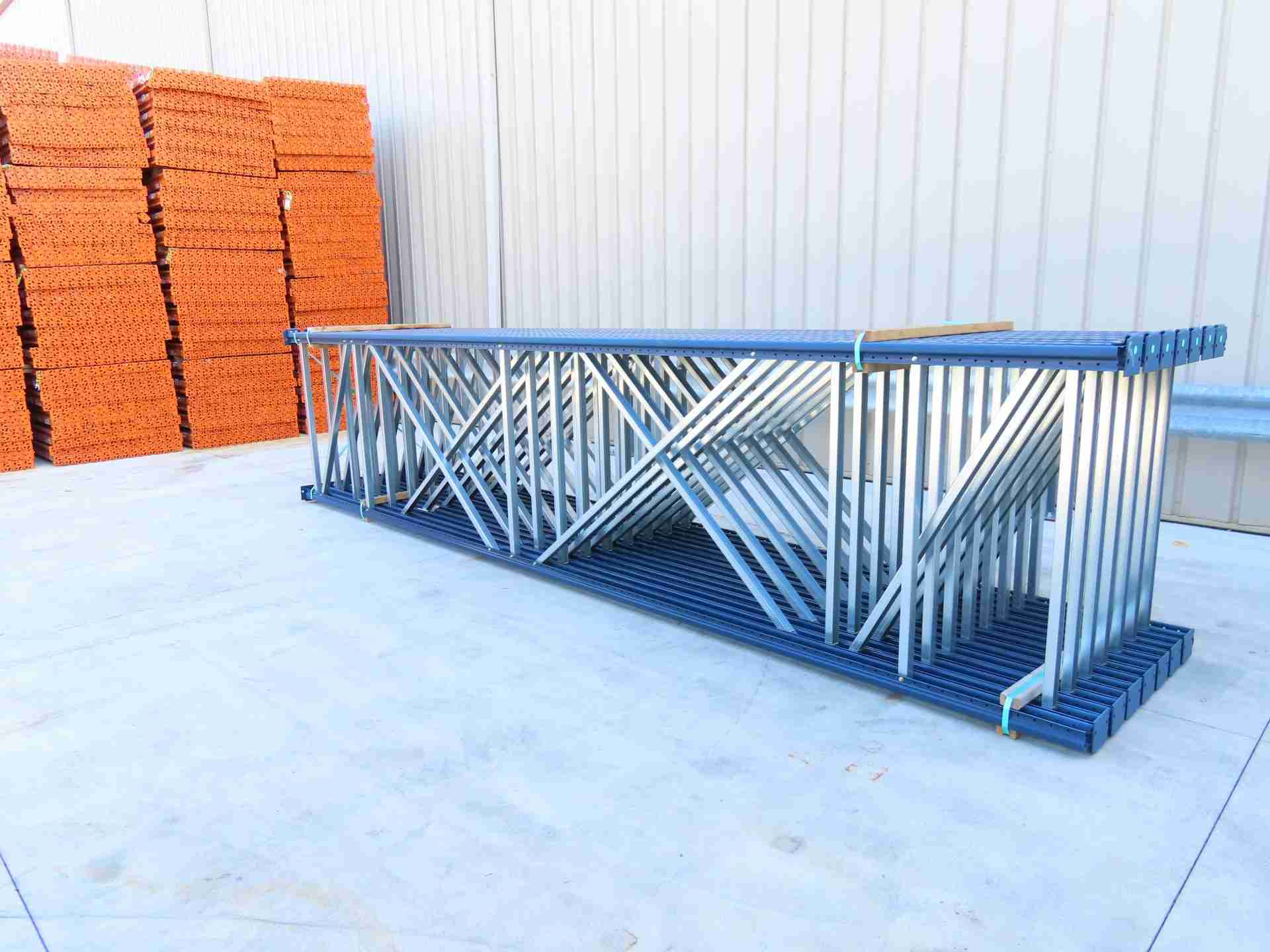
What Trends Should We Expect In Cantilever Racking Design?
How Is Technology Advancing The Design Of Cantilever Racking?
In the fast-paced world of logistics and warehousing, innovation is not just an option; it’s a necessity. As businesses strive to optimize space, enhance efficiency, and improve safety, the use of advanced technology in cantilever racking design is transforming the industry. Imagine turning your warehouse into a beacon of productivity, where every inch is utilized, and every movement is precise. This isn’t just wishful thinking; it’s happening now.
One remarkable advancement is the implementation of 3D modeling and simulation software. These tools enable designers to create intricate layouts tailored to specific warehouse needs, allowing for the efficient use of vertical space. For instance, a major distribution center recently revamped its storage systems using advanced modeling software. The redesign increased storage capacity by 30%, illustrating how technology can drive both efficiency and profitability.
Moreover, automation integrates seamlessly with cantilever racking solutions. Automated guided vehicles (AGVs) and robotic arms are now capable of navigating complex racking systems. A recent case study from a key player in the e-commerce sector highlighted how leveraging robotics in conjunction with advanced racking designs not only sped up the picking process but also reduced labor costs by up to 25%. This synergy between technology and design isn’t just a trend; it’s the future of warehousing.
Data analytics is another game-changer. By analyzing the way products move in and out of storage, companies can fine-tune their cantilever racking systems. This intelligent approach allows for better inventory management and streamlining of operations. A logistics firm reported a significant drop in overcrowding issues, thanks to data-driven decisions that adapted their racking configuration to meet actual demand patterns.
Smart technology also plays a pivotal role in enhancing safety and maintenance. Sensors embedded within racking systems can monitor load levels and structural integrity in real time, alerting operators to potential issues before they lead to accidents or costly repairs. Companies investing in these smart cantilever racks report a sharp decrease in workplace incidents, enabling employees to focus on productivity rather than worry about safety hazards.
As we look toward the future, the integration of augmented reality (AR) for training and operational guidance is on the horizon. Imagine warehouse staff using AR glasses to visualize the most efficient loading and unloading practices right on the warehouse floor. This prospect not only streamlines operations but also accelerates training—turning new hires into experts in no time.
Technology is reshaping the landscape of cantilever racking design. By embracing these advancements, businesses not only enhance their operational capabilities but also position themselves for ongoing success in an increasingly competitive market. Don’t just keep up—leverage the power of technology to leap ahead.
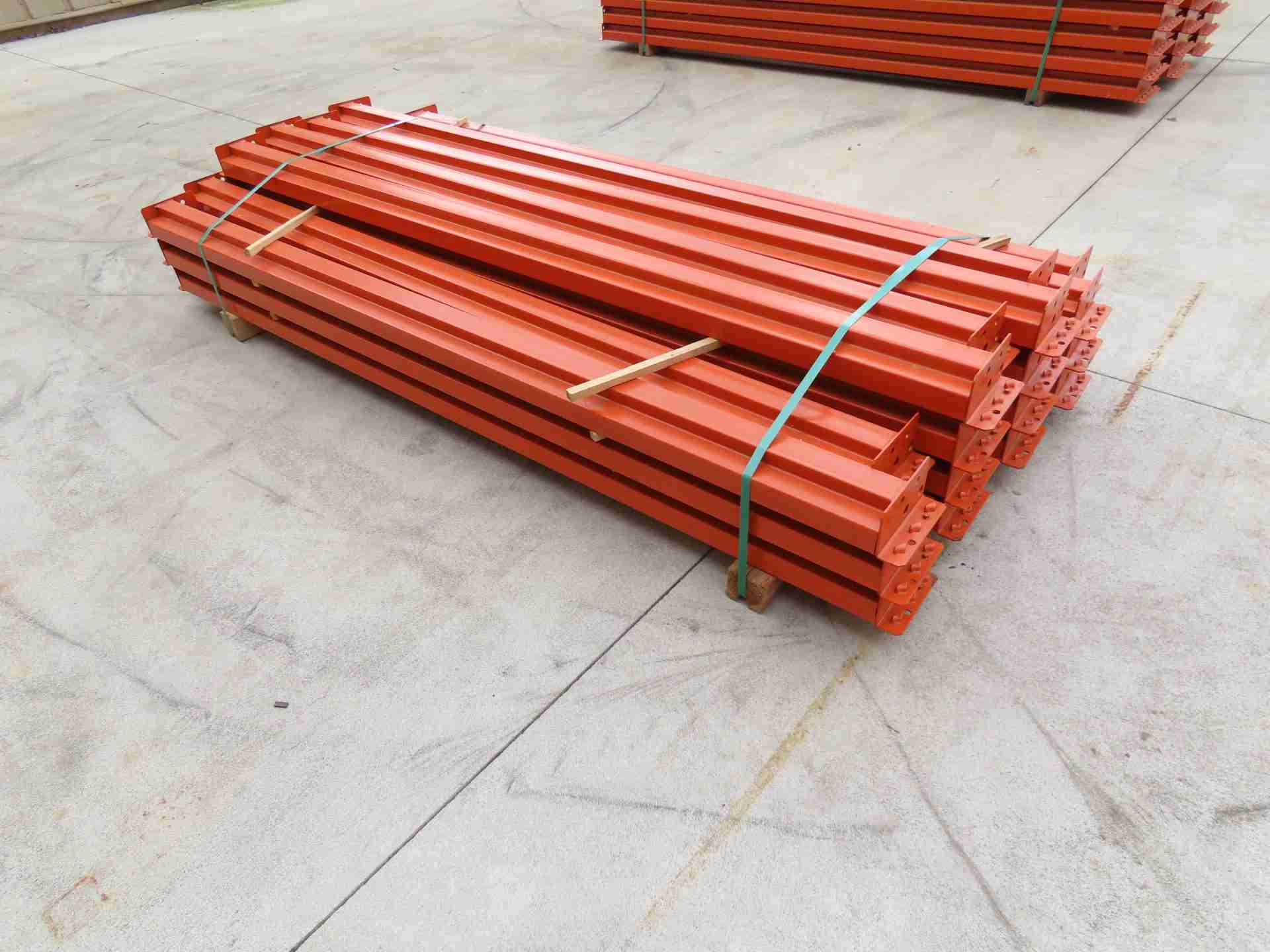
How Is Technology Advancing The Design Of Cantilever Racking?
How Is Technology Advancing The Design Of Cantilever Racking?
- Innovation in logistics and warehousing is essential for optimizing space, enhancing efficiency, and improving safety.
- 3D modeling and simulation software allows for tailored layouts, increasing storage capacity significantly, exemplified by a 30% capacity boost in a major distribution center.
- Automation, including automated guided vehicles (AGVs) and robotic arms, improves the efficiency of cantilever racking systems, with reductions in labor costs by up to 25% reported in e-commerce.
- Data analytics enables companies to adjust racking configurations based on actual demand patterns, leading to better inventory management and reduced overcrowding.
- Smart technology, such as embedded sensors in racking systems, enhances safety by monitoring load levels and structural integrity, decreasing workplace incidents.
- Augmented reality (AR) is emerging for training and operational guidance, allowing staff to visualize efficient practices and accelerate the training process.
- Embracing technological advancements in cantilever racking design helps businesses enhance capabilities and gain a competitive edge.
How Is Technology Advancing The Design Of Cantilever Racking?
What Maintenance Is Required For Cantilever Racking Systems?
Cantilever racking systems are an excellent solution for storing long and bulky items like lumber, pipes, and furniture. However, like any investment, they require regular maintenance to ensure optimal performance and longevity. Ignoring maintenance can not only lead to diminished capacity but also put your workforce at risk. Here’s a closer look at the essential maintenance tasks you should undertake for your cantilever racking system.
Routine Inspections
Regular inspections should be your first line of defense. Conduct thorough checks at least once a month, scrutinizing the structural integrity of beams, arms, and bases. Look for signs of wear and tear, such as dents, corrosion, or signs of stress amid the seasonal changes. For example, recent weather patterns have shown an increase in extreme temperatures, which can affect the materials used in your racking. A systematic inspection routine can prevent minor issues from escalating into significant safety hazards.
Cleaning
Dust and debris can accumulate, especially in warehouses that store construction materials or heavy machinery. Implement a cleaning schedule that targets both the racking system and the surrounding area. A clean racking system not only looks professional but also allows you to recognize potential issues more easily. Just as a lawn needs regular mowing to keep its pristine appearance, your racking system thrives on a routine cleaning regimen, helping it to avoid unnecessary wear.
Repairs and Upgrades
When you discover cracks or misaligned components during inspections, don’t ignore them. Address repairs promptly to maintain structural integrity and safety. This is especially pertinent considering recent supply chain challenges; timely repairs can also help ensure that your business runs smoothly and efficiently. Furthermore, consider upgrading to enhanced safety features like safety clips or rack protectors, which can safeguard your investment against accidental damage.
Employee Training
Your team plays a crucial role in maintaining your cantilever racking system. Regular training sessions focusing on safe loading practices can greatly reduce the likelihood of misuse and increase the system’s longevity. Consider current events such as OSHA’s increasing focus on warehouse safety and encourage your workforce to stay informed on the latest best practices. Educated employees can act as vigilant custodians of your racking system.
Documentation
Maintaining an organized log of inspections, repairs, and modifications is a best practice that yields unparalleled long-term benefits. Documenting changes allows for informed decision-making regarding future maintenance and serves as a legal safeguard, should you ever face scrutiny regarding safety standards.
In summary, treating your cantilever racking systems with the care they deserve through routine inspections, cleaning, timely repairs, employee training, and diligent documentation will not only extend their lifespan but also enhance workplace safety and efficiency. Remember, a well-maintained system translates to a more profitable operation. No one wants to see their investment go to waste due to neglect—stay proactive and ensure your racking systems are primed for success!
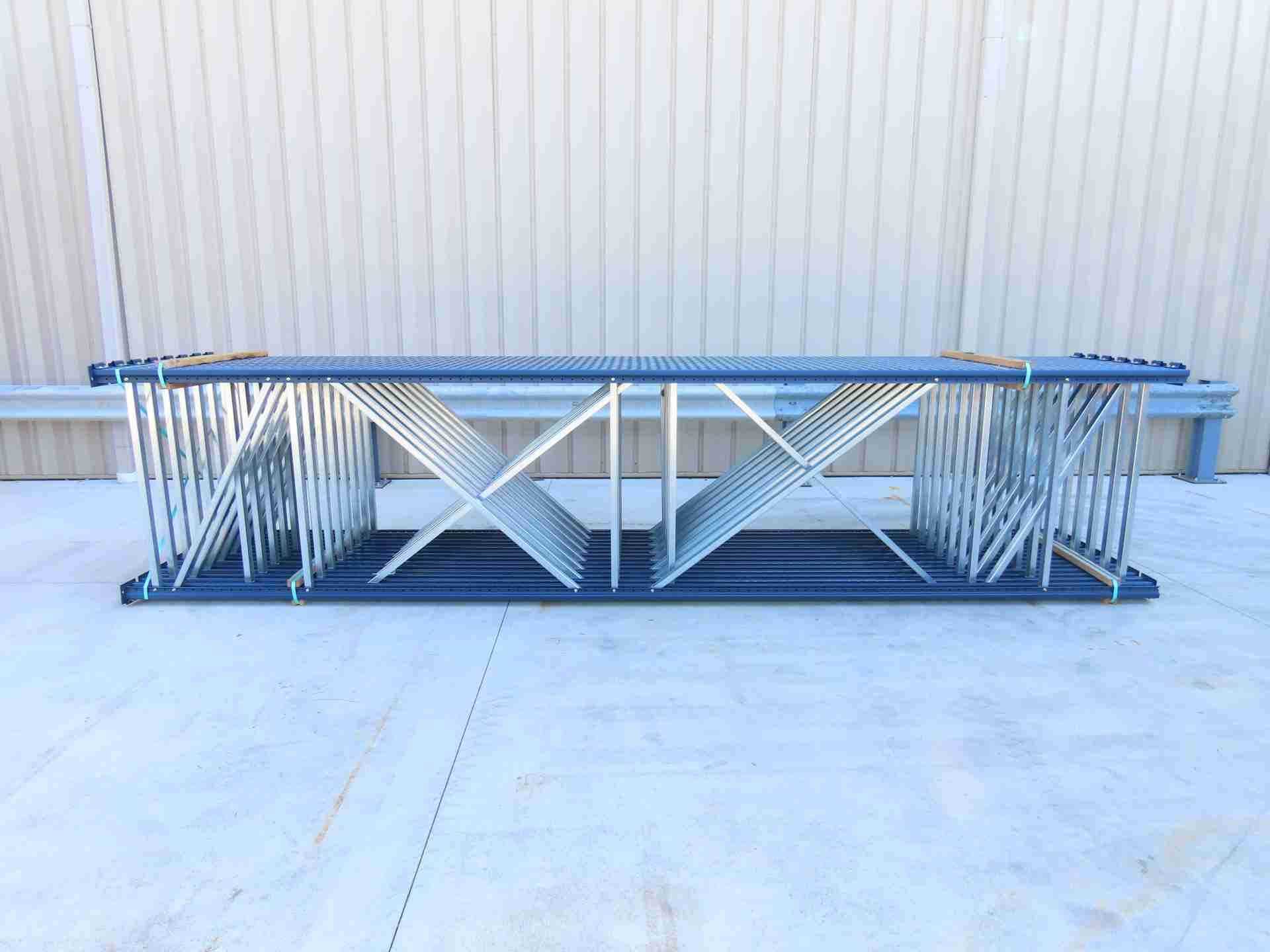
What Maintenance Is Required For Cantilever Racking Systems?
What Maintenance Is Required For Cantilever Racking Systems?
- Cantilever racking systems are ideal for storing long and bulky items but require regular maintenance for optimal performance.
- Conduct monthly routine inspections to assess the structural integrity of beams, arms, and bases, identifying any signs of wear and tear.
- Implement a cleaning schedule to remove dust and debris, making it easier to spot potential issues.
- Address repairs promptly when finding cracks or misalignments to maintain safety and structural integrity.
- Provide regular employee training on safe loading practices to improve the longevity of the racking system.
- Maintain organized documentation of inspections, repairs, and modifications for better decision-making and legal compliance.
- Regular maintenance enhances workplace safety, efficiency, and the overall longevity of the cantilever racking system.
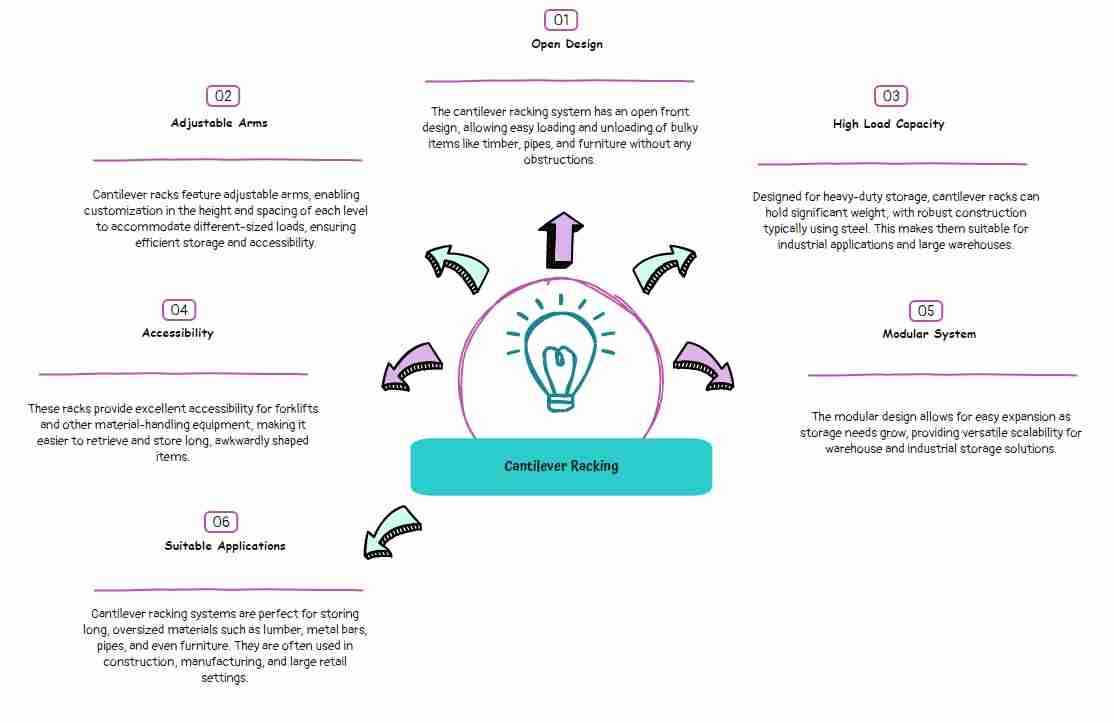
What Maintenance Is Required For Cantilever Racking Systems?
Conclusion
In the fast-evolving world of warehouse management, the future of cantilever racking technology stands to not only redefine storage methodologies but also reshape operational efficiencies across diverse industries. As we conclude this insightful exploration of cantilever racking innovations, it’s clear that staying at the forefront of these advancements is paramount for businesses aiming to secure a competitive edge in their respective markets.
The landscape is primed for transformation, with smart technology integration heralding a new era of inventory management. Imagine an advanced cantilever rack system that not only supports heavy loads but also seamlessly connects with your inventory management system. The use of IoT sensors will enable real-time monitoring, leading to automated restocking and optimized space utilization. With industry giants like Amazon already leveraging these capabilities, the adoption of smart racks offers a pathway to operational excellence.
Moreover, modular designs are set to enhance adaptability, allowing businesses to pivot swiftly as market demands fluctuate. Customizable arms and reconfigurable components ensure that whatever your inventory—from lumber to automotive parts—your storage solution can evolve alongside your operational needs. This flexibility is essential in today’s dynamic economic landscape, where agility often spells the difference between success and stagnation.
Sustainability considerations are also key drivers of future cantilever racking designs. As companies embrace eco-friendly practices, the demand for racks constructed from recycled materials and treated with sustainable coatings will grow. With consumer consciousness shifting towards environmentally responsible businesses, investing in sustainable racking systems not only aligns with corporate social responsibility but also enhances your brand’s reputation.
As the urgency for safety and efficiency mounts, cantilever racking will increasingly incorporate advanced safety features, enabling safer operating environments. Combining these safety enhancements with the insights gleaned from data analytics and real-time monitoring will create a safer and more productive workplace culture—a critical factor as regulatory scrutiny intensifies.
Now is the time to take proactive steps towards modernizing your storage solutions. Whether you’re an industry veteran or new to the world of warehousing, embracing these innovations will position your business for success amidst an increasingly competitive landscape.
If you’re ready to elevate your storage capacity and efficiency, don’t hesitate. Call Arrow Industrial Sales at (574) 349-6575 today and learn how these advanced cantilever racking solutions can redefine your operational strategy. The future is here, and the opportunities are boundless—act fast to secure your spot at the forefront of racking technology!
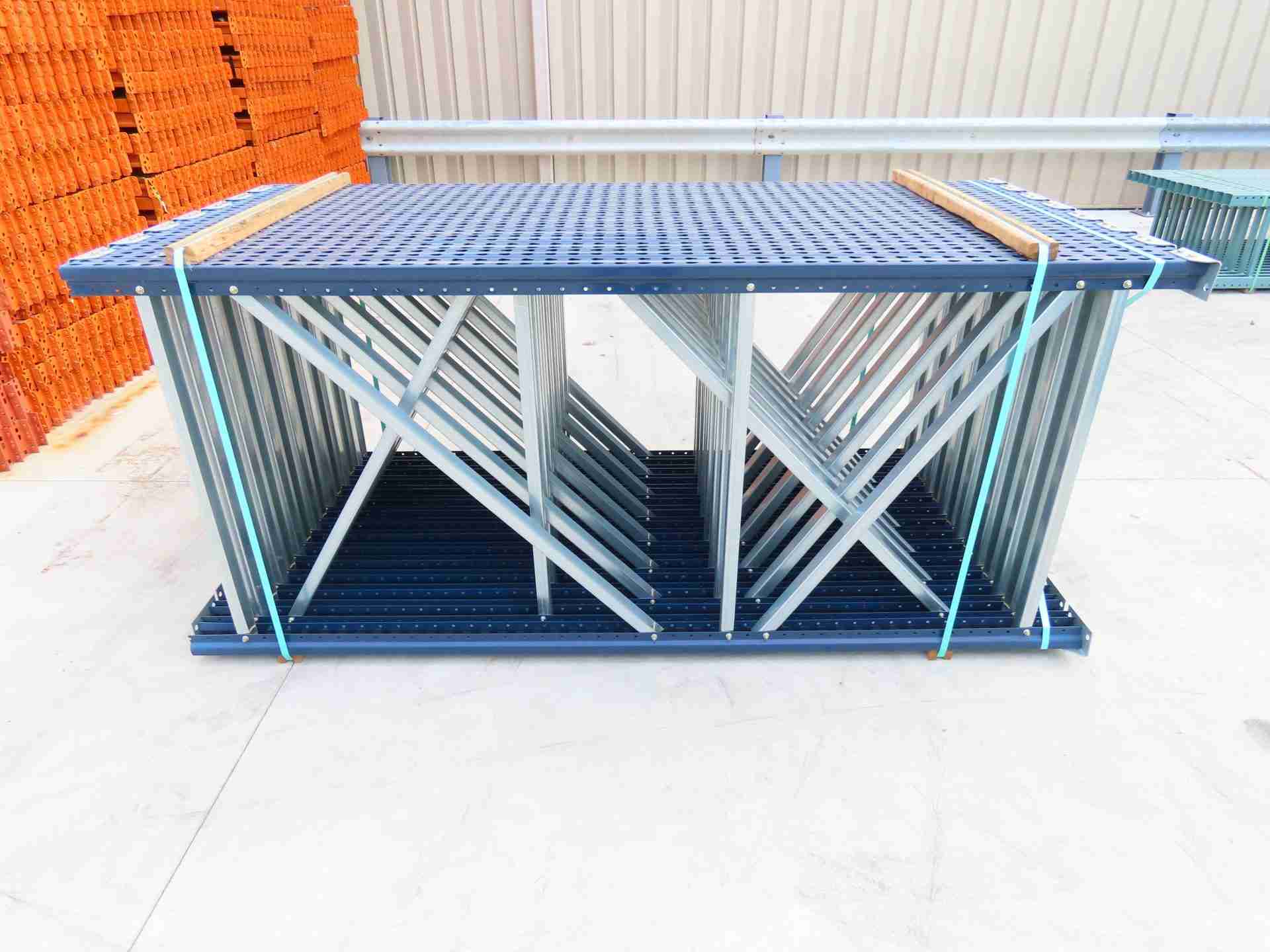
Conclusion
Conclusion:
- The future of cantilever racking technology will redefine storage methodologies and reshape operational efficiencies across industries.
- Smart technology integration will enable advanced cantilever rack systems to connect with inventory management systems for real-time monitoring and automated restocking.
- Modular designs will enhance adaptability, allowing businesses to swiftly pivot to meet fluctuating market demands.
- Sustainability considerations will drive the demand for racks made from recycled materials and sustainable coatings, aligning with eco-friendly practices.
- Advanced safety features will be integrated into cantilever racking to create safer operating environments as safety and efficiency become critical.
- Data analytics and real-time monitoring will contribute to a safer and more productive workplace culture amid increasing regulatory scrutiny.
- Businesses are encouraged to modernize their storage solutions to remain competitive; Arrow Industrial Sales offers innovative cantilever racking solutions to support this transition.
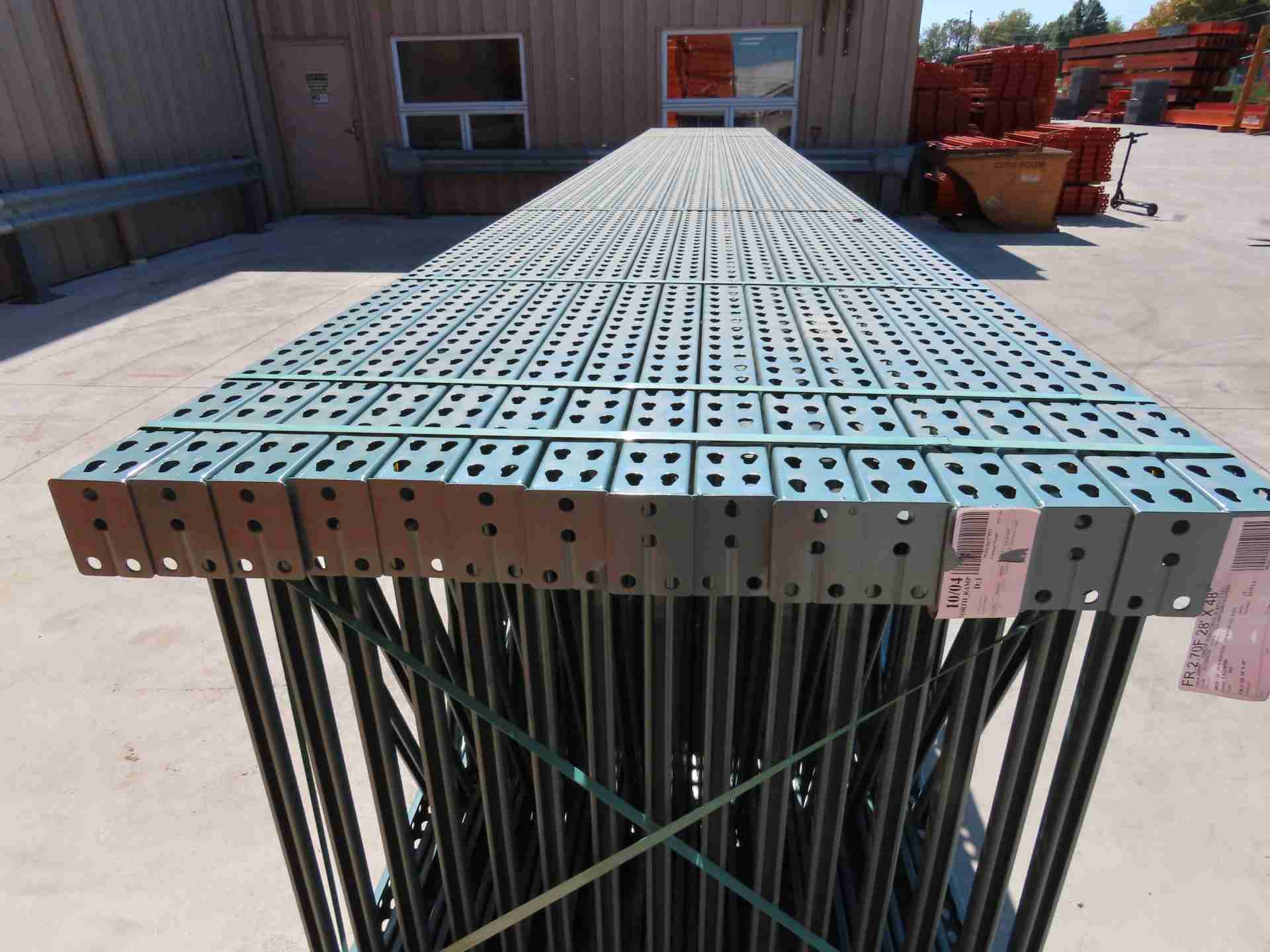
Conclusion
Other Resources
Other Resources
Here is a list of other resources you can review online to learn more:
- “Industrial IoT | Digital Transformation”
- “Cantilever Racks: The Secret Piece to Handling …”
- “How a major manufacturer manages and monitors …”
- “IoT – AWS for Industries”
- “10 Cantilever Rack Manufacturers in 2024”
- “Industries | The Internet of Things on AWS – Official Blog”
- “Industrial IOT (IIOT) Solution Development Services – AWS”
Other Resources
Glossary Terms
What’s The Future Of Cantilever Racking Technology? – Glossary Of Terms
1. Cantilever Rack: A storage system with arms extending from a vertical structure, used for holding long or bulky items.
2. Load Capacity: The maximum weight a cantilever racking system can safely support, crucial for ensuring safety and efficiency.
3. Material Handling: The process of moving goods within a warehouse or storage facility, often enhanced by the use of racking systems.
4. Vertical Storage: Utilizing vertical space to maximize storage capacity, a key benefit of cantilever racks.
5. Adaptive Design: Racking systems designed to be flexible and adjustable to accommodate various products and changing storage needs.
6. Automated Storage System: Technology that uses automated solutions (like robotics) to handle storage and retrieval of materials, often integrated with cantilever racks.
7. Modular Racking: A system composed of standardized units that can be configured in various ways, allowing for easy expansion or reorganization.
8. Durability: The ability of cantilever racking systems to withstand wear, pressure, and damage over time.
9. Customization: The process of tailoring cantilever racking to specific storage needs or product types for optimal performance.
10. Inventory Management: The supervision and control of supply inventories, which can be improved through organized racking solutions.
11. Safety Standards: Regulations and procedures designed to ensure safe design and use of racking systems, preventing accidents and injuries.
12. Weight Distribution: The manner in which weight is spread across a cantilever rack to prevent tipping and improve stability.
13. Accessibility: The ease with which stored products can be retrieved from a cantilever racking system, important for efficiency and productivity.
14. Warehouse Efficiency: The effectiveness with which warehouse operations are conducted, often enhanced by innovative racking solutions.
15. Space Optimization: Maximizing the use of available storage space, a key advantage offered by cantilever racking systems.
16. Ergonomics: The study of people’s efficiency in their working environment; important for designing racking systems that minimize physical strain.
17. Technological Integration: The incorporation of advanced technologies (like IoT or AI) within racking systems to improve functionality.
18. Forklift Compatibility: The ability of cantilever racks to work with forklifts for easy loading and unloading of goods.
19. Environmental Sustainability: Practices aimed at reducing the environmental impact of storage solutions, increasingly important in modern racking technology.
20. Dynamic racking: A system that allows for constant repositioning of product storage as the demand changes over time.
21. Hybrid Systems: Racking structures that combine traditional cantilever racking with other types for versatile storage solutions.
22. Load Balancing: The technique of distributing weight evenly across racking systems to maintain structural integrity.
23. Pallet Racking: A type of racking system specifically designed for storing palletized goods, often used in conjunction with cantilever racks.
24. Compliance: Adhering to industry standards and regulations related to racking systems to ensure safety and reliability.
25. 3D Visualization: Technology that allows warehouse managers to create three-dimensional models of racking layouts for optimization and planning.
26. Inventory Turnover: A measure of how frequently inventory is sold and replaced; efficient racking can enhance turnover rates.
27. Lean Warehousing: An approach that emphasizes minimizing waste within warehouse operations, which can be facilitated by effective racking systems.
28. Predictive Analytics: The use of data analysis techniques to predict future outcomes, which can optimize storage needs and racking configurations.
29. Energy Efficiency: The capability of racking systems to reduce energy consumption in warehouse operations, an increasingly important consideration.
30. Blockchain Technology: A secure digital ledger technology that can enhance inventory traceability and management within warehouse systems.
Glossary Of Terms
Other Questions
What’s The Future Of Cantilever Racking Technology? – Other Questions
If you wish to explore and discover more, consider looking for answers to these questions:
- What are the key benefits of implementing smart technology in cantilever racking?
- How does cantilever racking compare to other types of racking systems?
- What are the cost implications of upgrading to modern cantilever racking systems?
- How do different industries adapt cantilever racking systems for their specific needs?
- What safety certifications should businesses look for when purchasing cantilever racking?
- How can businesses assess their current racking systems for potential upgrades?
- What trends in automation impact cantilever racking systems?
- What long-term savings can businesses expect from investing in high-quality cantilever racking?
- How do supply chain disruptions affect the demand for cantilever racking solutions?
- What innovative features are being developed for future cantilever racking systems?
- How do environmental regulations influence the manufacturing of cantilever racking?
- What role does ergonomics play in the design of cantilever racking systems?
- How often should cantilever racking systems be inspected for safety compliance?
- What impact does technology have on training employees to use cantilever racking systems effectively?
Other Questions
Checklist
What’s The Future Of Cantilever Racking Technology? – A Checklist
Innovative Technology Integration
1. Smart Connectivity: Explore options for IoT-enabled cantilever racking systems to enhance real-time inventory tracking.
2. Automation: Consider the adoption of automated guided vehicles (AGVs) for efficient item retrieval and placement.
3. Data Analytics: Implement data-driven strategies to optimize inventory management based on movement patterns.
Materials and Sustainability
4. Material Quality: Invest in high-grade steel with corrosion-resistant coatings for durability and longevity.
5. Eco-friendly Solutions: Seek racking systems made from recycled or recyclable materials, and utilize eco-friendly coatings.
6. Sustainable Practices: Incorporate energy-efficient designs to reduce your overall environmental footprint.
Safety Enhancements
7. Inspection Protocols: Establish regular inspections to check for wear and structural integrity as per OSHA and ANSI standards.
8. Safety Features: Invest in anti-collapse mechanisms, load indicators, and safety boards for enhanced safety.
9. Employee Training: Provide ongoing training on safe loading and unloading practices to reduce accidents.
Modularity and Flexibility
10. Adjustable Designs: Select modular cantilever racking systems that can be easily reconfigured to accommodate evolving inventory needs.
11. Custom Solutions: Tailor racking systems for specific industry requirements, considering dimensions and weight capacities.
Performance and Maintenance
12. Routine Maintenance Schedule: Implement a formal maintenance check-up schedule for inspections, repairs, and cleaning.
13. Documentation: Keep a detailed log of inspections, maintenance activities, and any modifications for compliance and usability.
14. Upgrade Potential: Regularly assess opportunities for upgrading features to enhance efficiency and safety.
Industry Specific Applications
15. Identify Optimal Use Cases: Understand which industries (lumber, manufacturing, automotive) can benefit the most from cantilever racking systems.
16. Evaluate Return on Investment (ROI): Continuously assess how the racking solutions are impacting productivity and efficiency.
Trends and Future Developments
17. Stay Informed: Keep abreast of current and emerging trends in cantilever racking design, including smart technology integration and sustainability initiatives.
18. Invest for the Future: Plan for long-term storage solutions that can adapt to changing market demands and consumer behaviors.
By following this checklist, businesses can ensure their cantilever racking systems not only meet current operational needs but are also prepared for future advancements and challenges in warehouse management.

Checklist
At RackingWorld, we help guide you through selecting warehouse storage systems and racking.
Be sure to read our other related stories at RackingWorld to learn more about warehouse storage systems.
0 Comments