
Optimizing Cantilever Rack Efficiency With Software
By Tom Seest
At RackingWorld, we help guide you through selecting warehouse storage systems and racking.
Be sure to read our other related stories at RackingWorld to learn more about warehouse storage systems.
What Role Does Software Play In Cantilever Rack Management?
In today’s fast-paced logistics environment, efficient warehouse management is more crucial than ever, and software solutions are the unsung heroes transforming cantilever rack systems from mere storage spaces into dynamic, organized hubs of productivity. Imagine a warehouse where every item is tracked, every space is optimized, and every process is seamless. This vision isn’t a mere fantasy; it’s achievable through sophisticated software tools.
Think about a company like Home Depot, which recently revamped its supply chain to increase efficiency amidst a surge in e-commerce demand. They turned to warehouse management software (WMS) to gain real-time insights into inventory, streamline operations, and minimize delays. With cantilever racks often holding oversized items like lumber or appliances, it’s vital to know not only where items are but how quickly they can be accessed and shipped. A WMS can provide this information instantly, reducing picking errors and boosting order fulfillment rates.
One of the standout features of modern software solutions is their ability to integrate with existing systems using advanced APIs. This integration allows businesses to monitor their cantilever rack inventory in real time. For instance, a construction supply company can utilize a dashboard that indicates which racks are nearing capacity, which items are moving quickly, and even which items are just collecting dust. By leveraging such data analytics, managers can make informed decisions on reorder levels, shelf space optimization, and seasonal inventory adjustments.
Moreover, software plays a significant role in enhancing safety and compliance. Using advanced software to track safety inspections and weight limits for cantilever racks ensures that regulations are met, minimizing the risk of accidents. For instance, during the recent OSHA updates regarding warehouse safety, companies utilizing software-driven management systems found it significantly easier to remain compliant. They could generate reports and audits at the touch of a button, demonstrating that their operations met new standards without the burden of manual tracking.
But it doesn’t stop there. The integration of artificial intelligence (AI) and machine learning algorithms is setting new standards in cantilever rack management. These technologies can predict demand patterns, optimize storage configurations, and even inform predictive maintenance schedules. Retail giants facing supply chain disruptions can leverage these insights to mitigate risk, ensuring that inventory is stored and managed effectively.
In summary, software doesn’t just support cantilever rack management; it revolutionizes it. The benefits of real-time tracking, enhanced safety protocols, and predictive analytics not only lead to cost savings but also create a framework for growth in an increasingly competitive market. Embracing these technological innovations is no longer optional; it is a prerequisite for success. Your warehouse is a battleground, and with the right software, you are armed to win.
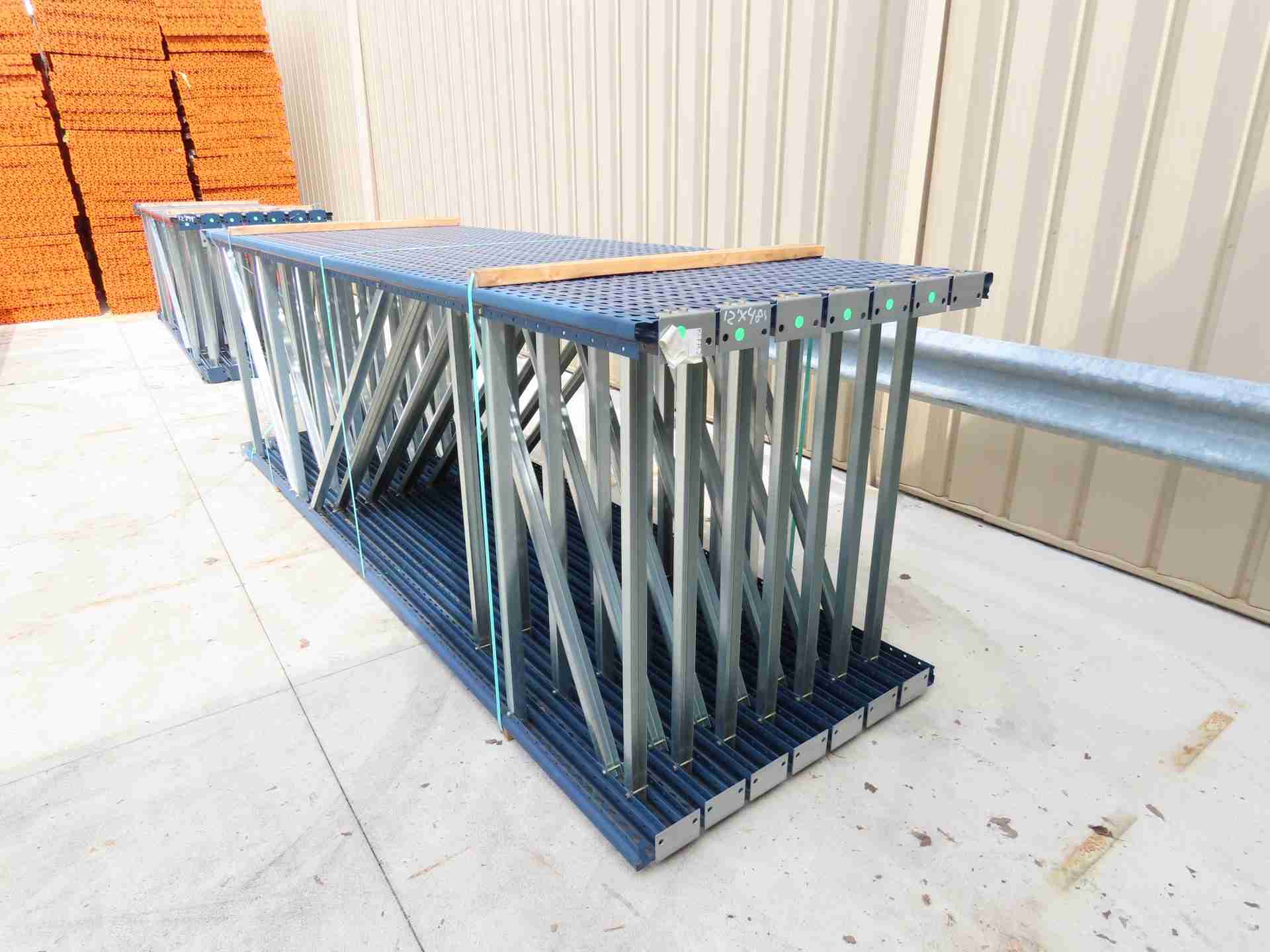
What Role Does Software Play In Cantilever Rack Management?
What Role Does Software Play In Cantilever Rack Management?
- Efficient warehouse management is crucial in today’s fast-paced logistics environment.
- Software solutions transform cantilever rack systems into organized hubs of productivity.
- Companies like Home Depot use warehouse management software (WMS) to optimize supply chains and increase efficiency.
- Modern software allows real-time inventory tracking and streamlined operations, reducing picking errors.
- Integration with existing systems enables detailed analytics for informed decision-making on inventory management.
- Software enhances safety and compliance by tracking inspections and regulations, simplifying audit processes.
- AI and machine learning optimize cantilever rack management by predicting demand and informing maintenance schedules.
What Role Does Software Play In Cantilever Rack Management?
Table Of Contents
- What Role Does Software Play In Cantilever Rack Management?
- What Is A Cantilever Rack And How Is It Used?
- How Can Software Optimize Rack Space?
- What Software Features Improve Inventory Accuracy?
- How Does Software Help In Tracking Cantilever Rack Usage?
- What Benefits Does Software Provide For Maintenance Management?
- Can Software Assist In Load Management For Safety?
- How Does Inventory Management Software Integrate With Racking Systems?
- What Role Does Real-Time Data Play In Rack Management?
- How Can Analytics Improve Cantilever Rack Efficiency?
- What Are The Costs Associated With Software For Rack Management?
- How Do User-Friendly Interfaces Influence Software Adoption?
- What Software Solutions Are Best For Cantilever Rack Systems?
- How Does Software Facilitate Compliance And Reporting?
- What Are Common Challenges In Using Software For Rack Management?
- How Does Employee Training Impact Software Effectiveness?
- Conclusion
- Other Resources
- Glossary Of Terms
- Other Questions
- Checklist
What Is A Cantilever Rack And How Is It Used?
In a world where space is a premium commodity, businesses across industries strive to optimize their storage solutions. Enter the cantilever rack—an ingenious piece of engineering designed for efficiency and versatility. But what exactly is a cantilever rack, and how can it revolutionize your storage operations?
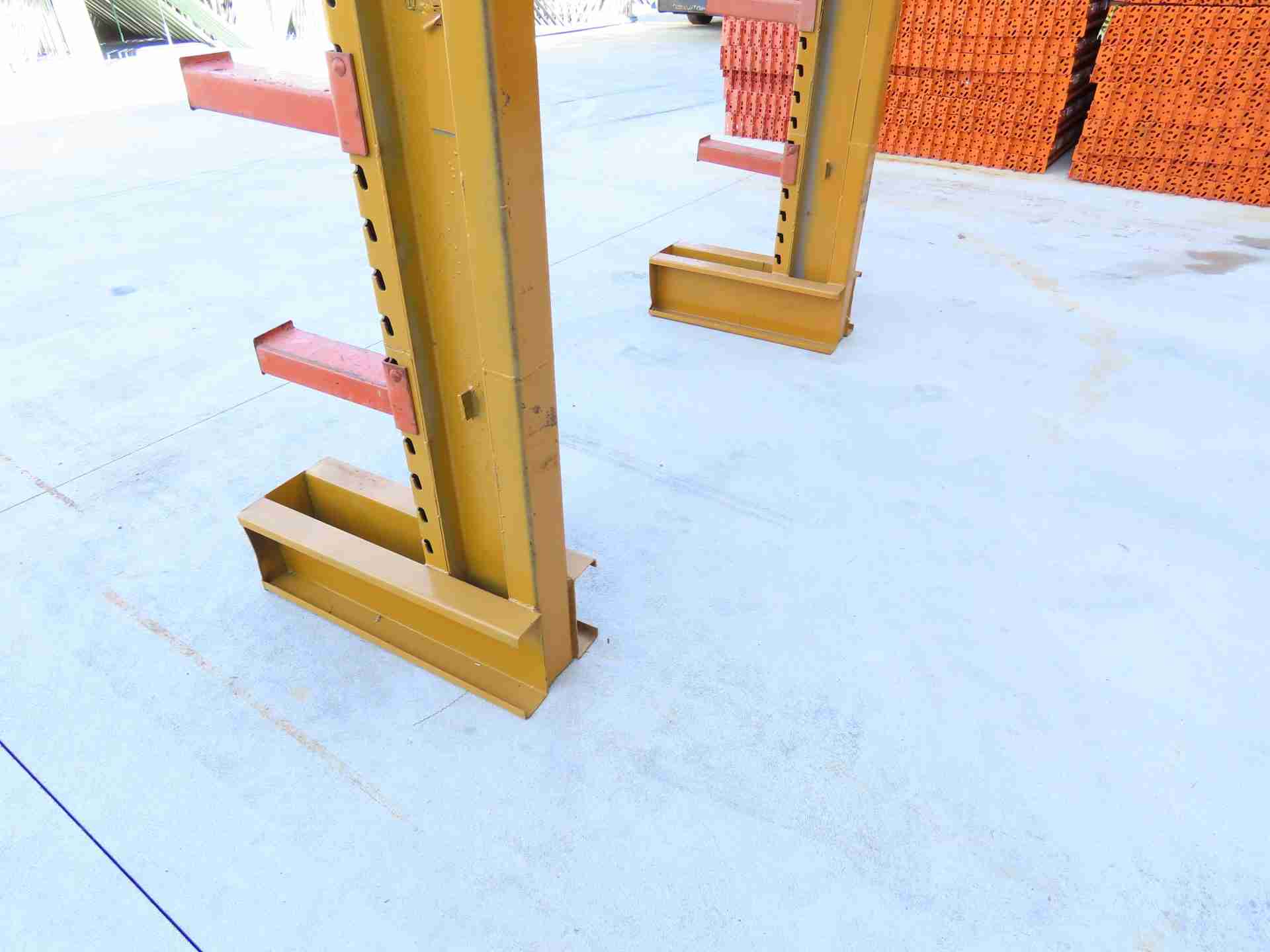
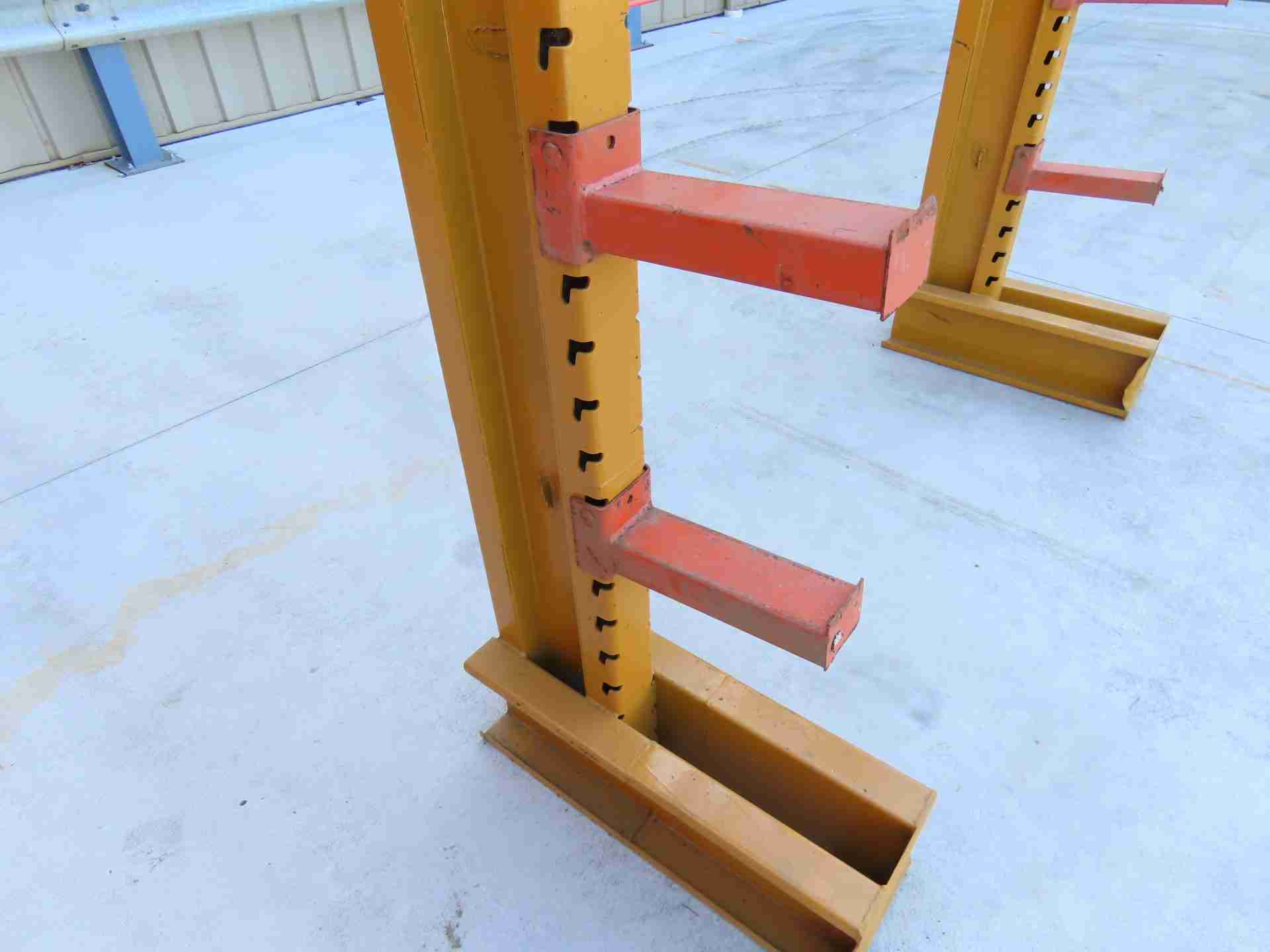
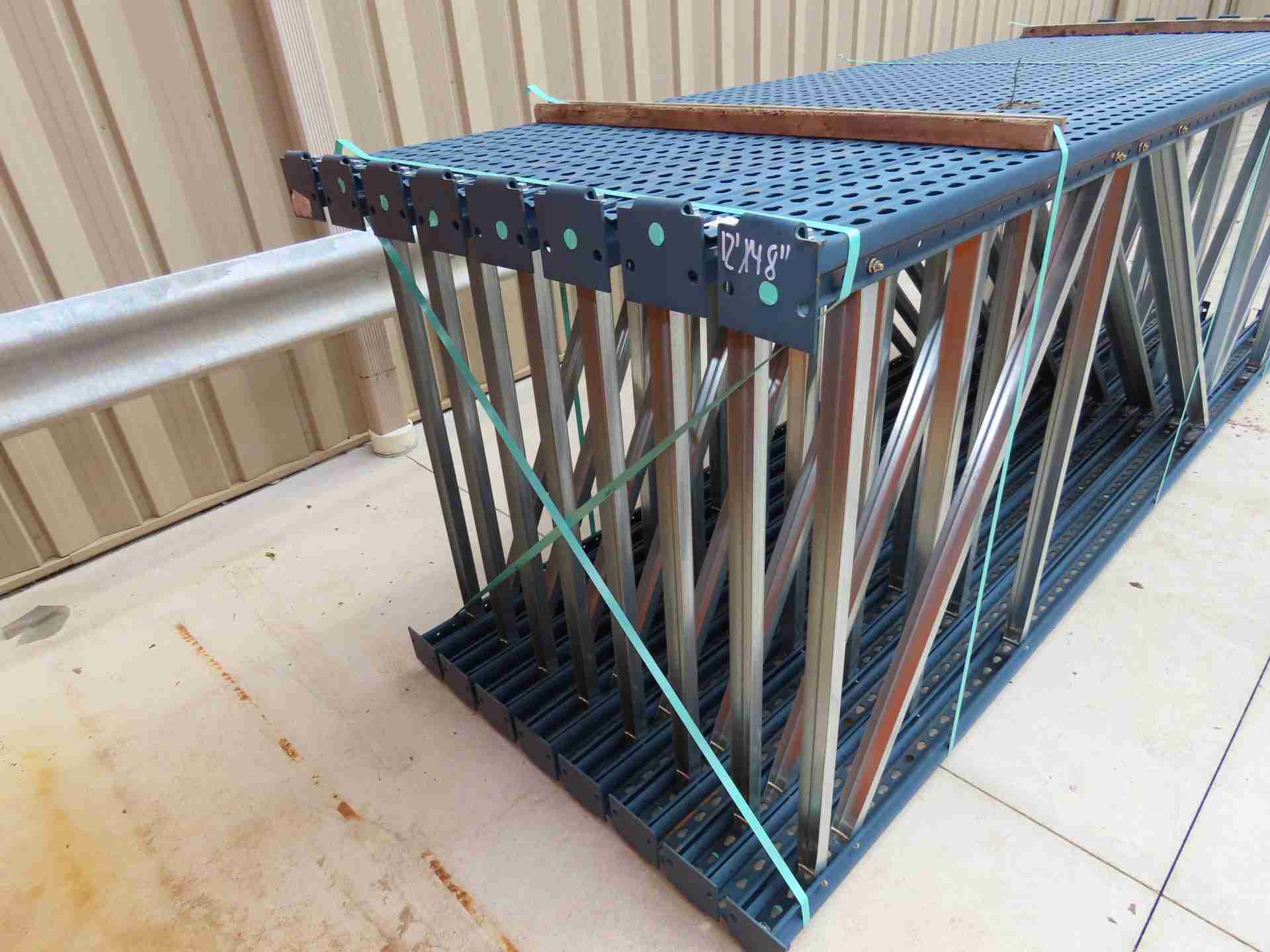
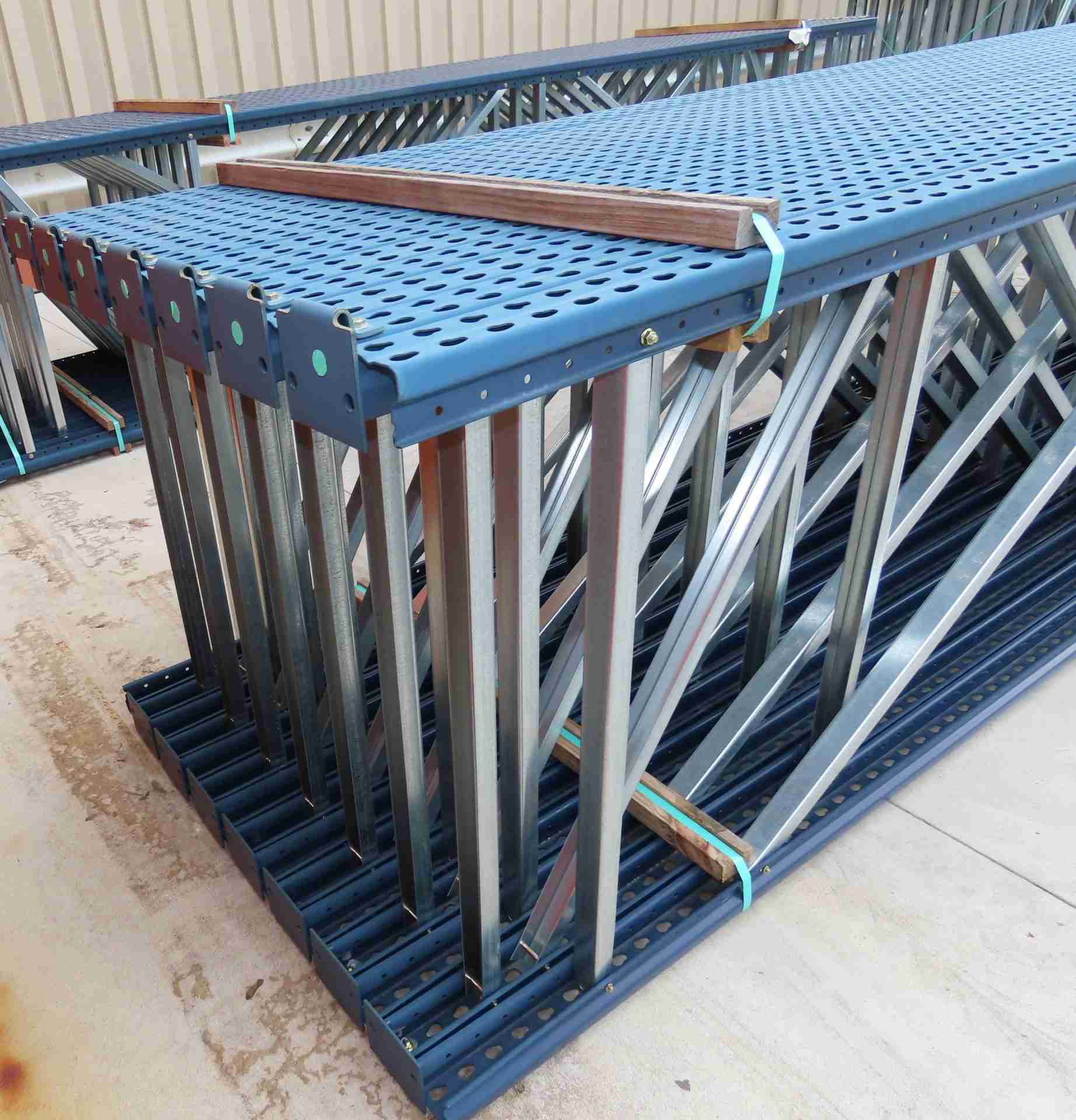
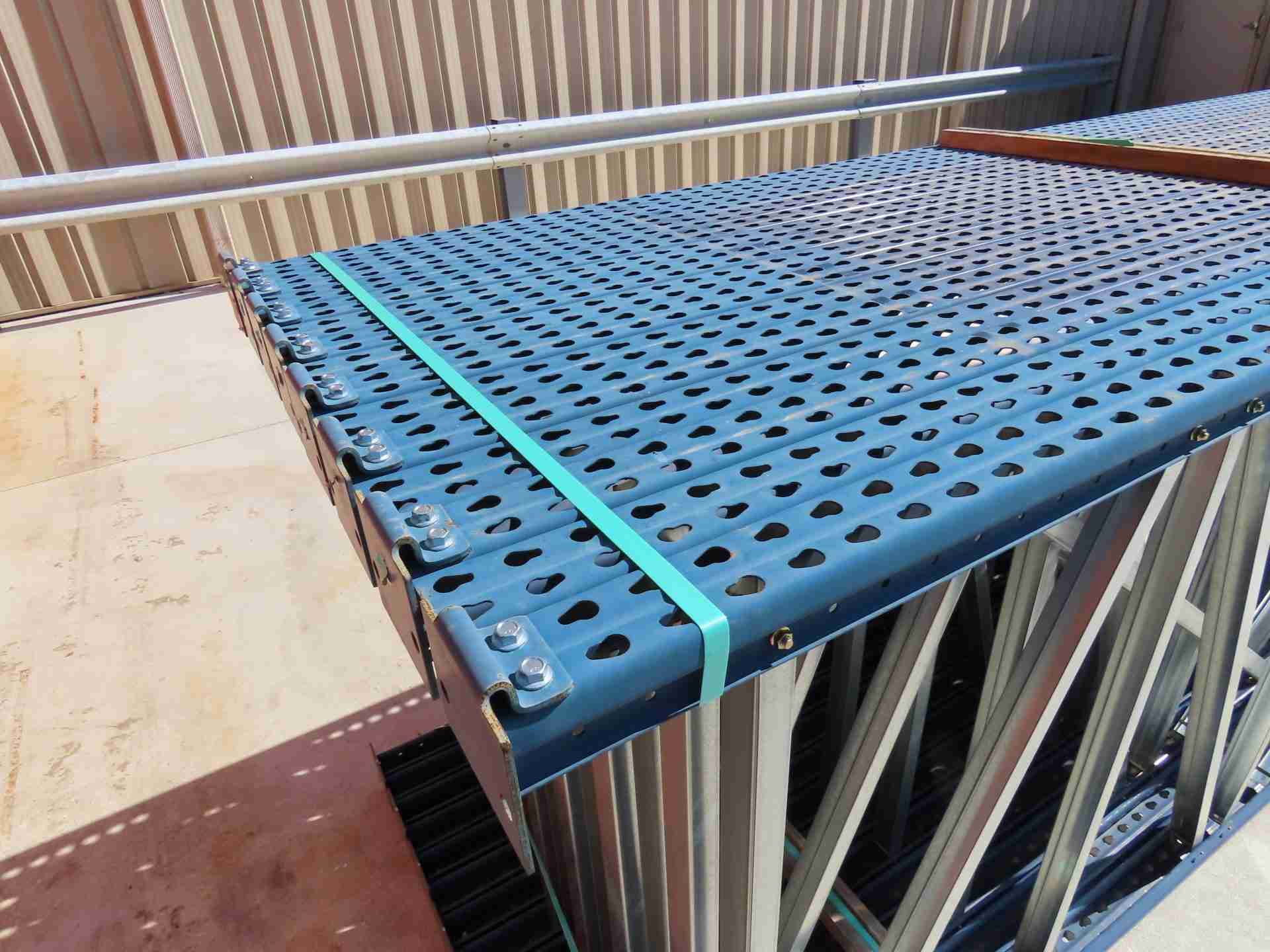
A cantilever rack consists of a series of vertical columns with horizontal arms that extend outward, resembling a series of cantilevered structures. Unlike conventional shelving, these racks are perfect for holding long, bulky, or oddly-shaped items—think lumber, pipes, furniture, or even automotive parts. The open design allows for easy loading and unloading, maximizing both space and accessibility.
One of the most compelling aspects of cantilever racks is their adaptability. For instance, manufacturing facilities often use them to store raw materials alongside finished goods, streamlining operations and reducing retrieval time. In a recent survey conducted by the Material Handling Industry, over 70% of warehouses reported improved efficiency after integrating cantilever racking systems into their operations.
Consider the booming e-commerce industry, where rapid fulfillment is essential. Retailers like Amazon have adapted their warehousing techniques to accommodate increasing demand. By utilizing cantilever racks, they can store a wider range of products while maintaining a smaller footprint, effectively turning the constraints of space into a competitive advantage.
Additionally, cantilever racks can be tailored to meet specific needs. With adjustable arms and various configurations, they can easily be modified as your inventory changes. For instance, a construction company that initially stored only lumber can quickly adapt its cantilever system for seasonal equipment or specialized tools, ensuring that space is never wasted.
We also see significant advancements in the cantilever rack product line. Innovations such as climate-controlled features and integrated tracking systems are gaining traction, further enhancing utility. Companies that leverage these technologies are not only able to optimize their storage but also take inventory management to the next level.
As businesses seek practical yet dynamic storage solutions, the cantilever rack stands out as a clear front-runner. With the exponential growth in industries like renewable energy and manufacturing, now is the time to explore how this storage solution can help your business adapt and thrive. Embrace the evolution of warehousing, and consider incorporating cantilever racks into your logistics strategy today. Your efficiency—and your bottom line—will thank you.
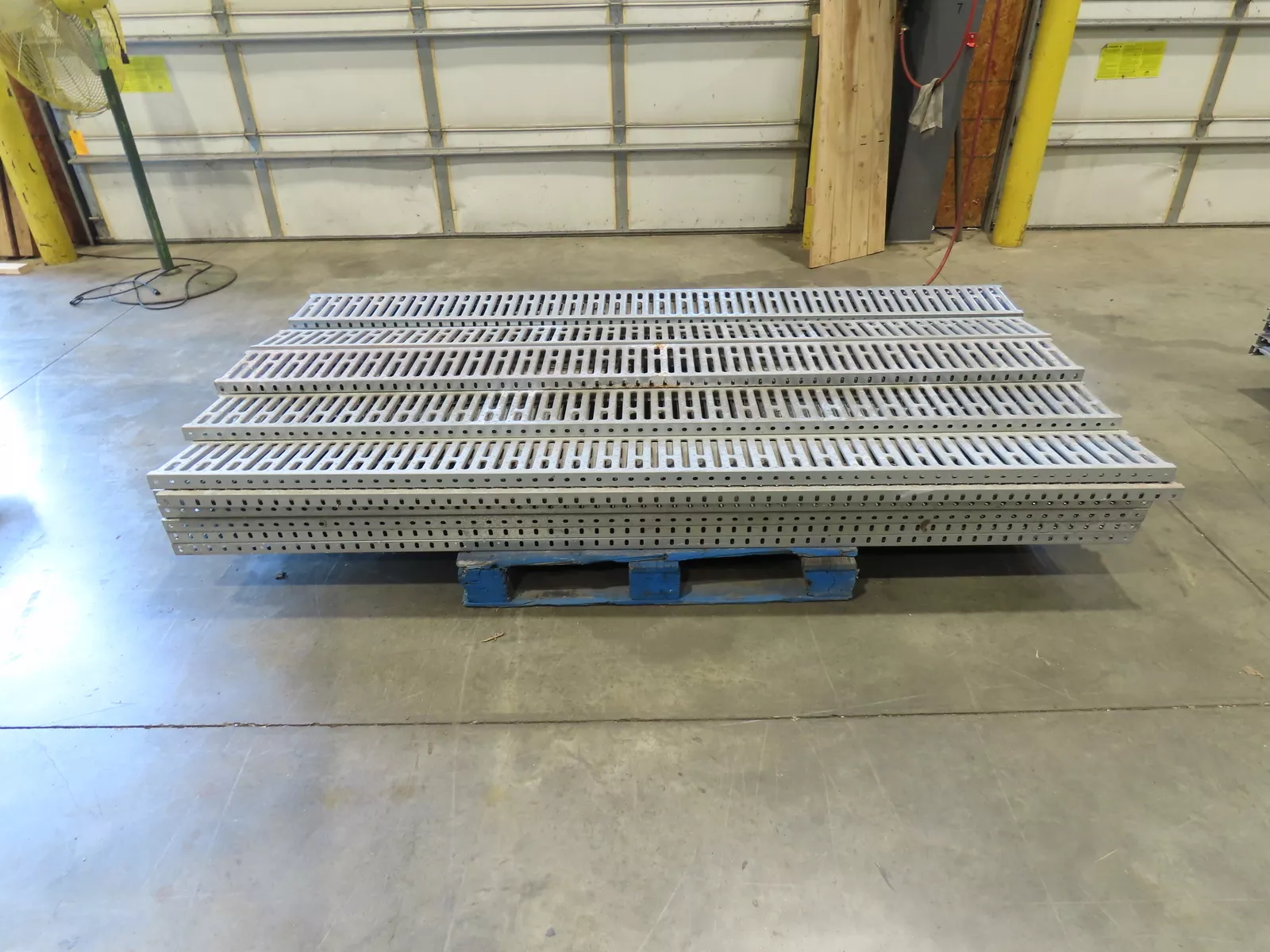
What Is A Cantilever Rack And How Is It Used?
What Is A Cantilever Rack And How Is It Used?
- Cantilever racks are engineered for efficiency and versatility in storage solutions.
- Designed to hold long, bulky, or oddly-shaped items, such as lumber and pipes.
- The open design of cantilever racks allows for easy loading and unloading, maximizing space and accessibility.
- Over 70% of warehouses reported improved efficiency after integrating cantilever racking systems.
- Cantilever racks help e-commerce businesses like Amazon store a wider range of products efficiently.
- The racks can be customized with adjustable arms and configurations as inventory needs change.
- Innovations like climate control and integrated tracking are enhancing the utility of cantilever racks.
What Is A Cantilever Rack And How Is It Used?
How Can Software Optimize Rack Space?
In the fast-paced world of IT and data management, optimizing rack space isn’t just a luxury; it’s a necessity. As businesses grow and expand their digital infrastructure, the demand for efficient space utilization becomes even more critical. Enter software solutions designed to revolutionize rack management—let’s explore how these powerful tools can transform your operations and significantly impact your bottom line.
Take a moment to think about the financial implications of underutilized rack space. According to recent reports from the global data center market, companies can waste thousands of dollars per year due to inefficient rack usage. By implementing advanced software solutions, organizations can maximize their assets and minimize wasted potential.
For example, consider a company like Facebook, which routinely faces the challenge of managing massive data loads. To address this, they’ve invested in sophisticated rack optimization software that helps them analyze usage patterns and dynamically allocate resources. This not only boosts performance but also ensures that every ounce of rack space is used effectively.
But it’s not just tech giants reaping the rewards. On a smaller scale, a growing business might leverage cloud-based data management tools to analyze their rack performance in real-time. By employing tools like SolarWinds or Datadog, these businesses can visualize power usage, heat generation, and space allocation, empowering them to make informed decisions that lead to exponential savings. Imagine cutting your energy costs in half simply by identifying which servers are consuming unnecessary resources!
Moreover, with the rise of sustainability initiatives and environmental regulations, optimizing rack space holds immense value. Companies are now tasked to not only enhance performance but to also reduce their carbon footprint. Software solutions that allow for effective cooling management and redundancy can help organizations meet these sustainability goals while simultaneously enhancing operational efficiency.
Today, as the business landscape continues to evolve post-pandemic, the blend of remote work and increased digital demands means the need for optimized rack space is more pronounced than ever. By implementing cutting-edge software solutions, businesses can ensure that their rack space evolves in tandem with their operational needs, leading to improved agility and productivity.
In summary, the key to overcoming space limitations lies in the adoption of advanced software solutions. By transforming how we manage and utilize rack space, it’s possible to drive significant savings and improve operational efficiency—allowing companies to focus on what really matters: growth and innovation.
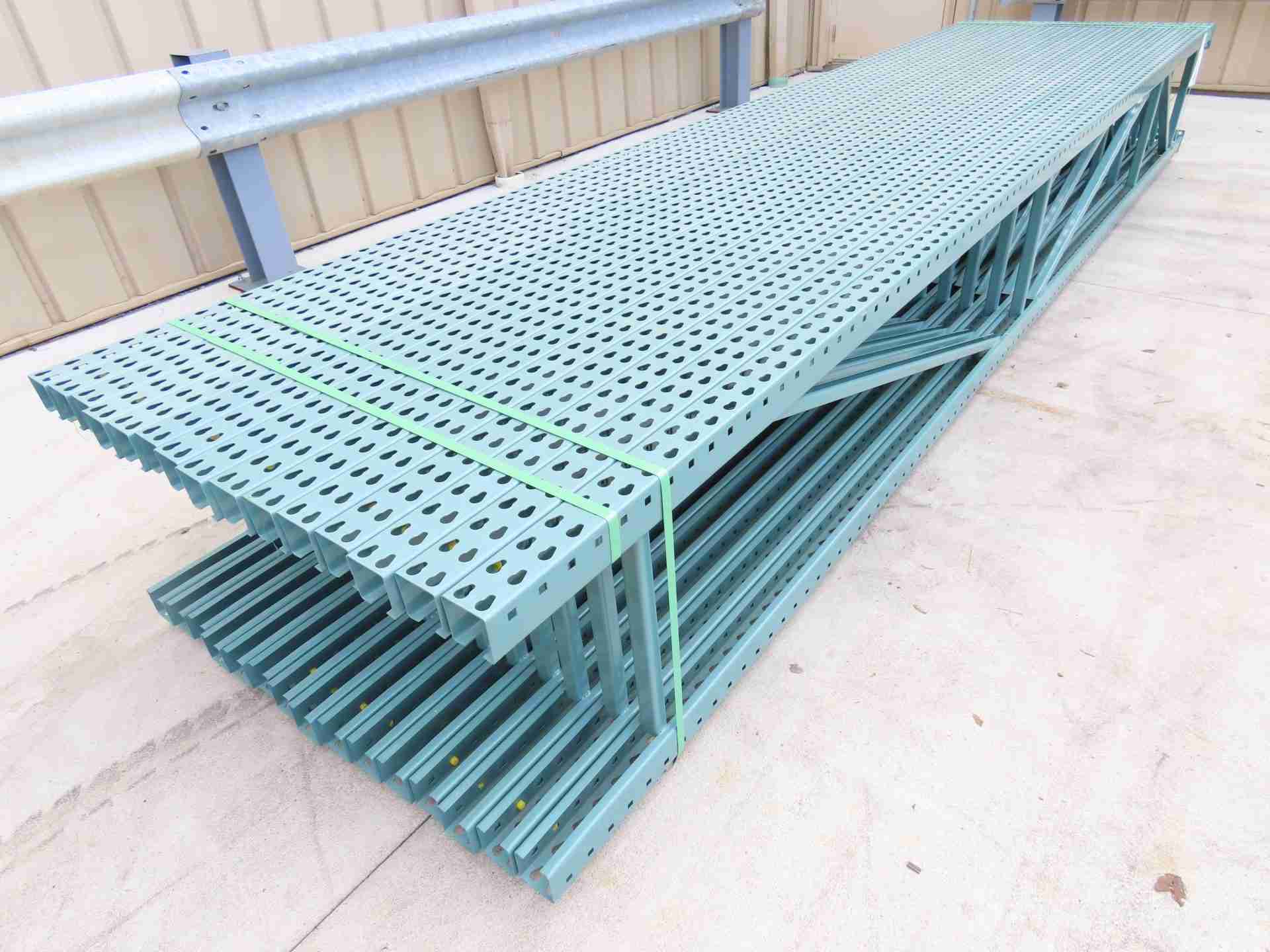
How Can Software Optimize Rack Space?
How Can Software Optimize Rack Space?
- Optimizing rack space is essential for IT and data management in growing businesses.
- Underutilized rack space can lead to significant financial waste, costing companies thousands annually.
- Advanced software solutions can maximize asset utilization and minimize wasted potential.
- Companies like Facebook utilize sophisticated rack optimization software to enhance performance and resource allocation.
- Smaller businesses can use cloud-based tools (e.g., SolarWinds, Datadog) for real-time rack performance analysis.
- Optimizing rack space aids in meeting sustainability goals while improving operational efficiency.
- Adopting advanced software solutions enables businesses to adapt rack space to evolving operational needs, boosting agility and productivity.

How Can Software Optimize Rack Space?
What Software Features Improve Inventory Accuracy?
In today’s fast-paced marketplace, maintaining inventory accuracy isn’t just a necessity; it’s the lifeblood of your business. Fortunately, cutting-edge inventory management software comes packed with powerful features designed to enhance accuracy, streamline operations, and ultimately, boost your bottom line.
Real-Time Tracking
One of the most groundbreaking features in inventory management software is real-time tracking. Imagine knowing exactly where your stock is at every moment, from the supplier’s warehouse to your own shelves. This capability not only helps prevent stockouts and overstock situations but also minimizes costly shrinkage. Take a look at industry leaders like Amazon; they leverage real-time tracking to predict customer demand with precision, adjusting their inventories accordingly. This kind of foresight translates into sales and satisfied customers.
Automated Alerts and Notifications
In a world where time is money, manual updates can hobble efficiency. Modern inventory software employs automated alerts to notify you about low stock levels, expiration dates, or discrepancies in inventory counts. For instance, if a product is approaching its expiration, the software can automatically trigger a discount campaign to move it swiftly, preventing waste and ensuring fresh inventory on your shelves. The recent surge in demand for perishable goods due to global shifts in consumer behavior underscores the importance of such features.
Barcode and RFID Integration
Another game-changer is the integration of barcode and RFID technology into inventory software. This capability allows for quick scanning of products entering or leaving your inventory, thereby reducing human error. Implementing RFID tags means you can conduct inventory checks in a fraction of the time it used to take, making cycle counts a breezy affair instead of a chore. Companies like Walmart have been pioneers in using RFID technology, achieving incredible precision in their inventory management that rivals traditional methods.
Data Analytics and Reporting
Lastly, let’s not overlook the power of data analytics and reporting. The best inventory management software does more than merely keep track of stock; it provides insightful analytics that help you make informed decisions. You’ll gain visibility into trends, seasonal buying patterns, and product performance, allowing you to optimize your stock levels proactively. For instance, during recent supply chain disruptions, businesses equipped with advanced analytics were able to adjust their procurement strategies quickly, ensuring they remained competitive.
Robust inventory management software with real-time tracking, automated alerts, barcode/RFID integration, and in-depth analytics are crucial for improving inventory accuracy. As we navigate the complexities of the modern market, harnessing these features can keep you one step ahead, safeguarding your profits like never before.
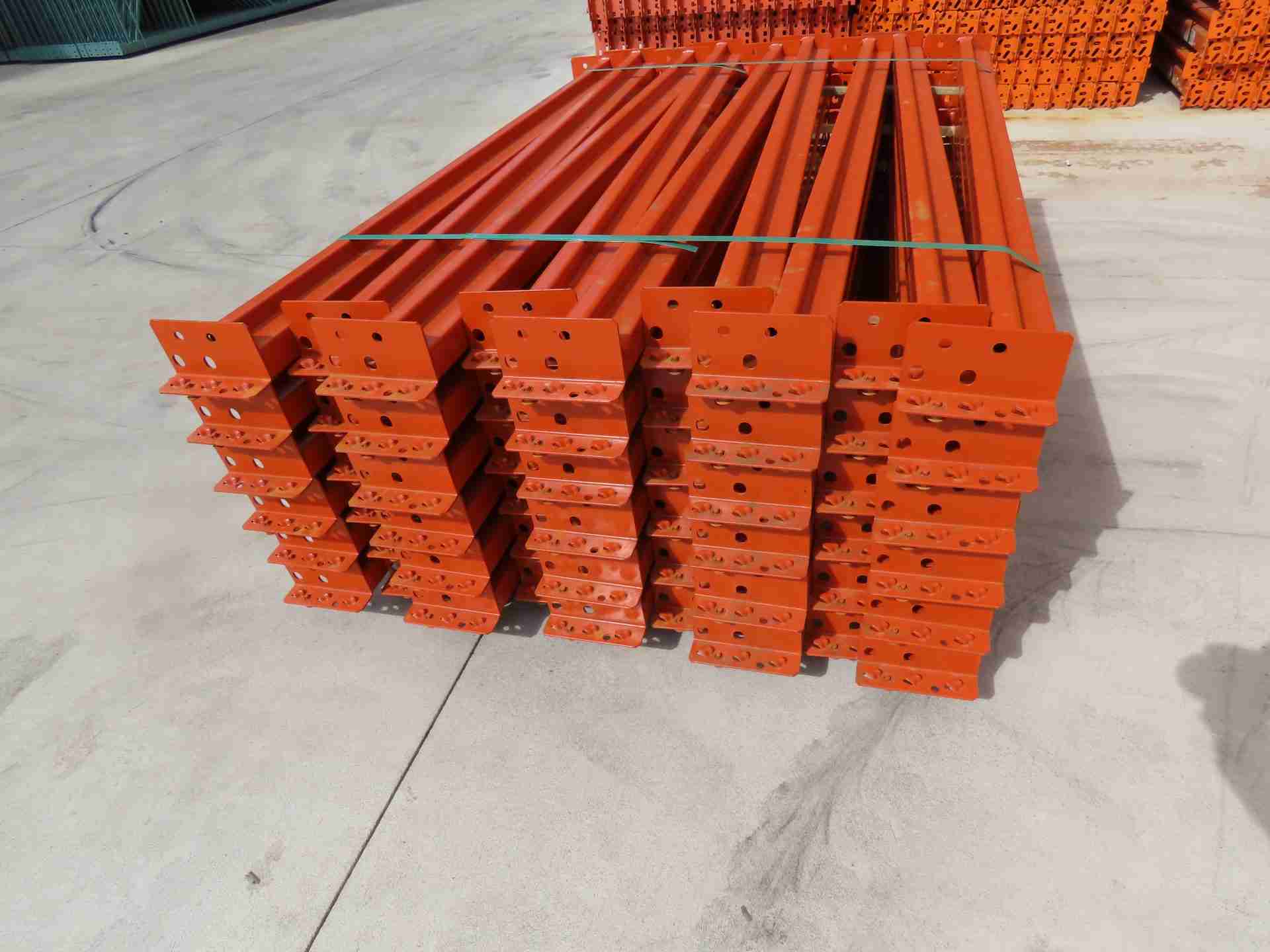
What Software Features Improve Inventory Accuracy?
What Software Features Improve Inventory Accuracy?
- Maintaining inventory accuracy is essential for business success in today’s fast-paced marketplace.
- Real-time tracking allows businesses to know the exact location of stock, preventing stockouts and overstocking.
- Automated alerts notify users of low stock levels, expiration dates, and inventory discrepancies to enhance efficiency.
- Integration of barcode and RFID technology reduces human error and speeds up inventory checks.
- Data analytics and reporting tools provide insights into trends and product performance for informed decision-making.
- Advanced inventory management features are crucial for safeguarding profits amidst market complexities.
- Using these features helps businesses like Amazon and Walmart to adapt and thrive in their respective markets.
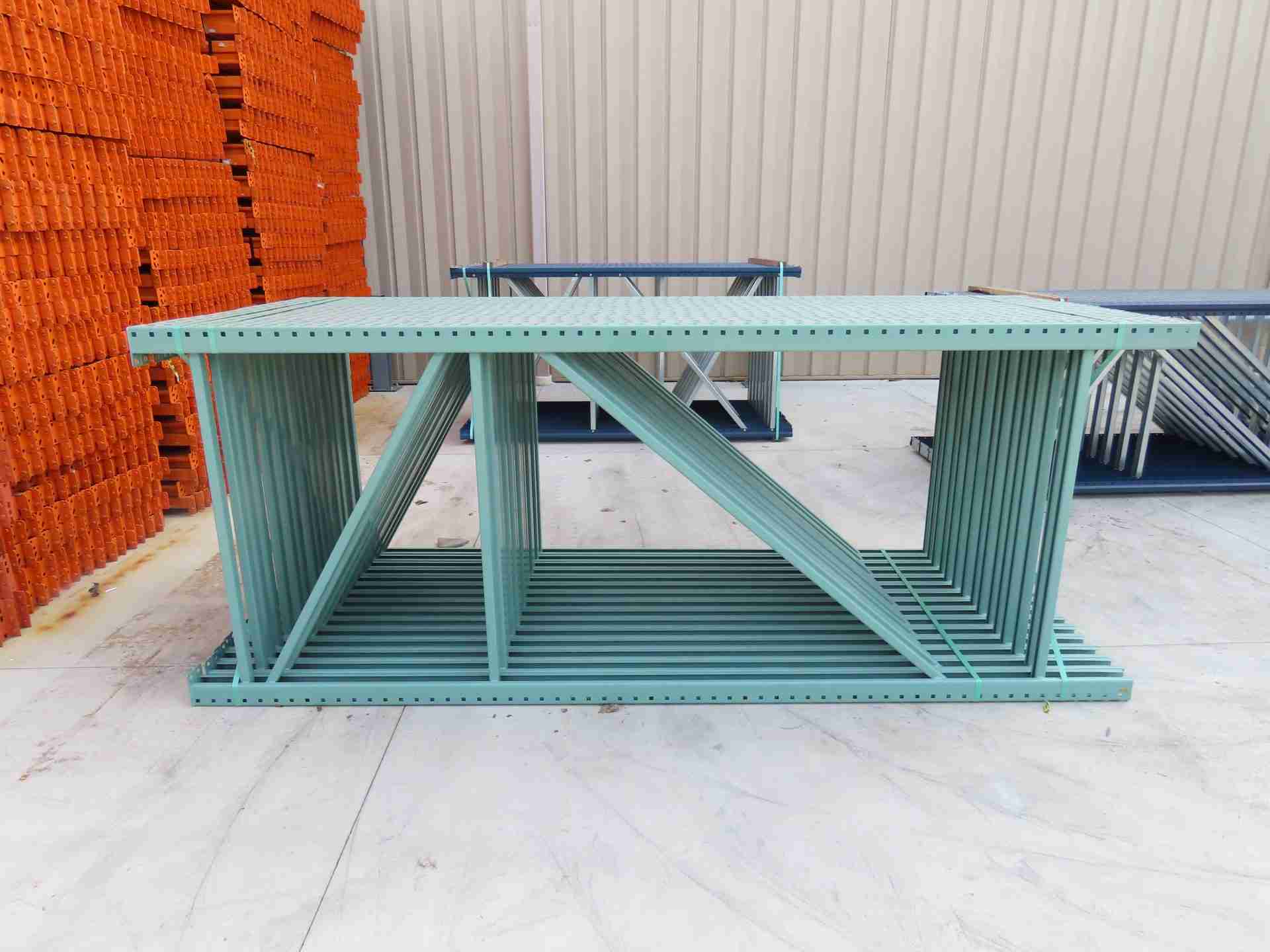
What Software Features Improve Inventory Accuracy?
How Does Software Help In Tracking Cantilever Rack Usage?
In the ever-evolving landscape of warehouse and inventory management, the efficiency and organization of your storage solutions can significantly impact your bottom line. Cantilever racks, an industry favorite for their flexibility in storing items of varying lengths and shapes, are making waves. However, tracking their usage in a way that maximizes efficiency is where software becomes your secret weapon.
Imagine a bustling warehouse filled to the brim with raw materials and finished products, all stored on cantilever racks. Now envision the chaos that ensues when your team struggles to locate items, leading to wasted hours and frustrated employees. This is where software steps in to transform chaos into clarity. By implementing a robust inventory management system, you gain real-time insights into your cantilever rack usage.
For instance, consider a furniture manufacturer that utilizes cantilever racks to store large boards and materials. With the integration of advanced software solutions, they can track the exact location of each item stored on their racks. This system can alert staff when stock levels are low or when a specific item hasn’t been accessed in a while. By leveraging data analytics, the company can even predict demand trends based on historical usage patterns, ensuring that they have the right materials on hand just when they need them.
Furthermore, the implementation of RFID (Radio-Frequency Identification) technology within inventory software adds another layer of sophistication. For example, a construction company could outfit their storage facility with RFID tags on equipment stored in cantilever racks. Employees equipped with handheld RFID scanners can instantly check the availability and status of items, leading to faster retrieval times and more efficient project management.
The ongoing supply chain disruptions in recent years have underscored the importance of being agile and well-organized. Companies that harness the power of software to track their cantilever rack usage can better navigate these challenges, adapting their storage strategies in real time to meet changing demands.
By employing software solutions designed specifically for tracking storage systems, businesses not only increase operational efficiency but also enhance their decision-making capabilities. This means you can invest less time searching for products and more time focused on growth and profitability.
In the cutthroat world of warehousing, smart businesses are turning to innovative software to track cantilever rack usage. Don’t be left behind—consider your options today and watch your efficiency soar.
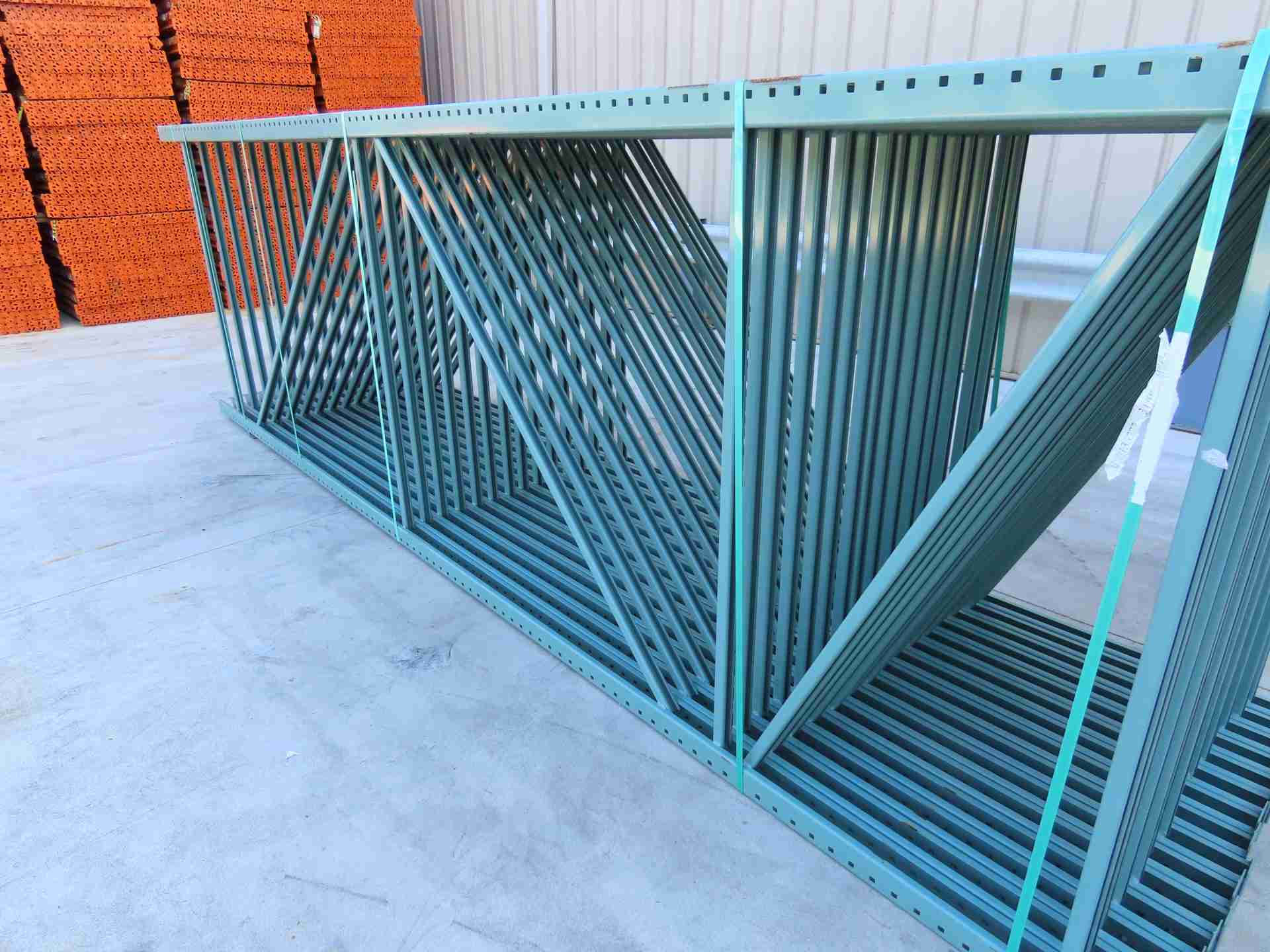
How Does Software Help In Tracking Cantilever Rack Usage?
How Does Software Help In Tracking Cantilever Rack Usage?
- Efficiency and organization in warehouse management significantly impact profitability.
- Cantilever racks are popular for their flexibility in storing varying lengths and shapes.
- Software enhances tracking and maximizes efficiency in managing cantilever racks.
- Real-time insights from inventory management systems help locate items and reduce wasted time.
- Integration of data analytics aids in predicting demand trends and optimizing stock levels.
- RFID technology improves item tracking, leading to faster retrieval and project management.
- Utilizing software for storage strategy adjustments enhances operational efficiency and decision-making.
How Does Software Help In Tracking Cantilever Rack Usage?
What Benefits Does Software Provide For Maintenance Management?
In today’s fast-paced business environment, efficient maintenance management is more crucial than ever. Software solutions designed for maintenance management elevate the performance of organizations, allowing them to operate more smoothly and cost-effectively. Let’s delve into the undeniable benefits that such software brings to the table.
First and foremost, streamlined operations are paramount. By incorporating a maintenance management software, businesses can automate and streamline various tasks, reducing the time spent on manual processes. Consider a manufacturing plant that relies heavily on machinery. When machinery breaks down unexpectedly, production grinds to a halt, costing money and resources. With a well-implemented maintenance software system, maintenance schedules can be preemptively set, and insights from previous breakdowns can help schedule timely repairs. As recent reports from McKinsey illustrated, companies that leverage technology to streamline their operations can boost productivity by up to 20%.
Furthermore, there’s the significant cost reduction that can accompany effective maintenance management software. Many businesses, particularly in sectors like transportation and logistics, are continually evaluating their expenditure. Poor maintenance protocols can lead to catastrophic failures and unplanned downtimes—which are financial black holes. Once a maintenance software is in place, it allows for thorough tracking of assets and their performance metrics, enabling you to make informed decisions on repairs or replacements before costs spiral out of control.
Another astonishing benefit is data-driven decision making. Modern maintenance software gathers real-time data and analytics, empowering managers with actionable insights. For instance, during a recent analysis of the aviation sector, companies that adopted predictive maintenance approaches enjoyed a 30% reduction in maintenance costs. Imagine the power of knowing precisely when to fix an aircraft based on exhaustive data, rather than adhering to a traditional maintenance schedule! This foresight not only maximizes asset longevity but also enhances safety, which is paramount in industries where lives are at stake.
Moreover, implementing software for maintenance management fosters greater collaboration and communication among team members. With platforms that provide centralized information, all stakeholders—from technicians to executives—have access to the same data. In challenging economic climates, such as those we’ve seen in 2023 due to global supply chain issues, seamless communication can be the difference between a quick resolution and prolonged downtime.
In summary, the integration of maintenance management software yields benefits that ripple through the organization. From cost savings and operational efficiency to data-driven insights and enhanced communication, the advantages are plentiful. Embracing this technology is not just an operational choice; it’s a strategic imperative for any business aiming for sustained growth and vitality.
What Benefits Does Software Provide For Maintenance Management?
What Benefits Does Software Provide For Maintenance Management?
- Efficient maintenance management is crucial in today’s fast-paced business environment.
- Maintenance management software streamlines operations by automating various tasks and reducing manual processes.
- With proactive maintenance scheduling, organizations can minimize unexpected breakdowns and enhance productivity, boosting it by up to 20%.
- Effective maintenance software can lead to significant cost reductions by tracking asset performance and preventing costly failures.
- Real-time data and analytics from modern maintenance software facilitate data-driven decision making, reducing maintenance costs by up to 30% in some sectors.
- Implementing maintenance software improves collaboration and communication among team members, ensuring all stakeholders access the same information.
- Integrating maintenance management software is a strategic imperative for organizations seeking sustained growth and operational efficiency.
What Benefits Does Software Provide For Maintenance Management?
Can Software Assist In Load Management For Safety?
In today’s fast-paced world, ensuring safety within logistics and heavy industries is more critical than ever. With increasing demands, variability in workloads, and the constant pressure to enhance operational efficiency, the equation has drastically shifted. Enter software solutions—innovative tools designed not just to streamline operations but to enhance safety through effective load management.
Imagine a bustling warehouse where thousands of packages are constantly in motion. Each box demands careful handling, but with human error creeping into the equation, accidents happen. This is where load management software shines. By leveraging real-time data and advanced algorithms, these systems optimize load distribution, ensuring that every vehicle or storage area is not overburdened. For instance, in a recent case study involving a well-known delivery service, implementing load management software reduced overloading incidents by a staggering 30%. The result? Not only enhanced safety, but also substantial savings on insurance and payouts from accidents.
But it’s not just about convenience; it’s about compliance. Regulatory standards are tightening, especially in industries like construction and transportation. In recent years, safety violations have led to crippling fines for companies that fall behind. Software solutions can help businesses stay compliant by providing crucial insights into load capacities and assisting in regular audits and assessments. Consider a construction firm that faced hefty penalties due to improperly managed load-bearing structures. By integrating load management software, they not only avoided fines but also fortified their safety infrastructure, making a powerful statement to stakeholders about their commitment to safety.
Additionally, many software solutions now incorporate predictive analytics. These tools analyze historical data to forecast potential risks based on varying load conditions. For example, during the recent global shift to e-commerce, a major retailer experienced significant spikes in demand. Their advanced load management software, which utilized predictive modeling, enabled them to anticipate peak periods and adjust loading strategies proactively. The outcome was not just efficiency but a notable drop in workplace accidents—proof that smart, data-driven decisions lead to safer operations.
Investing in software for load management adds layers of safety that traditional methods can’t provide. By equipping your business with the right tools, you’re not just optimizing operations; you’re fundamentally transforming safety culture from reactive to proactive. As the industry evolves, let your organization be a pioneer in prioritizing safety, ensuring your team can operate with confidence, knowing their workloads are managed effectively.
Can Software Assist In Load Management For Safety?
Can Software Assist In Load Management For Safety?
- Safety in logistics and heavy industries is increasingly critical due to rising demands and operational pressures.
- Load management software optimizes load distribution and reduces human error, enhancing safety in bustling environments like warehouses.
- Implementing load management software can significantly reduce incidents, as shown by a case where a delivery service cut overloading incidents by 30%.
- These software solutions aid compliance with tightening regulatory standards, helping businesses avoid hefty fines through better load management.
- Predictive analytics within load management software forecast potential risks, allowing companies to adjust strategies proactively.
- Adopting these technological tools transforms safety culture from reactive to proactive, improving overall workplace safety.
- Investing in load management software equips businesses to operate confidently and improves the safety of their operations.

Can Software Assist In Load Management For Safety?
How Does Inventory Management Software Integrate With Racking Systems?
In today’s fast-paced retail and distribution landscape, the effective management of inventory is paramount for businesses looking to thrive. At the heart of this efficiency lies a powerful pair: Inventory Management Software (IMS) and advanced racking systems. But how exactly do they converge to create operational harmony?
First, let’s consider the sheer volume of data generated in a warehouse. Modern IMS harnesses advanced algorithms and real-time analytics, turning chaotic stock levels into structured insights. It categorizes products, tracks their movements, and anticipates demand fluctuations—essential for maintaining a lean inventory. Now, when you integrate this software with an intelligent racking system, the magic happens.
Imagine a scenario where you have a racking system equipped with RFID technology. As products are placed on shelves, the IMS seamlessly updates inventory levels in real-time, mapping exact locations within the racking layout. This not only eliminates the burdensome manual counting but also minimizes stock discrepancies, saving hundreds of labor hours. Companies like Amazon have harnessed this technology to streamline their fulfillment centers, showing how effective inventory tracking directly supports faster delivery—a competitive edge that retailers cannot afford to overlook.
Moreover, the latest innovations in warehouse robotics can further enhance this integration. Picture drones flying through a racked warehouse, scanning barcodes to ensure inventory accuracy, all while the IMS updates stock levels simultaneously. Companies such as Walmart have begun pilot programs for autonomous inventory checks, highlighting a significant shift toward automation in logistics.
Let’s delve into a practical example: a mid-sized e-commerce business struggling with seasonal spikes in demand. By adopting robust IMS integrated with their racking system, they can optimize storage by analyzing which products sell faster during certain seasons. This allows them to adjust their racking arrangements dynamically, prioritizing accessible locations for high-traffic items. The outcome? A hyper-responsive supply chain that can quickly pivot according to market trends.
Finally, today’s facility managers can leverage cloud-based IMS to access data remotely, facilitating smarter decision-making no matter where they are. Such adaptability is crucial in an era where supply chains face unpredictable disruptions, such as those seen during recent global trade tensions.
The integration of inventory management software with racking systems is not just a trend but a vital strategy for companies aspiring to lead in their market. Employing these technologies today lays down the competitive groundwork for tomorrow’s challenges, making it an investment not only in technology but in the sustainable future of your business.
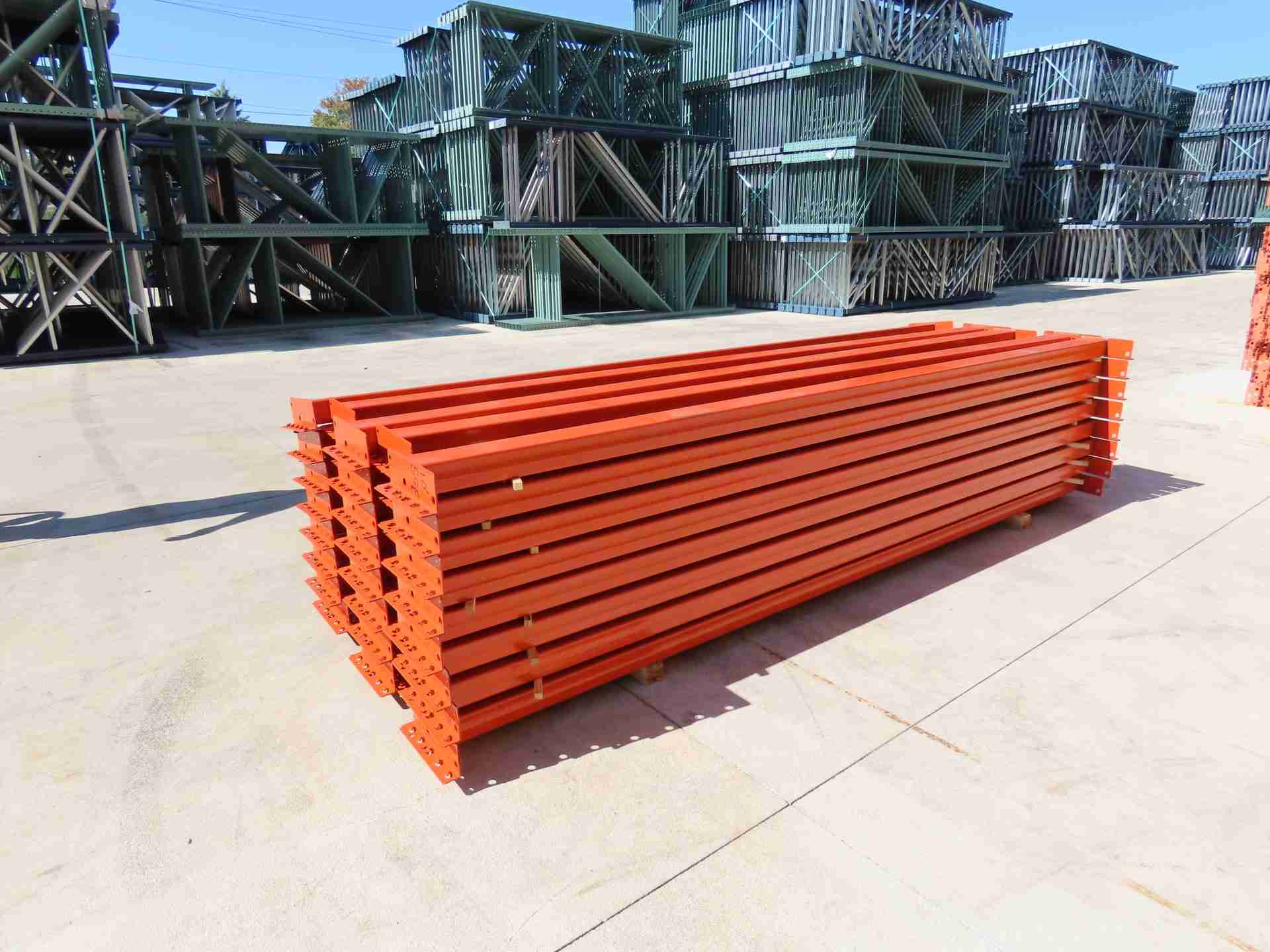
How Does Inventory Management Software Integrate With Racking Systems?
How Does Inventory Management Software Integrate With Racking Systems?
- Effective inventory management is essential for business success in the retail and distribution landscape.
- Inventory Management Software (IMS) utilizes advanced algorithms and real-time analytics to provide structured insights and maintain lean inventory.
- Integration of IMS with intelligent racking systems enhances operational efficiency by tracking product movements and anticipating demand.
- RFID-equipped racking systems update inventory levels in real-time, reducing manual counting and stock discrepancies, as demonstrated by companies like Amazon.
- Warehouse robotics, including drones for barcode scanning, support automated inventory checks, as seen in Walmart’s pilot programs.
- A practical example includes a mid-sized e-commerce business that optimizes storage and adjusts racking for seasonal demand spikes using integrated IMS.
- Cloud-based IMS offers remote data access, enabling smarter decision-making amid unpredictable supply chain disruptions.
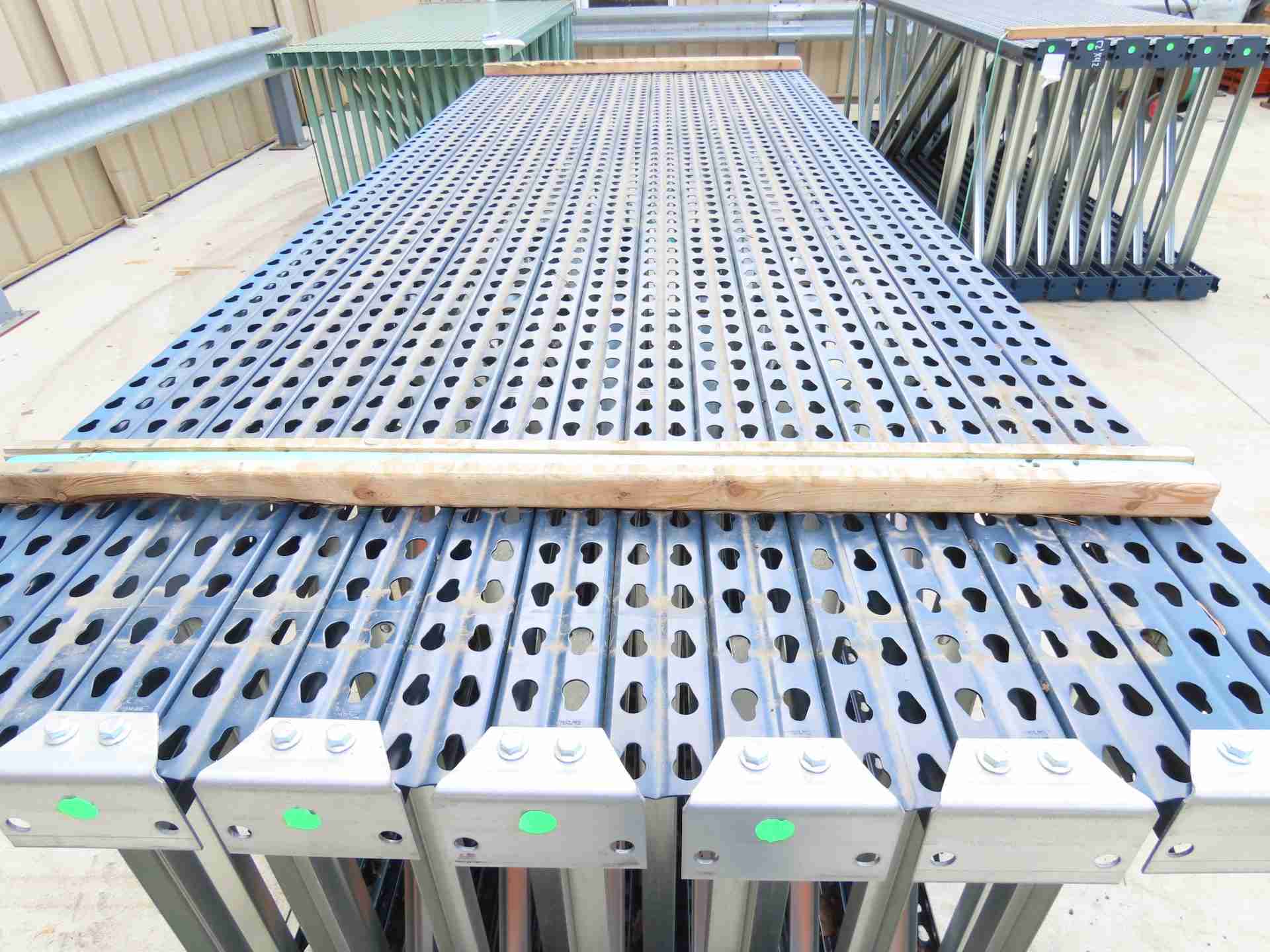
How Does Inventory Management Software Integrate With Racking Systems?
What Role Does Real-Time Data Play In Rack Management?
In today’s fast-paced digital landscape, successful rack management is no longer a matter of intuition or the simple observation of historical trends. The golden rule of our age is: adapt or get left behind. This truth applies equally to discrepancies in inventory levels or fluctuations in weather patterns, as it does to the nuanced dynamics of modern rack management. Enter real-time data—a game-changer that is transforming the way businesses operate.
Real-time data provides an immediate snapshot of current conditions, allowing managers to make informed decisions in the blink of an eye. Take, for instance, the global supply chain hiccups witnessed during the recent pandemic. Companies that relied on predictive models struggled, but those with robust real-time data systems could pivot quickly. They adapted their rack management strategies on the fly, optimizing storage solutions, and reallocating resources to meet changing demands.
Imagine a retail warehouse on Black Friday—the busiest shopping day of the year. When real-time data analytics tools monitor inventory levels, managers can promptly adjust rack allocations based on sales trends and foot traffic statistics. If a particular product is flying off the shelves, the system alerts staff to prioritize it, preventing stockouts and lost sales. Conversely, if an item is underperforming, it can be swiftly discounted or repositioned to make way for more popular products. This agility translated to a competitive edge can be the difference between thriving and merely surviving during crucial sales periods.
Moreover, real-time data enhances the safety and efficiency of rack operations. Monitoring environmental conditions—such as temperature and humidity—can alert managers to potential hazards that may compromise product quality. A recent breakdown of a cooling unit in a food distribution warehouse led to thousands of dollars in spoiled inventory, all because real-time monitoring was lacking. With a proactive system in place, businesses can prevent crises before they escalate.
As organizations continue to navigate complexities in supply chains brought on by geopolitical events and economic fluctuations, the role of real-time data in rack management becomes increasingly vital. Leveraging this data not only bolsters operational efficiency but also enhances customer satisfaction—a win-win scenario.
Real-time data is not just an option—it’s a necessity for modern rack management. Companies that embrace this technology will not only survive but thrive, becoming agile entities capable of adjusting to the ever-changing demands of the market. The question is: will you be among the leaders, or will you watch from the sidelines as the competition pulls ahead?
What Role Does Real-Time Data Play In Rack Management?
What Role Does Real-Time Data Play In Rack Management?
- Real-time data is crucial for effective rack management in today’s fast-paced digital environment.
- It enables immediate decision-making, as demonstrated during supply chain disruptions like the pandemic.
- Retail managers can optimize inventory and rack allocations during peak times using real-time data analytics.
- This data allows for quick adjustments to product placements based on sales trends, minimizing stockouts.
- Real-time monitoring ensures safety and efficiency by tracking environmental conditions, preventing product spoilage.
- Emphasizing the importance of agility, real-time data helps organizations adapt to geopolitical and economic changes.
- Companies that implement real-time data technologies will gain a competitive advantage and enhance customer satisfaction.
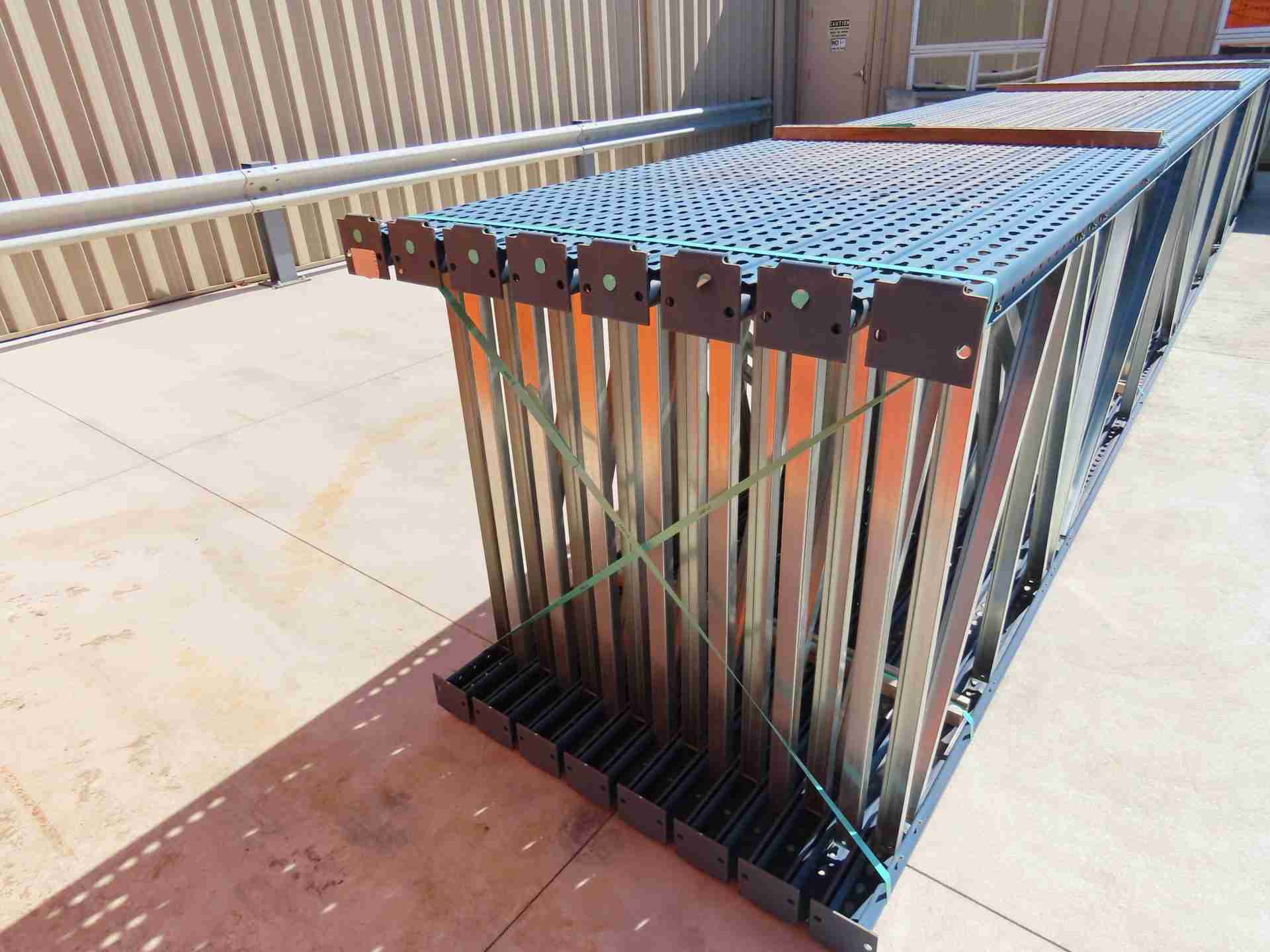
What Role Does Real-Time Data Play In Rack Management?
How Can Analytics Improve Cantilever Rack Efficiency?
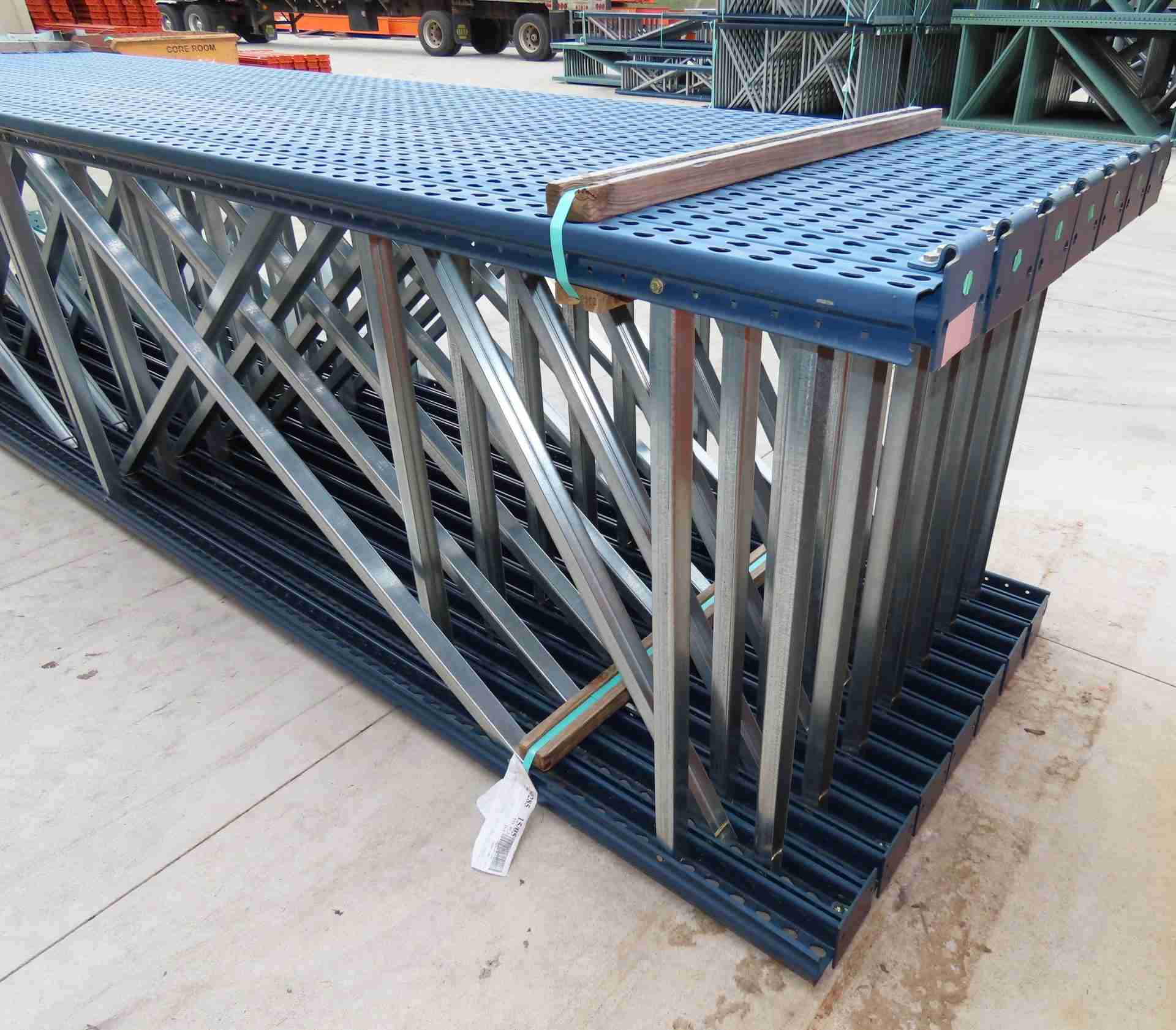
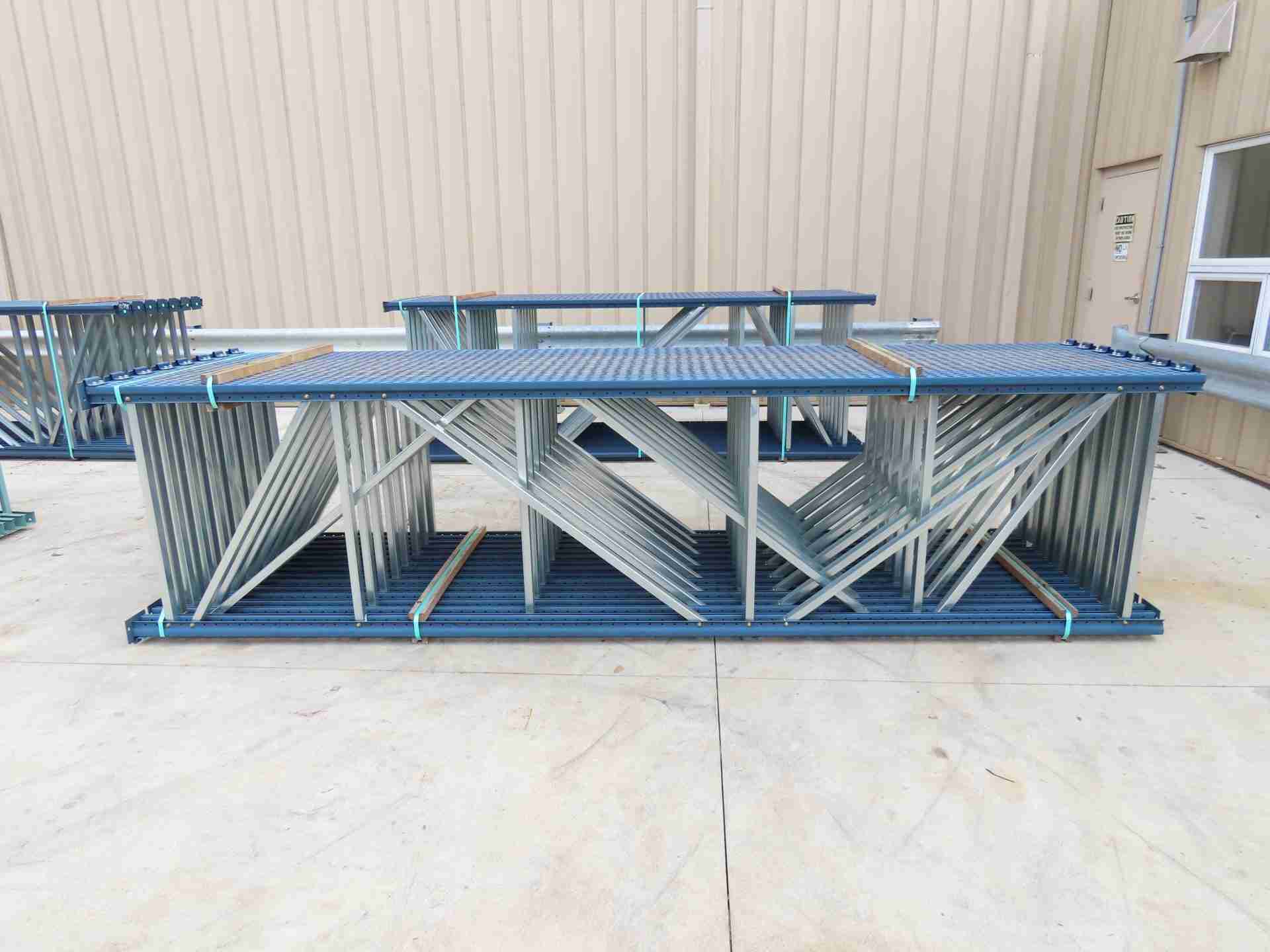
In today’s fast-paced logistics world, maximizing efficiency isn’t just good practice – it’s a necessity. Most warehouse managers understand the importance of storage systems; however, many overlook the profound impact analytics can have on their cantilever rack operations. By leveraging data-driven insights, businesses can elevate their storage solutions from basic functionality to a strategic advantage.
Consider a scenario where a large furniture retailer struggles with inventory overflow. A deep dive into their data analytics could reveal that their cantilever racks are not being utilized optimally. Perhaps certain items, like long lumber or oversized furniture, are placed too deep in the storage system, causing delays in retrieval and ultimately impacting delivery timelines. By analyzing pick patterns and item velocities, the retailer could reposition frequently picked goods nearer to the front, significantly cutting down the time and labor associated with order fulfillment.
Moreover, powered by data analytics, warehouses can track and predict inventory levels more accurately, significantly reducing stockouts or overstock situations. This real-time insight allows businesses to adjust their purchasing strategies proactively and aligns closely with the latest eCommerce trends, which emphasize rapid fulfillment. Think about it: As online shopping continues to surge, with the recent spike in eCommerce sales following global events, the demand for efficient retrieval systems becomes even more critical. Analytics offers the ability to assess peak seasons, ensuring stock is available when customers need it most.
Data analytics doesn’t just stop at efficiency; it also plays a crucial role in safety and risk management. Cantilever racks are susceptible to accidents, and by employing analytics, managers can monitor the condition of their storage systems more closely. Regular assessments based on data can lead to timely maintenance, which is crucial amidst recent discussions around workplace safety regulations. Ensuring your storage systems are in optimal condition fosters a safer warehouse environment, boosting employee morale and productivity.
Lastly, analytics facilitates better employee training. Data can unveil which areas of your cantilever rack system are most confusing or problematic for staff. By refining training programs based on these insights, businesses can enhance employee performance, leading to quicker, more accurate inventory handling.
In an era defined by rapid changes in market dynamics, integrating analytics with cantilever rack systems is not just an improvement – it’s a game-changer. Investing in this technological partnership means reaping the rewards of efficiency, safety, and adaptability, ultimately leading to a more robust bottom line. Your warehouse has the potential to be more than just a storage facility; it can become an integral part of your operational strategy.
How Can Analytics Improve Cantilever Rack Efficiency?
How Can Analytics Improve Cantilever Rack Efficiency?
- Maximizing efficiency in logistics is essential for warehouse managers.
- Data analytics can significantly enhance the effectiveness of cantilever rack operations.
- Analyzing pick patterns can optimize storage by repositioning frequently picked items.
- Real-time insights from analytics help in accurately predicting inventory levels, reducing stockouts or overstocks.
- Analytics aids in monitoring cantilever rack conditions, promoting timely maintenance for safety compliance.
- Data-driven insights improve employee training by identifying problematic areas in the storage system.
- Integrating analytics into storage solutions transforms warehouses into strategic operational hubs.
How Can Analytics Improve Cantilever Rack Efficiency?
What Are The Costs Associated With Software For Rack Management?
When it comes to managing data center infrastructure, efficiency isn’t just a buzzword; it’s a necessity. As businesses grapple with an increasing demand for data storage and processing power, investing in software for rack management has become non-negotiable. However, understanding the costs associated with such software can significantly impact your bottom line and your overall operational success.
First and foremost, let’s dissect the initial investment. Depending on the scaling needs of your business, rack management software can range from a few hundred dollars for basic solutions to several thousands for more comprehensive, enterprise-level systems. For instance, platforms like SolarWinds and APC by Schneider Electric provide feature-rich options, but also come with a price tag to match—the latter can cost anywhere from $5,000 to over $15,000 based on licenses, features, and the scale of your infrastructure.
Then there are ongoing maintenance costs. After the initial purchase, software often requires routine updates and patches, which can eat into your budget if not planned for. Companies like Cisco, which recently amped up its software and support offerings amid the latest supply chain disruptions, emphasize investing in ongoing training for IT staff as well. Failure to do so can lead to technological shortfalls, resulting in hidden costs that could spiral quickly.
Don’t overlook the cost of integration. Many businesses forget to account for the time and resources they’ll need to retrain staff and sync new software with existing systems. Experts estimate this can take anywhere from a few weeks to several months, depending on the complexity of your data architecture. For example, if you’re currently managing your infrastructure through outdated spreadsheets, jumping to a dedicated software system is bound to involve a steep learning curve and possibly some upfront consulting fees.
Lastly, let’s not forget the opportunity costs. Every dollar spent on inefficient rack management is a dollar not invested elsewhere. Companies that leverage robust, real-time management tools, like NetZoom’s tools, often experience increased uptime and reduced operational delays—factors that can lead to significant increases in revenue.
In summary, while the costs of rack management software can seem daunting at first glance, when evaluated against the potential savings and operational efficiencies, they often prove invaluable. Thus, the real question you should be asking isn’t if you can afford this investment, but rather, can you afford not to make it?
What Are The Costs Associated With Software For Rack Management?
What Are The Costs Associated With Software For Rack Management?
- Efficiency in data center infrastructure management is crucial for businesses.
- Investing in rack management software is essential for handling growing data demands.
- Initial investment costs for rack management software can range from hundreds to thousands of dollars.
- Ongoing maintenance costs need to be considered, including routine updates and IT staff training.
- Integration costs, including staff retraining and system synchronization, can be significant.
- Opportunity costs arise from spending on inefficient management systems instead of more productive investments.
- Evaluating costs against potential savings shows the value of efficient rack management software investments.
What Are The Costs Associated With Software For Rack Management?
How Do User-Friendly Interfaces Influence Software Adoption?
In an era where technological advancement is a daily occurrence, the battle for software adoption is fiercer than ever. Companies pour millions into developing the latest, most powerful tools, yet many users abandon complex interfaces without a second thought. Why? Because user-friendly interfaces are the unsung heroes that drive software adoption, and here’s how they work their magic.
Imagine a small business owner considering a new project management tool. With a plethora of options available, their choice often boils down to the user experience that the software provides. A well-designed interface makes onboarding a breeze. Take Monday.com, for instance. Its vibrant colors and intuitive drag-and-drop features allow users to get up to speed in a fraction of the time it takes with more cumbersome alternatives. When customers can navigate software effortlessly, they are not just more likely to adopt it; they’re more likely to rave about it to peers, creating a ripple effect of enthusiastic endorsements.
Moreover, a user-friendly interface builds trust. Recent studies indicate that a staggering percentage of potential customers abandon software trials due to a steep learning curve or clunky design. For example, Microsoft’s recent overhaul of its Office suite into a more streamlined and cohesive experience significantly increased user engagement metrics. They understood that if users feel lost in a labyrinthine interface, they’re likely to run straight back to familiar but outdated tools.
In today’s fast-paced world, time is of the essence. Businesses can’t afford long onboarding processes or a barrage of support tickets. The rise of No-Code/Low-Code platforms like Airtable and Zapier exemplifies this trend beautifully. By allowing users to create workflows with simple clicks rather than complex coding, these platforms empower non-tech savvy individuals, breaking down barriers of entry and creating greater software adoption.
Furthermore, in the realm of remote work—exacerbated by global events like the pandemic—digital tools must be frictionless. As organizations strive to adopt software that enhances productivity, user-friendly interfaces have become non-negotiable. Zoom’s rapid ascent to prominence can be attributed mainly to its easy-to-use interface, enabling anyone from a tech novice to a seasoned executive to connect seamlessly across the globe.
If you want your software to ascend to the heights of adoption—if you want it to be the go-to choice among users—designing a user-friendly interface is paramount. Remember, simplicity is not just a design philosophy; it’s a powerful adoption strategy that can turn a simple tool into a staple.
How Do User-Friendly Interfaces Influence Software Adoption?
How Do User-Friendly Interfaces Influence Software Adoption?
- The battle for software adoption intensifies as companies invest heavily in advanced tools.
- User-friendly interfaces are crucial for driving software adoption and user engagement.
- Examples like Monday.com showcase how intuitive designs can significantly enhance onboarding.
- Clunky interfaces lead to high abandonment rates during software trials, as seen with Microsoft’s Office overhaul.
- No-Code/Low-Code platforms like Airtable empower non-tech savvy users and promote greater adoption.
- User-friendly tools are essential for remote work, as illustrated by Zoom’s widespread usage.
- Designing for simplicity can transform a tool into a staple choice for users, emphasizing the importance of interface design.
How Do User-Friendly Interfaces Influence Software Adoption?
What Software Solutions Are Best For Cantilever Rack Systems?
In the ever-evolving landscape of warehouse management, harnessing the power of cutting-edge software solutions can make or break your business efficiency. For operations utilizing cantilever rack systems—those towering storage options perfect for bulky items—effective software can transform your storage strategy, streamline operations, and boost your bottom line.
First and foremost, consider implementing a robust Warehouse Management System (WMS). A WMS like Fishbowl integrates seamlessly with cantilever racks, offering real-time inventory tracking and precise bin location management. By leveraging barcodes or RFID technology, you can easily monitor your supplies and reduce the risk of stock discrepancies. This is particularly essential in today’s supply chain environment, where disruptions can lead to significant delays.
In addition to a comprehensive WMS, look into material handling software such as Softeon. This software is designed to maximize space utilization within your cantilever racking systems, providing empirical data and analytics to optimize inventory placement. With the recent strain on global supply chains, utilizing this type of software to reconfigure your layout can lead to more efficient pick-and-pack processes, thus improving order fulfillment speeds. The ability to swiftly adapt to changes in inventory demands is a game-changer.
Another noteworthy solution is CAD+T, which offers advanced planning and visualization tools specifically for cantilever rack systems. Imagine being able to simulate different storage configurations and instantly see which maximizes your space while ensuring safety compliance. In an age where e-commerce is booming and inventory turns are at an all-time high, leveraging such strategic planning tools could differentiate you from your competitors.
Let’s not overlook the increasing trend of cloud-based software solutions, which provide flexibility and easy access across devices. Platforms like NetSuite offer integrated inventory management capabilities tailored for various store sizes and logistics challenges. This adaptability allows for responsive management, ensuring you can handle spikes in demand—like those seen during recent holiday seasons.
Lastly, consider implementing predictive analytics software, such as SAP Integrated Business Planning, to forecast trends and manage inventory turnover in your cantilever racks effectively. By anticipating which items will need re-stocking, you stay one step ahead and avoid costly delays.
Investing in specialized software solutions designed for cantilever rack systems isn’t just a consideration; it’s a necessity for companies looking to thrive in today’s competitive marketplace. Whether you opt for a WMS, material handling solutions, or predictive analytics software, the right technology will propel your warehouse operations to new heights. Embrace the future of storage efficiency—your bottom line will thank you.
What Software Solutions Are Best For Cantilever Rack Systems?
What Software Solutions Are Best For Cantilever Rack Systems?
- Utilizing cutting-edge software solutions is vital for optimizing warehouse management and efficiency.
- Implement a robust Warehouse Management System (WMS) for real-time inventory tracking and precise bin location management.
- Material handling software like Softeon can maximize space utilization in cantilever racking systems through data and analytics.
- CAD+T offers advanced planning and visualization tools, allowing simulation of storage configurations to maximize space while ensuring safety compliance.
- Cloud-based software solutions, such as NetSuite, provide flexibility and integrated inventory management to adapt to demand spikes.
- Predictive analytics software like SAP Integrated Business Planning helps forecast trends and manage inventory turnover effectively.
- Investing in specialized software for cantilever rack systems is essential for companies to remain competitive in the marketplace.
What Software Solutions Are Best For Cantilever Rack Systems?
How Does Software Facilitate Compliance And Reporting?
In today’s fast-paced business climate, staying compliant with ever-evolving regulations is not just a priority, but a necessity. Compliance and reporting software stands at the forefront of this challenge, transforming how organizations manage their legal obligations. By harnessing cutting-edge technology, companies can maintain accuracy, save time, and avoid substantial penalties that come from non-compliance.
Let’s face it—regulatory landscapes are increasingly complex. From GDPR to HIPAA, businesses must navigate a maze of legal requirements tailored to their industries. Compliance software simplifies this intricate task by automating the tracking and reporting of compliance data. Take, for instance, the financial sector’s ongoing battle against money laundering. With solutions like Actimize and NICE, firms can continuously monitor transactions in real-time, generating alerts for unusual activity without the potential for human error. Recent high-profile scandals have underscored the need for rigorous compliance measures, making advanced software tools indispensable.
Moreover, software can streamline the process of documenting compliance efforts. Imagine a healthcare organization leveraging software to manage patient records. Instead of sifting through piles of paper documents, compliance solutions such as ComplyAdvantage provide a digital trail that is easy to audit. This not only saves valuable time but also minimizes the risk of discrepancies that could lead to costly fines or even legal action.
Current events have only heightened awareness of the importance of compliance solutions. For example, global supply chains faced unprecedented scrutiny in response to the COVID-19 pandemic, leading companies like Starbucks to enhance their compliance measures. By adopting robust software that oversees supplier compliance with health regulations, Starbucks can ensure its supply chain is not only efficient but also compliant, thus safeguarding its brand reputation and consumer trust.
Furthermore, robust reporting capabilities hold unparalleled significance. With software tools such as Oracle’s Cloud Compliance, stakeholders can quickly generate comprehensive reports that monitor compliance status and risk factors. Fast access to accurate information facilitates proactive decision-making, giving businesses a competitive edge in today’s environment where regulatory landscapes and customer expectations shift rapidly.
Embracing compliance and reporting software is no longer an option but a strategic imperative. By automating routine tasks and providing real-time insights, organizations can effectively navigate the complicated waters of compliance, mitigate risk, and focus more on what they do best—serving their customers and driving growth. In a world where the cost of non-compliance can be staggering, the question isn’t whether to invest in compliance software; it’s how quickly can you integrate it into your operations?
How Does Software Facilitate Compliance And Reporting?
How Does Software Facilitate Compliance And Reporting?
- Compliance and reporting software is essential for managing legal obligations in a rapidly changing business environment.
- Regulatory landscapes are complex, with regulations like GDPR and HIPAA requiring businesses to automate compliance tracking and reporting.
- Advanced software solutions, such as Actimize and NICE, help financial firms monitor transactions in real-time to prevent money laundering.
- Software can streamline documentation processes, reducing time spent on auditing and minimizing the risk of discrepancies.
- The COVID-19 pandemic increased the scrutiny of global supply chains, prompting companies like Starbucks to adopt stricter compliance measures.
- Robust reporting capabilities from tools like Oracle’s Cloud Compliance enable stakeholders to quickly assess compliance status and risks.
- Integrating compliance and reporting software is a strategic necessity for organizations to mitigate risk and focus on growth.
How Does Software Facilitate Compliance And Reporting?
What Are Common Challenges In Using Software For Rack Management?
In the ever-expanding realm of data center management, the implementation of software for rack management is a bold step for any organization striving for efficiency and control. However, it’s crucial to acknowledge that this transition isn’t without its hurdles. Let’s dive into some of the most common challenges that can turn a promising software solution into a source of frustration.
1. Integration Issues
One of the foremost challenges in using rack management software arises from integration problems with existing hardware and systems. Despite the cutting-edge capabilities of a new software solution, complications can surface if it’s incompatible with current systems. For instance, consider a large enterprise that invests in a sophisticated rack management tool but discovers it doesn’t sync with their legacy infrastructure, leading to data silos and workflow disruptions. A seamless integration is critical not only for operational efficiency but also to ensure accurate monitoring and reporting.
2. Learning Curve
The sophistication of advanced rack management software can present a steep learning curve for staff. The potential benefits of automation and real-time monitoring may be undermined if employees struggle to navigate the platform effectively. A case in point is a mid-sized tech firm that invested significantly in new software only to find their IT team bogged down in training sessions, delaying deployment and costing them both time and potential profit. User-friendliness must be at the forefront of any software choice.
3. Data Overload
While more data generally means better insights, it can quickly become overwhelming. Rack management software typically gathers immense amounts of information, which can lead to confusion rather than clarity if not managed properly. A healthcare company may find it difficult to differentiate between crucial alerts and trivial updates, risking critical downtimes or misallocation of resources. The challenge lies in distilling this data into actionable insights that drive smart decision-making.
4. Cost Management
Lastly, it’s essential to factor in the ongoing costs associated with maintaining and upgrading rack management software. Initial outlays for licensing and installation can pale compared to the potential for unforeseen expenses from software upgrades, maintenance, and training. Take the case of a multinational organization that initially budgeted perfectly, only to find their costs ballooned as they necessitated additional features that weren’t included in the original package.
From integration challenges to the complexities of data management, understanding these common hurdles is imperative for anyone looking to enhance their rack management capabilities through software. By anticipating these issues, businesses can lay the groundwork for smoother transitions and ultimately achieve effective, long-lasting solutions.
What Are Common Challenges In Using Software For Rack Management?
What Are Common Challenges In Using Software For Rack Management?
- Integration Issues: Compatibility problems with existing hardware can lead to data silos and workflow disruptions.
- Learning Curve: Advanced software can be difficult for staff to navigate, delaying deployment and reducing potential benefits.
- Data Overload: The massive amounts of information gathered can overwhelm users, making it hard to identify critical alerts.
- Cost Management: Unexpected expenses for upgrades, maintenance, and training can exceed initial budget estimates.
- Importance of Seamless Integration: Essential for operational efficiency and accurate monitoring.
- User-Friendliness: Software should prioritize user experience to minimize training time and maximize productivity.
- Proactive Problem Anticipation: Understanding common challenges can facilitate smoother transitions and effective solutions.
What Are Common Challenges In Using Software For Rack Management?
How Does Employee Training Impact Software Effectiveness?
In today’s fast-paced digital landscape, investing in employee training is not merely an option; it’s a fundamental strategy that can vastly enhance software effectiveness. Companies that overlook this crucial element often find themselves grappling with underperformance, lost productivity, and wasted resources.
Consider a well-known tech giant, which recently integrated an advanced project management software across its global teams. Initial implementation phases were riddled with hiccups—miscommunication, delayed deadlines, and ineffective use of the tool. The solution? A robust, customized training program tailored to varying levels of tech-savviness within the organization. Post-training analysis revealed a staggering 60% increase in project completion rates and a drop in misallocated resources by 40%. This example underscores a simple yet powerful truth: when employees understand how to utilize software to its fullest capacity, the return on investment can spiral upward.
Employee training creates a culture of proficiency and accountability. Take the recent surge in remote work as a reference point. Many companies scrambled to implement video conferencing software without preparing their teams adequately. Meetings turned chaotic, productivity plummeted, and employee frustration soared. Companies that provided comprehensive training—covering everything from software features to best practices of virtual collaboration—saw notably smoother transitions and significantly improved team performance. By equipping their workforce with the necessary skills, these organizations not only enhanced software effectiveness but also bolstered employee morale.
Furthermore, today’s software landscape is ever-evolving; updates and new features roll out at a dizzying pace. Continuous training becomes crucial in this context. Consider a recent cybersecurity breach that rattled a consortium of financial firms; it was discovered that the majority of employees were unaware of critical software updates intended to improve security. Regular training sessions ensure that all employees stay informed about essential features and updates, which can safeguard the organization against potential threats while maximizing software utility.
In closing, the link between employee training and software effectiveness cannot be overstated. Companies must prioritize equipping their workforce with the skills to leverage technology fully. By embracing a culture of continuous learning, organizations position themselves not only to enhance their software’s impact but also to drive long-term success. In this era where efficiency is king, effective training can be the difference between merely functioning and truly excelling.
How Does Employee Training Impact Software Effectiveness?
How Does Employee Training Impact Software Effectiveness?
- Investing in employee training is essential for enhancing software effectiveness in today’s digital landscape.
- Companies neglecting training may experience underperformance, lost productivity, and wasted resources.
- A tech giant implemented a customized training program for new project management software, resulting in a 60% increase in project completion and a 40% reduction in misallocated resources.
- Proper training fosters a culture of proficiency and accountability, especially important during the rise of remote work.
- Organizations that provide comprehensive training for video conferencing tools saw smoother transitions and improved team performance.
- Continuous training is crucial due to rapid software updates; regular sessions can help employees stay informed and secure against threats.
- Prioritizing employee training not only maximizes software utility but also drives long-term organizational success.
How Does Employee Training Impact Software Effectiveness?
Conclusion
In an increasingly competitive landscape, the quest for operational efficiency is no longer a mere objective but a critical imperative for businesses aiming to thrive. At the heart of this transformation lies the integration of advanced software solutions into cantilever rack management, revolutionizing traditional inventory systems into agile powerhouses of productivity. Imagine a warehouse that functions seamlessly, where every item is tracked in real-time, storage spaces are optimized, and safety compliance is automatically managed. This isn’t just a futuristic dream; it’s a present reality achievable through the right software tools.
As industries evolve, particularly amidst the challenges posed by recent global disruptions, the importance of dynamic functionalities such as real-time data tracking, automated alerts, and predictive analytics cannot be overstated. For instance, leading companies are leveraging software-driven insights not only to enhance efficiency but also to elevate safety measures, all while driving compliance with industry regulations. This proactive approach mitigates risk, reduces operational costs, and ultimately creates a strategic advantage over competitors.
However, it’s important to recognize that the transition to software-optimized cantilever rack management is not without its challenges. Integration obstacles, potential data overload, and training needs can hinder the effectiveness of these solutions. Addressing these hurdles early on is essential. By investing in user-friendly software and prioritizing comprehensive employee training, organizations can unlock the full potential of their systems, ensuring that users feel confident and adept at employing technology for improved workflows.
This is where companies like Arrow Industrial Sales come into play. With a commitment to providing tailored solutions that resonate with the unique demands of your business, they empower you to equip your warehouse with cutting-edge tools. Don’t let inefficiencies hold your business back. The time to take action is now.
Contact Arrow Industrial Sales at (574) 349-6575 today to explore customized software solutions for your cantilever rack management needs. Seize the opportunity to enhance your operations and position your company for sustained success. Remember, in this fast-paced market, taking swift actions can lead to significant transformations. Don’t wait; revolutionize your warehouse management today!
Conclusion
Conclusion:
- Operational efficiency is essential for businesses to thrive in a competitive landscape.
- Advanced software solutions are transforming cantilever rack management into agile systems.
- Real-time tracking, optimized storage, and automatic safety compliance are now achievable.
- Dynamic features like predictive analytics enhance efficiency and safety measures.
- Transitioning to software-driven solutions may face challenges like integration and training needs.
- Companies like Arrow Industrial Sales provide tailored software solutions for warehouses.
- Taking swift action to improve warehouse management can lead to significant business transformations.
Conclusion
Other Resources
Other Resources
Here is a list of other resources you can review online to learn more:
- “Enhancing Retail Store Inventory Management through RFID …”
- “Factory Direct New Pallet Racks | Pallet Racking | Warehouse …”
- “Find Solutions”
- “RFID Asset Tracking | Intelligent Manufacturing | BRADY”
- “RFID Tracking & Inventory Management Solutions”
- “Cantilever Racks”
- “SAFERAK® 32P heavy-duty industrial powered mobile …”
Other Resources
Glossary Terms
What Role Does Software Play In Cantilever Rack Management? – Glossary Of Terms
1. Cantilever Rack: A type of storage system designed for storing long, bulky items such as lumber, pipes, and furniture. Features horizontal arms extending from vertical columns.
2. Inventory Management Software: Solutions that help track inventory levels, orders, sales, and deliveries, ensuring optimal stock levels and efficient use of storage space.
3. Warehouse Management System (WMS): A software platform that supports warehouse operations, including inventory management, order fulfillment, and shipping, improving efficiency and accuracy.
4. Barcode Scanning: The use of barcode technology to track items entering and leaving the rack system, enhancing inventory accuracy and speed of processing.
5. Real-Time Tracking: The ability to monitor inventory levels and rack usage continuously, providing up-to-date insights for better decision-making.
6. Cloud Computing: Internet-based computing that allows users to store and manage data on remote servers, enabling scalable access to software and information from anywhere.
7. Data Analytics: The process of analyzing raw data to extract valuable insights that can inform inventory strategies and improve rack management.
8. Order Management: Software functionalities that facilitate the processing, tracking, and fulfillment of customer orders, ensuring optimal use of cantilever racks.
9. API (Application Programming Interface): A set of rules that allows different software applications to communicate, enabling seamless integration between cantilever rack systems and other technology.
10. Automation: The use of technology to perform tasks without human intervention, streamlining warehouse operations and reducing labor costs.
11. Load Capacity Optimization: Software tools that help determine the maximum weight distribution on cantilever racks, preventing overloading and increasing safety.
12. Space Utilization: The measurement of how effectively rack space is used, optimized through software analytics to maximize storage efficiency.
13. Cycle Counting: A periodic inventory auditing procedure where a subset of inventory is counted on a scheduled basis, often managed through software.
14. User Interface (UI): The visual part of software that users interact with; a user-friendly UI can enhance employee productivity in rack management.
15. Mobile Access: The ability to access software systems via mobile devices, allowing warehouse staff to manage inventory on the go.
16. Predictive Analytics: Techniques that use historical data to forecast future trends, assisting in stock replenishment and space planning for racks.
17. System Integration: The process of linking different IT systems and software applications to work together for improved efficiency in warehouse operations.
18. Shrinkage Management: Tools within software to track and mitigate losses due to theft, damage, or errors, ensuring inventory accuracy.
19. Safety Compliance: Software features that help ensure cantilever rack systems meet regulatory safety standards, reducing the risk of accidents.
20. Reporting Tools: Software functions that generate reports on inventory status, rack utilization, and operational efficiency, enabling informed decision-making.
21. Lifecycle Management: The process of managing the lifecycle of inventory items, from acquisition to sales, often facilitated by specialized software.
22. Inventory Valuation: Assessing the total value of inventory on cantilever racks, which software can compute using various valuation methods.
23. Stock Replenishment: Automated solutions that trigger restocking of cantilever racks when inventory reaches a predetermined threshold.
24. Training Modules: Software resources designed to educate staff on effective cantilever rack management practices and safety procedures.
25. User Permissions: Settings within software that control user access to different functionalities, ensuring data security in rack management.
26. Feedback System: Software features that allow warehouse staff to report issues or suggest improvements related to rack usage and inventory handling.
27. Environmental Monitoring: Technology integrated with inventory management software to track conditions such as temperature and humidity affecting stored materials.
28. Fleet Management: Software that coordinates the movement of forklifts and other material handling equipment around cantilever racks for optimal efficiency.
29. Task Scheduling: Tools that automate and optimize the scheduling of tasks related to inventory management and rack organization.
30. Performance Metrics: Quantifiable measures used to assess the effectiveness of cantilever rack utilization, often analyzed through software reports.
Glossary Of Terms
Other Questions
What Role Does Software Play In Cantilever Rack Management? – Other Questions
If you wish to explore and discover more, consider looking for answers to these questions:
- What are the key features to look for in inventory management software?
- How can businesses determine the return on investment for rack management software?
- What types of businesses benefit most from integrating cantilever racks?
- How can I assess the effectiveness of my current software tools for rack management?
- What are the latest trends in software solutions for warehouse management?
- Can software solutions help in reducing lead times in inventory management?
- What strategies can be implemented to improve user adoption of new software?
- How does training affect the implementation of rack management software?
- What are the benefits of using cloud-based versus on-premise rack management software?
- How can predictive analytics enhance cantilever rack efficiency?
- What role does automation play in rack management software?
- How do software solutions ensure compliance with warehouse safety regulations?
- What are common misconceptions about rack management software?
- How can businesses effectively manage software updates and maintenance?
- What are the implications of not utilizing software for rack management?
Other Questions
Checklist
What Role Does Software Play In Cantilever Rack Management? – A Checklist
1. Identify Business Needs:
_____ Assess specific warehousing needs for cantilever racks (e. g. , type of items stored, volume).
_____ Define goals for software implementation (e. g. , efficiency, safety, compliance).
2. Select the Right Software Solutions:
_____ Consider a Warehouse Management System (WMS) for real-time inventory tracking.
_____ Explore material handling software for space optimization.
_____ Look into CAD tools for planning and visualizing storage systems.
_____ Investigate predictive analytics software for inventory forecasting.
3. Ensure System Compatibility:
_____ Check if the new software integrates seamlessly with existing systems.
_____ Look for software that supports advanced APIs for integration flexibility.
4. Prioritize User-Friendly Interfaces:
_____ Choose software solutions that minimize complexity and enhance user experience.
_____ Assess usability features like intuitive design and ease of navigation.
5. Invest in Training Programs:
_____ Develop comprehensive training sessions for staff on new software functions.
_____ Provide ongoing training to keep employees updated on software advancements.
6. Utilize Real-Time Data:
_____ Implement systems for real-time tracking and monitoring of inventory and placement.
_____ Use data analytics to gain insights into inventory flow and performance.
7. Establish Maintenance Protocols:
_____ Automate maintenance schedules using software to prevent potential downtimes.
_____ Include tracking of safety compliance regarding load limits and storage conditions.
8. Implement Safety Features:
_____ Leverage software for load management to ensure compliance with regulations.
_____ Ensure that software solutions provide alerts and reporting for safety hazards.
9. Monitor Performance Metrics:
_____ Set KPIs to evaluate the effectiveness of the software implementation.
_____ Regularly review data analytics to measure impacts on efficiency and accuracy.
10. Prepare for Emerging Technologies:
_____ Stay updated with innovations like RFID, AI, and machine learning for future enhancements.
_____ Consider scalability options for growing inventory needs.
11. Evaluate Overall Costs:
_____ Analyze initial setup costs, ongoing maintenance, and potential hidden expenses.
_____ Weigh the costs against expected productivity gains and efficiency improvements.
12. Encourage Employee Feedback:
_____ Solicit feedback from users regarding software usability and functionality.
_____ Use employee insights for continuous improvement of software applications.
Conclusion:
By applying this checklist, businesses can effectively optimize the management of cantilever rack systems through well-integrated software solutions, enhancing both operational efficiency and safety within their warehouse environments.
Checklist
At RackingWorld, we help guide you through selecting warehouse storage systems and racking.
Be sure to read our other related stories at RackingWorld to learn more about warehouse storage systems.
0 Comments