
Master The Art Of Pallet Racking Installation
By Tom Seest
At RackingWorld, we help guide you through selecting warehouse storage systems and racking.
Be sure to read our other related stories at RackingWorld to learn more about warehouse storage systems.
How to Install Pallet Racking?
How to Install Pallet Racking: A Step-by-Step Guide for Maximum Efficiency
In today’s fast-paced economy, optimizing space utilization in warehouses or storage facilities is more crucial than ever. One of the smartest investments you can make is in pallet racking. Not only does it increase your storage capacity, but it also improves organization, productivity, and access to inventory. Here’s a comprehensive guide to installing pallet racking efficiently, ensuring you get the most out of your investment.
Step 1: Planning and Measuring
Before diving into installation, meticulous planning is your best ally. Take the time to measure your space carefully. Consider the dimensions of your pallet racks in conjunction with the size of your pallets. Standard pallet dimensions can vary, but a 48″ x 40″ pallet is common. If your operations are like many in today’s supply chain landscape — burgeoning with e-commerce demands — flexibility is key. Factor in future growth; choosing adjustable racking options can safeguard against frequent repurchasing.
Step 2: Choosing the Right Type of Rack
Not all pallet racks are created equal. There are various systems—selective, drive-in, or push-back racks—to fit different needs. Selective racks offer easy access to each pallet and are widely favored in fast-moving warehouses. Alternatively, if your operation is more capacity-driven, consider drive-in racks, which maximize space by allowing for multiple pallets stacked deep. As retailers shift towards more automated logistics, understanding these options will help you implement a scalable solution that aligns with today’s trends.
Step 3: Assemble the Racking System
Once you choose your pallet racking type, it’s time to roll up your sleeves and get to work. Begin by laying out the base and securing the vertical supports, ensuring alignment and levelness. Consider using a laser level for precision — it makes a significant difference. Installing one side fully before moving to the next can provide the stability you need during the assembly process.
Step 4: Safety Check
Safety is non-negotiable. Ensure all components are tight, and reinforce the structure with safety clips or bracing as required. The U.S. Occupational Safety and Health Administration (OSHA) sets standards for pallet racking safety, and meeting these regulations is vital not just for compliance, but for protecting your workforce.
Step 5: Organize and Audit
After installation, carefully label and organize your inventory. Implementing an inventory management system can significantly help streamline operations. As recent headlines highlight, disorganization leads to inefficiencies — a reality every business is keen to avoid.
By following these steps, you can harness the full power of pallet racking, propelling your business towards heightened efficiency and greater profits. Don’t just settle for storage; invest in a system that represents your commitment to excellence.
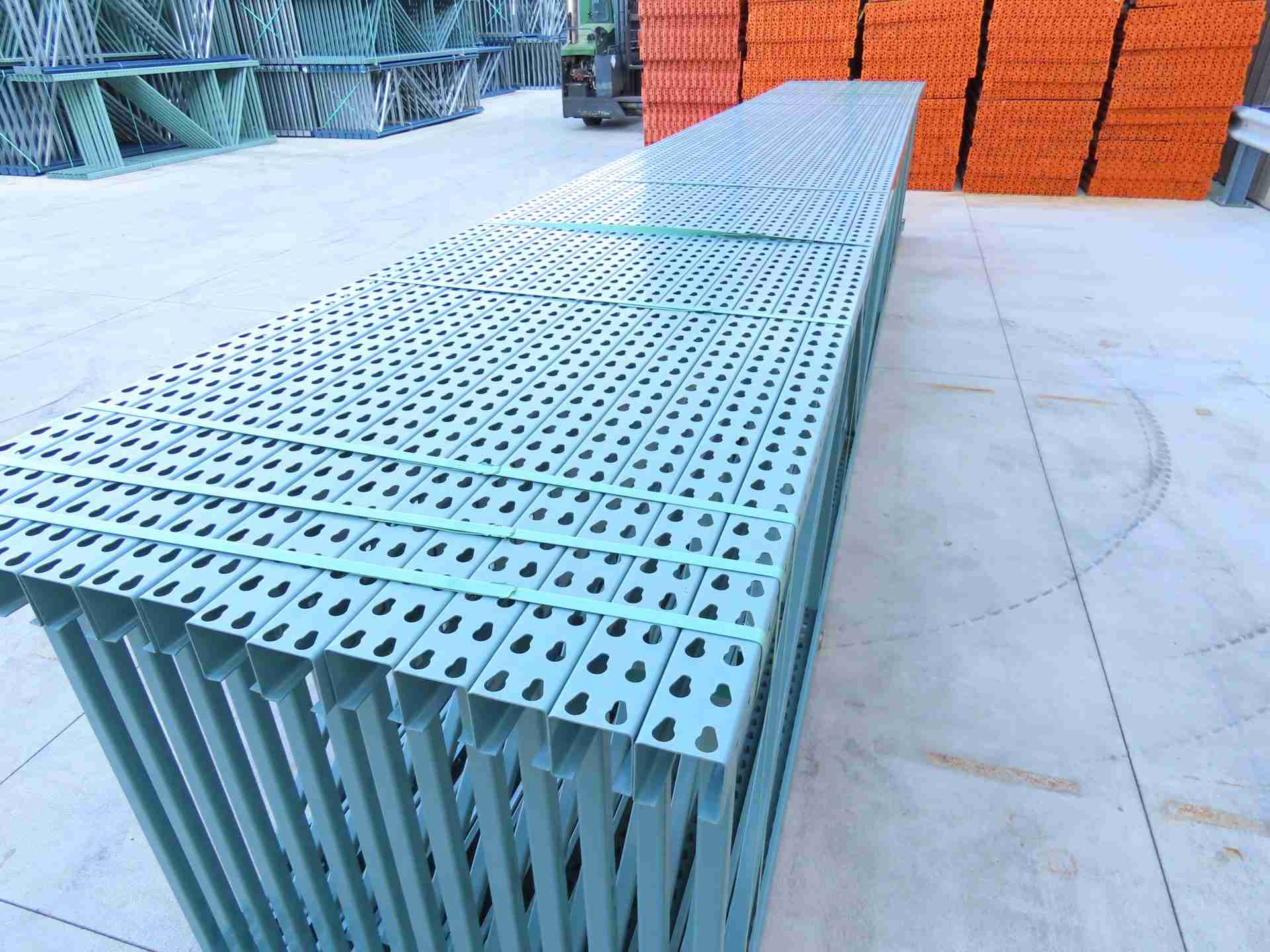
How to Install Pallet Racking?
How to Install Pallet Racking?
- Optimizing space utilization in warehouses is crucial in today’s fast-paced economy.
- Pallet racking enhances storage capacity, organization, productivity, and inventory access.
- Careful planning and accurate measurements of space and pallet dimensions are essential before installation.
- Select the right type of rack (selective, drive-in, push-back) based on your operational needs.
- Assemble the racking system with a focus on alignment and levelness using precision tools like a laser level.
- Conduct a thorough safety check to ensure compliance with OSHA regulations and to protect your workforce.
- Organize and label your inventory post-installation to streamline operations and avoid inefficiencies.
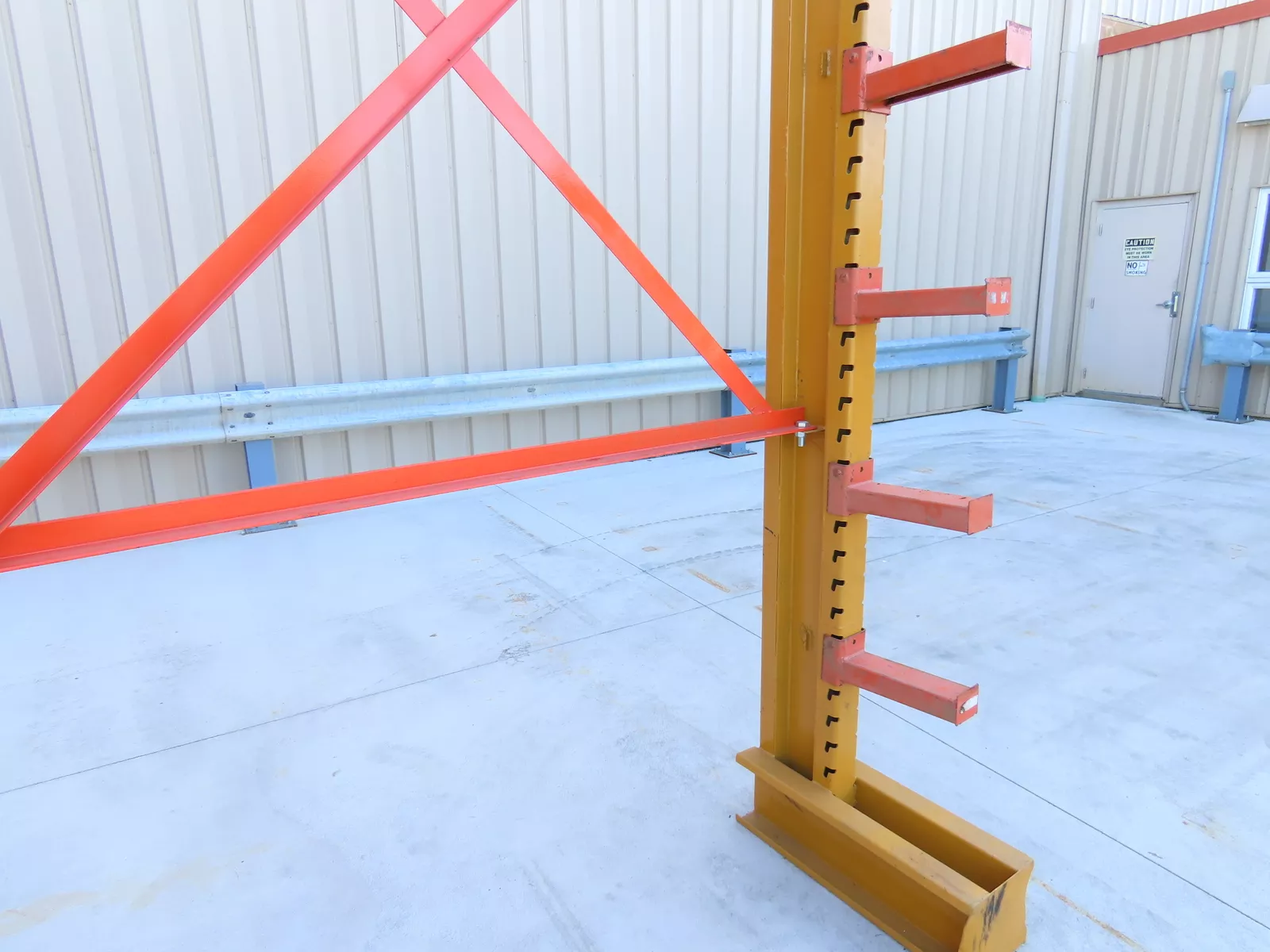
How to Install Pallet Racking?
Table Of Contents
- How to Install Pallet Racking?
- How To Choose The Right Pallet Racking System?
- What Tools Do I Need For Installation?
- How Do I Prepare The Site For Pallet Racking?
- What Are The Safety Regulations For Pallet Racking?
- How To Measure Space For Pallet Racking Installation?
- What Are Common Mistakes To Avoid When Installing?
- How To Assemble The Pallet Racking Components?
- How To Secure Pallet Racks To The Floor?
- What Is The Best Way To Load Pallets Onto Racks?
- How To Maintain Pallet Racking After Installation?
- What Types Of Pallets Are Suitable For Racking?
- How Often Should I Inspect My Pallet Racking System?
- How To Calculate Weight Limits For Pallet Racking?
- What Are The Different Styles Of Pallet Racking Available?
- How To Handle Damaged Pallets In Racking Systems?
- What Are The Benefits Of Using Pallet Racking Systems?
- How To Relocate Pallet Racking Safely?
- Are There Specific Brands Of Pallet Racking Recommended?
- How To Customize Pallet Racking For Different Needs?
- What Are The Costs Associated With Installing Pallet Racking?
- How To Find A Professional For Pallet Racking Installation?
- Conclusion
- Other Resources
- Glossary Of Terms
- Other Questions
- Checklist
How To Choose The Right Pallet Racking System?
How To Choose The Right Pallet Racking System
Choosing the right pallet racking system is pivotal for optimizing your warehouse operations and maximizing your return on investment. With the surge in e-commerce and supply chain complexities, a well-categorized racking solution can be the difference between operational chaos and streamlined success. Here’s how to navigate your decision-making process.
1. Understand Your Inventory Needs
The first step in selecting a pallet racking system is to accurately assess your inventory. Are you storing bulk items or diverse SKUs? For instance, if you manage a distribution center that handles a wide variety of products—from seasonal goods to fast-moving consumer items—you might consider a selective racking system. This type is versatile and efficiently accommodates a fluctuating inventory mix, allowing easy access for the high turnover of goods, much like what companies like Amazon have perfected in their fulfillment centers.
2. Gauge the Warehouse Space
A well-chosen racking system aligns perfectly with the dimensions of your warehouse. High-ceilinged warehouses can benefit from selective or drive-in racking, which utilizes vertical space effectively. However, this news isn’t just theoretical; as industries adapt to remote work and online shopping trends, the push to optimize existing warehouse layouts has never been more critical. For example, during the recent supply chain disruptions, businesses like Target and Walmart innovatively transformed their storage practices to adapt to surging demand, showcasing the importance of a tailored racking solution.
3. Consider Load Specifications
Not all racking systems can bear the same weight. Each type comes with its load considerations ranging from heavy-duty to light. If your operations involve storing heavier pallets, a beam racking system may be the solution. It’s essential to check the specifications and ensure that the chosen system won’t falter under the weight—after all, no one wants a catastrophic collapse like the infamous 2007 IKEA warehouse incident.
4. Future-Proof Your Choice
Finally, consider the longevity of your investment. Markets are evolving; flexibility is key. Modular racking systems can be adapted as businesses grow or shift. Speak to industry experts about trends; think about how logistics giants are evolving their warehousing strategies to keep pace with market demands.
Choosing the right pallet racking system isn’t just a box to check off—it’s an investment in efficiency, safety, and future growth. Take time, do your homework, and you’ll find that the right decision today paves the way for a more productive tomorrow.
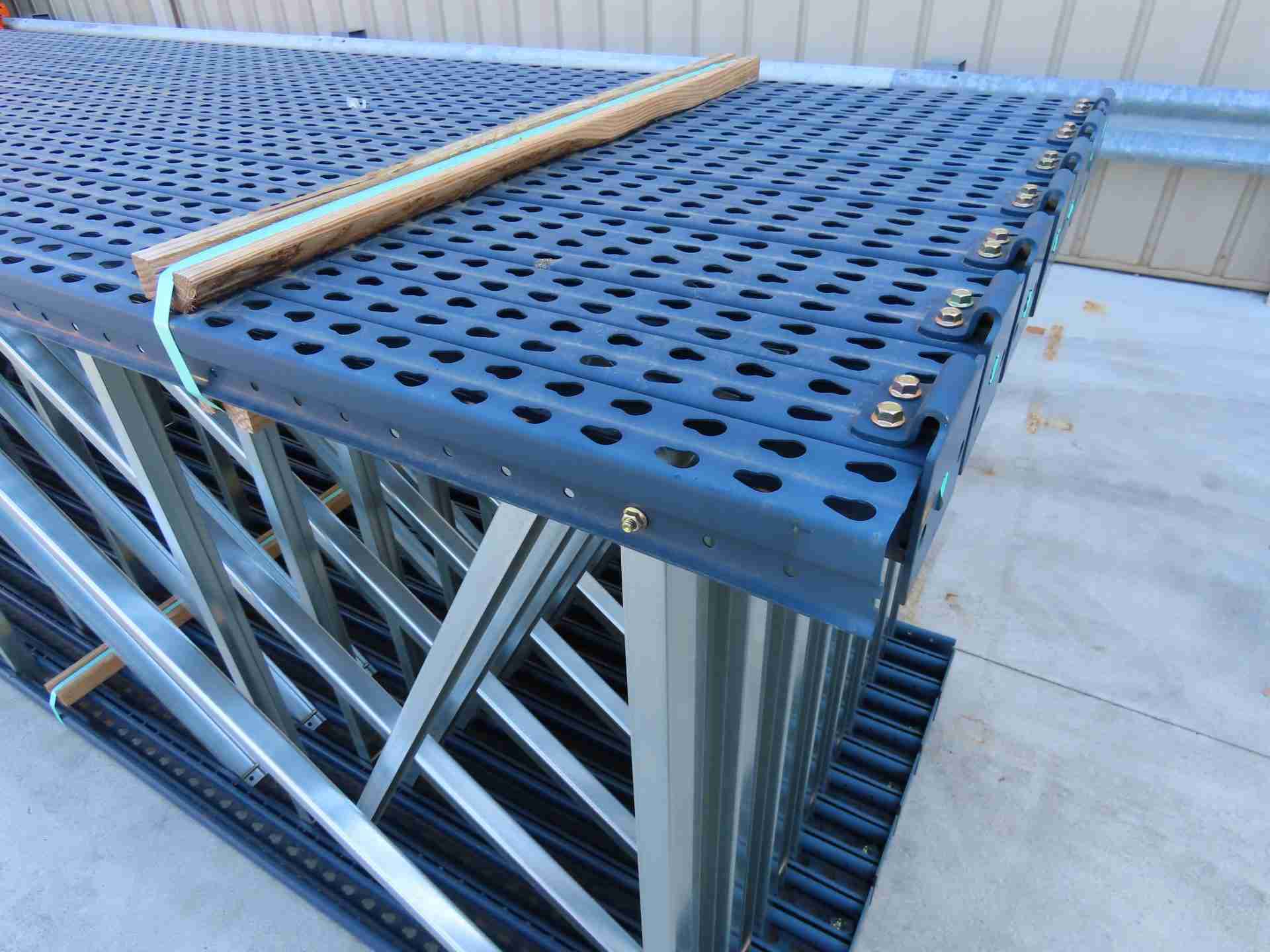
How To Choose The Right Pallet Racking System?
How To Choose The Right Pallet Racking System?
- Choosing the right pallet racking system is crucial for optimizing warehouse operations and maximizing ROI.
- Assess your inventory to determine the best racking system, considering factors like the variety of products and turnover rate.
- Align the racking system with your warehouse dimensions; high ceilings can benefit from selective or drive-in racking.
- Consider load specifications, ensuring the chosen racking can support the weight of the stored items without risk of collapse.
- Future-proof your investment by selecting modular racking systems that can adapt to changing business needs and market demands.
- Research industry trends and consult experts to align your racking choice with evolving logistics strategies.
- Investing in the right racking system bolsters efficiency, safety, and future growth in warehouse management.

How To Choose The Right Pallet Racking System?
What Tools Do I Need For Installation?
When it comes to installation, whether it’s a new appliance, a home improvement project, or setting up a tech gadget, the right tools can make all the difference. Not only can the correct tools save you time and frustration, but they can also elevate your project from a DIY endeavor to a professional-level outcome. Think of it this way: you wouldn’t try to win a race with a flat tire, would you? The same principle applies to your installation toolkit.
First off, let’s talk about the basics. A good-quality toolset should include essential items like a screwdriver set, pliers, and a hammer. The irony is, despite living in a digital world filled with innovations, many people still underestimate the importance of these traditional tools. Just last month, during a surge in home renovations driven by increased remote work, many local hardware stores reported shortages of common toolsets. The takeaway? Everyone is grappling with installations, so arm yourself accordingly.
Next on the list, a power drill is indispensable for quick and efficient installations. Brands like DeWalt and Makita offer models that boast battery longevity and high torque, making even the toughest jobs seem like a breeze. Today, with many people opting to install complex items like smart home devices or extensive shelving units, a reliable power drill can save you hours of labor.
But don’t overlook the importance of measurement tools. A laser level, which has become increasingly popular in recent years, can ensure that your installations are not only functional but also aesthetically pleasing. This is particularly relevant now, as trends in home decor lean towards minimalism and clean lines.
For those tackling more technical installations, like wiring or setting up complex entertainment systems, a multimeter can be invaluable. This tool can help you ensure that electrical systems are functioning correctly, building safety and preventing costly errors. Given the rising concerns about home warranties and insurance coverages, ensuring your installation is professionally executed is paramount.
Finally, let’s not dispense with good safety gear. Protecting yourself should always be a top priority. Items such as safety goggles, gloves, and knee pads are essential, especially as we embrace a culture of DIY projects amplified by social media trends.
Investing in these tools is not just about achieving a successful installation; it’s about setting yourself up for long-term success. Equip yourself with the necessities, and watch as your projects transform from overwhelming tasks into manageable victories. The right tools will not only make your life easier but also give you peace of mind as you create and improve. Every successful project begins with the right foundation—so start building yours today!
What Tools Do I Need For Installation?
What Tools Do I Need For Installation?
- The right tools are essential for successful installations of appliances, home improvements, and tech gadgets.
- A quality toolset should include basic items like screwdrivers, pliers, and a hammer, which remain crucial despite technological advancements.
- During recent home renovation trends, many hardware stores experienced shortages of common toolsets, indicating high demand.
- A power drill, particularly from brands like DeWalt and Makita, is vital for efficient installations and can significantly reduce labor time.
- Measurement tools, especially laser levels, are important for achieving both functionality and aesthetic appeal in installations.
- For technical installations, a multimeter is crucial for ensuring electrical systems work correctly and safely.
- Good safety gear, including safety goggles, gloves, and knee pads, is essential for protecting oneself during DIY projects.
What Tools Do I Need For Installation?
How Do I Prepare The Site For Pallet Racking?
When it comes to maximizing warehouse efficiency, the right pallet racking system can be a game-changer. However, the real MVP in this equation isn’t just the racks themselves; it’s the site preparation that lays the groundwork for success. Just as a strong foundation is critical for a skyscraper, proper site preparation is essential for a robust pallet racking system that can handle your inventory needs.
Assess the Space
Before diving headfirst into warehouse alterations, start with a comprehensive assessment of the space you have available. Measure the height, width, and depth of your warehouse to determine how much vertical space you can leverage. For instance, if you’re working with a distribution center that recently expanded its operations to meet e-commerce demands, ensuring you efficiently utilize every inch of space is crucial. Use wire shelving or adjustable racking systems that can grow with your inventory—after all, flexibility is key in today’s fast-paced market.
Evaluate Accessibility
Accessibility is paramount. You want to make certain that your staff can swiftly retrieve products without running into bottlenecks. Establish clear pathways for forklifts and other warehouse vehicles. This not only helps in maintaining safety regulations but also boosts operational efficiency. For instance, companies that have experienced enhancements in their logistics often see a spike in productivity due to properly defined aisles and clearly marked spaces, leading to minimal disruption during peak times—particularly during back-to-school sales or holiday seasons.
Infrastructure Check-Up
You must scrutinize your infrastructure for stability and strength. Inspect the floors for any cracks or weaknesses. If your warehouse is an older facility, confirming that the concrete can support the weight of pallet racking and inventory is essential. In the wake of recent stories about companies expanding e-commerce warehouses amid infrastructure issues, a thorough inspection could save you from costly mishaps down the line.
Consider Local Regulations
Don’t forget about compliance! Familiarize yourself with local building codes and safety regulations governing warehouse operations. This step is not just about avoiding fines; it’s about establishing a long-lasting, safe environment for employees. Many businesses are now prioritizing OSHA certifications—an approach that can also bolster your company’s reputation.
Preparing your site for pallet racking isn’t merely a logistical task; it’s a strategic move that pays dividends down the line. By meticulously assessing your space, optimizing accessibility, ensuring infrastructure integrity, and abiding by local laws, you can create a warehouse that not only meets today’s needs but also positions you for future growth. Remember, the time spent preparing today is what will allow you to rise above the competition tomorrow!
How Do I Prepare The Site For Pallet Racking?
How Do I Prepare The Site For Pallet Racking?
- The choice of pallet racking system is crucial for maximizing warehouse efficiency.
- Proper site preparation is essential to establish a strong foundation for pallet racking systems.
- Conduct a comprehensive assessment of warehouse space to optimize vertical and horizontal utilization.
- Ensure clear pathways for accessibility to avoid bottlenecks during product retrieval.
- Inspect the infrastructure for stability, especially in older facilities, to support pallet racking and inventory weight.
- Be aware of local building codes and safety regulations to ensure compliance and avoid fines.
- Strategically preparing the site enhances operational efficiency and positions the warehouse for future growth.
How Do I Prepare The Site For Pallet Racking?
What Are The Safety Regulations For Pallet Racking?
In the dynamic world of warehousing and logistics, pallet racking systems are the backbone of efficient storage solutions. However, with great efficiency comes great responsibility. It’s imperative for businesses to understand and adhere to safety regulations for pallet racking to ensure not only compliance but the well-being of their workforce.
First and foremost, the Occupational Safety and Health Administration (OSHA) lays down crucial guidelines to protect employees. According to OSHA, it’s vital that all racking systems are installed and maintained according to manufacturer specifications. This means using only approved components and ensuring all shelves are adequately anchored. After all, a poorly anchored racking system can lead to catastrophic accidents, risking both inventory and lives.
Consider this: In September 2023, a warehouse in Pennsylvania experienced a significant collapse of its pallet racking system due to improper installation and overloading. The incident resulted in injuries, considerable property damage, and a hefty fine imposed for safety violations. Such unfortunate events highlight the importance of rigorous adherence to safety regulations.
Moreover, businesses should regularly conduct inspections and audits of their racking systems. The National Fire Protection Association (NFPA) recommends that inspections be performed at least annually, with more frequent checks in high-traffic environments. These inspections should assess structural integrity, alignment, and potential environmental hazards such as water damage, which could compromise racking systems in case of leaks or floods.
Training your employees is another cornerstone of safety compliance. OSHA suggests that all workers should be trained in safe operational practices—this includes proper loading techniques to avoid overloading racks, as well as training on identifying and reporting potential hazards. Just this past summer, a large retail distribution center implemented a robust training program after a near-miss incident involving a toppled pallet of goods. The proactive approach not only mitigated risks but also fostered a culture of safety among staff.
Lastly, it’s essential for businesses to stay updated on evolving regulations and standards. With technology and methodologies constantly evolving, so too are safety protocols. Following industry best practices, such as those outlined by the Rack Manufacturers Institute (RMI), can provide your warehouse with a competitive edge while ensuring compliance.
In summary, adhering to safety regulations for pallet racking is not merely a legal obligation; it’s a commitment to operational excellence and employee welfare. Investing in quality systems, regular inspections, staff training, and staying informed are steps you can take to safeguard your warehouse and its most valuable asset—your people. Don’t wait for an incident to occur; take action now to secure your facility’s future.
What Are The Safety Regulations For Pallet Racking?
What Are The Safety Regulations For Pallet Racking?
- Pallet racking systems are essential for efficient storage in warehousing and logistics.
- OSHA provides vital guidelines for the installation and maintenance of racking systems to ensure safety and compliance.
- Improper installation and overloading can lead to severe accidents, as seen in a September 2023 incident in Pennsylvania.
- Regular inspections and audits of racking systems are crucial, with NFPA recommending at least annual checks.
- Employee training on safe operational practices and hazard identification is essential for maintaining safety compliance.
- Staying updated on evolving regulations and best practices can provide a competitive edge while ensuring safety.
- Investing in safety measures is a commitment to operational excellence and the welfare of employees.
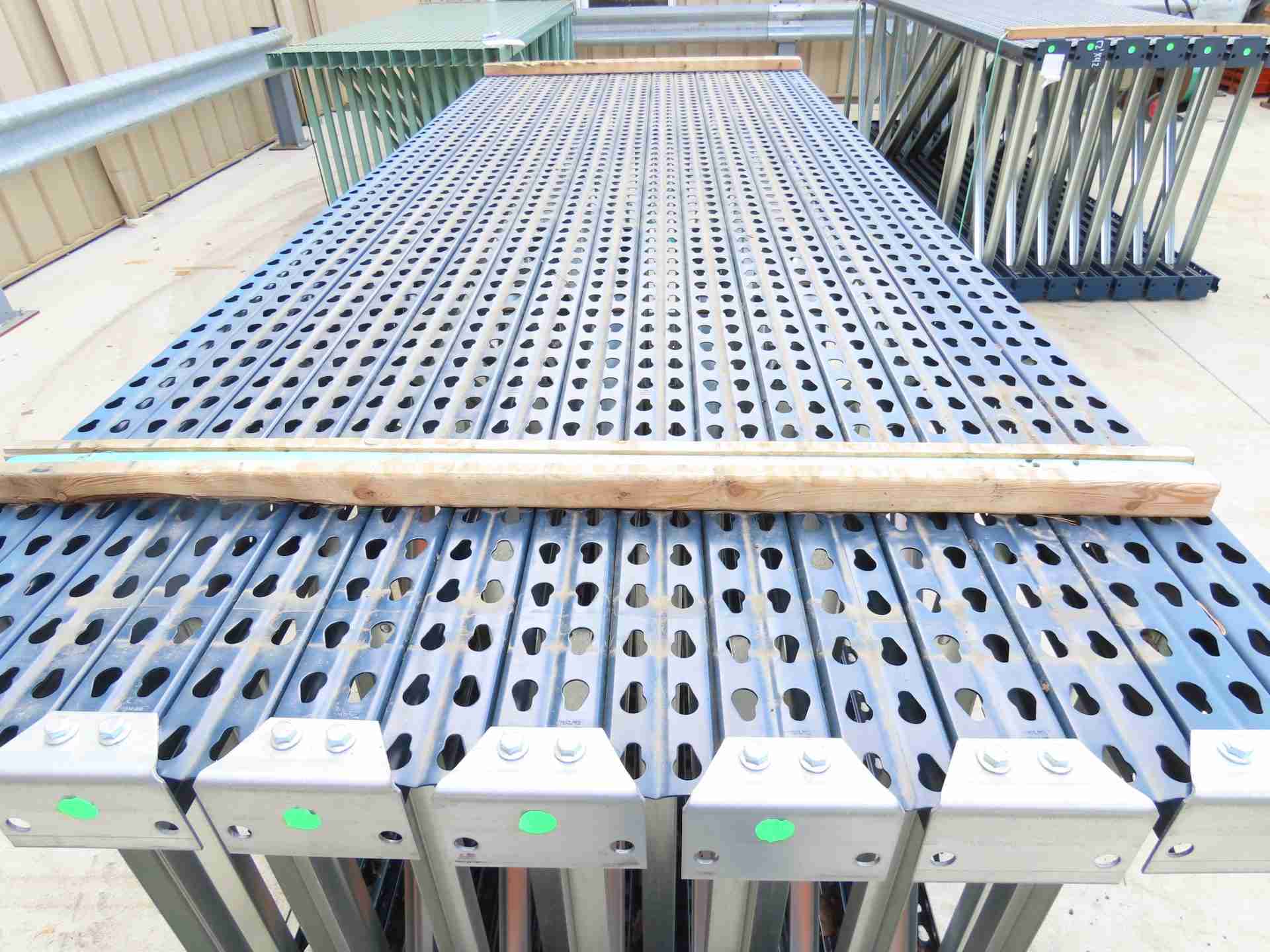
What Are The Safety Regulations For Pallet Racking?
How To Measure Space For Pallet Racking Installation?
How To Measure Space For Pallet Racking Installation
In the ever-evolving world of warehousing and logistics, getting your pallet racking installation right the first time is crucial for operational efficiency and safety. The stakes are high—after all, every inch of space wasted is dollars lost. The key to maximizing your investment lies in meticulously measuring your space before making any purchases. Here’s how to do it effectively.
Start with a Clear Plan
Before you pull out the tape measure, take a moment to visualize how your operation flows. Think about your specific needs: the types of goods you’ll store, their sizes, and the frequency of access. For instance, if you are in the e-commerce sector, where speed is essential, you may want to opt for selective racking to facilitate quick picking. Conversely, if you’re storing large quantities of bulk items, consider deep-lane racking for optimal storage density.
Tools of the Trade
You’ll need some basic tools to get started: a standard tape measure, a notepad, and a sketchpad. You might also consider digital tools or software designed for warehouse layout and racking systems, which can save you time and provide clearer visuals.
Measuring Your Space
1. Height: Measure the vertical clearance from the floor to the ceiling. Don’t forget to account for any overhead equipment like sprinklers or lights. For instance, if you have a warehouse with a 20-foot ceiling, you might want to install racking that effectively utilizes that vertical space, especially with the recent push for more efficient storage solutions due to supply chain strains caused by global events.
2. Width and Depth: Measure the width and depth of the shelving area where you plan to install the racking. Ensure there’s enough room for forklifts or other machinery to maneuver without risk of damage. A common pitfall is ignoring aisle width; it’s about balancing safety with efficiency.
3. Accessibility: Consider any doors, windows, or other obstructions that may hinder access to your racking system. For instance, if you have seasonal surges in demand, ensure your design allows easy access to high-velocity items during peak times.
Create a Layout Plan
Once you have all your measurements, sketch a layout. This is where you can experiment with different racking styles—perhaps a hybrid of single-deep and double-deep racking to cater to varying inventory turnover rates.
Final Thoughts
With issues like labor shortages and supply chain disruptions heightening the pressure on businesses, utilizing space efficiently is not just an option; it’s a necessity. By taking the time to carefully measure and plan for your pallet racking installation, you’re not merely ensuring a functional space but also setting the stage for driving revenue and improving customer satisfaction in a competitive landscape.
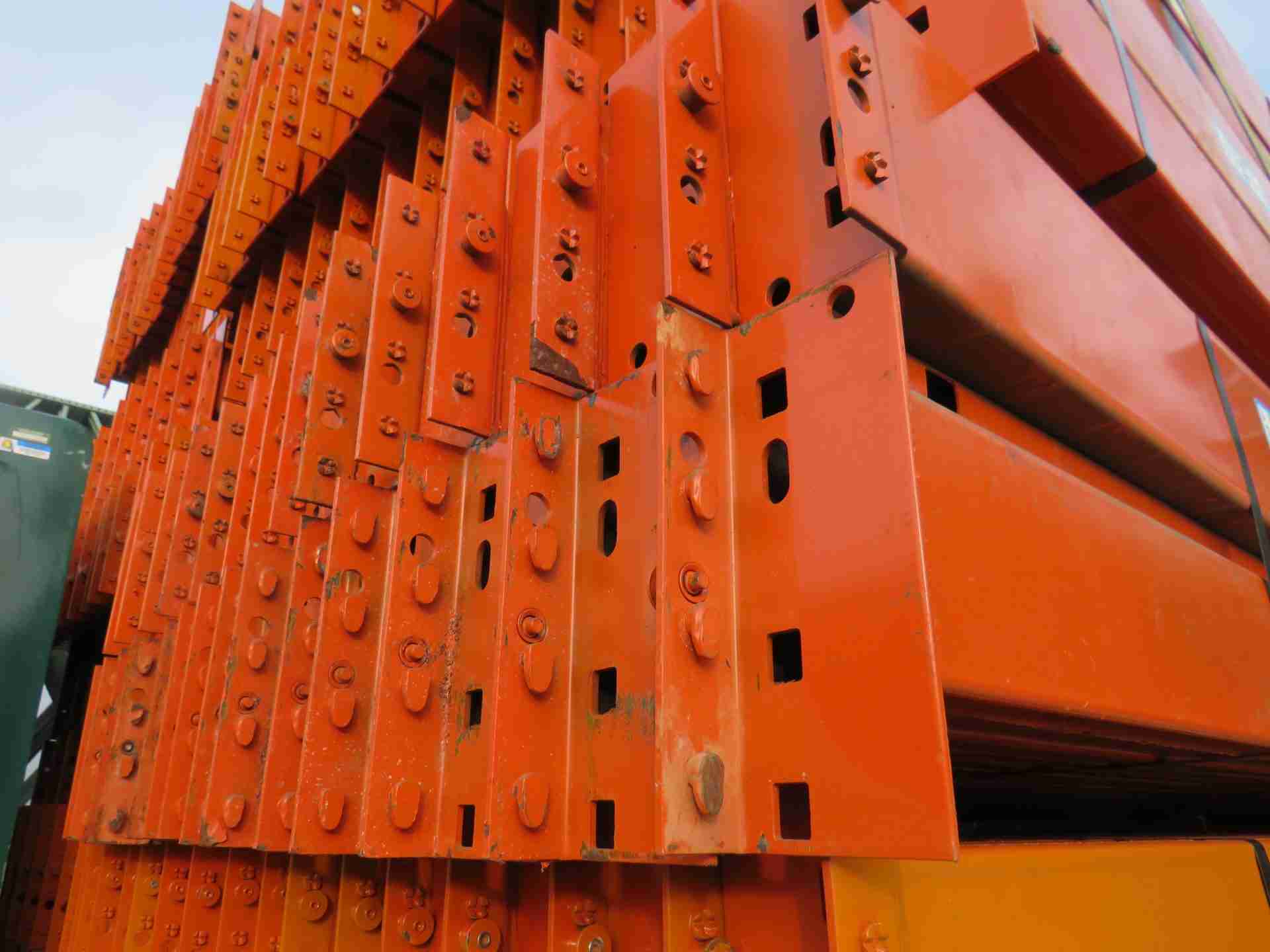
How To Measure Space For Pallet Racking Installation?
How To Measure Space For Pallet Racking Installation?
- Correct pallet racking installation is essential for operational efficiency and safety in warehousing.
- A clear plan should be developed before measuring, considering types of goods, sizes, and access frequency.
- Basic tools needed include a tape measure, notepad, sketchpad, and possibly digital layout software.
- Measure height by assessing floor-to-ceiling clearance and accounting for overhead equipment.
- Measure width and depth, ensuring enough room for safe forklift maneuvering and aisle space.
- Consider accessibility by noting doors and obstructions that may affect ease of access to racking systems.
- Sketch a layout after measuring, exploring various racking styles to enhance storage efficiency.
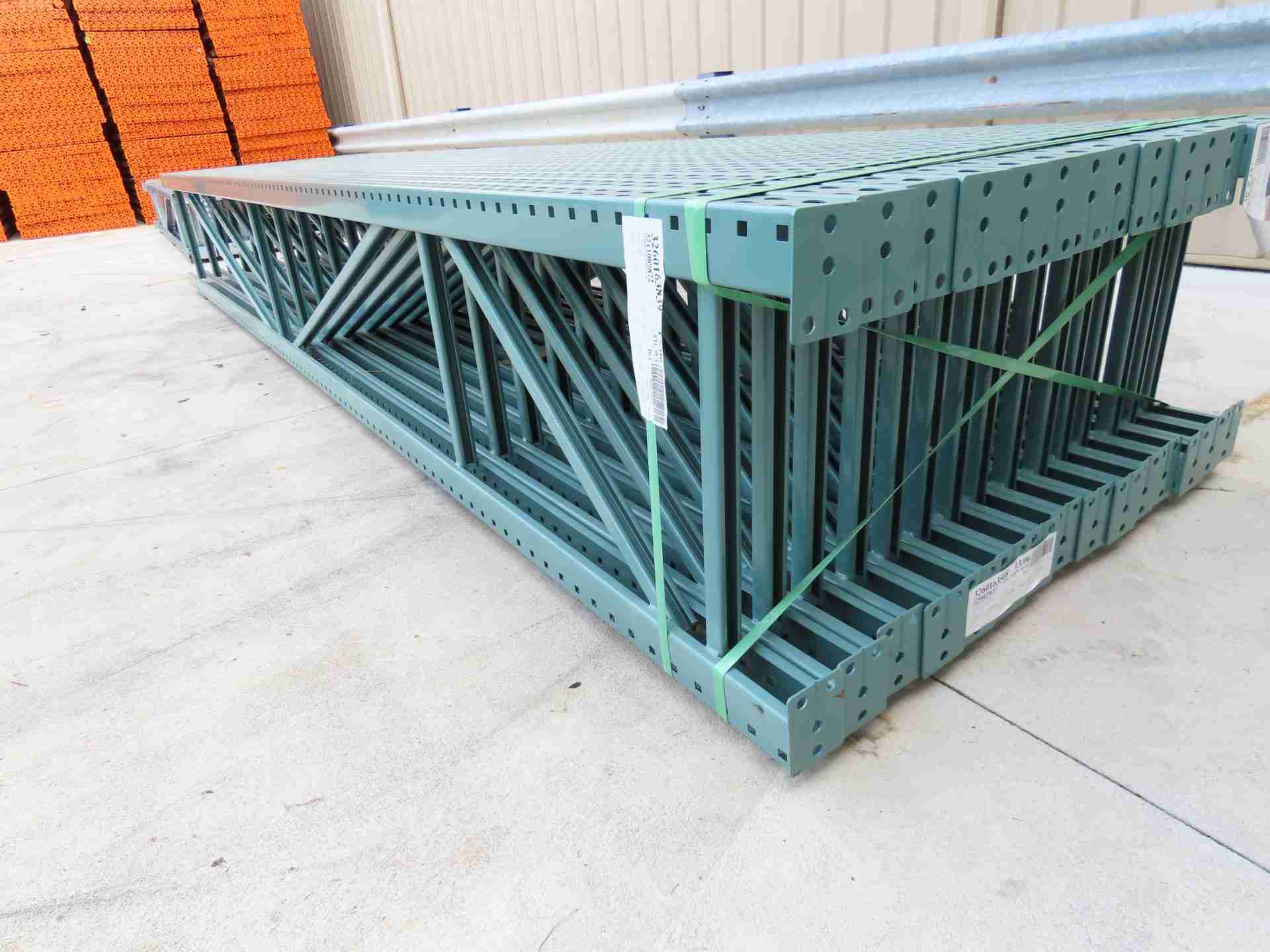
How To Measure Space For Pallet Racking Installation?
What Are Common Mistakes To Avoid When Installing?
Installing anything—from a new home appliance to software—can seem straightforward, but it’s fraught with potential pitfalls that can lead to frustration, wasted time, and costly repairs. Here, we’ll highlight the common mistakes to avoid when installing, ensuring your process is seamless and efficient.
Skipping the Preparation Phase
One of the biggest blunders you can make is diving headfirst into installation without preparation. Whether you’re assembling furniture or setting up a new piece of software, failing to read the instructions carefully can result in significant setbacks. The surge in “DIY” home improvement projects during the pandemic has highlighted this mistake. Many people rushed into projects only to find they had damaged materials or purchased the wrong tools because they hadn’t reviewed their plans thoroughly. Always take the time to gather all necessary tools, read through the instructions, and ensure your workspace is clear.
Ignoring Compatibility Issues
Consider the electronics market in 2023, where consumers are racing to upgrade their devices. Almost weekly, new products are released that claim to be the latest and greatest. However, buyers often overlook whether their current devices are compatible with these new installations. This failure led to widespread frustration among Apple users last year when many found their beloved older models couldn’t run the latest iOS features. Always check compatibility requirements before proceeding with installations—it’s an essential step that can save you hours of headaches.
Neglecting to Test the System
Once you’ve completed an installation, it’s tempting to declare victory and move on. However, failing to perform a thorough test can lead to issues later on. For example, small businesses installing new point-of-sale systems have experienced significant revenue loss due to transaction processing errors that went unnoticed during initial setup. Always take a moment to run through the system after installation, ensuring everything functions as intended before fully relying on it in a high-stakes environment.
Overlooking Safety Protocols
Lastly, safety should never be an afterthought. Whether you’re using power tools for home renovations or configuring complex software, neglecting safety protocols can be detrimental. In light of recent electrical hazards from improper installations, it’s more critical than ever to use the right equipment and protective gear and follow manufacturer guidelines.
By steering clear of these common mistakes, you can achieve a smooth installation process, making your ventures more enjoyable and productive. Remember, preparation, compatibility checks, system testing, and safety are not just preliminary steps—they are integral to your success.
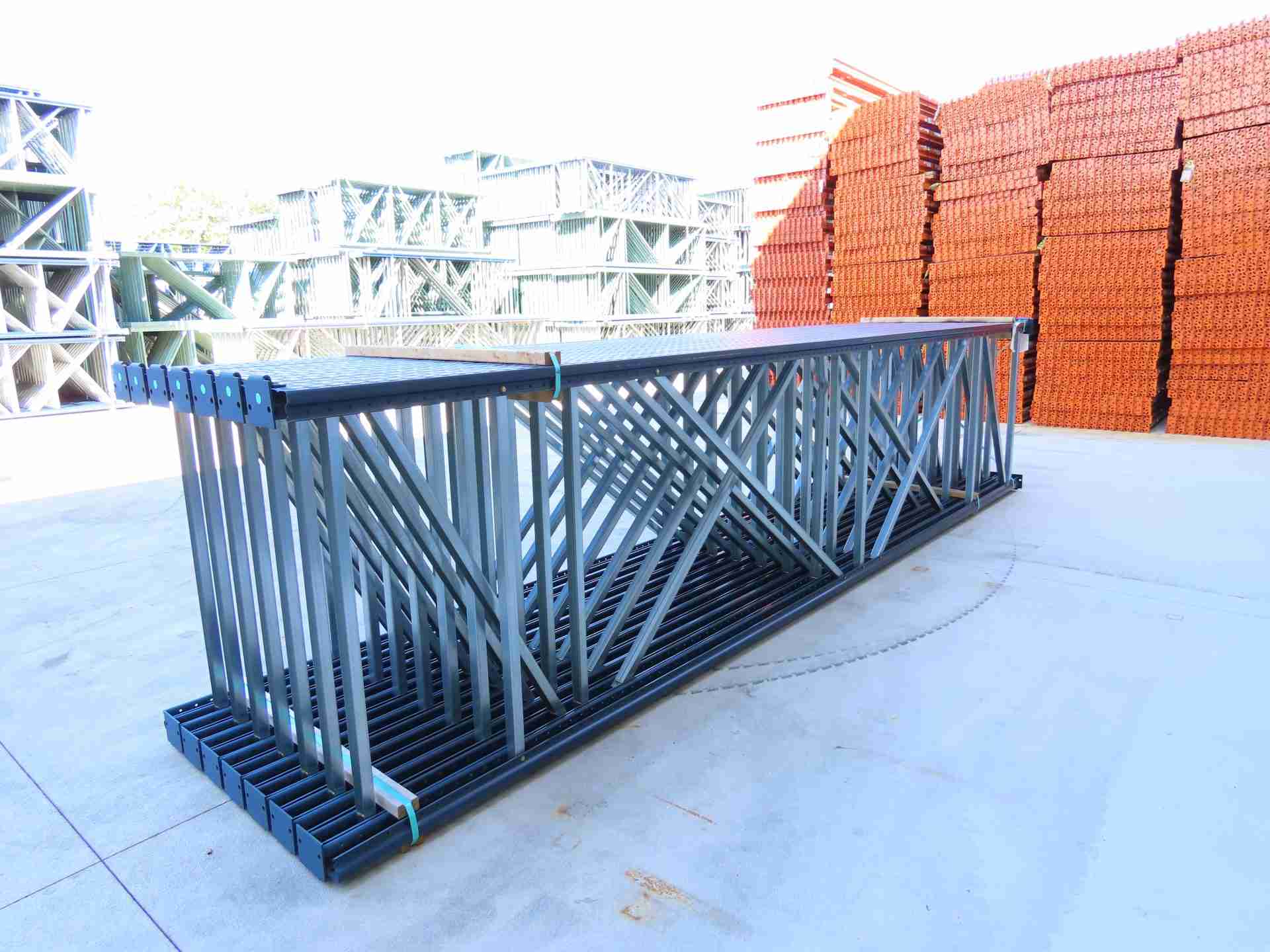
What Are Common Mistakes To Avoid When Installing?
What Are Common Mistakes To Avoid When Installing?
- Preparation Phase: Avoid diving into installations without proper preparation; read instructions carefully to prevent setbacks.
- Compatibility Issues: Always check if new devices are compatible with existing ones to avoid frustration during upgrades.
- Testing the System: Perform thorough tests after installation to catch errors early and avoid future issues.
- Safety Protocols: Prioritize safety by using appropriate equipment and following manufacturer guidelines during installations.
- Impact of DIY Trends: The surge in DIY projects has highlighted the importance of careful planning to prevent damage and tool purchasing errors.
- Examples of Consequences: Neglecting to test systems can lead to significant losses, as seen with businesses using new point-of-sale systems.
- Overall Importance: Successful installations depend on preparation, compatibility, testing, and safety—integral steps that enhance enjoyment and productivity.
What Are Common Mistakes To Avoid When Installing?
How To Assemble The Pallet Racking Components?
How To Assemble The Pallet Racking Components
When it comes to maximizing warehouse efficiency and optimizing your inventory storage, nothing beats the robust practicality of pallet racking systems. But before you can reap the rewards, you’ve got to master the art of assembly. Here’s a straightforward, no-nonsense guide to assembling your pallet racking components, ensuring your warehouse becomes a fortress of organization and productivity.
Step 1: Gather Your Tools and Materials
First things first, gather your essential tools—wrenches, a level, a torque wrench, and a rubber mallet. Remember that your racking system’s strength and stability depend on precise assembly. Double-check that all components are present, including steel beams, uprights, and safety pins. A recent case involving a large-scale retailer demonstrated that a single missing pin could lead to catastrophic collapses! Don’t let that be you.
Step 2: Start with the Uprights
Begin by setting your uprights in a vertical position. Use a level to ensure each upright stands perfectly plumb. This precision is crucial as it forms the backbone of your entire racking system. Imagine assembling a skyscraper; one small misstep can create instability. Tighten the bolts securely but avoid over-tightening, which could strip the threads and jeopardize structural integrity in the long run.
Step 3: Install the Cross Beams
Once your uprights are steady, it’s time to install the cross beams. Start at the bottom and work your way up. Aim for a standard height of between 42 to 48 inches for optimal accessibility. Remember, cross beams create the primary load-bearing support, so ensure they lock in securely. An incorrectly locked beam can lead to load failure.
Step 4: Add Shelf Levels
With the cross beams in place, it’s time to add the shelf levels. Position these at intervals that correspond to your goods’ size and weight. Current warehouse trends emphasize small-batch deliveries and e-commerce flexibility, so adjust your levels accordingly. Think about quick access to fast-moving items; this is where your racking can really shine!
Step 5: Final Checks and Safety Measures
Finally, conduct a thorough check. Ensure all bolts are tight, and there are no loose or disheveled components. After all, preventing accidents is the best kind of safety net. Consider securing your racking with safety straps or wall brackets if your loads are particularly heavy or if your environment is prone to vibrations, such as manufacturing sites.
If you’ve followed these steps, congratulations! You’ve just unlocked the potential of your warehouse. Each correctly assembled pallet racking system will not only save you time during inventory management but will facilitate smoother operations, showcasing your commitment to efficiency and excellence as a modern business in today’s fast-paced economy.

How To Assemble The Pallet Racking Components?
How To Assemble The Pallet Racking Components?
- Pallet racking systems enhance warehouse efficiency and inventory storage.
- Gather essential tools: wrenches, level, torque wrench, and rubber mallet, and ensure all components are present.
- Set uprights in a vertical position, using a level for precision, and securely tighten bolts without over-tightening.
- Install cross beams starting from the bottom, aiming for a height of 42 to 48 inches for optimal accessibility.
- Add shelf levels based on the size and weight of goods, adapting for trends like small-batch deliveries and e-commerce.
- Conduct a thorough final check for tight bolts and secure components; consider additional safety measures such as straps or wall brackets.
- Successfully assembled racking systems improve inventory management and streamline operations.
How To Assemble The Pallet Racking Components?
How To Secure Pallet Racks To The Floor?
How To Secure Pallet Racks To The Floor
In today’s fast-paced business landscape, efficiency and safety aren’t just goals—they’re necessities. A crucial aspect of warehouse operations that often gets overlooked is the security of pallet racks. When you invest in quality pallet racks, remember: securing them to the floor isn’t just a good idea; it’s an absolute requirement for ensuring safety and maximizing productivity.
Why Secure Your Pallet Racks?
Consider this startling fact: according to the Occupational Safety and Health Administration (OSHA), thousands of warehouse accidents are attributed to improperly secured racks. In 2022 alone, disruptions caused by rack failures led to substantial fines and operational shutdowns for several businesses. When pallet racks fail, they can cause product damage, worker injuries, and a significant hit to your bottom line.
Step-by-Step Guide to Securing Pallet Racks
1. Choose the Right Floor Anchors: The first step in securing your pallet racks is selecting the appropriate floor anchors. Use heavy-duty expansion anchors made from high-strength steel. Expansion anchors provide a durable grip that can withstand lateral forces, making them ideal for preventing tipping hazards.
*Example*: A furniture distribution center periodically faced issues with rack stability. After switching to heavy-duty expansion anchors, they experienced a 60% decrease in rack-related incidents.
2. Assess Your Concrete Thickness: One size does not fit all when it comes to concrete thickness. Inspect the thickness of your warehouse floor. For typical installations, a minimum thickness of 4 inches is required to properly secure racks. If your floors are thinner, consult with a structural engineer to assess your unique situation.
3. Installation: Secure each rack upright to the floor using the anchors you’ve chosen. Ensure that the anchors are evenly spaced and placed in the correct locations as specified by the rack manufacturer. Using a drill, create precise holes to avoid damaging the integrity of the concrete.
4. Regular Inspections: Never underestimate the power of ongoing maintenance. Schedule regular inspections to check the integrity of your anchors and racks. This proactive approach can catch potential issues before they escalate, ensuring your operations run smoothly.
5. Training and Protocols: Implement training programs for your staff to educate them about the importance of rack security. This includes how to properly load racks and identify potential hazards. Knowledgeable employees are invaluable assets in preventing accidents.
Conclusion
Securing pallet racks to the floor is one essential element of a robust safety strategy that drives profitability and efficiency in your operations. In this world of ever-increasing safety scrutiny and financial stakes, taking these steps isn’t just wise—it’s imperative for sustainable success. Embrace these strategies, and watch as your warehouse transforms into a bastion of safety and productivity.
How To Secure Pallet Racks To The Floor?
How To Secure Pallet Racks To The Floor?
- Securing pallet racks is crucial for ensuring safety and maximizing productivity in warehouse operations.
- OSHA reports thousands of accidents due to improperly secured racks, leading to fines and operational shutdowns.
- Steps to secure pallet racks include choosing appropriate heavy-duty floor anchors made of high-strength steel.
- Assessing the concrete thickness is essential; a minimum of 4 inches is required for standard installations.
- Proper installation involves securing each rack with evenly spaced anchors in specified locations, using precise drilling.
- Regular inspections of racks and anchors are necessary to maintain safety and catch issues early.
- Training staff on proper loading techniques and hazard identification is vital to prevent accidents.
How To Secure Pallet Racks To The Floor?
What Is The Best Way To Load Pallets Onto Racks?
In the competitive landscape of warehouse management, the efficiency of loading pallets onto racks can make or break your operation. With rising supply chain costs and a recent shift towards automation, optimizing your pallet rack loading is no longer just a good idea; it’s essential for survival in today’s fast-paced market.
First off, let’s talk about strategy. One of the most effective ways to load pallets is through the FIFO (First In, First Out) method. This ensures that older stock is used before newer inventory, reducing spoilage and obsolescence. This technique isn’t just a best practice; it’s a necessity, especially in industries like food and pharmaceuticals, where expiration dates are a critical concern. A recent case study from a large grocery chain showed that implementing FIFO led to a 20% reduction in product waste and saved the company millions in potential lost revenue.
Next, consider your equipment. Investing in quality pallet jacks, forklifts, and racking systems can significantly enhance your loading efficiency. Tandem loading—using two forklifts to load racks simultaneously—has recently gained traction, allowing for a dramatic increase in throughput. It’s about leveraging technology to maximize human efforts, similar to how many retailers have adapted to omnichannel fulfillment strategies in the wake of e-commerce growth spurred by global events like the pandemic. Companies are seeking increasingly sophisticated logistics solutions that can be quickly implemented to meet rising demands.
Don’t overlook the importance of training. Even the best equipment is only as effective as the operators using it. Regular training sessions focused on ergonomic practices, safety measures, and efficiency techniques can enhance productivity dramatically. A global logistics company recently reported a 15% increase in overall output after implementing ongoing education for its warehouse staff.
Additionally, utilizing data analytics can provide insights into your loading patterns. Modern warehouse management systems (WMS) can track pallet rotation, aisle traffic, and picker efficiency. These analytics will help refine your loading processes and ultimately bridge the gap between inefficiency and smooth operation. Amazon, with its advanced warehouse processes, showcases just how effective data-driven decisions can become when adapted properly.
To sum it up, the best way to load pallets onto racks is not merely about brute strength or effort; it’s a comprehensive strategy integrating techniques like FIFO, advanced equipment, dedicated training, and informed data analysis. Start by reviewing your current processes today—because, in the world of logistics, standing still is equivalent to moving backward.
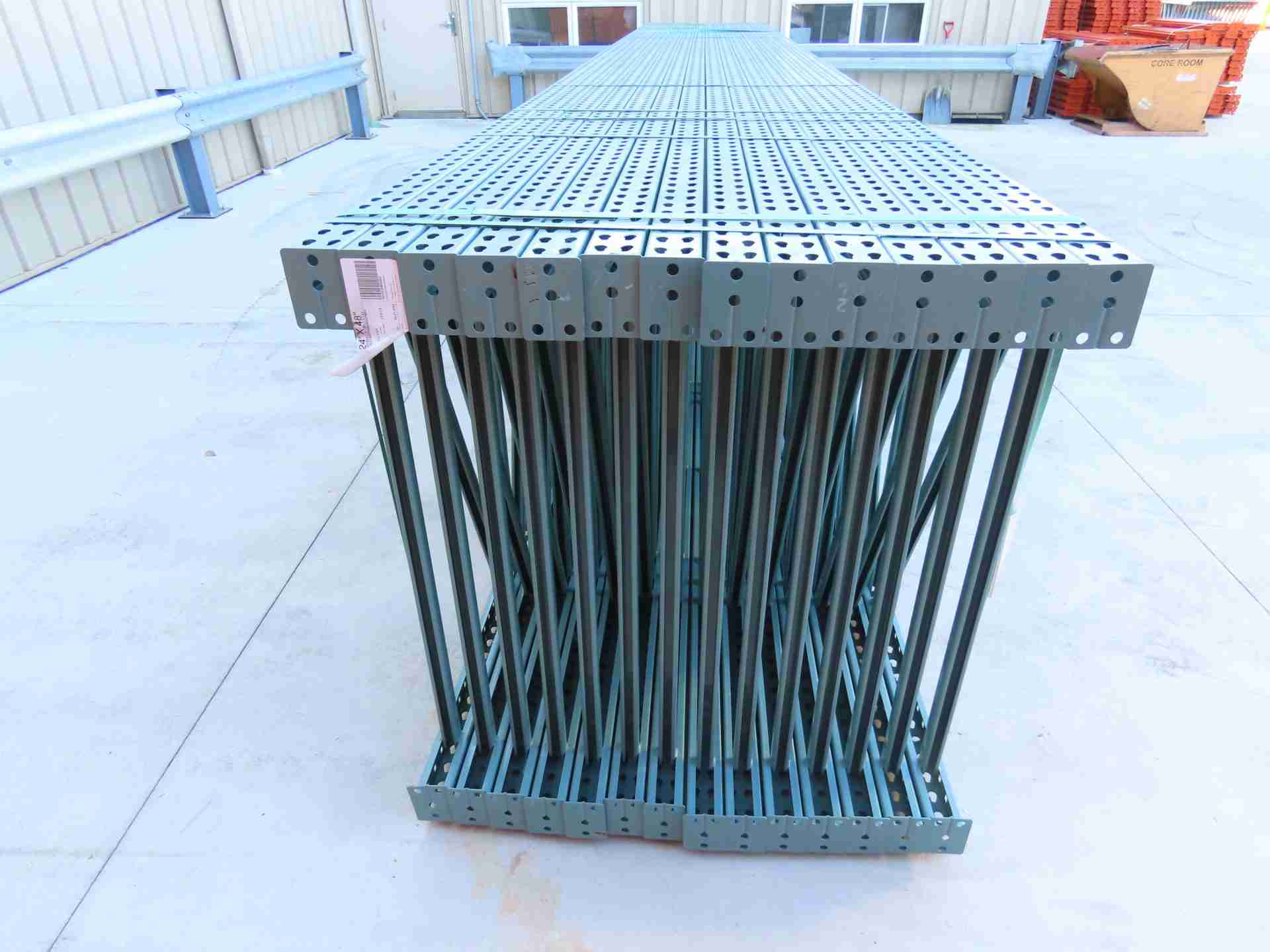
What Is The Best Way To Load Pallets Onto Racks?
What Is The Best Way To Load Pallets Onto Racks?
- Efficiency in loading pallets is crucial for success in warehouse management amidst rising supply chain costs and automation shifts.
- The FIFO (First In, First Out) method is essential to minimize spoilage and obsolescence, especially in industries like food and pharmaceuticals.
- Implementing FIFO can lead to significant waste reduction, as shown by a grocery chain’s 20% decrease in product waste.
- Investing in quality equipment, like pallet jacks and forklifts, along with techniques like tandem loading, can enhance loading efficiency.
- Regular training for operators on ergonomic practices and safety can lead to improved productivity, exemplified by a 15% output increase in a logistics company.
- Data analytics through modern warehouse management systems can optimize loading patterns and overall operational efficiency.
- A comprehensive strategy that integrates FIFO, advanced equipment, training, and data analysis is key to effective pallet loading.
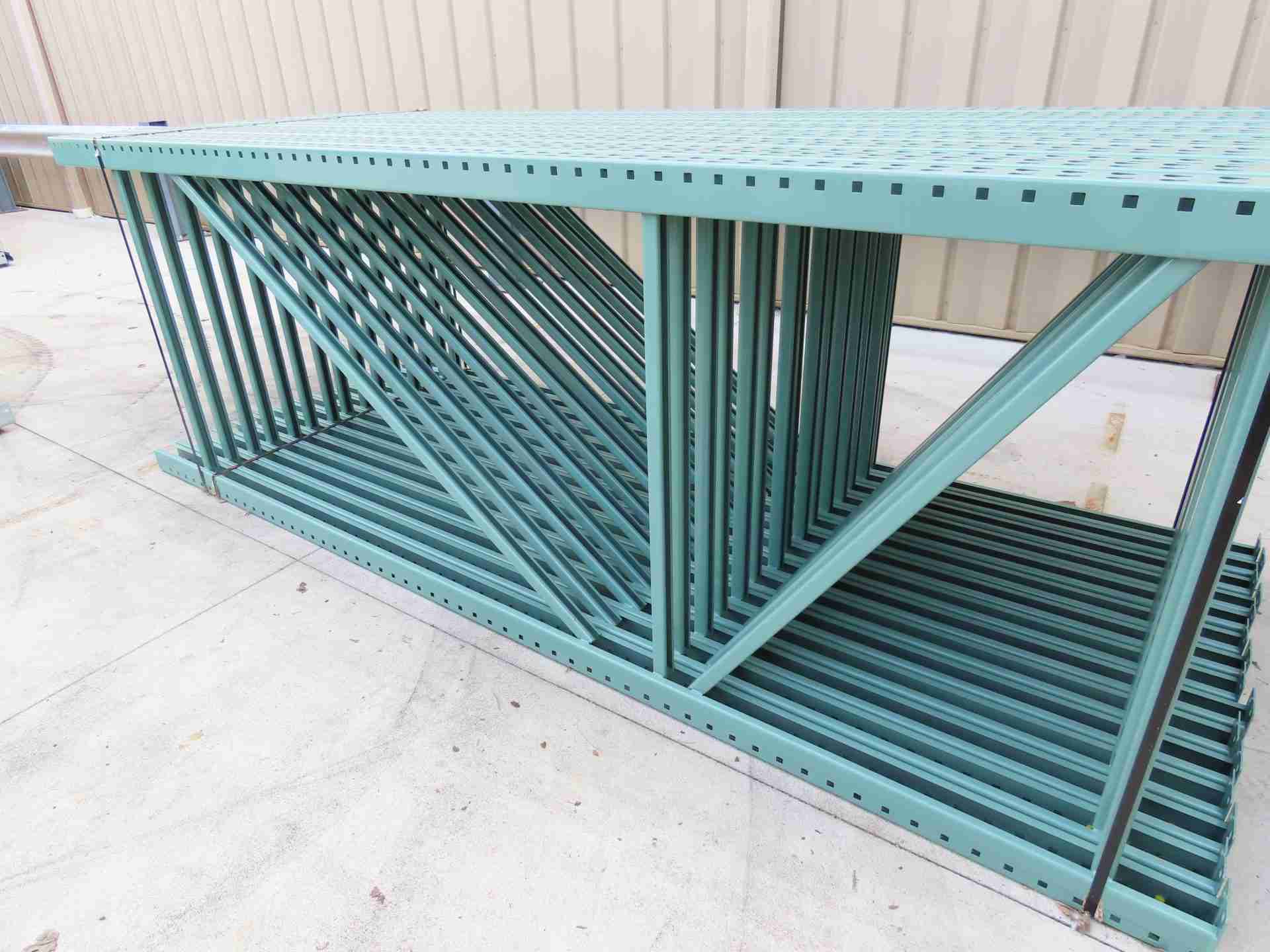
What Is The Best Way To Load Pallets Onto Racks?
How To Maintain Pallet Racking After Installation?
Investing in pallet racking is a strategic move for any warehouse or storage facility. However, just like any business asset, ensuring your pallet racking remains in peak condition requires consistent maintenance. Ignoring this task can lead to costly accidents, decreased efficiency, and ultimately harm your bottom line. Let’s dive into essential strategies for maintaining your pallet racking that will not only keep it functional but also extend its lifespan and boost productivity.
1. Regular Inspections: The Proactive Approach
Start with a well-structured schedule for regular inspections. Have designated personnel, trained specifically, carry out these evaluations weekly or monthly, depending on usage. Inspect for signs of damage such as bent frames, warped beams, or loose connections. Did you know that in 2023, nearly 20% of workplace injuries in warehouses were related to faulty racking systems? Regular inspections drastically reduce that risk.
2. Damage Control: Address Issues Promptly
Imagine discovering a bent beam after a busy week and then waiting to resolve the issue. It’s not just a safety hazard; it’s an accident waiting to happen. If you find any signs of damage during your inspections, act immediately. Replacing damaged components or reinforcing structures can not only prevent collapse but protect employees and inventory. Companies like The Home Depot have seen fence-sitting businesses bolster their safety standards by proactively replacing damaged racking—boosting morale among workers and saving on insurance premiums.
3. Training Staff: Empower Your Team
Training your staff on how to handle pallet racking safely is indispensable. Hold quarterly training sessions that highlight best practices for loading and unloading products, ensuring the equipment’s maximum capacity isn’t exceeded. For instance, in 2023, a leading logistics company reported a 30% reduction in mishaps after implementing comprehensive staff training, leading to increased employee confidence and greater efficiency on the warehouse floor.
4. Clean and Clear: Maintain a Clutter-Free Environment
Your pallet racking isn’t just structural; it defines your workspace aesthetic. A cluttered area increases the risk of accidents and racking damage. Develop a clean-up routine to ensure clear walkways and that racking is free of debris. Seasonal deep cleans can prevent dust build-up, promoting a healthier environment for your products and staff.
5. Staying Compliant: Know the Regulations
Finally, stay abreast of local safety regulations and industry standards. Changes may take place—such as new compliance measures introduced due to rising safety concerns in warehouses as recently discussed in industry reports from the National Safety Council. Regular audits will help ensure adherence and potentially save you from hefty fines down the line.
Maintaining pallet racking may seem daunting, but with a structured approach, you’ll not only protect your investment but create a safer and more productive work environment. Don’t wait until it’s too late—start implementing these strategies now and watch your efficiency levels soar!
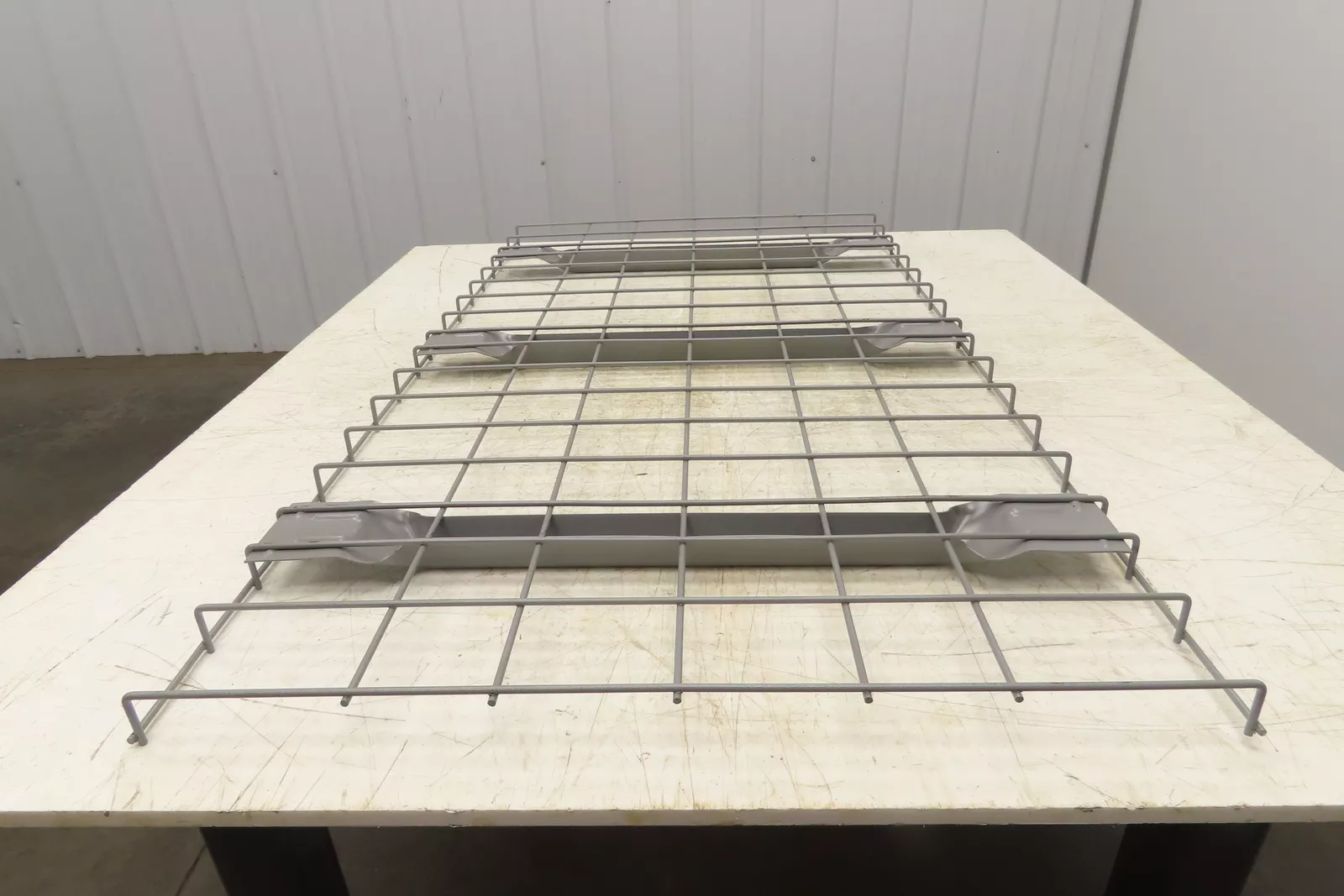
How To Maintain Pallet Racking After Installation?
How To Maintain Pallet Racking After Installation?
- Regular Inspections: Schedule weekly or monthly inspections to identify damage like bent frames or loose connections; this significantly reduces workplace injury risks.
- Damage Control: Address any identified issues immediately to prevent safety hazards and protect employees and inventory, as seen in companies like The Home Depot.
- Training Staff: Conduct quarterly training sessions on safe handling practices to enhance employee confidence and efficiency; notable improvements in incidents reported.
- Clean and Clear: Establish routines for maintaining a clutter-free environment around racking to reduce accident risks and promote a healthier workspace.
- Staying Compliant: Keep updated with local safety regulations and perform regular audits to avoid hefty fines and ensure compliance.
- Strategic Maintenance: Implementing these maintenance strategies protects investment and boosts productivity in your warehouse.
- Proactive Approach: Maintaining pallet racking is essential for workplace safety and efficiency; prioritize these practices for optimal results.

How To Maintain Pallet Racking After Installation?
What Types Of Pallets Are Suitable For Racking?
What Types of Pallets Are Suitable For Racking?
When it comes to maximizing your warehouse’s efficiency, the type of pallet you choose for racking can make all the difference. With supply chain disruptions from global events and the ever-growing demand for faster deliveries, understanding which pallets excel in a racking system is crucial to streamline operations and enhance your bottom line.
# Wooden Pallets
The classic wooden pallet remains a staple in warehouses for a reason. Not only are they affordable and readily available, but they also boast the strength and durability required for heavy loads. For instance, standard 48×40-inch wooden pallets can support over 2,500 pounds when evenly distributed. Their ease of repair and recyclability further adds to their appeal. However, keep in mind that wooden pallets can be vulnerable to pests and moisture. Investing in heat-treated or branded pallets can mitigate these issues, ensuring compliance with global shipping standards.
# Plastic Pallets
In an era where sanitation is paramount, particularly in industries like food and pharmaceuticals, plastic pallets have surged in popularity. These lightweight yet robust alternatives are impervious to moisture, temperature fluctuations, and chemicals. With an average load capacity of around 2,500 to 3,000 pounds, they are suitable for racking systems that frequently endure heavy traffic. Recent shifts towards sustainability have also made recyclable plastic options more desirable. If you’re banking on a clean, efficient operation, plastic pallets could be your winning ticket.
# Metal Pallets
For companies that prioritize strength and longevity, metal pallets, often made from aluminum or steel, can endure extreme conditions. While the initial investment may be higher, the durability they offer pays off in the long run. Not only are they resistant to impact, but their longevity can be particularly beneficial in high-stress environments or for heavy industrial applications. Using metal pallets for racking systems meant for significant weight can drastically reduce the risk of structural failures.
# Nestable Pallets
Increasingly popular in tight spaces, nestable pallets can be a game-changer when it comes to storage flexibility. When not in use, these pallets can be stacked together for reduced volume, saving valuable floor space. They often come in plastic or wood variants, and their functional design makes them perfect for operations that require frequent rotation of stock.
Selecting the right pallets for racking systems can significantly improve your warehouse efficiency, reduce costs, and even contribute to a more sustainable operation. As global supply chains evolve and consumer demands shift, understanding the benefits of different pallet types isn’t just a smart choice—it’s essential for staying competitive in today’s marketplace.
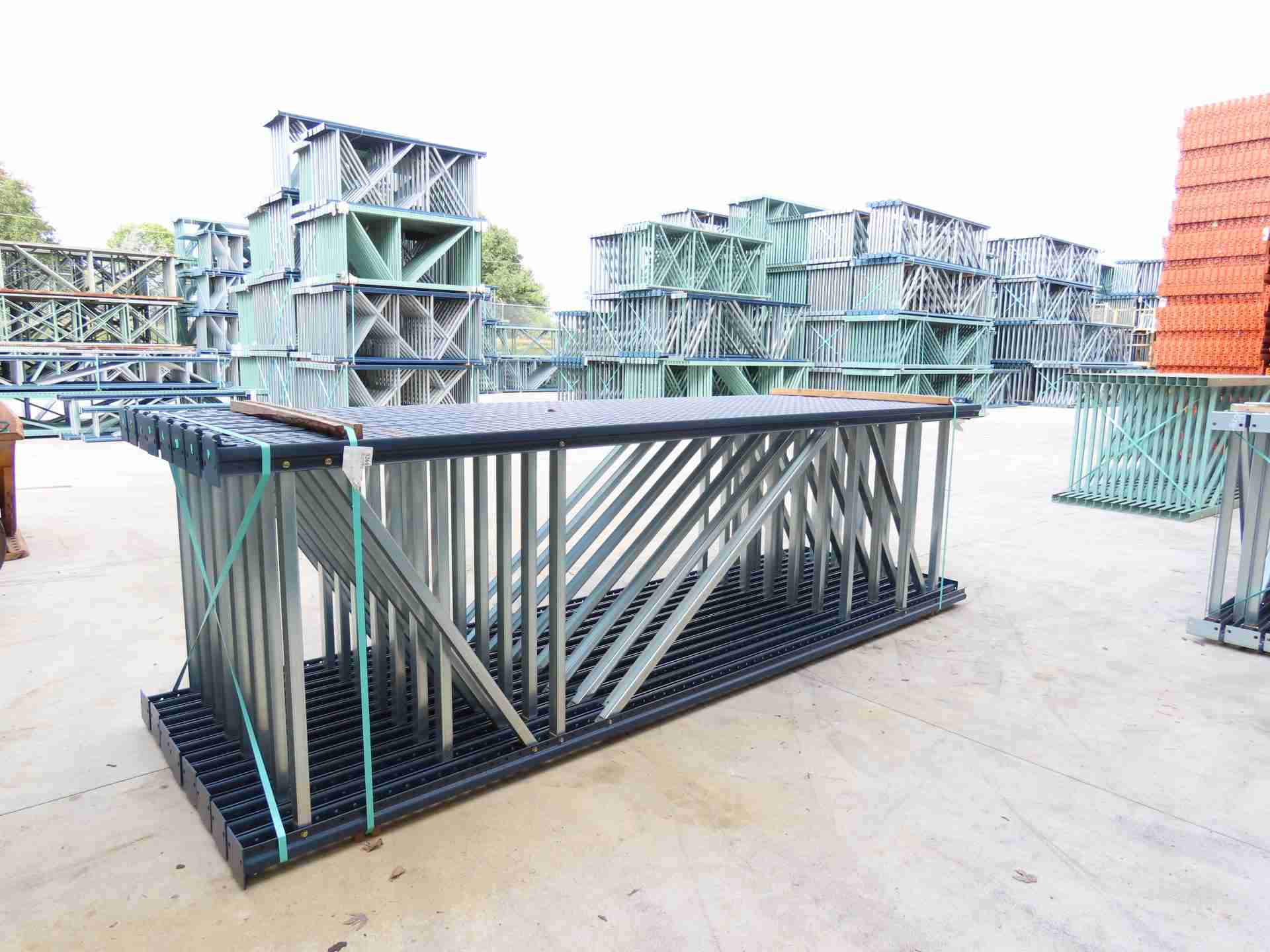
What Types Of Pallets Are Suitable For Racking?
What Types Of Pallets Are Suitable For Racking?
- Choosing the right type of pallet for racking is crucial to maximize warehouse efficiency.
- Wooden pallets are affordable, strong, and readily available but can be vulnerable to pests and moisture.
- Plastic pallets are lightweight and resistant to moisture, temperature, and chemicals, making them ideal for sanitation-sensitive industries.
- Metal pallets, made from aluminum or steel, offer high durability and are suitable for heavy industrial applications, though they have a higher initial cost.
- Nestable pallets save floor space by stacking together when not in use, making them ideal for operations with tight storage conditions.
- Different pallet types can lead to improved operational efficiency, cost reduction, and sustainability in warehouse management.
- Understanding the advantages of each pallet type is essential for maintaining competitiveness in a changing supply chain landscape.
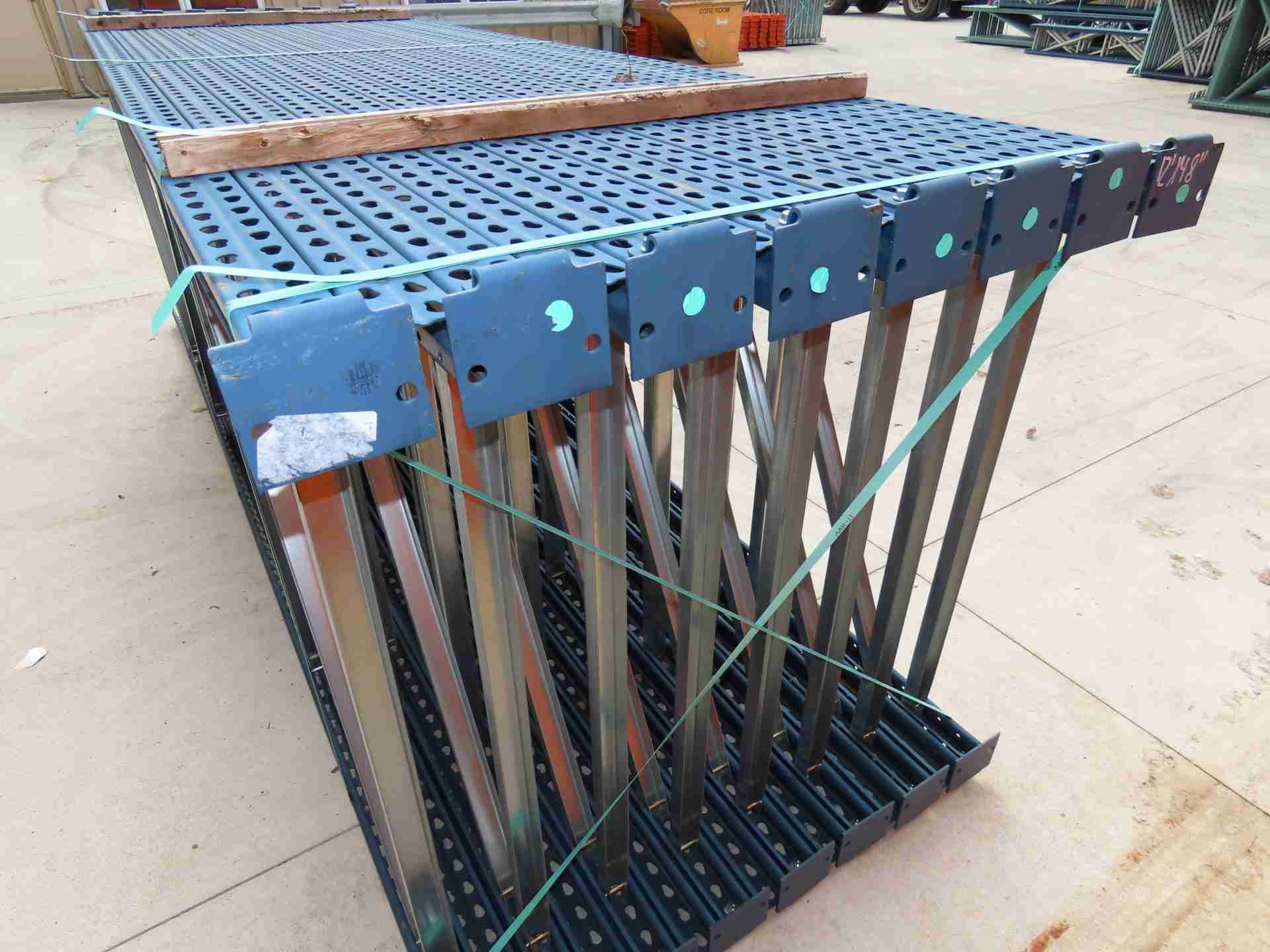
What Types Of Pallets Are Suitable For Racking?
How Often Should I Inspect My Pallet Racking System?
In the world of warehousing and inventory management, the importance of a robust pallet racking system can’t be overstated. Your racking not only holds your products but also supports your operational efficiency and safety. So, how often should you inspect it? The simple answer is frequently and consistently.
Imagine waking up one morning to find that your racking system has developed structural damage due to a lack of routine inspections. Suddenly, your thriving business is facing not only a halt in operations but a liability nightmare. Regular inspections can save you from this scenario and can be as straightforward as adopting a systematic schedule.
Industry standards suggest that you should conduct a visual inspection of your pallet racking system at least once a week. This quick examination can help you spot visible issues, such as bends, dents, or loose bolts. However, don’t stop there! In conjunction with weekly checks, it’s wise to perform a comprehensive inspection at least once every six months. During these thorough reviews, you should assess the integrity of the entire system, including connections, beams, and base plates.
In light of recent supply chain challenges due to the pandemic, maintaining an efficient and safe warehouse environment has never been more critical. A report from the Material Handling Industry of America highlighted that improper maintenance of racking systems leads to increased risks and unexpected downtimes. Businesses that neglect this crucial aspect ultimately face not just lost revenue, but also potential lawsuits arising from workplace accidents.
You might be thinking, “But that’s a lot of time!” Consider this: investing a little time in inspections now will save you a considerable amount of money and headaches in the long run. For instance, by instituting regular inspections and addressing issues proactively, a logistics firm was able to avoid a $100,000 liability after a warehouse accident that occurred due to unmonitored pallet racking failure. That’s what we call a sound investment!
Moreover, don’t overlook training your staff on inspection protocols. They are your first line of defense in identifying potential hazards. A well-informed team can make all the difference in ensuring your racking system remains reliable and efficient.
Prioritize regular inspections of your pallet racking system—it’s not just a good idea; it’s essential for sustaining the backbone of your business. Stay vigilant, stay safe, and watch your operational efficiency soar!
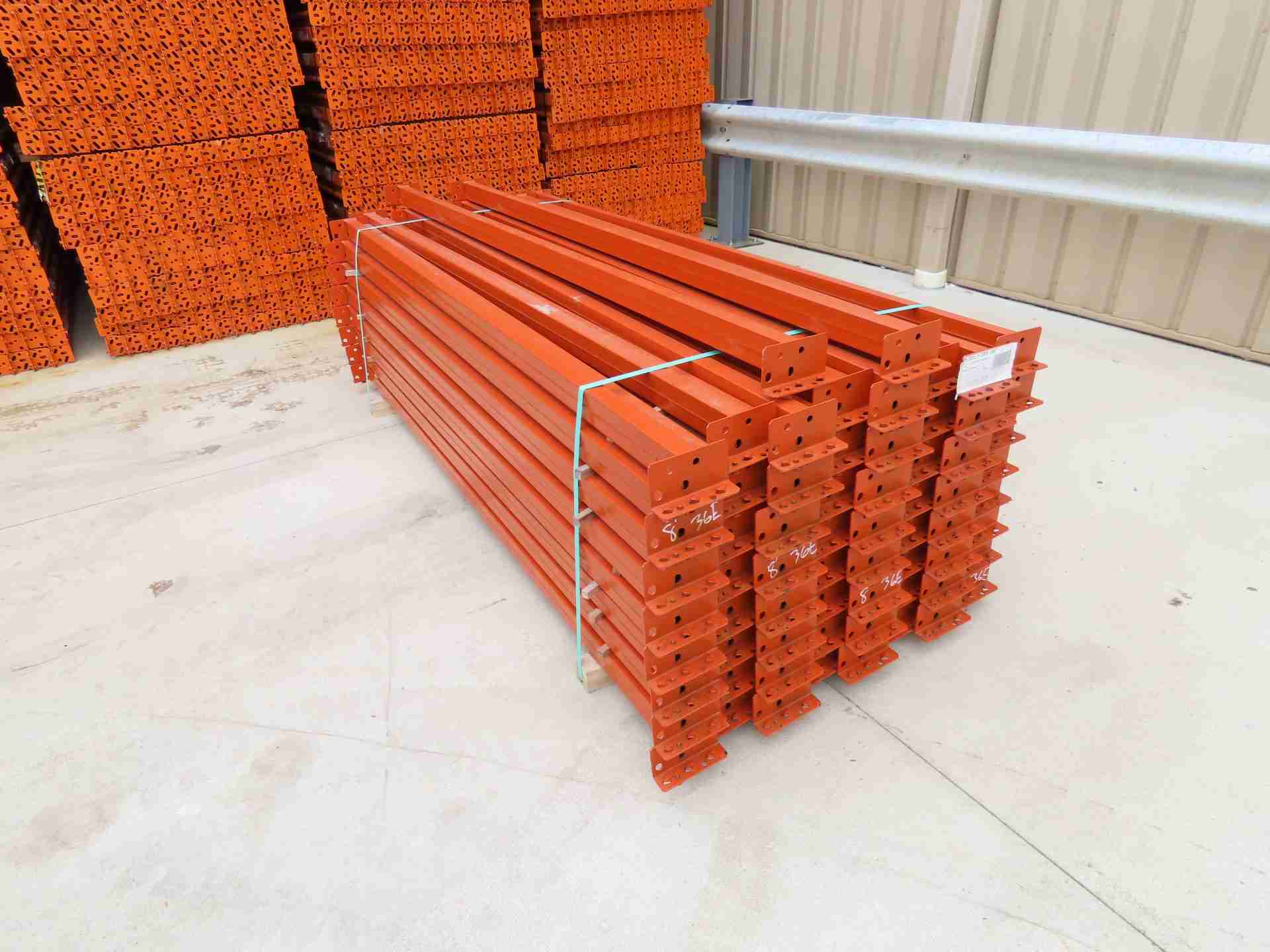
How Often Should I Inspect My Pallet Racking System?
How Often Should I Inspect My Pallet Racking System?
- A robust pallet racking system is vital for product support, operational efficiency, and safety in warehousing.
- Routine inspections are crucial to prevent structural damage and liabilities; frequent and consistent checks are recommended.
- Industry standards advise weekly visual inspections to identify visible issues like bends, dents, or loose bolts.
- Conduct a comprehensive inspection at least once every six months to assess the integrity of the entire racking system.
- Improper maintenance can lead to risks and unexpected downtimes, resulting in lost revenue and potential lawsuits.
- Regular inspections can prevent significant financial losses; proactive issue resolution can save businesses from costly accidents.
- Training staff on inspection protocols enhances safety and efficiency by empowering them to identify potential hazards.
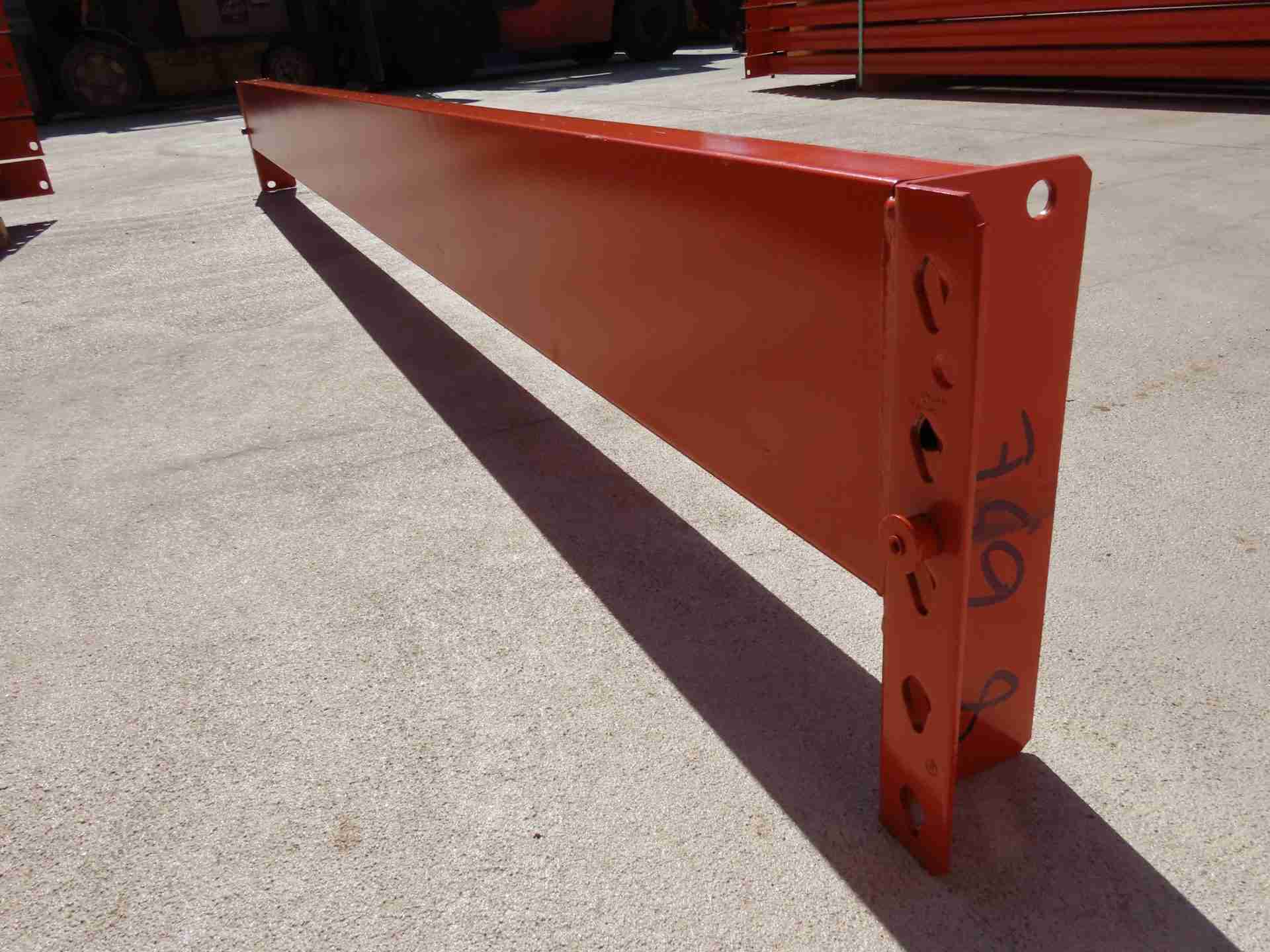
How Often Should I Inspect My Pallet Racking System?
How To Calculate Weight Limits For Pallet Racking?
How To Calculate Weight Limits For Pallet Racking
Understanding the weight limits of your pallet racking system is not just a matter of compliance; it’s about safeguarding your investment and ensuring operational efficiency. In today’s fast-paced logistics environment, where supply chains have shifted dramatically due to recent global challenges, accurately calculating these limits can make the difference between seamless operations and costly downtime.
To kick off, always refer to the manufacturer’s specifications. This should be your first stop. Each racking system has its unique engineering tolerances based on design, materials, and intended use. For example, if you invest in a selective racking system designed to hold 2,500 pounds per shelf, exceeding this limit could compromise safety and lead to catastrophic failures. Always check the data sheets and labels provided by manufacturers, as they often have weight capacities clearly stated.
Next, consider the distribution of weight across the pallet. Loading 2,500 pounds on a shelf sounds simple, but it’s imperative to ensure that weight is evenly distributed. A pallet loaded with heavy items only on one side can lead to tipping hazards or, worse, structural collapse. An effective method to ensure even weight distribution is to use pallets with uniform sizes and to load them symmetrically with lighter items positioned next to heavier ones.
Simultaneously, factor in the vertical space of the racking. For instance, if you have a double-deep racking system and plan to stack items three pallets high, you must multiply the weight of one pallet by three to ensure you do not exceed the stated limit. Think of Amazon warehouses, where peak seasons have seen upward of a 40% increase in inventory levels due to online purchasing shifts. Their ability to manage weight limits effectively is crucial for maintaining safety and ensuring orders are fulfilled efficiently.
Last but not least, always account for dynamic factors such as the weight of the racking itself, since this will influence the overall limits of your setup. Components like beams, connectors, and braces all add to the total weight and can affect the stability of the entire system.
Calculating weight limits for your pallet racking requires a detailed approach. By adhering to manufacturer guidelines, ensuring even weight distribution, and accounting for all dynamic factors, you can create a safer, more efficient warehousing environment. In today’s economy, where every ounce of efficiency counts, getting these calculations right is not just a technical task; it’s a vital strategic imperative. So roll up your sleeves, dive into the numbers, and protect your warehouse investments!

How To Calculate Weight Limits For Pallet Racking?
How To Calculate Weight Limits For Pallet Racking?
- Understanding weight limits for pallet racking is crucial for investment protection and operational efficiency.
- Refer to manufacturer specifications first; each racking system has unique engineering tolerances.
- Ensure weight is evenly distributed across the pallet to prevent tipping hazards and structural failures.
- Factor in vertical stacking; multiply the weight of one pallet by the number of pallets stacked.
- Consider dynamic factors, including the weight of the racking components, as they influence overall limits.
- Calculating weight limits requires a detailed approach to create a safer, more efficient warehousing environment.
- Accurate calculations are essential in today’s economy for maintaining safety and enhancing operational efficiency.
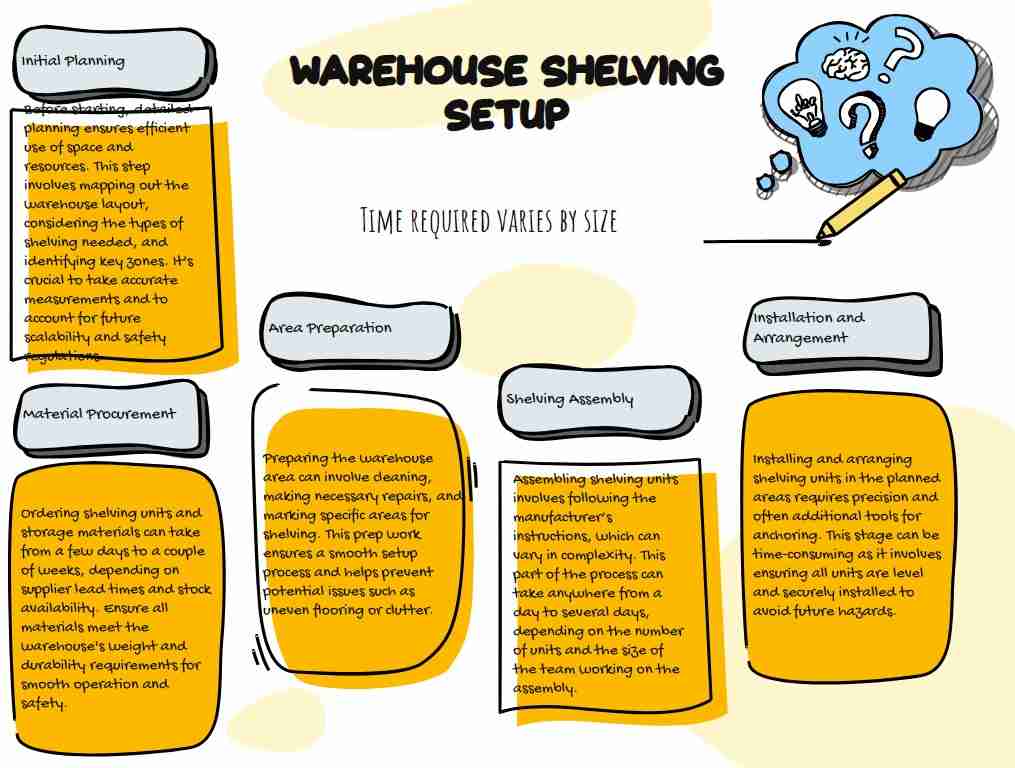
How To Calculate Weight Limits For Pallet Racking?
What Are The Different Styles Of Pallet Racking Available?
In the ever-evolving landscape of warehousing and logistics, choosing the right pallet racking system is essential for maximizing efficiency, optimizing space, and boosting productivity. Whether you’re managing a sprawling distribution center or a compact retail space, understanding the different styles of pallet racking can position your operation for success and keep you ahead of the competition.
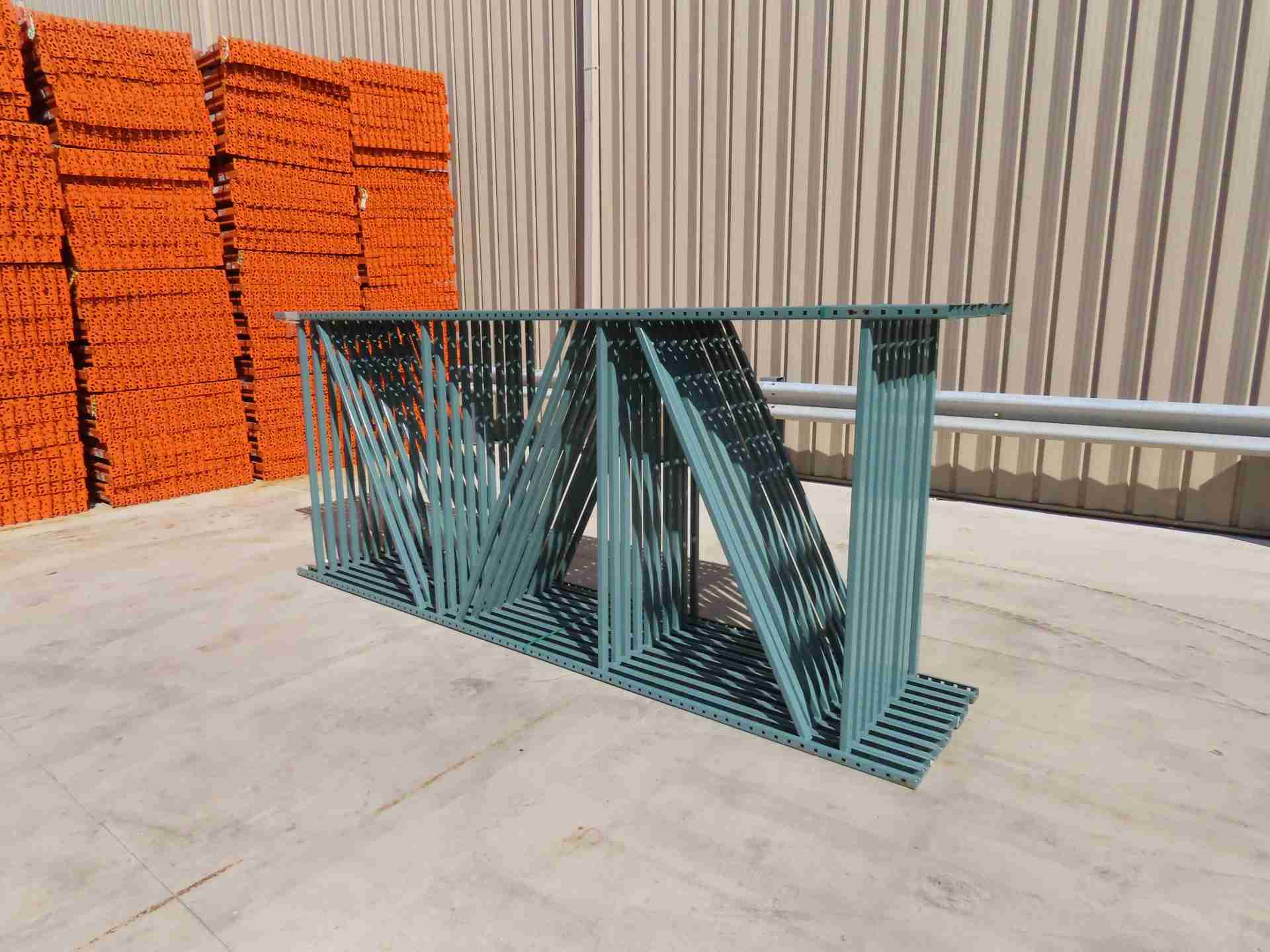
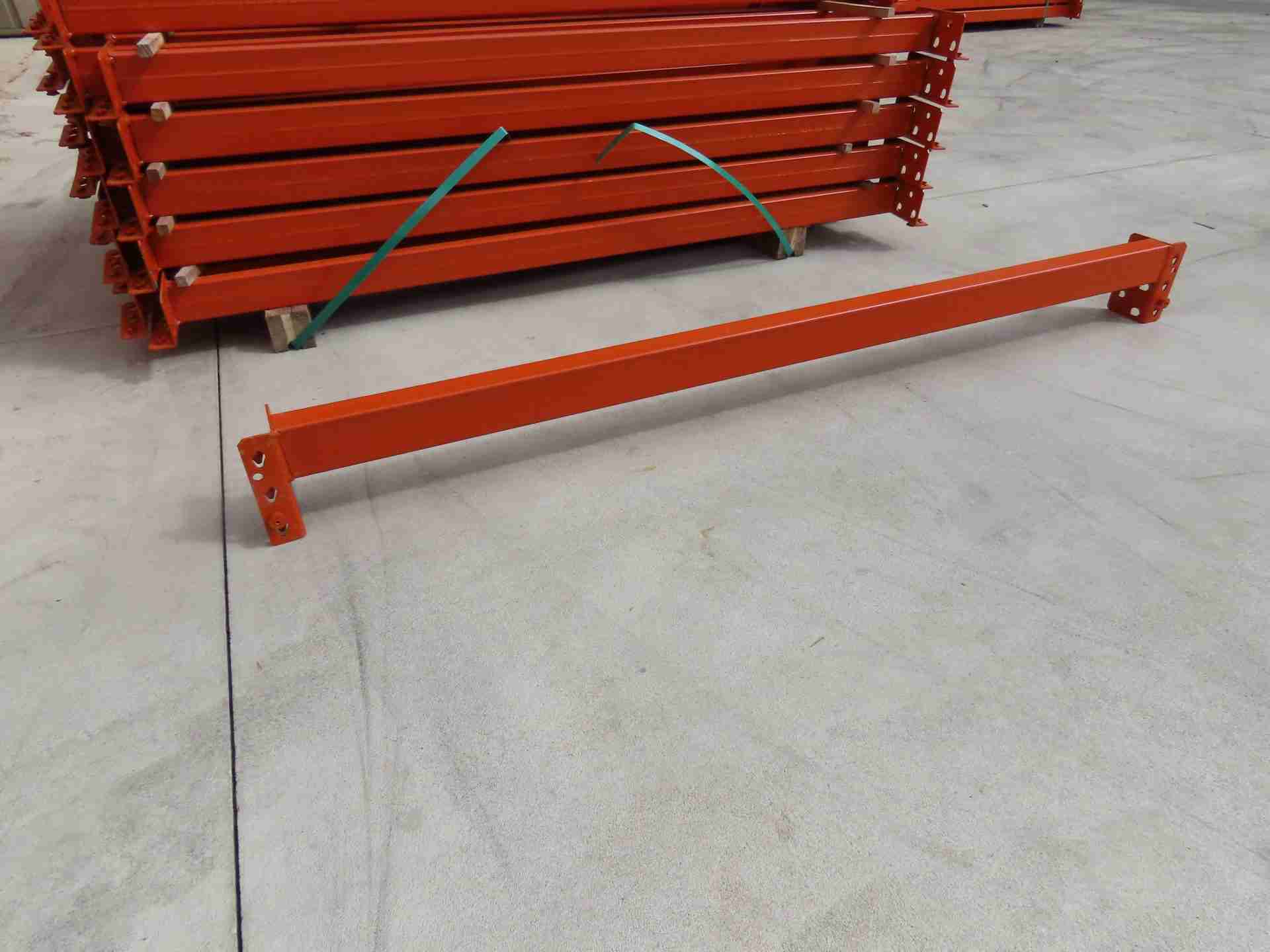
Selective Racking is a popular choice for many businesses due to its straightforward design and high adaptability. This style allows easy access to individual pallets without the need to move others, making it ideal for facilities with a wide variety of SKUs. Imagine a busy e-commerce warehouse fulfilling orders for everything from kitchen gadgets to gym equipment; selective racking can accommodate diverse inventory with ease. Recent supply chain disruptions have highlighted the need for agile warehouse systems, and selective racking provides the flexibility to adapt to changing inventory dynamics.
Drive-In Racking maximizes vertical space and is perfect for high-density storage needs. This system allows forklifts to drive directly into the rack structure, minimizing aisle space and increasing pallet capacity. If your business involves bulk storage—think of food distribution centers or manufacturers holding large quantities of goods—drive-in racking can significantly enhance your storage efficiency. With fluctuating demand and the necessity for businesses to adapt quickly, systems like these can help you mitigate overheads while maximizing space.
Cantilever Racking shines in environments where items are long and bulky, such as lumber yards or pipe storage. These racks eliminate front columns to provide unobstructed access to your inventory. Picture a thriving construction supply store; cantilever racking can maximize accessibility and visibility for long materials, which is critical for maintaining an organized and efficient workspace.
Push Back Racks are ideal for businesses that operate on a First In, Last Out (FILO) basis. With this system, pallets are loaded onto rollers, allowing items to be accessed without directly entering the rack. This approach ensures excellent space utilization while still allowing for quick retrieval. It’s particularly useful in industries that require careful inventory management, such as the food and beverage sector, where rotation is essential.
Lastly, Mobile Racking or Roller Racking systems are becoming increasingly popular as businesses seek to optimize their storage solutions. By allowing racking units to move on rails, businesses can significantly increase storage density while retaining ease of access.
Each of these pallet racking systems addresses unique operational needs, making it crucial to choose wisely. In a world where efficiency is king, selecting the right style is not just an operational choice—it’s a strategic imperative that could very well affect your bottom line. Whether navigating through turbulent economic times or exploring new avenues for growth, having a robust racking solution is a cornerstone for sustainable success.
What Are The Different Styles Of Pallet Racking Available?
What Are The Different Styles Of Pallet Racking Available?
- Choosing the right pallet racking system is essential for maximizing efficiency, optimizing space, and boosting productivity in warehousing and logistics.
- Selective Racking offers easy access to individual pallets and is ideal for diverse inventory management in busy e-commerce and distribution centers.
- Drive-In Racking maximizes vertical space and is perfect for bulk storage needs, enhancing storage efficiency in environments like food distribution centers.
- Cantilever Racking is designed for long and bulky items, providing unobstructed access and improving organization in places such as lumber yards.
- Push Back Racks support a First In, Last Out (FILO) approach, ensuring excellent space utilization and rapid retrieval, beneficial for industries like food and beverage.
- Mobile Racking or Roller Racking systems increase storage density while ensuring easy access, becoming increasingly popular for optimized storage solutions.
- Choosing the right pallet racking system is a strategic imperative that can significantly impact operational efficiency and bottom-line success.
What Are The Different Styles Of Pallet Racking Available?
How To Handle Damaged Pallets In Racking Systems?
How to Handle Damaged Pallets in Racking Systems
In any warehouse environment, efficiency is king, and damaged pallets can be the silent saboteurs of your operational success. When you consider that an estimated 40 million pallets are damaged in the U.S. alone each year, you realize that ignoring the problem can lead to increased costs, safety hazards, and disruptions in your supply chain. But don’t panic—the challenge of damaged pallets can be turned into an opportunity for better management and increased profitability.
First, it’s crucial to adopt a proactive mentality. Regular inspections should be a cornerstone of your warehouse operations. Schedule frequent checks of your racking systems to identify damaged pallets before they become an issue. For instance, consider implementing a color-coded system: green for good, yellow for minor damage, and red for critical damage that requires immediate action. This visual cue allows your team to make quick decisions and maintain the flow of goods without major interruptions.
Now, what happens when you do encounter a damaged pallet? First, isolate the damaged items to prevent them from affecting other pallets. You might think this disrupts workflow, but in reality, it actually saves time and resources in the long run. For example, during a recent incident at a leading e-commerce fulfillment center, damage to a single pallet triggered a domino effect of delays. The quick response of isolating the problem not only reduced loss but ensured other items remained intact and ready for shipment.
Next, decide whether a pallet can be repaired or should be replaced. Minor damages, such as a cracked board, may only require a quick fix using nail guns or wood glue. However, more severe damages warrant immediate disposal. Invest in training your staff on when to repair and when to replace, empowering them to make informed decisions that safeguard your inventory and your bottom line.
Consider also the long-term solutions. Investing in quality pallets made from durable materials can significantly reduce damage rates. Currently, the shift toward sustainable practices presents an excellent opportunity. Reusable plastic pallets, for instance, may have a higher upfront cost but can offer superior durability and reduced waste over time. Not to mention the positive environmental impact aligns with consumer preferences today.
Addressing damaged pallets in racking systems isn’t just a safety issue; it’s a powerful opportunity to enhance operational efficiency, save costs, and ultimately, elevate your brand’s reputation. By embracing proactive measures, isolation protocols, and durable materials, you’re not just fixing problems—you’re strategically positioning your business for success.
How To Handle Damaged Pallets In Racking Systems?
How To Handle Damaged Pallets In Racking Systems?
- Damaged pallets can hinder operational efficiency, costing warehouses significantly and posing safety risks.
- Regular inspections of racking systems are essential for identifying damaged pallets early.
- Implement a color-coded system (green, yellow, red) for quick visual identification of pallet conditions.
- Isolate damaged pallets to prevent further disruptions and protect other inventory.
- Train staff to determine when to repair minor damages and when to dispose of severely damaged pallets.
- Invest in durable, sustainable pallets to minimize damage rates and align with consumer preferences.
- Proactively managing damaged pallets can enhance efficiency, reduce costs, and improve brand reputation.
How To Handle Damaged Pallets In Racking Systems?
What Are The Benefits Of Using Pallet Racking Systems?
When it comes to optimizing space, increasing efficiency, and boosting productivity in warehouses and distribution centers, pallet racking systems are the unsung heroes of modern logistics. In a landscape where every inch of space counts, these versatile storage solutions bring a plethora of benefits that savvy business owners should not overlook.
Maximizing Space and Efficiency
First and foremost, pallet racking systems are designed to maximize vertical space. With the increase in e-commerce demand—highlighted by the recent surge in online shopping during the pandemic—manufacturers and retailers are adopting vertical storage solutions to accommodate a growing inventory without expanding their physical footprint. For example, warehouses can transform previously untapped ceiling heights into valuable storage space, allowing companies like Amazon to hold vast quantities of varying products efficiently.
Improved Inventory Management
In addition to space optimization, pallet racking systems facilitate better inventory management. With clearly defined slots and organized arrangement, businesses can locate and retrieve products faster. Imagine a grocery wholesaler using an adjustable pallet rack system to streamline product retrieval—reducing the time spent on picking and restocking, which ultimately translates into faster customer service. Enhanced visibility also means that inventory levels can be monitored more effectively, leading to reduced overstock and obsolete stock situations.
Flexibility and Scalability
Another key advantage of pallet racking systems is their adaptability. Companies can easily customize their storage configurations to accommodate different product types and sizes. This flexibility is particularly valuable in today’s rapidly-changing market, where companies may face fluctuations in demand, as seen with the recent focus on sustainability driving shifts in product types. Seasonal retailers can rapidly adjust their racking solutions to handle influxes of seasonal goods without significant downtime.
Cost Efficiency
Investing in pallet racking can also yield significant cost savings in the long run. By reducing labor costs through enhanced efficiency and minimizing the likelihood of inventory loss (thanks to better organization), these systems help maintain a favorable bottom line. Consider the logistics firm that reduces loading times by 25% due to an optimized pallet racking layout; such improvements not only enhance operational efficiency but can also lead to substantial savings on labor costs over time.
Safety and Compliance
Let’s not forget the safety aspect. Properly designed pallet racking systems help ensure compliance with safety regulations, minimizing the risk of accidents. By promoting a clean and organized warehouse environment, businesses can protect their employees and keep insurance costs down—an essential consideration in the current safety-conscious climate.
The benefits of integrating pallet racking systems are manifold. By maximizing space, improving inventory management, offering flexibility, driving down costs, and enhancing safety, these systems empower businesses to not just meet but exceed their operational goals. Investing in this critical infrastructure is a strategic move for any organization aiming to thrive in today’s competitive marketplace.
What Are The Benefits Of Using Pallet Racking Systems?
What Are The Benefits Of Using Pallet Racking Systems?
- Pallet racking systems optimize space and increase efficiency in warehouses and distribution centers.
- They maximize vertical space, enabling companies to accommodate more inventory without expanding physically.
- These systems improve inventory management through organized arrangements, leading to faster product retrieval.
- Pallet racking offers flexibility and scalability, allowing customization for various product types in a changing market.
- Investing in pallet racking can yield significant cost savings by reducing labor costs and minimizing inventory loss.
- Properly designed systems enhance safety compliance, reducing the risk of accidents and lowering insurance costs.
- Integrating pallet racking systems helps businesses exceed operational goals and thrive in a competitive marketplace.
What Are The Benefits Of Using Pallet Racking Systems?
How To Relocate Pallet Racking Safely?
How To Relocate Pallet Racking Safely
In the fast-paced world of warehousing and distribution, the need for mobility is paramount. Whether you’re adapting to new inventory demands or optimizing floor space, relocating pallet racking is a task that requires careful planning and execution. It’s not just a physical move; it’s about ensuring the safety of your team, the integrity of your products, and the efficiency of your operations. Let’s explore how to do this safely and effectively.
1. Assess the Current Layout: Before you lift a finger, take a step back and evaluate your current racking system. Analyze how the layout serves your operations and identify potential improvements. For example, if your warehouse is currently experiencing delays in order fulfillment, consider how repositioning racks can facilitate a faster picking process. Recently, major retail giants have been rethinking their warehousing strategies amidst supply chain shifts, proving that flexibility is key.
2. Engage Your Team: You don’t have to go at it alone. Involve your team in the planning phase—they are the ones who work with the racks daily and might offer insights that enhance safety and efficiency. Host a brainstorming session to gather their input and communicate the importance of a safe environment. Motivation grows when employees feel invested in the process.
3. Create a Detailed Plan: Once you’ve gathered insights, develop a comprehensive relocation plan that outlines each step. Include a timeline, designated roles, and a checklist of equipment needed. Ensure that your plan aligns with current regulations and best practices, particularly regarding load capacities and racking configuration. Following the guidelines set forth by organizations like the Occupational Safety and Health Administration (OSHA) can guide your relocation strategy.
4. Invest in Proper Equipment: The right tools are non-negotiable. Whether you need forklifts, pallet jacks, or specialized rigging equipment, ensure that your team is well-equipped to handle heavy loads. Remember, preventing an accident is exponentially cheaper than dealing with the aftermath of one. Recently, companies implementing new technologies for warehouse management have reported enhanced safety records—a testament to the efficacy of investing in quality equipment.
5. Implement Safety Protocols: As you begin the physical relocation, establish and enforce safety protocols rigorously. Use clear signage, create a safe zone, and ensure that team members are wearing appropriate protective gear. Regular safety drills can keep preparedness at the forefront of your operation.
6. Monitor and Optimize: After the move, don’t step back just yet. Monitor the new layout’s performance, and solicit feedback from your team. Continuous improvement should be your goal. If recent trends in warehouse management teach us anything, it’s that adaptability is vital in maintaining an efficient operation.
By approaching the relocation of pallet racking with a strategic mindset, you’re not just moving equipment; you’re reinforcing a culture of safety and efficiency that enhances your business’s overall performance.
How To Relocate Pallet Racking Safely?
How To Relocate Pallet Racking Safely?
- Assess the Current Layout: Evaluate existing racking systems and identify potential improvements to enhance order fulfillment and efficiency.
- Engage Your Team: Involve employees in the planning phase to gather insights and foster a sense of investment in the process.
- Create a Detailed Plan: Develop a comprehensive relocation plan with timelines, roles, and a checklist that aligns with safety regulations.
- Invest in Proper Equipment: Ensure your team has the necessary tools like forklifts and pallet jacks to handle heavy loads safely.
- Implement Safety Protocols: Establish and enforce safety measures, including clear signage and protective gear for all team members.
- Monitor and Optimize: After relocation, assess the new layout’s performance and continue to seek feedback for continuous improvement.
- Foster a Safety Culture: Strategic relocation reinforces a culture of safety and efficiency, ultimately enhancing overall business performance.
How To Relocate Pallet Racking Safely?
Are There Specific Brands Of Pallet Racking Recommended?
Are There Specific Brands of Pallet Racking Recommended?
When it comes to pallet racking solutions, precision and durability matter more than ever. With warehouses evolving into high-tech logistical hubs fueled by advances in e-commerce and automation, selecting the right pallet racking system is critical for optimizing your storage efficiency. Recognizing which brands stand tall in this saturated market can unlock the efficiency and reliability your operations need.
Among the leaders in the pallet racking space, Crowd Control Warehouse has made a name for itself, particularly with its innovative designs and robust customer support. They specialize in customizable racking solutions that accommodate various industries. Their selective racking systems are built to handle diverse loads and can easily adapt to shifting storage needs. Their recent partnership with major retailers has showcased their ability to handle increased demand while maintaining safety — a priority that’s resonating during an era of supply chain disruptions.
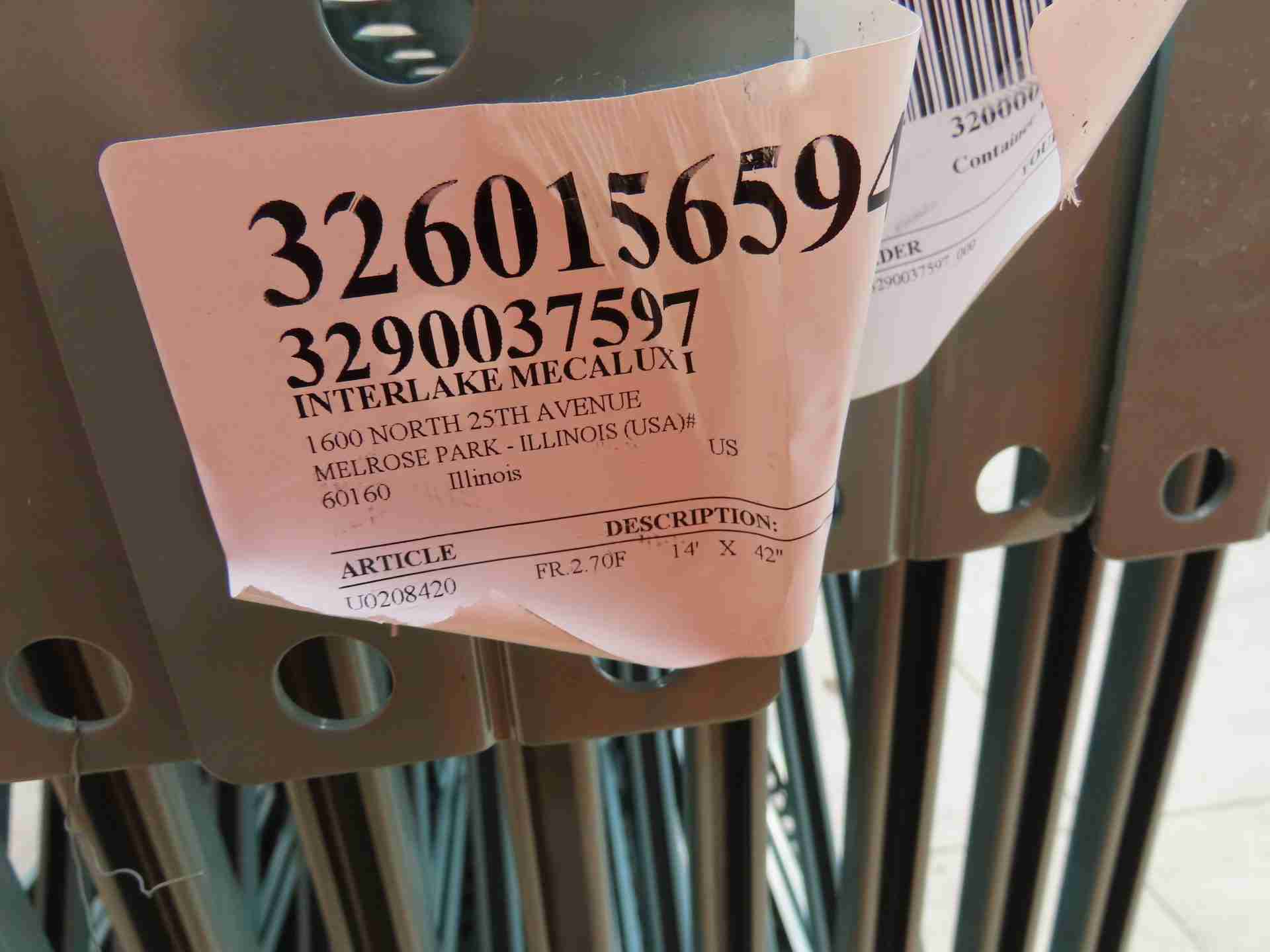
Another notable mention is Interlake Mecalux, known for their commitment to cutting-edge technology and sustainable practices. They have introduced smart racking solutions integrated with IoT capabilities, allowing businesses to monitor inventory levels and optimize space utilization in real time. This aligns perfectly with the ongoing trend of digital transformation within warehousing and logistics, emphasizes their relevance in today’s fast-paced market. For companies looking to stay ahead, adopting Interlake Mecalux’s innovative systems can be a game-changer.
Hannibal Industries deserves a spotlight for its robust steel structures. Their racking systems are engineered for heavy loads, making them a popular choice among manufacturers and distribution centers. Recently, they announced a new eco-friendly initiative to produce pallet racks with recycled materials, catering to the increasing market demand for sustainability. This not only addresses corporate social responsibility but can also improve your brand’s image, responding to a growing consumer preference for sustainable practices.
Finally, Steel King Industries rounds out the list. Their impressive range of products includes adjustable pallet racks and cantilever systems. They recently received accolades for their safety-oriented designs, which dovetail with increasing regulatory demands in various industries. Investing in Steel King’s systems can bolster your compliance efforts — a crucial factor as regulatory scrutiny continues to intensify across the board.
In choosing a pallet racking brand, consider the unique needs of your operation. Many of these companies are not just selling products; they’re providing a strategic advantage that can enhance your operational efficiency. So, align your interests with brands that are as committed to excellence as you are, and watch your storage challenges transform into streamlined solutions.
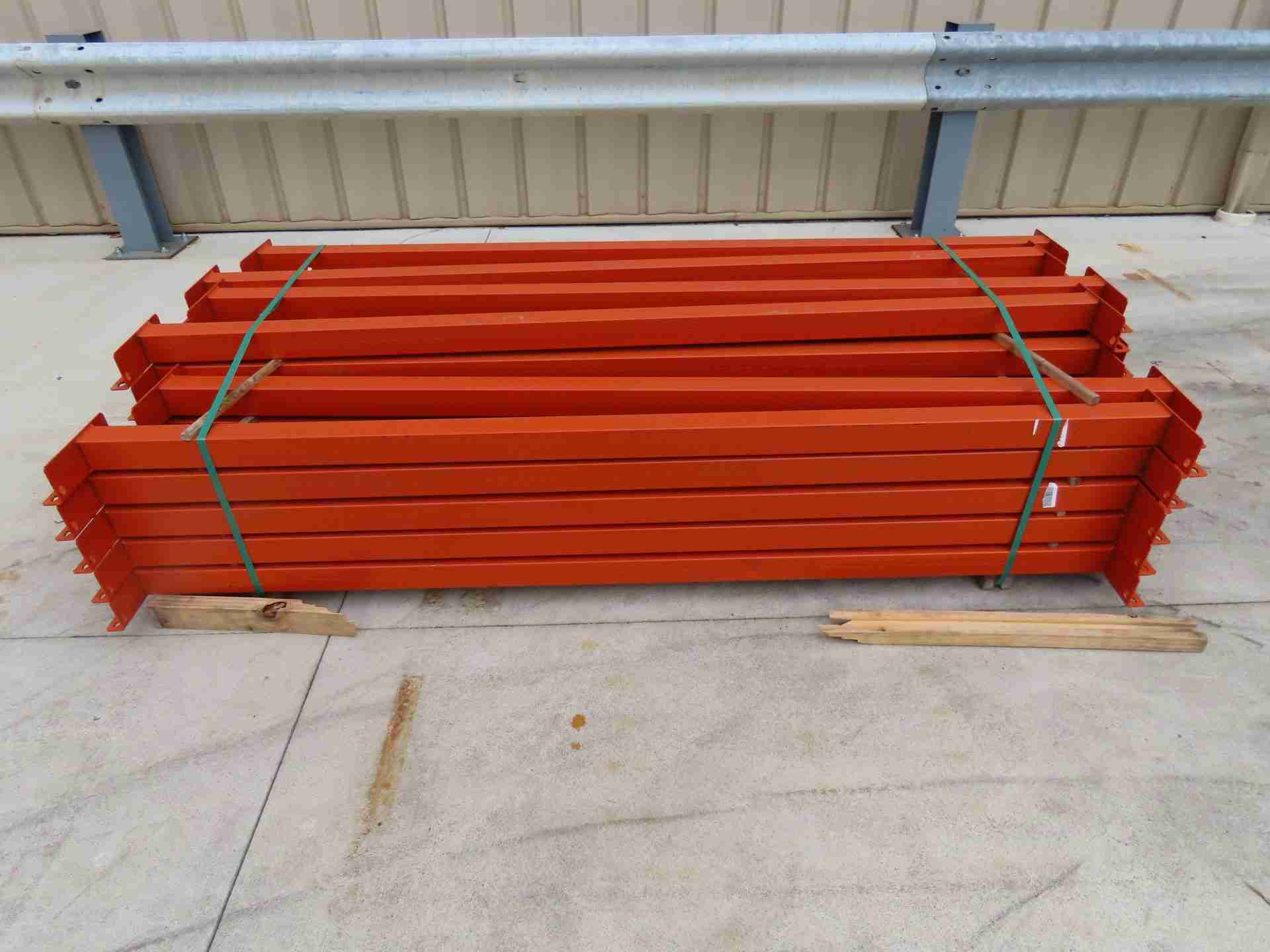
Are There Specific Brands Of Pallet Racking Recommended?
Are There Specific Brands Of Pallet Racking Recommended?
- Precision and durability are critical in selecting pallet racking systems for optimizing storage efficiency.
- Crowd Control Warehouse is renowned for customizable racking solutions and strong customer support.
- Interlake Mecalux offers smart racking solutions with IoT capabilities for real-time inventory monitoring.
- Hannibal Industries focuses on heavy load capacity and eco-friendly initiatives using recycled materials.
- Steel King Industries is recognized for safety-oriented designs and adjustable pallet racks that meet regulatory demands.
- Choosing the right pallet racking brand can provide strategic advantages and enhance operational efficiency.
- Align with brands committed to excellence to transform storage challenges into streamlined solutions.
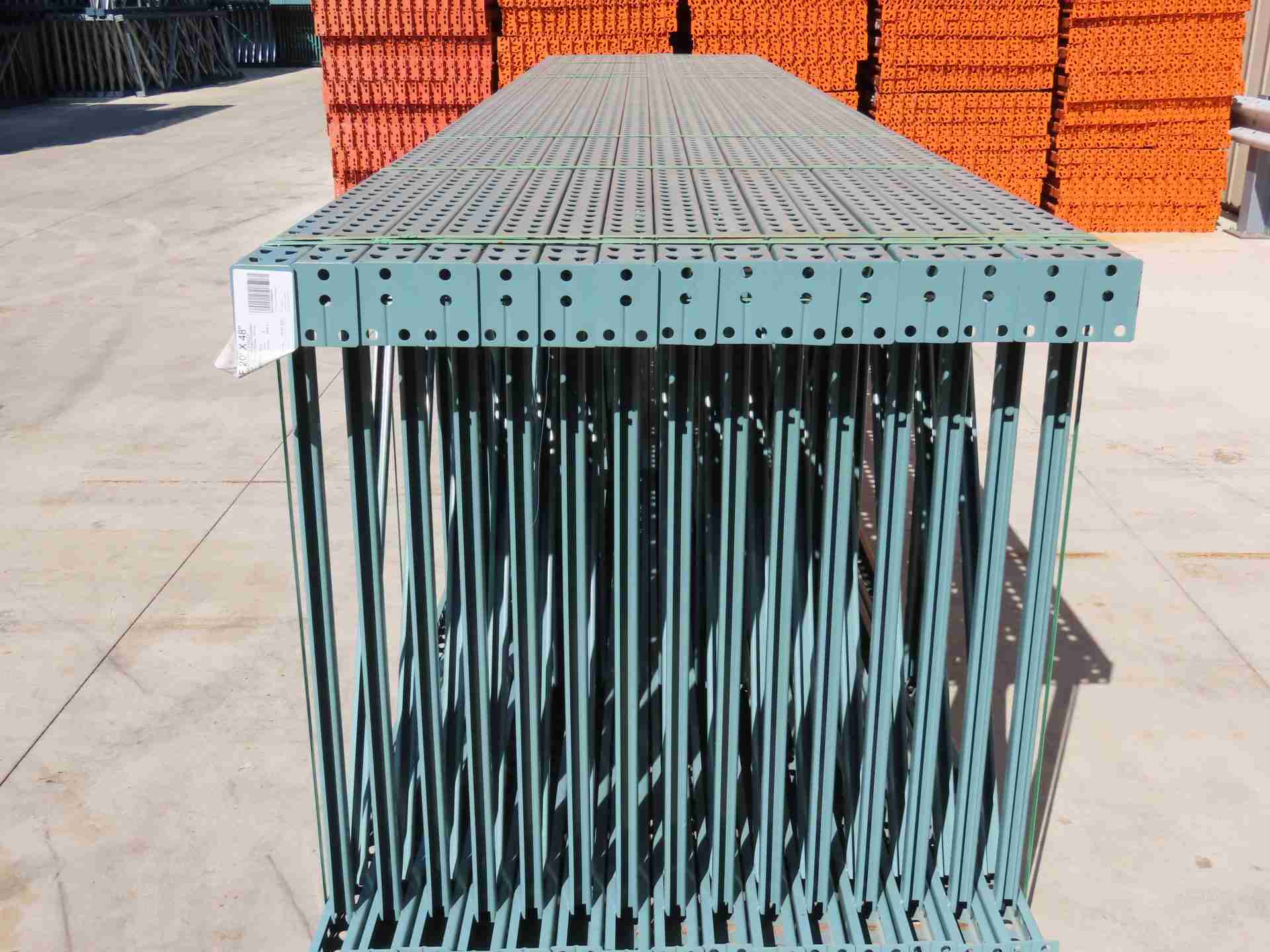
Are There Specific Brands Of Pallet Racking Recommended?
How To Customize Pallet Racking For Different Needs?
How to Customize Pallet Racking for Different Needs
In today’s fast-paced business environment, efficiency isn’t just a buzzword; it’s a fundamental necessity. When it comes to optimizing warehouse space, customizing pallet racking isn’t merely an option—it’s an imperative for businesses looking to streamline operations and increase profitability. But how exactly do you tailor pallet racking systems to fit your unique needs? Let’s dive in.
Understand Your Inventory
First and foremost, assess your inventory. Are you dealing with large, bulky items, or smaller, more numerous products? For instance, retailers like Home Depot have adapted their shelving to accommodate heavy-duty pallets, maximizing vertical space to house garden supplies, power tools, and more. By analyzing your specific product dimensions and weight, you can select racking suitable for varying sizes—such as selective racks for easy access or drive-in racks for high-density storage.
Flexibility is Key
One of the biggest advantages of customized pallet racking is the flexibility it offers. Businesses today are increasingly faced with fluctuating market demands. As recent trends indicate a surge in e-commerce, companies are rethinking their warehousing strategies to include adjustable racking systems. For instance, Amazon recently announced a reconfiguration of some fulfillment centers to accommodate an ever-changing inventory mix. Consider investing in adjustable beams or modular systems that can be easily reconfigured to meet your evolving needs, ensuring your warehouse can pivot as required.
Incorporate Technology
No customization discussion would be complete without considering the role of technology. Automated storage solutions are not only innovative but also essential in enhancing accuracy and efficiency. Think about integrating height sensors and inventory management software into your racking. This can streamline your picking process and significantly reduce human error. The recent advancements in AI technology are providing even more sophisticated solutions to inventory challenges.
Safety First
Safety regulations and standards cannot be overlooked. Customized pallet racking must adhere to both OSHA regulations and industry best practices to minimize risks. Consider adding safety features like protective barriers, labeling systems, and in-rack fire suppression systems. As recent incidents have highlighted, proper safety measures can prevent costly disruptions and protect your workforce.
Test and Scale
Finally, the savvy business owner knows the importance of testing and scaling. Start with a pilot area of your warehouse to see how the customized racks perform under real-world conditions. Once you’ve gathered data, you can make informed decisions about scaling up or adjusting your system.
In this era of rapid change, customizing your pallet racking could be the pivotal move that sets your business apart from competitors. Embrace these strategies to unlock the full potential of your warehouse space and drive your success forward.
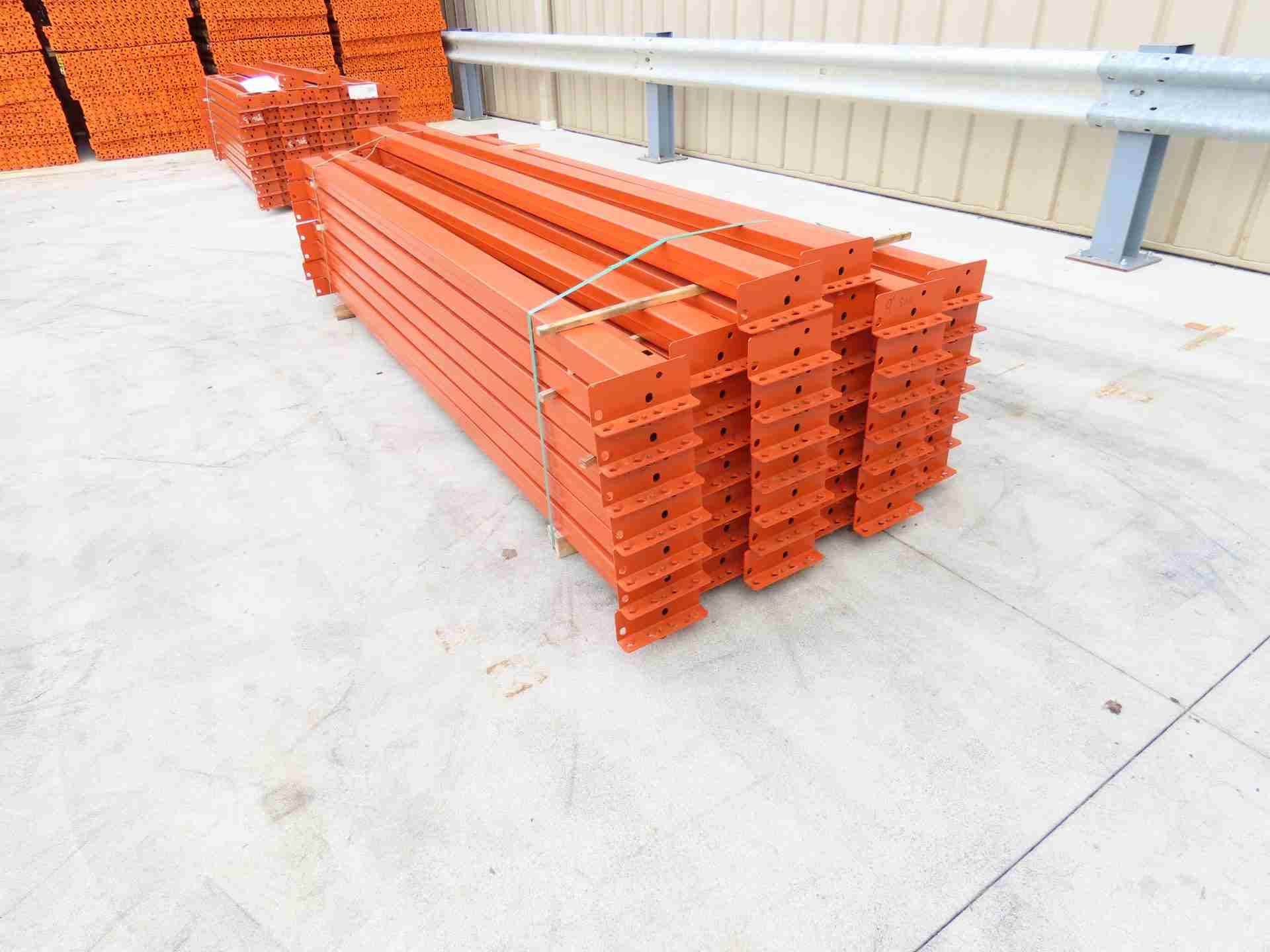
How To Customize Pallet Racking For Different Needs?
How To Customize Pallet Racking For Different Needs?
- Assess your inventory to determine the best racking type for your products, whether bulky or numerous.
- Choose between selective racks for easy access or drive-in racks for high-density storage.
- Incorporate flexibility in racking systems to adapt to fluctuating market demands and inventory mixes.
- Consider adjustable beams and modular systems for easy reconfiguration of your warehouse.
- Integrate technology, such as automated solutions and inventory management software, to enhance efficiency.
- Prioritize safety by adhering to OSHA regulations and implementing protective features within your racking.
- Test customized racks in a pilot area before scaling up to ensure optimal performance under real-world conditions.
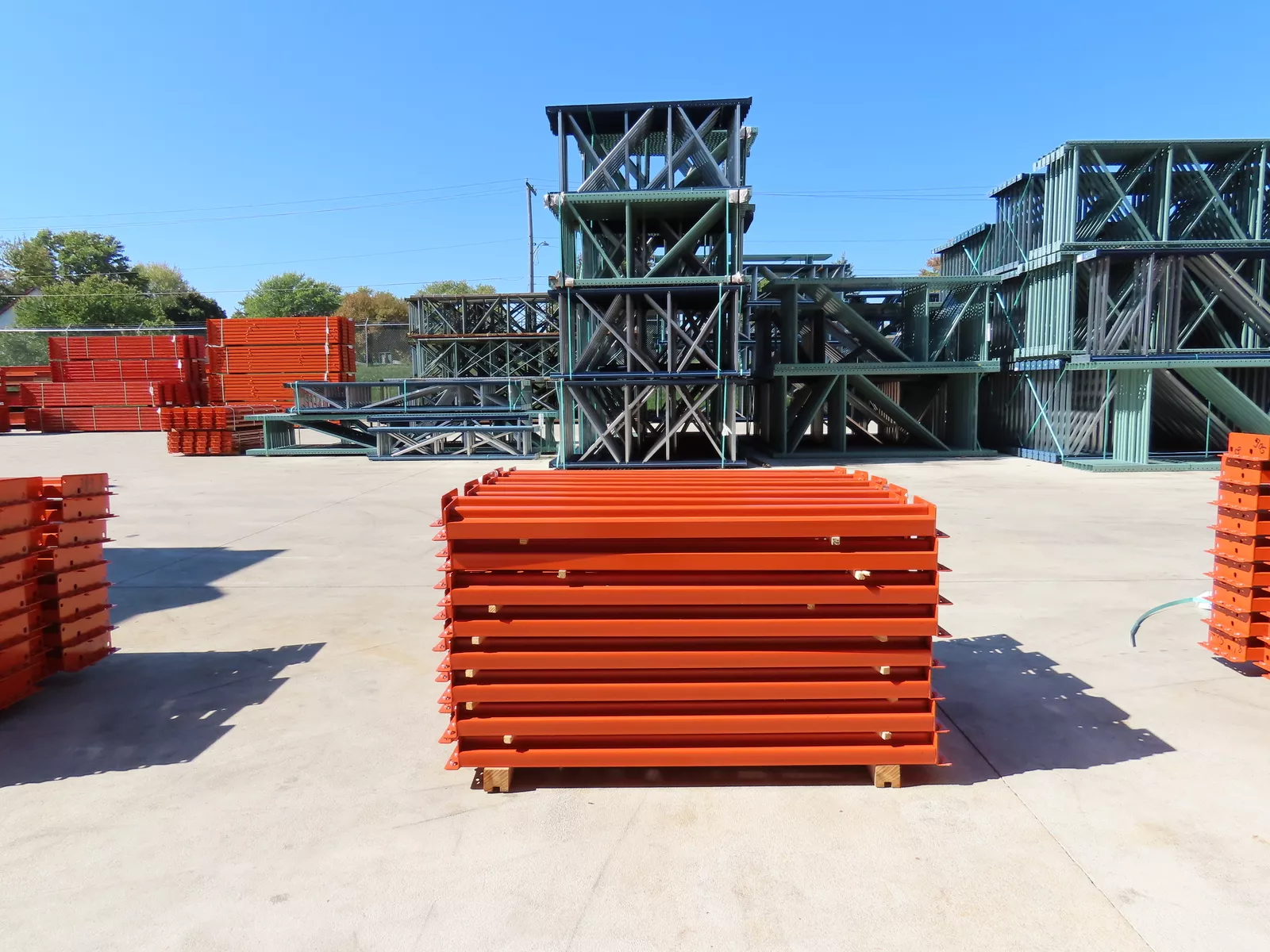
How To Customize Pallet Racking For Different Needs?
What Are The Costs Associated With Installing Pallet Racking?
When considering the installation of pallet racking, businesses often focus on the benefits—such as optimizing storage space and enhancing operational efficiency—while overlooking the costs that come with it. Understanding these costs is crucial for making an informed investment decision.
Initial Costs: Purchasing & Installation
The first order of business is the initial costs of both purchasing and installing the pallet racking system itself. The price of pallet racking can fluctuate dramatically based on factors like the type of racking (selective, drive-in, or push-back), material (steel vs. aluminum), and size. On average, businesses can expect to spend approximately $1,500 to $3,000 for basic systems in a small warehouse, but costs can easily soar to $30,000+ for larger setups. This doesn’t include installation which, depending on complexity and labor rates, can run anywhere from $1,000 to $5,000. Not to mention, costs are expected to rise due to ongoing supply chain disruptions—particularly in steel pricing—heightened by recent global events.
Maintenance & Safety Compliance
Once your racking system is installed, ongoing maintenance and safety compliance add additional expenses. Regular inspections are imperative; reported damage, inadequate loading, or even rust can render a racking system unsafe. The cost of repairs and replacements could average around $200 to $500 annually, based on the size and usage of the system. Moreover, compliance with OSHA (Occupational Safety and Health Administration) regulations may require periodic training sessions and certifications for your team, ensuring that they understand safe usage practices.
Operational Costs & Space Optimization
Moreover, you must factor in operational costs. Will the racking system require additional equipment, such as forklifts or pallet jacks? The purchase or leasing of these machines adds to your bottom line. Plus, if your current facility cannot accommodate the racking, a move or expansion might be necessary—resulting in additional rent and utility costs.
Consider the Long-Term Payoff
Despite these costs, when implemented correctly, pallet racking systems provide a substantial return on investment. They maximize vertical space and can lead to increased productivity, allowing for quicker inventory turnover and operational efficiencies. In today’s competitive market, utilizing technology to track and manage stock can further enhance these benefits, ultimately making that upfront investment in racking not just manageable, but imperative for sustainable growth.
By weighing these various costs against potential benefits, you can make a strategic decision that sets your business up for long-term success, amidst the ever-changing landscape of logistics and distribution.
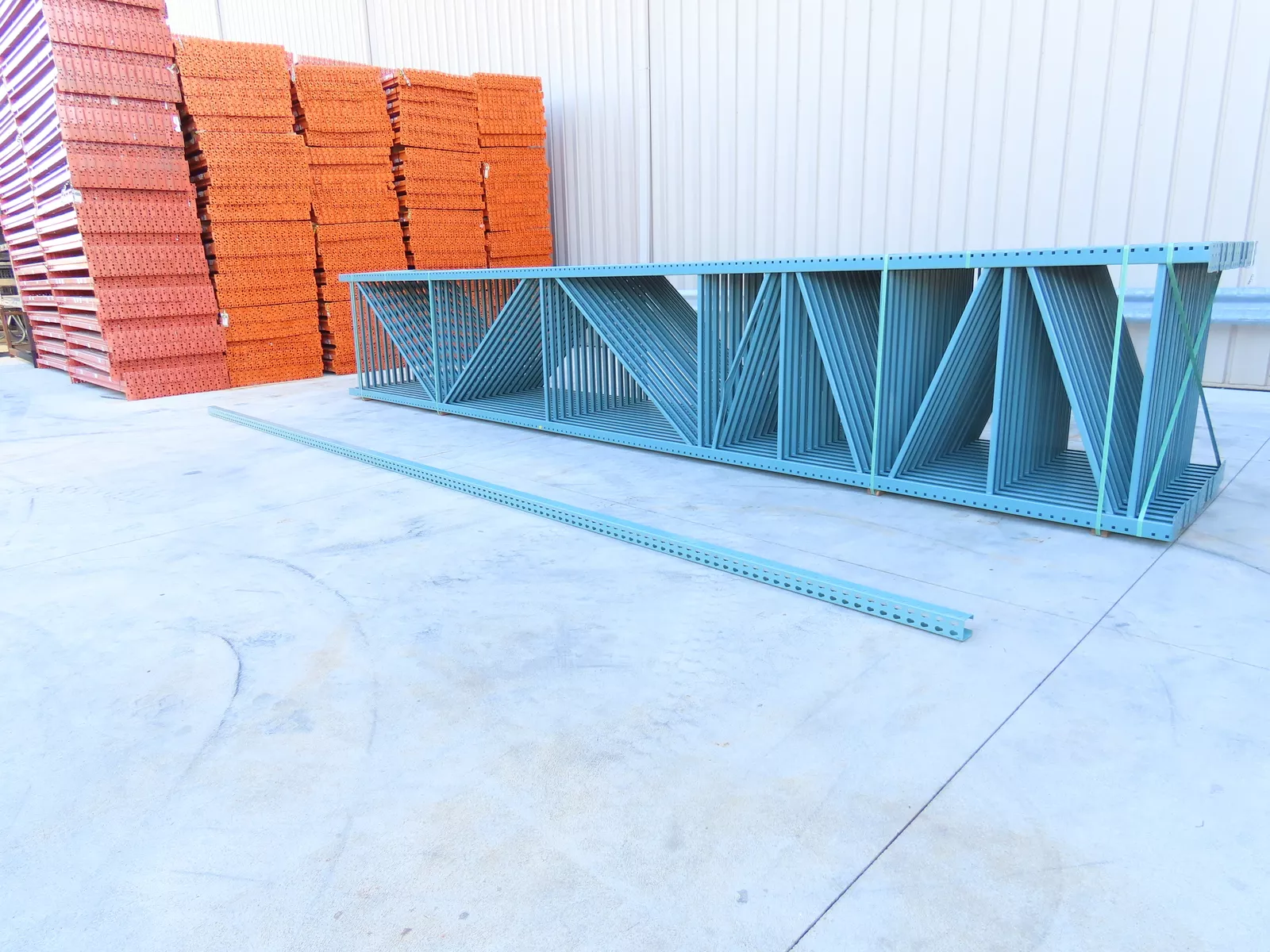
What Are The Costs Associated With Installing Pallet Racking?
What Are The Costs Associated With Installing Pallet Racking?
- Initial costs for pallet racking include purchasing and installation, which can vary based on type, material, and size.
- Basic racking systems may cost between $1,500 to $3,000, with larger setups exceeding $30,000; installation costs range from $1,000 to $5,000.
- Supply chain disruptions, especially in steel pricing, are expected to drive costs higher.
- Ongoing maintenance and safety compliance add expenses, with repair costs averaging $200 to $500 annually.
- Compliance with OSHA regulations may necessitate periodic training and certification for staff.
- Consideration of operational costs is necessary, including potential equipment needs and facility adjustments for the racking system.
- With correct implementation, pallet racking can lead to significant long-term benefits, including increased productivity and improved inventory turnover.
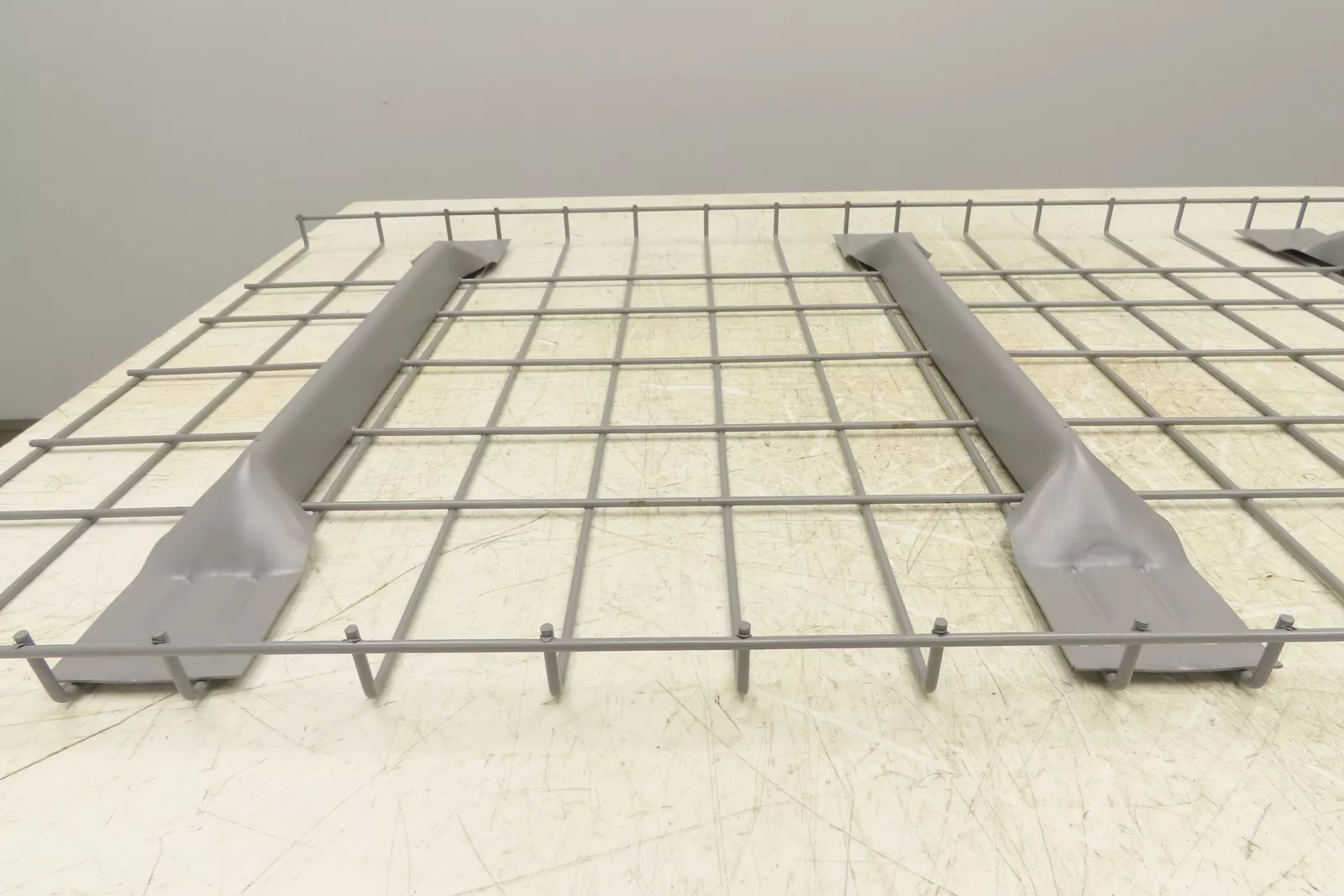
What Are The Costs Associated With Installing Pallet Racking?
How To Find A Professional For Pallet Racking Installation?
## How to Find a Professional for Pallet Racking Installation
When it comes to optimizing your warehouse space, pallet racking installation is a game changer. But, as with any critical investment, ensuring that you have a qualified professional on the job is paramount. The stakes are high: poorly installed racking not only compromises your inventory’s safety but can also disrupt operations and result in costly downtimes. So, how do you find the right professional for this task? Here’s a strategic approach that anyone can implement.
1. Tap into Industry Networks
Just like any sharp operator, your first move should be to leverage your professional network. Ask for recommendations from colleagues within your industry who have recently undertaken pallet racking projects. You’d be surprised how often word-of-mouth leads to finding skilled professionals. Use platforms like LinkedIn to connect with warehouse managers and logistics experts—they often have firsthand experience with reliable installers.
2. Vet Credentials
Once you have a shortlist of potential installers, dig deeper into their credentials. Look for certifications or affiliations with recognized industry bodies. For instance, someone with certified training in OSHA guidelines demonstrates a commitment to safety that’s indispensable in racking installation. Additionally, check for reviews and testimonials on websites like Google or Yelp; past clients can provide invaluable insight into the quality of work you can expect.
3. Check for Experience and Specialization
The pallet racking landscape is not one-size-fits-all. Is your prospective installer experienced with the specific type of racking you need? For example, narrow aisles require specialized know-how due to their unique safety considerations. Ask the installer how many installations they’ve done in the past year—this will give you a clear picture of their hands-on experience. Relevant experience in your industry (be it retail, manufacturing, or distribution) can be a game-changer.
4. Request a Consultation
Finally, don’t shy away from asking for a consultation. A reputable installer will be willing to visit your facility, assess your needs, and propose tailored solutions. Use this opportunity to gauge their communication skills and knowledge. Are they quick to identify potential challenges or alternative solutions? A proactive professional will save you time and money in the long run.
5. Consider Current Events
In light of recent global supply chain disruptions, it’s more important than ever to partner with an installer who understands the current market dynamics. Are they well-versed in sourcing materials efficiently? A professional who keeps abreast of industry trends can better ensure your project is completed on time and within budget.
Finding a professional for pallet racking installation requires diligence, but when executed correctly, it pays significant dividends in safety and operational efficiency. Don’t leave this crucial decision to chance—invest the time to find someone who can deliver quality results.

How To Find A Professional For Pallet Racking Installation?
How To Find A Professional For Pallet Racking Installation?
- Pallet racking installation is crucial for optimizing warehouse space and operational safety.
- Leverage industry networks for recommendations from colleagues who have had similar projects.
- Vet the credentials of potential installers, checking for certifications and client reviews.
- Ensure the installer has experience with the specific type of pallet racking needed.
- Request a consultation to assess the installer’s communication skills and knowledge.
- Consider current market dynamics and the installer’s ability to source materials efficiently.
- Invest time in finding a qualified professional to ensure safety and efficient operations.
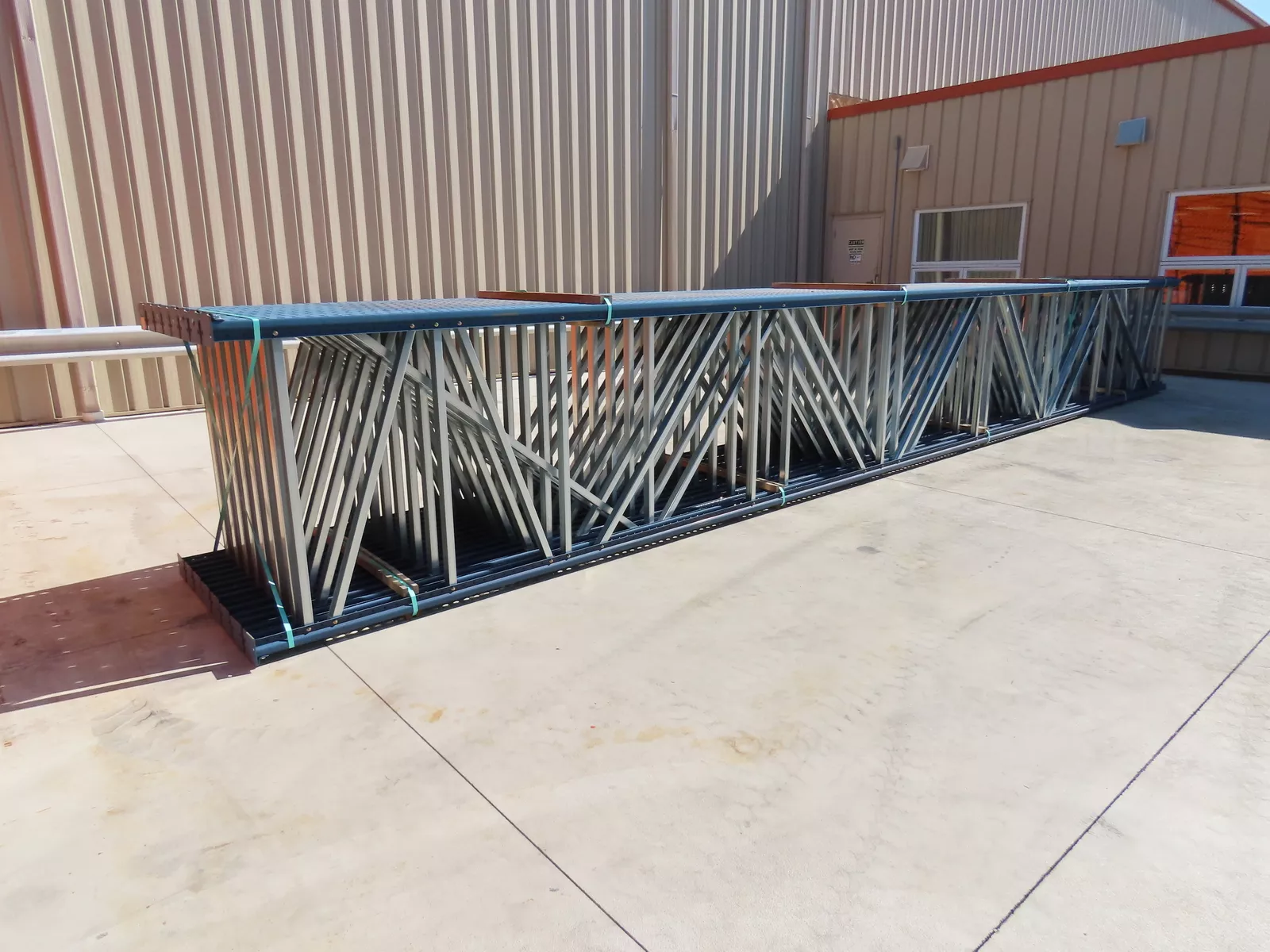
How To Find A Professional For Pallet Racking Installation?
Conclusion
Conclusion: The Power of Pallet Racking Installation with Arrow Industrial Sales
As we navigate the complexities of modern warehousing and logistics, the need for efficiency and organization has never been more pressing. Proper installation of pallet racking systems isn’t merely a logistical task; it’s a critical move that can propel your business toward increased productivity and profitability. By understanding how to measure your space, select the right type of racking, and ensure compliance with safety regulations, you set the groundwork for a streamlined operation.
With Arrow Industrial Sales as your trusted partner, you can explore a plethora of customizable pallet racking solutions tailored to your unique needs. Our expertise ensures you not only choose the right system but also install it with utmost precision, guaranteeing both safety and efficiency.
But why take action now? With supply chains still reeling from global disruptions, the time for optimizing your warehouse is now. Delaying could mean falling behind competitors who are already reaping the benefits of smart racking solutions. Our team is ready to guide you through actionable steps—from assessing your space to answering critical qualification questions that narrow down the best options for your operation.
So, if you’re ready to overhaul your storage capabilities and boost your operational efficiency, pick up the phone and dial Arrow Industrial Sales at (574) 349-6575. Don’t let the opportunity slip away; in today’s competitive marketplace, making the right investments today can set the stage for long-term growth and success.
Investing in a robust pallet racking system isn’t merely an operational decision; it’s a strategic imperative. Let us empower your business to master the art of pallet racking installation and watch your efficiencies soar!
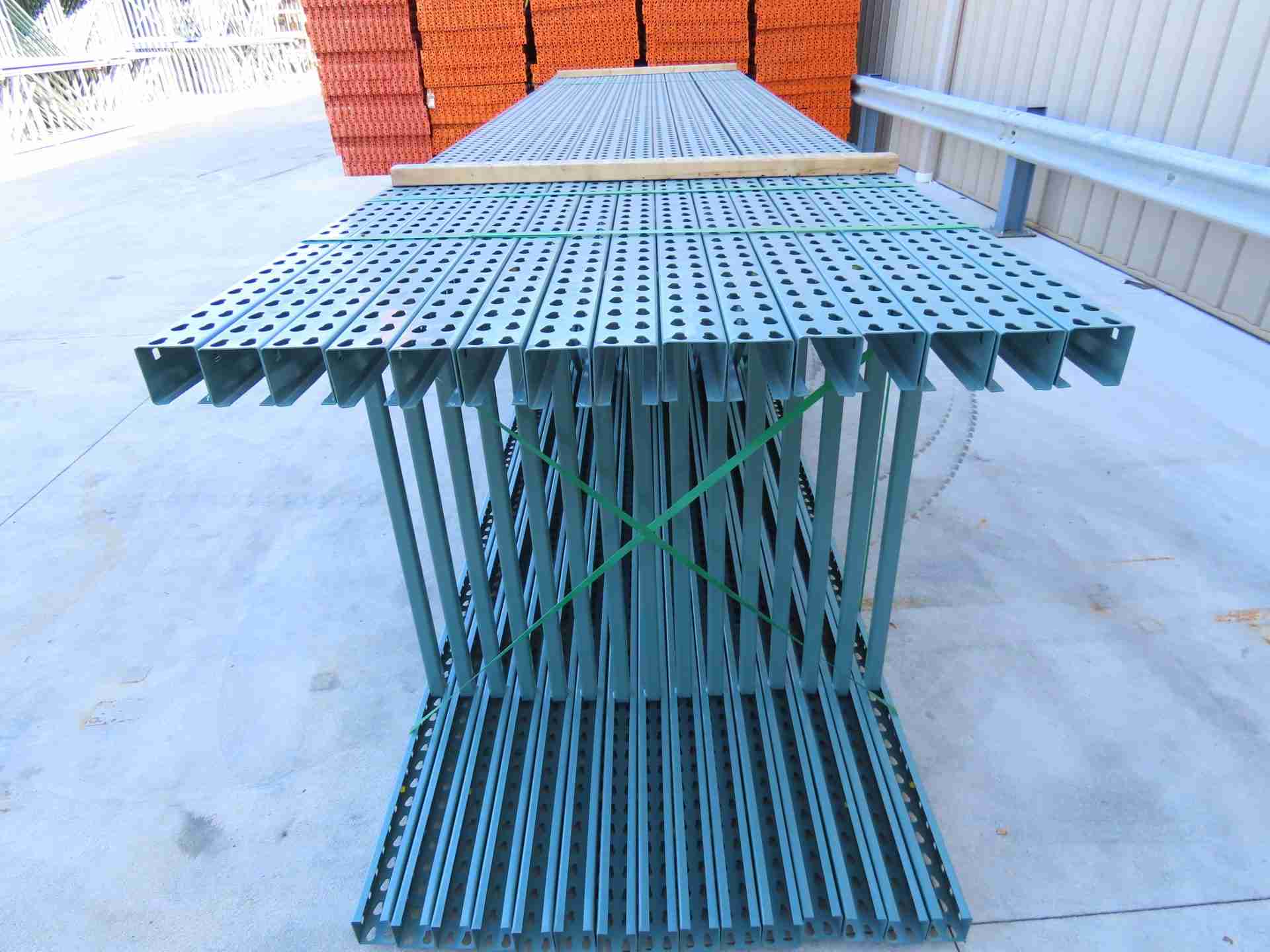
Conclusion
Conclusion:
- The importance of efficient pallet racking installation in modern warehousing and logistics.
- Proper installation leads to increased productivity and profitability for businesses.
- Key steps include measuring space, selecting the right racking type, and ensuring safety compliance.
- Arrow Industrial Sales offers customizable pallet racking solutions tailored to unique needs.
- Now is the time to optimize warehouses to stay competitive amidst supply chain disruptions.
- Arrow Industrial Sales can guide you in assessing your space and qualifying the best options.
- Investing in a robust pallet racking system is essential for long-term growth and operational efficiency.
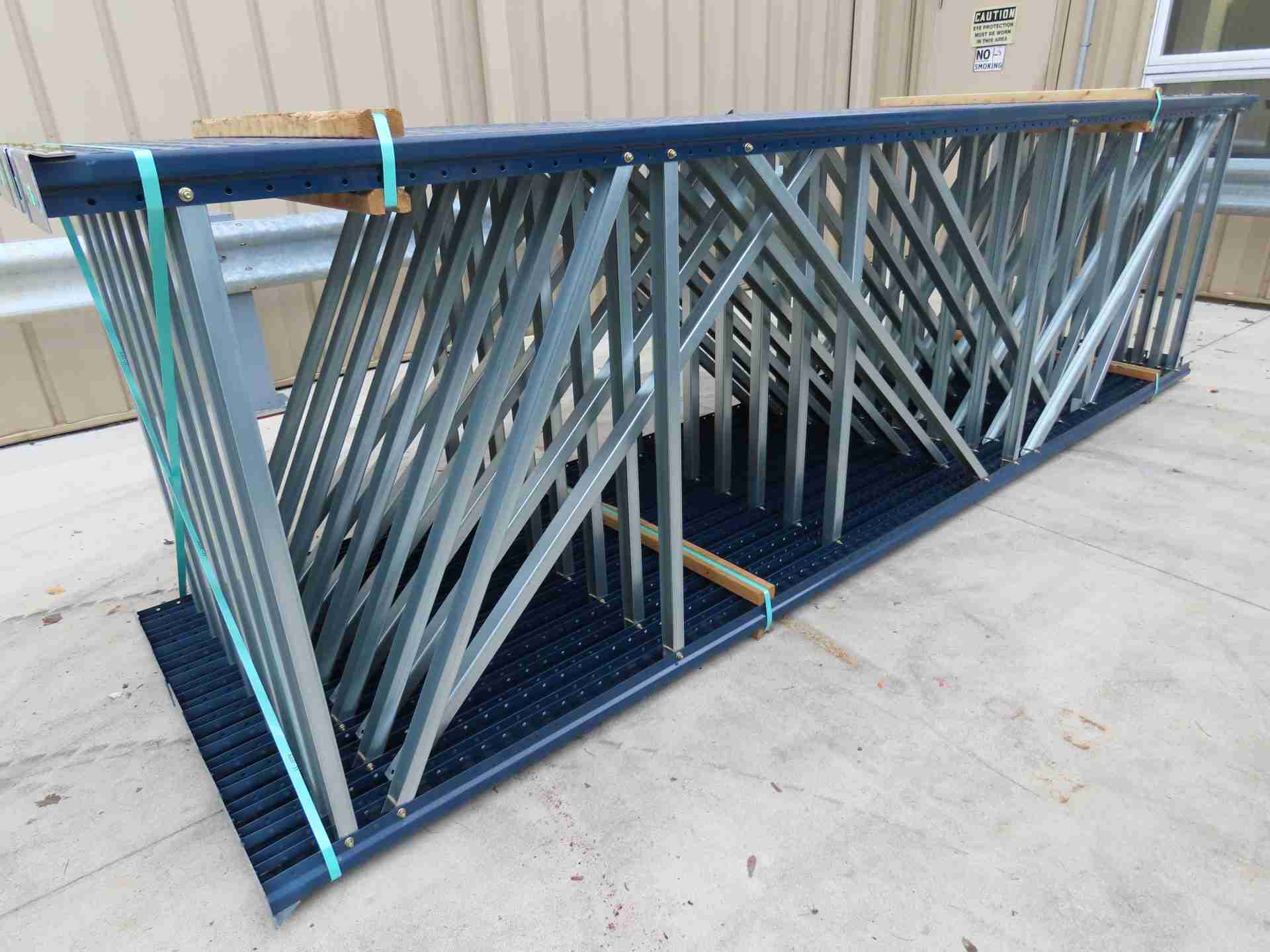
Conclusion
Other Resources
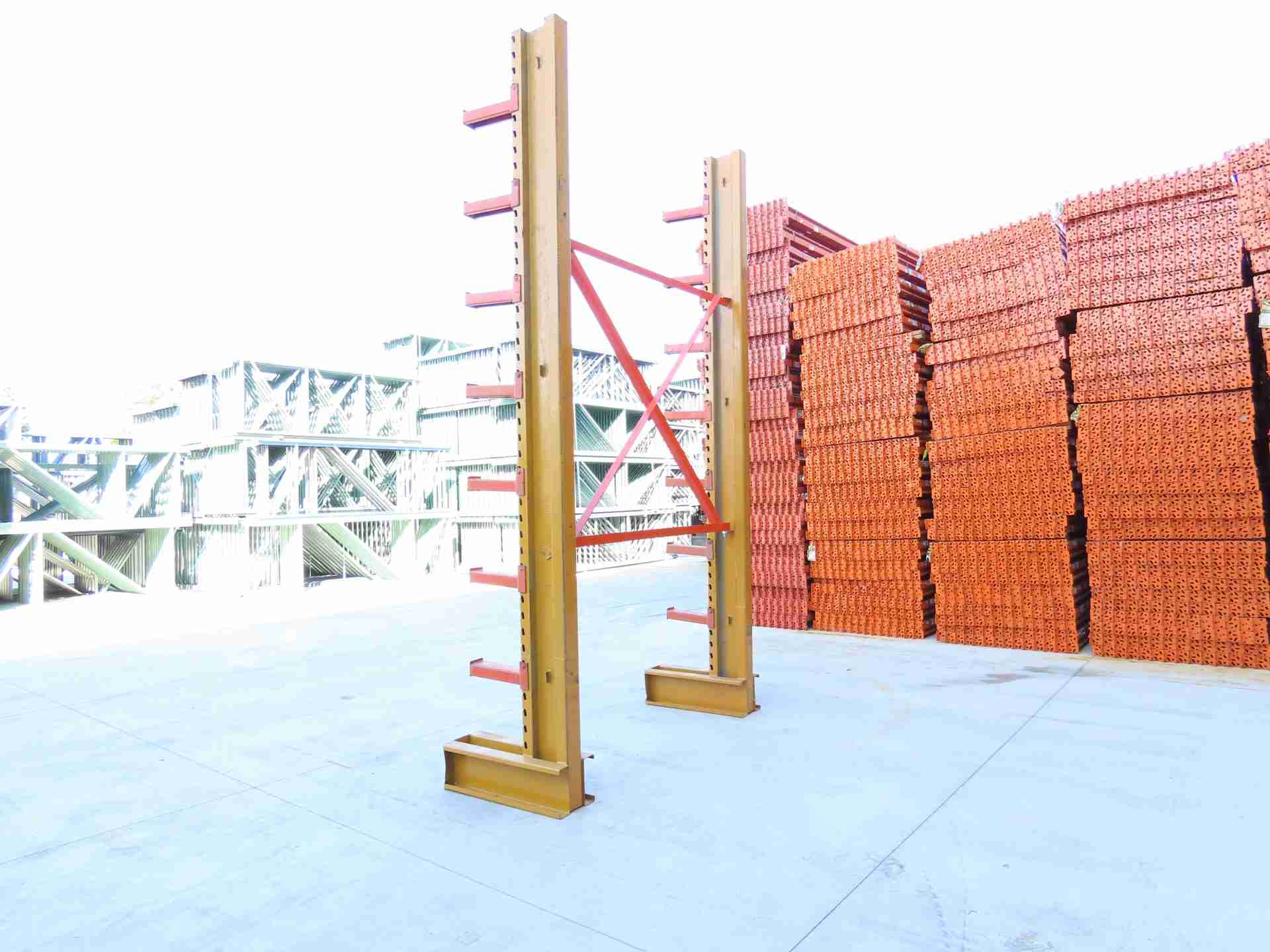
Other Resources
Here is a list of other resources you can review online to learn more:
- “Pallet Racking (Selective Storage Racks)”
- “Push-Back Pallet Racking”
- “Selective Pallet Racking”
- “Pallet racking systems”
- “Inventory Management and Facility Layout Design for AXEL …”
- “Pallet Racks”
- “Selective Pallet Rack”
- “Used Selective Pallet Racking for Sale”
- “FY13 Annual Report to Congress”
- “Contemporary LogistiCs”
- “(PDF) Strategic Operations Management | Radhitya Wirawan”
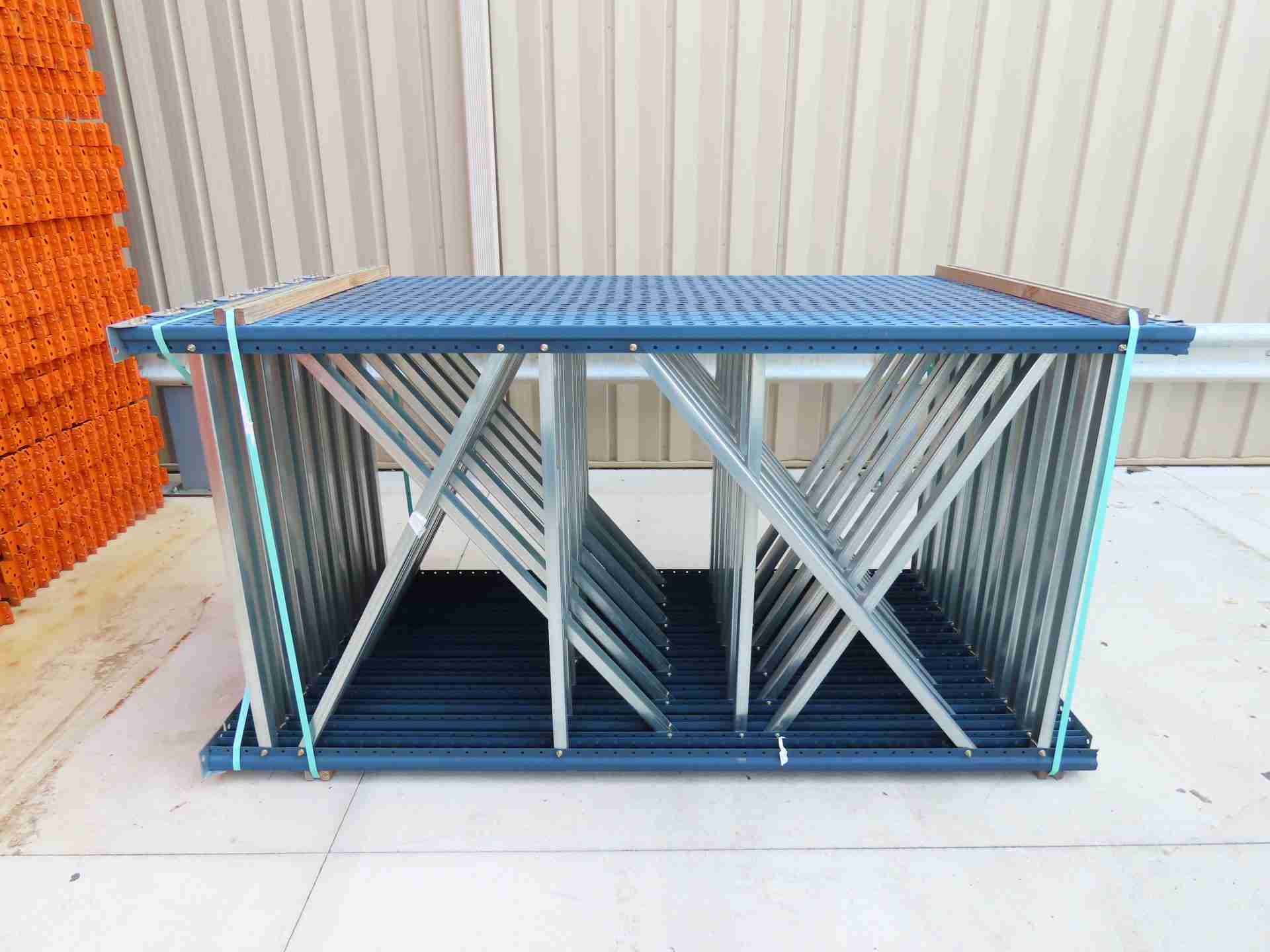
Other Resources
Glossary Terms
How to Install Pallet Racking? – Glossary Of Terms
1. Pallet Racking: A storage system designed to hold palletized goods, where pallets are loaded, stored, and retrieved.
2. Beam: A horizontal component of the racking system that supports the weight of the pallets.
3. Upright: The vertical frame of the racking system that provides support for beams and holds the entire structure in place.
4. Load Capacity: The maximum weight a single beam or upright can safely support without risk of failure.
5. Pallet: A flat transport structure that supports goods in a stable manner during storage or handling.
6. Forklift: A powered industrial truck used to lift and transport materials and pallets within the warehouse.
7. Safety Clip: A metal device that secures beams to uprights, preventing accidental dislodgment.
8. Strapping: A safety feature that binds the pallets to the beams to ensure stability during storage.
9. Aisle: The space between rows of pallet racking that allows for the movement of forklifts and personnel.
10. Decking: Additional surfaces placed on beams to support non-palletized items or enhance load stability.
11. Cross-bracing: Diagonal supports within uprights that provide added stability and prevent swaying.
12. End Panel: The side component of a racking system that helps define the layout and provides extra structural support.
13. Adjustable Racking: A racking system designed with adjustable components that can be modified to accommodate different pallet sizes.
14. Heavy-Duty Racking: A robust storage system that can handle large loads and is typically made from thicker steel.
15. Cantilever Racking: A racking system with arms extending from vertical columns, designed to hold longer items like lumber or pipes.
16. Drive-In Racking: A storage system that allows forklifts to drive into the racking structure to retrieve pallets from deep storage positions.
17. Selective Racking: A commonly used system allowing easy access to each pallet with minimal handling requirements.
18. Overloading: Placing more weight on a racking system than it is designed to handle, which can cause structural failure.
19. Leveling Feet: Adjustable feet at the base of uprights used to stabilize and level the racking system on uneven floors.
20. Installation Guide: Documentation that outlines instructions and best practices for assembling a pallet racking system.
21. Safety Standards: Regulations and codes established to ensure that storage systems are safe and reliable.
22. Inspection: The process of evaluating the racking system for damage or wear to ensure safety and effectiveness.
23. Layout Plan: A blueprint that outlines the design and arrangement of the racking system within a warehouse or storage area.
24. Penetration Depth: The distance a beam extends into the upright frame, affecting load capacity and stability.
25. Warehouse Management System (WMS): Software used to manage inventory and optimize the use of various storage systems.
26. Single-Deep Racking: A configuration where pallets are stored one deep, allowing for maximum access but requiring more aisle space.
27. Double-Deep Racking: A storage method where pallets are stored two deep, maximizing space but requiring special access equipment.
28. Pallet Flow Racking: A dynamic storage system where pallets are placed on inclined tracks to allow for automatic gravity-fed retrieval.
29. Dunnage: Materials such as wood or plastic used to support and protect products during storage and transport.
30. Eagle Eye Inspection: A thorough and detailed examination of the racking system to identify potential safety issues or maintenance needs.
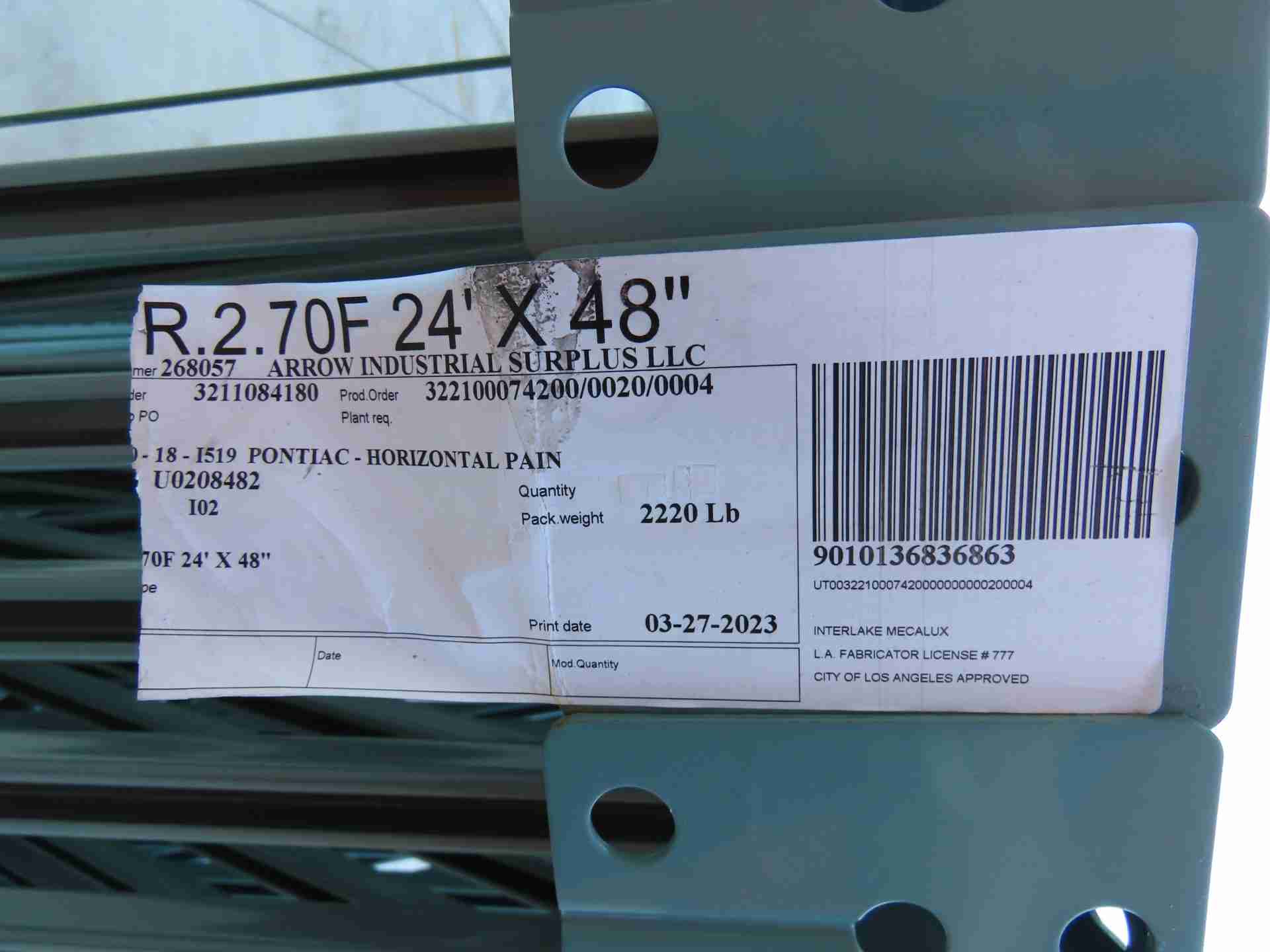
Glossary Of Terms
Other Questions
How to Install Pallet Racking? – Other Questions
If you wish to explore and discover more, consider looking for answers to these questions:
- What are the different types of pallet racking systems available?
- How do I determine the right size for my pallet racks?
- What factors should I consider when choosing a pallet racking system?
- How often should I conduct maintenance on my pallet racking system?
- What are the best practices for loading pallets onto racks?
- How can I ensure safety while using pallet racks?
- What are the signs that my pallet racking system needs repair?
- How can I improve the efficiency of my warehouse layout with pallet racking?
- What are the costs associated with different pallet racking brands?
- How can I implement an effective inventory management system alongside my pallet racks?
- What safety equipment should be used during pallet racking installation?
- Are there any specific regulations I need to be aware of when installing pallet racking?
- What technology can be integrated with pallet racking systems?
- How do seasonal changes impact the use of pallet racking systems?
- What training is necessary for employees using pallet racks?
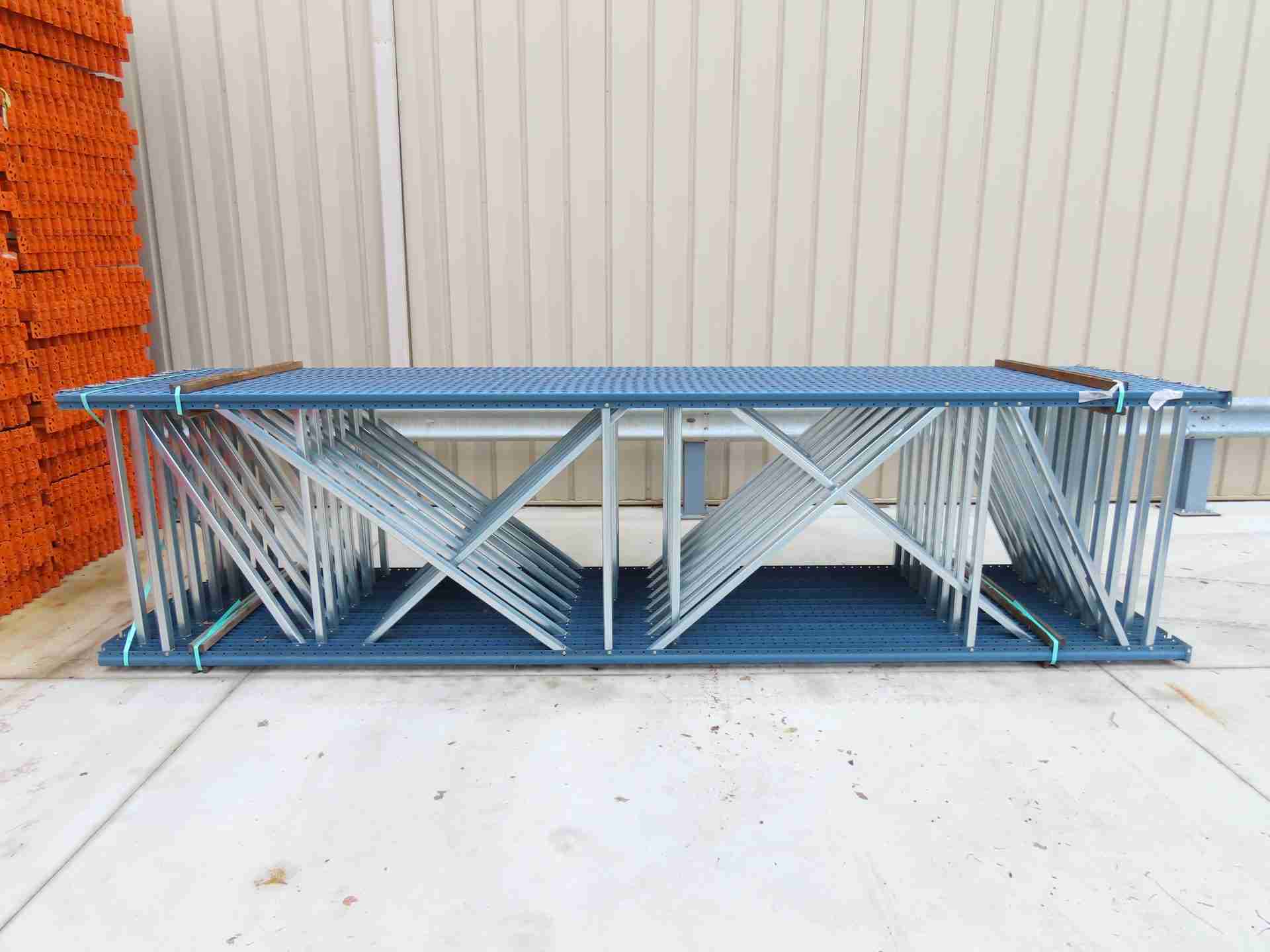
Other Questions
Checklist
How to Install Pallet Racking? – A Checklist
Checklist for Installing Pallet Racking
Pre-Installation Planning
1. Measure Your Space
_____ Measure height, width, and depth of the installation area
_____ Consider any obstructions like doors and windows
2. Assess Inventory Needs
_____ Evaluate types and sizes of inventory to determine racking requirements
_____ Identify whether a flexible or fixed racking system is necessary
3. Choose the Right Type of Rack
_____ Research different systems: selective, drive-in, push-back, etc.
_____ Consider future growth and scalability options
4. Prepare Site for Installation
_____ Ensure floor is stable and can support the racks
_____ Check for compliance with local building codes and regulations
Tools Required for Installation
5. Gather Essential Tools
_____ Screwdrivers, wrenches, laser level
_____ Power drill, safety gear (goggles, gloves)
Installation Steps
6. Assemble the Racking System
_____ Lay out the base and secure vertical supports
_____ Use a laser level for precise alignment
7. Safety Check
_____ Verify that all components are tightly secured
_____ Check and reinforce the structure with safety clips or bracing as necessary
8. Label and Organize Inventory
_____ Implement an inventory management system
_____ Clearly label rack rows and product locations for ease of access
Post-Installation Review
9. Conduct a Final Safety Inspection
_____ Make sure all racks are stable and safely secured to the floor
_____ Train staff on safe loading and unloading practices
10. Schedule Regular Maintenance
_____ Establish a routine inspection schedule (weekly and bi-annual checks)
_____ Train staff to identify potential hazards or maintenance needs
Compliance and Safety Measures
11. Understand Safety Regulations
_____ Familiarize yourself with OSHA standards related to pallet racking
_____ Keep documentation and installation records organized for compliance audits
12. Implement Staff Training
_____ Ensure employees are trained on operational safety and emergency protocols
_____ Consider ongoing education to reinforce safe practices
Adjustments and Future Considerations
13. Evaluate for Future Needs
_____ Periodically reassess your inventory management efficiency
_____ Be prepared to adjust your racking system based on changes in inventory or warehouse layout
By following this checklist, you will ensure a successful and safe installation of pallet racking that maximizes efficiency and adheres to safety standards.
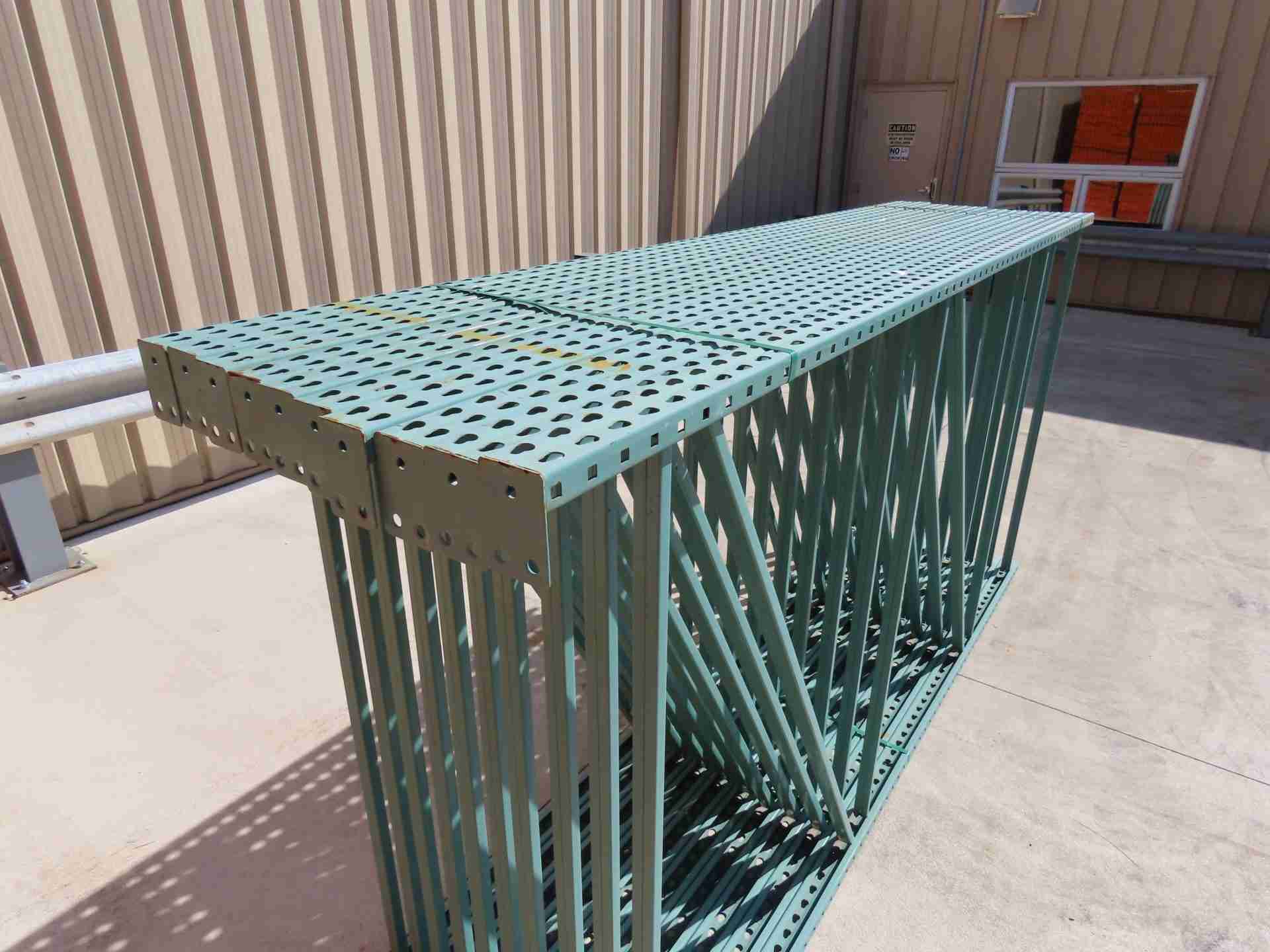
Checklist
At RackingWorld, we help guide you through selecting warehouse storage systems and racking.
Be sure to read our other related stories at RackingWorld to learn more about warehouse storage systems.
0 Comments