
Prolonging Pallet Rack Durability In Changing Environments
By Tom Seest
At RackingWorld, we help guide you through selecting warehouse storage systems and racking.
Be sure to read our other related stories at RackingWorld to learn more about warehouse storage systems.
How Do Environmental Factors Affect The Maintenance Of Pallet Racks?
When it comes to the maintenance of pallet racks, environmental factors play a crucial role in determining their longevity and structural integrity. From extreme temperatures to humidity levels, various environmental conditions can have a significant impact on the condition of pallet racks in warehouses and storage facilities.
One of the most common environmental factors that can affect pallet rack maintenance is temperature. Extreme temperature fluctuations can cause the metal components of the racks to expand and contract, leading to warping and structural damage over time. In cold environments, metal racks can become brittle and more prone to breaking, while in hot environments, they can become less stable and more susceptible to bending and buckling under heavy loads.
Humidity is another environmental factor that can impact the maintenance of pallet racks. High levels of humidity can cause corrosion and rust to form on the metal components of the racks, weakening their structural integrity and potentially leading to catastrophic failure. Additionally, humidity can also promote the growth of mold and mildew on wooden components of the racks, compromising their strength and stability.
Furthermore, exposure to moisture can also accelerate the deterioration of pallet racks. Water damage from leaks or flooding can cause wooden components to swell and warp, while metal components can rust and corrode, leading to a decrease in load-bearing capacity and overall stability.
Dust, debris, and other contaminants in the air can also pose a threat to the maintenance of pallet racks. Accumulation of dirt and dust on the racks can cause friction and abrasion, leading to premature wear and tear on the components. Additionally, debris such as loose packing materials or spilled liquids can create safety hazards and impede the proper functioning of the racks.
To mitigate the impact of environmental factors on the maintenance of pallet racks, regular inspections and preventative maintenance measures should be implemented. This includes keeping the racks clean and free of debris, monitoring temperature and humidity levels, and addressing any signs of damage or deterioration promptly. By taking proactive steps to protect pallet racks from environmental hazards, warehouse and storage facility operators can prolong the lifespan of their storage systems and ensure the safety of their employees and inventory.

How Do Environmental Factors Affect The Maintenance Of Pallet Racks?
How Do Environmental Factors Affect The Maintenance Of Pallet Racks?
- Temperature fluctuations can cause warping and structural damage.
- Humidity can lead to corrosion, rust, mold, and mildew.
- Moisture exposure can accelerate deterioration.
- Dust and debris can cause friction, abrasion, and safety hazards.
- Regular inspections and preventative maintenance are essential.
- Keep racks clean and free of debris.
- Monitor temperature, humidity, and address damage promptly.

How Do Environmental Factors Affect The Maintenance Of Pallet Racks?
Table Of Contents
- How Do Environmental Factors Affect The Maintenance Of Pallet Racks?
- Does Humidity Impact The Lifespan Of Pallet Racks?
- Can Extreme Temperatures Cause Damage To Pallet Racks?
- What Role Does Moisture Play In Rusting Pallet Racks?
- How Does Exposure To Sunlight Affect The Integrity Of Pallet Racks?
- What Impact Do Temperature Changes Have On Pallet Rack Maintenance?
- Can Humidity Levels Cause Damage To Pallet Racks Over Time?
- How Does Exposure To Sunlight Affect The Durability Of Pallet Racks?
- What Role Do Moisture Levels Play In The Lifecycle Of Pallet Racks?
- Conclusion
- Other Resources
- Glossary Of Terms
- Other Questions
- Checklist
Does Humidity Impact The Lifespan Of Pallet Racks?
Have you ever considered how humidity can affect the lifespan of pallet racks in your warehouse? It may not be a topic at the top of your mind, but it’s one that deserves some attention.
Humidity levels can play a significant role in the durability and longevity of your pallet racks. Excessive moisture in the air can lead to rust and corrosion, especially in metal racks. Over time, rust can weaken the structural integrity of the racks, making them more prone to damage and failure. This not only puts your inventory at risk but also poses a safety hazard to your workers.
In addition to rust, high humidity can also contribute to the growth of mold and mildew on wooden pallet racks. This not only affects the aesthetics of your warehouse but can also compromise the strength and stability of the racks. Mold and mildew weaken the wood fibers, making them more susceptible to breakage and collapse under heavy loads.
Furthermore, humidity can also impact the overall quality of your inventory stored on the pallet racks. Excessive moisture in the air can lead to condensation forming on packages and products, potentially causing damage and reducing their shelf life. This can result in financial losses for your business and tarnish your reputation with customers.
So, what can you do to mitigate the effects of humidity on your pallet racks? One simple solution is to invest in proper ventilation and dehumidification systems in your warehouse. By maintaining a consistent humidity level, you can prevent the buildup of moisture that leads to rust, mold, and mildew on your racks.
Regular inspections and maintenance of your pallet racks are also crucial in identifying and addressing any signs of rust or damage before they escalate. By staying proactive and addressing issues promptly, you can extend the lifespan of your pallet racks and ensure the safety of your warehouse operations.
Don’t underestimate the impact of humidity on the lifespan of your pallet racks. By taking preventive measures and staying vigilant, you can protect your investment, your inventory, and most importantly, the well-being of your employees. So, the next time you’re thinking about warehouse maintenance, remember to factor in the humidity levels – your pallet racks will thank you for it.

Does Humidity Impact The Lifespan Of Pallet Racks?
Does Humidity Impact The Lifespan Of Pallet Racks?
- Humidity levels can lead to rust and corrosion in metal pallet racks.
- Rust weakens structural integrity, posing a safety hazard for workers.
- High humidity can cause mold and mildew growth on wooden racks.
- Mold weakens wood fibers, making racks more susceptible to collapse.
- Excessive moisture can damage inventory on pallet racks.
- Invest in ventilation and dehumidification systems to prevent damage.
- Regular inspections and maintenance can help extend the lifespan of pallet racks.

Does Humidity Impact The Lifespan Of Pallet Racks?
Can Extreme Temperatures Cause Damage To Pallet Racks?
When it comes to extreme temperatures and pallet racks, it’s important to understand the potential risks and damages that can occur. Pallet racks are designed to withstand typical warehouse conditions, but when temperatures reach extreme highs or lows, they can start to cause problems.
In cold temperatures, pallet racks can become more brittle and prone to cracking or breaking. This is especially true for racks made of materials like steel, which can become more susceptible to fractures in freezing conditions. When a pallet rack is compromised in this way, it can create a serious safety hazard for workers and could potentially result in a collapse of the rack system.
Conversely, extreme heat can also have negative effects on pallet racks. High temperatures can cause the metal components of the racks to expand, which can lead to warping or bending. This can not only compromise the structural integrity of the racks but also make them more difficult to use and potentially unsafe for workers.
It’s not just the temperature itself that can cause damage to pallet racks – fluctuations in temperature can also be a problem. Rapid changes in temperature can cause the metal in pallet racks to expand and contract quickly, which can put added stress on the rack system. Over time, this can weaken the racks and potentially lead to failure.
To mitigate the risks of extreme temperatures on pallet racks, there are a few steps that warehouse managers can take. One option is to invest in insulated pallet racks, which are designed to better withstand temperature fluctuations. Another option is to regularly inspect pallet racks for any signs of damage or wear, and to replace any components that show signs of stress.
Additionally, maintaining a consistent temperature in the warehouse can also help to protect pallet racks from temperature-related damage. By keeping the temperature within a manageable range, warehouse managers can help to prevent the expansion and contraction of metal components that can weaken the racks over time.
Extreme temperatures can indeed cause damage to pallet racks if proper precautions are not taken. By understanding the risks and taking proactive measures to protect pallet racks from temperature-related damage, warehouse managers can help to ensure the safety and longevity of their rack systems.

Can Extreme Temperatures Cause Damage To Pallet Racks?
Can Extreme Temperatures Cause Damage To Pallet Racks?
- Pallet racks can become brittle and prone to cracking in cold temperatures.
- Racks made of materials like steel are more susceptible to fractures in freezing conditions.
- Extreme heat can cause metal components to expand, leading to warping or bending.
- Rapid temperature fluctuations can put added stress on the rack system and weaken it over time.
- Steps to mitigate risks include investing in insulated pallet racks and regular inspections for damage.
- Maintaining a consistent temperature in the warehouse can help protect pallet racks.
- Understanding the risks and taking proactive measures can ensure the safety and longevity of rack systems.

Can Extreme Temperatures Cause Damage To Pallet Racks?
What Role Does Moisture Play In Rusting Pallet Racks?
Moisture is a sneaky culprit when it comes to the rusting of pallet racks. It may seem innocent enough, just a little water here and there, but over time, it can wreak havoc on the structural integrity of your racks.
When moisture comes into contact with metal, a chemical reaction occurs that leads to rust formation. This process, known as oxidation, can be accelerated by high humidity levels or exposure to water or other liquids. The presence of salt or other corrosive substances can also speed up the rusting process.
One of the main ways moisture can infiltrate pallet racks is through condensation. This occurs when warm, moist air comes into contact with a cooler surface, like a metal rack. The moisture in the air condenses on the surface of the rack, providing the perfect environment for rust to take hold.
Another common source of moisture is leaks or spills. If water or other liquids are allowed to pool on or around your pallet racks, they can seep into the metal and promote rust formation. This is why it’s important to inspect your racks regularly and address any leaks or spills promptly.
Humidity levels can also play a role in rust formation. High humidity can create a more corrosive environment for your pallet racks, making them more susceptible to rust. If your warehouse or storage facility has poor ventilation or experiences frequent fluctuations in temperature, this can further exacerbate the issue.
In addition to the structural implications of rust, there are also safety concerns to consider. Rust compromises the integrity of metal, making it more prone to failure or collapse. This can pose a serious risk to workers and damage to inventory stored on the racks.
Preventing moisture-induced rusting requires a proactive approach. Regular maintenance, including inspections for leaks or damage, is key to catching potential issues early. Implementing proper ventilation and humidity control measures can also help reduce the risk of rust formation.
Moisture is a significant factor in the rusting of pallet racks. By staying vigilant and taking steps to prevent moisture infiltration, you can prolong the life of your racks and ensure the safety of your workers and inventory. Remember, a little bit of prevention now can save you a lot of headaches down the line.

What Role Does Moisture Play In Rusting Pallet Racks?
What Role Does Moisture Play In Rusting Pallet Racks?
- Moisture can lead to rust formation on pallet racks, compromising structural integrity.
- Oxidation occurs when moisture comes into contact with metal, accelerated by high humidity or exposure to water.
- Condensation is a common way moisture infiltrates racks, creating ideal conditions for rust.
- Leaks or spills can also introduce moisture, promoting rust formation on racks.
- High humidity levels and poor ventilation can exacerbate rust formation on pallet racks.
- Rust compromises metal integrity, posing safety risks to workers and inventory.
- Preventative measures such as regular maintenance, inspections, and humidity control can help reduce rust formation.

What Role Does Moisture Play In Rusting Pallet Racks?
How Does Exposure To Sunlight Affect The Integrity Of Pallet Racks?
When it comes to the integrity of pallet racks, exposure to sunlight can be a major factor that is often overlooked. Many people may not realize the potential impact that prolonged exposure to sunlight can have on the structural integrity of pallet racks.
The sun’s rays contain powerful UV radiation that can break down materials over time. When pallet racks are constantly exposed to sunlight, the UV radiation can cause the metal to weaken and deteriorate. This can lead to bending, warping, or even complete failure of the racks, putting not only the stored goods at risk but also the safety of workers in the warehouse.
In addition to the direct effects of UV radiation, sunlight can also cause temperature fluctuations that can further weaken the metal of pallet racks. When metal heats up in the sun, it expands, and as it cools down, it contracts. This constant expansion and contraction can lead to stress on the metal, potentially causing it to become brittle and more prone to damage.
Furthermore, sunlight can also contribute to rust and corrosion on pallet racks, especially if they are located in areas with high humidity. The combination of UV radiation and moisture can accelerate the rusting process, leading to weakened metal and compromised structural integrity.
To mitigate the effects of sunlight on pallet racks, there are a few steps that can be taken. One option is to install shade structures or sun shields to protect the racks from direct sunlight. This can help reduce the UV radiation and temperature fluctuations that the racks are exposed to.
Additionally, regular maintenance and inspections of pallet racks are crucial to ensure their structural integrity. Any signs of bending, warping, rust, or corrosion should be addressed immediately to prevent further damage.
Overall, exposure to sunlight can have a significant impact on the integrity of pallet racks. By being aware of the potential risks and taking proactive measures to protect them, warehouse operators can ensure the safety of their workers and the security of their stored goods. Remember, a little bit of shade goes a long way in preserving the strength and durability of your pallet racks.

How Does Exposure To Sunlight Affect The Integrity Of Pallet Racks?
How Does Exposure To Sunlight Affect The Integrity Of Pallet Racks?
- Exposure to sunlight can weaken the structural integrity of pallet racks due to powerful UV radiation.
- Constant exposure to sunlight can cause bending, warping, or failure of pallet racks, posing risks to stored goods and workers’ safety.
- Temperature fluctuations caused by sunlight can further weaken the metal of pallet racks, making them more prone to damage.
- Sunlight can also contribute to rust and corrosion on pallet racks, especially in humid environments.
- To mitigate the effects of sunlight, shade structures or sun shields can be installed to protect the racks.
- Regular maintenance and inspections are crucial to address any signs of bending, warping, rust, or corrosion on pallet racks.
- By taking proactive measures to protect pallet racks from sunlight, warehouse operators can ensure the safety of their workers and the security of their stored goods.

How Does Exposure To Sunlight Affect The Integrity Of Pallet Racks?
What Impact Do Temperature Changes Have On Pallet Rack Maintenance?
Temperature changes can have a significant impact on the maintenance of pallet racks in your warehouse. When the temperature fluctuates, it can cause the metal components of the racks to expand and contract, which can lead to issues such as warping or bending.
In colder temperatures, the metal can become more brittle and prone to breaking, especially if it has been exposed to moisture. This can compromise the structural integrity of the racks and make them more susceptible to collapse under the weight of the stored goods. Additionally, extreme cold can also cause the metal to become more prone to corrosion, which can further weaken the racks over time.
On the other hand, high temperatures can also pose a threat to the maintenance of pallet racks. When metal components are exposed to heat, they can expand and deform, which can cause misalignments in the racks. This can make it difficult to properly store goods on the racks and may lead to safety hazards for workers in the warehouse.
To mitigate the impact of temperature changes on pallet rack maintenance, it is important to regularly inspect the racks for any signs of damage or wear. This includes checking for any warping, bending, or misalignments in the metal components. Additionally, it is important to ensure that the racks are properly anchored to the floor to prevent any potential collapses.
In areas where temperature fluctuations are common, it may be necessary to invest in additional measures to protect the pallet racks. This can include installing insulation to regulate the temperature in the warehouse or using protective coatings on the metal components to prevent corrosion.
Overall, being proactive in monitoring the condition of your pallet racks and taking steps to protect them from the impact of temperature changes can help ensure the safety and efficiency of your warehouse operations. By staying on top of maintenance and investing in necessary upgrades, you can extend the lifespan of your pallet racks and minimize the risk of accidents in the workplace.

What Impact Do Temperature Changes Have On Pallet Rack Maintenance?
What Impact Do Temperature Changes Have On Pallet Rack Maintenance?
- Temperature changes can cause metal components of pallet racks to expand and contract, leading to warping or bending.
- In colder temperatures, metal can become brittle and prone to breaking, compromising structural integrity.
- Extreme cold can also increase the risk of corrosion, weakening the racks over time.
- High temperatures can cause metal components to expand and deform, leading to misalignments in the racks.
- To mitigate temperature impact, regularly inspect racks for damage, warping, bending, or misalignments.
- Properly anchor racks to the floor to prevent collapses due to temperature changes.
- In areas with common temperature fluctuations, consider additional protective measures like insulation or protective coatings on metal components.

What Impact Do Temperature Changes Have On Pallet Rack Maintenance?
Can Humidity Levels Cause Damage To Pallet Racks Over Time?
Have you ever considered the impact of humidity levels on your pallet racks? It’s a seemingly innocuous factor that, over time, can wreak havoc on the durability and structural integrity of your storage system.
Humidity levels can cause moisture to accumulate on your pallet racks, leading to rust, corrosion, and other forms of deterioration. This not only compromises the strength of the racks but also poses a safety risk to workers handling the stored goods.
One of the main culprits of humidity-related damage to pallet racks is condensation. When the air in your warehouse is too humid, water droplets can form on the racks, especially in areas where there is poor air circulation. This constant exposure to moisture can accelerate the deterioration of the metal and weaken the overall structure of the racks.
In addition to condensation, high humidity levels can also promote the growth of mold and mildew on your pallet racks. Not only does this create an unsightly and unsanitary environment, but it can also compromise the integrity of the racks over time. Mold and mildew can eat away at the metal and cause it to weaken, leading to potential collapses and accidents.
Furthermore, humidity can also affect the stability of the goods stored on the pallet racks. Excessive moisture in the air can cause wooden pallets to swell and warp, making them less stable and increasing the risk of them falling or shifting on the racks.
To combat the damaging effects of humidity on your pallet racks, it’s important to implement proper storage practices and maintenance routines. One way to mitigate the impact of condensation is to ensure proper ventilation in your warehouse, especially in areas where pallet racks are located. This will help to reduce the buildup of moisture and prevent rust and corrosion from forming on the racks.
Regular inspections of your pallet racks are also essential to identify any signs of damage caused by humidity. Look out for rust spots, corrosion, or any other visible signs of deterioration, and address them promptly to prevent further damage.
Humidity levels can indeed cause damage to pallet racks over time if not properly managed. By staying vigilant and implementing proactive measures to combat moisture buildup, you can protect the integrity of your storage system and ensure a safe working environment for your employees.

Can Humidity Levels Cause Damage To Pallet Racks Over Time?
Can Humidity Levels Cause Damage To Pallet Racks Over Time?
- Humidity levels can lead to rust, corrosion, and deterioration of pallet racks.
- Condensation due to high humidity can weaken metal and compromise rack structure.
- Mold and mildew growth on racks can weaken metal and lead to accidents.
- Excessive moisture can cause wooden pallets to swell and warp, increasing instability.
- Proper ventilation and regular inspections are key to mitigating humidity damage.
- Address rust, corrosion, and other visible damage promptly to prevent further deterioration.
- By managing humidity levels effectively, you can protect the integrity of your storage system and ensure a safe working environment.

Can Humidity Levels Cause Damage To Pallet Racks Over Time?
How Does Exposure To Sunlight Affect The Durability Of Pallet Racks?
You might not think about it much, but sunlight can have a big impact on the durability of pallet racks in your warehouse. When pallet racks are constantly exposed to sunlight, they can experience a number of negative effects that can compromise their strength and stability.
One of the main ways that sunlight can affect pallet racks is through UV radiation. The powerful rays of the sun can cause the metal in the racks to degrade over time, leading to corrosion and weakening of the structure. This can be especially problematic in outdoor storage areas where pallet racks are exposed to direct sunlight for long periods of time.
In addition to UV radiation, sunlight can also cause temperature fluctuations that can weaken the metal in pallet racks. When metal is exposed to extreme heat, it can expand and contract, leading to stress on the structure of the racks. Over time, this can cause warping and bending that can compromise the integrity of the racks and make them more likely to fail.
Sunlight can also contribute to moisture buildup on pallet racks, especially in outdoor environments where rain and humidity are common. When moisture accumulates on the metal, it can lead to rust and corrosion that weakens the structure of the racks. This can be particularly problematic in coastal areas where saltwater can accelerate the corrosion process.
To protect your pallet racks from the damaging effects of sunlight, there are a few steps you can take. One option is to install shade structures or awnings that can help block UV radiation and reduce the temperature fluctuations that can weaken the metal. You can also apply a protective coating to the metal to help prevent rust and corrosion from moisture buildup.
Regular inspections of your pallet racks are also important to catch any signs of damage early on. Look for any signs of rust, corrosion, warping, or bending, and address any issues promptly to prevent further deterioration. By taking these steps to protect your pallet racks from the effects of sunlight, you can help ensure that they remain strong and stable for years to come.

How Does Exposure To Sunlight Affect The Durability Of Pallet Racks?
How Does Exposure To Sunlight Affect The Durability Of Pallet Racks?
- Sunlight can weaken pallet racks through UV radiation, causing degradation and corrosion of the metal.
- Temperature fluctuations from sunlight can lead to expansion and contraction of the metal, resulting in warping and bending of the racks.
- Moisture buildup caused by sunlight can lead to rust and corrosion, weakening the structure of the racks.
- Installing shade structures or awnings can help block UV radiation and reduce temperature fluctuations on pallet racks.
- Applying a protective coating to the metal can prevent rust and corrosion from moisture buildup.
- Regular inspections of pallet racks are important to identify any signs of damage early on, such as rust, corrosion, warping, or bending.
- By taking steps to protect pallet racks from sunlight, you can help ensure their strength and stability for years to come.

How Does Exposure To Sunlight Affect The Durability Of Pallet Racks?
What Role Do Moisture Levels Play In The Lifecycle Of Pallet Racks?
Moisture levels play a critical role in the lifecycle of pallet racks, yet it’s a factor that often goes unnoticed and unappreciated. Pallet racks are typically made of steel, a sturdy material known for its strength and durability. However, steel is also susceptible to rust and corrosion when exposed to moisture for extended periods of time.
When pallet racks are constantly exposed to high levels of moisture, either from environmental conditions or spills in the warehouse, it can lead to the formation of rust. Rust weakens the structural integrity of the racks, making them more prone to bending, buckling, or even collapsing under the weight of stored materials. This not only puts your inventory at risk but also endangers the safety of workers in the warehouse.
In addition to rust, moisture can also contribute to the growth of mold and mildew on pallet racks. These fungal growths not only create an unsightly appearance but also pose health risks to employees working in the vicinity. Mold spores can become airborne, leading to respiratory issues for those exposed.
To prevent these damaging effects of moisture on pallet racks, it’s essential to take proactive steps to manage humidity levels in the warehouse. This can be done through the use of dehumidifiers, proper ventilation systems, and regular inspections to identify and address any sources of moisture leakage.
Furthermore, investing in pallet racks that are coated with a protective finish can provide an additional layer of defense against moisture damage. This coating acts as a barrier, preventing water and humidity from coming into direct contact with the steel material.
Regular maintenance is also key to extending the lifespan of pallet racks in a high-moisture environment. This includes inspecting racks for signs of rust or corrosion, promptly addressing any spills or leaks, and ensuring proper air circulation around the racks to prevent condensation buildup.
By paying attention to moisture levels and implementing preventative measures, you can help prolong the life of your pallet racks and ensure the safety of your warehouse operations. Remember, a little maintenance now can save you from costly repairs or replacements down the road.

What Role Do Moisture Levels Play In The Lifecycle Of Pallet Racks?
What Role Do Moisture Levels Play In The Lifecycle Of Pallet Racks?
- Moisture levels can negatively impact the lifecycle of pallet racks.
- Steel pallet racks are susceptible to rust and corrosion when exposed to moisture.
- Rust weakens the structural integrity of pallet racks, putting inventory and workers at risk.
- Mold and mildew growth on pallet racks due to moisture can pose health risks.
- Proactively manage humidity levels with dehumidifiers, ventilation, and inspections.
- Invest in pallet racks with a protective finish to prevent moisture damage.
- Regular maintenance is crucial for extending the lifespan of pallet racks in high-moisture environments.

What Role Do Moisture Levels Play In The Lifecycle Of Pallet Racks?
Conclusion
In conclusion, the maintenance of pallet racks in warehouses and storage facilities is heavily impacted by environmental factors. Extreme temperatures, humidity levels, dust, debris, and exposure to sunlight can all play a role in the deterioration of pallet racks over time. Temperature fluctuations can cause metal components to expand and contract, leading to warping and structural damage, while high humidity levels can promote rust, corrosion, and mold growth. Sunlight can degrade the metal and contribute to temperature fluctuations that weaken the racks. Moisture buildup from condensation or leaks can lead to rust, corrosion, and mold, compromising the integrity of the racks.
To mitigate the impact of environmental factors, regular inspections and preventative maintenance measures should be implemented. This includes keeping the racks clean, monitoring temperature and humidity levels, and addressing any signs of damage promptly. Investing in insulated pallet racks, shade structures, or protective coatings can also help protect against temperature fluctuations and UV radiation. Proper ventilation and dehumidification systems can prevent moisture buildup and rust formation. By being proactive in protecting pallet racks from environmental hazards, warehouse operators can prolong the lifespan of their storage systems, ensure the safety of their employees, and protect their inventory. Remember, a little maintenance and attention to environmental factors now can save you from costly repairs and replacements in the future.

Conclusion
Conclusion:
- Environmental factors heavily impact maintenance of pallet racks in warehouses.
- Extreme temperatures, humidity, dust, debris, and sunlight can deteriorate racks.
- Temperature fluctuations can cause warping and structural damage.
- High humidity levels can promote rust, corrosion, and mold growth.
- Sunlight can degrade metal and weaken racks.
- Regular inspections, cleaning, and monitoring can mitigate impact.
- Investing in insulated racks, protective coatings, and ventilation systems can help.
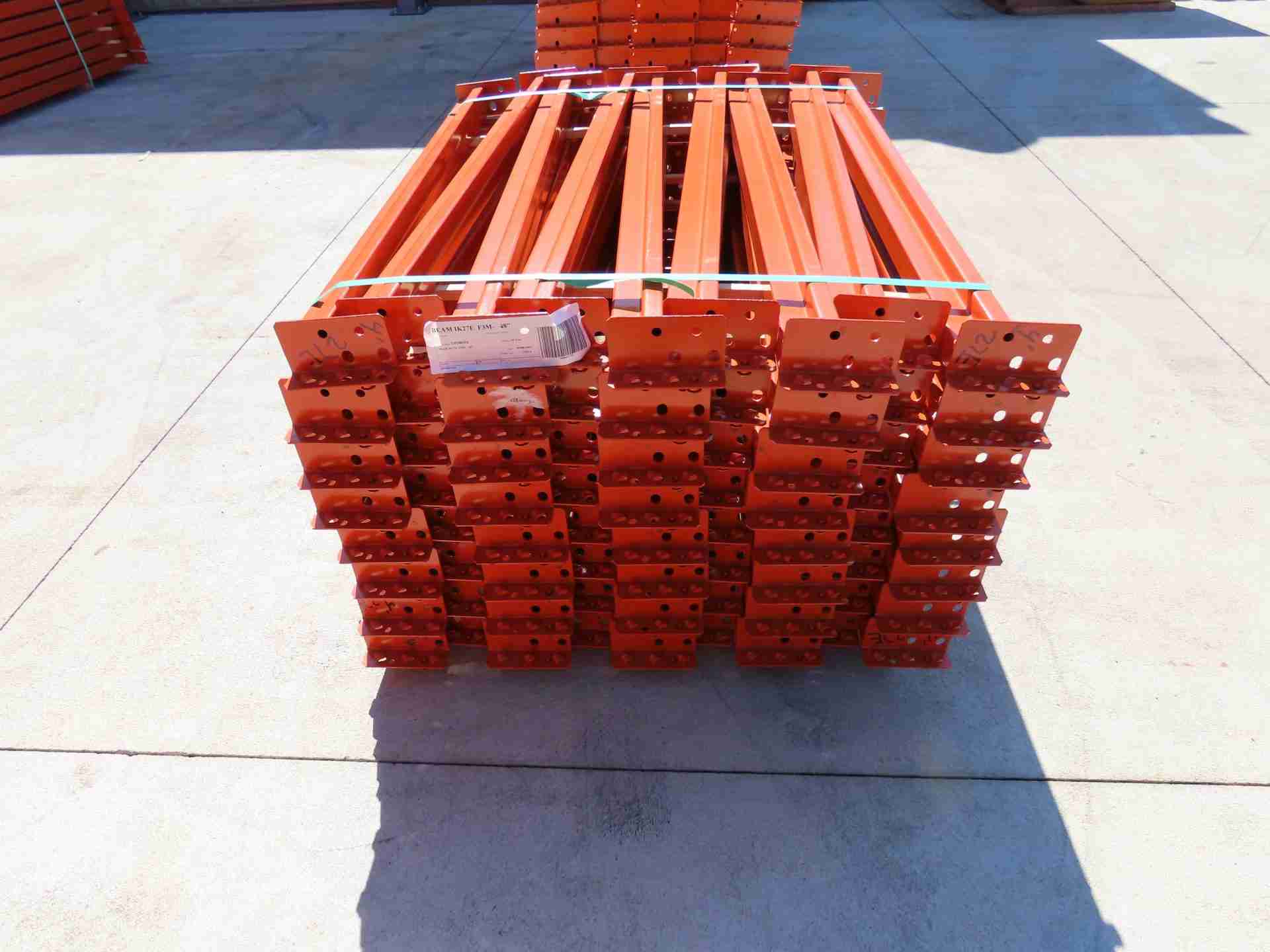
Conclusion
Other Resources

Other Resources
Here is a list of other resources you can review online to learn more:
- “Houston – Headquarters & Sales”
- “Heavy Duty Industrial Racking | Storage Shelves Manufaturers”
- “Pallet Racks”
- “Modular Warehouse Safety Barrier System & Guard Rail”
- “BR Medium Duty Warehouse Racking”
- “Warehouse pallet racking components and parts names”
- “Classical LA. – Nov 2003 – Page 45 – Google Books Result”
- “Multi-Storage Pallet Racks – Galler”

Other Resources
Glossary Terms
How Do Environmental Factors Affect The Maintenance Of Pallet Racks? – Glossary Of Terms
1. Humidity: The amount of water vapor in the air, which can cause metal components of pallet racks to rust.
2. Temperature Fluctuations: Variances in temperature that can lead to expansion and contraction of materials, potentially weakening the structure of pallet racks.
3. Corrosion: The gradual destruction of materials, usually metals, by chemical reaction with their environment, often exacerbated by moisture and pollutants.
4. UV Radiation: Ultraviolet light from the sun which can degrade plastic components and coatings on pallet racks over time.
5. Ventilation: The process of supplying fresh air to an enclosed space, which can affect humidity and temperature levels around pallet racks.
6. Load Capacity: The maximum weight a pallet rack can safely hold, influenced by environmental conditions which may weaken the structure.
7. Safety Inspections: Regular checks to ensure the integrity and safety of pallet racks, crucial for identifying issues caused by environmental factors.
8. Oxidation: A specific type of corrosion involving the reaction of metal with oxygen, often accelerated by weather conditions like rain or high humidity.
9. Dust Accumulation: Build-up of dust on surfaces, which can cause wear and tear on pallet racks and reduce air quality in the storage area.
10. Condensation: Water forming on surfaces when humid air cools, which can lead to rust and corrosion on metal pallet racks.
11. Vibration: Motion which might be caused by nearby machinery or traffic, potentially loosening joints or fasteners in pallet racks.
12. Chemical Exposure: Contact with chemicals such as cleaners or industrial materials that can degrade the materials of pallet racks.
13. Air Quality: The cleanliness of air in an environment, which can contain dust and pollutants that affect the longevity of pallet racks.
14. Pest Infestation: Presence of rodents or insects which can damage the structural integrity and safety of pallet racks.
15. Seismic Activity: Earthquakes or ground vibrations which can impact the stability and alignment of pallet racks.
16. Moisture Control: Measures to manage humidity and water exposure to prevent rust and other moisture-related damage to pallet racks.
17. Fire Hazard: Risk of fire in the environment, which can be heightened by poor maintenance and incompatible materials.
18. Material Fatigue: The weakening of a material caused by repeatedly applied loads, exacerbated by environmental conditions like temperature changes.
19. Structural Deformation: Changes in shape or structure due to stress factors such as weight load and environmental conditions.
20. Rodent Droppings: Waste from rodents which can contaminate the area and cause damage to the materials of pallets and racks.
21. Loading Practices: Methods of placing and organizing items on pallet racks, which need to be adapted based on environmental factors.
22. Corrosion-Resistant Coatings: Protective layers applied to metal surfaces to protect them from corrosion caused by environmental exposure.
23. Anchoring Systems: Methods used to secure pallet racks to the floor, which can be affected by seismic activity and ground conditions.
24. Thermal Expansion: The tendency of materials to change in volume with temperature changes, which can stress pallet rack components.
25. Rust Inhibitors: Chemicals applied to surfaces to prevent rusting, important in humid or wet environments.
26. Drainage Systems: Infrastructure designed to prevent water accumulation, critical for preventing water damage to pallet racks.
27. Compaction: The process through which the ground beneath pallet racks becomes denser, potentially affecting stability.
28. Routine Maintenance: Regular activities undertaken to upkeep pallet racks, including inspection and minor repairs influenced by environmental conditions.
29. Cleaning Protocols: Procedures for removing dust, dirt, and other contaminants that can accelerate degradation of pallet racks.
30. Light Exposure: The extent to which pallet racks are exposed to natural and artificial light, affecting materials that are sensitive to UV radiation.
This glossary should provide a thorough overview of how different environmental factors can impact the maintenance and integrity of pallet racks.
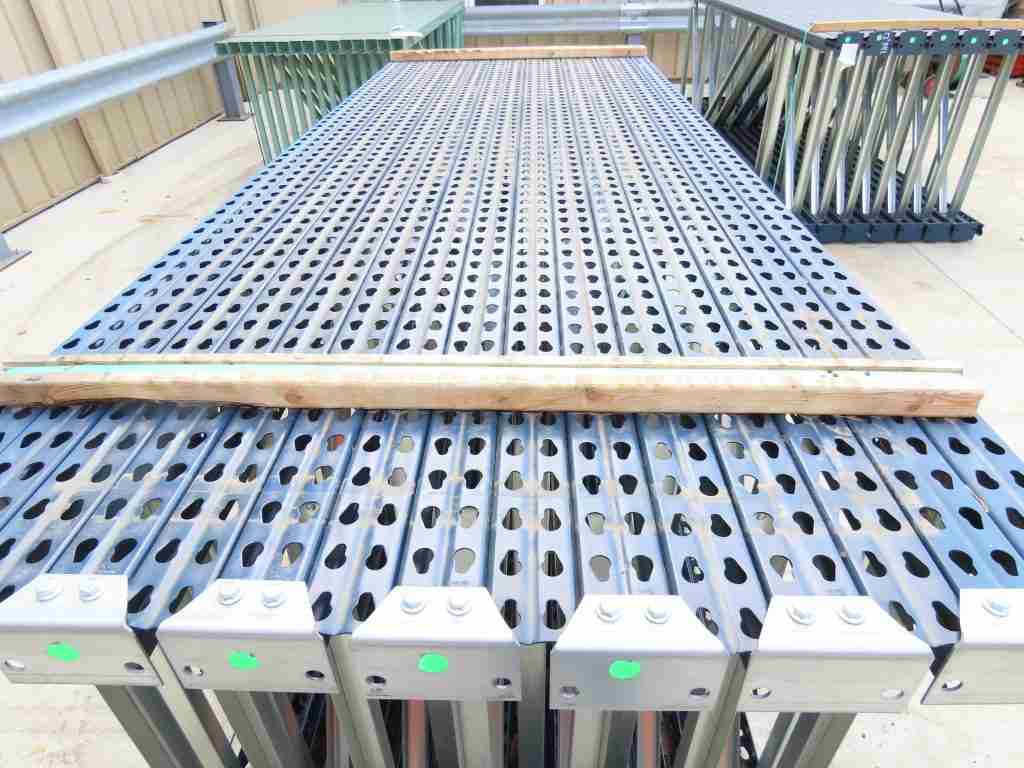
Glossary Of Terms
Other Questions
How Do Environmental Factors Affect The Maintenance Of Pallet Racks? – Other Questions
If you wish to explore and discover more, consider looking for answers to these questions:
- What types of maintenance techniques are recommended for pallet racks in environments with fluctuating temperatures?
- How can you protect pallet racks from moisture-induced damage, especially in humid environments?
- Are there specific materials or coatings that can be used to make pallet racks more resistant to rust and corrosion?
- What are the signs of structural damage in pallet racks caused by environmental factors?
- How frequently should pallet racks be inspected to ensure longevity and safety?
- What kind of ventilation systems are effective in reducing humidity in warehouses?
- Can you install any special equipment or technology to monitor the environmental conditions around pallet racks?
- What are the risks associated with not addressing environmental factors that affect pallet racks?
- How can you mitigate the impact of dust and debris on pallet rack maintenance?
- Are there any standard guidelines or best practices for pallet rack maintenance in different environmental conditions?
- How can pallet racks be designed or modified to better withstand extreme environmental conditions?
- What are the cost implications of not maintaining pallet racks adequately in various environmental settings?
- What protective measures can be taken for outdoor pallet racks exposed to direct sunlight?
- How can warehouse operators distinguish between minor wear and severe damage in their pallet racks?
- What are the benefits of using insulated pallet racks in temperature-variable environments?
- How does mold growth on wooden pallet racks affect their usability and safety?
- Are there industry standards or certifications that pallet racks should meet for use in specific environments?
- What role does employee training play in the maintenance and safety of pallet racks?
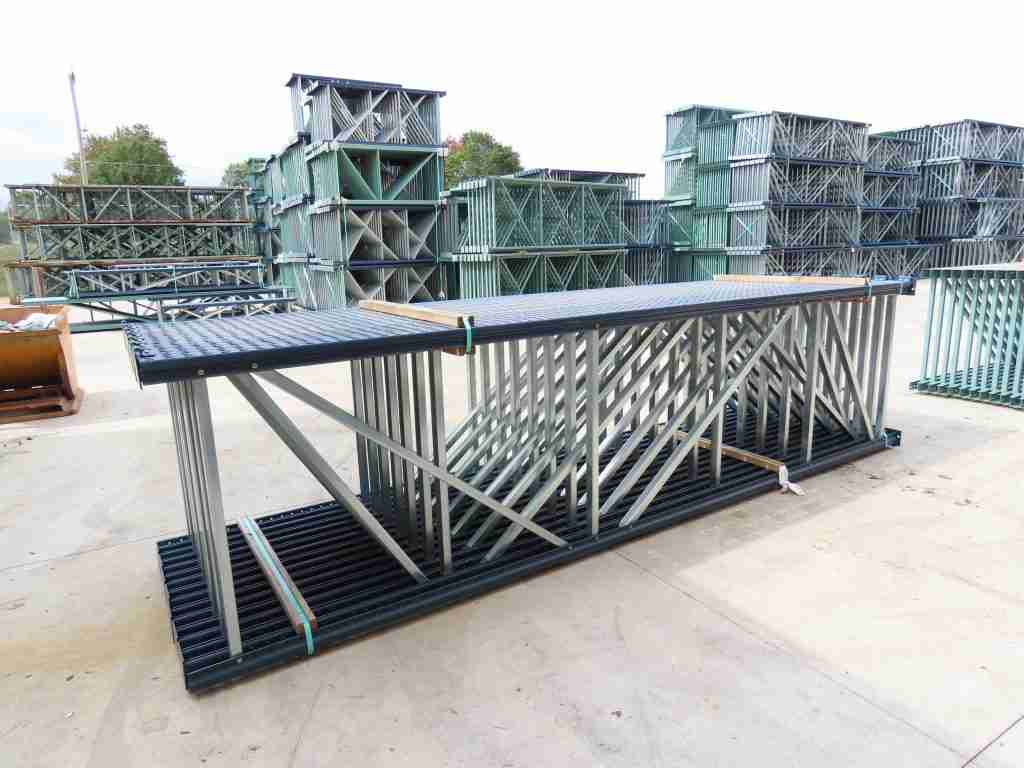
Other Questions
Checklist
How Do Environmental Factors Affect The Maintenance Of Pallet Racks? – A Checklist
General Preventative Maintenance
_____ Conduct regular inspections for any signs of damage or wear.
_____ Ensure pallet racks are properly anchored to the floor.
_____ Clean racks frequently to remove dust, debris, and other contaminants.
_____ Promptly address any leaks or spills.
_____ Invest in protective coatings for metal components.
Temperature Control
_____ For Cold Environments: _____ Install insulation to reduce brittleness in metal racks.
_____ Regularly check for cracks or breaks in metal components.
_____ For Hot Environments: _____ Use shade structures or sun shields to reduce exposure to direct sunlight.
_____ Monitor for signs of metal expansion, warping, or bending.
_____ Maintain a consistent temperature to prevent rapid temperature fluctuations.
Humidity & Moisture Management
_____ Install proper ventilation and dehumidification systems to control humidity levels.
_____ Regularly check for any signs of rust, corrosion, or mildew.
_____ Apply protective coatings on metal components to shield against rust.
_____ Ensure proper air circulation around racks to prevent condensation buildup.
_____ Frequently inspect and maintain wooden components to prevent mold growth.
Rust Prevention
_____ Install dehumidifiers and ensure good air circulation to reduce moisture.
_____ Promptly fix any leaks and address pooling water.
_____ Regularly clean and inspect racks for early signs of rust.
_____ Apply anti-rust coatings to metal components.
Sunlight Protection
_____ Use sun shields or shade structures to minimize UV radiation exposure.
_____ Regularly inspect for signs of UV-induced degradation or corrosion.
_____ Ensure racks are in shaded areas if possible.
_____ Apply UV-resistant coatings to metal parts.
Addressing Temperature Changes
_____ Use insulated pallet racks to withstand temperature fluctuations.
_____ Regularly inspect for signs of warping, bending, or metal fatigue.
_____ Maintain a consistent indoor temperature range to reduce stress on metal components.
_____ Ensure metal racks are free of corrosion and brittleness caused by extreme cold.
Monitoring and Maintenance
_____ Set regular intervals for detailed inspections by qualified personnel.
_____ Train warehouse staff on recognizing early signs of rack damage and environmental impact.
_____ Document all inspections, findings, and maintenance activities for future reference.
_____ Respond quickly to any detected issues to prevent small problems from becoming major failures.
By following this checklist, warehouse and facility managers can mitigate the dangers of environmental factors, ensuring the durability and safety of their pallet racks. Regular monitoring and maintenance safeguard both inventory and personnel, providing a reliable foundation for daily operations.
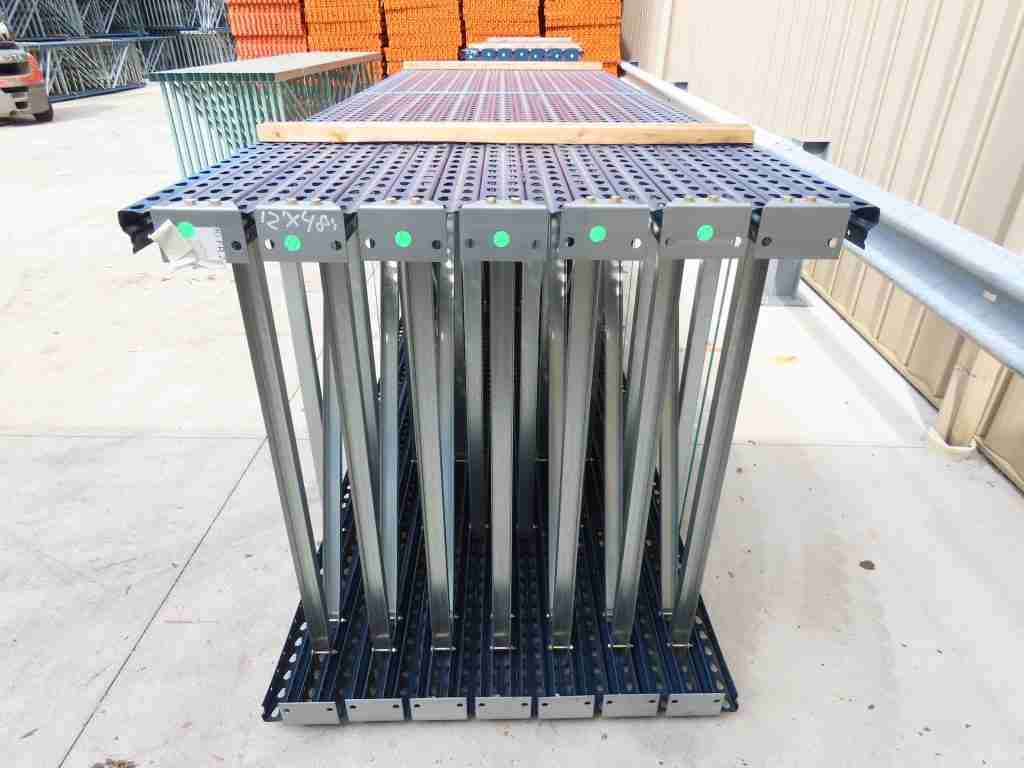
Checklist
At RackingWorld, we help guide you through selecting warehouse storage systems and racking.
Be sure to read our other related stories at RackingWorld to learn more about warehouse storage systems.
0 Comments