
Maximizing Your Warehouse Space: Affordable Pallet Racking Solutions
By Tom Seest
At RackingWorld, we help guide you through selecting warehouse storage systems and racking.
Be sure to read our other related stories at RackingWorld to learn more about warehouse storage systems.
How Much Does Pallet Racking Cost?
When it comes to optimizing your warehouse space, the investment in pallet racking is a decision that can make or break your bottom line. We’ve seen rapid changes in the market, particularly post-pandemic, where supply chain disruptions have forced businesses to rethink their storage strategies. With the relentless demand for efficiency and flexibility in logistics, understanding the costs associated with pallet racking is essential for staying competitive.
To begin with, the cost of pallet racking systems can vary significantly based on several factors. The type of racking you choose plays a critical role. For example, standard selective racking systems might start as low as $100 to $300 per pallet position, while more advanced solutions like drive-in or push-back racking can range from $250 to $500 or more per position. This price difference stems from the complexity and functionality of each system. Choosing wisely according to your inventory layout and handling requirements is vital for maximizing your investment.
Consider a real-world example from a popular retail giant. After opening new distribution centers, they invested heavily in push-back racking to accommodate higher-density storage of seasonal goods. This strategic decision enhanced their operational efficiency, reducing picking time, and ultimately saving them thousands in labor costs. Businesses that adapt smartly to their warehouse needs, much like this retail leader, often see a return on their investment in a matter of months.
Moreover, it’s essential to factor in additional expenses that contribute to the overall cost. Installation fees can range from $1,500 to $5,000 depending on the complexity of the layout and the size of your facility. Maintenance, safety inspections, and potential retrofitting for new requirements are ongoing costs to consider as well. Don’t overlook the impact of recent legislation focusing on workplace safety that could necessitate reinvestment in your racking systems—keeping compliant could save you from hefty fines.
Additionally, with the upswing in e-commerce, businesses that adapt quickly with flexible racking solutions can leverage new opportunities. For instance, the recent shift towards omnichannel distribution has seen more companies investing in modular racking systems that can be easily reconfigured as inventory needs change. This adaptability can significantly mitigate costs over time by aligning your storage with your current and future business strategy.
In summary, while the initial investment in pallet racking may seem daunting, the right system tailored to your operational needs can offer substantial returns, drive efficiency, and keep you ahead of the competition in today’s dynamic market landscape.
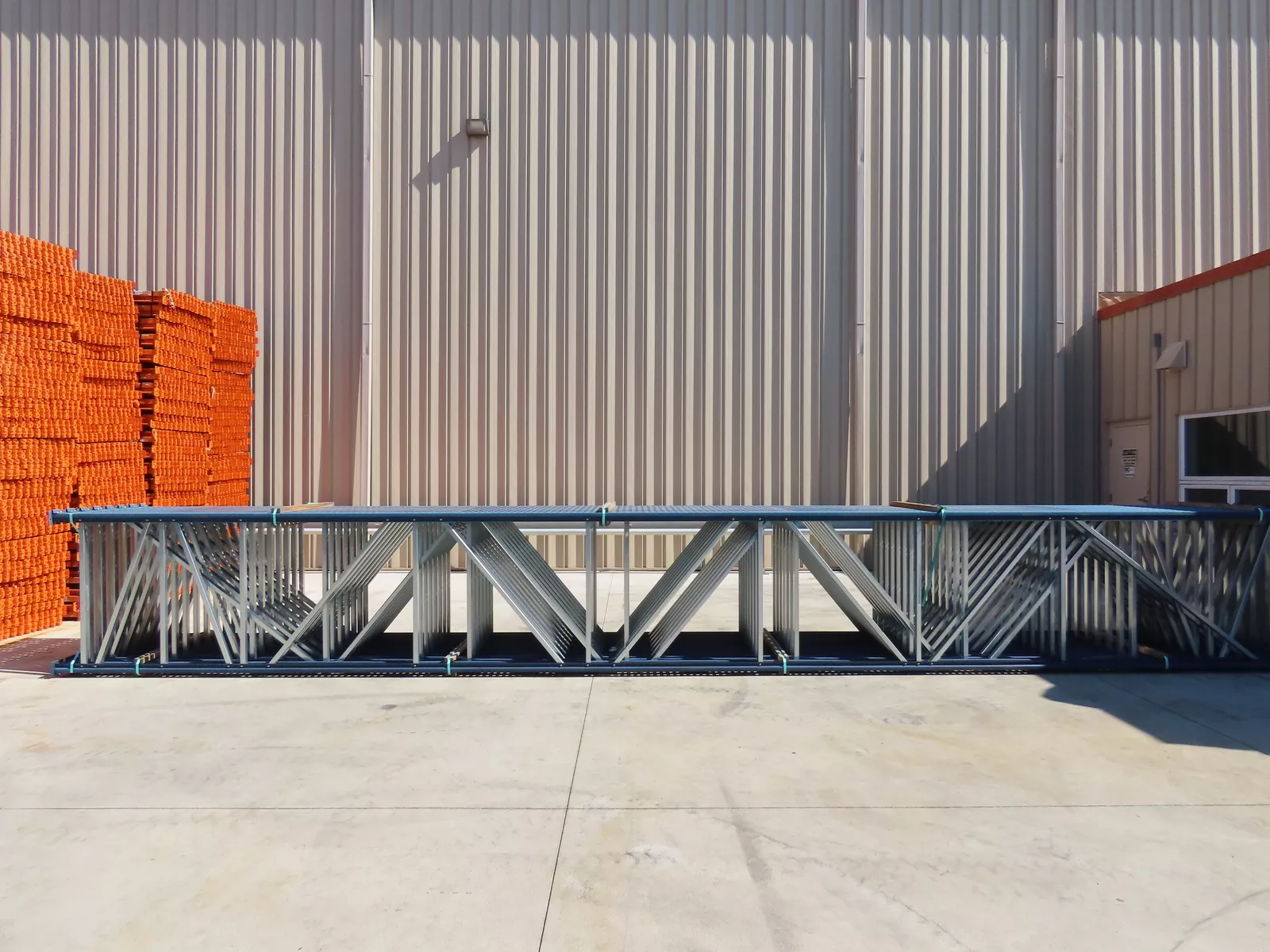
How Much Does Pallet Racking Cost?
How Much Does Pallet Racking Cost?
- Investment in pallet racking is crucial for optimizing warehouse space and impacting the bottom line.
- Costs for pallet racking systems vary significantly based on type, with selective racking starting at $100-$300 and advanced systems at $250-$500 or more per position.
- A retail giant’s investment in push-back racking for seasonal goods improved operational efficiency and reduced labor costs.
- Additional expenses include installation fees ($1,500-$5,000), ongoing maintenance, safety inspections, and potential retrofitting costs.
- Recent workplace safety legislation may require reinvestment in racking systems to avoid fines.
- E-commerce growth encourages businesses to invest in flexible, modular racking systems for adapting to changing inventory needs.
- The right pallet racking system can lead to substantial returns and a competitive advantage in a dynamic market.

How Much Does Pallet Racking Cost?
Table Of Contents
- How Much Does Pallet Racking Cost?
- What Factors Influence The Cost Of Pallet Racking?
- Are There Different Types Of Pallet Racking Systems?
- How Does The Size Of A Warehouse Affect Pallet Racking Cost?
- Can I Get A Custom Quote For Pallet Racking Installations?
- What Are The Installation Costs Associated With Pallet Racking?
- Do Pallet Rack Prices Vary By Manufacturer Or Brand?
- What Are The Maintenance Costs For Pallet Racking Systems?
- Are There Financing Options For Purchasing Pallet Racking?
- How Can I Determine The Right Pallet Racking For My Needs?
- What Is The Average Lifespan Of Pallet Racking?
- Are There Any Hidden Costs When Buying Pallet Racking?
- How Do I Compare Prices Of Different Pallet Racking Systems?
- What Is The Impact Of Local Regulations On Pallet Racking Costs?
- How Often Should Pallet Racking Be Inspected For Safety?
- Can Used Pallet Racking Save Me Money?
- What Are The Benefits Of Investing In High-Quality Pallet Racking?
- How Do Bulk Orders Affect The Price Of Pallet Racking?
- Are There Additional Costs For Accessories With Pallet Racking?
- What Should I Consider When Budgeting For Pallet Racking?
- Do Pallet Racking Prices Fluctuate With Market Demand?
- What Is The Return On Investment For Pallet Racking Purchases?
- Conclusion
- Other Resources
- Glossary Of Terms
- Other Questions
- Checklist
What Factors Influence The Cost Of Pallet Racking?
When it comes to investing in pallet racking, understanding the factors that influence pricing is essential for making an informed decision. Investing too much might squeeze your budget, while spending too little could compromise safety and efficiency. Several key variables contribute to the overall cost of pallet racking systems, and each warrants careful consideration.
1. Type of Racking System
The type of pallet racking you choose plays a significant role in determining costs. For instance, selective pallet racks, known for their versatility and ease of access, are typically more affordable than specialized systems like drive-in racks or push-back racks. If your warehouse handles a high volume of varied SKUs, the investment in a selective system may yield the best long-term return by improving accessibility and labor efficiency.
2. Material Quality
Don’t overlook the importance of material quality. Racking systems made from thinner or cheaper steel may initially seem budget-friendly, but they often compromise strength and longevity. Investing in higher-grade steel or durable coatings can push costs higher up front but will pay dividends in durability and maintenance over time. Just look at the recent trends: with supply chain disruptions influencing materials costs worldwide, opting for superior quality can prevent costly replacements down the line.
3. Customization and Design Complexity
Customization can significantly affect pallet racking pricing. If your warehouse has unique spatial constraints or specific requirements, the tailored design will come at a premium. For example, a highly complex installation requiring custom engineering might seem beneficial for maximizing space but can inflate your budget. The key is to strike a balance between customization and cost-effectiveness. Sometimes, a standard solution can meet your needs just as effectively.
4. Installation Expenses
Installation costs should not be overlooked in your budget. Hiring professionals for design and installation ensures safety and compliance with regulations but can add up quickly. Consider ways to mitigate these costs, such as opting for a supplier that provides comprehensive services, including installation. Knowing what to expect in terms of labor can save you from unpleasant surprises later on.
5. Compliance and Safety Standards
In today’s regulatory environment, compliance with safety standards affects pricing. Suppliers often must include costs associated with meeting OSHA regulations or local safety codes in their pricing. Additionally, investing in safety features, like rack protection systems, can add to upfront costs but is invaluable in safeguarding your workforce.
By considering these factors—type, material quality, customization, installation, and compliance—you can better evaluate your options and find a pallet racking solution that aligns with your financial and operational goals. Trust me, look beyond the price tag and focus on value; that’s where your warehouse truly finds its strength.
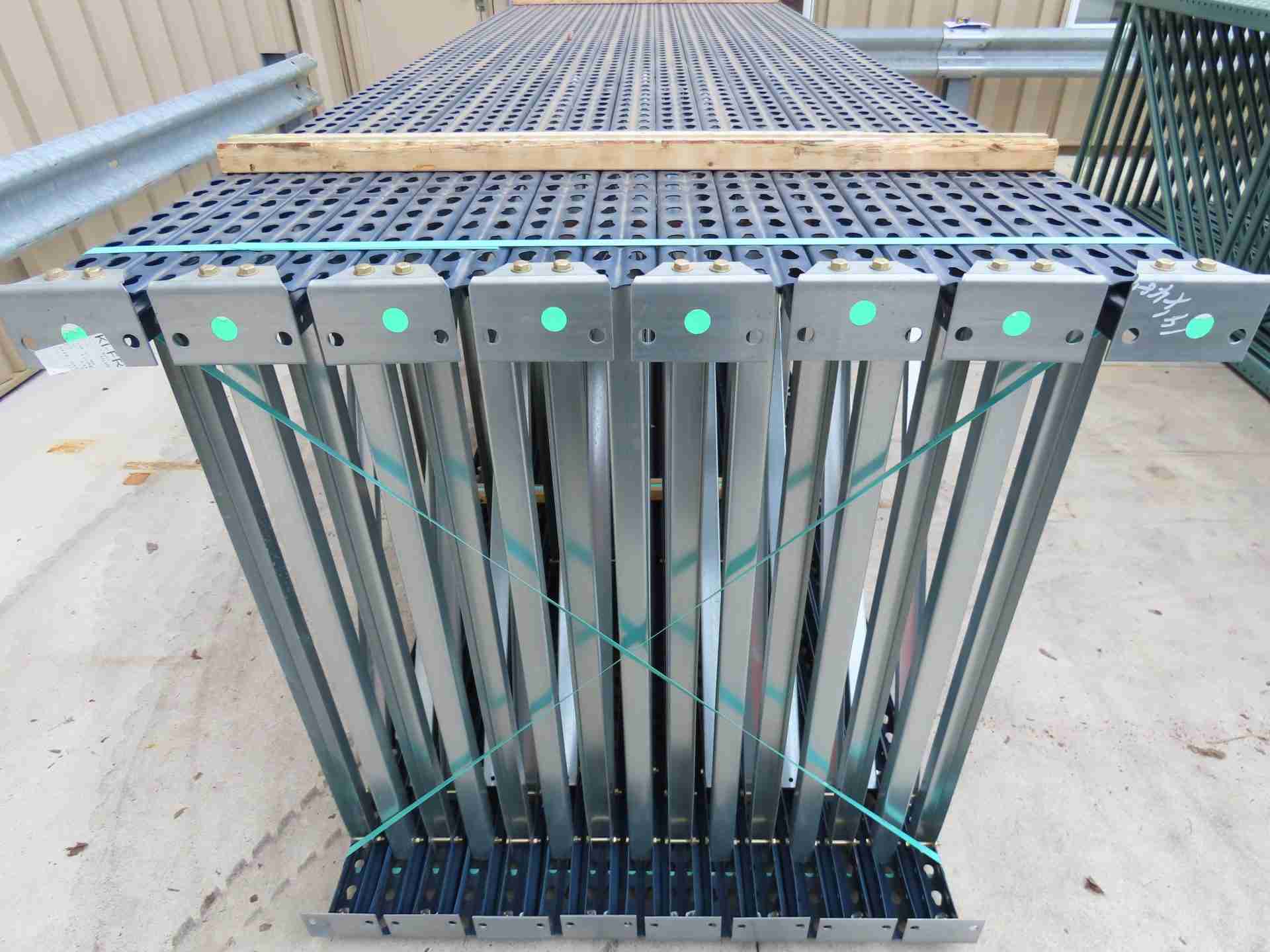
What Factors Influence The Cost Of Pallet Racking?
What Factors Influence The Cost Of Pallet Racking?
- Understanding pricing factors is essential for making informed pallet racking investments.
- The type of racking system influences costs; selective racks are typically more affordable than specialized systems.
- Material quality is critical; investing in higher-grade steel enhances durability and minimizes long-term expenses.
- Customization and design complexity can significantly impact pricing; standard solutions may often be more cost-effective.
- Installation expenses should be factored into your budget, as professional services ensure safety and compliance.
- Compliance with safety standards adds costs but is crucial for workforce protection and regulatory adherence.
- Evaluating factors like type, material, customization, installation, and compliance helps identify value-driven solutions.
What Factors Influence The Cost Of Pallet Racking?
Are There Different Types Of Pallet Racking Systems?
Are There Different Types of Pallet Racking Systems?
In the bustling world of supply chain logistics and warehouse management, the question isn’t just whether you need a pallet racking system—it’s which type will boost your efficiency, enhance your workflow, and ultimately drive your bottom line. With the surge in e-commerce and heightened demand for streamlined operations, the right pallet racking solution can be the game-changer your business needs. Let’s dive into the various types of pallet racking systems available today.
1. Selective Pallet Racking
This is the most common form, known for its versatility and easy access to each pallet. Selective racking systems allow you to store a variety of products using a straightforward design that requires minimal handling equipment. Retail giants like Amazon have perfected their operations by using selective racking, ensuring rapid retrieval of goods—a vital practice in today’s fast-paced market.
2. Drive-In and Drive-Through Racking
If you’re in a business with high-density storage needs, drive-in racks may be the perfect solution. They enable forklifts to drive directly into the rack, making them ideal for businesses with a large number of similar products. Conversely, drive-through systems allow access from both sides, maximizing space. Companies operating in the food and beverage sector, where products must rotate quickly, often utilize these options.
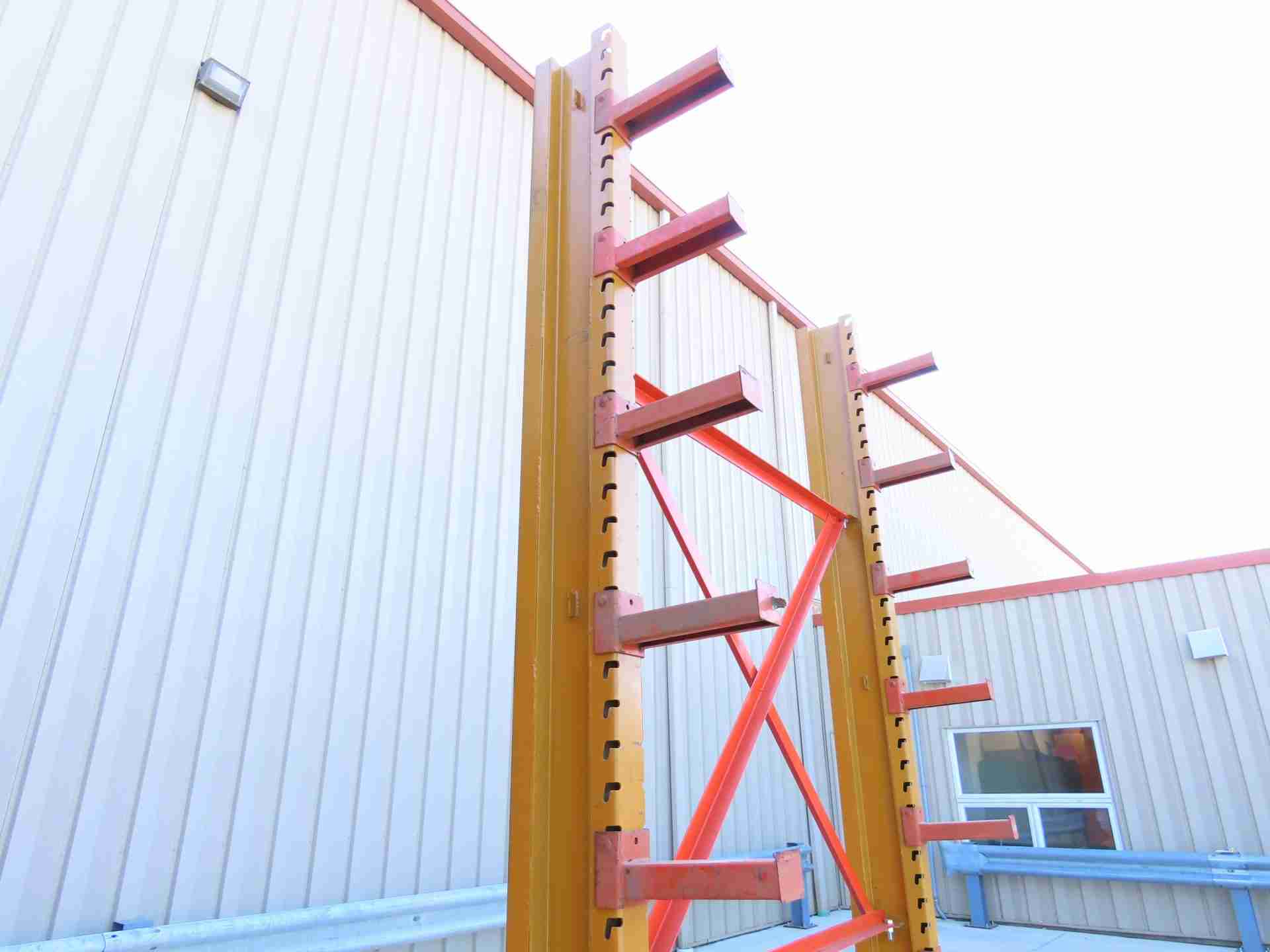
3. Cantilever Racking
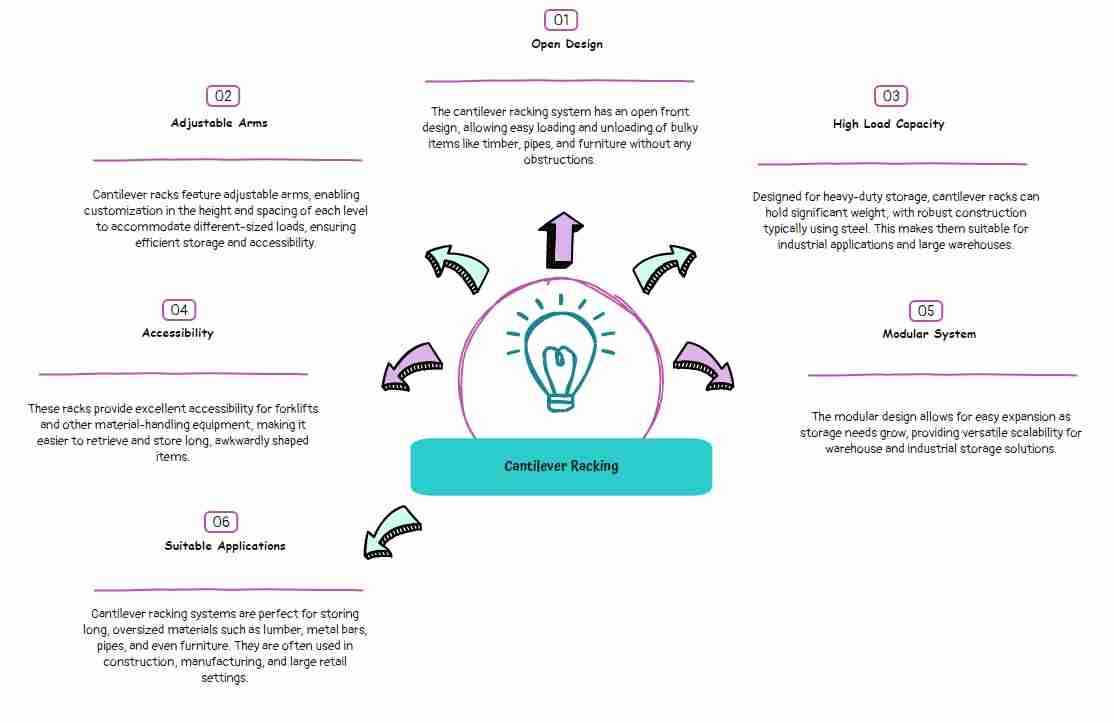
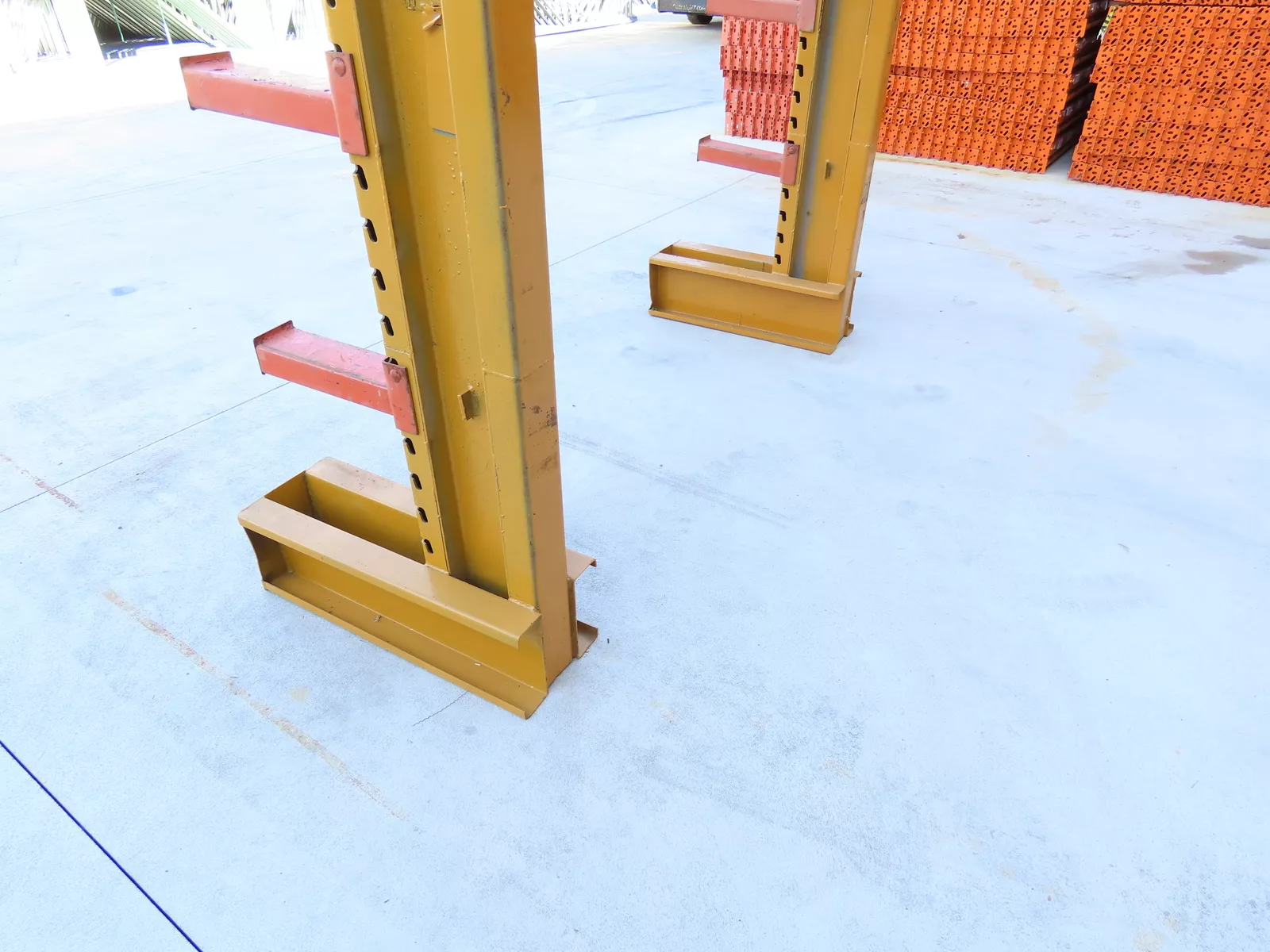
For businesses storing oversized items like timber, pipes, or furniture, cantilever racking is a must-have. These systems consist of arms protruding from a central column, allowing for easy storage and effortless retrieval of bulky materials. Think of construction suppliers who rely on this efficient design to manage their extensive inventory.
4. Double Deep Racking
This system doubles the storage capacity of selective racking, offering greater efficiency without compromising accessibility. It requires specialized equipment for retrieval but is a powerful solution for businesses with a rotating inventory. Automotive parts suppliers are increasingly adopting this system to balance capacity and accessibility.
5. Push Back Racking
Similar to a roller coaster, this system uses a series of inclined rails to move pallets backward on demand. Push-back racking is ideal for businesses that handle a moderate variety of goods and want to maximize deeper storage without losing access speed. Many distributors in the healthcare industry rely on this innovative system to maintain inventory flow amidst fluctuating demand.
In a climate characterized by ever-changing consumer behaviors and supply chain challenges, knowing the distinctions and benefits of each pallet racking system ensures you select the right one for your warehouse. Invest astutely; the right system isn’t just part of your operation—it’s a catalyst for growth.
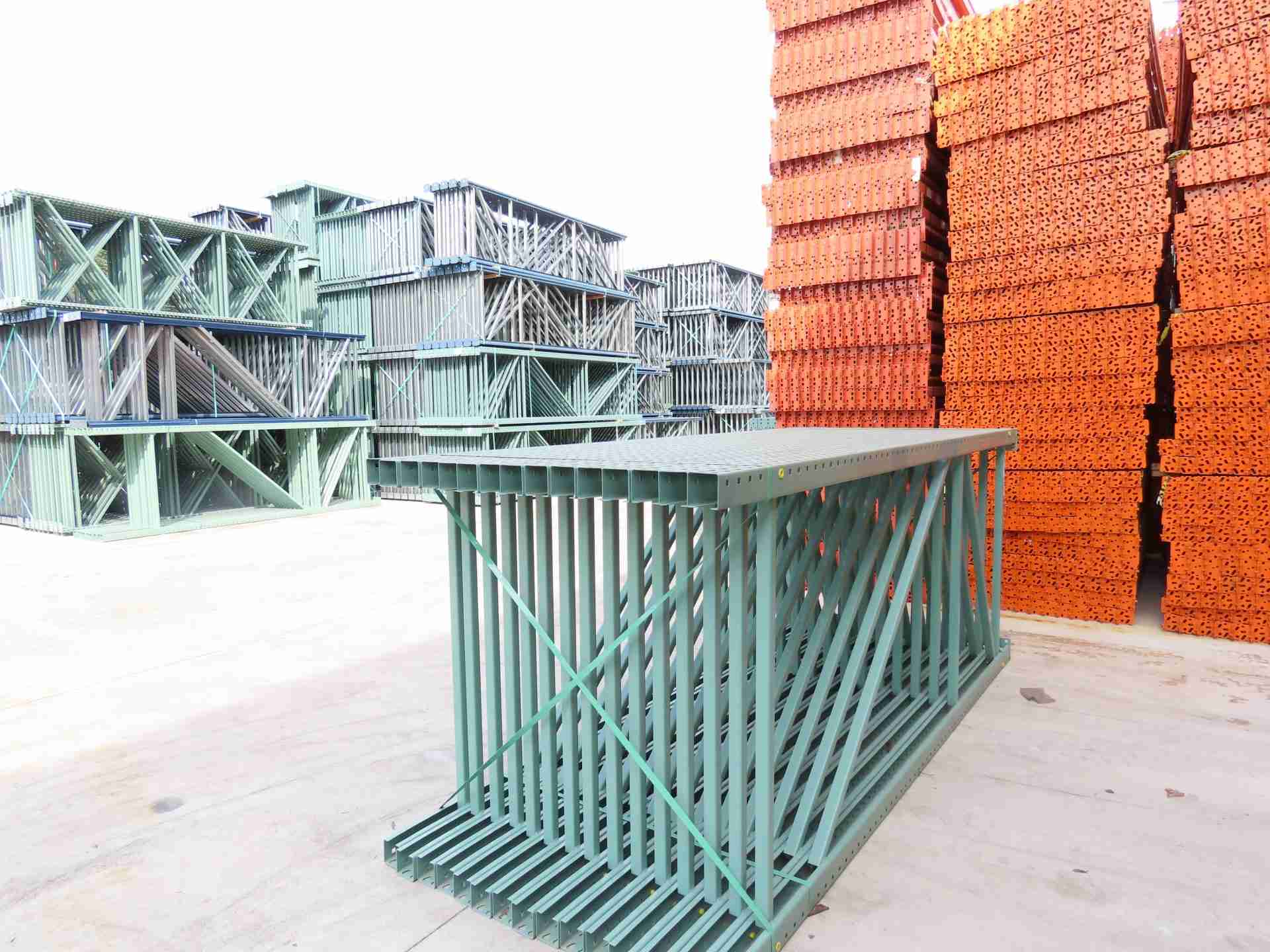
Are There Different Types Of Pallet Racking Systems?
Are There Different Types Of Pallet Racking Systems?
- Understanding the right type of pallet racking system is crucial for boosting efficiency and enhancing workflow in warehouse management.
- Selective Pallet Racking is the most common type, known for versatility and easy access, widely used by retailers like Amazon.
- Drive-In and Drive-Through Racking are suitable for high-density storage, allowing forklifts to access products efficiently.
- Cantilever Racking is designed for oversized items, making it ideal for industries like construction that handle bulky materials.
- Double Deep Racking enhances storage capacity while maintaining accessibility, often utilized by automotive parts suppliers.
- Push Back Racking employs inclined rails to facilitate deeper storage without compromising retrieval speed, popular in the healthcare sector.
- Choosing the appropriate pallet racking system is essential for navigating modern consumer behaviors and supply chain challenges.
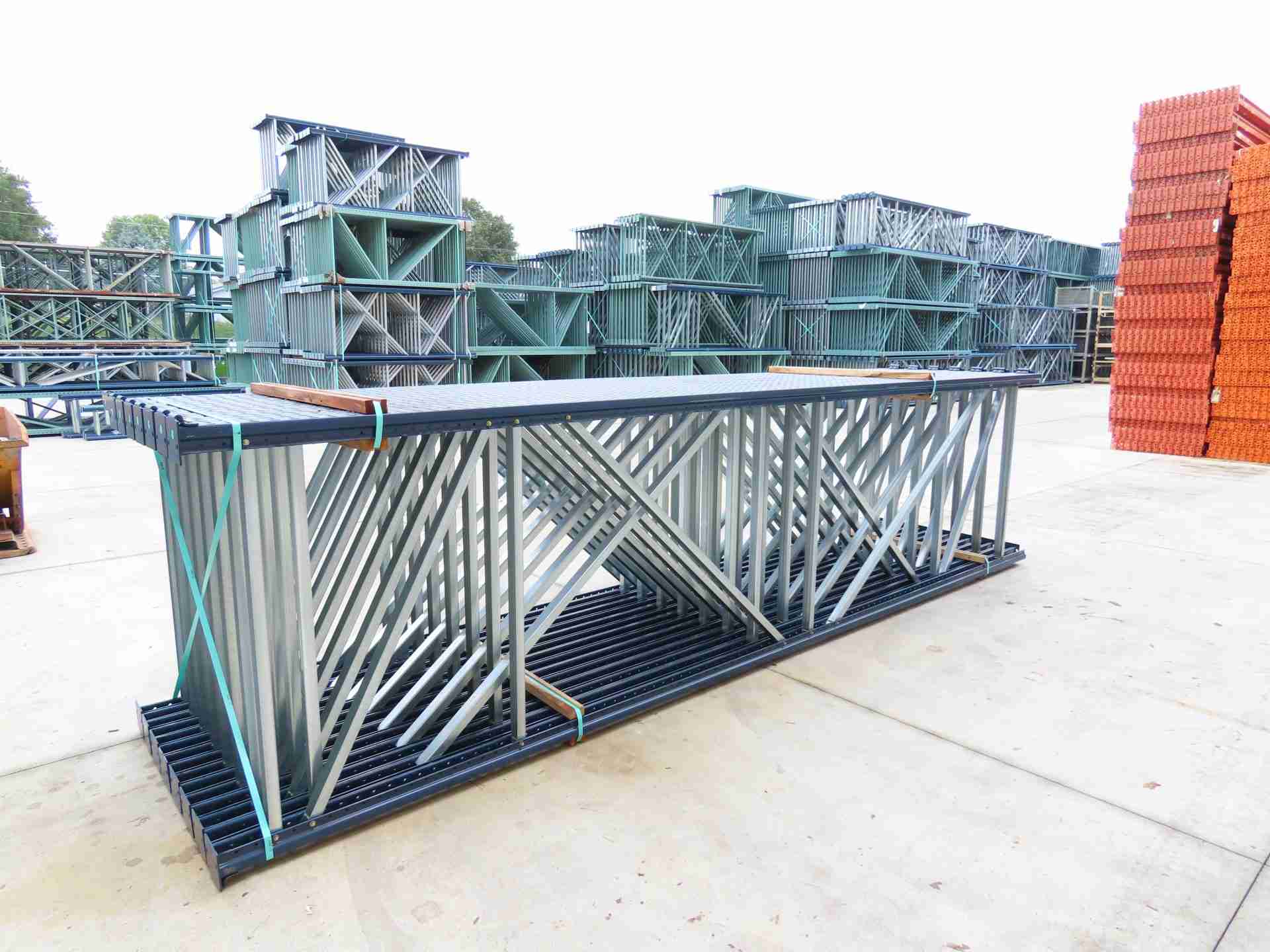
Are There Different Types Of Pallet Racking Systems?
How Does The Size Of A Warehouse Affect Pallet Racking Cost?
When it comes to optimizing storage in a warehouse, the size of the space significantly influences the cost of pallet racking systems. Understanding this relationship can empower business owners to make informed decisions that not only enhance efficiency but also protect their profits.
First, let’s consider the simple fact: larger warehouses require more racking. This means more materials, more labor, and ultimately, higher upfront costs. For example, a small warehouse of around 5,000 square feet might only need a few rows of standard pallet racks, potentially costing around $10,000 to $15,000. In contrast, a sprawling distribution center at 100,000 square feet can incur costs well into six figures, easily reaching $100,000 to $150,000 or more. The sheer volume of products needing storage amplifies the requirement for robust racking systems, leading to a steep hike in expenses.
However, cost is only part of the equation. Larger warehouses typically benefit from economies of scale. This means that while each unit of racking may be more expensive due to the overall size, the cost per square foot can decrease. For instance, bulk purchasing may allow you to negotiate discounts with suppliers. When a facility orders several hundred racks at once, the price per unit often drops significantly, providing a strategic advantage to larger operations.
Additionally, the layout of the warehouse matters immensely. Innovations in racking systems allow for maximum vertical use of space—something essential for larger facilities. Consider drive-in racking systems. While their initial setup costs can be higher, their ability to utilize vertical space effectively reduces the footprint needed for storage. This leads to lower overall costs in square footage and enhanced efficiency.
Current trends in e-commerce have heightened the urgency for warehouses to optimize every inch. As online shopping skyrockets, companies with larger warehouses are reallocating space for distribution efficiency. The COVID-19 pandemic taught us that flexibility in storage is key. Facilities must adapt to rapidly changing inventory needs, and the right racking system can make all the difference.
In summary, while the size of a warehouse undeniably impacts the upfront costs for pallet racking, it can also offer avenues for savings through economies of scale and innovative design choices. Wise decision-making in this area can drive your operational success, reduce overhead, and ultimately lead to substantial profits in today’s highly competitive market landscape. The size of your warehouse is not just a number; it’s a crucial pillar in calculating costs and driving efficiency.
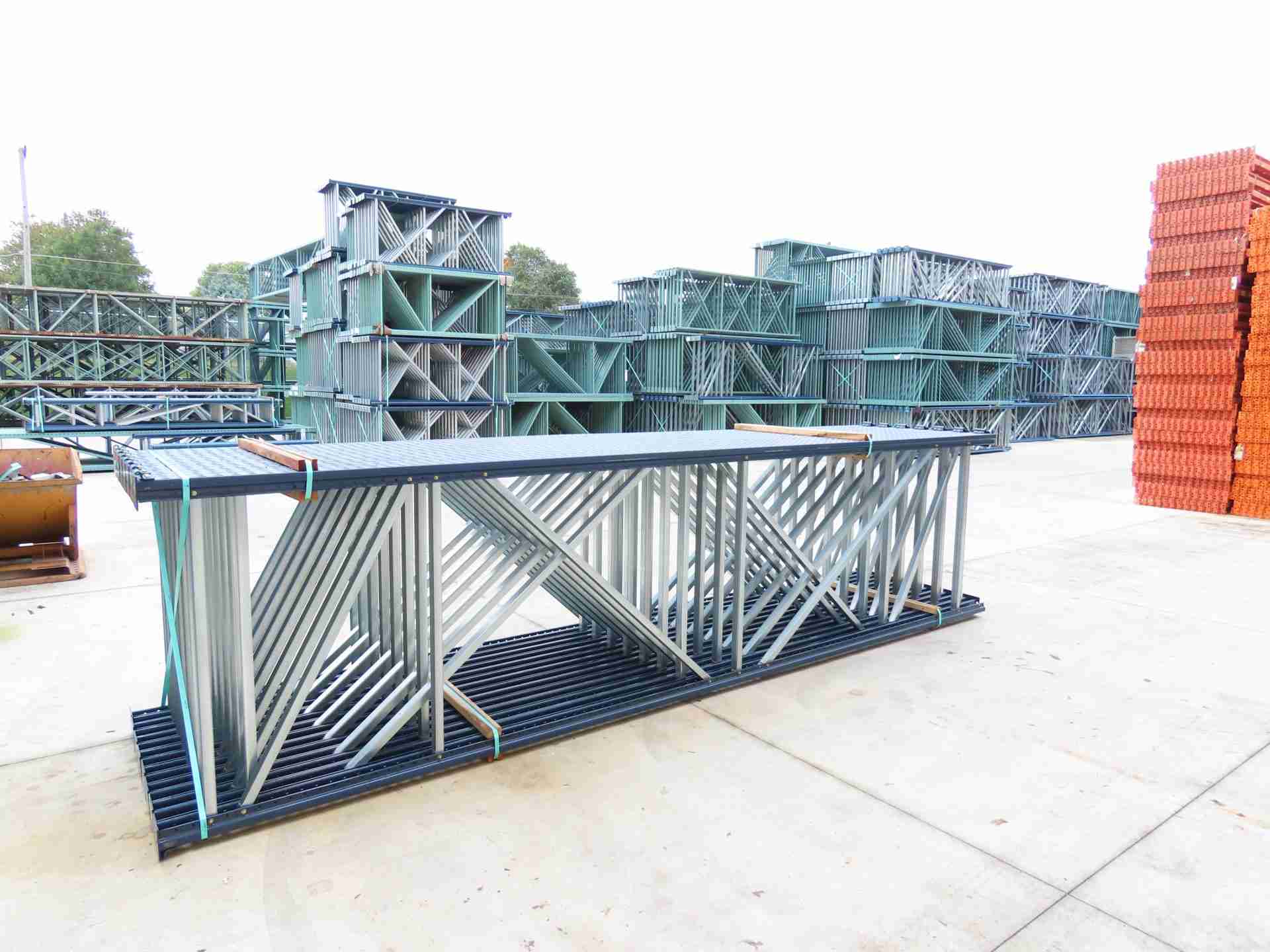
How Does The Size Of A Warehouse Affect Pallet Racking Cost?
How Does The Size Of A Warehouse Affect Pallet Racking Cost?
- The size of a warehouse greatly influences the cost of pallet racking systems.
- Larger warehouses require more racking, which increases upfront costs significantly (e.g., $10,000-$15,000 for 5,000 sq. ft. vs. $100,000-$150,000 for 100,000 sq. ft.).
- Economies of scale can lower the cost per square foot for larger warehouses despite higher initial investment.
- Bulk purchasing of racking can lead to substantial discounts and cost advantages.
- Innovative racking designs, like drive-in systems, enhance vertical space utilization and can reduce storage costs.
- The rise of e-commerce necessitates optimizing warehouse space for greater distribution efficiency.
- Strategic decisions regarding warehouse size and racking systems can lead to operational success and increased profits.
How Does The Size Of A Warehouse Affect Pallet Racking Cost?
Can I Get A Custom Quote For Pallet Racking Installations?
When it comes to pallet racking installations, every business has unique needs, and that’s precisely why customized quotes are not just a service—they’re a necessity. Just as no two businesses are identical, the requirements for storage systems will vary based on the size, layout, and specific operational demands of your warehouse or fulfillment center.
Imagine you operate a bustling e-commerce business experiencing rapid growth, much like those seen across the logistics sector in the wake of the pandemic. Your current racking system may have worked well when you had only a handful of SKUs, but with an ever-expanding product line and increasing order volumes, those modest racks just won’t cut it anymore. Thus, seeking a custom quote allows you to tailor a solution that evolves alongside your business.
At the heart of receiving a custom quote is the consultation process. A reputable pallet racking installation provider will engage with you to understand your storage volume, types of products, anticipated growth, and industry-specific requirements. For instance, if your warehouse needs to comply with stringent health and safety regulations, these considerations will be factored into your quote, ensuring that every aspect upholds the standards required by your sector.
Furthermore, consider the current supply chain challenges impacting many industries. As manufacturers face delays in material availability, a provider who offers a customized quote will not only account for the racking system itself but also navigate these complexities on your behalf. By getting a tailored quote, you can lock in pricing and timelines, safeguarding your investment against market volatility.
Now, think about installations that allow for dynamic growth—perhaps adjustable systems that can be reconfigured as your inventory needs change. A good quote will reflect options for flexibility, allowing you to pivot without incurring significant additional costs.
In essence, pursuing a custom quote for your pallet racking installation isn’t merely about costs; it’s about crafting a solution that enhances efficiency and supports future growth. As anyone who has tapped into the logistics successes seen recently can attest, investing in the right infrastructure today can yield significant dividends tomorrow. So, don’t settle for generic solutions—demand quotations that ask the right questions, propose tailored solutions, and prepare your business for sustainable success. Seek out a partner who understands the landscape and will deliver exactly what your operation needs.

Can I Get A Custom Quote For Pallet Racking Installations?
Can I Get A Custom Quote For Pallet Racking Installations?
- Customized quotes for pallet racking installations are essential for addressing unique business needs.
- Business storage requirements vary based on factors like size, layout, and operational demands.
- The consultation process is crucial for tailoring solutions to specific storage volumes and compliance needs.
- Providers offering customized quotes can help navigate supply chain challenges and secure pricing amidst material delays.
- Flexible installation options allow for adjustments as inventory needs evolve, minimizing additional costs.
- Investing in tailored solutions enhances efficiency and supports future growth in a rapidly changing market.
- It’s important to work with a knowledgeable partner who can provide the right solutions for sustainable success.
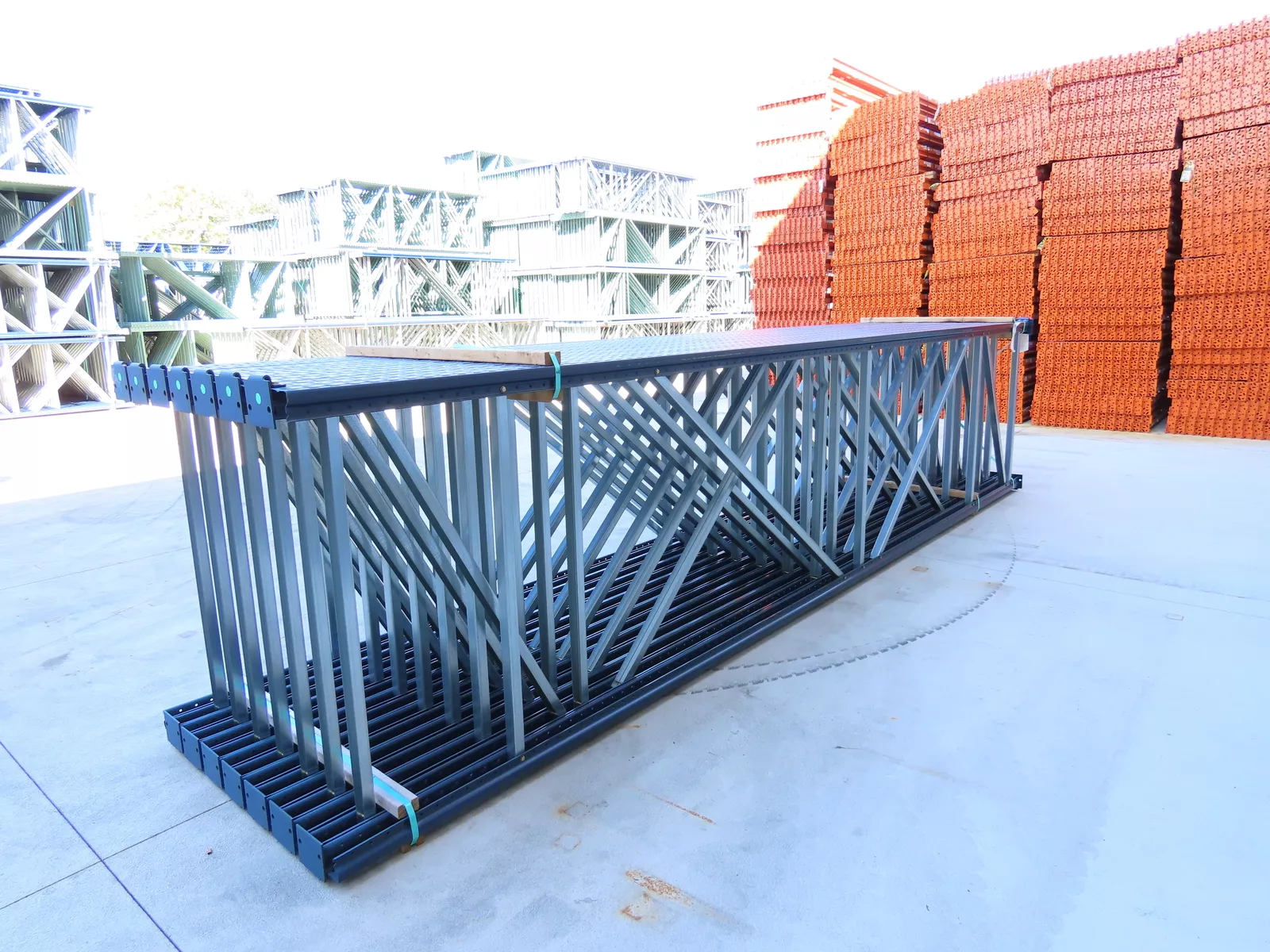
Can I Get A Custom Quote For Pallet Racking Installations?
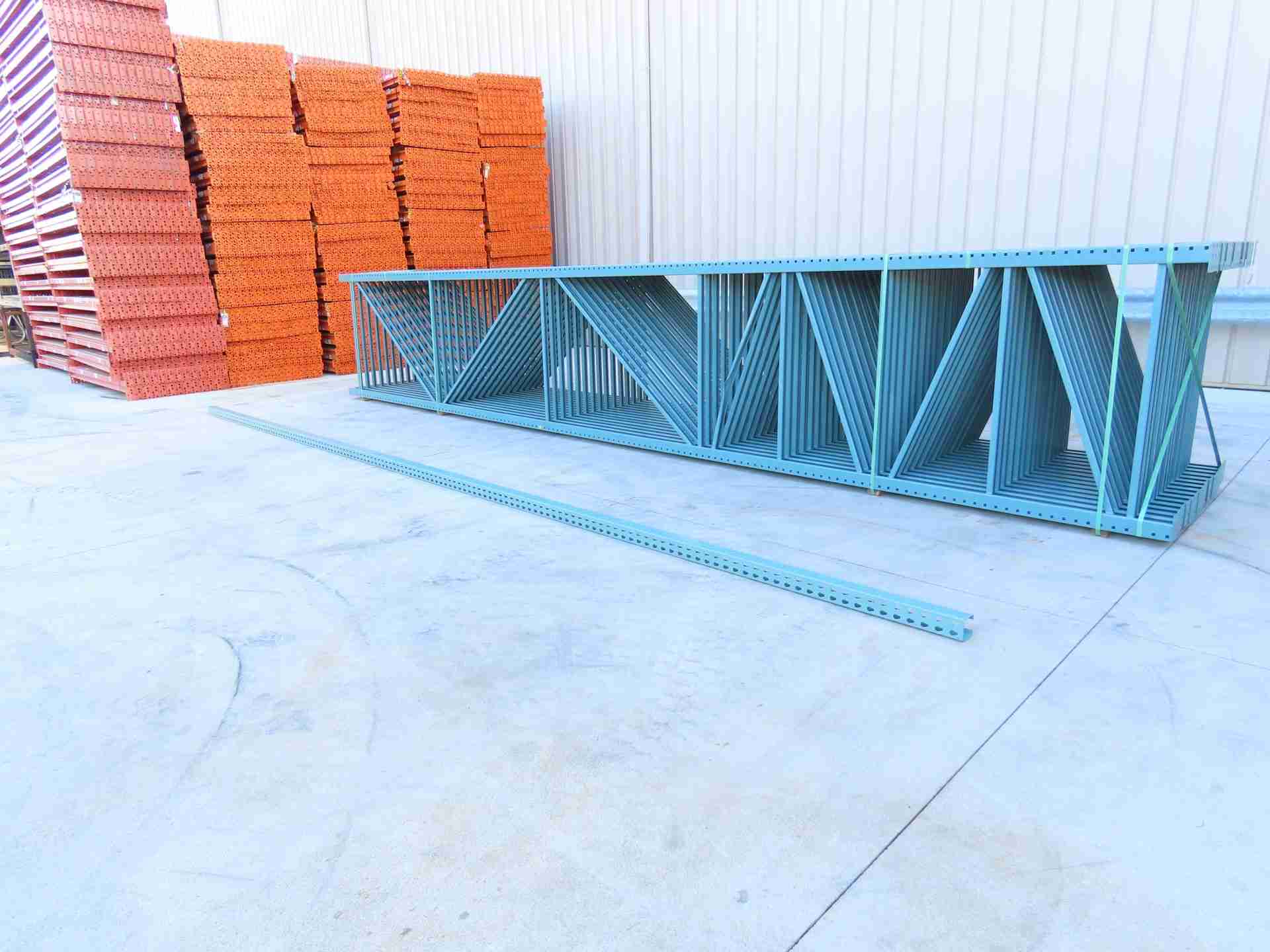
What Are The Installation Costs Associated With Pallet Racking?
When it comes to optimizing warehouse efficiency, investing in pallet racking systems is a game-changer. However, before you dive headfirst into your upgrading plans, it’s crucial to understand the installation costs involved. These costs are more than just a line item on your budget; they are an investment into the productivity and future of your business.
First, consider the initial outlay for the racking itself, which can range anywhere from $3,000 to $10,000 or more, depending on the type and scale of the system you choose. Traditional selective racking is cost-effective for many but may limit space utilization, whereas drive-in racks or push-back systems can significantly enhance density. With companies like Tesla ramping up their production lines in numerous factories worldwide, efficient use of space has never been more critical. Investing in the right racking can help you keep pace with ever-increasing demands.
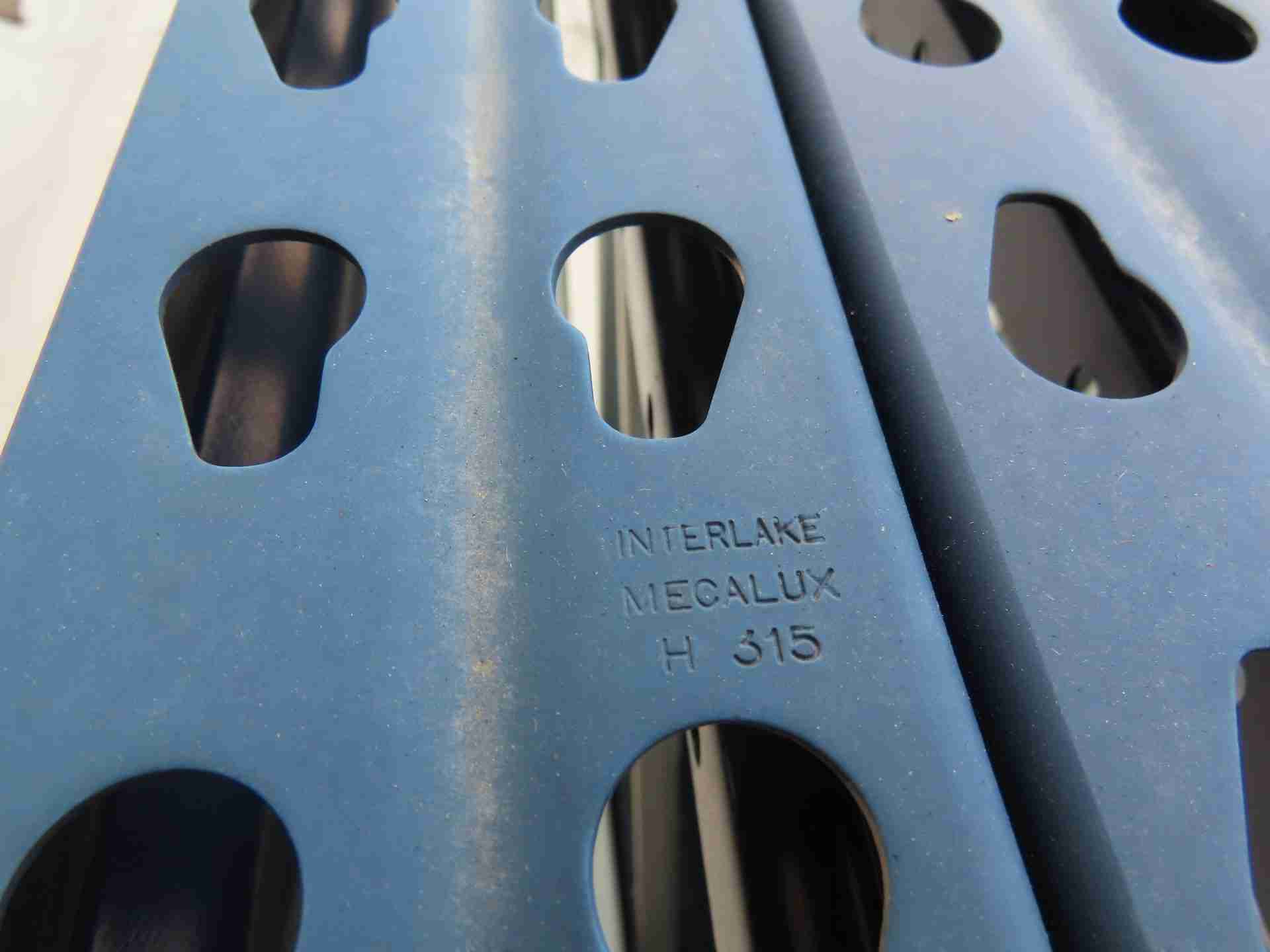
But don’t just stop at the racking units. Installation costs come into play as well. Hiring a professional installation crew may add $1,000 to $5,000 to the overall project, depending on the complexity of the system and the size of your facility. Don’t forget the importance of a quality installation. Poorly assembled racking can lead to costly accidents, product loss, and an unsafe working environment. Just last year, numerous warehouse accidents were reported due to improperly installed systems—prioritize safety to avoid becoming another statistic.
Local building codes and zoning regulations can also affect installation costs. If your warehouse needs modifications or enhancements for compliance, the costs can soar. Plan for potential fees related to permits and inspections which can easily add another $500 to $2,000 to your budget. With the current focus on building safety standards, it’s essential to ensure compliance from the get-go.
Last, but certainly not least, consider ongoing maintenance costs. Though often overshadowed by initial expenses, a proactive maintenance strategy will help prolong the life of your pallet racking. Allocate funds yearly for inspections and repairs, potentially budgeting an additional $200 to $1,500, depending on your system’s condition and usage.
While the installation of pallet racking involves several upfront costs, visualizing these expenses as stepping stones towards higher revenue and operational efficiency is key. Proper planning and investment in quality systems and installation can position your business for success in a competitive landscape. As we navigate a post-pandemic economy, ensuring your warehouse is prepared to meet growing demands will be worth every penny spent.
What Are The Installation Costs Associated With Pallet Racking?
What Are The Installation Costs Associated With Pallet Racking?
- Investing in pallet racking systems significantly enhances warehouse efficiency.
- Initial costs for racking systems range from $3,000 to $10,000 or more, influenced by type and scale.
- Traditional selective racking is cost-effective but may limit space utilization compared to drive-in or push-back systems.
- Professional installation can add $1,000 to $5,000 to the total project cost, highlighting the importance of quality installation for safety.
- Local building codes, zoning regulations, and necessary modifications can increase installation costs by $500 to $2,000.
- Ongoing maintenance costs, ranging from $200 to $1,500 annually, are crucial for prolonging the life of the racking system.
- Strategic planning and investment in quality systems can lead to higher revenue and operational efficiency in a competitive landscape.
What Are The Installation Costs Associated With Pallet Racking?
Do Pallet Rack Prices Vary By Manufacturer Or Brand?
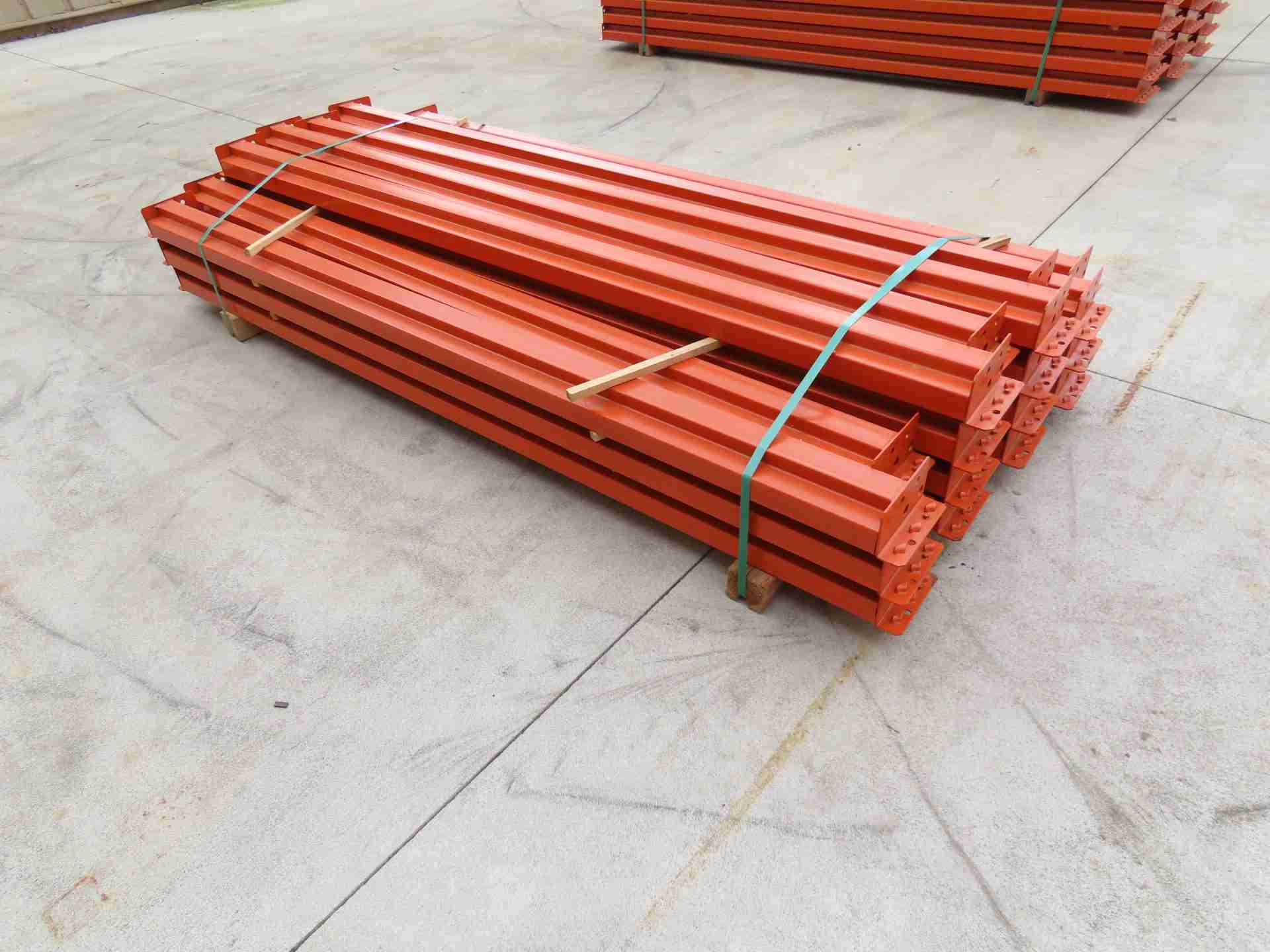
When it comes to outfitting your warehouse or distribution center with pallet racks, understanding the nuances of pricing is crucial for making an educated decision. One of the most significant factors driving variations in pallet rack prices is the manufacturer or brand behind the product. Quality, reputation, and service are not merely incidental—they directly impact what you’ll pay and the value you receive.
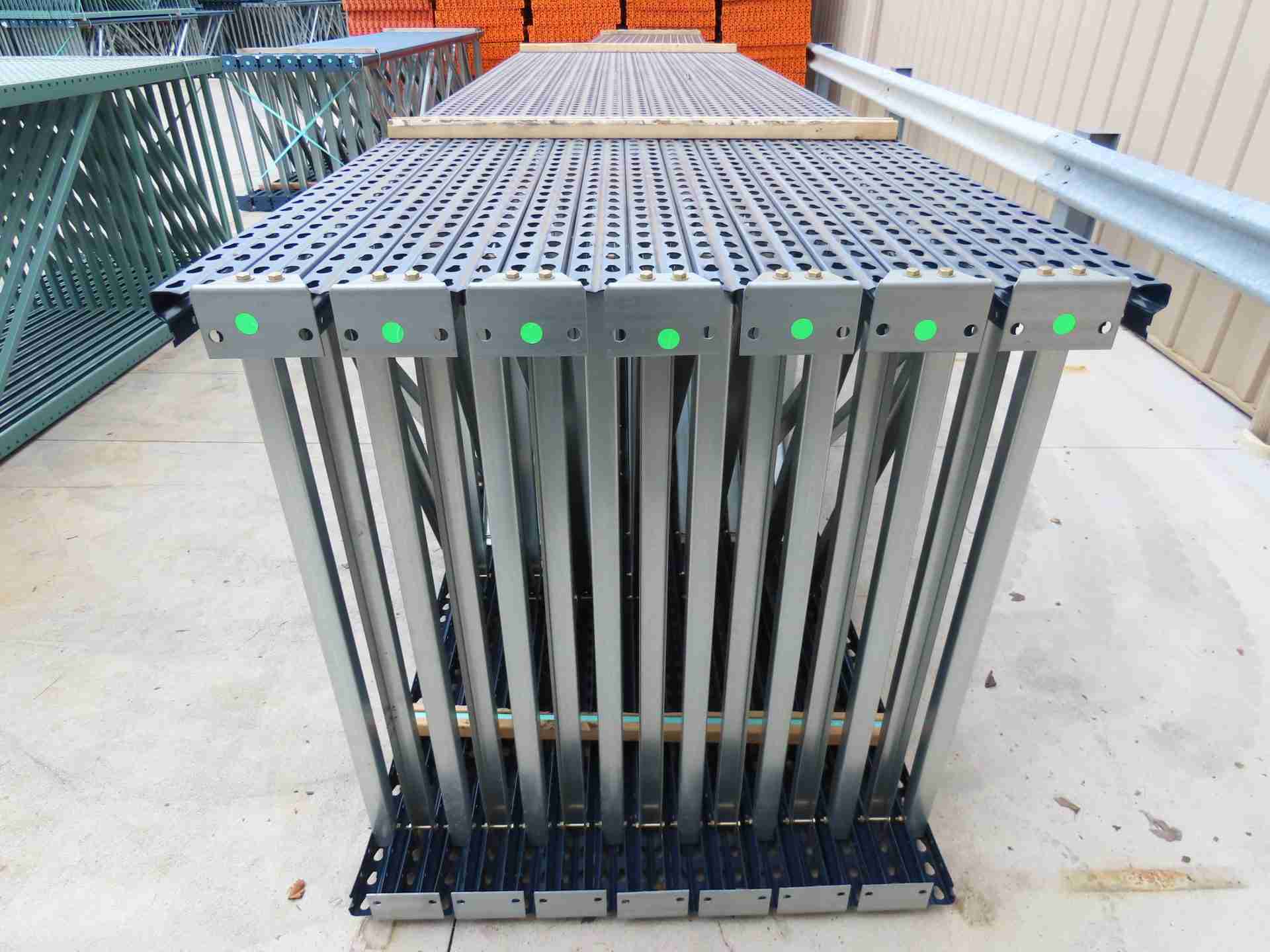
Let’s break this down. Well-established brands such as Steel King, Interlake, or Mecalux often command higher prices compared to lesser-known competitors. Why? Simply put, these brands denote quality and dependability. When you invest in a reputable brand, you’re not just buying a series of metal frames; you’re investing in peace of mind. Their racks typically undergo rigorous testing and comply with industry standards, meaning you avoid costly downtime or safety violations down the line.
For instance, consider the surge in e-commerce driven by pandemic-induced shifts in consumer behavior. Warehouses are under pressure to perform efficiently, making high-quality rack systems essential to maximize space. Suppliers that have invested in technology and customer support—like heavy-duty and adjustable pallet racks—often provide better long-term returns despite a higher upfront cost.
However, don’t overlook the appeal of emerging brands that offer innovative solutions at competitive rates. Companies like AK Material Handling Systems have entered the marketplace with promises of affordable customized solutions. While the price may be tempting, it’s essential to vet these brands for performance, reviews, and industry-specific needs.
Current events can further complicate pricing dynamics. Import tariffs on Chinese-manufactured materials, for example, have inflated costs across the board for some brands, meaning you might pay more for a system that was once budget-friendly. The fluctuating prices of steel and raw materials can also show up in your final bill. Research indicates that these costs will continue to shift, making it paramount for businesses to stay informed and flexible in their procurement strategies.
Ultimately, while price is a critical factor, quality, safety ratings, and brand reputation should weigh heavily in your decision-making process. When purchasing pallet racks, consider it an investment in your operation’s future—after all, a well-organized warehouse isn’t just about storing goods; it’s about increasing efficiency and maximizing profits. Choose wisely, and remember: in the world of racks, you often get what you pay for.
Do Pallet Rack Prices Vary By Manufacturer Or Brand?
Do Pallet Rack Prices Vary By Manufacturer Or Brand?
- Understanding pricing nuances is crucial for outfitting warehouses with pallet racks.
- Manufacturer or brand significantly impacts pallet rack prices due to quality and reputation.
- Established brands (e.g., Steel King, Interlake, Mecalux) typically command higher prices due to their reliability.
- Investment in reputable brands offers peace of mind, ensuring compliance with industry standards.
- Emerging brands like AK Material Handling Systems provide competitive solutions but should be vetted for performance.
- Current events, such as import tariffs and fluctuating material prices, affect overall costs of pallet racks.
- Prioritize quality, safety ratings, and brand reputation in decision-making; consider pallet racks an investment in efficiency and profits.
Do Pallet Rack Prices Vary By Manufacturer Or Brand?
What Are The Maintenance Costs For Pallet Racking Systems?
When it comes to running a warehouse, understanding the hidden costs associated with pallet racking systems is crucial for effective budgeting and long-term operational efficiency. Maintenance costs can easily be overshadowed by the initial investment in racking, yet overlooking them can lead to costly repercussions down the line.
First and foremost, regular inspections are essential. Just as you wouldn’t ignore a check-up for your vehicle, your pallet racking systems deserve the same level of attention. Regulatory bodies, such as the Occupational Safety and Health Administration (OSHA), mandate routine inspections to prevent accidents and injuries. On average, businesses may spend anywhere from $200 to $500 per inspection, depending on the size and complexity of the system. These inspections help uncover issues before they escalate, potentially saving thousands in liability claims and downtime.
Then there’s the ever-present concern of wear and tear. As the backbone of your inventory management, racking systems endure daily pressures—from heavy loads to the occasional forklift mishap. Studies show that damaged racking not only poses safety hazards but can dramatically affect inventory accuracy and retrieval efficiency. Budgeting for repairs or replacements is a wise investment. A single upright replacement could run between $150 to $350. But don’t wait for a catastrophe to occur; proactive maintenance can mitigate these costs significantly.
Current supply chain challenges can further impact your maintenance budget. With delays and shortages becoming commonplace, sourcing replacement parts might mean premium prices or extended lead times. It’s essential to keep an inventory of spare parts on hand to maintain operational flow without incurring unplanned expenses. Investing in quality components from reputable suppliers might seem like an upfront expenditure, but the long-term savings from durability should never be underestimated.
Lastly, workforce training is an often-ignored maintenance cost. Employees must be educated about safe handling procedures and equipment usage to prevent damage—a single incident could represent a hefty chunk of your maintenance budget. Consider investing in comprehensive training programs; while the costs may vary, a well-trained workforce minimizes risk and maximizes operational efficiency.
In summary, maintaining your pallet racking systems isn’t merely about surviving the here-and-now; it’s about positioning your warehouse for success. By cognizantly addressing inspection costs, repair budgets, supply chain impacts, and employee training, you lay a solid foundation for a healthier bottom line. After all, if you aren’t proactively managing maintenance, you’re inviting chaos, inefficiency, and, ultimately, higher costs. Invest wisely, and watch your business thrive.

What Are The Maintenance Costs For Pallet Racking Systems?
What Are The Maintenance Costs For Pallet Racking Systems?
- Understanding hidden costs of pallet racking systems is crucial for budgeting and operational efficiency.
- Regular inspections, mandated by OSHA, cost $200 to $500 and help prevent accidents and liability claims.
- Wear and tear lead to safety hazards and affect inventory accuracy; budgeting for repairs or replacements is essential.
- Costs for racking repairs can range from $150 to $350 for a single upright replacement.
- Supply chain challenges may raise costs for replacement parts, making it vital to keep spare parts on hand.
- Investing in workforce training on handling procedures can minimize damage and reduce maintenance costs.
- Proactive maintenance fosters long-term savings and operational success in warehouse management.
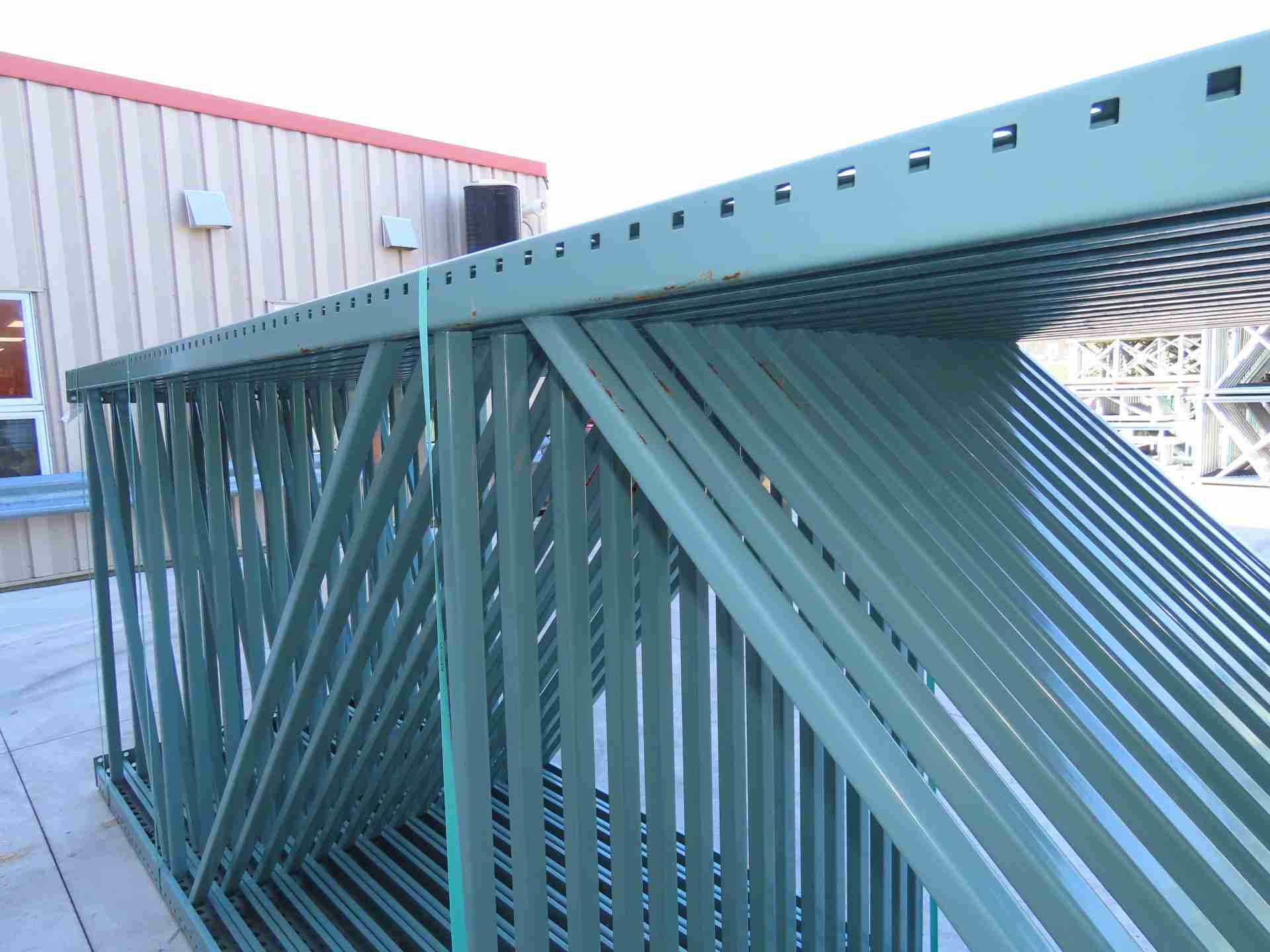
What Are The Maintenance Costs For Pallet Racking Systems?
Are There Financing Options For Purchasing Pallet Racking?
In today’s fast-paced business environment, the quest for efficiency often leads to one crucial investment: pallet racking systems. Yet, while the need is clear, the upfront cost can be a considerable hurdle for many businesses. Fortunately, savvy business owners have access to a variety of financing options designed to make this vital investment more approachable.
1. Equipment Financing: One of the most straightforward routes for acquiring pallet racking is through dedicated equipment financing. Institutions and specialized lenders understand the necessity of such investments and often provide funding specifically tailored for equipment purchases. For example, leading financial services companies offer loans with competitive interest rates and flexible repayment terms. This option allows you to pay for your new racking system over time, preserving your capital for other operational needs.
2. Leasing Options: If outright purchasing seems daunting, leasing can offer an attractive alternative. This option allows businesses to use pallet racking without the heavy initial financial commitment. Leasing terms can be structured to provide access to the latest gear without tying up funds in a depreciating asset. Monthly payments can often be lower than those of a traditional loan, making cash flow management easier.
3. Lines of Credit: For businesses in need of quick and flexible access to funds, establishing a business line of credit is worth considering. It offers a safety net for unexpected expenses, letting you tap into funds as needed—not just for pallet racking but also for other critical equipment. Companies are finding that this flexibility is essential in today’s unpredictable market environment, especially when considering disruptions caused by global supply chain issues.
4. Government Grants and Support: In light of the economic fluctuations exacerbated by recent events, local and federal government programs have emerged to support businesses. Some grants and low-interest loan programs are specifically aimed at enhancing efficiency and productivity. Researching your options could yield hidden gems that allow you to upgrade your racking solutions without burdening your finances.
5. Vendor Financing Programs: Many pallet racking suppliers offer financing programs directly. These can simplify the purchasing process by bundling payment arrangements with your equipment purchase. Some retailers may even run promotional financing days where interest rates are reduced, particularly following trade shows or seasonal sales.
Investing in pallet racking doesn’t have to break the bank. By leveraging these financing options, businesses can secure the storage solutions they need to optimize operations while maintaining healthy cash flows. Whether you choose to lease, finance, or explore government assistance, the right strategy can elevate your company’s warehousing capabilities without the financial strain.
Are There Financing Options For Purchasing Pallet Racking?
Are There Financing Options For Purchasing Pallet Racking?
- Pallet racking systems are essential for efficiency in today’s business environment.
- Upfront costs can be a hurdle, but various financing options exist.
- Equipment financing offers tailored loans with competitive interest rates and flexible repayment terms.
- Leasing options allow businesses to access pallet racking without a significant initial investment.
- Lines of credit provide quick, flexible access to funds for pallet racking and other equipment needs.
- Government grants and low-interest loans are available to enhance efficiency and productivity.
- Vendor financing programs can simplify the purchasing process and offer promotional interest rates.
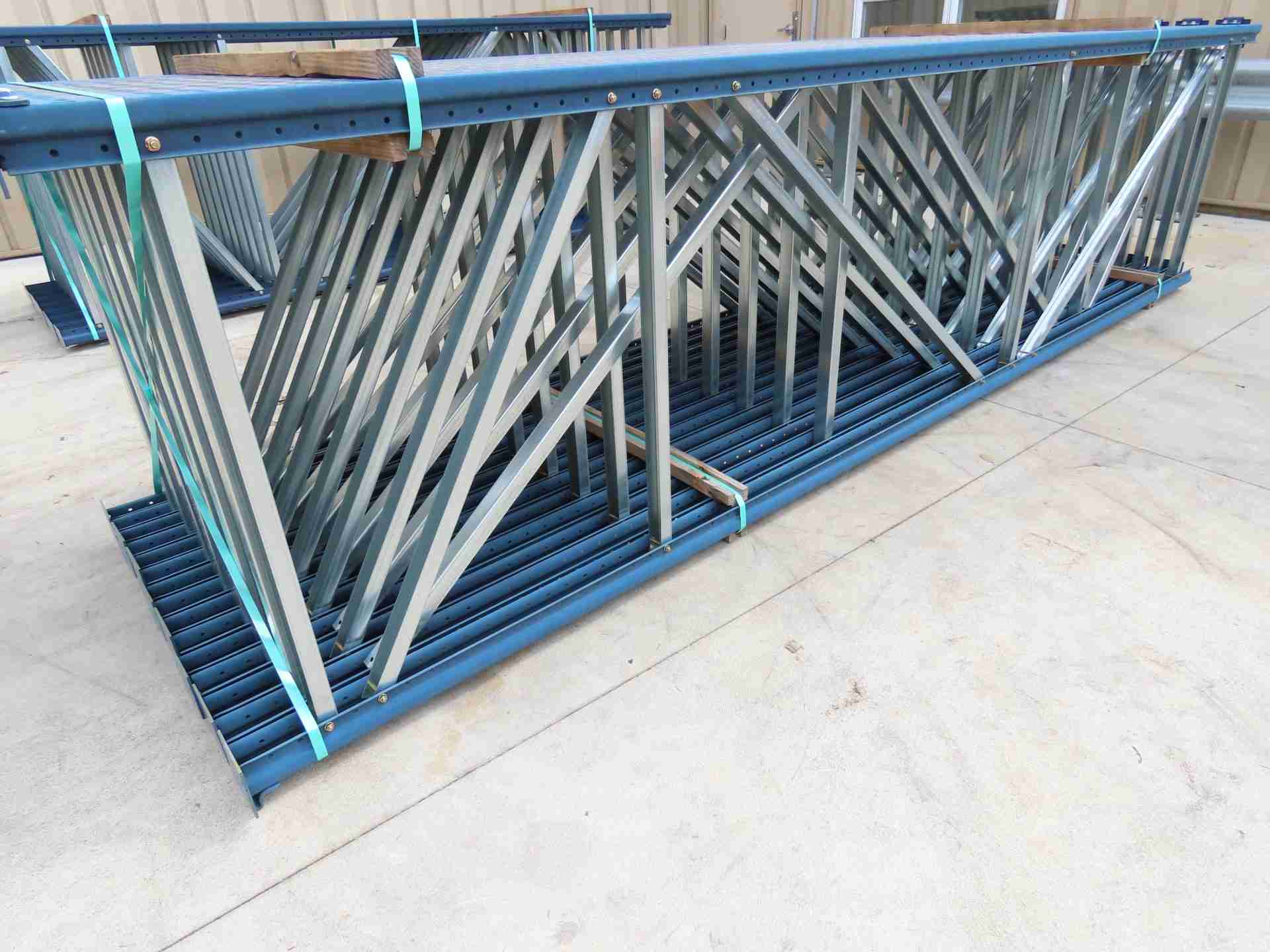
Are There Financing Options For Purchasing Pallet Racking?
How Can I Determine The Right Pallet Racking For My Needs?
When it comes to optimizing your warehouse operations, selecting the appropriate pallet racking is as crucial as choosing the right product lines. It’s not merely about stacking goods; it’s about enhancing efficiency, maximizing storage space, and ultimately, boosting your bottom line. So how do you find the right pallet racking system that caters to your specific needs?
First, assess your inventory. What types of products are you storing? For instance, if you’re handling various sizes and shapes, consider selective racking. This versatile system allows easy access to each pallet, making it ideal for businesses with diverse inventory that often rotates, like eCommerce retailers adapting to the demand shifts seen during the pandemic. On the other hand, if you maintain a high volume of similar items, a drive-in or drive-through racking system can save space and improve retrieval times, making it perfect for warehouse clubs and large retailers.
Next, think about your available space. Is your warehouse limited in vertical capacity? If so, high-density options such as pallet flow racks may suit your needs. These systems utilize gravity to move pallets into and out of storage, allowing for increased storage density without sacrificing accessibility. Companies like Amazon, known for their cutting-edge warehousing strategies, are utilizing such systems to streamline operations and maintain efficient stock levels, a move heightened by the unprecedented increase in online shopping.
Consider future growth as well. What works today may not hold up to the demands of tomorrow. If you anticipate expansion, modular or adjustable racking systems offer the flexibility to adapt to changing inventory levels and product lines, enabling forward-thinking businesses to stay one step ahead.
It’s also vital to integrate technology into your selection process. With the rise of smart warehousing, consider racks that resonate with your inventory management systems. Automated racking solutions can offer real-time data, helping you make more informed decisions about stock levels and order processing.
Lastly, don’t forget to evaluate safety and compliance. Investing in quality racking systems that meet industry regulations can prevent costly accidents and downtime. Look for systems with certifications that demonstrate durability and safety, ultimately saving you money and protecting your workforce.
Determining the right pallet racking for your needs isn’t just a logistical decision; it’s a strategic business choice. As trends evolve and market conditions shift, a keen understanding of your operational requirements will pave the way for efficient and profitable warehouse management. Choose wisely, invest strategically, and watch your operations flourish.
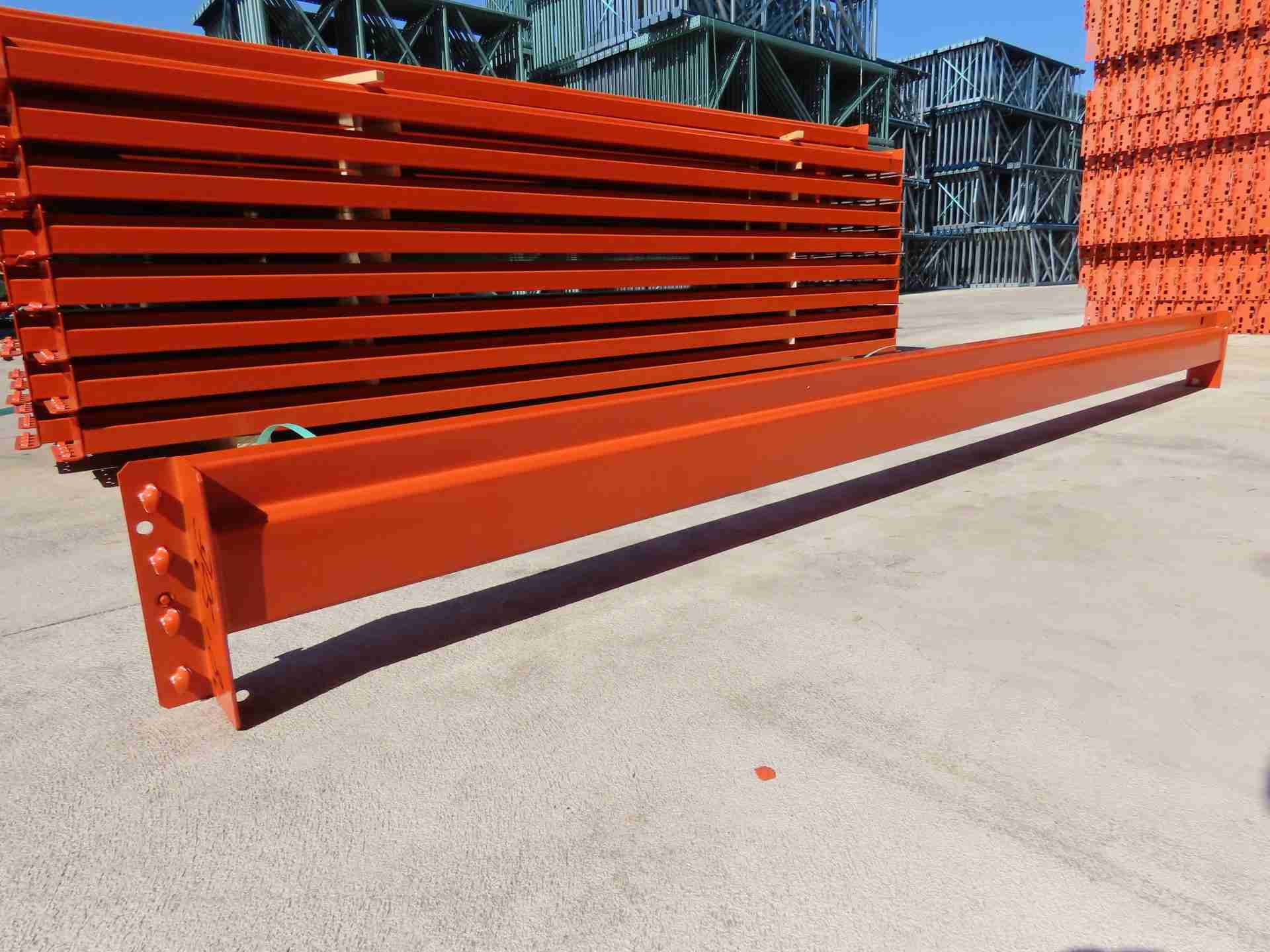
How Can I Determine The Right Pallet Racking For My Needs?
How Can I Determine The Right Pallet Racking For My Needs?
- Selecting appropriate pallet racking is essential for enhancing efficiency and maximizing storage space in warehouse operations.
- Assess your inventory types; consider selective racking for diverse products and drive-in racking for high volumes of similar items.
- Evaluate your warehouse space; high-density pallet flow racks can increase storage without compromising accessibility.
- Plan for future growth by opting for modular or adjustable racking systems that adapt to changing inventory levels.
- Integrate technology in your racking selection, considering automated solutions that provide real-time data for better decision-making.
- Ensure safety and compliance by investing in quality racking systems that adhere to industry regulations, preventing accidents and downtime.
- Understanding operational requirements is crucial for making strategic decisions that lead to efficient and profitable warehouse management.
How Can I Determine The Right Pallet Racking For My Needs?
What Is The Average Lifespan Of Pallet Racking?
In the ever-evolving landscape of warehousing and logistics, one question lingers in the minds of operations managers and facility owners: What is the average lifespan of pallet racking? Understanding this pivotal aspect is not just a matter of inventory management, but a key factor influencing operational efficiency, safety, and long-term cost-effectiveness.
Pallet racking systems are designed to endure significant stress, and typically, you can expect a well-maintained system to last anywhere from 10 to 20 years. However, that range can fluctuate based on multiple factors.
Quality of Materials: The durability largely depends on the quality of the materials used in the racking’s construction. Heavy-duty steel racks manufactured to comply with stringent safety standards naturally have a longer lifespan than cheaper, lower-quality alternatives that may present immediate savings but don’t stand the test of time.
Maintenance Practices: Regular maintenance plays a colossal role in prolonging the lifespan of pallet racking. Facilities that incorporate routine inspections and maintenance can often extend the life of their systems by several years. For instance, a warehouse performing quarterly checks may identify hazards such as minor dents, unstable loads, or corrosion, addressing issues before they escalate into major safety concerns or costly failures.
Utilization and Environment: The conditions of the environment in which the racking is installed also impact longevity. Racks exposed to high humidity or extreme temperatures will degrade faster than those housed in climate-controlled warehouses. Likewise, high-traffic areas with frequent loading and unloading cycles place added stress on racking systems; therefore, logistics managers need to anticipate these factors to safeguard their investments.
Recent Trends: The current drive towards sustainability in inventory management also plays a role in decision-making. Companies are increasingly opting for recyclable materials in their racking systems, which may slightly alter lifespan expectations but create positive ripple effects in eco-friendliness and brand reputation.
Real-World Examples: Take the case of a major retail distribution center that recently upgraded its pallet racking: by investing in robust steel systems and adopting rigorous inspection schedules, they not only extended their lifespan by at least five years but also improved overall operational efficiency, reducing product damage by more than 30%.
While a general lifespan of 10 to 20 years serves as a useful benchmark, the actual longevity of pallet racking systems hinges on crucial factors such as material quality, maintenance effort, environmental conditions, and adherence to current industry trends. Understanding these elements is key to maximizing return on investment and ensuring your operations run smoothly for years to come. Remember—an informed decision today paves the way for a more efficient and cost-effective tomorrow.
What Is The Average Lifespan Of Pallet Racking?
What Is The Average Lifespan Of Pallet Racking?
- The average lifespan of pallet racking systems typically ranges from 10 to 20 years.
- Durability depends on the quality of materials; higher-quality steel racks offer longer lifespans than cheaper alternatives.
- Regular maintenance and inspections can extend the lifespan by several years, identifying hazards early.
- Environmental conditions, such as humidity and temperature, as well as traffic levels, impact the longevity of racking systems.
- Current trends favor sustainable materials, which may slightly alter lifespan expectations while enhancing eco-friendliness and brand reputation.
- Real-world examples show that investment in high-quality systems and maintenance can significantly increase operational efficiency and reduce product damage.
- Understanding factors affecting pallet racking longevity is essential for maximizing ROI and ensuring smooth operations.
What Is The Average Lifespan Of Pallet Racking?
Are There Any Hidden Costs When Buying Pallet Racking?
When considering the purchase of pallet racking systems for your warehouse or retail space, it’s easy to get caught up in the upfront costs—those shiny price tags that promise to streamline your operations and optimize your space. However, savvy business owners know that the real story often lies beneath the surface. Hidden costs associated with pallet racking can creep up on you, potentially eating into your bottom line.
Let’s talk about installation. You might be enticed by a seemingly low price on your racking system, but installation isn’t always included. Engaging a third-party logistics provider or contractor to set everything up can add anywhere from 10% to 30% to your initial investment. For instance, if you purchase a $10,000 system, you may end up shelling out an additional $3,000 for professional installation. And let’s not forget about the necessity of ensuring compliance with local safety regulations—a failure to obtain proper permits can lead to fines that could dwarf your initial savings.
Next, consider the ongoing maintenance costs. Pallet racking may appear robust when first assembled, but wear and tear are inevitable. If you aren’t budgeting for regular inspections, repairs, or modifications, you run the risk of facing costly downtime if structural issues arise. For example, as of late 2022, supply chain disruptions have made sourcing replacement parts, like beams or uprights, challenging. Businesses that procrastinated on maintenance found themselves not only paying more but also experiencing delays that impacted order fulfillment.
Another hidden cost is associated with configuration. Many businesses overlook the implications of a poorly planned racking layout. Investing time in optimizing your warehouse flow can yield significant savings—but if you skip this crucial step, you might find yourself stuck with a system that doesn’t maximize your space. The recent trend toward e-commerce fulfillment has emphasized the importance of strategic layout; warehouses that fail to adapt may struggle to keep pace with demand.
Finally, let’s address insurance. With safety regulations tightening—especially following high-profile warehouse accidents—your insurance premiums could increase if your racking doesn’t meet current standards. You could find yourself paying significantly more each year just to mitigate risk, and that’s money that could be better spent elsewhere.
When it comes to pallet racking, don’t just look at the price tag. Take a holistic view of the total cost of ownership. Upfront savings can quickly dissipate when you factor in installation, maintenance, configuration, and insurance. By planning ahead and being aware of potential pitfalls, you can unlock genuine savings and ensure your investment pays off in the long run.
Are There Any Hidden Costs When Buying Pallet Racking?
Are There Any Hidden Costs When Buying Pallet Racking?
- Upfront costs of pallet racking systems can be misleading; hidden costs often impact the overall investment.
- Installation may not be included in the initial price; additional costs for third-party services can add 10% to 30% to the total expense.
- Compliance with local safety regulations is essential; failure to obtain permits can result in significant fines.
- Ongoing maintenance costs should be budgeted to avoid costly downtimes caused by neglecting repairs or inspections.
- Poorly planned racking layouts can lead to inefficiencies; strategic configurations can maximize warehouse space and enhance operations.
- Insurance premiums may increase if pallet racking does not meet current safety standards, leading to additional annual costs.
- Consider the total cost of ownership rather than just the initial purchase price to ensure a profitable investment.
Are There Any Hidden Costs When Buying Pallet Racking?
How Do I Compare Prices Of Different Pallet Racking Systems?
When it comes to optimizing your warehouse efficiency, investing in an effective pallet racking system is essential. However, with a multitude of options available, understanding how to compare their prices effectively can save you not just money, but valuable time and resources. Let’s explore actionable strategies that empower you to make informed decisions and maximize your investment.
# 1. Understand the Types of Racking Systems
First, familiarize yourself with the different pallet racking systems on the market. The most popular include selective racking, drive-in racking, and push-back racking. For instance, if you operate a high-volume warehouse, selective racking might be your go-to, allowing for easy access but potentially higher costs. In contrast, drive-in systems, while providing higher density storage, can sometimes save you in operational costs over time. Know the pros and cons of each to match your operational needs with the right solution.
# 2. Get Multiple Quotes
Don’t settle for the first price tag you see. Approach several suppliers and ask for detailed quotes that break down not just the initial costs but also installation fees, maintenance, and warranty options. As an example, you may find that a local supplier offers a low upfront cost but charges significantly more for shipping and installation. This transparency will allow you to see past the sticker price and understand the true cost of your investment over time.
# 3. Consider Total Cost of Ownership
Price comparison goes beyond mere upfront costs. Factor in the total cost of ownership (TCO), which includes installation, maintenance, and potential downtime. For instance, a recent report notes that supply chain disruptions have surged, leading many businesses to rethink their storage strategies. A robust racking system that requires less maintenance and higher durability may incur a higher price but could ultimately deliver savings through reduced operational disruptions.
# 4. Evaluate Quality vs. Price
Not all pallet racking systems are created equal. Cheaper systems may use lower-grade materials, leading to higher maintenance costs or safety risks. Take, for instance, a facility that invested in a budget racking system only to face stringent safety audits later, leading to costly upgrades. Align yourself with reputable manufacturers known for their quality and durability. It might mean spending a bit more upfront, but it will pay off by minimizing risks and ensuring longevity.
# 5. Utilize Online Resources and Reviews
In today’s digital age, leverage online platforms to read reviews and gather insights from industry experts. Websites that specialize in warehouse equipment often provide comparative reviews and user experiences that illuminate pricing trends and set benchmarks for quality. Look out for recent case studies or articles that highlight the latest innovations in racking systems, as they can provide pertinent information to inform your choices.
Effective price comparison of pallet racking systems is achieved through diligent research, consideration of TCO, and aligning your specific needs with quality solutions. The goal is not just to find the lowest price but to invest wisely in a system that enhances your operational efficiency and safety for years to come.
How Do I Compare Prices Of Different Pallet Racking Systems?
How Do I Compare Prices Of Different Pallet Racking Systems?
- Invest in an effective pallet racking system to optimize warehouse efficiency.
- Familiarize yourself with different types of racking systems (selective, drive-in, push-back) to match operational needs.
- Get multiple quotes that detail initial costs, installation fees, maintenance, and warranties.
- Consider the total cost of ownership (TCO), including installation, maintenance, and potential downtime.
- Evaluate the quality of racking systems, as cheaper options can lead to higher maintenance costs and safety risks.
- Utilize online resources and reviews to gather insights on pricing trends and user experiences.
- Aim for a balanced investment that enhances operational efficiency and safety over time.
How Do I Compare Prices Of Different Pallet Racking Systems?
What Is The Impact Of Local Regulations On Pallet Racking Costs?
Navigating the intricate web of local regulations can significantly influence the costs associated with pallet racking systems. As businesses seek to optimize their storage solutions, understanding how these regulations operate is essential for budgeting and strategy.
The Compliance Burden
Every jurisdiction has its set of building codes, safety regulations, and zoning laws that can directly affect the installation and maintenance of pallet racking systems. For instance, if your warehouse is located in an area where seismic activity is a concern, you will likely be required to invest in additional safety measures to meet earthquake-proof standards. These expenses could significantly inflate initial costs. According to a survey conducted by the Material Handling Institute, compliance-related changes can add up to 20% to the overall project costs.
Permitting Processes
The permitting process is another avenue where costs can accrue. Obtaining the necessary permits for pallet racking installations can be tedious, involving fees and possibly even extensive redesigns to meet local codes. For example, cities like San Francisco have stringent planning requirements, and failing to account for these can lead to hefty fines or forced alterations, impacting both time and budget.
Case Studies and Current Events
Consider a recent development in Austin, Texas, where local legislation has tightened regulations on warehouse safety, resulting from several accidents in poorly regulated facilities. As owners scramble to upgrade their racking systems to comply with new mandates, the financial implication is profound. The average cost for compliant racking can range anywhere from 15% to 30% more than traditional systems, crippling budgets that are already tight due to supply chain pressures.
Moreover, as sustainability becomes a hotter topic, regulations surrounding eco-friendly warehouse practices are emerging. For example, installation of energy-efficient lighting along with compliant racking can inflate initial costs, despite the long-term savings on energy.
Navigating Challenges with Expert Guidance
However, not all is doom and gloom. Businesses can turn these apparent obstacles into opportunities. By leveraging the expertise of local consultants who specialize in regulatory compliance and warehouse optimization, companies can gain a clearer understanding of essential regulations, minimize costs, and even expedite the process. After all, being proactive rather than reactive is key in a landscape marked by constant change.
In summary, the impact of local regulations on pallet racking costs should not be underestimated. Companies that take the time to understand, plan, and comply with these regulations will not only save money over the long run but also position themselves as responsible and forward-thinking entities in their industries.
What Is The Impact Of Local Regulations On Pallet Racking Costs?
What Is The Impact Of Local Regulations On Pallet Racking Costs?
- Navigating local regulations is crucial for managing costs associated with pallet racking systems.
- Each jurisdiction has specific building codes and safety regulations that affect installation and maintenance.
- Compliance-related changes can add up to 20% to overall project costs, particularly in areas prone to seismic activity.
- The permitting process can incur additional expenses and delays, especially in cities with strict planning requirements.
- Recent regulatory changes in Austin have raised compliance costs for pallet racking systems between 15% to 30% more than traditional systems.
- Emerging eco-friendly regulations can increase initial costs, despite long-term energy savings.
- Consulting with experts can help businesses navigate compliance challenges and minimize costs effectively.
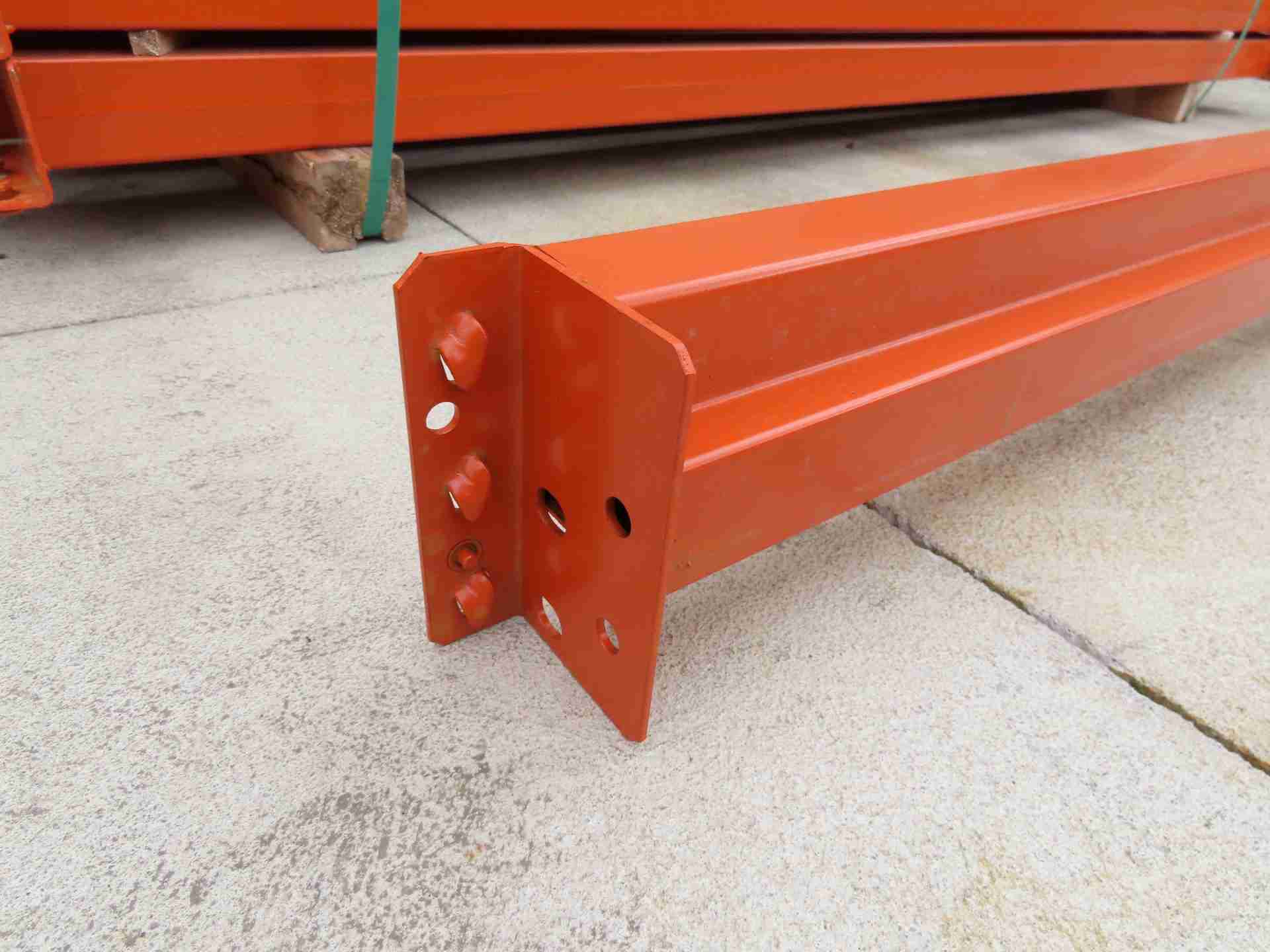
What Is The Impact Of Local Regulations On Pallet Racking Costs?
How Often Should Pallet Racking Be Inspected For Safety?
When it comes to pallet racking, safety isn’t just a box to check; it’s a priority that can’t be ignored. The frequency of inspections plays a crucial role in maintaining a safe warehouse environment, preventing costly accidents, and ensuring smooth operations. But the question remains: how often should you inspect your pallet racking systems?
Regular Inspections: A Proactive Approach
As any savvy business leader knows, the foundation of success is proactive risk management. The National Fire Protection Association (NFPA) suggests that pallet racking should be visually inspected daily by warehouse staff. This simple step allows for quick identification of potential hazards—like bent frames or displaced beams—that might pose safety threats to your team and merchandise.
Beyond daily checks, a more comprehensive inspection should take place at least once a year. Consider hiring a certified racking inspector who specializes in identifying structural defects and compliance with safety standards. This thorough evaluation can reveal problems that might go unnoticed during routine checks, ensuring your rack systems remain robust and reliable.
Special Situations Call for More Frequent Inspections
Events can precipitate heightened scrutiny. For instance, if your warehouse undergoes significant changes—like adding new inventory types or relocating racking systems—it’s wise to inspect your pallet racking immediately. The wear and tear from such alterations can create vulnerabilities that need to be addressed before they lead to accidents.
Additionally, companies should increase inspection frequency following heavy incidents, such as a seismic event or a significant loading mishap. In the last few years, we’ve seen examples of how natural disasters can impact warehouse safety. The recent earthquakes in the Pacific Northwest have underscored the importance of assessing how your racking systems withstand seismic shifts.
Training and Accountability Matter
Don’t underestimate the power of training. Ensure that your team understands the importance of inspections and how to conduct them effectively. Having a dedicated safety officer who regularly assesses compliance not only fosters a culture of safety but holds everyone accountable—which is proven to yield considerably safer working environments.
To underscore your commitment to safety, consider creating a robust policy that outlines inspection protocols and responsibilities. Promote transparency by documenting inspections and establishing regular meetings to discuss safety performance.
In a world where operational efficiency hinges on safety, make inspections a cornerstone of your pallet racking strategy. Your commitment to checking, maintaining, and optimizing will not only protect your employees but will also enhance your bottom line. Safety is not an option; it’s an unbeatable strategy.
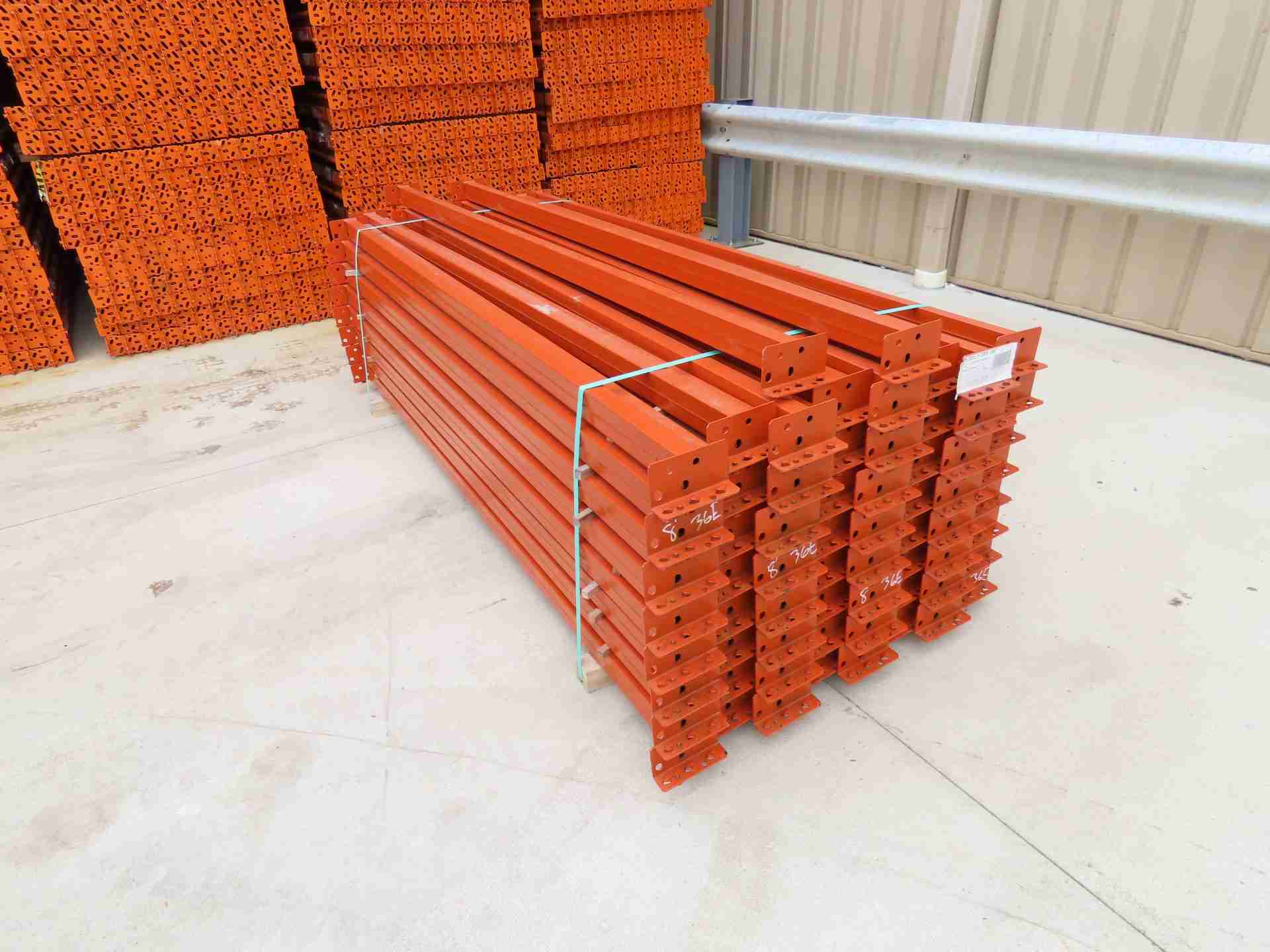
How Often Should Pallet Racking Be Inspected For Safety?
How Often Should Pallet Racking Be Inspected For Safety?
- Safety in pallet racking is crucial for preventing accidents and ensuring smooth operations.
- The National Fire Protection Association (NFPA) recommends daily visual inspections by warehouse staff.
- A comprehensive inspection by a certified racking inspector should occur at least once a year.
- Increased inspections are necessary when significant changes happen, like new inventory or racking relocation.
- Post-incident inspections should be conducted following heavy events, including natural disasters or loading mishaps.
- Training and accountability among staff are essential for effective inspections and fostering a safety culture.
- Establish robust policies for inspections and promote transparency through documentation and safety meetings.
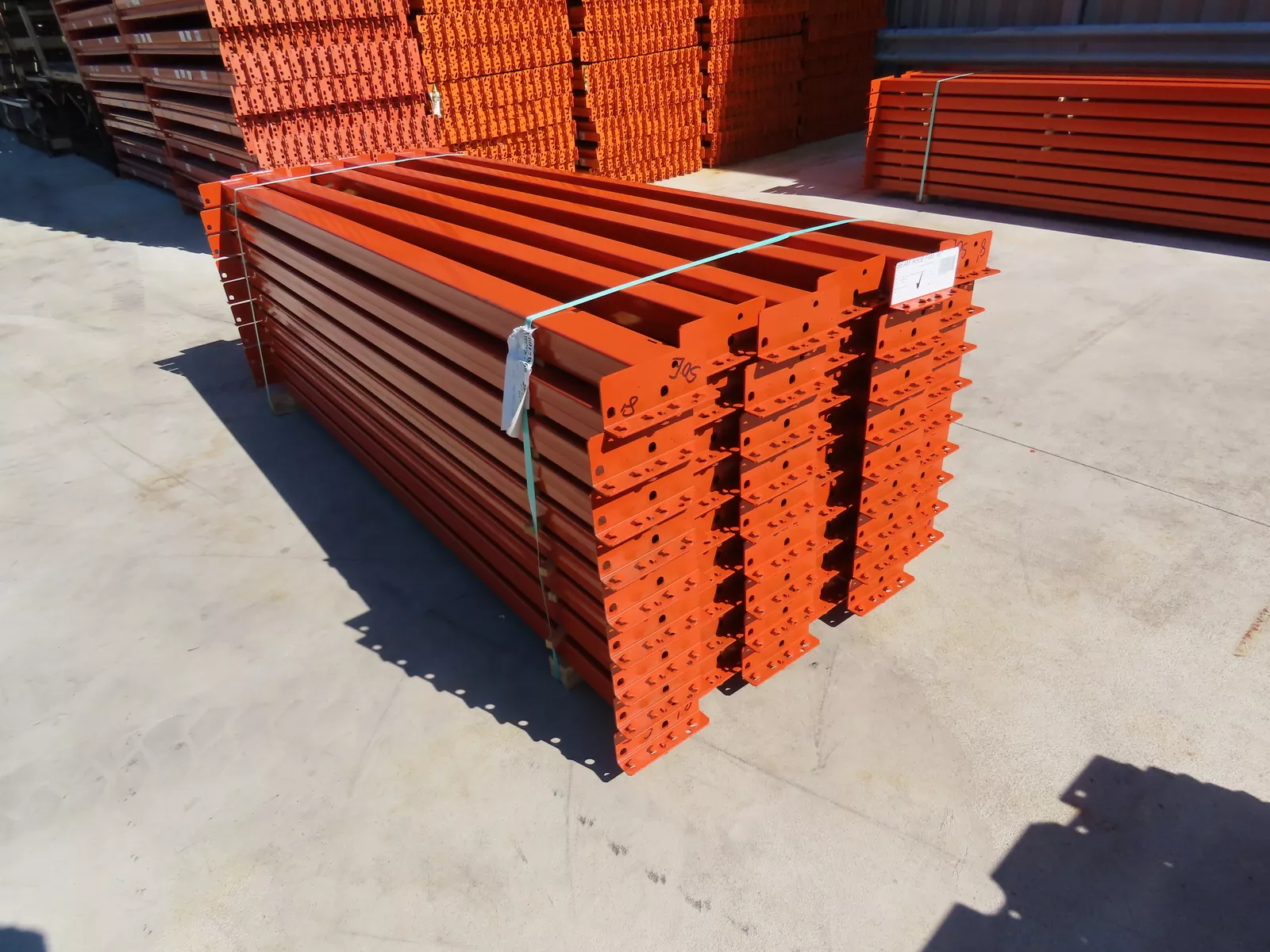
How Often Should Pallet Racking Be Inspected For Safety?
Can Used Pallet Racking Save Me Money?
In today’s market, where margins are tightened and operational costs are scrutinized, businesses are relentlessly searching for ways to streamline expenses. One often-overlooked solution that can yield substantial savings is used pallet racking. Let’s dive into why embracing this option could be a game-changer for your bottom line.
First, consider the initial savings. When purchasing new pallet racking, costs can skyrocket—often reaching thousands of dollars just to outfit a distribution center or warehouse. In contrast, used pallet racking can cost 50% to 75% less than its brand-new counterparts. Imagine reallocating those savings into other areas of your business, such as workforce development or marketing initiatives to attract new customers.
For instance, during the recent supply chain disruptions, many companies faced skyrocketing costs due to new equipment shortages. Organizations that had the foresight to invest in used pallet racking found themselves not only with more capital to maneuver through rough waters but also with the capability to adapt quickly to changing demands. With the current economic instability, shouldn’t you be among those savvy leaders who make the wise choice?
Another key consideration is the speed of implementation. Used pallet racking systems are often readily available and can be installed quickly, ensuring that your operations remain efficient and effective. No long lead times waiting for the production of new equipment, which is a real concern in 2023 when supply chains are still trickling back to normal. This immediacy helps you maximize your storage space quickly and ensures your products are stored safely and efficiently.
Moreover, adopting used pallet racking is not just about saving money on the purchase—it’s also a sustainable, eco-friendly choice that resonates well with today’s conscious consumers. Demonstrating responsible practices can strengthen your brand value and customer loyalty. For example, businesses that highlight their commitment to sustainability through repurposed materials often attract a broader customer base that aligns with these values.
Finally, there’s the bonus of immediate overhead reduction. Lower capital expenditure means you can keep overheads manageable, effectively boosting your agility in responding to market shifts. This financial flexibility can be the key to not just surviving but thriving in uncertain economic climates.
When you consider the substantial savings, quick turnaround, and sustainability benefits, investing in used pallet racking isn’t just a smart move—it’s a strategic necessity. Isn’t it time to rethink how you allocate your resources and optimize your space for maximum profitability?
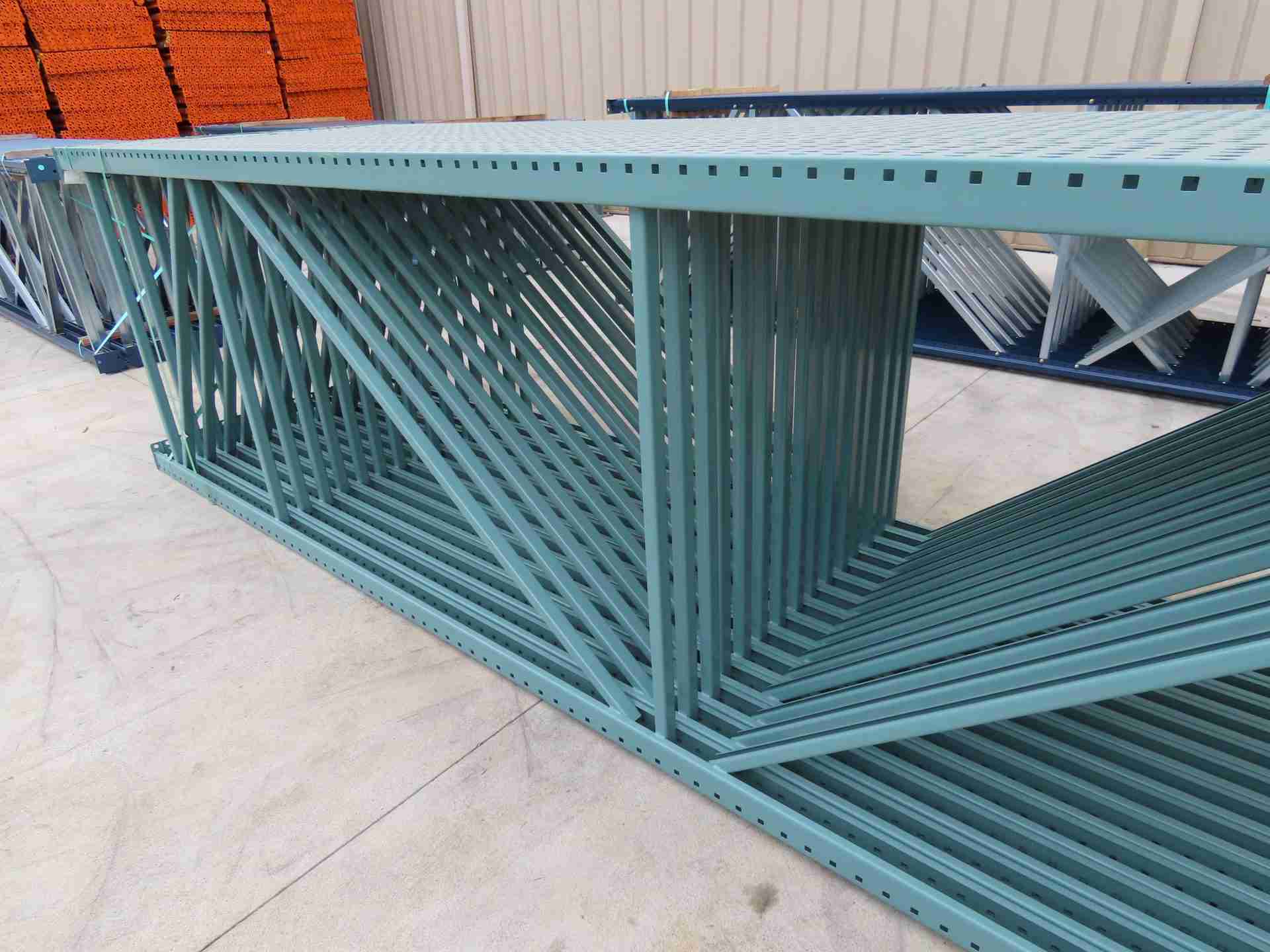
Can Used Pallet Racking Save Me Money?
Can Used Pallet Racking Save Me Money?
- Businesses are searching for ways to streamline expenses in a tight-margin market.
- Used pallet racking can save companies 50% to 75% compared to new options.
- Investing in used pallet racking provides capital flexibility during supply chain disruptions.
- Quick availability and installation of used pallet racking ensure efficient operations.
- Choosing used pallet racking supports sustainability efforts and attracts eco-conscious consumers.
- Lower capital expenditure helps maintain manageable overhead, boosting agility in market shifts.
- Overall, investing in used pallet racking is a strategic move for long-term profitability.
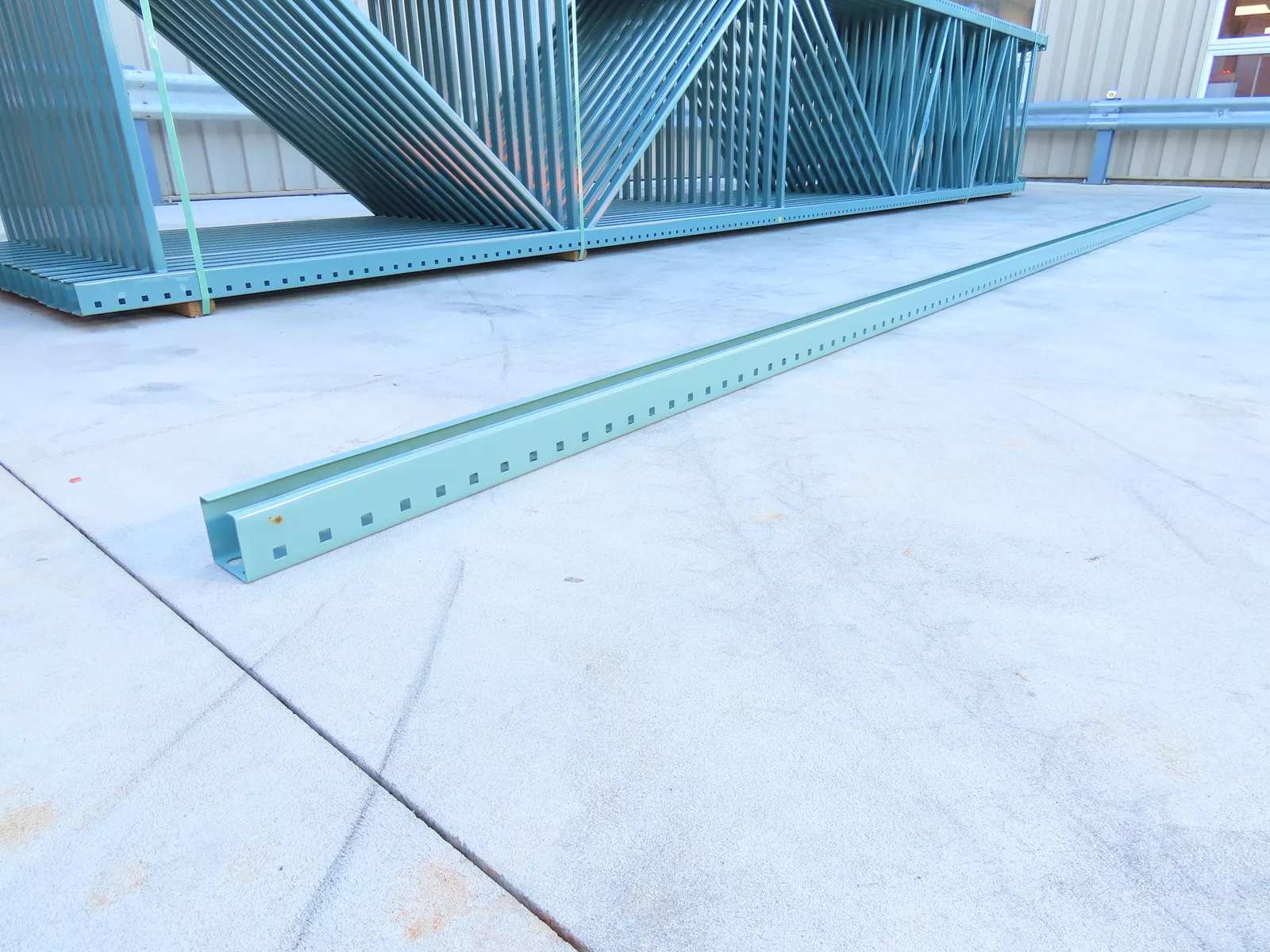
Can Used Pallet Racking Save Me Money?
What Are The Benefits Of Investing In High-Quality Pallet Racking?
When it comes to optimizing your warehouse or storage facility, the significance of high-quality pallet racking cannot be overstated. Choosing the right racking system is not merely about storing products; it’s about amplifying your operational efficiency, boosting safety, and ultimately ramping up your bottom line. Let’s explore the tangible benefits of investing in premium pallet racking solutions.
1. Durability Equals Longevity
In today’s aggressive market, where supply chain disruptions can cripple businesses, the last thing you want is racking that bends under pressure or breaks down with use. High-quality pallet racking systems are designed to withstand the rigors of everyday operations. For instance, brands that utilize steel racking not only enjoy superior weight capacity but also long-lasting performance. Investing in durable systems now can save you substantial replacement costs down the line — think of it as protecting your capital investment in the long run.
2. Enhance Safety and Compliance
One recent survey, conducted by the National Safety Council, found that warehouses with inadequate racking systems experience a higher rate of accidents. Quality pallet racking enhances safety by minimizing the risk of collapse or product damage, which can lead to costly insurance claims and litigation. Moreover, compliance with safety standards is non-negotiable. High-quality racking systems ensure that your business meets OSHA regulations, hence shielding your company from potential fines and enhancing your reputation in the industry.
3. Maximize Space and Improve Efficiency
Warehouse real estate is a premium commodity. High-quality pallet racking allows you to utilize vertical space effectively, significantly increasing your storage capacity. Imagine being able to store more products in the same footprint, directly impacting your bottom-line profitability. For example, a recent study from the Warehousing Education and Research Council showed that companies that switched to advanced racking systems saw a 30% increase in storage space utilization.
4. Seamless Integration with Technology
In an era where digital transformation is imperative, the best racking systems seamlessly integrate with warehouse management software. This allows for real-time inventory monitoring and tracking, optimizing your logistical operations. In 2023, companies such as Amazon are investing heavily in automation and smart warehousing, recognizing that high-quality racking is pivotal in supporting these technologies.
5. Boost Morale and Productivity
Don’t underestimate the impact of a tidy, organized workspace. Employees are more productive when they can find what they need without sifting through chaos. Effective pallet racking systems simplify retrieval processes, reducing time waste and enhancing job satisfaction.
Investing in high-quality pallet racking is not just about storage; it’s a strategic move towards a more efficient, safe, and profitable operation. Don’t settle for less. Step up to the quality that sets you apart from the competition.
What Are The Benefits Of Investing In High-Quality Pallet Racking?
What Are The Benefits Of Investing In High-Quality Pallet Racking?
- Durability Equals Longevity: High-quality pallet racking systems are designed for long-lasting performance, minimizing replacement costs and protecting capital investments.
- Enhance Safety and Compliance: Quality racking systems reduce accident rates, comply with OSHA regulations, and protect against costly insurance claims and fines.
- Maximize Space and Improve Efficiency: Effective racking solutions utilize vertical space, increasing storage capacity and profitability by up to 30%.
- Seamless Integration with Technology: The best racking systems integrate with warehouse management software for real-time inventory tracking and optimized logistics.
- Boost Morale and Productivity: Organized workspaces enhance employee productivity and job satisfaction by simplifying retrieval processes.
- Strategic Investment: Investing in high-quality pallet racking leads to a more efficient, safe, and profitable warehouse operation.
- Quality Matters: Choosing premium racking solutions distinguishes your business from the competition.
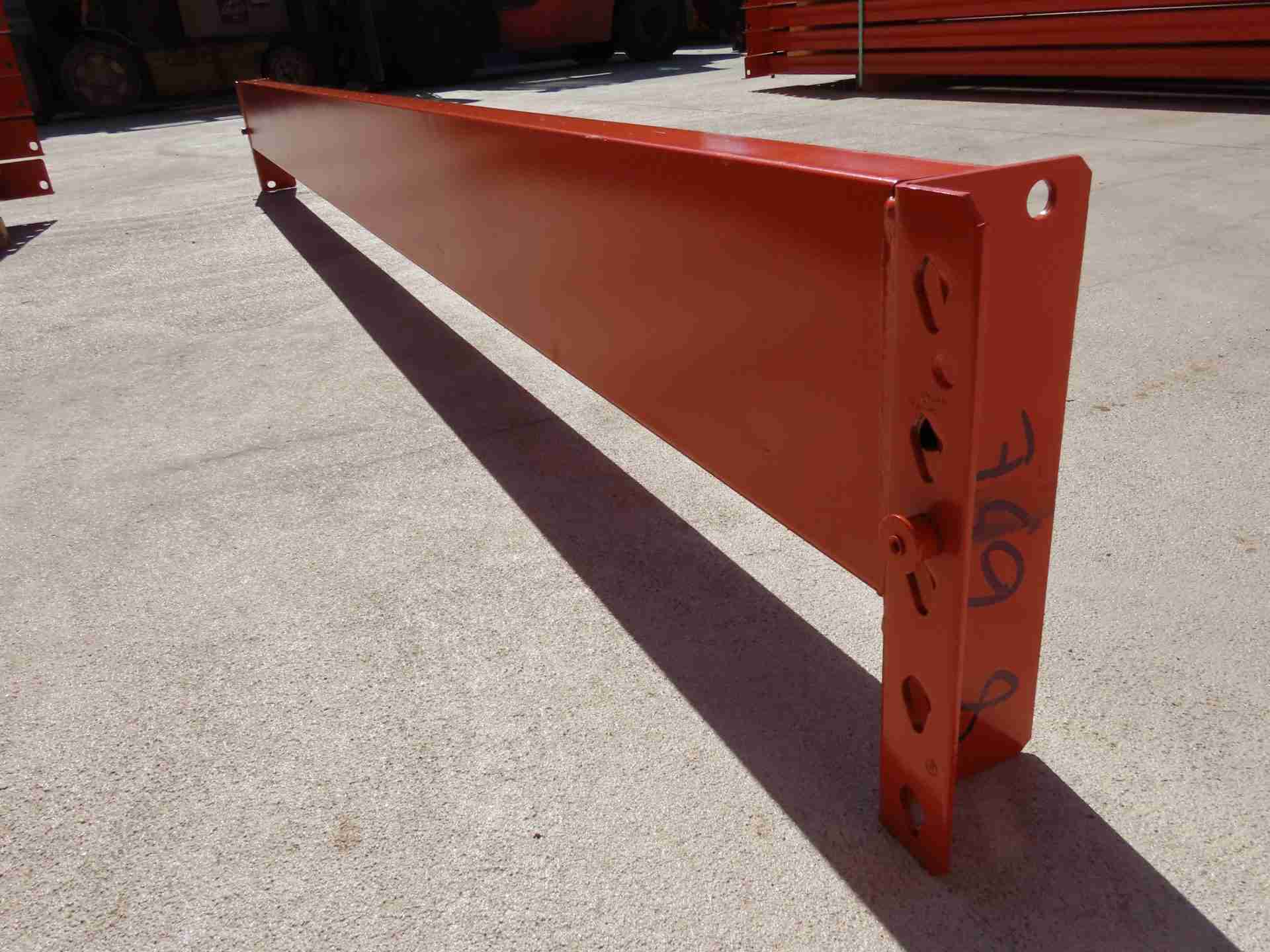
What Are The Benefits Of Investing In High-Quality Pallet Racking?
How Do Bulk Orders Affect The Price Of Pallet Racking?
How Do Bulk Orders Affect The Price of Pallet Racking?
When it comes to optimizing warehouse efficiency, few investments yield as high a return as pallet racking. But let’s face it: cost is a major factor. Understanding how bulk orders can influence the price of pallet racking is crucial for logistics managers looking to maximize their budget without compromising quality.
To put it simply, buying in bulk usually means savings. Suppliers often provide significant discounts on larger orders, especially in the competitive world of warehouse storage solutions. For example, if you typically order individual racks at around $200 each, opting for a bulk order of 50 could reduce the per-unit cost to $180—with additional savings stacking up on shipping and handling. This is not merely a hypothetical scenario; many warehouse operators have experienced this firsthand, translating into thousands of dollars in savings.
Current market dynamics also play a pivotal role in determining costs. Following global supply chain disruptions stemming from the COVID-19 pandemic, the cost of steel—an essential material for pallet racking—has fluctuated dramatically. Recognizing this, savvy businesses are preemptively purchasing bulk orders when prices dip, rather than waiting for a potential surge. Not only does this hedge against rising costs, but it also displays a forward-thinking approach that can set you apart from competitors who are slower to adapt.
Moreover, the cascading effect of bulk orders is often underappreciated. Wholesalers and manufacturers generally prefer working with clients that place larger orders, allowing them to predict production runs and manage inventory more effectively. This favor can lead to priority service, which is invaluable when time-sensitive projects arise, such as warehouse expansions or urgent relocation efforts.
Consider a recent warehouse expansion project that required a quick turnaround. A logistics company that ordered 100 racks at once not only received them at a discounted rate but also enjoyed faster delivery timelines compared to a competitor that ordered piecemeal. In today’s fast-paced business environment, time truly is money.
Finally, don’t overlook the negotiation power that bulk orders grant you. Suppliers are more likely to be flexible when presented with a substantial purchase, possibly throwing in extra features like custom colors or adjustable beams at no additional cost. This kind of flexibility can enhance the utility and aesthetics of your warehouse space, giving your operation a professional edge.
In summary, bulk ordering pallet racking isn’t just a cost-saving strategy—it’s a smart business move that leverages current market trends, maximizes efficiency, and enhances negotiation potential. Make it a cornerstone of your warehouse planning, and watch your savings soar.
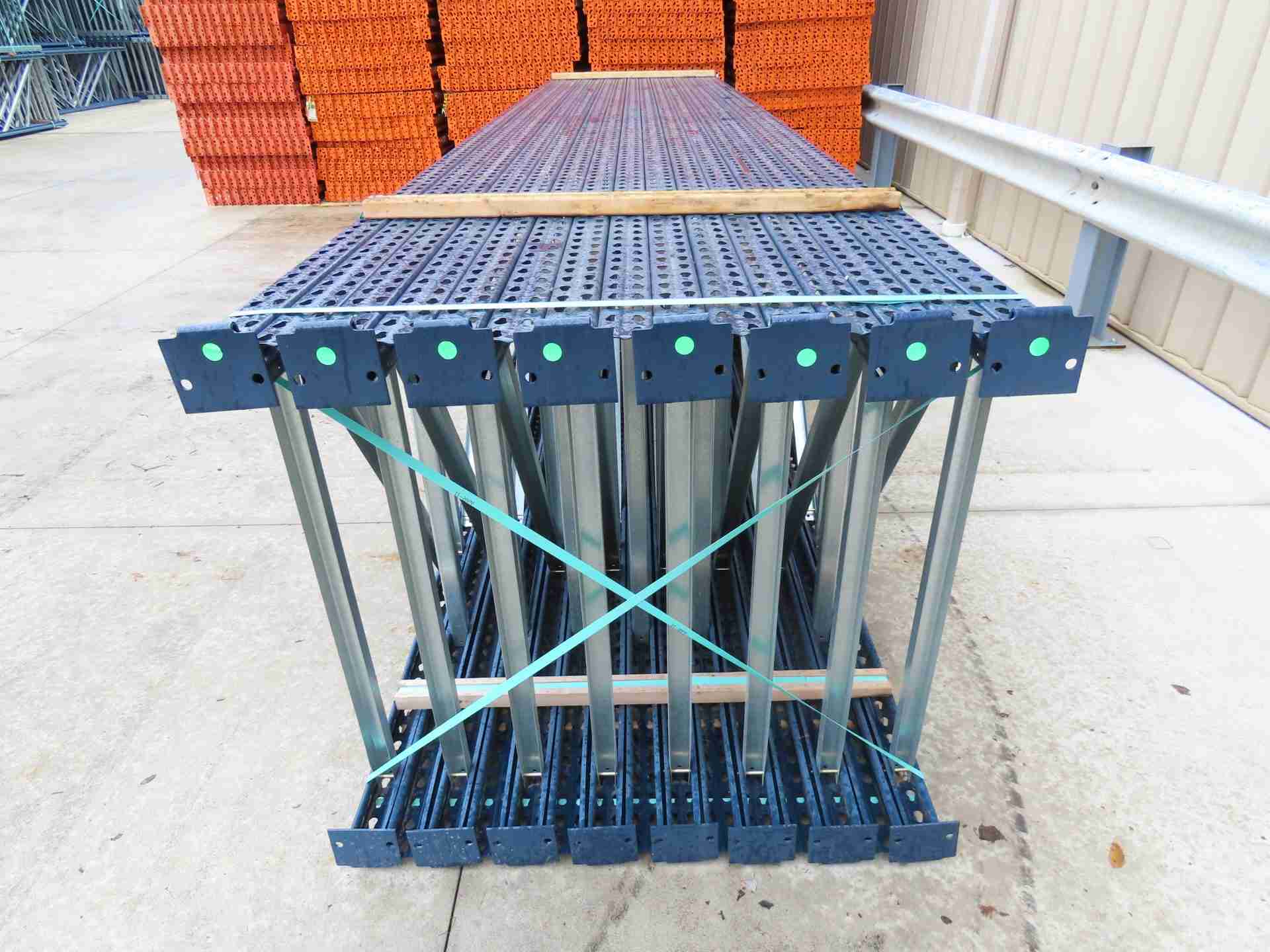
How Do Bulk Orders Affect The Price Of Pallet Racking?
How Do Bulk Orders Affect The Price Of Pallet Racking?
- Bulk orders of pallet racking typically lead to significant cost savings, with suppliers offering discounts for larger quantities.
- Purchasing in bulk can reduce per-unit costs, potentially saving thousands for warehouse operators.
- Market dynamics, such as steel price fluctuations following global supply chain disruptions, influence the cost of pallet racking.
- Businesses that buy in bulk when prices dip can hedge against rising costs and stand out from competitors.
- Bulk orders often result in priority service from wholesalers and manufacturers, which is valuable for urgent projects.
- Ordering in larger quantities can lead to faster delivery timelines compared to incremental orders.
- Bulk purchasing increases negotiation leverage, allowing for potential bonuses like custom features at no extra cost.
How Do Bulk Orders Affect The Price Of Pallet Racking?
Are There Additional Costs For Accessories With Pallet Racking?
Are There Additional Costs for Accessories with Pallet Racking?
When investing in pallet racking systems, businesses often focus on the central structure, but understanding the additional costs associated with accessories is crucial for optimizing your storage solutions. Think of pallet racking like the foundation of a home; without the right accessories, you may find that your investment isn’t built to last or serve your needs efficiently.
Let’s get into the nitty-gritty. While a basic pallet racking system can seem like an attractive, one-time purchase, various accessories can enhance performance and safety, ultimately reflecting on your bottom line.
First up, safety is paramount. Consider safety bars and mesh decks designed to prevent pallets from falling. The December 2022 increase in warehouse accidents, as reported by safety investigators, highlights the necessity of these accessories. Investing in safety features isn’t just a regulatory obligation—it’s a moral imperative that impacts employee well-being and operational efficiency. Factor in the potential cost of workplace injuries or damage to goods; these accessories can save you money in the long run.
Next, think about organization. Accessories like pallet supports, beam dividers, and pallet jacks can drastically improve your warehouse’s efficiency. For example, if you’re storing varied product sizes, beam dividers help you allocate space appropriately, reducing the chaos that can lead to picking errors and inventory discrepancies. A well-organized warehouse minimizes loss, enhancing customer satisfaction—an indirect but significant revenue booster.
Additionally, consider levelers and feet for your racking systems. In today’s climate, with fluctuating ground stability due to climate changes, investing in good quality levelers is more critical than ever. Companies that overlook this small accessory risk costly disruptions and damages to both the racking and your stored items.
Then there’s the technology side—inventory management systems and RFID tags can synergize with your pallet racking setup to streamline operations. As of 2023, the push towards automation in warehouses is gaining momentum, with businesses realizing that integrating tech with their racking systems can lead to a more efficient workforce and improved accuracy. These systems do come at an additional cost but can yield a significant return if managed correctly.
While the initial price tag of a pallet racking system might seem appealing, the order of magnitude in which accessories can elevate your operations cannot be ignored. By carefully considering these additional costs and potential benefits, you can make an informed decision that not only supports your current needs but also paves the way for future growth and efficiency. Don’t just build a racking system—construct a profitable, safe, and efficient warehouse.
Are There Additional Costs For Accessories With Pallet Racking?
Are There Additional Costs For Accessories With Pallet Racking?
- Understanding additional costs for accessories is essential for optimizing pallet racking systems.
- Safety features like safety bars and mesh decks are crucial for preventing accidents and ensuring employee well-being.
- Organization accessories such as pallet supports and beam dividers improve warehouse efficiency and reduce picking errors.
- Quality levelers and feet are important for stability, particularly in regions affected by climate changes.
- Technology integrations, like inventory management systems and RFID tags, enhance operations but come with additional costs.
- Accessories can significantly improve operational efficiency and customer satisfaction, contributing to long-term profitability.
- Investing in the right accessories prepares businesses for future growth while maintaining safety and efficiency.
Are There Additional Costs For Accessories With Pallet Racking?
What Should I Consider When Budgeting For Pallet Racking?
When it comes to budgeting for pallet racking, careful consideration is vital. A well-planned budget not only safeguards your financial resources but also optimizes your warehouse efficiency. Here are several key factors to consider to make informed decisions that align with your operational goals.
1. Assess Your Needs and Space Requirements
Begin by evaluating your current and future inventory needs. How much space do you have? Are you planning to expand? For example, businesses in e-commerce have witnessed an unprecedented rise in demand for warehousing solutions, especially after the pandemic. Companies like Amazon have doubled down on sophisticated racking systems to accommodate growing inventory levels. Thus, understanding your exact capacity requirements can prevent costly mistakes down the road.
2. Compliance and Safety Standards
Staying compliant with industry regulations and safety standards should be at the forefront of your budgeting considerations. According to recent stats, nearly 20% of warehouse injuries are related to improper racking systems. Investing in quality racking that adheres to local safety codes is critical. For instance, if you’re in the food industry, compliant systems will ensure you meet FDA regulations, avoiding potential fines and shutdowns.
3. Material Quality
The initial cost of pallet racking can vary dramatically based on the materials used. Look for quality steel that can withstand heavy loads and harsh environments. A well-known brand might cost more upfront but can save you money in the long run through durability and reduced maintenance expenses. Consider the impact of current steel prices—a result of supply chain issues exacerbated by geopolitical tensions—which could inflate your budget.
4. Installation Costs
While it may be tempting to consider only the cost of the racking itself, installation costs can often be overlooked. Depending on the complexity of your racking system, hiring professionals could add significantly to your overall expenses. However, cheap installations can lead to safety hazards or premature racking failures, costing more in repair or replacement down the line.
5. Future Scalability
Consider how easily your pallet racking system can scale as your business grows. Flexible racking solutions allow you to adapt to changing inventory demands without a complete overhaul. Evaluating options like adjustable beam systems or modular designs can provide future-proofing that justifies a larger initial investment.
6. Financing Options and ROI
Finally, explore financing options to determine the best financial pathway. Evaluating ROI is essential: a higher initial investment might yield lower operational costs and improve efficiency, directly impacting your bottom line.
Ultimately, the key to budgeting for pallet racking lies in calculated foresight, balancing immediate costs with long-term benefits. As you craft your budget, keep these considerations at the forefront—they can make all the difference between a successful implementation and a costly oversight.
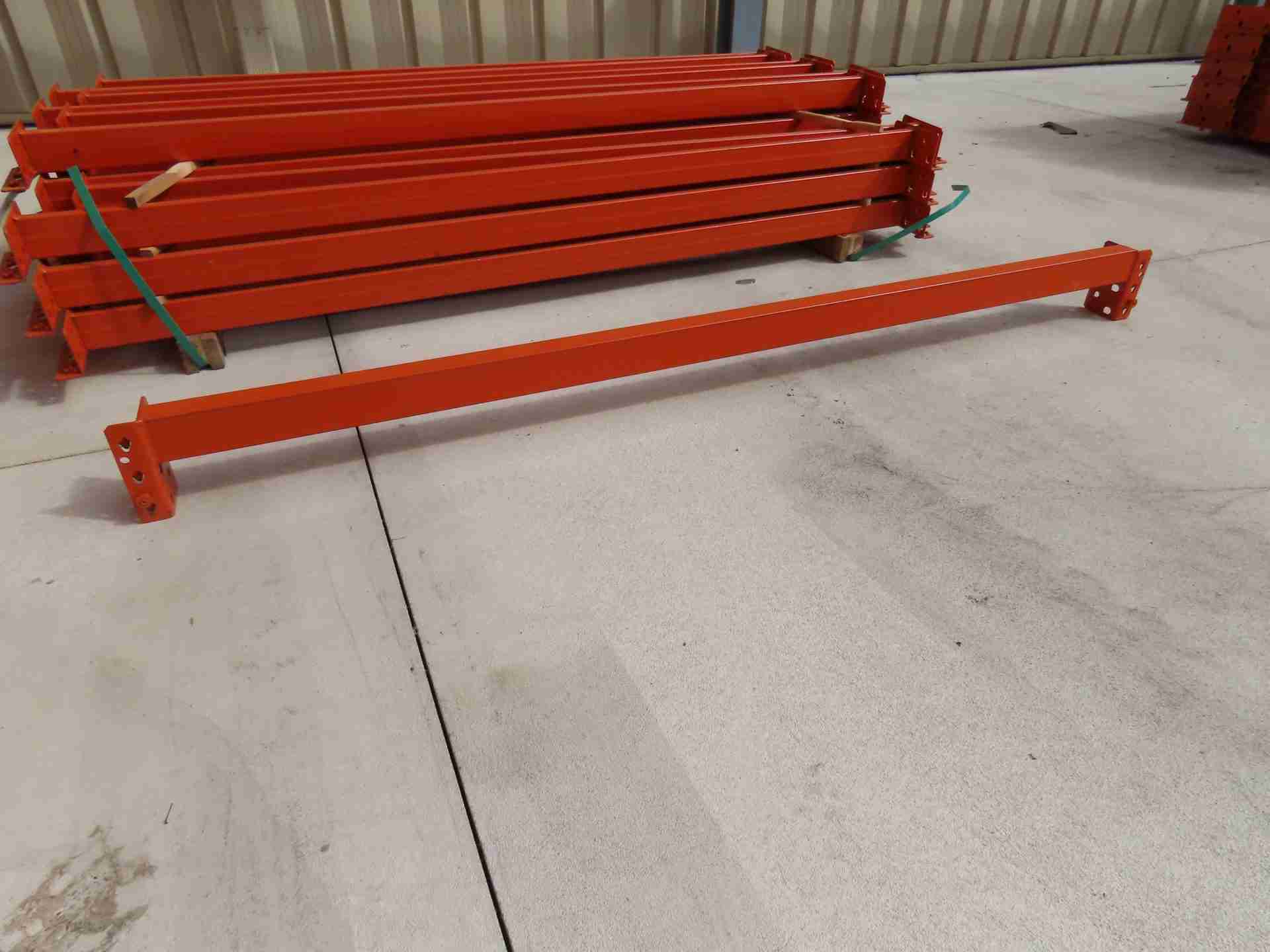
What Should I Consider When Budgeting For Pallet Racking?
What Should I Consider When Budgeting For Pallet Racking?
- Assess Needs and Space Requirements: Evaluate current and future inventory needs, considering space and potential expansion, especially in growing sectors like e-commerce.
- Compliance and Safety Standards: Ensure adherence to industry regulations and safety standards to avoid injuries and fines, particularly in sensitive sectors like food.
- Material Quality: Choose durable materials like quality steel, which can save money in the long run despite a higher initial cost, while being mindful of fluctuating steel prices.
- Installation Costs: Account for installation expenses, as they can significantly affect total costs; hiring professionals may prevent future safety hazards.
- Future Scalability: Opt for flexible racking solutions that can adapt to changing inventory demands, allowing for growth without complete system overhauls.
- Financing Options and ROI: Explore financing paths and evaluate ROI to understand how initial investments can lead to lower operational costs and increased efficiency.
- Calculated Foresight: Balance immediate costs with long-term benefits to avoid costly oversights in pallet racking budgeting.
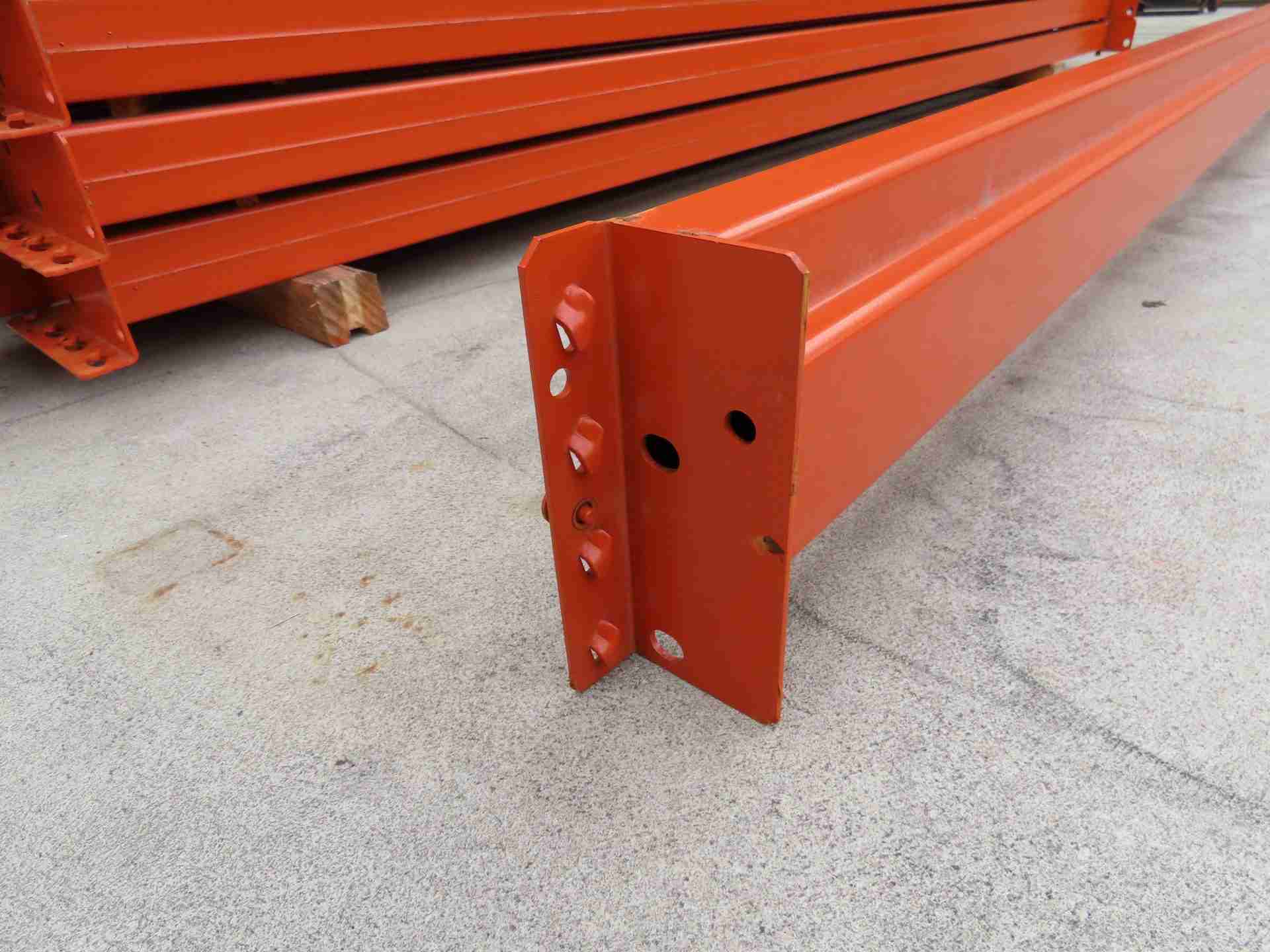
What Should I Consider When Budgeting For Pallet Racking?
Do Pallet Racking Prices Fluctuate With Market Demand?
In the ever-evolving landscape of warehouse management and logistics, the question of pricing consistency looms large for businesses contemplating an investment in pallet racking systems. The reality is that pallet racking prices are indeed influenced by market demand, and understanding this dynamic can spell the difference between an astute financial decision and a costly misstep.
Consider the recent surge in e-commerce, driven significantly by shifts in consumer behavior exacerbated by the pandemic. With millions of consumers opting for online shopping, warehousing needs soared, leading to elevated demand for efficient storage solutions. As a result, manufacturers of pallet racking systems found themselves in the crosshairs of a booming market, pushing prices on some products upward. Businesses that waited too long to invest in infrastructure found themselves not only facing scarcity but also higher costs. In other words, when demand spikes, so too does the price tag on the very equipment needed to meet that demand.
For example, a mid-sized retailer looking to optimize their warehouse might have paid just $10,000 for a pallet racking system pre-pandemic. Fast forward to a few months into the COVID-19 crisis, and similar systems saw prices soar by as much as 30% due to material shortages and unprecedented demand. The lesson here is clear: Timing your purchase is crucial. If you can anticipate trends, you can sidestep the peaks in pricing.
However, it’s not only external factors that influence prices. Seasonal fluctuations play a role as well. Many businesses ramp up inventory in preparation for peak shopping seasons, like the holidays. During these times, demand for pallet racks increases dramatically, often leading prices to follow suit. If a company wants to secure their racking systems at a lower price point, procuring them during the off-peak season—say summer or early fall—can yield significant savings.
Moreover, global events, such as supply chain disruptions, can create uncertainty in pricing. Recent geopolitical tensions and trade policies have introduced volatility in the costs associated with steel, a primary material in pallet racking systems. As these costs ripple through the supply chain, fluctuating prices become the norm.
Understanding that pallet racking prices are not static can empower businesses to take proactive measures. By staying informed and strategically timing their purchases, companies can navigate the complexities of market demand and ensure they don’t pay a penny more than necessary for their storage solutions.
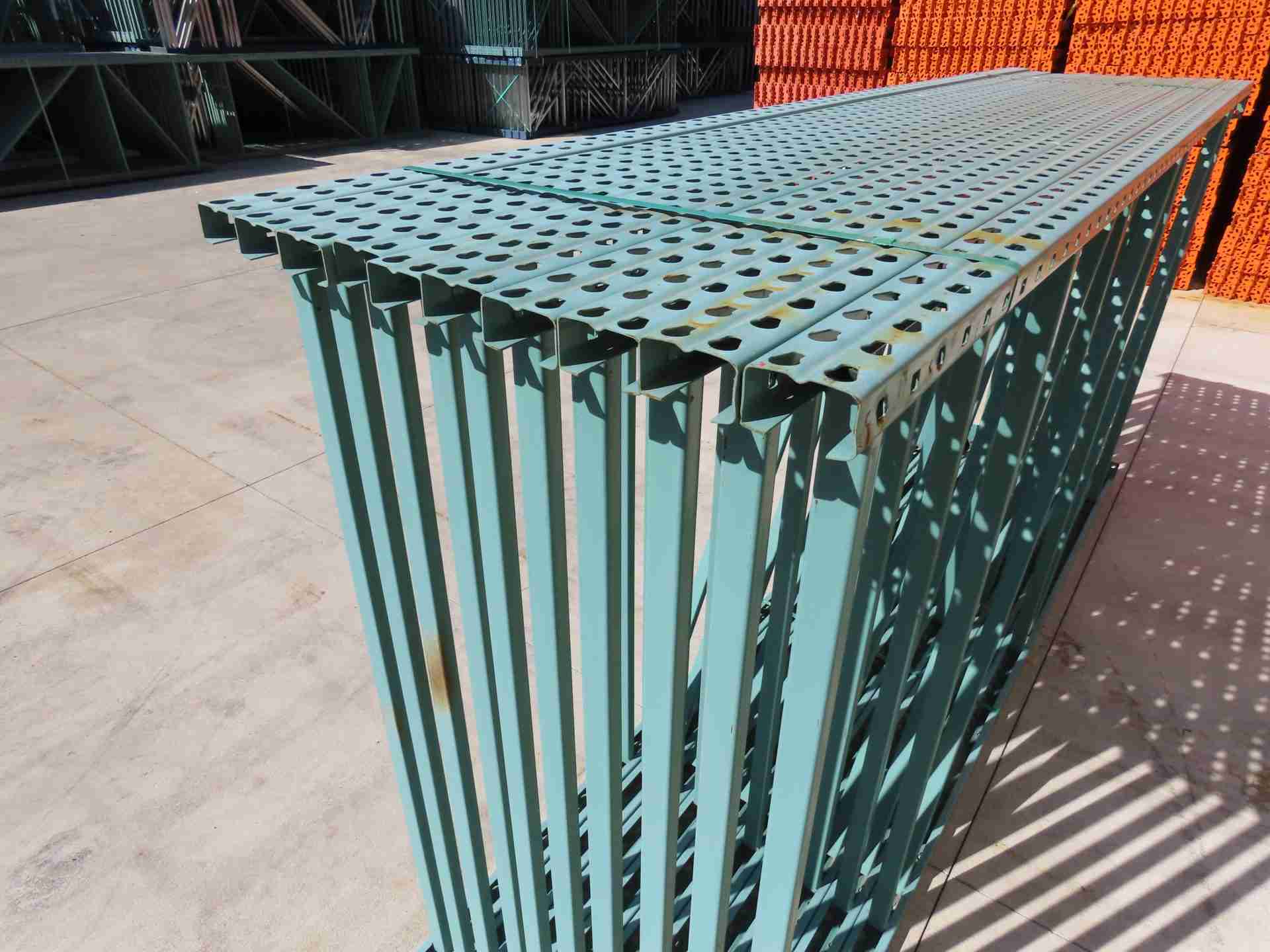
Do Pallet Racking Prices Fluctuate With Market Demand?
Do Pallet Racking Prices Fluctuate With Market Demand?
- Pallet racking system prices are influenced by market demand, impacting financial decision-making.
- The e-commerce boom, intensified by the pandemic, has increased warehousing needs and demand for storage solutions.
- Pallet racking prices rose significantly during the pandemic, with costs increasing by up to 30% due to material shortages.
- Timing purchases is crucial to avoid price spikes; anticipating trends can help businesses sidestep high costs.
- Seasonal demand fluctuations, particularly around major shopping seasons, also affect pallet racking prices.
- Global events and supply chain disruptions introduce volatility in material costs, especially for steel used in racking systems.
- By being informed and strategically timing purchases, businesses can save on pallet racking systems.
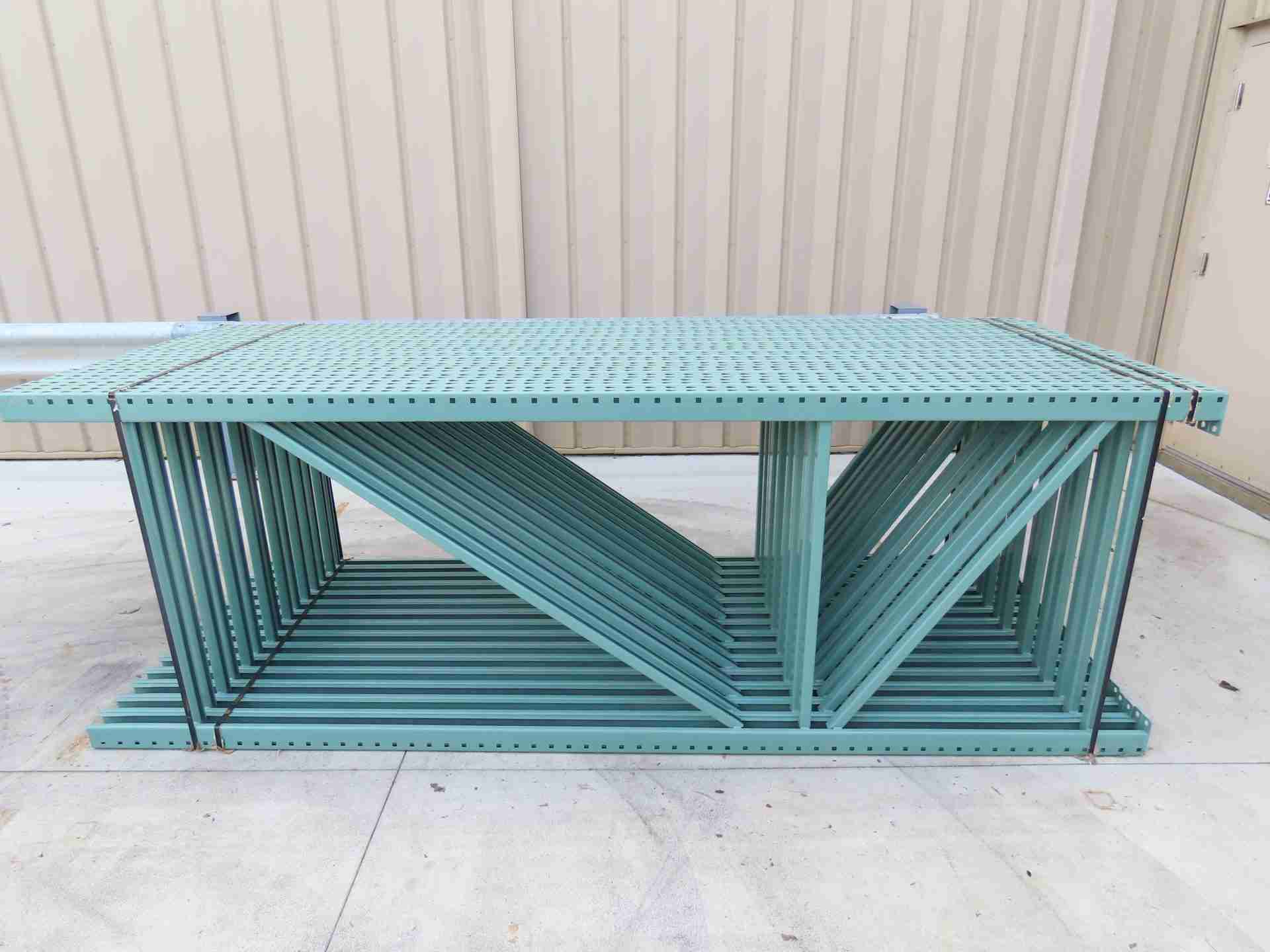
Do Pallet Racking Prices Fluctuate With Market Demand?
What Is The Return On Investment For Pallet Racking Purchases?
When it comes to maximizing operational efficiency in warehouses and distribution centers, few investments can match the potential ROI provided by pallet racking systems. The question isn’t just whether you should invest in pallet racking, but how to assess the financial wisdom of such a purchase.
Consider this: A company struggling with disorganized, inefficient storage might dedicate up to 20% of its workforce’s time to locating inventory. That’s time—and therefore money—wasted. By installing a new pallet racking system, a business can streamline access, reduce retrieval time, and ultimately, boost productivity. Imagine a scenario where a warehouse increases its inventory retrieval speed by just 30%. For a business with an annual revenue of, say, $5 million, that could translate into an additional $150,000 in revenue, not including savings from reduced labor costs.
Moreover, the current trends in e-commerce and distribution are emphasizing the importance of space utilization. With customer demand skyrocketing, a well-optimized warehouse that makes use of vertical space through pallet racking can store more goods without necessarily expanding the facility. This is a crucial factor given that real estate costs are climbing; the opportunity to optimize existing space is often far cheaper than relocation. Companies are currently adopting smart warehouses equipped with the latest technologies, and pallet racking systems can seamlessly integrate with these innovations, enhancing your ROI even further.
Let’s look at real-world scenarios. Retail giants like Amazon and Walmart have heavily invested in sophisticated pallet racking systems. Their scalable solutions allow for rapid adjustments to changing market demands, particularly evident during the 2020 pandemic when online shopping surged. Their ability to quickly adapt to new inventory levels resulted in significant financial gains—an aspect every business should consider when evaluating future purchases.
Finally, it’s essential to consider the longevity of the investment. A well-built pallet racking system can last over a decade, providing years of utility and return. By investing in high-quality materials and design, companies can mitigate the risk of damage and the costs associated with replacements. Moving forward, aligning your pallet racking choice with current trends in automation and inventory management can further enhance ROI, positioning your business for sustained success.
While the initial cost of pallet racking may raise eyebrows, the long-term returns—through efficiency gains and optimized space utilization—speak volumes. Investing in pallet racking isn’t merely a purchase; it’s a strategic move towards sustained growth and profitability in a competitive market.

What Is The Return On Investment For Pallet Racking Purchases?
What Is The Return On Investment For Pallet Racking Purchases?
- Pallet racking systems offer significant potential ROI for warehouses and distribution centers.
- Inefficient storage can lead to wasted time, with up to 20% of workforce time spent on locating inventory.
- Implementing pallet racking can streamline access, reduce retrieval time, and boost productivity.
- An increase of just 30% in inventory retrieval speed could generate an additional $150,000 in revenue for a company with $5 million in annual revenue.
- Optimizing space with pallet racking is crucial as real estate costs rise, allowing companies to store more goods without expanding their facilities.
- Retail giants like Amazon and Walmart utilize pallet racking systems to adapt quickly to market demands, particularly during events such as the 2020 pandemic.
- A quality pallet racking system can last over a decade, providing lasting utility and returns on investment through enhanced efficiency and space utilization.
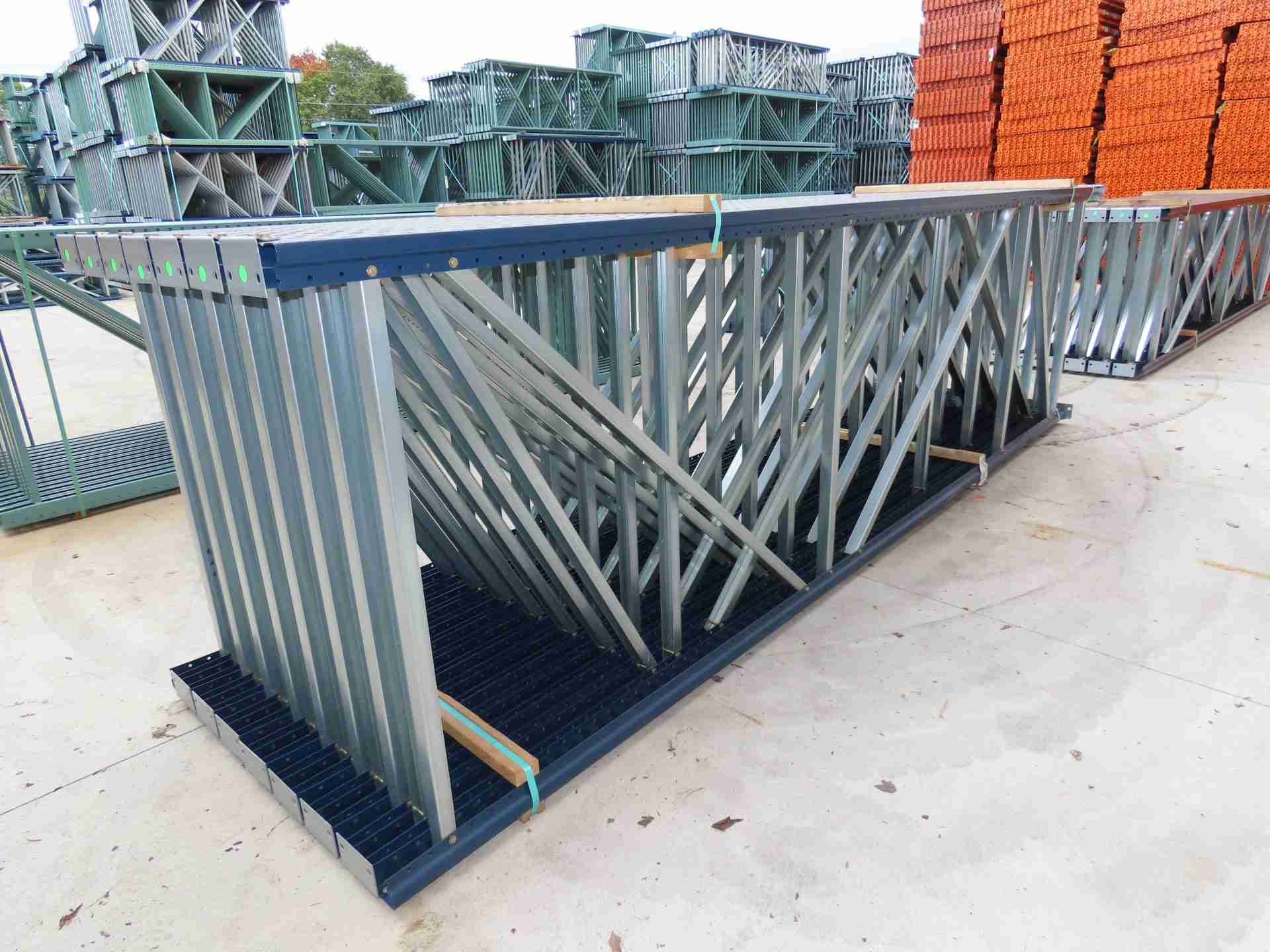
What Is The Return On Investment For Pallet Racking Purchases?
Conclusion
Conclusion: The Smart Investment in Pallet Racking
As we’ve explored, investing in pallet racking isn’t just a decision about storage—it’s a pivotal strategy that can significantly influence the efficiency and profitability of your operations. In today’s fast-paced marketplace, where demands for optimized warehouse space are escalating, understanding the costs and benefits associated with this investment is more critical than ever.
From a thorough cost analysis, we’ve seen how prices vary significantly based on the type of racking system, the quality of materials, and the complexity of design. Choosing the right system tailored to your specific operational needs can yield substantial returns, driving efficiency and establishing a competitive edge. Today’s businesses must be agile, ready to adapt their racking solutions as inventory demands shift; this flexibility is crucial in a post-pandemic world where supply chains are constantly evolving.
Moreover, the long-term savings from investing in high-quality pallet racking systems cannot be overstated. Beyond immediate price considerations, think about compliance with safety regulations and ongoing maintenance costs. Implementing a robust racking system that meets or exceeds industry standards will not only minimize potential accidents and injuries but also enhance your operational productivity—leading to a healthier bottom line.
At Arrow Industrial Sales, we specialize in providing customized, affordable pallet racking solutions tailored to your unique needs. Whether you’re prepared to allocate resources for new installations or looking into financing options to ease upfront costs, our skilled team is ready to guide you every step of the way.
But remember, the best time to act is now. With market conditions fluctuating and warehouse needs intensifying, delaying your decision could lead to higher costs and missed opportunities down the line. Call us today at (574) 349-6575 to discuss your pallet racking needs, secure a customized quote, and position your business for lasting success. Don’t settle for less when the future of your operation hinges on the quality and efficiency of your storage solutions—partner with Arrow Industrial Sales and turn your warehouse into a beacon of productivity today!
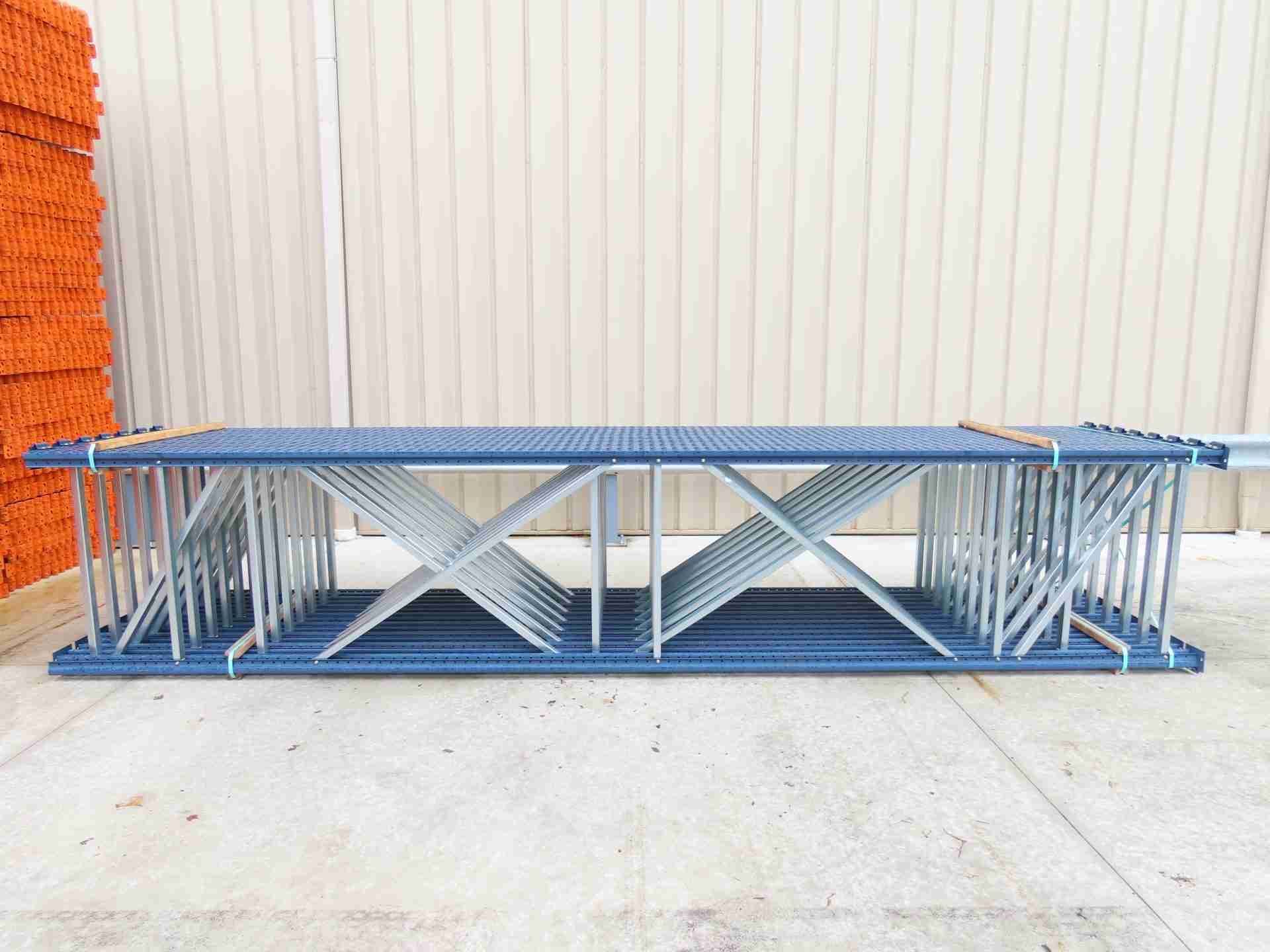
Conclusion
Conclusion:
- Investing in pallet racking is essential for enhancing efficiency and profitability in operations.
- Cost analysis reveals significant price variations based on racking type, material quality, and design complexity.
- Choosing a racking system tailored to operational needs can yield substantial returns and competitive advantage.
- Flexibility in racking solutions is crucial in today’s evolving supply chains, especially post-pandemic.
- Long-term savings from high-quality pallet racking systems outweigh immediate costs, ensuring compliance and reducing accidents.
- Arrow Industrial Sales offers customized, affordable pallet racking solutions to fit unique business needs.
- Acting now is vital to avoid higher costs and lost opportunities in fluctuating market conditions.
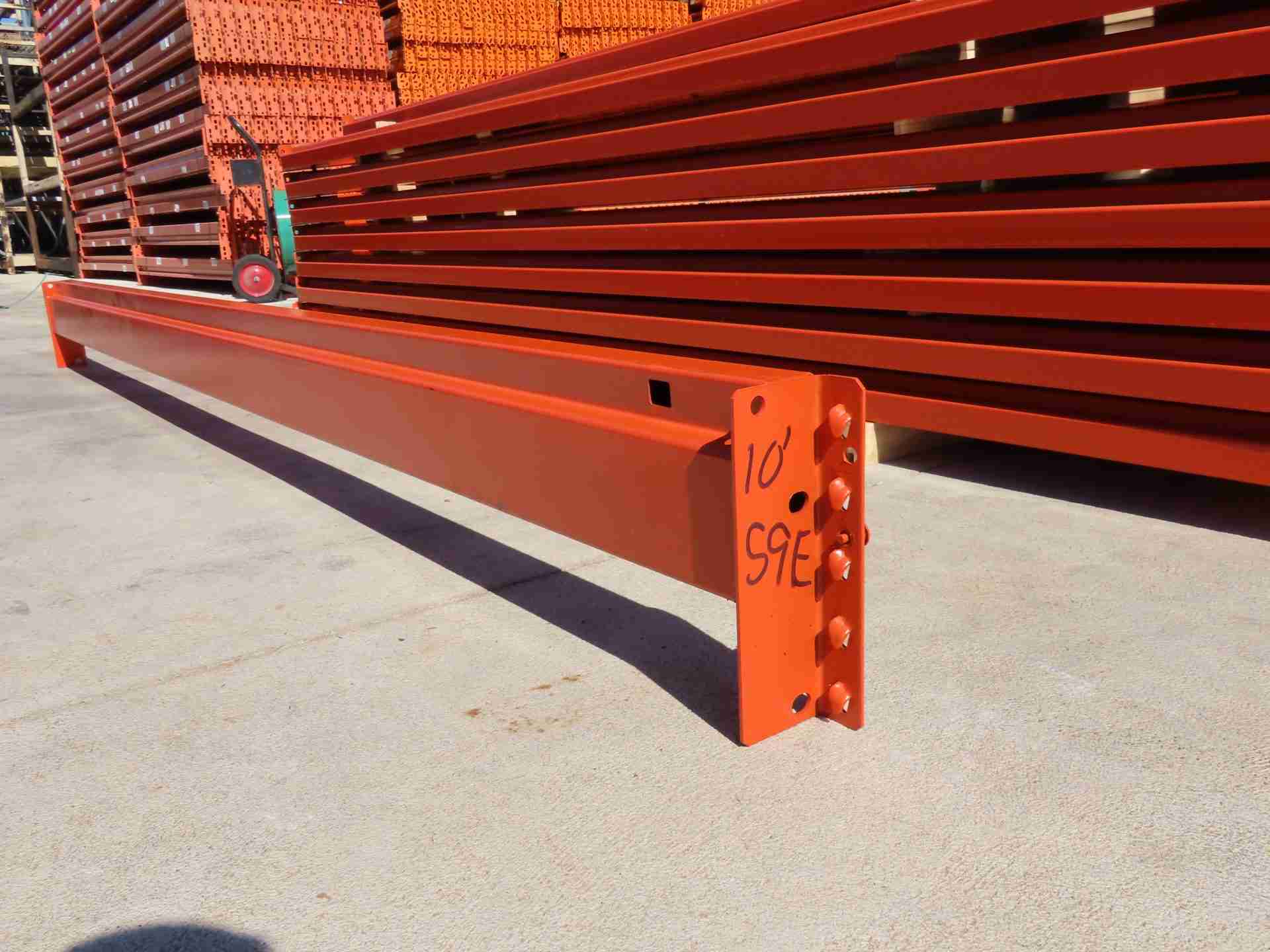
Conclusion
Other Resources
Other Resources
Here is a list of other resources you can review online to learn more:
- “pallet racking”
- “Pallet Racking (Selective Storage Racks)”
- “What Does OSHA Have to Say About Pallet Rack Safety?”
- “Occupational Safety and Health Administration”
- “What Is Pallet Racking? a Complete Overview”
- “Push-Back Pallet Racking”
- “How to Anchor Pallet Racks to Be Safe and OSHA Compliant”
- “Industrial Rack for Warehouses & Distribution Centers”
- “Smart Manufacturing: The Lean Six Sigma Way …”
- “BUYERS GUIDE”
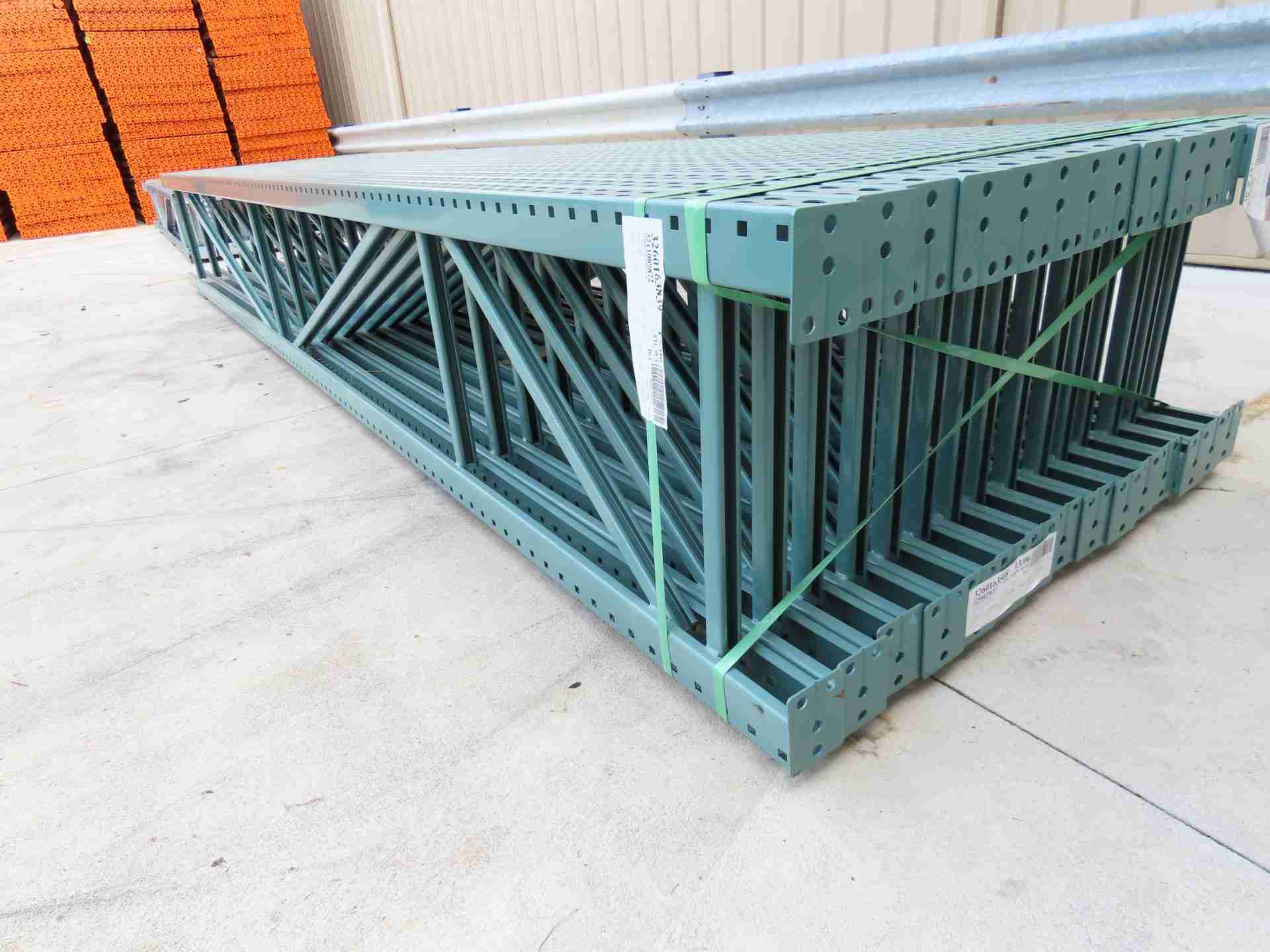
Other Resources
Glossary Terms
How Much Does Pallet Racking Cost? – Glossary Of Terms
1. Pallet Racking: A storage system that uses horizontal rows of rails or shelves to hold pallets of goods.
2. Cost of Goods Sold (COGS): The direct costs attributable to the production of the goods sold by a company, which can include pallet racking costs.
3. Installation Fees: Charges related to the labor and expertise required to assemble and set up the pallet racking system.
4. Load Capacity: The maximum weight a pallet racking unit can support, influencing its cost based on strength requirements.
5. Material Type: The substance used to construct pallet racking (e. g. , steel, aluminum) which affects the overall cost and durability.
6. Configuration: The specific arrangement or layout of the pallet racks (single, double-deep, drive-in, etc. ), which impacts the price.
7. Height: The vertical measurement of the pallet racks, often influencing both price and storage efficiency.
8. Width: The horizontal measurement of the racks, affecting the number of pallets that can be stored and the overall cost.
9. Depth: The measurement from the front to the back of the racking units, determining storage capacity and cost.
10. Warehouse Space: The physical area where pallet racking will be installed, impacting cost due to variances in size and layout.
11. Inventory Turnover Rate: A metric that indicates how quickly inventory is sold and replaced; can affect the cost-effectiveness of pallet racking investments.
12. Safety Compliance: Guidelines and regulations that pallet racking systems must meet, potentially impacting overall costs.
13. Forklift Compatibility: The compatibility of racking systems with forklifts, which can influence the design and cost of the system.
14. Used Racking: Pre-owned pallet racking, which can provide cost savings compared to buying new systems.
15. New Racking: Newly manufactured pallet racking systems that generally come with warranties and higher costs.
16. Custom Solutions: Tailor-made pallet racking designs to fit specific warehouse needs, often leading to higher costs.
17. Maintenance Costs: Ongoing expenses relating to the upkeep and repair of pallet racking systems over time.
18. Resale Value: The price at which pallet racking can be sold after use, impacting overall cost assessments.
19. Aisle Width: The space between pallet racks that affects accessibility and warehouse flow, influencing system design and cost.
20. Pallet Size: The dimensions of pallets being used, which dictate the type of racking needed and overall cost.
21. Storage Density: The ratio of stored goods to the area occupied, influencing the effectiveness of the racking system and its cost.
22. Racking Accessories: Additional items like safety brackets and labels that can add to the total cost of pallet racking.
23. Beam Level: Refers to the horizontal supports in pallet racking; more beam levels can mean higher costs due to complexity.
24. Modular Design: A design approach that allows for easy expansion or modification of racking systems, potentially affecting initial costs.
25. Manufacturer Warranty: The guarantee period provided by manufacturers, which can influence the initial purchase cost.
26. Capacity Planning: Forecasting storage needs to determine the appropriate racking system, affecting overall budget and costs.
27. Site Assessment: An evaluation of the installation location to ensure compatibility with racking systems, influencing costs.
28. Material Handling: The methods and equipment used to move goods, which can impact the design and cost of pallet racking systems.
29. Return on Investment (ROI): A measure of the profitability of purchasing pallet racking based on its lifespan and functionality versus its cost.
30. Supplier Quotes: Estimates provided by different vendors that help assess costs for purchasing pallet racking systems.
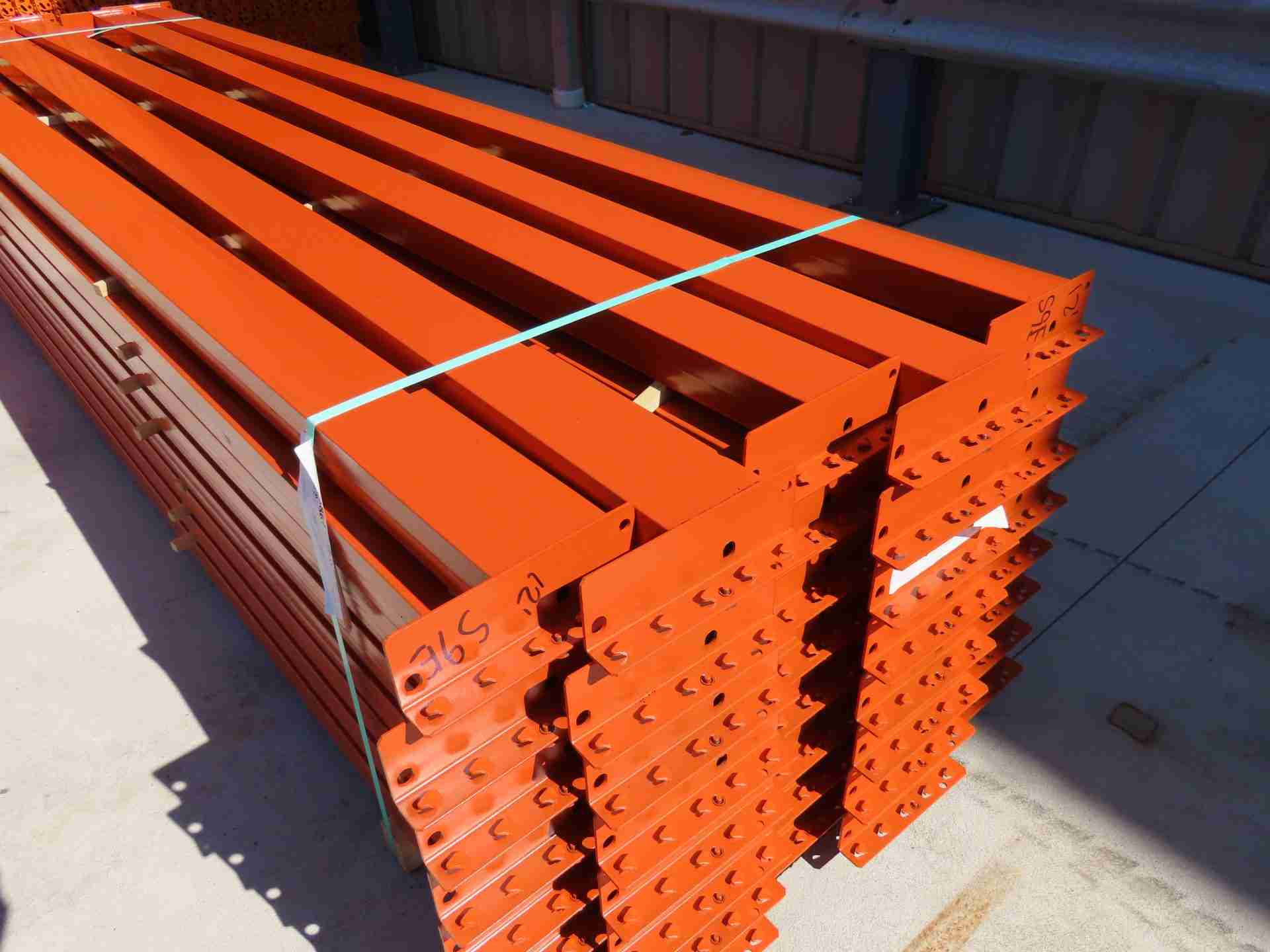
Glossary Of Terms
Other Questions
How Much Does Pallet Racking Cost? – Other Questions
If you wish to explore and discover more, consider looking for answers to these questions:
- What are the different types of pallet racking systems available?
- How do I choose the best pallet racking system for my warehouse?
- What is the expected lifespan of pallet racking systems?
- What kind of maintenance is required for pallet racking systems?
- What safety features should be included with pallet racking systems?
- What financing options are available for purchasing pallet racking?
- How do market trends impact the prices of pallet racking systems?
- Are there warranty options for pallet racking systems?
- How can I ensure compliance with safety regulations when installing pallet racking?
- What are the common mistakes businesses make when investing in pallet racking?
- Can I install pallet racking systems myself, or should I hire professionals?
- How does the layout of my warehouse influence the type of pallet racking I should buy?
- What is the cost-benefit analysis of used vs new pallet racking systems?
- Are there specific brand recommendations for pallet racking systems?
- What accessories should be considered when purchasing pallet racking?
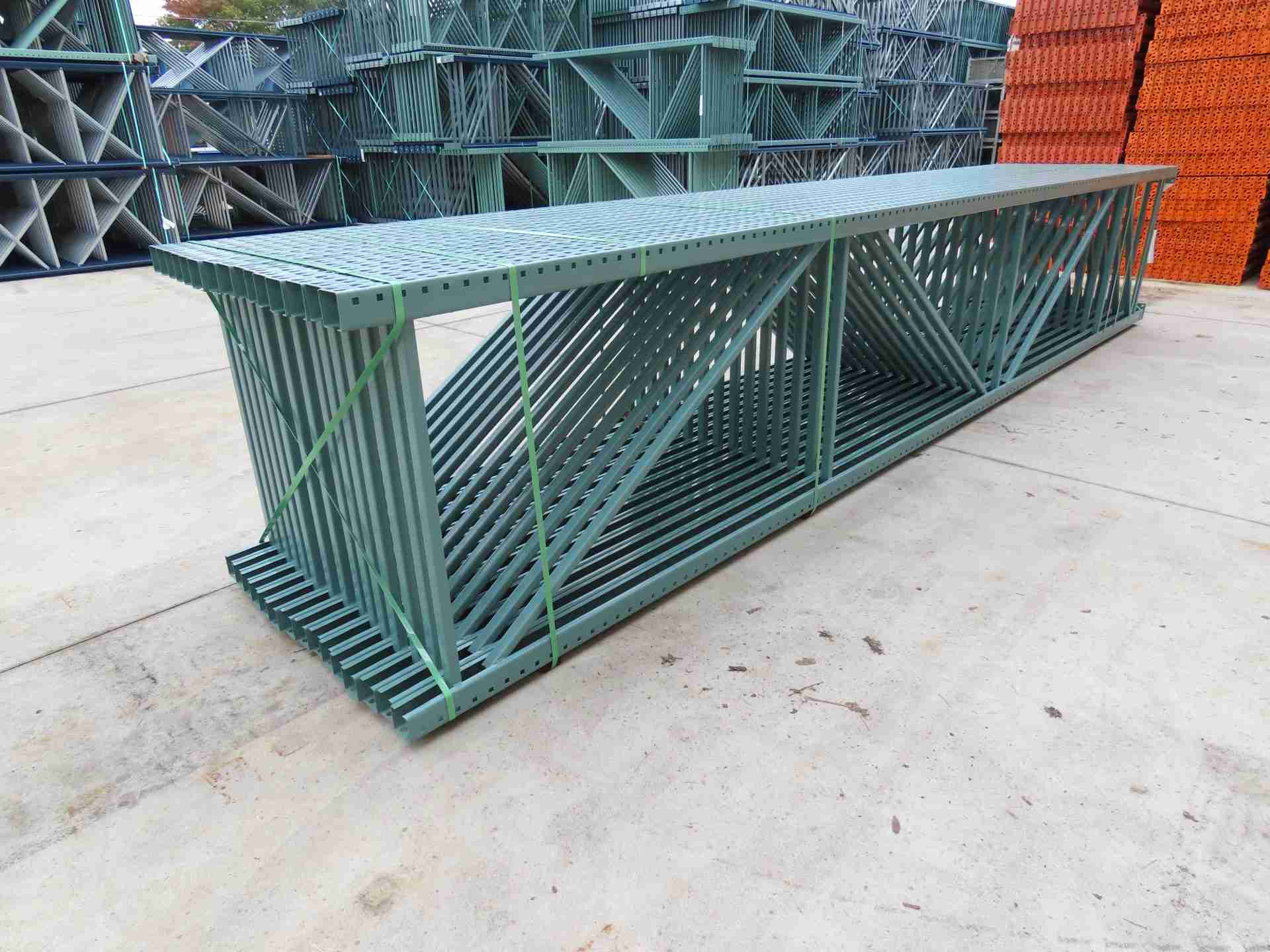
Other Questions
Checklist
How Much Does Pallet Racking Cost? – A Checklist
1. Assess Your Storage Needs
_____ Determine the types and sizes of products to be stored.
_____ Estimate the quantity and SKUs you expect to handle.
_____ Analyze current inventory turnover rates.
2. Evaluate Racking System Types
_____ Review different types of pallet racking systems:
_____ Selective Racking
_____ Drive-in/Drive-through Racking
_____ Cantilever Racking
_____ Double Deep Racking
_____ Push Back Racking
_____ Consider which system aligns with your inventory flow and access needs.
3. Calculate Budget and Costs
_____ Estimate initial costs (equipment, installation).
_____ Account for potential additional costs (accessories, modifications).
_____ Explore financing options (equipment financing, leasing, lines of credit).
_____ Prepare for ongoing maintenance and inspection costs.
4. Investigate Material Quality
_____ Review options for material quality (steel grade, coatings).
_____ Consider durability vs. initial cost savings.
5. Understand Local Regulations
_____ Research local codes and safety regulations affecting racking systems.
_____ Investigate potential permit fees.
6. Plan for Installation
_____ Evaluate the complexity of your warehouse layout for installation.
_____ Consider costs for professional installation versus DIY options.
7. Assess Maintenance Requirements
_____ Schedule regular safety inspections (daily, monthly, annually).
_____ Plan for upkeep to address wear and tear immediately.
8. Analyze Future Growth Potential
_____ Consider options for modular or adjustable racking systems.
_____ Plan for scalability to accommodate business growth.
9. Get Multiple Quotes
_____ Approach several suppliers for quotes.
_____ Compare comprehensive quotes that include hidden costs like shipping and installation.
10. Evaluate Manufacturer Reputation
_____ Research brands for quality and durability.
_____ Read customer reviews and case studies.
11. Consider Accessories
_____ Identify necessary safety accessories (safety bars, mesh decks).
_____ Look into productivity accessories (pallet supports, beam dividers).
12. Optimize Layout for Efficiency
_____ Plan a layout that enhances picking efficiency and minimizes aisle congestion.
_____ Utilize software or tools for warehouse layout design.
13. Review ROI Expectations
_____ Calculate potential returns based on improved efficiency and storage capacity.
_____ Monitor performance post-installation for continual assessments.
14. Stay Informed on Market Trends
_____ Keep an eye on supply chain trends and material costs affecting pricing.
_____ Stay updated on technology that could integrate with your racking solutions.
By following this checklist, you can ensure that you make a well-informed decision when choosing pallet racking systems for your warehouse, optimizing both space and costs.
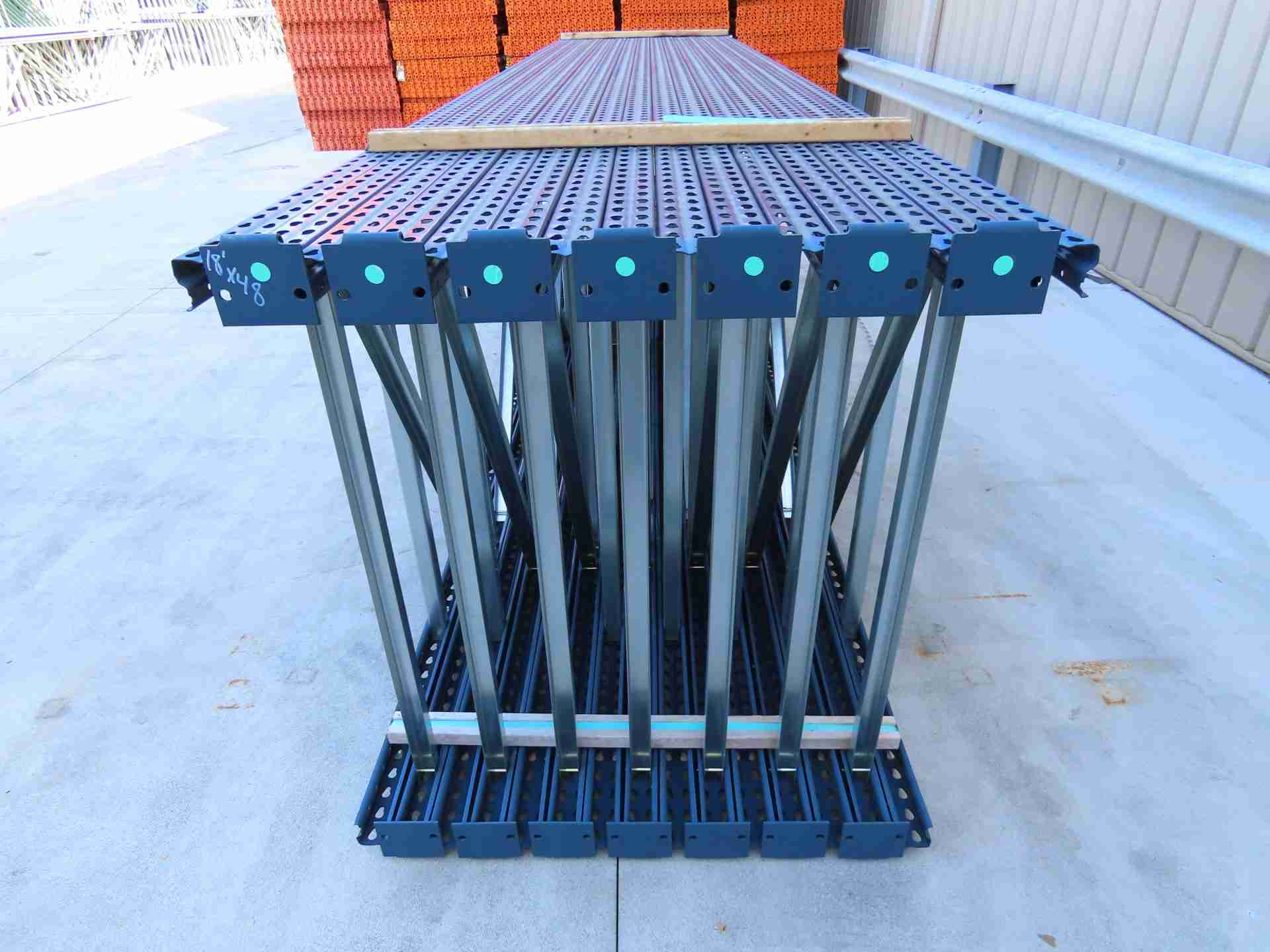
Checklist
At RackingWorld, we help guide you through selecting warehouse storage systems and racking.
Be sure to read our other related stories at RackingWorld to learn more about warehouse storage systems.
0 Comments