
Uncovering The Guidelines For Cantilever Rack Production
By Tom Seest
At RackingWorld, we help guide you through selecting warehouse storage systems and racking.
Be sure to read our other related stories at RackingWorld to learn more about warehouse storage systems.
Are There Industry Standards for Cantilever Rack Manufacturing?
When it comes to optimizing storage solutions for diverse industries, cantilever racks have emerged as a quintessential choice. But in a market teeming with options, how can you discern which manufacturers adhere to industry standards? The answer lies in understanding the benchmarks that underpin cantilever rack manufacturing, ensuring safety, reliability, and efficiency.
First and foremost, the American National Standards Institute (ANSI) plays a pivotal role in defining the foundational standards for cantilever racks. ANSI MH16.1, for instance, provides guidelines that dictate design parameters, load capacities, and material integrity. By selecting a manufacturer who complies with these standards, businesses can rest assured that their storage solutions are built to withstand the demands of heavy loads and varied environmental conditions.
Moreover, the International Organization for Standardization (ISO) sets the stage for quality assurance across industries, including warehousing. An ISO 9001 certification indicates that a manufacturing process adheres to stringent quality management principles. Did you know that companies recognized for their adherence to these standards often report reduced operational errors and enhanced customer satisfaction? In a recent survey by Supply Chain Dive, 78% of warehouses indicated that investing in high-quality storage solutions, such as compliant cantilever racks, improved their throughput and minimized safety incidents.
Another aspect to consider is the use of third-party testing organizations like the Rack Manufacturers Institute (RMI). RMI provides independent assessments, ensuring that the racks meet or exceed the expected safety standards. For example, after a series of tragic accidents related to warehouse collapses in 2022, the industry saw a renewed focus on compliance. Manufacturers who proactively sought RMI certification not only improved their safety profiles but also garnered trust and loyalty from clients, showcasing their commitment to quality.
In 2023, as supply chain management continues to evolve, the push for sustainable practices is becoming a hot topic. Look for manufacturers that utilize eco-friendly materials and sustainable production processes while adhering to industry standards. Companies like ULINE and GLOBAL industrial not only meet ANSI and ISO standards but also champion a green approach, resonating with organizations looking to enhance their corporate responsibility portfolios.
While industry standards exist to guide cantilever rack manufacturing, the onus is on the buyer to demand transparency and accountability. Seeking out manufacturers with recognized certifications like ANSI, ISO, and RMI will ensure that your investment is not only sound but also poised to meet the challenges of today’s fast-paced environment. After all, in the world of warehousing, cutting corners is simply not an option; safety, efficiency, and quality are non-negotiable standards that drive success.

Are There Industry Standards for Cantilever Rack Manufacturing?
Are There Industry Standards for Cantilever Rack Manufacturing?
- Cantilever racks are crucial for optimizing storage solutions across various industries.
- The American National Standards Institute (ANSI) sets foundational standards like ANSI MH16.1 for cantilever rack design and safety.
- ISO 9001 certification ensures that manufacturing processes meet stringent quality management principles.
- Adherence to industry standards can lead to reduced operational errors and increased customer satisfaction.
- Third-party testing organizations like the Rack Manufacturers Institute (RMI) provide independent assessments of rack safety standards.
- Manufacturers that embrace sustainable practices and materials align with industry standards and corporate responsibility goals.
- Buyers should seek transparent manufacturers with recognized certifications to ensure a sound investment in storage solutions.

Are There Industry Standards for Cantilever Rack Manufacturing?
Table Of Contents
- Are There Industry Standards for Cantilever Rack Manufacturing?
- Are There Specific Certifications For Cantilever Rack Manufacturers?
- What Regulations Govern The Safety Of Cantilever Racks?
- How Do Industry Standards Affect Cantilever Rack Design?
- What Materials Are Commonly Used In Cantilever Rack Construction?
- Are There Guidelines For Load Capacity On Cantilever Racks?
- How Often Should Cantilever Racks Be Inspected For Safety?
- What Factors Influence The Choice Of Cantilever Rack Type?
- Are There Best Practices For Installing Cantilever Racks?
- What Are The Key Features Of High-Quality Cantilever Racks?
- How Do Cantilever Rack Standards Vary Across Different Industries?
- What Are The Benefits Of Using Standardized Cantilever Racks?
- How Can Companies Ensure Compliance With Cantilever Rack Standards?
- What Is The Process For Testing Cantilever Racks For Safety?
- Are There Industry-Specific Recommendations For Cantilever Racks?
- How Do Cantilever Rack Standards Impact Warehouse Efficiency?
- Conclusion
- Other Resources
- Glossary Of Terms
- Other Questions
- Checklist
Are There Specific Certifications For Cantilever Rack Manufacturers?
When it comes to selecting the right cantilever racks for your warehouse or distribution center, it’s not just about aesthetics or price; it’s about integrity, safety, and compliance. In a market filled with options, certifications play a pivotal role in ensuring that manufacturers meet industry standards that guarantee both quality and safety. Understanding these certifications can save you headaches—and dollars—in the long run.
First and foremost, one of the most recognized certifications in the materials handling industry is the ANSI/HF 15.2 Standard, developed by the American National Standards Institute (ANSI). This certification ensures that the cantilever racks can withstand specific load capacities and that they have been rigorously tested for safety and durability. This standard is particularly crucial for businesses that deal with heavy or bulky items, such as lumberyards or home goods stores. For instance, if you’re part of a growing e-commerce business that requires long-term investment in storage solutions, choosing products certified to ANSI standards will ensure that you’re mitigating risk.
Another key certification to look for is the ISO 9001:2015, which denotes a commitment to quality management processes. Manufacturers with this certification are not just throwing racks together, but are committed to continuous improvement and customer satisfaction. This can be particularly important in today’s fluctuating market environment, where supply chain issues have impacted the availability of reliable storage systems. Companies that have maintained ISO 9001 certification have demonstrated resilience during these challenges, ensuring that their products remain consistent in quality.
In recent months, consider how the push towards sustainability has led some manufacturers to pursue certifications like the Forest Stewardship Council (FSC) certification. This is particularly relevant for businesses focused on eco-friendly operations and responsible sourcing. If your warehouse prioritizes zero-waste initiatives, opting for cantilever racks made from FSC-certified materials can significantly enhance your brand’s commitment to sustainability—a trait more consumers are looking for in today’s conscientious marketplace.
In choosing cantilever rack manufacturers, ask the critical questions: Are they certified? Do they adhere to industry standards? Are their materials sustainably sourced? The answers to these questions will not only guide you toward making informed purchasing decisions but also position your business to thrive in a competitive landscape—where safety, quality, and sustainable practices have become non-negotiable. When you invest in certified products, you’re not just purchasing equipment; you’re reinforcing the foundation of your business.

Are There Specific Certifications For Cantilever Rack Manufacturers?
Are There Specific Certifications For Cantilever Rack Manufacturers?
- Choosing cantilever racks involves considering integrity, safety, and compliance, not just aesthetics or price.
- Certifications are essential for ensuring manufacturers meet industry standards for quality and safety.
- The ANSI/HF 15.2 Standard guarantees that cantilever racks can handle specific load capacities and are tested for safety.
- ISO 9001:2015 certification signifies a manufacturer’s commitment to quality management and continuous improvement.
- Sustainability-focused certifications, like the Forest Stewardship Council (FSC) certification, appeal to eco-conscious businesses.
- Key questions to ask manufacturers include their certifications, adherence to industry standards, and sustainable sourcing practices.
- Investing in certified cantilever racks strengthens the foundation of your business in a competitive marketplace.

Are There Specific Certifications For Cantilever Rack Manufacturers?
What Regulations Govern The Safety Of Cantilever Racks?
When it comes to storing materials efficiently and safely, cantilever racks have emerged as a powerful solution for warehouses, distribution centers, and retail establishments. However, their impressive capabilities come with an equally significant responsibility: ensuring safety for both workers and stocked goods. Navigating the regulations that govern cantilever rack safety is not just a legal obligation; it’s a strategic asset that can set your business apart.
First and foremost, the Occupational Safety and Health Administration (OSHA) lays down the foundation for workplace safety in the United States. While OSHA may not have specific mandates tailored solely for cantilever racks, their general guidelines ensure that any storage solution adheres to principles of structural integrity, weight capacity, and employee safety. For instance, OSHA’s General Duty Clause requires employers to provide a workplace free from recognized hazards, which encompasses properly installed and maintained storage systems.
Additionally, the American National Standards Institute (ANSI) and the Storage Equipment Manufacturers Association (SEMA) have a direct hand in shaping industry standards. ANSI/ASSP Z490.1 outlines criteria for safety training in the workplace, recommending protocols for employees who handle and interact with cantilever racks. Familiarizing yourself with these standards is crucial for fostering a culture of safety and compliance in your organization.
In light of current events, consider the recent uptick in warehouse accidents attributed to improper rack installation or overloading. In 2022, a high-profile case made headlines when a major retailer faced hefty fines after multiple injuries related to improper storage methods. This serves as a stark reminder that overlooking safety regulations can lead to catastrophic financial and reputational damage. Implementing preventive measures that comply with regulations isn’t just insurance; it’s a smart investment in your company’s future.
Moreover, regular inspections based on guidelines from the Structural Steel Painting Council (SSPC) and the International Organization for Standardization (ISO) can elevate safety standards. By ensuring that your cantilever racks are not only compliant but also optimized for usage, you can significantly decrease the likelihood of accidents, which can disrupt operations and inflate costs.
Engaging with experts who can provide audits and assessments on your cantilever rack systems is not just prudent; it’s a proactive approach to safeguarding your assets. With strict adherence to the regulations, your business can operate with confidence, knowing that safety is not just an afterthought but an integral part of your operational ethos. After all, in today’s competitive landscape, maintaining a safe working environment not only protects your team but also enhances your brand’s credibility and bottom line.

What Regulations Govern The Safety Of Cantilever Racks?
What Regulations Govern The Safety Of Cantilever Racks?
- Cantilever racks provide efficient and safe storage solutions for warehouses and retail establishments, but require a commitment to safety.
- OSHA sets the foundation for workplace safety, requiring storage systems to ensure structural integrity and safety.
- ANSI and SEMA influence industry standards, with ANSI/ASSP Z490.1 focusing on safety training protocols for employees interacting with cantilever racks.
- Recent warehouse accidents highlight the importance of adhering to safety regulations to avoid financial and reputational damage.
- Regular inspections following SSPC and ISO guidelines can enhance safety and reduce the risk of accidents.
- Engaging experts for audits and assessments of cantilever rack systems is a proactive strategy for minimizing risks.
- Prioritizing safety enhances brand credibility and operational efficiency in a competitive business landscape.

What Regulations Govern The Safety Of Cantilever Racks?
How Do Industry Standards Affect Cantilever Rack Design?
When it comes to warehouse efficiency and safety, the selection of cantilever rack systems can be a game-changer. But beyond aesthetics and price, one key factor demands your attention: industry standards. These standards, crafted by organizations such as the American National Standards Institute (ANSI) and the Rack Manufacturers Institute (RMI), dictate critical parameters that directly influence the design and functionality of cantilever racks.
Imagine you’re a business owner looking to maximize storage space while keeping safety at the forefront. You might think that a standard cantilever rack will meet your needs. However, understanding these industry standards unlocks the blueprint for a solution optimized for your specific applications. For example, the RMI specifies loading capacities, design stability, and seismic resistance, ensuring that your chosen cantilever racks can safely support your inventory. This is especially relevant in today’s economic climate, where supply chain disruptions are common. Following strict compliance not only ensures safety but also minimizes the financial hit of potential accidents or damages.
Consider the recent rise in e-commerce demands. Companies are increasingly required to store a wider variety of products, many of which vary in size and shape. Industry standards help dictate adaptable solutions—like adjustable arms and brackets—that can accommodate unconventional items such as oversized furniture or even heavy construction materials. Had your racks been designed without these considerations? You’d risk not just inventory damage but also employee safety, which could lead to costly liability issues.
A glaring example of the importance of adherence to industry standards is the tragic incident at a major warehouse in 2022, where inadequate racking systems led to a catastrophic collapse. It vividly illustrated that when proper guidelines are ignored, the consequences can be dire. Such incidents not only disrupt operations but can also inflict substantial reputation damage on a brand. Consequently, rigorous compliance with industry standards must be viewed as a non-negotiable element of your operational framework.
By integrating industry standards into your cantilever rack design process, you ensure not just legal compliance but also a heightened sense of reliability and trustworthiness—an invaluable trait in today’s competitive landscape. When prospective clients look at your warehouse, they need to see more than just shelves; they need to recognize a commitment to safety and excellence. Ultimately, a well-designed cantilever rack system, aligned with industry standards, becomes a cornerstone of efficient operations, resilience against economic fluctuations, and a proactive approach to safety—elements that can elevate your business in a crowded marketplace.

How Do Industry Standards Affect Cantilever Rack Design?
How Do Industry Standards Affect Cantilever Rack Design?
- Selection of cantilever rack systems significantly impacts warehouse efficiency and safety.
- Industry standards from organizations like ANSI and RMI influence rack design and functionality.
- Understanding these standards helps optimize cantilever racks for specific applications, including loading capacities and seismic resistance.
- Compliance with standards ensures safety and minimizes financial risks from accidents or damages.
- E-commerce growth necessitates adaptable rack solutions to accommodate diverse product sizes and weights.
- Ignoring industry standards can lead to catastrophic events, as seen in a 2022 warehouse collapse.
- Adhering to standards enhances reliability and safety, making it essential for operational excellence and competitive advantage.

How Do Industry Standards Affect Cantilever Rack Design?
What Materials Are Commonly Used In Cantilever Rack Construction?
When it comes to designing a robust and efficient storage solution, the choice of materials in cantilever rack construction plays a pivotal role. These heavy-duty racks are specifically engineered to support long and bulky items, making them indispensable in warehouses, manufacturing plants, and distribution centers. Selecting the right materials not only ensures durability and safety but also maximizes your operational efficiency. Let’s dive into the materials that top-quality cantilever racks are made from, ensuring you’re equipped to make an informed purchasing decision.
Steel – The Foundation of Strength
The backbone of any cantilever rack is steel. Known for its immense strength and resilience, industrial-grade steel is often the material of choice for arms, bases, and uprights. High-grade steel can withstand significant loads, which is especially critical in a fluctuating supply chain environment, as seen during the ongoing disruptions caused by global shipping delays. For instance, during recent events, businesses have learned the hard way that flimsy materials lead to costly downtimes. Investing in heavy-duty steel can provide peace of mind—your investment is protected, and your inventory remains safe.
Powder Coating – The Shield of Longevity
In addition to steel, powder coating is commonly used to enhance the longevity of cantilever racks. This process creates a hard, protective layer that not only reinforces the structure against wear and tear but also protects against rust and corrosion. As industrial environments can be particularly harsh, with temperature fluctuations and humidity affecting shelf life, powder-coated racks are a fantastic solution. Companies like Uline have recognized this need and now feature powder-coated options that elevate both the durability and aesthetic appeal of their racks.
Composite Materials – The New Frontier
With advancements in technology, some manufacturers are beginning to experiment with composite materials that offer a lighter, yet durable alternative to traditional steel. While still in the early stages of adoption, composites may provide innovative solutions for specific applications, such as outdoor storage where rust resistance is paramount. Keeping an eye on this trend could future-proof your storage solutions, aligning your operations with green initiatives and sustainability—an increasingly vital consideration as companies like IKEA push for more eco-friendly practices.
Conclusion
In summary, the materials used in cantilever rack construction fundamentally impact performance, safety, and cost-effectiveness. Opting for high-quality steel, reliable coatings, and being open to innovative materials will not only enhance your storage capabilities but also future-proof your investments in an ever-evolving industrial landscape. Make the smart choice today—your business relies on it.

What Materials Are Commonly Used In Cantilever Rack Construction?
What Materials Are Commonly Used In Cantilever Rack Construction?
- Steel: The primary component for cantilever racks, offering immense strength and resilience essential for supporting bulky items in industrial environments.
- Durability: High-grade steel ensures robust performance and protects against costly downtimes in fluctuating supply chain conditions.
- Powder Coating: A protective layer that enhances longevity, guarding against wear, rust, and corrosion in harsh industrial settings.
- Temperature Resistance: Powder-coated racks withstand harsh conditions, making them a great choice for varied environments.
- Composite Materials: Emerging alternatives to traditional steel, offering lighter weight options ideal for outdoor and rust-prone applications.
- Sustainability: The shift towards innovative and composite materials aligns with eco-friendly initiatives in modern business practices.
- Conclusion: Selecting high-quality materials for cantilever racks enhances performance, safety, and cost-effectiveness, future-proofing storage solutions in an evolving industrial landscape.

What Materials Are Commonly Used In Cantilever Rack Construction?
Are There Guidelines For Load Capacity On Cantilever Racks?
When it comes to efficient storage and organization, cantilever racks stand unrivaled. Their versatility allows for the accommodation of various items, particularly long and bulky materials like lumber, pipes, and steel beams. However, what truly makes these structures vital to any warehouse or retail space is understanding their load capacity. Ignoring or miscalculating these limits can lead to severe consequences, including safety hazards and damaged inventory.
Before diving into the specifics, it’s important to recognize that cantilever rack systems are inherently designed with load capacities that vary depending on their configuration. Factors such as the height of the racks, the type of materials being stored, and the spacing of the arms play critical roles in determining these capacities. For instance, a standard cantilever rack might support anywhere from 1,000 to over 5,000 pounds per arm, depending on the specifics of the build and materials.
Take, for example, the recent surge in home improvement and construction projects due to an increase in remote work and urban development. As homeowners and contractors stack up on lumber and building materials, warehouses across the nation are seeing unprecedented demand for cantilever racks. Without adhering to strict load capacity guidelines, many are at risk of accidents and inventory loss. A case in point is a widely reported incident where a warehouse in California collapsed part of its shelving due to overloading. This emphasized the importance of consistent training and guidelines around load calculations.
To stay proactive, it’s essential to refer to your rack manufacturer’s load capacity charts. These guidelines are specifically designed to inform users about the maximum weight that can be safely stored. Additionally, a regular inspection schedule should be established. Damaged arms, bent uprights, or even signs of excessive wear can compromise a cantilever rack’s integrity.
Government and industrial standards, such as those set by the Occupational Safety and Health Administration (OSHA), should be your go-to resource. They provide a framework for safe operation, including guidelines for load limits and employee safety practices.
Integrating these practices into your operation doesn’t just protect your assets; it enhances your credibility and reliability in the marketplace. So, don’t leave your success to chance. Be proactive in understanding and implementing load capacity guidelines for your cantilever racks, and reap the benefits of a safe, efficient, and organized storage solution. Your bottom line—and your safety—depend on it.

Are There Guidelines For Load Capacity On Cantilever Racks?
Are There Guidelines For Load Capacity On Cantilever Racks?
- Cantilever racks are essential for efficient storage and organization of long and bulky materials like lumber and pipes.
- Understanding load capacity is crucial to avoid safety hazards and inventory damage.
- Load capacities vary based on rack configuration, including height, material type, and arm spacing.
- Typical cantilever racks can support between 1,000 to over 5,000 pounds per arm, depending on specifications.
- Increased demand for cantilever racks is driven by a rise in home improvement projects and urban development.
- Regular inspection and adherence to manufacturer load capacity charts are vital to maintaining rack integrity.
- Compliance with OSHA and other standards boosts operational safety and enhances organizational credibility.

Are There Guidelines For Load Capacity On Cantilever Racks?
How Often Should Cantilever Racks Be Inspected For Safety?
In the realm of warehouse management, safety is not just a priority—it’s a bottom-line necessity. Cantilever racks, renowned for their ability to store long and bulky items, can become perilous if not properly maintained. The question on every warehouse manager’s mind should not only be *if* they should inspect their cantilever racks, but *how often* these inspections should occur to ensure maximum safety and efficiency.
First off, the frequency of inspections largely depends on the volume of use and the type of materials stored. For heavily used racks, a monthly inspection is advisable. This proactive approach can prevent minor issues from spiraling into costly catastrophes. For facilities storing lighter or less frequently accessed items, quarterly inspections may suffice. However, remember that not all racks are created equal—industry standards recommend routine checks at least every six months.
Take, for instance, a recent incident reported by OSHA involving a warehouse that experienced a serious collapse of cantilever racks due to neglected inspections. This not only led to injuries but resulted in fines and a tarnished reputation. The moral of the story? Regular inspections are a non-negotiable aspect of operational safety.
Now, let’s dig into what constitutes an effective inspection. A comprehensive examination shouldn’t just glance over the storage structure. Look for signs of stress or damage: bent arms, missing parts, or unstable bases. Utilize a checklist that covers all elements—from proper load placement to the structural integrity of the racks. Implementing a digital tracking system for inspections, complete with photographic evidence, can enhance accountability and ensure no detail is overlooked.
Moreover, training your staff is essential. Regular workshops can help them recognize potential hazards. For example, during a recent warehouse management conference, a case study highlighted how a training program at a major distribution center drastically reduced accidents related to cantilever rack misuse. Empowering your team with knowledge is a powerful step toward safer operations.
Finally, don’t underestimate the value of documentation. If your warehouse is inspected and found to have faulty racks, a lack of records could lead to significant legal ramifications. Implement a systematic approach to logging each inspection and maintaining records for accountability and compliance.
In today’s volatile market—especially amid the rise in e-commerce and supply chain challenges—ensuring the safety of your warehouse operations is critical. As you navigate the complexities of managing cantilever racks, remember: frequent inspections aren’t just smart; they’re essential for success.

How Often Should Cantilever Racks Be Inspected For Safety?
How Often Should Cantilever Racks Be Inspected For Safety?
- Safety in warehouse management is crucial, especially for cantilever racks used for storing long and bulky items.
- Inspection frequency depends on usage: monthly for heavily used racks and quarterly for lighter items; at least every six months is recommended.
- Neglected inspections can lead to catastrophic incidents, as highlighted by a recent OSHA report on a cantilever rack collapse.
- An effective inspection should look for stress signs, such as bent arms and missing parts, using a comprehensive checklist.
- Training staff through workshops is essential to help them identify potential hazards and improve safety awareness.
- Documentation of inspections is vital to avoid legal issues and ensure accountability and compliance.
- Frequent inspections of cantilever racks are essential for safe and efficient warehouse operations, especially in today’s demanding market.

How Often Should Cantilever Racks Be Inspected For Safety?
What Factors Influence The Choice Of Cantilever Rack Type?
When it comes to optimizing storage solutions for your business, choosing the right type of cantilever rack is akin to selecting the right tool for a job—one size definitely does not fit all. Factors influencing your choice go beyond merely looking at specifications; they encompass your operational needs, product types, and even current industry trends.
1. Load Capacity and Weight Distribution: First and foremost, consider the weight of the items you need to store. Cantilever racks are available in various load capacities, tailored for light-duty materials all the way to heavy construction items. For example, a company like Material Handling Solutions Steel Supplies may opt for heavy-duty cantilever racks designed to handle high-density steel beams, while a furniture retailer might choose lighter models for maneuvering sofas and tables with ease. Understanding how your products distribute weight is crucial for safety and efficiency.
2. Material Type and Size: The nature of your inventory will significantly influence the type of cantilever rack you’ll need. Small, instantly recognizable objects like PVC pipes require different racking solutions compared to longer beams or furniture. Current trends indicate a growing demand for racking systems that can accommodate longer and bulkier items due to the shift towards e-commerce. Companies that adapt quickly are at the forefront of storage innovation, ensuring that their warehouse setups keep pace with changing consumer behaviors.
3. Floor Space and Layout: Assess your available space before diving into cantilever rack options. Confined areas benefit from vertical storage solutions, while expansive warehouses might find horizontal arrangements more practical. For instance, a recent report on warehouse management pointed out that proper floor space utilization can enhance workflow efficiency by up to 30%. It’s not just about what you need to store but how to do so without compromising operational productivity.
4. Future Scalability: Think about future growth. Are you anticipating an expansion in your product line, or perhaps an increase in sales volume? Manufacturers today are building cantilever racks with modular designs, allowing businesses to scale their storage solutions without disruptive overhauls. Look at innovative examples like Indianapolis Pallet Racking Logistics, which leveraged scalable cantilever systems enabling them to adapt quickly during peak seasons, thus maximizing their storage efficiency without missing a beat.
Selecting the right cantilever rack isn’t just about the shelves; it’s about investing in an operational advantage that drives your business forward. By considering load capacity, material types, space utilization, and future needs, you position your company not just to survive but to thrive in a competitive landscape.
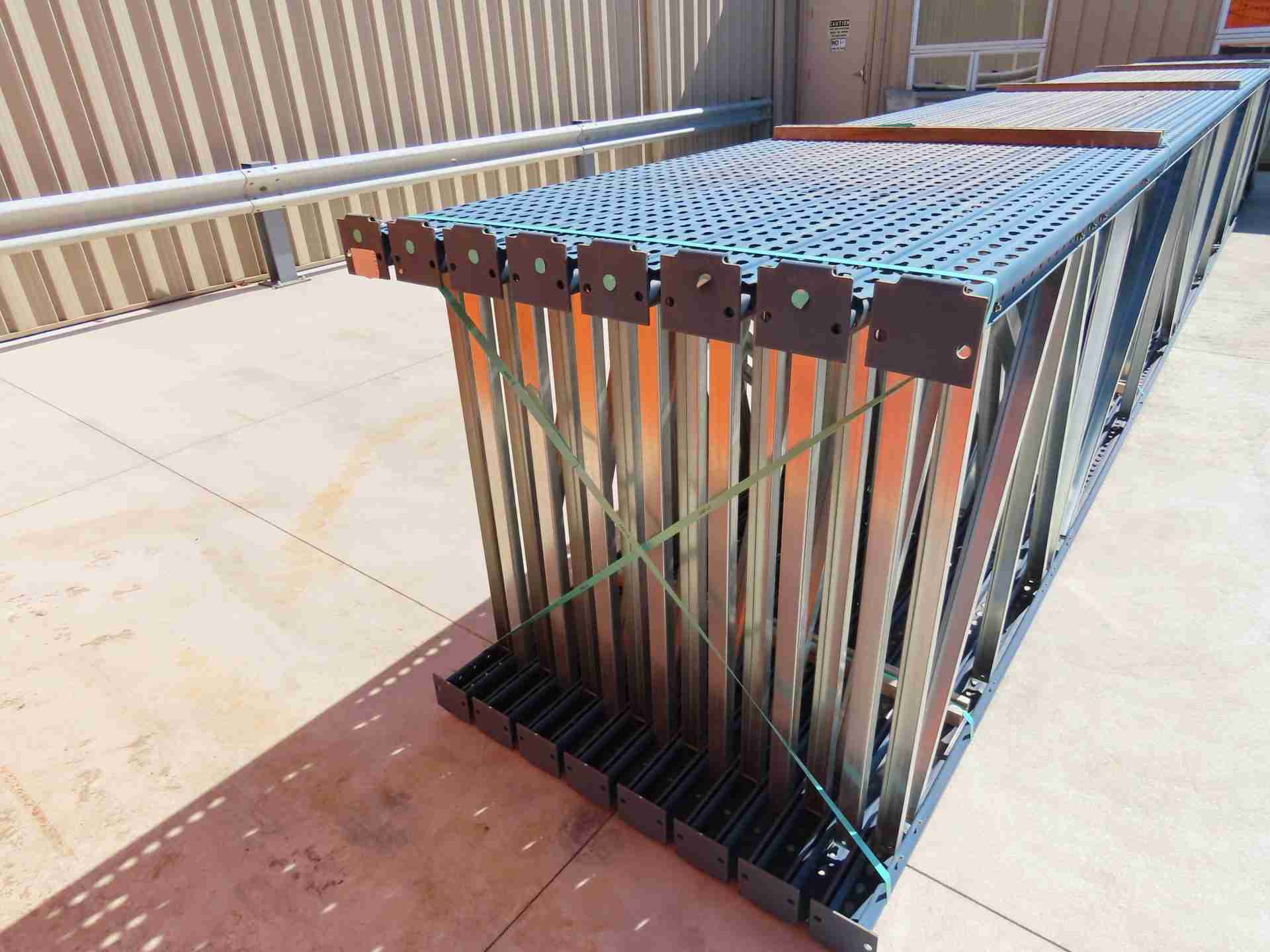
What Factors Influence The Choice Of Cantilever Rack Type?
What Factors Influence The Choice Of Cantilever Rack Type?
- Choosing the Right Cantilever Rack: Selecting the appropriate rack is crucial as different businesses have varying operational needs, product types, and industry trends.
- Load Capacity and Weight Distribution: Assess the weight of items to determine the suitable load capacity—from light-duty for easy maneuvering to heavy-duty for dense materials.
- Material Type and Size: Inventory characteristics dictate the type of rack needed; trends show demand for systems accommodating longer, bulkier items due to e-commerce growth.
- Floor Space and Layout: Evaluate available space; vertical storage maximizes efficiency in confined areas, while horizontal setups may suit larger warehouses.
- Future Scalability: Consider potential growth in product lines or sales; modular cantilever racks allow for easy updates without major disruptions.
- Operational Advantage: Selecting the right cantilever rack can enhance your business efficiency, helping it thrive in a competitive market.
- Comprehensive Approach: A successful storage solution involves considering load capacity, material types, space utilization, and future needs for optimal performance.

What Factors Influence The Choice Of Cantilever Rack Type?
Are There Best Practices For Installing Cantilever Racks?
When it comes to optimizing your warehouse or storage space, cantilever racks are a game-changer. However, simply purchasing and installing them isn’t enough. To truly reap the benefits, one must adhere to best practices that maximize efficiency and safety. Here’s how you can capitalize on your investment.
Understand Your Space and Needs
Before you dive into installation, assess your storage area meticulously. Measure the dimensions and account for any obstacles such as doors, equipment, or shelving. The recent shift towards e-commerce has spurred warehouses to rethink their layouts to accommodate rapid shipping and inventory turnover. For example, companies are now using multi-tier cantilever systems to store oversized goods while keeping the flow of operations smooth.
Select the Right Rack Configuration
Cantilever racks come in various configurations designed for different types of loads. If you’re storing lumber, HVAC ducts, or pipes, opt for adjustable arms that cater to varying lengths. The 2023 trends showcase businesses increasingly utilizing heavy-duty racks due to rising wholesale costs of materials. Ensure you choose racks with a load rating that aligns with the weight you’ll be storing. Failing to do so could lead to catastrophic failures and, ironically, additional long-term costs.
Follow Safety Standards and Guidelines
Adherence to safety standards is paramount. The Occupational Safety and Health Administration (OSHA) establishes guidelines for proper installation and weight limits. These regulations aren’t just bureaucratic red tape; they’re proven safety measures. Following these protocols mitigates risk and enhances productivity by preventing accidents that could hamper workflow. Integrating safety signage can further emphasize safe usage among your employees, creating a culture of safety.
Professional Installation Matters
While DIY might be tempting, hiring professionals ensures the installation is done correctly. Recent events have shown that improperly installed racks can lead to serious incidents; in a logistics warehouse in California last month, an avalanche of materials occurred due to faulty installations, leading to injuries. Professionals bring the expertise to not only install but also to advise on load distribution and placement—which brings us to the next point.
Regular Maintenance and Evaluation
Finally, an often-overlooked but critical best practice is ongoing maintenance. Regularly inspect your cantilever racks for any signs of wear and tear. Develop a schedule for evaluations to address issues before they escalate. This form of preventive maintenance can lead to savings that far outweigh initial installation costs, especially in a high-stakes environment like a warehouse. Remember, a stitch in time saves nine—and can save you from costly downtime as well.
In summary, following these best practices will not only enhance the functionality of your cantilever racks but also position your business as a leader in efficient, safe operations. Make the investment in your infrastructure today to reap the rewards tomorrow.

Are There Best Practices For Installing Cantilever Racks?
Are There Best Practices For Installing Cantilever Racks?
- Assess your storage area thoroughly before installation to accommodate obstacles and optimize layout.
- Select the appropriate cantilever rack configuration for your specific storage needs and load types.
- Adhere to OSHA safety standards and guidelines to mitigate risks and enhance productivity.
- Consider professional installation to ensure correct setup and expert advice on load distribution.
- Conduct regular maintenance and inspections to identify wear and prevent costly issues.
- Implement safety signage to foster a culture of safety among employees.
- Investing in proper infrastructure today will yield benefits in efficiency and safety tomorrow.

Are There Best Practices For Installing Cantilever Racks?
What Are The Key Features Of High-Quality Cantilever Racks?
In the fast-paced world of logistics and warehousing, efficiency is king. When it comes to maximizing vertical storage space and handling bulky items, high-quality cantilever racks stand out as the go-to solution. So, what key features should you look for to ensure you’re investing in the best? Let’s break it down.
1. Robust Construction: At the heart of every dependable cantilever rack lies its durability. Look for racks made from high-grade steel, which not only contributes to longevity but also supports heavier loads without buckling. For example, industrial-grade cantilever racks often use a robust tubular design that can bear significant weight—ideal for lumber yards or metal fabrication shops. Companies like Steel King and Interlake Mecalux are known for their high-quality offerings that withstand the rigors of daily use.
2. Adjustable Components: Flexibility is essential in any storage solution. High-quality cantilever racks feature adjustable arms and vertical frames, allowing users to customize the shelf heights according to the specific dimensions of the items stored. This adaptability not only optimizes space but also makes inventory management more straightforward. Imagine a warehouse that transitions seamlessly from storing PVC piping to heavy wooden beams—these adjustable racks make it possible.
3. Enhanced Safety Features: Safety shouldn’t be an afterthought; it must be a priority. Quality cantilever racks come equipped with safety features such as reinforced arms and secure locking mechanisms. This is particularly crucial in high-density environments where the risk of accidents can escalate. For instance, warehouse operators will appreciate racks designed with increased visibility or safety bracing to minimize the risk of tipping, especially in facilities that handle seismic considerations.
4. Easy Assembly and Maintenance: Time is money, and the best cantilever racks are designed for quick, hassle-free assembly. Prefabricated components, minimal tools required, and detailed instruction manuals can reduce downtime during setup. Additionally, look for options that allow easy access for maintenance checks and repairs—after all, neglecting upkeep can lead to costly downtimes.
5. Versatile Applications: Lastly, high-quality cantilever racks cater to a broad range of industries, from construction and manufacturing to retail and automotive. A system that adapts can serve multiple purposes without needing a complete overhaul. Think about a large warehouse that needs to seamlessly transition between housing building materials today and large pallets of merchandise tomorrow.
In summary, investing in high-quality cantilever racks isn’t just about storage; it’s about enhancing operational efficiency and ensuring safety. In an era where logistics plays a crucial role across supply chains, these features position your business for success. Choose wisely, and you’ll unlock the full potential of your warehouse operations.

What Are The Key Features Of High-Quality Cantilever Racks?
What Are The Key Features Of High-Quality Cantilever Racks?
- Robust Construction: Durable cantilever racks made from high-grade steel support heavy loads without buckling, ideal for industrial applications.
- Adjustable Components: Features adjustable arms and vertical frames for customizable shelf heights, optimizing space for various item sizes.
- Enhanced Safety Features: Includes reinforced arms and secure locking mechanisms to prioritize safety in high-density environments.
- Easy Assembly and Maintenance: Designed for quick assembly with prefabricated components, minimizing downtime during setup and maintenance.
- Versatile Applications: Suitable for a wide range of industries, from construction to retail, adapting to different storage needs.
- Operational Efficiency: Investing in high-quality cantilever racks enhances overall operational efficiency while ensuring safety.
- Strategic Investment: Select racks wisely to unlock the full potential of warehouse operations in today’s logistics landscape.

What Are The Key Features Of High-Quality Cantilever Racks?
How Do Cantilever Rack Standards Vary Across Different Industries?
When it comes to cantilever racks, understanding the nuances of industry standards is crucial for optimizing your storage solutions. Cantilever racks are versatile and ideal for storing long, bulky items like lumber, pipes, and even furniture. However, the design, material, and safety regulations can vary significantly across different sectors.
Take the construction industry, for instance. Here, cantilever racks must adhere to strict OSHA regulations and local building codes to ensure worker safety. The loading capacities are often higher due to the nature of the materials being stored. A recent report from the National Association of Home Builders highlighted the increased demand for lumber storage as construction projects surged, prompting companies to invest in customized cantilever racks that not only meet statutory requirements but also enhance operational efficiency.
In contrast, the retail sector approaches cantilever racks with different priorities. Retailers often use these racks not just for storage but as a promotional tool. In this environment, aesthetic appeal and accessibility are paramount. For example, many furniture stores utilize cantilever racks to display large items like sofas and tables. They must adhere to local safety standards, but the focus is heavily on creating an inviting layout that enhances customer experience.
The manufacturing industry, on the other hand, leans towards precision and durability in cantilever rack design. Heavy-duty applications require racks that can support significant weight while minimizing risk factors such as tipping or collapsing. A recent incident involving a manufacturing plant in Michigan emphasized this need, as inadequate storage led to an unsafe environment, resulting in fines and damage control. Manufacturers are now reassessing their choices and often turn to suppliers who offer scaffolding-grade steel and enhanced safety features that comply with ANSI standards to mitigate such risks.
The cold storage industry presents yet another example with its unique challenges. Cantilever racks in refrigerated environments need to be specifically designed to withstand lower temperatures without compromising structural integrity. Companies are increasingly investing in thermal insulation for their racks to prevent freezing and ensure longevity, as highlighted in a recent distribution industry report.
In summary, while the fundamental purpose of cantilever racks remains consistent — efficient storage of bulky items — industry-specific requirements lead to a diverse landscape of standards. Whether you’re in construction, retail, manufacturing, or cold storage, understanding and adhering to the specialized standards in your sector is not just a matter of compliance; it’s a critical factor in protecting your assets and driving operational success.

How Do Cantilever Rack Standards Vary Across Different Industries?
How Do Cantilever Rack Standards Vary Across Different Industries?
- Cantilever racks are versatile storage solutions for long, bulky items like lumber and pipes.
- Different industries have unique design, material, and safety regulations for cantilever racks.
- In construction, OSHA regulations and local codes ensure worker safety and higher loading capacities for racks.
- The retail sector uses cantilever racks for storage and as promotional tools, emphasizing aesthetics and accessibility.
- Manufacturing requires durable cantilever racks that support heavy loads and minimize safety risks.
- Cold storage facilities need racks designed for lower temperatures with thermal insulation for longevity.
- Adhering to industry-specific standards is crucial for asset protection and operational efficiency across sectors.

How Do Cantilever Rack Standards Vary Across Different Industries?
What Are The Benefits Of Using Standardized Cantilever Racks?
When it comes to optimizing your warehouse or storage facility, choosing the right shelving and racking solutions can make all the difference. Enter standardized cantilever racks—an ideal choice for a multitude of storage needs. These versatile systems are not just an optional extra; they are essential tools for maximizing efficiency, safety, and organization.
One of the foremost benefits of standardized cantilever racks is their ability to easily accommodate various types of materials—whether you’re storing cumbersome lumber, pipes, or oversized machinery. Unlike traditional shelving, cantilever racks offer open access from the front, eliminating the hassle of navigating around aisles. In a time when supply chains face disruptions, as seen with the recent logistics challenges triggered by global events, implementing efficient storage solutions becomes critical for maintaining operational continuity.
Consider the automotive industry, where manufacturers have recently grappled with supply shortages and inventory management issues. Facilities that leverage standardized cantilever racks can swiftly adjust to changing stock levels, as these racks can be reconfigured to suit different products without requiring extensive downtime or investment. Flexibility in the storage layout translates to improved responsiveness—exactly what today’s volatile market demands.
Standardized cantilever racks also promote enhanced safety. By allowing heavy items to be stored close to the ground and providing a stable base, they reduce the risk of accidents associated with top-heavy shelving. Furthermore, because they are designed with specific load capacities in mind, businesses can reliably stack inventory without the fear of structural failure. Safety should never be an afterthought, especially in industries that have experienced heightened scrutiny regarding workplace conditions.
Moreover, using standardized systems means reduced costs. When you standardize your racks, you can more easily forecast your storage needs and purchase in bulk, taking advantage of economies of scale. This is particularly advantageous for businesses looking to streamline operations amid rising material costs and tariffs, which have become prevalent over the past few years.
Finally, don’t underestimate the aesthetic advantage. Cleaner organization provided by cantilever racks not only improves workflow but also leaves a good impression on clients and visitors. In a climate where first impressions matter more than ever, displaying a well-ordered warehouse can enhance credibility and trust.
Investing in standardized cantilever racks isn’t merely a choice; it’s a strategic decision that brings both immediate and long-term benefits. In a world where efficiency equals survival, can your business afford not to be organized?

What Are The Benefits Of Using Standardized Cantilever Racks?
What Are The Benefits Of Using Standardized Cantilever Racks?
- Standardized cantilever racks optimize warehouse efficiency, safety, and organization.
- They accommodate various materials like lumber, pipes, and oversized machinery with open access from the front.
- Their flexibility allows for quick reconfiguration to meet changing stock levels without extensive downtime.
- These racks enhance safety by reducing the risk of accidents associated with top-heavy shelving and providing reliable load capacities.
- Standardization helps reduce costs by enabling bulk purchasing and better forecasting of storage needs.
- Cleaner organization with cantilever racks improves workflow and creates a positive impression on clients and visitors.
- Investing in these racks is a strategic decision that offers immediate and long-term operational benefits.

What Are The Benefits Of Using Standardized Cantilever Racks?
How Can Companies Ensure Compliance With Cantilever Rack Standards?
In today’s fast-paced business environment, compliance with cantilever rack standards is not just a regulatory requirement; it’s a strategic advantage. Companies must navigate the complexities of safety regulations, implement best practices, and ultimately create a culture of compliance that protects both their assets and their workforce. Failing to adhere to these standards can result in catastrophic accidents, hefty fines, and irrevocable damage to a company’s reputation.
First, it’s crucial for businesses to stay informed about the latest regulatory standards. The Occupational Safety and Health Administration (OSHA) frequently updates its guidelines, and recent events in the manufacturing sector highlight the importance of vigilance. For instance, after a tragic collapse in a midwestern warehouse last year, OSHA increased scrutiny on racking systems, emphasizing the importance of regular inspections and employee training.
Establishing a comprehensive training program is critical. Employees should be equipped with knowledge about load limits, proper stacking techniques, and safe handling practices. For example, consider the case of a distribution center that implemented a mandatory cantilever rack training module. By educating employees about the intricacies of their racking systems, they not only reduced accidents by 50% but also fostered a more engaged and safety-conscious workforce. Regular refresher courses and workshops keep compliance top-of-mind and demonstrate a commitment to safety.
Another essential practice is the regular inspection and maintenance of cantilever racks. Companies should schedule routine checks at least bi-annually, assessing for signs of wear and tear or potential hazards. In the wake of a recent high-profile incident where a local warehouse faced severe penalties due to neglected racking systems, this proactive approach becomes imperative. A diligent inspection regimen not only minimizes risks but also serves as a strong defense should regulatory scrutiny arise.
Moreover, leveraging technology can greatly enhance compliance efforts. Implementing software that tracks inspection dates, employee training records, and maintenance schedules can streamline processes and ensure that nothing falls through the cracks. In an era where technology shapes operational efficiency, businesses that utilize these tools can position themselves as leaders in safety and compliance.
Lastly, fostering a culture of accountability is paramount. Encourage employees to report concerns and provide feedback on racking systems. When workers feel empowered to voice their insights, it creates an environment where safety is a shared responsibility. By leading with transparency and prioritizing compliance, companies not only safeguard their operations but set themselves apart in an increasingly competitive marketplace.
In summary, ensuring compliance with cantilever rack standards involves a holistic approach—staying informed, providing thorough training, conducting regular inspections, utilizing technology, and fostering a culture of safety. By committing to these practices, companies can not only avoid setbacks but also drive long-term success.

How Can Companies Ensure Compliance With Cantilever Rack Standards?
How Can Companies Ensure Compliance With Cantilever Rack Standards?
- Compliance with cantilever rack standards is a strategic advantage in today’s business environment.
- Staying informed about the latest regulatory standards, such as those from OSHA, is crucial to avoid accidents and fines.
- Implementing a comprehensive training program for employees can significantly reduce accidents and increase safety awareness.
- Regular inspections and maintenance of cantilever racks should be performed at least bi-annually to identify potential hazards.
- Utilizing technology to track inspections, training, and maintenance can enhance compliance efforts and streamline processes.
- Fostering a culture of accountability empowers employees to voice safety concerns and promotes a shared responsibility for safety.
- A holistic approach to compliance, including education and proactive practices, leads to long-term success and operational safety.

How Can Companies Ensure Compliance With Cantilever Rack Standards?
What Is The Process For Testing Cantilever Racks For Safety?
In today’s fast-paced industrial environment, safety isn’t just a legal obligation; it’s a cornerstone of operational excellence. That’s where the process of testing cantilever racks for safety comes in—ensuring you protect your assets and your workforce while maximizing productivity.
Step 1: Initial Inspection and Assessment
It all begins with a comprehensive initial inspection. A qualified safety officer will examine your cantilever racks for any visible signs of wear, corrosion, or structural damage. This isn’t just a cursory glance; it’s an in-depth assessment that evaluates load capacities and configurations. For instance, consider the recent uptick in supply chain disruptions caused by equipment failures. A small oversight in rack integrity can lead to catastrophic failures that could shutdown operations. Take proactive steps today to avoid tomorrow’s headaches.
Step 2: Load Testing
Next comes load testing. This is like putting your racks to the ultimate strength test. By gradually applying weights that mimic real-world use, testers gauge whether the racks maintain their structural integrity. You don’t want to leave any guesses on the table—especially when you consider that OSHA recently updated safety regulations to require more stringent testing protocols. If your racks aren’t up to code, you could face hefty fines and liability risks.
Step 3: Regular Maintenance Checks
Now that you’ve tested your racks, how do you keep them safe? Enter regular maintenance checks. Schedule these at routine intervals; think quarterly or biannually, depending on usage intensity. During these checks, inspectors look for signs of fatigue, loose bolts, or any structural imperfections. Remember the chaos caused by poorly inspected racking systems during last year’s holiday rush? Make sure your facilities don’t fall into that trap.
Step 4: Documentation and Reporting
Lastly, meticulous documentation is crucial. After every inspection and test, create detailed reports outlining findings and corrective actions taken. This not only keeps your facility compliant with regulations but also fosters a culture of accountability. Imagine walking into a meeting armed with clear data about your safety protocols—this not only protects your business but enhances your reputation in the marketplace.
The safety of your cantilever racks isn’t just about meeting standards; it’s about creating a culture of safety that resonates throughout your organization. When you prioritize testing and maintenance, you’re not merely ticking boxes; you’re investing in safety, efficiency, and peace of mind. Embrace this process, and watch your business thrive while keeping your people safe.

What Is The Process For Testing Cantilever Racks For Safety?
What Is The Process For Testing Cantilever Racks For Safety?
- Safety is a cornerstone of operational excellence in industrial environments.
- Initial inspection includes a thorough assessment of cantilever racks for wear and structural integrity.
- Load testing evaluates rack strength by mimicking real-world weight scenarios.
- Regular maintenance checks are essential, scheduled quarterly or biannually to ensure ongoing safety.
- Documentation and reporting after inspections foster accountability and compliance with regulations.
- Prioritizing safety in testing and maintenance enhances business reputation and protects assets.
- Investing in safety processes promotes efficiency and the well-being of the workforce.

What Is The Process For Testing Cantilever Racks For Safety?
Are There Industry-Specific Recommendations For Cantilever Racks?
When it comes to maximizing storage efficiency and organization, cantilever racks stand out as a clever choice for various industries. However, it’s not a one-size-fits-all solution. Specific recommendations tailored to individual industries can significantly enhance functionality, safety, and performance.
Manufacturing and Warehousing: Here, cantilever racks shine for storing long and bulky items like lumber or pipes. However, the layout matters. For warehouses, ensure the racks are configured to support FIFO (First In, First Out) inventory practices. This system increases efficiency by ensuring that older stock is consumed first, mitigating waste. Additionally, consider integrating seismic bracing in areas prone to earthquakes, such as California. This addition enhances safety and protects your investment from disaster losses.
Retail and Distribution: Retailers with back-end storage needs or distribution centers can benefit from cantilever racks designed for mixed goods. Customizing your racks to accommodate a mix of sizes will enable you to maximize vertical space. This is particularly crucial in light of recent supply chain disruptions caused by ongoing global events, ensuring that you maintain accessibility to goods during fluctuating demand.
Automotive Sector: In automotive repair shops or parts distribution centers, consider using specialized cantilever racks for storing large engine blocks or body panels. By implementing adjustable arms, you can easily customize the height and spread of storage for different products, promoting better organization and faster retrieval. With the recent boom in electric vehicle production, having an optimized storage solution becomes essential as new parts and components flood the market.
Construction: For construction sites, cantilever racks provide the perfect solution for deploying heavy materials such as rebar and steel frames. Portable cantilever racks are a practical option to facilitate on-site storage, keeping materials organized and safe from theft or damage. Given current government infrastructure initiatives aimed at improving aging transportation systems, more construction companies will require robust storage solutions. Investing in reliable cantilever racks now will better position businesses to capitalize on future projects.
Food and Beverage: In this sector, sanitary standards are critical. Opt for stainless steel cantilever racks that meet health regulations for storing heavy barrels or crates of food and beverage products. With the recent focus on sustainable practices, utilizing racks that can be easily sanitized and adjusted could be a game-changer for active distribution centers.
No matter the industry, the right cantilever rack system can lead to substantial gains in efficiency, safety, and suitability for your specific operational needs. The more tailored the solution, the more you can expect a boost in productivity and a decrease in waste, setting your business up for long-term success.

Are There Industry-Specific Recommendations For Cantilever Racks?
Are There Industry-Specific Recommendations For Cantilever Racks?
- Cantilever racks are an effective storage solution across various industries, enhancing efficiency and organization.
- In manufacturing and warehousing, cantilever racks are ideal for long and bulky items; layout should support FIFO practices for better inventory management.
- Seismic bracing is recommended in earthquake-prone areas to ensure safety and protect investments.
- Retail and distribution centers can customize cantilever racks for mixed goods, maximizing vertical space to address fluctuating demand.
- Automotive sectors should use specialized cantilever racks for large parts, with adjustable arms for better organization and quick retrieval.
- Construction sites benefit from portable cantilever racks for heavy materials, ensuring organization and protection from theft or damage.
- Food and beverage industries should opt for sanitary stainless steel cantilever racks to meet health regulations and enhance distribution efficiency.

Are There Industry-Specific Recommendations For Cantilever Racks?
How Do Cantilever Rack Standards Impact Warehouse Efficiency?
In the bustling world of warehousing and logistics, efficiency is the name of the game. But how do you ensure that your operations are running at peak performance? One significant yet often overlooked factor is the implementation of cantilever rack standards. When utilized correctly, these standards not only optimize space but also drastically improve organizational workflow, ultimately boosting your bottom line.
With the ongoing supply chain disruptions following global events like the pandemic and geopolitical tensions, warehouses need robust systems that adapt to fluctuating demands. Cantilever racks—designed for heavy, bulky, and oddly-shaped items—help create vertical storage that maximizes floor space. However, the effectiveness of this storage method hinges on adherence to industry standards.
For instance, consider a company that sells building materials. Without proper cantilever rack standards in place, a warehouse might face issues such as overloading racks or inadequate safety measures. In 2021, a warehouse incident caused by improper racking resulted in significant financial losses and operational downtimes. Companies that follow cantilever rack standards mitigate such risks by ensuring that their racks can support the weight and dimensions of stored products.
Let’s break it down further. Compliance with standards not only facilitates safety but allows for streamlined operations. Various industries, especially retail and manufacturing, argue that efficient inventory management is essential for meeting customer demands rapidly. When racks are organized according to proper specifications, employees can locate, retrieve, and restock inventory with unprecedented speed. Imagine a scenario where a retail operation receives a sudden surge in orders. If their cantilever racks are optimally utilized, fulfillment can happen in record time, keeping customers happy and repeat business flowing.
Additionally, as sustainability takes center stage in modern warehousing, cantilever rack standards can be aligned with eco-friendly practices. For example, choosing durable materials for your racks ensures longevity and minimal maintenance, translating to reduced waste over time. Companies are finding that a well-organized, compliant cantilever system not only enhances efficiency but also positions them favorably in a market increasingly discerning about sustainability.
Adhering to cantilever rack standards is not just a regulatory box to check; it’s a strategic move that holds the potential for remarkable gains in warehouse efficiency. By prioritizing these standards, businesses can shield themselves from disruptions, improve safety, and ensure their logistics systems are agile enough to pivot with market demands. If your warehouse isn’t already leveraging the power of cantilever racks, now is the time to reevaluate your storage strategies. After all, in the ever-evolving landscape of logistics, standing still is not an option.

How Do Cantilever Rack Standards Impact Warehouse Efficiency?
How Do Cantilever Rack Standards Impact Warehouse Efficiency?
- Efficiency is crucial in warehousing and logistics for optimal operations.
- Cantilever rack standards enhance space optimization and organizational workflow.
- Adherence to these standards is vital for adapting to supply chain disruptions.
- Improper cantilever standards can lead to issues like rack overloading and financial losses.
- Compliance facilitates safety and enables streamlined inventory management.
- Cantilever racks can support sustainable practices through durable materials.
- Prioritizing these standards can significantly improve warehouse efficiency and agility.

How Do Cantilever Rack Standards Impact Warehouse Efficiency?
Conclusion
As we wrap up our discussion on the critical aspects of cantilever rack manufacturing and standards, it’s unequivocally clear that these systems are not just optional additions to your warehouse—they are imperative necessities for any business aiming for operational efficiency and safety. The mounting pressures of an ever-increasing demand for storage, evolving supply chain challenges, and a heightened focus on sustainability mean that the stakes couldn’t be higher. The guidelines set forth by recognized authorities like the American National Standards Institute (ANSI), the International Organization for Standardization (ISO), and independent organizations like the Rack Manufacturers Institute (RMI) aren’t just benchmarks; they’re your shield against costly mishaps and operational inefficiencies.
Imagine the sheer relief of knowing that your cantilever racks are compliant with stringent safety and quality standards, having undergone rigorous load testing, regular inspections, and consistent maintenance checks. This proactive approach not only mitigates your risk factors but also enhances your reputation amongst clients and stakeholders, positioning your business as a leader in your field. With the undeniable correlation between compliance and operational success, the time to prioritize your storage solutions has never been more pressing.
But don’t just stop at understanding the importance of these standards—take immediate action. Dive into our recommendations, including engaging manufacturers with proper certifications and embracing sustainable practices in your purchasing decisions. Align your organizational goals with industry regulations and ensure your team is equipped with the knowledge and training necessary to maximize safety and efficiency.
At Arrow Industrial Sales, we are committed to providing you with the tools and resources to elevate your storage solutions. Don’t wait until the next big disruption in the supply chain or an unexpected accident compels you to act. Call us today at (574) 349-6575 to learn how our high-caliber cantilever racks can seamlessly integrate into your operations, meet your unique demands, and put you ahead of the curve. The choice between mediocre storage solutions and robust, certified cantilever racks could very well determine the future trajectory of your business. Act now; your operations—and possibly your bottom line—depend on it!

Conclusion
Conclusion:
- Cantilever racks are essential for operational efficiency and safety in warehouses.
- Increasing storage demands and supply chain challenges heighten the need for effective storage solutions.
- Compliance with standards from ANSI, ISO, and RMI protects against inefficiencies and mishaps.
- Adhering to safety and quality standards enhances company reputation among clients and stakeholders.
- Engage certified manufacturers and adopt sustainable practices in purchasing decisions.
- Equip your team with knowledge and training for maximizing safety and efficiency.
- Contact Arrow Industrial Sales for high-caliber cantilever racks that meet your operational needs.

Conclusion
Other Resources

Other Resources
Here is a list of other resources you can review online to learn more:
- “ANSI MH16.1-2023: Industrial Steel Storage Racks”
- “RMI – Rack Manufacturers Institute”
- “ANSI MH16.1: Updated Load Capacity Calculation …”
- “Guidelines for the Assessment and Repair or Replacement …”
- “Latest ANSI & RMI Updates to Pallet Racking Standards”
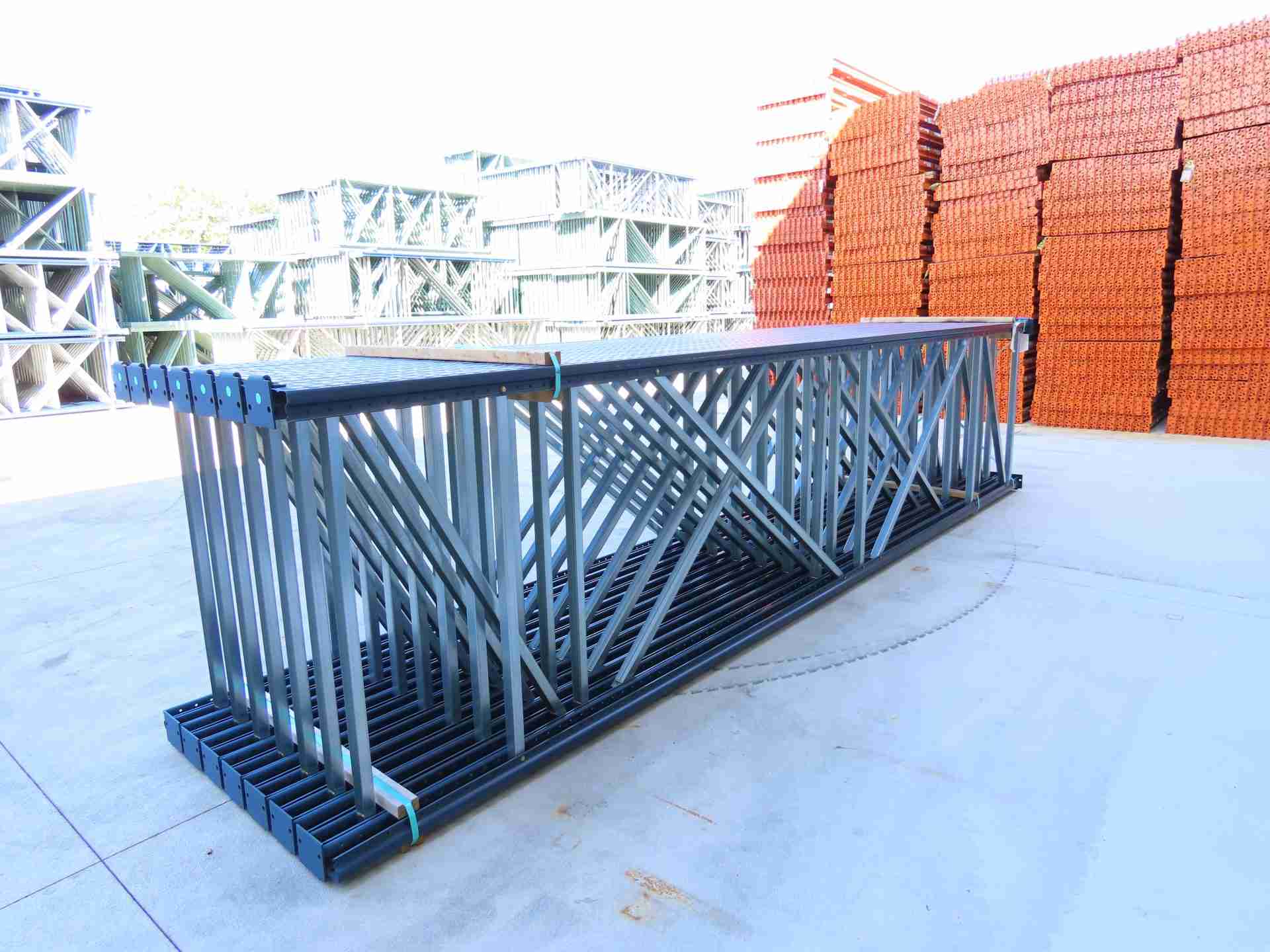
Other Resources
Glossary Terms
Are There Industry Standards for Cantilever Rack Manufacturing? – Glossary Of Terms
1. Cantilever Rack: A type of storage system designed with vertical columns and horizontal arms to support long, bulky items that cannot be stored on standard shelving.
2. Industry Standards: Established norms and specifications used to ensure products and services meet certain quality and safety levels.
3. Load Capacity: The maximum weight that a cantilever rack can safely support, which is determined by its design and construction.
4. Structural Integrity: The ability of a rack to support its intended load without deforming or failing.
5. Material Specifications: Standards that dictate the type and quality of materials used in manufacturing cantilever racks, such as steel grades.
6. Design Load: The calculated load for which the cantilever rack is designed, accounting for dynamic factors and safety margins.
7. Safety Factor: A multiplier used in design to ensure that the structure can support more than the maximum expected load.
8. End User: The ultimate consumer or organization that utilizes the cantilever rack for storage, often influencing design and functionality preferences.
9. Regulatory Compliance: Adherence to government and industry regulations concerning safety, manufacturing practices, and environmental impact.
10. Engineering Standards: Technical specifications governing the design and testing of cantilever racks to ensure they meet safety and performance criteria.
11. Manufacturing Tolerances: Acceptable limits of variation in the dimensions and materials of cantilever racks during the manufacturing process.
12. Installation Guidelines: Recommended procedures and practices for setting up cantilever racks safely and effectively.
13. Quality Assurance: Processes and procedures implemented to ensure that rack manufacturing meets established standards and customer expectations.
14. Load Distribution: The method of spreading out weight across a rack to prevent localized stress and potential failure.
15. Rack Configuration: The arrangement and design of the components of a cantilever rack system, which can vary depending on storage needs.
16. Anchor Systems: Fastening methods used to secure cantilever racks to the floor or wall to enhance stability and safety.
17. Modular Design: A system of rack construction that allows for individual components to be adjusted, replaced, or added to accommodate varying storage needs.
18. Inspection Procedures: Protocols for evaluating the condition and safety of cantilever racks, often mandated for compliance.
19. Hazard Mitigation: Strategies aimed at reducing risks associated with using cantilever racks, including design modifications and operational best practices.
20. Dynamic Loading: Considerations for loads that can change or move during normal use, rather than being static.
21. Risk Assessment: The process of identifying potential hazards associated with cantilever rack use and implementing measures to mitigate them.
22. Customization: Opportunities to tailor cantilever racks based on specific customer requirements, including size, capacity, and design features.
23. Fatigue Resistance: The ability of a cantilever rack to withstand repeated loading and unloading without developing structural weaknesses.
24. Vertical and Horizontal Loading: Types of loads applied to the rack, either pressing down (vertical) or extending out (horizontal), which influence design.
25. Material Handling: The movement, protection, and storage of products, using systems such as cantilever racks to facilitate operations.
26. Vendor Certification: The process by which manufacturers are evaluated and verified to ensure their products meet industry standards.
27. SPC (Statistical Process Control): A method used in manufacturing to monitor and control processes through statistical analysis to ensure quality.
28. Regulatory Bodies: Organizations that create and enforce standards and regulations for manufacturing processes, including cantilever racks.
29. Durability: The ability of cantilever racks to withstand wear and tear over time without compromising performance.
30. Compliance Audits: Reviews conducted to ensure that production processes and products adhere to established industry standards and regulations.

Glossary Of Terms
Other Questions
Are There Industry Standards for Cantilever Rack Manufacturing? – Other Questions
If you wish to explore and discover more, consider looking for answers to these questions:
- What are the most common applications for cantilever racks?
- What are the potential risks of using non-compliant cantilever racks?
- How can businesses choose the right cantilever rack type based on their inventory?
- What are the long-term benefits of investing in high-quality cantilever racks?
- How do cantilever rack maintenance practices differ across industries?
- What steps should be taken if a cantilever rack is found to be non-compliant during an inspection?
- What are the latest trends in cantilever rack design and manufacturing?
- How can new technologies improve the safety and efficiency of cantilever racks?
- Are there specific guidelines for training employees on the use of cantilever racks?
- How do weather conditions affect the selection of cantilever racks for outdoor use?
- What role do cantilever racks play in inventory management systems?

Other Questions
Checklist
Are There Industry Standards for Cantilever Rack Manufacturing? – A Checklist
General Compliance
_____ Familiarize Yourself with Regulatory Standards: Understand the latest guidelines from organizations like OSHA, ANSI, and ISO that pertain to cantilever racks.
_____ Verify Manufacturer Certification: Ensure manufacturers provide ANSI, ISO, and RMI certifications for their products.
Pre-Purchase Assessment
_____ Assess Load Requirements: Calculate the weight and dimensions of items to be stored and match them with appropriate rack specifications.
_____ Evaluate Space Considerations: Measure warehouse dimensions and analyze workflow to determine optimal rack configurations.
Manufacturer Selection
_____ Research Manufacturer Compliance: Verify if the manufacturer adheres to ANSI MH16. 1 and ISO 9001 standards.
_____ Inquire About Material Quality: Confirm that racks are constructed using high-grade, durable materials such as industrial-grade steel.
Installation Guidelines
_____ Follow Installation Best Practices: Ensure that racks are installed according to manufacturer instructions and industry regulations (e. g. , leveling, bracing).
_____ Engage Professional Installers: Consider hiring experts to avoid installation errors that could compromise safety.
Regular Inspections
_____ Establish an Inspection Schedule: Set a routine inspection schedule based on the types of materials stored and the frequency of use.
_____ Conduct Thorough Inspections: Regularly check for signs of damage, wear, and correct load placement.
Employee Training
_____ Provide Safety Training: Implement training programs that cover rack load limits, stacking techniques, and hazard recognition.
_____ Encourage Reporting: Foster an environment where employees feel empowered to report safety concerns and suggest improvements.
Documentation Practices
_____ Maintain Inspection Records: Keep detailed logs of inspections, findings, and any corrective actions taken.
_____ Document Employee Training: Maintain up-to-date records of training sessions and employee participation.
Load Capacity Management
_____ Refer to Load Capacity Charts: Utilize manufacturer-provided load capacity charts to ensure proper weight distribution on racks.
_____ Monitor Load Placement Regularly: Routinely check that loads are evenly distributed and within safe limits.
Safety Measures
_____ Install Safety Signage: Use clear signage to remind staff of safety protocols and load limits.
_____ Implement a Maintenance Plan: Schedule regular maintenance checks and repairs for any signs of rack fatigue or damage.
Stay Informed
_____ Monitor Regulatory Changes: Keep updated with any changes in regulations or standards that could affect rack compliance.
_____ Join Industry Groups: Engage with organizations (such as RMI) for ongoing education about industry standards and best practices.
Feel free to distribute this checklist along with the article to enhance understanding and ensure compliance with industry standards for cantilever racks!

Checklist
At RackingWorld, we help guide you through selecting warehouse storage systems and racking.
Be sure to read our other related stories at RackingWorld to learn more about warehouse storage systems.
0 Comments