
Overcoming Obstacles: Installing Cantilever Racks
By Tom Seest
At RackingWorld, we help guide you through selecting warehouse storage systems and racking.
Be sure to read our other related stories at RackingWorld to learn more about warehouse storage systems.
What Are The Challenges Of Installing Cantilever Racks?
When it comes to optimizing warehouse space, cantilever racks are a game-changer. However, the journey to installation isn’t always a walk in the park. Business owners looking to enhance their storage solutions might not realize the hurdles that come with cantilever rack installation. Let’s explore the challenges that can throw a wrench in your plans and how to navigate them effectively.
Regulatory Compliance: The Fine Print Trap
Before laying a single bolt, you must familiarize yourself with local regulations and safety standards. Depending on your location, building codes can differ vastly—what’s compliant in one state may not be in another. For example, OSHA mandates specific guidelines for warehouse setups to ensure worker safety, and failure to comply can result in severe fines or even a halt in operations. Have a knowledgeable partner who can help you navigate these intricate regulations. It’s not just about avoiding penalties; it’s about creating a safe environment for your team.
Space Assessment: The Measurement Maze
Understanding your space is critical. Many businesses mistakenly underestimate the space they need for cantilever racks, leading to a frustrating experience during installation. Imagine ordering racks only to discover they don’t fit the intended area. Conducting a thorough assessment of your space, including height, width, and the potential for future inventory changes, can prevent costly errors. One company learned this lesson the hard way—after installing oversized racks, they found themselves restructuring their entire layout, which set them back weeks in operation and increased their costs dramatically.
Installation Complexity: A Balancing Act
Even the best equipment can be a disaster if not installed correctly. The assembly of cantilever racks requires precision and expertise. Improper installation can compromise the structure’s integrity, leading to dangerous situations in the long run. It’s advisable to engage professional installers, especially for larger warehouses. According to a recent article featured in Warehousing Solutions, businesses that use professional installation services reported a 30% decrease in safety incidents, underscoring the importance of getting it right the first time.
Cost Overruns: The Hidden Expense
Lastly, budget considerations can quickly spiral out of control if you don’t account for all aspects of the installation process. Potential costs including site assessments, regulatory compliance, and professional installation should all be factored in. A well-known retail chain faced unexpected expenses when last-minute adjustments were necessary, resulting in a budget overrun that could have been avoided with better planning.
In summary, while cantilever racks can significantly enhance your storage capacity, the challenges during installation can’t be overlooked. By preparing adequately and seeking expert advice, your business can turn these challenges into a streamlined, successful installation process, enabling long-term gains.
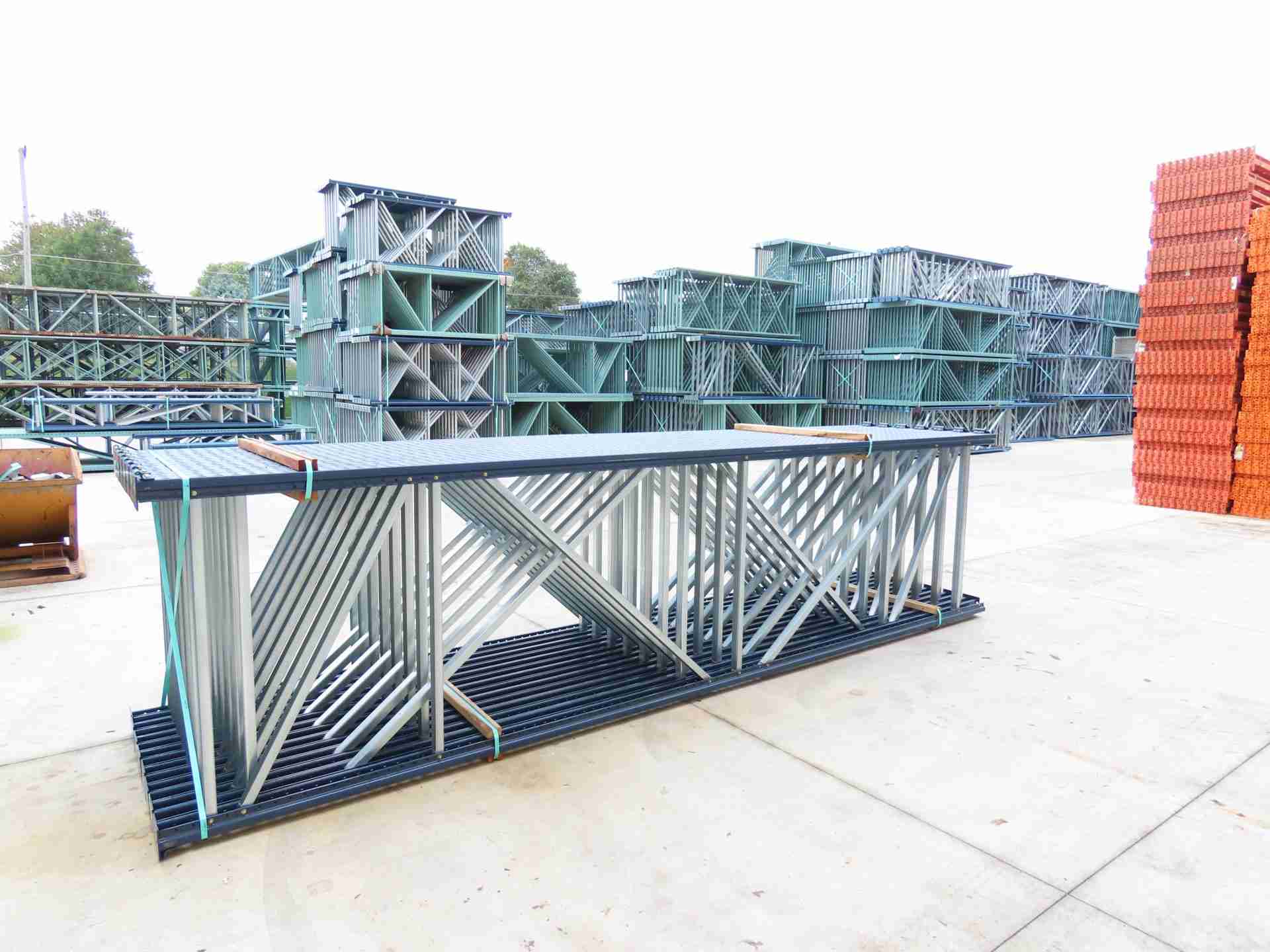
What Are The Challenges Of Installing Cantilever Racks?
What Are The Challenges Of Installing Cantilever Racks?
- Regulatory Compliance: Familiarize yourself with local regulations and safety standards to avoid fines and ensure a safe environment.
- Space Assessment: Conduct a thorough assessment of your space to prevent costly errors from underestimating the size needed for cantilever racks.
- Installation Complexity: Engage professional installers to ensure proper assembly and maintain the integrity of the racks.
- Cost Overruns: Account for all aspects of the installation process to prevent unexpected expenses and budget overruns.
- Professional Assistance: Utilizing knowledgeable partners can help navigate complex regulations and space assessments.
- Long-Term Gains: Proper planning and expert advice can lead to a successful installation process, enhancing storage capacity.
- Avoiding Pitfalls: Anticipating challenges can streamline the installation of cantilever racks and improve overall operational efficiency.
What Are The Challenges Of Installing Cantilever Racks?
Table Of Contents
- What Are The Challenges Of Installing Cantilever Racks?
- What Are The Common Challenges In Cantilever Rack Installation?
- How Do Site Conditions Affect Cantilever Rack Setup?
- What Safety Regulations Must Be Followed During Installation?
- How Can Improper Planning Complicate Rack Installation?
- What Are The Costs Involved In Installing Cantilever Racks?
- How Do We Ensure Proper Alignment Of Cantilever Racks?
- What Tools Are Necessary For Cantilever Rack Installation?
- How Important Is The Soil Condition For Rack Stability?
- What Are The Risks Of Insufficient Load Capacity In Racks?
- How Can Weather Conditions Impact The Installation Process?
- What Role Does Skilled Labor Play In Rack Installation?
- How To Manage Space Constraints During Rack Installation?
- What Are The Maintenance Challenges After Installation?
- How Do Rack Design Choices Impact Installation Difficulties?
- What Documentation Is Required For Rack Installation Compliance?
- Conclusion
- Other Resources
- Glossary Of Terms
- Other Questions
- Checklist
What Are The Common Challenges In Cantilever Rack Installation?
When it comes to optimizing warehouse space, cantilever racks are a popular choice, offering versatility and efficiency. However, the installation of these systems can come with a set of unique challenges that can derail even the most well-laid plans. Acknowledging these issues upfront can save time and money, ensuring your investment in storage solutions pays off.
1. Site Assessment Missteps
One of the most critical yet often overlooked aspects of cantilever rack installation is the initial site assessment. Factors such as ceiling height, floor strength, and surrounding infrastructure must be meticulously evaluated. For instance, consider a retail distribution center in the Midwest that suffered delays when their team neglected to account for overhead sprinkler systems. The outcome? A costly redesign and installation timeline that tripled, setting them back months. Taking the time to perform a comprehensive site assessment can prevent these missteps and ensure seamless installation.
2. Load Capacity Considerations
Each cantilever rack is designed with specific load capacities, and failure to understand these parameters can lead to catastrophic failures. In recent years, there have been high-profile cases of rack collapses due to overloading, resulting in property damage and injuries. Imagine a warehouse manager deciding to store heavier items than the rack could safely bear, thinking, “What’s the worst that could happen?” Unfortunately, the worst can and does happen. Always consult with a professional to ensure that your cantilever rack system matches your storage needs without compromising safety.
3. Compliance with Regulations
Navigating local codes and industry regulations can be daunting. From fire safety requirements to weight restrictions, being out of compliance can not only lead to fines but can also jeopardize the entire operation. For example, a logistics company in California faced a hefty penalty after their being found non-compliant during a routine inspection. The sad fact is that they could have avoided this situation with the proper planning and understanding of regulations.
4. Labor and Installation Timing
Balancing the installation against ongoing warehouse operations can be tricky. Scheduling the right labor force while minimizing disruptions often feels like walking a tightrope. Take, for instance, a manufacturing plant that tried to install their racks during peak production hours, only to find that the resulting chaos led to significant downtime. The key? Planning installations during slow periods—allowing the team to focus without distractions or interruptions.
In summary, while cantilever racks can revolutionize your storage capabilities, addressing common challenges in their installation is crucial. Implement a strategic approach that includes comprehensive site assessments, strict adherence to load capacities, compliance with regulations, and smart scheduling. Doing so will pave the way for a successful installation and maximize your investment.
What Are The Common Challenges In Cantilever Rack Installation?
What Are The Common Challenges In Cantilever Rack Installation?
- Cantilever racks are versatile and efficient for warehouse space optimization.
- Initial site assessment is crucial; factors like ceiling height and surrounding infrastructure must be evaluated.
- Understanding load capacities is essential to avoid rack collapse and safety hazards.
- Compliance with local codes and industry regulations can prevent costly fines and operational jeopardy.
- Labor and installation timing should be planned to minimize disruption during ongoing warehouse operations.
- Common challenges in cantilever rack installation can be addressed through strategic planning.
- Proper assessment and planning ensure a successful installation and maximized investment in storage solutions.
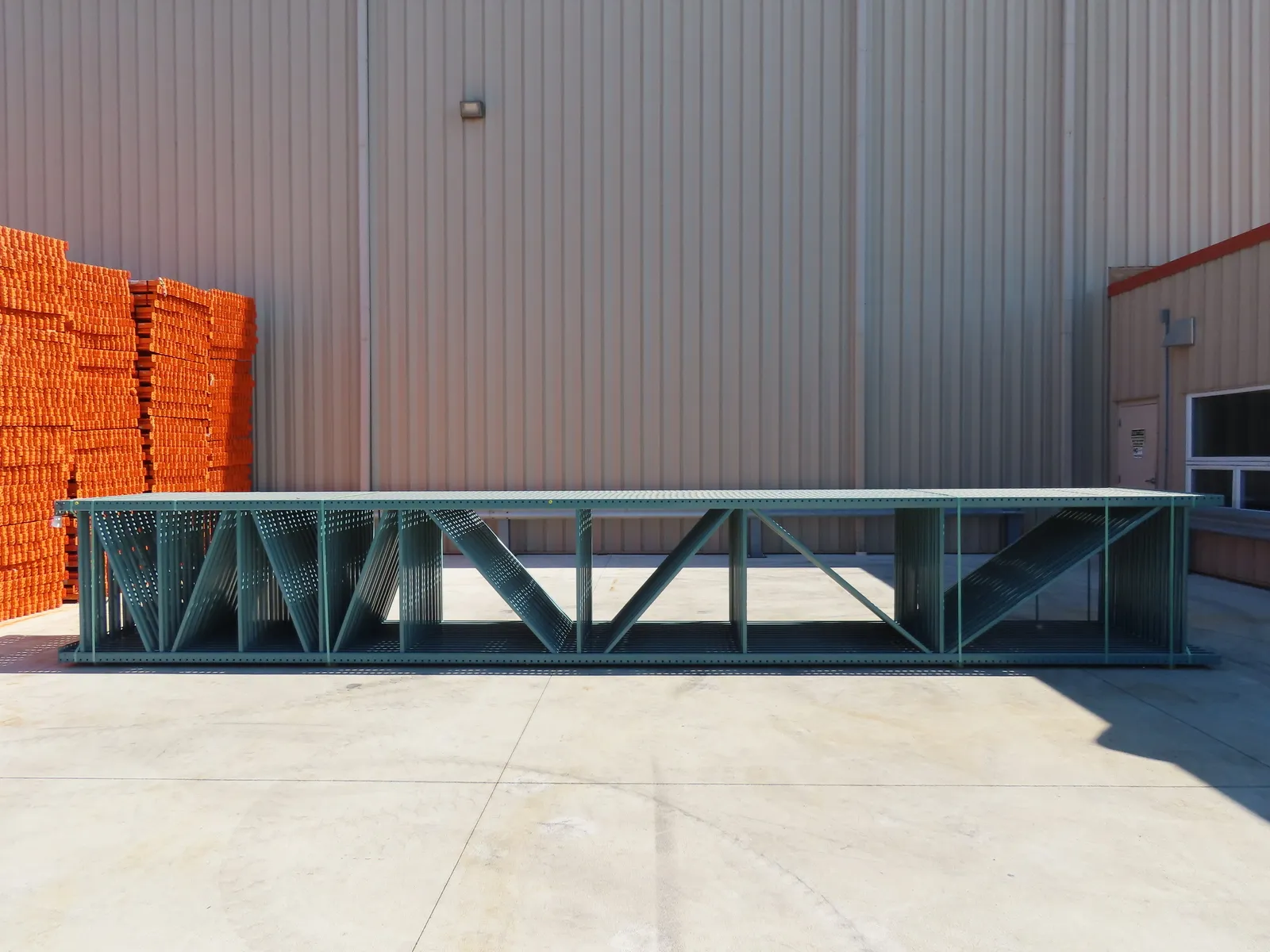
What Are The Common Challenges In Cantilever Rack Installation?
How Do Site Conditions Affect Cantilever Rack Setup?
When it comes to designing an efficient storage solution, few elements are as critical as site conditions. Understanding how variables like space, layout, and environmental factors affect your cantilever rack setup can mean the difference between an optimized space and a logistical nightmare. Let’s delve into why getting this right is non-negotiable for your business’s success.
First, consider the dimensions of your site. Is your warehouse a sprawling industrial complex, or a more compact urban space? For example, recent shifts in e-commerce have led many manufacturers and distributors to seek out small, efficient urban warehouses. In these cases, maximizing vertical storage with cantilever racks becomes imperative. But if the racks are too tall for the ceiling height, or if there’s insufficient clearance for inventory access, you’re not just wasting space; you’re wasting dollars.
Next, look at the layout of your facility. Is there enough room for fork trucks to maneuver around the racks? With supply chain disruptions ongoing—as evidenced by the challenges many retailers faced during the pandemic—a well-designed layout is essential for maintaining the flow of goods. A cantilever rack setup that allows for smooth traffic reduces operational time, increases efficiency, and minimizes costly errors.
Environmental conditions also play a pivotal role. Factors like temperature, humidity, and even seismic activity in certain geographic locations can dictate the materials you choose for your cantilever racks. For example, in regions prone to earthquakes, selecting racks that are engineered to withstand seismic activity isn’t just a smart choice—it’s a matter of safety. Furthermore, with climate change at the forefront of many discussions today, businesses are focusing on sustainable solutions. Opting for racks made from recyclable materials or those that are treated to resist moisture could safeguard your investment for years to come.
Don’t forget about zoning regulations and safety standards that vary by location. In some jurisdictions, your cantilever racks may need to be installed in a manner that meets specific code requirements. Ignoring these regulations can lead to fines, enforced improvements, or even business shutdowns—repercussions that could easily have been avoided with a proper assessment of site conditions prior to setup.
Ultimately, the key takeaway here is simple: a thorough analysis of site conditions allows for a cantilever rack setup that maximizes efficiency, ensures compliance, and protects your investment. Invest the time now—your bottom line will thank you later.
How Do Site Conditions Affect Cantilever Rack Setup?
How Do Site Conditions Affect Cantilever Rack Setup?
- Site conditions are critical for designing efficient storage solutions, especially for cantilever racks.
- Warehouse dimensions influence the success of a cantilever rack setup; maximizing vertical storage is key in compact urban spaces.
- A proper layout is essential for maneuverability of fork trucks and maintaining the flow of goods.
- Environmental factors, such as temperature and seismic activity, determine the materials used for cantilever racks.
- Choosing sustainable and resilient materials helps safeguard investments amidst climate change concerns.
- Zoning regulations and safety standards vary by location and must be adhered to avoid fines and operational disruptions.
- Conducting a thorough analysis of site conditions leads to maximized efficiency, compliance, and better investment protection.
How Do Site Conditions Affect Cantilever Rack Setup?
What Safety Regulations Must Be Followed During Installation?
When it comes to installation work, whether it’s electrical systems, roofing, or heavy machinery, adhering to safety regulations isn’t just a good practice—it’s a necessity. Regulations are designed to protect workers, clients, and the broader community from accidents and hazards that can lead to serious injuries or even fatalities. Ignoring these guidelines can not only put lives at risk but can also result in hefty fines and legal repercussions, derailing your business before it gets off the ground.
First and foremost, familiarize yourself with the Occupational Safety and Health Administration (OSHA) standards relevant to your industry. OSHA regulations are the gold standard for workplace safety, providing detailed guidelines that help mitigate risks associated with installation work. For example, a roofing contractor must follow fall protection standards, which require safety harnesses and guardrails when working at heights above six feet. Failure to comply not only jeopardizes the safety of your workers but can also result in a staggering fine—recently, OSHA proposed penalties amounting to over $1 million for a construction company that repeatedly violated safety protocols.
Next, always conduct a thorough risk assessment before commencing any installation project. This assessment should address potential hazards specific to the job site, such as electrical lines, structural weaknesses, or environmental factors like extreme weather. Verifying that all workers are adequately trained about these risks is crucial. For instance, if your team is tasked with installing heavy machinery, they must be trained in proper lifting techniques and the correct use of equipment—this training is often mandated by safety regulations.
Moreover, ensure that all safety gear is not only provided but also utilized. Hard hats, gloves, goggles, and steel-toed boots can be the difference between a safe work environment and a disaster waiting to happen. Just last year, a tragic event in a New York construction site highlighted the repercussions of neglecting personal protective equipment (PPE)—a worker suffered severe injuries due to a lack of proper helmet during a falling debris incident. The resulting investigation revealed multiple safety violations, leading to legal action against the company.
Incorporating safety regulations into your installation processes isn’t just about compliance; it’s about building a reputation as a responsible and trustworthy contractor. Clients appreciate, and often seek out, businesses that prioritize safety—this can differentiate your company in a competitive market. Consistently meeting regulatory standards not only safeguards lives but also enhances your brand image and leads to repeat business. As we navigate the complexities of today’s construction and installation sectors, embracing safety regulations isn’t just wise; it’s essential for sustainable success.
What Safety Regulations Must Be Followed During Installation?
What Safety Regulations Must Be Followed During Installation?
- Adhering to safety regulations is essential in installation work to protect workers, clients, and the community.
- Familiarize yourself with OSHA standards relevant to your industry, which provide crucial safety guidelines.
- Conduct thorough risk assessments before starting any project, addressing potential site-specific hazards.
- Ensure all workers are adequately trained in identifying risks and proper safety protocols.
- Provide and enforce the use of personal protective equipment (PPE), such as hard hats and goggles.
- Building a reputation for safety can differentiate your company and attract clients in a competitive market.
- Consistency in meeting safety standards enhances brand image and fosters repeat business.
What Safety Regulations Must Be Followed During Installation?
How Can Improper Planning Complicate Rack Installation?
In today’s fast-paced business landscape, the ability to operate with precision and efficiency is paramount. Rack installation might seem like a straightforward task, but improper planning can morph it into a quagmire of delays, cost overruns, and operational setbacks. Think of it as trying to fit a square peg in a round hole—without a solid plan, your installation process is bound to hit a wall.
First and foremost, consider the layout of your space. A common pitfall is neglecting to analyze the existing infrastructure. Imagine a data center manager excitedly ordering racks without evaluating the power and cooling capacities. When the delivery arrives, they discover the facility can’t accommodate the equipment, leading to frustration and wasted resources. This scenario reflects a broader trend in tech-driven organizations that are scaling rapidly but often overlook foundational aspects of system design.
In 2023, companies have reported significant supply chain disruptions, making lead times for racks and related hardware longer than ever. If you fail to anticipate these delays and don’t have a clear roadmap in place, your operations can come to a screeching halt. Without an efficient plan detailing procurement, staging, and installation timelines, your organization risks suffering from downtime that can cost thousands every minute. For industries sensitive to data availability—like finance or healthcare—this is nothing short of catastrophic.
Another crucial factor is understanding the specific requirements for equipment placement. Let’s say you’re handling high-density servers that generate substantial heat. If you install them without proper airflow considerations, you will end up with overheating nightmares that compromise both performance and hardware lifespan. This mistake is akin to installing a state-of-the-art sound system in a room without considering acoustics—just because you have premium equipment doesn’t mean it will perform well in an ill-suited environment.
Moreover, inadequate planning can extend beyond mere logistics; it also affects your team’s morale. Employees who are forced to cope with disorganized installations and misplaced equipment will likely feel the impact in their productivity and job satisfaction. In a culture that increasingly prioritizes employee well-being, such complications can lead to turnover and drive talent away.
The takeaway? Developing a detailed, well-thought-out plan is not just a sensible strategy; it’s an investment in your company’s future. By considering every aspect of rack installation—space, equipment needs, timeline, and even team dynamics—you’ll pave a smoother, more efficient path toward achieving your operational goals. After all, in the modern marketplace, it’s not just about having the right tools; it’s about executing your vision flawlessly.
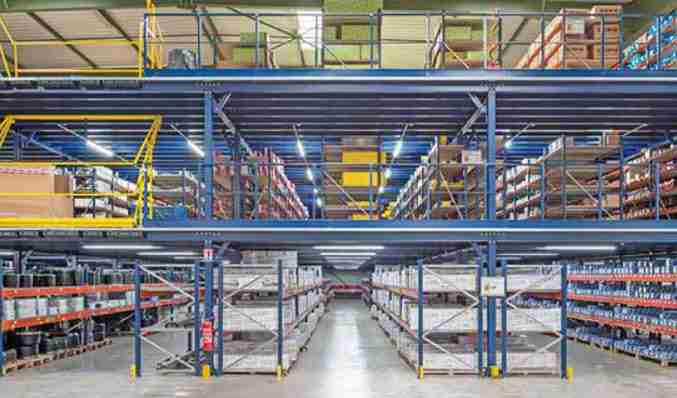
How Can Improper Planning Complicate Rack Installation?
How Can Improper Planning Complicate Rack Installation?
- Precision and efficiency are essential in today’s fast-paced business environment.
- Improper planning for rack installation can lead to delays, cost overruns, and operational setbacks.
- Neglecting to assess existing infrastructure, such as power and cooling capacities, can result in wasted resources.
- Supply chain disruptions in 2023 have made lead times for racks and hardware longer, increasing operational risks.
- Understanding specific equipment placement requirements is critical to avoid issues like overheating.
- Poor planning can negatively impact team morale and productivity, potentially leading to high employee turnover.
- A detailed plan covering space, equipment, timelines, and team dynamics is vital for operational success.

How Can Improper Planning Complicate Rack Installation?
What Are The Costs Involved In Installing Cantilever Racks?
When it comes to optimizing your warehouse or storage space, cantilever racks offer a remarkable solution. However, understanding the costs involved in installing these systems is crucial for businesses aiming to make a smart investment. Let’s break down the various cost components that go into installing cantilever racks.
1. Material Costs:
Firstly, the material costs represent a significant portion of the total expenditure. Depending on your storage needs, cantilever racks can range anywhere from $1,200 to $10,000 per unit. The variability in cost largely depends on the weight capacity, material (steel vs. aluminum), and design (single or double-sided). For instance, a business that handles heavy-duty items will likely invest in larger, reinforced racks, thus driving up material costs.
2. Installation Fees:
Next, we must consider installation fees. Professional installation services can range from $500 to $2,500 depending on the complexity of the project and the dynamics of your specific warehouse setup. Engaging expert installers ensures that your racks are set up safely and efficiently, thus minimizing the risk of accidents and ensuring compliance with OSHA regulations. Investing in professional installation is not just a cost; it’s a safeguard against future headaches.
3. Customization Needs:
If your inventory requires specific adjustments—like custom sizes or additional safety features—be prepared for additional costs. Customization can add an extra 10% to 30% to your initial price. For example, during the supply chain disruptions we’ve seen in 2023, many businesses chose to adapt their storage solutions to handle fluctuating inventory demands. Thus, customization became a popular choice, driving costs up but ultimately providing better long-term versatility.
4. Additional Features:
Furthermore, consider whether you’ll need additional features like shelving, safety guards, or anti-tip brackets. These enhancements can add another $200 to $1,000, but they are invaluable when it comes to ensuring both efficiency and safety.
5. Maintenance Costs:
Finally, ongoing maintenance should not be overlooked. Regular inspections and repairs help prolong your investment’s lifespan, costing anywhere between $200 and $500 annually. The price of neglect can be steep: imagine a scenario where unsafe racks lead to product loss or employee injuries.
While the initial investment in cantilever racks might seem substantial, it’s essential to view it through the lens of long-term savings and operational efficiency. Smart businesses understand that every dollar spent now is an investment in future productivity and safety. So as you strategize for your storage solutions, don’t just consider the upfront costs—envision the return on investment that a well-planned cantilever rack system can yield.
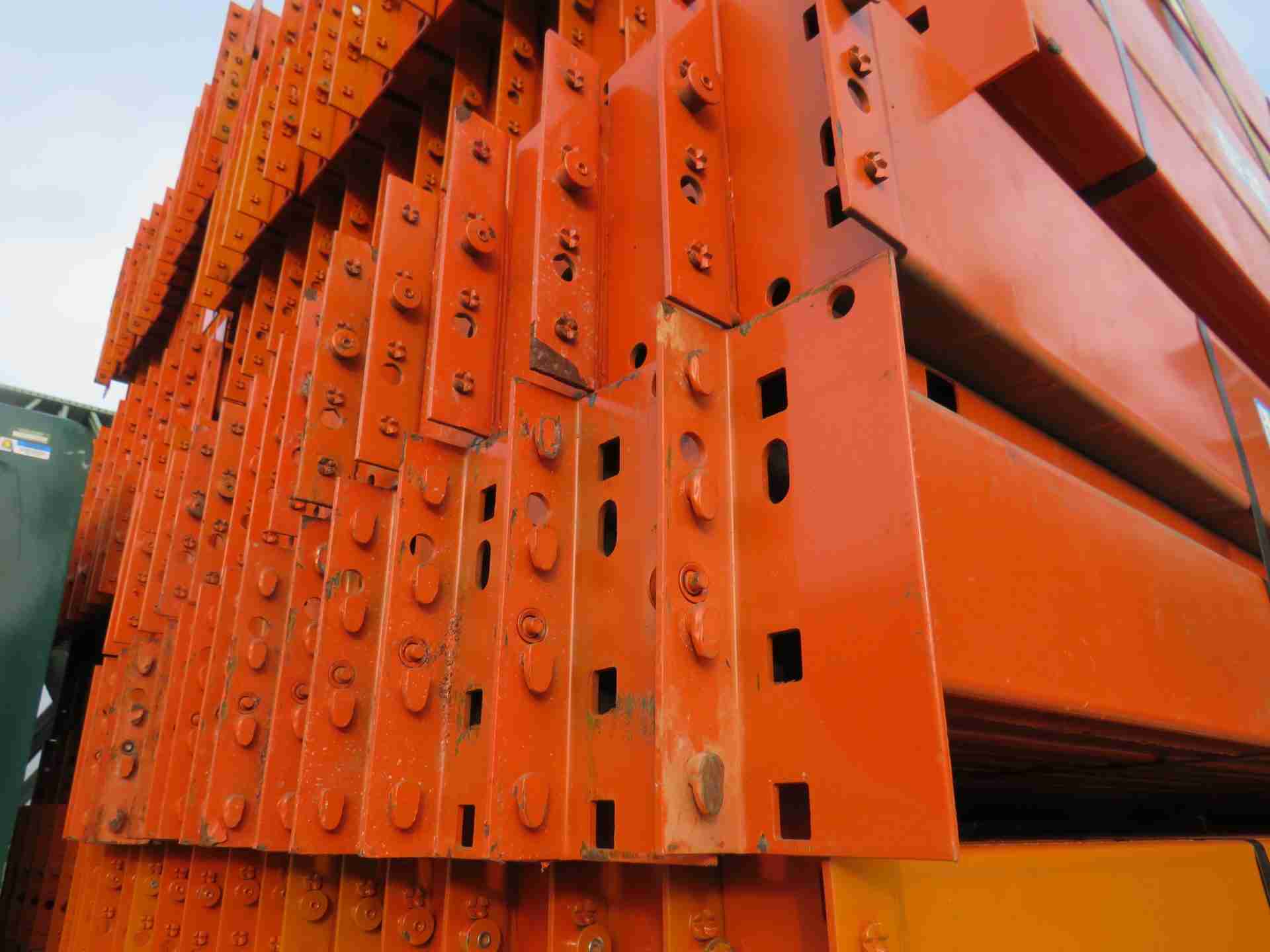
What Are The Costs Involved In Installing Cantilever Racks?
What Are The Costs Involved In Installing Cantilever Racks?
- Cantilever racks: Provide an effective solution for optimizing warehouse or storage space.
- Material Costs: Range from $1,200 to $10,000 per unit based on capacity, material, and design.
- Installation Fees: Professional installation costs between $500 and $2,500, ensuring safety and OSHA compliance.
- Customization Needs: Specific adjustments can add 10% to 30% to initial costs, driven by fluctuating inventory demands.
- Additional Features: Enhancements like shelving or safety guards may increase costs by $200 to $1,000.
- Maintenance Costs: Regular inspections and repairs range from $200 to $500 annually to prolong rack lifespan.
- Long-term Investment: Initial costs should be viewed as an investment in future productivity and safety.
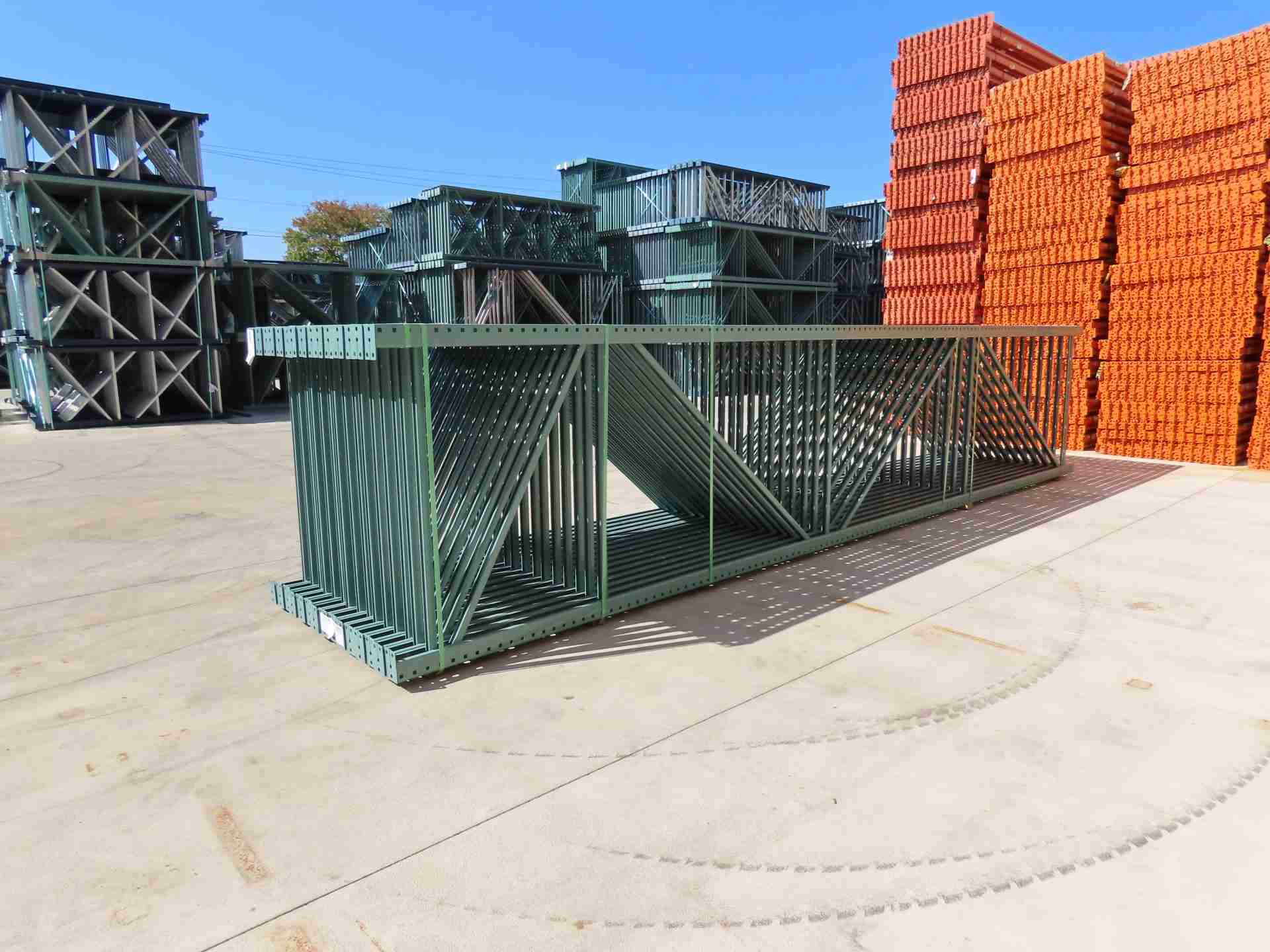
What Are The Costs Involved In Installing Cantilever Racks?
How Do We Ensure Proper Alignment Of Cantilever Racks?
When it comes to maximizing storage efficiency and safety in any warehouse or distribution center, ensuring the proper alignment of cantilever racks is not just a technical necessity—it’s a strategic advantage. Much like a finely-tuned sports car, your cantilever racks need to be perfectly aligned to operate at peak performance. Misalignment can lead to many issues, including safety hazards, inefficient use of space, and costly product damage. So, how do we guarantee that these racks stand tall and true? Let’s break it down.
First, it all starts with meticulous planning. Before a single rack gets installed, a thorough site assessment should be conducted. Consider the layout of your warehouse, the inventory types, and even the workflow. For instance, during recent supply chain disruptions, companies that adapted their layouts quickly by properly aligning their cantilever racks were able to pivot their operations successfully, showcasing the importance of a strategic placement. Think of it as the difference between a well-structured online marketing funnel and a haphazard one; clear alignment leads to smoother operations.
Next, invest in high-quality installation services. Good alignment begins with skilled professionals who understand the nuances of cantilever rack systems. For example, if you’re housing long, heavy items like lumber or piping, you need professionals who can assess the load capacity of the rack and adjust its settings for maximum stability. A recent case study from a mid-sized lumber yard highlighted how hiring experienced installers led to a 30% increase in storage efficiency and reduced risk of accidents. This goes to show that cutting corners on installation can ultimately cost you more in the long run.
Once the racks are installed, regular inspections are essential. A well-aligned rack can still become skewed due to wear and tear or external factors like nearby heavy machinery. Schedule quarterly checks to ensure that everything stays level. Use tools like laser levels or plumb bobs to verify alignment. In today’s competitive marketplace, falling behind in safety and efficiency can spell disaster for your bottom line.
Finally, educate your employees. Make sure your team understands the importance of maintaining proper alignment and how to recognize signs of misalignment. Training sessions can significantly reduce instances of improper loading or damage. With the recent uptick in workplace safety regulations, ensuring your team is informed protects not only your assets but also your reputation.
Optimizing your cantilever racks for proper alignment is not just about storing goods; it’s about creating a well-orchestrated environment where efficiency and safety are paramount. Through careful planning, expert installation, regular inspections, and employee education, you can ensure that your racks are not just standing; they are standing tall.
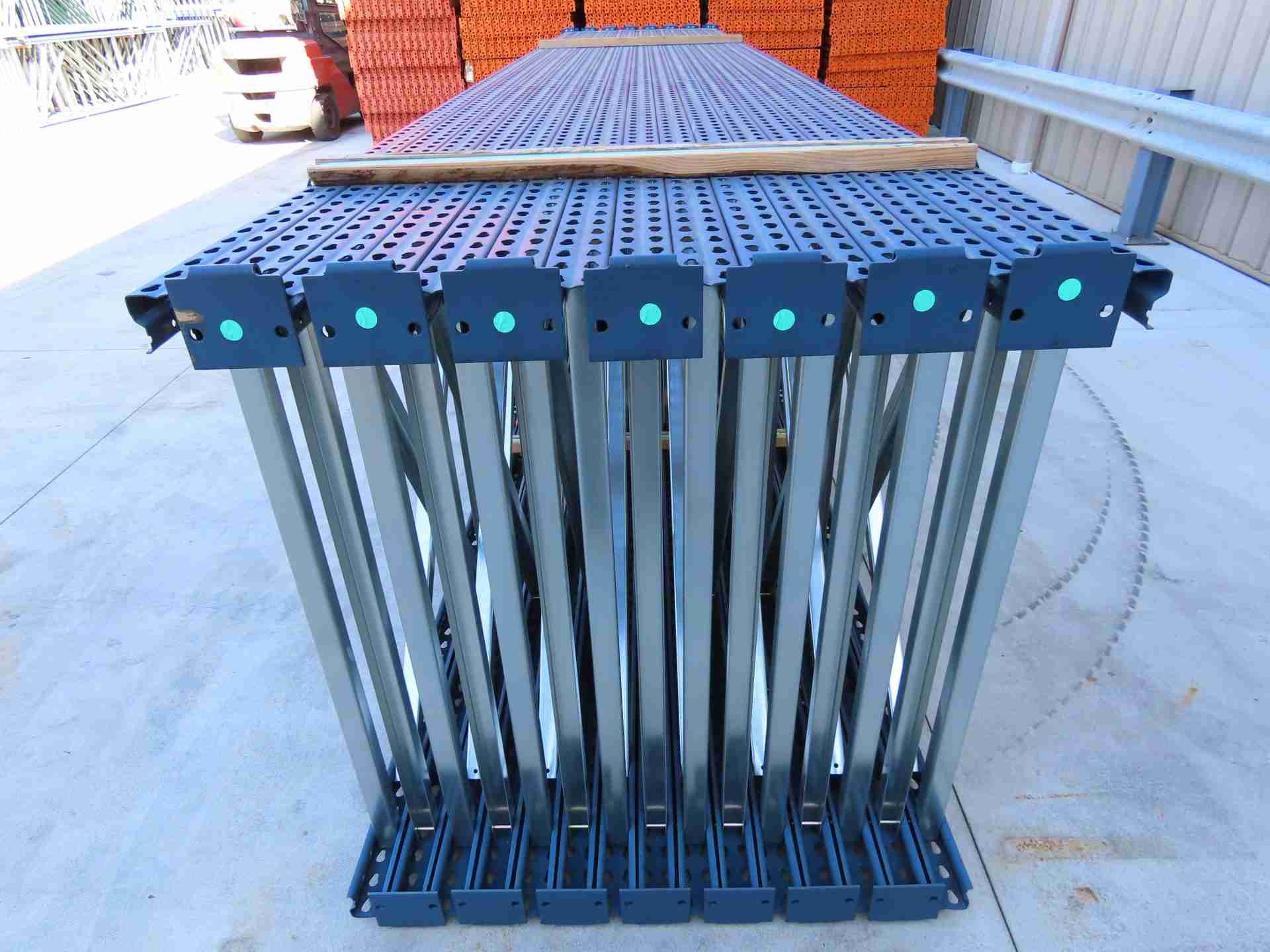
How Do We Ensure Proper Alignment Of Cantilever Racks?
How Do We Ensure Proper Alignment Of Cantilever Racks?
- Proper alignment of cantilever racks enhances storage efficiency and safety in warehouses.
- Meticulous planning and site assessments are crucial before installing racks.
- High-quality installation services by skilled professionals increase rack stability and efficiency.
- Regular inspections are needed to maintain alignment and address wear and tear.
- Using tools like laser levels ensures the racks remain properly aligned over time.
- Employee education on the importance of alignment supports safety and operational efficiency.
- Optimizing cantilever racks contributes to creating a well-organized and safe work environment.
How Do We Ensure Proper Alignment Of Cantilever Racks?
What Tools Are Necessary For Cantilever Rack Installation?
When you’re gearing up to install a cantilever rack system, it’s essential to approach the task with the right tools and mindset. A well-executed installation not only enhances warehouse efficiency but also safeguards valuable inventory. Here’s a detailed look at the indispensable tools you need to ensure your project goes off without a hitch.
1. Measuring Tools: Precision is paramount. You’ll need high-quality measuring tapes, laser distance measurers, and chalk lines to guarantee the accurate placement of your cantilever racks. Misjudging dimensions could lead to costly errors or safety hazards down the line. In recent months, supply chain disruptions caused by global events have highlighted the importance of maximizing storage efficiency to avoid excess inventory and operational delays.
2. Hand Tools: A robust selection of hand tools – including wrenches, sockets, screwdrivers, and hammers – will be necessary for assembling your rack components. For example, using a power drill with the appropriate drill bits ensures efficiency when securing bolts and fasteners. As assembly lines struggle to keep up with demand fluctuations, streamlining your warehouse setup can make a game-changing difference.
3. Power Tools: While hand tools are vital, don’t underestimate the power of technology. Electric drills and impact wrenches can significantly speed up the installation process, allowing teams to save time and focus on other critical tasks. As we’ve seen lately in various industries, adopting tools that enhance productivity can directly impact bottom-line results.
4. Leveling Tools: An often-overlooked aspect of installation is ensuring everything is level. A quality level tool enables you to confirm that your racks are even and secure, thereby preventing potential loading issues and accidents. With workplace safety becoming more stringent in many regions, implementing thorough checks during installation can help mitigate risks.
5. Safety Gear: Don’t forget the importance of personal protective equipment (PPE). Helmets, safety glasses, gloves, and steel-toed boots should be standard attire for your installation crew. With an increasing focus on health regulations amid ongoing labor shortages, prioritizing safety can elevate your company’s reputation and potentially lower insurance costs.
6. Forklift or Pallet Jack: For lifting and maneuvering heavy components, investing in a quality forklift or pallet jack is crucial. As industries recover from recent economic challenges, ensuring that your operation runs smoothly is vital for maintaining a competitive edge.
Having the right tools for cantilever rack installation is not just about making the process easier—it’s about investing in the long-term success of your business. By equipping your team with the necessary resources, you’re setting the stage for a streamlined operation that can adapt to today’s fast-paced market demands. Enhance your installation experience and watch your efficiency soar.
What Tools Are Necessary For Cantilever Rack Installation?
What Tools Are Necessary For Cantilever Rack Installation?
- Proper installation of a cantilever rack system enhances warehouse efficiency and safeguards inventory.
- Essential measuring tools include high-quality measuring tapes, laser distance measurers, and chalk lines for accurate placement.
- A robust selection of hand tools, like wrenches and power drills, is necessary for assembling rack components efficiently.
- Power tools, such as electric drills and impact wrenches, speed up the installation process, improving productivity.
- Using quality leveling tools ensures racks are even and secure, mitigating loading issues and accidents.
- Personal protective equipment (PPE) is crucial for installation crews to prioritize workplace safety and health regulations.
- A forklift or pallet jack is essential for lifting heavy components, helping maintain operational efficiency.
What Tools Are Necessary For Cantilever Rack Installation?
How Important Is The Soil Condition For Rack Stability?
When it comes to the success of any warehouse or storage facility, one often-overlooked factor can significantly impact operation efficiency: soil condition. Just like a house needs a solid foundation, your racks require a robust soil base to maintain stability and safety. Imagine the catastrophic fallout of a warehouse rack failing—lost inventory, workplace injuries, and costly downtime. Ultimately, the condition of the soil beneath your racking systems can be the invisible hero—or villain—of your storage success.
Think of the Real-World Implications
Consider recent events where natural disasters caused unexpected damage to warehouses across the country. In places like California, where earthquakes are common, the need for proper soil assessment and treatment becomes paramount. If the soil isn’t stable, the rack systems are at risk. Moreover, heavy rains that lead to soil erosion or create unstable ground can compromise even the sturdiest racks. A report from a logistics company showed that businesses addressing soil condition proactively minimized damage by over 30% compared to counterparts that ignored this critical infrastructure.
A Proactive Approach is Key
A savvy management team knows that ignoring soil conditions is akin to playing a game of roulette with your investment. Get ahead of the curve by evaluating soil type, moisture levels, and load-bearing capacity before installing your racking systems. Soil compaction tests and geotechnical assessments can be your best friends here. Use these tests to dictate the necessary adjustments—like the addition of stabilization materials or even the redesign of your layout.
Investment in the Right Solutions
Investing in soil condition improvement strategies can also serve as a marketing point. Companies that take pride in their operational efficiency illustrate a commitment to safety that resonates with clients. Highlighting your diligence in maintaining a stable environment not only protects staff and inventory but can also position your company as a leader in quality assurance.
Conclusion: The Bottom Line
In today’s fast-paced logistics environment, the stakes are high. Make no mistake: good soil condition lays the groundwork for operational excellence. By attending to this critical detail, you can bolster rack stability, safeguard your assets, and pave the way for seamless business operations. Don’t gamble with your warehouse’s safety; invest in solid soil management and watch your stability—and profits—grow exponentially.
How Important Is The Soil Condition For Rack Stability?
How Important Is The Soil Condition For Rack Stability?
- The condition of soil beneath warehouse racks is crucial for operational efficiency and safety.
- Failure of racks due to poor soil can lead to lost inventory, workplace injuries, and costly downtime.
- Natural disasters, such as earthquakes and heavy rains, highlight the need for proper soil assessment.
- Proactive measures regarding soil condition can reduce damage by over 30% compared to neglecting it.
- Businesses should evaluate soil type, moisture levels, and load-bearing capacity before racking system installation.
- Investing in soil improvement strategies enhances safety and can serve as a marketing advantage.
- Ensuring good soil conditions is essential for stability, asset protection, and overall business success.

How Important Is The Soil Condition For Rack Stability?
What Are The Risks Of Insufficient Load Capacity In Racks?
In today’s fast-paced, ever-evolving business landscape, one critical oversight could spell disaster: insufficient load capacity in racks. Imagine a warehouse brimming with improperly stored goods, teetering on the edge of catastrophe. This scenario is not just a nightmare; it’s an all-too-real risk that can lead to significant financial losses, operational delays, and even reputational damage.
First, let’s unpack the financial implications. When a rack collapses due to overloading, the immediate results are costly. Think about the price tag of damaged inventory—one that could range from thousands to millions in lost products. For instance, in 2020, a major retail chain in the U.S. experienced a massive loss when a structural failure occurred because storage units were overloaded beyond their limits. Shelves came crashing down, resulting in over $500,000 in product loss and hefty repair bills. Beyond physical products, the emotional toll on employees forced to deal with the fallout can disrupt productivity, leading to weeks of lagging performance and costly downtime.
Consider also the safety implications. Insufficient rack capacity can lead to serious injuries. A staggering statistic from OSHA states that more than 25% of warehouse injuries are due to falls, which can be exacerbated by improperly loaded equipment. Imagine a worker grievously injured because an overloaded shelf collapsed, leading to both emotional trauma and potential legal ramifications. The cost of litigation, increased insurance premiums, and losing skilled labor can cripple a business.
Moreover, let’s touch upon reputational risk. In our digitally connected age, a single incident can go viral, affecting public perception and eroding customer trust. Just look at recent warehouse collapses that have garnered national headlines; these events not only expose companies to liability but also tarnish their brand image for years.
The good news? These risks are preventable with diligent planning and strategic investments in quality storage solutions that meet loading specifications. Take a proactive stance by analyzing your current load capacities, investing in robust racks designed to handle your inventory’s weight, and consistently training staff on proper loading procedures. A small investment in proper equipment and training can save you from colossal losses down the line.
The hidden dangers of insufficient load capacity in racks are a liability no business can afford. Safeguard your enterprise, protect your bottom line, and ensure the safety of your workforce through smart storage solutions and practices.
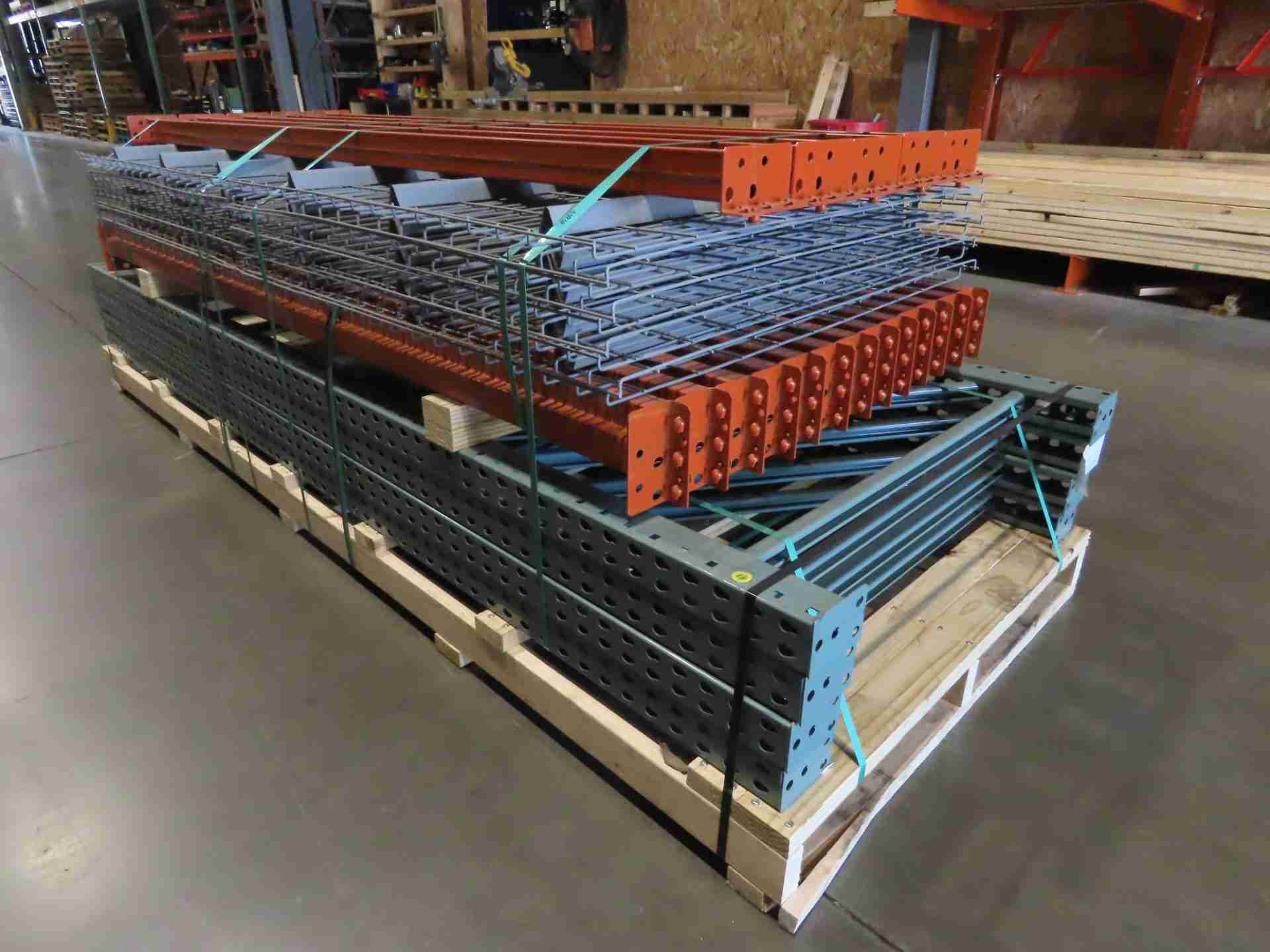
What Are The Risks Of Insufficient Load Capacity In Racks?
What Are The Risks Of Insufficient Load Capacity In Racks?
- Insufficient load capacity in racks can lead to significant operational risks, including financial losses and reputational damage.
- Overloaded racks may result in costly inventory damage, with losses potentially ranging from thousands to millions of dollars.
- A notable incident in 2020 saw a U.S. retail chain incur over $500,000 in losses due to a rack collapse from overloading.
- Warehouse safety is compromised, as over 25% of injuries are due to falls, often exacerbated by improperly loaded equipment.
- The emotional and legal ramifications of worker injuries from rack collapses can disrupt productivity and increase costs.
- Negative incidents can quickly damage a company’s reputation, leading to loss of customer trust and potential liabilities.
- Implementing quality storage solutions, analyzing load capacities, and training staff can prevent these risks and safeguard the business.
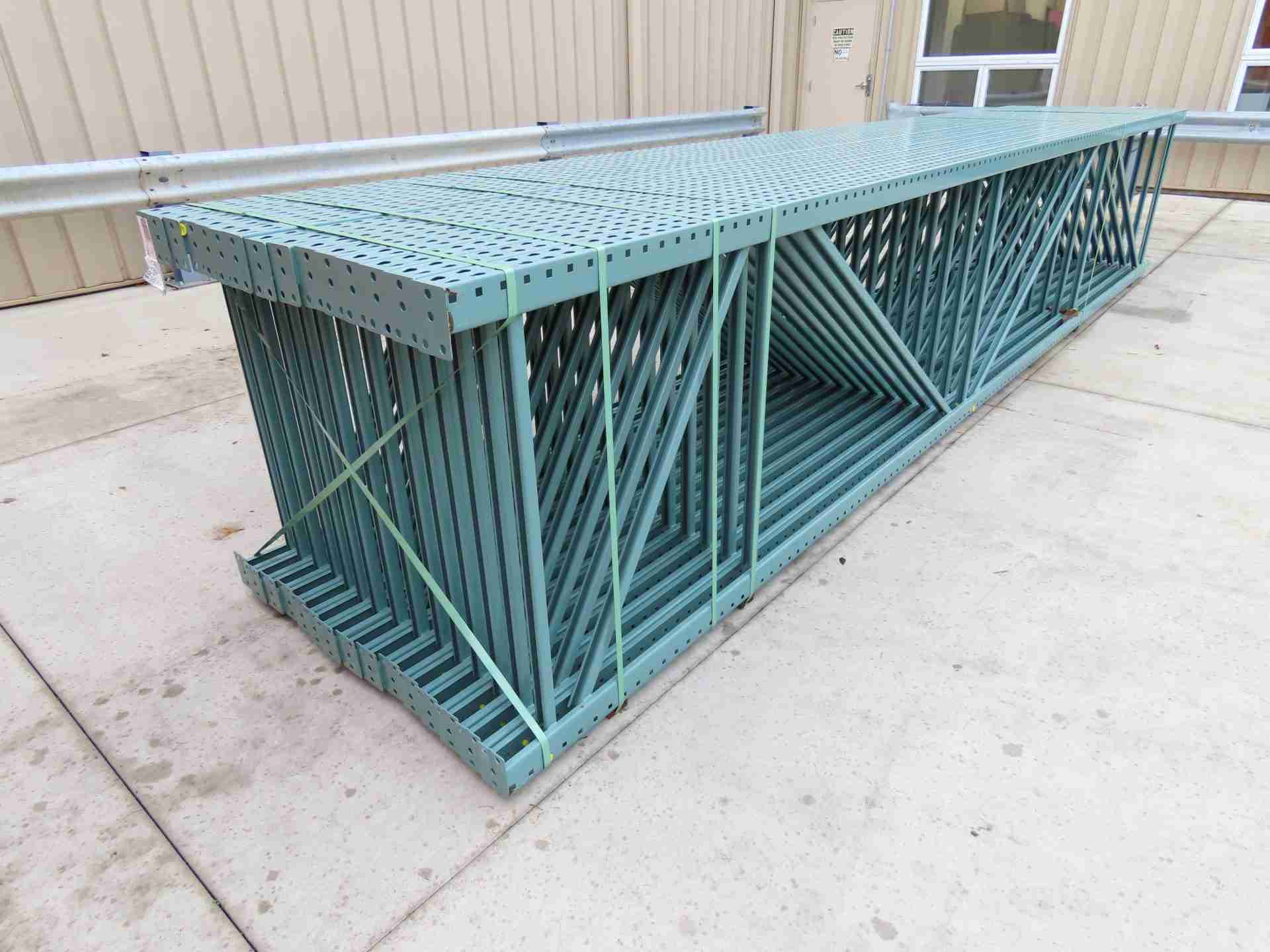
What Are The Risks Of Insufficient Load Capacity In Racks?
How Can Weather Conditions Impact The Installation Process?
When it comes to installation projects—be it roofing, siding, or even solar panels—weather is not just a background player; it’s the star of the show. The impact of weather conditions on the installation process can be both immediate and profound, shaping not only the timeline but also the quality and longevity of the work performed.
Consider roofing specialists working through the sweltering heat of summer. While the sun may help with drying materials, excessive heat can make it unbearable for workers, causing fatigue, reduced efficiency, and even safety hazards. Recent reports noted a spike in hospital admissions for heat-related illnesses during the blistering summer of 2023, highlighting the risks faced by professionals in the field. Companies set to install new roofs might find themselves grappling with the consequences of pushing through challenging conditions, which could lead to poor workmanship or, worse, injuries.
On the flip side, winter installations pose their own challenges. The snap of a cold front can bring with it snow, ice, and biting temperatures, all of which can delay projects and create hazardous working conditions. Imagine your installation crew trying to secure shingles on a roof coated in ice—it’s not just impractical; it’s dangerous. The freezing temperatures can also affect materials adversely; adhesives may not bond properly, and certain compounds freeze solid, rendering them nearly useless and potentially compromising the integrity of the installation.
With unpredictable weather patterns on the rise—like the recent hurricanes affecting the East Coast—contractors must stay vigilant, adapting their schedules to accommodate the elements. Severe weather can lead to immediate project halts and, in some cases, substantial damage to unfinished installations. The window of opportunity to install quality work narrows quickly when storms loom on the horizon, which is why planning for unpredictable weather is a vital aspect of project management.
So, how can you, as a homeowner or business owner, navigate these tumultuous waters? Start by choosing a reputable contractor who thoroughly understands the implications of weather on installation processes. They will incorporate contingency plans and schedule flexibility to account for changing conditions, ensuring that your project not only stays on track but meets high standards of quality and safety.
In essence, understanding the relationship between weather and installation can save you time, money, and headaches in the long run. Equip yourself with knowledge, and don’t let the weather rain on your parade!
How Can Weather Conditions Impact The Installation Process?
How Can Weather Conditions Impact The Installation Process?
- Weather significantly influences installation projects like roofing, siding, and solar panels.
- Excessive summer heat can lead to worker fatigue, reduced efficiency, and safety risks.
- Winter conditions, such as snow and ice, can cause project delays and hazardous situations.
- Freezing temperatures can adversely affect installation materials, compromising quality.
- Unpredictable weather patterns, including hurricanes, necessitate flexible project planning.
- Choosing a reputable contractor who understands weather implications is crucial for project success.
- Knowledge about weather impacts can help homeowners and business owners avoid potential issues.
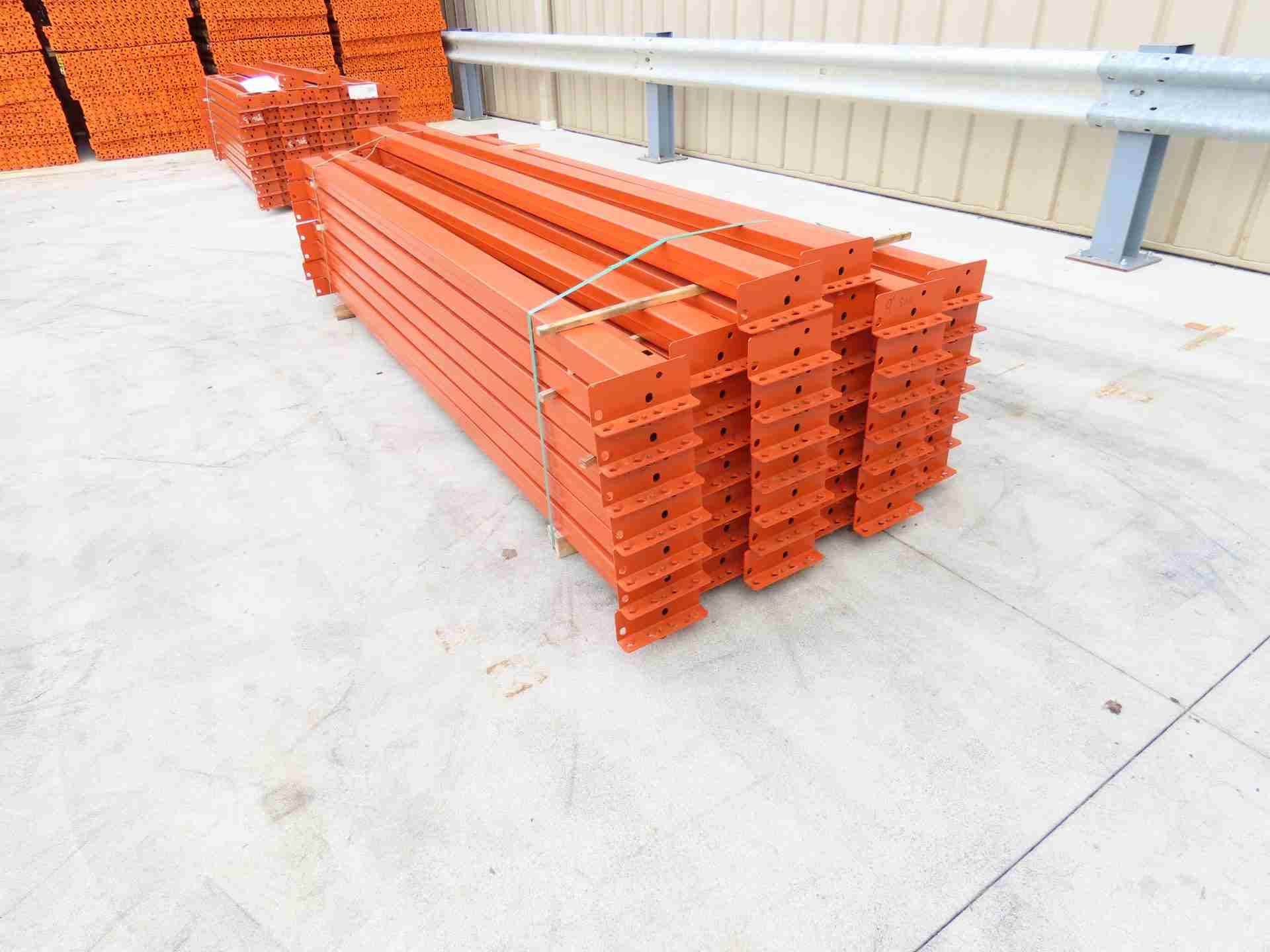
How Can Weather Conditions Impact The Installation Process?
What Role Does Skilled Labor Play In Rack Installation?
When it comes to rack installation, skilled labor is not just an asset; it’s the backbone of the process. In a world where efficiency and reliability are paramount, having a team of skilled professionals can make all the difference between a successful project and a costly failure. With the recent surge in e-commerce and cloud computing due to global events, such as the pandemic’s accelerated digital transformation, the demand for optimized storage solutions has skyrocketed. This means that the role of skilled labor in rack installation has never been more critical.
Consider the complexities involved in designing and installing a rack system capable of supporting sensitive electronic equipment. A well-trained technician not only understands how to assemble the components but also factors in load balancing, safety protocols, and environmental control. For instance, improper installation can lead to system failures, causing downtime that could cost businesses thousands of dollars—time is money, after all! Just last year, a major retailer faced a significant backlash and financial fallout due to a server outage caused by inadequate rack installation. Their story is a valuable lesson that neglecting skilled labor can lead to disastrous consequences.
Furthermore, skilled labor isn’t merely about technical ability; it also includes problem-solving and adaptability. With ongoing supply chain challenges influencing the availability of materials, having a knowledgeable workforce that can troubleshoot and make adjustments on the fly is invaluable. Experienced installers can assess site conditions, recommend alternative solutions, and ensure that projects stay on schedule and within budget. They are the unsung heroes navigating the complexities of rack installations, especially in tightly scheduled projects prevalent in today’s fast-paced business environment.
Let’s not forget about compliance and safety regulations, which are becoming more stringent by the day. With industry standards continually evolving, skilled labor must stay abreast of the latest regulations to ensure full compliance. This knowledge reduces risk not just for the installation team but also for the end-users who depend on reliable and secure rack solutions.
Skilled labor is more than a necessity; it’s a competitive advantage in rack installation. As businesses pivot toward smarter storage solutions, the reliance on expertly trained individuals will only increase. Investing in skilled labor ensures that installations are efficient, compliant, and primed for the demands of the modern age. So, if you’re embarking on a rack installation project, remember: cutting corners on labor is a risk you cannot afford to take.
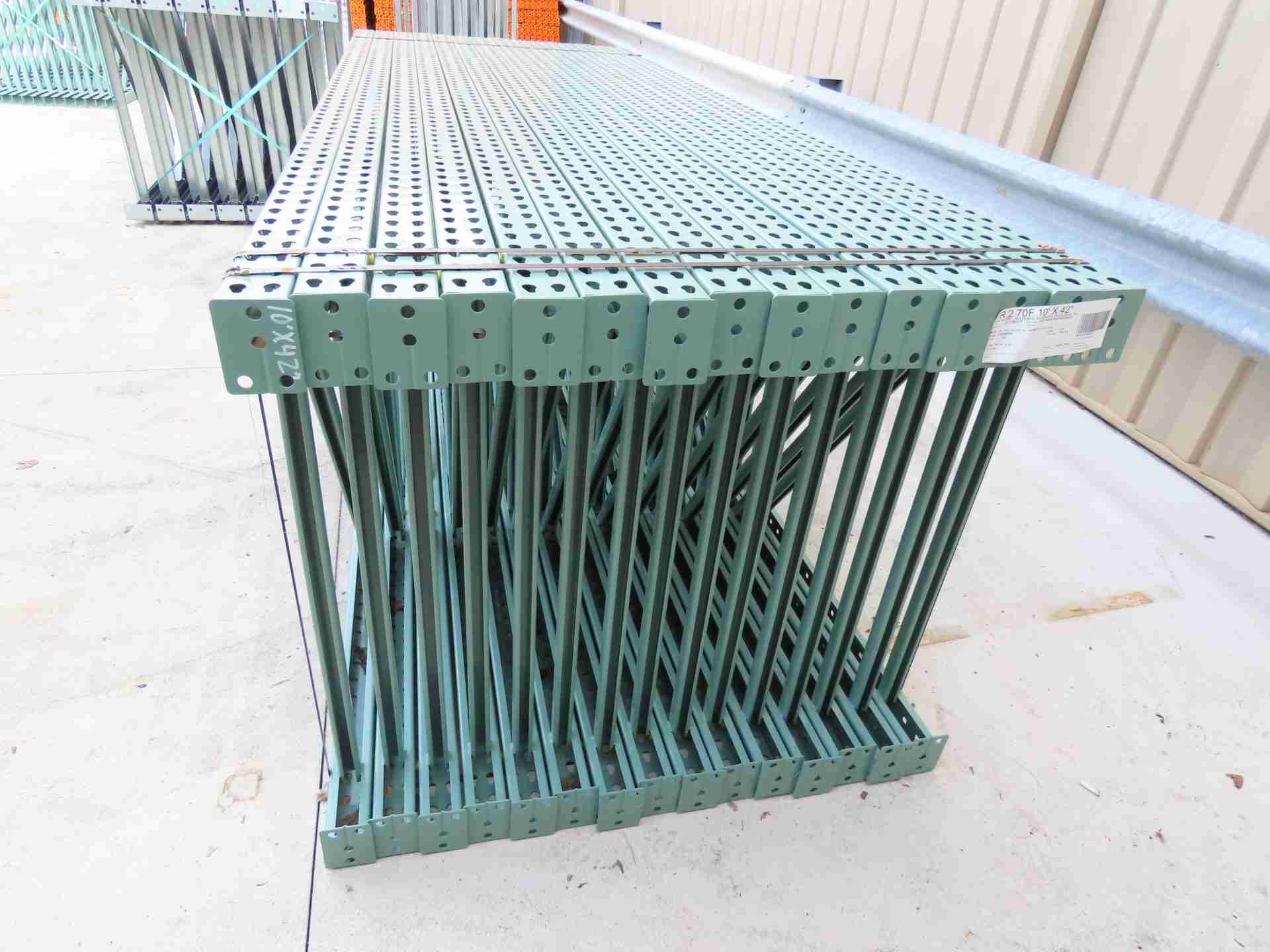
What Role Does Skilled Labor Play In Rack Installation?
What Role Does Skilled Labor Play In Rack Installation?
- Skilled labor is essential for successful rack installation and overall project efficiency.
- Increased demand for optimized storage solutions due to e-commerce and cloud computing growth.
- Proper installation is crucial to avoid costly system failures and downtime.
- Skilled technicians understand load balancing, safety protocols, and environmental controls.
- Problem-solving and adaptability are vital due to ongoing supply chain challenges.
- Compliance with evolving safety regulations is critical for reducing risk in installations.
- Investing in skilled labor provides a competitive advantage in modern business environments.

What Role Does Skilled Labor Play In Rack Installation?
How To Manage Space Constraints During Rack Installation?
In today’s fast-paced business environment, optimizing every square inch of your workspace is crucial. When it comes to rack installation, space constraints can feel like a relentless obstacle, but they can be mastered with strategic planning and a proactive approach. Whether you’re dealing with a data center, a warehouse, or a retail stockroom, the key to overcoming these challenges lies in understanding your needs and utilizing smart design principles.
1. Assess and Plan Your Space
Before diving into installation, conduct a thorough assessment of your available space. Measure not just the floor space but also the height of the area. Remember, vertical space can often be an underutilized asset. Utilizing vertical racks or shelving systems can significantly increase your storage capacity without expanding your footprint. For instance, many data centers are moving towards high-density racks that take advantage of a smaller floor area while offering significantly improved storage capabilities.
2. Modular Racking Systems
Flexibility is paramount when managing tight spaces. Consider investing in modular racking systems that can be adapted to your changing needs. These systems allow you to reconfigure your setup with ease as your inventory or equipment evolves. Take the example of a retail giant that recently revamped its storage systems to respond to rising e-commerce demands. By adopting modular racking, they increased their capacity by 30% while maintaining an efficient workflow.
3. Optimize Aisle Widths
A common mistake is overlooking the importance of aisle widths. While wider aisles might seem beneficial, they can limit your overall storage capacity. Aim for a balance—ensuring that aisles are wide enough for necessary equipment but tight enough to maximize your racking density. Utilizing narrow aisle forklifts or automated guided vehicles (AGVs) can help in improving efficiency while conserving precious floor space.
4. Technology Integration
Incorporating technology can also alleviate space constraints. Inventory management systems and intelligent tracking software can help streamline your processes, ensuring you make the most of your racked space. Plus, with the rise of AI and machine learning, you can predict stock movement and identify which items will be picked frequently, allowing you to prioritize their storage location.
5. Stay Informed About Local Trends
As current events shape our world, such as shifts in supply chain practices and e-commerce fulfillment, staying informed will allow you to anticipate changes in your space needs. Companies are increasingly favoring local distribution centers to meet consumer demand swiftly, meaning thoughtful space management today can prepare you to pivot and react tomorrow.
By integrating these strategies, you’ll not only manage space constraints effectively during rack installation but also serve your operational goals with finesse, adaptability, and foresight. Embrace these principles, and your business will thrive, no matter how tight the space may seem.
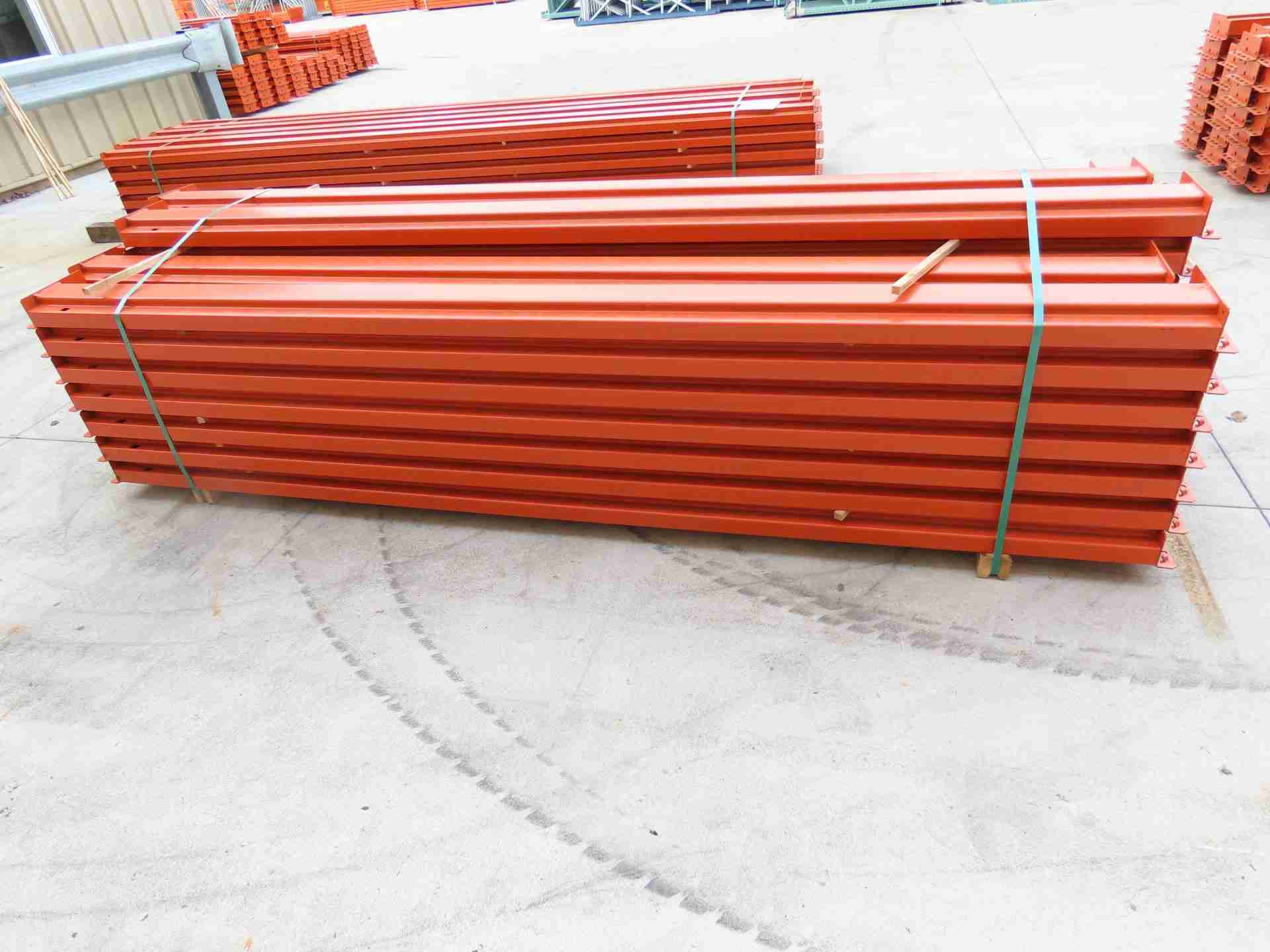
How To Manage Space Constraints During Rack Installation?
How To Manage Space Constraints During Rack Installation?
- Optimize workspace by strategically planning rack installations to overcome space constraints.
- Conduct thorough assessment of space, measuring both floor and vertical areas for maximum storage use.
- Invest in modular racking systems to easily adapt to changing inventory and equipment needs.
- Optimize aisle widths to balance accessibility with storage capacity; consider using narrow aisle forklifts.
- Incorporate technology like inventory management systems to streamline processes and maximize racked space.
- Stay informed about local trends, such as changes in supply chain practices, to anticipate spatial needs.
- Implementing these strategies enhances adaptability and operational efficiency, even in tight spaces.

How To Manage Space Constraints During Rack Installation?
What Are The Maintenance Challenges After Installation?
Once the excitement of a new installation has faded, the real work begins—maintenance. Whether it’s a state-of-the-art HVAC system, cutting-edge machinery, or a sophisticated software platform, the journey doesn’t conclude with the installation. Instead, it transitions into a crucial phase that significantly influences long-term performance and cost-efficiency. Let’s dive into the common maintenance challenges you might face after installation and how to navigate them.
1. Regular Monitoring and Calibration
Consider your newly installed smart home system. At first, everything seems to function seamlessly. However, as technology evolves or environmental factors change, your system needs regular adjustments to maintain peak performance. Failing to calibrate your devices over time could lead to inefficiencies, driving up your energy bills. A recent report highlighted that homeowners who neglect routine inspections of smart systems can see energy costs balloon by as much as 30% annually.
2. Parts and Labor Supply Delays
As seen during the pandemic, supply chains can be unpredictably disrupted. This means that critical components for maintenance might not be readily available when you need them. If an essential part of your installation breaks down and takes weeks to replace, you don’t just suffer operational delays—you may also face escalating repair costs. For instance, businesses relying on specialized machinery risk significant downtime, emphasizing the importance of securing a reliable supply chain for spare parts.
3. Technological Advancements
Finally, the pace of innovation can be both a boon and a burden. New software updates and enhancements may improve your installation but require you to adapt promptly. If you’re hesitant or fail to keep pace, your system may quickly become obsolete, leading to inefficiencies and increased security vulnerabilities. A study by a leading software firm has found that companies that neglect regular software updates suffer a 60% higher rate of cyber-attacks—proof that keeping up with technology is non-negotiable.
4. User Training and Adaptation
Last but certainly not least, consider user proficiency. A stunning new system is only as good as the people who operate it. If staff members aren’t adequately trained or comfortable with the new technology, all your investment could go to waste. Recent reports indicate that inadequate training can diminish productivity by as much as 30% in the first year after installation. Invest in comprehensive training programs to ensure all team members are confident and competent.
Navigating the post-installation landscape is not just about maintaining functionality—it’s about enhancing value. Anticipate these challenges, and you’ll not only preserve the integrity of your investment but also amplify its returns.
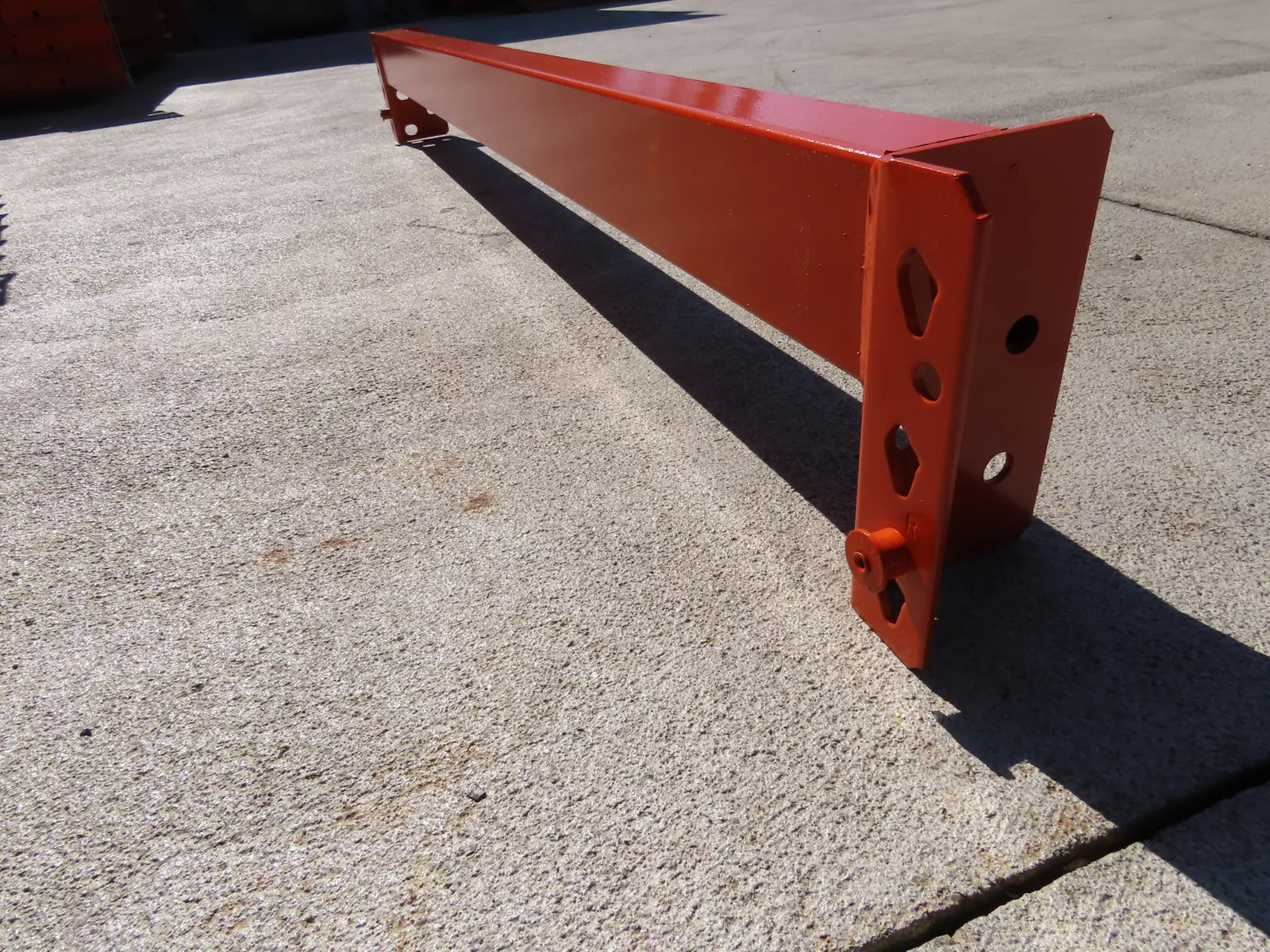
What Are The Maintenance Challenges After Installation?
What Are The Maintenance Challenges After Installation?
- Maintenance begins after installation of systems like HVAC, machinery, or software.
- Regular monitoring and calibration are essential to maintain peak performance and cost-efficiency.
- Supply chain disruptions can lead to delays in parts and labor availability, increasing repair costs.
- Technological advancements require timely adaptation to avoid obsolescence and reduce security risks.
- Neglecting software updates can significantly heighten vulnerability to cyber-attacks.
- Proper user training is crucial; inadequate training can decrease productivity by up to 30% in the first year.
- Addressing these challenges enhances value and preserves the integrity of your investment.
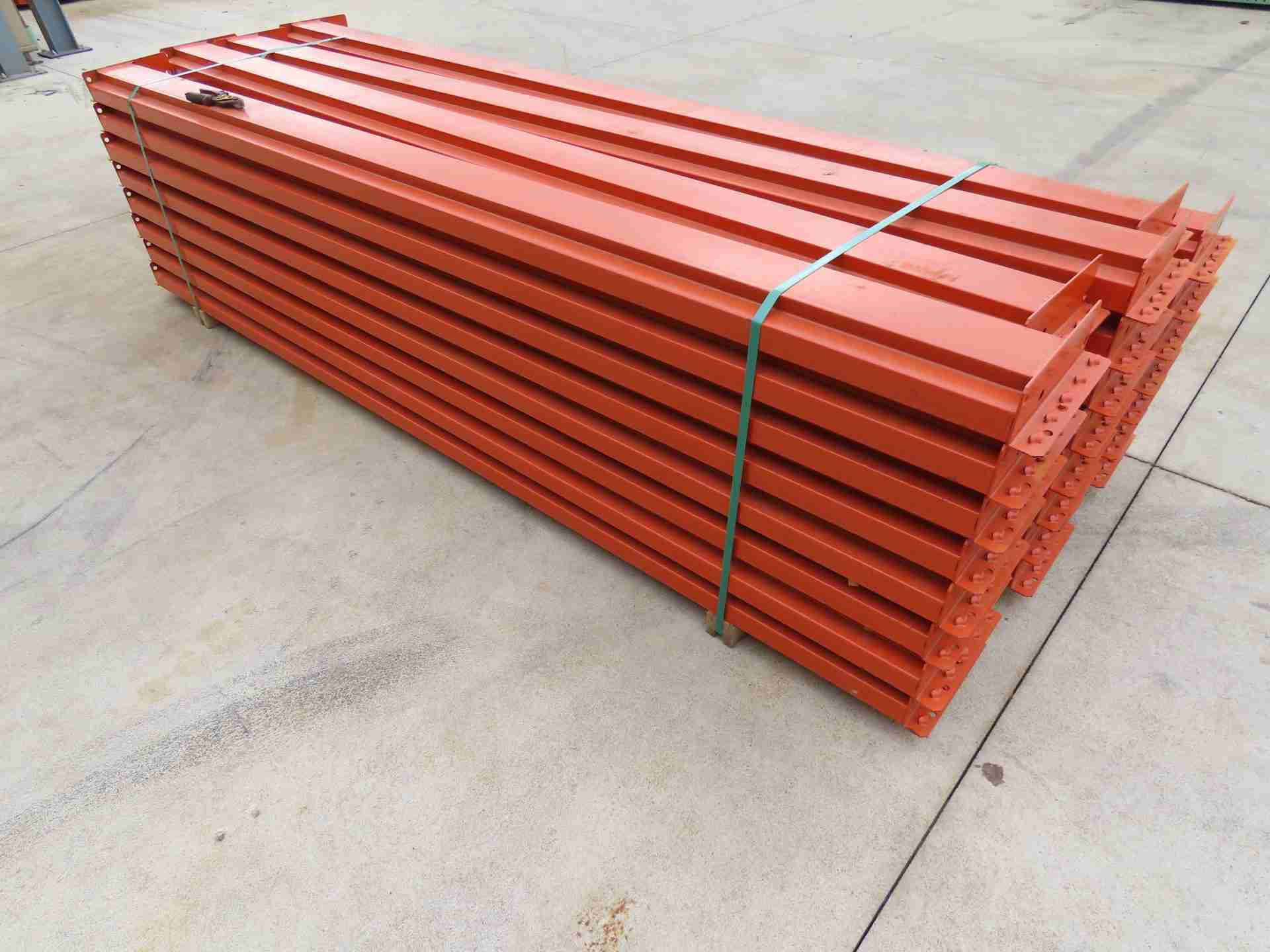
What Are The Maintenance Challenges After Installation?
How Do Rack Design Choices Impact Installation Difficulties?
When it comes to the world of rack design, decisions made at the drawing board can spell success or headaches come installation time. The nuances of rack design influence not just aesthetics, but also functionality and ease of installation. In an era where businesses strive for efficiency, understanding these implications is paramount.
Consider the recent push for modular rack systems in data centers and commercial spaces. Modular designs offer flexibility, but if poorly designed, they can create chaos during installation. For instance, a popular modular rack currently on the market boasts a “plug-and-play” feature that sounds enticing. However, installers have reported complications arising from the ambiguous assembly instructions. What was marketed as a time-saving innovation turned into an intricate puzzle—resulting in costly delays and mounting frustration. A customer once expressed, “I thought I could breeze through the setup, but after hours of trial and error, I wish I’d chosen a simpler design.”
On the other hand, a well-thought-out rack design can streamline the installation process. Take, for example, a reputable manufacturer known for its pre-assembled rack units. These units arrive at the site ready to use, drastically reducing onsite labor hours. During the recent tech infrastructure revamp across multiple sectors in response to the growing demand for remote services, companies embracing these user-friendly designs found themselves ahead of schedule. The ability to install quickly translates to immediate productivity boosts—a critical factor in today’s hyper-competitive market.
Let’s not overlook the importance of material choices in rack design. Lightweight materials can enhance transport and speed up installation, but they must be balanced with structural integrity. For example, aluminum racks, while lightweight and easy to maneuver, may not support heavy equipment as effectively as steel alternatives. Recent industry trends have highlighted a surge in hybrid designs that blend the best of both worlds—providing durability without the cumbersome weight. This integrated approach minimizes installation challenges while maximizing usability.
Lastly, it’s essential to consider how the design accommodates future upgrades or expansions. A forward-thinking design not only facilitates easy installation but allows for seamless scalability. As organizations pivot to meet unexpected market shifts, such as the current trend of hybrid working models, having a rack system that can adapt quickly is invaluable.
In summary, the choices made in rack design profoundly affect installation difficulties. By investing in smart, user-centric designs, companies can avoid unnecessary headaches and set the stage for smooth operations and future growth.
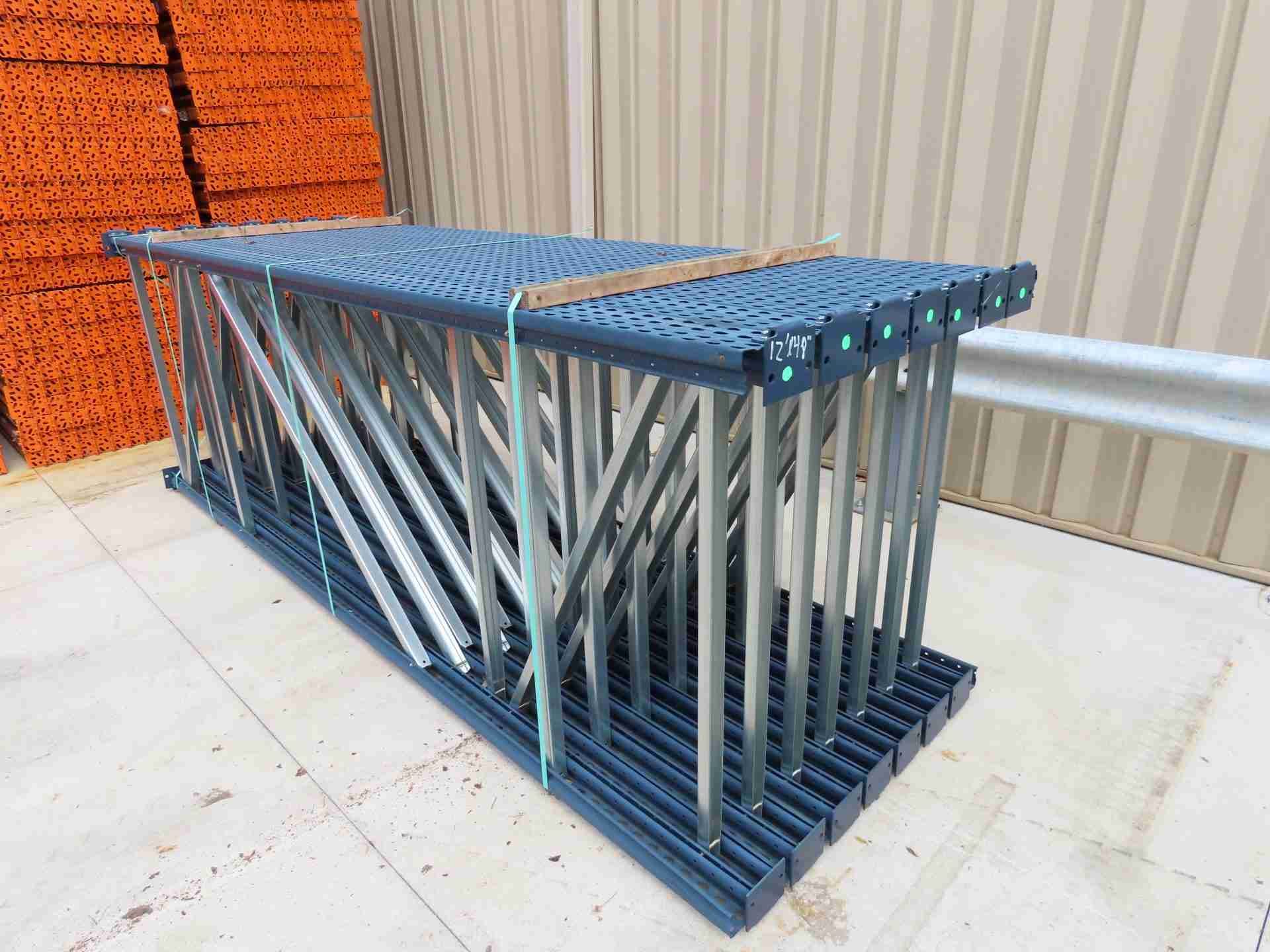
How Do Rack Design Choices Impact Installation Difficulties?
How Do Rack Design Choices Impact Installation Difficulties?
- Decisions in rack design significantly impact installation ease and functionality.
- Modular rack systems offer flexibility but may complicate installation if poorly designed.
- Complicated assembly instructions can lead to costly delays during setup.
- Well-thought-out designs, such as pre-assembled racks, can streamline installations and reduce labor hours.
- Material choices are crucial; lightweight materials must balance portability with structural integrity.
- Hybrid rack designs are gaining popularity for their durability and ease of use.
- Forward-thinking designs facilitate scalability and adaptability for future upgrades or expansions.
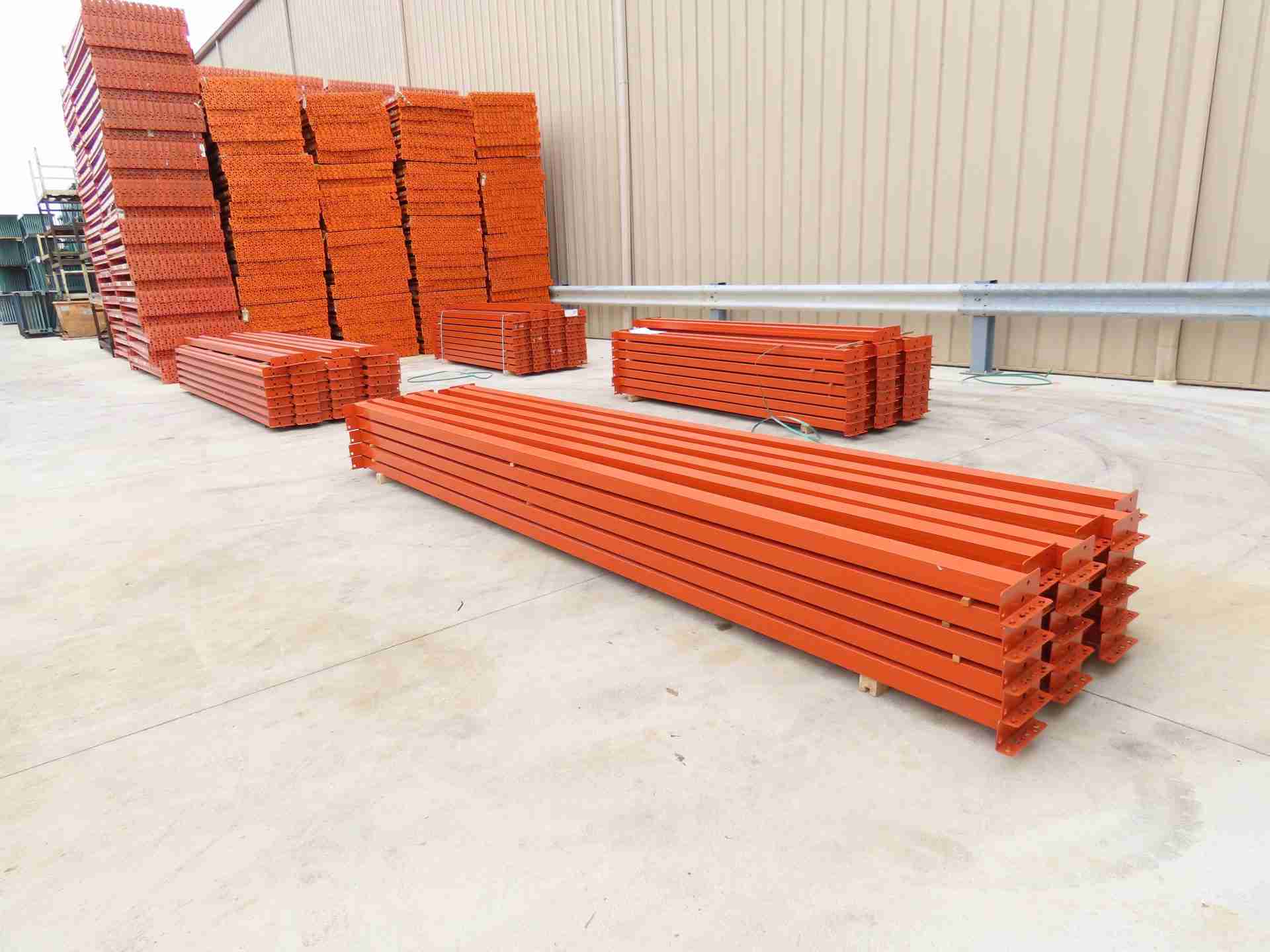
How Do Rack Design Choices Impact Installation Difficulties?
What Documentation Is Required For Rack Installation Compliance?
In the fast-paced world of logistics and warehousing, ensuring your rack installations meet compliance requirements is not just good practice—it’s essential for operational efficiency and safety. So, what documentation do you need to stay on the right side of both local regulations and industry standards? Let’s break it down.
1. Installation Drawings or Plans:
Every successful rack installation begins with a well-structured plan. These drawings should detail the specific layout of the racks, types of materials used, and the intended load capacities. For instance, if you’re installing a high-density shelf system in response to the recent surge in e-commerce demand, your drawings must reflect how the racks will support increased inventory without compromising safety.
2. Engineering Approvals:
Before you begin, it’s also vital to secure engineering approvals. This includes calculations that demonstrate the rack system can handle specified loads. Think about recent regulatory crackdowns on safety in warehouses post-COVID, particularly as companies rush to scale operations; a lack of appropriate engineering sign-off can lead to costly shutdowns.
3. Compliance Certificates:
Next, gather your compliance certificates, which validate that your systems meet national and local safety codes. Organizations like the American National Standards Institute (ANSI) and the Occupational Safety and Health Administration (OSHA) publish guidelines that your installations must adhere to. Having these documents on hand can save you from legal headaches and hefty fines down the road.
4. Inspection Reports:
Periodic inspections are not just a suggestion—they’re often a regulatory requirement. Document your inspections with detailed reports that outline the condition and safety of the rack systems. Given the recent increases in workplace safety regulations, maintaining a meticulous record of inspections has never been more critical.
5. Maintenance Logs:
Lastly, keep a running log of maintenance conducted on your rack systems. This documentation should detail repairs, upgrades, and any modifications made over time. For example, if you’re adapting your rack system to facilitate new technology for better inventory management, having a robust maintenance history shows compliance and forward-thinking.
Compliant rack installation is more than just a box to check—it’s a hallmark of a forward-looking organization. As you implement these measures, remember that comprehensive documentation is not just about adhering to laws; it’s about creating a safe, efficient, and high-performing work environment. With meticulous planning and record-keeping, you position your business as a leader in operational excellence and safety, ready to thrive in an ever-changing marketplace.
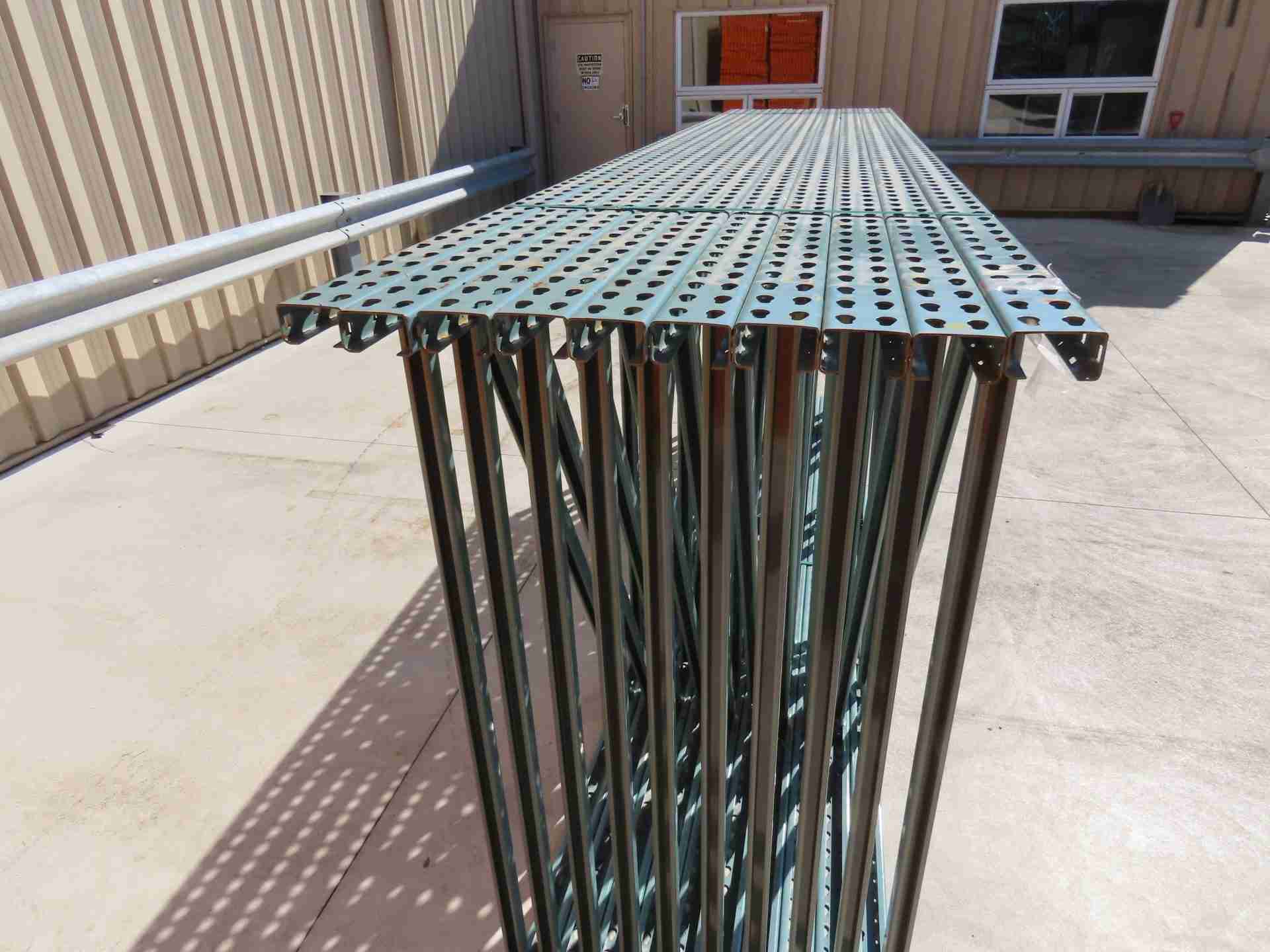
What Documentation Is Required For Rack Installation Compliance?
What Documentation Is Required For Rack Installation Compliance?
- Importance of Compliance: Compliance in rack installations is essential for operational efficiency and safety in logistics and warehousing.
- Installation Drawings or Plans: Detailed plans must outline rack layouts, materials, and intended load capacities to ensure safety, especially in high-density systems.
- Engineering Approvals: Securing engineering sign-offs is crucial to validate load handling capabilities and avoid costly operational shutdowns.
- Compliance Certificates: Obtaining certificates that confirm adherence to national and local safety codes is necessary to avoid legal issues and fines.
- Inspection Reports: Regular inspections should be documented meticulously as they are often a regulatory requirement, enhancing workplace safety.
- Maintenance Logs: Keeping detailed records of maintenance, repairs, and upgrades demonstrates compliance and effective use of technology in inventory management.
- Culture of Compliance: Comprehensive documentation fosters a safe, efficient work environment and positions businesses as leaders in operational excellence.
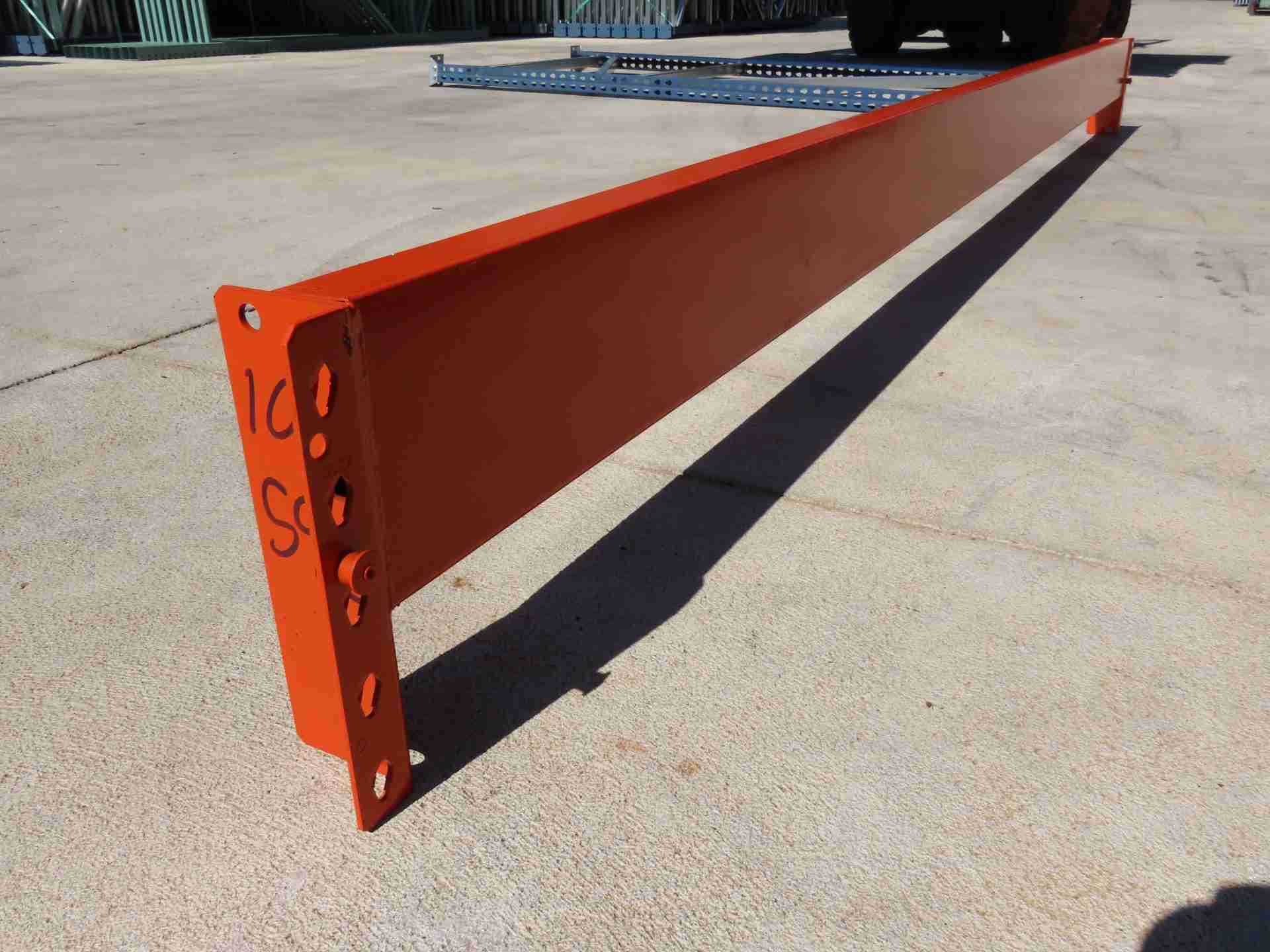
What Documentation Is Required For Rack Installation Compliance?
Conclusion
As we conclude our exploration of the multifaceted challenges associated with installing cantilever racks, it becomes abundantly clear that preparation, insight, and expertise are paramount. While cantilever racks emerge as advantageous tools for optimizing warehouse space, their installation can be fraught with complications that, if not addressed, can derail an operation entirely. The roadblocks we’ve discussed—from navigating complex regulatory landscapes to managing budget overruns—serve as crucial reminders of the importance of a strategic, well-informed approach.
The installation journey begins with a firm grasp of local regulations and compliance standards, as penalties for non-adherence can cripple a business both financially and operationally. Taking the time to understand these regulations not only mitigates risk but ensures a safe working environment for your team—something that should never be compromised. Adequate space assessment is also essential, as the right cantilever rack system must align perfectly with your inventory needs and operational layout; failing to do so could result in wasted resources, costly delays, and administrative headaches.
In the increasingly competitive marketplace, the value of professional installation cannot be overstated. Investing in skilled labor not only streamlines the process but enhances safety and structural integrity, safeguarding both your assets and your employees. Furthermore, the necessity of ongoing maintenance and proper load management cannot be overlooked; an improperly managed rack system can be a ticking time bomb, undermining all your initial efforts.
In today’s fast-paced world, speed and adaptability are key. Therefore, to get the most out of your investment in cantilever racks, it’s paramount to act swiftly and decisively. Call Arrow Industrial Sales today at (574) 349-6575. Our experts are standing by to guide you through this process, tackle your unique installation challenges, and help you maximize your storage capacity in the most efficient way possible.
By taking proactive steps now, you can not only streamline your operations but also position your business for long-term success—turning what could be installation headaches into seamless triumphs. Don’t delay; reach out now and see how we can transform your warehouse space and workflow into a beacon of effectiveness and safety.
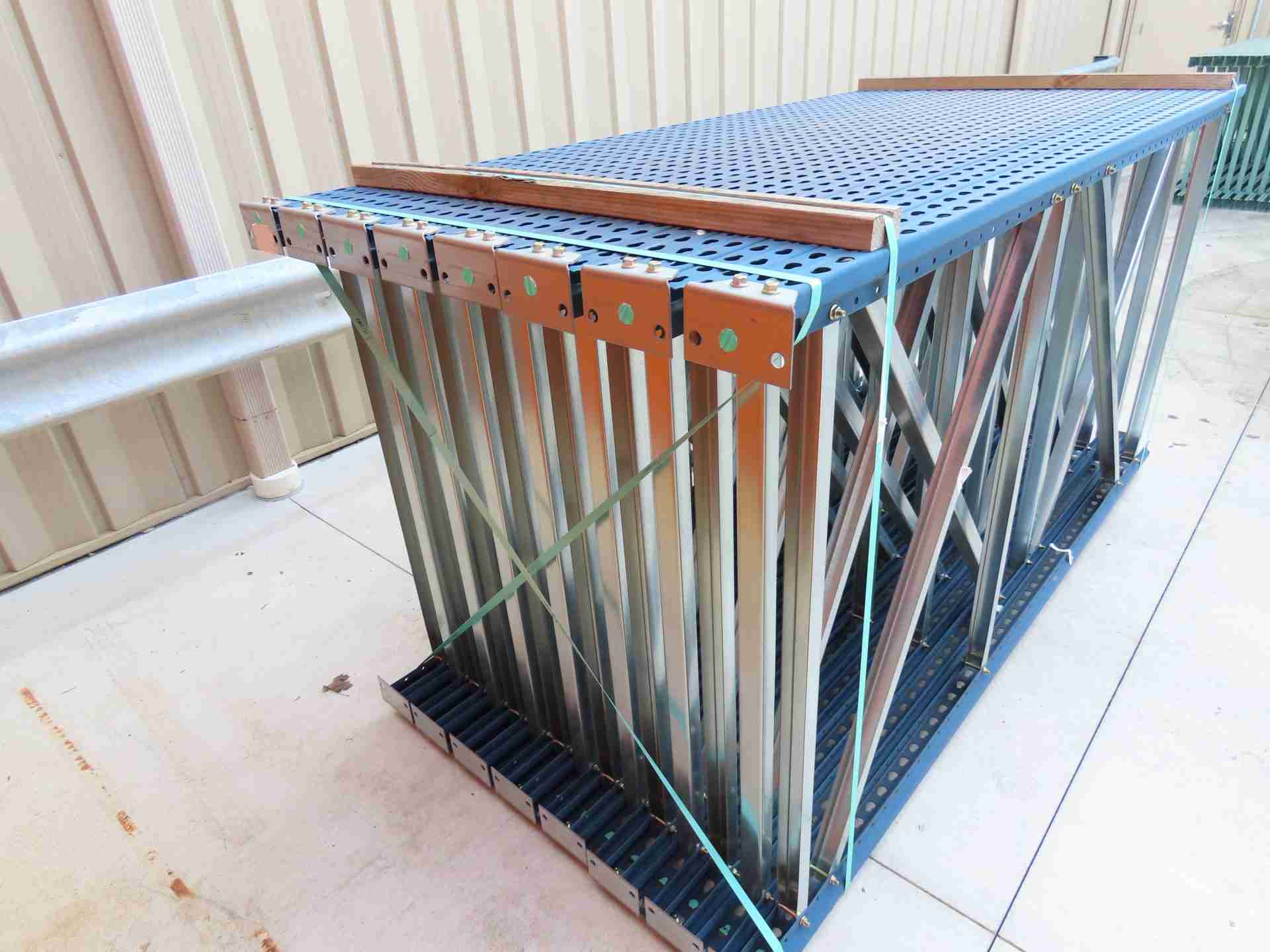
Conclusion
Conclusion:
- Preparation, insight, and expertise are crucial for successful cantilever rack installation.
- Understanding local regulations and compliance standards is vital to avoid financial and operational penalties.
- Adequate space assessment ensures the right rack system aligns with inventory needs and operational layout.
- Investing in professional installation enhances safety, structural integrity, and efficiency.
- Ongoing maintenance and proper load management are essential to prevent potential risks.
- Speed and adaptability are critical in maximizing the investment in cantilever racks.
- Proactive measures can streamline operations and position businesses for long-term success.
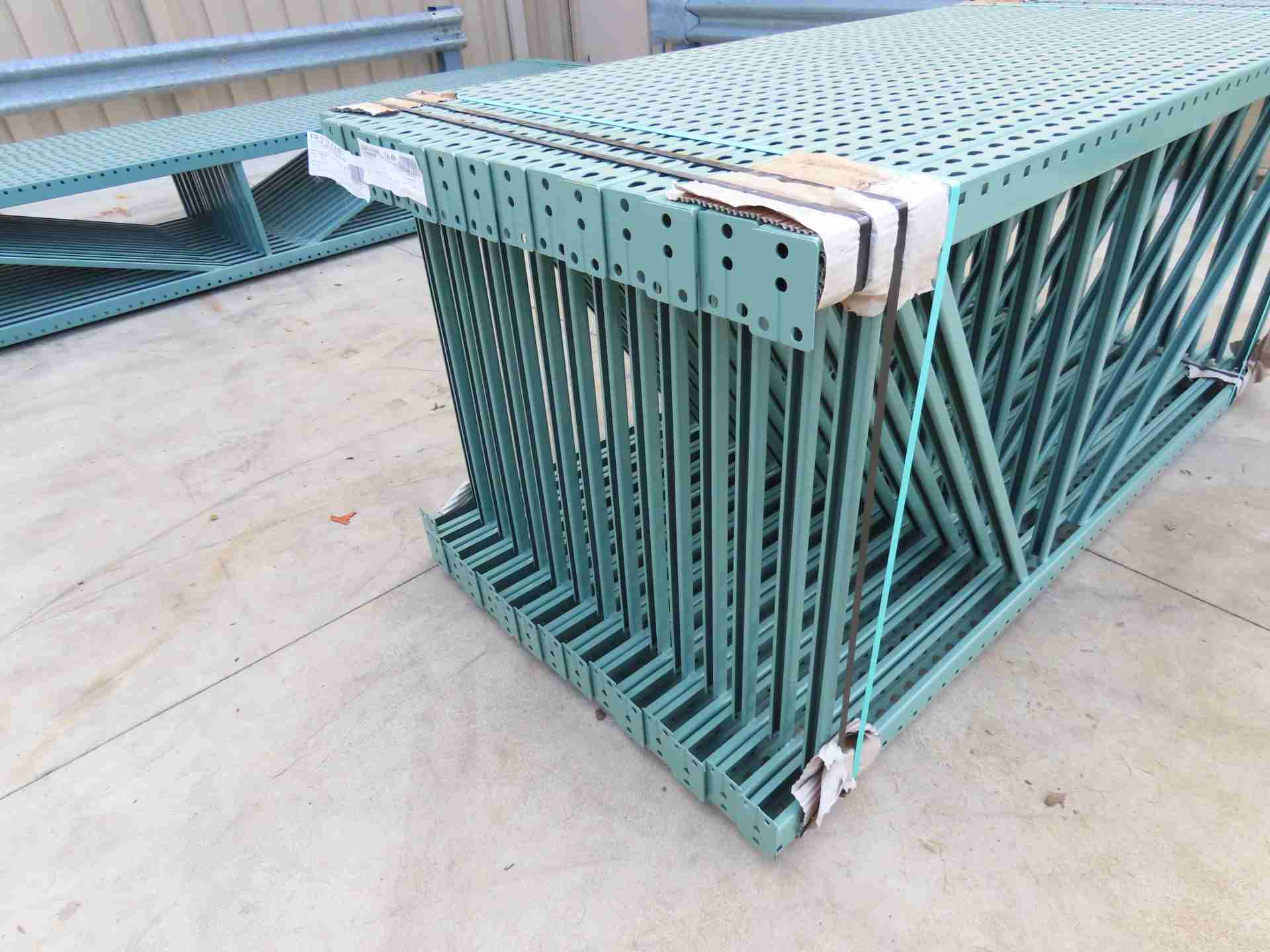
Conclusion
Other Resources
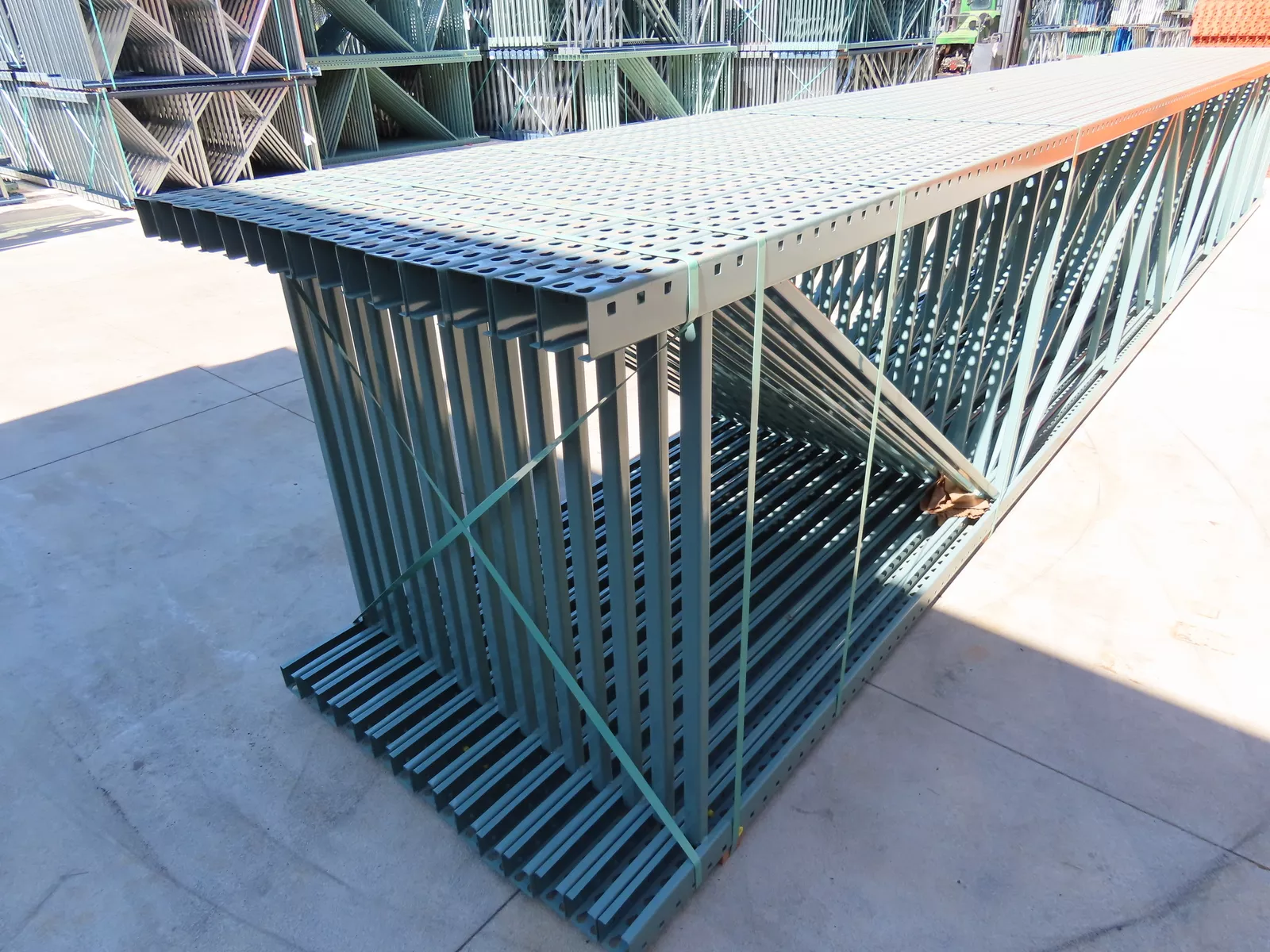
Other Resources
Here is a list of other resources you can review online to learn more:
- “S-11/A”
- “What Does OSHA Say About Pallet Rack Safety?”
- “S-11”
- “Understanding OSHA Requirements for Warehouse Racking”
- “Are Your Systems Cybersecure? 8 20 30 34”
- “Warehouse Racking Safety Guidelines: Satisfying OSHA”
- “Supply Chain Logistics”
- “CHAPTER IV: TECHNOLOGICAL FEASIBILITY”
- “Answering the Top 5 Questions on Pallet Racks”
- “push/pull & slipsheet handling manual”
- “MHI – The Industry That Makes Supply Chains Work”
- “Warehousing – Know the Law | Occupational Safety and …”
- “Rural Health – CFB – California Farm Bureau”
- “let’s discuss egregious safety violations at work”
- “Evolution of and Directions in Construction Safety and Health”
- “Is Your Pallet Racking OSHA Compliant”
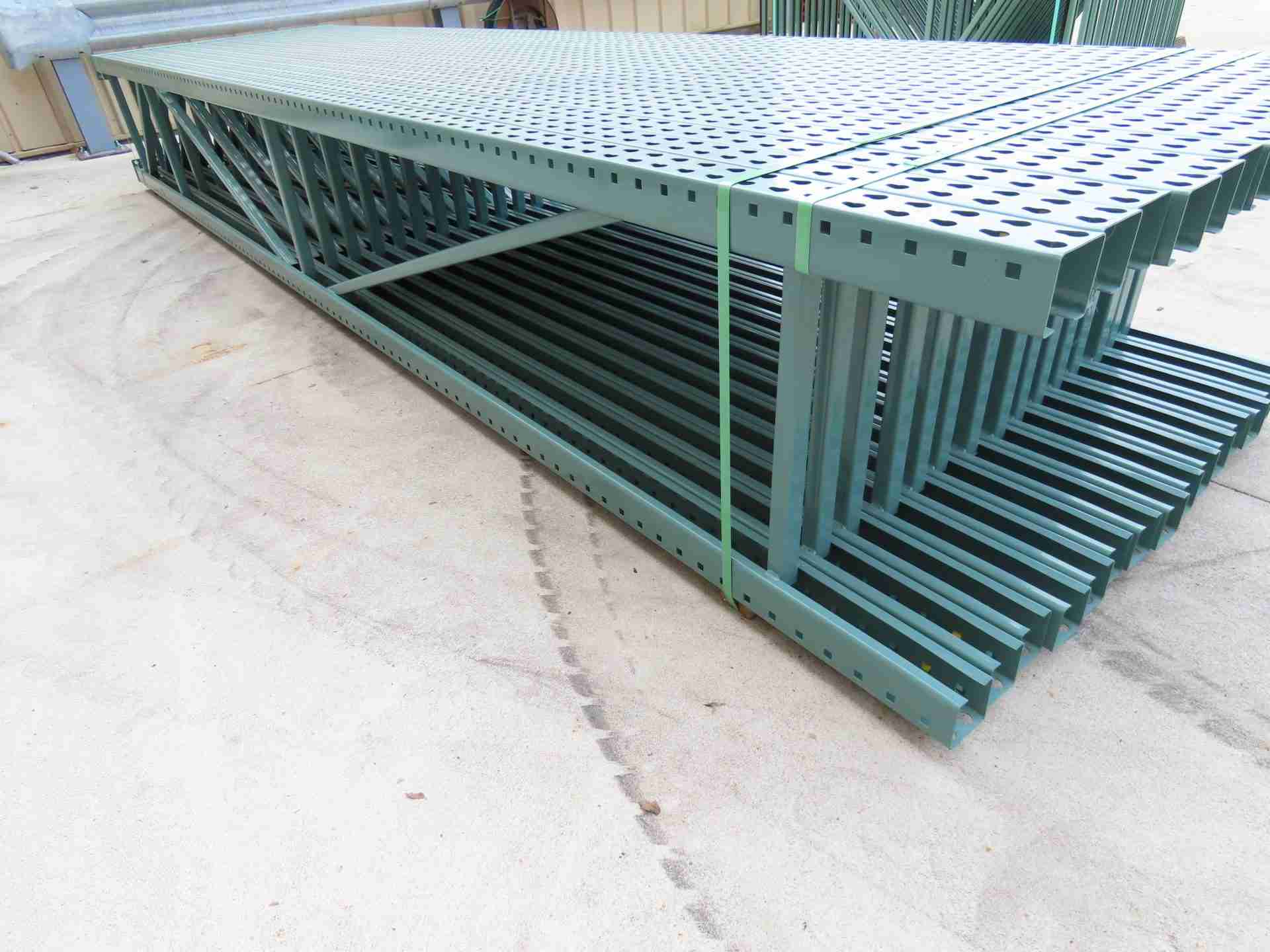
Other Resources
Glossary Terms
What Are The Challenges Of Installing Cantilever Racks? – Glossary Of Terms
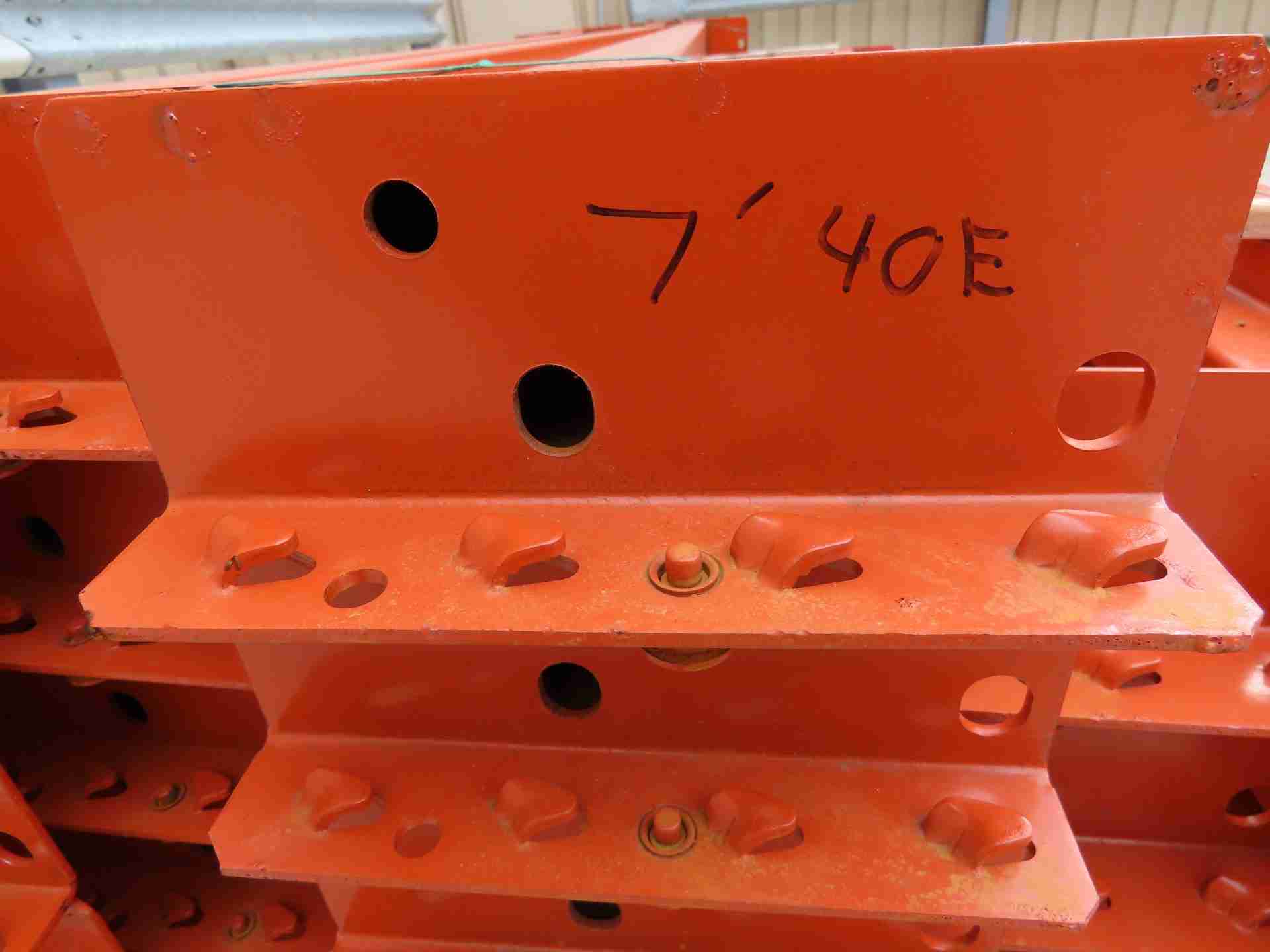
1. Cantilever Rack: A storage system designed to hold long, bulky items, featuring braces that extend outward from a vertical structure.
2. Load Capacity: The maximum weight each arm or level of a rack can safely support, crucial for preventing structural failure.
3. Site Assessment: An evaluation of the location where racks will be installed, considering factors like space, weight distribution, and clearance requirements.
4. Foundation Requirements: Specifications detailing the type and strength of the ground needed to support the racks and the loads they will carry.
5. Permitting: The legal process of obtaining approval from local authorities for installation, which may include zoning and building permits.
6. Regulatory Compliance: Adhering to local, state, and federal safety and building regulations during rack installation.
7. Safety Standards: Guidelines and regulations, such as those from OSHA or ANSI/RMI, that ensure the safe design and operation of storage systems.
8. Site Preparation: The process of clearing and preparing the installation area, which may involve leveling the ground and ensuring it is free from debris.
9. Assembly Complexity: The degree of difficulty involved in putting the cantilever rack together, influenced by design and materials.
10. Installation Timeframe: The estimated duration for the complete installation process, which can be affected by the size and number of racks and labor availability.
11. Vertical Clearance: The height available above the racks, which is important for ensuring safe handling and storage of materials.
12. Accessibility: The ease with which operators can reach the stored items, impacting operational efficiency and safety.
13. Environmental Factors: Conditions such as temperature, humidity, and exposure to chemicals that can affect the durability and safety of racks.
14. Material Selection: Choosing appropriate materials (such as steel or composite) for strength, resistance to corrosion, and longevity.
15. Weight Distribution: The manner in which loads are spread across the rack, critical for ensuring structural integrity.
16. Understanding the Load Type: Knowledge of whether items are uniform, bulky, or irregularly shaped, as this affects rack configuration and design.
17. Ergonomics: The study of how the design of the racks affects operator comfort and safety, which can influence installation decisions.
18. Forklift Compatibility: Ensuring that the rack design accommodates the machinery used to move items, such as forklifts.
19. Potential Damage: The risks involved in moving and installing the racks, which could lead to damage to the racks or the facility.
20. Training Requirements: The need for operators and installers to be trained on safety measures and proper use to avoid accidents.
21. Inspection Procedures: Regular checks required to ensure that racks are secure and functioning as intended, identifying potential weaknesses.
22. Disassembly Challenges: The difficulties associated with taking down racks if relocation or updates are needed, impacting future use.
23. Installation Costs: The total expenses associated with acquiring materials, labor, and equipment for rack assembly.
24. Vendor Coordination: Collaborating with suppliers and manufacturers to ensure timely delivery of parts and installation equipment.
25. Custom Design: Modifications to standard racks that accommodate unique storage needs or spatial constraints.
26. Hazard Mitigation: Strategies to minimize risks associated with rack installation and usage, ensuring safety for staff and equipment.
27. Overloading Risks: The dangers posed by placing too much weight on the racks, which can lead to catastrophic failure.
28. Maintenance Needs: Ongoing requirements for inspecting and repairing racks to maintain functionality and safety.
29. Aisle Configuration: Designing pathways between racks for efficient movement and safety, impacting the overall layout of the storage area.
30. Future Scalability: The ability to expand or modify the rack installation in response to growing storage needs or changing operational demands.
Glossary Of Terms
Other Questions
What Are The Challenges Of Installing Cantilever Racks? – Other Questions
If you wish to explore and discover more, consider looking for answers to these questions:
- What should I consider when choosing a location for cantilever rack installation?
- How can I effectively assess the space needed for cantilever racks?
- What professional services should I look for when installing cantilever racks?
- How can I avoid financial pitfalls related to cantilever rack installation?
- What tools will I need for regular maintenance of cantilever racks?
- What are the best practices for load testing cantilever racks after installation?
- How should I train my staff on the proper use of cantilever racks?
- What are the specific safety features I should consider for cantilever racks?
- How often should I perform inspections and maintenance on cantilever racks?
- What documentation is essential for post-installation compliance checks?
- Can weather conditions affect the ongoing maintenance of cantilever racks?
- What are the common signs that indicate a cantilever rack needs adjustment or repair?
- How can I ensure my cantilever racks are future-proof as my business evolves?
Other Questions
Checklist
What Are The Challenges Of Installing Cantilever Racks? – A Checklist
Before Installation
1. Regulatory Compliance
_____ Research local regulations and safety standards.
_____ Confirm compliance with OSHA guidelines.
_____ Consult with a knowledgeable partner or legal advisor.
2. Space Assessment
_____ Measure warehouse dimensions (height, width).
_____ Evaluate existing infrastructure (ceiling height, floor strength).
_____ Consider future inventory needs and layout adjustments.
3. Load Capacity Analysis
_____ Understand the load capacity of each rack.
_____ Select racks appropriate for the weight of items to be stored.
_____ Consult professionals for load calculations.
4. Plan for Installation Complexity
_____ Engage professional installation services if needed.
_____ Review assembly instructions for accuracy.
_____ Train staff on proper installation techniques.
5. Budget Planning
_____ Estimate all potential costs (materials, installation, compliance).
_____ Account for unexpected expenses in your budget.
_____ Consider long-term savings vs. initial expenses.
During Installation
6. Proper Soil Condition Assessment
_____ Conduct soil tests to ensure stability.
_____ Consider making soil improvements if necessary.
_____ Evaluate soil compaction and moisture levels.
7. Safety Regulations
_____ Ensure all safety gear is available and worn (hard hats, gloves, etc. ).
_____ Conduct risk assessments before starting work.
_____ Train workers on safety protocols and emergency procedures.
8. Alignment and Stability Checks
_____ Use leveling tools to ensure racks are properly aligned.
_____ Regularly inspect racks during installation to confirm stability.
_____ Adjust installation based on inspection feedback.
After Installation
9. Documentation and Compliance
_____ Maintain installation drawings or plans.
_____ Secure engineering approvals and compliance certificates.
_____ Record inspection reports and maintenance logs.
10. Maintenance and Inspections
_____ Schedule regular maintenance and inspection dates.
_____ Train staff on handling inventory loads properly.
_____ Monitor for signs of wear and tear or misalignment.
11. Cost Management
_____ Track ongoing costs for maintenance and repairs.
_____ Review overall costs to ensure they align with your budget.
_____ Analyze the return on investment for the rack system.
Final Thoughts
_____ Reflect on the installation process and document lessons learned.
_____ Stay informed about updates in safety regulations and compliance requirements.
_____ Consider future adjustments and expansions to optimize your storage space further.
Additional Notes:
_____ Collaborate with experienced professionals during installation.
_____ Be adaptable; unexpected issues may arise, requiring immediate solutions.
_____ Prioritize safety and compliance to protect your investment and workforce.
Use this checklist to streamline your cantilever rack installation process and navigate common challenges effectively.
Checklist
At RackingWorld, we help guide you through selecting warehouse storage systems and racking.
Be sure to read our other related stories at RackingWorld to learn more about warehouse storage systems.
0 Comments