
Maximizing Space And Efficiency With Cantilever Racking
By Tom Seest
At RackingWorld, we help guide you through selecting warehouse storage systems and racking.
Be sure to read our other related stories at RackingWorld to learn more about warehouse storage systems.
What Role Does Cantilever Racking Play In Lean Warehousing?
In the fast-paced world of logistics and warehousing, efficiency is not just a goal—it’s a necessity. As businesses strive to cut costs and maximize productivity, lean warehousing practices have become pivotal. This is where cantilever racking steps into the spotlight, offering a solution that embodies the very principles of lean methodology.
At its core, lean warehousing is about eliminating waste and optimizing space. Cantilever racking is designed to allow for maximum accessibility and versatility, making it an ideal fit for these principles. Imagine a lumberyard or a furniture warehouse; bulky, irregularly shaped items can be challenging to store efficiently. This is where cantilever racks shine. With their open design, they provide unhindered access to stored items, enabling quick retrieval and restocking. This accessibility minimizes handling time and reduces the potential for damage to products—a crucial factor in preserving profit margins.
Consider the current surge in e-commerce, where rapid fulfillment can be the difference between a satisfied customer and a lost sale. Retail giants and startups alike are re-evaluating their warehouse layouts to adapt to the roaring demand for quicker deliveries. Cantilever racking offers an adaptable solution that allows for better inventory management, freeing up valuable floor space while enhancing the flow of goods. By storing bulk items vertically, businesses can also reduce their square footage costs, a significant saving in today’s tight real estate markets.
Moreover, our recent experience with the supply chain disruptions highlights the importance of flexibility in warehousing. With cantilever racking, businesses can easily adjust their systems in response to changing inventory sizes and types. For instance, if you’re a distributor that starts handling larger items due to market shifts, cantilever racking can be reconfigured without the need for significant capital investment. This scalability is invaluable in our ever-evolving economy.
To truly harness the benefits of cantilever racking in your lean warehousing strategy, consider integrating smart technology. Implementing inventory management systems with real-time tracking capabilities not only improves accuracy but maximizes the benefits of your cantilever racking setup. With data-driven insights, you can optimize storage further and enhance your operational efficiency.
Cantilever racking is more than just a storage solution; it’s a catalyst for lean warehousing success. By enhancing accessibility, optimizing space, and allowing for easy adaptability, businesses can remain competitive in a volatile market. Embracing cantilever racking today could position your operation for the challenges of tomorrow. Don’t just keep up—stay ahead.

What Role Does Cantilever Racking Play In Lean Warehousing?
What Role Does Cantilever Racking Play In Lean Warehousing?
- Efficiency is crucial in logistics and warehousing, driving the need for lean warehousing practices.
- Cantilever racking plays a vital role in lean warehousing by eliminating waste and optimizing space.
- The open design of cantilever racks allows for maximum accessibility and quick retrieval of bulky or irregularly shaped items.
- Cantilever racking supports rapid fulfillment in the growing e-commerce sector, enhancing inventory management and freeing up floor space.
- This storage solution reduces square footage costs by enabling vertical storage of bulk items.
- Cantilever racking’s flexibility allows businesses to adapt to changes in inventory sizes without significant investment.
- Integrating smart technology with cantilever racking can improve inventory accuracy and operational efficiency.

What Role Does Cantilever Racking Play In Lean Warehousing?
Table Of Contents
- What Role Does Cantilever Racking Play In Lean Warehousing?
- What Is Cantilever Racking And How Does It Work?
- How Does Cantilever Racking Improve Space Utilization?
- What Are The Benefits Of Using Cantilever Racking In Warehouses?
- How Does Cantilever Racking Enhance Workflow Efficiency?
- Can Cantilever Racking Reduce Operational Costs In Warehousing?
- What Are Common Applications For Cantilever Racking Systems?
- How Does Cantilever Racking Support Lean Inventory Practices?
- What Safety Considerations Are There With Cantilever Racking?
- How Can Cantilever Racking Be Integrated Into A Lean Warehouse?
- What Maintenance Is Required For Cantilever Racking Systems?
- How Does Cantilever Racking Compare To Traditional Racking Systems?
- What Factors Should Be Considered When Selecting Cantilever Racking?
- What Are The Typical Weight Capacities Of Cantilever Racking?
- How Is Cantilever Racking Impacted By Seasonal Inventory Changes?
- What Are The Design Options Available For Cantilever Racking?
- Conclusion
- Other Resources
- Glossary Of Terms
- Other Questions
- Checklist
What Is Cantilever Racking And How Does It Work?
In the world of material handling and industrial storage, efficiency is king. For businesses that deal with long or cumbersome items—think lumber, pipes, or furniture—cantilever racking is the unsung hero that transforms chaos into order. But what exactly is cantilever racking, and how does it work to boost productivity and streamline operations?
At its core, cantilever racking is a specialized shelving system that uses horizontal arms protruding from a vertical structure, allowing for the efficient storage of awkwardly shaped materials. Unlike traditional shelving, which may hinder access to longer items due to their design, cantilever racks offer unrestricted access from the front. This factor alone can make a significant difference in warehouse efficiency, allowing employees to easily load and retrieve items without cumbersome maneuvering.
Picture a lumber yard. With stacks of timber or vinyl pipes leaning precariously against walls, the potential for disaster is high. Incorporating cantilever racking transforms this space into an organized haven, where each piece of material is clearly visible and easily accessible. Even during spikes in demand, such as the recent surge in building construction driven by rising home purchase activity, cantilever racks ensure that supply chains remain uninterrupted.
The versatility of cantilever racking is another competitive advantage. These systems come in various heights and load capacities, allowing businesses to customize setups tailored to their specific needs. For instance, a furniture manufacturer might utilize heavy-duty cantilever racks to store large sofas, while a plumbing supply company may opt for lighter-duty variations to accommodate their extensive inventory of pipes.
Another example is the booming e-commerce industry, where storage efficiency is paramount. Companies seeking to capitalize on online sales trends must have their inventory organized for rapid order fulfillment. Cantilever racking systems save precious floor space, providing a streamlined path for warehouse staff navigating stacks of products while simultaneously expediting the shipping process.
Current events reflect the growing importance of efficient warehousing. As global supply chain issues continue to challenge retailers, optimizing storage solutions has never been more essential. By investing in cantilever racking, businesses not only improve their operation’s layout but also position themselves to respond to unforeseen market changes swiftly.
In summary, cantilever racking is not just about storing items; it is about enhancing productivity, safety, and profitability. When equipped with the right storage solutions, businesses can navigate their industry’s challenges head-on while capitalizing on growth opportunities. Wait no longer; elevate your operational efficiency today!

What Is Cantilever Racking And How Does It Work?
What Is Cantilever Racking And How Does It Work?
- Cantilever racking improves efficiency in material handling and industrial storage, particularly for long or cumbersome items.
- This specialized shelving system features horizontal arms on a vertical frame, allowing for efficient storage and unrestricted access to longer materials.
- Cantilever racks enhance warehouse organization, facilitating easy loading and retrieval without cumbersome maneuvering.
- They provide versatility with various heights and load capacities, catering to different business needs, such as furniture and plumbing supplies.
- In the e-commerce sector, cantilever racking optimizes inventory organization, enabling rapid order fulfillment and efficient use of floor space.
- The current importance of efficient warehousing is highlighted by global supply chain challenges, making cantilever racking a vital investment.
- Overall, cantilever racking enhances productivity, safety, and profitability, allowing businesses to navigate challenges and seize growth opportunities.

What Is Cantilever Racking And How Does It Work?
How Does Cantilever Racking Improve Space Utilization?
In the realm of warehousing and storage solutions, maximizing space is not merely an option—it’s a necessity. Enter cantilever racking, a game-changer that transforms the way businesses optimize vertical and horizontal storage, enhancing efficiency and profitability.
Cantilever racking systems consist of heavy-duty vertical posts with horizontal arms that extend from one side. This innovative design provides a vast surface area for storing elongated or bulky items, such as lumber, piping, and furniture. Unlike traditional pallet racks, which struggle with larger inventory items, cantilever racks create uninterrupted access—making it easy to load and unload without interference. This is crucial in industries where speed and accessibility directly impact the bottom line.
Take, for example, a lumber yard. With cantilever racking, a business can store longer lengths of timber without wasting precious floor space. It allows for vertical stacking and optimal organization while freeing up additional square footage for other operations. In the current climate, where supply chain disruptions are common, businesses must pivot rapidly to accommodate fluctuations in inventory. Cantilever racking systems facilitate this agility by providing scalable storage solutions that grow as your business does.
Consider the retail sector, as well. With the resurgence of e-commerce and rapidly shifting consumer behaviors, retail companies are adapting by restructuring their warehouse operations. By implementing cantilever racking, they can improve product visibility and access for employees while utilizing vertical space to its fullest. This approach is particularly effective for retailers dealing with seasonal items or specialized inventory where stock levels can vary dramatically. The less floor space you occupy with low-value goods, the more you can invest in higher-margin products that drive sales.
Furthermore, the ongoing advancements in technology—think automated forklifts and inventory management systems—are complemented beautifully by the flexibility of cantilever racking. With an efficient layout, organizations can incorporate these tech solutions seamlessly, making real-time tracking and management a breeze.
Recent developments, such as the surge in sustainable practices within warehousing, also align with the adoption of cantilever racking. By maximizing vertical space efficiently, companies can reduce their need for larger facilities—a significant cost-saving in a time when commercial real estate prices are soaring.
In summary, cantilever racking is about much more than simply storing items; it’s a strategic tool for reclaiming and optimizing valuable real estate in busy warehouses. By embracing this innovative solution, businesses not only improve space utilization but also enhance overall operational efficiency, leading to better profitability in today’s fast-paced market. Don’t just store—elevate your space and your business with cantilever racking.

How Does Cantilever Racking Improve Space Utilization?
How Does Cantilever Racking Improve Space Utilization?
- Cantilever racking maximizes space in warehouses, making it essential for businesses.
- These systems consist of heavy-duty vertical posts with extending horizontal arms, allowing for the storage of bulky items.
- Cantilever racks provide uninterrupted access, facilitating quick loading and unloading processes.
- The design is particularly beneficial for industries like lumber yards, allowing vertical stacking and better space organization.
- Retailers can increase product visibility and manage seasonal inventory more effectively using cantilever racking.
- Advancements in technology, such as automated forklifts, complement cantilever racking, enhancing inventory management.
- Cantilever racking promotes sustainable practices by reducing the need for larger facilities, resulting in cost savings.

How Does Cantilever Racking Improve Space Utilization?
What Are The Benefits Of Using Cantilever Racking In Warehouses?
In the fiercely competitive landscape of modern warehousing, businesses are constantly seeking innovative solutions to optimize space, enhance efficiency, and ultimately boost their bottom line. Enter cantilever racking, a storage system revolutionizing the way warehouses operate, making it an indispensable asset for savvy operators ready to capitalize on market trends.
At its core, cantilever racking is designed for the storage of longer or bulk items, making it a game-changer for a myriad of industries, from lumber yards to automotive parts suppliers, and even e-commerce giants like Amazon. By maximizing vertical space, businesses can store items in a more organized fashion, reducing clutter on the floor and simplifying inventory management. Imagine a lumber company that previously struggled with floor space for long boards and timber; with cantilever racking, they can free up critical space and present products more attractively to customers, paving the way for increased sales.
One of the standout benefits is adaptability. Cantilever racks can be customized to fit the unique dimensions of your warehousing needs. Industries that deal with oversized items, such as steel suppliers or furniture manufacturers, have found that using cantilever racking not only enhances their storage capacity but also increases accessibility. This means that employees can retrieve items faster, leading to improved turnaround times which is crucial in an era where speed can set a business apart from its competitors.
Sustainability is another pressing benefit in today’s eco-conscious market. By using cantilever racking, warehouses can reduce their carbon footprint. By maximizing vertical space, fewer building resources are needed, and the added efficiency translates to less energy consumption. Companies like IKEA have already begun adopting principles of efficiency and sustainability in their supply chains—which can ultimately increase consumer loyalty in today’s market, where customers favor businesses that prioritize environmental responsibility.
Moreover, with the growing trend of e-commerce, warehouses are under more pressure than ever to adapt quickly to changing inventory. Cantilever racking allows for dynamic inventory management, enabling businesses to store and retrieve products efficiently, keeping pace with online orders and reducing shipping times. As e-commerce continues to surge, companies that leverage effective storage solutions like cantilever racking will be positioned to outperform competitors who cling to outdated methods.
Ultimately, the benefits of cantilever racking are clear: enhanced storage capacity, increased accessibility, sustainability, and adaptability in a fast-evolving marketplace. For any business looking to streamline operations and maximize profitability, investing in cantilever racking isn’t just a choice; it’s a strategic advantage.

What Are The Benefits Of Using Cantilever Racking In Warehouses?
What Are The Benefits Of Using Cantilever Racking In Warehouses?
- Cantilever racking revolutionizes warehousing by optimizing space and enhancing efficiency.
- Designed for the storage of longer or bulk items, beneficial for various industries like lumber yards and e-commerce.
- Maximizes vertical space, leading to organized storage, reduced floor clutter, and simplified inventory management.
- Customizable to meet unique warehousing needs, increasing storage capacity and accessibility for oversized items.
- Contributes to sustainability by reducing carbon footprint and energy consumption, appealing to eco-conscious consumers.
- Facilitates dynamic inventory management for e-commerce, improving order retrieval speed and reducing shipping times.
- Overall benefits include enhanced storage capacity, sustainability, adaptability, and a strategic advantage for profitability.

What Are The Benefits Of Using Cantilever Racking In Warehouses?
How Does Cantilever Racking Enhance Workflow Efficiency?
In today’s fast-paced business environment, efficiency isn’t just a luxury; it’s a necessity. Enter cantilever racking, a game-changing storage solution that can transform the way your warehouse operates. It enhances workflow efficiency in several powerful ways—let’s break it down.
Imagine a bustling warehouse filled with bulky items like lumber, pipes, or furniture. Traditional shelving systems can be cumbersome, forcing workers to waste precious time maneuvering in tight spaces. Cantilever racking mitigates this issue by utilizing vertical space and providing unobstructed access to long or oddly shaped items. With arms extending outward and wide aisles, workers can swiftly retrieve products without the hassle of navigating around fixed shelving. This simplicity in retrieval not only saves minutes but translates into hours, allowing your workforce to process more orders in less time.
Take the recent surge in e-commerce, for instance. Companies like Amazon are constantly optimizing their operations for speed and efficiency. Employing cantilever racking can help businesses maintain a competitive edge by streamlining the picking process. For example, a local building materials supplier implemented cantilever racking to store long materials like drywall and timber. As a result, they reported a 30% increase in their retrieval speed, allowing them to fulfill orders faster and improve customer satisfaction—a critical factor in an era where same-day delivery is becoming the norm.
Not only does cantilever racking enhance workflow by improving accessibility, but it also maximizes storage capacity. In a world where real estate costs continue to rise, every square foot of your warehouse counts. Cantilever racks allow for more efficient use of vertical space. When you can stack items higher without sacrificing accessibility, you effectively double your storage capacity without looking for a larger facility. This is crucial in light of recent supply chain disruptions, where maximizing every inch of space can help businesses adapt and stay agile.
Moreover, the open design of cantilever racking systems facilitates better inventory management. With clear visibility of stored items, your team can easily monitor stock levels and identify which products are moving quickly versus those gathering dust. This insight is invaluable for making informed decisions about stock replenishment and avoiding overstocking situations—two areas critical to maintaining optimal cash flow.
In summary, cantilever racking is not just a storage solution; it’s a strategic tool that can significantly enhance workflow efficiency, especially in today’s dynamic marketplace. By investing in this innovative system, businesses can save time, maximize storage space, and ultimately improve their bottom line. Don’t let inefficiencies hold you back—explore how cantilever racking can redefine your operational capabilities today!

How Does Cantilever Racking Enhance Workflow Efficiency?
How Does Cantilever Racking Enhance Workflow Efficiency?
- Efficiency is essential in today’s fast-paced business environment, making cantilever racking a vital storage solution.
- Cantilever racking enhances workflow by utilizing vertical space, providing easy access to bulky items, and reducing time spent on retrieval.
- Companies like Amazon benefit from cantilever racking to optimize operations, streamline the picking process, and maintain a competitive edge.
- A local building materials supplier using cantilever racking reported a 30% increase in retrieval speed, improving customer satisfaction.
- By maximizing vertical storage, cantilever racking allows businesses to double their storage capacity without needing a larger facility.
- The open design of cantilever racking aids in better inventory management, improving monitoring and replenishment decisions.
- Cantilever racking is a strategic tool that enhances efficiency, saves time, maximizes storage, and improves profitability.

How Does Cantilever Racking Enhance Workflow Efficiency?
Can Cantilever Racking Reduce Operational Costs In Warehousing?
In today’s competitive landscape, finding innovative ways to reduce operational costs is essential for businesses striving to enhance efficiency and maximize profits. Enter cantilever racking—a game-changer that not only optimizes space but also transforms how you manage inventory and streamline operations.
Imagine a busy warehouse filled with various sizes of lumber, pipes, or furniture. Traditional shelving often leads to clutter, inefficient use of space, and increased labor costs. With cantilever racking, however, you can eliminate these headaches. This specialized storage solution allows for effortless organization of long or bulky items, promoting better accessibility and inventory management. Businesses are reporting up to a 30% increase in storage capacity by implementing this system—imagine what that could mean for your bottom line!
Let’s discuss the practicalities. With cantilever racking, the open design means you can access items from both sides, drastically reducing the time spent on retrieving goods. Employees can quickly locate and pick items without unnecessary maneuvering, which translates directly into labor cost savings. In a recent survey, companies that adopted cantilever racking initiatives reported a significant decrease in picking times—from hours to mere minutes. When every second counts in warehousing and distribution, these efficiencies can directly affect your profit margins.
Moreover, safety is paramount in warehousing operations. Cantilever racking systems are designed to be durable and stable, reducing the risk of accidents caused by tipping or collapse. Investing in safety not only protects your workforce but also mitigates costs related to injuries and damage claims. Recently, OSHA has emphasized the need for safety in storage solutions amid rising workplace incidents. By prioritizing safety with cantilever racking, you are ultimately fostering a more productive environment, which can lead to lower insurance premiums—a cost-cutting win!
Another benefit lies in adaptability. As product lines change or expand, cantilever racking can be easily modified or reconfigured to suit your needs, unlike fixed shelving systems. With these dynamic capabilities, you’ll avoid the additional costs associated with purchasing new storage solutions every time your inventory changes.
If you’re looking to enhance operational efficiency and reduce costs in your warehousing operations, cantilever racking isn’t just a luxury; it’s a necessity. With its space-saving design, time-efficient operations, improved safety, and adaptability, it could very well be the strategic move your business needs in an age where every dollar counts. Embrace cantilever racking to not only optimize your storage but also unleash a new wave of savings and operational excellence.

Can Cantilever Racking Reduce Operational Costs In Warehousing?
Can Cantilever Racking Reduce Operational Costs In Warehousing?
- Cantilever racking helps reduce operational costs while enhancing efficiency and maximizing profits for businesses.
- This specialized storage solution optimizes space and improves inventory management, allowing for increased storage capacity by up to 30%.
- The open design of cantilever racking facilitates easy access to items from both sides, significantly reducing retrieval times.
- Companies utilizing cantilever racking report a drastic decrease in picking times, increasing overall labor cost savings.
- Cantilever racking systems are designed for stability, enhancing safety in the workplace and reducing accident-related costs.
- The adaptability of cantilever racking allows for easy reconfiguration to match changing product lines without incurring additional storage costs.
- Overall, adopting cantilever racking is essential for businesses aiming for operational efficiency, cost reduction, and enhanced safety in warehousing.

Can Cantilever Racking Reduce Operational Costs In Warehousing?
What Are Common Applications For Cantilever Racking Systems?
What Are Common Applications for Cantilever Racking Systems?
In today’s fast-paced logistics and warehousing landscape, businesses are constantly seeking efficient, scalable solutions to maximize storage space and streamline operations. Enter cantilever racking systems—an ingenious design that stands out in various industries. Let’s explore how they can transform your storage strategies.
1. Lumber and Building Material Storage:
If you’re in the construction sector, you probably understand the profound need for organized and accessible storage. Cantilever racks provide an effortless way to store long, bulky items like lumber, steel beams, and pipes. Unlike traditional shelving, these systems allow for endless overhead space, accommodating dimensions that would otherwise pose considerable challenges. With home construction booming post-pandemic—in light of rising demand for suburban properties—companies are finding these racks indispensable for maintaining efficiency and organization.
2. Manufacturing and Heavy Equipment:
Cantilever racking shines particularly bright in the manufacturing sector. It easily houses heavy machinery parts, tools, and raw materials. For instance, companies like Boeing have recognized the value of optimizing their supply chain logistics. They utilize these racking systems to gain immediate access to materials, thus reducing time wasted searching through cluttered warehouse spaces. Organized storage translates directly to increased productivity—something every business craves in this competitive market.
3. Furniture and Appliance Stores:
Do you own a store dealing with bulky merchandise? Cantilever racks create an attractive solution for retailers wishing to showcase their products without sacrificing floor space. From large couches to kitchen appliances, these racks facilitate a visually appealing display while enabling quick customer access. Consider popular home improvement retailers that have integrated these systems, allowing them to enhance customer experiences and operational efficiency simultaneously.
4. Automotive Parts Retailers:
Another thriving application can be found within auto parts warehouses. The combination of variable height and adjustable arms provides unrivaled flexibility, allowing businesses to store everything from tires to car batteries with ease. Suppliers catering to the booming electric vehicle market find this particularly relevant, as rapid inventory turnover requires adaptable storage solutions.
5. Food Distribution Centers:
Lastly, cantilever racking systems are proving beneficial in food and beverage industries, especially where bulk and unevenly shaped items are common. With the uptick in demand for home meal kits and online grocery shopping, warehouses are turning to these systems to enhance their ability to efficiently store various products, streamlining their operations as they grapple with unprecedented consumer demand.
Investing in cantilever racking isn’t merely a practical choice; it’s a strategic decision that positions your business for growth in a rapidly evolving marketplace. The reality is clear—if you’re looking for uninhibited access and optimum storage solutions, cantilever racks are indispensable in today’s retail and industrial environments. Get on board and watch your efficiency soar!

What Are Common Applications For Cantilever Racking Systems?
What Are Common Applications For Cantilever Racking Systems?
- Lumber and Building Material Storage: Ideal for organizing long, bulky items like lumber and steel beams, essential in the construction sector.
- Manufacturing and Heavy Equipment: Facilitates the storage of heavy machinery parts, improving supply chain logistics and productivity.
- Furniture and Appliance Stores: Offers an attractive display solution for bulky merchandise while optimizing retail space and customer access.
- Automotive Parts Retailers: Provides flexible storage for various auto parts, supporting rapid inventory turnover, especially in the electric vehicle market.
- Food Distribution Centers: Enhances storage for bulk and unevenly shaped food items, catering to the rise in demand for meal kits and online shopping.
- Efficiency and Growth: The strategic choice of cantilever racking systems significantly boosts efficiency in retail and industrial settings.
- Optimal Storage Solutions: Cantilever racks offer uninhibited access and are essential for businesses looking to adapt to changing market demands.

What Are Common Applications For Cantilever Racking Systems?
How Does Cantilever Racking Support Lean Inventory Practices?
In today’s fast-paced business landscape, inventory management is more critical than ever. Companies are seeking innovative solutions to streamline operations and reduce waste, aligning themselves with lean inventory practices. Enter cantilever racking—a storage system that not only maximizes space but also enhances efficiency, enabling businesses to realize their lean potential.
The genius of cantilever racking lies in its design. Unlike traditional shelving that can limit access and visibility, cantilever racks allow for easy loading and unloading of bulky or oddly shaped items. This type of racking is particularly beneficial for industries such as lumber, metal fabrication, and furniture manufacturing that often deal with long, heavy products. By providing straightforward access, cantilever racking minimizes the time workers spend searching for or maneuvering inventory, effectively reducing operational bottlenecks.
Take a closer look at a recent case involving a national home improvement chain that implemented cantilever racking in its warehouses. By optimizing storage with cantilever systems, they reduced the retrieval time for large items by 40%, which directly contributed to faster order fulfillment and improved customer satisfaction. In a world where Amazon and other retail giants set the bar for speedy deliveries, even a slight improvement can mean significant competitive advantage.
Moreover, implementing cantilever racking can directly support the lean principle of continuous improvement. The adaptability of these systems allows businesses to respond swiftly to market fluctuations without the need for extensive renovations. As companies evaluate their inventory layout, they can easily adjust the height and spacing of arms to accommodate new products or changing demand cycles, maintaining an agile inventory that is responsive to customer needs.
It’s worth noting that as global supply chains continue to grapple with disruptions—such as those caused by pandemics, geopolitical tensions, or natural disasters—having a flexible storage solution becomes more critical. Lean practices thrive on the ability to pivot, and cantilever racking provides a robust platform to remain nimble amid unpredictability.
Incorporating cantilever racking into your warehouse is more than just a strategy for maximizing storage space; it’s a powerful step toward embracing lean inventory practices. By streamlining operations, reducing waste, and enhancing flexibility in your inventory management approach, you position your business not just to survive but to thrive in a competitive environment. So, if you’re ready to unlock the full potential of your operations, consider the advantages of cantilever racking—your pathway to lean inventory excellence awaits!

How Does Cantilever Racking Support Lean Inventory Practices?
How Does Cantilever Racking Support Lean Inventory Practices?
- Inventory management is increasingly crucial in today’s fast-paced business environment.
- Cantilever racking optimizes storage space and enhances efficiency, aligning with lean inventory practices.
- Unlike traditional shelving, cantilever racks provide easy access for bulky or oddly shaped items.
- This storage solution is particularly beneficial for industries dealing with long, heavy products, reducing operational bottlenecks.
- A national home improvement chain reduced retrieval time for large items by 40% after implementing cantilever racking.
- Cantilever racking supports continuous improvement, allowing easy adjustments to accommodate market changes.
- As global supply chains face disruptions, flexible storage solutions like cantilever racking become essential for businesses to remain agile.

How Does Cantilever Racking Support Lean Inventory Practices?
What Safety Considerations Are There With Cantilever Racking?
When it comes to optimizing your warehouse space, cantilever racking stands as a formidable solution for storing long or cumbersome items like lumber, pipes, and tires. Yet, alongside its numerous benefits, ensuring the safety of your workforce and protecting your inventory must take precedence. Ignoring these essential safety considerations not only jeopardizes your assets but could lead to catastrophic outcomes for your team.
First and foremost, proper installation is crucial. Many warehouse managers underestimate the importance of adhering to manufacturer specifications. Consider the recent incidents reported in various trade publications where poorly installed racking systems led to dangerous collapses. In one notable case, a warehouse in Ohio suffered significant damages and injuries because the cantilever racks were overloaded and incorrectly aligned. This could have been avoided had the management invested time and resources in understanding the installation guidelines set forth by the racking manufacturer.
Next, regular inspections and maintenance of your cantilever racking systems cannot be overstated. Just like a car, your racking system requires routine checks to identify wear and tear. Cracks, rust, or distortions can accumulate over time, and left unchecked, they compromise structural integrity. Schedule periodic safety audits, and encourage employees to report any signs of damage. This proactive approach not only ensures a safer environment but also underscores a culture of safety within your organization.
Training is another vital component of maintaining a safe cantilever racking system. Ensure that all warehouse staff are well-trained on proper loading techniques and weight limits. The Occupational Safety and Health Administration (OSHA) has guidelines that stipulate the maximum load each arm of the rack can safely hold. Adherence to these guidelines is essential; however, it is equally important to educate your staff about the ramifications of exceeding these limits. For instance, a logistics company that ignored these protocols found themselves facing not only fines but litigation after an employee was injured due to an overloaded rack.
Finally, consider the impact of environmental factors. As many regions experience more extreme weather conditions, your warehouse’s air quality and temperature may fluctuate, potentially damaging the materials stored on cantilever racks. Investing in climate-adaptive technology can ensure the longevity of your inventory and the safety of your employees.
In summary, while cantilever racking offers unmatched advantages for efficient storage, prioritizing safety considerations through proper installation, regular maintenance, staff training, and environmental awareness is critical. A commitment to these practices not only secures your inventory but fosters a robust, safety-conscious workplace that stands the test of time.

What Safety Considerations Are There With Cantilever Racking?
What Safety Considerations Are There With Cantilever Racking?
- Cantilever racking is an effective solution for storing long or cumbersome items.
- Safety of the workforce and protection of inventory are paramount.
- Proper installation according to manufacturer specifications is crucial to avoid collapses.
- Regular inspections and maintenance are essential to identify wear and ensure structural integrity.
- All warehouse staff must be well-trained on proper loading techniques and weight limits.
- Environmental factors like air quality and temperature can impact stored materials, requiring climate-adaptive solutions.
- Prioritizing safety practices fosters a safe workplace and secures inventory efficiently.

What Safety Considerations Are There With Cantilever Racking?
How Can Cantilever Racking Be Integrated Into A Lean Warehouse?
In the quest for efficiency, today’s warehouses are evolving from static storage facilities into dynamic hubs of productivity. One powerhouse solution that integrates perfectly into the lean warehouse concept is cantilever racking. This innovative storage system not only maximizes space but also streamlines operations, enabling businesses to operate at peak efficiency.
At its core, lean warehousing is all about eliminating waste. Traditional storage methods often suffer from wasted space and time—a problem that cantilever racking directly addresses. For example, in a furniture distribution center, using cantilever racks allows for easy horizontal storage of long items like boards and panels, reducing the need for excessive aisle space while keeping everything readily accessible. Gone are the days of awkwardly stacked materials that require time-consuming maneuvers to retrieve.
Consider the current demand for rapid fulfillment in e-commerce—a trend that’s not only reshaping how warehouses are structured but also pushing them toward leaner operations. A cantilever racking system enables warehouses to do just that. With its open design, this racking allows for rapid inventory access, improving picking speeds. In fact, companies like Amazon have adopted such systems in their fulfillment centers to significantly reduce order processing times, ultimately improving customer satisfaction.
Moreover, integrating cantilever racking isn’t just a one-off benefit; it’s a game changer for inventory management. A lean warehouse thrives on organization, and cantilever racks keep materials sorted and visible. This not only prevents bottlenecks but also aids in better stock rotation. For instance, a construction material supplier can classify their inventory by size and weight, making it easier to locate and replenish stock levels. This organization technique supports a just-in-time inventory system, aligning perfectly with lean principles.
Adopting cantilever racking is also an investment in the future. With supply chain disruptions increasingly common—such as those seen during the pandemic—flexible storage solutions have never been more critical. Cantilever racking systems can be easily adjusted to accommodate varying inventory sizes, allowing warehouses to pivot quickly in response to changing market demands.
Integrating cantilever racking into a lean warehouse is not merely a choice; it’s a strategic imperative. By enhancing storage efficiency, improving inventory organization, and enabling rapid adaptation to market changes, cantilever racking emerges as the backbone of a modern, lean warehousing operation. Take action now and watch your operations transform into a model of efficiency—a vital move in today’s competitive landscape.

How Can Cantilever Racking Be Integrated Into A Lean Warehouse?
How Can Cantilever Racking Be Integrated Into A Lean Warehouse?
- Today’s warehouses are evolving into dynamic hubs of productivity, with cantilever racking as a powerful solution.
- Cantilever racking maximizes space and streamlines operations, enhancing overall efficiency.
- Lean warehousing focuses on eliminating waste; cantilever racking minimizes wasted space and time.
- The open design of cantilever racks facilitates rapid inventory access, improving picking speeds in warehouses.
- Cantilever racking enhances inventory management by keeping materials organized and visible, supporting better stock rotation.
- This flexible storage solution adapts to varying inventory sizes, essential during supply chain disruptions.
- Integrating cantilever racking is a strategic imperative for modern warehousing, boosting efficiency and competitiveness.

How Can Cantilever Racking Be Integrated Into A Lean Warehouse?
What Maintenance Is Required For Cantilever Racking Systems?
When it comes to optimizing your warehouse storage, cantilever racking systems are among the most efficient and versatile options available. As a business owner, ensuring that these systems operate at peak performance is not just a necessity—it’s a strategic advantage. Regular maintenance is key to safeguarding your investment and maximizing your operational efficiency.
First and foremost, inspect your cantilever racks regularly. Monthly visual inspections can catch minor issues before they snowball into significant problems. Look for any signs of damage, such as bent arms or rust, particularly after receiving heavy loads. The recent disruptions in global supply chains have made every shipment crucial, and even a minor disruption in your inventory system can lead to delays and lost revenue. By being proactive about inspections, you can prevent costly down-time and streamline your operational workflow.
Next, be sure to perform a more comprehensive inspection annually. This involves checking the structural integrity of the entire system, including base plates, bolts, and vertical supports. This is vital, especially if your warehouse environment is exposed to harsh elements or fluctuating temperatures. Common events like the hurricanes in the Gulf Coast can damage outdoor storage systems, illustrating the importance of preparing for any natural event that could impact your inventory.
Part of your maintenance regimen should also include training your staff on proper loading techniques. Racking systems are designed to hold specified loads, and overloading can lead to catastrophic failures. Ensure your team understands these limits and follows protocols to avoid accidents. Regular training sessions can be an opportunity not just for compliance but to harness enthusiasm around safety and efficiency.
Additionally, consider investing in quality protective gear for your racking systems. Using bumpers or guards can mitigate potential damage from forklifts or other heavy equipment. The evolving landscape of warehouse automation often leads to increased mechanical interactions, reinforcing the need for protective features. As more businesses adapt to hybrid techniques combining traditional and automated systems, ensuring your racking systems are protected against new risks has never been more pertinent.
Lastly, keep detailed maintenance records. Everything from inspection dates to incident reports should be logged. This not only helps in tracking the health of your racking systems but can also be invaluable during audits or insurance reviews, particularly in industries facing increased scrutiny, such as food manufacturing.
A rigorous maintenance routine for cantilever racking systems is not merely an operational obligation—it’s a strategic imperative. By incorporating regular inspections, staff training, protective measures, and meticulous record-keeping, you’ll not only enhance safety and efficiency but also position your business to thrive in an ever-evolving market landscape.

What Maintenance Is Required For Cantilever Racking Systems?
What Maintenance Is Required For Cantilever Racking Systems?
- Cantilever racking systems are efficient and versatile for warehouse storage optimization.
- Regular maintenance is crucial for maximizing performance and safeguarding investment.
- Conduct monthly visual inspections to identify minor issues before they escalate.
- Perform comprehensive inspections annually, focusing on structural integrity and environmental impacts.
- Train staff on proper loading techniques to prevent overloading and ensure safety.
- Invest in protective gear to mitigate damage from equipment interactions.
- Keep detailed maintenance records to track system health and assist with audits or reviews.

What Maintenance Is Required For Cantilever Racking Systems?
How Does Cantilever Racking Compare To Traditional Racking Systems?
In the ever-evolving landscape of warehousing and logistics, businesses are constantly in search of solutions that optimize space, improve efficiency, and ultimately boost profitability. Enter cantilever racking systems—a game-changing alternative to traditional racking systems that can transform your inventory management strategy.
At first glance, traditional racking systems, including selective and drive-in racking, seem to be the go-to choice for storing goods—often seen as the industry standard. However, their limitations become apparent when it comes to handling large, bulky, or irregularly shaped items. For businesses that regularly store furniture, pipes, or lumber, these racks can present a host of challenges, from wasted space to inefficient retrieval processes that frustrate warehouse staff and slow down production timelines.
Cantilever racking, in contrast, offers a versatile framework designed specifically for heavy-duty storage needs. With its unique arm design and open structure, cantilever systems allow for effortless loading and unloading, accommodating oversized items that simply don’t fit into the confines of traditional shelving. This means fewer accidents, less product damage, and a more streamlined workflow—three imperatives for any company keen to maintain a competitive edge in today’s fast-paced market.
Consider a furniture retailer looking to enhance their storage capabilities for sofas and couches. A cantilever racking system allows them to display these items horizontally, maximizing visibility and accessibility while freeing up valuable floor space. In a recent report, the National Association of Wholesaler-Distributors highlighted the challenges businesses face amid supply chain disruptions. Companies that adopt innovative systems like cantilever racking can pivot more quickly, harnessing efficiency and adaptability when faced with market fluctuations.
Furthermore, the cost-effectiveness of cantilever racking cannot be overlooked. While the initial investment might be higher than that of some traditional systems, the long-term returns are undeniable. Reduced labor costs—thanks to easier access and faster retrieval times—can lead to a significant improvement in overall operational efficiency. In an era where every dollar counts, investing in a system that can drastically cut down on budget-wasting inefficiencies becomes not just smart, but essential.
Ultimately, while traditional racking systems may serve their purpose for standard inventory, the versatility, efficiency, and long-term savings offered by cantilever racking position it as the superior choice for businesses looking to thrive in a challenging economic landscape. As the market continues to shift, making the switch to cantilever may not just be an option; it could be the difference between struggling and thriving in today’s competitive arena.

How Does Cantilever Racking Compare To Traditional Racking Systems?
How Does Cantilever Racking Compare To Traditional Racking Systems?
- Cantilever racking systems optimize space, improve efficiency, and boost profitability in warehousing and logistics.
- Traditional racking systems face limitations with large, bulky, or irregularly shaped items, leading to wasted space and inefficiencies.
- Cantilever racking features a unique arm design and open structure, facilitating easy loading and unloading of oversized items.
- This system reduces accidents and product damage while streamlining workflows, essential for maintaining a competitive edge.
- Furniture retailers benefit from cantilever racking by maximizing visibility and accessibility for items like sofas, freeing up floor space.
- While initial costs of cantilever racking may be higher, long-term savings through reduced labor costs and operational efficiency are substantial.
- Overall, cantilever racking is viewed as a superior choice for businesses seeking to adapt and thrive in a challenging economic environment.

How Does Cantilever Racking Compare To Traditional Racking Systems?
What Factors Should Be Considered When Selecting Cantilever Racking?
When it comes to optimizing your warehouse or storage facility, the choice of cantilever racking cannot be underestimated. This versatile shelving system can transform your operations, but understanding what factors to consider in your selection is crucial to maximizing your investment.
1. Load Capacity and Weight Distribution:
First and foremost, you need to determine the weight capacity each rack must support. Cantilever racks are traditionally used for storing long and heavy items, like lumber or pipes. Each arm on the cantilever should be rated for the specific loads you plan to store. For instance, if you are maneuvering steel beams, you’ll want a rack designed to handle high loads, typically rated between 3,000-5,000 lbs per arm. Checking load specifications means you won’t have unpleasant surprises that could lead to safety hazards or property damage.
2. Arm Length and Configuration:
The length and design of the arms available for cantilever racks are essential considerations. Longer arms provide increased storage capability for items like planks or sheets. A retailer specializing in outdoor furniture, for instance, might opt for extended arms to accommodate large patio sets effectively. Adjustable arm lengths also allow you to adapt your rack as inventory changes, providing flexibility for future needs.
3. Height and Space Efficiency:
Height restrictions in your storage area will dictate the vertical design of your cantilever rack. Opt for a design that maximizes vertical space without compromising accessibility. For example, if your warehouse has high ceilings but limited ground space, investing in taller racks can yield more storage without requiring a larger footprint.
4. Material Durability:
The durability of the materials used in the cantilever rack matters significantly. For environments exposed to moisture or chemicals, choose racks made from corrosion-resistant materials such as galvanized steel. This is especially pertinent as supply chain disruptions continue to affect inventory levels. Investing in durable racks means less downtime and reduced replacement costs, ultimately securing your bottom line.
5. Compliance with Safety Standards:
Always ensure that your cantilever racks meet national and local safety standards. An unregulated rack can lead to accidents, resulting in operational shutdowns and potential lawsuits. Recent regulatory changes emphasize safety in storage solutions; understanding these laws is not just smart—it’s necessary.
When choosing cantilever racking, remember that each factor feeds into the next. Prioritize load capacity, arm configuration, height, material durability, and safety compliance to tailor your choice to your specific operational needs. Making informed decisions now will pay dividends in efficiency, safety, and profitability down the line.

What Factors Should Be Considered When Selecting Cantilever Racking?
What Factors Should Be Considered When Selecting Cantilever Racking?
- Load Capacity and Weight Distribution: Determine the weight capacity required for each rack, ensuring it can support heavy items like lumber and pipes, typically rated between 3,000-5,000 lbs per arm.
- Arm Length and Configuration: Consider arm length for increased storage capability; adjustable arm lengths allow for future inventory needs.
- Height and Space Efficiency: Opt for racks that maximize vertical space, particularly in warehouses with high ceilings but limited ground space.
- Material Durability: Choose corrosion-resistant materials like galvanized steel for environments exposed to moisture or chemicals, reducing downtime and replacement costs.
- Compliance with Safety Standards: Ensure racks meet national and local safety regulations to avoid accidents and legal issues.
- Interconnected Factors: Understand that factors like load capacity, arm configuration, height, material durability, and safety compliance are interconnected and influence your choice.
- Long-term Investment: Making informed decisions now will lead to improved efficiency, safety, and profitability in the future.

What Factors Should Be Considered When Selecting Cantilever Racking?
What Are The Typical Weight Capacities Of Cantilever Racking?
When you step into a warehouse or storage facility, the precision and efficiency of how goods are organized can drastically affect productivity and safety. Enter cantilever racking — a game-changer in the world of storage solutions. If you’re considering implementing this versatile system, understanding its typical weight capacities can guide your decisions and optimize your operations.
Cantilever racking is designed specifically to store long, bulky items that conventional shelving just can’t handle, such as lumber, pipes, and furniture. The typical capacity for a single arm on a cantilever rack ranges between 1,000 to 3,000 pounds. That’s an impressive range, but what does this mean for your business? For instance, if you operate a lumber yard, using a cantilever system allows you to store long pieces of timber efficiently, maximizing vertical space without compromising accessibility.
Consider this recent trend: As sustainable construction practices gain momentum, industries are seeing an uptick in demand for raw materials like steel and wood. Implementing cantilever racks not only addresses storage needs but also enhances workflow efficiency. Imagine your workforce seamlessly retrieving and storing materials without the hassle of a cluttered space, allowing projects to move forward with minimal interruption.
Beyond the arm capacity, the overall configuration plays a significant role in your racking system’s weight capacity. Standard setups may incorporate racks with vertical posts designed to withstand up to 25,000 pounds, providing a robust backbone for your storage needs. For businesses dealing with heavy-duty items, like an HVAC company storing large coils of ductwork, choosing a heavier-duty rack configuration ensures safety and stability during loading and unloading operations.
Additionally, it’s vital to take into account the layout of your warehouse and any unique operational requirements. For example, distribution centers that experience high traffic might require racks with thicker posts and bases to bear the cumulative load of both product and frequent handling.
Astute business owners understand that while the initial investment in a quality cantilever rack system may be sizeable, the long-term benefits far outweigh the costs. With today’s rapid changes in supply chain demands and warehouse efficiencies, investing in the right racking solution could be the decision that positions your business ahead of competitors.
In summary, cantilever racking systems offer remarkable flexibility with typical weight capacities catering to various industries. From lumber yards to HVAC supply warehouses, evaluating these capacities will empower you to create not just storage solutions, but streamlined operations that elevate your business to new heights.

What Are The Typical Weight Capacities Of Cantilever Racking?
What Are The Typical Weight Capacities Of Cantilever Racking?
- Cantilever racking enhances productivity and safety in warehouses and storage facilities.
- Designed to store long, bulky items like lumber, pipes, and furniture.
- Typical arm capacity ranges from 1,000 to 3,000 pounds, maximizing vertical space.
- Supports sustainable construction practices by accommodating increased demand for raw materials.
- Standard configurations may support up to 25,000 pounds, ideal for heavy-duty items.
- Warehouse layout and operational requirements are crucial in determining the right rack configuration.
- Investing in a quality cantilever racking system can offer long-term benefits that outweigh initial costs.
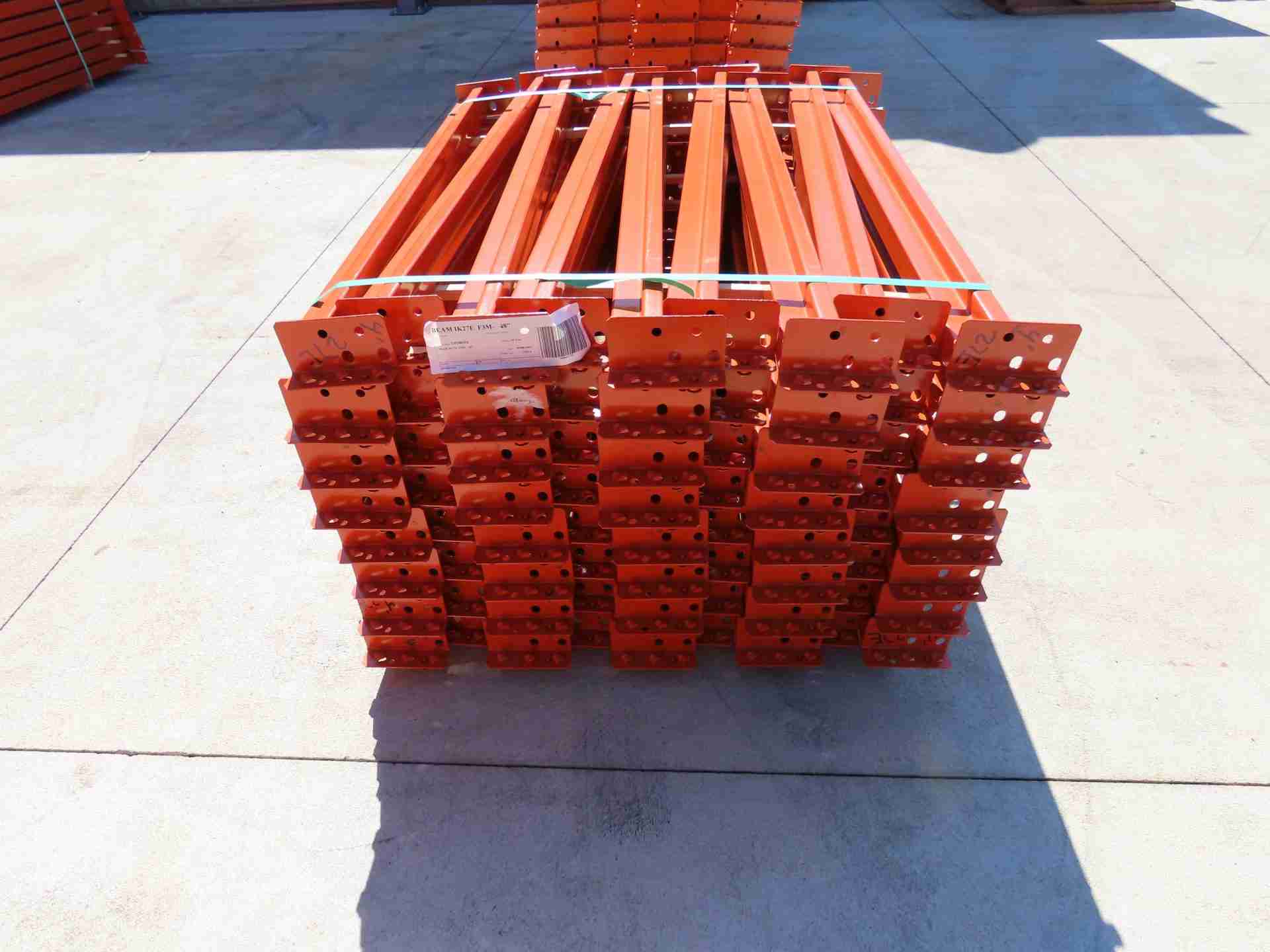
What Are The Typical Weight Capacities Of Cantilever Racking?
How Is Cantilever Racking Impacted By Seasonal Inventory Changes?
In the world of warehousing and distribution, seasonal inventory fluctuations are as predictable as the changing seasons themselves. Whether it’s holiday shopping spikes, back-to-school essentials, or summer recreational needs, businesses must adapt to these ebbs and flows. It’s here that cantilever racking systems come into play, proving themselves indispensable in managing these inventory shifts.
Imagine a furniture retailer gearing up for a major holiday sale. As the summer months fade, their stock transitions from patio sets to cozy couches and decorative items. A cantilever racking system, designed to hold bulky items without obstructive shelving, becomes the perfect answer. By optimizing vertical space, these racks can be adjusted to accommodate everything from oversized mattresses to dining sets, keeping the retail floor organized and responsive to customer demand.
Consider a recent example: during the 2023 holiday season, major retailers faced unprecedented stock demands. Many required instant adaptability to transition from fall to winter inventory. Those using cantilever racking systems rose above the rest, efficiently reconfiguring their setups overnight to contour to new product lines without the need for extensive downtime. This flexibility is essential in maintaining sales momentum, especially when consumer expectations are high.
Yet, it’s not just about having the right system in place; it’s also about proactive planning. A savvy business owner will assess past seasonal trends to forecast inventory needs accurately. This seasonality analysis informs decisions—whether that’s increasing the height of racks to accommodate larger holiday items or leveraging additional bay space for peak inventory.
Current events, such as the supply chain disruptions faced in recent years, further emphasize the importance of adaptable racking systems. Companies that invested in cantilever racks found themselves better equipped to manage last-minute stock arrivals and unexpected surpluses. With the ability to swiftly adjust layouts, these businesses maintained a more agile approach, significantly reducing the fallout from global shipping issues.
Ultimately, cantilever racking isn’t just a storage solution; it’s a strategic tool for navigating the unpredictable tides of seasonal inventory. By maximizing vertical space, accommodating diverse product sizes, and providing the flexibility needed for rapid changes, it empowers businesses to thrive, regardless of the season. So, as you prepare for your own inventory fluctuations, remember: It’s not just about what you store; it’s about how seamlessly you adapt.

How Is Cantilever Racking Impacted By Seasonal Inventory Changes?
How Is Cantilever Racking Impacted By Seasonal Inventory Changes?
- Seasonal inventory fluctuations in warehousing and distribution are akin to changing seasons.
- Cantilever racking systems are essential for managing inventory shifts during peak times like holidays and back-to-school seasons.
- These racks optimize vertical space and can be adjusted for bulky items, keeping retail floors organized.
- During the 2023 holiday season, retailers using cantilever racking adapted quickly to changing inventory demands.
- Proactive planning and analysis of past seasonal trends can help forecast inventory needs effectively.
- Cantilever racks enable companies to respond flexibly to supply chain disruptions and last-minute stock changes.
- Cantilever racking serves not only as storage but as a strategic tool for thriving amidst seasonal inventory challenges.

How Is Cantilever Racking Impacted By Seasonal Inventory Changes?
What Are The Design Options Available For Cantilever Racking?
When it comes to optimizing warehouse space, few solutions match the efficiency and versatility of cantilever racking. This unique storage system stands out, quite literally, for its ability to accommodate items of varying lengths and weights, making it indispensable in industries such as lumber yards, automotive parts, and manufacturing. But what design options are available to you? Let’s explore.
1. Single-Sided vs. Double-Sided Racks
The first decision revolves around whether to choose single-sided or double-sided cantilever racking. Single-sided racks provide easy access from one side, ideal for warehouse layouts where space is limited. These systems work wonders when aligning against walls. On the other hand, double-sided racks offer greater storage capacity, allowing for access from both sides, making them perfect for bustling operations where maximizing space is crucial.
2. Adjustable Arm Lengths
Customization is king, and with cantilever racking, you get just that. Adjustable arm lengths allow you to customize your racking system to meet the unique needs of your inventory. For example, a lumber yard might opt for longer arms to stack sheets of plywood, whereas a small auto parts distributor might use shorter arms for smaller components. With flexibility built into the design, your warehouse can adapt quickly to inventory changes.
3. Weight Capacities and Safety Features
Different operations require different load capacities. Manufacturers now offer cantilever racks rated for a variety of weights, ranging from light-duty to heavy-duty. Ensuring your racking can handle the load is crucial for safety and efficiency. For example, recent updates in OSHA regulations stress the importance of proper load management, making it essential to choose a racking system that meets or exceeds safety standards.
4. Materials and Finishes
Cantilever racking systems can be made from various materials—most commonly, steel. However, you can also find options with specific finishes, such as powder-coated or galvanized, to protect against rust and wear. In industries like food manufacturing, choosing rust-resistant materials can be crucial to meet hygiene standards and regulations.
5. Accessories and Add-Ons
Enhance your cantilever racking system with a variety of accessories designed for added efficiency. Think headers for securing loads or braces for stability in high-traffic environments. More advanced options include integrated features like modular shelving or even the ability to convert sections into pallet racks. Such features not only expand your storage capability but also enhance operational workflows.
Incorporating the right cantilever racking design into your warehouse is more than just a logistical choice—it’s a strategic advantage. Embrace the flexibility, efficiency, and safety these systems provide. The time to optimize your space is now!

What Are The Design Options Available For Cantilever Racking?
What Are The Design Options Available For Cantilever Racking?
- Efficiency and Versatility: Cantilever racking is ideal for accommodating varying lengths and weights of items, crucial for industries like lumber yards and automotive.
- Single-Sided vs. Double-Sided Racks: Choose single-sided racks for wall alignment and easy access or double-sided racks for greater storage capacity and accessibility.
- Adjustable Arm Lengths: Customizable arm lengths cater to specific inventory needs, allowing for quick adaptations to changes in stock levels.
- Weight Capacities and Safety Features: Available in various weight ratings, it’s essential to choose racks that meet safety standards to handle your load requirements.
- Materials and Finishes: Commonly made from steel, cantilever racks can also be finished with powder-coating or galvanization to resist rust, important for food manufacturing.
- Accessories and Add-Ons: Enhance your racking system with accessories such as headers, braces, or modular shelving for improved stability and efficiency.
- Strategic Advantage: Properly implementing cantilever racking translates to logistical and operational benefits, emphasizing the importance of optimizing warehouse space.

What Are The Design Options Available For Cantilever Racking?
Conclusion
Conclusion: Embrace the Transformative Power of Cantilever Racking for Your Business
In an era where efficiency is paramount and operational agility is non-negotiable, businesses must leverage every tool at their disposal to stay competitive. Cantilever racking has emerged as an essential solution for the modern warehouse, particularly for organizations committed to lean practices and maximizing storage potential. By systematically addressing the complexities of inventory management, cantilever racking enables businesses to reduce waste and streamline operations, providing a robust framework for future growth.
As we’ve explored, cantilever racking systems are uniquely designed to handle long, cumbersome items with ease — from lumber and pipes to furniture and automotive parts. Their open design allows for quick access and efficient inventory rotation, directly aligning with the principles of lean warehousing. This means less time spent on retrieval, reduced handling damage, and a safer workspace, translating into significant cost savings. Moreover, during unpredictable market fluctuations, the adaptability of cantilever racking ensures your operations are ready to pivot without extensive renovations or new capital expenditures.
With the surge in e-commerce highlighting the demand for faster fulfillment, organizations that embrace cantilever racking can not only keep pace with market changes but also provide superior customer service. Imagine enhancing your warehouse layout to allow seamless retrieval processes that fulfill orders swiftly — this is where cantilever racking shines. Businesses equipped with this storage system have reported dramatic increases in order efficiency and productivity.
However, the benefits of cantilever racking extend beyond operational efficiencies. In an environmentally conscious world, maximizing vertical space can also lead to reduced real estate costs and lower energy utilization — a powerful selling point in today’s market. Furthermore, when properly installed and maintained, cantilever racking systems adhere to safety standards that protect both your workforce and your bottom line.
Now is the time to act. Every day you delay optimizing your warehouse with cantilever racking could mean lost revenue and missed opportunities. For further information and to start your transformation, reach out to Arrow Industrial Sales at (574) 349-6575. Discover how cantilever racking can propel your operations towards success and keep you ahead of the curve in a rapidly evolving marketplace. Don’t just keep up—be the leader in your industry!

Conclusion
Conclusion:
- Cantilever racking is a critical solution for modern warehouses focusing on efficiency and operational agility.
- Designed to handle long and bulky items, enhancing inventory management and reducing waste.
- Promotes quick access and efficient inventory rotation, aligning with lean warehousing principles.
- Adapts easily to market changes, minimizing the need for extensive renovations or capital expenditures.
- Improves order fulfillment speed, enhancing customer service and increasing productivity.
- Maximizes vertical space leading to reduced real estate costs and lower energy utilization.
- Contact Arrow Industrial Sales for more information on implementing cantilever racking in your business.

Conclusion
Other Resources

Other Resources
Here is a list of other resources you can review online to learn more:
- “Implementing LEAN in E-commerce Warehouses”
- “Cantilever racking: a warehouse-friendly guide”
- “Phase 2 completed of this cantilever racking supply and …”
- “a complete guide to – pallet racking solutions”
- “How Using Cantilever Racking Increases Efficiency in …”
- “Cantilever Racks”
- “Creating a Lean Warehouse”
- “(PDF) A comprehensive review and proposed framework to …”
Bing Copilot Prompt: Please provide me with a list of online articles with their URLS in a bulleted list that I can read regarding What Role Does Cantilever Racking Play In Lean Warehousing?

Other Resources
Glossary Terms
What Role Does Cantilever Racking Play In Lean Warehousing? – Glossary Of Terms
1. Cantilever: A type of storage system consisting of vertical columns with horizontal arms to hold and support long or bulky items.
2. Lean Warehousing: A methodology focused on reducing waste and improving efficiency in warehouse operations through streamlined processes.
3. Waste: Any activity or material that does not add value to the product or service, often identified in the context of lean principles.
4. Efficiency: The ability to produce maximum output with minimum wasted effort or expense in warehouse operations.
5. Storage Density: The amount of storage space utilized compared to the total available space, influenced by racking systems like cantilever racking.
6. Accessibility: The ease with which goods can be accessed within a warehouse, crucial for efficient inventory management.
7. Inventory Management: The process of overseeing and controlling the ordering, storage, and use of products in a warehouse.
8. Throughput: The rate at which goods are received, moved, and shipped out of the warehouse, closely related to racking efficiency.
9. Flow: The smooth movement of goods through the warehouse, often enhanced by effective racking solutions.
10. Flexibility: The ability of a storage system, like cantilever racking, to adapt to varying inventory types and sizes.
11. Utilization Rate: The percentage of available storage space that is actively being used, a key metric in lean warehousing.
12. Standardization: Applying uniform procedures and components in warehouse operations to improve process consistency and efficiency.
13. Safety: Measures taken to prevent accidents and injuries in the warehouse environment, including proper use of racking systems.
14. Vertical Storage: Utilizing height in a warehouse for storage, improving space efficiency through racking systems like cantilever.
15. Load Capacity: The maximum weight that a racking system can safely support, critical for ensuring safety and operational efficiency.
16. Material Handling: The movement, protection, storage, and control of materials throughout the manufacturing and distribution process.
17. FIFO (First In, First Out): An inventory management strategy wherein the oldest stock is sold or used first, applicable in racking layouts.
18. Cycle Time: The total time it takes to complete a process, from receiving to storing and shipping goods, impacting lean strategies.
19. Push-Back Racking: A type of racking that allows for higher density storage; goods are pushed back on the racking shelves to make room for incoming stock.
20. Bulk Storage: The storage of large quantities of goods, often facilitated by cantilever racking for long items like lumber or pipes.
21. Modular Design: A design approach that allows for the easy addition of components, making cantilever racking customizable for different needs.
22. Inventory Turnover: A measure of how quickly inventory is sold or used within a given period, influenced by effective racking systems.
23. Pallet Racking: A storage system specifically for palletized goods, often integrated with cantilever racking in hybrid systems.
24. Kaizen: A Japanese term meaning “change for better,” referring to continuous improvement practices in all areas of life, including warehouses.
25. Just-In-Time (JIT): Inventory strategy that aligns production with demand to minimize inventory costs, supported by effective warehousing practices.
26. Space Optimization: The process of maximizing the efficiency of available storage space without unnecessary expansion, a goal of lean warehousing.
27. Lean Six Sigma: A methodology that combines lean manufacturing principles and six sigma strategies to improve performance by eliminating waste.
28. Visual Management: Using visual signals to manage processes effectively, including the arrangement and labeling of racks and inventory.
29. Cross-Docking: A logistics process where incoming goods are directly transferred to outgoing shipments, minimizing storage time and maximizing efficiency.
30. Work-in-Progress (WIP): The total value of products in various stages of production, managed and optimized through effective racking systems.

Glossary Of Terms
Other Questions
What Role Does Cantilever Racking Play In Lean Warehousing? – Other Questions
If you wish to explore and discover more, consider looking for answers to these questions:
- What are the installation requirements for cantilever racking?
- How can I determine the right load capacity for my cantilever racking system?
- What industries benefit the most from cantilever racking?
- What maintenance procedures are recommended for cantilever racking systems?
- What safety certifications should my cantilever racking comply with?
- How does cantilever racking compare to other specialized racking systems?
- Can cantilever racking be used in outdoor environments?
- What are the initial costs associated with cantilever racking installation?
- How does cantilever racking enhance inventory accuracy?
- What are the long-term benefits of investing in cantilever racking?
- Can cantilever racking systems be customized for specific warehouse needs?
- What are common mistakes to avoid when setting up cantilever racking?
- How does climate affect the design and materials of cantilever racking?
- What technological integrations work best with cantilever racking systems?
- How can I train my staff on the proper use of cantilever racking?

Other Questions
Checklist
What Role Does Cantilever Racking Play In Lean Warehousing? – A Checklist
Before Implementation:
1. Assess Storage Needs
_____ Evaluate the types of items to be stored (bulky, long, heavy).
_____ Consider seasonal inventory changes and variability in stock size.
2. Determine Load Capacity
_____ Calculate the weight each arm will need to support.
_____ Confirm that the racking system can handle specified loads.
3. Space Measurement
_____ Measure the available warehouse space, including height and floor layout.
_____ Decide between single-sided and double-sided racking based on space efficiency and accessibility needs.
Installation Considerations:
4. Follow Manufacturer’s Guidelines
_____ Ensure proper installation according to manufacturer specifications.
_____ Consider professional installation if needed.
5. Safety Compliance
_____ Confirm the racking meets local safety and OSHA regulations.
_____ Review safety features necessary for your racking system.
Operational Efficiency:
6. Integrate Smart Technology
_____ Implement an inventory management system with real-time tracking.
_____ Use technology to optimize storage and retrieval processes.
7. Regular Training
_____ Train warehouse staff on proper loading techniques and safety protocols.
_____ Reinforce awareness regarding weight limits and handling procedures.
Maintenance Practices:
8. Conduct Regular Inspections
_____ Perform monthly and annual inspections of the racking system.
_____ Look for signs of wear, damage, or misalignment.
9. Maintain Records
_____ Keep detailed maintenance logs for inspections, repairs, and staff training.
_____ Document changes in inventory and adjustments made to the racking.
Optimization and Adaptability:
10. Plan for Flexibility
_____ Design a system that allows for easy reconfiguration as inventory changes.
_____ Consider adjustable arm lengths to accommodate various product sizes.
11. Utilize Accessories
_____ Explore available accessories (e. g. , headers, braces) to enhance stability and safety.
_____ Use modular shelving options where applicable for better organization.
Post-Implementation Review:
12. Monitor Efficiency
_____ Evaluate retrieval times and workflow efficiency improvements.
_____ Gather feedback from staff on usability and safety after implementation.
Continuous Improvement:
13. Evaluate Cost Savings
_____ Analyze operational cost savings post-implementation.
_____ Revisit the racking strategy periodically to adapt to changing inventory demands and market conditions.
Using this Checklist:
Following this checklist will help ensure that your implementation of cantilever racking is effective, safe, and aligned with the principles of lean warehousing aimed at maximizing efficiency and reducing waste.

Checklist
At RackingWorld, we help guide you through selecting warehouse storage systems and racking.
Be sure to read our other related stories at RackingWorld to learn more about warehouse storage systems.
0 Comments