
Making The Right Choice For Your Storage Needs
By Tom Seest
At RackingWorld, we help guide you through selecting warehouse storage systems and racking.
Be sure to read our other related stories at RackingWorld to learn more about warehouse storage systems.
How Do You Choose Between Single and Multi-Level Cantilever Racks?
When it comes to optimizing your storage capabilities, the choice between single-level and multi-level cantilever racks is a pivotal decision that can dramatically affect your operational efficiency and bottom line. Understanding the nuances of each option will empower you to make an informed choice that meets your business needs.
First, consider the nature of your inventory. Single-level cantilever racks are ideal for businesses with larger, bulkier items such as lumber, pipe, or heavy machinery. These racks provide direct access to all items, making them highly efficient for warehouses that experience high throughput or frequent loading and unloading. For example, a construction supply company might benefit immensely from single-level racks, allowing quick access to various lengths of lumber, enhancing productivity during busy project times.
On the other hand, multi-level cantilever racks are engineered for versatile environments with a diverse inventory mix—perfect for businesses that need to optimize vertical space. If your warehouse frequently handles smaller items, particularly in e-commerce fulfillment centers, then multi-level racks can tailor your storage solution to maximize storage density by utilizing vertical cubing efficiently. In fact, as online sales continue to surge post-pandemic, adopting multi-level storage systems can be a game-changer for companies looking to keep pace with consumer demand.
Next, weigh the footprint of your warehouse. If floor space is limited, multi-level racks can significantly enhance your storage capacity without the need for expansion. Think of it as a strategic real estate investment: the same square footage now houses much more product, creating a leaner operation. As supply chain disruptions have shown us in 2023, optimizing existing facilities can mean shorter lead times and improved service levels—key factors in maintaining customer loyalty.
Then, there’s flexibility and adaptability. Businesses that are often changing their inventory assortment will benefit from the modular capabilities of multi-level cantilever racks. You can easily modify your rack systems to accommodate new product lines without the wait time associated with restructuring larger single-level systems.
Ultimately, your decision should hinge not just on current inventory needs, but also on future growth. Envision where your business will be in the next 3-5 years. Choosing a solution that aligns with your long-term strategy can save you time, hassle, and ultimately, money. Today’s market is fiercely competitive, and making the right choice in storage solutions is crucial to staying one step ahead. Embrace the opportunity to innovate your storage and storage will innovate your business.

How Do You Choose Between Single and Multi-Level Cantilever Racks?
How Do You Choose Between Single and Multi-Level Cantilever Racks?
- The choice between single-level and multi-level cantilever racks significantly impacts operational efficiency and finances.
- Single-level cantilever racks are suited for bulkier items, providing direct access ideal for high throughput environments.
- Multi-level cantilever racks maximize vertical space, making them ideal for diverse inventory and e-commerce fulfillment.
- Multi-level racks can greatly enhance storage capacity in limited floor space, resembling a strategic real estate investment.
- Optimizing warehouse facilities can lead to shorter lead times and improved customer service during supply chain disruptions.
- Multi-level racks offer flexibility for businesses frequently changing inventory assortment, enabling easier modifications.
- Consider future growth when choosing storage solutions to align with long-term business strategies for sustained success.

How Do You Choose Between Single and Multi-Level Cantilever Racks?
Table Of Contents
- How Do You Choose Between Single and Multi-Level Cantilever Racks?
- What Are The Main Advantages Of Single-Level Cantilever Racks?
- How Do Multi-Level Cantilever Racks Maximize Storage Efficiency?
- What Factors Should You Consider When Choosing Rack Height?
- How Do Weight Capacities Impact Your Rack Choice?
- What Types Of Materials Are Best Suited For Cantilever Racks?
- How Does The Layout Of Your Space Influence Rack Selection?
- How Do Safety Regulations Affect Your Cantilever Rack Options?
- Can Single-Level Racks Be Easily Expanded Or Modified?
- What Storage Solutions Work Best With Multi-Level Racks?
- How Do Loading And Unloading Processes Differ Between Rack Types?
- What Are The Common Applications For Single And Multi-Level Racks?
- How Do Maintenance And Accessibility Vary Between Rack Levels?
- What Are The Best Practices For Organizing Items On Cantilever Racks?
- How Does Your Inventory Turnover Impact Rack Type Choice?
- Conclusion
- Other Resources
- Glossary Of Terms
- Other Questions
- Checklist
What Are The Main Advantages Of Single-Level Cantilever Racks?
When it comes to maximizing your storage efficiency, investing in single-level cantilever racks can transform the way you manage your inventory. These innovative storage solutions not only provide a practical means to organize your products but also deliver a range of advantages that can propel your business forward in today’s fast-paced commercial environment.
Space Optimization
In bustling warehouses where real estate is at a premium, single-level cantilever racks shine with their ability to streamline your space. These racks offer unobstructed access and can be tailored to accommodate long and bulky items—think lumber, piping, or even large appliances. For example, consider a construction supply company dealing with oversized materials. With single-level cantilever racks, they can utilize vertical space for maximum efficiency, ensuring that materials are easily accessible while minimizing aisles that might otherwise waste valuable square footage.
Enhanced Visibility and Accessibility
Imagine a supply chain manager wading through stacks of disorganized boxes—time wasted is money lost. Single-level cantilever racks eliminate this issue by placing everything within easy reach and direct view. This visibility not only improves the picking process but allows for better inventory control. Businesses that implement these systems often find they can fulfill orders in half the time, leading to improved customer satisfaction and repeat sales.
Durability and Strength
Crafted to hold substantial weight, single-level cantilever racks offer durability that withstands the rigors of daily use. In industries like furniture or heavy machinery, where hefty items are standard, the strength of these racks can minimize the risk of damage. Recent disruptions in supply chains have led more businesses to evaluate their storage capabilities—choosing robust systems like cantilever racks solidifies the integrity of their operations, ensuring they are prepared to handle fluctuations in demand.
Versatile Configuration
Flexibility is key in any business environment. Single-level cantilever racks can be adjusted and configured to meet various needs. Whether your inventory shifts seasonally or you plan to introduce new product lines, these racks can adapt quickly. For instance, a retail operation might find that their stock fluctuates between holiday seasons, requiring a system that can evolve quickly to accommodate special promotions.
Cost-Effectiveness
Finally, let’s talk about the bottom line. The upfront cost of single-level cantilever racks is often offset by their ability to increase throughput and efficiency. Studies have shown that companies that strategically invest in effective storage solutions see a marked increase in return on investment—often within months. Given the current economic landscape, businesses that prioritize efficient inventory management position themselves for success.
In summary, adopting single-level cantilever racks is not just a logistical decision; it’s a strategic move that can elevate your operational efficiency, enhance visibility, and ultimately lead to greater profitability. In a world where efficiency is currency, don’t let your storage solutions hold you back.

What Are The Main Advantages Of Single-Level Cantilever Racks?
What Are The Main Advantages Of Single-Level Cantilever Racks?
- Single-level cantilever racks enhance storage efficiency and inventory management.
- They optimize space in warehouses by providing unobstructed access for long and bulky items.
- These racks improve visibility and accessibility, reducing time wasted in locating products.
- Durable and strong, they can support heavy items, minimizing damage risks in demanding industries.
- Flexible configuration allows businesses to adjust racks to meet changing inventory needs.
- Cost-effective investment, leading to increased throughput and rapid return on investment.
- Overall, adopting these racks enhances operational efficiency and boosts profitability.

What Are The Main Advantages Of Single-Level Cantilever Racks?
How Do Multi-Level Cantilever Racks Maximize Storage Efficiency?
In today’s fast-paced business environment, maximizing storage efficiency isn’t just a luxury; it’s a necessity. Whether you’re in the warehousing, manufacturing, or retail sector, your ability to organize, store, and retrieve products quickly can directly impact your bottom line. Enter the multi-level cantilever rack—a robust solution designed to optimize vertical space and streamline operations like never before.
Imagine a warehouse brimming with unused vertical space. By implementing multi-level cantilever racks, you can turn that wasted area into a powerhouse of efficiency. These rack systems allow you to utilize the full height of your facility, providing additional levels for storage without the need for expansive floor space. In fact, businesses that adopt these systems often experience as much as a 30% increase in storage capacity.
For example, look at a leading furniture retailer that was grappling with an overcrowded warehouse. By strategically installing multi-level cantilever racks, they were able to clear aisles, reduce clutter, and significantly enhance inventory management. The flow of products became smoother, allowing them to fulfill orders faster and improve customer satisfaction. In a retail environment where every second counts, it’s additions like these that separate the leaders from the laggards.
What makes these racks even more attractive is their versatility. Available in various sizes and configurations, they can easily accommodate diverse inventory types—from long bulky items like lumber to smaller objects such as tools and parts. A manufacturing company recently reported that switching to multi-level cantilever racks allowed them to diversify their storage options and even optimize their picking process. Instead of rummaging through overflowing shelves, employees could effortlessly access items stored on multiple levels.
In addition to efficiency gains, multi-level cantilever racks offer enhanced safety. With ample space to spread items out, the risk of accidents and injuries diminishes. Companies are keenly aware of how crucial safety is in a bustling warehouse, especially in the wake of recent industry changes toward stricter compliance and safety standards. By investing in a robust storage solution, businesses not only protect their employees but also safeguard their assets.
As businesses face ever-growing pressures to do more with less, multi-level cantilever racks stand out as a strategic investment in operational efficiency. They not only maximize storage space but also elevate your overall productivity, turning a cluttered warehouse into a well-oiled machine aimed at achieving greater profitability. This is the time to rethink your storage strategies—don’t let high ceilings go to waste!

How Do Multi-Level Cantilever Racks Maximize Storage Efficiency?
How Do Multi-Level Cantilever Racks Maximize Storage Efficiency?
- Maximizing storage efficiency is essential in today’s fast-paced business environment.
- Multi-level cantilever racks optimize vertical space and improve operational efficiency.
- Implementing these racks can lead to a potential 30% increase in storage capacity.
- They help clear aisles and enhance inventory management in warehouses.
- These racks are versatile and accommodate various inventory types, from bulky items to smaller objects.
- Multi-level cantilever racks improve safety by allowing items to be organized and reducing clutter.
- Investing in these racks can significantly enhance productivity and profitability in a warehouse setting.

How Do Multi-Level Cantilever Racks Maximize Storage Efficiency?
What Factors Should You Consider When Choosing Rack Height?
Choosing the right rack height for your storage needs is not just a matter of convenience; it’s a pivotal decision that influences efficiency, safety, and even costs. When it comes to maximizing your space, several crucial factors need your attention.
1. Inventory Size and Type: Start with a keen understanding of the items you intend to store. If you’re dealing with larger goods, such as industrial equipment or bulk materials, racks need to accommodate these dimensions. Conversely, if your inventory consists of smaller, nimble items, opt for a lower rack height. For instance, consider a recent surge in e-commerce logistics demanding flexible storage solutions – businesses that adjusted their rack heights in accordance with their inventory saw a 20% improvement in efficiency.
2. Accessibility: A well-optimized rack height should facilitate easy access to your products. Think about the physical capabilities of your workforce. Are they equipped to frequently reach high levels? If not, consider the cost of equipment such as forklifts or cherry pickers. These devices not only incur an initial investment but also add to operational costs, including maintenance and labor. A smart alternative is a mid-height rack system that allows for easy reach—reducing both time and risk of accidents.
3. Floor Space: Understand your physical space limitations. If you’re constrained by a compact warehouse layout, a high-density rack system might be your best ally. Whether you’re operating in a densely packed urban environment or a sprawling suburban warehouse, strategic planning of your rack height can maximize cubic storage while minimizing your footprint. Don’t fall into the trap of going too high without considering the effects on movement and workflow.
4. Local Regulations and Safety Standards: It’s paramount to consult the regulations that govern your location. Height restrictions and safety mandates can guide your decision significantly. For instance, the National Fire Protection Association (NFPA) offers guidelines about aisle width and rack height related to fire safety. Ignoring these can lead to compliance issues—and costly fines.
5. Future Growth: Always factor in scalability. What might suffice for your needs today might be inadequate tomorrow. If your business is trending towards expansion—like many emerging industries seen in recent years—you should build flexibility into your storage system. Adjustable racks are a great investment, as they allow you to alter height as your inventory evolves.
Each of these considerations intertwines to present a holistic view of how to select the optimal rack height. Remember, strategic decisions made today can pave the way for seamless operations tomorrow. Don’t be left grappling with inefficiencies—get it right from the start!

What Factors Should You Consider When Choosing Rack Height?
What Factors Should You Consider When Choosing Rack Height?
- Inventory Size and Type: Understand the dimensions of items stored; larger goods require higher racks, while smaller items can be stored in lower racks for efficiency.
- Accessibility: Optimize rack height for easy access; consider workforce capabilities and potential costs of equipment like forklifts.
- Floor Space: Assess physical space limitations; choose high-density systems to maximize storage while minimizing footprint.
- Local Regulations and Safety Standards: Consult relevant regulations regarding height restrictions and safety to avoid compliance issues and fines.
- Future Growth: Plan for scalability; invest in adjustable racks to accommodate evolving inventory needs.
- Strategic Decision Making: Combine these considerations for a holistic storage solution that enhances operational efficiency.
- Long-Term Planning: Make smart choices today to avoid future inefficiencies and facilitate seamless operations.

What Factors Should You Consider When Choosing Rack Height?
How Do Weight Capacities Impact Your Rack Choice?
When it comes to selecting the perfect rack for your storage needs, one of the most critical factors to consider is weight capacity. Your choice isn’t just about shelf space; it’s about the very foundation that supports your business’s growth. Imagine investing in a rack that crumbles under pressure—literally. You would be risking not just your inventory but potentially your entire operation.
Understanding weight capacities is essential in today’s ever-evolving marketplace. Let’s say you operate a bustling e-commerce business and have recently experienced a sales spike, attributed to a well-timed social media campaign. You might be tempted to cut costs by purchasing a lower-weight-capacity rack. Sure, it looks appealing on your budget spreadsheet, but what happens when those seasonal products start rolling in at ten times your usual pace? If your rack can’t handle the load, it poses a significant risk—not just to your products, but to your reputation.
Take, for example, a retailer that recently launched a new line of heavy gardening equipment. The owner assumed their existing shelving was adequate until a few weeks into the launch when one of the racks buckled under the pressure. The disaster resulted in a cascade of damaged goods and a critical suspension of sales. A thorough understanding of weight capacity could have saved that retailer from a crisis that might take months to recover from.
On a positive note, many businesses are leveraging advanced technology to ensure they are making informed decisions about their storage solutions. IoT devices are now being integrated into warehouse inventory management, tracking weight loads in real-time, and providing alerts before reaching capacity limits. This proactive approach allows business owners to make data-driven choices that are not just reactive but anticipatory.
When you’re evaluating your rack options, take into account not only current inventory but potential fluctuations. Seasonal trends, like holiday sales or unexpected spikes in demand due to geopolitical events, can skyrocket your storage needs overnight. Align your strategies with robust racks that have higher weight capacities, and you’ll set your business up for success rather than vulnerability.
When the weight of your decisions has such far-reaching impacts, don’t leave it to chance. Choose wisely—your operational efficiency, customer satisfaction, and bottom line depend on it. Invest in quality now, and watch your business thrive for years to come.

How Do Weight Capacities Impact Your Rack Choice?
How Do Weight Capacities Impact Your Rack Choice?
- Weight capacity is a critical factor when selecting racks for storage needs.
- Choosing the right rack is essential to support business growth and avoid operational risks.
- Opting for lower-weight-capacity racks can jeopardize inventory and reputation during sales spikes.
- Real-world example: A retailer faced a sales outage after existing shelving buckled under heavy new inventory.
- Advanced technology, like IoT devices, helps track weight loads in real-time and prevents overloading.
- Businesses should consider current and potential inventory fluctuations when selecting racks.
- Investing in quality storage solutions can enhance operational efficiency and long-term business success.

How Do Weight Capacities Impact Your Rack Choice?
What Types Of Materials Are Best Suited For Cantilever Racks?
When it comes to optimizing your storage solutions, choosing the right materials for your cantilever racks becomes paramount. This isn’t just about practicality—it’s about intelligently increasing efficiency, ensuring safety, and elevating your warehouse operations. With the surge in e-commerce and the demand for efficient warehousing, the right materials can make all the difference.
Steel: The Heavyweight Champion
Let’s cut to the chase—when it comes to strength and durability, steel reigns supreme. Whether your warehouse needs to store lumber, pipes, or steel sheets, heavy-duty steel cantilever racks can support substantial weight while providing stability. For example, sectors such as construction and manufacturing are consistently reliant on steel. With the current boom in infrastructure projects, investing in robust cantilever racks ensures your materials are secure and organized, making access a breeze.
Aluminum: Lightweight & Versatile
For those lighter loads, aluminum cantilever racks are the ideal choice. They offer a corrosion-resistant alternative, which is particularly beneficial in industries where moisture is a concern, like in food production or cold storage. Companies are increasingly interested in eco-friendly materials, and aluminum provides a sustainable option in a time where environmental awareness is at an all-time high. Whether it’s storage of retail goods or automotive parts, aluminum racks can streamline your operations without breaking the bank.
Plastic: The Flexible Solution
In an era where flexibility is king, don’t overlook plastic cantilever racks. Businesses involved in pharmaceuticals and other sensitive operations often require materials that won’t harm their inventory. Plastic racks are perfect for lighter items and can be easily moved or adjusted to fit changing warehouse needs. As we witness the ongoing evolution in supply chain challenges spurred by global events, the adaptability of plastic solutions is more relevant than ever.
Composites: The Innovators’ Choice
Emerging technologies have also paved the way for composite materials that combine the best features of traditional options. These materials usually offer a great balance between weight and load capacity, and they are engineered to withstand harsh conditions. These racks are particularly beneficial in specialized environments such as the aerospace industry, where the focus on both strength and weight savings is crucial.
As you consider your options, think strategically about the type of materials that will provide the best return on investment. As industries adapt to a rapidly changing landscape—heightened by the current economic climate and technological advancements—the right cantilever racks designed with superior materials will not just support your inventory; they will elevate your entire operation. Don’t settle for less when you can choose materials that ensure safety, efficiency, and longevity in your storage solutions.

What Types Of Materials Are Best Suited For Cantilever Racks?
What Types Of Materials Are Best Suited For Cantilever Racks?
- Material Selection: Choosing the right materials for cantilever racks is crucial for optimizing storage solutions.
- Steel: The most durable option, ideal for heavy loads in sectors like construction and manufacturing.
- Aluminum: Lightweight, corrosion-resistant, and eco-friendly; suitable for lighter items and moisture-prone environments.
- Plastic: Offers flexibility and safety for sensitive operations, easily adjustable to meet changing warehouse needs.
- Composites: Innovative materials that balance weight and load capacity, ideal for specialized industries like aerospace.
- Return on Investment: Strategic material choices can enhance efficiency and ensure the safety and organization of inventory.
- Overall Impact: Superior materials in cantilever racks elevate warehouse operations amid evolving economic and technological scenarios.

What Types Of Materials Are Best Suited For Cantilever Racks?
How Does The Layout Of Your Space Influence Rack Selection?
The layout of your space is more than just a collection of walls and furniture; it’s a dynamic blueprint that shapes how you operate. When it comes to selecting the right racks, understanding your environment becomes a strategic necessity. An effective rack solution isn’t just about maximizing storage; it’s about seamlessly integrating with the physical flow of your operation.
First, consider the flow of movement in your space. Whether you’re in a retail setting, warehouse, or office, how people and products navigate your environment will influence rack choice. For example, in a bustling retail shop, a modular display rack that accommodates quick reconfiguration can be invaluable. Think of Target’s recent rollout of flexible merchandising strategies; the retail giant reshaped its interior layouts to enhance customer experience while driving sales. By selecting racks that offer adaptability, businesses can respond quickly to shifting trends and customer demands, ensuring that they stay ahead of the curve.
Next, factor in the vertical space you have. In environments like warehouses, where floor space may be limited, the vertical layout can be a game-changer. High-density storage systems, such as pallet racking and vertical carousels, allow businesses to utilize vertical space effectively. Look at Amazon’s logistical transformations—by employing innovative rack systems, they have maximized storage while ensuring rapid order fulfillment. Leveraging vertical space not only improves efficiency but also enhances inventory management, reducing time spent on retrieval.
Also, don’t forget to account for accessibility and safety. Your rack choices should align with your operational protocols. For instance, if your space caters to heavy machinery or large equipment, selecting racks that can withstand higher weight capacities while allowing for safe access can prevent accidents and damage. Recent OSHA recommendations stress the importance of safety in storage solutions, highlighting that a well-planned layout minimizes hazards.
Lastly, consider the branding elements within your space. Your racks can serve as more than practical tools; they can reinforce your brand identity. Custom racks that showcase your products while reflecting your brand aesthetics can create an immersive experience for customers. Modern trends show businesses transforming their layouts into experiential spaces, encouraging customers to engage with the brand on a deeper level.
In summary, the layout of your space should dictate your rack selection, aligning operational efficiency, safety, adaptability, and branding. By strategically choosing the right racks, you can create a space that not only functions well but also thrives in today’s competitive landscape. Keep your environment at the forefront of your decisions and watch your business flourish.

How Does The Layout Of Your Space Influence Rack Selection?
How Does The Layout Of Your Space Influence Rack Selection?
- The layout of a space influences operations beyond just walls and furniture.
- Choosing the right racks requires an understanding of movement flow in the environment.
- Modular display racks in retail can enhance customer experience and adaptability to trends.
- Utilizing vertical space in warehouses can improve efficiency through high-density storage systems.
- Rack selection should prioritize accessibility and safety to prevent accidents.
- Custom racks can reinforce brand identity and create immersive experiences for customers.
- Strategically chosen racks lead to a functional space that thrives in a competitive market.

How Does The Layout Of Your Space Influence Rack Selection?
How Do Safety Regulations Affect Your Cantilever Rack Options?
When it comes to managing your storage solutions, understanding the role of safety regulations is paramount. Safety compliance isn’t just about avoiding fines or legal issues; it’s about ensuring that your business runs smoothly, efficiently, and without unnecessary risks. In the case of cantilever racks, these regulations can greatly influence the options available to you.
Safety First: The Backbone of Storage Solutions
Imagine this: you’ve invested in high-quality cantilever racks to maximize your warehouse space, only to find out that they don’t meet current safety regulations. Not only will you have to spend more to upgrade or replace them, but you also risk operational downtime and potential injuries. Recent incidents, such as the fire in a large California warehouse that caused significant disruptions due to non-compliant shelving, underscore the importance of adherence to safety standards. An up-to-code cantilever rack can save you from similar chaos while boosting your team’s productivity.
The Regulatory Landscape
The Occupational Safety and Health Administration (OSHA) and various local regulations dictate specific criteria for storage systems. For example, cantilever racks must be capable of supporting specified load capacities without excessive deflection. Additionally, structures need to be designed to avoid tipping and must allow for proper access and visibility. Ignoring these standards can lead to catastrophic failures, both financially and physically.
Choosing the Right Cantilever Racks
Given this regulatory environment, selecting the right cantilever racks goes beyond simple aesthetics or cost. You need to carefully evaluate rack designs that specify compliance with standards like the American National Standards Institute (ANSI) or the Rack Manufacturer’s Institute (RMI). For instance, opting for racks that feature bolted connections rather than those that are welded creates flexibility and improves safety. This can be crucial for scaling your operations as your inventory needs change.
Furthermore, look into options that come with features such as adjustable arms and reinforced bases. These aren’t just bells and whistles; they can enhance stability and adapt to dynamic storage requirements while ensuring compliance with safety regulations.
Future-Proof Your Investment
With safety regulations shaping the storage solutions landscape, it’s clear that the right cantilever rack choice is an investment in your business future. By selecting compliant, robust designs, you not only protect your assets and personnel but also enhance operational efficiency. Remember: safety isn’t merely a box to tick; it’s a strategic advantage that can distinguish your business in today’s competitive market. Choose wisely, and let your storage solutions work for you rather than against you.

How Do Safety Regulations Affect Your Cantilever Rack Options?
How Do Safety Regulations Affect Your Cantilever Rack Options?
- Understanding safety regulations is crucial for effective storage management.
- Safety compliance helps avoid legal issues and promotes efficient business operations.
- Non-compliant cantilever racks can lead to increased costs and operational downtime.
- Incidents like the California warehouse fire highlight the risks of ignoring safety standards.
- OSHA and local regulations outline specific criteria for cantilever racks, including load capabilities and stability.
- Select racks that meet ANSI or RMI standards, focusing on features like bolted connections and adjustable arms.
- Choosing compliant cantilever racks is a strategic investment that enhances safety and operational efficiency.
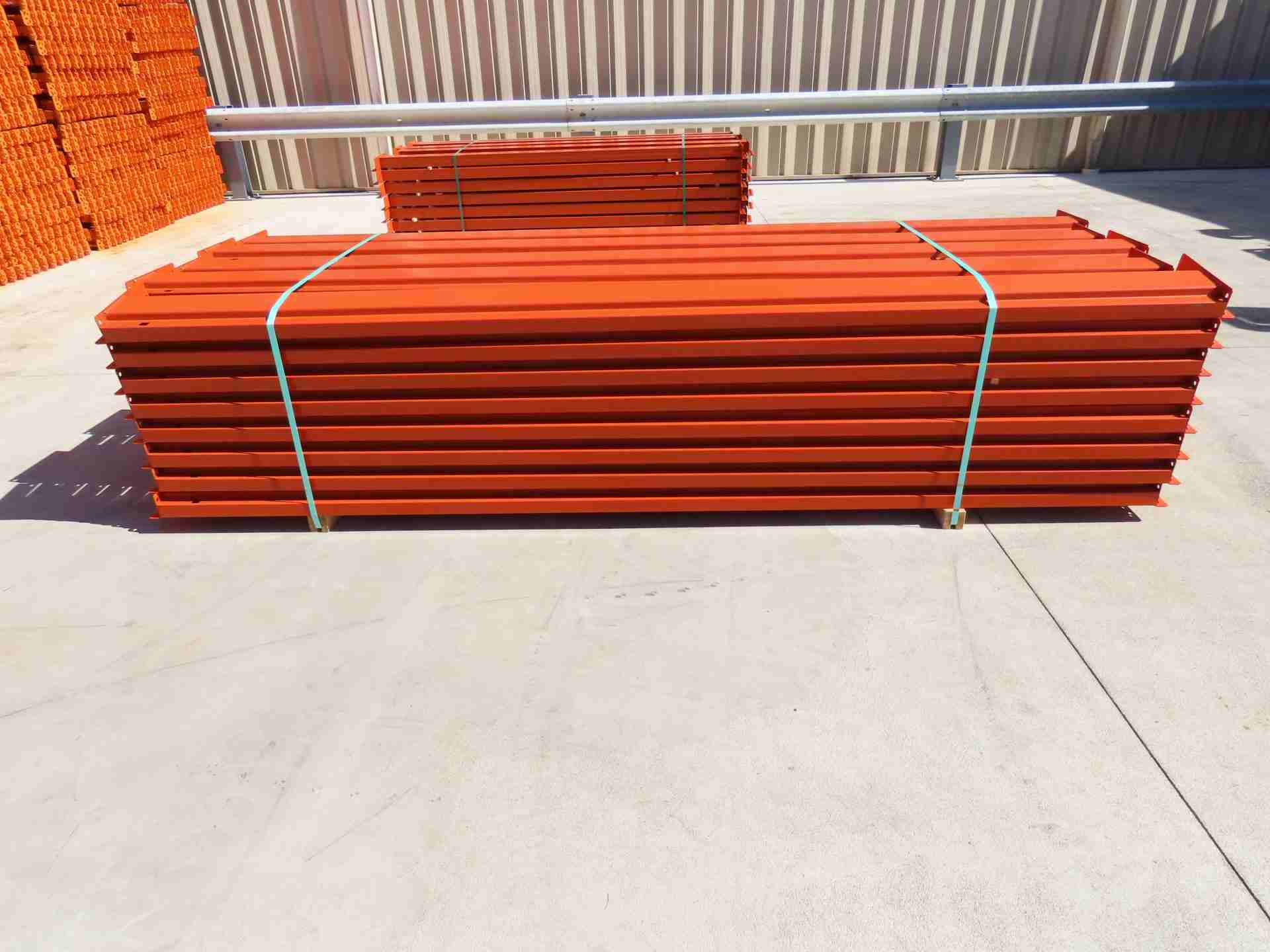
How Do Safety Regulations Affect Your Cantilever Rack Options?
Can Single-Level Racks Be Easily Expanded Or Modified?
In an age where efficiency and adaptability reign supreme, the logistics and warehousing industries are constantly seeking solutions that not only meet today’s demands but can pivot as those demands shift. Enter single-level racks, the humble storage solution that packs a punch when it comes to expansion and modifications.
Let’s face it: the nature of business is ever-evolving, and you need a storage system that is as agile as your operations. Single-level racks excel in this area. Their modular design makes it remarkably easy to both expand and modify configurations as your inventory changes. For instance, if you’re a burgeoning e-commerce business and suddenly see a spike in product variety, you won’t need extensive downtime or resources for a complete overhaul. Simply adding another row or even adjusting the height of existing racks can accommodate your new product lines in no time.
Consider the retail giant Target; as they diversify their inventory to include a wider range of online goods, they’ve invested in innovative and adaptable storage solutions. Their commitment to single-level racks allows them to seamlessly adjust layouts according to seasonal promotions or shifting consumer preferences. This adaptability not only facilitates a more efficient workflow but also positions them to respond swiftly to market trends—an invaluable trait in today’s climate.
This flexibility doesn’t just apply to physical expansion but also to modifications. Single-level racks are compatible with various accessories such as bins, dividers, and labels, allowing you to customize your storage space precisely to your operational needs. Say your warehouse suddenly needs to handle a surplus of holiday decorations—adding bins and shelving for seasonal items becomes a breeze, optimizing your space effectively without needing a hefty investment.
Moreover, in light of current global supply chain issues, having the capability to quickly pivot can mean the difference between seizing an opportunity or lagging behind competitors. An adaptable storage system like single-level racks can facilitate quicker adjustments, allowing businesses to respond to supply disruptions or shifts in consumer behavior with ease.
In the ever-churning landscape of commerce, businesses must embrace tools that allow them to be nimble and responsive. With the inherent advantages of single-level racks—effortless expansion and convenient modification—you position your operations to thrive, ensuring that when peaks and valleys of demand arise, you’re more than ready to meet them head-on.

Can Single-Level Racks Be Easily Expanded Or Modified?
Can Single-Level Racks Be Easily Expanded Or Modified?
- Single-level racks are essential for efficient and adaptable logistics and warehousing.
- The modular design of single-level racks allows for easy expansion and modification as inventory needs change.
- Businesses like Target leverage single-level racks to adjust layouts for seasonal promotions and consumer preferences.
- These racks can be customized with accessories like bins and dividers to meet specific operational needs.
- Quickly adaptable storage solutions are crucial for responding to global supply chain issues and consumer behavior changes.
- Single-level racks facilitate swift operational adjustments, helping businesses stay competitive.
- Employing modular storage options positions businesses to thrive amidst fluctuating demand peaks and valleys.
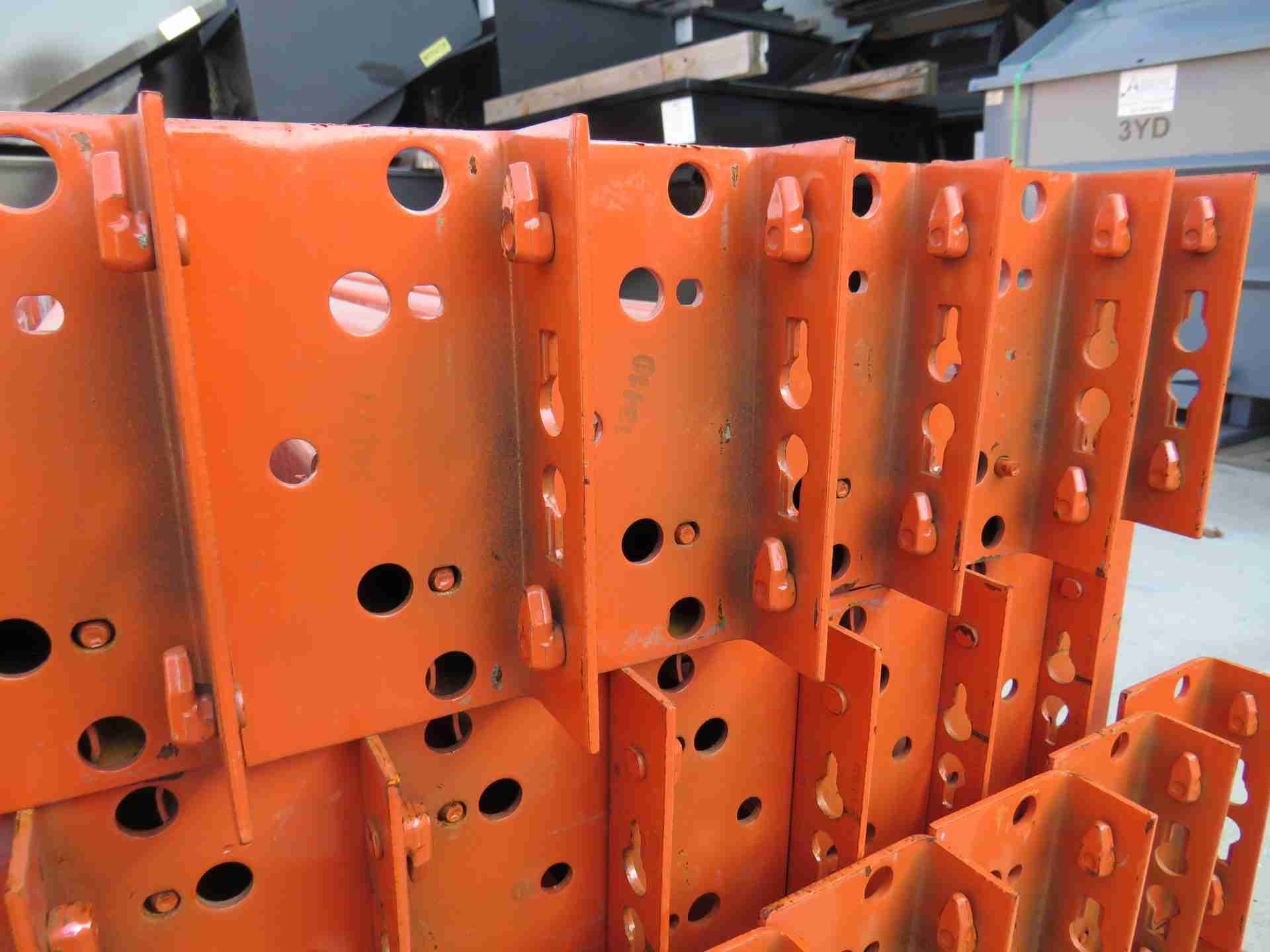
Can Single-Level Racks Be Easily Expanded Or Modified?
What Storage Solutions Work Best With Multi-Level Racks?
If your business relies on multi-level racks to maximize vertical space in warehouses or retail environments, picking the right storage solutions can create a tide of efficiency and organization. The truth is, not all storage solutions are created equal, especially when you’re trying to strategically utilize every inch of space. So, what works best?
1. Pallet Racking Systems: The Heavyweight Champion
Pallet racking systems are the gold standard for warehousing. These versatile systems allow for storing bulk items on pallets at various heights, enabling streamlined access via forklifts. For instance, many companies are transitioning to drive-in or drive-through racking systems, which lets trucks drive directly into the racks. This not only maximizes space but also speeds up inventory turnover. If your business handles high volumes of stock, this solution can turn your warehouse into a sophisticated logistics powerhouse.
2. Selective Racking: Flexibility at its Finest
For businesses that require quick access to products without the hassle of navigating through extensive rows of pallets, selective racking is your best bet. With this setup, every pallet is accessible independently, allowing for easier inventory management. Companies in the e-commerce industry, like Amazon, often employ selective racking to handle a diverse array of goods while facilitating rapid order fulfillment. If you need speed and accessibility, this is a solution worth investing in.
3. Drive-Thru Racking: Convenience Meets Capacity
Another efficient option is drive-thru racking, a favorite of businesses with a large quantity of similar SKUs. It enables forklifts to access both sides of the shelving. This system is particularly useful in industries that manage seasonal inventory surges—think of retailers preparing for Black Friday. Using drive-thru racking means you can quickly access stored items without handling excessive movement, creating a smooth flow through high-demand phases.
4. Automated Storage and Retrieval Systems (ASRS): The Future of Warehousing
Finally, if you want to leap ahead of the competition, consider automated storage and retrieval systems. These high-tech solutions utilize robotics and software for seamless integration into your warehousing operations. With recent advancements in technology, companies like Alibaba are already using ASRS to optimize their extensive warehouses. Not only does this reduce labor costs, but it also minimizes the risk of human error, ensuring that your inventory is managed accurately and efficiently.
While multi-level racks are an excellent way to enhance storage capacity, pairing them with the right storage solutions will create an operational ecosystem that is not just functional but unstoppable. Choose wisely, and watch your efficiency soar!

What Storage Solutions Work Best With Multi-Level Racks?
What Storage Solutions Work Best With Multi-Level Racks?
Here’s a bulleted summary formatted as an HTML list:
- Pallet Racking Systems: Ideal for bulk item storage; allows forklift access and maximizes space.
- Selective Racking: Provides quick access to pallets; enhances inventory management, popular in e-commerce.
- Drive-Thru Racking: Offers dual access for forklifts; beneficial for seasonal inventory management.
- Automated Storage and Retrieval Systems (ASRS): Utilizes robotics for efficient warehousing; reduces labor costs and human error.
- Multi-level racks enhance storage capacity, but pairing them with suitable solutions boosts efficiency.
- Consider diverse needs for quick access, high volume, and technology integration when choosing storage solutions.
- Strategic storage selection can transform warehouse operations into a highly organized logistics system.
What Storage Solutions Work Best With Multi-Level Racks?
How Do Loading And Unloading Processes Differ Between Rack Types?
When it comes to warehouse efficiency, the loading and unloading processes can dramatically differ based on the type of rack system in use. Understanding these differences is key to optimizing your operations and maintaining a competitive edge in today’s fast-paced market.
Selective Racking vs. Drive-In Racking
Selective racking is one of the most common systems employed in warehouses due to its versatility. Loading and unloading is straightforward: operators can access individual pallets directly, typically using a forklift. With this system, you can rapidly shift stock in and out, making it ideal for businesses that handle a wide variety of SKUs. For instance, a food distribution center might benefit from selective racking to manage an array of products that need to be rotated frequently. Recent trends in the food industry emphasize traceability; effective selective racking can enhance this process by giving easier access to inventory.
In contrast, drive-in racking maximizes vertical space by allowing forklifts to drive into the rack structure for loading and unloading. This system often requires a first-in, last-out (FILO) approach, making it suitable for bulk storage that doesn’t necessitate frequent access to individual items. While this might optimize space, it complicates the loading process. The challenge here lies in managing FIFO (first in, first out) inventory effectively. For companies dealing with seasonal goods, like holiday decorations, a drive-in rack can save valuable space. However, logistics staff must be trained to handle the nuances of this system as improperly managed FIFO can lead to spoilage or obsolescence.
Mobile Racking Systems
Mobile racking is another game-changer, eliminating the need for aisles by allowing racks to move horizontally. This automation can significantly streamline the loading and unloading process. For example, in a recent push for automation in warehouse management, a leading tech company adopted mobile racking and reported a 30% decrease in time spent on loading and unloading tasks. With reduced travel distances and fewer bottlenecks, operations can respond quickly to inventory fluctuations—an essential capability in today’s just-in-time supply chains.
Adaptability Matters
Choosing the right rack system depends not only on the types of products handled but also on current market trends. With supply chain disruptions becoming more common, businesses need systems that can adapt quickly. Consider how current events, like increased e-commerce demand, have placed pressures on warehousing. Implementing the right racking system can mean the difference between timely order fulfillment and lost revenue.
Adopting the most suitable racking system is not just about saving space; it’s about enhancing your overall operational efficiency. Make your choice wisely, as it will dictate how efficiently your business can respond to the ever-changing landscape of supply and demand.

How Do Loading And Unloading Processes Differ Between Rack Types?
How Do Loading And Unloading Processes Differ Between Rack Types?
- The type of rack system affects loading and unloading efficiency in warehouses.
- Selective racking allows direct access to individual pallets and is ideal for businesses handling various SKUs.
- Selective racking enhances inventory traceability, particularly beneficial in sectors like food distribution.
- Drive-in racking maximizes vertical space but complicates loading due to the FILO approach and requires careful FIFO management.
- Mobile racking systems eliminate aisles and can streamline processes, reportedly reducing loading/unloading time by 30% in some cases.
- Choosing the right rack system should consider product types and the need for adaptability in response to market trends.
- Effective racking influences operational efficiency and order fulfillment, impacting overall business performance.

How Do Loading And Unloading Processes Differ Between Rack Types?
What Are The Common Applications For Single And Multi-Level Racks?
In the dynamic world of warehousing and logistics, efficiency is the name of the game. As businesses strive to optimize their operations and cut costs, the choice of storage solutions becomes paramount. Enter single and multi-level racks – two versatile systems that transform how warehouses manage inventory, maximize storage space, and streamline operations.
Single-Level Racks: The Backbone of Conventional Warehousing
Single-level racks are widely recognized for their simplicity and effectiveness. Designed for easy access, they are ideal for businesses that handle a high volume of individual items or pallets. Retail warehouses, for instance, can leverage single-level racks to display products prominently, ensuring customers can find what they need quickly. A fine example is grocery stores that utilize single-level shelving to maximize visibility and sales of both perishable and non-perishable goods.
In manufacturing settings, single-level racks facilitate orderly storage of raw materials and finished products, making inventory management more accessible. With supply chain disruptions highlighted during recent challenges – including the pandemic – companies turned to improved storage solutions to enhance their resilience. Single-level racks have proven invaluable for warehouses looking to adapt swiftly while maintaining operational consistency.
Multi-Level Racks: Maximizing Vertical Space to Drive Profitability
Multi-level racks are a game-changer for businesses with limited floor space but vast inventory needs. By utilizing vertical space, these systems allow organizations to significantly increase their storage capacity without the burden of expanding their physical footprint. E-commerce warehouses, like those operated by major retailers, have recently adopted multi-level racks to keep up with skyrocketing order volumes spurred by the online shopping boom. With the ability to store goods across multiple tiers, operational efficiency skyrockets, and order fulfillment becomes faster – crucial in today’s fast-paced market.
Moreover, multi-level racks serve as an excellent solution for industries dealing with a diverse product range. Take the automotive industry, for instance. These racks can accommodate both heavy automotive parts and lighter components on different levels, maximizing efficiency in workflow.
In today’s ever-evolving market landscape, where consumer demands shift at a moment’s notice, businesses need storage solutions that are not only effective but also scalable. Whether opting for single-level or multi-level racks, the focus remains on enhancing productivity, improving inventory control, and ultimately driving profitability.
Deciding which system best suits your needs can lead to transformative results—it’s about finding the right fit that propels your business toward success!

What Are The Common Applications For Single And Multi-Level Racks?
What Are The Common Applications For Single And Multi-Level Racks?
- Efficiency is crucial in warehousing and logistics as businesses aim to optimize operations and reduce costs.
- Single-level racks offer easy access and are effective for high volume storage, especially in retail and manufacturing environments.
- Single-level racks improve inventory management and visibility, particularly beneficial for grocery stores displaying items prominently.
- Multi-level racks maximize vertical space, allowing businesses to increase storage capacity without expanding their footprint.
- E-commerce warehouses utilize multi-level racks to handle rising order volumes, enhancing operational efficiency and order fulfillment speed.
- Multi-level racks cater to diverse product ranges, accommodating various weights and sizes in industries like automotive.
- Choosing the right rack system can significantly impact productivity, inventory control, and profitability in a dynamic market.

What Are The Common Applications For Single And Multi-Level Racks?
How Do Maintenance And Accessibility Vary Between Rack Levels?
In the modern world of data management and storage, understanding the nuances of rack levels is crucial. Just like choosing between different types of vehicles for specific needs—such as a compact car for city driving versus a rugged SUV for off-road adventures—selecting the right rack level for your data also necessitates a clear understanding of maintenance and accessibility factors.
At the most basic level, entry-level racks, often referred to as shallow racks, prioritize accessibility over maintenance complexity. These racks are perfect for small businesses or startup environments where the movement from one phase of growth to another is almost daily. They provide easy access for regular updates and monitoring. For instance, if your business is a burgeoning e-commerce site experiencing holiday rushes, shallow racks allow your IT team to swiftly deploy software updates or fix bugs without extensive downtime. The flow of data is crucial, and inefficiencies can result in lost revenue or customer trust.
On the other hand, high-density racks are akin to luxury automobiles, loaded with performance but requiring a higher level of care. These are the complex, layered environments found in large enterprises or data centers where efficiency is paramount. Maintenance at this level can be daunting; think of intricate hardware or specialized cooling systems that require expert knowledge. Even a minor misconfiguration can lead to catastrophic downtime—much like a car with high-tech features that’s hard to drive if you’re not familiar with the technology.
For example, during the global semiconductor shortage in 2021, many technology companies reevaluated their strategies. Those relying on high-density racks faced increased pressure to maintain uptime, requiring advanced monitoring systems to predict issues before they became major problems. Regular maintenance schedules became non-negotiable. The accessibility of technicians to resolve potential issues quickly was a matter of survival.
The choice between rack levels ultimately depends on your business’s specific needs. If you anticipate rapid changes in scale, a shallower rack may serve you better. However, if you demand performance and can manage the comprehensive maintenance required, high-density racks will propel your operations to new heights.
The future of data management lies in your ability to navigate these choices wisely. As technology continues to evolve, understanding the implications of rack levels on maintenance and accessibility is not just beneficial; it’s essential for staying competitive and agile in today’s fast-paced landscape.
How Do Maintenance And Accessibility Vary Between Rack Levels?
How Do Maintenance And Accessibility Vary Between Rack Levels?
- Understanding rack levels is crucial for effective data management and storage.
- Entry-level racks prioritize accessibility, making them ideal for small businesses and startups.
- Shallow racks allow for quick updates and monitoring, essential for businesses with rapid growth.
- High-density racks, similar to luxury vehicles, offer performance but require more complex maintenance.
- Large enterprises face increased pressure to maintain uptime and require advanced monitoring systems.
- Choosing the right rack level depends on specific business needs and anticipated growth.
- Future success in data management relies on understanding maintenance and accessibility implications of rack levels.

How Do Maintenance And Accessibility Vary Between Rack Levels?
What Are The Best Practices For Organizing Items On Cantilever Racks?
When it comes to maximizing efficiency in a warehouse, organizing items on cantilever racks is a game-changer—allowing you to unlock the full potential of your storage space. These innovative racks are designed to handle long, bulky items like lumber, pipes, and furniture. To capitalize on their benefits, however, you must implement smart organization strategies that ensure easy access and optimal space utilization.
1. Categorize Your Inventory:
The first step in effective organization is categorization. Divide your items based on factors such as size, weight, and frequency of use. For instance, if you handle both pipes and lumber, separate them on different levels of the rack. Not only does this make locating items simpler, but it also helps maintain cleaner inventory records. For added inspiration, consider how large retailers utilize similar strategies, tapping into current consumer behaviors focused on sustainability to optimize their storage methods.
2. Optimize Layout for Accessibility:
Position your most frequently accessed items at eye level and within arm’s reach. For example, if your operation involves daily access to certain sizes of wood, position those right at the front and center of your cantilever setup. This method minimizes time spent searching for items, boosting worker productivity and decreasing the likelihood of mishaps.
3. Implement Clear Labeling:
Imagine the chaos that ensues in a disorganized warehouse. A robust labeling system can save you from that reality. Use bold, clear labels that easily identify each category or item type. Additionally, color-coding can enhance recognition and efficiency. If you’re storing various types of metals, for example, using distinct colors for steel versus aluminum can help workers quickly discern what they need.
4. Regularly Audit and Adjust:
The only constant in today’s fast-paced world—especially after recent disruptions to global supply chains—is change. Schedule regular audits of your cantilever rack systems to assess your organization’s effectiveness. Analyze sales data and adjust stock levels based on seasonal demands; this flexibility ensures you’re not only reactive but proactive in meeting customer needs.
5. Provide Employee Training:
Train your employees on the best practices for utilizing cantilever racks effectively. When workers understand the system, they become more efficient in locating and returning items, reducing workplace clutter and potential accidents.
Incorporating these best practices into your cantilever rack organization will not only optimize your warehouse space but also align operations with the demand for efficiency and safety—key components in today’s evolving marketplace. Embrace these strategies, and witness how a well-organized inventory can lead to increased profitability and success.
What Are The Best Practices For Organizing Items On Cantilever Racks?
What Are The Best Practices For Organizing Items On Cantilever Racks?
- Categorize Your Inventory: Divide items by size, weight, and frequency of use to simplify locating and maintain cleaner records.
- Optimize Layout for Accessibility: Position frequently accessed items at eye level and within arm’s reach to boost worker productivity.
- Implement Clear Labeling: Use bold, clear labels and color-coding to enhance recognition and efficiency in item identification.
- Regularly Audit and Adjust: Schedule audits to assess effectiveness and adjust stock levels based on seasonal demands to stay proactive.
- Provide Employee Training: Train employees on best practices for using cantilever racks to enhance efficiency and reduce accidents.
- Embrace Change: Stay flexible and ready to adjust as market demands evolve, ensuring organization meets customer needs.
- Increase Profitability: A well-organized inventory leads to improved efficiency and safety, contributing to overall success.
What Are The Best Practices For Organizing Items On Cantilever Racks?
How Does Your Inventory Turnover Impact Rack Type Choice?
In the ever-evolving landscape of retail and logistics, one crucial factor that determines your operational efficiency is inventory turnover. As the heartbeat of your supply chain, inventory turnover not only illustrates how quickly your stock moves but also significantly influences the rack type you choose to house your products. Understanding this relationship can mean the difference between efficient operations and costly bottlenecks.
Inventory turnover—the rate at which products are sold and replaced—directly correlates to your storage needs. For instance, businesses with high turnover, like grocery stores or fast-fashion retailers, benefit from dynamic racking solutions such as push-back or pallet flow racks. These systems allow for quick access to frequently moved items, reducing pick time and increasing overall productivity. Take, for example, e-commerce giants who thrive on rapid fulfillment; they rely on compact, high-density storage to keep up with the relentless demands of online shopping. According to reports, online retail surged exponentially during the pandemic, prompting companies like Amazon to adopt advanced racking systems to accommodate the intensifying influx of products.
Conversely, if your business experiences slower inventory turnover, like specialized equipment suppliers or seasonal retailers, a different approach is needed. For you, static rack systems or selective racks may be appropriate. These solutions offer easy access but consume more floor space, which is a worthwhile trade-off when dealing with infrequently sold items. During the latest supply chain disruptions, many businesses realized the importance of maintaining an adequate inventory level for less frequently sold goods, prompting a re-evaluation of racking strategies.
Recent trends have also highlighted the importance of adaptability in rack systems. With just-in-time inventory strategies gaining momentum, the ability to reconfigure storage solutions becomes essential. Warehouses need racking systems that can evolve with their inventory turnover changes, whether that means flexible shelving for fast-moving consumer goods or adjustable pallet racking for seasonal stock.
The key takeaway? Your inventory turnover is not just a number—it’s a strategic indicator that should guide your rack type choices. Take a close look at your sales patterns and align your storage solutions accordingly. Investing in the right racking system can drastically enhance your efficiency, decrease handling times, and ultimately lead to a more responsive organization. As market dynamics continue to shift, let inventory turnover shape your racking decisions, ensuring you’re always one step ahead of the competition.

How Does Your Inventory Turnover Impact Rack Type Choice?
How Does Your Inventory Turnover Impact Rack Type Choice?
- Inventory turnover is a key factor in determining operational efficiency in retail and logistics.
- High inventory turnover benefits from dynamic racking solutions like push-back or pallet flow racks.
- E-commerce businesses utilize high-density storage to fulfill rapid online shopping demands.
- Slower inventory turnover requires static or selective racks that allow easy access despite consuming more space.
- Recent supply chain disruptions have highlighted the need for maintaining adequate inventory for less frequently sold goods.
- Adaptability in racking systems is essential for just-in-time inventory strategies and changing inventory needs.
- Alignment of sales patterns with storage solutions can enhance efficiency, decrease handling times, and improve responsiveness.

How Does Your Inventory Turnover Impact Rack Type Choice?
Conclusion
In the quest for optimal storage solutions, the decision between single and multi-level cantilever racks can be transformative for your business. As we’ve explored, these choices fundamentally impact not only your immediate storage needs but also your long-term operational efficiency, adaptability to changing inventory demands, and ultimately, your bottom line. Choosing correctly means learning to leverage your unique warehouse environment to its fullest potential.
Single-level cantilever racks present an unparalleled solution for businesses handling bulkier items or those requiring constant accessibility. Think about the construction supply company that thrives on quick access to various lengths of lumber or heavy machinery, allowing them to enhance productivity when time is of the essence. However, if your operations revolve around leveraging vertical space, multi-level racks may be the smarter route. In today’s e-commerce age, where the swift processing of a diverse range of products is crucial, these systems can significantly increase storage density without the expense of a larger footprint.
Importantly, your choice should align with not just your current inventory but your future growth plans. It’s about envisioning a sustainable, flexible strategy that accommodates changing market demands while optimizing resource use. The right solution can transform storage from a logistical headache into an asset that drives your growth.
Furthermore, consider the nuances of maintenance and safety regulations that come into play. Choosing compliant, robust racks not only protects your personnel and assets but also enhances your operational efficiency. Additionally, understanding your inventory turnover is crucial—businesses with rapid movement should utilize systems that allow for quick retrieval, while those with slower-moving items could benefit from static solutions that focus on accessibility.
As the market grows increasingly competitive, the need for innovative storage solutions is more pressing than ever. Don’t miss out on the opportunity to enhance your productivity and profitability by selecting the right cantilever racks. Urgently evaluate your current storage setup and consider reaching out to Arrow Industrial Sales at (574) 349-6575 to explore tailored solutions that fit your specific needs. Your operational success depends on the decisions you make today—make sure you get it right!
Conclusion
Conclusion:
- The choice between single and multi-level cantilever racks can significantly impact storage solutions.
- Single-level racks are ideal for businesses needing quick access to bulkier items.
- Multi-level racks maximize vertical space and increase storage density in e-commerce operations.
- Choosing the right system should align with both current inventory and future growth plans.
- Maintenance and safety regulations are crucial when selecting compliant and robust racks.
- Understanding inventory turnover helps determine the best retrieval systems for different item movement rates.
- Consider contacting Arrow Industrial Sales for tailored solutions to enhance productivity and profitability.

Conclusion
Other Resources

Other Resources
Here is a list of other resources you can review online to learn more:
- “Heavy Duty Cantilever Racks | Platforms and Ladders”
- “Used Cantilever Racks & Used Lumber Racks for Sale – ASI”
- “New & Used Cantilever Racks For Sale – Pipe Storage & More”
- “Cantilever Racks”
- “Cantilever Racking Systems”
- “Used Material Handling Equipment For Sale”
- “Cantilever Racking – Heavy Duty Online Rack Builder”
- “Cantilever Racking Specialists – Get the Right Racks”
- “Transportation & Warehouse Management – Mishrawillmar”
Glossary Terms
How Do You Choose Between Single and Multi-Level Cantilever Racks? – Glossary Of Terms
1. Cantilever Rack: A type of storage rack designed for storing long and heavy items such as lumber, pipes, and steel sheets.
2. Single-Level Rack: A cantilever rack configuration featuring one level of horizontal storage supports, suitable for easy access to items.
3. Multi-Level Rack: A cantilever rack system consisting of multiple tiers or levels, allowing for increased vertical storage space and capacity.
4. Load Capacity: The maximum weight that a rack can safely support, determined by its design, material, and structure.
5. Accessibility: The ease with which items stored on a rack can be reached and retrieved, impacting efficiency and workflow.
6. Floor Space: The physical area occupied by the rack in a storage facility, influencing the choice between single and multi-level racks.
7. Vertical Storage: Storing items upwards rather than outwards, maximizing space utilization in a facility.
8. Horizontal Support Arms: The arms extending from the vertical posts of a cantilever rack, which support the load being stored.
9. Material Handling Equipment: Tools and machinery, like forklifts and pallet jacks, used for moving items in and out of racks.
10. Warehouse Design: The layout and organization of a warehouse, which can influence the choice of rack systems for optimal flow and storage.
11. Inventory Management: The process of overseeing and controlling stock levels, which can be supported by selecting the appropriate rack system.
12. Safety Standards: Regulations and guidelines that ensure racks are installed and used in a manner that prevents accidents and injuries.
13. Weight Distribution: The arrangement of weight on a rack that affects stability and load-bearing capacity.
14. Customizable Racking: Rack systems that can be tailored in size, configuration, and capacity to meet specific storage needs.
15. Installation Cost: The expenses associated with setting up a rack system, including labor and materials.
16. Maintenance: Ongoing care and repair of the rack system to ensure its longevity and safety.
17. Return on Investment (ROI): A financial metric assessing the profitability gained from investing in a particular rack system.
18. Scalability: The ability of a racking system to expand or adapt to changing storage needs over time.
19. Load Types: Categories of items being stored, which can influence the decision between single and multi-level racks (e. g. , bulky vs. long items).
20. Operational Workflow: The processes and flow of materials in a storage environment, affected by the chosen storage system.
21. Beam Leveling: The adjustment of horizontal supports to maintain flatness and stability of the rack under loads.
22. Aisle Width: The space between rows of racks that needs to be considered for equipment movement and safety.
23. Weight Per Arm: The allowable load per horizontal arm of the cantilever rack; each arm has limits based on its design.
24. Durability: The ability of cantilever racks to withstand wear, pressure, and impact over time.
25. Adaptive Storage: Racks that can be modified or reconfigured to accommodate various products and changing inventory levels.
26. Compliance: Adhering to safety and industry standards for racking equipment, important for overall operational integrity.
27. Environmental Considerations: Factors such as the climate and climate control in a storage area that may affect rack material and choice.
28. Material Selection: The choice of materials (steel, aluminum) used in rack construction that impacts strength, weight, and corrosion resistance.
29. Space Utilization: The effective use of available storage space, which is a key factor in deciding on single versus multi-level racks.
30. Long-Term Planning: Considerations for future growth and changes in inventory that may dictate the type and configuration of racks chosen.

Glossary Of Terms
Other Questions
How Do You Choose Between Single and Multi-Level Cantilever Racks? – Other Questions
If you wish to explore and discover more, consider looking for answers to these questions:
- What are the cost differences between single-level and multi-level cantilever racks?
- How do single and multi-level racks compare in terms of installation time and complexity?
- What types of businesses would benefit most from single-level cantilever racks?
- What are the potential drawbacks of using single-level and multi-level cantilever racks?
- How can I determine the best load capacity for my cantilever racks?
- What kind of maintenance do cantilever racks require?
- What accessories or add-ons are available for cantilever racks?
- How does climate control in a warehouse affect the choice of rack type?
- What safety measures should be implemented with cantilever racks?
- Are there specific software tools to help manage inventory on cantilever racks?
- How do the height and dimensions of cantilever racks impact their effectiveness?
- What industry trends are influencing the use of cantilever racks?
- How do I evaluate the quality of materials used in cantilever racks?
- Are there regulations specific to cantilever racks that differ by location?
- How do space constraints affect the design of cantilever rack systems?

Other Questions
Checklist
How Do You Choose Between Single and Multi-Level Cantilever Racks? – A Checklist
Consider Your Inventory
_____ Identify the nature of your inventory (bulky items vs. smaller items).
_____ Determine the frequency of loading and unloading operations.
_____ Assess whether your inventory needs vary seasonally or are stable.
Evaluate Warehouse Footprint
_____ Measure the available floor space in your warehouse.
_____ Consider how vertical space can be utilized effectively.
_____ Assess any limitations or constraints in your warehouse layout.
Flexibility and Adaptability
_____ Evaluate the potential for future growth and inventory changes.
_____ Assess how easily each rack system can be modified or expanded.
_____ Consider the modular capabilities of multi-level racks for varying inventory.
Safety and Compliance
_____ Check local safety regulations and compliance requirements for storage options.
_____ Evaluate the load capacities and stability features of each rack type.
_____ Consider the safety of accessing items on different rack levels.
Cost Considerations
_____ Compare the initial investment vs. long-term ROI for single vs. multi-level racks.
_____ Analyze overall efficiency improvements in operational costs.
_____ Factor in potential costs related to maintenance and compliance.
Accessibility and Visibility
_____ Identify how easily items can be accessed on the racks.
_____ Assess the visibility of inventory stored at different heights.
_____ Determine the need for any additional equipment (e. g. , forklifts, cherry pickers).
Material Suitability
_____ Consider the materials best suited for your cantilever racks (steel, aluminum, etc. ).
_____ Evaluate the best rack material based on weight capacity needs.
_____ Analyze how easily materials can be adapted to future needs.
Maintenance and Organization
_____ Plan for regular audits and maintenance of the rack systems.
_____ Implement a clear labeling and organization system for items on racks.
_____ Train employees in best practices for using and maintaining racks.
Loading and Unloading Processes
_____ Analyze the required loading and unloading procedures for each rack type.
_____ Determine how the rack type can affect efficiency in order fulfillment.
_____ Evaluate the risks and complexities associated with each loading method.
Conclusion
_____ Make a comprehensive decision based on gathered information and assessments.
_____ Document your final choice and review it regularly as business needs evolve.
_____ Stay informed about industry trends and innovations in storage solutions.
This checklist can help streamline the decision-making process and ensure that the choice of cantilever racks aligns with operational goals and future growth.

Checklist
At RackingWorld, we help guide you through selecting warehouse storage systems and racking.
Be sure to read our other related stories at RackingWorld to learn more about warehouse storage systems.
0 Comments