
Surviving The Shake: Cantilever Racks And Seismic Stability
By Tom Seest
At RackingWorld, we help guide you through selecting warehouse storage systems and racking.
Be sure to read our other related stories at RackingWorld to learn more about warehouse storage systems.
How Do Cantilever Racks Stand Up to Seismic Activity?
When it comes to storage solutions for warehouses and distribution centers, cantilever racks have emerged as a leader in efficiency and versatility. But what happens when the earth shakes? With the increasing frequency of seismic events, especially in earthquake-prone regions like California and Japan, understanding how cantilever racks perform under seismic stress is crucial for business owners dedicated to safety and loss prevention.
Cantilever racks are designed with an emphasis on resilience and adaptability. Unlike traditional shelving, which can be rigid and less forgiving during seismic activity, cantilever racks provide a flexible structure that can absorb and redistribute forces. This dynamic capability is enhanced by their inherent design—long arms extending horizontally from vertical supports—which makes them less vulnerable to lateral shifting.
Take, for example, the recent seismic activity in Turkey. Following the devastating earthquakes that struck earlier this year, many warehouse operators found themselves reassessing their storage solutions. One company, which had invested in high-quality cantilever racks, reported significantly less damage compared to competitors who relied on conventional systems. The racks swayed but remained stable, allowing for seamless operations post-quake and minimizing product loss—a testament to the durability and effectiveness of well-engineered storage solutions.
Moreover, modern cantilever rack systems are designed to comply with seismic codes and standards, bolstering their reputation as dependable storage options. Many manufacturers offer specially engineered racks that include features such as cross-bracing and base plates that can anchor firmly to the ground, providing even more stability during seismic events. Businesses investing in these enhanced systems are not just buying equipment; they are investing in peace of mind and operational continuity.
The financial impact of seismic adaptation cannot be overstated. In areas prone to earthquakes, comprehensive risk management strategies that include robust storage solutions are more than just prudent—they are essential. In a survey conducted by Risk Management Solutions, companies that proactively enhanced their infrastructure reported a 40% reduction in losses during seismic events. This data underscores the importance of choosing materials and designs that not only meet immediate needs but also withstand the test of nature.
While no system can guarantee complete protection during an earthquake, cantilever racks stand out as a superior choice for businesses focused on safety and resilience. As seismic events continue to rise, investing in proven storage solutions is not just smart—it’s essential for ensuring the longevity and success of your operations.
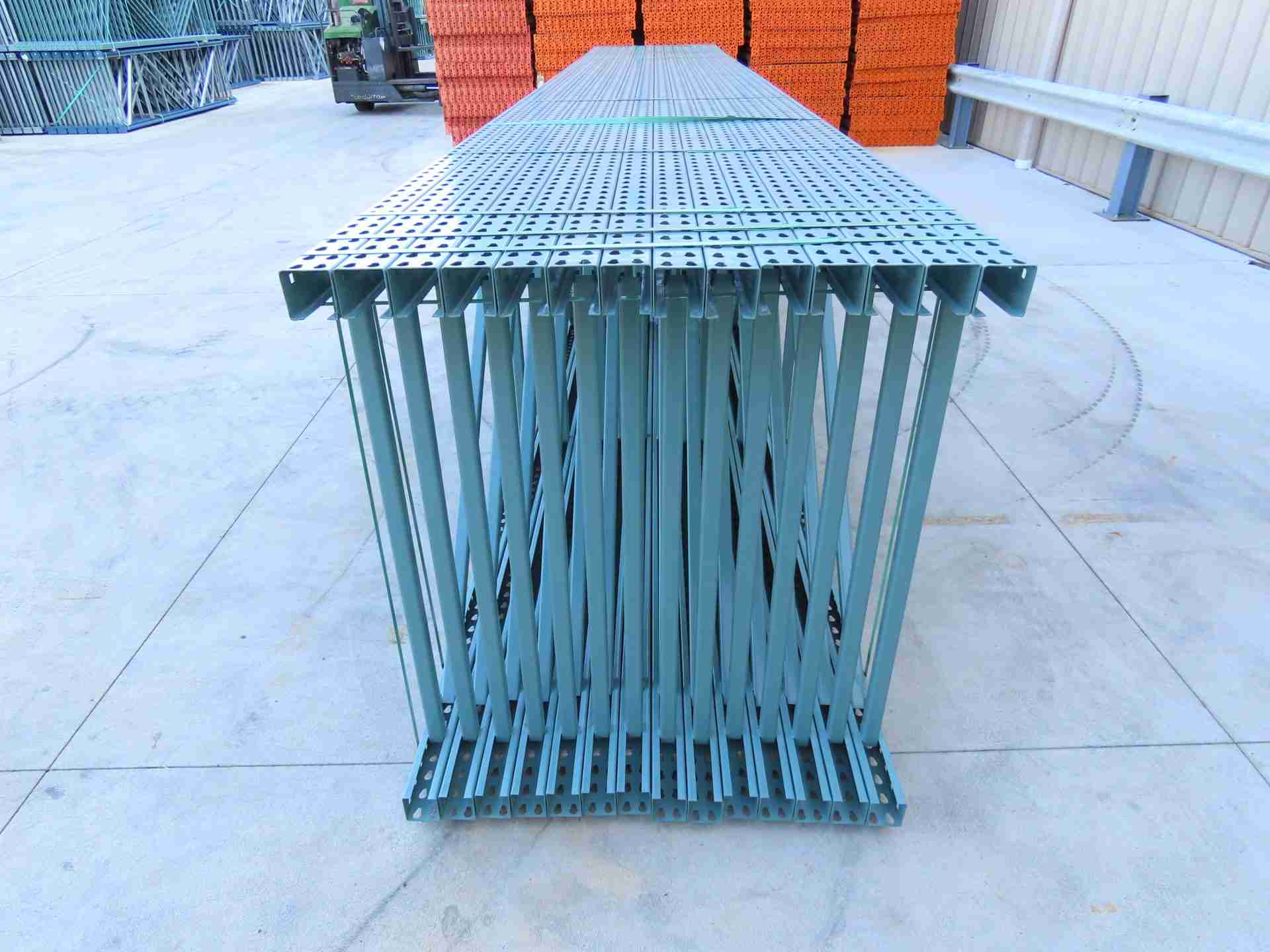
How Do Cantilever Racks Stand Up to Seismic Activity?
How Do Cantilever Racks Stand Up to Seismic Activity?
- Cantilever racks are leading storage solutions in warehouse efficiency and versatility.
- They offer resilience and adaptability, effectively absorbing and redistributing seismic forces.
- Their design features long horizontal arms, making them less vulnerable to lateral shifting during earthquakes.
- Recent seismic events, like those in Turkey, highlighted the effectiveness of cantilever racks in minimizing damage.
- Modern cantilever systems comply with seismic codes, featuring enhancements like cross-bracing and anchoring base plates.
- Companies with robust storage solutions reported up to a 40% reduction in losses during seismic events.
- Investing in cantilever racks is essential for operational continuity and safety amidst rising seismic threats.
How Do Cantilever Racks Stand Up to Seismic Activity?
Table Of Contents
- How Do Cantilever Racks Stand Up to Seismic Activity?
- How Do Cantilever Racks Resist Seismic Forces?
- What Materials Are Used In Cantilever Racks?
- How Does Seismic Design Affect Rack Installation?
- What Are The Benefits Of Seismic Bracing In Cantilever Racks?
- How Should Cantilever Racks Be Maintained For Seismic Safety?
- Are There Specific Codes For Seismic Rack Performance?
- How Do Anchor Systems Improve Seismic Stability?
- What Role Does Load Distribution Play In Seismic Resistance?
- How Can Rack Manufacturers Ensure Seismic Compliance?
- What Are The Best Practices For Securing Loads In Seismic Zones?
- How Do Cantilever Racks Compare To Other Storage Options In Quakes?
- What Factors Influence The Performance Of Racks In Earthquakes?
- How Can Businesses Prepare Their Racks For Potential Seismic Activity?
- Conclusion
- Other Resources
- Glossary Of Terms
- Other Questions
- Checklist
How Do Cantilever Racks Resist Seismic Forces?
In the unpredictable world we live in, where earthquakes can strike without warning, the importance of robust storage systems becomes increasingly apparent. Cantilever racks, often heralded for their efficient design and versatility in storing long or bulky items, also play a crucial role in protecting your inventory during seismic events. But how exactly do they stand tall against the forces of nature?
When we think about seismic forces, we often picture violent shaking and the potential for catastrophic destruction. Yet, in the realm of warehousing and logistics, it’s all about preparation. Cantilever racks are engineered with specific features that allow them to withstand these forces, safeguarding not just your products, but your bottom line as well.
One primary design feature is the racks’ inherent stability. Unlike traditional shelving systems, cantilever racks are secured to the ground, typically through a solid base that helps anchor them against lateral forces. This anchoring system is crucial; during an earthquake, the ground moves unexpectedly, and without adequate support, conventional racks can topple, causing damage and potential loss of life. For instance, during the recent tremors in Turkey, buildings with anchored cantilever systems demonstrated resilience, while others with standard racking systems bore the brunt of the seismic forces.
Another factor is the flexibility of the racks themselves. Cantilever racks are often constructed from high-strength steel, which allows for a degree of bending without breaking. This flexibility is a game changer during seismic events. Instead of shattering under stress, these racks can absorb some of the energy generated by an earthquake, distributing it rather than succumbing to it. This innovative approach not only protects your valuable inventory but also minimizes the chances of injury to your employees during unexpected incidents.
You can further enhance the seismic resilience of cantilever racks with specific accessories and modifications. For instance, cross-bracing kits can be added, providing additional support and helping to stabilize the structure even more during seismic activity. These upgrades are a small price to pay when you consider the potential cost of inventory loss and property damage.
By investing in cantilever racks designed to withstand seismic forces, you’re not just making a purchase; you’re making a commitment to safety, efficiency, and longevity in your warehousing operations. As the saying goes, “fail to prepare, prepare to fail.” In the face of natural disasters, let your storage solution be a pillar of strength, not a victim of circumstances.
How Do Cantilever Racks Resist Seismic Forces?
How Do Cantilever Racks Resist Seismic Forces?
- The unpredictable nature of earthquakes highlights the need for robust storage systems.
- Cantilever racks are essential for storing long or bulky items and protecting inventory during seismic events.
- These racks are engineered for stability, anchored to the ground to withstand lateral forces.
- Their construction from high-strength steel allows flexibility, enabling them to absorb seismic energy.
- Cross-bracing kits can enhance the stability and seismic resilience of cantilever racks.
- Investing in cantilever racks is a commitment to safety, efficiency, and longevity in warehousing.
- Preparing for natural disasters with proper storage solutions can prevent significant losses.
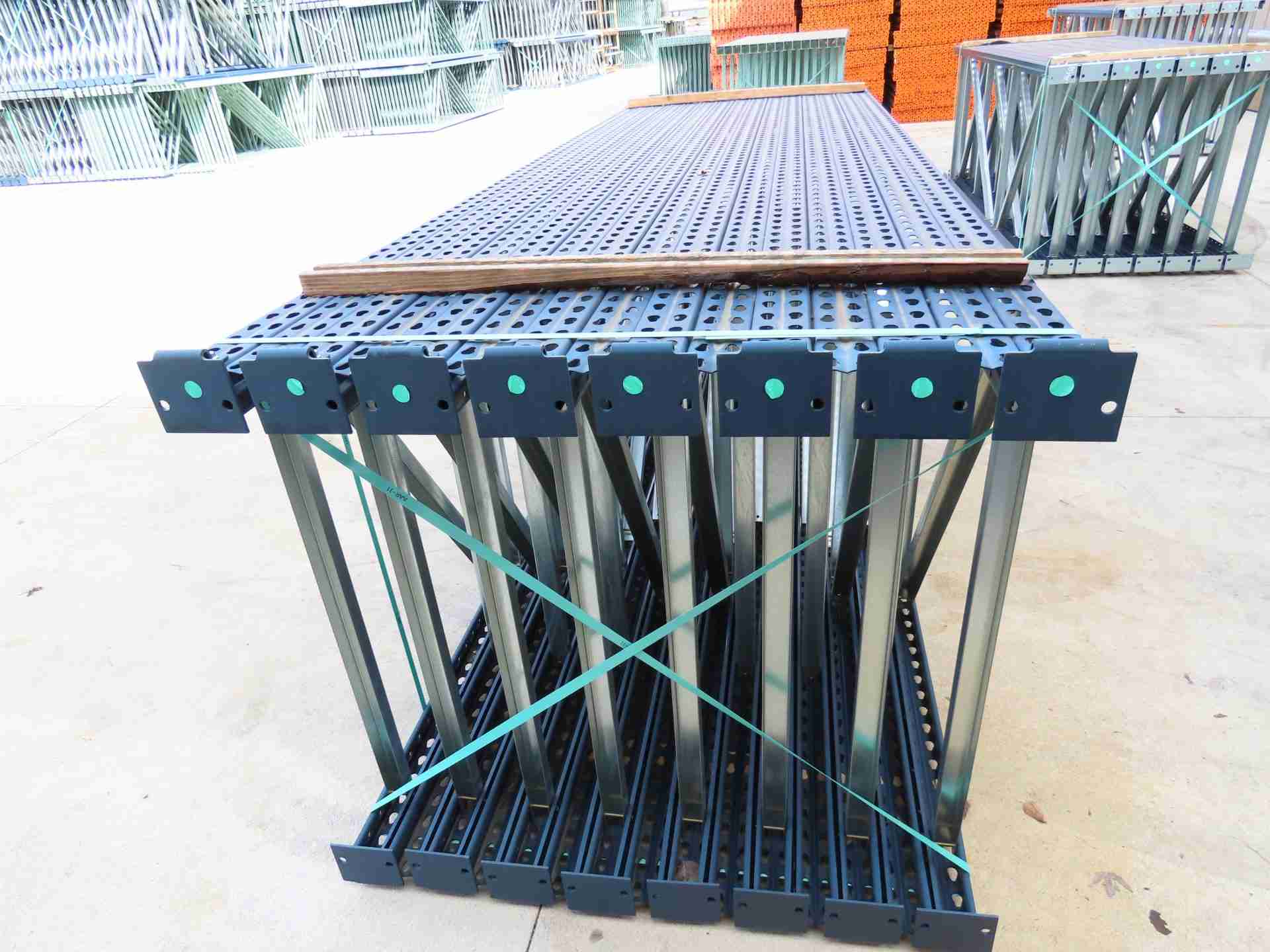
How Do Cantilever Racks Resist Seismic Forces?
What Materials Are Used In Cantilever Racks?
When it comes to optimizing storage solutions in warehouses and retail environments, cantilever racks have become a go-to for savvy business owners looking to maximize space while ensuring efficiency. But have you ever stopped to think about the materials that make these robust structures possible? Understanding the key components can help you decide if cantilever racks are the right choice for your storage needs.
1. Steel: The Backbone of Durability
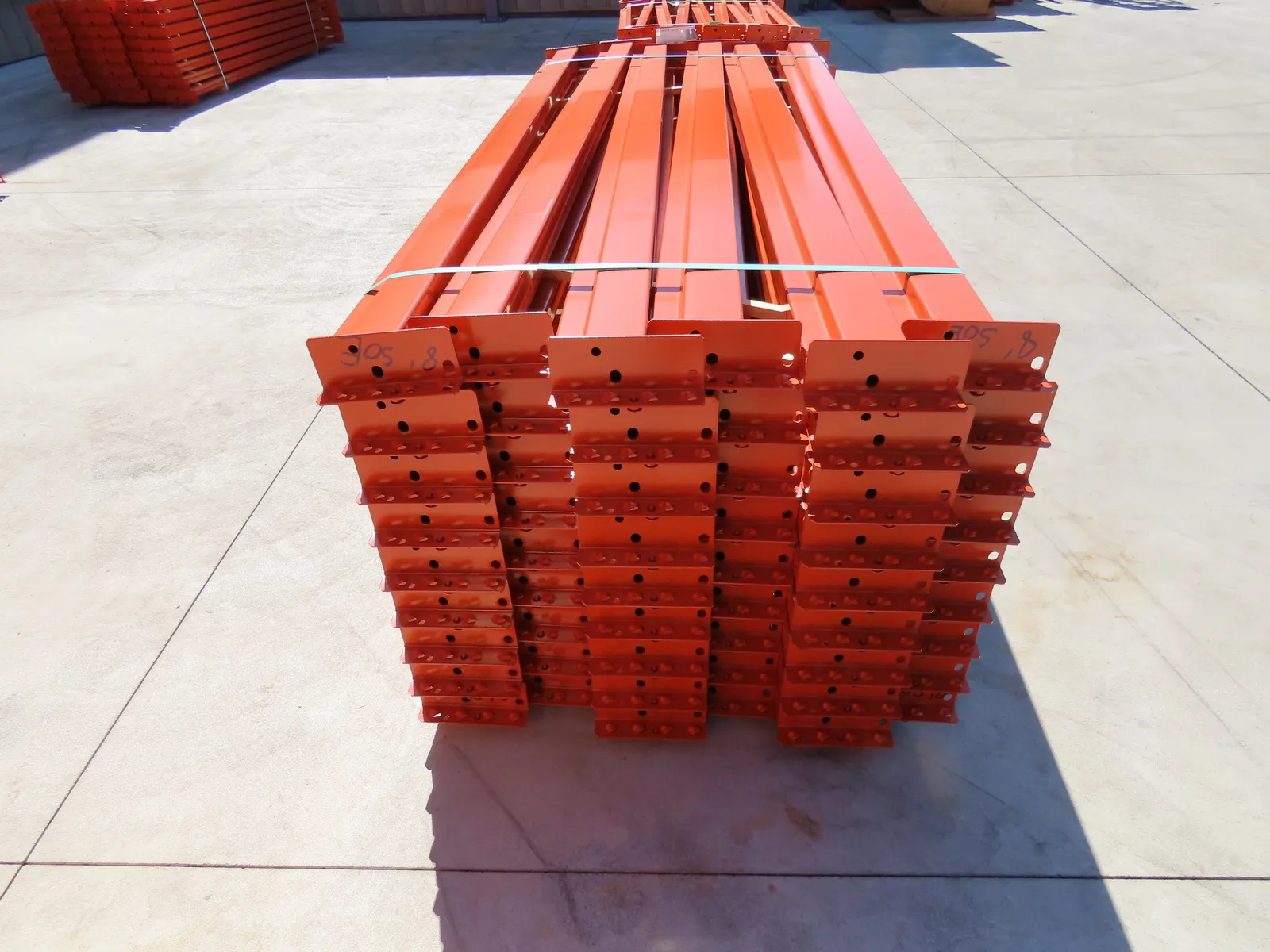
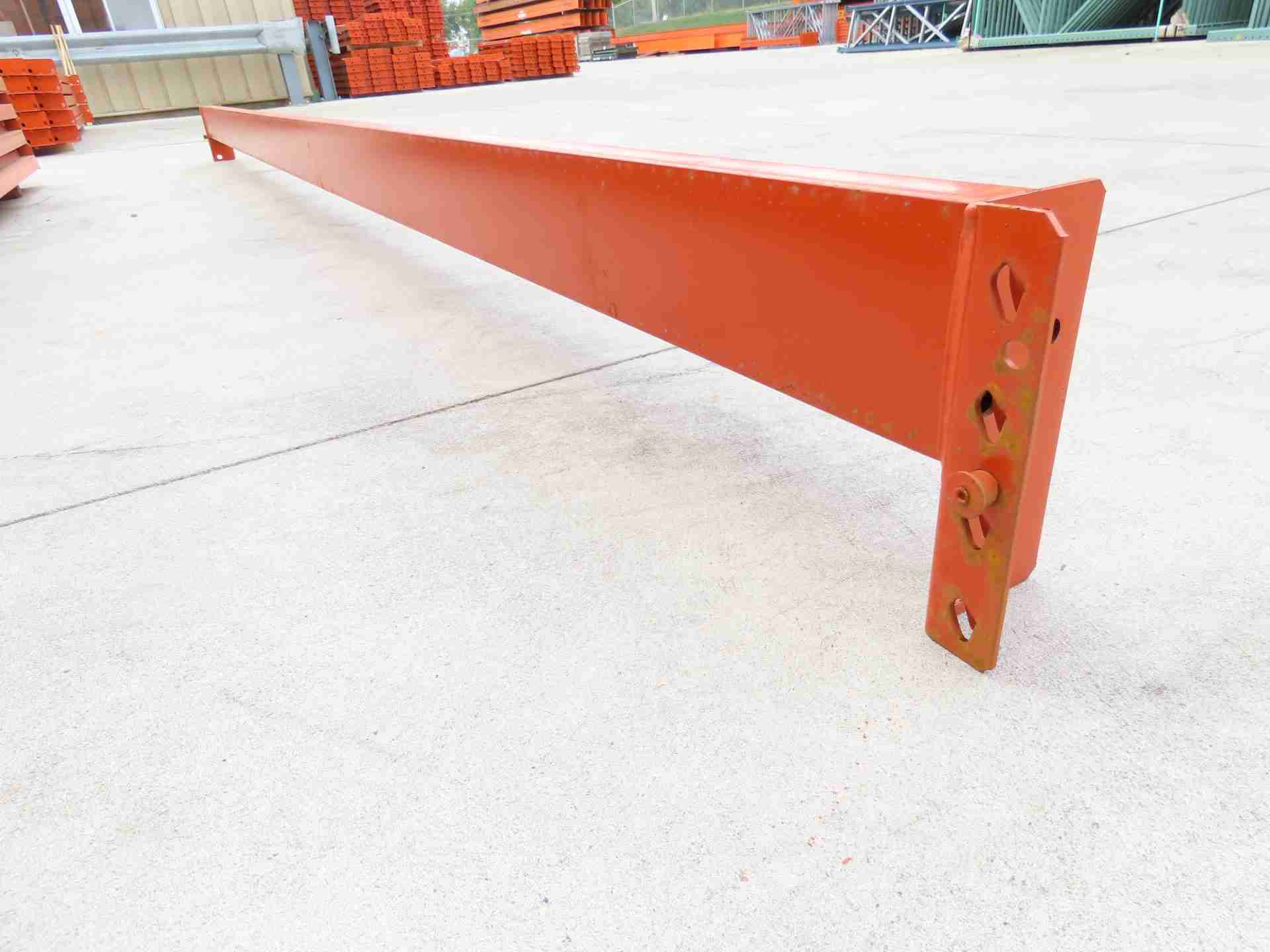
The most common material used in cantilever racks is high-quality steel. This metal is not just a trend; it’s a time-tested performer that withstands weights and heavy usage without bending or breaking. For instance, structural steel, especially cold-rolled or hot-rolled varieties, provides the strength necessary for holding large, bulky items like lumber, piping, or appliances. This is particularly relevant in today’s construction boom, where materials need to be handled efficiently.
2. Powder Coated Finishes: Protection and Aesthetics
While steel provides strength, it’s the finish that adds longevity. Many cantilever racks now come with powder-coated surfaces, which protect against corrosion and wear. This is crucial for businesses operating in environments with high humidity or exposure to chemicals, such as manufacturing or food processing. Choosing racks with a durable finish isn’t just about looks; it’s about safeguarding your investment.
3. Wood and Composite Materials: A Touch of Versatility
For businesses that store lightweight or smaller items, manufacturers have started incorporating wooden components or composite materials into their cantilever rack designs. These options continue to grow in popularity, particularly among artisanal producers and retailers. With the recent surge in eco-conscious consumerism, using sustainable wood sources can also appeal to your market, giving you a competitive edge.
4. Accessories: From Reinforcements to Palette Supports
The beauty of cantilever racks lies not just in their construction, but also in the accessories that can tailor them for specific needs. Reinforced arms, bracket systems, and adjustable supports are often made from the same robust materials as the main structure, ensuring consistency and reliability. Additionally, options like integrated pallet supports or trays can turn a basic cantilever rack into a versatile storage hero.
5. Recent Developments: Innovations on the Rise
In light of ongoing supply chain challenges and e-commerce growth, manufacturers have been innovating cantilever racks even further. New designs are incorporating advanced engineering materials and modular setups, allowing businesses to adapt their storage solutions swiftly to meet fluctuating demands.
The choice of materials in cantilever racks is pivotal for any business aiming for efficiency and durability. Whether you’re in construction, retail, or any other sector, investing in high-quality materials will yield returns that go far beyond the initial purchase—because a well-constructed cantilever rack is not just an investment in space; it’s an investment in your operation’s future.
What Materials Are Used In Cantilever Racks?
What Materials Are Used In Cantilever Racks?
- Cantilever Racks: Essential for optimizing storage in warehouses and retail, maximizing space and efficiency.
- Steel: The primary material used, offering durability and strength to support heavy items.
- Powder Coated Finishes: Provides protection against corrosion, enhancing longevity and safeguarding investments.
- Wood and Composite Materials: Used for lightweight items, appealing to eco-conscious consumers and providing versatility.
- Accessories: Various components like reinforced arms and adjustable supports enhance functionality for specific storage needs.
- Recent Developments: Innovations in design and materials help businesses adapt to supply chain challenges and changing demands.
- Investment Insight: High-quality materials in cantilever racks lead to long-term operational benefits, beyond just storage efficiency.
What Materials Are Used In Cantilever Racks?
How Does Seismic Design Affect Rack Installation?
In an era where natural disasters are becoming more frequent and unpredictable, seismic design isn’t just a technical requirement—it’s a competitive advantage. Companies that prioritize seismic considerations in their rack installations don’t just comply with regulations; they protect their assets, ensure operational continuity, and fortify their brand’s reputation as a leader in safety and reliability.
Imagine this: you’re overseeing a warehouse filled with essential goods, equipment, or tech servers. With buildings designed using seismic principles, your racks are specified to withstand tremors or shocks from an earthquake. Installing racks without considering these factors can lead to catastrophic outcomes—spilling inventory, damaging equipment, and hindering recovery efforts post-disaster. Just look at the impact of the recent earthquakes in Turkey and Syria. Businesses that understood seismic needs were better equipped to manage disaster recovery; they maintained safety and minimized losses, demonstrating a resilience that customers appreciate.
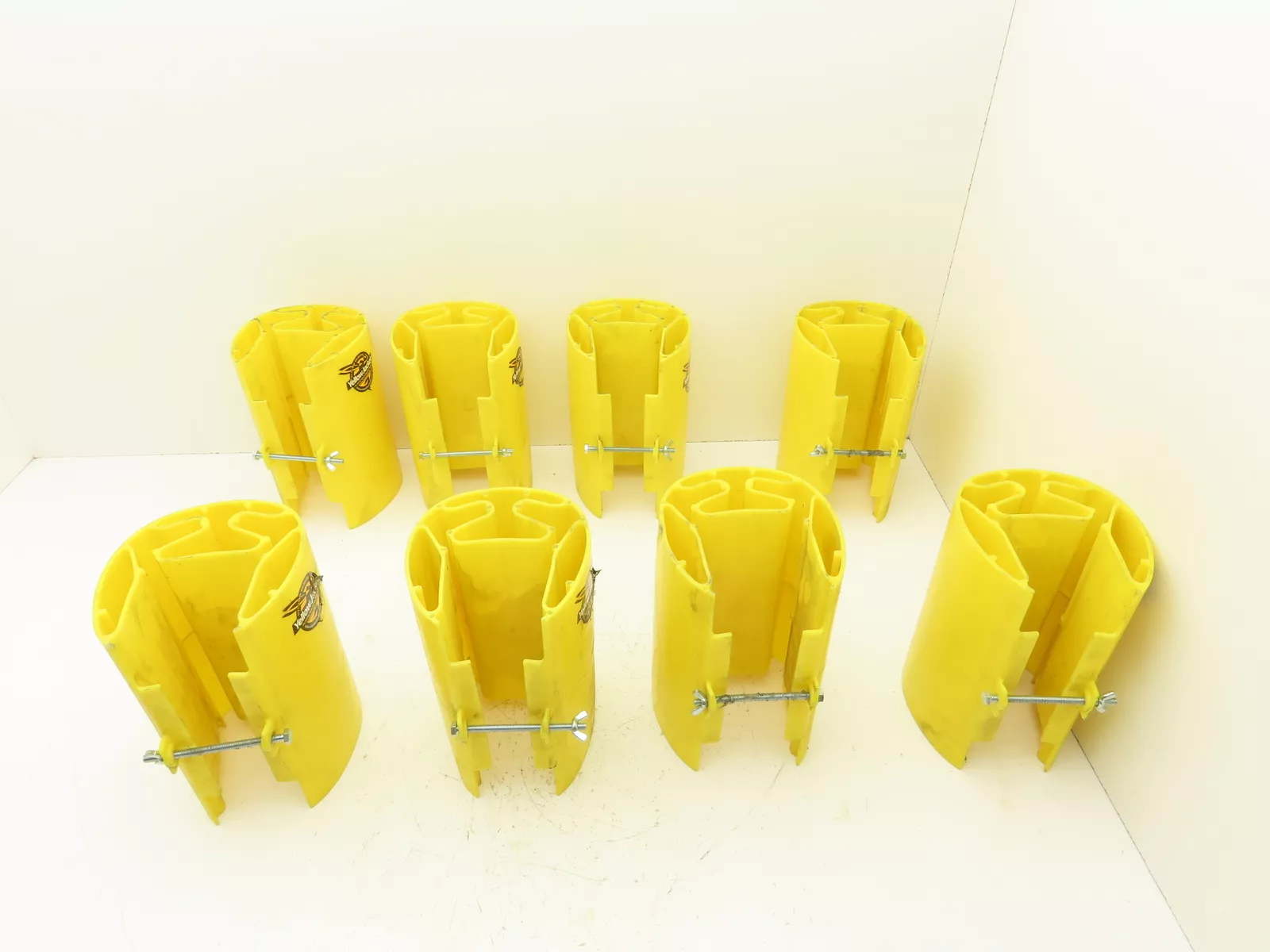
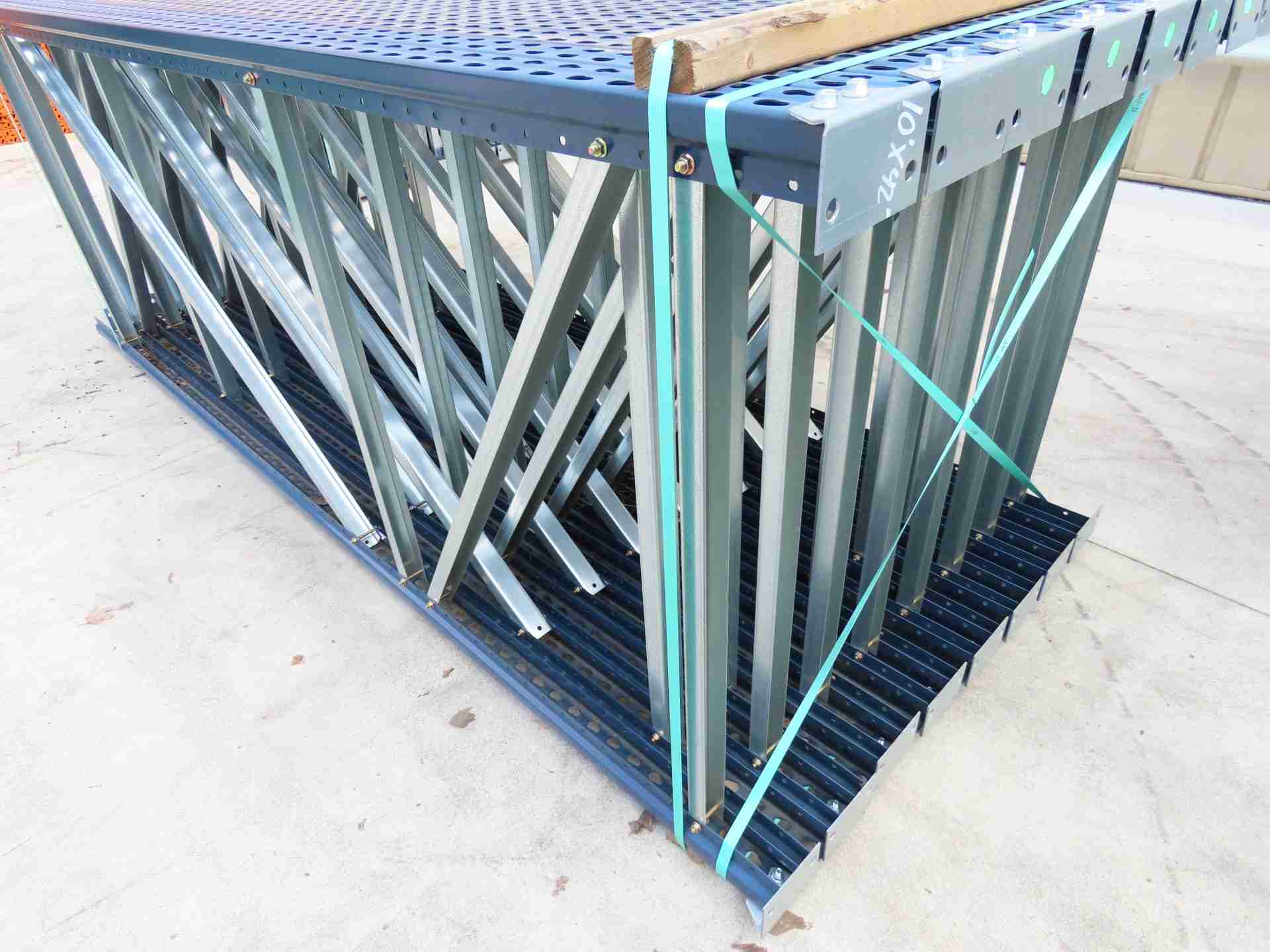
So what does it mean to incorporate seismic design into your rack installations? First, consider weight distribution. Racks that hold heavy materials or equipment must be adequately anchored and spaced to avoid toppling in the event of seismic activity. By utilizing base isolators or damping systems, the risk of tipping can be minimized, ensuring your products stay intact and your operation runs smoothly even during tremors. Additionally, arranging racks strategically can aid in redirecting forces away from the weakest points—think of it as using geometry to your advantage.
Next, it’s about compliance with international building codes, such as IBC (International Building Code), which specify seismic design criteria. When your installation adheres to these codes, you’re not just snubbing the risks, you’re signaling professionalism to stakeholders, clients, and insurance companies alike. A business that proves its commitment to safety in seismic design receives better insurance rates and a trusted standing among investors and clients.
Lastly, ongoing maintenance is crucial. Racks should be regularly inspected and retrofitted to meet evolving seismic standards. Enlisting a professional with expertise in seismic design enhances your project’s longevity and integrity.
Addressing seismic design within rack installations isn’t a mundane checkbox—it’s an opportunity to demonstrate foresight, responsibility, and commitment to safety. By integrating robust design strategies today, you’ll not only protect your physical assets but establish your brand as a long-term player in an unpredictable world. Every successful business knows: the cost of preparation is far less than the price of failure.
How Does Seismic Design Affect Rack Installation?
How Does Seismic Design Affect Rack Installation?
- Seismic design is essential in an era of frequent and unpredictable natural disasters, offering a competitive advantage.
- Companies embracing seismic considerations protect assets, ensure operational continuity, and enhance their brand reputation.
- Proper seismic design in rack installations prevents catastrophic outcomes such as inventory spills and equipment damage during earthquakes.
- Weight distribution and adequate anchoring of racks are vital to minimize tipping risks during seismic activity.
- Compliance with international building codes (e.g., IBC) showcases professionalism and improves insurance rates and stakeholder trust.
- Regular maintenance and inspections are necessary to ensure racks meet evolving seismic standards and maintain project integrity.
- Incorporating seismic design is not just a requirement but an opportunity to show foresight and commitment to safety and reliability.
How Does Seismic Design Affect Rack Installation?
What Are The Benefits Of Seismic Bracing In Cantilever Racks?
What Are The Benefits of Seismic Bracing in Cantilever Racks?
In an unpredictable world marked by natural disasters and relentless economic pressures, the safety and sustainability of warehouse operations have never been more critical. Enter seismic bracing for cantilever racks—a powerhouse solution that guarantees your inventory remains secure, no matter what Mother Nature throws your way.
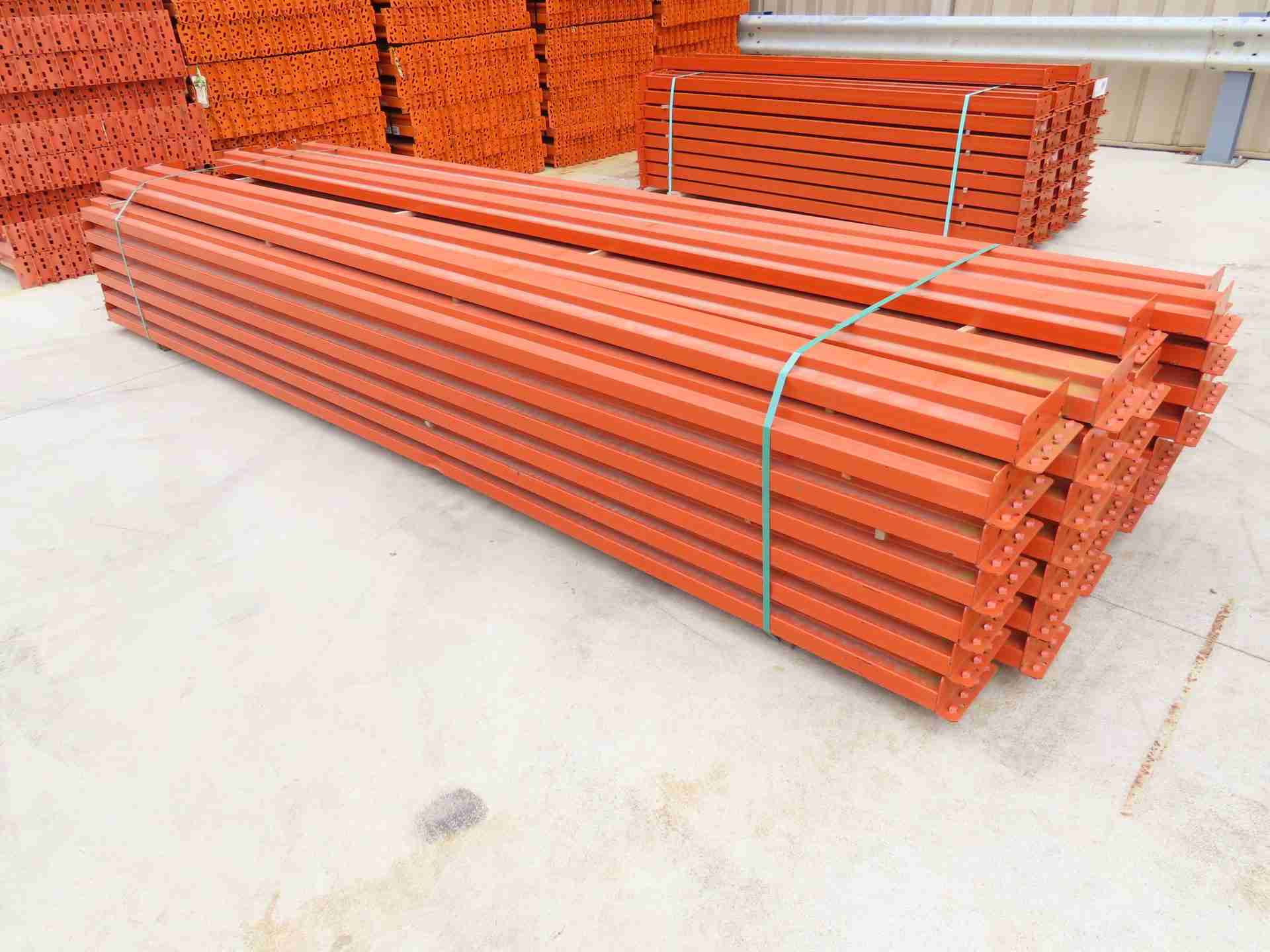
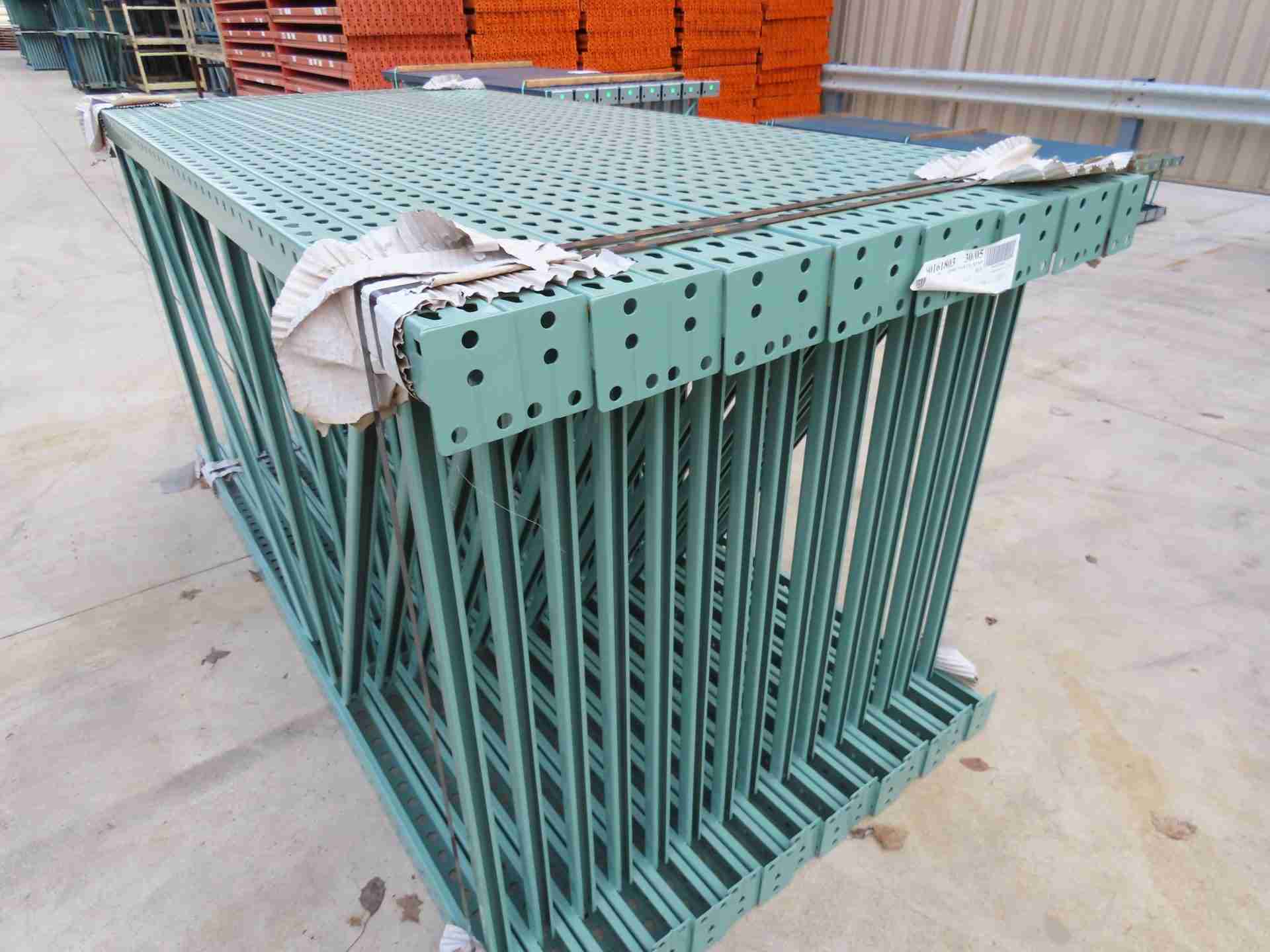
Seismic bracing serves as the unsung hero of warehouse safety, especially in regions prone to earthquakes or severe weather events. By reinforcing the structural integrity of your cantilever racks, seismic bracing dramatically reduces the risk of rack failure during seismic activities. For instance, the recent earthquakes in Turkey had devastating effects on buildings and infrastructure, spurring organizations to seek reliable solutions like seismic bracing to protect their assets. With proper bracing, companies can safeguard their products—ranging from lumber to loaded pallets—preventing costly damage and future liabilities.
But the benefits don’t stop at protection. Let’s talk about your bottom line. Investing in seismic bracing not only facilitates compliance with local building codes but can also result in reduced insurance premiums. Insurance providers are increasingly rewarding businesses that adopt safety-enhancing technologies, and seismic bracing is a key factor in demonstrating your commitment to risk management.
Moreover, preventive measures like seismic bracing foster peace of mind among your workforce. When employees feel safe in their environment, productivity soars. A study by the Occupational Safety and Health Administration (OSHA) indicates that a safer workplace can improve employee morale by up to 30%. Happy employees contribute positively to your company culture, ultimately leading to higher retention rates and fewer training costs.
The adaptability of seismic bracing systems is a game changer. Whether it’s a new installation or retrofitting your existing cantilever racks, these systems can be customized for your specific needs. Imagine a manufacturing plant located near a fault line: investing in seismic bracing not only enhances safety but also sends a strong message to stakeholders and customers that you prioritize safety and reliability.
In summary, seismic bracing for cantilever racks isn’t merely an add-on; it’s an essential component of a forward-thinking warehouse strategy. By protecting your assets, complying with regulations, creating a safer work environment, and promoting a culture of safety, you’re not just weathering the storm—you’re thriving in it. With the right seismic bracing solutions, you can ensure that your business stands resilient against the unexpected, ready to seize opportunities regardless of the shaking ground beneath you.
What Are The Benefits Of Seismic Bracing In Cantilever Racks?
What Are The Benefits Of Seismic Bracing In Cantilever Racks?
- Seismic bracing enhances the safety and sustainability of warehouse operations amid natural disasters and economic pressures.
- It reinforces the structural integrity of cantilever racks, minimizing the risk of rack failure during seismic activities.
- Investing in seismic bracing protects inventory, helping prevent costly damage and future liabilities.
- Compliance with local building codes and potential reductions in insurance premiums are financial benefits of seismic bracing.
- Implementing seismic bracing fosters a safer workplace, boosting employee morale and productivity by up to 30%.
- Seismic bracing systems are adaptable, suitable for both new installations and retrofitting existing racks.
- Overall, seismic bracing is essential for a comprehensive warehouse strategy, ensuring business resilience and safety.
What Are The Benefits Of Seismic Bracing In Cantilever Racks?
How Should Cantilever Racks Be Maintained For Seismic Safety?
When it comes to maximizing safety in warehouses and distribution centers, cantilever racks play a critical role. However, in seismic-prone regions, maintenance isn’t just a routine task—it’s a mandate. Proper upkeep not only safeguards your assets but protects your employees and maintains operational continuity, regardless of Mother Nature’s whims.
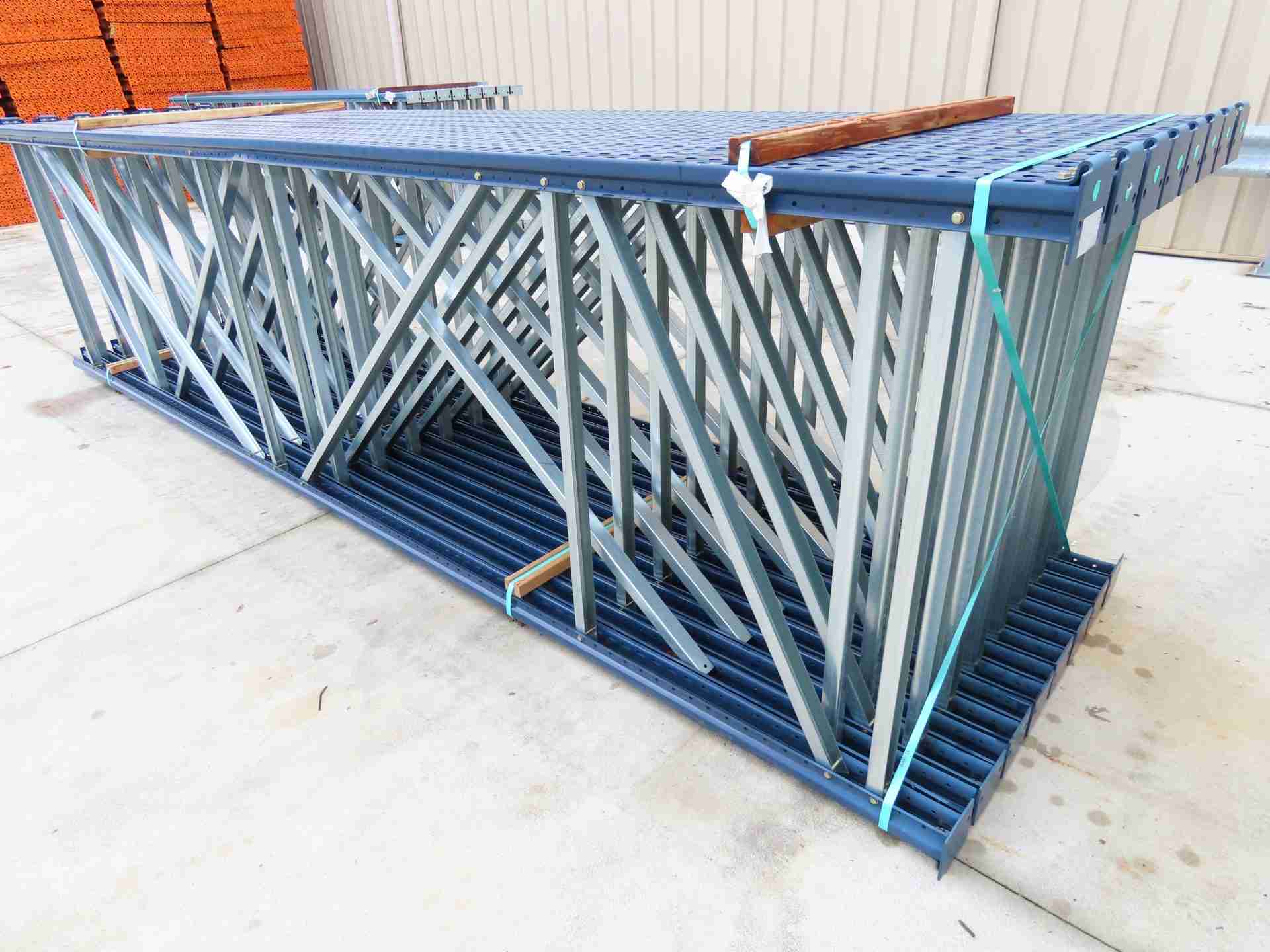
First and foremost, regular inspections are non-negotiable. Implement a systematic approach that encourages thorough visual checks of rack systems, checking for any signs of wear, corrosion, or structural compromise. With recent reports indicating an uptick in seismic activity across the Pacific Coast, particularly California, it’s vital that your rack systems are up to standard. A proactive maintenance schedule not only keeps your inventory secure, but it also ensures compliance with local regulatory requirements.
Consider the case of a large distribution center in the San Francisco Bay Area that suffered significant damage during a 2022 earthquake. Post-event analysis revealed that their cantilever racks were improperly anchored— an oversight that could have easily been avoided with diligent routine checks. The conclusion? Regular maintenance directly contributes to increased safety during seismic events.
Next, ensure proper anchoring to the ground. Many warehouses fall into the trap of thinking that once racks are installed, they are set for life. In reality, seismic safety requires continuous assessment of anchorage systems. Retrofits for additional bracing can enhance stability and help resist seismic forces. Investing in modern fastening techniques, such as seismic bracing kits, can drastically improve the resilience of your racks.
Training employees on rack safety is another pivotal aspect of maintenance. Everyone from the forklift operators to the warehouse manager should be educated on the significance of maintaining clear access to racks, adjusting loading techniques, and recognizing potential hazards. Empowering your team with knowledge fosters a culture of safety that extends beyond just cantilever racks.
Finally, consider consulting professionals with expertise in seismic design. They can provide tailored recommendations based on your specific operational needs and local seismic codes. If your cantilever racks aren’t up to par, the cost of retrofitting or replacing them could skyrocket in the event of an earthquake.
Maintaining cantilever racks for seismic safety isn’t just about protecting products; it’s about safeguarding lives and future-proofing your operations. Regular inspections, proper anchoring, employee training, and seeking professional guidance are not just best practices—they’re essential components of a robust safety strategy that pays dividends when disaster strikes. Don’t wait for the tremors—act now and maintain for safety!
How Should Cantilever Racks Be Maintained For Seismic Safety?
How Should Cantilever Racks Be Maintained For Seismic Safety?
- Cantilever racks are crucial for safety in warehouses, especially in seismic-prone regions.
- Regular inspections are essential to identify wear, corrosion, or structural issues.
- Compliance with local regulations is ensured through a proactive maintenance schedule.
- Proper anchoring of racks is necessary to withstand seismic activities.
- Training employees on safety measures helps create a safety-conscious culture.
- Consulting seismic design professionals can provide tailored safety recommendations.
- Implementing these measures protects assets, employees, and operational continuity.
How Should Cantilever Racks Be Maintained For Seismic Safety?
Are There Specific Codes For Seismic Rack Performance?
In today’s unpredictable world, the importance of seismic rack performance cannot be overstated. Never before has the need for robust, reliable storage solutions been more front and center—for businesses in earthquake-prone areas or for facilities housing critical equipment. If you’re looking to safeguard your investments and ensure operational continuity, understanding the regulatory codes governing seismic rack performance is essential.
First and foremost, the International Building Code (IBC), updated regularly to reflect the latest seismic research and safety innovations, lays the groundwork for these standards. For example, the 2021 edition emphasizes heightened requirements for racks supporting heavy equipment, setting the bar high for structural integrity during seismic events. Facilities that fail to comply may find themselves not only in violation of local codes but also at risk for significant financial loss or downtime.
To illustrate the impact of these regulations, let’s consider a recent event in San Francisco, California, where a moderate earthquake rattled the city. Businesses that had invested in compliant seismic racks found their equipment intact and fully operational, while others faced extensive damages. Past incidents have shown that non-compliance can lead to catastrophic failures—from collapsed shelves to damaged merchandise—resulting in costly repairs and insurance claims. Don’t let your business be a statistic.
In addition to the IBC, other influential standards come into play, such as the American National Standards Institute (ANSI) and the Material Handling Industry (MHI) guidelines. These organizations offer detailed recommendations on seismic bracing and anchorage systems. It’s crucial to recognize that each jurisdiction may have its own local amendments to these codes, and staying abreast of these variations ensures that your business doesn’t fall behind.
Enlisting experts in seismic rack design not only ensures compliance but can provide a marketing edge. Demonstrating your commitment to safety and reliability can enhance customer trust and bolster your brand reputation. For instance, a distribution center in Los Angeles recently upgraded its seismic racks, turning the installation into a marketing story that emphasized their commitment to safety and operational excellence. This single decision not only safeguarded their inventory but also positioned them as leaders in responsible business practices.
As seismic risks continue to grow alongside urban development, the need for compliant, high-performance seismic racks will only increase. Equip your business with the tools it needs to thrive, protecting both your assets and your reputation by adhering to the specific codes governing seismic rack performance. The choice to invest in quality now will yield dividends of safety and trust for years to come.

Are There Specific Codes For Seismic Rack Performance?
Are There Specific Codes For Seismic Rack Performance?
- The importance of seismic rack performance is crucial for businesses in earthquake-prone areas and for facilities with critical equipment.
- The International Building Code (IBC) sets the standards for seismic rack performance, with the 2021 edition emphasizing stricter requirements for heavy equipment support.
- Non-compliance with seismic regulations can result in financial loss, downtime, and catastrophic equipment failures.
- Compliance examples show that businesses with compliant racks experienced less damage during seismic events compared to non-compliant businesses.
- Additional guidelines from ANSI and MHI provide recommendations for seismic bracing and anchorage systems, with local amendments varying by jurisdiction.
- Seeking expertise in seismic rack design can enhance compliance, customer trust, and brand reputation.
- As urban development progresses, the demand for high-performance seismic racks is increasing, making safety and adherence to regulatory codes essential for business longevity.
Are There Specific Codes For Seismic Rack Performance?
How Do Anchor Systems Improve Seismic Stability?
In a world increasingly susceptible to natural disasters, the importance of seismic stability cannot be overstated. Anchor systems play a pivotal role in enhancing the resilience of structures against the unforgiving forces of earthquakes. These systems are not merely an option; they are a necessity for safeguarding lives and investments.
Imagine a skyscraper swaying gently during an earthquake, rather than crumbling into a heap of rubble. This is the magic of anchor systems at work. By anchoring the structure into the ground more securely, these systems absorb and dissipate seismic energy, keeping buildings grounded and upright. Take, for instance, the recent updates in construction codes in earthquake-prone regions like California. These codes emphasize the implementation of advanced anchor systems to ensure new buildings can withstand even the most severe tremors. The result? Greater public confidence and an impressive reduction in potential damage costs.
One exemplary application is the use of helical anchors in residential construction. Installed beneath the foundation, these anchors create a robust connection to the soil, reinforcing the overall stability of the home. This approach mitigates risk not just for the property itself, but also for families inside. Real-world examples abound — after the devastating 2010 Haiti earthquake, many reconstruction efforts focused on incorporating innovative anchor systems that not only met but exceeded standard safety regulations. This proactive approach laid the groundwork for more secure communities.
Moreover, anchoring doesn’t just serve traditional buildings; it is critical in securing wind farms and solar energy facilities, which are often deployed in areas vulnerable to seismic activity. For example, in Japan, where the balance between energy needs and earthquake safety is a continuous challenge, advancements in anchor technology have allowed the nation to harness renewable energy while maintaining rigorous seismic safeguards.
Incorporating anchor systems into construction not only mitigates risks but also positions properties favorably in the real estate market. Homes and buildings designed with seismic stability in mind attract discerning buyers who prioritize safety and longevity. This strategic edge translates into higher property values, serving as a compelling argument for both developers and homeowners alike.
Anchor systems are not just technical solutions; they are essential investments in safety, sustainability, and economic stability. As we continue to face the reality of natural disasters, prioritizing these systems can make a world of difference, ensuring that when the earth shakes, our foundations hold strong.
How Do Anchor Systems Improve Seismic Stability?
How Do Anchor Systems Improve Seismic Stability?
- The importance of seismic stability is critical in a world prone to natural disasters.
- Anchor systems enhance structural resilience against earthquakes, making them a necessity for safety.
- Recent construction code updates in earthquake-prone areas emphasize advanced anchor systems for new buildings.
- Helical anchors are used in residential construction to reinforce stability and mitigate risks for families.
- Innovative anchor systems were a key focus in reconstruction efforts after the 2010 Haiti earthquake.
- Anchor technology is crucial for securing renewable energy facilities like wind farms and solar plants in seismic zones.
- Implementing anchor systems can increase property values and attract buyers who prioritize safety and longevity.
How Do Anchor Systems Improve Seismic Stability?
What Role Does Load Distribution Play In Seismic Resistance?
In the world of architectural engineering, understanding load distribution is vital for enhancing seismic resistance. Not only does this principle safeguard lives, but it also protects investments in infrastructure, making it an indispensable concept for builders and city planners alike.
When an earthquake strikes, forces are unleashed that can cause catastrophic structural failures. The key to preventing disaster? Properly distributing the loads within a building. Think of a multi-story structure as a finely-tuned machine; if one component falters, the entire system can collapse. Load distribution involves spreading out the weight and stress from the roof down to the foundation in a balanced manner. This integrity is crucial during earthquakes, where lateral forces push and pull at buildings like they’re made of clay.
One powerful example of effective load distribution in action can be seen in the design of the recent skyscrapers in earthquake-prone San Francisco. Engineers utilized advanced technology, such as base isolators and dampers, which enable buildings to sway and absorb seismic energy without transferring all that force to every floor. For instance, the Salesforce Tower, one of the city’s tallest structures, employs a sophisticated system that redirects seismic forces, showcasing the importance of load distribution in real-time applications.
Moreover, the lessons learned from recent seismic events are invaluable. Following the devastating 2010 Haiti earthquake, there was a renewed focus on how load distribution could have mitigated the widespread destruction. Many of the collapsed buildings lacked the necessary engineering principles behind proper load management. In contrast, Chile’s rigorously designed buildings performed exceptionally well during the 2010 Maule earthquake, thanks to their effective load distribution strategies. Chilean engineers emphasized creating structures that can not only support their weight but also handle dynamic forces, proving once again that understanding and implementing load distribution can save lives.
Being proactive in adopting modern seismic design methodologies and investing in robust engineering principles ensures that structures stand resilient against the unpredictable forces of nature. As the demand for urban development grows, so does the responsibility to prioritize safety through strategic load distribution. By harnessing innovative technologies and learning from past experiences, we can build a safer, more resilient world—one structure at a time.

What Role Does Load Distribution Play In Seismic Resistance?
What Role Does Load Distribution Play In Seismic Resistance?
- Understanding load distribution is essential for enhancing seismic resistance in architectural engineering.
- Proper load distribution safeguards lives and protects infrastructure investments.
- During earthquakes, properly distributing loads prevents catastrophic structural failures.
- Recent skyscrapers in San Francisco utilize technologies like base isolators and dampers for effective load distribution.
- Lessons from past earthquakes, such as Haiti’s 2010 disaster, highlight the importance of load management in preventing destruction.
- Chile’s well-designed buildings performed admirably in the 2010 Maule earthquake due to effective load distribution strategies.
- Investing in modern seismic design and innovative technologies can enhance the resilience of urban structures.

What Role Does Load Distribution Play In Seismic Resistance?
How Can Rack Manufacturers Ensure Seismic Compliance?
In today’s fast-paced world, where natural disasters can strike without warning, seismic compliance isn’t just a regulatory checkbox—it’s a critical commitment to safety and resilience. Rack manufacturers who take seismic regulations seriously not only protect their products but also position themselves as industry leaders. So, how can these manufacturers ensure they meet seismic compliance? Let’s dive into effective strategies that can help elevate their reputation and safeguard their customers.
Understanding Local Regulations
First and foremost, manufacturers need to familiarize themselves with the seismic codes specific to their target markets. For instance, California’s stringent building codes, under the California Building Code (CBC), set a high bar for seismic safety. By working closely with local building authorities and engineers, rack manufacturers can ensure that their designs meet or exceed these standards. This knowledge equips them to create products that resonate with customers who prioritize safety—think data centers prone to earthquakes.
Investing in Engineering Expertise
Another pivotal strategy is to enlist specialized engineering expertise focused on seismic design. Collaborating with structural engineers who have a proven track record in seismic compliance can lead to the development of innovative rack systems that withstand tremors and vibrations. For example, manufacturers could adopt dynamic analysis methods that simulate real-world conditions, ensuring their racks remain stable and functional during seismic events, just like those utilized in the design of earthquake-resistant high-rises.
Material Selection and Testing
The choice of materials plays a crucial role in seismic compliance. Investing in high-quality, resilient materials that preserve structural integrity during earthquakes can result in racks that not only pass compliance checks but also exceed customer expectations. Rigorous testing protocols—such as shake table tests—can provide empirical evidence of a rack’s performance under seismic stress. Noteworthy is how the recent increase in natural disasters driving companies to reassess their infrastructure highlights the necessity for robust, compliant racks.
Continuous Education and Training
Finally, ongoing education and training for design and production teams ensure that everyone is abreast of the latest advancements in seismic technology and regulations. Regularly attending workshops, trade shows, and seminars can keep manufacturers at the forefront of seismic innovations. This proactive stance can lead to breakthroughs in rack design, making your products not just compliant but revolutionary.
By adopting these strategies, rack manufacturers can ensure seismic compliance while reinforcing their brand as a trusted partner in safety and resilience. In an age where every detail counts, these moves not only protect lives but inspire customer loyalty—a win-win for everyone.
How Can Rack Manufacturers Ensure Seismic Compliance?
How Can Rack Manufacturers Ensure Seismic Compliance?
- Seismic compliance is essential for safety and resilience in rack manufacturing.
- Manufacturers must understand local seismic regulations, like California’s stringent building codes.
- Investing in specialized engineering expertise can lead to innovative, seismic-resistant rack systems.
- Choosing high-quality materials is crucial for maintaining structural integrity during earthquakes.
- Conducting rigorous testing, such as shake table tests, helps validate rack performance under stress.
- Ongoing education and training keep design and production teams updated on seismic advancements.
- Adopting these strategies fosters customer loyalty and positions manufacturers as leaders in safety.
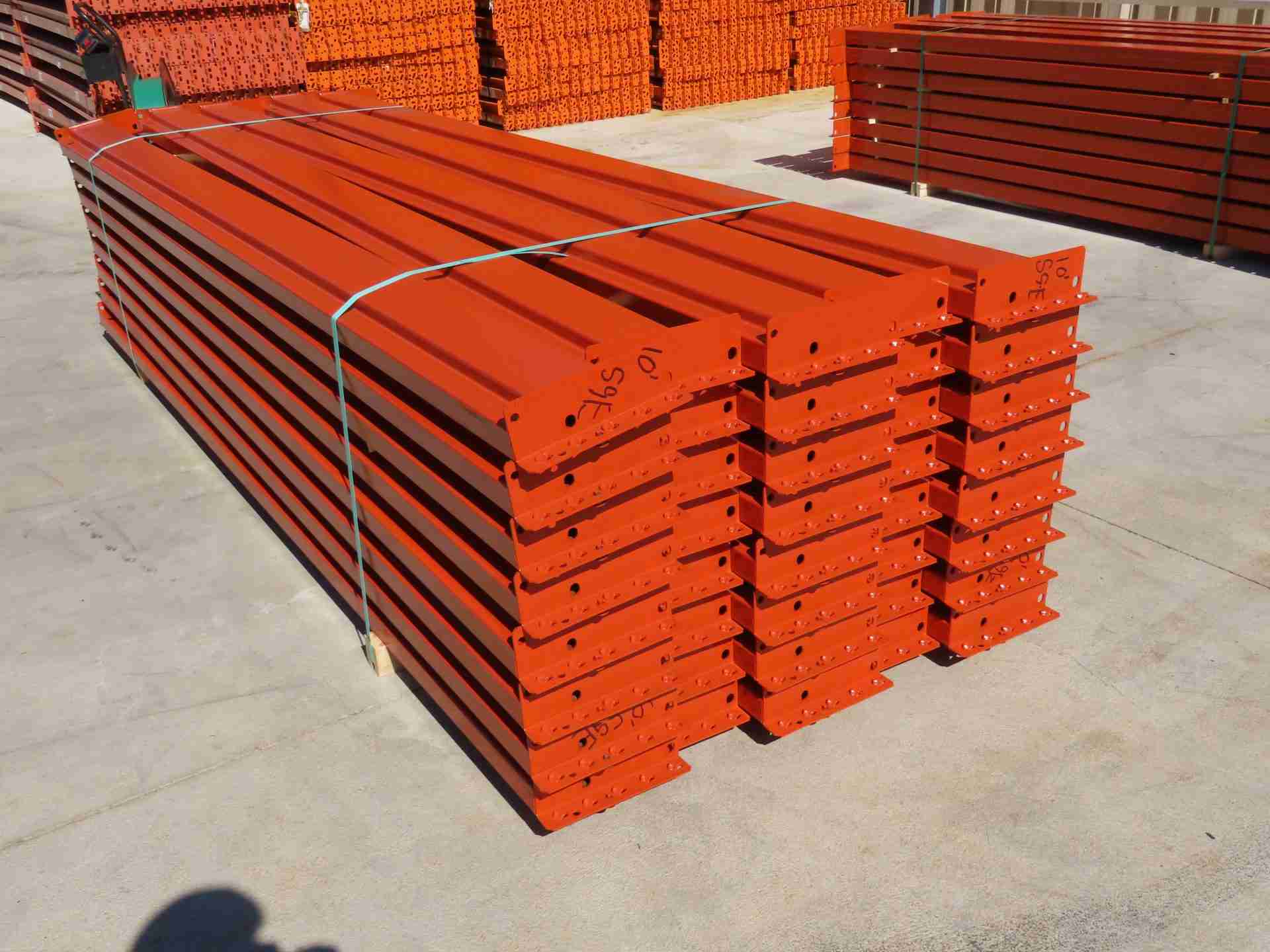
How Can Rack Manufacturers Ensure Seismic Compliance?
What Are The Best Practices For Securing Loads In Seismic Zones?
In regions prone to seismic activity, the stakes are undeniably high—not just for your cargo but for the very livelihood of your business. An earthquake can strike without warning, and the consequences of poorly secured loads can lead to catastrophic losses, both financial and reputational. To ensure that your shipments withstand the fiercest tremors, adhering to best practices in load securing is essential.
1. Understand the Load Type and Weight Distribution
First and foremost, knowing your load is key. Different materials and products respond differently to seismic forces. For example, fragile items like glass must be secured with extra cushioning and bracing to prevent shattering. On the other hand, equipment with uneven weight distribution requires a careful arrangement on the transport vehicle to minimize shifting during a quake. Make use of load calculators or consult with experts in load management to ensure optimal weight distribution.
2. Choose the Right Restraint Systems
Investing in appropriate restraint systems is vital. Heavy-duty ratchet straps, chains, and tie-downs are indispensable for securing various types of cargo. For instance, during the recent California wildfires, many companies turned to advanced cargo securing methods, such as electronic monitoring systems that alert drivers if a load begins to shift. This level of vigilance ensures that they’re not merely moving loads but safeguarding their entire shipment—before an earthquake has the chance to disrupt their operations.
3. Implement Bracing Techniques
Bracing is a crucial tactic for keeping cargo stable during seismic events. Strapping loads against walls, using wooden dunnage, or employing specialized block-and-tackle systems can mitigate movement significantly. Consider the operations of a furniture retailer that meticulously arranges pieces with added bracing—this not only secures the cargo during transport but also minimizes damages and returns, ultimately preserving profit margins.
4. Conduct Regular Training and Drills
An often-overlooked aspect of load securing is the human element. Regular training for your team, emphasizing the importance of proper load securing techniques, can drastically reduce errors. Create drills simulating earthquakes so that your staff can practice securing loads under duress. Companies like Amazon have utilized similar strategies to prepare their teams, ensuring that they are not just reactive but proactive.
Securing loads in seismic zones requires a multi-faceted approach. By understanding your cargo, selecting appropriate restraint systems, employing effective bracing techniques, and prioritizing regular training, you fortify not just your loads but your business itself. The right strategies will help you navigate the unpredictable landscape of seismic activity, turning a potential risk into a defendable logistical advantage. Remember, a well-secured load today is a guaranteed delivery tomorrow.
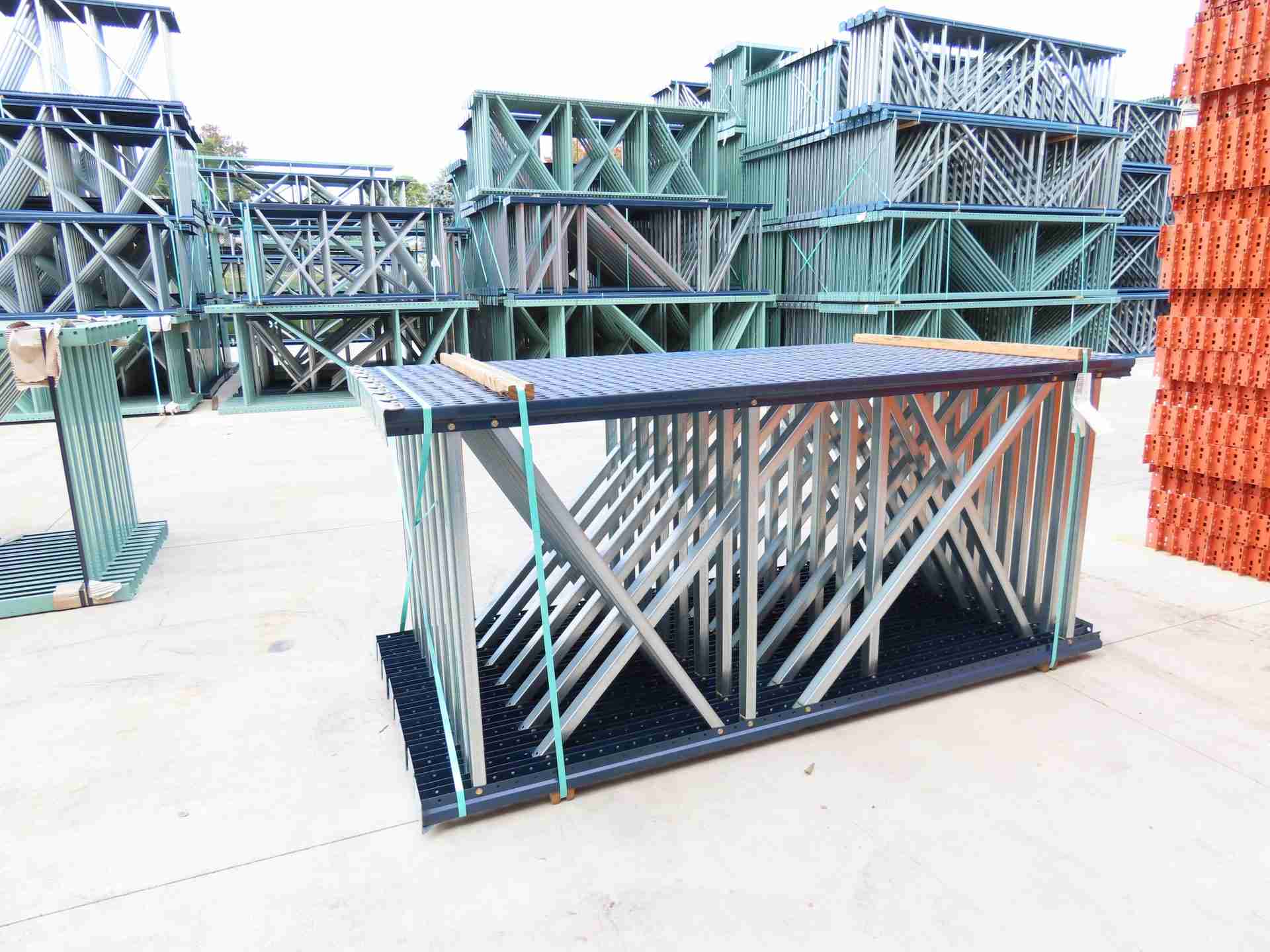
What Are The Best Practices For Securing Loads In Seismic Zones?
What Are The Best Practices For Securing Loads In Seismic Zones?
- Seismic regions present high risks for cargo and business operations.
- Understand load types and weight distribution to prevent damages during earthquakes.
- Invest in the right restraint systems, such as heavy-duty ratchet straps and electronic monitoring.
- Implement bracing techniques to stabilize cargo during seismic events.
- Conduct regular training and drills to enhance staff proficiency in load securing.
- A multi-faceted approach to load securing can protect both cargo and business integrity.
- Effective strategies turn seismic risks into logistical advantages.
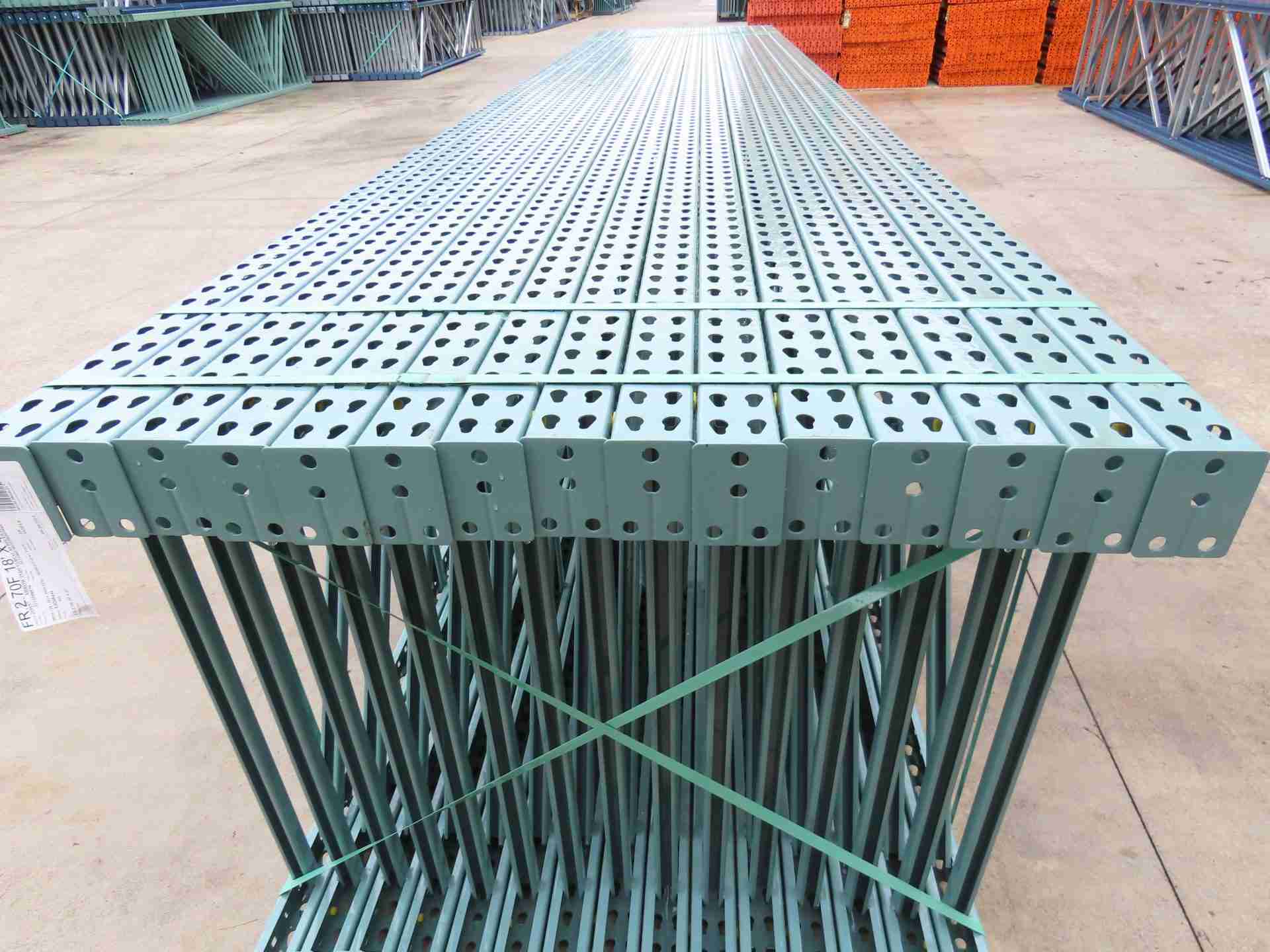
What Are The Best Practices For Securing Loads In Seismic Zones?
How Do Cantilever Racks Compare To Other Storage Options In Quakes?
When it comes to warehouse storage solutions, especially in regions prone to seismic activity, the choice you make can have a monumental impact. Cantilever racks are emerging as the standout option for businesses aiming for safety, access, and versatility in earthquake-prone environments. But how do they really stack up against other storage options?
The Flexibility Factor
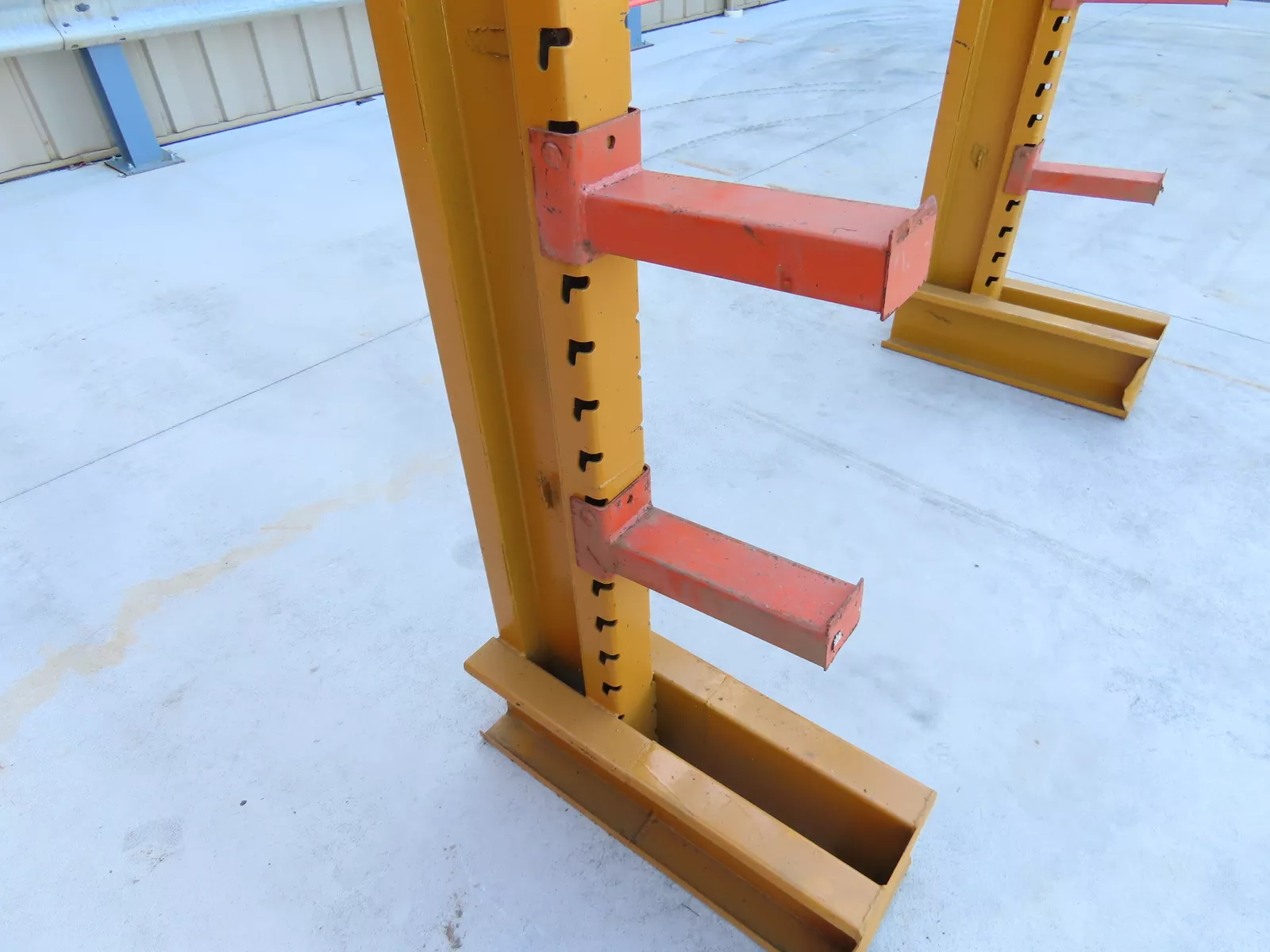
Unlike traditional shelving or pallet racking systems, cantilever racks offer a unique flexibility that makes them an ideal choice for various product shapes and sizes. Picture your warehouse filled with tall, bulky items like piping or lumber. Cantilever racks allow for easy management and access, promoting efficiency and safety. This design minimizes the risk of items toppling over during a quake, especially since they’re engineered to handle lateral forces better than standard storage systems.
Load Distribution: A Critical Concern
Load distribution is an essential consideration in seismic zones. Conventional racking systems often concentrate loads in ways that make them susceptible to collapse under stress. Conversely, cantilever racks distribute weight evenly along the arm, making them inherently sturdier. Their dynamic design permits a more extensive range of motion, allowing for better stability during tremors.
Adaptability in Action
Recent events, such as the aftermath of the devastating earthquakes in Turkey, have highlighted the dire need for resilient storage solutions. Industries reliant on warehouses faced significant losses due to inadequate systems that couldn’t withstand seismic forces. In contrast, businesses utilizing cantilever racks reported minimal damage and quicker recovery times because these systems maintained their integrity amidst the chaos. Imagine being the owner of a warehouse who can confidently tell clients that your goods are safe, no matter the natural challenges that arise.
Cost-Effectiveness and ROI
While initial investment may be higher for cantilever racks compared to basic shelving or boltless racks, the long-term benefits are undeniable. Reduced product loss, lower insurance premiums, and faster recovery times can lead to a significant return on your investment. Choosing cantilever racks is a proactive approach, ensuring your business remains operational even after a quake, an essential consideration in today’s unpredictable climate.
Conclusion: A Step Ahead
As you consider your storage options, remember that preparedness is not just a buzzword; it’s a crucial strategy. Cantilever racks outshine their competitors by providing enhanced stability, adaptability, and a proactive solution to the looming threats of seismic activity. With natural disasters on the rise, make sure your warehouse isn’t just a storage space—make it a fortress with cantilever racks. The choice is clear: invest in safety, efficiency, and peace of mind.
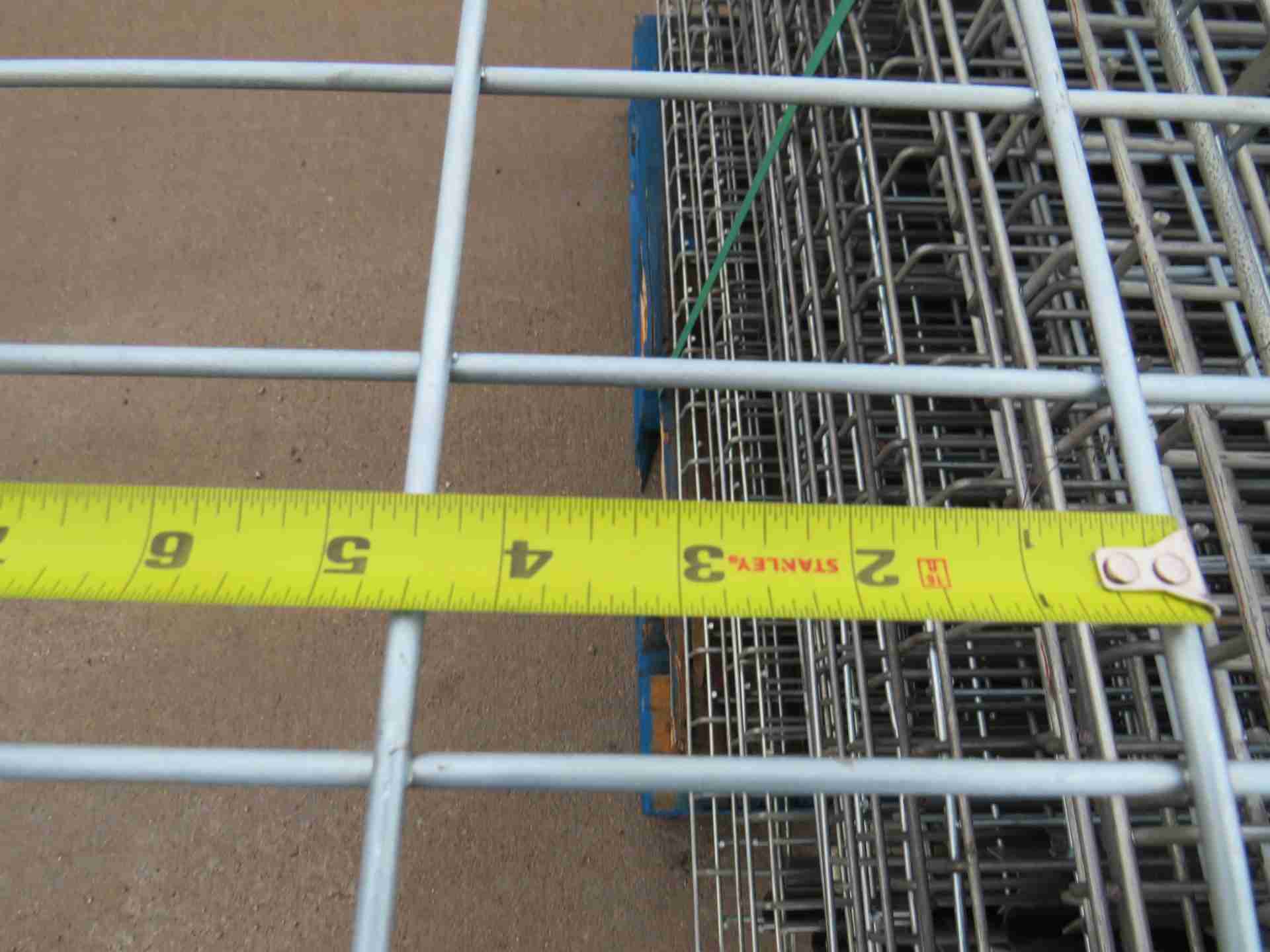
How Do Cantilever Racks Compare To Other Storage Options In Quakes?
How Do Cantilever Racks Compare To Other Storage Options In Quakes?
- Cantilever racks are a top choice for warehouse storage in seismic regions, offering safety, access, and versatility.
- They provide unique flexibility for various product shapes and sizes, enhancing efficiency and safety, especially for tall and bulky items.
- Cantilever racks are designed to manage lateral forces better than traditional shelving, reducing the risk of items toppling during earthquakes.
- These racks distribute weight evenly, enhancing stability and preventing collapse under stress compared to conventional racking systems.
- Recent events have shown that businesses with cantilever racks experienced minimal damage and quicker recovery after seismic events.
- Although initial costs may be higher, the long-term ROI includes reduced product loss and lower insurance premiums.
- Cantilever racks represent a proactive strategy for readiness against natural disasters, making warehouses safer and more efficient.
How Do Cantilever Racks Compare To Other Storage Options In Quakes?
What Factors Influence The Performance Of Racks In Earthquakes?
When it comes to safeguarding your assets and ensuring the stability of your operations during seismic events, the performance of racks is paramount. Understanding the factors that influence this performance can mean the difference between chaos and continuity.
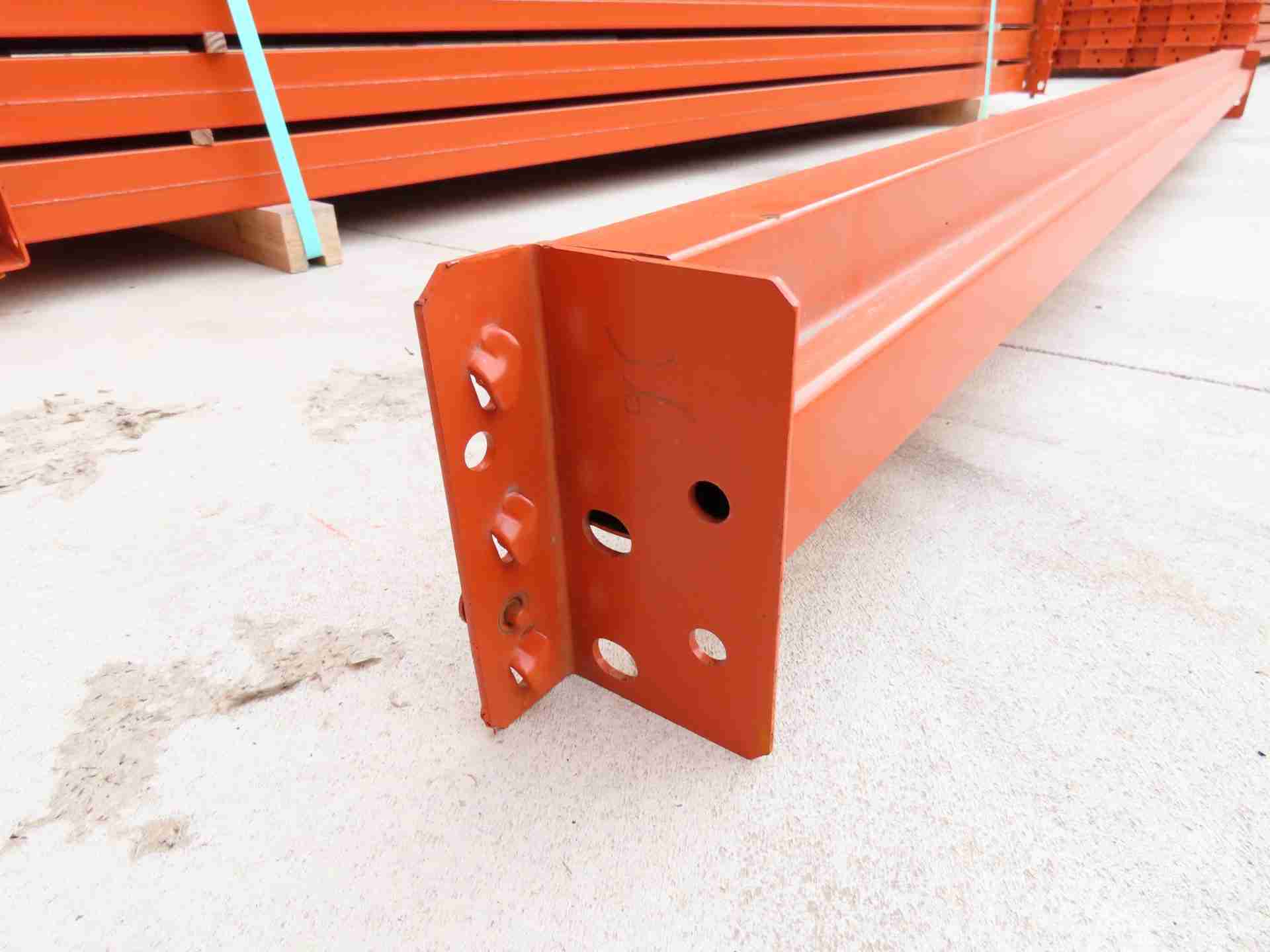
First and foremost, the material properties of the racks themselves play a critical role. Steel is often chosen for its strength and ductility, but not all steel is created equal. Recent headlines have spotlighted instances where subpar materials resulted in catastrophic rack failures. A warehouse in Southern California, affected during a minor quake, suffered significant damage due to racks constructed from lower-grade steel. Ensuring that your racks are made from higher-quality materials can enhance their performance, providing peace of mind not just during an earthquake, but in daily operations.
Next up, design and engineering principles can’t be overlooked. Racks engineered with proper seismic considerations—such as cross-bracing and bolted connections—are vastly more resilient. In 2023, a warehouse in the San Francisco Bay Area implemented state-of-the-art, seismic-resistant rack designs and experienced minimal losses during an unexpected quake. Their forward-thinking approach not only protected their inventory but also demonstrated a commitment to safety that resonated with both employees and customers alike.
The installation process is equally critical. Improper installation can diminish even the best racks’ performance. A case study from a major logistics provider revealed that improperly anchored racks led to a substantial inventory loss during a moderate tremor. This incident underscored the importance of hiring certified installers who understand the intricacies of seismic standards.
Additionally, your facility’s location is a non-negotiable factor. Areas with a history of seismic activity require racks that can withstand higher levels of force. For example, in regions like Japan or Chile, where earthquakes are common, businesses have mandated stricter building codes and rack specifications. Following these higher standards doesn’t just ensure compliance—it’s a competitive edge in a market where reliability can set you apart.
Lastly, regular maintenance and inspections of racks cannot be emphasized enough. Just like any other part of your supply chain, neglect can lead to disaster. Recent observations from warehouses that underwent routine inspections revealed that minor adjustments could significantly impact the racks’ performance during seismic events.
In summary, the performance of racks in earthquakes hinges on material choice, engineering design, installation, geographical considerations, and ongoing upkeep. Investing in these factors is not just about mitigating risk; it’s about fostering a culture of resilience that can navigate any seismic challenge thrown your way.

What Factors Influence The Performance Of Racks In Earthquakes?
What Factors Influence The Performance Of Racks In Earthquakes?
- Performance of racks is crucial for asset protection and operational stability during seismic events.
- Material properties, particularly the quality of steel, significantly impact rack performance; subpar materials have led to catastrophic failures.
- Proper design and engineering, including cross-bracing and bolted connections, enhance rack resilience during earthquakes.
- Improper installation jeopardizes even high-quality racks; certified installers are essential for compliance with seismic standards.
- Location affects rack requirements; areas prone to earthquakes need racks designed for higher force resistance.
- Regular maintenance and inspections of racks are essential to prevent potential disasters and ensure performance.
- Investing in material choice, design, installation, location considerations, and upkeep fosters a culture of resilience and risk mitigation.
What Factors Influence The Performance Of Racks In Earthquakes?
How Can Businesses Prepare Their Racks For Potential Seismic Activity?
How Can Businesses Prepare Their Racks for Potential Seismic Activity?
When we think about disaster preparedness, earthquakes often get sidelined by flashier threats like hurricanes or floods. However, the staggering damage caused by recent seismic events—like the 2023 Turkey-Syria earthquake—reminds us that a proactive strategy is not just smart; it’s essential for business survival. One of the most critical areas to address is your warehouse or retail rack systems. Let’s dive into how you can fortify these vital structures against the unexpected tremors of Mother Nature.
Understand Your Environment
First and foremost, conduct a seismic risk assessment of your facility. Understanding the geological background and building codes of your area can help shape your preparedness strategy. Collaborating with a local engineering firm that specializes in seismic retrofitting will provide insights tailored to your specific location. They will assess factors such as soil type, building design, and rack positioning—elements that can significantly affect the integrity of your systems during an earthquake.
Choose the Right Racking System
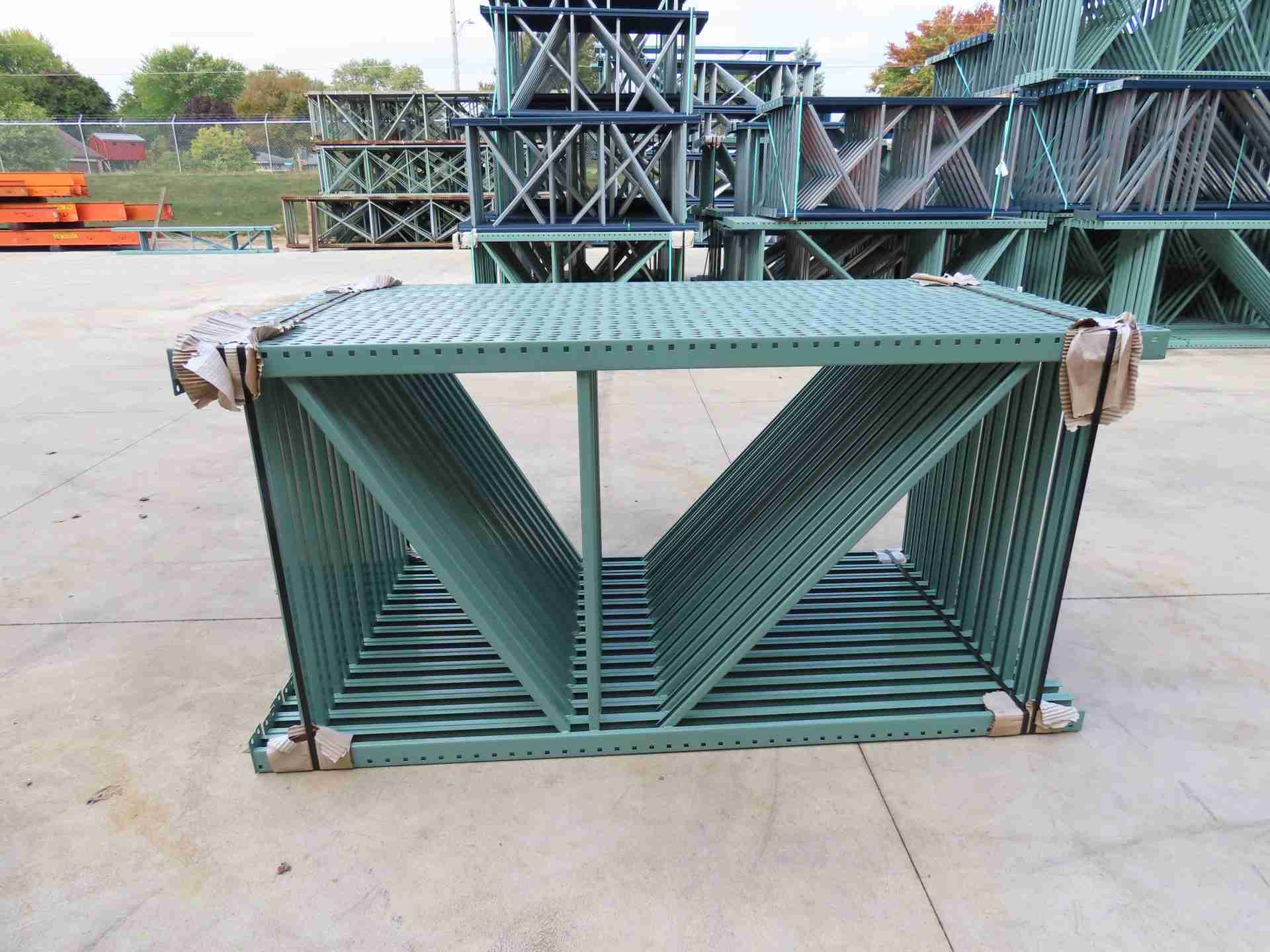
Selecting the correct racking system is foundational. For instance, if your business relies on high-density storage, consider establishing a selective pallet rack system that incorporates cross-bracing or welded designs specifically built to withstand seismic forces. Narrow aisle systems can store goods more densely but may need reinforcing to ensure they don’t fall during an earthquake. The more securely your racks and products are anchored, the less chance they’ll move or topple.
Install Protective Measures
Invest in seismic bracing and anchoring systems. For example, diagonal braces can increase the lateral stability of racks, while proper anchoring to the floor prevents tipping. Additionally, consider using anti-tip brackets. Simple upgrades can save a significant amount in potential damage and inventory loss, as evidenced by the damages aftermath of California’s frequent quakes.
Educate Your Team
Have plans and protocols in place for your staff. Conduct regular training sessions regarding earthquake preparedness, so your team knows how to respond effectively should the ground begin to shake. Post signage that clearly outlines emergency procedures to ensure that everyone is prepared and calm during a crisis.
Perform Regular Inspections
Finally, schedule regular inspections of your racking systems. Much like conducting routine maintenance on equipment, ensuring your racks are in prime condition can avert disaster. Tighten bolts, assess the overall condition, and rectify any shortcomings before they present significant danger.
In today’s business landscape, safeguarding against seismic activity isn’t just a matter of compliance; it’s a strategic move. Protect your assets, your teams, and your bottom line by taking these steps to solidify your racking systems against the unpredictable forces of nature.
How Can Businesses Prepare Their Racks For Potential Seismic Activity?
How Can Businesses Prepare Their Racks For Potential Seismic Activity?
- Conduct a seismic risk assessment of your facility to understand local geological and building codes.
- Select appropriate racking systems that can withstand seismic forces, such as cross-braced or welded designs.
- Invest in protective measures, including seismic bracing, anchoring systems, and anti-tip brackets.
- Educate your team with plans and training on earthquake preparedness and response protocols.
- Post clear signage outlining emergency procedures for staff during a seismic event.
- Perform regular inspections and maintenance of racking systems to ensure their integrity and safety.
- Taking proactive steps against seismic activity is essential for business survival and asset protection.

How Can Businesses Prepare Their Racks For Potential Seismic Activity?
Conclusion
Conclusion: Strength in Stability – Why Investing in Cantilever Racks is a Must for Seismic Safety
In a world where earthquakes can strike with little warning, the need for resilient storage solutions has never been more critical, especially for businesses operating in high-risk seismic zones. Cantilever racks have proven themselves the go-to choice for ensuring safety and stability during such unpredictable events. Unlike traditional shelving systems that offer limited flexibility and can succumb to the violent shaking of an earthquake, cantilever racks provide a dynamic structure designed to absorb and redistribute forces. This unique capability is not merely a technical advantage; it equates to real-world performance, as evidenced by companies that suffered minimal losses and disruptions while competitors with conventional systems faced catastrophic failures during recent seismic events.
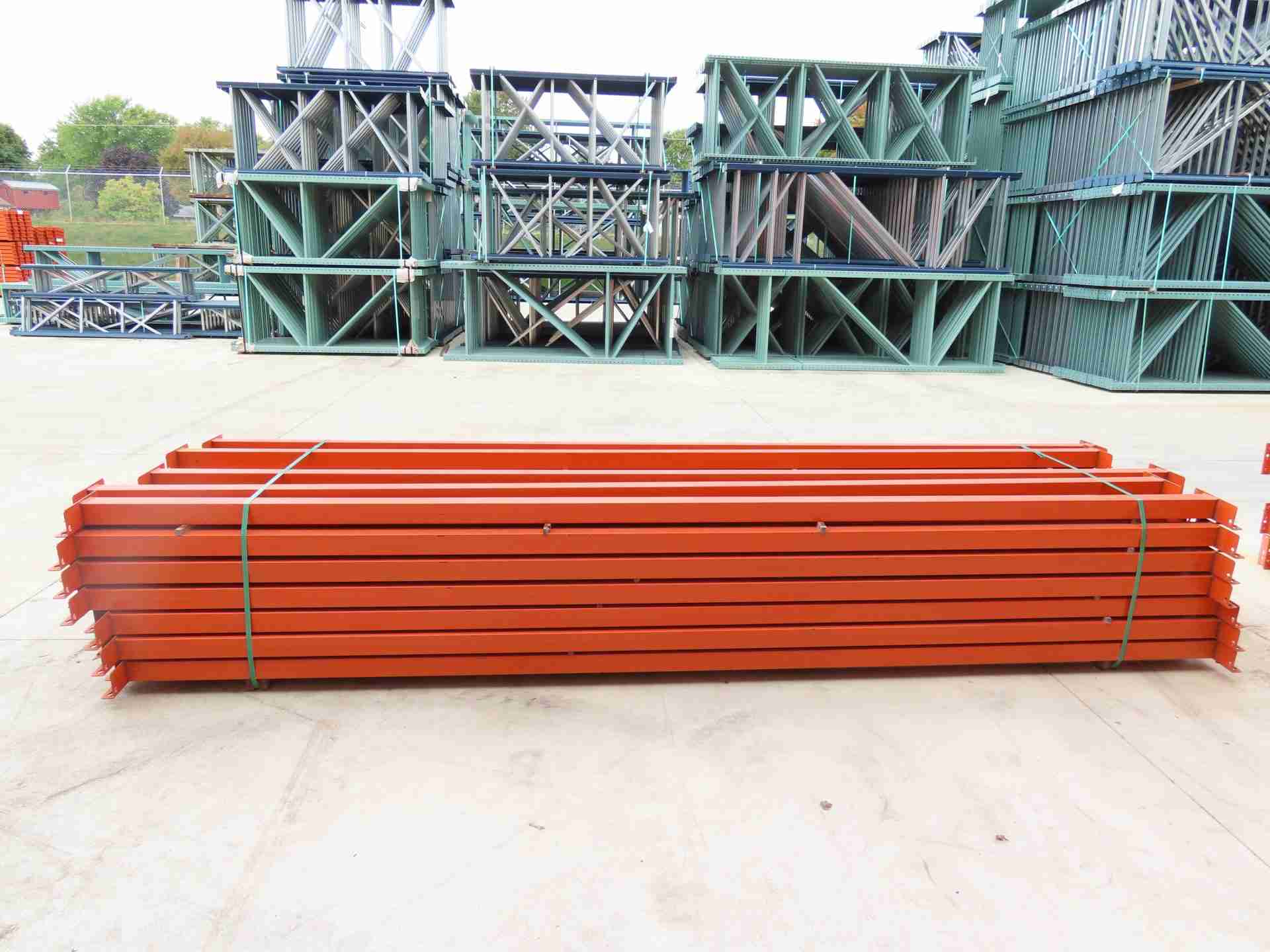
Moreover, as we’ve explored, the engineering behind these cantilever racks is robust, incorporating features such as cross-bracing and proper anchoring systems that comply with international building codes. By investing in these specialized storage solutions, businesses are not just acquiring equipment; they are making a strategic commitment to operational continuity and employee safety, fostering a culture that prioritizes resilience in the face of adversity.
The financial ramifications are equally significant. In a survey by Risk Management Solutions, businesses that proactively reinforced their storage systems saw a staggering 40% reduction in loss during seismic incidents. This isn’t just about protecting inventory—it’s about protecting the bottom line, ensuring that when the earth shakes, your operations don’t crumble.
But the time for action is now. With seismic activity on the rise globally, the urgency to implement effective solutions cannot be overstated. By choosing cantilever racks, you are not just investing in a safe storage option; you are enhancing your brand’s reputation as a leader in safety practices. Clients and stakeholders value businesses that take proactive measures to protect their assets.
You don’t have to weather the storm alone. Call Arrow Industrial Sales at (574) 349-6575 today to learn more about how cantilever racks can be the cornerstone of your seismic safety strategy. Don’t wait for the next tremor. Equip your business with the tools it needs to thrive against the shake, and experience peace of mind today. Make the right choice for resilience, and pave the way for long-term operational success!

Conclusion
Conclusion:
- Cantilever racks are essential for businesses in high-risk seismic zones, providing safety and stability during earthquakes.
- Unlike traditional shelving systems, cantilever racks are designed to absorb and redistribute seismic forces, minimizing damage.
- Companies using cantilever racks reported minimal losses in recent seismic events compared to those with conventional systems.
- These racks feature robust engineering, including cross-bracing and proper anchoring, to comply with building codes and enhance safety.
- Investing in cantilever racks is a strategic commitment to operational continuity and employee safety.
- A survey found that businesses reinforcing their storage systems cut losses by 40% during seismic incidents, protecting their bottom line.
- It’s crucial to act now as seismic activity increases; cantilever racks enhance brand reputation and demonstrate proactive safety measures.
Conclusion
Other Resources
Other Resources
Here is a list of other resources you can review online to learn more:
- “WCEE2024 PROGRAMME – cloudfront.net”
- “Earthquake-Resistant Design Concepts”
- “Seismic calculations for racks in Europe”
- “2013 PEER Internship Program Research Report Collection”
- “Seismic Rehabilitation of Existing Buildings – Mitigation”
- “Seismic Design of Nonstructural Building Components”
- “The Architecture of Earthquake Resistance”
- “Earthquake Risk Management: A Toolkit for Decision-Makers”
- “Natural Hazard Mitigation Saves 2019 Report”
- “SEAOC Blue Book Seismic Design Recommendations …”
- “Earthquake | Automated Storage & Retrieval System (AS …”
- “Bauhaus Summer School ”Model Validation and Simulation””
- “EARTHQUAKE MASTER PLAN FOR ISTANBUL”
- “Present trends of earthquake-resistant design of large dams”
- “Designing for Earthquakes”
Bing Copilot Prompt: Please provide me with a list of online articles with their URLS in a bulleted list that I can read regarding How Do Cantilever Racks Stand Up to Seismic Activity?

Other Resources
Glossary Terms
How Do Cantilever Racks Stand Up to Seismic Activity? – Glossary Of Terms
1. Cantilever Rack: A storage system designed to hold long or bulky items, featuring horizontal arms that extend from a vertical structure without support underneath.
2. Seismic Activity: The occurrence of earthquakes or vibrations of the earth caused by geologic conditions or human activities.
3. Structural Integrity: The ability of a structure, such as a rack, to withstand its intended load without experiencing failure.
4. Base Plate: A flat plate at the bottom of a rack column that helps distribute the load and anchors the rack to the floor.
5. Stability: The ability of a structure to maintain its position and resist lateral forces, particularly during seismic events.
6. Load Capacity: The maximum weight or load that a cantilever rack can support safely, often specified by the manufacturer.
7. Lateral Forces: Forces acting parallel to the ground, which can cause tipping or sway in structures during seismic activities.
8. Anchorage: The system used to secure the cantilever rack to the ground or building structure to prevent movement during an earthquake.
9. Shear Force: A force that causes one part of a structure to slide past another, which can be crucial during seismic events.
10. Ductility: The ability of a material to deform under stress without breaking, essential for structures to absorb energy during an earthquake.
11. Seismic Bracing: Structural elements added to a rack system to provide additional support and stability against lateral forces.
12. Reinforcement: The addition of materials or structural elements to increase the strength of the rack, helping it resist collapse during seismic activity.
13. Center of Gravity: The point in a structure where the weight is evenly distributed, influencing how it will sway or tip during seismic events.
14. Tensile Strength: The resistance of a material to breaking under tension, important for cantilever arms that support heavy loads.
15. Rack Design: The architectural and engineering specifications of a cantilever rack that influence its performance during seismic events.
16. Material Properties: Characteristics of construction materials (like steel) that affect the performance and safety of cantilever racks in an earthquake.
17. Zoning Regulations: Local laws and guidelines governing construction and safety measures for structures, especially in seismically active areas.
18. Dynamic Load: A load that changes over time, such as during an earthquake, which is critical for assessing the performance of storage systems.
19. Vibration Isolation: Techniques or systems designed to reduce the transmission of vibrations from one structure to another.
20. Seismic Design Category (SDC): Classification that indicates the level of seismic risk for structures, affecting design requirements.
21. Flexible Connections: Components that allow for movement and expansion, crucial in helping racks adapt to seismic shocks.
22. Foundation Design: The engineering of the base on which a cantilever rack is built, significant for stability during seismic activity.
23. Post-Event Assessment: An evaluation conducted after an earthquake to determine the integrity and safety of racking systems.
24. Seismic Loads: The forces exerted on a structure during an earthquake, influencing the design and performance of cantilever racks.
25. Interference Loading: The phenomenon where loads applied to a structure add to the effects of seismic forces, impacting stability.
26. Load Distribution: The way weight and loads are spread across a structure, essential for maintaining balance and stability during seismic movements.
27. Bending Moment: The internal moment that causes a structure to bend, relevant for assessing forces acting on cantilever arms during seismic activity.
28. Impact Resistance: The ability of a structure to withstand sudden force or shock, especially important for cantilever racks during an earthquake.
29. Regulatory Compliance: Adhering to laws and codes that specify safety standards for structures in earthquake-prone regions.
30. Assessment Criteria: The guidelines and metrics used to evaluate the performance and safety of cantilever racks under seismic conditions.

Glossary Of Terms
Other Questions
How Do Cantilever Racks Stand Up to Seismic Activity? – Other Questions
If you wish to explore and discover more, consider looking for answers to these questions:
- What are the key differences between cantilever racks and traditional shelving systems?
- How do I determine if my warehouse is in a seismic zone?
- What specific features should I look for in cantilever racks for seismic stability?
- How can I assess the seismic compliance of my current rack systems?
- What training should I provide to employees regarding seismic safety and rack usage?
- How frequently should cantilever racks be inspected for seismic safety?
- Are there costs associated with upgrading to seismic-compliant racks?
- What advances are being made in materials for cantilever racks to improve seismic resistance?
- How do other storage systems, like pallet racks or shelving, perform compared to cantilever racks during seismic events?
- What documentation or certification should I request from manufacturers of cantilever racks to ensure seismic compliance?
- How do anchor systems work, and how can they be optimized for better seismic stability?
- What are common signs of wear or damage that could affect seismic safety in cantilever racks?
- Can cantilever racks be retrofitted for better seismic performance, and if so, how?
- What is the impact of insurance on businesses that utilize seismic-compliant storage solutions?
- How can businesses effectively communicate their seismic preparedness to clients and stakeholders?

Other Questions
Checklist
How Do Cantilever Racks Stand Up to Seismic Activity? – A Checklist
Understanding Your Environment
_____ Conduct a seismic risk assessment of your facility.
_____ Consult local building codes and regulations related to seismic activity specific to your area.
_____ Collaborate with a local engineering firm specializing in seismic retrofitting.
Choosing the Right Racking System
_____ Opt for high-density storage systems that are specifically engineered for seismic resistance (e. g. , cross-bracing, welded designs).
_____ Evaluate the need for additional reinforcing in narrow aisle systems.
Installation of Protective Measures
_____ Invest in seismic bracing and anchoring systems to enhance stability.
_____ Install diagonal braces to improve lateral support.
_____ Utilize anti-tip brackets to help secure loads effectively.
Employee Training and Preparedness
_____ Develop and implement earthquake preparedness plans and protocols.
_____ Conduct regular training sessions to prepare staff for earthquake responses.
_____ Display clear signage outlining emergency procedures around the facility.
Regular Maintenance and Inspections
_____ Establish a routine inspection schedule for all rack systems.
_____ Check for signs of wear, corrosion, or structural compromise.
_____ Tighten bolts and assess overall rack condition regularly to prevent failures during seismic events.
Ongoing Upgrades and Enhancements
_____ Consider installing cross-bracing kits to bolster rack stability further.
_____ Stay updated on advancements in seismic safety technology and periodic code changes.
_____ Regularly review and upgrade equipment and materials to ensure they meet the latest safety standards.
Compliance and Risk Management
_____ Familiarize yourself with relevant seismic codes, including IBC and ANSI guidelines.
_____ Maintain documentation showing compliance with local seismic regulations.
_____ Work with professionals knowledgeable in seismic design to conduct comprehensive risk assessments.
Investment in Quality
_____ Choose high-quality materials for racks, particularly those made from superior steel.
_____ Consider long-term cost savings that come with reduced loss and improved operational continuity due to seismic preparedness.
By following this checklist, businesses can significantly enhance the safety and operational resilience of their cantilever racks in the face of seismic activity.
Checklist
At RackingWorld, we help guide you through selecting warehouse storage systems and racking.
Be sure to read our other related stories at RackingWorld to learn more about warehouse storage systems.
0 Comments