
Maximizing Efficiency And Safety With Cantilever Rack Load Calculations
By Tom Seest
At RackingWorld, we help guide you through selecting warehouse storage systems and racking.
Be sure to read our other related stories at RackingWorld to learn more about warehouse storage systems.
How Do You Calculate Load Capacity for Cantilever Racks?
When you’re running a warehouse, distribution center, or storage facility, understanding how to calculate load capacity for cantilever racks isn’t just a best practice; it’s a crucial element of operational efficiency. With robust demand for warehousing solutions surging, particularly driven by the e-commerce boom and supply chain reshuffling, having the right load calculations can give you a significant competitive edge. Here’s how to get started.
Begin with the Basics
Cantilever racks are designed to hold long and heavy items like lumber, pipes, or steel tubing, and their load capacity depends on key factors: the vertical load, the horizontal load, and the number of arms you’re using. Start by assessing the weight of your product—let’s say you’re storing steel beams that weigh 800 pounds each. For optimum safety, it’s critical to know how many beams will be stacked or stored per section of the rack.
Understanding the Load Capacity Rating
Every cantilever rack comes with a specific manufacturer’s load capacity rating. This number typically reflects how much weight each arm can handle when evenly distributed. For example, if your rack arms can bear 1,500 pounds each and you’re using two arms per shelf, your maximum capacity per shelf would be 3,000 pounds. But don’t forget: this number is not set in stone. Real-world factors like the condition of the rack, the way weight is distributed, and even environmental concerns like humidity can affect performance.
Calculate the Total Load
Now let’s apply this with a practical example. Imagine you have a cantilever rack system with five shelves and two arms per shelf. If each arm supports 1,500 pounds, you’ll have a total potential load of 15,000 pounds across the rack. However, beware of overextending your system. Always maintain a safety margin. So if your total planned load is close to or exceeds that capacity, you’re setting yourself up for failure—and that’s costly.
Stay Compliant and Informed
With workplace compliance and safety regulations on everyone’s radar in 2023, including more stringent OSHA guidelines, it’s vital to stay current. Regular inspections and load capacity assessments help ensure your cantilever rack systems adhere to regulations and keep your operation smooth and effective.
As you dive into the intricacies of cantilever rack load capacity, remember: this process isn’t just about numbers; it’s about safety, efficiency, and ultimately, the success of your business in a rapidly evolving marketplace. When you grasp these principles, you’re not just calculating loads—you’re paving the way for operational excellence.

How Do You Calculate Load Capacity for Cantilever Racks?
How Do You Calculate Load Capacity for Cantilever Racks?
- Calculating load capacity for cantilever racks is essential for operational efficiency in warehouses, distribution centers, and storage facilities.
- Understanding load capacity is crucial due to increased demand for warehousing solutions driven by e-commerce and supply chain changes.
- Cantilever racks are made to hold heavy items, and their load capacity depends on vertical load, horizontal load, and the number of arms used.
- Every cantilever rack has a specific manufacturer’s load capacity rating that indicates the maximum weight each arm can support.
- Calculating total load with real examples helps in understanding the limits; for instance, two arms supporting 1,500 pounds each can hold 3,000 pounds per shelf.
- It’s important to maintain a safety margin when approaching the total capacity to avoid overloading the rack system.
- Stay compliant and informed about safety regulations through regular inspections and load assessments to ensure ongoing operational success.
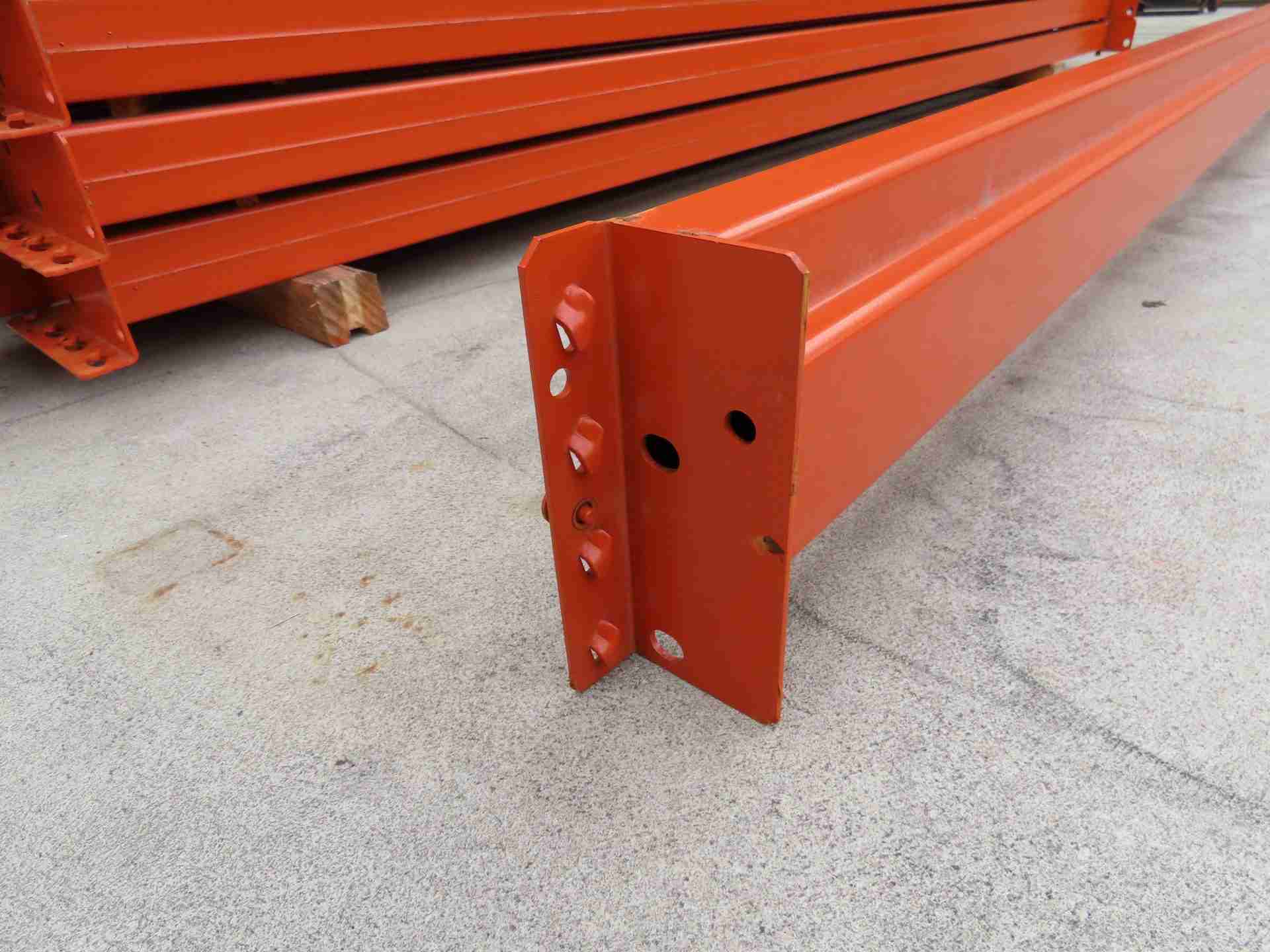
How Do You Calculate Load Capacity for Cantilever Racks?
Table Of Contents
- How Do You Calculate Load Capacity for Cantilever Racks?
- What Factors Affect Load Capacity Of Cantilever Racks?
- How Do I Determine The Maximum Load Per Arm?
- What Is The Role Of Rack Material In Load Calculations?
- How Can I Assess The Stability Of A Cantilever Rack?
- What Are The Safety Standards For Cantilever Rack Load?
- How Do I Calculate The Total Load Of A Cantilever Rack?
- What Is The Impact Of Load Distribution On Rack Capacity?
- How Can I Ensure Proper Installation For Load Capacity?
- What Tools Are Needed For Calculating Load Capacity?
- How Do I Identify Potential Overload Risks On Racks?
- What Adjustments Can I Make For Heavier Loads?
- How Often Should I Reassess Load Capacity For Racks?
- What Common Mistakes Should I Avoid In Load Calculations?
- What Are The Consequences Of Exceeding Load Capacity?
- How Can I Use Manufacturer Specifications In Calculations?
- Conclusion
- Other Resources
- Glossary Of Terms
- Other Questions
- Checklist
What Factors Affect Load Capacity Of Cantilever Racks?
When it comes to optimizing your warehouse or storage facility, understanding the load capacity of cantilever racks is crucial. These versatile structures are designed to handle various items, from lumber to piping, but not all cantilever racks are created equal. Several critical factors play a significant role in determining their load capacity.
Material Quality
First and foremost, the materials used to construct cantilever racks significantly influence their overall strength. High-quality steel, for instance, can bear a heavier load than lower-grade materials. Recent regulatory changes in manufacturing standards have pushed companies to source better-grade steel, drastically impacting load capacities. Investing in high-quality racks ensures you get the most out of your storage solutions without risking structural compromises.
Rack Configuration
Another important factor is the configuration of the racks themselves. Cantilever racks can be single-sided or double-sided and are available in various heights and lengths. A double-sided rack generally provides a greater load capacity than its single-sided counterpart because the weight is distributed more evenly. For example, if your business deals in bulk materials, opting for a double-sided configuration can enhance efficiency and safety.
Load Distribution
Equally important is how the load is distributed across the racks. Proper placement of heavier items at the bottom and lighter items on top can prevent tipping and bending. For instance, a lumber yard that stores logs must ensure they do not exceed the weight limit per arm to prevent catastrophic failure. Ignoring these guidelines could result in costly damages to both equipment and inventory.
Environmental Conditions
Don’t overlook the impact of environmental factors on load capacity. Exposure to humidity or extreme temperatures can weaken the structural integrity of the racks. Consider this: temperatures in certain regions can fluctuate dramatically, leading to the potential for rust or corrosion in subpar materials. By accounting for your facility’s climate, you can choose the right protective coatings or materials better equipped to withstand environmental stressors.
Compliance with Industry Standards
Lastly, always monitor Compliance with Industry Standards and regulations, which can evolve with advancements in safety protocols. Recent trends emphasize more stringent guidelines for workplace safety, making it essential to stay updated on these changes. Complying not only ensures the safety of your workforce but also extends the life of your storage solution.
As you navigate your storage requirements, remember these critical factors affecting cantilever rack load capacity. By taking a holistic approach, you can maximize efficiency, safety, and durability, ensuring your investment serves you well for years to come.
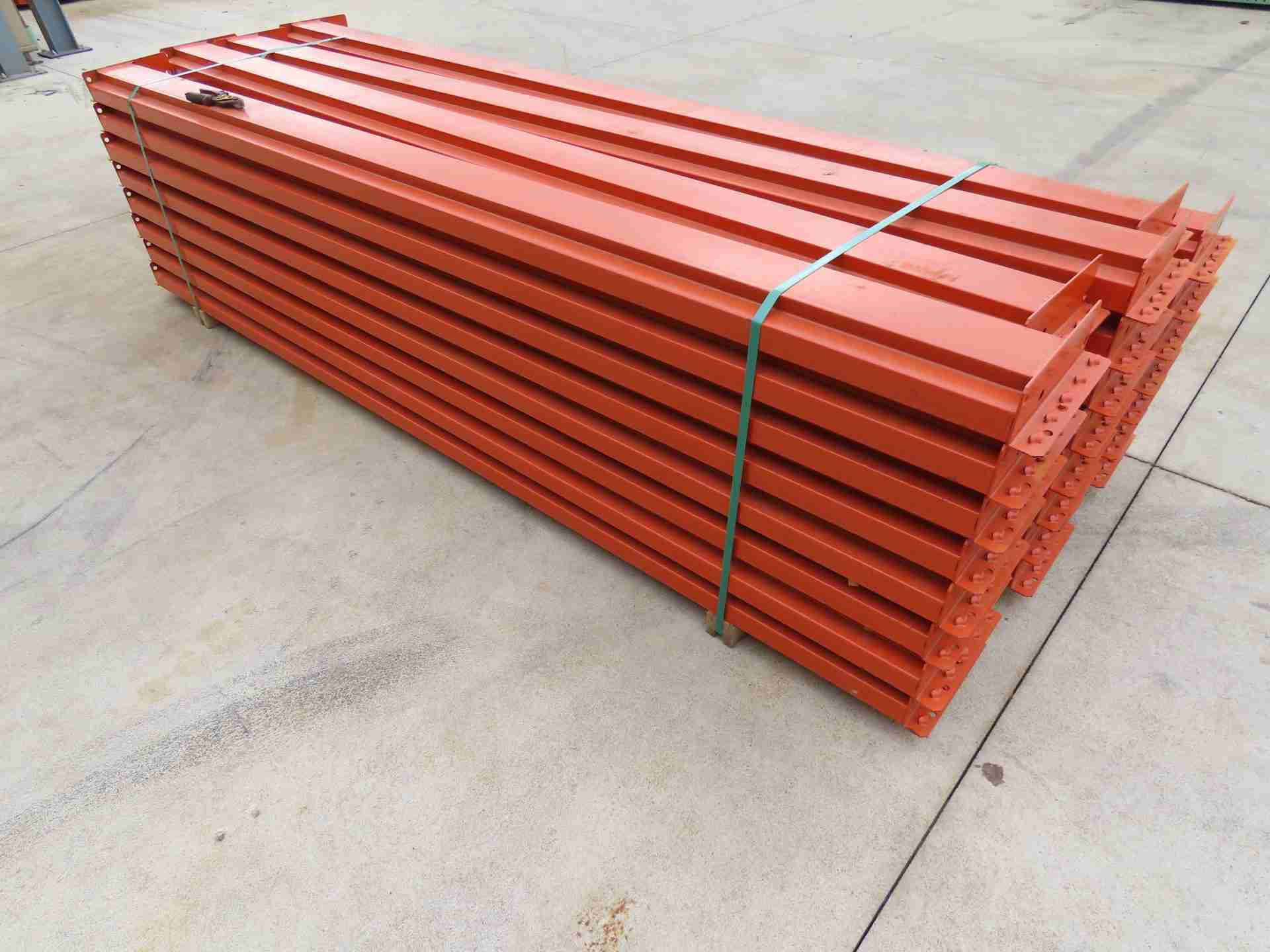
What Factors Affect Load Capacity Of Cantilever Racks?
What Factors Affect Load Capacity Of Cantilever Racks?
- Understanding the load capacity of cantilever racks is essential for optimizing warehouse or storage facilities.
- Material quality significantly influences rack strength; higher-grade steel supports heavier loads.
- Rack configuration impacts capacity; double-sided racks provide greater load capacity than single-sided ones.
- Proper load distribution is crucial; heavier items should be placed at the bottom to prevent tipping.
- Environmental conditions, such as humidity and temperature extremes, can weaken rack integrity.
- Compliance with industry standards and regulations is vital for safety and longevity of storage solutions.
- A holistic approach to managing these factors can maximize efficiency, safety, and durability of your storage investment.
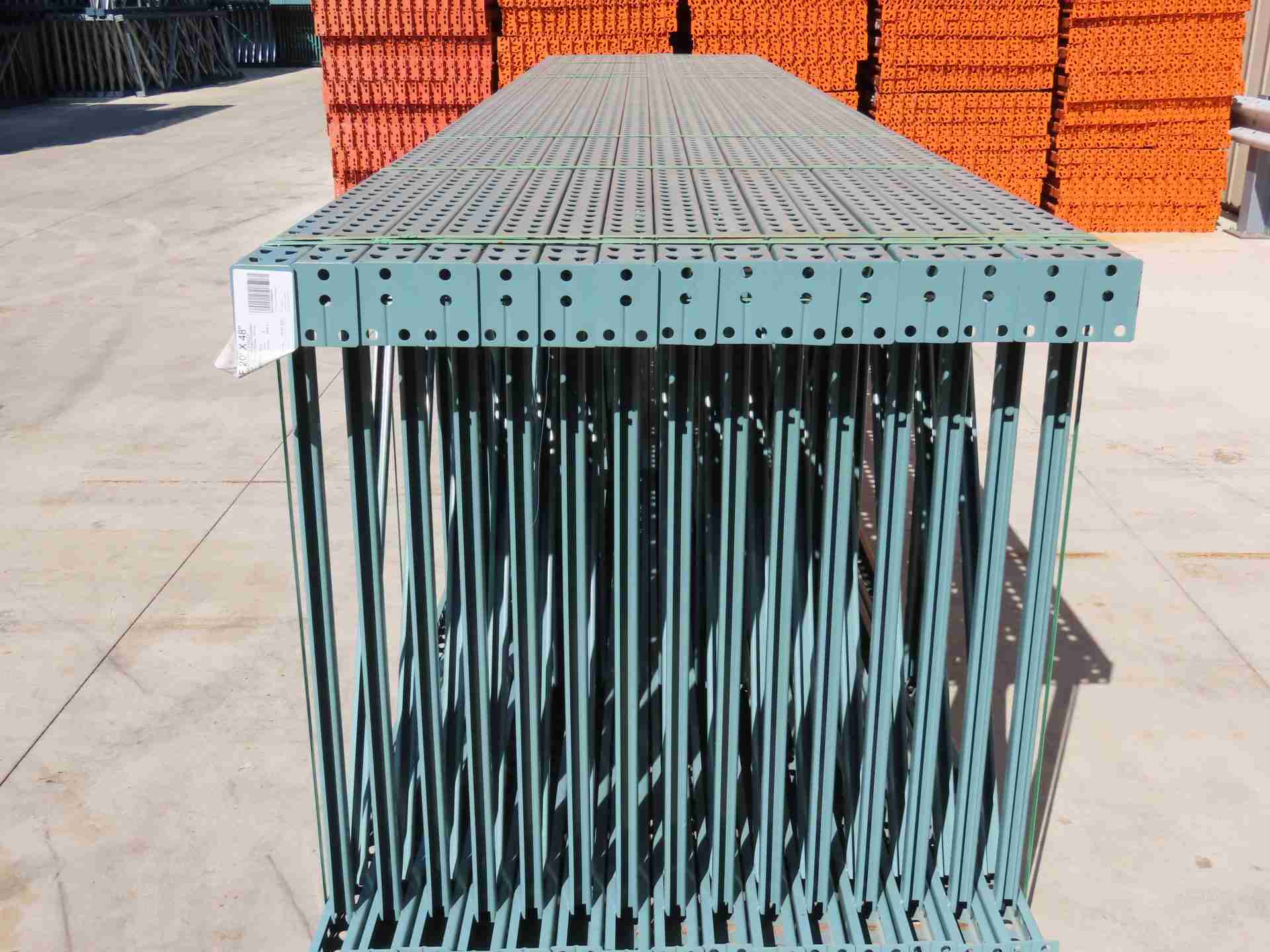
What Factors Affect Load Capacity Of Cantilever Racks?
How Do I Determine The Maximum Load Per Arm?
Understanding the maximum load per arm is crucial for ensuring safety and efficiency, whether you’re in the construction industry, warehousing, or even at home tackling heavy lifting tasks. The first step in determining this load is understanding the anatomy of your workforce—human or mechanical.
Begin with a thorough assessment of your lifting capabilities. For manual workers, this hinges on several factors: body weight, strength training, experience, and even the ergonomic setup of the workspace. For instance, a seasoned warehouse worker will likely have a higher load capacity than a novice. As an example, just like a professional weightlifter can handle significantly more weight than an untrained individual, a well-conditioned worker’s muscles will adapt over time, optimizing their capacity to handle heavier loads.
Next, consider the specifics of the task at hand. Current regulations, such as those outlined by OSHA (Occupational Safety and Health Administration), provide guidelines for lifting capacities to minimize injury—generally recommending a maximum weight limit of around 50 lbs for an average individual. However, it’s important to remember this is a baseline figure; actual capability can vary widely.
Incorporate tools and equipment into your calculations. For example, utilizing a forklift can dramatically increase the load capacity per arm—turning a two-handed lift of 100 lbs into something manageable and safe. As technology advances, we see innovations like robotic arms and automated lifting devices making their way into modern workplaces. These machines can handle loads that far exceed human capacity, transforming the logistics landscape.
Consider the environment as well; uneven surfaces, limited space, and awkward angles can detrimentally impact the load capacity. For example, someone lifting a box up a flight of stairs is inherently at greater risk than on flat ground, even if the weight is within their limit.
Finally, keep idiomatic references in mind. Just as a bridge can only hold a limited weight before collapsing, so too can your workforce. Continually assess and adjust load limits based on your team’s feedback and performance. Emphasize training to ensure everyone is aware of how to lift correctly and efficiently, transforming a perceived burden into a strategic advantage.
Ultimately, understanding the maximum load per arm isn’t just about numbers—it’s about fostering an environment where efficiency and safety thrive. In a world where workers are constantly juggling responsibilities, creating a culture that prioritizes this assessment will keep your operation running smoothly.
How Do I Determine The Maximum Load Per Arm?
How Do I Determine The Maximum Load Per Arm?
- Understanding the maximum load per arm is essential for safety and efficiency in various industries.
- A thorough assessment of lifting capabilities includes factors like body weight, strength training, and workspace ergonomics.
- Experience plays a significant role; trained workers typically have a higher load capacity than novices.
- OSHA guidelines recommend a maximum lifting limit of around 50 lbs for an average individual but recognize actual capabilities can vary.
- Utilizing tools such as forklifts can enhance load capacity, making heavy lifting safer and more manageable.
- Environmental factors, like uneven surfaces and limited space, can affect load capacity and increase risk.
- Creating a culture focused on load assessment and proper lifting techniques fosters a safer and more efficient workplace.
How Do I Determine The Maximum Load Per Arm?
What Is The Role Of Rack Material In Load Calculations?
When it comes to designing a storage solution, the materials you select for your racking system can make all the difference, not only in terms of performance but also in safety and compliance. Picture this: a recent news article highlighted a warehouse collapse due to inadequate load-bearing capacity—an avoidable disaster attributed largely to poor material choices. This stark reminder of the stakes involved underscores the critical role rack material plays in load calculations.
The type of rack material you choose—be it steel, wood, plastic, or composite—serves as the backbone of your entire storage strategy. Steel, for instance, is the gold standard in heavy-duty applications. With its impressive tensile strength and durability, steel racks can support significant loads while maintaining structural integrity. Imagine a logistics facility during peak season, storing thousands of items to meet skyrocketing demand. A steel rack system ensures that high loads can be managed safely, supporting inventory without compromise.
But not all applications require the resilience of steel. In some industries, lighter materials may suffice. For example, a retail store with smaller, lighter products might benefit from the flexibility and cost-effectiveness of aluminum or plastic racks. These materials can meet load requirements while reducing overall costs, allowing you to invest that money into marketing or customer experience initiatives.
Yet, it’s not just about selecting the right material; it’s about understanding the dynamics of your specific load requirements. Dynamic loads (think fork-lifts and conveyor belts) impact the structural integrity differently than static loads (like stored items). As evidenced in recent institutional settings where warehouse disruptions have caused ripple effects across supply chains, neglecting to factor in the material’s response to these forces can lead to catastrophic failures.
Moreover, keep an eye on regulatory changes. Recent developments in warehouse safety legislation emphasize the importance of using appropriate materials based on load calculations. Failure to comply can not only endanger workers but also lead to heavy fines—another reason to ensure that your racking system is built to last.
When making your rack material choices, partner with an expert who understands not just the materials themselves, but also the nuances of effective load calculations. This will safeguard your investment, protect lives, and keep your operations running smoothly whatever the economic climate may throw your way. Your choice in rack material is not just a decision; it’s a long-term strategy toward operational excellence and safety.
What Is The Role Of Rack Material In Load Calculations?
What Is The Role Of Rack Material In Load Calculations?
- Choosing the right materials for racking systems is crucial for performance, safety, and compliance.
- A recent warehouse collapse highlights the dangers of inadequate load-bearing capacity due to poor material choices.
- Steel is the preferred material for heavy-duty applications, offering high tensile strength and durability.
- Lighter materials such as aluminum or plastic can be cost-effective for industries with smaller, lighter products.
- Dynamic loads (e.g., from forklifts) and static loads (stored items) affect structural integrity differently.
- Stay updated on regulatory changes in warehouse safety that stress appropriate material usage for load calculations.
- Consulting with experts can ensure effective load calculations and safeguard investments in racking systems.
What Is The Role Of Rack Material In Load Calculations?
How Can I Assess The Stability Of A Cantilever Rack?
Assessing the Stability of a Cantilever Rack: A Strategic Approach
Evaluating the stability of a cantilever rack is not just a safety necessity — it’s a proactive strategy to protect your investment and ensure productivity in your operations. With the right approach, you can identify potential weaknesses before they escalate into hazards. So, how can you effectively assess this crucial component of your storage solutions?
1. Understand the Fundamentals: Assess the Design Load.
Begin by examining the design specifications of your cantilever rack. Every rack has an optimal load capacity based on its design, materials, and intended use. This includes both the maximum weight the arms can handle and the overall configuration. For example, if you’ve recently introduced heavier inventory, revisiting the manufacturer’s guidelines is essential. Current regulations and standards, such as those set by the American National Standards Institute (ANSI), can provide benchmarks for evaluating whether your rack remains compliant with recommended practices.
2. Engage in Regular Visual Inspections: Look for Signs of Wear.
Make it a routine to inspect your cantilever racks for visible signs of damage or stress. Look for bent arms, cracked bases, or rust that could indicate potential failure. Just like the infrastructure surrounding us, your racks endure wear and tear. In light of recent supply chain disruptions, where many workplaces increased storage requirements, understanding the physical state of your racks is critical. Don’t wait for a sign of trouble; a monthly check can identify small issues before they require costly fixes.
3. Consider Load Distribution: Balance is Key.
One common pitfall is improper load distribution. Take time to ensure that items are evenly distributed across the arms of the rack. This doesn’t just prevent inevitable tipping, but also promotes longevity and better use of space. In our current era of increased online shopping and fast-paced fulfillment, a balanced load can streamline your operations while reducing the risk of accidents.
4. Invest in Technology: Leverage Smart Monitoring Systems.
In today’s digital age, consider integrating smart monitoring technology that tracks the weights and conditions of your cantilever racks. These systems can alert you to excessive weight limits or structural anomalies, adding an extra layer of management to your storage solutions. Recent innovations in warehouse management technology can enhance your operational efficiency while ensuring safety.
5. Train Your Team: Foster a Safety Culture.
Finally, one of the best ways to gauge the stability of your cantilever racks is through comprehensive training. Equip your team with knowledge about load limits, proper stacking techniques, and emergency procedures. A well-informed workforce is your first line of defense against accidents.
By following these steps, you can maintain and enhance the stability of your cantilever racks, safeguarding both your assets and your people in an ever-evolving business landscape.
How Can I Assess The Stability Of A Cantilever Rack?
How Can I Assess The Stability Of A Cantilever Rack?
- Assessing cantilever rack stability is essential for safety and investment protection.
- Start by examining design load specifications, including optimal capacity and compliance with standards like ANSI.
- Conduct regular visual inspections to identify signs of wear such as bent arms, cracked bases, or rust.
- Ensure proper load distribution across the rack to prevent tipping and enhance longevity.
- Leverage smart monitoring systems to track weight and conditions for proactive management.
- Provide comprehensive training to your team to foster a culture of safety and proper handling practices.
- Implementing these strategies will protect assets and ensure operational efficiency in a dynamic environment.
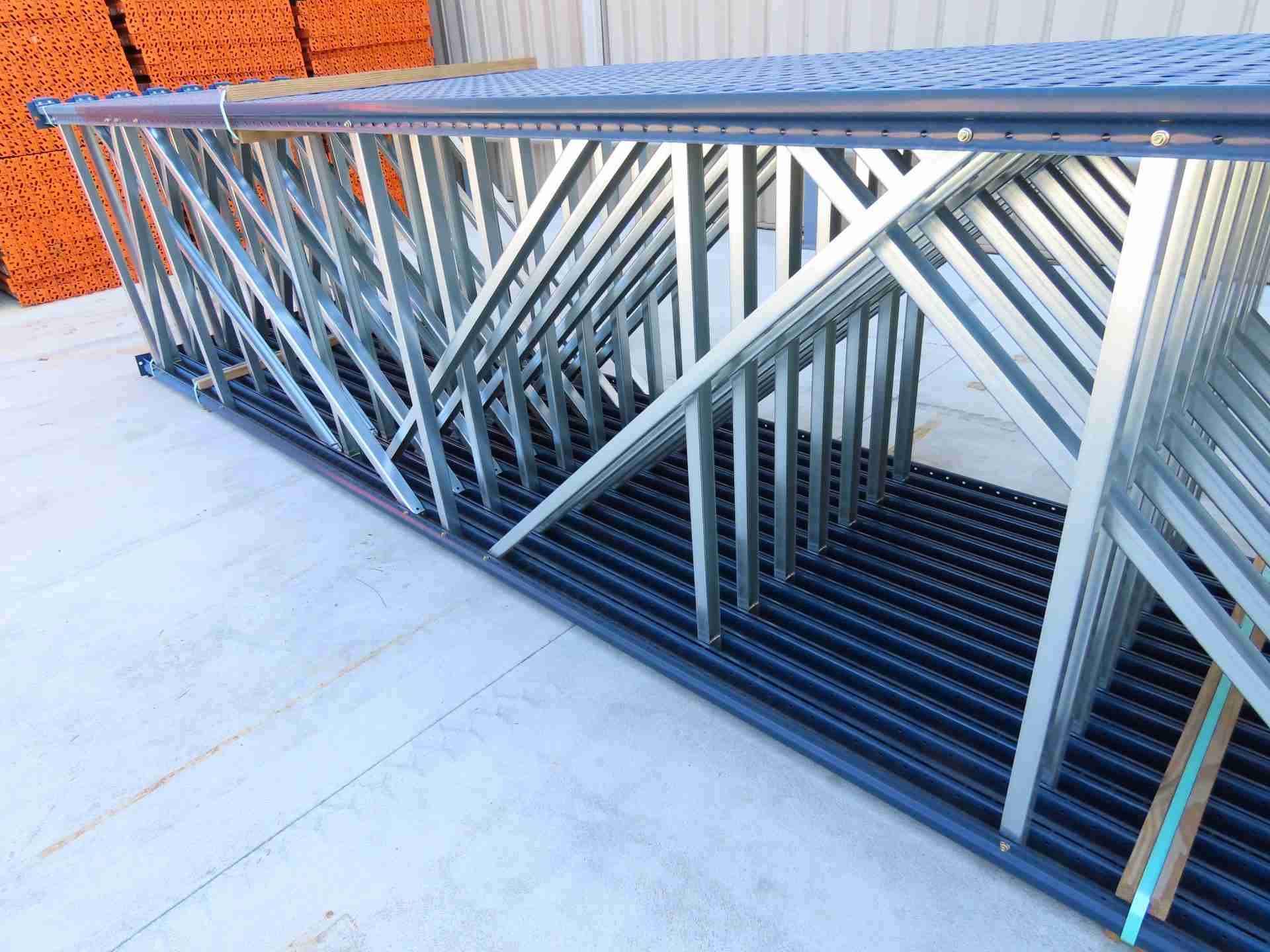
How Can I Assess The Stability Of A Cantilever Rack?
What Are The Safety Standards For Cantilever Rack Load?
When it comes to optimizing your warehouse space, cantilever racks emerge as the unsung heroes of storage solutions. These dynamic structures, designed for long and bulky items, have become increasingly popular in industries ranging from retail to manufacturing. However, before you fill these racks to the brim, understanding safety standards is paramount—not just for compliance, but for safeguarding your investment and workforce.
First and foremost, the American National Standards Institute (ANSI) and the Rack Manufacturers Institute (RMI) provide essential guidelines that govern cantilever rack design and usage. According to ANSI/RMI’s specifications, it’s critical to only load these racks according to their rated capacity. Ignoring these ratings can lead to catastrophic failures, putting employees at risk and exposing your business to costly liabilities. Imagine, for instance, a warehouse that attempts to support 1,500 pounds, only to find that their racks are rated for a mere 1,000 pounds—this scenario could not only risk product damage but also serious injury to workers.
In recent months, we’ve witnessed a surge of warehouse automation adaptations. An unfortunate event at a leading distribution center in September emphasized the necessity for strict adherence to these safety standards. A collapse due to overloading injured several employees and resulted in damages extending into the hundreds of thousands. This incident serves as a stark reminder: thorough training and clear communication about load limits are not just best practices; they’re lifesaving measures.
Furthermore, it’s vital to conduct routine inspections. Per RMI guidelines, checks should encompass all structural components, ensuring there are no signs of wear, deterioration, or misalignment. Incorporating documented inspections into your routine not only maintains safety but builds a culture of accountability among employees. After all, a well-informed workforce is your first line of defense against accidents.
Another important aspect is the configuration of cantilever racks. The space between uprights, the vertical supports of the rack, needs to be thoughtfully calculated. Overloading a section without understanding the dynamics of weight distribution can lead to a chain reaction of failures. So if you’re storing long, heavy materials, consider segmenting loads evenly across multiple cantilever sections to promote stability.
In today’s fast-paced market, ensuring compliance with safety standards is more than a legal obligation; it’s an opportunity to foster a culture of safety, reliability, and efficiency in your workspace. So, take the leap and invest in understanding, adhering to, and enforcing these standards—your business, your employees, and your bottom line will thank you!

What Are The Safety Standards For Cantilever Rack Load?
What Are The Safety Standards For Cantilever Rack Load?
- Cantilever racks are essential for optimizing warehouse storage, particularly for long and bulky items.
- Understanding safety standards from ANSI and RMI is crucial for compliance and ensuring workforce safety.
- Loading racks beyond their rated capacity can lead to catastrophic failures, risking injury and liability.
- A recent overload incident resulted in injuries and substantial damages, highlighting the need for strict safety adherence.
- Routine inspections of cantilever racks should be conducted to ensure structural integrity and prevent accidents.
- The configuration and weight distribution of loads on cantilever racks must be carefully managed to maintain stability.
- Complying with safety standards fosters a culture of safety and efficiency in the workplace, benefiting employees and the business.
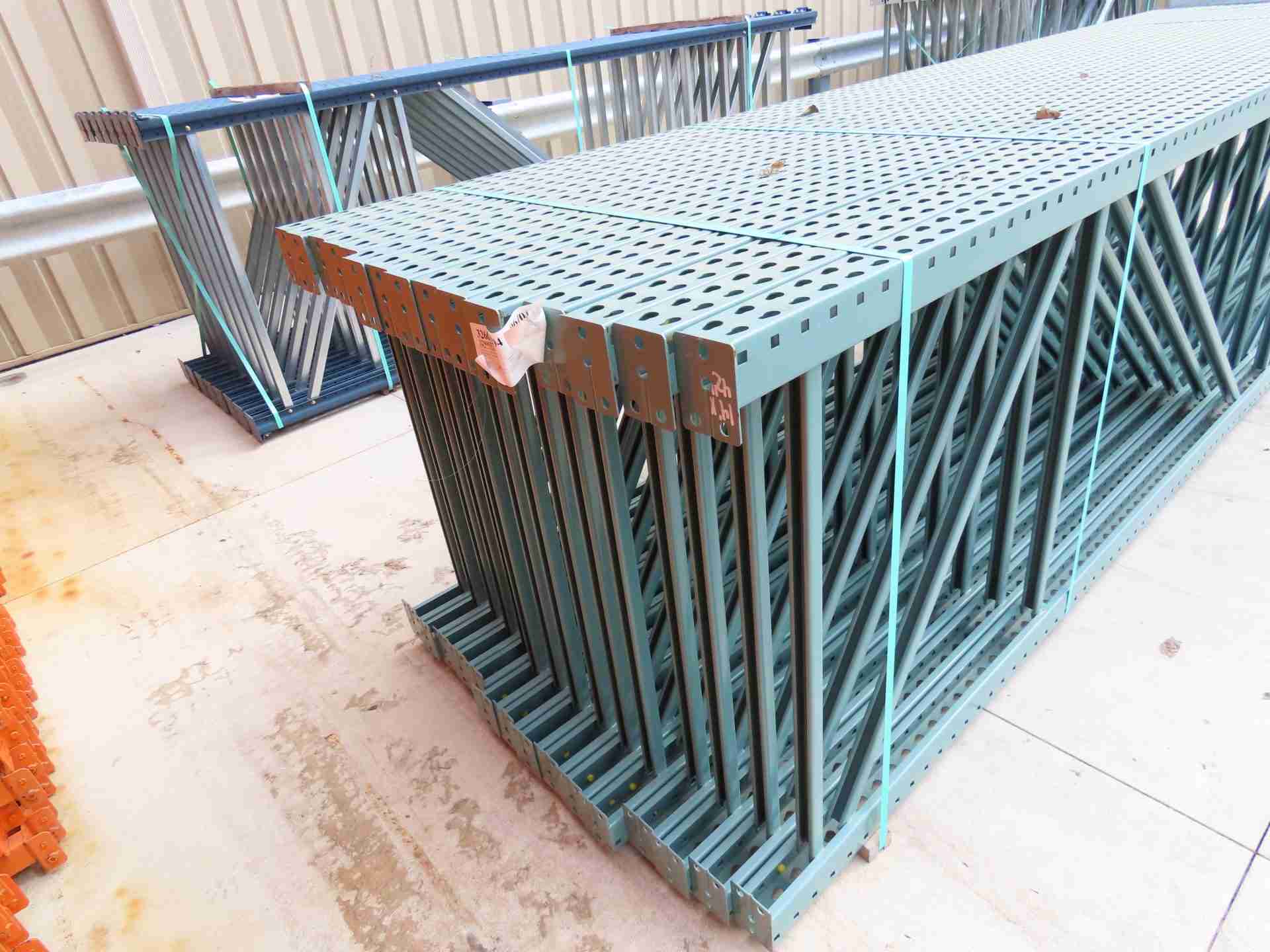
What Are The Safety Standards For Cantilever Rack Load?
How Do I Calculate The Total Load Of A Cantilever Rack?
Calculating the total load of a cantilever rack is not just a matter of crunching some numbers—it’s about ensuring safety, optimizing storage, and enhancing productivity in your warehouse. In an age where supply chain efficiencies can make or break a business, having the right storage solutions is more critical than ever.
First, let’s break down the components involved. The total load of a cantilever rack consists of the live load, dead load, and any additional factors such as environmental conditions and dynamic loads. The live load includes the weight of the items being stored—think lumber, pipes, or even oversized boxes. The dead load refers to the weight of the structure itself, including the racks and all permanent fixtures. Let’s say you’re storing lumber that averages 800 pounds per bundle, and the rack itself weighs 1,200 pounds. Right off the bat, you’re looking at a significant figure.
Example Calculation
Imagine you have a cantilever rack designed to hold 5 bundles of lumber on each arm, with a total of 4 arms. Here’s how the calculation shapes up:
1. Calculate the live load: 5 bundles x 800 pounds = 4,000 pounds per arm; with 4 arms, that’s 4,000 pounds x 4 = 16,000 pounds.
2. Add the dead load: 16,000 pounds (live load) + 1,200 pounds (dead load) = 17,200 pounds total.
But wait! What about environmental factors? If you’re operating in a region prone to earthquakes—as has been showcased in recent California seismic activity—take additional precautions. You may need to increase your load limit to account for potential lateral forces.
Regulatory Compliance
Let’s not forget the business implications of getting this right. OSHA standards and local building codes specify maximum loads for racking systems, with penalties for non-compliance that could sour your bottom line.
Staying compliant isn’t just about avoiding fines; it builds trust with your customers and stakeholders. In a market where transparency and accountability are paramount, a well-calculated cantilever rack can serve as a cornerstone of your operational integrity.
Conclusion
Calculating the total load of a cantilever rack is vital for not only maximizing efficiency but also ensuring safety and compliance. As supply chains fluctuate and the demand for efficient warehousing rises, taking the time to do the math now can save you from costly mistakes down the road. Don’t let your storage solutions become a liability. Instead, turn them into an asset that drives productivity and profit. Whether you’re expanding your operations in response to market trends or reevaluating your current setup, a solid understanding of load calculations is the first step toward storage success.
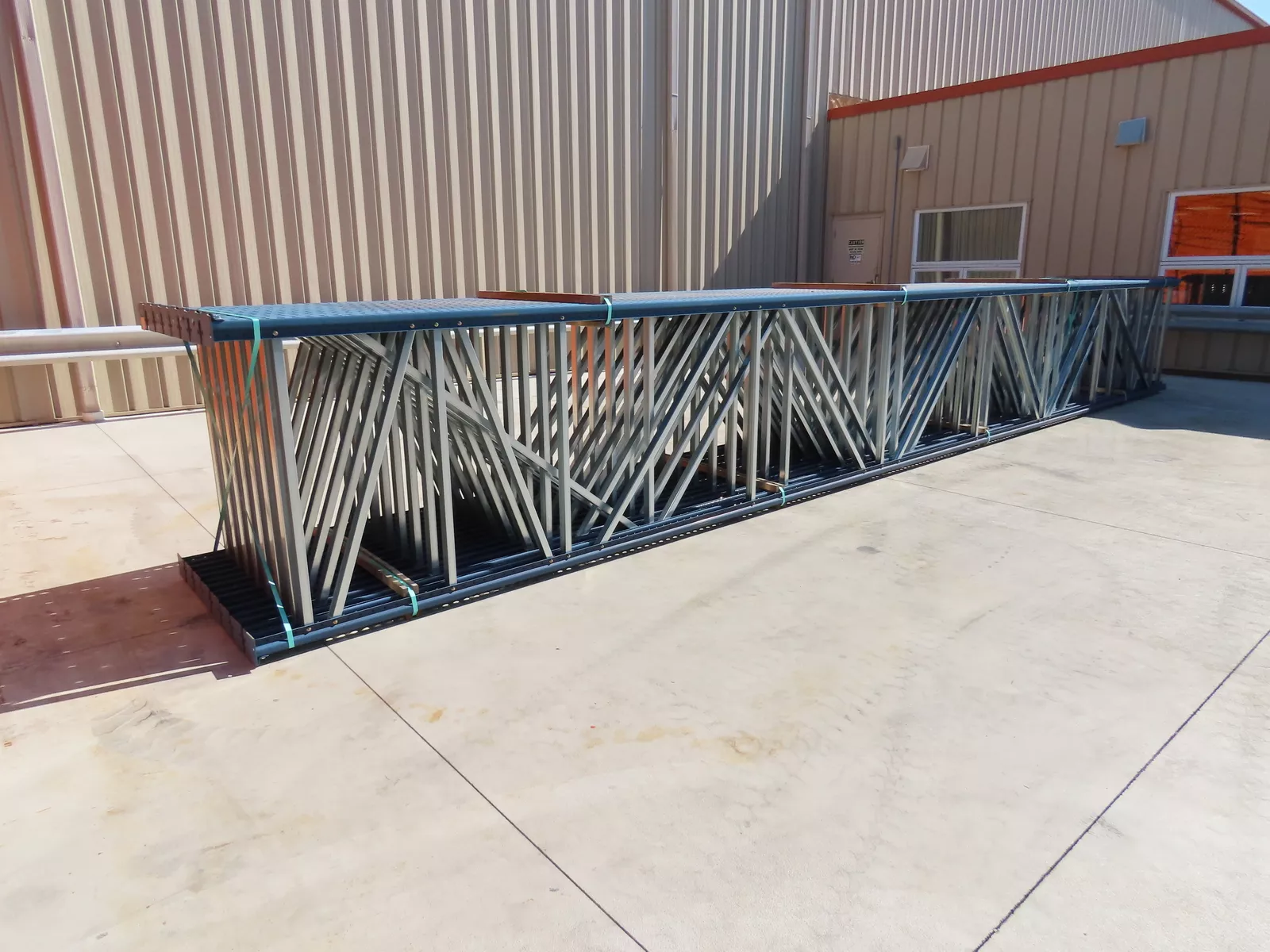
How Do I Calculate The Total Load Of A Cantilever Rack?
How Do I Calculate The Total Load Of A Cantilever Rack?
- Calculating the total load of a cantilever rack is essential for safety, storage optimization, and warehouse productivity.
- The total load consists of live load (weight of stored items), dead load (weight of the rack), and additional environmental and dynamic factors.
- For example, storing lumber averages 800 pounds per bundle, with a rack weight of 1,200 pounds resulting in significant total load figures.
- Example calculation shows a total load of 17,200 pounds for a cantilever rack designed to hold 5 bundles of lumber across 4 arms.
- Environmental factors, such as earthquakes, may require adjustments to load limits to account for potential lateral forces.
- Compliance with OSHA standards and local building codes is critical; non-compliance can result in financial penalties and damage to business integrity.
- Understanding load calculations is vital for turning storage solutions into business assets that enhance productivity and profitability.
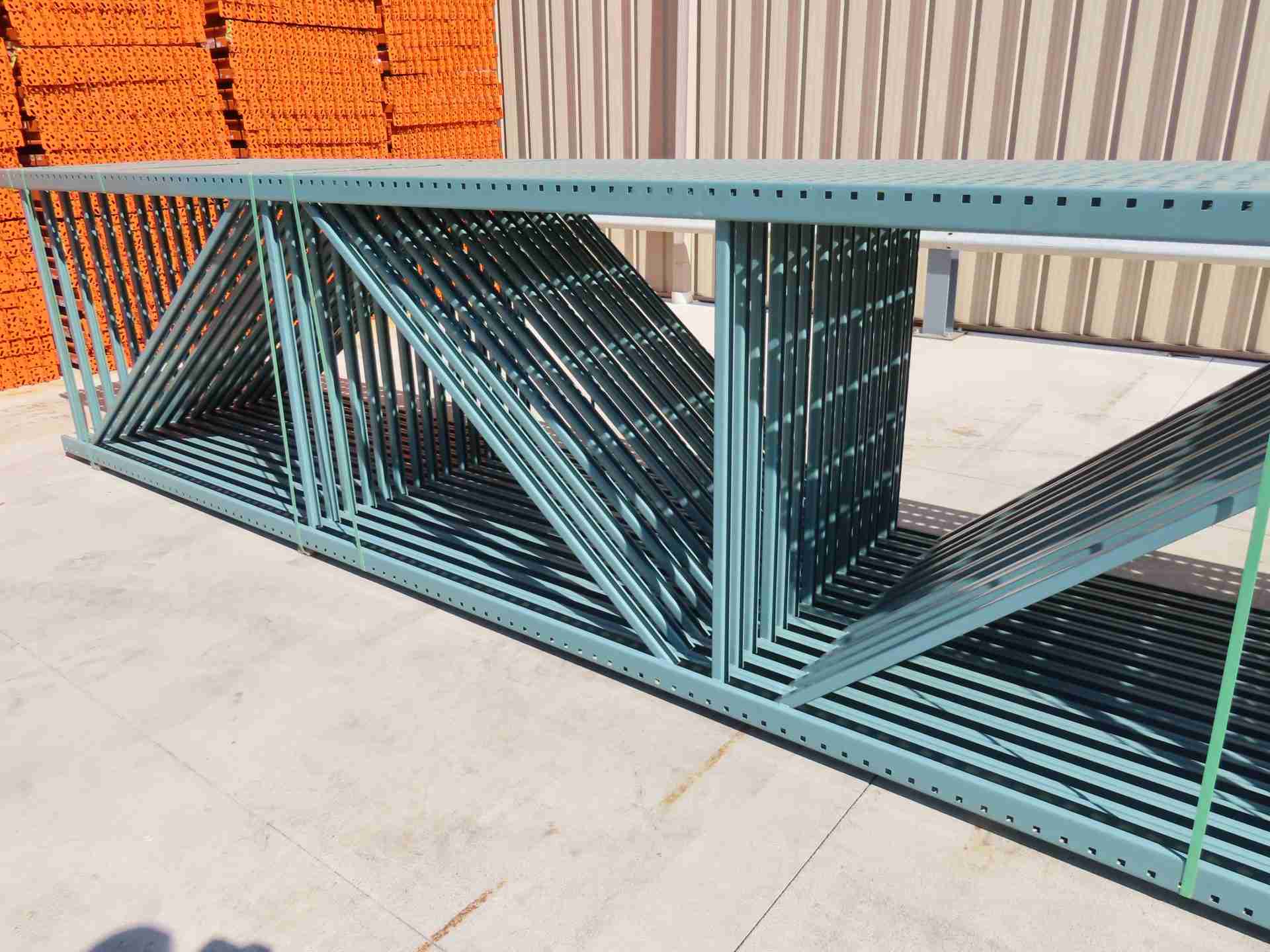
How Do I Calculate The Total Load Of A Cantilever Rack?
What Is The Impact Of Load Distribution On Rack Capacity?
When it comes to maximizing your warehouse efficiency, understanding the nuances of load distribution on rack capacity is paramount. Imagine investing thousands of dollars in high-quality racking systems only to find them underutilized due to poor load management. This oversight can lead not just to operational inefficiencies but also to costly accidents that endanger personnel and equipment.
Load distribution refers to how weight is spread across your racks, and it plays a critical role in determining how much load a system can safely support. An improper distribution not only jeopardizes safety but can also dramatically shorten the lifespan of your racking systems. For example, consider a cold storage facility that stores heavy frozen goods offloaded from ships. If the weight isn’t evenly distributed across the racks, you could end up with catastrophic failures during peak seasons when the warehouse is operating at maximum capacity, as was evidenced during the recent supply chain disruptions stemming from global events. Just as shipping containers have weight limits that need to be observed to avoid tipping over, so too do your warehouse racks.
But let’s take this a step further. Effective load distribution doesn’t just prevent accidents—it can actually enhance your operational capacity. Imagine a scenario where a warehouse implements a strategy for evenly distributing load weights. This could lead to up to 15% more storage capacity! Why? Because a well-planned load distribution allows for the optimization of space, ensuring that every inch of the racking is utilized without overloading specific sections.
Moreover, current technology has made it easier than ever to monitor load distribution. With the rise of sensor technology and data analytics, warehouse managers can now receive real-time updates on weight distribution across their racking systems. This not only allows for immediate adjustments but also aids in preventing overloading situations before they escalate.
In addition to enhancing safety and maximizing capacity, there’s a competitive advantage here. Companies that prioritize proper load distribution can respond quicker to demand fluctuations, whether that’s ramping up production or pivoting to accommodate new product lines.
In a world where supply chain management has never been more scrutinized, don’t let poor load distribution drag down your efficiency. Invest in robust training for your staff and leverage technology to understand and optimize your rack capacity. Your bottom line—and your workforce—will thank you for it.

What Is The Impact Of Load Distribution On Rack Capacity?
What Is The Impact Of Load Distribution On Rack Capacity?
- Understanding load distribution is crucial for maximizing warehouse efficiency and preventing operational inefficiencies.
- Improper load management can lead to costly accidents, endangering personnel and equipment.
- Load distribution affects how much weight your racking systems can safely support and influences their lifespan.
- Even load distribution in facilities, like cold storage, is essential to avoid catastrophic failures during peak operations.
- Effective load distribution strategies can increase storage capacity by up to 15% through optimized space utilization.
- Technological advancements allow real-time monitoring of load distribution, enabling immediate adjustments and preventing overloads.
- Prioritizing load distribution provides a competitive edge, enabling quicker responses to demand fluctuations in supply chain management.
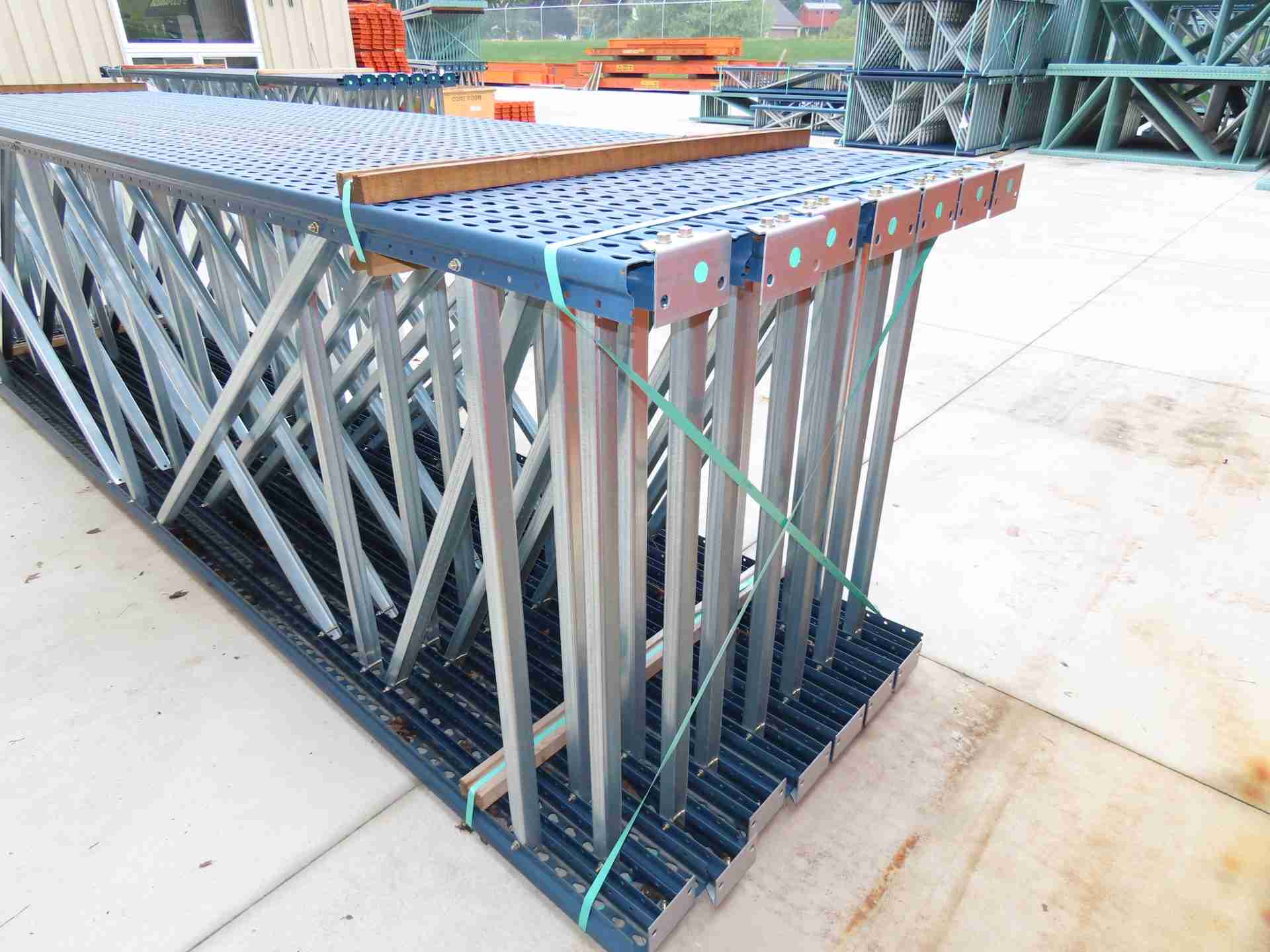
What Is The Impact Of Load Distribution On Rack Capacity?
How Can I Ensure Proper Installation For Load Capacity?
How Can I Ensure Proper Installation for Load Capacity?
In today’s fast-paced world, where safety and efficiency drive success, ensuring proper installation for load capacity is not just a choice; it’s an absolute necessity. Whether you’re equipping a warehouse, a construction site, or any industrial application, a solid foundation is critical to avoiding disasters that could sink your operations—or worse, jeopardize lives.
To start, understanding the specifics of the load capacity you require is key. Each structure, whether it’s shelving units, cranes, or mezzanines, has a designated load capacity, usually indicated in pounds or kilonewtons. For example, if you’re installing shelving in a retail store to house heavy inventory, it’s essential to not just consider the weight of the goods but also the dynamic forces they encounter through everyday use. With recent supply chain disruptions sending product prices soaring, the last thing you want is a collapse due to miscalculation.
Next comes the installation process. A common pitfall is cutting corners to save time or money, a mistake that often leads to catastrophic results. For instance, utilizing insufficient bolts or connectors might seem tempting to cut costs, but it’s a gamble with fate. Look at the recent incidents in construction sites where rushed installations led to structural failures. When your safety hinges on a single connection, it’s not worth the risk. Always opt for materials and hardware that meet or exceed industry standards.
Proper training of installation personnel is equally vital. Make sure your team understands the specifications laid out by the manufacturer. Giving them the tools to succeed isn’t just about the right equipment; it’s about the right knowledge. This resonates particularly well in the current climate, where skilled labor shortages are prevalent. Investing in training programs reinforces your commitment to quality and can be a unique selling point when attracting talent.
Consider also the role of technology in the installation process. Drones and augmented reality applications are swiftly becoming invaluable tools in ensuring precision. Imagine checking your load capacity measurements with a digital app that provides real-time feedback as you install. Such advancements not only promote accuracy but also enhance safety.
Ultimately, ensuring proper installation for load capacity is a blend of education, technology, and uncompromising standards. By prioritizing these elements, you protect your investment and pave the way for long-term success. Remember, in a landscape where margins often dictate the victor, don’t leave safety to chance; make it a cornerstone of your operational ethos.
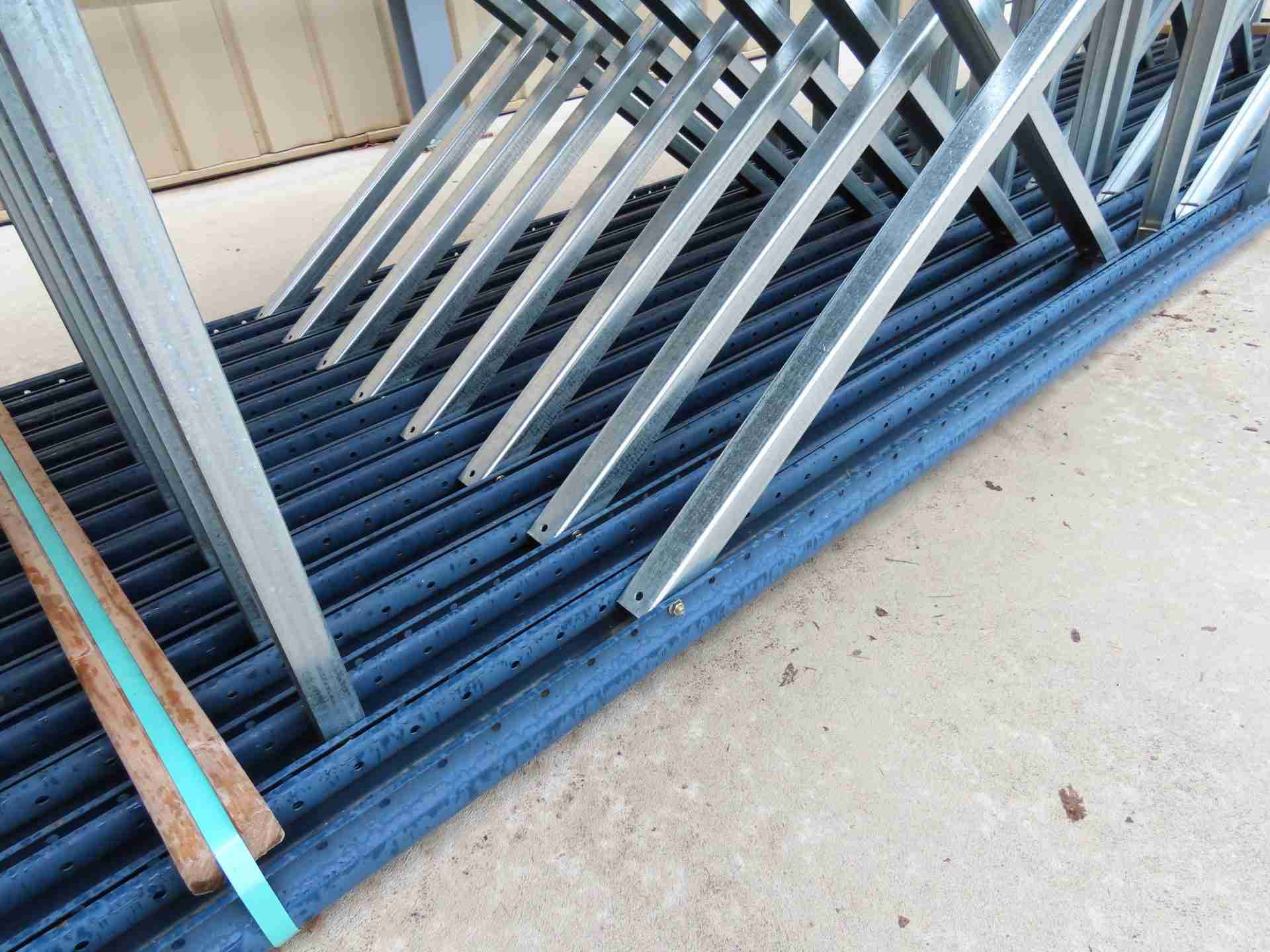
How Can I Ensure Proper Installation For Load Capacity?
How Can I Ensure Proper Installation For Load Capacity?
- Proper installation for load capacity is essential for safety and efficiency in industrial applications.
- Understand the specific load capacity required for different structures, such as shelving units and cranes.
- Avoid shortcuts during installation, as using inferior materials can lead to catastrophic failures.
- Your installation team must be properly trained to follow manufacturer specifications and standards.
- Investing in training programs strengthens your workforce and enhances overall safety and quality.
- Utilize technology like drones and augmented reality for precise measurements and real-time feedback during installation.
- Ensuring proper installation combines education, technology, and strict adherence to standards to protect investments and promote success.
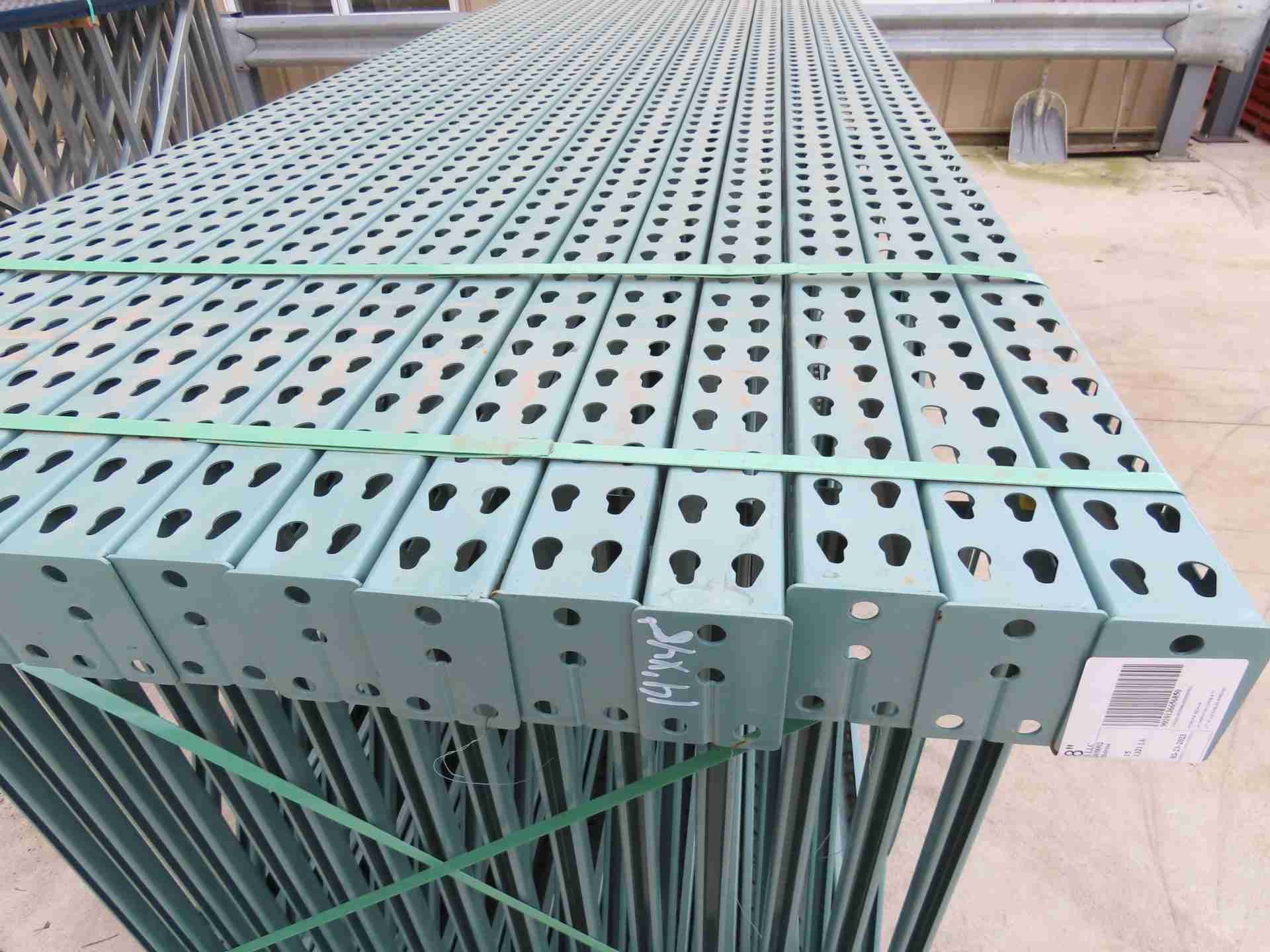
How Can I Ensure Proper Installation For Load Capacity?
What Tools Are Needed For Calculating Load Capacity?
When it comes to calculating load capacity, having the right tools is not just an option—it’s a necessity. Whether you’re in the construction industry, managing a logistics operation, or improving your facility’s safety protocols, understanding how much load your structures, machinery, or vehicles can handle is critical. In today’s fast-paced world, there’s no room for guesswork, so let’s dive into the essential tools you need.
1. Load Calculators
A handheld or software-based load calculator is your first line of defense. These devices allow you to input variables such as material type, dimensions, and weight to derive accurate load capacity figures. For instance, with the recent rising costs of construction materials, it’s more important than ever to use these calculators to assess whether your project can remain within budget without sacrificing safety. Many companies now offer online calculators that are user-friendly and designed to provide immediate results, streamlining your planning process.
2. Engineering Software
For more complex load calculations, advanced engineering software can prove to be invaluable. Programs like AutoCAD and SAP2000 enable engineers to simulate loads and stresses over time under various conditions. Considering the recent uptick in environmentally sustainable building practices, software that incorporates green engineering principles can help you optimize efficiency while reducing your carbon footprint.
3. Load Cells
When practicality meets precision, load cells come into play. These sensors measure the weight or load in real-time, providing invaluable data for ongoing assessments. Industries such as manufacturing and shipping have witnessed the rise of smart loading systems that integrate load cells to ensure that trucks and containers are not overloaded, a critical factor in adhering to regulations and avoiding hefty fines.
4. Safety Standards and Guidelines
No toolbox is complete without a solid understanding of the relevant safety standards and regulations. Organizations such as OSHA and ISO provide comprehensive guidelines that should be part of every load capacity calculation. Ignoring these frameworks can lead to unsafe practices and costly penalties—an expensive oversight in an age where compliance is under constant scrutiny.
5. Expert Consultation
Finally, while tools are vital, never underestimate the power of expert advice. Consulting with structural engineers or load management specialists can provide insights that software and calculators might overlook. As companies increasingly face supply chain disruptions, having an expert on your side ensures that every aspect of load capacity—from acquisition to execution—is meticulously evaluated.
With these tools in hand, you can confidently tackle any load capacity challenge. The stakes are high, but with the right resources, you can effectively manage risks and steer your projects toward success.

What Tools Are Needed For Calculating Load Capacity?
What Tools Are Needed For Calculating Load Capacity?
- Understanding load capacity is essential in construction, logistics, and safety management.
- Load calculators (handheld or software) help derive accurate load capacity figures based on variables like material type and dimensions.
- Advanced engineering software (e.g., AutoCAD, SAP2000) is crucial for simulating more complex loads and stresses.
- Load cells measure real-time weight, providing important data for ongoing assessments in manufacturing and shipping.
- Familiarity with safety standards (OSHA, ISO) is necessary to prevent unsafe practices and costly penalties.
- Expert consultations with structural engineers can provide insights beyond what tools and software offer.
- Using the right tools allows for effective risk management and successful project execution.
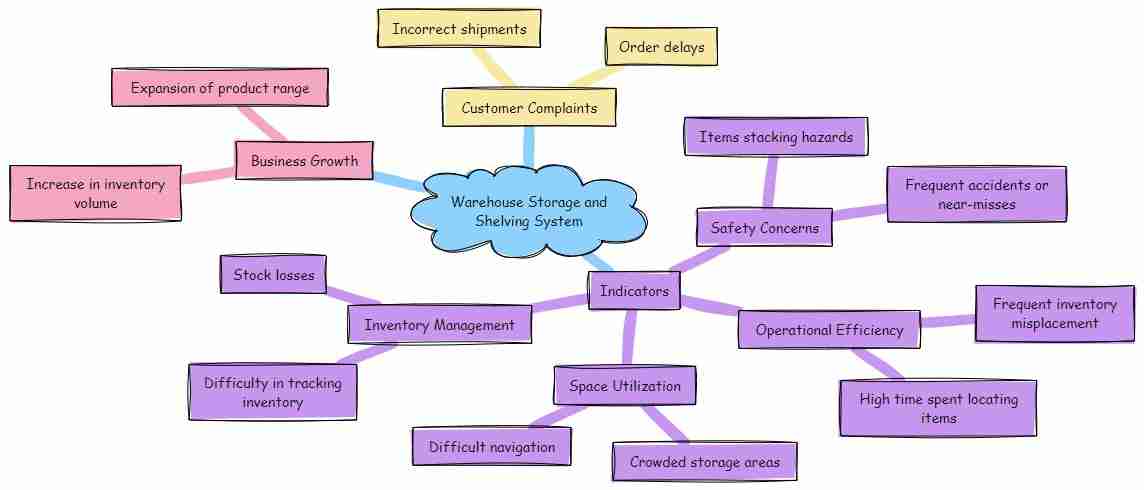
What Tools Are Needed For Calculating Load Capacity?
How Do I Identify Potential Overload Risks On Racks?
When it comes to warehouse safety, identifying potential overload risks on racks isn’t just a best practice; it’s a fundamental responsibility. In today’s fast-paced environment, where the volume of goods and materials stored can skyrocket overnight, overlooking this aspect can lead to costly accidents and damaging fines. So, how do you keep your operations sharp, effective, and compliant?
Start by knowing your rack’s specifications inside and out. Every storage system comes with a load rating—essentially the weight limit it can handle safely. Regularly review and ensure that your inventory doesn’t surpass these limits. Utilize inventory management software that can track the weight of items. For example, if you’re storing heavy machinery parts, a simple program that notifies you when approaching weight limits can be game-changing.
Observe the behavior of your team during peak times. Are they stacking items recklessly to make room for more? Or are they accepting unnecessary risks to expedite the process? At Amazon’s fulfillment centers, this kind of behavior has been closely monitored and addressed through rigorous training and technology. Their systems prevent overloading by monitoring weight in real-time and alerting staff if they exceed safe thresholds.
Look into the materials themselves. Often, businesses overlook how the items they store can affect rack integrity. For instance, while cardboard boxes may appear lightweight, they can accumulate excess weight if incorrectly stacked. Rack overload often results from negligence in proper stacking methods. Educate your workforce on proper loading techniques and inspire them to take accountability.
Next, consider environmental factors. Seasonal changes or unexpected supply chain disruptions can lead to sudden increases in stored inventory. After the COVID-19 pandemic, many warehouses faced unprecedented surges in stock levels. By conducting regular audits of your racking systems, you can proactively assess current loads against potential shifts in demand.
Finally, conduct regular inspections. A well-maintained rack system reduces risks significantly. This includes checking for signs of wear, damage, or corrosion. Is a beam bent? Is a connection loose? Problems caught early can prevent disaster. Just last year, a major retailer faced a catastrophe when overloaded racks collapsed due to infrequent checks, leading to expensive legal repercussions and a tarnished reputation.
In summary, from understanding load ratings to fostering a safety-first culture among your employees, a proactive approach to identifying potential overload risks on racks not only protects your assets but bolsters your operational integrity. Make it a core component of your business strategy, and you’ll not only ensure safety but pave the way for growth.

How Do I Identify Potential Overload Risks On Racks?
How Do I Identify Potential Overload Risks On Racks?
- Identifying potential overload risks on racks is essential for warehouse safety to prevent costly accidents and fines.
- Know your rack’s specifications and regularly review inventory to ensure weights do not exceed load ratings.
- Utilize inventory management software to track item weights and receive notifications when approaching load limits.
- Monitor team behavior during peak times to prevent reckless stacking and ensure safe handling of materials.
- Educate employees on proper stacking techniques and encourage accountability to maintain rack integrity.
- Conduct regular audits to assess current loads against potential shifts in demand, especially after environmental changes.
- Perform regular inspections of racking systems to identify wear and prevent disasters, protecting both assets and reputation.
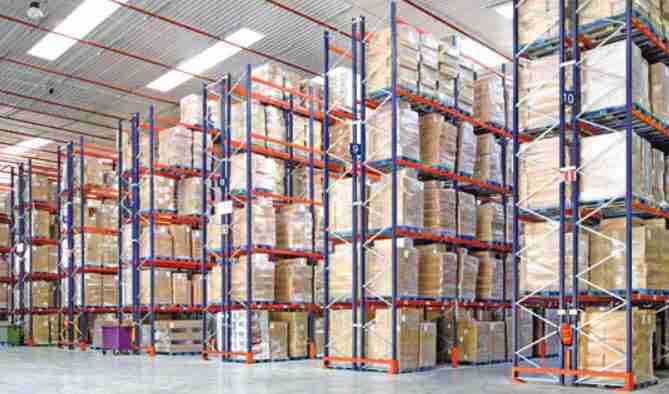
How Do I Identify Potential Overload Risks On Racks?
What Adjustments Can I Make For Heavier Loads?
When it comes to managing heavier loads, whether in business logistics or daily responsibilities, the key is to approach the situation with a strategic mindset. Just as a successful brand must adapt to market trends or changing consumer preferences, you too can tweak your game plan to handle increased demands with ease.
Prioritize and Delegate
Imagine scaling your operations amidst the current surge in e-commerce. Companies are grappling with unprecedented demands, forcing them to rethink their processes. Prioritization is your first step. Identify tasks that directly impact your bottom line and allocate resources accordingly. For instance, if you run a retail operation, focus on fulfilling high-demand products while temporarily scaling back on less critical items. This ensures you maintain customer satisfaction and manage resources effectively.
Delegation is another powerful adjustment. If you find yourself sinking under the weight of responsibilities, empower your team by assigning them ownership of specific tasks. This not only eases your burden but also fosters a sense of accountability and motivation among team members. Think of how major corporations adapted during the COVID-19 pandemic. Businesses restructured teams to tackle remote work and shifted responsibilities to maintain productivity.
Leverage Technology
In today’s fast-paced environment, leveraging technology is not just an option; it’s a necessity for managing heavier loads. Automation tools, project management software, and AI-driven analytics can significantly ease operational strain. For instance, consider using inventory management systems that tie into your e-commerce platforms. These tools automate stock monitoring, alert you to low inventory, and help you predict demand fluctuations—eliminating the guesswork.
Embrace Flexibility
Flexibility is crucial when facing higher demands. Just as many companies pivoted in response to economic changes—such as restaurants adapting to deliver food or grocery stores enhancing their online presence—you should remain open to altering your approach. For example, if you’re a service provider overwhelmed with requests, consider offering tiered services. This allows clients to select a level of engagement that suits their needs while enabling you to manage your workload more effectively.
Monitor and Adjust
Finally, as you implement changes, continuously monitor the impact on your operations. Conduct regular reviews and gather feedback—from your team and customers alike. This ensures that the adjustments you make are effective and sustainable. If heavy loads are becoming the norm, anticipate future demands and refine your strategies accordingly.
By making these adjustments, you’ll not only alleviate immediate pressures but also position yourself for long-term success in a demanding environment. Remember, the goal is not merely to cope but to thrive, adapting to heavier loads with confidence and skill.
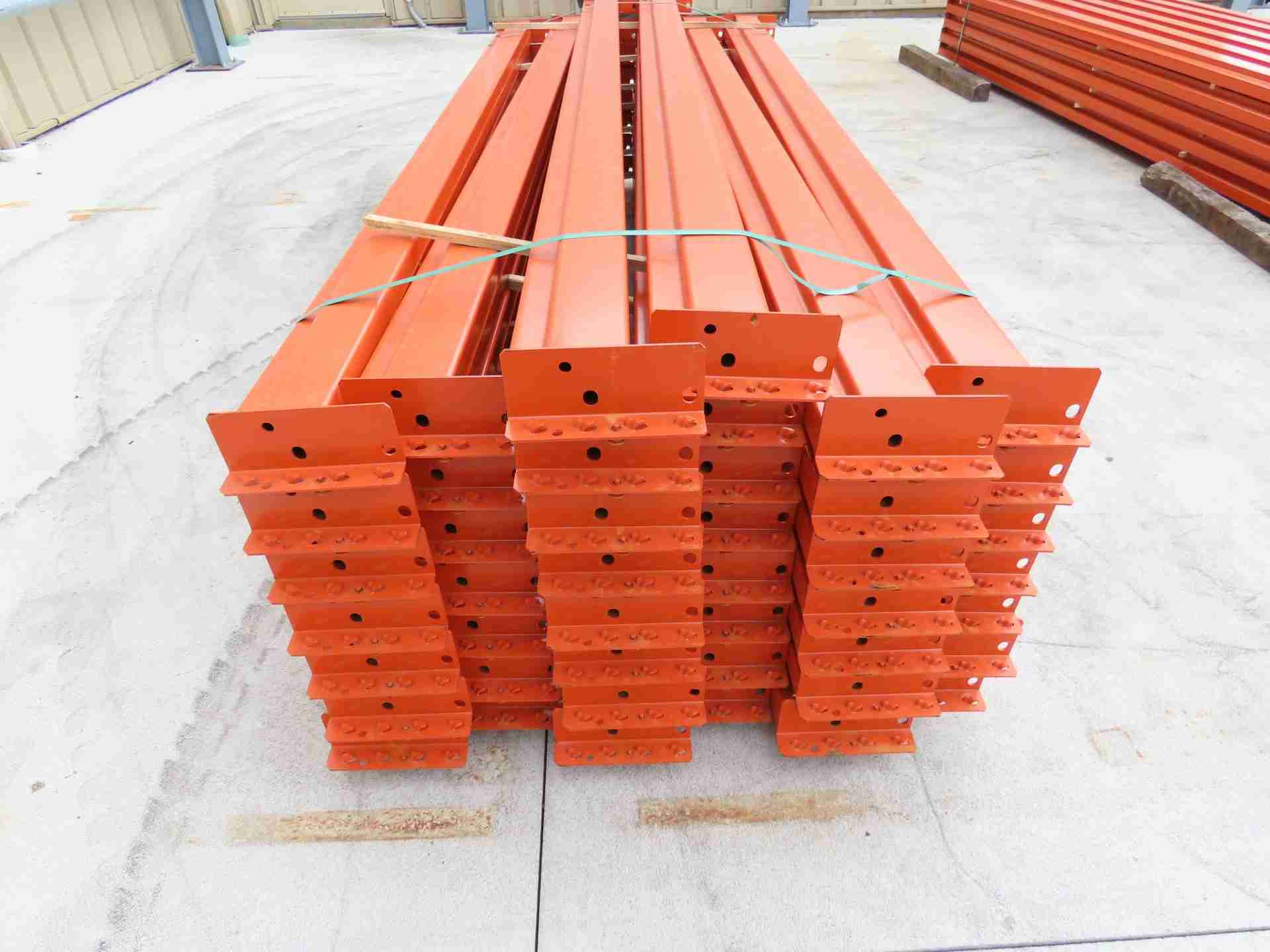
What Adjustments Can I Make For Heavier Loads?
What Adjustments Can I Make For Heavier Loads?
- Approach managing heavier loads with a strategic mindset to handle increased demands effectively.
- Prioritize tasks that impact your bottom line and allocate resources to fulfill high-demand products.
- Delegate responsibilities to team members to ease your burden and foster accountability and motivation.
- Leverage technology, such as automation tools and inventory management systems, to streamline operations.
- Embrace flexibility by altering your approach based on demand, such as offering tiered services to clients.
- Continuously monitor the impact of changes through regular reviews and feedback from team and customers.
- Aim for long-term success by adapting to heavier loads, not just coping but thriving in a demanding environment.
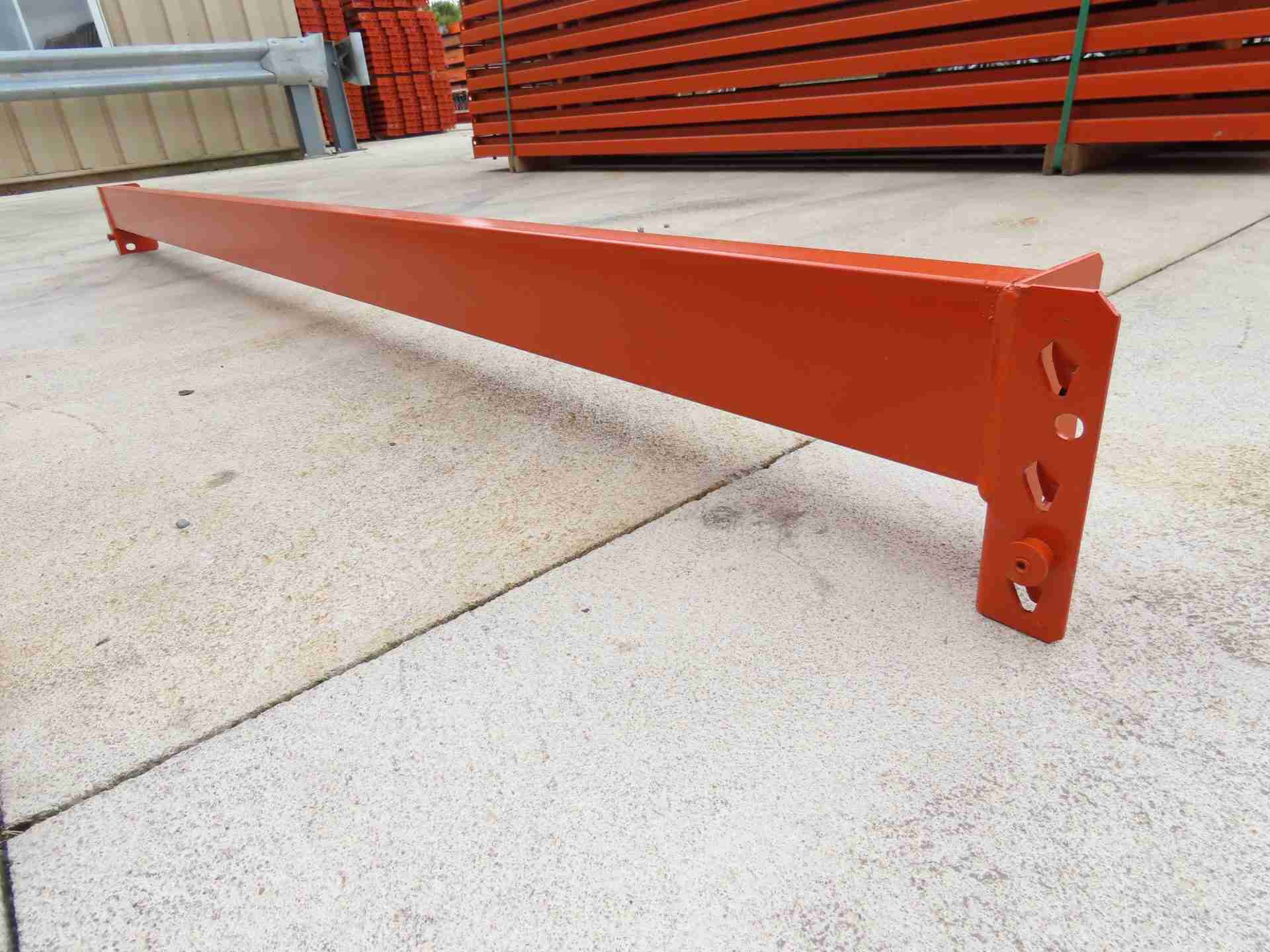
What Adjustments Can I Make For Heavier Loads?
How Often Should I Reassess Load Capacity For Racks?
When it comes to your warehouse or storage area, the racks that hold your inventory are the unsung heroes of efficiency. However, maintaining their load capacity isn’t a one-and-done task. Just like you wouldn’t drive a car without checking its oil regularly, failing to reassess the load capacity of your racks can lead to catastrophic failures, inventory loss, and costly downtime. But how often should this critical evaluation take place?
Quarterly Checkups: The Minimum Standard
If you want your operation to run like a well-oiled machine, performing a thorough load capacity reassessment every quarter is the gold standard. This doesn’t just apply to new installments; it’s a best practice for existing racks too. During the past few years, supply chain disruptions have forced businesses to adapt rapidly. For instance, many companies have taken on additional inventory due to rising demand. When you increase stock levels, it’s vital to ensure your racks can handle that weight.
Event-Driven Emergencies: What to Watch For
Don’t wait for a scheduled assessment if you experience sudden changes. Events like new product lines, temporary promotions, or seasonal peaks can radically alter your load requirements. For example, the 2021 surge in e-commerce necessitated many logistics companies to adapt—to the tune of staggering financial losses for those who didn’t adapt their storage solutions promptly. If you see an increase in load, reassess right away.
Annual Audits: The Comprehensive Review
In addition to your quarterly checkups, an annual audit performed by a qualified expert is essential. This goes beyond mere weight limits; it encompasses the structural integrity, stability, and suitability of racks for both current and future needs. Think of this as your backup quarterback; you don’t want to rely solely on your starters. As the market continues to evolve post-pandemic, ensuring that your systems are future-proof will prepare you for whatever comes next.
Underestimating Consequences
Remember, neglecting these assessments can have severe repercussions. Recent warehouse collapses due to ignored load limitations have demonstrated how severe consequences can be. Companies faced lawsuits, loss of trust from clients, and even vital restrictions on their operations.
In summary, regularly reassessing your rack’s load capacity isn’t just good practice; it’s an essential component of maintaining a strong and resilient storage system. Make it a habit. Don’t just check the boxes—ensure your operation remains robust and ready for tomorrow’s challenges. Your bottom line depends on it.
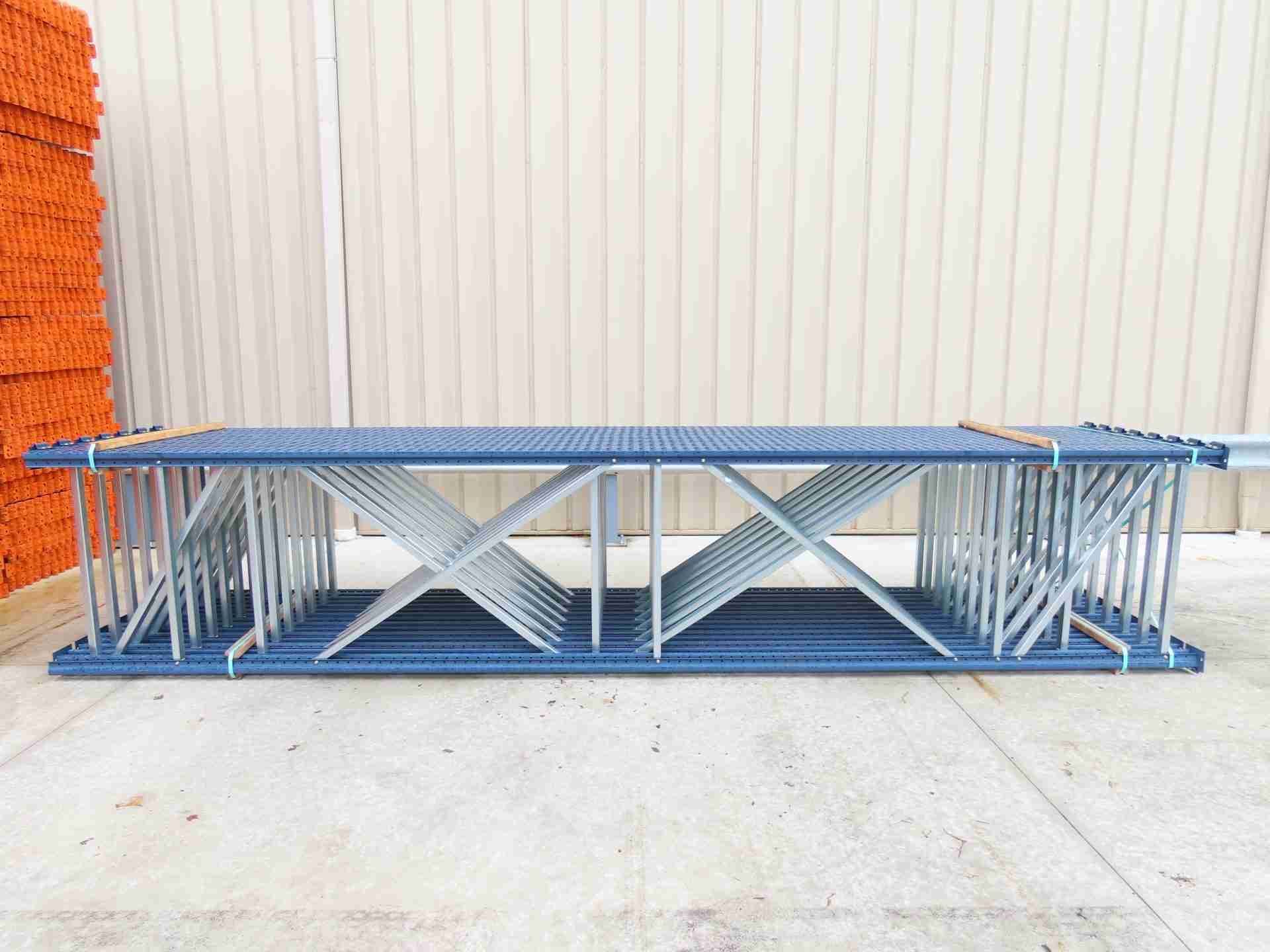
How Often Should I Reassess Load Capacity For Racks?
How Often Should I Reassess Load Capacity For Racks?
- Warehouse racks are crucial for efficiency and require regular maintenance of load capacity.
- Quarterly checkups are essential for both new and existing racks to ensure they handle inventory changes.
- Event-driven emergencies, such as new product lines or promotions, necessitate immediate reassessment of load capacity.
- Annual audits by experts provide a comprehensive review of rack stability and future suitability.
- Neglecting load capacity assessments can lead to catastrophic failures, inventory loss, and costly downtimes.
- Recent warehouse collapses highlight the severe consequences of ignoring load limitations.
- Regular assessments are vital for maintaining a strong storage system and ensuring operational readiness.
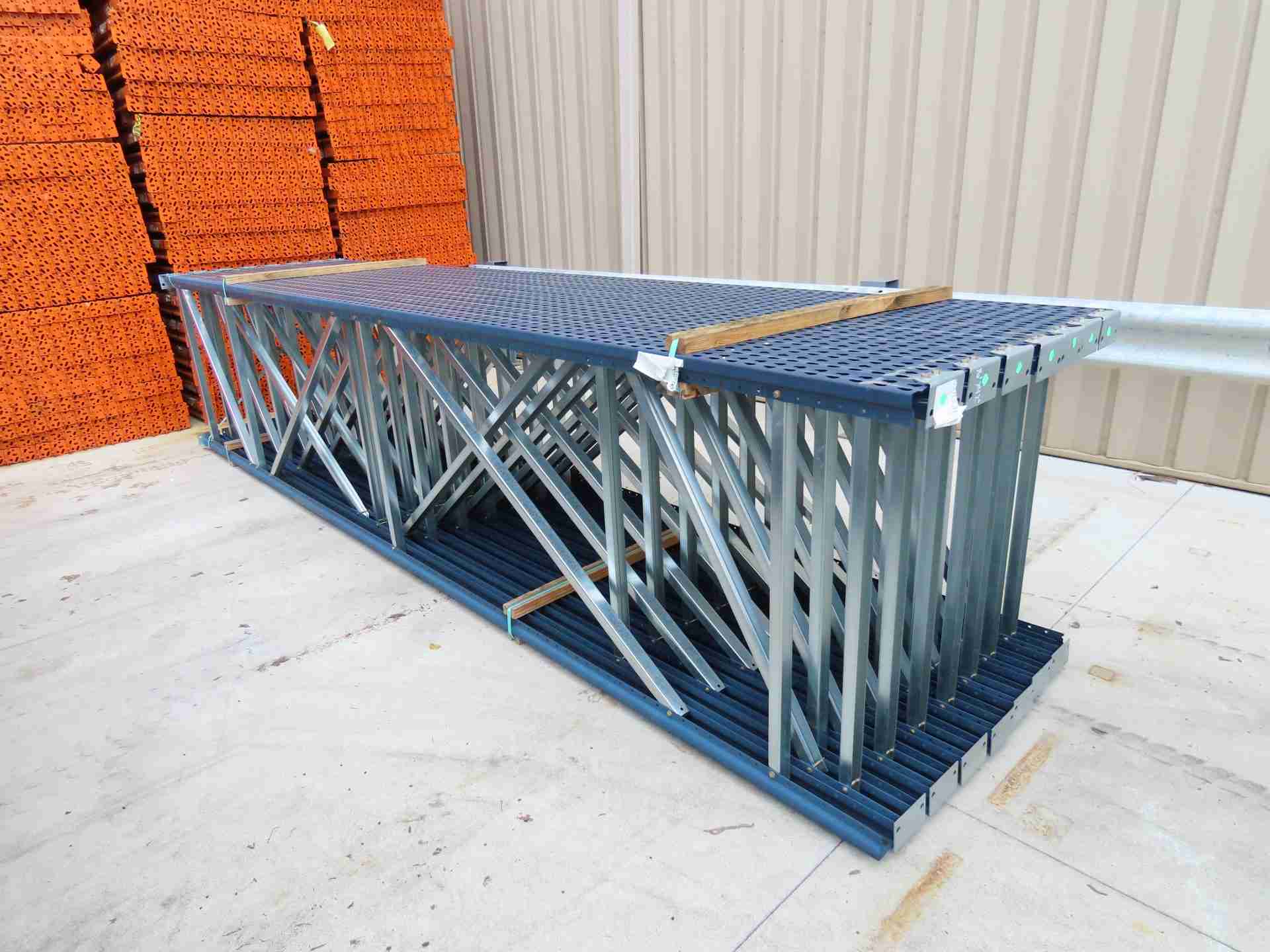
How Often Should I Reassess Load Capacity For Racks?
What Common Mistakes Should I Avoid In Load Calculations?
What Common Mistakes Should I Avoid in Load Calculations?
Load calculations are critical for ensuring the efficiency and safety of any electrical system, whether it’s a small residential setup or a massive commercial installation. Yet, many get it wrong, often leading to costly consequences. Avoiding these common pitfalls can save you both money and headaches down the line.
1. Skipping the Details:
One of the most significant errors in load calculations is glossing over the specifics. For example, when estimating residential loads, many will just consider the overall square footage. But that can be a recipe for disaster. You need to delve into specifics—lighting, appliances, and HVAC systems all have unique power requirements. Ignoring these can lead to oversizing or undersizing circuits. Just look at the increased energy demands from home offices and personal gyms—if your calculations are based solely on traditional setups, your home may not be equipped to handle the modern noise.
2. Neglecting Future Loads:
Consider this: a family of four might only have a couple of televisions and a few appliances now, but what about in five years? With the rise of smart home technology and more powerful devices, what seems adequate today may not suffice tomorrow. Future-proofing your load calculations by adding an additional 20% cushion can be a lifesaver when gadgets multiply and demand skyrockets.
3. Misunderstanding Power Factor:
Power factor is often disregarded, yet it plays a critical role in accurate load calculations. It’s not just about the wattage; it’s about how efficiently that power is being used. Failing to account for power factor can lead to underestimating the necessary capacity. For instance, industrial settings, especially those employing variable frequency drives (VFDs) in the wake of the electric vehicle surge, require savvy load calculations to accurately manage increased demands without going overboard.
4. Relying Solely on Software:
With technological advancements, many rely heavily on software for load calculations. But these tools can only be as good as the information fed into them. A common mistake is assuming that automated calculations are flawless. Always cross-check results and trust your intuition. Manual validation can catch discrepancies that software might miss.
5. Ignoring Local Codes and Standards:
Each region has its own codes and regulations, reflecting local conditions and safety considerations. Neglecting these can lead to fines or even safety hazards. For example, states impacted by climate change effects, like increased temperatures prompting more air conditioning usage, have updated codes that must be followed to ensure systems are both safe and efficient.
Avoiding these pitfalls in load calculations not only ensures compliance and efficiency but also sets you up for success in adapting to future energy demands. Think ahead, be thorough, and don’t overlook the details—they could be the difference between a well-functioning system and an expensive mess.
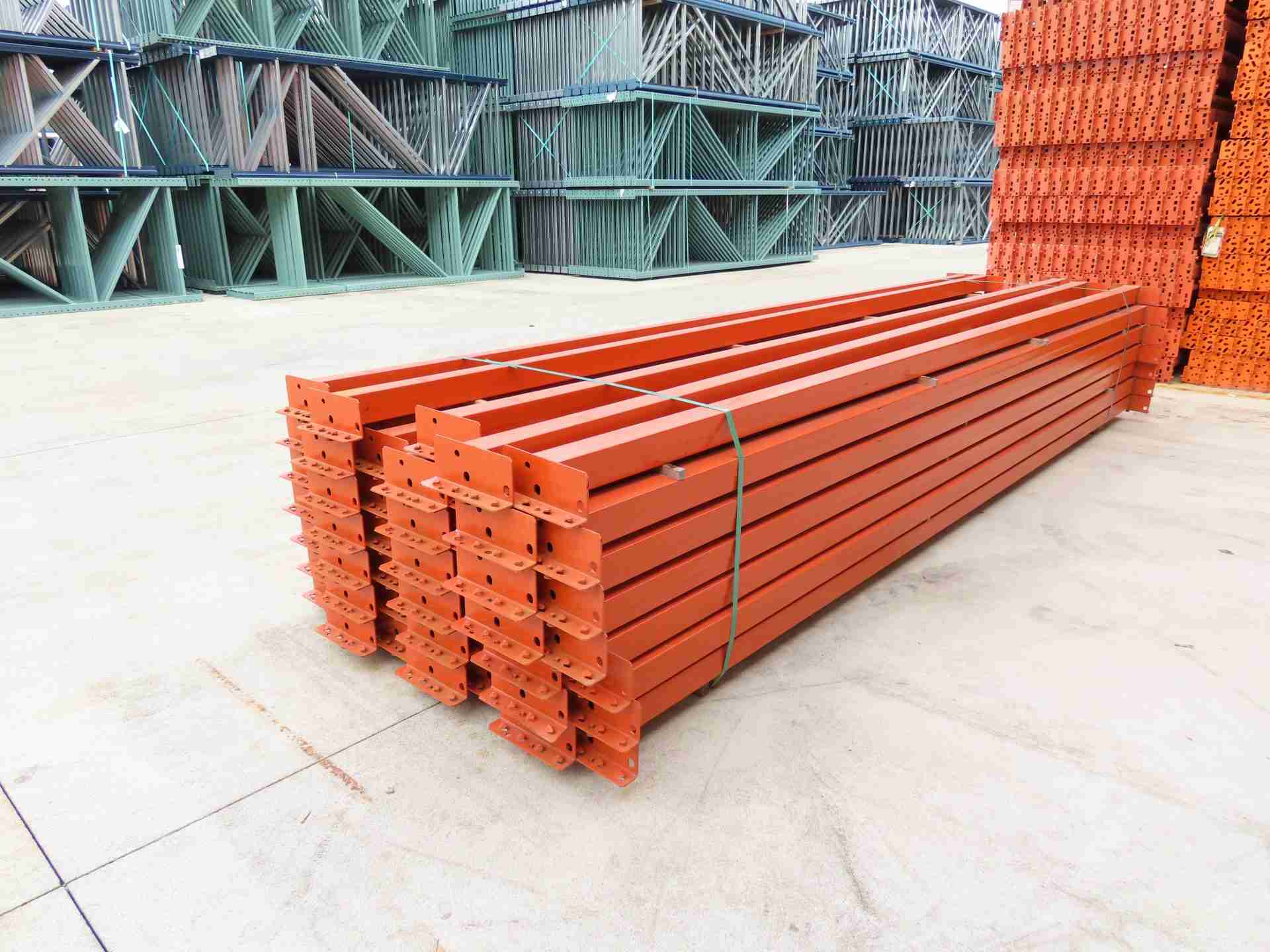
What Common Mistakes Should I Avoid In Load Calculations?
What Common Mistakes Should I Avoid In Load Calculations?
- Importance of Load Calculations: Essential for the efficiency and safety of electrical systems, both residential and commercial.
- Skipping the Details: Overlooking specific power requirements of lighting, appliances, and HVAC can lead to incorrect calculations.
- Neglecting Future Loads: Failing to account for potential increases in power demands from future technology can result in insufficient capacity.
- Misunderstanding Power Factor: Ignoring power factor can lead to inaccurate load capacity estimations, especially in industrial settings.
- Relying Solely on Software: Automated calculations require manual validation; relying exclusively on software can miss critical errors.
- Ignoring Local Codes and Standards: Compliance with regional codes is essential to avoid fines and ensure safety, especially in changing climates.
- Thoroughness is Key: Being meticulous and forward-thinking in load calculations ensures well-functioning systems and adaptability to energy demands.
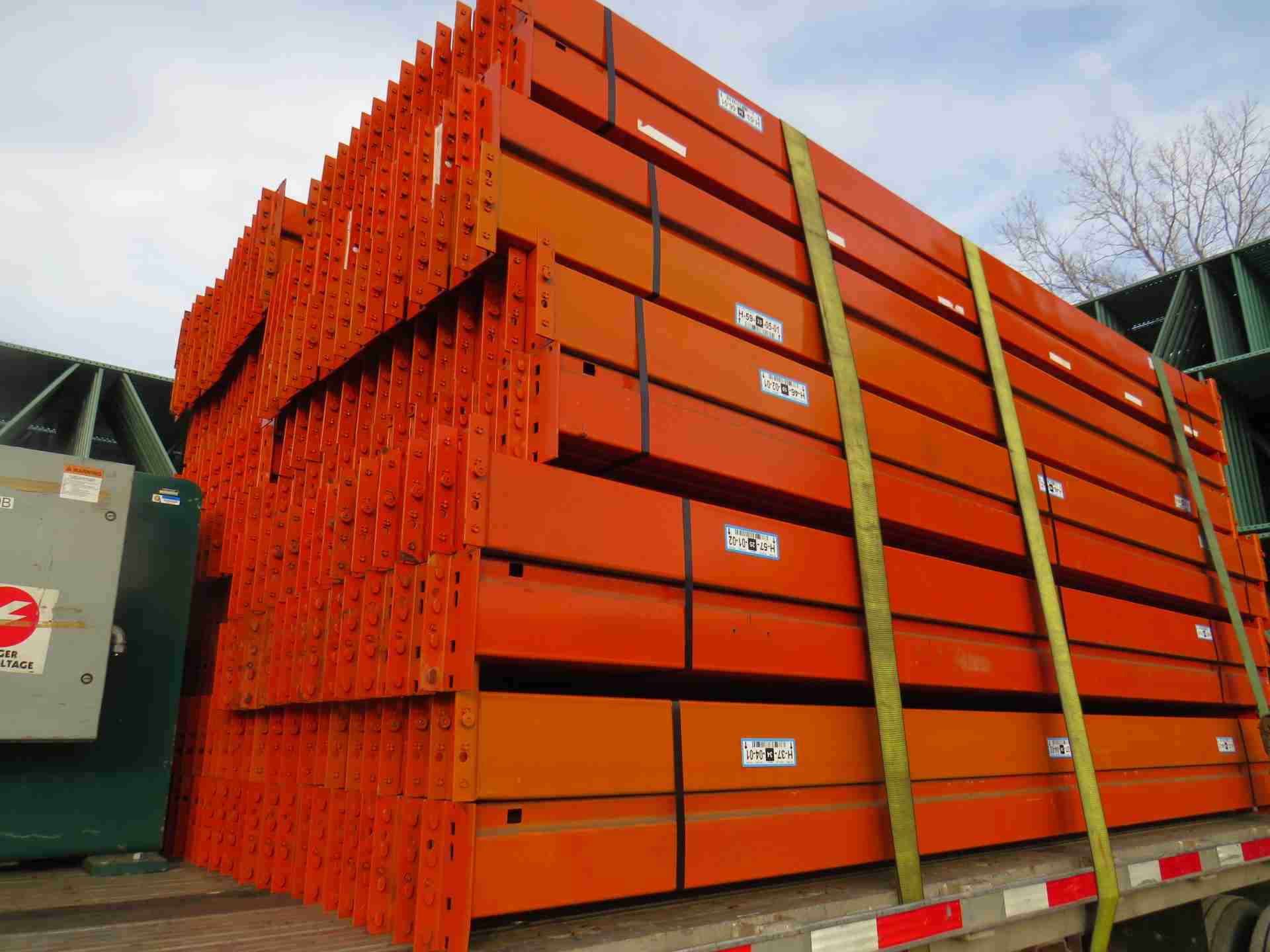
What Common Mistakes Should I Avoid In Load Calculations?
What Are The Consequences Of Exceeding Load Capacity?
##
In a world where speed, efficiency, and performance reign supreme, it can be all too tempting to push the limits. Whether it’s a vehicle, a bridge, or even your trusty old grocery cart, exceeding the load capacity can lead to catastrophic consequences—both financially and physically. Yet, many businesses and individuals underestimate the risks involved, often becoming victims of their own negligence.
Imagine a heavy truck loaded far beyond its specifications barreling down a busy highway. The inevitable result? A massive accident that not only endangers lives but also results in costly lawsuits and insurance claims. Consider the recent incident involving overloaded freight vehicles causing major disruptions across major transportation routes in the U.S. This doesn’t just impact the offenders; the ripple effects affect businesses and consumers alike. Products remain stuck in transit, and shelves go bare. Businesses suffer due to lost sales and missed deadlines, demonstrating that the ramifications of skipping load capacity limits extend far beyond a single overloaded vehicle.
On a structural level, exceeding load capacity can threaten the integrity of bridges and buildings. In 2021, a well-documented case showed a bridge collapse in Italy due to excessive weight from overzealous construction activities. The incident resulted in tragic loss of life, investigation into safety protocols, and a costly overhaul of regulations. The cost here isn’t just measured in dollars; it’s reflected in damages, loss of trust, and the haunting realization that negligence can lead to irreversible consequences.
Additionally, there are emotional and reputational costs to consider. When a company chooses to overlook safe load practices, it risks its brand’s credibility. Customers are increasingly aware of safety standards. Brands that cut corners risk outrage on social media, which can severely damage their reputation. Look at recent backlash campaigns where companies have faced public outcry over safety violations. Poor public perception is rarely just a fleeting moment; it can lead to long-term brand destruction.
Moreover, legal repercussions cannot be ignored. Exceeding load capacity invites scrutiny from regulatory bodies, which can lead to fines, sanctions, and enforced business closures. Companies must uphold safety standards not just as a regulatory requirement but as a core value that directs the heartbeat of their operations.
In summary, exceeding load capacity invites a multitude of serious consequences—from physical damage and potential loss of life to reputational harm and substantial financial liabilities. The stakes are high, so the only prudent path is to stay within the limits. Doing so not only safeguards lives but also ensures the longevity and success of your business in a highly competitive landscape.
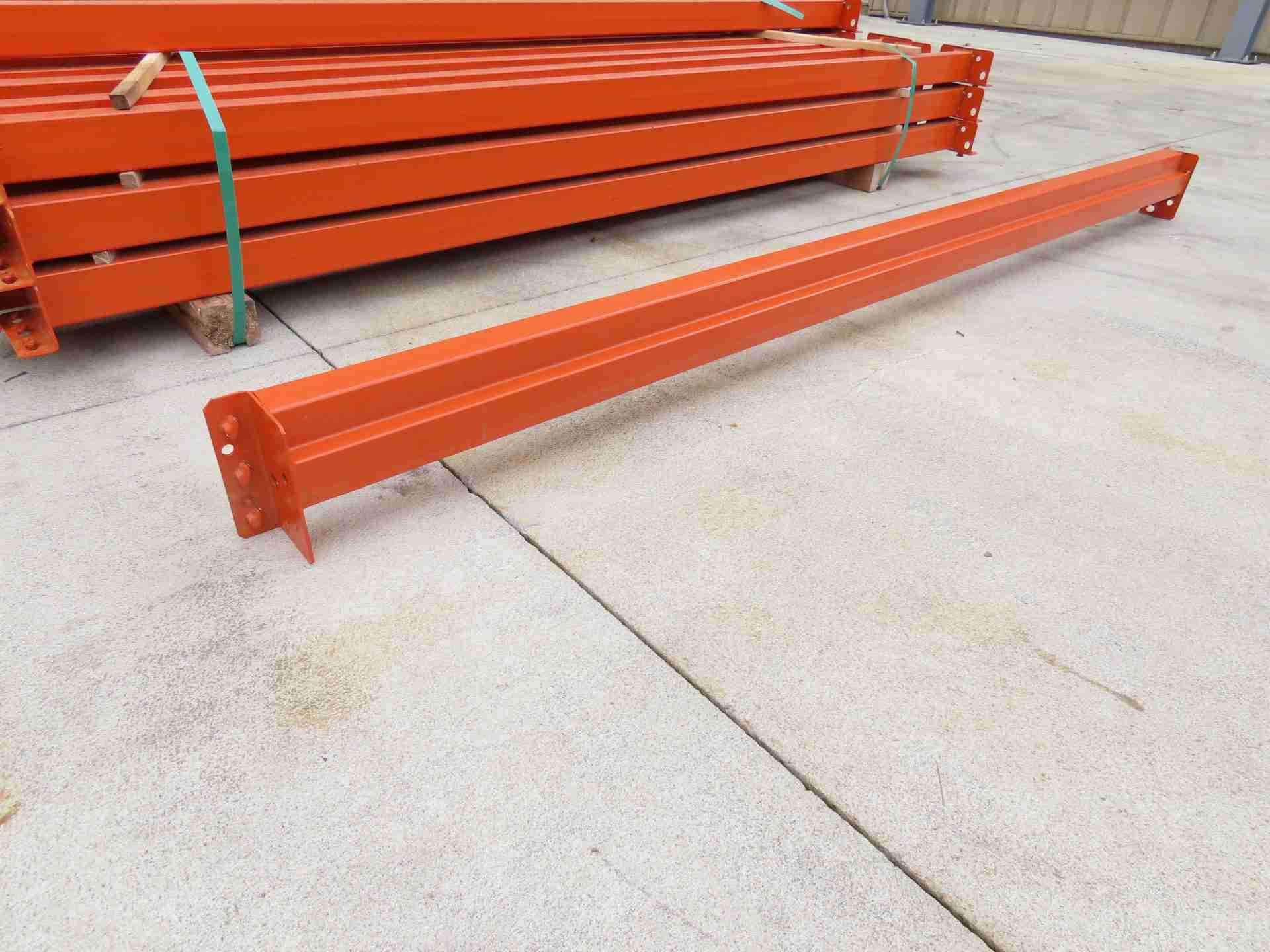
What Are The Consequences Of Exceeding Load Capacity?
What Are The Consequences Of Exceeding Load Capacity?
- Exceeding load capacity can lead to serious financial and physical consequences.
- Overloaded vehicles can cause major accidents, lawsuits, and disruptions to transportation.
- The ripple effects of load capacity violations impact businesses and consumers alike, affecting sales and product availability.
- Excessive load can threaten the structural integrity of bridges and buildings, resulting in tragic incidents and costly investigations.
- Neglecting safe load practices harms brand reputation and can lead to public backlash on social media.
- Legal repercussions, including fines and sanctions, are consequences of exceeding safety standards.
- Prioritizing load limits not only protects lives but also ensures long-term business success in a competitive market.
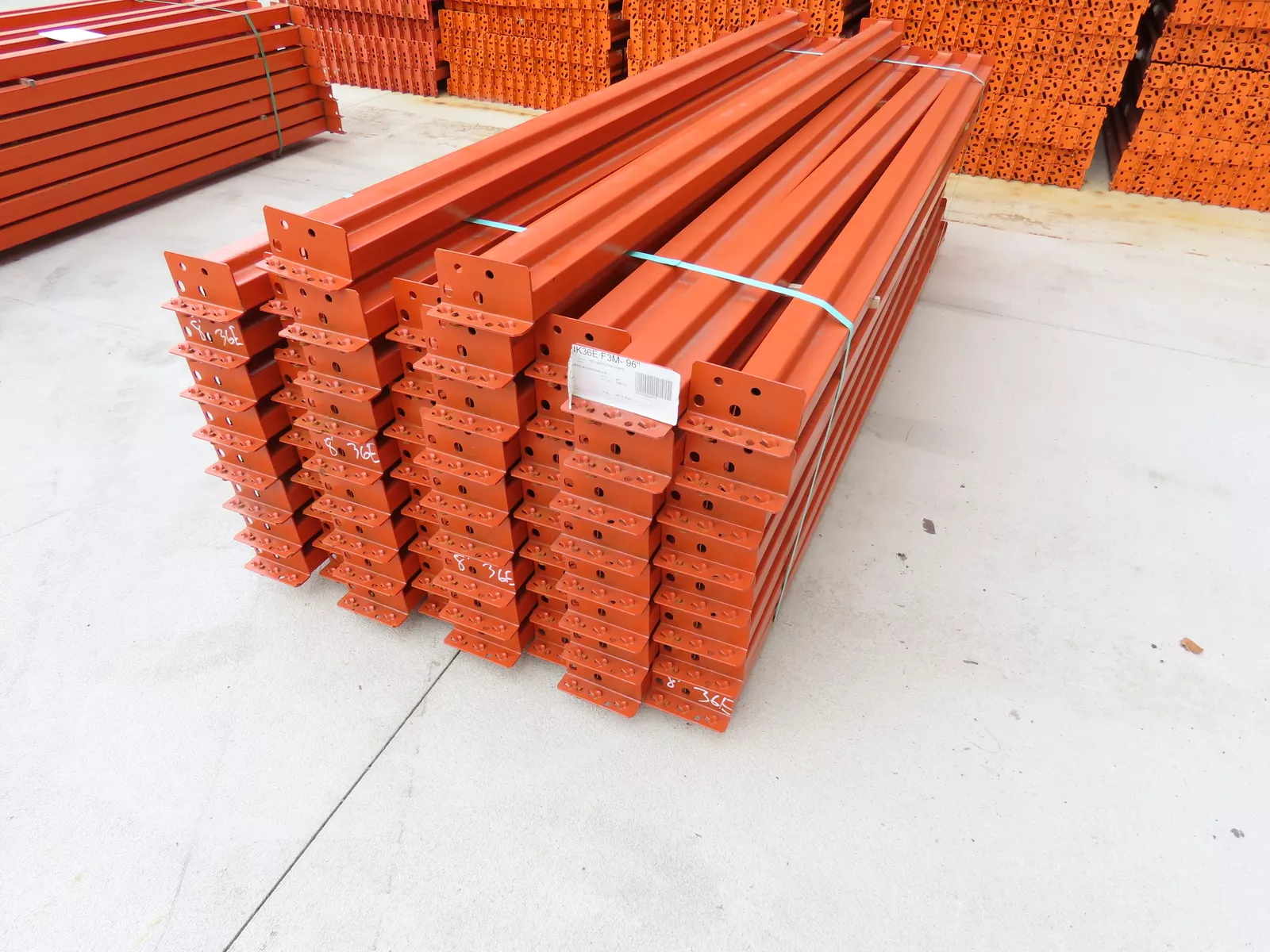
What Are The Consequences Of Exceeding Load Capacity?
How Can I Use Manufacturer Specifications In Calculations?
In today’s competitive landscape, businesses are constantly seeking a distinct edge. One often-overlooked resource that can catapult your company forward is the thorough understanding and application of manufacturer specifications. These details not only reflect the quality and performance of a product but can also serve as powerful tools in your calculations, leading to better decision-making and strategic planning.
Let’s break this down with a practical example. Imagine you’re in the construction industry, tasked with estimating the quantity of concrete needed for a new building. You have the specification sheet for the concrete mix provided by the manufacturer. This data includes batch weight, yield per cubic yard, and compressive strength – all vital elements. By leveraging these figures, you can calculate the exact amount you’ll need for your project. Moreover, understanding the yield can help you fine-tune your order and reduce waste, which in turn saves your company money.
Now, let’s consider the automotive field. Suppose you’re a dealer analyzing a new electric vehicle’s specs. The manufacturer’s sheet lists battery capacity, range estimates, and charging times. By employing these specifications, you not only attract potential buyers with accurate, compelling information but also calculate total cost of ownership, including fuel savings over time. Given the current surge in electric vehicle interest, showcasing these specs gives you an edge against competitors trying to keep up with the evolving market, particularly as gas prices continue to hit new highs.
But manufacturer specifications aren’t just about simple calculations; they can also inform marketing strategies. By communicating the precise specifications to customers—be it for fitness equipment, kitchen appliances, or tech gadgets—you build trust through transparency. Buyers today crave specifics, especially as they navigate an overwhelming amount of choices in a market flooded with flashy advertisements. Highlighting how a product exceeds benchmarks can set you apart in a rapidly evolving marketplace.
Furthermore, in a world increasingly impacted by sustainability and energy efficiency trends, the specifications can point to eco-friendly features. This not only appeals to a growing demographic of environmentally-conscious consumers but also places your business ahead of regulations that may emerge as part of global efforts to combat climate change.
Mastering the art of applying manufacturer specifications in your calculations isn’t just about numbers; it’s about leveraging that data to make informed decisions, improve customer relations, and craft marketing messages that resonate. Whether you’re reducing operational costs or positioning your brand as a leader, specifications are not just guidelines; they are keys to unlocking your business’s potential.
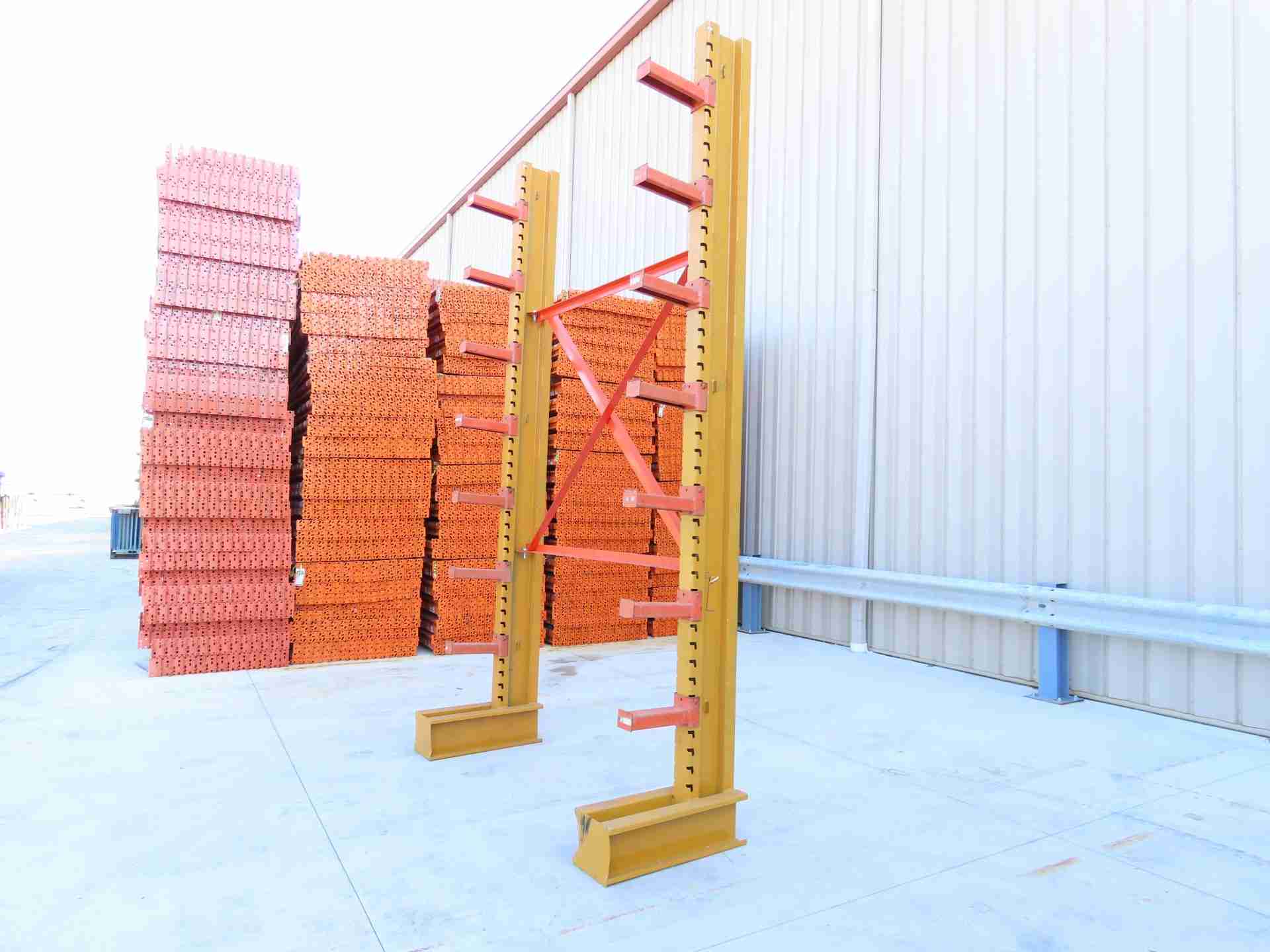
How Can I Use Manufacturer Specifications In Calculations?
How Can I Use Manufacturer Specifications In Calculations?
- Understanding manufacturer specifications can provide a competitive advantage for businesses.
- Specifications detail a product’s quality and performance, aiding in better decision-making and strategic planning.
- In construction, precise specifications allow for accurate material estimation and waste reduction, saving costs.
- In the automotive industry, specifications help in attracting buyers and calculating total cost of ownership for electric vehicles.
- Effective communication of product specifications builds customer trust and sets businesses apart in a crowded market.
- Specifications can highlight eco-friendly features, aligning businesses with consumer trends toward sustainability.
- Leveraging manufacturer specifications enhances customer relations and strengthens marketing strategies, unlocking business potential.
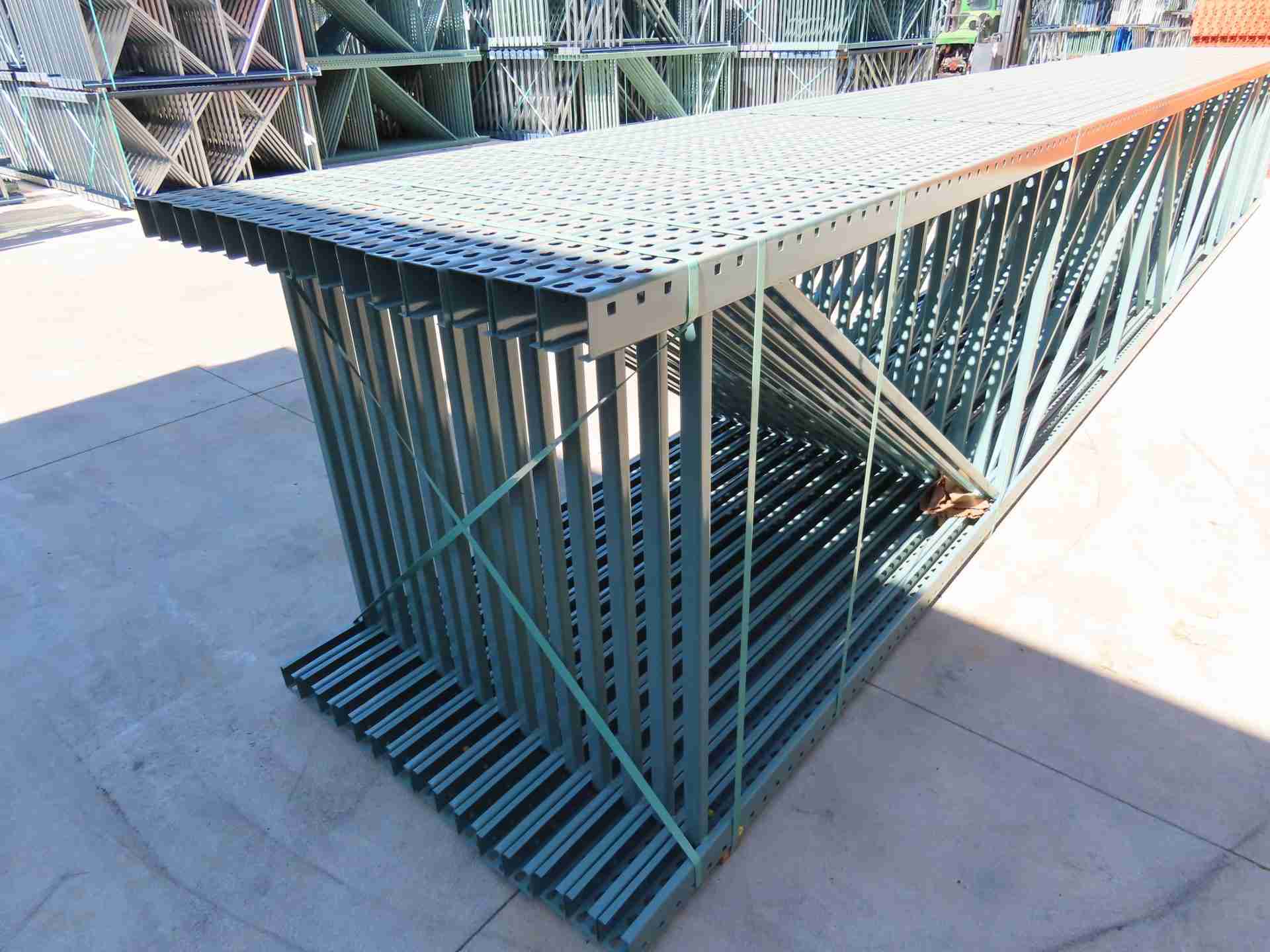
How Can I Use Manufacturer Specifications In Calculations?
Conclusion
Conclusion: Maximizing Safety and Efficiency through Proper Load Capacity Calculations
In the fast-paced world of warehousing and logistics, the importance of accurately calculating load capacity for cantilever racks cannot be overstated. As businesses navigate the ongoing demands of e-commerce and supply chain fluctuations, understanding the nuances of these calculations transforms your storage solutions from mere shelves into vital components of operational excellence.
When approaching load capacity calculations, remember that your cantilever racks serve as the backbone of your business’s efficiency and safety standards. Start with a solid foundation by assessing key factors such as product weight, the manufacturer’s load capacity ratings, and real-world influences like environmental conditions and the configuration of the racks themselves. Routine evaluations not only prevent costly accidents but also keep your operations compliant with evolving regulations, especially in light of recent industry changes.
Recognizing that load distribution dramatically affects rack capacity leads to enhanced safety and prevents catastrophic failures. By prioritizing even weight distribution across the arms, your racks will not only withstand greater demands but also operate at peak efficiency. Investing in regular training for your workforce empowers them to understand best practices in load management, fostering a culture of safety that resonates throughout your organization.
An expert consultation can provide valuable insights tailored to your specific needs, enhancing your understanding of complex load calculations and reducing the risk of mistakes that could impact your bottom line. Tools like load calculators and compliance checklists should accompany you on this journey, ensuring that every aspect of your racking system is meticulously evaluated and aligned with OEM specifications.
If you haven’t done so already, seize this opportunity to reassess your load capacity protocols. Implement quarterly inspections, understand the potential risks of overloading, and make necessary adjustments to better manage heavier loads. The stakes are higher than ever; failing to heed these guidelines can result in significant repercussions—not just in terms of financial liabilities but also in workforce safety and operational integrity.
Don’t wait for an incident to propel you into action—contact Arrow Industrial Sales at (574) 349-6575 today. Together, we can ensure your racking solutions are equipped for success in an ever-evolving marketplace. Act now to safeguard your operations, enhance your efficiency, and secure your competitive edge.
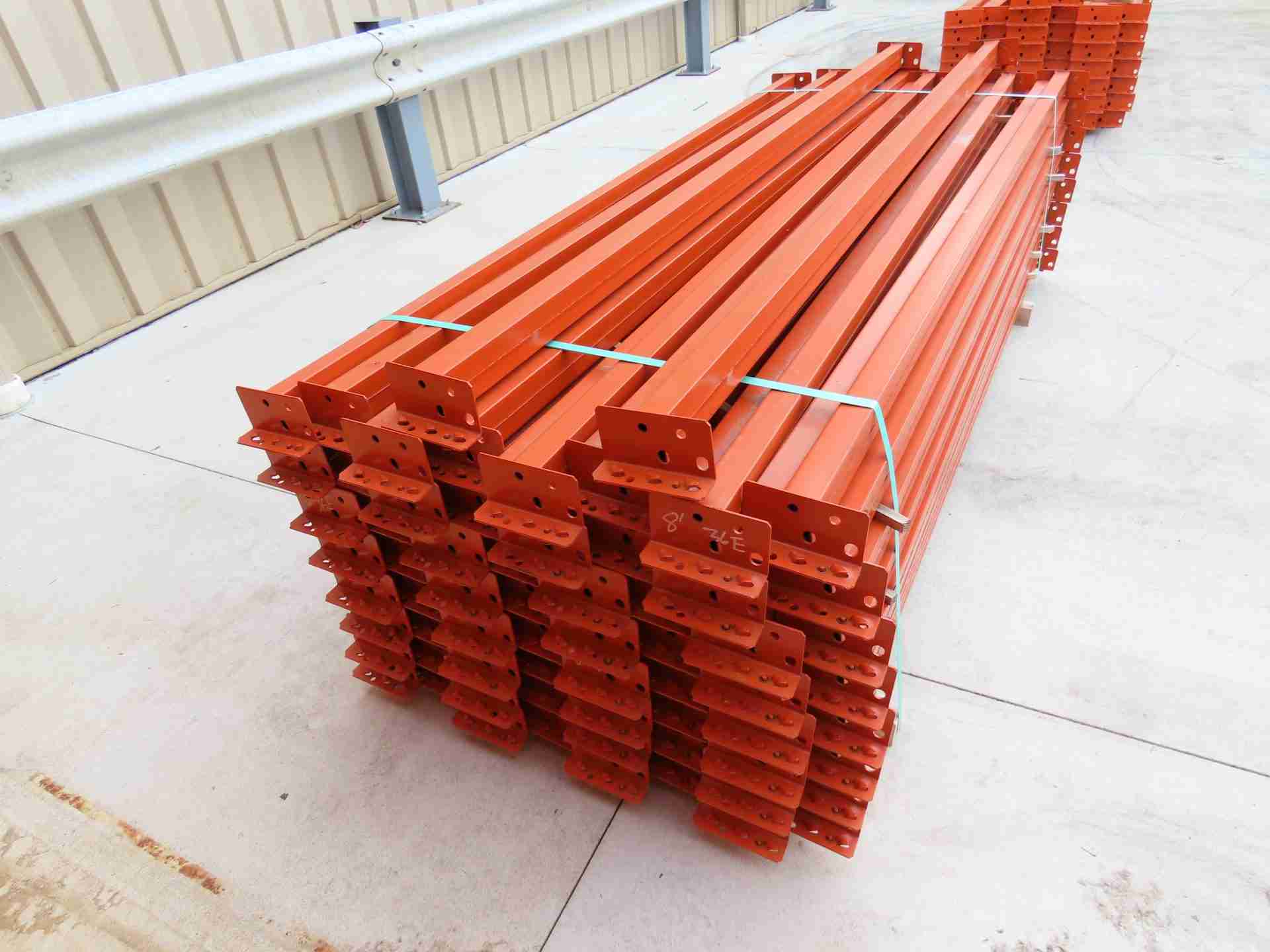
Conclusion
Conclusion:
- Accurate load capacity calculations for cantilever racks are essential for safety and efficiency in warehousing and logistics.
- Key factors to assess include product weight, manufacturer’s load ratings, environmental conditions, and rack configuration.
- Routine evaluations prevent accidents and ensure compliance with evolving regulations.
- Even weight distribution across rack arms enhances safety and operational efficiency.
- Regular training for employees promotes best practices in load management and fosters a safety culture.
- Expert consultations and tools like load calculators ensure proper evaluation of racking systems.
- Quarterly inspections and proactive management of load capacity can mitigate risks and enhance operational integrity.

Conclusion
Other Resources

Other Resources
Here is a list of other resources you can review online to learn more:
- “Cantilever Racks”
- “Materials Handling and Storage”
- “Steel King: I-Beam Cantilever”
- “e -HANDBOOK on WAREHOUSING STANDARDS”
- “Cantilever Racking for Warehouse Management”
- “Everything You Need to Know about Cantilever Racking …”
- “Warehouse Solutions: Conveyor & Storage Rack Systems”
- “Storage Rack System Checklist & Tips On Choosing The …”
- “Cantilever Racking Specialists – Get the Right Racks”
- “Steel Industrial Racking System Warehouse Storage …”
- “Warehouse Racking Systems: Beginner’s Guide to Rack …”
- “OSHA Warehouse Requirements: Racking Considerations”
- “A Guide to Scaffold Use in the Construction Industry”
- “Cantilever racking | Racking and Shelving”
- “Maximizing Storage & Providing Dock Solutions”
- “Occupational Safety General Regulations”
- “FEMA 460 Seismic Considerations for Steel Storage Racks …”
Bing Copilot Prompt: Please provide me with a list of online articles with their URLS in a bulleted list that I can read regarding How Do You Calculate Load Capacity for Cantilever Racks?
Other Resources
Glossary Terms
How Do You Calculate Load Capacity for Cantilever Racks? – Glossary Of Terms
1. Cantilever Rack: A storage system that features horizontal beams supported by vertical posts, designed to hold long or bulky items like lumber, pipes, and furniture.
2. Load Capacity: The maximum weight that a storage rack can safely hold, based on its design and materials used.
3. Uniformly Distributed Load (UDL): A load that is distributed evenly across the length of the rack, affecting load capacity calculations.
4. Point Load: A concentrated load applied at a single point on the rack, which may impact load distribution and structural integrity.
5. Beam: The horizontal component of a cantilever rack that supports the load; its size and material influence the load capacity.
6. Post: The vertical support structure of the cantilever rack that bears the weight of the beams and the load.
7. Deflection: The amount a beam bends under load, which can affect the functionality and safety of the rack.
8. Material Properties: Characteristics of the materials used in the rack (e. g. , steel, aluminum), influencing strength, durability, and load capacity.
9. Moment Capacity: The maximum bending moment a beam can withstand before failing, critical for determining load limits.
10. Safety Factor: A numerical value used in design to provide a margin of safety against unforeseen loads or structural weaknesses.
11. Load Distribution: How the weight of an item is spread across the surface of the rack, which affects stability and strength.
12. Rack Stability: The ability of a cantilever rack to resist tipping or collapsing under load, determined by design and load placement.
13. Dynamic Load: Load that considers the forces of movement, such as loading or unloading, affecting the rack’s capacity.
14. Static Load: The weight of items resting on the rack without movement, typically used for basic load capacity calculations.
15. Bracing: Reinforcement added to rack structures to enhance stability and load capacity, often in the form of diagonal supports.
16. Cross Sectional Area: The area of the beam’s cross-section, which helps determine its load-bearing ability.
17. Span: The distance between two posts supporting a beam, affecting load capacity calculations; longer spans typically reduce capacity.
18. Column Load: The vertical load imposed on the rack posts, which translates into the requirement for adequate post strength.
19. Calculated Load: The theoretical weight that can be placed on a cantilever rack based on its design specifications.
20. Load Testing: A process in which a rack is subjected to loads to determine its actual performance and capacity.
21. Lateral Load: Horizontal forces acting on the rack, often due to wind or seismic activity, influencing design and stability.
22. Design Standards: Guidelines and specifications set by organizations (e. g. , ANSI, RMI) that govern cantilever rack construction and load limits.
23. Span Tables: Charts that provide load capacity information based on beam configurations and spans, useful for calculating safe loads.
24. Installation Guidelines: Recommendations for the proper assembly and placement of cantilever racks to ensure safety and efficiency.
25. Weight Distribution: The method of arranging loads on a rack to ensure stability and compliance with load capacity.
26. Overloading: Placing weight on a rack beyond its specified load capacity, which can lead to structural failure or accidents.
27. Load Calculation Formula: Mathematical equations used to determine the safe load capacity of cantilever racks based on various factors.
28. Vertical Load: The downward force applied to the rack due to the weight of items stored.
29. Eccentric Load: A load applied off-center, requiring careful consideration in load capacity calculations as it can lead to tipping.
30. Ramp Load: Weight distributed on a sloped surface or loading ramp connected to the cantilever rack, affecting overall stability and capacity.
Glossary Of Terms
Other Questions
How Do You Calculate Load Capacity for Cantilever Racks? – Other Questions
If you wish to explore and discover more, consider looking for answers to these questions:
- What are the best practices for calculating load capacity for cantilever racks?
- What specific tools can help with load calculations?
- How can I verify the load capacity rating provided by the manufacturer?
- What are the most common mistakes made during load calculations?
- How do environmental factors influence load capacity?
- What guidelines should I follow to ensure compliance with safety regulations?
- What is the relationship between rack configuration and load capacity?
- How can I educate my team on proper load management practices?
- What are the potential legal repercussions of exceeding load capacity?
- How do I perform a risk assessment regarding heavy loads on cantilever racks?
- What types of materials enhance the strength of a cantilever rack?
- Are there specific industry standards that apply to cantilever racks?
- How often should I perform maintenance checks on cantilever racks?
- Which monitoring technologies can help maintain load capacity safety?
- How do I adjust for dynamic loads versus static loads?
Other Questions
Checklist
How Do You Calculate Load Capacity for Cantilever Racks? – A Checklist
Understanding the Basics
_____ Identify the type of cantilever rack being used (single-sided or double-sided).
_____ Determine the vertical and horizontal load limits for the rack.
_____ Assess the number of arms being used to support the weight.
Assessing Load Capacity
_____ Check the manufacturer’s load capacity rating for each arm.
_____ Calculate the maximum capacity per shelf based on the number of arms.
_____ Maintain a safety margin below the maximum capacity to prevent overloading.
Regular Compliance and Inspections
_____ Schedule regular inspections of cantilever racks (recommend monthly visual checks).
_____ Document any visible signs of wear, damage, or rust.
_____ Ensure compliance with OSHA and other relevant safety standards.
Environmental Considerations
_____ Consider the impact of humidity and temperature on rack materials.
_____ Adjust load calculations based on environmental conditions that could affect stability.
Smart Load Distribution
_____ Ensure even weight distribution across the arms of the rack.
_____ Place heavier items on the bottom shelf and lighter items above.
_____ Use technology (if available) to monitor load distribution in real time.
Training and Team Engagement
_____ Educate staff on proper stacking techniques and load limits.
_____ Promote a culture of safety where team members feel responsible for adhering to load limits.
Regular Reevaluation
_____ Reassess load capacity quarterly or after new product introductions.
_____ Conduct an annual audit with a qualified expert to evaluate rack integrity and compliance.
_____ Prepare for event-driven emergencies (seasonal peaks, new inventory) by reassessing loads promptly.
Avoiding Common Mistakes
_____ Avoid shortcutting detailed calculations—include live load, dead load, and other factors.
_____ Don’t neglect future load increases in calculations.
_____ Always reference manufacturer specifications when performing load calculations.
Utilizing Manufacturer Specifications
_____ Always refer to manufacturer’s specifications for effective material choices.
_____ Utilize this information for marketing strategies to build customer trust.
_____ Use specifications to inform decision-making in purchasing and installation.
By following this checklist, you can ensure that your cantilever racks are utilized efficiently and safely, maximizing both operational performance and workplace safety.
Checklist
At RackingWorld, we help guide you through selecting warehouse storage systems and racking.
Be sure to read our other related stories at RackingWorld to learn more about warehouse storage systems.
0 Comments