
Maximizing Efficiency And Roi With Cantilever Racking
By Tom Seest
At RackingWorld, we help guide you through selecting warehouse storage systems and racking.
Be sure to read our other related stories at RackingWorld to learn more about warehouse storage systems.
How Do You Measure The Success Of a Cantilever Racking System?
In today’s fast-paced industrial landscape, having a well-crafted cantilever racking system is not just a luxury; it’s a necessity for businesses aiming to maximize efficiency, space, and ultimately, profitability. But how do you truly measure the success of such a system? It’s not merely about the installation of a robust structure; it’s about evaluating its impact on your overall operations and bottom line.
1. Space Utilization: The Power of Vertical Storage
One of the most immediate indicators of success is how effectively the racking system utilizes vertical space. Traditional shelving may leave valuable overhead storage unexploited, whereas cantilever racks enable you to capitalize on height, especially for long or bulky items. Consider a manufacturing facility that transitioned to cantilever racking—it reported a 30% increase in storage capacity within the same footprint. Regular audits of storage space before and after installation reveal effective utilization rates and can guide future scaling decisions.
2. Inventory Accessibility: Efficiency in Action
Another crucial measure is the ease of access to stored items. A successful cantilever system allows operators to retrieve inventory swiftly and safely. Analyze picking times before and after implementing the system. For instance, a distribution center recently noted a 25% reduction in picking time, attributing it to the clear organization and user-friendly design of their new racking. Enhanced efficiency not only accelerates operations but also provides a competitive edge in a demanding market.
3. Load Capacity and Safety Compliance
Monitoring load capacity and ensuring compliance with safety regulations provides insight into the racking system’s reliability. Incidents of product damage or workplace injuries can erode profitability and erode brand trust. A successful cantilever racking system maintains a balance between heavy load-bearing capabilities and proper safety measures, thereby minimizing risk and maximizing uptime. Regular inspection schedules and adherence to guidelines set forth by organizations like OSHA can significantly reduce compliance-related headaches.
4. Impact on Labor Costs
Labor costs represent a significant portion of warehouse expenses. Measuring the reduction in labor hours associated with improved handling and organization directly ties into your racking system’s performance. For example, facilities that have integrated technology like RFID or automated retrieval systems alongside cantilever racks have reported labor savings of up to 20%. This kind of efficiency translates to tangible cost savings, boosting overall profitability.
5. Customer Satisfaction and Order Fulfillment Rates
Finally, you can gauge your success by analyzing customer satisfaction and order fulfillment rates. With improved storage solutions, timely order delivery becomes a reality. Tracking metrics like fill rates and on-time delivery percentages reveals the racking system’s effectiveness. A satisfied customer is a repeat customer, and in an era where online reviews can make or break a business, your ability to deliver consistently builds credibility and fosters loyalty.
Measuring success isn’t a one-time task but rather an ongoing process. By evaluating these key performance indicators, you can ensure your cantilever racking system continues to contribute to your organization’s growth and profitability for years to come.
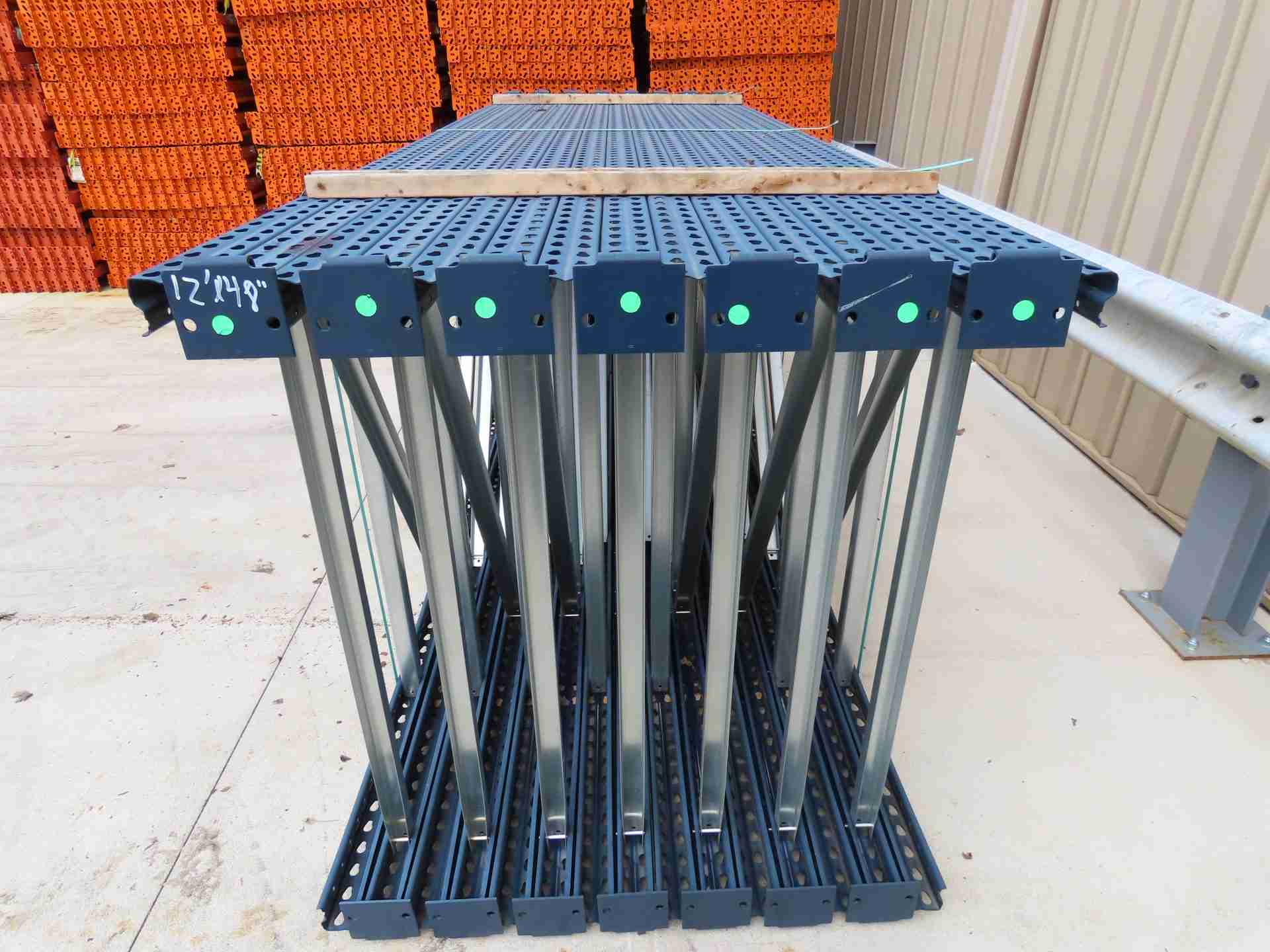
How Do You Measure The Success Of a Cantilever Racking System?
How Do You Measure The Success Of a Cantilever Racking System?
- Space Utilization: Cantilever racking systems maximize vertical space, reportedly increasing storage capacity by up to 30%.
- Inventory Accessibility: Improved access to inventory can lead to a 25% reduction in picking times, enhancing overall operational efficiency.
- Load Capacity and Safety Compliance: Effective cantilever systems balance heavy load-bearing capabilities with safety measures to minimize risk.
- Impact on Labor Costs: Facilities using technology like RFID with cantilever racks have achieved labor savings of up to 20%.
- Customer Satisfaction: Enhanced storage solutions can improve order fulfillment rates and customer satisfaction metrics.
- Ongoing Evaluation: Measuring success is an ongoing task that involves assessing key performance indicators consistently.
- Profitability Enhancement: Efficient racking systems contribute to long-term organizational growth and profitability.

How Do You Measure The Success Of a Cantilever Racking System?
Table Of Contents
- How Do You Measure The Success Of a Cantilever Racking System?
- How Do You Define Success For A Cantilever Racking System?
- What Key Performance Indicators Should Be Tracked?
- How Can Weight Distribution Affect Racking Success?
- What Safety Metrics Are Important For Cantilever Systems?
- How Does The Layout Of The Warehouse Influence Success?
- What Role Does Inventory Turnover Play In Measuring Success?
- How Can Maintenance Protocols Impact Racking Effectiveness?
- What Are Common Challenges In Assessing Racking Performance?
- How Can Employee Feedback Contribute To System Assessment?
- What Tools Can Be Used For Tracking Racking Success?
- How Do You Evaluate The Return On Investment For Racking?
- What Impact Does Forklift Operation Have On Racking Systems?
- How Often Should A Cantilever Racking System Be Assessed?
- What Benchmarks Are Useful For Comparative Analysis?
- How Do Seasonal Variations Affect Racking Performance?
- Conclusion
- Other Resources
- Glossary Of Terms
- Other Questions
- Checklist
How Do You Define Success For A Cantilever Racking System?
When assessing the success of a cantilever racking system, it’s essential to look beyond mere installation and consider the broader implications—efficiency, safety, and return on investment (ROI). These elements collectively form a robust definition of success that every warehouse or distribution center should strive for.
First and foremost, consider efficiency. A cantilever racking system is designed to optimize storage space for long, bulky items like lumber, pipes, or sheets of metal. Success can be defined by how well this system increases storage density and decreases retrieval time. Imagine a lumberyard that makes the switch from traditional shelving to a cantilever system: suddenly, they can store their inventory vertically, freeing up valuable floor space for processing operations or movement. In a sector facing the pressures of supply chain disruptions—such as the recent lumber shortages—maximizing space translates to enhanced operational capacity and quicker turnaround times.
Safety is another critical factor. A successful cantilever racking system minimizes risk by providing stability and easy access to stored items. Installing safety features such as end-of-arm barriers or reinforced support arms can be game-changers. For instance, consider a manufacturer that suffered a significant loss due to an accident involving falling materials. By adopting a robust cantilever racking system with stringent safety protocols, they not only protect their workforce but also safeguard their productivity and reputation. In an era where workplace safety is under increasing scrutiny, organizations that prioritize these measures find themselves ahead of the curve.
Finally, let’s talk about ROI. Success can be quantitatively defined by assessing cost savings over time. A well-implemented cantilever racking system reduces the need for repetitive manual handling, leading to lower labor costs. Consider a distribution center that integrated a sophisticated cantilever racking solution and subsequently reported a 20% reduction in labor expenses. That’s not just success; that’s a transformative financial strategy worth emulating.
In the face of industry challenges, such as evolving customer demands and fluctuating market conditions, success in defining a cantilever racking system hinges on flexibility and adaptability. A successful operation is not static; it evolves to integrate advanced technologies like automated storage and retrieval systems, aligning warehouse operations with the latest market trends.
In summary, defining success for a cantilever racking system is multi-dimensional. Efficiency, safety, and ROI are intertwined pillars that shape the narrative of operational excellence. Embracing these metrics positions companies not merely to survive but to thrive in a competitive landscape. Successful implementation is about looking forward and preparing for future challenges while ensuring the foundation of stability and productivity is firmly in place.
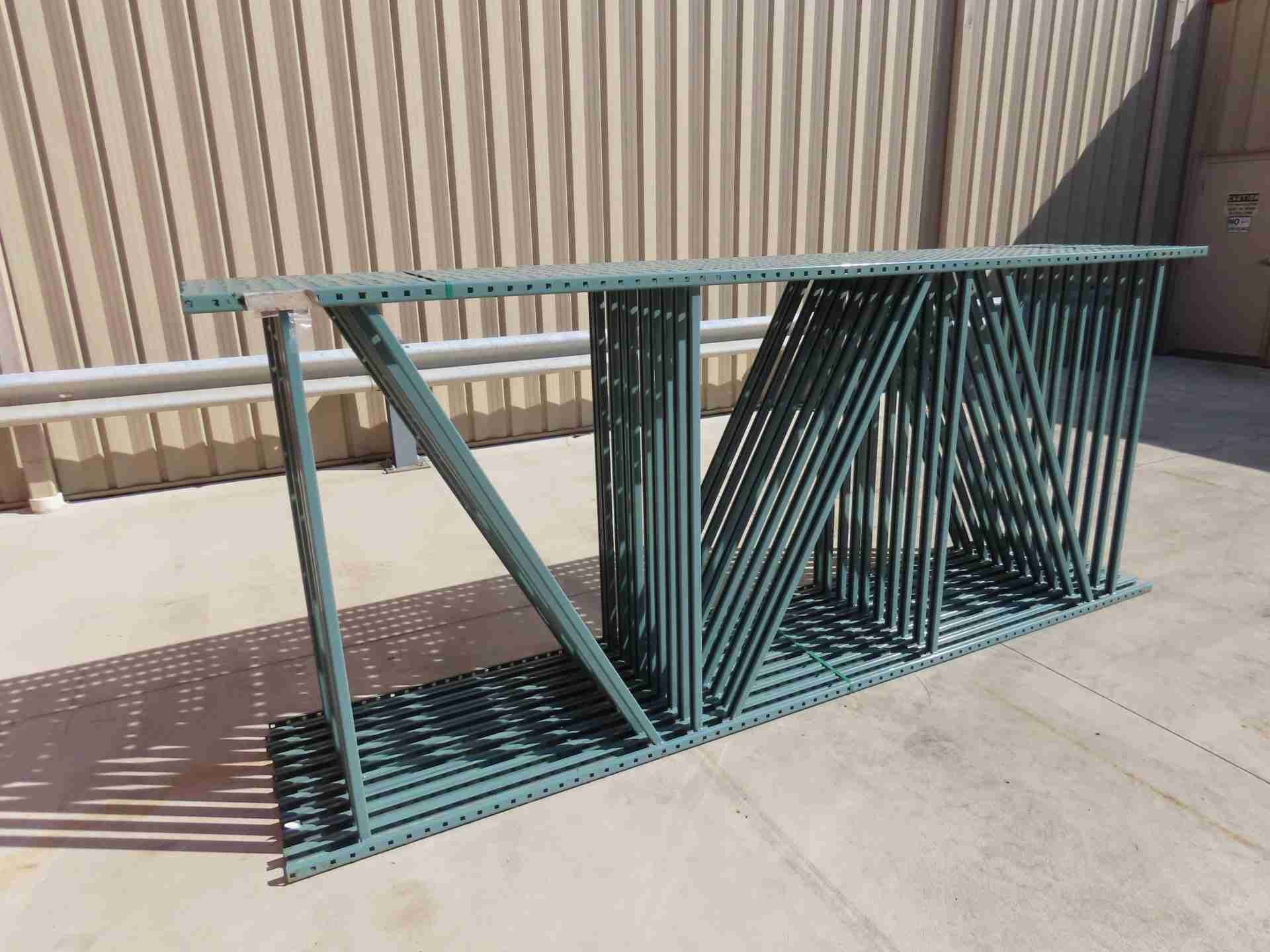
How Do You Define Success For A Cantilever Racking System?
How Do You Define Success For A Cantilever Racking System?
- Assessing the success of a cantilever racking system involves factors beyond installation, focusing on efficiency, safety, and ROI.
- Efficiency is key; the system enhances storage density and reduces retrieval time for long, bulky items.
- Switching to a cantilever racking system can free up floor space for other operations, improving operational capacity.
- Safety is critical, with features like end-of-arm barriers boosting stability and minimizing risks of accidents.
- ROI can be measured through cost savings, like reduced labor expenses from decreased manual handling.
- Success requires flexibility and adaptability, incorporating advanced technologies to meet changing market demands.
- Achieving multi-dimensional success in cantilever racking involves intertwining efficiency, safety, and ROI for operational excellence.
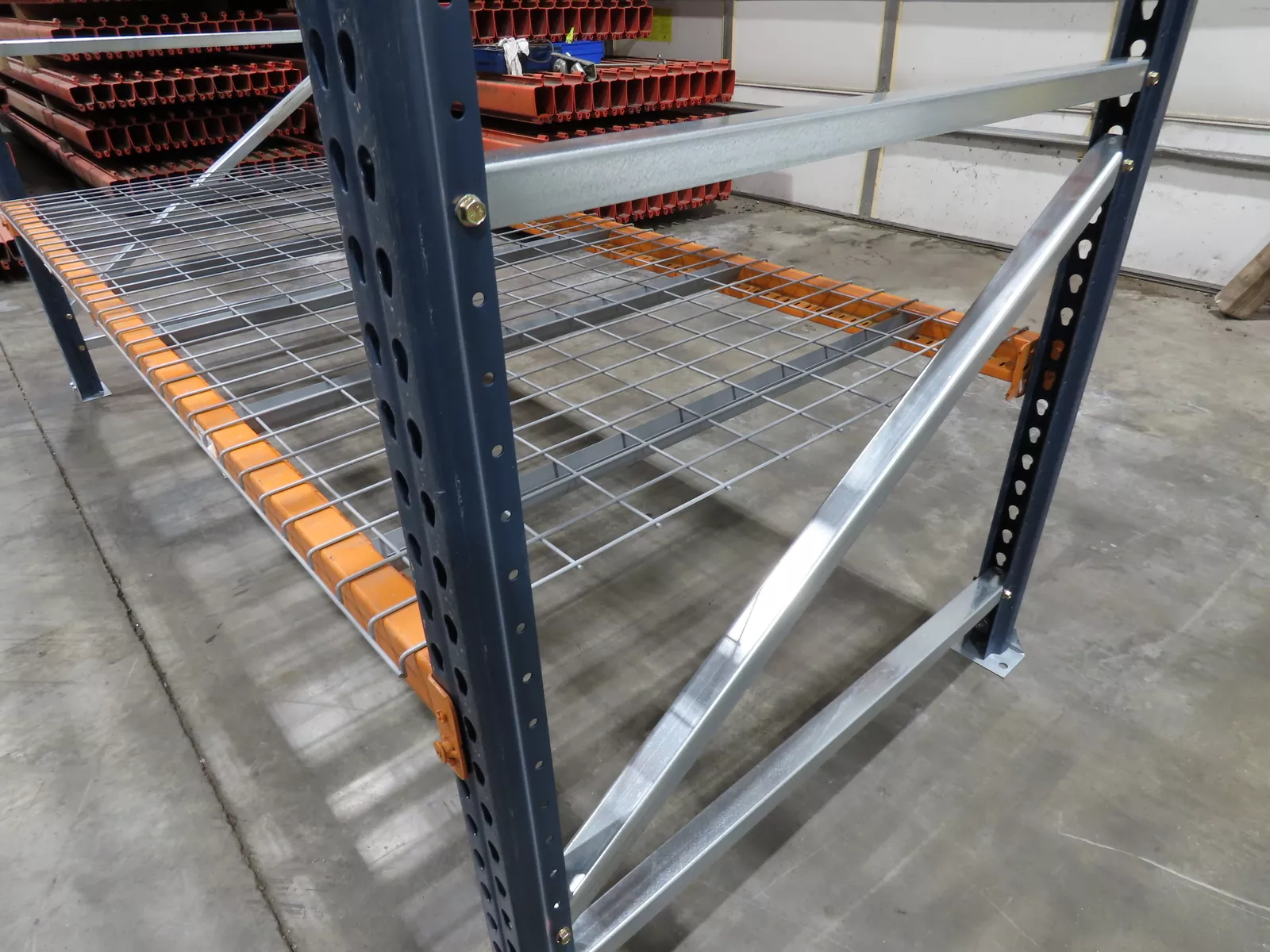
How Do You Define Success For A Cantilever Racking System?
What Key Performance Indicators Should Be Tracked?
In the world of marketing, the mantra “What gets measured gets managed” holds an undeniable truth. But in today’s data-driven landscape, your success hinges on choosing the right Key Performance Indicators (KPIs). These metrics serve as the vital signs of your campaigns, revealing what’s working and what’s not. So, what KPIs should you be monitoring? Let’s dive into the essentials.
First and foremost, Conversion Rate is your north star. This KPI tracks the percentage of visitors to your website who complete a desired action, whether that’s making a purchase, signing up for a newsletter, or downloading a whitepaper. If you’re running an e-commerce site and notice a conversion rate of 3%, that’s decent, but don’t rest on your laurels. Constant A/B testing of your landing pages and checkout process could easily lift that number, as seen with brands like Shopify, which regularly shares case studies of businesses achieving significant upticks simply through minor tweaks.
Next, consider Customer Acquisition Cost (CAC). This KPI tells you how much you’re spending to acquire a new customer. For example, if you’re investing $10,000 in marketing efforts and getting 100 new customers, your CAC is $100. Now, juxtapose this against your Customer Lifetime Value (CLV)—the total revenue expected from a customer over their relationship with your brand. If your CLV is $300, you’ve got a solid model; if not, it’s time to refine your strategy.
Also crucial is Return on Investment (ROI). It calculates the effectiveness of your campaigns by measuring the profit generated relative to the cost incurred. In light of ongoing economic uncertainty, being vigilant with ROI assessments helps ensure that every dollar spent drives meaningful revenue. Current events show that brands shifting their focus toward ROI-driven marketing are faring better in tightening markets.
Another essential KPI hinges on Customer Retention Rate. Retaining customers is cheaper and often more profitable than acquiring new ones. Monitor how many customers return to make a repeat purchase, and if this figure is declining, invest time in customer engagement strategies or loyalty programs, as companies like Starbucks have successfully implemented.
Finally, don’t ignore Traffic Metrics, including both unique visitors and page views. These figures help gauge the effectiveness of your channels—whether organic, paid, or referral. With myriad shifts in digital behavior (driven in part by the pandemic), understanding how traffic patterns evolve will be critical.
Ultimately, effective marketing hinges on tracking the right KPIs—because numbers without context are just numbers. Choose wisely, analyze effectively, and steer your marketing strategy toward success.
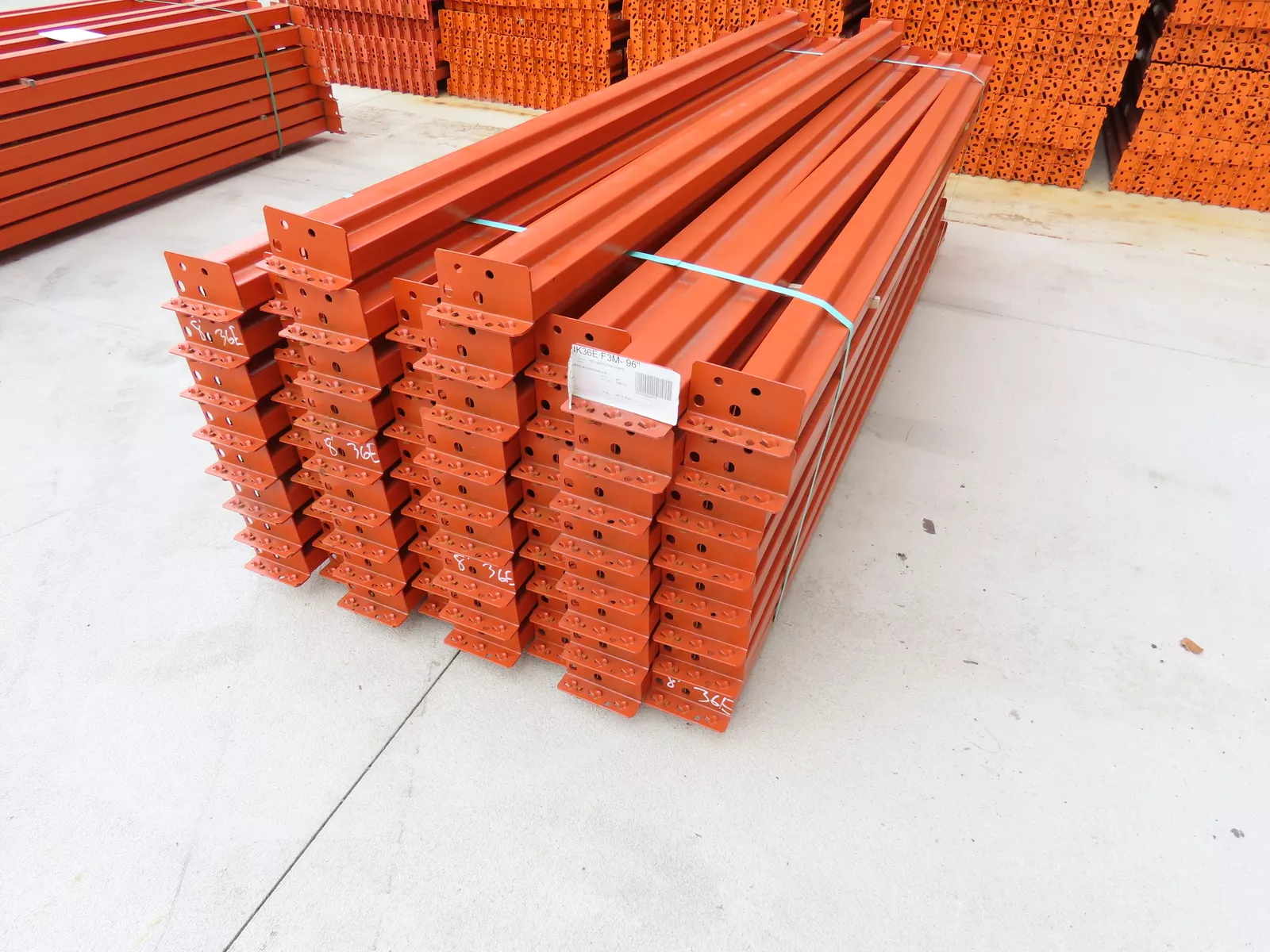
What Key Performance Indicators Should Be Tracked?
What Key Performance Indicators Should Be Tracked?
- “What gets measured gets managed” emphasizes the importance of metrics in marketing.
- Key Performance Indicators (KPIs) are essential for tracking campaign effectiveness.
- The Conversion Rate indicates the percentage of visitors completing desired actions on a website.
- Customer Acquisition Cost (CAC) measures the cost to gain a new customer, crucial for assessing marketing efficiency.
- Return on Investment (ROI) evaluates the profit generated relative to marketing expenditures.
- Customer Retention Rate is important as retaining customers is often more cost-effective than acquiring new ones.
- Traffic Metrics, including unique visitors and page views, provide insight into the effectiveness of various marketing channels.
What Key Performance Indicators Should Be Tracked?
How Can Weight Distribution Affect Racking Success?
In the bustling world of warehousing and logistics, where efficiency is king, the subtle art of weight distribution often holds the key to maximizing racking success. It’s a common oversight that can cost companies not just in operational inefficiencies, but in potential revenue losses and safety hazards.
Consider a recent report from the National Safety Council highlighting that improper load distribution is a leading cause of warehouse accidents, a scenario that can lead to downed inventory, injured workers, and costly insurance claims. However, the benefits of mastering weight distribution can be far-reaching if leveraged correctly.
Picture this: a retail giant like Amazon relies on a sophisticated racking system to manage millions of products. Effective weight distribution in their racking can mean the difference between a seamless order fulfillment process and an operational snarl that delays packages, leading to unhappy customers. By evenly distributing weight across different racking levels, they’re not just minimizing the risk of a catastrophic failure but also increasing their ability to store and retrieve inventory efficiently.
Another high-stakes example is from the automotive sector, where companies like Toyota have adopted just-in-time inventory systems. Here, proper weight distribution is crucial, as any miscalculation could lead to delays in assembly lines. This is a lesson for all businesses: improper loading of racks can result in bottlenecks that stall productivity and threaten timely delivery—an unforgivable sin in today’s customer-centric market.
But how does one gauge the correct weight distribution? It starts by analyzing your inventory. Use data analytics tools to assess the weight and volume of items regularly. For high-density products, opt for lower racks, ensuring an equal distribution of weight across the system. This not only maximizes storage but also enhances safety, as lower racks are less prone to tipping over.
Additionally, periodic training of staff on best practices can bolster your efforts. Studies have shown that organizations that invest in employee training on load management see a 30% decrease in accidents related to improper weight distribution.
Incorporating these practices not only ensures safer working conditions but can also extend the lifespan of your racking systems. By removing the concern of overloading, companies can focus more on strategic growth initiatives, ultimately driving revenue and efficiency.
In a market where every competitive advantage counts, paying attention to weight distribution could well be the edge your operation needs to thrive amidst challenges. Don’t let the details weigh you down; embrace them, and watch your racking systems soar.

How Can Weight Distribution Affect Racking Success?
How Can Weight Distribution Affect Racking Success?
- Weight distribution is crucial for maximizing success in warehousing and logistics.
- Improper load distribution can lead to operational inefficiencies, revenue losses, and safety hazards.
- According to the National Safety Council, improper load distribution is a major cause of warehouse accidents.
- Effective weight distribution is essential for companies like Amazon to ensure seamless order fulfillment.
- In the automotive sector, improper loading can disrupt just-in-time inventory systems, impacting productivity.
- Regular inventory analysis and data analytics tools are recommended for assessing weight distribution.
- Periodic training on load management can reduce accidents by 30% and improve racking system longevity.
How Can Weight Distribution Affect Racking Success?
What Safety Metrics Are Important For Cantilever Systems?
Understanding and implementing safety metrics for cantilever systems is not only about compliance—it’s about safeguarding your investment, your workforce, and your reputation. In the bustling world of construction and manufacturing, where the specter of risk lurks behind every project, focusing on the right safety metrics can be the difference between success and failure.
1. Load Capacity Ratios:
One of the primary metrics to monitor is the load capacity ratio. This ratio signifies how much weight your cantilever system can safely support relative to its maximum capacity. Suppose you have a cantilever beam designed to hold a certain load. Regularly testing this capacity against real-world usage can reveal potential vulnerabilities. For instance, safety audits conducted in the wake of recent structural failures in high-profile construction projects highlight the importance of adherence to calculated load limits. Staying well below these limits ensures you’re not just compliant, but proactive in risk management.
2. Deflection Measurement:
Deflection—how much a beam bends under load—is another critical metric that often goes overlooked. Excessive deflection can develop over time due to material fatigue or unexpected loads. By using advanced monitoring systems, you can continuously measure deflection and act before minor discrepancies lead to significant structural failings. Consider the case of a recent bridge failure due to unnoticed deflection; this incident emphasized how continuous monitoring can avert tragedies.
3. Materials Integrity Tests:
Regularly testing the integrity of the materials used in your cantilever systems is vital. Non-destructive testing (NDT) methods like ultrasonic testing or magnetic particle inspection can uncover hidden flaws before they escalate. In the manufacturing sector, where safety regulations continually evolve, sticking to outdated materials without regular integrity reassessments can expose businesses to liability. Innovative companies are now investing in technologies that automate these tests, significantly reducing the risk of human error.
4. Incident Reporting and Response Time:
The quickest way to improve your safety metrics is to closely monitor and analyze incident reports. Keeping track of near-misses and actual accidents allows organizations to adapt and implement corrective measures swiftly. In the aftermath of recent high-profile workplace accidents that sparked industry-wide reforms, companies committed to a culture of transparency have been seen to reduce incidents significantly.
Don’t just view safety metrics as a box to check; they’re your roadmap to a more efficient and secure operation. By prioritizing these fundamental safety dimensions, not only will you protect your assets and people, but you will also position your business as a leader in responsible practices within your industry. Remember, in today’s competitive landscape, being proactive in safety is a competitive advantage that no savvy business owner can afford to ignore.
What Safety Metrics Are Important For Cantilever Systems?
What Safety Metrics Are Important For Cantilever Systems?
- Implementing safety metrics for cantilever systems protects investments, workforce, and reputation.
- Load capacity ratios are crucial for understanding weight tolerance and identifying vulnerabilities in cantilever systems.
- Deflection measurement is critical to detect potential structural issues; continuous monitoring can prevent failures.
- Regular materials integrity tests using non-destructive testing (NDT) methods can reveal hidden flaws in cantilever systems.
- Monitoring incident reports and response times improves safety metrics and allows for quick corrective actions.
- Prioritizing safety metrics leads to a more efficient and secure operation and positions the business as an industry leader.
- Being proactive about safety metrics provides a competitive advantage in the construction and manufacturing sectors.
What Safety Metrics Are Important For Cantilever Systems?
How Does The Layout Of The Warehouse Influence Success?
In today’s cutthroat business landscape, the layout of your warehouse is not just an afterthought—it’s a game-changer. The way you organize your space directly affects your efficiency, customer satisfaction, and ultimately, your bottom line. When it comes to leveraging your warehouse as a competitive advantage, strategic layout planning is essential.
Consider e-commerce giants like Amazon. Their success is not solely dependent on the vast inventory they hold; it’s about how they utilize their warehouse space. Through innovative layouts that prioritize fast-moving products, they ensure quick fulfillment, keeping customers coming back for more. With the recent surge in online shopping, especially during events like Black Friday and Cyber Monday, efficient warehousing becomes a differentiator. Companies that can swiftly ship products, thanks to a well-thought-out layout, can capitalize on these peak times, while others lag behind.
Now, let’s talk about the infamous “zone picking” strategy. By establishing designated areas for different product categories, warehouses can streamline picking processes. For instance, if a warehouse services both electronics and clothing, separating these zones not only minimizes travel time but also reduces the likelihood of picking errors. With fewer touches and clearer paths, employees work smarter, not harder.
The utilization of vertical space is another crucial tactic. The Amazon fulfillment centers are prime examples of this. Rather than spreading inventory out horizontally, they maximize vertical space with towering shelves, making the most of every square foot. This not only increases capacity but also keeps everything within reach, optimizing worker productivity. A study released by Supply Chain Dive identifies that warehouses utilizing vertical space effectively can increase their storage volume by up to 50%.
Let’s not forget about employee morale. A cluttered, poorly designed warehouse can foster frustration and inefficiency among staff. By implementing a layout that promotes easy navigation and minimizes bottlenecks, companies can create an environment where employees thrive. This translates to better service and a positive customer experience, as happy employees are more likely to go the extra mile.
A well-planned warehouse layout is crucial for success in today’s fast-paced marketplace. Whether you’re an e-commerce startup or an established retailer, optimizing your space isn’t just a good practice; it’s a necessity. Embrace strategic planning, and watch your business soar.

How Does The Layout Of The Warehouse Influence Success?
How Does The Layout Of The Warehouse Influence Success?
- Warehouse layout is crucial for efficiency, customer satisfaction, and profitability in today’s competitive business environment.
- Success stories, like Amazon, illustrate the importance of innovative warehouse design focused on fast-moving products for quicker fulfillment.
- Efficient warehousing is especially important during peak shopping events, as it enables swift shipping and competitive advantage.
- The “zone picking” strategy helps streamline picking processes by designating areas for different product categories, reducing travel time and errors.
- Utilizing vertical space allows for increased storage capacity and improved employee productivity, as seen in Amazon’s fulfillment centers.
- A well-organized warehouse layout contributes to employee morale, fostering a positive workspace that enhances service and customer experience.
- Strategic warehouse planning is essential for businesses, making optimization a necessary step for success in a fast-paced marketplace.
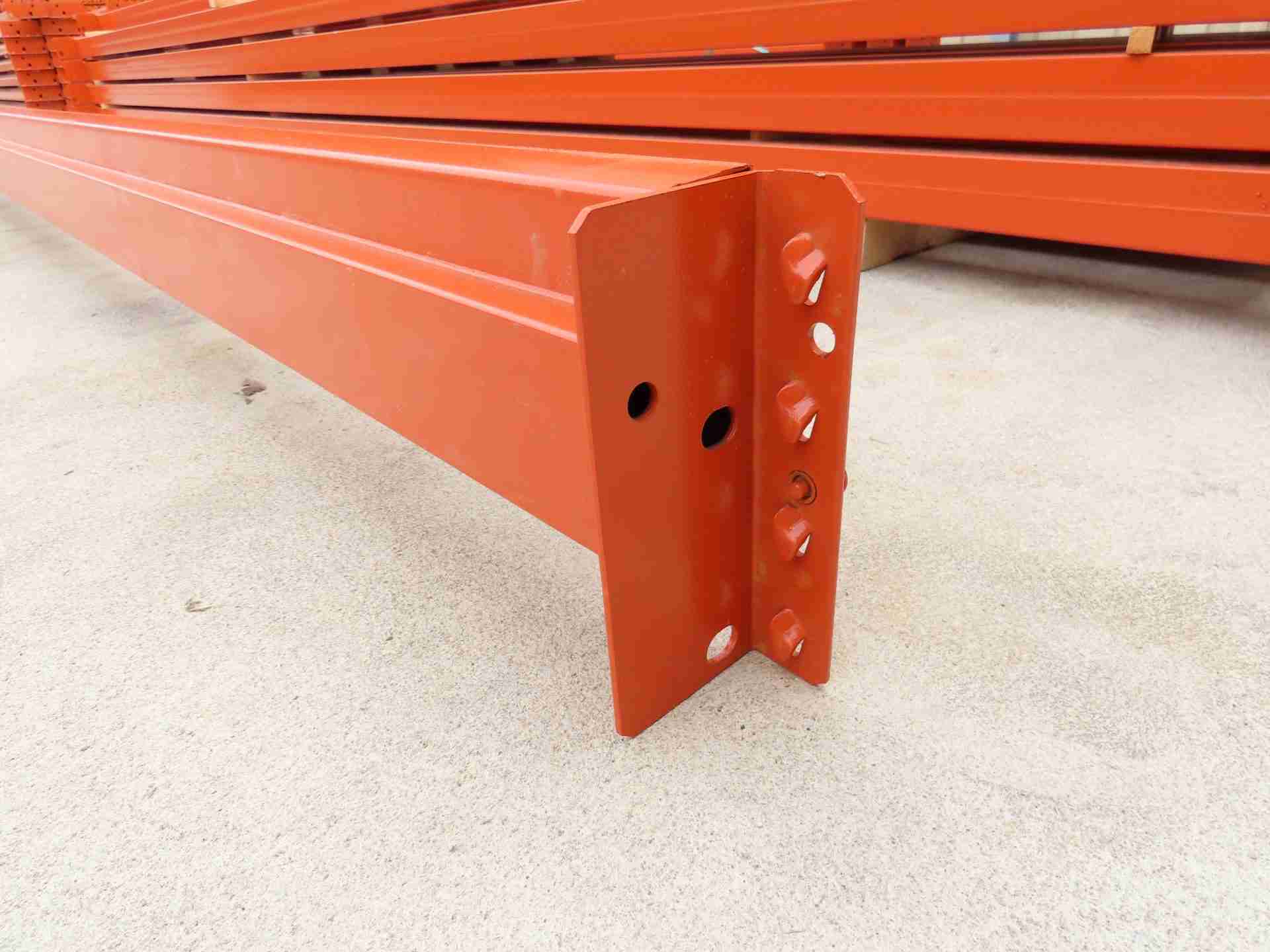
How Does The Layout Of The Warehouse Influence Success?
What Role Does Inventory Turnover Play In Measuring Success?
Inventory turnover is more than just a number on a balance sheet—it’s a crucial indicator of a company’s operational health and market responsiveness. Businesses that grasp the significance of inventory turnover can craft strategies that align closely with consumer demand, ultimately driving revenue and enhancing profitability. Simply put, it showcases how effectively a company is managing its inventory relative to its sales.
Let’s break this down with a clear example. Consider a retailer like Best Buy, which primarily deals with electronics. In the fast-paced world of technology, products can become obsolete overnight. A high inventory turnover ratio might indicate that Best Buy is adept at managing stock levels according to consumer demand and technology trends. This not only minimizes the risk of excess inventory but also maximizes cash flow. If Best Buy were sitting on large quantities of last year’s smartphones, the lost opportunity cost and potential markdowns could severely impact their bottom line. Conversely, a quick turnover signifies that they’re selling products while they’re still desirable, thus enhancing their reputation as a go-to destination for the latest gadgets.
In contrast, let’s take a look at the recent supply chain disruptions caused by the pandemic. Many businesses, from local boutiques to major retailers, faced unprecedented challenges in managing their inventory. Companies with a lower turnover struggled to adapt as shelves echoed with unsold merchandise while consumer preferences shifted. For example, apparel retailers such as Gap Inc. experienced significant slowdowns because of their inability to quickly move older stock. Meanwhile, those who efficiently managed their inventory embraced a flexible approach and turned to e-commerce solutions, achieving a relatively high turnover despite the chaos.
The importance of inventory turnover can also be seen through its impact on marketing strategies. Businesses that prioritize high turnover will align their marketing efforts to create urgency, utilizing limited-time offers or flash sales to encourage buying behavior. This psychological trigger not only speeds up inventory movement but also generates excitement and repeat visits from customers eager for the latest deals.
Ultimately, understanding and optimizing inventory turnover allows businesses to not just survive but thrive in a competitive marketplace. It provides actionable insights, drives strategic decisions, and most importantly, equips organizations with the agility to react promptly to market demands. In an era where consumer preferences can shift in an instant, mastering inventory turnover is an essential pillar of sustained success.
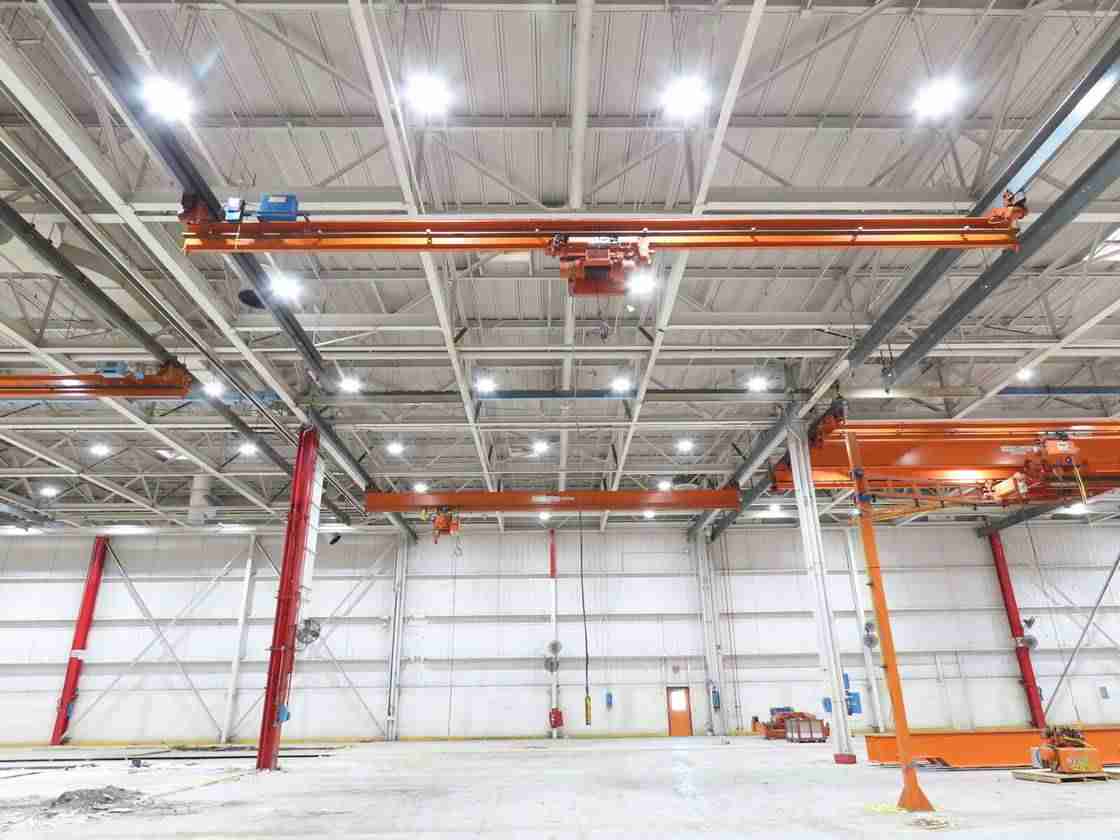
What Role Does Inventory Turnover Play In Measuring Success?
What Role Does Inventory Turnover Play In Measuring Success?
- Inventory turnover is a key indicator of a company’s operational health and market responsiveness.
- High inventory turnover allows businesses to align strategies with consumer demand, driving revenue and profitability.
- Retailers like Best Buy exemplify effective inventory management by quickly adapting to technology trends, minimizing excess stock.
- Supply chain disruptions during the pandemic challenged companies with low turnover, leading to unsold merchandise.
- Efficient inventory management, like that seen in successful apparel retailers, involves embracing flexible solutions such as e-commerce.
- High turnover is integral to marketing strategies, creating urgency through limited-time offers and flash sales.
- Mastering inventory turnover equips businesses to thrive by allowing quick responses to shifting consumer preferences.
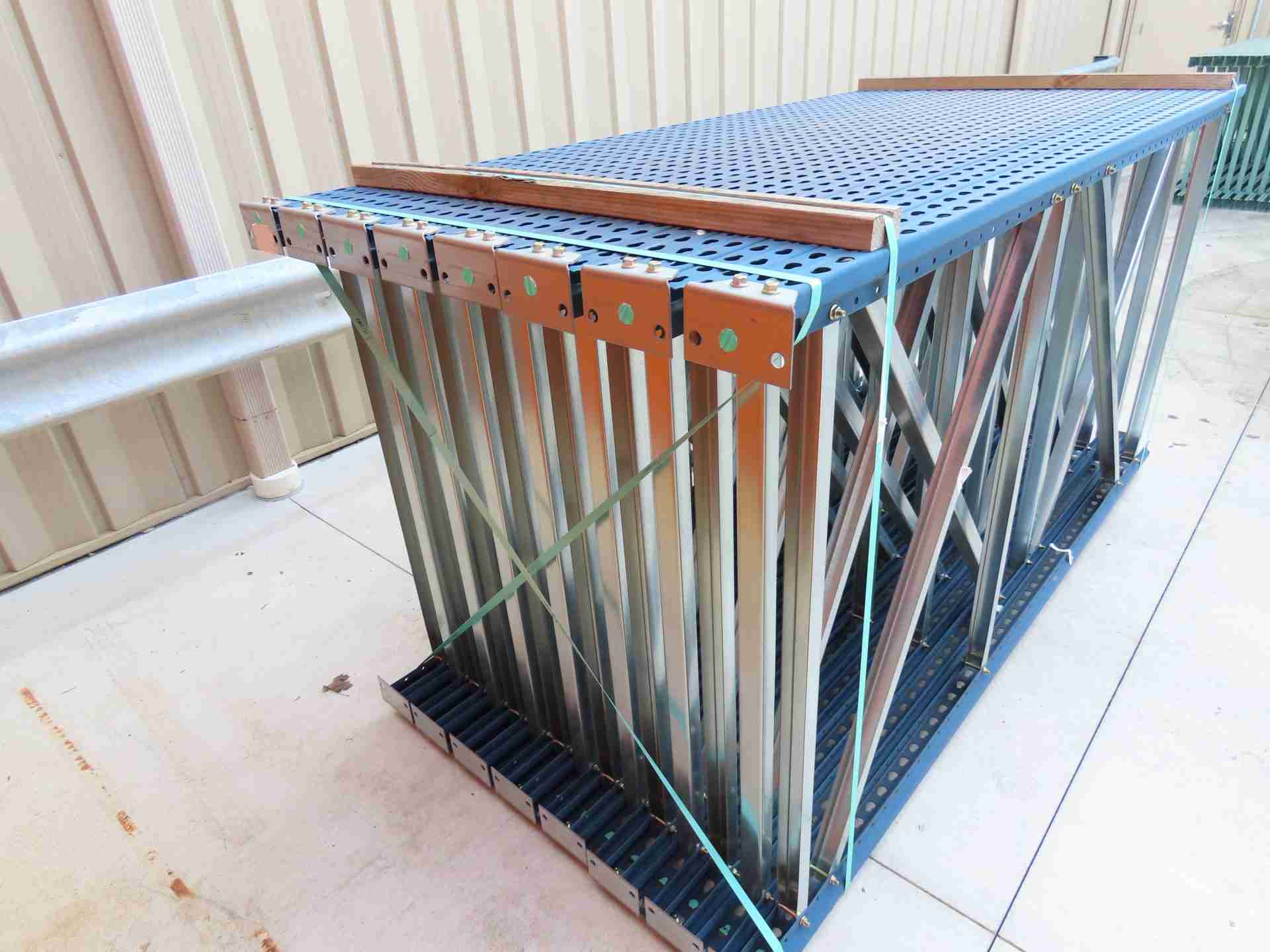
What Role Does Inventory Turnover Play In Measuring Success?
How Can Maintenance Protocols Impact Racking Effectiveness?
In the world of warehousing and distribution, having the right racking system is just one piece of a larger puzzle. The effectiveness of that racking system, however, can be greatly influenced by maintenance protocols. Just like a well-oiled machine, your racking system needs regular upkeep to perform at its best. Neglect this, and you risk loss of productivity, increased costs, and even safety hazards that can jeopardize your entire operation.
Imagine a bustling warehouse where products are stored on high-density racking systems. Each day, workers pull and place thousands of pallets. If those racking systems are not regularly inspected, small issues can snowball into major problems. For example, a slight bend or shift in a support beam may go unnoticed for weeks, but it can lead to catastrophic failures. A fallen pallet could not only destroy inventory but could also result in injury to workers, leading to potential litigation and insurance claims.
Current events have underscored the importance of robust maintenance protocols. For instance, during the pandemic, many warehouses experienced a surge in demand for e-commerce goods. Some facilities rushed to expand their racking systems without fully evaluating their existing setups. This lack of attention meant that many warehouses were operating under unsafe conditions, as they overlooked vital maintenance checks. Increased accidents and injuries in these high-pressure environments serve as a powerful reminder of why maintenance can’t be an afterthought—it’s integral to safe and efficient operations.
Implementing a rigorous maintenance schedule is not merely a checkbox on a compliance list. It’s a strategic move that can enhance efficiency and, ultimately, profit margins. Regular inspections can identify weaknesses, allowing for timely repairs or adjustments that prolong the life of your racking system. For instance, conducting quarterly inspections can prevent the costly consequences of a system failure and ensure that every inch of your racking is utilized for maximum storage efficiency.
Moreover, investing in employee training on best practices for using and maintaining racking systems pays dividends. Empowering your workers with knowledge can lead to a culture of safety and accountability, reducing the likelihood of accidents and damages.
In short, a well-maintained racking system is a cornerstone of operational effectiveness. If you’re looking to boost your warehouse performance, start with your maintenance protocols. Not only will you protect your investment, but you’ll also create a safer, more productive environment that keeps your business thriving, even in uncertain times.
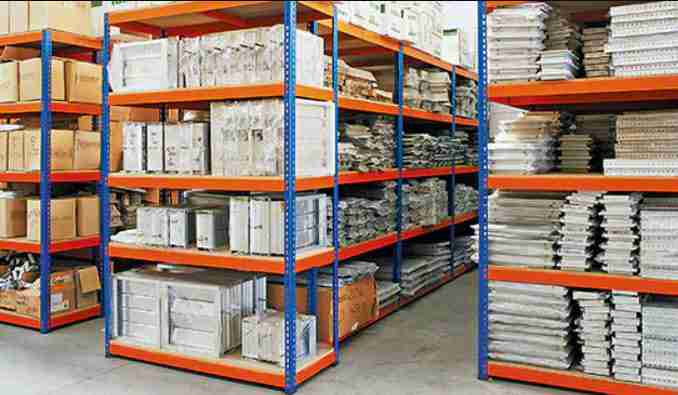
How Can Maintenance Protocols Impact Racking Effectiveness?
How Can Maintenance Protocols Impact Racking Effectiveness?
- Proper racking systems are essential but require ongoing maintenance for optimal performance.
- Neglecting maintenance can lead to productivity losses, increased costs, and safety hazards.
- Regular inspections can prevent minor issues from escalating into significant problems, such as catastrophic failures.
- The COVID-19 pandemic highlighted the dangers of overlooking maintenance, as demand surged and safety protocols were neglected.
- A rigorous maintenance schedule is strategic for improving efficiency and profit margins through timely repairs.
- Employee training on best practices fosters a culture of safety and accountability in warehouse operations.
- Maintaining racking systems is crucial for operational effectiveness, safeguarding investments, and ensuring a productive work environment.

How Can Maintenance Protocols Impact Racking Effectiveness?
What Are Common Challenges In Assessing Racking Performance?
Evaluating racking performance isn’t just a matter of checking boxes; it’s an intricate dance that can make or break operational efficiency. As industries continually adapt in a post-pandemic world, businesses face distinct challenges that complicate this pivotal assessment. Understanding these hurdles is crucial for maintaining an agile operation.
First, consider the nuanced nature of product variability. Different types of inventory—be it heavy machinery or delicate electronics—affect how racking systems are utilized. A major retailer, for instance, may use lightweight shelving for seasonal decor, while an automotive manufacturer relies on robust racks for heavy parts. Each requires unique metrics for performance assessment. Misjudging these needs can lead to undersized racks that strain under weight or oversized racks that waste valuable floor space.
Next, the rapid shift towards e-commerce, accelerated by the pandemic, has placed immense pressure on storage solutions. With consumer demands increasing for swift delivery times, racking systems must not only support traditional inventory flows but also accommodate complex logistics. A recent survey indicates that companies devoted to optimizing their racking solutions have seen an upsurge in productivity. However, measuring this improvement accurately remains challenging. It’s essential to develop precise Key Performance Indicators (KPIs) that reflect real-time effectiveness and flexibility—something not all organizations have executed seamlessly.
Moreover, the integration of technology into racking systems adds another layer of complexity. Automated systems and warehouse management software can vastly improve efficiency, but they may not be configured correctly to capture essential performance metrics. For instance, a company investing in AI-driven analytics might find itself drowning in data without a clear strategy, leading to misguided decisions and wasted resources.
Also, fluctuating economic conditions create an unstable environment for evaluating racking performance. In times of economic downturn, for example, inventory turnover might drop, skewing performance metrics and leading managers to prematurely blame the racking system for diminished efficiency. In reality, customer demand may be the underlying issue, requiring a keen assessment of market trends alongside racking performance data.
Lastly, workforce changes also play a significant role. High turnover rates make it difficult to maintain consistent operational practices and performance evaluations. New employees might not fully understand the intricacies of the racking system, potentially leading to underutilization or misuse, which can again skew the assessment process.
Navigating these challenges requires strategic foresight, ongoing training, and a willingness to adapt. By addressing each of these issues head-on, businesses empower themselves to make informed decisions that enhance racking efficiency and drive overall success.

What Are Common Challenges In Assessing Racking Performance?
What Are Common Challenges In Assessing Racking Performance?
- Evaluating racking performance is essential for operational efficiency, especially in a post-pandemic context.
- Product variability demands tailored racking solutions for different inventories, like lightweight shelves for retail and robust racks for manufacturing.
- The rise of e-commerce has intensified pressures on storage solutions, requiring adaptable racking systems that support quick delivery.
- Establishing precise Key Performance Indicators (KPIs) to reflect real-time effectiveness is crucial yet challenging for many organizations.
- Technology integration, such as automated systems and AI analytics, can enhance efficiency but may complicate performance metric capture.
- Economic fluctuations can distort performance evaluations, making it important to differentiate between racking issues and external demand factors.
- High employee turnover impacts operational consistency, which can lead to mismanaged racking systems and skewed performance assessments.
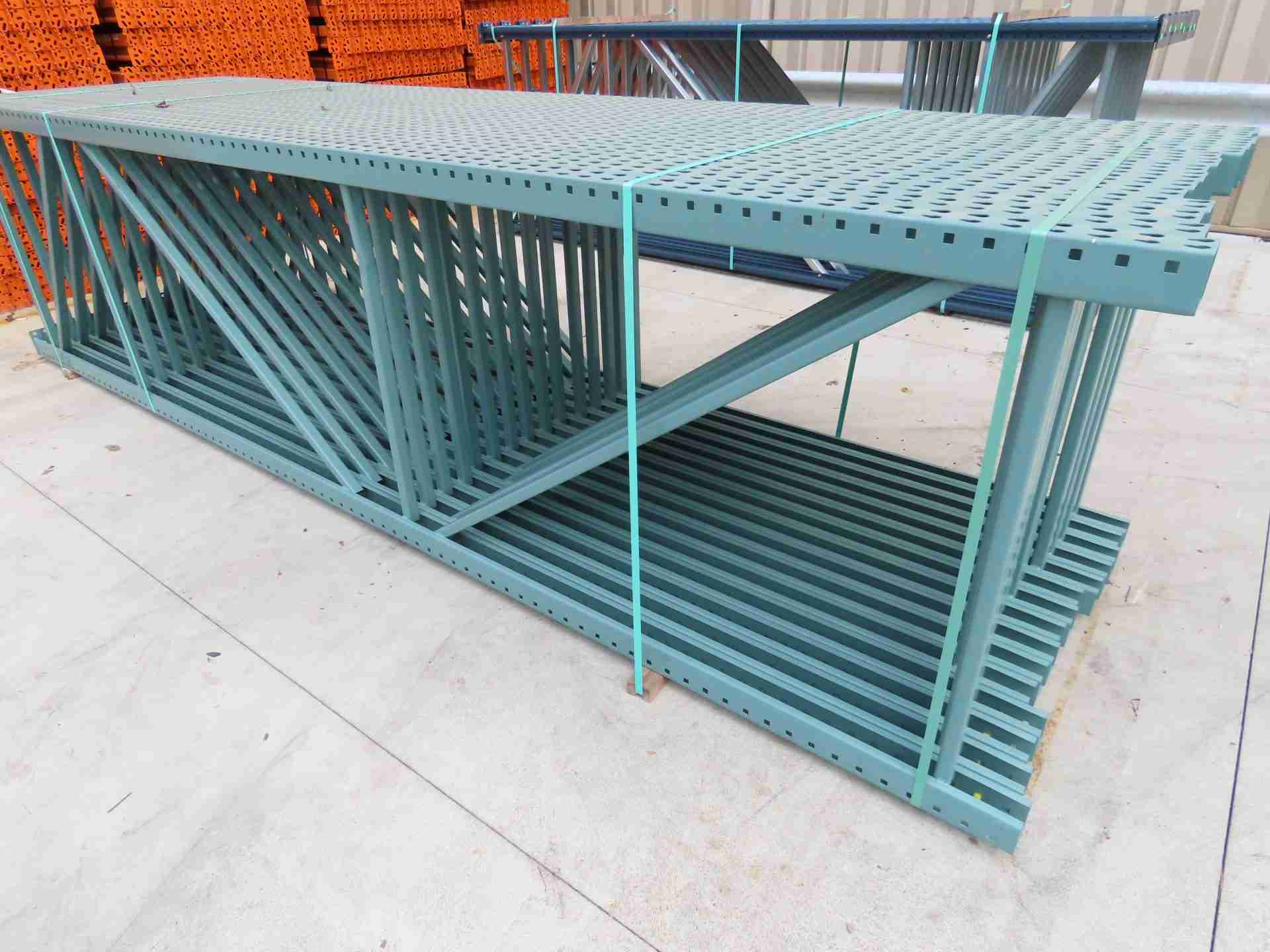
What Are Common Challenges In Assessing Racking Performance?
How Can Employee Feedback Contribute To System Assessment?
In today’s rapidly evolving workplace, employee feedback isn’t just a nicety; it’s essential. It is the lifeblood of any organization looking to fine-tune its operational systems and stay a step ahead of the competition. Understanding this dynamic can be the difference between a flourishing enterprise and a struggling one.
Consider the case of a mid-sized tech company that recently faced declining engagement scores. Instead of resorting to sweeping changes, management decided to take a different route: they actively sought employee feedback. Through anonymous surveys, focus groups, and one-on-one interviews, they tapped into the pulse of their workforce. What did they uncover? Employees felt bogged down by inefficient project management tools that slowed workflows. Equipped with these insights, the organization streamlined their systems and implemented new productivity software, resulting in a 25% increase in project completion rates within three months.
This is not an isolated incident. Recent movements in the workplace, such as the shift towards hybrid models, have only amplified the need for immediate and continuous feedback. Companies like Zoom and Slack have adopted real-time feedback mechanisms to adapt quickly to their employees’ needs. As businesses embrace flexible working environments post-pandemic, feedback becomes crucial. Workers want systems that allow them to thrive, not just survive.
Furthermore, employee feedback plays a vital role in identifying potential issues before they escalate. A manufacturer in the automotive sector utilized an employee feedback loop to address workplace safety. Rather than waiting for incidents to occur, they established regular feedback sessions focused on safety protocols. Employees highlighted previous near-misses, which led to immediate implementation of additional safety measures and reduced incident rates by over 30%.
The beauty of harnessing employee feedback is that it’s an ongoing process rather than a one-time event. Organizations that create a robust feedback culture continuously refine their systems to address the pulse of their workforce. This leads to increased employee satisfaction, reduced turnover, and ultimately, improved productivity.
In an era where many are competing for talent, actively seeking and implementing employee feedback can set companies apart. It transforms the notion of system assessment from an isolated event into a continuous dialogue that energizes the entire workplace. So, take the leap. Start listening, adapting, and watch as employee feedback becomes your secret weapon for creating systems that not only serve the organization but also empower employees for the future.
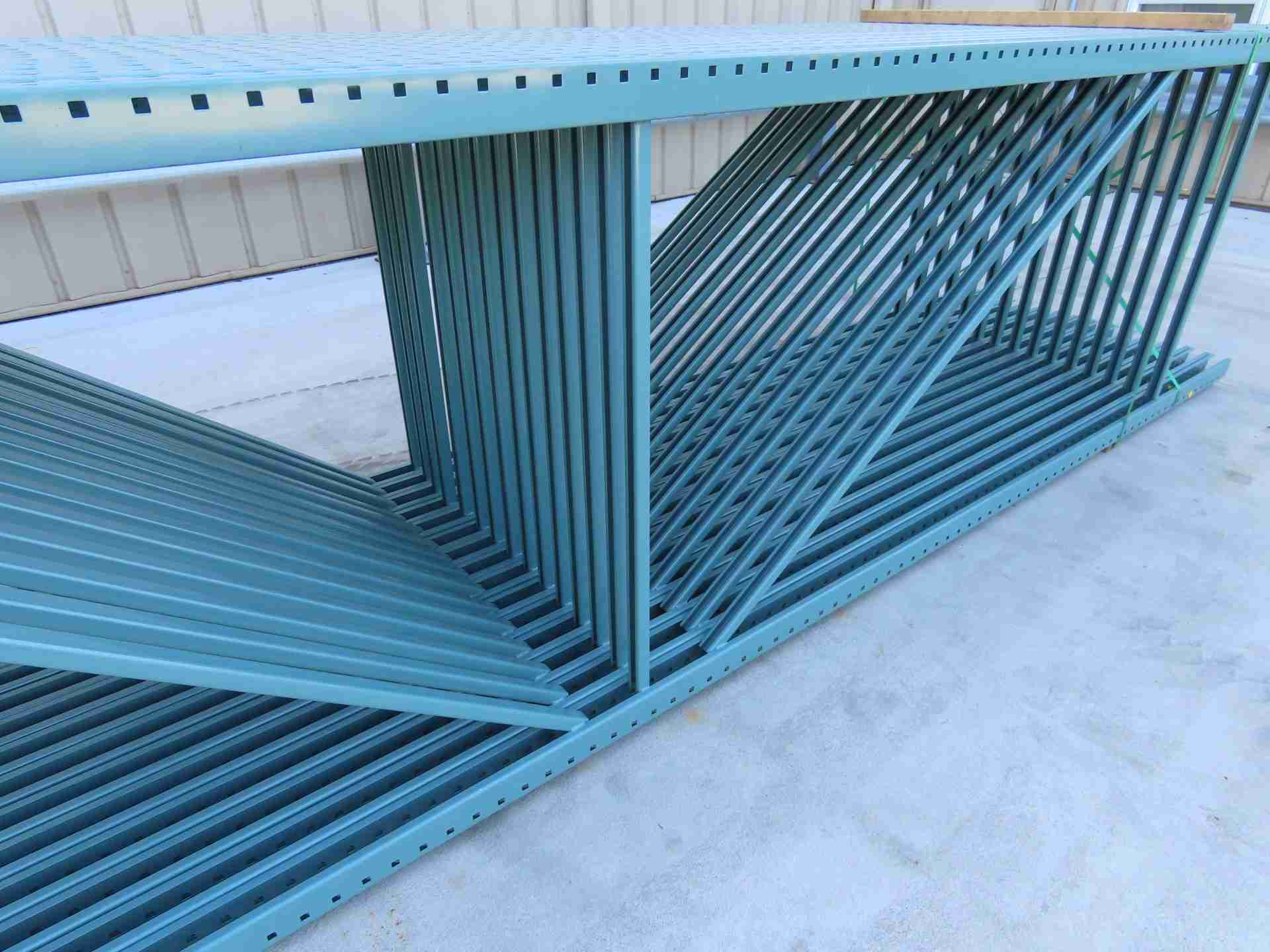
How Can Employee Feedback Contribute To System Assessment?
How Can Employee Feedback Contribute To System Assessment?
- Employee feedback is essential for organizational success in a rapidly evolving workplace.
- A mid-sized tech company improved engagement scores by actively seeking employee feedback through surveys and interviews.
- Insights from employees led to streamlined systems and a 25% increase in project completion rates within three months.
- The shift towards hybrid models post-pandemic has increased the need for immediate and continuous feedback.
- Real-time feedback mechanisms adopted by companies like Zoom and Slack help them adapt quickly to employee needs.
- Employee feedback can identify potential issues early, as seen in a manufacturer’s safety improvements, reducing incident rates by over 30%.
- Cultivating a feedback culture leads to increased satisfaction, reduced turnover, and improved productivity.

How Can Employee Feedback Contribute To System Assessment?
What Tools Can Be Used For Tracking Racking Success?
Tracking your racking success—whether in sales, marketing, or overall business performance—is essential for making informed decisions and achieving growth. In today’s fast-paced environment, a variety of tools are at your disposal, each with unique strengths to harness for your business advantage.
1. Google Analytics: This stalwart platform is a must-have for anyone with a digital footprint. It provides in-depth data about your website traffic, engagement rates, and conversion pathways. The power of Google Analytics lies in its ability to segment audiences and track user behavior, which can unveil pivotal insights. For instance, if you notice a spike in traffic from a specific campaign, you can pinpoint what resonates with your audience, just like marketers during the COVID-19 pandemic had to adapt their strategies based on shifting consumer behavior.
2. CRM Software: Customer Relationship Management tools like HubSpot or Salesforce not only manage your contacts but also analyze sales data and interactions throughout the customer journey. By monitoring leads through the pipeline, you can assess which stages generate the most engagement and revenue, enabling you to optimize your approach accordingly. The uptake in remote work has led many businesses to lean heavily on these platforms to ensure that the sales process remains seamless, even across virtual meetings.
3. Social Media Analytics Tools: Platforms like Hootsuite and Sprout Social provide insights that can be pivotal for your racking success. These tools track engagement and sentiment around your brand across various social channels. For example, if a particular post garners unexpected attention, you can quickly pivot your content strategy to capitalize on those trends—informing everything from product features to customer service approaches.
4. A/B Testing Tools: Tools like Optimizely enable you to test different versions of campaigns or webpages before committing to one. A simple variation in your marketing message could be the difference between a successful campaign and a lackluster one. This year, as competition heats up across industries, understanding what resonates with your audience through A/B testing has never been more critical.
5. Feedback Surveys: Utilizing tools like SurveyMonkey or Typeform helps you gather qualitative data directly from your customers about their experiences and satisfaction levels. This immediate feedback loop can inform your operational improvements and customer service enhancements, driving your business’s evolution.
Ultimately, these tools serve as your business’s compass, steering you toward informed decisions based on robust data. The key lies not just in using these tools, but in leveraging the insights they provide to continuously refine your strategies, ensuring that your efforts yield maximum results.
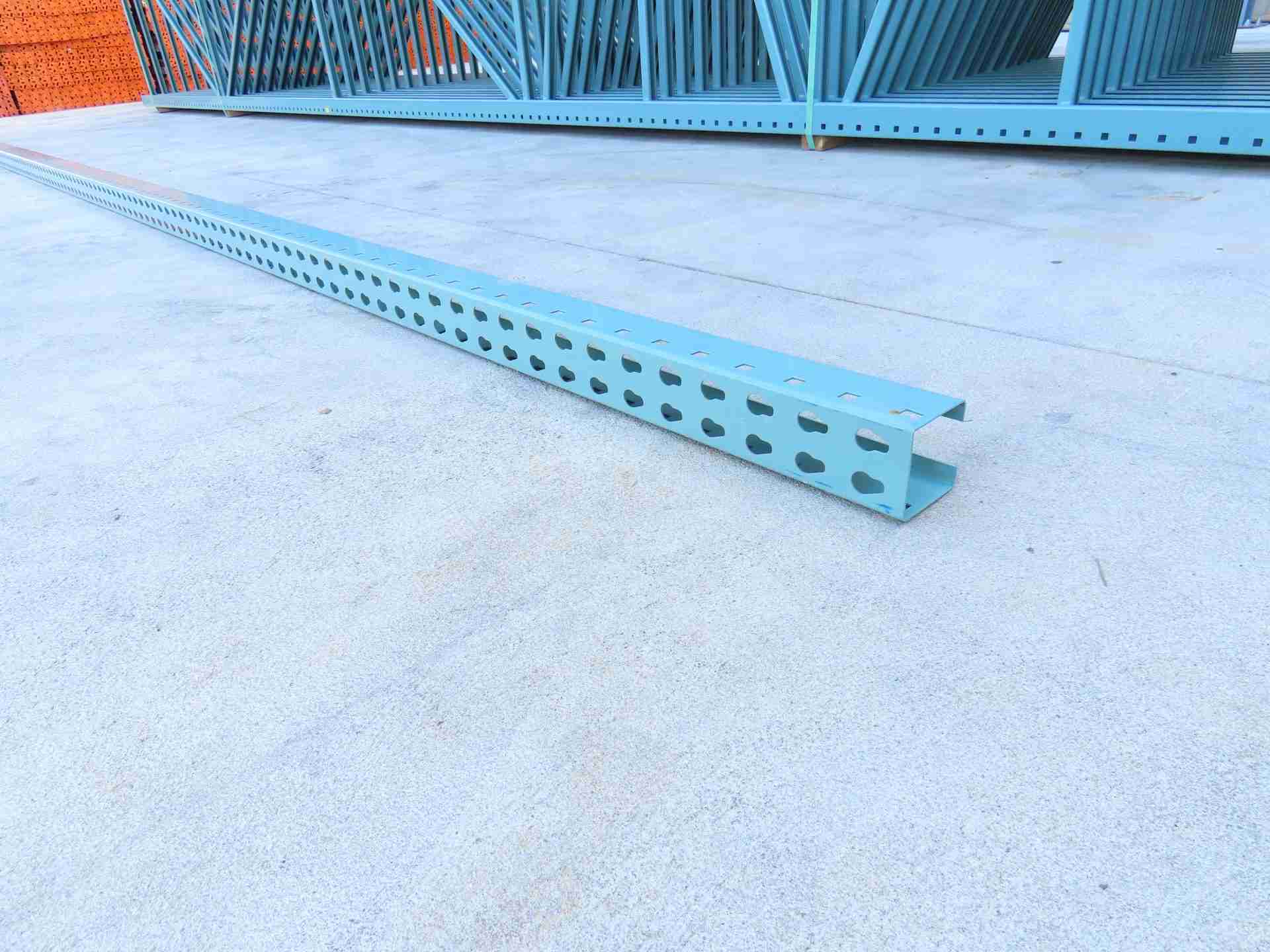
What Tools Can Be Used For Tracking Racking Success?
What Tools Can Be Used For Tracking Racking Success?
- Tracking racking success in sales, marketing, or business performance is essential for informed decision-making and growth.
- Google Analytics offers in-depth data on website traffic, engagement, and conversion pathways with audience segmentation capabilities.
- CRM Software like HubSpot and Salesforce manages contacts while analyzing sales data and customer interactions.
- Social Media Analytics tools (e.g., Hootsuite, Sprout Social) provide insights into engagement and sentiment around your brand.
- A/B Testing tools like Optimizely allow testing different campaign variations to determine what resonates most with audiences.
- Feedback Surveys using tools like SurveyMonkey or Typeform collect qualitative data on customer experiences and satisfaction.
- Using these tools effectively enables continuous strategy refinement for maximum business results.

What Tools Can Be Used For Tracking Racking Success?
How Do You Evaluate The Return On Investment For Racking?
When it comes to racking systems for warehouses, evaluating the return on investment (ROI) can feel as complex as navigating a labyrinth—especially when you factor in the constant flux of the supply chain landscape. However, by adopting a calculated approach, you can transform a daunting task into a window of opportunity.
First, quantify the initial investment. This includes the purchase price of the racking system, installation costs, and any necessary alterations to your existing facility. For instance, if you invest $50,000 in a new high-density racking system, remember to account for additional expenses like labor and materials. Suddenly, your effective initial investment might swell to $60,000—or more.
Next, zoom in on your tangible benefits. One current example can be found in the booming e-commerce industry, where high efficiency in warehousing can result in significant competitive advantages. If your racking system enables you to store 20% more inventory without expanding your warehouse footprint, you are in an enviable position as demand surges. This means you can fulfill orders faster and reduce lead times, directly translating into increased sales. If each additional square foot of storage potentially brings in $100,000 worth of sales annually, that’s a compelling argument for ROI.
Don’t forget about the hidden costs you are mitigating. Effective racking can lower labor expenses by simplifying picking processes. Consider a situation where your workforce spends 30% less time locating and retrieving inventory. If your payroll stands at $30,000 monthly, that time savings could mean $9,000 cut from labor expenses every month. That’s not just savings—it’s money directly back in your pocket.
Also, factor in reduced damage to goods. Outdated or poorly organized racking can lead to mishandling and losses. Let’s say your operations department finds that abandoned racking leads to an annual loss of $20,000 in damaged inventory. By investing in a robust, modern racking system, you can significantly reduce or eliminate these losses.
Finally, consider the soft benefits. Improved workplace morale and efficiency due to an organized environment can lead to lower employee turnover—and we all know training new hires comes at a steep cost.
Evaluating ROI for racking is not merely about crunching numbers; it’s about envisioning a comprehensive picture. By analyzing tangible and intangible benefits, you not only justify your investment but position your business for sustainable growth. Embrace the opportunity to optimize your racking—and watch your returns flourish.
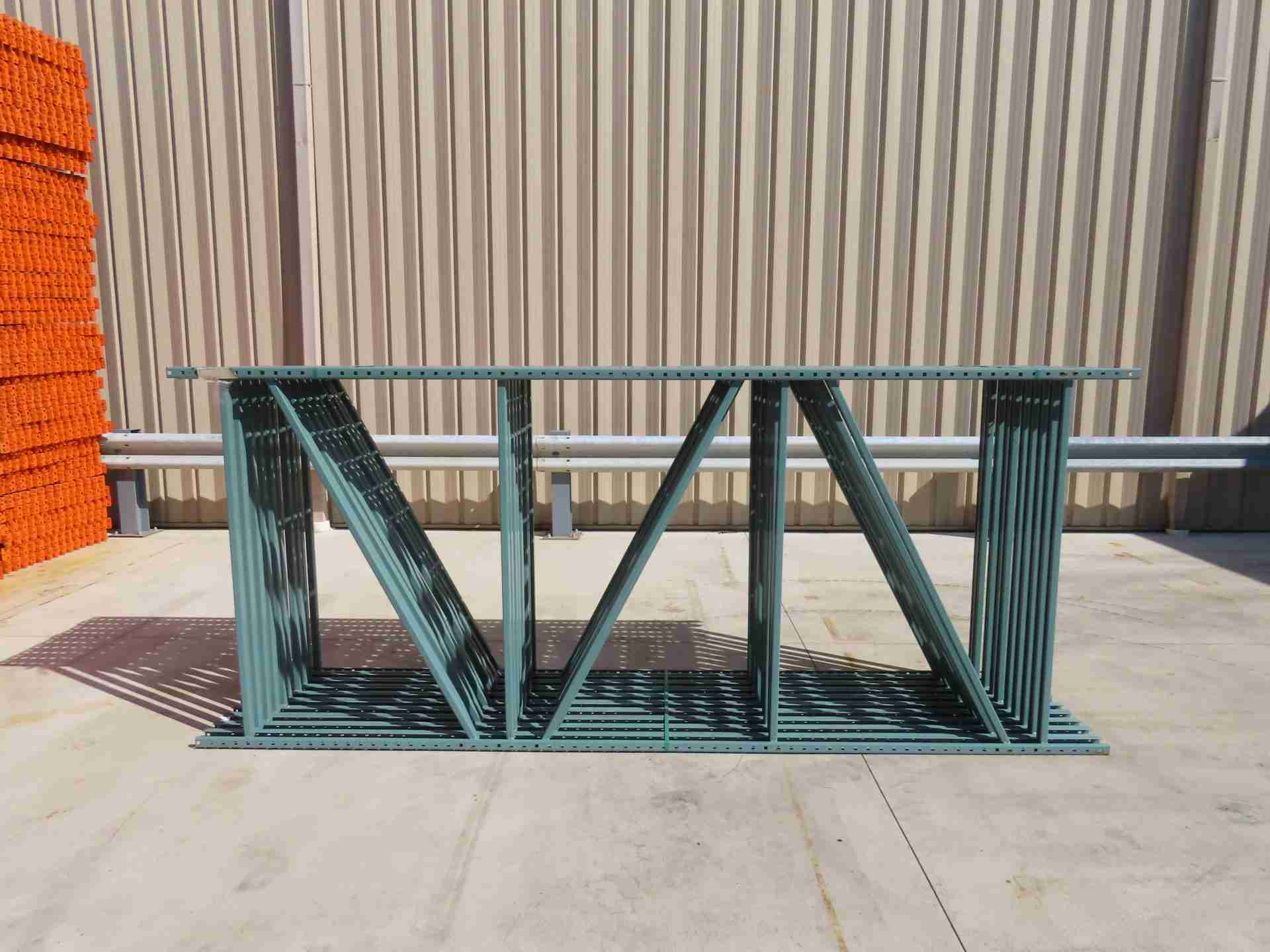
How Do You Evaluate The Return On Investment For Racking?
How Do You Evaluate The Return On Investment For Racking?
- Evaluating ROI for warehouse racking systems can seem complex due to a fluctuating supply chain landscape.
- Start by quantifying the initial investment, including purchase price, installation costs, and additional expenses—potentially raising it significantly.
- High-density racking can enhance warehouse efficiency, allowing for 20% more inventory and faster order fulfillment, translating to increased sales.
- Effective racking can reduce labor expenses by simplifying inventory retrieval, potentially saving $9,000 monthly in a $30,000 payroll scenario.
- Modern racking systems can minimize damages to goods, potentially eliminating annual losses of $20,000 from poorly managed inventory.
- Soft benefits include improved employee morale and reduced turnover, resulting in lower training costs for new hires.
- Evaluating ROI should encompass both tangible and intangible benefits to justify investments and promote sustainable growth.
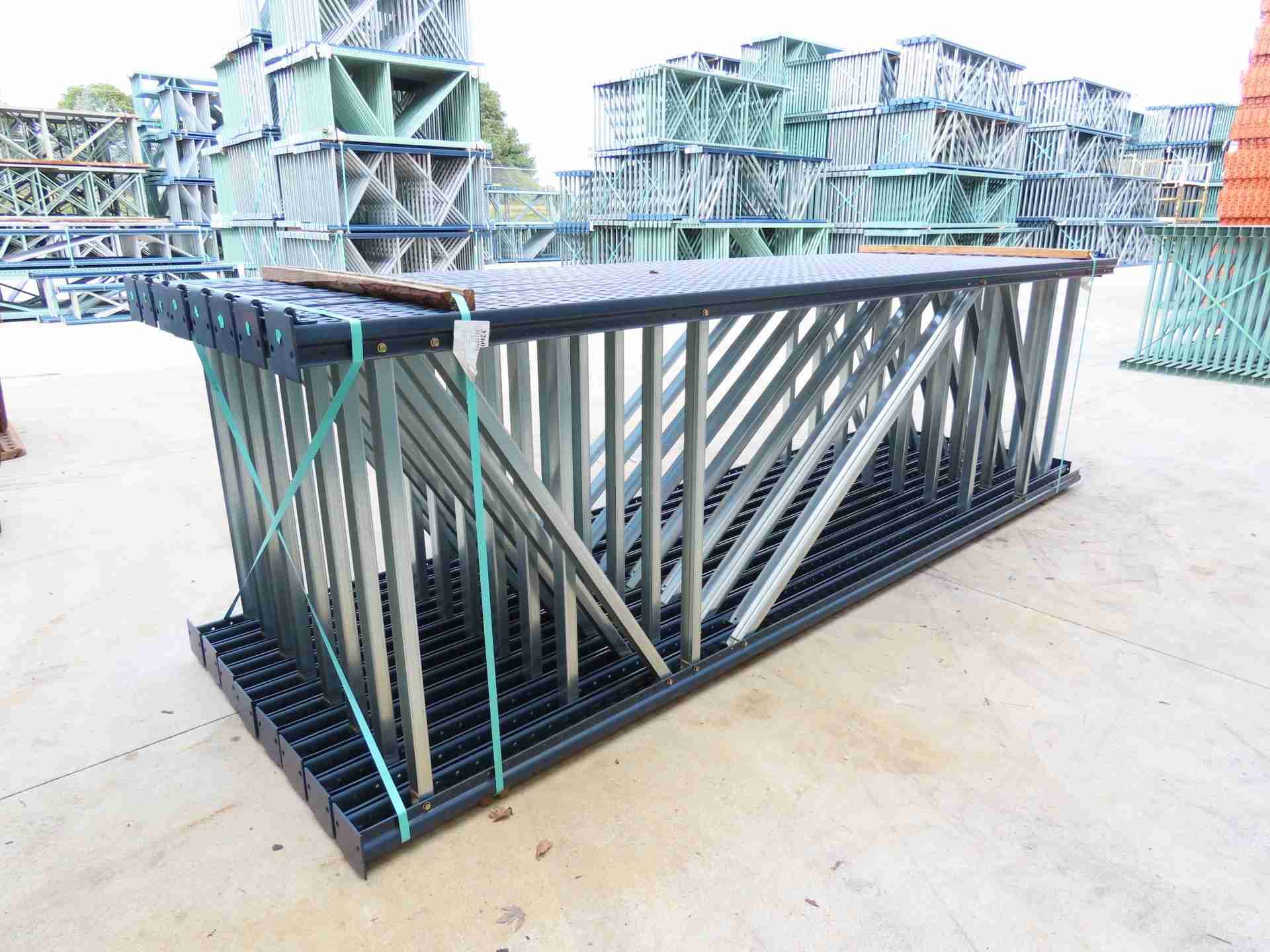
How Do You Evaluate The Return On Investment For Racking?
What Impact Does Forklift Operation Have On Racking Systems?
In the high-paced world of warehouses and distribution centers, the operation of forklifts isn’t just about moving pallets; it’s about maintaining the integrity of the entire racking system. Poor forklift operation can result in significant damage, leading to costly repairs and inefficiencies. Understanding these impacts can transform a facility’s operational stability and safety, ultimately influencing the bottom line.
Forklifts are often the unsung heroes of warehouse operations, but their misuse can turn them into agents of chaos. When operators lack training or control, they may collide with racking systems, causing structural damage and potential product loss. For instance, imagine a busy warehouse where operators, in a rush to meet quarterly demands, overlook safety protocols while maneuvering through narrow aisles. A single collision can lead to a domino effect—damaged racking leads to compromised stored products, which escalates into delays, disrupted supply chains, and an angry customer base.
Consider a recent incident reported in logistics news, where a failure to adhere to safety standards resulted in the collapse of a racking system during a peak shipping season. The aftermath? Not only did that warehouse incur losses in damaged inventory, but they also faced downtime for repairs, significantly impacting their ability to fulfill orders.
The repercussions of poor forklift operation extend beyond immediate physical damage. It can lead to increased insurance premiums and potential liability claims if injuries occur, creating a ripple effect on financial stability. Proper operation training is essential—a well-trained operator can efficiently navigate tight spaces and precise placements, minimizing risk and extending the lifespan of both the equipment and the racking systems.
Regular maintenance and routine inspections of both forklifts and racking systems are also vital. A proactive approach helps identify potential hazards before they escalate into serious problems. Facilities can integrate smart technology that monitors both the condition of forklifts and the structural integrity of racking systems, offering real-time insights that prevent accidents before they occur.
In summary, the operation of forklifts holds significant sway over the efficacy and durability of racking systems. Investing in quality training, maintenance, and monitoring systems isn’t just an operational strategy—it’s a commitment to safety, efficiency, and profitability. By prioritizing intelligent forklift operation, businesses can protect their investments, streamline their operations, and ensure that they remain competitive in an ever-evolving market.

What Impact Does Forklift Operation Have On Racking Systems?
What Impact Does Forklift Operation Have On Racking Systems?
- Forklift operation in warehouses is crucial for maintaining racking system integrity.
- Poor operation can lead to significant damage, costly repairs, and operational inefficiencies.
- Misuse of forklifts can cause collisions with racking systems, leading to structural damage and product loss.
- A recent incident highlighted the financial impact of racking system collapses due to safety standard violations.
- Consequences extend beyond physical damage, affecting insurance premiums and liability claims.
- Proper training, regular maintenance, and smart technology are essential for safe forklift operation.
- Investing in these areas enhances safety, efficiency, and profitability in warehouse operations.
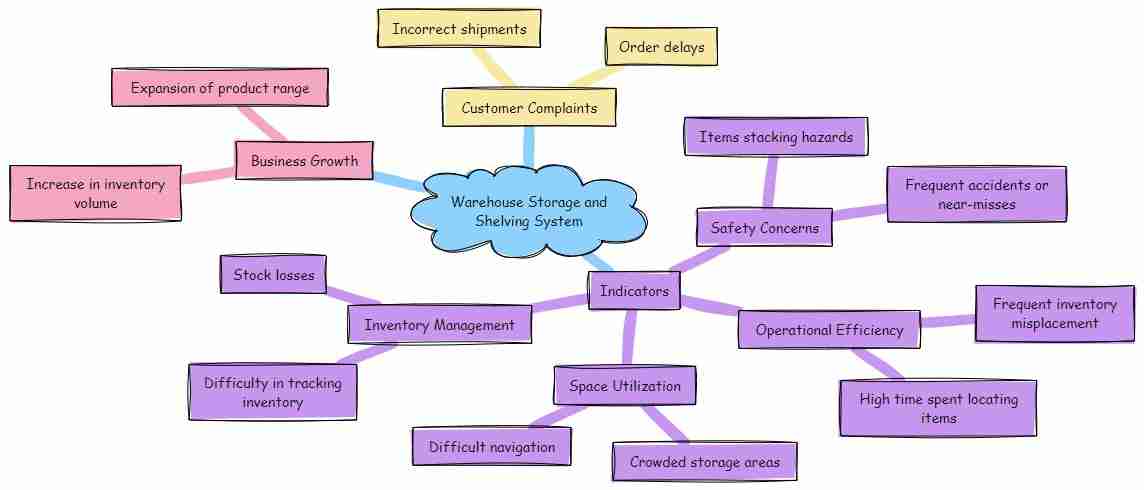
What Impact Does Forklift Operation Have On Racking Systems?
How Often Should A Cantilever Racking System Be Assessed?
When it comes to maximizing efficiency and ensuring safety in your warehouse or distribution center, the cantilever racking system stands as a pillar of modern logistics. But how often should this pivotal storage solution be assessed to maintain optimal performance and safety? The answer isn’t simple, but by analyzing your specific context and understanding industry standards, you can keep your investment thriving.
Firstly, consider the nature of your operations. If you invest in a cantilever rack to store heavy materials like lumber or steel, you’re likely subject to greater stress and strain than facilities simply housing lighter items or less demanding applications. In high-traffic environments, it’s generally advisable to conduct assessments at least quarterly. You might uncover issues like shifting loads or signs of wear that, if left unchecked, can lead to potential collapses—something you definitely want to avoid!
Moreover, your workforce’s activity level matters. If you have multiple shifts operating around the clock, accidents can happen, and those accidents might not only put your workers at risk but could also damage the system itself. Regular inspections can become your safety net. Case studies from manufacturers who experience high turnover rates illustrate that implementing monthly assessments led to a marked drop in workplace incidents.
Current events also influence the need for frequent assessments. Supply chain disruptions, like those caused during the pandemic, have heightened awareness of the infrastructure needed to support operations. After such tumultuous times, the last thing any business can afford is an unexpected failure in their storage system. Investing in regular assessments allows not only for safety checks but also for adaptability. Business owners can modify their practices or expand their systems in response to new market demands—perhaps utilizing additional storage for surges in e-commerce.
Furthermore, if you notice a shift in your business model—say, an increase in the volume of goods handled—it’s prudent to reassess your racking system sooner rather than later. Don’t rely on a once-a-year review; stay proactive. The cost of an accident or a moment’s neglect far outweighs the time and resources spent ensuring your equipment is in peak condition.
In summary, while the frequency of assessments may vary based on specific operational needs, a proactive stance ultimately safeguards your bottom line and enhances productivity. By positioning yourself as a vigilant steward of your cantilever racking system, you not only protect your assets but cultivate a culture of safety and efficiency in your workforce.
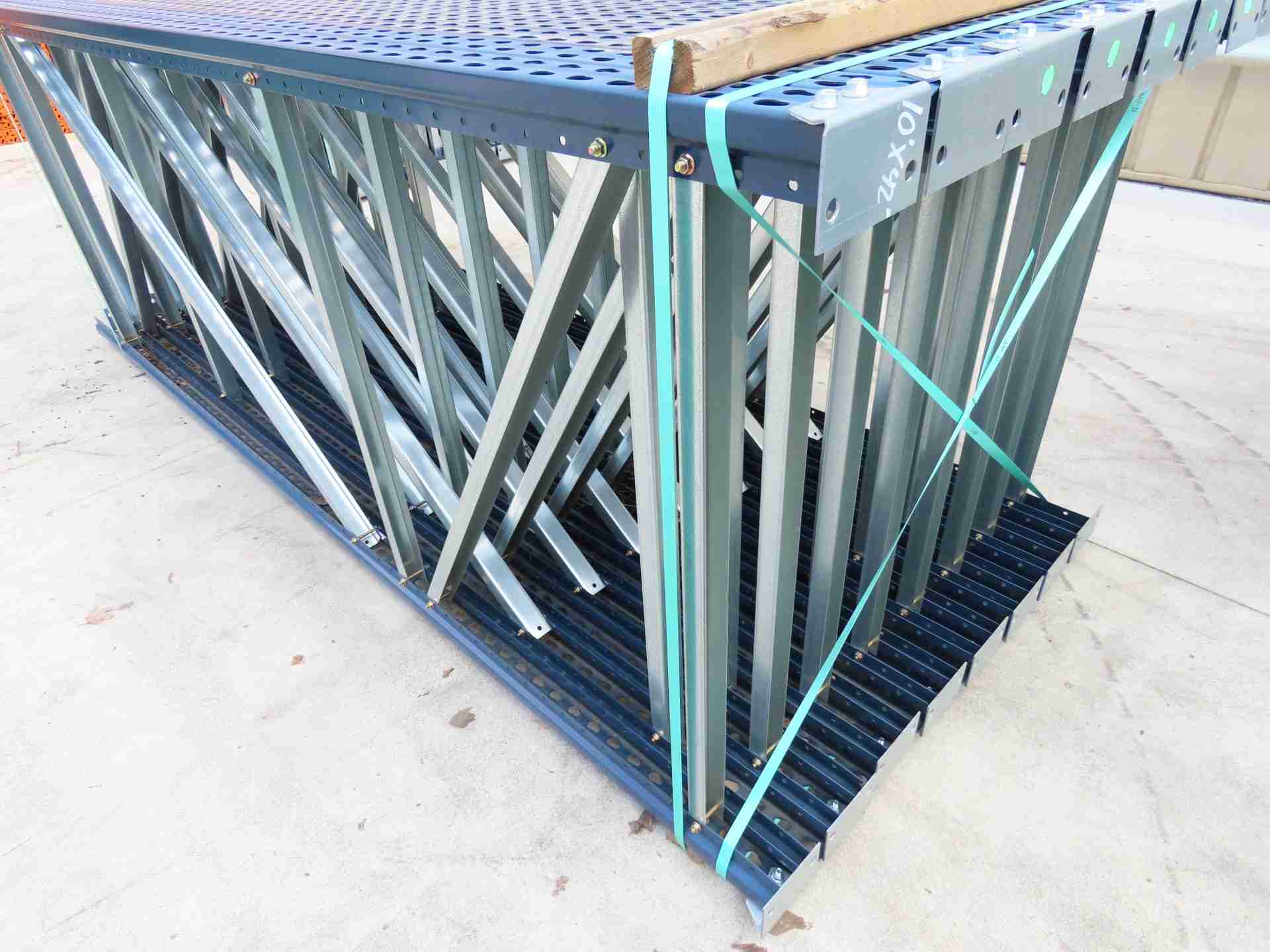
How Often Should A Cantilever Racking System Be Assessed?
How Often Should A Cantilever Racking System Be Assessed?
- Cantilever racking systems are crucial for maximizing efficiency and safety in warehouses.
- Assessment frequency depends on operations; higher stress environments require at least quarterly inspections.
- Workforce activity levels impact safety; multiple shifts may necessitate monthly assessments to reduce incidents.
- Current events like supply chain disruptions can increase the need for regular assessments to prevent unexpected failures.
- A change in business model or increase in goods handled warrants a sooner reevaluation of the racking system.
- Proactive assessments are essential; neglecting equipment can lead to costly accidents.
- Regular evaluations safeguard investments, enhance productivity, and foster a culture of safety within the workforce.
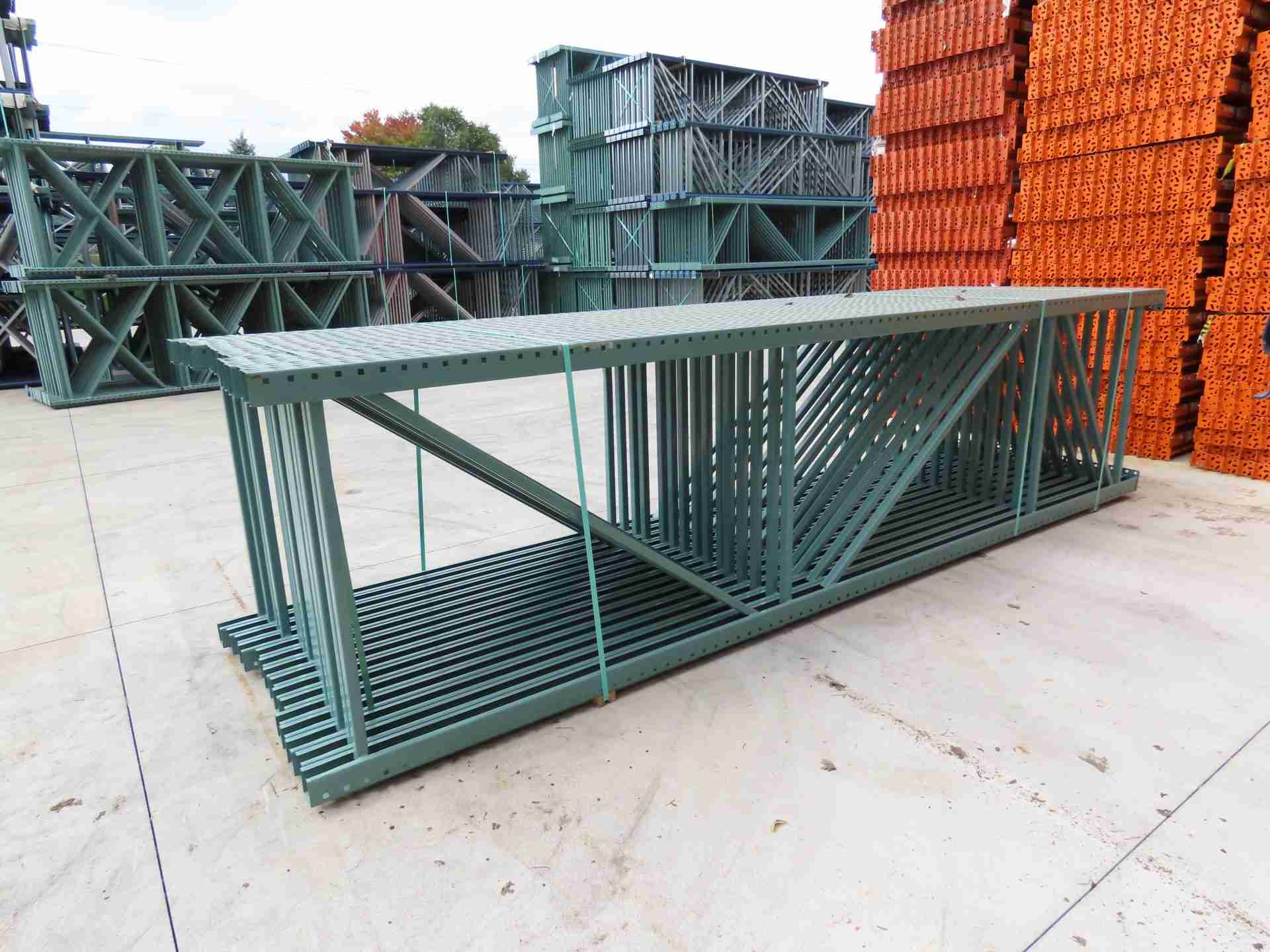
How Often Should A Cantilever Racking System Be Assessed?
What Benchmarks Are Useful For Comparative Analysis?
In the ever-evolving landscape of business, the key to thriving lies in your ability to make informed decisions. One of the most effective tools in this arsenal is the strategic application of benchmarks. But not just any benchmarks—specific, relevant benchmarks that can propel your company towards success.
First, let’s talk about industry standards. These benchmarks provide vital insights into how your business stacks up against competitors in your sector. For instance, if you operate within the retail industry, understanding the average conversion rates, customer acquisition costs, and average order values of your peers is critical. Take the surge in e-commerce sales during 2023; analyzing your conversion rates against the industry average (which soared to 4.2% amid this digital wave) can highlight areas that need improvement or further investment.
Another useful benchmark comes from key performance indicators (KPIs) tailored to your company’s mission. If you’re in the SaaS industry, you might want to focus on metrics like Monthly Recurring Revenue (MRR) growth, churn rates, and Customer Lifetime Value (CLV). As companies like Zoom reported an increase in MRR during the ongoing digital transformation, contrasting your growth rate against their numbers can illuminate whether your retention strategies are on point or if they, too, need a reevaluation.
Customer satisfaction benchmarks are equally crucial. Utilizing metrics from surveys such as the Net Promoter Score (NPS) and Customer Satisfaction Score (CSAT) can inform decisions on customer engagement strategies. With 2023 seeing increased emphasis on customer experience across all sectors, it’s vital to gauge where you stand. If your NPS trails well-known competitors like Apple or Amazon, you might want to rethink your customer interaction strategies.
Lastly, economic benchmarks can guide sound financial decisions. Look at macroeconomic indicators like inflation rates, interest rates, and consumer spending trends. Recent data shows fluctuating inflation impacts consumer behaviors, making it vital for businesses to adjust pricing strategies accordingly.
In summary, effective comparative analysis hinges on selecting the right benchmarks. Industry standards tell you where you stand against competitors; tailored KPIs provide insight into your specific focus areas; customer satisfaction metrics illuminate customer loyalty; and economic indicators guide financial strategy. By leveraging these benchmarks, you can craft an informed approach to your business that not only reacts to the market’s pulse but anticipates it, ensuring you’re always several steps ahead.
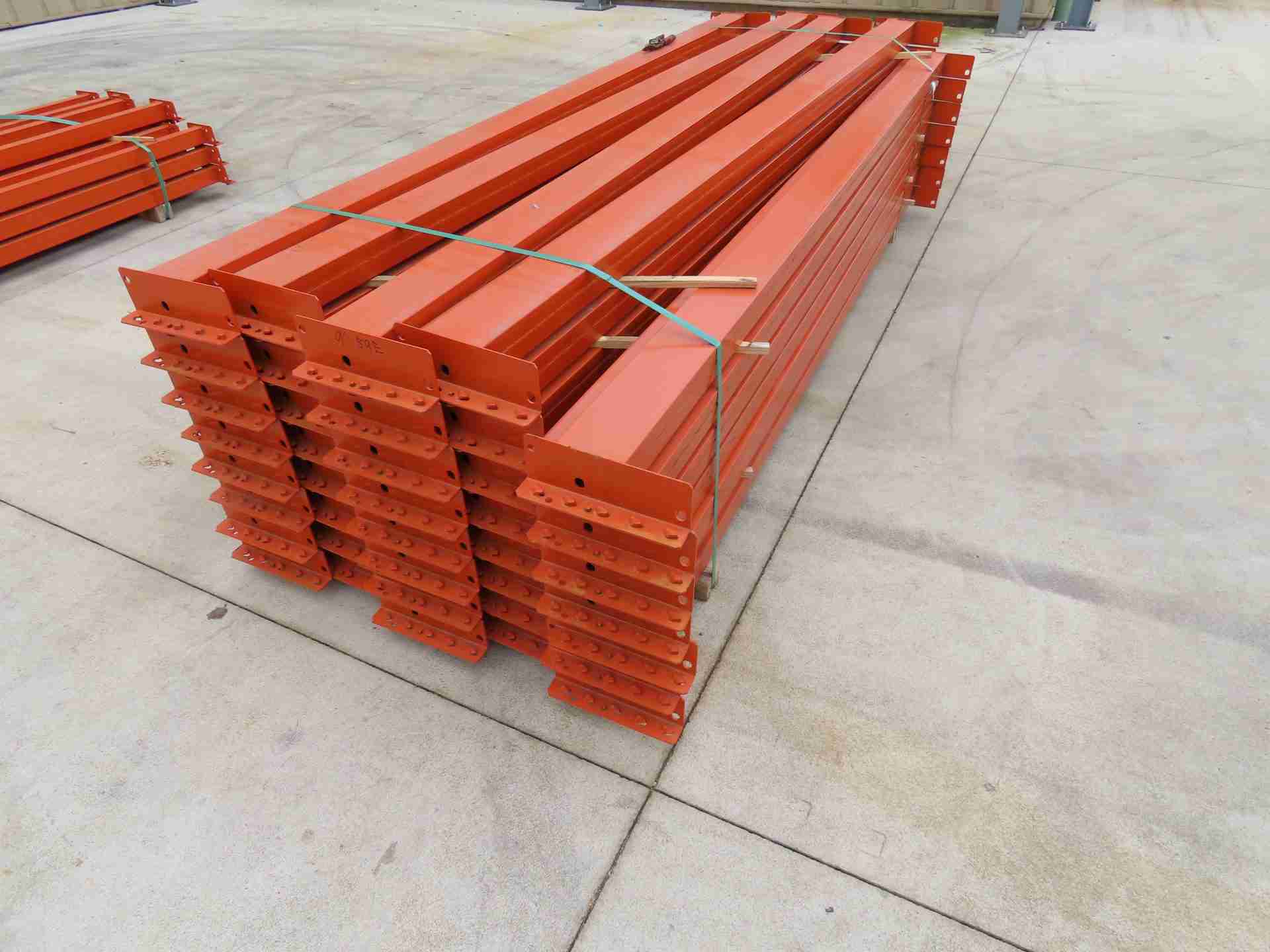
What Benchmarks Are Useful For Comparative Analysis?
What Benchmarks Are Useful For Comparative Analysis?
- A strategic application of relevant benchmarks is essential for informed decision-making in business.
- Industry standards provide insights into competitive positioning, such as conversion rates and customer acquisition costs.
- Specific benchmarks like Monthly Recurring Revenue (MRR) and customer churn are important for companies in the SaaS sector.
- Customer satisfaction metrics, including Net Promoter Score (NPS) and Customer Satisfaction Score (CSAT), are critical for enhancing customer engagement strategies.
- Economic benchmarks, including inflation rates and consumer spending trends, assist in guiding financial decisions.
- Effective comparative analysis relies on the selection of appropriate benchmarks to evaluate business performance.
- Leveraging these benchmarks allows businesses to anticipate market changes and stay ahead of competitors.

What Benchmarks Are Useful For Comparative Analysis?
How Do Seasonal Variations Affect Racking Performance?
When we talk about racking performance, it’s crucial to understand that efficiency isn’t just a year-round concern—it’s deeply influenced by the seasons. As businesses navigate through fluctuating temperatures and changing weather conditions, the impact of these seasonal variations on racking systems can have significant implications for productivity and profitability.
As summer temperatures rise and facilities heat up, certain types of materials may expand or contract, affecting stability and structural integrity. For instance, metal racks can experience thermal expansion, meaning that any weight distribution needs to be recalibrated to avoid undue stress on specific points of the racking system. Neglecting these adjustments can lead to safety hazards, damaging not only your inventory but also endangering your workforce.
Conversely, winter months can introduce challenges such as moisture and frost. Cold can lead to condensation forming on your racking systems if proper humidity and climate control measures are not in place. Take the construction industry, for example: job sites relying on scaffold racking systems must be particularly vigilant during winter, as improperly maintained scaffolding in icy conditions can lead to disastrous accidents.
Seasonal changes also dictate inventory fluctuations. Retailers commonly experience spikes in demand during the holiday season, necessitating robust racking solutions that can handle increased volume without compromising on efficiency. Just this past holiday season, e-commerce giants rapidly expanded their warehousing capabilities to meet surging demand, turning to innovative racking options designed to accommodate dynamic inventory changes. Evaluating the right shelving or pallet racking can be the difference between a seamless, successful season and chaos that disrupts the entire operation.
Timing is also key. Businesses must adjust their racking strategies in anticipation of peak seasons. This might mean rethinking your layout in advance, conducting thorough audits of your current systems, and engaging in pre-season maintenance checks. After all, being proactive rather than reactive can save significant costs and reduce risk.
With unpredictable weather patterns driven by global climate change, industries are learning that seasonal adjustments need to be a fundamental part of their operational strategies. Just look at how logistics companies have begun investing in all-weather racking solutions as we’ve seen unexpected storms more frequently disrupt supply chains.
In embracing seasonal fluctuations, your business can not only protect its assets but also enhance overall performance. By acknowledging and adapting to the changing landscape, you position yourself to maintain a competitive edge—all year round.
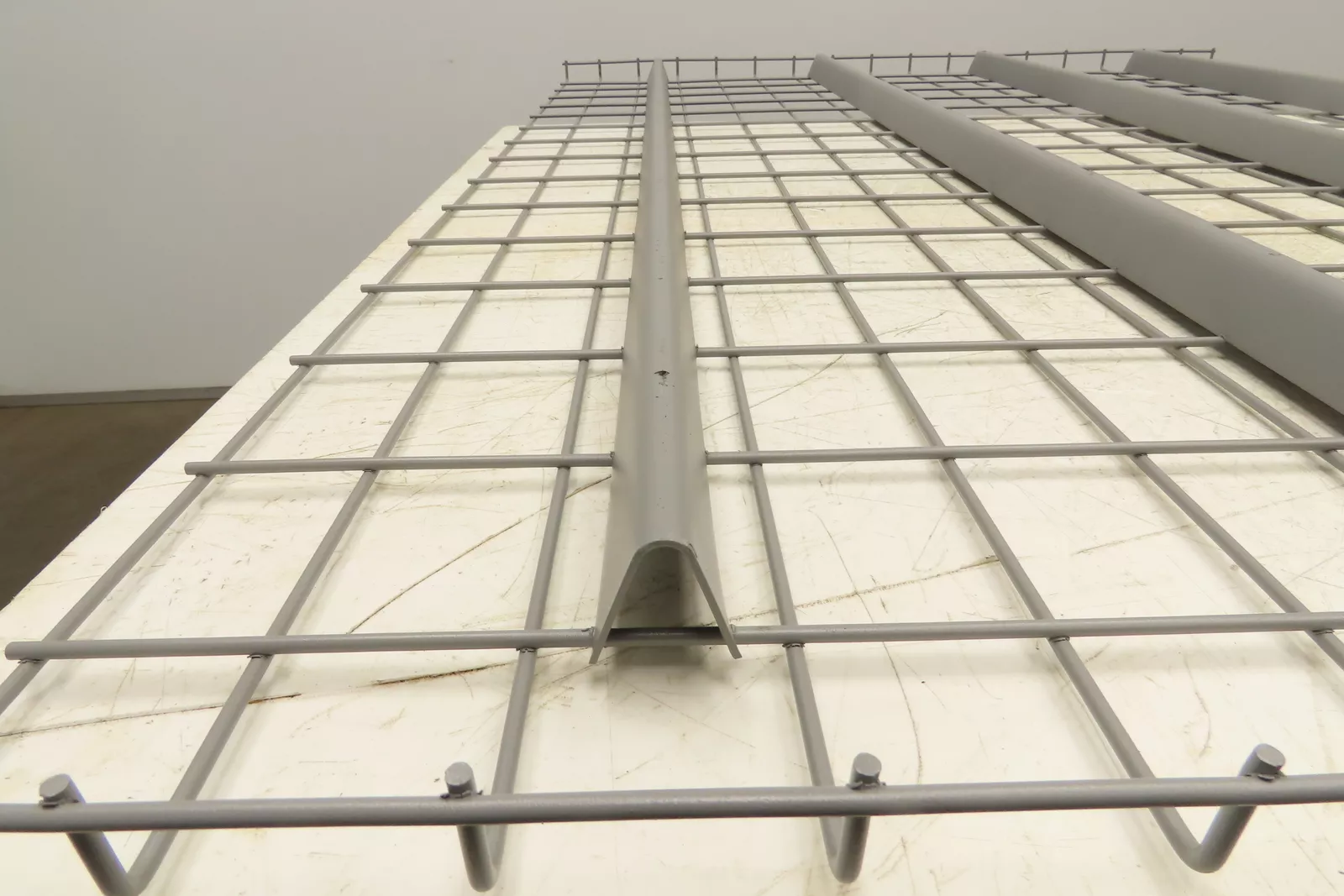
How Do Seasonal Variations Affect Racking Performance?
How Do Seasonal Variations Affect Racking Performance?
- Racking performance efficiency is influenced by seasonal variations, impacting productivity and profitability.
- Summer heat can cause materials, like metal racks, to expand, requiring adjustments in weight distribution to maintain safety.
- Winter conditions may lead to condensation and frost on racking systems without proper humidity control, posing safety risks.
- Retailers face inventory fluctuations during peak seasons, necessitating robust racking solutions to handle increased demand.
- Businesses should proactively adjust racking strategies and conduct maintenance checks before peak seasons to reduce risks.
- Global climate change has led to unpredictable weather patterns, prompting logistics companies to invest in all-weather racking solutions.
- Adapting to seasonal changes can protect assets and enhance overall business performance, maintaining a competitive edge year-round.
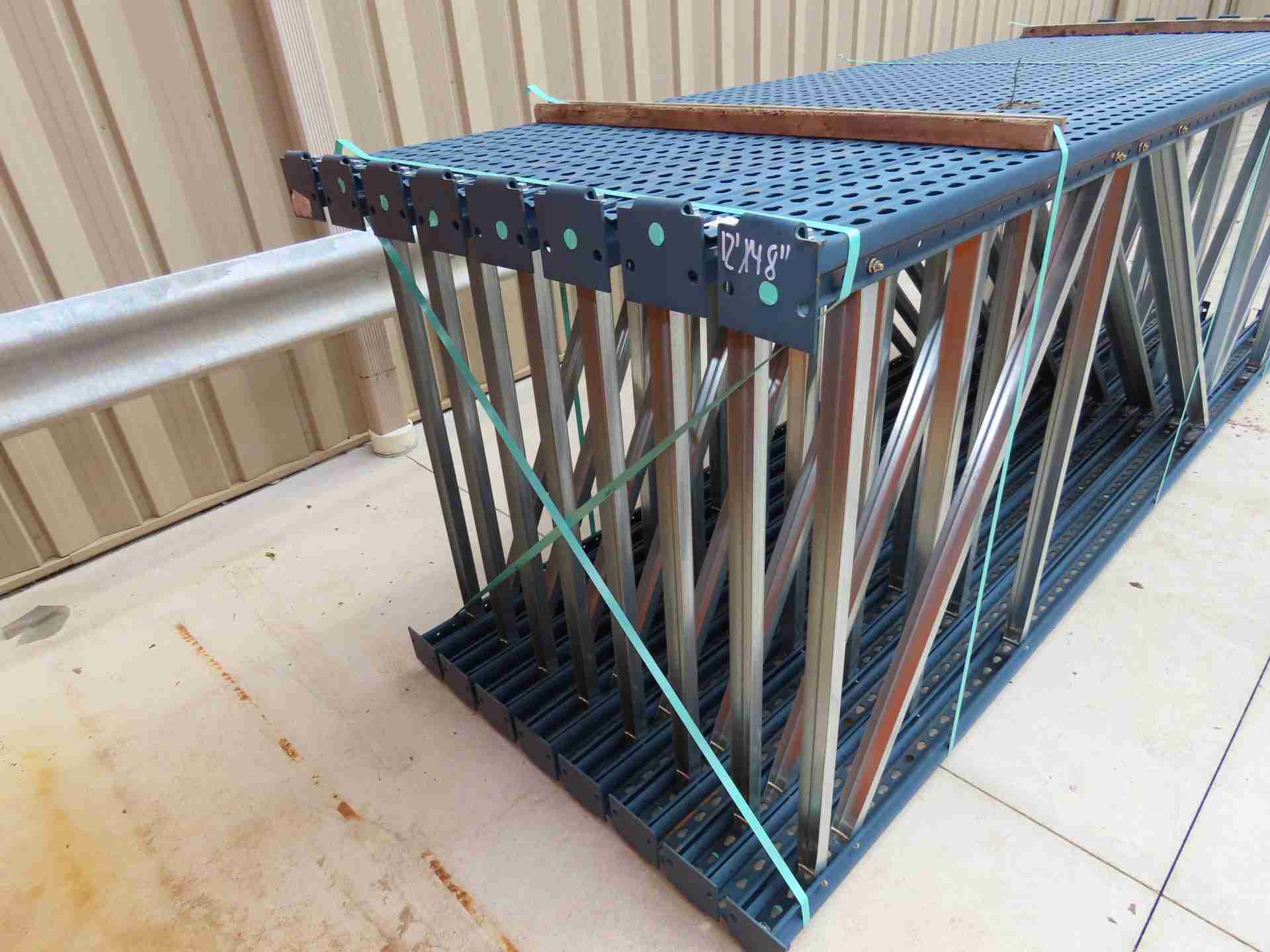
How Do Seasonal Variations Affect Racking Performance?
Conclusion
In the realm of industrial storage solutions, the importance of a well-optimized cantilever racking system cannot be overstated. Whether you’re in construction, warehousing, or retail, understanding how to measure success in your racking systems is paramount for maximizing efficiency, safety, and return on investment (ROI). The crux lies in evaluating several key performance indicators (KPIs) such as space utilization, inventory accessibility, load capacity, and compliance with safety standards.
As highlighted in our discussion, the effectiveness of a cantilever racking system is multi-faceted. By optimizing vertical storage, businesses can dramatically increase their storage capacity, thereby freeing up floor space for other essential operations. Likewise, enhancing inventory accessibility not only streamlines operations but also offers a competitive edge in our fast-paced market. The emphasis on safety can never be underestimated—fulfilling regulatory requirements and implementing rigorous systems will reinforce your brand’s reliability while protecting your workforce.
But the journey doesn’t end with implementation. Maintaining a culture of frequent assessment is essential. Interestingly, companies that actively solicit employee feedback see marked improvements in performance metrics. Harnessing insights from staff can ignite grassroots changes that lead to innovative solutions and immediate impacts on operational workflows. Combining this feedback with modern tools for real-time tracking opens avenues for continuous improvement.
Moreover, as we navigate the complexities of seasonal changes and market fluctuations, our racking systems must be agile enough to adapt. Seasonal demand can heavily influence inventory turnover rates, and adapting your racking strategy in accordance with these fluctuations ensures that you are not only meeting but exceeding customer expectations while safeguarding profitability.
At Arrow Industrial Sales, we understand that successful implementation of these strategies isn’t merely about increasing efficiency; it’s about forging a pathway to sustainable growth. Don’t wait until inefficiencies cost you more than you bargained for. Act now! Call Arrow Industrial Sales at (574) 349-6575 to explore how our tailored cantilever racking solutions can propel your business toward operational excellence. Let us help you create a robust foundation today that allows your business to thrive tomorrow—because in an unpredictable environment, being prepared is your best defense.
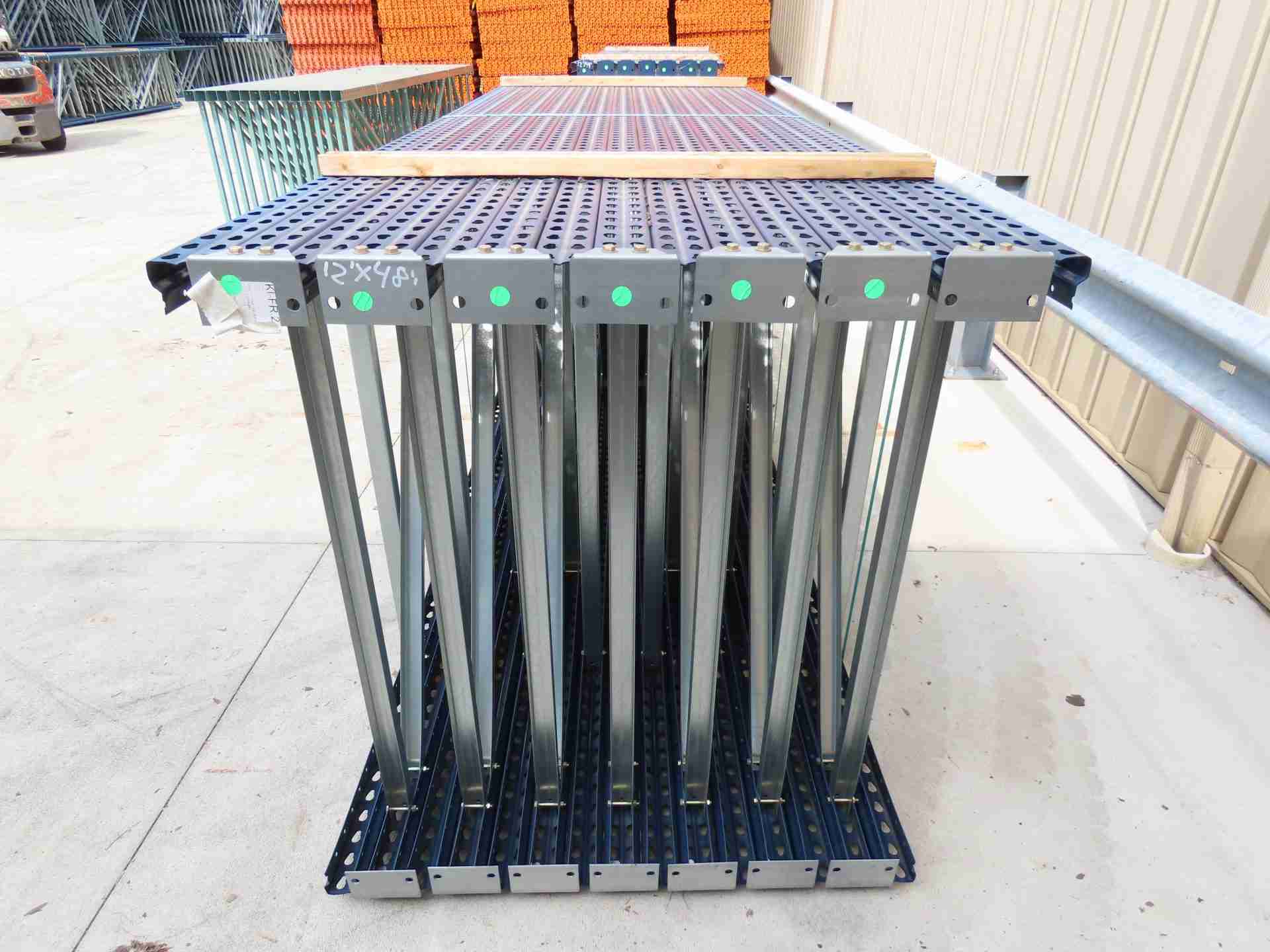
Conclusion
Conclusion:
- The optimization of cantilever racking systems is essential for various industries, including construction, warehousing, and retail.
- Key performance indicators (KPIs) such as space utilization, inventory accessibility, load capacity, and safety compliance are vital for measuring success.
- Efficient vertical storage increases capacity and frees up floor space for other operations.
- Improved inventory accessibility can enhance operational efficiency and provide a competitive advantage.
- Safety compliance is critical for brand reliability and the protection of the workforce.
- Frequent assessment and employee feedback contribute to performance improvements and innovative solutions.
- Adapting racking strategies to seasonal demands and market fluctuations is key to exceeding customer expectations and maintaining profitability.
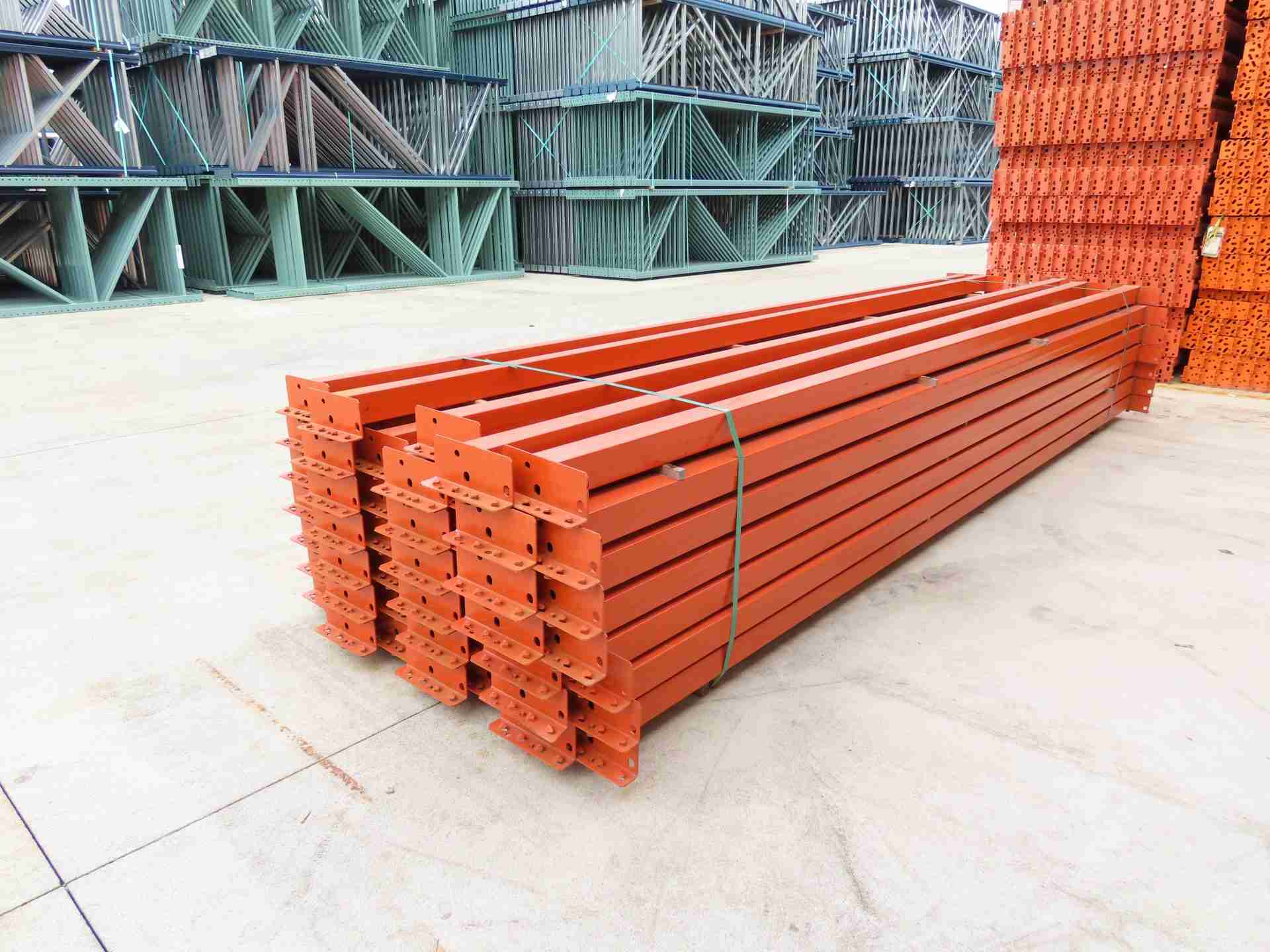
Conclusion
Other Resources
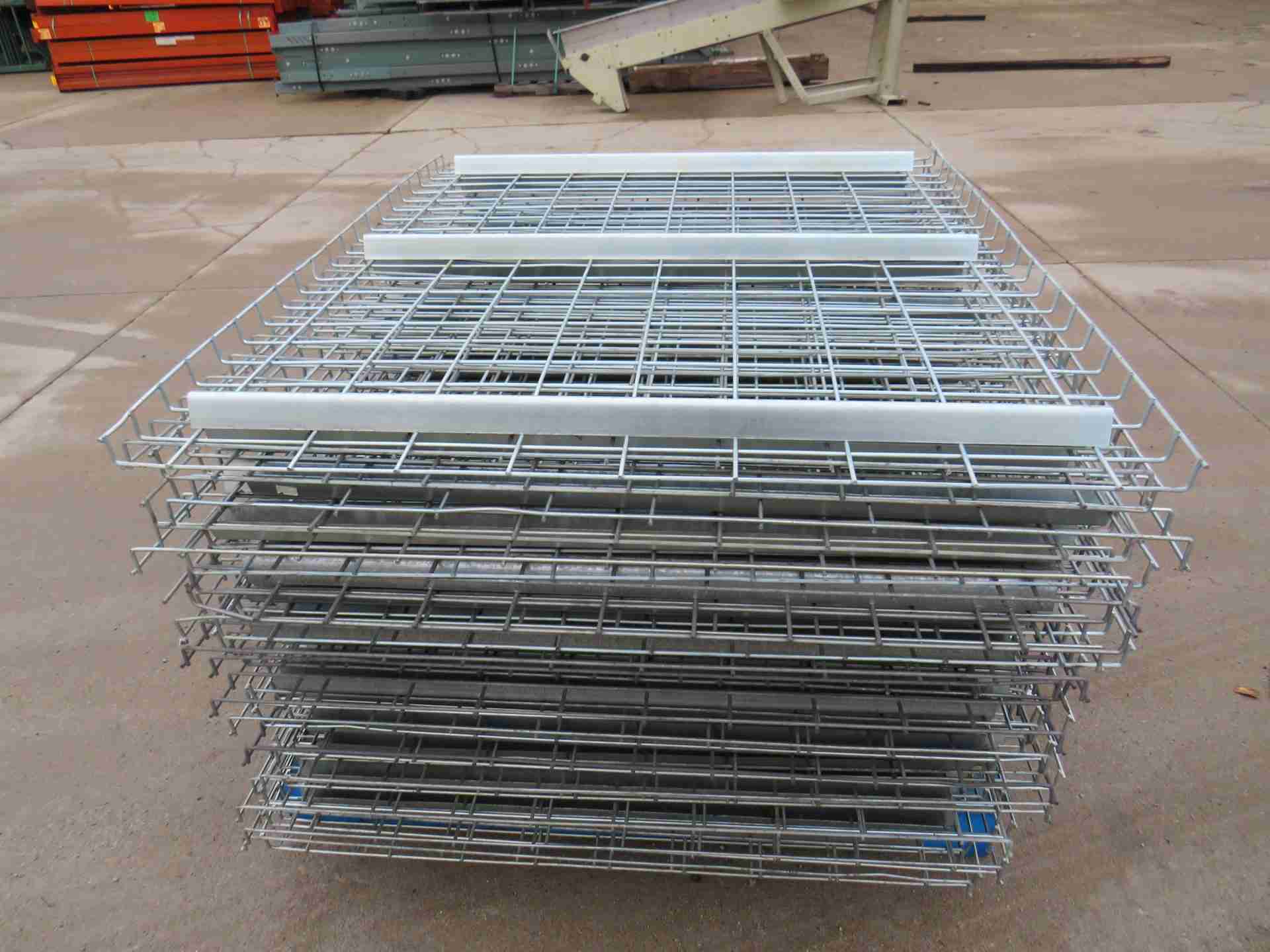
Other Resources
Here is a list of other resources you can review online to learn more:
- 4 Calculations Needed to Build Your Ideal Cantilever Rack System – This guide provides useful information and calculations to help you design and measure the success of your cantilever racking system.
- How to design your cantilever rack system – Steel King – This article explains the steps to design a cantilever rack system, including determining the number and spacing of support arms, arm length, and upright height.
- Top 10 Things to Know About Cantilevered Racking – Damotech – This article explores the advantages, considerations, and key insights on cantilevered racking to help you make informed decisions.
- Understanding Cantilever Racks: A Comprehensive Guide – This comprehensive guide covers factors to consider when implementing cantilever racks, such as load capacity and space layout.
- Structural Cantilever Racking Systems: Strength & Functionality – This guide discusses the benefits of structural cantilever racking systems and how to measure their success in material handling.
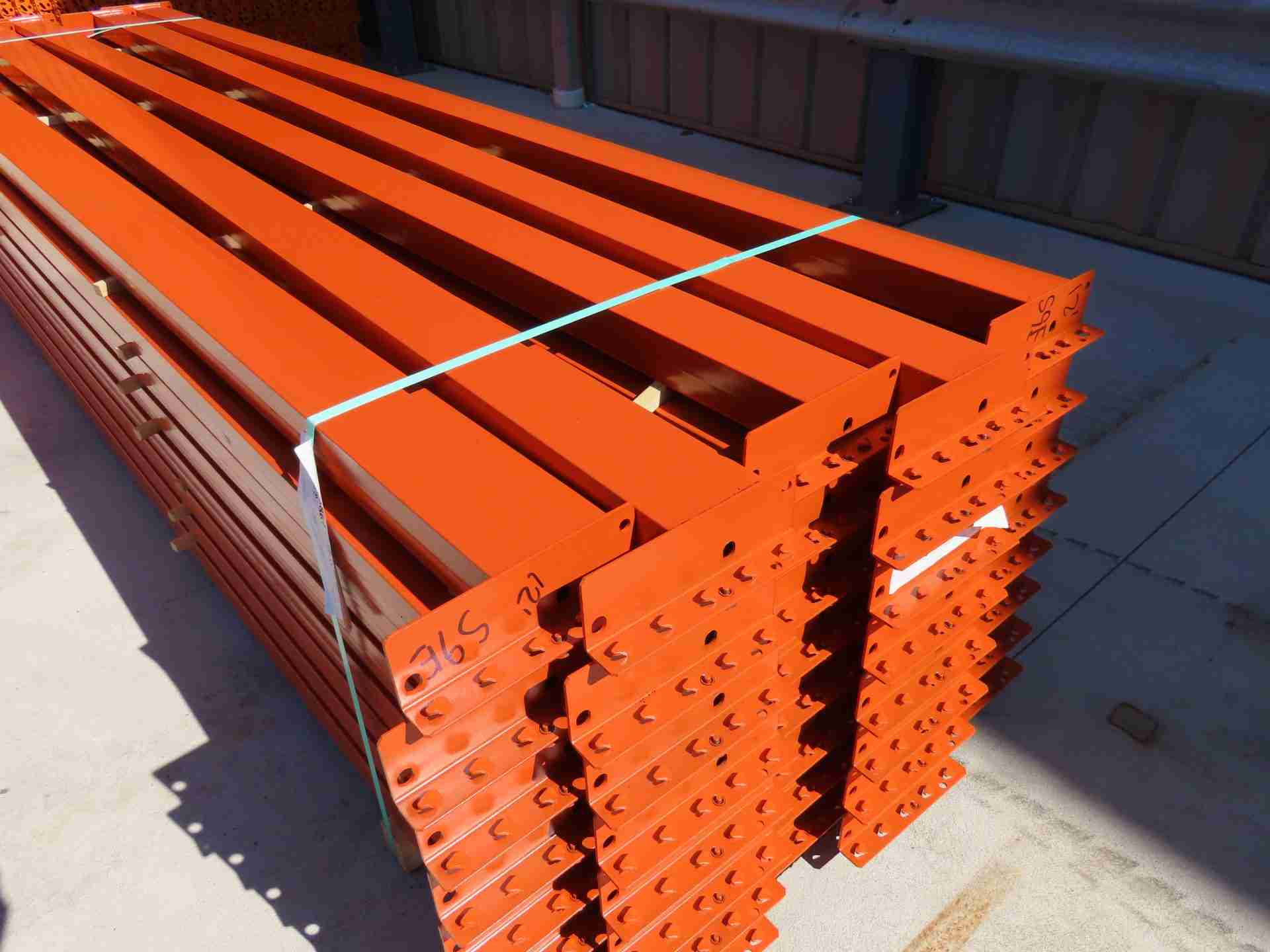
Other Resources
Glossary Terms
How Do You Measure The Success Of a Cantilever Racking System? – Glossary Of Terms
1. Cantilever Rack: A type of storage system consisting of horizontal beams supported by vertical columns, designed to hold long or bulky items.
2. Load Capacity: The maximum weight a cantilever rack can safely accommodate without risk of failure or deformation.
3. Safety Factor: A design criterion that provides a margin between the intended load and the actual load capacity, ensuring structural integrity.
4. Utilization Rate: The percentage of available storage space used for actual inventory, indicating the efficiency of the rack system.
5. Access Efficiency: A measure of how easily and quickly items can be retrieved from the racking system, impacting overall operational productivity.
6. Inventory Turnover: A ratio indicating how often inventory is sold and replaced over a specific period, reflecting storage effectiveness.
7. Structural Integrity: The ability of the racking system to remain stable and secure under applied loads and forces.
8. Installation Time: The duration required to set up a cantilever racking system, influencing labor costs and operational downtime.
9. Forklift Compatibility: The ability of warehouse equipment, like forklifts, to navigate and operate around the racking without obstruction.
10. Damage Rate: The frequency at which racking or stored items sustain damage, often indicating the effectiveness of the storage system.
11. Maintenance Cost: The expenses associated with the upkeep and repair of the cantilever racking system, impacting long-term profitability.
12. Accessibility: How easily items can be reached and retrieved from the racking system, which affects the speed of order fulfillment.
13. Space Optimization: The strategic arrangement of the storage system to maximize available floor space and increase storage capacity.
14. Flexibility: The ability of the cantilever rack system to adapt to changing inventory needs or layouts over time.
15. Regulatory Compliance: Adherence to local safety and structural codes governing warehouse storage design and operation.
16. Shelf Life: The duration items can remain stored before they degrade or become obsolete, directly influencing space and inventory decisions.
17. Design Layout: The configuration of the racking system within the warehouse space, which can affect flow and accessibility.
18. Load Distribution: How evenly weight is spread across the cantilever rack, essential for maintaining structural integrity.
19. Environmental Factors: External conditions such as temperature, humidity, and exposure to chemicals that can affect the racking system’s longevity.
20. Order Picking Efficiency: A measure of how quickly and accurately items can be gathered from storage, crucial for operational success.
21. Vertical Space Utilization: The effectiveness of using the height of the warehouse for storage, maximizing the total available storage volume.
22. Aisle Width: The distance between rows of racks, impacting maneuverability and safety within the storage area.
23. Modular Design: A system design that allows components to be added or reconfigured easily, adapting to changing requirements.
24. Cost per Storage Unit: An analysis of total costs (construction, installation, maintenance) divided by the number of units stored, indicating efficiency.
25. Ergonomics: The study of designing workspaces to fit the needs of workers, reducing strain and injury when accessing stored items.
26. Return on Investment (ROI): A financial metric assessing the profitability relative to the costs incurred by implementing the cantilever racking system.
27. Shrinkage: Loss of inventory due to theft, damage, or misplacement, which can affect the overall measurement of success.
28. Cycle Counting: The routine practice of counting inventory to ensure accuracy and maintain effective management of stock levels.
29. Employee Training: Programs designed to educate staff on safe and efficient handling of materials within the cantilever rack system.
30. Warehouse Management System (WMS): Software that assists in managing warehouse operations, enhancing inventory control, and optimizing storage layouts.
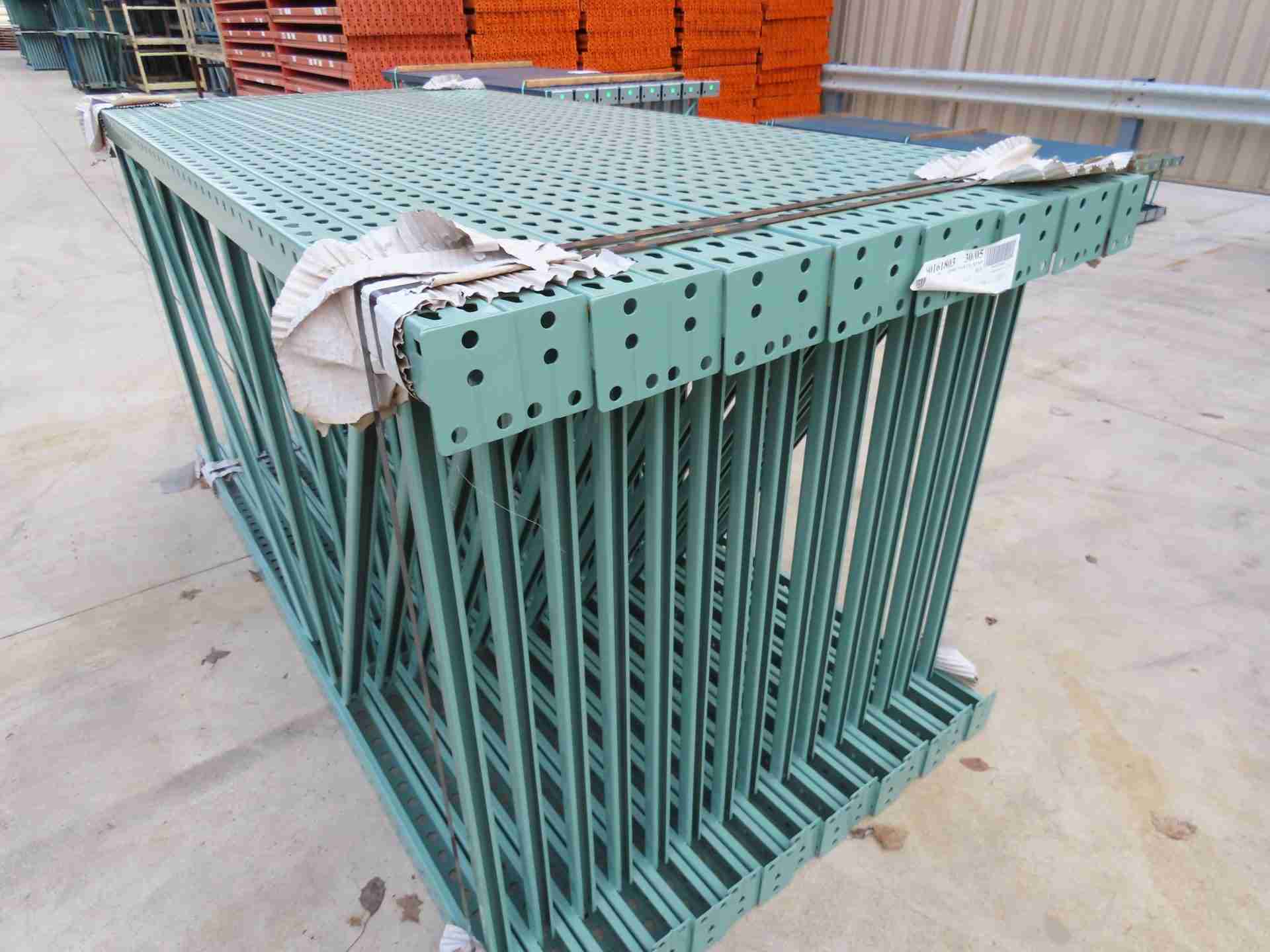
Glossary Of Terms
Other Questions
How Do You Measure The Success Of a Cantilever Racking System? – Other Questions
If you wish to explore and discover more, consider looking for answers to these questions:
- What are the key features of an effective cantilever racking system?
- How can I optimize the layout of my warehouse to enhance cantilever racking efficiency?
- What are the initial costs involved in setting up a cantilever racking system?
- How often should staff be trained on the use and safety of cantilever racking systems?
- What are the most common types of materials stored in cantilever racks?
- What technology can be integrated with cantilever racking systems for better efficiency?
- How do seasonal demands impact inventory management and racking systems?
- What maintenance tasks are essential for prolonging the life of cantilever racking systems?
- What are some examples of businesses that have successfully implemented cantilever racking systems?
- How can one identify the right cantilever racking system for specific industry needs?
- What regulations should be considered when installing cantilever racking systems?
- How do various industries differ in their approach to using cantilever racking systems?
Other Questions
Checklist
How Do You Measure The Success Of a Cantilever Racking System? – A Checklist
1. Space Utilization
_____ Conduct a storage space audit before and after system installation.
_____ Measure vertical space utilization and increase in storage capacity.
_____ Document any improvements in inventory management efficiency.
2. Inventory Accessibility
_____ Measure picking times before and after implementing cantilever racking.
_____ Assess the clarity of organization and layout of items on racks.
_____ Gather user feedback on ease of access to stored items.
3. Load Capacity and Safety Compliance
_____ Regularly check the load capacity of the racking system.
_____ Conduct safety inspections and ensure compliance with OSHA guidelines.
_____ Track incidents of product damage and workplace injuries.
4. Impact on Labor Costs
_____ Calculate labor hours saved due to improved handling processes.
_____ Measure labor cost reductions after implementing the new system.
_____ Evaluate any technology integration (e. g. , RFID) and its impact on efficiency.
5. Customer Satisfaction and Order Fulfillment
_____ Monitor customer satisfaction scores and feedback.
_____ Track order fulfillment rates and on-time delivery percentages.
_____ Analyze fill rates to ensure inventory availability meets demand.
6. Efficiency Metrics
_____ Assess overall operational efficiency post-implementation.
_____ Track any improvements in employee productivity.
_____ Evaluate the racking system’s adaptability to changing inventory volumes.
7. Safety Metrics
_____ Document load capacity ratios and ensure safe operational limits.
_____ Measure deflection under load regularly.
_____ Implement a robust incident reporting system for safety events.
8. Maintenance Protocols
_____ Set a routine schedule for racking system inspections.
_____ Train employees on best practices for racking maintenance.
_____ Keep records of maintenance activities and any issues encountered.
9. Weight Distribution Analysis
_____ Conduct analysis of weight distribution across the racks.
_____ Provide training for employees on proper loading techniques.
_____ Use data analytics to optimize weight distribution strategies.
10. Benchmarking Performance
_____ Compare internal metrics against industry standards.
_____ Establish KPIs specific to your cantilever racking operations.
_____ Monitor economic indicators that could affect racking efficiency.
Conclusion
_____ Review the effectiveness of your cantilever racking system annually.
_____ Adjust strategies based on ongoing evaluations and feedback.
_____ Encourage continuous improvement by regularly updating performance metrics.
This checklist can serve as a guide for businesses looking to measure and enhance the effectiveness of their cantilever racking systems, ultimately contributing to improved operational efficiency and profitability.
Checklist
At RackingWorld, we help guide you through selecting warehouse storage systems and racking.
Be sure to read our other related stories at RackingWorld to learn more about warehouse storage systems.
0 Comments