
Expert Tips For Solving Cantilever Rack Headaches
By Tom Seest
At RackingWorld, we help guide you through selecting warehouse storage systems and racking.
Be sure to read our other related stories at RackingWorld to learn more about warehouse storage systems.
How Do You Troubleshoot Common Cantilever Rack Issues?
When it comes to maximizing efficiency in your warehouse or distribution center, having the right storage solutions is vital. Cantilever racks are the go-to choice for businesses dealing with long or irregularly shaped materials. However, even the most well-designed systems can encounter issues over time. Fear not—troubleshooting common cantilever rack problems can save you headaches and help maintain optimal operations.
First and foremost, take a proactive approach to inspect your racks regularly. Look for signs of wear and tear—bent arms, corrosion, or loose components are red flags. Take, for instance, a recent uptick in warehouse injuries reported due to inadequate maintenance. By adopting a routine inspection schedule, you not only ensure safety but also extend the life of your equipment. A detailed checklist can help keep your team accountable and maintain a high standard of safety.
Next, understand the importance of load distribution. Overloading your cantilever racks can lead to catastrophic failures, including rack collapse—a risk no business can afford. If you’re storing heavy materials, distribute the weight evenly across the rack’s arms. For example, if you’re dealing with steel beams, place heavier ones lower to the ground while keeping lighter items higher. A well-planned layout won’t just enhance safety but also improve operational efficiency.
Another key consideration is the anchoring of your cantilever racks. Ensure that they are properly secured to the floor. Loose bases can lead to stability issues, especially when items are being frequently added or removed. This is particularly relevant in this age of rapid distribution cycles, where the constant flow of goods could compromise your systems. Utilize seismic anchors if you’re in a region prone to earthquakes, as this simple adjustment can bolster stability and protect your investment.
Training your staff is another essential step in troubleshooting cantilever rack issues. Create a culture of awareness around proper loading techniques and rack maintenance. For instance, consider implementing a workshop focused on the dos and don’ts of cantilever rack use. With the right training, you can foster a sense of responsibility among employees that translates to reduced error rates and enhanced safety.
In the wake of increasing regulatory scrutiny surrounding workplace safety, addressing these common cantilever rack issues not only boosts efficiency but also ensures compliance. By investing time and resources into proactive maintenance and staff education, you position your business as a leader in safety and operational excellence—qualities that are paramount in today’s competitive market. So roll up your sleeves, and tackle those cantilever rack challenges head-on; the future of your warehouse depends on it!

How Do You Troubleshoot Common Cantilever Rack Issues?
How Do You Troubleshoot Common Cantilever Rack Issues?
- Maximizing efficiency in warehouses requires proper storage solutions like cantilever racks, ideal for long or irregular materials.
- Regular inspections are essential; look for signs of wear, such as bent arms, corrosion, or loose components to ensure safety and extend equipment life.
- Proper load distribution is crucial; avoid overloading racks to prevent catastrophic failures and improve operational efficiency.
- Ensure cantilever racks are securely anchored to the floor; unstable bases can lead to safety issues, especially during frequent item handling.
- Implement staff training programs focused on loading techniques and maintenance practices to foster a culture of safety and responsibility.
- Addressing common cantilever rack issues enhances efficiency and ensures compliance with workplace safety regulations.
- Investing in proactive maintenance and staff education positions your business as a leader in safety and operational excellence.

How Do You Troubleshoot Common Cantilever Rack Issues?
Table Of Contents
- How Do You Troubleshoot Common Cantilever Rack Issues?
- What Are The Signs Of A Cantilever Rack Problem?
- How Can I Check For Proper Installation?
- What Should I Inspect For Structural Integrity?
- How Do I Identify Overloaded Cantilever Racks?
- What Maintenance Steps Can Prevent Rack Issues?
- How Can I Assess The Condition Of Rack Components?
- What Tools Are Needed For Troubleshooting?
- How Do Environmental Factors Affect Cantilever Racks?
- What Are Common Safety Concerns With Cantilever Racks?
- How Can I Recognize Signs Of Wear And Tear?
- What Should I Do If The Rack Is Tilted Or Unstable?
- How Often Should I Perform Rack Inspections?
- What Resources Are Available For Troubleshooting?
- How Do I Train Staff On Cantilever Rack Safety?
- When Should I Consult A Professional For Repairs?
- Conclusion
- Other Resources
- Glossary Of Terms
- Other Questions
- Checklist
What Are The Signs Of A Cantilever Rack Problem?
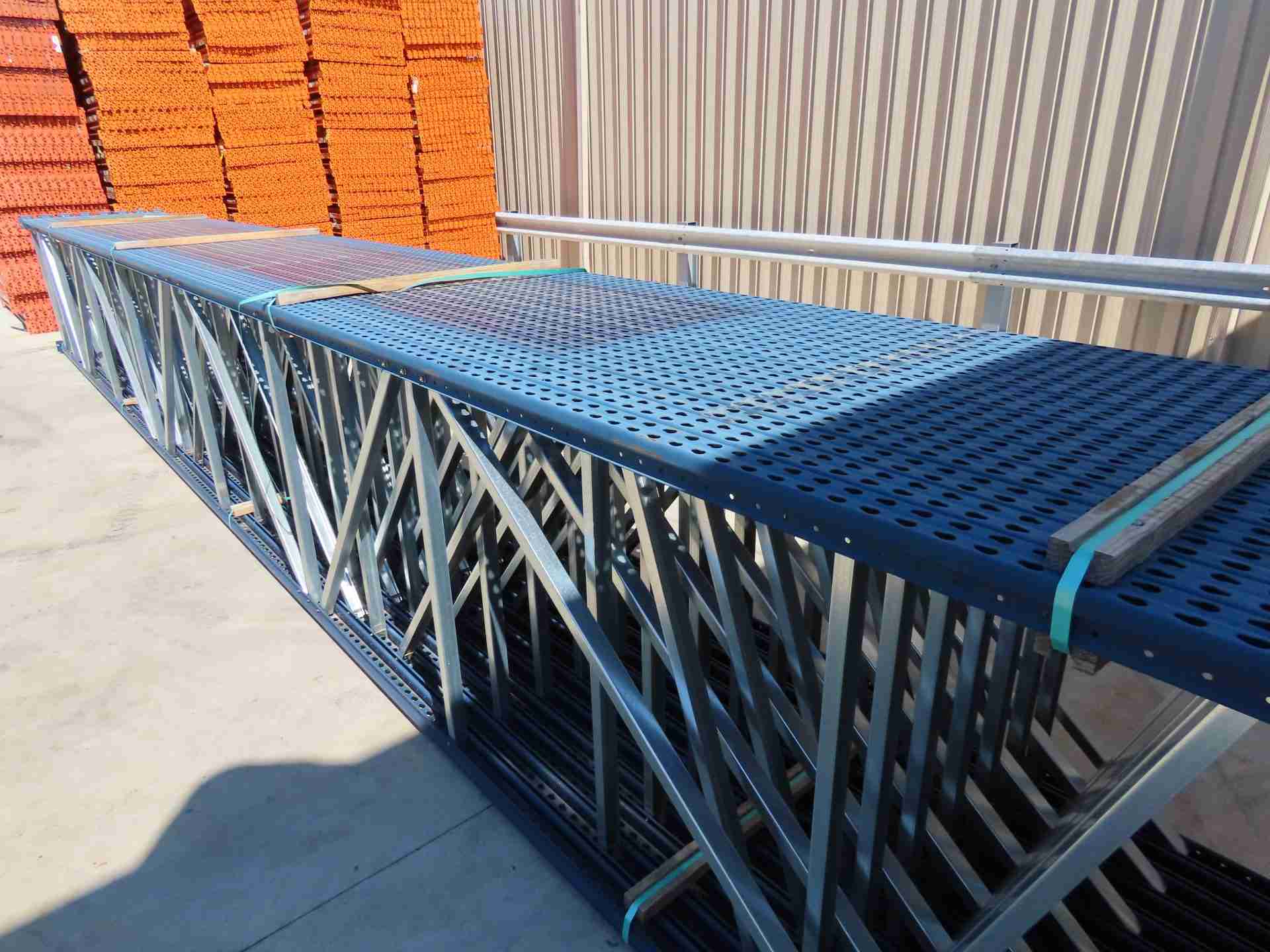
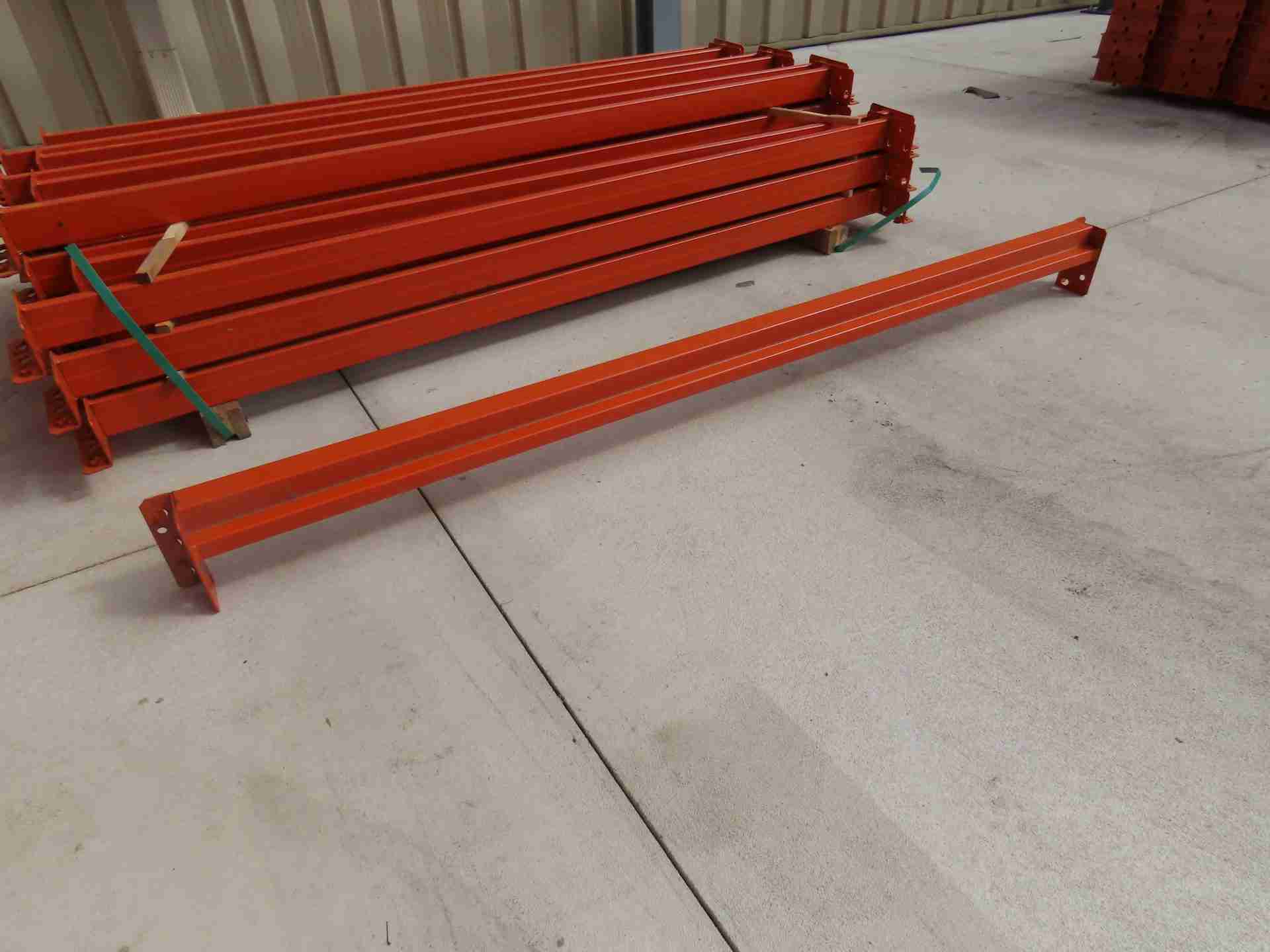
Cantilever racks are the workhorses of many warehouses, offering efficient storage solutions for long and bulky items like lumber, pipes, and furniture. However, just like any other industrial equipment, they can run into problems, and it’s crucial to recognize the signs of trouble before a minor issue escalates into a costly catastrophe.
1. Visible Structural Damage
One of the most glaring signs of a cantilever rack problem is visible structural damage. Look for bent arms, warped uprights, or signs of corrosion. Imagine a scenario where a steel arm bends under the weight of stacked lumber. Ignoring this can lead to a complete failure, causing significant inventory loss and potential harm to employees. Just last month, a warehouse in Ohio suffered substantial damage when an overloaded rack collapsed, resulting in injuries and downtime. Initiate regular inspections to catch these issues before they escalate.
2. Excessive Wear and Tear
Another indicator is the excessive wear and tear on different components of your cantilever racks. If you notice uneven wear patterns or cracked bases, it’s time to take action. For example, in a recent industry report, a prominent furniture retailer revealed that their efficiency plummeted due to poorly maintained racks, which led to a backlog in shipping orders. Regular maintenance checks can keep your operations running smoothly and prevent unnecessary operational halts.
3. Unstable Load Distribution
Cantilever racks require proper load distribution to function optimally. If you see goods leaning, shifting, or poorly balanced, this can signal an impending rack failure. Imagine a load of heavy pipes precariously stacked on one side, slowly pulling the rack down. Implement a strategy for proper load placement, and regularly train your staff on best practices for stacking and securing items.
4. Frequent Structural Adjustments
If your team is constantly adjusting the racks to keep things in order, you have a problem. Constant adjustments are often a band-aid solution for underlying issues. Rather than adjusting as a fix, analyze why the problem keeps occurring. Perhaps your warehouse isn’t being utilized effectively; it could be time for a comprehensive storage audit.
Monitoring for these signs reinforces operational efficiency, enhances safety, and protects your investment. By taking proactive measures today, you can prevent tomorrow’s headaches. Stay vigilant and safeguard your warehouse’s backbone—your cantilever racks deserve it.

What Are The Signs Of A Cantilever Rack Problem?
What Are The Signs Of A Cantilever Rack Problem?
- Cantilever racks provide efficient storage for long and bulky items like lumber, pipes, and furniture.
- Visible structural damage, such as bent arms and signs of corrosion, indicates serious problems that can lead to failure and safety hazards.
- Excessive wear and tear, including uneven wear patterns and cracked bases, can disrupt operation and efficiency.
- Unstable load distribution, with goods leaning or poorly balanced, increases the risk of rack failure.
- Frequent structural adjustments may indicate underlying issues that require a comprehensive storage audit.
- Regular inspections and maintenance checks are essential to prevent issues from escalating and ensure safety.
- Proactive measures can enhance operational efficiency and protect your investment in cantilever racks.

What Are The Signs Of A Cantilever Rack Problem?
How Can I Check For Proper Installation?
Ensuring that a product is installed correctly isn’t just a matter of convenience; it’s a matter of safety, performance, and longevity. Imagine you’ve just invested in a state-of-the-art home security system—or maybe a sophisticated HVAC system for your business. The last thing you want is for that hefty investment to underperform because of a botched installation. So how can you confirm that everything is in place and functioning correctly? Here’s a straightforward guide to tackle this crucial task.
1. Conduct a Visual Inspection:
Start by giving the installation a thorough visual once-over. Look at the connections, wiring, and fittings. Typography matters! For instance, if you’re installing a new water heater, ensure that the pipes aren’t just haphazardly connected but are firmly secured. Any sign of corrosion or wear should be immediately flagged. If you see discolored or frayed wires, that’s a red flag demanding immediate attention.
2. Consult the Manuals:
Every quality product comes with a manual—and in today’s digital age, most of them have their instructions available online. Make it a habit to compare what you see with what’s outlined in the manual. For example, if you recently installed smart thermostats, ensure the wiring matches the recommended color coding for your specific model. A slight mismatch may lead to inefficiencies or even equipment damage in the long run.
3. Run Performance Tests:
Much like any top-notch entrepreneur conducts market research to gauge performance metrics, you should also evaluate how your newly installed system runs. With the HVAC system, check if the airflow is consistent throughout your space. For an alarm system, conduct a simple test by triggering it to see if all sensors are working correctly.
4. Seek Professional Opinion:
Don’t hesitate to call in a professional if you’re still unsure. This isn’t just about peace of mind; it’s about safeguarding your investment. A certified technician can perform a comprehensive inspection, providing you the assurance that your installation complies with current safety standards. Research shows that in 2023, companies providing consultations are experiencing a surge in demand—leverage that!
5. Monitor for Early Signs of Trouble:
Lastly, keep an eye on your system’s performance in the first few weeks post-installation. Did your electric bill suddenly spike? Is that brand-new dishwasher making an unusual noise? Early detection can save you a slew of headaches later on.
By following these steps, you can ensure that your installation isn’t just ‘good enough’—it’s truly a pathway to optimal performance and a safeguarding of your investment. The stakes are high, so take the time to be thorough. Your future self will thank you!

How Can I Check For Proper Installation?
How Can I Check For Proper Installation?
- Correct installation is essential for safety, performance, and longevity of products.
- Begin with a visual inspection of connections, wiring, and fittings for signs of wear or corrosion.
- Consult product manuals to ensure installation matches recommended guidelines, particularly wiring color coding.
- Run performance tests to evaluate system functionality, such as airflow consistency in HVAC or alarm trigger tests.
- Seek professional assistance for thorough inspections and compliance with safety standards if unsure.
- Monitor for early signs of trouble in the initial weeks, like unusual noises or spikes in utility bills.
- Being diligent in these steps can lead to optimal performance and safeguarding your investment.

How Can I Check For Proper Installation?
What Should I Inspect For Structural Integrity?
When it comes to safeguarding your property, understanding structural integrity is non-negotiable. While some see it as a chore, savvy property owners know that a proactive inspection is an investment in both monetary value and peace of mind. So, what should you be on the lookout for?
First and foremost, foundations hold the key to structural integrity. Look for cracks in the walls and floors. Even small fissures can be harbingers of larger issues down the line. For instance, a recent rise in extreme weather—think heavy rainfall and flooding—has underscored the importance of examining your foundation. A cracked basement wall could suggest water intrusion, leading to mold, mildew, and structural damage. Don’t let your property become a casualty of climate change.
Next up, inspect your roof. A well-maintained roof is your first line of defense against the elements. Look for missing shingles, sagging areas, or any signs of water damage inside your property. In 2023, many homeowners faced extensive repair costs following severe storms that wreaked havoc on roofs across the Midwest. A simple visual inspection can save you from becoming another statistic.
Don’t neglect doors and windows. Are they easy to open and close? If they’re sticking or not aligned, it could indicate serious structural movement. For example, the recent global emphasis on energy efficiency has spurred many governments and homeowners to invest in energy audits. Inadequate seals not only compromise your home’s integrity but can lead to costly energy loss.
Next, pay attention to your home’s framing. This typically includes walls, beams, and trusses. Look for bowing, cracks, or missing components. A recent high-profile case involved a luxury condo building in Florida that collapsed due to significant structural failures, serving as a painful reminder that neglect can lead to catastrophe.
Lastly, plumbing and electrical systems should not be overlooked. Damaged pipes can lead to leaks, causing water damage and rot—another series of issues that can affect structural integrity. On the electrical side, outdated wiring can be a fire hazard, posing both safety risks and insurance liabilities.
In summary, inspecting for structural integrity means being vigilant and proactive. Regular checks can prevent small issues from spiraling into significant disasters, protecting both your property and peace of mind. Don’t wait for a repair emergency to surface; the best time to act is now. Your future self will thank you!

What Should I Inspect For Structural Integrity?
What Should I Inspect For Structural Integrity?
- Understanding structural integrity is crucial for property safeguarding.
- Proactive inspections are an investment in property value and peace of mind.
- Check foundations for cracks which may indicate larger issues, especially due to extreme weather.
- Inspect roofs for missing shingles and water damage to avoid costly repairs.
- Ensure doors and windows operate smoothly to prevent energy loss and indicate structural movement.
- Examine the framing of the home for bowing or cracks to avoid catastrophic failures.
- Don’t overlook plumbing and electrical systems, as damage can lead to significant safety and structural risks.
What Should I Inspect For Structural Integrity?
How Do I Identify Overloaded Cantilever Racks?
Identifying whether your cantilever racks are overloaded is crucial for maintaining a safe and efficient warehouse environment. Overloaded racks can lead not only to structural failure but also costly accidents that hurt both employees and your bottom line. Much like a perfect storm, the signs of overload can sneak up on you if you’re not vigilant. Understanding these signs can mean the difference between a flourishing operation and an expensive disaster.
First and foremost, examine the physical integrity of your racks. Signs of damage, such as bent arms or notable deflection, should immediately raise red flags. Imagine a warehouse storing heavy steel beams. If workers notice that the rack appears warped or has begun to sag under the weight, it’s a clear indication that it may be bearing more than its fair share. Regular inspections can provide insight—less than ideal conditions might indicate an overload long before a catastrophic failure occurs.
Next, familiarize yourself with your kilowatt-hour ratings and loading specifications. Each cantilever rack comes equipped with a set load limit, which serves as your compass. This is where things can get tricky—many businesses inadvertently exceed these limits by misjudging the weight of their inventory. For example, a recent incident in a regional hardware store involved the collapse of a rack holding various metal stocks, leading to employee injuries and significant liability claims. This was later attributed to a miscalculation of weight. Always consult the manufacturer’s specifications and keep thorough records of your inventory to avoid this pitfall.
Another way to identify potential overload is through staff training. Educate your team on proper loading techniques. If your warehouse is bustling with activity and your staff is not trained to distribute weight evenly across the racks, you’re just inviting trouble. Periodic training sessions not only keep safety top of mind but also foster an environment where employees feel empowered to flag potential issues.
Technology can also play a role in identifying overload. Smart solutions are now on the market that use sensors to monitor the load on racks in real-time. These systems can send alerts when weights exceed safe thresholds, incorporating preventative measures that can save you from costly accidents.
In summary, identifying overloaded cantilever racks is not just about choosing the right materials or doing periodic inspections. It requires an integrated approach: regular assessments, meticulous tracking, staff training, and leveraging technology. By staying proactive, you not only protect your investment; you affirm your commitment to workplace safety. Don’t cut corners—invest in vigilance and safeguard your operations today.

How Do I Identify Overloaded Cantilever Racks?
How Do I Identify Overloaded Cantilever Racks?
- Identifying overloaded cantilever racks is essential for warehouse safety and efficiency.
- Overloaded racks can lead to structural failure and costly accidents affecting employees and finances.
- Inspect racks for physical damage, such as bent arms or sagging, as early indicators of overload.
- Understand kilowatt-hour ratings and loading specifications to avoid exceeding load limits.
- Provide staff training on proper loading techniques to minimize the risk of overload.
- Utilize technology, such as smart sensors, to monitor rack loads in real-time and receive alerts.
- Implement a comprehensive approach that includes regular assessments, tracking, and employee education for safety.

How Do I Identify Overloaded Cantilever Racks?
What Maintenance Steps Can Prevent Rack Issues?
In the fast-paced, high-stakes world of warehousing and logistics, where every second counts, maintaining your equipment isn’t just an afterthought; it’s a cornerstone of efficiency. Just as the most successful businesses invest in marketing strategies that keep them top-of-mind, they must also prioritize maintenance strategies that keep their racks in optimal condition. A proactive approach can help prevent potential rack issues, saving you time and money while ensuring safety.
1. Regular Inspections: Visual inspections are your frontline defense against potential rack failures. Regularly inspecting your racks for signs of wear, such as bent beams or loose connections, should be as routine as checking your emails. Schedule inspections weekly or bi-weekly, depending on usage levels. For instance, if you’re in a sector experiencing soaring demand—think e-commerce giants handling holiday surges—be especially vigilant. A minor issue today could lead to catastrophic failure tomorrow.
2. Load Limit Awareness: Many rack failures occur because of overloading. Ensure every staff member understands the weight limits of racks. In light of recent supply chain disruptions, many warehouses are adapting to increased inventory levels. This is a prime opportunity to reinforce that load limits must never be exceeded. Document the intended load capacity clearly on signage at the rack level, and give training sessions to ensure everyone is aligned.
3. Regular Maintenance and Repairs: Just as you wouldn’t drive a car with a check engine light on, you shouldn’t ignore the maintenance of your racks. Schedule routine maintenance checks to tighten bolts, replace worn components, and paint over any rust before it becomes a more significant issue. For example, if you noted rust on your racks during an inspection, take proactive measures; a simple repaint can extend lifespan significantly.
4. Staff Training: An investment in training is an investment in the future. Regular workshops not only empower your team with the knowledge of proper loading techniques but also instill a sense of ownership and responsibility over their work environment. After all, a well-informed employee is your best asset against rack issues.
5. Utilizing Technology: In today’s tech-driven world, don’t shy away from adopting software solutions designed to track and manage maintenance schedules. Current trends show that warehouses embracing IoT sensors and management apps see a decrease in operational issues due to real-time monitoring and alerts.
In this burgeoning climate of heightened inventory demands and supply chain complexities, ensuring your racks are well-maintained isn’t just a best practice; it’s a necessity. By implementing these maintenance steps, you can not only extend the lifespan of your equipment but also create a safer, more efficient workspace that stands the test of time.
What Maintenance Steps Can Prevent Rack Issues?
What Maintenance Steps Can Prevent Rack Issues?
- Importance of Maintenance: Equipment maintenance is a cornerstone of efficiency in warehousing and logistics.
- Regular Inspections: Conduct weekly or bi-weekly visual inspections for signs of wear to prevent rack failures.
- Load Limit Awareness: Educate staff on weight limits of racks to avoid overload-related failures.
- Regular Maintenance and Repairs: Schedule routine maintenance to address minor issues, like rust, before they escalate.
- Staff Training: Invest in training to empower employees with knowledge and responsibility over rack safety.
- Utilizing Technology: Adopt software and IoT solutions for real-time monitoring of maintenance schedules.
- Creating Safer Workspaces: Prioritizing rack maintenance enhances safety and efficiency in a high-demand environment.

What Maintenance Steps Can Prevent Rack Issues?
How Can I Assess The Condition Of Rack Components?
Assessing the condition of rack components in your facility isn’t just a best practice; it’s a strategic imperative. Ignoring potential weaknesses could lead to catastrophic failures that disrupt operations and financial strain. So, how do you effectively evaluate the condition of these critical assets?
1. Visual Inspection: The First Line of Defense
The simplest and most effective way to start is through a thorough visual inspection. Examining your racks for obvious signs of wear or damage—such as rust, dented beams, and loose bolts—should be the first step on your checklist. For example, a recent report highlighted incidents where minor rusting on components led to significant structural failures in warehouses across the Midwest. By being proactive, you can stave off these costly disasters before they cause disruptions.
2. Load Testing: Measure Twice, Store Once
Once you’ve got a handle on any visible issues, the next phase involves load testing. Each rack component has a rated load capacity that should be verified periodically. To illustrate, if your racks are overloaded—perhaps due to a recent influx of merchandise—the consequences can be dire. Not only could racks buckle under excessive weight during peak seasons, but they can also compromise customer safety. Implementing a regular schedule of load testing ensures you are always operating within safe limits.
3. Environmental Considerations: Know Your Surroundings
Consider the environment where your racks are located. Are they exposed to humidity, chemicals, or constant temperature fluctuations? These factors can accelerate wear and tear. The recent surge in online shopping means that many warehouses are operating at peak capacities, often in less-than-ideal conditions. By performing assessments that consider your environment, you can directly link these conditions to the lifespan of your rack components.
4. Employee Training: The Unsung Heroes
Your team plays a vital role in monitoring rack condition. A newly implemented policy could involve training employees to identify early warning signs of rack failures such as strange noises or wobbling. For instance, during recent training sessions at a leading logistics firm, employees were empowered to flag any concerns, ultimately enhancing overall safety.
5. Professional Inspections: Invest for Peace of Mind
Last but certainly not least, consider engaging professionals for annual inspections. Just as you wouldn’t skip a check-up at the doctor’s office, don’t skimp on evaluating your racks. Certified inspectors provide insights that might escape the naked eye, ensuring your facility runs smoothly.
In today’s fast-paced business environment, assessing the condition of rack components isn’t merely a task—it’s crucial for sustainability, efficiency, and safety. Prioritize these methods to maintain robust operations and avoid costly setbacks. Remember, proactive measures today can lead to not just survival, but thriving in an ever-competitive marketplace.

How Can I Assess The Condition Of Rack Components?
How Can I Assess The Condition Of Rack Components?
- Assessing rack conditions is a strategic imperative to prevent operational disruptions and financial strain.
- Begin with visual inspections to identify signs of wear, such as rust and loose bolts.
- Conduct load testing to verify that rack components are operating within safe weight limits.
- Evaluate environmental factors like humidity and temperature fluctuations that can affect rack longevity.
- Train employees to recognize early warning signs of rack failures for improved safety.
- Engage professional inspectors for annual evaluations to ensure thorough assessments.
- Prioritize proactive measures to maintain operations and thrive in a competitive market.

How Can I Assess The Condition Of Rack Components?
What Tools Are Needed For Troubleshooting?
When it comes to troubleshooting, having the right tools on hand can make all the difference between a quick fix and a prolonged headache. In an age where downtime can cost businesses thousands—especially highlighted by the recent supply chain disruptions—investing in the proper troubleshooting tools is not just smart; it’s essential for maintaining a competitive edge.
First and foremost, Diagnostic Software is your secret weapon. Whether you’re managing a network issue, a software bug, or system performance problems, advanced diagnostic tools like SolarWinds, Paessler PRTG, or even open-source alternatives like Nagios can provide real-time insights into system performance. Imagine trying to pinpoint an issue in your e-commerce site just as the holiday shopping season heats up. A reliable tool can help you identify bottlenecks quickly—by analyzing traffic patterns and pinpointing where the breakdown happens. With companies saying goodbye to the traditional “let’s wait and see” mentality, these tools are a non-negotiable resource.
Next, don’t underestimate the power of Communication Tools. In an environment where remote work is the norm—thanks to the COVID-19 pandemic—platforms like Slack or Microsoft Teams are crucial for collaborative troubleshooting. Picture this: a sudden software glitch just as your team is about to launch a new product. Using a robust communication tool, team members can instantly discuss the issue, share screenshots, or even do a live troubleshooting session. The capability to have conversations in real-time can prevent minor setbacks from cascading into major crisis events.
Then, there’s the importance of Hardware Tools. For IT personnel, a quality multimeter, power supply testers, or IT-specific diagnostic tools (like Testers for switches and routers) can be lifesavers when dealing with physical devices. For instance, if a hardware component fails during peak hours, having the right tools allows you to switch out components swiftly, rather than letting customers down and eroding your brand reputation.
Finally, let’s talk about Documentation and Knowledge Bases—specifically, the advantages they provide. Having a repository of troubleshooting guides, known issues, and solutions at your fingertips can enhance efficiency immensely. Tools like Confluence or Notion allow teams to create and maintain a knowledge base that evolves with their experiences and company developments. With the proliferation of tech startups sprouting up daily, those utilizing a robust documentation system are far more equipped to navigate hiccups without breaking a sweat.
Taking the time to assemble these essential troubleshooting tools equips you with the capability to tackle any issue head-on and turn potential disasters into mere blips on the radar. In today’s fast-paced business landscape, can you really afford to be underprepared?

What Tools Are Needed For Troubleshooting?
What Tools Are Needed For Troubleshooting?
- Having the right troubleshooting tools is essential for quick fixes and minimizing downtime.
- Diagnostic Software (e.g., SolarWinds, Paessler PRTG, Nagios) provides real-time insights into system performance.
- Effective Communication Tools (e.g., Slack, Microsoft Teams) facilitate collaborative troubleshooting in remote work environments.
- Hardware Tools, such as multimeters and power supply testers, are crucial for IT personnel dealing with physical devices.
- Documentation and Knowledge Bases improve efficiency by providing easy access to troubleshooting guides and known issues.
- Utilizing tools like Confluence or Notion helps teams maintain an evolving knowledge base.
- Being well-equipped with troubleshooting tools enables businesses to address issues promptly and maintain a competitive edge.

What Tools Are Needed For Troubleshooting?
How Do Environmental Factors Affect Cantilever Racks?
When it comes to storing lumber, pipes, or other awkwardly shaped materials, cantilever racks are a go-to solution for maximizing space and efficiency. However, potential buyers often overlook how environmental factors can dramatically impact the performance and longevity of these essential storage systems. Ignoring these factors could lead to costly repairs or replacements down the line. So, let’s dive into how environmental conditions affect your cantilever racks and why it matters to your bottom line.
Temperatures and Humidity Levels
One of the most significant environmental influences on cantilever racks is temperature. For businesses located in areas with extreme weather—such as the deep freezes of the Midwest or the sweltering heat of the South—the materials used in cantilever rack construction become crucial. Steel racks can suffer from thermal expansion or contraction, leading to warping or weakening. In high-humidity areas, rust can wreak havoc on metal, potentially compromising the integrity of the racks.
For instance, consider a lumberyard situated in a coastal region where humidity and salt air are prevalent. In this scenario, investing in stainless steel or galvanization treatments is essential. The investment pays off by prolonging the lifespan of your racks and ensuring your materials are stored securely—helping prevent accidents and losses.
Outdoor Storage
Outdoor cantilever racks face an even steeper set of challenges. The elements—UV rays, rain, and wind—can take a toll. A recent study highlighted that companies using cantilever racks for outdoor storage saw a 30% higher rate of equipment failure in equally exposed conditions compared to those who opted for dedicated outdoor-rated racks.
Investing in racks specifically designed for outdoor use, complete with protective coatings and weather-resistant materials, can save companies from spending significantly on premature replacements. Remember the notorious Typhoon Hagibis that hit Japan in 2019? Many businesses that didn’t consider environmental factors in their storage systems faced massive losses when unsecured materials became projectiles.
Localized Disasters
From wildfires in California to hurricanes in the Gulf Coast, climate-related disasters can be an unpredictable threat. Cantilever racks should be designed to withstand localized weather events; this includes bolting them down or choosing designs that minimize wind resistance. Ensuring that your cantilever racks are compliant with local regulations can prevent disaster—and lawsuits.
In summary, leaning into the environmental factors surrounding your storage systems not only safeguards your assets but also enhances your operational efficiencies. Be proactive, not reactive; consider the climatic scenarios that are uniquely yours, and invest wisely in cantilever racks built to endure. Doing so isn’t just smart—it’s essential for long-term success.

How Do Environmental Factors Affect Cantilever Racks?
How Do Environmental Factors Affect Cantilever Racks?
- Cantilever racks are ideal for storing lumber and awkwardly shaped materials, optimizing space and efficiency.
- Environmental factors, such as temperature and humidity, significantly affect the performance and longevity of cantilever racks.
- Extreme weather can lead to issues like thermal expansion, contraction, and rust, especially for metal racks.
- Investing in stainless steel or galvanized racks is crucial in high-humidity coastal regions to ensure durability.
- Outdoor cantilever racks face challenges from UV rays, rain, and wind, resulting in higher failure rates without proper design.
- Climate-related disasters necessitate racks designed to withstand localized weather events and comply with regulations.
- Proactively considering environmental factors can prevent costly repairs and enhance operational efficiencies for long-term success.

How Do Environmental Factors Affect Cantilever Racks?
What Are Common Safety Concerns With Cantilever Racks?
When it comes to storing large and bulky items, cantilever racks are often the go-to solution for both warehouses and retail environments. However, beneath their sturdy exterior lies a myriad of safety concerns that can lead to costly accidents, injuries, and even operational shutdowns. Understanding these risks is essential for warehouse managers looking to maintain safety and efficiency.
1. Overloading Issues
One of the most common pitfalls with cantilever racks is overloading. While these racks are designed to support heavy loads, there’s often a temptation to push their limits. For instance, during a recent incident in a Michigan warehouse, a cantilever rack collapsed when it was loaded beyond its recommended weight capacity, resulting in substantial product loss and risking employee safety. The moral of the story? Always adhere to the manufacturer’s guidelines regarding load capacity and ensure that all staff are trained to respect these limits.
2. Poor Installation Practices
Many accidents stem from improperly installed racks. A cantilever rack that isn’t securely anchored to the floor can become a tipping hazard, especially if loaded unevenly. In a notable case in Texas, an improperly anchored rack fell during a routine loading operation, injuring two workers and causing significant disruption to warehouse operations. This serves as a reminder to engage qualified professionals during installation and regularly inspect these systems for stability.
3. Lack of Inspection and Maintenance
Routine inspection and maintenance of cantilever racks are often overlooked but are critical to ensuring their safety. For instance, rust or damage to the structural components can weaken the load-bearing capabilities of the rack over time. According to the Occupational Safety and Health Administration (OSHA), regular inspections should be part of your safety protocols to reduce the risk of accidents. Incorporating a daily check-in for visible signs of wear and tear can safeguard employees and assets alike.
4. Inadequate Training
Even the strongest cantilever racks are useless if employees don’t know how to use them correctly. Training must extend beyond initial onboarding; ongoing education sessions on storing practices, weight distribution, and safety protocols are indispensable. During a recent national safety conference, experts underscored the importance of continuous training to avoid complacency among staff, which is vital for maintaining an accident-free environment.
While cantilever racks can dramatically improve storage solutions, overlooking essential safety measures can lead to dire consequences. By addressing these common concerns—overloading, poor installation, lack of maintenance, and inadequate training—companies can protect their most valuable assets: their employees and inventory. Remember, a proactive approach to safety not only prevents incidents but also cultivates a workplace culture that values care and responsibility.

What Are Common Safety Concerns With Cantilever Racks?
What Are Common Safety Concerns With Cantilever Racks?
- Cantilever racks are popular for storing large and bulky items in warehouses and retail environments.
- Overloading racks beyond their weight capacity can lead to accidents, product loss, and risks to employee safety.
- Improper installation can make racks unstable and pose tipping hazards, as seen in a Texas incident.
- Regular inspection and maintenance are essential to address wear and tear that can weaken rack structure.
- Employee training on correct usage, weight distribution, and safety protocols should be ongoing to prevent accidents.
- Addressing issues like overloading, poor installation, inadequate maintenance, and insufficient training is crucial for workplace safety.
- A proactive safety approach helps protect employees and inventory, fostering a responsible workplace culture.

What Are Common Safety Concerns With Cantilever Racks?
How Can I Recognize Signs Of Wear And Tear?
In a world that thrives on efficiency, recognizing the signs of wear and tear in your belongings is crucial. With the rapid pace of life today—think of the all too common rush to keep up with work, family, and even social media—many might overlook the subtle indications that our possessions are beginning to fade. It’s essential to sharpen your keen eye for these signs, as waiting too long can lead to costly replacements or even unsafe situations.
First, let’s talk about your car. The average American drives over 13,000 miles a year, and that type of mileage takes a toll. Take a close look at the tread of your tires. Are they looking bald or worn down? This is a classic sign of wear and tear that, if ignored, could lead to dangerous blowouts—especially on a rainy day when the roads are slick. Remember, recent events surrounding extreme weather patterns mean that we’re likely to face unexpected conditions. It’s not just about safety; it’s about preparedness.
Moving on to your home appliances—how many times have you heard your washing machine make unusual noises? If your once-silent washer has transformed into a concert of clunks and clangs, it’s time to investigate. Ignoring these sounds can lead to costly repairs or even replacements at the worst possible moment. Consider the recent surge in appliance shortages, as reported by major retailers; acting on these signs swiftly can help you avoid a paralysis by analysis scenario where you’re left with a broken appliance and no available replacement.
Another area to examine closely is your furniture. Ask yourself: are the cushions losing their shape? Is the wood showing signs of cracking or splintering? These aren’t mere cosmetic issues; they speak volumes about the overall structural integrity of your items. With many of us spending more time at home—thanks in part to shifts seen during the pandemic—it’s easy to forget that our couches and chairs endure more wear and tear than before.
Lastly, look at your personal technology. If your smartphone screen is cracked or the battery no longer holds a charge, that’s a clear sign of degradation. With the current era of rapid tech innovation, staying ahead of wear and tear could mean trading in for a new model before your device completely fails and leaves you stranded in the digital age.
Being proactive about signs of wear and tear not only saves money but also enhances safety and enjoyment in your daily life. Take the time to inspect your possessions regularly—you’ll thank yourself later!

How Can I Recognize Signs Of Wear And Tear?
How Can I Recognize Signs Of Wear And Tear?
- Recognizing signs of wear and tear in belongings is essential for safety and cost savings.
- Cars require attention to tire tread; worn tires can lead to dangerous blowouts, especially in bad weather.
- Unusual noises from home appliances, like washing machines, indicate potential problems that can lead to costly repairs or replacements.
- Furniture showing signs of wear, such as cushion shape loss or cracking wood, affects structural integrity.
- Smartphones with cracked screens or poor battery performance show signs of degradation that may necessitate early upgrades.
- Proactive inspections of possessions can enhance safety and enjoyment in daily life.
- Regularly checking belongings can prevent uncomfortable situations due to breakdowns or shortages.
How Can I Recognize Signs Of Wear And Tear?
What Should I Do If The Rack Is Tilted Or Unstable?
A tilted or unstable rack can be a troubling sight in any environment—be it a bustling warehouse, a busy retail floor, or even your home storage. It’s not just an eyesore; it can lead to inefficiency, safety hazards, and ultimately, financial losses. So what should you do if you stumble upon this precarious situation?
1. Assess the Situation Immediately
Your first step should be to evaluate the rack’s condition. Is it leaning due to a recent overload, or did it come loose from its anchors? Look around to see if anyone has reported unusual noises or movements. Ignoring the problem only invites disaster. Imagine a retail scene where a poorly secured display suddenly tips over—retail recalls are commonplace these days! Just last month, a store in downtown Chicago experienced chaos when a toppled display caused injuries and significant loss of product. Don’t let this happen at your place.
2. Implement Quick Fixes
If the instability is minor, a few quick adjustments might do the trick. Tightening bolts, redistributing weight, or repositioning items can stabilize things. For example, if a shelf is overloaded with products due to a promotion, consider creating a new zone for these items instead of cramming them onto one shelf. Not only will this right the ship, but it also enhances customer experience.
3. Seek Professional Help
For larger issues, consult a professional. Now, I know what you’re thinking—professional help sounds costly. But think about the price of accidents. A meticulous inspection and repair by a qualified technician can prevent costly lawsuits or product losses. Just recently, an influential warehouse network in New York avoided potential disaster when they hired a structural engineering firm to reinforce their racks, ensuring a safer working environment.
4. Invest in Quality Equipment
Finally, if tilt and instability are recurring nightmares, it might be time to invest in better quality equipment. Opt for racks made of durable materials with higher load ratings—a small upfront investment can save you big in the long run. Take cues from the current trend among leading retailers who champion safety through high-quality, reliable infrastructure.
5. Regular Maintenance is Key
Make a habit of performing regular inspections. Establish a checklist for staff to follow, examining the condition of racks weekly or bi-weekly. This proactive approach can head off problems before they escalate and cascade into larger issues.
In today’s fast-paced marketplace, stability isn’t just a safety concern; it’s a cornerstone of operational excellence. Don’t wait for the crisis to occur—get ahead of the game! Your efficiency and safety depend on it.
What Should I Do If The Rack Is Tilted Or Unstable?
What Should I Do If The Rack Is Tilted Or Unstable?
- Assess the Situation Immediately: Evaluate the rack’s condition and investigate if it’s leaning or loose to prevent disasters.
- Implement Quick Fixes: Make minor adjustments like tightening bolts and redistributing weight to stabilize the rack.
- Seek Professional Help: Consult professionals for larger issues to avoid costly accidents and ensure safety.
- Invest in Quality Equipment: Consider upgrading to durable, high-load racks if instability is a recurring problem.
- Regular Maintenance is Key: Establish a routine for regular inspections to identify and mitigate problems early.
- Prioritize Safety: Understand the importance of stability in operations to enhance overall efficiency.
- Be Proactive: Don’t wait for a crisis to occur; act early to ensure a safe and efficient environment.

What Should I Do If The Rack Is Tilted Or Unstable?
How Often Should I Perform Rack Inspections?
When it comes to rack inspections, the critical question on every facility manager’s mind is, “How often should I be conducting these vital checks?” The answer is not only about compliance; it’s about safeguarding your investment, ensuring the safety of your workforce, and enhancing operational efficiency.
Imagine your warehouse is like a fortress, where racks form the backbone of your inventory storage. With a single incident—perhaps a collapsed shelf due to unforeseen stress—it can turn your fortress into a battleground. Recent events, including increased scrutiny from OSHA and high-profile accidents in distribution centers, have underscored the necessity of regular inspections. Just think: a single failure can lead to costly downtime, compliance fines, or worse, injuries to staff.
So how often should you be looking at those racks? Industry best practices recommend conducting formal inspections at least once a year. However, this is just the baseline—what’s crucial is to tailor your inspection frequency to your specific environment and usage. For example, if your racks are under heavy load or are in a high-traffic area, you should consider quarterly inspections. Facilities with fluctuating inventory levels or high turnover rates may even require monthly checks.
Take the case of a leading e-commerce giant that recently faced scrutiny after multiple incidents linked to rack failures in their fulfillment centers. In response, they adopted a more rigorous inspection schedule, moving from annual to bi-monthly checks. The result? Not only did they improve workplace safety, but they also optimized their inventory management, reducing misplaced items by 30%, thereby increasing efficiency and ensuring faster shipping times.
Moreover, technology can aid in these inspections. Consider using mobile inspection apps that allow your team to document conditions in real-time, track maintenance history, and even alert you to potential issues as they arise. In a world where data drives decisions, this vigilance can create a proactive culture that prioritizes safety.
To summarize, while it is essential to have a robust annual inspection plan in place, customized inspection schedules can protect your workforce and enhance your bottom line. Leverage technology to streamline the process, keep your team informed, and adopt a philosophy of proactive maintenance. Remember, preventing a disaster is always less expensive than dealing with the fallout, both financially and for your brand’s reputation. So, when in doubt, inspect more frequently—it’s an investment that pays dividends in safety and efficiency.

How Often Should I Perform Rack Inspections?
How Often Should I Perform Rack Inspections?
- Regular rack inspections are crucial for compliance, safety, and operational efficiency.
- OSHA scrutiny and accidents highlight the need for frequent inspections to avoid costly consequences.
- Industry best practices recommend annual inspections, but frequency should be tailored to specific conditions.
- Facilities with heavy loads, high traffic, or fluctuating inventory may require quarterly or monthly inspections.
- A case study of an e-commerce company showed that increasing inspections improved safety and reduced inventory misplacement by 30%.
- Utilizing mobile inspection apps can enhance the inspection process by documenting conditions and tracking maintenance.
- Investing in more frequent inspections is a proactive approach that enhances safety and efficiency while protecting your brand’s reputation.

How Often Should I Perform Rack Inspections?
What Resources Are Available For Troubleshooting?
In today’s fast-paced digital landscape, the need for effective troubleshooting resources has never been more crucial. Whether you’re navigating technical glitches in software, dealing with connectivity issues, or facing customer service challenges, having the right resources can save you time, money, and headaches. Here’s a guide to essential resources that can help businesses tackle these obstacles with confidence.
Online Knowledge Bases: One of the first places to turn when troubleshooting is an online knowledge base. Major companies like Microsoft and Apple invest heavily in these databases, which contain articles, FAQs, and instructional videos designed to address specific issues. For example, in September 2023, Microsoft released a series of guides aimed at helping businesses transition to their latest software update. This resource not only addresses common problems but also empowers users with the knowledge they need to solve issues faster.
Community Forums: Another valuable resource is community forums such as Reddit, Stack Overflow, and specialized industry forums. These platforms are melting pots of knowledge, where users share their challenges and, more importantly, solutions. By engaging in these discussions, you can often find unique troubleshooting strategies or workaround solutions. If you’re facing a problem with a specific software application, search for threads addressing that issue. You might stumble upon a trove of insights that both save you time and broaden your understanding.
Live Chat Support: In the modern customer service landscape, live chat support has become a game-changer. Many businesses offer instant chat support on their websites, providing access to customer service representatives who can offer immediate assistance. This is particularly effective in high-stress situations where waiting for email responses can feel agonizing. Companies like Shopify have excelled in creating responsive chat platforms that allow users to resolve issues in real-time, demonstrating the power of immediate solutions.
Video Tutorials: YouTube and other video-sharing platforms host countless troubleshooting tutorials, often created by passionate experts. For instance, during the recent surge in remote work, many professionals turned to online video tutorials to learn to use virtual collaboration tools effectively. Searching for specific error messages or software shortcuts can yield several results, offering users visual guidance that can be more effective than written instructions.
Professional Consultation Services: Finally, when things get complicated, consider consulting with professionals. Whether it’s enlisting a freelance IT expert from platforms like Upwork or investing in specialized consulting firms, sometimes an outside perspective can uncover solutions that internal teams might overlook. As organizations grow, the complexities of their systems often demand expert intervention, making this a worthwhile investment.
In a world where bugs and breakdowns are inevitable, knowing where to turn for troubleshooting resources can make all the difference. Equip yourself with these tools, and you’ll be well on your way to resolving issues swiftly and effectively.

What Resources Are Available For Troubleshooting?
What Resources Are Available For Troubleshooting?
- The fast-paced digital landscape requires effective troubleshooting resources for technical issues.
- Online knowledge bases, like those from Microsoft and Apple, provide vital articles and guides to address specific problems.
- Community forums such as Reddit and Stack Overflow offer shared experiences and unique solutions from users.
- Live chat support allows for real-time assistance, reducing waiting times for resolution.
- Video tutorials on platforms like YouTube provide visual guidance for troubleshooting various software challenges.
- Professional consultation services can offer expert insights for complex issues faced by growing organizations.
- Having the right troubleshooting tools can significantly reduce time, money, and stress associated with technical problems.

What Resources Are Available For Troubleshooting?
How Do I Train Staff On Cantilever Rack Safety?
In today’s fast-paced and ever-evolving business landscape, prioritizing safety isn’t just a regulatory obligation; it’s a financial imperative. Your employees are your most valuable asset, and investing in their safety training not only protects them but also safeguards your bottom line. Here, we delve into effective strategies for training staff on cantilever rack safety that will resonate with the real-world dynamics of your organization.
1. Start with the Basics
First and foremost, ensure your staff understands the fundamental purpose of cantilever racks. Explain how these racks are designed to store long, heavy items like lumber, steel pipes, or furniture. Highlight their importance in maximizing warehouse space and improving operational efficiency. Use visuals—like diagrams or videos—to illustrate how the racks function, emphasizing potential hazards such as improper loading or over-weight storage.
2. Conduct Interactive Training Sessions
Gone are the days of monotonous PowerPoint presentations. Engage your staff with interactive workshops that encourage participation. Use role-playing scenarios where employees must demonstrate correct loading techniques, identify safety violations, and address potential risks. Real-life examples are powerful: Perhaps you can cite a recent incident in a warehouse nearby where improper rack management led to a significant injury. When employees can relate training to real risks, they are more likely to embrace safety protocols.
3. Utilize a Checklist for Safety Protocols
Create a simple, easy-to-follow checklist that employees can use while working with cantilever racks. This checklist should include safety protocols such as checking for structural integrity, proper loading guidelines, and regular inspections of rack stability. Encourage your staff to carry this checklist as a pocket-sized reminder during their shifts. Knowledge is power, and constant prompts will engrain safety into your workplace culture.
4. Incorporate Technology
In 2023, leveraging technology is key. Use online training modules or apps that allow employees to complete safety training at their own pace. Furthermore, consider implementing augmented reality (AR) simulations. These can mimic real-life scenarios where staff can practice proper handling and safety techniques in a controlled environment, making them feel more prepared for the actual task.
5. Lead by Example
Lastly, nothing reinforces safety more than leadership commitment. Make it clear that safety is a priority from the top down. Regularly participate in training sessions and share your own safety challenges and solutions. Employees are more likely to adopt safety practices if they see leadership actively involved in the initiative.
Maintaining high standards in cantilever rack safety requires a proactive, comprehensive, and engaging approach. By implementing these strategies, you’re not just training employees; you’re fostering a culture of safety that pays dividends in productivity, morale, and ultimately, your company’s reputation.
How Do I Train Staff On Cantilever Rack Safety?
How Do I Train Staff On Cantilever Rack Safety?
- Prioritizing staff safety in cantilever rack operations is essential for both regulatory compliance and financial health.
- Begin training by explaining the basic function and importance of cantilever racks in storing long, heavy items and enhancing warehouse efficiency.
- Conduct interactive training sessions with role-playing and real-life examples to engage employees and make safety protocols relatable.
- Provide a simple safety checklist for employees to use while working with cantilever racks, reinforcing essential safety protocols.
- Incorporate technology, such as online training modules and augmented reality (AR) simulations, for self-paced learning and practice.
- Leaders should actively participate in training and demonstrate a commitment to safety, setting a positive example for employees.
- Implementing these strategies fosters a culture of safety, enhancing productivity, morale, and the company’s reputation.

How Do I Train Staff On Cantilever Rack Safety?
When Should I Consult A Professional For Repairs?
In a world where DIY dreams can quickly turn into DIY disasters, knowing when to consult a professional for repairs is crucial for maintaining both your sanity and your property. Consider the current state of the economy, where rising property values and inflation make each decision about home maintenance more significant. Investing your time and money wisely means understanding your limits.
Let’s start with the big-ticket items. If your home has a plumbing issue, such as bursting pipes or a malfunctioning water heater, it may seem tempting to watch a few YouTube tutorials and dive in. But think again! Water damage can escalate into a nightmare if not addressed properly and quickly. A small leak can lead to mold, decreased property value, and expensive remediation costs. Instead, call a licensed plumber. Yes, it may cost more upfront, but it’s an investment in peace of mind and long-term savings.
Consider your electrical systems. In light of recent news about energy efficiency becoming a top priority in local legislation, improper electrical repairs can not only put you at risk but also violate code. If you experience frequent tripping of circuit breakers or flickering lights, these are signs that a qualified electrician should step in. Attempting to fix these issues without expertise can lead to fire hazards, costly repairs, or legal repercussions.
Now, let’s talk about the skeletons in the attic: roofing issues. If you notice leaks or damaged shingles, scaling your roof can be tempting. However, roof repairs require not only technical knowledge but also safety precautions. Hiring a professional not only ensures the task is done right but often guarantees quality workmanship, which is essential as homeowners increasingly seek to maximize energy efficiency in line with green building trends.
In addition, if you’re contemplating large-scale renovations, such as kitchen remodels or additions, consulting a professional isn’t just smart; it’s essential. Licensed contractors bring knowledge of the latest building codes and materials that can enhance your property’s value—an aspect that buyers are increasingly attentive to.
In today’s competitive market, protecting your investment is paramount. Whether it’s a simple fix or a complex renovation, knowing when to call the pros can save you time, money, and needless frustration. So the next time a repair looms large, take a deep breath and evaluate: is this a task for a professional? The answer may just save your home—and your peace of mind.

When Should I Consult A Professional For Repairs?
When Should I Consult A Professional For Repairs?
- Consulting a professional for repairs can prevent DIY disasters and protect your property.
- Issues like plumbing leaks can escalate into costly water damage; it’s wise to hire a licensed plumber.
- Improper electrical repairs pose risks, including safety hazards and potential legal issues; seek a qualified electrician for these problems.
- Roof repairs require technical expertise and safety measures; professional contractors guarantee quality workmanship.
- For large-scale renovations, licensed contractors ensure compliance with building codes and use of quality materials.
- In a competitive market, protecting your investment is crucial; knowing when to call professionals saves time and money.
- Evaluate repair tasks carefully to determine if professional help is needed for peace of mind and effective solutions.

When Should I Consult A Professional For Repairs?
Conclusion
In the demanding world of warehousing and distribution, ensuring that your cantilever racks are functioning flawlessly is not just an operational requirement—it’s a safety imperative. With the expert insights from Tom Seest, we’ve dissected the common pitfalls that may arise with cantilever racks, from improper loading to neglected maintenance. Each issue we explored has the potential to disrupt your operations, cause injuries, and lead to costly financial repercussions.
Regular inspections are non-negotiable. They not only safeguard the structural integrity of your racks but also minimize the risk of incidents that can halt productivity. Understanding how environmental factors can impact your storage solutions allows you to make strategic choices that protect your investment. Implementing a robust training program for your staff enhances awareness and instills best practices, ensuring that safety becomes a core component of your workplace culture.
However, you don’t have to tackle these complexities alone. That’s where Arrow Industrial Sales comes into play. Our expertise in cantilever rack systems ensures that you can optimize your storage solutions while adhering to best practices for safety and operational efficiency. We offer tailored solutions and proactive support designed to meet the unique needs of your warehouse—because we believe that a prepared business is a thriving business.
But acting quickly is crucial. Don’t wait for a minor issue to escalate into a significant problem. Take the necessary steps to protect your workforce and assets today. Whether you’re looking for regular maintenance tips, innovative loading solutions, or a complete overhaul of your storage systems, Arrow Industrial Sales is ready to help guide you through the process.
Call us now at (574) 349-6575 to access unparalleled support and resources. Remember, the integrity of your operation hinges on the health of your equipment—don’t wait for a disaster to strike. Contact us today, and let’s ensure your warehouse not only meets the demands of today but is also prepared for tomorrow. Your proactive approach starts now!

Conclusion
Conclusion:
- Ensuring cantilever racks function properly is vital for warehouse safety and efficiency.
- Common issues, like improper loading and neglecting maintenance, can disrupt operations and cause injury.
- Regular inspections are essential to maintain structural integrity and minimize incidents.
- Understanding environmental impacts helps make strategic storage decisions.
- Implementing staff training programs fosters safety awareness and best practices.
- Arrow Industrial Sales offers tailored solutions and support for optimizing storage while ensuring safety.
- Act quickly to address issues and protect your workforce; contact Arrow Industrial Sales for assistance.

Conclusion
Other Resources
Other Resources
Here is a list of other resources you can review online to learn more:
- “Cantilever racks – Heinz Racking Systems”
- “Heavy-duty cantilever racking”
- “Applications and Advantages of Cantilever Racks – SRS-i”
- “Cantilever racking – Advantages and disadvantages at a glance”
- “Warehouse Safety Insights and Tips”
- “Cantilever Rack Guide: Specification & Safety”
- “LOGISTICS AND WAREHOUSING MANAGEMENT”
- “Cantilever Racking for Warehouse Management”
- “Top 10 Things to Know About Cantilevered Racking”

Other Resources
Glossary Terms
How Do You Troubleshoot Common Cantilever Rack Issues? – Glossary Of Terms
1. Cantilever Rack: A storage system designed to hold long, bulky items that are difficult to store on conventional shelving.
2. Load Capacity: The maximum weight that a cantilever rack can safely hold without compromising its structural integrity.
3. Column: The vertical support of a cantilever rack, which holds the arms and provides support for the load.
4. Arm: A horizontal component of the cantilever rack that extends out from the column to support the stored items.
5. Bracing: Additional structural components that reinforce the stability and strength of the rack system.
6. Deflection: The amount of bending or sagging of a cantilever arm under load, which can indicate overloading or structural issues.
7. Inspection: The process of examining the cantilever rack for damage, wear, or compliance with safety standards.
8. Alignment: Ensuring that the cantilever rack is installed correctly, with columns and arms positioned at the proper angles for optimal stability.
9. Load Distribution: The distribution of weight across the arms of the rack to prevent overload on any single point.
10. Overloading: Placing more weight on the cantilever rack than it is designed to support, leading to potential failure.
11. Warping: Deformation of the arm or column typically caused by excessive weight or incorrect loading practices.
12. Aisle Space: The area between racks that must be kept clear for safe access and operation.
13. Safety Protocols: Guidelines and procedures established to ensure safe operation and maintenance of cantilever racks.
14. Hazard Assessment: An evaluation to identify potential risks associated with using a cantilever rack and implementing measures to mitigate them.
15. Welding: A method of metal joining that can be employed to reinforce or repair cantilever rack components.
16. Repair: The process of fixing damage on the cantilever system to restore its functionality and safety.
17. Modular Design: A feature of cantilever racks that allows for easy adjustment and customization based on specific storage needs.
18. Base Plate: A flat component secured to the ground that provides additional stability to a cantilever rack’s column.
19. Load Bar: A safety component placed on the arm to prevent items from slipping off.
20. Impact Damage: Damage incurred from collisions by forklifts or other equipment, often necessitating repairs to the rack.
21. Rack Height: The vertical measurement of the cantilever rack, which affects storage capacity and maneuverability.
22. Anchor Bolts: Fastening devices used to secure the cantilever rack to the floor, enhancing its stability.
23. Maintenance Checklist: A document listing the regular tasks and inspections necessary to keep the cantilever rack in optimal condition.
24. Corrosion: The degrading of metal components, often caused by exposure to moisture and requiring assessment for safety.
25. Transitional Issues: Problems that arise from moving items in and out of the cantilever rack, such as alignment disruptions.
26. Pallet Configuration: The arrangement of pallets stored on the cantilever rack, which can impact load distribution and access.
27. Safety Guards: Protective features installed on the rack to prevent loads from falling or to warn of hazards.
28. Inspection Frequency: How often a cantilever rack should be checked for integrity and safety, typically recommended on a regular basis.
29. Training: The education provided to employees on safe handling and storage procedures related to cantilever racks.
30. Load Labels: Markings or stickers indicating the maximum load capacity specific to each arm of the cantilever rack.

Glossary Of Terms
Other Questions
How Do You Troubleshoot Common Cantilever Rack Issues? – Other Questions
If you wish to explore and discover more, consider looking for answers to these questions:
- What are the most common types of cantilever rack problems?
- How can regular maintenance prevent cantilever rack issues?
- What specific training should employees receive on cantilever rack safety?
- Are there any specific tools recommended for inspecting cantilever racks?
- How does load capacity vary among different cantilever rack designs?
- What are the financial implications of cantilever rack failures?
- What are the best materials for cantilever racks in varying environments?
- How does the layout of cantilever racks affect warehouse efficiency?
- What regulatory standards apply to cantilever rack safety and inspections?
- Can I modify cantilever racks for specific storage needs?
- What specific signs indicate that a cantilever rack may collapse soon?
- How can technology assist in monitoring cantilever rack conditions?
- What are the best practices for anchoring cantilever racks?
- How do I implement a proper inspection schedule for cantilever racks?
- What resources or guides are available for cantilever rack training?

Other Questions
Checklist
How Do You Troubleshoot Common Cantilever Rack Issues? – A Checklist
Routine Inspection Checklist
_____ Visual Inspection
_____ Check for visible structural damage (bent arms, corrosion, cracks).
_____ Inspect for excessive wear on components (uneven wear patterns, cracked bases).
_____ Load Distribution Assessment
_____ Ensure proper weight distribution; heavier items located lower on racks.
_____ Look for signs of unstable load distribution (leaning or shifting goods).
_____ Anchoring Check
_____ Confirm that cantilever racks are securely anchored to the floor.
_____ Use seismic anchors if located in earthquake-prone regions.
Maintenance Protocols
_____ Maintenance Schedule
_____ Establish a routine inspection schedule (weekly, bi-weekly, monthly based on usage).
_____ Record inspection findings and any maintenance performed.
_____ Regular Maintenance Tasks
_____ Tighten bolts and connections as needed.
_____ Repair or replace worn components (e. g. , loose arms, rusted parts).
Staff Training and Awareness
_____ Loading Techniques Training
_____ Conduct staff workshops on proper loading techniques and guidelines.
_____ Distribute a loading protocol checklist for easy reference.
_____ Safety Protocol Review
_____ Reinforce safety protocols highlighting the importance of equipment inspections.
_____ Encourage a culture of safety where employees can report issues.
Environmental Assessments
_____ Environmental Condition Check
_____ Evaluate environmental factors such as temperature and humidity.
_____ Assess the impact of outdoor storage conditions on prone components.
Tools and Technology
_____ Monitoring Equipment
_____ Invest in technology (sensors) that can monitor load on racks in real time.
_____ Consider using maintenance management software to schedule and track inspections.
Emergency Response
_____ Action Plan for Unstable Racks
_____ Develop a protocol for assessing and addressing tilted or unstable racks.
_____ Clearly outline steps for reporting and mitigating risks associated with rack stability.
Professional Consultation
_____ When to Consult Professionals
_____ Identify circumstances that warrant consulting a professional (major structural concerns, safety evaluations).
By following this checklist, you can enhance the safety, efficiency, and longevity of your cantilever racks, minimizing potential issues and fostering a safer work environment.

Checklist
At RackingWorld, we help guide you through selecting warehouse storage systems and racking.
Be sure to read our other related stories at RackingWorld to learn more about warehouse storage systems.
0 Comments