
Maximizing Space And Efficiency With Cantilever Racking
By Tom Seest
At RackingWorld, we help guide you through selecting warehouse storage systems and racking.
Be sure to read our other related stories at RackingWorld to learn more about warehouse storage systems.
Why Is Cantilever Racking Revolutionizing Warehouse Storage?
In the fast-paced world of warehousing and distribution, efficiency isn’t just a goal—it’s a necessity. Enter cantilever racking, the cutting-edge solution transforming how warehouses operate, maximizing space, and redefining inventory management. With businesses increasingly seeking ways to optimize their operations, it’s clear why cantilever racking has become the go-to choice for savvy warehouse managers.
So, what makes cantilever racking such a game-changer? First and foremost, its design. Unlike traditional shelving, cantilever racks feature arms that extend out from a vertical column, allowing for the storage of bulky, irregularly-shaped items like lumber, pipes, or furniture. This flexibility isn’t just a minor enhancement; it liberates valuable floor space and increases storage density. For instance, a lumber supplier recently reported a 30% increase in storage capacity after implementing cantilever racking, allowing them to handle larger orders and meet customer demands more efficiently.
In today’s climate, where the supply chain can be unpredictable—think of the disruptions from the global pandemic or recent shipping delays—having a storage solution that can adapt to various inventory types is critical. Cantilever racking shines in this arena, enabling businesses to pivot swiftly. Retail giants like Walmart and Home Depot have embraced this system to manage their diverse inventory, ensuring they can accommodate everything from heavy construction materials to seasonal merchandise without a hitch.
But the advantages don’t stop at spatial efficiency; cantilever racking enhances workplace safety, too. With open access to your inventory, it’s easier for employees to pick items without the risk of injury or damage associated with cumbersome shelving. A notable example is a recent warehouse safety initiative by a leading online retailer, where switching to cantilever racking notably reduced accidents, driving down insurance costs while fostering a culture of safety.
Moreover, as e-commerce continues its relentless rise, the demand for quick fulfillment grows. Cantilever racking allows warehouses to streamline their picking processes, ultimately reducing lead times and elevating customer satisfaction. Picture this: a mechanical engineering firm recently updated its storage system, and not only did it cut picking errors by 20%, but it also improved its order turnaround time significantly—giving it a competitive edge in a saturated market.
In summary, cantilever racking is not merely a trend; it’s a revolutionary shift in how warehouses store and manage inventory. For businesses looking to optimize their operations, enhance safety, and boost productivity, integrating cantilever racking is not just an option, but an imperative. In a landscape where agility and efficiency reign supreme, this storage solution stands out—not just as a choice, but as a catalyst for growth.
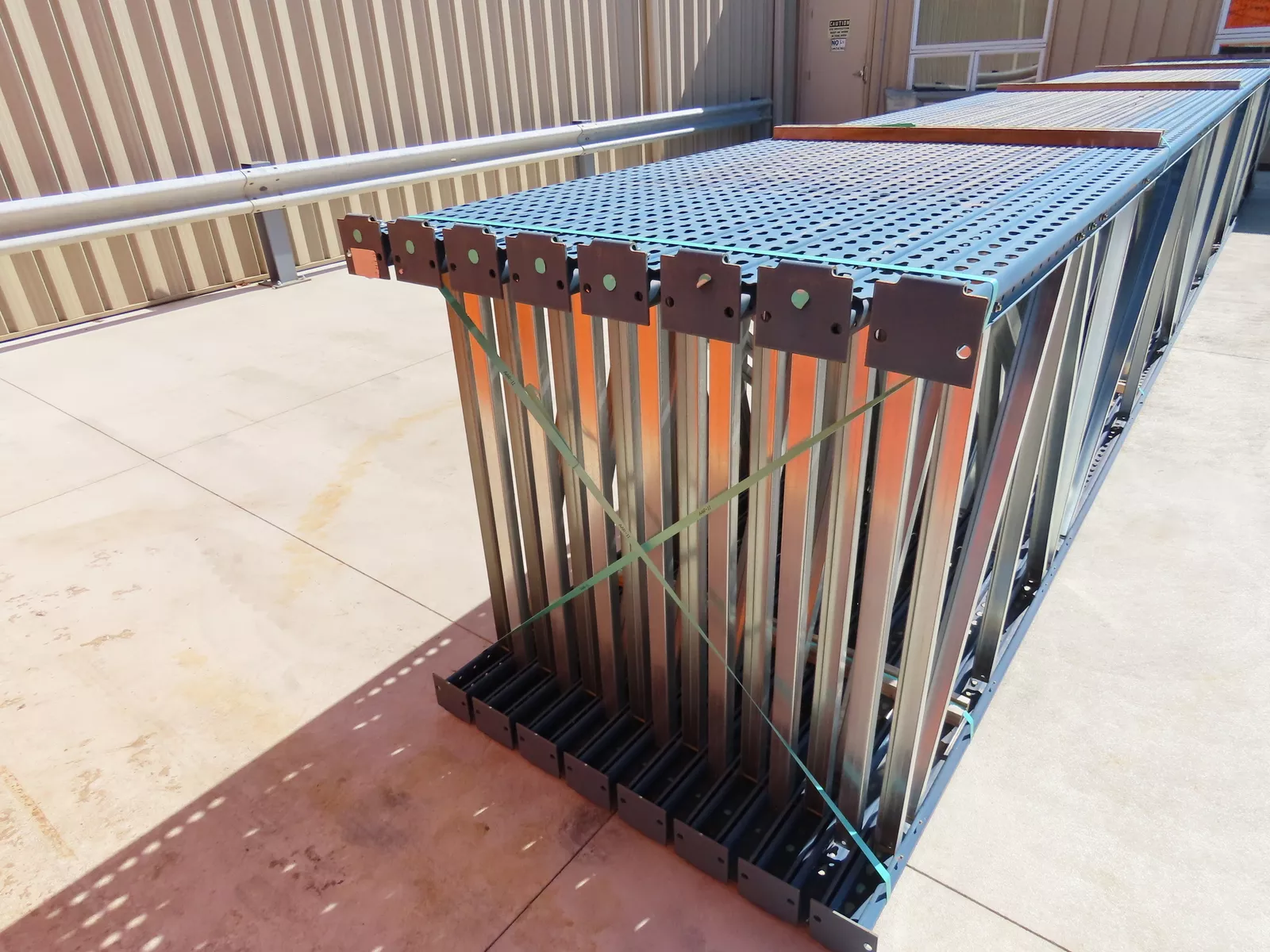
Why Is Cantilever Racking Revolutionizing Warehouse Storage?
Why Is Cantilever Racking Revolutionizing Warehouse Storage?
- Cantilever racking is revolutionizing warehouse efficiency and inventory management.
- The design allows storage of bulky and irregularly-shaped items, freeing up floor space and increasing storage density.
- Businesses implementing cantilever racking can see significant improvements, such as a 30% increase in storage capacity.
- This racking system adapts well to various inventory types, which is crucial in today’s unpredictable supply chain environment.
- Cantilever racking enhances workplace safety by providing open access and reducing the risk of injury or damage.
- It streamlines picking processes, reducing lead times and improving customer satisfaction, as seen in a mechanical engineering firm’s implementation.
- Overall, cantilever racking is essential for businesses aiming to optimize operations, enhance safety, and boost productivity.
Why Is Cantilever Racking Revolutionizing Warehouse Storage?
Table Of Contents
- Why Is Cantilever Racking Revolutionizing Warehouse Storage?
- Why Is Cantilever Racking Gaining Popularity In Warehouses?
- What Are The Key Benefits Of Cantilever Racking?
- How Does Cantilever Racking Improve Space Utilization?
- What Types Of Products Are Ideal For Cantilever Racking?
- How Does Cantilever Racking Enhance Accessibility?
- What Safety Features Are Important In Cantilever Racking?
- How Can Cantilever Racking Adapt To Different Needs?
- What Are The Installation Considerations For Cantilever Racking?
- How Does Cantilever Racking Compare To Other Racking Systems?
- What Maintenance Is Needed For Cantilever Racking?
- Conclusion
- Other Resources
- Glossary Of Terms
- Other Questions
- Checklist
Why Is Cantilever Racking Gaining Popularity In Warehouses?
For businesses aiming to optimize their storage capabilities, the spotlight is shining brightly on cantilever racking systems. This surge in popularity isn’t sheer coincidence; it’s driven by changing market dynamics, the need for flexible storage solutions, and cost-effective operations.
At its core, cantilever racking is designed to handle long and bulky items that traditional shelving simply can’t accommodate. Imagine a warehouse brimming with lumber, pipes, or even furniture; the challenge of stacking such products efficiently is a logistical nightmare. Here’s where cantilever racking shines. With its unique vertical design and arms extending from a central column, it allows for seamless loading and unloading while maximizing storage space. For example, companies like Home Depot and Lowe’s have incorporated cantilever systems into their warehouses to facilitate better inventory management, effectively transforming their operations.
But the beauty of cantilever racking doesn’t end at functionality. As e-commerce continues to explode—projected to reach over $6 trillion by 2024—the rapid influx of goods has created an urgent need for smarter warehousing solutions. This shift is echoed by industry trends, which show that businesses must adapt quickly to fluctuations in inventory. Cantilever racking offers just what the doctor ordered: flexibility. With adjustable arms, businesses can customize their racking systems to fit varying product sizes, providing a cost-efficient alternative to more static shelving options.
Moreover, sustainability is rising to the forefront of business operations today. Many companies are evaluating the environmental impact of their warehousing practices, and investing in cantilever racking represents a step towards sustainability. This system significantly optimizes vertical space and reduces the footprint needed for storage, demonstrating that resourcefulness goes hand-in-hand with reducing carbon emissions. This is particularly relevant for companies seeking to align with current trends toward eco-friendliness, capturing the attention of environmentally conscious consumers.
Current disruptions in global supply chains further emphasize the need for efficient storage. As businesses grapple with shipping delays and inventory challenges, having a well-organized warehouse becomes imperative. The adaptability offered by cantilever racking allows for immediate responses to these challenges, enabling warehouses to pivot swiftly when inventory changes.
In summary, embracing cantilever racking is not just a matter of storage efficiency; it’s a strategic move that caters to the modern demands of flexibility, sustainability, and rapid responsiveness. As industries continue to evolve, those who invest in innovative solutions now—like cantilever racking—will find themselves not just surviving, but thriving in an increasingly competitive marketplace.
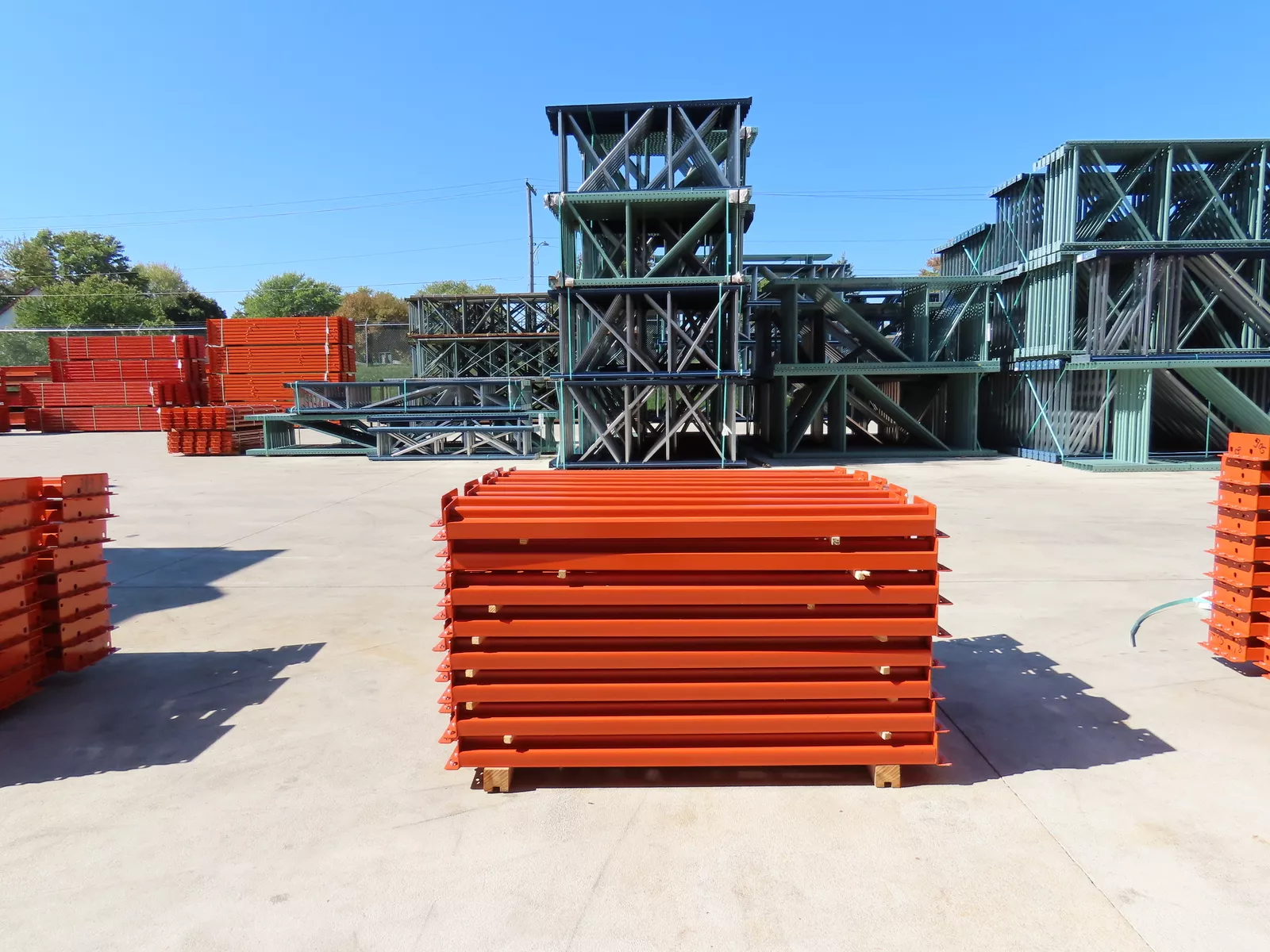
Why Is Cantilever Racking Gaining Popularity In Warehouses?
Why Is Cantilever Racking Gaining Popularity In Warehouses?
- Cantilever racking systems are gaining popularity for optimizing storage capabilities in businesses.
- Designed to accommodate long and bulky items, cantilever racking offers efficient loading and unloading solutions.
- Major retailers like Home Depot and Lowe’s utilize cantilever racking to enhance inventory management.
- The growth of e-commerce drives the demand for flexible and adaptable storage solutions, which cantilever racking provides.
- Cantilever racking contributes to sustainability by optimizing vertical space and reducing storage footprints.
- The adaptability of cantilever racking responds effectively to global supply chain disruptions and inventory challenges.
- Investing in cantilever racking is a strategic move towards meeting modern demands for flexibility, sustainability, and responsiveness.
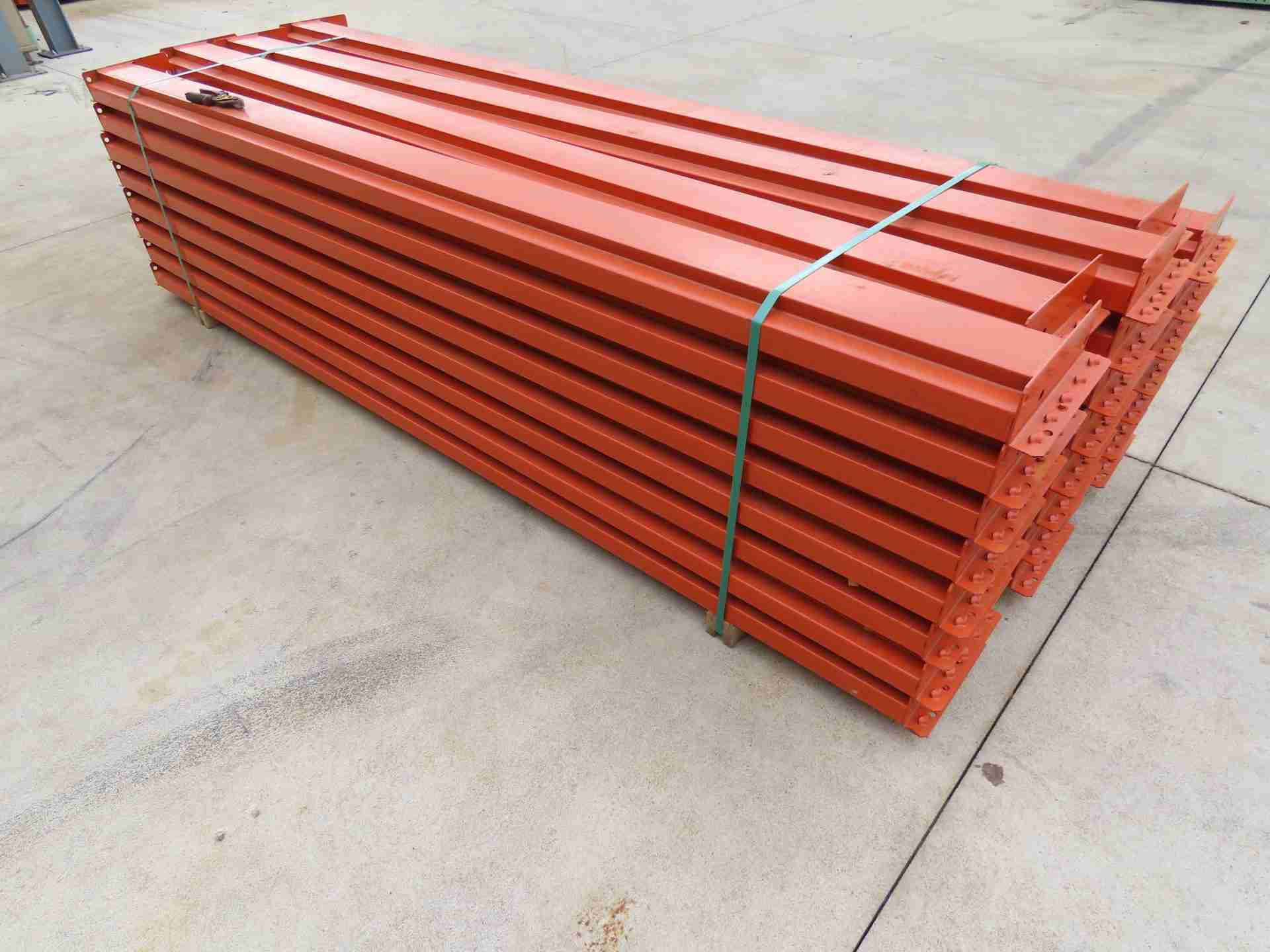
Why Is Cantilever Racking Gaining Popularity In Warehouses?
What Are The Key Benefits Of Cantilever Racking?
When it comes to optimizing warehouse space and increasing operational efficiency, cantilever racking stands at the forefront. This innovative storage solution is specifically designed to accommodate long, bulky, or irregular items that traditional shelving can’t handle. The benefits of implementing cantilever racking are not just numerous—they’re game-changing for businesses across various industries.
Maximized Storage Space
One of the standout advantages of cantilever racking is its ability to maximize vertical storage. By utilizing upward space, businesses can store more inventory without significantly increasing their footprint. For example, a lumber yard that previously struggled with storing long boards efficiently can now utilize cantilever racks, allowing them to double their inventory while keeping it organized and easily accessible. In today’s economy, where real estate prices are soaring, maximizing every square foot can translate to significant cost savings.
Customization and Flexibility
Cantilever racking systems are highly customizable, providing businesses the flexibility to adapt to changing inventory demands. Whether it’s modifying the rack height or adding more arms to accommodate increased load, businesses can easily adjust configurations as needed. For instance, manufacturers dealing with seasonal variations in stock levels can reconfigure their racking systems to suit fluctuating demands, streamlining operations and reducing waste.
Enhanced Safety
Safety in the workplace is paramount, especially in busy warehouses. Cantilever racking systems typically feature a sturdy design that minimizes the risk of tipping or collapse. Furthermore, the open structure provides clear visibility of inventory, reducing the likelihood of accidents caused by misplaced or hidden items. Take, for example, the rise in safety regulations post-pandemic; businesses investing in robust storage solutions like cantilever racking can ensure compliance while fostering a safer working environment.
Reduced Handling Time
Efficiency is key in today’s fast-paced market, and cantilever racking significantly reduces handling time. With its design, warehouse staff can easily access products without the need for complex maneuvers or climbing. As companies increasingly embrace automation and e-commerce, the ability to pick items quickly and accurately is vital. A distribution center utilizing cantilever racking can fulfill orders faster, giving it a competitive edge in a landscape where speed matters.
Sustainability and Cost-Effectiveness
Lastly, implementing cantilever racking can be a sustainable choice. Unlike traditional shelving that often requires more materials and energy to produce, cantilever systems can be made from recycled materials, promoting eco-friendliness. Additionally, businesses can see a rapid return on investment thanks to increased efficiency and reduced space costs, positioning them to thrive as they navigate a competitive marketplace.
In summary, the key benefits of cantilever racking extend far beyond mere storage—they encompass space optimization, safety enhancement, flexibility, operational efficiency, and sustainability. As businesses continue to adapt in an ever-evolving landscape, investing in cantilever racking stands out as a strategic move propelling them towards success.
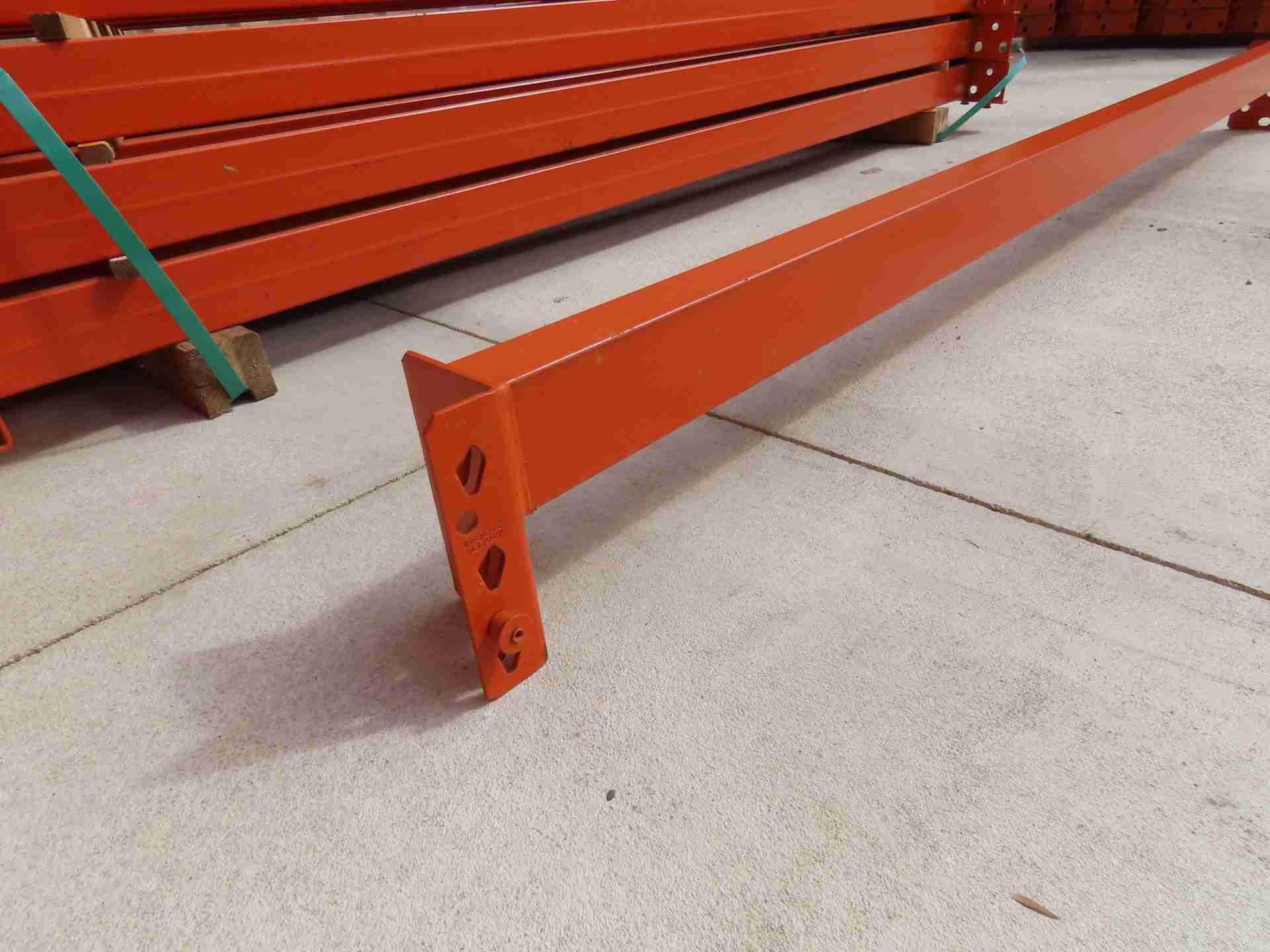
What Are The Key Benefits Of Cantilever Racking?
What Are The Key Benefits Of Cantilever Racking?
- Maximized Storage Space: Cantilever racking optimizes vertical storage, allowing businesses to store more inventory without increasing their footprint.
- Customization and Flexibility: Highly adaptable systems allow for modifications in height and load capacity to meet changing inventory demands.
- Enhanced Safety: Sturdy design minimizes risks of tipping, and open structures improve visibility, reducing workplace accidents.
- Reduced Handling Time: Simplifies access to products, enabling faster fulfillment of orders, essential in a competitive market.
- Sustainability: Often made from recycled materials, cantilever racking promotes eco-friendliness and energy efficiency in production.
- Cost-Effectiveness: Offers a rapid return on investment through improved efficiency and reduced space costs.
- Overall Strategic Advantage: Provides space optimization, safety, flexibility, and sustainability, driving business success in a changing landscape.
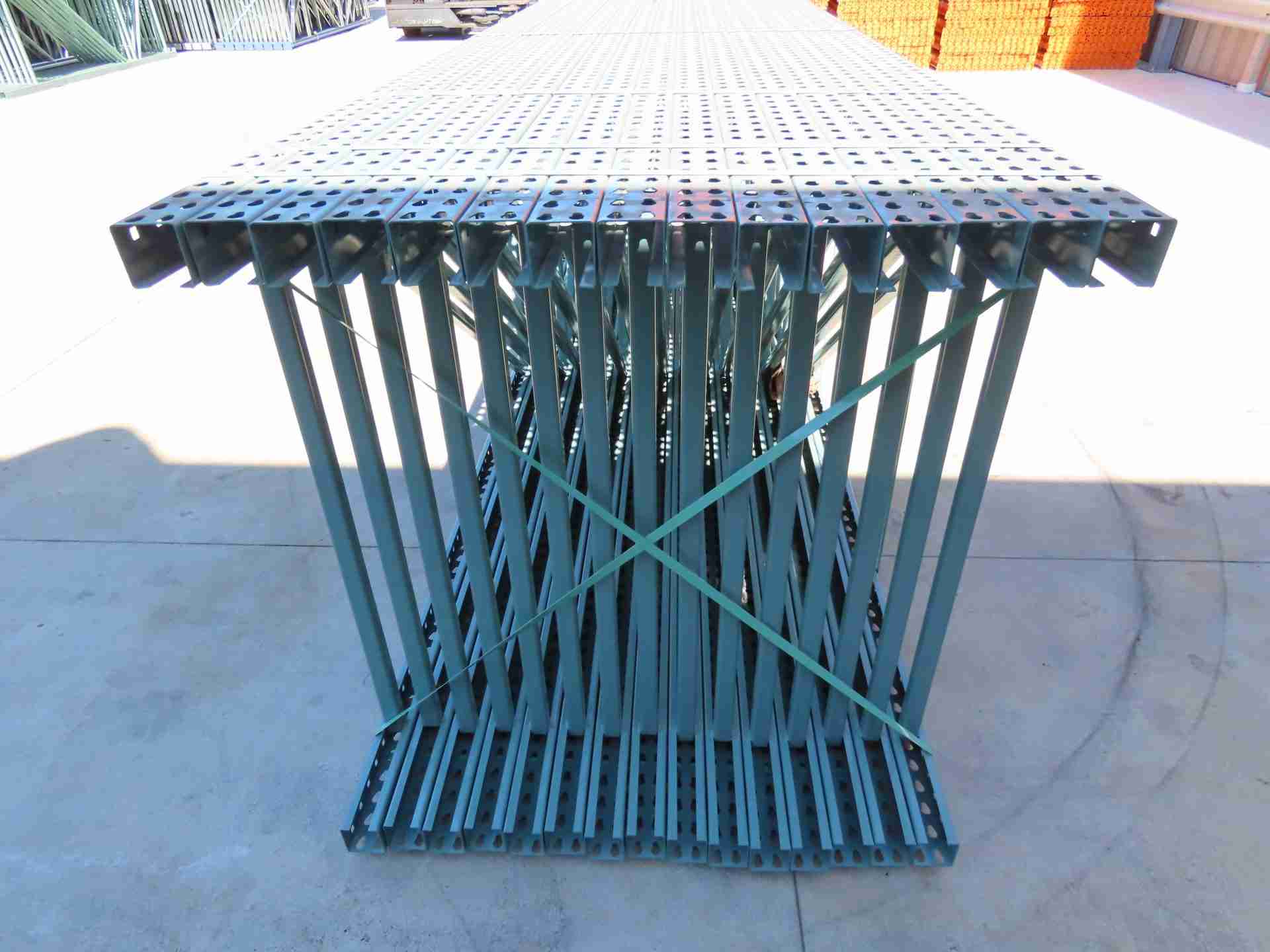
What Are The Key Benefits Of Cantilever Racking?
How Does Cantilever Racking Improve Space Utilization?
In today’s fast-paced business environment, efficient space utilization can be the difference between thriving and simply surviving. Enter cantilever racking—a dynamic storage solution that maximizes your warehouse space while enhancing productivity and operational efficiency. If you’re looking to elevate your business to new heights, understanding how this innovative system works is crucial.
First and foremost, cantilever racking is designed to handle large, heavy, and bulky items that traditional shelving can’t accommodate. Imagine a construction supply company needing to store long lengths of lumber or steel beams. With traditional racking, they’d be limited by the horizontal spacing, often wasting vertical space. Not so with cantilever racking! Its unique design features arms extending from a single vertical post, allowing businesses to store items of varying lengths without the restriction of shelves. This flexibility means an organization can take full advantage of vertical space, making it possible to store more products in less ground area—saving costs and increasing efficiency.
Consider the current demand for e-commerce. With online shopping surging, warehouses must adapt to quickly changing inventory needs. Cantilever racking enables retailers to efficiently stock a diverse range of products. A home goods retailer, for instance, can utilize this system to neatly organize bulky items like furniture or appliances, offering quick access to fast-paced sales events. In essence, users can maximize storage density while retaining easy visibility and access—a must in today’s competitive market.
Moreover, cantilever racks can be customized to fit specific warehouse layouts, allowing for a comprehensive use of space. Companies can configure these racks in various heights and capacities, aligning perfectly with their operational requirements. For example, a metals distributor can position their racks close to loading docks, minimizing unnecessary travel time and streamlining operations.
Consider also how sustainability is now a growing concern for businesses. By improving space utilization with cantilever racking, companies can reduce the footprint of their warehouses, potentially lowering energy costs and reducing the need for additional storage facilities. This efficiency not only boosts profitability but positions the brand as eco-conscious—a key winning element in today’s market.
In summary, cantilever racking is more than just a storage solution; it’s a strategic asset that enhances operational efficiency, saves costs, and promotes sustainability. By maximizing space utilization, businesses can respond rapidly to market demands and lay the groundwork for sustained growth. As the landscape of logistics and warehousing continues to evolve, those who embrace innovative solutions will undoubtedly lead the charge.
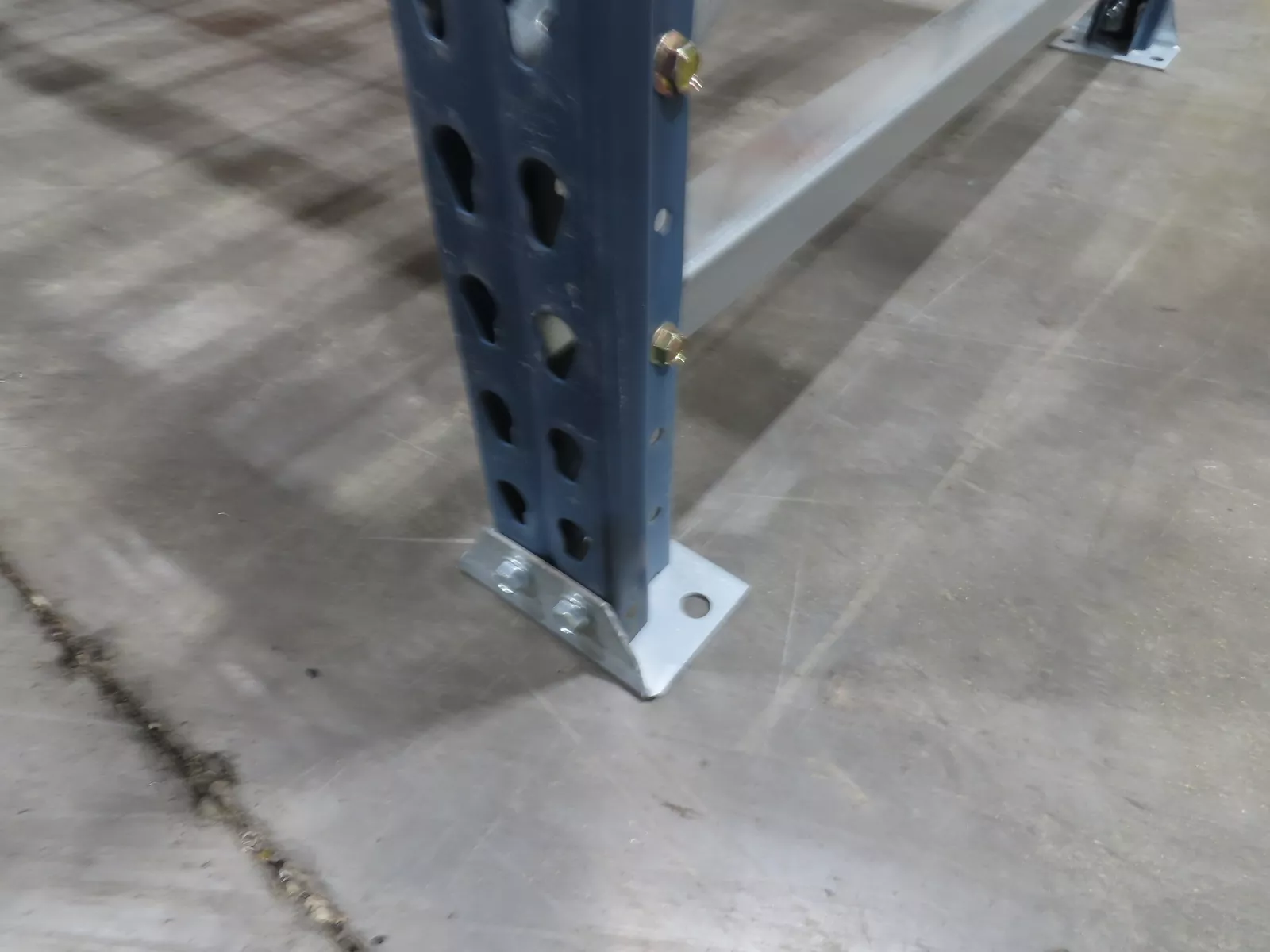
How Does Cantilever Racking Improve Space Utilization?
How Does Cantilever Racking Improve Space Utilization?
- Cantilever racking enhances warehouse efficiency and productivity in today’s fast-paced business environment.
- Designed for large, heavy, and bulky items, it overcomes limitations of traditional shelving.
- Features arms extending from a vertical post, allowing storage of varying lengths without shelf restrictions.
- Facilitates quick adaptation to changing inventory needs, especially relevant for e-commerce businesses.
- Customizable to fit specific warehouse layouts, improving operational alignment and streamlining processes.
- Promotes sustainability by reducing warehouse footprint, lowering energy costs, and minimizing additional storage needs.
- Cantilever racking serves as a strategic asset for maximizing space utilization and supporting long-term growth.
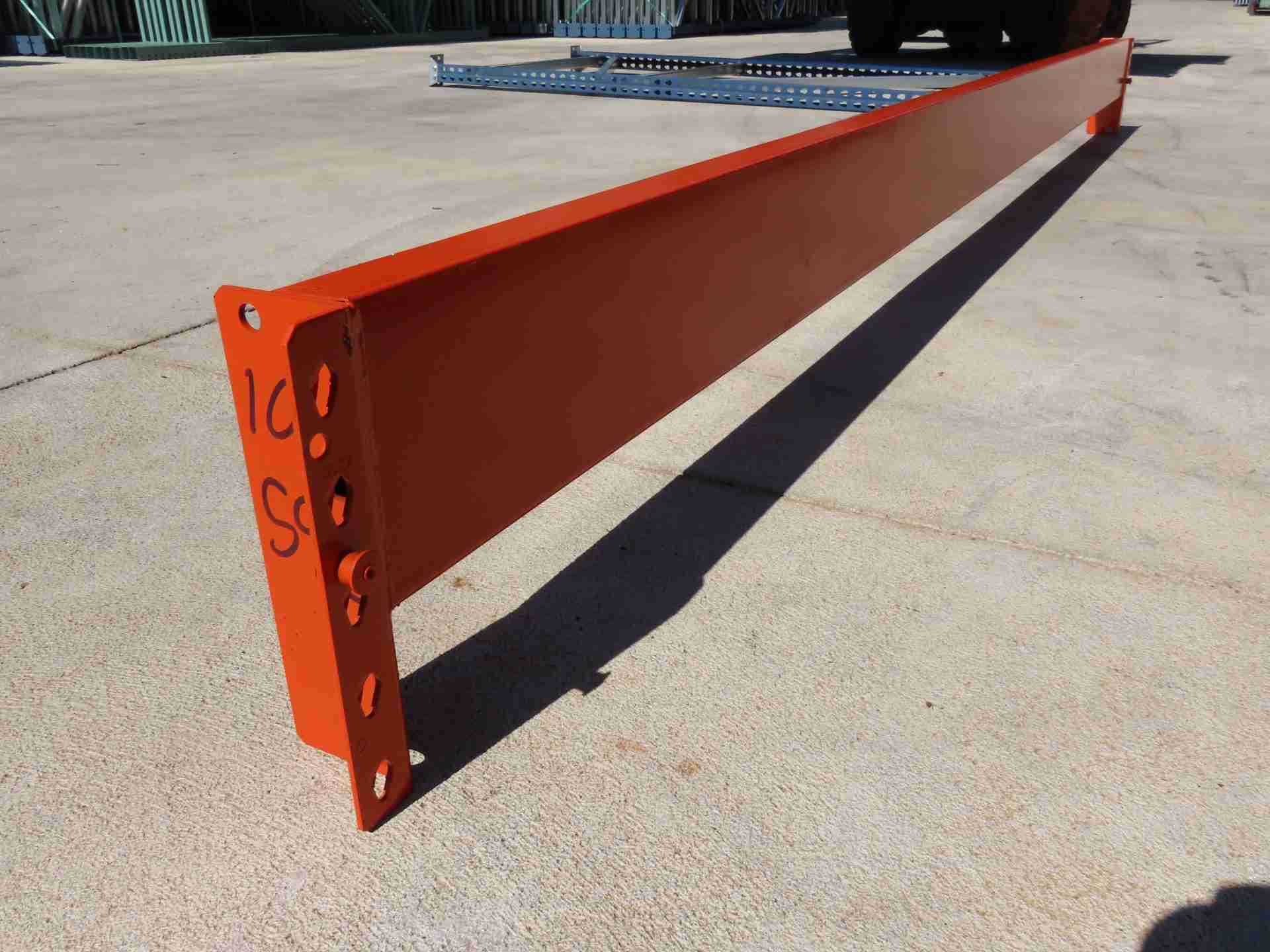
How Does Cantilever Racking Improve Space Utilization?
What Types Of Products Are Ideal For Cantilever Racking?
When it comes to optimizing your warehouse storage, choosing the right racking system is crucial. Cantilever racking stands out as a flexible and efficient solution, particularly suited for a variety of long and bulky items. But what types of products truly shine when stored on this innovative system? Let’s dive in!
1. Lumber and Building Materials:
The construction industry is booming, especially with the increased demand for housing and renovations in the post-pandemic era. Cantilever racks are tailor-made for storing lumber, drywall, and metal piping. These materials can be heavy and cumbersome—traits that require sturdy support. By utilizing cantilever racking, you free up floor space and streamline access to these essential items, making it easier for workers to retrieve what they need without toppling stacks.
2. Furniture:
With the rise of e-commerce, particularly in the furniture sector, businesses need efficient storage solutions for larger items. Cantilever racking provides a perfect solution for bulk furniture like sofas, tables, or shelving units. This racking style allows you to maximize vertical storage while ensuring that each item is easily accessible, which can be a game-changer for companies fulfilling online orders.
3. Automotive Parts:
The automotive industry continues to evolve with electric vehicles and hybrid models taking center stage. Cantilever racks work wonders for storing long automotive parts, such as exhaust systems, body panels, and driveshafts. These items can be awkward and heavy, so having a dedicated racking system keeps your inventory organized and your workspace safe, aligning perfectly with current trends in streamlining operations to enhance profitability.
4. Pipes and Ducts:
Whether it’s steel piping for plumbing or ventilation ducts for HVAC, cantilever racking stands strong against these robust materials. The racking allows for easy sorting and access, which is essential for contractors who need to pull specific lengths on demand. This is especially relevant now, as more sustainable construction practices push for efficient resource management across the industry.
5. Seasonal Merchandise:
Retailers looking to store seasonal products, such as holiday decorations, outdoor furniture, or sports equipment, can also benefit immensely from cantilever racking. These racks allow businesses to store items in a compact manner, making it simple to rotate inventory with the seasons while ensuring quick picking ability when customers come calling.
In a rapidly changing market, understanding the ideal products for cantilever racking can be a game-changer for efficiency and organization in your warehouse. Opt for solutions that not only save space but also accelerate your operational processes, maximizing your return on investment. It’s time to make your racking work for you!
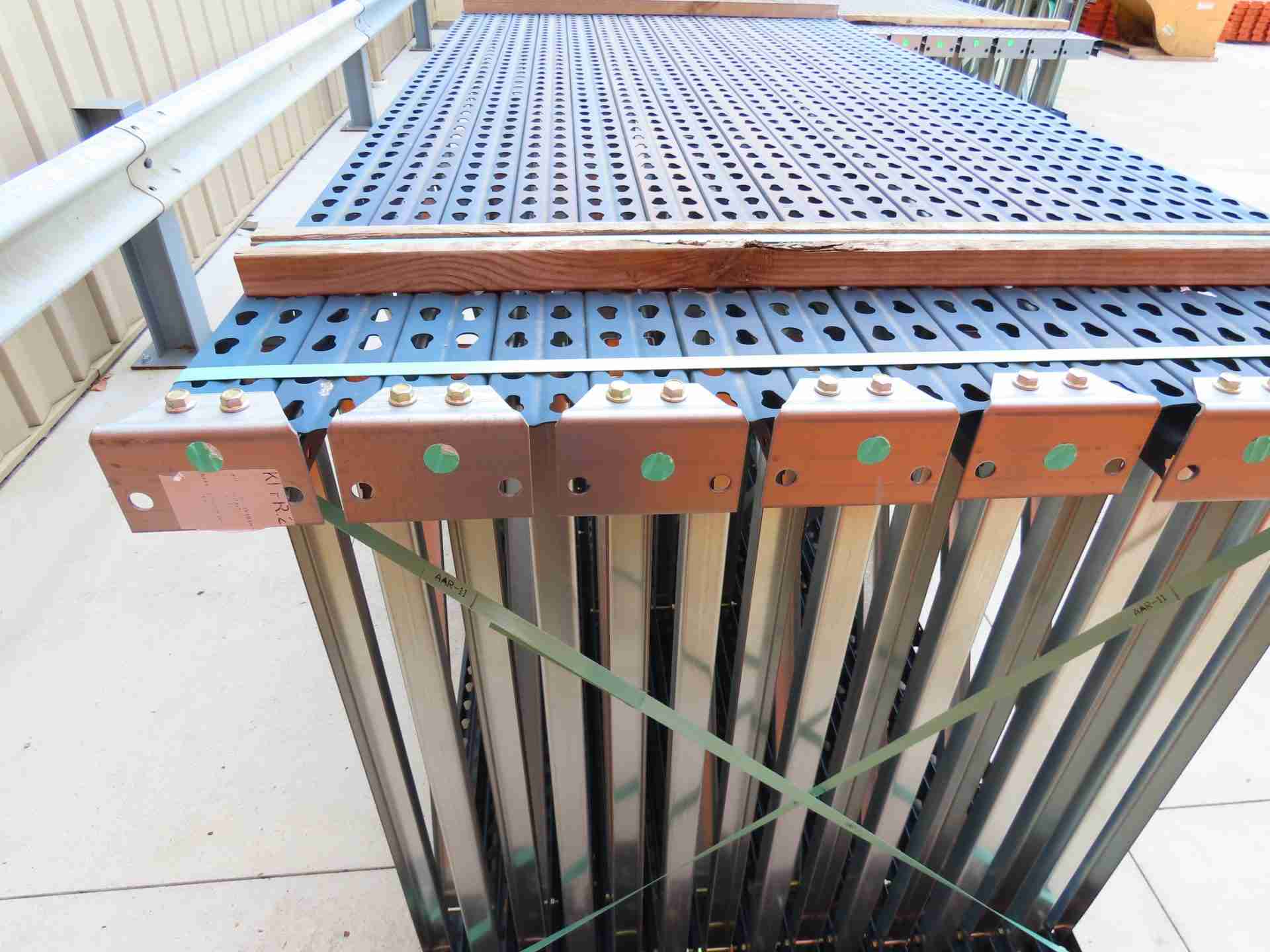
What Types Of Products Are Ideal For Cantilever Racking?
What Types Of Products Are Ideal For Cantilever Racking?
- Optimal Warehouse Storage: Choosing the right racking system is essential for efficient warehouse management.
- Cantilever Racking: A flexible and efficient solution ideal for storing long and bulky items.
- Lumber and Building Materials: Perfect for heavy items like lumber and drywall, freeing up floor space and streamlining access.
- Furniture Storage: An effective solution for larger items, maximizing vertical storage and accessibility for e-commerce businesses.
- Automotive Parts: Ideal for storing long and awkward automotive parts, keeping inventory organized and enhancing safety.
- Pipes and Ducts: Provides easy sorting and access for robust materials essential in plumbing and HVAC systems.
- Seasonal Merchandise: Allows retailers to compactly store seasonal products, facilitating inventory rotation and quick access.
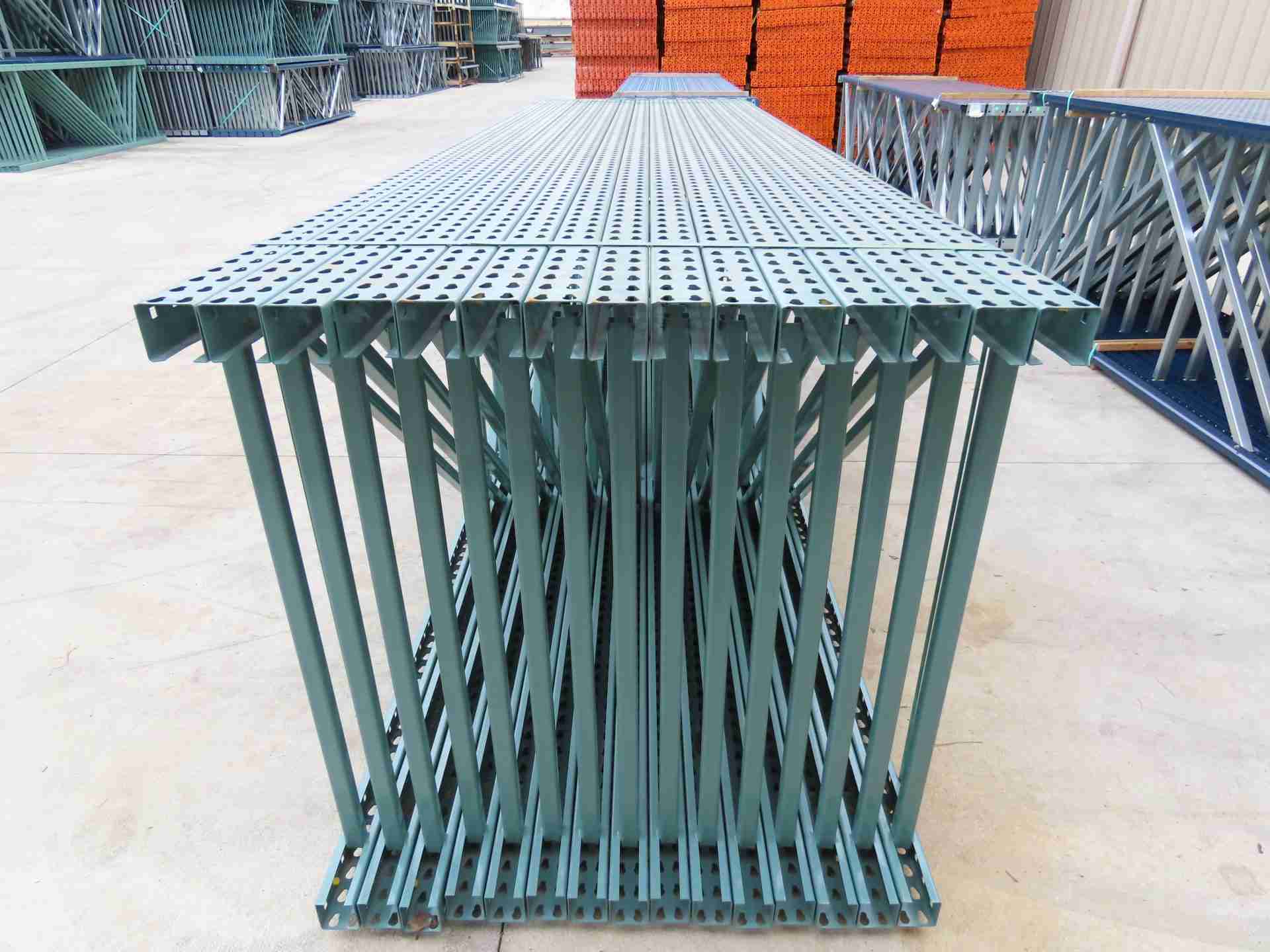
What Types Of Products Are Ideal For Cantilever Racking?
How Does Cantilever Racking Enhance Accessibility?
In the fast-paced world of warehousing and logistics, optimizing space while ensuring easy accessibility is crucial for operational efficiency. Enter cantilever racking—a modern solution that enhances accessibility like never before.
Unparalleled Reach and Visibility
Cantilever racking is distinctively designed with arms that protrude from a vertical structure, allowing for easy loading and unloading of materials. This design eliminates traditional barriers found in standard racking systems. With no front column obstruction, it provides unobstructed access to inventory, making it easy to retrieve items, even those that are long or oversized. Imagine a facility housing furniture or large pipes; a cantilever system allows staff to seamlessly pick and store items without the frustrating dance around columns.
Maximized Space Utilization
Unlike traditional shelving, which often leaves wasted space due to awkward configurations, cantilever racking maximizes vertical space without sacrificing accessibility. The vertical posts can be as high as needed, and storage can be adjusted to suit varying item lengths. For instance, a company that specializes in seasonal goods can easily adapt their configurations during peak seasons, ensuring quick access to popular products. This flexibility pays dividends, especially for businesses that experience fluctuating inventory, as seen in current supply chain challenges stemming from the global economy.
Improved Workflow Efficiency
Think about the potential delays in picking orders due to cumbersome access to products. Cantilever racking directly improves workflow efficiency. With easy visibility and access to inventory, workers can locate and retrieve items swiftly, reducing labor costs and minimizing order-picking times. For example, consider a distributor of construction materials: roofing sheets, lumber, and metal rods can all be organized on cantilever racks, allowing workers to pick items in a fraction of the time it would take with traditional shelving.
Safety First
Accessibility also enhances safety. When employees can easily reach and load items, it reduces the risk of accidents often caused by awkward lifting or using inappropriate tools to access hard-to-reach inventory. With OSHA standards ever-evolving, investing in a tailored cantilever racking system not only boosts accessibility but might well shield your business from potential fines and liability claims.
In summary, cantilever racking redefines accessibility in the warehouse environment. Its ability to maximize space, streamline workflows, and enhance safety makes it an indispensable asset for any modern storage solution. For businesses aiming to thrive in today’s ever-changing market landscape, adopting cantilever racking could be the key to unlocking operational excellence. Don’t just keep pace—lead the charge.

How Does Cantilever Racking Enhance Accessibility?
How Does Cantilever Racking Enhance Accessibility?
- Optimized Space Utilization: Cantilever racking maximizes vertical space while enhancing accessibility, accommodating various item lengths.
- Enhanced Accessibility: Designed with protruding arms, it eliminates front column obstructions, allowing unobstructed access for loading and unloading.
- Improved Workflow Efficiency: Easy visibility and access lead to quicker item retrieval, reducing labor costs and minimizing order-picking times.
- Flexibility for Seasonal Businesses: Adaptable configurations suit fluctuating inventory demands, particularly beneficial during peak seasons.
- Increased Safety: Improved access reduces risks associated with awkward lifting and inappropriate tools, enhancing workplace safety.
- Compliance with Standards: Investing in cantilever racking may help businesses adhere to evolving OSHA standards and avoid fines.
- Modern Storage Solution: Cantilever racking redefines warehouse accessibility, making it essential for operational excellence in today’s market.
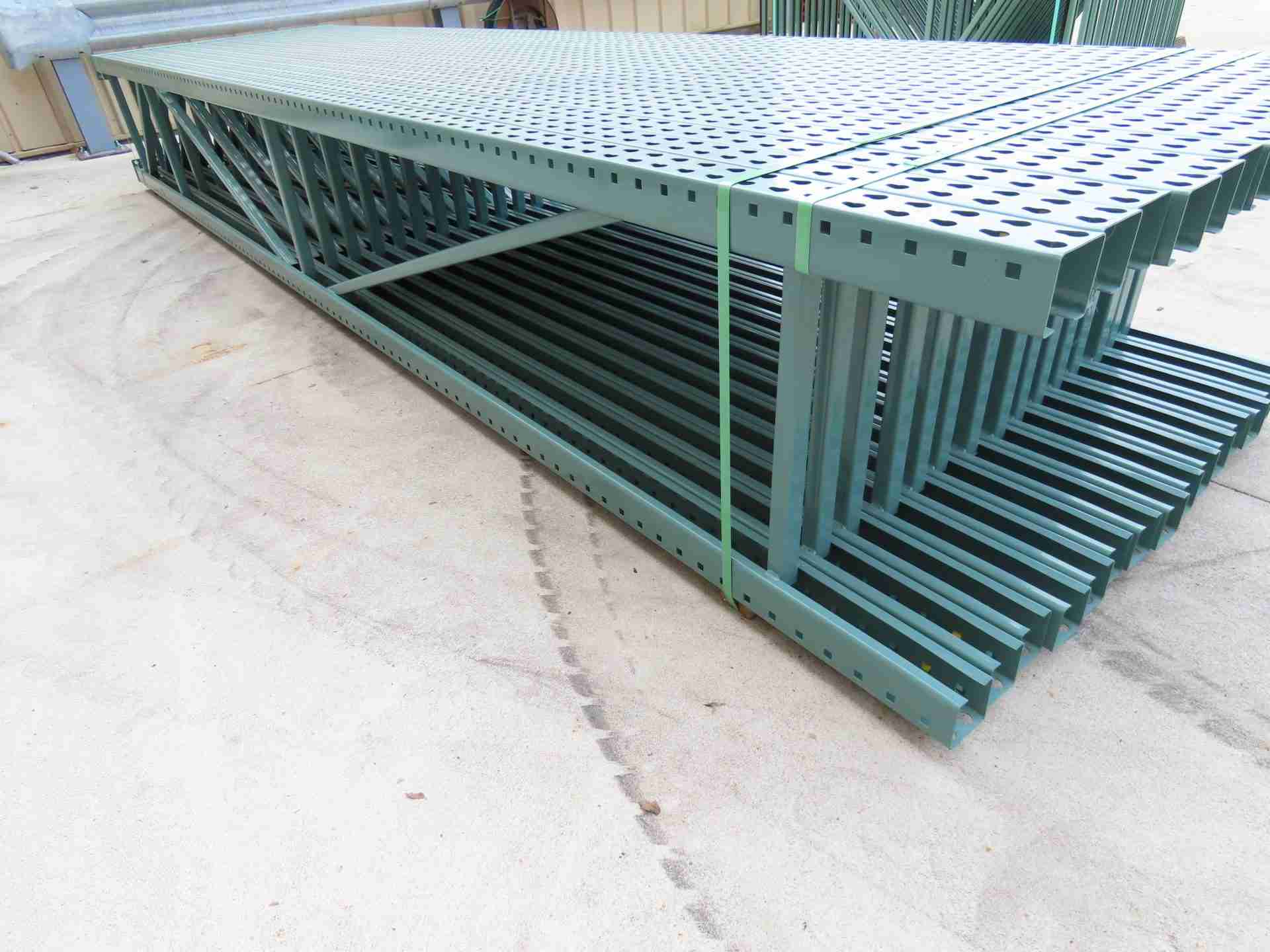
How Does Cantilever Racking Enhance Accessibility?
What Safety Features Are Important In Cantilever Racking?
When it comes to selecting the right cantilever racking system for your warehouse or distribution center, safety should be your top priority. A robust cantilever racking system not only maximizes your storage efficiency but also minimizes the risk of accidents that can lead to costly injuries and downtime. In today’s fast-paced logistics environment, where companies face immense pressure to increase productivity while cutting costs, investing in superior safety features is not just wise—it’s essential.
1. Structural Integrity and Load Capacity
One of the first things you should consider is the structural integrity of the racking system. Choose cantilever racks that are built from high-quality steel and designed to withstand substantial weight without compromising safety. Look for systems with a high load capacity and stability ratings, as these factors are critical to preventing collapses. For instance, a facility that handles heavy lumber or metal might benefit from racks designed to support 5,000 pounds per arm, ensuring that each stack is safe and secure.
2. Base Stability and Anchoring
Equally important is how your cantilever racks are anchored. Racks should have a solid base, whether that’s bolting them directly to the floor or installing a heavy-duty base plate for added stability. Recent data from the Occupational Safety and Health Administration (OSHA) emphasizes the need for proper anchoring systems to combat rack failure during operational disruptions, such as forklift impacts or seismic activity. Your investment in anchoring technology can serve as a buffer against catastrophic events that can lead to lost revenue and reputation.
3. Regular Maintenance and Inspections
A cantilever racking system cannot be considered safe merely by its initial installation. Companies should adopt a regular maintenance schedule to inspect for signs of wear, damage, or corrosion. Incorporating a thorough inspection routine, especially for high-traffic areas, not only safeguards your employees but can also extend the life of your racking system. You might consider integrating technology, such as RFID or QR tags, into your inspection process that can help streamlining your maintenance logs and accountability.
4. Safety Accessories and Training Programs
Lastly, don’t overlook the essential role of safety accessories like load labels, aisle markers, and warning signage. Moreover, provide comprehensive training programs for your staff. In the wake of recent supply chain disruptions, emphasis on safety training has proven vital in organizations seeking to rebuild trust with their employees and clients alike.
Investing in these safety features will not only enhance the efficiency of your storage operations but also foster a culture of safety and accountability within your workforce. In an industry where accidents can undermine progress, your commitment to safety is more than a necessity—it’s a competitive advantage.
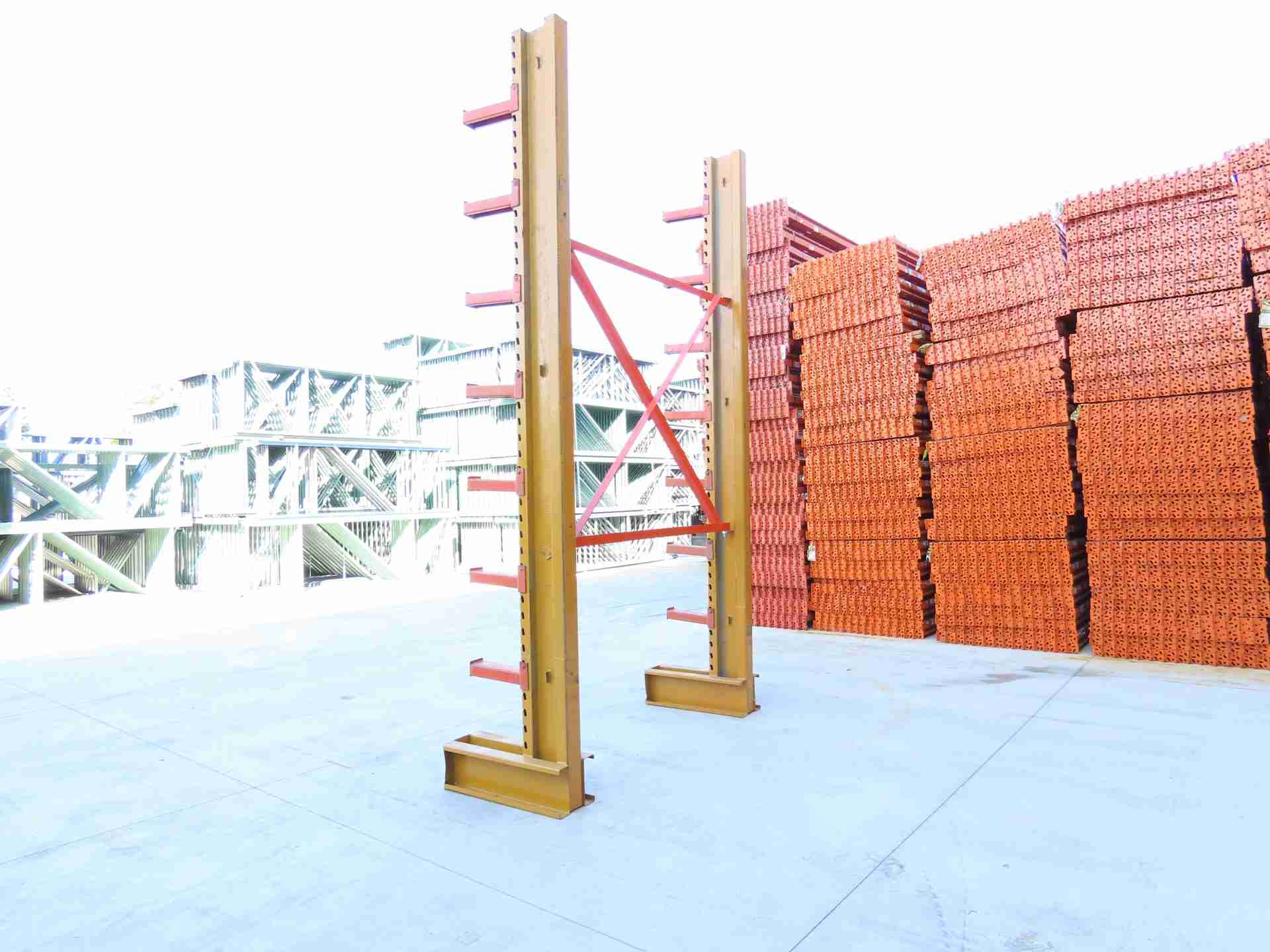
What Safety Features Are Important In Cantilever Racking?
What Safety Features Are Important In Cantilever Racking?
- Prioritize safety when selecting a cantilever racking system to maximize storage efficiency and reduce accidents.
- Ensure structural integrity by choosing racks made from high-quality steel with high load capacities to prevent collapses.
- Confirm proper base stability and anchoring, using bolting or heavy-duty base plates to enhance stability against operational disruptions.
- Implement a regular maintenance and inspection schedule to ensure the longevity and safety of the racking system.
- Incorporate technology like RFID or QR tags to improve inspection and maintenance tracking.
- Utilize safety accessories, such as load labels and aisle markers, and provide comprehensive safety training for employees.
- Investing in safety features fosters a culture of accountability and enhances operational efficiency, establishing a competitive advantage.
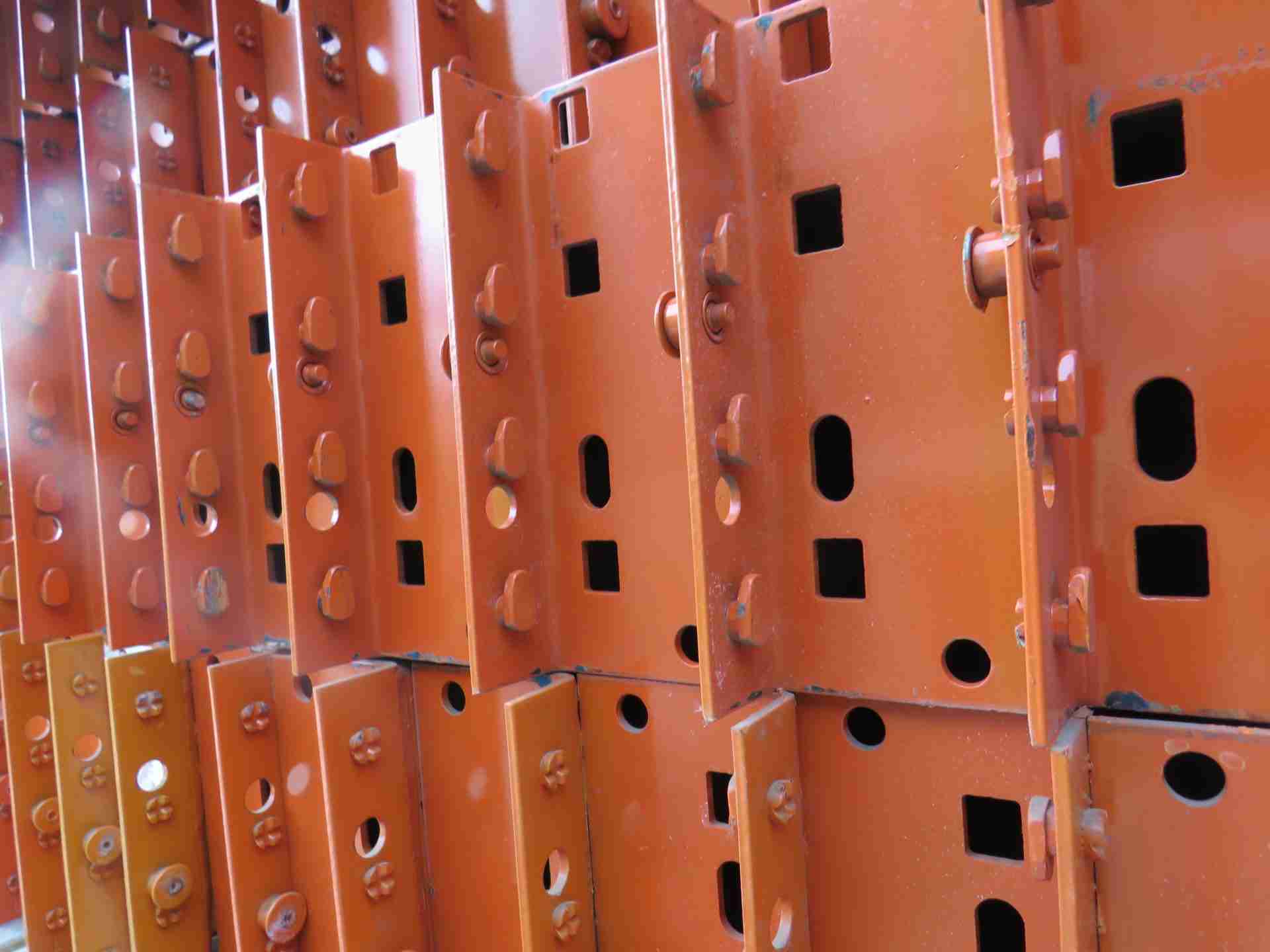
What Safety Features Are Important In Cantilever Racking?
How Can Cantilever Racking Adapt To Different Needs?
In today’s dynamic business landscape, adaptability isn’t just a benefit—it’s a necessity, and that’s where cantilever racking shines. Designed to store long, heavy items like lumber, pipes, and even furniture, cantilever racking systems are not just another storage solution; they are a versatile powerhouse that can revolutionize your warehouse or distribution center.
Imagine a lumberyard bustling with operations. A cantilever racking system allows for easy access and storage of varying lengths of boards, ideal for maximizing space without the chaos of traditional shelving. As lumber prices fluctuate and eco-friendly building materials gain traction, your cantilever racking can adapt to accommodate new inventory types—from reclaimed wood to synthetic alternatives—making it your strategic edge.
Consider a recent shift in the market towards e-commerce fulfillment, especially post-pandemic. The need for rapid turnaround and efficient space utilization has never been greater. Cantilever racks can be configured to support various product categories, ideal for businesses that require flexibility. Retailers can easily adjust their setups to fit seasonal items or new product lines, from sporting equipment to seasonal home décor. Standing tall and proud, these racks can be scaled up or down based on inventory size, allowing businesses to pivot as market demand changes.
Take, for example, a burgeoning bike manufacturer who recently expanded their offerings. With a diverse range of bike sizes and accessories, traditional shelving wouldn’t suffice. By investing in a cantilever racking system, they arranged their racks to not only store bicycles of varying heights but also to display accessories in a visually appealing manner. This flexibility not only improved their inventory management but also enhanced the shopping experience for customers.
Additionally, safety and compliance regulations have become a focal point for operations in many industries. Cantilever racking can adapt to meet these safety standards by incorporating safety features like enhanced bracing or specialized coating for outdoor use. This adaptability ensures that businesses remain compliant, protecting their bottom line and their workers.
In a world where the only constant is change, cantilever racking systems offer a practical solution for businesses looking to streamline operations, enhance accessibility, and maximize every square foot of their space. The future is unwritten, but with cantilever racking, your storage solution is ready to adapt, evolve, and thrive in any climate. So, whether it’s navigating seasonal trends or embracing new market opportunities, cantilever racking is the reliable partner you can count on to grow with you.
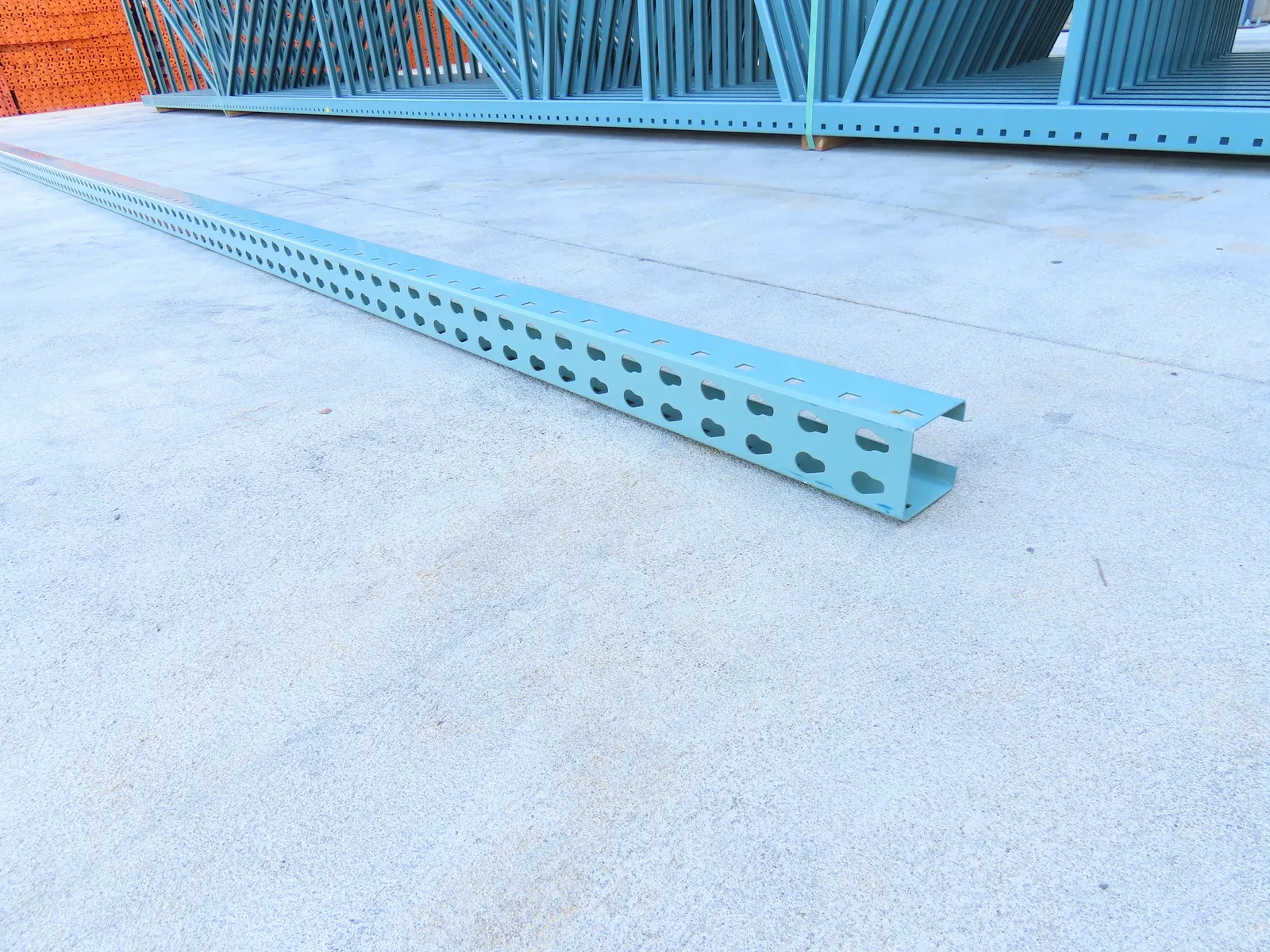
How Can Cantilever Racking Adapt To Different Needs?
How Can Cantilever Racking Adapt To Different Needs?
- Adaptability is essential in today’s business environment, making cantilever racking a valuable solution.
- Cantilever racking is designed for storing long, heavy items such as lumber, pipes, and furniture.
- The system allows easy access and maximizes space for varying lengths of materials, reducing chaos in storage.
- Cantilever racks can easily adapt to new inventory types, supporting eco-friendly materials and fluctuating market demands.
- The flexibility of cantilever racks is ideal for e-commerce fulfillment and retail, enabling quick adjustments for seasonal items.
- Cantilever racking improves inventory management and enhances customer experiences by accommodating diverse product sizes and displays.
- These systems also incorporate safety features to meet compliance regulations, protecting both business interests and worker safety.

How Can Cantilever Racking Adapt To Different Needs?
What Are The Installation Considerations For Cantilever Racking?
When considering the installation of cantilever racking, understanding the specifics of your operational environment and needs is crucial. Cantilever racks are designed for storing long, bulky, or heavy items that are difficult to store using standard shelving. However, the installation process must be approached with care to ensure safety, efficiency, and longevity.
1. Assess Your Space:
Before making any decisions, meticulously evaluate your warehouse or storage facility. Measure the height, depth, and width of your available space to determine how tall and wide your cantilever racking can be. For example, a company that specializes in lumber storage will require a system that can accommodate varying lengths of wood. If your facility experiences high turnover or seasonal spikes in inventory, flexible vertical storage solutions can adapt to future growth.
2. Load Capacity & Configuration:
Understanding the weight capacity of your cantilever racks is vital. Manufacturers list specific load limits based on the configuration, so you must analyze the weight of items you’ll store. If you’re dealing with heavy machinery parts, an industrial-grade cantilever rack might be necessary. Real-life incidents, like warehouse collapses due to mismanaged load capacities, remind us that safety cannot be overlooked. Always opt for racks that provide more than the estimated weight you’ll place on them to allow for fluctuations and unforeseen heavy items.
3. Floor Surface:
The condition of your floor can greatly affect the installation and functionality of cantilever racking. A stable, level surface is essential for proper weight distribution and safety. If your site is prone to flooding or water damage, consider options like elevated concrete pads or corrosion-resistant metal to prolong the lifespan of your racks. Recent climate events have shown that preparedness for environmental factors is increasingly necessary.
4. Accessibility:
Ease of access is another crucial consideration. Plan your layout to facilitate smooth retrieval and storage operations. Incorporating wider aisles can simplify forklift movement, decreasing the risk of accidents and damage to your inventory. For instance, during recent supply chain disruptions, companies that had streamlined operations were better positioned to adapt and serve their customers effectively.
5. Regulatory Compliance:
Different regions have various regulations governing storage solutions and safety practices. Always check to ensure that the cantilever racks you plan to install meet local safety codes. Failure to comply can result in hefty fines and, more importantly, jeopardize worker safety.
In summary, the installation of cantilever racking is not a task to undertake lightly. By thoroughly understanding your space, ensuring compliance, and planning for future needs, you position your business for sustained growth and efficiency. Remember, investing in the right storage solution today can yield significant returns tomorrow.
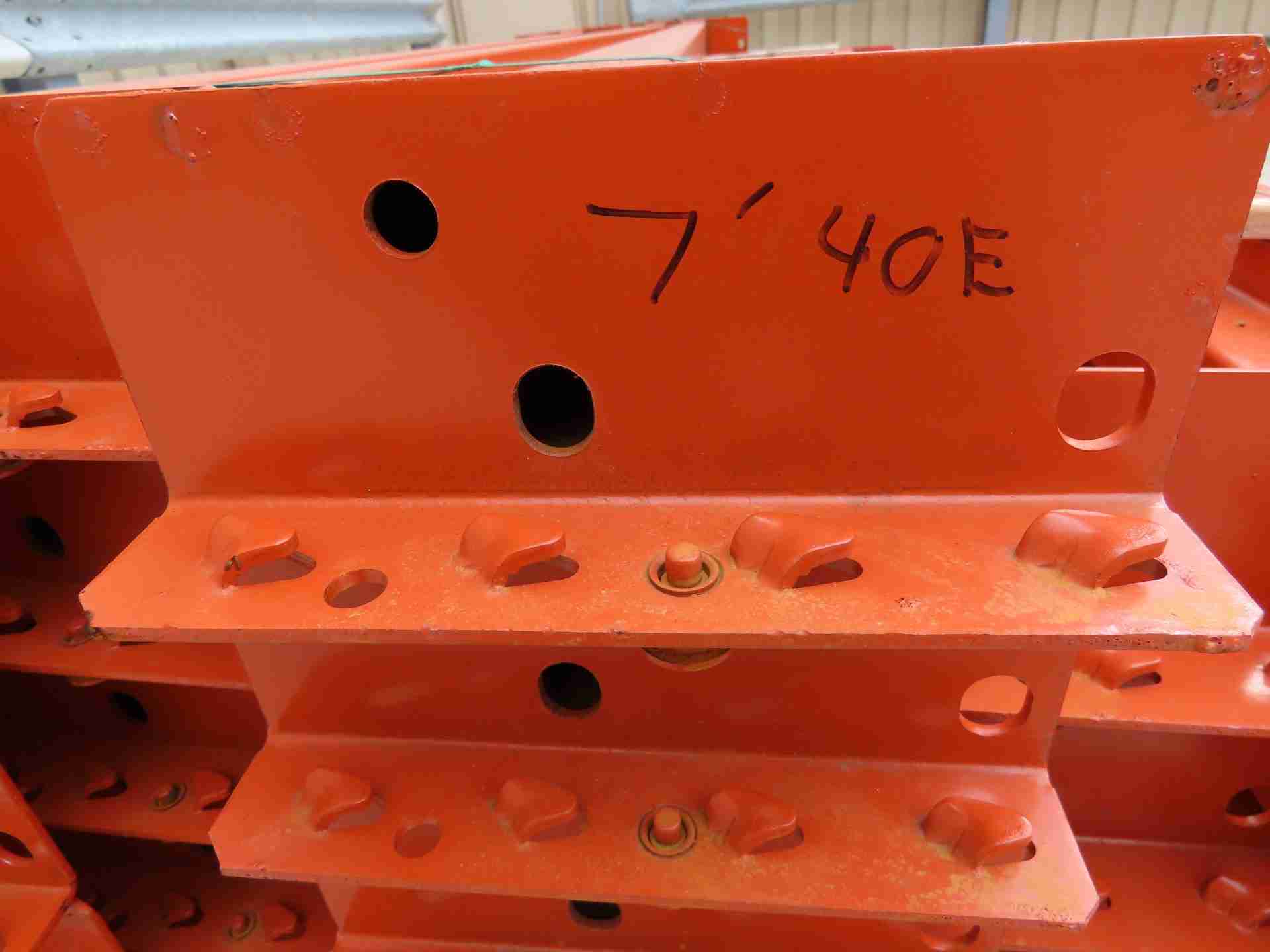
What Are The Installation Considerations For Cantilever Racking?
What Are The Installation Considerations For Cantilever Racking?
- Assess Your Space: Evaluate warehouse dimensions to determine suitable cantilever rack height and width, especially for items like lumber.
- Load Capacity & Configuration: Know the weight limits of racks and choose those exceeding estimated loads to ensure safety.
- Floor Surface: Ensure a stable, level surface for installation; consider elevated pads for flood-prone areas.
- Accessibility: Design layout for easy access; wider aisles can reduce accident risks and improve efficiency.
- Regulatory Compliance: Check local regulations to ensure racks meet safety codes and avoid potential fines.
- Safety & Preparedness: Acknowledge the importance of safety in rack installation to prevent incidents like collapses.
- Long-Term Planning: Consider future growth and flexibility in storage solutions to adapt to changing inventory needs.
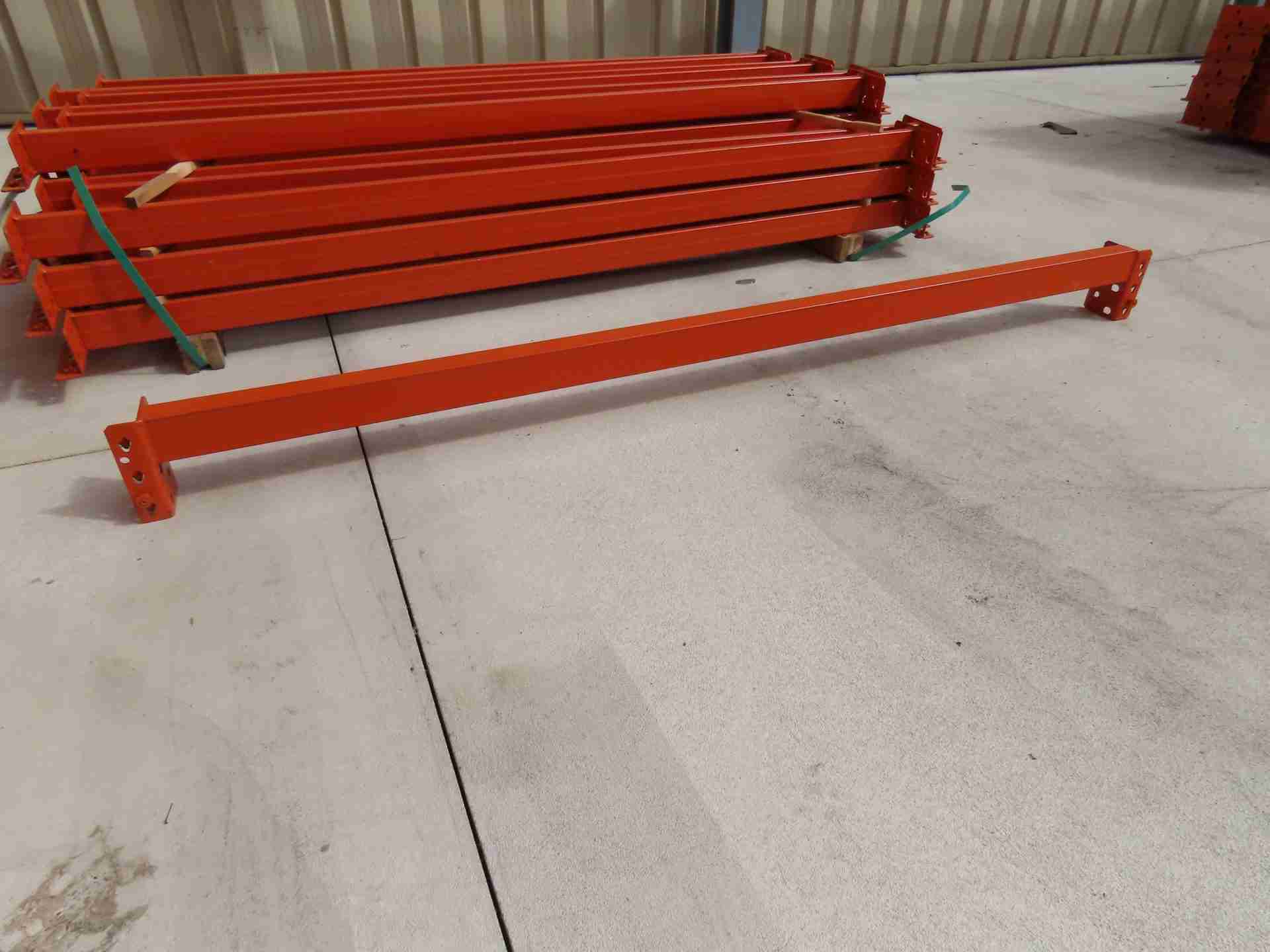
What Are The Installation Considerations For Cantilever Racking?
How Does Cantilever Racking Compare To Other Racking Systems?
In the fast-paced world of warehousing and logistics, the choice of racking systems can make or break your operational efficiency. At the core of this decision lies cantilever racking—a versatile and often underappreciated option that stands head and shoulders above the competition in many scenarios.
First, let’s consider the heavyweights in the racking world—selective rack and drive-in rack systems. While selective racking allows for easy accessibility of stored items, it falters when dealing with bulky or irregularly shaped loads. This is where cantilever racking shines, providing a solution that’s not only adaptable but also exceptionally efficient for long items, such as lumber, tubing, and furniture. Picture a lumberyard: cantilever racks can maximize vertical space, allowing for an organized, streamlined storage solution that promotes efficient loading and unloading processes.
Then there’s drive-in racking, ideal for high-density storage of homogeneous products. However, this system often leads to slower retrieval times due to its FIFO (first-in, first-out) approach, which can be detrimental to businesses dealing with diverse inventory. Companies like Ace Hardware have recognized this pain point and are increasingly opting for cantilever systems to better manage the breadth of their stock, saving time and ultimately delivering superior customer service.
Now, let’s talk about durability and safety. Cantilever racks are engineered to withstand heavy loads, making them a more robust choice than traditional shelving systems. Increased stability means reduced risk of accidents—a crucial factor in an era when safety regulations are tighter than ever. With high-profile incidents around warehouse safety hitting headlines, investing in a sturdy system isn’t just smart; it’s essential to protect your workforce and your bottom line.
Finally, let’s touch upon flexibility. As the business landscape evolves, so do inventory needs. Cantilever racks can be easily reconfigured to accommodate new products or shifting demands—making them particularly appealing in an era characterized by quick pivots and responsive strategies. This adaptability is a breath of fresh air compared to the rigidity often found in drive-in and selective rack systems.
In a nutshell, when considering storage solutions, cantilever racking emerges as a powerful contender. Whether you’re looking to maximize space, enhance safety, or maintain operational flexibility, taking a closer look at this innovative system might just lead to the edge you need in today’s competitive marketplace. Don’t let inefficiencies weigh you down; embrace cantilever racking and watch your operations soar to new heights.

How Does Cantilever Racking Compare To Other Racking Systems?
How Does Cantilever Racking Compare To Other Racking Systems?
- Cantilever racking is a versatile and often underappreciated racking system, offering significant operational efficiency in warehousing and logistics.
- While selective rack systems provide easy accessibility, they struggle with bulky or irregularly shaped loads; cantilever racking excels in this area.
- Cantilever racks effectively maximize vertical space, promoting efficient loading and unloading processes for long items like lumber and furniture.
- Drive-in racking is suitable for high-density storage but can slow down retrieval times, making it less optimal for diverse inventories.
- Cantilever racks are engineered for durability and safety, providing increased stability and reducing the risk of accidents, essential in today’s safety-conscious environment.
- The flexibility of cantilever racks allows for easy reconfiguration to meet evolving inventory needs, unlike more rigid drive-in and selective systems.
- Embracing cantilever racking can enhance operational efficiency, safety, and adaptability, giving businesses a competitive edge in the market.
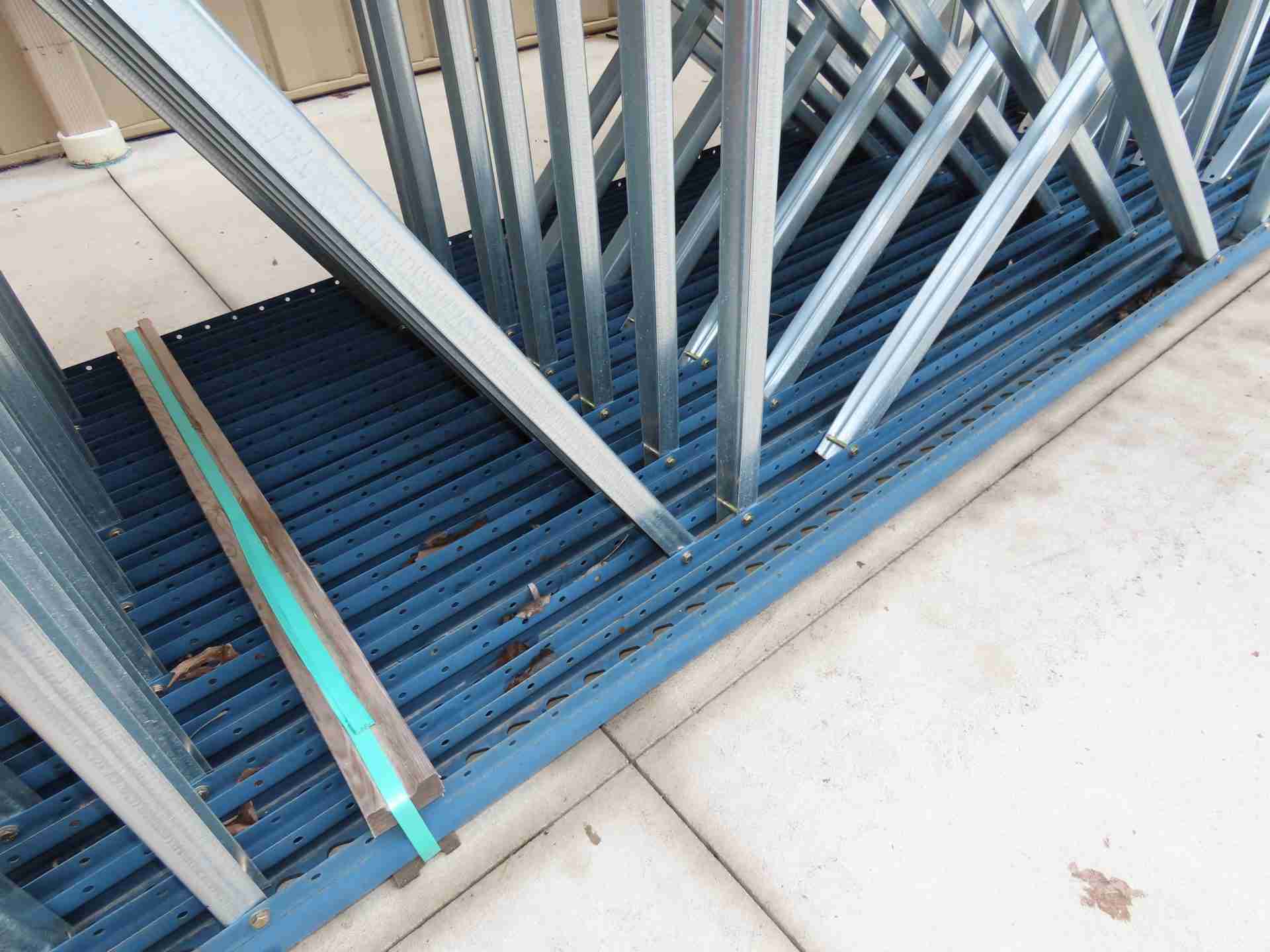
How Does Cantilever Racking Compare To Other Racking Systems?
What Maintenance Is Needed For Cantilever Racking?
When it comes to effective warehouse management, cantilever racking stands as a crucial investment. But like any prized asset, it demands regular maintenance to unlock its full potential and protect your bottom line. Proper upkeep not only prolongs the life of your racking system but also ensures safety and efficiency in your operations.
Routine Inspections: The First Line of Defense
Start with routine inspections. Ideally, this should happen weekly for bustling warehouses. Look for any signs of wear and tear, such as bent arms, rust, or loose bolts. For instance, recent supply chain disruptions have forced countless businesses to scramble for space, placing additional strain on storage solutions. You can’t afford a racking collapse—but that risk can be minimized with diligent inspection. Develop a checklist to ensure all components are scrutinized, from the base to the topmost arms.
Cleaning: A Simple Yet Effective Maintenance Step
Just like your car needs oil changes, your cantilever racks need cleaning to maintain optimal function. Dust accumulation can obscure signs of damage and hinder operations. Regularly wiping down surfaces prevents corrosion, especially in humid environments. Periodic deep cleaning will help as well. Invest in a pressure washer or a steam cleaner to remove dirt and grime, especially from the base, where moisture can lead to rust.
Repair and Replacement: Don’t Wait Until It’s Broken
Keep a keen eye on any signs of damage. If you spot any issues, act quickly—don’t let minor repairs become costly replacements. For example, if an arm is slightly bent, replace it promptly rather than tempting fate. When the unexpected happens (and it often does), have a reliable supplier ready to provide replacement parts. Some companies have faced upheaval this year because they delayed maintenance, resulting in costly disruptions. The better prepared you are, the smoother your operations will run.
Employee Training: The Human Element of Maintenance
Don’t overlook your team. Educate your employees on the importance of racking maintenance. Training sessions can cultivate a culture of safety and accountability, ensuring everyone understands the role they play in maintaining these racks. Highlight the potential consequences of neglect; a well-informed team is your best defense against accidents.
Final Thoughts: Invest in Longevity
Maintaining your cantilever racking isn’t just a best practice—it’s an investment in longevity. With regular inspections, cleaning, timely repairs, and staff training, you can extend the life of your racking while safeguarding your operations. Remember, the cost of preventive maintenance pales in comparison to the potential losses that could arise from a racking failure.
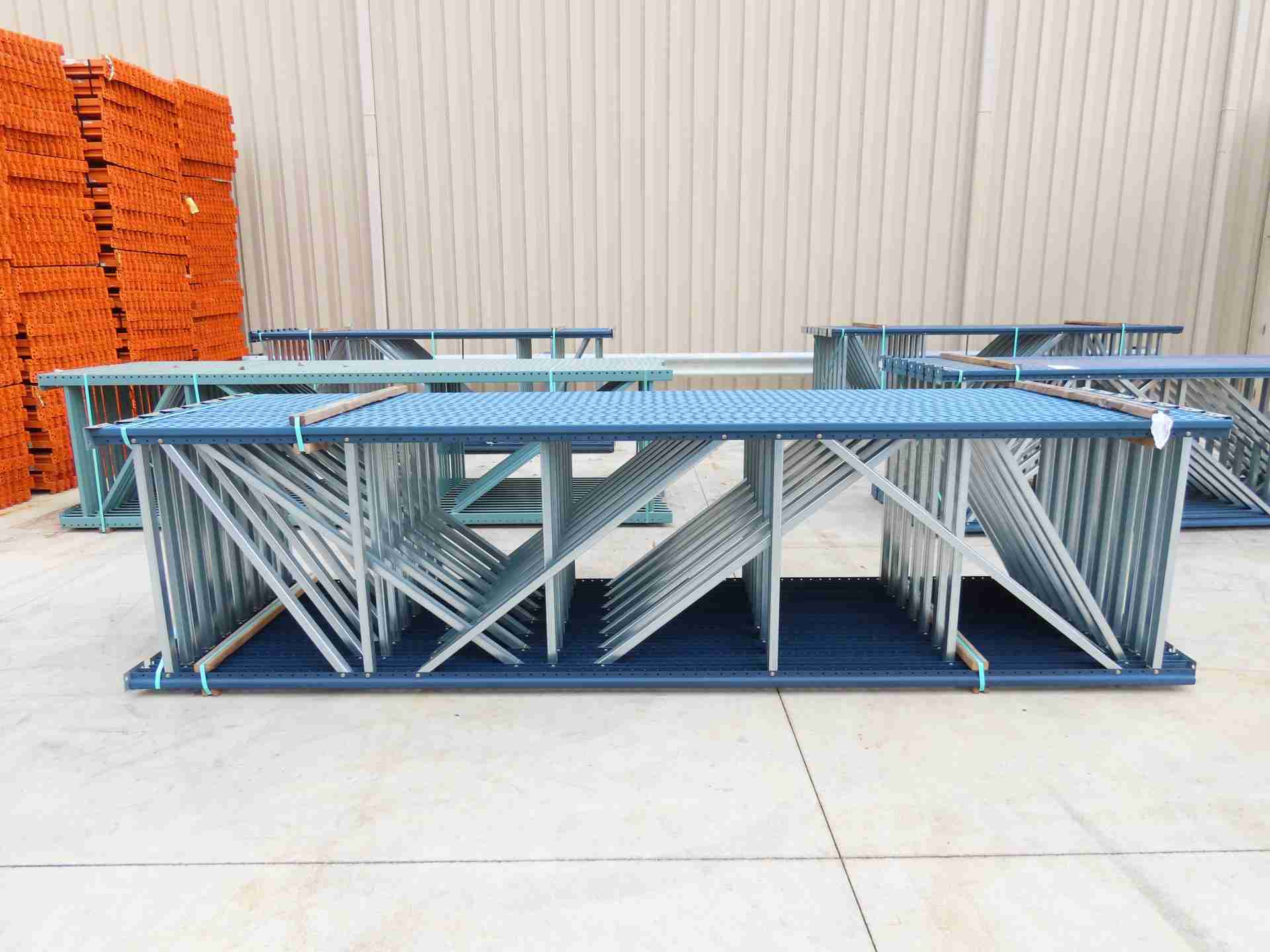
What Maintenance Is Needed For Cantilever Racking?
What Maintenance Is Needed For Cantilever Racking?
- Cantilever racking is a crucial investment for effective warehouse management, requiring regular maintenance to maximize its potential.
- Routine inspections should be conducted weekly, focusing on signs of wear like bent arms and rust to reduce the risk of racking collapse.
- Cleaning is essential to prevent damage; regular wiping and deep cleaning help mitigate corrosion and keep operations running smoothly.
- Prompt repair and replacement of damaged components can prevent minor issues from escalating into costly disruptions.
- Employee training is vital for maintaining safety and accountability; well-informed staff can significantly reduce risks.
- Investing in maintenance enhances the longevity of your racking system and protects your operations from potential losses.
- The costs of preventive maintenance are significantly lower than the potential losses due to racking failures.
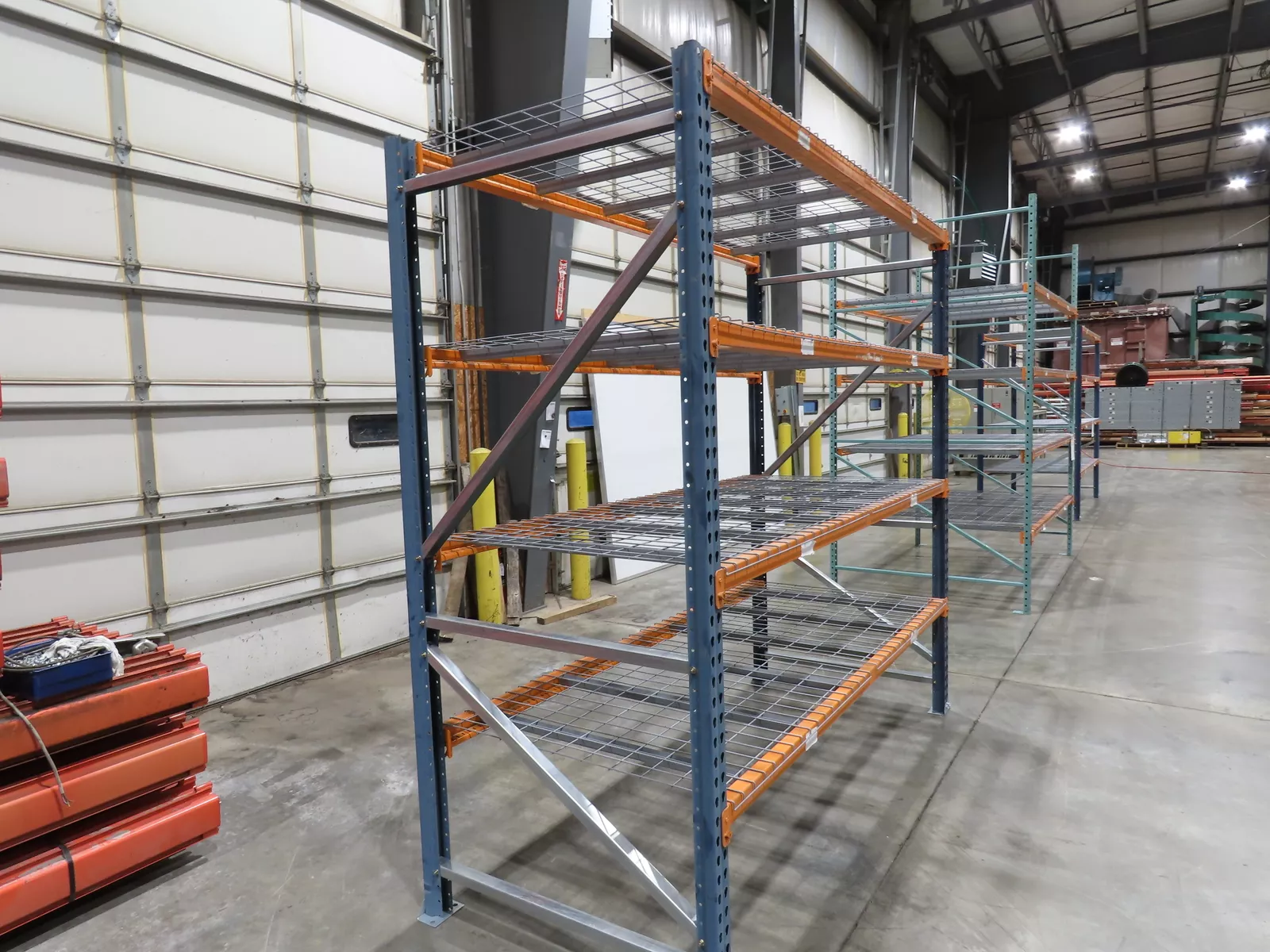
What Maintenance Is Needed For Cantilever Racking?
Conclusion
In an era where warehouse efficiency is non-negotiable, the revolutionary cantilever racking system is transforming the way businesses manage storage. Whether it’s accommodating long, bulky items or irregular shapes that traditional shelving fails to support, cantilever racking is a game-changer. As demonstrated by industry leaders like Home Depot, organizations are experiencing remarkable increases in storage capacity—some reporting surges as high as 30% after implementing this innovative system.
The urgency to adopt cantilever racking cannot be overstated. Current market fluctuations and supply chain disruptions demand a storage solution that is adaptable and agile. Companies that embrace cantilever racking can pivot swiftly to changing inventory needs, significantly reducing lead times and enhancing customer satisfaction. Moreover, the safety benefits alone are compelling enough to justify this investment. With open access to inventory, the risk of workplace injuries diminishes, allowing for a safer working environment—something that can lower insurance costs and foster a culture of safety.
Considering the growing significance of sustainability, businesses are also turning to cantilever racking as an eco-friendly storage option. By optimizing vertical space and reducing their physical footprint, companies not only improve efficiency but also align themselves with modern environmental standards—a win-win for both their operations and their reputations.
However, adapting to the demands of today’s logistics landscape also calls for crucial installation and maintenance considerations. From assessing load capacities to conducting routine inspections, ensuring your cantilever racking system is compliant and functional is vital. Organizations that prioritize maintenance safeguard not only their investments but also their employees from potential hazards.
As you contemplate elevating your storage capabilities, remember that the benefits of cantilever racking extend beyond mere space optimization. They empower businesses to enhance operational efficiency, adapt to market trends, and cultivate a safe and sustainable work environment.
Don’t let your warehouse fall behind in efficiency and safety. Contact Arrow Industrial Sales at (574) 349-6575 today to learn more about how cantilever racking can revolutionize your operations. Act now, because in today’s competitive marketplace, every moment counts—and the time to optimize your storage is now!

Conclusion
Conclusion:
- Cantilever racking systems are transforming warehouse storage management for efficiency.
- These systems accommodate long, bulky items and irregular shapes that traditional shelving cannot support.
- Companies like Home Depot report up to a 30% increase in storage capacity after adopting cantilever racking.
- The system provides adaptability to market fluctuations, reducing lead times and enhancing customer satisfaction.
- Cantilever racking improves workplace safety and can lower insurance costs with open inventory access.
- This storage solution aligns with sustainability goals by optimizing vertical space and reducing environmental footprints.
- Prioritizing installation and maintenance is essential for compliance, functionality, and employee safety.
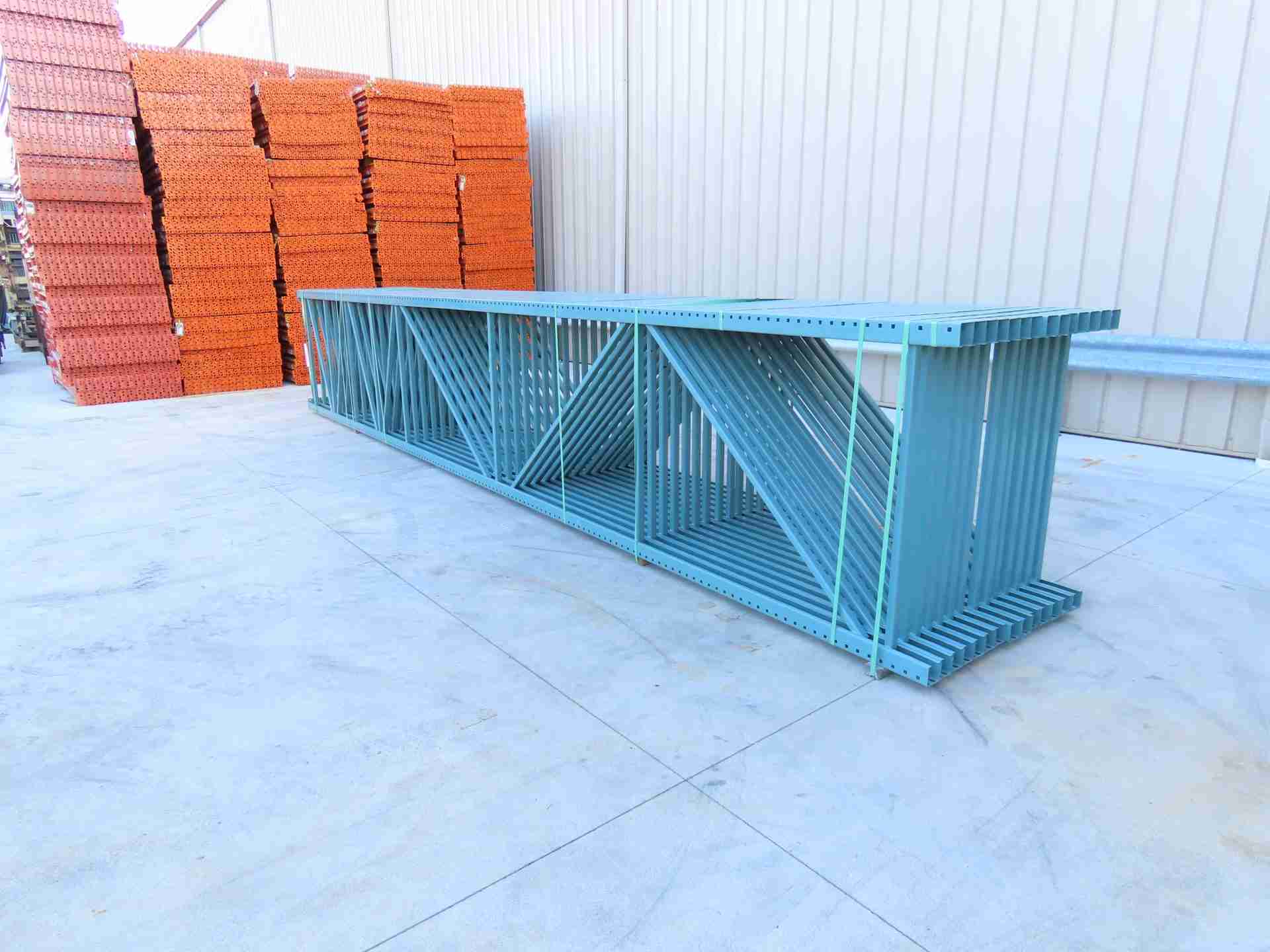
Conclusion
Other Resources
Other Resources
Here is a list of other resources you can review online to learn more:
- “Cantilever Racking Systems Market 2024 Growth …”
- “Cantilever Racking Systems Market Research Report 2024”
- “Capstone-Assignment”
- “New Cantilever Rack Systems for Sale”
- “10 Cantilever Rack Manufacturers in 2024”
- “Cantilever Racking Systems”
- “Earth911.com’s Sustainability In Your Ear”
- “Bus Tour Funding & Support – ECU Research”
- “Site Map”
- “Cantilever Racking Systems”
- “Developer for Joint Government Center Campus (JGCC)”
- “U.S. Accuses Apple of iPhone Monopoly”
- “Cantilever Rack Storage”
- “https://huggingface.co/fuliucansheng/adsplus/commi…”
- “New Cantilever Racks and Racking Kits | Factory Direct Pricing”
Other Resources
Glossary Terms
Why Is Cantilever Racking Revolutionizing Warehouse Storage? – Glossary Of Terms
1. Cantilever Racking: A type of storage system that consists of vertical columns with horizontal arms, used to store long, heavy, or bulky items.
2. Warehouse Efficiency: The effectiveness of warehouse operations measured by productivity, space utilization, and time savings.
3. Load Capacity: The maximum weight that a racking system can safely support without risk of failure.
4. Vertical Space Utilization: The practice of maximizing the height of a warehouse for storage, often achieved with high-reaching racking systems.
5. Accessibility: The ease with which stored items can be retrieved, often enhanced with systems like cantilever racking.
6. Space Optimization: The strategic arrangement and use of warehouse space to increase capacity and improve workflow.
7. Versatility: The ability of a racking system to accommodate various types of products or materials.
8. Heavy-Duty Storage: Storage solutions designed to hold substantial weights, typically found in industrial settings.
9. Customization: The process of tailoring racking systems to meet specific business needs or warehouse layouts.
10. Inventory Management: The process of tracking and controlling stock levels, often made easier with efficient storage systems.
11. Safety Standards: Regulations and guidelines that ensure safe racking installation and operation, protecting workers and products.
12. Loading and Unloading: The process of placing items onto or removing items from the storage system, which is facilitated by cantilever racking’s design.
13. Pallet Racking: A storage system that uses pallets to store goods, differing from cantilever racking, which is typically used for longer items.
14. SKU Rotation: The process of managing stock-keeping units to ensure optimal stock levels and minimize obsolescence.
15. Bulk Storage: Storing goods in large quantities, which cantilever racking can accommodate efficiently.
16. Cost-Effectiveness: The balance between the benefits of a system and the total costs involved, often favoring cantilever racking due to increased efficiency.
17. Structural Integrity: The ability of a racking system to withstand operational loads without distortion or failure.
18. Flexible Design: The characteristic of racking systems that allows for adjustments and changes as inventory needs evolve.
19. Aisle Width:
The space between racking units that affects accessibility and maneuverability within the warehouse.
20. Long Load Storage: The capability of cantilever racking to effectively store elongated and oversized products.
21. Warehouse Layout: The strategic arrangement of storage, processing, and operational areas within a warehouse.
22. Material Handling: The movement, protection, and storage of materials throughout the manufacturing and warehousing process.
23. Durability: The ability of racking systems to wihstand wear, pressure, or damage over time.
24. Inventory Turnover: A ratio that indicates how many times inventory is sold and replaced over a period, influenced by storage efficiency.
25. Operational Flow: The movement of goods and processes within a warehouse, optimized by effective storage design.
26. Automation Integration: The addition of technology to warehouse processes, which can work seamlessly with cantilever racking for enhanced efficiency.
27. Ergonomics: The study of efficiency in working environments, often considered in the design of racking systems for ease of use.
28. Fire Safety Regulations: Guidelines specific to warehouse environments that dictate safe storage practices, including clearance and materials.
29. Asset Protection: Strategies and systems implemented to guard inventory from damage or loss, aided by proper storage solutions.
30. Return on Investment (ROI): A measure used to evaluate the efficiency of an investment in cantilever racking, considering the savings and benefits achieved.
Glossary Of Terms
Other Questions
Why Is Cantilever Racking Revolutionizing Warehouse Storage? – Other Questions
If you wish to explore and discover more, consider looking for answers to these questions:
- What is the cost of implementing cantilever racking compared to traditional racking systems?
- How does cantilever racking affect the speed of order fulfillment?
- What types of businesses can benefit the most from cantilever racking?
- What are the installation requirements for cantilever racking?
- How does cantilever racking contribute to sustainability in warehouse operations?
- Can cantilever racking be modified or expanded in the future?
- What safety training is recommended for staff working with cantilever racking?
- What maintenance schedules should be followed for cantilever racking systems?
- Are there specific industry standards or regulations governing cantilever racking use?
- How does cantilever racking compare in terms of cost-effectiveness with other storage solutions?
Other Questions
Checklist
Why Is Cantilever Racking Revolutionizing Warehouse Storage? – A Checklist
Before Implementation: Assess Your Needs
_____ Evaluate Storage Requirements
_____ Determine the types of items you’ll be storing (e. g. , lumber, furniture, automotive parts).
_____ Identify the average weight and length of stored items.
_____ Measure Available Space
_____ Calculate the height, width, and depth of your storage area.
_____ Consider future scalability for increased inventory.
Planning and Design: Optimize Layout
_____ Choose the Right Configuration
_____ Decide on the number of arms and height adjustments based on item sizes.
_____ Plan for efficient loading/unloading access with minimal obstruction.
_____ Floor Load Capacity
_____ Inspect the floor condition and ensure it’s stable for heavy loads.
_____ Consider adding base plates or bolting for enhanced stability.
Installation Considerations
_____ Follow Local Codes
_____ Verify compliance with local safety regulations for racking systems.
_____ Ensure installation meets OSHA standards.
_____ Accessibility Planning
_____ Design aisles wide enough for forklifts and safe employee movement.
_____ Assess if additional safety features like aisle markers are needed.
Post-Installation: Maintenance and Safety
_____ Regular Inspections
_____ Schedule weekly or monthly inspections for signs of damage or wear.
_____ Create a checklist to assess each part of the rack system.
_____ Cleaning Protocol
_____ Establish a routine cleaning schedule to prevent corrosion and debris buildup.
_____ Utilize appropriate cleaning equipment (e. g. , steam cleaner, pressure washer).
_____ Staff Training
_____ Train employees on proper usage and safety protocols of the cantilever rack.
_____ Foster a culture of accountability for maintenance and safety.
Continuous Improvement
_____ Monitoring Changes
_____ Be prepared to adapt the racking system based on product fluctuations or new inventory types.
_____ Stay informed about best practices and emerging trends in warehouse management.
_____ Evaluate Business Goals
_____ Regularly assess how well the cantilever racking system aligns with your operational goals.
_____ Analyze the impact on efficiency and storage costs to ensure continuous optimization.
By following this checklist, your organization can maximize the benefits of cantilever racking while ensuring safety and efficiency in your warehouse operations.

Checklist
At RackingWorld, we help guide you through selecting warehouse storage systems and racking.
Be sure to read our other related stories at RackingWorld to learn more about warehouse storage systems.
0 Comments