
Mastering The Art Of Pallet Racking Assembly
By Tom Seest
At RackingWorld, we help guide you through selecting warehouse storage systems and racking.
Be sure to read our other related stories at RackingWorld to learn more about warehouse storage systems.
How to Assemble Pallet Racking?
As the demand for efficient warehouse solutions skyrockets, understanding how to assemble pallet racking effectively has become a game-changer for countless businesses. Whether you’re expanding your operation or optimizing your current setup, assembling pallet racking can enhance your storage capacity and streamline your inventory management. Here’s how to do it right.
Step 1: Gather Your Tools and Materials
Before diving headfirst into assembly, ensure you have all necessary tools on hand. Typically, you’ll need a wrench set, a drill, a level, and safety gear, including gloves and goggles. For the materials, selected pallet racks must meet your specific storage needs, considering weight capacity, size, and configuration. Popular manufacturers like Interlake and Keystone offer a variety of options now, especially given recent trends in online retail and fulfillment.
Step 2: Read the Instructions
It may sound obvious, but this step can save you time and prevent costly errors. Your pallet racking will come with manufacturer-specific instructions that include assembly diagrams and safety guidelines. Current examples, like the boom in e-commerce and storage needs from companies like Amazon and Walmart, emphasize the importance of robust, compliant shelving systems.
Step 3: Prepare the Ground
Ensure the area where you plan to assemble your racking is level and clear of debris. Proper groundwork will help in maintaining the structural integrity of your racks. Market reports indicate that a stable foundation can reduce accidents and improve workspace efficiency, vital in fast-paced environments where every minute counts.
Step 4: Assemble the Frame
Once the ground is ready, begin by assembling the vertical frames of the pallet rack. Connect horizontal beams as per the provided layout. Ensure each connection is tightened appropriately; loose fittings can lead to serious structural issues. Keep in mind the latest innovations in the industry that offer boltless systems, which not only simplify assembly but also provide flexibility for future adjustments.
Step 5: Install Safety Accessories
Don’t overlook safety! Secure safety pins, back braces, and wire decking as needed. Reputable suppliers emphasize this in their guidelines due to recent increases in warehouse injuries, fuelling a demand for safer, more efficient working conditions.
Step 6: Test Stability
Before loading your pallet racking, perform a stability check. Push against the structure gently; it should feel solid and ready for use. Performing this step ensures you’re not just compliant with regulations but actively creating a safer working environment.
Remember, the benefits of a well-assembled pallet racking system can be immense, from preventing accidents to enhancing productivity. Take the time to ensure each step is done right, and your warehouse will not only look professional, but it will also function at peak capacity, ready to meet the demands of an ever-evolving marketplace.

How to Assemble Pallet Racking?
How to Assemble Pallet Racking?
- Understanding efficient pallet racking assembly can significantly enhance warehouse storage capacity and inventory management.
- Gather necessary tools (wrench set, drill, level) and materials tailored to specific storage needs before starting assembly.
- Carefully read manufacturer instructions and safety guidelines to avoid errors and ensure compliance.
- Prepare a level and debris-free ground to maintain the structural integrity of the pallet racks.
- Assemble vertical frames and connect horizontal beams, ensuring tight fittings to prevent structural issues.
- Install safety accessories such as safety pins, back braces, and wire decking to promote warehouse safety.
- Perform a stability check on the assembled rack to ensure it is solid and safe for use before loading.

How to Assemble Pallet Racking?
Table Of Contents
- How to Assemble Pallet Racking?
- What Tools Do I Need To Assemble Pallet Racking?
- How Do I Read Racking Plans?
- What Are The Safety Guidelines For Pallet Racking?
- How Do I Determine The Right Size For My Pallet Racks?
- What Is The Best Way To Level Pallet Racking?
- How Do I Secure Pallet Racking To The Floor?
- Can Pallet Racks Be Customized For Different Loads?
- How Do I Calculate The Weight Capacity Of My Racking System?
- What Are Common Mistakes To Avoid When Assembling Pallet Racks?
- How Can I Ensure Stability In My Pallet Racking?
- What Type Of Pallets Work Best With Pallet Racks?
- How Do I Maintain And Inspect Pallet Racking Systems?
- How Can I Expand My Pallet Racking Setup Effectively?
- What Accessories Can Enhance My Pallet Racking System?
- What Is The Best Layout For My Pallet Racking?
- How Can I Optimize Space With Pallet Racking?
- What Are The Re-Assembly Considerations For Pallet Racking?
- Conclusion
- Other Resources
- Glossary Of Terms
- Other Questions
- Checklist
What Tools Do I Need To Assemble Pallet Racking?
Assembling pallet racking may seem like a straightforward task, but having the right tools can transform this daunting project into a smooth and efficient operation. Whether you’re in a bustling warehouse, a retail space, or simply organizing your garage, the tools you choose are critical to ensuring the job is done right. Below, we break down the essential tools you need to assemble pallet racking effectively.
1. Power Drill and Bits
A power drill is a must-have tool for quick and efficient assembly. Look for a model with adjustable speed settings so you can adapt to various materials. Pair your drill with a selection of bits, including standard, Phillips, and hex, to accommodate the variety of screws and bolts typically used in pallet racking. Investing in high-quality bits saves you time and energy, especially if you’re working in an environment as demanding as a logistics center gearing up for holiday season sales.
2. Leveling Tool
A leveling tool, like a laser level or simple spirit level, is essential for ensuring that your racking is stable and straight. Uneven racking can lead to serious safety hazards—and no one wants to be in the news because of a workplace injury or equipment damage. Current events have underscored the importance of safety regulations, making this tool a non-negotiable addition to your toolkit.
3. Wrenches and Sockets
Wrenches and a socket set are vital for tightening bolts and securing your racking framework. Adjustable wrenches can adapt to different sizes, but having a complete set of sockets will speed up the process significantly. As businesses strive to maximize efficiency amidst labor shortages, tools that improve assembly times become crucial for maintaining productivity.
4. Safety Gear
Never underestimate the value of personal protective equipment (PPE). This includes safety glasses, gloves, and hard hats. The warehouse sector is facing scrutiny for safety measures, and ensuring your team is equipped with proper PPE will create a safer working environment while reinforcing your commitment to safety standards—something customers and partners appreciate.
5. Measuring Tape
A good quality measuring tape is essential for planning the layout of your pallet racking. Measure twice, cut once: this old adage rings especially true in the world of logistics. As our economy grows and more companies invest in warehouse automation, proper measurements will help you unlock the potential of your space.
While assembling pallet racking may appear simple, the right tools are paramount for a successful setup. By investing in the necessary equipment and ensuring safety precautions are observed, you not only enhance productivity but also promote a culture of care and efficiency in the workplace. Now, roll up your sleeves and get ready to transform your space!

What Tools Do I Need To Assemble Pallet Racking?
What Tools Do I Need To Assemble Pallet Racking?
- Power Drill and Bits: Essential for quick assembly; choose models with adjustable speed settings and quality bits (standard, Phillips, hex).
- Leveling Tool: A laser level or spirit level ensures stability and safety of racking; vital to avoid workplace hazards.
- Wrenches and Sockets: Necessary for tightening bolts; a complete socket set can significantly speed up the assembly process.
- Safety Gear: Includes PPE like safety glasses, gloves, and hard hats; enhances workplace safety and compliance with regulations.
- Measuring Tape: Crucial for planning and layout; emphasizes the importance of precision to utilize warehouse space effectively.
- Focus on Safety: Proper tools and PPE reinforce safety standards, contributing to a safe working environment.
- Overall Importance: The right tools boost productivity and promote a culture of efficiency in pallet racking assembly.
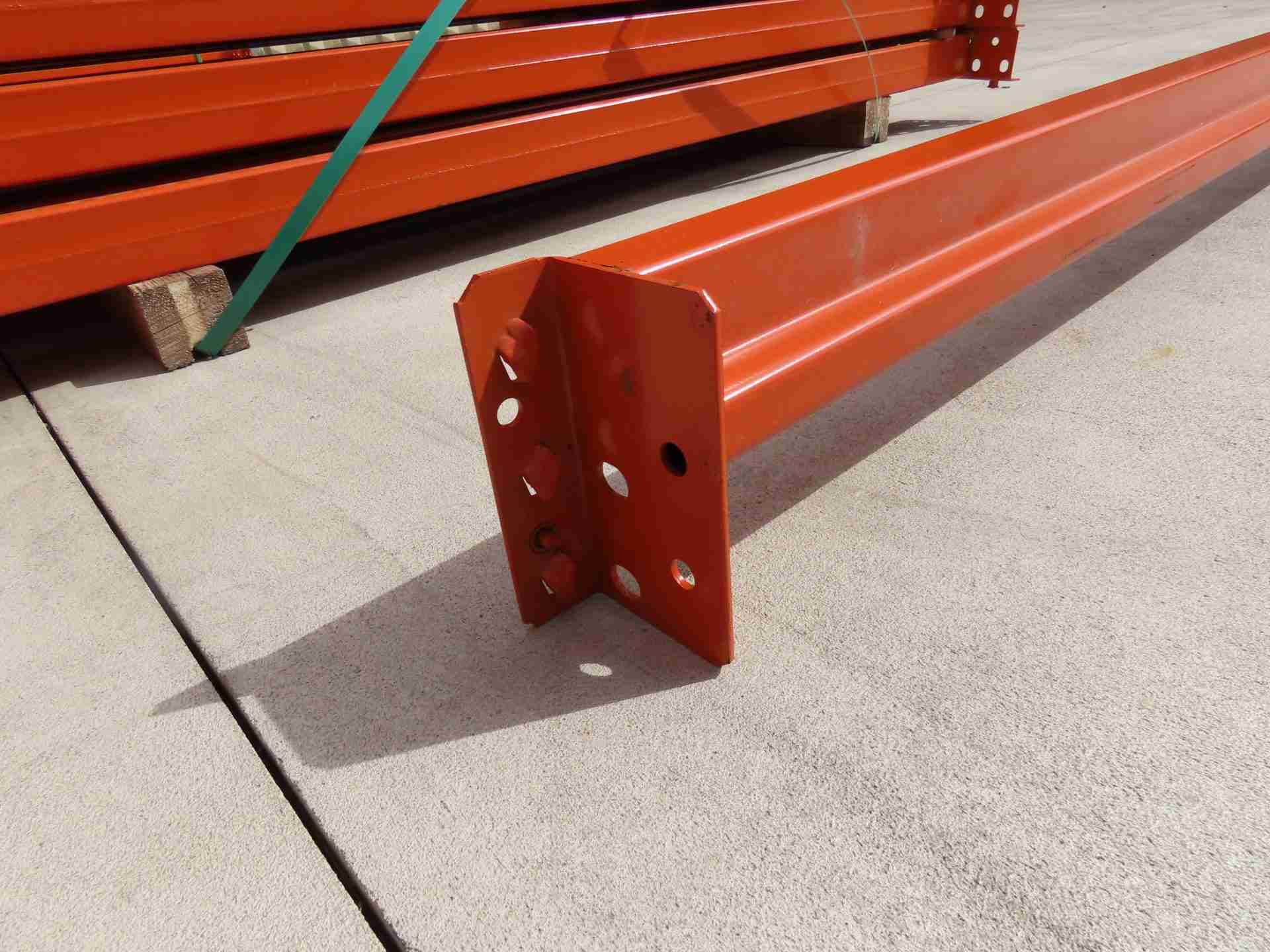
What Tools Do I Need To Assemble Pallet Racking?
How Do I Read Racking Plans?
Understanding how to read racking plans is an essential skill in the world of warehousing and logistics, and mastering this can streamline your operations, reduce costs, and increase efficiency—three critical elements in any competitive landscape. Picture this: you’re in a bustling warehouse, with a complex layout designed to maximize space and ensure swift access to inventory. The racking plan is your roadmap in this dynamic environment.
At its core, a racking plan illustrates how storage racks are organized within a facility. It shows the configuration of shelves, the types of racks being used (whether they’re selective, drive-in, or push-back), and provides crucial dimensions. A simple example: suppose the plan indicates 24-foot-high selective racking with 48-inch-deep shelves. This tells you that you can stack items high while effectively utilizing width, leaving you to strategize load management and retrieval operations based on the expected throughput.
To effectively decipher a racking plan, start by familiarizing yourself with the commonly used symbols and colors. For instance, some facilities use green to mark active inventory areas and red for reserved space to avoid confusion. This visual insight prevents costly errors and reduces downtime, especially in high-stakes settings like cold storage for perishable goods or rapidly changing e-commerce environments. As businesses adapt to the challenges posed by the recent supply chain disruptions, reading and interpreting racking plans becomes even more crucial.
Next, consider the weight limits indicated on the racking plan. Ignoring these can lead to dangerous situations and damage to products—a headline you don’t want to see in the news! An instructive case from the logistics sector happened earlier this year when an overloaded racking system collapsed, resulting in significant losses. A solid understanding of the racking layout prevents such tragedies, ensuring that material handling is done with precision and care.
Lastly, communicate with your team. Effective warehouse management isn’t just about following a plan; it’s about collaboration. Ensure everyone understands the racking layout—discuss best practices, share insights, and encourage feedback. Regularly revisiting your racking plans allows you to adapt swiftly to changes in inventory flow or business needs.
In a world where operational efficiency can make or break a business, learning how to read racking plans is not just beneficial—it’s indispensable. Embrace this knowledge, and you’ll transform potential chaos into streamlined success.

How Do I Read Racking Plans?
How Do I Read Racking Plans?
- Reading racking plans is essential for warehousing and logistics efficiency, helping streamline operations and reduce costs.
- A racking plan outlines the organization of storage racks, including shelf configuration and types of racks used.
- Understanding dimensions on the racking plan is crucial for effective load management and inventory retrieval.
- Familiarize yourself with symbols and colors used in racking plans to avoid confusion and costly errors.
- Pay attention to weight limits on racking plans to prevent dangerous situations and product damage.
- Promote communication and collaboration among team members to ensure a comprehensive understanding of the racking layout.
- Regularly revisit racking plans to adapt to changes in inventory flow and business needs, enhancing operational efficiency.

How Do I Read Racking Plans?
What Are The Safety Guidelines For Pallet Racking?
In the world of warehousing and distribution, pallet racking is a backbone of efficiency and storage. However, the danger of improper usage is real and can result in catastrophic consequences. Adopting strict safety guidelines is not only a best practice but also a legal obligation. Understanding these protocols is crucial for protecting your employees, inventory, and bottom line.
1. Regular Inspections Are Non-Negotiable
Just like routine medical check-ups keep you healthy, regular inspections keep your pallet racking systems in top shape. A systematic inspection schedule can catch potential issues before they escalate. Look for signs of wear and tear, such as bent frames or damaged beams. In the wake of recent warehouse collapses making headlines, committing to this practice can save lives and prevent costly replacements.
2. Proper Load Distribution Matters
Every pallet racking system is designed to handle a specific weight limit. Overloading racks can lead to disastrous failures. It’s pivotal to understand the weight capacity of your racking system and distribute loads appropriately. For instance, if you’re storing boxes of varying weights, organize heavier items on lower racks and lighter items above. This methodology not only enhances safety but also improves accessibility and efficiency.
3. Employee Training is Essential
The most sophisticated system won’t protect your investment if employees don’t know how to operate it safely. Comprehensive training programs should include how to load and unload racks properly, recognize hazards, and perform routine safety checks. Whether you’re managing a bustling e-commerce warehouse or a smaller storage facility, investing time in training yields dividends in safety and employee morale.
4. Use Quality Materials and Equipment
The foundation of any safe pallet racking system is the quality of its components. Always purchase racks from reputable suppliers, ensuring they comply with industry standards like those set by the American National Standards Institute (ANSI). Recently, a movement toward sustainable materials has gained momentum, where eco-friendly products that match safety benchmarks are gaining traction. Aligning your racking systems with both safety and sustainability improves your brand image and operational integrity.
5. Establish a Clear Path for Emergency Procedures
Accidents can happen even with the best planning, which is why having clear emergency procedures is critical. Create visible evacuation routes and ensure fire extinguishers are readily accessible. Conduct regular drills to familiarize staff with emergency protocols. This not only enacts a safety culture in your workplace but assures your team that their safety is a priority.
Embracing these pallet racking safety guidelines is not merely a choice – it’s a commitment to excellence. Prioritizing safety not only protects your people and property but ultimately leads to a more productive and profitable operation. Take action today!

What Are The Safety Guidelines For Pallet Racking?
What Are The Safety Guidelines For Pallet Racking?
- Pallet racking is essential for efficiency in warehousing and distribution, but improper use can have severe consequences.
- Implementing strict safety guidelines is both a best practice and a legal obligation.
- Regular inspections of pallet racking systems are crucial to identify wear and tear before they lead to failures.
- Proper load distribution is vital to prevent rack overload, enhancing safety and efficiency.
- Comprehensive employee training on safe operation and hazard recognition is necessary for workplace safety.
- Using quality materials and equipment from reputable suppliers is key to maintaining a safe racking system.
- Establishing clear emergency procedures and conducting regular drills fosters a strong safety culture in the workplace.

What Are The Safety Guidelines For Pallet Racking?
How Do I Determine The Right Size For My Pallet Racks?
Selecting the right size for your pallet racks is not just a matter of math; it’s a strategic decision that can significantly impact your warehouse efficiency, inventory management, and overall profitability. In today’s fast-paced and ever-changing market, understanding these factors can mean the difference between thriving and merely surviving.
First, consider your product dimensions. The most common mistake businesses make is underestimating the width and height of their inventory. For example, if you’re storing small, box-like items, a standard pallet rack may work just fine. However, if you deal with larger, bulkier goods—think automotive parts or oversized packaging—your pallet rack needs to accommodate these dimensions. Measure your largest products first, and then select racks that are appropriately sized, allowing for easy maneuverability.
Next, analyze your space. The footprint of your warehouse plays a crucial role in determining rack size and configuration. For instance, during recent supply chain disruptions, companies faced unanticipated spikes in demand for certain products. Businesses that took the time to evaluate their floor plans and adapt their pallet racking systems fared better in navigating these challenges. A well-planned layout maximizes vertical space and minimizes wasted floor space; utilizing taller racks can often yield the greatest return on investment.
Don’t forget about your future growth! The last thing you want is to outgrow your racks in a couple of years. To avoid this pitfall, calculate your projected inventory levels. If you’re a retailer who just launched an online store or a manufacturer ramping up production due to trends like sustainability, invest in adjustable pallet racks or add extra height now. The initial cost may be higher, but the long-term savings from not having to replace your entire rack system later are invaluable.
Lastly, always factor in accessibility and safety. Adequate aisle space is critical for the safe operation of forklifts and for compliance with safety regulations. A case in point is the recent push for improved workplace safety standards following the pandemic. Ensure that your selected size promotes not just efficiency but also a safer working environment.
In summary, determining the right size for your pallet racks involves a thorough analysis of your products, your space, future growth potential, and safety considerations. By investing the time and effort into this strategic decision, you can create a warehouse environment that supports your business objectives, enhances operational efficiency, and positions you well for future challenges in the ever-changing marketplace.

How Do I Determine The Right Size For My Pallet Racks?
How Do I Determine The Right Size For My Pallet Racks?
- Choosing the right pallet rack size is a strategic decision impacting warehouse efficiency and profitability.
- Consider product dimensions to avoid underestimating the size requirements for inventory.
- Analyze warehouse space to optimize rack size and configuration, maximizing vertical storage.
- Plan for future growth by selecting adjustable racks or increasing the height to accommodate projected inventory levels.
- Factor in accessibility and safety, ensuring adequate aisle space for forklifts and compliance with safety regulations.
- A well-thought-out pallet rack selection can enhance operational efficiency and prepare businesses for market changes.
- Investing time in planning rack sizes supports business objectives and long-term savings.

How Do I Determine The Right Size For My Pallet Racks?
What Is The Best Way To Level Pallet Racking?
In the warehouse distribution world, the efficiency of your operations hinges on one crucial element: the level of your pallet racking. Uneven racks not only compromise the safety of your inventory but can drastically reduce your workflow, jeopardizing profits and productivity. So, what’s the best way to level pallet racking? Let’s dive in.
Start with a Solid Foundation
The journey to leveling your pallet racking begins with a robust and even foundation. It’s paramount to evaluate your warehouse floor – are there dips or ridges that could throw your racking off-balance? Invest in a laser level to pinpoint discrepancies. For example, during a recent warehouse renovation project, a major retailer discovered a ¾-inch slope across their floor, which led to a significant adjustment in their racking layout. Fixing the foundation yielded immediate operational improvements. Always remember, an ounce of prevention is worth a pound of cure.
Use Quality Materials and Equipment
Investing in high-quality shims or leveling legs can serve as a game changer. When setting up your racks, do not rely on flimsy materials. Consider heavy-duty shims that can withstand the weight of your goods and the day-to-day operations of your workforce. A notable case is a mid-sized logistics company that upgraded its racking system with industrial-grade adjustable feet, resulting in reduced wear-and-tear and higher safety compliance — not to mention a decrease in maintenance costs.
Regular Inspection and Maintenance
One of the secrets to keeping your pallet racking systems level lies in regular inspection. Set a maintenance schedule that includes checking the integrity of your racking and realigning them as needed. The National Institute for Occupational Safety and Health (NIOSH) emphasizes the importance of routine checks, as a surprising number of workplace injuries result from improper racking. A recent OSHA report highlighted an uptick in fines attributed to unsafe racking systems. Don’t let your warehouse contribute to that statistic!
Utilize Technology for Monitoring
Finally, embrace technology and consider investing in automated monitoring systems that utilize sensors to detect shifts in your racking. Some manufacturers have integrated smart technologies into their racking systems, providing real-time data on alignment. This proactive approach ensures that you’re addressing any issues before they escalate, keeping your operations sleek and your workforce safe.
Leveling pallet racking is not just about compliance; it’s a strategic move to enhance efficiency and profitability. By assessing your foundation, selecting quality materials, maintaining inspections, and leveraging technology, you will not only safeguard your inventory but also propel your business toward greater success. Remember, a level rack today means a smoother operation tomorrow!

What Is The Best Way To Level Pallet Racking?
What Is The Best Way To Level Pallet Racking?
- The efficiency of warehouse operations relies heavily on the level of pallet racking.
- A solid and even foundation is essential; evaluate the warehouse floor for dips or ridges.
- Invest in high-quality materials like heavy-duty shims and adjustable legs for durability.
- Regular inspections and maintenance are crucial for ensuring the integrity and alignment of racks.
- Utilize technology for automated monitoring of racking systems to detect shifts proactively.
- Proper leveling not only helps with compliance but also boosts efficiency and profitability.
- A commitment to good practices today leads to smoother operations in the future.

What Is The Best Way To Level Pallet Racking?
How Do I Secure Pallet Racking To The Floor?
When it comes to warehouse safety and efficiency, securing your pallet racking to the floor is not just a best practice—it’s a necessity. In the ever-evolving landscape of logistics and warehousing, one thing remains constant: the importance of stability. Whether you’re storing heavy materials or managing inventory for e-commerce, understanding how to properly secure your pallet racking can save you headaches, legal troubles, and potentially lives.
The Importance of Stability
Consider recent incidents in warehouses where improperly secured racking systems led to catastrophic failures. According to industry reports, these failures can cause serious injuries and significant financial losses. By taking proactive measures, you can protect your workforce and your bottom line. Securing pallet racking to the concrete floor mitigates the risk of tipping over and ensures that your system can withstand the rigors of daily use.
Getting Started
Begin by selecting a robust anchoring system. There are two common methods to secure pallet racking: using anchor bolts or concrete screws. Anchor bolts, typically made of high-strength steel, can be drilled deep into the floor, while concrete screws provide versatility for different flooring types. Whichever method you choose, it is essential to follow the manufacturer’s guidelines for installation to ensure a secure fit.
Installation Steps
1. Assess Your Environment: Before installation, evaluate the floor quality and the types of loads your racking will support. For instance, if you’re storing heavy machinery, you’ll need a robust anchoring strategy.
2. Measure and Mark: Position your racking system according to your layout plan. Use a level to ensure it stands straight and mark the anchor points carefully. Attention to detail here can prevent misalignments that lead to instability.
3. Drill and Secure: Follow up by drilling pilot holes for your anchors. Once complete, insert your anchor bolts or concrete screws, ensuring they are tightened securely, paying attention to torque specifications that can usually be found in the user manual.
Final Touches
Lastly, don’t overlook the importance of regular inspections. Just like any other equipment in a warehouse, pallet racks should be checked periodically. Look for signs of wear, fatigue, or loose fittings, and address any issues promptly.
In today’s competitive market, where efficiency and safety regulations are stricter than ever, securing your pallet racking to the floor isn’t just a precaution; it’s a strategic advantage. Investing the time and resources to do it right not only protects your workforce but also enhances operational performance, allowing you to focus on what you do best: growing your business.

How Do I Secure Pallet Racking To The Floor?
How Do I Secure Pallet Racking To The Floor?
- Securing pallet racking to the floor is essential for warehouse safety and efficiency.
- Properly secured racking systems prevent catastrophic failures that can lead to injuries and financial losses.
- Start with a robust anchoring system, using either anchor bolts or concrete screws based on your floor type.
- Installation steps include assessing the environment, measuring and marking anchor points, and drilling pilot holes.
- Ensure that anchors are tightened securely following torque specifications from the user manual.
- Conduct regular inspections of pallet racks to identify signs of wear, fatigue, or loose fittings.
- Investing in proper racking security enhances operational performance and protects the workforce, providing a strategic advantage.
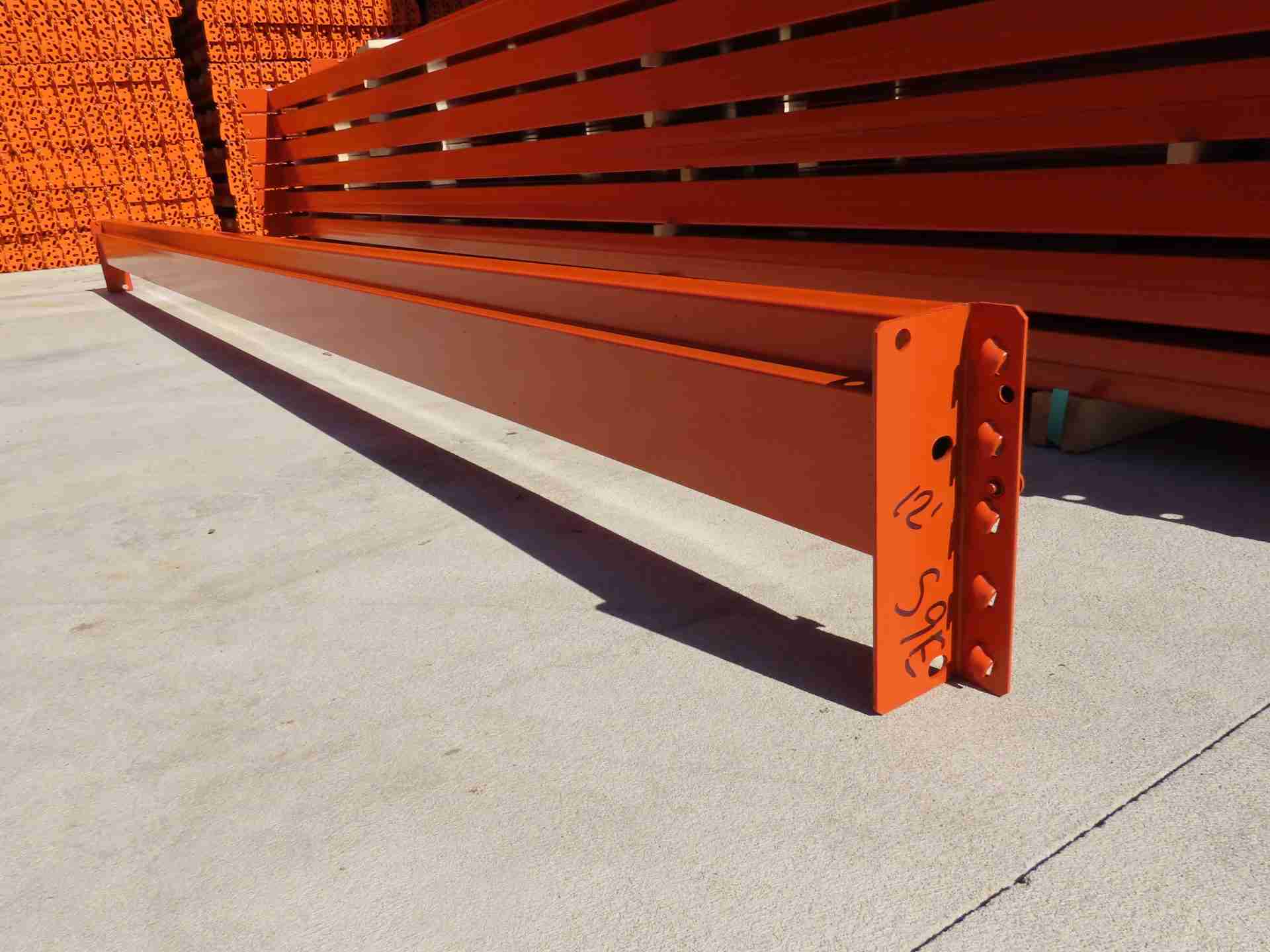
How Do I Secure Pallet Racking To The Floor?
Can Pallet Racks Be Customized For Different Loads?
In today’s fast-paced business climate, the efficiency of your warehouse or distribution center can make or break your bottom line. So, let’s get one thing straight—if you’re expecting that one-size-fits-all pallet rack solution to adequately serve your diverse inventory needs, you’re setting yourself up for failure. Enter the world of customizable pallet racks—a revolutionary approach that allows businesses to optimize their storage solutions for varying loads, ensuring maximum efficiency and safety in every square foot of your warehouse.
With the rise in e-commerce and the growing trend toward just-in-time inventory management, businesses are increasingly considering the advantages of customized pallet racks. Whether you need to store heavy machinery components or delicate packaging materials, the ability to tailor your pallet racks to accommodate specific load types is no longer a luxury; it’s a necessity.
For example, if you’re in the automotive parts industry, your inventory might include everything from lightweight plastic components to heavy engine blocks. Customizing pallet racks with adjustable shelving and reinforced designs ensures that you can easily handle these varying weights without compromising structural integrity. Imagine the savings you could see by minimizing damage to both products and racks themselves.
Moreover, let’s not overlook the importance of adapting to current demands. As companies pivot their operations in response to market shifts—like those prompted by COVID-19 and supply chain disruptions—the need for agility in storage solutions has never been more critical. Custom pallet racking provides that flexibility, enabling enterprises to reorganize their storage systems to accommodate emergencies or sudden changes in inventory.
Moreover, customization can extend beyond weight and material type. Special coatings, finishes, and configurations can be applied to meet regulatory requirements or environmental standards, ensuring that your business stays compliant while still functioning efficiently. For instance, food and beverage companies may benefit from racks designed to support hygiene standards and temperature-controlled environments.
Ultimately, the question isn’t whether you can customize pallet racks for different loads—it’s whether you can afford not to. By choosing customized solutions, you position your business for success, providing the agility needed to adapt to an ever-changing landscape. The efficiency gained from tailored pallet racking ultimately translates into enhanced operational performance, reduced overhead, and—perhaps most importantly—greater customer satisfaction. Investing in customized pallet racks isn’t just smart; it’s essential for thriving in today’s competitive marketplace.

Can Pallet Racks Be Customized For Different Loads?
Can Pallet Racks Be Customized For Different Loads?
- The efficiency of warehouses and distribution centers is critical for business success.
- Customizable pallet racks optimize storage solutions for diverse inventory needs.
- Tailored pallet racks accommodate specific load types, making them essential for various industries.
- Adjustable shelving and reinforced designs minimize damage and handle varying weights effectively.
- Custom pallet racking allows businesses to adapt quickly to market shifts and emergency situations.
- Customization also helps meet regulatory requirements and supports industry-specific standards.
- Investing in customized pallet racks enhances operational performance and customer satisfaction.

Can Pallet Racks Be Customized For Different Loads?
How Do I Calculate The Weight Capacity Of My Racking System?
Calculating the weight capacity of your racking system is not just a safety measure; it’s a key driver of efficiency, productivity, and profitability in your operations. When it comes to material handling, a well-designed racking system can make a world of difference, and understanding its load capacity is step one in maximizing your investment.
First, identify the type of racking you are working with. Common types include selective racking, drive-in systems, and pallet flow racking. Each of these systems has a specific load capacity defined by both structural integrity and the distribution of weight. For instance, a selective racking system, which is the most widely used, typically supports a load of 3,000 to 5,000 pounds per pallet level, depending on the material and design specifics. Knowing your racking type is crucial in determining the limits of what your system can handle.
Next, consult the manufacturer’s specifications for your specific racking system. Most reputable manufacturers provide detailed load rating information in their product documentation. Ensure you have the maximum load per shelf and consider factors such as shelf depth and width, as they play a significant role in stability. For instance, a shelf that is deeper allows for a greater weight distribution, lowering the risk of tipping or collapsing.
Another critical aspect is the overall distribution of weight. Do you know how much each item on your shelf weighs? Let’s say you are storing inventory for the upcoming holiday rush. If you’re using a racking system to store seasonal items, calculate the total weight of your inventory to avoid going overboard. For example, if you’ve got 10 pallets of holiday decorations weighing 400 pounds each, ensure that your racking system can safely accommodate 4,000 pounds.
Current events also remind us of the importance of adhering to these guidelines. With supply chain fluctuations due to global disruptions, ensuring your warehouse is operating efficiently is paramount. Inadequate load capabilities not only risk safety but can lead to costly downtime, especially in high-demand seasons.
Finally, always conduct regular inspections and recalibrate your calculations as your inventory varies. Employing technology like load sensors can provide real-time data, allowing you to adapt quickly to changes. Remember, being proactive in your racking system capacity planning is a lot wiser—and more cost-effective—than waiting for an incident to occur.

How Do I Calculate The Weight Capacity Of My Racking System?
How Do I Calculate The Weight Capacity Of My Racking System?
- Calculating racking system weight capacity enhances safety, efficiency, productivity, and profitability.
- Identify the racking type (selective, drive-in, pallet flow) to understand specific load capacities.
- Refer to manufacturer specifications for load ratings and consider shelf dimensions for stability.
- Assess the total weight of stored items to avoid exceeding racking limits, especially during peak seasons.
- Stay informed of supply chain issues and maintain compliance to prevent safety risks and downtime.
- Regular inspections and recalibrations are essential as inventory changes over time.
- Utilize technology like load sensors for real-time data to optimize capacity planning proactively.

How Do I Calculate The Weight Capacity Of My Racking System?
What Are Common Mistakes To Avoid When Assembling Pallet Racks?
When it comes to optimizing your warehouse space, assembling pallet racks is a fundamental step that can make or break efficiency. However, there are pitfalls lurking around every corner. To safeguard your investment and ensure seamless operations, heed these common mistakes to avoid.
1. Ignoring Load Limits
One of the most critical blunders is exceeding the load limits specified by the manufacturer. Each pallet rack has a designated load rating for a reason — it ensures safety and stability. For example, in recent months, we’ve seen major warehouse collapses in various industries due to overloading. Not only can this lead to extensive damage and costly downtime, but it can also put your staff at serious risk. Always consult the manufacturer’s specifications, and if in doubt, err on the side of caution.
2. Poor Floor Inspection
The health of your pallet rack starts from the ground up. Failure to inspect and prepare the flooring can lead to uneven rack installation, potentially causing catastrophic failures. Before assembling, ensure that the floor is level and capable of supporting the weight of the racks and products. If you’ve learned anything from recent supply chain disruptions, it’s that downtime is a luxury you cannot afford.
3. Skipping Structural Integrity Checks
When assembling pallet racks, it’s easy to rush through the process. However, every rivet and bolt counts. Many businesses have suffered loss and legal repercussions due to improperly secured racks. Always double-check connections, and consider utilising a checklist to ensure every component is tightened to specification. Remember, the foundation of successful warehousing is strong, reliable infrastructure.
4. Neglecting Safety Features
In the race to maximize storage efficiency, safety often takes a back seat. Don’t neglect safety measures such as row spacers, safety pins, and protective barriers. Recent OSHA reports highlight an alarming number of warehouse injuries related to inadequate safety protocols. These measures are not just bureaucratic red tape; they are essential for promoting a culture of safety in the workplace.
5. Disregarding Future Needs
As you review your current storage solutions, it’s tempting to only think about immediate needs. But what about the future? Markets fluctuate rapidly—just look at the trends we’ve seen in e-commerce over the past few years. Design your pallet rack systems with scalability in mind, allowing for growth without the need for a complete overhaul down the line.
By keeping these common mistakes in mind, you’ll not only protect your investment but also enhance warehouse efficiency and safety. Don’t let a simple oversight derail your operations—plan meticulously and take action now!

What Are Common Mistakes To Avoid When Assembling Pallet Racks?
What Are Common Mistakes To Avoid When Assembling Pallet Racks?
- Ignoring Load Limits: Exceeding manufacturer load ratings can lead to catastrophic failures, damage, and risk to staff.
- Poor Floor Inspection: Failing to inspect flooring can result in uneven installation and potential rack collapses.
- Skipping Structural Integrity Checks: Rushing assembly leads to improperly secured racks; always double-check connections.
- Neglecting Safety Features: Skipping safety measures can increase warehouse injuries; adhere to safety protocols to promote a safe workplace.
- Disregarding Future Needs: Design systems with scalability in mind to accommodate future growth without complete overhauls.
- Plan Meticulously: Avoid common mistakes to protect your investment and enhance warehouse efficiency.
- Act Now: Proactive planning and action help prevent operational setbacks and ensure smooth operations.

What Are Common Mistakes To Avoid When Assembling Pallet Racks?
How Can I Ensure Stability In My Pallet Racking?
Stability in your pallet racking system isn’t just about following regulations; it’s about safeguarding your investment, avoiding costly accidents, and ensuring seamless operations in your warehouse. With supply chain disruptions dominating the news and a heightened focus on workplace safety post-pandemic, it’s time to prioritize the integrity of your pallet racking. Here are key strategies you can employ to ensure stability in your racking systems.
Choose the Right Design: Not all racking systems are equal. Select a design that meets the specific needs of your inventory. Drive-in racks may be ideal for high-density storage, while selective pallet racking allows for better access and maneuverability. The right choice reduces the risk of instability during loading and unloading—a critical factor highlighted by recent storage-related accidents reported in the media.
Invest in Quality Materials: Like a sturdy foundation for a building, the materials used in your pallet racking matter immensely. Opt for racking systems made from high-strength steel that can withstand the rigors of daily use. A low-cost competitor might tempt you, but remember: inferior materials can lead to compromised safety and potential losses. Look for industry certifications that attest to the quality and durability of your rack.
Regular Inspections Are Crucial: Just as you wouldn’t neglect your vehicle’s maintenance, your pallet racking needs regular inspections. Establish a routine check-up system where racks are examined for signs of damage or wear, such as bent beams or misaligned uprights. Utilize the CDC safety guidelines not only for your workforce but also for your equipment to foster a culture of safety.
Use Proper Loading Techniques: Educate your staff about the right loading techniques. Overloading racks or placing pallets incorrectly can create a hazard. Create a simple reference guide or training sessions tailored to your specific racking design to ensure that every employee knows best practices—after all, the human factor is often where accidents occur.
Implement Safety Accessories: Don’t ignore the little things—safety accessories can make a significant difference. Consider using rack protectors, column guards, and safety straps. These additions act as a frontline defense against accidental impacts, helping to keep your racking stable and secure.
With the right strategies in place, you can transform your pallet racking from a potential liability into a powerhouse of productivity. As you implement these measures, remember that stability isn’t just a goal; it’s an ongoing commitment to safety and efficiency in your operations. Investing in these practices today not only protects your assets but also enhances your reputation in an increasingly competitive market.

How Can I Ensure Stability In My Pallet Racking?
How Can I Ensure Stability In My Pallet Racking?
- Stability in pallet racking systems is essential for safeguarding investments, preventing accidents, and ensuring smooth warehouse operations.
- Choose the right racking design based on inventory needs, considering options like drive-in racks for high-density storage or selective pallet racking for better access.
- Invest in quality materials, such as high-strength steel, to avoid safety risks associated with inferior materials.
- Conduct regular inspections to identify damage or wear in racking systems, implementing a routine check-up system.
- Educate staff on proper loading techniques to prevent hazards related to overloading or incorrect pallet placement.
- Implement safety accessories like rack protectors, column guards, and safety straps to enhance stability and security.
- Recognize that investing in pallet racking stability is an ongoing commitment that enhances overall safety and operational efficiency.

How Can I Ensure Stability In My Pallet Racking?
What Type Of Pallets Work Best With Pallet Racks?
When it comes to optimizing warehouse storage, the right type of pallets can make all the difference. With an ever-increasing demand for efficient logistics, especially as e-commerce continues to reshape the retail landscape, understanding the best pallets for your pallet racks is not just a preference; it’s a necessity.
1. Standard Wooden Pallets:
Traditionally, standard wooden pallets have been the go-to choice for many businesses. Their durability and capacity to carry heavy weights (up to 4,000 lbs) make them an ideal option for a variety of products—from heavy machinery parts to retail goods. With sustainability trends on the rise, many companies are turning to recycled wooden pallets. This not only helps in reducing waste but is also an attractive selling point for environmentally-conscious consumers.
2. Plastic Pallets:
As we evolve in our logistics strategies, plastic pallets are gaining traction. These pallets are not only lightweight but also resistant to moisture, pests, and chemicals, making them perfect for food and pharmaceutical industries. With ongoing supply chain disruptions, organizations need pallets that can withstand various conditions without compromising on safety or hygiene. In recent months, significant improvements in manufacturing processes have made plastic pallets more affordable, broadening their appeal.
3. Metal Pallets:
For industries involving heavy machinery or high-value items, metal pallets present a durable alternative. With the ongoing rise in global trade—exacerbated by recent shifts in manufacturing hubs—metal pallets offer superior strength and longevity. Their ability to handle extreme loads and resist damage makes them an excellent investment for serious warehouse operations.
4. Custom-Sized Pallets:
In an age where personalization is key, consider utilizing custom-sized pallets for unique storage needs. Tailoring your pallets to fit specific dimensions can drastically improve storage efficiency, enabling you to maximize every inch of your pallet racks. This is particularly crucial as companies adapt to fluctuating inventory levels and multi-dimensional product offerings.
5. Block Pallets vs. Stringer Pallets:
When choosing between block and stringer pallets, the optimal choice often depends on your loading process. Block pallets, with their uniformity, offer better stability for multi-directional handling, ideal for crowded warehouse environments. Stringer pallets, although more lightweight, may not provide the stability and stacking capability needed for high shelves.
In today’s rapidly changing logistics climate, aligning your pallet choice with industry trends is essential. By investing in the right types of pallets for your pallet racks, you not only enhance operational efficiency but also position your business as a leader in modern warehousing solutions. The right pallet may well be your ticket to success in a challenging landscape.

What Type Of Pallets Work Best With Pallet Racks?
What Type Of Pallets Work Best With Pallet Racks?
- Importance of Pallet Choice: Selecting the right pallets is crucial for optimizing warehouse storage in a logistics-driven market.
- Standard Wooden Pallets: Traditional choice, durable with a capacity up to 4,000 lbs; recycled wooden pallets are gaining traction due to sustainability concerns.
- Plastic Pallets: Lightweight, resistant to moisture and pests; ideal for food and pharmaceutical industries, with recent improvements making them cost-effective.
- Metal Pallets: Suitable for heavy machinery and high-value goods; offer superior strength and longevity, important amid global trade shifts.
- Custom-Sized Pallets: Tailored dimensions can significantly enhance storage efficiency, essential as companies adapt to changing inventory needs in 2023.
- Block vs. Stringer Pallets: Block pallets provide stability for multi-directional handling, while stringer pallets, being lighter, may lack required stability for high shelves.
- Strategic Investment: Choosing the right pallets enhances operational efficiency and positions businesses as leaders in modern warehousing solutions.

What Type Of Pallets Work Best With Pallet Racks?
How Do I Maintain And Inspect Pallet Racking Systems?
When it comes to the efficiency and safety of your warehouse, the importance of properly maintaining and inspecting pallet racking systems cannot be overstated. In a world where supply chain disruptions and workforce shortages are daily news, ensuring that your racking systems are in optimal condition is not just smart—it’s essential for sustaining productivity and minimizing risks.
First, let’s address the backbone of your racking maintenance: routine inspections. Schedule these inspections quarterly, and don’t let them slip through the cracks. It’s not just about compliance; it’s about safeguarding your employees and assets. Use a checklist that includes key points like the structural integrity of beams and uprights, proper load distribution, and damage assessment. A seemingly insignificant dent from a forklift could spell disaster down the line.
For instance, consider a prominent retailer that faced extensive downtime due to a racking collapse caused by improper load management—a situation that might have been avoided with regular inspections. This not only affected their immediate operations but also led to customer dissatisfaction and a tarnished brand image.
But routine checks are only part of the equation. Training your team on best practices for both loading and unloading can dramatically reduce the chances of accidents. Develop a culture centered around safety, where every employee is encouraged to report potential hazards. This proactive approach empowers workers and fosters an environment where safety is paramount.
Next, don’t overlook the importance of documentation. Every inspection, every incident, and every corrective action should be recorded. This not only helps you to track your racking systems’ performance over time but also serves as invaluable proof of due diligence should regulatory compliance come into question—a crucial prevention against costly legal battles.
As we navigate through an era marked by heightened scrutiny and accountability, having your processes documented is more than just good practice; it can be a differentiator when vying for contracts in sectors that prioritize safety.
Finally, keep abreast of industry standards and updates. The storage industry evolves, and regulations change. Websites like the Rack Manufacturers Institute provide resources and guidelines that can keep you informed about the latest safety measures.
Maintaining and inspecting pallet racking systems is not merely a checkbox on a compliance form; it’s your competitive edge amid growing logistical challenges. Establish a robust system today, and you’ll not only safeguard your inventory and employees but also enhance operational efficiency, paving the way for increased profitability tomorrow.

How Do I Maintain And Inspect Pallet Racking Systems?
How Do I Maintain And Inspect Pallet Racking Systems?
- The maintenance and inspection of pallet racking systems are critical for warehouse efficiency and safety.
- Routine inspections should be scheduled quarterly to protect employees and assets.
- A comprehensive checklist should include structural integrity, load distribution, and damage assessment.
- Training employees on loading and unloading best practices fosters a culture of safety and reduces accident chances.
- Documentation of inspections, incidents, and corrective actions is essential for performance tracking and regulatory compliance.
- Stay updated on industry standards and regulations through resources like the Rack Manufacturers Institute.
- Proper maintenance is a competitive edge that enhances operational efficiency and increases profitability.

How Do I Maintain And Inspect Pallet Racking Systems?
How Can I Expand My Pallet Racking Setup Effectively?
When it comes to expanding your pallet racking setup, the key lies not just in stacking more crates but in strategically envisioning a system that maximizes efficiency, minimizes costs, and aligns with current trends in warehouse management.
First and foremost, consider conducting a thorough analysis of your current inventory needs. Just as businesses have shifted to being more data-driven, your racking configuration should reflect this trend. Utilize inventory management software to analyze which products sell the fastest, the slowest, and which ones are taking up precious space. For example, if you’re experiencing an uptick in e-commerce orders, adapt your racking system to prioritize frequently picked items at eye level, thereby reducing pick time and boosting productivity.
Next, embrace the concept of modularity. Instead of a one-size-fits-all approach, think in terms of flexible racking systems that allow for easy reconfiguration as your inventory evolves. This is not just a trend; it’s a necessity in today’s fast-paced market where supply chain disruptions and shifting consumer demands are the norms. For instance, the recent logistics challenges due to global shipping delays have pushed many companies to adopt just-in-time inventory systems. Consider adjustable shelving that can be reconfigured based on real-time inventory data, making it easier to respond to changes in demand.
Another smart strategy involves incorporating vertical storage solutions. Modern warehouses are increasingly moving upwards rather than outwards. Adding multi-level racking systems or even considering mezzanine storage not only maximizes space but also potentially avoids costly expansions or relocations. Be inspired by warehouse giants like Amazon, which utilize vertical space to house a staggering amount of inventory.
Also, boost safety and compliance considerations in your expansion. As you grow, don’t forget the importance of maintaining a safe operating environment. Many insurance policies in today’s litigious climate now require adherence to stringent safety regulations. Make it a point to invest in high-quality, durable racks that meet these standards. Regular safety audits can also prevent costly accidents and boost employee morale.
Finally, don’t overlook the technological aspect of expansion. Consider investing in automated pallet handling systems that use robotics for storage and retrieval. With advancements in warehouse automation technologies, firms that incorporate such systems can dramatically improve their throughput, reduce labor costs, and make more informed decisions in real-time.
In essence, expanding your pallet racking setup isn’t just about building higher walls; it’s about strategic planning, leveraging technology, and anticipating the future. By taking a thoughtful and structured approach to expansion, you position your business for sustained success in a competitive marketplace.

How Can I Expand My Pallet Racking Setup Effectively?
How Can I Expand My Pallet Racking Setup Effectively?
- Conduct a thorough analysis of current inventory needs using inventory management software.
- Adapt racking systems to prioritize fast-selling items at eye level to reduce pick time and boost productivity.
- Embrace modularity by choosing flexible racking systems that can be easily reconfigured as inventory changes.
- Incorporate vertical storage solutions, such as multi-level racking or mezzanine storage, to maximize space.
- Prioritize safety and compliance by investing in high-quality racks and conducting regular safety audits.
- Consider investing in automated pallet handling systems to improve throughput and reduce labor costs.
- Focus on strategic planning and leveraging technology for sustainable success in a competitive marketplace.

How Can I Expand My Pallet Racking Setup Effectively?
What Accessories Can Enhance My Pallet Racking System?
In today’s fast-paced warehouse and logistics environment, simply having a pallet racking system isn’t enough. To unlock the full potential of your storage capabilities and increase operational efficiency, you need to consider a range of accessories that complement and enhance your racking solution. Let’s explore some key accessories that can elevate your pallet racking performance.
1. Safety Accessories
Safety should always be your top priority. Adding safety features such as rack guards, corner protectors, and safety netting can significantly reduce the risk of accidents, such as product falls or collisions. The recent surge in warehouse automation technologies makes it imperative to safeguard both equipment and personnel. As accidents can lead to costly downtimes, investing in these safety accessories is not just wise; it’s necessary.
2. Vertical and Horizontal Dividers
Organizing your inventory effectively can save you time and money. Vertical and horizontal dividers can help you categorize and organize products within your pallet racking, allowing for easier access and retrieval. This is particularly relevant in industries facing supply chain disruptions, as proper organization can ensure faster replenishment and order fulfillment, keeping you ahead of the competition.
3. Labeling Solutions
Effective labeling systems greatly enhance visibility and operational efficiency. Utilize high-visibility labels and barcode systems to assist staff in quickly locating items. Amid ongoing labor shortages and increased demand for e-commerce fulfillment—particularly evident during recent holiday seasons—streamlined operations through efficient labeling can give your warehouse a significant competitive edge.
4. Pallet Supports and Beam Sway Braces
Stabilizing heavy loads is crucial to prevent costly damaging incidents. Pallet supports can distribute the weight more evenly across your racking system, while beam sway braces can enhance structural integrity. As supply chain challenges continue to reverberate throughout various industries, ensuring your racking system can withstand shifting demands is an investment in stability and peace of mind.
5. Expandable Accessories
As your business grows, so too must your storage capabilities. Look for expandable accessories like adjustable shelving and modular components. These can adapt to changing inventory needs, allowing you to maximize existing space without undertaking costly renovations.
6. Forklift Guides and Shelving Accessories
Last but not least, consider investing in guides and accessories that facilitate smoother pallet movement around your racking system. This includes products like forklift guides and wheel stops, which can enhance workflow efficiency and help maintain an organized workspace.
Enhancing your pallet racking system with the right accessories not only boosts efficiency but also contributes to a safer and more organized operational environment. Stay ahead of the curve by making these strategic investments today—your operational success depends on it!

What Accessories Can Enhance My Pallet Racking System?
What Accessories Can Enhance My Pallet Racking System?
- Warehouse efficiency requires more than just a pallet racking system; essential accessories enhance performance.
- Safety accessories such as rack guards and netting reduce accident risks, protecting both equipment and personnel.
- Vertical and horizontal dividers help organize inventory, enabling quicker access and fulfilling demand during supply chain disruptions.
- Labeling solutions with high-visibility labels and barcodes improve item location and operational efficiency, key during labor shortages.
- Pallet supports and beam sway braces stabilize heavy loads and enhance structural integrity, crucial amidst ongoing supply chain challenges.
- Expandable accessories like adjustable shelving adapt to growing business needs, optimizing space without costly renovations.
- Forklift guides and shelving accessories facilitate smoother pallet movement, improving workflow efficiency and organization.

What Accessories Can Enhance My Pallet Racking System?
What Is The Best Layout For My Pallet Racking?
When it comes to optimizing storage space, choosing the right pallet racking layout is crucial for operational efficiency and cost savings. In a world where supply chain disruptions and inventory management can make or break a business—especially amidst the recent global challenges—the importance of a well-structured warehouse is more apparent than ever. So, let’s explore how to discover the best layout for your pallet racking.
First, consider your inventory types. If you’re dealing with a wide variety of SKUs but only a few units of each, the Selective Pallet Racking system might be your best friend. This flexible layout allows easy access to each pallet, making it ideal for businesses like ecommerce retailers who require quick turnover. As trends show, as operations pivot towards greater agility—think of how many companies adapted their strategies during the pandemic—having a system that supports rapid inventory changes leads to critical time and cost efficiencies.
On the other hand, if your warehouse stores a large volume of a limited number of products, a Drive-In or Drive-Through Racking system could be the right fit. This layout increases storage density by allowing forklifts to drive into the rack structure itself. The recent uptick in warehouse automation underlines the need for efficient space utilization. Companies like Amazon and Walmart are currently ramping up their logistics capabilities, emphasizing high-density storage for rapid fulfillment.
Next, don’t overlook FIFO (First In, First Out) and LIFO (Last In, First Out) considerations in your design. This choice affects how quickly you can rotate stock, a significant factor if you deal with perishable goods. With recent supply chain issues causing delays in product shipments, having a racking system that allows for timely turnover is more crucial than ever.
Also, factor in your space. Vertical racking systems can significantly increase capacity without requiring more floor space, but be aware of safety regulations and accessibility for your team. In discussions surrounding warehouses, safety remains a non-negotiable. Recent headlines have highlighted the tragedies that can arise from poor safety practices, reinforcing that no design should compromise worker well-being.
Finally, engage with a qualified racking consultant who can analyze your specific situation and provide tailored recommendations. Remember, the best layout for your pallet racking will not only depend on your current needs but also on your future growth plans. Embrace versatility in your racking design, and watch how it transforms your operational efficiency while saving costs in the long run. By ensuring your pallet racking layout aligns with your business objectives, you will be setting the stage for sustained success.

What Is The Best Layout For My Pallet Racking?
What Is The Best Layout For My Pallet Racking?
- Optimizing storage space with the right pallet racking layout is essential for operational efficiency and cost savings.
- Selective Pallet Racking is ideal for businesses with a wide variety of SKUs and quick turnover needs, like ecommerce retailers.
- Drive-In or Drive-Through Racking increases storage density for warehouses with a large volume of limited products.
- Consider FIFO (First In, First Out) and LIFO (Last In, First Out) for efficient stock rotation, especially for perishable goods.
- Utilize vertical racking systems to maximize capacity while adhering to safety regulations and ensuring team accessibility.
- Consult a qualified racking expert for tailored recommendations that fit both current needs and future growth plans.
- A well-structured pallet racking layout aligns with business objectives and fosters sustained success.

What Is The Best Layout For My Pallet Racking?
How Can I Optimize Space With Pallet Racking?
In a world where every square foot matters, optimizing your space with pallet racking is not merely a suggestion; it’s a necessity. Think about it: Whether you’re running a warehouse, a retail store, or a distribution center, maximizing your storage capacity isn’t just about saving money—it’s about boosting efficiency and enhancing your bottom line.
First and foremost, let’s talk about the versatility of pallet racking systems. Imagine transforming a cluttered, disorganized space into a streamlined operation that allows for the easy retrieval of products. For instance, many businesses are now implementing selective, drive-in, or flow-rack systems based on their unique inventory turnover rates and types. Take Amazon, for example. They’ve mastered the art of dynamic storage solutions, allowing them to handle an immense volume of products while maintaining operational efficiency. You can leverage similar principles to create a system that suits your specific needs.
But it doesn’t end there. You need to analyze your inventory. The key is to categorize items based on their turnover: high-demand products should be easily accessible, while slower-moving inventory can be stored further away. By implementing a first-in, first-out (FIFO) inventory strategy with proper pallet racking, you ensure freshness for perishable goods, while also optimizing your storage. Reflect on the current supply chain disruptions; businesses that have streamlined their storage and retrieval processes have fared better during these trying times. The ability to adapt quickly to changing demands is crucial.
Next, let’s discuss vertical space utilization. Many organizations overlook the vertical dimension when optimizing their space. By incorporating taller racking systems, you can exponentially increase your storage capacity. Imagine a facility that uses 85% of its vertical space: that could mean thousands of extra units of products, which directly translates to sales potential. Couple this with mobile racking systems, where racks can be moved to create aisles only when needed, yielding even more flexibility.
Lastly, always keep an eye out for integration with technology. Smart pallet racking infused with RFID technology can revolutionize how products are tracked and managed. Nestle, for instance, has adopted technological advancements that allow for real-time inventory management. In today’s digital age, having a system that seamlessly integrates automation can give you a significant edge over competitors.
Optimizing space with pallet racking isn’t just about fitting more into less—it’s about creating an efficient, agile environment that adapts to your business needs. Embrace these strategies, and watch your productivity skyrocket while your operational costs plummet. Your bottom line will thank you!

How Can I Optimize Space With Pallet Racking?
How Can I Optimize Space With Pallet Racking?
- Optimizing space with pallet racking is essential for warehouses, retail stores, and distribution centers.
- Pallet racking systems, such as selective, drive-in, and flow-rack, enhance storage and retrieval efficiency.
- Analyzing inventory turnover helps categorize items for easy access and better storage management.
- Implementing a first-in, first-out (FIFO) strategy ensures product freshness, especially for perishables.
- Utilizing vertical space through taller racking systems can significantly increase storage capacity.
- Integrating technology, like RFID and automation, improves inventory management and operational efficiency.
- Overall, effective pallet racking strategies boost productivity while reducing operational costs.

How Can I Optimize Space With Pallet Racking?
What Are The Re-Assembly Considerations For Pallet Racking?
Re-assembling pallet racking isn’t just a matter of putting pieces back together; it’s a crucial step in optimizing your warehouse operations. As businesses evolve and adapt to the challenges posed by recent supply chain disruptions and changing consumer demands, understanding the nuances of re-assembly can lead to greater efficiency and safety.
1. Structural Integrity and Safety Compliance:
First and foremost, safety should reign supreme in any re-assembly process. In the wake of heightened awareness about workplace safety, especially following the increased scrutiny on warehouse practices due to a surge in e-commerce, ensuring structural integrity is critical. Before you start re-assembling, inspect every component for signs of wear or damage. Are the upright frames straight? Are the beam connectors intact? Proper inspection fosters a culture of safety, reducing accidents and liability in your operations.
2. Space Optimization:
Re-assembly is also an opportunity to rethink your space utilization. With changing storage demands, now is the time to make adjustments that suit your current inventory levels. For instance, during the pandemic, many businesses faced unexpected shifts in their inventory. If your previously held stock of seasonal items has morphed into essential goods, consider a more dynamic racking system that allows for easy reconfiguration. This flexibility can drastically improve your pick rates and order fulfillment speed, positioning your warehouse as a competitive powerhouse.
3. Technology Integration:
Moving forward, technology melds seamlessly with traditional racking systems. Re-assembly offers an excellent chance to incorporate smart systems, such as RFID and inventory management software, to streamline operations. Imagine a robust pallet racking system that signals when it’s time to reorder stock or alerts workers about the most efficient picking paths. Investing time and resources into integrating these innovative technologies can yield substantial ROI as the landscape of logistics continues to evolve.
4. Proper Training and Knowledge Transfer:
Re-assembly is often overlooked as a training opportunity. Ensure that staff are not only familiar with the physical components but also understand the strategic reasons behind the setup. By creating a culture of knowledge where employees feel empowered to question and suggest alterations, you foster a more engaged workforce ready to adapt to ongoing market fluctuations.
Re-assembling your pallet racking is more than just physical labor; it’s a strategic initiative. By prioritizing safety, optimizing space, integrating technology, and investing in training, you not only enhance operational efficiency but also create a more resilient and adaptive workforce poised for success amidst unpredictable market changes. Don’t just put it back together—transform it for tomorrow.

What Are The Re-Assembly Considerations For Pallet Racking?
What Are The Re-Assembly Considerations For Pallet Racking?
- Importance of Re-Assembly: A vital step in enhancing warehouse operations amidst supply chain disruptions and evolving consumer needs.
- Structural Integrity and Safety Compliance: Safety should be prioritized; inspect components for damage to foster a safe work environment.
- Space Optimization: Rethink space utilization to accommodate changing inventory demands for improved efficiency.
- Technology Integration: Incorporate smart systems like RFID and inventory management software during re-assembly for streamlined operations.
- Proper Training and Knowledge Transfer: Use re-assembly as a training opportunity to empower staff and promote a culture of knowledge.
- Strategic Initiative: Re-assembly is more than physical labor; it enhances operational efficiency and workforce resilience.
- Transformational Approach: Focus on improving processes to adapt to unpredictable market changes.

What Are The Re-Assembly Considerations For Pallet Racking?
Conclusion
In the world of logistics and warehousing, mastering the art of pallet racking assembly isn’t just a task—it’s a pivotal game changer for driving efficiency and maximizing storage. Whether you’re looking to expand your operations or revamp your existing setup, understanding the nuances of effective pallet racking can significantly enhance your warehouse environment.
From the moment you gather your tools to the final inspection and testing of stability, each step in the assembly process is crucial. Investing time in thorough preparation, including careful groundwork and proper adherence to manufacturer instructions, assures not only safety but also a structured and organized space that boosts productivity.
Don’t forget the potential consequences of neglecting crucial elements—like load limits and structural inspections. With recent industry trends calling for stricter safety measures, every decision you make in assembling and maintaining your racking determines not just the efficiency, but the safety of your operations. Regular inspections and adherence to quality standards will act as your insurance against costly accidents and downtime.
Moreover, with changes in market demands and the rise of e-commerce, the need for adaptable pallet racking solutions has never been greater. Customization and technology integration—such as incorporating RFID for real-time inventory tracking—are not merely enhancements; they are essential strategies in today’s competitive landscape.
Now is the time to take actionable steps towards achieving optimal warehouse efficiency. Don’t wait—call Arrow Industrial Sales at (574) 349-6575 today to unlock expert guidance and gain valuable insights into tailored racking solutions that can transform your storage capabilities. Procrastination is not an option when every moment counts in this fast-paced industry.
By prioritizing safety, embracing technology, and investing in the right racking solutions today, you pave the way for a future of sustained success. Your adaptability to changing circumstances will not only ensure safety but also enhance your operational efficiency, driving your business towards greater profitability in the face of evolving challenges. Start building not just a racking system, but a pathway to success.

Conclusion
Conclusion:
- Effective pallet racking assembly is crucial for driving efficiency and maximizing storage in logistics and warehousing.
- Thorough preparation and adherence to manufacturer instructions ensure safety and an organized space, boosting productivity.
- Neglecting load limits and structural inspections can have serious consequences; regular inspections are essential for safety.
- With rising market demands and e-commerce, adaptable pallet racking solutions are increasingly important.
- Incorporating technology, such as RFID for real-time inventory tracking, is essential for competitiveness.
- Immediate action is necessary; consult Arrow Industrial Sales for tailored racking solutions.
- Prioritizing safety and technology leads to operational efficiency, paving the way for sustained success and profitability.

Conclusion
Other Resources

Other Resources
Here is a list of other resources you can review online to learn more:
- Pallet Rack Installation and Assembly Guide – UNICOR: This guide provides general guidelines for assembling pallet racking, including spacing and orientation, connections and locks, and preparing for assembly.
- How to Install Pallet Racking | Pallet Rack Assembly Guide: This guide explores various aspects of pallet rack assembly and installation, including safety considerations, consulting the installation guide, and segmenting the various steps for proper installation.
- Pallet Rack Installation: How to Assemble Teardrop Pallet Rack: This article provides a step-by-step guide on how to install a standalone bay of selective teardrop pallet rack.
Please note that the content and availability of these articles are controlled by their respective websites.

Other Resources
Glossary Terms
How to Assemble Pallet Racking? – Glossary Of Terms
1. Pallet Racking: A storage system designed to support pallets of goods in a warehouse or distribution center.
2. Upright: Vertical frame members that provide overall support and stability to the pallet racking structure.
3. Beam: Horizontal bars that connect two upright frames and hold the pallets.
4. Pallet: A flat transport structure that supports goods and materials, typically made of wood, plastic, or metal.
5. Load Capacity: The maximum weight a pallet racking system can safely hold without risk of failure.
6. Shelf Level: The specific height where beams are placed to create a storage level for pallets.
7. Base Plate: A flat metal piece bolted to the floor to secure the upright frames and provide stability.
8. Bracing: Diagonal supports added to uprights to enhance structural integrity against lateral forces.
9. Safety Lock: A mechanism used to secure the beams to the uprights, preventing accidental disengagement.
10. End-of-Aisle Protection: Barriers such as guardrails installed at the ends of aisles to prevent accidental collisions.
11. Forklift: A powered industrial truck used to lift and transport material, commonly used in pallet racking operations.
12. Spreader Bar: A horizontal member that expands across the top of two uprights for additional stability.
13. Installation Manual: A document providing detailed instructions for assembling and safely using pallet racking systems.
14. Column Guard: Protective hardware installed around upright frames to prevent damage from forklifts and other equipment.
15. Rack Adapter: A device that allows for the secure connection of various rack accessories or specialty pallets.
16. Wire Decking: Metal mesh panels placed on beams to provide a solid surface for storing items and enhance ventilation.
17. Aisle: The space between rows of pallet rack where forklifts maneuver to access goods.
18. Load-Bearing Capacity: Refers specifically to the weight that each shelf level can support based on the configuration and materials used.
19. Adjustment Hole: Pre-drilled holes in the upright frames that allow for vertical adjustment of beams at different heights.
20. Pallet Stop: A horizontal or upright barrier used at the end of racks to prevent pallets from sliding off.
21. Crossbeam: Beams that run parallel to each other, creating multiple levels of storing capacity.
22. Post Protector: Protective elements installed at the base of each upright to safeguard against impacts.
23. Leveling Foot: Adjustable feet attached to upright frames that ensure the racking system is level and stable.
24. Bracket: A supporting element used in conjunction with beams and uprights to strengthen the racking structure.
25. Adjustable Pallet Rack: A versatile racking system that allows for the modification of shelf heights based on inventory needs.
26. Pallet Flow Rack: A dynamic racking system that uses gravity rollers to facilitate the automatic movement of pallets.
27. Drive-In Racking: A high-density storage system allowing forklifts to drive directly into the rack for loading and retrieval.
28. Cantilever Rack: A racking system for storing long or bulky items that lack conventional base support, such as pipes or lumber.
29. Bolted Assembly: A method for joining racking components using bolts and nuts for added strength.
30. Compliance Standards: Regulatory guidelines and best practices that govern the design, assembly, and maintenance of pallet racking to ensure safety.

Glossary Of Terms
Other Questions
How to Assemble Pallet Racking? – Other Questions
If you wish to explore and discover more, consider looking for answers to these questions:
- What are the common types of pallet racking systems?
- How do I choose the right pallet racking system for my needs?
- What are the costs associated with pallet racking systems?
- How do I assess the capacity requirements for my pallet racking?
- What are the regulatory standards for pallet racking systems?
- How can I improve the safety of my pallet racking system?
- What is the lifespan of pallet racking systems?
- Can pallet racks be relocated once they are installed?
- What maintenance practices should I follow for pallet racking systems?
- How can I train my staff on pallet racking safety and use?
- What are the signs that my pallet racking needs repairs or replacements?
- How does warehouse layout impact pallet racking effectiveness?
- What role does technology play in modern pallet racking systems?
- Where can I find reliable suppliers for pallet racking materials?
- Are there eco-friendly options for pallet racking systems?

Other Questions
Checklist
How to Assemble Pallet Racking? – A Checklist
1. Preparation
_____ Gather all necessary tools:
_____ Power drill and bits
_____ Leveling tool (laser level or spirit level)
_____ Wrenches and sockets
_____ Measuring tape
_____ Safety gear (safety glasses, gloves, hard hats)
_____ Select appropriate pallet racks based on weight capacity, size, and configuration.
_____ Review manufacturer’s assembly instructions and diagrams.
2. Ground Setup
_____ Ensure the assembly area is clear of debris.
_____ Confirm that the ground is level and stable.
3. Assembly Process
_____ Assemble vertical frames and connect horizontal beams according to the layout.
_____ Use adjustable wrenches to tighten bolts and secure connections.
_____ Ensure all components are properly aligned.
4. Safety Measures
_____ Install safety accessories:
_____ Safety pins
_____ Back braces
_____ Wire decking
_____ Ensure safety features such as rack guards and corner protectors are in place.
5. Stability Check
_____ Perform a stability test by gently pushing against the racking system to ensure it feels secure.
_____ Inspect for loose fittings and tighten as necessary.
6. Post-Assembly
_____ Review weight limits indicated on the racking plan.
_____ Distribute load appropriately according to weight capacity.
_____ Conduct a follow-up inspection after assembly to ensure compliance with safety regulations.
7. Documentation and Training
_____ Document the assembly process and any observations.
_____ Provide training to staff on proper loading and unloading techniques.
_____ Establish routine inspection and maintenance schedules for ongoing safety.
8. Future Considerations
_____ Consider the potential for future expansion and adjust the design for scalability.
_____ Evaluate technological integrations for inventory management tracking.
9. Regular Inspections
_____ Schedule regular inspections to check for wear and tear.
_____ Ensure records of inspections and repairs are maintained for compliance.
By following this checklist during the assembly of your pallet racking system, you will ensure safety, efficiency, and effective storage management in your warehouse operations.

Checklist
At RackingWorld, we help guide you through selecting warehouse storage systems and racking.
Be sure to read our other related stories at RackingWorld to learn more about warehouse storage systems.
0 Comments