
Discover The Best Deals On Quality Pallet Racking
By Tom Seest
At RackingWorld, we help guide you through selecting warehouse storage systems and racking.
Be sure to read our other related stories at RackingWorld to learn more about warehouse storage systems.
Where to Buy Used Pallet Racking
Finding the right source for used pallet racking isn’t just about saving a few bucks; it’s a strategic move that can elevate your warehouse efficiency and drive your bottom line. As businesses emerge from the disruptions caused by recent global supply chain challenges, the demand for smart warehouse solutions has skyrocketed. This creates a golden opportunity for savvy entrepreneurs and managers looking to optimize their storage without breaking the bank.
The first place to start is online marketplaces. Websites like eBay, Craigslist, and Facebook Marketplace have become hotspots for used pallet racking. A simple search can yield hundreds of options in your area. For instance, amid ongoing supply chain reconfigurations, many companies are looking to liquidate excess inventory and equipment. This means you might find high-quality racking solutions at a fraction of the original price. Just remember, while the deals may be attractive, it’s essential to verify seller credibility and inspect products for any defects.
Next, consider specialized equipment dealers. Some companies have made it their business to refurbish and resell used racking. These dealers not only provide a wide range of options but also often include professional-grade installation services, ensuring safety and compliance with industry standards. Take, for example, companies like Warehouse1 or SJF Material Handling, which focus on repurposing quality racking systems and offer warranties that can protect your investment.
Another avenue is networking within local business groups or forums. The ongoing trend of businesses collaborating for mutual benefit means that you can often find used equipment through word-of-mouth. Reach out to local warehouse associations or join online forums where professionals share leads on available equipment. These channels often reveal opportunities before they even hit the broader market.
Finally, don’t forget to consider auctions and liquidation sales. As businesses restructure in the wake of economic changes, many are opting to conduct auctions of their surplus inventory. Websites like Bidspotter or Ritchie Bros can connect you with auctions for pallet racking and related materials. Not only can you score some top-notch racking systems, but you can often do so at a competitive price.
In summary, with the right approach and a keen eye, finding quality used pallet racking shouldn’t be a daunting task. Use the resources available—online marketplaces, specialized dealers, local networks, and auction sites—to your advantage. As the economy continues to stabilize, the opportunity to optimize your storage solutions through used equipment is now—waiting for you to seize it.

Where to Buy Used Pallet Racking
Where to Buy Used Pallet Racking
- Finding used pallet racking can enhance warehouse efficiency and improve profits.
- Online marketplaces like eBay, Craigslist, and Facebook Marketplace offer numerous options for used pallet racking.
- Many companies are liquidating excess inventory, providing opportunities to find high-quality racking at discounted prices.
- Specialized equipment dealers refurbish and resell used racking, often providing installation services and warranties.
- Networking within local business groups can reveal leads on available used equipment through word-of-mouth.
- Auctions and liquidation sales present opportunities to purchase pallet racking at competitive prices.
- By utilizing various resources, businesses can optimize their storage solutions with quality used pallet racking.

Where to Buy Used Pallet Racking
Table Of Contents
- Where to Buy Used Pallet Racking
- Where Can I Find Reliable Sources For Used Pallet Racking?
- What Are The Key Factors To Consider When Buying Used Pallet Racking?
- How Do I Assess The Condition Of Used Pallet Racking Before Purchase?
- What Types Of Used Pallet Racking Are Available In The Market?
- Can I Negotiate The Price When Buying Used Pallet Racking?
- Are There Warranties Available For Used Pallet Racking Purchases?
- What Are The Best Online Platforms To Buy Used Pallet Racking?
- How Do I Ensure The Used Pallet Racking Meets Safety Standards?
- What Size Pallet Racking Do I Need For My Space?
- How Can I Transport Used Pallet Racking After Purchase?
- What Are The Hidden Costs Associated With Buying Used Pallet Racking?
- How Do I Choose The Right Seller For Used Pallet Racking?
- Are There Any Reputable Auctions For Used Pallet Racking?
- What Should I Know About Local Regulations For Pallet Racking?
- How Can I Find Used Pallet Racking Suppliers Near Me?
- Conclusion
- Other Resources
- Glossary Of Terms
- Other Questions
- Checklist
Where Can I Find Reliable Sources For Used Pallet Racking?
In today’s dynamic supply chain landscape, finding reliable sources for used pallet racking has never been more critical for businesses looking to optimize their warehouse operations without breaking the bank. As companies pivot to save costs and maintain flexibility amidst economic fluctuations, knowing where to source quality racking systems can set you apart from the competition.
First, let’s talk about online marketplaces. Websites like eBay Business Supply and Amazon not only cater to the latest trends but also have dedicated sections for industrial supplies. Searching for used pallet racking on these platforms can yield a treasure trove of deals. Just be sure to check seller ratings and reviews to gauge reliability. Recently, eBay has made strides in elevating buyer protection, thereby making it safer to engage in these transactions.
Next, consider specialized resellers. Companies like A Plus Warehouse and UsedRacking.com specialize in used and refurbished racking systems. These platforms have built-in expertise in the logistics industry, and their offerings are often more thoroughly vetted than general marketplaces. You’ll find everything from selective racking to drive-in systems, with detailed descriptions that help you assess the quality and suitability of each item to your needs.
Another fruitful avenue is local warehouse auctions and liquidation sales. These events are increasingly popular as businesses scale down operations or upgrade facilities. Check websites like Liquidation.com or view regional auction promoters who focus on warehouse equipment. Stay informed by signing up for newsletters from these sites, as many listing opportunities arise quickly. Always keep an eye on social media platforms like LinkedIn, where local auction announcements frequently pop up as companies seek to liquidate assets swiftly.
Don’t underestimate the value of networking. Join industry Facebook groups or LinkedIn forums dedicated to warehousing and supply chain discussions. Engaging with professionals can lead you to inside information about available used racking systems before they hit the broader market. These communities often share expertise and can connect you with trustworthy sellers who might not have an online presence yet.
Lastly, attend industry trade shows when possible. Although many events had shifted online due to the pandemic, the resurgence of in-person gatherings offers an excellent opportunity to meet racking suppliers face-to-face. Trade shows enable you to evaluate products, ask questions, and negotiate on the spot, giving you a significant advantage.
By leveraging technology, specialized retailers, community connections, and face-to-face networking, you can confidently source reliable used pallet racking solutions that align with your operational needs and budget constraints. The time invested in finding trusted sources is ultimately a stepping stone to greater efficiency and savings for your business.

Where Can I Find Reliable Sources For Used Pallet Racking?
Where Can I Find Reliable Sources For Used Pallet Racking?
- Finding reliable sources for used pallet racking is critical for optimizing warehouse operations while saving costs.
- Online marketplaces like eBay Business Supply and Amazon can provide numerous deals; check seller ratings for reliability.
- Specialized resellers like A Plus Warehouse and UsedRacking.com offer vetted racking systems with detailed descriptions.
- Local warehouse auctions and liquidation sales are fruitful channels for acquiring used equipment; stay informed through newsletters and social media.
- Networking in industry-specific Facebook groups and LinkedIn forums can lead to insider knowledge about available racking systems.
- Attending industry trade shows allows for direct interaction with suppliers to evaluate products and negotiate on-site.
- Combining technology, specialized retailers, community connections, and direct networking enhances sourcing of reliable used pallet racking.
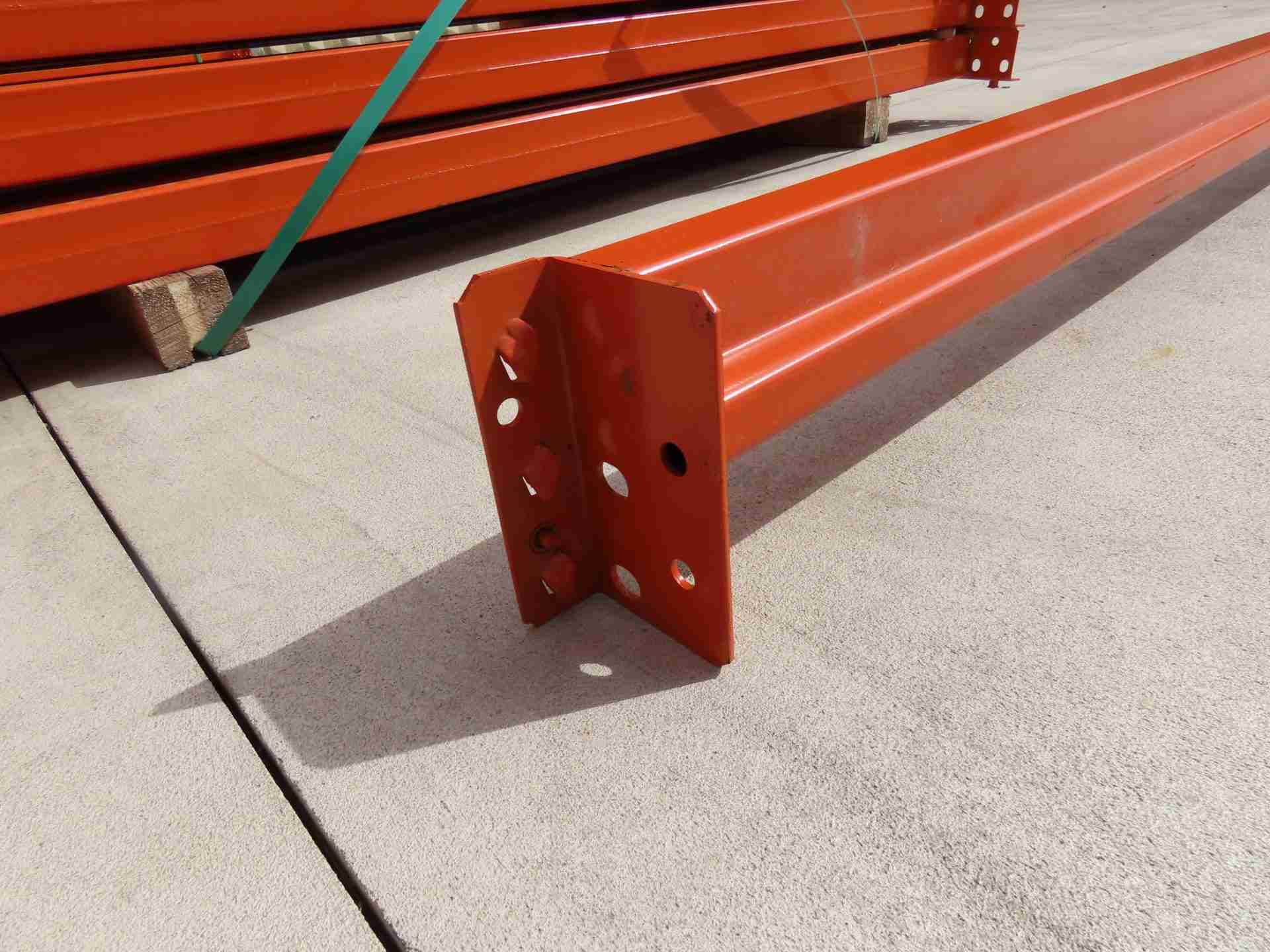
Where Can I Find Reliable Sources For Used Pallet Racking?
What Are The Key Factors To Consider When Buying Used Pallet Racking?
When it comes to investing in used pallet racking, prudence is your best ally. In today’s economically challenging climate, with global supply chain disruptions and heightened inflation, the smarter choice for many warehouses and distribution centers is to explore the pre-owned market. However, navigating the complexities of used pallet racking can be treacherous; here are the key factors you must consider to ensure you make a sound investment.
1. Condition and Quality:
Not all used pallet racks are created equal. Before sealing the deal, conduct a thorough inspection. Look for signs of rust, wear, or damage that can compromise the safety and functionality of the racking system. For instance, if you’re considering racks sourced from a high-turnover retail environment, they might show signs of heavy use. On the other hand, racks that have been decommissioned from a low-traffic warehouse might serve you much longer. Some sellers, like ULINE and Global Industrial, provide guarantees or certifications of quality, which could instill confidence in your purchase.
2. Compliance and Safety Standards:
With safety regulations tightening, especially in the wake of tragedy from warehouse accidents, compliance is non-negotiable. Consider whether the racks meet the latest safety standards set by organizations such as OSHA. Request any available inspection reports or certifications. An example in our current landscape is the recent uptick in inspections in warehouses reported by OSHA, aiming to enforce compliance for safe working environments. Purchasing compliant racks not only keeps your employees safe but could also protect you from costly fines.
3. Configuration and Compatibility:
Before investing your hard-earned dollars, ensure that the used pallet racking meets your specific operational needs. Dimensions and configurations should align with your space plans and inventory types. If your warehouse frequently handles oversized products, racks with wider beams or heavier load-bearing capacities should be a priority. Conversely, if space is constrained, consider more vertical solutions. A recent trend shows businesses opting for selective racking systems that maximize storage without sacrificing accessibility.
4. Seller Reputation:
In the world of used equipment, reputation matters. Research the seller’s background and reviews. A reputable dealer will provide transparent information about the history of the racks and their condition. Engage with previous customers to gather insights about their experiences. Consider vendors who specialize in warehouse solutions, like A Plus Warehouse, known for their extensive quality checks and customer-oriented service.
By keeping these factors front and center during your search, you can build a robust and safe storage solution that will streamline your operations and enhance your bottom line—all while safeguarding your investment in these uncertain economic times. Remember, a wise investment today means fewer headaches tomorrow!

What Are The Key Factors To Consider When Buying Used Pallet Racking?
What Are The Key Factors To Consider When Buying Used Pallet Racking?
- Prudent Investment: In a challenging economic climate, exploring the pre-owned market for pallet racking can be a smart choice for warehouses and distribution centers.
- Condition and Quality: Conduct thorough inspections for rust, wear, or damage; consider racks’ history from high-turnover versus low-traffic environments.
- Compliance and Safety Standards: Ensure racks meet the latest OSHA safety standards and request inspection reports, as compliance is crucial for employee safety and avoiding fines.
- Configuration and Compatibility: Verify that the used racks align with your operational needs, including dimensions and load capacities, to maximize efficiency.
- Seller Reputation: Research sellers’ backgrounds and reviews; reputable dealers provide transparency on rack history and condition.
- Trends in Racking Solutions: Opt for selective racking systems that enhance storage capacity while maintaining accessibility, especially for oversized products.
- Long-term Benefits: By considering these factors, you can ensure a safe, efficient storage solution that protects your investment and minimizes future issues.

What Are The Key Factors To Consider When Buying Used Pallet Racking?
How Do I Assess The Condition Of Used Pallet Racking Before Purchase?
In the dynamic world of warehousing and logistics, the backbone of your operations often hinges on the efficiency of your racking systems. So, before you rush into snagging a bargain on used pallet racking, take a moment to assess its condition. In the realm of business, every decision counts, and quality can make or break your bottom line.
First things first: inspect for structural integrity. Look for signs of wear and tear, such as bent beams or distorted uprights. A simple visual check can reveal whether the racking has been subjected to undue stress, perhaps from a forklift collision—a common mishap in busy warehouses. For example, if you spot a racking system with a noticeable dent or crack, think twice. Investing in damaged racking could lead to potential safety hazards or the added cost of replacements down the line.
Next, check for rust and corrosion. The presence of rust signifies that the racking has been exposed to moisture—an immediate red flag. Rust can compromise not just the aesthetic appeal but also the structural integrity over time. If the racking is intended for climate-controlled environments, it’s imperative to ensure that it’s maintained properly to avoid issues like rust leading to hazardous working conditions.
Furthermore, evaluate the load capacity. Each racking system is engineered for specific weight limits, and any deviation from these can result in catastrophic failure. Cross-reference load capacities with your intended use. For instance, if you plan to store heavier items like electronic equipment or machinery, ensure that the racking can withstand the added weight. Ask for documentation on load ratings when possible, and don’t hesitate to hold sellers accountable.
It’s also wise to consider the age of the racking. An older system may have outdated designs or compromised safety features. In light of recent supply chain disruptions—like those seen during the pandemic—investing in more modern, compliant systems can translate into not just safety but also operational efficiency.
Lastly, purchase from reputable suppliers who offer warranties or guarantees on their used racking systems. A solid backer isn’t just a safeguard against potential loss; it’s also an assurance that what you’re buying meets industry standards. Remember, an investment in high-quality pallet racking today is an investment in the safety and success of your operations tomorrow.
By conducting a thorough assessment, you can save yourself from future headaches and ensure your warehouse runs smoothly, efficiently, and safely.

How Do I Assess The Condition Of Used Pallet Racking Before Purchase?
How Do I Assess The Condition Of Used Pallet Racking Before Purchase?
- Efficiency of racking systems is crucial in warehousing and logistics.
- Inspect used pallet racking for structural integrity; look for wear and tear such as bent beams.
- Check for rust and corrosion, as these can indicate exposure to moisture and compromise safety.
- Evaluate load capacity to ensure racking can handle the weight of intended storage items.
- Consider the age of the racking system; older models may lack modern safety features.
- Purchase from reputable suppliers who offer warranties on their used racking systems.
- A thorough assessment of racking can prevent future safety hazards and operational inefficiencies.

How Do I Assess The Condition Of Used Pallet Racking Before Purchase?
What Types Of Used Pallet Racking Are Available In The Market?
When it comes to maximizing storage space and improving the efficiency of your warehouse operations, the types of used pallet racking available are as diverse as your business needs. Let’s explore the most popular options that are currently shaping the market.
1. Selective Pallet Racking: The King of Versatility
Selective pallet racking is the most common type of racking system and for good reason! Its adjustable shelves allow for easy access to pallets, making it ideal for warehouses that handle a variety of products. Whether you’re dealing in fast-moving consumer goods or spare parts, you can easily customize the setup to meet your demands. As an example, distributors like Amazon have leveraged selective racking in their fulfillment centers to streamline their operations and cut down on retrieval time, responding quickly to current market demands.
2. Drive-In and Drive-Through Racking: Efficiency on Wheels
For those with high-density storage needs, drive-in and drive-through racking systems offer a unique solution. These types of racking allow forklifts to enter the racking system directly, which can save time and space—two vital resources in any logistics operation. Recently, companies that have adjusted to meet the challenges of a post-pandemic market have found that these racking solutions optimize density without compromising access, which is critical in situations where product turnover is quick and space is at a premium.
3. Push Back Racking: The Flow of Goods
If you need a system that combines the best of both selective and high-density racking, push back racking could be your answer. This structure allows pallets to be loaded onto nested carts, which then slide backwards, creating a flow-through system. This maximizes storage while maintaining easy access to your products. Ideal for food distribution centers and manufacturers dealing with bulk inventory, push back racking has become increasingly sought after as businesses strive to improve their operational agility.
4. Pallet Flow Racking: The Automated Advantage
In an age where automation is driving efficiency, pallet flow racking—a first-in, first-out system—offers a competitive edge. Products are loaded onto the system from one side and retrieved from the other, providing an efficient turnover ideal for perishables and fast-moving goods. As companies pivot to integrate AI and automation into their logistics operations, this racking type stands out as a cornerstone of modern inventory management.
In today’s dynamic market, investing in used pallet racking not only helps you save on costs but also positions your warehousing operations for success. Whether it’s maximizing capacity, enhancing accessibility, or improving operational efficiency, exploring these various types of used pallet racking can unlock new levels of performance for your business. Act now, and position your operations on the cutting edge of logistics.

What Types Of Used Pallet Racking Are Available In The Market?
What Types Of Used Pallet Racking Are Available In The Market?
- Selective Pallet Racking: Most common type; adjustable shelves ensure easy access to various products.
- Drive-In and Drive-Through Racking: Ideal for high-density storage; allows forklifts to enter directly, optimizing time and space.
- Push Back Racking: Combines selective and high-density features; uses nested carts for flow-through storage, maximizing space.
- Pallet Flow Racking: First-in, first-out system; suited for perishables and fast-moving goods, benefiting from automation.
- Investing in used pallet racking can reduce costs and enhance warehousing efficiency.
- Different racking types cater to diverse business needs and operational agility.
- Explore options to unlock improved performance and stay competitive in the logistics landscape.

What Types Of Used Pallet Racking Are Available In The Market?
Can I Negotiate The Price When Buying Used Pallet Racking?
Absolutely, you can—and should—negotiate the price when buying used pallet racking. In today’s fluctuating economy, where supply chain issues and inflation have many businesses tightening their budgets, the value of negotiation has never been more crucial. Don’t view the price tag as a final offer; instead, see it as a starting point for discussion.
First and foremost, research is your best ally. Before engaging in negotiations, assess the market value of similar used pallet racking systems. Browse online marketplaces, auction sites, and classifieds to understand what others are asking for comparable equipment. For instance, if you find that an identical system sells for $2,500 elsewhere, you’ll have solid ammunition when you present a counteroffer.
Another crucial aspect of negotiation is timing. Reach out to sellers during off-peak times. If a seller has a surplus of inventory or is particularly eager to clear out their warehouse before the year-end—not uncommon in a market impacted by retail slowdowns—this knowledge empowers you to negotiate with confidence. Verbalizing that you can pay cash or expedite a quick pickup may further sweeten the deal and persuade them to lower their price.
Don’t shy away from placing the psychological benefit of your offer before the seller. “I understand your system’s asking price is $3,000, but I’m ready to take it off your hands today for $2,200. Let’s make this easy.” By framing your offer in a way that highlights the advantages for the seller, you create urgency. If the seller feels they’re gaining value, you will be more likely to reach a favorable agreement.
Moreover, condition is everything. Used pallet racking can often exhibit variations in wear and tear. Items with dents or chips may present an opportunity to negotiate. If a section has seen better days, leverage this into your price discussions. The ability to point out imperfections not only justifies your counteroffer but also instills a sense of urgency for the seller to consider the risk of holding on to non-pristine inventory.
In today’s competitive market, leveraging negotiation skills when buying used pallet racking is not just advantageous—it’s essential. Equip yourself with research, timing, and confidence, and you’ll be well on your way to securing a deal that enhances your business while saving you money. Remember, every dollar saved is a dollar earned for your bottom line.

Can I Negotiate The Price When Buying Used Pallet Racking?
Can I Negotiate The Price When Buying Used Pallet Racking?
- Negotiating the price when buying used pallet racking is essential in today’s economy.
- Research the market value of similar used pallet racking systems to strengthen your negotiation position.
- Engage sellers during off-peak times for better chances of a favorable deal.
- Present your offer in a way that highlights benefits for the seller to create urgency.
- Examine the condition of the racking and use any imperfections to negotiate a lower price.
- Effective negotiation can enhance your business and save money.
- Remember, every dollar saved contributes positively to your bottom line.

Can I Negotiate The Price When Buying Used Pallet Racking?
Are There Warranties Available For Used Pallet Racking Purchases?
Navigating the world of used pallet racking can feel like a minefield. With countless options available and prices that seem too good to be true, one question often looms large: What if something goes wrong? Enter the often-overlooked topic of warranties on used pallet racking purchases.
Many businesses shy away from buying used equipment due to concerns about longevity and safety, but this apprehension can be eased with the right warranty in place. In today’s competitive marketplace, offering a warranty can differentiate a reputable supplier from the rest. Reliable companies recognize the importance of standing behind their products, assuring customers that their investment is safeguarded.
Consider, for instance, a logistics company that recently expanded its operation, and sought to upgrade its warehouse. They discovered an excellent deal on a batch of used pallet racking but hesitated because of concerns about durability. That’s when they stumbled upon a supplier that offered a 90-day warranty. This short-term assurance gave them the confidence to proceed, knowing they would be protected against defects or unexpected failures.
Warranties typically come in various forms. Some companies offer basic provisions, covering fundamental defects, while others may provide more comprehensive packages that include parts replacement or repairs. For example, a diligent supplier might offer a one-year warranty on their used pallet racking, specifically covering structural integrity—a key concern in any storage system.
Furthermore, the pandemic and supply chain disruptions have solidified the need for reliable and safe equipment. Many organizations are now more focused on ensuring their equipment is vetted and secured. As they demand reassurance, those sellers who offer warranties are gaining trust and market share.
However, it’s crucial to perform due diligence. Always ask potential suppliers what their warranty covers, any exclusions that apply, and what the process looks like for making a claim. Reading customer reviews can also provide insights into how effectively a company honors its warranties.
Bottom line? While purchasing used pallet racking undeniably presents cost-saving opportunities, don’t underestimate the power of a well-structured warranty. It’s not just a safety net—it’s an emblem of trustworthiness in an uncertain marketplace. So, when scouting that perfect used rack, be sure to ask about warranties. After all, a wise buyer is a confident buyer!

Are There Warranties Available For Used Pallet Racking Purchases?
Are There Warranties Available For Used Pallet Racking Purchases?
- Navigating the used pallet racking market can be challenging due to concerns about reliability and safety.
- Warranties on used equipment help alleviate fears over longevity and ensure customer investment protection.
- A warranty can differentiate reputable suppliers in a competitive marketplace.
- For instance, a logistics company gained confidence in buying used pallet racking after finding a supplier offering a 90-day warranty.
- Warranties vary, with some covering basic defects and others offering comprehensive provisions, such as one-year coverage on structural integrity.
- The demand for reliable equipment has increased during the pandemic, making warranties crucial for building trust among customers.
- Buyers should investigate warranty details and supplier reputation to ensure proper coverage and claim processes.

Are There Warranties Available For Used Pallet Racking Purchases?
What Are The Best Online Platforms To Buy Used Pallet Racking?
In today’s fast-paced e-commerce landscape, businesses are continuously seeking ways to optimize their operations, and the demand for efficient storage solutions is skyrocketing. If you’re in the market for used pallet racking, knowing where to shop can save you time and cash. Let’s explore the best online platforms that cater to your used pallet racking needs, ensuring you get quality while maximizing your investment.
1. eBay
Don’t underestimate the power of eBay. This behemoth of online commerce isn’t just for vintage items and collectibles; it’s also a hotbed for industrial equipment. With thousands of listings for used pallet racking, eBay allows you to compare prices, read reviews, and even bid on items if you’re feeling lucky. Be sure to check the seller’s ratings and return policy to avoid surprises.
2. Craigslist
If you’re after local deals, Craigslist remains an underappreciated goldmine for inexpensive used pallet racking. Within your specific region, you can find sellers looking to offload equipment at substantial discounts. Just be cautious—arranging in-person transactions requires due diligence. Always meet in a public space and inspect the equipment thoroughly.
3. Amazon Business
For those who prefer a more structured platform, Amazon Business serves as the B2B shopping emporium for professionals. Although primarily featuring new products, many sellers list high-quality used pallet racking at competitive prices. Utilize filtering options to focus on used equipment, and enjoy the added benefit of Amazon’s customer service and return policies.
4. eCommerce Directories and Specialized Websites
Platforms like Rack Express and Steel King specialize in warehouse solutions featuring extensive selections of used pallet racking. These websites not only list various rack types but also provide valuable insights into specifications and best practices for setup. Additionally, featured customer reviews can guide your purchase, ensuring you invest in systems that are proven to perform.
5. Social Media Marketplaces
With the rise of Facebook Marketplace and other social media sales features, tapping into localized storage solutions has never been easier. Joining industry-specific groups can keep you updated on available deals, often before they hit traditional listings.
Current Events Influence
As businesses adapt post-pandemic, many are reorganizing their warehouses to meet evolving consumer demands. This accelerated shift in logistics has flooded the market with used pallet racking, creating excellent opportunities for savvy buyers.
Whether you opt for eBay’s vast selection or the personalized touch of local classifieds, the key is to stay informed and proactive. With these platforms at your fingertips, you’ll find not just what you need, but the best value available in the marketplace.

What Are The Best Online Platforms To Buy Used Pallet Racking?
What Are The Best Online Platforms To Buy Used Pallet Racking?
- The e-commerce landscape is rapidly evolving, driving demand for efficient storage solutions.
- eBay offers a wide range of used pallet racking, enabling price comparisons and reviews.
- Craigslist is a valuable local resource for inexpensive used pallet racking, but caution is advised for in-person transactions.
- Amazon Business presents a structured platform for B2B shoppers, featuring competitive prices on used pallet racking.
- Specialized websites like Rack Express and Steel King provide extensive selections and guidance on used pallet racking.
- Social media marketplaces, such as Facebook Marketplace, allow for easy access to localized storage solutions and deals.
- The post-pandemic shift in logistics has increased the availability of used pallet racking, creating opportunities for buyers.

What Are The Best Online Platforms To Buy Used Pallet Racking?
How Do I Ensure The Used Pallet Racking Meets Safety Standards?
When it comes to ensuring safety in your warehouse, one of the most critical components is your pallet racking. After all, improperly installed or damaged racking systems can lead to accidents, lost inventory, and hefty liability claims. If you’re considering used pallet racking, you have to be meticulous—no shortcuts, no exceptions. Here’s a game plan to ensure safety standards are not just met, but exceeded.
1. Know Your Standards:
Before diving into the world of used pallet racking, familiarize yourself with the relevant safety standards set forth by organizations such as the American National Standards Institute (ANSI) and the Occupational Safety and Health Administration (OSHA). These guidelines detail everything from weight limits to installation practices. For example, OSHA recently reinforced the importance of regular safety inspections following a notable warehouse collapse incident that raised questions about compliance. Staying informed about these regulations is your first line of defense.
2. Inspect Thoroughly:
Just because a rack system is used doesn’t mean it’s safe. Every inch of the racking needs a keen eye. Look for signs of rust, wear, or any physical damage. For example, if the frames have visible dents or the beams are bent, it’s a red flag. Implement a checklist for your inspections; consider enlisting a qualified professional to evaluate the system if you’re unsure. Investing in expert opinion could save you thousands in future liabilities.
3. Understand Load Capacities:
Every pallet rack comes with its specifications for load capacity, often indicated on a label affixed to the system. Make sure you’re not exceeding these limits. A simple miscalculation can lead to disaster. Use a software tool specifically designed for load calculations and ensure all employees understand the limits before any products are stored.
4. Consider the Supplier:
Buy from a reputable supplier who understands your needs and complies with safety regulations. A credible source should be able to provide certification or proof that their systems meet safety standards. For instance, some suppliers are engaged in initiatives to ensure sustainability in warehouse operations by offering racking certified for safety and environmental impact—enhancing your bottom line while prioritizing safety.
5. Train Your Team:
Lastly, equip your staff with the knowledge and safety training necessary to use the equipment properly. Regular training sessions on warehouse safety standards can foster a culture of safety. Recent industry studies show that companies that prioritize safety training not only protect their workers but also enhance productivity and morale—proving that a safe workplace is indeed a profitable one.
By following these guidelines, you can ensure that your used pallet racking not only meets safety standards but sets a benchmark for operational excellence. Remember, safety is not just compliance; it’s a commitment to quality, care, and the well-being of everyone in your warehouse.

How Do I Ensure The Used Pallet Racking Meets Safety Standards?
How Do I Ensure The Used Pallet Racking Meets Safety Standards?
- Know Your Standards: Familiarize yourself with safety standards from organizations like ANSI and OSHA to ensure compliance.
- Inspect Thoroughly: Conduct detailed inspections of used racking for signs of rust, wear, or damage.
- Understand Load Capacities: Ensure load limits are not exceeded; utilize software tools for accurate calculations.
- Consider the Supplier: Choose reputable suppliers who provide certified racking systems that comply with safety regulations.
- Train Your Team: Regularly train staff on safety standards to foster a culture of safety in the workplace.
- Long-term Benefits: Prioritizing safety training can enhance productivity and morale, proving that safety is profitable.
- Commitment to Safety: Adhering to these guidelines ensures your pallet racking exceeds safety standards and promotes operational excellence.

How Do I Ensure The Used Pallet Racking Meets Safety Standards?
What Size Pallet Racking Do I Need For My Space?
When it comes to maximizing your warehouse efficiency, selecting the right size pallet racking is more than just a good decision—it’s a critical business strategy. In today’s competitive landscape, especially with the surge in e-commerce and logistics demands sparked by the global pandemic, businesses are realizing that optimizing storage space isn’t just beneficial; it’s essential.
First, assess your available space. Measure not only the floor area but also the height of your warehouse. Remember, vertical space is your ally! For instance, if you have a 10-foot high ceiling, you might choose racks that allow you to utilize close to 90% of that height. A common configuration is the use of selective racking systems, which typically stand around 8-12 feet tall, but can even go higher depending on your needs. Imagine being able to store more products without expanding your footprint—this could translate into thousands of dollars saved on rent!
Next, consider your inventory. What sizes and weights are you dealing with? For example, if your business specializes in heavy automotive parts, you’ll want robust pallet racking systems designed to handle those weights without compromising safety. On the other hand, if you’re storing light boxes filled with cosmetics, a lighter-duty racking solution will do the job perfectly and possibly save on costs.
Your pick rate plays an equally important role in size selection. High-density racking options like drive-in or push-back racking can serve warehouses that manage high SKU counts and quick turnover rates. Efficiently selecting the right size can lead to decreased picking times and improved overall productivity—an effect that has been crucial for many businesses during recent supply chain disruptions.
Additionally, consider current industry trends and events. The uptick in need for cold storage and specific inventory types due to recent health crises has necessitated specialized racking solutions. If you anticipate needing to adapt to fluctuating market demands, invest in modular racking systems that can grow with your business, allowing you to add or remove sections as needed without a complete overhaul.
In summary, the right size of pallet racking doesn’t just clear up floor space; it enhances operational efficiency, increases safety, and positions your business for growth. Don’t leave this vital decision to chance. Engage with a storage solutions expert to create a layout tailored specifically to your inventory and space parameters. A small investment now could yield substantial returns in the future, making your warehouse truly work for you.

What Size Pallet Racking Do I Need For My Space?
What Size Pallet Racking Do I Need For My Space?
- Selecting the right size pallet racking is a critical business strategy for maximizing warehouse efficiency.
- Assess both the floor area and vertical space of your warehouse for optimal storage utilization.
- Inventory type and weight should guide the choice of robust or lighter-duty racking systems.
- Your pick rate influences size selection; high-density racking can enhance productivity for quick turnover rates.
- Keep current industry trends in mind, including the rising need for cold storage and specialized inventory types.
- Consider modular racking systems for flexibility in adapting to market changes without a complete overhaul.
- Engage with a storage solutions expert to tailor a layout that enhances operational efficiency and safety.

What Size Pallet Racking Do I Need For My Space?
How Can I Transport Used Pallet Racking After Purchase?
When you’ve decided to invest in used pallet racking for your warehouse, you’re not just making a smart financial choice; you’re positioning your business for greater efficiency and responsiveness in a competitive landscape. However, the challenge of transporting this bulky equipment may loom large. Fear not! With strategic planning and the right methods, you can ensure a smooth transition from purchase to installation.
Planning is Paramount
Before you even finalize your deal, map out a transportation strategy. Timing is everything, especially given the current supply chain fluctuations we’re all facing in 2023. Elevate your planning process by checking the weather, identifying peak traffic times, and coordinating your transport team accordingly. Utilize tools like Google Maps to gauge traffic conditions, and perhaps consider “non-peak” hours for moving your racking system, thus minimizing delays and complications.
Choosing the Right Vehicle
The size and type of vehicle needed significantly depends on the volume and weight of your pallet racking. While a flatbed truck is often ideal for easy loading and unloading, don’t overlook the possibility of renting specialized equipment like a box truck with a lift gate if your racking is especially extensive. For example, if you’re transporting heavier steel racks, a vehicle with a reinforced frame is essential to ensure safety and stability during transit.
Enlisting Professionals
Feeling overwhelmed? Engaging professional movers experienced in transporting industrial equipment can make a world of difference. Their trained eye and expertise ensure that your used pallet racking is securely loaded and positioned to avoid damage. With the looming talk of potential economic downturns, investing in professionals now can save you costs in damage control later.
Securing Your Investment
Once your racking is loaded, ensure everything is well-secured with appropriate straps and padding. Your racking system is an investment that should be treated with care; utilizing quality packing materials can prevent any scratches or dents during transit. Remember the seismic regulations that are in the spotlight due to recent discussions on warehouse safety—ensure that the way you secure these units adheres to industry standards and safety measures.
Final Destination: Setup and Installation
Once you arrive at your final destination, it is not merely about offloading; it’s about strategy. Plan your installation according to your warehouse layout. Ensure proper access for forklifts and consider future growth. The right placement optimizes space and enhances workflow efficiency, keeping your operation agile in today’s fast-moving environment.
By addressing these key factors, you’ll not only transport your used pallet racking effectively but also set the stage for a robust operational foundation for years to come. Remember, every step taken today is a strategic investment in your business’s future.
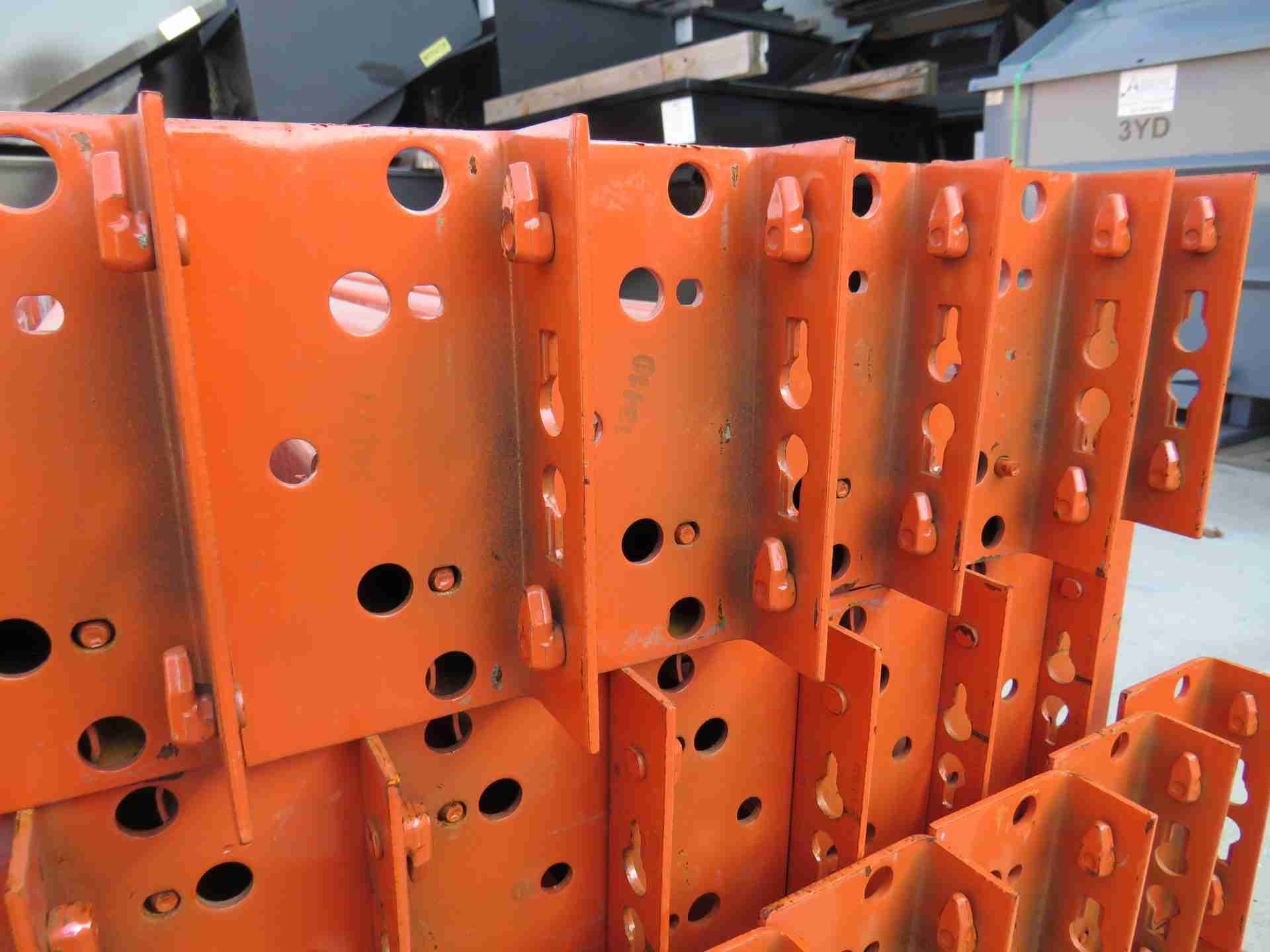
How Can I Transport Used Pallet Racking After Purchase?
How Can I Transport Used Pallet Racking After Purchase?
- Investing in used pallet racking enhances efficiency and competitiveness.
- Plan your transportation strategy before finalizing your purchase, considering weather and traffic conditions.
- Select the appropriate vehicle based on the size and weight of your pallet racking, such as a flatbed truck or a box truck with a lift gate.
- Consider hiring professional movers to ensure secure loading and transport, minimizing potential damage.
- Secure your racking with proper straps and padding, adhering to safety regulations to protect your investment.
- Strategically plan the installation layout to optimize space and workflow in your warehouse.
- Addressing these factors lays a strong operational foundation for the future of your business.

How Can I Transport Used Pallet Racking After Purchase?
What Are The Hidden Costs Associated With Buying Used Pallet Racking?
When it comes to purchasing used pallet racking, many businesses are drawn in by the enticing upfront price tag. However, lurking beneath that appealing surface are hidden costs that can quickly turn your bargain into an expensive misstep. Understanding these potential liabilities is crucial for any company looking to optimize its storage solutions.
1. Structural Integrity and Safety Compliance:
One of the most significant risks with used pallet racking is the potential compromise of its structural integrity. Over time, racking can suffer from stress fractures, corrosion, or damage from past overloading. If you purchase a system that doesn’t meet current safety standards, you may end up facing fines or even lawsuits. In recent events, we’ve seen stories in the news of warehouses being forced to shut down due to safety violations linked to outdated or damaged racking systems. An initial low price can morph into a financial nightmare when you consider potential legal liabilities.
2. Hidden Repairs and Reinforcements:
Even if your used pallet racking appears sturdy, it may require extensive repairs and reinforcements that add to your total investment. Components like beams, frames, and connectors can wear out and need replacement. Suppose you find yourself in a situation where safety inspections reveal deficiencies after purchasing. You could be looking at hefty repair costs and unplanned downtime in operations that would have been avoidable had you considered these potential expenses upfront.
3. Incompatibility with Current Systems:
When integrating used systems, compatibility with your existing warehouse layout and inventory management processes becomes another financial consideration. The used racking might not align with your current shelves, forklifts, or warehouse flow. If modifications are required to make everything fit, those renovation costs will rack up. A current case study highlighted a distribution center that faced operational delays because used racking systems didn’t integrate with their automated picking system, leading to lost revenue and increased labor costs.
4. Resale and Depreciation:
Lastly, consider the long-term implications of used pallet racking on your asset base. While the initial cost may be low, used racking depreciates faster than new systems, affecting your business’s overall valuation. If you ever decide to sell or upgrade, the low resale value of used racks could leave you at a financial disadvantage compared to investing in high-quality new equipment.
In summary, while buying used pallet racking might seem like an opportunity to save funds, the hidden costs can transform that initial investment into a financial burden. A strategic, holistic assessment of total costs—beyond just the purchase price—ensures that your storage solution is genuinely a savvy investment.

What Are The Hidden Costs Associated With Buying Used Pallet Racking?
What Are The Hidden Costs Associated With Buying Used Pallet Racking?
- Structural Integrity and Safety Compliance: Used pallet racking may have compromised structural integrity due to stress fractures or damage, potentially leading to legal liabilities if safety standards are not met.
- Hidden Repairs and Reinforcements: Even seemingly sturdy used racking may require extensive repairs, leading to unexpected costs and operational downtime.
- Incompatibility with Current Systems: Used racking might not fit with existing warehouse layouts or equipment, incurring additional renovation costs.
- Resale and Depreciation: Used racking depreciates faster than new systems, impacting overall asset valuation and resale potential.
- Financial Risks: The initial low price can mask potential financial burdens from repairs, compatibility issues, and safety compliance costs.
- Potential Legal Consequences: Purchasing non-compliant racking systems could result in fines or lawsuits, as seen in recent warehouse shutdown cases.
- Strategic Assessment Needed: A thorough evaluation of all costs is essential to determine if used racking is a viable and beneficial investment.

What Are The Hidden Costs Associated With Buying Used Pallet Racking?
How Do I Choose The Right Seller For Used Pallet Racking?
When it comes to sourcing used pallet racking, making the right choice in seller can mean the difference between a profitable investment and a costly misstep. In a market that is ever-evolving—especially as logistics and warehousing experiences a renaissance in today’s e-commerce boom—selecting the best partner is not just savvy; it’s critical.
First and foremost, gauge the seller’s reputation. In today’s digital age, a seller’s credibility can be distilled into a quick online search. Look for reviews, ratings, and testimonials on platforms like Google and Yelp, but go a step further. Check industry-specific forums and social media groups where warehouse managers congregate to share their experiences. For example, during the recent supply chain disruptions attributed to global events, sellers who adapted quickly and communicated transparently stood out, earning loyalty and referrals from customers who appreciated their responsiveness.
Next, examine the variety and condition of the inventory available. A reputable seller should offer a wide range of brands and configurations in their used pallet racking offerings. Whether you need selective racking, drive-in racking, or push-back systems, your seller should have options that suit your particular operational requirements. Importantly, request certification of safety standards and inspect for damage or wear. In the aftermath of heightened safety scrutiny in warehouses worldwide, knowing that your racking system meets or exceeds safety regulations is a non-negotiable.
Another key feature of a reliable seller is their customer service approach. Evaluate how they respond to inquiries: Are they knowledgeable and eager to assist, or do they seem rushed and indifferent? A good seller will not only help you choose the right pallet racking system but will also provide support post-purchase. For instance, if you’re purchasing in bulk, they might help you plan the layout to maximize efficiency—a crucial added value in high-stakes environments like distribution centers.
Let’s not overlook price, either. While it’s tempting to choose the lowest bid, this could lead to a hidden minefield of issues. Remember the old adage: cheap is often expensive. Evaluate the total cost of ownership, which includes installation, potential repairs, and any downtime caused by insufficient quality. Look for sellers who are upfront about their pricing, often accompanied by detailed quotes that outline each element of the purchase.
Align yourself with a used pallet racking seller who embodies reliability, transparency, and expertise. The right choice will not just optimize your space but will also be an investment in the long-term success of your operation amidst the ever-competitive landscape of warehousing. Don’t just buy racks—invest in a partnership that elevates your business.

How Do I Choose The Right Seller For Used Pallet Racking?
How Do I Choose The Right Seller For Used Pallet Racking?
- Sourcing used pallet racking requires careful selection of a reputable seller for a profitable investment.
- Gauge the seller’s reputation through online reviews, ratings, and industry-specific forums.
- Examine the variety and condition of inventory; ensure compliance with safety standards and inspect for damage.
- Assess the customer service approach of the seller, focusing on their knowledge and willingness to assist.
- Consider total cost of ownership rather than just price, factoring in installation and potential repairs.
- Select a seller who demonstrates reliability, transparency, and expertise in the pallet racking market.
- Investing in quality racking systems should be seen as a long-term partnership for operational success.

How Do I Choose The Right Seller For Used Pallet Racking?
Are There Any Reputable Auctions For Used Pallet Racking?
In today’s dynamic marketplace, the demand for efficient warehousing solutions is higher than ever. Whether you’re a business owner looking to upgrade your storage systems or a savvy investor seeking lucrative opportunities, purchasing used pallet racking at auction can be a thrilling avenue to explore. But not just any auction will do; it’s crucial to find reputable venues that maintain transparency and offer quality products.
When considering auctions for used pallet racking, look for established platforms that specialize in industrial equipment. For example, a website like Equipment Trader is a powerhouse in connecting buyers with high-quality used materials. Here, you can find everything from selective racking systems to drive-in pallet racking, ensuring a comprehensive selection tailored to your needs. Their user-friendly interface and thorough listings, with detailed specifications and photos, help you make informed decisions without leaving a load of uncertainty on the table.
Another trusted name to consider is BidSpotter, which frequently features auctions specifically for warehouse equipment. These auctions often attract serious buyers and sellers, enabling you to potentially snag significant savings on hardly-used racking systems from companies looking to streamline their operations. A noteworthy recent auction featured racking from a major electronics retailer, drawing competitive bids and highlighting just how lucrative this market can be.
If you’re interested in more localized opportunities, don’t overlook regional auction houses. For instance, companies like LSO Auctions specialize in liquidation sales for industrial equipment, including pallets, forklifts, and, of course, pallet racking. Their auctions often take place at the site of a facility closure, providing you with firsthand opportunities to inspect the equipment—a massive advantage when you’re investing in used goods.
As the warehouse and logistics sectors adapt and pivot, especially in light of recent supply chain disruptions, there’s no better time to capitalize on the shifting landscape. Keep your eye on current trends—the rise in e-commerce has spurred many companies to reassess their storage solutions. Taking part in auctions for used pallet racking not only allows for cost savings but also places you at the forefront of a market poised for growth.
Yes, there are reputable auctions for used pallet racking that can help you meet your storage needs affordably and efficiently. With platforms like Equipment Trader and BidSpotter leading the charge, and local auction houses providing targeted opportunities, you can confidently navigate this marketplace to find quality used racking suited to your operation. Invest wisely, and watch your returns multiply as you optimize your warehousing space.

Are There Any Reputable Auctions For Used Pallet Racking?
Are There Any Reputable Auctions For Used Pallet Racking?
- High demand for efficient warehousing solutions in today’s market.
- Buying used pallet racking at auction is a potential opportunity for business owners and investors.
- It’s important to find reputable auction venues that offer quality products and maintain transparency.
- Platforms like Equipment Trader connect buyers with high-quality used storage solutions.
- BidSpotter features auctions specifically for warehouse equipment, offering chances for significant savings.
- Regional auction houses like LSO Auctions provide localized opportunities and allow for firsthand inspection of equipment.
- Participating in auctions can lead to cost savings and position buyers at the forefront of a growing market.

Are There Any Reputable Auctions For Used Pallet Racking?
What Should I Know About Local Regulations For Pallet Racking?
When it comes to maximizing warehouse efficiency, pallet racking is an essential component. But before you go full throttle with your racking system, understanding local regulations is crucial—not just for compliance reasons but for your peace of mind and business longevity.
First and foremost, familiarize yourself with building codes specific to your municipality. Different regions have varying guidelines concerning fire safety, which is particularly important when dealing with pallets and stored inventory. For instance, many jurisdictions require a specific spacing between racks to ensure uninterrupted access for fire-fighting equipment during an emergency. If your warehouse is in a region prone to wildfires, such as parts of California and Oregon, the local fire marshal may even impose stricter regulations that could affect your installation.
Moreover, the Occupational Safety and Health Administration (OSHA) sets federal guidelines that govern workplace safety, including how to utilize pallet racking systems correctly. Failure to comply not only exposes your workers to potential hazards but could result in hefty fines. For example, a warehouse in New Jersey recently faced a fine exceeding $100,000 due to improper racking safety protocols that resulted in accidents. Avoid becoming a statistic—ensure your warehouse is compliant with OSHA’s requirements, such as proper load limits and racking inspections.
Keep an eye on current events to stay aware of any code changes that might affect your operations. During the COVID-19 pandemic, many local governments reevaluated their health and safety regulations, leading to more stringent guidelines for storage and handling practices. For instance, with increased pressure to maintain social distancing, some cities have mandated additional space between racking systems to facilitate safer pathways for workers. As you think about how your warehouse setup can adapt, consider how adherence to these evolving regulations might also enhance operational efficiency.
Lastly, when in doubt, consult local authorities or specialists in warehouse engineering to clarify any ambiguous points in the regulations you encounter. They’re more than just gatekeepers; they can offer insights that genuinely improve your racking setup while keeping you compliant.
In summary, navigating the landscape of local regulations for pallet racking may seem daunting, but by staying informed and proactive, you can ensure not just compliance, but a seamless and efficient operation capable of supporting your business’s growth. Don’t let regulations hamper your potential; let them propel your success!

What Should I Know About Local Regulations For Pallet Racking?
What Should I Know About Local Regulations For Pallet Racking?
- Pallet racking is essential for maximizing warehouse efficiency but requires understanding local regulations.
- Familiarize yourself with municipal building codes and fire safety guidelines, which may vary by region.
- OSHA sets federal guidelines for safe use of pallet racking systems; non-compliance can lead to hazards and fines.
- Stay updated on changes in regulations, especially those arising from events like the COVID-19 pandemic.
- Adhering to new guidelines may also enhance workplace safety and operational efficiency.
- Seek advice from local authorities or warehouse engineering specialists if regulations are unclear.
- Proactive compliance ensures a seamless operation and supports business growth.

What Should I Know About Local Regulations For Pallet Racking?
How Can I Find Used Pallet Racking Suppliers Near Me?
In today’s fast-paced logistics and warehousing industries, businesses are always on the lookout for ways to optimize their operations and cut costs. One area where savings can be found is in the purchase of used pallet racking. But how do you find reliable suppliers right in your backyard? Let’s uncover some straightforward methods to connect with local used pallet racking suppliers that can put your business on the fast track to efficiency.
First, it’s important to understand *your needs*. Are you seeking heavy-duty racking for a warehouse or lighter systems for a retail environment? By defining what you need before you start your search, you can more effectively communicate with suppliers about your specific requirements.
Now, let’s delve into the practical avenues you can explore:
1. Local Online Marketplaces and Classifieds: Websites like Craigslist and Facebook Marketplace often feature listings from businesses and individuals selling used pallet racks. Make sure to set your search parameters to filter results by location. Recently, local businesses have been turning to these platforms to offload excess inventory, especially in light of the ongoing shifts in retail and e-commerce trends. For instance, if you’re in an area where a major warehouse has downsized, chances are they’re looking to sell their racking systems at a discount.
2. Networking and Word-of-Mouth: Don’t underestimate the power of personal connections. Attend local trade shows or industry networking events where logistics professionals gather. Engage with others in your sector—perhaps they’ve used a local supplier they can recommend. With industries adapting post-pandemic, relationships formed in environments like this can lead to lucrative opportunities.
3. Search Engines: A simple Google search for “used pallet racking suppliers near me” can yield quick results. Use terms specific to your region to narrow down options. That said, check out supplier websites to review their inventory and see if they have what you need. Pay attention to testimonials or reviews; they give you insight into other customers’ experiences.
4. Local warehouses and manufacturing facilities: These businesses often buy used racking systems, but they may also be willing to sell theirs as they upgrade. Reach out directly, or observe when you visit.
5. Industry Associations: Organizations related to warehousing and logistics frequently have directories of suppliers. Utilize these resources to find legitimate and trusted suppliers within your vicinity.
In a world where the right equipment can mean the difference between profit and loss, knowing where to source used pallet racking is pivotal. So take that first step; your wallet will thank you later!

How Can I Find Used Pallet Racking Suppliers Near Me?
How Can I Find Used Pallet Racking Suppliers Near Me?
- Businesses in logistics and warehousing seek ways to optimize operations and reduce costs.
- Purchasing used pallet racking can lead to significant savings.
- Understanding specific needs, such as heavy-duty or lighter racking, is crucial before searching for suppliers.
- Local online marketplaces like Craigslist and Facebook Marketplace can help find used pallet racking from nearby businesses.
- Networking at local trade shows and industry events can provide recommendations for reliable suppliers.
- A Google search for “used pallet racking suppliers near me” can yield quick results; check reviews on supplier websites.
- Local warehouses and manufacturing facilities may sell used racking as they upgrade; industry associations offer directories of trusted suppliers.
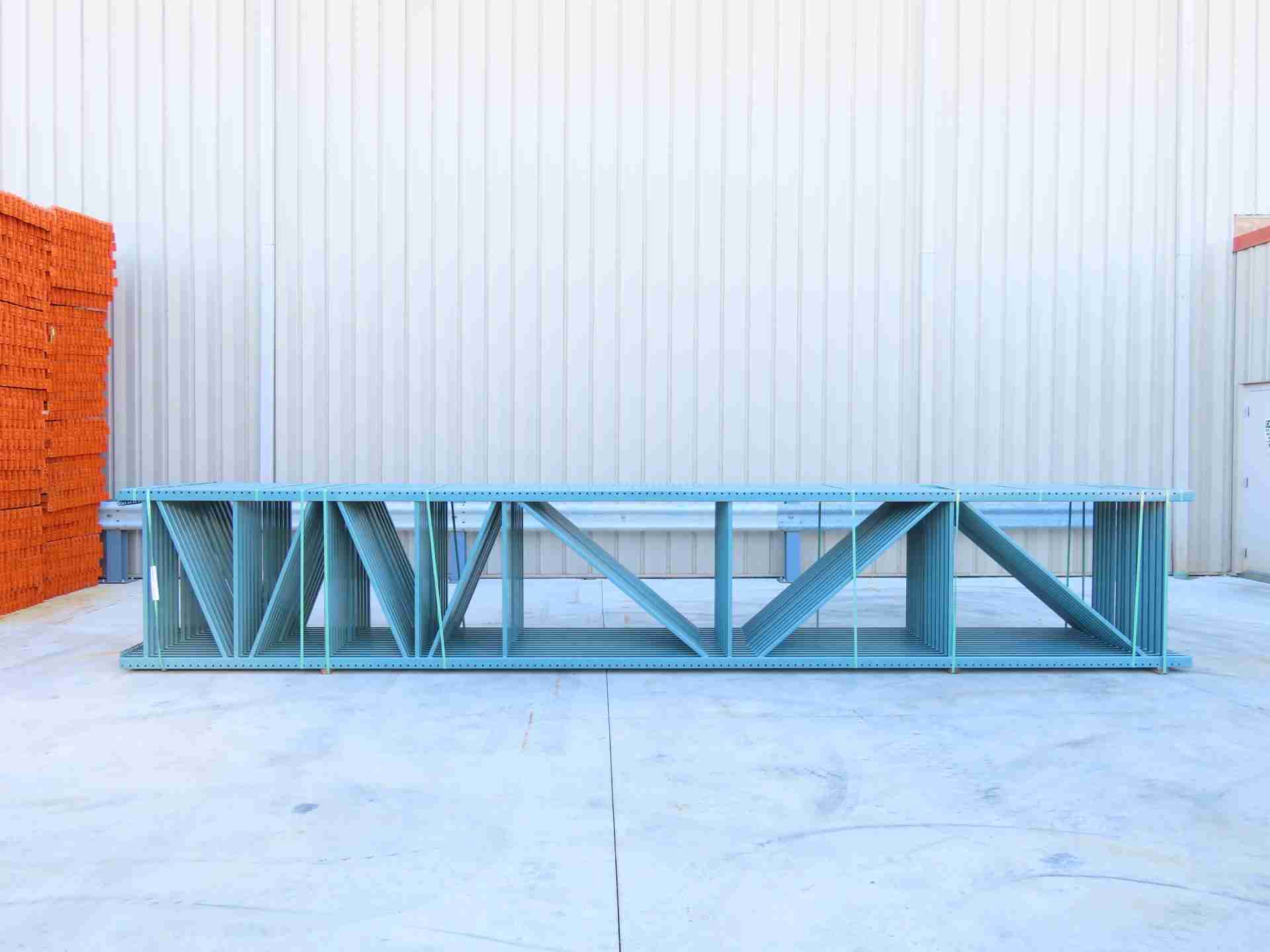
How Can I Find Used Pallet Racking Suppliers Near Me?
Conclusion
In today’s competitive business landscape, leveraging used pallet racking is more than just a cost-saving measure; it represents a strategic move toward enhancing warehouse efficiency and optimizing your operations. As we’ve explored, the demand for smart storage solutions has surged, driven by the evolving challenges of supply chain disruptions and economic fluctuations. This creates a golden opportunity for savvy businesses like yours to invest in quality used racking without draining your budget.
From navigating online marketplaces and specialized equipment dealers to tapping into local networks, finding reliable sources for used pallet racking has never been easier. Each avenue—from platforms like eBay and Craigslist to reputable auction sites—offers unique advantages that can lead to substantial savings and operational benefits. Furthermore, understanding key factors when assessing used racking, such as condition, safety compliance, and compatibility with your inventory, ensures you make informed purchasing decisions.
While the excitement of uncovering potential deals is real, balancing thorough inspections and seller qualifications is crucial. A well-informed buyer is a powerful one—equipped with knowledge about warranties and negotiation tactics, you’ll be ready to protect your investment. The promise of quality doesn’t have to come with uncertainty; warranty options can offer peace of mind that enhances your buying confidence.
Time is of the essence. With trends shifting rapidly within the logistics industry, now is the time to act. Each day lost in sourcing the optimal racking can equate to a missed opportunity for efficiency gains and cost savings. Considering the sheer variety of used pallet racking available—such as selective, drive-in, push-back, and pallet flow racking—you’re bound to find a solution that perfectly fits your operational needs.
Remember, at Arrow Industrial Sales, we are not just a supplier; we are your partner in success. We encourage you to contact us at (574) 349-6575 for personalized guidance, expert insights, and a range of high-quality used pallet racking options tailored to your requirements. The economy is stabilizing, and the time to optimize your warehouse is now. Take the leap, invest wisely, and position your business for growth and productivity. Don’t let this golden opportunity pass you by; reach out today, and let’s elevate your warehouse operations together!

Conclusion
Conclusion:
- Investing in used pallet racking enhances warehouse efficiency and optimizes operations.
- The demand for smart storage solutions has increased due to supply chain disruptions and economic challenges.
- Finding reliable sources for used pallet racking is easier through online marketplaces and local networks.
- Key factors to consider when purchasing used racking include condition, safety compliance, and compatibility.
- Careful inspections and seller qualifications are crucial for a well-informed buying decision.
- Acting quickly is important to capitalize on efficiency gains and cost savings in the logistics industry.
- Contact Arrow Industrial Sales for personalized guidance and a range of high-quality used pallet racking options.

Conclusion
Other Resources
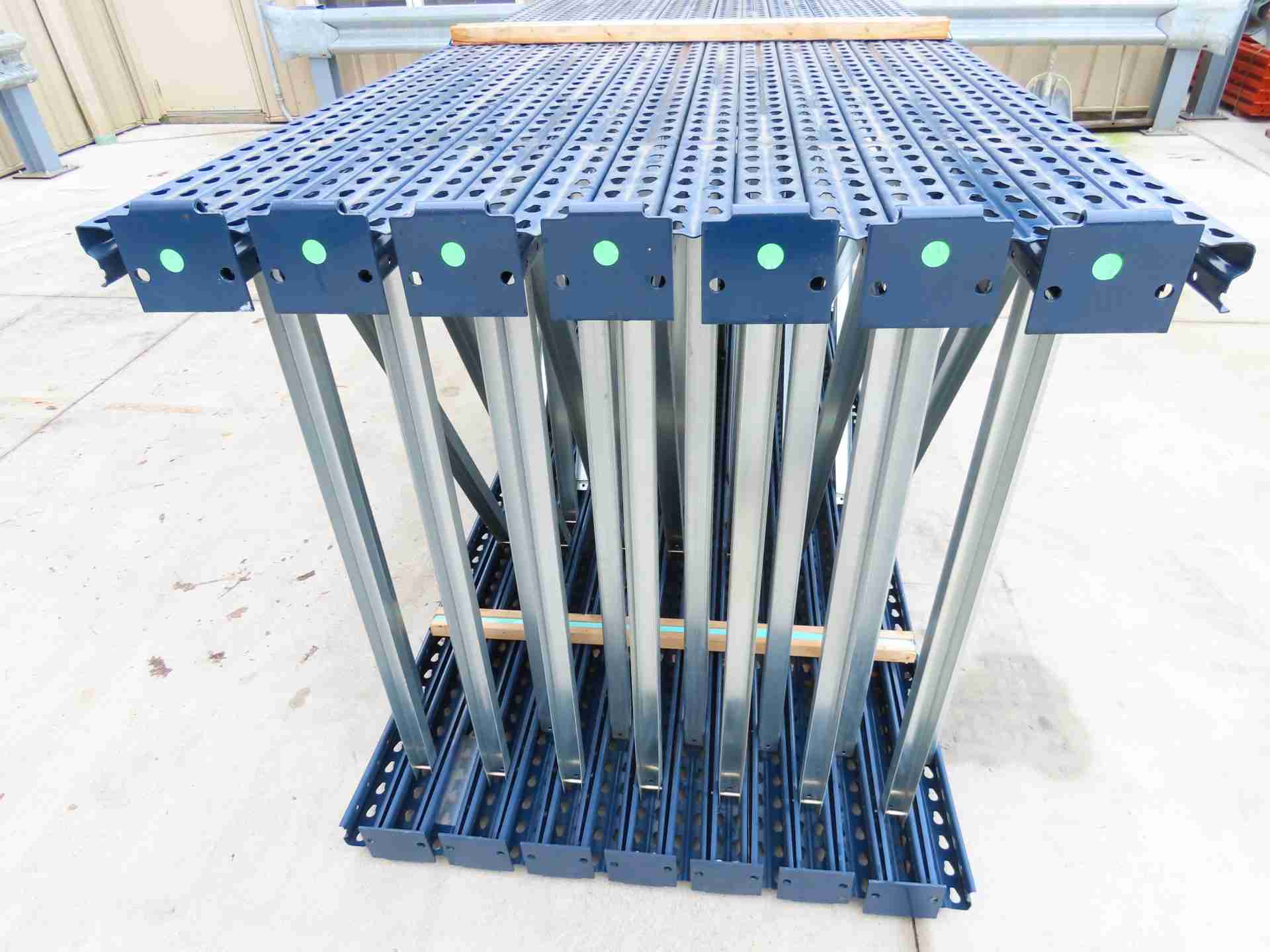
Other Resources
Here is a list of other resources you can review online to learn more:
- Used Pallet Rack | Pallet Racking Systems For Sale | American Surplus
- Used Pallet Racks | Deep Discounts on Quality Used Pallet Racking – UPR
- Used Pallet Rack | Used Drive In Rack | Used Metal Warehouse Shelving | WarehouseRack.com
- Refurbished Pallet Racks | Installed & Delivered

Other Resources
Glossary Terms
Where to Buy Used Pallet Racking – Glossary Of Terms
1. Pallet Racking: A storage system designed for holding pallets, typically used in warehouses and distribution centers.
2. Used Pallet Racking: Pre-owned pallet racking systems that have been previously installed and are available for resale.
3. Warehouse: A large building designed for the storage of goods and materials, often equipped with pallet racking systems.
4. Retailer: A business or individual that sells used pallet racking, either online or in a physical location.
5. Distributor: A company that sells various types of racking systems, including used options, often sourcing from manufacturers or re-sellers.
6. Forklift: A powered industrial truck used to lift and move materials, often necessary for handling pallet racking.
7. Load Capacity: The maximum weight a pallet racking system can safely hold, which is critical to ensure safety and efficiency.
8. Racking Inspection: A thorough examination of racking systems to assess safety, stability, and compliance with regulations.
9. Boltless Racking: A type of pallet racking that doesn’t require bolts for assembly, allowing for easier installation and adjustments.
10. Selective Racking: A pallet racking system that provides easy access to all pallets, allowing for efficient retrieval and storage.
11. Drive-In Racking: A type of racking that allows forklifts to drive directly into the rack structure, maximizing space utilization.
12. Cantilever Racking: Racking systems designed for storing long materials like lumber or pipes, featuring arms that extend horizontally.
13. Teardrop Racking: A popular type of pallet racking system characterized by its distinctive teardrop-shaped holes for easy assembly and adjustment.
14. Adjustable Racking: Pallet racking systems that can be modified in height and width to accommodate different sizes of pallets.
15. Reconditioned Racking: Used racking that has been refurbished or repaired to meet safety standards and approved for resale.
16. Warehouse Clearance: A sales strategy involving the sale of used racking at reduced prices, typically when a warehouse is closing or reorganizing.
17. Online Marketplaces: Websites and platforms where used pallet racking can be bought and sold, such as eBay or Craigslist.
18. Local Dealers: Brick-and-mortar businesses specializing in the sale of new and used storage equipment, including pallet racking.
19. Inspection Certificate: A document attesting to the safety and condition of a used pallet racking system, often required for resale.
20. Cost Analysis: An assessment of total expenses involved in purchasing used pallet racking, including transport, installation, and potential repairs.
21. Dismantling Services: Professional assistance provided for the safe disassembly of existing pallet racking before relocation or sale.
22. Shipping Costs: Expenses associated with the transportation of used pallet racking from the seller to the buyer’s location.
23. Code Compliance: Adherence to safety regulations and standards set by authorities regarding warehouse storage systems.
24. Inventory Management: The process of overseeing and controlling stock levels, where pallet racking plays an essential role.
25. Safety Features: Design elements or accessories in pallet racking systems intended to enhance user safety, including safety pins and aisle markings.
26. Uprights: The vertical components of a racking system that provide structural support.
27. Beams: The horizontal parts of the pallet racking that support the load of the pallets above.
28. Span: The distance between two uprights in a racking system, influencing the design and load capacity.
29. Used Equipment Auction: An event where used warehouse equipment, including racking, is sold to the highest bidder.
30. Return on Investment (ROI): A metric used to evaluate the profitability of purchasing used pallet racking by comparing its cost against the benefits gained.

Glossary Of Terms
Other Questions
Where to Buy Used Pallet Racking – Other Questions
If you wish to explore and discover more, consider looking for answers to these questions:
- What are the benefits of using used pallet racking over new systems?
- How can I verify the seller’s credibility when buying used pallet racking?
- What are the different types of pallet racking systems available?
- Are there specific maintenance requirements for used pallet racking?
- What should I look for in terms of warranty when buying used racking?
- What are the common pitfalls to avoid when purchasing used pallet racking?
- How can I safely transport used pallet racking after purchase?
- What installation services should I consider when buying used pallet racking?
- How can I determine if used pallet racking is right for my business needs?
- What are the industry standards for used pallet racking safety compliance?
- Are there specific regulations I should be aware of in my locality concerning pallet racking?
- Can I get financing or leasing options for used pallet racking?

Other Questions
Checklist
Where to Buy Used Pallet Racking – A Checklist
Pre-Purchase Considerations
1. Define Your Needs
_____ Determine the type and size of racking needed based on inventory and warehouse space.
2. Research Sellers
_____ Investigate the reputation of potential sellers through online reviews and industry forums.
3. Inspect Product Listings
_____ Ensure the seller offers a range of options that meet your specifications and safety standards.
4. Check Compliance
_____ Verify that the racking meets OSHA regulations and any local safety standards.
Condition Assessment
5. Conduct a Thorough Inspection
_____ Look for signs of structural damage, rust, or wear and tear.
6. Evaluate Load Capacity
_____ Confirm that the racking’s load limits align with your intended use.
7. Request Certifications
_____ Ask for safety certifications or inspection reports to ensure quality and safety.
Financial Considerations
8. Know the Market Value
_____ Research prices for similar used pallet racking systems to prepare for negotiations.
9. Understand Hidden Costs
_____ Factor in potential repair costs, compatibility with existing systems, and depreciation.
10. Negotiate Price
_____ Use your research to negotiate a fair price based on product condition and market trends.
Purchase Logistics
11. Plan for Transportation
_____ Arrange for appropriate transportation, considering the size and weight of the racking.
12. Secure the Racking During Transport
_____ Use quality packing materials and ensure everything is properly secured.
Post-Purchase Actions
13. Review Warranty Options
_____ Inquire about warranties on the racking system and understand what is covered.
14. Schedule Installation
_____ Plan for professional installation if needed, prioritizing safety and operational efficiency.
15. Train Your Team
_____ Provide necessary training for your staff on safety standards and proper use of the racking system.
Compliance and Continuous Monitoring
16. Conduct Regular Inspections
_____ Schedule ongoing inspections to ensure the racking remains in good condition and compliant with safety standards.
17. Stay Informed on Regulations
_____ Keep updated with any changes in local regulations related to pallet racking and warehouse safety.
By following this checklist, you can ensure a successful and informed purchase of used pallet racking, leading to improved efficiency and safety within your warehouse operations.
Checklist
At RackingWorld, we help guide you through selecting warehouse storage systems and racking.
Be sure to read our other related stories at RackingWorld to learn more about warehouse storage systems.
0 Comments