
Essential OSHA Racking Guidelines Unveiled
By Tom Seest
At RackingWorld, we help guide you through selecting warehouse storage systems and racking.
Be sure to read our other related stories at RackingWorld to learn more about warehouse storage systems.
Are There OSHA Racking Requirements?
Are There OSHA Racking Requirements?
When it comes to the world of warehousing and logistics, the safety of your racking systems isn’t just about stability; it’s about compliance. The Occupational Safety and Health Administration (OSHA) has established guidelines to ensure safe practices in work environments, particularly where heavy loads are involved. Ignoring these racking requirements can lead to catastrophic injuries, financial penalties, and tarnished reputations.
First, let’s get one thing clear: OSHA doesn’t prescribe specific racking systems. Instead, they provide a framework through the General Duty Clause, which mandates that employers must keep their workplace free from recognized hazards that could cause death or serious physical harm. A poorly designed racking system that leads to pallet collapse or equipment failure falls squarely under this umbrella.
Take, for instance, a recent incident at a large distribution center. A failure to comply with basic racking safety practices led to a significant injury when a stacked pallet fell, affecting not just the injured employee but also workforce morale. This was a preventable disaster—one that could have been avoided with a proper understanding of OSHA’s standards.
OSHA’s standards dictate that racking systems must be capable of handling the loads they are designed for. Regular inspections are vital; think of it like a safety checkup for your business. Ensuring that your racks are properly anchored, avoiding overloading, and promptly addressing any damage can save your organization from mishaps. Just as the best businesses adapt to changing markets, so too must they evolve to meet safety regulations.
Moreover, ensuring compliance can be a selling point for your business. Consumers today are more conscientious than ever, and a commitment to safety can elevate your company in a crowded marketplace. Highlighting your adherence to OSHA standards in marketing materials can resonate as a powerful message of responsibility and reliability.
Incorporating OSHA requirements into your racking systems isn’t just about avoiding fines; it’s about fostering a culture of safety and efficiency. Businesses that prioritize safety often notice a positive ripple effect—improved employee confidence and productivity.
Don’t leave your business exposed to the risk of non-compliance. Make OSHA racking requirements a core aspect of your operational strategy and watch as it transforms your workplace from a site of potential hazards into a model of safety and efficiency. By proactively addressing these requirements, you not only protect your team but also forge a stronger brand reputation.

Are There OSHA Racking Requirements?
Are There OSHA Racking Requirements?
- OSHA guidelines focus on safety compliance for racking systems in warehouses.
- The General Duty Clause mandates employers to keep workplaces free from recognized hazards.
- Ignoring racking requirements can lead to injuries, financial penalties, and damaged reputations.
- Regular inspections and proper maintenance of racking systems are essential for safety.
- Compliance can enhance a company’s reputation and serve as a selling point in the marketplace.
- Prioritizing safety fosters a culture of efficiency and boosts employee confidence and productivity.
- Proactively addressing OSHA racking requirements transforms potential hazards into a safe workplace.

Are There OSHA Racking Requirements?
Table Of Contents
- Are There OSHA Racking Requirements?
- Are There Specific OSHA Guidelines For Racking Systems?
- What Are The Key Safety Standards For Material Storage?
- How Often Should Racking Systems Be Inspected For Safety?
- What Types Of Racking Systems Are Regulated By OSHA?
- Are There Penalties For Not Complying With OSHA Racking Requirements?
- How Can Businesses Ensure Compliance With OSHA Standards?
- What Training Is Required For Employees Working With Racking Systems?
- How Does OSHA Define A Safe Racking System?
- What Are The Common Hazards Associated With Racking Systems?
- How Can Racking System Design Impact Workplace Safety?
- What Materials Are Safest For Use In Racking Systems?
- Who Is Responsible For Maintaining OSHA Racking Compliance?
- Are There Industry-Specific Racking Requirements Beyond OSHA?
- What Role Do Risk Assessments Play In Racking Safety?
- How Can Businesses Improve Racking System Safety Culture?
- Conclusion
- Other Resources
- Glossary Of Terms
- Other Questions
- Checklist
Are There Specific OSHA Guidelines For Racking Systems?
Are There Specific OSHA Guidelines For Racking Systems?
When it comes to ensuring safety in warehouses and distribution centers, understanding the specific OSHA guidelines for racking systems is not just a regulatory requirement; it’s a vital aspect of safeguarding your operations and workforce. Ignoring these guidelines can lead to catastrophic incidents, loss of productivity, and hefty fines. In the current landscape of heightened scrutiny on workplace safety, adhering to OSHA regulations isn’t merely advisable—it’s essential.
Yes, OSHA has specific guidelines that apply to the design, installation, and maintenance of racking systems. As warehouses evolve to support increased e-commerce demand, such as the unexpected surges during the pandemic, the misuse and mismanagement of racking systems have been spotlighted. For example, a 2022 incident at a major distribution facility led to injuries due to improper loading and structural failure of racks—an issue directly linked to non-compliance with OSHA standards.
The OSHA standards specifically speak to the requirements under 29 CFR 1910.176, which outlines the proper storage of materials and the protocols for racking systems. These regulations emphasize the need for adequate design, which includes considerations of weight limits, stability, and safe stacking practices. Additionally, entities must regularly inspect racking systems for signs of damage or instability. This proactive approach can prevent injuries caused by falling products—a serious risk that has made headlines across multiple industries.
Furthermore, training employees on proper loading techniques and the correct use of equipment is not just a matter of compliance; it’s an investment in your workforce. A well-informed team that understands the nuances of proper racking practices can drastically reduce accidents, enhancing overall productivity. In recent months, companies that have embraced comprehensive training programs—including simulations of adverse scenarios—have seen a marked decrease in accidents, showcasing a clear correlation between education and safety.
With potential fines reaching thousands of dollars per violation, the cost of non-compliance can be steep. But the true price is often measured in human lives and company reputation. Look no further than the recent coverage of organizations facing public backlash due to safety lapses.
In summary, following OSHA guidelines for racking systems isn’t just about ticking boxes; it’s about creating a culture of safety that protects your employees and enhances your bottom line. In a world where safety is paramount, taking measures to comply is not just a legal obligation but a branding advantage that sets your business apart from the competition. Embrace these standards to safeguard your future.

Are There Specific OSHA Guidelines For Racking Systems?
Are There Specific OSHA Guidelines For Racking Systems?
- Understanding OSHA guidelines for racking systems is crucial for workplace safety in warehouses.
- Non-compliance with OSHA can lead to catastrophic incidents, productivity loss, and significant fines.
- OSHA has specific guidelines under 29 CFR 1910.176 for the design, installation, and maintenance of racking systems.
- Recent incidents highlight the risks associated with improper loading and structural failures of racks.
- Regular inspections of racking systems are essential to identify damage and prevent injuries from falling products.
- Training employees on proper loading techniques can reduce accidents and improve overall productivity.
- Complying with OSHA guidelines fosters a safety culture and enhances company reputation, while avoiding costly fines.

Are There Specific OSHA Guidelines For Racking Systems?
What Are The Key Safety Standards For Material Storage?
In today’s fast-paced world, where efficiency and safety are paramount, maintaining robust safety standards for material storage is not just a choice; it’s a necessity. As businesses seek sustainable growth while protecting their workforce and assets, they must adopt and adhere to key safety standards that ensure both compliance and peace of mind. Let’s delve into what these standards entail and why they are crucial.
First and foremost, the Occupational Safety and Health Administration (OSHA) provides foundational guidelines that set the tone for safe material handling and storage. For instance, OSHA mandates that materials must be stored in a manner to prevent hazards such as falling objects or material collapse. Proper stacking techniques not only enhance safety but also maximize space utilization. Consider a recent incident in a warehouse in New York where improper stacking led to a catastrophic collapse—resulting in injuries and costly legal ramifications. Businesses can avoid such pitfalls by following OSHA’s guidelines of keeping stacks below the three-foot height limit without proper bracing.
Beyond OSHA, the National Fire Protection Association (NFPA) offers essential standards, especially for industries handling flammable materials. The NFPA 30, which outlines flammable and combustible liquids storage, emphasizes the importance of using approved containers, maintaining appropriate distances between storage areas, and ensuring that area ventilation meets safety criteria. Just last year, a chemical plant fire in Texas underscored the consequences of neglecting these regulations, leading to extensive damages and a temporary shutdown of operations. Adhering to NFPA standards is not just about compliance; it’s about protecting lives and investments.
Furthermore, it’s vital to implement an effective Hazard Communication Standard (HCS), which mandates that all hazardous materials are correctly labeled and that Material Safety Data Sheets (MSDS) are readily accessible. This ensures that employees are informed about the risks they may encounter while handling these materials. Take, for example, the recent rise in lithium-ion battery usage across various industries; as they pose unique storage risks, proper labeling and understanding of best storage practices can mean the difference between safety and disaster.
Navigating the landscape of material storage requires a vigilant approach to safety standards. By aligning with OSHA, NFPA, and HCS regulations, businesses can create safer environments that not only protect employees but also bolster operational efficiency. There’s no room for shortcuts when it comes to safety in material storage—it’s time to prioritize it as an essential aspect of business strategy. As you evaluate your current practices, remember that compliance isn’t just a check on a box; it’s a commitment to excellence that pays dividends in reduced incidents and increased employee morale.

What Are The Key Safety Standards For Material Storage?
What Are The Key Safety Standards For Material Storage?
- Maintaining robust safety standards for material storage is essential for efficiency and safety in today’s fast-paced world.
- The Occupational Safety and Health Administration (OSHA) provides guidelines to prevent hazards such as falling objects and material collapse.
- Proper stacking techniques enhance safety and maximize space utilization; OSHA recommends keeping stacks below a three-foot height limit without bracing.
- The National Fire Protection Association (NFPA) offers crucial standards for flammable materials, including proper container usage and ventilation.
- The Hazard Communication Standard (HCS) mandates correct labeling of hazardous materials and accessibility of Material Safety Data Sheets (MSDS).
- Staying compliant with OSHA, NFPA, and HCS regulations is vital for protecting employees and improving operational efficiency.
- Prioritizing safety in material storage is a commitment to excellence that can lead to reduced incidents and boosted employee morale.

What Are The Key Safety Standards For Material Storage?
How Often Should Racking Systems Be Inspected For Safety?
In today’s fast-paced business landscape, safety is not just a regulatory requirement—it’s a matter of preserving your bottom line and reputation. Racking systems, the backbone of warehouses and distribution centers, require diligent attention to ensure they remain safe and effective. With several high-profile warehouse accidents making headlines in recent years, understanding the frequency of racking system inspections is more critical than ever.
A solid rule of thumb is to conduct formal inspections at least once every 12 months. However, this is just the baseline. Frequent inspections can help catch minor issues before they escalate into costly disasters. Consider framing your inspection schedule like you would a marketing campaign: the more frequently you measure and analyze your systems, the better your overall performance will be. Routine checks—ideally conducted every 3 to 6 months—can uncover wear and tear from everyday activities, such as forklift traffic or loading and unloading practices.
Another essential point to consider is the impact of operational changes within your facilities. If you’ve recently expanded your inventory, increased item weight, or modified the layout, be proactive about your racking inspections. Each change can alter the dynamics within your storage systems and can introduce new stressors that dated inspections might not catch.
Moreover, it’s prudent to implement a system for daily visual inspections. Train your staff to identify signs of wear—like bent beams, damaged connectors, or misaligned shelving. You’d be amazed at how many safety issues can be pinpointed through simple, routine observations. If your workforce is empowered to spot potential problems, you’re not only creating a culture of safety but also saving substantial costs associated with negligence.
Let’s not forget external influences. The recent surge of regulations and standards concerning warehouse safety means that consistent inspections are no longer optional. The last thing you want is a government audit or an unforeseen incident where a lack of certification can lead to fines, lawsuits, or worse, injuries. Remember the incident at the industrial park in Ohio last year? A collapsed racking system resulted in serious injuries and a tarnished company reputation for what could have been avoided with timely inspections.
In summary, regular inspections of your racking systems are paramount. By adopting a comprehensive inspection schedule and fostering a culture of safety among your employees, you can proactively safeguard your operations, your workforce, and your company’s profitability. Investing in your racking system’s safety is not just about compliance; it’s about driving success in your business.

How Often Should Racking Systems Be Inspected For Safety?
How Often Should Racking Systems Be Inspected For Safety?
- Safety is essential for maintaining profitability and reputation in the business landscape.
- Conduct formal racking system inspections at least once every 12 months; more frequent inspections are recommended.
- Routine checks every 3 to 6 months can help identify minor issues before they become costly problems.
- Be proactive about inspections following operational changes such as inventory expansion or modified layouts.
- Implement a system for daily visual inspections, training staff to identify signs of wear and tear.
- Consistent inspections are crucial to comply with increasing safety regulations and avoid fines or injuries.
- Regular inspections and a safety-centric culture can protect operations and contribute to business success.

How Often Should Racking Systems Be Inspected For Safety?
What Types Of Racking Systems Are Regulated By OSHA?
What Types of Racking Systems Are Regulated by OSHA?
When it comes to maintaining safety in warehouses and storage facilities, understanding the racking systems regulated by the Occupational Safety and Health Administration (OSHA) is crucial. With a constantly evolving landscape of workplace safety regulations, businesses must stay informed to mitigate risks, avoid costly penalties, and protect their most valuable asset—employees.
1. Selective Racking Systems:
Selective racking systems are the most common type found in warehouses. They allow for easy access to individual pallets, making inventory management a breeze. However, OSHA emphasizes safety standards regarding the maximum height and weight loads that each rack can support. For instance, when a warehouse chooses to increase its vertical storage capacity, careful planning must be executed to conform to OSHA’s regulations. Recently, some warehouses faced shutdowns due to non-compliance with load limits, highlighting the dire consequences of ignoring these crucial rules.
2. Drive-In Racking Systems:
Drive-in racking, which offers dense storage solutions by allowing forklifts to enter the racking structure, poses unique safety challenges. OSHA regulates aspects such as aisle width and structural integrity to prevent accidents during the loading and unloading processes. A recent incident in a manufacturing plant showcased how improper inspection routines led to a tragic collapse of a drive-in system, prompting OSHA to issue stricter guidelines for regular maintenance and shelf inspection.
3. Pallet Flow Racking:
In a dynamic supply chain environment, pallet flow racking is favored for its FIFO (First In, First Out) capability. However, businesses using this system must adhere to height and weight specifications to prevent product loss and safeguard workers. The recent uptick in e-commerce has seen a surge in pallet flow installations, but companies must remain vigilant. One notable firm recently faced OSHA scrutiny when it was found that their pallet flow system exceeded height limits without proper reinforcement.
4. Cantilever Racking:
Ideal for storing long and bulky items, cantilever racking is gaining popularity across various industries, from lumber yards to appliance retailers. OSHA regulations for cantilever racks focus on load distribution and bracing, as these factors significantly influence stability. As regulations tighten, it’s imperative for companies to conduct regular training for employees to ensure they understand how to use this racking system safely.
Navigating OSHA regulations doesn’t need to be a minefield. By understanding the types of racking systems subject to these regulations—and engaging in proactive training and compliance measures—you can minimize risks, safeguard your employees, and maintain a productive work environment. Remember, safety isn’t just a requirement; it’s a foundation for business success.

What Types Of Racking Systems Are Regulated By OSHA?
What Types Of Racking Systems Are Regulated By OSHA?
- OSHA regulates various racking systems to ensure safety in warehouses and storage facilities.
- Selective racking systems are common and require adherence to height and weight load limits to avoid penalties.
- Drive-in racking systems present safety challenges; OSHA regulates aisle width and structural integrity to prevent accidents.
- Pallet flow racking systems must follow height and weight specifications to protect workers and reduce product loss.
- Cantilever racking is used for long items and requires focus on load distribution and stability as per OSHA regulations.
- Companies should conduct regular training to ensure employees safely use racking systems under OSHA guidelines.
- Proactive training and compliance can minimize risks and enhance workplace safety, which is key to business success.
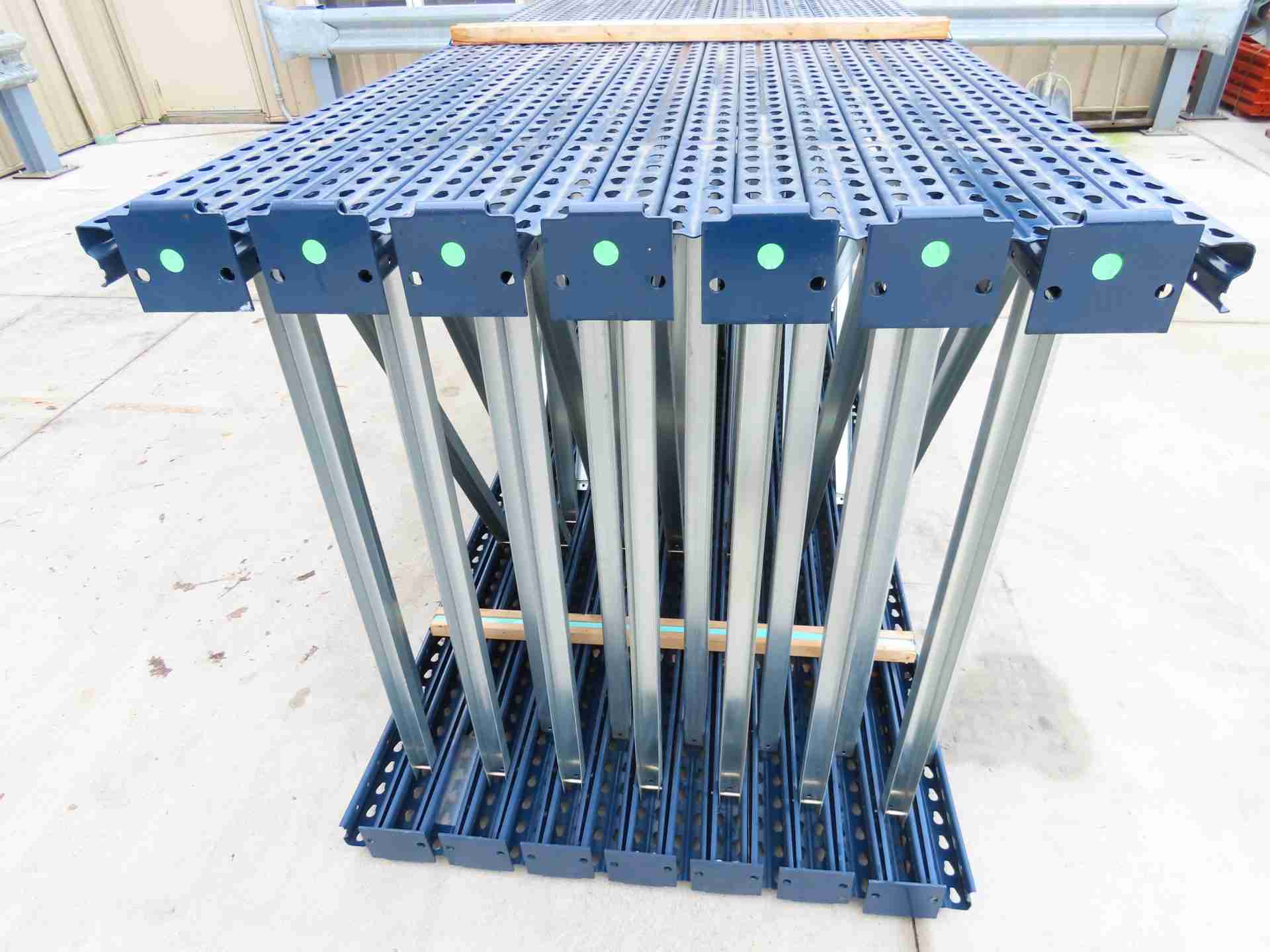
What Types Of Racking Systems Are Regulated By OSHA?
Are There Penalties For Not Complying With OSHA Racking Requirements?
Are There Penalties For Not Complying With OSHA Racking Requirements?
When it comes to racking systems in warehouses, compliance with Occupational Safety and Health Administration (OSHA) regulations isn’t just a box to check; it’s a cornerstone of operational integrity and safety. Failing to adhere to these stringent standards can lead to hefty penalties, dire operational risks, and even catastrophic safety incidents. While some might view OSHA regulations as mere formalities, treating them as such could cripple your business, both financially and in terms of reputation.
Consider this: in recent years, OSHA has ramped up its enforcement of racking safety standards, driven by a surge in workplace injuries linked to inadequate racking systems. Non-compliance can lead to fines ranging from a few thousand dollars to over $130,000 for serious violations that put employees at significant risk. These fines can stack up quickly for repeated violations. In 2021, a company in Ohio faced penalties exceeding $90,000 due to inadequate racking inspections and maintenance, which resulted in a major safety event. Think about the financial impact: not only did they lose money in fines, but they also faced downtime and damage to their reputation.
The repercussions extend far beyond just financial penalties. OSHA violations could result in work stoppages, increased insurance premiums, and even lawsuits from injured employees or clients whose operations are affected. A famous case involved a major retail chain that faced backlash after a racking collapse injured several workers. The company not only paid out substantial fines but also struggled with public relations fallout that cost them millions in lost sales, severely impacting their bottom line.
Moreover, many businesses overlook the domino effect of non-compliance. For instance, if you think your warehousing operations are safe and inspect easily, a minor OSHA violation can trigger an extensive audit. An audit means you could be scrutinized for other areas of your business, exposing potential inefficiencies and liabilities that could lead to even more penalties.
In today’s climate, with rising costs and competitive pressures, it’s more critical than ever to ensure compliance with OSHA racking requirements. Investing in proper training, regular inspections, and efficient maintenance of racking systems isn’t just about avoiding fines; it’s about safeguarding your employees, protecting your assets, and maintaining a strong market position. Don’t wait for an accident to happen—protect your business proactively and stay on the right side of OSHA regulations. The stakes are higher than you might think!
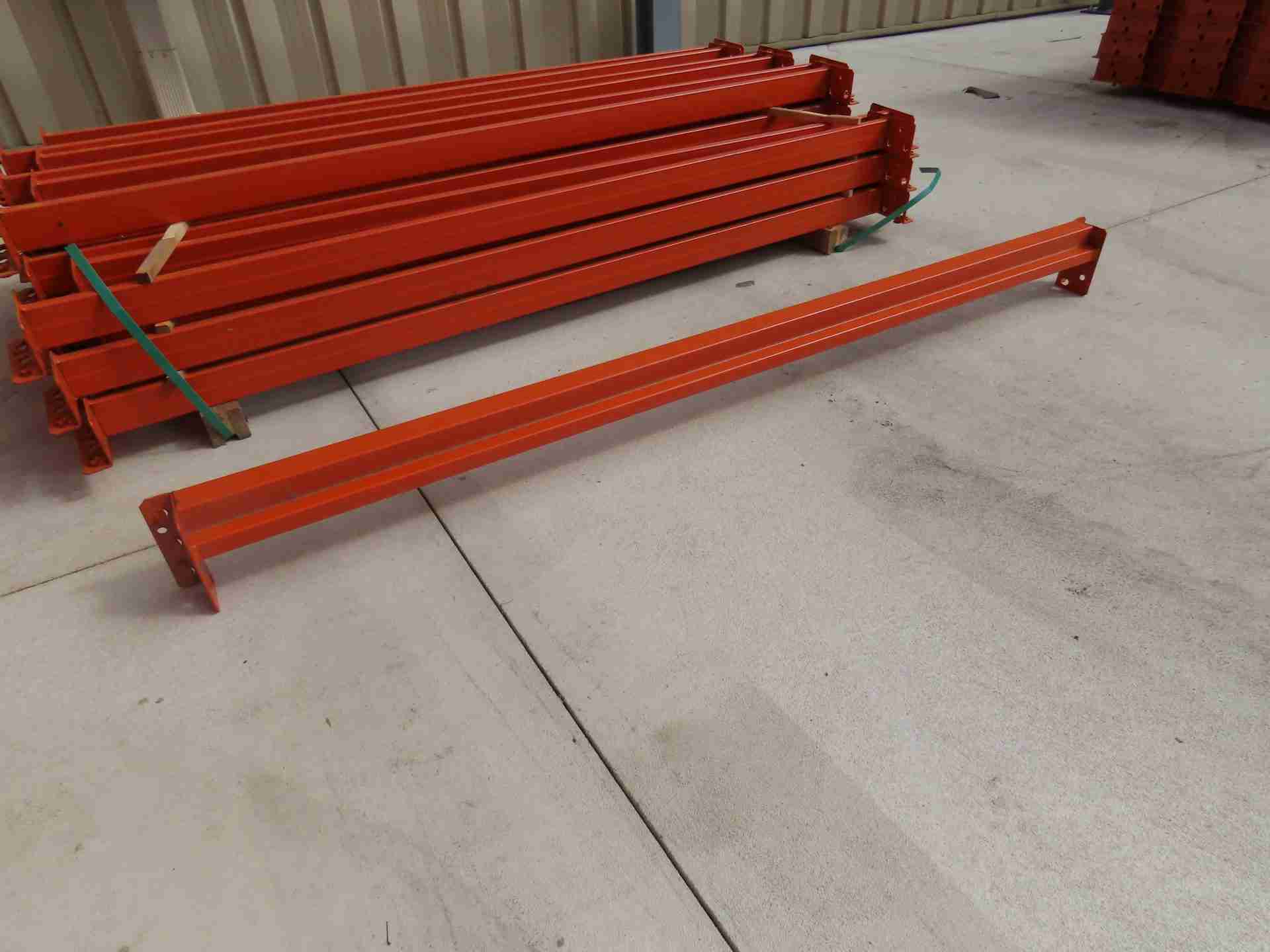
Are There Penalties For Not Complying With OSHA Racking Requirements?
Are There Penalties For Not Complying With OSHA Racking Requirements?
- Compliance with OSHA regulations for racking systems is essential for operational integrity and safety.
- Non-compliance can lead to heavy penalties, including fines exceeding $130,000 for serious violations.
- Recent enforcement efforts by OSHA have been driven by an increase in workplace injuries from inadequate racking systems.
- Penalties can stack up quickly for repeated violations, impacting financial stability and reputation.
- Consequences of violations may include work stoppages, higher insurance premiums, and lawsuits from injured parties.
- Minor OSHA violations can trigger extensive audits that expose additional operational inefficiencies and liabilities.
- Investing in training, inspections, and maintenance of racking systems is crucial for employee safety and business sustainability.

Are There Penalties For Not Complying With OSHA Racking Requirements?
How Can Businesses Ensure Compliance With OSHA Standards?
How Can Businesses Ensure Compliance With OSHA Standards?
Ensuring compliance with OSHA (Occupational Safety and Health Administration) standards is not just a regulatory obligation; it’s a commitment to the well-being of your employees. In today’s climate of heightened workplace safety awareness, especially following the challenges posed by the COVID-19 pandemic, businesses must take proactive steps to align with OSHA’s stringent regulations. Here are actionable strategies to bolster compliance and cultivate a culture of safety.
1. Conduct Regular Audits and Assessments
To stay ahead, businesses must implement routine safety audits. These should not be mere checklists but comprehensive evaluations of workplace conditions. For example, a manufacturing facility can schedule quarterly audits that include employee interviews and environmental checks. The recent surge in workplace accidents, highlighted by the National Safety Council’s report which indicated a 12% increase in workplace fatalities during the last year, underscores the need for vigilance. Proactively identifying potential hazards will not only help avoid violations but can also prevent costly accidents.
2. Develop a Culture of Safety Through Training
Training is the backbone of compliance. Offering regular OSHA-compliant training sessions keeps safety at the forefront of your employees’ minds. Take the example of a construction firm that integrated monthly safety workshops, which resulted in a notable reduction in on-site incidents. This approach not only educates employees about specific OSHA standards but also emphasizes the importance of reporting unsafe conditions. Investing in your team’s knowledge pays off—research shows that organizations with comprehensive training programs have lower injury rates and improved morale.
3. Maintain Clear Documentation
Documentation is your best ally in proving compliance. Every training session conducted, every audit completed, and every incident reported should be meticulously documented. In the event of an OSHA inspection—which can happen without notice—having organized records can be the difference between a hefty fine and a clean bill of health. For instance, a retail chain recently faced heavy fines due to insufficient documentation of employee safety training; don’t let this be you.
4. Stay Updated With OSHA Regulations
Regulations evolve, and staying informed is crucial. Subscribing to OSHA newsletters or following their updates online can keep businesses aware of changes that may affect their operations. Attend local OSHA-sponsored events or training to engage with experts and network with other businesses navigating the same waters.
5. Engage Employees Actively
Finally, the most effective compliance strategy involves the employees themselves. Establish channels for staff to voice concerns and recommend safety improvements. A logistics firm implemented a “safety suggestion box” that empowered workers and led to innovative safety solutions while fostering a cooperative work environment.
By embedding these practices into your operations, you position your business not just as compliant but as a leader in workplace safety—ensuring peace of mind for every stakeholder involved.
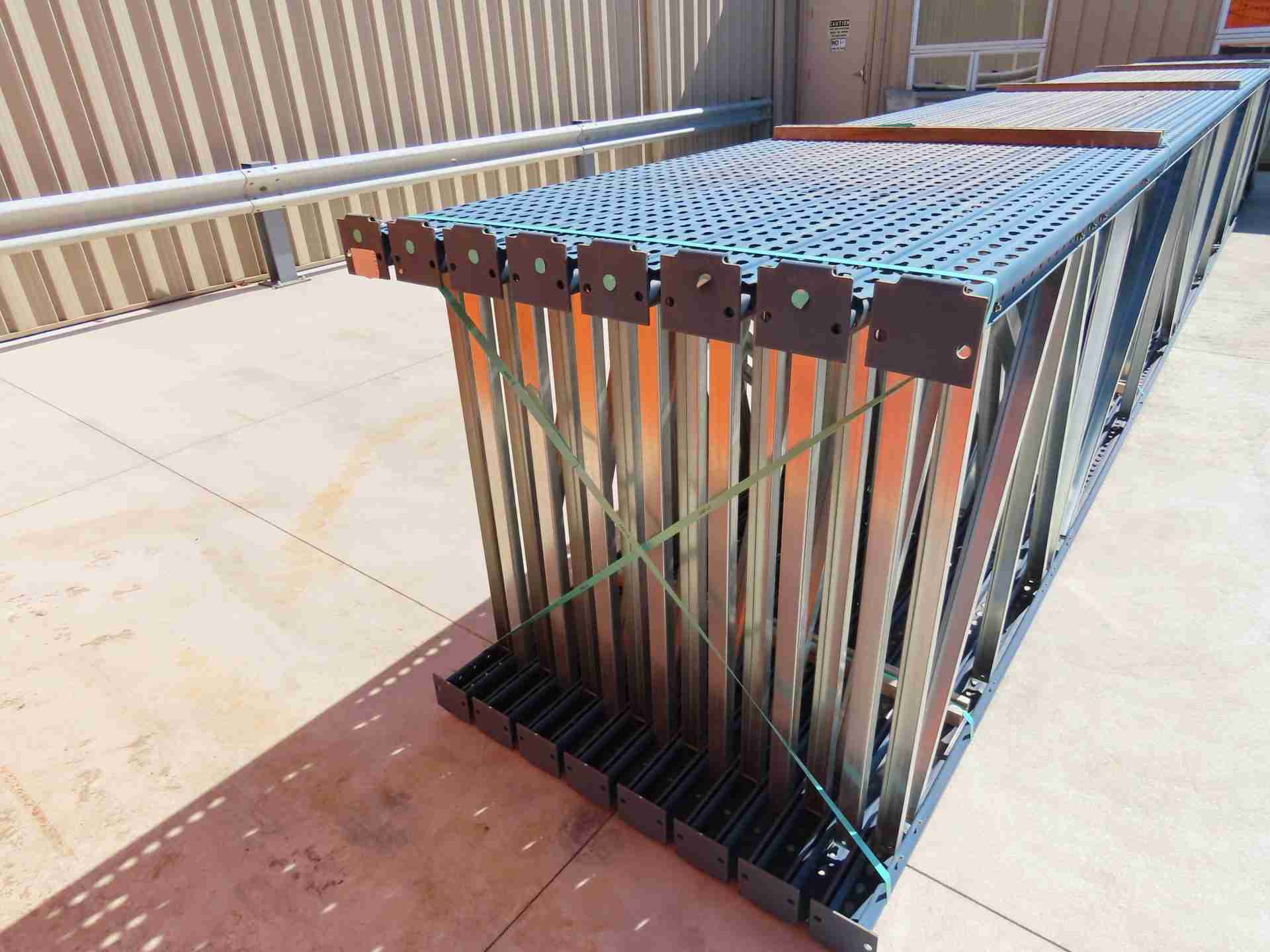
How Can Businesses Ensure Compliance With OSHA Standards?
How Can Businesses Ensure Compliance With OSHA Standards?
- Compliance with OSHA standards is a commitment to employee well-being and safety.
- Conduct regular and comprehensive safety audits to proactively identify hazards.
- Develop a culture of safety by providing regular OSHA-compliant training sessions.
- Maintain clear and organized documentation of all safety training, audits, and incidents.
- Stay informed about evolving OSHA regulations through newsletters and events.
- Engage employees actively by encouraging them to voice safety concerns and suggestions.
- Implementing these strategies positions a business as a leader in workplace safety and compliance.

How Can Businesses Ensure Compliance With OSHA Standards?
What Training Is Required For Employees Working With Racking Systems?
In the fast-paced world of logistics and warehousing, racking systems play a pivotal role in maximizing space and ensuring efficiency. However, the benefits of these systems come with inherent risks. To mitigate accidents and ensure optimal usage, comprehensive training is not just an option—it’s an absolute necessity. So, what training is required for employees working with racking systems?
Basics of Racking Systems
First and foremost, employees need a foundational understanding of different types of racking systems—such as selective racking, drive-in racking, and pallet flow racking. Training should focus on the function and appropriate usage of each type. For example, selective racking is great for accessibility but might not be the best choice for high-density storage. Employees should be able to identify which system works best for various scenarios, thus optimizing the functionality of the warehouse.
Safety Protocols and Practices
Safety training is crucial. Employees must be trained in the proper operating procedures of forklifts and other material-handling equipment frequently used with racking systems. With the recent rise of accidents in warehouses, encompassing a 25% increase in injuries reported in the last year alone, understanding and implementing safety protocols is essential. This includes ensuring employees are aware of the maximum load capacities of racking systems, proper positioning of loads, and recognizing potential hazards. For instance, if an employee is instructed to stack materials too high or too densely, it could lead to serious accidents.
Maintenance and Inspections
Regular inspections of racking systems are vital for safety and efficiency. Employees should receive training on how to identify signs of wear, damage, or structural integrity issues. For instance, with the widespread supply chain challenges seen recently due to global events, maintaining a functional warehouse is more critical than ever. Employees trained to conduct routine inspections can prevent costly downtime caused by damaged systems, helping companies stay ahead in this competitive landscape.
Emergency Response
Last but certainly not least, training must include emergency response procedures. Employees should know how to react in case of an accident involving racking systems—whether it’s a fallen load or an equipment malfunction. Regular drills can save lives; statistics show that businesses with an active emergency response training program report injury rates 40% lower than those without.
Training employees in the ins and outs of racking systems is imperative. With the right knowledge and skills, businesses can enhance productivity and foster a safer working environment, setting themselves apart in an industry where efficiency is crucial. Invest in training, and you’ll see returns not only in safety but also in operational efficiency and peace of mind.

What Training Is Required For Employees Working With Racking Systems?
What Training Is Required For Employees Working With Racking Systems?
- Racking systems are essential for maximizing space and ensuring efficiency in logistics and warehousing.
- Comprehensive training on racking systems is necessary to mitigate risks and accidents in the workplace.
- Employees should be trained on different types of racking systems, including their functions and best use cases.
- Safety training is crucial, particularly regarding proper use of forklifts and awareness of load capacities and potential hazards.
- Regular inspections and maintenance training help identify and resolve issues in racking systems, preventing costly downtime.
- Emergency response training is vital, enabling employees to react effectively during accidents or equipment malfunctions.
- Investing in employee training enhances productivity and safety, leading to improved operational efficiency for businesses.

What Training Is Required For Employees Working With Racking Systems?
How Does OSHA Define A Safe Racking System?
How Does OSHA Define a Safe Racking System?
In the fast-paced world of warehousing and logistics, safety isn’t just a regulatory checkbox—it’s the backbone of operational efficiency. The Occupational Safety and Health Administration (OSHA) sets stringent standards to ensure that racking systems are not only effective but also safe for workers. Understanding these guidelines is crucial for any business aiming to protect its most valuable asset: its people.
OSHA defines a safe racking system primarily through its regulations on material handling and storage. According to OSHA standards, racking systems must be designed to withstand the rigors of daily use, preventing accidents such as collapses or injuries caused by improperly stored materials. One of the most critical components of a safe racking system is thorough installation and regular inspections. OSHA mandates that racks are installed according to the manufacturer’s specifications, with a keen eye on load capacity.
For example, in high-density storage environments, where pallet racks are a common fixture, businesses must be vigilant. The mounting of these racks should allow for adequate support and weight distribution. Regular audits of these systems help identify any potential issues before they escalate into serious problems. Just recently, a major warehouse operator faced significant penalties after a failure to comply with OSHA’s racking guidelines led to a serious incident. This serves as a stark reminder that negligence can carry a hefty price tag—not only in financial terms but also in employee safety and morale.
Another cornerstone of OSHA’s definition of a safe racking system is accessibility and organization. Employees should have clear pathways for navigation and retrieval tasks. This not only mitigates risks associated with tripping or collisions but also streamlines workflow. Clear labeling and marked pathways reduce confusion and improve safety protocols, transforming a chaotic environment into an efficient operation.
Training also plays a pivotal role. OSHA emphasizes the importance of educating employees on the proper use and maintenance of racking systems. By investing in comprehensive training programs, businesses not only comply with OSHA standards but foster a culture of safety that resonates throughout the organization.
In essence, a safe racking system is more than just a compliant structure; it reflects a commitment to protecting workers and ensuring operational resilience. As OSHA continues to evolve its standards in response to changing industry dynamics, keeping abreast of these guidelines is vital. When you prioritize safety, you’re not just investing in compliance—you’re investing in the very fabric of your business’s success.
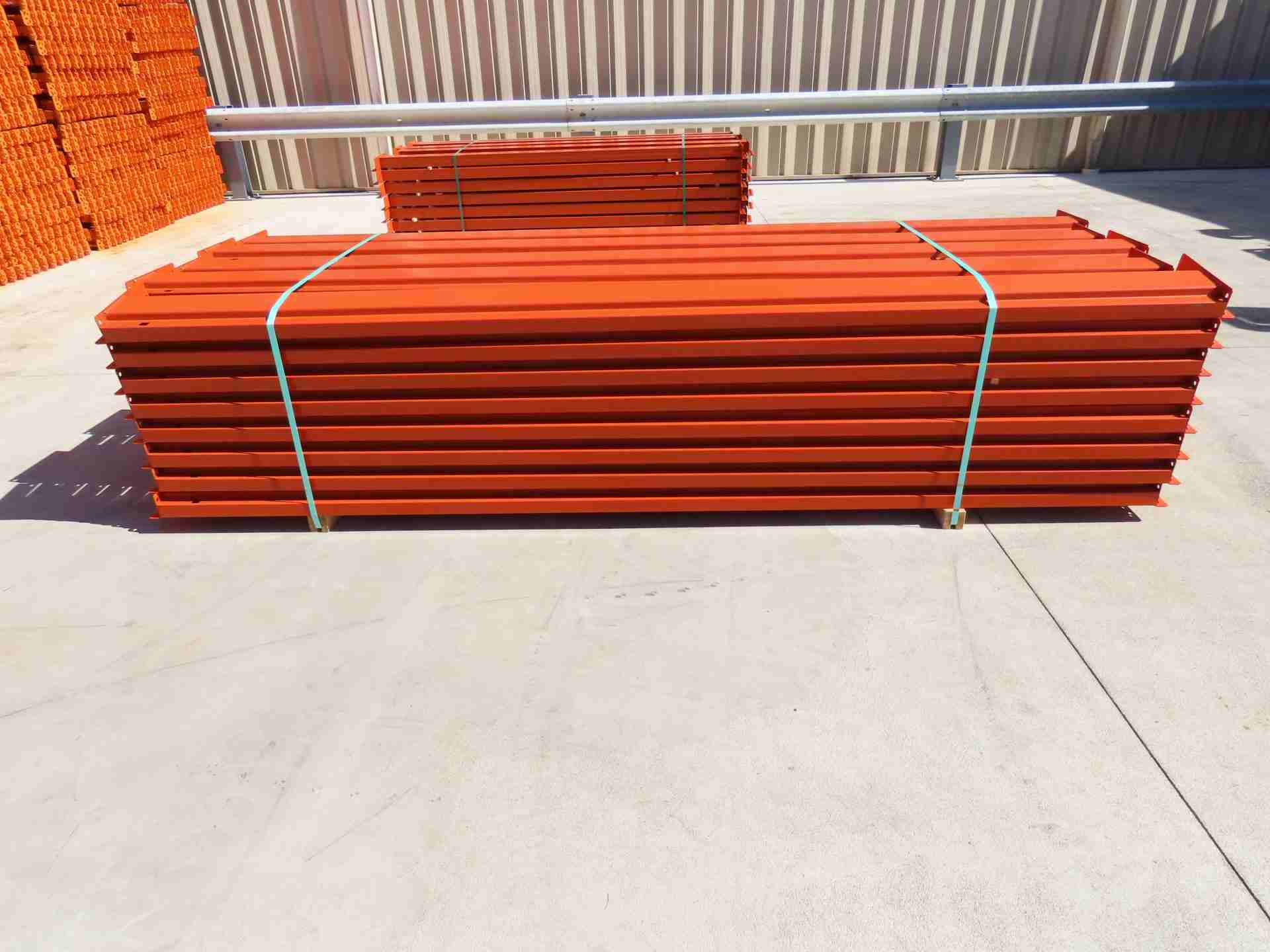
How Does OSHA Define A Safe Racking System?
How Does OSHA Define A Safe Racking System?
- OSHA establishes crucial safety standards for racking systems in warehousing and logistics.
- Racking systems must be designed to withstand daily use and prevent accidents like collapses.
- Proper installation and regular inspections according to manufacturer specifications are essential.
- Businesses must ensure adequate support and weight distribution in high-density storage environments.
- Clear pathways and organization reduce risks and improve operational efficiency.
- Employee training on proper use and maintenance of racking systems is key to safety compliance.
- Prioritizing safety reflects a commitment to protecting workers and enhancing operational resilience.

How Does OSHA Define A Safe Racking System?
What Are The Common Hazards Associated With Racking Systems?
In any warehouse, the racking system stands as a beacon of organization, a veritable lifeline in the relentless quest for efficiency. Yet, this marvel of modern supply chain management is not without its hazards. When we talk about racking systems, we’re not just discussing metal structures; we’re referring to potential pitfalls that can result in costly accidents, lost productivity, and even legal repercussions. Ignoring these hazards isn’t just reckless—it’s a business blunder that could haunt you.
First and foremost, let’s talk about structural failure. Racking systems are designed to hold considerable weight. However, improper loading can lead to catastrophic collapses. Imagine a scenario where a forklift driver carelessly overloads a shelf with pallets exceeding its weight capacity. Not only can this cause staggering damage to property, but it also puts lives at risk. For instance, a recent incident at a distribution center in Illinois resulted in significant injuries when a row of racking gave way under excessive load. The key takeaway? Always follow the manufacturer’s load guidelines and regularly inspect your racks for wear and tear.
Next, consider clearances and aisle width. It’s crucial to maintain enough space for smooth forklift navigation. Aisles that are too narrow create a dangerous game of chance, encouraging close encounters between machinery and personnel. Unfortunately, a lack of foresight during the design phase often results in accidents that could have been easily avoided. According to the Occupational Safety and Health Administration (OSHA), ensuring proper aisle width can prevent 70% of aisle-related accidents. It’s a statistic that speaks volumes about the importance of foresight.
Additionally, let’s not overlook the human factor. Employee training is paramount. A well-trained staff is your first line of defense against mishaps. In recent news, companies across industries have faced lawsuits stemming from insufficient training programs that led to racking-related injuries. Incorporating safety training initiatives not only mitigates risks but also fosters a culture of safety that can enhance morale and productivity.
Finally, the importance of regular maintenance cannot be overstated. Just like a car that needs routine checks, racking systems require frequent inspections to prevent wear and degradation. Neglecting this aspect can lead to safety violations and hefty fines. Keeping on top of maintenance not only ensures a safer work environment but also protects your bottom line.
In summary, being aware of the common hazards associated with racking systems is imperative for any business aiming for operational excellence. From structural integrity to employee training, understanding and addressing these risks not only safeguards your workforce but elevates your organization to new heights of productivity. Don’t wait for an accident to happen—act now, and make safety your priority!

What Are The Common Hazards Associated With Racking Systems?
What Are The Common Hazards Associated With Racking Systems?
- The racking system is essential for organization and efficiency in warehouses but presents hazards.
- Structural failure can occur due to improper loading, leading to potential accidents and injuries.
- Maintaining proper clearances and aisle width is critical to prevent accidents with forklifts.
- According to OSHA, ensuring proper aisle width can prevent up to 70% of aisle-related accidents.
- Employee training is crucial; insufficient training can lead to lawsuits and racking-related injuries.
- Regular maintenance and inspections are necessary to prevent safety violations and ensure a safe work environment.
- Addressing common hazards enhances workforce safety and boosts organizational productivity.

What Are The Common Hazards Associated With Racking Systems?
How Can Racking System Design Impact Workplace Safety?
In the dynamic landscape of modern warehousing and storage facilities, the importance of an adeptly designed racking system cannot be overstated. The integration of robust racking systems not only optimizes space and enhances efficiency but also plays a pivotal role in ensuring workplace safety.
Consider the rise of e-commerce giants during the pandemic. As demand surged, many warehouses rushed to adopt new racking systems to accommodate increased inventory. Quickly implemented designs often overlooked safety standards, leading to structural failures and accidents. In 2021, a warehouse in the Midwest experienced a catastrophic collapse due to improperly designed racking. This incident serves as a stark reminder that the consequences of neglecting safety in design can be dire—both for human life and the bottom line.
Racking systems must provide adequate load capacity and stability, tailored to the specific types of materials stored. For example, a facility storing heavy pallets of goods requires a different design than one stocking lightweight, bulky items. The recent push for sustainable practices and reducing wasted space has led some companies to implement innovative racking solutions like cantilever or double-deep racking. While these systems can enhance storage capacity, they also necessitate a rigorous evaluation of load distribution and accessibility.
Flexibility is another key component. As inventories shift—especially in industries affected by market fluctuations—a racking design that allows for swift reconfiguration can mitigate risks associated with improper storage. For instance, a logistics center that quickly adapts its racking system to align with just-in-time inventory practices can avoid over-stacking, which may lead to dangerous collapses.
Additionally, consider implementing safety features in your racking design, such as anti-collapse mesh systems or side rails. These additions not only enhance protection for workers but also reassure stakeholders and clients of your commitment to safety. In a world where corporate responsibility is under constant scrutiny, demonstrating a workplace ethos that prioritizes safety can elevate your brand reputation significantly.
Finally, regular audits and maintenance of racking systems are crucial to sustaining safety standards. A proactive approach ensures that potential hazards are addressed before they turn into costly accidents.
Racking system design is not merely an operational consideration—it is a fundamental aspect of workplace safety. By investing in thoughtful, innovative, and flexible racking solutions, businesses can create environments that protect their most valuable assets: their employees. Safety isn’t just a regulatory checkbox; it’s a strategic business imperative that can yield significant dividends in productivity and morale.

How Can Racking System Design Impact Workplace Safety?
How Can Racking System Design Impact Workplace Safety?
- The design of racking systems is crucial for optimizing space, enhancing efficiency, and ensuring workplace safety in modern warehousing.
- The surge in e-commerce during the pandemic led to hasty racking system implementations, often neglecting safety standards, resulting in structural failures.
- Proper racking systems must accommodate specific load capacities and stability requirements based on the type of materials stored.
- Innovative solutions like cantilever and double-deep racking enhance storage capacity but require careful load distribution evaluation.
- Flexible racking designs enable quick reconfiguration to adapt to inventory changes, mitigating risks of over-stacking and potential collapses.
- Incorporating safety features, such as anti-collapse mesh systems, demonstrates a commitment to worker protection and can enhance brand reputation.
- Regular audits and maintenance of racking systems are vital for sustaining safety standards and preventing costly accidents.

How Can Racking System Design Impact Workplace Safety?
What Materials Are Safest For Use In Racking Systems?
When it comes to racking systems—those crucial frameworks that hold everything from heavy pallets to delicate merchandise—the choice of materials can make or break your operation. Safety is paramount, and it’s time to dive deep into what materials deliver the reliability, strength, and peace of mind every business demands.
First up on the list is structural steel. Time-tested and robust, steel racking systems are the backbone of any industrial warehouse. They boast unparalleled load-bearing capacity, which is essential for high-density storage solutions. With recent supply chain disruptions making headlines, investing in strong, durable steel not only mitigates risks associated with structural failure but also minimizes the total cost of ownership. Companies that continue to choose cheaper alternatives often face higher replacement costs—a decision that can be detrimental in the long run.
Next, let’s talk about heavy-duty plastic. While traditionally overshadowed by metal systems, modern advancements have propelled high-density polyethylene (HDPE) and polypropylene into the spotlight. These materials are not only resistant to chemicals and moisture but also provide a significant weight advantage. Industries such as food and pharmaceuticals are capitalizing on these innovations, ensuring that their racking systems are both safe and hygienic.
Wood may seem outdated in the racking arena, but it deserves a mention. Perfect for lighter loads and custom applications, wooden racking is eco-friendly and aesthetically pleasing. However, businesses in sectors with stringent safety and health regulations should tread carefully here. Ensure that the wood is treated and meets applicable safety standards to avoid costly compliance issues that could arise from using subpar materials.
Moreover, consider the emerging trend of hybrid systems combining the strength of steel with strategic wooden elements. These systems are not only visually appealing but can also be tailored to optimize both load-bearing efficiency and aesthetic appeal—an important factor in retail environments where presentation matters as much as practicality.
Finally, always keep abreast of local regulations and industry standards that govern material safety in racking systems. For instance, in the wake of recent warehouse collapse incidents that made national news, organizations like the Occupational Safety and Health Administration (OSHA) have ramped up their scrutiny of material compliance. By investing in materials that meet elevated standards, businesses can not only safeguard their operations but also demonstrate to customers their commitment to safety.
In summary, selecting the safest materials for racking systems is not just a checklist item—it’s a strategic decision that can positively impact your bottom line. Prioritize strength, compliance, and durability, and empower your business with racking solutions that truly stand the test of time.

What Materials Are Safest For Use In Racking Systems?
What Materials Are Safest For Use In Racking Systems?
- Choosing the right materials for racking systems is crucial for operational safety and reliability.
- Structural steel is the most robust option, offering high load-bearing capacity and reducing long-term costs.
- Heavy-duty plastics like HDPE and polypropylene provide chemical and moisture resistance while being lighter.
- Wood is eco-friendly and suitable for lighter loads but must meet safety standards to avoid compliance issues.
- Hybrid racking systems that combine steel and wood are visually appealing and can enhance load-bearing efficiency.
- Stay informed about local regulations and industry standards to ensure material safety and compliance.
- Investing in quality racking materials is a strategic decision that impacts safety, compliance, and overall business performance.

What Materials Are Safest For Use In Racking Systems?
Who Is Responsible For Maintaining OSHA Racking Compliance?
Who Is Responsible For Maintaining OSHA Racking Compliance?
In any warehouse or storage facility, the towering racks that hold your products are not just structures; they’re essential to your operational efficiency and safety. But with great height comes great responsibility. Maintaining OSHA racking compliance is crucial not just for safety, but for sustaining your bottom line. So, who exactly is responsible for keeping these safety standards in check?
Management: The Pillars of Compliance
At the highest level of responsibility stands management. Leaders of organizations must cultivate a culture of safety and ensure that compliance is ingrained in everyday operations. This means investing time and resources into training programs that not only educate staff about the compliance standards but also instill a sense of accountability. In a recent incident at a large distribution center, failure to comply with OSHA racking regulations led to a catastrophic collapse, resulting in lost inventory and severe injuries. This serves as a wake-up call for management teams—if you want to avoid costly fines and liability, it starts at the top.
Warehouse Supervisors and Staff: The Frontline Warriors
Next in line are the warehouse supervisors and their teams. These frontline employees play a vital role in daily operations and are often the first to spot potential hazards. Regular inspections, identifying wear and tear, and reporting issues to management are all part of their responsibilities. For example, a well-known retail chain recently faced public scrutiny when employees reported unsafe racking conditions that led to accidents. Swift action taken by warehouse supervisors to address these issues not only prevented further incidents but improved worker morale and productivity.
Compliance Officers: The Unsung Heroes
Finally, let’s not forget the often-overlooked compliance officers or safety managers. These professionals are the backbone of racking compliance efforts. They stay updated on OSHA regulations, ensuring that all structures meet safety standards. They also orchestrate audits and employee training sessions that are absolutely vital in reinforcing the message of safety. With the recent focus on workplace safety due to rising regulations, their roles are becoming even more central.
A Collective Responsibility
Ultimately, maintaining OSHA racking compliance isn’t just one person’s job; it’s a collective responsibility shared across all levels of an organization. With the stakes as high as potential injuries and hefty fines, investing in compliance is not just about avoiding repercussions—it’s about creating a workplace that values safety and enhances productivity. Engaging with experts, updating training programs, and fostering communication between all levels are essential steps in this crucial endeavor. Everyone benefits when you prioritize safety, reinforcing the message that in business, it’s not just about what you do, but how you do it.

Who Is Responsible For Maintaining OSHA Racking Compliance?
Who Is Responsible For Maintaining OSHA Racking Compliance?
- Maintaining OSHA racking compliance is essential for both safety and operational efficiency in warehouses.
- Management holds the highest level of responsibility, needing to cultivate a culture of safety and ensure compliance is part of daily operations.
- Warehouse supervisors and staff are critical in identifying hazards and conducting regular inspections.
- Recent incidents highlight the importance of compliance, as failures can lead to severe injuries and financial loss.
- Compliance officers, or safety managers, are vital in keeping organizations updated on OSHA regulations.
- Racking compliance is a collective responsibility shared across all levels of an organization, not just a specific role.
- Investing in safety and compliance enhances productivity and fosters a workplace that values safety.

Who Is Responsible For Maintaining OSHA Racking Compliance?
Are There Industry-Specific Racking Requirements Beyond OSHA?
Are There Industry-Specific Racking Requirements Beyond OSHA?
When you think of warehouse safety, the Occupational Safety and Health Administration (OSHA) often takes center stage. However, many businesses overlook the nuanced, industry-specific racking requirements that can make or break operational efficiency. Ignoring these can lead to more than just compliance issues—it can significantly impact productivity and, ultimately, the bottom line.
For example, the food industry is subject to stringent safety guidelines that extend beyond OSHA standards. Properly racked items must not only be accessible but also stored in a manner that prevents cross-contamination. The FDA enforces regulations that dictate how certain products are stored, necessitating specialized racking systems, such as FIFO (First In, First Out) setups. When your racking systems cater specifically to these needs, operations run smoother, and the risk of spoilage drops dramatically.
In the automotive sector, racking systems must accommodate heavy parts and tools efficiently. A recent surge in electric vehicle production has prompted manufacturers to rethink their storage solutions. Companies like Tesla employ specialized racking systems designed to handle batteries and bulky components safely. This allows for quicker access to parts, reducing downtime and maximizing production. Ignoring industry-specific solutions here can result in accidents, damaged goods, and a major setback in revenue.
Furthermore, the pharmaceutical industry faces unique challenges. The handling of temperature-sensitive products necessitates specialized racking systems designed to maintain an established clime, compliant with FDA regulations. Companies are increasingly investing in intelligent monitoring systems linked with their racking to ensure that medications remain within specified temperature ranges throughout their shelf life.
Given the volatility in today’s market—think of the recent supply chain disruptions caused by pandemics and geopolitical factors—adhering to both OSHA and additional racking requirements is more crucial than ever. Businesses that fail to adapt may find themselves dealing with costly fines, legal liabilities, and reputational damage.
Lastly, evolving e-commerce trends are reshaping logistics and warehousing. With the rise of same-day deliveries, racking systems that facilitate quick picking and packing are paramount. Companies that don’t align their storage solutions with industry-specific standards may find themselves lagging behind their competitors who are quick to adapt.
While OSHA provides a fundamental layer of safety and compliance, going beyond these standards to meet industry-specific racking requirements is not just smart—it’s essential for sustainable growth and success. The bottom line? Invest in tailored solutions today, and watch your operations thrive in this fast-paced marketplace.

Are There Industry-Specific Racking Requirements Beyond OSHA?
Are There Industry-Specific Racking Requirements Beyond OSHA?
- OSHA is crucial for warehouse safety, but industry-specific racking requirements are often overlooked.
- The food industry has strict guidelines for racking to prevent cross-contamination and spoilage.
- Automotive sector requires racking systems that can efficiently handle heavy parts and components.
- Pharmaceuticals need temperature-controlled racking systems to comply with FDA standards.
- Failure to adhere to industry-specific racking can lead to accidents, legal liabilities, and financial loss.
- Fast-evolving e-commerce trends necessitate racking systems that support quick picking and packing for same-day deliveries.
- Investing in tailored racking solutions is essential for operational efficiency and sustainable growth.

Are There Industry-Specific Racking Requirements Beyond OSHA?
What Role Do Risk Assessments Play In Racking Safety?
In the bustling world of warehouses and distribution centers, racking systems form the backbone of operations, housing everything from small parts to large pallets. Yet, lurking within this organized chaos is a potential danger that no one can afford to overlook—safety hazards related to racking. This is where risk assessments step in, functioning not merely as a regulatory checkbox but as a critical component of a proactive safety strategy.
Risk assessments are systematic evaluations that identify potential hazards associated with racking systems. They take into account various risk factors, including the type of racking used, the weight of stored materials, and the operational procedures in place. In light of recent events, such as the tragic warehouse collapse in Ohio that resulted in multiple injuries and fatalities, the crucial role of risk assessments in racking safety has never been more evident.
Imagine a busy warehouse where heavy pallets are stacked too high in a racking system not designed to handle that weight. A risk assessment would flag this practice as unsafe, leading to immediate corrective action. For instance, in 2022, a major distributor faced a hefty fine after a routine inspection revealed that their racking systems were not compliant with established safety standards. The subsequent risk assessment helped them address efficiency shortcomings while ensuring their workers were free from hazards.
Moreover, conducting thorough risk assessments can lead to improved bottom-line results. According to a recent study, companies investing in safety initiatives, particularly in high-risk environments like warehouses, saw a reduction in accident-related costs by as much as 30%. When workers feel safe, productivity soars; and safety compliance not only builds employee morale but enhances a company’s reputation in the marketplace.
Don’t leave safety to chance. Regular risk assessments can help identify weaknesses in your racking systems, paving the way for timely interventions. For example, visual inspections, employee feedback, and compliance checks can all be part of this process.
Furthermore, in an age where corporate responsibility is under the microscope, showcasing your commitment to safety through comprehensive risk assessments can work wonders for your brand image. Customers today prioritize working with companies that prioritize the wellbeing of their employees.
In summary, risk assessments are not merely a safety requirement; they’re your first line of defense against potential catastrophes. Armed with these insights, you can mitigate risks, protect your assets, and ensure a more productive work environment. Take action today and champion a culture of safety that will pay dividends for years to come.

What Role Do Risk Assessments Play In Racking Safety?
What Role Do Risk Assessments Play In Racking Safety?
- Racking systems are essential in warehouses but pose safety hazards that must be managed.
- Risk assessments systematically identify hazards related to racking systems, factoring in weight, type, and procedures.
- Recent incidents, like a warehouse collapse in Ohio, highlight the importance of these assessments in preventing tragedies.
- Identifying unsafe practices, such as overloading racking systems, can lead to immediate corrective actions.
- Investing in safety initiatives can decrease accident-related costs by up to 30% while boosting productivity and morale.
- Regular risk assessments, including inspections and employee feedback, help pinpoint weaknesses in racking systems.
- Committing to safety enhances brand image and aligns with corporate responsibility, appealing to customers prioritizing employee wellbeing.

What Role Do Risk Assessments Play In Racking Safety?
How Can Businesses Improve Racking System Safety Culture?
Creating a bulletproof safety culture around your racking systems isn’t just a smart move—it’s imperative for minimizing risk, protecting your employees, and enhancing your bottom line. An escalating number of warehouse accidents highlight the urgent need for businesses to focus on safety protocols and training, especially given recent reports about the rising rates of workplace injuries in logistics. Let’s explore actionable strategies to uplift your racking system safety culture.
1. Foster Open Communication
First and foremost, establish a culture where employees feel empowered to voice safety concerns. For instance, consider the approach taken by a leading retail giant that initiated monthly “safety town halls.” In these meetings, employees can candidly discuss issues they encounter with racking systems, raising awareness and fostering solutions. By recognizing the importance of each voice, you create an environment of trust and collaborative problem-solving.
2. Comprehensive Training Programs
Training should be more than a checkbox; it should be foundational. A recent case study involving a four-distribution center network spotlighted the success of implementing a standardized racking system training program. They developed interactive workshops that included live demonstrations and virtual reality scenarios. Employees not only understood the “how” but more importantly, the “why” behind safety protocols.
3. Regular Inspections & Maintenance
You wouldn’t drive a car without regular check-ups, so why neglect your racking systems? Incorporate a routine inspection schedule to identify potential hazards. Implementing a comprehensive maintenance checklist akin to what many aerospace companies are doing can significantly reduce the risk of racking failures. Additionally, document these inspections and make them part of your operational metrics to encourage accountability.
4. Recognition Programs
Incentivizing safe practices can lead to incredible results. Consider a recognition program like “Safety Star of the Month”—much like successful manufacturing firms do. Recognizing employees who embody safety-first attitudes encourages a collective ethos around racking system safety. This not only boosts morale but turns safety into a competitive and motivating factor among staff.
5. Utilize Technology
Embrace technology to monitor safety compliance. Advanced systems like RFID tracking can help monitor when racking structures are overloaded. In light of recent developments in warehouse technology, integrating real-time monitoring systems can provide instant feedback, allowing staff to rectify unsafe conditions promptly.
Incorporating these strategies will not only enrich your safety culture but also position your business as an industry leader focused on employee well-being. Remember, a safety-first approach is not merely an operational choice; it’s a commitment that ultimately strengthens your brand and enhances operational efficiency. The time to act is now—make safety the backbone of your racking system culture, and watch your success soar.

How Can Businesses Improve Racking System Safety Culture?
How Can Businesses Improve Racking System Safety Culture?
- Establish a bulletproof safety culture around racking systems to minimize risk and protect employees.
- Create an open communication environment for employees to voice safety concerns through initiatives like monthly “safety town halls.”.
- Implement comprehensive training programs featuring interactive workshops and virtual reality scenarios to enhance understanding of safety protocols.
- Conduct regular inspections and maintenance of racking systems, similar to aerospace industry practices, to identify and reduce potential hazards.
- Incentivize safety practices through recognition programs, such as “Safety Star of the Month,” to foster a collective ethos around safety.
- Utilize technology for monitoring safety compliance, including RFID tracking and real-time monitoring systems for immediate feedback on unsafe conditions.
- Position your business as an industry leader by committing to a safety-first approach that strengthens your brand and enhances operational efficiency.

How Can Businesses Improve Racking System Safety Culture?
Conclusion
Conclusion
Navigating the labyrinth of OSHA racking requirements is not just a matter of compliance—it’s a strategic move that can secure your business’s long-term health and reputation. Arrow Industrial Sales stands ready to guide you through these crucial safety protocols, ensuring that your racking systems not only meet but exceed regulatory standards. The consequences of neglecting OSHA guidelines are swift and severe: from crippling fines to tragic workplace accidents, the stakes are high. As we’ve explored, a robust understanding of OSHA’s standards—from load capacities to regular inspections—should be ingrained in your operational framework, transforming your workspace into a sanctuary of safety.
Embracing these guidelines is about more than just avoiding penalties; it’s a proactive investment in your employee’s well-being and your company’s productivity. Organizations that foster a safety-centric culture often see a ripple effect—boosted morale, higher productivity levels, and an enhanced brand reputation that resonates powerfully with conscientious consumers. Additionally, implementing rigorous training and regular audits will position your organization as a responsible leader in your industry.
We understand that this may feel overwhelming, but the path to compliance and operational excellence can be straightforward when you partner with Arrow Industrial Sales. We’re equipped to perform thorough reviews of your racking systems, provide expert recommendations, and ensure every staff member is equipped with the training they need to succeed. Remember, every moment you delay in addressing these requirements can heighten your risk of a non-compliance incident, leading to dire consequences.
Don’t wait for a catastrophe to serve as a wake-up call. Time is of the essence—call Arrow Industrial Sales at (574) 349-6575 now to learn more about how we can assist you in navigating these vital OSHA requirements. Prioritize safety today, secure your tomorrow, and watch your operations thrive as you take charge of your racking system compliance. The urgency is clear; your safety and success depend on it!

Conclusion
Conclusion:
- Navigating OSHA racking requirements is essential for business compliance and long-term health.
- Arrow Industrial Sales can help exceed regulatory standards for racking systems.
- Neglecting OSHA guidelines can lead to severe fines and workplace accidents.
- A strong understanding of OSHA’s standards enhances workplace safety and operational practices.
- Embracing safety guidelines promotes employee well-being and boosts productivity and morale.
- Regular training and audits position your organization as a responsible industry leader.
- Contact Arrow Industrial Sales at (574) 349-6575 to ensure compliance and enhance safety.

Conclusion
Other Resources

Other Resources
Here is a list of other resources you can review online to learn more:
- “Warehousing – Know the Law | Occupational Safety and …”
- “1910.176 – Handling materials – general.”
- “Eye on Safety: OSHA’s General Duty Clause | 2020-09-11”
- “OSHA’s General Duty Clause | WPVHC | NIOSH”
- “OSHA Issues Updated Enforcement Response Plan and …”
- “OSHA’s Proposal to revise Construction PPE standard for fit”
- “Federal Panel Upholds Walmart’s OSHA Citation”
Use This Prompt To Get More Resources With Your Favorite Online AI Tool: Please provide me with a list of online articles with their URLS in a bulleted list that I can read regarding Are There OSHA Racking Requirements?

Other Resources
Glossary Terms
Are There OSHA Racking Requirements? – Glossary Of Terms
1. OSHA: The Occupational Safety and Health Administration; a U. S. agency responsible for ensuring safe and healthy working conditions.
2. Racking System: A structural framework used to store materials and goods in warehouses, including pallet racks and shelving units.
3. Pallet Rack: A specific type of racking system designed to hold pallets, typically found in warehouses and distribution centers.
4. Load Capacity: The maximum weight a racking system can safely support without risk of failure.
5. Structural Integrity: The ability of a racking system to support intended loads without collapsing or failing.
6. Aisle Width: The distance between racks that allows for safe movement of personnel and equipment, such as forklifts.
7. Forklift: A powered industrial truck used to lift and move materials over short distances in warehouses.
8. Safety Inspection: A routine examination of racking systems to ensure they meet safety standards and are in good working condition.
9. Impact Resistance: The ability of a racking system to withstand impacts, such as those from moving forklifts.
10. OSHA Standard 29 CFR: The section of the Code of Federal Regulations that outlines general industry safety standards, including those for material handling and storage.
11. Guardrails: Barriers installed on racking systems to prevent the fall of materials and ensure employee safety.
12. Cross Bracing: Diagonal supports installed between the vertical columns of a racking system to enhance stability.
13. End-of-Aisle Protection: Safety features, such as barriers or posts, at the ends of aisles to prevent forklift collisions with racking systems.
14. Vertical Clearance: The height space above a racking system that must be maintained for safety and operational clearance.
15. Spill Prevention: Practices and measures adopted to prevent spills, particularly in warehouses that store hazardous materials.
16. Inspection Checklist: A document used to guide safety inspections of racking systems, ensuring all safety elements are assessed.
17. Aisle Configuration: The layout of aisles in a storage area, impacting safety, efficiency, and accessibility.
18. Weight Distribution: The even distribution of weight across a racking system to prevent tipping or collapse.
19. Tilted Rack: A racking method where racks are angled to ease accessibility but may present stability challenges.
20. Safety Margin: An additional allowance in load capacity to account for unexpected stresses or weight fluctuations.
21. Material Handling: The movement, protection, and control of materials throughout the manufacturing and warehousing process.
22. Regulatory Compliance: Adherence to laws and regulations established by OSHA and other safety organizations regarding workplace safety.
23. Training Programs: Educational sessions designed to teach employees about safe racking and materials handling practic
es.
24. Tilt Tables: Equipment that allows for tilting pallets for easier unloading or access to stored goods.
25. Safety Culture: A workplace environment where safety is prioritized and employees are encouraged to participate in safety practices.
26. Load Signs: Labels or signs affixed to racking systems indicating weight limits and proper storage methods.
27. Personal Protective Equipment (PPE): Gear such as helmets, gloves, and safety shoes worn by employees to minimize injury risks.
28. Installation Compliance: Adhering to safety standards and manufacturer’s guidelines during the setup of racking systems.
29. Preventive Maintenance: Scheduled upkeep and inspection of racking systems to prevent failures and ensure longevity.
30. Incident Reportin: The process of documenting any accidents or near-misses related to racking systems to improve safety protocols.
Glossary Of Terms
Other Questions
Are There OSHA Racking Requirements? – Other Questions
If you wish to explore and discover more, consider looking for answers to these questions:
- What resources are available to help businesses comply with OSHA racking requirements?
- How can companies effectively train employees on OSHA standards for racking systems?
- What are the common non-compliance issues businesses face regarding racking systems?
- How do OSHA’s racking requirements compare to other international safety standards?
- What steps should be taken immediately following a racking system failure?
- What role does technology play in ensuring racking system safety and compliance?
- What are the most common types of accidents related to racking systems?
- How can businesses evaluate their existing racking systems for compliance?
- What should companies do if they receive a citation for OSHA non-compliance?
- How can racking system design be adapted for different types of warehouses?

Other Questions
Checklist
Are There OSHA Racking Requirements? – A Checklist
1. Understanding OSHA Regulations
_____ Familiarize yourself with the OSHA General Duty Clause regarding workplace hazards.
_____ Review the specific guidelines under 29 CFR 1910. 176 for material handling and storage.
2. Racking System Selection
_____ Ensure that the chosen racking system is appropriate for the type of materials being stored.
_____ Verify compatibility with OSHA load capacity and height requirements.
_____ Assess the design for structural integrity and stability.
3. Regular Inspections
_____ Schedule formal inspections at least once every 12 months.
_____ Conduct routine checks every 3 to 6 months to identify wear and tear.
_____ Implement a system for daily visual inspections by employees.
4. Employee Training
_____ Provide comprehensive training on types of racking systems and their appropriate use.
_____ Offer training on proper loading techniques and heavy equipment operation.
_____ Conduct emergency response drills related to racking system incidents.
5. Maintenance Protocols
_____ Develop a maintenance schedule for regular upkeep of racking systems.
_____ Promptly address any identified damage or wear during inspections.
_____ Document all maintenance and inspection activities.
6. Incident Reporting
_____ Establish a clear procedure for reporting accidents or near misses related to racking systems.
_____ Facilitate open communication to encourage employees to raise safety concerns.
7. Compliance Monitoring
_____ Assign a compliance officer or safety manager responsible for OSHA adherence.
_____ Conduct regular audits and safety assessments of racking systems.
_____ Keep updated on OSHA changes and industry-specific regulations.
8. Safety Culture Enhancement
_____ Promote a culture of safety through regular communication and employee engagement.
_____ Implement recognition programs for teams or individuals who demonstrate outstanding safety practices.
_____ Utilize technology for monitoring compliance and improving safety measures.
9. Documentation and Record Keeping
_____ Maintain clear records of all training sessions, audits, and inspections conducted.
_____ Ensure accessibility of Material Safety Data Sheets (MSDS) for hazardous materials used in the warehouse.
_____ Keep on file documentation of emergency response plans.
10. Continuous Improvement
_____ Regularly review and update safety practices based on emerging trends and incidents.
_____ Seek employee feedback on racking safety practices to identify areas for improvement.
_____ Attend OSHA workshops, webinars, or training updates.
By following this checklist, businesses can ensure adherence to OSHA’s racking requirements and foster a safer workplace environment.

Checklist
At RackingWorld, we help guide you through selecting warehouse storage systems and racking.
Be sure to read our other related stories at RackingWorld to learn more about warehouse storage systems.
0 Comments