
Maximizing Your Warehouse Efficiency With Cantilever Racking
By Tom Seest
At RackingWorld, we help guide you through selecting warehouse storage systems and racking.
Be sure to read our other related stories at RackingWorld to learn more about warehouse storage systems.
What’s The ROI on Investing In Cantilever Racking?
In today’s highly competitive marketplace, effectively maximizing warehouse space is crucial to maintaining profitability. Cantilever racking, with its unique design and functionality, offers an excellent return on investment (ROI) that far exceeds initial costs. Understanding how this system can significantly transform your storage operations can elevate your bottom line and foster business growth.
Imagine a warehouse laden with disorganized inventory—time wasted searching for products, reduced employee productivity, and the potential for costly errors. By integrating cantilever racking, you can streamline operations and create an organized, efficient, and safe environment. But what does this mean for your ROI?
Firstly, consider the space-efficiency cantilever racking provides. Unlike traditional shelving that can lead to wasted vertical space, cantilever systems allow for flexible customization. They accommodate oversized items—be it lumber, pipes, or even appliances—by utilizing vertical and horizontal space effectively. With current supply chain disruptions and surges in demand for specific goods, facilities optimizing storage can ramp up productivity while reducing operational costs.
Take the example of a regional lumber yard that recently upgraded to cantilever racking. The owners reported a 30% increase in storage capacity, enabling them to handle larger inventories without needing to expand their facility. This ultimately translated into a substantial revenue boost, as they could cater to more customers without the overhead of relocating or expanding.
Additionally, the durability and low maintenance of cantilever rack systems enhance your overall ROI. Constructed from robust materials resistant to dents and wear, they promise longevity. This means fewer replacements and repairs over time—savings that directly impact your profit margins. With fewer resources tied up in maintaining inadequate storage solutions, you can reallocate funds to invest in other key areas of your business.
Moreover, let’s not overlook the recent trend in automation and technology integration. Warehouses that have implemented cantilever racking systems can more easily incorporate automated picking solutions, like robotic arms and mobile apps, to facilitate quicker order fulfillment—a requisite in today’s e-commerce boom. Increased speed and reduced labor costs culminate in a more valuable customer experience, driving repeat business and positive referrals.
In summary, investing in cantilever racking doesn’t just enhance your storage capabilities; it revitalizes your entire operation, making you more competitive while safeguarding profits. As you consider the shifting landscape of logistics and distribution, understanding the ROI on these systems can position you ahead of the curve and ensure sustainable growth for years to come.
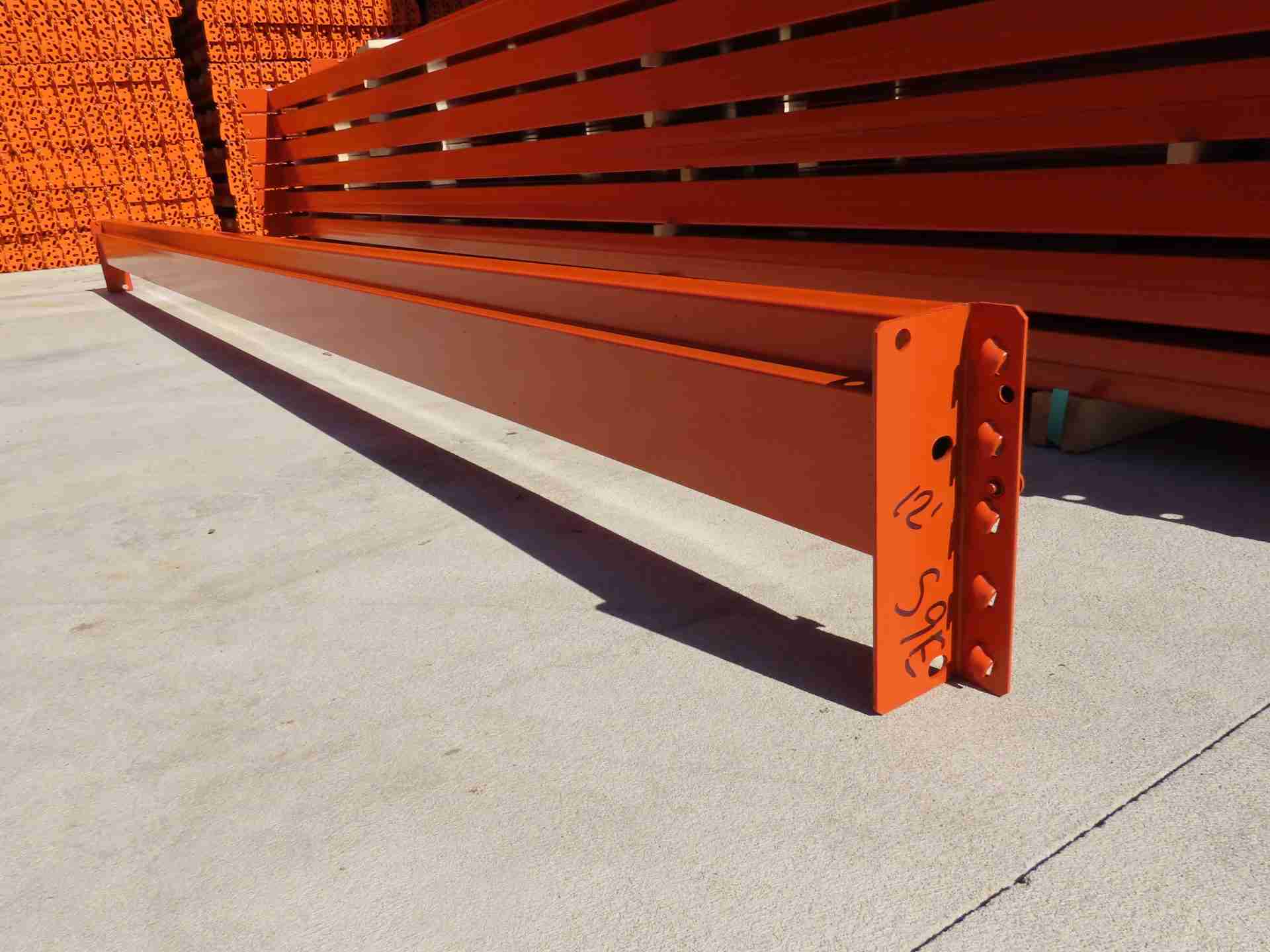
What’s The ROI on Investing In Cantilever Racking?
What’s The ROI on Investing In Cantilever Racking?
- Cantilever racking maximizes warehouse space, crucial for profitability in a competitive marketplace.
- This racking system offers an excellent return on investment (ROI) that surpasses initial costs.
- Space-efficiency allows for flexible customization, accommodating oversized items effectively.
- Recent upgrades to cantilever racking have led to significant increases in storage capacity and revenue for businesses.
- Durability and low maintenance of cantilever racks lead to cost savings through reduced replacements and repairs.
- Integration with automation enhances order fulfillment speed, reduces labor costs, and improves customer experience.
- Investing in cantilever racking revitalizes operations, positioning businesses for sustainable growth.
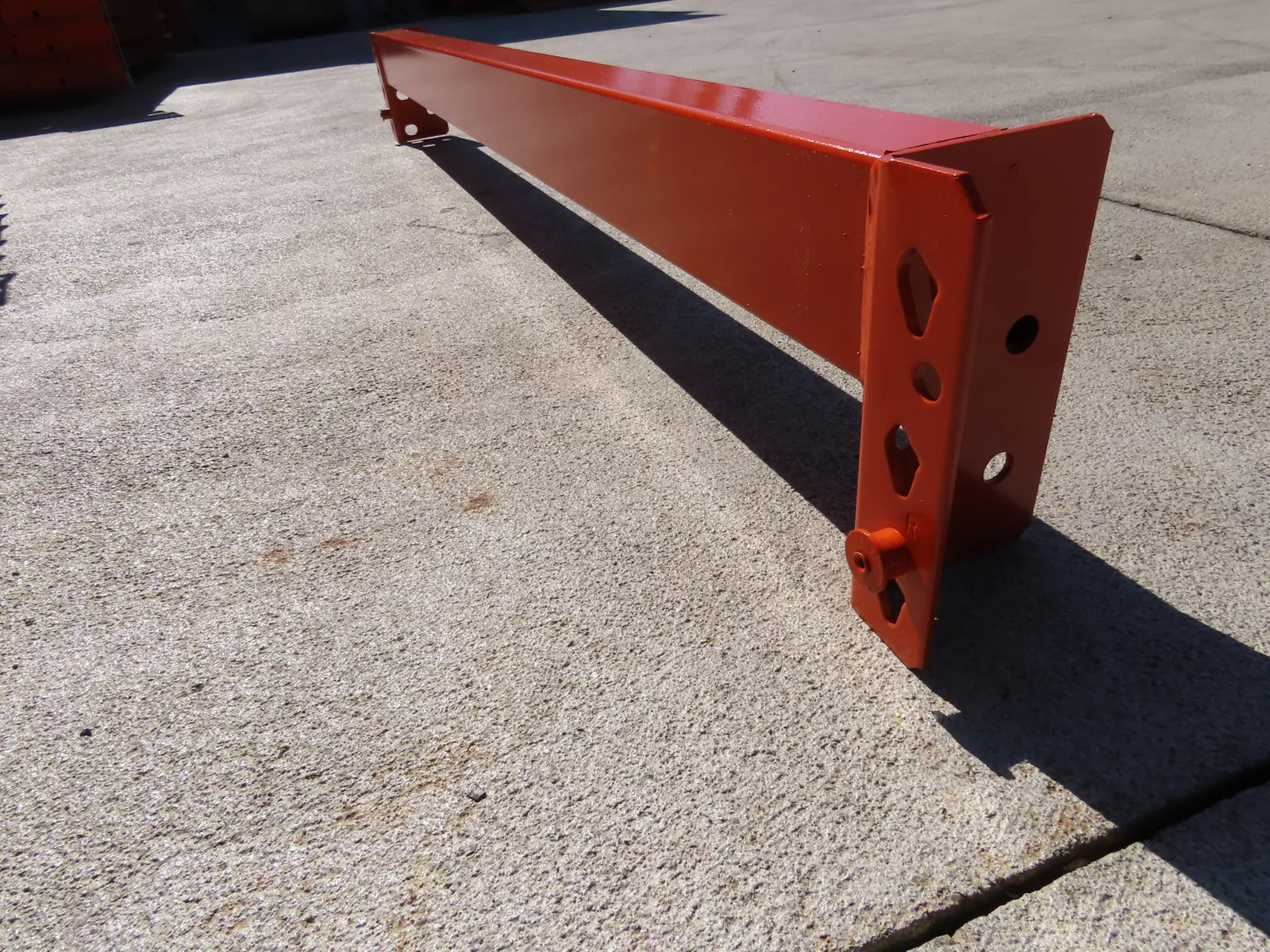
What’s The ROI on Investing In Cantilever Racking?
Table Of Contents
- What’s The ROI on Investing In Cantilever Racking?
- What Is Cantilever Racking And How Does It Work?
- What Are The Benefits Of Cantilever Racking?
- How Can Cantilever Racking Improve Warehouse Efficiency?
- What Is The Initial Investment Cost For Cantilever Racking?
- How Do I Calculate The ROI On Cantilever Racking?
- What Factors Influence The ROI Of Cantilever Racking?
- How Does Cantilever Racking Reduce Operational Costs?
- What Industries Benefit Most From Cantilever Racking?
- How Does Cantilever Racking Enhance Safety In The Workplace?
- What Maintenance Is Required For Cantilever Racking Systems?
- Are There Financing Options For Investing In Cantilever Racking?
- How Can I Maximize The Space With Cantilever Racking?
- What Are The Installation Considerations For Cantilever Racking?
- How Can Cantilever Racking Adapt To Changing Inventory Needs?
- What Is The Lifespan Of Cantilever Racking Systems?
- Conclusion
- Other Resources
- Glossary Of Terms
- Other Questions
- Checklist
What Is Cantilever Racking And How Does It Work?
In today’s fast-paced warehousing and distribution landscape, efficiency and organization are key to maintaining a competitive edge. Enter cantilever racking—a storage solution that’s rapidly winning over industries that require flexible and robust shelving capabilities. Designed to handle lengthy and heavy items like lumber, pipes, and textiles, cantilever racking offers a revolutionary way to optimize vertical space while maximizing accessibility.
So, what exactly is cantilever racking? It consists of vertical columns with horizontal arms, which extend outwards to support and hold items securely. Unlike conventional pallet racking, this system is designed without front columns, allowing for unobstructed access and the ability to store items of varying lengths. Think of it as a sophisticated set of arms that reach out to cradle your inventory, enabling quick retrieval with minimal hassle.
The mechanism behind cantilever racking is straightforward yet effective. Products are simply loaded onto the arms, which can be adjusted at various heights to accommodate different item sizes. This flexibility ensures you can adapt your warehouse layout in real-time, responding quickly to changes in demand or inventory types. For instance, a lumber company can easily switch from storing 2x4s to larger plywood sheets without the need for significant restructuring.
Take a moment to imagine the possibilities: recent trends in construction due to governmental infrastructure investments have led to increased demand for materials. Companies investing in cantilever racking systems are well-positioned to handle surging orders by efficiently utilizing their space. Meanwhile, the ability to easily adjust racking configurations means they can maximize every square foot of warehouse space, cutting storage costs and improving inventory turnover rates.
The advantages extend beyond just physical storage. The ease of access fosters a more organized environment, reducing the time employees spend searching for items. For instance, consider a textile distributor who implements cantilever racking to house rolls of fabric. With easy visibility and accessibility, they can quickly fulfill orders, boosting overall customer satisfaction and retention—a crucial factor in today’s competitive markets.
Cantilever racking is not just a storage solution; it is an investment in efficiency, flexibility, and customer satisfaction. As industries adapt to the ever-evolving landscape influenced by economic fluctuations and consumer trends, embracing such innovations will propel businesses to new heights. Whether you are a logistics leader or an ambitious distributor, cantilever racking could be the key to unlocking your warehouse’s full potential.
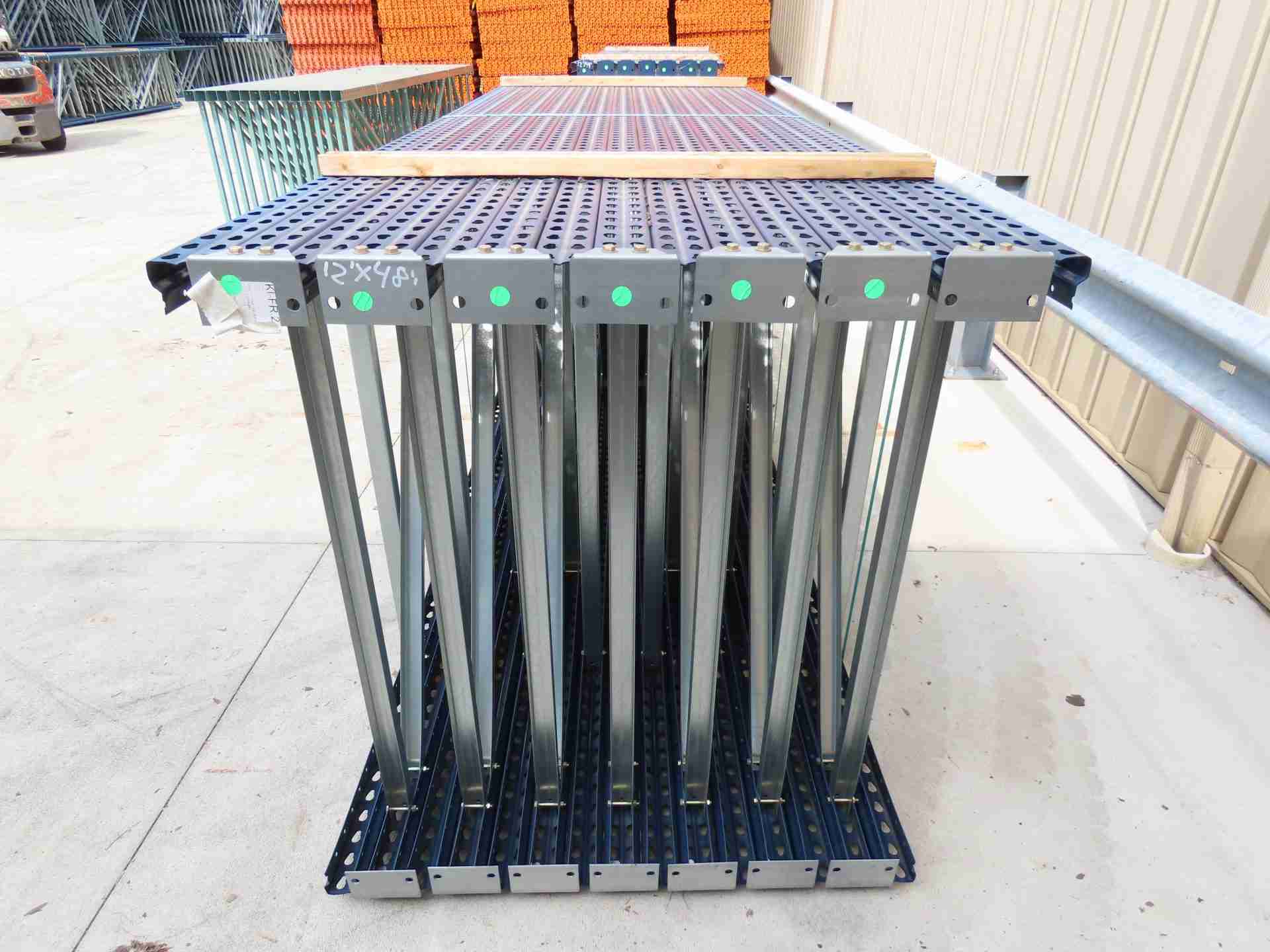
What Is Cantilever Racking And How Does It Work?
What Is Cantilever Racking And How Does It Work?
Here’s a bulleted summary of the provided text formatted as an HTML list:
- Cantilever racking enhances efficiency and organization in warehousing and distribution.
- This storage solution is ideal for lengthy and heavy items like lumber, pipes, and textiles.
- The racking system consists of vertical columns with horizontal arms for unobstructed access.
- Adjustable arms allow for flexible storage configurations to accommodate various item sizes.
- Recent trends in construction have increased demand, positioning companies with cantilever racking advantageously.
- Improved access leads to a more organized environment and boosts customer satisfaction.
- Cantilever racking represents an investment in efficiency, flexibility, and adapting to market trends.
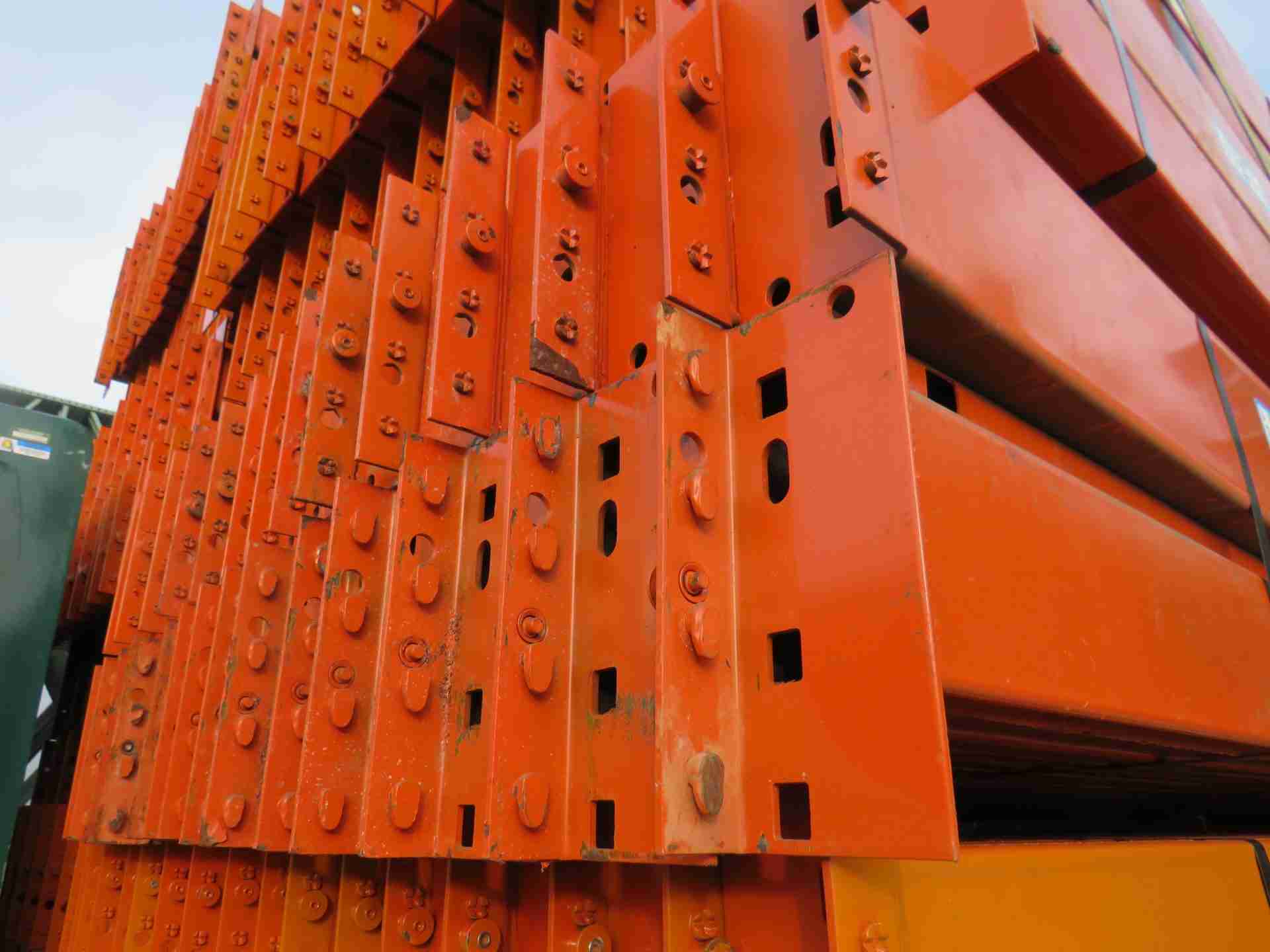
What Is Cantilever Racking And How Does It Work?
What Are The Benefits Of Cantilever Racking?
What Are The Benefits of Cantilever Racking?
In today’s fast-paced industrial landscape, efficiency is king, and every square foot of storage space counts. Enter cantilever racking, a game-changer for inventory management and warehouse organization. So, why should you consider investing in this innovative shelving solution? The benefits are vast, and the return on investment can be staggering.
Maximized Space Utilization
One of the most compelling advantages of cantilever racking is its ability to optimize vertical space. Traditional shelving can clutter aisles with obtrusive, horizontal design, consuming valuable floor space. Cantilever racking, on the other hand, offers a vertical, open design, allowing you to store long or bulky items like lumber, pipes, and furniture without wasting an inch of precious warehouse area. For instance, a lumber yard can triple its holding capacity by switching from conventional racking systems to cantilever racking, resulting in increased sales opportunities and improved cash flow.
Adaptability and Versatility
In an ever-evolving market where product lines shift and expand frequently, adaptability is crucial. Cantilever racking easily accommodates various sizes and shapes of materials, from oversized items to smaller components. Take a manufacturing facility that recently pivoted to produce eco-friendly goods—it can quickly modify its storage solutions without investing in a complete overhaul. With adjustable arms and customizable configurations, cantilever racking gives your business the flexibility to pivot when market trends change.
Enhanced Safety
Let’s face it: the safety of your workforce is a non-negotiable priority. Cantilever racking systems are designed to provide safer storage options by minimizing the risk of items falling over or being bumped by forklifts. For example, as more companies return to the workplace post-pandemic, ensuring safe environments is imperative. By investing in cantilever racking, you demonstrate a commitment to safety, reducing workplace injuries and potential lawsuits, while also signaling to employees that their well-being is your priority.
Streamlined Operations
Efficiency thrives on organization. Cantilever racking allows for easy access and organization—enabling your staff to locate, retrieve, and store items without the confusion that comes with outdated systems. This translates to quicker order fulfillment and improved customer satisfaction. A fulfillment center that adopts cantilever racking can decrease picking times significantly, allowing them to meet customer demands more effectively in a landscape marked by e-commerce explosion.
Cantilever racking is not just a storage solution; it’s an investment in your company’s future. Whether you’re dealing with oversized goods or looking to create a more adaptable work environment, the benefits are clear. Don’t just keep up with the competition—get ahead of it by realizing the potential of your workspace today!
What Are The Benefits Of Cantilever Racking?
What Are The Benefits Of Cantilever Racking?
- Maximized Space Utilization: Optimizes vertical space, allowing for the storage of long or bulky items without wasting floor area.
- Adaptability and Versatility: Easily accommodates various sizes and shapes of materials, enabling quick adjustments to changing market needs.
- Enhanced Safety: Reduces the risk of items falling or being bumped by forklifts, prioritizing workforce safety.
- Streamlined Operations: Facilitates easy access and organization, leading to quicker order fulfillment and improved customer satisfaction.
- Increased Holding Capacity: Switching to cantilever racking can significantly expand storage capabilities, enhancing sales opportunities.
- Commitment to Safety: Demonstrates a proactive approach to workplace safety and employee well-being.
- Investment in the Future: Positions your company to adapt and thrive in a competitive landscape.
What Are The Benefits Of Cantilever Racking?
How Can Cantilever Racking Improve Warehouse Efficiency?
In the fast-paced world of logistics and warehousing, efficiency isn’t just an advantage—it’s a necessity. Enter cantilever racking, a system that’s rapidly gaining traction as businesses seek to optimize their storage solutions. Let’s delve into how this innovative racking system can revolutionize your warehouse operations, improving efficiency and ultimately driving profitability.
First, let’s consider the sheer versatility offered by cantilever racking. Unlike traditional shelving units that are constrained by fixed dimensions, cantilever racks utilize horizontal arms protruding from vertical columns, allowing you to store materials of various sizes—whether it’s long steel pipes, lumber, or even heavy machinery. For example, a construction supply company recently transitioned to cantilever racking, enabling them to store significantly more materials in less space. This newfound flexibility translated into a 25% reduction in retrieval time, streamlining their operations and enhancing overall productivity.
Moreover, cantilever racking systems make access to stored items a breeze. The open design of the racking system eliminates the barriers often associated with traditional shelving—think cramped aisles and loaded shelves—resulting in quicker loading and unloading times. With less time spent searching for items, employees can focus on what truly matters: driving revenue and ensuring customer satisfaction. This is particularly relevant as the push for same-day delivery services becomes the norm across many industries.
In the wake of the ongoing supply chain disruptions, having a well-organized warehouse can also mitigate risks associated with material handling and order fulfillment. A recent report indicated that businesses adopting cantilever racking saw reduced product damage rates by as much as 30%. This not only cuts costs related to stock loss but also improves customer satisfaction by ensuring products are delivered in the pristine condition expected in today’s competitive market.
Let’s not overlook the importance of safety in improving efficiency. Cantilever racks can be engineered to meet your unique warehouse layout and the products you handle, minimizing the chances of accidents and ensuring compliance with safety regulations. With fewer accidents come fewer disruptions, further enhancing the operational flow.
Finally, while the initial investment in cantilever racking may be significant, the long-term returns can be staggering. By maximizing storage space, reducing retrieval times, improving safety, and streamlining operations, warehouses adopting this modern racking solution will find themselves better positioned to adapt in an ever-evolving market.
In today’s environment, where efficiencies can make or break a business, investing in cantilever racking isn’t just a choice—it’s a strategic necessity. Transform your warehouse and unlock the hidden potential within your operations today. Your bottom line will thank you.
How Can Cantilever Racking Improve Warehouse Efficiency?
How Can Cantilever Racking Improve Warehouse Efficiency?
- Efficiency is essential in logistics and warehousing; cantilever racking optimizes storage solutions.
- Cantilever racking allows for versatile storage of various materials, improving space utilization.
- A construction supply company reported a 25% reduction in retrieval time after switching to cantilever racking.
- The open design of cantilever racking speeds up loading and unloading, enhancing productivity.
- Adopting cantilever racking can reduce product damage rates by up to 30%, improving customer satisfaction.
- Cantilever racks can be customized for safety and to minimize accidents in the warehouse.
- Although the initial investment is high, long-term benefits include improved efficiency and adaptability.

How Can Cantilever Racking Improve Warehouse Efficiency?
What Is The Initial Investment Cost For Cantilever Racking?
Investing in cantilever racking can revolutionize your storage capabilities, but it’s essential to understand what you’re signing up for financially. The initial investment cost for cantilever racking systems varies dramatically based on several factors—let’s unpack those to give you a clearer picture.
Firstly, the size and design of the racking system you select will significantly influence cost. Standard systems can range from $2,500 to $10,000 for smaller configurations, while larger setups can escalate to $25,000 or more. For instance, if you’re managing a warehouse storing long materials like pipes or lumber, a customized cantilever rack will usually require a higher upfront investment but will maximize storage efficiency, ultimately paying off over time.
Materials also play a crucial role in determining the budget. Heavy-duty, high-quality steel cantilever racks designed for maximum durability cost more initially but provide better value long-term by reducing replacements and maintenance. Recent supply chain disruptions have driven material costs up—keeping abreast of market trends can help you anticipate changes and budget accordingly. Partnering with a reputable supplier who understands the current market and can assist you in making smart choices will be invaluable here.
Installation is another factor that can add to the initial cost. DIY installations may save you money upfront but can lead to costly mistakes if not executed properly. Professional installation typically costs between 10% to 20% of the total rack system price, so budget for that expense as well.
Additionally, don’t forget the hidden costs. This includes permits for installation, safety inspections, and, if necessary, upgrades to your facility’s infrastructure to accommodate the new racking system. These can quickly add up, so having a comprehensive plan in place helps mitigate surprises.
To illustrate, let’s consider a company in the manufacturing sector that opted for a mid-range cantilever racking system for around $15,000. Initially overwhelmed by the price tag, they chose to view it as a strategic investment. Within six months, they reported a 30% increase in productivity, transforming that initial cost into a mere footnote in their overall financial narrative, while reaping ongoing benefits.
Therefore, while the initial investment cost for cantilever racking may seem steep, it’s imperative to view it through the lens of long-term gains. The right racking system can streamline operations, enhance safety, and ultimately provide a significant return on investment. So, assess your specific needs and diligently plan your budget – your warehouse’s future efficiency depends on it!
What Is The Initial Investment Cost For Cantilever Racking?
What Is The Initial Investment Cost For Cantilever Racking?
- Investing in cantilever racking systems enhances storage capabilities, but initial costs vary significantly.
- Costs range from $2,500 to over $25,000, depending on the size and design of the system.
- High-quality steel racks have higher upfront costs but offer better long-term value due to durability.
- Recent supply chain issues have increased material costs, so monitor market trends for budget planning.
- Professional installation can add 10% to 20% to the total cost; DIY may save money but risks costly mistakes.
- Hidden costs, like permits and potential facility upgrades, need to be included in budgeting to avoid surprises.
- Ultimately, considering cantilever racking as a long-term investment can lead to increased efficiency and ROI.
What Is The Initial Investment Cost For Cantilever Racking?
How Do I Calculate The ROI On Cantilever Racking?
Calculating the Return on Investment (ROI) of cantilever racking is not just a mathematical exercise; it’s a strategic move that can significantly impact your warehouse’s bottom line. In today’s fast-paced retail environment, optimizing storage solutions has never been more crucial. If you can harness the efficiency of cantilever racking, you may just find your path to increased profitability.
Understanding Cantilever Racking Investment
Before diving into calculations, let’s understand what makes cantilever racking a valuable asset. This system provides versatile storage for long, bulky items like lumber, pipes, and furniture—items that traditional shelving simply can’t handle. Its ability to maximize vertical space can lead to better organization, quicker access to inventory, and enhanced operational efficiency.
Calculating Costs and Savings
Start with the total costs associated with implementing cantilever racking. This includes the initial purchase price, installation costs, and any necessary accessories, such as safety features or additional shelving. Let’s say you invest $15,000 in racking systems for your warehouse.
Next, you need to quantify the functional benefits gained from this investment. For example:
1. Increased Efficiency: If the racking system allows you to save 25% of time spent on locating products, you can factor in labor savings. Assume your labor costs are $20/hour, and the efficiency gains result in a reduction of 10 hours per week—this leads to a savings of $200 per week, or approximately $10,400 annually.
2. Space Optimization: Consider how much more inventory you can store due to space maximization. If your old system allowed you to store 100 units, and with cantilever racking you can store 150 units, the value of that additional sales potential directly contributes to your ROI.
Calculating the ROI
Now, it’s time to crunch the numbers. Your total benefit from efficiency savings is $10,400 annually, and if you forecast additional sales from extra storage, say $5,000 for that year, your total benefits would be $15,400.
Now, use the ROI formula:
\[ \text{ROI} = \frac{\text{Total Benefit} – \text{Total Cost}}{\text{Total Cost}} \times 100 \]
In this case:
\[ \text{ROI} = \frac{15,400 – 15,000}{15,000} \times 100 \approx 2.67\% \]
This shows a positive return, but remember, the real power of cantilever racking often comes from compounding benefits over time. As market dynamics evolve—especially in sectors affected by current supply chain challenges—the investment becomes not just a cost, but a crucial lifeline to maintaining inventory flow and customer satisfaction.
Conclusion
Calculating ROI on cantilever racking is about envisioning the full scope of benefits. Focus not just on the number, but on how this investment can amplify your operational capacity and profitability, setting the stage for sustainable growth in a competitive landscape.
How Do I Calculate The ROI On Cantilever Racking?
How Do I Calculate The ROI On Cantilever Racking?
- Calculating the ROI of cantilever racking impacts warehouse profitability and efficiency.
- Cantilever racking is ideal for storing long, bulky items that traditional shelving can’t accommodate.
- Initial costs include purchase price, installation, and necessary accessories, e.g., safety features.
- Efficiency gains can save significant labor costs, e.g., $200/week translating to approximately $10,400 annually.
- Enhanced storage capacity allows for increased inventory, contributing additional sales potential to ROI.
- Using the ROI formula, forecasted total benefits against total costs showed a positive return of approximately 2.67%.
- Consider the long-term benefits and improvements in operational capacity when evaluating the investment in cantilever racking.
How Do I Calculate The ROI On Cantilever Racking?
What Factors Influence The ROI Of Cantilever Racking?
When businesses look to optimize their warehousing space, cantilever racking often shines as a solution. However, understanding the factors that influence the return on investment (ROI) of these systems is crucial for making informed decisions. Let’s delve into the key elements that can impact the ROI of cantilever racking and how to maximize it for your operations.
1. Space Utilization Efficiency
One of the primary advantages of cantilever racking is its ability to maximize vertical storage space. Unlike traditional shelving, cantilever racks allow you to store longer items—think lumber, pipes, or furniture—more efficiently. For instance, a construction supply company that replace traditional racks with cantilever systems may increase storage capacity by up to 40%, enabling them to handle higher volumes without expanding their warehouse footprint. This enhanced capacity not only impacts storage costs but also increases the potential revenue from sales.
2. Type of Inventory
The nature of the items you store directly affects ROI. High-turnover products or those that can be easily managed with cantilever racks will yield a better ROI than those that are rarely accessed or awkward to store. If your inventory comprises seasonal items like winter sports gear or garden supplies, implementing cantilever racking can streamline operations, reduce picking errors, and enhance accessibility during peak seasons, thereby driving sales.
3. Labor Efficiency
Labor costs represent a significant portion of warehouse expenses. Efficiently designed cantilever racking can lead to quicker picking processes, as employees can access items without navigating complex shelving. For example, a furniture retailer reported a 30% decrease in time spent retrieving items after switching to cantilever racking. This improvement not only increases productivity but also reduces labor costs, thereby enhancing profit margins and boosting ROI.
4. Maintenance and Durability
Investing in high-quality cantilever racking systems can lead to lower maintenance costs and increased longevity. For organizations operating in industries with harsh environments—such as construction or industrial manufacturing—choosing durable racks reduces repair and replacement frequency. For instance, during the COVID-19 pandemic, supply chain disruptions highlighted the importance of resilient infrastructure. Businesses that invested in robust cantilever systems found themselves better equipped to navigate logistics challenges, ultimately improving their financial stability.
5. Integration with Technology
In the era of Industry 4.0, integrating cantilever racking with inventory management systems can amplify efficiency. Using data analytics to track inventory movements allows businesses to optimize storage locations, reducing retrieval times and errors. For example, warehouses utilizing automated pick-and-place robotics alongside cantilever systems have reported increased throughput and accuracy, significantly bolstering ROI.
Understanding and leveraging these factors can transform cantilever racking from a mere storage solution into a strategic asset, driving profitability and operational excellence.
What Factors Influence The ROI Of Cantilever Racking?
What Factors Influence The ROI Of Cantilever Racking?
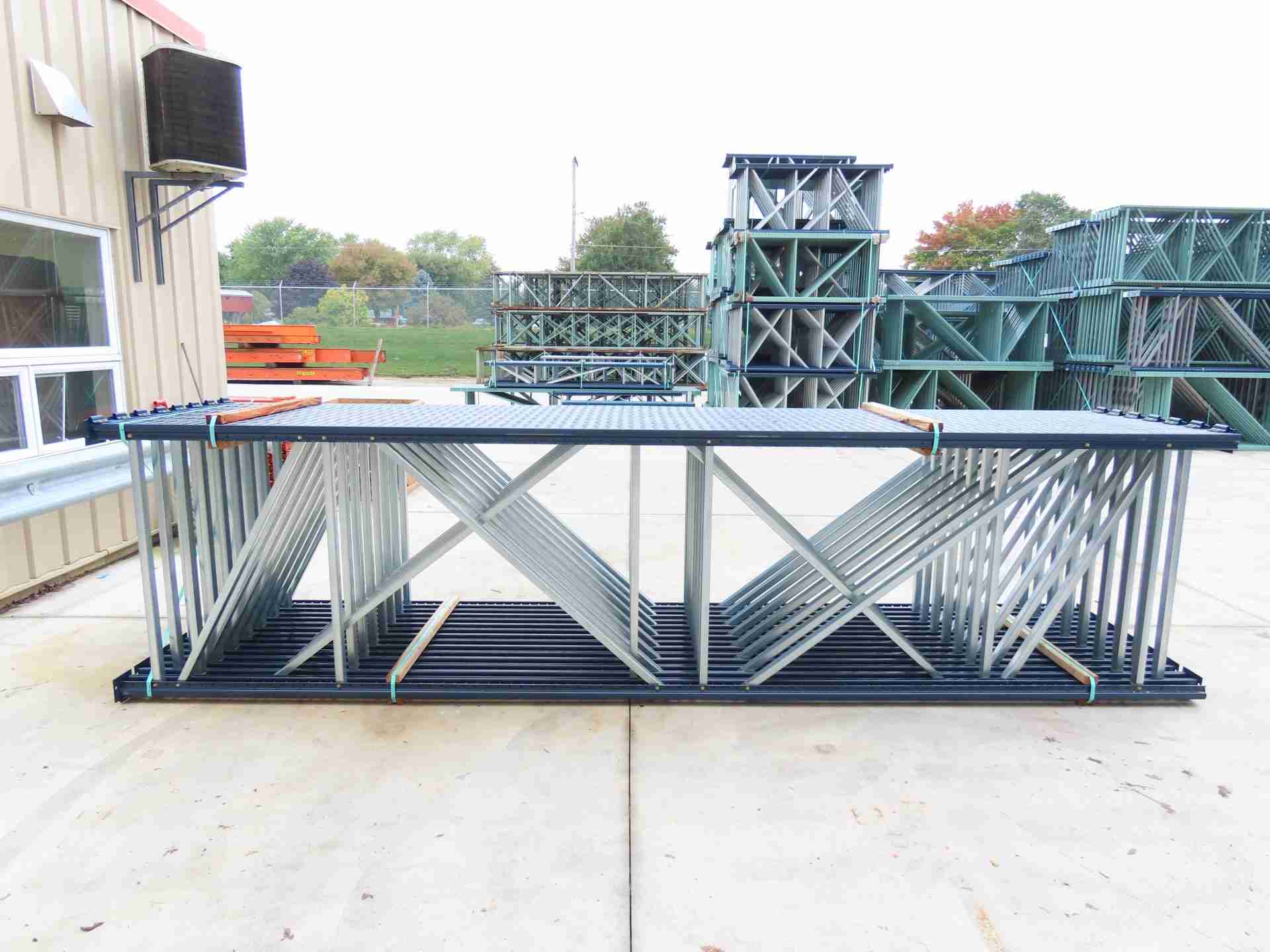
- Space Utilization Efficiency: Cantilever racking maximizes vertical storage, increasing capacity by up to 40% compared to traditional shelving.
- Type of Inventory: High-turnover and easily manageable items yield better ROI; cantilever racking enhances accessibility for seasonal products, improving sales.
- Labor Efficiency: Efficient design of cantilever racks speeds up picking processes, reducing retrieval time by up to 30%, lowering labor costs.
- Maintenance and Durability: Investing in high-quality racks leads to lower maintenance costs and increased durability, essential for harsh environments.
- Integration with Technology: Combining cantilever racking with inventory management systems optimizes storage and reduces errors, increasing overall efficiency.
- Strategic Asset: Leveraging these factors can transform cantilever racking into a strategic asset, enhancing profitability and operational excellence.
What Factors Influence The ROI Of Cantilever Racking?
How Does Cantilever Racking Reduce Operational Costs?
In today’s fast-paced supply chain environment, businesses are constantly seeking innovative ways to maximize efficiency and curb operational expenses. Enter cantilever racking—a game-changing solution that not only simplifies storage but also delivers substantial cost savings.
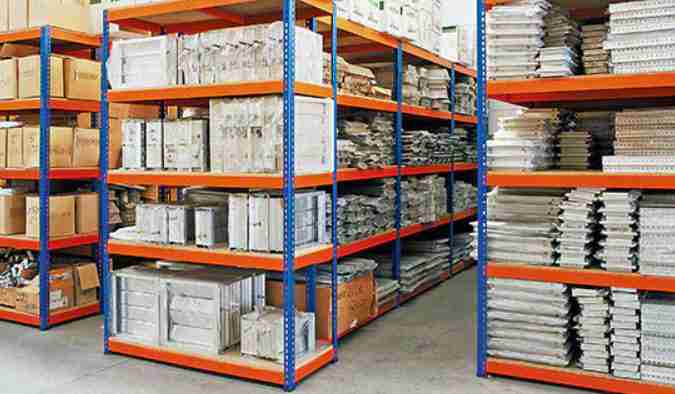
At its core, cantilever racking is designed for storing long, bulky, or oddly shaped items that traditional shelving can’t accommodate. Think lumber, appliances, or even automotive parts. With its unique design, cantilever racking eliminates wasted vertical space, allowing for greater product density without requiring extensive floor space. The economic advantages are immediate: less square footage means lower rent and utility expenses, translating to significant savings over time.
A perfect embodiment of these benefits can be seen in the construction industry, where material handling can often become a labyrinth of inefficiencies. For example, a big-box lumber retailer, by transitioning to cantilever racking, not only increased its storage capacity by 30%, but also improved order fulfillment times by 25%. Fewer trips needed to retrieve materials means more time for customer-centric activities and increased overall productivity. When we talk about operational costs, remember that every minute saved in labor contributes directly to your bottom line.
Moreover, cantilever racking enhances safety—another financial boon. Poorly stored materials can lead to workplace accidents that result in costly worker compensation claims and decreased morale among employees. By using organized, accessible cantilever systems, companies can minimize hazards and maintain compliance with OSHA regulations. As recent as 2023, U.S. businesses have faced escalating safety fines due to non-compliance; implementing cantilever racking can serve as a proactive strategy against such penalties.
The scalability of cantilever racking systems also means that as your business grows, your storage can grow with it. This flexibility translates into lower capital expenditure. Rather than committing to expensive new construction or warehouse expansion, companies can simply adjust their racking configurations to accommodate new inventory types or increased volumes. This adaptability is crucial in an era where economic uncertainties, such as inflation and supply chain disruptions, have a tangible impact on operations.
Furthermore, with the current trend of digital transformation, companies are exploring automation in warehousing. Cantilever racking integrates seamlessly with these systems, allowing for enhanced visibility and inventory management—key factors that drive efficiency and, ultimately, cost reduction.
In summary, cantilever racking serves not just as a storage solution but as a potent tool for cost management. By improving space optimization, ensuring safety, and providing scalability, it positions businesses to thrive amid fierce competition. The financial benefits are clear: in the race for operational excellence, cantilever racking is a decisive advantage you can’t afford to ignore.
How Does Cantilever Racking Reduce Operational Costs?
How Does Cantilever Racking Reduce Operational Costs?
- Cantilever racking maximizes efficiency and reduces operational expenses in supply chains.
- Designed for storing long, bulky, or oddly shaped items that traditional shelving cannot accommodate.
- Reduces waste of vertical space, leading to greater product density and lower rent and utility costs.
- In the construction industry, cantilever racking can increase storage capacity by 30% and improve order fulfillment times by 25%.
- Enhances safety by organizing materials and reducing workplace hazards, minimizing potential compensation claims.
- Offers scalability, allowing businesses to adjust storage configurations as they grow, avoiding costly expansions.
- Integrates with automation systems for improved inventory management, driving efficiency and cost reduction.
How Does Cantilever Racking Reduce Operational Costs?
What Industries Benefit Most From Cantilever Racking?
In an ever-evolving economic landscape where maximizing space and efficiency is paramount, cantilever racking stands out as a game-changer for several key industries. This storage solution not only optimizes vertical space but also accommodates oversized items that traditional shelving cannot handle, proving invaluable for businesses focused on growth and agility.
1. Furniture and Home Goods Retailers
Furnishing a home requires an expansive inventory that ranges from couches to dining sets. Retailers in this sector often battle limited floor space. Cantilever racking provides a dynamic solution by allowing for the display of oversized items without compromising accessibility. For instance, during the recent surge in home renovations post-pandemic, furniture retailers have harnessed cantilever racking to showcase their products effectively, drawing customers in with a well-organized, visually appealing layout.
2. Lumber and Building Material Suppliers
The construction industry is experiencing a renaissance, partly fueled by government infrastructure projects and housing booms. Lumberyards and suppliers of construction materials benefit immensely from cantilever racks. These systems seamlessly support long, heavy items like lumber, pipes, and steel beams, reducing the risk of damage and improving inventory management. With demand surging, particularly after the recent bills funding infrastructure improvements, these suppliers can utilize cantilever racking to boost productivity while ensuring swift, easy access to essential materials.
3. Automotive Parts Distributors
In the fast-paced automotive sector, inventory turnover is critical. Distributors handling warehouse space for machinery and large spare parts can dramatically enhance operations by employing cantilever racking systems. The flexibility of cantilever racks allows for the storage of various items like tires, engine blocks, or chassis components, which are often awkwardly shaped or too heavy for conventional shelving. As electric vehicle manufacturing ramps up globally, companies need efficient storage solutions to respond to the quickly changing inventory needs.
4. Wholesale and Distribution Centers
As e-commerce continues to proliferate, wholesale businesses must adapt to the rapid demands of consumers. Cantilever racking systems make this possible by providing a robust means of storing diverse product lines, from appliances to seasonal decorations. These racking solutions streamline the picking process, enabling faster order fulfillment—a crucial element in today’s market where speed is often equated with competitive advantage.
In summary, whether you’re in retail, construction, automotive, or wholesale distribution, cantilever racking not only transforms storage efficiency but also enhances business operations. By adopting this innovative shelving solution, companies can position themselves better to capitalize on market trends and respond swiftly to consumer demands. Let’s face it—the businesses that can maximize their storage capabilities while minimizing clutter are the ones that will thrive in today’s marketplace.
What Industries Benefit Most From Cantilever Racking?
What Industries Benefit Most From Cantilever Racking?
- Cantilever racking optimizes vertical space and accommodates oversized items, benefiting industries focused on growth and agility.
- Furniture and home goods retailers utilize cantilever racking to display large items effectively, improving accessibility and organization.
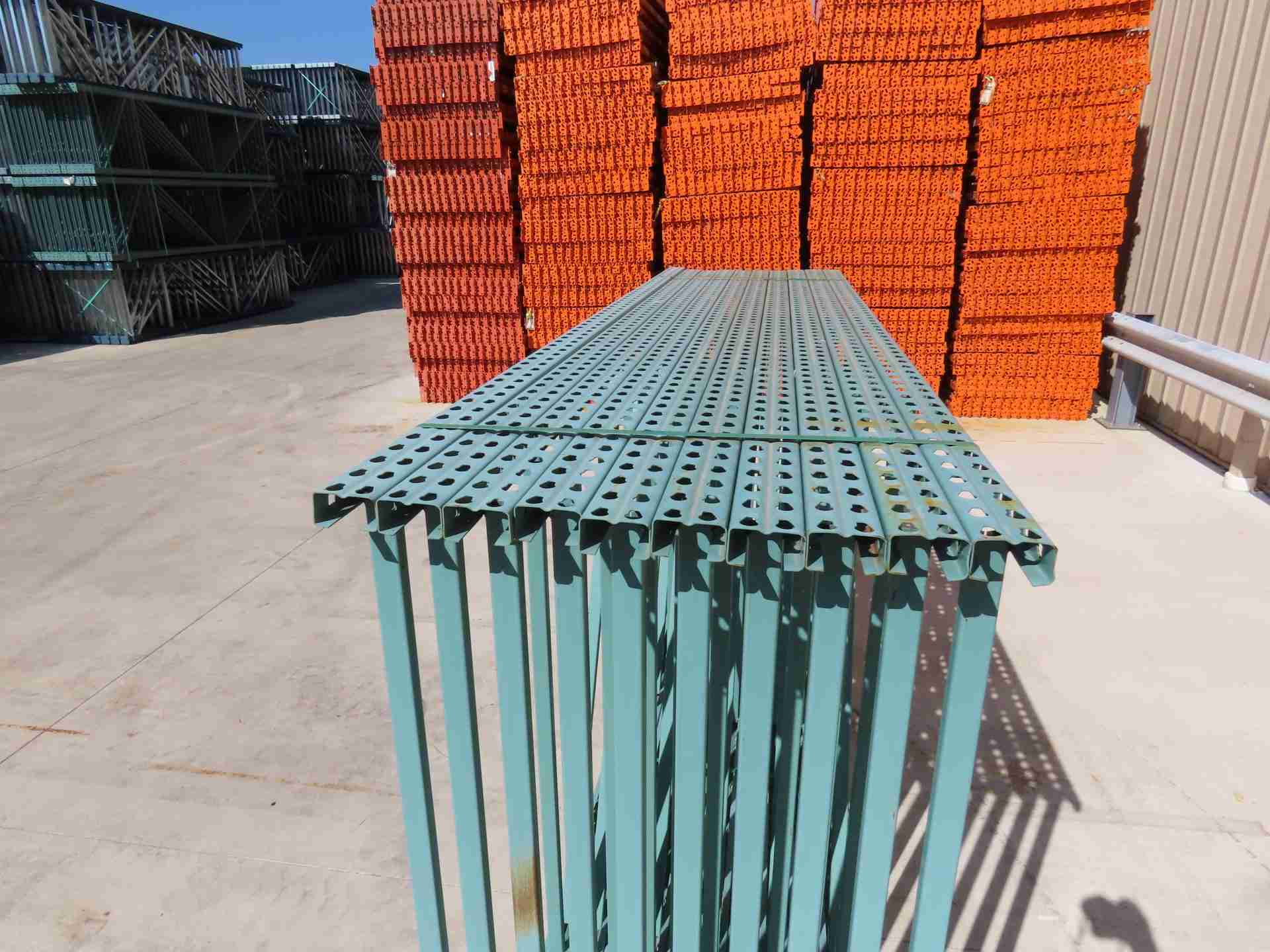
- Lumber and building material suppliers leverage cantilever racks to efficiently support long, heavy items, enhancing inventory management.
- Automotive parts distributors employ cantilever racking to manage awkwardly shaped and heavy inventory, adapting to rapid changes in demand.
- Wholesale and distribution centers benefit from cantilever racking by streamlining product storage and speeding up order fulfillment.
- Cantilever racking transforms storage efficiency across various sectors, enhancing overall business operations.
- Adopting cantilever racking helps businesses maximize storage capabilities, positioning them to thrive in a competitive marketplace.
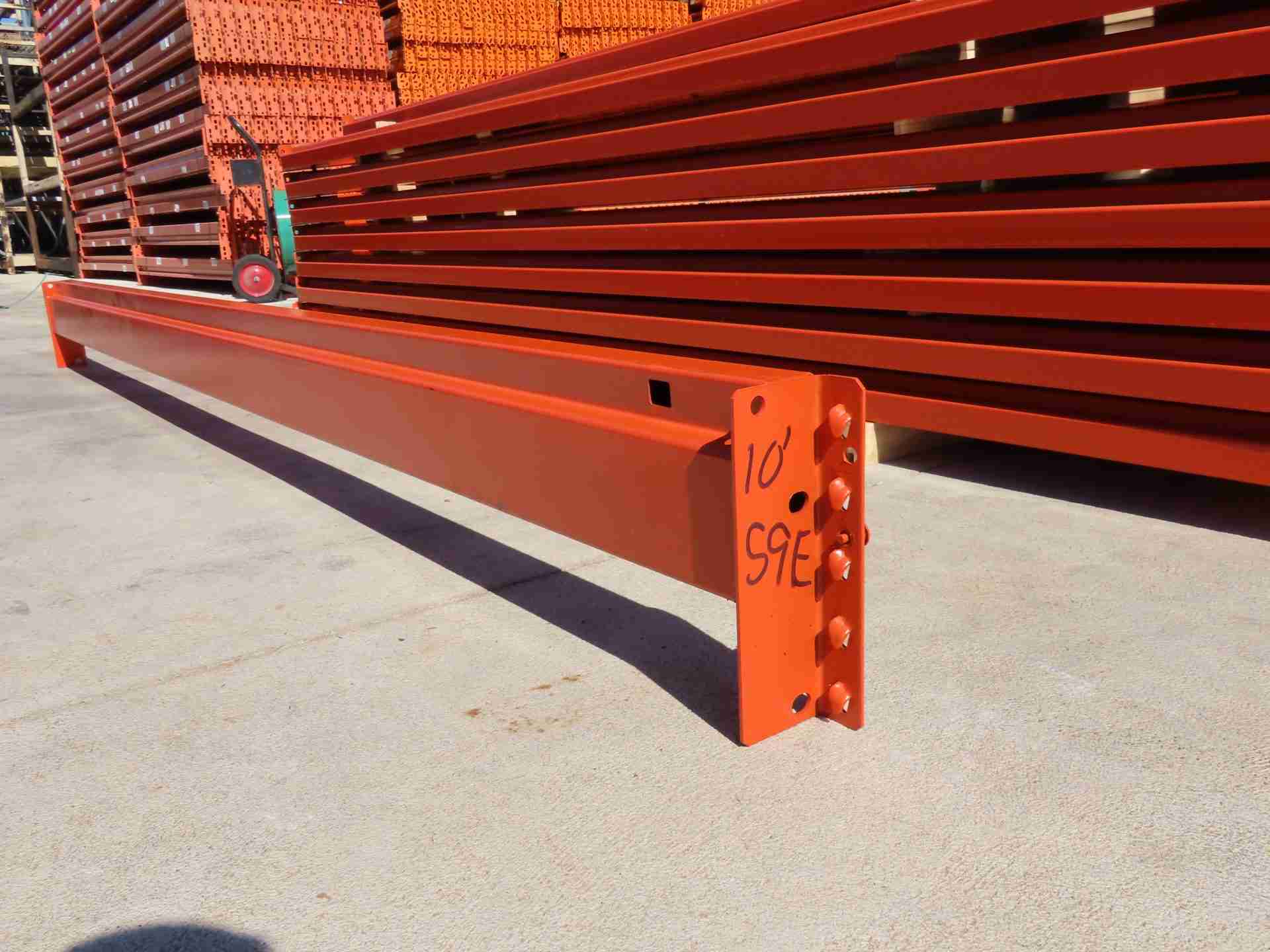
What Industries Benefit Most From Cantilever Racking?
How Does Cantilever Racking Enhance Safety In The Workplace?
In an ever-evolving industrial landscape, ensuring safety in the workplace is more than just a regulatory compliance checklist—it’s a cornerstone of business success. Enter cantilever racking: a storage solution that elevates safety standards and boosts operational efficiency simultaneously.
Cantilever racking systems are specifically designed to handle long, bulky, or oddly-shaped items that traditional shelving simply can’t accommodate. By utilizing a system of arms that extend from vertical columns, these racks eliminate the dangerous overhangs and instabilities associated with conventional shelving. Imagine your warehouse stocked with long pipes, lumber, or furniture; cantilever racks provide clear, unobstructed access while minimizing the risk of product collapse.
Recent incidents across the industrial sector underline the critical need for effective storage solutions. For instance, in early 2023, a warehouse in California faced a significant OSHA fine due to unsafe stacking practices that led to a catastrophic collapse. Had cantilever racking been employed, that scenario could have been avoided. Such racking systems not only stabilize loads but also facilitate safer loading and unloading processes. Workers can access materials without precarious maneuvering or the danger of top-heavy stacks falling over.
Furthermore, the open design of cantilever racks enhances visibility within your warehouse. Unlike bulky shelving, which can obstruct sightlines, cantilever racking provides an unobstructed view of stocked items. This clarity reduces the chances of accidents caused by reaching for unseen items and enhances the overall efficiency of picking operations. When workers can easily locate and retrieve items, they spend less time searching and more time focusing on their tasks, thereby lowering the risk of accidents—an absolute win-win for productivity and safety.
Consider the example of a large distribution center that recently upgraded to cantilever racking. They reported a marked decrease in workplace injuries by 30% in just six months post-installation. This substantial improvement not only safeguarded their workforce but also reduced insurance premiums, making the investment all the more compelling.
In today’s fast-paced business climate, where customer demands and workplace safety are intertwined, investing in a cantilever racking system is a proactive step toward creating a safer, more efficient environment. Embrace this innovative solution and transform your workplace into a model of safety—because when safety is prioritized, profits follow naturally.
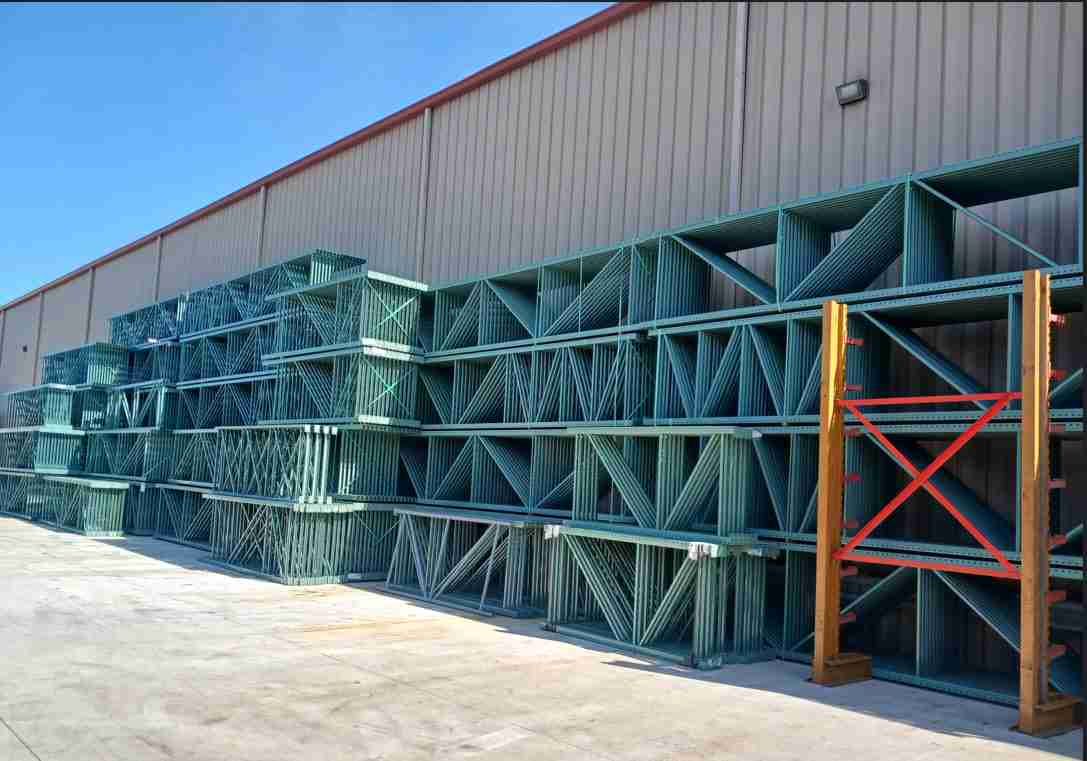
How Does Cantilever Racking Enhance Safety In The Workplace?
How Does Cantilever Racking Enhance Safety In The Workplace?
- Ensuring workplace safety is crucial for business success, beyond mere regulatory compliance.
- Cantilever racking systems are designed for storing long, bulky, or uniquely-shaped items.
- The design eliminates dangerous overhangs and instabilities found in traditional shelving.
- Recent incidents highlight the need for effective storage solutions to prevent accidents.
- Cantilever racks provide easy access to materials, reducing risks during loading and unloading.
- The open design enhances visibility, leading to safer operations and increased efficiency in item retrieval.
- Upgrading to cantilever racking has shown to significantly reduce workplace injuries and insurance costs.
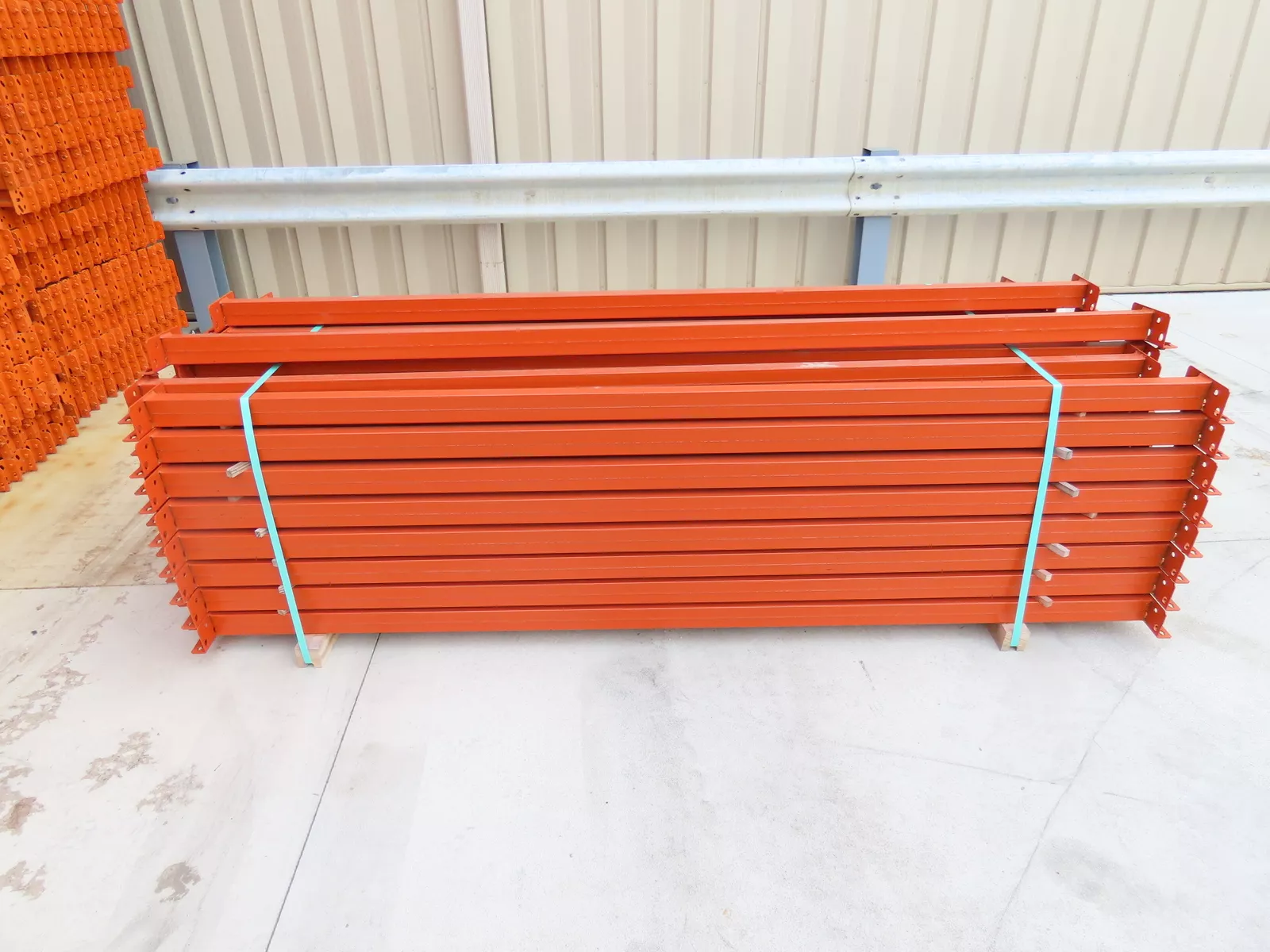
How Does Cantilever Racking Enhance Safety In The Workplace?
What Maintenance Is Required For Cantilever Racking Systems?
When it comes to maximizing warehouse efficiency, cantilever racking systems stand at the forefront. But much like a high-performance vehicle, maintaining these systems is not just a good idea; it’s essential. A well-maintained cantilever rack not only extends its lifespan but also ensures that your operations run smoothly and safely, avoiding costly downtime.
Routine Inspections: The Key to Longevity
To maintain the integrity of your cantilever racking system, develop a routine inspection schedule, ideally every six months. Look for any signs of damage like bent arms, excessive rust, or missing components. As an example, a recent incident in a Michigan distribution center underscored the importance of regular inspections when a lack of maintenance led to a collapse of part of their racking system, halting operations for days and costing thousands in repairs and lost productivity.
Cleaning and Maintenance Procedures
It’s not just about spotting damage; keeping the racks clean is vital too. Dust, debris, and spilled materials can compromise both the aesthetics and the functionality of your racking. Consider the routine cleaning of not just the racks but also the surrounding area to make picking easier and more efficient. Invest in a maintenance team for periodic deep cleanings, especially in high-traffic sections of your warehouse.
Load Capacity Checks
One of the most critical aspects of maintenance involves ensuring that your cantilever racks are not overloaded. Every racking system is designed with a specific load capacity. Regularly assess your inventory and adjust load factors accordingly. Mismanaging load can lead to structural failures that not only risk your product but also the safety of your warehouse staff.
Updates to Compliance Standards
As regulations evolve, so do compliance standards. Make it a point to stay updated with the latest safety regulations and industry standards relevant to warehouse racking systems. For instance, recent updates to OSHA’s regulations emphasize the need for regular safety audits to prevent accidents. Ignoring these requirements could not only lead to costly fines but also put your employees at risk.
Engaging Professionals for Major Overhauls
While routine maintenance can often be handled in-house, major repairs may require professional help. Enlist a maintenance contractor proficient in racking systems for anything beyond minor fixes. Their expertise can not only save you time but can also ensure that repairs uphold safety standards.
Consistent maintenance of your cantilever racking systems is not an expense—it’s an investment in safety, efficiency, and long-term operational excellence. Start today, and watch your productivity soar while minimizing future costs.
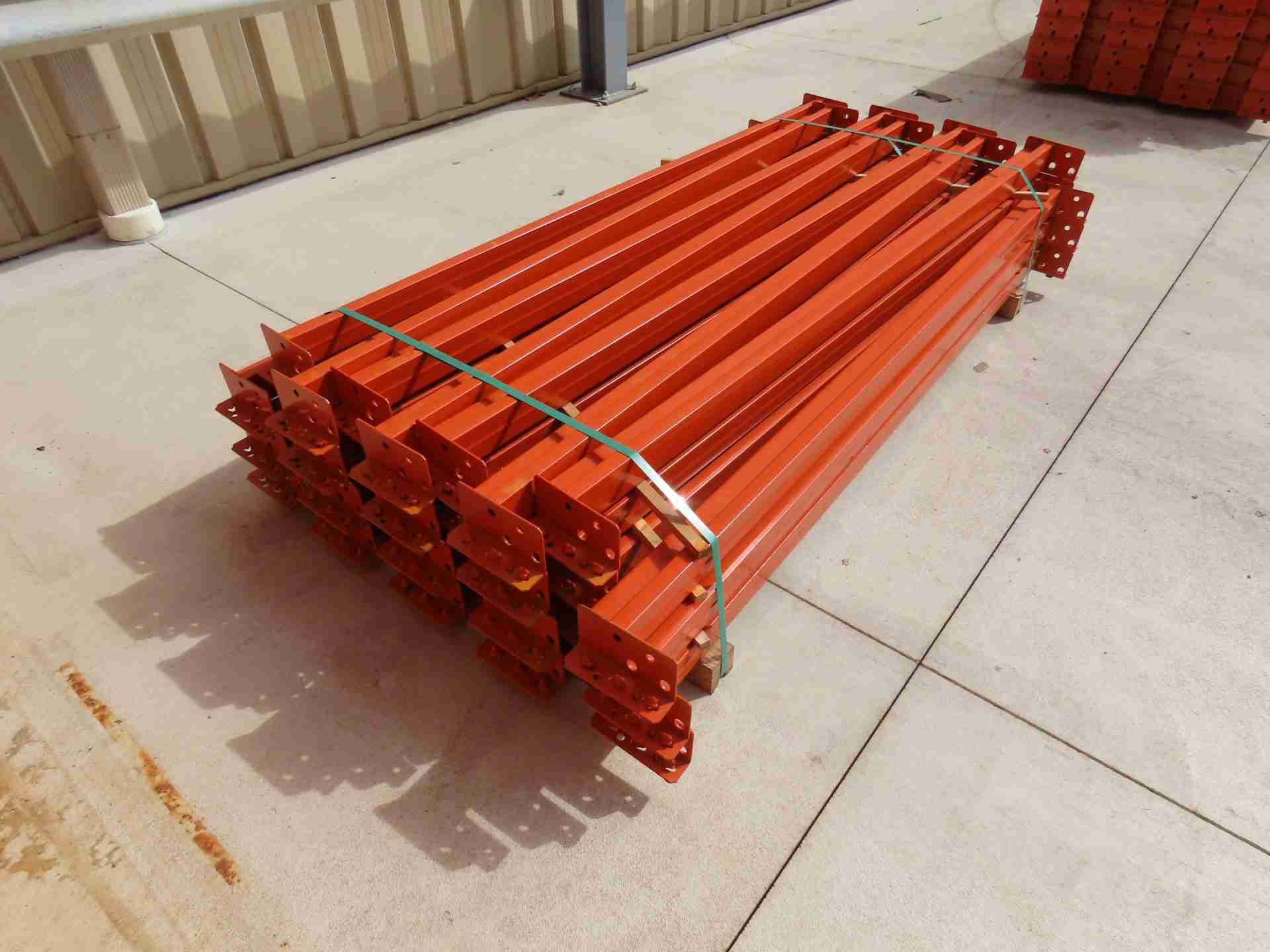
What Maintenance Is Required For Cantilever Racking Systems?
What Maintenance Is Required For Cantilever Racking Systems?
- Cantilever racking systems are crucial for maximizing warehouse efficiency and require regular maintenance.
- Routine inspections should be conducted every six months to check for damage such as bent arms or excessive rust.
- Regular cleaning of racks and surrounding areas is essential to maintain functionality and safety.
- Ensure racking systems are not overloaded; regularly assess inventory and adjust load factors accordingly.
- Stay updated on evolving compliance standards and safety regulations to avoid fines and ensure employee safety.
- Engage professional help for major repairs to uphold safety standards and ensure effective repairs.
- Investing in consistent maintenance enhances safety, efficiency, and long-term operational excellence.

What Maintenance Is Required For Cantilever Racking Systems?
Are There Financing Options For Investing In Cantilever Racking?
When it comes to investing in cantilever racking, the initial costs can sometimes give pause to even the most dedicated business owner. However, the increasing demand for efficient storage solutions in today’s dynamic market proves that the rewards far outweigh the risks. The question remains: how can savvy investors embark on this journey without breaking the bank? The answer lies in a variety of creative financing options tailored to maximize your return on investment.
Leasing Programs: Unlocking Flexibility
Leasing has increasingly become a favored choice for businesses looking to acquire cantilever racking without the sizeable upfront investment. Many reputable racking suppliers now offer attractive leasing programs, enabling you to pay in manageable monthly installments rather than a lump sum. For instance, companies like Steel King and Uline provide financing solutions that allow businesses to spread out costs, preserve cash flow, and keep their operational dollars working where they matter most. This can free up capital for other essential expenses, such as workforce expansion or marketing initiatives.
Working Capital Loans: Fuel Your Growth
For those looking to make a significant investment without leasing constraints, working capital loans from financial institutions can be a prudent avenue. Promising low-interest rates and flexible terms, these loans can empower you to purchase your cantilever racking in full upfront. Current economic signs suggest a competitive lending environment; many banks are eager to support growth projects, especially in an era where supply chain efficiency has become paramount. With recent supply shortages affecting storage capacities, timely investments in cantilever racking systems may be your golden ticket.
Government Grants and Financial Incentives
In light of federal support aimed at uplifting U.S. businesses, exploring government grants is another way to secure financing for your racking investments. Programs designed to enhance logistical capabilities—especially in manufacturing and warehousing—can provide substantial funds that require little to no payback. Websites like Grants.gov list numerous opportunities relevant to improving operational efficiency. Since the push for enhancing supply chains has grown particularly significant post-pandemic, keeping abreast of these governmental initiatives could yield lucrative financing outcomes.
Partnering with Financing Companies
Don’t overlook specialized financing firms that focus on industrial equipment. Companies like Crest Capital offer tailored financing solutions specifically designed for warehousing and logistics operations. By collaborating with these specialists, you’re not just securing funds; you’re unlocking valuable industry insights that can lead to smarter, more strategic investments.
In short, financing options for investing in cantilever racking are varied and abundant. With the market primed for growth and a plethora of attractive financing solutions at your disposal, there has never been a better time to step into the world of efficient storage. Act now, and watch your investment flourish!
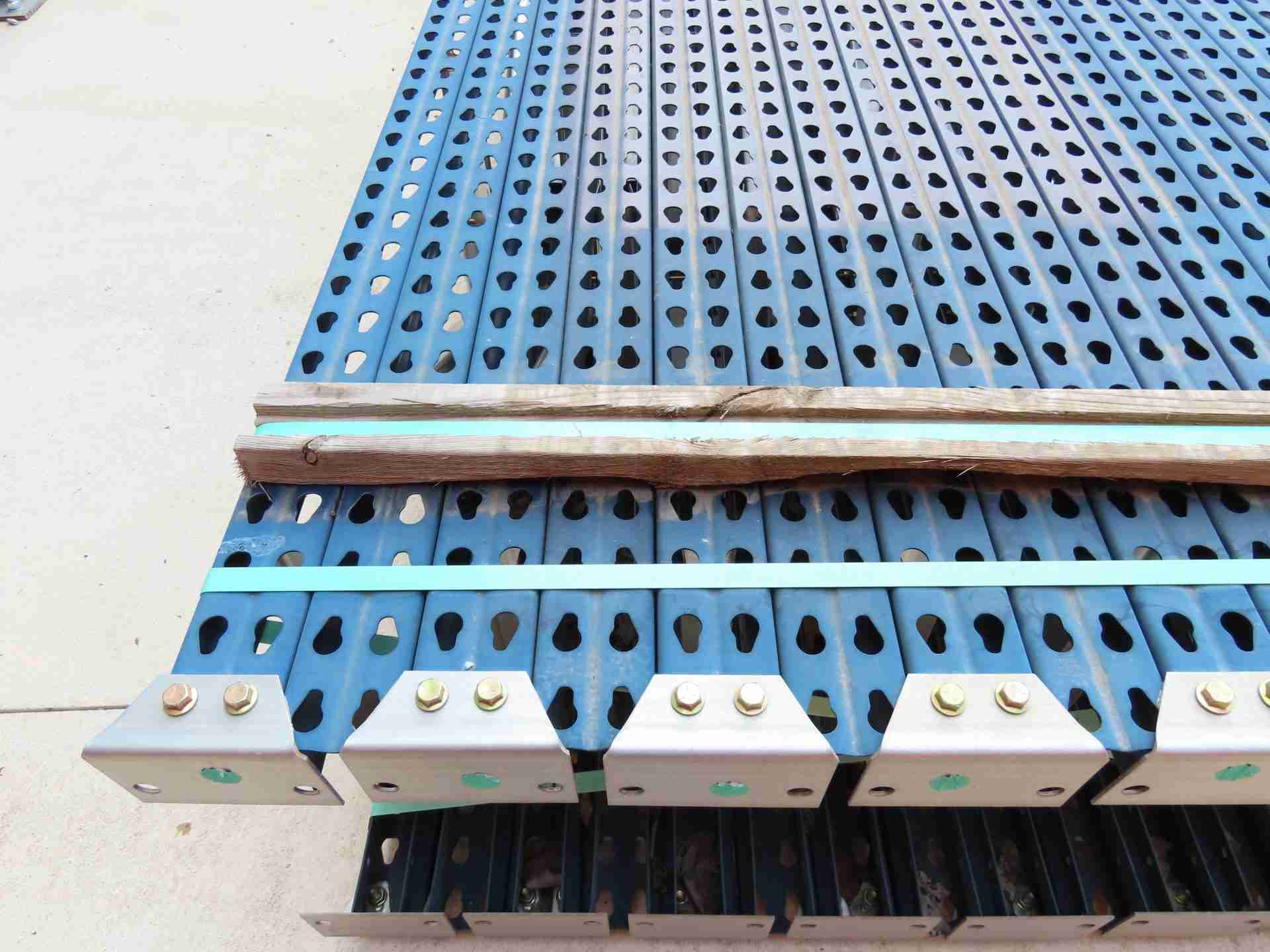
Are There Financing Options For Investing In Cantilever Racking?
Are There Financing Options For Investing In Cantilever Racking?
- Initial costs of cantilever racking can be daunting for business owners, but potential rewards make it worthwhile.
- Leasing programs allow businesses to acquire racking systems with manageable monthly payments instead of a large upfront cost.
- Working capital loans offer low-interest rates and flexible terms for full upfront purchases of cantilever racking.
- Government grants and financial incentives are available to support U.S. businesses investing in efficient storage solutions.
- Specialized financing firms provide tailored solutions and valuable insights for businesses in the warehousing sector.
- Current market conditions and supply chain demands create a favorable environment for investing in cantilever racking.
- Exploring various financing options can help maximize return on investment and enhance operational efficiency.
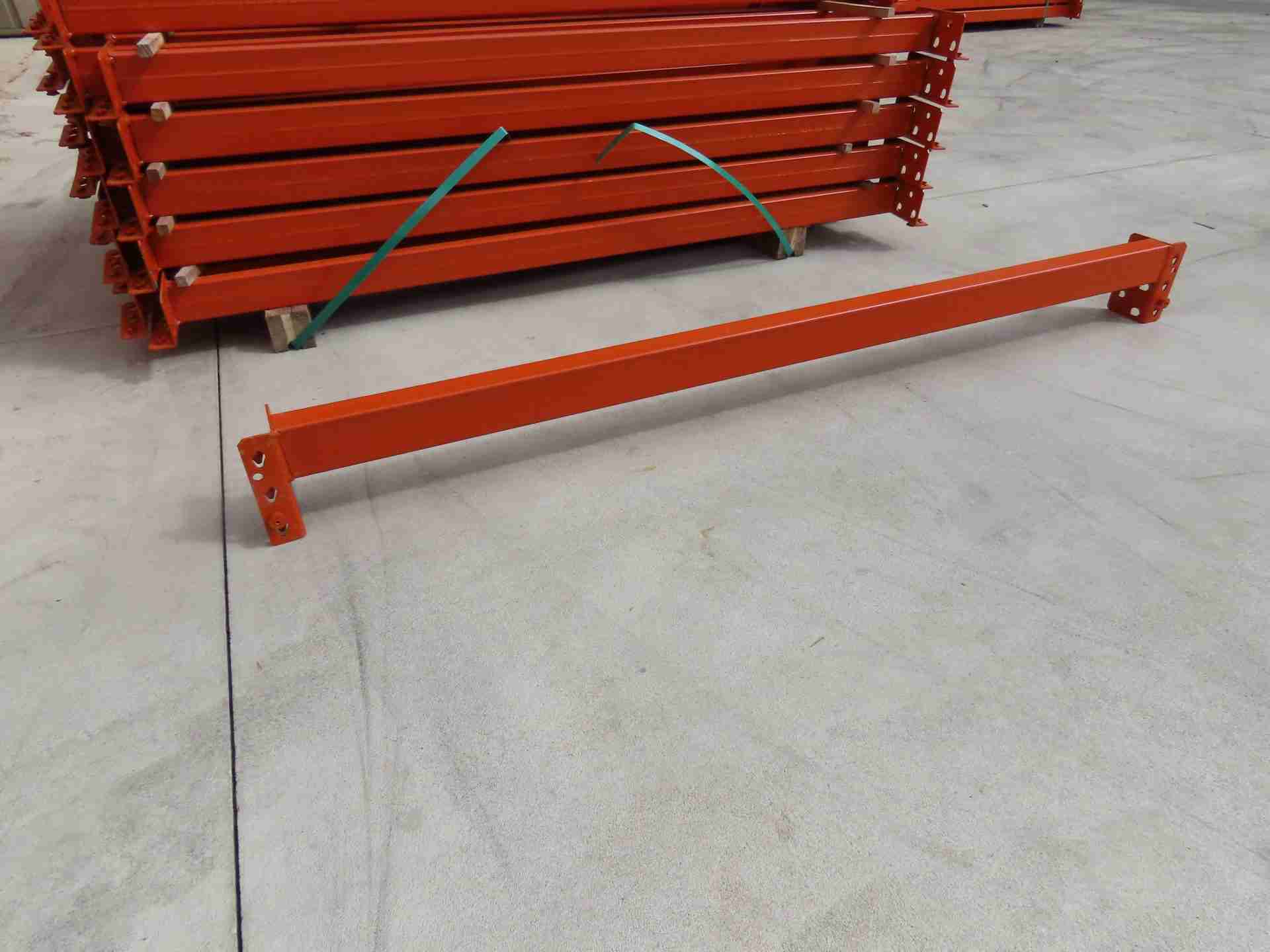
Are There Financing Options For Investing In Cantilever Racking?
How Can I Maximize The Space With Cantilever Racking?
In today’s fast-paced business environment, efficient space utilization isn’t just a benefit; it’s a necessity. One of the most effective solutions for maximizing storage space is cantilever racking. This versatile shelving option is perfect for businesses dealing with long or heavy items, such as lumber, piping, or even furniture. Here’s how you can make this system work for you.
1. Optimize Layout for Accessibility
First things first, ensure that your cantilever racks are strategically placed. Depending on the layout of your warehouse, consider positioning them along the walls or in rows that allow for easy access. For instance, if you’re a distributor of construction materials, placing your cantilever racks in a way that minimizes travel distance will speed up picking times and reduce labor costs. Current trends suggest that more businesses are moving towards vertical storage solutions. By creating more vertical space with cantilever racking, you’ll maximize floor area and enhance accessibility.
2. Customize for Your Products
The real beauty of cantilever racking lies in its customization. Unlike traditional shelving, cantilever racks can be tailored to accommodate a variety of product lengths and weights. If your business experiences seasonal fluctuations in inventory—say, during a home renovation boom—adjusting your rack height and adding additional arms can help you adapt. For example, a plumbing supply store might install cantilever racks that can easily shift to store varying pipe lengths, allowing for better inventory management as demand changes.
3. Utilize Load Capacity Wisely
Every cantilever rack comes with a specified load capacity. Knowing this can transform your storage strategy. Instead of piling items haphazardly, place heavier items at the bottom and lighter items at the top. This not only maximizes vertical space but ensures a safer working environment. During a recent shift in supply chain management practices post-pandemic, businesses have begun reevaluating their stock levels which, when combined with cantilever racking, can help maintain optimal inventory not just quantity, but positioning.
4. Implement Technology
Enhancing the functionality of your cantilever racks can also involve integrating modern warehouse management systems (WMS). Data-driven insights can guide how you store items for the best efficiency. With the rise of eCommerce, real-time stock tracking has become paramount. Using applications that communicate with your cantilever racking system means you can easily move items around based on their turnover rates, ensuring the most popular products are easily accessible.
Cantilever racking is more than just an organizational tool; it’s a strategic advantage. By optimizing layout, customizing racks, wisely utilizing load capacity, and implementing technology, you can significantly enhance your operational efficiency and maximize your business’s storage capabilities. Don’t let space constraints stifle your growth—embrace the potential of cantilever racking today!
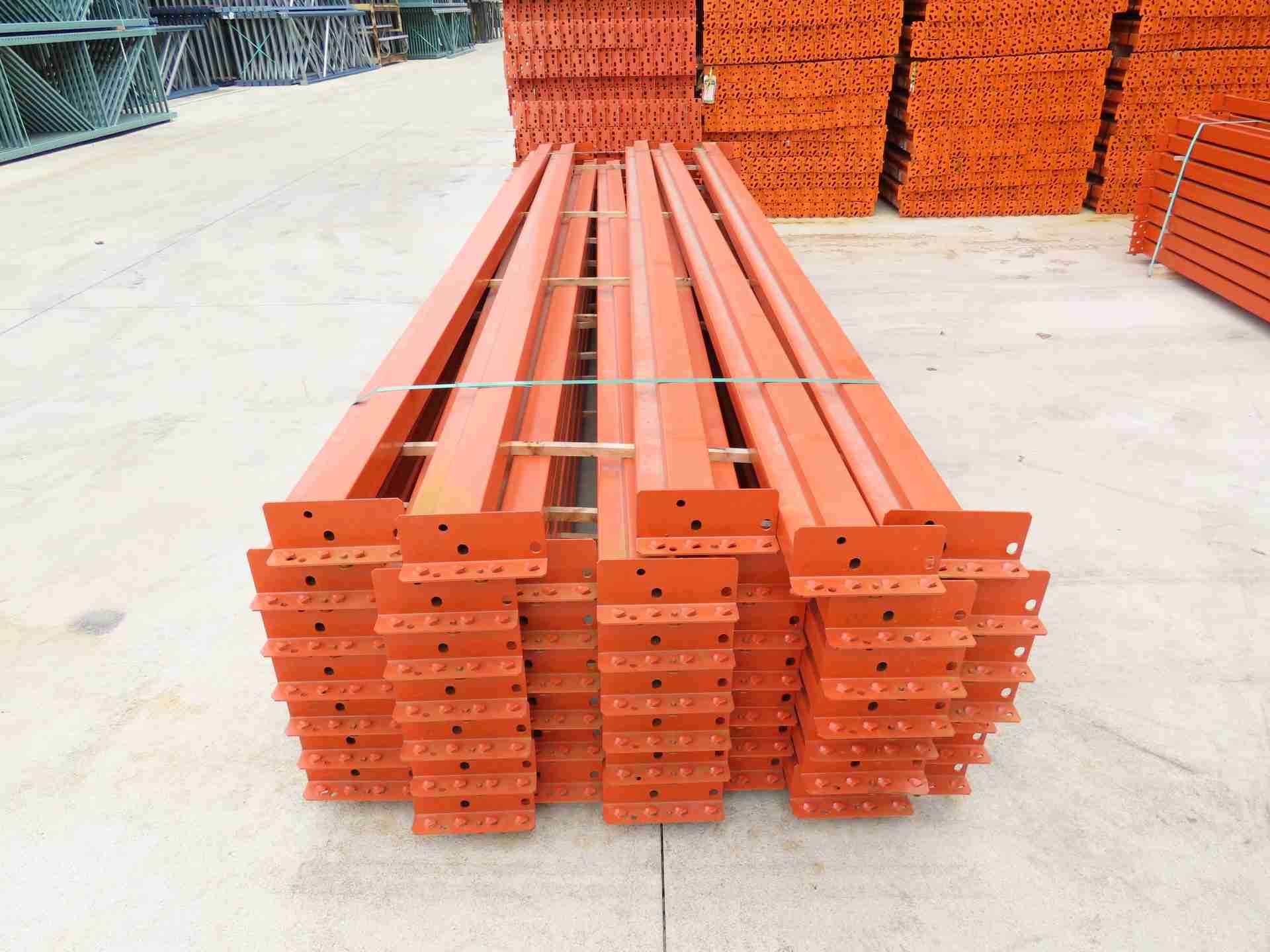
How Can I Maximize The Space With Cantilever Racking?
How Can I Maximize The Space With Cantilever Racking?
- Efficient space utilization is essential in today’s business environment, with cantilever racking being a top solution for storage.
- Cantilever racking is ideal for storing long or heavy items like lumber, piping, or furniture.
- Optimize rack layout for accessibility by strategically placing racks along walls or in rows to reduce travel distance.
- Cantilever racks can be customized for various product lengths and weights, adapting to seasonal inventory fluctuations.
- Utilize load capacities wisely by placing heavier items at the bottom and lighter items on top for safety and efficiency.
- Implement technology, such as modern warehouse management systems, to track inventory and increase storage efficiency.
- Cantilever racking enhances operational efficiency and expands storage capabilities, supporting business growth.
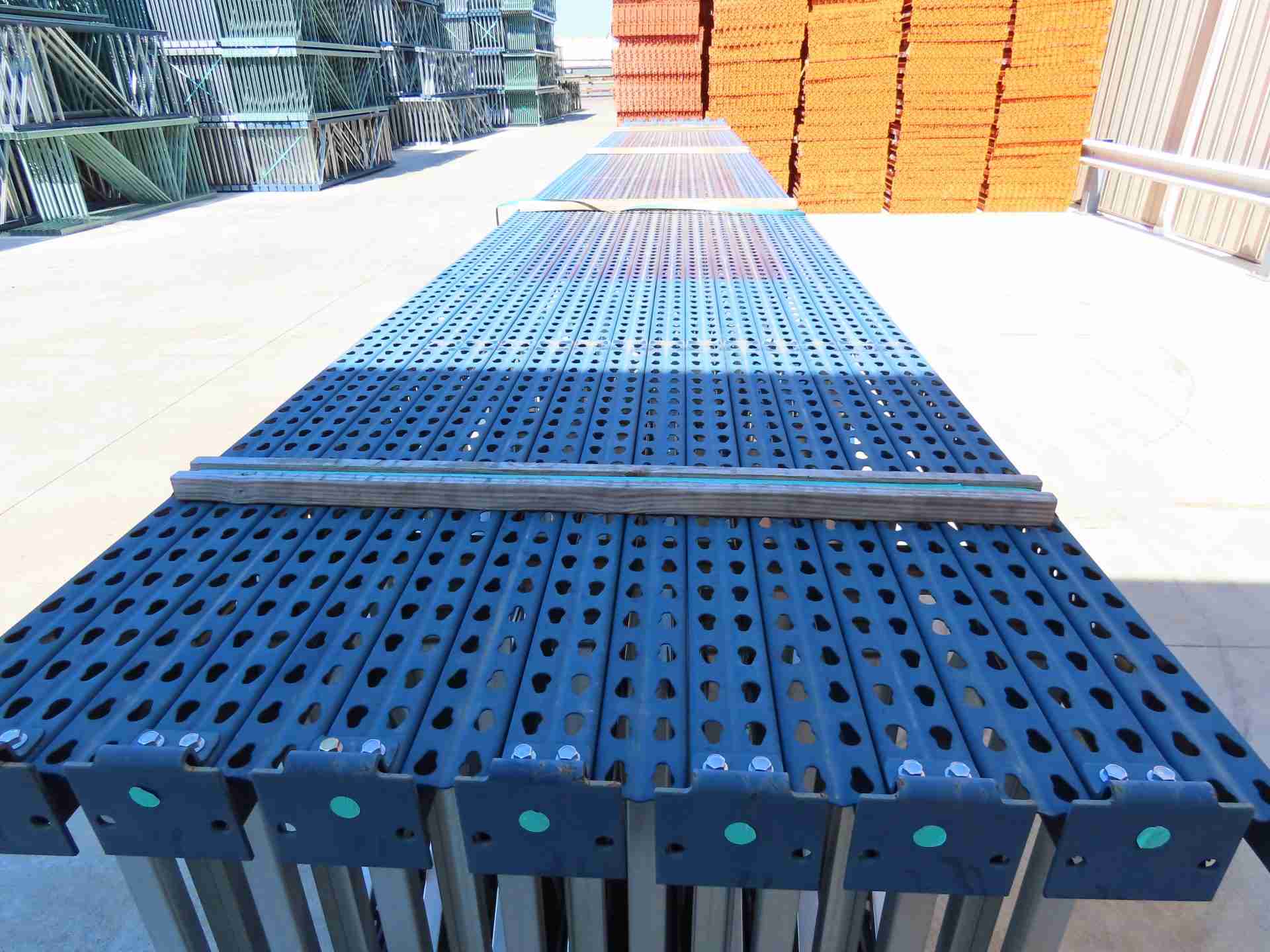
How Can I Maximize The Space With Cantilever Racking?
What Are The Installation Considerations For Cantilever Racking?
When it comes to optimizing warehouse space and enhancing operational efficiency, cantilever racking stands out as a prime solution. However, to reap the full benefits of these versatile storage systems, certain installation considerations must be taken into account.
Assessing Space and Load Requirements
Before you even think about installation, conduct a thorough analysis of your operational space. Consider the dimensions of your warehouse—ceiling height, aisle width, and floor space. For instance, if your facility recently expanded due to increased ecommerce demands, assess whether your existing layout can accommodate new cantilever racks.
Remember, cantilever racks are ideal for storing long, bulky items. Yet, if your product inventory leans towards smaller goods, you might need to rethink your approach. Invest time in measuring not just the space but also the load requirements. Make sure your selected rack system can support the weight of your products. A common misstep is underestimating how weight distribution affects stability. For example, improperly loaded racks can lead to tipping hazards, impacting both product safety and employee well-being.
Building Codes and Regulations
Compliance with local building codes and safety regulations is not just a best practice; it’s a legal requirement. As companies face rising scrutiny regarding workplace safety, neglecting these regulations can lead to costly fines and a damaged reputation. Consult with local authorities to ensure your cantilever racking installation adheres to structural and safety standards. Investing in this upfront knowledge can save you from future headaches.
Choosing the Right Material and Design
The materials used in cantilever racks can significantly influence their effectiveness. Steel, for instance, is commonly used due to its durability. However, consider options like galvanization if you operate in a humid environment, as rusting can weaken the structure over time.
Additionally, think about vertical columns and arm designs. Some systems offer adjustable arms, allowing you to modify shelf heights according to varying inventory sizes. Companies like Amazon are constantly learning and adapting their warehouse strategies; following suit will give you a competitive edge.
Professional Installation vs. DIY
Last but not least, evaluate whether you’ll handle the installation yourself or hire professionals. While DIY projects can save money initially, the potential for mistakes can lead to greater expenses down the line. A poorly installed racking system not only jeopardizes product safety but could also pose serious risk to employees.
Invest wisely in your cantilever racking solution. By considering space, compliance, materials, and installation approaches, you position your business for streamlined operations and future success. After all, an investment in the right storage system today can lead to exponential growth tomorrow.
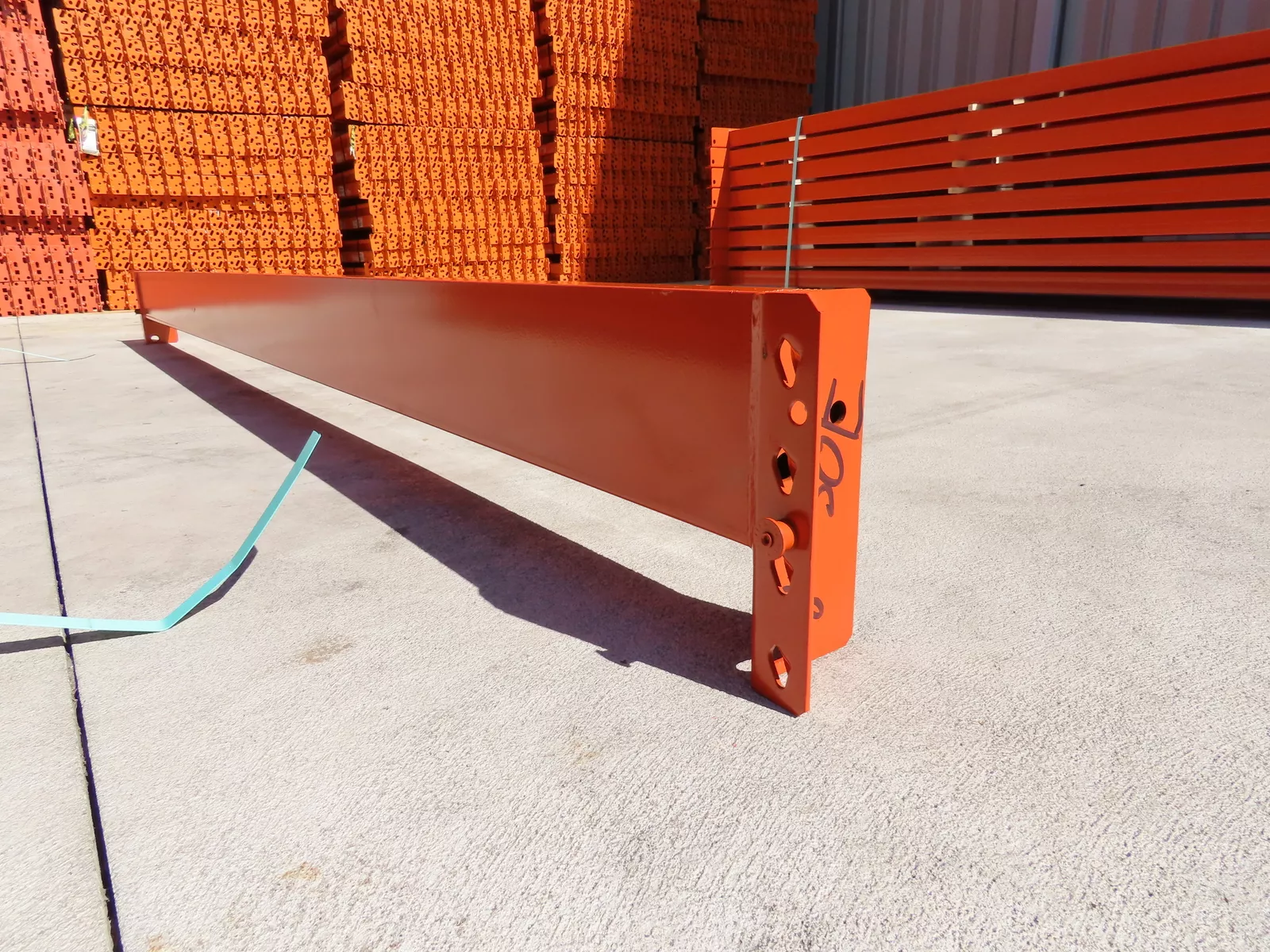
What Are The Installation Considerations For Cantilever Racking?
What Are The Installation Considerations For Cantilever Racking?
- Cantilever racking is an effective solution for optimizing warehouse space and operational efficiency.
- Assess the warehouse’s dimensions and load requirements before installation to ensure compatibility.
- Ensure your racks are suitable for the types of products being stored, especially long, bulky items.
- Compliance with local building codes and safety regulations is mandatory to avoid fines and reputation damage.
- Choose durable materials like steel and consider additional options like galvanization for humid environments.
- Evaluate whether to install racking systems yourself or to hire professionals to avoid costly mistakes.
- Investing wisely in cantilever racking can enhance operational efficiency and support future growth.
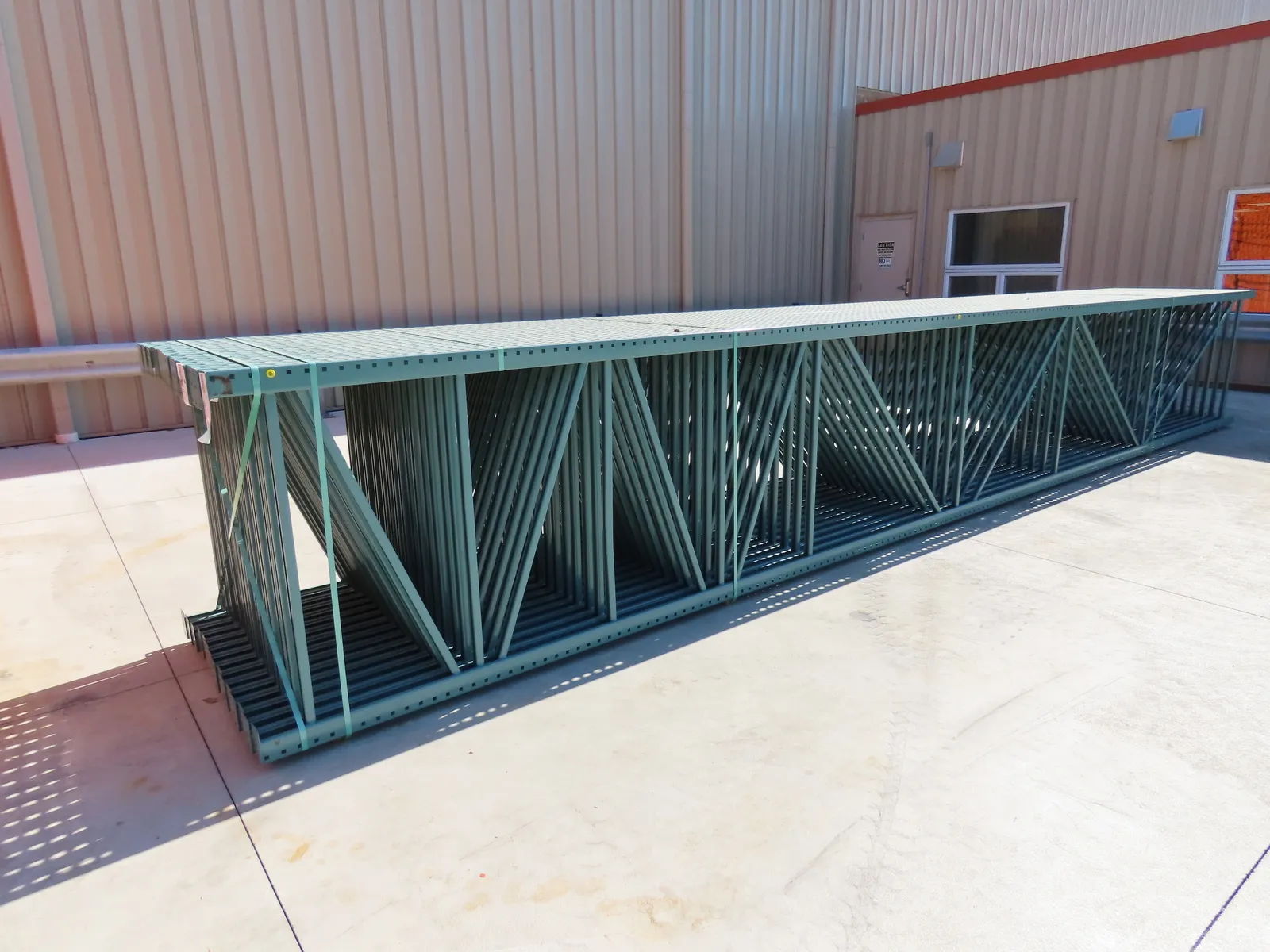
What Are The Installation Considerations For Cantilever Racking?
How Can Cantilever Racking Adapt To Changing Inventory Needs?
In a world where the only constant is change, businesses must adapt swiftly to shifting market conditions and evolving inventory requirements. Enter cantilever racking — an absolute game-changer for those committed to flexibility and efficiency. With its open-arm design, cantilever racking is perfectly suited for long or bulky items, making it an essential tool for warehouses that frequently navigate fluctuating inventory types and quantities.
Consider the lumber industry, where supply and demand can shift dramatically due to housing market trends or natural disasters. A business that invests in cantilever racking can easily alter its setup to accommodate different lengths of lumber, allowing for quick adaptation when new products or larger quantities arrive. Instead of investing in a rigid system that locks you into a specific inventory style, cantilever racking offers you the freedom to pivot seamlessly.
But it’s not just lumber yards that benefit. Think about e-commerce retailers today — as consumer preferences evolve (take the recent surge in demand for sustainable products), businesses must quickly adjust their inventory accordingly. Cantilever racking systems can be reconfigured to create the perfect flow for new products, whether it’s oversized packaging or eco-friendly materials arriving in bulk. This adaptability not only maximizes space but also reduces man-hours looking for the right products amidst a disorganized environment.
Now, let’s not overlook the added bonus of integration with inventory management systems. As disruptions in the supply chain become more common, aligning your racking system with robust software can facilitate real-time tracking and stock management. Imagine a cantilever racking solution that allows you to scan items into specific sections. This streamlined approach minimizes errors and enhances productivity, saving you both time and money.
Additionally, as businesses become more environmentally conscious, their operational needs often expand. Cantilever racking can be modified or expanded without the need to dismantle an entire system. For example, if a business finds itself pivoting towards more regional sourcing of goods due to supply chain vulnerabilities, cantilever racking can accommodate diverse item types — from smaller, locally sourced products to larger shipments.
Cantilever racking is not just a storage solution; it’s a strategic asset that can grow with your business. In an era of rapid change and unpredictability, empowering your warehouse with versatile racking systems could be the difference between merely surviving and thriving. Adapt today to ensure you stay ahead of the curve tomorrow!
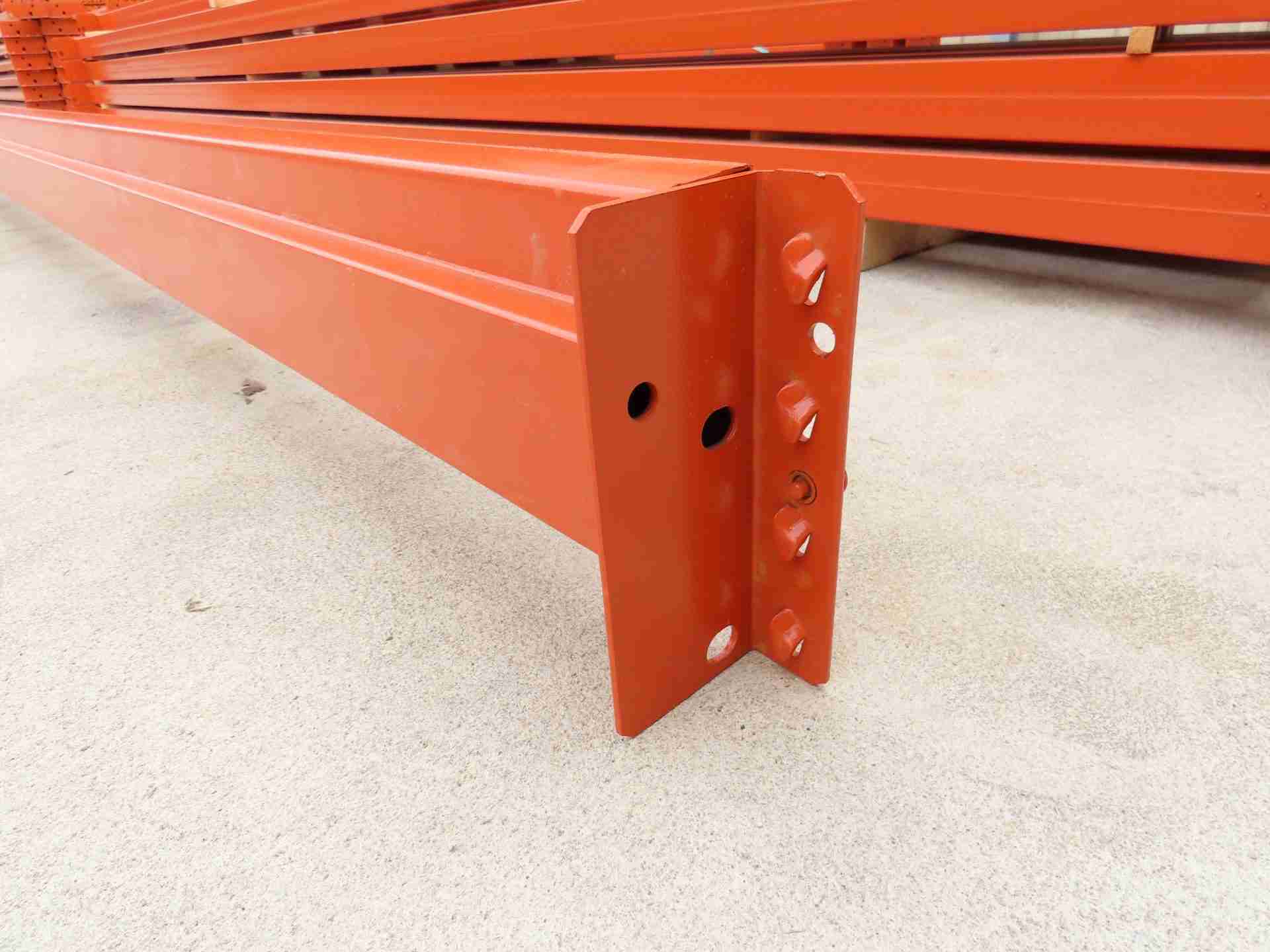
How Can Cantilever Racking Adapt To Changing Inventory Needs?
How Can Cantilever Racking Adapt To Changing Inventory Needs?
- Cantilever racking is essential for businesses needing flexibility and efficiency in changing market conditions.
- Its open-arm design accommodates long or bulky items, ideal for warehouses with fluctuating inventory.
- The lumber industry benefits from cantilever racking by easily adapting to shifts in supply and demand.
- E-commerce retailers can reconfigure cantilever racking for evolving consumer preferences and new product flows.
- Integration with inventory management systems enhances real-time tracking and reduces errors.
- Cantilever racking can be modified or expanded without dismantling, making it suitable for diverse item types.
- This racking system serves as a strategic asset, enabling businesses to thrive in unpredictable environments.
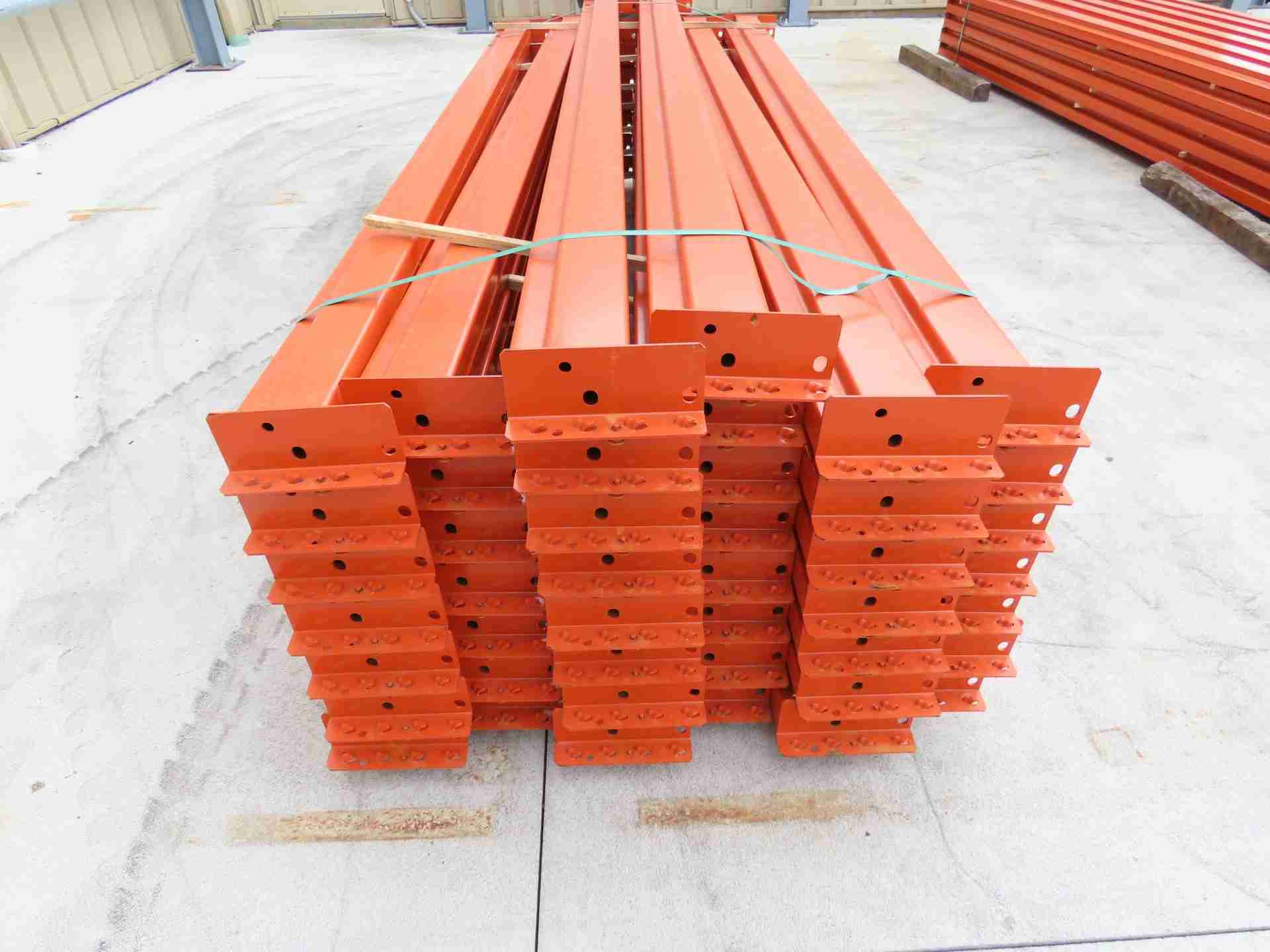
How Can Cantilever Racking Adapt To Changing Inventory Needs?
What Is The Lifespan Of Cantilever Racking Systems?
When investing in a cantilever racking system, understanding its lifespan is crucial for budgeting and planning. These systems, designed for storing long and bulky items like pipes, lumber, and furniture, can be an invaluable asset in warehouses and distribution centers. Yet, just like any other piece of equipment, their longevity can significantly impact your bottom line.
Cantilever racking systems boast an impressive lifespan, often reaching 10 to 20 years or more with proper maintenance and usage practices. Factors such as the quality of materials, the environment in which they are used, and the frequency of heavy loads can greatly influence this duration. For instance, systems made from high-grade steel and treated to resist corrosion can endure environmental challenges that would compromise lesser racks. Consider the rise in construction projects in 2023, which place immense demand on storage facilities. Companies have an opportunity to expand while ensuring their equipment aligns with the trend toward durability.
Regular inspections play a critical role in extending the lifespan of these systems. Most leading manufacturers recommend conducting checks at least once a year, with an additional focus on potential wear and tear after any heavy impact. With 2023 marking an increased emphasis on safety and compliance across industries, adhering to such guidelines is vital—not only for longevity but also for liability.
Another essential factor is the design of the cantilever racking itself. Double-arm racks, for example, provide greater stability, enabling heavier loads without compromising safety. In today’s fast-paced market, businesses are investing more in efficient logistics and robust storage solutions. The emphasis on sustainability means businesses are seeking options that offer longevity and minimize waste.
Moreover, recent supply chain disruptions have highlighted the need for reliable storage solutions. Companies that have opted for cantilever racks have found peace of mind knowing their systems can adapt to fluctuating inventory levels—allowing for both flexibility and longevity.
In summary, the lifespan of cantilever racking systems hinges on thoughtful investment in quality, rigorous maintenance, and adherence to safety standards. By choosing well-designed systems and committing to regular upkeep, businesses can enjoy years of reliable storage, creating value long after the initial investment. In an ever-evolving marketplace, these systems don’t just store your goods; they represent a commitment to efficiency and reliability—qualities that every successful business should strive for.
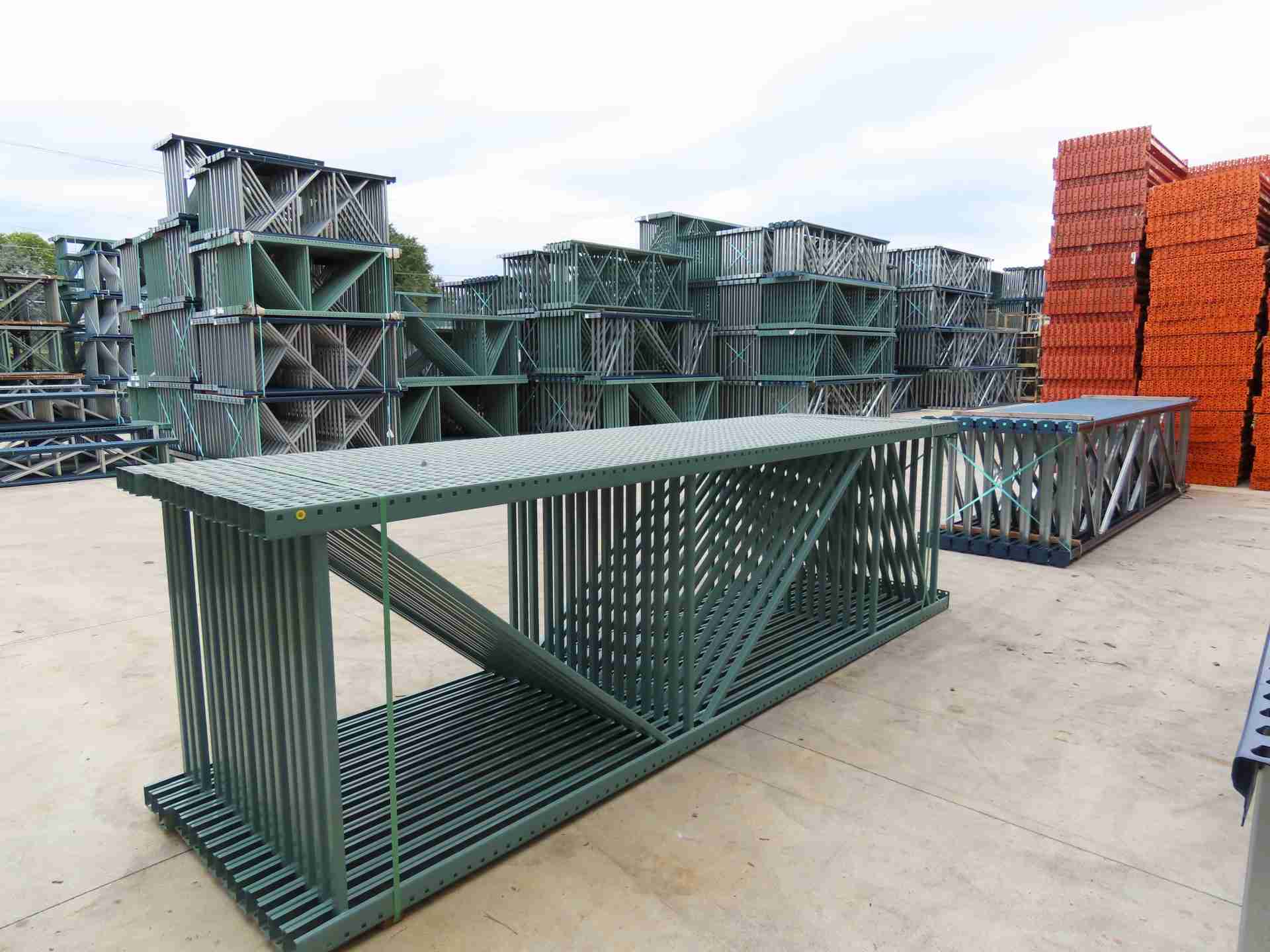
What Is The Lifespan Of Cantilever Racking Systems?
What Is The Lifespan Of Cantilever Racking Systems?
- Understanding the lifespan of cantilever racking systems is crucial for budgeting and planning.
- These systems are ideal for storing long and bulky items like pipes, lumber, and furniture.
- Cantilever racks can last 10 to 20 years or more with proper maintenance and usage.
- Factors affecting lifespan include material quality, environment, and load frequency.
- Regular inspections are essential, with at least annual checks recommended for wear and tear.
- Design features like double-arm racks enhance stability and safety for heavier loads.
- Investing in quality and maintenance can lead to reliable storage and significant long-term value.
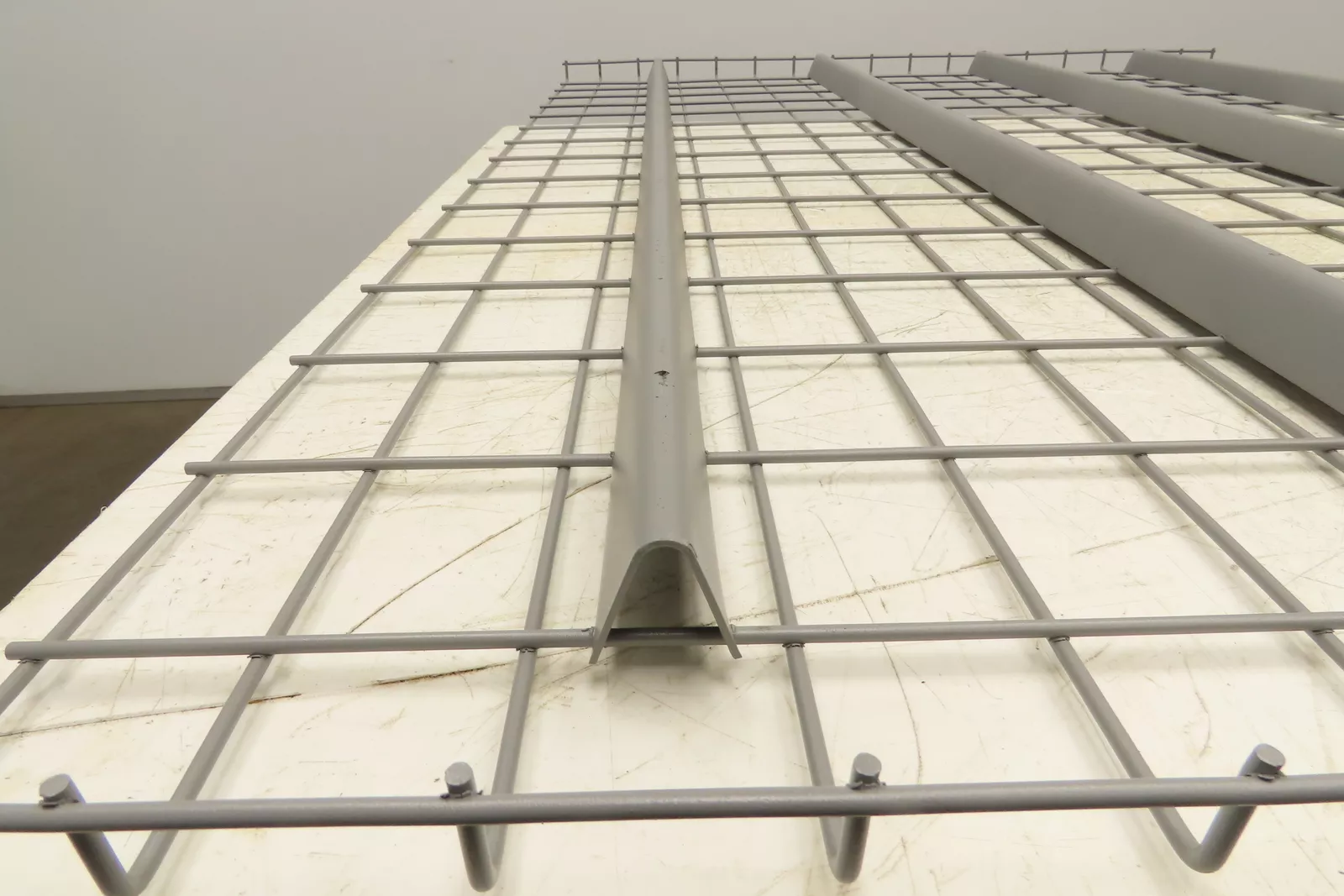
What Is The Lifespan Of Cantilever Racking Systems?
Conclusion
As industries grapple with the relentless pace of change and the need for operational efficiency, investing in cantilever racking emerges as an astute business strategy. Cantilever racking is not merely a storage solution; it is a transformative tool that revolutionizes how businesses manage inventory while maximizing warehouse efficiency and safety. Let’s distill the compelling reasons why adding cantilever racking to your operations can enhance your bottom line and market competitiveness.
First and foremost, consider the impressive return on investment (ROI) that cantilever racking promises. The ability to optimize vertical storage space allows for the accommodation of oversized goods—be it lumber, pipes, or furniture—without consuming valuable floor space. Companies report significant increases in their storage capacities, which directly correlate to enhanced productivity and improved cash flow. For instance, lumber yards and construction suppliers have documented up to a 30% increase in storage capacity, realizing substantial revenue boosts without incurring the expense of expanding their facilities.
Yet it’s not just about space; it’s about the increased operational efficiency that comes with it. By using cantilever racking, businesses can dramatically reduce retrieval times, thereby expediting order fulfillment and enhancing customer satisfaction in today’s e-commerce-driven market. Additionally, these systems are engineered for durability, requiring minimal maintenance and leading to lower overall operational costs. This resilience provides a safeguard against costly inventory losses and operational downtimes, giving you peace of mind.
Safety is non-negotiable in today’s fast-paced work environments. Cantilever racking minimizes accidents related to storage mismanagement by providing a safer, more organized approach to item retrieval. The result? A notable reduction in workplace injuries translates to lower insurance premiums and a healthier, happier workforce.
Moreover, the integration of technology and automation with cantilever racking facilitates real-time inventory management, ensuring that your operations are not just reactive but proactively aligned with market demands.
The initial investment may seem substantial, but the myriad benefits—from maximizing space and improving safety to enhancing operational efficiency and customer satisfaction—make it clear that this is not merely an expenditure; it is an investment in your company’s future viability and growth.
Now is the time to act. Don’t let the competition outpace you by neglecting a revolutionary storage solution. Call Arrow Industrial Sales at (574) 349-6575 today, and embark on the journey of transforming your warehouse operations with cantilever racking. Your success starts with making the right choice in storage solutions. Seize the moment and maximize your ROI while investing in the future of your enterprise!
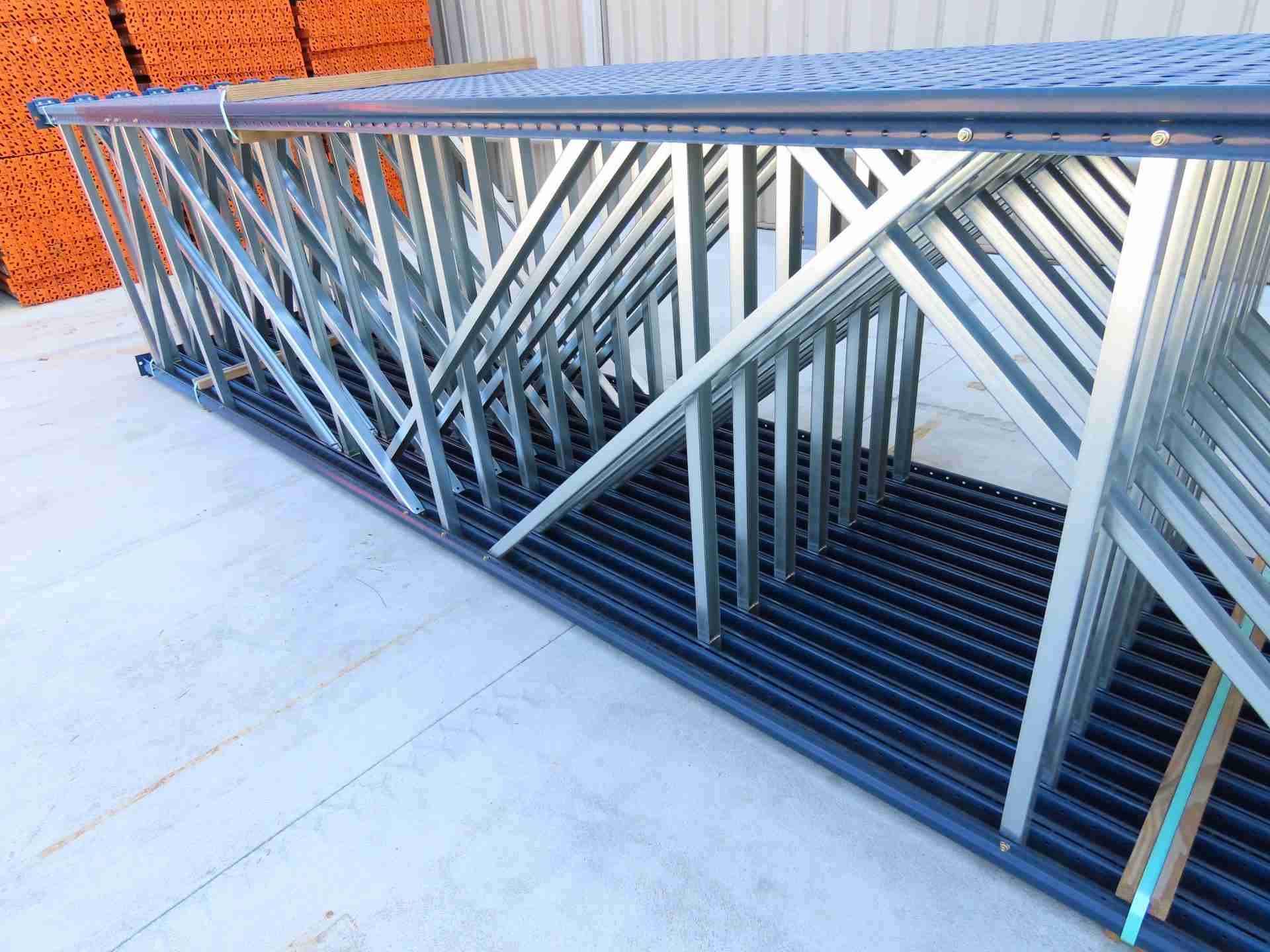
Conclusion
Conclusion:
- Investing in cantilever racking enhances operational efficiency and can significantly improve ROI.
- Optimizes vertical storage space for oversized goods, increasing storage capacity by up to 30% for industries like lumber and construction.
- Reduces retrieval times, expediting order fulfillment and improving customer satisfaction in an e-commerce-driven market.
- Durable systems require minimal maintenance, lowering overall operational costs and preventing costly inventory losses.
- Enhances workplace safety by minimizing accidents and storage mismanagement, leading to lower insurance premiums.
- Integration with technology allows for real-time inventory management, aligning operations with market demands.
- Despite initial investment, the long-term benefits position cantilever racking as a vital investment for future growth and competitiveness.
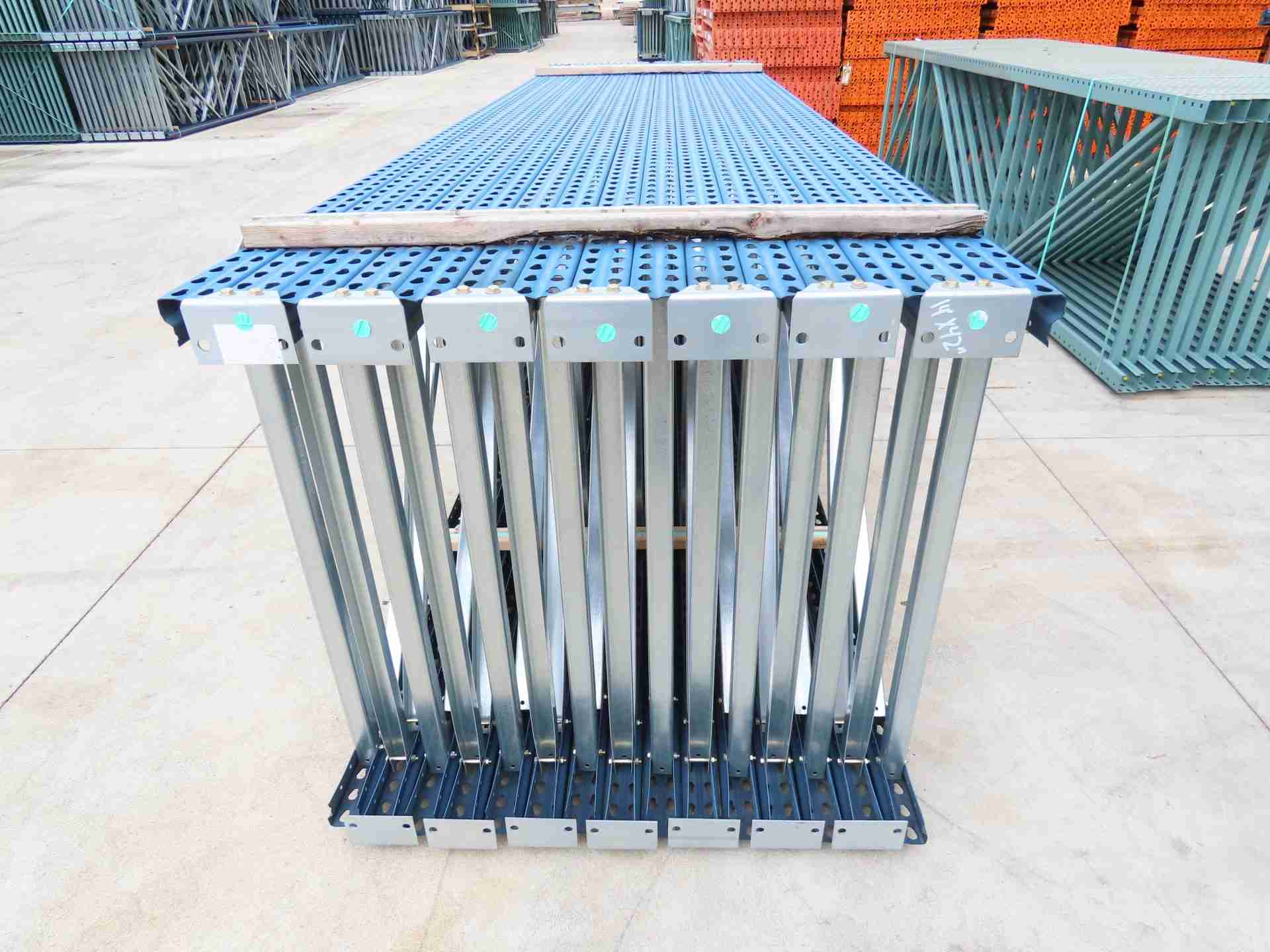
Conclusion
Other Resources
Other Resources
Here is a list of other resources you can review online to learn more:
- “Cantilever Racking Systems Market 2024 Growth …”
- “Top Warehouse Trends for 2024: Future of Automation”
- “Cantilever racking | Racking and Shelving”
- “Cantilever Racking & Lumber Racking for Warehouse”
- “WAREHOUSING MODULE”
- “Key Differences Between AGVs and AMRs Explained”
- “Cantilever Racking Systems Market Research Report 2024”
- “csi-logistics-trend-radar-6-dhl.pdf”
- “Cantilever racking: a warehouse-friendly guide”
- “Design and control of a robotic system based on mobile …”
- “LOGISTICS AND WAREHOUSING MANAGEMENT”
- “PREVIEW”
- “The Handbook of Logistics and Distribution Management”
- “Top 8 Applications of Computer Vision in Robotics”
- “Site Map – Logistics Business® Magazine”
- “Medline embraces goods-to-person 16”
- “e -HANDBOOK on WAREHOUSING STANDARDS”
- “warehouse”
Other Resources
Glossary Terms
What’s The ROI on Investing In Cantilever Racking? – Glossary Of Terms
1. Cantilever Racking: A type of storage system that allows for the efficient storage of long, bulky items by using horizontal arms extending from a vertical frame.
2. ROI (Return on Investment): A financial metric used to assess the profitability of an investment relative to its cost, typically expressed as a percentage.
3. Storage Efficiency: The effectiveness of a racking system in maximizing space utilization, allowing for better organization and retrieval of materials.
4. Load Capacity: The maximum weight that a cantilever rack can safely support, determined by its design and materials.
5. Material Handling: The process of moving, protecting, and storing materials throughout the manufacturing and distribution process.
6. Inventory Management: The supervision of non-capitalized assets, or inventory, and stock items to maintain optimal stock levels.
7. Shelving System: A broader term that encompasses various types of storage solutions, including cantilever racks, used to store goods.
8. Cost-Benefit Analysis: A systematic approach to evaluating the strengths and weaknesses of alternatives, used to determine the best course of action by weighing costs against benefits.
9. Space Optimization: The practice of using available space in the most effective way possible to maximize storage capabilities and accessibility.
10. Durability: The ability of a cantilever racking system to withstand wear, pressure, or damage over extended periods.
11. Labor Costs: Expenses related to the workforce needed to manage and operate storage facilities, which can be reduced with efficient racking systems.
12. Accessibility: The ease with which stored items can be reached and retrieved, essential for efficient warehouse operations.
13. Forklift Compatibility: Refers to how well the cantilever racking system is designed to accommodate the movement of forklifts, enhancing operational efficiency.
14. Safety Standards: Guidelines and regulations designed to ensure that racking systems are safe for use, minimizing the risk of accidents in the workplace.
15. Customizability: The ability to modify cantilever racking systems to meet specific storage needs or to accommodate various material sizes and weights.
16. Space Savings: The reduction in space occupied by materials due to effective racking solutions, leading to lower operating costs.
17. Productivity: The efficiency of warehouse operations, often improved with the use of optimized racking systems that streamline workflows.
18. Capital Expenditure (CapEx): Funds used by a company to acquire or upgrade physical assets such as property, industrial buildings, or equipment like racking systems.
19. Inventory Turnover: A measure of how quickly inventory is sold and replaced over a period, influencing the need for efficient storage solutions.
20. Warehousing Cost: Total expenses associated with storing goods, including rent, utility bills, labor, and equipment costs.
21. System Flexibility: The ability of a cantilever racking system to adapt to changing storage needs, such as different load types or configurations.
22. Palletized Storage: A method of storing goods on pallets, which can be integrated with cantilever racking systems for added flexibility.
23. Vertical Space Utilization: The practice of utilizing height in storage solutions to maximize available space and reduce the floor area needed.
24. Tax Advantages: Potential financial benefits and deductions a business can receive from investing in equipment like cantilever racking.
25. Long-term Investment: An investment intended to be held for an extended period, in this case, assessing the prolonged benefits of cantilever racking.
26. Audit Trail: A process of tracking inventory through documentation and processes, which can be improved with organized racking systems.
27. Operational Efficiency: The capability of a system or process to deliver outputs at the desired level of quality while minimizing costs.
28. Maintenance Costs: Expenses related to the upkeep and repair of cantilever racking systems, which can affect overall ROI.
29. Ergonomics: The design of equipment and systems to optimize human well-being and overall system performance, relevant to racking design and usage.
30. Scale of Operations: The extent of a company’s operations, which can influence the decision to invest in cantilever racking for improved efficiency and capacity.
Glossary Of Terms
Other Questions
What’s The ROI on Investing In Cantilever Racking? – Other Questions
If you wish to explore and discover more, consider looking for answers to these questions:
- What are the specific cost savings associated with cantilever racking?
- How does cantilever racking compare to other types of storage solutions?
- What are the installation requirements for cantilever racking?
- Are there specific safety standards that cantilever racking must meet?
- How can businesses assess their need for cantilever racking?
- What industries have seen the most success with cantilever racking?
- How does cantilever racking influence employee productivity?
- What are the potential pitfalls or challenges in implementing cantilever racking?
- Are there specific maintenance procedures that enhance the longevity of cantilever racks?
- What is the expected return on investment time frame for cantilever racking?
- Can cantilever racking be customized for different product types?
- What factors should be considered when selecting a supplier for cantilever racking?
- How has the COVID-19 pandemic affected the demand for cantilever racking?
- What warranties or service agreements are typically offered with cantilever racking systems?
- How do companies ensure compliance with local regulations when installing cantilever racking?
- What are the environmental impacts of cantilever racking systems?
Other Questions
Checklist
What’s The ROI on Investing In Cantilever Racking? – A Checklist
Investment Assessment
_____ Evaluate Current Storage Needs: Assess the volume and types of inventory currently stored.
_____ Research Initial Costs: Estimate the investment cost of different cantilever racking systems.
_____ Analyze Financing Options: Explore leasing, working capital loans, or government grants for financing.
Space Optimization
_____ Conduct Space Analysis: Measure warehouse dimensions, including ceiling height and floor area.
_____ Plan Layout: Strategically position racks for maximum accessibility and efficiency.
_____ Utilize Vertical Space: Ensure the racking system takes advantage of height for better space utilization.
Safety Considerations
_____ Check Compliance: Confirm that installation meets local safety regulations and building codes.
_____ Inspect for Damage: Regularly check racks for signs of wear and structural integrity (bent arms, rust).
_____ Implement Safety Protocols: Educate employees about safe loading and unloading practices.
Operational Efficiency
_____ Streamline Inventory Management: Integrate racking systems with inventory management software.
_____ Establish Routine Maintenance: Schedule regular inspections and cleanings (at least biannually).
_____ Train Staff: Ensure employees are well-trained in using the cantilever racking systems efficiently.
Adaptability and Flexibility
_____ Customize Rack Configurations: Adjust rack heights and arm placements to accommodate different inventory types.
_____ Plan for Growth: Consider how the racking system can evolve with changes in inventory needs.
ROI Calculation
_____ Estimate Labor Savings: Calculate potential savings from increased efficiency and reduced retrieval times.
_____ Assess Increased Capacity: Evaluate how much additional inventory you can store with cantilever racking.
_____ Use the ROI Formula: Calculate ROI using the formula: \( \text{ROI} = \frac{\text{Total Benefit} _____ \text{Total Cost}}{\text{Total Cost}} \times 100 \).
Maintenance Procedures
_____ Set Inspection Frequency: Make inspections a routine part of facility management.
_____ Maintain Cleanliness: Schedule regular cleanings to prevent debris from affecting operations.
Safety Enhancements
_____ Utilize Open Design Benefits: Take advantage of cantilever racking’s improved visibility to reduce accidents.
_____ Implement Load Capacity Checks: Ensure loads are properly distributed to avoid tipping hazards.
By using this checklist, businesses can maximize the effectiveness of cantilever racking systems and enhance their ROI through improved efficiency, space utilization, and safety.
Checklist
At RackingWorld, we help guide you through selecting warehouse storage systems and racking.
Be sure to read our other related stories at RackingWorld to learn more about warehouse storage systems.
0 Comments