
Unveiling The Truth Behind Local Pallet Racking Delivery
By Tom Seest
At RackingWorld, we help guide you through selecting warehouse storage systems and racking.
Be sure to read our other related stories at RackingWorld to learn more about warehouse storage systems.
How Reliable Is Local Pallet Racking Delivery?
When it comes to streamlining warehouse operations, pallet racking is a cornerstone. However, the effectiveness of your storage system can hinge significantly on the reliability of its delivery. In the bustling landscape of modern commerce, timely and efficient delivery can make or break your supply chain. It’s not just about getting products; it’s about getting them when you need them.
Imagine experiencing a surge in demand due to an unexpected wave of online orders during a holiday season. You need that pallet racking system in place – and fast. A reliable local delivery service can mean the difference between meeting customer expectations and disappointing them. For instance, look at the surge in e-commerce driven by global events like the COVID-19 pandemic. Businesses that could efficiently manage their inventory through reliable pallet racking solutions experienced streamlined operations while those that couldn’t faced chaotic warehouses and delayed shipments.
A local pallet racking supplier can often respond swiftly to urgent requests. Unlike national chains with lengthy bureaucratic processes, local distributors understand the nuances of your market and can tailor their services accordingly. This can mean quicker turnaround times for delivery and installation. For example, a manufacturing plant in Ohio may require additional racking to accommodate an unexpected order influx; a local supplier could have the necessary materials in stock and deliver within days, whereas a distant supplier might take weeks to fulfill the request.
Additionally, a local supplier is more likely to provide personalized service. They understand the unique challenges businesses in their area face and can offer tailored solutions that align with regional demands. Suppose a retailer in Texas is expanding its warehouse; a local pallet racking expert can assess their needs on-site, recommending the best configurations for their layout – ensuring maximum efficiency and safety.
Such reliability is further illustrated through the adoption of technology in the logistics sector. Many local pallet racking companies now utilize advanced tracking systems to keep clients updated on their delivery status. This transparency fosters trust and allows businesses to plan accordingly.
In a world where uncertainty looms large, your choice of pallet racking delivery matters significantly. By opting for a reliable local supplier, you not only enhance your operational efficiency but also build a partnership that can weather storms together. The lesson is clear: investing in dependable local delivery for your pallet racking needs is not just a logistical choice; it’s a strategic advantage.
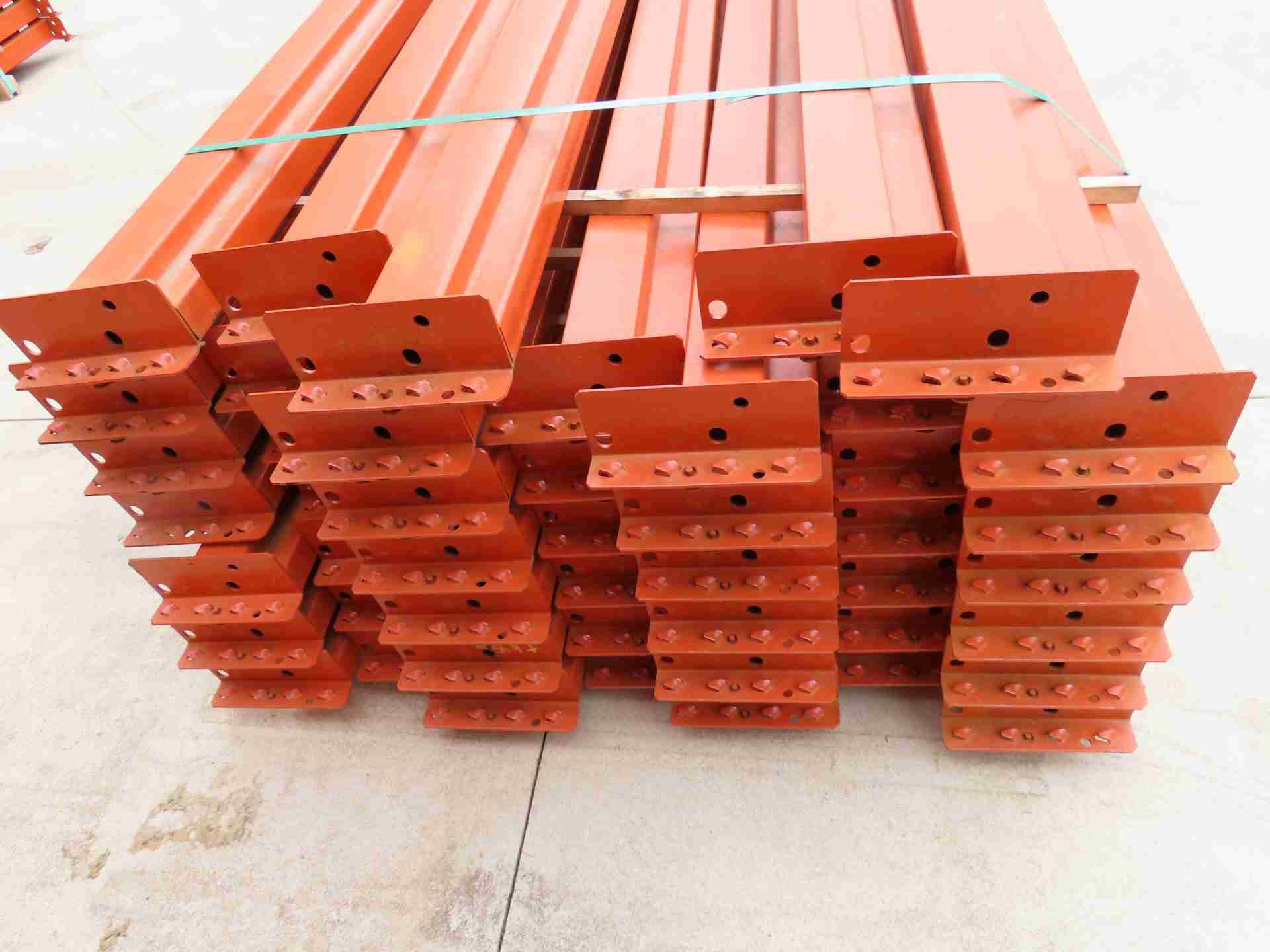
How Reliable Is Local Pallet Racking Delivery?
How Reliable Is Local Pallet Racking Delivery?
- Pallet racking is crucial for streamlining warehouse operations, and its effectiveness relies on reliable delivery.
- Timely delivery is essential in modern commerce to maintain an efficient supply chain.
- During high-demand periods, such as holiday seasons or pandemics, quick access to pallet racking can prevent chaotic warehouses.
- Local pallet racking suppliers can respond faster to urgent requests compared to national chains due to fewer bureaucratic hurdles.
- Local suppliers provide personalized service tailored to the unique challenges of businesses within their region.
- Technology adoption, like tracking systems, enhances reliability and transparency in delivery from local suppliers.
- Choosing a dependable local supplier offers operational efficiency and fosters strong business partnerships for navigating challenges.
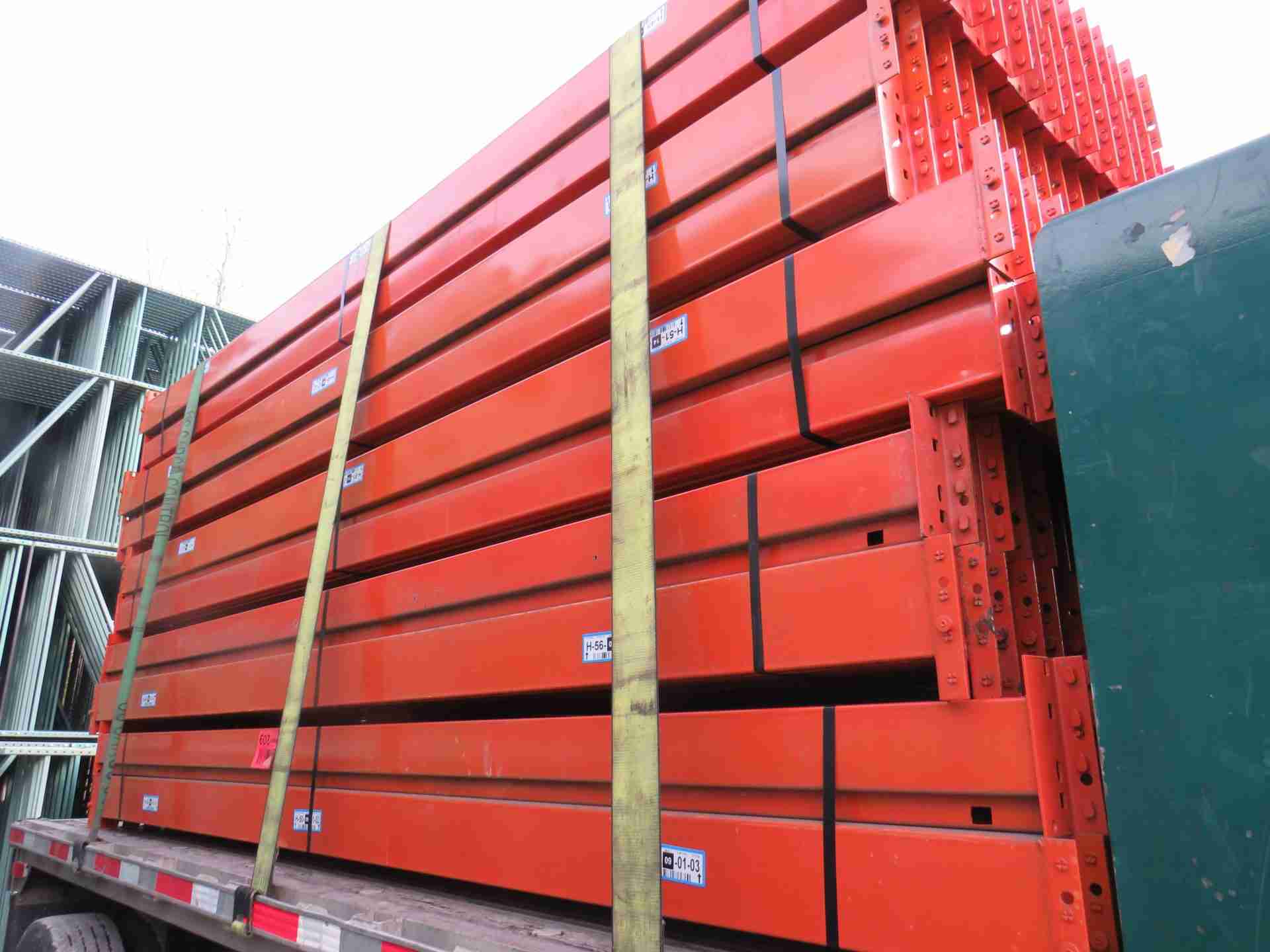
How Reliable Is Local Pallet Racking Delivery?
Table Of Contents
- How Reliable Is Local Pallet Racking Delivery?
- How Do I Choose A Reliable Local Pallet Racking Supplier?
- What Factors Affect Local Pallet Racking Delivery Times?
- How Can I Verify The Reliability Of A Pallet Racking Service?
- What Should I Ask Before Scheduling A Local Pallet Racking Delivery?
- How Do Delivery Costs Impact The Overall Reliability Of Service?
- Are There Reviews Or Ratings For Local Pallet Racking Companies?
- What Contingency Plans Do Local Suppliers Have For Delivery Issues?
- Conclusion
- Other Resources
- Glossary Of Terms
- Other Questions
- Checklist
How Do I Choose A Reliable Local Pallet Racking Supplier?
Selecting a reliable local pallet racking supplier is crucial for the success of your warehouse operations. In a market flooded with options, distinguishing the bona fide suppliers from the pretenders requires a strategic approach. Here’s how you can make an informed choice.
Experience Matters
First and foremost, look for a supplier with a proven track record in the pallet racking industry. Companies that have been around for several years are likely to have weathered various economic cycles and customer demands, giving them insights that newcomers may lack. For example, if you’re in an industry known for rapid changes, such as e-commerce or food distribution, a supplier with case studies showcasing their adaptability can provide a competitive edge.
Quality Assurance and Compliance
Don’t compromise on quality. When evaluating potential suppliers, inquire about their manufacturing processes and whether their pallet racking systems adhere to established safety regulations and industry standards. In the wake of recent supply chain disruptions, companies that prioritize quality assurance over cost savings will often provide more resilient solutions. Look for certifications from bodies such as the Rack Manufacturers Institute (RMI) as a mark of quality.
Customer Testimonials and Reviews
Nothing speaks more loudly than the voice of satisfied customers. Seek out testimonials and reviews online or, better yet, ask the supplier for references. If a client mentions how their chosen pallet racking significantly improved their storage efficiency, that’s a strong indicator you’re on the right track. Recently, companies that invested wisely in robust racking solutions have reported not only improvements in space utilization but also a marked decrease in product damage.
After-Sales Support
Consider the level of after-sales support each supplier provides. A reliable pallet racking supplier should be committed to walking you through the entire process, from installation to maintenance. Take note: neglecting this aspect can lead to operational headaches down the line. For example, suppliers that offer warranty and service agreements can save you time and money, especially if you encounter unforeseen challenges.
Local vs. National Suppliers
While national suppliers may offer a variety of products, a local supplier often possesses knowledge about regional regulations and market conditions. This can be particularly beneficial during supply chain challenges experienced in recent years. Local suppliers can also provide quicker responses and customized solutions that cater to your specific needs.
In summary, your choice of a local pallet racking supplier can impact your operations significantly. By focusing on experience, quality, customer feedback, after-sales support, and local expertise, you can ensure that you partner with a reliable supplier who will contribute to your warehouse’s success.
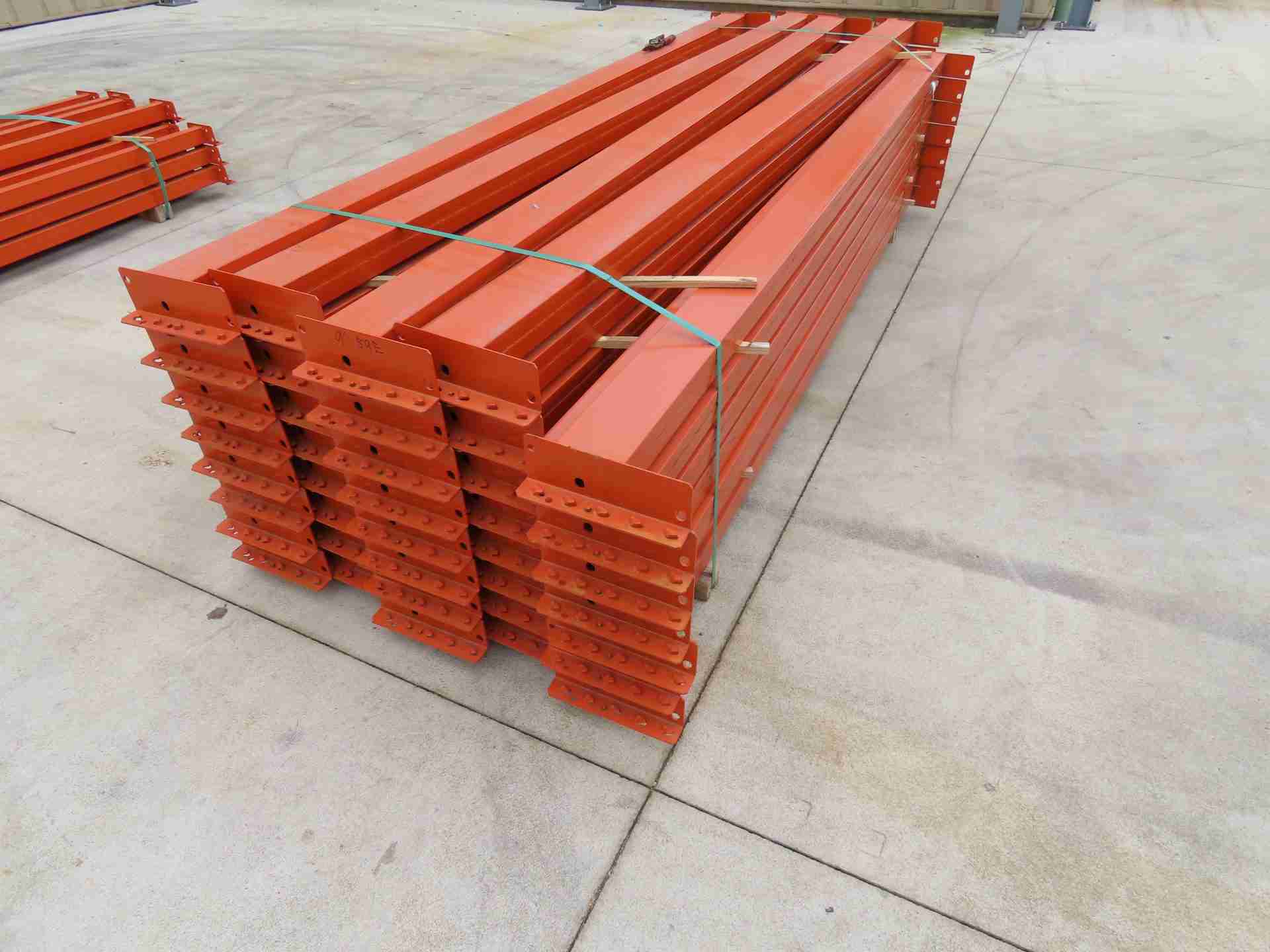
How Do I Choose A Reliable Local Pallet Racking Supplier?
How Do I Choose A Reliable Local Pallet Racking Supplier?
- Selecting a reliable local pallet racking supplier is essential for warehouse success.
- Prioritize suppliers with extensive experience and a proven track record in the industry.
- Ensure the supplier adheres to quality assurance practices and industry safety standards.
- Seek customer testimonials and reviews to validate supplier reliability and product effectiveness.
- Evaluate the level of after-sales support offered to avoid future operational issues.
- Consider the advantages of local suppliers, including regional market knowledge and quicker response times.
- Focusing on key factors can lead to a reliable partnership and improved warehouse operations.
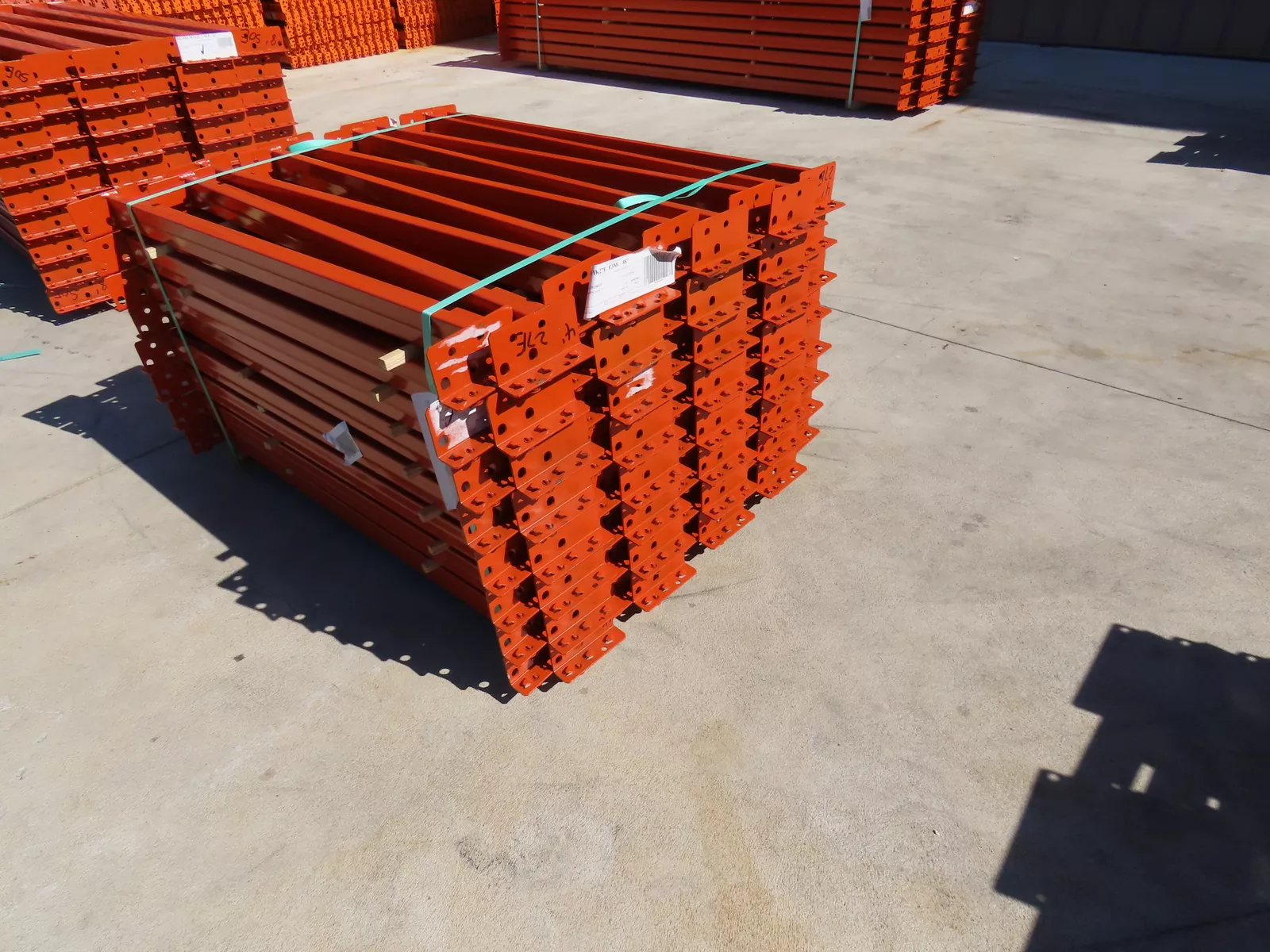
How Do I Choose A Reliable Local Pallet Racking Supplier?
What Factors Affect Local Pallet Racking Delivery Times?
When you’re running a business that relies on effective inventory management, timely delivery of pallet racking systems can mean the difference between success and stagnation. Understanding the factors that influence local pallet racking delivery times is critical for businesses of all sizes. Let’s delve into the key elements that can either speed up your order or slow it down.
1. Supplier Inventory Levels
Imagine ordering the perfect pallet racking system only to find out that your supplier is out of stock. Current supply chain disruptions, influenced by factors like transportation delays and material shortages, can significantly affect inventory levels. For instance, recent global supply chain challenges, stemming from pandemic-related issues, have made it crucial for businesses to maintain a proactive relationship with their suppliers. Ensuring your chosen provider has sufficient stock on hand will help you avoid unexpected delays.
2. Transportation Logistics
Once you’ve placed your order, the journey of your pallet racking systems from the warehouse to your facility begins. Local delivery options can vary based on geography and logistics. If your business is situated in a densely populated urban area, you may experience quicker delivery times due to existing transportation infrastructure. However, if you’re situated in a remote or rural location, expect potential delays. For example, recent news highlighted how delivery times have been impacted by increased traffic congestion in city centers, slowing down logistics services.
3. Customization Requests
Every warehouse is unique, and sometimes businesses require tailored solutions. If you’re looking for customized pallet racking configurations—like bespoke sizes or specific load capacities—this can extend lead times. While standardized systems may arrive quickly, custom orders often require additional design and production time. For instance, a manufacturing company recently faced extended delivery timelines because they opted for specialized racking designed to handle unusually heavy products.
4. Seasonal Demand
Retail trends fluctuate with the seasons. For instance, as we approach the end of the year, many businesses ramp up inventory levels for the holiday season, leading to heightened demand for pallet racking systems. This surge can strain supplier capacity and logistics networks, pushing delivery timelines back. To beat the seasonal rush, consider placing orders well in advance to secure both availability and timely delivery.
5. Regulatory Compliance
Lastly, local safety regulations can influence delivery times. If your warehouse requires specific certifications or inspections on your pallet racking system, you may experience delays as paperwork and compliance checks are completed.
When it comes to local pallet racking delivery times, understanding these factors empowers businesses to make informed decisions and strategize effectively. By anticipating potential delays and working proactively with suppliers, you set your company up for operational success.
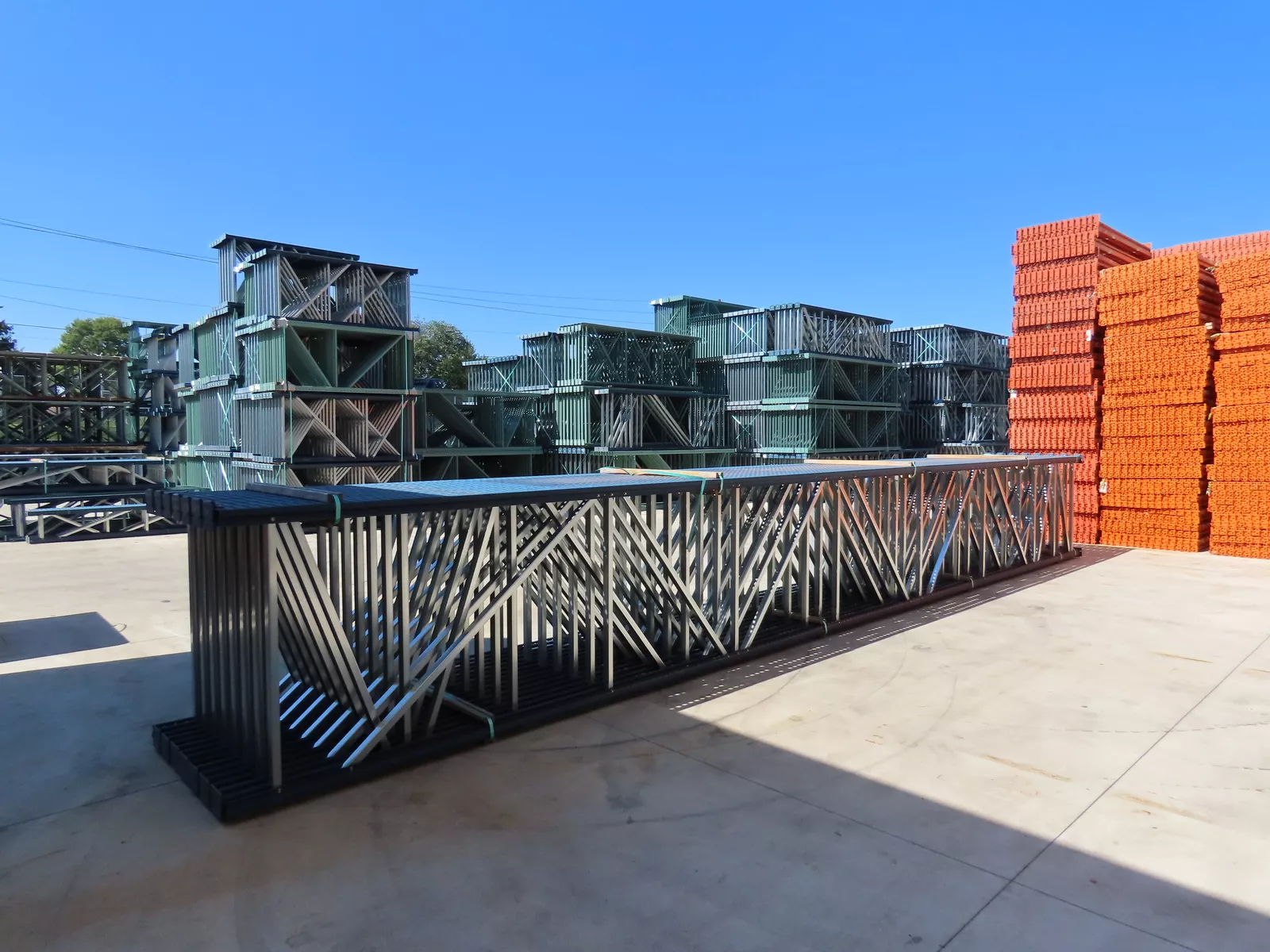
What Factors Affect Local Pallet Racking Delivery Times?
What Factors Affect Local Pallet Racking Delivery Times?
- Effective inventory management hinges on timely delivery of pallet racking systems.
- Supplier inventory levels directly affect delivery times; stock shortages can cause unexpected delays.
- Transportation logistics vary based on location; urban areas may experience quicker deliveries compared to rural locations.
- Customization requests for pallet racking can extend lead times due to additional design and production processes.
- Seasonal demand impacts delivery times; anticipating peak periods can help secure timely orders.
- Regulatory compliance, including necessary certifications and inspections, may also delay delivery times.
- Understanding these factors enables businesses to make informed decisions and strategies for operational success.
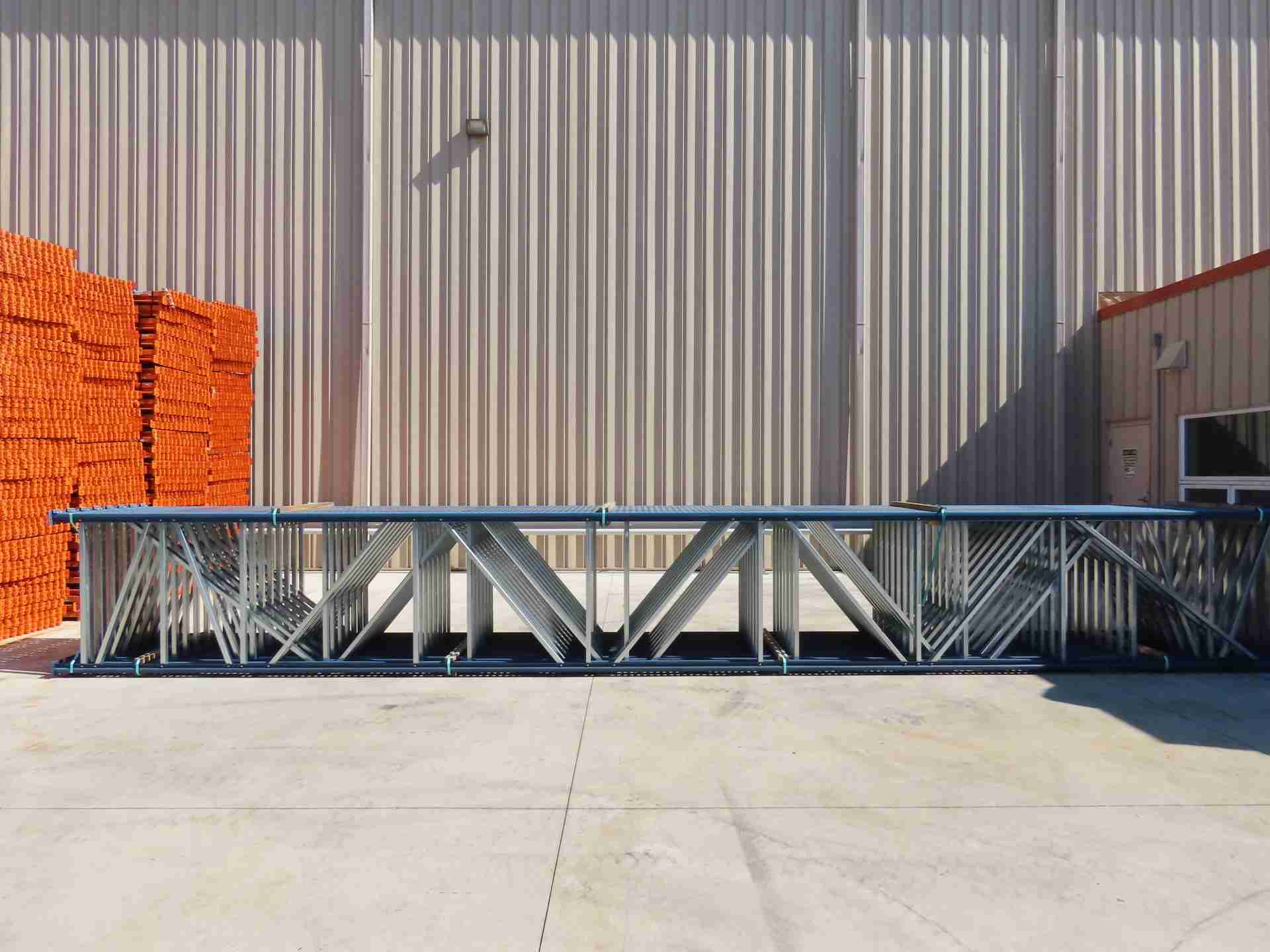
What Factors Affect Local Pallet Racking Delivery Times?
How Can I Verify The Reliability Of A Pallet Racking Service?
In today’s competitive marketplace, the efficiency of your warehouse operations hinges on one crucial element: your pallet racking system. Choosing the right pallet racking service can mean the difference between streamlined operations and costly downtime. So, how do you determine if a service provider can deliver the reliability you require? Here are key strategies to ensure you’re making a wise investment.
1. Research Their Reputation
Start by diving deep into online reviews and testimonials. Look for companies that consistently receive positive feedback about their pallet racking installations and services. For instance, consider recent developments in supply chains due to disruptions caused by global events. Many businesses have had to pivot, and their reliance on adaptable and robust pallet racking systems has only grown. Look for racking services lauded for their quick adaptability. A company that earns rave reviews during a crisis proves its reliability.
2. Evaluate Industry Experience
A service provider with years of experience can often offer insight that newer companies might lack. For example, if you’re sourcing pallet racking for a specific industry like cold storage or pharmaceuticals, ensure the provider has specialized knowledge. The experience they garner translates directly to your benefit. Are they familiar with current safety regulations and building codes? Are they aware of how logistics are shifting in your industry?
3. Request Case Studies
Assess how the service provider has successfully addressed challenges faced by other clients. A reliable company should be proud to share case studies that illustrate their problem-solving capabilities. If they’ve worked with sizable manufacturers to optimize pallet storage, this is a strong indicator they can handle your demands. You’ll want to see tangible results, such as increased storage capacity or reduced downtime.
4. Verify Compliance and Safety Certifications
Safety shouldn’t be an afterthought when selecting a pallet racking service. Make sure the provider complies with OSHA regulations and holds relevant safety certifications. This ensures that they work within the standards of the industry, protecting not only their employees but also your investment.
5. Seek Personal Recommendations
In an age dominated by digital interactions, don’t overlook the power of a personal referral. Reach out within your network to see if someone has had first-hand experience with a particular pallet racking service. Their insights can help you shortcut the vetting process significantly.
Verifying the reliability of a pallet racking service involves thorough research, industry experience, real-world successes, safety compliance, and connecting with peers. Arm yourself with information, make informed decisions, and you’ll find a partner that not only meets your racking needs but drives your operational efficiency forward.
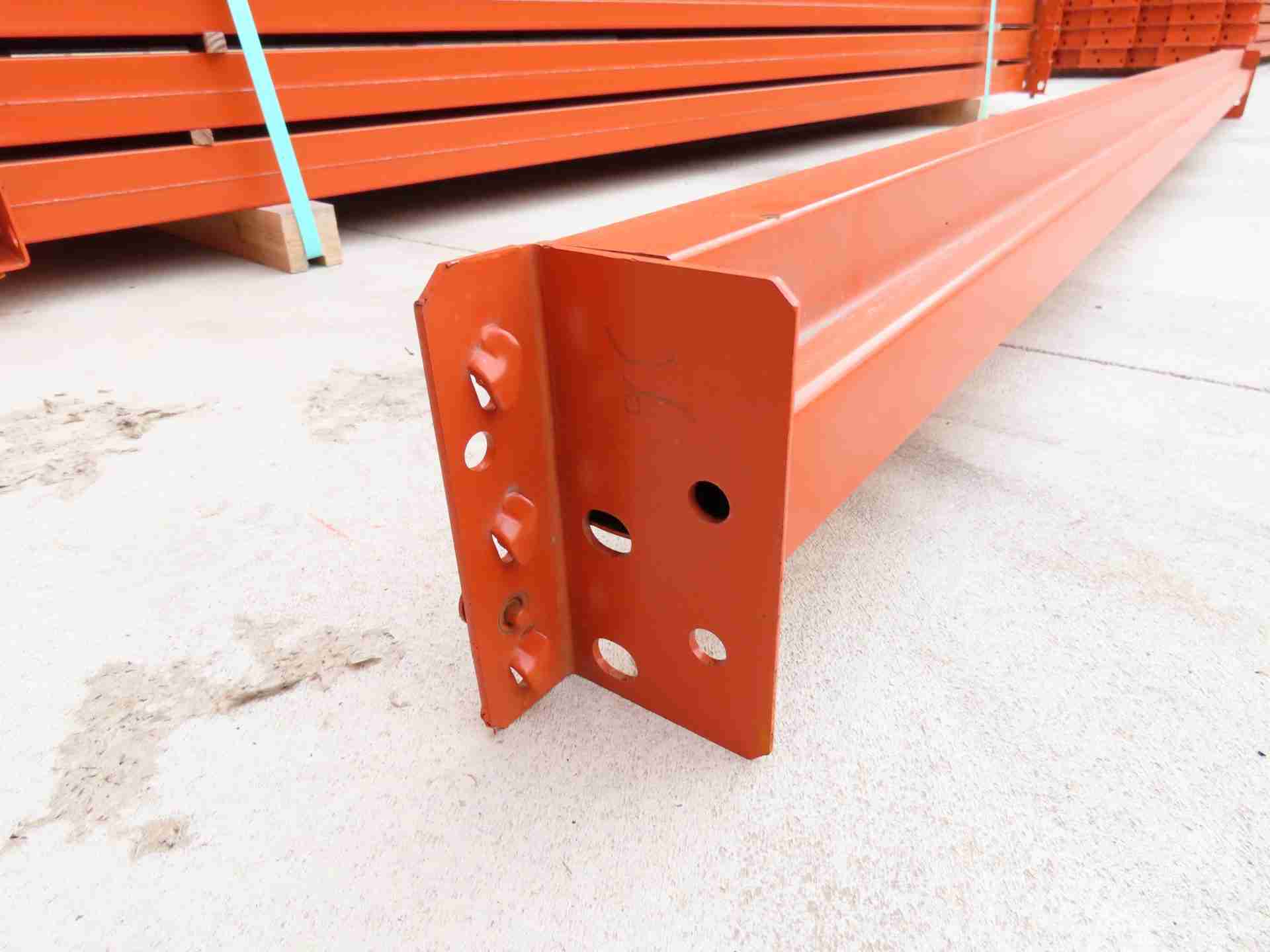
How Can I Verify The Reliability Of A Pallet Racking Service?
How Can I Verify The Reliability Of A Pallet Racking Service?
- Research Their Reputation: Explore online reviews and testimonials to identify companies with consistent positive feedback, especially during challenging times.
- Evaluate Industry Experience: Look for service providers with years of specialized knowledge relevant to your industry, ensuring familiarity with safety regulations and logistics.
- Request Case Studies: Ask for case studies that demonstrate the provider’s successful problem-solving capabilities and tangible results like increased storage capacity.
- Verify Compliance and Safety Certifications: Ensure the provider complies with OSHA regulations and possesses relevant safety certifications to protect your investment.
- Seek Personal Recommendations: Utilize your network to gather insights and experiences from others who have engaged with specific pallet racking services.
- Key Factors for Reliability: Focus on thorough research, industry experience, successful solutions, safety compliance, and personal connections.
- Informed Decisions: Arm yourself with information to find a partner that enhances operational efficiency and meets your racking needs.
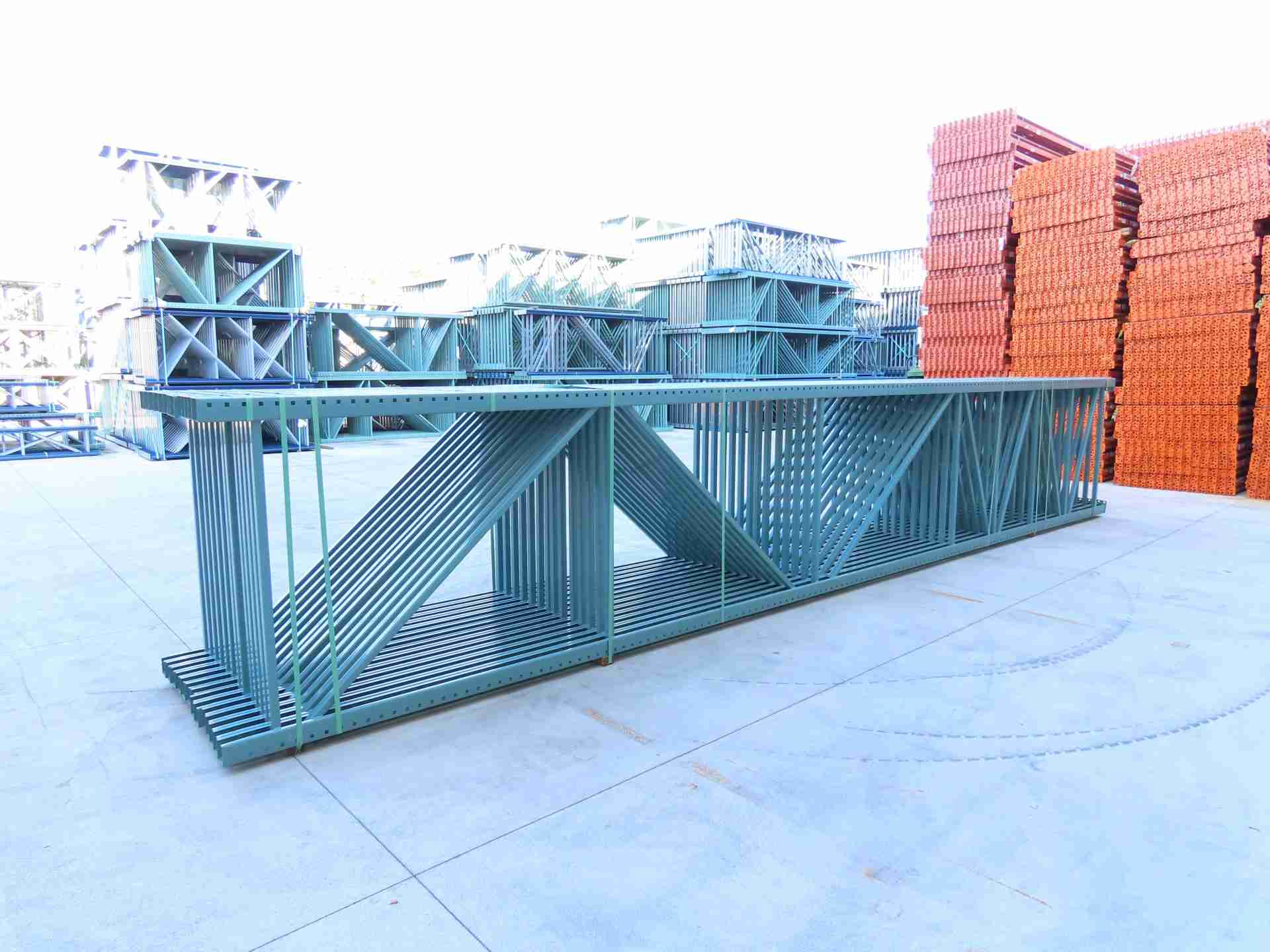
How Can I Verify The Reliability Of A Pallet Racking Service?
What Should I Ask Before Scheduling A Local Pallet Racking Delivery?
When it comes to optimizing your warehouse space, the importance of proper pallet racking systems cannot be overstated. However, before scheduling a local pallet racking delivery, you need to ask the right questions to ensure that the investment you’re about to make is sound. Here’s your guide to covering all bases.
1. What are the specifications of the pallet racking I need?
Understanding the dimensions and types of pallet racking suitable for your specific needs is paramount. For instance, if your warehouse has a lower ceiling, you might consider selective pallet racking over drive-in systems. Ask your supplier about weight capacities and compatibility with your pallets.
2. Are there any current regulations I need to know about?
Regulations surrounding pallet racking systems can change, and it’s essential to stay informed. With the current focus on warehouse safety in light of increased e-commerce demand, ensure that your supplier adheres to OSHA standards and has the necessary certifications. Failure to comply could result in fines or, worse, accidents.
3. What is the lead time for delivery and installation?
Understanding how long it will take to receive your pallet racking is crucial. Given the recent disruptions in supply chains—exacerbated by events such as the pandemic and geopolitical tensions—be sure to inquire about the timeline. A reliable supplier will provide you with accurate estimates or alternative solutions should delays arise.
4. Can you provide references or case studies?
Don’t hesitate to ask for references from previous clients. Learning about their experiences can shed light on the supplier’s reliability and customer service. For example, a retail chain that recently upgraded its logistics may provide a good case study on the benefits of high-density pallet racking in maximizing space.
5. What are the costs involved, including installation and after-sales service?
Pallet racking isn’t just about upfront costs. Ask your supplier about installation fees, potential setup difficulties, and ongoing support. Consider how these expenses fit into your overall budget. For instance, opting for a supplier who offers comprehensive services might save you on long-term costs and headaches.
6. Is there an option for future expansion?
Another vital question revolves around scalability. As your business grows, will your pallet racking system allow for easy modifications? Planning for growth will save you from needing to overhaul your entire racking system later on.
By addressing these key questions, you’ll avoid costly missteps and ensure that your local pallet racking delivery sets your warehouse up for success. Remember, informed decisions lead to long-term advantages in efficiency and profitability.
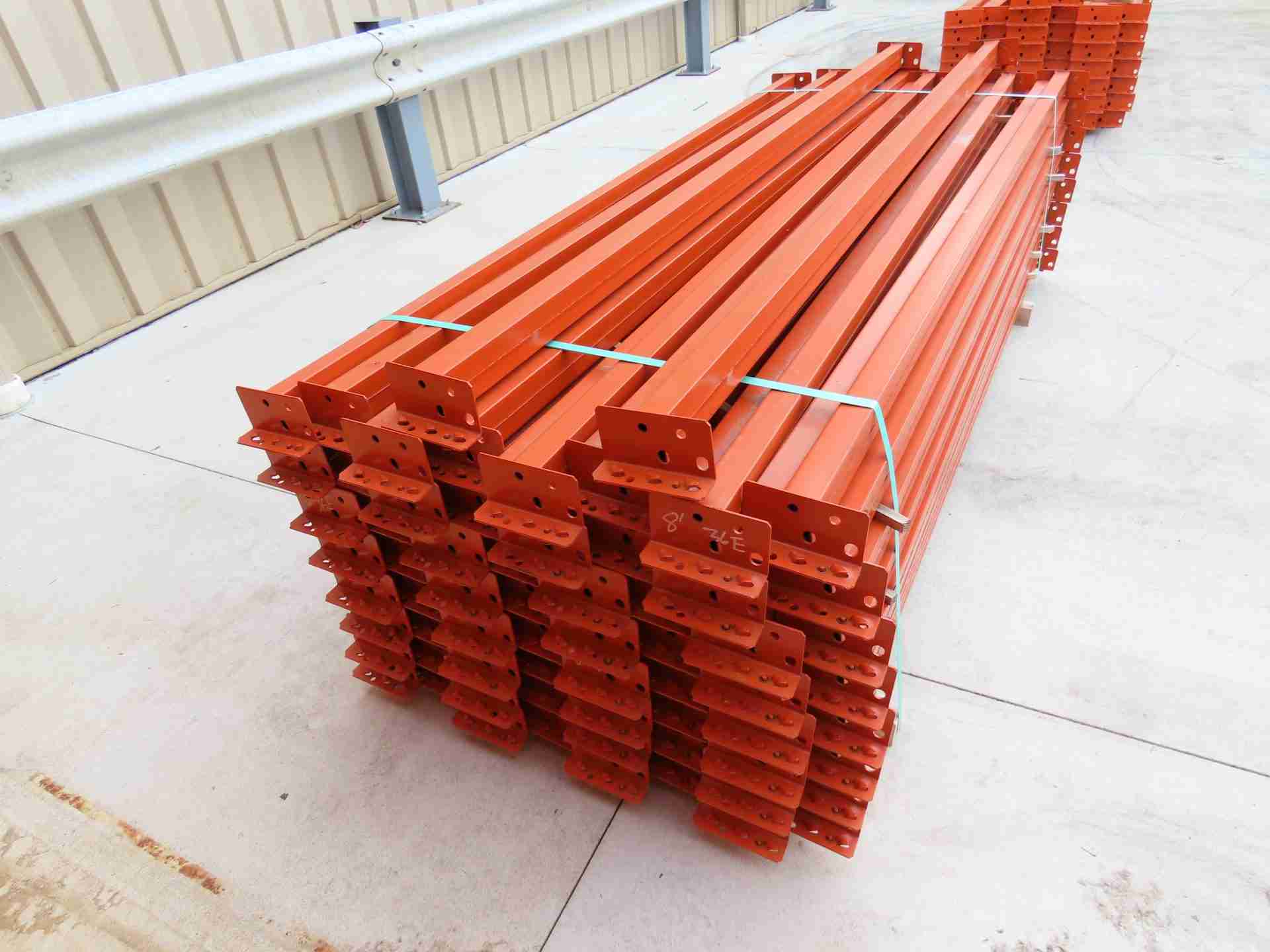
What Should I Ask Before Scheduling A Local Pallet Racking Delivery?
What Should I Ask Before Scheduling A Local Pallet Racking Delivery?
- Proper pallet racking systems are essential for optimizing warehouse space.
- Determine the specifications needed for your pallet racking, including dimensions and types based on your warehouse layout.
- Stay informed about current regulations and ensure compliance with safety standards like OSHA to avoid fines and accidents.
- Ask about lead times for delivery and installation, considering potential supply chain disruptions.
- Request references or case studies from previous clients to evaluate the supplier’s reliability and customer service.
- Inquire about all costs involved, including installation fees and after-sales service, to stay within budget.
- Consider options for future expansion to allow for growth without overhauling your racking system.
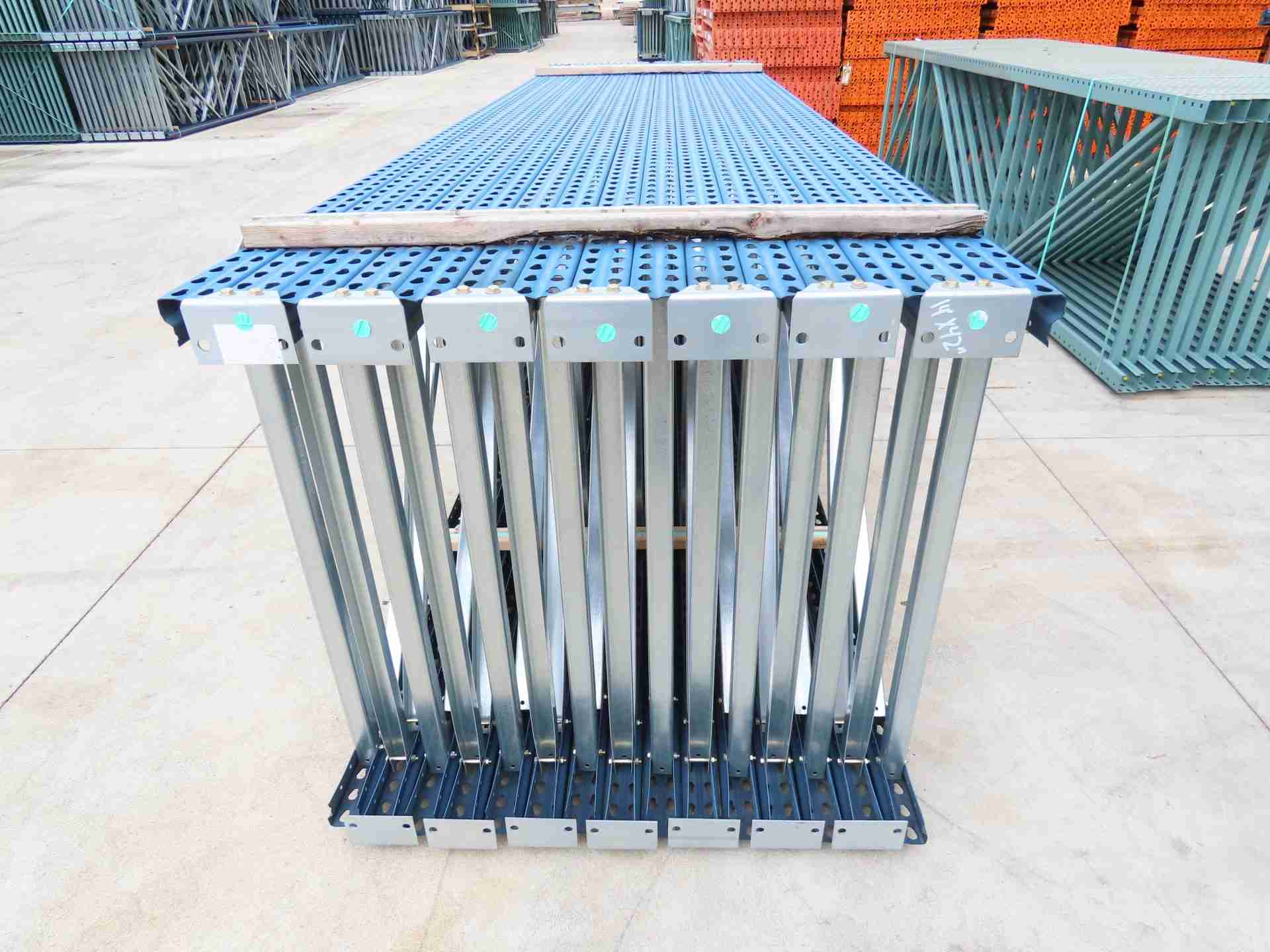
What Should I Ask Before Scheduling A Local Pallet Racking Delivery?
How Do Delivery Costs Impact The Overall Reliability Of Service?
In today’s fast-paced economy, where consumers demand instant gratification, the reliability of a service depends heavily on its delivery costs. Think about it: when a business can’t efficiently manage these expenses, it opens the door to a plethora of issues that can compromise the entire customer experience. Consider a well-oiled logistics system involving pallet racking—an essential component that maximizes storage efficiency. This method allows for quick retrieval of items, ultimately affecting delivery times and costs. If the cost of transporting goods increases due to inefficiencies, the ripple effect can compromise reliability.
For instance, look at the recent fluctuations in fuel prices that have been a hot topic in the news. When gas prices rise, many delivery services are forced to adjust their price structures. A sudden spike in delivery costs can lead to longer wait times for consumers, as businesses scramble to adjust their operations. When customers wait beyond their expected delivery window, their trust in the service diminishes significantly.
Imagine a bustling e-commerce company that relies heavily on pallet racking. If they optimize their storage and handling processes, they can reduce the time it takes to fulfill orders. However, when delivery costs start to skyrocket—perhaps due to increased freight charges—the overall reliability of their service might decline, causing dissatisfaction among buyers who expect prompt delivery. This illustrates a direct correlation between how delivery costs are managed and the perceived reliability of service.
As businesses navigate challenges, such as inflation and supply-chain disruptions, it’s crucial they keep their delivery costs under control to maintain a high level of reliability. For example, companies that have invested in technology for tracking deliveries often find that they can better manage their costs, thereby improving their reliability metrics. A recent report indicated that 67% of consumers choose to abandon carts due to unsatisfactory shipping options, highlighting how tightly intertwined cost management and service reliability are.
Optimal delivery costs play a pivotal role in establishing a reliable service. By investing in effective strategies—such as improved pallet racking systems or advanced logistics technologies—businesses can create a seamless experience for their customers. What’s the bottom line? In an era where reliability is king, cutting corners on delivery costs can lead to disappointing consequences, both for customers and for the brand’s reputation itself.

How Do Delivery Costs Impact The Overall Reliability Of Service?
How Do Delivery Costs Impact The Overall Reliability Of Service?
- In a fast-paced economy, delivery costs greatly impact service reliability and customer experience.
- An efficient logistics system, such as pallet racking, maximizes storage efficiency and affects delivery times.
- Fluctuations in fuel prices can force delivery services to adjust their pricing, impacting customer wait times.
- Increased delivery costs can lead to a decline in service reliability, resulting in customer dissatisfaction.
- Investing in technology for tracking deliveries helps businesses manage costs and improve reliability metrics.
- 67% of consumers abandon carts due to unsatisfactory shipping options, highlighting the importance of cost management.
- Optimal delivery cost management is essential for a reliable service and maintaining a strong brand reputation.
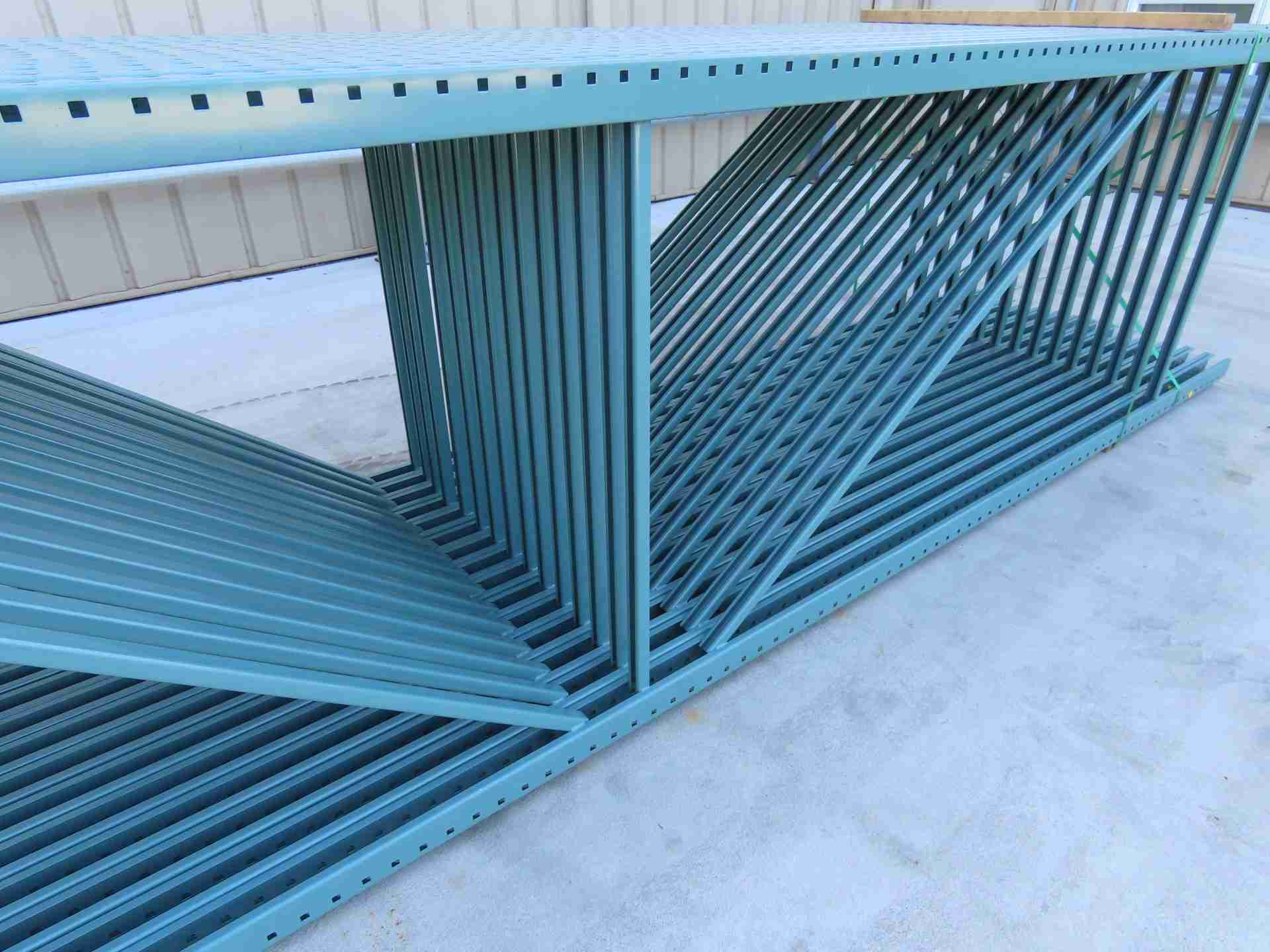
How Do Delivery Costs Impact The Overall Reliability Of Service?
Are There Reviews Or Ratings For Local Pallet Racking Companies?
When it comes to the backbone of warehouse efficiency, pallet racking systems play an indispensable role. However, not all pallet racking companies are created equal. With so much at stake, the question arises: where can you find reliable reviews and ratings for local pallet racking companies? In today’s digital age, consumers have unprecedented access to a wealth of information, making it easier than ever to make informed decisions.
First, let’s talk about online platforms. Websites like Google My Business, Yelp, and Trustpilot are treasure troves of customer feedback. Imagine scrolling through reviews from real businesses just like yours that have previously purchased their pallet racking solutions. If a local company claims to offer “the best pallet racking system” but has a slew of negative reviews about poor service or faulty installations, you’d want to think twice, right? For example, look at XYZ Racking Co.: while their prices may appear competitive, a quick review check reveals numerous complaints about post-installation support, revealing a stark contrast between their marketing and actual customer experiences.
Next, delve into the world of social media. Platforms like Facebook and LinkedIn host numerous industry-specific groups where warehouse managers and logistics professionals congregate. A casual conversation post asking for recommendations for pallet racking companies in your area could yield insights you’d never find in a formal review. Furthermore, if a company just launched an innovative automatic pallet racking system, expect excited chatter online. This is the ideal pulse-check on current market offerings.
Trade associations and safety compliance websites also provide invaluable resources. Organizations like the Material Handling Industry (MHI) offer ratings and reviews based on industry standards. These reviews can help you determine which companies prioritize safety and quality, essential metrics when considering pallet racking systems.
Finally, don’t overlook word of mouth. In a world increasingly driven by technology, a personal recommendation can still hold significant weight. Reach out to your network—colleagues, industry peers, even competitors. Real experiences often present the clearest view of a company’s reliability and customer service standards.
Gathering reviews and ratings for local pallet racking companies is not only possible, it’s essential. By leveraging online platforms, engaging with industry forums, consulting trade associations, and utilizing your personal network, you can make informed choices that will directly benefit your business. Remember, investing in pallet racking is not just choosing a product; it’s selecting a partner for your operational success. Make sure you choose wisely!
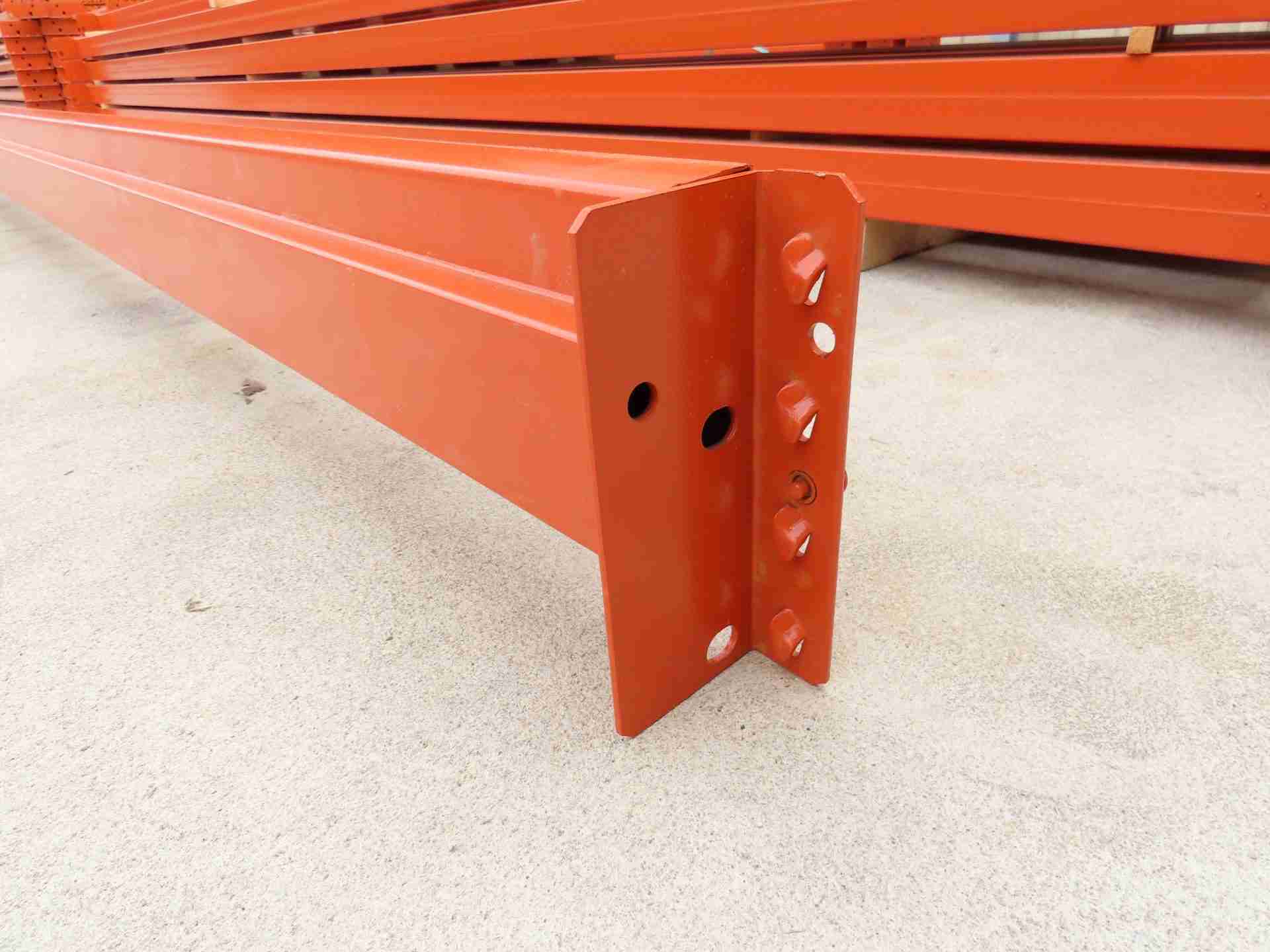
Are There Reviews Or Ratings For Local Pallet Racking Companies?
Are There Reviews Or Ratings For Local Pallet Racking Companies?
- Pallet racking systems are vital for warehouse efficiency.
- Not all pallet racking companies offer the same quality of service.
- Online platforms like Google My Business, Yelp, and Trustpilot provide valuable customer feedback.
- Social media platforms, especially industry-specific groups, can yield personal recommendations and insights.
- Trade associations, such as the Material Handling Industry (MHI), offer ratings based on industry standards.
- Word of mouth remains an important resource for reliable company recommendations.
- Gathering reviews and ratings is essential for choosing the right pallet racking partner for operational success.
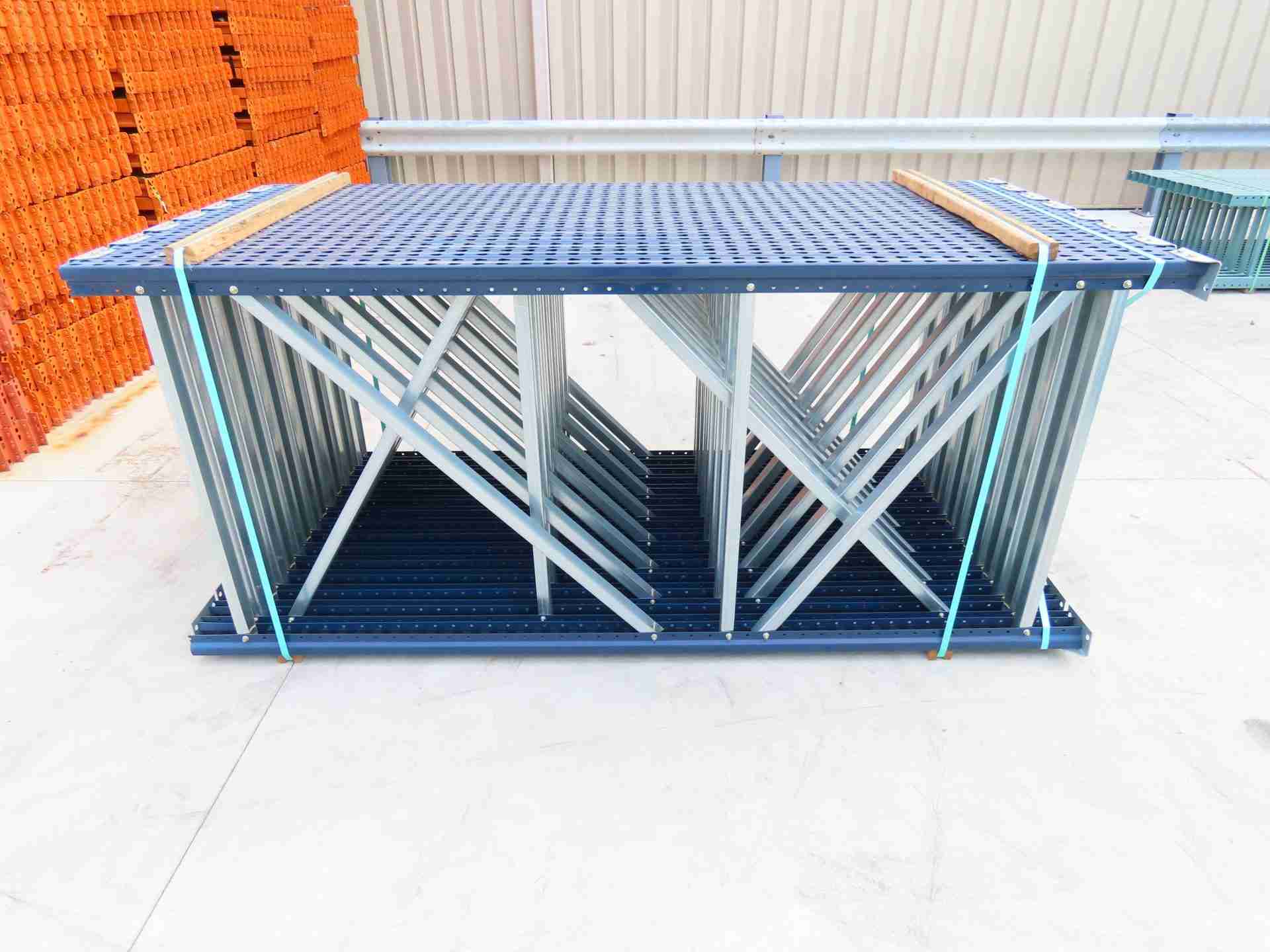
Are There Reviews Or Ratings For Local Pallet Racking Companies?
What Contingency Plans Do Local Suppliers Have For Delivery Issues?
In today’s fast-paced market, local suppliers are continually navigating a labyrinth of challenges that could disrupt delivery operations. With the rise of e-commerce and shifting consumer behaviors, understanding how these suppliers prepare for unforeseen delivery issues can provide valuable insights for both consumers and business partners.
One of the first lines of defense employed by savvy local suppliers is investing in robust inventory management systems. Consider the recent supply chain chaos stemming from the pandemic, where many suppliers faced unprecedented delays. To counter such incidents, local suppliers are increasingly turning to pallet racking systems. These systems not only optimize their warehouse space, allowing for more efficient storage of goods but also facilitate quick access during urgent delivery times. This strategic infrastructure means a supplier can pivot swiftly, prioritizing orders that need immediate shipping while holding in reserve items that can wait.
Another essential element of their contingency plans is the establishment of strong relationships with multiple carriers. A reliance on a single delivery service can lead to vulnerabilities. For instance, during severe weather conditions—a reality in recent winters—many local suppliers faced significant delivery setbacks. By diversifying their shipping partners, they can mitigate risks. If one carrier is delayed due to a snowstorm, those suppliers who have already established partnerships with alternative carriers can reroute shipments and maintain customer satisfaction.
Moreover, local suppliers are increasingly investing in technology to enhance communication and transparency with customers regarding delivery timelines. Implementing real-time tracking systems allows suppliers to keep clients informed about their order status, reducing anxiety and building trust. This proactive approach is invaluable, especially when disruptions arise from global events, such as port congestion or labor strikes.
Take, for example, the current challenges with international shipping routes and container shortages. Many local suppliers are now adapting their supply chain strategies by sourcing locally when possible and leveraging regional distribution centers. This tactic not only shortens delivery times but also supports the local economy, thus resonating with consumers who value community-oriented practices.
Finally, ongoing training for staff on problem-solving and adaptability ensures that when problems arise—be it unexpected demand spikes or logistical nightmares—employees are equipped to respond efficiently. This adaptability can make all the difference in maintaining operational effectiveness and ensuring customer satisfaction.
In a world where delivery can make or break customer relationships, understanding the contingency measures of local suppliers offers both reassurance and a competitive edge for businesses and consumers alike. Ultimately, their ability to plan for the unforeseeable can distinguish them in an increasingly cluttered market.

What Contingency Plans Do Local Suppliers Have For Delivery Issues?
What Contingency Plans Do Local Suppliers Have For Delivery Issues?
- Local suppliers face numerous challenges in delivery operations due to the fast-paced market and e-commerce growth.
- Investing in robust inventory management systems, including pallet racking, allows suppliers to optimize storage and respond quickly to urgent orders.
- Establishing relationships with multiple carriers helps mitigate risks and ensures delivery reliability during adverse conditions.
- Utilizing technology for real-time tracking enhances communication with customers, building trust and reducing anxiety about order statuses.
- Adapting supply chain strategies by sourcing locally and using regional distribution centers shortens delivery times and supports local economies.
- Ongoing staff training on problem-solving and adaptability prepares employees to efficiently handle unexpected issues.
- Understanding these contingency measures provides reassurance and a competitive edge for businesses and consumers in a cluttered market.
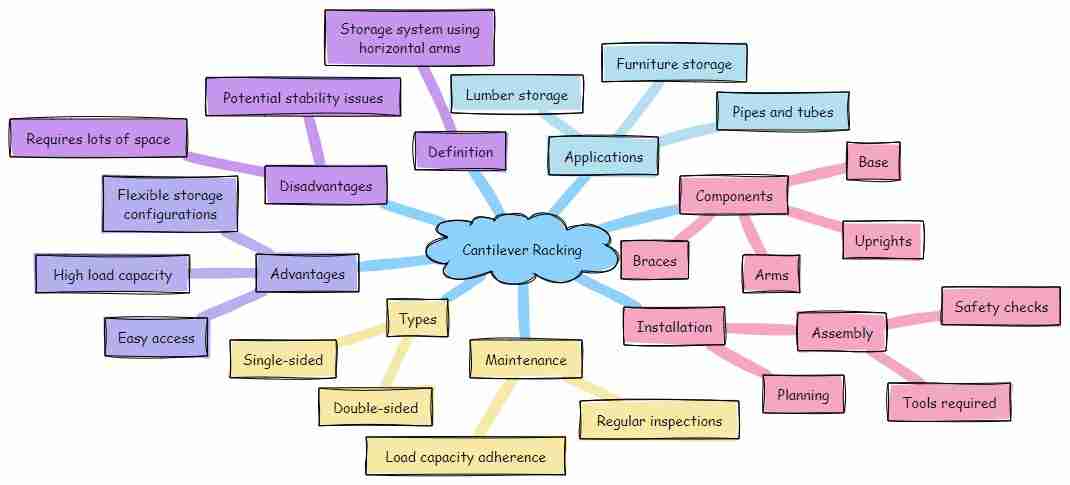
What Contingency Plans Do Local Suppliers Have For Delivery Issues?
Conclusion
In today’s fast-paced and increasingly competitive marketplace, the reliability of your pallet racking delivery can significantly impact your warehouse operations and, ultimately, your bottom line. As we’ve explored, effective inventory management hinges on not just the quality of the racking systems but critically on the timeliness and reliability of their delivery. When you experience demand fluctuations—such as surges in e-commerce during holiday seasons or following unexpected global events—having a dependable local supplier can make all the difference.
Local suppliers offer a customized approach that national chains simply cannot match. They are deeply rooted in their communities and understand the specific challenges faced by businesses in your area. By responding swiftly to urgent requests and tailoring their services to your unique operational needs, they can ensure that additional racking is available when you need it most, minimizing downtime and optimizing storage efficiency.
When choosing a local pallet racking supplier, assessing their reliability is paramount. Experience, quality assurance, customer testimonials, and after-sales support should guide your decision-making. Researching their reputation through online reviews, testimonials, case studies, and even personal recommendations will empower you to find a partner dedicated to enhancing your operational efficiency.
However, it’s also critical to strategize around potential delivery issues. In an unpredictable landscape marked by fluctuating delivery costs and regulatory compliance challenges, understanding how local suppliers prepare for disruptions can shield your business from costly delays and setbacks. Ensure that your partner not only possesses a robust inventory but also employs technology and established relationships with multiple carriers to mitigate risks.
In conclusion, investing in a reliable local pallet racking supplier is not merely a logistical decision; it’s a strategic advantage that strengthens your supply chain and fortifies your operational resilience. Don’t leave your success to chance. Reach out to Arrow Industrial Sales at (574) 349-6575 today to discuss how we can assist you in securing your pallet racking needs and ensure timely delivery that keeps your operations running smoothly. Act now! Your efficiency depends on it, and the clock is ticking on the opportunities that rely on your effective inventory management. Invest in reliability. Invest in your success.
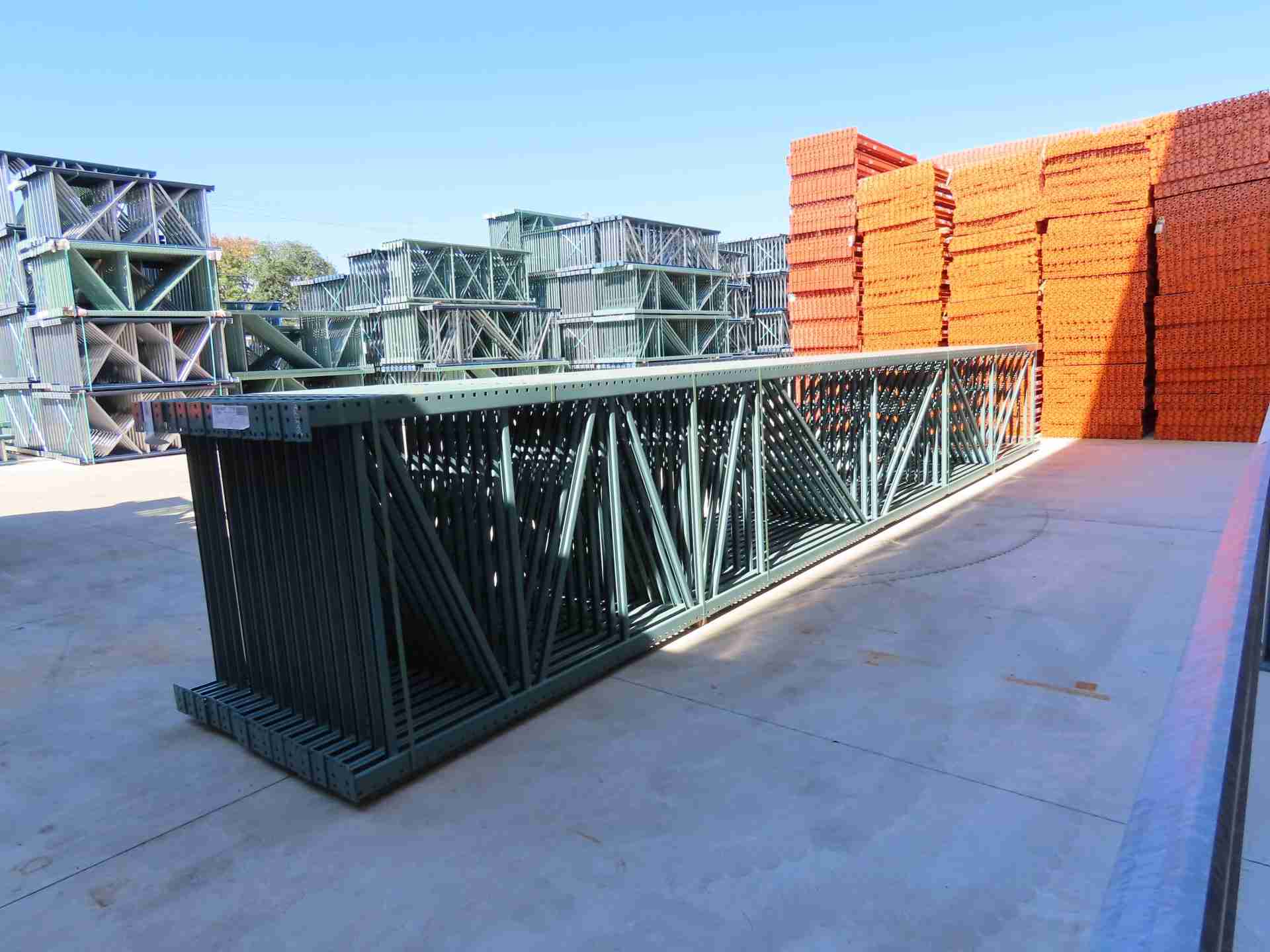
Conclusion
Conclusion:
- The reliability of pallet racking delivery impacts warehouse operations and business profitability.
- Effective inventory management depends on the quality and timely delivery of racking systems.
- Local suppliers provide tailored solutions that can adapt to demand fluctuations, minimizing downtime.
- When selecting a local supplier, prioritize their reliability through experience, quality assurance, and customer feedback.
- Researching suppliers’ reputations via reviews and testimonials helps find partners that enhance operational efficiency.
- Prepare for potential delivery issues by ensuring suppliers have robust inventories and strong carrier relationships.
- Investing in a reliable local pallet racking supplier is a strategic advantage for your supply chain and operational resilience.

Conclusion
Other Resources
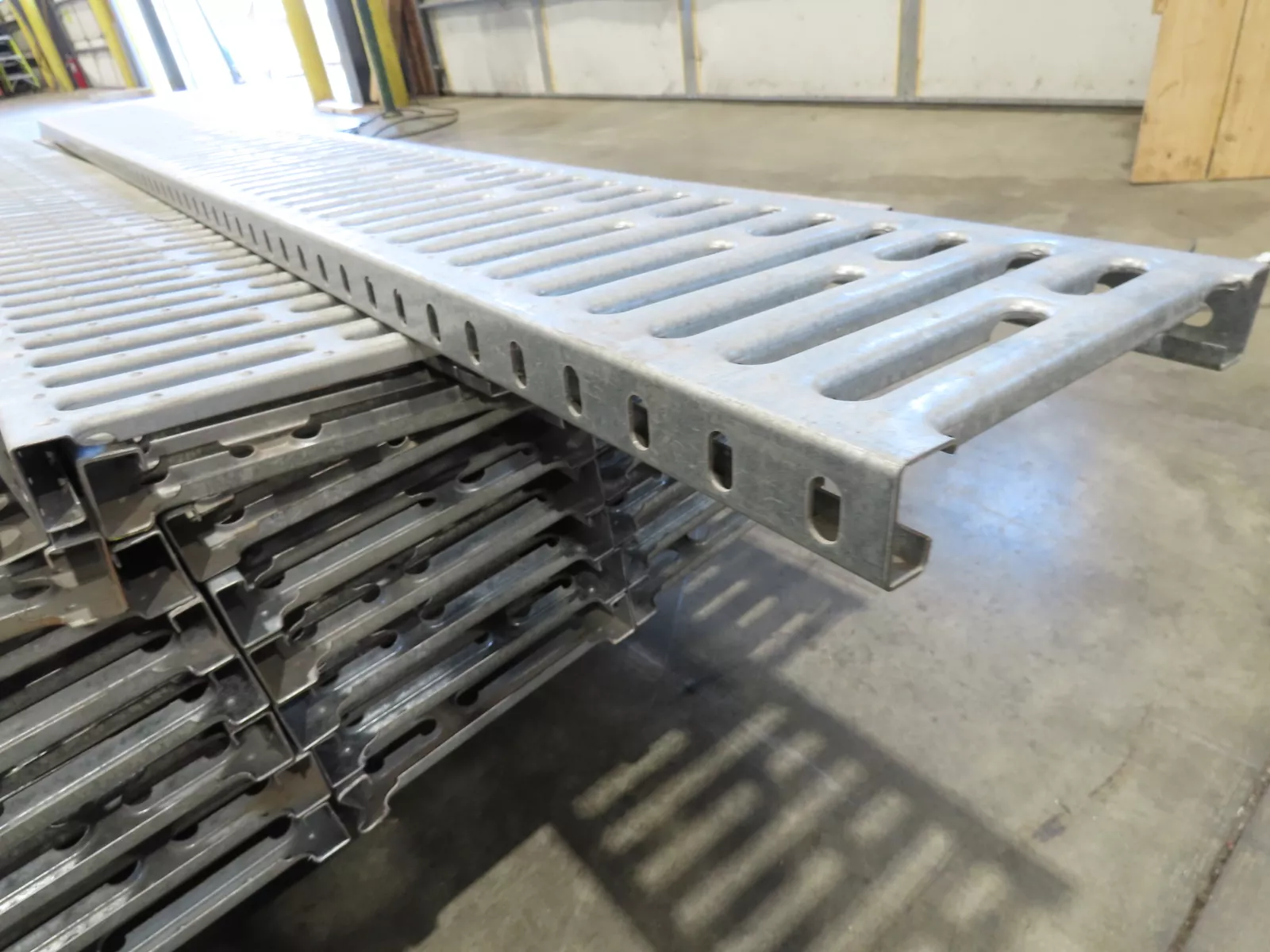
Other Resources
Here is a list of other resources you can review online to learn more:
- Pallet Racking systems in Illinois, Great Lakes
- CMMA
- Cantilever Rack Configuration & Installation: A Comprehensive Guide – BMH
- Chicago Pallet Racking
- NSC
- Cantilever Rack Guide: Ordering Cantilever Racking
- Selective Pallet Racking Systems – Container Systems
- Chicago Pallet Racking
- Pallet Racking 101: A Comprehensive Guide & Options Explained
- Pallet Racks, Pallet Racking, Pallet Shelves in Stock – ULINE
Use This Prompt To Get More Resources With Your Favorite Online AI Tool: Please provide me with a list of online articles with their URLs in a bulleted list that I can read regarding How Reliable Is Local Pallet Racking Delivery?
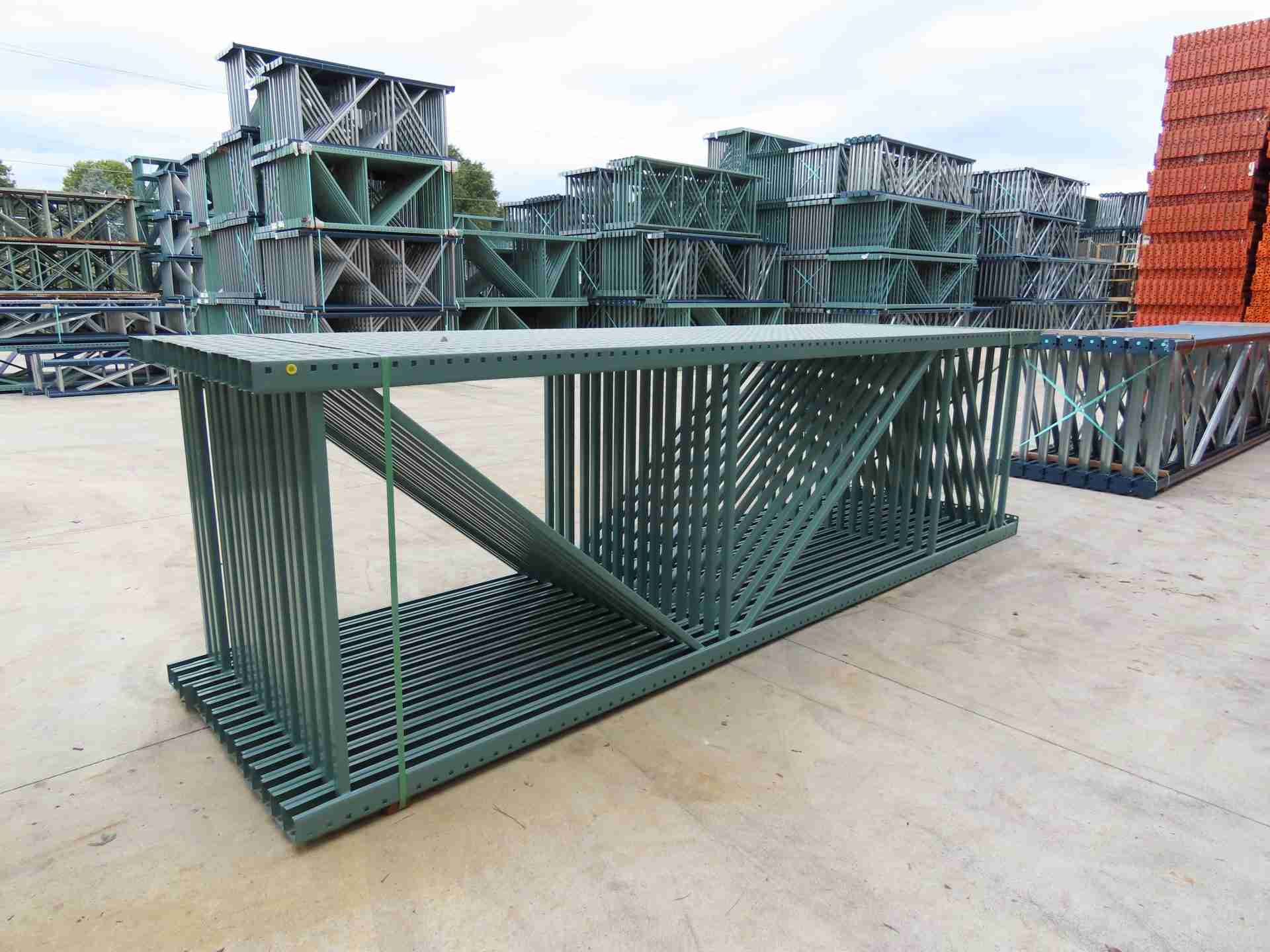
Other Resources
Glossary Terms
How Reliable Is Local Pallet Racking Delivery? – Glossary Of Terms
1. Pallet Racking: A storage system designed to hold palletized loads in warehouses, allowing for efficient space utilization and easy access to inventory.
2. Delivery Reliability: The consistency and dependability of a service provider to deliver goods on time and as promised.
3. Lead Time: The amount of time from placing an order to the delivery of goods; important for assessing reliability.
4. Local Supplier: A warehouse or company that supplies goods — in this case, pallet racking — within a short geographical distance from the buyer.
5. Shipping Method: The method used to transport goods from the supplier to the customer, which can impact delivery reliability.
6. Order Fulfillment: The process of preparing and delivering a customer’s order, encompassing picking, packing, and shipping.
7. Inventory Management: The supervision of non-capitalized assets, which can include pallet racking systems to optimize storage and delivery efficiency.
8. Quality Assurance: Procedures undertaken to ensure that products meet established standards; crucial for reliable delivery of durable pallet racking.
9. Customer Feedback: Reviews and comments from buyers regarding their experiences, which can indicate the reliability of local delivery services.
10. Installation Services: Services offered by suppliers to set up pallet racking systems at the client’s location, impacting overall satisfaction.
11. Payment Terms: The conditions under which a customer pays for delivered goods, potentially affecting procurement timelines.
12. Tracking System: Technology used to monitor the location and status of a shipment, key for evaluating delivery reliability.
13. Logistics: The detailed organization and implementation of a complex operation, including the transportation of pallet racking.
14. Service Level Agreement (SLA): A contract that defines the expected level of service, including delivery timelines and responsibilities.
15. Contingency Planning: Preparing for unexpected events that may disrupt delivery, ensuring that alternative solutions are ready.
16. Lead Time Variability: The degree of fluctuation in delivery times, which can affect how reliable delivery is perceived.
17. Compliance Standards: Regulations that pallet racking systems and delivery methods must meet, influencing reliability and safety.
18. Supplier Reputation: The level of trust and credibility a supplier has in the marketplace, often influencing buyer decisions.
19. Damage Rate: The frequency at which goods are damaged during transit; a low damage rate denotes higher delivery reliability.
20. Transportation Network: The system and routes used to move goods from suppliers to customers, critical for timely and reliable delivery.
21. Proximity: The physical distance between the supplier and the buyer, typically correlating with delivery speed and reliability.
22. Warehouse Condition: The state of the storage facility where goods are kept before delivery, impacting the efficiency of order fulfillment.
23. Communication Transparency: Openness in sharing information regarding shipment status and potential delays; essential for managing expectations.
24. Return Policy: The guidelines under which a buyer can return defective or unwanted products, which can signify supplier reliability.
25. Delivery Confirmation: A notification provided to the buyer to confirm that an order has been successfully delivered.
26. Delays: Setbacks in the expected delivery timeline that can affect the reliability perception of the supplier.
27. Inventory Turnover: The rate at which inventory is sold and replaced over a specific period; higher turnover may indicate better delivery efficiency.
28. Risk Assessment: The process of identifying potential delivery issues and evaluating their impact on overall reliability.
29. Project Timeline: An outline of delivery and installation milestones for pallet racking, pivotal for managing project expectations.
30. Customer Service: The support offered by the supplier before, during, and after the delivery process, greatly influencing perceived reliability.
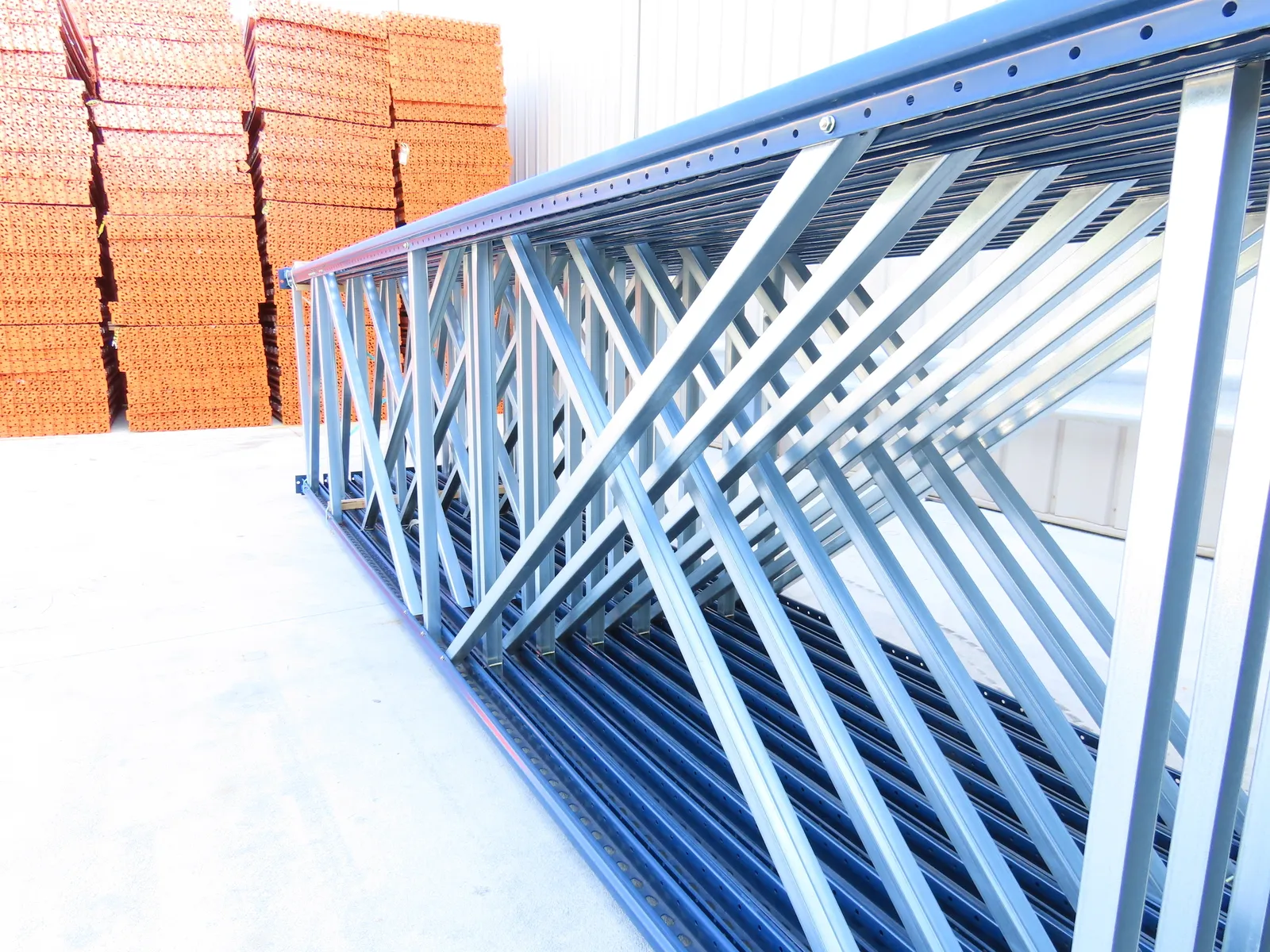
Glossary Of Terms
Other Questions
How Reliable Is Local Pallet Racking Delivery? – Other Questions
If you wish to explore and discover more, consider looking for answers to these questions:
- What are the common challenges experienced during local pallet racking delivery?
- How do local pallet racking companies handle delays or disruptions?
- What specific services can I expect from a local pallet racking supplier?
- How do I compare local versus national pallet racking suppliers?
- What is the typical lead time for pallet racking delivery?
- What types of pallet racking systems are available locally?
- Are there any warranties or guarantees for the pallet racking systems?
- What are the safety standards for local pallet racking systems?
- How can I assess the quality of the materials used in local pallet racking systems?
- What after-sales services do local suppliers typically offer?
- How can I find the best local pallet racking suppliers in my area?
- What is the impact of local delivery costs on overall pallet racking pricing?
- How do supplier relationships affect delivery reliability?
- What technological advancements are influencing local pallet racking delivery?
- How frequently should I assess my pallet racking needs as my business grows?
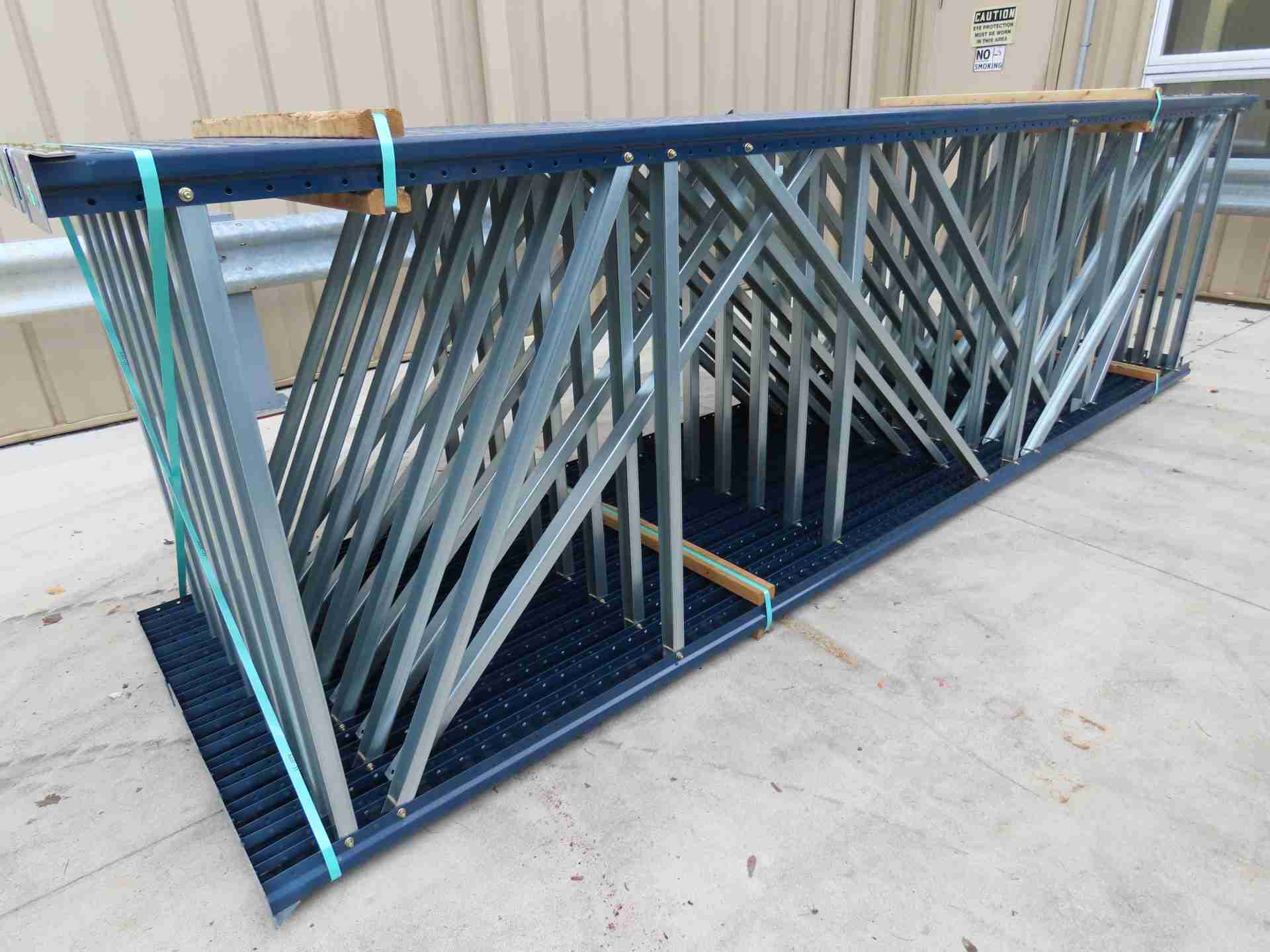
Other Questions
Checklist
How Reliable Is Local Pallet Racking Delivery? – A Checklist
1. Assess Experience
_____ Look for suppliers with a proven track record in the pallet racking industry.
_____ Check how many years they have been in business and their adaptability to market changes.
2. Verify Quality Assurance
_____ Inquire about manufacturing processes and safety regulations compliance.
_____ Look for certifications from recognized bodies like the Rack Manufacturers Institute (RMI).
3. Read Customer Testimonials and Reviews
_____ Search for online reviews on platforms like Google My Business, Yelp, and Trustpilot.
_____ Ask suppliers for references to previous clients and case studies showcasing satisfied customers.
4. Evaluate After-Sales Support
_____ Determine the level of support offered after installation.
_____ Check if they provide maintenance services and warranty agreements.
5. Compare Local vs National Suppliers
_____ Assess the benefits of local suppliers, such as faster response times and tailored solutions.
_____ Consider their knowledge of regional regulations and market conditions.
6. Understand Delivery Factors
_____ Confirm the supplier’s current inventory levels to avoid stock shortages.
_____ Ask about lead times for delivery and any transportation logistics considerations.
7. Inquire About Customization Options
_____ Discuss if the supplier can accommodate tailored racking systems that meet your specific needs.
_____ Understand how customization may affect delivery time.
8. Consider Seasonal Demand Factors
_____ Be aware of how seasonal trends may affect your supplier’s capacity.
_____ Plan orders in advance to avoid delays during peak seasons.
9. Check for Compliance with Regulations
_____ Confirm that the supplier adheres to local safety regulations and industry standards.
_____ Ensure they can handle any necessary certifications and inspections.
10. Ask Detailed Questions Before Delivery
_____ What are the specifications of the pallet racking you’re providing?
_____ Are there any potential additional costs (installation, after-sales service)?
_____ Is there an option for future expansion of the racking system?
_____ What contingency plans do you have for delivery issues (inventory management, carrier relationships)?
11. Evaluate Cost vs Reliability
_____ Analyze delivery costs versus overall reliability of service.
_____ Consider how effective logistics can reduce expenses and enhance customer satisfaction.
By using this checklist, you can make informed decisions when selecting a local pallet racking supplier to optimize your warehouse efficiency and reliability.
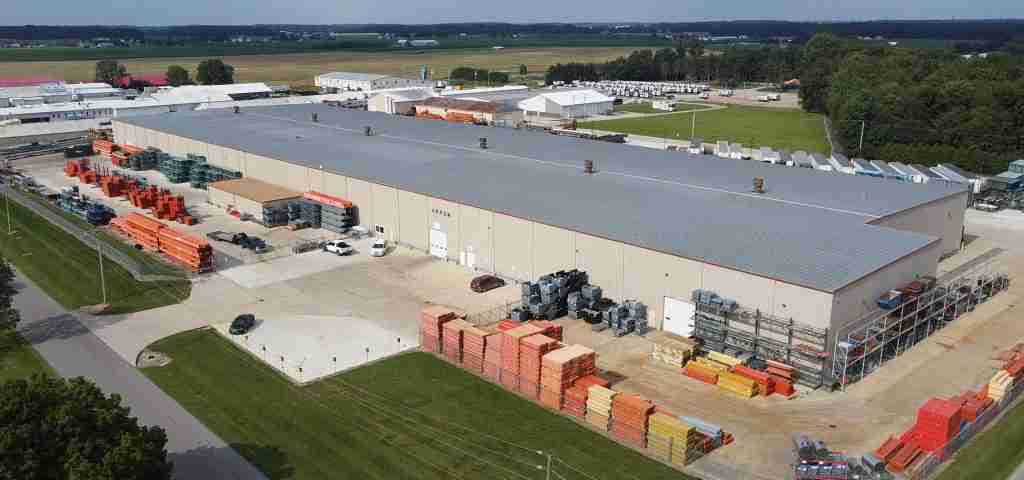
Checklist
At RackingWorld, we help guide you through selecting warehouse storage systems and racking.
Be sure to read our other related stories at RackingWorld to learn more about warehouse storage systems.
0 Comments