
Essential Guide To OSHA Pallet Rack Anchoring
By Tom Seest
At RackingWorld, we help guide you through selecting warehouse storage systems and racking.
Be sure to read our other related stories at RackingWorld to learn more about warehouse storage systems.
What Are OSHA Pallet Rack Anchor Requirements?
What Are OSHA Pallet Rack Anchor Requirements?
When it comes to warehouse safety, one aspect that cannot be overlooked is the importance of proper pallet rack anchoring. The Occupational Safety and Health Administration (OSHA) has laid out specific requirements that must be followed to ensure that your pallet racks are secure, stable, and compliant. Ignoring these standards isn’t just an oversight; it can lead to disastrous consequences, including injuries, fines, and significant disruptions to operations.
Pallet racks are essential to effective storage systems, allowing businesses to maximize vertical space. However, if they aren’t anchored properly, they become a significant risk factor. OSHA requires that all pallet racks be anchored to the floor to prevent tipping and collapse, especially in facilities that handle heavy loads or operate in seismic zones. For example, in California, where the recent earthquakes have prompted stricter compliance checks, having your pallet racks properly anchored isn’t just a recommendation; it’s a necessity.
So, what does it take to meet OSHA’s requirements? First, businesses need to understand the load capacities of their racks. Each system is rated differently, and exceeding these capacities can create instability. A good rule of thumb is to ensure that racks are anchored with bolts that are at least five inches in length, securing them to a concrete floor that is a minimum of four inches thick.
Moreover, regular inspections are essential. OSHA mandates that pallet racks undergo frequent checks for signs of wear, damage, or instability. It’s not just enough to anchor them once and forget about them! For instance, after a heavy load shift or any incident that may compromise the structural integrity, a reevaluation is crucial. This resonates with current industry trends, where an increasing number of companies are investing in comprehensive safety audits.
Compliance is your shield against potential liabilities. Consider a recent case where a failing pallet rack led to multiple injuries in a warehouse setting. Not only did the company face legal repercussions, but their reputation took a significant hit. Employees need to feel safe to perform at their best, and a commitment to safety speaks volumes about your company culture.
In summary, understanding and implementing OSHA pallet rack anchor requirements is not just about compliance; it’s about cultivating a culture of safety and commitment to your workforce. Ensure your pallet racks are securely anchored, conduct periodic inspections, and stay informed about regulatory changes. After all, a secure workplace fosters productivity, innovation, and peace of mind. Don’t wait for a disaster to remind you of the stakes—act now for a safer tomorrow!

What Are OSHA Pallet Rack Anchor Requirements?
What Are OSHA Pallet Rack Anchor Requirements?
- Proper pallet rack anchoring is essential for warehouse safety.
- OSHA has specific requirements to ensure pallet racks are secure and stable.
- All pallet racks must be anchored to the floor to prevent tipping and collapse.
- Racks should be secured with bolts at least five inches long to a concrete floor of at least four inches thick.
- Regular inspections are mandated by OSHA to identify wear, damage, or instability.
- Compliance helps prevent legal liabilities and enhances company reputation.
- Implementing these standards cultivates a culture of safety and commitment to employees.
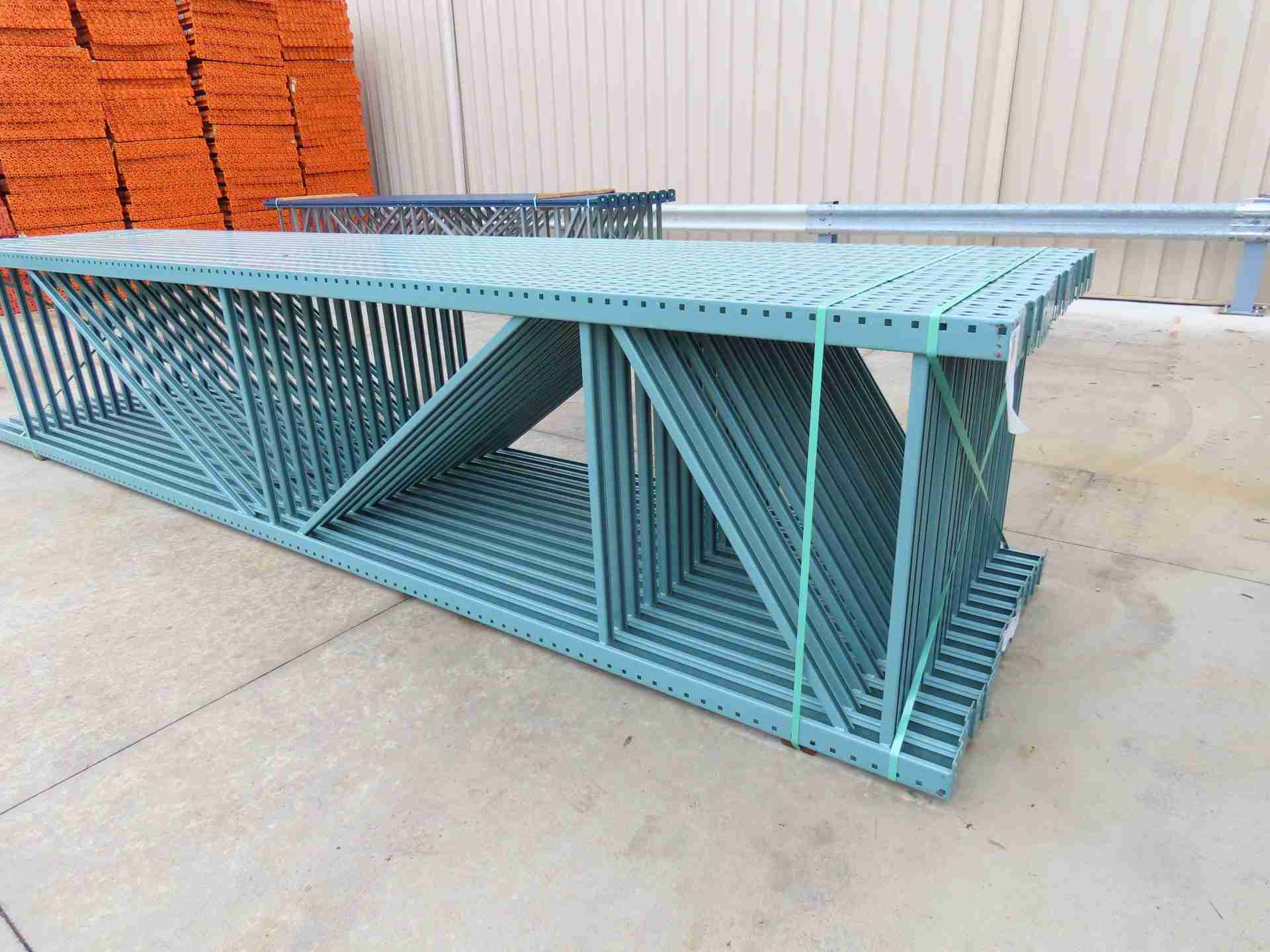
What Are OSHA Pallet Rack Anchor Requirements?
Table Of Contents
- What Are OSHA Pallet Rack Anchor Requirements?
- What Are The Key OSHA Standards For Pallet Rack Anchors?
- How Do I Determine If My Pallet Racks Need Anchoring?
- What Materials Are Required For Pallet Rack Anchors?
- What Are The Consequences Of Not Anchoring Pallet Racks?
- How Often Should Pallet Rack Anchors Be Inspected?
- What Tools Are Needed For Installing Pallet Rack Anchors?
- Can Pallet Racks Be Used Without Anchors In Certain Situations?
- What Are Common Mistakes When Anchoring Pallet Racks?
- How Do I Choose The Right Type Of Anchor For My Pallet Racks?
- Are There Different Requirements For Different Types Of Pallet Racks?
- Conclusion
- Other Resources
- Glossary Of Terms
- Other Questions
- Checklist
What Are The Key OSHA Standards For Pallet Rack Anchors?
What Are The Key OSHA Standards For Pallet Rack Anchors?
When it comes to warehouse safety, one critical aspect that often gets overlooked is the anchoring of pallet racks. Improperly anchored pallet racks can lead to catastrophic accidents, injuries, and even fatalities. The Occupational Safety and Health Administration (OSHA) has set stringent standards to ensure that these systems are not just functional, but also safe for workers. Understanding these key OSHA standards is essential for any business that relies on safe material storage and retrieval.
# Stability and Design Requirements
First and foremost, OSHA mandates that pallet racks must be designed to safely accommodate the expected loads. According to OSHA standard 29 CFR 1910.176(b), the design of storage systems like pallet racks should take into account the weight and distribution of products to prevent tipping and collapsing. This means that if your pallets are loaded with heavy items like metal sheets or electronics, your racks must be engineered to handle that specific weight and distribution efficiently without compromising stability.
# Anchorage Specifications
OSHA standards also stipulate that pallet racks must be anchored securely to the floor to withstand seismic activity and other forces. An effective anchoring system can mitigate the risk of rack failure. For instance, in areas prone to earthquakes, like California, having adequate anchors is not just a compliance requirement but a life-saving necessity. Failing to anchor racks properly can lead to a cascade of disastrous events, as we have seen in many warehouse accidents over the years.
# Regular Inspections and Maintenance
Once pallet racks are anchored properly, regular inspections are crucial. OSHA emphasizes the need for routine checks under standard 29 CFR 1910.176(d). Conducting inspections helps identify any signs of wear, stress, or damage. An inspection program ensures that anchors remain intact and capable of doing their job over time. Make inspection part of your culture; it can save both lives and your bottom line.
# Training and Compliance
Training employees about the importance of pallet rack safety and the standards set forth by OSHA is an integral part of compliance. Ensure all staff are educated on how to load and unload pallets properly and understand the importance of keeping aisles clear to maintain overall safety. Incorporating this into your training program not only keeps employees safe but also shows commitment to a culture of safety, ultimately resulting in employee retention and satisfaction.
Employing best practices around pallet rack anchors is not merely an operational requirement; it is a strategic approach that benefits your workforce and your business. As markets continue to evolve and regulations tighten, staying ahead in safety standards is no longer optional; it is essential. Embrace these OSHA guidelines to foster a safer working environment and secure your investment in equipment.
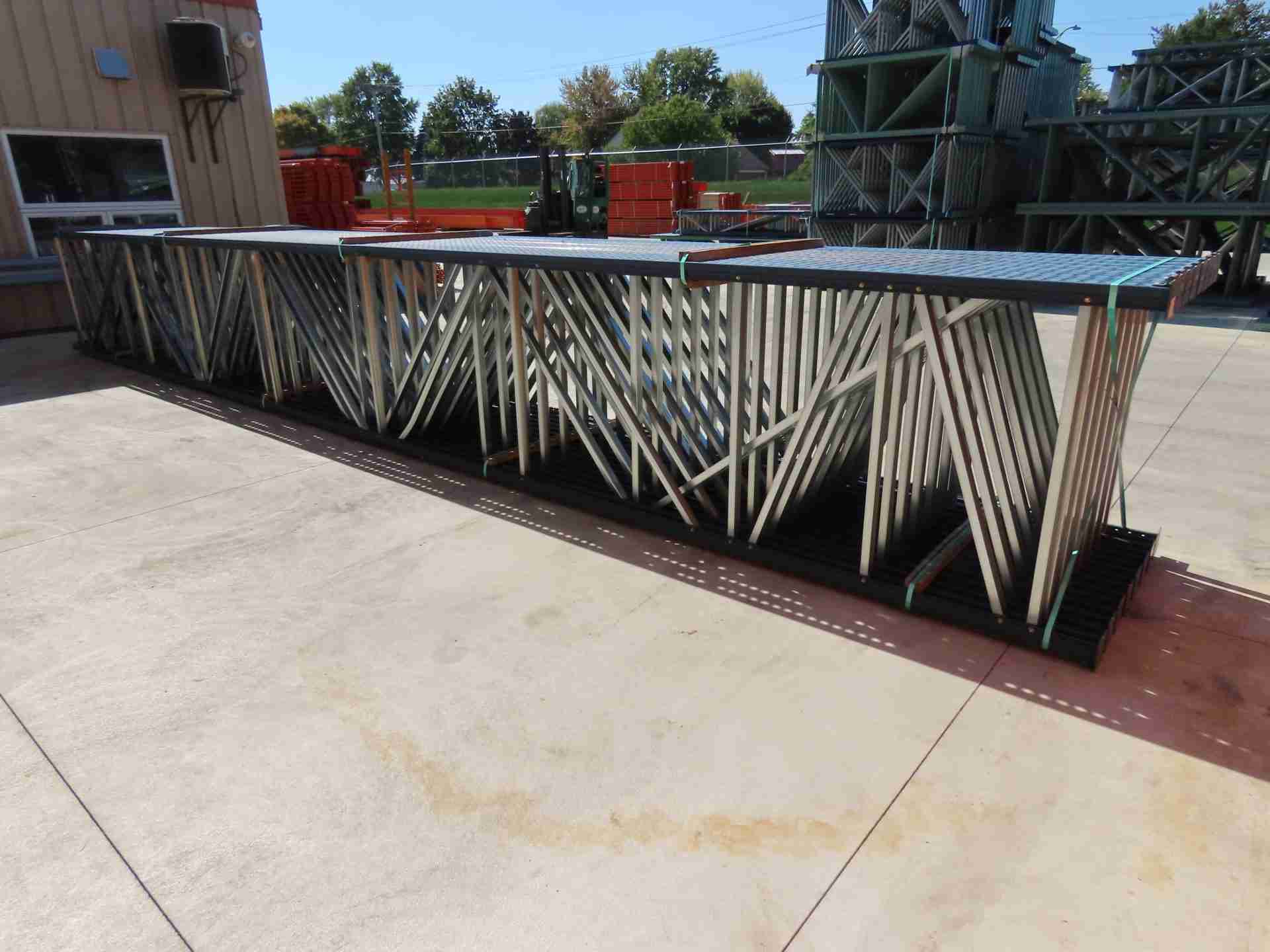
What Are The Key OSHA Standards For Pallet Rack Anchors?
What Are The Key OSHA Standards For Pallet Rack Anchors?
- Warehouse Safety: Proper anchoring of pallet racks is critical to prevent accidents and injuries.
- Design Requirements: Pallet racks must be designed to handle specific loads, as per OSHA standard 29 CFR 1910.176(b).
- Anchorage Specifications: Racks must be securely anchored to the floor to withstand seismic activity and other forces.
- Regular Inspections: Routine checks are required to identify wear, stress, or damage according to OSHA standard 29 CFR 1910.176(d).
- Employee Training: Staff must be educated on rack safety and proper loading/unloading procedures to enhance overall safety.
- Cultural Commitment: Emphasizing safety through training can improve employee retention and satisfaction.
- Strategic Approach: Complying with OSHA standards is essential for fostering a safe work environment and protecting investments.
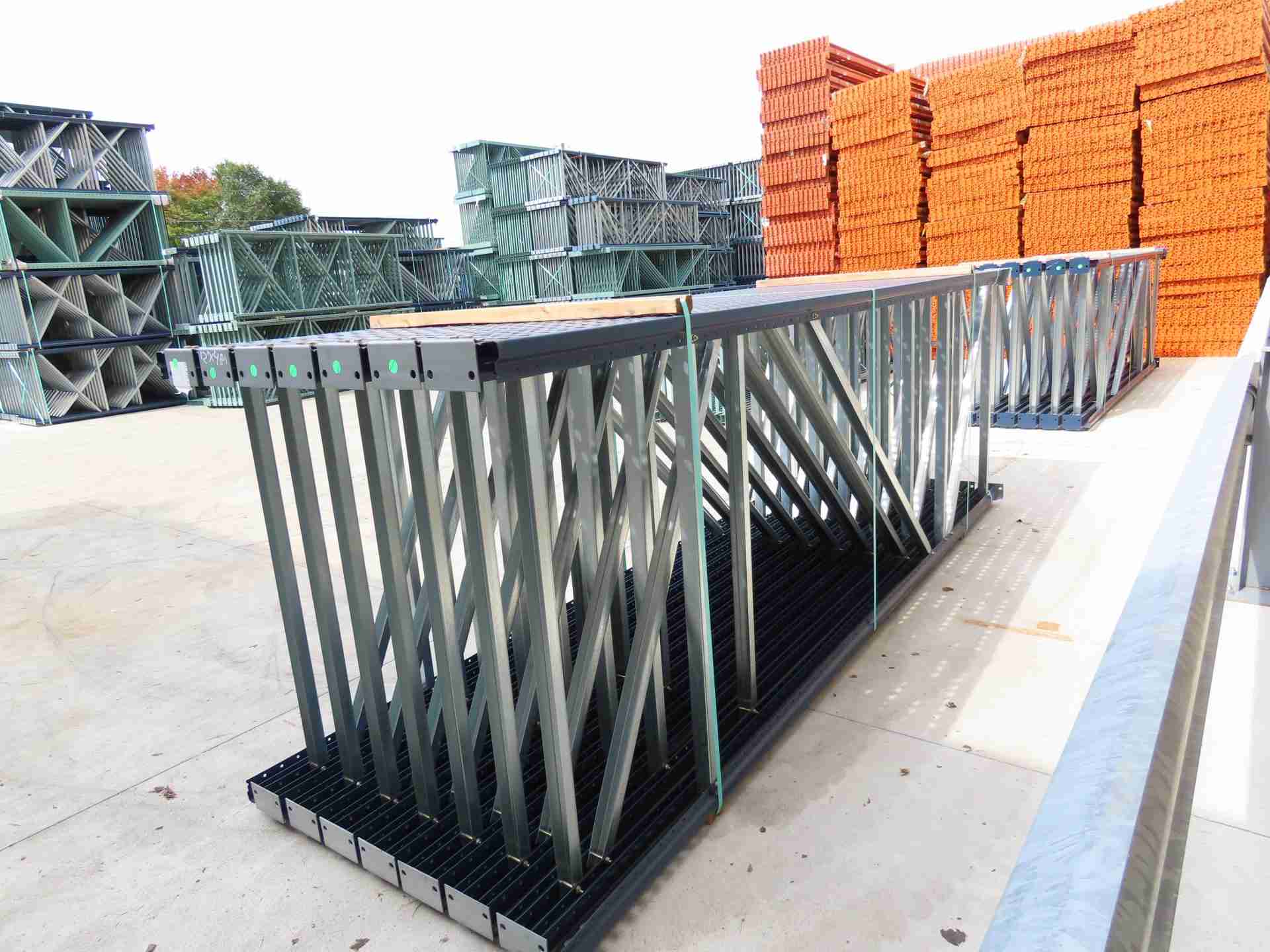
What Are The Key OSHA Standards For Pallet Rack Anchors?
How Do I Determine If My Pallet Racks Need Anchoring?
When it comes to optimizing your warehouse operations, securing your pallet racks is an undeniable priority. Ignoring this essential component can lead to catastrophic consequences, including dangerous accidents, inventory damage, and costly downtime. The instability of unanchored racks is not merely a hypothetical risk but a reality underscored by recent seismic events that have left businesses scrambling to restore functionality. So, how do you determine if your pallet racks need anchoring?
First, evaluate your warehouse environment. If you’re located in an area susceptible to earthquakes—such as California or regions along the Pacific Ring of Fire—you absolutely need anchored racks. A study from the Structural Engineering Institute highlights that even minor quakes can cause unanchored racks to topple, endangering employees and assets alike. The economic fallout from injuries and lost productivity can far outweigh the investment in anchoring systems.
Next, consider the load capacity and configuration of your racks. Overloading racks beyond their designed limits increases the likelihood of tipping. For instance, warehouses that traditionally stocked lightweight items might have undergone a recent strategic shift to accommodate heavier machinery or materials. If your storage practices have changed, reassess your rack strategy. You might find that what was once safe now poses a significant risk, necessitating secure anchoring solutions.
Another factor to consider is your rack type. Certain varieties, such as drive-in or push-back racks, inherently require anchoring due to their unique structural vulnerabilities. If your operation utilizes these systems, make anchoring a non-negotiable rule of thumb. Implementing spill prevention measures is not just wise; it’s your responsibility.
Finally, audit your facility’s compliance with local and national safety regulations. OSHA guidelines and other regulatory bodies have set clear standards on rack safety, impacting insurance rates and liability coverage. If your current setup violates these mandates, get ahead of potential penalties by implementing corrective measures now.
In recent months, several businesses have faced financial repercussions from insufficient safety practices in their warehouses. Learn from their mistakes. Anchoring your pallet racks is more than just an operational decision; it’s a business imperative designed to safeguard your workforce, your inventory, and your bottom line. Don’t leave your warehouse—and your success—grounded in uncertainty. Prioritize rack safety today!
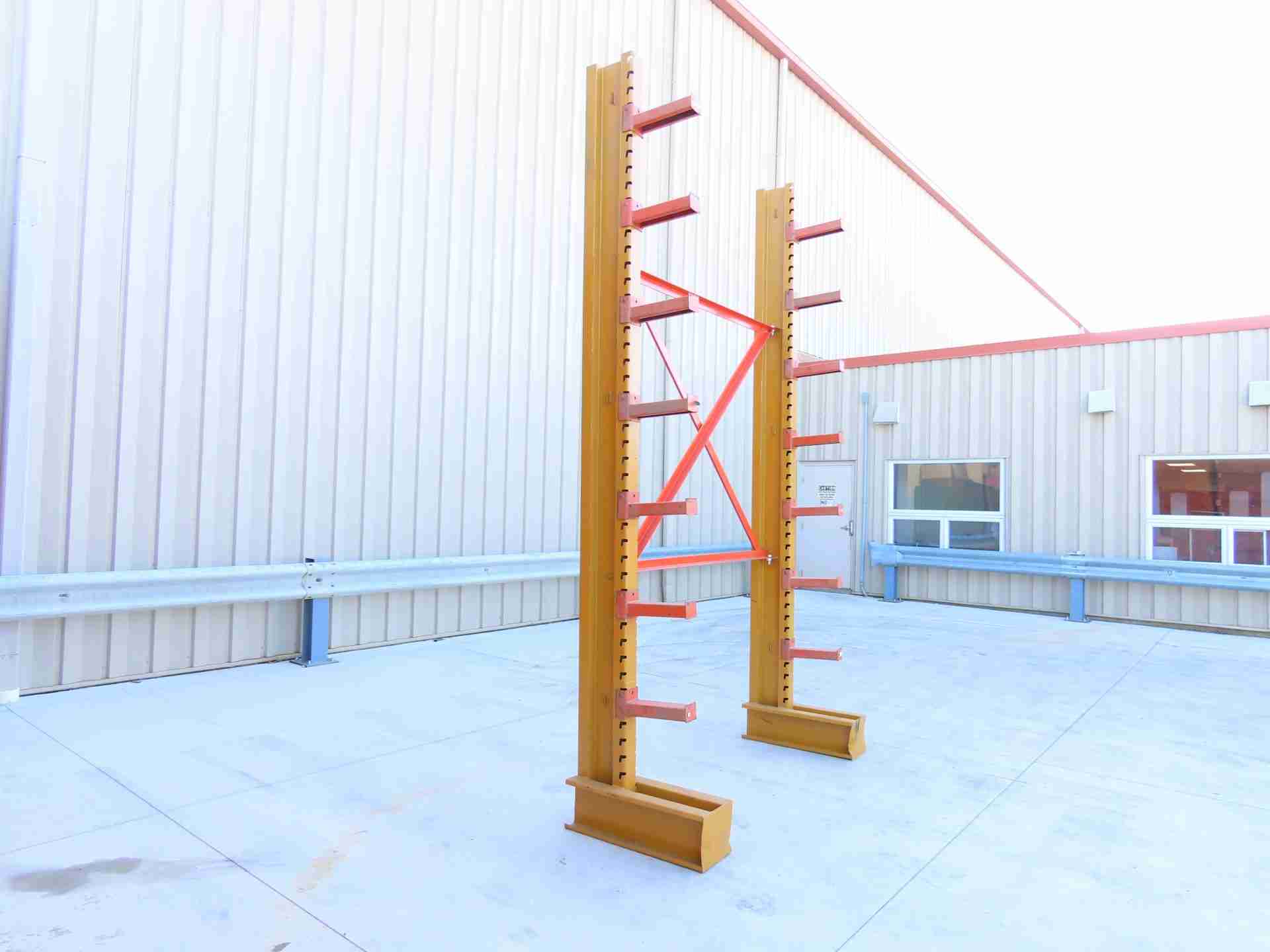
How Do I Determine If My Pallet Racks Need Anchoring?
How Do I Determine If My Pallet Racks Need Anchoring?
- Securing pallet racks is crucial for optimizing warehouse operations and preventing accidents.
- Unanchored racks can lead to dangerous situations, including inventory damage and costly downtime.
- Evaluate your warehouse environment, especially in earthquake-prone areas like California.
- Reassess rack strategy if storage practices have changed, particularly concerning load capacities.
- Certain rack types, such as drive-in or push-back racks, require anchoring due to structural vulnerabilities.
- Ensure compliance with local and national safety regulations to avoid penalties and reduce liability risks.
- Anchoring pallet racks is essential for safeguarding employees, inventory, and overall business success.
How Do I Determine If My Pallet Racks Need Anchoring?
What Materials Are Required For Pallet Rack Anchors?
What Materials Are Required for Pallet Rack Anchors?
When it comes to installing pallet rack anchors, the right materials are crucial for ensuring safety, stability, and compliance with standards. Investing in high-quality materials not only enhances the longevity of your storage system but also protects your workforce and inventory. Here’s a closer look at what you’ll need to create a robust anchoring solution.
First and foremost, anchor bolts are indispensable. These heavy-duty screws are designed to secure your pallet racks firmly to the concrete floor. Depending on the weight of your racks and the load they will support, you might opt for wedge anchors, lag bolts, or epoxy-set anchors. For instance, with the surge in warehouse space demands seen during the COVID-19 pandemic, many businesses have sought stronger, more reliable anchor bolts that can handle increased loads as e-commerce logistics ramp up. A sturdy anchor bolt minimizes the risk of tipping or collapse, ensuring peace of mind for your operations.
Next, you’ll need washers and nuts. These components help distribute the load more evenly and complete the fastening process when securing anchor bolts. Be sure to choose materials that are corrosion-resistant, such as stainless steel or coated versions, especially if your warehouse may be exposed to moisture or chemicals.
In addition to bolts and nuts, don’t overlook the importance of concrete drill bits. Accurate drilling is crucial for a successful installation. Using the correct diameter and length of drill bit ensures that the anchors fit snugly and securely in their designated holes. If you’re navigating the complex landscape of supply chain interruptions, investing in high-quality drill bits can make the difference between a quick installation and costly delays.
Safety equipment is another critical consideration. Always wear personal protective equipment (PPE) such as safety glasses, gloves, and hard hats during installation. Furthermore, consider using leveling tools to ensure that your racks are perfectly vertical and horizontal. In the wake of increasing workplace safety regulations, adhering to these standards is not just good practice; it’s a legal necessity.
Finally, don’t forget to check in with local building codes and regulations, which can dictate specific requirements for pallet rack installations. Following these guidelines will not only keep your workplace safe but also protect your investment by avoiding potential fines or costly rework.
In summary, investing in quality materials like anchor bolts, washers, nuts, drill bits, and safety equipment creates a sound foundation for your pallet rack system. In an evolving marketplace, where efficiency is paramount, the right materials ensure that your storage systems stand the test of time and usage. Don’t cut corners—arm your racks with the best materials possible!
What Materials Are Required For Pallet Rack Anchors?
What Materials Are Required For Pallet Rack Anchors?
- High-quality materials are essential for safe and compliant pallet rack installations.
- Anchor bolts are critical for securing pallet racks to the concrete floor, with options like wedge anchors, lag bolts, and epoxy-set anchors.
- Choose corrosion-resistant washers and nuts to evenly distribute loads and enhance longevity.
- Use the correct size concrete drill bits to ensure snug and secure anchor placements.
- Always utilize safety equipment, including PPE, during installation for legal compliance and safety.
- Adhere to local building codes and regulations to avoid fines and ensure safety.
- Investing in quality materials protects your workforce, inventory, and enhances the durability of your storage systems.
What Materials Are Required For Pallet Rack Anchors?
What Are The Consequences Of Not Anchoring Pallet Racks?
Failure to anchor pallet racks is a risk many warehouse operators underestimate, but the fallout can be severe—financially and operationally. The consequences of neglecting this crucial safety measure can reverberate through your entire operation, leading to not just damaged goods, but also a decrease in workplace safety and, as a result, overall productivity.
Imagine this scenario: a busy distribution center filled with inventory stacked high upon rickety, unanchored racks. An unexpected tremor—perhaps the shake of a passing truck—sets the unstable racks swaying. In a matter of moments, products tumble down, risking personal injury and damaging millions of dollars’ worth of inventory. This isn’t just a hypothetical; events like the 2021 collapse of a warehouse racking system in Florida serve as stark reminders of what might transpire when safety protocols are ignored. In that instance, it led to multiple injuries and a significant operational halt, costing the business not just in repairs but also in lost reputation.
Then, consider the impacts on insurance premiums. Many insurance providers will look unfavorably on a business that foregoes essential safety measures like anchoring pallet racks. A history of claims related to falls and accidents can inflate premiums or result in denial of coverage altogether. It’s a reality that can erode your profit margins, transforming what might have been a minor oversight into a major financial headache.
Moreover, the consequences extend beyond safety and immediate costs. When employees are worried about their safety, productivity plummets. Who can focus on their tasks when they fear that a simple movement might send an entire shelf of products crashing down? This kind of anxiety can lead to decreased morale and increased turnover, not to mention the potential for lawsuits—stemming from both injury claims and breaches in safety regulations, which could further entangle your company in legal troubles.
Finally, let’s not forget about compliance. Regulatory bodies are increasingly strict about workplace safety, and failing to anchor your pallet racks can lead to fines and sanctions that can cripple your operation. Remember the increased scrutiny placed on warehouse safety following high-profile incidents like the collapse of the Amazon fulfillment center in 2021? It’s clear: safety is not just a checkbox—it’s a fundamental component of a successful operation.
In summary, neglecting to anchor pallet racks doesn’t just create a risk—it creates a multitude of them. From safety concerns to financial repercussions and compliance issues, the cost of inaction far outweighs the minimal investment required for proper anchoring. Don’t let your business be another cautionary tale. Invest in safety, and secure your operational future.
What Are The Consequences Of Not Anchoring Pallet Racks?
What Are The Consequences Of Not Anchoring Pallet Racks?
- Neglecting to anchor pallet racks poses significant risks to warehouse operations, including financial losses and safety issues.
- Unstable, unanchored racks can lead to incidents, such as products falling due to minor vibrations, potentially causing injuries and damages.
- The 2021 warehouse collapse in Florida underscores the hazards of ignoring safety protocols, resulting in injuries and operational disruptions.
- Insurance premiums may rise for businesses that do not implement safety measures, impacting profit margins due to claims related to accidents.
- Employee anxiety over safety can result in decreased productivity and morale, and could lead to higher turnover rates and lawsuits.
- Compliance with safety regulations is essential; failing to anchor pallet racks could lead to fines and increased scrutiny from regulatory bodies.
- Investing in proper anchoring of pallet racks is a crucial measure to avoid numerous risks and ensure a secure operational future.
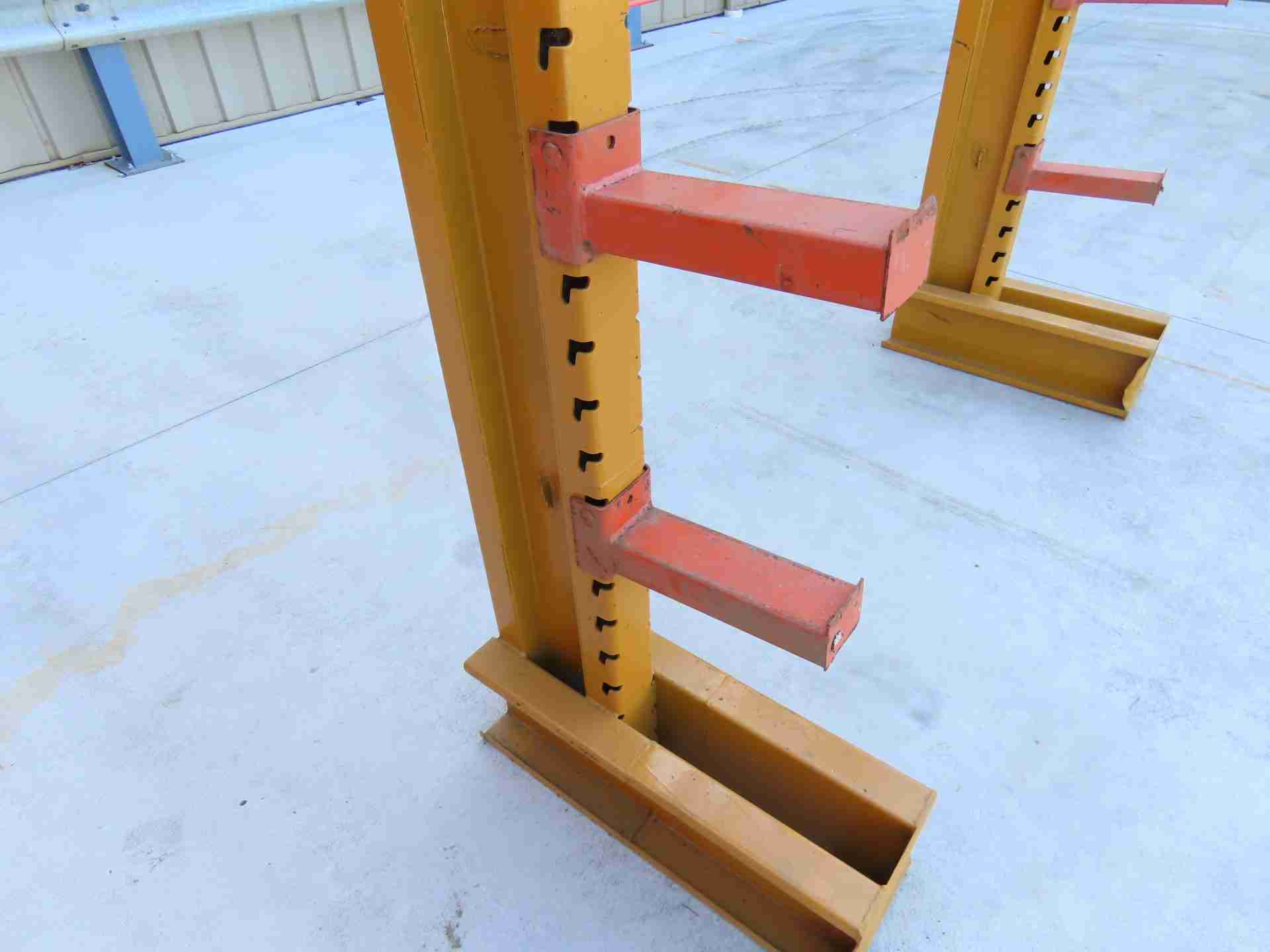
What Are The Consequences Of Not Anchoring Pallet Racks?
How Often Should Pallet Rack Anchors Be Inspected?
In the world of warehouse safety, the seemingly mundane components like pallet rack anchors often play a pivotal role in ensuring operational integrity and protecting your investment. The question isn’t merely when should these anchors be inspected, but rather how often does complacency become catastrophic? Frequent inspections are your frontline defense against accidents and losses.
Industry standards suggest that pallet rack anchors should undergo inspection quarterly. However, this frequency can fluctuate based on several critical factors unique to your environment. For example, if your facility experiences high foot traffic or frequent equipment movement, increasing your inspection schedule to once a month may be prudent. Consider recent warehouse accidents, such as the unfortunate incident in Tennessee where inadequate inspections led to a failure in storage systems, resulting in injuries and costly downtime. Such occurrences should serve as a stark reminder that neglecting inspections can lead to severe consequences.
Beyond safety, regular inspections cultivate a culture of responsibility among your staff. Employees who see their leadership prioritizing safety are likely to follow suit. Imagine the energy in your workplace when team members know they operate within a robust safety framework. It’s not just about compliance; it’s about creating a proactive environment that empowers everyone.
During inspections, pay close attention to the condition of bolts, the stability of the anchor points, and any signs of corrosion or damage. Did you know that some anchors can deteriorate due to environmental factors, such as humidity and temperature variations? Keeping an eye on these details during inspections can save you from sudden, unexpected failures. Use tools like checklists and software to keep track of your inspection history and findings. This not only demonstrates due diligence but also builds a data-driven case for continuous improvements.
Additionally, consider integrating routine training sessions that highlight the importance of an anchor’s role within your pallet racking system. By keeping safety top-of-mind, your employees will be better equipped to identify potential issues as they arise.
As we navigate through evolving regulations and standards in safety protocols—heightened by recent reports from OSHA reinforcing the importance of structural safety—now is the time to be proactive. Scheduling regular, thorough inspections of pallet rack anchors not only fortifies your warehouse operation but also boosts your bottom line by preventing costly accidents and interruptions. Don’t wait for a wake-up call; make inspections a habitual part of your operational strategy. Your future self will thank you.

How Often Should Pallet Rack Anchors Be Inspected?
How Often Should Pallet Rack Anchors Be Inspected?
- Pallet rack anchors are critical for warehouse safety, protecting operational integrity and investments.
- Quarterly inspections are recommended, but may need to increase to monthly in high traffic or equipment movement areas.
- Neglected inspections can lead to severe accidents, as evidenced by recent warehouse incidents.
- Regular inspections foster a culture of safety and responsibility among employees.
- During inspections, monitor the condition of bolts and anchor points for signs of corrosion or damage.
- Utilize checklists and software to track inspection history and encourage continuous improvements.
- Implement training sessions to elevate awareness of pallet rack anchors’ importance and safety protocols.
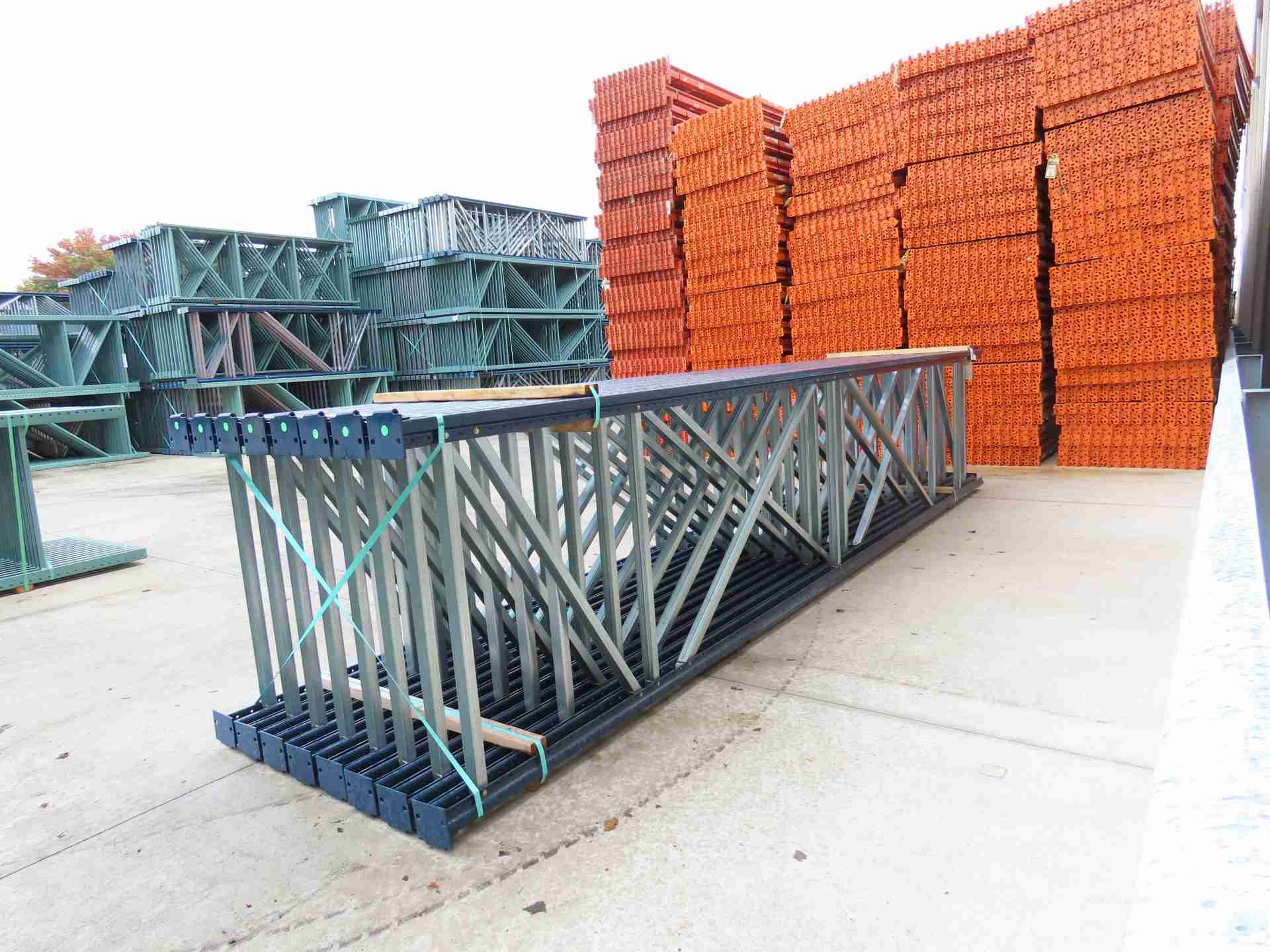
How Often Should Pallet Rack Anchors Be Inspected?
What Tools Are Needed For Installing Pallet Rack Anchors?
Installing pallet rack anchors is not just about ensuring your storage systems are secure; it’s about safeguarding your entire operation—whether it be in a bustling warehouse or a retail environment. As industries continue to grapple with high demands and supply chain hurdles, ensuring that your equipment is fortified against mishaps is crucial. To achieve this, having the right tools for the job is non-negotiable. Here’s a straightforward list of what you need before diving into the installation process.
1. Drilling Equipment
A quality drill is your best friend in the battle against instability. Opt for a hammer drill if you’re working with concrete flooring—this tool will make the anchors penetrate securely. Brands like DeWalt or Makita have models known for their reliability and power. Remember, an improper hole can weaken your stability, so don’t skimp on quality here.
2. Anchor Bolts and Wrenches
Your choice of anchor bolts will depend on the type of flooring and load requirements. Expansion anchors work for concrete, while lag bolts are ideal for wooden floors. Don’t forget your assortment of wrenches: having a ratchet set will simplify the tightening process, dramatically reducing installation time. A little investment here will pay off when you can quickly adapt to different rack systems.
3. Leveling Tools
A level is indispensable for ensuring that each rack is perfectly aligned; anything less can lead to uneven weight distribution. Check out digital levels for a clear reading, which takes the guesswork out of leveling in real-time. This tool transcends just pallet racks and can be used in various projects around the facility.
4. Measuring Equipment
Precision is key in installation. A tape measure is a must-have for ensuring proper spacing between racks. Choosing a steel tape will provide durability and accuracy; you won’t want to miscalculate those critical measurements.
5. Safety Gear
Safety should never be an afterthought. High-quality safety glasses, hard hats, and gloves can prevent costly accidents and ensure your team’s wellbeing during installations. In light of recent reports highlighting workplace injuries in warehouses, prioritizing safety gear not only complies with regulations but also demonstrates your commitment to employee welfare.
6. Power or Hand Tools
Besides drills, a good set of power tools (like impact drivers) can significantly speed up the installation process. If you prefer a manual approach, a reliable set of hand tools—like hammers and screwdrivers—can still get the job done efficiently.
In summary, investing in proper tools not only streamlines your pallet rack installation but also enhances safety and reliability in your business operations. As we navigate challenging market environments, ensuring our setups are robust and secure is more important than ever. So gear up and prepare to elevate your storage solutions to new heights!
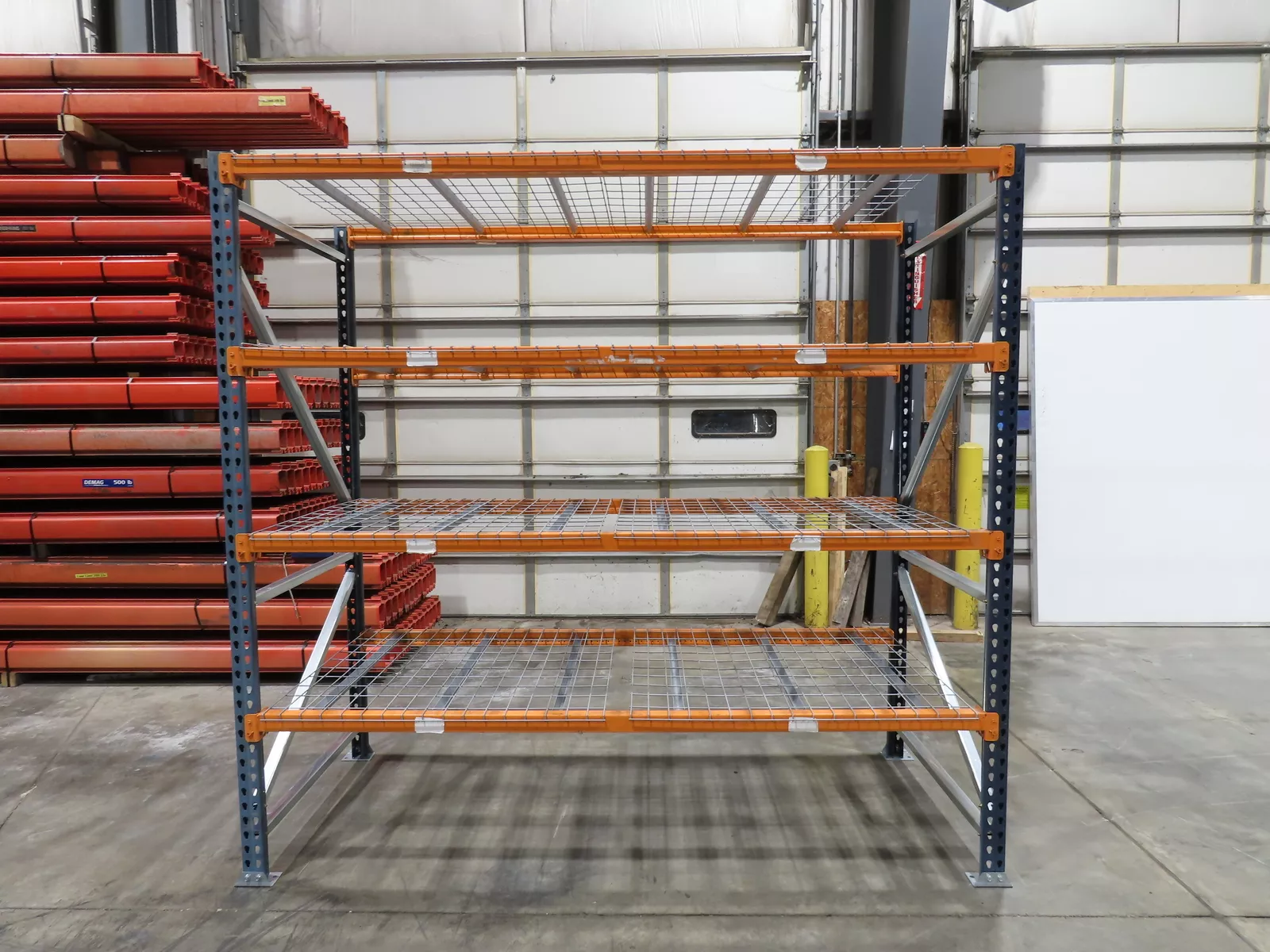
What Tools Are Needed For Installing Pallet Rack Anchors?
What Tools Are Needed For Installing Pallet Rack Anchors?
- Installing pallet rack anchors enhances safety and stability in storage systems.
- High-quality drilling equipment, such as hammer drills, is essential for effective installation.
- Choose the right anchor bolts based on flooring type; expansion anchors for concrete and lag bolts for wood.
- Leveling tools, ideally digital levels, ensure proper alignment and weight distribution of racks.
- Measuring equipment, particularly a durable steel tape measure, is crucial for accurate spacing.
- Safety gear, including glasses, hard hats, and gloves, protects workers during installation processes.
- Investing in both power tools and hand tools can enhance efficiency in the installation workflow.
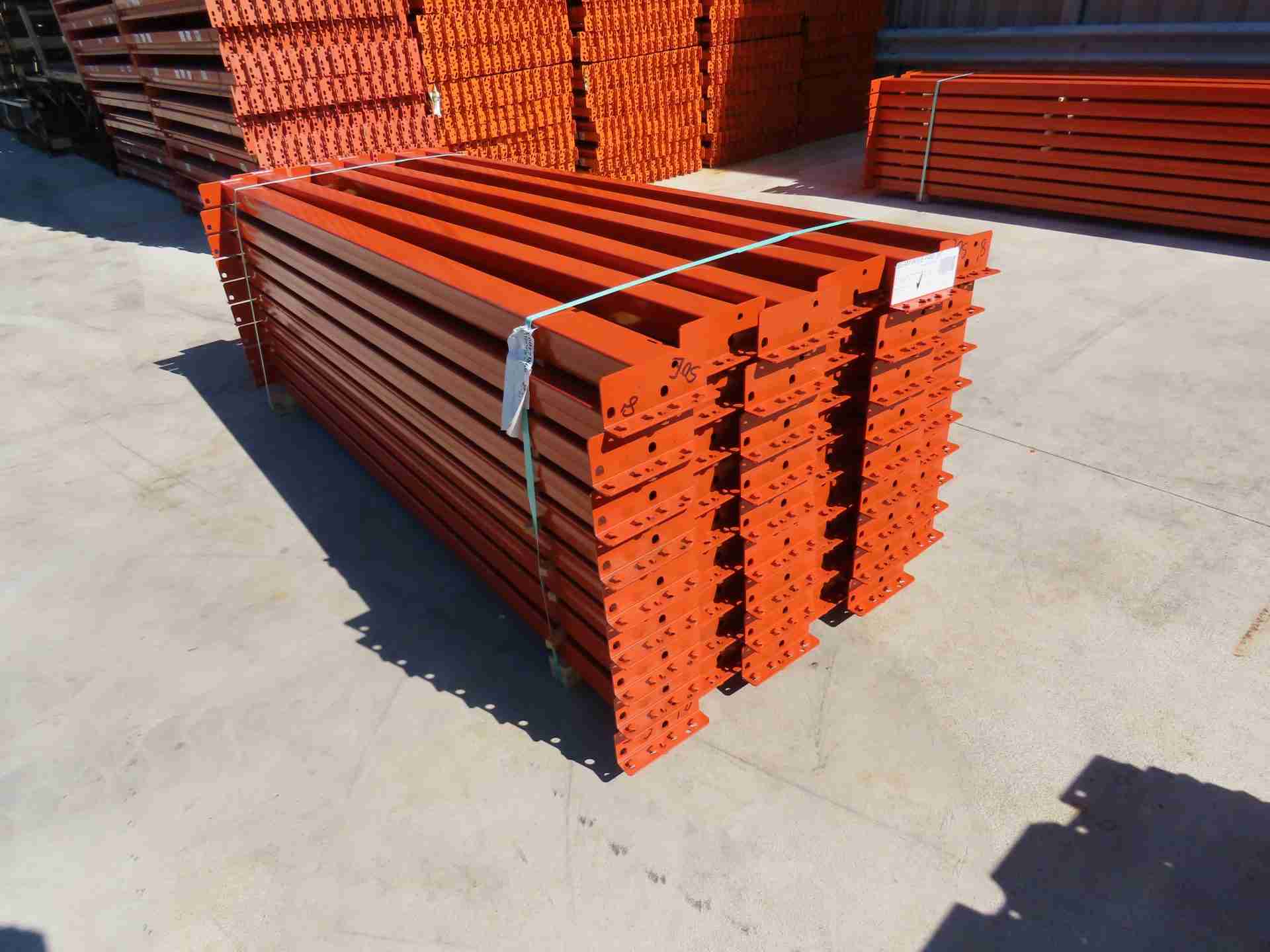
What Tools Are Needed For Installing Pallet Rack Anchors?
Can Pallet Racks Be Used Without Anchors In Certain Situations?
When it comes to industrial storage solutions, the question of whether pallet racks can function effectively without anchors arises frequently among business owners, warehouse managers, and logistics experts. In a world where flexibility can be as critical as safety, understanding the circumstances in which unanchored pallet racks are permissible can make a significant difference for your operations.
In certain environments, such as temporary setups or facilities that experience minimal movement, unanchored pallet racks may indeed prove sufficient. For instance, if your business is undergoing renovations or is in the midst of a transition, mobile pallet racks can be an immediate solution for keeping your inventory organized without the need for permanent anchoring. Picture a retail space expanding its stock on a pop-up basis, utilizing racks for a limited time during a seasonal sale; anchoring those racks would not only be impractical but could also consume valuable time and resources.
Moreover, industries witness advancements and changing regulations regularly. In light of current events, such as the increased automation in warehouses driven by the need for efficiency during supply chain disruptions, certain types of adjustable racks can operate temporarily without anchors. Imagine a logistics hub rapidly receiving emergency shipments amidst a crisis; using flexible, unanchored pallet rack systems allows a swift response to changing demands without compromising on operational fluidity.
However, it’s crucial to note that this flexibility comes with caveats. All warehouses must prioritize safety, which means that while pallet racks may physically function without anchors, doing so may not always be compliant with Occupational Safety and Health Administration (OSHA) regulations or local safety codes. Ensuring that racks are stable and not at risk of tipping over is non-negotiable, particularly when handling heavy loads.
The key takeaway? While there are scenarios where using pallet racks without anchors can be feasible, always weigh the pros and cons. Consider the type of merchandise, the frequency of movement, and localized industry regulations. Engage with suppliers who can provide insight into innovative rack solutions tailored to your specific needs. Ultimately, whether or not to anchor your pallet racks could mean the difference between a smooth operational flow and a costly safety incident. So, assess your situation, make informed decisions, and keep your warehouse running like a well-oiled machine!
Can Pallet Racks Be Used Without Anchors In Certain Situations?
Can Pallet Racks Be Used Without Anchors In Certain Situations?
- The effectiveness of unanchored pallet racks is often debated among logistics professionals.
- Unanchored racks may be suitable in temporary setups or low-movement environments.
- Mobile pallet racks can provide immediate organization without permanent anchoring during transitions.
- Advancements in warehouse automation allow for flexible use of unanchored racks in response to urgent demands.
- Safety is paramount; unanchored racks may not always comply with OSHA regulations or local safety codes.
- Considerations include merchandise type, movement frequency, and industry regulations when deciding on anchoring.
- Engage suppliers for tailored rack solutions to ensure smooth operations and safety in the warehouse.
Can Pallet Racks Be Used Without Anchors In Certain Situations?
What Are Common Mistakes When Anchoring Pallet Racks?
Pallet racks are the backbone of any efficient warehouse operation, yet improper anchoring can turn this essential equipment into a liability. The stakes are high; poorly anchored pallet racks can lead to safety hazards, inventory loss, and costly downtime. Let’s explore some common mistakes that may not just pinch your pocket but potentially jeopardize your entire operation.
1. Ignoring Manufacturer Guidelines
One of the most widespread mistakes in pallet rack installation is neglecting the manufacturer’s anchoring guidelines. Many businesses, in a rush to maximize storage, sometimes overlook crucial specifications that dictate how deep the anchors should be set, or the type of bolts required. For example, if the recommendations suggest using a specific concrete anchor in a seismic zone and you chose cheaper alternatives, you might as well be inviting disaster. Just look at recent earthquakes causing warehouse collapses; insufficient anchoring is a prevalent culprit.
2. Underestimating Load Capacity
Another blunder often encountered is underestimating the load capacity of your racks. Businesses frequently adjust their inventory without recalibrating the racks to align with new weight distributions. The result? A catastrophic failure during peak operations, which can lead to injuries and costly lawsuits. Depending on current global supply chain issues, the last thing you need is to find yourself not just short on inventory, but also losing in litigation costs due to negligence.
3. Skipping Calculations for Floor Conditions
The floor condition is an aspect that many warehouse managers don’t give their due consideration. For instance, if your warehouse has uneven flooring or moisture issues, installing racks without the proper foundation can lead to instability. This is particularly significant in light of ongoing climate challenges; areas experiencing heavier rainfall may find their warehouse floors susceptible to flooding. Proper assessment and potential reinforcement of the floor are critical to ensuring safety.
4. Neglecting Regular Inspections
Let’s talk about maintenance—another area where complacency can cost you dearly. Regular inspections are crucial for identifying any disrepair or misalignment that can compromise rack integrity. Some managerial teams might take a “set it and forget it” mentality toward their racks, but the truth is, ongoing vigilance is a must. Especially in a volatile economic climate, where disruptions can arise unexpectedly, being proactive rather than reactive can save your business from cascading failures.
Avoiding these common mistakes requires diligence, adherence to guidelines, and a commitment to continuous evaluations. The cost of inaction can far outweigh the investment needed for proper anchoring, so take the time to ensure your pallet racks aren’t just functional but also safe and efficient. The strength of your warehouse operations hinges on it!
What Are Common Mistakes When Anchoring Pallet Racks?
What Are Common Mistakes When Anchoring Pallet Racks?
- Pallet racks are critical for warehouse efficiency but improper anchoring poses significant risks.
- Ignoring manufacturer guidelines during installation can lead to safety hazards and costly failures.
- Underestimating load capacity can result in catastrophic failures and legal liabilities.
- Not assessing floor conditions may cause instability, especially in warehouses prone to flooding.
- Neglecting regular inspections can lead to undetected disrepair or misalignment in racks.
- Being proactive with maintenance is essential to prevent cascading failures in operations.
- Investing in proper anchoring is crucial for ensuring both safety and efficiency in warehouse operations.
What Are Common Mistakes When Anchoring Pallet Racks?
How Do I Choose The Right Type Of Anchor For My Pallet Racks?
Choosing the right type of anchor for your pallet racks isn’t just a matter of hardware; it’s a pivotal decision that can safeguard your inventory, optimize your operations, and ultimately protect your bottom line. With warehouse safety and efficiency in focus, let’s navigate the key criteria for selecting anchors that deliver both strength and stability.
Understand Your Floor Material
First, take a good look at your warehouse floor. Is it concrete, asphalt, or a different material? Concrete is the most common substrate for pallet racks, and it offers various options like expansion anchors or adhesive anchors. For example, if your warehouse utilizes standard reinforced concrete slabs, an expansion anchor may be ideal, creating a mechanical grip as it expands within the concrete. Just recently, with supply chain disruptions being a hot topic, making the decision now to secure your warehouse properly can mean the difference between a seamless operation and costly damages later on.
Location Matters: Consider Seismic Zones
If your facility is located in a seismic zone or a region prone to earthquakes, your choice of anchor should reflect that risk. Seismic-rated anchors are designed to withstand the lateral forces caused by seismic activity. By choosing anchors specifically rated for seismic performance, such as epoxy-set anchors, you’ll be taking steps to protect your valuable inventory—and ensuring compliance with safety regulations.
Weight Capacity and Load Requirements
Next, focus on the weight capacity and load requirements of your pallet racks. Are you storing lighter items, or are you stacking heavy equipment? Your chosen anchor must match or exceed the load requirements to prevent rack failure. For example, heavy-duty lag screws might be appropriate for lighter loads, but if you’re storing heavy pallets, a heavy-duty expansion bolt could be necessary. Remember, each pallet rack installation is unique, and customizing your anchor choice based on load can prevent potential disasters.
Consult the Experts
In a world where DIY methods might seem enticing, remember that consulting with professionals can save you time, money, and headaches. Manufacturers and warehouse design consultants can offer insights specific to your needs and may highlight new technology or materials emerging on the market—like carbon steel anchors that provide enhanced durability.
Making a well-informed decision about your pallet rack anchors can significantly impact your warehouse’s safety, efficiency, and overall operational success. By assessing floor type, location, load capacity, and seeking expert guidance, you not only protect your inventory but pave the way for a more robust operation amidst changing supply chain dynamics. Choose wisely, and your warehouse will thank you!
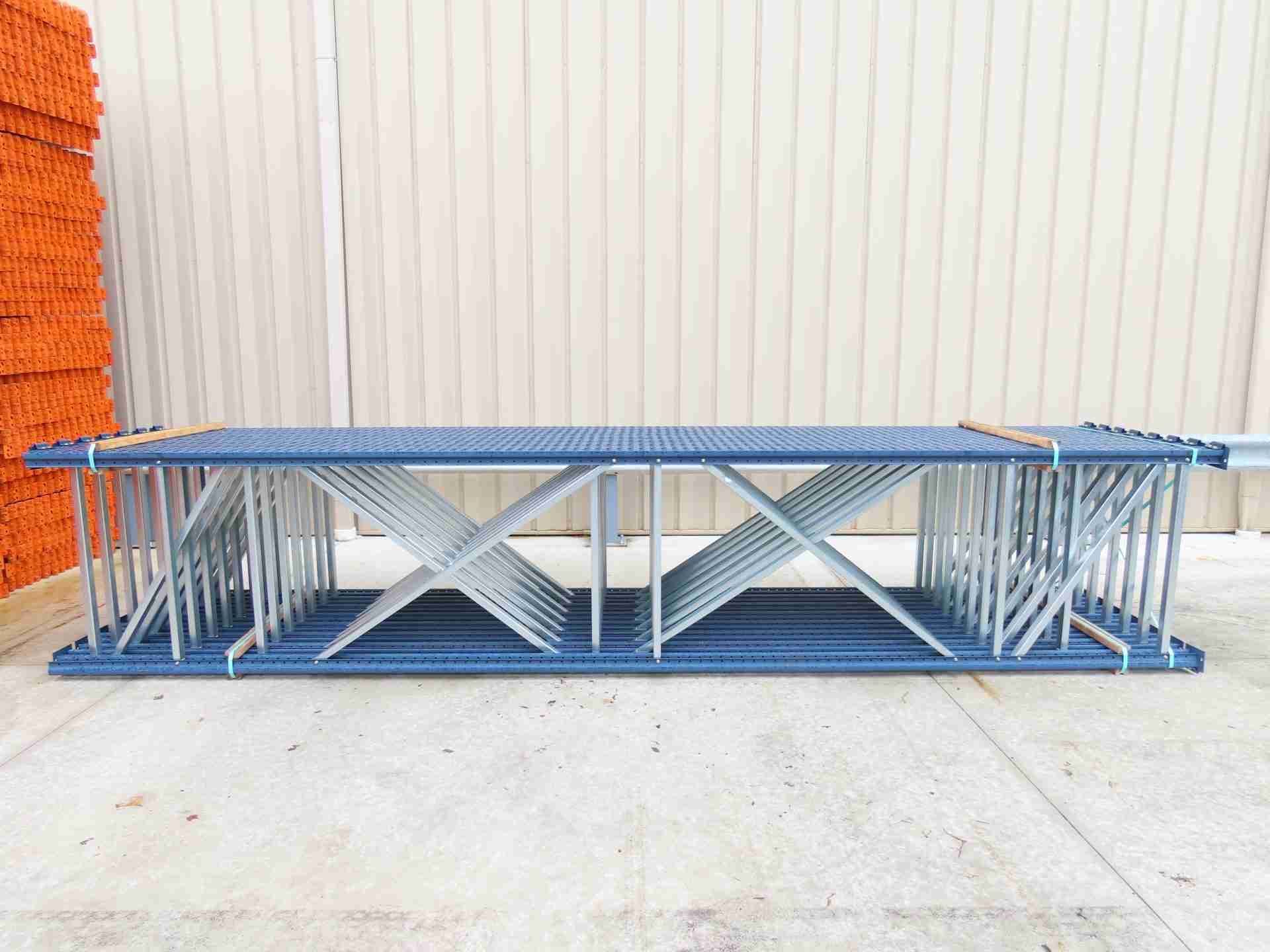
How Do I Choose The Right Type Of Anchor For My Pallet Racks?
How Do I Choose The Right Type Of Anchor For My Pallet Racks?
- Choosing the right type of anchor for pallet racks is crucial for safeguarding inventory and optimizing operations.
- Understand your warehouse floor material (e.g., concrete or asphalt) to select suitable anchors, like expansion or adhesive anchors.
- Consider seismic zones when selecting anchors; seismic-rated anchors can withstand lateral forces during earthquakes.
- Match anchor choice to weight capacity and load requirements of pallet racks to prevent failures.
- Consult professionals for expert insights and recommendations on suitable anchors and emerging technologies.
- Making informed decisions on anchors enhances your warehouse’s safety, efficiency, and operational success.
- Assessing various criteria ensures inventory protection and creates a robust operation amid changing supply chain conditions.
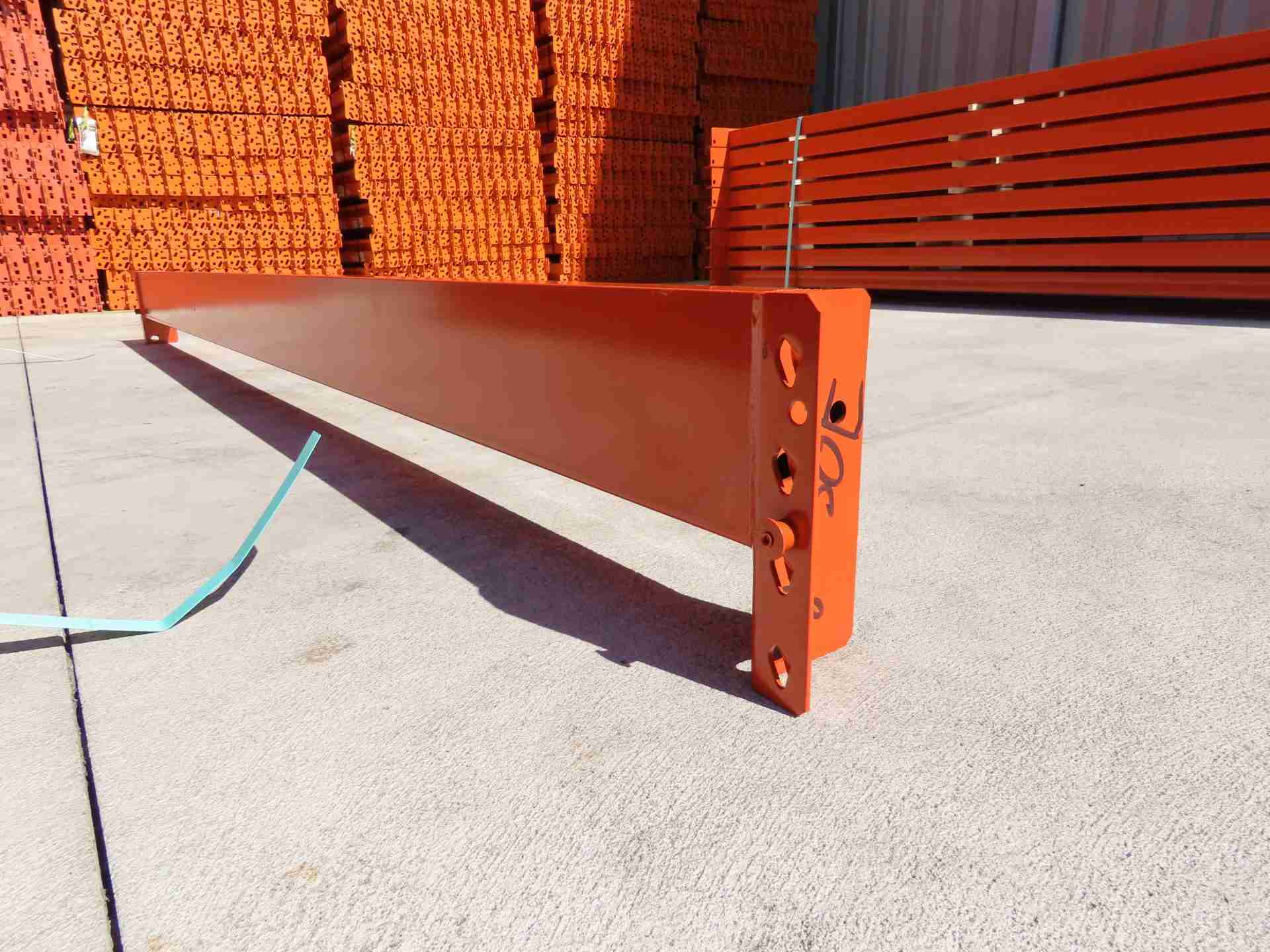
How Do I Choose The Right Type Of Anchor For My Pallet Racks?
Are There Different Requirements For Different Types Of Pallet Racks?
When it comes to optimizing your warehouse’s storage capabilities, understanding that not all pallet racks are created equal is crucial. Your choice of pallet rack should align with the specific demands of your operations, which can dramatically affect efficiency and safety. Here’s how to navigate the unique requirements of various pallet rack systems.
Selective Pallet Racks are the most common type, offering easy access to each pallet. These racks require ample aisle space, typically about 10 to 12 feet, to accommodate both forklifts and the flow of goods. If you’re in industries like retail where fast turnover of inventory is key, this design will keep your operation agile and responsive. However, a recent uptick in online shopping demands requires warehouses to rethink their layout strategies. You may even consider adding additional racks to handle peak seasons, like the holiday rush, while ensuring compliance with safety regulations.
Drive-In and Drive-Through Racks, on the other hand, cater to high-density storage. These systems allow forklifts to drive directly into the rack structure, maximizing vertical space. But be wary: they require meticulous planning. The design must adhere to specific safety codes to prevent collapse. For example, FEMA is emphasizing the importance of disaster-ready facilities—transforming your drive-in racks might be an optimal choice if your facility is in an area prone to natural disasters. This could potentially save not just your inventory but also ensure employee safety.
Cantilever Racks serve those in the lumber, pipe, or furniture industries. They minimize the need for aisles completely, allowing for a wide range of material lengths and types. When considering these racks, think about the load limits and adjust the spacing accordingly. Current trends in sustainable building materials bolster the demand for these racks, as manufacturers seek efficient methods to store longer materials without compromising on safety.
Finally, Pallet Flow Racks are engineered for first-in, first-out inventory management—perfect for perishable goods. With mechanisms that allow pallets to slide down via gravity, they require a specific slope and precise measurement. As the climate crisis becomes an urgent global priority, having a controlled environment for sensitive products has never mattered more. Properly configured, these racks can ensure minimal waste, making your operations not just profitable but also environmentally conscious.
In summary, choosing the right type of pallet rack is about understanding your specific needs. As industries evolve—especially in the wake of recent shifts in consumer behavior—it’s time to reevaluate your warehouse strategies. Tailoring your approach not only improves operational efficiency but also positions you competitively for the future. Don’t get caught in a one-size-fits-all mentality—your success is rooted in nuanced decisions!
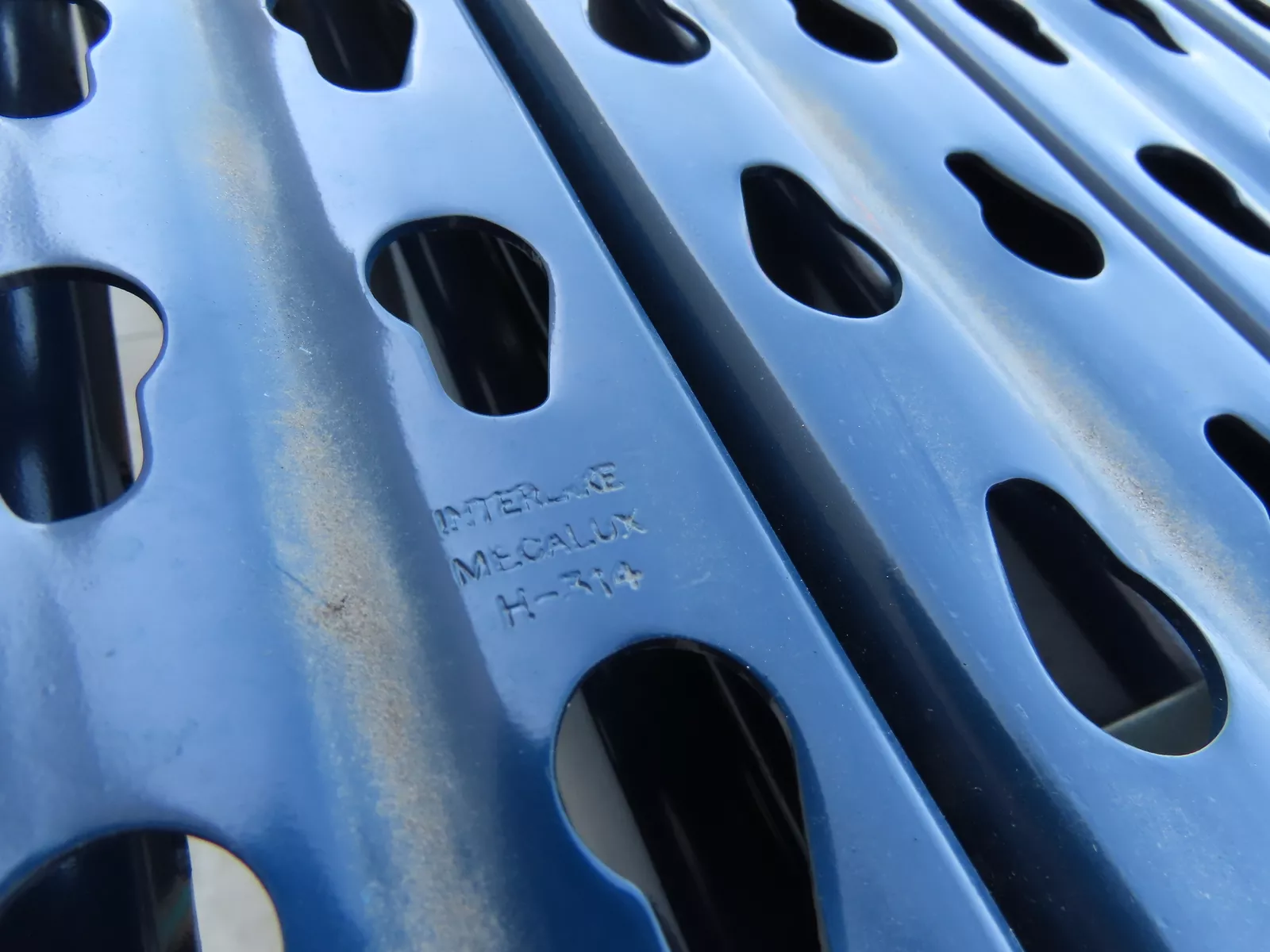
Are There Different Requirements For Different Types Of Pallet Racks?
Are There Different Requirements For Different Types Of Pallet Racks?
- Understanding the different types of pallet racks is crucial for optimizing warehouse efficiency and safety.
- Selective Pallet Racks are the most common, requiring 10 to 12 feet of aisle space and ideal for fast inventory turnover.
- Drive-In and Drive-Through Racks maximize vertical space but require careful planning to meet safety codes, especially in disaster-prone areas.
- Cantilever Racks are suitable for storing long materials in lumber, pipe, or furniture industries, minimizing aisle requirements.
- Pallet Flow Racks facilitate first-in, first-out inventory management for perishable goods, leveraging gravity for movement.
- As consumer behavior shifts, it’s important to reassess warehouse strategies to improve efficiency and competitiveness.
- Tailoring pallet rack choices to specific operational needs leads to better performance and aligns with evolving industry trends.
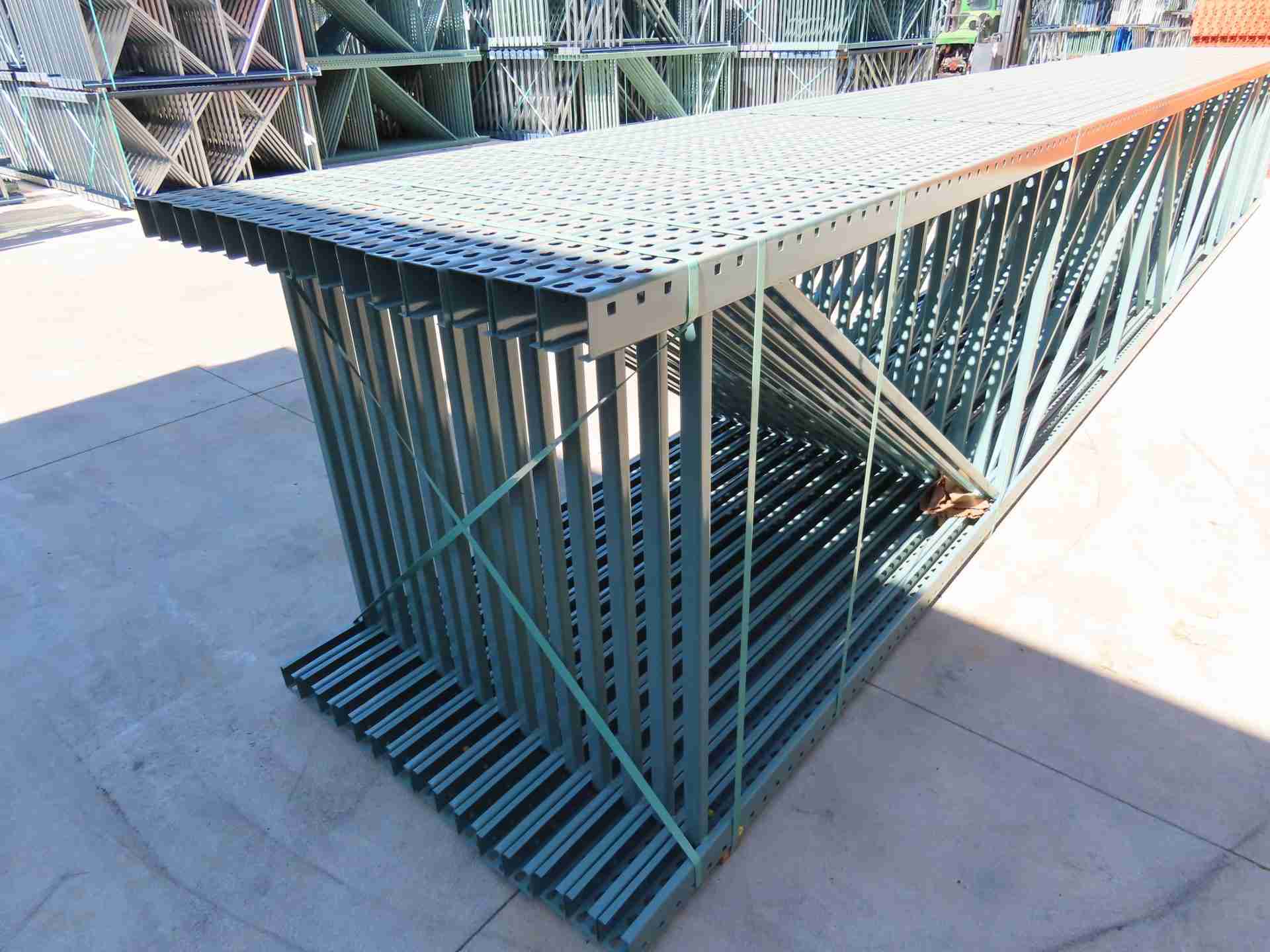
Are There Different Requirements For Different Types Of Pallet Racks?
Conclusion
In conclusion, understanding the OSHA requirements for pallet rack anchoring is more than just a legal obligation—it’s a crucial aspect of cultivating a safe and productive workplace. Namely, proper anchoring protects your employees, safeguards your valuable inventory, and enhances your operational integrity. As outlined throughout this guide, the implications of neglecting these standards can be dire. Disregarding anchoring protocols not only puts your workforce at risk but can also lead to severe financial repercussions, including hefty fines, damaged goods, and insurance penalties.
Whether your facility is in a seismic zone or simply subject to the day-to-day rigors of heavy equipment and cart traffic, every warehouse must recognize the importance of anchoring systems tailored to their unique operational needs. The complexity of these systems hinges on various factors, such as rack types, load capacities, and the characteristics of your specific warehouse environment. This understanding is paramount in making informed decisions and deploying the right materials and methods to secure your pallet racks effectively.
The actionable steps provided, from inspecting existing installations regularly to understanding the materials necessary for strengthening your racks, not only ensure compliance but also signify a commitment to operational excellence. By investing in quality tools and materials, and fostering a culture of safety through training and inspection, you can transform your workplace into a fortress of safety and efficiency, safeguarding your biggest asset—your team.
Moreover, we implore you to take action immediately. The stakes are too high; procrastination can lead to tragic consequences. Call Arrow Industrial Sales at (574) 349-6575 today for expert insights tailored to your warehouse’s needs. Don’t leave your safety to chance; act now to ensure your operation meets all regulatory standards and thrives in a safe environment. Your future success depends on the decisions you make today. Secure your invaluable assets, and let us help you forge a path towards unparalleled safety and productivity.

Conclusion
Conclusion:
- Understanding OSHA requirements for pallet rack anchoring is crucial for workplace safety and productivity.
- Proper anchoring protects employees, safeguards inventory, and enhances operational integrity.
- Neglecting anchoring standards can result in risks to workforce safety and financial consequences.
- Every warehouse must implement anchoring systems tailored to their unique operational needs, especially in seismic zones or high-traffic areas.
- The complexity of anchoring systems depends on various factors, such as rack types and load capacities.
- Regular inspections and investment in quality materials signify a commitment to safety and operational excellence.
- Immediate action is essential; contact Arrow Industrial Sales for tailored expert insights to ensure safety compliance.
Conclusion
Other Resources

Other Resources
Here is a list of other resources you can review online to learn more:
- “Home | Occupational Safety and Health Administration”
- “Warehousing – Know the Law | Occupational Safety and …”
- “Supply chains’ role in promoting safety and health … – EU-OSHA”
- “What Is OSHA and How Do They Protect Workers”
- “A Look at OSHA’s Warehousing NEP: Is Your Rack Safety …”
- “What Does OSHA Say About Pallet Rack Safety?”
- “FFY 2023 – State OSHA Annual Report (SOAR)”
- “A descriptive analysis of 2020 California Occupational …”
- “Seismic Safety Inspection – Warehouse Material Handling …”
- “2023-DOM.pdf – CDCR – CA.gov”
- “ESG Report”
- “Industrial Safety and Health Management (6th Edition)”
Use This Prompt To Get More Resources With Your Favorite Online AI Tool: Please provide me with a list of online articles with their URLS in a bulleted list that I can read regarding What Are OSHA Pallet Rack Anchor Requirements?
Other Resources
Glossary Terms
What Are OSHA Pallet Rack Anchor Requirements? – Glossary Of Terms
1. OSHA: The Occupational Safety and Health Administration, a U. S. government agency that sets and enforces workplace safety standards.
2. Pallet Rack: A storage system designed to hold and organize pallets in warehouses and other industrial settings.
3. Anchors: Tools or devices used to secure pallet racks to the floor, preventing tipping or collapsing under loads.
4. Anchor Bolts: Specific types of bolts that are embedded in the concrete floor to secure the base of pallet racks.
5. Concrete: A construction material used for building foundations where pallet racks are installed; must be appropriately cured to support anchors.
6. Load Capacity: The maximum weight a pallet rack can safely handle, determined by the design and materials used.
7. Safety Standards: Guidelines and regulations set by organizations like OSHA to ensure workplace safety, including those specific to pallet racking systems.
8. Vertical Beam: The vertical components of a pallet rack that provide support and stability for shelf loads.
9. Horizontal Brace: Structural elements that connect vertical beams to provide lateral stability to pallet racks.
10. Strut Channel: A metal channel used in plumbing and electrical systems that may also serve as additional support in racking systems.
11. Inspection: The process of evaluating the condition and stability of pallet racks to ensure compliance with safety standards.
12. Compliance: Adherence to established regulations and safety standards, typically required by OSHA.
13. Weight Distribution: The manner in which weight is spread across the beams of the pallet rack, crucial for stability.
14. Preventive Maintenance: Regular maintenance tasks performed to avoid potential failures and ensure safe operation of pallet racks.
15. Rack Collapse: A hazardous situation where a pallet rack fails and collapses due to overloading or improper anchoring.
16. Technical Data Sheet: Documentation that provides details about the materials and components used in pallet racks, often required for compliance.
17. Design Load: The specified weight a racking system is designed to safely support as per manufacturer standards.
18. Stability: The ability of a pallet rack to remain upright and secure under load, significantly influenced by anchoring.
19. Load Bends: Deformations that occur when excessive weight is applied to pallet rack beams, indicating potential safety risks.
20. Bolted Connection: A method of joining two components, such as beams and anchors, using bolts to enable disassembly and reassembly.
21. Environmental Considerations: Factors relating to the location of pallet racks, such as moisture levels or temperature, that can affect materials and stability.
22. Return on Investment (ROI): A measure of the efficiency of an investment, such as the cost versus safety and productivity benefits of properly anchored pallet racks.
23. Reach-in Racks: Pallet racking systems that are designed for easy access to stored goods, often requiring specific anchoring to prevent tipping.
24. Load-Safe Practices: Recommended procedures and guidelines for stacking and storing items on pallet racks to enhance safety.
25. Clearance Requirements: Minimum space needed around pallets and racks for safe operation, as prescribed by OSHA regulations.
26. Hazard Assessment: The process of identifying potential hazards associated with pallet racks in the workplace.
27. Racking Design: The planned configuration of pallet racks to optimize the use of space while ensuring stability and safety.
28. Training Programs: Educational sessions aimed at staff and management regarding the safe use and maintenance of pallet racking systems.
29. Emergency Procedures: Guidelines on how to react in case of an accident or failure involving pallet racks.
30. Regulatory Compliance Audits: Scheduled evaluations to ensure that a warehouse’s pallet racking systems meet OSHA standards and guidelines.
Glossary Of Terms
Other Questions
What Are OSHA Pallet Rack Anchor Requirements? – Other Questions
If you wish to explore and discover more, consider looking for answers to these questions:
- What safety regulations should I be aware of when anchoring pallet racks?
- How can I assess the load capacity of my existing pallet racks?
- What specific materials are best for pallet rack installation in high-humidity environments?
- When should I consider reinforcing my pallet rack anchoring system?
- What are the best practices for training employees on pallet rack safety?
- Are there cost-effective options for pallet rack anchors without compromising safety?
- How often do regulations regarding pallet rack safety change?
- Can I perform inspections and maintenance myself, or should I hire a professional?
- What are the signs that indicate my pallet racks may need to be re-anchored?
- What technological advancements are being made in pallet rack anchoring systems?
- Are there differences in anchoring requirements for various types of goods stored in racks?
- What is the process for reporting safety violations related to pallet rack anchoring?
- How can I find certified professionals to install or inspect my pallet racks?
- What are the implications of failing to comply with OSHA standards for pallet rack anchoring?
- Do different industries have different best practices for pallet rack safety and anchoring?
Other Questions
Checklist
What Are OSHA Pallet Rack Anchor Requirements? – A Checklist
Understanding OSHA Requirements
_____ Familiarize yourself with OSHA standards relevant to pallet racks (29 CFR 1910. 176).
_____ Identify if your warehouse operates in a seismic zone and the additional anchoring needs this may entail.
Load Capacity Assessment
_____ Review the load capacities of your pallet racks.
_____ Ensure that heavy loads are not exceeding the designed capacity of the racks.
Anchor Specifications
_____ Use anchor bolts that are at least 5 inches in length.
_____ Confirm that anchors are secured to a concrete floor with a thickness of at least 4 inches.
_____ Choose appropriate anchor types (e. g. , wedge anchors, lag bolts, or epoxy-set anchors) based on your floor material.
Regular Inspections
_____ Schedule quarterly inspections of pallet rack anchors.
_____ Increase inspection frequency to once a month if your environment experiences high foot traffic or frequent equipment movement.
_____ Document inspection findings and actions taken for safety records.
Employee Training
_____ Train employees on proper loading and unloading techniques.
_____ Educate staff about the significance of pallet rack stability and safety.
Materials for Anchoring
_____ Ensure you have high-quality anchor bolts, washers, and nuts.
_____ Verify the availability of concrete drill bits for accurate hole drilling.
_____ Stock up on personal protective equipment (PPE) such as safety glasses, gloves, and hard hats.
Compliance and Documentation
_____ Check local building codes and regulations related to pallet rack installations.
_____ Maintain documentation of inspections, trainings, and compliance measures for reference during audits.
Problem Prevention
_____ Conduct regular assessments of floor conditions and necessary reinforcements.
_____ Monitor for signs of wear, damage, or corrosion in racks and anchors.
Tools for Installation
_____ Ensure that you have the right tools: hammer drill, wrenches, leveling tools, measuring equipment.
_____ Invest in safety gear and ensure it is used during installation.
Review and Adaptation
_____ Review warehouse operational needs regularly and adapt pallet rack setups as necessary.
_____ Stay updated on changes in OSHA guidelines or industry trends that could affect your warehouse safety and compliance.
By using this checklist, you can ensure that your pallet rack setup meets OSHA requirements and fosters a safe working environment.
Checklist
At RackingWorld, we help guide you through selecting warehouse storage systems and racking.
Be sure to read our other related stories at RackingWorld to learn more about warehouse storage systems.
0 Comments