
Maximizing Warehouse Efficiency: Understanding Pallet Racking
By Tom Seest
At RackingWorld, we help guide you through selecting warehouse storage systems and racking.
Be sure to read our other related stories at RackingWorld to learn more about warehouse storage systems.
What Is Pallet Racking
Pallet racking is not just a storage solution; it’s a transformative system that catapults your logistics and warehousing to the next level. Imagine a world where you can maximize your space, increase your efficiency, and ultimately boost your bottom line, all through smart usage of pallet racking systems. This isn’t merely about stacking pallets; it’s about creating a strategic tool that antidotes the chaos of disorganization that plagues too many warehouses.
At its core, pallet racking consists of frameworks and shelves designed to hold pallets, offering a systematic way to store, organize, and access goods. This isn’t merely advantageous—it’s essential! As e-commerce continues to proliferate, with industry giants like Amazon setting the pace, businesses are under immense pressure to streamline inventory management. A well-designed pallet racking system can help you respond to consumer demands swiftly, getting products shipped out faster and reducing the likelihood of stock shortages.
Consider a local retailer preparing for their busiest season. By implementing adjustable pallet racking, they can reconfigure their storage layout to meet fluctuating inventory levels, thereby avoiding the costly consequences of overstock or delays in order fulfillment. Alternatively, in the wake of the recent supply chain disruptions caused by global events, many businesses have realized the importance of not just speed but also flexibility in storage solutions. A versatile pallet racking system allows for a dynamic response to current market demands, empowering businesses to pivot quickly as the market shifts.
But it doesn’t stop at efficiency; think sustainability. With mounting pressures to be eco-conscious, a well-designed pallet racking system can reduce waste by optimizing space and minimizing energy consumption. Recent studies suggest that businesses employing advanced storage solutions are often 20-30% more efficient, leading to reduced emissions and running costs. This dual emphasis on efficiency and sustainability can be a significant differentiator in today’s conscientious marketplace.
Moreover, pallet racking systems come in various types—from selective racking to drive-in and push-back options—tailored to suit distinct operational needs. Investing in a suitable pallet racking setup isn’t just about the here and now; it’s a foundational step towards future-proofing your business.
So, whether you’re a small business aiming for growth or a large enterprise striving for optimization, take a cue from the arena’s titans and invest in pallet racking. It’s not just storage; it’s the backbone of any successful logistics strategy. Don’t let your operations be limited by outdated storage methods—unlock your potential with the right pallet racking solution today!

What Is Pallet Racking
What Is Pallet Racking
- Pallet racking is a transformative system for logistics and warehousing, designed to maximize space and boost efficiency.
- It consists of frameworks and shelves to systematically store and access pallets, addressing warehouse disorganization.
- A well-designed pallet racking system is essential for responding swiftly to consumer demands, especially amidst e-commerce growth.
- Adjustable pallet racking allows for reconfigurable storage layouts, helping retailers manage fluctuating inventory and avoid costly overstock.
- Recent supply chain disruptions highlighted the need for flexible storage solutions to adapt to market changes.
- Pallet racking systems can enhance sustainability by optimizing space, reducing waste, and lowering energy consumption.
- Investing in tailored pallet racking systems is crucial for future-proofing businesses and enhancing logistics strategies.
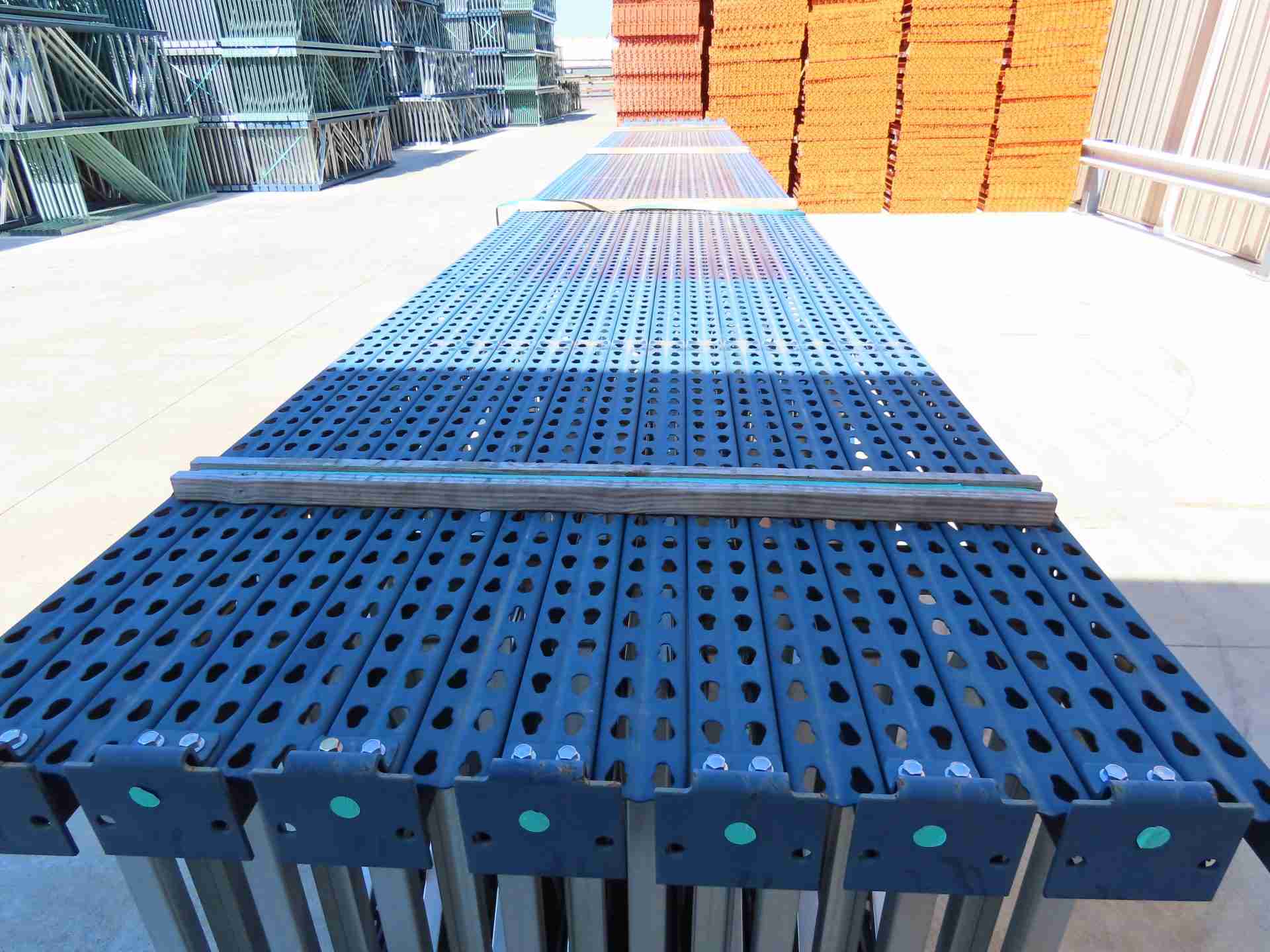
What Is Pallet Racking
Table Of Contents
- What Is Pallet Racking
- What Is Pallet Racking And How Does It Work?
- What Are The Different Types Of Pallet Racking?
- What Are The Benefits Of Using Pallet Racking Systems?
- How Do I Choose The Right Pallet Racking For My Warehouse?
- What Factors Should I Consider For Pallet Racking Design?
- How Much Weight Can Pallet Racking Systems Support?
- What Safety Standards Apply To Pallet Racking?
- How Do I Maintain And Inspect Pallet Racking?
- What Accessories Can Enhance Pallet Racking Efficiency?
- Can Pallet Racking Systems Be Customized For Specific Needs?
- What Common Mistakes Should I Avoid With Pallet Racking?
- How Does Pallet Racking Impact Warehouse Space Optimization?
- What Are The Costs Associated With Pallet Racking Installation?
- How Can Pallet Racking Improve Order Picking Processes?
- What Industries Typically Use Pallet Racking Systems?
- Conclusion
- Other Resources
- Glossary Of Terms
- Other Questions
- Checklist
What Is Pallet Racking And How Does It Work?
Pallet racking is the backbone of efficient warehousing and distribution. Think of it as the unsung hero of logistics—the structure that elevates your inventory game from chaotic and cluttered to neatly organized and easily accessible. In a time when e-commerce is thriving, and inventory turnover rates are higher than ever, understanding pallet racking is not just beneficial; it’s essential.
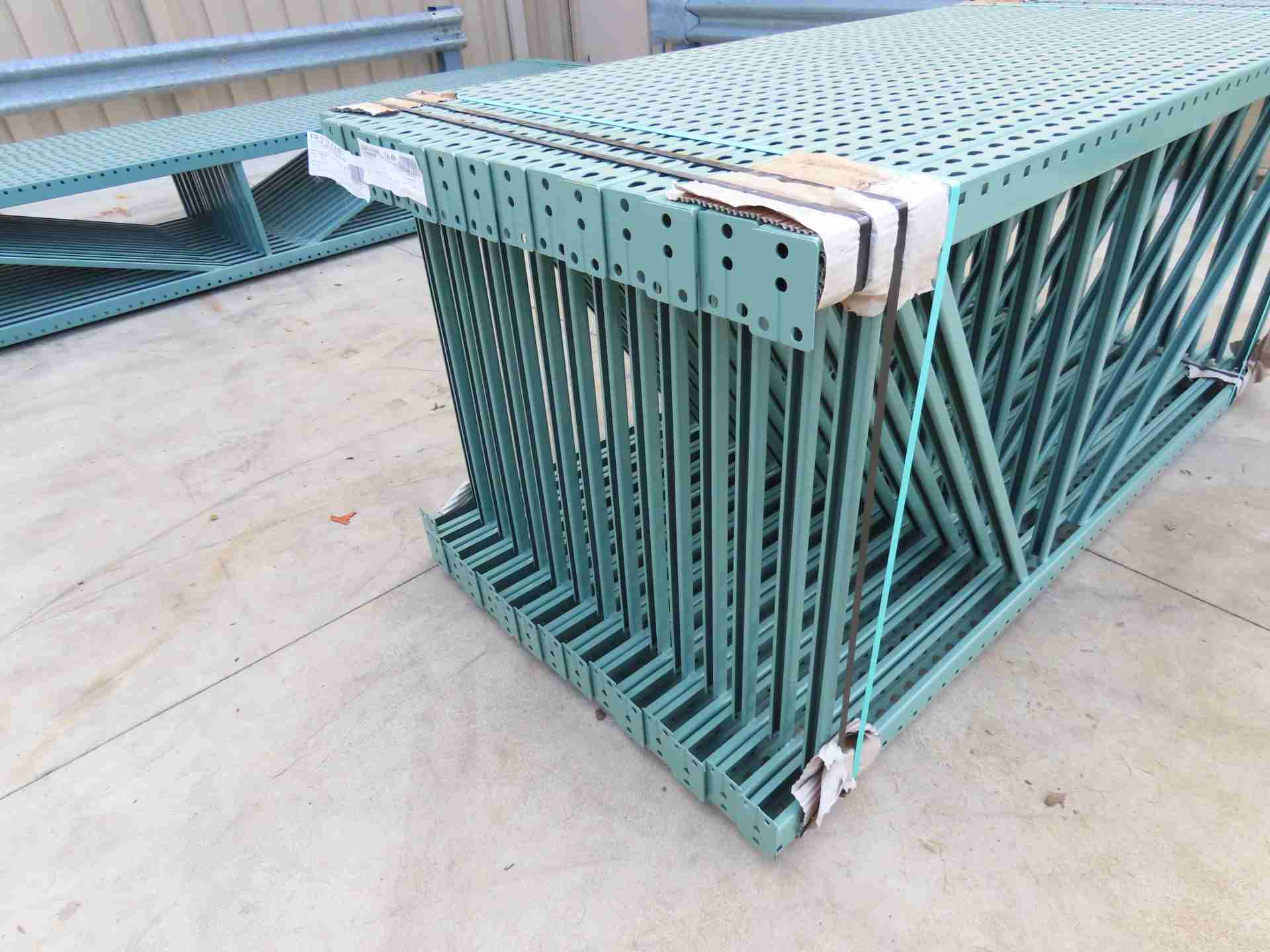
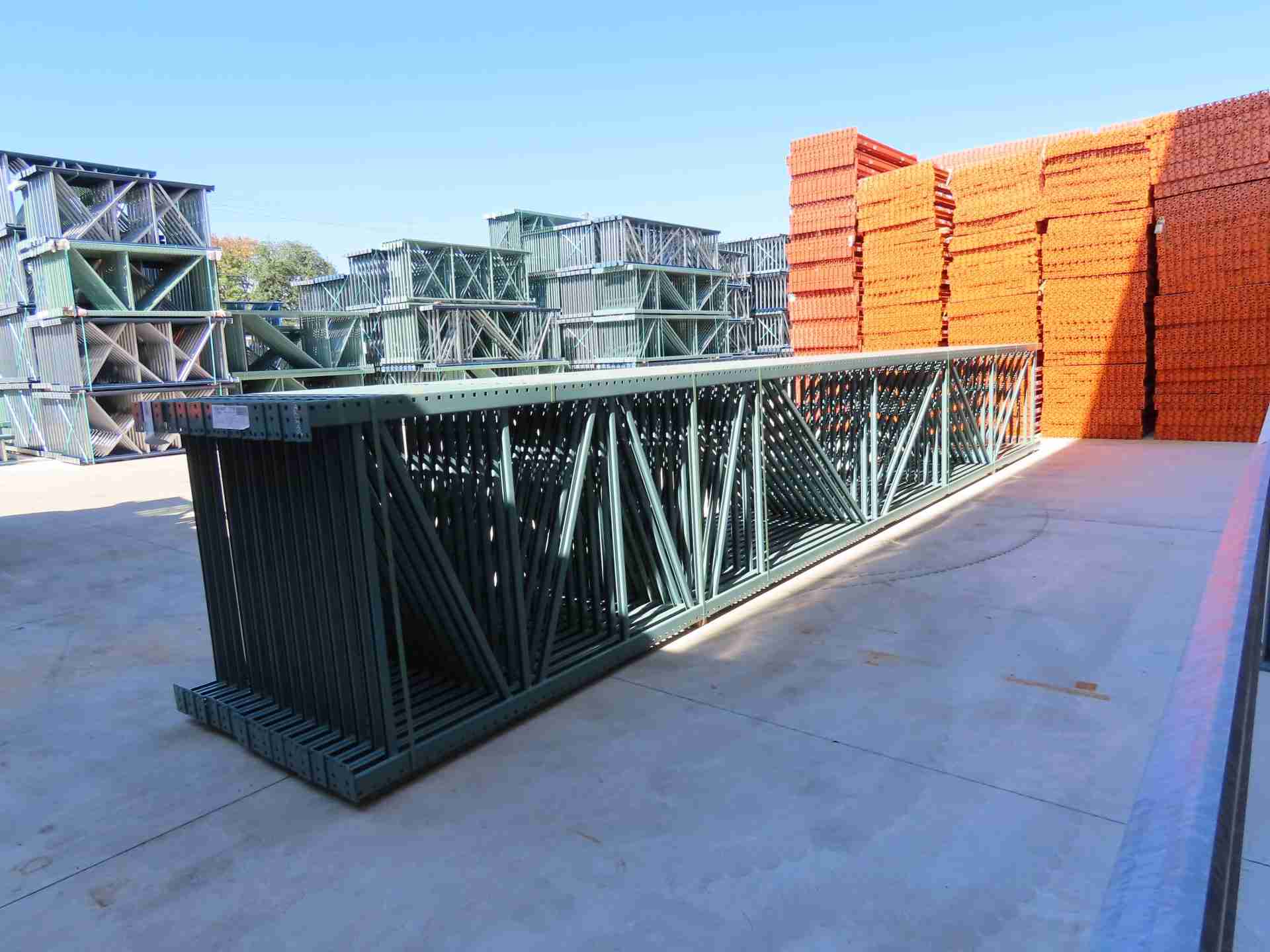
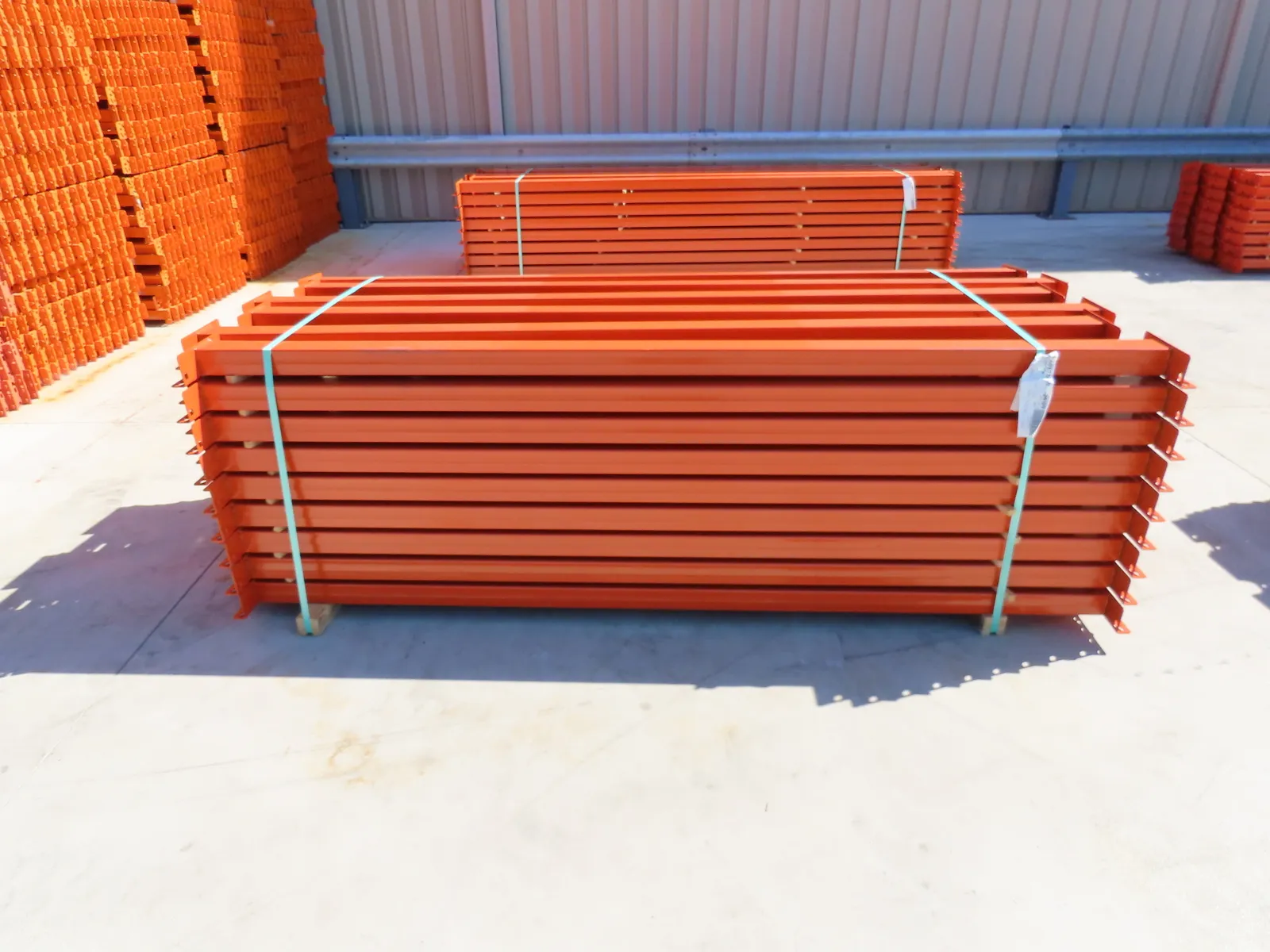
At its core, pallet racking is a storage system made up of vertical frames, horizontal beams, and pallets or shelves that allow for the efficient storage of goods. This system optimizes your warehouse space by utilizing vertical height, which is often wasted. Through strategic layout, companies can maximize their storage capacity while enhancing workflow efficiency.
Imagine a bustling distribution center where orders pour in at lightning speed. With the right pallet racking system in place—such as selective racking, drive-in racking, or push-back racking—your team can quickly locate, pick, and ship products without the bottlenecks that often plague poorly organized warehouses. For example, selective racking is the most common type. It allows direct access to each pallet, which is essential for operations with a variety of items and high turnover rates.
Consider recent supply chain challenges faced by retailers during global events. The pandemic highlighted the need for flexible warehouse solutions that could adapt to market shifts. Companies that invested in advanced pallet racking systems weathered these storms better, able to pivot quickly to accommodate spikes in demand for items ranging from household essentials to electronics. According to reports, the demand for warehouse space surged by 20% in 2022 alone—a clear indicator that the effectiveness of your storage solution can make or break your operation.
In choosing the right system, consider factors like the type of inventory you carry, the space available, and your operational workflow. For example, if your warehouse is primarily devoted to seasonal products, a more dynamic racking system like flow racking could allow for quicker restocking and improved accessibility.
In sum, pallet racking isn’t just a storage solution; it’s a strategic asset. By investing in the right racking system today, you not only increase your operational efficiency but also position your business to better handle the uncertainties of tomorrow’s market. Don’t leave your warehouse organization to chance—make pallet racking a cornerstone of your logistics strategy and watch your productivity soar.

What Is Pallet Racking And How Does It Work?
What Is Pallet Racking And How Does It Work?
- Pallet racking is crucial for efficient warehousing and distribution, enhancing inventory organization and accessibility.
- It consists of vertical frames, horizontal beams, and pallets/shelves, optimizing warehouse space by utilizing vertical height.
- Strategic layouts can maximize storage capacity and improve workflow efficiency in warehouses.
- Types of pallet racking include selective racking, drive-in racking, and push-back racking, each suited for different needs.
- The pandemic underscored the necessity for flexible warehouse solutions, with advanced pallet racking helping businesses adapt to demand fluctuations.
- Choosing the right pallet racking system depends on inventory type, available space, and operational workflow.
- Investing in an effective pallet racking solution enhances operational efficiency and better prepares businesses for future market uncertainties.

What Is Pallet Racking And How Does It Work?
What Are The Different Types Of Pallet Racking?
In the bustling world of warehousing and logistics, the right pallet racking system can make or break your operations. Picture this: your warehouse is a finely-tuned machine, with every product in its rightful place, easily accessible, and occupying minimal space. To achieve this, understanding the different types of pallet racking is essential. Let’s explore some of the most popular systems that can enhance efficiency and productivity.
Selective Pallet Racking is the classic choice for many businesses. Its straightforward design allows you to access each pallet directly. Ideal for facilities with a diverse range of products, selective racking maximizes accessibility and minimizes handling time. For example, retail giants like Walmart leverage this system to keep their vast inventory organized and readily available. Given the recent surge in e-commerce sales, maintaining a nimble warehouse with selective racking can be a game-changer.
Drive-In Racking offers a highly efficient solution for high-density storage, allowing forklifts to drive directly into the storage lanes. This system is perfect for businesses dealing with uniform products and a high inventory turnover, like canned goods or beverages. In fact, during the COVID-19 pandemic, many food distributors adopted drive-in racking to accommodate the increased demand for bulk items, enabling swift distribution to supermarkets and grocery chains.
For operations dealing with varying product sizes, Cantilever Racking is the way to go. This system features arms extending from a vertical column, allowing for the storage of long, bulky items like pipes, lumber, or furniture. With the rising popularity of home renovation projects fueled by people spending more time at home, businesses in the building supply sector have found cantilever racking invaluable.
Push Back Racking systems optimize space usage by allowing pallets to be stacked in a way that pushes the back pallets forward as new pallets are loaded. This LIFO (Last In, First Out) system is particularly effective for industries like pharmaceuticals and perishable goods, where inventory rotation is crucial. As supply chain issues continue to pose challenges worldwide, businesses that need to move products quickly can benefit significantly from push back racking.
Finally, consider Mobile Racking, a sophisticated option that combines flexibility with high-density storage. By mounting racking systems on mobile bases, this innovation enables aisles to expand and contract, creating an adaptable environment. In an era defined by rapid change, mobile racking can help mitigate the risks of fluctuating inventory needs.
Investing in the right pallet racking system is more than just smart logistics—it’s a strategic move that can propel your business into the future. With the right setup, you’ll not only optimize space but also set the stage for increased efficiency and profitability. Choose wisely, and watch your operational excellence soar.
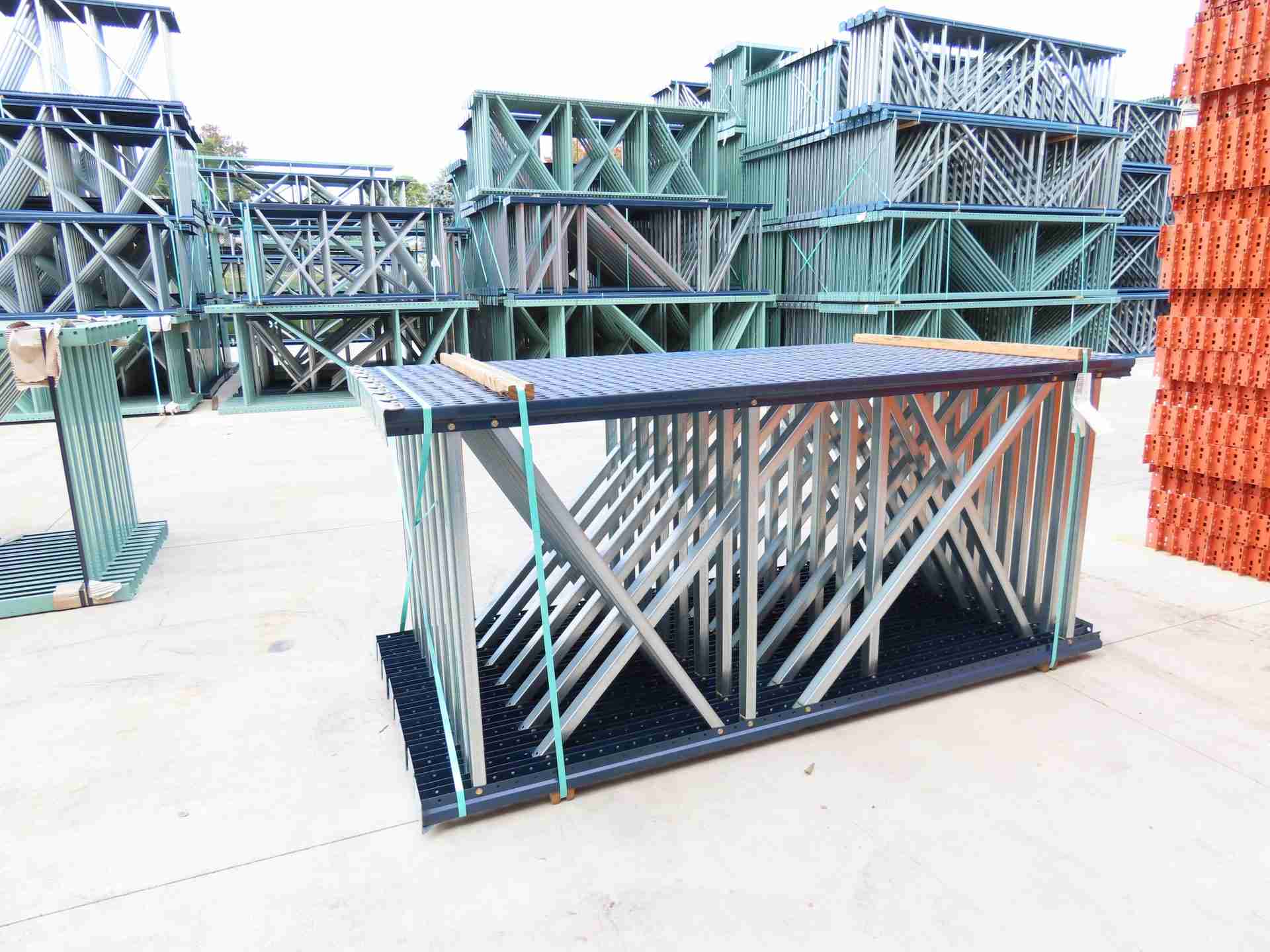
What Are The Different Types Of Pallet Racking?
What Are The Different Types Of Pallet Racking?
- Pallet racking systems are crucial for efficient warehousing and logistics.
- Selecting the right type of pallet racking enhances accessibility and minimizes handling time.
- Selective Pallet Racking is ideal for diverse product ranges and is used by retail giants like Walmart.
- Drive-In Racking offers high-density storage, perfect for uniform inventory with fast turnover, such as canned goods.
- Cantilever Racking accommodates long, bulky items and is particularly valuable in the building supply sector.
- Push Back Racking utilizes a LIFO system, beneficial for industries requiring efficient inventory rotation.
- Mobile Racking allows for flexibility and adaptability in space usage, addressing fluctuating inventory needs.
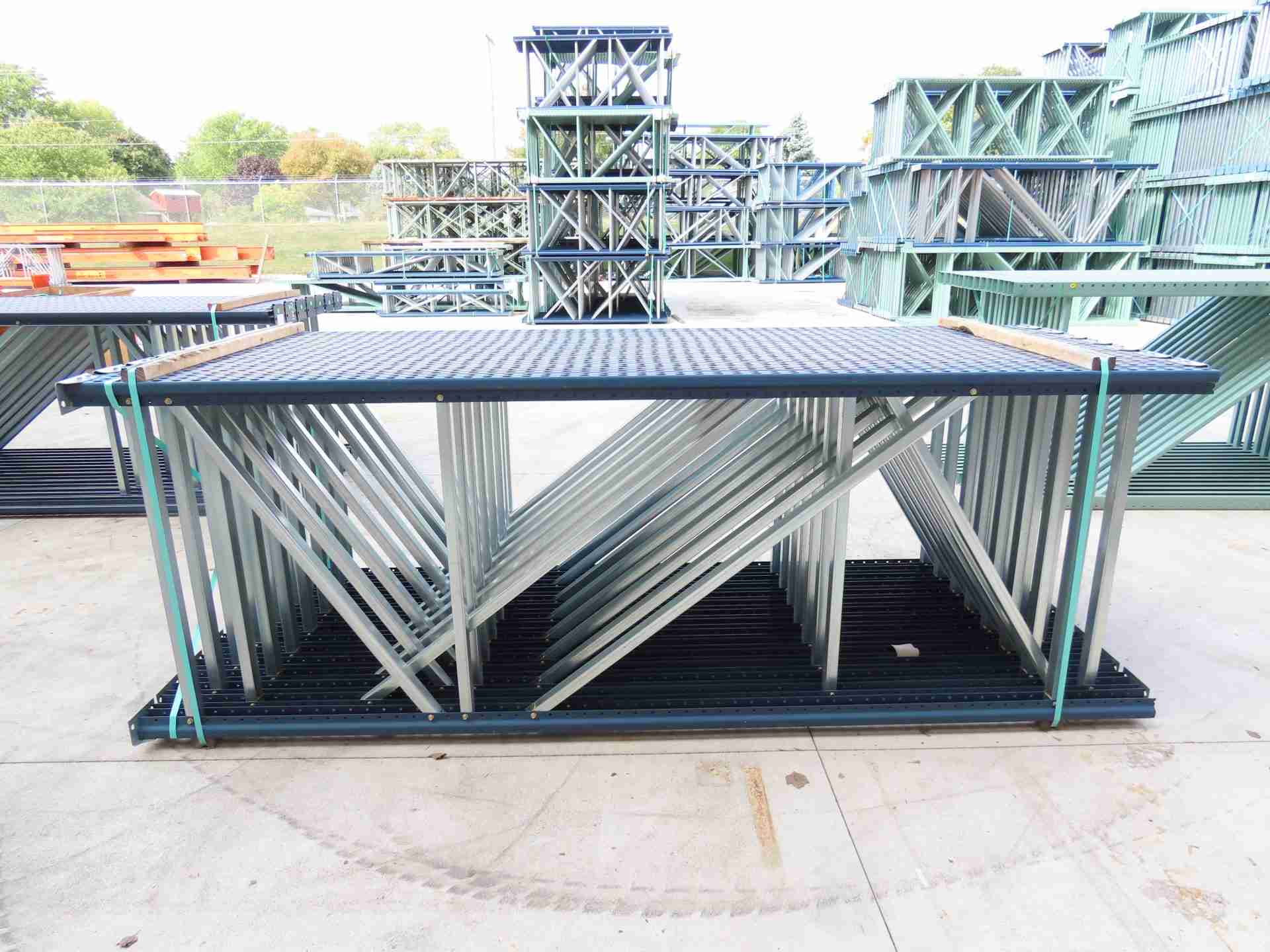
What Are The Different Types Of Pallet Racking?
What Are The Benefits Of Using Pallet Racking Systems?
In the bustling world of modern logistics and warehousing, efficiency is king, and pallet racking systems are the undisputed champions of operational excellence. Investing in a high-quality pallet racking system can transform your storage capability, ultimately leading to increased productivity, improved safety, and significant cost savings.
Maximized Space Utilization
One of the most compelling advantages of pallet racking systems is their ability to maximize vertical space. With warehouses becoming more expensive and real estate at a premium, organizations are looking for ways to get the most out of their cubic footage. For example, consider a distribution center that implements a selective pallet racking system. By strategically stacking pallets upwards instead of outwards, businesses can increase storage density and make room for more inventory. This can lead to a substantial reduction in overhead costs, especially for companies operating under tight margins.
Enhanced Inventory Control
In an era where supply chain efficiency can make or break a business, effective inventory management is invaluable. Pallet racking systems are designed to promote better organization and visibility of stocked items. For instance, using a drive-in racking system allows for a “last-in, first-out” (LIFO) inventory method, which is particularly beneficial for businesses dealing with perishable goods. This method not only reduces spoilage but also streamlines picking processes, saving time and labor costs.
Improved Safety
Safety should never be an afterthought in any workplace. Pallet racking systems can significantly enhance workplace safety when installed and maintained properly. Modern systems are engineered with safety features such as load limits and anti-collapse systems, reducing the risk of accidents and injuries. With OSHA regulations tightening, investing in a reliable racking system is not just a good business practice; it is becoming a necessity for compliance.
Flexibility and Scalability
We live in unpredictable times where market demands can change at a moment’s notice. Pallet racking systems can easily be reconfigured or expanded to accommodate shifts in inventory levels and product types. During the COVID-19 pandemic, for instance, many businesses pivoted rapidly to meet new customer demands. Warehouses equipped with adaptable racking systems could adjust to sudden spikes in e-commerce orders, enabling those businesses to thrive in uncertain times.
Increased Productivity
More than just a storage solution, pallet racks can enhance the overall productivity of a warehouse. They streamline picking processes and improve workflow, allowing employees to spend less time navigating cluttered spaces and more time fulfilling orders. Imagine reducing your order fulfillment time by 20% simply through optimized racking and better organization!
Adopting pallet racking systems is more than a storage choice; it’s a strategic business decision that can yield countless benefits. As operational challenges continue to evolve, businesses equipped with efficient, flexible solutions will not only survive but thrive in a competitive landscape.
What Are The Benefits Of Using Pallet Racking Systems?
What Are The Benefits Of Using Pallet Racking Systems?
- Efficiency in logistics is crucial, with pallet racking systems leading in operational excellence.
- Pallet racking maximizes vertical space, significantly enhancing storage density and reducing overhead costs.
- Effective inventory management is facilitated through systems like drive-in racking, improving organization and reducing spoilage.
- Safety is prioritized with modern racking systems that feature load limits and anti-collapse systems, essential for OSHA compliance.
- Flexibility and scalability allow businesses to easily reconfigure racking systems to meet changing inventory demands.
- Pallet racking enhances productivity by streamlining picking processes and improving workflow in warehouses.
- Investing in pallet racking is a strategic business decision that offers significant operational advantages and cost savings.
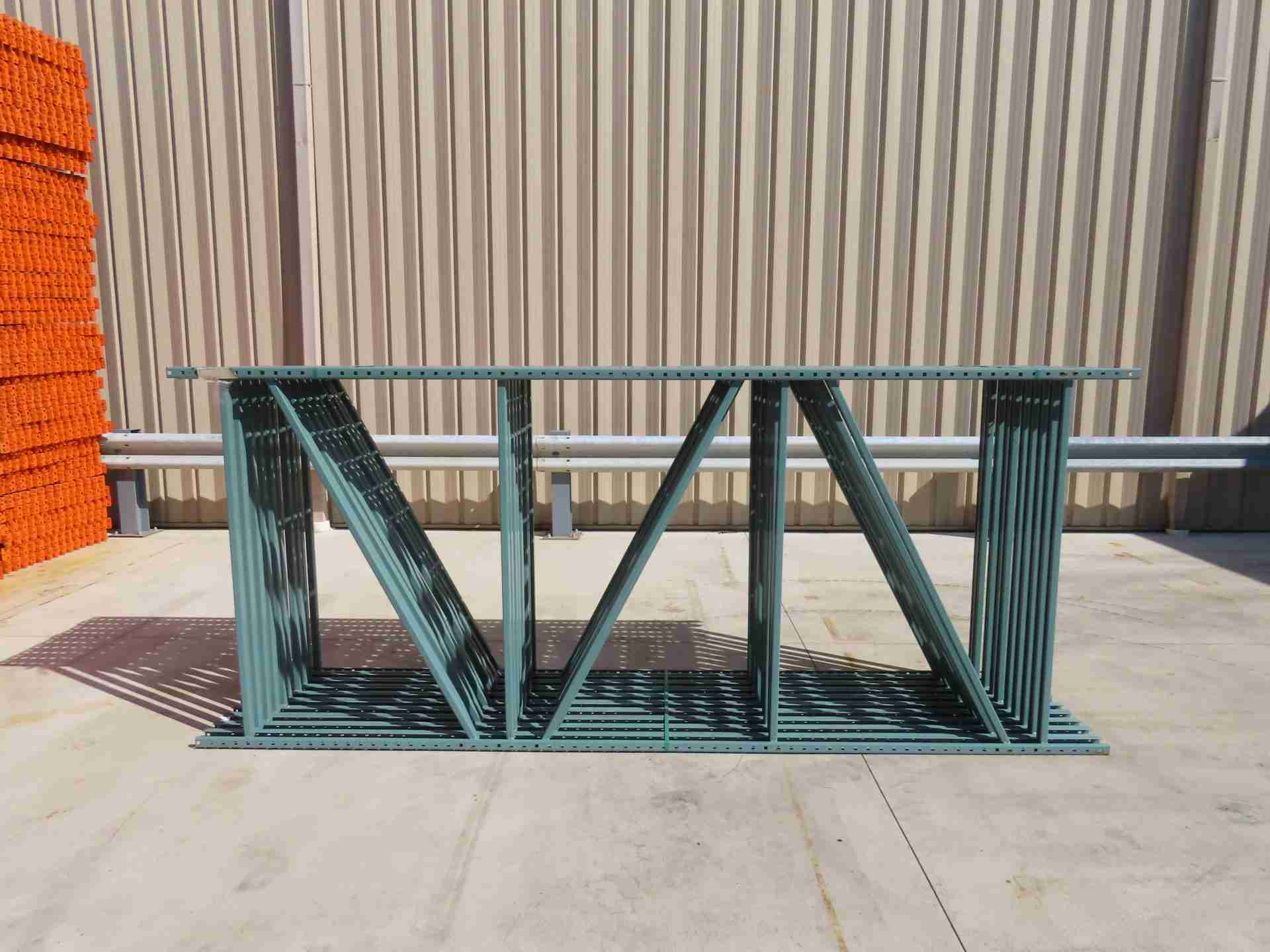
What Are The Benefits Of Using Pallet Racking Systems?
How Do I Choose The Right Pallet Racking For My Warehouse?
When it comes to selecting the right pallet racking for your warehouse, the stakes are higher than ever. In today’s fast-paced market, efficiency, safety, and scalability should be your guiding principles. With recent disruptions in supply chains, the logical choice is not just to equip your warehouse but to future-proof it.
First, assess the specific needs of your operation. For instance, if you handle a diverse array of products—perhaps a mix of palletized goods and smaller items—consider adjustable pallet racking systems. These allow for maximum flexibility, accommodating different pallet sizes and weights without the need for major structural changes. This flexibility is vital, as many companies are now transitioning to multi-channel distribution strategies, necessitating varied storage solutions.
Next, think about the nature of your inventory. Are you dealing with fast-moving consumer goods (FMCG)? High-density racking systems such as drive-in or drive-through racks can optimize your space and streamline picking processes. Current trends in ecommerce demonstrate that businesses are shipping smaller orders more frequently, making the ability to quickly retrieve products from a well-organized, efficient racking system essential.
Also, consider the height of your warehouse. If you’re working with a tall structure, vertical space is a goldmine. Look into selective racking, which allows you to store pallets at different heights for easy access. This not only maximizes your space but also keeps safety at the forefront—an ever-pressing concern in the era of heightened warehouse regulations.
Moreover, the safety of your employees cannot be an afterthought. Choose racking systems with robust safety features, such as anti-collapse bars and integrated safety pins. With recent news highlighting safety violations leading to hefty fines for businesses, investing in compliant and safe racking solutions is not just smart—it’s paramount.
Lastly, examine potential growth and adaptation. In the ever-evolving landscape of logistics and distribution, scalability is crucial. Investing in modular racking solutions can enable you to easily expand as your business grows, whether it’s due to market increases or new product lines coming in. For instance, companies navigating the recent shifts toward automation may find that a modular setup complements their plans for integrating technology into their warehouse operations.
Choosing the right pallet racking is not just about improving your current operations; it’s about preparing for the unpredictable future. By aligning your storage strategy with industry trends and your specific operational needs, you can create a warehouse that not only meets today’s demands but is also ready for tomorrow’s challenges.
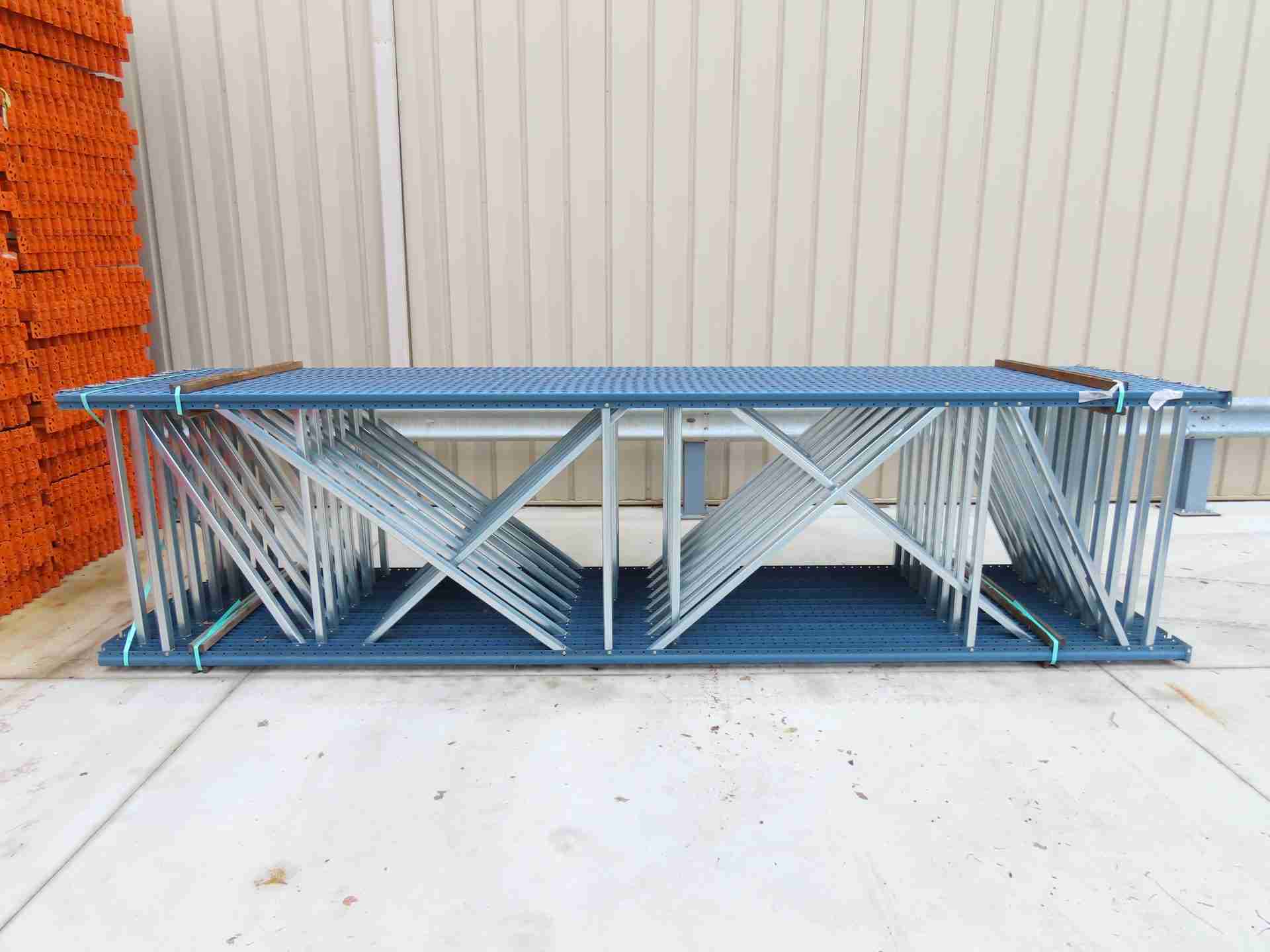
How Do I Choose The Right Pallet Racking For My Warehouse?
How Do I Choose The Right Pallet Racking For My Warehouse?
- Selecting the right pallet racking is critical for efficiency, safety, and scalability in today’s market.
- Assess the specific needs of your operation, considering adjustable pallet racking for diverse products.
- For fast-moving consumer goods, high-density racking systems can optimize space and streamline picking processes.
- Utilize vertical space in tall warehouses with selective racking for better access and maximized storage.
- Prioritize employee safety by investing in racking systems with robust safety features, adhering to regulations.
- Consider potential growth; modular racking solutions allow for easy expansion as your business evolves.
- Align your storage strategy with industry trends to prepare for future challenges and improve current operations.
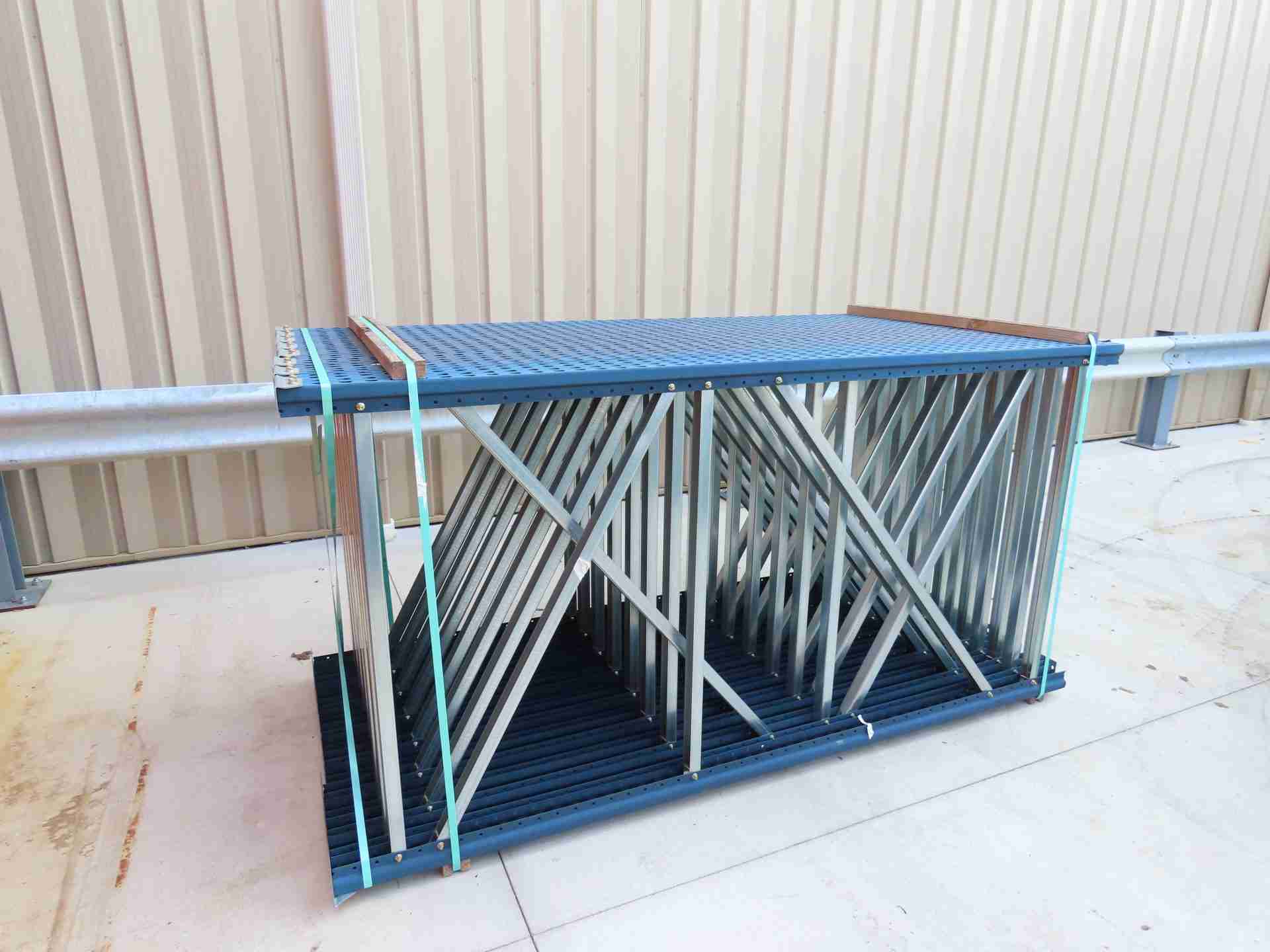
How Do I Choose The Right Pallet Racking For My Warehouse?
What Factors Should I Consider For Pallet Racking Design?
When it comes to designing an effective pallet racking system, the devil is in the details. A poor racking choice can lead to inefficiencies, safety hazards, and costly operational failures. So, what should you consider? Let’s break it down.
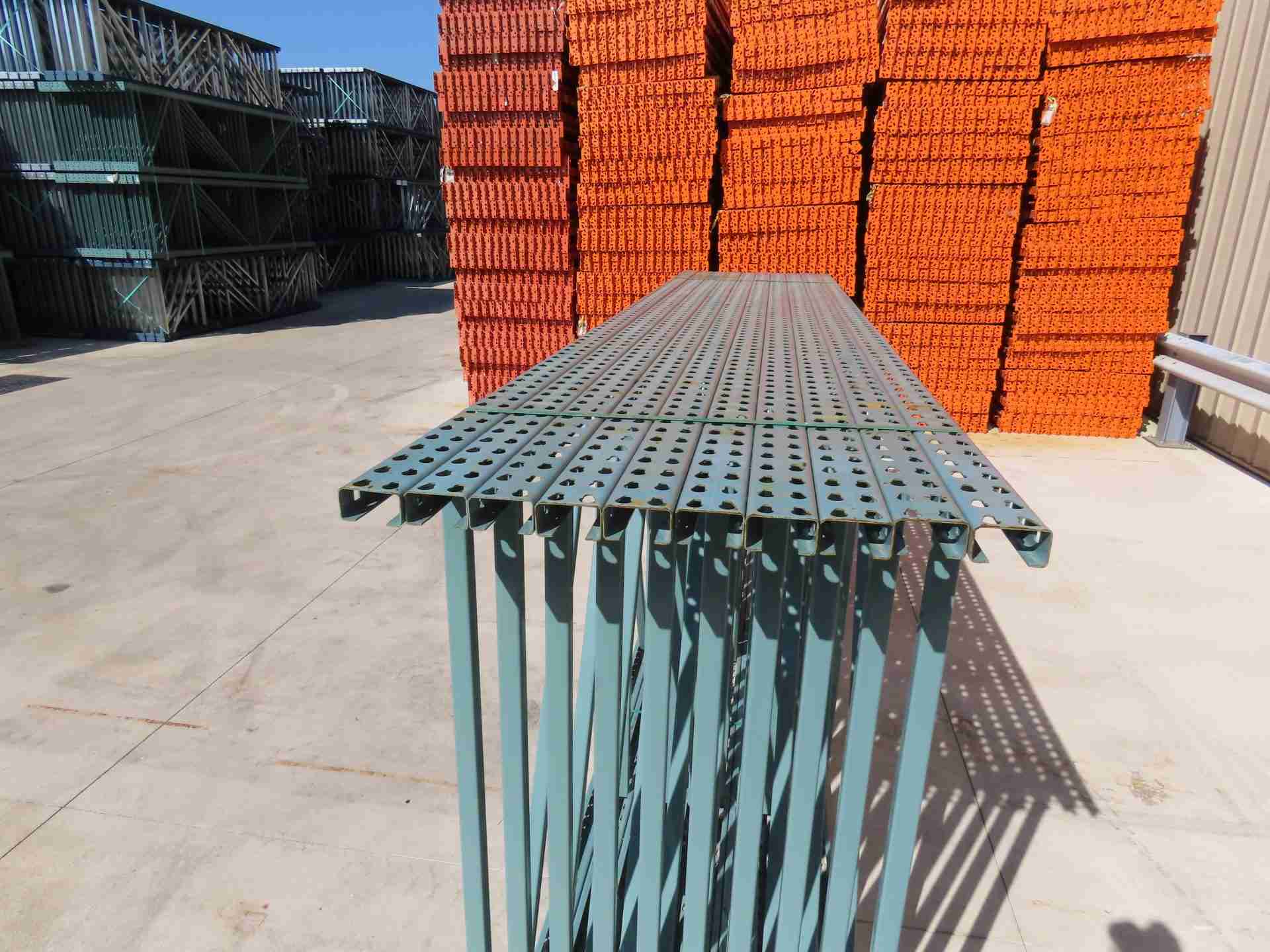
First and foremost, assess your space dimensions. The height, width, and depth of your warehouse play a critical role. For instance, if you have 30-foot ceilings but only a traditional racking system in place, you’re leaving valuable vertical space on the table—potentially thousands of dollars in lost goods and productivity. Think vertical! Modern designs like selective racking or drive-in systems maximize that precious overhead space.
Next, consider your inventory types. Are you storing heavy machinery, fragile items, or perishable goods? Each category comes with unique requirements. Heavy items will require sturdier beams and a wider aisle for forklift access, whereas fragile items may need cushioned shelving options. An entertainment retailer, for example, storing electronics needs to invest in anti-static solutions to avoid damaging their products—subtly influencing customer satisfaction and brand trust.
Let’s not overlook accessibility. You want to ensure that your racking is conducive not only for current needs but also scalable for future growth. The rise of e-commerce has spurred companies to rethink their storage solutions. Take Amazon’s fulfillment centers, which rely on high-density racking that allows for quick retrieval and efficient picking processes. If you’re not planning for flexibility, you might find yourself boxed in—literally.
Safety is another non-negotiable factor. According to the National Institute for Occupational Safety and Health, unsafe pallet racks can lead to serious workplace accidents. Invest in quality materials, and don’t skimp on safety features. Racking systems should comply with OSHA standards and undergo regular inspections. A slightly higher upfront cost can save you from devastating liability suits and, even worse, injury to your team.
Finally, evaluate cost-effectiveness. While it can be tempting to go for the cheapest option, remember: you get what you pay for. For example, low-cost racking might solve an immediate problem but can incur major hidden costs down the road, such as frequent replacements or increased insurance premiums due to past accidents. Instead, seek a balance between initial costs, durability, and efficiency.
In the rapidly evolving landscape of logistics, staying ahead means designing systems that are not only counterbalanced to today’s needs but also strategically aligned with tomorrow’s challenges. Rethink your pallet racking design now, and watch your operations soar!
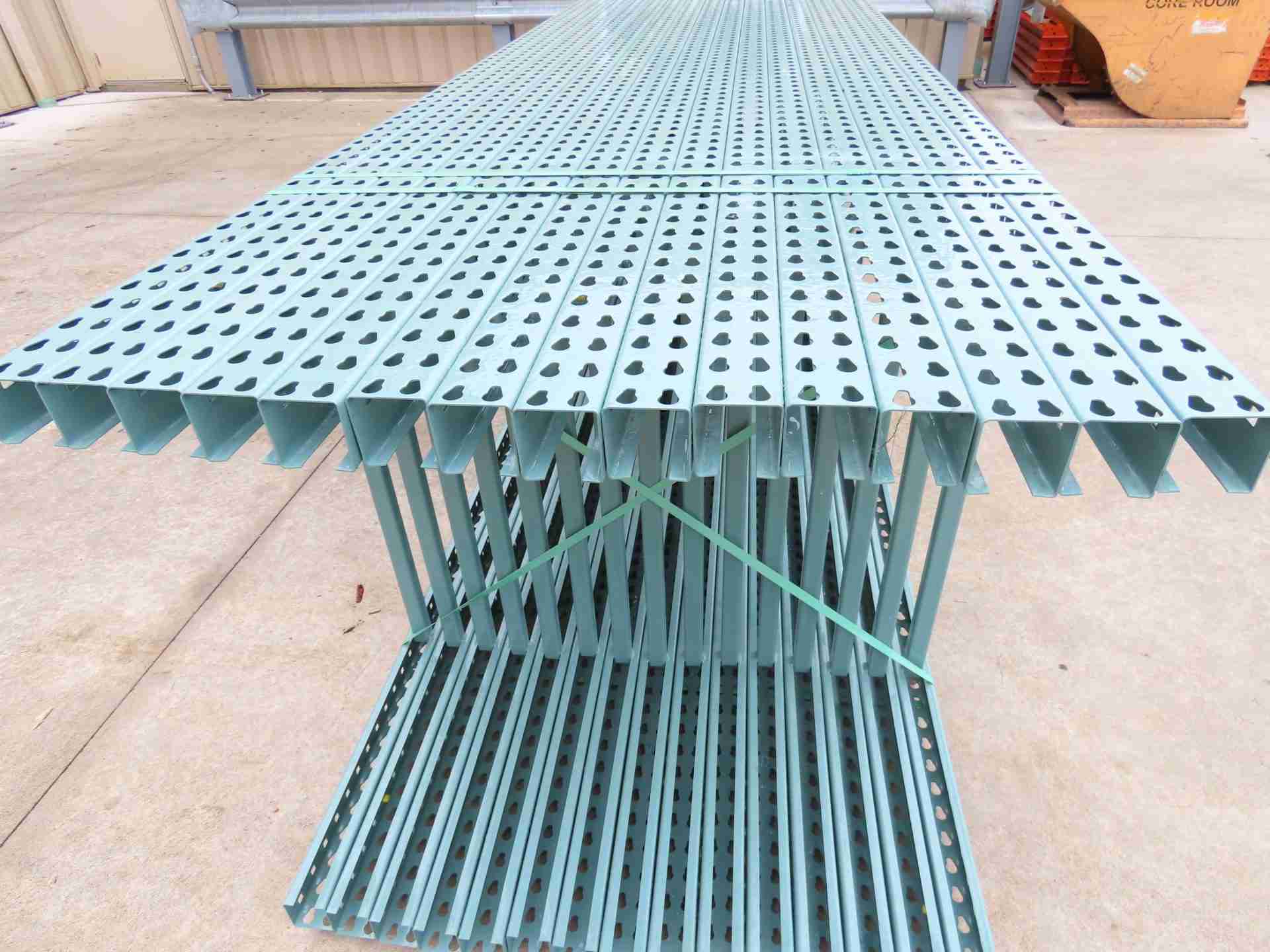
What Factors Should I Consider For Pallet Racking Design?
What Factors Should I Consider For Pallet Racking Design?
- Assess space dimensions (height, width, depth) to maximize vertical storage potential.
- Consider inventory types; tailor racking systems for heavy, fragile, or perishable goods.
- Ensure accessibility and scalability for future growth and evolving storage needs.
- Prioritize safety by complying with OSHA standards and investing in quality materials.
- Evaluate cost-effectiveness by balancing initial costs with long-term durability and efficiency.
- Stay ahead in logistics by designing systems that address current and future challenges.
- Re-evaluate your pallet racking design to enhance operational efficiency and productivity.
What Factors Should I Consider For Pallet Racking Design?
How Much Weight Can Pallet Racking Systems Support?
When it comes to optimizing storage solutions for warehouses, distribution centers, or retail environments, the question of how much weight pallet racking systems can support is paramount. For business owners and operational managers, understanding these capabilities is not just a matter of compliance—it’s about maximizing efficiency, safety, and ultimately, profitability.
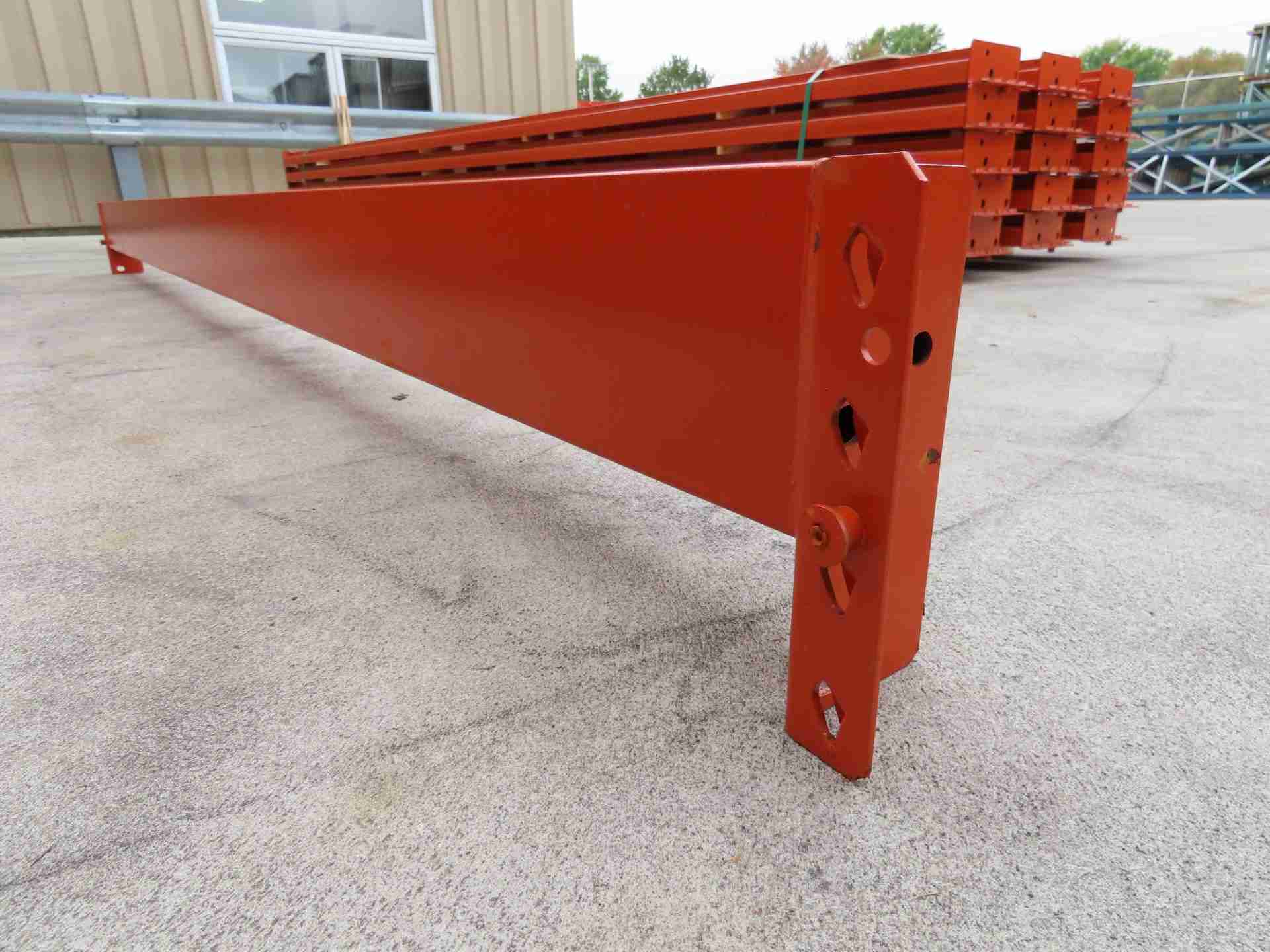
Pallet racking systems are engineered to handle significant loads, but the actual weight capacity depends on various factors, including the type of racking system, the quality of materials used, and the manufacturer’s specifications. For instance, selective pallet racking—one of the most common types—can support anywhere from 2,000 to 3,500 pounds per rack level, and heavy-duty options can accommodate even more, often exceeding 5,000 pounds per level. Imagine a beverage distribution warehouse: by investing in heavy-duty racking, they can maximize vertical space to store hundreds of cases of soft drinks per level, leading to quicker inventory turnover and better cash flow.
Consider the booming e-commerce industry, which has surged due to the recent global shifts in shopping behaviors. Warehouses are not just handling traditional goods but a breadth of inventory types, from clothing to tech gadgets. Selectively adopting dynamic pallet racking allows these facilities to adapt quickly to fluctuating inventory levels, supporting both bulk items and smaller products efficiently. With more than 2 billion people shopping online today, as reported by Statista, the demand for efficient storage solutions that can adapt to changing needs is climbing sky-high.
It’s crucial to remember that pallet racking’s weight capacity also depends on factors such as the type of load, load distribution, and even environmental conditions. For example, if a racking system is unevenly loaded or exposed to temperature fluctuations common in certain industrial settings, it may not perform as engineered. This is where proper maintenance and regular inspections come in. A little investment in routine checks can save companies from catastrophic failures—which happen surprisingly often, with the National Institute for Occupational Safety and Health (NIOSH) citing inadequate racking as a leading cause of warehouse accidents.
When evaluating pallet racking systems, don’t just ask, “How much weight can they support?” Ask, “How can they support my business’s growth and adaptability?” Investing in the right configuration tailored to your specific operational demands not only ensures safety but fortifies your bottom line. So, whether you’re in the middle of a warehouse redesign or simply looking to shuffle your layouts for better flow, understanding the weight capacities and configurations of your pallet racking systems can provide the competitive advantage you need in today’s rapidly evolving market.
How Much Weight Can Pallet Racking Systems Support?
How Much Weight Can Pallet Racking Systems Support?
- Understanding pallet racking weight capacity is essential for maximizing efficiency, safety, and profitability in storage solutions.
- The weight capacity of pallet racking systems varies based on factors like racking type, materials, and manufacturer’s specifications.
- Selective pallet racking supports 2,000 to 3,500 pounds per rack level, while heavy-duty options can exceed 5,000 pounds per level.
- Dynamic pallet racking can adapt to fluctuating inventory levels, crucial for the growing e-commerce market.
- Weight capacity is influenced by load type, distribution, and environmental conditions; proper maintenance and inspections are necessary.
- Inadequate racking systems are a leading cause of warehouse accidents, according to NIOSH, highlighting the importance of routine checks.
- Investing in the right pallet racking configuration supports business growth and adaptability, providing a competitive edge.
How Much Weight Can Pallet Racking Systems Support?
What Safety Standards Apply To Pallet Racking?
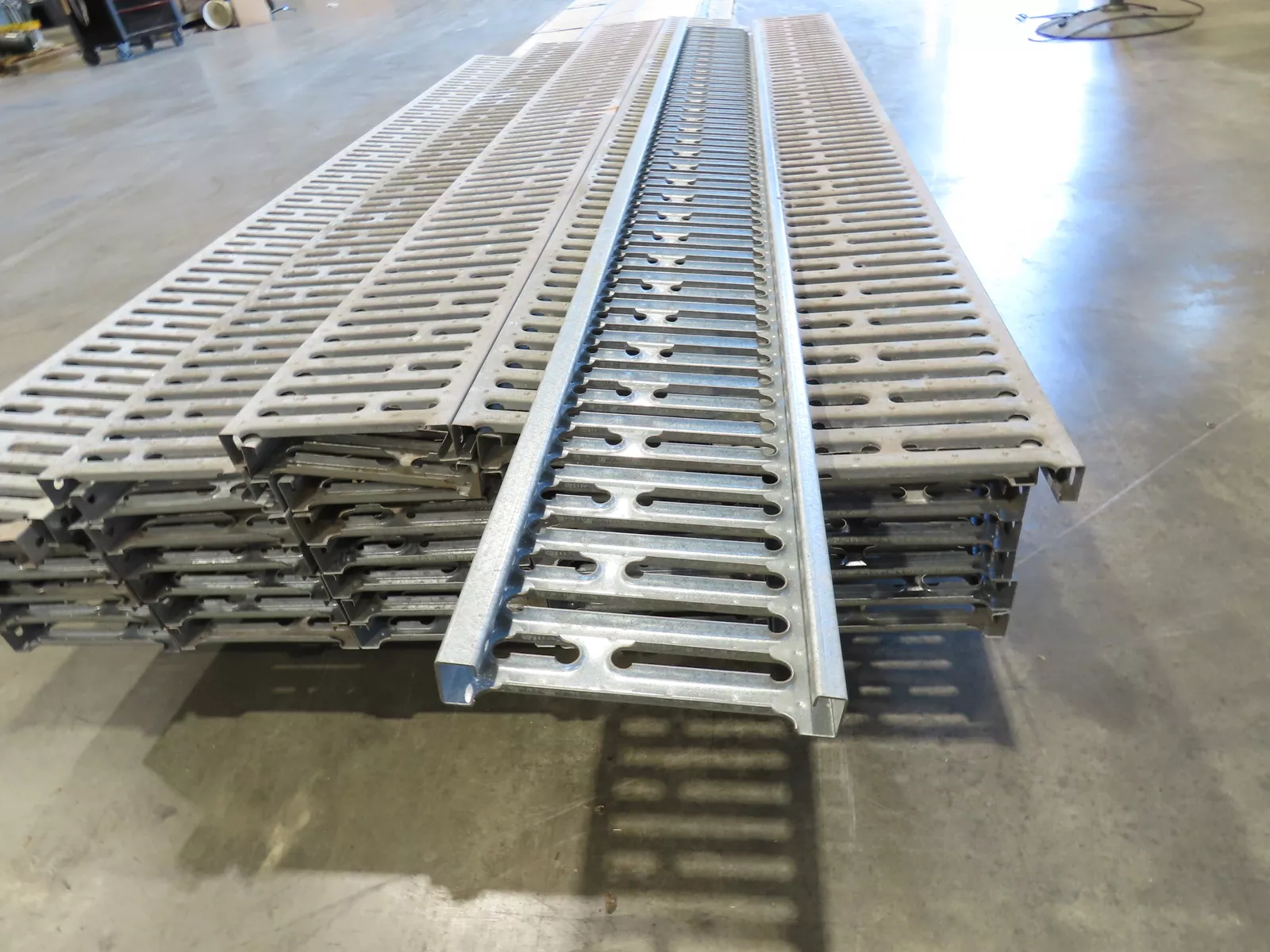
When it comes to pallet racking, embracing safety standards isn’t just a legal obligation; it’s a smart business decision that safeguards your workforce and protects your valuable assets. The right standards can streamline your operations and enhance productivity, proving that investing in safety reaps numerous rewards.
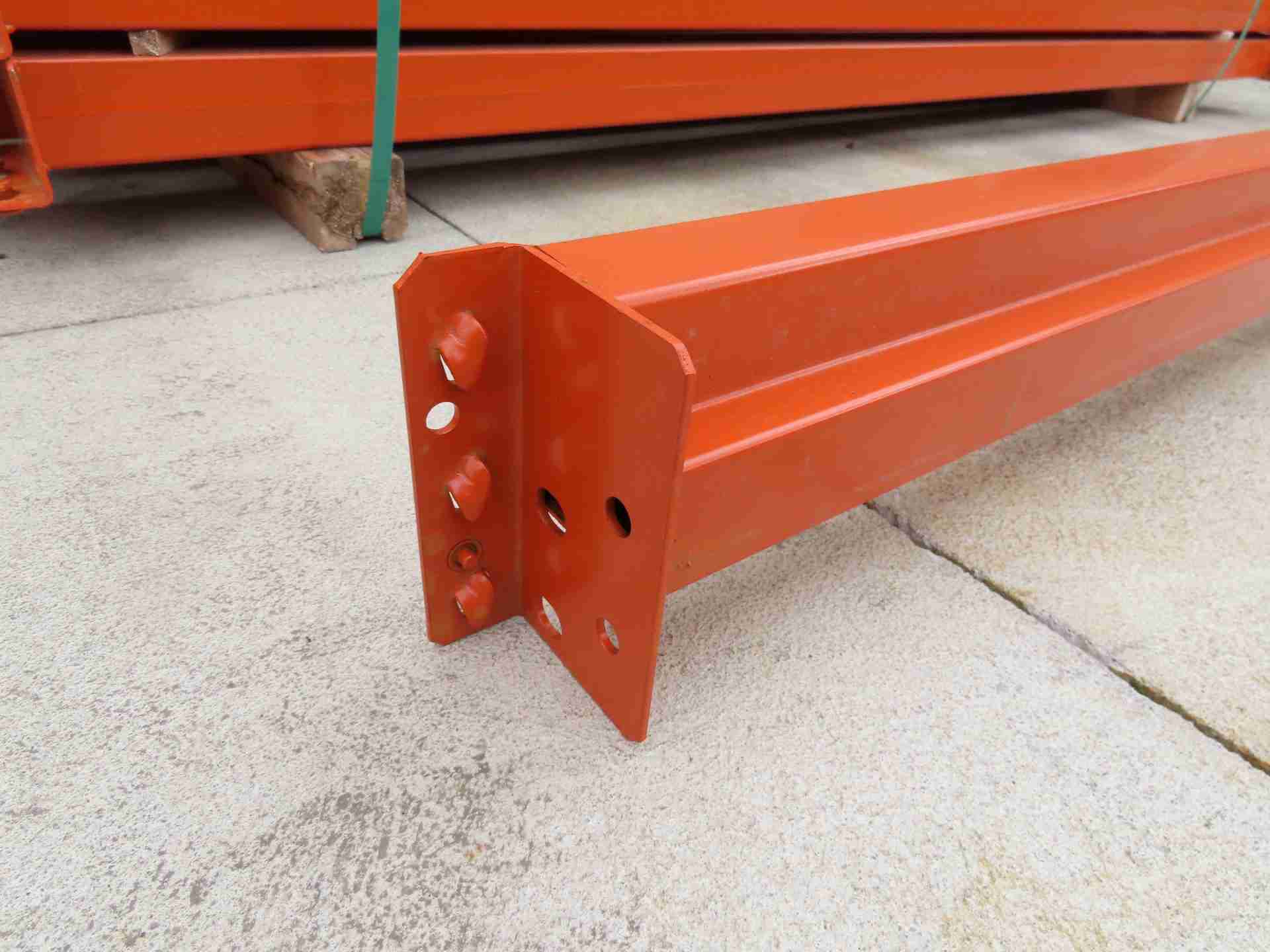
The most recognized body setting safety benchmarks for racking systems is the American National Standards Institute (ANSI), particularly through ANSI MH16.1. This standard outlines how pallet racking should be designed, installed, and maintained to ensure safety. For instance, it specifies load capacities and the critical need for proper anchoring—inadequate anchoring is often a culprit in rack-related accidents.
Let’s take a real-world example. Amazon, a titan in logistics, faced scrutiny when reports highlighted injuries in their warehouses attributed to improperly maintained racking systems. In response, they not only committed to strict adherence to ANSI standards but also initiated widespread training programs to educate staff on safe practices. This proactive approach has not only improved their safety record but also boosted employee morale and productivity. When employees feel safe, they work better.
Additionally, the Occupational Safety and Health Administration (OSHA) has regulations that directly govern warehouses and the use of pallet racking. OSHA’s rule mandates that all racking systems must be assessed for stability and safety, highlighting the importance of regular inspections. For example, an incident at a well-known grocery chain revealed that insufficient inspections of racking led to a collapsed structure, resulting in both injuries and costly legal battles. Regular compliance with OSHA standards could have significantly mitigated that risk.
Moreover, your state may have specific regulations that apply to pallet racking systems. These local standards can vary significantly, often reflecting the unique operational challenges present in your region. Ignoring local codes can lead to hefty fines—and far worse consequences.
To put it bluntly, your reputation depends on it. When customers know your facility is a paragon of safety and reliability, it enhances your brand image. Highlighting your commitment to safety standards in your marketing can be a compelling differentiator in a saturated market.
Aligning your pallet racking systems with OSHA and ANSI standards is essential for business longevity and workforce welfare. The only question left is: will you prioritize safety today to protect what matters most tomorrow? Consider taking action now—your team and bottom line will thank you later.
What Safety Standards Apply To Pallet Racking?
What Safety Standards Apply To Pallet Racking?
- Embracing safety standards in pallet racking is both a legal obligation and a strategic business decision.
- The American National Standards Institute (ANSI) sets recognized safety benchmarks, particularly through ANSI MH16.1.
- ANSI MH16.1 specifies safety requirements for design, installation, and maintenance of pallet racking, including load capacities and proper anchoring.
- Amazon has improved their safety record and employee morale by adhering to ANSI standards and providing training on safe practices.
- The Occupational Safety and Health Administration (OSHA) mandates assessment of racking systems for stability and requires regular inspections.
- Local regulations can vary, and compliance with them is crucial to avoid fines and serious consequences.
- Highlighting a commitment to safety can enhance brand image and serve as a differentiator in the market.
What Safety Standards Apply To Pallet Racking?
How Do I Maintain And Inspect Pallet Racking?
In today’s fast-paced business environment, maintaining safety and efficiency in your warehouse operations is non-negotiable. Investing time and effort into the regular maintenance and inspection of your pallet racking can be the difference between a smooth-running operation and costly mistakes. Let’s dig into how you can effectively manage this crucial aspect of your business.
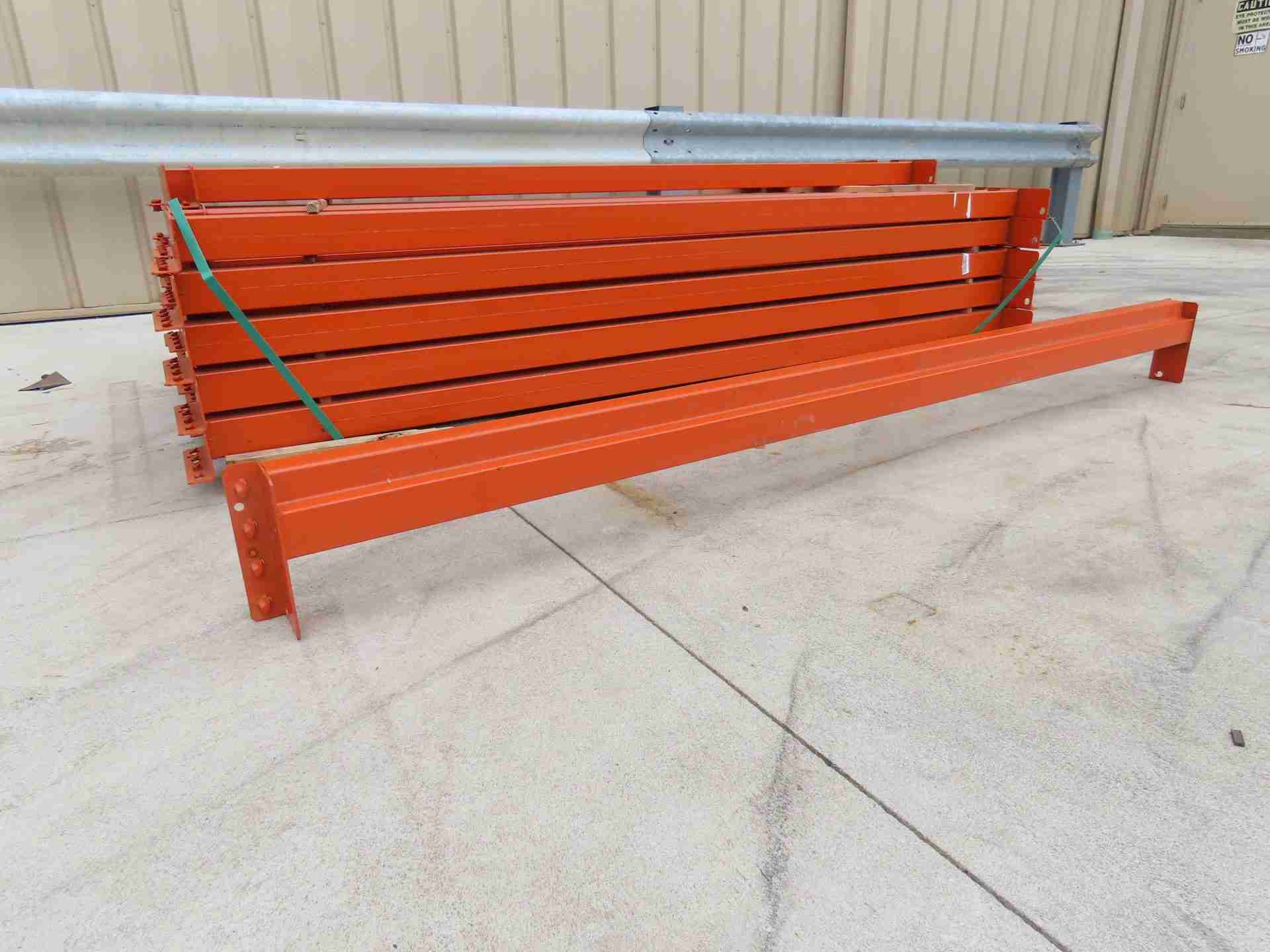
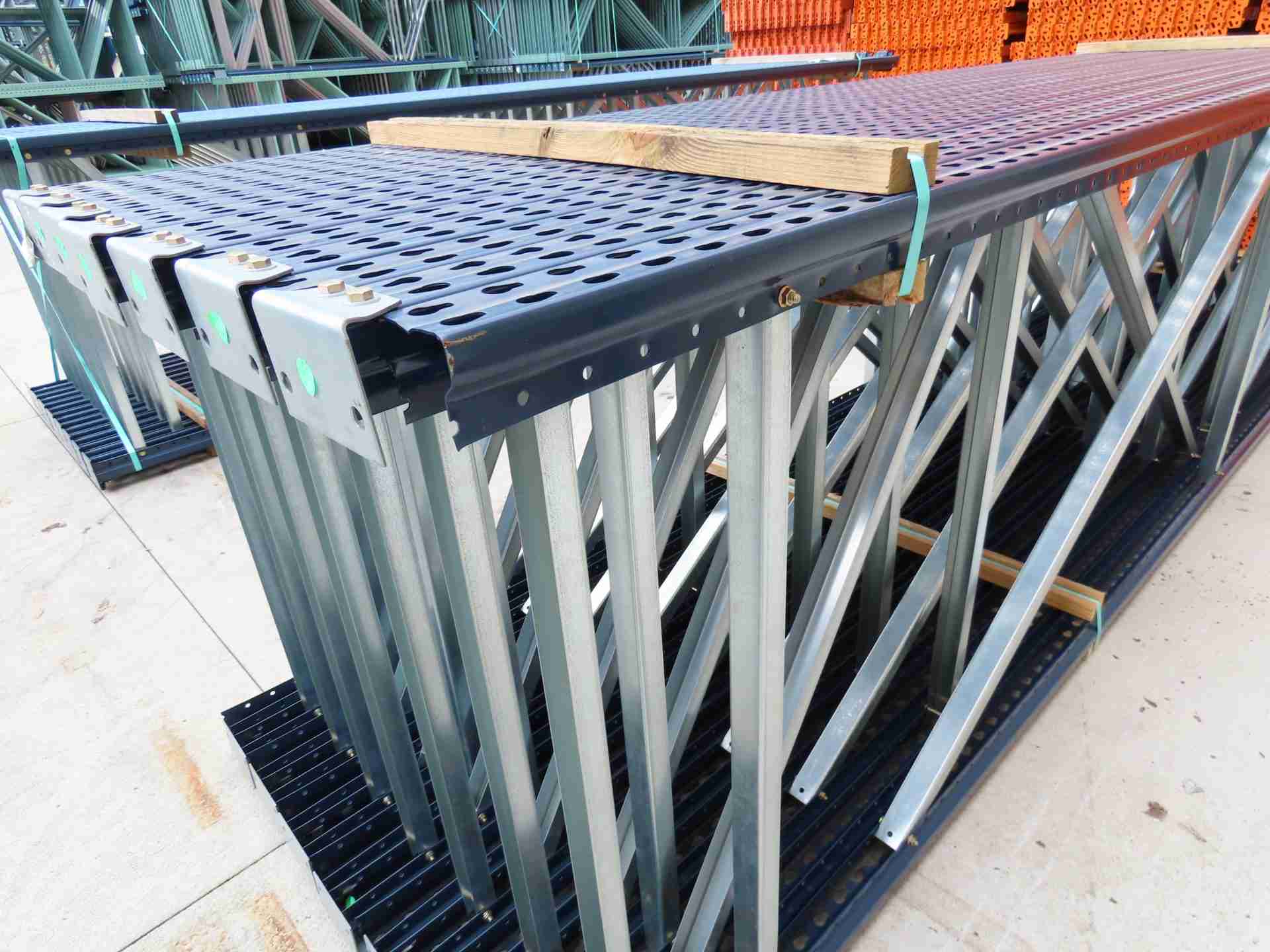
First, establish a routine inspection schedule. Just like you wouldn’t drive your car without routine oil checks, your pallet racking requires the same diligence. Internally, create a checklist for your team, focusing on key components: beams, uprights, braces, and connections. For instance, check for signs of rust, misalignment, or any visible damage that could compromise structural integrity. According to recent industry reports, nearly 50% of warehouse accidents stem from poorly maintained storage systems. Regular checks could save lives and protect your bottom line.
Consider call-to-action signage at critical inspection areas. Simple, eye-catching graphics reminding staff to report any structural changes can create a culture of safety. Invest in training sessions for employees on proper procedures for recognizing and reporting issues. For example, in a recent incident highlighted in the news, a large distribution center faced a major operational shutdown due to a falling load from neglected racking systems. This could have been avoided with proper training and inspection protocols.
Furthermore, don’t underestimate the value of professional assessments. While your team may do a commendable job, enlisting the help of third-party experts ensures you’ve got a fresh set of eyes on your racking systems. These professionals often offer advanced insights based on industry standards and can help you navigate complex regulations, enhancing your compliance and safety reputation.
Incorporate technology into your inspection process. Use mobile apps that allow staff to log inspections digitally and track any repairs. This not only provides you with real-time data but also creates a permanent record, enhancing accountability. With the rise of big data analytics, companies can now trend their inspection reports to identify potential issues before they escalate.
Lastly, remember that maintenance is not just a cost; it’s an investment in the longevity of your equipment. Regular upkeep can extend the life of your pallet racking by several years, maximizing your ROI. When coupled with current best practices, such a proactive approach can position your business at the forefront of warehouse safety and efficiency. Don’t wait for a disaster to strike—act now, and watch your operation thrive.
How Do I Maintain And Inspect Pallet Racking?
How Do I Maintain And Inspect Pallet Racking?
- Maintaining safety and efficiency in warehouse operations is essential for business success.
- Establish a routine inspection schedule for pallet racking, focusing on key components like beams and uprights.
- Nearly 50% of warehouse accidents are linked to poorly maintained storage systems; regular checks can prevent this.
- Implement call-to-action signage to encourage staff to report structural changes, fostering a safety culture.
- Consider professional assessments for a fresh perspective on racking systems and enhanced compliance.
- Incorporate technology into inspections with mobile apps for real-time data and accountability improvements.
- View maintenance as an investment in equipment longevity, maximizing ROI and fostering warehouse safety.
How Do I Maintain And Inspect Pallet Racking?
What Accessories Can Enhance Pallet Racking Efficiency?
In the fast-paced world of logistics and warehousing, maximizing efficiency is not just a goal—it’s a necessity. With the surge in e-commerce, particularly accelerated by the recent pandemic, businesses are seeking every opportunity to streamline their operations. Investing in the right pallet racking accessories can transform an ordinary storage system into a powerhouse of productivity.
1. Rack Safety Accessories
Safety should never be an afterthought. Rack safety accessories, such as end-of-aisle protectors and rack railings, are essential to prevent product damage and workplace injuries. Recent surveys indicate that nearly 70% of warehouse accidents are related to improper racking or unsafe environments. Installing edge protectors can safeguard both your employees and your inventory, providing peace of mind while enhancing operational efficiency.
2. Barcodes and RFID Systems
As businesses integrate technology into their operations, barcodes and RFID (Radio Frequency Identification) systems have emerged as revolutionary accessories for pallet racking. These tools enable real-time inventory tracking, reducing the time spent on stock takes and minimizing human error. With innovations in RFID technology, companies like Amazon are already leveraging these systems to ensure lightning-fast order fulfillment. Imagine having the ability to locate and manage inventory with a simple scan!
3. Pallet Supports and Beam Spacers
To maximize the usability of your pallet racking, consider investing in pallet supports and beam spacers. These accessories enhance the load-bearing capabilities of your racks, allowing you to store heavier products safely and securely. For instance, in a recent case study, a major retailer improved its storage density by 30% simply by implementing these supports, proving that small changes can lead to substantial benefits.
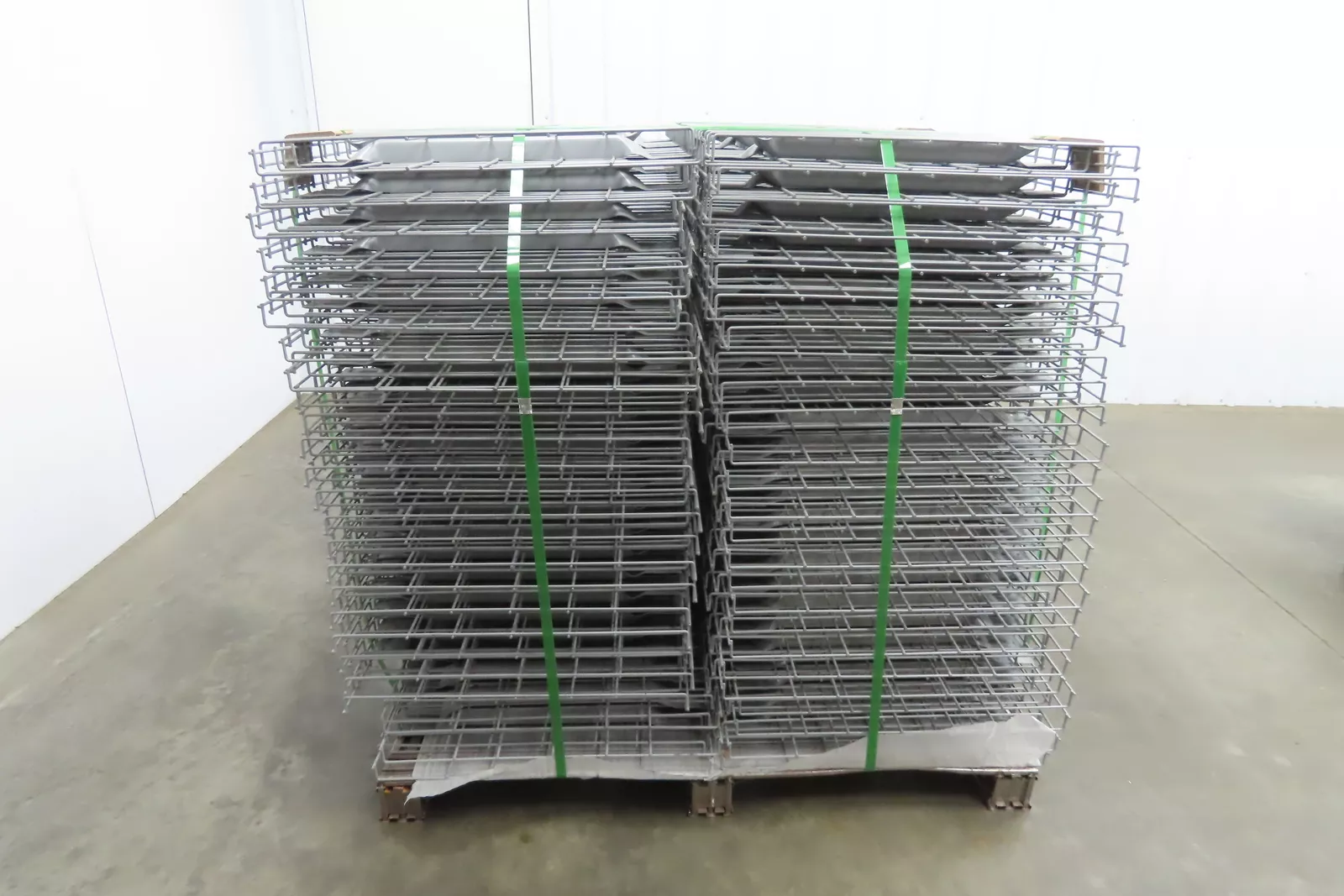
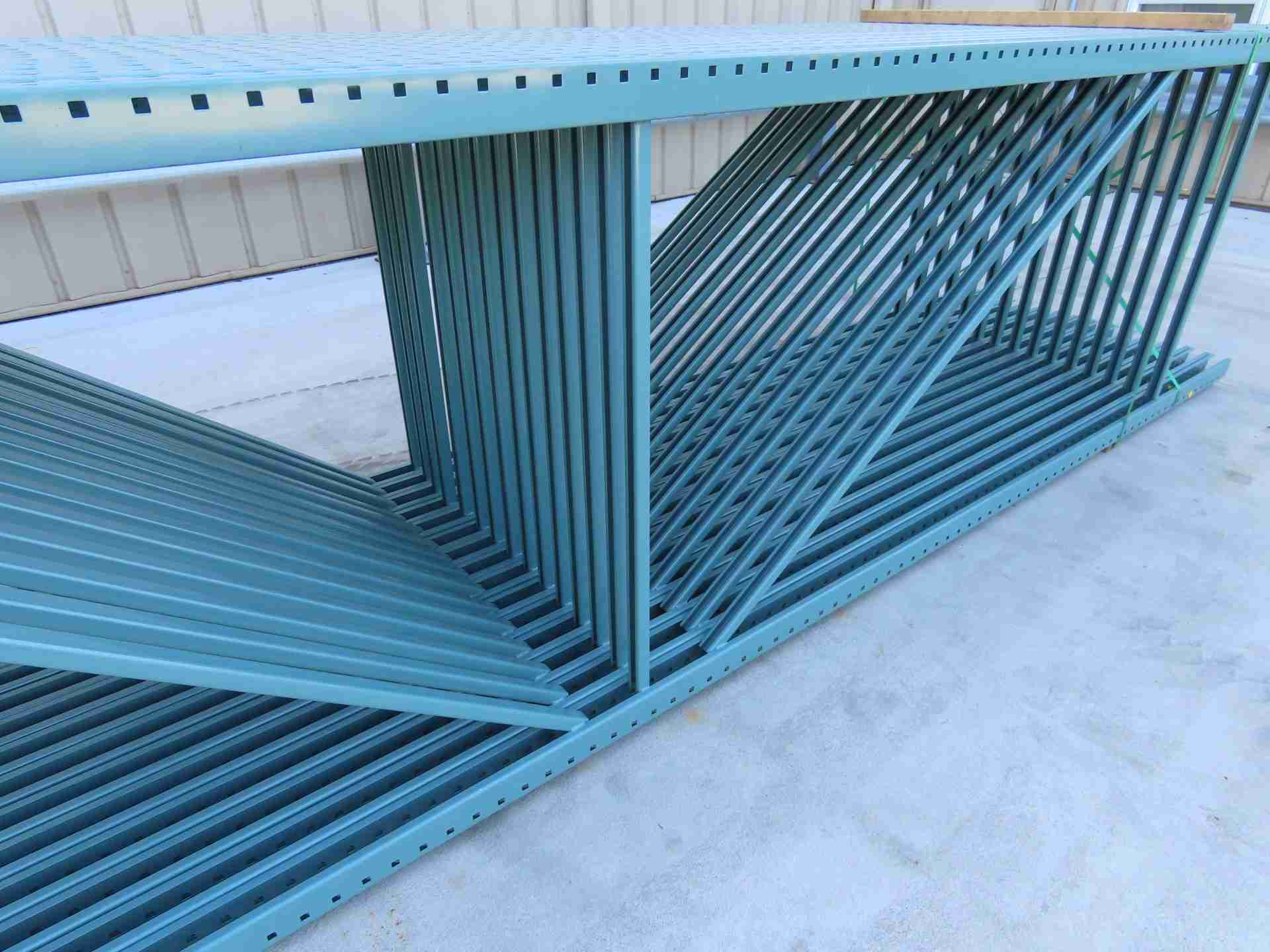
4. Wire Mesh Decking
Wire mesh decking is another invaluable accessory for optimizing pallet racking systems. By promoting airflow and providing a solid base for your pallets, it prevents dust accumulation and facilitates easier inventory management. This is especially relevant in industries like food and beverages, where cleanliness is paramount.
5. Organizational Tools
Finally, don’t overlook the value of organizational tools like labels and signage. Clear, strategic labeling not only streamlines pick processes but also enhances accessibility. As companies race to keep up with increasing consumer demands, finding ways to reduce picking time translates to better customer satisfaction and improved bottom lines.
In a world where every second counts, enhancing your pallet racking efficiency with the right accessories is no longer optional—it’s essential. Make the investment today, and watch your operational performance soar!
What Accessories Can Enhance Pallet Racking Efficiency?
What Accessories Can Enhance Pallet Racking Efficiency?
- Maximizing efficiency in logistics and warehousing has become a necessity, especially with the rise of e-commerce.
- Investing in pallet racking accessories can significantly enhance productivity and streamline operations.
- Rack safety accessories, like end-of-aisle protectors, are crucial for preventing product damage and workplace injuries.
- Barcodes and RFID systems enable real-time inventory tracking, reducing human error and improving order fulfillment speed.
- Pallet supports and beam spacers enhance load-bearing capabilities, leading to increased storage density.
- Wire mesh decking promotes airflow and cleanliness, which is vital in industries with strict hygiene standards.
- Organizational tools like labels and signage improve pick processes and accessibility, ultimately boosting customer satisfaction.
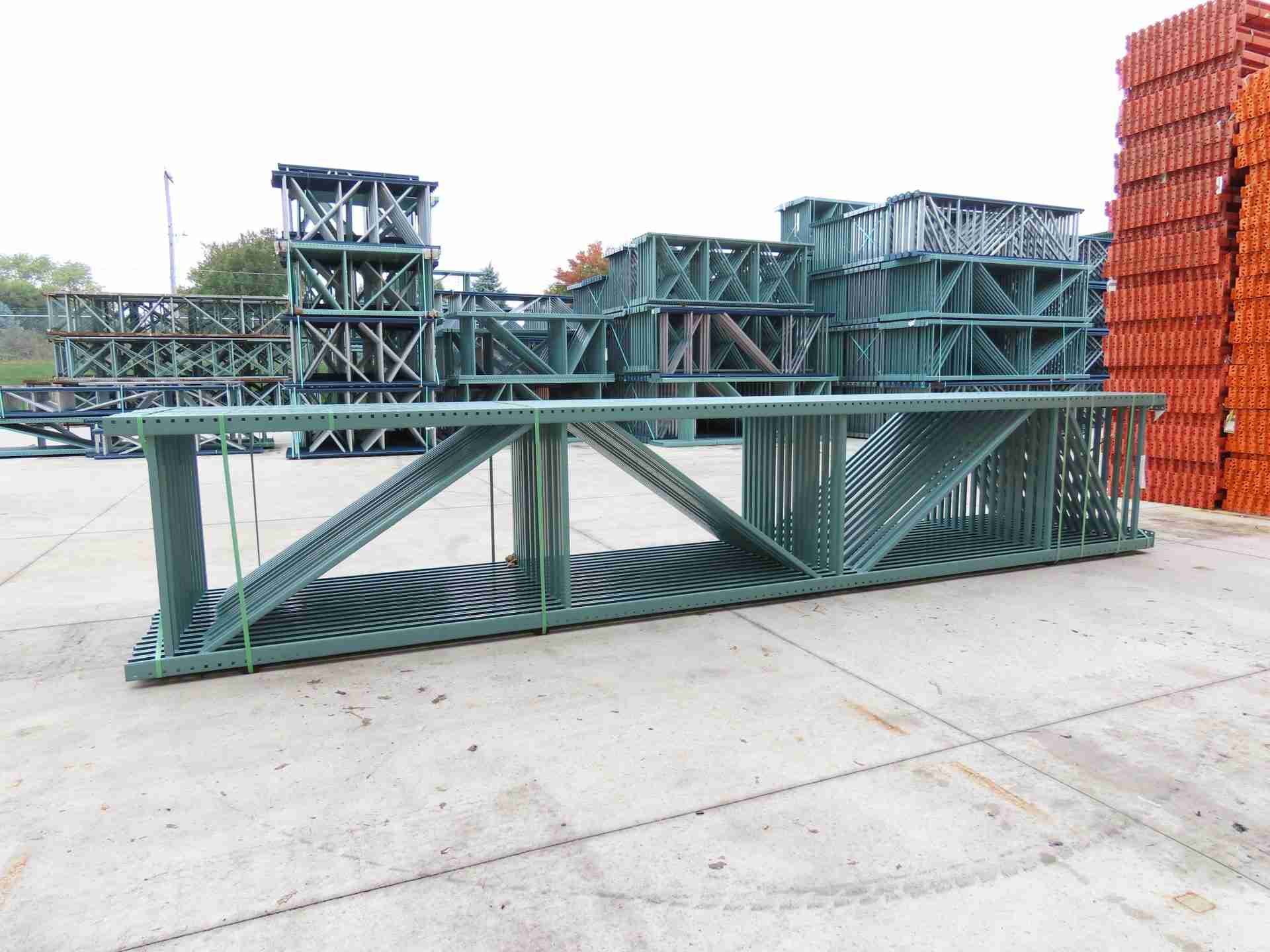
What Accessories Can Enhance Pallet Racking Efficiency?
Can Pallet Racking Systems Be Customized For Specific Needs?
In today’s fast-paced logistics landscape, the one-size-fits-all approach simply doesn’t cut it. Customization is the new mantra, especially when it comes to pallet racking systems. These systems are not just metal frames holding up shelves; they are an essential part of your operation, influencing efficiency, accessibility, and ultimately, your bottom line.
Imagine a distribution center tasked with handling a wide variety of products—from heavy machinery parts to delicate electronic components. Each product type has its own requirements regarding weight, dimensions, and handling methods. A generic racking system will likely create bottlenecks and inefficiencies. Instead, a customized solution can address these specific needs head-on, optimizing space and enhancing operational flow.
For instance, consider a company like Amazon, which has rapidly adjusted its fulfillment centers to meet skyrocketing e-commerce demands. During the pandemic, they didn’t just scale up; they customized their racking solutions to accommodate the unique needs of their vast product range. They’ve implemented multi-tier racking systems that allow for varied shelf heights, enabling them to store everything from large pallets to small items efficiently. This adaptability is not only a logistical win but also a significant competitive advantage in an age where customers expect rapid delivery and precision service.
Customization can extend beyond just dimensions and weight capacities. Consider adding advanced technologies such as RFID tracking capabilities or integrated conveyor systems that move products seamlessly along the racking structure. This has been seen increasingly in companies like Walmart, where innovations in their warehousing practices are continuously evolving to include smart, interconnected systems that enhance inventory management and retrieval processes.
And let’s not forget about the shift toward sustainability in warehouse management. Customized racking solutions that use eco-friendly materials or allow for easy recycling of components are becoming increasingly popular. Businesses today are looking to demonstrate environmental responsibility, and showcasing a green supply chain can be a tremendous selling point.
As businesses continue to pivot toward flexibility amid evolving consumer demands—like the recent trend towards same-day delivery—having a pallet racking system tailored specifically to your operational needs is not just beneficial; it’s essential. Don’t let outdated and inflexible systems hold your business back. Embrace the power of customization in pallet racking solutions to create an efficient, agile, and successful warehouse environment, ultimately setting the stage for sustained growth and profitability.
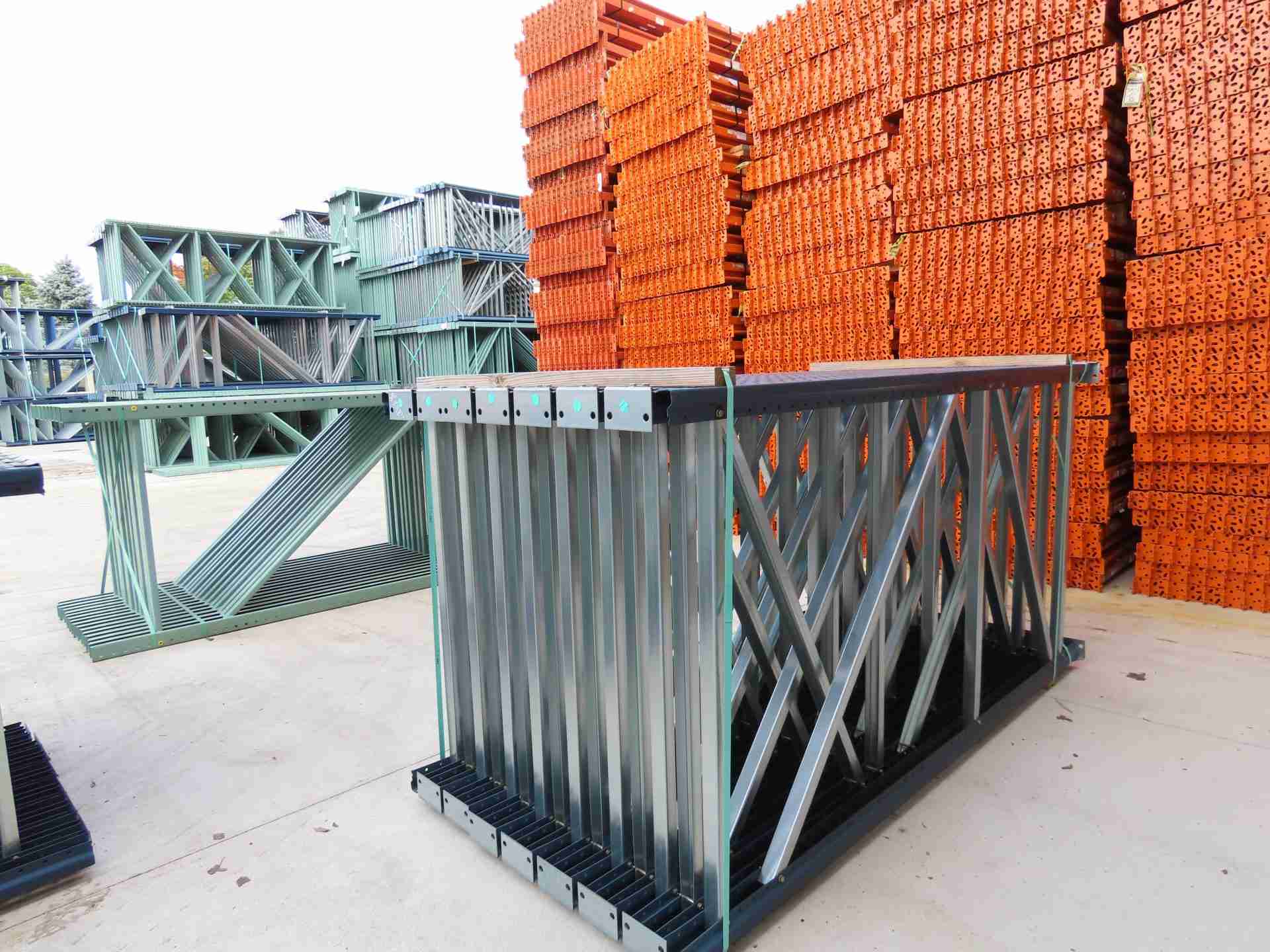
Can Pallet Racking Systems Be Customized For Specific Needs?
Can Pallet Racking Systems Be Customized For Specific Needs?
- Customization is essential in today’s logistics landscape, moving away from one-size-fits-all pallet racking systems.
- Different products require tailored racking solutions to avoid inefficiencies and bottlenecks in distribution centers.
- Companies like Amazon have successfully customized their racking systems to meet diverse product needs and e-commerce demands.
- Advanced technologies such as RFID tracking and conveyor systems can enhance the functionality of customized racking solutions.
- Sustainability is a growing concern; eco-friendly racking solutions are becoming popular and can enhance a business’s green image.
- Flexible pallet racking systems are crucial for adapting to evolving consumer demands, such as same-day delivery.
- Investing in customized racking solutions fosters operational efficiency and supports sustained growth and profitability.
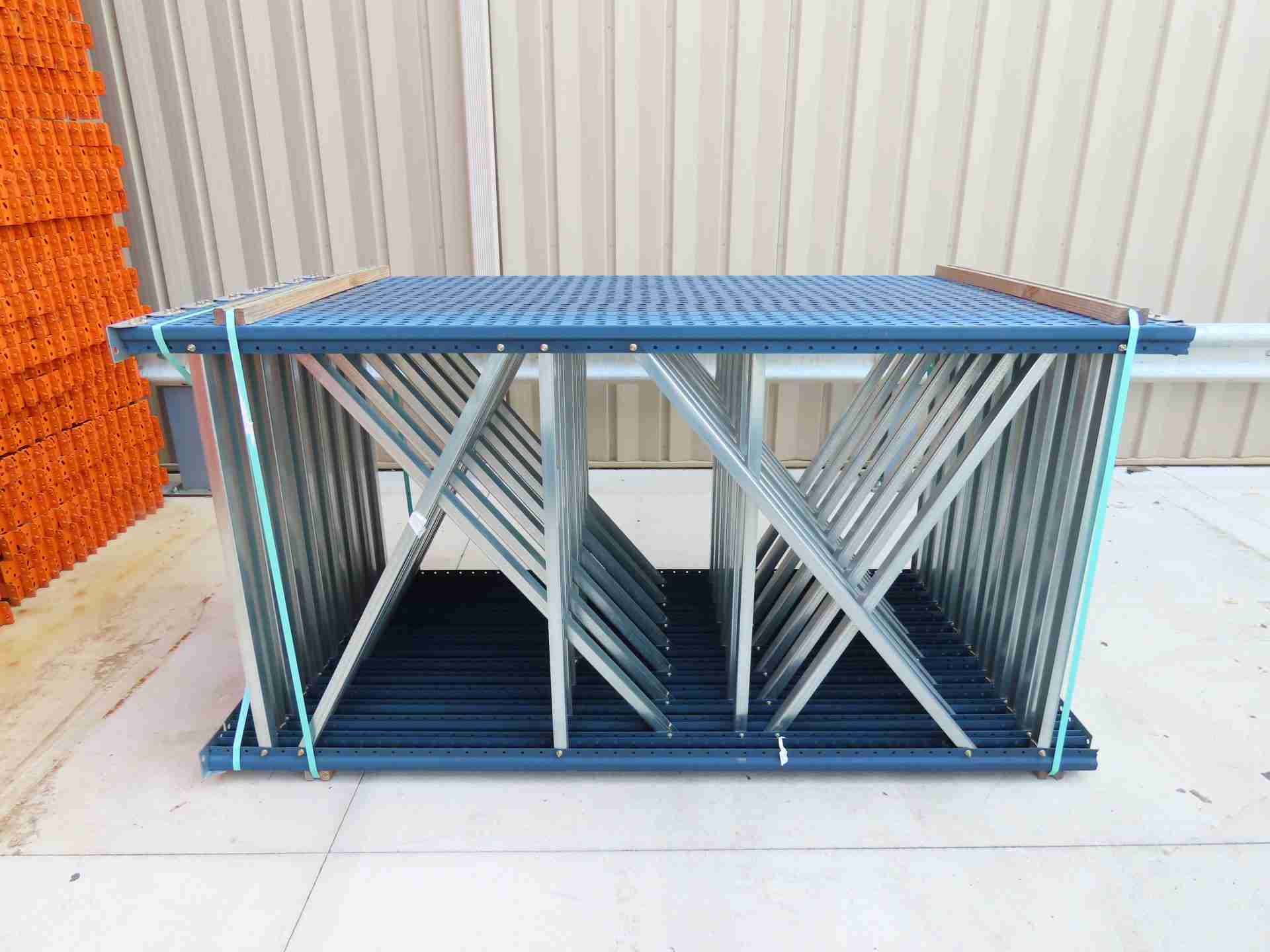
Can Pallet Racking Systems Be Customized For Specific Needs?
What Common Mistakes Should I Avoid With Pallet Racking?
When navigating the world of pallet racking, even minor missteps can lead to major pitfalls. The savvy warehouse manager knows that understanding common mistakes can be the difference between a seamless operation and a costly setback. Here’s a rundown of what to avoid when setting up your pallet racking system.
1. Ignoring Weight Capacities
One of the most frequent errors is bypassing the specified weight capacities of the racking system. Each rack type has a designated load limit; ignoring this can lead to catastrophic failures. For instance, in recent news, a celebrated distribution center faced downtime after a rack collapse due to overloading. Ensure that your team uses weight distribution techniques—this means evenly distributing heavy items across the storage system to prevent undue stress on any one rack.
2. Poor Planning and Layout
Jumping into the installation without a well-structured plan can spell disaster. Conduct a thorough analysis of your inventory types, flow of goods, and available space. For example, if your layout mimics a congested freeway during rush hour, expect delays. Many businesses have found success by first mapping their entire workflow on paper to visualize the optimal layout before investing in racking systems.
3. Neglecting Regular Inspections
Just like a vehicle requires regular maintenance, so does your pallet racking system. Failing to inspect your racking can lead to unnoticed wear and tear that can escalate into safety hazards. In 2021, OSHA ramped up its enforcement of workplace safety regulations, which included stricter guidelines on racking safety. Regular audits and inspections not only promote safety but also keep your operations productive.
4. Overlooking Employee Training
Investing in a top-tier pallet racking system means nothing if your employees aren’t trained to use it correctly. Many accidents stem from improper use or lack of understanding of the equipment. Consider implementing ongoing training sessions to ensure all employees understand safety protocols and operational procedures. For example, a well-known retail chain upgraded its pallet racking but saw a 30% drop in accidents after rolling out comprehensive training for warehouse staff.
5. Cutting Corners with Installation
Lastly, never skimp on professional installation. Recent global supply chain disruptions have led to a surge in DIY solutions that simply don’t hold up under scrutiny. In the interest of safety and efficiency, rely on experts who have experience tailoring systems to the unique contours of your business.
Avoiding these common pitfalls requires foresight, planning, and a little due diligence. By sidestepping these mistakes, you’ll create a safer, more efficient warehouse environment poised for growth. Remember, success in pallet racking isn’t just about storing goods; it’s about creating a system that works effectively and safely for everyone involved.
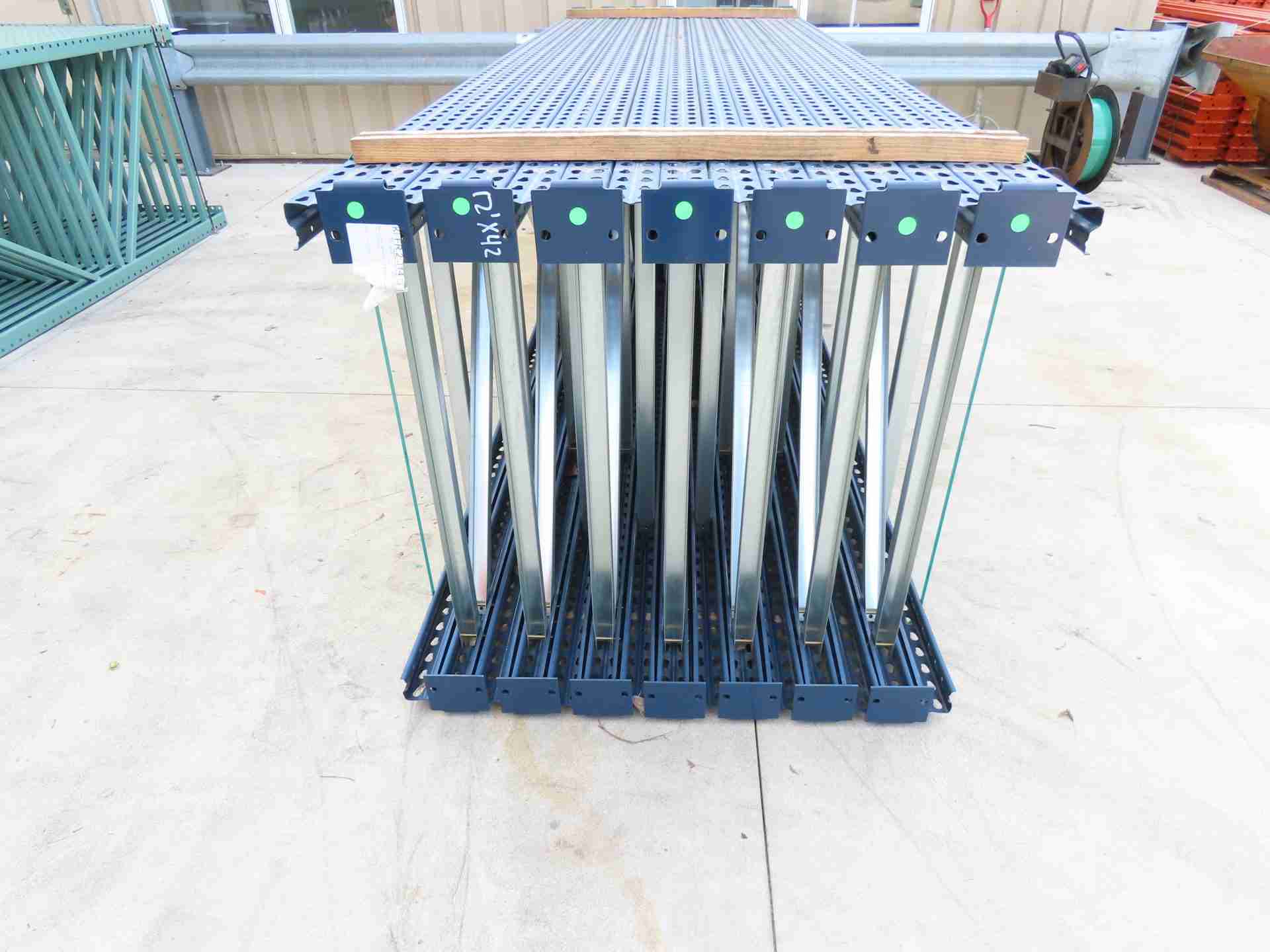
What Common Mistakes Should I Avoid With Pallet Racking?
What Common Mistakes Should I Avoid With Pallet Racking?
- Understanding common pallet racking mistakes can prevent costly setbacks.
- Ignoring weight capacities can lead to catastrophic failures; ensure proper weight distribution on racks.
- Poor planning and layout can result in operational delays; analyze inventory and warehouse space before installation.
- Regular inspections of racking systems are essential to avoid unnoticed wear and tear, helping maintain safety and productivity.
- Training employees on safe and proper use of pallet racking systems is crucial to avoid accidents.
- Do not cut corners with installation; rely on professionals to ensure safety and efficiency in racking systems.
- Avoiding these mistakes leads to a safer, more efficient warehouse ready for growth.
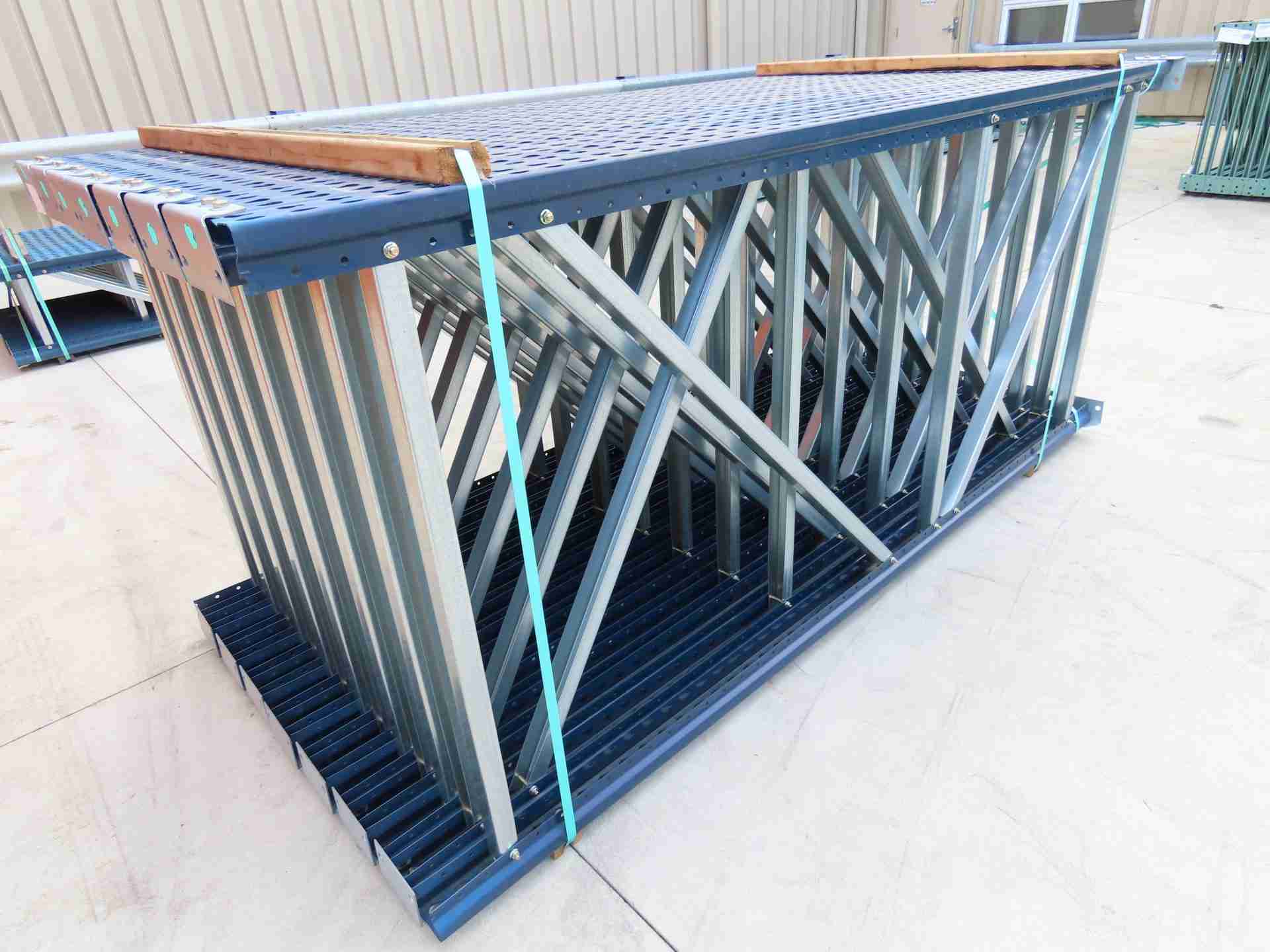
What Common Mistakes Should I Avoid With Pallet Racking?
How Does Pallet Racking Impact Warehouse Space Optimization?
In today’s fast-paced supply chain environment, the demand for efficient warehouse space optimization has never been more pressing. As e-commerce continues to surge, warehouse managers are under enormous pressure to maximize every square inch of their facilities. Enter pallet racking—a game-changing solution that transforms the way businesses utilize their precious storage space.
Consider a typical scenario: A distribution center that relies on traditional shelving methods finds itself overcrowded, with products strewn haphazardly across the floor. This chaotic arrangement not only wastes valuable space but also complicates order fulfillment, leading to delayed shipments and dissatisfied customers. By implementing pallet racking systems, businesses can stack products vertically, dramatically increasing storage capacity while maintaining easy access to inventory.
Let’s talk numbers. A well-optimized pallet racking system can increase storage density by as much as 50%, particularly in high-volume environments. For instance, a recent case study with a major retail warehouse illustrated that switching to high-density pallet racking allowed them to reduce their footprint, incorporating 30% more product without expanding their physical space. The financial implications are staggering—significantly lowering operational costs and allowing for reinvestment in other areas of the business.
Beyond sheer space efficiency, pallet racking systems also enhance operational workflow. Imagine a facility where the picking process is synchronized with vertical racking. Forklifts can easily maneuver between rows, efficiently retrieving pallets while minimizing the risk of damage to products. This streamlined approach not only accelerates fulfillment times but also improves worker safety—a crucial factor in today’s labor market, where workplace injuries can skyrocket costs and damage a company’s reputation.
Moreover, as supply chain management becomes increasingly tech-driven, integrating pallet racking systems with warehouse management software (WMS) can turn a good operation into a great one. With real-time inventory tracking and analytics, businesses can optimize their stock levels, reduce carrying costs, and respond swiftly to market fluctuations. This is particularly relevant in the wake of the ongoing supply chain disruptions that began during the pandemic, pushing brands to seek every advantage in efficiency and agility.
Pallet racking is not merely a storage solution; it’s a critical tool for warehouse space optimization that can redefine operational efficiency. To stay competitive, companies must embrace these innovative storage solutions that not only enhance their space utilization but also promote a smoother, more effective workflow. In a world where every edge counts, investing in pallet racking is a strategic move that pays dividends—both in space and in savings.
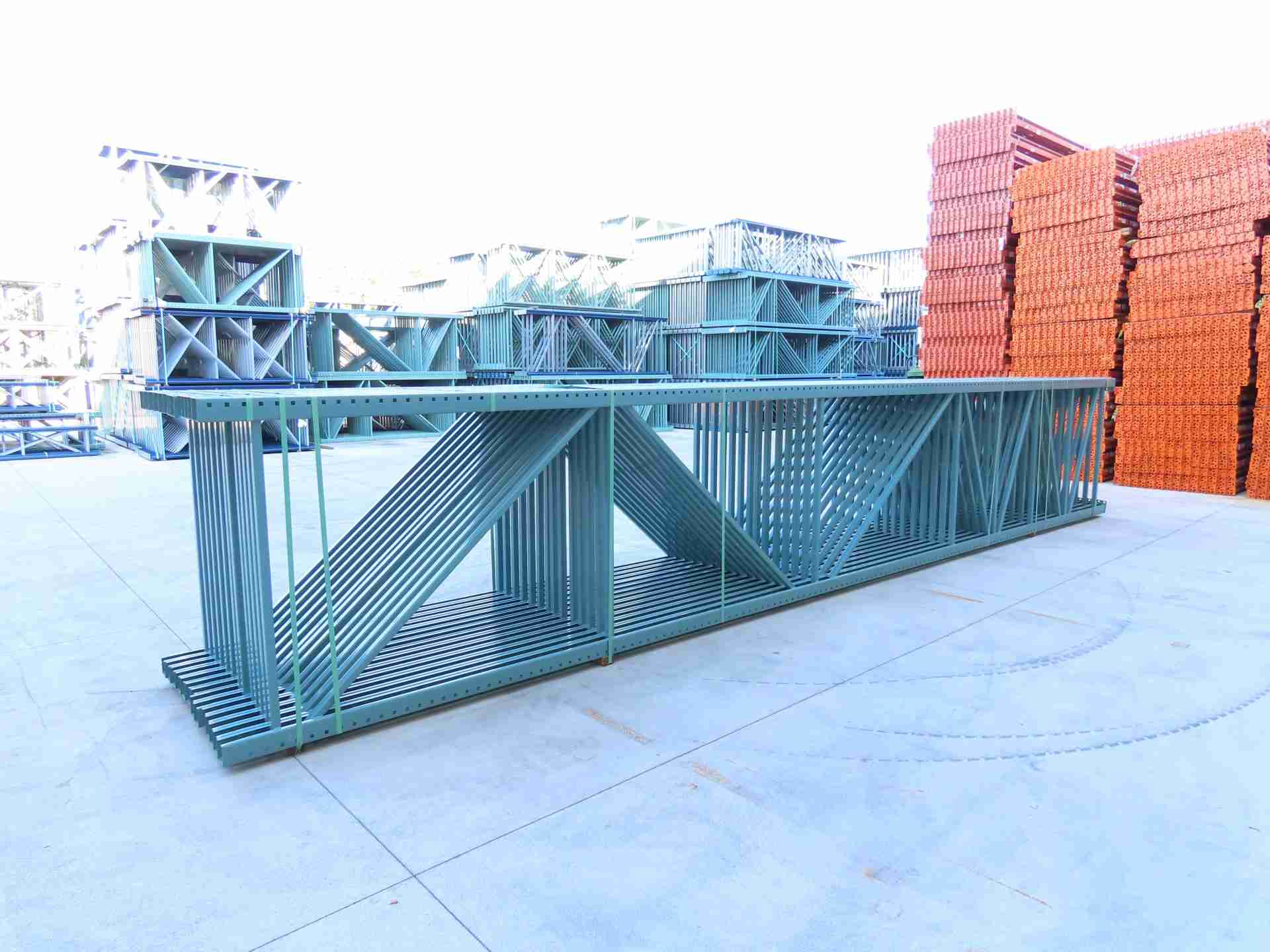
How Does Pallet Racking Impact Warehouse Space Optimization?
How Does Pallet Racking Impact Warehouse Space Optimization?
- The demand for efficient warehouse space optimization is crucial in today’s e-commerce-driven supply chain environment.
- Pallet racking systems transform storage by allowing vertical stacking, significantly increasing storage capacity.
- A well-optimized pallet racking system can enhance storage density by up to 50% in high-volume environments.
- Implementing pallet racking can reduce warehouse footprint while accommodating 30% more product without additional space.
- Pallet racking improves operational workflow by facilitating efficient picking processes with forklifts, reducing damage risks.
- Integration with warehouse management software enables real-time inventory tracking, optimizing stock levels and agility.
- Investing in pallet racking is essential for enhancing space utilization and operational efficiency in competitive markets.

How Does Pallet Racking Impact Warehouse Space Optimization?
What Are The Costs Associated With Pallet Racking Installation?
When considering pallet racking installation for your warehouse or retail space, understanding the costs associated with this critical investment is essential. Many business owners underestimate these costs, assuming that the price tag reflects only the racking systems themselves. However, the total cost encompasses various factors that can impact your budget significantly.
1. Equipment Costs and Types:
The first layer of expense comes from the racking systems themselves. The price can vary widely depending on the type of racking you choose—selective, drive-in, push-back, or cantilever racking. For instance, a selective pallet racking system typically ranges from $100 to $300 per beam level, while drive-in systems may cost between $150 and $400 due to their more complex structure. As the market fluctuates, driven by current supply chain challenges, these prices may experience changes.
2. Installation Fees:
Next, installation costs should not be overlooked. Professional installation is often recommended to ensure safety and compliance with codes. Depending on the complexity, installation fees can range from $1,500 to $5,000 or more, with larger systems exceeding these estimates. Hiring experienced professionals not only saves time but also mitigates potential risks associated with improper installation, which could lead to costly accidents or damage.
3. Site Preparation:
Before installation can begin, your warehouse may need modifications to accommodate the new racking system. This might include structural reinforcements or floor leveling, which can add another layer of expense. Consider budgeting around $500 to $2,500 for site preparation, depending on the condition of your current facility.
4. Regulatory Compliance:
Adhering to local regulations can add hidden costs to your pallet racking installation. Compliance inspections and the necessary permits should be factored into your budget. Costs can range from $200 to $1,000, depending on the complexity of your local laws and regulations.
5. Maintenance and Upkeep:
Finally, although not an upfront cost, ongoing maintenance should be part of your long-term financial strategy. Routine inspections and potential repairs can run anywhere from $300 to $1,500 annually.
In summary, while the initial investment in pallet racking installation may seem straightforward, overlooking these associated costs can wreak havoc on your budget. By taking the time to evaluate all these elements, you can strategize effectively and ensure that your warehousing solution not only meets your current needs but is also financially sustainable in the long run. Smart planning now means fewer surprises later—don’t let unforeseen costs undermine your business success.
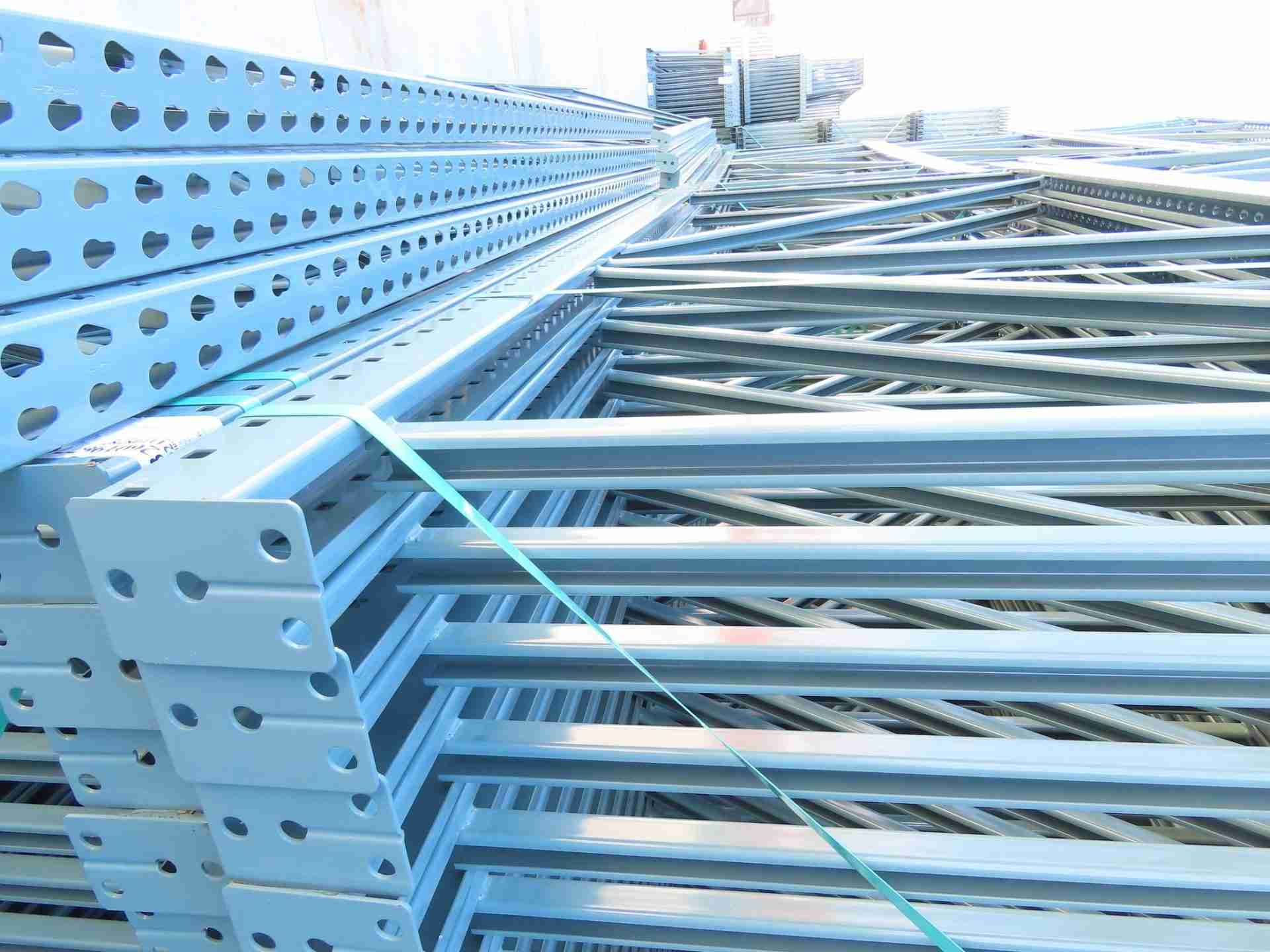
What Are The Costs Associated With Pallet Racking Installation?
What Are The Costs Associated With Pallet Racking Installation?
- Understanding Costs: Total costs of pallet racking installation include more than just the systems themselves.
- Equipment Costs: Racking system prices vary by type, e.g., selective systems ($100-$300 per beam level) vs. drive-in systems ($150-$400).
- Installation Fees: Professional installation is recommended, costing between $1,500 to $5,000, potentially more for larger systems.
- Site Preparation: Modifications like structural reinforcements may be necessary, adding $500 to $2,500 to the budget.
- Regulatory Compliance: Expenses for compliance inspections and permits can range from $200 to $1,000.
- Maintenance Costs: Ongoing inspections and repairs may cost between $300 to $1,500 annually.
- Strategic Planning: Evaluating all costs beforehand helps prevent budget overruns and supports long-term financial sustainability.
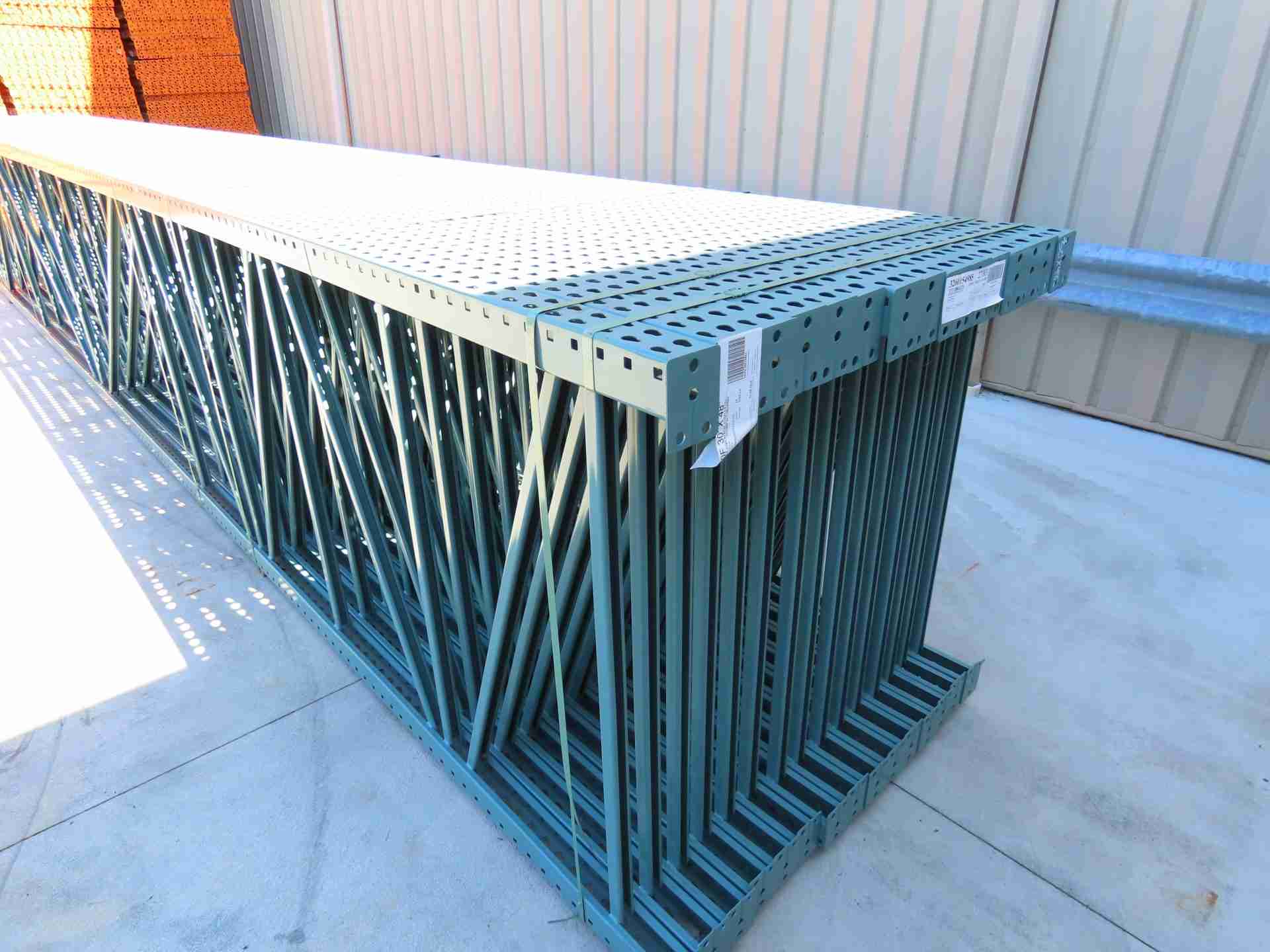
What Are The Costs Associated With Pallet Racking Installation?
How Can Pallet Racking Improve Order Picking Processes?
In today’s fast-paced warehousing environment, optimizing order picking processes is not just an option; it’s a necessity. Gone are the days when a disorganized warehouse could still function. Today’s e-commerce boom—accelerated by global events like the pandemic—has put immense pressure on businesses to streamline operations. Enter pallet racking systems, the unsung heroes of effective order fulfillment.
Imagine a bustling warehouse filled with stacks of inventory. When items are stored haphazardly, picking orders can resemble a chaotic scavenger hunt. On the flip side, implementing an efficient pallet racking system transforms your space into a well-organized treasure trove. With clearly defined sections and accessible layouts, your team can locate and retrieve items with ease and speed.
Consider a company like Amazon, renowned for its efficiency. A year hasn’t gone by in recent memory when they haven’t been in the headlines for breaking records in order fulfillment. One contributor to their success? A sophisticated pallet racking strategy combined with advanced technology. By utilizing different types of racking systems—such as FIFO (First In, First Out) and flow racks—they ensure that their highest turnover products are always within arm’s reach. This means less time wasted on searching for items, and more time focused on delivering orders swiftly.
You may not be Amazon, but that doesn’t mean you can’t channel some of their effectiveness. Efficient pallet racking can adapt to your specific needs. For instance, if you handle a diverse product range, consider a combination of selective racking and drive-in racking. Selective racking offers great accessibility, making it easier for picker employees to get to items quickly, while drive-in systems maximize space for bulk items that move less frequently.
In the current market where consumer expectations are at an all-time high, a well-planned pallet racking system isn’t just a matter of operational efficiency—it directly impacts your bottom line. Delays in order fulfillment can lead to lost sales and disappointed customers. By streamlining your order picking processes, you enhance customer satisfaction and loyalty.
As you strategize your warehousing solutions, think about the future. Technology is constantly evolving, and integrating automated systems with your pallet racking can take efficiency to staggering new heights. With an eye on innovation, your business can keep pace with consumer demands and maintain its competitive edge.
In the grand scheme of things, investing in an effective pallet racking system translates to faster order fulfillment, reduced labor costs, and, ultimately, a more profitable operation. The time to rethink your warehousing strategy is now—before someone else does. Don’t let your organization be muddled in inefficiency when the road to improved order picking is… right in front of you!
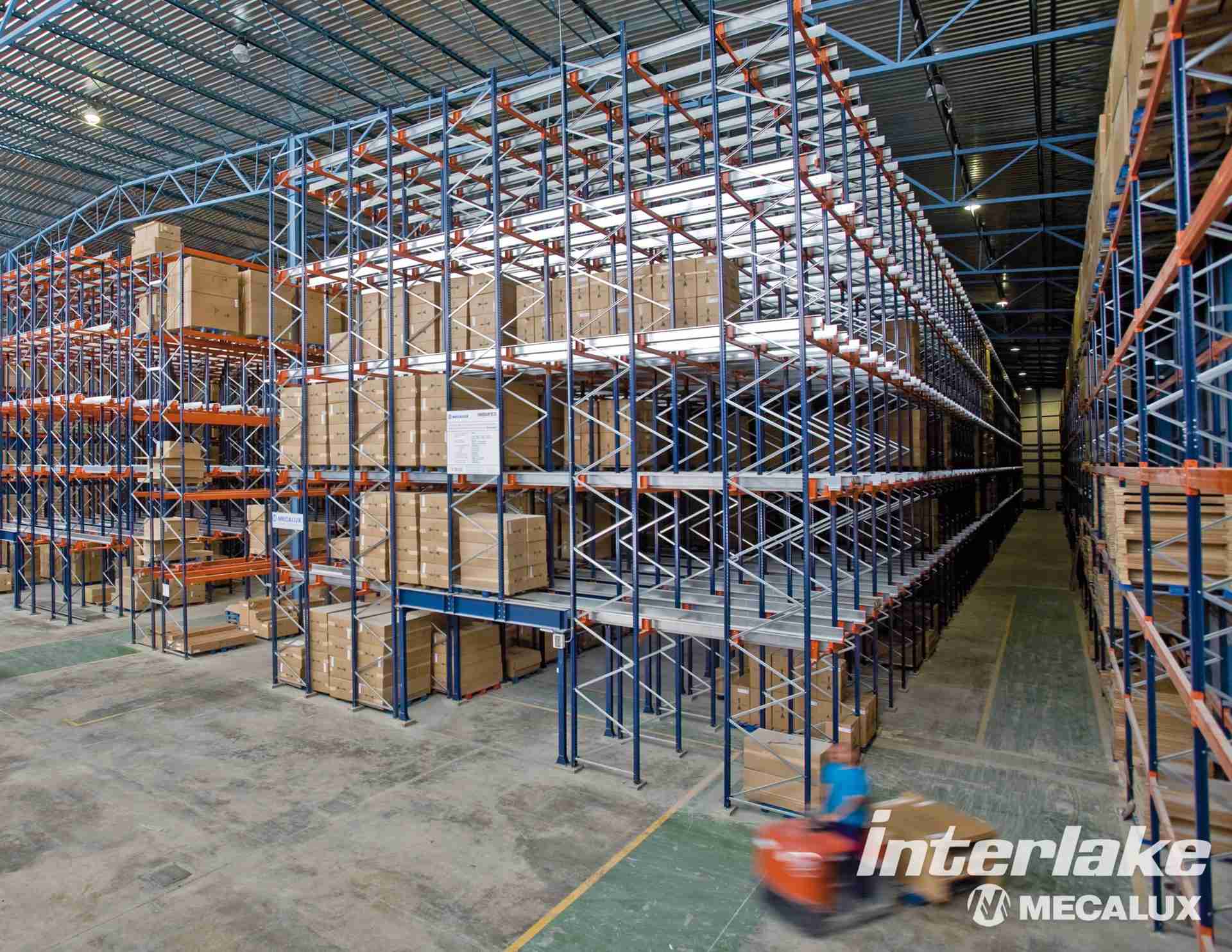
How Can Pallet Racking Improve Order Picking Processes?
How Can Pallet Racking Improve Order Picking Processes?
- Optimizing order picking processes is essential in today’s fast-paced warehousing environment.
- Pallet racking systems greatly enhance the organization and efficiency of inventory storage and retrieval.
- Companies like Amazon utilize sophisticated pallet racking strategies and technology for superior order fulfillment.
- Different racking systems, such as FIFO and flow racks, help ensure quick access to high-turnover products.
- Adaptable pallet racking configurations, such as selective and drive-in racking, can accommodate diverse product ranges.
- A well-planned pallet racking system can directly impact customer satisfaction and your bottom line.
- Investing in efficient pallet racking leads to faster order fulfillment, reduced labor costs, and increased profitability.
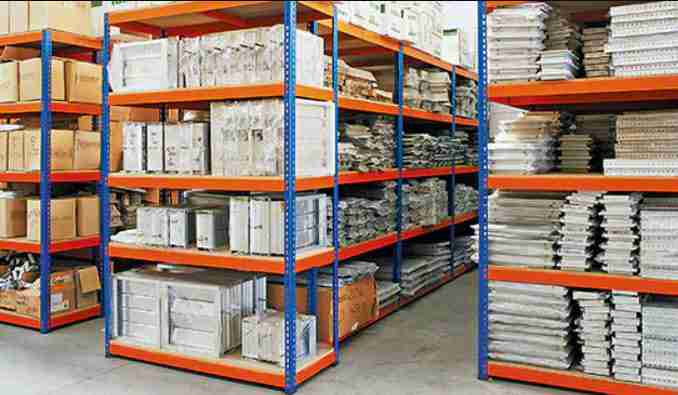
How Can Pallet Racking Improve Order Picking Processes?
What Industries Typically Use Pallet Racking Systems?
Pallet racking systems are not just a storage solution; they are essential components that drive efficiency and profitability across various industries. Understanding where these systems find their most impactful application can help businesses optimize their operations and improve their bottom line.
1. Warehousing and Distribution Centers:
In the heart of logistics, warehouses and distribution centers are the heartbeats of many businesses. They rely heavily on pallet racking to manage the flow of goods efficiently. With e-commerce witnessing an unprecedented boom—accelerated by the pandemic—companies like Amazon and Walmart are continuously optimizing their warehousing strategies to keep up with demand. By incorporating selective pallet racking or drive-in racking systems, these giants maximize storage capacity, reduce retrieval times, and enhance overall operational efficiency.
2. Food and Beverage Industry:
The food and beverage sector is another significant user of pallet racking systems, with strict adherence to hygiene and safety standards. Cold storage facilities often employ specialized pallet racking, such as double-deep racking, to maintain the freshness of perishable items while maximizing space. Current events, such as fluctuations in global supply chains, highlight the need for dependable storage systems that can adapt to varying inventory levels of food products, whether they are seasonal goods or staples.
3. Manufacturing:
Manufacturers, from automotive to electronics, utilize pallet racking systems to optimize their production lines. These businesses often face challenges in inventory management and space utilization. Implementing a pallet racking solution facilitates easy access to raw materials and finished goods, reducing downtime and streamlining production workflows. For instance, as the tech industry continues to innovate, companies are increasingly focusing on just-in-time (JIT) inventory practices, making versatile racking systems indispensable tools for maintaining smooth operations.
4. Retail:
Retail environments, especially large big-box stores and home improvement centers, often rely on pallet racking to manage their diverse product offerings. With the rise of omnichannel retailing, having flexible storage solutions allows retailers to adapt quickly to changing consumer demands. With recent news of shifts in consumer purchasing habits towards sustainability, retailers who implement efficient pallet racking not only improve their service delivery but also align with eco-friendly practices by reducing waste and improving inventory turnover.
5. Healthcare and Pharmaceuticals:
Lastly, the healthcare and pharmaceutical sectors are increasingly dependent on pallet racking systems, particularly for managing large quantities of medical supplies and medications. Given ongoing global health crises, efficient storage solutions ensure that critical supplies are readily accessible, thus supporting frontline workers in times of urgent need.
By understanding the application of pallet racking systems across these various industries, businesses can innovate and adapt to the ever-evolving demands of their respective markets. Whether enhancing efficiency in warehouses or enabling effective inventory management in retail and manufacturing, pallet racking systems play a crucial role in shaping the landscape of modern commerce.
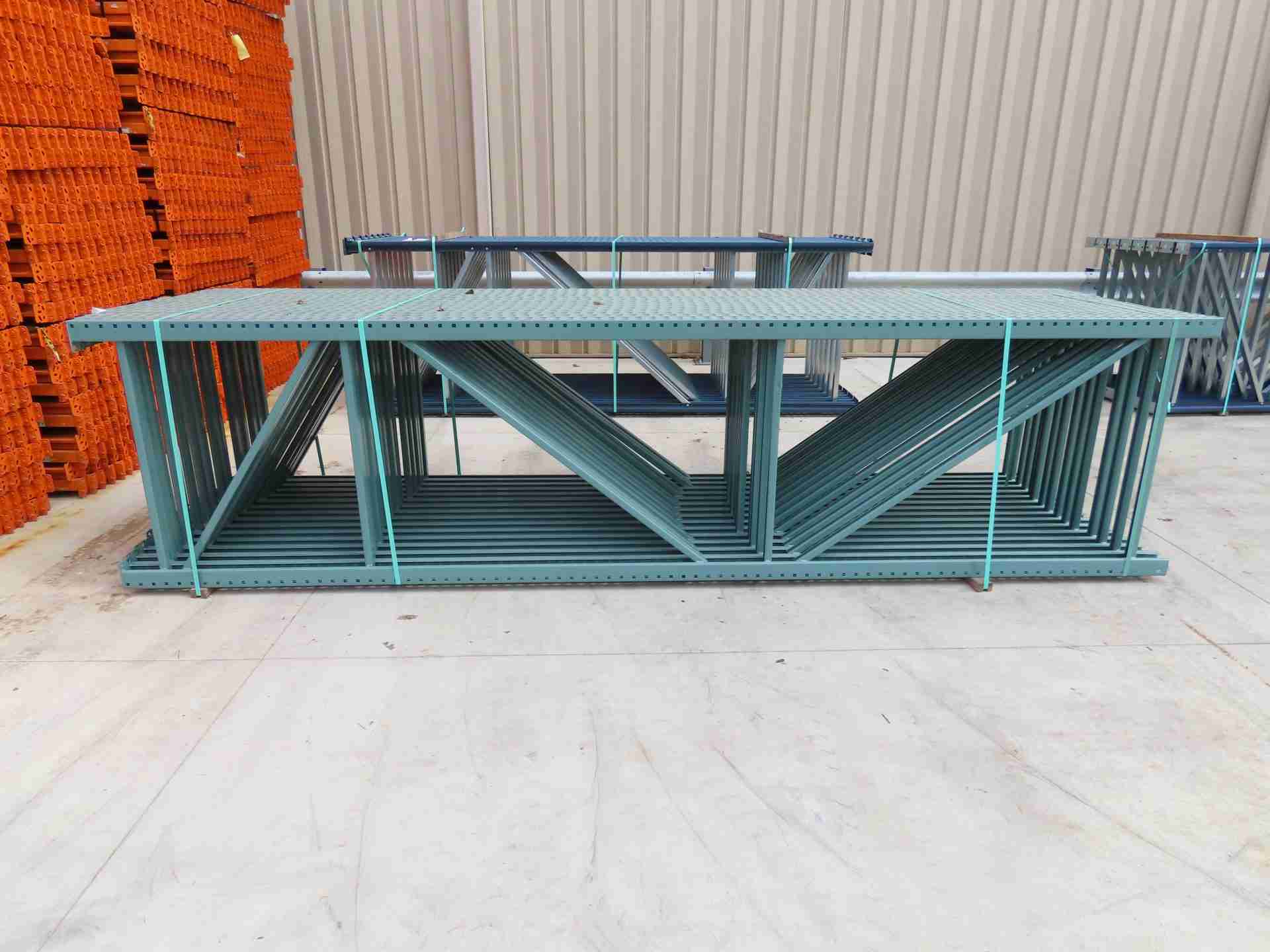
What Industries Typically Use Pallet Racking Systems?
What Industries Typically Use Pallet Racking Systems?
- Pallet racking systems are essential for efficiency and profitability in various industries.
- Warehouses and distribution centers rely on pallet racking to manage goods, especially with the growth of e-commerce.
- The food and beverage industry uses specialized racking to maintain hygiene and adapt to inventory fluctuations.
- Manufacturers optimize production lines with pallet racking, enhancing access to materials and reducing downtime.
- Retail environments utilize flexible pallet racking to quickly respond to changing consumer demands and sustainability practices.
- Healthcare and pharmaceuticals depend on pallet racking for efficient storage of medical supplies and medications.
- Understanding the applications of pallet racking helps businesses innovate and adapt to market demands.
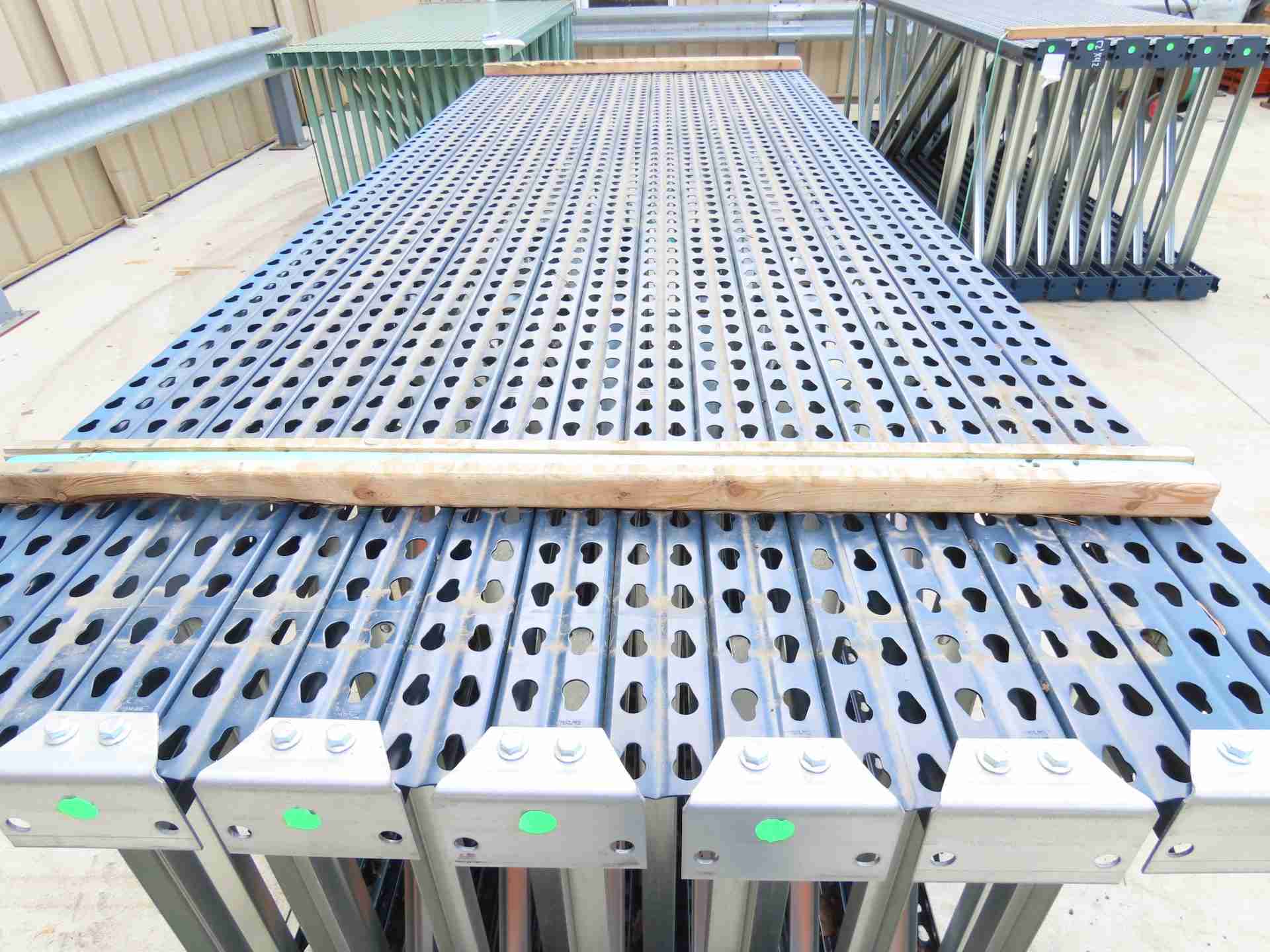
What Industries Typically Use Pallet Racking Systems?
Conclusion
In a world where efficiency and organization reign supreme, pallet racking systems have emerged as indispensable allies for warehouses and distribution centers. More than just a method of storing goods, they offer a transformative approach to managing space, enhancing productivity, and optimizing inventory management. As we’ve explored, the right pallet racking solution isn’t merely beneficial—it’s essential for businesses striving to stay competitive in today’s fast-paced marketplace.
Pallet racking empowers organizations by utilizing vertical space efficiently, streamlining workflows, and providing quick access to products. Imagine reducing order picking times and improving inventory visibility, all while ensuring safety and compliance with established standards. Implementing a well-designed racking system allows businesses—from small retailers to large e-commerce giants—to adapt swiftly to changing consumer demands, thereby gaining a significant edge over competitors.
As you contemplate your options, it’s crucial to understand the different types of pallet racking available, whether it’s selective, drive-in, or push-back systems. Each serves a specific operational need and can be tailored to fit your unique inventory types and warehouse dimensions. This flexibility not only boosts operational efficiency but also prepares your business for future growth.
However, investing in a pallet racking system goes beyond selection; it also demands careful planning for installation, ongoing maintenance, and regular inspections to sustain safety and productivity. Additionally, enhancing your racking systems with the right accessories—like safety devices and technological integrations—can elevate your operational game.
With the tremendous opportunity that pallet racking presents, there’s no room for inaction. The time to act is now. Your warehouse’s potential is just waiting to be unlocked, and failure to adapt could signal stagnation at best, and lost opportunities at worst. Don’t leave your operations vulnerable to inefficiencies or outdated methods.
Take control of your warehouse operations and elevate your logistics strategy by contacting Arrow Industrial Sales at (574) 349-6575. Our team of experts is ready to help you navigate your options and implement tailored solutions designed to enhance efficiency and maximize your storage potential—before your competitors do. Act now to position your business for success and gain a sustainable advantage in the ever-evolving market landscape!
Conclusion
Conclusion:
- Pallet racking systems are crucial for warehouses and distribution centers, enhancing efficiency and organization.
- These systems optimize space management, productivity, and inventory control, essential for competitiveness.
- By utilizing vertical space, pallet racking streamlines workflows and improves product access, reducing order picking times.
- Different types of pallet racking (selective, drive-in, push-back) cater to specific operational needs and warehouse dimensions.
- Investing in pallet racking requires careful planning for installation, maintenance, and inspections to ensure safety and productivity.
- Enhancing racking systems with accessories like safety devices and technology can further improve operations.
- For tailored solutions and to maximize storage potential, businesses should contact Arrow Industrial Sales for expert guidance.
Conclusion
Other Resources
Other Resources
Here is a list of other resources you can review online to learn more:
- “Global Industrial Teardrop Pallet Rack Add-On 120″” W x 48 …”
- “Pallet Racking (Selective Storage Racks)”
- “Selective Pallet Rack Systems – Big Results on a Limited …”
- “Pallet Racking Starter Kit”
- “https://data.cityofnewyork.us/api/views/ci93-uc8s/…”
- “Pallet Racking Systems | Warehouse Racking for Sale”
- “USACE Database – Army.mil”
- “PG_0624 by ensembleiq”
- “E-Commerce”
- “What it takes to build leading omnichannel operations”
- “Ferguson plc – Annual Report and Accounts 2021”
- “Warehouse Storage And Safety”
- “MHI – The Industry That Makes Supply Chains Work”
Other Resources
Glossary Terms
What Is Pallet Racking – Glossary Of Terms
1. Pallet Racking: A storage system designed to hold pallets horizontally and vertically, maximizing storage space in warehouses.
2. Pallet: A flat structure made of wood, plastic, or metal used to support goods in a stack for storage and transport.
3. Beam: A horizontal support component of pallet racking that holds the pallets in place.
4. Upright: The vertical frame of a pallet racking system that supports the beams and overall structure.
5. Column: Another term for upright; a vertical component that forms the backbone of the racking system.
6. Load Capacity: The maximum weight a pallet racking system can safely support without compromising stability.
7. Forklift: A motorized vehicle used to lift and transport pallets and heavy loads within a storage area.
8. Warehouse Management System (WMS): Software that helps manage inventory, tracking, and organization in warehouse environments, often integrated with racking systems.
9. Selective Racking: A type of pallet racking that allows easy access to each pallet, maximizing storage accessibility.
10. Drive-In Racking: A racking system that allows forklifts to drive directly into the racks, optimizing storage density.
11. Push-Back Racking: A type of racking where pallets are loaded onto carts that push back on rails, allowing for high-density storage and FIFO (First In, First Out).
12. Cantilever Racking: A racking system with arms that extend from vertical posts, ideal for storing long or bulky items.
13. Mezzanine: An intermediate floor added to a warehouse to create additional storage space without expanding the building’s footprint.
14. Span: The distance between two supports in a racking system, critical for determining load capacity.
15. Safety Pin: A device used to secure beams to uprights to ensure that the structure remains stable and safe during loading and unloading.
16. Rack Placement Plan: A strategic blueprint detailing the layout and organization of pallet racks to optimize space and accessibility.
17. End Frame: The outermost vertical support of a pallet rack system, combining with cross braces to provide stability.
18. Cross Bracing: Diagonal supports connecting upright columns to enhance the structural integrity of the racking system.
19. Pallet Position: The specific location on the rack where a pallet is stored, which affects accessibility and organization.
20. Inspection: Regular checks performed on racking systems to ensure they are in compliance with safety standards and are functioning correctly.
21. Hazardous Material Storage: Specialized pallet racking designed to safely hold chemicals or other dangerous materials, often with added containment.
22. Stock Keeping Unit (SKU): A unique identifier assigned to each product, helping manage inventory stored on the racks.
23. FIFO (First In, First Out): An inventory management method where the oldest stock is sold or used first, often crucial in perishable goods storage.
24. LIFO (Last In, First Out): An inventory management strategy where the most recently added stock is sold or used before older goods.
25. Spacer: A device that separates pallets within a rack to provide stability and prevent movement.
26. Aisle Width: The distance between rows of pallet racking, essential for facilitating safe and efficient forklift movement.
27. Leveling Feet: Adjustable legs at the bottom of rack uprights that help to stabilize the rack on uneven surfaces.
28. Safety Guidelines: Protocols and best practices established to ensure the safe operation and maintenance of pallet racking systems.
29. Pallet Flow Racking: A dynamic racking system where pallets are loaded from the back and flow to the front, ideal for high turnover items.
30. Racking Capacity: The overall load limit for a racking system, determined by the strength of the materials and design.
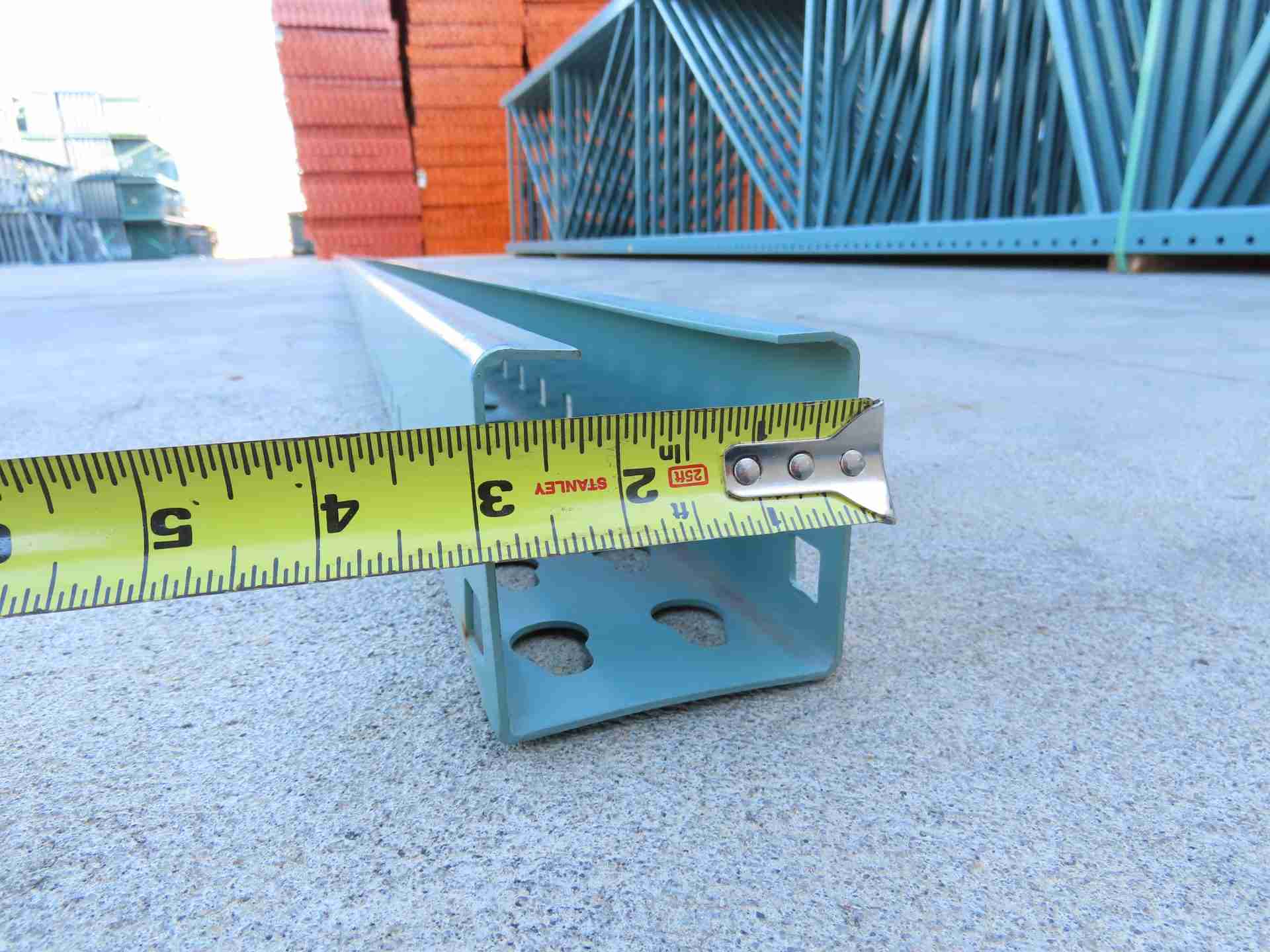
Glossary Of Terms
Other Questions
What Is Pallet Racking – Other Questions
If you wish to explore and discover more, consider looking for answers to these questions:
- What are the key factors to consider when installing pallet racking systems?
- How can pallet racking systems improve safety in warehouses?
- What are the best practices for pallet racking maintenance?
- How do I evaluate the cost-effectiveness of different pallet racking systems?
- What are the common signs of wear in pallet racking that I should look for?
- How can technology be integrated with pallet racking systems for enhanced efficiency?
- What are the typical timelines for installing pallet racking systems?
- How can customized pallet racking systems be designed for unique business needs?
- What training should employees undergo for effective use of pallet racking systems?
- What are the latest trends in pallet racking technology and design?
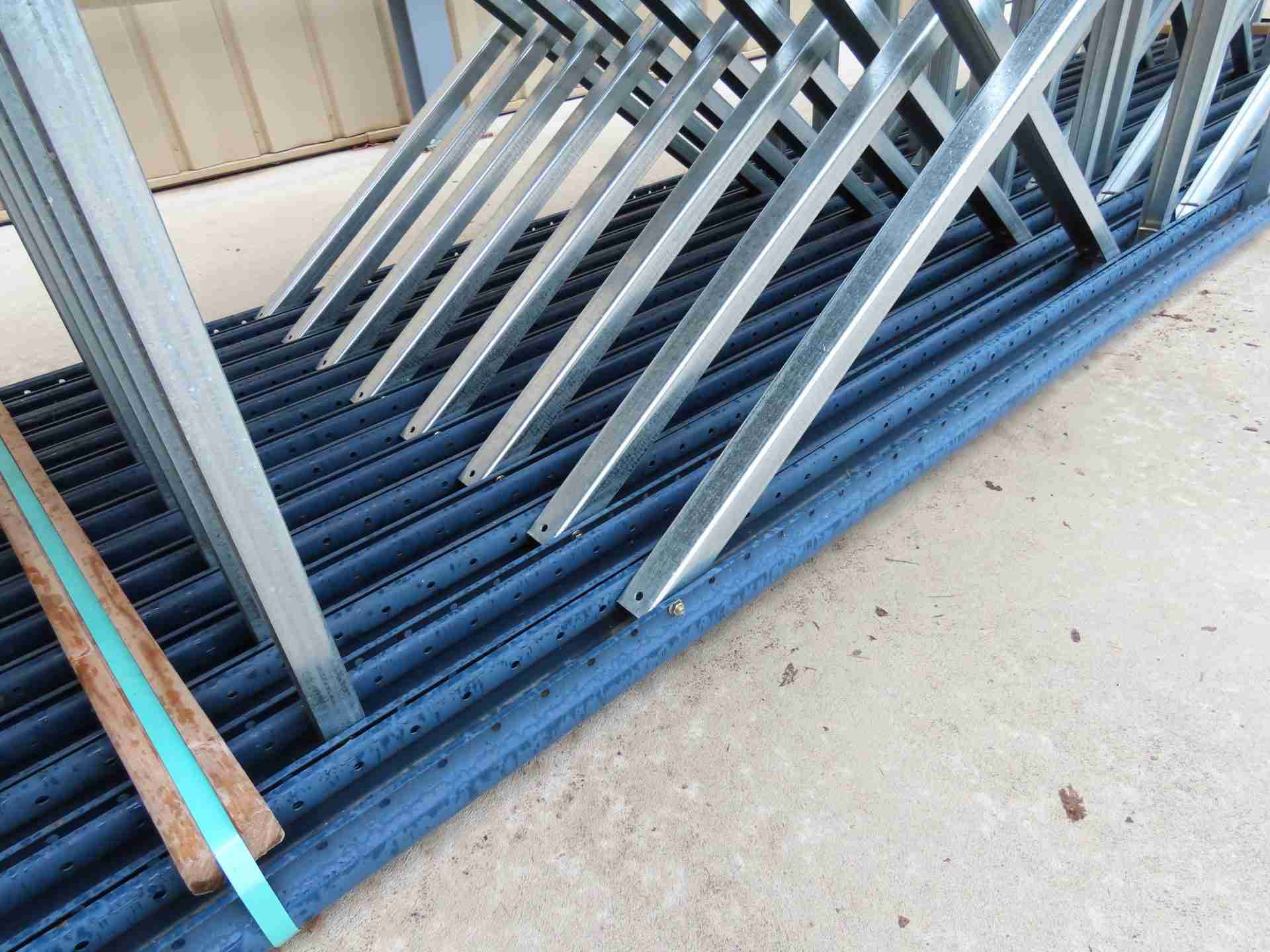
Other Questions
Checklist
What Is Pallet Racking – A Checklist
Understanding Your Needs
_____ Assess Inventory Types: Analyze the diversity of products stored (size, weight, and turnover rates).
_____ Evaluate Warehouse Space: Measure dimensions (height, width, depth) to identify available storage capabilities.
_____ Consider Future Growth: Plan for potential scalability and reconfiguration of storage solutions.
Selecting the Right System
_____ Explore Racking Options: Familiarize yourself with various pallet racking types (selective, drive-in, push-back, cantilever, mobile).
_____ Compare Weight Capacities: Ensure that selected racking systems can support your inventory’s weight distribution.
_____ Prioritize Accessibility: Choose systems that allow easy access to stacked items for efficient picking.
Implementation and Installation
_____ Plan Layout Strategically: Create a detailed warehouse layout before installation for optimal flow and accessibility.
_____ Hire Professional Installers: Ensure racking systems are installed correctly to meet safety standards.
_____ Prepare the Site: Make necessary modifications to the warehouse (like structural reinforcements) before installation.
Safety and Compliance
_____ Follow Safety Standards: Ensure compliance with ANSI and OSHA regulations regarding storage systems.
_____ Implement Regular Inspections: Establish a routine for checking structural integrity and load limits.
_____ Train Employees: Provide comprehensive training for staff on proper usage and safety protocols related to racking systems.
Maintenance and Optimization
_____ Schedule Maintenance Checks: Regularly inspect equipment for signs of wear and tear.
_____ Consider Advanced Technologies: Look into integrating barcode or RFID systems for real-time inventory tracking.
_____ Enhance With Accessories: Invest in safety accessories, organizational tools, and wire mesh decking to improve efficiency.
Financial Planning
_____ Budget for All Costs: Consider equipment, installation, site preparation, compliance, and ongoing maintenance expenses.
_____ Optimize Costs: Analyze the cost-effectiveness of different racking systems and ongoing operational expenses.
Continuous Improvement
_____ Monitor Performance: Regularly evaluate how the racking systems are enhancing operational efficiency.
_____ Adaptations for Market Changes: Be ready to adjust storage solutions in response to fluctuating inventory demands or seasonal changes.
_____ Stay Informed on Industry Trends: Keep up with innovations in racking technology and methods.
By following this checklist, you can effectively implement and manage a pallet racking system that maximizes space, enhances operational efficiency, and bolsters safety in your warehouse environment.

Checklist
At RackingWorld, we help guide you through selecting warehouse storage systems and racking.
Be sure to read our other related stories at RackingWorld to learn more about warehouse storage systems.
0 Comments