
Maximizing Warehouse Space: Understanding Pallet Racking System
By Tom Seest
At RackingWorld, we help guide you through selecting warehouse storage systems and racking.
Be sure to read our other related stories at RackingWorld to learn more about warehouse storage systems.
What Is Pallet Racking System
In the ever-evolving landscape of warehousing and logistics, efficiency is king. Enter the pallet racking system—a cornerstone of modern storage solutions designed to maximize space and streamline operations. Think of it as the backbone of your warehouse, providing a structured and adaptable environment that caters to your inventory needs.
At its core, a pallet racking system is a framework designed to hold pallets—those flat platforms that serve as the foundation for stacking goods. These systems come in various configurations, including selective, drive-in, and cantilever racks, each tailored to different types of products and storage requirements. For example, selectivity allows for easy accessibility to every pallet, making it a favorite for businesses with a diverse inventory. On the flip side, drive-in racking maximizes space by allowing forklifts to drive directly into the rack, ideal for high-density storage.
In today’s fast-paced market, where customer expectations are at an all-time high, companies cannot afford to waste time or floor space. Consider the recent surge in e-commerce, which has dramatically increased the demand for effective warehouse solutions. Brands like Amazon, for instance, have made significant investments in advanced pallet racking systems to handle their enormous inventory while reducing retrieval times. This type of agility gives businesses a competitive edge, enabling them to fulfill orders quickly and efficiently—a critical factor in retaining customer loyalty.
But it doesn’t stop with mere storage; modern pallet racking systems are designed with safety and durability in mind. Features like heavy-duty steel construction and adjustable shelving make them resilient against heavy loads. Advanced options even incorporate automation technology, allowing for sophisticated retrieval systems that can optimize picking efficiency. Imagine using an automated pallet system to fulfill an order within minutes—now that’s what consumers are talking about!
Moreover, the shift toward sustainability cannot be overlooked. As companies become increasingly eco-conscious, the ability to store more products in a smaller footprint helps reduce energy consumption and carbon footprints. It’s not just about moving goods; it’s about moving them smarter and greener.
In summary, a pallet racking system is essential for any warehouse aiming to thrive in today’s competitive landscape. Whether you are a small business looking to scale or a large enterprise fine-tuning operations, investing in a well-designed pallet racking system is a game-changer—transforming how you handle inventory and improving your bottom line. Embrace the power of efficient storage today, and watch your business soar to new heights!
What Is Pallet Racking System
What Is Pallet Racking System
- A pallet racking system is essential for maximizing space and streamlining operations in warehouses and logistics.
- These systems are designed to hold pallets, and they come in various configurations like selective, drive-in, and cantilever racks.
- Selective racks provide easy access to every pallet, while drive-in racks maximize space for high-density storage.
- With the rise of e-commerce, companies like Amazon are investing in advanced pallet racking systems to enhance inventory management and reduce retrieval times.
- Modern pallet racking systems prioritize safety and durability with features like heavy-duty steel construction and adjustable shelving.
- Automation technology in some systems allows for efficient picking and order fulfillment, enhancing operational agility.
- Sustainable practices are integrated into pallet racking systems, reducing energy consumption and carbon footprints while optimizing storage.
What Is Pallet Racking System
Table Of Contents
- What Is Pallet Racking System
- What Is A Pallet Racking System?
- How Does A Pallet Racking System Work?
- What Are The Benefits Of Using Pallet Racking?
- What Types Of Pallet Racking Systems Exist?
- How To Choose The Right Pallet Racking System?
- What Materials Are Used In Pallet Racking Systems?
- How Does Pallet Racking Improve Storage Efficiency?
- What Safety Standards Apply To Pallet Racking Systems?
- How To Install A Pallet Racking System Properly?
- What Is The Cost Of A Pallet Racking System?
- How To Maintain A Pallet Racking System?
- Can Pallet Racking Systems Be Customized?
- What Industries Commonly Use Pallet Racking Systems?
- How To Optimize Space With Pallet Racking?
- What Are Common Challenges With Pallet Racking?
- Conclusion
- Other Resources
- Glossary Of Terms
- Other Questions
- Checklist
What Is A Pallet Racking System?
In a world where efficiency and organization reign supreme, a pallet racking system is not just a storage solution; it’s an indispensable asset for maximizing your warehouse’s potential. So, what exactly is it? At its core, a pallet racking system is a framework designed to organize and store pallets of goods in a systematic manner, allowing for easy access and optimized space utilization.
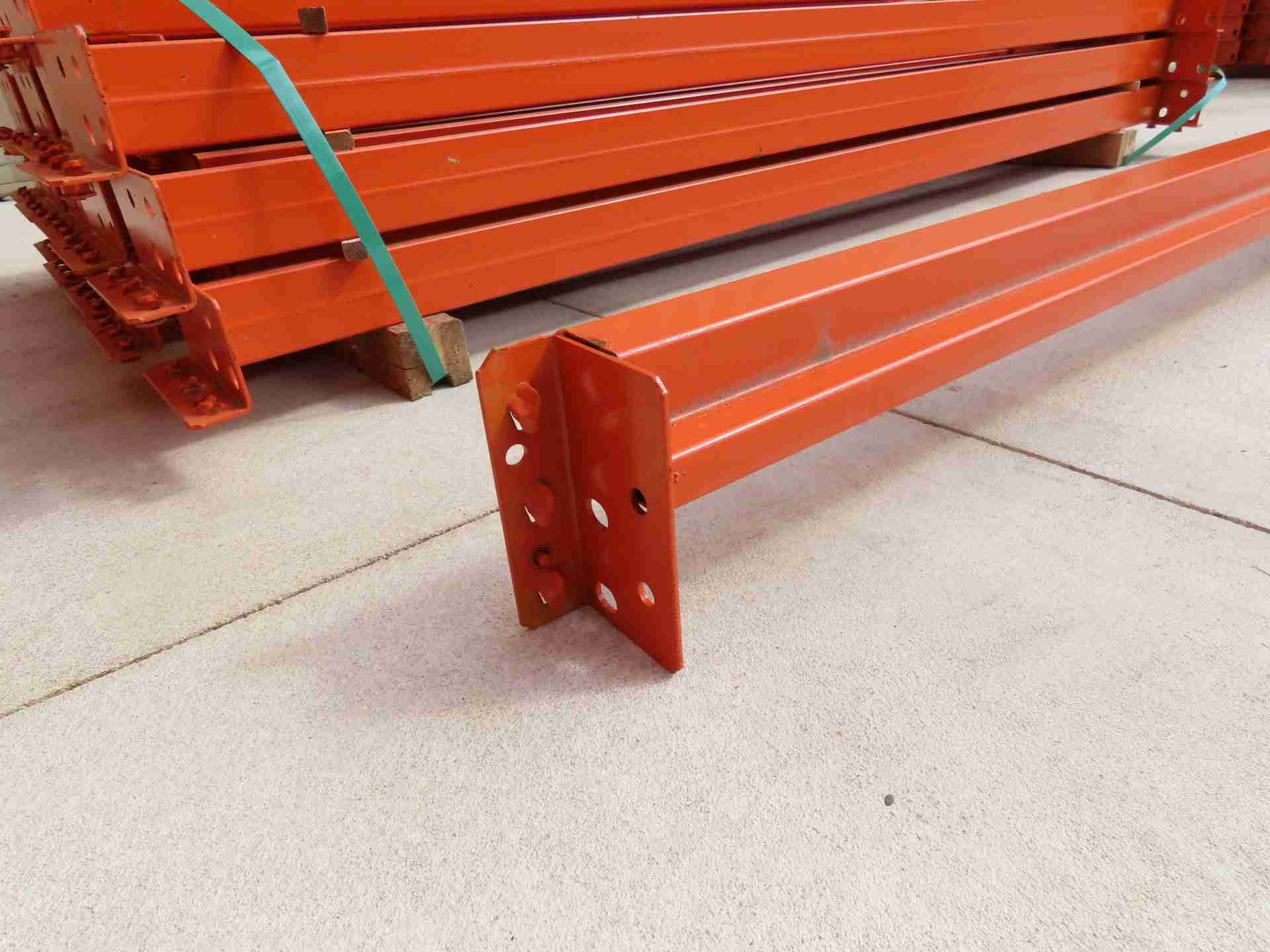
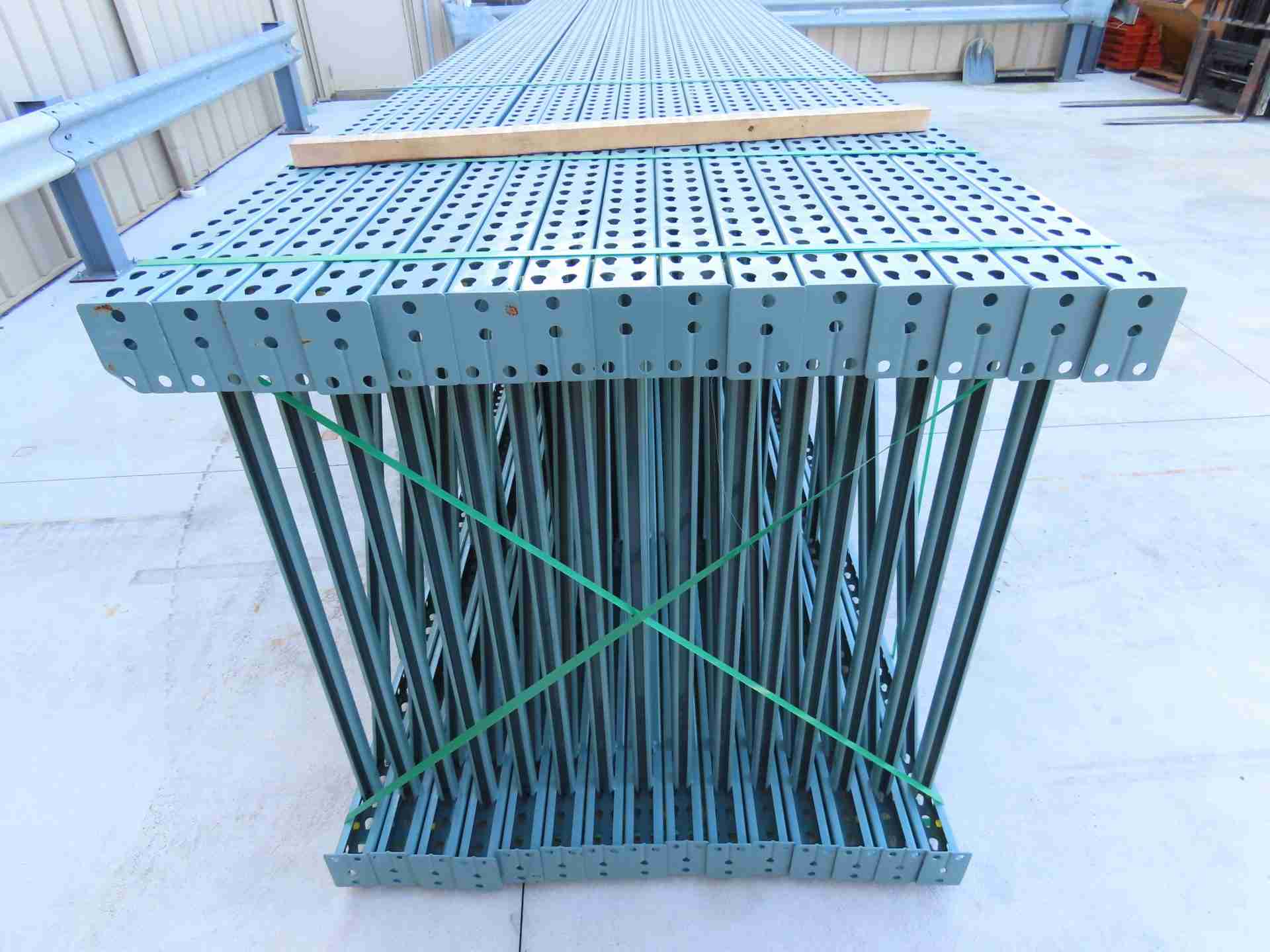
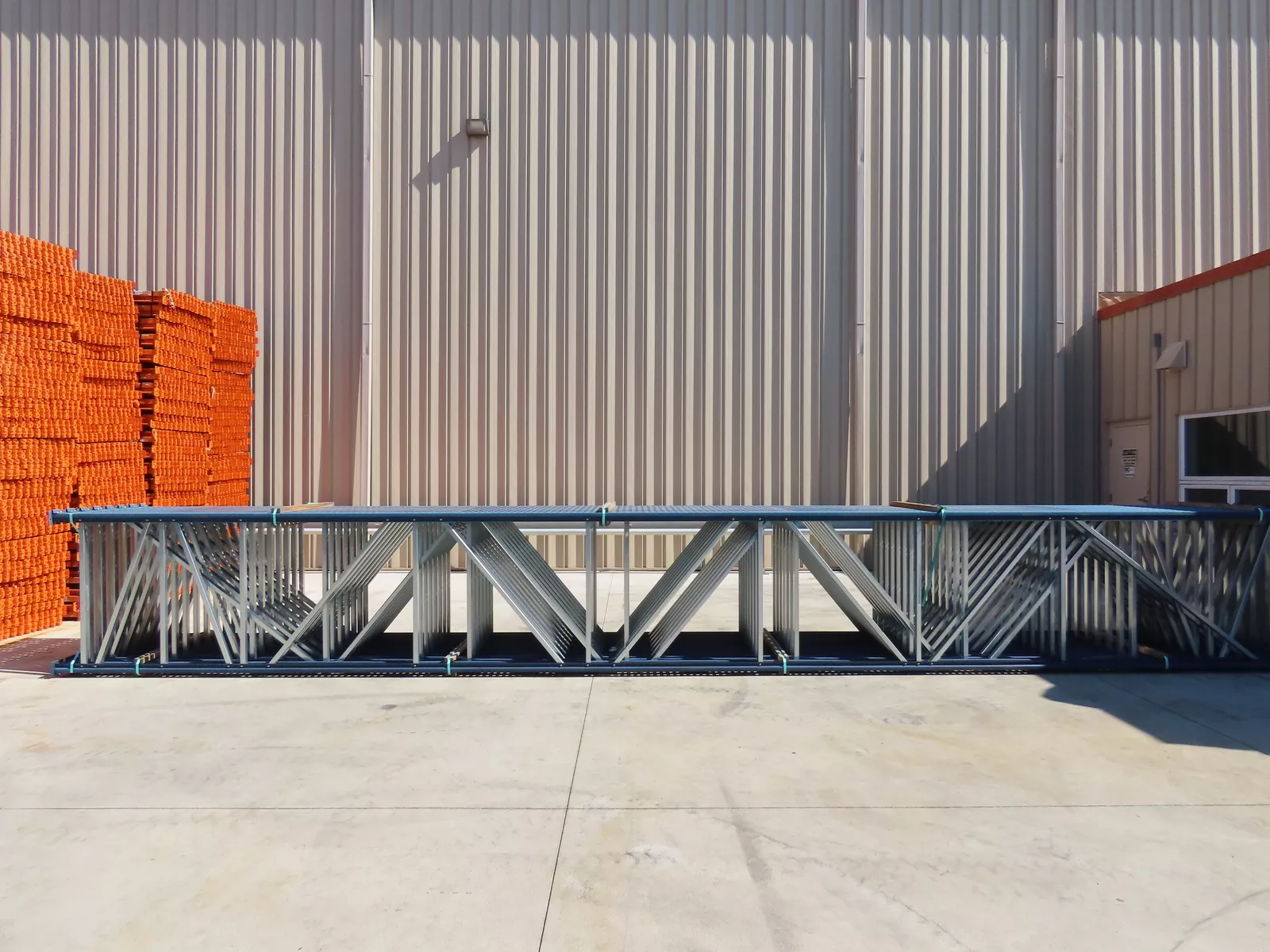
Imagine a bustling warehouse, brimming with inventory. Without a proper system in place, chaos reigns. Enter the pallet racking system—a game changer that transforms clutter into a well-structured storage facility. It consists of vertical frames and horizontal beams, allowing pallets to be stacked efficiently. This design not only capitalizes on vertical space but also streamlines the picking and packing process, ultimately enhancing productivity.
Consider companies like Amazon or Walmart. These giants rely heavily on sophisticated pallet racking systems to manage their vast inventories. During the recent surge in e-commerce, particularly evident during the COVID-19 pandemic, the importance of effective warehouse management became undeniably clear. With a well-implemented pallet racking system, these companies were able to navigate unprecedented demand, ensuring that products moved swiftly from storage to delivery.
But it’s not just industry titans that benefit from this innovation. Small to medium enterprises also find great value in pallet racking systems. For instance, a local furniture retailer can use this system to organize various styles and sizes, making it easy for staff to locate items quickly and efficiently fulfill customer orders. The result? Increased sales and heightened customer satisfaction.
Modern pallet racking systems come in various styles to suit specific needs. Selective racking is perfect for easy access to diverse products, while drive-in racking maximizes storage density for larger quantities. With adjustable configurations, businesses can tailor their systems as inventory needs evolve. As we move into 2024, environmental sustainability also plays a role—many manufacturers are now producing racking solutions made from recycled materials, catering to the growing eco-conscious market.
Ultimately, a pallet racking system isn’t just about stacking goods; it’s about creating a seamless flow within your operation. It minimizes the time it takes to locate products, reduces the risk of damage, and improves overall workflow. Investing in a robust pallet racking system is positioning your business for success, transforming not just your warehouse but your entire operational strategy. Don’t just store—store smart!

What Is A Pallet Racking System?
What Is A Pallet Racking System?
- A pallet racking system is essential for maximizing warehouse potential through organized storage.
- The system consists of vertical frames and horizontal beams, allowing for efficient stacking of pallets.
- Pallet racking helps streamline the picking and packing process, enhancing productivity.
- Major companies like Amazon and Walmart utilize these systems to manage large inventories effectively.
- Small to medium enterprises can also benefit by improving organization and customer satisfaction.
- Various racking styles (e.g., selective and drive-in) allow customization based on inventory needs.
- A well-implemented pallet racking system not only improves storage but also optimizes overall workflow.
What Is A Pallet Racking System?
How Does A Pallet Racking System Work?
A pallet racking system is more than just a framework of beams and shelves; it’s a strategic powerhouse that transforms warehouses into well-oiled machines of efficiency, speed, and adaptability. Imagine a bustling warehouse: forklifts whizzing by, inventory seamlessly flowing in and out, and every square foot of space optimized for productivity. This is the dream—a vision made attainable through a well-designed pallet racking system.
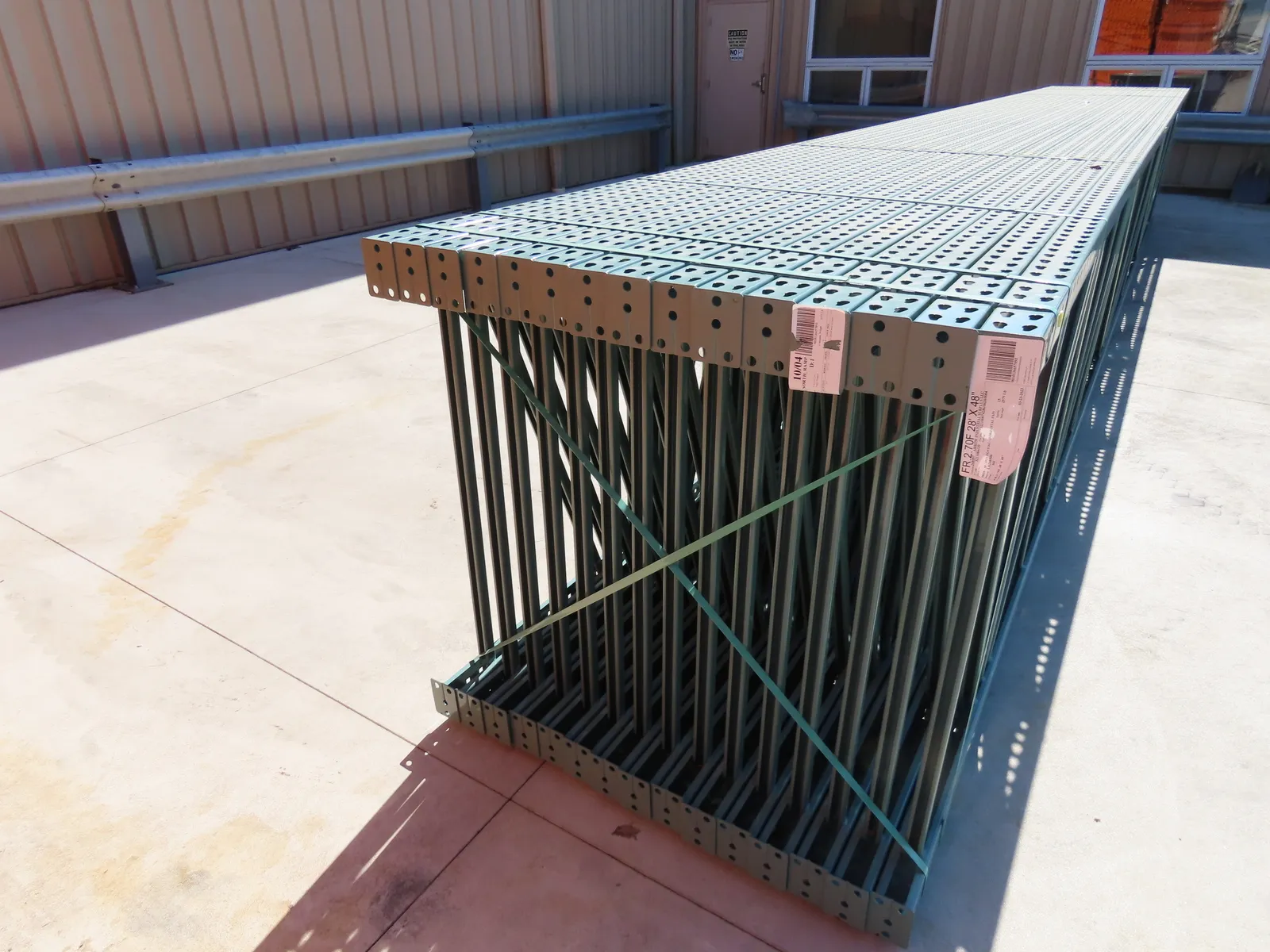
At its core, a pallet racking system is engineered to maximize storage density while facilitating easy access to goods. It comprises upright frames and horizontal beams that create multiple levels for storing pallets. This vertical stacking is not just a space-saver; it’s a game-changer in managing inventory. For instance, let’s consider a retailer handling seasonal products, like holiday decorations. A pallet racking system allows them to consolidate goods, keeping shelves manageable and accessible, thus driving faster turnover—a key element in today’s fast-paced market fueled by e-commerce demands.
Consider recent trends in supply chain management. The COVID-19 pandemic taught businesses the importance of flexibility and quick response times. Companies like Amazon have reveled in utilizing complex, yet efficient warehousing solutions to fulfill their promise of swift deliveries. Their state-of-the-art facilities employ advanced pallet racking systems that integrate with robotics and automated picking systems. This synergy allows them to quickly maneuver products, ensuring that customer orders are filled as efficiently as possible.
But how do you harness the power of pallet racking for your business? Firstly, assess your inventory types. Are you dealing with bulky items, or is it a mix of sizes? A selective racking system might be for you if you require immediate access to all products. On the other hand, if you have a lot of homogeneous items with predictable turnover, a drive-in racking system could optimize your space even further.
And let’s not overlook the rise of sustainability in warehousing practices. Companies are increasingly recognizing that efficient racking systems not only save space and reduce operating costs but also minimize the carbon footprint by optimizing energy and resource usage. This is not just a trend; it’s an imperative aligned with today’s environmentally conscious consumer base.
In summary, a pallet racking system isn’t just a system—it’s a foundation of innovation for businesses looking to scale, adapt, and succeed in a hyper-competitive landscape. By understanding how it works and leveraging its capabilities, you can position your business to thrive, whatever the future may hold.

How Does A Pallet Racking System Work?
How Does A Pallet Racking System Work?
- A pallet racking system enhances warehouse efficiency, speed, and adaptability.
- It maximizes storage density and facilitates easy access to goods through upright frames and horizontal beams.
- This system aids retailers in managing seasonal products and improving inventory turnover.
- Flexibility and quick response times in supply chain management have become critical, as highlighted by lessons from the COVID-19 pandemic.
- Advanced pallet racking systems, combined with robotics, enable companies like Amazon to fulfill orders quickly and efficiently.
- Sustainability is increasingly important; efficient racking systems reduce costs and minimize the carbon footprint.
- A well-designed pallet racking system is vital for businesses aiming to scale and succeed in a competitive environment.
How Does A Pallet Racking System Work?
What Are The Benefits Of Using Pallet Racking?
In today’s fast-moving, efficiency-driven market, the need for effective storage solutions has never been more critical. Pallet racking has risen to prominence as a proven method for maximizing warehouse space while streamlining operations. But what exactly are the benefits of this robust storage system?
Space Optimization
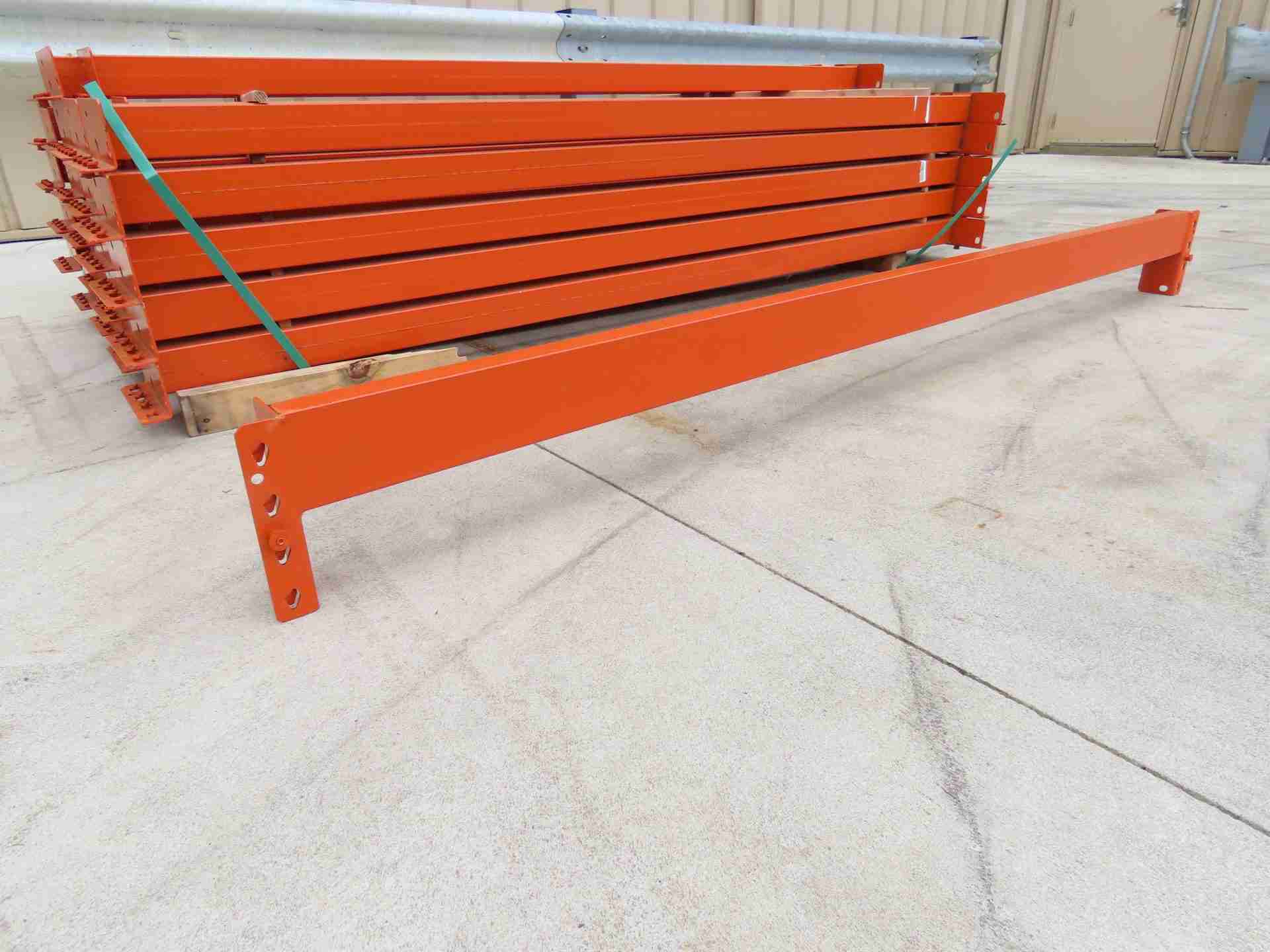
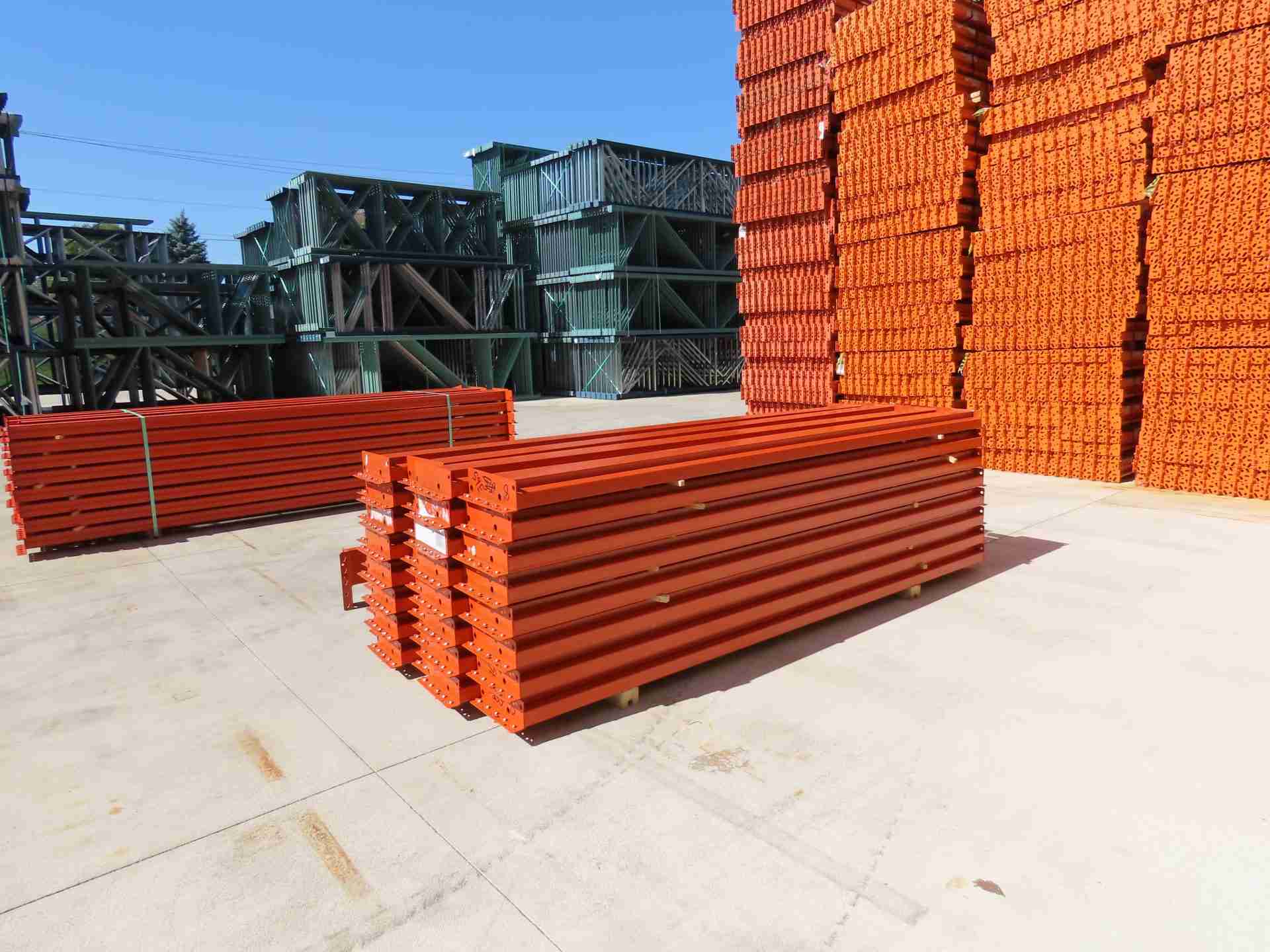
First and foremost, pallet racking systems are game-changers in terms of space utilization. In an era where commercial real estate costs are soaring—especially in metropolitan areas where demand outpaces supply—efficiently utilizing every square foot can lead to substantial savings. For instance, a typical warehouse can achieve up to 80% more storage density when utilizing pallet racking systems compared to traditional shelving. By going vertical, businesses can free up valuable floor space for additional activities or inventory, ultimately increasing productivity.
Improved Accessibility
In a fast-paced logistics environment, time truly is money. Pallet racking allows for easier access to stock, reducing the time employees spend searching for items. For instance, with easily identifiable rows and ledges, workers can quickly locate and retrieve goods, enhancing the overall workflow. Consider the success story of a major retailer that recently adopted pallet racking. The company reported a 30% increase in picking efficiency, translating directly into faster order fulfillment—a critical factor as online shopping continues to surge.
Enhanced Inventory Management
Another compelling advantage of pallet racking is the improved inventory management it offers. With defined locations for each product, businesses can better track their inventory levels. This is particularly relevant in this age of heightened supply chain scrutiny, where brands are under increasing pressure to optimize their logistics. Implementing a pallet racking system can simplify stock audits and minimize discrepancies, giving managers real-time visibility into their inventory and enabling them to respond swiftly to market fluctuations.
Customizability and Scalability
Pallet racking systems are not one-size-fits-all. They can be tailored to your specific needs—whether you’re dealing with bulky machinery, smaller items, or a diverse range of products. This adaptability means you can scale your storage as your business grows. Take, for example, a food distribution company that recently expanded its operations. By investing in a modular pallet racking system, they seamlessly adjusted their layout to accommodate the new product lines while still maintaining operational efficiency.
Pallet racking isn’t just a storage solution; it’s a strategic partner in your quest for operational excellence. In a world where agility, efficiency, and cost-effectiveness are paramount, embracing the benefits of pallet racking could be the key differentiator for your business. Don’t let your operations lag behind—invest in a system that propels you forward.
What Are The Benefits Of Using Pallet Racking?
What Are The Benefits Of Using Pallet Racking?
- Pallet racking systems optimize warehouse space, crucial in high-cost commercial real estate markets.
- Businesses can achieve up to 80% more storage density by utilizing pallet racking compared to traditional shelving.
- Enhanced accessibility allows workers to quickly locate and retrieve goods, improving overall workflow and efficiency.
- A major retailer reported a 30% increase in picking efficiency after implementing pallet racking.
- Pallet racking improves inventory management by defining product locations, aiding in tracking and stock audits.
- The systems can be customized and scaled to meet specific business needs, supporting growth and operational efficiency.
- Investing in pallet racking is essential for agility, efficiency, and cost-effectiveness in modern operations.
What Are The Benefits Of Using Pallet Racking?
What Types Of Pallet Racking Systems Exist?
In the world of warehousing and logistics, efficient space management is not just a goal; it’s a necessity. When it comes to maximizing storage capabilities, pallet racking systems stand out as the backbone of any bustling distribution center. But with multiple options available, how do you determine which system best suits your operational needs? Let’s break it down.
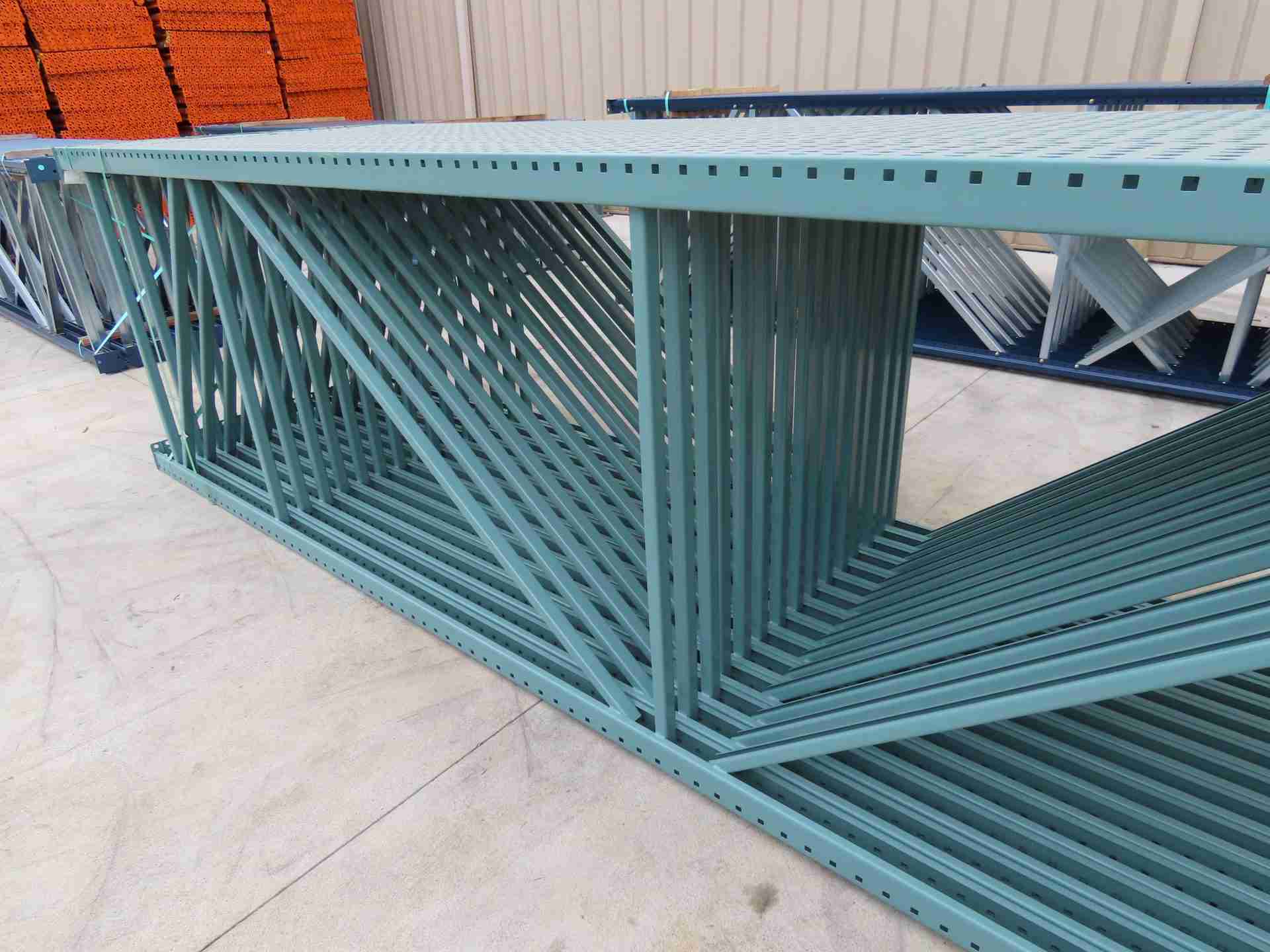
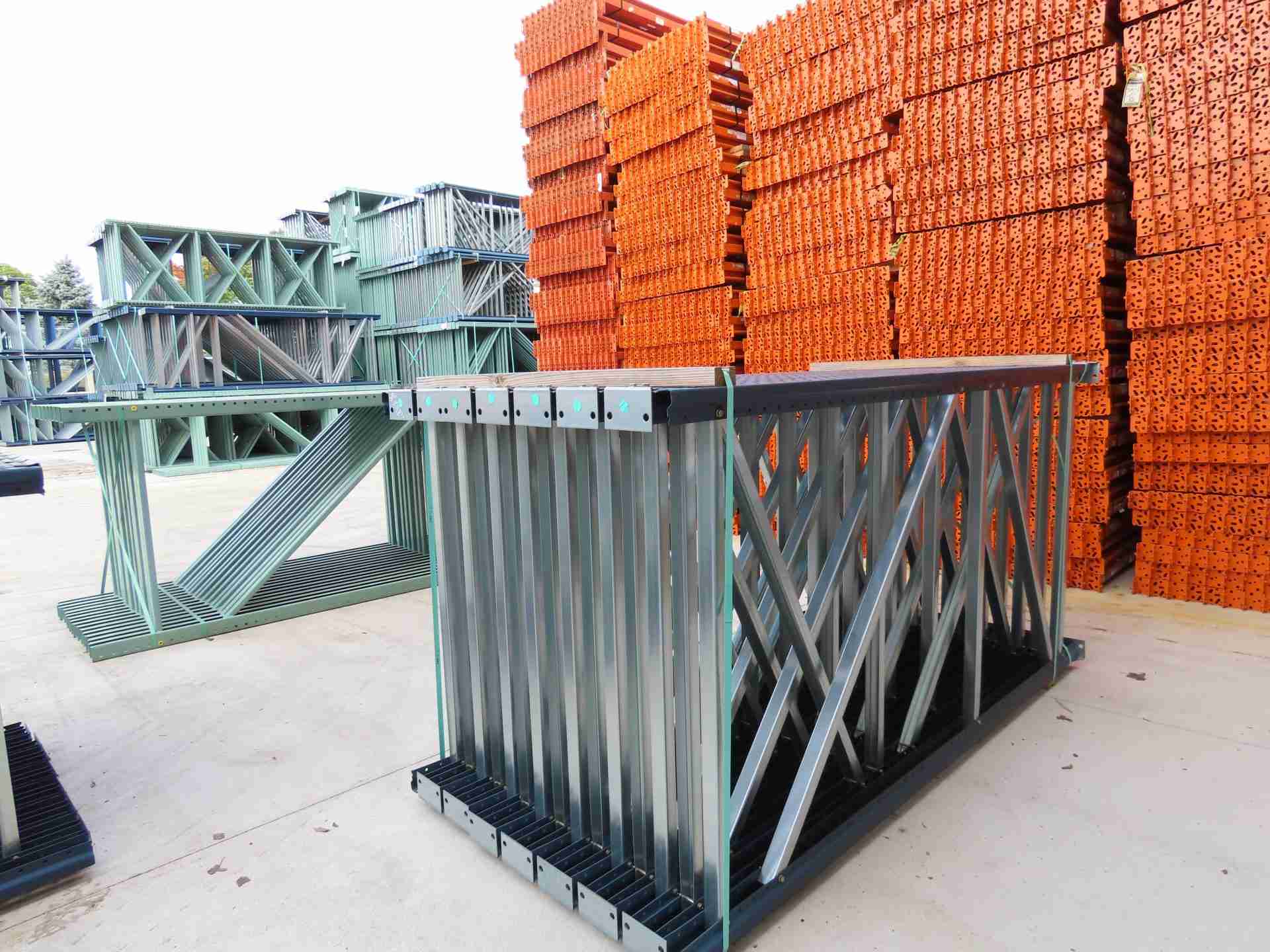
1. Selective Pallet Racking
This classic solution is the most common type used in warehouses. Selective pallet racking allows for easy access to every pallet—ideal for businesses that manage a diverse inventory with fast-moving items. For instance, a retail firm managing seasonal stock would benefit immensely from this system. Given the current skyrocketing prices and demand for consumer goods, having quick access to this inventory prevents lost sales opportunities.
2. Drive-In and Drive-Through Racking
For companies dealing with high-density storage needs, these systems are worth their weight in gold. Drive-in racks allow forklifts to enter the storage structure from one side, creating a Last-In, First-Out (LIFO) inventory method—perfect for items with a longer shelf life. Conversely, drive-through racks allow access from both ends, facilitating a First-In, First-Out (FIFO) approach. The recent surge in cold storage requirements due to the increase in online grocery shopping exemplifies the need for such systems, which can maximize storage while maintaining product rotation.
3. Push Back Racking
With Push Back Racking, pallets are loaded onto carts that roll back on inclined rails, allowing for multiple pallets of the same SKU to be stored in a single bay. This system is especially advantageous for businesses handling a limited number of products but in bulk quantity. Companies pivoting to e-commerce, especially in light of recent global supply chain challenges, find this racking type valuable for handling larger order volumes with efficiency.
4. Pallet Flow Racking
Looking to improve order fulfillment speeds? Pallet Flow systems utilize gravity to keep products flowing from the back of the rack to the front. This automation is a game-changer for high turnover environments, such as DCs shipping perishable goods—think grocery chains adapting their strategies amid rising demand.
5. Cantilever Racking
For storing long, bulky items—like lumber or pipes—cantilever racking is your go-to. This design enables easy access and efficient storage without the constraints of traditional pallet racking. As industries increasingly prioritize flexible storage solutions to adapt to evolving market demands, cantilever racking’s versatility shines through.
Investing in the right pallet racking system is integral to not only optimizing warehouse productivity but also positioning your business to effectively respond to the ebb and flow of market demands. Whether you are a fledgling e-commerce startup or an established distribution leader, understanding these options ensures that your storage strategy is as sharp as your competitive edge.
What Types Of Pallet Racking Systems Exist?
What Types Of Pallet Racking Systems Exist?
- Efficient space management in warehousing is crucial for maximizing storage capabilities.
- Selective Pallet Racking is the most common type, providing easy access to diverse and fast-moving inventory.
- Drive-In and Drive-Through Racking are ideal for high-density storage, utilizing LIFO and FIFO inventory methods, respectively.
- Push Back Racking allows storage of multiple pallets of the same SKU, benefiting businesses with bulk quantity needs.
- Pallet Flow Racking utilizes gravity to enhance order fulfillment speeds, particularly beneficial for high turnover environments.
- Cantilever Racking is suitable for long, bulky items and offers flexible storage options, catering to evolving market demands.
- Selecting the appropriate pallet racking system is essential for optimizing warehouse productivity and responding to market fluctuations.
What Types Of Pallet Racking Systems Exist?
How To Choose The Right Pallet Racking System?
Selecting the right pallet racking system is crucial for maximizing both warehouse efficiency and profitability. In today’s fast-paced, e-commerce-driven economy, where consumer expectations are at an all-time high, the stakes are higher than ever. A well-thought-out pallet racking system not only optimizes space but also enhances picking speed, resulting in quicker turnaround times for orders.
Understand Your Storage Needs
Start by assessing your specific storage requirements. Are you dealing with heavy, bulky items, or smaller, lighter products? For example, if your warehouse predominantly handles large machinery parts, a selective racking system might not suffice. Narrow aisle or drive-in racking could be more appropriate, allowing you to store more inventory in less space, ultimately boosting your operational efficiency.
Recent industry shifts, such as the surge in online shopping, have made it essential for businesses to adopt racks that can handle increased volatility in product sizes and order quantity. Take the rapid changes seen in companies like Amazon and Walmart, where they have adapted their racking systems to accommodate a wider variety of products, enabling them to fulfill orders faster than ever before.
Consider Your Space
Next, analyze the physical constraints of your warehouse. Measure ceiling heights and floor space carefully; remember that inefficient use of vertical space could be costing you money. High-rise pallet racking systems can capitalize on that vertical real estate. For example, integrating a vertical lift module can not only save ground space but also facilitate faster retrieval of items, keeping your picking process streamlined.
Think About Future Growth
Predicting the future may be tricky, but planning for growth is essential. Choose a racking system that can expand and adapt as your business evolves. Imagine a retail company that has scaled rapidly during recent supply chain disruptions due to shifting consumer habits. Those who opted for modular systems, which can be easily modified or expanded, have found themselves at a significant advantage.
Safety and Compliance
Lastly, never compromise on safety. Make sure the racking system complies with local regulations and industry standards. Enforcing safe practices can prevent costly accidents and maintain a positive work environment. A recent report highlighted that companies investing in safety training and compliant systems witnessed a 30% reduction in warehouse accidents.
Choosing the right pallet racking system is about more than just making an immediate purchase. It’s a strategic decision that can impact your operational efficiency, safety, and growth potential. Take the time to analyze your needs, consider future growth, and prioritize safety to ensure that your investment pays dividends long into the future.

How To Choose The Right Pallet Racking System?
How To Choose The Right Pallet Racking System?
- Importance of Selection: Choosing the right pallet racking system is vital for maximizing warehouse efficiency and profitability, especially in a competitive e-commerce market.
- Assess Storage Needs: Evaluate specific storage requirements based on the type and size of inventory to determine the most suitable racking system.
- Adapting to Industry Changes: Stay flexible and able to accommodate a variety of product sizes and order volumes, influenced by trends in online shopping.
- Analyze Warehouse Space: Measure ceiling heights and floor space to utilize vertical space effectively; consider high-rise systems for better space optimization.
- Plan for Future Growth: Opt for adaptable racking systems that can grow with your business to maintain operational efficiency during scaling.
- Ensure Safety and Compliance: Prioritize safety by selecting racking systems that comply with local regulations to reduce accidents and promote a safe work environment.
- Strategic Decision-Making: Recognize that choosing a pallet racking system is a long-term investment that impacts efficiency, safety, and growth.
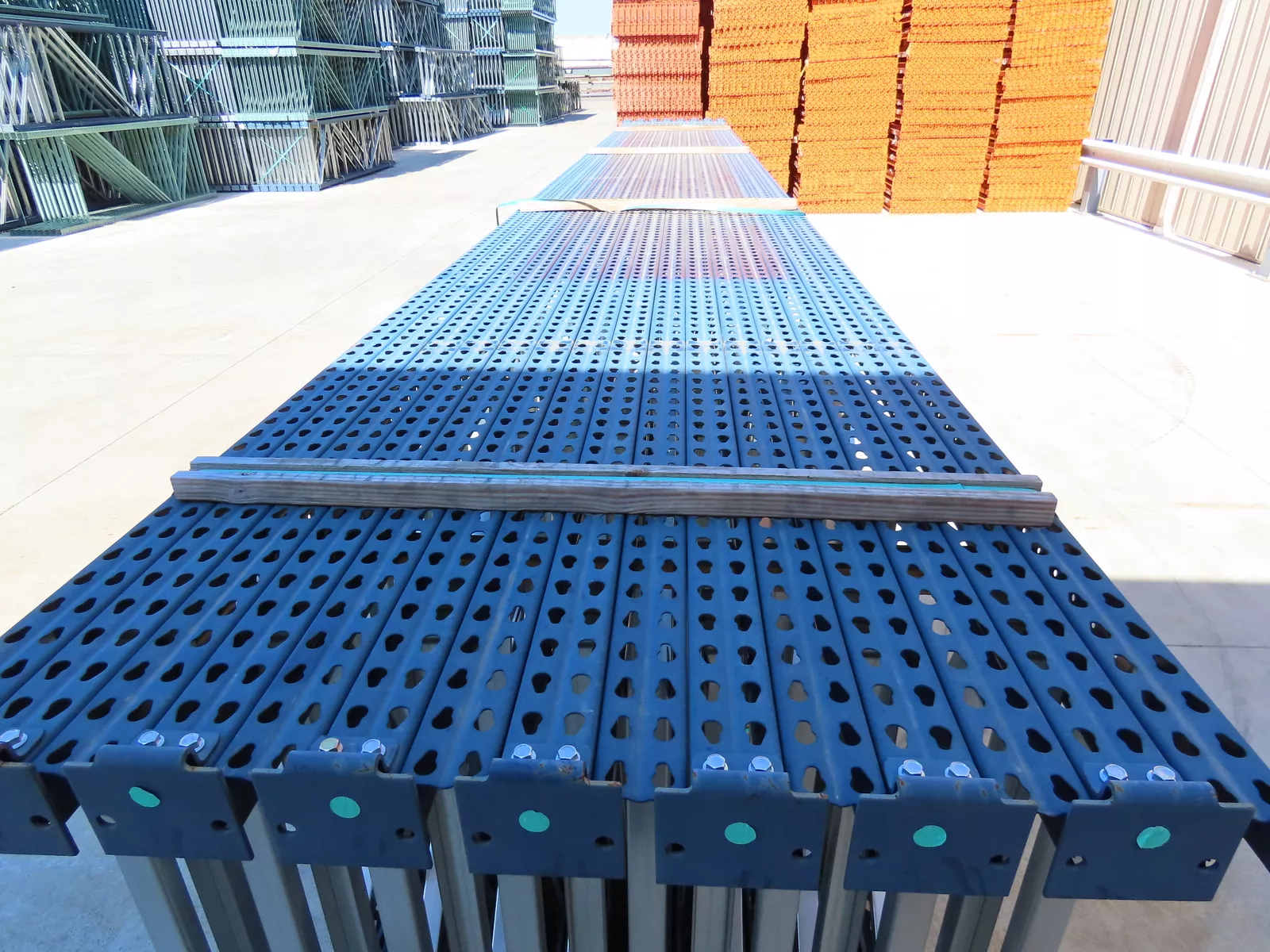
How To Choose The Right Pallet Racking System?
What Materials Are Used In Pallet Racking Systems?
When it comes to optimizing warehouse space, pallet racking systems stand at the forefront of modern logistics and inventory management. The secret behind their effectiveness lies in the robust materials used in their construction. Understanding these materials can elevate your warehousing strategy to new heights.
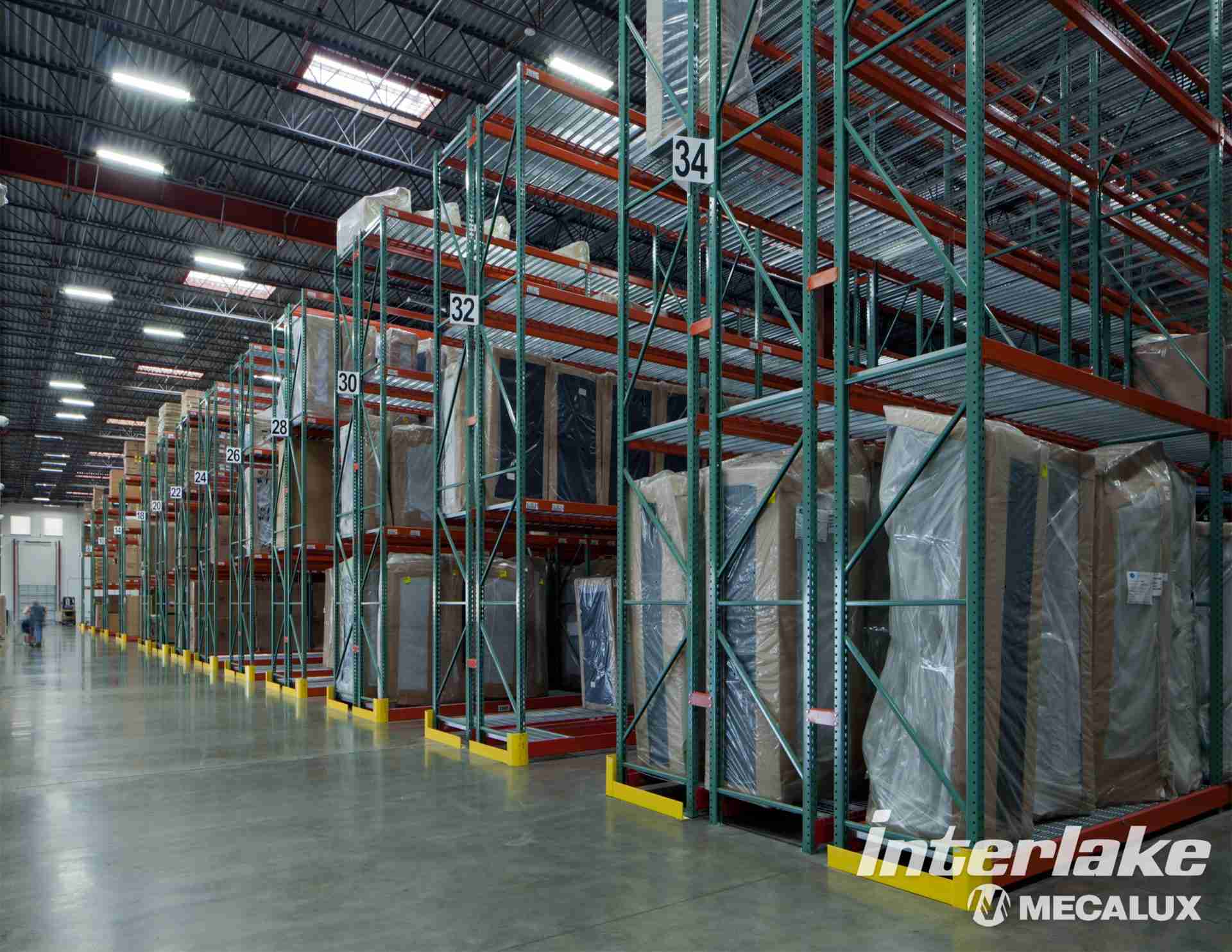
Steel: The backbone of any pallet racking system, steel is synonymous with strength and durability. High-quality cold-rolled steel is frequently utilized due to its hardness and ability to withstand heavy loads. For example, brands like Interlake Mecalux offer selective pallet racks with heavy-duty steel frames, designed to handle pallets weighing up to 4,600 pounds. Investing in steel pallet racks not only ensures safety but also reduces the risk of collapse—a concern highlighted by recent warehouse safety incidents.
Coatings and Finishes: Beyond the steel framework, coatings play a critical role in enhancing longevity and resistance to damage. Powder coating is a popular choice, providing a sturdy barrier against scratches and corrosion, making it perfect for cold storage warehouses where moisture is a factor. Look no further than the recent rise in temperature-controlled facilities—coated racking systems are becoming indispensable here, ensuring that your investment withstands harsh environmental conditions.
Wood and Composite Materials: While metal dominates the market, wood and composite materials still have their place. Ideal for lighter loads or temporary setups, wood racks are often lighter on the budget while still providing organization and structure. Composite materials, which blend plastics and resins, are gaining traction for their versatility and lightweight nature. For instance, during the pandemic, as e-commerce soared, many businesses turned to these flexible solutions to meet rapid changes in inventory needs.
Accessories and Add-ons: To enhance the basic structure of pallet racks, accessories made from a mix of materials are often utilized—think wire decking, safety bars, and pallet supports. Each component is designed for specific applications and can improve airflow, visibility, and safety. Companies are increasingly investing in these add-ons to ensure compliance with ever-evolving safety regulations.
Investing in a high-quality pallet racking system means prioritizing the right materials. Whether you’re streamlining your operations for a booming e-commerce venture or upgrading an existing warehouse, understanding these core components can lead to smarter decisions. As we see trends leaning toward automation and efficiency, selecting the right pallet racking material is more crucial than ever. Your warehouse won’t just store products; it’ll become a competitive asset in today’s fast-paced market.
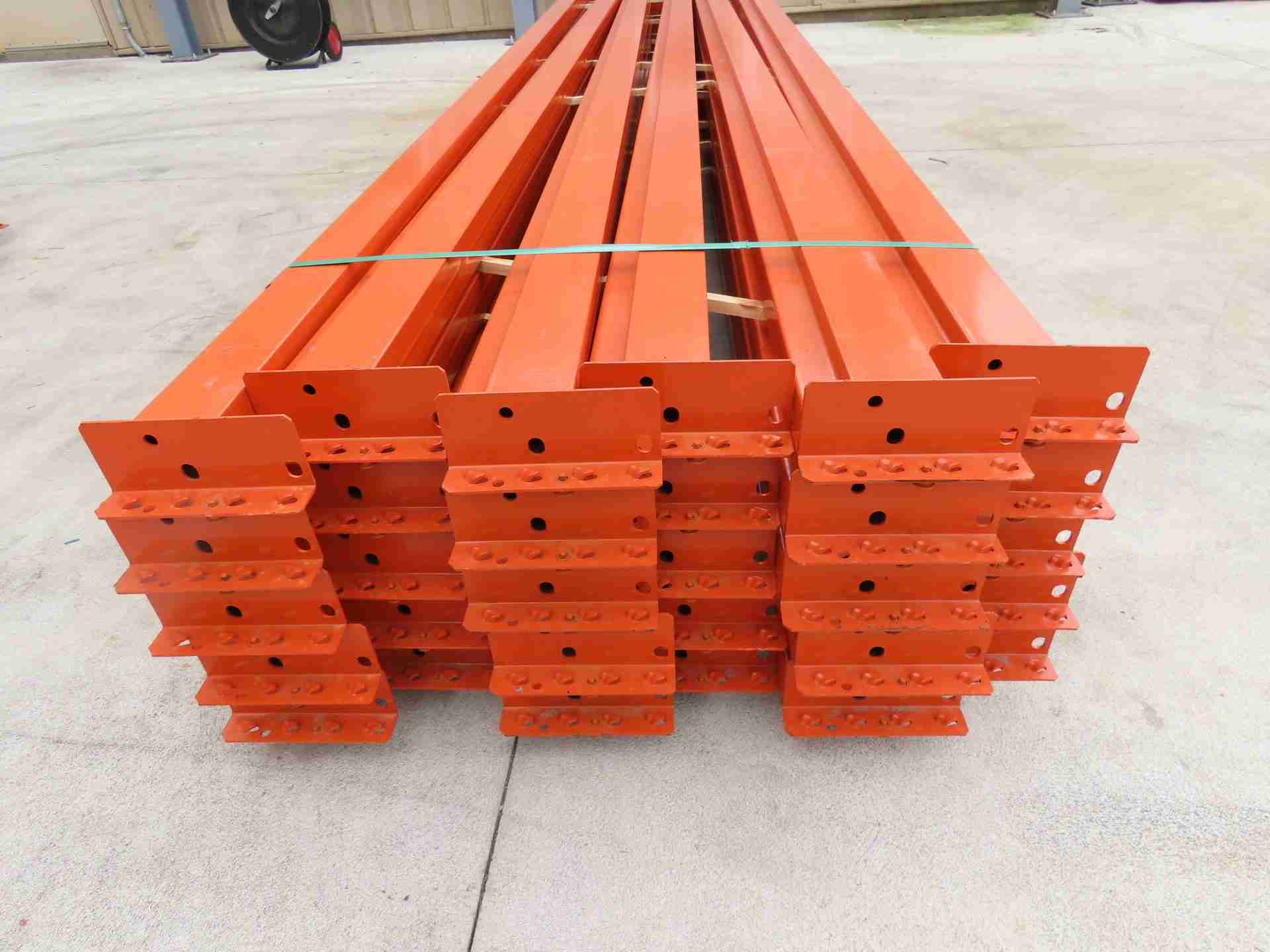
What Materials Are Used In Pallet Racking Systems?
What Materials Are Used In Pallet Racking Systems?
- Pallet racking systems are essential for optimizing warehouse space and enhancing logistics.
- Steel is the primary material used in pallet racks, known for its strength and durability, with brands like Interlake Mecalux offering racks that support heavy loads.
- Coatings, especially powder coating, are important for ensuring longevity and resistance to damage, particularly in cold storage environments.
- Wood and composite materials provide cost-effective alternatives for lighter loads or temporary setups, with increasing popularity during the pandemic.
- Accessories such as wire decking and safety bars improve the functionality of pallet racks, enhancing airflow and safety compliance.
- Investing in high-quality pallet racking systems is crucial for streamlining operations and adapting to e-commerce demands.
- The choice of materials and designs can transform a warehouse into a competitive asset in a fast-paced market.

What Materials Are Used In Pallet Racking Systems?
How Does Pallet Racking Improve Storage Efficiency?
In today’s fast-paced logistics environment, businesses are constantly seeking ways to streamline operations, reduce overhead costs, and maximize productivity. Enter pallet racking, a transformative solution that not only enhances storage efficiency but also revolutionizes how we think about warehouse space. Imagine transforming a cluttered storage area into an organized powerhouse of productivity. This is exactly what effective pallet racking systems offer.
At its core, pallet racking maximizes vertical space. By utilizing taller storage configurations, businesses can significantly increase their inventory capacity without expanding their warehouse footprint. For instance, a distribution center adopting a selective pallet racking system can store more than 50% additional pallets in the same area compared to traditional shelving methods. This increase is crucial when considering the rising costs of real estate and warehouse leasing—an issue that has gained special attention during the pandemic as companies scramble to meet surging e-commerce demands.
Moreover, pallet racking systems enhance accessibility. With properly organized racking, items are easier to locate, reducing pick times and minimizing the risk of errors. Take a look at giants like Amazon, which have capitalized on optimized racking systems to support their legendary fulfillment speeds. Their use of advanced pallet racking combined with automation allows them to fulfill orders at lightning speed, giving them a competitive edge that has only intensified amid growing supply chain challenges.
But it’s not just about speed; it’s also about safety. Well-designed pallet racking helps reduce workplace accidents. Imagine a facility where every item is stored securely, with no concerns about products toppling over. Organizations that invest in proper racking systems are not only investing in efficiency but also in the safety and well-being of their employees—an increasingly important concern in the age of heightened safety protocols.
Finally, the adaptability of modern pallet racking systems means they can evolve with your business. As inventory needs shift—whether due to seasonal demand fluctuations or unexpected world events—pallet racking systems can be reconfigured quickly and efficiently to meet changing requirements. This flexibility has become essential in a world where businesses must pivot rapidly to stay competitive in markets drastically altered by recent global events.
In summary, pallet racking is not just a storage solution; it’s a strategic enhancement for any business seeking to improve efficiency, safety, and adaptability. As the landscape of logistics continues to change, those who embrace innovative storage options will find themselves ahead of the pack. Isn’t it time your operation made the leap?
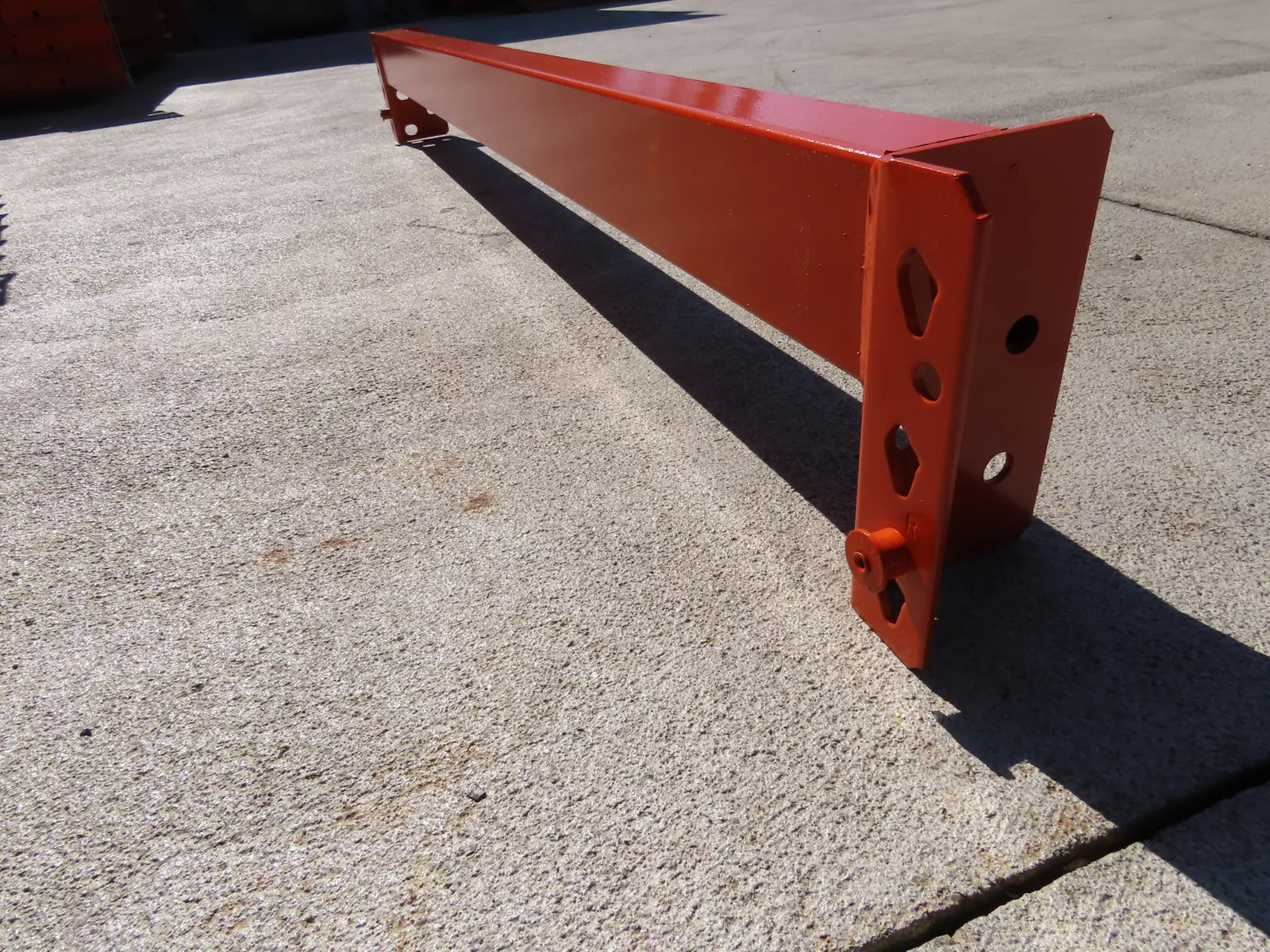
How Does Pallet Racking Improve Storage Efficiency?
How Does Pallet Racking Improve Storage Efficiency?
- Pallet racking streamlines logistics operations and maximizes productivity in warehouses.
- It enhances storage efficiency by maximizing vertical space, increasing inventory capacity without expanding the warehouse footprint.
- Businesses can store over 50% more pallets using selective pallet racking compared to traditional shelving methods.
- Pallet racking improves item accessibility, reducing pick times and minimizing errors in inventory management.
- Well-designed racking systems enhance workplace safety by securing items and reducing the risk of accidents.
- Modern pallet racking systems are adaptable, allowing businesses to quickly reconfigure storage based on changing inventory needs.
- Pallet racking represents a strategic investment for improving efficiency, safety, and adaptability in a rapidly changing logistics landscape.
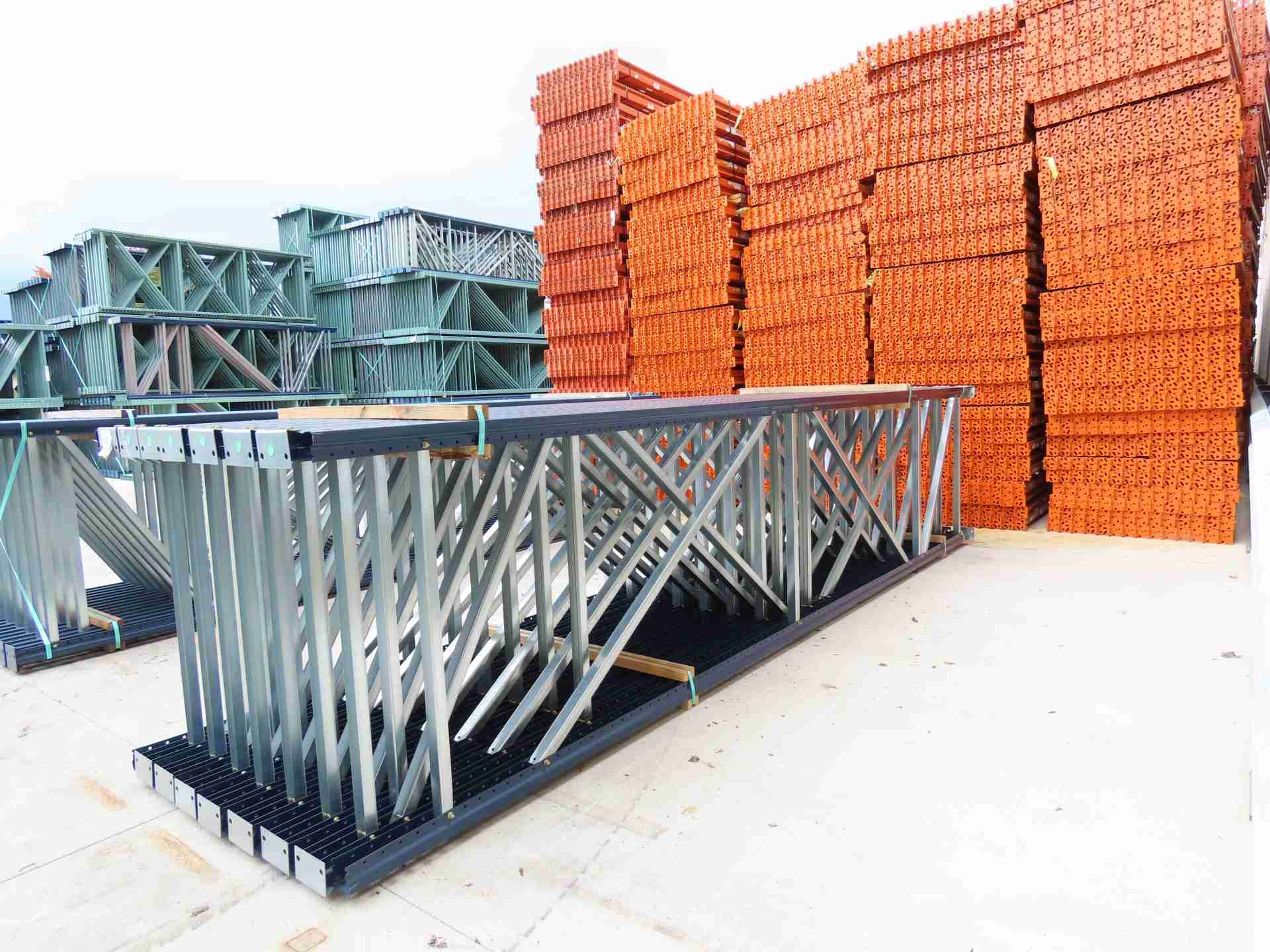
How Does Pallet Racking Improve Storage Efficiency?
What Safety Standards Apply To Pallet Racking Systems?
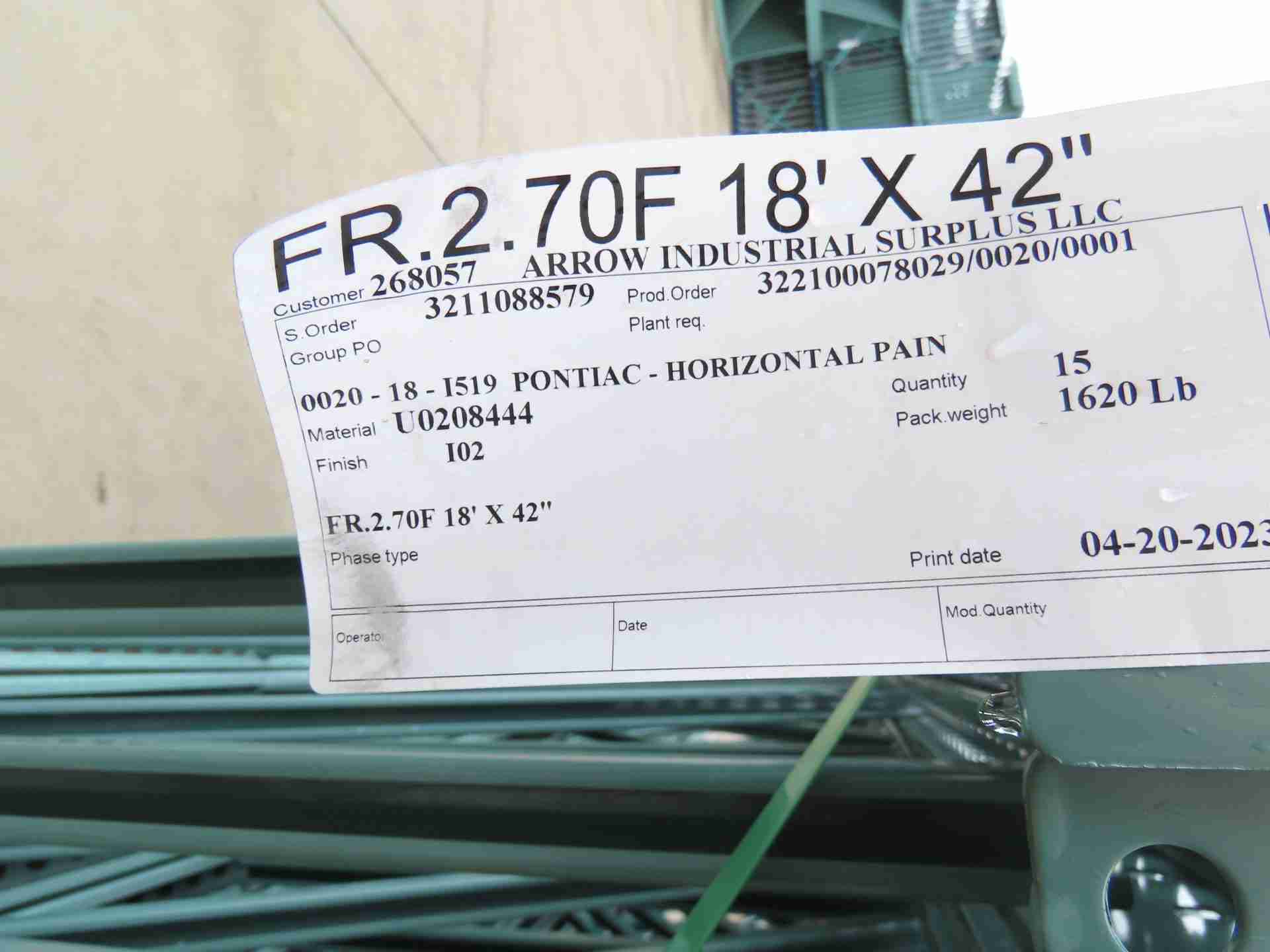
When it comes to pallet racking systems, safety is not merely a checkbox—it is the backbone of operational efficiency and employee wellbeing. As your business navigates the intricate world of materials handling, it’s imperative to understand the safety standards that govern pallet racking systems. These standards are not just regulatory hurdles; they are critical parameters designed to protect your assets and workforce.
One of the leading standards is governed by the American National Standards Institute (ANSI) and the Industrial Truck Association (ITA), specifically ANSI/ITSDF B56.1. This standard outlines the safe operation of forklifts and similar equipment. For pallet racks, it’s crucial to not only comply with this standard but to rigorously enforce it in daily operations. A slip-up could lead to catastrophic injuries, damaged inventory, or inventory loss—impacting both your bottom line and reputation.
Additionally, the Occupational Safety and Health Administration (OSHA) outlines stringent requirements under the General Duty Clause. Businesses must ensure that their racking systems are free from hazards. This means regular inspections, proper clearance, and robust installation practices. Recent headlines have shown companies facing hefty fines due to negligence in maintaining their warehouse environments. Staying compliant is not just about avoiding penalties—it’s about fostering a culture of safety that can yield higher employee morale and lower turnover rates.
Another critical standard comes from the Rack Manufacturers Institute (RMI), which provides guidelines on design and use for various types of storage racks. Their code ensures that manufacturers adhere to robust engineering specifications for load-bearing capabilities. Investing in RMI-certified racking can give your business a competitive edge. You’re not just purchasing a product; you’re committing to safety and reliability.
Case in point: a warehouse in Texas recently faced disastrous consequences after a pallet rack collapsed due to improper installation. The incident not only resulted in severe injuries but also a significant financial setback due to legal costs and inventory loss. Imagine the turmoil that could have been avoided had proper safety standards been observed.
Understanding and implementing the correct safety standards for your pallet racking systems is not merely good practice; it’s essential for sustainable business growth. In a world where compliance is paramount and safety should never be an afterthought, ensure that you stay informed and up to date. It’s not just about protecting your investment—it’s about securing the future of your business.
What Safety Standards Apply To Pallet Racking Systems?
What Safety Standards Apply To Pallet Racking Systems?
- Safety is essential for operational efficiency and employee wellbeing in pallet racking systems.
- Compliance with ANSI/ITSDF B56.1 is critical for safe forklift operation in warehouses.
- Negligence in safety standards can lead to severe injuries, inventory loss, and reputational damage.
- OSHA requires racking systems to be free from hazards, emphasizing regular inspections and proper installation.
- Adhering to Rack Manufacturers Institute (RMI) guidelines ensures robust engineering specifications for storage racks.
- Investing in RMI-certified racking can enhance competitive advantage and promote safety.
- Implementing safety standards is crucial for sustainable business growth and protecting the future of the business.
What Safety Standards Apply To Pallet Racking Systems?
How To Install A Pallet Racking System Properly?
When it comes to organizing your warehouse or storage area, a pallet racking system can revolutionize the way you operate. However, an effective installation is key to maximizing its potential. Let’s break down this crucial process into actionable steps that ensure both safety and efficiency.
1. Assess Your Space and Needs
First and foremost, a thorough evaluation of your warehouse is essential. Take the time to measure available space, considering ceiling height, floor layout, and product types. For instance, e-commerce businesses are increasingly seeking ways to streamline their fulfillment processes amidst growing demand. If you’re handling larger inventory, opting for heavy-duty racking may be prudent.
2. Choose the Right Racking System
With various types of pallet racking available—like selective, drive-in, or push-back—it’s critical to select the right system tailored to your needs. Current trends show a preference for selective racking due to its versatility and accessibility, especially in fast-paced environments where quick product retrieval is crucial.
3. Develop a Detailed Plan
Following your assessment, draft a detailed installation plan. This plan should include the layout of your racking system, taking into account aisle widths and load capacities. For example, during recent supply chain shifts caused by unforeseen events, many businesses have adopted more robust systems to handle fluctuations. Adopting a well-thought-out design now can bolster future resilience.
4. Gather Necessary Tools and Equipment
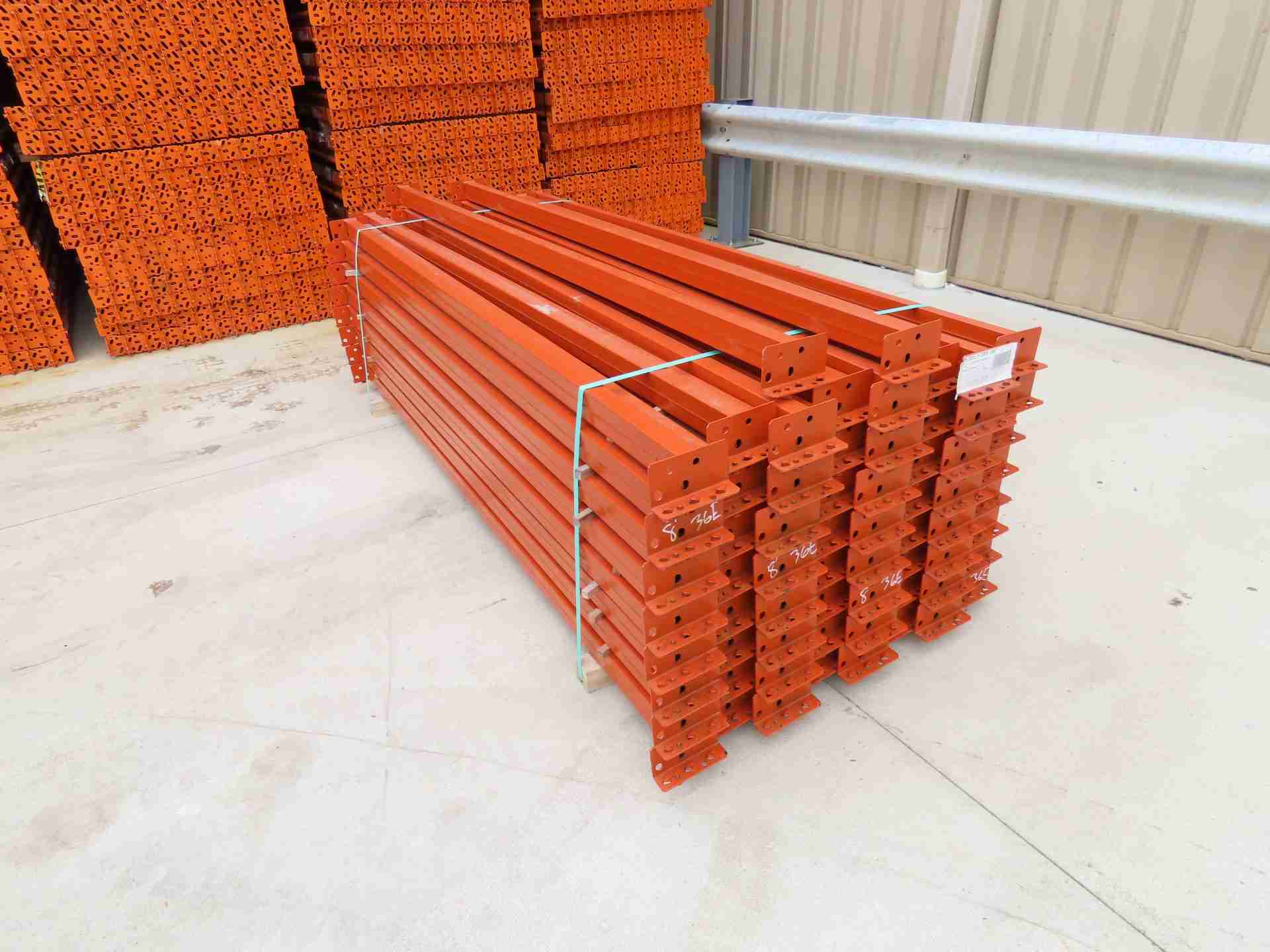
Before starting the installation, make sure you have all the necessary tools and safety gear. This typically includes a level, shims, wrenches, safety gloves, and a hard hat. Consider hiring a professional installation team if the task feels daunting, especially if you have limited experience with heavy-duty equipment.
5. Follow Manufacturer Instructions
Every racking system comes with its unique set of assembly and safety guidelines. Following these instructions closely can mean the difference between a safe operation and potential hazards down the line. Don’t forget to double-check weight limits on each shelf as you load your products, to avoid accidents.
6. Conduct Regular Inspections
Once installed, your responsibility doesn’t end. Schedule regular inspections to ensure your racking system remains in good condition. It’s not just about making a one-time investment; it’s about maintaining that investment to drive efficiency.
In a time when every operational detail counts, a well-installed pallet racking system can make or break your inventory management strategy. Take these steps seriously, and you’ll create an organized, efficient, and safe environment that propels your business forward.
How To Install A Pallet Racking System Properly?
How To Install A Pallet Racking System Properly?
- Assess your warehouse space, considering ceiling height, floor layout, and product types.
- Choose the right pallet racking system (e.g., selective, drive-in, push-back) based on your specific needs.
- Develop a detailed installation plan, including system layout, aisle widths, and load capacities.
- Gather necessary tools and safety equipment before installation, or consider hiring professionals if inexperienced.
- Follow manufacturer instructions carefully to ensure safety and proper assembly.
- Conduct regular inspections to maintain the racking system and ensure ongoing efficiency.
- Prioritize creating an organized and safe environment for effective inventory management.
How To Install A Pallet Racking System Properly?
What Is The Cost Of A Pallet Racking System?
Investing in a pallet racking system is akin to betting on the future efficiency of your warehouse operations. But just like any savvy business decision, knowing the costs involved is crucial. The price of a pallet racking system can vary significantly based on several factors, including type, configuration, capacity, and installation requirements. Understanding these can help you make the best investment for your facility.
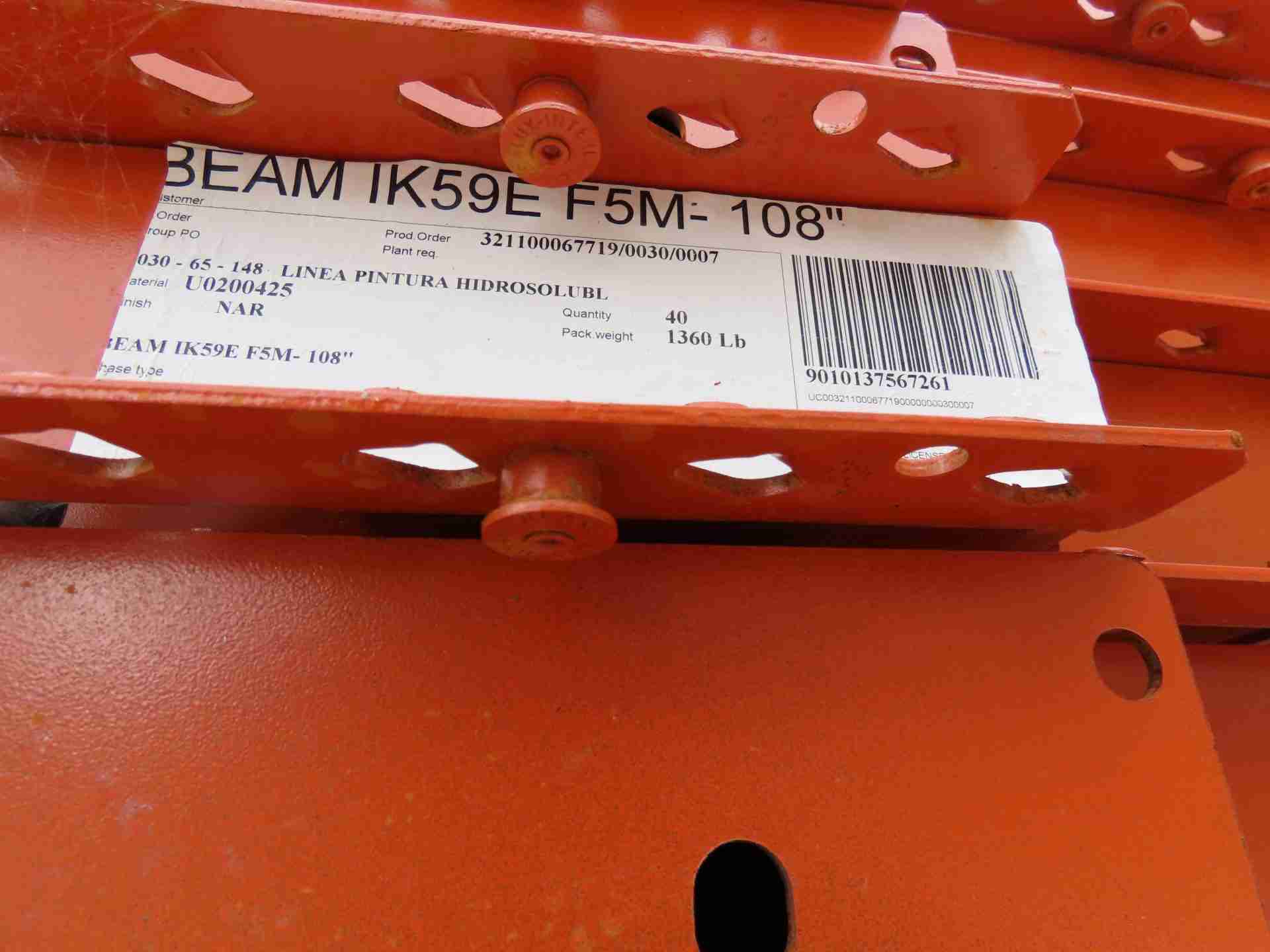
A basic setup of selective pallet racking, the most common type found in warehouses, typically runs between $75 to $100 per pallet position. If you’re looking to equip a medium-sized warehouse with 1,000 pallet positions, you could be staring down a cost of $75,000 to $100,000. But hold your horses! Costs can escalate quickly based on additional features. Double-deep racking systems, for example, allow you to maximize space efficiency but can range from $100 to $150 per position.
Let’s not forget about environmental factors that cause fluctuations in prices. As global supply chains continue to face disruptions, like the ones we’ve seen with shipping delays and material shortages, prices may surge. For instance, steel prices have seen significant volatility recently due to tariffs and post-pandemic demand, leading to unexpected increases in the cost of your racks.
Installation intricacies also play a significant role. A more complex system requiring customization or heavy-duty installations could push your costs higher. Professional installation can range from $5,000 to $15,000 depending on the size and scale of the racking system. Always account for these costs in your budgets to avoid any unwelcome surprises.
In contrast, opting for second-hand racking systems can provide a cost-effective alternative. Used racks can significantly reduce initial capital expenditures, sometimes offering savings of up to 50%. However, it’s crucial to perform a thorough inspection and ensure you’re not compromising safety and compliance in the process.
Also, consider ongoing costs. A robust maintenance plan to ensure the longevity of your racking system is essential, and budgeting for this can prevent future headaches.
Ultimately, a pallet racking system isn’t just a set of shelves; it’s an investment in the operational efficiency of your business. With careful consideration and planning, you can find a solution that fits both your space and your budget. As you navigate this investment, keep your eye on market trends, and remember: in a world of uncertainty, informed decisions will give you the competitive edge.

What Is The Cost Of A Pallet Racking System?
What Is The Cost Of A Pallet Racking System?
- Investing in a pallet racking system enhances warehouse efficiency, but understanding costs is critical.
- The cost of pallet racking systems varies by type, configuration, capacity, and installation needs.
- A basic selective pallet racking setup costs between $75 to $100 per pallet position, totaling $75,000 to $100,000 for 1,000 positions.
- Prices can rise with features like double-deep racking, ranging from $100 to $150 per position.
- Environmental factors like supply chain disruptions and steel price volatility can affect overall costs.
- Installation costs vary, with professional installation ranging from $5,000 to $15,000 depending on complexity.
- Used racking systems can cut costs by up to 50%, but safety and compliance inspections are essential.
What Is The Cost Of A Pallet Racking System?
How To Maintain A Pallet Racking System?
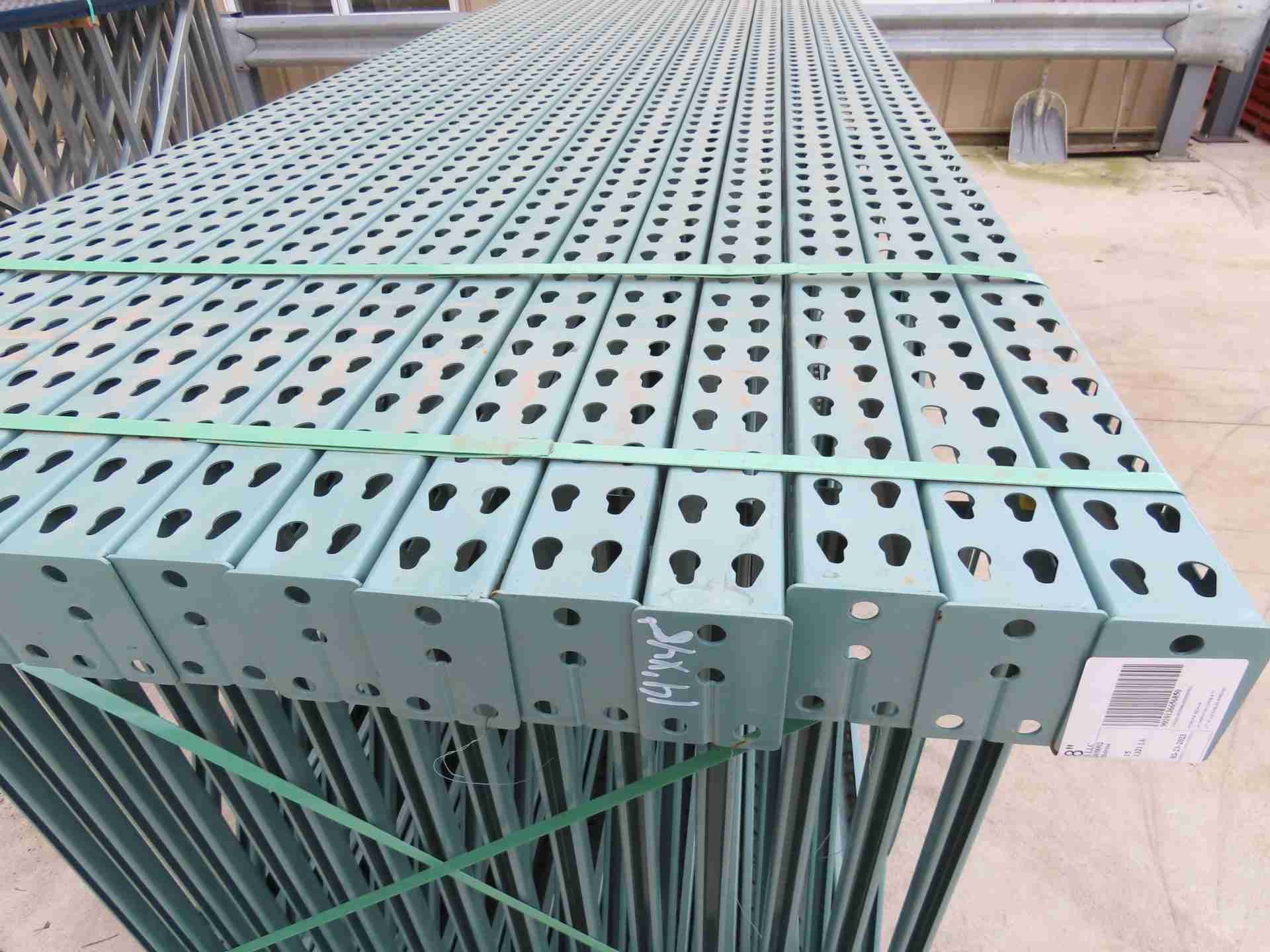
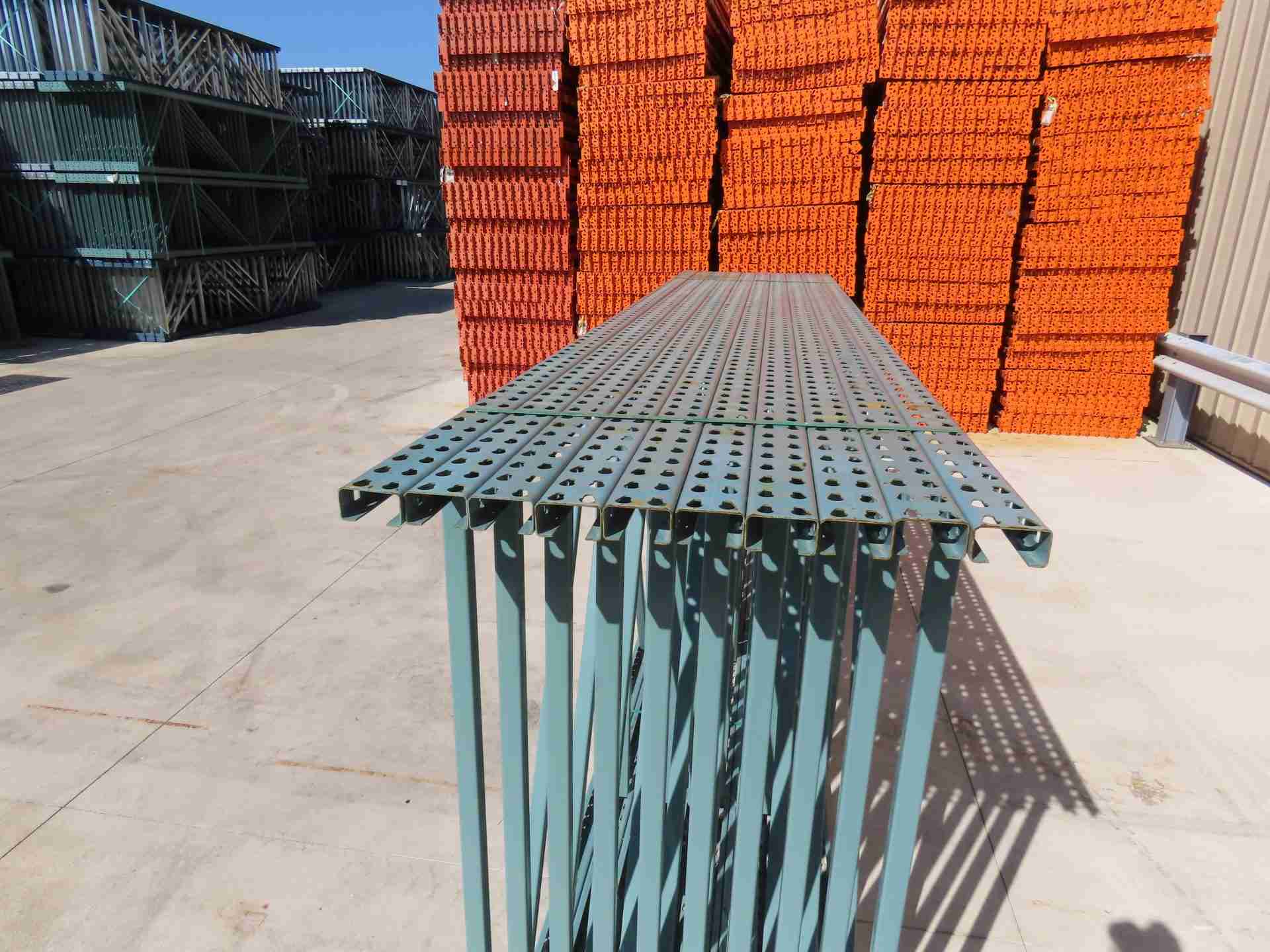
In the bustling world of warehousing and logistics, maximizing space and efficiency is key, and a well-maintained pallet racking system is your foundation for success. Just like a finely tuned machine, your racking system deserves constant attention to ensure it operates at peak performance. Let’s explore some essential strategies that will not only extend the lifespan of your racking but also enhance your overall productivity.
First and foremost, regular inspections are essential. Make it a point to conduct weekly checks to spot any signs of damage or wear and tear. Visual inspections should include looking for bent beams, rust, or any signs of structural weakness. For instance, a recent study showed that 75% of workplace injuries in warehouses were linked to improperly maintained racking systems. By proactively addressing these issues, you can prevent accidents that could lead to delays and costly legal fees.
Moreover, training your staff on racking system best practices is critical. Equip your employees with the knowledge they need to safely handle and store products. This not only includes how to load and unload but also how to identify potential hazards. Implementing a training program similar to what leading companies, such as Amazon, offer can cultivate a safety-first mindset among your team, empowering them to take ownership of the racking system’s condition.
Next, consider investing in protective measures. Using rack guards and column protectors can substantially reduce the risk of damages caused by forklifts and pallet jacks. For instance, major retailers have reported a 30% reduction in racking damage by simply adding these cost-effective solutions. Protecting your racking system from the daily grind of warehouse operations is not just smart; it’s essential for cost savings in the long run.
Finally, always keep in mind the layout and load capacity of your racking system. Factors such as the type of products being stored and their weight can affect how well your racking system performs. Regularly reassess your inventory turnover to ensure that your racking configuration aligns with current needs. With supply chain disruptions remaining a hot topic in 2023, flexibility in your operations will provide a competitive edge.
Maintaining a pallet racking system is not merely a matter of routine; it is a strategic initiative that shapes the productivity and safety of your warehouse. By incorporating regular inspections, staff training, protective measures, and adaptable layouts, you can create an environment that not only mitigates risks but also primes your business for sustained growth. Don’t just maintain your racking—elevate it!
How To Maintain A Pallet Racking System?
How To Maintain A Pallet Racking System?
- Regular inspections are crucial; conduct weekly checks to identify damage or wear.
- Look for signs like bent beams, rust, and structural weaknesses to prevent workplace injuries.
- Train staff on best practices for loading, unloading, and identifying hazards.
- Implement safety training programs to foster a safety-first mindset among employees.
- Invest in protective measures like rack guards and column protectors to reduce damage.
- Reassess your racking layout and load capacity regularly based on inventory turnover.
- Maintaining a pallet racking system is a strategic initiative that enhances productivity and safety.
How To Maintain A Pallet Racking System?
Can Pallet Racking Systems Be Customized?
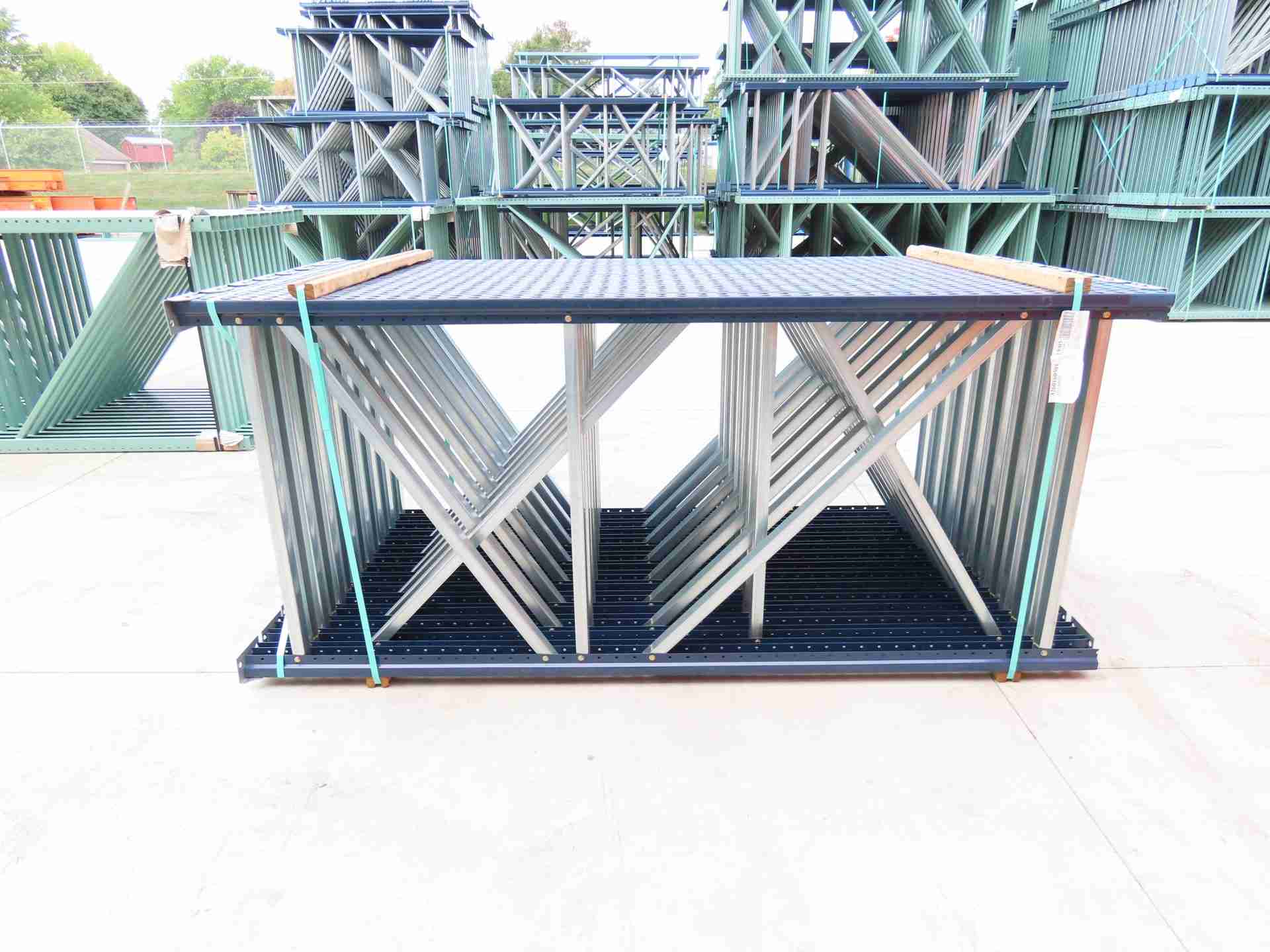
In the ever-evolving world of warehousing and supply chain management, one size rarely fits all. As businesses adapt to shifting demands, the need for tailored solutions becomes paramount. Enter customizable pallet racking systems – the backbone of efficient storage that can be specifically engineered to meet your operational needs.
Imagine a scenario where your business experiences a surge in e-commerce demand overnight. Suddenly, your existing racking system feels inadequate. With customizable options, you can swiftly upgrade or reconfigure your setup without overhauling your entire operation. By evaluating your product types, storage space, and picking methods, a tailored pallet racking solution can maximize your warehouse’s productivity and efficiency.
Now, let’s take real-world examples into account. International retail giant Walmart has invested significantly in customizable pallet racking systems that evolve with their dynamic inventory needs. By using adjustable pallet racks that can easily shift between different configurations, they optimize space and improve logistics. This allows them to pivot according to market demands—whether it’s seasonal items or sudden spikes in online orders. A recent report pointed out that companies embracing these tailored solutions have seen increases in warehouse efficiency by as much as 30%. If Walmart can save millions while improving service, how much can you save by customizing your pallet racks?
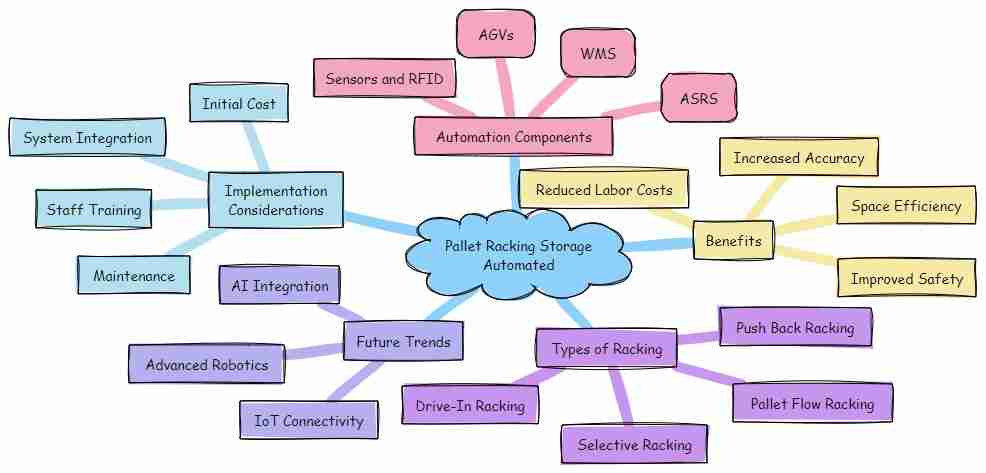
Customization goes beyond mere dimensions and load capacities. Advanced technology, like automated storage and retrieval systems (AS/RS), can be integrated within your pallet racking. Imagine streamlining your entire supply chain with seamless connectivity between your racking and inventory management systems. Consider the recent surge in drone technology and AI – these advancements are not just for picking operations but can be integrated to ensure that your pallet racking setup is as efficient as possible.
With the global supply chain still recovering from the disruptions caused by recent events, agility in your warehousing operations has never been more critical. Customizable pallet racking systems provide the flexibility needed to adapt quickly to changing market conditions, whether it’s a pandemic-related demand spike or shifts in consumer preferences.
The question isn’t whether you can customize your pallet racking system—it’s why you wouldn’t want to. Empower your business with the ability to adapt, should you wish to stay competitive in today’s fast-paced market. Explore bespoke solutions that align with your operational strategies, and watch your efficiency soar. After all, every inch of space matters in today’s warehousing landscape—make sure you’re using it wisely!
Can Pallet Racking Systems Be Customized?
Can Pallet Racking Systems Be Customized?
- Customizable pallet racking systems provide tailored solutions for warehousing and supply chain management.
- Businesses can quickly adapt to changing demands, such as surges in e-commerce, by reconfiguring their racking systems.
- Companies like Walmart have successfully implemented adjustable pallet racks to optimize space and logistics, leading to improved efficiency.
- Tailored pallet racking solutions can increase warehouse efficiency by up to 30%.
- The customization includes advanced technology integration, such as automated storage and retrieval systems (AS/RS) and AI-driven solutions.
- Agility in warehousing operations is crucial for adapting to market changes and consumer demand fluctuations.
- Customizing pallet racking systems empowers businesses to remain competitive and maximize every inch of storage space.
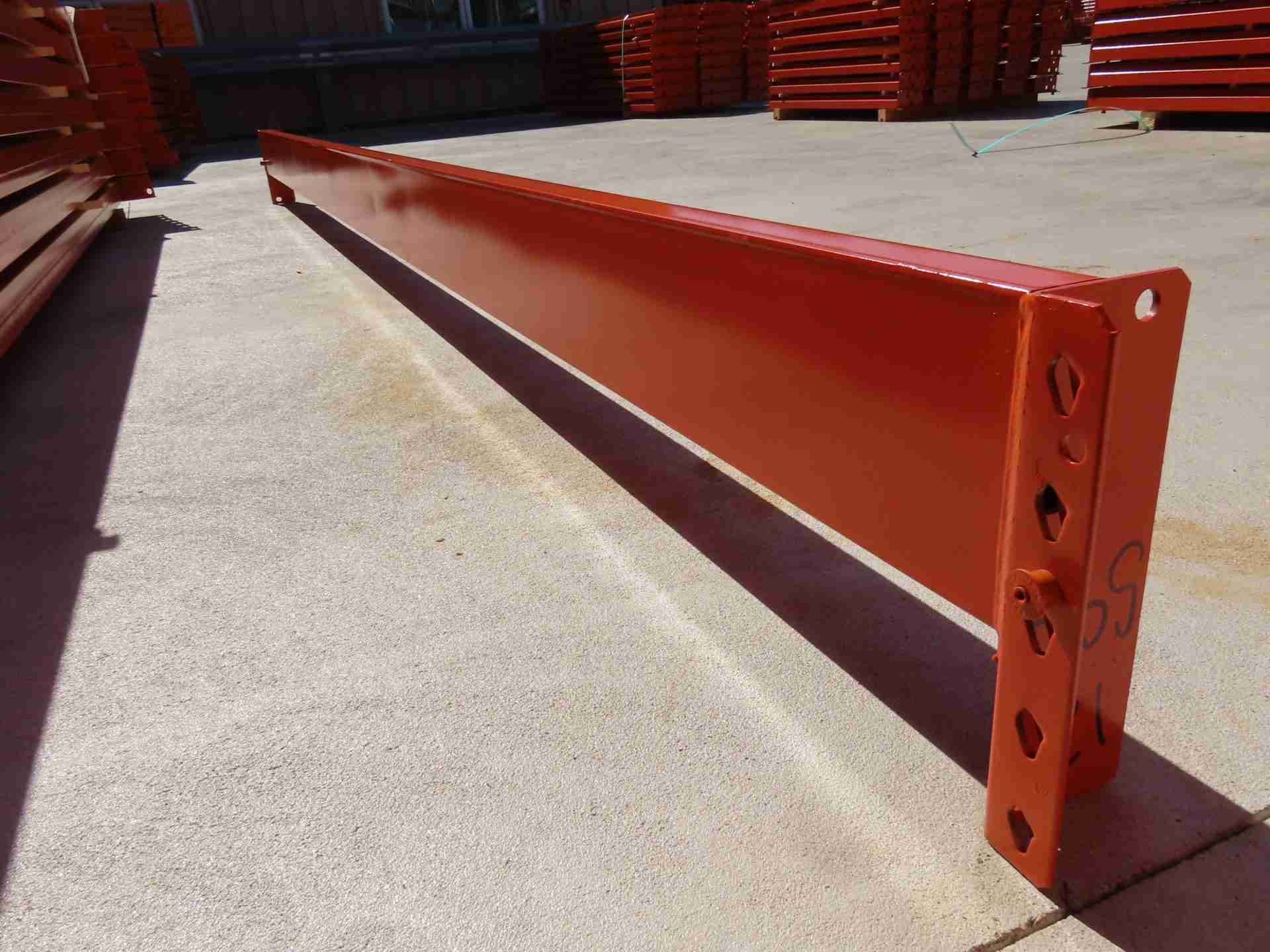
Can Pallet Racking Systems Be Customized?
What Industries Commonly Use Pallet Racking Systems?
Pallet racking systems are not merely functional; they are vital to the efficient operation of various industries. Understanding where they fit in can help businesses optimize inventory management and streamline logistics. Let’s explore the industries that harness the power of pallet racking and how they benefit from it.
1. Warehousing and Distribution Centers
At the heart of the logistics world lies warehousing and distribution centers. These facilities thrive on maximizing vertical space and optimizing inventory accessibility. Thanks to pallet racking systems, companies can store thousands of products efficiently, from consumer goods to industrial supplies. Take Amazon, for instance; the retail giant has transformed its warehouses into complex beehives of activity, where pallet racking enables quick access to inventory and drastically reduces shipping times. In today’s same-day delivery landscape, that advantage is worth its weight in gold.
2. Manufacturing
Manufacturers need to manage raw materials, work-in-progress items, and finished goods effectively. Pallet racking systems provide an ideal solution to store a diverse range of materials, from heavy machinery parts to delicate components. By organizing products efficiently, manufacturers like General Motors can maximize their floor space and enhance production flow. Recent supply chain disruptions have only amplified the importance of nimble and well-organized storage solutions, making pallet racking a must-have resource in this industry.
3. Food and Beverage
The fast-moving food and beverage industry requires stringent inventory management to comply with health regulations and keep products fresh. Pallet racking allows for easy rotation (FIFO—First In, First Out) of perishable goods, ensuring that nothing goes stale on the shelves. Companies like Coca-Cola have adapted their facilities to leverage pallet racking systems, enabling them to keep up with consumer demand while adhering to strict safety standards. Current trends showing a rise in online grocery shopping emphasize the importance of efficient storage systems for retailers.
4. Retail
In brick-and-mortar retail stores, pallet racking systems are often used in backrooms and warehouses, allowing retailers to maintain adequate stock levels without overcrowding sales floors. With the recent surge of e-commerce, retailers must balance online and in-store inventory, making effective storage solutions more critical than ever. Companies like Walmart have adeptly integrated pallet racking systems, thus not only managing their vast inventory but also ensuring that the shopping experience remains smooth and seamless.
In summary, pallet racking systems are indispensable across an array of industries, from warehousing to retail. By investing in these robust storage solutions, companies not only improve efficiency and accessibility but also position themselves to thrive in an increasingly competitive landscape. So, ask yourself—are you maximizing your potential?
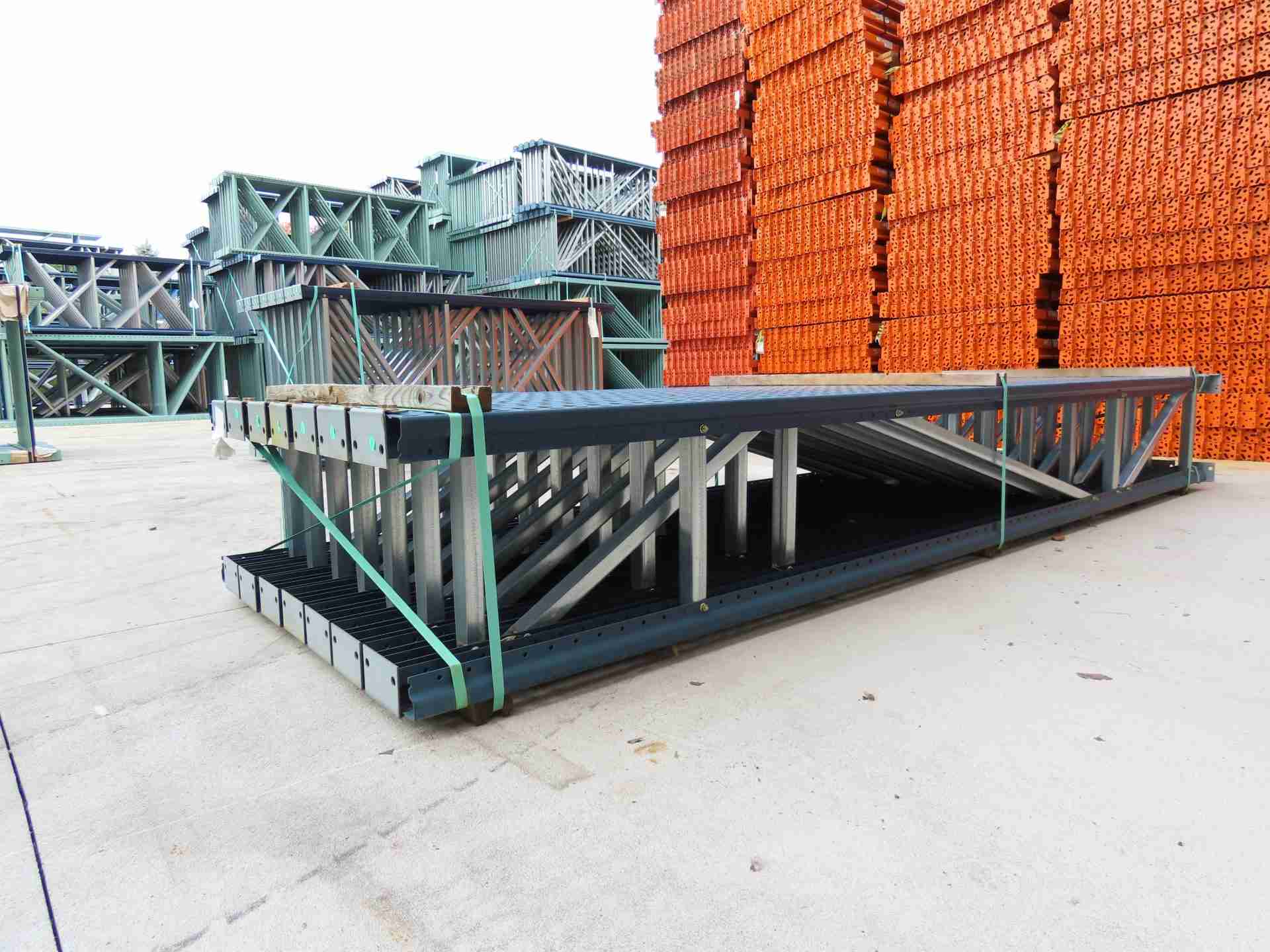
What Industries Commonly Use Pallet Racking Systems?
What Industries Commonly Use Pallet Racking Systems?
- Pallet racking systems are crucial for the efficient operation of various industries.
- Warehousing and distribution centers utilize pallet racking to maximize vertical space and optimize inventory accessibility.
- Manufacturers benefit from pallet racking by effectively managing raw materials, work-in-progress items, and finished goods.
- The food and beverage industry uses pallet racking for efficient inventory management and compliance with health regulations.
- Retailers use pallet racking systems to maintain stock levels and balance online and in-store inventory.
- Investing in pallet racking systems significantly improves efficiency, accessibility, and competitive positioning of businesses.
- Organizations should consider whether they are maximizing their potential by implementing robust storage solutions.
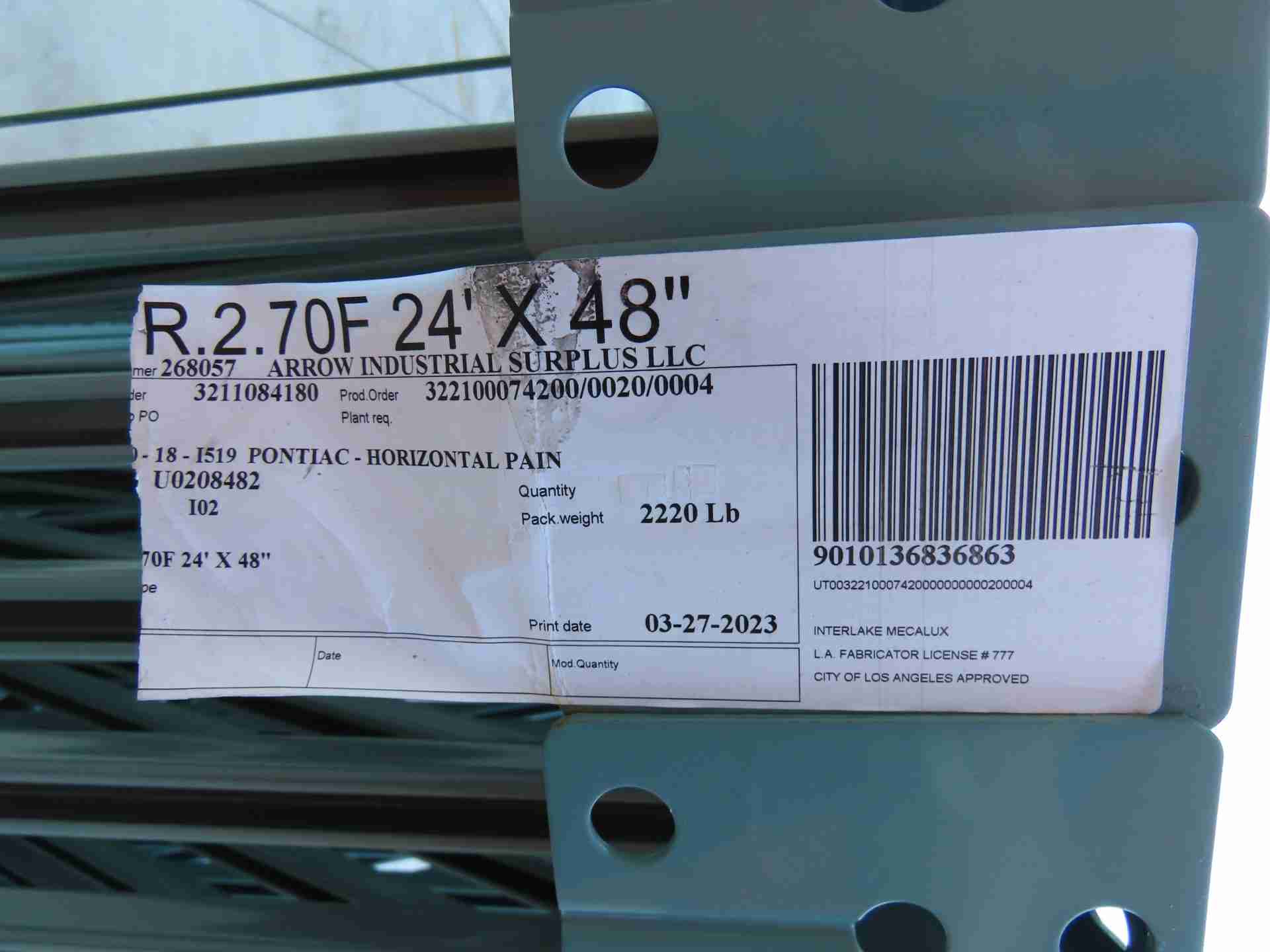
What Industries Commonly Use Pallet Racking Systems?
How To Optimize Space With Pallet Racking?
In the fast-paced world of inventory management, optimizing space is not just a luxury; it’s a necessity. As businesses grapple with rising operational costs and the complexities of supply chain logistics, smart storage solutions like pallet racking are emerging as the unsung heroes of efficiency. Whether you’re in retail, warehousing, or manufacturing, understanding how to make the most of your vertical space can yield significant returns and streamline your operations.
Imagine transforming your cluttered warehouse into a hive of organized efficiency. With the correct pallet racking system, you can elevate your storage capacity, enabling you to house more products without expanding your physical footprint. For instance, a selective pallet racking system allows easy access to every pallet while maximizing vertical space—all without sacrificing floor efficiency. This configuration works particularly well for businesses that rely on fast-moving inventory, where accessibility can directly impact customer satisfaction.
In the wake of the COVID-19 pandemic, companies worldwide have experienced shifts in consumer behavior, necessitating quick adaptations in warehouse configurations. Many have turned to drive-in and drive-through pallet racking systems to stack items deeper into the storage area while still providing efficient access. This approach is perfect for high-density products, allowing you to take advantage of both height and depth.
Consider a company like Amazon, which has continually innovated their storage solutions to keep pace with surging demand. They use a sophisticated pallet racking system that allows for maximum flexibility—an essential trait when consumer preferences shift as rapidly as they have in today’s market. This adaptability not only ensures efficiency but also saves them substantial time and money in the long run.
Moreover, safety shouldn’t be an afterthought. Investing in robust pallet racking systems that meet safety standards can prevent workplace injuries and potential losses. Brands that prioritize safety not only protect their employees but also build a reputation that values responsibility—an increasingly important quality in today’s conscientious market.
To sum up, optimizing space with pallet racking isn’t just good practice—it’s a strategic move that can differentiate your business in a competitive landscape. By leveraging these storage solutions, you can ensure that you not only keep pace with industry demands but stay ahead of the curve. So, don’t let clutter dictate your business’s success; embrace the power of pallet racking and watch as your operational efficiency skyrockets.

How To Optimize Space With Pallet Racking?
How To Optimize Space With Pallet Racking?
- Optimizing space in inventory management is essential for reducing operational costs and improving efficiency.
- Pallet racking systems can significantly increase storage capacity without the need for physical expansion.
- Selective pallet racking provides easy access to products while maximizing vertical space, ideal for fast-moving inventory.
- Post-COVID-19, many businesses are utilizing drive-in and drive-through pallet racking for deep storage and efficient access.
- Companies like Amazon use flexible pallet racking systems to adapt quickly to changing consumer demands.
- Investing in safe pallet racking systems helps prevent workplace injuries and enhances company reputation.
- Implementing pallet racking strategies can give businesses a competitive edge and improve operational efficiency.
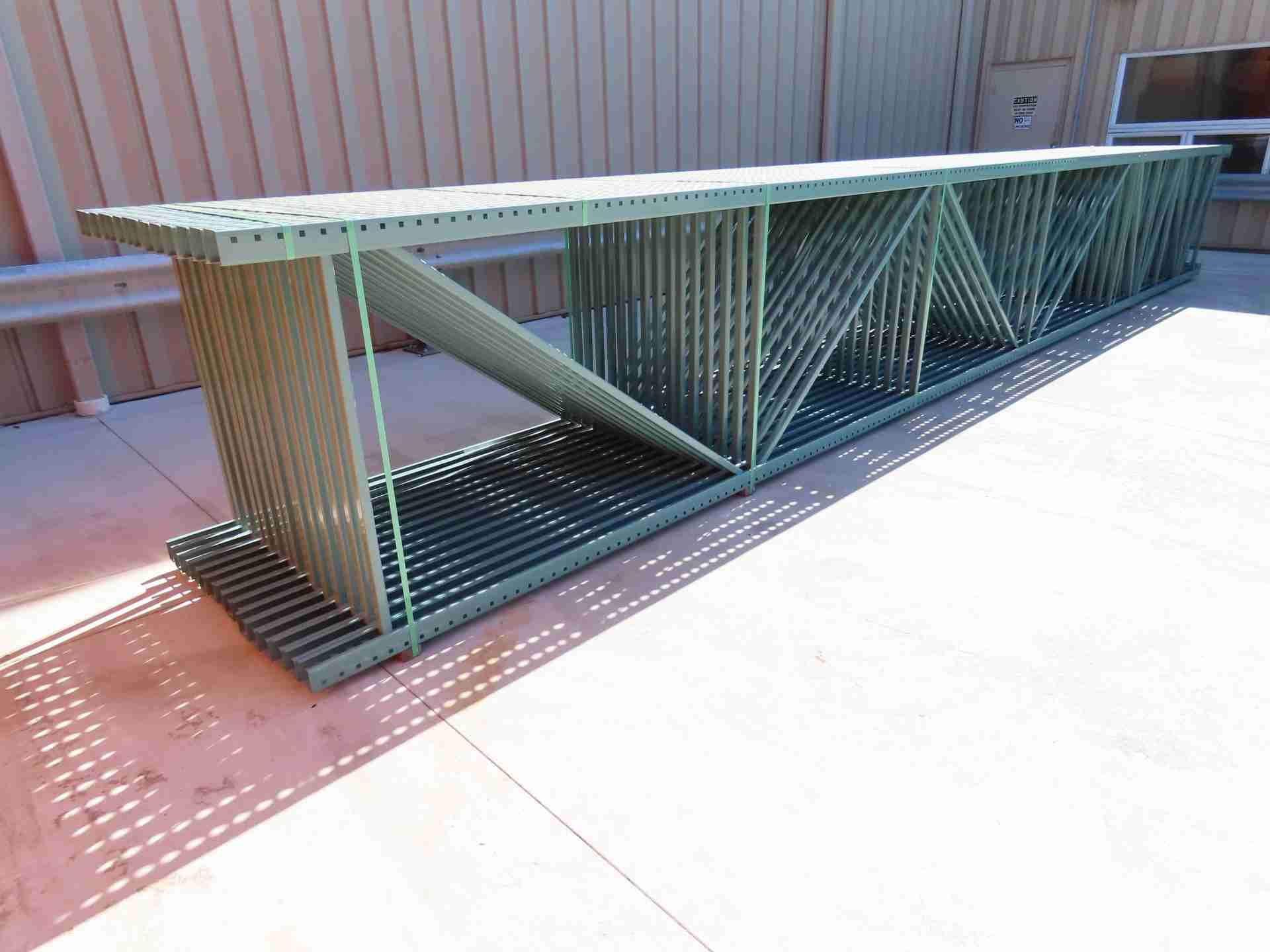
How To Optimize Space With Pallet Racking?
What Are Common Challenges With Pallet Racking?
Pallet racking systems have transformed warehouses into efficient, organized spaces. However, like any system, they come with their own set of challenges that can impact productivity, safety, and overall operational success. Let’s explore some of the most common difficulties businesses face when implementing or maintaining pallet racking solutions.
1. Safety Concerns
One of the primary challenges is ensuring the safety of warehouse personnel. According to the Occupational Safety and Health Administration (OSHA), improper installation or overloading of pallet racks can lead to catastrophic failures. For instance, if a rack is overloaded beyond its rated capacity, it can collapse, potentially injuring workers and causing damage to inventory. Companies need to conduct regular inspections and training sessions to mitigate these risks. Remember, safety not only protects your employees but also saves you money in potential lawsuits and insurance claims.
2. Space Management
While pallet racking systems are designed to maximize warehouse space, improperly implemented or poorly planned systems can lead to wasted areas. Take, for example, a business that invested in a complex racking system only to find that they couldn’t efficiently access the stock they need. This can result in long retrieval times and lost productivity. Implementing a layout that optimizes space—with considerations for inventory turnover and access routes—is crucial. This is especially relevant as businesses increasingly adapt to e-commerce demands, where rapid fulfillment is the name of the game.
3. Inventory Control Challenges
Pallet racks are often the backbone of inventory management, yet they can create headaches if not integrated correctly with inventory systems. Current supply chain disruptions, such as those stemming from global events and economic uncertainties, underscore the need for real-time tracking. A disorganized racking system can lead to miscounts, misplaced items, and other inventory issues, causing delays in order fulfillment. Businesses must invest in robust inventory management systems to ensure items are accurately tracked and easily accessible, ultimately driving down costs and enhancing customer satisfaction.
4. Maintenance and Upkeep
Racking systems require ongoing maintenance to ensure they remain functional and safe. Without regular inspections and upkeep, even the sturdiest racking can suffer from wear and tear. For example, swaying or leaning racks might indicate structural issues that could lead to accidents. Maintenance costs can add up over time, which is why it’s essential to budget for these expenses and create a proactive maintenance plan.
Navigating the challenges of pallet racking takes foresight, strategy, and a commitment to safety and organization. By addressing these common issues, businesses can harness the full potential of their pallet racking systems, streamlining processes, and ultimately enhancing their bottom line.

What Are Common Challenges With Pallet Racking?
What Are Common Challenges With Pallet Racking?
- Safety Concerns: Ensuring warehouse personnel safety is crucial; improperly installed or overloaded racks can lead to catastrophic failures.
- Space Management: Poorly planned systems can waste space, causing inefficient stock access and lower productivity.
- Inventory Control Challenges: Disorganized racking systems can lead to miscounts and misplaced items; real-time tracking is essential.
- Maintenance and Upkeep: Regular inspections and maintenance are necessary to prevent structural issues and accidents.
- Impact of E-commerce: Businesses must adapt their racking systems to meet the rapid fulfillment demands of e-commerce.
- Financial Implications: Investing in safety and maintenance can prevent costly lawsuits and enhance operational success.
- Strategic Planning: A proactive approach to addressing racking challenges can streamline processes and improve overall productivity.
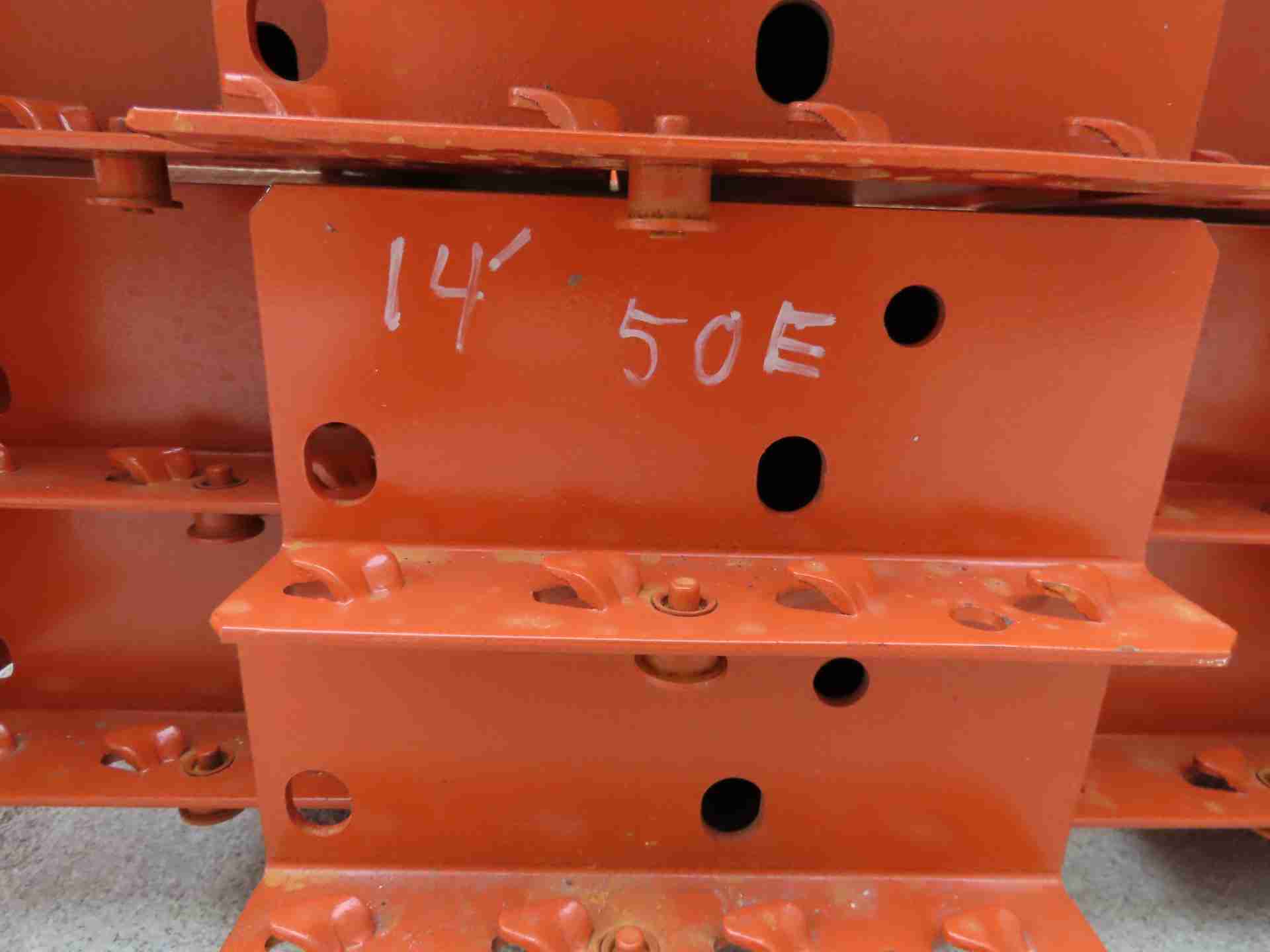
What Are Common Challenges With Pallet Racking?
Conclusion
In an era where efficiency dictates success, optimizing your warehouse with a well-crafted pallet racking system is no longer an option—it’s a necessity. Whether you’re a small business navigating rapid e-commerce growth or a large enterprise standardizing your logistics, the right racking solution can transform your operational capabilities. These systems are designed not only to maximize vertical space but also to improve accessibility, thus streamlining production and inventory management.
Throughout this exploration of pallet racking systems, we’ve uncovered the myriad benefits they offer: enhanced space utilization, improved organization, and the heightened capacity to adapt to fluctuating market demands. Companies like Amazon and Walmart have thrived by integrating sophisticated pallet racking solutions, enabling them to meet the pressing challenges of today’s fast-paced environment while satisfying customer expectations for quick access and delivery.
However, success doesn’t come without strategic planning. Choosing the right system means diving deep into your unique storage needs and future growth potential. Selective racking, drive-in systems, and other configurations provide tailored solutions for various inventories; understanding which aligns with your business model is vital. Moreover, embracing modern materials and technologies ensures that the investments you make are durable and compliant with safety standards—a non-negotiable element in today’s regulatory landscape.
Yet, time is of the essence. The longer you hesitate to upgrade your storage solutions, the more your competitors will edge ahead, taking advantage of efficiencies you may be missing out on. Now is the time to act.
For those ready to propel their operations to new heights, Arrow Industrial Sales stands at the ready to guide you through the selection process and offer solutions tailored to your specific needs. Don’t let your warehouse space go underutilized—optimize it today! Call Arrow Industrial Sales at (574) 349-6575 to explore how a pallet racking system can revolutionize your warehousing operations. Remember, every moment you wait is a missed opportunity for efficiency and profit. Embrace the future of warehousing—transform your operations now!
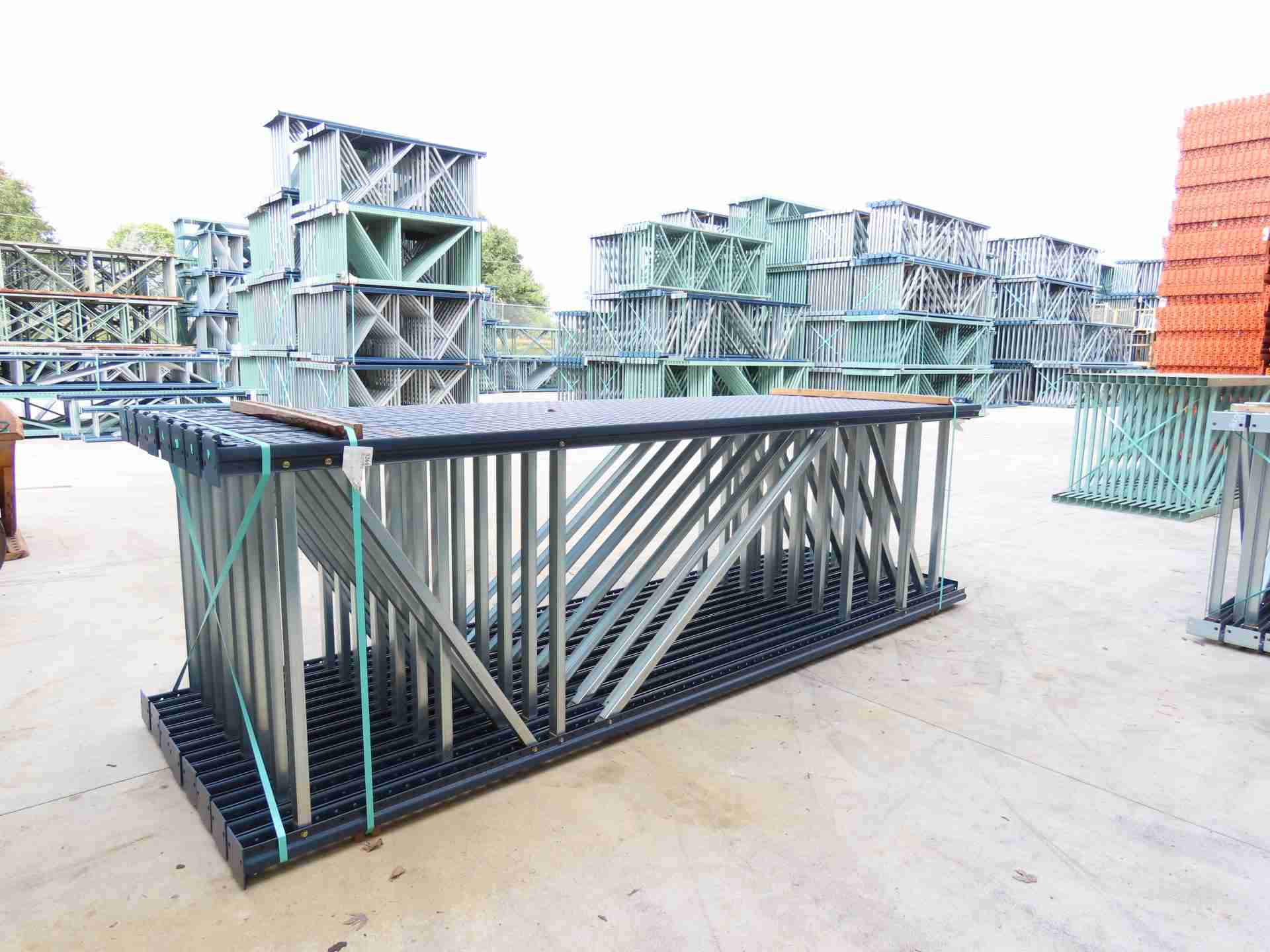
Conclusion
Conclusion:
- Optimizing warehouse space with a pallet racking system is essential for success in today’s efficiency-driven market.
- Effective racking systems maximize vertical space and improve accessibility, enhancing production and inventory management.
- Pallet racking offers numerous benefits, including improved space utilization, organization, and adaptability to market demands.
- Major companies like Amazon and Walmart have succeeded by implementing advanced pallet racking solutions.
- Strategic planning is crucial in choosing the right racking system to match unique storage needs and growth potential.
- Investing in modern materials and technologies ensures durability and compliance with safety standards.
- Act quickly to upgrade storage solutions to avoid falling behind competitors—contact Arrow Industrial Sales for tailored guidance.
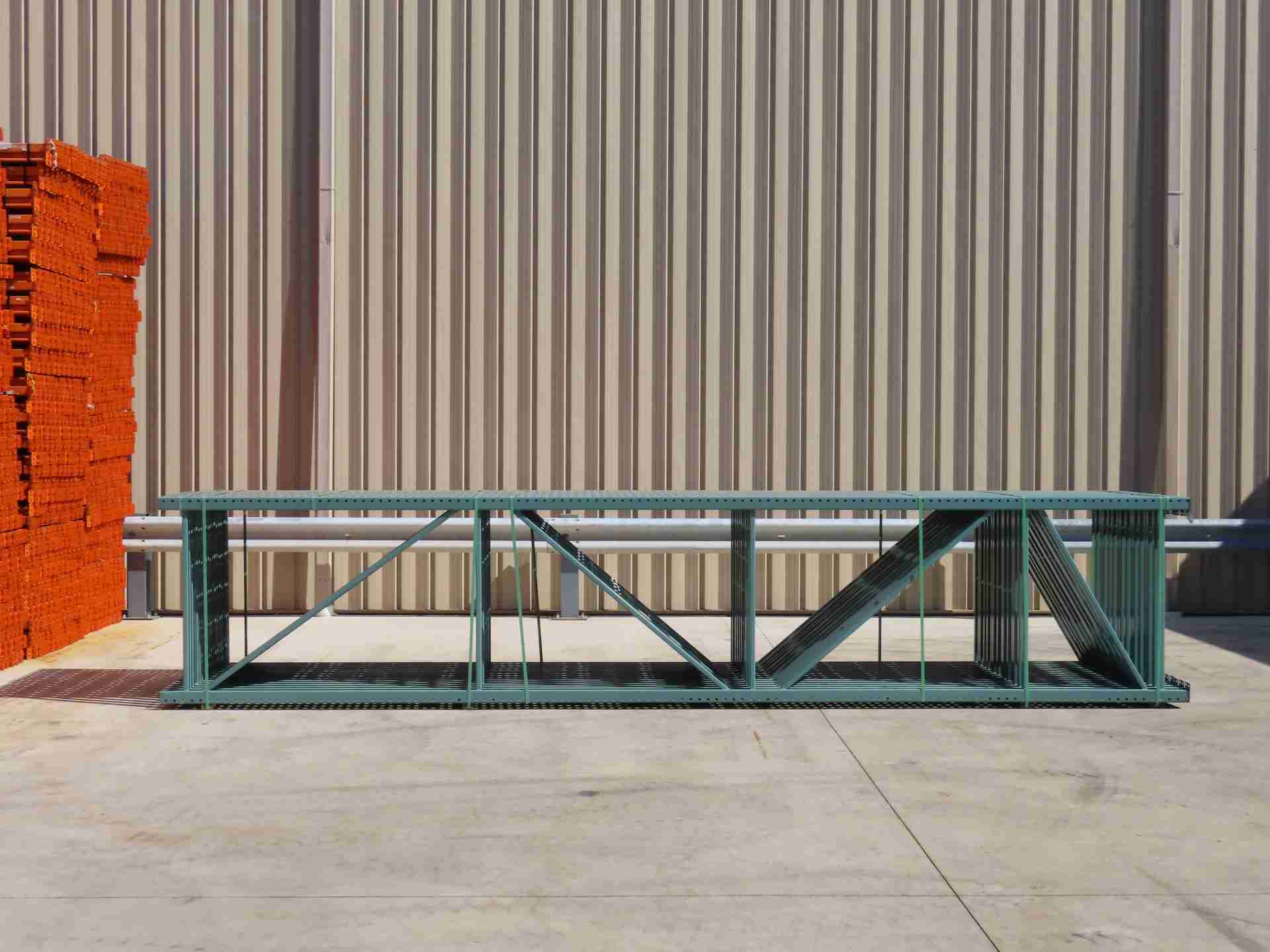
Conclusion
Other Resources
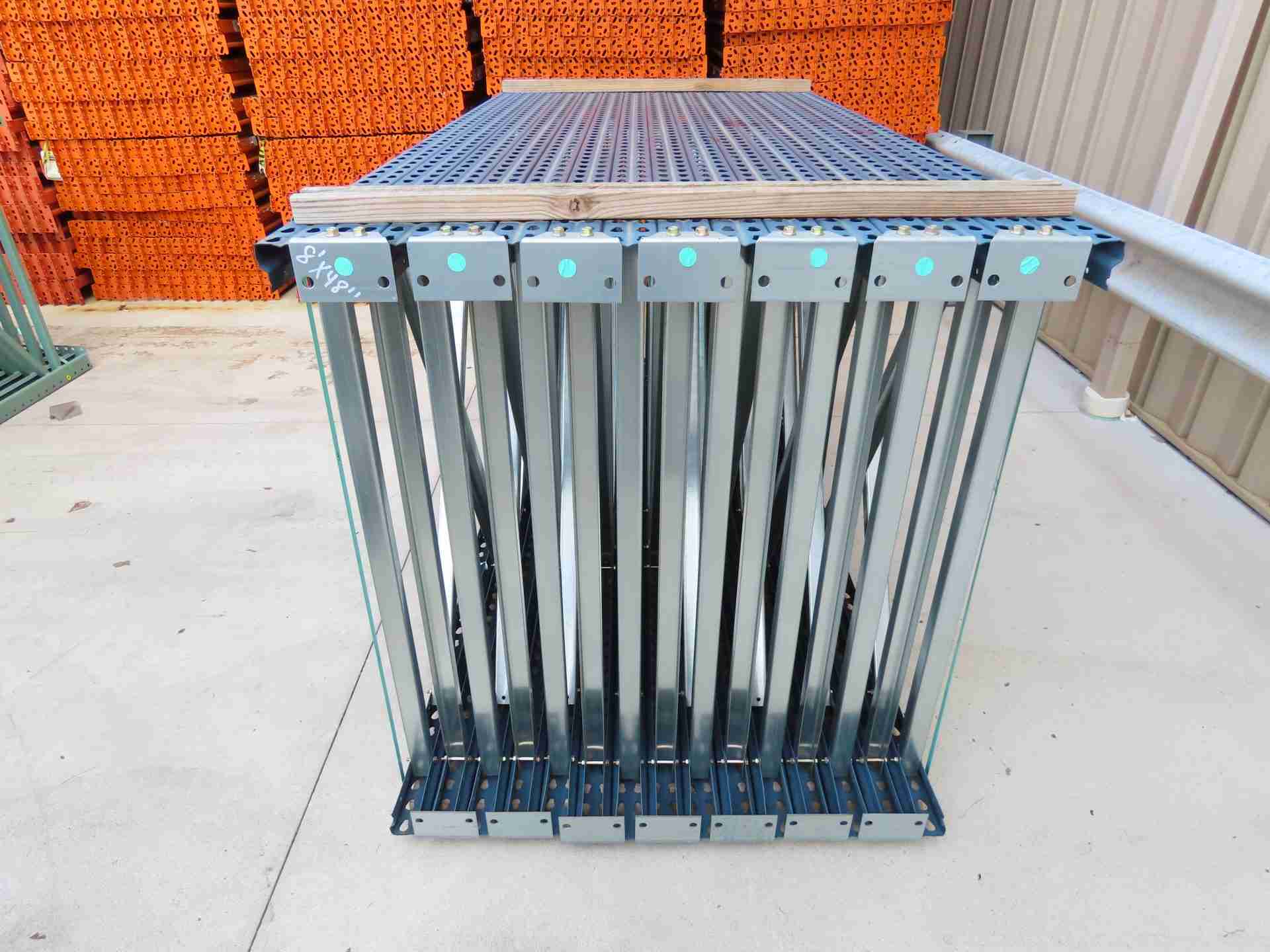
Other Resources
Here is a list of other resources you can review online to learn more:
- “Pallet Racking (Selective Storage Racks)”
- “Pallet Racking”
- “Pallet racking system – Hydro Racks”
- “Why Every Shipping Warehouse Needs a Pallet Racking …”
- “9 Pallet Racking FAQs”
- “Pallet Racks”
- “Selective Storage Systems: Types”
- “Warehouse Racking Market Size to Surpass US$ 13.51 …”
Other Resources
Glossary Terms
What Is Pallet Racking System – Glossary Of Terms
1. Pallet: A flat transport structure that supports goods in a stable manner while being lifted by a forklift or pallet jack.
2. Racking: The framework or structure used to store pallets or products, organized in vertical sections to maximize storage space.
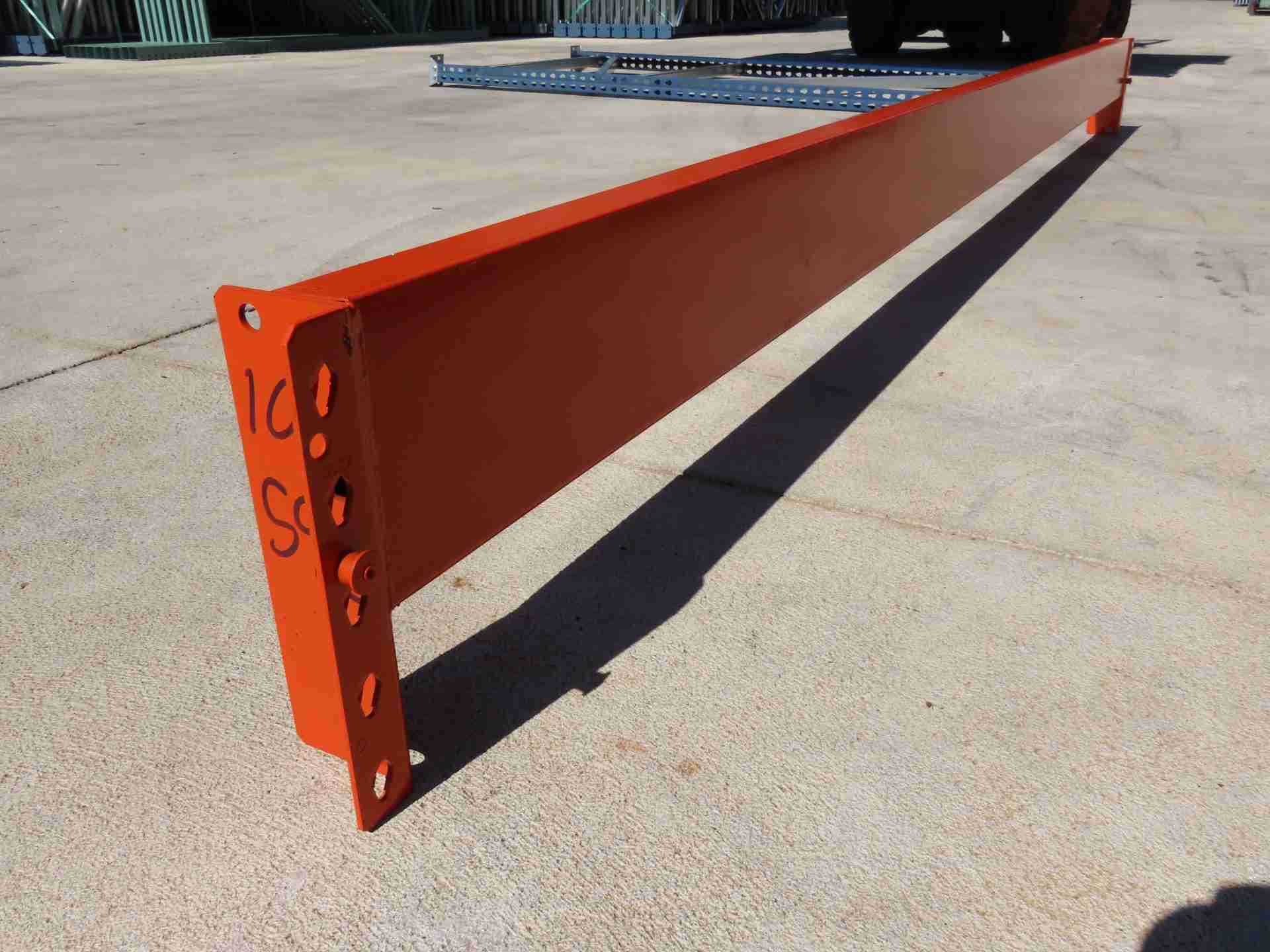
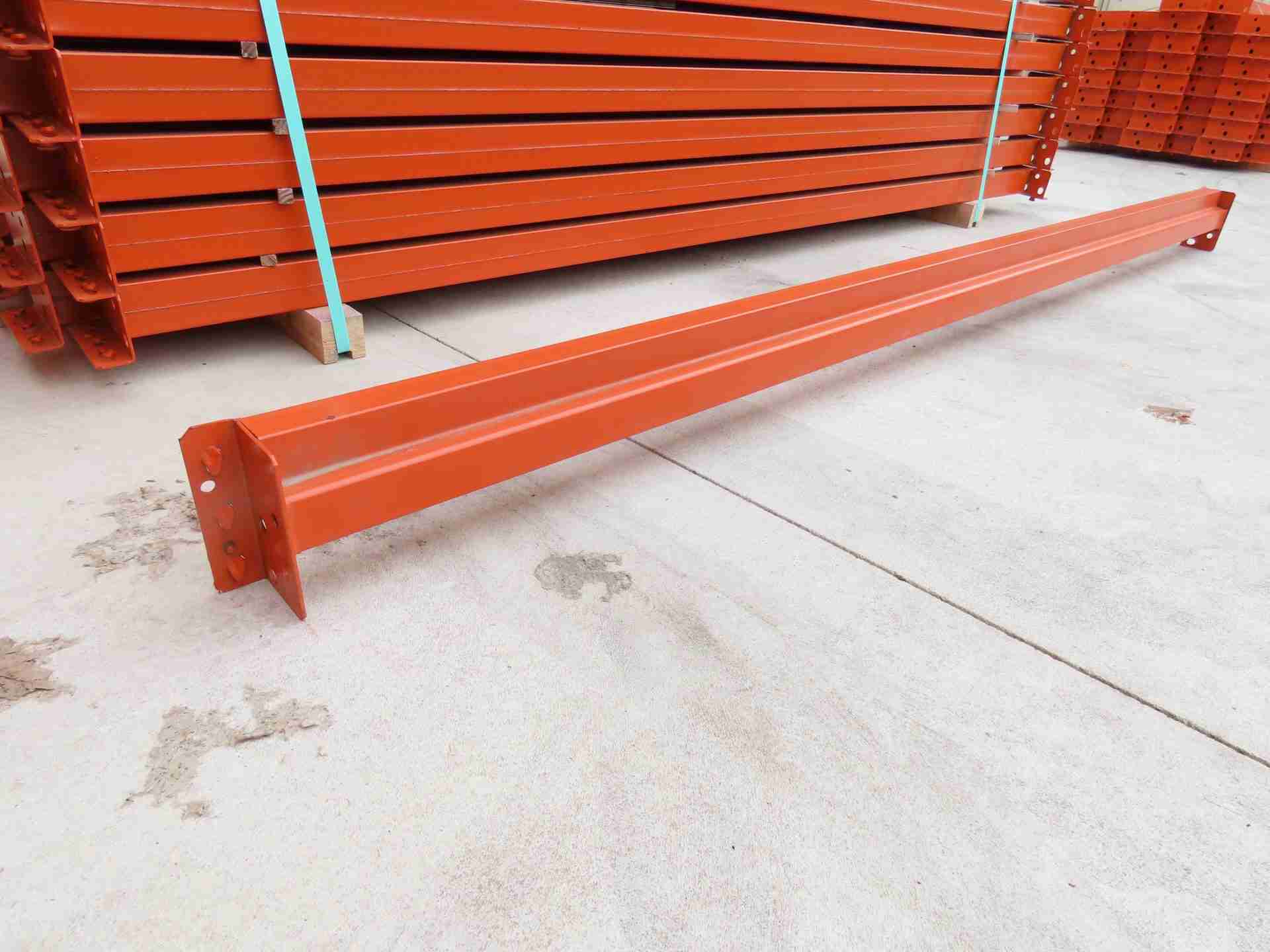
3. Beam: A horizontal support component of a racking system that holds pallets or goods.
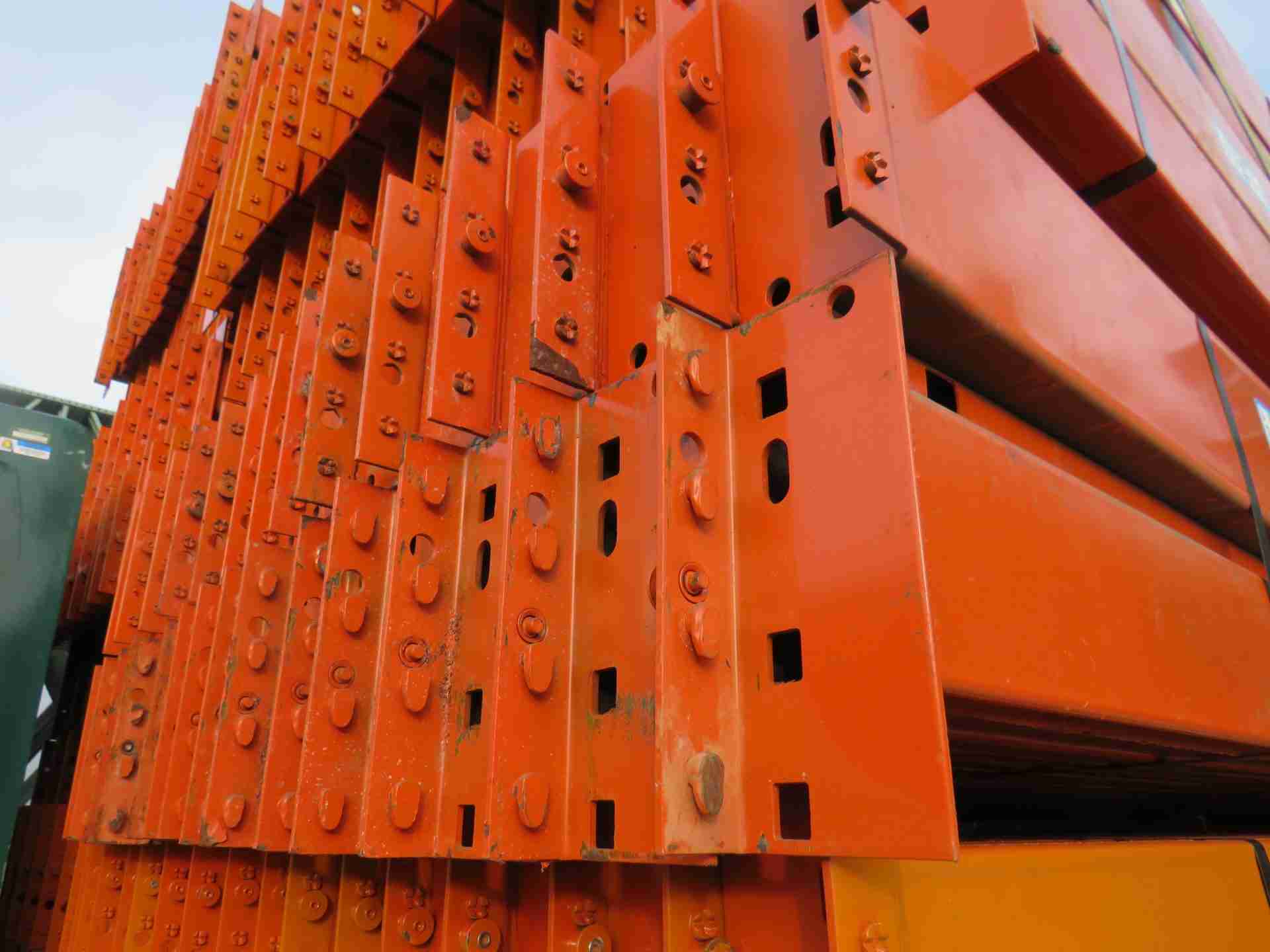
4. Upright: The vertical posts in a racking system that provide structural support and connect beams to create a stable storage system.
5. Load Capacity: The maximum weight that a racking system can safely hold without compromising structural integrity.
6. Selective Racking: A type of racking system that allows for easy access to all pallets, facilitating efficient stock retrieval.
7. Drive-In Racking: A storage system that allows forklifts to drive into the rack, optimizing space by providing high-density storage.
8. Push Back Racking: A racking method where pallets are stored on wheeled carts that push back into the racking system, allowing for high-density storage.
9. Cantilever Racking: A type of racking system designed for storing long or bulky items, featuring arms extending outward from a vertical frame.
10. Stacking Frames: Metal structures that allow for stacking multiple pallets or items without traditional shelves.
11. Forklift: A powered industrial vehicle used to lift and move materials over short distances, commonly utilized in warehouses with racking systems.
12. Safety Lock: A mechanism that secures beams to uprights in a racking system to prevent accidental disengagement.
13. Column Protector: A device installed on the upright posts to protect them from damage caused by forklifts or other equipment.
14. Rack Configurations: The various layouts and arrangements of racking systems designed to best utilize available warehouse space.
15. Aisle Width: The space between rows of racks, critical for allowing forklift maneuverability and access to stored goods.
16. Pallet Size: Standard dimensions of pallets, influencing racking system design and configuration (e. g. , 48″x40″ for standard pallets in North America).
17. Storage Density: A measure of how much product can be stored within a given amount of space, influenced by the type of racking system used.
18. Inventory Management: The process of overseeing and controlling stock levels in a warehouse or distribution center to optimize storage and retrieval.
19. Vertical Storage: The practice of utilizing vertical space in a warehouse by arranging products vertically using racking systems.
20. Modular Racking: A customizable racking system that can be altered or expanded based on specific storage needs.
21. Pallet Flow Racking: A type of racking that utilizes gravity to allow pallets to flow from the loading area to the picking area.
22. Weight Distribution: The way weight is spread across the racking system to ensure stability and prevent tipping.
23. Cross Beam: A horizontal beam that connects multiple vertical supports, providing structural integrity to the racking system.
24. End-of-Aisle Rack: Racking located at the end of aisles, often used for displaying promotional items or for additional storage.
25. Shelf Life: The duration of time that stock remains in good condition while stored on a racking system.
26. Mezzanine: An intermediate floor between the ground and main floors in a warehouse, often used for additional storage or work areas with racking systems.
27. Warehouse Management System (WMS): A software application that helps manage inventory levels, order fulfillment, and racking system layouts.
28. Anchoring: The process of securing a racking system to the floor to enhance stability and safety.
29. Clearance: The vertical space between the top of a pallet and the next shelf or ceiling, important for avoiding collisions and ensuring safety.
30. Inspection and Maintenance: Regular checks and upkeep of racking systems to ensure safety, functionality, and compliance with regulations.
Glossary Of Terms
Other Questions
What Is Pallet Racking System – Other Questions
If you wish to explore and discover more, consider looking for answers to these questions:
- What are the different configurations of pallet racking systems?
- How can I evaluate my warehouse’s specific storage needs?
- What are the installation requirements for different types of pallet racking?
- How do I ensure safety compliance in my pallet racking system?
- What are the maintenance requirements for pallet racking systems?
- Can pallet racking systems be adjusted or reconfigured easily?
- What are the costs associated with different pallet racking systems?
- How do I integrate inventory management systems with pallet racking?
- What are the industry standards for pallet racking design?
- How does automation affect the choice of pallet racking systems?
- What additional accessories can enhance the efficiency of pallet racking systems?
- How can I assess the durability and load capacity of pallet racking materials?
- What kind of training do staff require for using pallet racking systems safely?
- How do pallet racking systems impact overall warehouse workflow?
- What are some real-life case studies of businesses that successfully implemented pallet racking?

Other Questions
Checklist
What Is Pallet Racking System – A Checklist
1. Assess Your Needs
_____ Identify Inventory Types: Determine if your inventory consists of heavy, bulky items or smaller products.
_____ Analyze Space Constraints: Measure your warehouse’s ceiling height and floor layout to understand the constraints.
2. Choose the Right Pallet Racking System
_____ Evaluate Options: Research different types of racking (Selective, Drive-In, Push Back, Pallet Flow, Cantilever, etc. ) that meet your specific needs.
_____ Consider Customization: Look for customizable options that can adapt to changing inventory or operational requirements.
3. Plan Your Layout
_____ Design a Racking Layout: Draft a detailed installation plan including aisle widths, load capacities, and access efficiency.
_____ Optimize Vertical Space: Ensure your design makes full use of vertical space while maintaining safety and accessibility.
4. Conduct Regular Inspections
_____ Schedule Inspections: Implement a routine inspection schedule to check for wear and tear or any potential hazards.
_____ Train Staff: Educate employees on best practices for handling and storing products to ensure safe operations.
5. Maintain Safety Standards
_____ Adhere to Regulations: Ensure compliance with safety standards set by organizations like OSHA and ANSI.
_____ Implement Protective Measures: Install rack guards and column protectors to prevent damage and enhance safety.
6. Implement Effective Inventory Management
_____ Use Inventory Management Systems: Invest in systems that integrate with your pallet racking for real-time tracking and efficiency.
_____ Organize Stock for FIFO or LIFO: Depending on your inventory type, ensure your layout allows for First In First Out (FIFO) or Last In First Out (LIFO) retrieval.
7. Evaluate Costs
_____ Estimate Installation Costs: Account for both equipment and professional installation costs in your budget.
_____ Consider Ongoing Costs: Plan for maintenance and potential upgrades as your inventory changes.
8. Stay Adaptable
_____ Monitor Market Changes: Keep an eye on industry trends and changing consumer demands to adapt your racking system accordingly.
_____ Utilize Technology: Explore automation and advanced technology for enhanced efficiency within your racking system.
9. Improve Workflow Efficiency
_____ Enhance Accessibility: Ensure that the layout allows quick access to high-turnover items.
_____ Reduce Retrieval Times: Streamline picking processes to enhance order fulfillment speeds.
10. Create a Maintenance Plan
_____ Schedule Regular Maintenance: Develop a proactive maintenance schedule to extend the life of your pallet racking system.
_____ Document Major Changes: Keep records of any significant modifications or repairs made to the system over time.
By following this checklist, you can ensure your pallet racking system is set up for maximum efficiency, safety, and adaptability. Regular reviews and adjustments will keep your operations agile in today’s fast-paced marketplace.
Checklist
At RackingWorld, we help guide you through selecting warehouse storage systems and racking.
Be sure to read our other related stories at RackingWorld to learn more about warehouse storage systems.
0 Comments