
Maximizing Storage Efficiency With Cantilever Rack Integration
By Tom Seest
At RackingWorld, we help guide you through selecting warehouse storage systems and racking.
Be sure to read our other related stories at RackingWorld to learn more about warehouse storage systems.
How Do You Integrate Cantilever Racks with Other Storage Solutions?
In today’s fast-paced marketplace, optimizing your warehouse space is not just a preference; it’s an absolute necessity. One of the most effective ways to ensure your storage system is both efficient and versatile is by integrating cantilever racks with other storage solutions. This combination can transform your inventory management from a cumbersome headache into a streamlined, efficient powerhouse.
Cantilever racks are specifically designed for storing long and bulky items, such as steel beams and lumber. However, when you consider the entire spectrum of your inventory needs, a one-size-fits-all solution falls short. That’s where integration shines. Imagine using cantilever racks in conjunction with pallet racking and shelving systems. For instance, while cantilever racks hold your longer materials, pallet racks can efficiently store boxed goods and smaller items. This dual-system approach allows for maximized storage density, reducing the footprint required to accommodate diverse inventory.
Let’s take a real-world example. In 2023, amidst the ongoing shifts in supply chain dynamics, many companies are reevaluating their storage strategies. A large home improvement retailer faced challenges managing its seasonal inventory efficiently. By integrating cantilever racks for lumber and building materials with their existing shelving systems used for hardware and paint, they not only optimized their space but also improved accessibility for quick stock retrieval. This integration also allowed for a clearer division of inventory types, making stock management easier and more accurate.
Moreover, don’t overlook the role of vertical space utilization. Combining cantilever racks with vertical lift systems can significantly enhance your storage capabilities. These systems can automate the retrieval of stored items, reducing labor costs and minimizing workplace accidents. Consider a distribution center that adopted this method in late 2022—by stacking cantilever racks vertically and supplementing them with automated retrieval, they improved picking efficiency by over 40%.
Also, bear in mind the importance of flexibility. In a time where trends shift rapidly—such as the increased demand for certain materials in renewable energy projects—the ability to adapt your storage strategy is critical. Modular storage systems that include cantilever racks lend themselves to quick reconfiguration, enabling you to respond to market changes without costly downtime.
Integrating cantilever racks with other storage solutions isn’t just a smart strategy; it’s a necessary one in the current business climate. By thoughtfully combining different storage types, you can enhance efficiency, improve safety, and unlock your warehouse’s full potential. Remember, in storage as in business, adaptability leads to success.

How Do You Integrate Cantilever Racks with Other Storage Solutions?
How Do You Integrate Cantilever Racks with Other Storage Solutions?
- Optimizing warehouse space is essential in today’s fast-paced marketplace.
- Cantilever racks are ideal for storing long and bulky items, enhancing inventory management.
- Integrating cantilever racks with pallet racking and shelving maximizes storage density.
- A large home improvement retailer improved accessibility and stock management by integrating cantilever racks with existing shelving systems.
- Combining cantilever racks with vertical lift systems can boost storage capabilities and reduce labor costs.
- Flexibility in storage strategy is crucial due to rapid market changes, especially in demand for certain materials.
- Integration of various storage solutions enhances efficiency, safety, and overall warehouse potential.

How Do You Integrate Cantilever Racks with Other Storage Solutions?
Table Of Contents
- How Do You Integrate Cantilever Racks with Other Storage Solutions?
- What Are Cantilever Racks And How Do They Work?
- What Types Of Materials Can Be Stored On Cantilever Racks?
- How Do Cantilever Racks Compare To Other Storage Systems?
- What Factors Should Be Considered When Choosing Cantilever Racks?
- How Can Cantilever Racks Enhance Accessibility In A Warehouse?
- What Are The Safety Considerations For Using Cantilever Racks?
- How Do You Maximize Vertical Space With Cantilever Racks?
- What Accessories Can Be Used With Cantilever Racks For Efficiency?
- How Can You Integrate Cantilever Racks With Pallet Racking?
- What Are The Best Practices For Maintaining Cantilever Racks?
- How Do You Plan The Layout For Cantilever Racks And Other Systems?
- What Are Common Pitfalls To Avoid When Using Cantilever Racks?
- How Can You Integrate Cantilever Racks With Shelving Units?
- How Do You Ensure Stability When Using Cantilever Racks?
- Conclusion
- Other Resources
- Glossary Of Terms
- Other Questions
- Checklist
What Are Cantilever Racks And How Do They Work?
What Are Cantilever Racks and How Do They Work?
In the bustling world of inventory management and warehouse efficiency, one storage mechanism stands tall—literally and figuratively—above the rest: cantilever racks. These versatile structures have become an essential component for businesses dealing with long or bulky items, offering a space-saving solution that maximizes vertical space while facilitating easy access.
So, what exactly are cantilever racks? Imagine a robust framework of vertical columns with arms extending outward—sometimes referred to as “cantilevers.” These arms can be adjusted to accommodate different lengths and weights of materials, making them particularly useful for storing lumber, pipes, furniture, and other oversized products. Unlike traditional shelving units, cantilever racks do not have front supports, allowing for loading and unloading items on either side, which improves efficiency and workflow.
One of the key advantages of cantilever racks is their customizability. For instance, if you are a retailer specializing in home improvement supplies, you may have a variety of product sizes that require unique storage solutions. A cantilever rack system can be tailored to your exact specifications, whether you’re storing 10-foot pieces of lumber or cumbersome appliances. This ability to adapt means you never have to compromise on your inventory management strategy.
Moreover, businesses are increasingly turning to cantilever racks in light of the ongoing supply chain challenges exacerbated by recent global events. With heightened demand for efficient storage solutions to combat scarcity and delays, adopting cantilever racks can enhance a company’s operational resilience. By maximizing vertical storage, you reduce your footprint and ideally prevent your stock from gathering dust rather than moving steadily to your customers.
Take, for instance, the booming e-commerce sector, which has seen a significant surge in demand for warehouse space and efficient item handling. Companies are embracing cantilever racks to optimize their storage capabilities, allowing them to streamline their operations and meet customer expectations faster. Largely, these racks serve as the backbone of an agile warehouse, enabling quick access to products and, ultimately, facilitating a seamless customer experience.
In summary, cantilever racks are not just storage solutions; they are strategic tools that ensure productivity and adaptability in today’s fast-paced marketplace. If you’re looking to enhance your warehousing efficiency and respond to evolving business demands, investing in a cantilever rack system may just be the intelligent choice that propels your enterprise to new heights. Don’t leave your storage needs in the past—embrace the future with cantilever racks today!

What Are Cantilever Racks And How Do They Work?
What Are Cantilever Racks And How Do They Work?
- Cantilever racks are essential for businesses managing long or bulky items.
- They consist of vertical columns with adjustable arms, allowing the storage of various material sizes and weights.
- Unlike traditional shelving, cantilever racks have no front supports, facilitating loading and unloading from both sides.
- Customizable to meet specific storage requirements, they cater to different product sizes.
- Increasing supply chain challenges have led businesses to adopt cantilever racks for improved operational resilience.
- These racks are particularly beneficial in the e-commerce sector, enhancing storage capabilities and efficiency.
- Cantilever racks are strategic tools that boost warehousing efficiency and adaptability in a fast-paced market.

What Are Cantilever Racks And How Do They Work?
What Types Of Materials Can Be Stored On Cantilever Racks?
When it comes to maximizing storage efficiency in warehouses and industrial settings, cantilever racks stand out as a game-changing solution. Designed with an open structure that allows easy access from multiple sides, these racks are the ideal choice for storing a wide range of materials, especially those that are long, bulky, or irregularly shaped. But what specific types of materials truly benefit from this innovative storage system?
1. Lumber and Building Materials
Constructing something substantial? Cantilever racks are your best friend. Perfect for storing lumber, plywood, and other building materials, these racks can accommodate various lengths and weights, allowing for easy organization and retrieval. Take today’s booming construction industry, where lumber prices have seen significant fluctuations; keeping a well-organized inventory of materials can save you time and money, allowing you to respond swiftly to demand and supply changes.
2. Pipes and Tubing
In industries like plumbing, oil and gas, and overall manufacturing, cantilever racks provide the perfect solution for storing pipes and tubing of various diameters and lengths. The design ensures that heavy items are stored safely and securely, reducing the risk of damage and making it simple to access them when needed. As projects grow in size and complexity, a well-utilized cantilever rack can streamline operations and enhance productivity.
3. Metal Sheets and Fabricated Parts
Metal manufacturers often face challenges in efficiently storing large sheets and components. Cantilever racks provide the ideal solution, allowing for safe, organized storage without the risk of warping or bending. With current supply chain disruptions impacting metals and manufacturing, having a reliable storage method minimizes downtime and optimizes workflow.
4. Furniture and Large Appliances
Retailers dealing in furniture or large appliances will find cantilever racks invaluable. The open design permits easy display and accessibility while also protecting the items from damage. As e-commerce and online sales continue to surge—especially in the wake of recent global events—efficient inventory handling becomes crucial for maintaining customer satisfaction and timely deliveries.
5. Automotive Parts
The automotive industry thrives on accessories and components of all shapes and sizes. Cantilever racks facilitate efficient storage of everything from bumpers to tires, allowing for quick inventory checks and simplified order fulfillment. In a rapidly evolving market where electric vehicles are on the rise, having an adaptable and organized storage space is essential.
Investing in cantilever racks not only optimizes your space but also positions your business to thrive amid current market challenges. The right materials stored in the right way can transform your operational efficiencies and drive profitability. Don’t just store it—store it smarter with cantilever racks!

What Types Of Materials Can Be Stored On Cantilever Racks?
What Types Of Materials Can Be Stored On Cantilever Racks?
- Cantilever racks enhance storage efficiency in warehouses and industrial settings.
- Ideal for storing long, bulky, or irregularly shaped materials with easy access from multiple sides.
- Perfect for lumber and building materials, aiding organization and responsiveness in construction.
- Safe storage solution for pipes and tubing, reducing damage risks and improving productivity.
- Organizes metal sheets and fabricated parts effectively, minimizing downtime in manufacturing.
- Invaluable for retailers of furniture and large appliances, supporting inventory handling and customer satisfaction.
- Facilitates efficient storage of automotive parts, enabling quick inventory checks in a dynamic market.

What Types Of Materials Can Be Stored On Cantilever Racks?
How Do Cantilever Racks Compare To Other Storage Systems?
When it comes to optimizing your storage space, cantilever racks emerge as a powerhouse choice, particularly when stacked up against traditional storage systems. Let’s break down why these racks are not just a viable option, but often the superior one for specific industries.
Versatility in Storage Needs
Cantilever racks are specifically designed to accommodate long or bulky items—think lumber, pipe, or even sheets of metal. Unlike conventional pallet racks, which are typically more restrictive and better suited for uniform boxes, cantilever racks offer the flexibility to store a variety of lengths and sizes with ease. For example, if you’re managing a lumberyard, why wrestle with systems ill-equipped for your inventory? Cantilever racks allow you to stack timber efficiently without the fuss by using arms that extend from a vertical column. Some systems even allow for adjustable arms, meaning you can customize your storage based on the height and length of your current stock.
Efficient Space Utilization
Let’s consider the problem of floor space—a common dilemma in warehouses across the globe. With supply chain issues continuing to dominate headlines, maximizing every inch of storage is essential. Cantilever racks provide vertical storage, allowing businesses to reach higher without necessarily expanding their footprint. For instance, a recent case study from a manufacturing company showed that switching to cantilever racks increased their storage capacity by 30%, reducing clutter and improving workflow efficiency.
Ease of Accessibility
One of the most appealing features of cantilever racks is the unhindered access they provide. When loaded right, items are easy to grab without negotiating the complex layers of pallets. This means improved productivity and a safer working environment since employees don’t have to climb and dig through stacked boxes to find what’s needed. Imagine running a repair shop where the time saved in retrieving parts translates into faster turnaround for customers—every minute counts in today’s hyper-competitive marketplace.
Cost-Effectiveness in the Long Run
In recent economic conditions, where operational costs hang in a delicate balance, making smart decisions is imperative. While the upfront investment for a cantilever rack might be higher than standard shelving options, consider the long-term savings. Reduced labor costs, increased efficiency, and lower potential damages (as items are more securely stored) translate into significant returns. Companies currently navigating supply chain disruptions can utilize cantilever racks to better manage fluctuating inventory levels without incurring extra costs for space.
To sum it up, cantilever racks are not just an option—they’re a strategic asset that provides unparalleled efficiency, adaptability, and accessibility in stores and warehouses alike. In an era where business resilience is paramount, investing in cantilever racks could very well be your smartest move yet.

How Do Cantilever Racks Compare To Other Storage Systems?
How Do Cantilever Racks Compare To Other Storage Systems?
- Versatility in Storage Needs: Cantilever racks are designed for long or bulky items, offering flexibility unlike traditional pallet racks.
- Efficient Space Utilization: They maximize vertical storage, increasing capacity (up to 30% in some cases) without expanding floor space.
- Ease of Accessibility: Items are easily accessible, improving productivity and ensuring a safer work environment by reducing the need for complex pallet navigation.
- Cost-Effectiveness in the Long Run: Although initial costs may be higher, they offer long-term savings through reduced labor costs and lower potential damages.
- Strategic Asset: Cantilever racks provide unparalleled efficiency, adaptability, and accessibility for businesses.
- Improved Workflow: The design helps reduce clutter, leading to enhanced workflow efficiency in warehouses and stores.
- Support for Business Resilience: Investing in cantilever racks can be a smart move for better inventory management amid supply chain disruptions.

How Do Cantilever Racks Compare To Other Storage Systems?
What Factors Should Be Considered When Choosing Cantilever Racks?
When it comes to selecting the best cantilever racks for your storage needs, you need to think strategically, much like an astute investor evaluating an opportunity. It’s not just about the price tag; it’s about the return on investment a well-chosen system can provide. Here are the key factors to consider:
1. Load Capacity: The first step is to assess your load requirements. Understanding the weight and dimensions of the items you’ll be storing is critical. Heavy-duty items, like steel beams or lumber, require racks built to accommodate increased stress. For example, businesses in the construction sector, which have seen a recent surge in demand due to infrastructure programs, must ensure their racks can handle substantial weight without compromising safety.
2. Environment: The environment in which your cantilever racks will be placed can greatly influence your choice. Outdoor storage conditions can subject racks to corrosion and wear; if that’s the case, opting for galvanized or powder-coated finishes is smart. In contrast, climate-controlled warehouses might allow for more flexibility in materials and coatings. Consider the recent trends in green building practices, requiring facilities to invest in durable and sustainable solutions.
3. Configuration: Your warehouse layout dictates the configuration of your racks. Will they be single-sided or double-sided? If space is tight and you need to maximize vertical storage, double-sided racks can be a boon. Retail businesses rearranging stock dynamically might benefit from adjustable rack systems that adapt quickly to changing inventory levels.
4. Accessibility: Every second counts in warehouse operations. The design of your cantilever racks should allow for quick access to goods, minimizing downtime. This is particularly crucial in e-commerce, where speed can be a differentiator. Companies are embracing advanced picking strategies, where easy-to-access racks are pivotal in speeding up order fulfillment.
5. Compliance and Safety: Last but not least, ensure that the cantilever racks you choose adhere to industry standards and regulations. For example, OSHA regulations are stringent. Investing in high-quality racks that meet safety codes not only protects your workforce but also mitigates potential liabilities.
By meticulously evaluating these factors, you will not only enhance your operational efficiency but also increase your bottom line. Remember, the decision you make today will have repercussions for years to come. Make it count by choosing cantilever racks that stand the test of time and demand.

What Factors Should Be Considered When Choosing Cantilever Racks?
What Factors Should Be Considered When Choosing Cantilever Racks?
- Load Capacity: Assess the weight and dimensions of stored items to ensure racks can handle heavy-duty loads, especially in industries like construction.
- Environment: Choose rack materials based on the storage environment; galvanized or powder-coated finishes are ideal for outdoor settings.
- Configuration: Optimize warehouse layout with single-sided or double-sided racks; adjustable systems can adapt to changing inventory levels.
- Accessibility: Design racks for quick access to goods to minimize downtime, particularly crucial in fast-paced e-commerce operations.
- Compliance and Safety: Ensure racks meet industry standards and regulations, such as OSHA, to protect workforce safety and mitigate liabilities.
- Operational Efficiency: Carefully evaluate these factors to enhance operational efficiency and improve financial returns.
- Long-Term Impact: Make informed decisions on cantilever racks, as they will affect your business operations for years to come.

What Factors Should Be Considered When Choosing Cantilever Racks?
How Can Cantilever Racks Enhance Accessibility In A Warehouse?
In the fast-paced world of logistics and warehousing, efficiency reigns supreme. One powerful ally in maximizing accessibility is the cantilever rack. Unlike conventional shelving systems, cantilever racks are specifically designed for flexible storage of long, bulky, or oddly shaped items. Picture a warehouse with stacks of lumber, piping, or tires; cantilever racks offer a streamlined solution that transforms chaos into order.
Maximized Vertical Space
One of the standout benefits of cantilever racks is their ability to utilize vertical space effectively. Unlike traditional pallet racks that come with fixed levels, cantilever racks are adjustable. This means you can customize the height of the arms based on the size of your inventory. Recent reports indicate that companies that switch to cantilever systems can increase storage capacity by up to 30%. In a market where every square foot of space counts – especially with soaring real estate prices – this can lead to significant cost savings.
Unobstructed Access
Have you ever struggled to retrieve items from deeply stacked shelves? Cantilever racks eliminate that hurdle by providing unobstructed access to your goods. The absence of front columns means forklifts and pallet jacks can maneuver freely, allowing for faster loading and unloading times. A recent study showed that warehouses implementing cantilever systems saw a 20% improvement in operational efficiency—translating to quicker deliveries, happier customers, and ultimately, more profits.
Versatility and Adaptation
In today’s ever-evolving market, versatility is key. Cantilever racks can be adapted for various industries, from construction materials to retail merchandise. Imagine a warehouse that handles both seasonal inventory and construction supplies effectively. You can scale your cantilever racks up or down as needed, allowing you to pivot in response to market demands. This flexibility is particularly relevant in light of the ongoing supply chain disruptions faced by many retailers—and being prepared means being profitable.
Safety Improvements
When it comes to accessibility, safety can’t be overlooked. Cantilever racks improve workplace safety by reducing the risk of accidents associated with climbing on ladders or reaching awkwardly for items. With clearly visible storage locations, workers can quickly and directly access what they need, minimizing strain and the potential for injury.
With a clear focus on maximizing space, efficiency, versatility, and safety, it’s evident that integrating cantilever racks into your warehouse setup is not just a smart move—it’s essential in today’s competitive landscape. By investing in cantilever racks, you’re not simply organizing your warehouse; you’re enhancing accessibility that can drive your business forward.

How Can Cantilever Racks Enhance Accessibility In A Warehouse?
How Can Cantilever Racks Enhance Accessibility In A Warehouse?
- Cantilever racks provide flexible storage for long, bulky, or oddly shaped items, improving organization in warehouses.
- They maximize vertical space with adjustable arms, increasing storage capacity by up to 30%, leading to significant cost savings.
- The design allows for unobstructed access, enabling forklifts and pallet jacks to maneuver freely and resulting in a 20% improvement in operational efficiency.
- Cantilever racks offer versatility, adaptable for various industries, thereby supporting seasonal inventory and construction supplies.
- They enhance workplace safety by minimizing the need for ladders and awkward reaching, reducing the risk of accidents.
- Integrating cantilever racks is essential for maximizing space, efficiency, versatility, and safety in today’s competitive logistics landscape.
- Investing in cantilever racks not only organizes warehouses but also enhances accessibility, driving business growth.

How Can Cantilever Racks Enhance Accessibility In A Warehouse?
What Are The Safety Considerations For Using Cantilever Racks?
When it comes to maximizing warehouse storage, cantilever racks provide an unbeatable solution. However, with great storage capacity comes great responsibility. Safety must be the foremost consideration when integrating cantilever racks into your facility. Neglecting this aspect can lead not only to costly product damage but also to severe injuries.
First and foremost, ensuring proper installation is paramount. Cantilever racks can support heavy and awkwardly shaped loads, but if not installed correctly, they pose significant risks. Installation should adhere to the manufacturer’s specifications, which often include anchoring the racks to the floor, using levelers, and confirming that they are plumb and square. A recent incident in a distribution center in California highlighted the dangers of improper installation when a cantilever rack collapsed during a routine operation, injuring several employees. This incident serves as a vital reminder that quality installation can prevent disasters.
Load capacity is another critical factor. Each cantilever rack has a specific weight limit, and overloading can compromise structural integrity. It is essential to communicate these limits to all employees and to enforce strict compliance. Conduct routine audits to track inventory weights against storage capabilities—both for safety and efficiency. A study in logistics management found that workplace injuries significantly decreased when companies adopted rigorous weight training and load verification protocols.
Proper training is indispensable. Employees must be made aware of how to safely load and unload products from cantilever racks. Training sessions should cover best practices, such as maintaining proper posture while handling materials, using appropriate equipment, and recognizing warning signs of excessive wear on racks. Regular training not only helps in adherence to safety protocols but also fosters a culture of safety consciousness among the workforce.
Regular inspections are non-negotiable. Just as you periodically check your fire extinguishers and first-aid kits, you should systematically examine cantilever racks for any signs of damage or wear. Look for bent arms, corrosion, or issues with the base. A proactive approach can prevent minor issues from escalating into catastrophic failures.
Lastly, staying informed about regulatory standards is essential. Familiarize yourself with OSHA regulations and guidelines relevant to warehouse operations, particularly those involving storage systems. By taking a multi-faceted approach to safety—covering installation, training, inspections, and adherence to regulations—you not only protect your employees but also safeguard your bottom line.
When it comes to cantilever racks, safety is not an option; it’s an obligation. By prioritizing safety considerations, you can create a secure and efficient workspace that promotes productivity while minimizing risks.

What Are The Safety Considerations For Using Cantilever Racks?
What Are The Safety Considerations For Using Cantilever Racks?
- Cantilever racks are ideal for maximizing warehouse storage but require careful attention to safety.
- Proper installation is crucial; it must follow the manufacturer’s specifications to prevent risks of collapse.
- Each rack has a specific weight limit; overloading can jeopardize structural integrity and safety.
- Employee training on safe loading and unloading practices is essential to foster a culture of safety.
- Regular inspections of cantilever racks for damage or wear are necessary to avoid catastrophic failures.
- Stay informed about OSHA regulations and guidelines to ensure compliance in warehouse operations.
- Prioritizing safety means creating a secure workspace that enhances productivity while minimizing risks.

What Are The Safety Considerations For Using Cantilever Racks?
How Do You Maximize Vertical Space With Cantilever Racks?
In the ever-evolving landscape of storage solutions, the ability to efficiently utilize vertical space has never been more critical. Enter cantilever racks—an unsung hero in the world of warehousing and retail operations. These specialized shelving systems allow you to take full advantage of your vertical space. By enabling the storage of long and bulky items without the limitations of traditional shelving, cantilever racks can dramatically enhance your operational capacity.
Consider a furniture store that specializes in hardwood pieces. Traditional shelving might limit the display height and restrict the store’s aesthetic. By implementing cantilever racks, the retailer can not only store more products but also create visually appealing displays that draw customers in. With the racks extending upwards, businesses can showcase larger items like tables and cabinets, leaving the floor space open for shoppers to maneuver freely.
The benefits don’t stop at aesthetics. In today’s climate, where supply chain disruptions and increased e-commerce demand are the norm, maximizing storage efficiency could mean the difference between profit and loss. Take a recent example from the automotive parts industry, where a major supplier shifted to cantilever racking systems. By reorganizing their inventory vertically, they increased their storage capacity by nearly 40% while reducing retrieval times. That’s not just a win for their warehouse; it’s a direct boost to their bottom line.
Quality cantilever racks are designed for durability and can support heavy loads, making them ideal for industries dealing with lumber, tubing, and equipment. The versatility of these racks means they can be customized to fit any space—regardless of whether you are dealing with large bulk items or a suite of smaller products. Imagine a construction supply store that incorporates cantilever racks to store both long pieces of lumber and stacks of drywall. This not only makes the space more organized but simplifies the customer experience, as shoppers can easily find what they need without navigating through clutter.
Don’t overlook the impact of organization on employee efficiency. A well-organized space reduces time spent searching for products, allowing staff to focus on sales and customer service. In a world where every minute counts, the careful implementation of cantilever racks can streamline operations and increase profitability.
Maximizing vertical space with cantilever racks is not just about creating more room; it’s about transforming your storage into a strategic asset. With the right approach, you can elevate your operational efficiency and create a more inviting environment for your customers. Embrace the vertical revolution today and watch your business thrive!

How Do You Maximize Vertical Space With Cantilever Racks?
How Do You Maximize Vertical Space With Cantilever Racks?
- Cantilever racks optimize vertical space, enhancing warehousing and retail operations.
- They allow for the storage of long and bulky items beyond the limitations of traditional shelving.
- Examples, such as furniture stores, show that cantilever racks create aesthetically appealing displays while maximizing product storage.
- Increased storage efficiency can significantly impact profitability, as demonstrated by a major automotive parts supplier who improved storage capacity by nearly 40%.
- Cantilever racks are durable and versatile, suitable for various industries handling heavy loads and different product sizes.
- Organized storage with cantilever racks enhances employee efficiency by reducing the time spent searching for products.
- Implementing these racks transforms storage into a strategic asset, fostering operational efficiency and improving customer experience.

How Do You Maximize Vertical Space With Cantilever Racks?
What Accessories Can Be Used With Cantilever Racks For Efficiency?
In the dynamic world of warehousing and inventory management, efficiency isn’t just a bonus—it’s a necessity. Cantilever racks, known for their robust ability to store long, heavy items, can be optimized beyond their fundamental design with the right accessories. This is where the magic happens! Imagine turbocharging your storage solution to maximize space and streamline operations—that’s the competitive edge you’re looking for.
1. Row Spacers and Dividers: One of the most practical accessories for cantilever racks is row spacers. By introducing these simple yet effective tools, you can maintain consistent space between racks, allowing for easier access and organization of materials. Additionally, dividers facilitate the separation of products, ensuring that items do not topple over or mix. In today’s fast-paced e-commerce environment, where Amazon and other giants are constantly optimizing their fulfillment centers, investing in row spacers is a step toward operational excellence.
2. Forklift Guides: Forklift guides are often overlooked, yet they are invaluable in enhancing safety and efficiency. By installing these guides along the aisles of your cantilever rack setup, you provide clear paths for forklifts, reducing the risk of accidents and ensuring that your equipment can navigate swiftly. With the increasing attention on workplace safety regulations, implementing such accessories not only keeps your employees safe but also boosts productivity by reducing downtime.
3. Loading Platforms and Cantilever Shelves: For businesses dealing with diverse inventory types, adding loading platforms and cantilever shelves can significantly enhance usability. Shelves allow you to store smaller items on the same rack, thus reducing the need for additional storage solutions. This is particularly relevant as supply chains are shifting to accommodate ‘just-in-time’ inventory systems, necessitating flexibility in storage configurations.
4. Safety Cages: As companies prioritize safety in a post-pandemic world, integrating safety cages around your cantilever racks can help protect both employees and heavy stock. These cages minimize the risk of falling objects and serve as a clear warning mechanism for workers in busy warehouses, echoing the heightened focus on workplace safety standards in current events.
5. Paint and Labeling Solutions: Finally, embracing a systematic approach to organization with paint and labeling solutions can drive efficiency. Clear labeling and color-coded systems not only improve inventory tracking but also enhance employee training, reducing operational errors that could lead to costly mishaps.
In summary, the accessories you choose for your cantilever racks can dramatically influence your warehouse efficiency. By investing in these enhancements, you position your business for success in a competitive marketplace, where every inch of space counts and every second saved translates into increased profit margins. Don’t just store—store smarter!

What Accessories Can Be Used With Cantilever Racks For Efficiency?
What Accessories Can Be Used With Cantilever Racks For Efficiency?
- Efficiency in warehousing and inventory management is essential, with cantilever racks being optimized using various accessories.
- Row spacers and dividers help maintain organized and accessible storage, crucial for fast-paced e-commerce environments.
- Forklift guides enhance safety and efficiency by providing clear paths for forklifts, reducing accident risks and downtime.
- Loading platforms and cantilever shelves improve usability by allowing the storage of smaller items, supporting just-in-time inventory systems.
- Safety cages around cantilever racks protect employees and inventory, reflecting a focus on safety in modern warehouses.
- Paint and labeling solutions improve organization, inventory tracking, and employee training, reducing operational errors.
- Choosing the right accessories for cantilever racks can significantly enhance warehouse efficiency and drive profitability.

What Accessories Can Be Used With Cantilever Racks For Efficiency?
How Can You Integrate Cantilever Racks With Pallet Racking?
In today’s dynamic warehousing landscape, efficiency and adaptability are the keys to success. If you’re looking to maximize your storage capabilities, combining cantilever racks with pallet racking can be a game changer. This powerful integration not only optimizes your space but also enables you to handle diverse inventory types, enhancing your operational efficiency and profitability.
Consider a furniture retailer, for instance. They often deal with long items like sofas and tables that need spacious accommodations. By implementing cantilever racks alongside traditional pallet racking, they can store those long, bulky items without sacrificing valuable floor space. In the pallet section, they can efficiently manage boxed items, including accessories or smaller furniture pieces, all while maintaining an organized layout that streamlines picking and packing processes.
Furthermore, remember that the right blend of cantilever racks and pallet storage can optimize your workforce. Picture your warehouse team being able to retrieve goods more quickly because the layout is sensible and logical. With cantilever racks taking care of the longer items — like plywood sheets or metal piping — and pallet racks managing the bulk of packaged goods, you create a natural flow in your operations. Employees won’t waste precious minutes navigating around obstacles or searching for misplaced items; they can pick orders faster, leading to improved turnaround times that directly affect customer satisfaction.
Moreover, integrating these two systems allows for scalability. In an unpredictable economy, businesses must be resilient. Imagine a scenario where your retail operation suddenly introduces a new product line. Integrating cantilever racks allows you to accommodate additional inventory without overhauling your entire space. For instance, during the post-pandemic surge of home improvement projects, many suppliers found themselves scrambling for storage solutions for new products while ensuring their existing inventory remained accessible.
Safety is another factor to consider. When both storage systems are designed cohesively, you ensure structural integrity and reduce the risk of accidents. For example, cantilever racks must be anchored appropriately, and this safety consideration becomes more streamlined when designed in conjunction with pallet racking systems.
To conclude, the integration of cantilever racks with pallet racking is not just a smart move for specialized warehouses; it’s a strategic investment in your business’s growth and efficiency. Whether augmenting your long-item storage capabilities or improving workflow, this integration can propel your operations into a new realm of potential. As we navigate the evolving market demands, leveraging such innovative storage solutions will keep you ahead of the competition—after all, in business, it’s not just survival of the fittest; it’s about being the smartest.

How Can You Integrate Cantilever Racks With Pallet Racking?
How Can You Integrate Cantilever Racks With Pallet Racking?
- Efficiency and adaptability are crucial in modern warehousing success.
- Combining cantilever racks with pallet racking optimizes storage capabilities and enhances profit.
- This integration allows furniture retailers to accommodate long items like sofas and tables effectively.
- A logical layout improves workforce efficiency, enabling quicker retrieval of goods and higher productivity.
- Scalability is an advantage, allowing businesses to adapt to new inventory demands without major overhauls.
- A cohesive design of storage systems promotes safety, minimizing the risk of accidents in the warehouse.
- Integrating these systems is a strategic investment that enhances operational efficiency and keeps businesses competitive.

How Can You Integrate Cantilever Racks With Pallet Racking?
What Are The Best Practices For Maintaining Cantilever Racks?
When it comes to maximizing storage efficiency while ensuring workplace safety, cantilever racks are a game changer. However, just having these structures in place isn’t enough. To keep your investment sound and your operations running smoothly, implementing effective maintenance practices is essential. Here are best practices that can transform your warehouse or storage area into a well-oiled machine.
1. Regular Inspections:
Like any capital investment, cantilever racks need your attention. Conduct regular inspections at set intervals—monthly or quarterly—to identify wear and tear. Check for signs of damage such as bent arms, loose bolts, or corrosion. For example, a leading distribution center recently avoided potential disaster by identifying a rust issue early on. Addressing it preemptively saved them thousands in repairs and prevented workplace accidents.
2. Proper Use Training:
Your team is your frontline defense. Conduct training sessions to ensure that employees understand how to use the racks correctly. The misplacement of heavy items can lead to serious structural issues. Teach your staff the importance of weight distribution and load limits. A company in the automotive parts industry saw a 30% drop in rack-related incidents simply by educating staff on proper handling techniques.
3. Load Management:
Adhering strictly to load limits is non-negotiable. Overloading racks not only compromises safety but can lead to costly replacements and downtime. Use a load sign that clearly displays the maximum capacity, ideally near each rack section. This small step can be the difference between a seamless operation and a trip to the emergency room due to a catastrophic failure.
4. Cleaning and Maintenance:
Dirt and grime can accumulate quickly, impacting visibility and leading to accidents. Regularly clean your cantilever racks and surrounding areas to maintain a tidy space. Implement a cleaning schedule—consider monthly deep cleans and weekly touch-ups. A logistics company recently reported improved morale and productivity after their teams started a ‘clean and inspect’ initiative every Friday. A clean environment leads to clearer minds.
5. Documentation and Record-Keeping:
Maintain a log of all inspections, repairs, and modifications. This practice not only ensures accountability but is also invaluable during audits or insurance claims. A well-organized system can enhance your operational efficiency and decrease liability risks.
Maintaining cantilever racks isn’t just a task—it’s an investment in safety, efficiency, and profitability. By prioritizing inspections, training, load management, cleanliness, and documentation, your business can thrive while safeguarding its assets. Embrace these best practices, and watch your operations transform.

What Are The Best Practices For Maintaining Cantilever Racks?
What Are The Best Practices For Maintaining Cantilever Racks?
- Regular Inspections: Conduct monthly or quarterly inspections to identify wear and tear; address any signs of damage to avoid costly repairs and workplace accidents.
- Proper Use Training: Train employees on correct rack usage, emphasizing weight distribution and load limits to reduce accidents by up to 30%.
- Load Management: Adhere to strict load limits to prevent safety hazards and costly downtime; display load capacity signs near racks.
- Cleaning and Maintenance: Schedule regular cleaning (monthly deep cleans and weekly touch-ups) to maintain visibility and prevent accidents.
- Documentation and Record-Keeping: Keep a log of inspections, repairs, and modifications for accountability and operational efficiency.
- Investment in Safety: Prioritizing these practices ensures safety, efficiency, and profitability for your business.
- Transform Operations: Implementing these best practices can lead to improved operations and safeguard company assets.

What Are The Best Practices For Maintaining Cantilever Racks?
How Do You Plan The Layout For Cantilever Racks And Other Systems?
When it comes to optimizing storage solutions for your business, the layout planning of cantilever racks or any other shelving systems is crucial for maximizing efficiency and minimizing wasted space. This isn’t just a matter of aesthetics—it can significantly impact your bottom line. Let’s explore some essential strategies to help you craft a layout that drives productivity.
Understand Your Inventory Dynamics
Start by analyzing the types of items you store. For instance, a lumber yard might leverage cantilever racks to accommodate long, bulky materials—like sheets of plywood or beams—while a retail operation may require a different approach for smaller, packaged goods. This fundamental understanding will lay the groundwork for an effective layout.
Imagine your warehouse is like a stage, with your products as the stars. Each has a unique role, and organizing them effectively can enhance their performance. Arrange frequently accessed items at eye level and within reach. Items that are seldom moved should occupy the higher levels or the farthest corners—out of sight, but not out of mind.
Using Technology to Your Advantage
Today’s marketplace offers numerous tools to help visualize your warehouse layout before implementation. Consider utilizing software solutions that provide 3D modeling to simulate your storage area. Recent advancements in augmented reality (AR) give you a glimpse of how cantilever racks will fit into your space, enabling you to fine-tune your design.
For instance, Bosch recently unveiled a warehouse management system that incorporates AR for optimal placement of inventory, reflecting a growing trend toward technology in warehouse optimization. By embracing these current innovations, you can save yourself from costly layouts that require significant adjustments post-installation.
Maximize Vertical Space
Cantilever racks provide the perfect opportunity to utilize vertical space which is often underused in conventional shelving. Don’t shy away from going higher—your warehouse is a blank canvas. Take a cue from logistics giants like Amazon, which continuously push the envelope in vertical integration to capitalize on every square foot. By adopting a similar mindset, you too can transform a standard storage area into a space-efficient operations hub.
Test and Adapt Your Layout
Remember, no plan is static. Monitor your inventory flow and evaluate regularly. Are items still easy to access? Is your team feeling more productive? If not, don’t hesitate to pivot. Flexibility is key in today’s fast-paced world, where customer demands can shift overnight.
Crafting the perfect layout for cantilever racks and other systems isn’t just a task; it’s a strategic decision that can propel your business forward. By understanding your inventory needs, leveraging technology, maximizing vertical space, and staying agile, you position your enterprise not just to store but to thrive.

How Do You Plan The Layout For Cantilever Racks And Other Systems?
How Do You Plan The Layout For Cantilever Racks And Other Systems?
- Effective layout planning for cantilever racks and shelving systems is essential for maximizing efficiency and minimizing wasted space.
- Begin by analyzing inventory dynamics to understand the storage needs specific to your items.
- Organize frequently accessed items at eye level and position seldom-moved items in higher or out-of-the-way locations.
- Utilize technology, such as 3D modeling and augmented reality, to visualize and optimize your warehouse layout before implementation.
- Maximize vertical space with cantilever racks to enhance storage capacity, inspired by logistics leaders like Amazon.
- Regularly test and adapt your layout based on inventory flow and team productivity to remain agile in responding to changing demands.
- Crafting a thoughtful layout is a strategic decision that can drive business growth and operational efficiency.

How Do You Plan The Layout For Cantilever Racks And Other Systems?
What Are Common Pitfalls To Avoid When Using Cantilever Racks?
What Are Common Pitfalls to Avoid When Using Cantilever Racks?
When delving into the world of warehousing and inventory management, cantilever racks can emerge as a game-changing solution. They offer a unique way to store long, bulky items like lumber, pipes, and even furniture. However, their potential can be quickly diminished if you fall into some common pitfalls. Let’s explore these missteps so you can avoid them and maximize the effectiveness of your storage system.
First and foremost, neglecting load capacities is a disaster waiting to happen. Every rack system has specified limits, and exceeding them may lead to structural failures or even injuries. Take, for instance, a construction company that recently faced fines and lawsuits after improperly loading cantilever racks holding steel beams—an utter disregard for safety standards resulted in significant setbacks. Always consult the manufacturer’s specifications and ensure your team members are trained to verify load limits.
Another common oversight is inadequate spacing between racks. An inexperienced warehouse manager might cram racks too closely, thinking they can snap up efficiency by storing more items. But space is essential—not only for accessibility but also for safety. Picture a busy warehouse: workers need room to maneuver forklifts without the risk of accidents. In 2022, a popular home improvement retailer faced temporary closures in multiple stores due to injuries resulting from overcrowded aisles filled with improperly spaced racks. Don’t let your operation face avoidable disruptions; ensure ample space to move freely.
Moreover, overlooking regular inspections can become your downfall. Cantilever racks require maintenance just like any other equipment. Inspection schedules should be established, with a team dedicated to examining the integrity of the racks, looking for signs of wear or damage. A manufacturing plant that neglected this aspect faced catastrophic consequences last summer when a corroded beam collapsed, resulting in halted production and substantial financial losses. Proactive maintenance saves you headaches down the road.
Finally, failing to train staff on proper loading and unloading techniques can lead to an array of problems. Employees need to understand not just how to lift, but also how to position loads securely on the racks without causing imbalance. An incident last spring at a major logistics company, where a worker was injured while unloading a poorly secured load, highlights the necessity for meticulous training protocols.
While cantilever racks can revolutionize your storage methods, vigilance is key. By avoiding these common pitfalls—attending to load capacities, ensuring proper spacing, maintaining regular inspections, and training staff diligently—you’ll not only safeguard your inventory but also enhance productivity and create a work environment that stands the test of time. So, take care of the racks, and they’ll take care of your business!

What Are Common Pitfalls To Avoid When Using Cantilever Racks?
What Are Common Pitfalls To Avoid When Using Cantilever Racks?
- Neglecting load capacities can lead to structural failures and potential injuries; always consult manufacturer’s specifications.
- Inadequate spacing between racks can hinder accessibility and safety; ensure ample space for maneuvering equipment.
- Regular inspections are crucial for maintenance; establish schedules to check for wear or damage on cantilever racks.
- Failure to train staff on loading and unloading techniques can result in accidents; implement meticulous training protocols.
- Overloading racks can lead to significant operational setbacks and legal issues; prioritize safety standards in your processes.
- Proper rack positioning and organization enhances productivity; avoid overcrowding to facilitate a safer work environment.
- Vigilance in using cantilever racks safeguards inventory and improves overall workplace efficiency; care for the racks to benefit your business.

What Are Common Pitfalls To Avoid When Using Cantilever Racks?
How Can You Integrate Cantilever Racks With Shelving Units?
In today’s fast-paced world, maximizing storage efficiency is not just an option, it’s a necessity. Businesses searching for smart solutions must consider integrating cantilever racks with traditional shelving units. This combination creates a robust, versatile storage solution that meets various logistical challenges head-on.
Let’s break it down. Cantilever racks are designed to accommodate long, bulky items such as lumber, pipes, or automotive parts, while shelving units are perfect for smaller items that require organization and accessibility. By blending these two storage types, you can create an efficient warehouse or retail space that enhances workflow and improves inventory management.
Imagine a construction supply company needing to store both lumber and essential tools. The cantilever racks can manage the heavy, irregularly shaped lumber, keeping it easily accessible yet out of the way. At the same time, shelving units can neatly organize smaller tools, fasteners, and consumables often used in tandem with the lumber. This not only saves space but boosts productivity, as workers can quickly grab what they need without hunting through clutter.
Incorporating cantilever racks with shelving units also fosters better inventory visibility. For instance, consider supermarkets and big-box retailers that leverage these systems—like Shelves & Racks, who recently integrated cantilever racks for overflow inventory. By aligning cantilever racks adjacent to shelving units, retailers can manage fast turnover products side-by-side with seasonal items, ensuring a seamless shopping experience for customers. The visual branding advantage is undeniably strong here; when customers see organized spaces filled with products, it cultivates trust and encourages repeat business.
Additionally, think about the impacts of recent supply chain challenges. Companies need solutions that allow for scalability and adaptability. The integration of cantilever racks with shelving provides a modular approach, allowing future enhancements or reconfigurations as market demands shift. Whether you’re accommodating e-commerce growth or preparing for seasonal spikes, this storage integration prepares you for success.
To make your integration seamless, consider partnering with a warehouse design consultant who understands the latest trends and best practices in storage solutions. With the right strategy, integrating cantilever racks and shelving units can transform your space—boosting organization, improving employee efficiency, and ultimately increasing your bottom line.
The power of combining cantilever racks with shelving units isn’t just about storage; it’s about creating a streamlined approach that positions your business for growth in a dynamic market. Now is the time to rethink your storage solutions and embrace the efficiency of integrated systems.

How Can You Integrate Cantilever Racks With Shelving Units?
How Can You Integrate Cantilever Racks With Shelving Units?
- Maximizing storage efficiency has become a necessity for businesses in a fast-paced world.
- Integrating cantilever racks with traditional shelving units creates a versatile storage solution.
- Cantilever racks are ideal for long, bulky items, while shelving units suit smaller, organized items.
- This combination enhances workflow and improves inventory management in warehouse and retail settings.
- Retailers can manage various products effectively, enhancing customer trust and encouraging repeat business.
- The modular nature of this integration allows for adaptability to market demands and future growth.
- Partnering with a warehouse design consultant can help implement these storage solutions effectively.

How Can You Integrate Cantilever Racks With Shelving Units?
How Do You Ensure Stability When Using Cantilever Racks?
When it comes to maximizing your warehouse or storage facility’s efficiency, cantilever racks are a game-changer. But with innovation comes responsibility. Ensuring stability in your cantilever rack system is critical not just for safeguarding your products but also for protecting your people and assets. So, how do you create a rock-solid foundation for these towering structures? Let’s break it down.
1. Proper Installation is Key
Before you even think about loading those racks, proper installation is your first step toward stability. Engage professional installers who understand the nuances of cantilever racking systems. An improperly installed rack isn’t just an accident waiting to happen; according to OSHA, over 20% of warehouse injuries stem from equipment failure or misuse. Regular reviews of installation guidelines and following manufacturer recommendations will ensure you’re getting the most secure setup possible.
2. Evaluate Your Load Capacity
Next, always adhere to the specified load capacities. Each cantilever rack has a maximum weight it can support, and surpassing that limit compromises stability. For instance, if you find yourself routinely storing heavier materials, like steel beams or furniture components, consider investing in a higher-grade rack designed for those loads. Recent trends have shown that businesses see a 20% increase in efficiency when they use the right tool for the job. Your rack isn’t just a shelf; it’s a foundational component of your operational strategy.
3. Incorporate Regular Inspections
Even the best systems require maintenance. Commit to regular inspections and audits of your cantilever racks. This isn’t just a good habit; industry-leading companies are turning to technology for smart inspections that leverage sensors and data analysis in real-time. By identifying weak points before they become a problem, you don’t just avoid costly accidents—your business thrives on proactive safety measures.
4. Utilize Proper Anchor and Bracing Techniques
Stability isn’t a “set it and forget it” scenario. For added security, make sure your cantilever racks are anchored to the floor if you’re in a high-traffic area or storing heavy items. Employing diagonal bracing can further fortify the structure against accidents resulting from shifting loads. Recent statistics indicate that companies that ‘brace’ their racks correctly see a 15% reduction in product loss due to rack failure.
5. Train Your Team
Knowledge is power—and stability begins with your workforce. Ensure your team understands the dos and don’ts of rack loading and unloading. Regular training sessions are not merely good practice; they’re a smart investment in your operational health.
Ensuring the stability of your cantilever racks is an ongoing commitment that demands attention to detail, expertise, and training. By taking these proactive steps, you position your business for safer, more efficient operations—and that’s a stack of benefits you can’t afford to overlook.

How Do You Ensure Stability When Using Cantilever Racks?
How Do You Ensure Stability When Using Cantilever Racks?
- Cantilever racks enhance warehouse efficiency but require responsible management for stability.
- Proper installation is crucial; engage professionals to ensure compliance with OSHA standards to prevent accidents.
- Adhere to specified load capacities to maintain stability, and consider higher-grade racks for heavier materials.
- Conduct regular inspections and utilize technology for smart audits to identify weak points in cantilever racks.
- Anchor racks to the floor and employ diagonal bracing for added stability, especially in high-traffic areas.
- Regularly train your team on proper loading/unloading techniques to foster a safety-focused work environment.
- Ongoing commitment to rack stability through attention, expertise, and training leads to safer and more efficient operations.
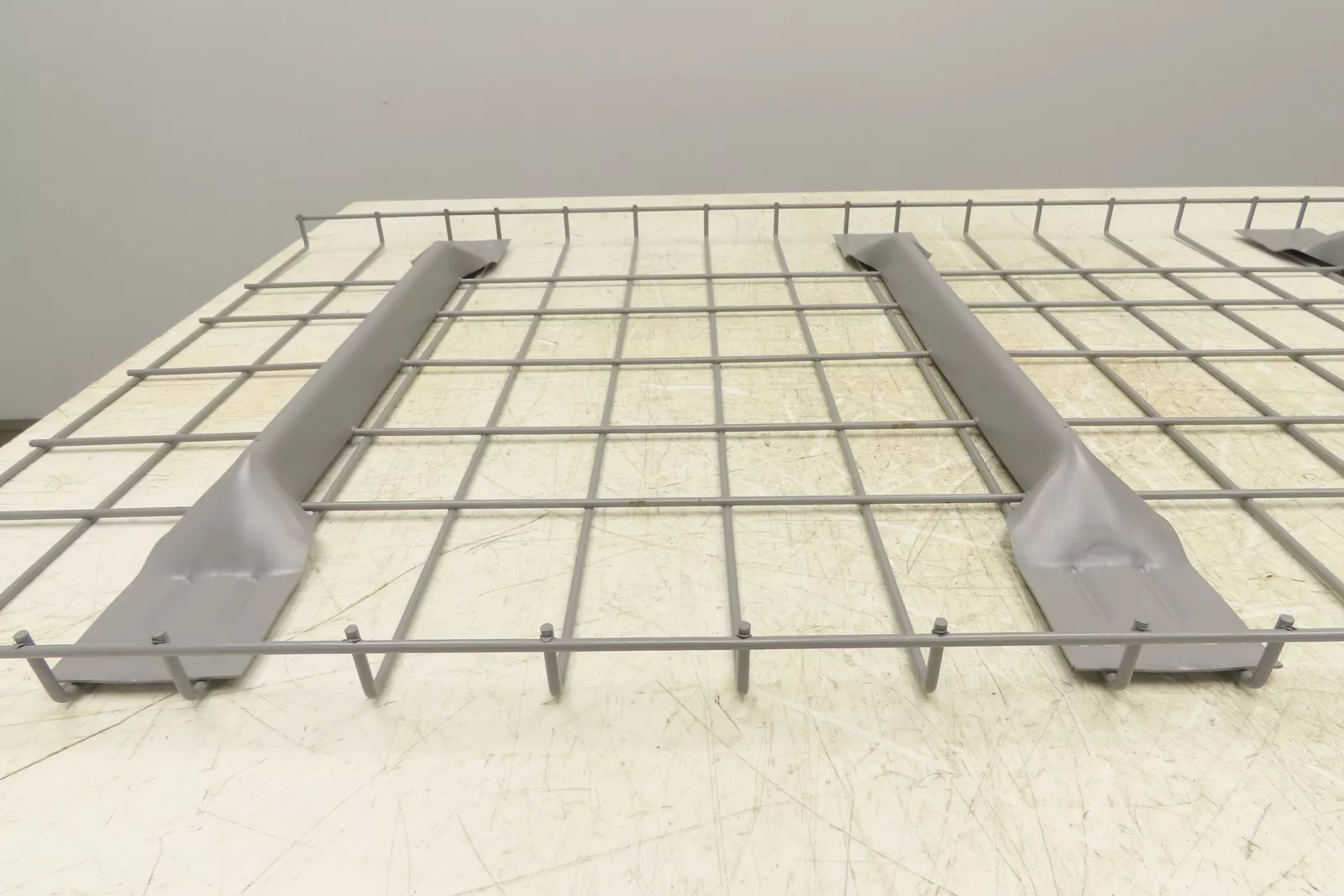
How Do You Ensure Stability When Using Cantilever Racks?
Conclusion
In the ever-competitive landscape of warehousing and inventory management, integrating cantilever racks with other storage solutions is not merely a strategy—it’s an imperative for operational efficiency and effectiveness. Whether you’re managing a lumber yard, a furniture store, or an automotive parts supplier, the versatility inherent in cantilever racks enables businesses to optimize their space while catering to long and bulky inventory needs. This conclusion underscores the critical importance of amalgamating these racks with other systems such as pallet racking and shelving, which results in maximized storage density and streamlines inventory retrieval processes.
With cantilever racks designed specifically to handle elongated items like lumber and pipes, and pallet racks tailored for boxed goods, the synergy created through their integration promotes an organized, efficient access system. By deploying this dual approach, your warehousing operations can experience a significant boost in productivity, as exemplified by various businesses that have successfully navigated recent supply chain challenges. Not only does an integrated racking system facilitate better inventory turnover, it also enhances worker safety and operational efficiency, allowing for faster retrieval times and reduced labor costs.
Furthermore, the necessity for adaptability in today’s fast-paced marketplace cannot be overstated. Modular storage solutions that incorporate cantilever racks offer the flexibility to quickly reconfigure your layout to meet the demands of shifting market trends—whether due to seasonal spikes or evolving customer preferences. As demonstrated by recent case studies, businesses that established this fluidity in storage strategy saw marked improvements in efficiency, enabling them to stay ahead of competition.
To make the most of these insights, it’s essential to approach the integration process thoughtfully. Understanding how cantilever racks can complement existing shelving and pallet systems is step one. Additionally, considering factors such as load capacity and environmental conditions will ensure that your setup not only meets current needs but also anticipates future demand shifts. Engaging with experts, like Arrow Industrial Sales, can provide the specialized knowledge required for making informed decisions that maximize your storage systems’ performance.
Don’t let your storage solutions become an afterthought. Call Arrow Industrial Sales at (574) 349-6575 now to explore how integrating cantilever racks with various storage solutions can revolutionize your operations. With their expertise, you’ll be poised to not only save on costs but also enhance productivity in a demanding marketplace. The time to act is now—transform your storage strategy and watch your bottom line thrive!

Conclusion
Conclusion:
- Integrating cantilever racks with other storage solutions is essential for operational efficiency in warehousing.
- Cantilever racks are versatile, catering to long and bulky inventory needs across various industries.
- The combination of cantilever racks with pallet racking and shelving maximizes storage density and streamlines inventory retrieval.
- Using both cantilever racks and pallet racks can significantly boost productivity in warehousing operations.
- Modular storage solutions with cantilever racks offer flexibility to adapt to market trends and customer preferences.
- Thoughtful integration of cantilever racks requires understanding load capacity and environmental conditions to meet current and future demands.
- Engaging with experts like Arrow Industrial Sales can help optimize your storage systems for enhanced performance and cost savings.

Conclusion
Other Resources

Other Resources
Here is a list of other resources you can review online to learn more:
- “Cantilever Racking for Warehouse Management”
- “Cantilever Racking – Pallet Racking Product and Solutions”
- “Cantilever racking | Racking and Shelving”
- “Cantilever Racking”
- “PROJECT GUIDE”
- “Cantilever Racks”
- “Cantilever Racking Systems Market 2024 Growth …”
- “warehouse solutions Archives | Toyota MHS”
- “Dubai Building Code”
- “The Australian National Construction Review”
- “Projects in Progress”
Bing Copilot Prompt: Please provide me with a list of online articles with their URLS in a bulleted list that I can read regarding How Do You Integrate Cantilever Racks with Other Storage Solutions?

Other Resources
Glossary Terms
How Do You Integrate Cantilever Racks with Other Storage Solutions? – Glossary Of Terms
1. Cantilever Rack: A type of shelving system characterized by horizontal arms that extend out from a vertical column, allowing for storage of long or bulky items.
2. Integration: The process of combining different storage solutions in a cohesive manner to maximize efficiency and effectiveness.
3. Vertical Storage: The practice of utilizing vertical space within a facility by stacking or arranging items upwards rather than outwards.
4. SKU (Stock Keeping Unit): A unique identifier for products that helps in tracking inventory and storage requirements.
5. Inventory Management: The process of overseeing and controlling the ordering, storage, and use of inventory to ensure optimal stock levels.
6. Modular Storage: A flexible storage solution made up of prefabricated components and systems that can be easily reconfigured.
7. Pallet Racking: A storage system that holds palletized goods in horizontal rows at multiple levels.
8. Flow Rack: A type of storage system designed for easy access to products using a first-in, first-out (FIFO) method, typically with inclined shelving.
9. Warehouse Management System (WMS): Software that helps in managing warehouse operations, including inventory tracking and order fulfillment.
10. Cross-Docking: A logistics practice where products from incoming shipments are directly transferred to outgoing shipments, minimizing storage time.
11. Cold Storage: A temperature-controlled storage solution used for perishable goods, which can be integrated with cantilever racks for specific items.
12. Space Optimization: Techniques and strategies used to make the best use of available storage space.
13. Load Capacity: The maximum weight or volume that a storage solution can safely hold without risk of failure.
14. Safety Stock: Additional inventory kept on hand to avoid stockouts during unexpected demand surges or supply delays.
15. Material Handling: The movement, protection, storage, and control of materials throughout the manufacturing and distribution processes.
16. Ergonomics: The study of designing spaces and equipment that fit the human body’s natural movements and capabilities, often applied to storage solutions to reduce strain.
17. Custom Design: Tailoring storage solutions to specific needs, such as the dimensions of the space or types of products being stored.
18. Heavy-Duty Racks: Racks that are designed to hold substantial weight, often required in warehouses that store heavy items.
19. Aisle Width: The space between storage rows, which must be planned to allow safe access for equipment and personnel.
20. In-Process Inventory: Items that are in production or assembly and require specific storage solutions to keep them organized and accessible.
21. Retrofitting: Adding new features or technology to existing storage solutions to enhance usability or compatibility.
22. Bulk Storage: A storage method that involves storing large quantities of items without specific organization.
23. Pick and Pack: A fulfillment process where specific items are picked from storage, packed, and prepared for shipment.
24. Quality Control: Measures and processes aimed at ensuring that products meet certain standards before storage or shipping.
25. Modular Design: A design approach in which systems are composed of independent, interchangeable components, facilitating easier integration and reconfiguration.
26. Vertical Lift Module (VLM): An automated storage system that uses an elevator mechanism to store and retrieve items vertically.
27. Lean Inventory: A strategy focused on minimizing waste—such as excess inventory—while maximizing value from what is kept in stock.
28. FIFO (First In, First Out): An inventory management method ensuring that the oldest stock is sold or used first; crucial for perishables.
29. Order Picking: The process of selecting items from storage to fulfill orders, often optimized by layout and storage solutions.
30. Scalability: The capability of a storage system to grow or adapt to increased capacity requirements or changes in product types.

Glossary Of Terms
Other Questions
How Do You Integrate Cantilever Racks with Other Storage Solutions? – Other Questions
If you wish to explore and discover more, consider looking for answers to these questions:
- What are the cost implications of integrating cantilever racks with other storage solutions?
- How do cantilever racks affect overall warehouse layout and design?
- What industries benefit most from using cantilever racks?
- What are the environmental benefits of using cantilever racks compared to traditional storage solutions?
- What are the maintenance requirements for cantilever racks over time?
- How do cantilever racks compare in terms of safety to other storage systems?
- What software can help in planning and optimizing storage solutions with cantilever racks?
- What are the different materials available for cantilever racks, and how do they impact performance?
- Can cantilever racks be customized, and if so, what options are available?
- What government regulations impact the installation and use of cantilever racks?

Other Questions
Checklist
How Do You Integrate Cantilever Racks with Other Storage Solutions? – A Checklist
Checklist for Integrating Cantilever Racks with Other Storage Solutions
Maximizing Storage Efficiency Checklist
1. Assess Inventory Needs
_____ Identify the types of materials you need to store (long/bulky items, boxed goods, etc. ).
_____ Determine weight and dimensions of items to guide rack selection.
2. Evaluate Space Utilization
_____ Measure your available storage space and vertical height.
_____ Consider current inventory turnover rates and storage efficiency.
3. Select the Right Storage Systems
_____ Combine cantilever racks with pallet racking for diverse material handling.
_____ Integrate shelving units for smaller items to improve inventory organization.
4. Design for Accessibility
_____ Ensure cantilever racks are positioned to allow unobstructed access for forklifts and staff.
_____ Plan layout that minimizes walking distance between different storage systems.
5. Incorporate Automation
_____ Explore vertical lift systems to automate item retrieval and enhance efficiency.
_____ Implement technology solutions for real-time inventory tracking.
6. Safety Considerations
_____ Ensure all installed cantilever racks comply with OSHA regulations and safety standards.
_____ Regularly inspect racks for wear and proper installation.
7. Train Your Staff
_____ Conduct training sessions on proper loading, unloading, and handling techniques.
_____ Educate employees about weight limits and the importance of following safety protocols.
8. Explore Modular Solutions
_____ Look for cantilever racking systems that allow for flexibility and quick reconfiguration.
_____ Ensure systems can adapt to changing inventory demands and market trends.
9. Monitor Performance
_____ Set up a schedule for routine inspections and audits of all storage systems.
_____ Track efficiency gains or losses in inventory retrieval times and adjust as necessary.
10. Utilize Accessories
_____ Consider adding row spacers, dividers, loading platforms, and safety cages for enhanced organization and safety.
_____ Ensure proper labeling of items to improve visibility and reduce errors.
11. Document Everything
_____ Maintain records of inspections, employee training sessions, and any modifications made.
_____ Use documentation to trace safety compliance and operational efficiency during audits.
12. Regularly Review and Adapt
_____ Continuously assess the effectiveness of your integrated storage solution.
_____ Be prepared to pivot your strategy based on feedback and changing business needs.
By following this checklist, you can successfully integrate cantilever racks with other storage solutions to maximize efficiency, safety, and adaptability in your warehouse or storage facility.

Checklist
At RackingWorld, we help guide you through selecting warehouse storage systems and racking.
Be sure to read our other related stories at RackingWorld to learn more about warehouse storage systems.
0 Comments