
Unlocking Potential: Enhancing Ergonomics With Cantilever Racking
By Tom Seest
At RackingWorld, we help guide you through selecting warehouse storage systems and racking.
Be sure to read our other related stories at RackingWorld to learn more about warehouse storage systems.
Can Cantilever Racking Improve Workplace Ergonomics?
In today’s fast-paced business environment, where efficiency reigns supreme, the importance of workplace ergonomics cannot be overstated. The right storage solutions can create not only an organized workspace but also a healthier and more productive atmosphere for employees. Enter cantilever racking—an unsung hero of industrial storage that champions both space optimization and ergonomic benefits.
Imagine a bustling warehouse where traditional shelving winds up creating chaos, your workers constantly bending and stretching to reach items stored in the furthest corners. This scenario spells not only inefficiency but also potential workplace injuries. Enter cantilever racking, which offers unparalleled accessibility. With its unique design, cantilever racks allow for easy loading and unloading from both sides, promoting natural body movement. For instance, consider a lumber warehouse where employees need to stock and retrieve varying lengths of wood. By utilizing cantilever racks, workers can effortlessly slide materials off without the need for awkward lifting—a simple switch that dramatically reduces strain injuries.
Current trends in workplace safety further underscore the value of cantilever racking. As companies embrace Health and Safety regulations, reducing workplace injuries should be at the forefront of every operational strategy. According to recent reports from the Occupational Safety and Health Administration (OSHA), businesses face severe penalties for safety violations—penalties that can be mitigated by investing in ergonomically friendly storage solutions. By implementing cantilever racking, you not only enhance compliance but also foster a culture of safety and well-being.
Moreover, the ongoing shift towards sustainable practices in business means that operations must become smarter, more efficient, and environmentally friendly. Cantilever racking systems maximize vertical space, allowing for a reduction in the facility’s footprint. This contributes to lower operating costs and reduced energy consumption—in an age where green practices are becoming not only expected but demanded by consumers. Think about companies like Amazon, which constantly innovate their warehousing strategies to keep up with demand while prioritizing the health of their workforce and the environment. Their investments in ergonomic solutions set a vital precedent.
Investing in cantilever racking is more than a simple decision about storage; it is a bold move towards enhancing workplace ergonomics. By decreasing the chances of injury, improving efficiency, and aligning with current sustainability trends, businesses can create a healthier, more productive workforce and position themselves as leaders in safety and innovation. So, why wait? Transform your workplace today and watch productivity soar while prioritizing the health of your most valuable asset—your employees.

Can Cantilever Racking Improve Workplace Ergonomics?
Can Cantilever Racking Improve Workplace Ergonomics?
- Workplace ergonomics are crucial in today’s fast-paced business environment for enhancing efficiency.
- Cantilever racking offers space optimization and ergonomic advantages for organized workspaces.
- This storage solution allows easy loading/unloading, promoting natural body movement and reducing injury risks.
- Investing in cantilever racking helps businesses comply with Health and Safety regulations, reducing penalties from OSHA violations.
- The system maximizes vertical space, contributing to lower operating costs and energy consumption.
- Cantilever racking aligns with sustainability trends, essential for modern consumer expectations.
- Investing in ergonomic storage solutions leads to a healthier, more productive workforce and positions companies as leaders in safety and innovation.

Can Cantilever Racking Improve Workplace Ergonomics?
Table Of Contents
- Can Cantilever Racking Improve Workplace Ergonomics?
- How Does Cantilever Racking Reduce Workplace Injuries?
- What Are The Ergonomic Benefits Of Using Cantilever Racking?
- Can Cantilever Racking Help In Organizing Tools And Materials?
- How Does Cantilever Racking Optimize Space In The Workplace?
- Are There Specific Guidelines For Ergonomic Cantilever Racking?
- What Are The Costs Associated With Implementing Cantilever Racking?
- How Can Cantilever Racking Improve Employee Satisfaction?
- Are There Any Limitations To Cantilever Racking Systems?
- What Maintenance Is Required For Cantilever Racking Systems?
- Conclusion
- Other Resources
- Glossary Of Terms
- Other Questions
- Checklist
How Does Cantilever Racking Reduce Workplace Injuries?
In today’s fast-paced business environment, employee safety is non-negotiable. The implementation of innovative storage solutions, like cantilever racking, is transforming workplace safety protocols, making a significant impact on injury reduction. By understanding the mechanics of cantilever racking and its benefits, you’re not just investing in equipment; you’re investing in the health and well-being of your workforce.
First, let’s look at what cantilever racking is. This type of racking is designed to hold long and heavy materials, making it ideal for warehouse and manufacturing environments that deal with items like steel beams, lumber, and pipes. With arms extending outward from a vertical structure, cantilever racks allow for easy access and visibility of materials. This design reduces the need for employees to bend or reach excessively—a common source of strain injuries.
Consider a warehouse where traditional shelving systems force workers to climb ladders or navigate tight spaces to retrieve heavy items. The risk of a slip, trip, or fall raises significantly. In contrast, cantilever racking systems elevate materials off the floor and keep them organized. This not only reduces the physical strain on employees but also minimizes the clutter that often leads to accidents.
A staggering statistic from the U.S. Bureau of Labor Statistics shows that over 300,000 workplace injuries result from slips and falls annually. Implementing cantilever racking can play a pivotal role in reversing this trend. Let’s take a real-world example: A manufacturing company that switched to cantilever systems saw a 35% reduction in reported injuries within the first year. Their success story is a testament to how strategic decisions can transform safety culture.
In the wake of current events, such as the push for safety reforms following the recent surge in workplace injuries tied to high-demand sectors, investing in cantilever racking can set businesses apart as leaders in workplace safety. By prioritizing employee welfare, companies not only comply with regulations but also enhance their reputation among clients and suppliers.
Moreover, the financial implications cannot be overlooked. Fewer injuries mean less downtime, reduced medical expenses, and higher morale among staff. It’s a win-win scenario—the perfect blend of efficiency and compassion in today’s business landscape.
In summary, integrating cantilever racking into your facilities isn’t just a practical move; it’s a strategic one that promotes safety, boosts productivity, and fosters a culture of care. Investing in these systems sends a clear message: your employees are your most valuable asset, and their safety is paramount.

How Does Cantilever Racking Reduce Workplace Injuries?
How Does Cantilever Racking Reduce Workplace Injuries?
- Employee safety is crucial in today’s fast-paced business environment.
- Cantilever racking is an innovative storage solution that significantly reduces workplace injuries.
- This type of racking is designed to hold long and heavy materials, ideal for warehouses dealing with items like steel beams and lumber.
- Cantilever racks enhance accessibility and visibility while reducing physical strain on employees.
- Shifting to cantilever racking has resulted in notable injury reductions, with one company reporting a 35% decrease in injuries in the first year.
- Investing in cantilever racking enhances workplace safety and improves a company’s reputation by prioritizing employee welfare.
- Implementing such systems leads to lower downtime, reduced medical expenses, and higher staff morale, promoting efficiency and compassion.
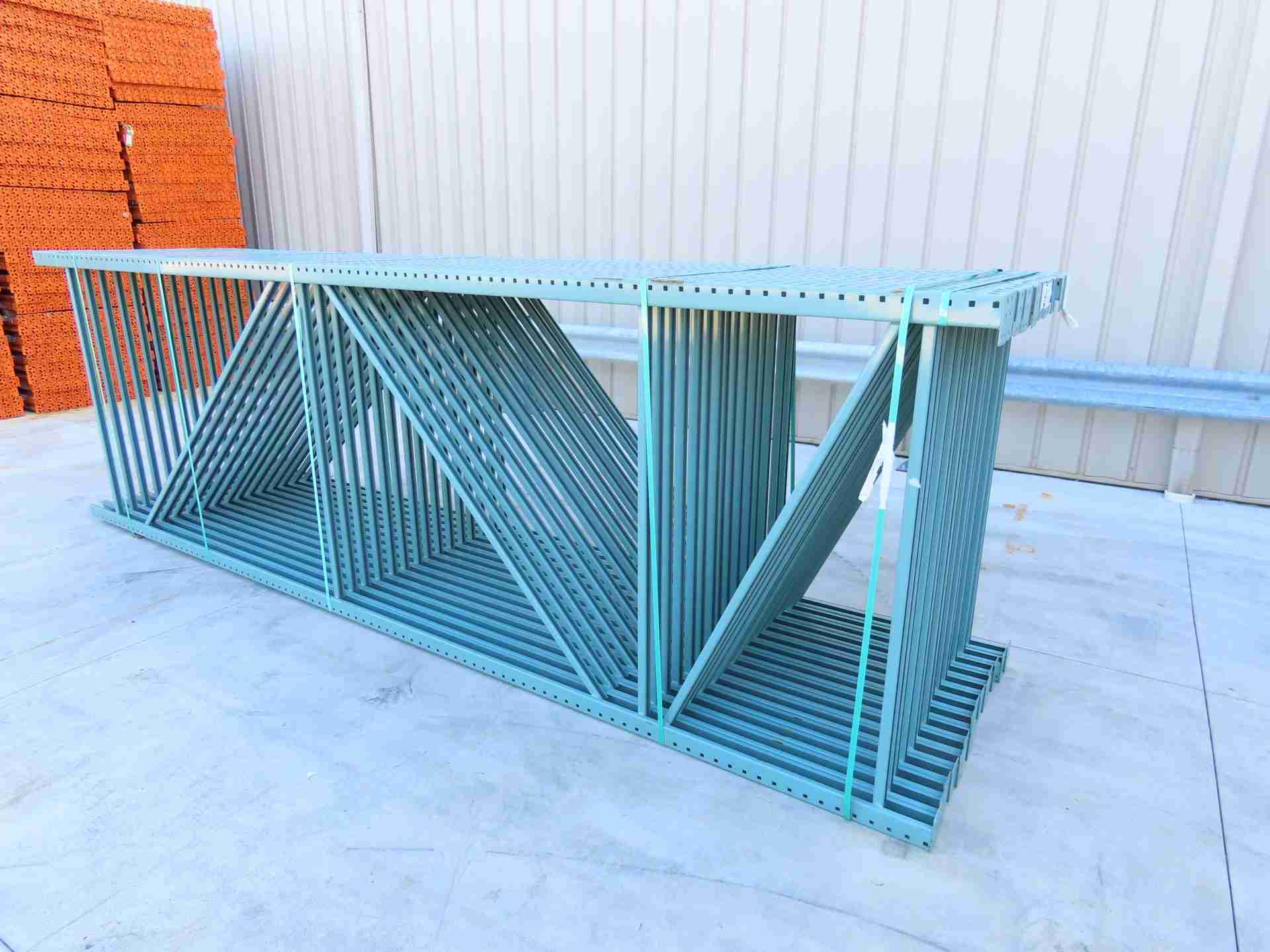
How Does Cantilever Racking Reduce Workplace Injuries?
What Are The Ergonomic Benefits Of Using Cantilever Racking?
In today’s fast-paced warehouse environments, maximizing efficiency while minimizing strain on workers is crucial. Enter cantilever racking—a storage solution that not only enhances productivity but also prioritizes the well-being of your workforce. The ergonomic benefits of using cantilever racking are plentiful, making it an ideal choice for businesses aiming to optimize their operations while ensuring a safer workplace.
First and foremost, cantilever racking simplifies the arrangement and retrieval of items, particularly those that are long and cumbersome, such as pipes, lumber, or steel sheets. The open design allows for easy access from all sides, reducing the need for awkward bending or stretching that can lead to workplace injuries. By minimizing these risky movements, companies can significantly decrease the likelihood of strains, sprains, and other musculoskeletal injuries among their employees. For instance, consider a construction firm that commonly handles long timber beams. With cantilever racking, workers can effortlessly slide out the items they need without the danger of overreaching—transforming a potentially hazardous task into a smooth, swift operation.
Furthermore, the versatility of cantilever racking means that it can adapt to various loading needs, whether it’s different sizes of inventory or different handling methods. Businesses involved in e-commerce, for example, have increasingly turned to cantilever racking systems to efficiently store bulky products. This adaptability not only increases storage capacity but also allows for designated areas for heavy lifting, thus fostering a more organized and safer work environment.
Let’s not forget the mental aspect of ergonomics. A neatly organized warehouse equipped with easy-to-access cantilever racks promotes a sense of control and clarity for workers. This clarity can lead to increased morale and job satisfaction—factors that are paramount for employee retention. According to a recent study by the American Psychological Association, employees in well-structured environments report higher levels of engagement.
In light of recent discussions about workforce wellness, investing in ergonomic solutions like cantilever racking has become more than just a trend; it’s a necessity. With more companies understanding the direct relationship between employee well-being and productivity, that shiny new cantilever racking system might just be your next best investment.
In rounding out your storage solutions with cantilever racks, you’re not merely optimizing space; you’re also championing the health and efficiency of your workforce. This dual focus on productivity and safety is a compelling reason to consider integrating cantilever racking into your operations today.

What Are The Ergonomic Benefits Of Using Cantilever Racking?
What Are The Ergonomic Benefits Of Using Cantilever Racking?
- Cantilever racking enhances warehouse efficiency while prioritizing worker well-being.
- It simplifies the arrangement and retrieval of long and cumbersome items, reducing awkward movements.
- The open design minimizes the risk of musculoskeletal injuries among employees.
- Versatility allows adaptation to various loading needs and handling methods, increasing storage capacity.
- A well-organized warehouse with cantilever racks improves worker morale and job satisfaction.
- Investing in ergonomic solutions like cantilever racking is crucial for workforce wellness and productivity.
- Integrating cantilever racking optimizes space while championing employee health and efficiency.

What Are The Ergonomic Benefits Of Using Cantilever Racking?
Can Cantilever Racking Help In Organizing Tools And Materials?
When it comes to organizing tools and materials, efficiency is not merely a luxury; it’s a necessity for businesses aiming to stay competitive in today’s fast-paced market. Enter cantilever racking—an innovative storage solution that is rapidly gaining traction among manufacturing and retail sectors. Why? Because it addresses one of the most pressing challenges: space optimization.
Imagine a small workshop where every inch of wall space is cluttered with tools and materials—chainsaws hang precariously next to toolboxes, and lumber is strewn about, creating a hazardous work environment. Now picture that same workshop equipped with a well-designed cantilever racking system. Tools are neatly stored away, lumber is organized vertically for easy access, and the floor remains clear of tripping hazards. Not only does this tidy up the workspace, but it significantly boosts productivity by reducing the time employees spend searching for the right tool or item.
Cantilever racking systems are particularly adept at storing long, awkward items that traditional shelving cannot accommodate. For instance, manufacturers working with piping and lumber can benefit immensely. In fact, according to a recent industry report, companies utilizing cantilever racks have reported up to a 25% increase in retrieval speed—translating directly to quicker job turnarounds and enhanced customer satisfaction.
Furthermore, consider the rise of e-commerce and the need for efficient inventory management. As consumers demand quicker shipping times, warehouses are pressed to streamline operations. Cantilever racking allows items to be stored in a more accessible layout, making picking and packing tasks faster. Retail giants have already embraced this technology, showing significant improvements in order fulfillment metrics.
But the benefits don’t end at the warehouse door. A well-organized workspace enhances safety, as employees can quickly locate tools without the risk of injury from improperly stored items. In today’s climate, with strict OSHA guidelines and increasing awareness of workplace safety, adopting a cantilever racking system could also mean fewer accidents and reduced liability costs.
Cantilever racking is not just a smart choice; it’s an essential investment for businesses intent on thriving in a cluttered world. By maximizing vertical space, enhancing visibility, and streamlining workflows, it empowers teams to work smarter—not harder. Ask yourself: Are you ready to elevate your organizational game? The answer may lie in leveraging this strategic racking solution today.

Can Cantilever Racking Help In Organizing Tools And Materials?
Can Cantilever Racking Help In Organizing Tools And Materials?
- Efficiency in organizing tools and materials is essential for competitiveness in today’s market.
- Cantilever racking is an innovative storage solution gaining traction in manufacturing and retail sectors.
- It effectively optimizes space, addressing cluttered work environments and improving productivity.
- Cantilever racks are ideal for long or awkward items, leading to a reported 25% increase in retrieval speed.
- This system supports faster inventory management in the rise of e-commerce, improving order fulfillment metrics.
- A well-organized workspace enhances safety and reduces the risk of injury, aligning with OSHA guidelines.
- Cantilever racking is a strategic investment for businesses looking to thrive by maximizing space and workflows.

Can Cantilever Racking Help In Organizing Tools And Materials?
How Does Cantilever Racking Optimize Space In The Workplace?
In today’s fast-paced business environment, maximizing available space is crucial for improving efficiency and boosting bottom lines. Enter cantilever racking—a game-changer in warehouse and storage system design that enables businesses to make the most out of every square foot. With the world constantly evolving, particularly after the challenges posed by recent global events, companies are searching for innovative ways to streamline operations and enhance productivity.
So, what exactly is cantilever racking? This versatile storage solution features upright columns with arms extending from one or both sides. Unlike traditional shelving units that can limit access and visibility, cantilever racking allows for quick and efficient loading and unloading. This design is perfect for storing long, bulky items such as lumber, piping, furniture, and even outdoor equipment. Let’s face it—when everything has a proper home, your workplace runs smoother, and your team can spend more time focusing on what really matters: driving sales and delighting customers.
Consider the recent shift in e-commerce that has swept across industries worldwide. Many businesses have found themselves overwhelmed with inventory, necessitating more efficient storage solutions. For instance, a furniture retailer struggling with space constraints decided to convert their traditional shelving system into a cantilever racking layout. As a result, they experienced a 30% increase in storage capacity, allowing them to stock a wider variety of products while simultaneously cutting down on their footprint. They realized that embracing innovative solutions did not just help save space; it also translated directly into increased revenues.
Additionally, during the pandemic and with the rise of hybrid work environments, businesses faced unique challenges. A manufacturer pivoted to use cantilever racking, enabling better organization of parts and materials while their workforce adjusted to fluctuating demands. This approach fostered a culture of adaptability and resilience—and it’s a prime example of how optimizing workplace space directly influences operational flexibility.
But it’s not just about the numbers. When you look good, you feel good. A tidy and well-organized warehouse created with cantilever racking enhances employee morale and safety, minimizing the chance of accidents and errors. Plus, your clients and customers notice the professionalism of an organized workplace—a subtle yet persuasive point for those who value quality.
In summary, as businesses increasingly embrace innovative solutions to cope with modern challenges and consumer demands, cantilever racking stands out as an essential tool. With its ability to optimize space, improve efficiency, and elevate your brand’s image, this solution is not just smart—it’s essential for those committed to thriving in an uncertain market. Don’t just keep pace; outpace the competition with the power of cantilever racking.

How Does Cantilever Racking Optimize Space In The Workplace?
How Does Cantilever Racking Optimize Space In The Workplace?
- Maximizes available space, improving efficiency and boosting profitability in fast-paced businesses.
- Cantilever racking features upright columns with arms, allowing quick loading/unloading of long, bulky items.
- Ideal for storing items like lumber, piping, furniture, and outdoor equipment, enhancing organization.
- Furniture retailer converted to cantilever racking, resulting in a 30% increase in storage capacity and higher revenue.
- During the pandemic, manufacturers utilized cantilever racking for better organization and adaptability in fluctuating demands.
- Enhances employee morale and safety by creating a tidy, organized workspace, reducing accidents and errors.
- Cantilever racking is essential for businesses aiming to thrive in an uncertain market and stay competitive.

How Does Cantilever Racking Optimize Space In The Workplace?
Are There Specific Guidelines For Ergonomic Cantilever Racking?
In today’s fast-paced industrial environment, businesses cannot afford to overlook the significance of ergonomic cantilever racking systems. As warehouses and manufacturing facilities strive to enhance operational efficiency, the design and implementation of ergonomic racking have become a focal point. Why? Because optimal ergonomics translates to improved employee productivity, higher safety standards, and increased profitability.
When considering ergonomic cantilever racking, it’s crucial to adhere to some foundational guidelines that maximize both utility and comfort. Firstly, adjustable height is a key element. Racking systems should feature customizable shelving to accommodate items of varying sizes. For instance, a home improvement retailer might use cantilever racks to store various lengths of timber. By allowing employees to position shelves at waist height, the strain associated with bending and reaching for materials is significantly reduced.
Moreover, load capacity must be meticulously considered. Each cantilever arm should be able to bear the weight of the materials it’s designed to hold without risking structural integrity. Failing to adhere to weight guidelines can result in accidents, costly product damage, and, ultimately, injuries – it’s a risk that one cannot afford in 2023, especially as labor shortages continue to create challenges for industries across the board.
Another factor deserving attention is aisle width. Ergonomically designed cantilever racking should allow for sufficient space between racks to ensure safe maneuverability of equipment and personnel. An example can be seen in recent shifts among logistics companies, where wider aisles have become the norm, accommodating innovative goods-to-person systems. This change reflects a growing awareness among businesses that a streamlined workflow not only enhances productivity but also significantly contributes to employee satisfaction.
Lighting is another important consideration in the design of ergonomic cantilever racking systems. Well-lit areas minimize the risk of accident-prone environments, thereby protecting your most valuable asset: your workforce. In an age where workplace safety is under constant scrutiny, illuminating racking with modern LED options can drastically reduce risk.
Furthermore, don’t underestimate the power of training. Even the best-designed ergonomic systems can falter without proper staff education on how to use them effectively. Regular training sessions and visual aids can reinforce safe practices and keep ergonomics at the forefront of your company culture.
Ultimately, implementing ergonomic cantilever racking isn’t just about adhering to guidelines; it’s about fostering a culture that values employee well-being and operational efficiency. As you strategize for the future, invest in ergonomic designs that pave the way for sustained growth and employee satisfaction. Your workforce—and your bottom line—will thank you.

Are There Specific Guidelines For Ergonomic Cantilever Racking?
Are There Specific Guidelines For Ergonomic Cantilever Racking?
- Ergonomic cantilever racking systems are essential for enhancing operational efficiency in warehouses and manufacturing facilities.
- Key features of ergonomic racking include adjustable height to minimize strain when accessing materials.
- Load capacity must be carefully considered to prevent accidents and injuries due to overloading.
- Aisle width is crucial for safe maneuverability of equipment and personnel, supporting streamlined workflows.
- Good lighting, such as modern LED options, reduces accident risks and contributes to workplace safety.
- Proper training and education on ergonomic systems are vital for maximizing their effectiveness.
- Investing in ergonomic designs fosters a culture of employee well-being, leading to improved productivity and profitability.

Are There Specific Guidelines For Ergonomic Cantilever Racking?
What Are The Costs Associated With Implementing Cantilever Racking?
Implementing cantilever racking in your facility is both a strategic investment and a financial commitment. If you’re considering this solution to maximize your storage potential, understanding the associated costs is essential to make an informed decision that aligns with your business goals.
Initial Installation Costs
The first and most obvious expense is the initial purchase of the racking system itself. Cantilever racks vary significantly in price based on size, material quality, and load capacity. For example, a standard unit may range from $500 to $1,500, but larger, heavier-duty systems can reach upwards of $5,000. If your operation requires extensive racking, the totals can climb rapidly. Always request multiple quotes and consider ongoing promotions from suppliers—especially during fiscal year-end sales that many businesses run to clear inventory.
Labor and Installation Expenses
Don’t overlook labor costs. Installing cantilever racking isn’t a DIY project for most businesses. Hiring professionals not only ensures safety and compliance but also often speeds up the process. Labor costs can add anywhere from 10% to 30% to your overall expenditure, depending on the complexity of your installation and local labor rates. As the workforce adjusts to the post-pandemic landscape, skilled labor shortages might lead to increased rates, making budgeting even more crucial.
Maintenance and Upkeep
While cantilever racks are designed for durability and longevity, they still need regular maintenance. Inspections for wear, ensuring load capacities aren’t exceeded, and replacing damaged components are ongoing tasks that incur recurring costs. Set aside about 5% to 10% of your initial investment annually for maintenance to keep your system in optimal condition.
Operational Costs
Consider how cantilever racking impacts the efficiency of your operations. Although you may initially focus on its upfront costs, enhancements in productivity can lead to indirect savings. For instance, easier access to stored materials can decrease retrieval times, which translates to fewer labor costs and quicker order fulfillment. The recent supply chain disruptions have underscored the importance of efficiency. Businesses that adapt swiftly, leveraging storage technologies, can respond to market changes more effectively.
Permit and Compliance Costs
Depending on your location, you may also face costs related to permits and building compliance. Some states and municipalities require inspections to ensure that the racking systems meet safety standards. Engaging with local codes and securing necessary documentation could add unforeseen expenses to your budget.
Ultimately, while the initial costs associated with implementing cantilever racking can seem substantial, the benefits and potential return on investment often outweigh these expenditures. A well-planned racking solution can enhance efficiency, drive productivity, and position your business for long-term success. Invest wisely, anticipate challenges, and strategically align your storage with your operational goals.

What Are The Costs Associated With Implementing Cantilever Racking?
What Are The Costs Associated With Implementing Cantilever Racking?
- Implementing cantilever racking is a strategic investment and financial commitment for your facility.
- Initial installation costs vary, typically ranging from $500 to $5,000 based on size, material quality, and load capacity.
- Labor and installation expenses can add 10% to 30% to your overall costs, influenced by local labor rates and complexity.
- Regular maintenance is necessary; budget about 5% to 10% of your initial investment annually for inspections and repairs.
- Cantilever racking can improve operational efficiency, leading to indirect savings through decreased retrieval times and quicker order fulfillment.
- Check for permit and compliance costs, which can vary based on local regulations and may include inspections for safety standards.
- The benefits and potential ROI of cantilever racking often outweigh the initial costs, driving productivity and long-term success.

What Are The Costs Associated With Implementing Cantilever Racking?
How Can Cantilever Racking Improve Employee Satisfaction?
In today’s fast-paced and ever-evolving work environment, employee satisfaction isn’t just a luxury—it’s a necessity. Organizations that prioritize their employees’ workplace experience see tangible benefits including increased productivity, reduced turnover rates, and a stronger company culture. One of the often-overlooked elements that can significantly enhance workplace satisfaction is efficient storage solutions, like cantilever racking.
Cantilever racking systems, designed to store long and bulky items, offer a myriad of benefits that extend beyond just maximizing warehouse space. Think about it: when your employees spend their day navigating a cluttered, inefficient workspace, it’s more than just a minor annoyance. It’s a drain on their morale and productivity. Conversely, an organized, streamlined environment fosters a sense of pride and ownership among employees, instilling confidence that their workspace is designed for efficiency.
For instance, consider a mid-sized manufacturing company that struggled with inventory management and employee dissatisfaction. The cluttered storage area forced employees to spend valuable time searching for materials rather than focusing on their core tasks. After implementing cantilever racking, the company not only reclaimed floor space, but also transformed its operational efficiency. Employees reported a significant improvement in their workflow, which reflected positively on their overall job satisfaction. In fact, morale received such a boost that one employee remarked, “I finally feel like I can focus on what I do best, rather than fighting through chaos every day.”
Looking through a broader lens, companies that tackle efficiency, like Amazon and Walmart, continuously set the benchmark for workplace advancements. They invest heavily in organizational tools and systems—including innovative racking solutions—to ensure operational flow. As a result, employee satisfaction levels within these corporations frequently exceed industry standards. They understand that a happy worker is a productive worker, and they harness storage tools like cantilever racking to facilitate that vivacious spirit.
In our current climate, where employee recruitment and retention are more competitive than ever, investing in traditional solutions like cantilever racking can be a game changer. Companies that prioritize an organized, efficient, and pleasant working environment are likely to report higher employee satisfaction scores. So, while it may seem like a small detail, implementing cantilever racking could pay dividends in terms of morale, productivity, and overall workplace happiness. Keeping employees engaged and satisfied is not just smart business—it’s the future of workplace innovation.

How Can Cantilever Racking Improve Employee Satisfaction?
How Can Cantilever Racking Improve Employee Satisfaction?
- Employee satisfaction is essential for organizations in today’s fast-paced work environment.
- Prioritizing workplace experience leads to increased productivity, reduced turnover, and a stronger company culture.
- Cantilever racking systems enhance workplace satisfaction by improving organization and efficiency.
- A cluttered workspace negatively impacts employee morale and productivity.
- After implementing cantilever racking, a manufacturing company saw improved workflow and higher job satisfaction among employees.
- Companies like Amazon and Walmart set benchmarks for employee satisfaction through investment in organizational tools, including racking solutions.
- Investing in efficient storage solutions is a strategic move for improving employee engagement and overall workplace happiness.

How Can Cantilever Racking Improve Employee Satisfaction?
Are There Any Limitations To Cantilever Racking Systems?
While cantilever racking systems present an innovative solution for organizing and storing long or bulky items, potential users must approach with a discerning eye. Having evolved from traditional shelving, these systems offer numerous benefits, including maximizing vertical space and providing easy access. However, like any storage solution, they come with their own set of limitations.
One significant consideration is the weight capacity of these racks. Though designed to handle heavy-duty items, each cantilever racking system has specified load limits. For example, if you’re storing steel beams or lumber, failing to adhere to these capacity guidelines can lead to catastrophic failures. Recent incidents in warehouses have shown that disregarding structural integrity can result in costly damage and jeopardize employee safety. Consequently, businesses must carefully evaluate their inventory to ensure that it fits within the limits of their chosen racking system.
Another limitation lies in the racking’s exposure to environmental conditions. Unlike closed shelving, cantilever racks are often more susceptible to environmental stressors like moisture and temperature. The ongoing impacts of climate change, particularly in flood-prone regions, necessitate addressing these factors head-on. Businesses in such areas may need to invest in protective coatings or indoor storage solutions instead to shield their inventory from potential damage.
Regulatory compliance is another critical factor. As new safety and structural codes emerge, companies must remain vigilant about adherence to these regulations. For example, OSHA guidelines mandate specific safety measures for industrial storage systems, including proper installation and regular inspections. Non-compliance can lead to fines and operational delays, which can significantly hamper a business’s bottom line.
Additionally, while cantilever racks allow easy access and visibility, their open design may lead to disorganization without diligent stock management. Companies must implement an effective inventory system to avoid clutter, ensuring that every item can be quickly identified and retrieved.
Finally, the initial investment in cantilever racking systems can be considerable. While they offer solutions for space and efficiency, weighing the long-term return against upfront costs is crucial. In today’s economic climate, prudent financial planning is vital.
In summary, while cantilever racking systems are a formidable choice for optimizing storage, businesses must navigate their limitations carefully. By understanding weight capacities, environmental factors, compliance requirements, management strategies, and financial implications, organizations can strategically implement these systems for maximum benefit.

Are There Any Limitations To Cantilever Racking Systems?
Are There Any Limitations To Cantilever Racking Systems?
- Cantilever racking systems provide an innovative solution for storing long or bulky items.
- They maximize vertical space and allow for easy access to stored items.
- Weight capacity is a critical consideration; each system has specified load limits that must be adhered to.
- Cantilever racks are more susceptible to environmental conditions, necessitating protective measures in certain regions.
- Regulatory compliance with safety and structural codes is essential to avoid fines and operational delays.
- The open design of cantilever racks requires diligent stock management to prevent disorganization.
- Initial investment costs can be substantial, requiring careful consideration of long-term returns.

Are There Any Limitations To Cantilever Racking Systems?
What Maintenance Is Required For Cantilever Racking Systems?
When it comes to maximizing storage efficiency for long and bulky items, cantilever racking systems are a game changer. But to ensure these systems continue to deliver optimal performance, regular maintenance is crucial. Think of maintenance as the lifeblood of your cantilever racking. Without it, you’re risking not only the longevity of your investment but also the safety of your entire operation.
Visual Inspections: One of the simplest yet most crucial maintenance tasks involves conducting regular visual inspections. Examine your racking systems for any signs of wear and tear, such as bent arms, fractured bases, or corrosion. Remember the fire at that warehouse in the Midwest earlier this year? Investigators found that neglected racking systems contributed significantly to the rapid spread of flames. Had routine inspections been performed, perhaps that disaster could have been averted. Schedule these inspections bi-weekly or monthly, depending on usage levels.
Cleaning: Just like any other piece of equipment, cantilever racks gather dust and debris, which can hinder visibility and functionality. A clean racking system not only looks more professional but also allows for better efficiency and safety awareness. Conduct a thorough cleaning at least quarterly. Use this time to address hard-to-reach areas where dust and dirt tend to accumulate. This will also give you a chance to check for structural integrity while you’re at it.
Load Checks: Are you following the manufacturer’s load specifications? Regularly confirm that the loads placed on your cantilever racks adhere to these guidelines. Overloading can lead to catastrophic failures. Create a schedule to review your stock levels and assess if the load distribution is in alignment with your storage plan. Such preventative measures can save your business from costly downtime.
Repairs and Replacements: If your inspection reveals damage, don’t wait until it becomes a bigger issue. Engage with professional services to conduct timely repairs. In today’s fast-paced environment, the supply chain is fragile; downtime can be disastrous. Acting promptly can prevent service interruptions and ensure your operations flow smoothly, reflecting positively on your bottom line.
Documentation: Keep an organized record of all maintenance activities, inspections, and repairs for future reference. This not only aids in compliance with safety standards but also comes in handy during audits or in case you ever decide to sell or upgrade your system.
Proactive maintenance of your cantilever racking system not only extends its lifespan but enhances safety and productivity. Don’t just think of it as upkeep; view it as an investment in the integrity of your operations. Your bottom line will thank you.

What Maintenance Is Required For Cantilever Racking Systems?
What Maintenance Is Required For Cantilever Racking Systems?
- Cantilever racking systems greatly improve storage efficiency for long and bulky items.
- Regular maintenance is essential for optimal performance and safety of racking systems.
- Visual inspections should be conducted bi-weekly or monthly to detect signs of wear and tear.
- Thorough cleaning at least quarterly improves visibility, functionality, and safety.
- Regularly confirm compliance with manufacturer’s load specifications to prevent overloading.
- Timely repairs should be made to avoid larger issues and minimize downtime.
- Maintain organized records of all maintenance activities for compliance and future reference.

What Maintenance Is Required For Cantilever Racking Systems?
Conclusion
In the ever-evolving landscape of industrial operations, workplace safety, efficiency, and employee satisfaction are cornerstones of success. As a leader in innovative storage solutions, Arrow Industrial Sales is here to spotlight cantilever racking as a critical element in enhancing workplace ergonomics. This storage system is not just about organizing materials; it’s about revolutionizing how your employees interact with their workspace.
Picture a warehouse where clutter is replaced with organized efficiency. Cantilever racking promotes ease of access, allowing workers to retrieve items without awkward lifting or overreaching, significantly reducing the risk of injuries. In a climate where health and safety regulations are stringent, implementing cantilever racking is a proactive step towards compliance, safeguarding your workforce, and fostering a culture that prioritizes well-being. Statistics reveal that companies adopting such ergonomic solutions report decreases in injury rates, ultimately leading to lower medical costs, enhanced morale, and increased productivity.
Moreover, in a world striving toward sustainability, cantilever racking systems provide unparalleled vertical storage, optimizing space and reducing your facility’s footprint. This not only lowers operating costs but also aligns your business with green practices that today’s consumers demand.
Think about your operations. Are you still grappling with outdated shelving that hinders efficiency and costs you valuable time? Make the smart choice! Transitioning to cantilever racking is more than a fleeting trend; it’s a strategic investment that addresses immediate challenges and positions your business for long-term success.
As you consider this leap toward enhanced operations, we urge you to take immediate action. The longer you wait, the greater the risk of remaining entangled in inefficiencies and safety violations that could threaten both your workforce and your bottom line. Call Arrow Industrial Sales at (574) 349-6575 today. Our expert team is ready to guide you in uncovering the transformative potential of cantilever racking for your facility.
Elevate your operations, safeguard your employees, and align with the future of industrial storage solutions. The time for change is now. Don’t just keep up with the competition; lead the way by embracing a solution that prioritizes health, efficiency, and sustainability. Your employees—and your profits—deserve it. Make the call, and let’s get started on your journey to a safer, more organized, and more productive workplace.

Conclusion
Conclusion:
- Cantilever racking enhances workplace ergonomics by promoting organized efficiency and easy access to materials.
- Reduces risk of injuries by allowing workers to retrieve items without awkward lifting or overreaching.
- Helps comply with health and safety regulations, fostering a culture of employee well-being.
- Companies adopting ergonomic solutions experience decreased injury rates, leading to lower medical costs and enhanced morale.
- Cantilever racking provides unparalleled vertical storage, optimizing space and reducing operational costs.
- Transitioning to cantilever racking is a strategic investment that addresses immediate challenges and positions businesses for long-term success.
- Contact Arrow Industrial Sales to explore the transformative benefits of cantilever racking today.

Conclusion
Other Resources

Other Resources
Here is a list of other resources you can review online to learn more:
- “Cantilever Racking & Lumber Racking for Warehouse”
- “US Department of Labor finds Amazon exposed workers to …”
- “Amazon’s Outsized Role”
- “Amazon Says Its Injury Rates Are Down. They’re Still …”
- “Home | Occupational Safety and Health Administration”
- “Report looks into Amazon warehouse safety rates”
- “let’s discuss egregious safety violations at work”

Other Resources
Glossary Terms
Can Cantilever Racking Improve Workplace Ergonomics? – Glossary Of Terms
1. Cantilever Racking: A storage system consisting of horizontal beams supported by vertical columns, allowing for the loading of items on one side.
2. Ergonomics: The science of designing the workplace environment to fit the user’s needs, promoting comfort and efficiency.
3. Load Capacity: The maximum weight that a racking system can safely support, crucial for maintaining safety in storage.
4. Reach Distance: The distance an employee must extend to retrieve or store items, impacting their comfort and risk of injury.
5. Post-Height: The vertical measurement of the racking system, affecting how high items can be stored and retrieved.
6. Aisle Width: The space between rows of racks that allows for safe and efficient movement and access to items.
7. Access Points: Locations in a racking system where items can be easily reached, influencing ergonomic efficiency.
8. Material Handling: The movement, protection, and storage of goods throughout the manufacturing and warehousing process.
9. Workplace Safety: Practices and standards designed to minimize the risk of accidents and injuries in a work environment.
10. Posture: The position in which someone holds their body while standing, sitting, or lying down, affecting health and comfort.
11. Bending and Reaching: Movements required to access items stored in racks; excessive bending can lead to musculoskeletal disorders.
12. Vertical Storage: Storing items at varying heights to maximize space; requires careful ergonomic consideration for retrieval.
13. Pick Path: The route taken by workers when selecting products from a racking system; an important factor in efficiency and ergonomics.
14. Inventory Management: The process of ordering, storing, and using a company’s inventory, impacting workflow and ergonomics.
15. Task Redesign: Adjusting job roles or tasks to improve efficiency and ergonomics, potentially involving racking systems.
16. Adjustable Racking: Racking systems that can be customized for various load sizes and heights, promoting better ergonomics.
17. Health and Safety Regulations: Laws and guidelines established to ensure safe and healthy work environments, influencing racking design.
18. Training Programs: Educational sessions focused on proper techniques for handling materials, enhancing workplace ergonomics.
19. Workstation Design: The arrangement and setup of tools, equipment, and storage to optimize performance and comfort.
20. Repetitive Strain Injury (RSI): An injury caused by repetitive actions, often exacerbated by poor ergonomic design in storage systems.
21. Lean Principles: Methodologies aimed at optimizing processes and eliminating waste, applicable to racking design and layout.
22. Safety Data Sheets (SDS): Documents that provide information on the properties of hazardous materials, important for employee safety in storage areas.
23. Two-Person Lift: A guideline recommending that heavy items should be lifted by two individuals to reduce the risk of injury.
24. Organizational Tools: Items such as labels, dividers, and bins used to keep storage areas orderly, improving efficiency and ergonomics.
25. Spatial Utilization: The effective use of available space in the workplace to maximize storage and minimize physical strain.
26. Work-Related Musculoskeletal Disorders (WMSDs): Injuries affecting muscles, nerves, and ligaments, often linked to poor ergonomics in the workplace.
27. Job Rotation: A practice where employees switch tasks to reduce fatigue and monotony, beneficial for ergonomic health.
28. Safety Audits: Inspections conducted to ensure compliance with safety and ergonomic standards in the workplace.
29. Environmental Design: The process of shaping the physical environment to improve functionality and worker well-being.
30. Continuous Improvement: Ongoing efforts to enhance products, services, or processes, including workplace ergonomics and racking systems.
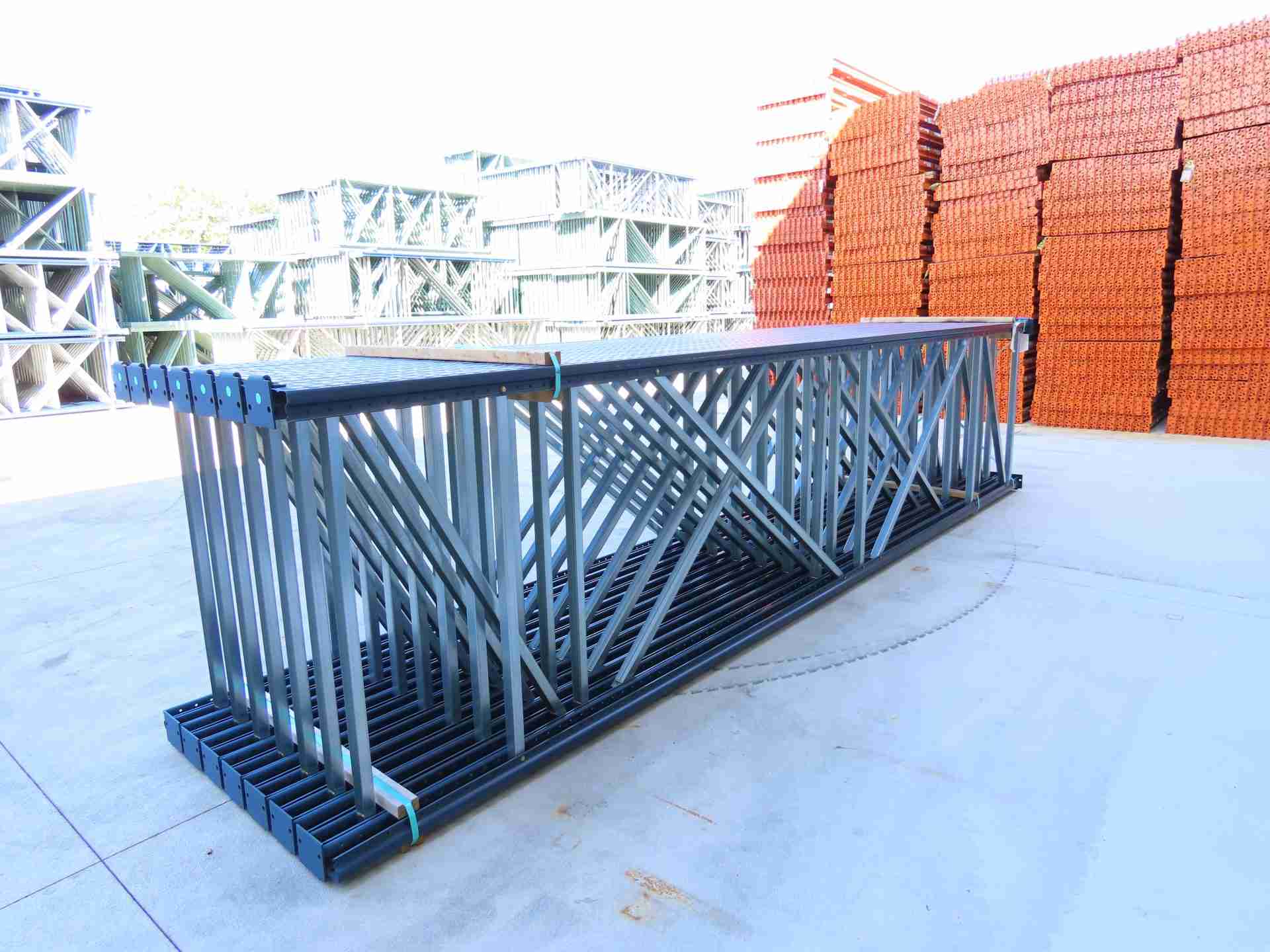
Glossary Of Terms
Other Questions
Can Cantilever Racking Improve Workplace Ergonomics? – Other Questions
If you wish to explore and discover more, consider looking for answers to these questions:
- What types of materials are best suited for cantilever racking?
- How long does it typically take to install cantilever racking systems?
- What are the best practices for organizing items on cantilever racks?
- Are there any safety certifications needed for cantilever racking systems?
- Can cantilever racking be customized for specific business needs?
- What is the average lifespan of cantilever racking systems?
- What kind of training is required for employees using cantilever racking?
- Are there alternative storage solutions that compare to cantilever racking?
- How do cantilever racks adapt to changes in inventory type or quantity?
- What size cantilever racking systems are most commonly used?
- How do you determine the right load capacity for cantilever racks?
- What financing options are available for implementing cantilever racking systems?
- How do climate and environmental conditions affect the use of cantilever racking?
- Are there specific maintenance procedures unique to cantilever racking?

Other Questions
Checklist
Can Cantilever Racking Improve Workplace Ergonomics? – A Checklist
1. Evaluate Workplace Needs
_____ Assess the types of materials stored (length, weight, and size).
_____ Identify common movements and potential strain points for employees.
2. Design Considerations
_____ Ensure cantilever racks are adjustable for varying item sizes.
_____ Plan for easy access from all sides, reducing awkward bending or stretching.
3. Installation Guidelines
_____ Hire professionals for installation to ensure safety and compliance.
_____ Confirm that the installation allows for proper aisle width for equipment and personnel maneuverability.
4. Weight Capacity Awareness
_____ Review load capacity guidelines for cantilever racks and ensure compliance.
_____ Regularly monitor the weight of stored items to prevent overload.
5. Safety Compliance and Training
_____ Stay informed about OSHA regulations related to storage systems.
_____ Conduct training sessions to educate employees on safe storage and retrieval practices.
6. Optimizing Space
_____ Maximize vertical space by strategically placing cantilever racks.
_____ Keep pathways clear to minimize hazards and improve workflow efficiency.
7. Organizing Tools and Materials
_____ Implement a system for organizing items on cantilever racks to prevent clutter.
_____ Consider labeling systems for quick identification of tools and materials.
8. Regular Maintenance and Inspections
_____ Schedule bi-weekly or monthly visual inspections for signs of wear or damage.
_____ Clean racks quarterly to maintain organization and safety.
9. Documentation
_____ Keep records of maintenance, inspections, and any repairs for compliance and future reference.
10. Feedback and Continuous Improvement
_____ Gather employee feedback regarding the new racking system and its impact on ergonomics and productivity.
_____ Be open to making adjustments based on user experiences to continuously optimize the system.
Additional Tips
_____ Promote a culture of safety and well-being within the workplace.
_____ Monitor the impact of implemented changes on employee satisfaction and productivity.
_____ Stay updated on trends in ergonomic solutions and innovations in racking systems.
By following this checklist, you can effectively enhance workplace ergonomics through the strategic implementation of cantilever racking, leading to improved employee health, safety, and productivity.

Checklist
At RackingWorld, we help guide you through selecting warehouse storage systems and racking.
Be sure to read our other related stories at RackingWorld to learn more about warehouse storage systems.
0 Comments