
Discover The Best Local Deals On Pallet Racking
By Tom Seest
At RackingWorld, we help guide you through selecting warehouse storage systems and racking.
Be sure to read our other related stories at RackingWorld to learn more about warehouse storage systems.
Where to Find Pallet Racking for Sale Near Me
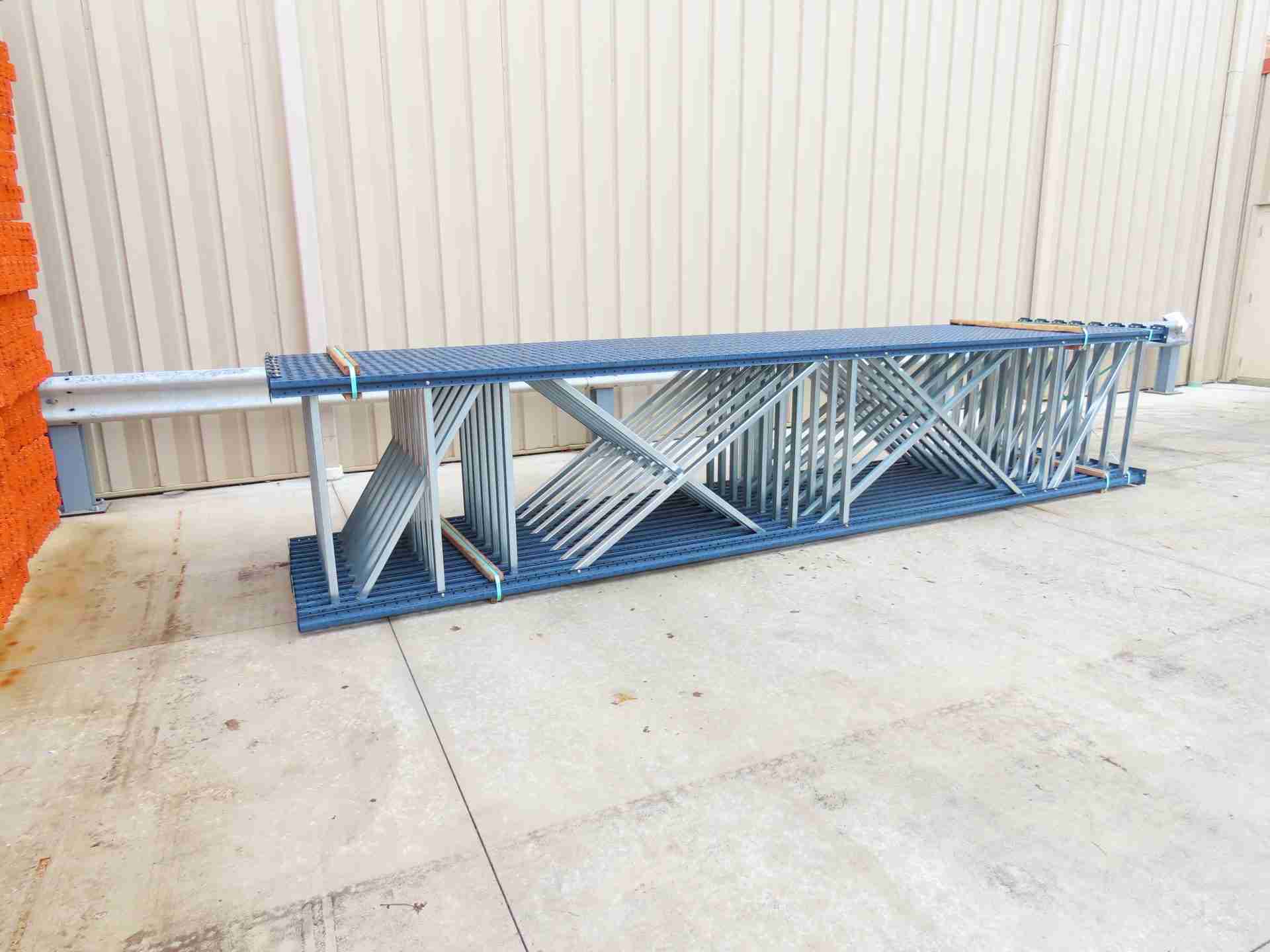
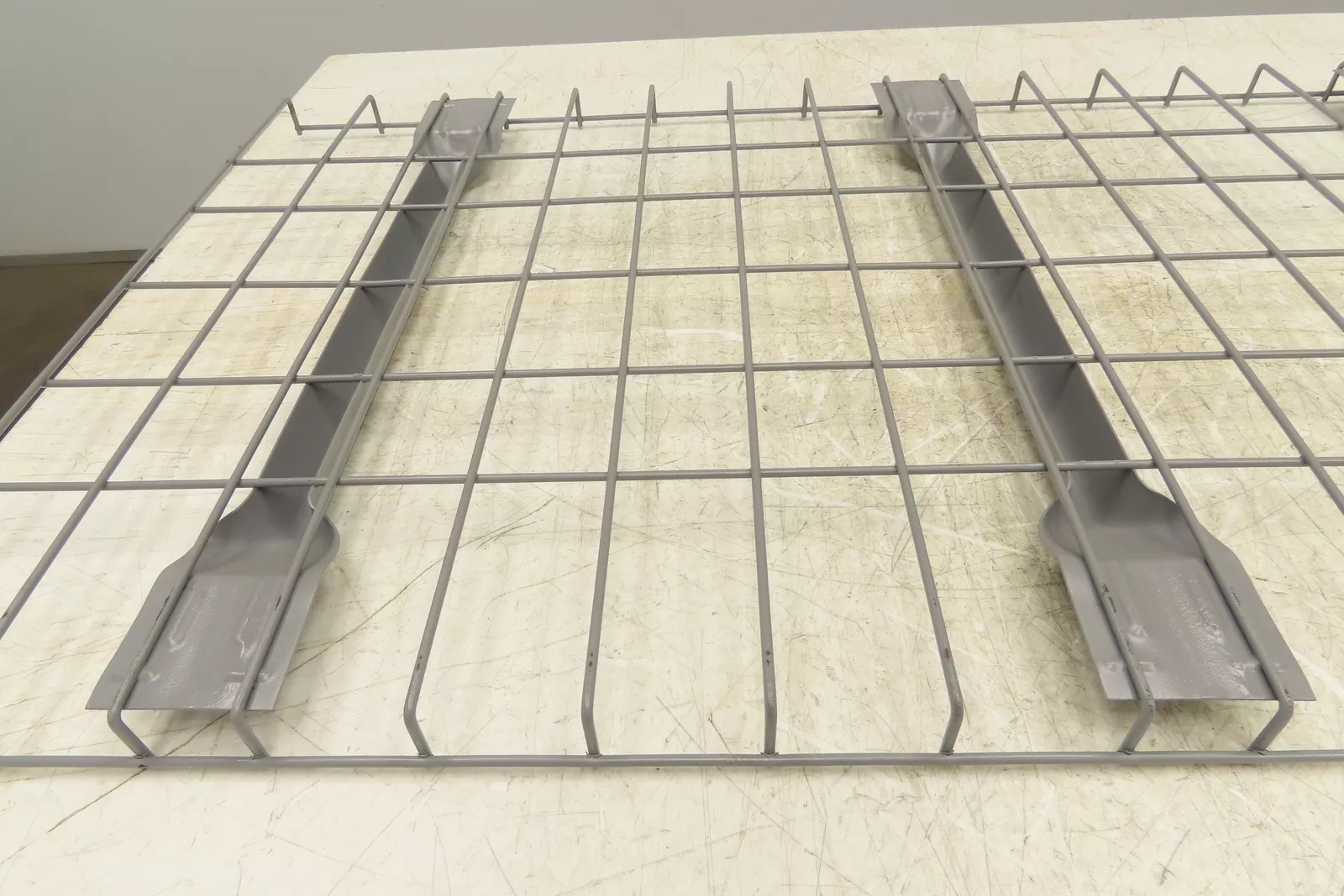
When it comes to optimizing warehouse space and ensuring your inventory is well-organized, finding the right pallet racking solution is crucial. Many business owners seek out pallet racking not just for storage efficiency, but also as an investment that can dramatically streamline their operations. However, knowing where to find quality pallet racking for sale nearby can make all the difference in optimizing your purchasing process.
First and foremost, don’t overlook local industrial supply companies. Many businesses in the logistics and manufacturing sectors frequently update their racking systems, leading to great secondary market opportunities. For example, check with businesses that are upgrading their facilities. You might find high-quality, used racking systems available at a fraction of the new price. Websites like Craigslist or Facebook Marketplace can be treasure troves for second-hand pallet racking, often featuring local sellers looking to offload their excess inventory.
Moreover, consider forming alliances with other businesses in your area. Perhaps a competitor or a related industry player is planning an upgrade and may be willing to sell their existing systems at a discounted rate. Networking at local trade shows, such as the upcoming IMTS 2024 in Chicago, can also expose you to manufacturers and suppliers offering both new and lightly-used racking suited for your needs.
Don’t forget to tap into regional suppliers who specialize in warehouse equipment. Many areas have dedicated pallet racking suppliers with extensive inventory. A quick Google search for “pallet racking suppliers near me” can yield several options. Look for businesses that offer installation services as well, easing the transition and ensuring safety compliance.
Today, sustainability is a key concern for many businesses; choose suppliers who prioritize eco-friendly practices in their manufacturing processes. Companies like Steel King Industries have engaged in environmentally conscious practices, appealing to businesses focused on sustainability. They can also provide certification to ensure compliance with current safety standards.
As e-commerce continues to grow post-pandemic, investing in pallet racking systems has never been more timely. Whether you’re expanding an existing warehouse or starting fresh, finding reliable pallet racking for sale nearby should be prioritized. Utilize local resources, build relationships with other businesses, and ensure that you’re investing wisely in a solution that will enhance your storage capabilities. Remember, an efficient choice today can save you time and money, making you more competitive tomorrow.
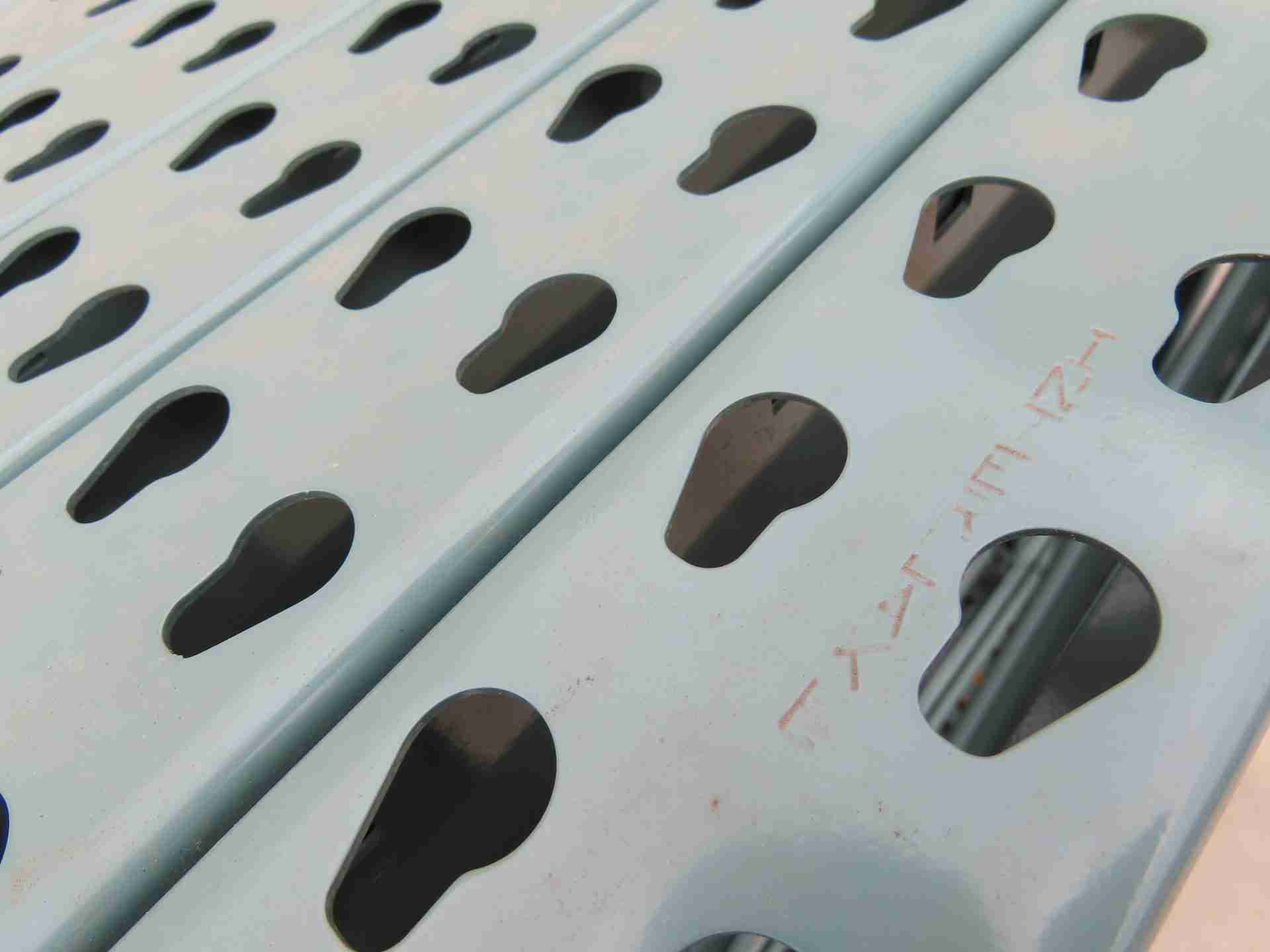
Where to Find Pallet Racking for Sale Near Me
Where to Find Pallet Racking for Sale Near Me
- Choosing the right pallet racking solution is essential for optimizing warehouse space and inventory organization.
- Local industrial supply companies often have secondary market opportunities for quality used racking systems.
- Platforms like Craigslist and Facebook Marketplace can be useful for finding local second-hand pallet racking.
- Networking with nearby businesses and attending trade shows can lead to discounted offers on racking systems.
- Search online for regional suppliers specializing in warehouse equipment to discover extensive inventory options.
- Sustainability is important; opt for suppliers that prioritize eco-friendly practices in their manufacturing.
- Investing in reliable pallet racking systems is crucial for expanding warehouse efficiency in the growing e-commerce market.
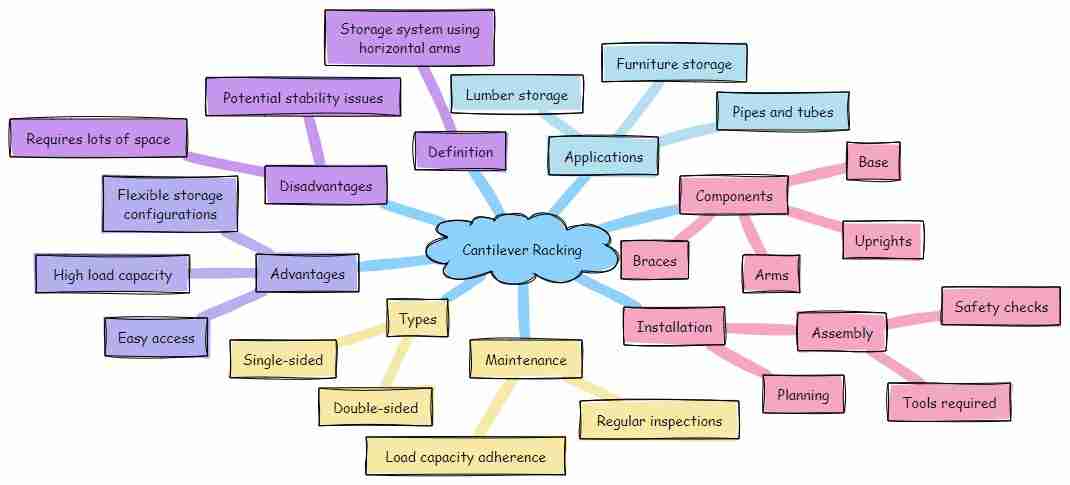
Where to Find Pallet Racking for Sale Near Me
Table Of Contents
- Where to Find Pallet Racking for Sale Near Me
- What Type Of Pallet Racking Suits My Storage Needs?
- How Do I Calculate The Pallet Racking Capacity?
- Where Can I Find Affordable Pallet Racking Options Nearby?
- What Are The Different Types Of Pallet Racking Available?
- How Do I Choose Between New And Used Pallet Racking?
- What Factors Should I Consider When Buying Pallet Racking?
- Are There Local Suppliers For Pallet Racking?
- How Can I Compare Prices For Pallet Racking Online?
- What Safety Standards Apply To Pallet Racking Systems?
- How Do I Assemble Pallet Racking Correctly?
- What Is The Process For Obtaining Permits For Pallet Racking?
- Can I Get Delivery For Pallet Racking Purchases?
- How Do I Maintain And Inspect Pallet Racking Over Time?
- What Are The Common Mistakes When Installing Pallet Racking?
- Are There Rental Options For Pallet Racking Systems?
- Conclusion
- Other Resources
- Glossary Of Terms
- Other Questions
- Checklist
What Type Of Pallet Racking Suits My Storage Needs?
In a market where efficiency and productivity reign supreme, selecting the right type of pallet racking can be the secret ingredient that elevates your business operations to new heights. The type of pallet racking that best suits your storage needs directly influences your inventory management efficiency, space utilization, and overall profitability. So, how do you determine which solution is the best fit for your unique circumstances?
First, consider the types of inventory you store. Are you dealing with a high turnover of small items, or do you house larger product lines that require more space? For businesses that see a diverse range of products, Selective Pallet Racking offers straightforward accessibility, allowing you to easily reach any pallet without disturbing others. This type is ideal for conventional warehouses that move a variety of products daily—a scenario increasingly common in the current e-commerce boom, where timely order fulfillment can make or break your reputation.
However, if space is a premium in your operation, then Drive-In or Drive-Through Racking systems can maximize your vertical storage capabilities. These systems allow forklifts to enter the racking structure, providing high-density storage while reducing aisle space requirements. Particularly relevant in today’s logistics landscape, where warehouse real estate costs soar, this solution can significantly cut back on wasted space and result in more efficient inventory management.
On the flip side, if you deal with seasonal fluctuations, consider Cantilever Racking for your long, bulky items. This system makes accessing and organizing items like lumber or piping seamless, allowing for quick inventory turnover. Think about big-box home improvement stores that need to manage both seasonal demands and diverse inventory types effectively.
In light of recent global supply chain disruptions, businesses have had to rethink how they manage their inventory. Mobile Racking Systems are gaining traction, allowing companies to adapt their layout as needed, which can be a boon in an unpredictable market. By shifting racks on wheels, you can increase or decrease access as your stock levels fluctuate, giving you the flexibility to pivot in real-time.
Finally, don’t forget the long-term implications of your choice. While upfront costs are important, consider the long-term benefits of durability and scalability. As the competitive landscape continues to evolve, investing in the right pallet racking system today can serve as a springboard for your business tomorrow. By assessing your unique needs and aligning them with effective racking solutions, you can not only optimize your storage but also set yourself up for unparalleled success in this rapidly changing environment.

What Type Of Pallet Racking Suits My Storage Needs?
What Type Of Pallet Racking Suits My Storage Needs?
- Selecting the right pallet racking is crucial for improving inventory management and overall profitability.
- The type of racking needed depends on the inventory types: high turnover of small items or larger product lines.
- Selective Pallet Racking offers easy access to any pallet, ideal for conventional warehouses with diverse products.
- For limited space, Drive-In or Drive-Through Racking maximizes vertical storage and reduces aisle space needs.
- Cantilever Racking is suitable for managing bulky items, especially with seasonal fluctuations in inventory.
- Mobile Racking Systems increase layout flexibility, allowing adaptation to changing stock levels in an unpredictable market.
- Long-term factors, such as durability and scalability, should be considered alongside upfront costs for optimal investment in racking solutions.
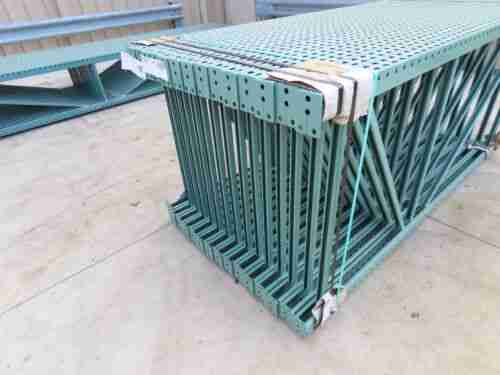
What Type Of Pallet Racking Suits My Storage Needs?
How Do I Calculate The Pallet Racking Capacity?
Understanding the capacity of your pallet racking system is essential for optimizing warehouse efficiency, minimizing costs, and ensuring safety. Calculating your racking capacity isn’t merely about numbers; it’s a crucial business strategy. Imagine your warehouse as a finely tuned machine—every gear, or rack in this case, must fit perfectly to maximize performance.
Step 1: Know Your Specifications
Begin by gathering critical information. Each rack’s specifications are crucial, including the height, width, and depth of the racking system. You’ll also need to identify the maximum weight the rack can bear, which is typically provided by the manufacturer. For instance, many racking systems are designed to hold anywhere from 2,000 to 5,000 pounds per shelf, depending on materials and design.
Step 2: Calculate Usable Space
Next, you need to understand how much usable space your racking system offers. Measure the total vertical height of your warehouse and subtract the space required for safety features, such as sprinklers or lighting. Let’s say you have a warehouse with a 20-foot ceiling and require 4 feet for safeties; you could potentially use 16 feet for your racking system.
Step 3: Determine Load Factor
A critical aspect of calculating capacity is assessing what you’re storing on these racks. Different items vary in weight—pallets of water bottles are heavier than pallets of packed clothing. To illustrate, consider a scenario in which your racks hold pallets averaging 1,500 pounds. Multiply this by the number of levels you can fit under your height restriction. If you can fit 3 levels of 10 racks across, that’s 3 x 10 = 30 racks, leading to a potential weight capacity of 45,000 pounds.
Step 4: Factor in Safety and Compliance
Safety isn’t merely a checkbox; it’s your business safeguard. Always consult updated local regulations regarding loading capacities and safety guidelines. With recent shifts towards stricter warehouse regulations, staying compliant can save you from hefty fines and potential liability issues.
Current Events Insight
As the economy rebounds post-pandemic, more warehouses are ramping up operations. Efficiently maximizing pallet racking capacity can mean the difference between thriving and just surviving. If inventory management and efficient space utilization are on your radar for 2024, mastering the calculation of pallet racking capacity today can set the stage for your success tomorrow.
Calculate wisely, leverage your space like a pro, and watch your operations flourish!
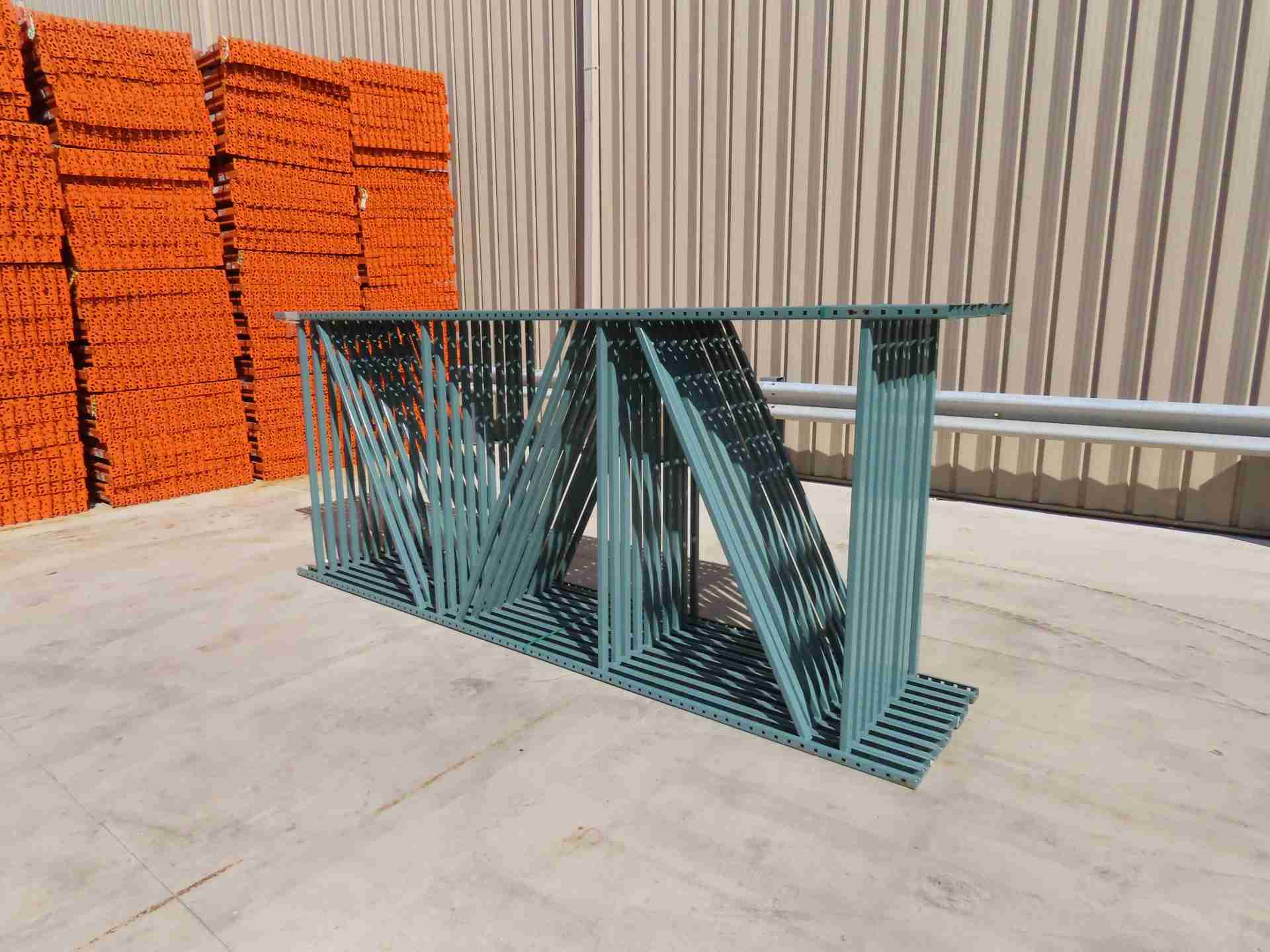
How Do I Calculate The Pallet Racking Capacity?
How Do I Calculate The Pallet Racking Capacity?
Here’s a bulleted summary formatted as an HTML list:
- Understanding pallet racking capacity is vital for warehouse efficiency, cost reduction, and safety assurance.
- Gather essential specifications including rack dimensions and maximum load capacity provided by the manufacturer.
- Calculate usable space by measuring total vertical height and subtracting space needed for safety features.
- Determine load factor by assessing the weight of stored items and multiplying by the number of levels and racks.
- Prioritize safety and compliance by consulting updated local regulations on loading capacities and safety guidelines.
- As the economy improves, optimizing pallet racking can significantly impact warehouse operations and inventory management.
- Effective calculation and utilization of racking capacity can enhance operational success for the future.
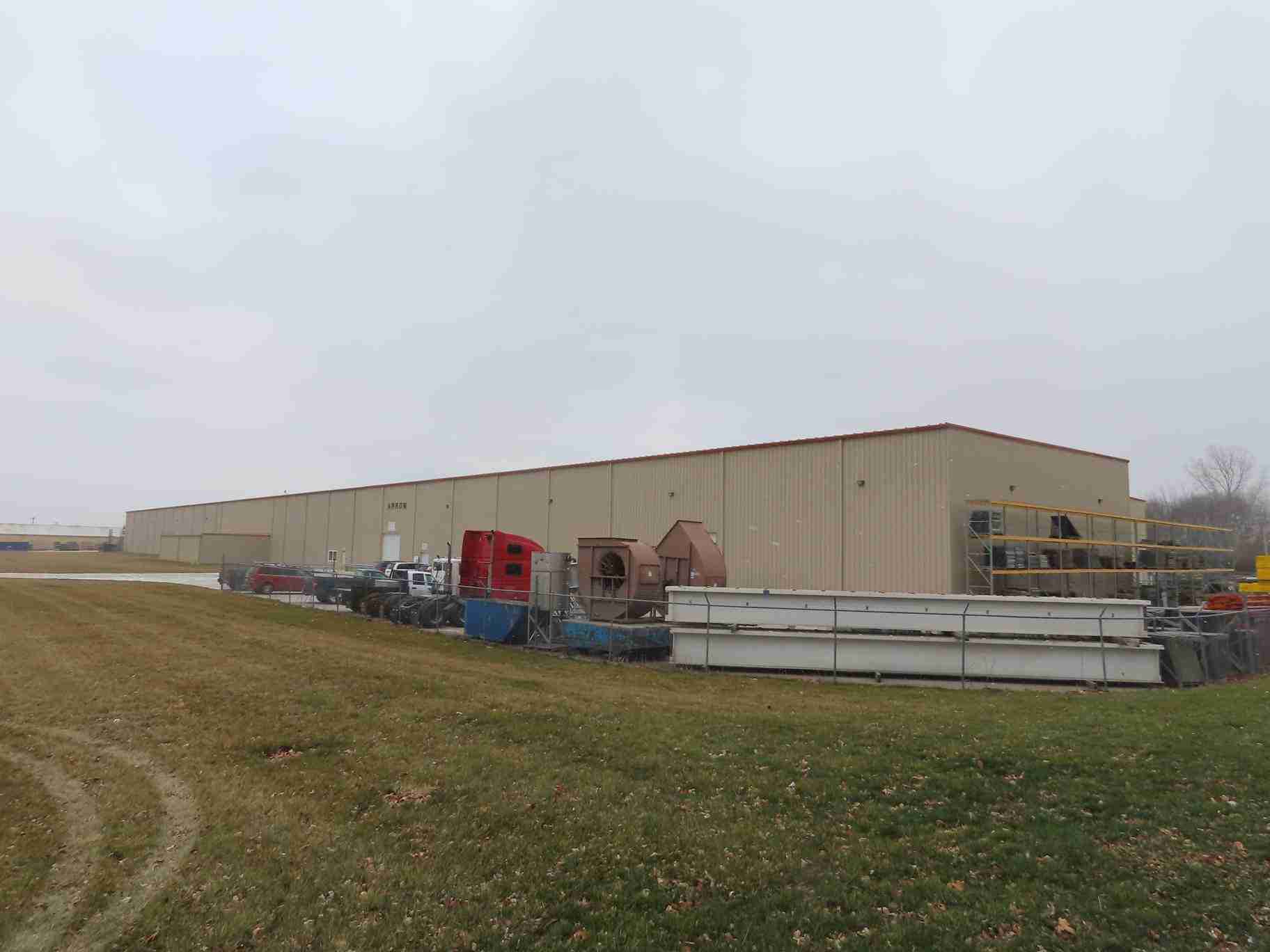
How Do I Calculate The Pallet Racking Capacity?
Where Can I Find Affordable Pallet Racking Options Nearby?
When it comes to optimizing your warehouse space, pallet racking is an absolute necessity. But let me tell you something crucial: it doesn’t have to cost you an arm and a leg. In today’s market, finding affordable pallet racking options in your area is easier than you might think—if you’re willing to explore your options.
Start with local suppliers and distributors. Many cities have businesses that specialize in industrial shelving and pallet racking systems. A quick Google search for “pallet racking suppliers near me” will yield a treasure trove of options. But don’t just settle for the first option. Reach out to several suppliers, and don’t be afraid to ask about their inventory of used or refurbished racking systems, which can significantly lower your costs. And with sustainability being a hot topic today, buying used can also be an eco-friendly choice.
Next, consider attending local trade shows or warehouse liquidation sales. Events like these often feature equipment sellers looking to clear out inventory at discounted prices. In light of current supply chain dynamics—where businesses are reevaluating their logistics strategies—many companies are reducing excess stock, which means you could score quality pallet racking at a fraction of the retail price.
Another fantastic resource is online marketplaces. Websites such as Craigslist, Facebook Marketplace, or even eBay often list used racking systems sold by businesses looking to downsize or upgrade. Just exercise caution: always inspect the equipment before purchasing to ensure it meets safety standards.
Don’t overlook auctions either! Local auctions, particularly those focused on industrial equipment, can yield incredible deals. Many businesses liquidate their assets due to financial pressures or restructuring efforts—this is your opportunity to swoop in and grab high-quality racking systems without breaking the bank.
Lastly, network with other business owners in the area. Sometimes the best deals come not from suppliers but from fellow entrepreneurs looking to offload surplus equipment. Join local business groups or associations related to your industry; there’s strength in numbers, and you’ll be surprised at how much information—and deals—you can uncover.
In a world increasingly driven by efficiency, getting the right pallet racking at the right price could be the game changer for your warehouse operations. So don’t hesitate—explore these avenues, and watch your savings stack up just as neatly as your inventory will on those new racks!
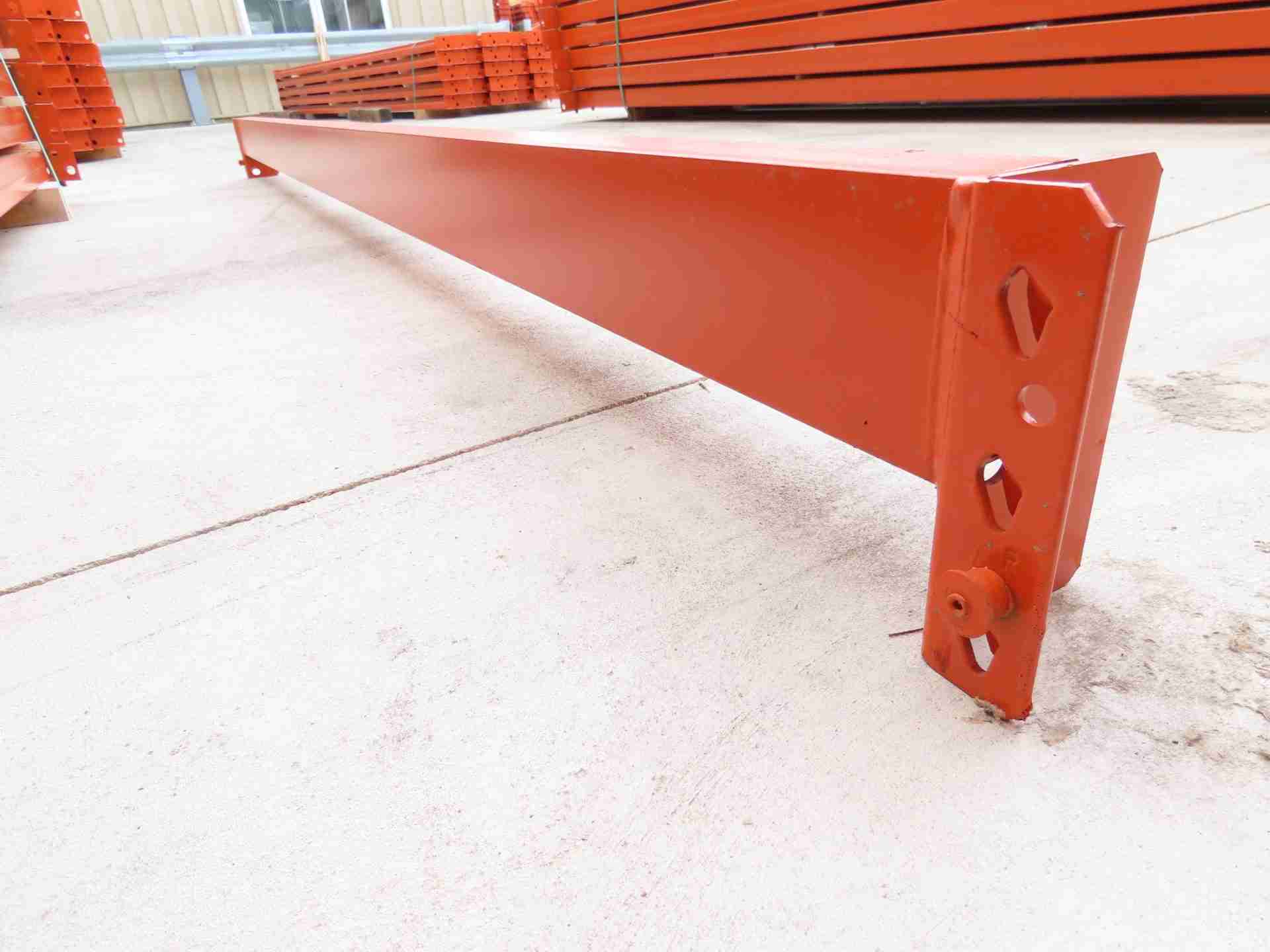
Where Can I Find Affordable Pallet Racking Options Nearby?
Where Can I Find Affordable Pallet Racking Options Nearby?
- Pallet racking is essential for optimizing warehouse space without excessive costs.
- Start by searching for local suppliers and distributors specializing in industrial shelving and pallet racking.
- Consider asking about used or refurbished racking systems to significantly lower expenses.
- Attend local trade shows or warehouse liquidation sales for discounted pallet racking options.
- Utilize online marketplaces like Craigslist, Facebook Marketplace, or eBay to find used racking systems.
- Participate in local auctions focused on industrial equipment for potential high-quality deals.
- Network with other business owners to uncover surplus equipment and exclusive deals.
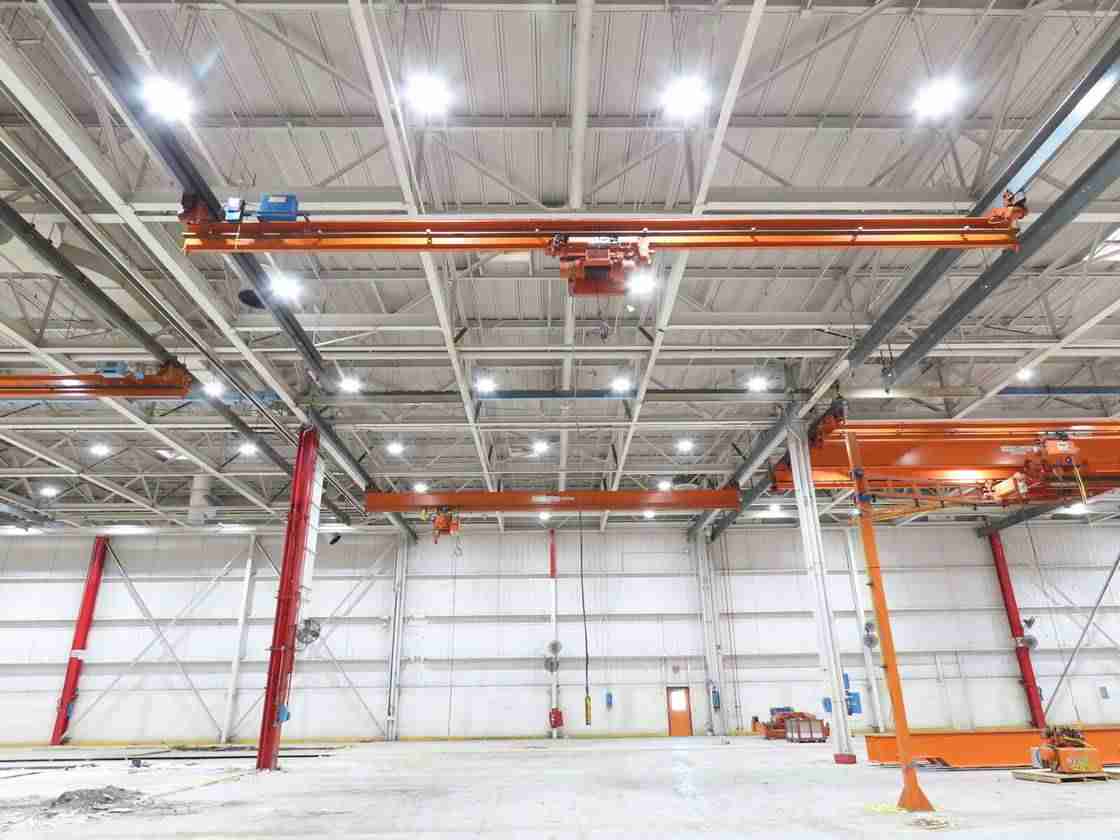
Where Can I Find Affordable Pallet Racking Options Nearby?
What Are The Different Types Of Pallet Racking Available?
Pallet racking systems are the backbone of efficient warehouse operations, allowing for maximum space utilization and streamlined processes. But not all pallet racks are created equal; understanding the diverse options available can dramatically impact your bottom line. Let’s explore the various types of pallet racking systems, each designed to meet specific needs.
1. Selective Pallet Racking:
This is the most common type, often referred to as “standard” racking. Selective pallet racks allow for direct access to every pallet, maximizing storage space while maintaining maximum accessibility. Ideal for operations with a wide variety of SKU (Stock Keeping Units), these racks are particularly advantageous for e-commerce businesses where speed is of the essence. Amid the current e-commerce boom, companies pivoting their inventory strategies are increasingly favoring selective racking systems to enhance retrieval efficiency.
2. Drive-In and Drive-Through Racking:
For operations dealing with high-density storage, drive-in and drive-through racking are game-changers. Drive-in racks allow forklifts to enter the rack structure, providing a “last in, first out” (LIFO) inventory method. Conversely, drive-through racking permits access from both sides, offering a “first in, first out” (FIFO) approach. As supply chain disruptions continue making headlines, businesses are seeking these systems to optimize their inventory turnover and mitigate waste.
3. Push Back Racking:
If you need a blend of high-density storage with easy access to multiple pallets, push back racking may be your solution. This system utilizes a series of nested carts that slide back on angled rails as pallets are added. It allows you to store products deeply and retrieve them easily. Companies facing challenges with seasonal inventory can capitalize on push back racking’s flexibility, ensuring they don’t lose valuable storage space.
4. Mobile Racking Systems:
The future of warehousing is mobile, quite literally. Mobile racking systems consist of shelves mounted on wheeled bases that can be moved to create aisles only as needed. This clever design maximizes space and can double your storage capacity. In an era where space is at a premium and real estate prices soar, mobile racking can transform traditional warehouse setups into modern marvels of efficiency.
5. Cantilever Racking:
For businesses that manage long materials like lumber or piping, cantilever racking is the ideal choice. This type features arm-like structures allowing easy loading and unloading, eliminating the need for front columns that could hinder access. With the construction industry rebounding from the pandemic, cantilever racks are increasingly relevant for facilitating easy access to building materials.
By understanding and leveraging these different types of pallet racking systems, businesses can tailor their storage solutions to not only meet current demands but also prepare for future growth and shifts in the market landscape. Investing in the right pallet racking configuration today can yield significant operational efficiencies tomorrow.

What Are The Different Types Of Pallet Racking Available?
What Are The Different Types Of Pallet Racking Available?
- Pallet racking systems are essential for efficient warehouse operations and space utilization.
- Selective pallet racking offers direct access to every pallet, ideal for diverse SKU operations and e-commerce businesses.
- Drive-in and drive-through racking enhance high-density storage with LIFO and FIFO inventory methods, optimizing inventory turnover.
- Push back racking combines high-density storage with easy access, beneficial for businesses with seasonal inventory.
- Mobile racking systems maximize storage by creating aisles as needed, effectively doubling storage capacity in limited spaces.
- Cantilever racking is suitable for long materials, facilitating easy loading and unloading without obstructive front columns.
- Investing in the right pallet racking systems can lead to significant operational efficiencies and future growth opportunities.
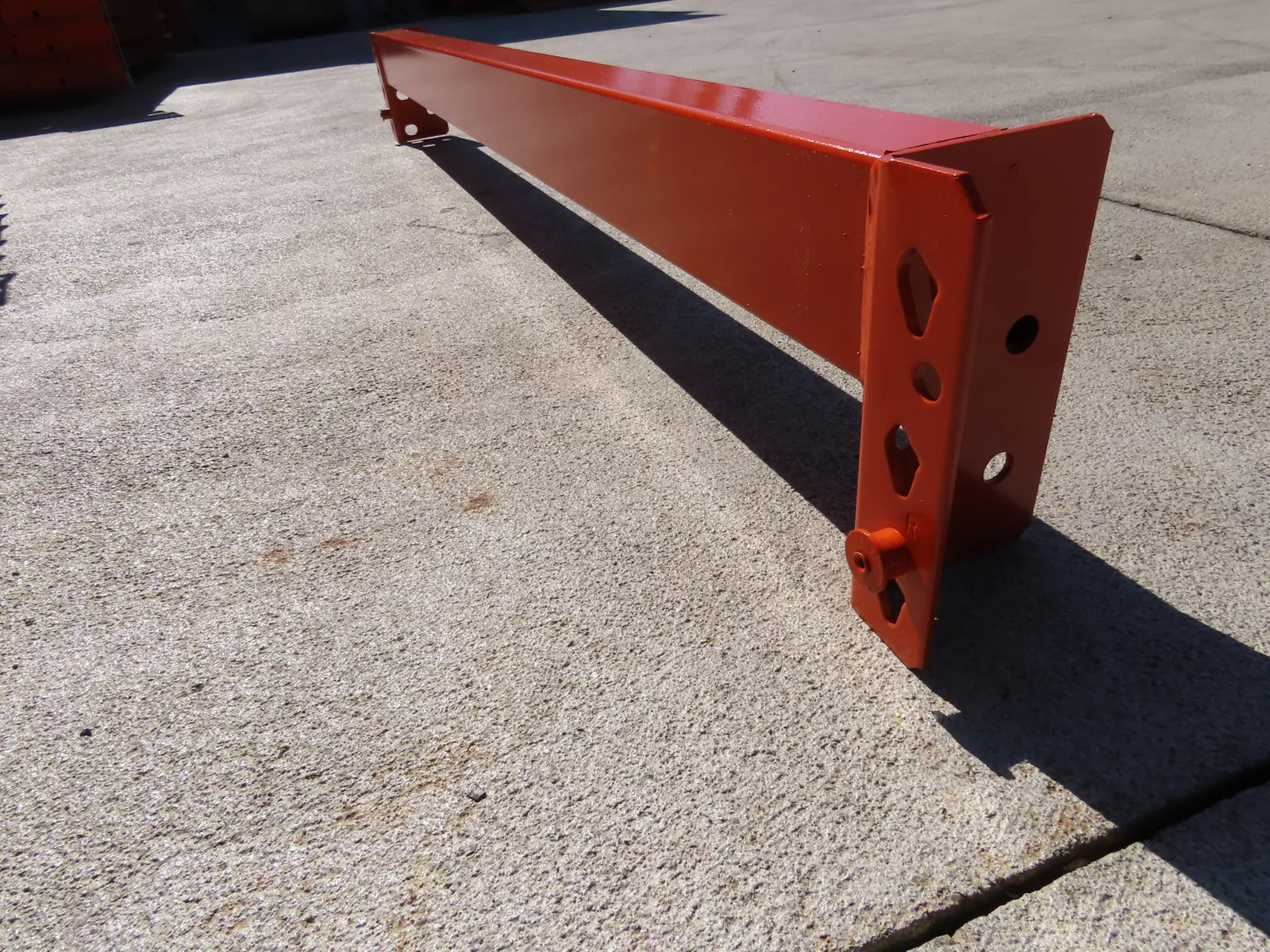
What Are The Different Types Of Pallet Racking Available?
How Do I Choose Between New And Used Pallet Racking?
When you’ve decided to optimize your warehouse space, choosing between new and used pallet racking can feel like a daunting decision. Both options come with their unique advantages, but understanding your specific needs will illuminate the right path forward.
The Case for New Pallet Racking
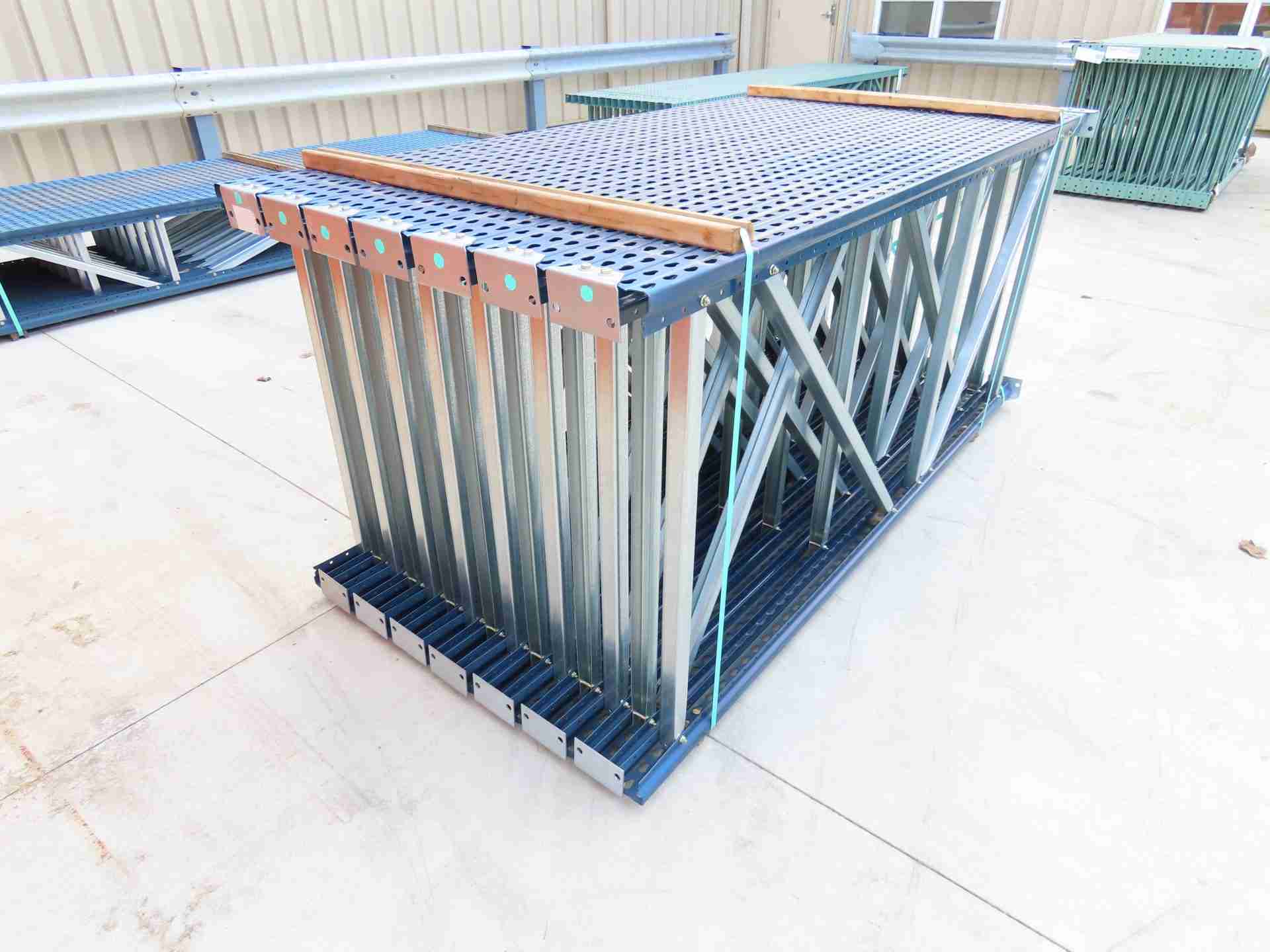
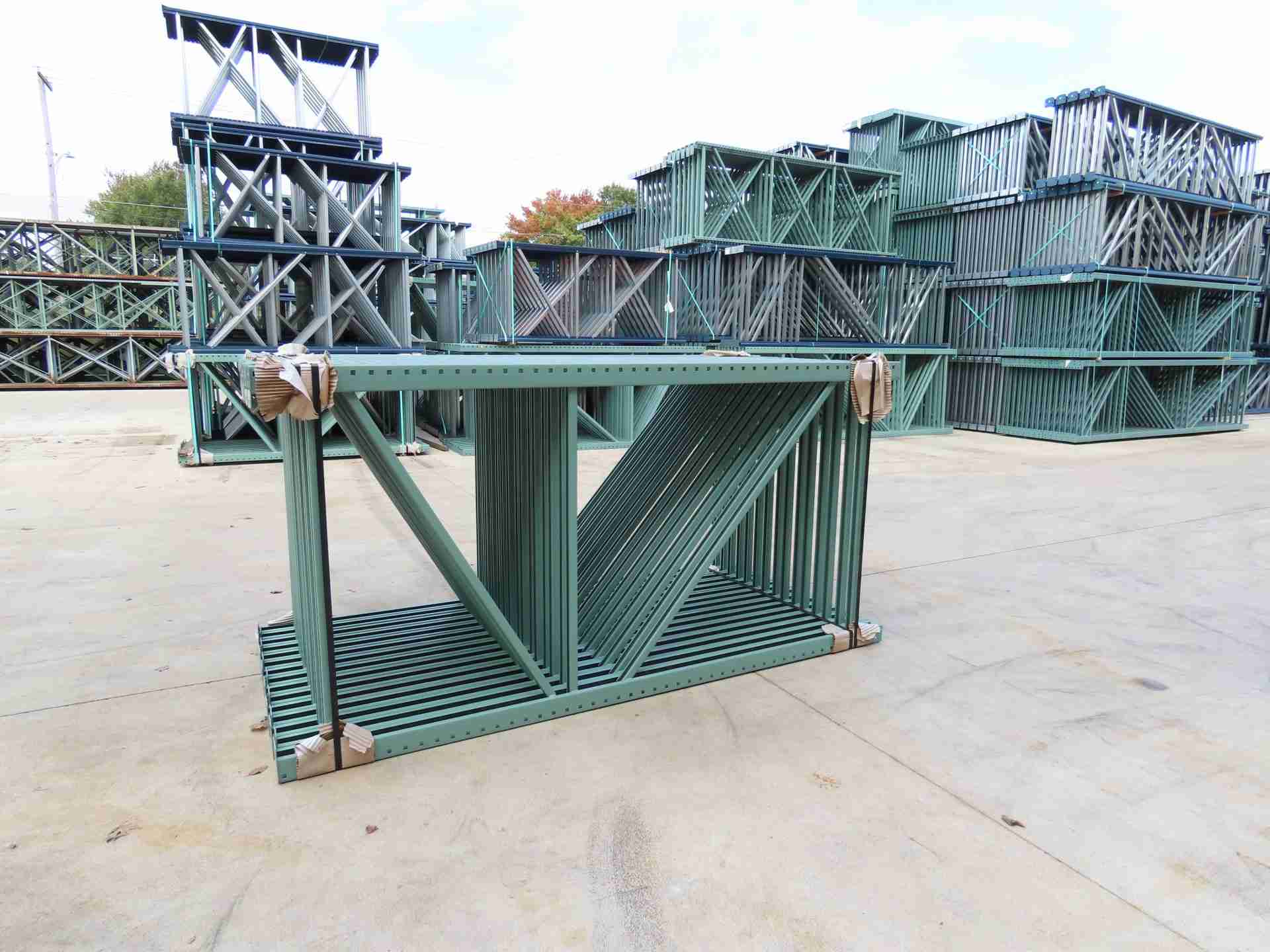
Opting for new pallet racking offers a level of reliability that is hard to beat. With new systems, you’re not just investing in functionality; you’re investing in peace of mind. For example, a leading manufacturer in the sector has recently rolled out advanced racking solutions designed to enhance weight distribution and safety. If your operations involve heavy loads, these new features can make a significant difference in preventing accidents.
Moreover, buying new allows for customization. If your warehouse layout requires a specific configuration to optimize workflow, new systems can be designed and tailored precisely to your requirements. Consider how a company that operates within the fast-growing e-commerce sector benefited from investing in custom racking solutions that allowed for improved picking speeds and a reduction in order turnaround time. These efficiencies translate into increased customer satisfaction and ultimately more revenue.
The Appeal of Used Pallet Racking
On the flip side, used pallet racking can be an attractive option, particularly for businesses operating on tighter budgets. In today’s climate, where every dollar counts, the opportunity to save significantly can’t be overlooked. The used market is flush with quality options, and many reputable suppliers guarantee their refurbished systems. For instance, a logistics startup recently outfitted their entire warehouse with used racking while saving over 50% compared to new systems, thereby allocating funds towards technology and automation solutions.
However, tread carefully when venturing into the used racking market. Ensure you’re acquiring from dealers with a strong reputation who can vouch for the condition and safety compliance of the systems. Always request load ratings and compliance documentation. It may save you from future liabilities.
Consider Your Long-Term Strategy
Ultimately, the decision hinges on your long-term operational strategy. If you foresee rapid growth, investing in new racking designed to scale might be the better choice. Conversely, if your growth is steady and your space is largely static, used racking can offer an excellent return on investment without overextending your finances.
Your choice should reflect not just immediate needs but a vision for the future. Align your racking solution with your strategic goals, and remember—every warehouse decision today impacts your bottom line tomorrow.
How Do I Choose Between New And Used Pallet Racking?
How Do I Choose Between New And Used Pallet Racking?
- Choosing between new and used pallet racking requires understanding specific warehouse needs.
- New pallet racking offers reliability, customization, and advanced safety features, beneficial for heavy loads.
- Investing in new systems can enhance workflow efficiency and increase customer satisfaction.
- Used pallet racking is cost-effective and can provide significant savings for businesses on tighter budgets.
- Quality refurbished systems are available, but it’s crucial to buy from reputable dealers with safety compliance.
- Long-term growth strategy influences the decision; new racking suits rapid growth, while used racking fits stable needs.
- Your racking choice should align with future strategic goals, impacting financial performance.
How Do I Choose Between New And Used Pallet Racking?
What Factors Should I Consider When Buying Pallet Racking?
When you’re on the hunt for pallet racking, it’s essential to approach the decision with strategic foresight. This isn’t just about grabbing the cheapest option or the latest trend; it’s about creating a tailored solution that aligns with your operational goals, ensures safety, and maximizes your warehouse efficiency. Here are the core factors to consider.
1. Load Capacity and Weight Distribution
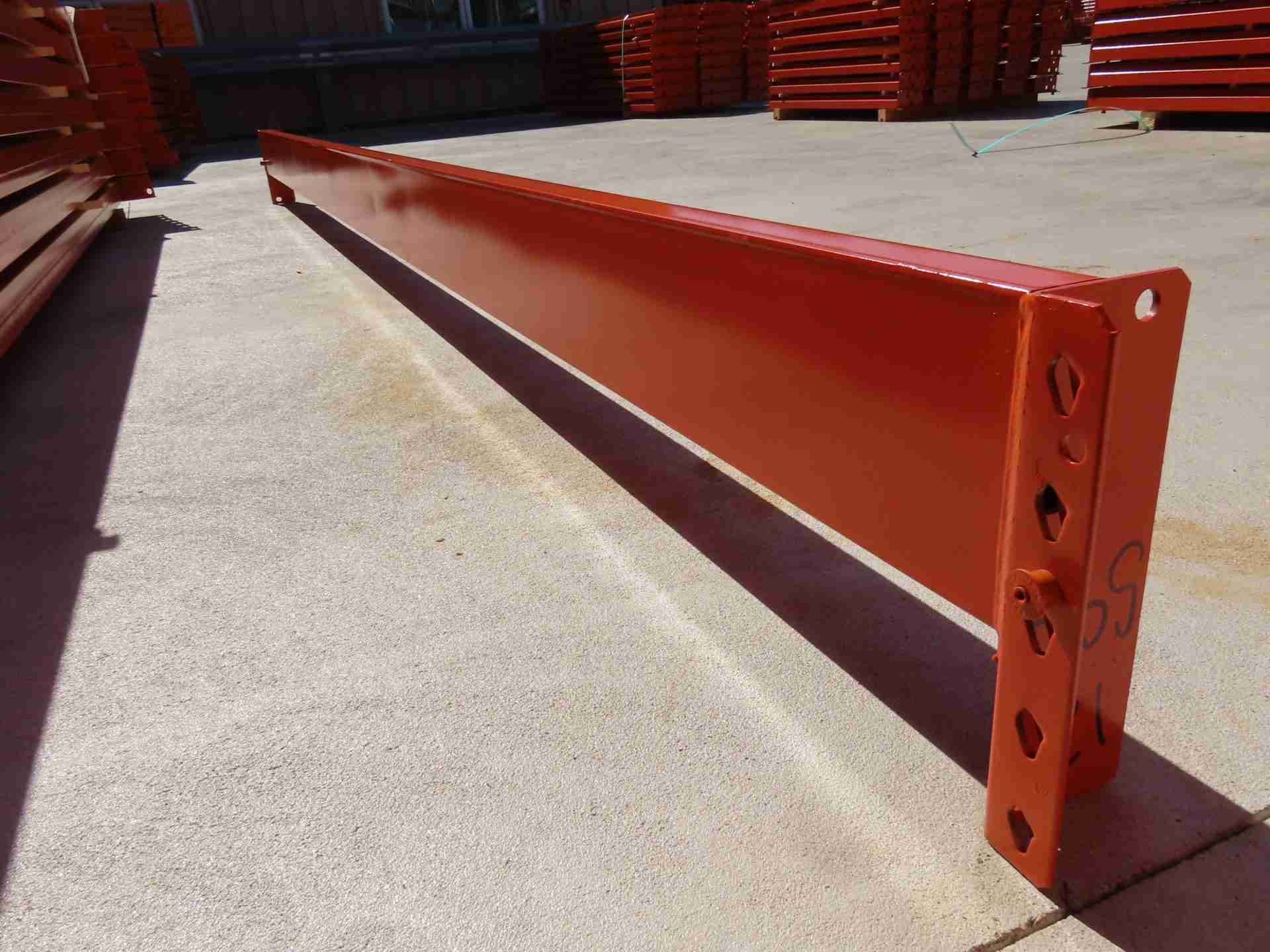
First and foremost, evaluate the load capacity you need. Not all pallet racking systems are created equal; some are designed for heavy-duty use, while others cater to lighter loads. Analyze the weight of the products you plan to store. For instance, if your business is dealing with heavy machinery components, opt for high-capacity racks that can support upwards of 2,000 pounds per shelf. A miscalculation here could result not only in damage to goods but also in potential safety hazards.
2. Warehouse Space and Configuration
Understand how your warehouse space is configured before making a purchase. Consider the height, width, and length of your storage area. If you’re in a densely populated urban area like San Francisco, where real estate is premium, think vertically. High-density racking systems can maximize vertical space, providing you with more storage without the need for a larger footprint.
3. Accessibility and Inventory Rotation
Evaluate how often you need to access different items. If your business operates based on a Just-In-Time (JIT) inventory system due to current supply chain challenges, then selective racks may be more suitable for quick access. Conversely, if your inventory often remains static, a drive-in rack system can provide optimized space utilization without the need for frequent access.
4. Durability and Material Quality
The material from which the racking is made matters immensely. Steel racks, although heavier and sometimes pricier, offer superior durability against wear and tear compared to plastic or wood options. Consider recent upticks in global shipping and logistics challenges; investing in sturdy, durable racking can save you replacement costs down the line.
5. Compliance with Safety Standards
Finally, always keep safety top of mind. Ensure that your pallet racking system complies with current regulations and safety standards set by organizations like the Occupational Safety and Health Administration (OSHA) and the International Organization for Standardization (ISO). In recent months, industries have faced increased scrutiny over safety practices—don’t let your racking system be the weak link.
By carefully assessing these factors, you can make an informed decision that supports your operational framework and mitigates risks. It’s not just an investment in equipment; it’s an investment in the future efficiency and safety of your business.
What Factors Should I Consider When Buying Pallet Racking?
What Factors Should I Consider When Buying Pallet Racking?
- Approach pallet racking selection with strategic foresight, focusing on tailored solutions.
- Evaluate load capacity based on the weight of products to ensure safety and prevent damage.
- Understand warehouse configuration to maximize space, especially in urban areas.
- Consider accessibility and inventory rotation needs for optimal efficiency.
- Choose durable materials, such as steel, to reduce replacement costs over time.
- Ensure compliance with safety standards set by organizations like OSHA and ISO.
- Assessing these factors helps in making informed decisions for operational efficiency and safety.
What Factors Should I Consider When Buying Pallet Racking?
Are There Local Suppliers For Pallet Racking?
When businesses expand their operations to accommodate increasing inventory demands, the need for efficient storage solutions becomes paramount. Enter pallet racking—an essential component for maximizing warehouse space. But the question that often arises is: are there local suppliers for pallet racking? The good news is yes, and not only can you find these suppliers, but partnering with them can provide significant advantages.
Firstly, local suppliers often offer a personal touch that large, national retailers can’t match. Imagine this scenario: your warehouse is bursting at the seams, and you need a tailored pallet racking solution quickly. A local supplier can often provide immediate service, customizing options based on your specific layout and inventory needs. In contrast, larger companies may require long lead times, costing you precious time and money.
Take, for instance, the recent supply chain challenges emerging from global events like the pandemic and geopolitical tensions. These disruptions have made it clear that relying solely on distant suppliers can lead to delays and unpredictability. By choosing a local supplier, you’re not just investing in equipment; you’re investing in a relationship built on trust and reliability. Should an issue arise, having a local partner means faster resolutions and greater reassurance.
Moreover, local suppliers often carry a diverse range of products, from new racking systems to used equipment at a fraction of the cost. For businesses looking to stay agile amidst economic uncertainties, this provides flexible pricing options. Companies like Smith Racking Systems in Ohio and Ace Warehouse Equipment in California have successfully capitalized on this demand by providing both new and refurbished racking systems, presenting clients with several choices that match their budget without compromising on quality.
Additionally, working with local suppliers supports your community’s economy. This is a selling point worth promoting in your marketing efforts. Customers today are increasingly drawn to businesses that prioritize local partnerships and community development. By showcasing your commitment to local suppliers in your own operations, you create a powerful narrative that resonates with potential customers and differentiates your business.
Lastly, remember that local suppliers often have deeper knowledge of the industry trends affecting storage solutions. With their finger on the pulse of local market demands, they can offer insights and recommendations that larger suppliers simply cannot. This ability to adapt quickly to market fluctuations is invaluable.
Seeking out local suppliers for pallet racking is not just about acquiring equipment; it’s a strategic move that enhances operational efficiency, sustainability, and community support. Don’t just think of it as a purchase; think of it as an investment in a sustainable future for your business and your community.
Are There Local Suppliers For Pallet Racking?
Are There Local Suppliers For Pallet Racking?
- Businesses facing increasing inventory demands require efficient storage solutions, such as pallet racking.
- Local suppliers offer personalized service and quicker customization compared to larger retailers.
- Recent supply chain challenges highlight the importance of local sourcing to avoid delays and unpredictability.
- Local suppliers provide diverse product options, including both new and refurbished racking systems at competitive prices.
- Partnering with local suppliers supports the local economy and can enhance your business’s marketing narrative.
- Local suppliers possess in-depth knowledge of industry trends, providing valuable insights and recommendations.
- Choosing local suppliers for pallet racking is a strategic investment in operational efficiency, sustainability, and community.
Are There Local Suppliers For Pallet Racking?
How Can I Compare Prices For Pallet Racking Online?
In today’s fast-paced industrial landscape, finding the best prices on pallet racking can feel like searching for a needle in a haystack. However, with the right strategies and tools, you can streamline this daunting task and uncover the best deals available online.
First and foremost, begin with thorough research. Utilize platforms specifically dedicated to industrial equipment. Websites like Global Industrial and ULINE can serve as excellent starting points. They not only provide extensive catalogs but also valuable customer feedback, allowing you to gauge quality versus cost. For instance, a quick search on ULINE will reveal a range of pallet racking options, each with different load capacities, dimensions, and prices. This is essential as the financial implications of selecting the wrong racking system can be astronomical—not just in terms of expenditure, but also in lost productivity.
It’s also crucial to leverage comparison tools. Sites like IndustryNet and ThomasNet allow you to filter results based on your specific needs—whether it’s size, weight capacity, or even special features like adjustable shelving. For example, if you’re looking at heavy-duty racking for a warehouse storing high-volume materials, these tools will not only help you find competitive prices but also provide insights on local distributors, making it easier to negotiate and compare shipping costs.
In recent months, global supply chain challenges have influenced pricing structures across various industries, including storage solutions. Heightened demand for warehouse space and efficient storage solutions has pushed companies to reevaluate their racking systems. Thus, staying current on market trends is vital. Consider subscribing to industry newsletters or following relevant blogs that provide updates on pricing fluctuations and consumer preferences. This knowledge not only empowers you during negotiations but might also alert you to discount periods or promotions relevant to your needs.
Don’t forget to engage in direct communication with suppliers. Often, businesses are willing to discuss bulk pricing or offer special deals that aren’t advertised online. Simply reaching out via email or phone can yield substantial savings. Imagine contacting a supplier, expressing your requirements, and declaring your intent to purchase multiple units—many suppliers will thus sweeten the deal to secure your business.
Lastly, attend online trade shows or webinars focused on warehousing solutions. Events like these are treasure troves of information and connections that can help you discover exclusive online deals, allowing you to adjust your budget effectively.
In summary, navigating the process of comparing prices for pallet racking online is all about strategy, research, and leveraging the right resources to ensure you not only find the best deals but also invest in a system that will pay dividends for years to come.

How Can I Compare Prices For Pallet Racking Online?
How Can I Compare Prices For Pallet Racking Online?
- Research extensively using dedicated industrial equipment platforms like Global Industrial and ULINE.
- Utilize comparison tools from sites like IndustryNet and ThomasNet to filter results based on specific needs.
- Stay updated on global supply chain challenges and market trends through newsletters and relevant blogs.
- Engage in direct communication with suppliers for potential bulk pricing and special deals.
- Attend online trade shows or webinars to discover exclusive online deals and network effectively.
- Understand the financial implications of selecting the wrong racking system to avoid lost productivity and costs.
- Employ a strategic approach to ensure you find the best deals and invest in a sustainable racking system.
How Can I Compare Prices For Pallet Racking Online?
What Safety Standards Apply To Pallet Racking Systems?
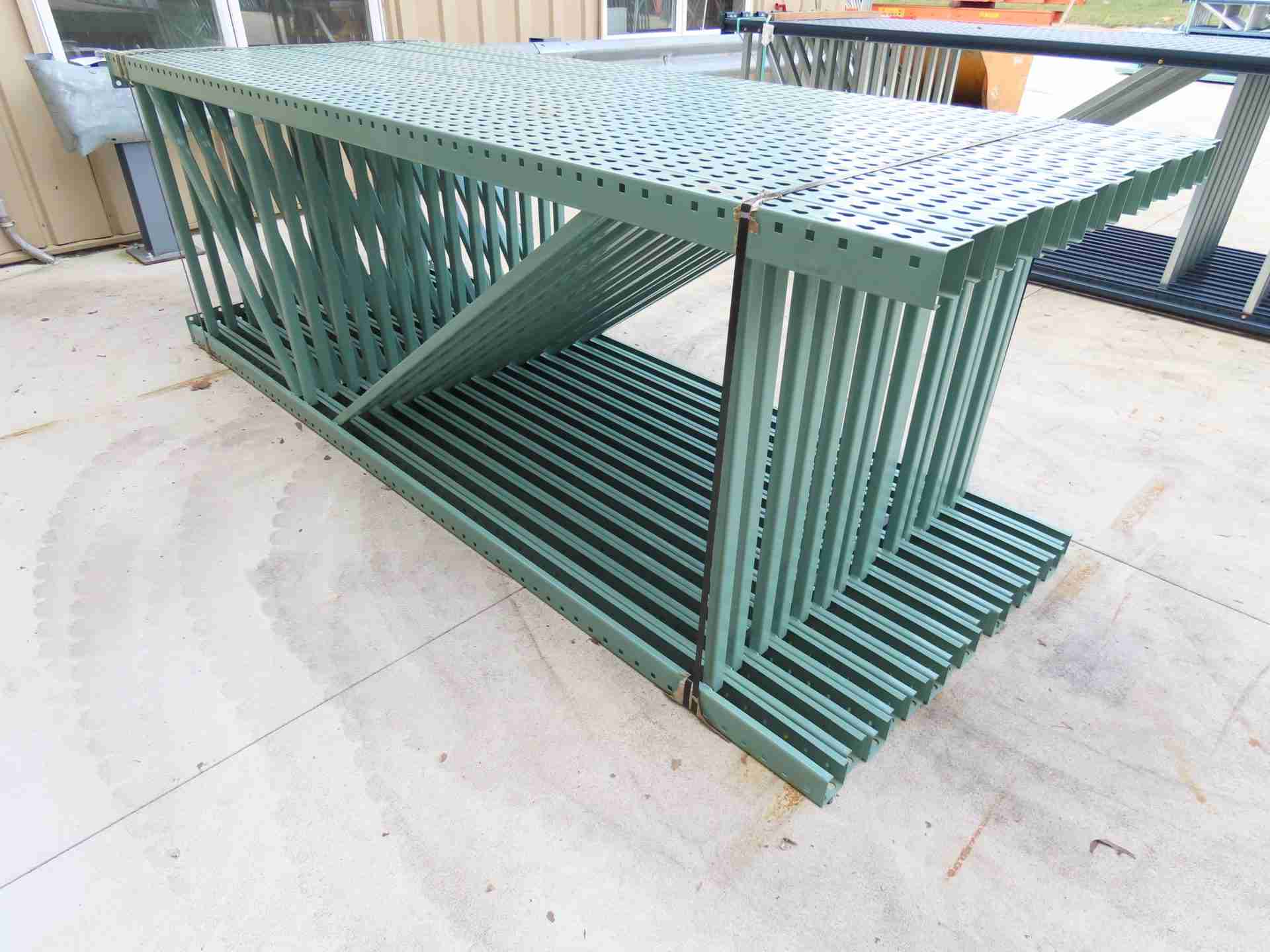
In the bustling world of warehousing and logistics, the safety of pallet racking systems is not just a statutory obligation—it’s an essential ingredient for preserving both product integrity and employee wellbeing. As we navigate an increasingly complex regulatory landscape, understanding the safety standards that govern pallet racking systems is crucial for business owners and facility managers alike.
At the heart of these safety standards lies the American National Standards Institute (ANSI). Specifically, ANSI MH16.1 outlines guidelines for the design, testing, and maintenance of pallet racks. This standard emphasizes that racks must be designed to withstand the rigors of heavy loads and the dynamic forces that occur during storage and retrieval. For instance, consider a facility using selective pallet racking. Under ANSI guidelines, every rack must be adequately anchored to the floor and must not exceed specified load capacities—ensuring that a simple miscalculation doesn’t lead to catastrophic failure.
Additionally, the Occupational Safety and Health Administration (OSHA) plays an instrumental role. Although OSHA does not establish specific design regulations for pallet racking, they do enforce general duty clauses that require employers to ensure a safe working environment. Just imagine a warehouse where employees experience frequent near-misses due to overloaded racks or improperly stored materials. By adhering to OSHA’s guidelines, employers can mitigate potential hazards and foster a safer workplace culture.
To visualize these standards in action, reflect on a recent incident in a major distribution center. A breach of safety protocols led to a racking collapse that not only resulted in significant product loss but also injured employees. This scenario underlines the vital importance of compliance with safety standards.
Regular inspections and audits are another crucial aspect of maintaining safety in pallet racking systems. Utilizing industry resources such as the Rack Manufacturers Institute (RMI) can provide invaluable insights into best practices. RMI’s published guidelines can help organizations ensure they are following not only the letter of the law but the spirit of best safety practices as well.
Finally, investing in safety training and keeping employees informed of the latest standards will create a culture of safety that resonates throughout the organization. In today’s competitive marketplace, a well-maintained and compliant racking system isn’t just a regulatory necessity—it’s a market differentiator that enhances productivity and protects your most valuable asset: your people.
Understanding and adhering to safety standards like ANSI and OSHA is not merely a best practice; it’s a responsible business strategy of the highest order. Embrace these standards today to protect your assets and empower your workforce for tomorrow’s challenges.
What Safety Standards Apply To Pallet Racking Systems?
What Safety Standards Apply To Pallet Racking Systems?
- The safety of pallet racking systems is essential for product integrity and employee wellbeing.
- ANSI MH16.1 provides guidelines for the design, testing, and maintenance of pallet racks.
- Pallet racks must be adequately anchored and not exceed specified load capacities to prevent catastrophic failures.
- OSHA enforces general duty clauses requiring employers to ensure a safe working environment.
- Non-compliance with safety standards can lead to serious incidents, such as racking collapses and injuries.
- Regular inspections and audits, along with resources from the Rack Manufacturers Institute (RMI), are crucial for safety maintenance.
- Investing in safety training and adhering to latest standards fosters a culture of safety and enhances productivity.
What Safety Standards Apply To Pallet Racking Systems?
How Do I Assemble Pallet Racking Correctly?
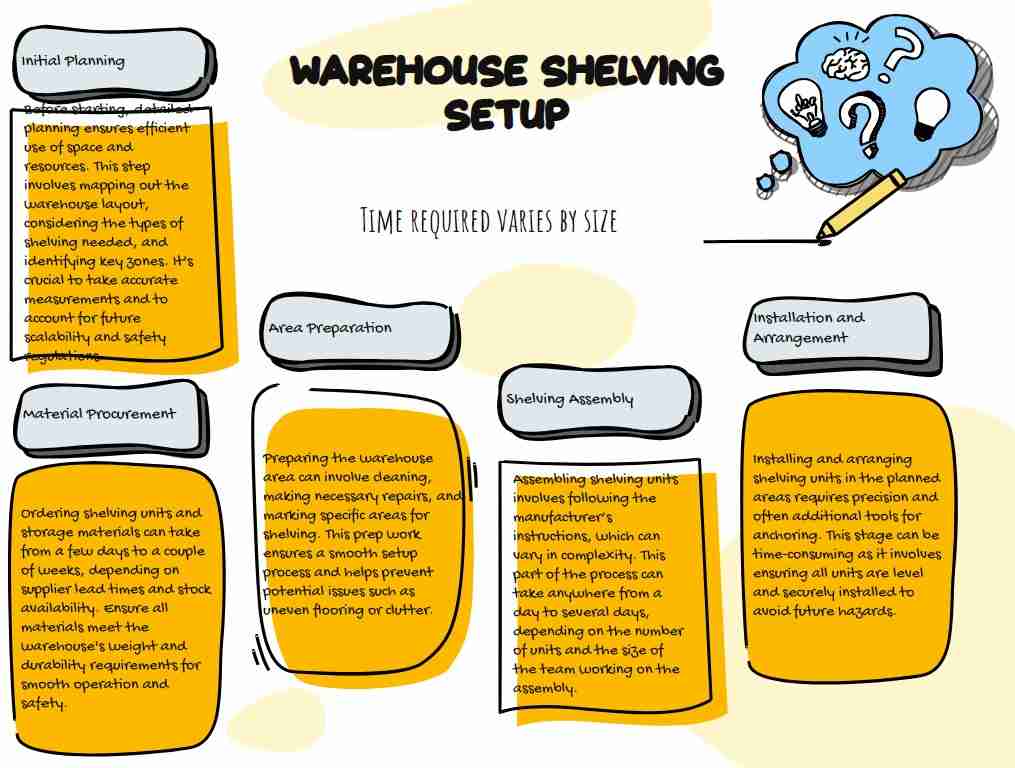
Assembling pallet racking may seem like a straightforward task, but it’s far too easy to make critical missteps that can have dire consequences—both in terms of safety and efficiency. Picture this: a warehouse buzzing with activity, and an improperly assembled racking system collapses, causing a costly delay and potentially injuring employees. The stakes couldn’t be higher. As supply chains shift and e-commerce continues to boom, the demand for efficient storage solutions is at an all-time high. Here’s how to ensure your pallet racking assembly isn’t just a task, but a strategic move towards operational excellence.
Start with Quality Components
The foundation of effective pallet racking assembly lies in the materials you choose. Invest in high-quality, durable racking systems that comply with safety standards. For example, brands like Steel King and Interlake provide robust systems that can endure the rigors of daily warehouse operations. Given the recent volatility in the manufacturing sector, choosing reliable components becomes critical to future-proof your investment.
Blueprint Your Layout
Before diving into assembly, visualize your warehouse layout. Identify the types of pallets you’ll be using and the aisle dimensions necessary for your forklifts. The recent surge in online shopping means that the layout you choose can drastically improve picking speed and accuracy. LEAN methodologies emphasize operational efficiency—mapping out your space can significantly reduce the time spent on retrieving goods.
Assembly Step-by-Step
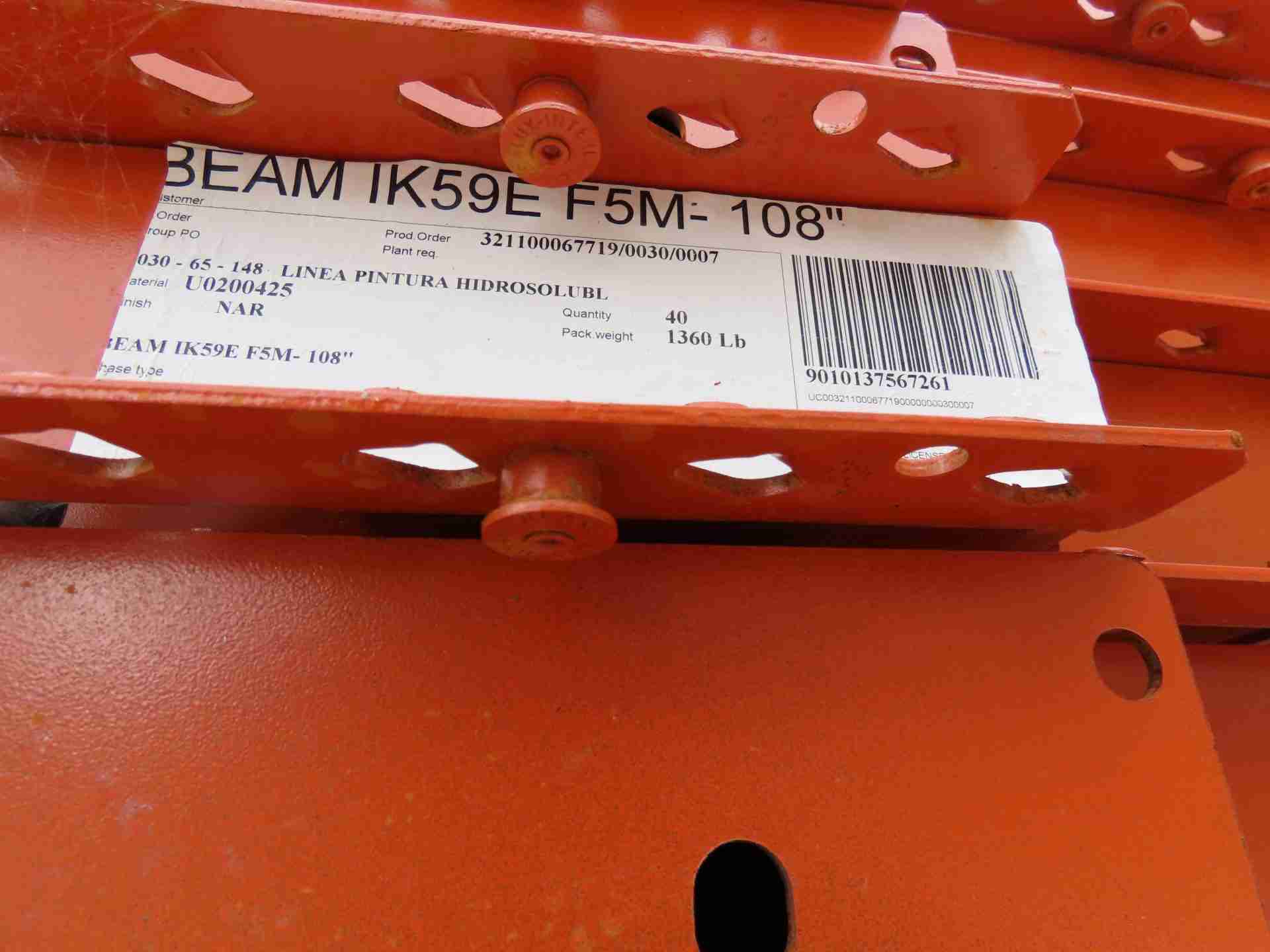
Follow a systematic approach to assembly. Start with the bottom beams and ensure they are securely fastened and level. Use a level tool to make sure each frame is perpendicular; a 1% lean could lead to a disaster down the line. As you progress, assemble side frames before attaching the cross braces. Always double-check connections—this is not only about aesthetics but crucial for overall stability.
Utilize Proper Safety Protocols
Incorporate safety measures such as vertical safety pins and locking clips during assembly to prevent accidental detachment. Circumstances around workplace safety are always evolving, especially with new regulations addressing warehouse safety being introduced frequently. Stay informed about these guidelines and ensure your assembly complies to safeguard your employees.
Regular Maintenance and Inspections
Finally, remember that assembly doesn’t end with installation. Regular inspections and maintenance are crucial, especially in high-demand environments. Following recent events where supply chains have struggled to adapt, having a flexible, well-maintained racking system can make the difference between seamless operations and a costly halt.
Assembling pallet racking is not just about stacking shelves; it’s a critical component of your logistical success. By investing in quality materials, planning your layout, following systematic assembly steps, and prioritizing safety, you position your business for operational efficiency and growth. Take these steps seriously today—your bottom line will thank you tomorrow!

How Do I Assemble Pallet Racking Correctly?
How Do I Assemble Pallet Racking Correctly?
- Improperly assembled pallet racking can lead to safety hazards and costly interruptions.
- Invest in high-quality, durable racking systems that meet safety standards to future-proof your investment.
- Plan your warehouse layout by considering the types of pallets and forklift aisle dimensions to enhance efficiency.
- Follow a systematic approach to assembly, ensuring beams are level and connections are secure for stability.
- Incorporate safety measures, like vertical safety pins and locking clips, to prevent accidental detachment during assembly.
- Conduct regular inspections and maintenance on racking systems, especially in high-demand environments, to ensure operational reliability.
- Effective pallet racking assembly is essential for logistical success, impacting operational efficiency and growth.
How Do I Assemble Pallet Racking Correctly?
What Is The Process For Obtaining Permits For Pallet Racking?
When it comes to optimizing warehouse space, pallet racking systems are an unparalleled solution. However, navigating the permitting landscape can feel like tackling a maze blindfolded. Fear not! We’re here to simplify the process and make it as seamless as a well-organized warehouse.
The first step in obtaining a permit for pallet racking is to familiarize yourself with local regulations and codes. Each municipality has its own set of rules governing warehouse structures, safety requirements, and zoning laws. Checking with your local building department is paramount, as variances can drive your timeline and costs significantly. For instance, regulations surrounding pallet racking in urban areas may be stricter due to density and safety considerations than in rural settings.
Once you’ve gathered the requisite information, the next step is to prepare detailed plans. It’s wise to collaborate with a professional designer or engineer who specializes in warehouse layouts. Their expertise will prove invaluable in meeting code compliance and addressing legal stipulations. For example, last year, numerous businesses faced delays when new fire safety regulations were introduced in certain cities, requiring sprinkler installations in high-bay storage setups. Proper planning can prevent costly adjustments down the line.
After your plans are drafted, submit your application for a permit to the appropriate building authority. Expect a wait, as bureaucratic processes can be sluggish. Providing comprehensive documentation—including engineered plans, safety measures, and intended use—will help expedite the review. Remember, clarity is key; any ambiguity in your application can spell disaster in delays or outright rejections.
Amidst the current labor shortages and supply chain disruptions, some businesses have found innovative ways to speed up their permit applications by engaging consultants who specialize in bypassing common pitfalls. Investing in expert guidance not only saves time but can also provide advantages in navigating the often-volatile policy landscape.
Once your permit is approved, develop a timeline to implement the racking system. Work closely with your supplier and installer, ensuring they adhere to the specifications outlined in your application.
Don’t forget to keep track of your project’s progress—regular updates can help manage any emerging complications that might threaten your timeline. In light of recent events, such as the continued push towards automation, ensuring your pallet racking is adaptable for future needs can safeguard your investment.
While obtaining permits for pallet racking may seem daunting, understanding the process and engaging the right experts can pave the way for success. Prepare comprehensively, be proactive, and stay informed to ensure your warehouse operates at peak efficiency.
What Is The Process For Obtaining Permits For Pallet Racking?
What Is The Process For Obtaining Permits For Pallet Racking?
- Pallet racking systems optimize warehouse space but require navigating complex permitting regulations.
- Familiarize yourself with local regulations, as they vary by municipality and impact timelines and costs.
- Collaborate with a professional designer or engineer to create detailed plans that meet code compliance.
- Submit a comprehensive permit application to the appropriate building authority to expedite the review process.
- Engage consultants to navigate common pitfalls, especially in light of labor shortages and supply chain issues.
- Develop a timeline for implementing the racking system, coordinating with suppliers and installers closely.
- Track project progress with regular updates to address any complications and ensure adaptability for future needs.
What Is The Process For Obtaining Permits For Pallet Racking?
Can I Get Delivery For Pallet Racking Purchases?
When it comes to enhancing your warehouse or storage solutions, pallet racking is a game-changer. But let’s face it: acquiring these systems is a significant investment, and you want to ensure that logistics are as smooth as possible. The burning question many businesses ask is, “Can I get delivery for pallet racking purchases?” In short, yes! But understanding the nuances of this process can save you time, money, and a few headaches.
First, let’s dive into the benefits of delivery services for your pallet racking needs. Imagine placing your order after an extensive search for the right configurations—only to face logistical nightmares. By opting for dependable delivery, you can avoid the hassle of transporting bulky racking systems and free up your valuable time for what truly matters: running your business.
Take, for example, the supply chain disruptions many companies have experienced in recent years. With everything from COVID-19 to port congestion affecting logistics, having a vendor that offers reliable delivery for pallet racking can be a crucial advantage. Companies like Ace Racking and Rack Builders pride themselves on fast and efficient delivery options, helping businesses navigate these tumultuous times.
Moreover, the service goes beyond merely dropping off the equipment at your site. Many suppliers offer professional installation as part of their delivery service. This is particularly beneficial for businesses new to pallet racking. After all, an improperly installed rack is not just inefficient; it can be dangerous. Knowing that professionals will handle the assembly for you takes the stress off your shoulders and allows you to focus on getting your inventory organized.
Yet, not all delivery services are created equal. Before you place that order, inquire about the specifics. Are there additional fees for delivery? What’s the typical turnaround time? Do they offer same-day or next-day service? Knowing the answers to these questions upfront can help you align the delivery timeline with your operational needs, ensuring that you’re ready to utilize your new pallet racking as soon as possible.
In summary, yes, you can get delivery for your pallet racking purchases, and it’s often a wise decision. By selecting a delivery service that understands the urgency and intricacies involved, you can streamline the entire process—from the order to installation—ensuring your storage solutions are both effective and efficient.
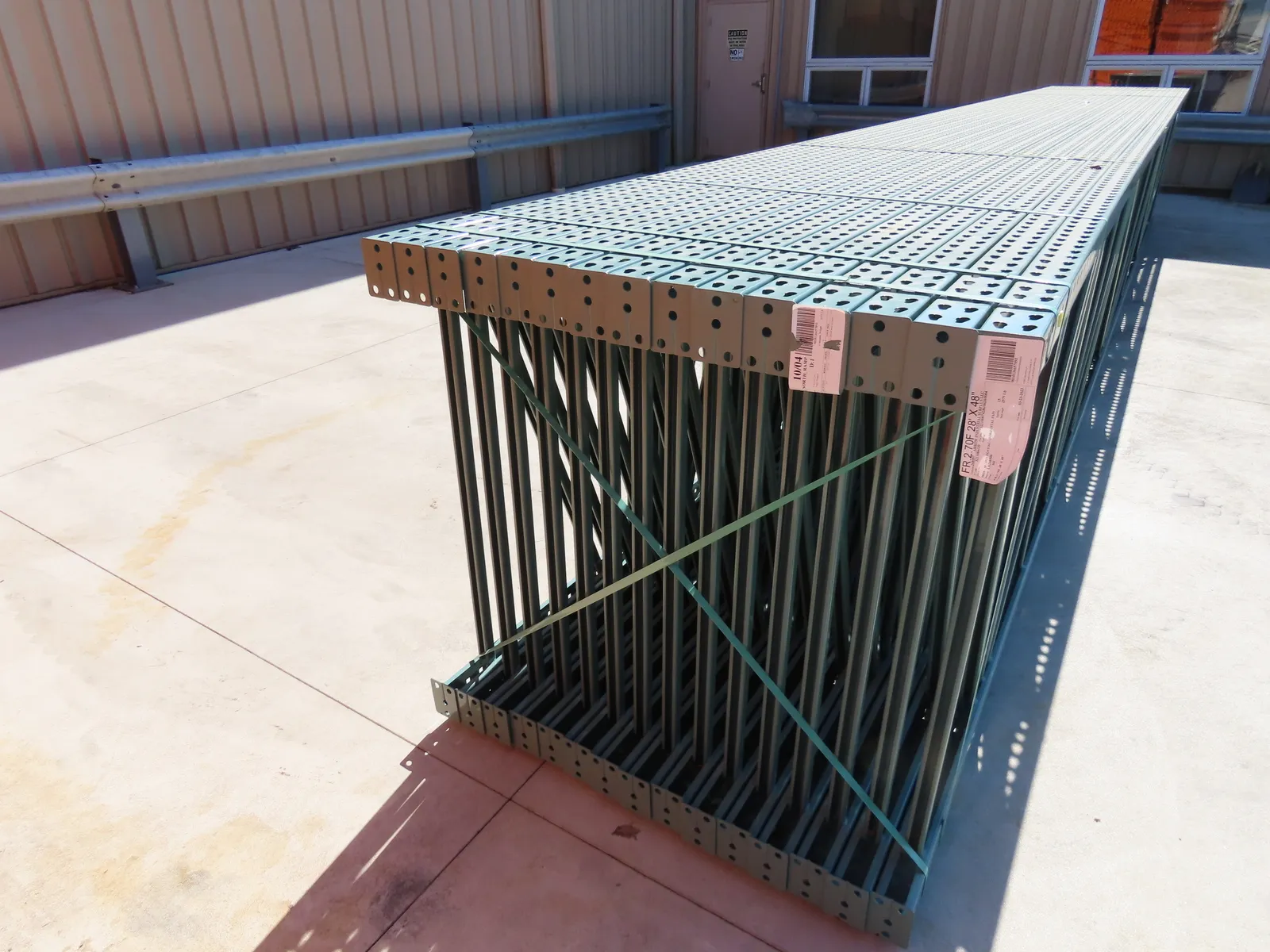
Can I Get Delivery For Pallet Racking Purchases?
Can I Get Delivery For Pallet Racking Purchases?
- Pallet racking is a valuable investment for enhancing warehouse storage solutions.
- Delivery services for pallet racking can prevent logistical challenges and save time.
- Reliable delivery options are beneficial, especially amid recent supply chain disruptions.
- Companies like Ace Racking and Rack Builders offer fast and efficient delivery services.
- Many suppliers provide professional installation along with delivery, crucial for safety and efficiency.
- Before ordering, check for additional fees, turnaround times, and service options like same-day delivery.
- Choosing a competent delivery service can streamline the order and installation process for effective storage solutions.
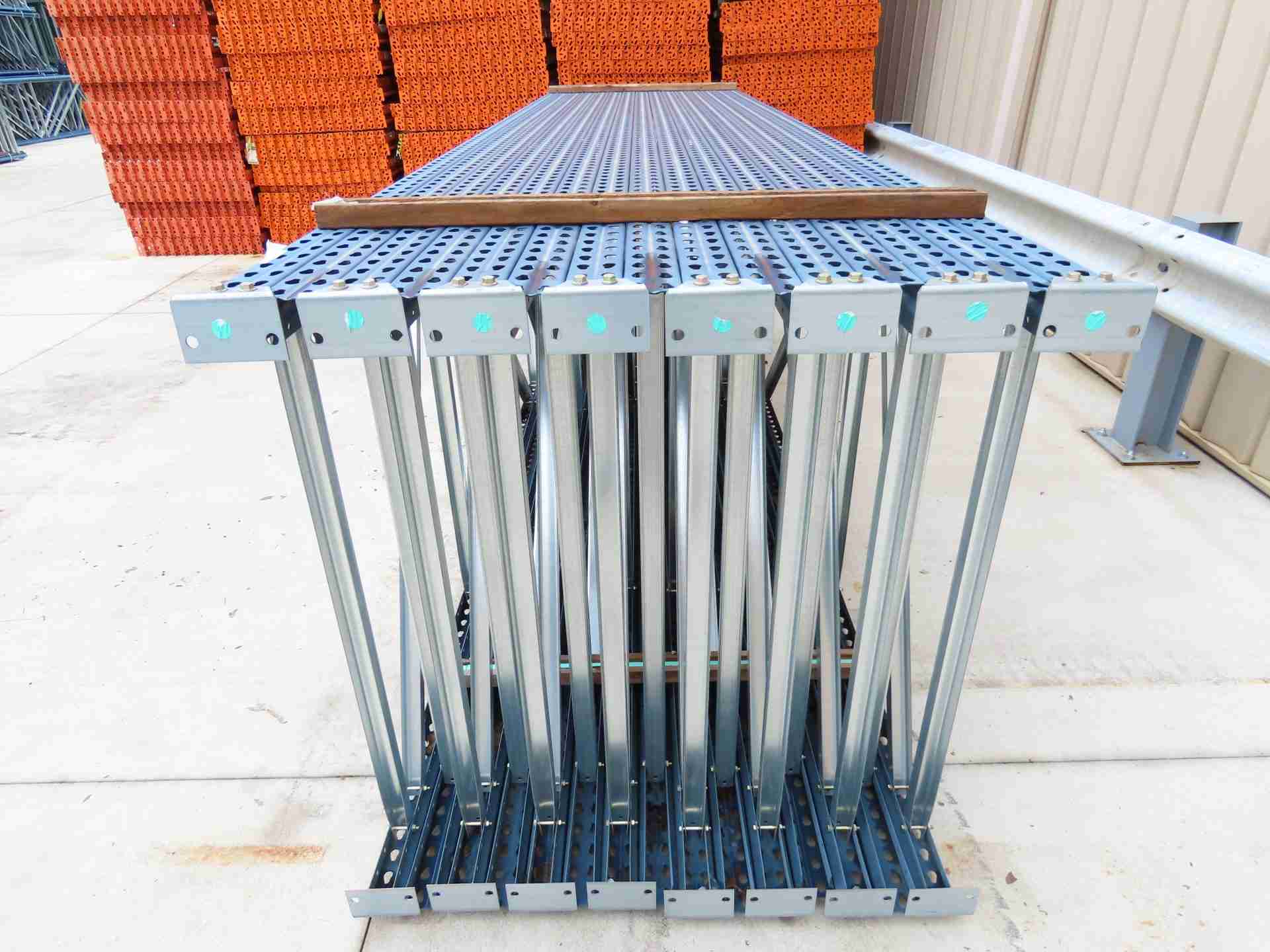
Can I Get Delivery For Pallet Racking Purchases?
How Do I Maintain And Inspect Pallet Racking Over Time?
When it comes to warehouse management, ensuring the safety and efficiency of your pallet racking system is paramount. Neglecting routine maintenance and inspection can lead to catastrophic failures, expensive downtimes, and even injuries. To keep your racking systems in tip-top shape, consider these practical strategies that fuse diligence with a proactive mindset.
1. Establish a Regular Inspection Schedule
Like changing the oil in your car, inspecting your pallet racking should be a scheduled priority rather than an afterthought. Begin by conducting visual inspections weekly. Look for signs of wear and tear—bent frames, loose bolts, and damaged components are red flags. You wouldn’t ignore a suspicious noise in your vehicle, so treat your racking systems with the same level of scrutiny. For example, following the 2023 warehouse fire in Ohio, which was partially attributed to inadequate racking systems, companies have reinvigorated their commitment to safety inspections.
2. Invest in Professional Audits
While routine checks can catch minor issues, enlisting professionals for thorough audits at least annually is crucial. These experts can identify problems that might not be immediately visible or require specialized knowledge to address. For instance, crystallization of chemical coatings in aging racking systems can lead to long-term degradation, an issue best recognized by those with technical expertise. Staying ahead of such concerns can dramatically extend the life of your racking and ensure compliance with safety regulations.
3. Train Your Staff
Empower your employees with knowledge about the importance of pallet racking maintenance. Create an onboarding program that includes racking safety and inspection training. Encourage them to report any observed irregularities immediately. A first-hand example of this strategy in action can be seen in warehouses that experienced substantial gains in productivity after fostering a culture where everyone plays an active role in safety. By reinforcing the idea that vigilance is everyone’s responsibility, you can create a proactive safety environment.
4. Utilize Technology
In this age of digital transformation, leveraging technology can streamline your maintenance efforts. Use inventory management software that tracks the history and condition of your racking systems. RFID tags and sensors can also provide real-time data on physical wear and stress points on your racking system. With preventative maintenance technology, companies can often identify and solve problems before they escalate—potentially saving thousands in repairs and liability costs.
5. Follow Manufacturer Guidelines
Always refer back to the manufacturer’s guidelines. Each racking system comes with its own specifications regarding load capacities and maintenance routines. Adhering to these can prevent overloading accidents that could lead to severe injuries or costly damages.
By adopting a meticulous approach to inspection and maintenance, you’re not just saving on costs down the road; you’re cultivating a culture of safety that enhances your business’s reputation and efficiency. Prioritize your pallet racking today, and you’ll reap the long-term benefits tomorrow!
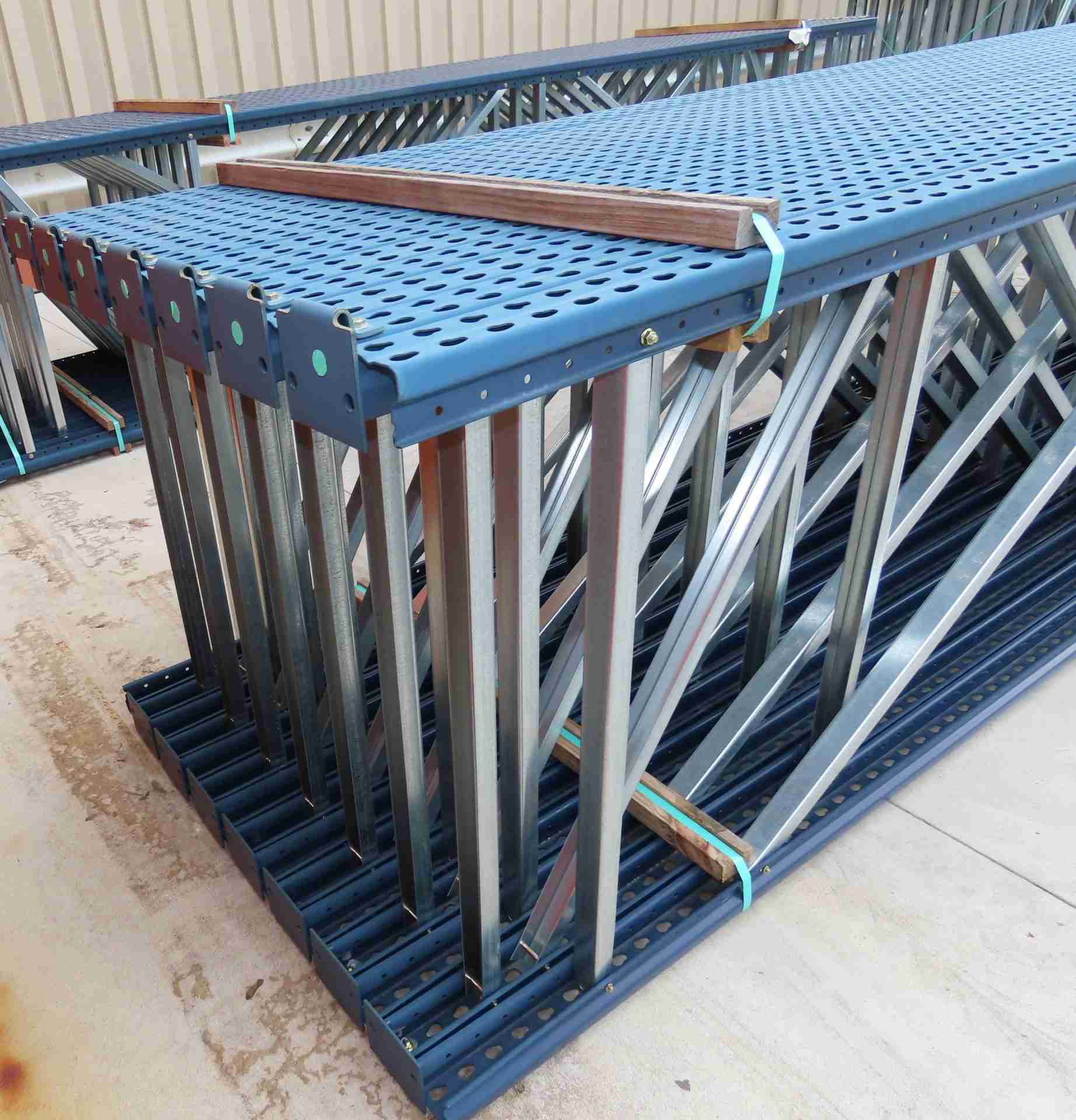
How Do I Maintain And Inspect Pallet Racking Over Time?
How Do I Maintain And Inspect Pallet Racking Over Time?
- Ensuring safety and efficiency of pallet racking systems is essential to prevent failures, downtime, and injuries.
- Establish a regular inspection schedule, conducting weekly visual checks for signs of wear and tear.
- Invest in professional audits annually to identify hidden problems and ensure compliance with safety regulations.
- Train staff on the importance of pallet racking maintenance and encourage immediate reporting of irregularities.
- Utilize technology such as inventory management software and RFID tags for real-time monitoring and preventative maintenance.
- Always follow manufacturer guidelines regarding load capacities and maintenance routines to prevent accidents.
- Adopting a proactive approach to safety enhances business reputation and efficiency while saving costs in the long run.
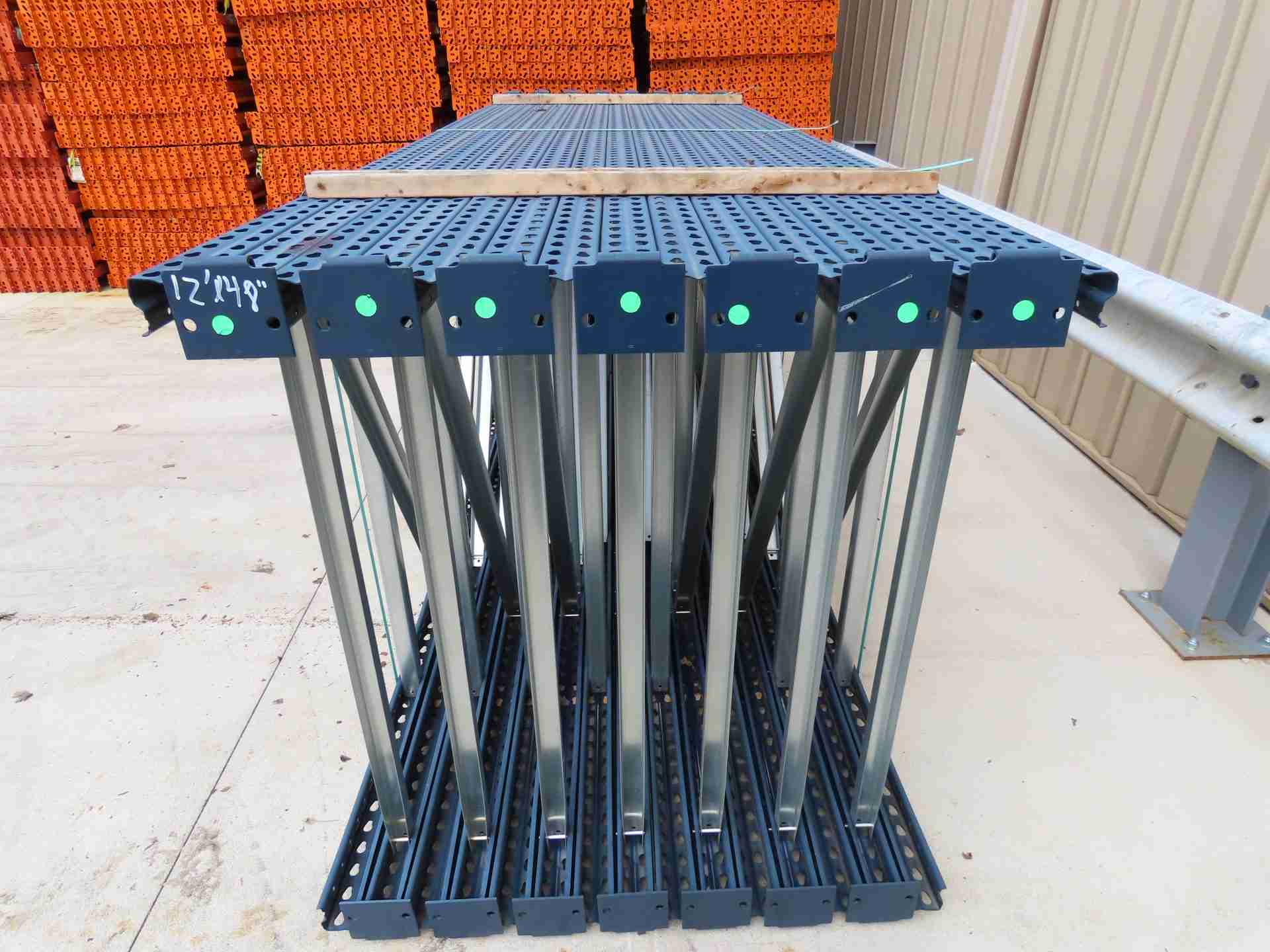
How Do I Maintain And Inspect Pallet Racking Over Time?
What Are The Common Mistakes When Installing Pallet Racking?
When it comes to installing pallet racking, the stakes are higher than you might think. A poorly executed installation doesn’t just compromise efficiency; it can lead to accidents, product damage, and a laundry list of compliance issues. In a world where logistics have become the backbone of the economy—especially in light of the recent surges in online shopping and rapid fulfillment demands—avoiding these common mistakes is crucial.
1. Neglecting Planning and Design
One of the cardinal sins of racking installation is jumping straight into the project without a robust planning phase. Too often, warehouse managers think they can slap together some racks based on rough estimates of space. Yet, the reality is that every inch matters. For example, during the pandemic, warehouse spaces shrank as demand surged. A strategic layout ensures optimal space utilization while adhering to safety regulations. Remember, an effective design translates to increased storage capacity and improved workflow.
2. Underestimating Load Capacity
Imagine purchasing a shiny new pallet rack, only to overload it with more inventory than it can handle. This not only creates potential safety hazards but can also lead to costly replacement and repair down the line. The statistics are clear: more than 60% of warehouse accidents relate to improperly stacked or overloaded pallets. Make it a priority to consult with rack manufacturers and understand weight limits based on your products. For instance, companies like Amazon and Target have revamped their warehousing strategies, incorporating smarter systems that reflect real-time inventory levels to ensure loads are managed effectively.
3. Ignoring Safety Standards and Guidelines
Safety is non-negotiable. A common pitfall is ignoring safety standards laid out by organizations like OSHA. Not only do these guidelines help prevent accidents, but they also shield your business from legal repercussions. Ignoring these can lead to devastating accidents—think of the 2021 warehouse collapse in Texas, which not only injured workers but raised alarms about safety compliance across the industry. Always prioritize ensuring your installations are compliant with local and federal regulations.
4. Skipping Professional Help
Many believe that a DIY approach is cost-effective, but that’s often a mirage. Engaging experienced professionals in installation prevents many issues, from structural integrity to alignment and personnel safety. Unfortunately, many warehouse owners see this as an unnecessary expense, only to find themselves facing reversals and repairs that cost exponentially more.
In the fiercely competitive logistics landscape, ensuring that your pallet racking installation is spot-on can significantly contribute to your overall operational success. Avoiding these common mistakes isn’t just about saving a buck; it’s about laying the foundation for a safe and efficient warehouse environment. Your productivity and profitability depend on it!
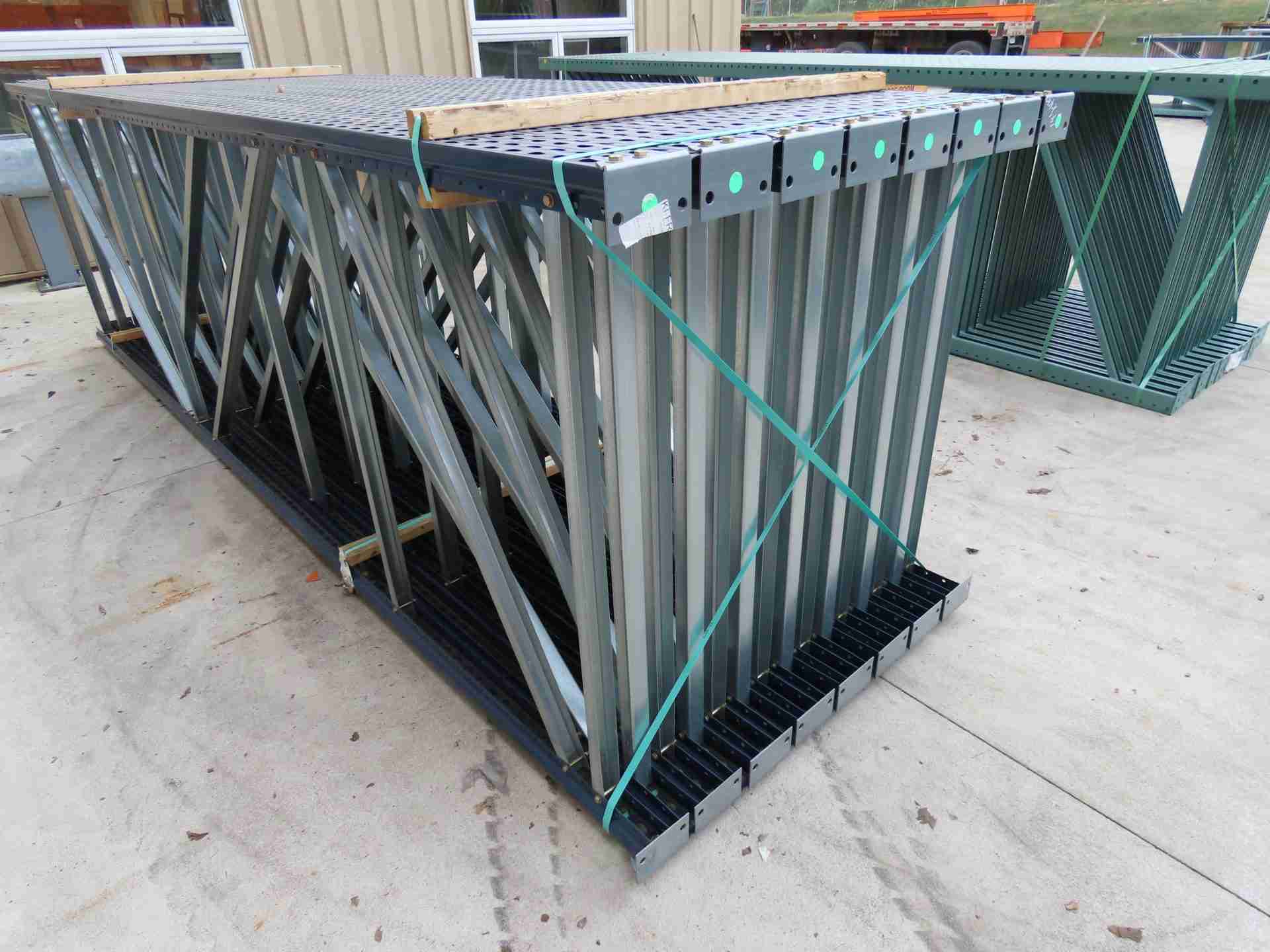
What Are The Common Mistakes When Installing Pallet Racking?
What Are The Common Mistakes When Installing Pallet Racking?
- Pallet racking installation is critical for efficiency and safety in warehouses.
- Neglecting proper planning and design can lead to inefficiencies and safety issues.
- Underestimating load capacity of racks can create safety hazards and increase costs.
- Ignoring safety standards can result in legal repercussions and workplace accidents.
- Professional installation is essential for maintaining structural integrity and alignment.
- Common mistakes in racking installation can negatively impact productivity and profitability.
- A strategic and compliant installation lays the foundation for a safe and efficient warehouse environment.
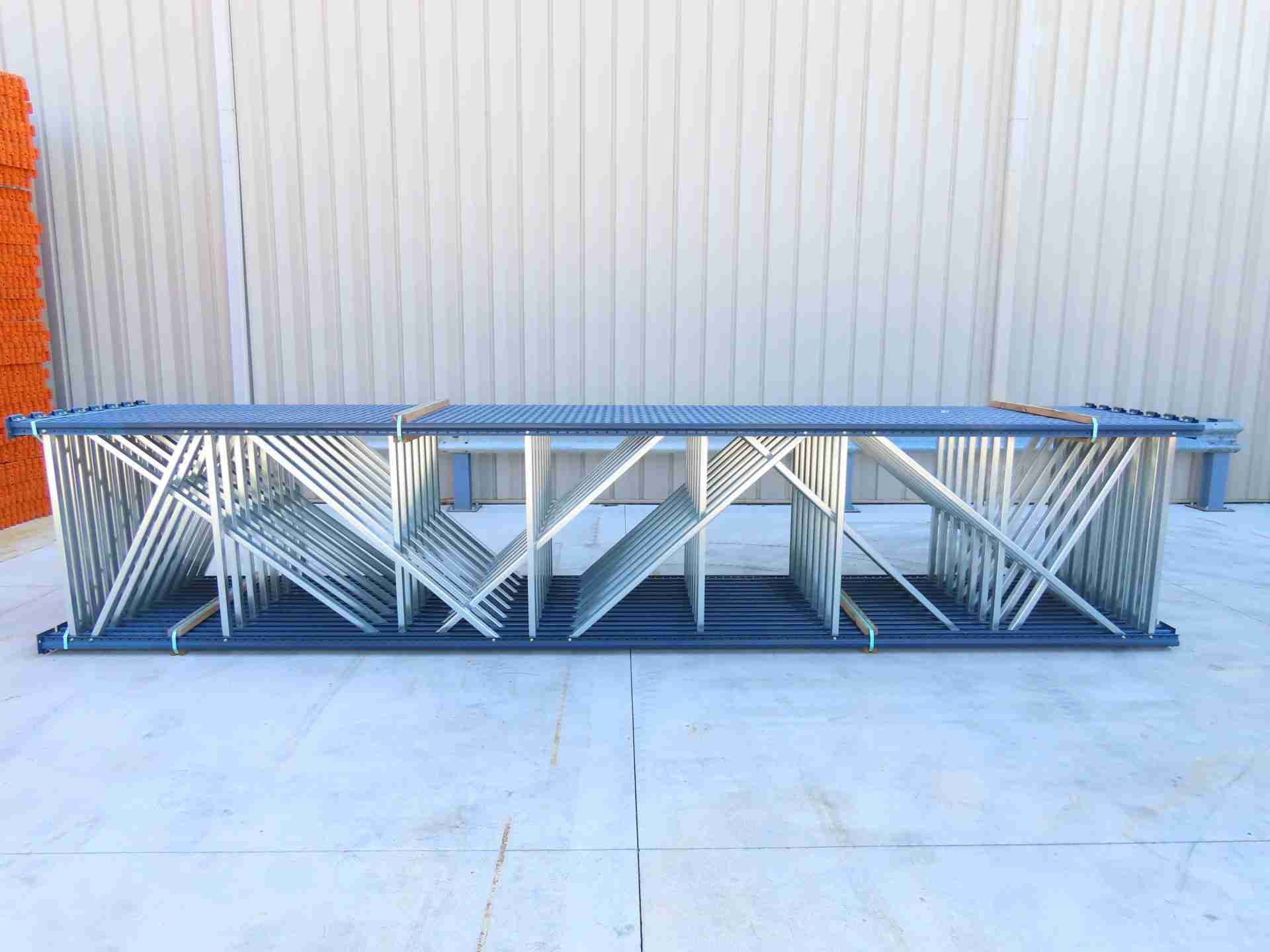
What Are The Common Mistakes When Installing Pallet Racking?
Are There Rental Options For Pallet Racking Systems?
In today’s evolving business landscape, your warehouse needs are as dynamic as the market itself. Understanding that not every company requires a permanent pallet racking solution can provide a strategic advantage. Enter the world of rental options for pallet racking systems—a game-changer that allows businesses to scale operations without tying up capital in long-term fixtures.
Renting pallet racking systems offers a versatile, cost-effective solution for businesses with fluctuating inventory levels. Imagine a retail company ramping up for the holiday season. Instead of investing thousands of dollars upfront for a permanent racking system they’ll only use temporarily, they can rent. This gives them the flexibility to accommodate increased stock during peak times without the burden of unused equipment once the season subsides.
Several reputable companies have jumped into this space, providing tailored rental solutions. For example, companies like Western Material Handling and SJF Material Handling have made it easier for warehouses to outfit their spaces with pallet racking that meets their temporary needs. With competitive rental agreements that can be customized based on the duration and specific requirements, businesses can find exactly what they need without excess expenditure.
Recent events in global supply chains have demonstrated the unpredictability of inventory levels due to factors such as pandemic disruptions and logistics delays. This unpredictability makes renting even more appealing. Businesses can adjust their racking configurations quickly in response to changing supply chain dynamics. When a new product line comes in, or a promotional sale requires additional storage, having the option to rent different types of racking systems makes rapid response not just possible, but seamless.
Moreover, rental agreements often come with maintenance included. Unlike purchasing equipment, which may require additional costs for service and repair, renting typically allows companies to offload those responsibilities. This model encourages a stronger focus on core business operations—after all, why worry about whether your racking system is up to code or in good repair when you can leave it to the experts?
In essence, renting pallet racking systems not only conserves cash flow but also provides an agile solution to meet your warehousing needs. As economic conditions continue to shift, this option stands out as a prudent strategy that positions businesses for success in an unpredictable environment. Don’t miss out on the opportunity to enhance your operational efficiency—consider exploring rental options today and watch how strategic flexibility leads to greater profitability.
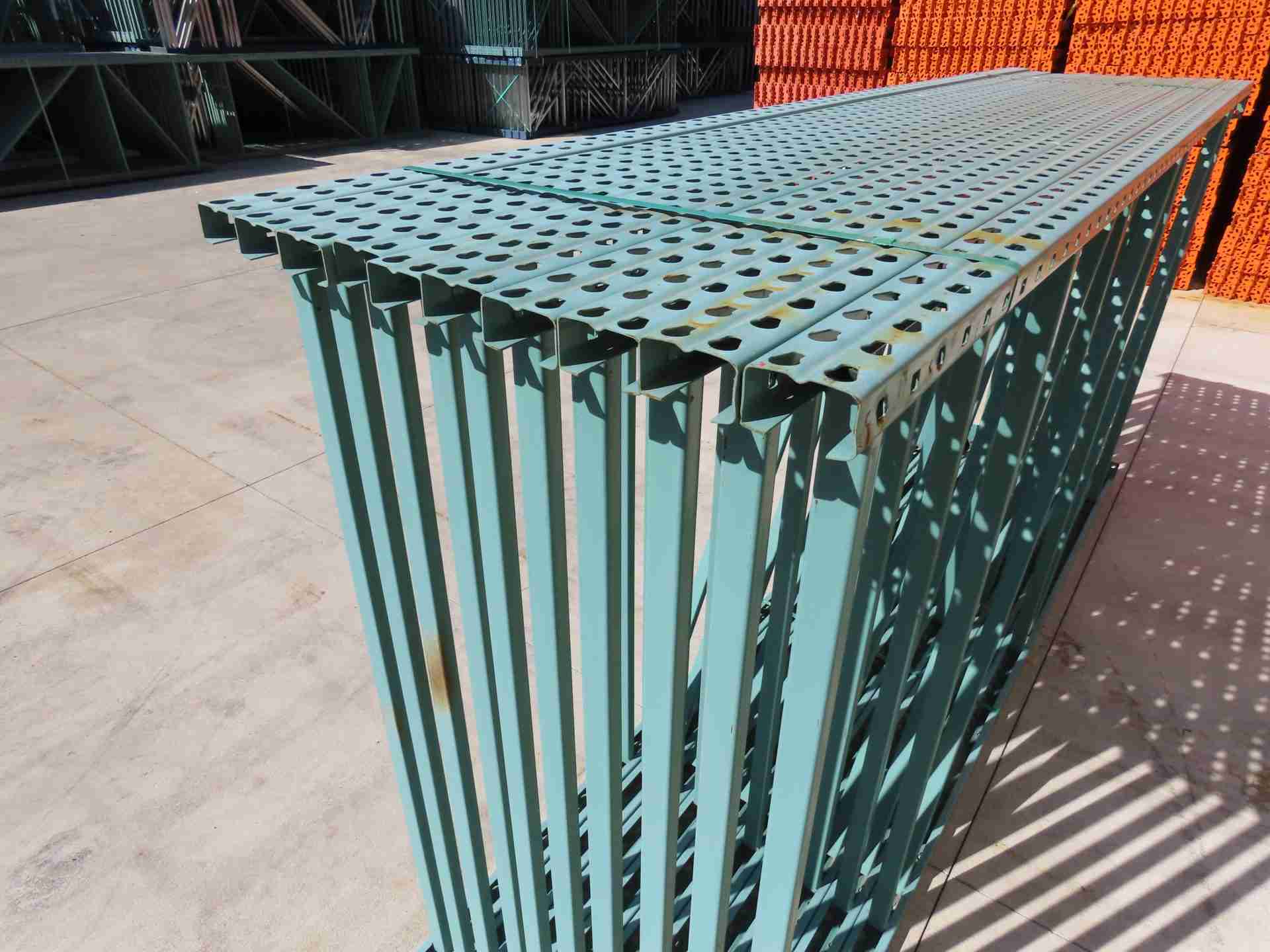
Are There Rental Options For Pallet Racking Systems?
Are There Rental Options For Pallet Racking Systems?
- The dynamic nature of today’s business landscape necessitates adaptable warehouse solutions.
- Rental options for pallet racking systems offer an innovative way for businesses to scale operations without large upfront investments.
- Renting provides flexibility for companies, such as retailers during peak seasons, avoiding unused equipment post-high demand periods.
- Reputable firms like Western Material Handling and SJF Material Handling offer tailored rental solutions to meet temporary warehouse needs.
- Access to rental systems allows businesses to quickly adjust racking configurations in response to unpredictable inventory levels and supply chain dynamics.
- Rental agreements often include maintenance, reducing additional costs and allowing companies to focus on core operations.
- Renting pallet racking systems is a cash flow-conserving strategy that promotes operational efficiency and adaptability in unpredictable economic conditions.
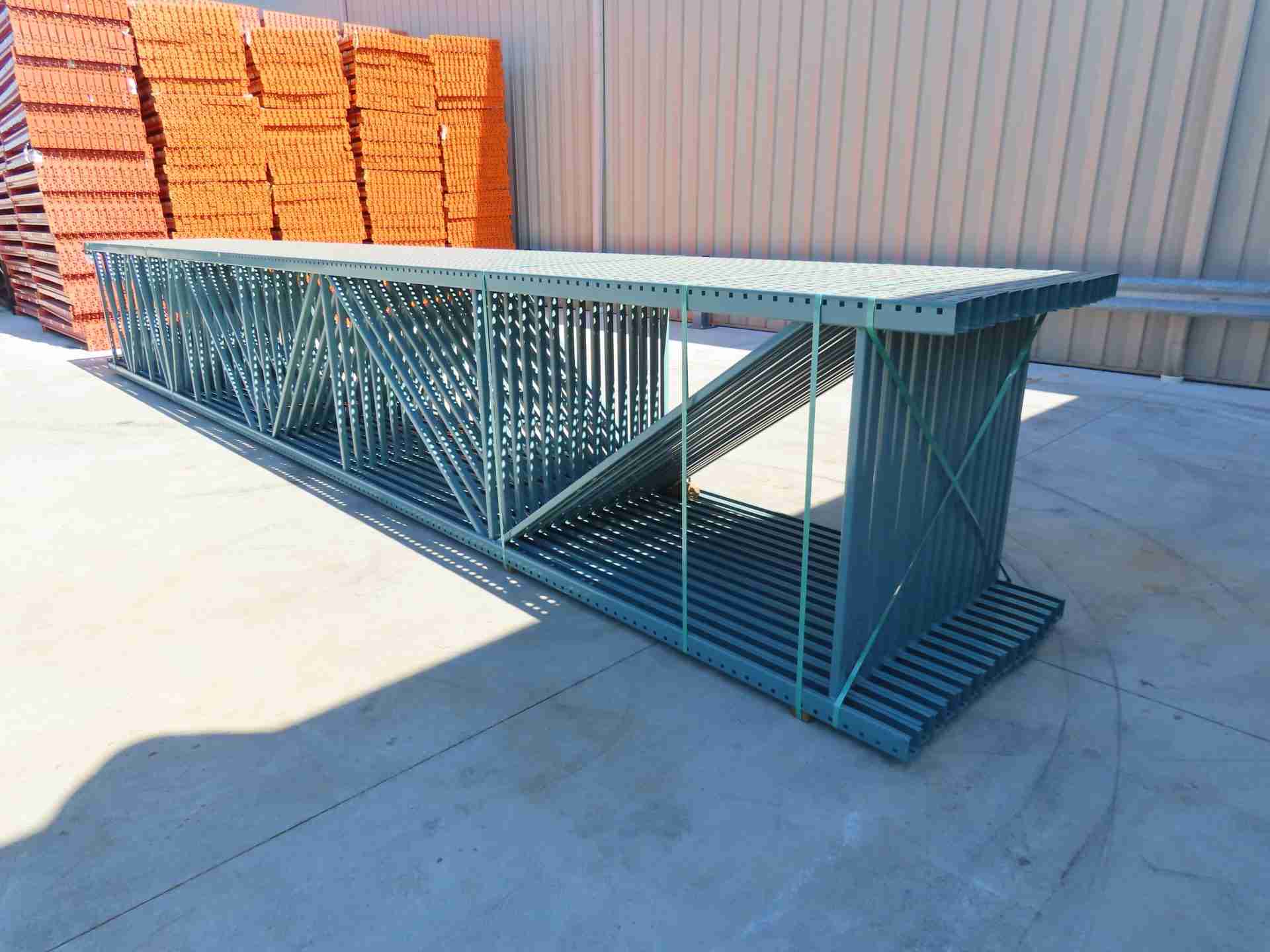
Are There Rental Options For Pallet Racking Systems?
Conclusion
As we wrap up this comprehensive exploration of sourcing and optimizing pallet racking systems, it’s clear that the right rack isn’t just a storage solution—it’s a vital investment in the efficiency and safety of your operation. Whether you’re a seasoned warehouse manager or just starting, understanding where to find high-quality pallet racking nearby can provide you with unparalleled advantages. Local suppliers often offer not only competitive pricing but also personalized service tailored to your unique needs—an asset you won’t find with big national retailers.
With the growing e-commerce landscape and supply chain shifts, the urgency to stay ahead of the curve has never been greater. Knowing which type of racking suits your inventory needs, calculating load capacity accurately, and making informed choices between new and used systems can significantly enhance your operational effectiveness. Don’t overlook the value in asking the right qualification questions, as these can guide you toward the best solutions for expanding or optimizing your warehouse space.
Your next steps should be clear: Take action today! Call Arrow Industrial Sales at (574) 349-6575 to learn more about their range of pallet racking solutions. Their team is ready to help you navigate through your options, ensuring that you make a well-informed decision that not only meets your immediate needs but also sets you up for future growth. Time is of the essence, and every moment spent in an unorganized space costs you potential revenue and productivity.
In essence, ensuring that your warehouse operates optimally demands proactive engagement with suppliers and a keen insight into the best racking systems available today. Investing in the right pallet racking solution today can yield remarkable returns tomorrow, enhancing your competitive edge in a rapidly evolving marketplace. So don’t delay— the moment to streamline your operations and safeguard your investment is now! Explore your options with Arrow Industrial Sales and step into the future of efficient warehousing.
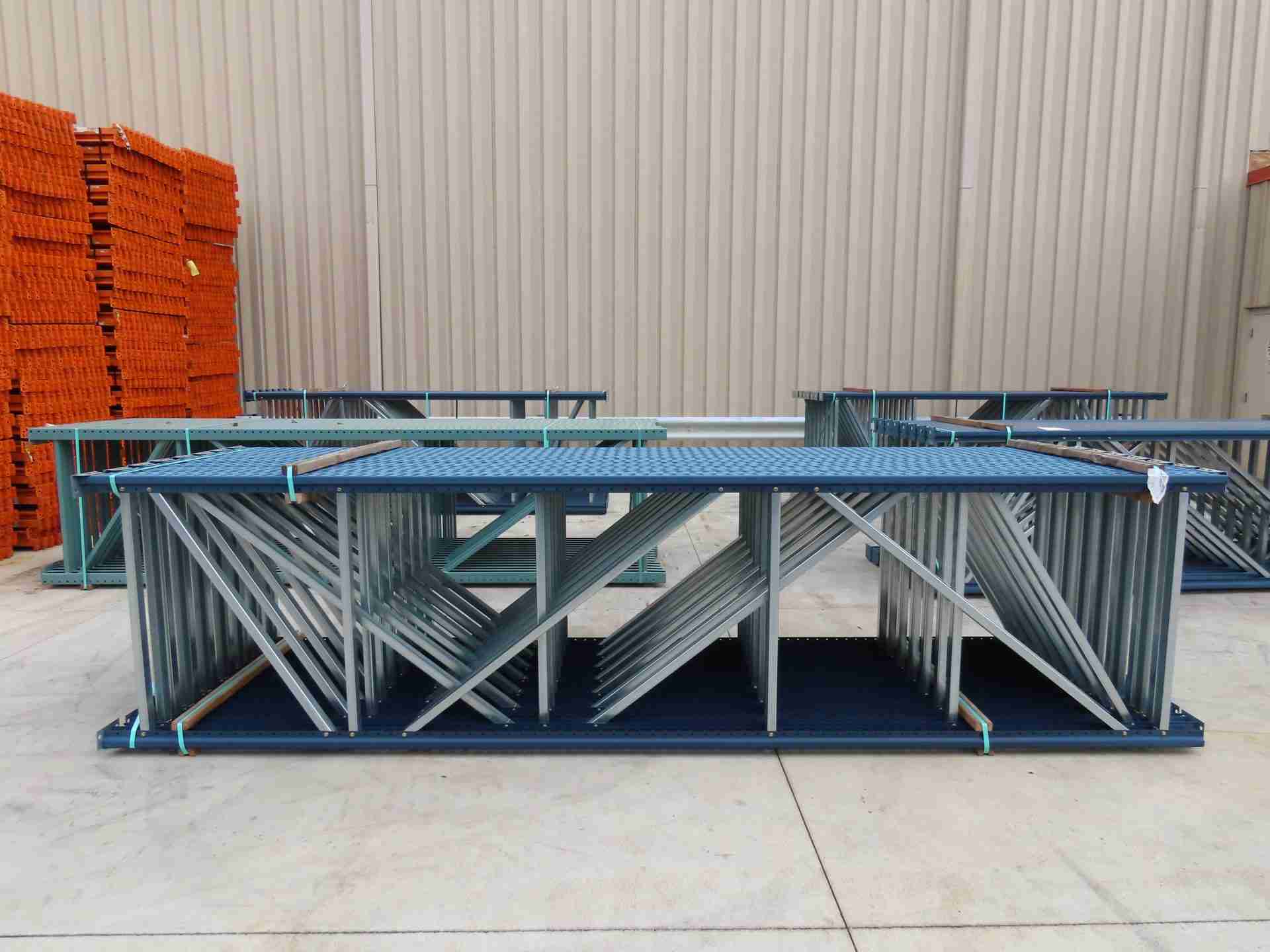
Conclusion
Conclusion:
- The right pallet racking system is a crucial investment for operational efficiency and safety.
- Local suppliers provide personalized service and competitive pricing compared to large national retailers.
- Understanding the types of racking, calculating load capacity, and choosing between new and used systems is vital for effective operations.
- Asking the right qualification questions can help identify the best racking solutions for your warehouse needs.
- Contact Arrow Industrial Sales at (574) 349-6575 to explore your pallet racking options.
- Proactive engagement with suppliers is necessary to ensure optimal warehouse operations.
- Investing in the right racking today can lead to significant returns and enhanced competitiveness in the future.
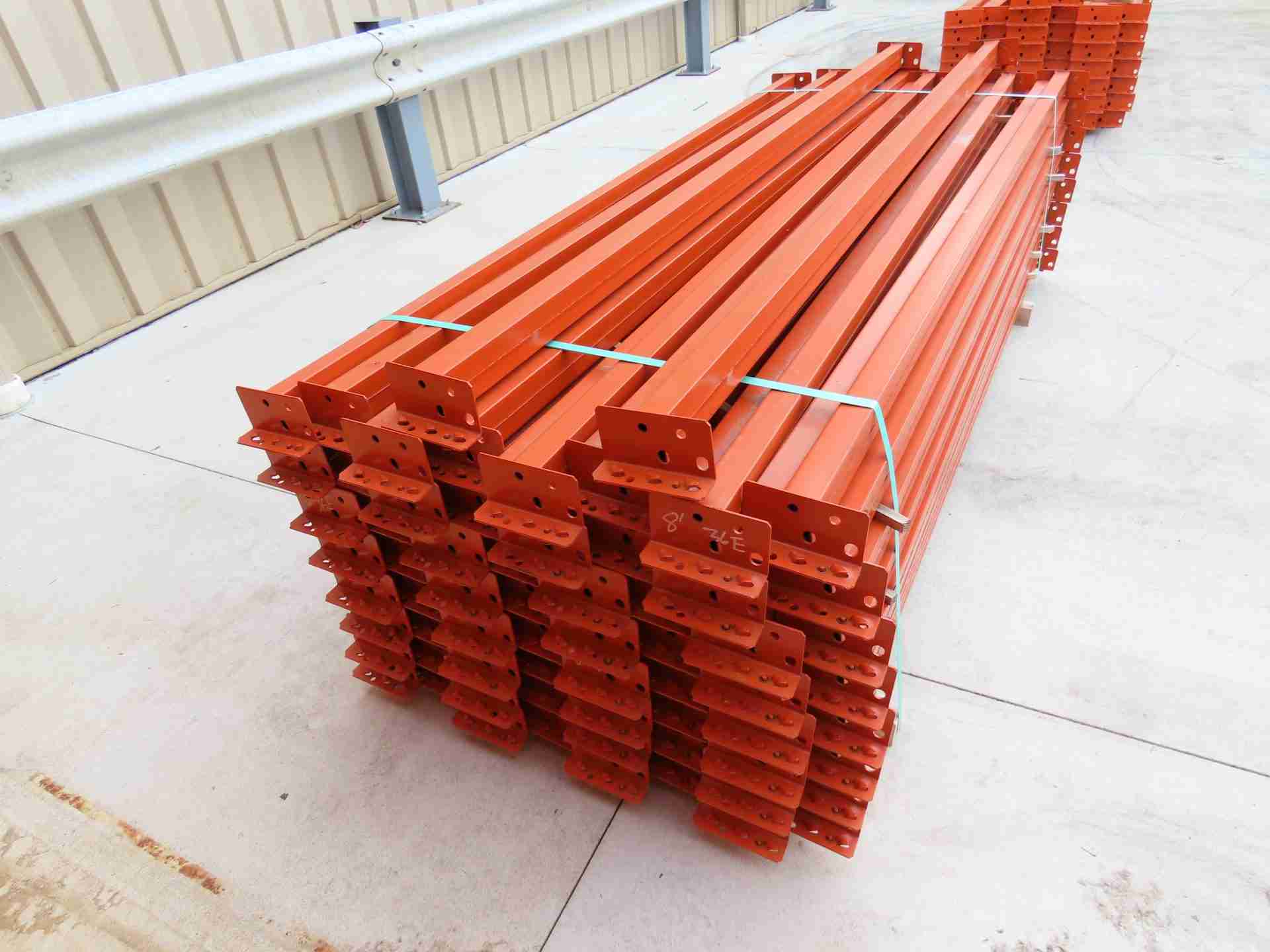
Conclusion
Other Resources
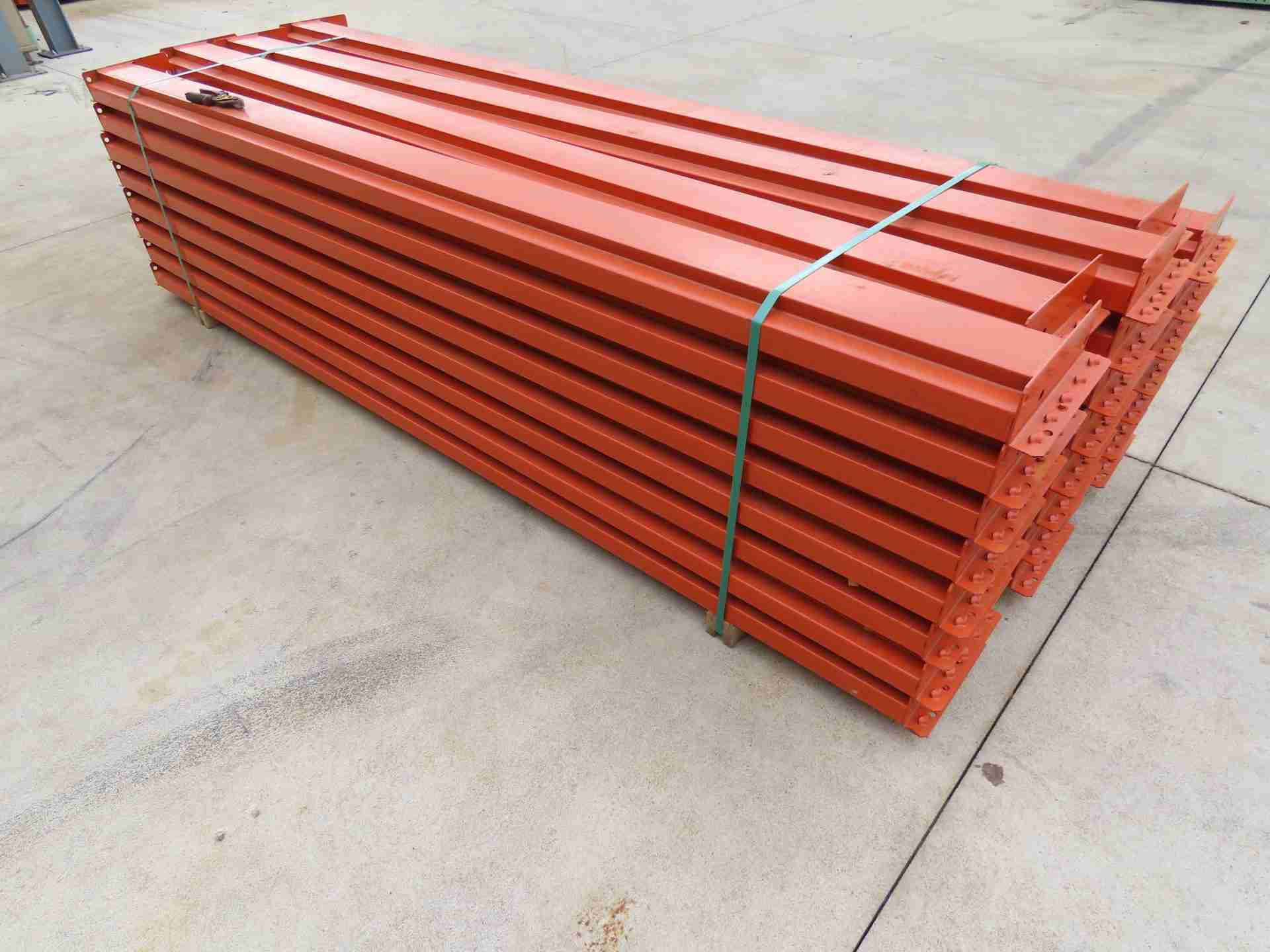
Other Resources
Here is a list of other resources you can review online to learn more:
- Used Pallet Racks | Deep Discounts on Quality Used Pallet Racking – UPR
- Warehouse Pallet Racks | Pallet Rack for Sale – Warehouse Rack and Shelf
- Pallet Rack – Got-Rack.com
- Pallet Resource LLC
I hope you find these articles useful!
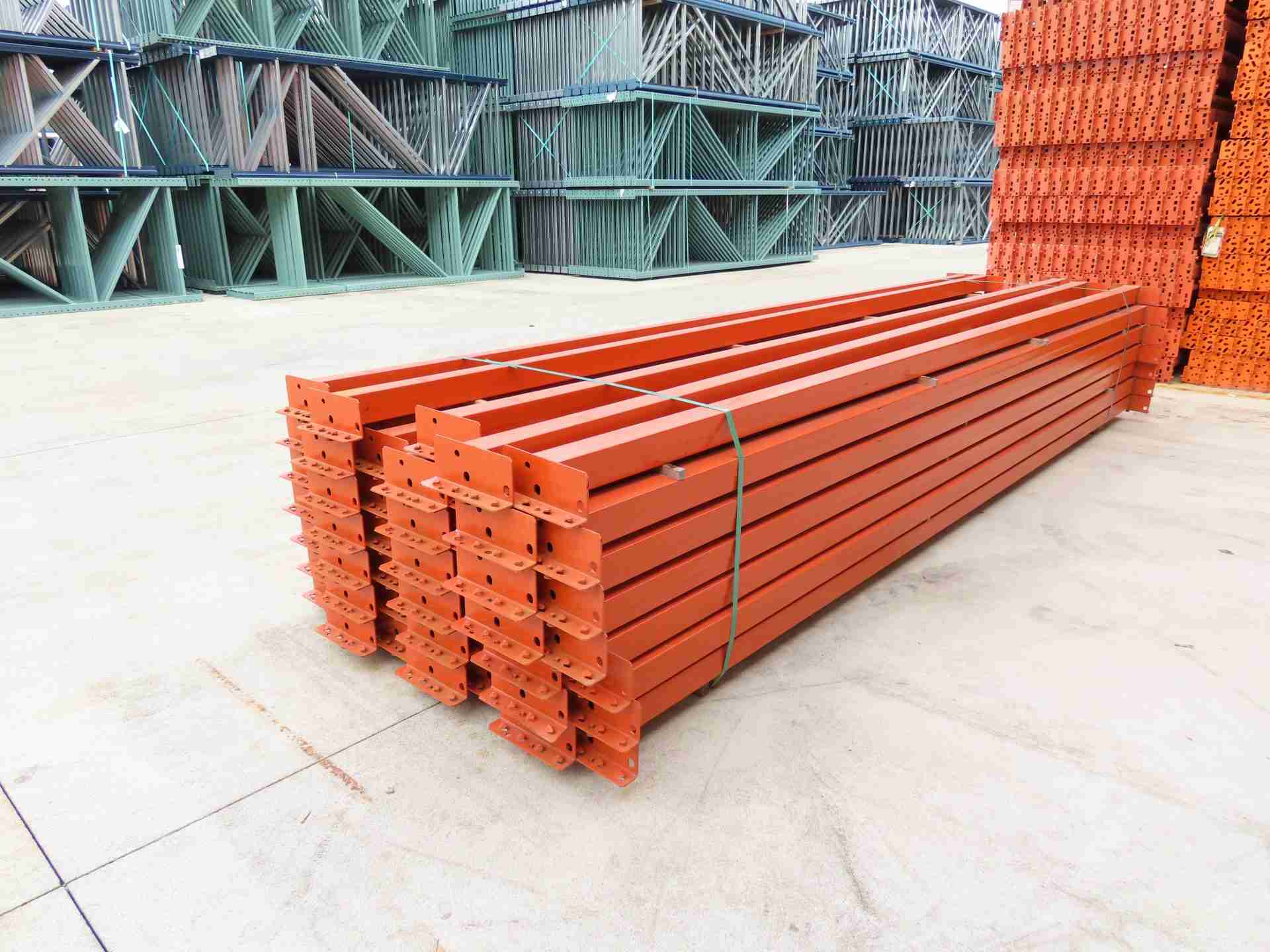
Other Resources
Glossary Terms
Where to Find Pallet Racking for Sale Near Me – Glossary Of Terms
1. Pallet Racking: A storage system designed to store goods on pallets, allowing for high-density storage and easy access.
2. Warehouse: A large building where raw materials or manufactured goods are stored, often utilizing pallet racking systems.
3. Rack Types: Various configurations of pallet racking, including selective, drive-in, push-back, and pallet flow systems.
4. Selective Racking: The most common type of pallet racking that allows direct access to pallets stored.
5. Drive-In Racking: A high-density storage system that allows multiple pallets to be stored deep in the rack and accessed by driving a forklift into the rack.
6. Push-Back Racking: A system that permits multiple pallets to be stored on carts that push backward as new pallets are loaded from the front.
7. Pallet Flow Racking: A first-in/first-out (FIFO) racking system that uses gravity to move pallets down a slope for easy access.
8. Used Pallet Racking: Pre-owned pallet racking systems that can be more affordable alternatives to new equipment.
9. New Pallet Racking: Brand new pallet racks that are often customizable and available from manufacturers.
10. Forklift: A powered industrial truck used to lift and move materials, often critical for loading and unloading pallet racks.
11. Local Distributors: Companies or suppliers in your area that sell storage solutions, including pallet racking systems.
12. Online Marketplaces: Websites like eBay, Amazon, or specialized industrial supply sites where used or new pallet racking can be purchased.
13. Clearance Sales: Special sales by companies looking to sell off excess inventory, which can include pallet racking.
14. Installation Services: Professional services offered by suppliers that help in setting up and installing racking systems.
15. Safety Compliance: Adherence to safety regulations and standards required for the installation and usage of pallet racking.
16. Load Capacity: The maximum weight that a racking system can hold safely, crucial for selecting the right type of racking.
17. Aisle Width: The space between rows of racking, which can affect accessibility and storage efficiency.
18. Warehouse Layout: The design and arrangement of storage systems within a warehouse, influencing the choice of pallet racking.
19. Inventory Management: The process of overseeing and controlling stock levels, crucial for determining pallet racking needs.
20. Custom Racking Solutions: Tailored pallet racking systems designed to meet specific requirements of a warehouse or business.
21. Material Handling Equipment: General equipment used to transport materials within a warehouse, including pallet jacks and forklifts.
22. Overstock: Excess inventory that may necessitate additional pallet racking for storage.
23. Liquidation Sales: Events where businesses sell their remaining assets, including pallet racking, often at significantly reduced prices.
24. Local Classifieds: Advertisements in community papers or websites where individuals or businesses sell used equipment, including pallet racking.
25. Refurbished Pallet Racking: Used racking systems that have been repaired and restored to meet safety standards.
26. Dealership: A business that sells and often services various types of pallet racking systems.
27. Customizable Racking: Pallet racks that can be adjusted in size and configuration to meet specific needs.
28. Dimensions: The size measurements of pallet racks that help determine their fit in a particular warehouse space.
29. Pallet Specifications: Details regarding the size, type, and weight capacities of pallets that influence the kind of racking required.
30. Logistics: The management of the flow of goods and services, where pallet racking plays a vital role in efficiency and productivity.
Glossary Of Terms
Other Questions
Where to Find Pallet Racking for Sale Near Me – Other Questions
If you wish to explore and discover more, consider looking for answers to these questions:
- What are the different brands of pallet racking available?
- How can I ensure the quality of used pallet racking systems?
- What is the average cost of new versus used pallet racking?
- What are the best practices for pallet racking maintenance?
- How do I determine if a supplier is reputable?
- What type of insurance do I need for pallet racking systems?
- How do I customize pallet racking for my specific inventory needs?
- What are the potential risks of improperly installed pallet racking?
- Are there financing options available for buying pallet racking?
- How often should I inspect my pallet racking systems?
- What should I do if I find damaged pallet racking?
- Can pallet racking designs be adapted for future growth?
- What software tools can help in designing and managing pallet racking?
- How does climate affect the choice of pallet racking materials?
- Are there specific safety certifications for pallet racking systems?
Other Questions
Checklist
Where to Find Pallet Racking for Sale Near Me – A Checklist
Before Searching for Pallet Racking
_____ Identify Your Storage Needs:
_____ Understand the types and turnover rate of inventory.
_____ Determine the required access frequency for different items.
_____ Assess Warehouse Space:
_____ Measure the height, width, and depth of available storage space.
_____ Plan for vertical versus horizontal space utilization.
Finding Suppliers
_____ Local Supplier Research:
_____ Search for local industrial supply companies and pallet racking specialists.
_____ Use terms like “pallet racking suppliers near me” in search engines.
_____ Explore Online Marketplaces:
_____ Check platforms like Craigslist or Facebook Marketplace for used options.
_____ Visit established industrial equipment websites like Global Industrial or ULINE.
_____ Network with Other Businesses:
_____ Attend local trade shows or join business groups to find potential leads.
_____ Connect with other companies in your industry for referrals to suppliers.
_____ Consider Rental Options:
_____ Research companies providing rental solutions for pallet racking systems.
Evaluating Racking Options
_____ Different Types of Racking:
_____ Determine the type of racking that fits your needs (Selective, Drive-In, Push Back, Mobile, Cantilever).
_____ Compare New vs. Used:
_____ List pros and cons of investing in new versus refurbished racking systems.
Budgeting and Planning
_____ Establish a Budget:
_____ Define your financial limits for purchasing or renting racking systems.
_____ Calculate Total Costs:
_____ Include potential delivery, installation, and maintenance costs in your calculations.
Safety Standards and Compliance
_____ Research Safety Guidelines:
_____ Familiarize yourself with ANSI MH16. 1 and OSHA regulations related to pallet racking.
_____ Plan for Safety Compliance:
_____ Ensure your racking system adheres to local safety codes and regulations.
Installation and Maintenance
_____ Plan Assembly:
_____ Create a detailed layout of where racking will be installed.
_____ Schedule professional installation to ensure compliance with safety guidelines.
_____ Establish an Inspection Routine:
_____ Develop a regular maintenance and inspection schedule to check for wear and safety compliance.
_____ Train Employees:
_____ Conduct training sessions for employees on racking safety, proper loading, and usage protocols.
Post-Purchase Evaluation
_____ Monitor Capacity and Usage:
_____ Regularly assess racking capacity compared to your inventory flow and operational needs.
_____ Adjust Configurations:
_____ Stay flexible to reorganize or expand your racking as your business evolves.
Use this checklist to streamline the process of finding and implementing pallet racking solutions that best fit your operational needs. Remember, well-organized storage is key to enhanced efficiency and productivity!

Checklist
At RackingWorld, we help guide you through selecting warehouse storage systems and racking.
Be sure to read our other related stories at RackingWorld to learn more about warehouse storage systems.
0 Comments