
Unlocking Vertical Storage Potential With Cantilever Racking
By Tom Seest
At RackingWorld, we help guide you through selecting warehouse storage systems and racking.
Be sure to read our other related stories at RackingWorld to learn more about warehouse storage systems.
How Does Cantilever Racking Maximize Vertical Space?
In today’s fast-paced business environment, maximizing operational efficiency is non-negotiable. Enter cantilever racking—an ingenious solution designed to unlock the vast potential of vertical space, empowering your warehouse to function at peak efficiency.
Think about it: in a world where real estate costs are soaring, every square foot matters. Cantilever racking takes advantage of vertical dimensions, creating more storage space without the need for costly expansion. Instead of relying on traditional shelving that often limits height due to safety concerns and accessibility issues, cantilever racks soar skyward, supporting items of varying sizes and shapes.
Take a construction supply company that dealt with overflowing inventory and minimal ground space. By implementing cantilever racking, they were able to stack long, bulky materials like lumber and piping vertically, freeing up valuable floor space for additional operations. This strategic redesign not only streamlined their warehousing processes but significantly enhanced the speed of order fulfillment—proving that the path to efficiency is not always horizontal.
Moreover, the flexibility of cantilever racking is second to none. These racks feature a series of arms, allowing businesses to customize configurations to meet their specific needs. If your operation involves seasonal surges in inventory—such as during the back-to-school shopping season—this adaptable system can be reconfigured rapidly. One logistics company recently reported a 25% boost in storage capacity during peak periods simply by rearranging their cantilever racking system to accommodate larger stock levels.
Current trends in e-commerce also highlight the critical role of efficient warehousing. As more businesses turn to online sales, the demand for quick turnaround and high-stock accessibility has never been greater. By utilizing cantilever racks, warehouse managers can maintain an organized, accessible storage solution that allows for rapid stock retrieval, positioning their companies to better meet customer demands.
In addition to boosting space and enhancing accessibility, cantilever racking systems offer safety advantages. The design minimizes risk by securely holding items that could pose tipping hazards in traditional shelving systems. This not only protects your inventory but also keeps your staff safe, reducing potential on-the-job accidents.
When your storage needs are pressing and every inch counts, consider cantilever racking as a cornerstone of your warehousing strategy. It’s not just a storage solution—it’s a game-changer that maximizes vertical space, improves operational efficiency, and keeps your business agile in an increasingly competitive landscape.
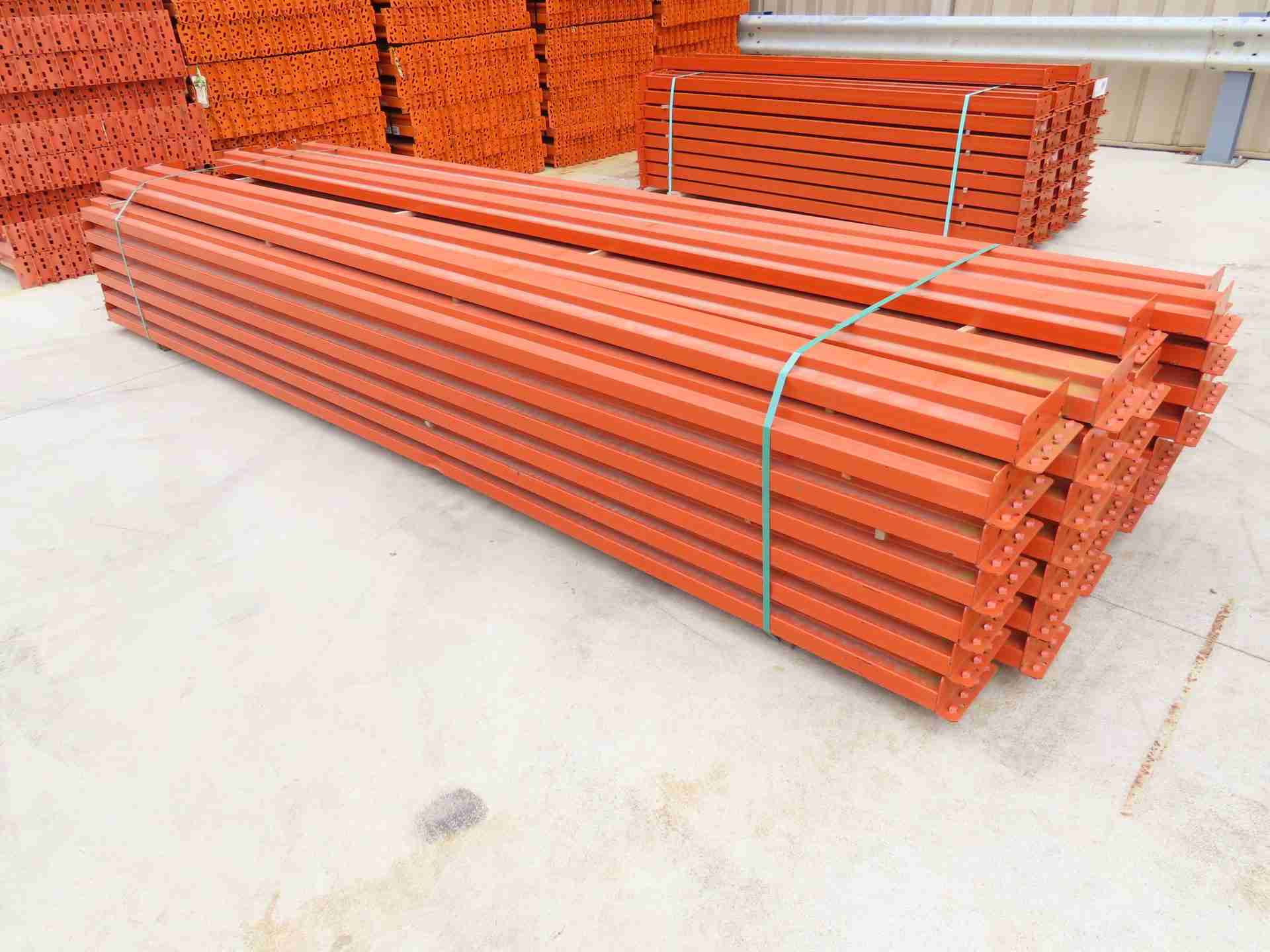
How Does Cantilever Racking Maximize Vertical Space?
How Does Cantilever Racking Maximize Vertical Space?
- Maximizing operational efficiency is crucial in today’s business environment.
- Cantilever racking utilizes vertical space to enhance storage without costly expansions.
- This system allows for the storage of various item sizes, unlike traditional shelving.
- Implementation of cantilever racking can streamline processes and improve order fulfillment speed.
- It offers flexible configurations to adapt to seasonal inventory needs, increasing storage capacity.
- Cantilever racks improve safety by securely holding potentially hazardous items.
- Cantilever racking is a vital strategy for maintaining efficiency in competitive and e-commerce-driven markets.
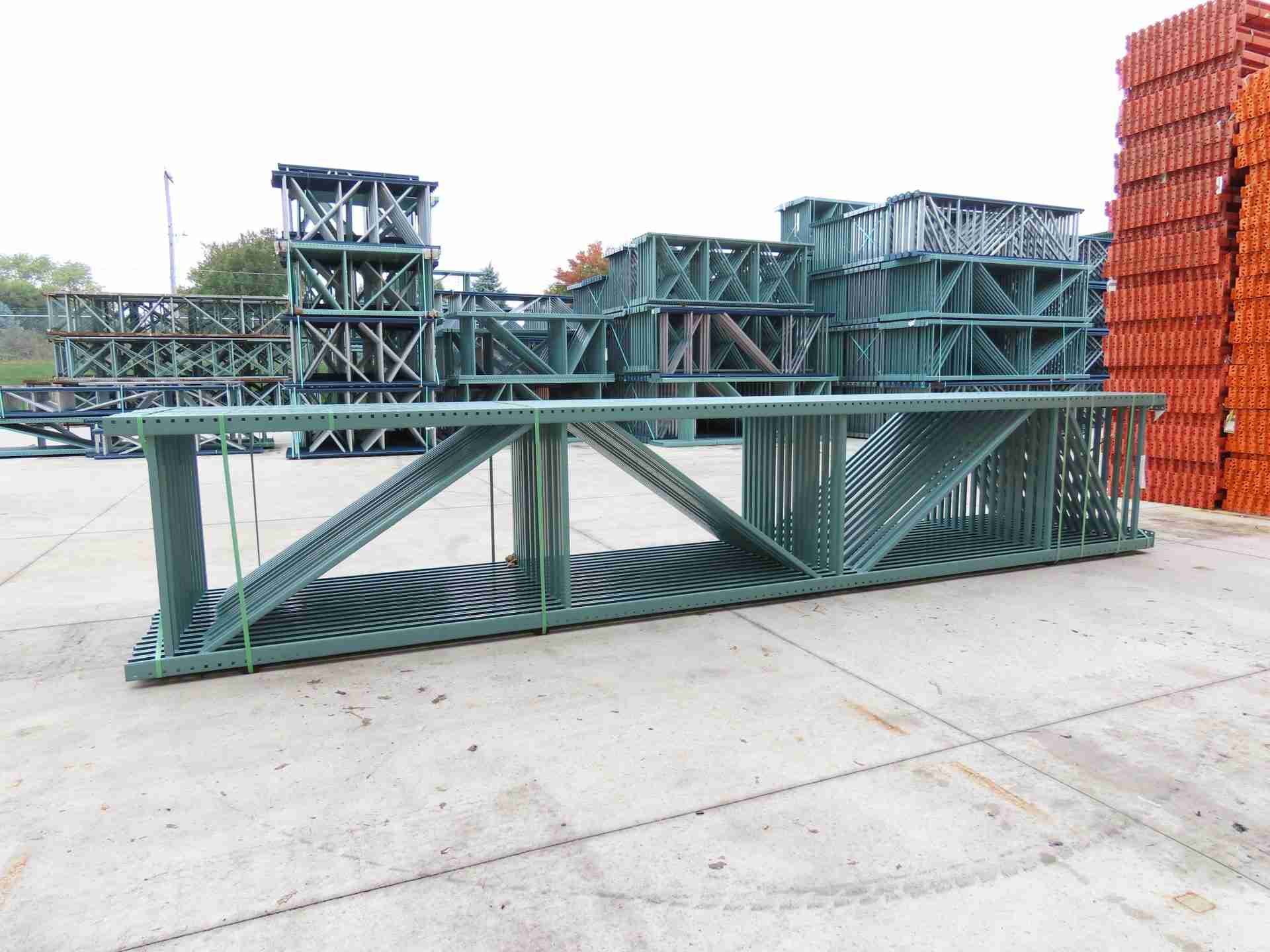
How Does Cantilever Racking Maximize Vertical Space?
Table Of Contents
- How Does Cantilever Racking Maximize Vertical Space?
- How Can Cantilever Racking Improve Warehouse Efficiency?
- What Materials Are Best For Cantilever Racking Systems?
- How Does Cantilever Racking Promote Safety In Storage?
- What Are The Cost Benefits Of Using Cantilever Racking?
- How Does Cantilever Racking Enhance Accessibility To Goods?
- Can Cantilever Racking Be Customized For Different Products?
- What Are The Maintenance Requirements For Cantilever Racking?
- How Does The Design Of Cantilever Racking Maximize Vertical Space?
- What Industries Benefit Most From Cantilever Racking Systems?
- How Is Weight Capacity Determined For Cantilever Racking?
- What Are The Installation Challenges Of Cantilever Racking?
- How Do I Choose The Right Cantilever Racking For My Needs?
- What Are Common Misconceptions About Cantilever Racking Systems?
- How Does Cantilever Racking Compare To Traditional Shelving?
- What Impact Does Cantilever Racking Have On Inventory Management?
- Conclusion
- Other Resources
- Glossary Of Terms
- Other Questions
- Checklist
How Can Cantilever Racking Improve Warehouse Efficiency?
In today’s fast-paced logistics environment, where e-commerce and rapid delivery expectations reign supreme, optimizing warehouse operations is not just a luxury – it’s a necessity. One of the leading solutions gaining traction amidst this logistics revolution is cantilever racking, an innovative storage solution that offers considerable enhancements over traditional shelving methods.
Picture this: a bustling warehouse filled with numerous items that need to be organized for quick retrieval. Traditional racking systems often fall short when it comes to storing large, bulky items like furniture or long pieces of lumber. Enter cantilever racking. Its unique design features long arms extending from a vertical structure, allowing for the easy placement and removal of oversized objects. This adaptability not only maximizes vertical space but also streamlines the picking process. As a result, operators can reduce retrieval times, ultimately improving order fulfillment rates – a critical factor in today’s e-commerce landscape, exemplified by the recent growth in online retail sales during various peak times.
Consider a recent case study featuring a home improvement retailer that revamped its warehouses with cantilever racking. By reconfiguring their storage spaces, they increased their capacity by 30%, eliminating costly bottlenecks and enabling quicker shipments. In an era where same-day delivery is becoming increasingly commonplace, this change was not just beneficial; it was essential.
In addition to enhancing storage efficiency, cantilever racking promotes safety in the workplace. By allowing for clear pathways and minimizing the risk of injury from cluttered aisles, warehouses can operate more smoothly. Companies like Amazon have recognized the importance of safety in their fulfillment centers, adopting smarter storage solutions to minimize risks while maximizing productivity. Implementing cantilever racking helped these businesses maintain operational flow, reinforcing their commitment to providing not only speed but also reliability.
Moreover, as sustainability becomes a focal point for businesses, the durability of cantilever racking systems should not be overlooked. Designed to withstand heavy loads and intended for long-term use, these systems ensure that investments in warehouse efficiency pay off over time. With manufacturers increasingly scrutinized for their sustainability practices, opting for durable solutions like cantilever racking demonstrates a commitment to maintaining a responsible and efficient operation.
As warehouse demands evolve, so too must our strategy for tackling those challenges. Cantilever racking serves not only as a solution but as a vital ally in the quest to enhance both efficiency and safety in warehouse operations. With the stakes higher than ever, can your business afford to overlook such an opportunity?
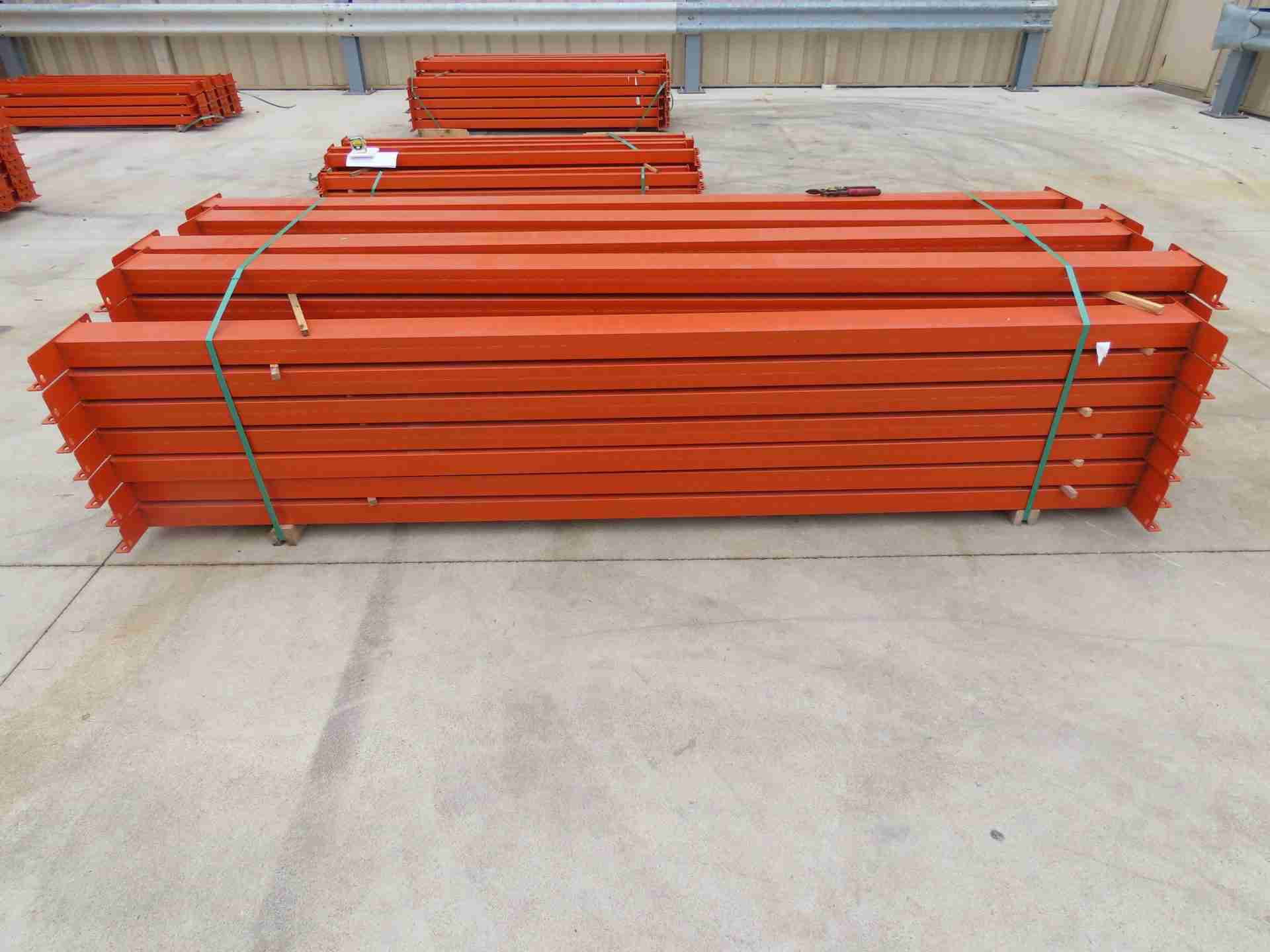
How Can Cantilever Racking Improve Warehouse Efficiency?
How Can Cantilever Racking Improve Warehouse Efficiency?
- In today’s logistics environment, optimizing warehouse operations is crucial due to e-commerce and rapid delivery expectations.
- Cantilever racking is an innovative storage solution that enhances traditional shelving methods.
- The design of cantilever racking allows for easy placement and retrieval of large, bulky items.
- A recent case study showed a home improvement retailer increased warehouse capacity by 30% using cantilever racking.
- Cantilever racking promotes workplace safety by creating clear pathways and reducing clutter.
- The durability of cantilever racking systems supports long-term use and encourages sustainable practices.
- Cantilever racking is essential for meeting evolving warehouse demands and enhancing efficiency and safety.
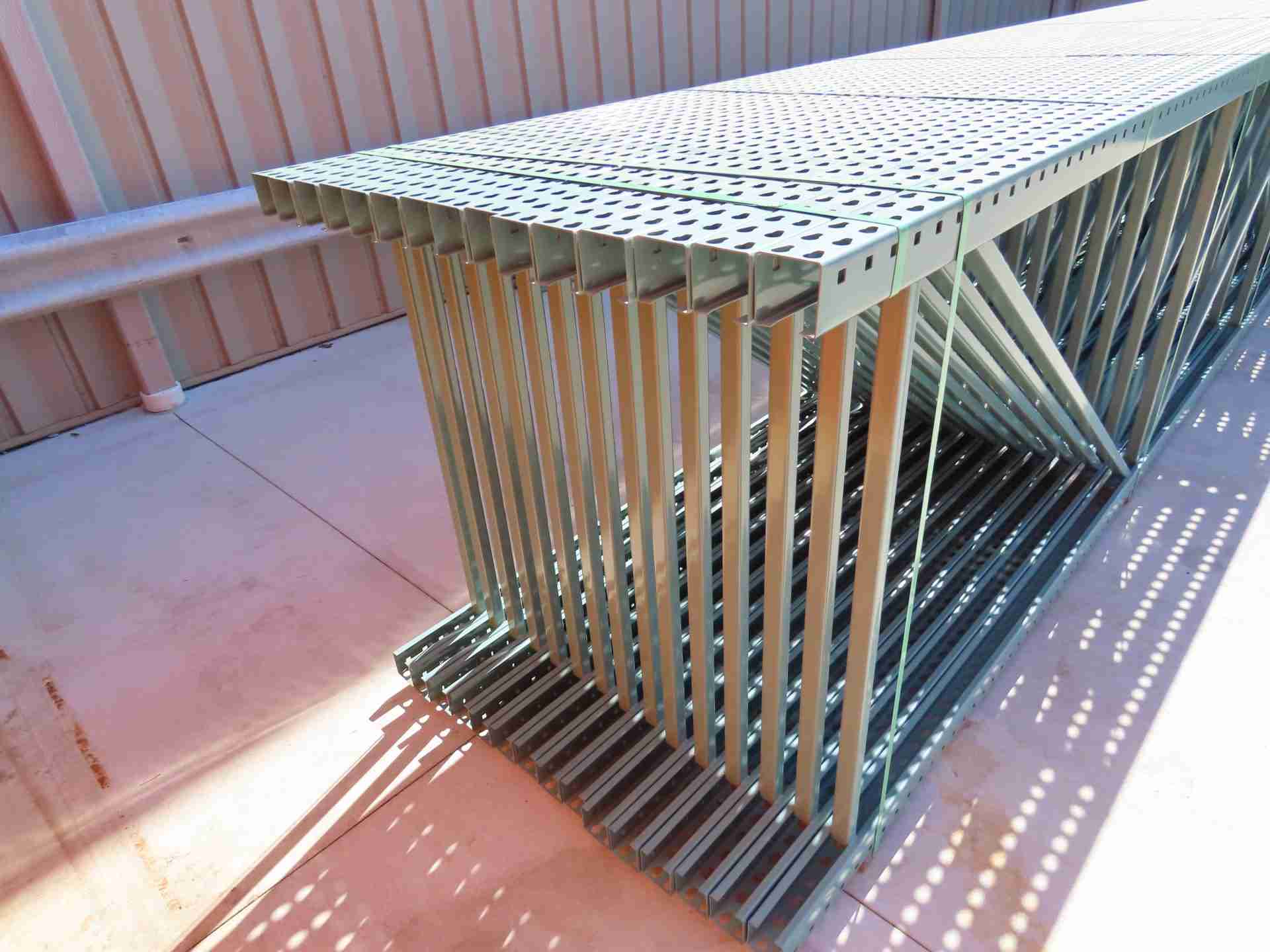
How Can Cantilever Racking Improve Warehouse Efficiency?
What Materials Are Best For Cantilever Racking Systems?
When it comes to maximizing warehouse efficiency, choosing the right materials for cantilever racking systems is paramount. These innovative storage solutions are designed to handle long, bulky items, and making the right material selection can make all the difference in durability, stability, and cost-effectiveness.
Steel: The Unsung Hero
First on our list is steel—an industry favorite. Why? Simply put, nothing beats the strength and resilience of high-quality steel. Many cantilever racks are constructed with structural steel beams and columns that can support heavy loads without bending or warping. In a time when supply chains can get disrupted—much like we’ve seen in recent fluctuations in raw material prices—steel stands out as a reliable choice. Manufacturers now offer galvanized options as well, providing superior corrosion resistance for outdoor or harsh warehouse environments.
Aluminum: The Lightweight Contender
While steel may reign supreme in the heavyweight category, aluminum is gaining traction for those who prioritize agility and ease of installation. Lightweight aluminum cantilever racks are perfect when frequent repositioning is required. Picture a lumberyard that needs to adapt quickly as its inventory changes. Aluminum racks can dramatically reduce the rigors of installation while still offering impressive load-bearing capabilities for lighter items. The recent push towards sustainable practices has also elevated aluminum’s profile, as it is fully recyclable, making it an environmentally friendly choice.
Composite Materials: The Future of Racking?
In an age where innovation drives the market, composite materials are making waves in the racking industry. Combining the strength of steel and the lightweight properties of plastics or resins, these materials offer a fantastic alternative. They’re especially appealing to industries dealing with corrosive chemicals or extreme temperatures. Recent reports show that industries are increasingly investing in composites to reduce maintenance costs and prolong equipment lifespan.
The Right Fit for Your Business
Choosing the best material for your cantilever racking system depends on various factors, including the types of materials you handle, the environment of your warehouse, and your budget. A well-informed decision can enhance safety, optimize space, and reduce operational costs—all while aligning with the latest trends in sustainable business practices.
At the end of the day, whether you gravitate toward robust steel, lightweight aluminum, or innovative composites, the right material can transform your storage solutions and, ultimately, your bottom line. Don’t settle for less; invest wisely and elevate your warehouse operations today!
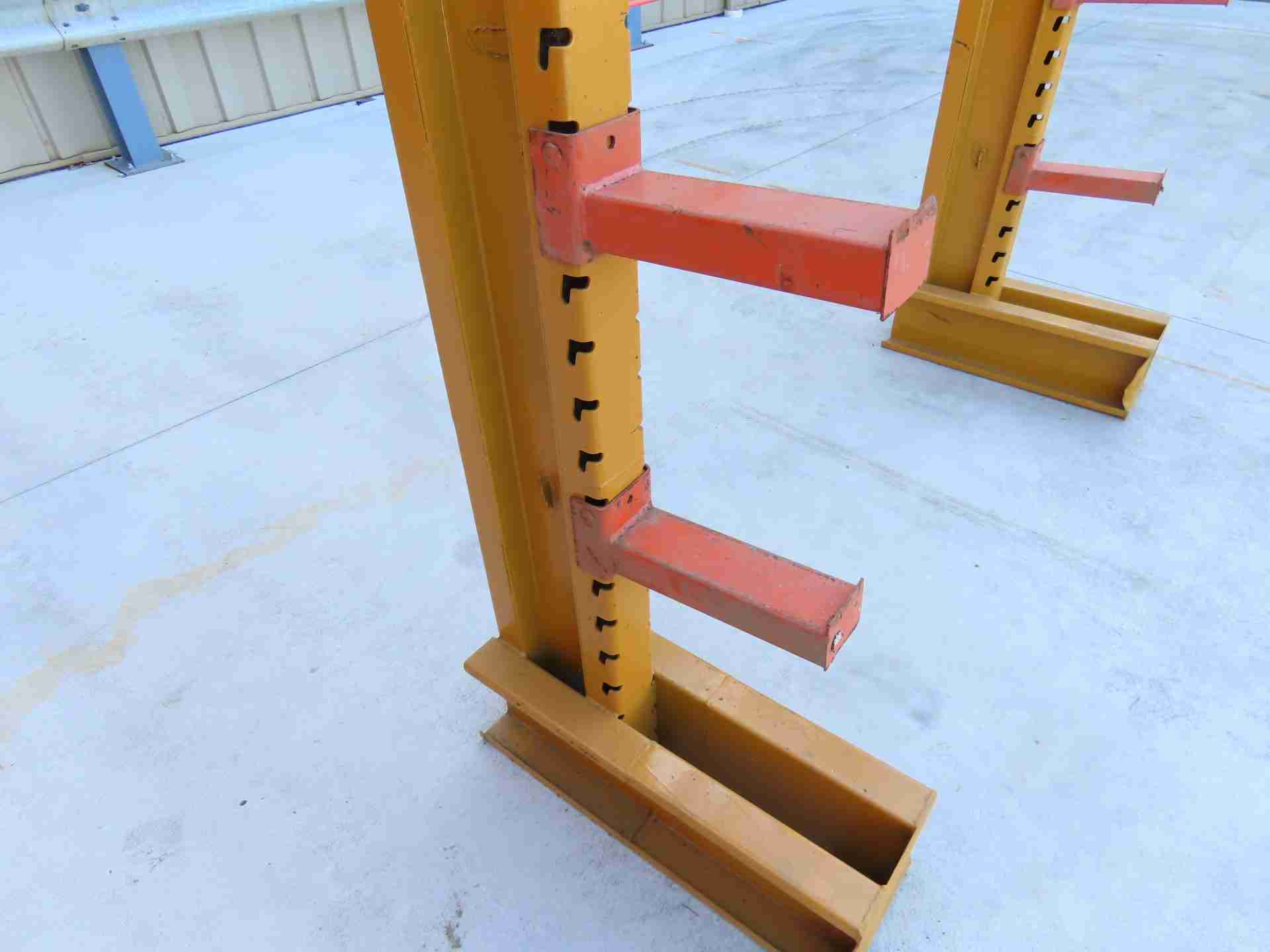
What Materials Are Best For Cantilever Racking Systems?
What Materials Are Best For Cantilever Racking Systems?
- Choosing the right materials for cantilever racking systems is crucial for maximizing warehouse efficiency.
- Steel is the primary choice due to its strength and resilience, ideal for heavy loads.
- Galvanized steel options offer superior corrosion resistance for harsh environments.
- Aluminum is lightweight and easy to install, suitable for frequent repositioning and sustainable practices.
- Composite materials combine strength with lightweight properties, addressing issues like corrosive chemicals.
- Material selection should consider the types of materials handled, warehouse environment, and budget.
- Investing in the right material can enhance safety, optimize space, and reduce operational costs.
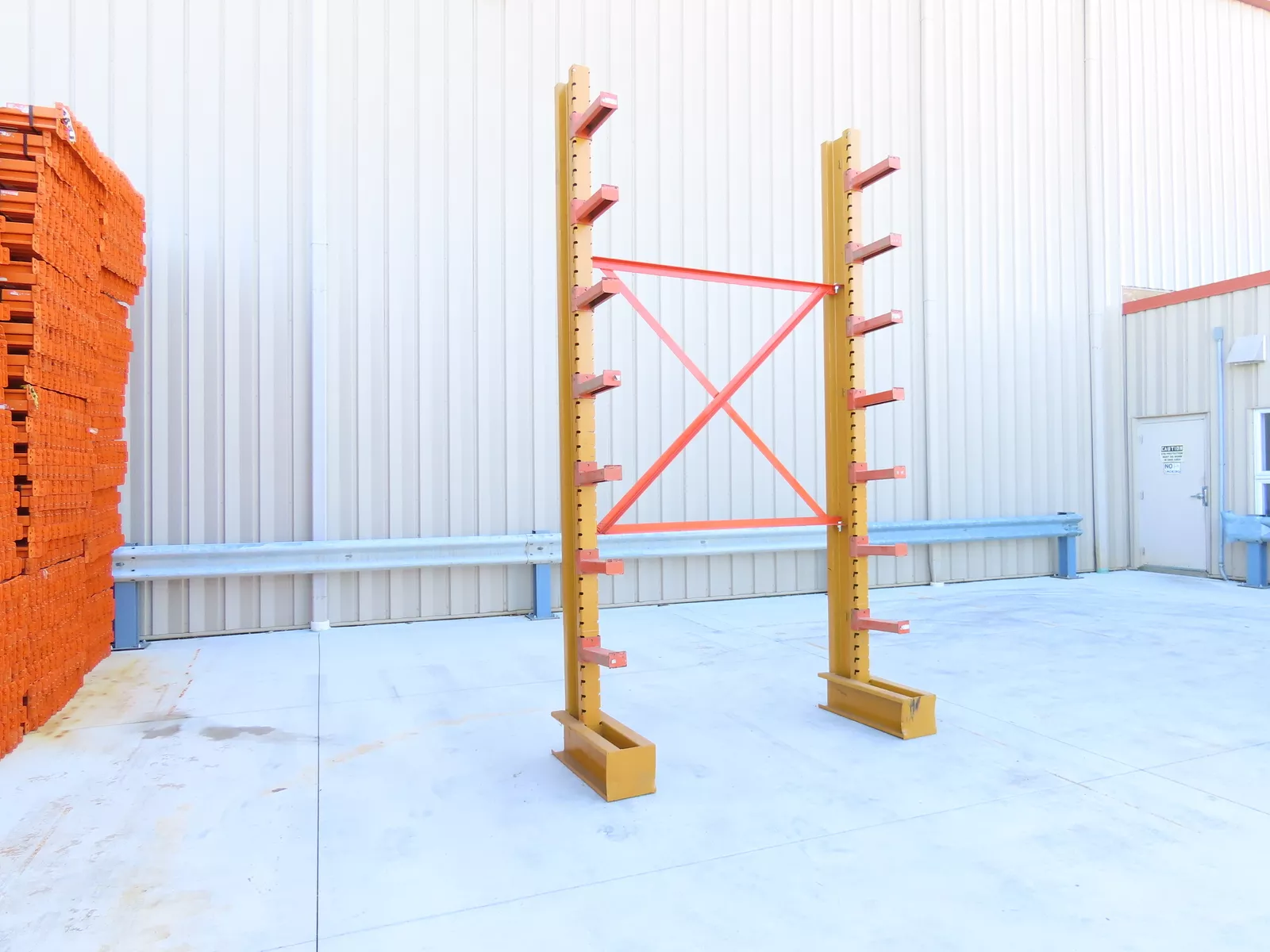
What Materials Are Best For Cantilever Racking Systems?
How Does Cantilever Racking Promote Safety In Storage?
In the fast-paced world of warehousing and distribution, safety isn’t just a priority; it’s a necessity. As businesses adapt to the ever-changing landscape of logistics and materials handling, one solution stands out for its capacity to enhance safety while maximizing efficiency—cantilever racking. This innovative storage system is designed to accommodate long, bulky, or irregular-sized items, and it does so while prioritizing the safety of workers and inventory alike.
First, let’s talk about visibility. Traditional shelving can create blind spots and clusters of stored items that obscure your view, leading to potential accidents. Cantilever racking eliminates these issues by offering an open structure that provides excellent visibility across the aisle. Workers can easily see what they’re handling and where it’s stored—an essential aspect when it comes to preventing mishaps. As we’ve seen in recent disturbances in the supply chain—be it the ongoing impacts of global shipping delays or sudden shortages in specific goods—the ability to quickly locate and retrieve materials can drastically affect operations and safety.
Moreover, the design of cantilever racking allows for easy handling of materials, reducing the chances of workplace injuries. When utilizing forklifts or other machinery, operators benefit from an unhindered flow of motion, easily picking and placing items without the risk of collisions or blunders. For example, during a recent surge in home improvement projects fueled by pandemic-induced lockdowns, businesses with efficient storage solutions like cantilever racking not only improved their throughput but simultaneously prioritized the safety and wellbeing of their workforce.
The adjustable nature of cantilever racking can also accommodate varying lengths and weights of stored items, making it an ideal solution for industries ranging from lumber yards to manufacturing facilities. This flexibility minimizes the need for awkward stacking or overexertion by workers, further decreasing the likelihood of accidents. Additionally, many modern cantilever racking systems are equipped with safety features such as restraint systems and checkered decks, which secure inventory in place and prevent items from tipping or falling.
Lastly, let’s not overlook the compliance aspect. As regulations tighten around workplace safety standards, businesses utilizing cantilever racking not only adhere to these laws but also cultivate a workplace culture that values safety. This, in turn, enhances employee morale and leads to lower turnover rates—the kind of operational efficiency every business strives for.
In a world where safety and efficiency must go hand-in-hand, cantilever racking shines as not just a storage solution but a strategic ally in promoting a safer workplace.
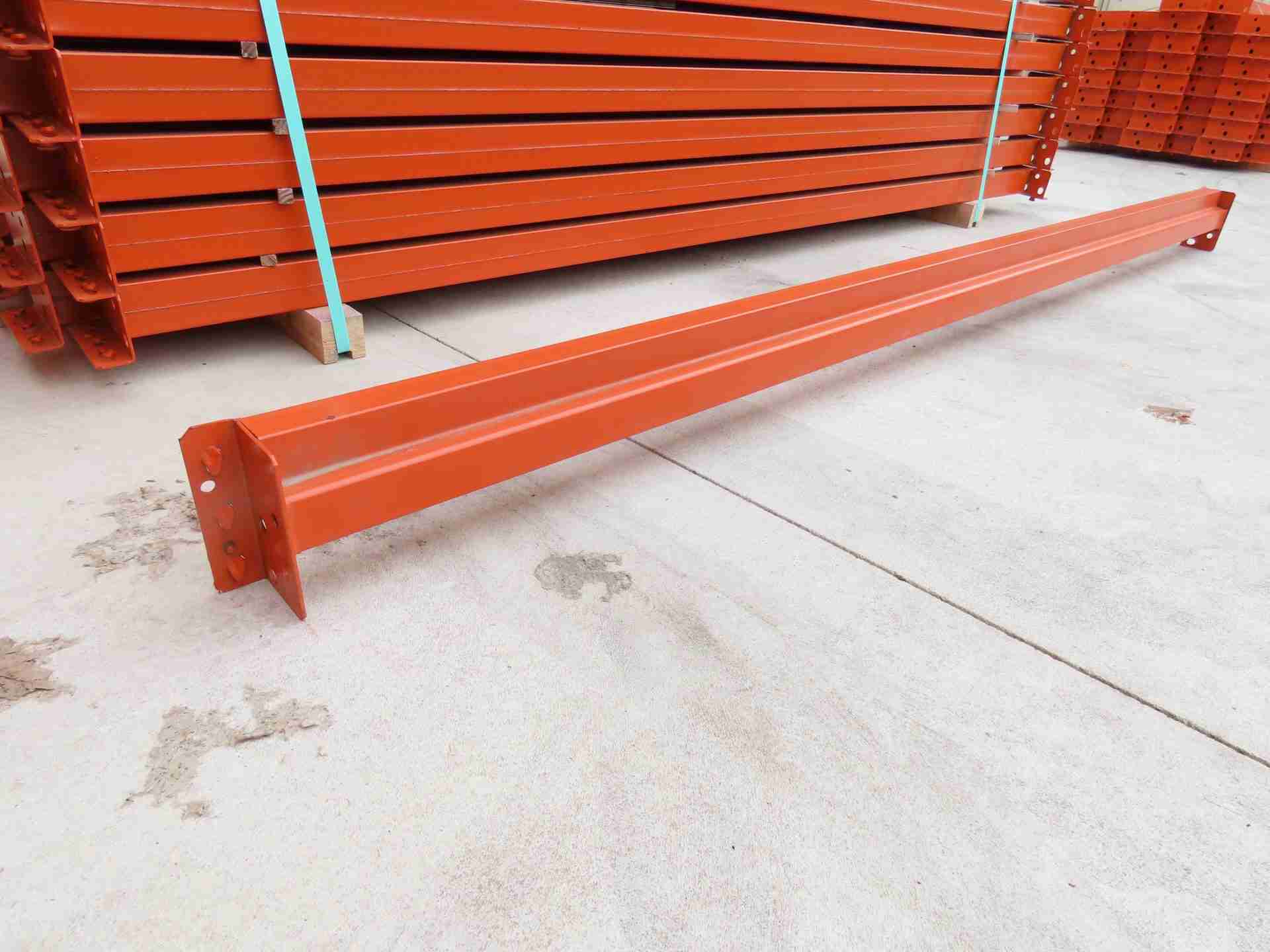
How Does Cantilever Racking Promote Safety In Storage?
How Does Cantilever Racking Promote Safety In Storage?
- Safety is essential in warehousing and distribution, with cantilever racking enhancing both safety and efficiency.
- Cantilever racking accommodates long, bulky, or irregular-sized items while prioritizing worker and inventory safety.
- The open structure of cantilever racking improves visibility, reducing blind spots and potential accidents.
- Efficient material handling with cantilever racking minimizes the risk of workplace injuries, especially when using forklifts.
- Its adjustable design caters to various lengths and weights, reducing awkward stacking and worker overexertion.
- Many cantilever racking systems feature safety elements like restraint systems to prevent items from tipping or falling.
- Utilizing cantilever racking helps businesses comply with safety regulations and fosters a culture of safety, enhancing employee morale.
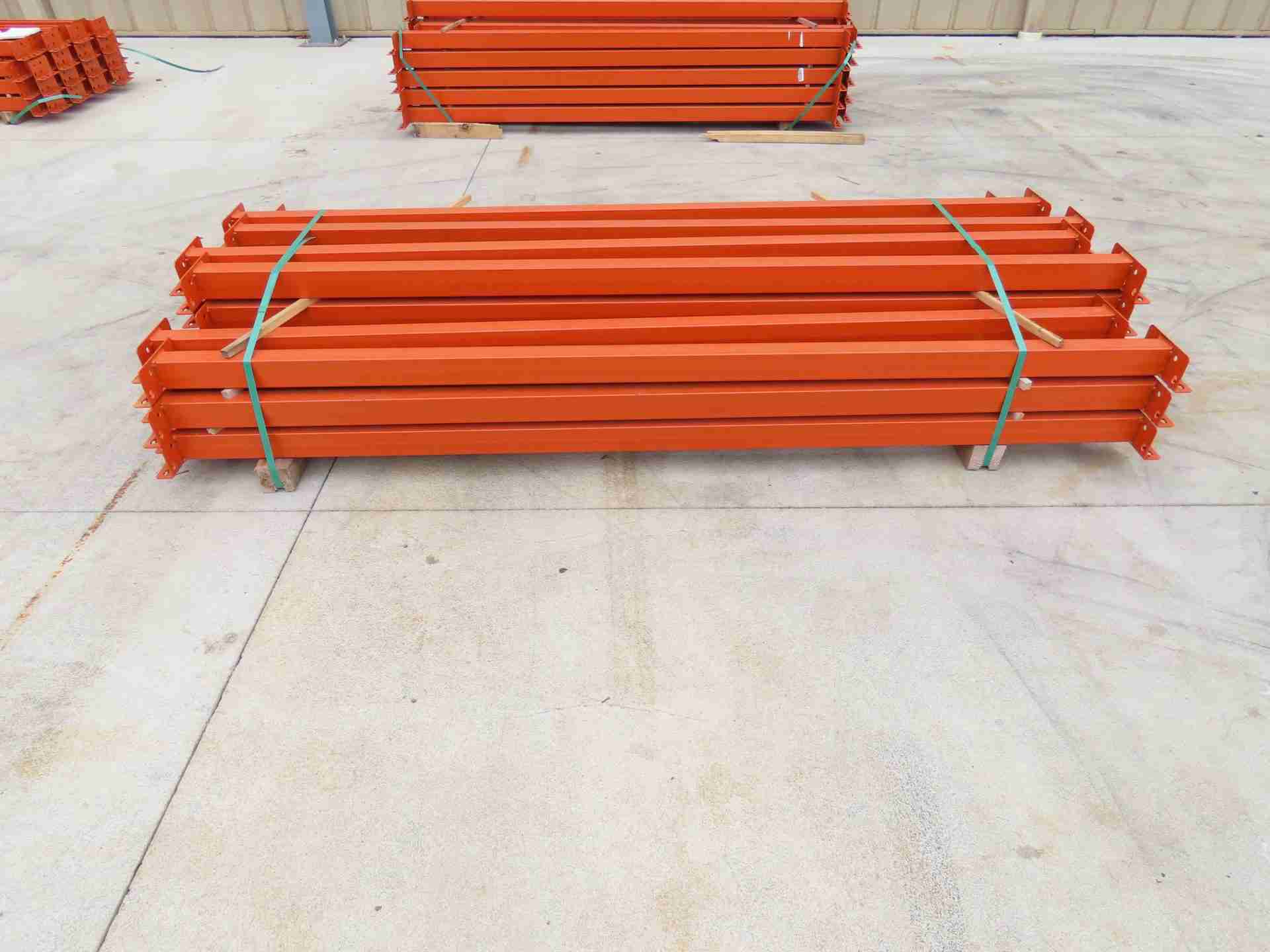
How Does Cantilever Racking Promote Safety In Storage?
What Are The Cost Benefits Of Using Cantilever Racking?
In today’s fast-paced warehouse environment, maximizing space while cutting costs is more than a necessity; it’s a competitive advantage. Enter cantilever racking, an innovative storage solution designed to optimize warehouse efficiency and dramatically reduce overhead costs. But how exactly do these cost benefits manifest? Let’s break it down.
1. Space Optimization
Cantilever racking is a game-changer when it comes to managing horizontal and bulky goods. Unlike traditional shelving systems, which can only accommodate standard pallets, cantilever racks thrive on irregularly shaped items and long materials. For instance, a lumberyard that implements cantilever racking can increase its storage capacity by up to 50%, ensuring that less square footage yields greater inventory holdings. This clear ROI is not just theoretical; a 2023 study revealed that companies utilizing cantilever systems saw a 30% reduction in their operational footprint.
2. Labor Efficiency
Consider the labor costs associated with managing inventory. Traditional systems often require extensive maneuvering and time for retrieval, leading to inefficiencies. With cantilever racking, items are easily accessible from all sides, which translates into faster picking times and fewer labor hours spent on the floor. For example, a building supply company reported slashing its picking time per order by as much as 40% after implementing a cantilever racking system. This efficiency means less time and money spent on labor, allowing employees to focus on higher-value tasks.
3. Damage Reduction
Less movement and better organization directly correlate with lower damage rates. When inventory is stacked securely in cantilever racks, the likelihood of products falling or being unintentionally damaged decreases significantly. This not only preserves valuable merchandise but also translates to lower costs associated with replacing or repairing damaged goods. A recent warehouse survey indicated that businesses transitioned to cantilever racking typically enjoyed a 25% reduction in inventory damage costs.
4. Scalability and Flexibility
In a world where demand can shift on a dime—think of the recent supply chain fluctuations caused by global events—having a scalable storage solution is essential. Cantilever racking systems can be expanded or contracted with relative ease, accommodating changing inventory sizes without incurring significant renovation costs. Retailers navigating through post-pandemic adjustments, for instance, have found that flexible racking solutions have allowed them to pivot quickly in response to increased eCommerce demands.
The cost benefits of using cantilever racking go beyond mere storage capabilities. From space optimization and labor efficiency to damage reduction and scalability, investing in a cantilever racking system is an investment in your bottom line. Don’t get left behind; consider these key advantages as you assess your warehouse solutions, and create a more sustainable, efficient future for your business.
What Are The Cost Benefits Of Using Cantilever Racking?
What Are The Cost Benefits Of Using Cantilever Racking?
- Space Optimization: Cantilever racking increases storage capacity by up to 50% for irregularly shaped items and reduces operational footprint by 30%.
- Labor Efficiency: Items are accessible from all sides, reducing picking times by up to 40% and allowing employees to focus on higher-value tasks.
- Damage Reduction: Secured stacking in cantilever racks leads to a 25% decrease in inventory damage costs.
- Scalability and Flexibility: Easily expandable systems accommodate changing inventory sizes without significant renovation costs.
- Competitive Advantage: Maximizing space and cutting costs provides businesses with a competitive edge in the warehouse environment.
- Investment in the Bottom Line: The benefits of cantilever racking contribute to a sustainable and efficient future for businesses.
- Response to Market Changes: Flexible racking solutions allow retailers to quickly adapt to changes in demand, especially in the wake of recent supply chain fluctuations.
What Are The Cost Benefits Of Using Cantilever Racking?
How Does Cantilever Racking Enhance Accessibility To Goods?
How Does Cantilever Racking Enhance Accessibility to Goods?
In today’s fast-paced business landscape, efficient inventory management stands as a crucial pillar of operational success. Enter cantilever racking, the unsung hero that elevates accessibility to goods like never before. This innovative storage solution is specifically designed to handle long, bulky items, creating a remarkable synergy between space efficiency and ease of access.
Imagine a bustling warehouse filled to the brim with construction materials, furniture, or even pipes. Unfortunately, conventional racking systems leave many businesses grappling with accessibility nightmares. Cluttered aisles and heights that require complicated machinery can slow down operations and suffocate productivity. Cantilever racking cuts through the chaos, allowing for effortless access to items of varying sizes, from lumber to steel beams.
Let’s consider a real-world scenario: A regional supplier of home improvement products recently adopted cantilever racking systems. Before the switch, their workers had to expend extra time maneuvering through tightly packed shelves, often risking injury or damage to goods in the process. After installing cantilever racks, items could be effortlessly retrieved, with multiple shelves acting without barriers allowing for immediate use. Operations improved by over 30%, and the accident rate plummeted. This example underscores a critical point: accessibility directly correlates with efficiency and safety.
One cannot ignore the current emphasis on sustainable business practices. With supply chain disruptions emerging as a recurring theme in today’s news, companies are pivoting to maximize their existing inventory. Cantilever racking complements this shift by optimizing vertical space while minimizing the footprint. Not only does this lead to smarter storage solutions, but it fosters a more organized workspace, making it easier to locate and pull inventory.
Moreover, as users adapt to e-commerce’s meteoric rise, rapid fulfillment becomes a pressing issue. Retail giants are already leveraging cantilever racking systems to ensure that their warehouses operate like well-oiled machines. Quick and easy access to products allows them to meet the demands of same-day or next-day delivery expectations.
Cantilever racking doesn’t just enhance accessibility; it revolutionizes it. This storage solution fosters an environment where efficiency flourishes, safety is prioritized, and businesses can truly thrive in an ever-changing marketplace. If you’re ready to streamline your operations and take accessibility to the next level, it’s time to consider investing in cantilever racking systems. Don’t get left behind; let accessibility pave the way to your future success!
How Does Cantilever Racking Enhance Accessibility To Goods?
How Does Cantilever Racking Enhance Accessibility To Goods?
- Cantilever racking improves inventory management and operational success.
- Specifically designed to store long and bulky items, enhancing both space efficiency and accessibility.
- Helps eliminate cluttered aisles and complicated retrieval processes associated with conventional racking systems.
- A real-world example showed a 30% improvement in operations and a significant drop in accidents after adopting cantilever racking.
- Supports sustainable business practices by optimizing vertical space and minimizing the storage footprint.
- Enables quick and easy access to products, meeting the demands of rapid e-commerce fulfillment.
- Cantilever racking revolutionizes accessibility, fostering a safer and more efficient work environment for businesses.
How Does Cantilever Racking Enhance Accessibility To Goods?
Can Cantilever Racking Be Customized For Different Products?
Absolutely! If you’re looking to optimize your storage space and increase efficiency in your warehouse, look no further than cantilever racking. But here’s the kicker: cantilever racking is not just a one-size-fits-all solution; it can be expertly tailored to accommodate a diverse range of products, making it a game-changer for businesses across various industries.
Imagine a lumber yard with massive wooden beams, or a plumbing supply company that deals in lengthy pipes and fixtures. Traditional shelving systems simply won’t cut it for these applications. Cantilever racking stands tall and proud, designed specifically for the long and awkwardly shaped items that other racks struggle to hold. With adjustable arms that can be modified in height and spacing, you’ll have the flexibility to accommodate everything from steel bars to furniture components effortlessly.
Customization doesn’t stop at size; you can also choose between different materials and finishes that resonate with your brand and operational needs. For instance, companies focused on aesthetics or specific environmental conditions may prefer galvanized or powder-coated finishes to enhance durability and appeal. In harsh environments, such as those affected by moisture or chemicals, investing in heavy-duty cantilever racks made from corrosion-resistant materials is essential—and somewhat of a no-brainer.
Recent trends in e-commerce and rapid inventory turnover have put unprecedented pressure on warehouses to be efficient. This is where the beauty of cantilever racking shines—its configuration allows for quick picking and loading, minimizing downtime. For example, a business specializing in auto parts can stock varied lengths of car exhaust pipes, ensuring that workers can quickly locate and access the right part, making fulfillment faster and more accurate.
Another relevant example comes from the growth of renewable energy industries, particularly solar panel manufacturers. They require specialized storage solutions that can accommodate larger, bulkier items yet maintain easy accessibility. By customizing cantilever racking to their specifications, these businesses can enhance their workflow and respond nimbly to market demands.
In today’s fast-paced world, having a flexible, customizable storage system is not just a luxury; it is essential for staying competitive. In sum, cantilever racking is not only versatile but can be uniquely tailored to meet the demands of a wide array of products, making it a strategic investment for companies forward-thinking enough to recognize the need for adaptability in their operations. So, whether you’re in construction, automotive, or any other industry with unique storage requirements, don’t underestimate the power of customized cantilever racking—it can be the difference between operating at peak efficiency and getting lost in a sea of disorganization.
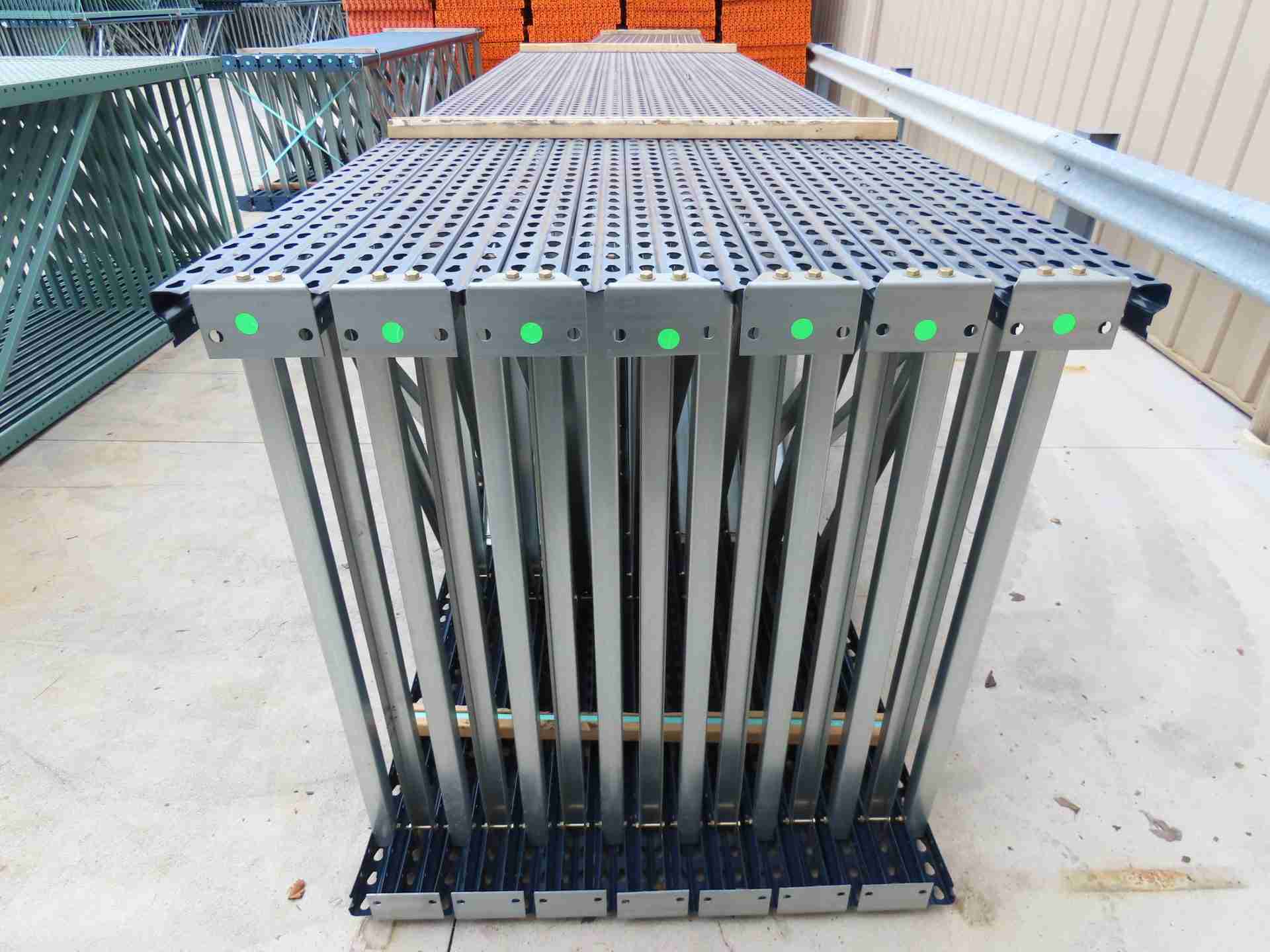
Can Cantilever Racking Be Customized For Different Products?
Can Cantilever Racking Be Customized For Different Products?
- Cantilever racking optimizes storage space and increases efficiency in warehouses.
- It can be tailored to accommodate various products, making it suitable across multiple industries.
- Designed for long and awkwardly shaped items, cantilever racking features adjustable arms for flexibility.
- Customization options include different materials and finishes to suit brand and operational needs.
- The configuration allows for quick picking and loading, addressing efficiency demands in e-commerce.
- Customized cantilever racking benefits renewable energy industries, such as solar panel manufacturers.
- A flexible storage system is essential for competitiveness in today’s fast-paced business environment.
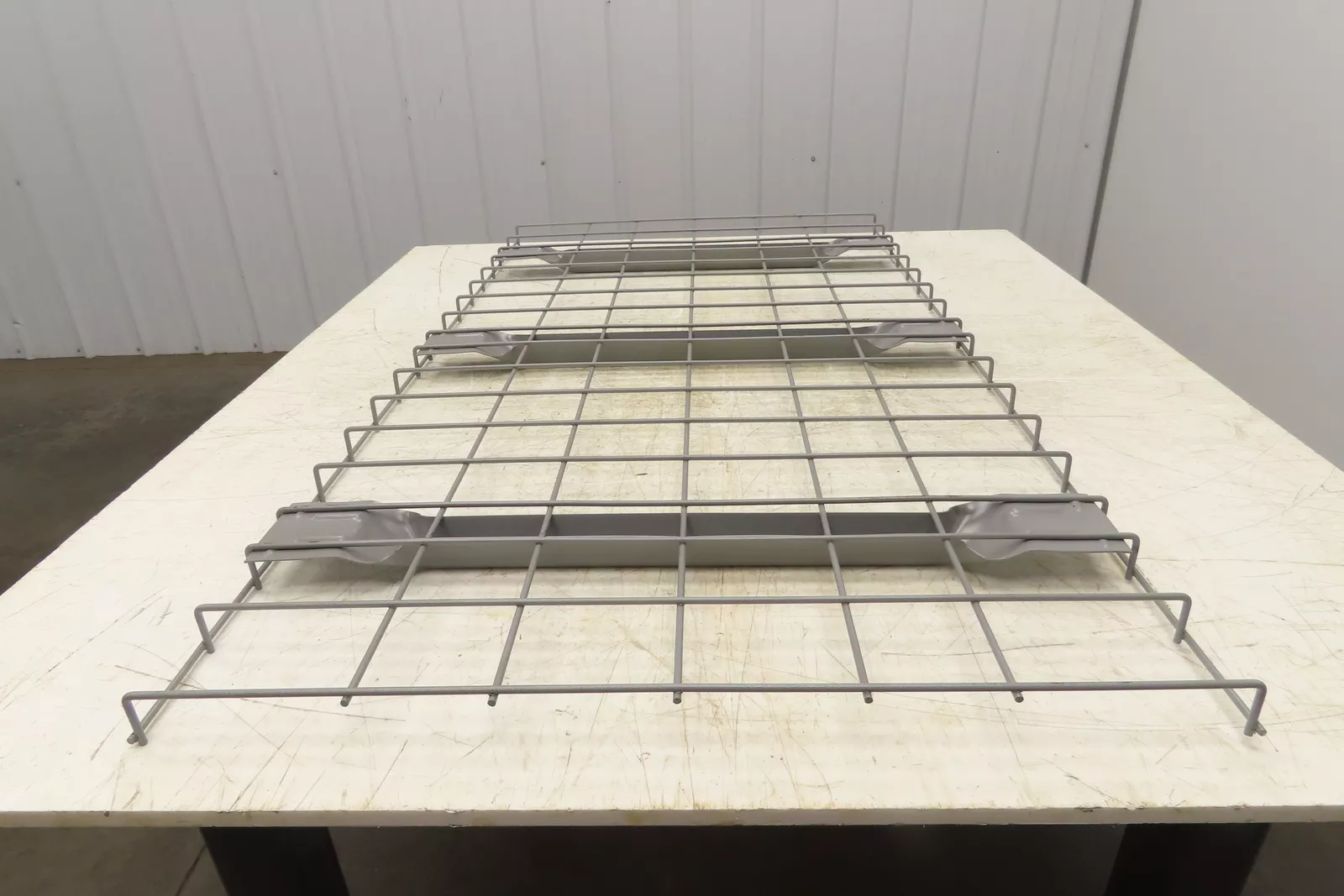
Can Cantilever Racking Be Customized For Different Products?
What Are The Maintenance Requirements For Cantilever Racking?
When it comes to maximizing your warehouse’s efficiency and storage capacity, cantilever racking stands out as a top choice. However, like any robust storage solution, it demands consistent maintenance to ensure longevity and safety. Neglecting this crucial aspect can transform a seemingly optimal setup into a liability, stunting productivity and incurring unnecessary costs.
First and foremost, regular inspections are the backbone of cantilever racking maintenance. Conducting visual assessments at least once a month allows you to spot issues such as bent arms, loose bolts, or signs of rust. For instance, recent reports from warehouse operators indicate a 30% increase in accidents attributed to overlooked racking systems. By prioritizing routine checks, you can significantly reduce risk and maintain compliance with safety regulations.
Next, keep your cantilever racking free from clutter and debris. It’s easy for a busy warehouse environment to accumulate materials on and around racking systems. This not only risks damage but also makes it harder for employees to access goods safely. Implementing a “clean as you go” policy, where employees are responsible for maintaining their work areas, can dramatically enhance cleanliness and safety.
Moreover, consider investing in a maintenance log. Documenting inspections and maintenance work creates accountability and helps track the performance and health of your racking system. A business in the Midwest recently implemented a digital log, resulting in a 20% improvement in their maintenance efficiency. This not only saved time but also facilitated informed decision-making for future storage solutions.
In addition to these practices, it’s wise to enlist the help of professionals for annual audits. Certified inspectors can provide an in-depth analysis of your cantilever racking integrity, uncovering hidden issues and offering actionable recommendations. This proactive approach was exemplified by a leading furniture retailer that avoided a catastrophic racking collapse, all due to their annual audit protocol.
Lastly, don’t forget to train your staff. Empowering employees with the knowledge of proper handling techniques can prevent damage to both the racking systems and the products stored within them. Companies that prioritize staff training have reported increased productivity, reduced accidents, and longer equipment lifespans.
In summary, maintaining cantilever racking is not a one-off task, but a continuous commitment to operational excellence. By incorporating regular inspections, a cleaning policy, maintenance documentation, professional audits, and staff training, your warehouse can enjoy the full benefits of a well-functioning racking system. The pivotal investment in maintenance today can lead your business towards safer, more efficient operations tomorrow.
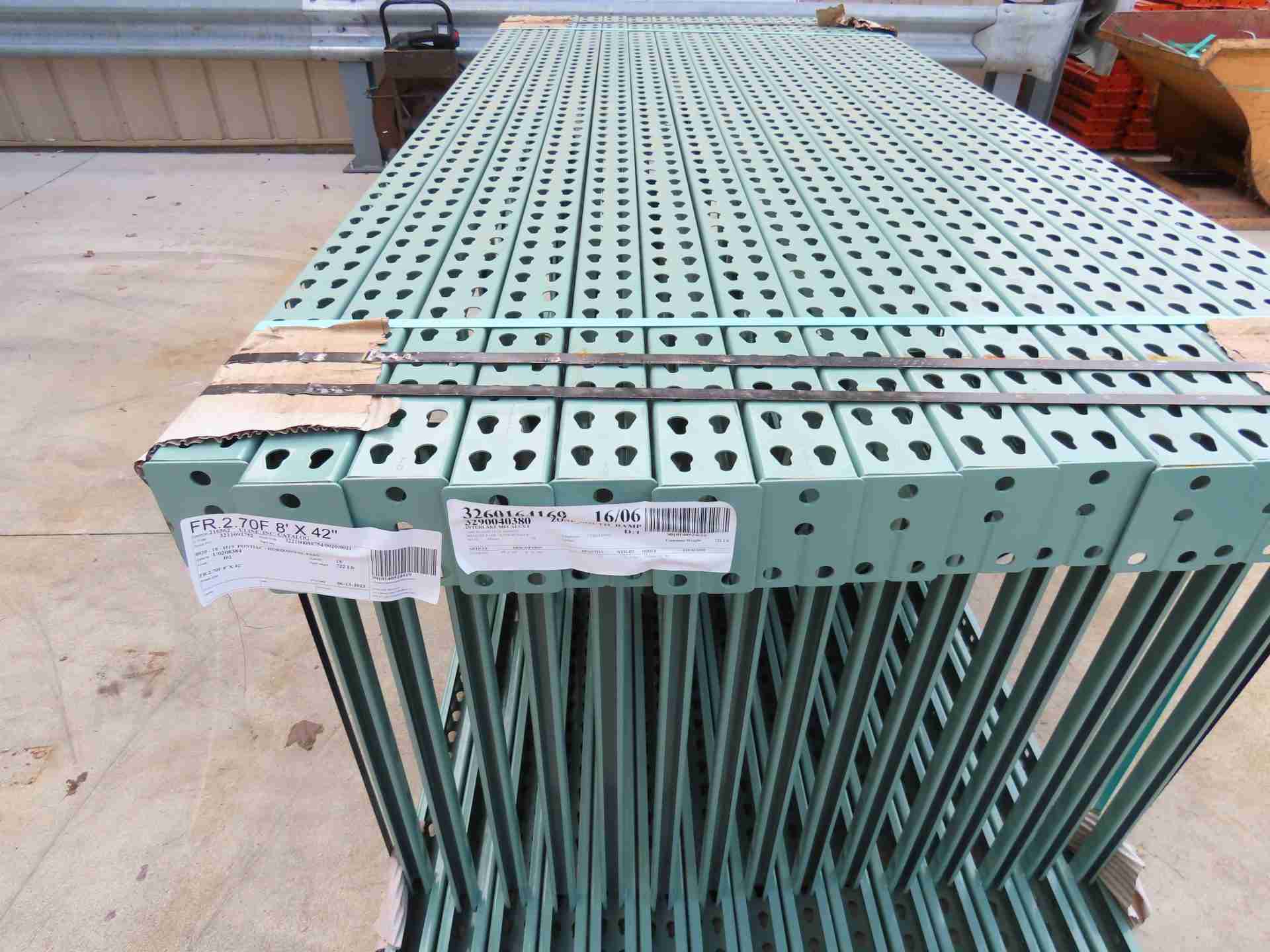
What Are The Maintenance Requirements For Cantilever Racking?
What Are The Maintenance Requirements For Cantilever Racking?
- Cantilever racking is an effective storage solution that requires consistent maintenance for longevity and safety.
- Regular inspections, at least once a month, are essential to identify issues like bent arms and loose bolts, reducing accident risk.
- Keeping cantilever racking clear of clutter enhances safety and accessibility for employees.
- Implementing a maintenance log helps track inspections and improves maintenance efficiency.
- Annual audits by certified inspectors can identify hidden issues and provide actionable recommendations for racking integrity.
- Staff training on proper handling techniques can prevent damage and contribute to increased productivity.
- Ongoing maintenance is crucial for operational excellence, leading to safer and more efficient warehouse operations.
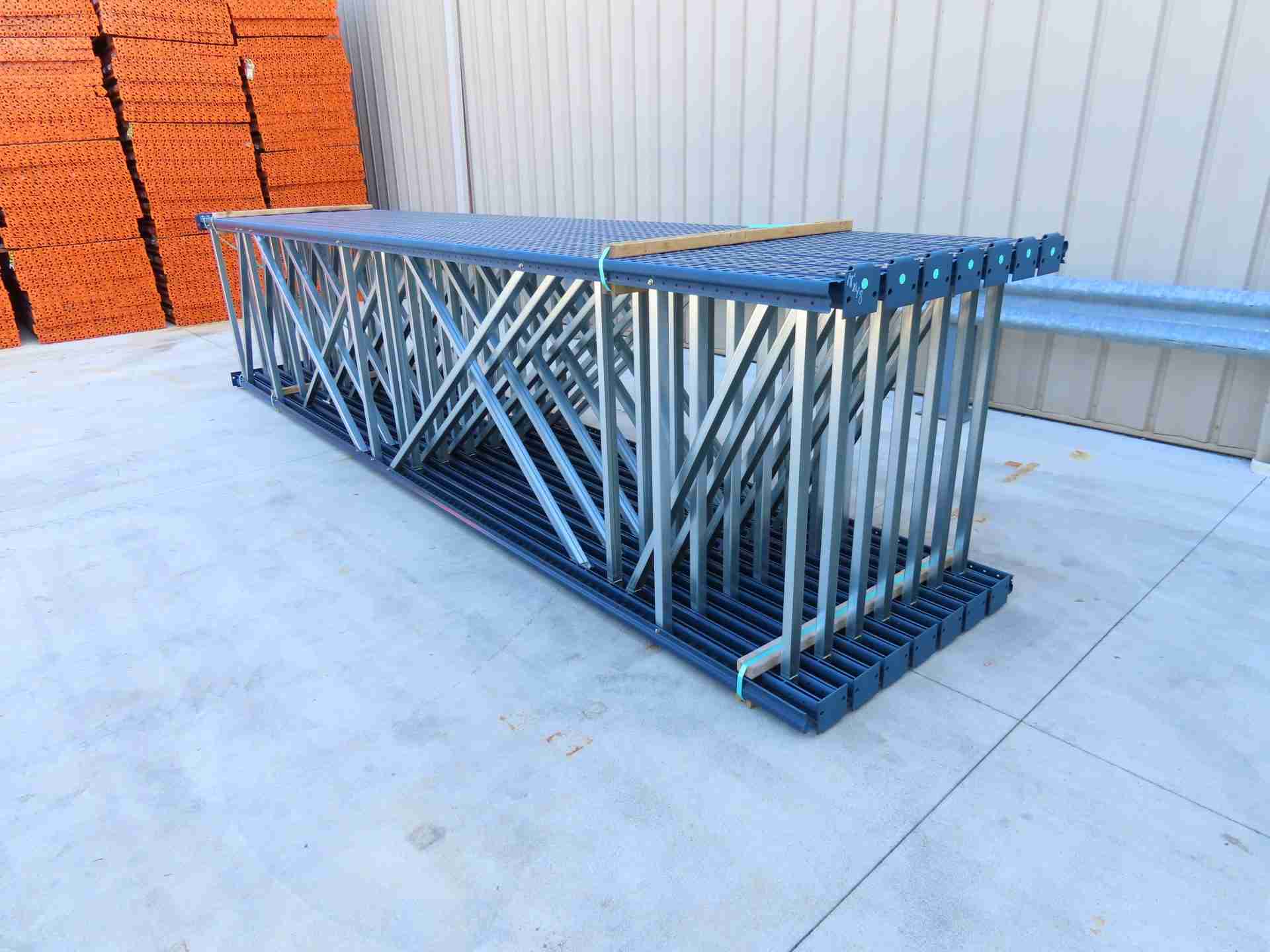
What Are The Maintenance Requirements For Cantilever Racking?
How Does The Design Of Cantilever Racking Maximize Vertical Space?
In today’s fiercely competitive landscape, maximizing every inch of your warehouse or retail space is not merely a luxury—it’s a necessity. Enter cantilever racking, the underdog hero of warehouse design, ready to revolutionize your storage strategy by harnessing the power of vertical space.
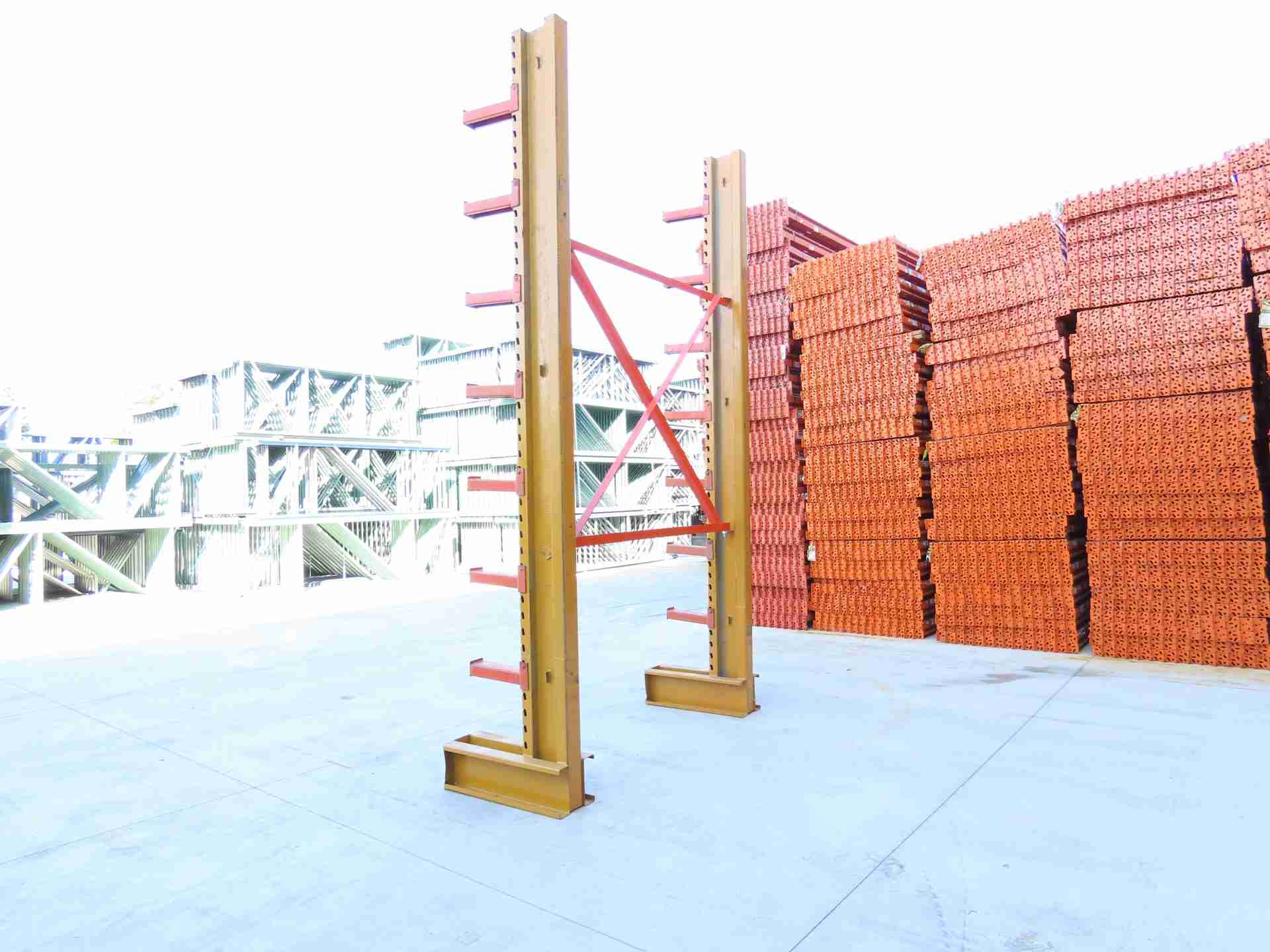
Cantilever racking features upright posts and horizontal arms extending from the posts, allowing heavy and bulky items to be stored efficiently. Unlike conventional shelving, this innovative design eliminates the barriers of vertical beams, enabling you to stack products high and wide. Imagine walking into a warehouse with stacks of long pipes or lumber neatly organized in the air, free from clutter. This isn’t a mirage; it’s what cantilever racking brings to the table.
One of the most compelling advantages of cantilever racking lies in its ability to accommodate items of varying lengths. For instance, in the construction industry, businesses dealing with lumber and steel can benefit immensely. Rather than leasing additional warehouse space to store excess inventory, you can stack longer items vertically. You’re not just saving floor space; you’re optimizing your storage layout to increase accessibility and efficiency. The more vertical you go, the more you can store—it’s about turning cubic footage into a powerhouse of productivity.
Moreover, the current supply chain challenges faced globally have highlighted the importance of maximizing storage capacities. Raw materials shortages and delivery delays mean that businesses must maintain higher stock levels. With cantilever racking, you can adjust your storage strategy dynamically, ensuring you’re ready for fluctuations in demand. This adaptability is crucial in industries like manufacturing and retail, where trends can shift overnight.
Consider a case study of a medium-sized furniture retailer facing space constraints. By implementing cantilever racking systems, they increased their storage capacity by over 60% in just a few weeks. Not only did this allow them to stock more inventory, but it also significantly improved their order fulfillment speed. Customers noticed the enhanced service, leading to an uptick in sales. This is not just about storing items; it’s about creating a streamlined operation that drives revenue.
In a world where every inch counts, cantilever racking stands out as the solution for maximizing vertical space effectively. It’s time to rethink your storage solutions and embrace the efficiency that a cantilever racking system can unleash. Elevate your business operations and watch your profits soar—not just because you’ve stored more but because you’ve stored smarter.
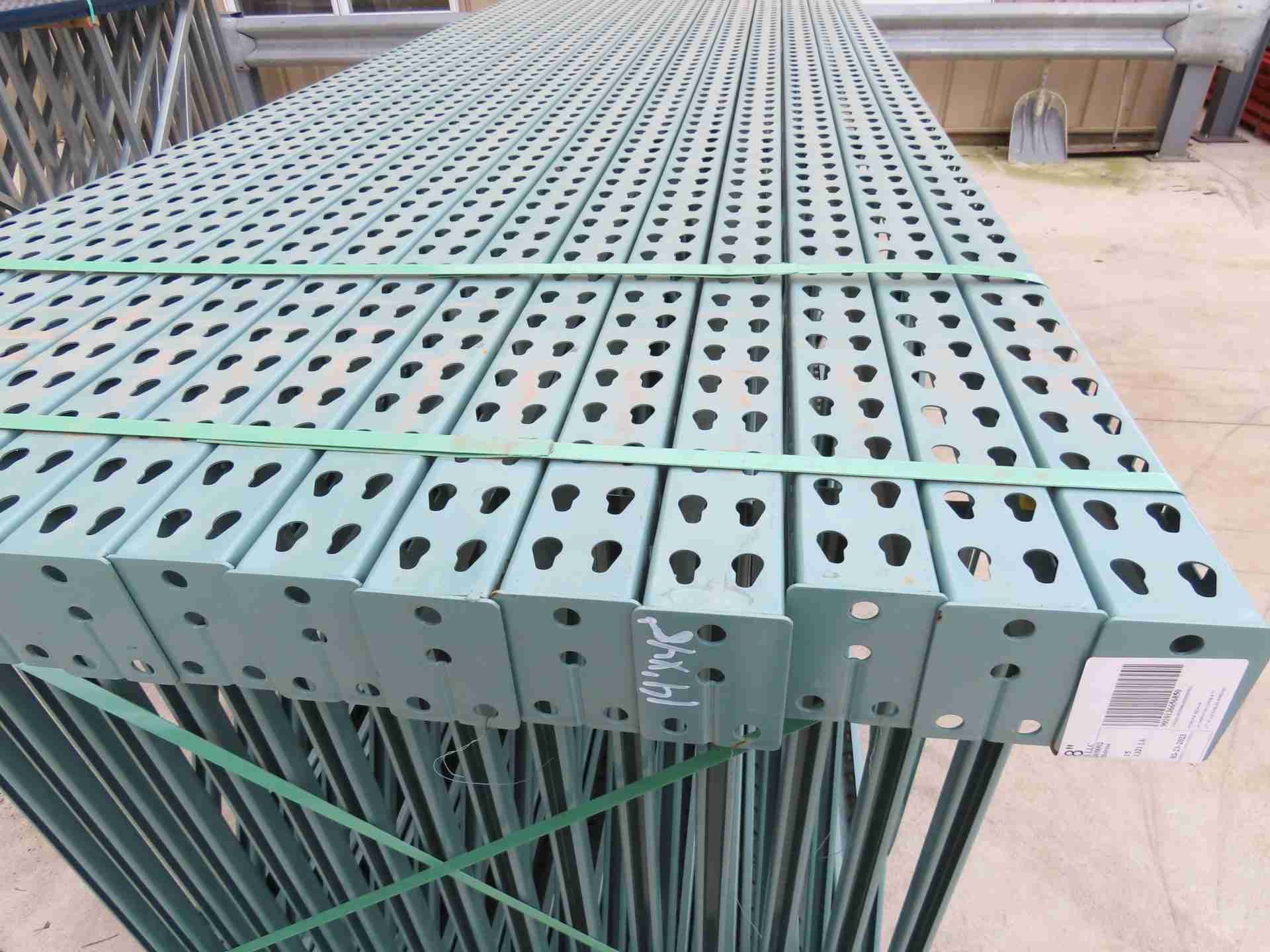
How Does The Design Of Cantilever Racking Maximize Vertical Space?
How Does The Design Of Cantilever Racking Maximize Vertical Space?
- In today’s competitive environment, maximizing warehouse and retail space is essential.
- Cantilever racking is an innovative storage solution that utilizes vertical space efficiently.
- This design allows for heavy and bulky items to be stored without vertical beam barriers.
- Cantilever racking accommodates items of varying lengths, benefiting industries like construction.
- It offers adaptability to supply chain challenges, helping businesses manage inventory effectively.
- A case study shows a furniture retailer increased storage capacity by over 60% using cantilever racking.
- Implementing cantilever racking leads to enhanced operational efficiency and potential revenue growth.
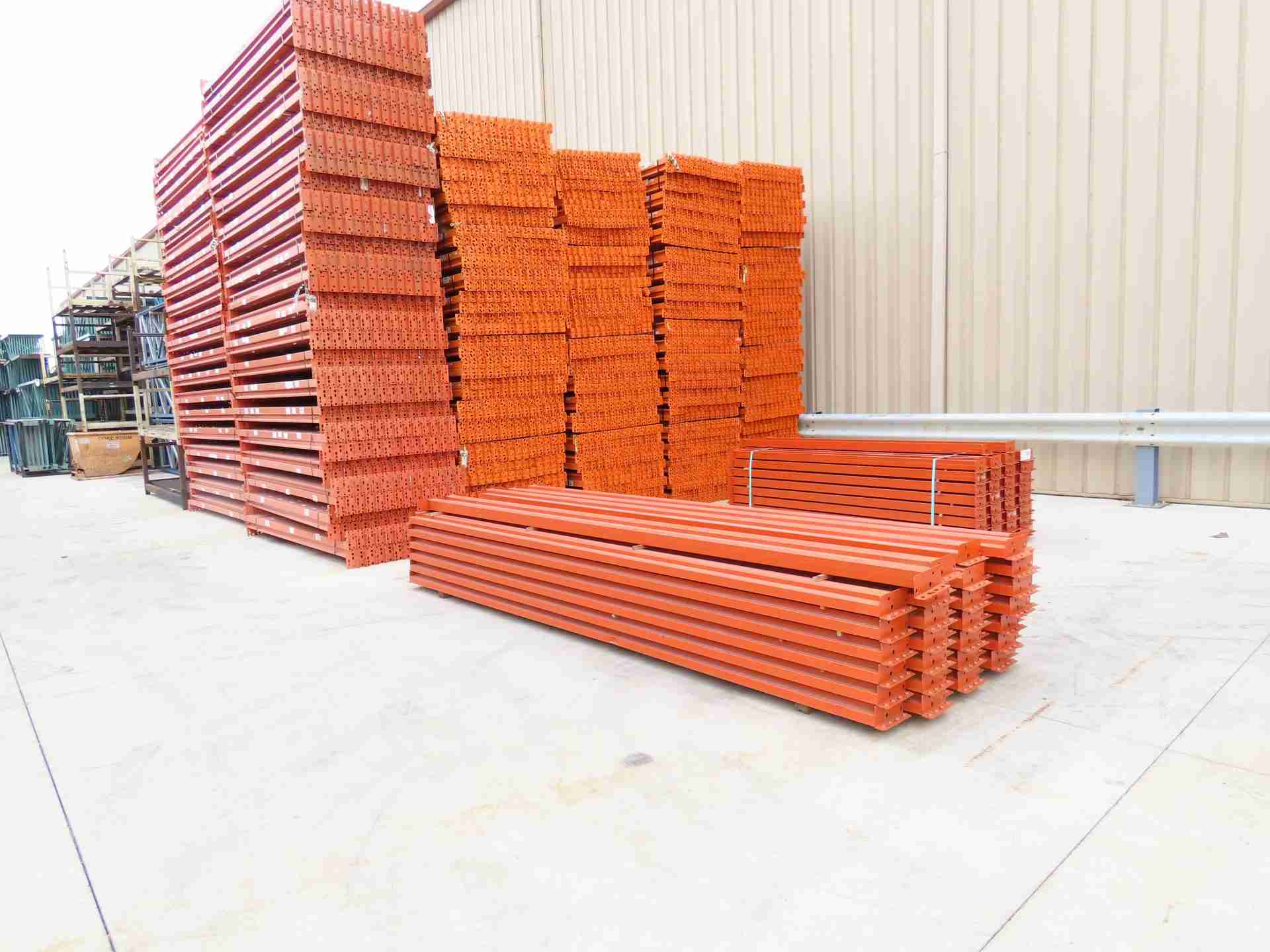
How Does The Design Of Cantilever Racking Maximize Vertical Space?
What Industries Benefit Most From Cantilever Racking Systems?
In today’s fast-paced and competitive market, efficient storage solutions can make or break a business. One vastly underappreciated asset in the realm of warehousing and logistics is the cantilever racking system. Chosen for its ability to handle a wide range of products, this versatile shelving option is particularly beneficial across several industries. Let’s dive into the sectors that stand to gain the most from these innovative storage solutions.
1. Lumber and Building Materials:
The construction industry requires heavy and bulky items, often irregularly sized. Cantilever racks allow for the easy storage and accessibility of lumber, pipes, and other materials without the constraints of traditional racking. They enhance efficiency, enabling workers to retrieve items quickly, thereby reducing downtime on job sites—a critical factor especially as construction continues to boom post-pandemic. In 2023 alone, with the housing market gaining momentum, savvy lumber suppliers are implementing cantilever racking to optimize storage.
2. Manufacturing:
The manufacturing sector thrives on organized inventory management. With heavy parts, equipment, and supplies needing storage, cantilever racking systems shine. They offer seamless access to various sizes of materials, such as metal sheets and heavy machinery components, improving operational workflows. Additionally, as manufacturers embrace lean principles, adopting cantilever racks can significantly improve space utilization and throughput.
3. Wholesale Distribution:
Wholesale distributors dealing with oversized inventory—from furniture to appliances—find cantilever racks indispensable. With the rise in e-commerce demands accelerated by the pandemic, the need for optimized storage solutions has never been greater. Companies can maximize vertical space while ensuring quick access to goods, allowing them to respond efficiently to fluctuating market demands.
4. Automotive:
In the automotive sector, where parts come in all shapes and sizes—from tires to engines—cantilever racking is an essential tool. It provides a tailored storage solution that adapts to the varying dimensions of auto parts. The ongoing electric vehicle revolution calls for rapid adjustments in inventory, and cantilever racks facilitate this evolving landscape through improved organization and speed of access.
5. Retail:
As retailers pivot towards streamlined warehousing solutions to support omnichannel strategies, cantilever racks provide the flexibility needed to accommodate seasonal spikes and diverse product lines. For instance, a retail chain expanding its furniture section can store bulky items effectively, ensuring they’re displayed beautifully while maximizing space.
In summary, cantilever racking systems are not merely storage solutions; they are transformative assets that empower businesses across diverse industries to optimize their operations, maintain agility in a restless market, and ultimately enhance revenue streams. Whether you’re moving lumber, automotive parts, or heavy appliances, investing in cantilever racking is a strategic move towards sustainable growth.
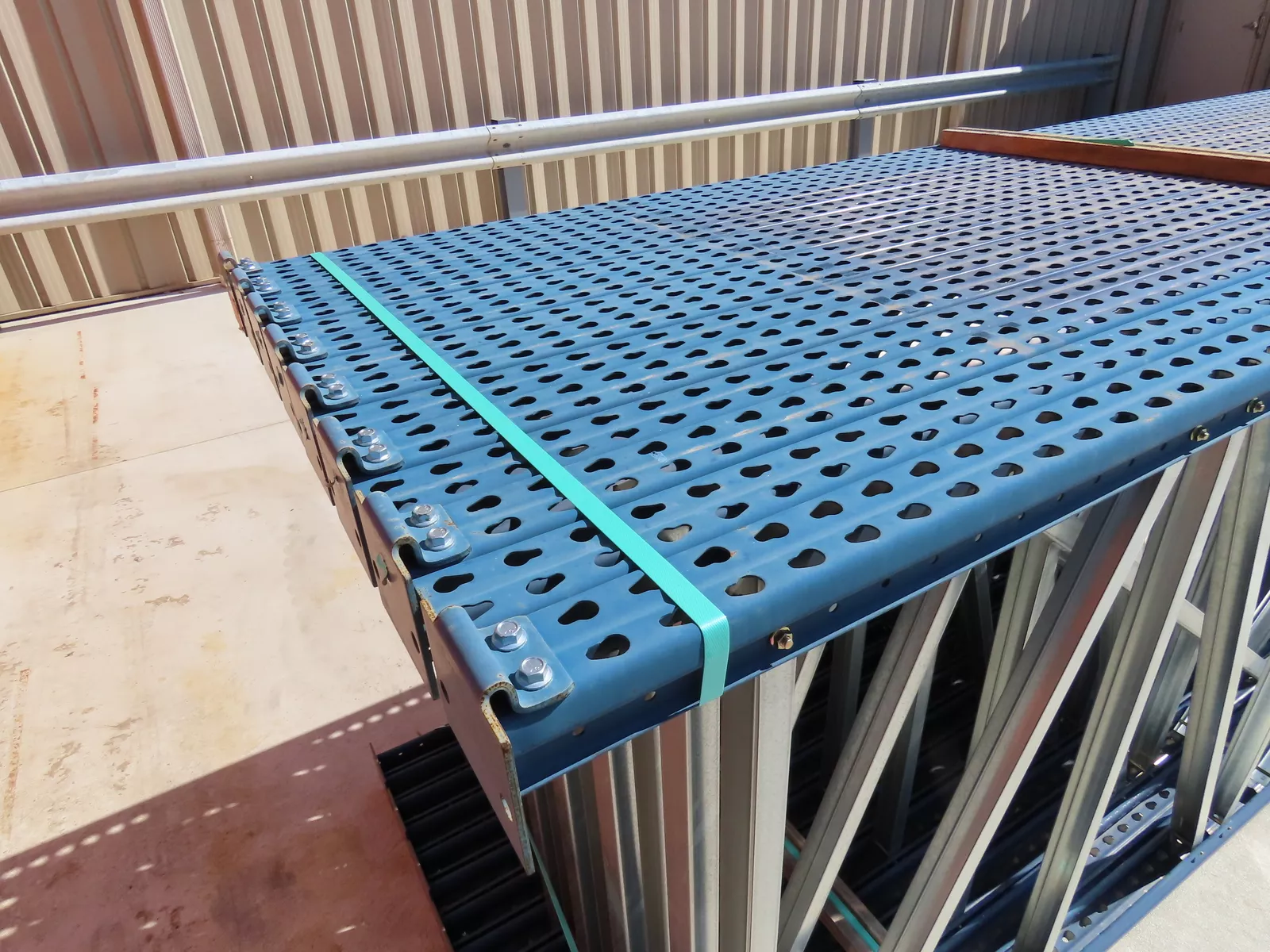
What Industries Benefit Most From Cantilever Racking Systems?
What Industries Benefit Most From Cantilever Racking Systems?
- Efficient storage solutions are crucial for business success in today’s competitive market.
- Cantilever racking systems are valuable assets in warehousing and logistics, suitable for various industries.
- In the construction sector, cantilever racks facilitate easy access to bulky and irregularly sized materials.
- Manufacturers benefit from organized inventory management through cantilever racks, improving space utilization and operational workflows.
- Wholesale distributors utilize cantilever racks to optimize storage and address the increasing demand for e-commerce.
- In the automotive industry, cantilever racks adapt to various auto parts, improving organization and access during inventory changes.
- Cantilever racking systems support retail strategies by accommodating diverse products and seasonal fluctuations.
What Industries Benefit Most From Cantilever Racking Systems?
How Is Weight Capacity Determined For Cantilever Racking?
When it comes to optimizing warehouse efficiency, understanding weight capacity is crucial for cantilever racking systems. These robust structures are designed to handle heavy loads while maintaining stability, but determining their capacity involves several key factors that can significantly influence operations.
First and foremost, the materials used in the construction of cantilever racks play a vital role in their overall weight capacity. High-quality steel with the appropriate yield strength ensures that the racks can support substantial loads without bending or warping. As steel prices fluctuate—often due to geopolitical tensions or supply chain disruptions—investing in superior materials can be more cost-effective in the long run. For instance, recent supply chain challenges stemming from the pandemic have spotlighted the importance of selecting reliable suppliers who offer durable materials, thus influencing weight capacity assessments.
Next, the design of the rack itself is pivotal. Cantilever racking systems can be single-sided or double-sided, with factors like arm length, horizontal brace configuration, and upright dimensions affecting how weight is distributed. A well-designed cantilever rack maximizes vertical space and provides balance. As manufacturers innovate to meet modern warehousing needs, they are integrating computer-aided design techniques to create racks that support greater weight loads while minimizing material costs—a win-win for any business.
Other considerations include how the weight is loaded onto the rack. Distributing weight evenly across the arms and avoiding overloading any single point are essential practices. Facilities engaged in heavy-duty applications, such as lumber yards or metal fabrication, must adhere to specific loading guidelines provided by rack manufacturers. For example, if you’re storing steel beams, knowing the maximum load capacity specified will keep your inventory safe and ensure compliance with OSHA regulations.
Moreover, regulations and safety standards have evolved. The current emphasis on workplace safety means that businesses must ensure their racking systems are not only capable of handling specified weights but also compliant with safety standards. This prevents devastating accidents that can result from overloaded racking systems. Recent incidents have underscored the dangers of neglecting these standards, prompting warehouses to re-evaluate their handling procedures and racking selections.
Determining the weight capacity of cantilever racking requires a holistic approach. By understanding the material, design, load distribution, and regulatory landscape, businesses can make informed decisions that enhance efficiency, safety, and ultimately, profitability. Investing in the right racking system isn’t just about storage; it’s a fundamental aspect of operational success.
How Is Weight Capacity Determined For Cantilever Racking?
How Is Weight Capacity Determined For Cantilever Racking?
- Understanding weight capacity is crucial for optimizing warehouse efficiency using cantilever racking systems.
- The materials used, especially high-quality steel, significantly impact the weight capacity and stability of the racks.
- Fluctuating steel prices highlight the importance of reliable suppliers and durable materials for cost-effective investment.
- The design characteristics of cantilever racks, such as arm length and upright dimensions, influence weight distribution and capacity.
- Proper weight distribution is essential; avoiding overload on any single point maintains safety and compliance.
- Compliance with safety regulations is crucial to prevent accidents arising from overloaded racking systems.
- A holistic approach that includes materials, design, load distribution, and safety regulations is key to enhancing warehouse efficiency and profitability.

How Is Weight Capacity Determined For Cantilever Racking?
What Are The Installation Challenges Of Cantilever Racking?
When it comes to optimizing warehouse space, cantilever racking stands out as a stellar solution for storing bulky or oddly shaped items. However, while the advantages are plentiful, the installation process presents certain challenges that, if left unaddressed, can lead to costly errors, operational downtime, and even safety hazards.
1. Site Assessment and Preparation:
Before diving into installation, a thorough site assessment is crucial. Considerations such as ceiling height, floor condition, and proximity to loading docks play significant roles in the successful setup of cantilever racks. A recent surge in e-commerce demand has led to warehouse expansions, meaning that many warehouses must adapt quickly to changing inventory levels. Getting this right means ensuring that the racking system is compatible with the layout of the building. Misjudgments here can result in a disaster down the line.
2. Load Capacity Calculations:
Another major hurdle is ensuring that the cantilever racks can withstand the weight and size of the materials they will support. Failing to perform accurate load capacity calculations can lead to catastrophic failures. A notable example was seen earlier this year when an overburdened racking system collapsed in a distribution center in the Midwest, leading to significant product loss and a costly safety investigation. Therefore, working closely with engineers to establish safe loading parameters is essential for any successful installation.
3. Compliance and Regulations:
Navigating the maze of local and national regulations can also complicate installations. Industry standards for racking and storage systems typically require adherence to strict codes—failure to comply can mean fines or even mandatory retrofitting down the line. With the recent emphasis on warehouse safety driven by the pandemic, keeping abreast of regulatory changes is more important than ever.
4. Skilled Labor Availability:
Moreover, finding skilled labor for the installation process can be an uphill battle. The ongoing labor shortages exacerbated by the pandemic have left many companies scrambling for qualified personnel to handle the complexities of installation. Utilizing professional installation teams that are certified in racking systems can mitigate this risk and ensure a properly executed setup, saving time and reducing stress in the long run.
5. Space Utilization versus Accessibility:
Finally, striking a balance between maximizing storage capacity and maintaining accessibility can pose a strategic challenge. Miscalculating aisle widths or the layout can result in inefficient operations, leading to slower turnover and increased labor costs. Companies must evaluate their operational needs and workflows carefully to find that sweet spot.
In summary, while cantilever racking offers significant benefits, navigating these installation challenges is critical. A strategic, informed approach, coupled with professional assistance, can turn potential pitfalls into opportunities for operational excellence. Don’t let the installation of cantilever racking be a stumbling block; instead, treat it as a stepping stone toward a more efficient and profitable warehouse operation.
What Are The Installation Challenges Of Cantilever Racking?
What Are The Installation Challenges Of Cantilever Racking?
- Cantilever racking is an effective solution for storing bulky or oddly shaped items in warehouses.
- Thorough site assessment is essential before installation, considering factors such as ceiling height and floor condition.
- Accurate load capacity calculations are critical to prevent rack failures, which can lead to significant financial and safety repercussions.
- Compliance with local and national regulations is necessary to avoid fines and ensure safety in warehouse operations.
- Finding skilled labor for installation is increasingly challenging due to ongoing labor shortages exacerbated by the pandemic.
- Companies must balance space utilization with accessibility to ensure efficient operations and reduce costs.
- A strategic approach to installation, with professional assistance, can maximize the benefits of cantilever racking and improve warehouse efficiency.
What Are The Installation Challenges Of Cantilever Racking?
How Do I Choose The Right Cantilever Racking For My Needs?
Choosing the right cantilever racking system isn’t just about storing inventory; it’s about maximizing efficiency, enhancing workflow, and ultimately driving your bottom line upward. The first step in your decision-making process is understanding your specific needs. Ask yourself: What kind of materials am I storing? Are they long, bulky items like pipes and lumber, or are they lighter, more varied products? This clarity will guide you toward the design that best fits your operation.
Next, consider weight capacity. Each cantilever rack is engineered with a specific loading capacity. For example, if you’re in construction or manufacturing where steel beams or lumber are a staple, you’ll want a heavier-duty rack that can support substantial weight without compromising safety. On the other hand, if your business revolves around lighter goods, such as textiles or packaging materials, a medium-duty rack will suffice. This distinction is crucial—overloading a rack can lead to costly accidents and disruptions.
Additionally, think about the layout of your warehouse space. Availability and accessibility make a significant impact on inventory management. A single-sided cantilever rack might be perfect for a narrow aisle, allowing for easy access, while a double-sided configuration could maximize storage in a wider space. In today’s challenging supply chain environment, efficiency isn’t just an operational nicety; it can be a competitive edge. For instance, retailers gearing up for the holiday season need to optimize their inventory flow—investing in the right racking can mean the difference between meeting demand or disappointing customers.
Moreover, consider customization options. Many manufacturers offer racks with adjustable arms and varying heights. This flexibility allows you to adapt your storage solutions as your inventory needs change. With the current trends in rapid technological advancements and shifting market demands, businesses must remain agile. Custom cantilever racks can also help leverage vertical space, an often-overlooked area that can significantly increase your warehouse capacity without costly expansions.
Finally, don’t overlook the importance of supplier reputation. Choose manufacturers that not only provide high-quality racking but also offer excellent customer service and after-sale support. Organizations that prioritize safety standards and compliance can save you from future headaches.
In today’s economy, making the right choice in cantilever racking will not only improve your storage solutions but will also ensure that your business runs smoothly and competently, ready to meet the demands of today and tomorrow. Invest wisely, and watch your efficiency soar!
How Do I Choose The Right Cantilever Racking For My Needs?
How Do I Choose The Right Cantilever Racking For My Needs?
- Choosing the right cantilever racking system maximizes efficiency and enhances workflow.
- Assess your specific storage needs based on the type of materials—long and bulky versus lighter and varied products.
- Consider weight capacity to ensure safety; opt for heavier-duty racks for substantial materials like steel beams.
- Evaluate warehouse layout for optimal inventory management; choose single-sided racks for narrow aisles and double-sided for wider spaces.
- Explore customization options like adjustable arms and heights to adapt to changing inventory needs and leverage vertical space.
- Prioritize supplier reputation for high-quality racking, customer service, and safety compliance.
- Investing in the right cantilever racking system enhances business operations and prepares for market demands.
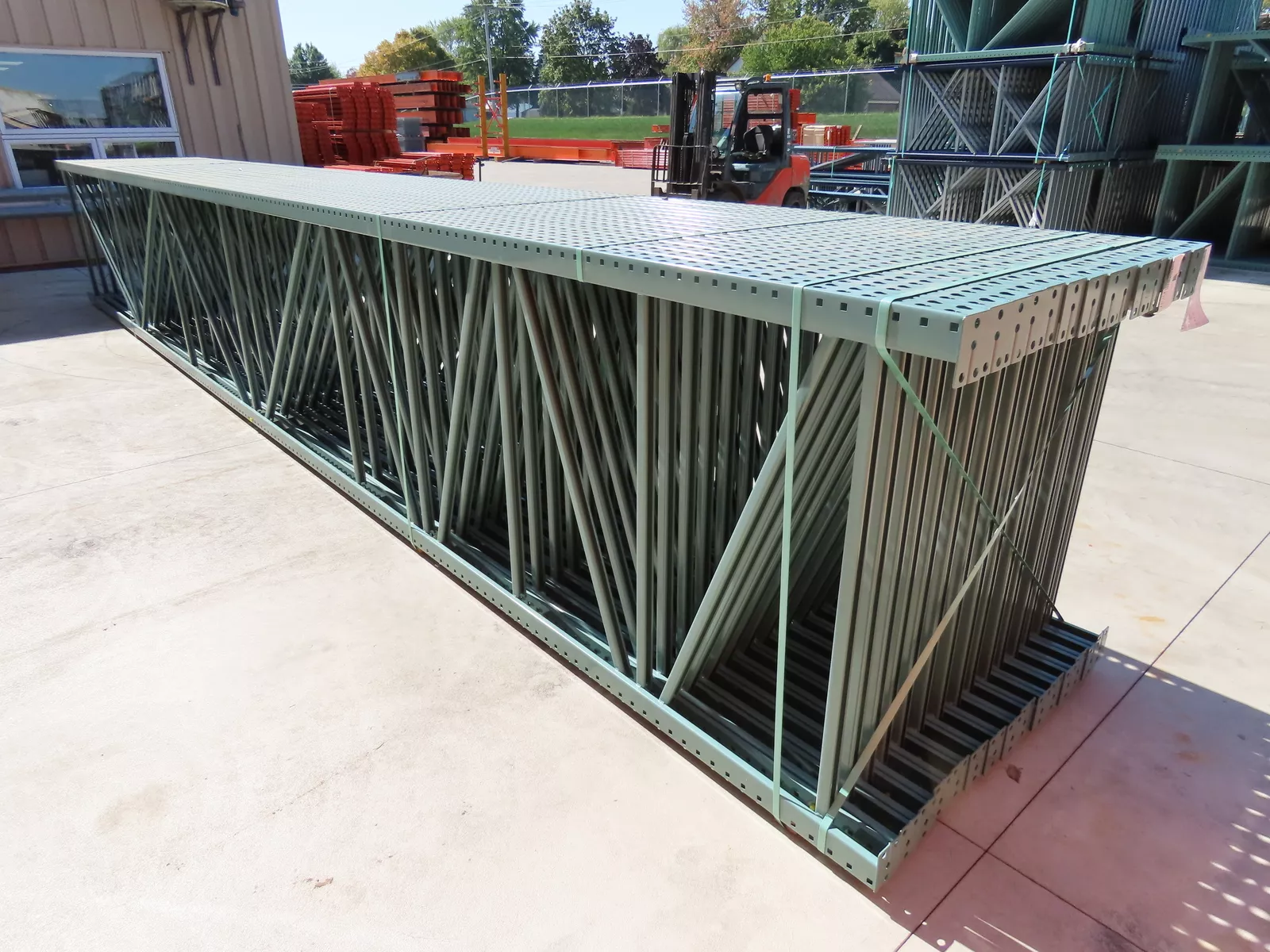
How Do I Choose The Right Cantilever Racking For My Needs?
What Are Common Misconceptions About Cantilever Racking Systems?
When it comes to optimizing warehouse space, cantilever racking systems are often misunderstood. Despite their critical advantages, a few misconceptions hold businesses back from adopting this efficient storage solution. Let’s clear up some of these myths.
Myth 1: Cantilever Racking is Only for Heavy Loads
Many believe that cantilever racks are designed exclusively for heavy-duty storage. While it’s true that they excel in holding bulky and oversized items, such as lumber or pipes, they are also versatile enough to accommodate lighter goods. For instance, retailers handling seasonal merchandise, like garden supplies in spring, can utilize cantilever racks to maximize vertical space without compromising their inventory’s accessibility.
Myth 2: Setup is Complicated and Time-Consuming
Some warehouse managers shy away from cantilever racking systems under the presumption that installation is a complex task. Wrong! In reality, many cantilever systems come pre-engineered and can be assembled quickly with standard tools. For example, the surge in e-commerce has prompted many businesses to revamp their storage solutions to respond to changing demand—doing so with cantilever racks can streamline the process rather than drag it down.
Myth 3: They’re Only for Outdoor Use
Another misconception floating around is that cantilever racks are meant solely for outdoor storage. While they are certainly tough enough to weather the elements, these systems shine indoors as well. Warehouses that store long items or bulkier goods—such as furniture or tubing—find that cantilever racks efficiently maximize vertical space and enhance inventory organization. Take the recent construction boom fueled by infrastructure projects; many suppliers are integrating cantilever racks into their indoor warehouses to keep up with increased materials demand.
Myth 4: Limited Long-Term Durability
Finally, many downplay the longevity of cantilever racking systems. Some speculate that these racks may not stand the test of time. However, constructed from heavy-duty steel and designed for resilience, they often outlast traditional shelving options. In an era where sustainability is at the forefront—think of current global initiatives geared toward reducing waste—investing in durable cantilever racks can actually support more sustainable warehouse practices through their long lifespan.
Understanding the facts about cantilever racking systems is crucial to reaping their advantages. By eliminating these misconceptions, companies can better navigate their logistic challenges, optimize their warehouse space, and ultimately gain a competitive edge in today’s fast-paced market. Embrace the clarity—your inventory management will thank you.
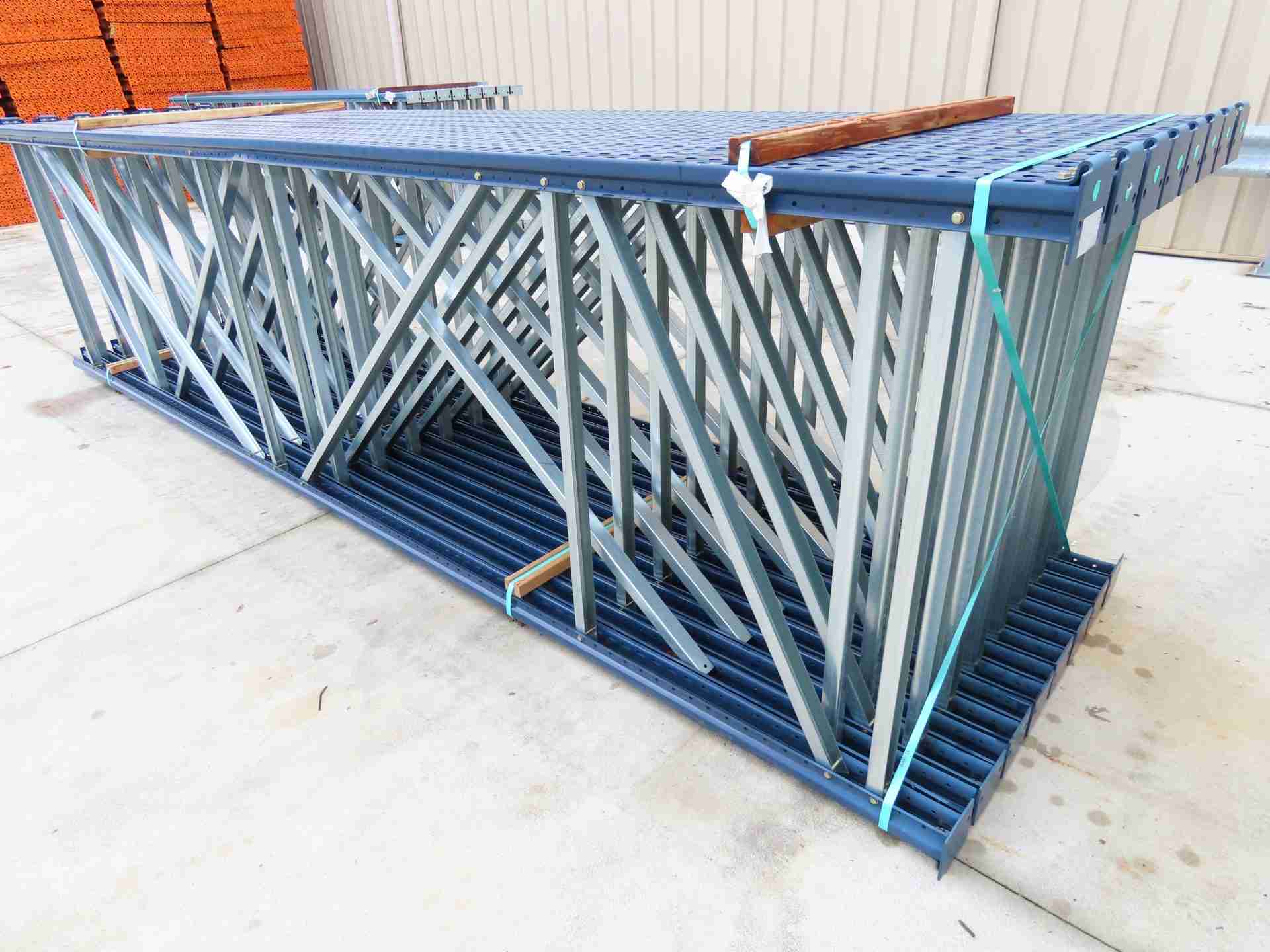
What Are Common Misconceptions About Cantilever Racking Systems?
What Are Common Misconceptions About Cantilever Racking Systems?
- Cantilever racking systems are often misunderstood despite their efficiency.
- Myth 1: These racks are only for heavy loads; they can accommodate both heavy and lighter items.
- Myth 2: Setup is complicated; many systems are pre-engineered and can be assembled quickly.
- Myth 3: Cantilever racks are only for outdoor use; they are effective for indoor storage as well.
- Myth 4: There are concerns about limited durability; they are made from heavy-duty steel and last longer than traditional shelving.
- Understanding these facts helps companies optimize warehouse space and improve inventory management.
- Clearing up misconceptions can lead to a competitive edge in today’s market.

What Are Common Misconceptions About Cantilever Racking Systems?
How Does Cantilever Racking Compare To Traditional Shelving?
In the world of industrial storage solutions, a decision looms: should you opt for traditional shelving or embrace the modern efficiency of cantilever racking? This choice isn’t just about aesthetics; it’s about maximizing your operational potential, especially in a landscape where space and efficiency are at a premium.
Picture a bustling warehouse loaded with lengthy materials, be it lumber, pipes, or even automotive parts. Traditional shelving, with its rigid and often limited configurations, can stifle your storage flexibility. Each shelf predetermined by its fixed height often leaves you scrambling for solutions, particularly with oversized items that exact a toll on your bottom line. Instead, consider cantilever racking: a versatile system of horizontal arms that extend from a vertical mast, allowing you to easily accommodate items of various lengths and weights.
Take, for example, the booming construction industry. As projects expand with the demand for more sustainable materials and larger equipment—even amidst recent supply chain challenges—companies face the dilemma of organizing an ever-evolving inventory. The adjustable nature of cantilever racking offers a proactive approach. With its open design, you can quickly access stored items without the hassle of navigating around cumbersome shelving units stacked to the brim. Current market trends underscore the importance of such efficiency; businesses that improve their storage capabilities can handle inventory faster and respond more rapidly to incoming orders.
Furthermore, consider the safety aspect. Traditional shelving can often lead to clutter and inconvenience, increasing the risk of accidents. Cantilever racking, designed with stability in mind, minimizes these risks by keeping pathways clear and allowing for easier loading and unloading of heavy materials. It’s a win-win for workforce morale and safety ratings, which are increasingly scrutinized in today’s competitive landscape.
However, let’s not overlook the aesthetic value. In a time where retail and showroom spaces are pivotal in the customer experience, cantilever racking can provide an open, streamlined look that traditional shelving simply can’t match. The simplicity of reconfiguration means that your display can evolve as quickly as market trends do—don’t get left behind.
While traditional shelving has its merits, cantilever racking emerges as the superior choice, especially for businesses dealing with oversized items and dynamic inventory needs. As organizations continue to navigate the challenges of modern market demands, investing in efficient and effective storage solutions isn’t just wise; it’s essential for survival.
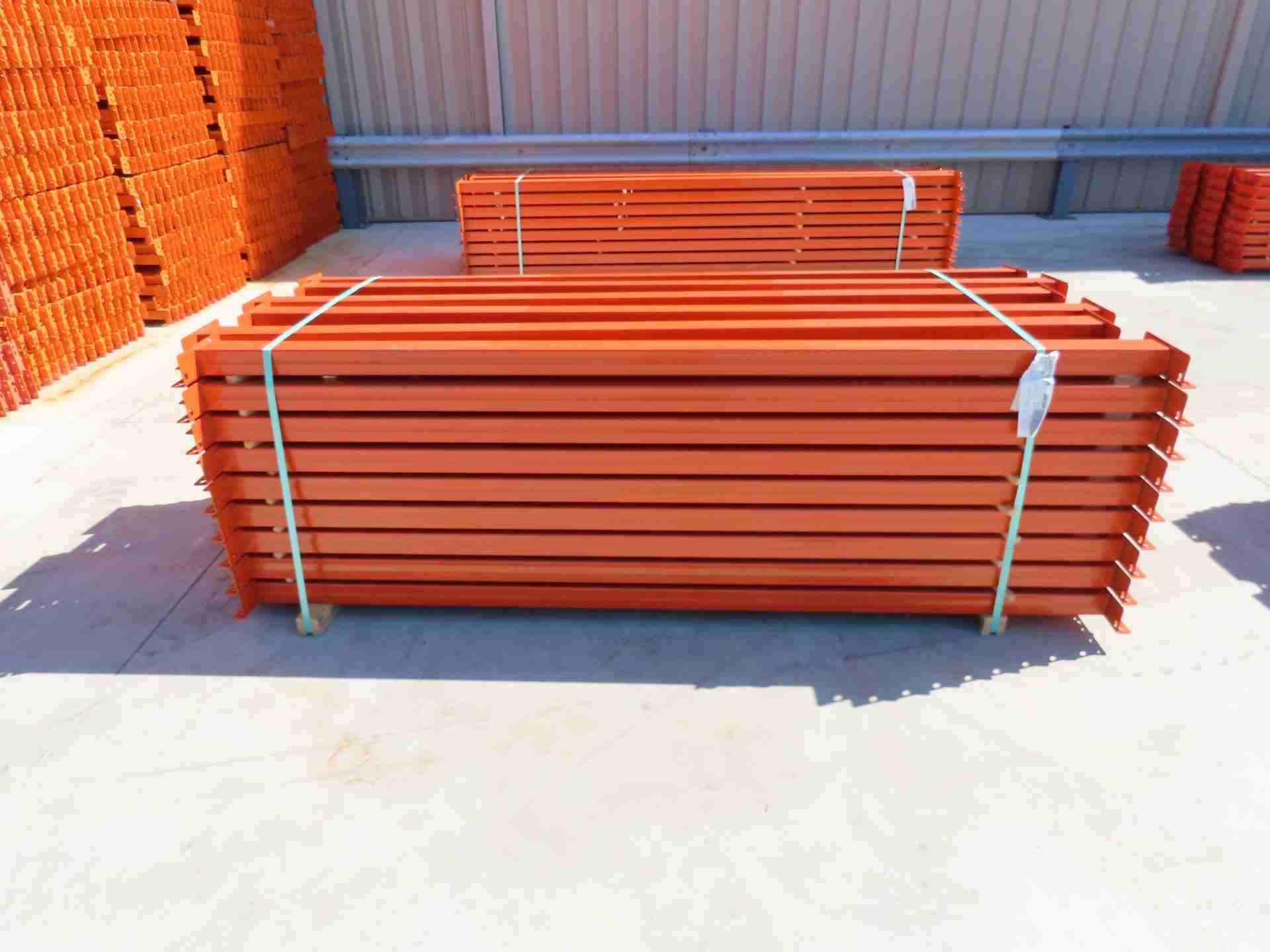
How Does Cantilever Racking Compare To Traditional Shelving?
How Does Cantilever Racking Compare To Traditional Shelving?
- Choosing between traditional shelving and cantilever racking impacts operational potential in industrial storage.
- Traditional shelving can limit flexibility due to predetermined shelf heights, leading to challenges with oversized items.
- Cantilever racking provides a versatile system that accommodates various lengths and weights of materials.
- The construction industry benefits from cantilever racking’s adjustable nature, supporting evolving inventory demands.
- Improved storage capabilities lead to faster inventory handling and quicker response to orders.
- Cantilever racking enhances safety by minimizing clutter and keeping pathways clear, benefiting workforce morale.
- Cantilever racking also offers aesthetic advantages, allowing for dynamic displays that adapt to market trends.
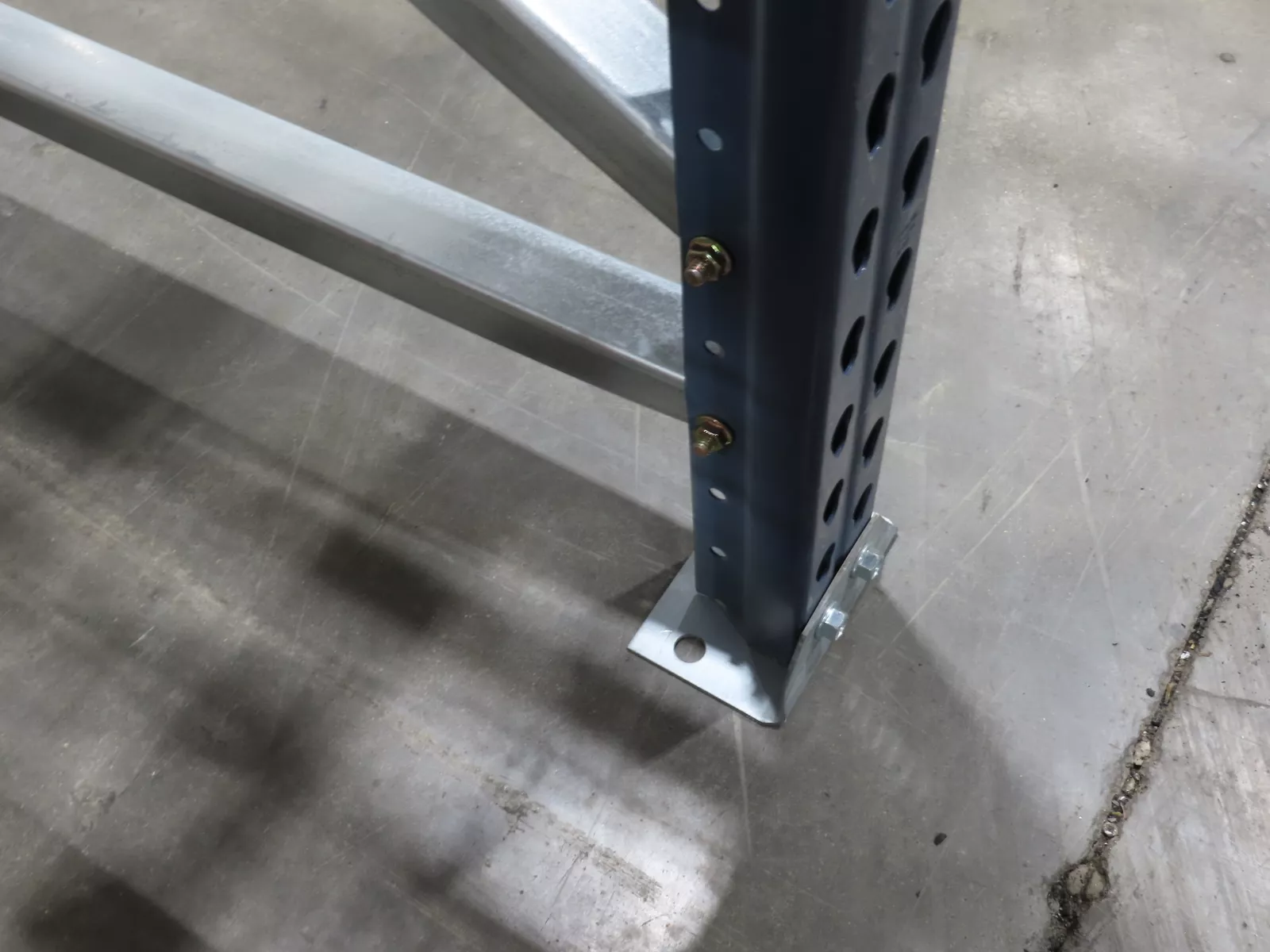
How Does Cantilever Racking Compare To Traditional Shelving?
What Impact Does Cantilever Racking Have On Inventory Management?
In the fast-paced world of inventory management, efficiency is king. Businesses are constantly searching for strategies that maximize space, streamline operations, and boost profitability. Enter cantilever racking, a game-changing storage solution that offers a profound impact on inventory management.
Cantilever racking is designed specifically for storing long, bulky, or oddly shaped items. Think of those construction materials, oversized furniture, or large coils of wire typically found in warehouses—it’s a perfect fit. By using cantilever racking, businesses can leverage vertical space, allowing for higher storage capacity without increasing their footprint. This maximization translates directly to a significant reduction in holding costs. For instance, a furniture retail chain that switched to cantilever racking was able to increase its storage capacity by 40%, all while maintaining a tidy and manageable warehouse. This means less time wasted navigating narrow aisles and more time focused on sales and customer satisfaction.
Imagine the daily operations of a construction supply company managing hundreds of unique items. Traditional shelving would necessitate complex inventory practices, with multiple trips to find items that might reside on different shelves. Conversely, cantilever racking allows easy access to everything from lumber to piping, facilitating quicker picking and packing. This efficiency is pivotal in a just-in-time inventory world. In 2023, many manufacturers are contending with supply chain disruptions. By utilizing cantilever racking, businesses can ensure that they locate materials swiftly and respond to customer demands without delay, a crucial factor in maintaining competitiveness.
Additionally, cantilever racking fosters better inventory visibility. With products stored on open arms, it becomes easier for staff to conduct regular audits and track stock levels at a glance. This leads to improved accuracy, which helps in minimizing stockouts and overstock scenarios—a common pitfall businesses face. A recent study found that companies employing advanced inventory management systems alongside cantilever solutions saw a 30% reduction in excess stock levels, which is music to any CFO’s ears.
Moreover, in a time when sustainability is at the forefront of consumer preferences, optimizing warehouse space with cantilever racking allows businesses to use their resources more wisely, reducing waste and their carbon footprint.
The adoption of cantilever racking doesn’t just streamline operations; it catalyzes a transformation in inventory management. Businesses that embrace this versatile solution will not only enhance their operational efficiency but also cultivate a significant competitive edge in the ever-evolving marketplace. It’s time to rethink your storage strategies—make room for innovation and operational excellence with cantilever racking.

What Impact Does Cantilever Racking Have On Inventory Management?
What Impact Does Cantilever Racking Have On Inventory Management?
- Efficiency is crucial in inventory management; businesses seek strategies to maximize space and improve profitability.
- Cantilever racking is ideal for storing long, bulky, or oddly shaped items, optimizing vertical space for higher capacity.
- Switching to cantilever racking can significantly reduce holding costs; for example, one furniture retailer increased storage capacity by 40%.
- Cantilever racking facilitates quicker picking and packing, essential for just-in-time inventory management amidst supply chain disruptions.
- Improved inventory visibility is achieved with cantilever racking, aiding in regular audits and reducing stockouts and overstock scenarios.
- Companies using advanced inventory systems with cantilever solutions saw a 30% reduction in excess stock levels.
- Optimizing warehouse space with cantilever racking promotes sustainability by reducing waste and carbon footprint.
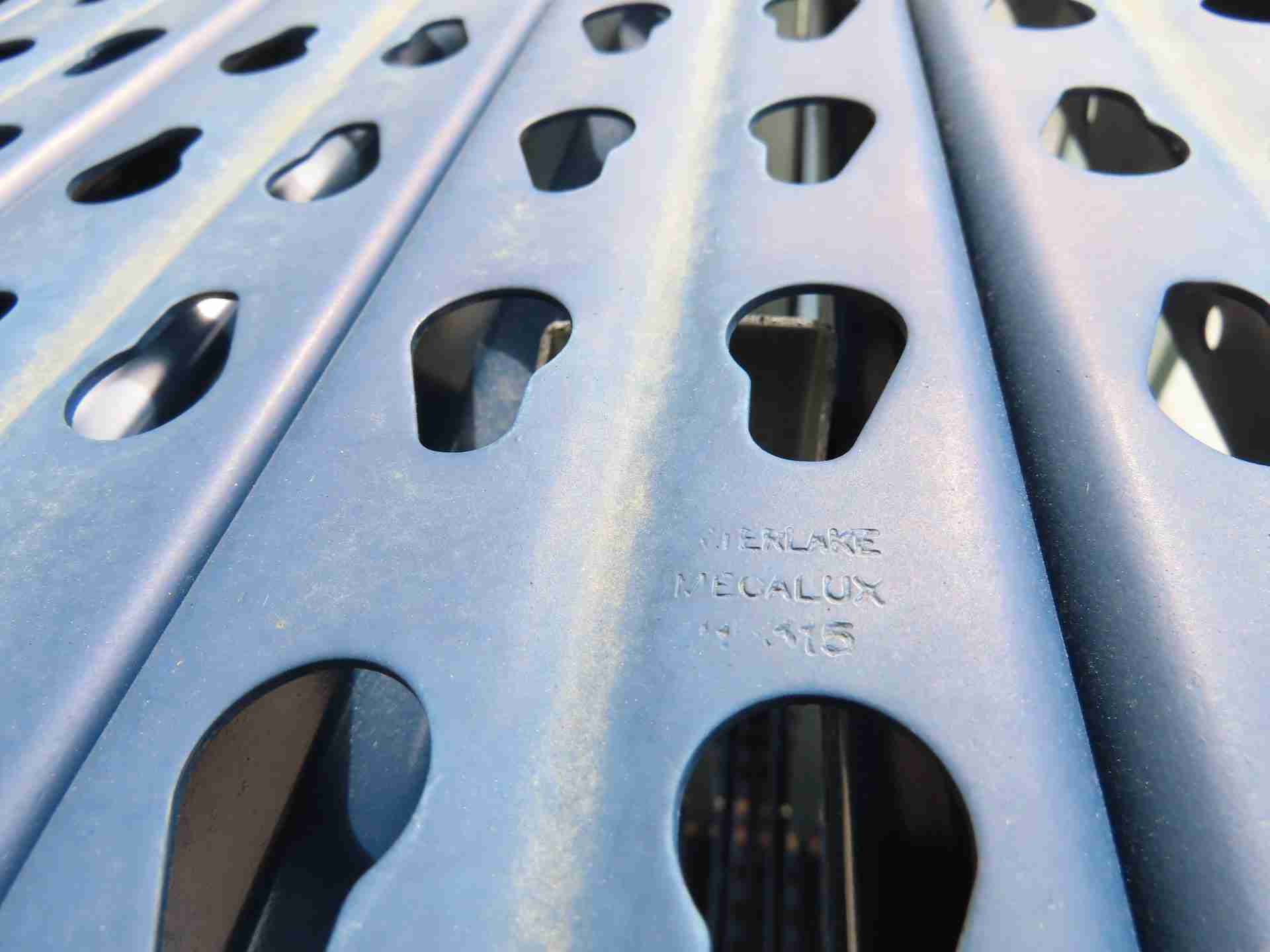
What Impact Does Cantilever Racking Have On Inventory Management?
Conclusion
In the relentless quest for better operational efficiency and increased profitability, cantilever racking has emerged as a transformative solution for businesses across various industries. As we navigate the rapidly evolving landscape of warehousing, the imperative to maximize vertical space has never been more pressing. Real estate costs are climbing, inventory demands are surging, and the expectations for quick order fulfillment are higher than ever. The answer lies in embracing the power of cantilever racking.
At its core, cantilever racking is not just about stacking items higher; it’s about redefining the way businesses store and manage their inventory. This innovative storage solution elevates operational effectiveness by accommodating long and bulky materials that traditional shelving systems simply can’t handle. Whether you’re storing lumber, pipes, or industrial equipment, cantilever racking allows you to make the most of every inch of vertical space, effectively transforming your warehouse into a more organized and efficient environment.
The flexibility and adaptability of cantilever racking are game-changers, particularly for businesses facing fluctuating inventory levels. The structured arms allow for easy customization, enabling rapid reconfiguration to meet seasonal demands or unexpected surges in stock. This dynamic capability empowers your warehouse to stay agile, responsive, and ready to meet customer expectations without unnecessary delays.
Moreover, safety and efficiency go hand in hand with cantilever racking. Its open design minimizes blind spots and cluttered aisles, reducing the risk of accidents while providing your team with clear visibility of stored items. Additionally, modern designs with safety features ensure that your inventory is secured and your workforce is safeguarded, leading to a more productive and harmonious work environment.
By adopting cantilever racking systems, you’re not just solving a storage challenge; you’re making a strategic investment in the future of your operations. The cost benefits—from enhanced labor efficiency to reduced damage rates—are substantial, paving the way for a more sustainable and profitable business model.
Don’t let outdated shelving limit your success. Call Arrow Industrial Sales today at (574) 349-6575 to explore how cantilever racking can elevate your warehouse efficiency and transform your operational capabilities. Time is of the essence; the future of your business depends on leveraging every square foot efficiently. Make the switch to cantilever racking and watch your productivity soar!
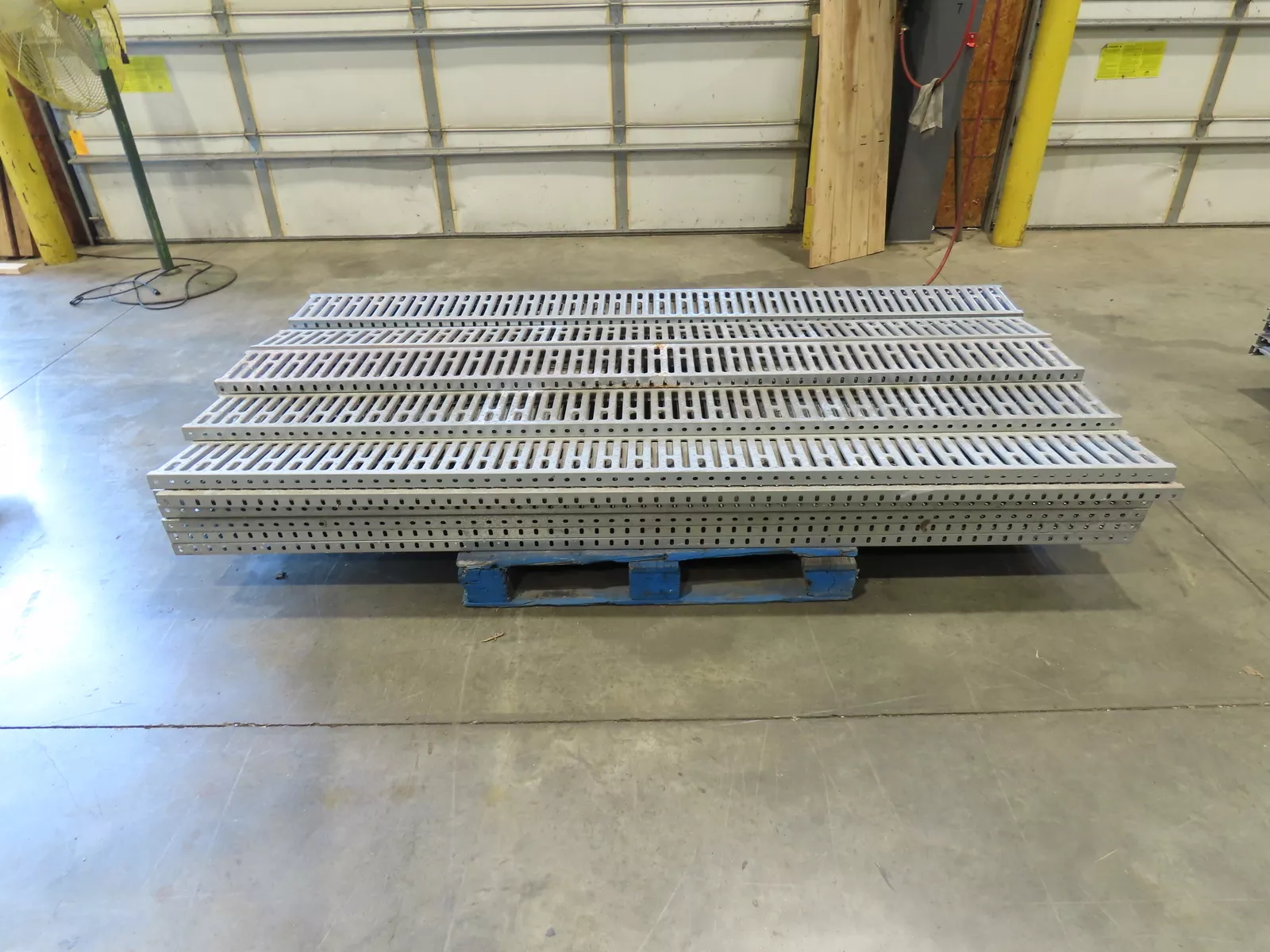
Conclusion
Conclusion:
- Cantilever racking enhances operational efficiency and profitability across various industries.
- This storage solution maximizes vertical space to meet increasing inventory demands and reduce real estate costs.
- It accommodates long and bulky materials that traditional shelving cannot handle, improving warehouse organization.
- Cantilever racking allows for easy customization to adapt to fluctuating inventory levels and seasonal demands.
- The open design increases safety by minimizing blind spots and cluttered aisles, fostering a productive work environment.
- Investment in cantilever racking leads to cost benefits, including enhanced labor efficiency and reduced damage rates.
- Contact Arrow Industrial Sales at (574) 349-6575 to explore cantilever racking options for improved warehouse efficiency.
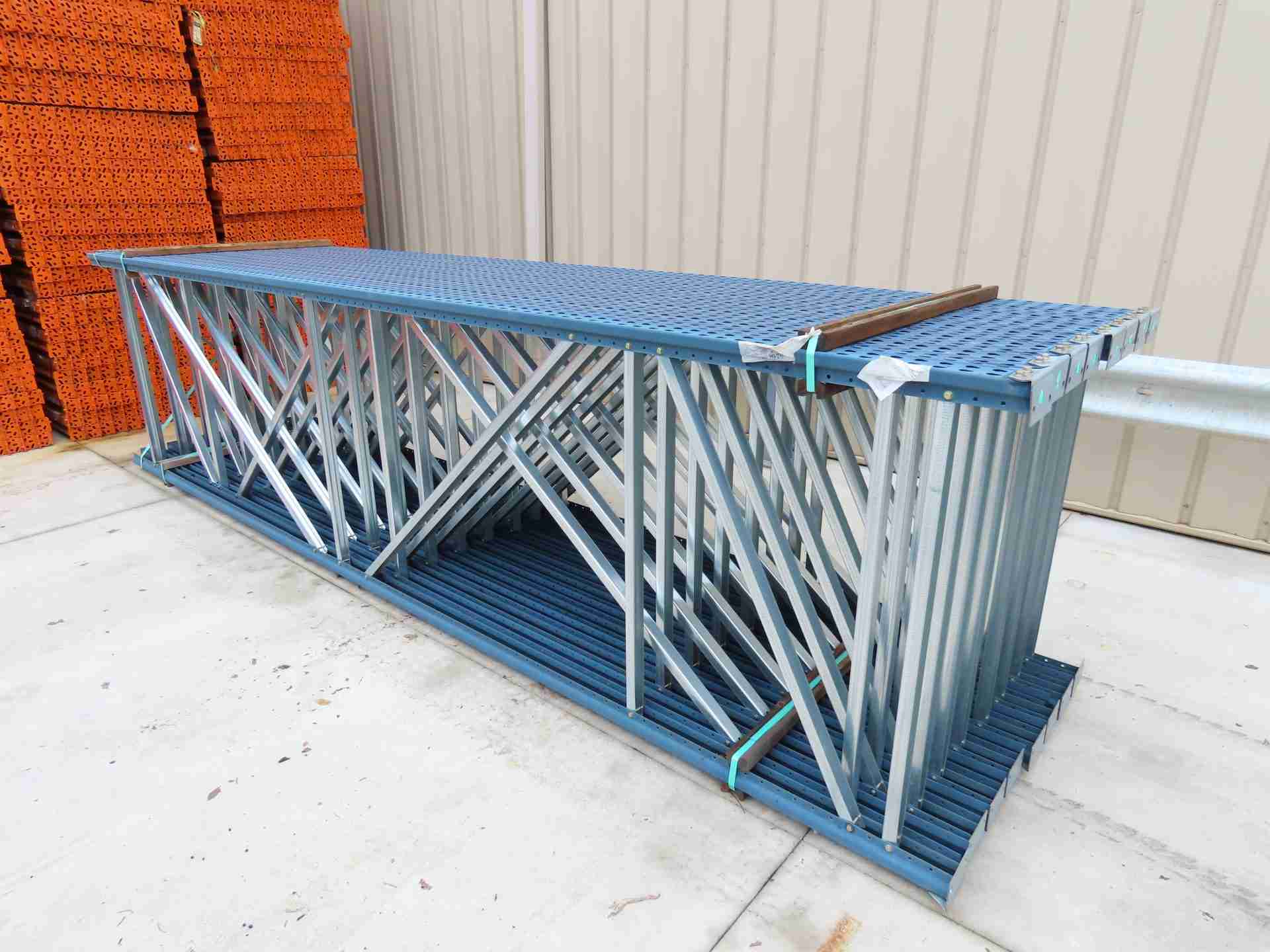
Conclusion
Other Resources
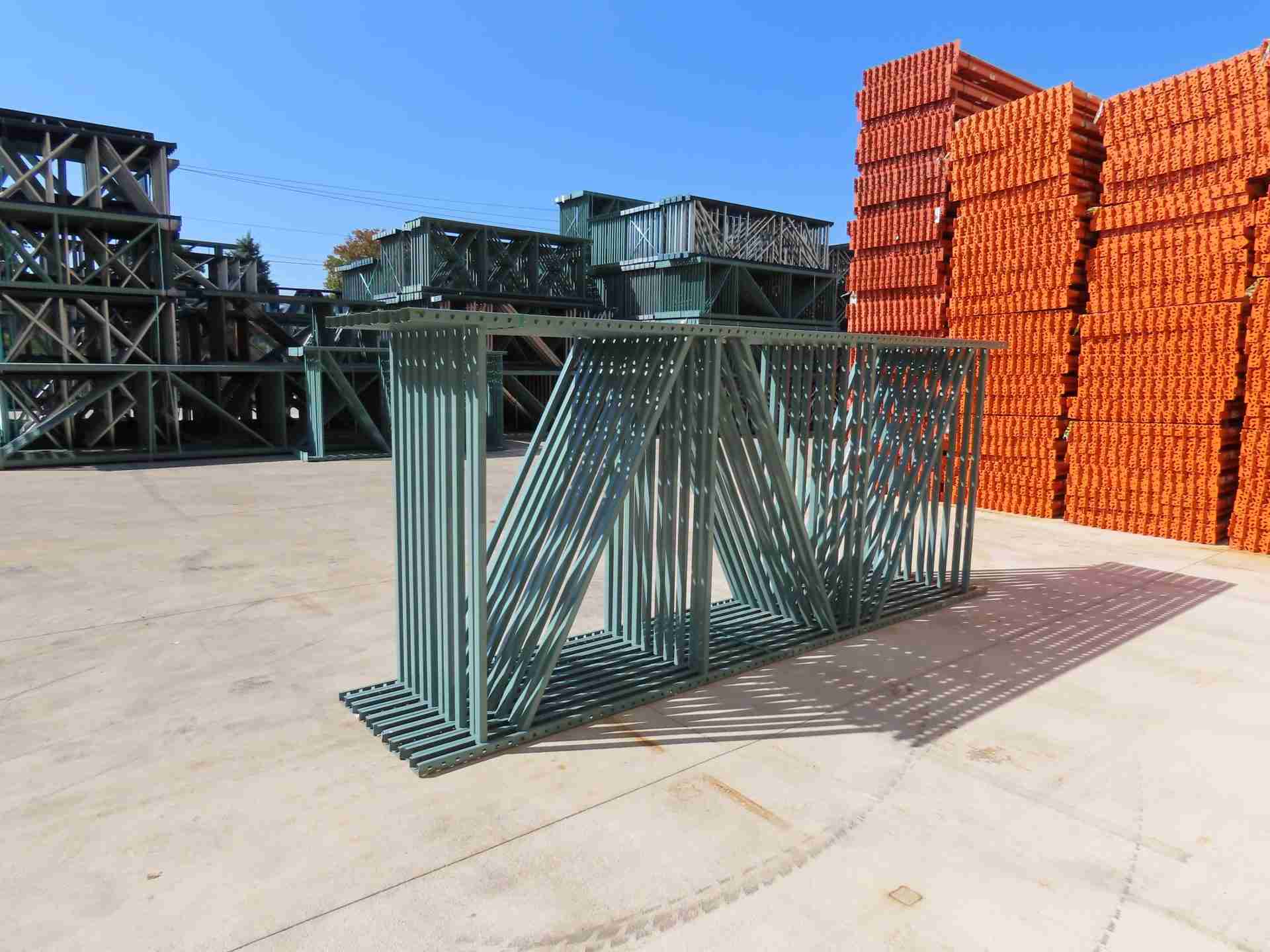
Other Resources
Here is a list of other resources you can review online to learn more:
- “Cantilever Racking for Warehouse Management”
- “Cantilever Racking & Lumber Racking for Warehouse”
- “Cantilever racking | WDX”
- “Cantilever Rack”
- “Cantilever racking | Racking and Shelving”
- “Advantages and Disadvantages of Using Cantilever Racking”
- “Cantilever racks – Heinz Racking Systems”
- “Cantilever Racks”
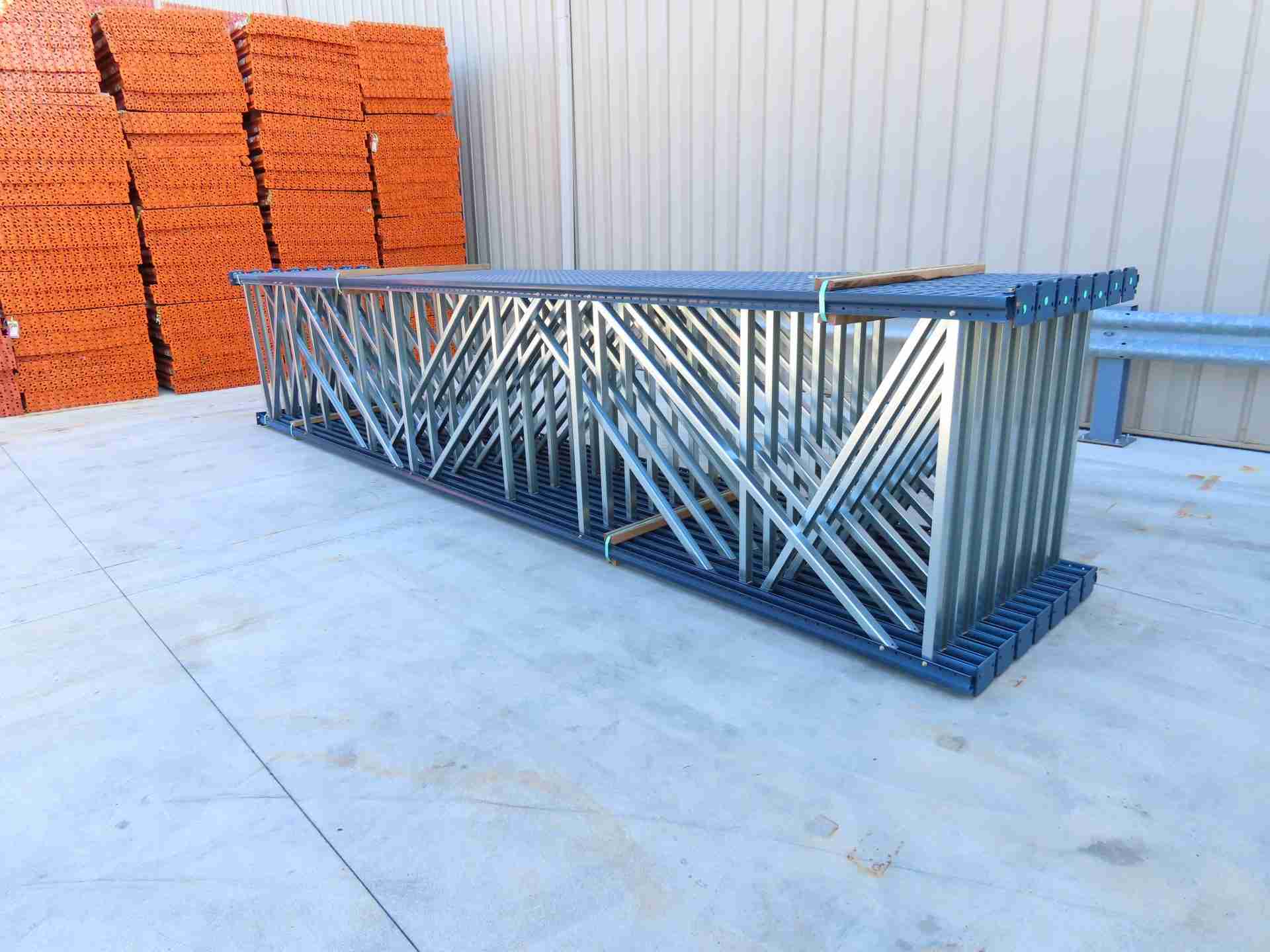
Other Resources
Glossary Terms
How Does Cantilever Racking Maximize Vertical Space? – Glossary Of Terms
1. Cantilever Rack:
A type of storage system with long arms allowing for the storage of items that cannot be placed on standard shelves, ideal for longer items.
2. Vertical Space: The height available in a warehouse or storage facility that can be utilized for storing goods upwards rather than just outwards.
3. Load Capacity: The maximum weight that a cantilever rack can safely hold on its arms without compromising stability or safety.
4. Beam: The horizontal support component of a racking system that provides additional storage level, facilitating the use of vertical space.
5. Column: The vertical support structure for cantilever racks, essential for stability and capable of bearing substantial weights.
6. Arm: The protruding extension of a cantilever rack from the column, used to hold items in horizontal alignment.
7. Storage Density: A measurement of how efficiently space is utilized in a warehouse, often increased with the use of vertical storage solutions like cantilever racks.
8. Elevation: Referring to the height adjustments made in cantilever racking systems, which enables maximum vertical usage.
9. Customization: Tailoring racking to fit specific products or warehouse needs, optimizing available vertical space more effectively.
10. Aisle Width: The space between rows of racks, which must be considered to maximize vertical storage without compromising accessibility.
11. Footprint: The ground area occupied by a storage system; a smaller footprint with taller racks can yield better vertical space utilization.
12. Material Handling: The movement, protection, and storage of goods throughout the manufacturing, warehousing, and distribution stages.
13. Shelf Life: The duration a product can be stored before it becomes unsaleable; relevant for vertical storage solutions in inventory management.
14. FIFO (First In, First Out): An inventory strategy that ensures the oldest stock is sold first; can be efficiently managed in vertical storage systems.
15. Accessibility: The ease with which items can be retrieved from racks; maximized in cantilever racks through strategic design and layout.
16. Stability: The structural soundness of a rack system ensuring it can hold weight without tipping or collapsing, especially with vertical loads.
17. Weight Distribution: The spread of weight across a racking system; proper distribution prevents overload and enhances safety in vertical storage.
18. Inventory Management: The process of overseeing and controlling storage, ordering, and inventory levels effectively using vertical racking systems.
19. Overhead Clearance: The vertical space available above the top shelf of a rack, essential for maximizing storage height.
20. Pallet Racking: A storage system specifically designed for pallets, which may be adapted to include cantilever arms for non-palletized goods.
21. Safety Standards: Guidelines established to ensure the safe use of storage systems, crucial for cantilever racking to prevent accidents and injuries.
22. Product Rotation: The process of regularly moving older stock forward to maintain product freshness; affects the setup of vertical storage systems.
23. Racking Configuration: The specific arrangement of racks in a warehouse, influencing airflow, accessibility, and vertical space utilization.
24. Modularity: The capability of a racking system to be expanded or adapted easily to fit changing storage needs, enhancing vertical space use.
25. Weight Limit: A predetermined threshold on how much weight can be added to a given level of the racking system to maintain safety.
26. Optimized Layout: A strategic arrangement of racking and aisles designed to maximize storage capacity and minimize retrieval time.
27. Durability: The ability of racking systems to withstand wear and tear while supporting heavy loads, essential for vertical storage.
28. Space Utilization Rate: A metric indicating how effectively the available storage area is used; higher rates are often achieved with cantilever racking.
29. Forklift Access: The suitability of a racking design for forklift capabilities, ensuring efficient loading and unloading of vertically stored goods.
30. Expansion Capacity: The potential for a storage system to grow without needing a complete redesign, allowing for efficient vertical space usage as demand increases.
These terms and their descriptions should provide a solid foundation for understanding how cantilever racking systems help maximize vertical space in storage environments.
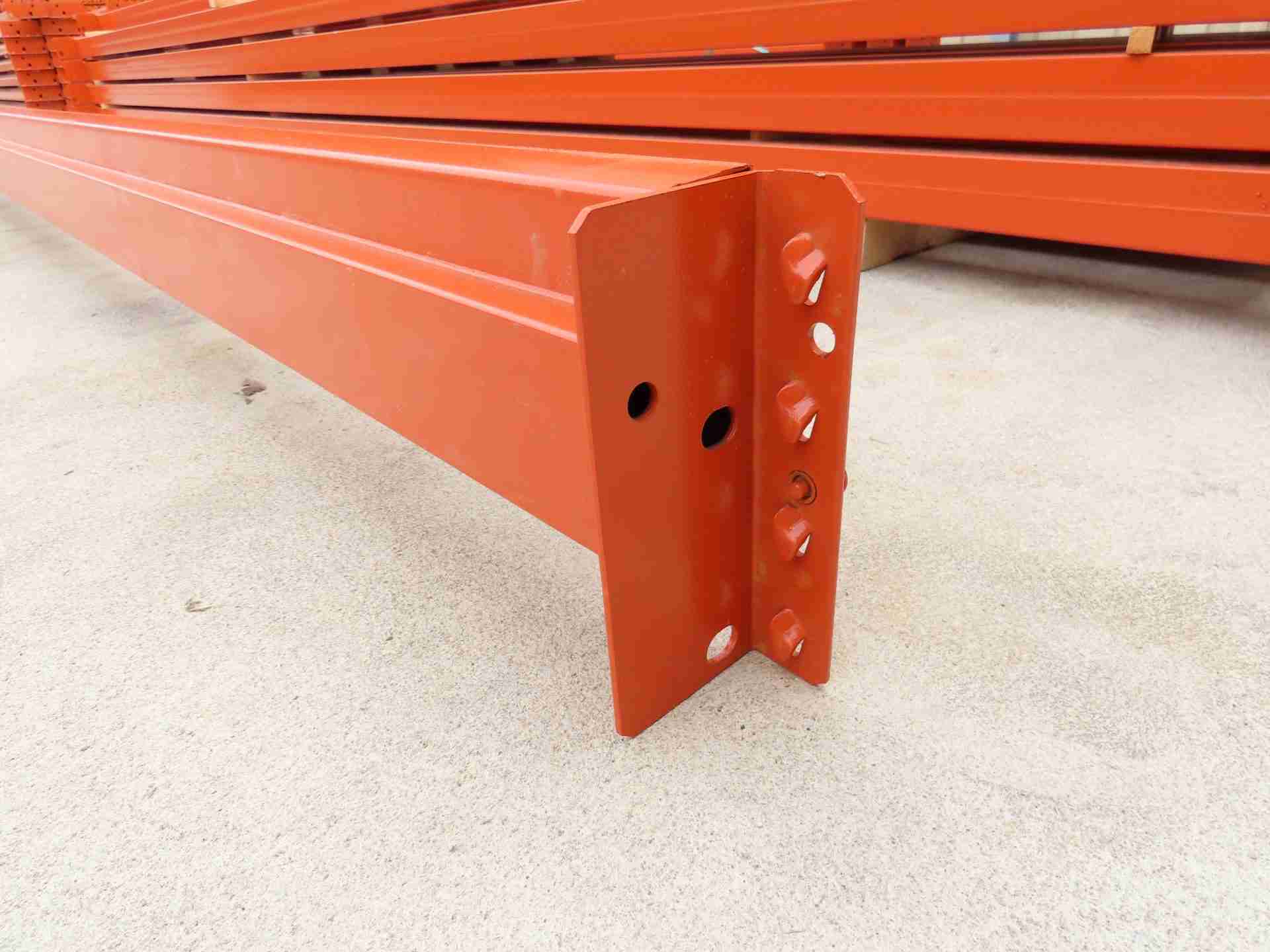
Glossary Of Terms
Other Questions
How Does Cantilever Racking Maximize Vertical Space? – Other Questions
If you wish to explore and discover more, consider looking for answers to these questions:
- What are the advantages of cantilever racking over traditional shelving?
- How does cantilever racking impact order fulfillment times?
- What factors should be considered when customizing cantilever racking for specific products?
- How do safety regulations affect the implementation of cantilever racking?
- What are the best practices for maintaining cantilever racking systems?
- How does cantilever racking accommodate seasonal inventory fluctuations?
- What types of businesses benefit the most from cantilever racking systems?
- What are the potential drawbacks of using cantilever racking?
- How does cantilever racking contribute to overall warehouse efficiency?
- What is the installation process for cantilever racking like?
- Are there any environmental considerations related to cantilever racking materials?
- How can cantilever racking enhance workplace safety?
- What role do technological advancements play in cantilever racking systems?
- How does cantilever racking affect logistics and supply chain management?
- Can cantilever racking be used in outdoor environments, and what are the implications?
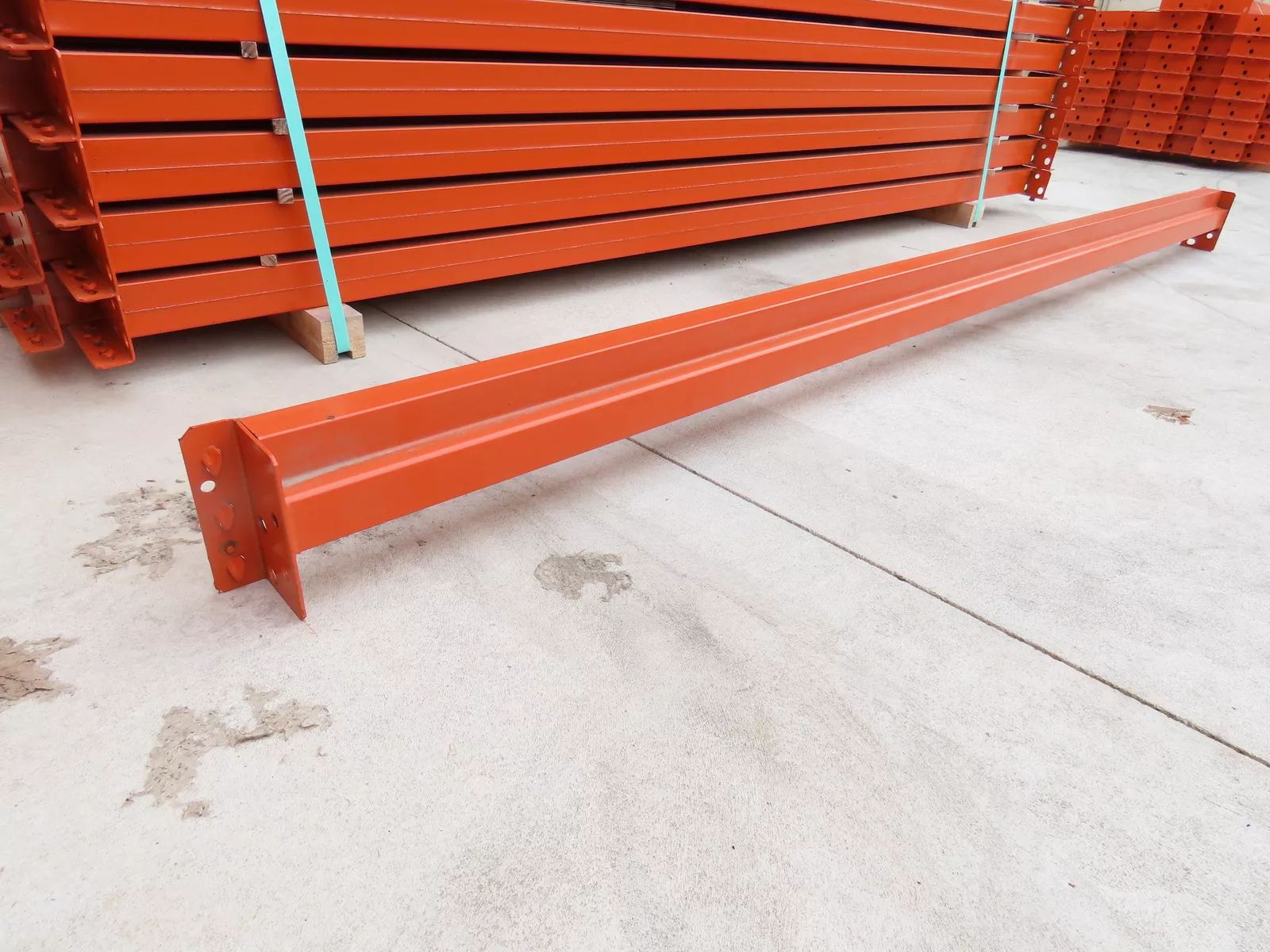
Other Questions
Checklist
How Does Cantilever Racking Maximize Vertical Space? – A Checklist
1. Assess Your Storage Needs
_____ Identify the types of items you’ll store (long, bulky, or oddly shaped).
_____ Determine the weight capacities required for your inventory.
2. Choose the Right Material
_____ Decide on the material (steel, aluminum, or composite) based on inventory weight and environmental conditions.
_____ Consider the durability and corrosion resistance of the chosen material.
3. Evaluate Space Requirements
_____ Conduct a site assessment of your warehouse (ceiling height, floor condition, and loading dock proximity).
_____ Calculate available floor space versus required vertical space.
4. Customize Your Racking System
_____ Explore adjustable arm configurations for flexibility.
_____ Select finishes or coatings to enhance aesthetics and durability.
5. Plan for Easy Access
_____ Design the layout to ensure clear pathways and minimize clutter.
_____ Ensure aisles are wide enough for machinery and personnel movement.
6. Address Safety Considerations
_____ Implement safety features such as checkered decks and restraint systems.
_____ Train employees on safe handling and loading procedures.
7. Maintain Regular Inspections
_____ Schedule monthly visual inspections for wear and tear.
_____ Keep a maintenance log for tracking issues and repairs.
8. Compliance and Regulations
_____ Verify that your racking system meets local and national safety regulations.
_____ Stay updated on changes in compliance standards related to storage systems.
9. Optimize Inventory Management
_____ Implement efficient inventory tracking methodologies.
_____ Use cantilever racking to improve visibility and accessibility of stored items.
10. Consider Future Scalability
_____ Plan for potential future inventory increases or reductions (e. g. , seasonal variations).
_____ Ensure your racking system can be adapted or expanded as needed.
11. Take Advantage of Technology
_____ Explore options for integrating advanced inventory management systems.
_____ Leverage automated tools for picking and tracking inventory to enhance efficiency.
12. Budget for Installation and Maintenance
_____ Factor in costs for professional installation if necessary.
_____ Prepare a maintenance budget to ensure long-term system integrity.
By following this checklist, you can effectively maximize your warehouse’s vertical space using cantilever racking, enhancing operational efficiency while ensuring safety and adaptability.
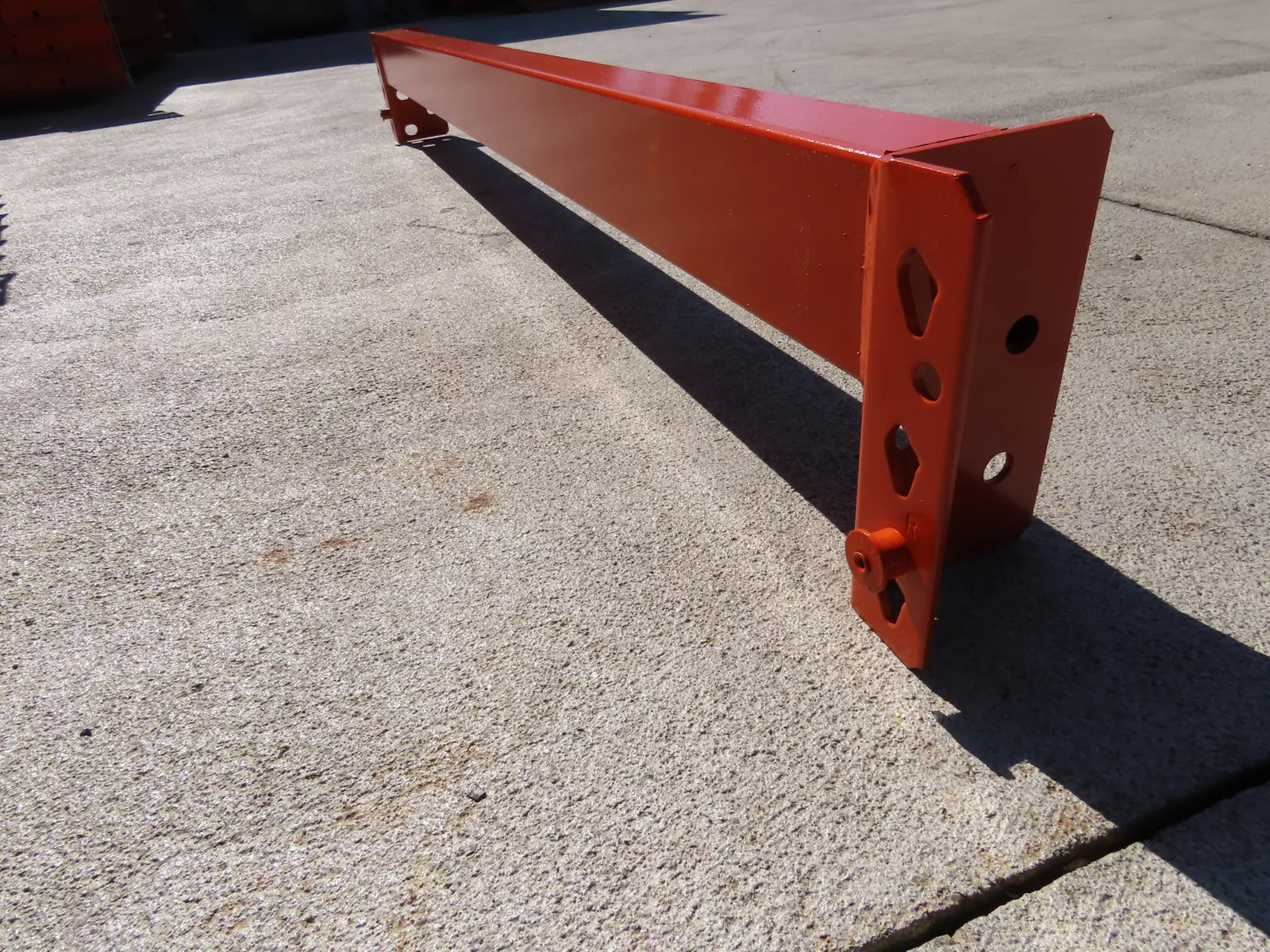
Checklist
At RackingWorld, we help guide you through selecting warehouse storage systems and racking.
Be sure to read our other related stories at RackingWorld to learn more about warehouse storage systems.
0 Comments